“A Highway is Crumbling. New York Can’t Agree on How to Fix It.”
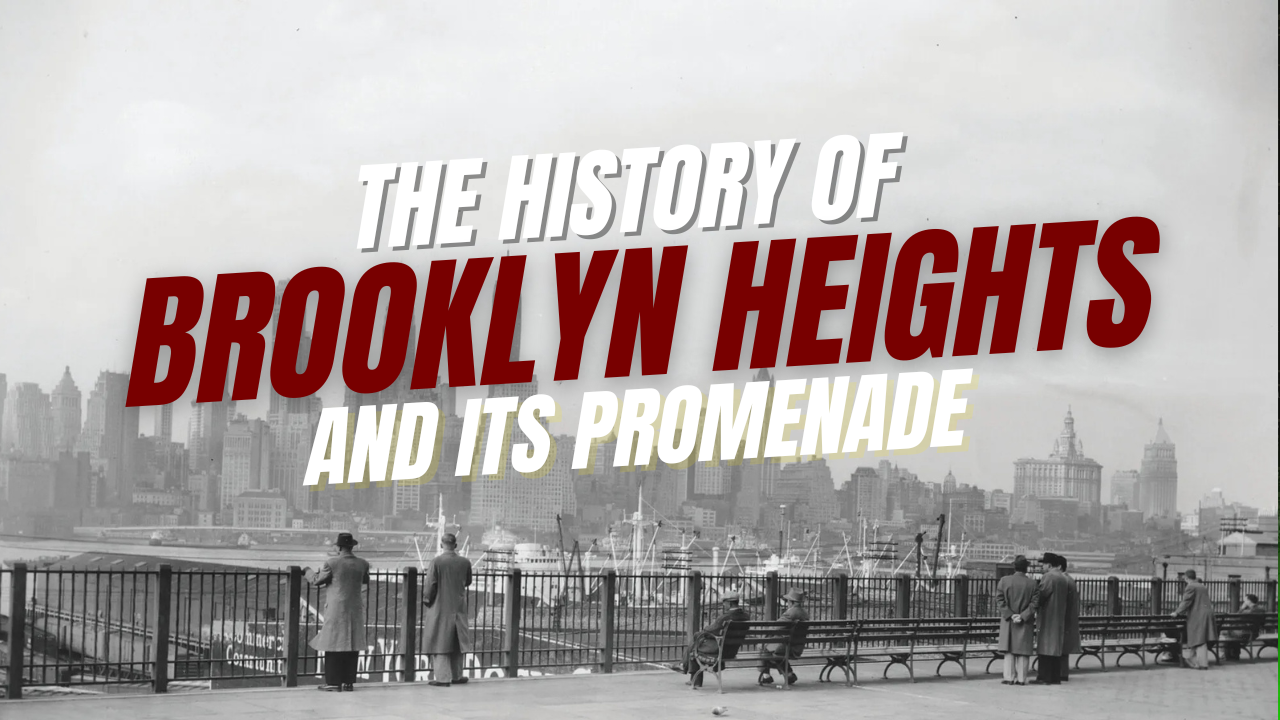
That was a headline in the New York Times back in November about the highly problematic section of the Brooklyn-Queens Expressway located beneath the Brooklyn Promenade, the romantic walkway that offers sumptuous views of lower Manhattan.
Everybody loves the Promenade. Nobody loves the BQE, especially in its present state. So how did we get here? You have to go all the way back to the origins of the neighborhood of Brooklyn Heights for the answers.
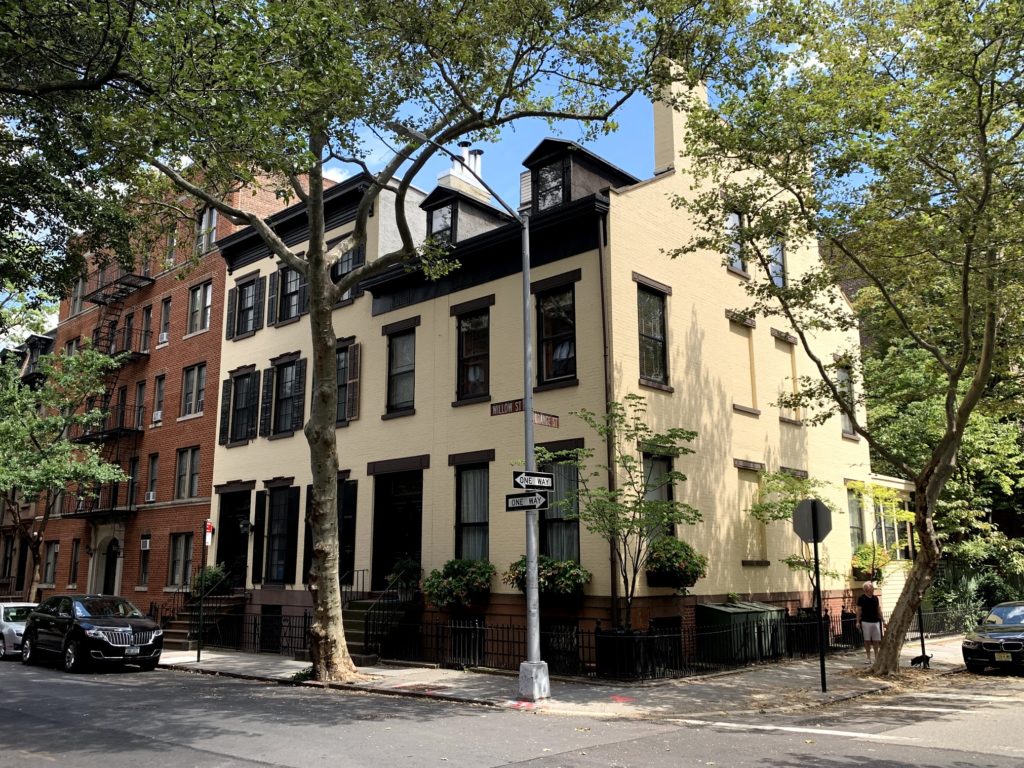
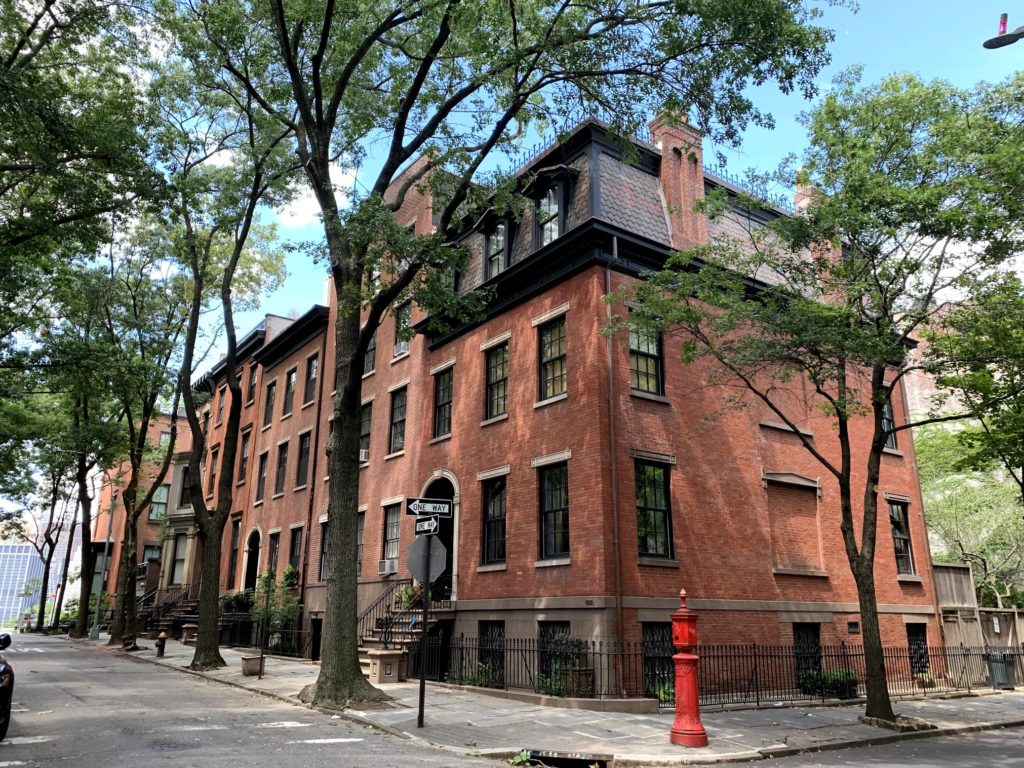
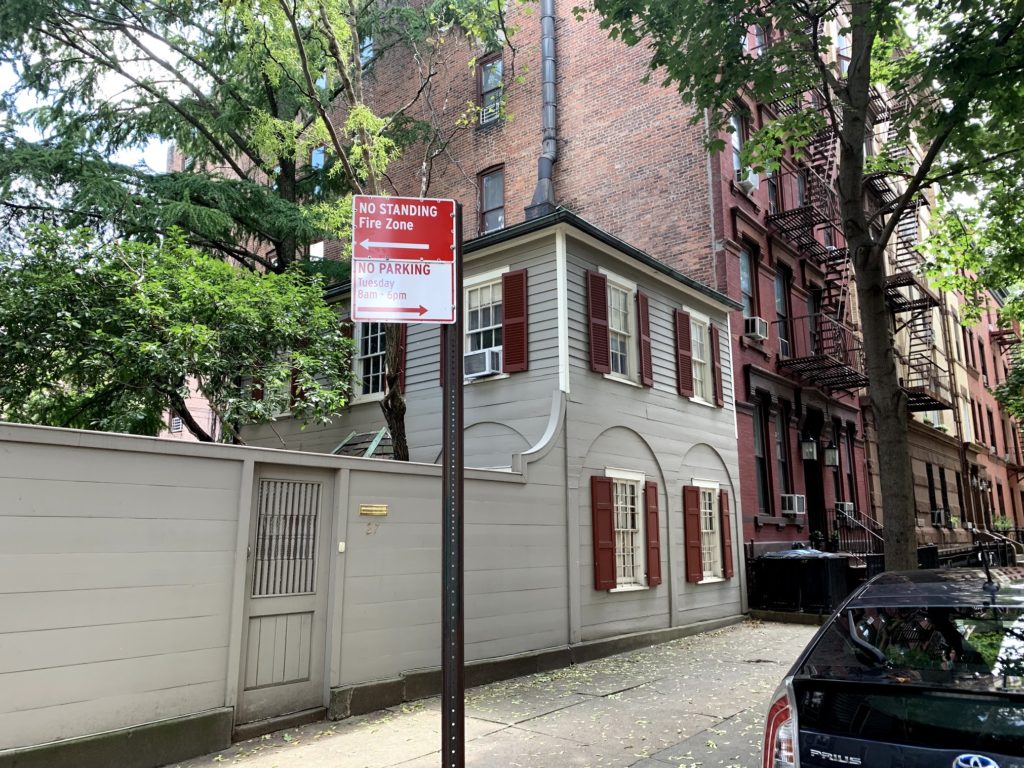
A stroll through Brooklyn Heights presents you with a unique collection of 19th-century homes — all preserved thanks to the efforts of community activists in the 20th century. Each street sign traces back to an original landholder from the late 18th and early 19th centuries.
Those are more than just street names. Each sign traces back to an original landholder who developed this special place in the early 19th century.
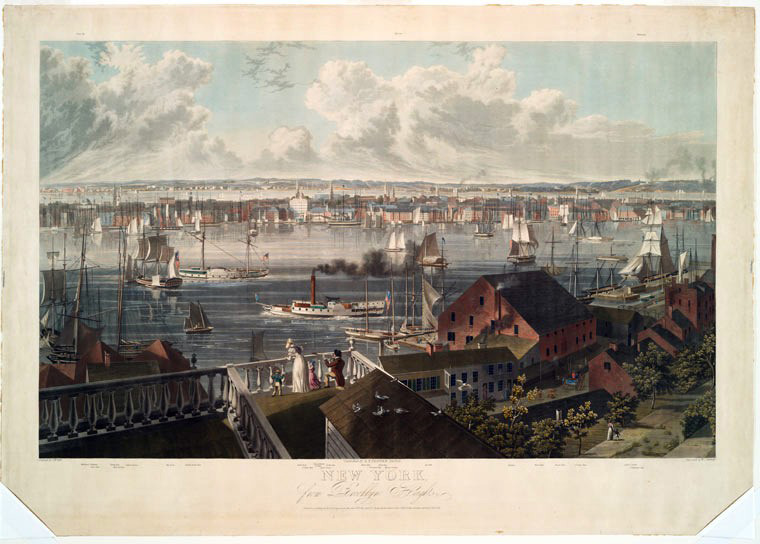
By then, the land once known as Clover Hill had seen its share of both tranquility and drama, the former site of a Revolutionary War fort and a crucial evening in the saga of the American Revolution.
But by the 19th century, most Americans knew Brooklyn Heights for more than just architecture and George Washington. This was the home to respected cultural institutions and to scores of churches, so many that the borough received a very spiritual nickname.
The Heights would go on a roller-coaster ride with the opening of the Brooklyn Bridge and Brooklyn’s transformation into a borough of Greater New York. The new subway would bring the bohemians of Greenwich Village into Brooklyn Heights, transforming it into an artist enclave for most of the century.
When Robert Moses began planning his Brooklyn Queens Expressway in the 1940s, he planned a route that would sever Brooklyn Heights and obliterate many of its most spectacular homes.
It would take a devoted community and some very clever ideas to re-route that highway and cover it with something extraordinary — a Promenade, allowing all New Yorkers to enjoy views of New York Harbor.
LISTEN NOW — THE STORY OF BROOKLYN HEIGHTS AND THE PROMENADE
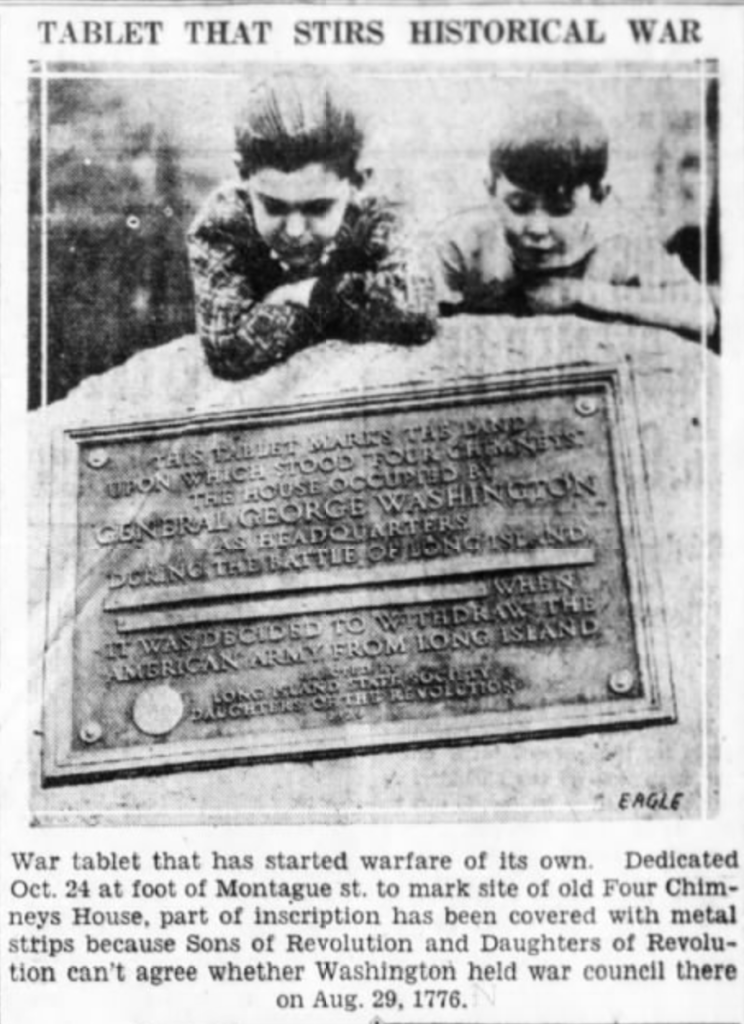
When, on October 24, 1929, the plaque to the The House of Four Chimneys was unveiled, visitors observed that two lines of the plaque were covered in tape. That’s because a minor war broke out between the Sons of the Revolution and the Daughters of the Revolution as to where the fateful meeting with George Washington and his general actually took place!
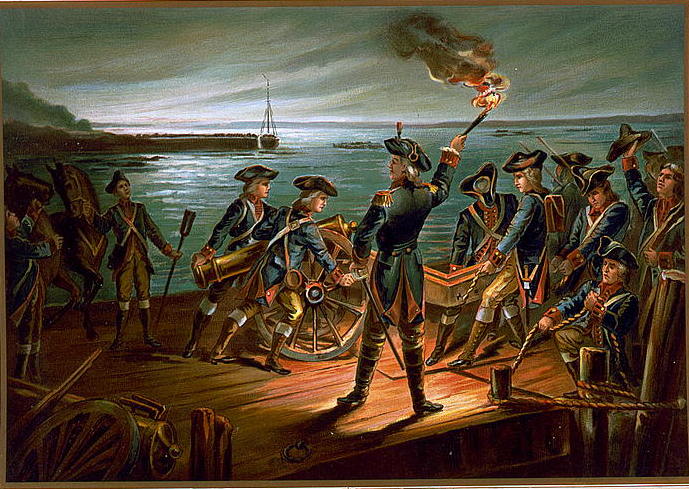
George Washington and the Contintental Army flee in the dead of night, from the shores below Brooklyn Heights.
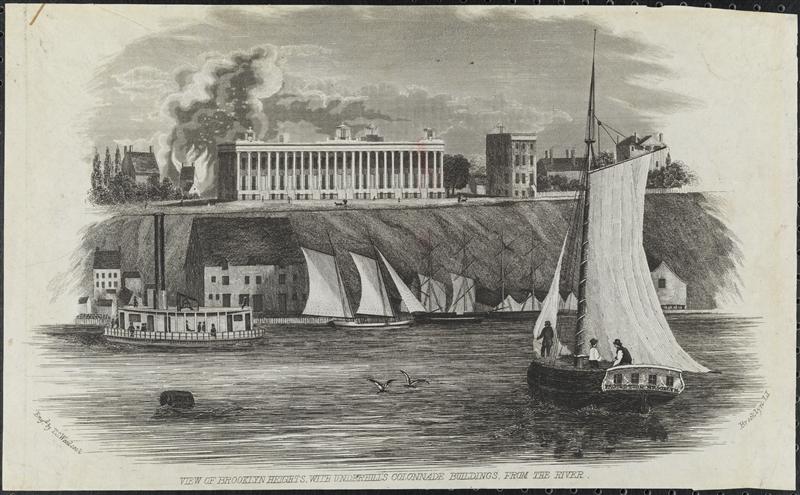
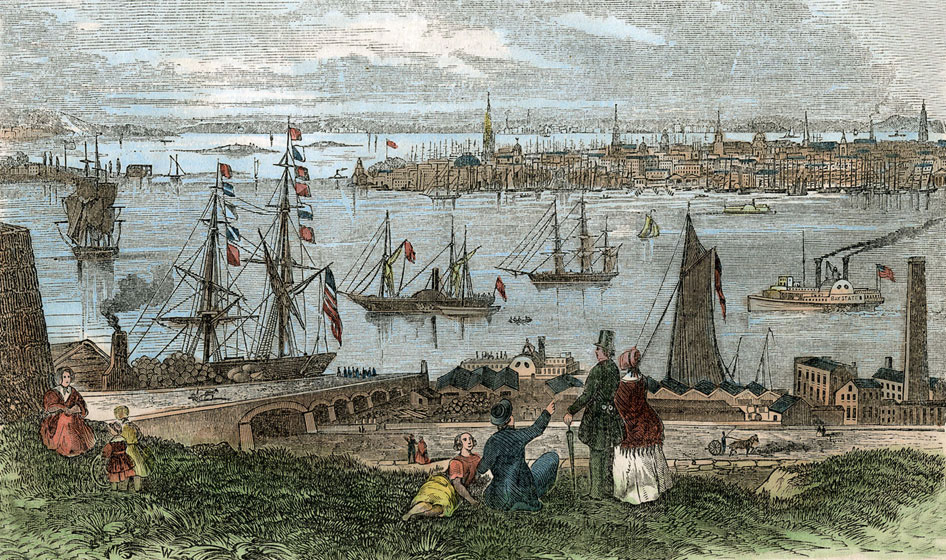
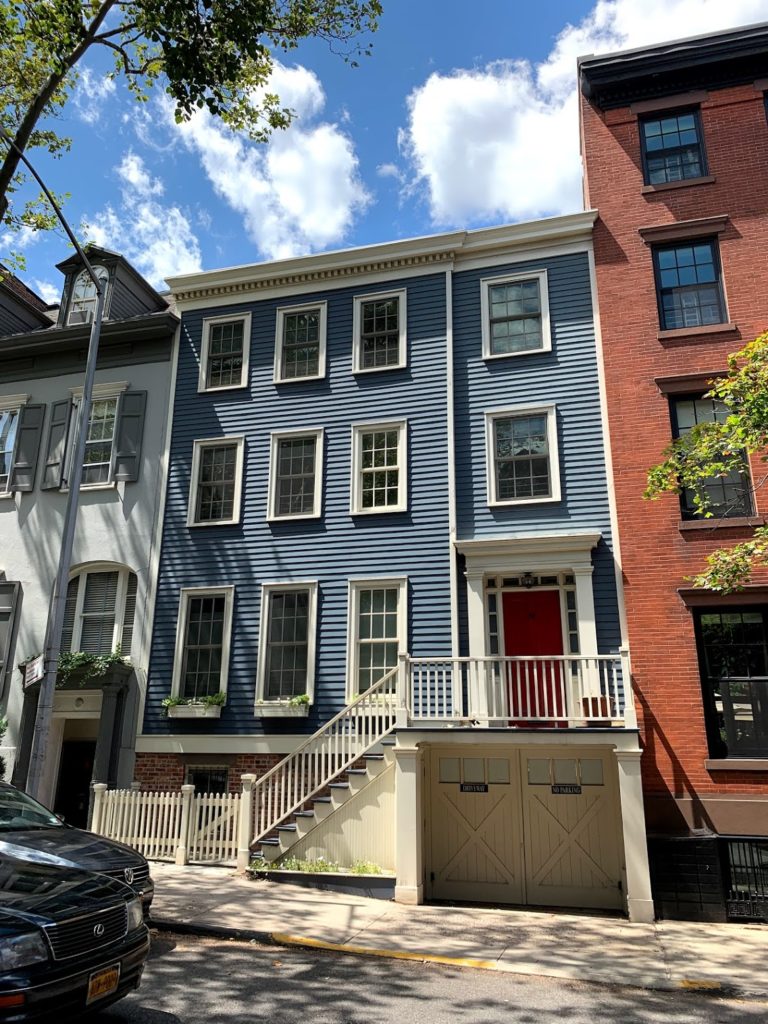
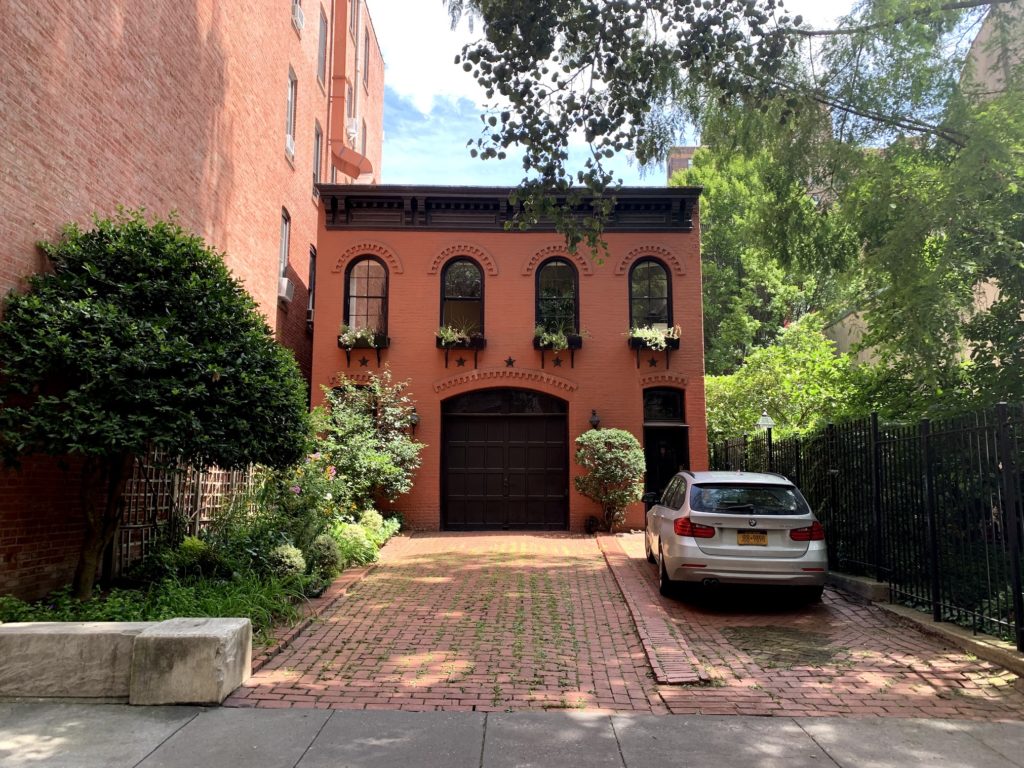
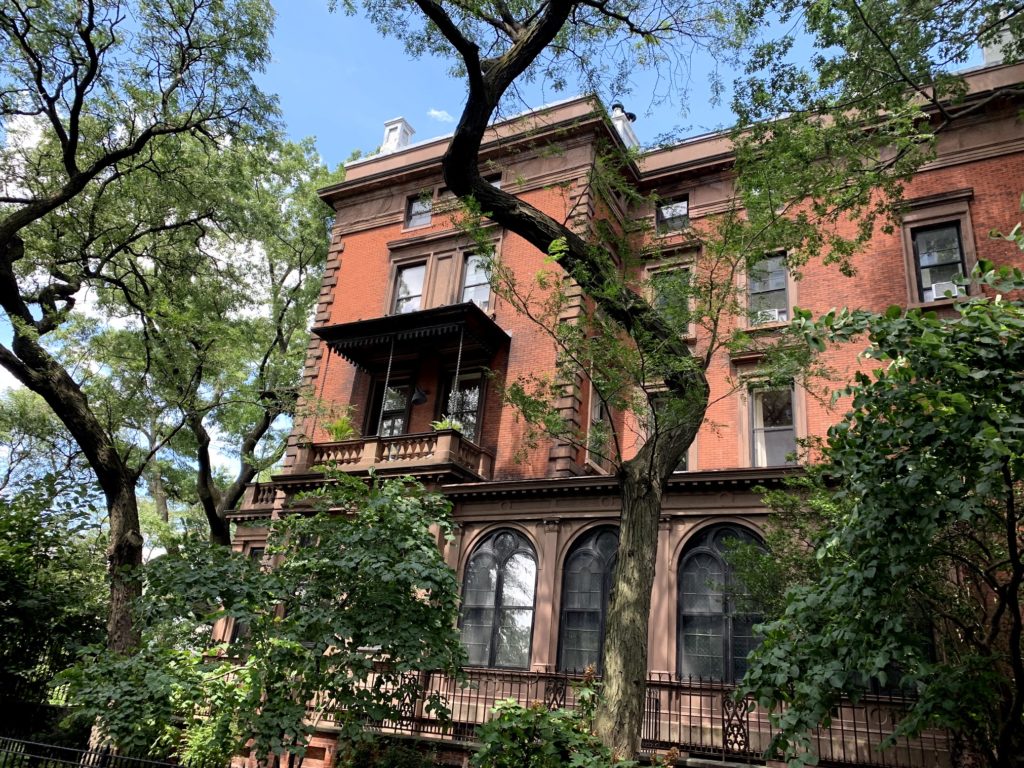
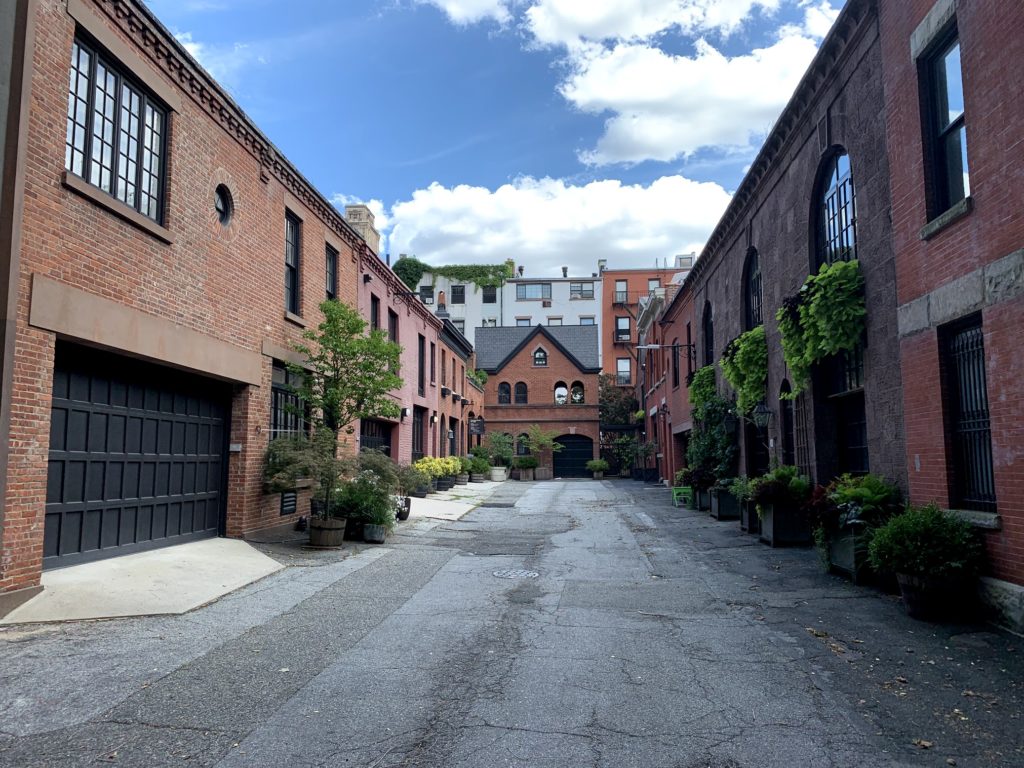
Just a small sampling of the architectural variance found in Brooklyn Heights:
FURTHER LISTENING:
Listen to these shows in our back catalog for more information on subjects mentioned in this show —
Whitman’s father was actually a builder and developer. A few of the houses he and his son Walt constructed are still standing in Brooklyn Heights.
Plymouth Church — and many residents of Brooklyn Heights — play a significant role in the abolitionist movement.
Henry Ward Beecher was, shall we say, a complicated man.
Brooklyn’s premier performing arts destination got its start on Montague Street — along with a few other notable institutions.
The deadly Brooklyn Theatre Fire took place just a few blocks from the Heights and threatened to burn it down as well
FURTHER READING:
Brooklyn Heights: The Rise and Fall of America’s First Suburb by Robert Furman
Brooklyn Heights: Yesterday, Today and Tomorrow by Bridgewater Meredith Langstaff
Gotham by Edwin G Burrows and Mike Wallace
Old Brooklyn Heights: New York’s First Suburb by Clay Lancaster
Yesterdays on Brooklyn Heights by James H. Callender
“Brooklyn Heights: History of Montague Street and Surrounding Area,” by John B. Manbeck
“How Brooklyn Heights Became America’s First Historic District,” by James Nevius
_________________________________________________________
The Bowery Boys: New York City History podcast is brought to you …. by you!
We are now producing a new Bowery Boys podcast every other week. We’re also looking to improve and expand the show in other ways — publishing, social media, live events and other forms of media. But we can only do this with your help!
We are now a member of Patreon, a patronage platform where you can support your favorite content creators.
Please visit our page on Patreon and watch a short video of us recording the show and talking about our expansion plans. If you’d like to help out, there are six different pledge levels. Check them out and consider being a sponsor.
And join us for the next episode of the Bowery Boys Movie Club, an exclusive podcast provided to our supporters on Patreon.
We greatly appreciate our listeners and readers and thank you for joining us on this journey so far.
___________________________________________________________