In Part Two of our mini-series, The Streets of the West Village, we turn to the people who gave the neighborhood its character and vitality. From Irish longshoremen on the docks to actors on the off-Broadway stage, from street gangs to speakeasy proprietors.
From Eugene O’Neill to Bea Arthur, their stories help define this corner of Manhattan.
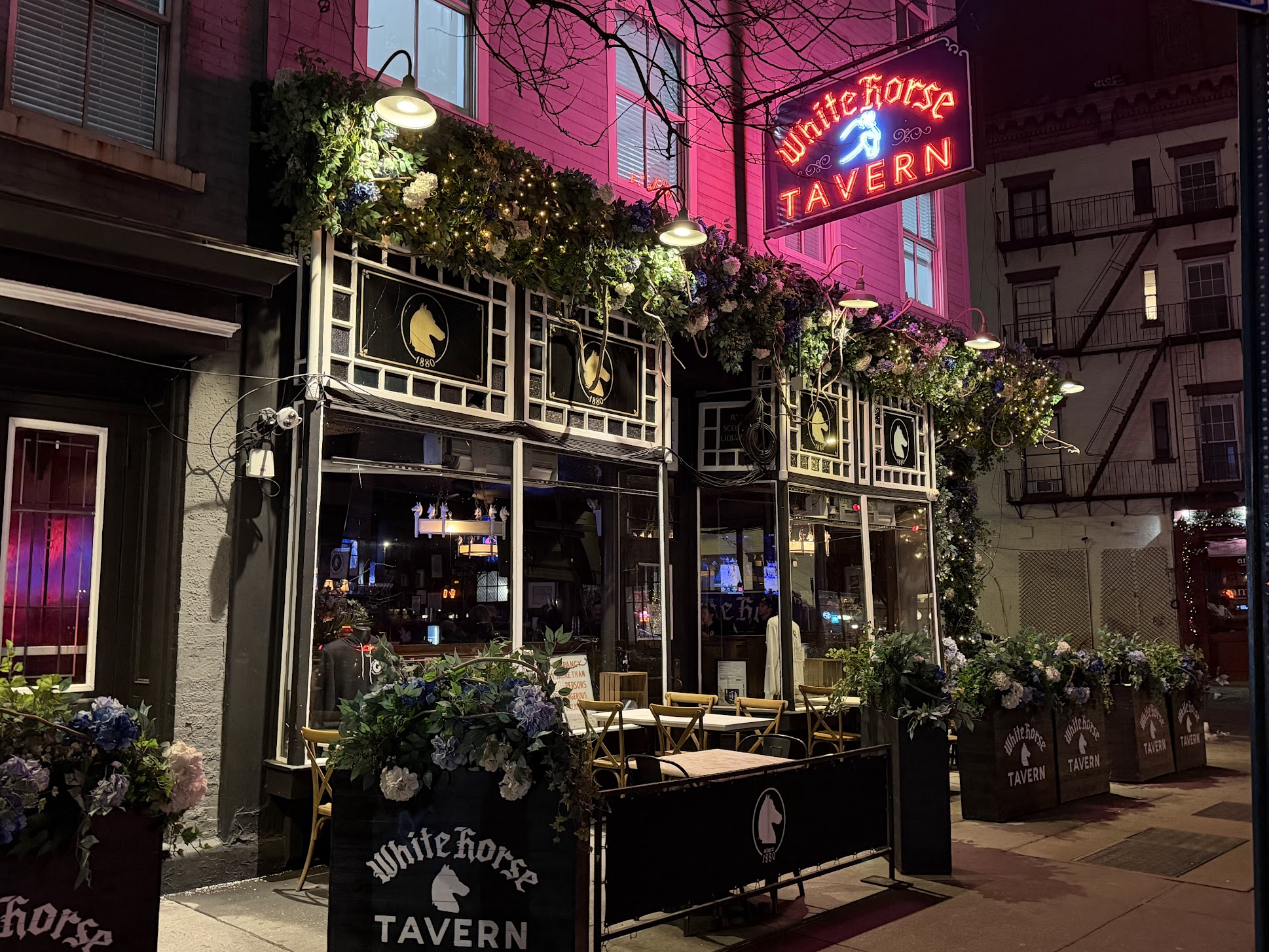
Well into the early 19th century, the West Village still felt like a true village, with its preserved, winding lanes. Over the following decades, a diverse array of residents arrived and made the neighborhood their own, working along the waterfront or gathering at local haunts like the beloved White Horse Tavern.
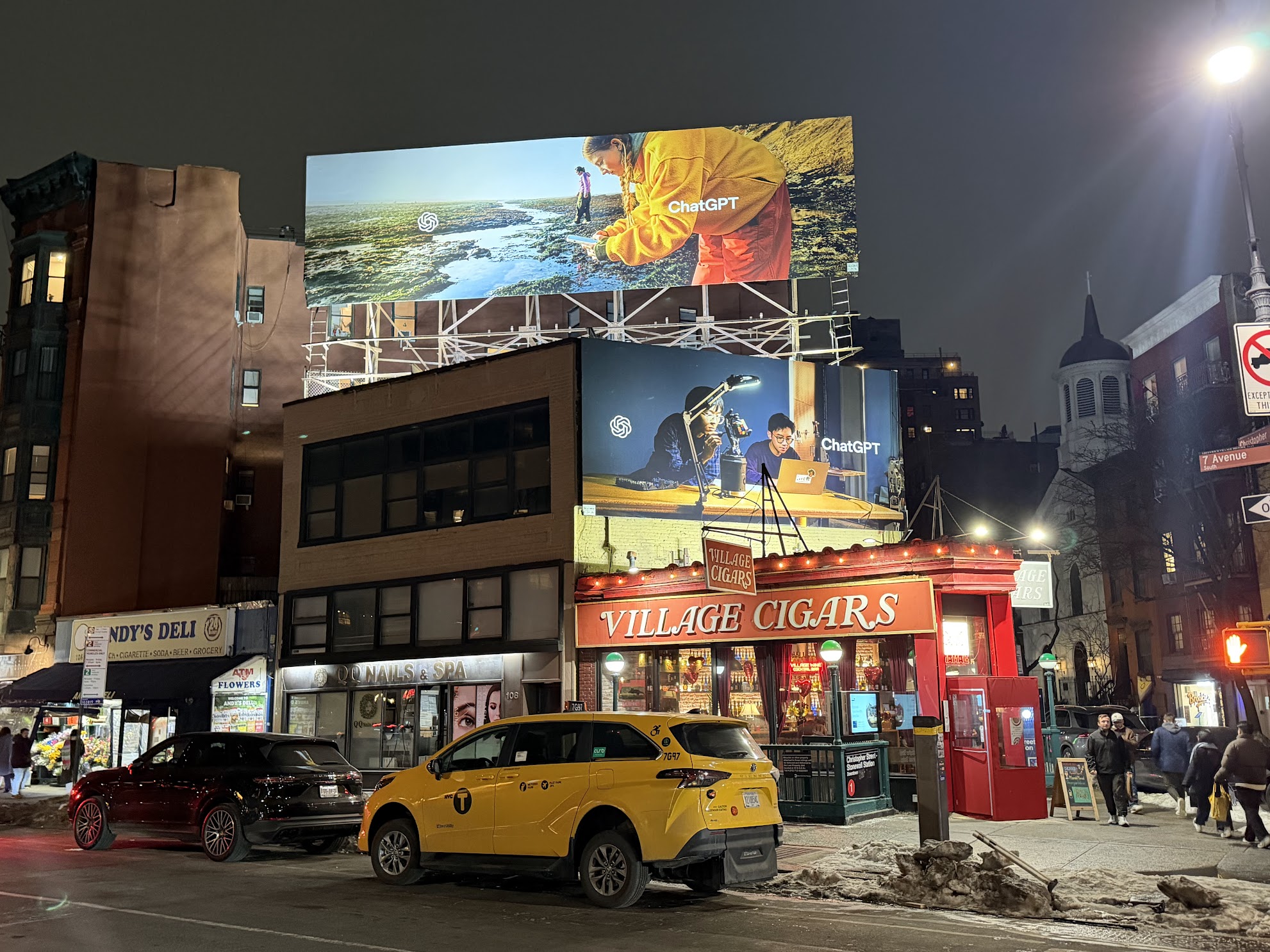
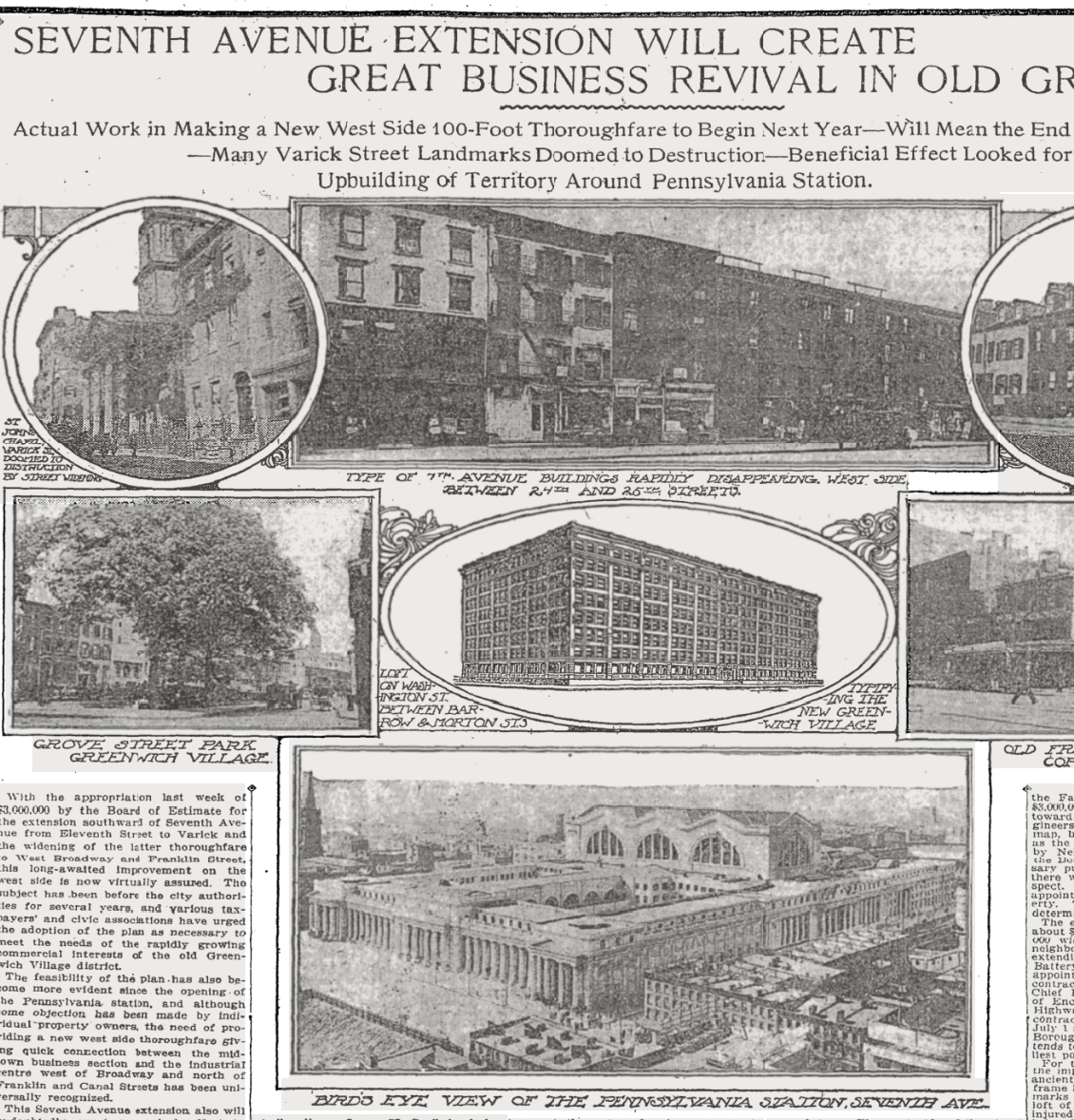
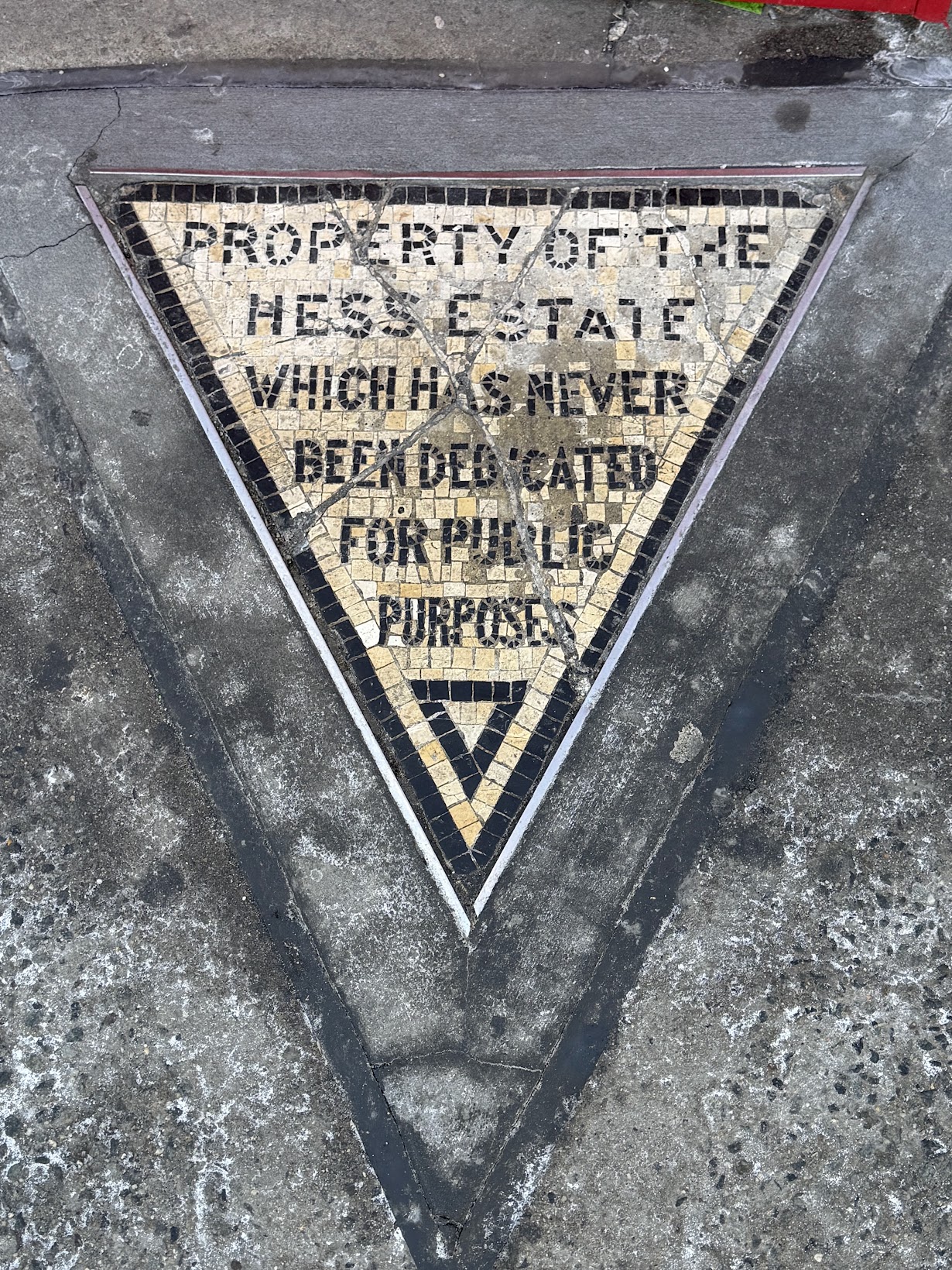
The promise of a new subway line once seemed entirely beneficial, but it brought a devastating consequence: Seventh Avenue had to be extended straight through the western Village, cutting a swath through the existing streetscape and wiping away hundreds of buildings.
Today, the avenue’s curious wedge-shaped structures stand as evidence of that sweeping change.
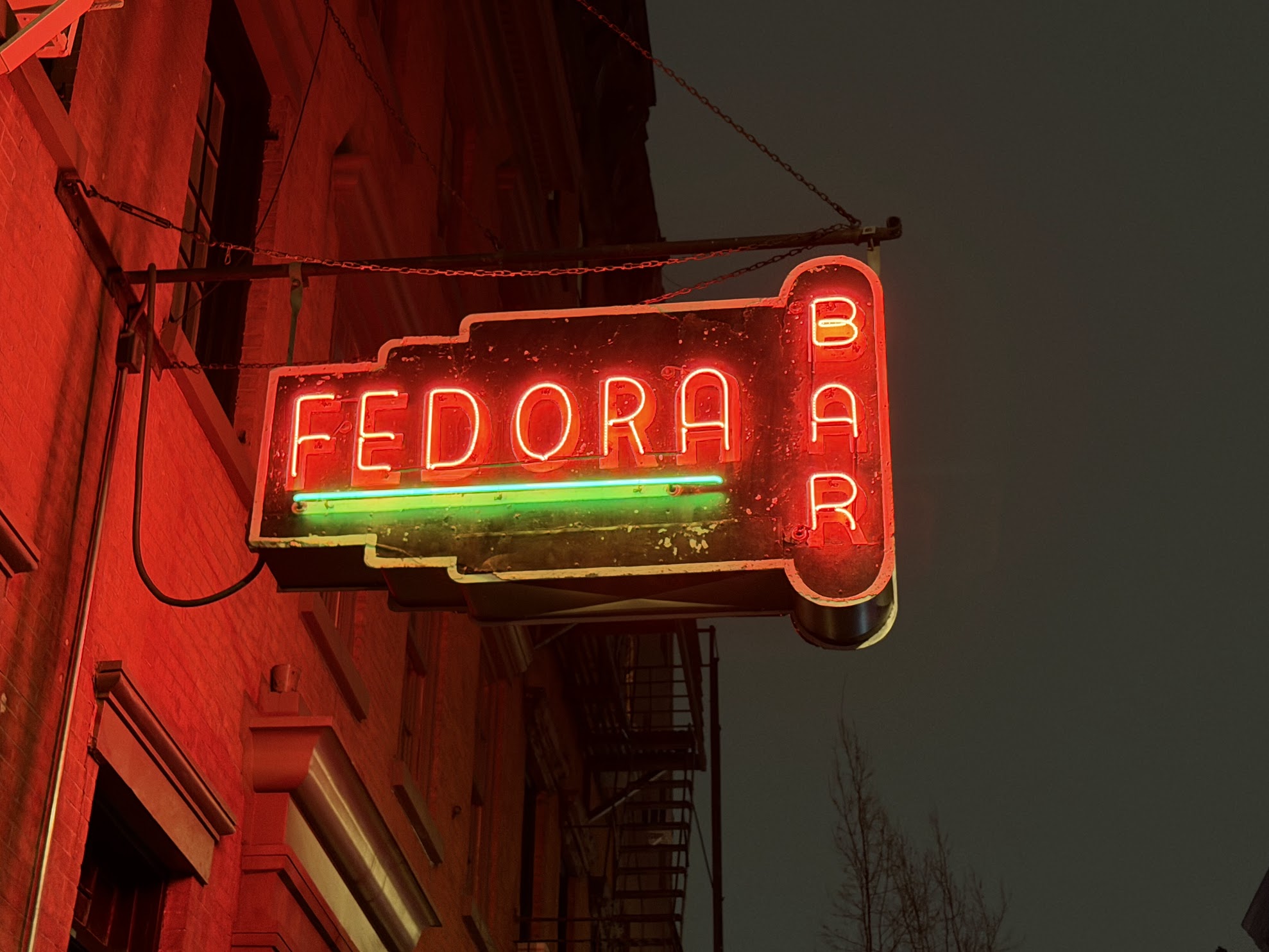
Prohibition and the Jazz Age are seemingly etched into the very fabric of the West Village, reflected in the many institutions that date from the 1920s and ’30s, including numerous former speakeasies.
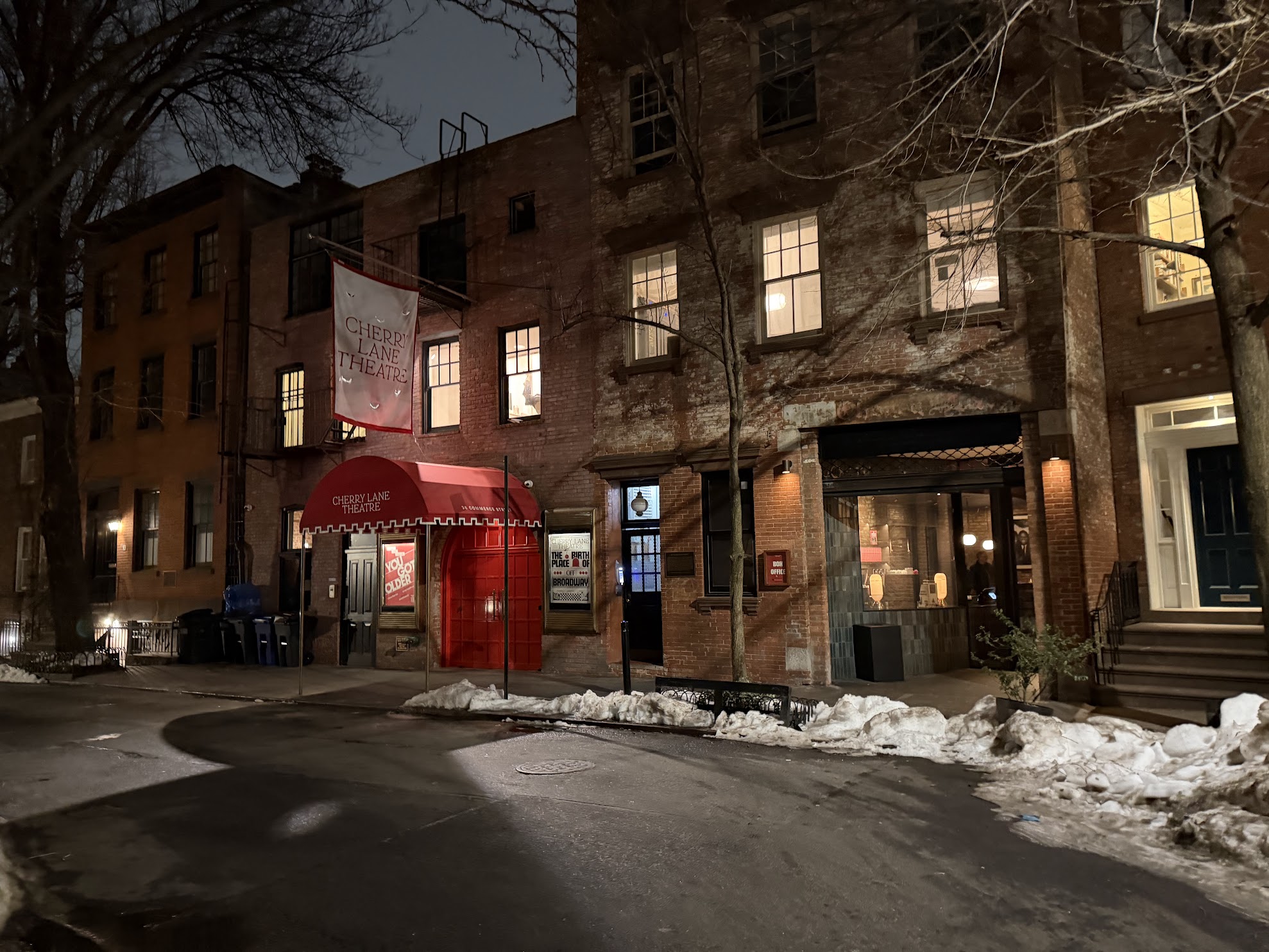
Join us as we wander through the Jazz Age Village — Fedora, Chumley’s, the Cherry Lane Theatre, and more — and trace the echoes of that exuberant era.
LISTEN TODAY: HOW THE WEST VILLAGE BECAME A NEIGHBORHOOD
AND LISTEN TO PART ONE OF OUR THE STREETS OF THE WEST VILLAGE MINI-SERIES HERE — CREATING THE VILLAGE
This episode was produced and edited by Kieran Gannon.
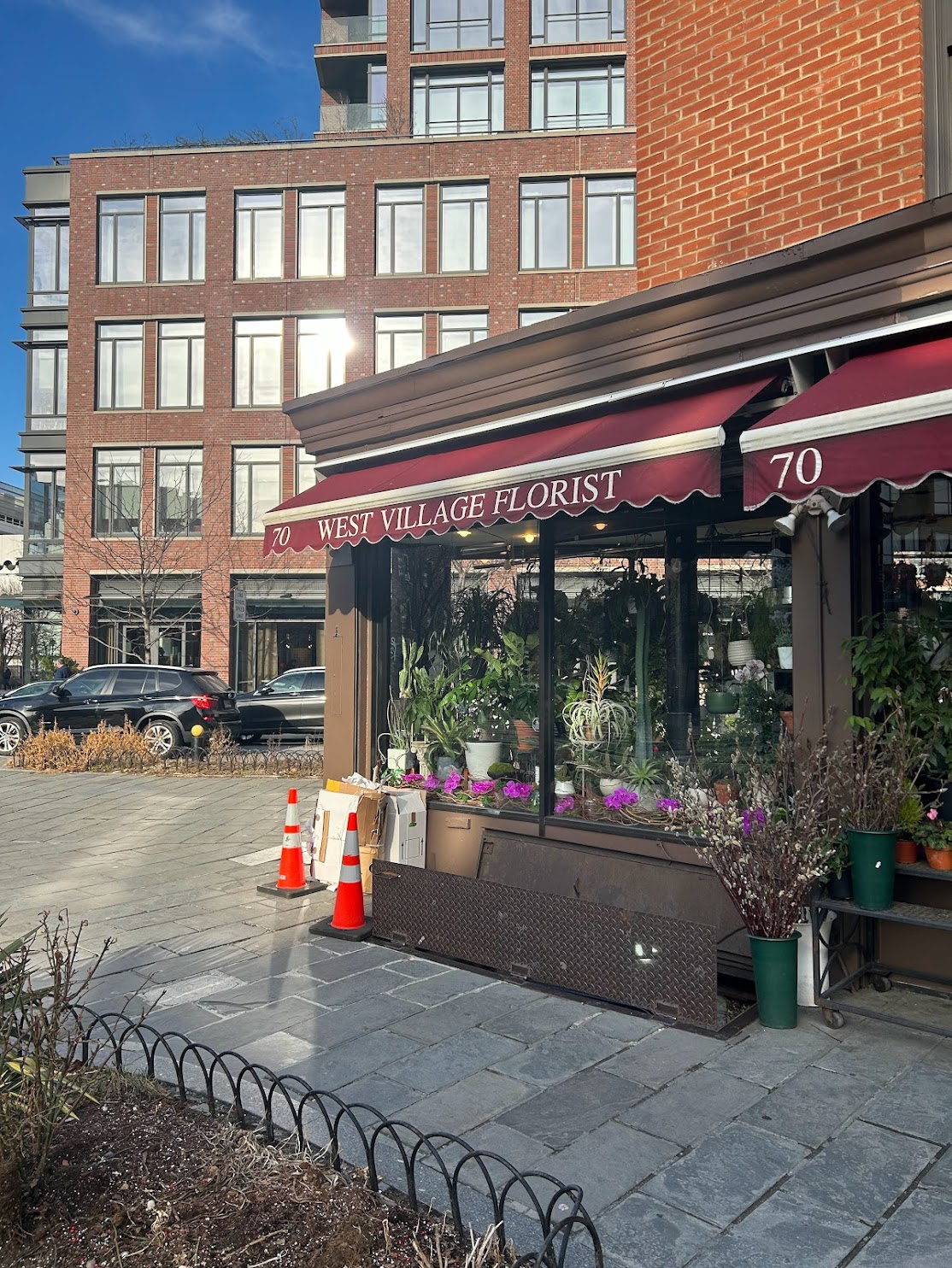
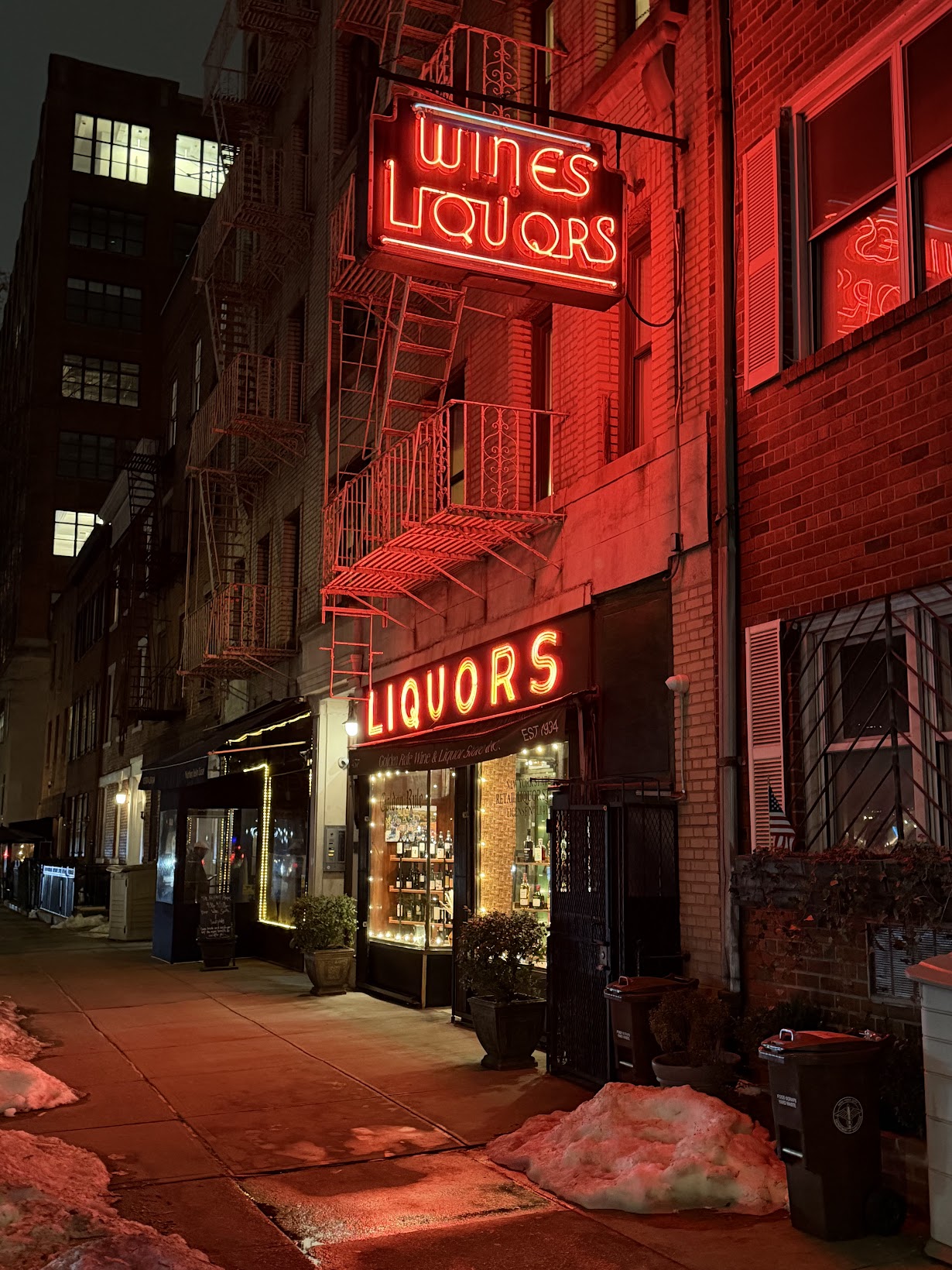
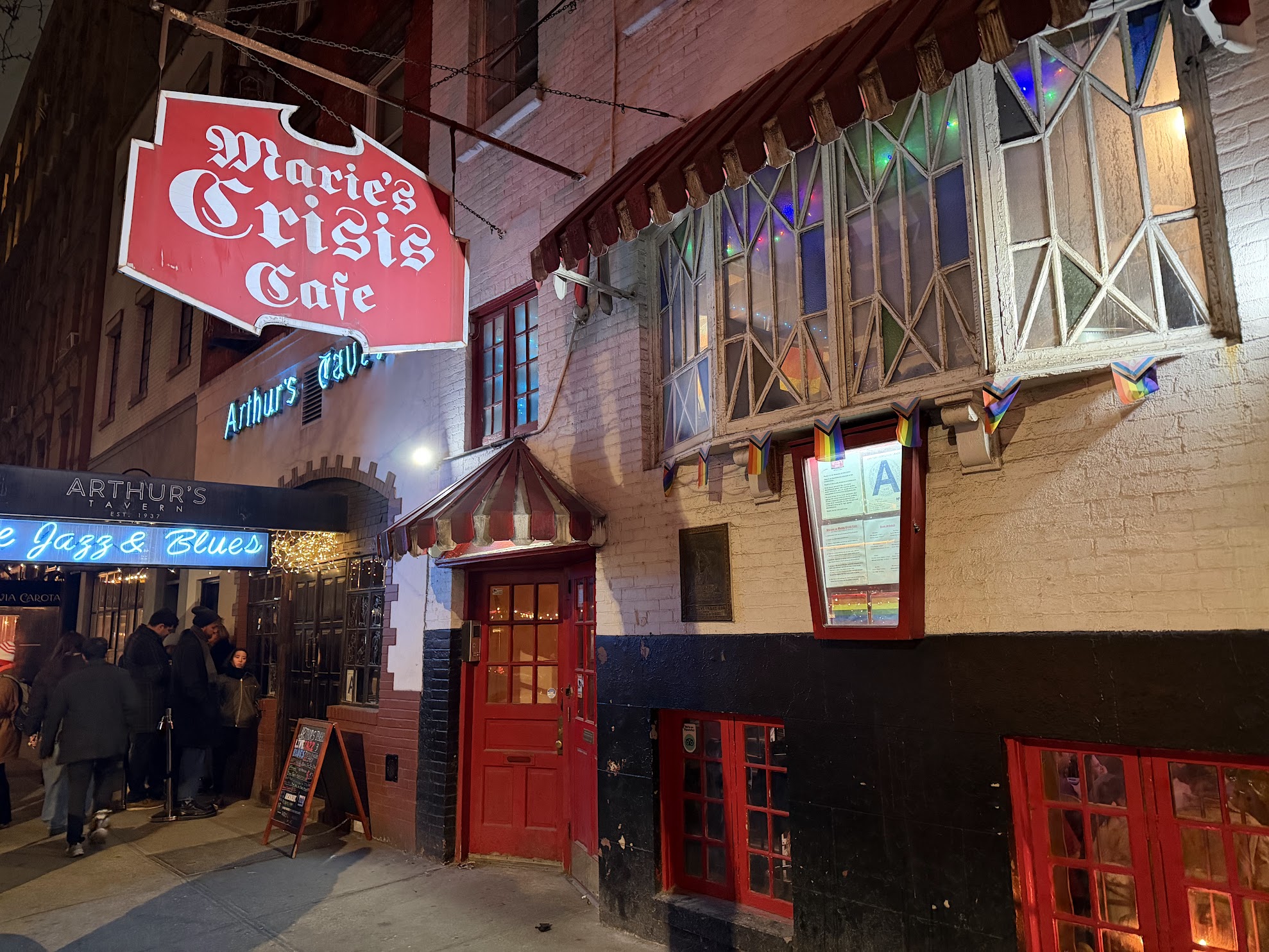
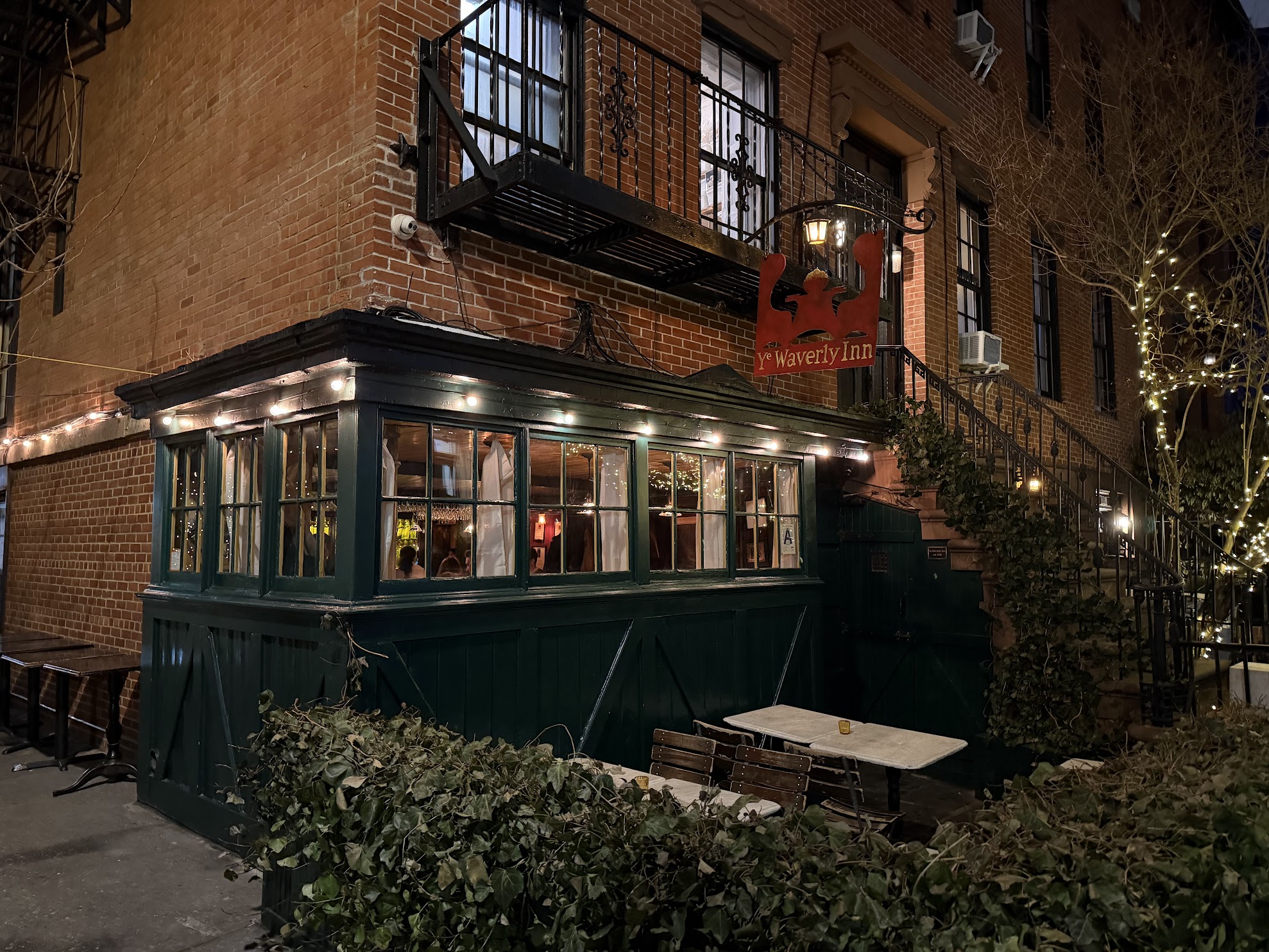
A few West Village landmarks featured in this week’s show. Photos taken by Greg Young/Bowery Boys