Why is the West Village both historically important and incredibly expensive?
In the final part of our West Village mini-series, we look at the elements that define the modern neighborhood — from battles with Robert Moses to the protests that galvanized the gay-rights movement.
The 19th-century charms of the old Village seem timeless, but they survive thanks to the 1969 Greenwich Village Historic District. The fight to save the neighborhood, however, began two decades earlier, and those early conflicts even popularized the name “West Village.”
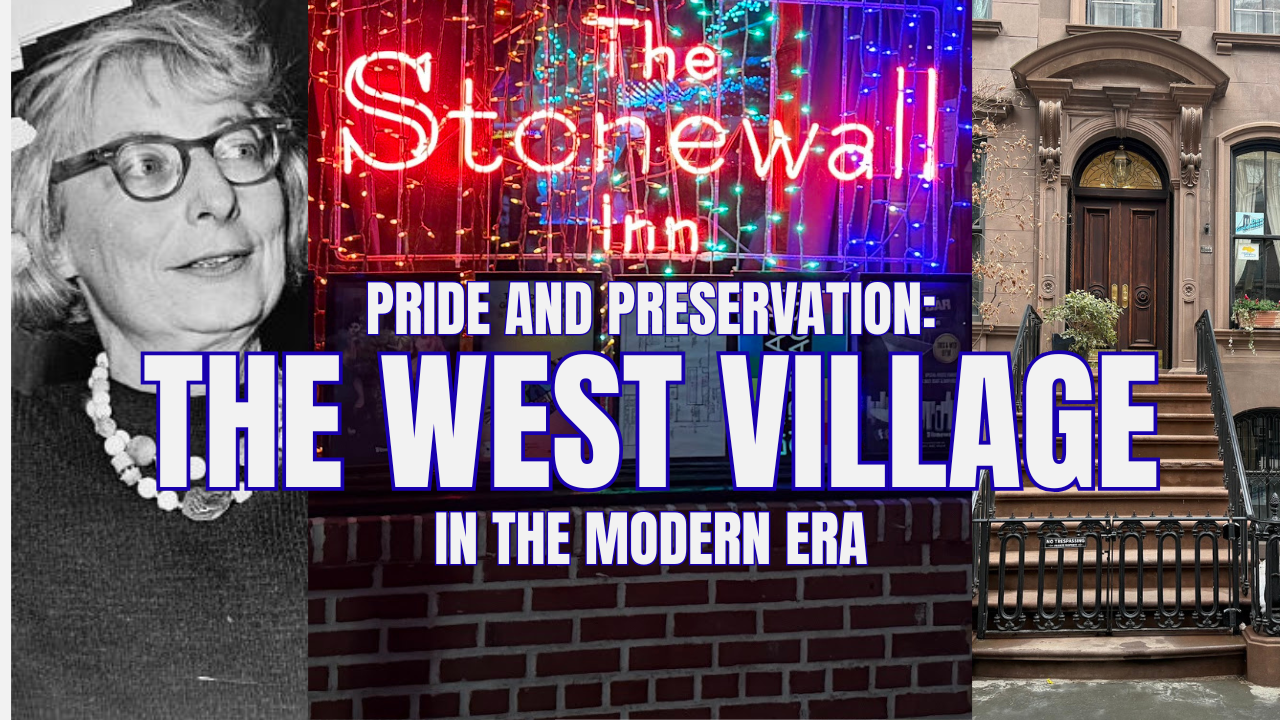
Jane Jacobs, fresh off the publication of her landmark book The Death and Life of Great American Cities, would become the leading voice in protecting this uniquely New York enclave.
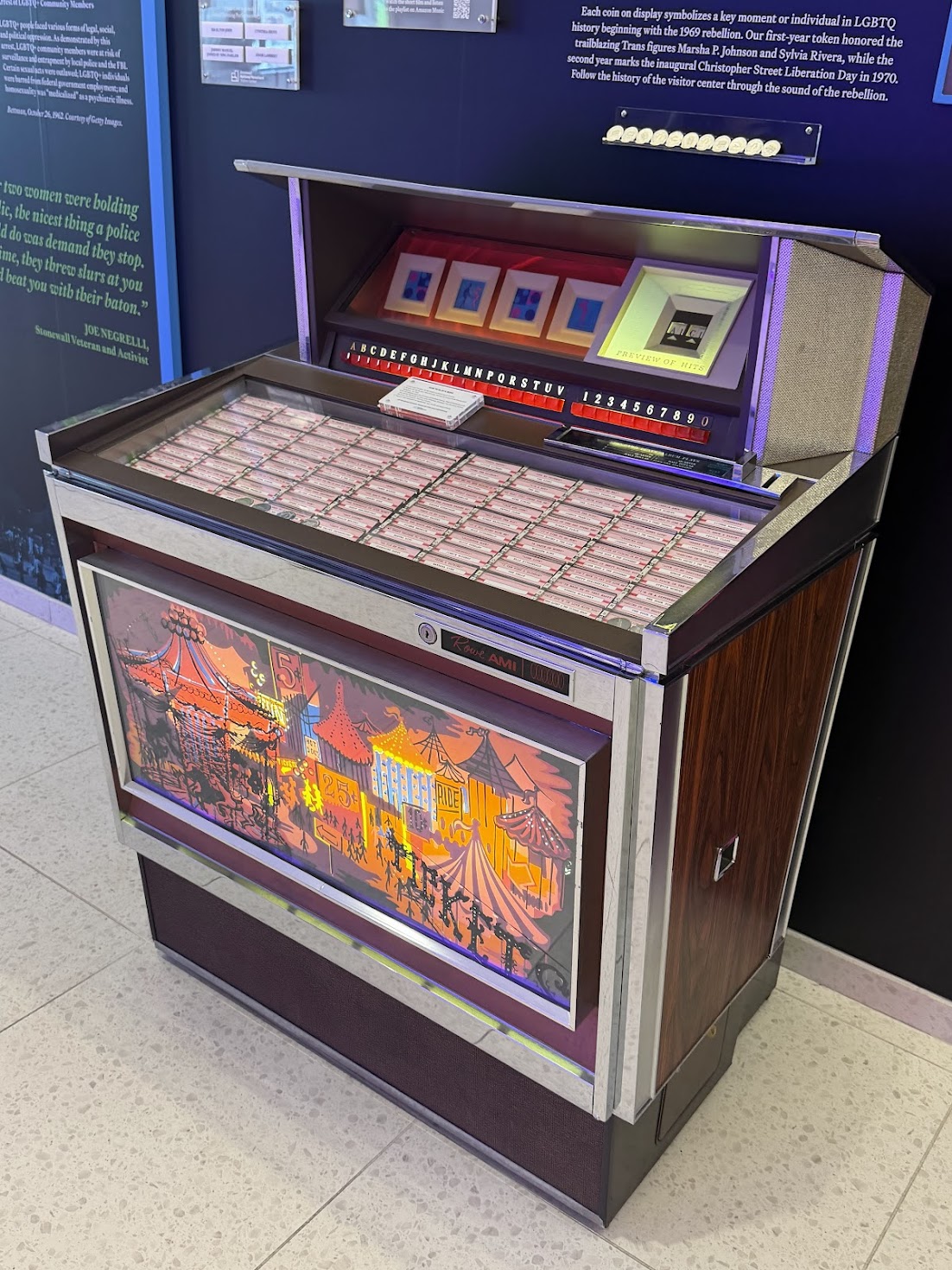
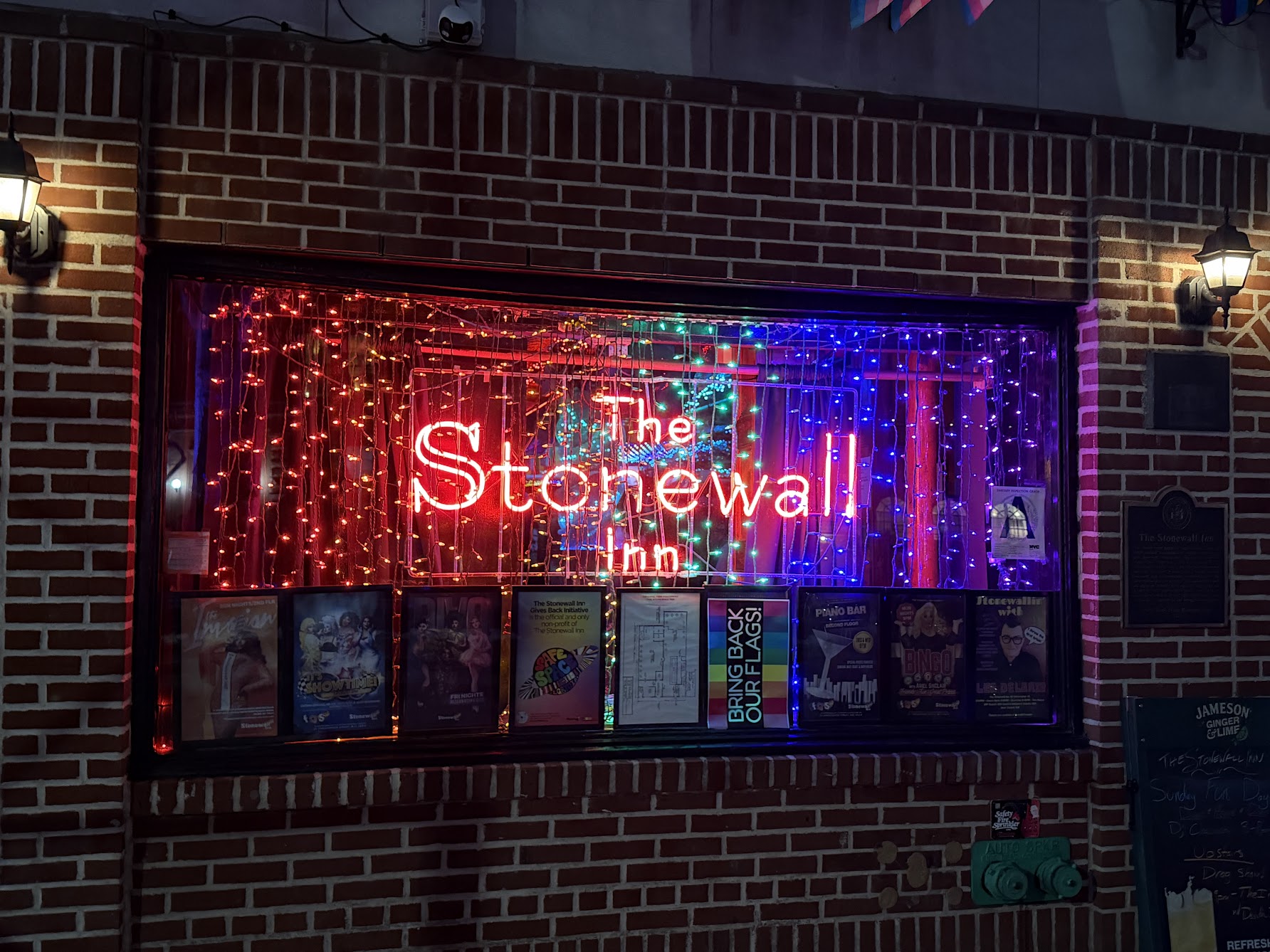
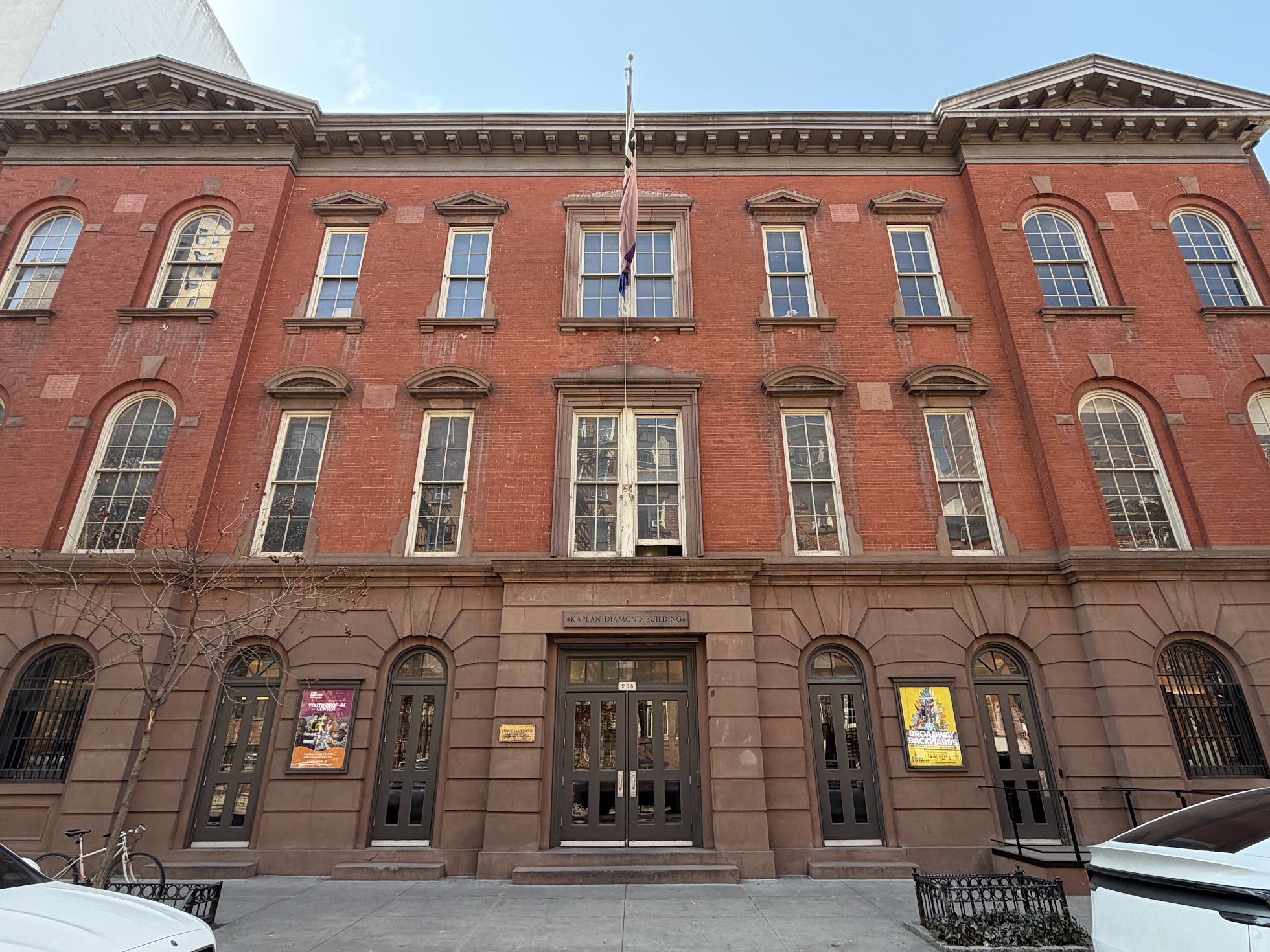
That same year, clashes between police and patrons at the Stonewall Inn united the area’s LGBT residents, culminating in the first Christopher Street Liberation Day Parade (today’s NYC Pride March).
A vibrant, radical queer culture flourished — from leather bars to the Christopher Street Pier.
In the 1980s, thousands of New Yorkers died of AIDS, and St. Vincent’s Hospital became known for its pioneering care. Today, long-running establishments like the Monster and Julius’ form a kind of “legacy cultural district,” linking present-day nightlife to those transformative years.
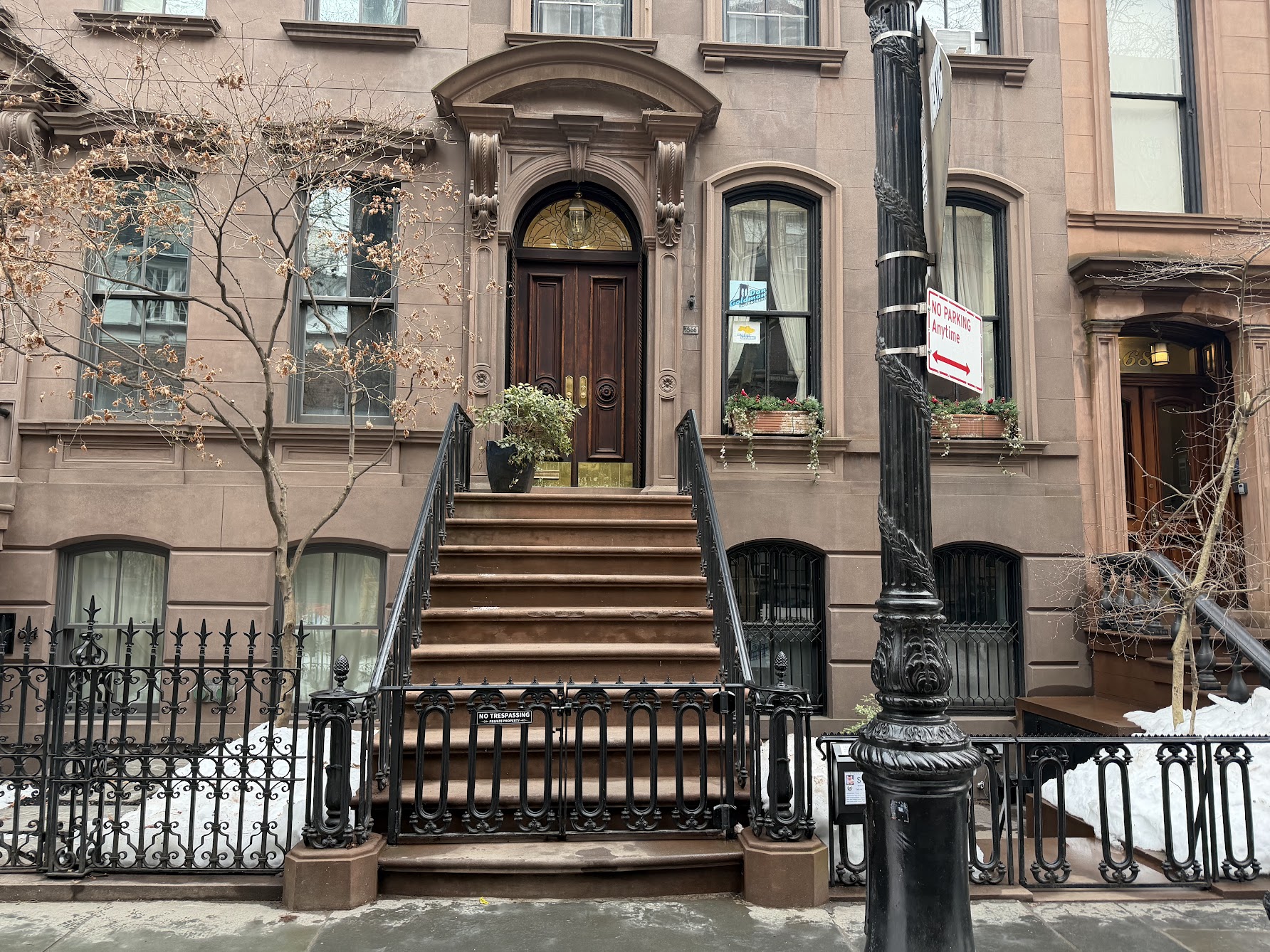
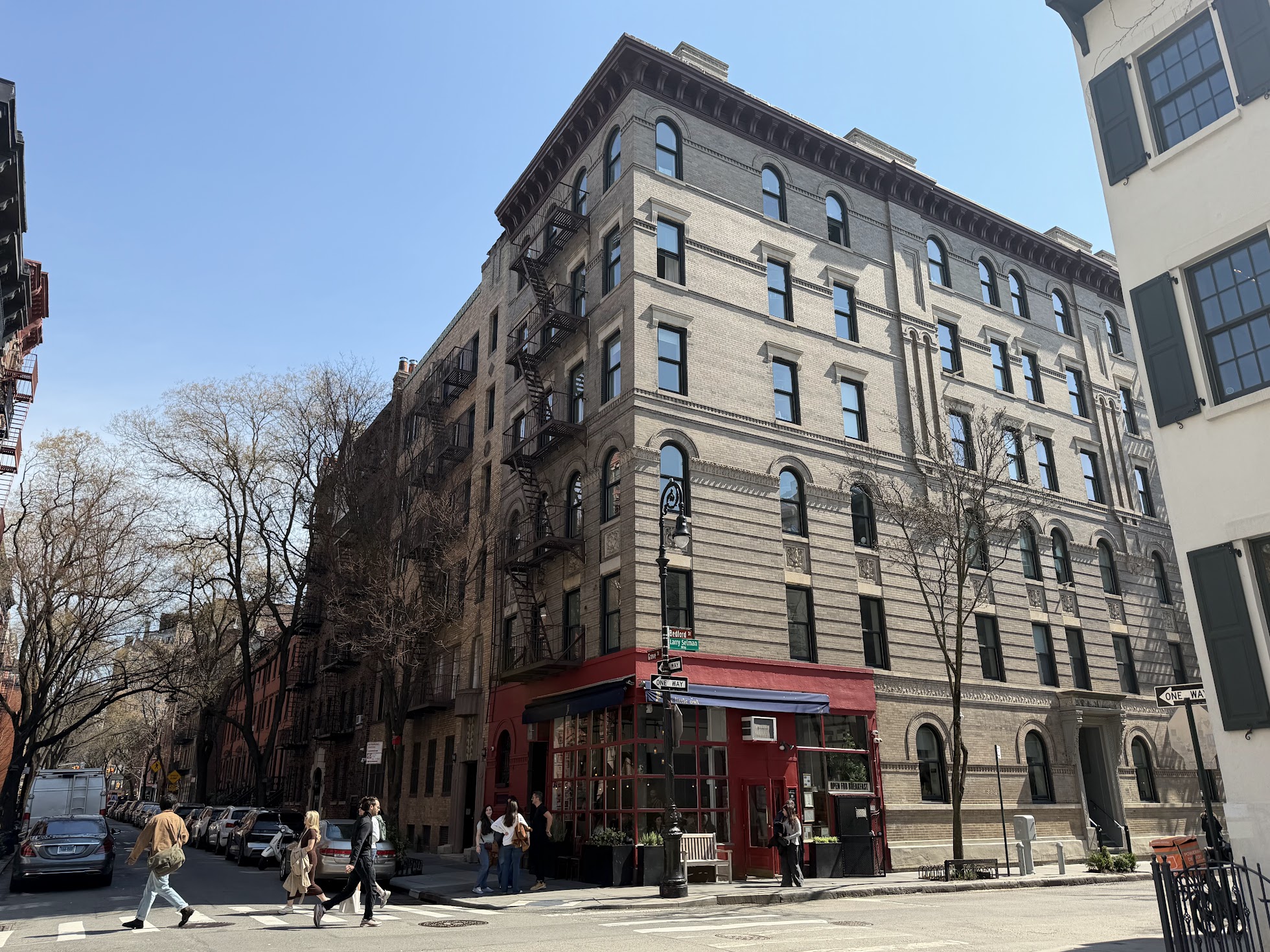
In the 1990s, pop-cultural phenomena Friends and Sex and the City (which made one Perry Street brownstone famous) brought international attention to the neighborhood.
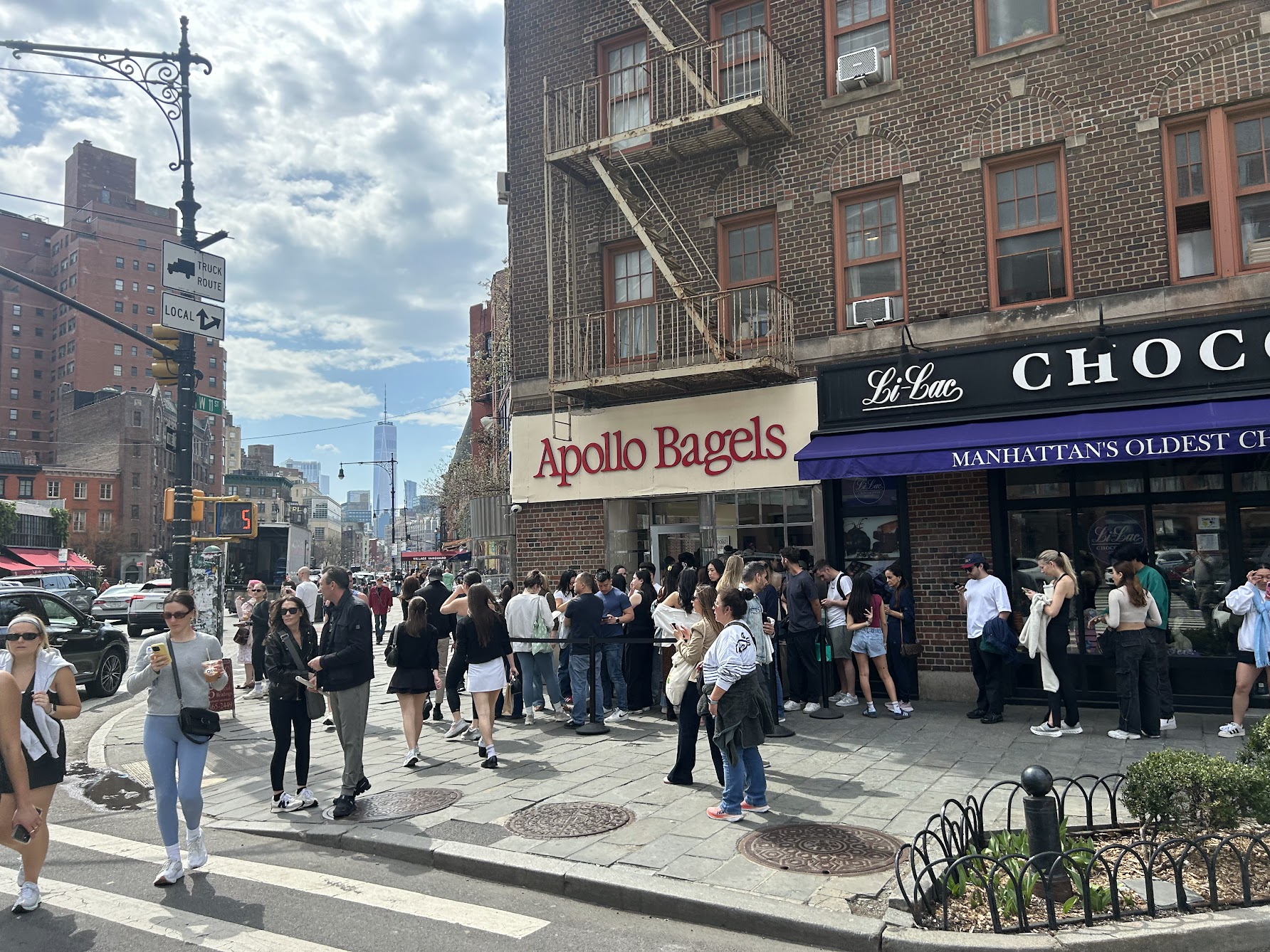
By the 21st century, the West Village had become a luxury enclave, even as its history was further elevated with Stonewall’s designation as a U.S. National Monument.
What has the West Village become in 2026?
LISTEN NOW: PRIDE AND PRESERVATION: THE STREETS OF THE WEST VILLAGE
All episodes of The Streets of the West Village mini-series are now available.