Categories
Neighborhoods Podcasts Preservation Pride Collection

Pride and Preservation: The West Village in the Modern Era — Jane Jacobs, Stonewall and Carrie Bradshaw

Why is the West Village both historically important and incredibly expensive?

In the final part of our West Village mini-series, we look at the elements that define the modern neighborhood — from battles with Robert Moses to the protests that galvanized the gay-rights movement.
The 19th-century charms of the old Village seem timeless, but they survive thanks to the 1969 Greenwich Village Historic District. The fight to save the neighborhood, however, began two decades earlier, and those early conflicts even popularized the name “West Village.”

Jane Jacobs, fresh off the publication of her landmark book The Death and Life of Great American Cities, would become the leading voice in protecting this uniquely New York enclave.

That same year, clashes between police and patrons at the Stonewall Inn united the area’s LGBT residents, culminating in the first Christopher Street Liberation Day Parade (today’s NYC Pride March).

A vibrant, radical queer culture flourished — from leather bars to the Christopher Street Pier.

In the 1980s, thousands of New Yorkers died of AIDS, and St. Vincent’s Hospital became known for its pioneering care. Today, long-running establishments like the Monster and Julius’ form a kind of “legacy cultural district,” linking present-day nightlife to those transformative years.

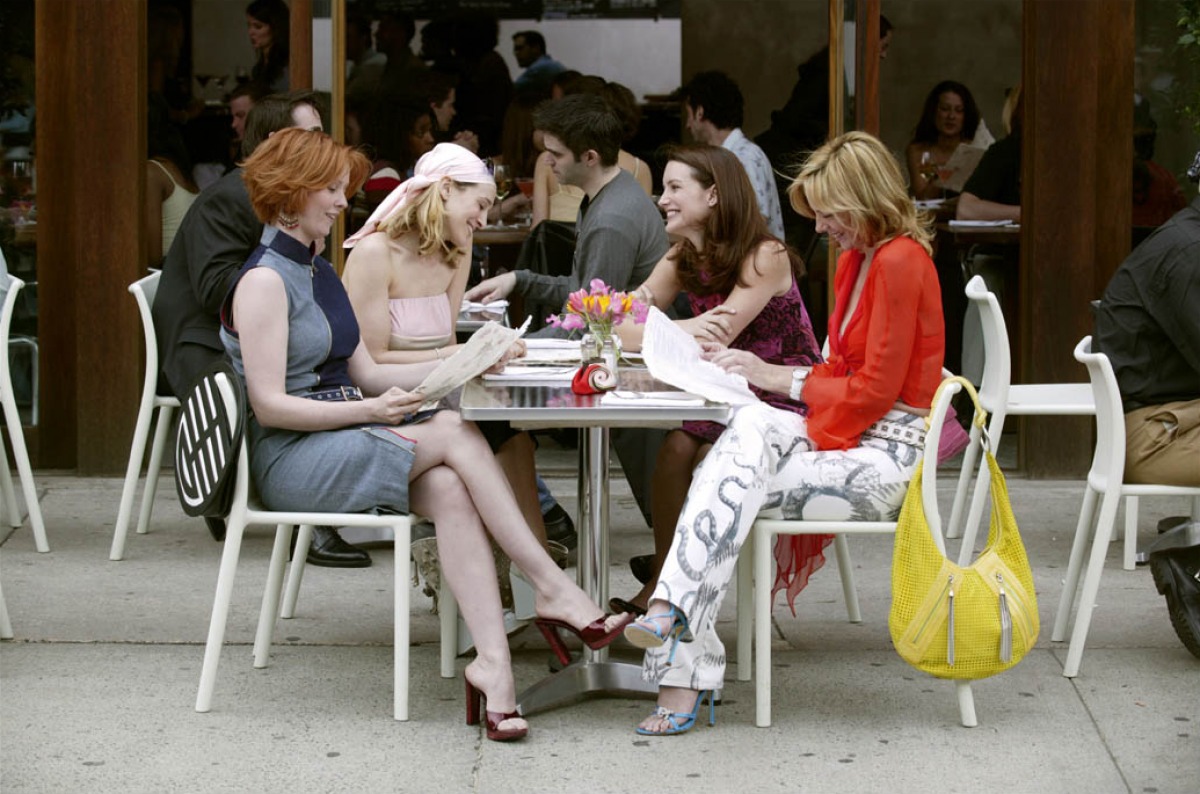
In the 1990s, pop-cultural phenomena Friends and Sex and the City (which made one Perry Street brownstone famous) brought international attention to the neighborhood.

By the 21st century, the West Village had become a luxury enclave, even as its history was further elevated with Stonewall’s designation as a U.S. National Monument.

What has the West Village become in 2026?

LISTEN NOW: PRIDE AND PRESERVATION: THE STREETS OF THE WEST VILLAGE

All episodes of The Streets of the West Village mini-series are now available.
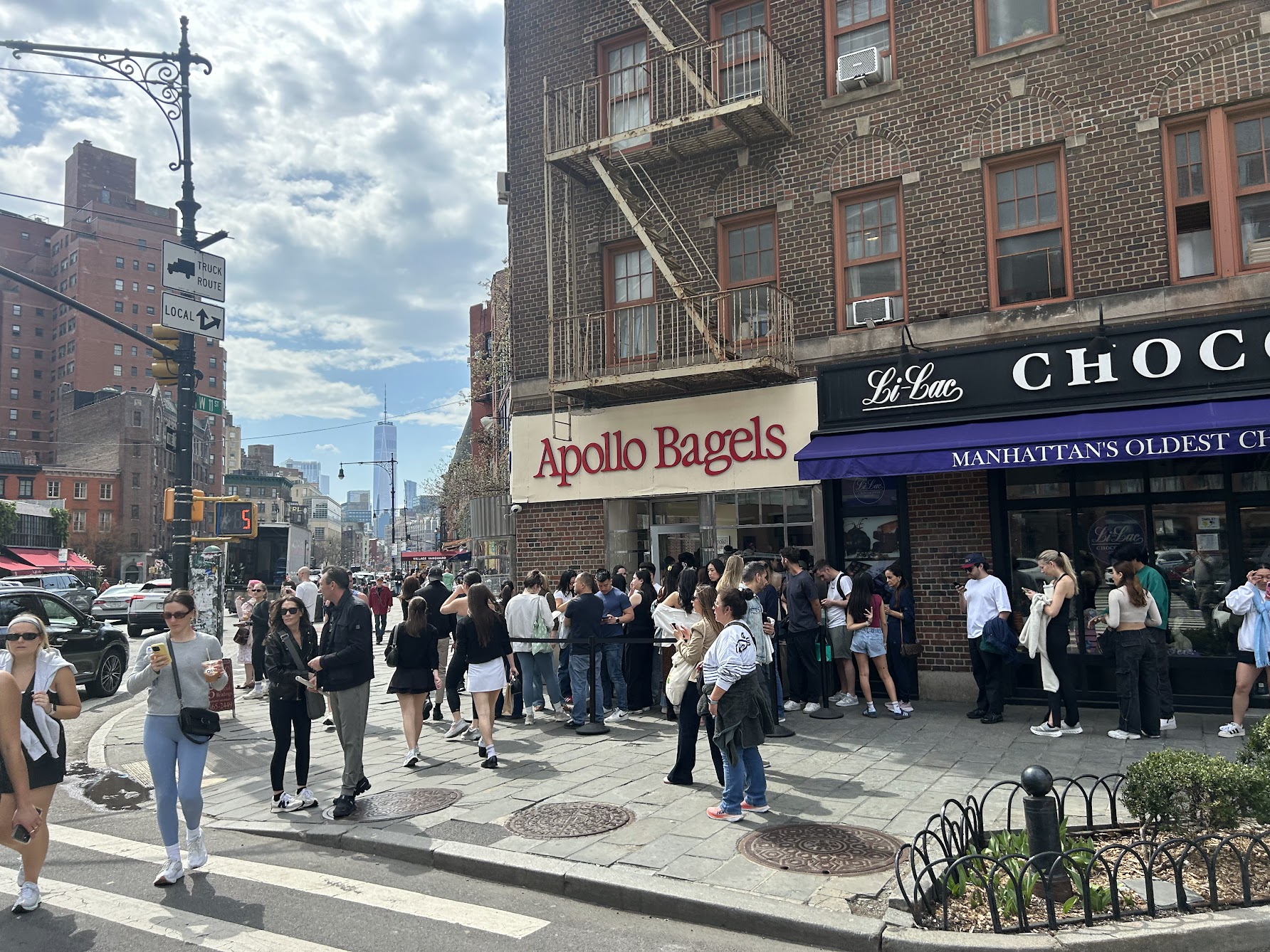
Before the 1910s, Seventh Avenue once stopped right at this intersection with Greenwich Avenue. Today people flock to this corner for trendy bagels. Photo by Greg Young
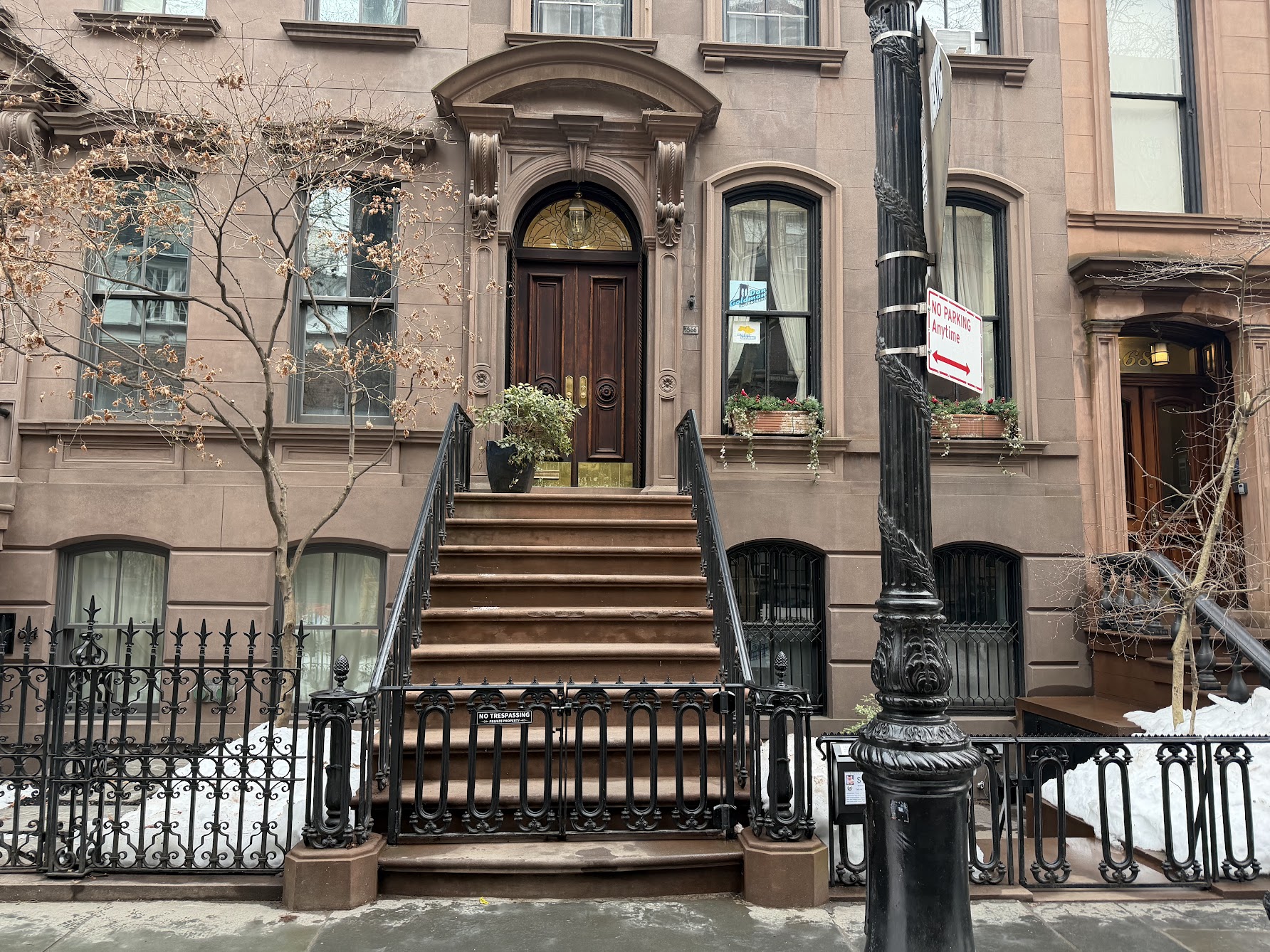
66 Perry Street, made famous for its appearance on Sex and the City. Photo by Greg Young
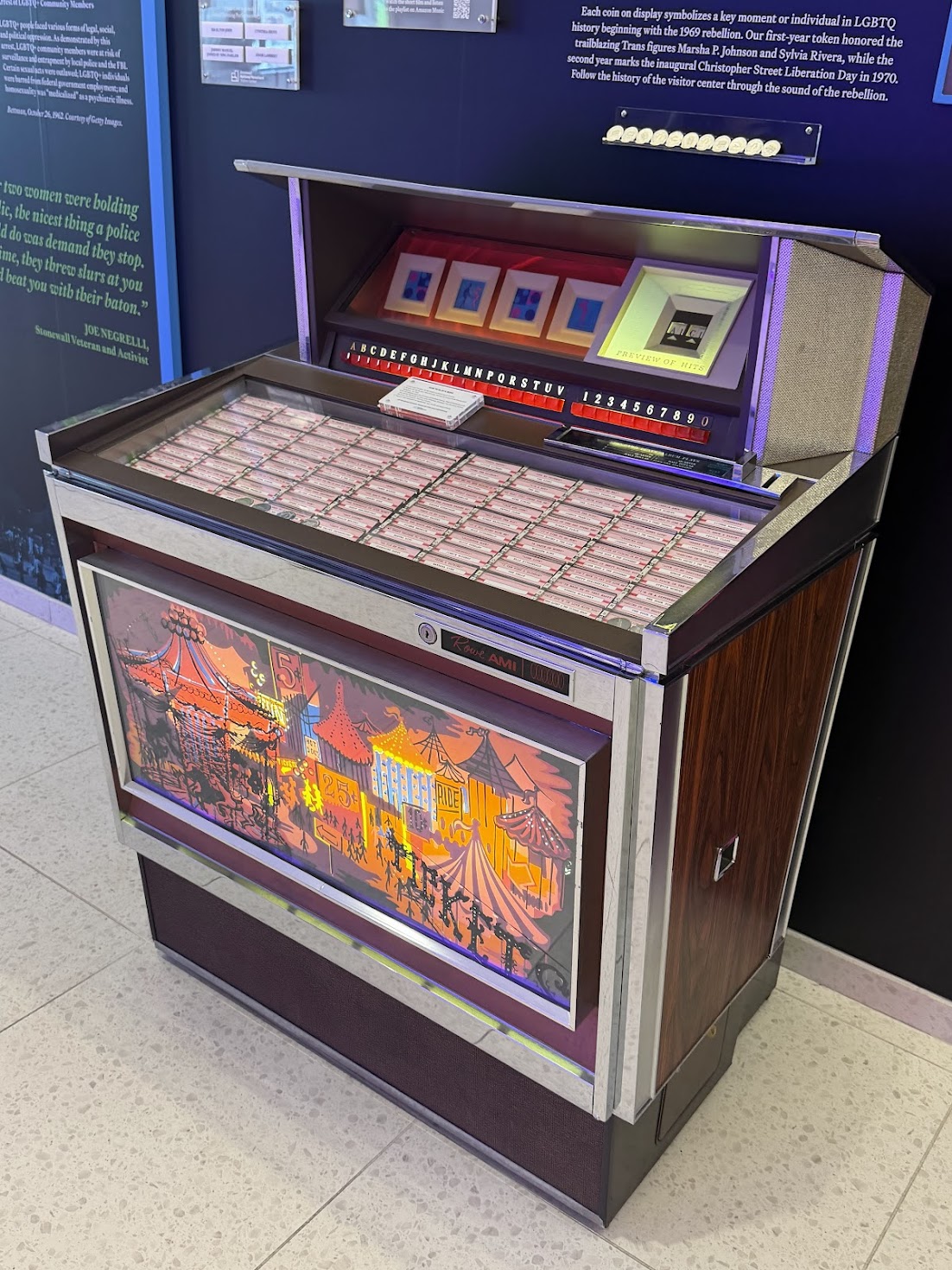
Inside the Stonewall National Monument Visitors Center. Photo by Greg Young
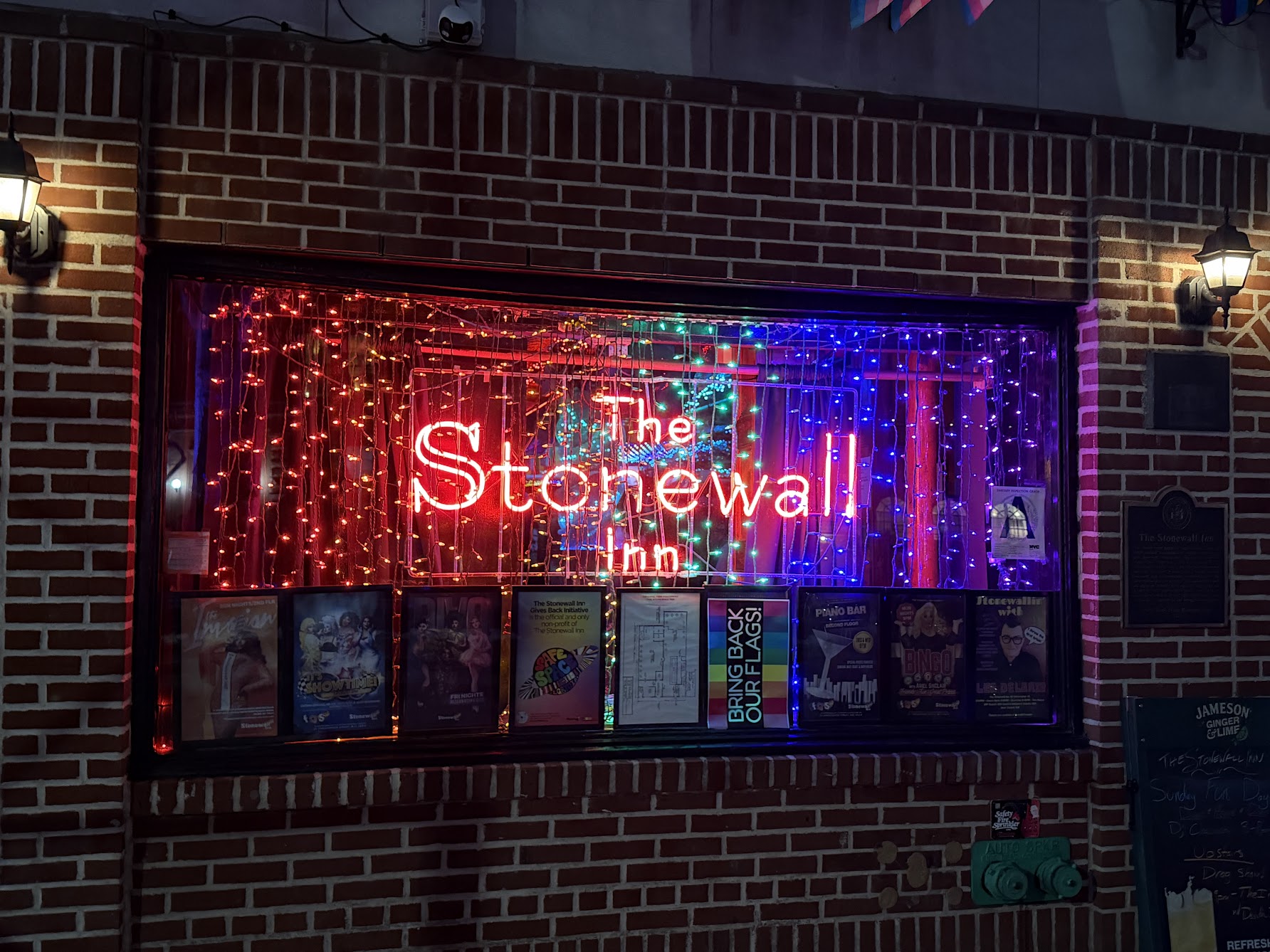
Although part of a National Monument, the Stonewall Inn is still an active bar. Photo by Greg Young
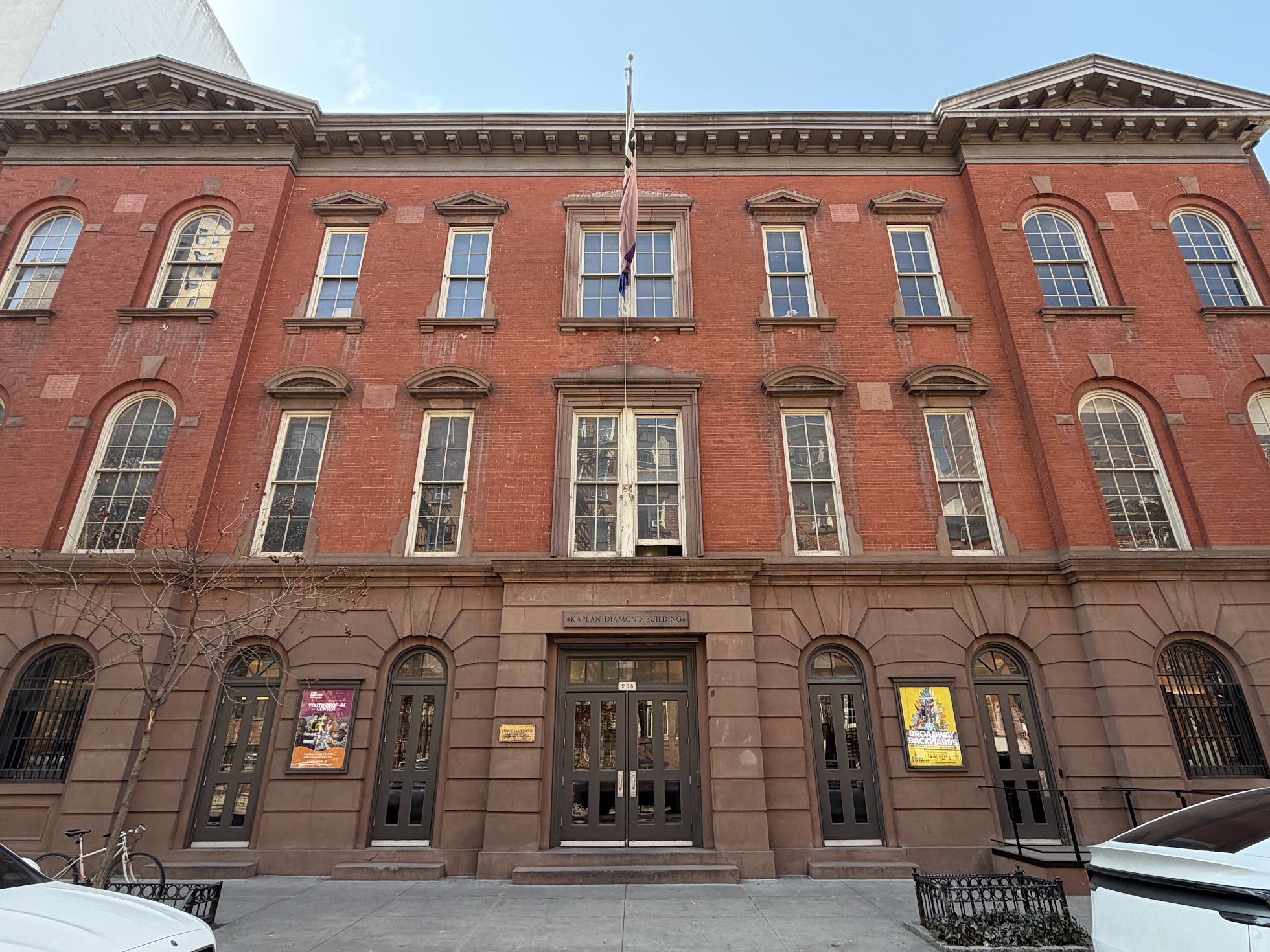
The Center — aka the Lesbian, Gay, Bisexual & Transgender Community Center. Photo by Greg Young
The New York City AIDS Memorial, opposite the former site of St. Vincent’s Hospital. Photo by Greg Young
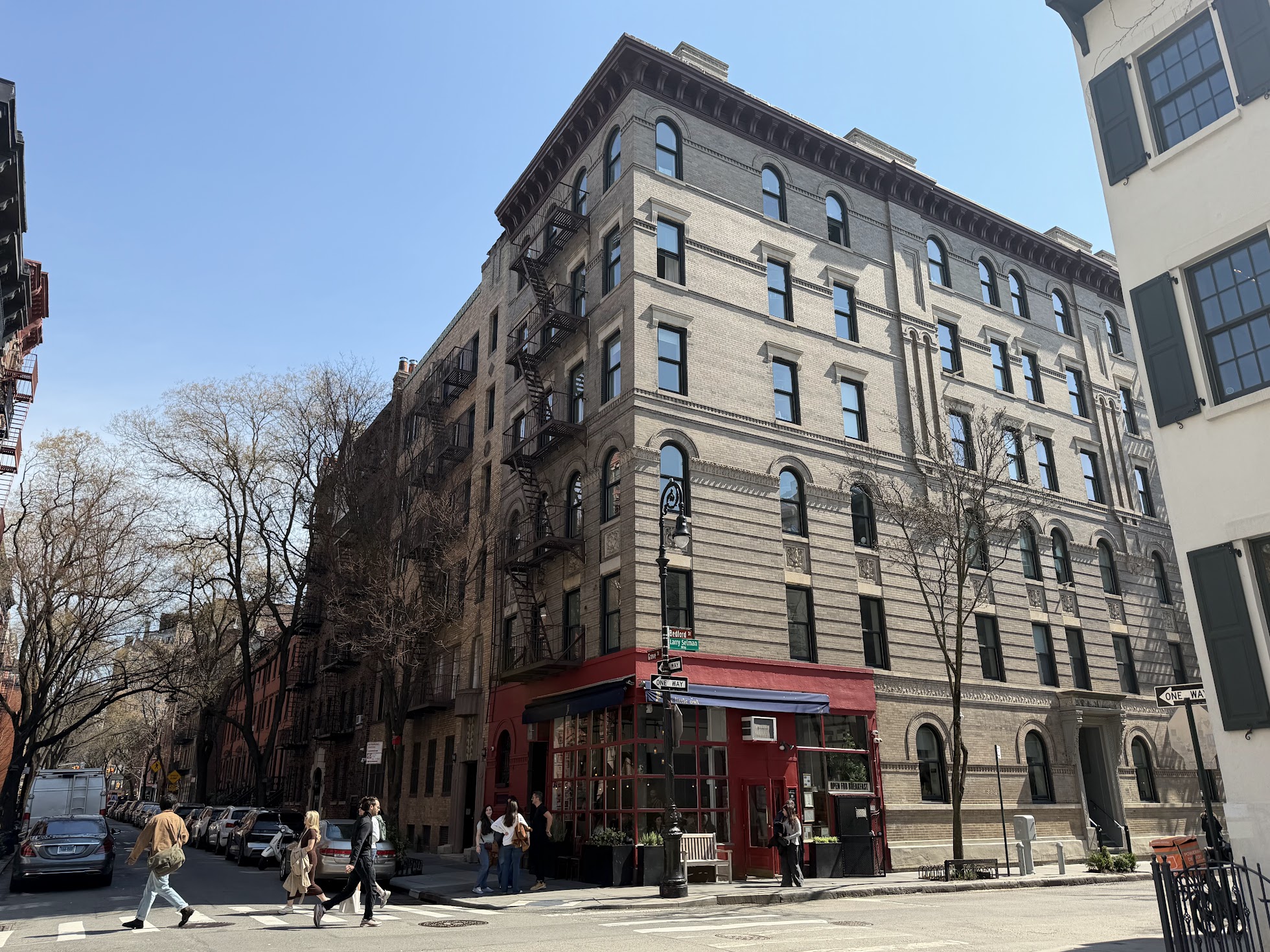
The “Friends” apartment building
Categories
Podcasts Pop Culture

NYC in the modern TV age, from Sesame Street to Seinfeld, as the arrival of cable brings new production to the city


PODCAST
In the third part of the Bowery Boys Summer TV Mini-Series, I give you a grand tour of the New York City television production world from the 1970s to today, from the debut of Sesame Street in the Upper West Side to the new productions which flourished in the 1990s.

Along the way, hear about the debuts of public access, HBO, MTV, NY1 and, of course, the TV show that employed thousands of New Yorkers during its two-decade run — Law and Order.

PLUS: A few locations used on Seinfeld, Sex and the City and The Cosby Show!

To get this week’s episode, simply download it for free from your favorite podcast player.

Or listen to it straight from here:
The Bowery Boys #155 New York City in the Modern TV Age

——

A COUPLE CORRECTIONS:  I gleefully went off my notes on a few occasions this show, accounting for some mis-statements. For instance, The Cosby Show is obviously a ‘family comedy’, not a ‘family drama’. And New York cable viewers could get MTV within a month of its debut, not a couple months.

OMISSIONS: To make this a 20-minute show, I did have to lose mentions of a few shows that featured New York City, such as NYPD Blue. But there was no excuse to breeze past the 1975 debut of Saturday Night Live, although it was briefly mentioned in part two in our discussion of 30 Rockefeller Center.  Also: while not as iconic show as the others mentions, many in the industry look to the moment in 2008 when Ugly Betty left Los Angeles for New York as another significant turning point.
—————–

The first episode of Rapid T Rabbit and Friends from 1983, which debuted in February 1983.


When actor Will Lee died in 1982, Sesame Street producers decided to have his character, Mr. Hooper, die on the show.

How Home Box Office looked in the 1970s:

A scene from Seinfeld featuring Keith Hernandez:

The original opening for Law & Order from its debut in 1990:

Carrie Bradshaw’s first encounter with that bus and water puddle from the first season opener of Sex And The City:

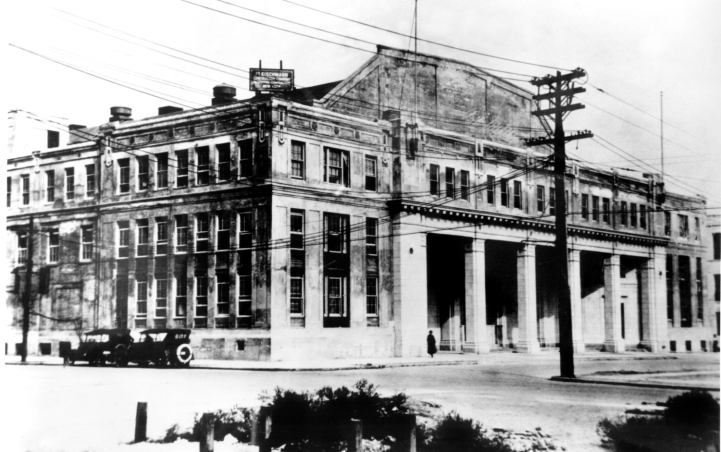
Kaufman Astoria Studios opened in the 1920s as a silent film studio; today it hosts both TV and film productions. It’s also the home of Sesame Street! (Photo courtesy Kaufman Astoria Studios)