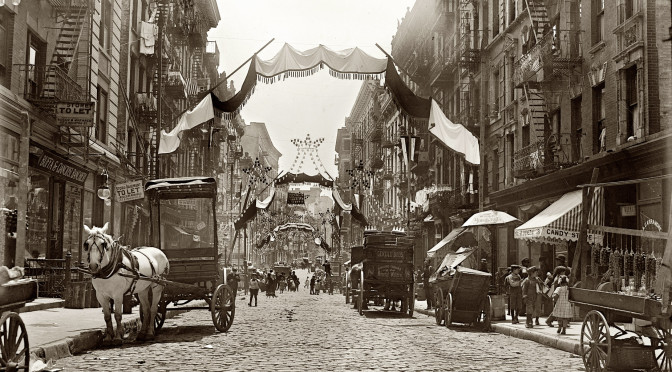
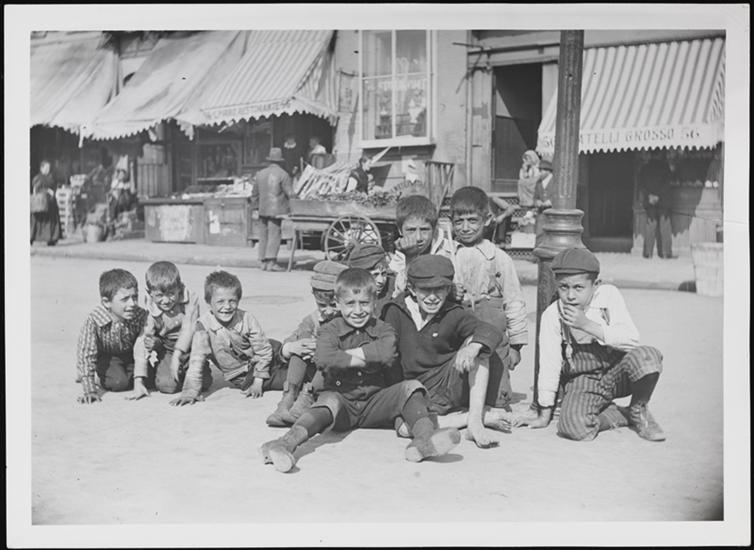
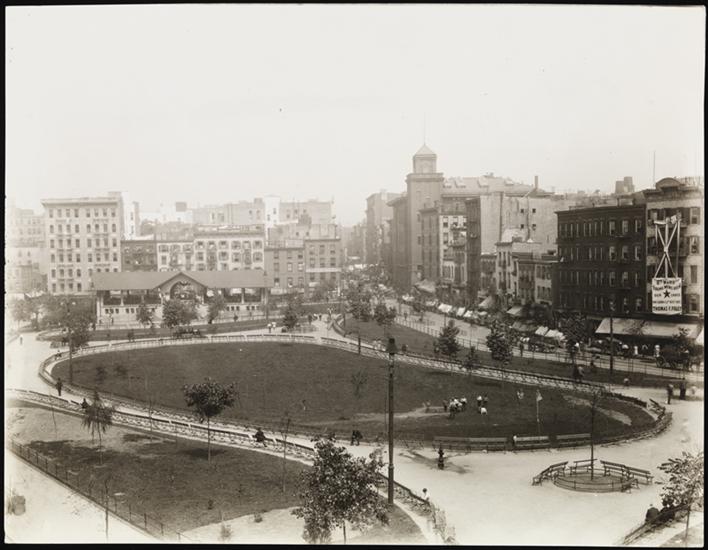
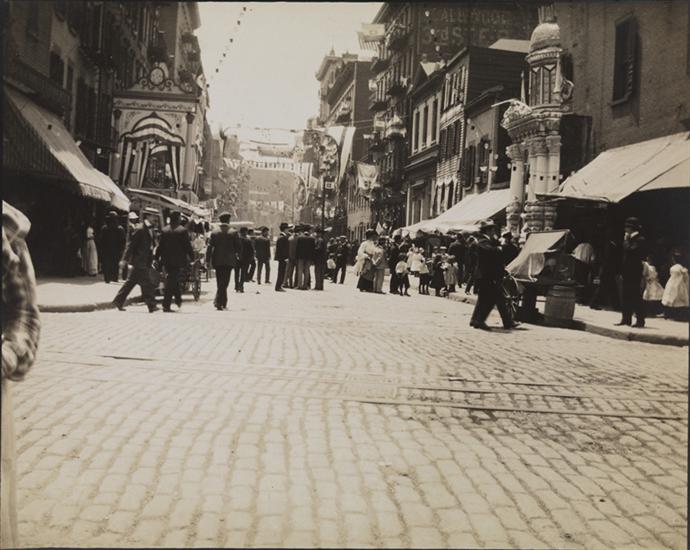
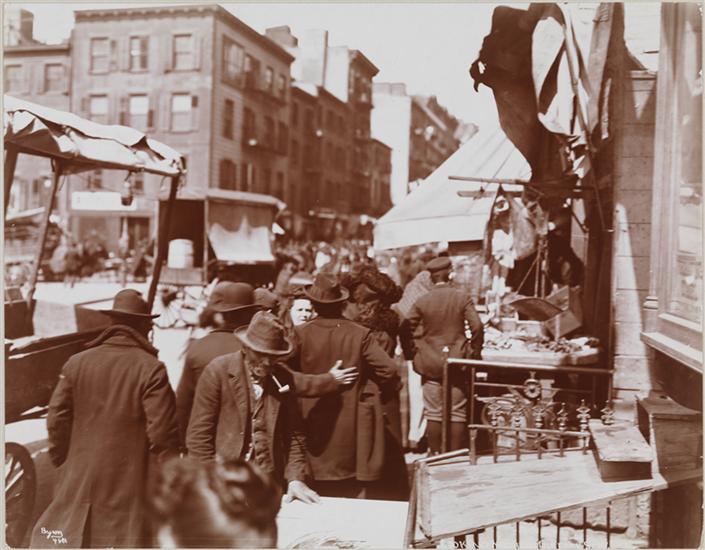
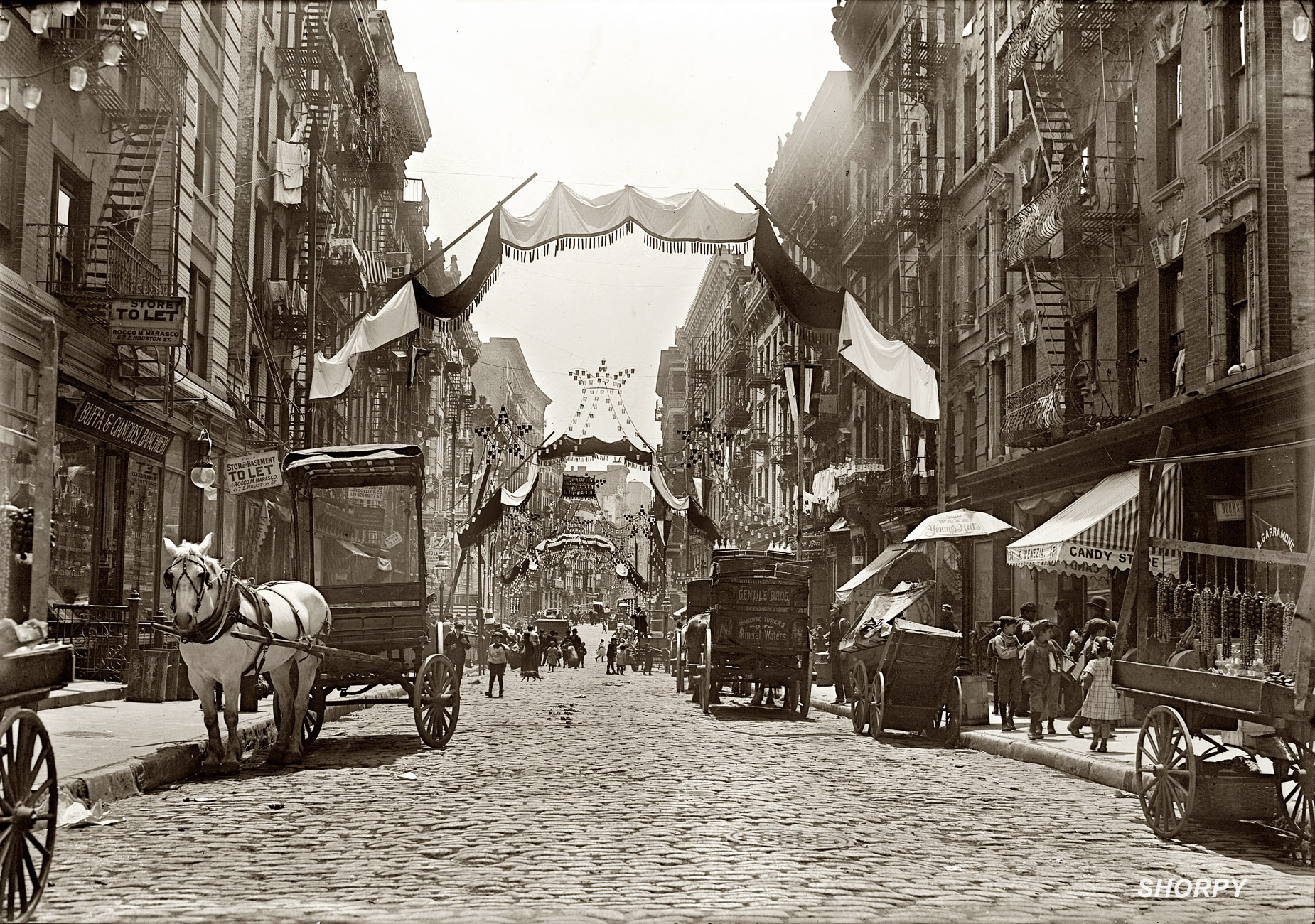
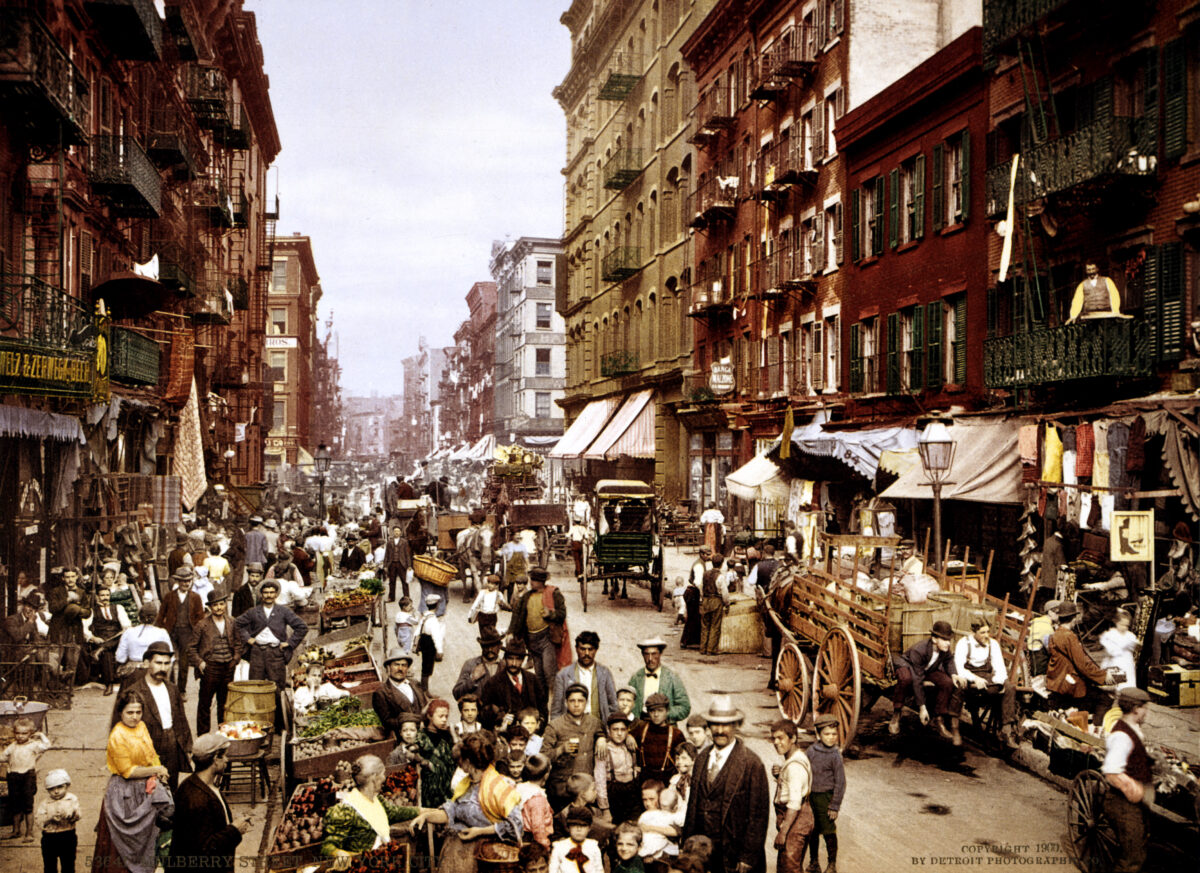
Mott Street all fancied up for a religious festival in 1908. It's May 16, so perhaps Ascension Day? (Cleaned up picture courtesy Shorpy)
Little Italy is the pocket-neighborhood reminder of the great wave of Italian immigration which came through New York City starting in the late 1870s.
This was the home of a densely packed, lively neighborhood of pushcarts, cheese shops, barber shops and organ grinders, populated by thousands of new immigrants in dilapidated old tenements.
The area has some of New York’s oldest still-operating shops, from Ferrara Bakery to Di Palo’s. But there’s also a dark side to this neighborhood, memories of extortion plots by the Black Hand and a perpetual presence of organized crime.
The present-day Little Italy is completely charming but constantly shrinking. How long can the neighborhood survive in the face of a growing Chinatown and the threats of gentrification?
PLUS: Our love/hate relationship with Nolita — REVEALED!
LISTEN TODAY
A version of this show originally ran in 2015. This newly remastered and reedited version by Kieran Gannon.
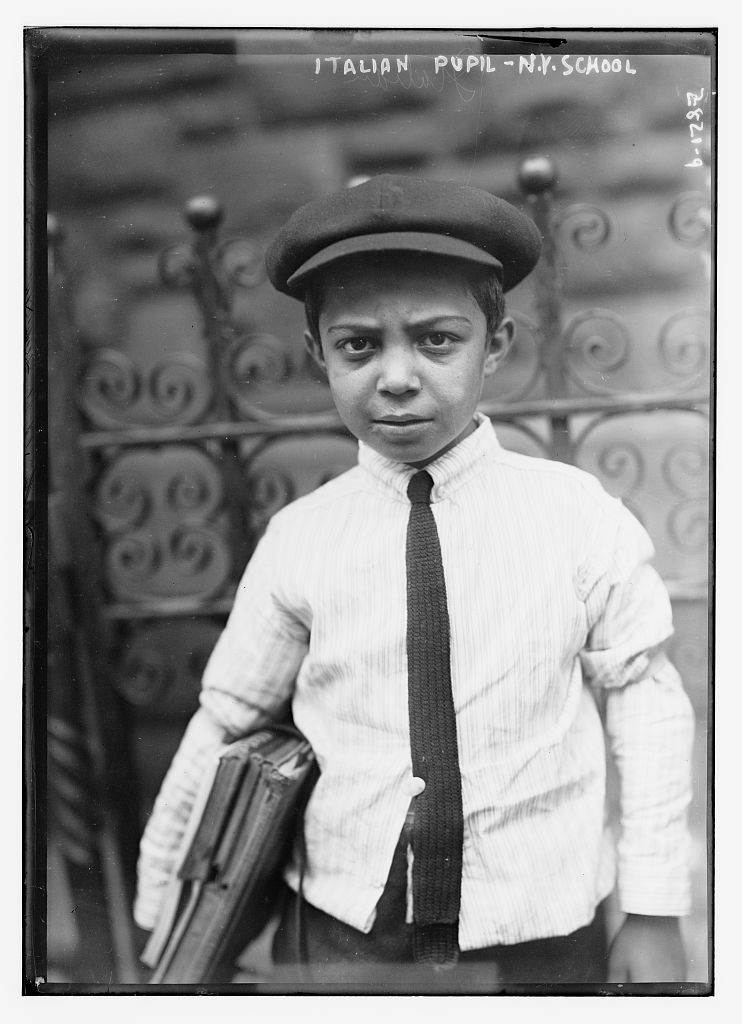
An Italian boy on his way to school in New York, taken between 1910 and 1915.
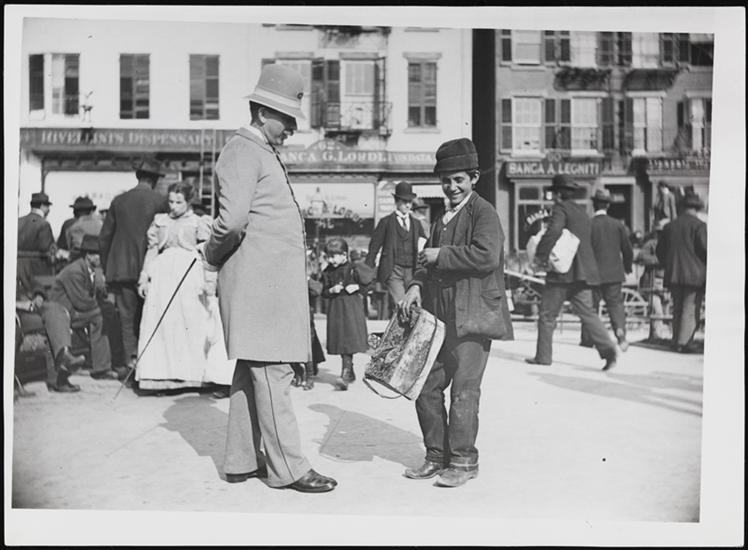
A street musician and a cop on Mulberry Street, 1897. Notice the banks in the background. Â Mulberry Street was known as ‘the Italian Wall Street’ for all the banks which assisted in Italians saving and sending home their earnings. Â (Courtesy Museum of City of New York)
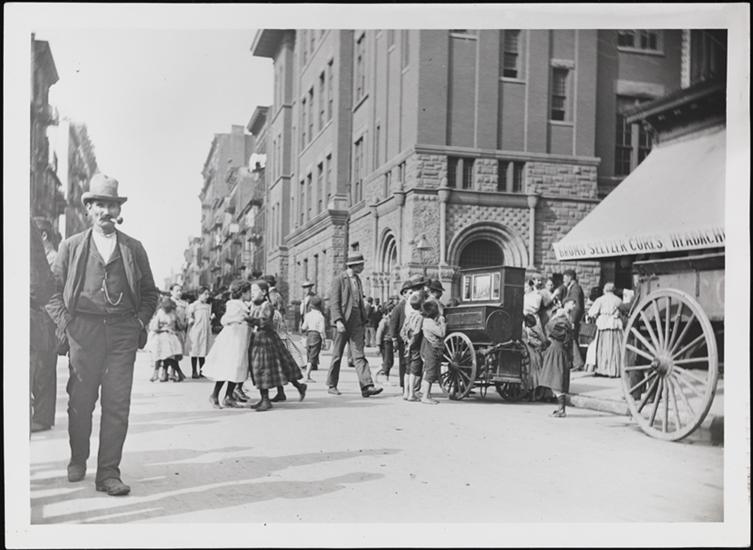
Children dancing on Mulberry Street as a man plays a barrel organ. (No monkey in sight!) 1897 (Courtesy Museum of the City of New York)
Playing on the street in Mulberry Bend, 1897. This was the year Mulberry Bend Park opened (see below) so hopefully they got out of that filthy street! (Museum of City of New York)
Mulberry Bend Park in 1900, replacing a set of the worst tenements in this area of Five Points
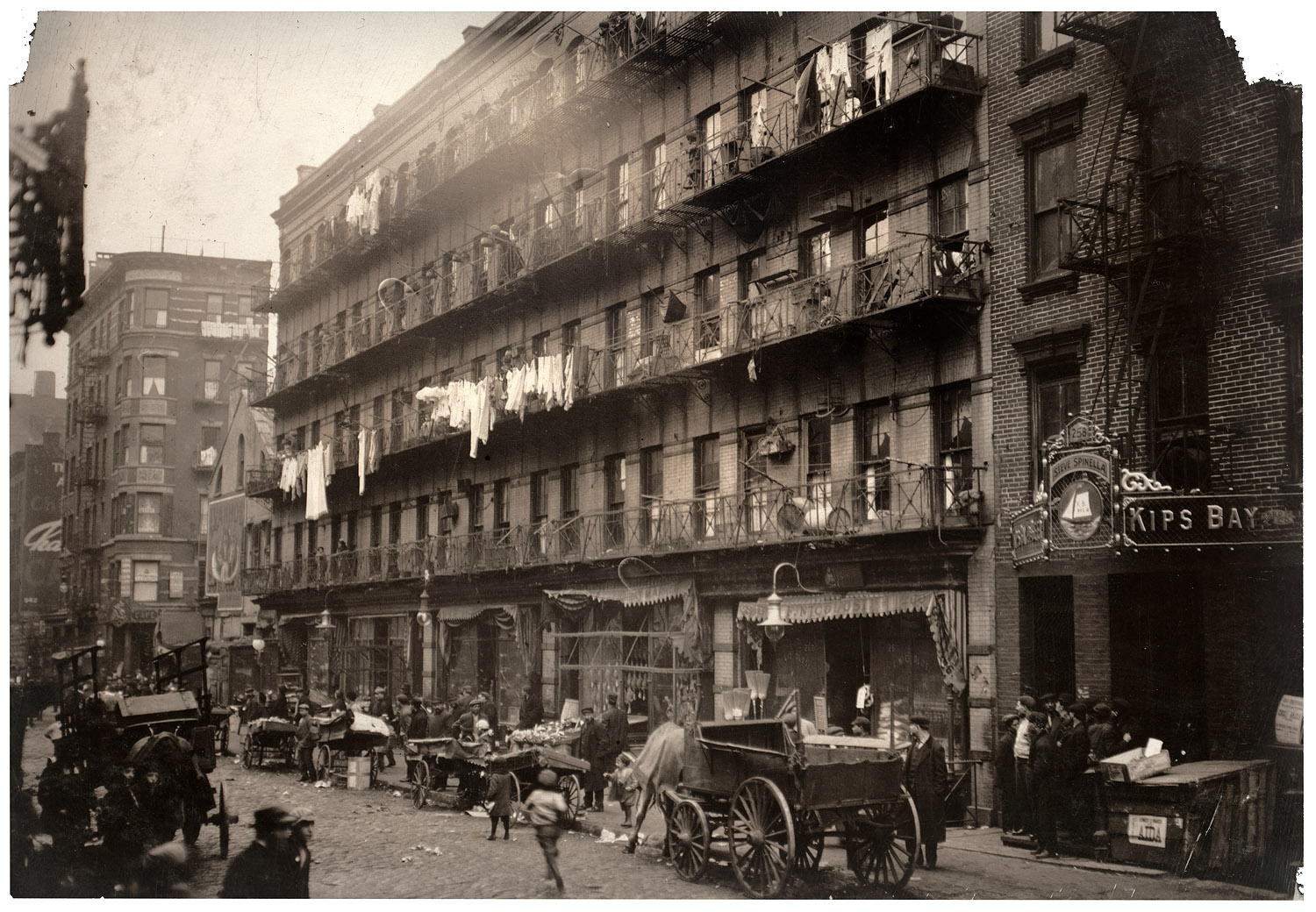
Elizabeth Street near Houston Street 1912 (Cleaned up image courtesy Shorpy)
Mott Street all fancied up for a religious festival in 1908. It’s May 16, so perhaps Ascension Day? (Cleaned up picture courtesy Shorpy)
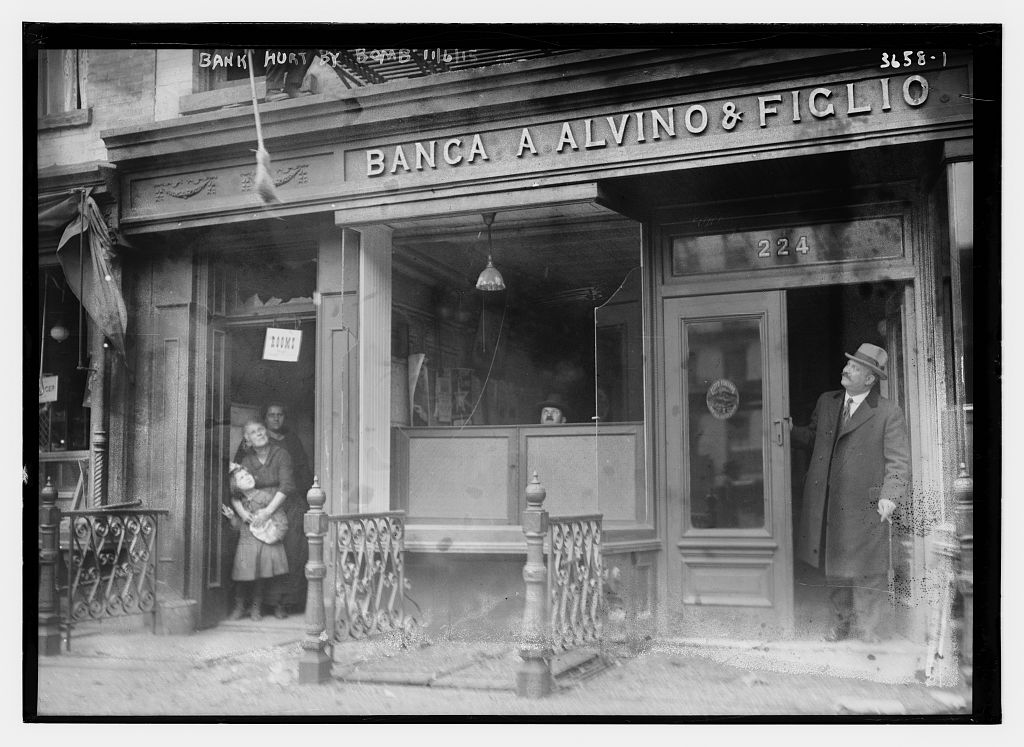
An Italian bank at Lafayette and Spring Streets, damaged in a Black Hand dynamite attack, 1915 Nov. 6 (Courtesy Library of Congress)
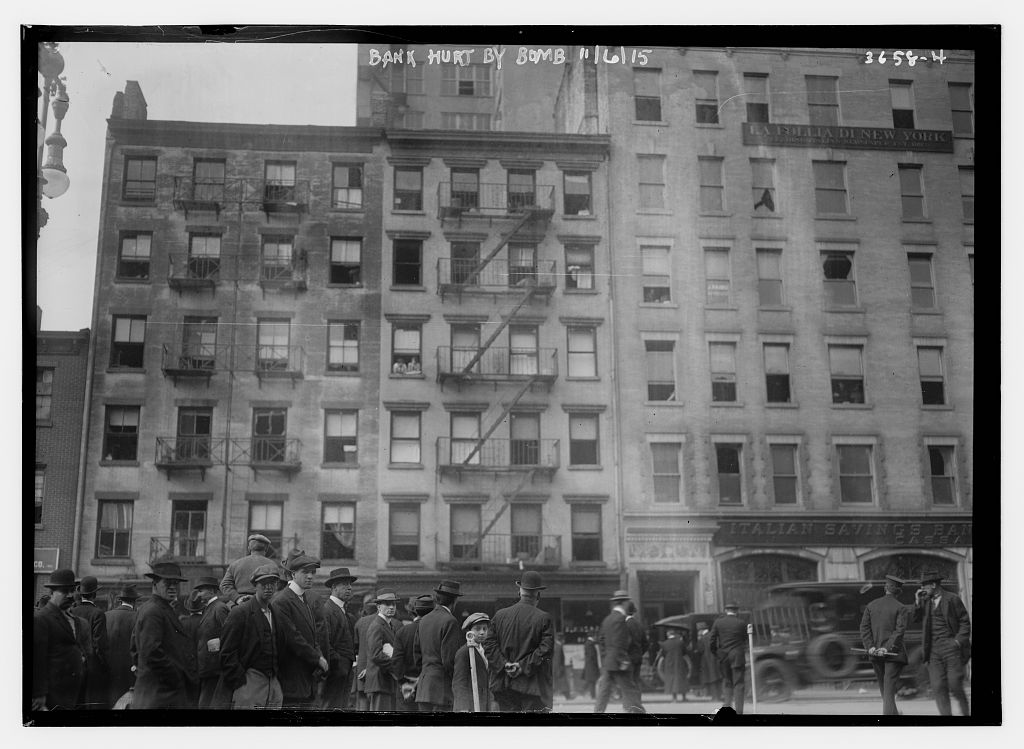
Another view of the damaged bank (Courtesy Library of Congress)
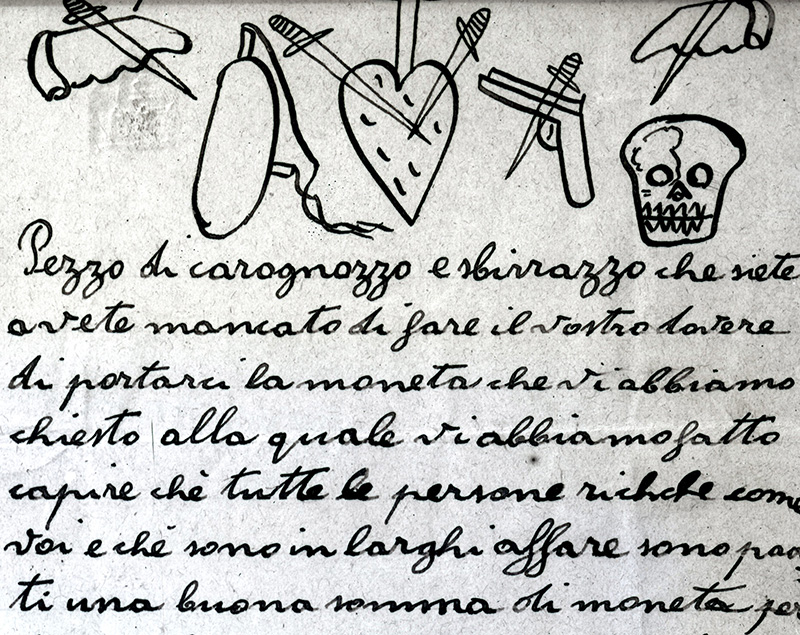
A sample extortion letter from the Black Hand. ““You dog, spy, informer. If you do not do what we say, we have a shot gun prepared for you. What a fine feast for the rats your fat carcass will make. Do what we say, it will be better for your skin.†(Courtesy the National Law Enforcement Museum)
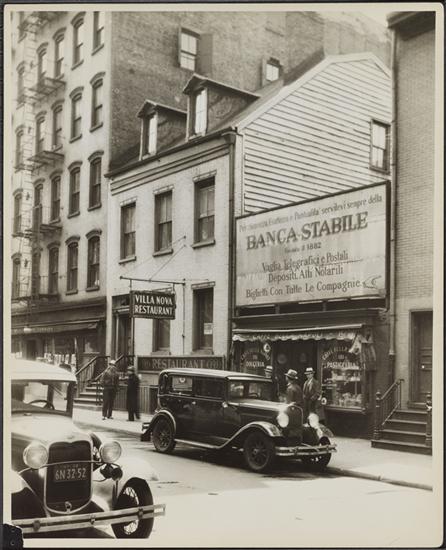
149 Mulberry Street, near Grand Street. 1932. Banco Stabile which is off-picture to the right is the home of the Italian American Museum today. (Courtesy Museum of the City of New York)
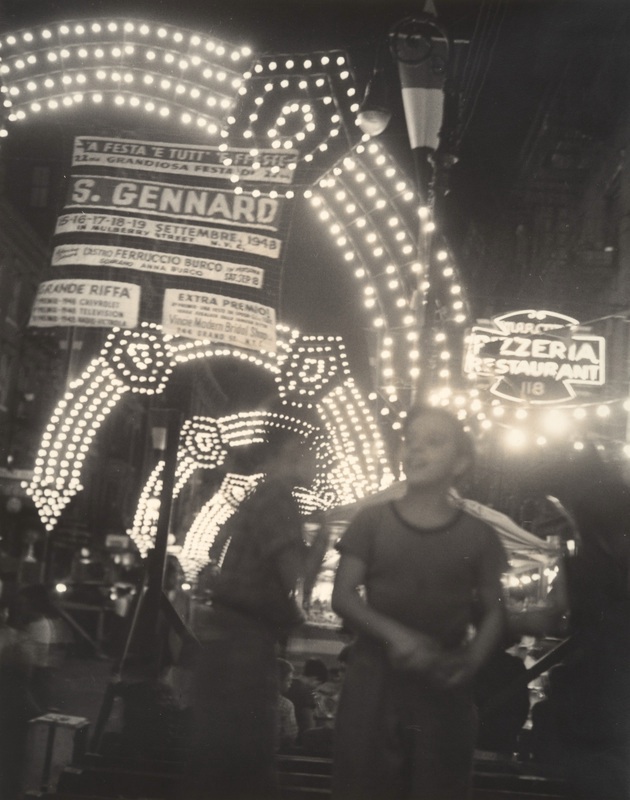
San Gennaro Festival, 1948, taken by Sid Grossman
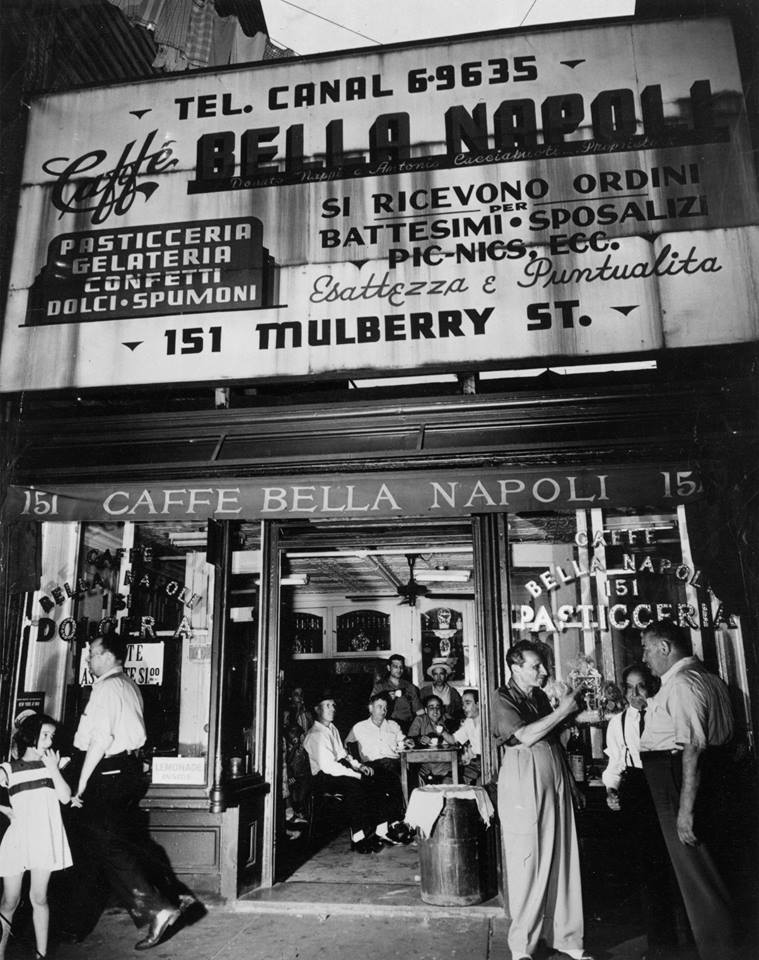
Bella Napoli (taken from a great Facebook feed called ‘Mulberry Street 1900s)
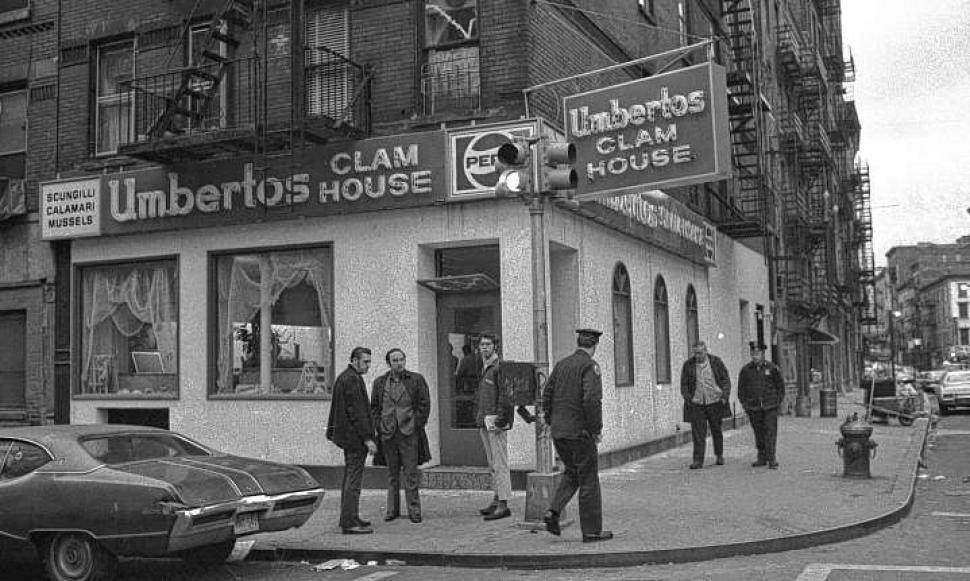
Umberto’s Clam House, site of the infamous mob hit on gangster Joe Gallo in 1972 (Courtesy New York Daily News)
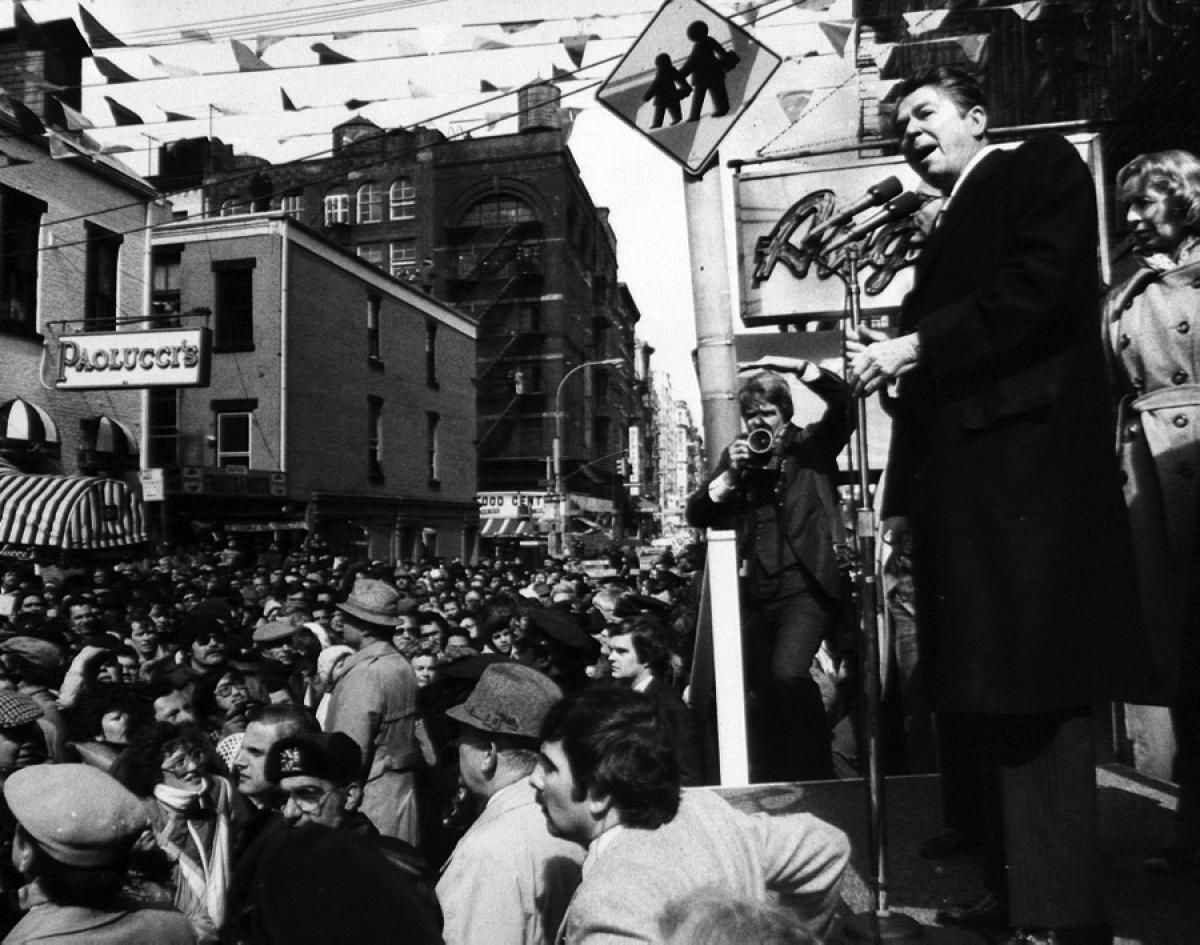
Oddly enough, presidential candidate Ronald Reagan appeared at the San Gennaro Festival in 1980. (New York Daily News)
How do vibrant New York City neighborhoods react to major changes to city life while retaining their historic character? For the next three weeks, we will present three neighborhood-history shows from the Bowery Boys podcast in a new light, exploring how these historic areas survive sudden changes in economic growth, housing needs and tourism.
PODCAST The history of SoHo, New York’s 19th century warehouse district turned shopping mecca
Picture the neighborhood of SoHo (that’s right, South of Houston) in your head today, and you might get a headache.
Crowded sidewalks on the weekend, filled with tourists, shoppers and vendors, could almost distract you from SoHo’s unique appeal as a place of extraordinary architecture and history.
In the mid 19th century this area, centered along Broadway, became the heart of retail and entertainment, department stores and hotels setting up shop in grand palaces. (It also became New York’s most notorious brothel district).
The streets between Houston and Canal became known as the Cast Iron District, thanks to an exciting construction innovation that transformed the Gilded Age.
Today SoHo contains the world’s greatest surviving collection of cast-iron architecture. But these gorgeous iron tributes to New York industry were nearly destroyed — first by rampant fires, then by Robert Moses.
Community activists saved these buildings, and just in time for artists to move into their spacious loft spaces in the 1960s and 70s. The artists are still there of course but these once-desolate cobblestone streets have almost unrecognizably changed, perhaps a victim of its own success.
A version of the episode was originally released in July 2017. This newly edited, remastered version is courtesy Kieran Gannon.
The Bowery Boys: New York City History podcast is brought to you …. by you!
Find us on Patreon, a patronage platform where you can support your favorite content creators.
Visit our page to learn more about the exclusive features available to supporters, including our Patreon-only podcast Side Streets.
We greatly appreciate our listeners and readers and thank you for joining us on this journey so far.
A map of the Bayard farm and how it was broken up and carved into the streets we know today.
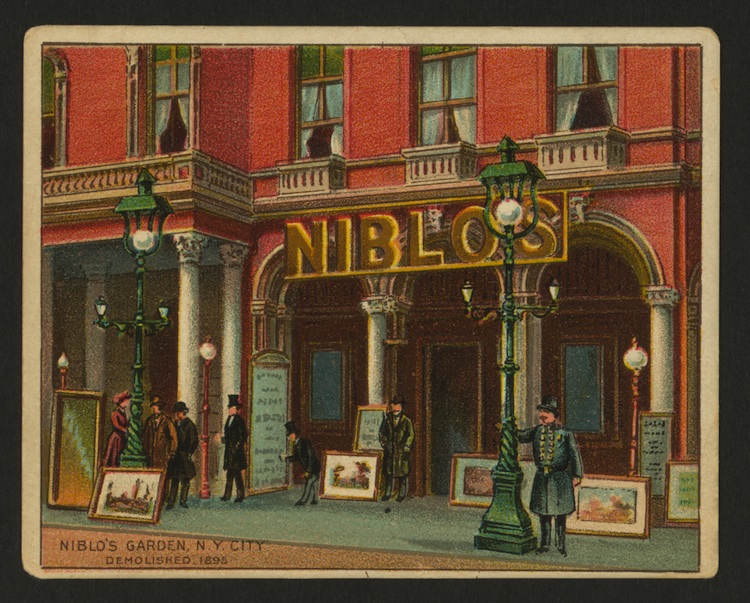
Niblo’sGarden, located at Broadway and Prince Streets, was one of the finest theaters along Broadway in the area of today’s SoHo.
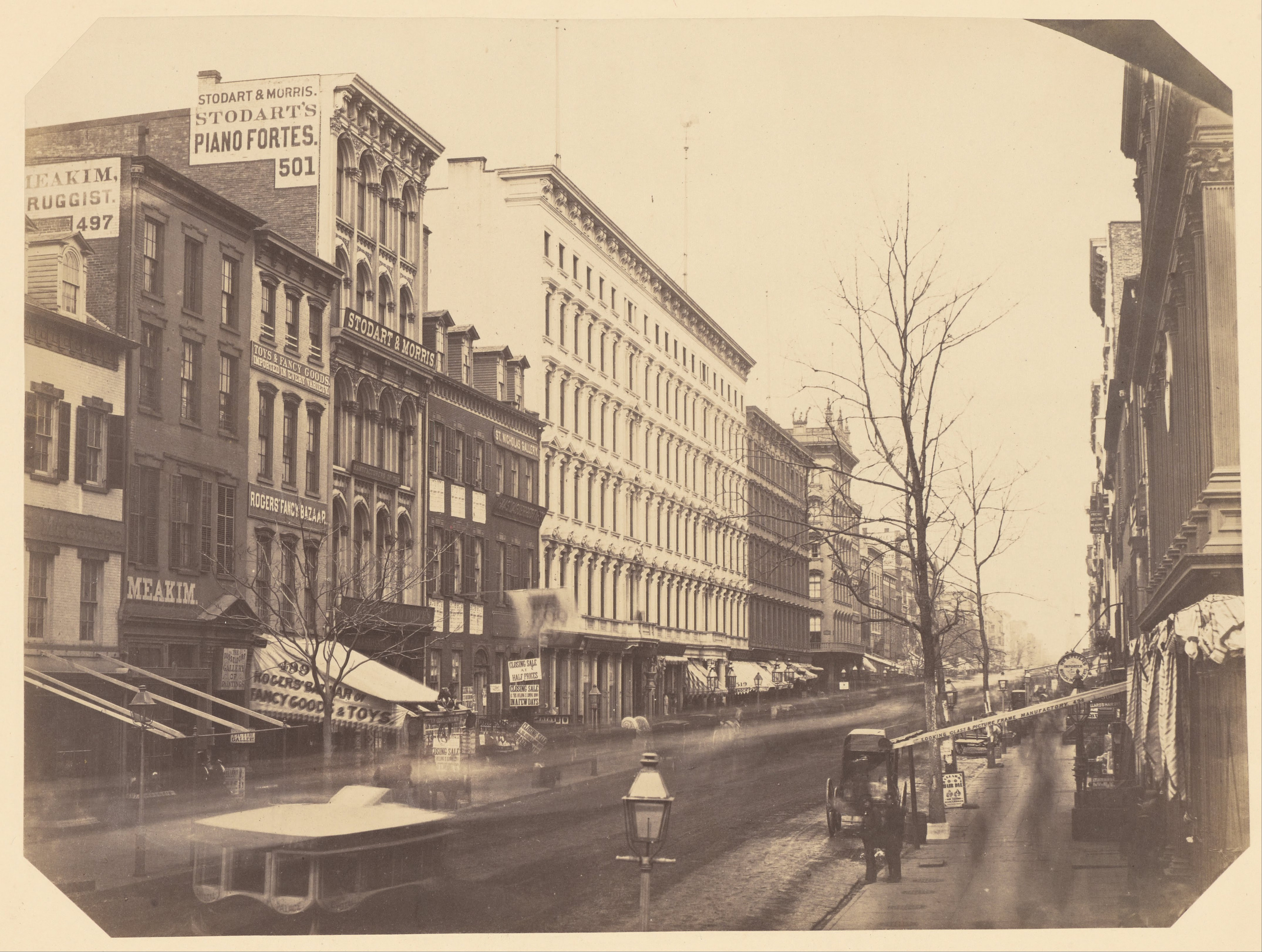
Looking north along Broadway between Grand and Broome Street. The St. Nicholas Hotel is the white structure in the center of the photo.
Photo attributed to Silas A Holmes
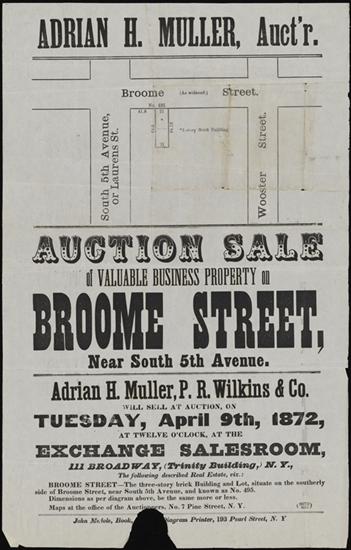
An auction poster from 1872 advertising a property on Broome Street and “South Fifth Avenue or Laurens Street” — today’s West Broadway.
MCNY
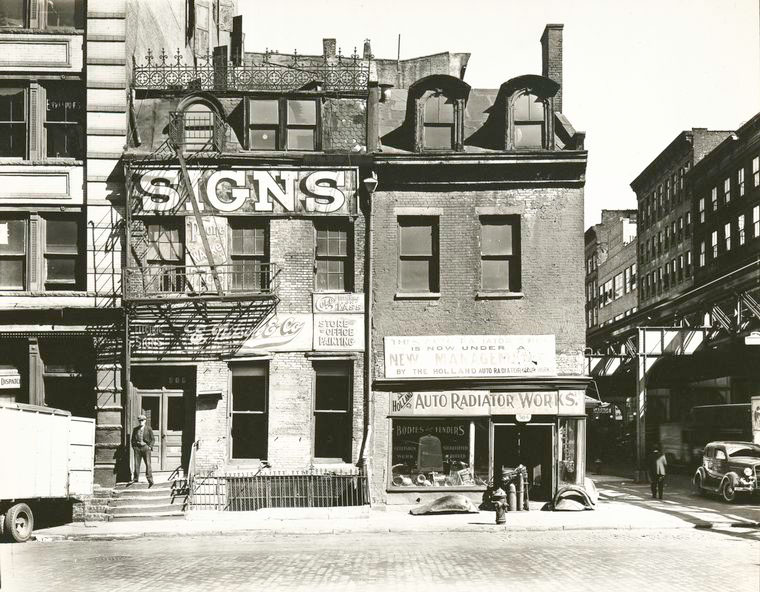
Here is that corner at 504-506 Broome Street — in 1935 (photo by Berenice Abbott). Per Sean Sweeney on Facebook: “The two buildings were demolished and for years were a parking lot. Now a new 3-story retail building sits in their place.”
NYPL
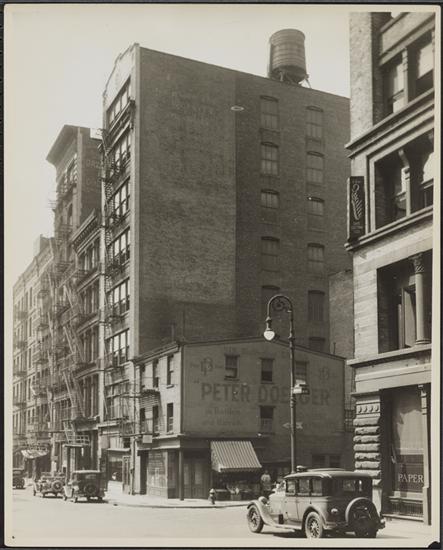
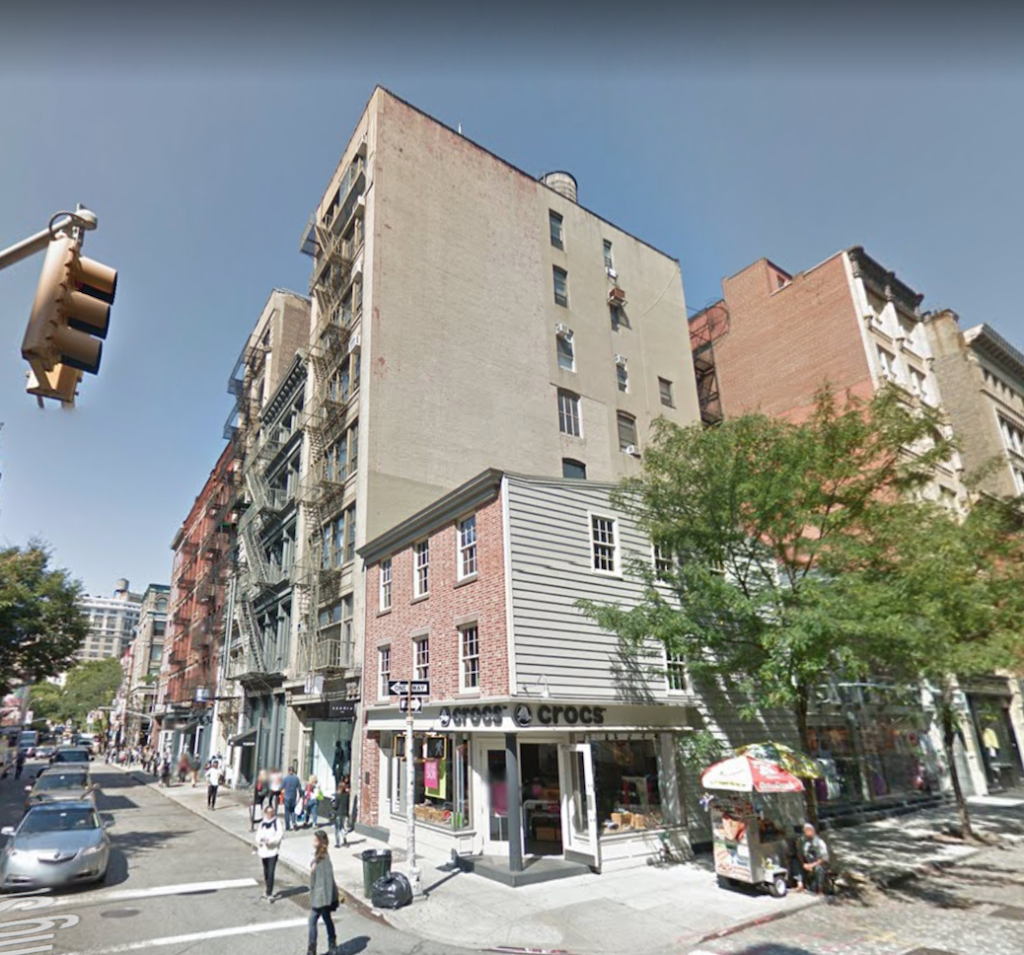
The house at 143 Spring Street — in 1932 (photograph by Charles Von Urban) and today (it’s a Crocs shop!)
Museum of City of New York/Charles Von Urban collection
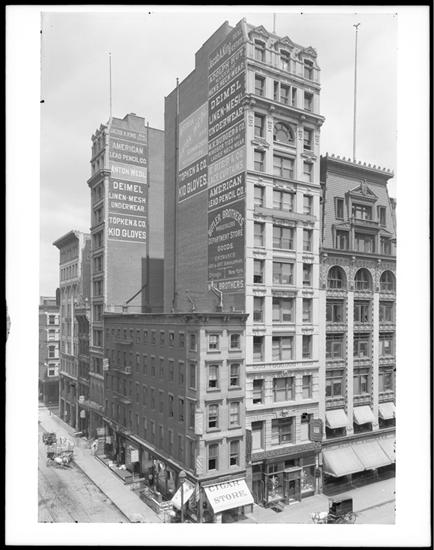
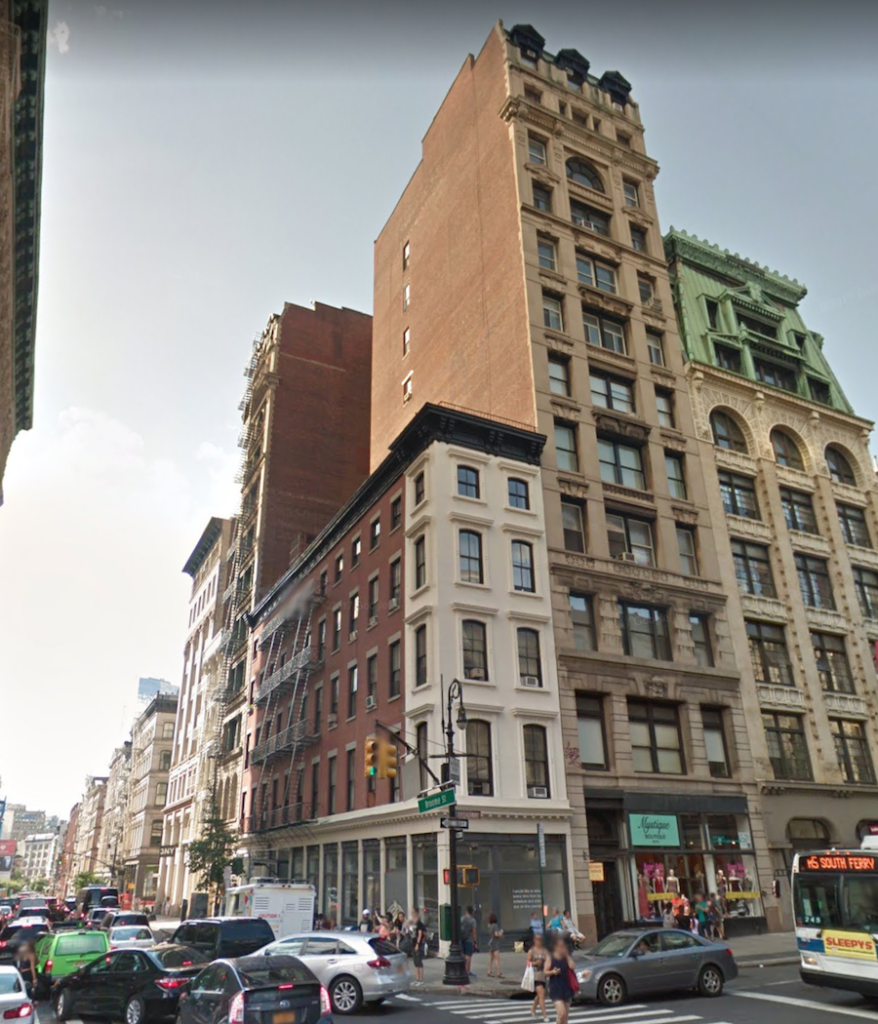
491 Broadway at Broome Street — in 1905 (photograph by the Wurts Bros.) and today
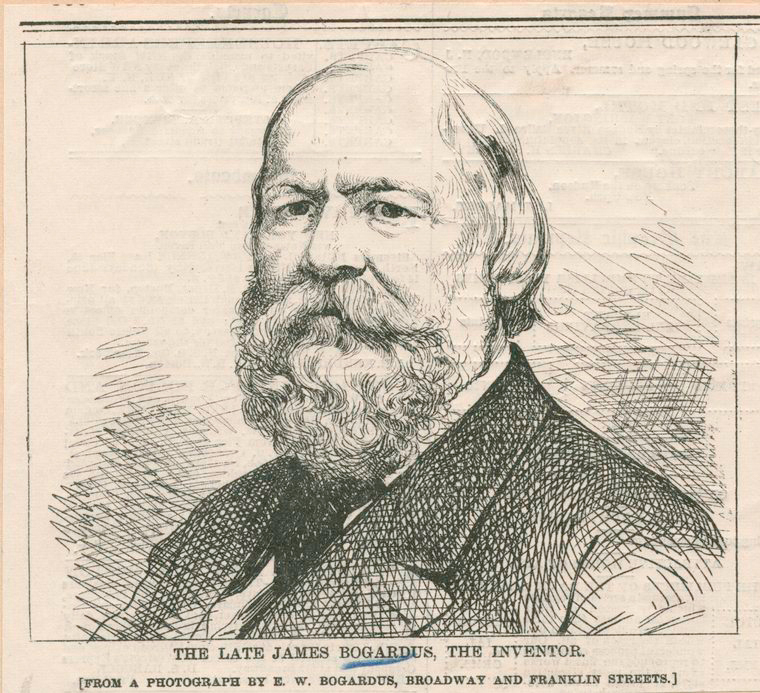
James Bogardus, the man who helped give SoHo its distinctive appearance thanks to his vigorous marketing and promotion of cast-iron architecture.
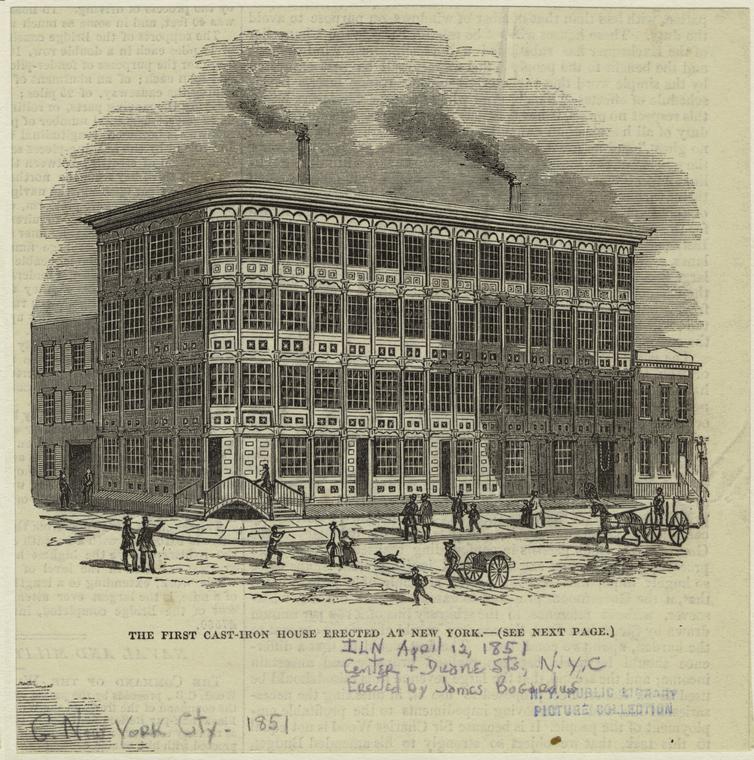
The first cast-iron structure in New York, built in 1848, was further south at the corner of Centre and Duane Streets.
NYPL
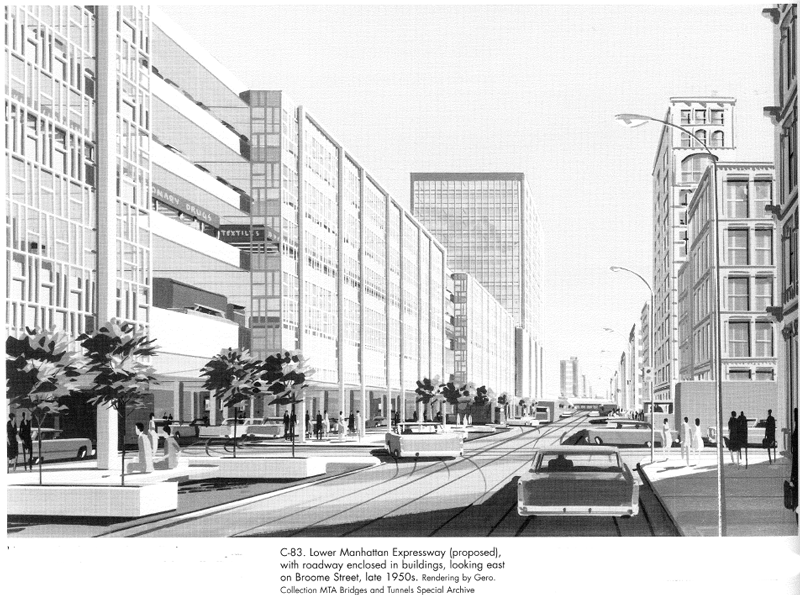
Robert Moses’ view of Broome Street via his project Lower Manhattan Expressway project. Broom Street would have had an elevated highway, enclosed within modern buildings. A view of surviving cast-iron architecture on the right.
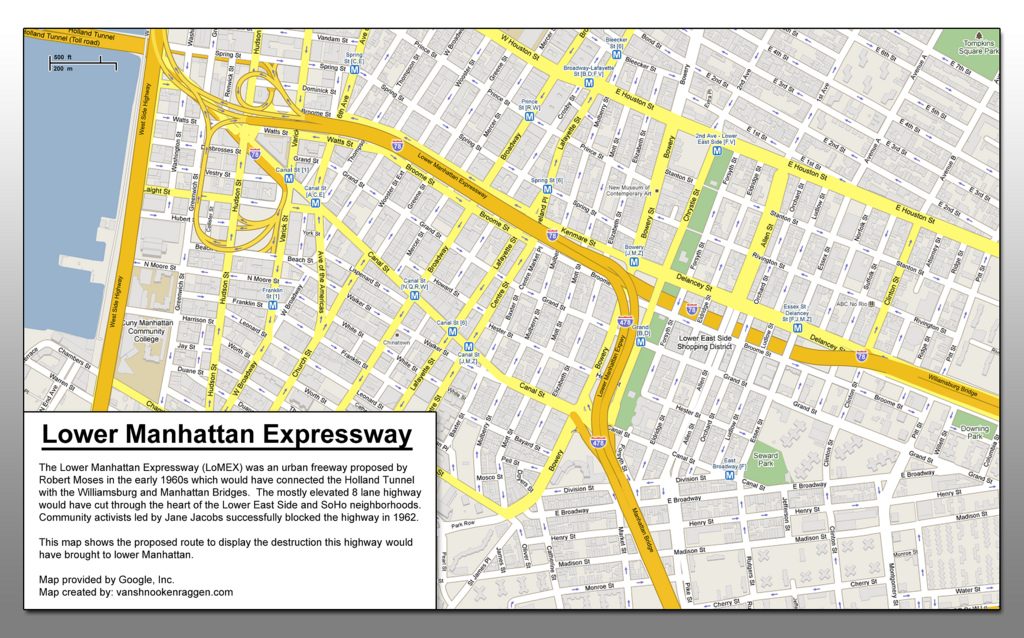
SoHo would have been eliminated (or greatly reduced) by Moses’ project which was thankfully nixed.
Map produced by vanshnookenraggen
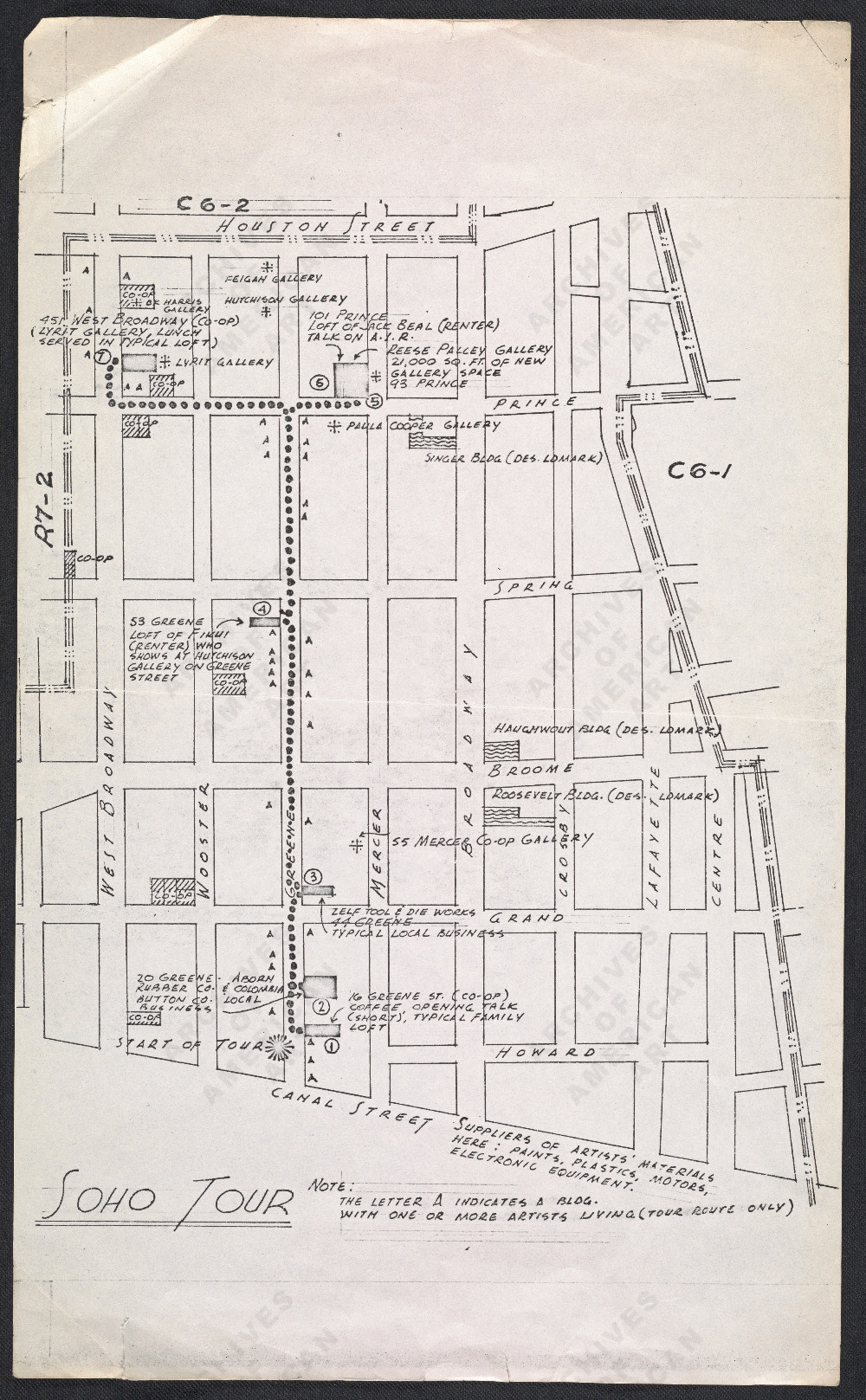
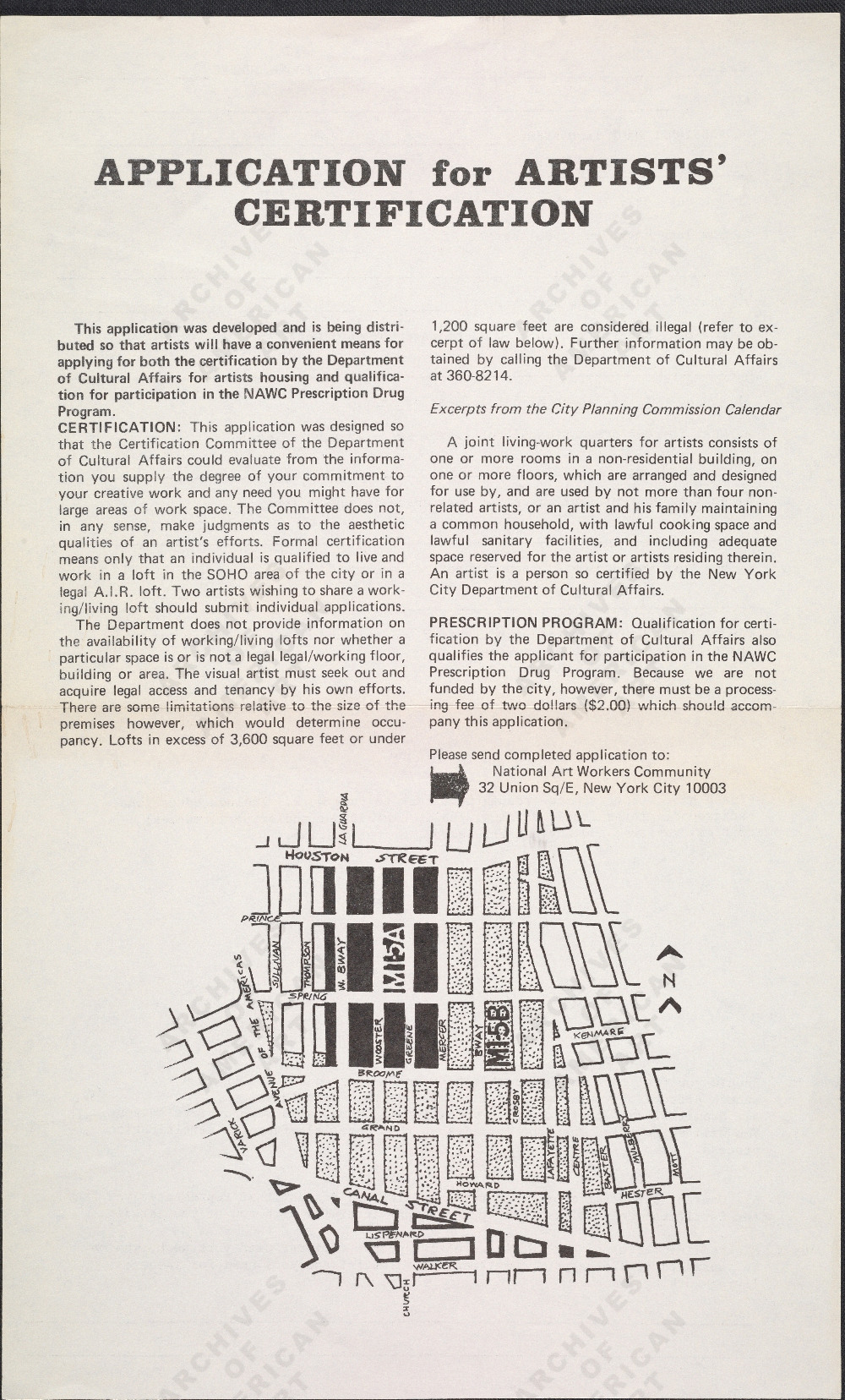
A map of the art galleries in the SoHo art scene during the 1970s.
SoHo Artists Association Records, 1968-1978. Archives of American Art, Smithsonian Institution
SoHo Artists Association Records, 1968-1978. Archives of American Art, Smithsonian Institution
We greatly encourage you to check out the SoHo Memory Project for a lot of fantastic and often deeply personal recollections about the SoHo days of yore.
For further listening, check out the following Bowery Boys podcasts which were referenced in this week’s show:
I’ll be bringing this feature back once in a while, because there are dozens more nightclubs, saloons and speakeasies of the past just waiting to be explored. And what a better choice to restart than the dance hall known as the Moulin Rouge of New York, a lively, brightly lit cabaret with debauchery for everyone — the Haymarket.
The Tenderloin district of Manhattan hosted the city’s biggest assortment of vice industries in the late 19th/early 20th century. Sure, Five Points gets all the press, but this vast area — approximately everything between 23rd and 42nd streets, and 6th and 9th avenues — was the more likely destination for regular New Yorkers who wanted to dally in illicit entertainment.
It was at the edge of more fashionable districts (Broadway to its east, Ladies Mile south) and many of its more successful ventures drew respectable gentlemen looking for respite from Gilded Age propriety.
Haymarket was the Tenderloin jewel, a three-story dance hall illuminated (disguised?) like a legitimate Broadway theatre and named for an even more legitimate British theater district. New York’s chief of police in 1887 described it as “animate with the licentious life of the avenue.”
Briefly, it really was a theater, called the Argyle, originally opening in 1872, before its owner got wise and reopened in 1878 as a saucier and more profitable dance hall. Its location, on 66 West 30th Street at Sixth Avenue, placed it just a few blocks from legitimate society, but its bevy of scintillating options were miles outside New York’s traditional morals.
With bands playing and high kicking saloon girls swirling about the floor, owner Edward Corey maintained his club was legally ‘above board’. In a quote from Timothy Gilfoyle’s A Pickpocket’s Tale, “An innocent man and his wife could have wandered into the Haymarket and been entirely unconscious of what was going on around them.”
In fact, those girls were most often prostitutes. Nicknamed ‘the prostitutes’ market’, the Haymarket was a veritable sin shopping mall, ladies luring men to tables to buy them champagne, shower them with presents and quite often making their way to curtained rooms in the balcony and upper floors.
If you preferred male prostitutes, you simply made your way to the back entrance. And although girls and boys were strictly forbidden by management to rob their clientele, the Haymarket nonetheless became a paradise for thievery.
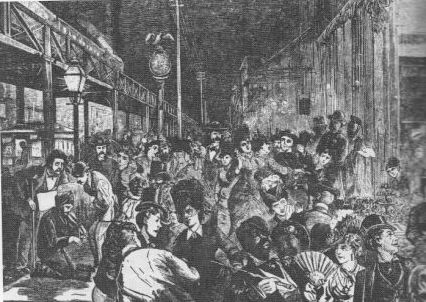
Below: the crowded late night streets of the Tenderloin (picture courtesy Ephemeral NY)
Even still, its reputation grew as New York’s liveliest party in the 1890s, a flashy, fleshy dive thumbing its nose at society. Women drank for free and were allowed to carouse and drink freely with men, who paid a one-quarter entrance fee for the privilege of joining them.
Respectable gentlemen joined riff-raff from local opium dens on the dance floor, their arms around painted, corseted ladies. Naturally, the Haymarket thrived with the help of police corruption and bribery: $250 a week greased the palms of law enforcement who looked the other way. When it actually was closed during rare moments of police reform, it simply re-opened under different names. Its abandon inspired writers like Stephen Crane and even Eugene O’Neill, who wrote of the club:
The music blares into a rag-time tune — The dancers while around the polished floor; Each powdered face a set expression wore Of dull satiety, and wan smiles swoon
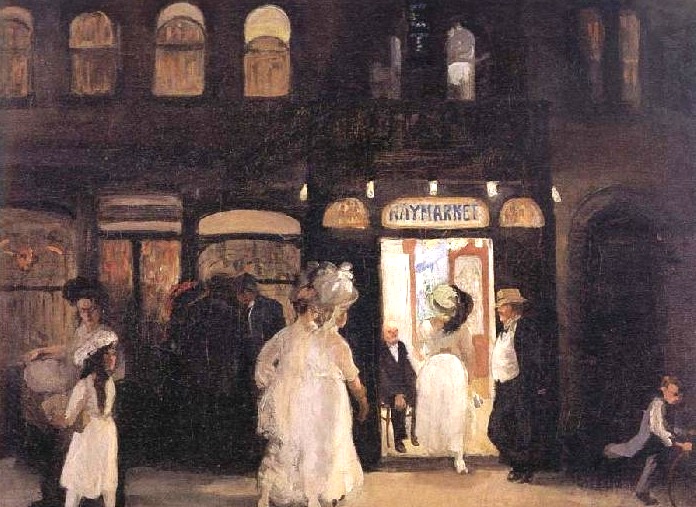
John Sloan painted the Haymarket in 1907, still lively in his depiction though in its waning days by the time he put paint to canvas. (The painting currently hangs at the Brooklyn Museum). The hall even became the subject of a 1903 silent film A Night At The Tenderloin.
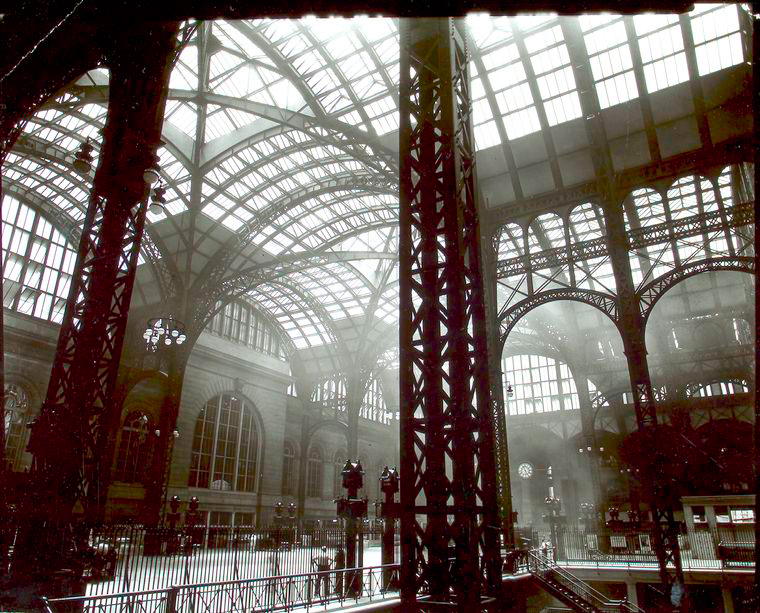
The Haymarket finally shut down for good in 1911, just as the neighborhood was itself transforming, with the construction of Penn Station and the development of Times Square clearing away much of the Tenderloin’s vice.
Standing at Sixth Avenue and 30th Street today, you’d have no idea that one of New York City’s biggest parties once raged here.
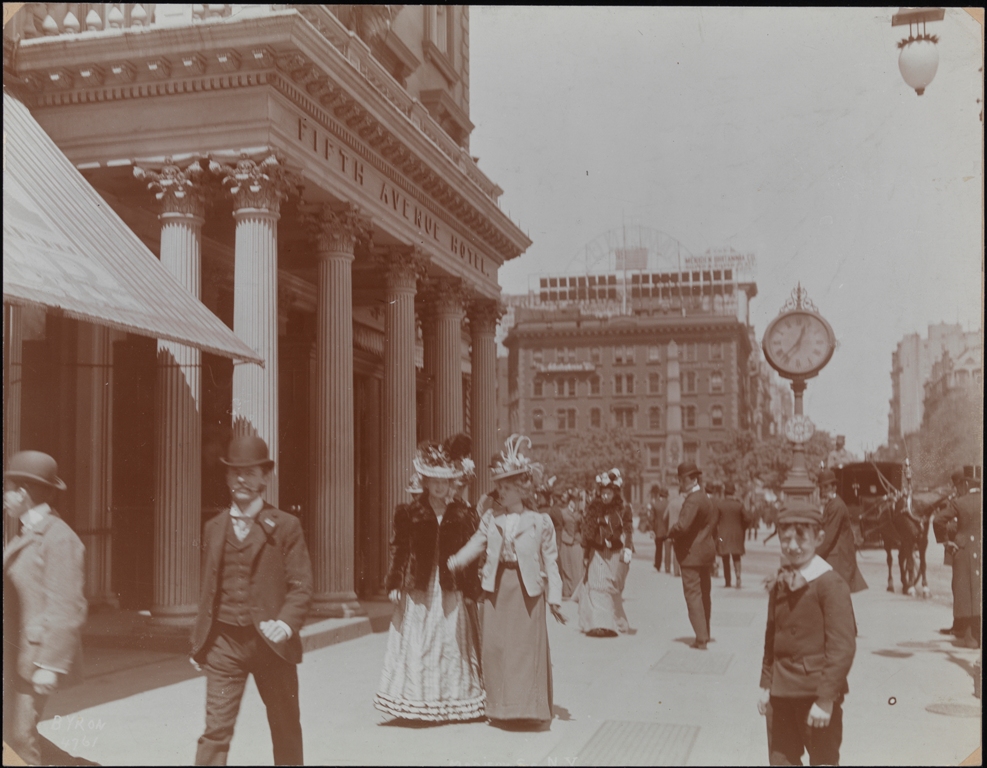
The double-breasted, cigar-chewing gentlemen who gathered in the sumptuous rooms of the Fifth Avenue Hotel were occasional connoisseurs of New York City history, and in particular, these amateur historians spoke of the very street corner where their hotel stood.
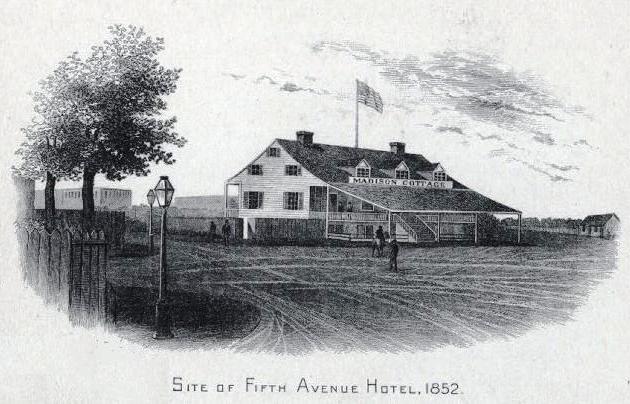
Before Madison Square, when the area was a barren parade ground, one Corporal Thompson opened a roadhouse and stagecoach station in the area that was to become 23rd Street and and Fifth Avenue.
Many spoke fondly of Thompson’s establishment, called Madison Cottage, because they remembered the place as young boys. They recalled the area’s rural quality, with carved rectangular blocks carved into the land and a dirt-road Broadway meandering north.
But that was the 1840s.
Madison Cottage, Hitchcock, Darling & Co.
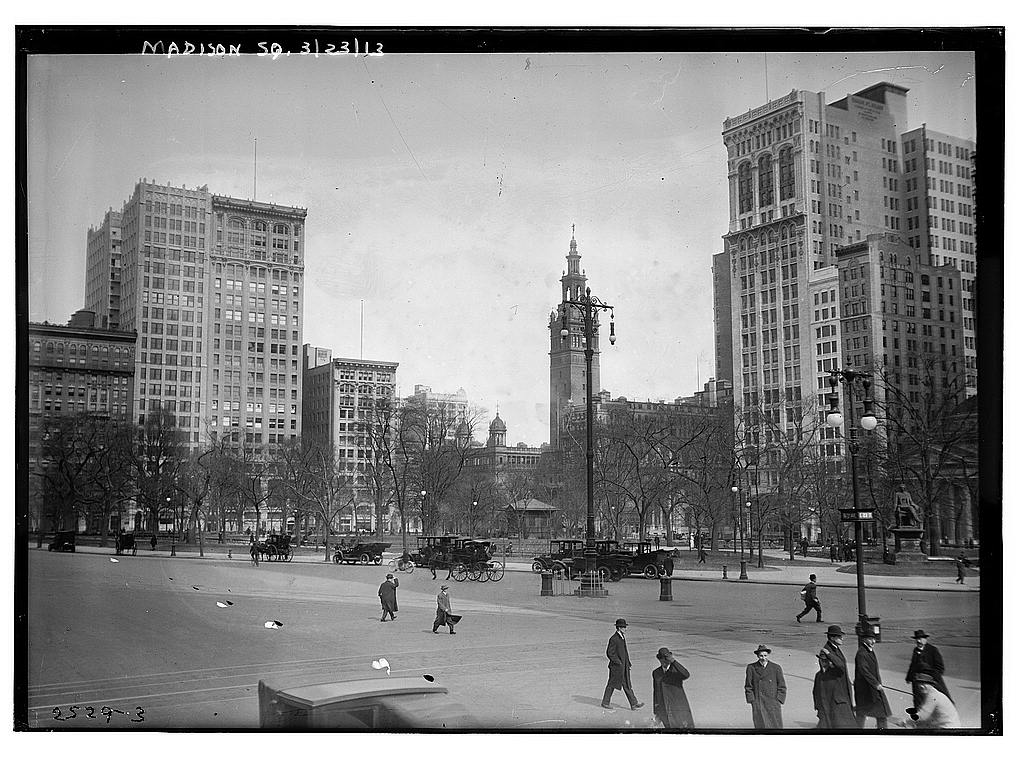
Forty years later, Madison Square Park was the center of New York, a focal point of class, business and luxury that stretched south to Union Square, through that attractive collection of fine stores known as Ladies Mile, and up Fifth Avenue into the fabulous mansions of the rich.
And dead center of all that activity was the Fifth Avenue Hotel, not only the “finest [hotel] in this metropolis”, the “leading hotel of the world ,” but quite simply one of the most surprising stages for American politics of the mid and late 19th century.
New York’s Hotel Revolution
Hotels were fast becoming the center of New York life from at least the days of the Astor House, located near City Hall, in the 1830s. Within two decades, trendy new hotels (such as the St. Nicholas and the Metropolitan) spread up along Broadway and eventually clustered around Union Square.
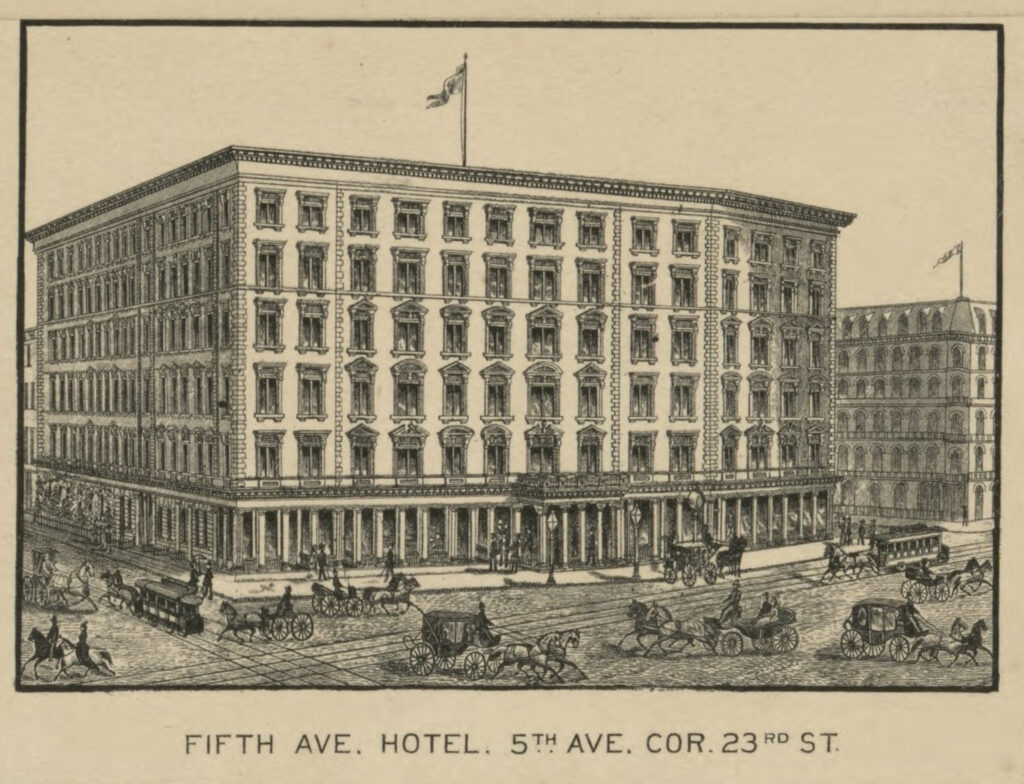
The Fifth Avenue Hotel opened in 1859, the venture of wealthy merchant Amos Richards Eno, who accurately gambled that the center of city commerce would soon settle at 23rd Street. So confident a speculator was Eno that he moved from his brownstone at 74 Broadway (the first New Yorkbrownstone, he claimed) to a massive home nearby the hotel.
Some thought it unwise to build so far north, and when workers unearthed dozens of skeletons during construction — the area once being a potter’s field — the corner was even considered cursed. Eno defied the naysayers, pouring his wealth into the hotel to make it the most modern, most luxurious accommodation of the day.
The Fifth Avenue Hotel, 1879. Courtesy Wikimedia Commons
A Gilded Age Confection
The Italian exterior was awash in five stories of imported marble, while austere, carpeted interiors of French design drew comparisons to European palaces.
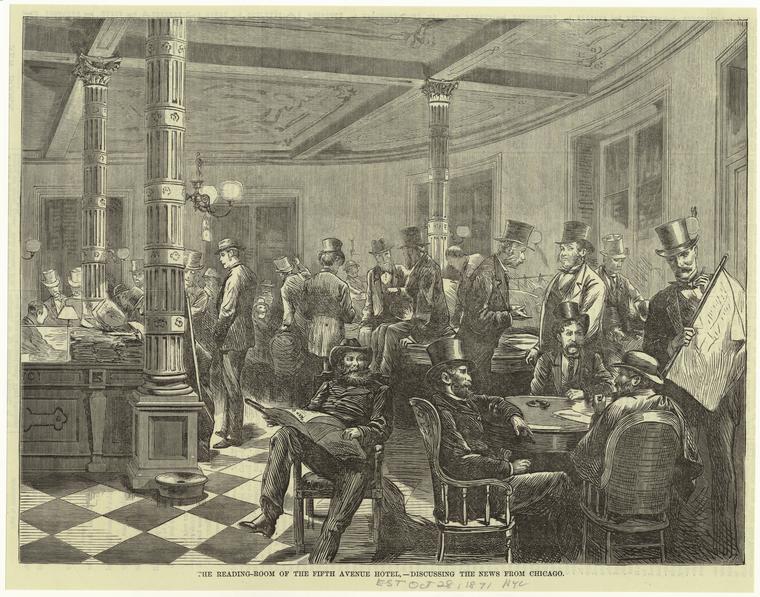
Guests enjoyed reading rooms, a luxurious bar, a barber shop, a dedicated telegraph office, and a variety of dining and drawing rooms, not to mention the first passenger elevator ever built in the United States, a steam-powered monstrosity whisking passengers to their floor.
The Fifth Avenue Hotel reading room, busy every weekend. (Boston: Fields, Osgood & Co.,)
Wheeling and Dealing
As the finest hotel in the city in the post Civil War years, it naturally became a magnet for politicians and financiers. Of all the ‘backrooms’ of American politics, none were as gleaming as the Fifth Avenue.
Bankers huddled in the legendary ‘parlor D. R.’ during the tense days of the financial panic of 1873. In particular, the hotel became a de facto headquarters for New York Republicans.
While often secondary to the city’s Democrats — this being the era of Tammany Hall‘s swelling power — Republicans were frequently in control of state government, and the Fifth Avenue Hotel became a smoky center of political wheeling and dealing.
During the 1870s, New York republicans became national power brokers and frequently hashed out crises here at the Fifth Avenue.
In the years before the Waldorf-Astoria, presidents and dignitaries all stayed here during visits. Seamier political maneuvers took place in the chambers of prominent politicians who held court here, including the inimitable Roscoe Conkling (at left), senator of New York and leader of the Republican faction known as the Stalwarts.
National Influence
When fractured Republicans at their convention in 1880 nominated non-Stalwart James Garfield for president, the nominee had to basically grovel for their support by symbolically ‘kissing the ring’ of the Stalwarts during a visit to the Fifth Avenue Hotel, partially agreeing to their system of patronage and taking Conkling ally Levi Morton as a member of his cabinet. (Garfield later backed out on this arrangement.)
Another frequent guest here was Chester A. Arthur, Garfield’s eventual vice president. When Arthur became president after Garfield’s assassination by Charles Guiteau (who had himself wandered the hotel’s hallways in delusion), he would set up his entire administration here during visits to his adopted city.
By the 1890s, a corridor of the hotel known as the ‘Amen Corner‘ was a famous congregation spot for Republican political bosses and reporters. As they frequently powwowed here on Sundays, gatherers would caustically shout ‘Amen!’ during heated discussions.
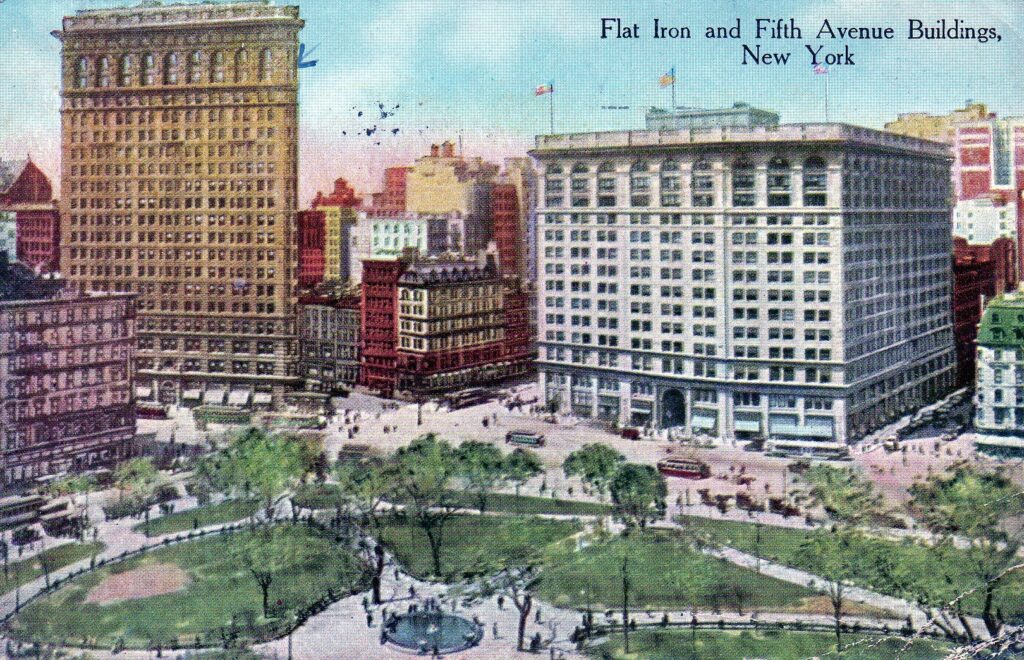
The Fifth Avenue Hotel in relation to the Flatiron Building
Checking Out
The hotel became a magnet for shenanigans of all varieties. In 1893, a couple hundred proponents of a U.S. monetary silver standard erupted into a riot that included two U.S. senators.
The bank robber Robert Montague was arrested here in 1896 thanks to a tip-off from a chambermaid. An early vestige of baseball’s National League met here annually, and the national pool competitions were held in the hotel’s billiard room.
By the new century, of course, the locus of New York activity was hastily moving uptown, and the Fifth Avenue Hotel was deemed a relic, even as a brand new structure across the street — the Flatiron Building — was being proclaimed the finest building in the city.
In 1908 the Fifth Avenue Hotel was torn down and replaced by the 16-story Toy Center (called the Fifth Avenue Building back in the day), the epicenter of toy manufacturing for much of the 20th century.
The summer blockbuster Spider-Man: Homecoming may be the greatest New York City superhero movie ever.
It doesn’t treat New York like a series of famous backdrops (although there certainly are a couple); it has a familiar landscape and there’s a particular care given to depicting Queens, the home of Peter Parker. There’s even a couple scenes with a mangy deli cat; you can almost smell it! (We will over look one major flaw that anybody riding the Staten Island Ferry will immediatelynotice.)
The film reinforces the notion of Spidey as the premier urban heroic figure. Indeed, in when faced maneuvering through a suburban neighborhood, he’s virtually useless, ripping through trees, tumbling into backyards.
In tribute I thought I would update my tribute to Spider-Man, New York City’s ultimate hero.
A shorter version of this article originally ran ten years ago at the start of that other reboot of the Spider-Man movie franchise. The following article was also inspired by a box of old comics books which have followed me around to various apartments for the past two decades. Last week I moved to yet another new apartment and the boxes are still with me.
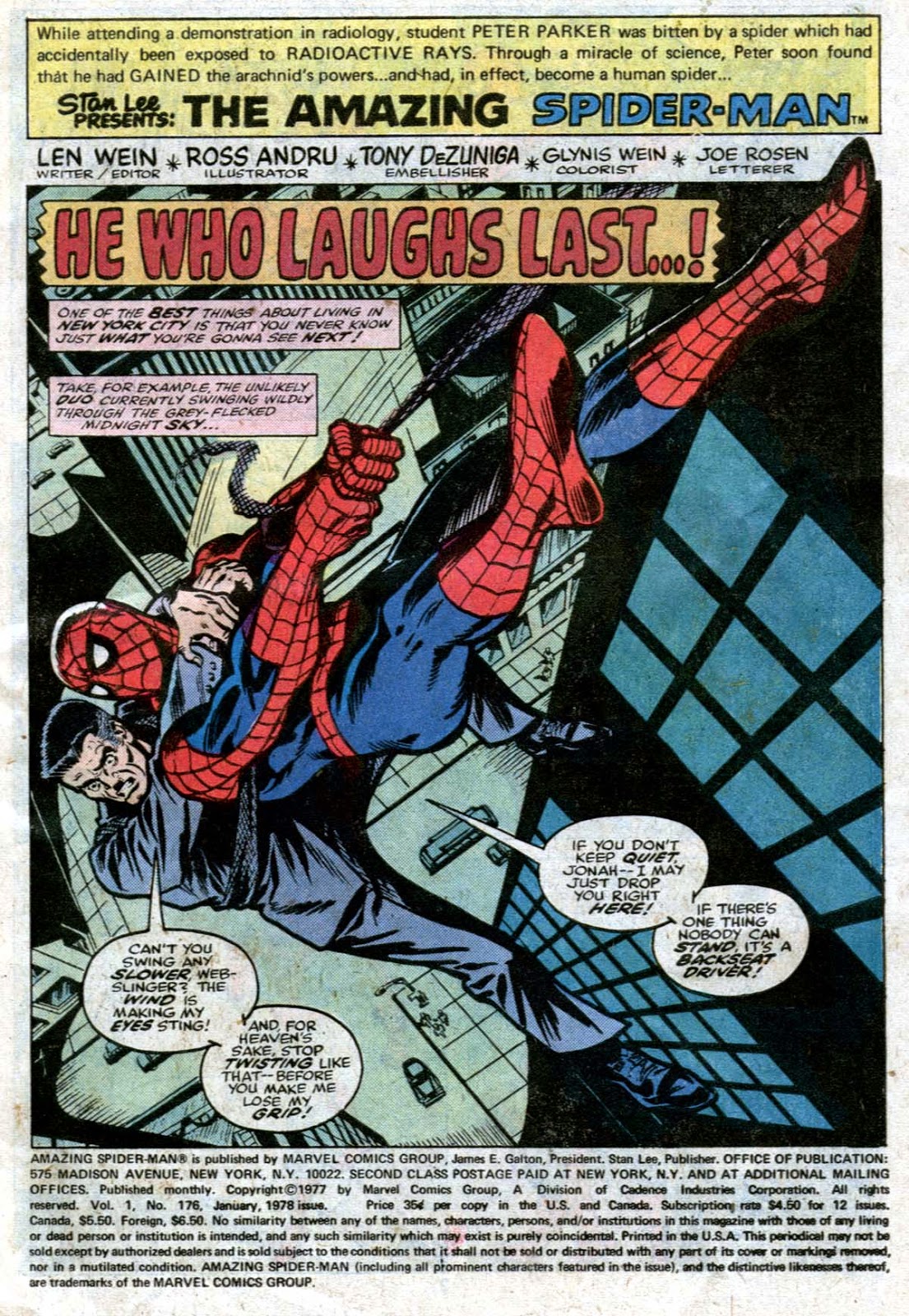
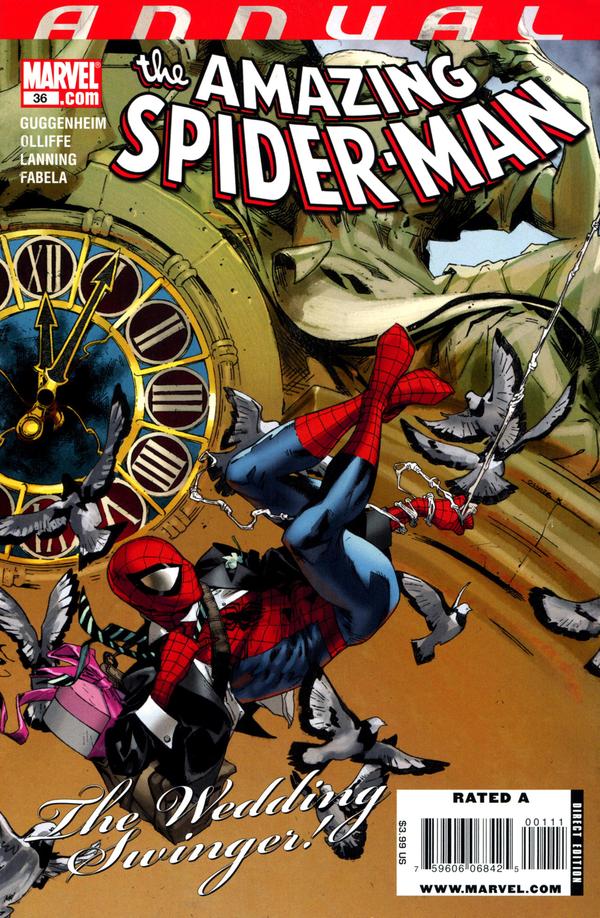
From Amazing Spider-man #176
THE KING OF QUEENS
Spider-Man might be considered the superhero version of the New York Mets. Ever in the shadow of stronger, older, perhaps stodgier renditions from a different league (Superman, the Yankees), both Spider-Man and the Mets have origin stories which begin in Queens in the 1960s and are often considered New York underdogs. Their fans call them Amazing.
No modern fictional character inhabits a city quite like Spider-Man does with New York City.
Like other creations from the stable of Stan Lee, Spider-Man was meant to reflect a normal human being in a familiar setting, unlike the characters of DC Comics, who were space aliens, amazons or billionaires.
Yet it’s only Peter Parker’s humble beginnings as a teen from Forest Hills, Queens, that seem ordinary; as Spider-Man, he nimbly darts over the city, never in need of public transportation, elevators or a taxicab.
BITTEN BY THE BUG
Writer Steve Ditko** fleshed out Lee’s vision of an awkward teenager-turned-acrobat who could virtually sail through the streets outside their window.
The locations of Marvel’s offices and studios — formerly in the Empire State Building, but at 635 Madison Avenue by 1962 — certainly played a role in developing Marvel’s early characters as urbanites.
Most all his adventures take place in New York, and the city plays backdrop to these melodramatic, often cataclysmic events.
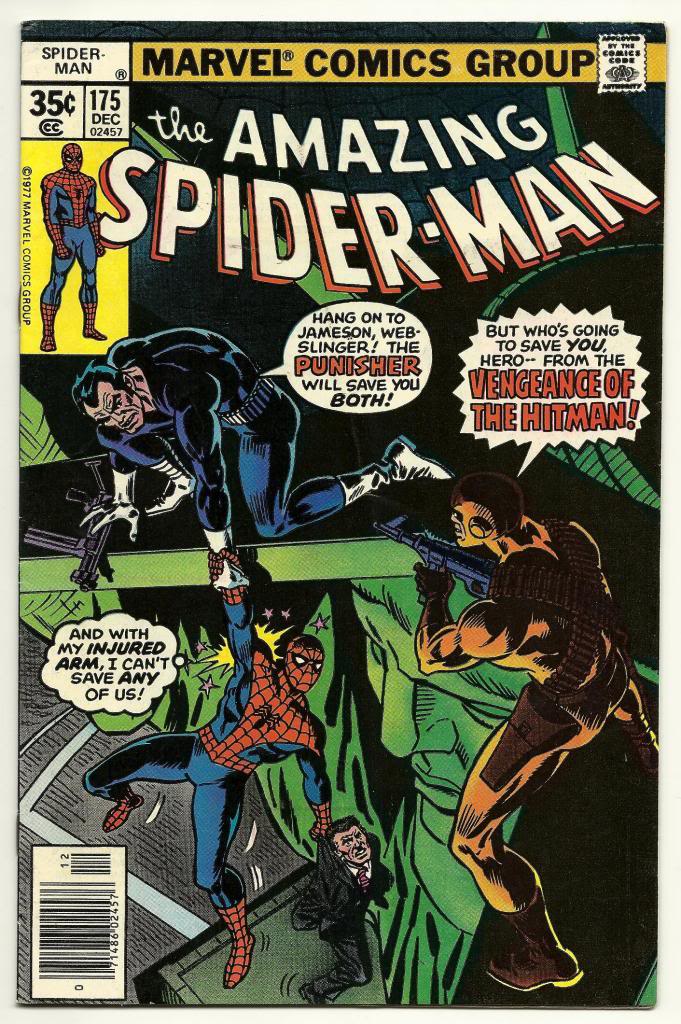
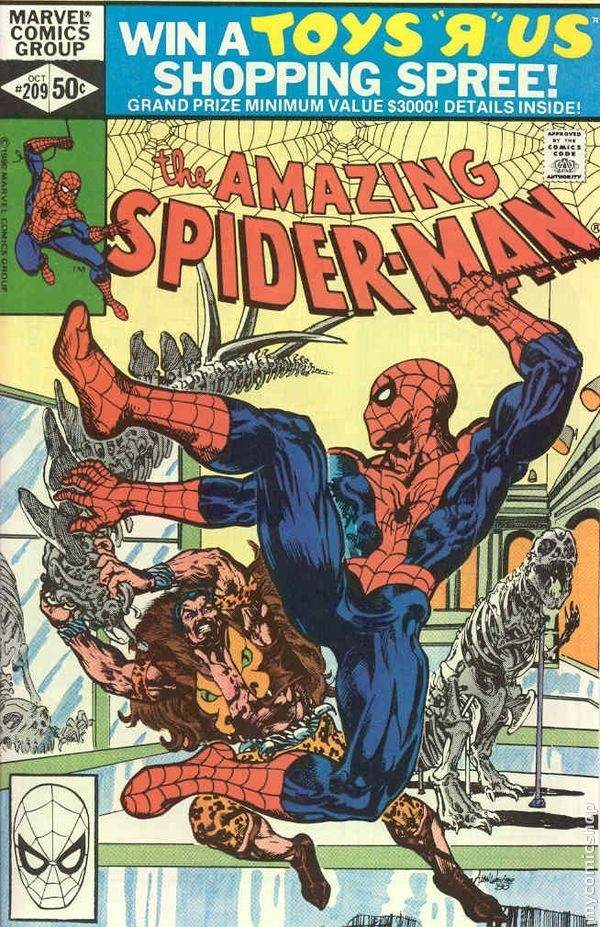
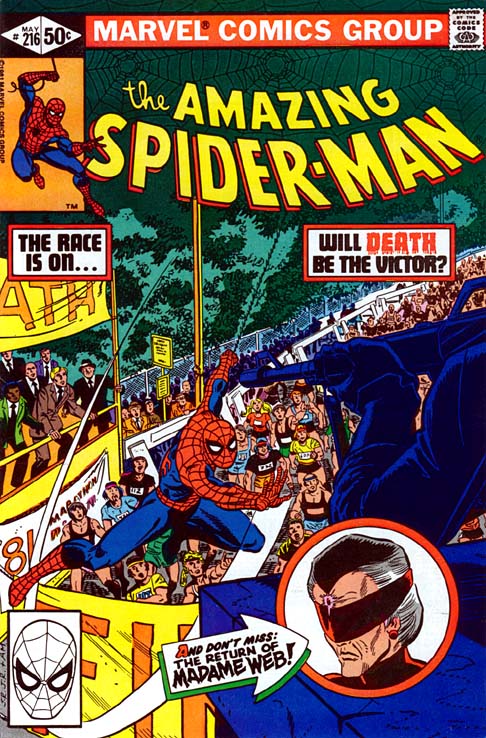
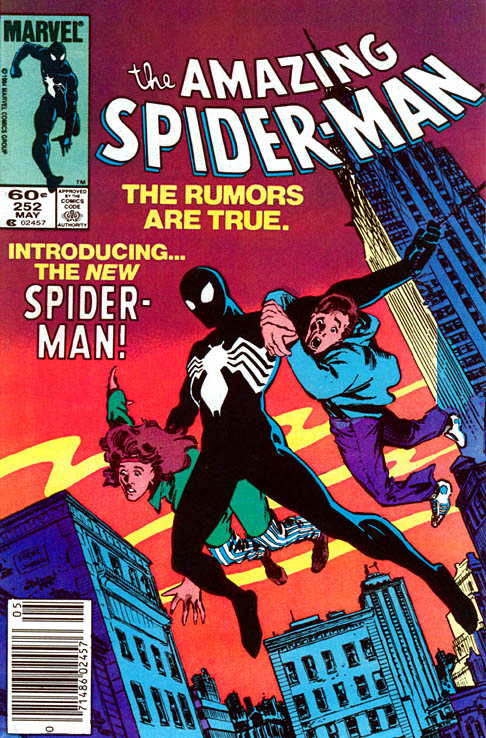
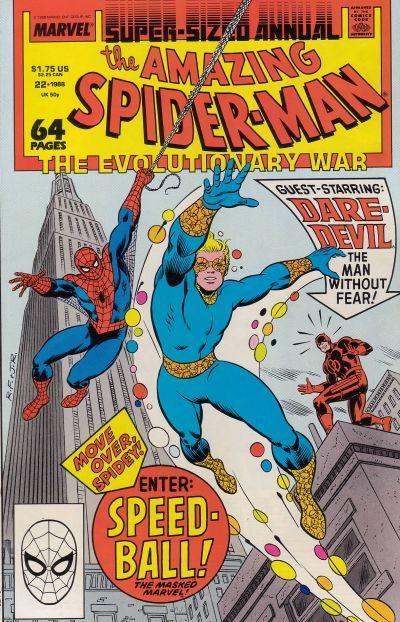
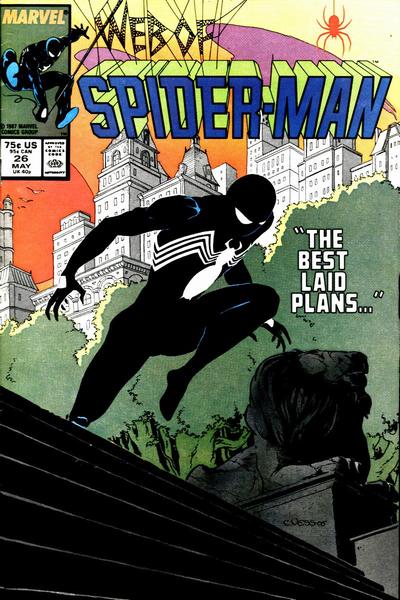
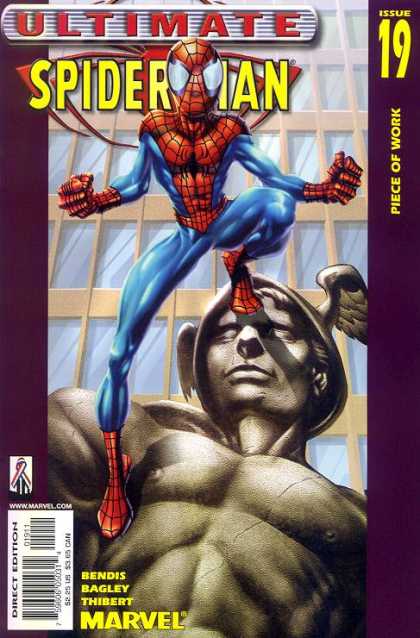
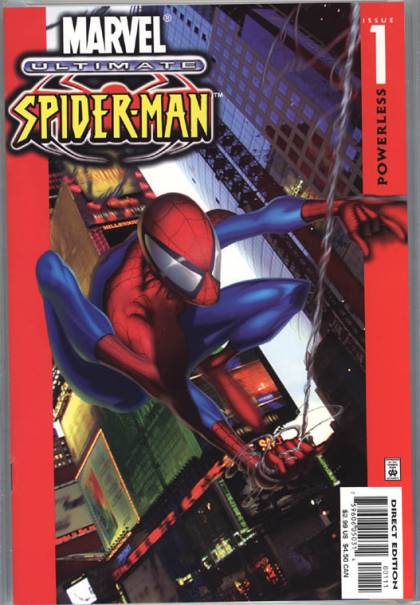
Upon the covers of hundreds of comics books that Spider-Man has appeared since his debut in August 1962, the webslinger has perilously dangled over the grid, either swinging down the avenues or bouncing super villains against an endless number of brick walls. (Like more than a few fashionistas, he sometimes even wears all black to work.)
If superheroes existed, New York City’s maintenance and security costs would well exceed its annual budget, and nobody would dare build a new skyscraper. Why, the budget to clean buildings of Spidey’s used webbing would reach into the thousands each year! (Ed. note: I’ve since been informed that the hero’s webbing is basically biodegradable. Great for the environment!)
Most structures depicted in his greatest adventures are mere abstractions, simple ledges for perching and windows for smashing. We rarely see pedestrians fleeing the falling debris or the contractors assessing the damage for disgruntled landlords.
YOUR FRIENDLY NEIGHBORHOOD TOUR GUIDE
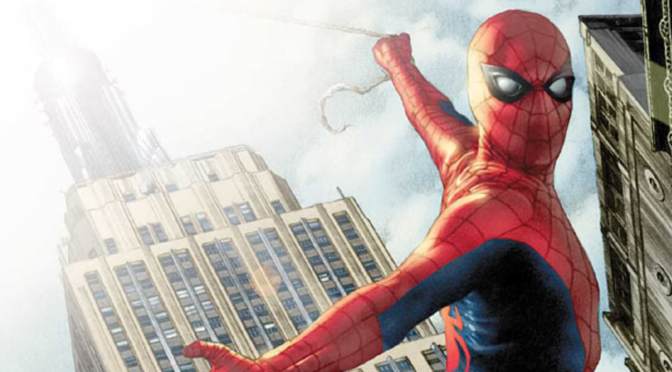
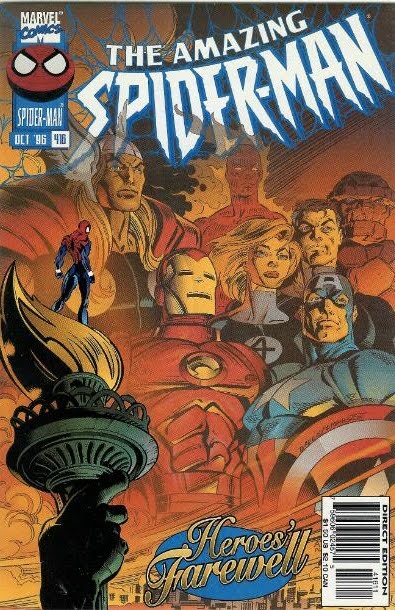
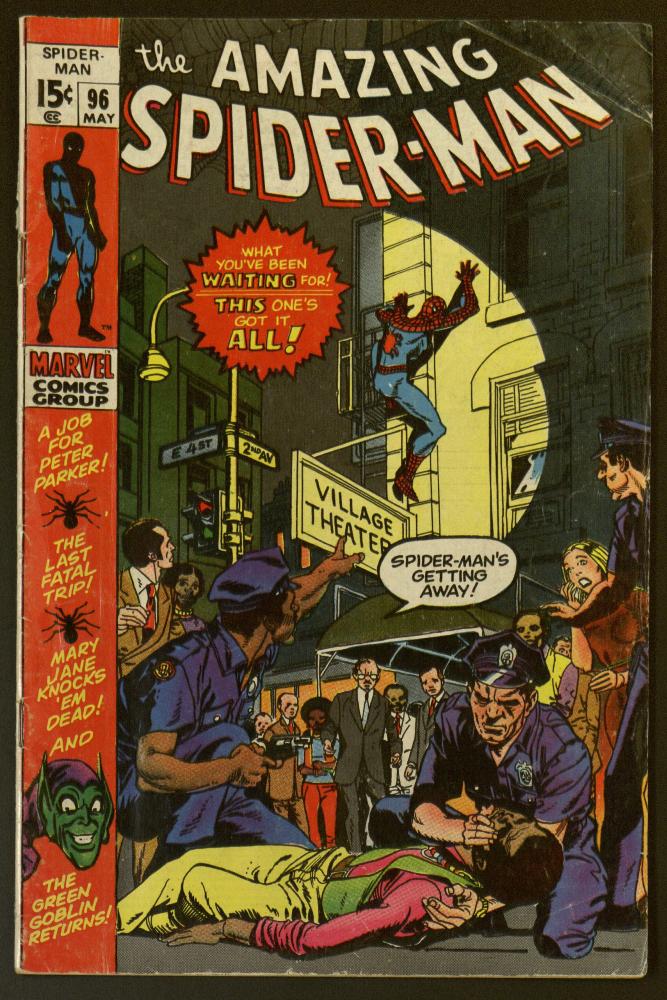
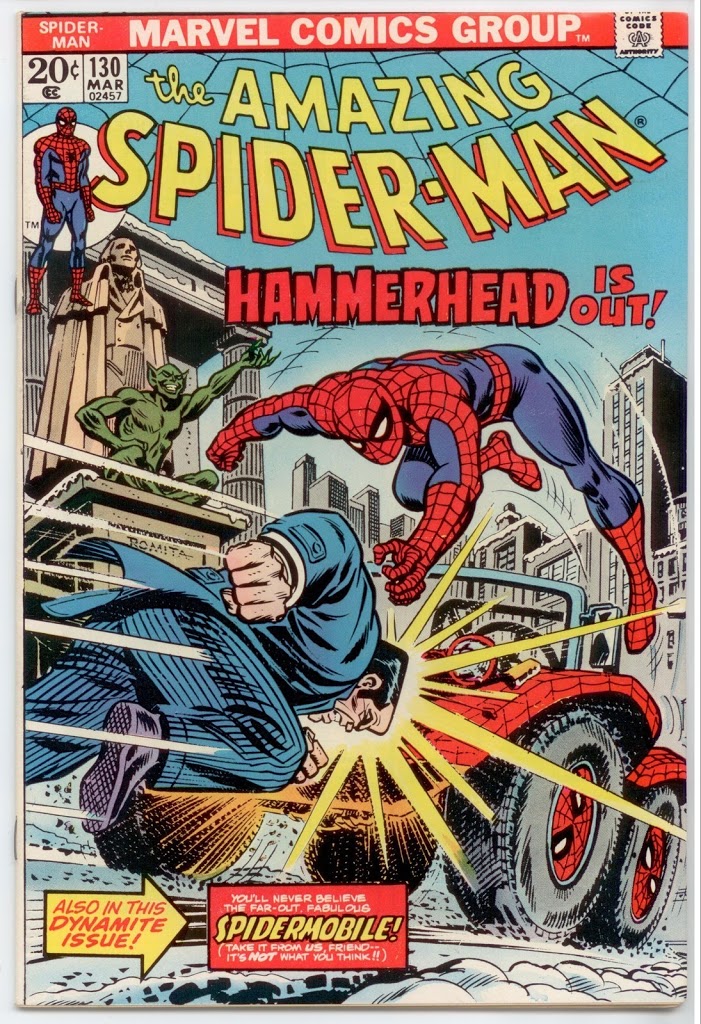
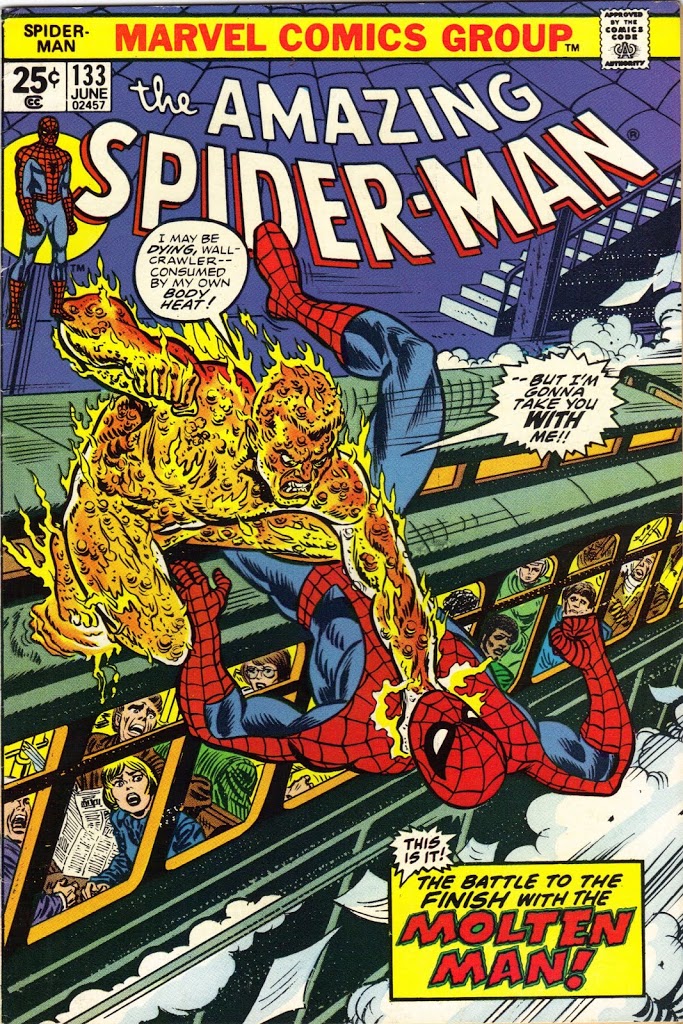
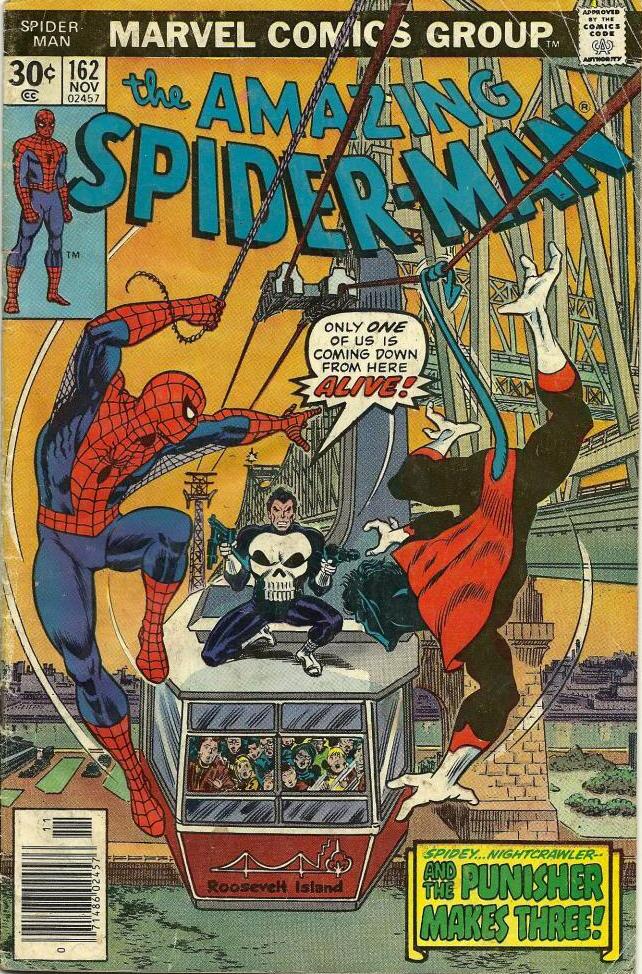
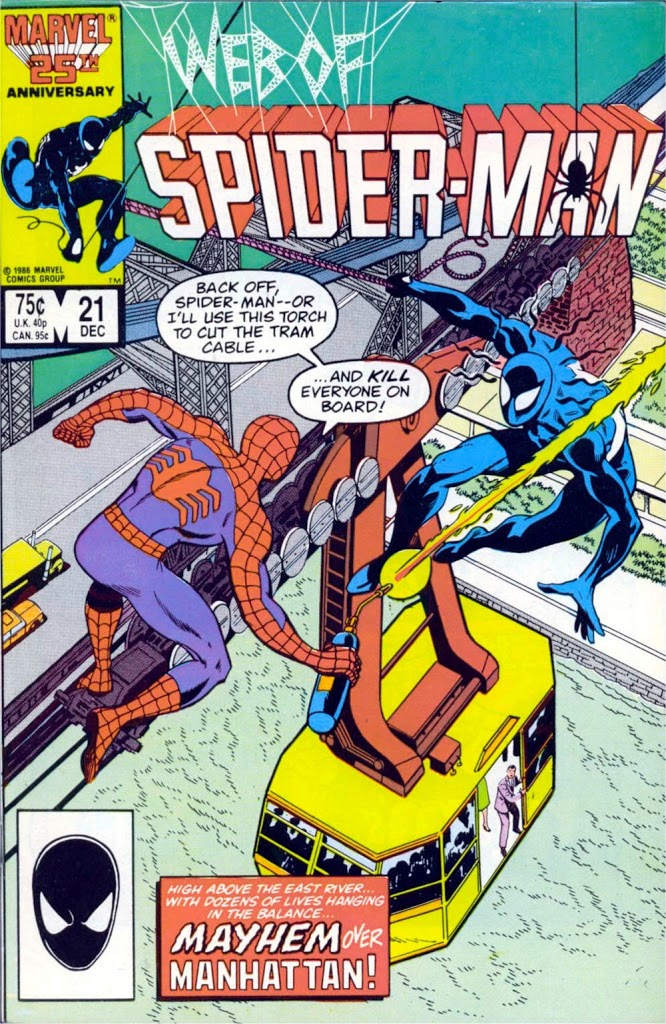
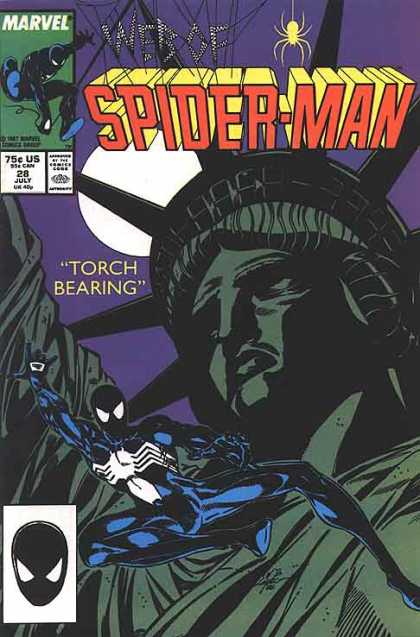
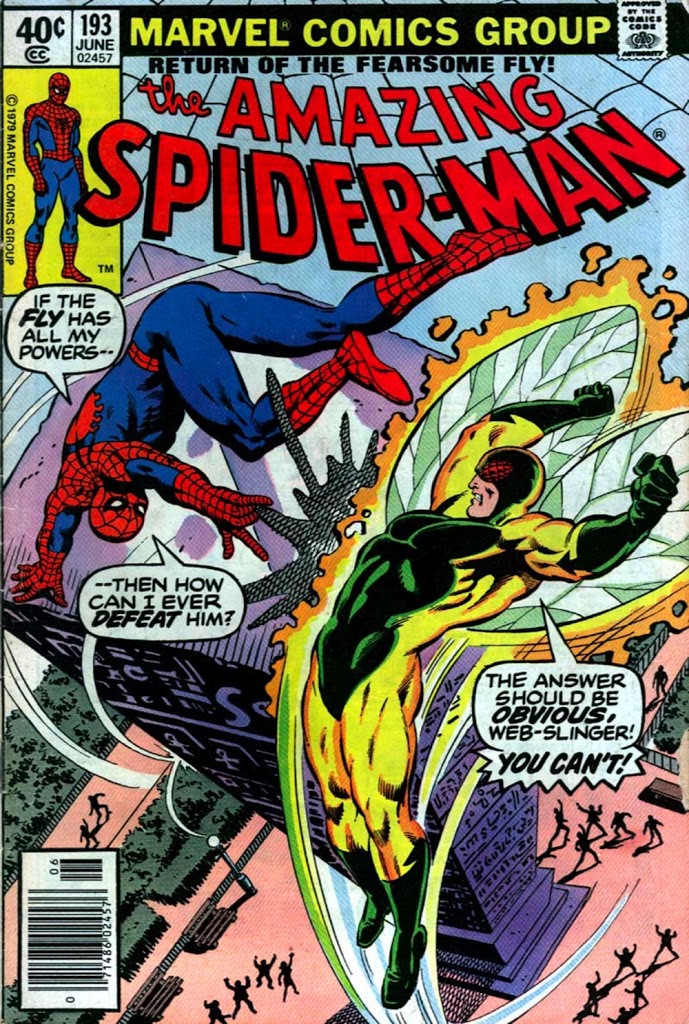
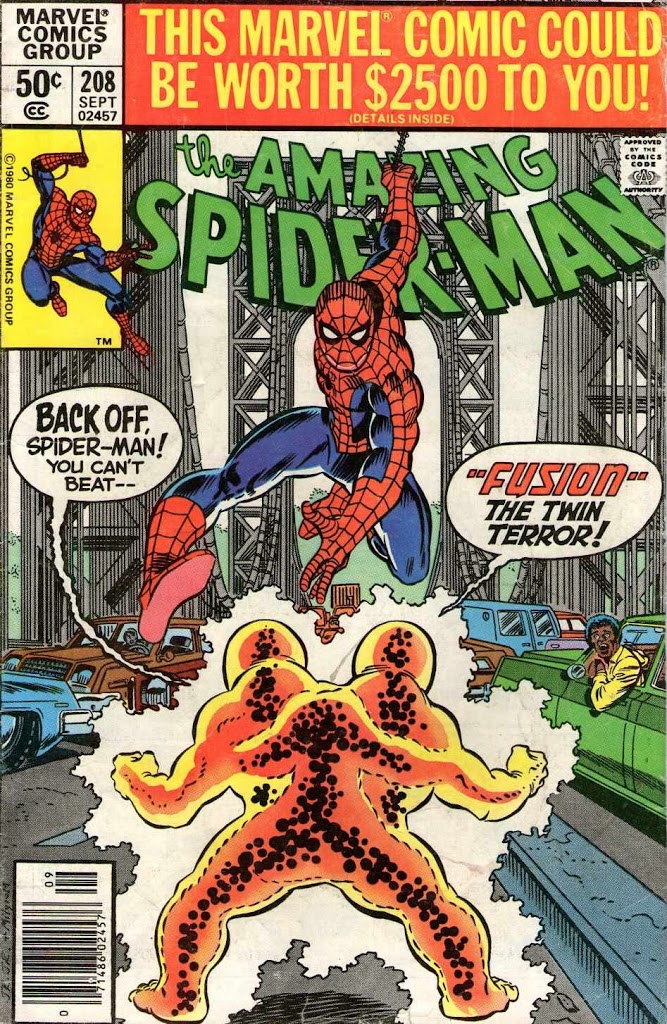
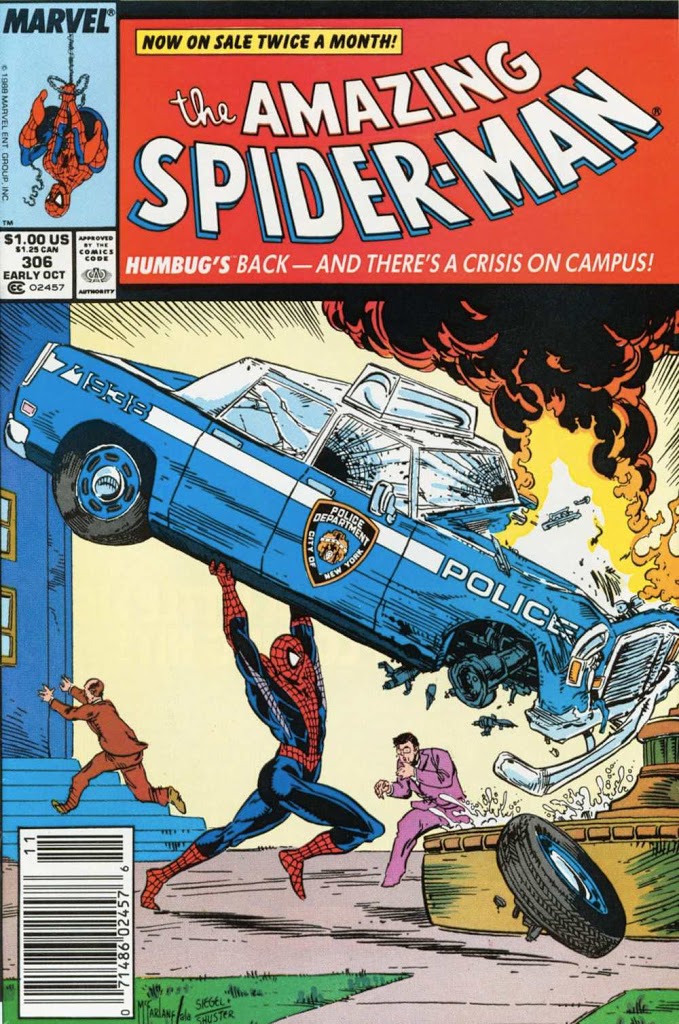
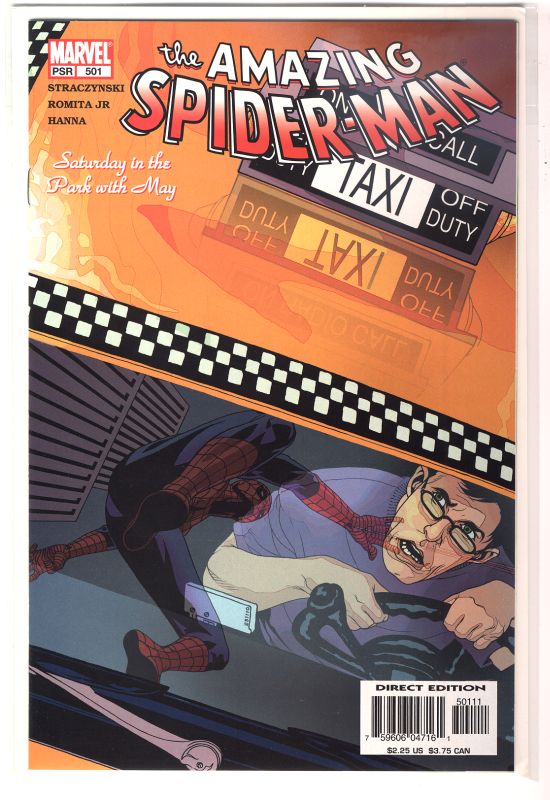
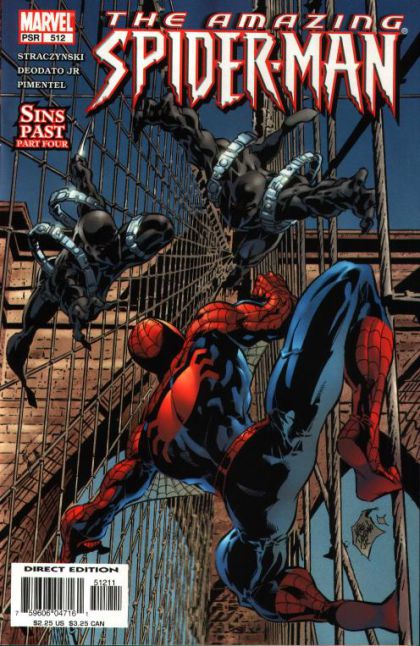
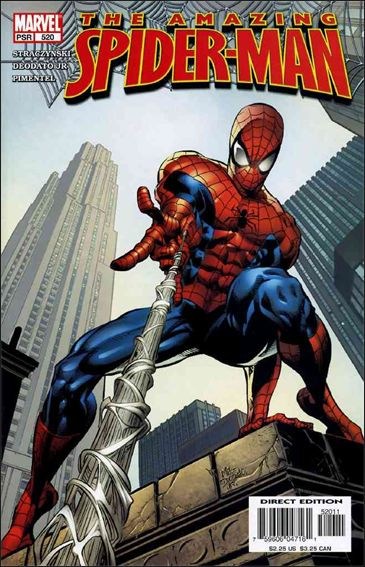
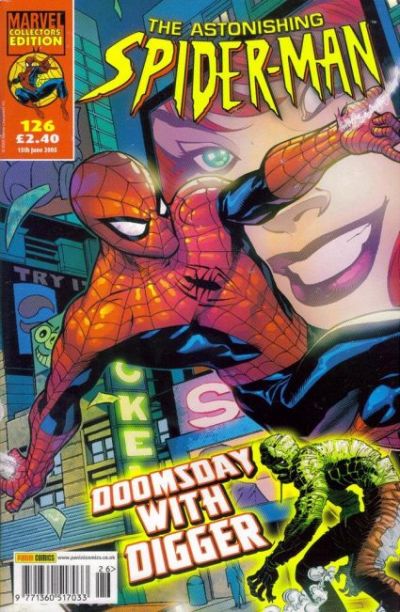
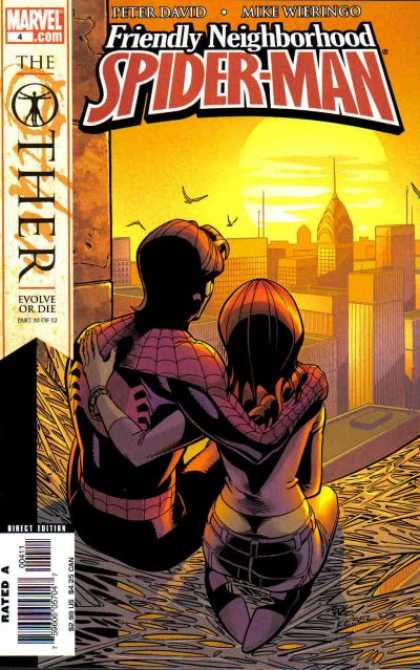
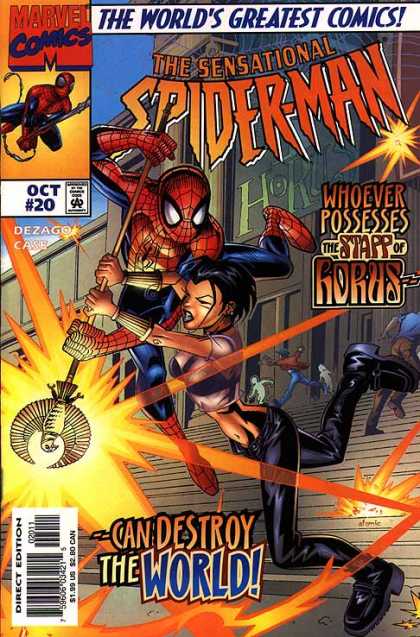
Spider-Man doesn’t fly. The superhero and the city have a symbiotic relationship; he needs the city’s height to swing around, and the city needs him to protect it. And so New York landmarks have frequently popped up on Spider-Man comic book covers, perhaps more than any other superhero creation. He gathers his strength from the famous skyline itself.
You can actually take a tour of the city through Spider-Man covers, from the 1960s to today. Below are several examples of New York’s guest appearances.
Swing along with him as he takes you past 1) the East Village, 2) Federal Hall, 3) the subway, 4-5) the Roosevelt Island tram, 6-7) the Statue of Liberty, 8) Cleopatra’s Needle, 9) the George Washington Bridge, 10) the American Museum of Natural History 11) the New York Marathon, 12-13) the Empire State Building, 14) the New York Public Library, 15) a vehicle from the New York Police Department, 16) a yellow cab, 17) the Brooklyn Bridge, 18) Rockefeller Center, 19) Times Square, 20) the Chrysler Building, 21) the Metropolitan Museum of Art, 22) Grand Central Terminal, 23) One Times Square. (Not pictured: the Flatiron Building, where the Daily Bugle is located in the earlier films.)
**Note: There is some controversy over whether legendary artist Jack Kirby might also have been involved in the creation of Spider-Man. I have re-edited the story above, however I send you to i09’s 2009 article Who Created Spider-Man? which discusses artist’s possible involvement. (7/9/12)
Â
And finally, Marvel and the creators of Spider-Man did pay tribute to the attack on the World Trade Center on September 11, 2001. Appropriately, for a comic book that often wantonly celebrates the crumbling of random structures in high-flying battles with super villains, the creators chose to use no image:
Top image courtesy IGN. A couple of these are from Sam Ruby, a couple of them are my own scan! You can see the complete collection of Spider-Man covers over at Cover Browser where I borrowed a couple of these as well.
All art, images and characters on this page are courtesy Marvel Comics.
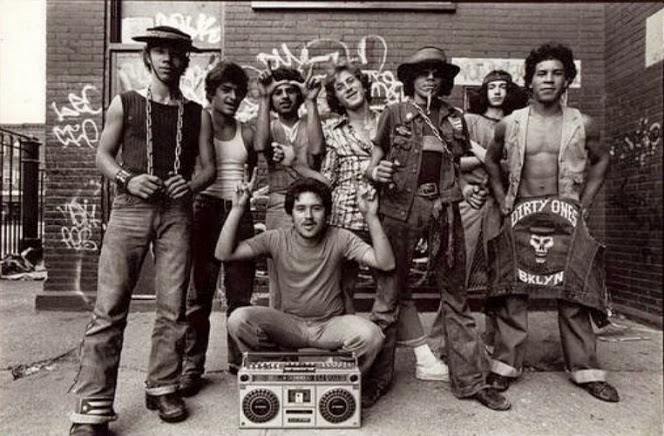
For this article, I look at what some of the dangerous undercurrents to life in Williamsburg, Brooklyn, in 1981. “By the 1970s, Williamsburg was best known for its steeply rising crime rate, harboring both violent street-gang activity and organized crime.” You can read the whole article here.
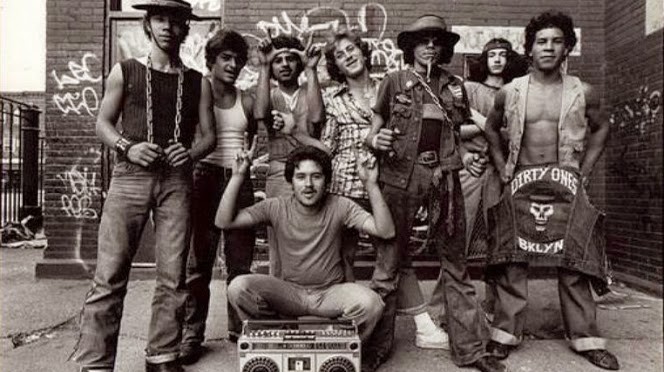
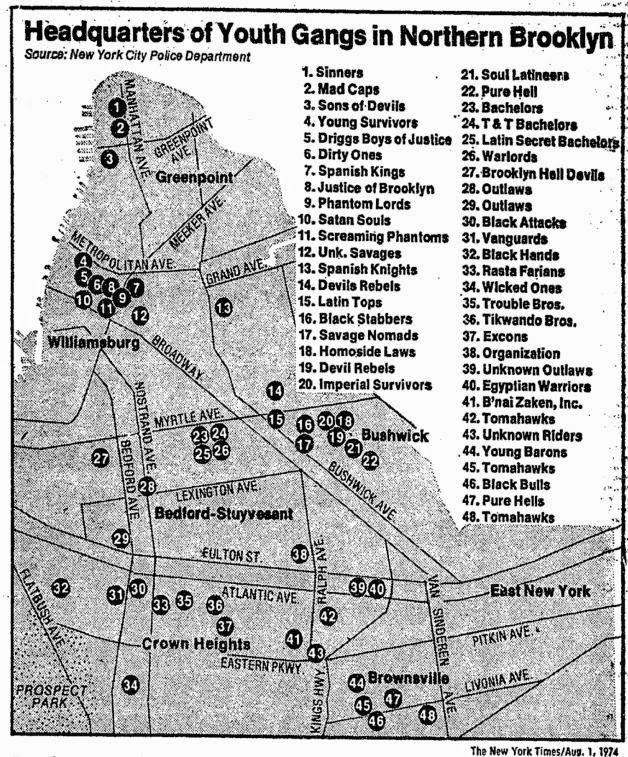
During my research for this piece, I found this rather startling map in the New York Times, August 1, 1974, charting out the various turfs of northern Brooklyn street gangs.
This is not a souvenir from the film The Warriors, but an actual list of the many violent gangs which kept Brooklyn a very dangerous place to walk around in during the 1970s.
Gang activity was so especially vicious at this time — particularly gang-vs-gang violence — that Luis Garten Acosta, the founder of El Puente youth outreach program, called northern Brooklyn ‘the killing fields’ in 1981.
I dug a little further to find some specific incidents which involved some of these gangs. I’ve put numbers by the gangs so you can find their dedicated turf on the map above:
— September 16, 1972 — A gang altercation among the members of the Young Barons (44) resulted in the death of one young man and another whose nose was cut off.Â
— August 21, 1973 — Several members of the Devils Rebels (19) were walking around Bushwick when they were accosted by the Screaming Phantoms (11). Two boys associated with the Devils Rebels were stabbed and killed. Police report “the Screaming Phantoms operated out of the Williamsburg area and had been ‘way out of their area’ at the scene of yesterday’s gang fight.”
— October 12, 1973 — Several gangs have been cast as extras in a new film called The Education of Sonny Carson, including the Tomahawks (48), Pure Hell (22) and the Unknown Riders (43).
— February 25, 1974 — The Times reports on the extortion schemes of various northern Brooklyn gangs, mentioning the Outlaws (28,29), the Tomahawks (48), the Jolly Stompers (not listed) and B’Nai Zaken (41).
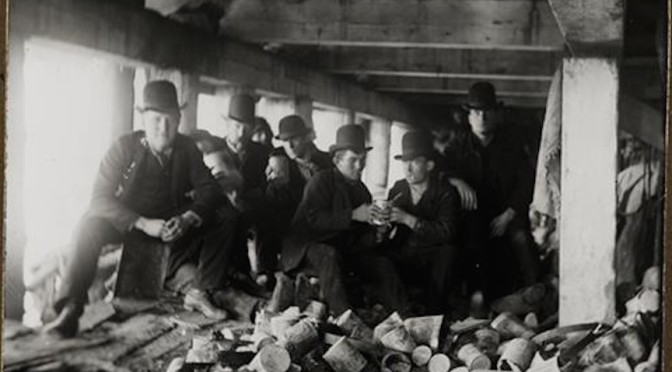
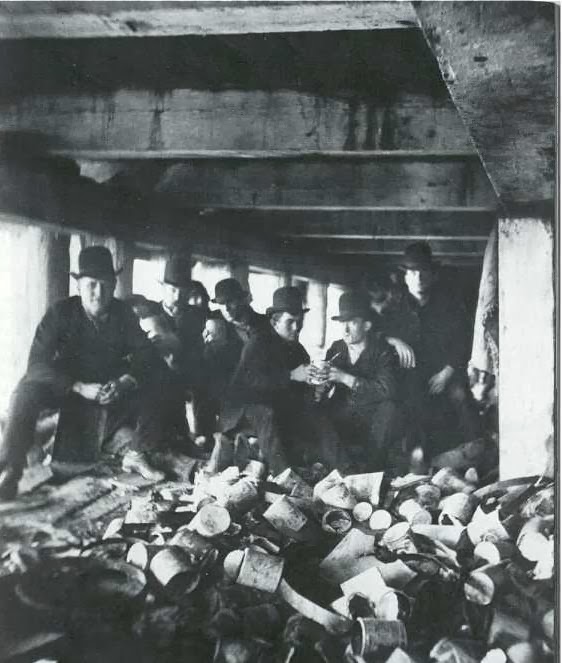
One of the few photos ever taken of any New York street gang was this image shot in 1887 by Jacob Riis of the Short Tails  under a pier in Corlears Hook.
The Short Tails were a particularly nasty gang of criminals who terrorized the Lower East Side and the docks of Corlears Hook roughly during the period of the Gilded Age.
By the 1910s, this sinister assemblage had been absorbed into other street gangs — some say Monk Eastman‘s criminal organization is an off-shoot — and largely disappeared as a physical threat to innocent New Yorkers.
Then Herbert Asbury‘s Gangs of New York happened, vaulting a number of once-forgotten street gangs into a realm of historic romanticism. Even here, the Short Tails play second fiddle to more organized and mythic groups of young men such as the Dead Rabbits, the Whyos and, ahem, the Bowery Boys.
Confusingly, there was once a gang called the Shirt Tails who coexisted with other Five Points gangs, but this group of ruffians was long gone by the time the Short Tails terrorized neighborhoods to the east of their turf.**
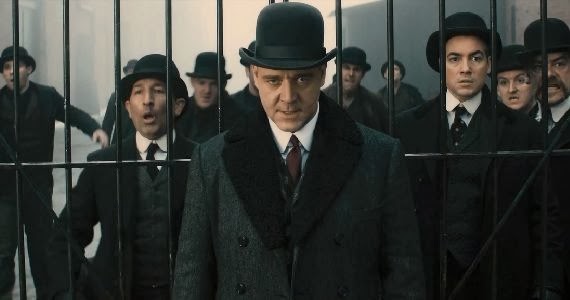
The Short Tails feature as the principal villains in Mark Helprin’s New York fable Winter’s Tale, the film version of which opens today in movie theaters.
Their fictional leader, Pearly Soames (played by Russell Crowe), is a maniac with a penchant for gold and dangerous hideaways. He and his mob pursue the narrative’s hero Peter Lake (played by Colin Farrell) through the streets of a tinted-postcard New York that seems to shift like a kaleidoscope.
The original Short Tails were less romantic in nature, and less oppressive. (Helprin’s version: “Pearly and sixty of the Short Tails went marching through the street like a Florentine army.”) Still, their scant appearance in newspapers of the era reveal a most malevolent group of men and boys. What were some of the traits of this menacing band?
— They were headquartered at the corner of Rivington and Goerck Street. That’s around the area of Baruch Playground today. Back then, it was a stone yard. In 1882, these ‘East Side desperadoes‘ began terrorizing a German-owned saloon in the area, attacking the proprietor with a broken beer glass. In August, the leader of the Short Tails, Frank Nixon, was seriously injured in a shoot-out here and later arrested. [source]
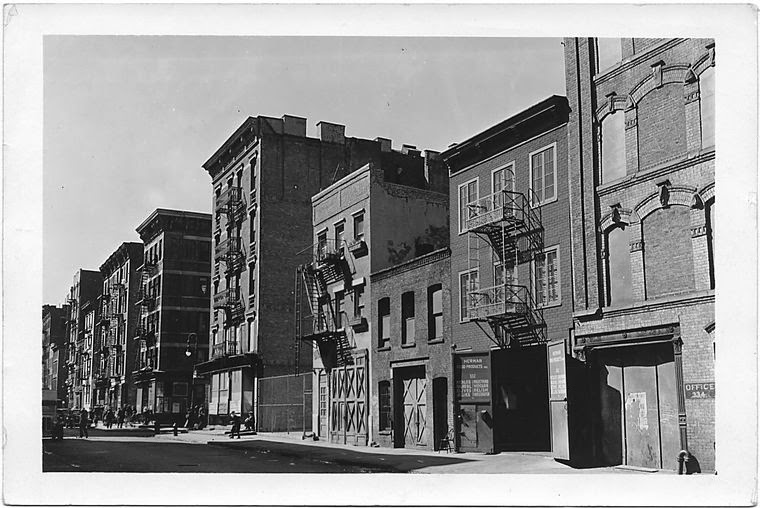
Goerck Street from a much later period (1939) at Stanton Street, just a block from the gang’s headquarters. (NYPL)
— They were an outgrowth of another gang called the Border Gang, so named because they were on the border of two police precincts.
— They loved beer. They loved it so much they were known for their habit of “rushing the growler,” filling up buckets of beer from local saloons and taking it back to headquarters. “The man who went for it would simply march out of the saloon with the filled receptacle [without paying for it], and if the barkeeper attempted to stop him, he would make a few remarks of a maledictory sort, interlarded with profanity and obscenity” and threaten to bring the wrath of the entire gang down on the saloon if he didn’t “hold his yawp.” [source]
— They were unrelenting murderers and thieves. The gang’s loathsome crimes seem especially brutal, even today. From a report in 1884: “The members of the gang are known to the police as hard drinkers, thieves, pickpockets and highwaymen.” [source]
— They were skilled at boat-related crimes. The Short Tails, being stationed near the piers along Corlears Hook, often committed crimes upon vessels along the water front. The unfortunate members of the Young Men’s Cathedral Association learned this the hard way during an river outing in 1886. “Some members of a notorious gang of desperadoes, calling themselves the Short Tails, smuggled themselves on the boat, got drunk and began to fight.” [source]
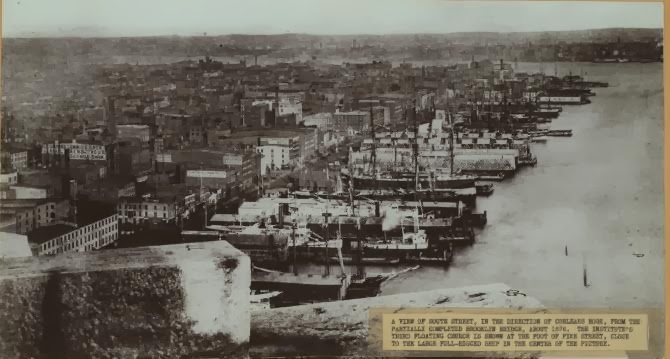
Corlears Hook in the 1870s, right before the era of the Short Tails. (NYPL)
— Their schemes could sometimes be quite dastardly and clever. They perfected a naughty little trick in 1896 involving wagons which lined up along the water’s edge. As some Short Tails pushed the wagons into the river, others would run to the owners and offer to rescue their drowning wagons for a fee of $3. This money would be used almost entirely on buying beer. (I guess saloon owners got a bit more aggressive by the 1890s!) “When the money was spent they returned and pushed two more trucks into the water.”
— Some of them loved music. In fact, the earliest record (from 1881) that I could find of Short Tail-related violence involved an accordion! “Policeman Philip F. Mahoney … observed a crowd of forty young men last night … standing at the corner of Delancey and Sheriff Streets. One of the gang was playing an accordion and Mahoney directed them to move on, as it was 11:30 o’clock. The accordion player refused to stop playing, whereupon Mahoney attempted to arrest him. The gang set upon him and took his club away.” The accordion player and other members were later arrested. [source]
— Delancey Street required extra police duty because of them. Officers of the NYPD wised up after the accordion incident, patrolling the area in pairs of two — “one to protect the other.” The gang was certainly no match for the most hearty of souls in the police force.
One officer in the 1880s, avenging a friend killed by a Short Tail, stormed right into their headquarters “without club or firearm of any kind” and personally throttled a great number of them, “grab[bing] two of the more notorious by their coat collars” and dragging them to jail. [source]
** Neither the Short Tails nor the Shirt Tails are related to this group. (Courtesy Rob Starobin on Twitter )
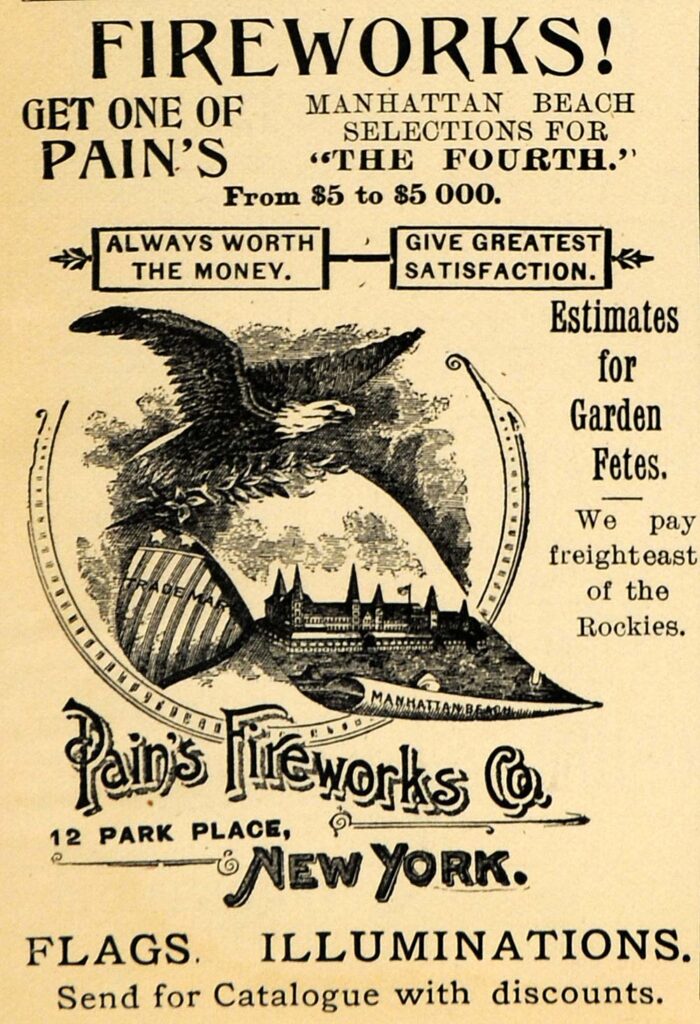
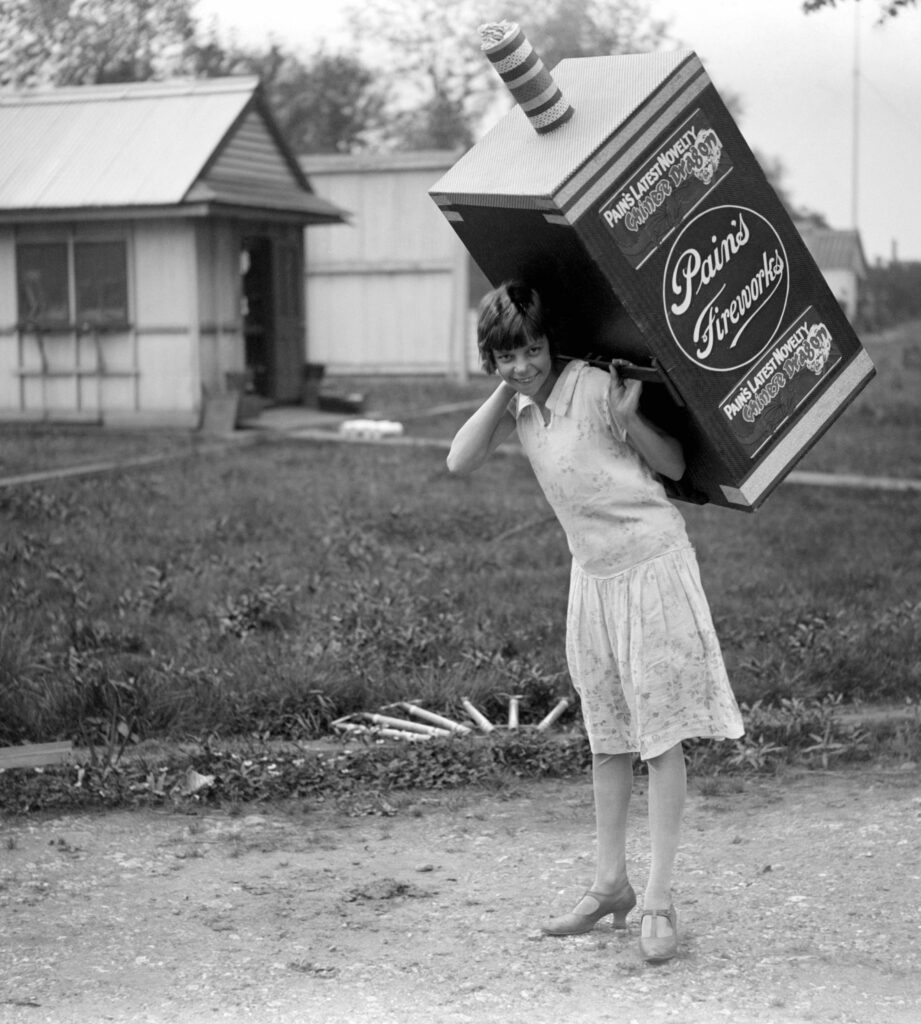
Looking for a healthy assortment of fireworks to ignite for the Fourth of July holiday? In New York, from the late 19th century until the 1930s, one needed to look no further than one of the city’s most heavily trafficked areas near City Hall.
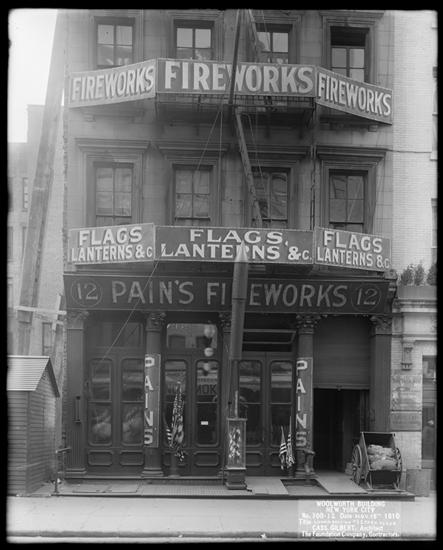
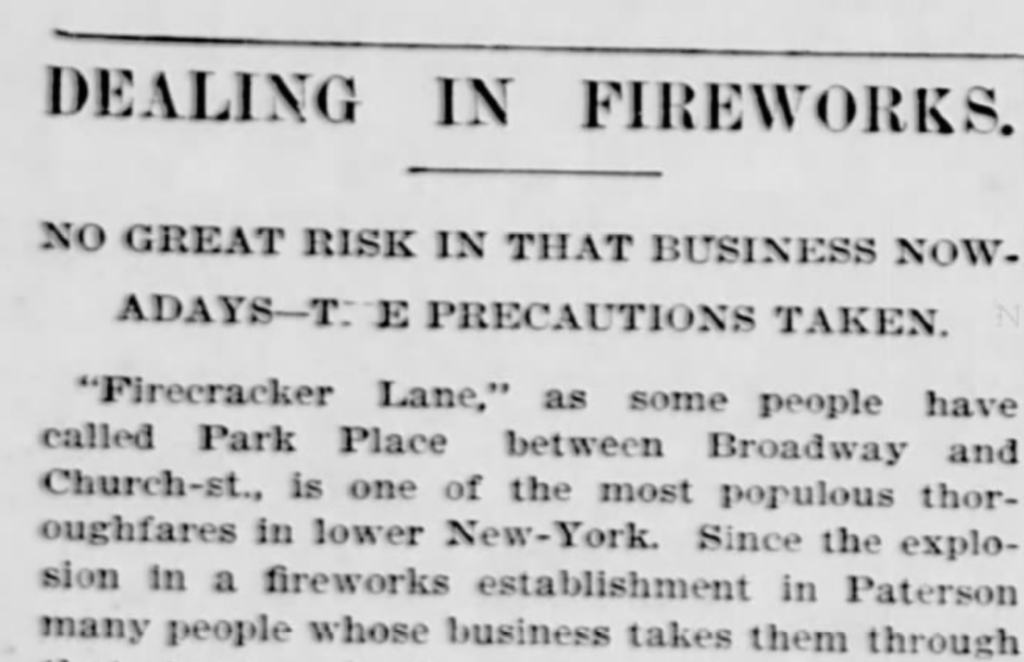
Firecracker Lane was a short row of fireworks dealerships that sat on Park Place between Broadway and Church Street, a couple blocks away from the old Astor Houseand the congregants of St. Paul’s Chapel.
12 Park Place, one of the prominent retailers of explosives along ‘Firecracker Lane’. James Pain was known as one of the world’s greatest pyrotechnists. Today the Pain name lives on in a UK fireworks company. (Wurts Brothers, courtesy MCNY)
As questionable as that might sound, fireworks were actually quite common on the streets of New York in the 19th century. And Park Place was New York’s official ‘fireworks mart‘, specializing in “celebration goods,” even well into the years that its new neighbor, the Woolworth Building, towered over its shelves of fanciful explosives.
The proprietors of Firecracker Lane could attest to their shops’ safety.
“Fireworks are not made now as they were years ago and for that reason there is little danger,” said one shop owner, adding, “A fire in a fireworks store when once started will make good headway in short order, but there will be no great explosion, no blowing down of walls, nor wiping out of buildings…” What a relief!
Coincidentally, both the Great Fire of 1835 and its modest cousin the Great Explosion of 1845both ignited many decades before just south of this area. So proprietors here made doubly sure to reassure people that such conflagrations could never happen because of their merchandise.
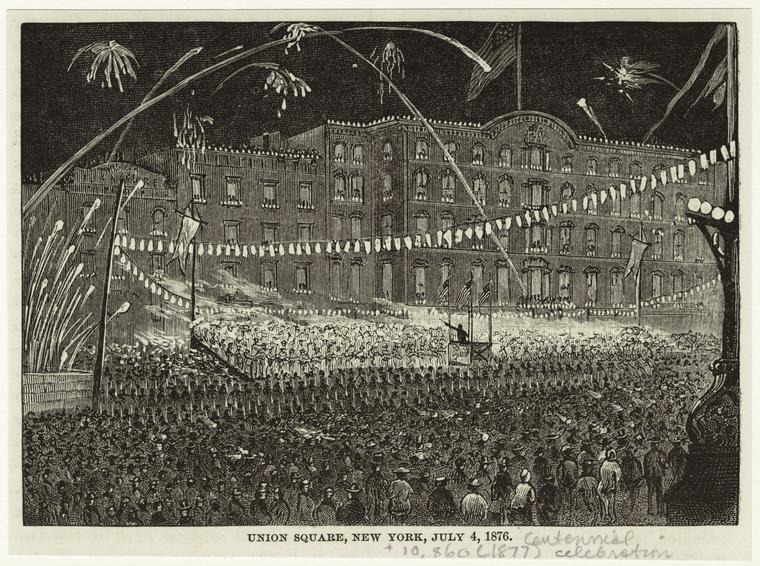
Below: Union Square under the sparkle of fireworks on July 4, 1876 (NYPL)
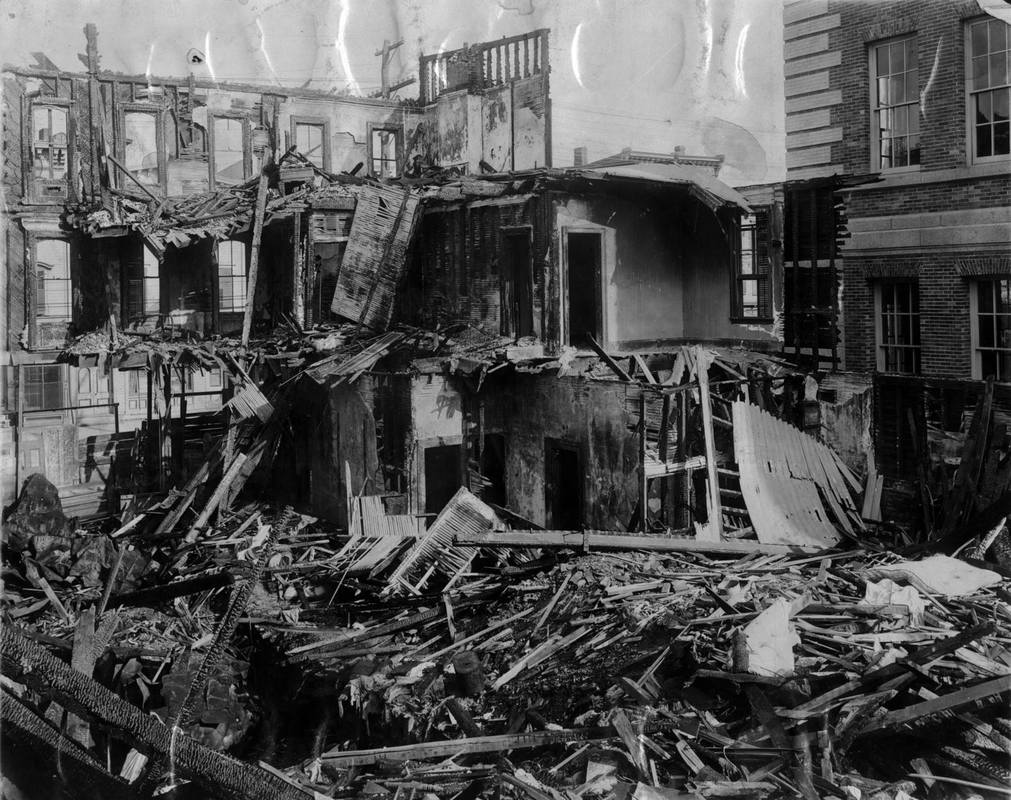
But it was another explosion that was on the minds of New Yorkers during the 4th of July 1901. Just a couple weeks before, across the water in Paterson, NJ, a fireworks factory exploded, killing 17 people who lived in the tenement above.
“So great was the force of the blast,” reported the New York Times, “that a boy playing in the street a half a block away was lifted from his feet and hurled against an iron fence, and had one of his legs broken.”
The Paterson tenement, destroyed by an explosion in the fireworks factory in the building. (Courtesy Paterson Fire History)
For this reason, people started avoiding Firecracker Lane, getting to the elevated train station by going the long way around, avoiding the boxes of potentially combustible merchandise stacked along the sidewalks.
Perhaps they were wise to do so. In July 1903, in front of one particular establishment, the Unexcelled Manufacturing Company, at 9 Park Place, a box ignited, showering the street with a terrifying display of rockets and smoke.
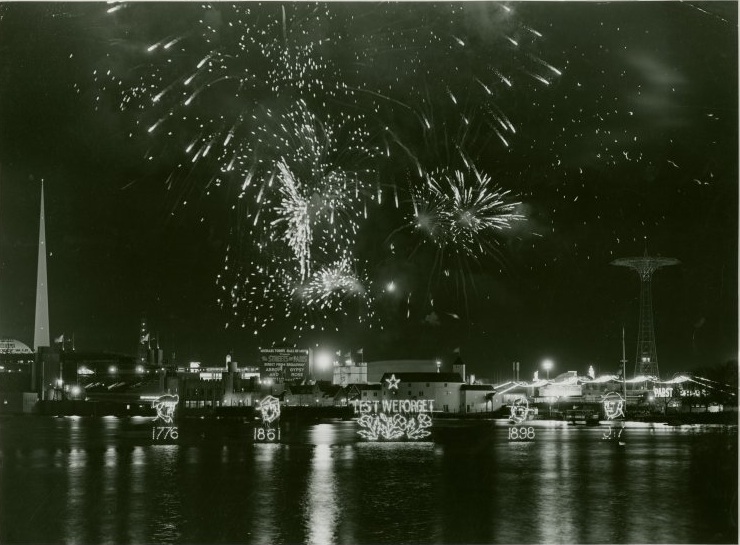
“[T]he contents, consisting of rockets, firecrackers and several small bombs, went off with a noise that almost equalled that made by Pain’s destroying of Pompeii [referencing a popular Manhattan Beach attraction].”
These Firecracker Lane establishment had larger plants in rural areas like Staten Island, but that did not minimize the danger. In 1907, the plant owned by one Park Place shop exploded in Graniteville, Staten Island, killing two children.
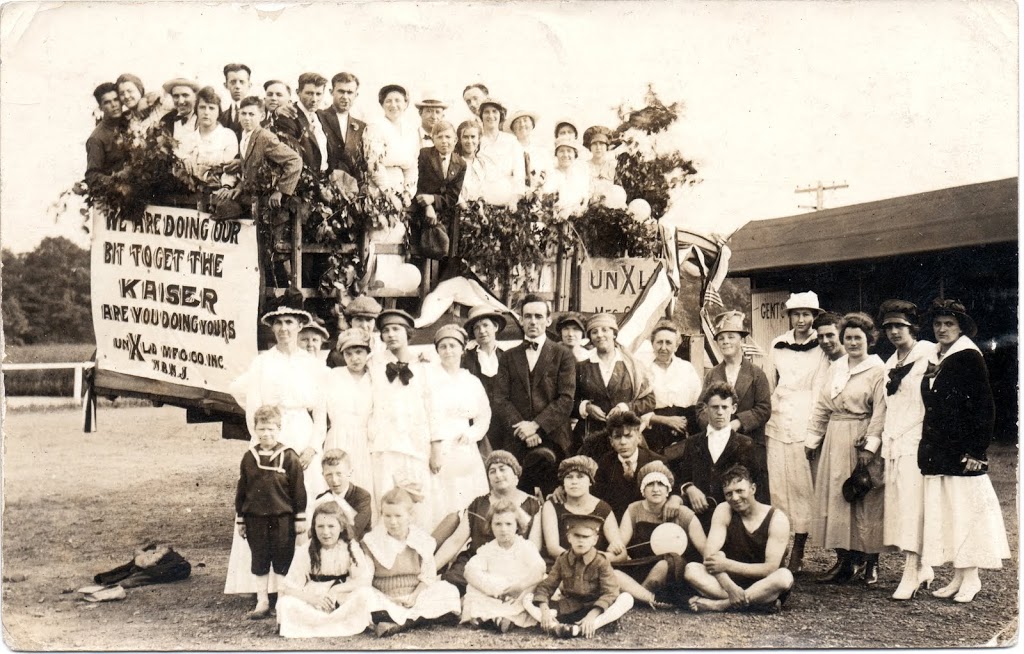
Workers (and their families) on a float in New Jersey, representing the Unexcelled Manufacturing Company. During World War I, the company also manufactured signal rockets, flares and other wartime equipment. (Courtesy Great War Postcards)
Believe it or not, you could still buy fireworks on Park Place as late as the 1930s.
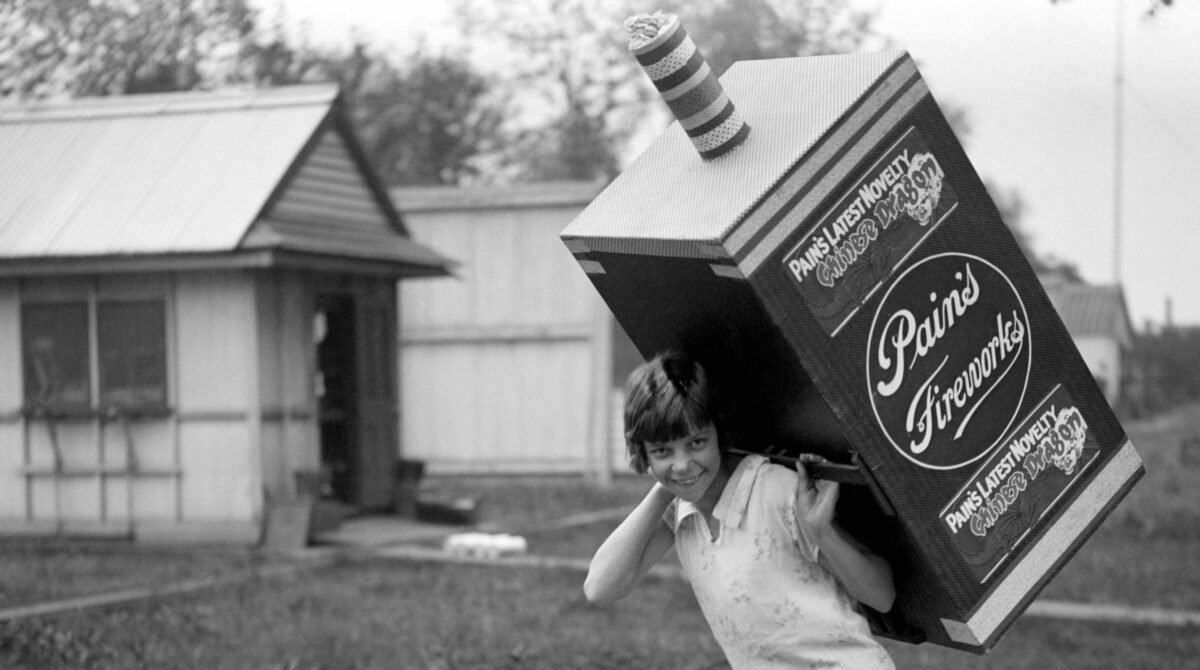
However the once-bustling Firecracker Lane had been whittled down to just two shops — the Unexcelled Manufacturing Company and Pain’s Fireworks Display, owned by the very man who been responsible for the afore-mentioned Pompeii display, thirty years earlier!
By this time, the city began cracking down on the usage of fireworks, fueled by reports of hundreds of fireworks-related injuries filling city hospitals during Independence Day festivities.
The old Park Place establishments, forced to sell to an ever decreasing number of small towns where fireworks remained legal, could not withstand the scrutiny and eventually closed.
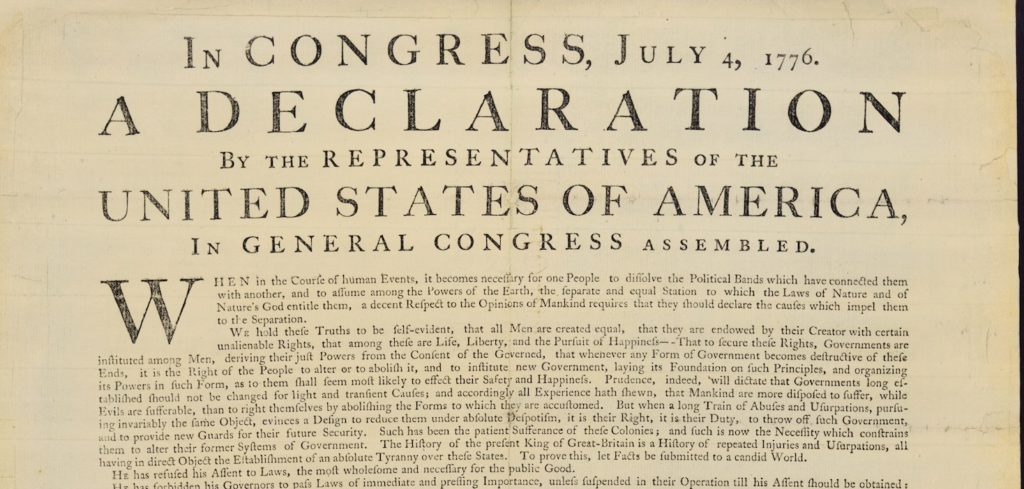
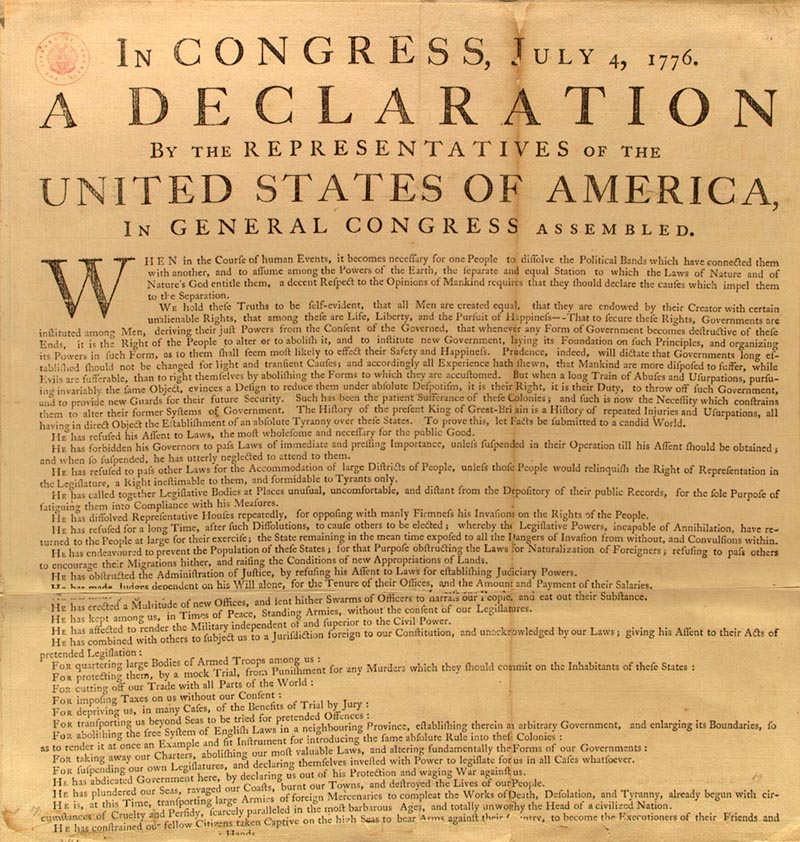
George Washington’s copy of the Declaration of Independence is perhaps the most well-known of the almost 200 copies first made of the document.
As a facsimile, it’s certainly not the the most valuable document held by the Library of Congress — after all, they have Thomas Jefferson’s actual rough draft of the Declaration, along with tens of thousands of his other papers — but it’s certainly an inspiring artifact in its own right.
Below: The document in question.
Because Washington wasn’t in Philadelphia at the time of the actual declaration on July 2 or the completion by Jefferson of the finished copy on July 4.
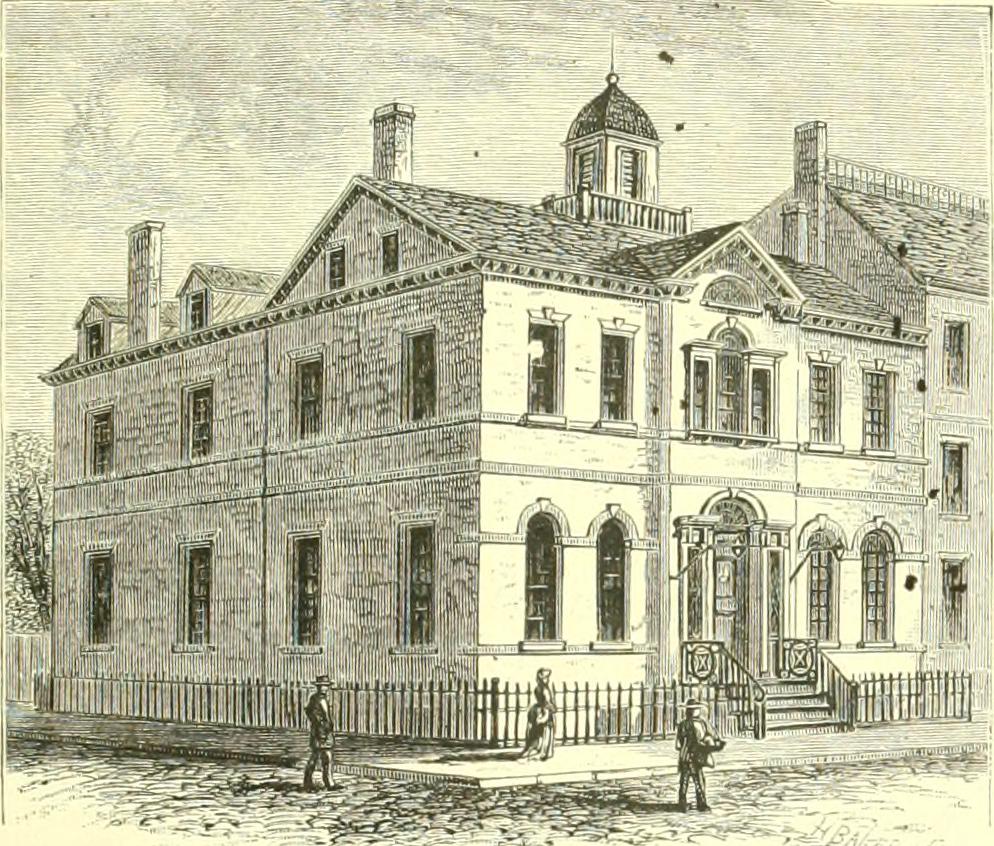
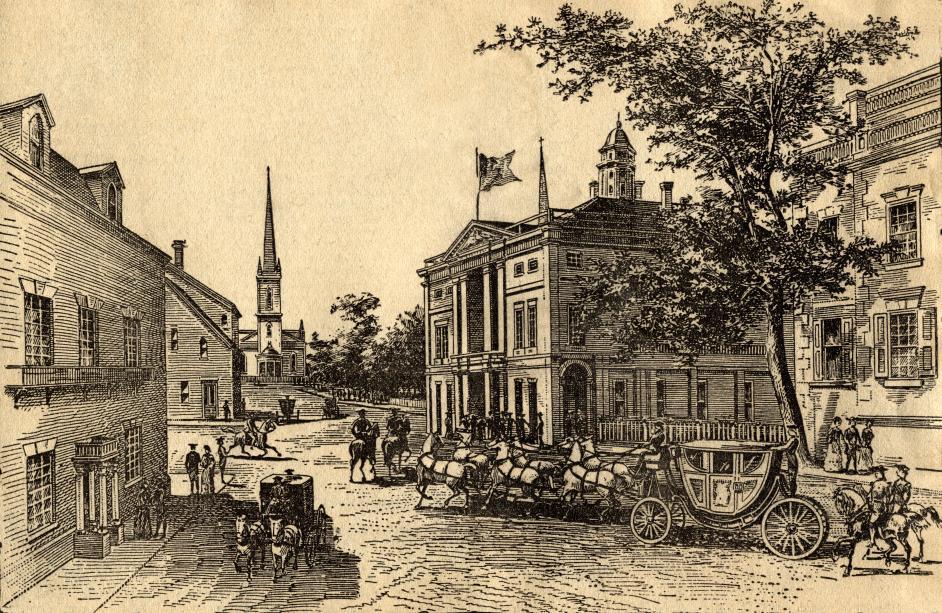
Later, as news of a British arrival to New York became evident, he moved his headquarters to City Hall, then on Wall Street and Broad Street.
Below: Washington’s two headquarters pre-July 1776:
Internet Archive Book Images
Hundreds of British war vessels had stationed themselves off of Sandy Hook by the first of July, so fearful a presence that many of New York’s 20,000 residents had fled in fear.
By July 9, thousands of Continental Army soldiers had amassed in New York, turning the port town overnight into a military outpost. The key gathering point for Washington and his men was the Commons, a former livestock area that had been the scene of protests against the British for over a decade. Many a liberty pole had stood here, an age old protest against despotism.
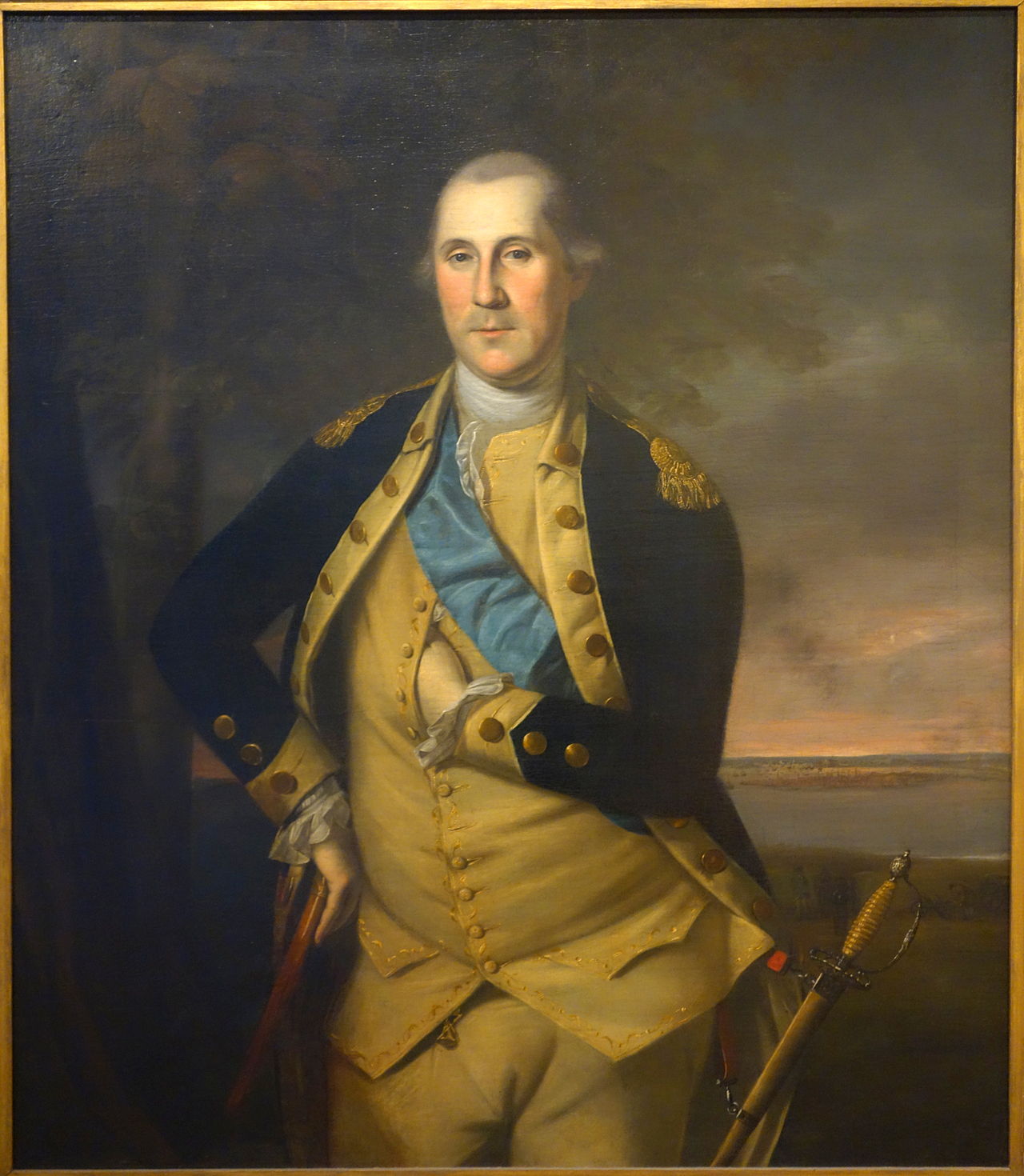
George Washington, painted by Charles Willson Peale in 1776
But on that day, July 9, there was not a single inanimate symbol of protest, but rather many thousands of animate ones, all summoned to gather by 6 p.m. to await Washington’s words.
From the text of Washington’s order that day:
“The several brigades are to be drawn up this evening on their respective Parades, at Six O’Clock, when the declaration of Congress, shewing the grounds and reasons of this measure, is to be read with an audible voice.
The General hopes this important Event will serve as a fresh incentive to every officer, and soldier, to act with Fidelity and Courage, as knowing that now the peace and safety of his Country depends (under God) solely on the success of our arms: And that he is now in the service of a State, possessed of sufficient power to reward his merit, and advance him to the highest Honors of a free Country.“
A copy of the Declaration — the one pictured above — had been hand-delivered to Washington on that very day. However the General himself did not read it aloud. Rather he had one of his aides read it to the gathered crowd.
“When in the Course of human events, it becomes necessary for one people to dissolve the political bands which have connected them with another, and to assume among the powers of the earth, the separate and equal station to which the Laws of Nature and of Nature’s God entitle them, a decent respect to the opinions of mankind requires that they should declare the causes which impel them to the separation….”
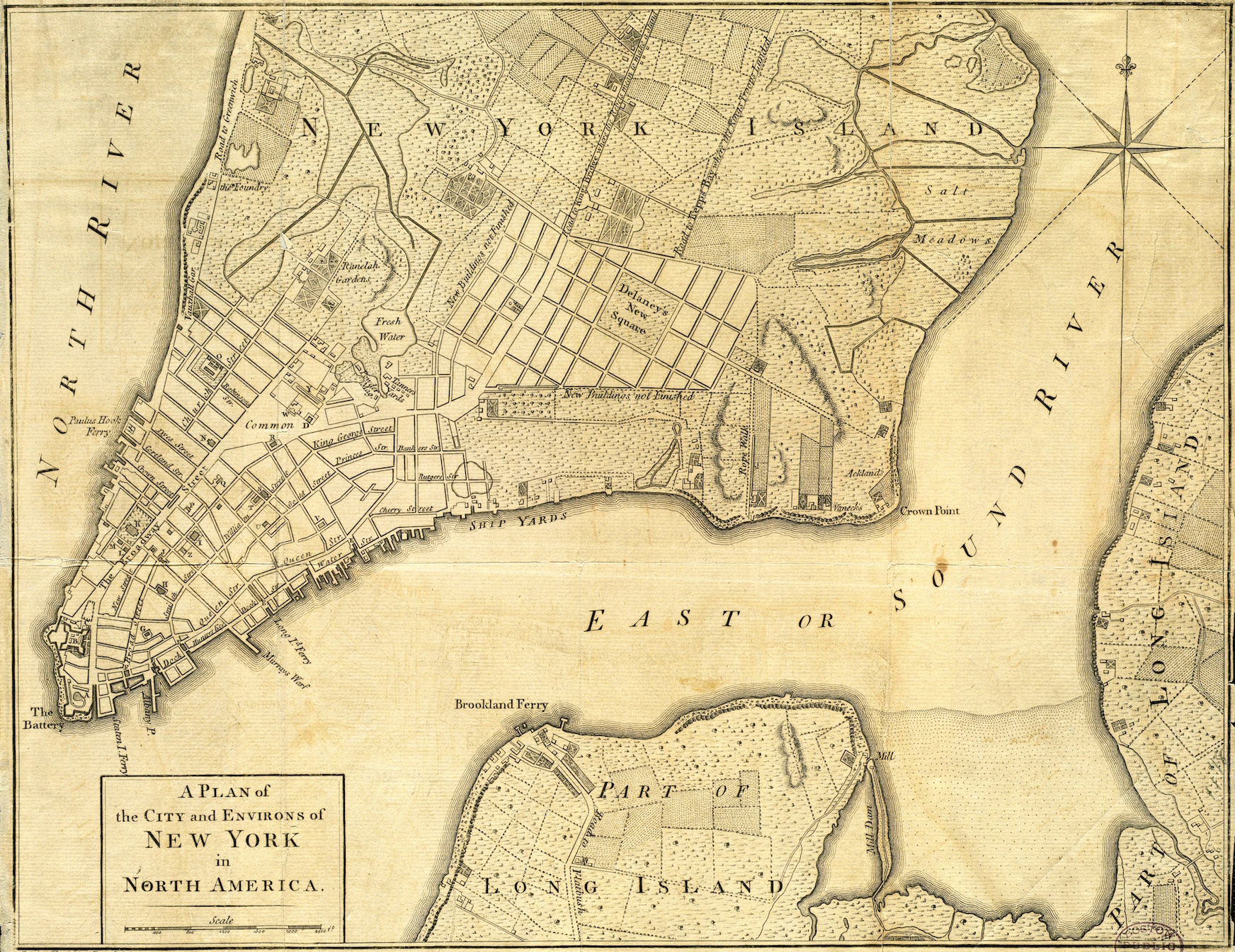
Below: A British map of New York as it was played out in 1776:
These weren’t empty phrases. Upon the completion of the reading, New Yorkers knew their city would be attacked. The men of Washington’s army knew they would fight and possibly die.
The words were greeted with joy, fear, anticipation and rage. The crowds surged with excitement. Most ran to their places — to Kings College, to the counting-houses of Hanover Square, to the ships docked along the East River — and prepared for the world to change.
Many people certainly ran to their local taverns to get wasted. (Samuel Fraunces must have hosted a lively crowd that night.) Some New Yorkers went to their homes, packed their belongings and fled.
Needless to say, the reading had gone off as intended. General Washington’s letter to the Continental Congress is an almost amusing example in understatement:
“Agreeable to the request of Congress I caused the Declaration to be proclaimed before all the Army under my immediate Command, and have the pleasure to inform them, that the measure seemed to have their most hearty assent; the Expressions and behaviour both of Officers and Men testifying their warmest approbation of it.”
In fact, not only did his army and the gathered New Yorkers approve of the Declaration, but later that night, they actively demonstrated their approval by rushing down Broadway to Bowling Green, where they proceed to pull down the loathsome statue of King George!
Afterwards, Washington had his personal copy sent to Artemes Ward, his major general stationed in Massachusetts. Washington’s note to Ward also survives:
“The inclosed Declaration will shew you, that Congress at Length, impelled by Necessity, have dissolved the Connection between the American Colonies , and Great Britain, and declared them free and independent States; and in Compliance with their Order, I am to request you will cause this Declaration to be immediately proclaimed at the Head of the Continental Regiments in the Massachusetts Bay.”
Today the Washington Declaration — or rather, a fragment of it — is only one of 26 Dunlap copies that are still believed to exist. It lives, naturally, in Washington D.C. However three copies of the ‘Dunlap’ Declaration are in New York City — at the Morgan Library, at the New York Public Library and another, in the hands of an unknown private collector.
Detroit Publishing Company 1900, courtesy Wikimedia Commons
Nineteen years ago (officially on June 19, 2007) we recorded the very first Bowery Boys podcast, appropriately about Canal Street, the street just outside the window of Tom’s apartment on the Lower East Side.
(For more information, check out our 15th anniversary show from two years ago.)
We cannot have possibly imagined on that hot June night, wielding only a bad microphone, a new laptop and some reasonably interesting information about a terribly polluted water soure, that would still be doing this, stronger than ever.
Thank you, listeners and readers, for helping us celebrate almost four hundred years of history in the past nineteen.
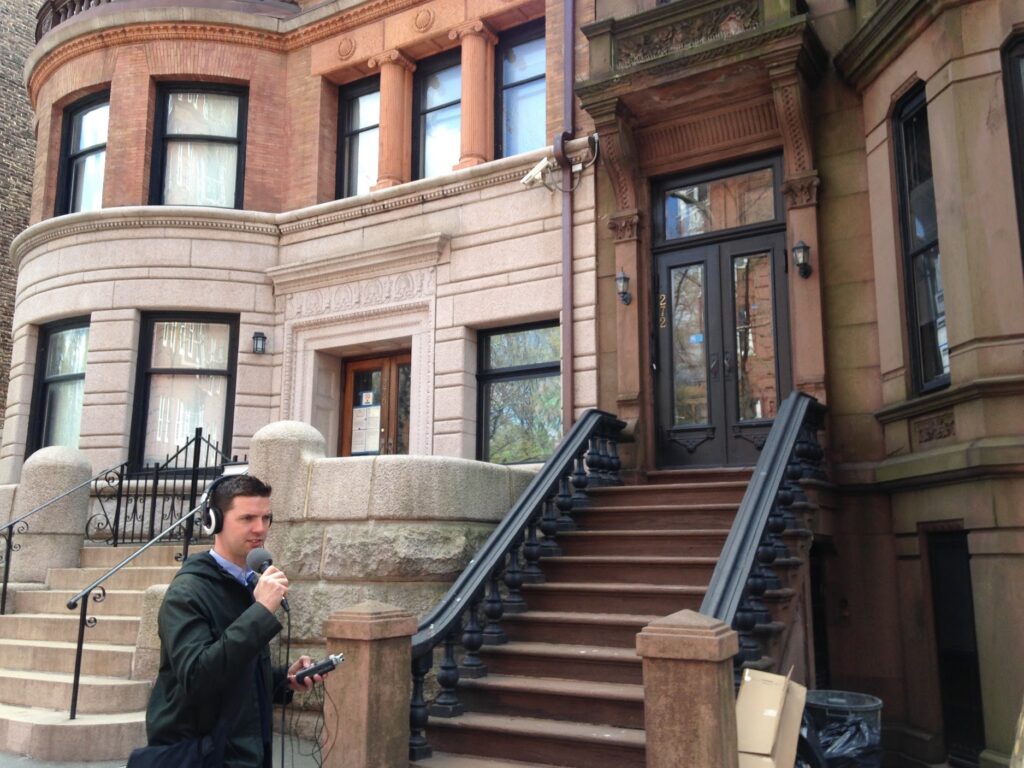
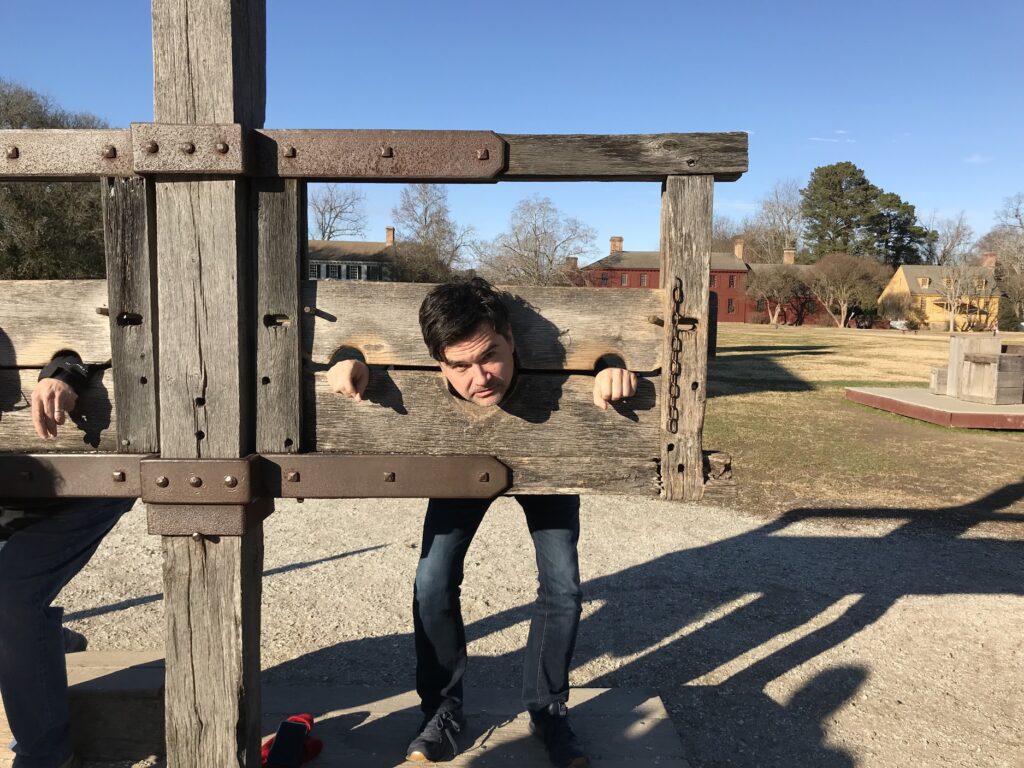
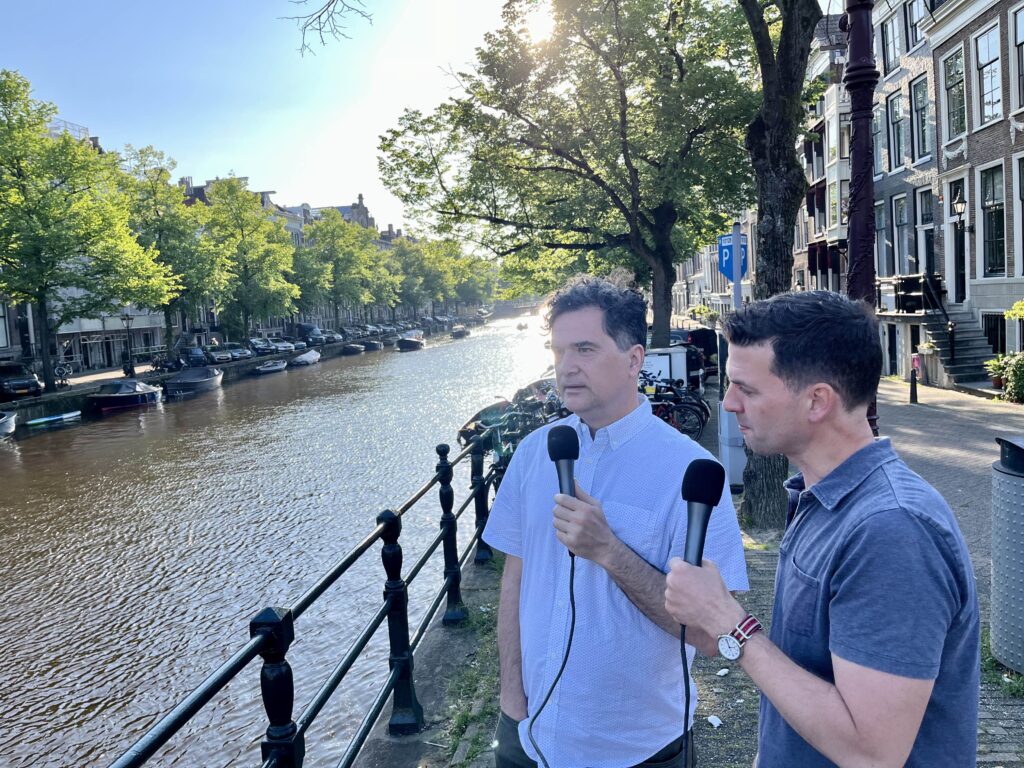
Tom Meyers in Park Slope, recording our first ever ‘on location’ show in 2015.Greg in the stocks at Colonial Williamsburg, 2017. (Okay, not really a Bowery Boys thing, but history related.) Greg and Tom in Amsterdam, 2024
Here’s a new way to experience our old podcasts.
Below is our entire list* of shows, placed in a particular chronological order, based on a critical date in that subject’s history.
*In the rare case where we revisited a subject (Flatiron Building, Canal Street) we only included the most recent show. For ‘rewind’ episodes with updates, they have been included over the original. And the first four episodes are not available (but those who support us on Patreon have access to episodes #2-4).
And finally — we can continue recording the Bowery Boys podcast thanks to the generous support of those on Patreon. Supporters receive bonus audio, free merchandise and first access to tickets for upcoming live shows.
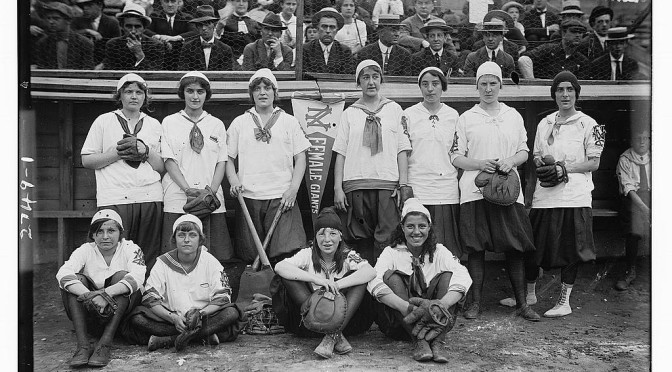
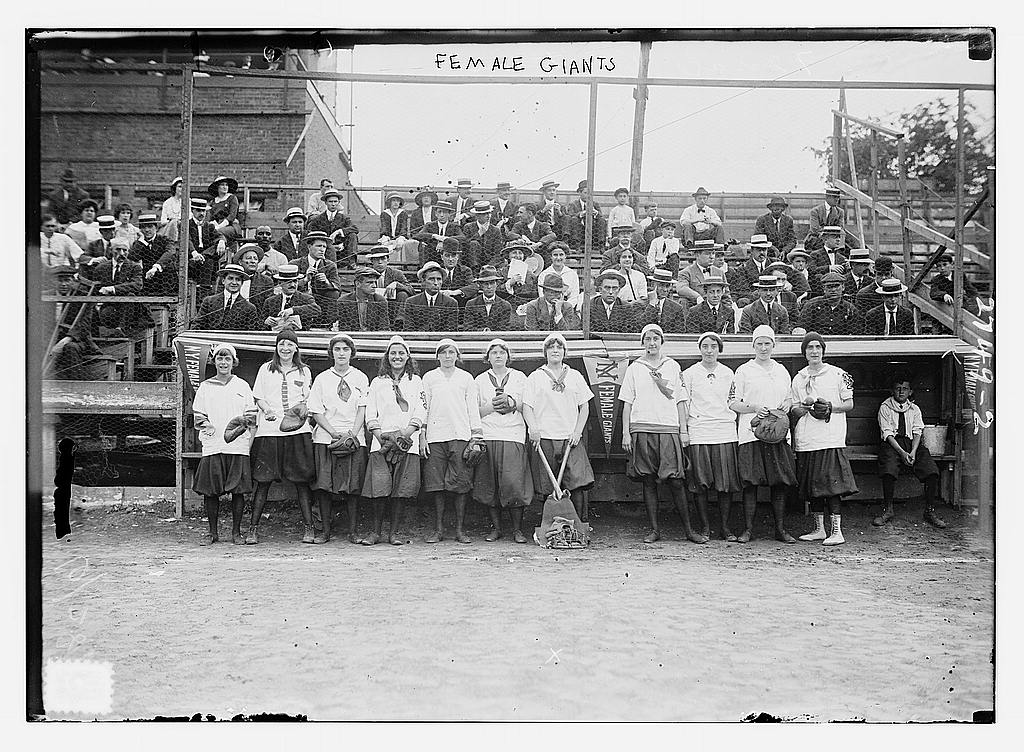
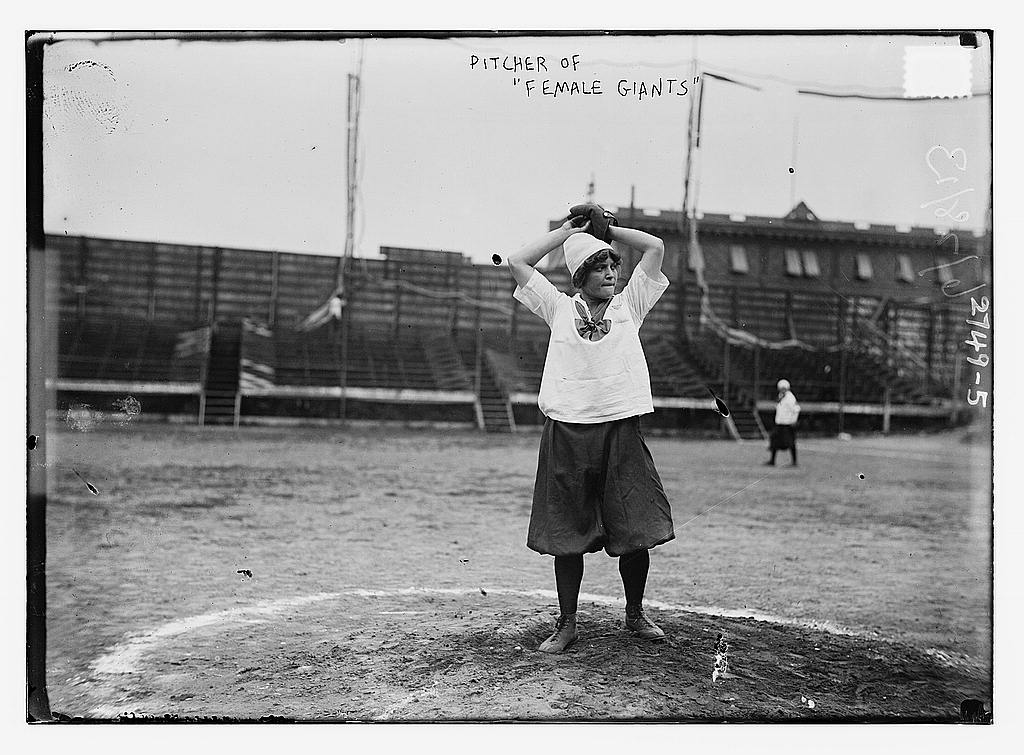
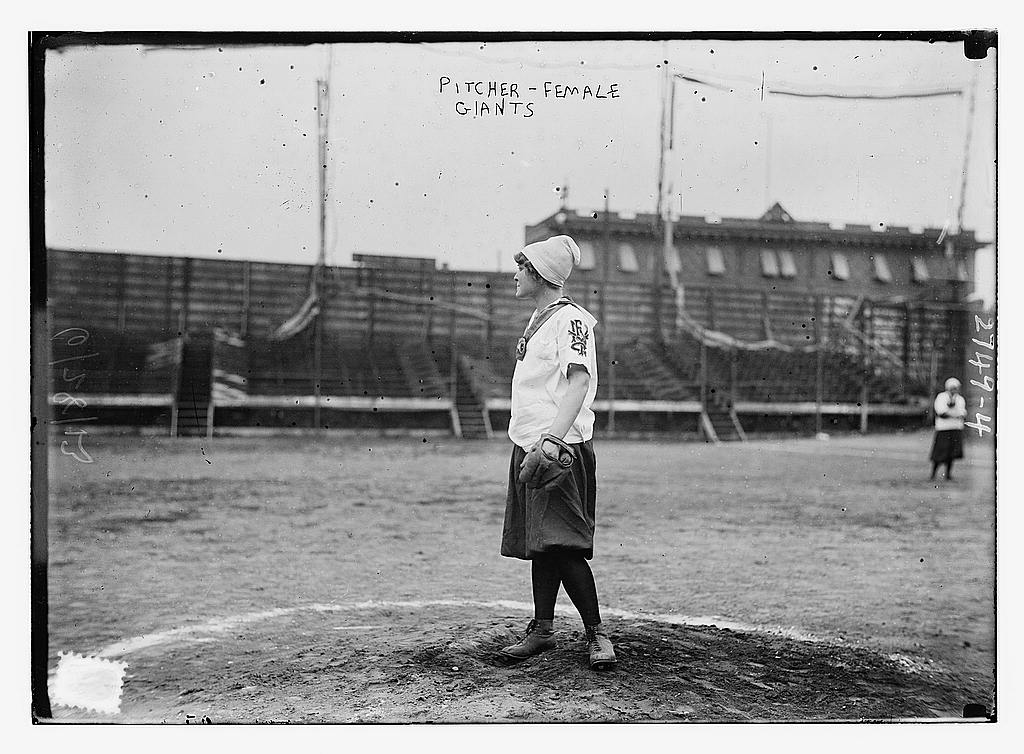
For a very brief period — likely just a single year — there was a female counterpart to the New York (Male) Giants.
The New York Female Giants seem to have an unofficial affiliation with the better known Giants, the city’s most popular baseball team. Author Michael Carlebach speculatesthe team was probably formed by Giants manager John McGraw.
Early women’s teams — called ‘Bloomer Girls’ — often had a few men playing alongside them. Occasionally those men even disguised themselves as women as in a revealing case in the summer of 1913 in Washington DC: “Four thousand angry fans surged on the diamond in the old Union League baseball park this afternoon when they learned that the “Bloomer Girls,” who were playing against a team of young men, were not girls. The deception was suspected when the “girl” playing in centre field threw the ball from deep centre to the home plate.” [source]
(The All-American Girls Professional Baseball League, featured in the movie A League Of Their Own, would not be formed until the 1940s.)
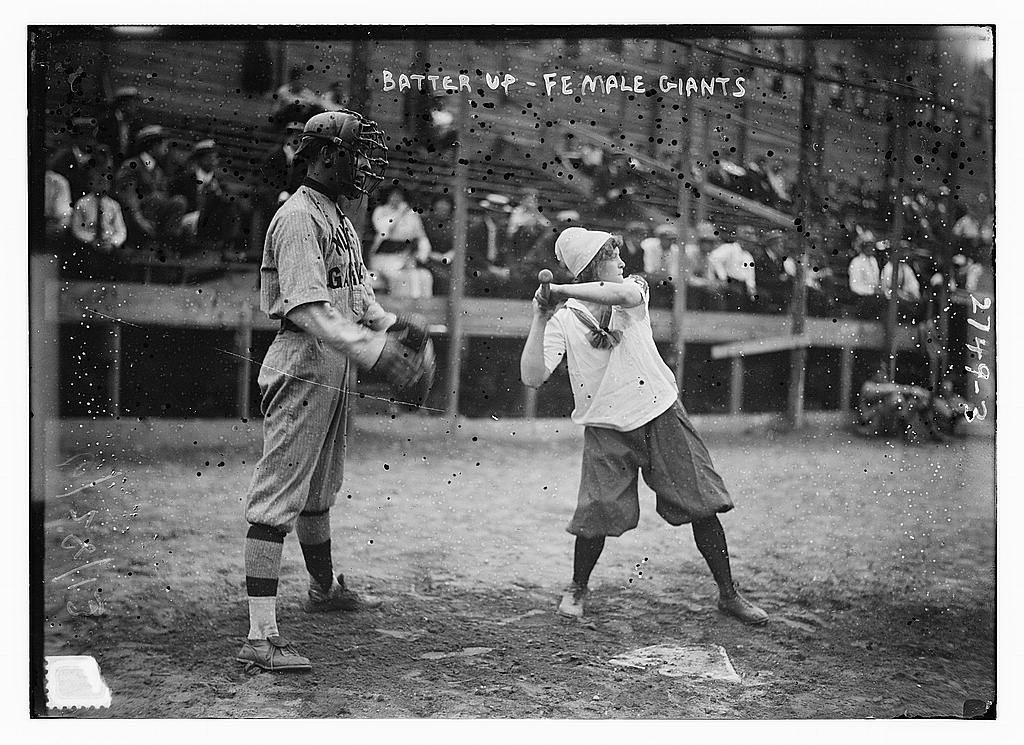
The Female Giants don’t appear to be all women players either, although there are no disguises at least. The men featured in these pictures played with the New York Giants.
The female players were mostly girls from local high schools and women athletes from other fields of sports.
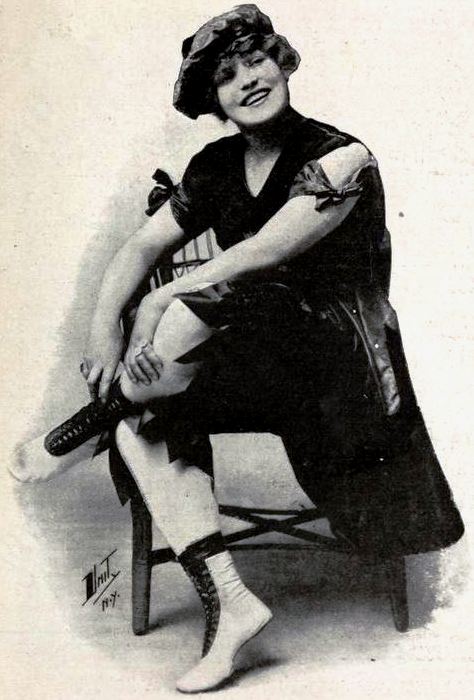
Following her stint with the Female Giants, their captain Ida Schnall would head to Hollywood and become a silent film actress. She would later become an accomplished swimmer and an advocate for women’s sports, petitioning the National Olympics Committee to expand their offerings for women. Below: Ida in a glamorous pose
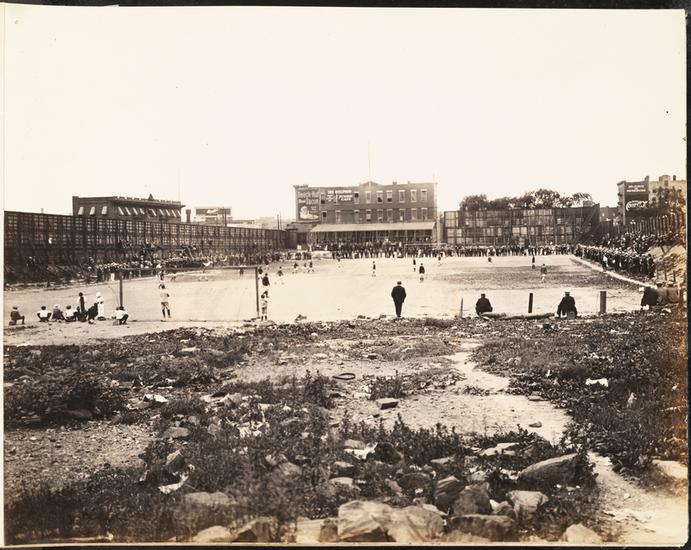
They broke up into two teams — the ‘Red Stockings’ and the ‘Blue Stockings’– and played a notable exhibition game for almost 1,500 people on Sunday, May 25, 1913 at the Lenox Oval, a sports field at Lenox Avenue and 145th Street.
Below: A 1919 soccer game being played at the Lenox Oval
Courtesy Museum of the City of New York
It seems their typical game schedule went unnoticed by the press which is probably a good thing. That May 25th game was written about by the New York Tribune in the following fashion : “The batter hitched up her skirt. The pitcher nervously adjusted a side comb. Girls will be boys, and the Reds and the Blues of the New York Female Giants were playing an exhibition game at Lenox Oval, 145th Street and Lenox Avenue.” [source]
Below: A catcher from the New York Giants, playing alongside a diminutive young player
We know about this particular game because it got shut down by the cops. In the ninth inning, a detective stepped out onto the field and handed the third baseman — a 17-year-old teenager named Helen Zenker– a subpoena to appear in Harlem court.
Due to New York’s ” blue laws, ” teams were not supposed to legally sell tickets to a baseball game on Sundays. While the women were indeed playing a practice game, Helen had been caught selling programs. She claimed that no such sales activity had taken place; people were just giving her money, including the detective. [More details in this amusing New York Times article from 1913.]
Fortunately, the young Zenker (“seventeen, pretty, active, intelligent, and has the easy gait and springy step of the athlete”) easily charmed the judge, and the case was dismissed. [source]
The photos in this post obviously take place on another date, as they’re wearing uniforms, which they were not allowed to do on a Sunday.
EDIT: After going live, I later included the line about the All-American Girls Professional Baseball League and clarified that the team featured adult women playing alongside high schoolers. For instance, Ida Schnall, who went on to greater athletic fame, was 24 or 25 at the time of the game described above.
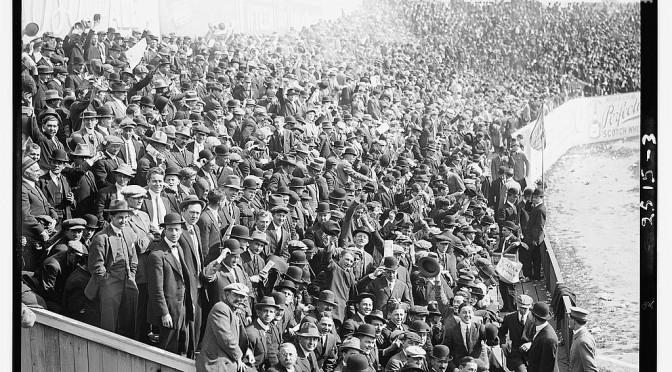
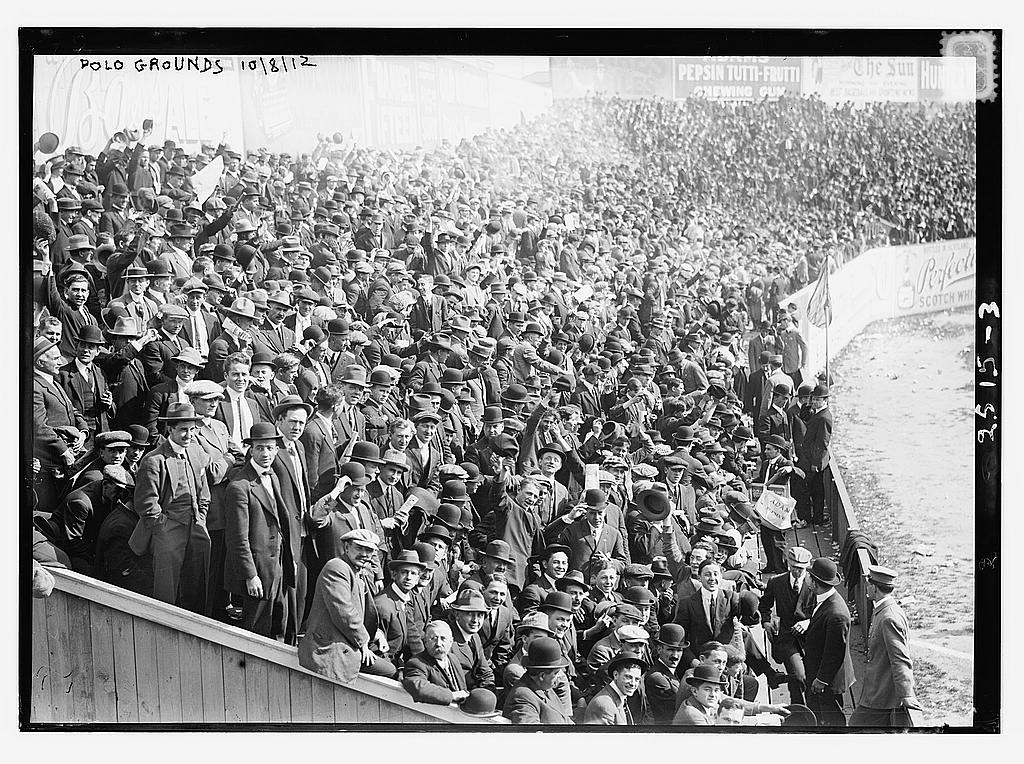
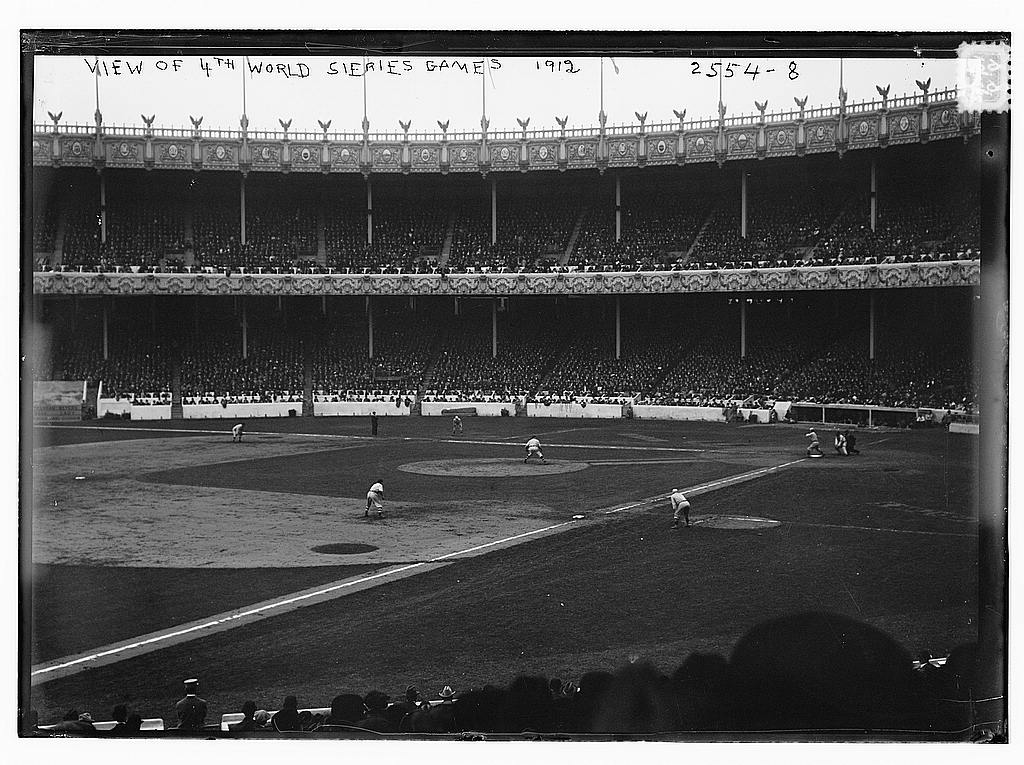
Above: the crowds at the Polo Ground for Game One. Many of these same people were certainly on hand for the fateful Game Four.
One hundred years ago today, in the frantic fall of 1912, even as the nation was in the midst of an intense three-way race to elect a new president, New Yorkers and Bostonians were overwhelmingly — perhaps even unnaturally — distracted. For the first time ever — since the introduction of the World Series baseball championship in 1903 — a New York club was finally battling for ultimate victory against a Boston team.
The two cities had been in perpetual competition for most of their history; organized sport merely provided a formalized outlet to rally regional pride. [For more information, check out my article on the roots of the Boston-New York rivalry.]
The two cities should have already met on the diamond for the 1904 World Series, as the New York Giants were victors of the National League, while the Boston Americans led the American League. Boston clutched that particular victory by defeating another team from New York, the upstart New YorkHighlanders (who later became the Yankees).
However, the Giants refused to play the Americans in the World Series, a tantrum thrown by managers aimed at the ‘inferior’ American League (originally the junior circuit). Rules were changed the following year to make championship play between the leagues compulsory.
Eight years later, in 1912, the New York Giants were matched against the same Boston team under their new name — the Boston Red Sox. No hesitation this time around. They were undeniably the two best terms in America, and both clubs were determined to win the title for their home cities.
For this Series, teams shuttled back and forth between Boston’s Fenway Park and New York’s premier baseball venue of the day, the Polo Grounds.
Above: A view of the Polo Grounds during Game Four, absolutely packed to the rafters
Game One, played at Polo Grounds, went to Boston. Game 2, at Fenway, lasted so long — eleven innings — that the game was declared a tie on account of darkness. (Night baseball wouldn’t be played at Fenway until 1947!) New York then won the second game at Fenway the following day, tying up the match.
For a fourth consecutive day of baseball, the teams were to return to the Polo Grounds (located at W. 157th Street and 8th Avenue). New Yorkers had the momentum, anxious to build upon their triumph in Game Three. Both teams, already exhausted, packed into trains and headed back down to New York, arriving that evening at Grand Central. The Giants headed to their respective homes in the city, the Red Sox to their accommodations at Bretton Hall on Broadway and 86th Street.
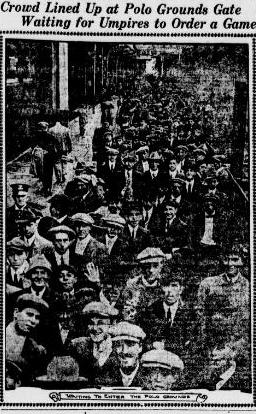
Fans were already so excited for Game Four the next day that some were already lined up at Polo Grounds before the players even arrived in New York.
Unfortunately, one curious obstacle threatened to ruin everybody’s good time: mud.
The Polo Grounds were an uncovered grass field and throughout most of that evening it was pelted with rain, turning this fairly new ballfield (re-built in 1911 after a fire) into what the Evening World called “a mysty mystery” of gray and yellow-brown fog. The infield was protected by a tarp, but the outfield was battered by the elements. Was it in any condition for a major baseball game?
Commissioners failed to decide that morning whether the game could commence, and baseball fans grew restless. Well, that’s an understatement. Giants fans were enraged. “[T]he lynching-hungry scream of an infuriated mob” filled the air around the stadium, as thousands more joined the brave few still in line from the night before should the field reopen.
An Evening World reporter followed a groundskeeper along the soggy field who lamented, “They can play on it, all right … Sure, they can play, but oh, me poor grass!”
Umpires were given a police escort into the Polo Grounds at 11 a.m. to inspect the condition of the field. By that time, the mob was practically foaming at the mouth, with “a blood-curdling shriek of 10,000 fans stretch[ing] from 157th Street to 140th Street, thousands and thousands of them.” [source]
Precisely at noon, the commission, located at the Waldorf-Astoria, telephoned to announce that the baseball game could be played, and the throng thundered into the stadium. The Evening World compared it to the Spanish running of the bulls. “[N]o man of this generation ever saw such racing and pounding along the sloping approaches of the Polo Grounds and began slamming down seats at one minute past twelve o’clock today.”
According to New York Post columnist Mike Vaccaro in his book on the 1912 World Series ‘The First Fall Classic’, the stadium filled to capacity with thousands more watching from various nooks and crannies, over 40,000 people, “officially…the third largest in this history of this stadium (and, thus, the history of the sport) but unofficially shattered that record to smithereens.” Many thousands more listened in to an announcer in Herald Square.
And so, here’s the punchline: after all that madness, the New York Giants lost the game, on the muddy and thoroughly distressed Polo Grounds, to the Boston Red Sox, 3-2! The New York Times intoned, “Nine Grim Innings To Red Sox Victory.”
In fact, they went on to lose the entire series to Red Sox.
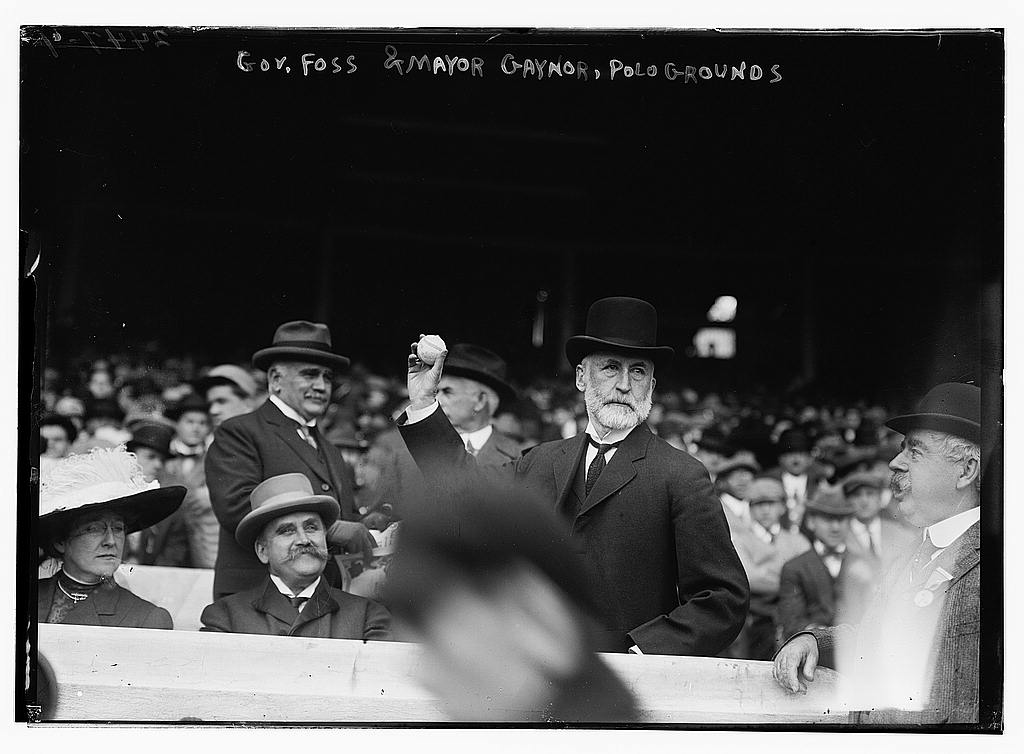
Below: For Game One, Mayor William Jay Gaynor threw out the first pitch, sitting alongside the mustachioed Massachusetts governor Eugene Foss. Less than a year later, Gaynor would succumb to injuries brought on by a bullet lodged in his throat, the unlucky souvenir of an 1910 assassination attempt. [Read more about Gaynor here.]
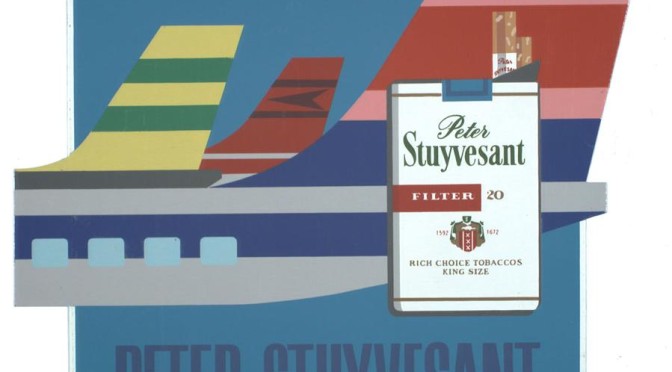
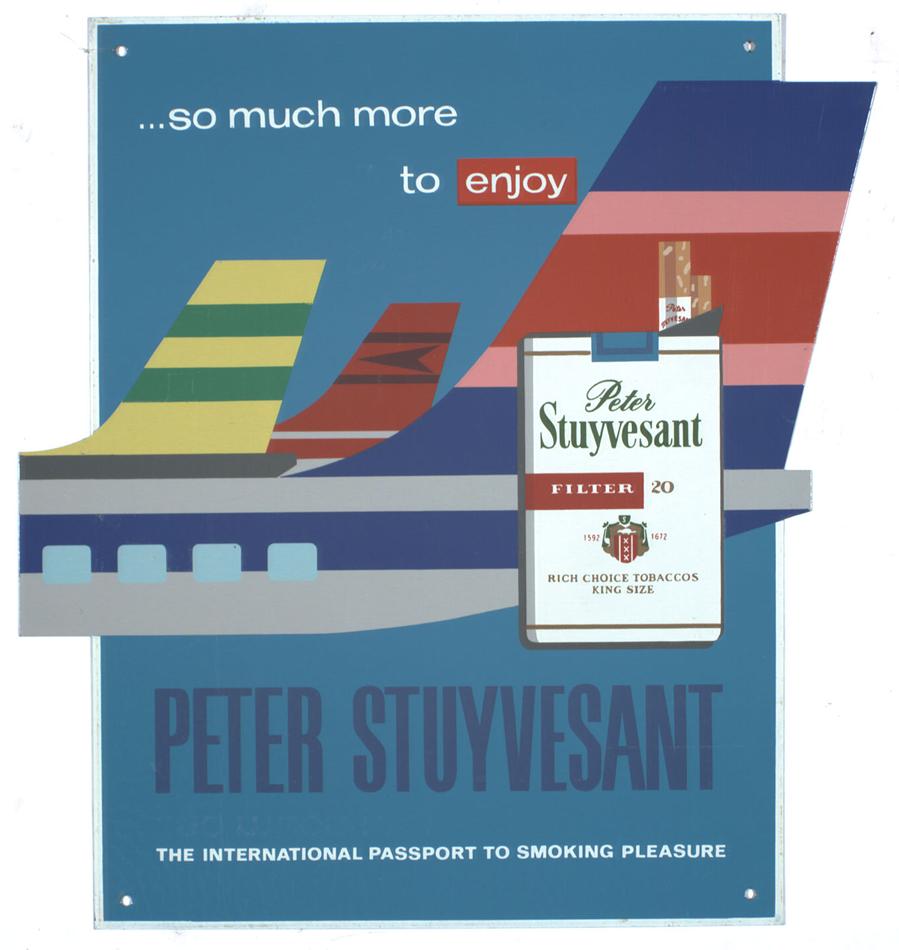
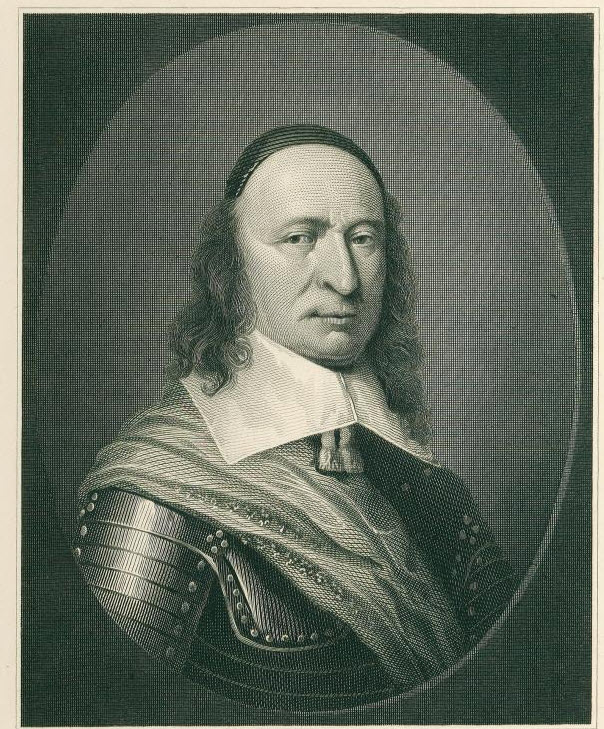
Oh, that Peter Stuyvesant. He was all about luxury, high class athletic sport and international travel. The Concorde! Monte Carlo! Caviar!
Less than three centuries after the iconic Dutch director-general of New Amsterdam died at his palatial farm in today’s East Village, his name was employed to sell a brand of stylish, premium cigarette, still enjoyed today by smokers in Australia, New Zealand, South Africa and other counties, most being places Peter Stuyvesant had no idea existed.
The cigarette was developed by a German company in the 1950s and soon became associated with an international sensibility due to its ‘American blend’ of various tobaccos from different countries. “The smell of the large far world: Peter Stuyvesant” went the slogan in 1958. It was test marketed in New York in 1957. Stuyvesant was not the only Dutch historical figure to make his cigarette debut that year; Rembrandt cigarettes also hit the streets of New York that year.
“Stuyvesant people having fun!” went the jingle, accompanied by rigorous activity that might prove challenging for those enjoying one too many of their advertised product:
By the 1980s, the Peter Stuyvesant cigarette was advertised as a high adventure,Donald Trump-like symbol of masculinity and wealth, trying to closely align with upper class leisure. In London, during the 1980s, the cigarette company even sponsored the Peter Stuyvesant Pops in London. In 2003, the cigarette was even bought by a British company, which would have disturbed the actual Peter Stuyvesant to no end.
The company even experimented with Peter Stuyvesant travel agencies in some places, clever ways to advertise their cigarettes in places with strict advertising laws.
The cigarette embodied the American ideal, a distillation of glamour, capitalism and excess, ‘further testimony to the adoption by European of American dreams’, according to author Alexander Stephan. “Feel the Big Apple beat!” went this promotion in 1985. “It’s fun! It’s fabulous! It’s fast!”
Meanwhile, over in Brooklyn, the neighborhood which bore the Stuyvesant name (Bedford-Stuyvesant) was hardly tasting the fruits of prosperity advertised in Stuyvesant commercials half a world away. And it was hardly Polos and champagne in the East Village, the neighborhood which developed from Stuyvesant’s old farm to become the gritty backdrop for 1980s art and punk music.
Not that Stuyvesant cigarette executives turned their backs to the promotional opportunities provided by the fight for freedom and human rights. In 1989, employees in ‘Come Together’ shirts distributed Peter Stuyvesant cigarettes to East Berliners on their way to the vote in the election that would unite the former Soviet sector with West Berlin.
Here’s an older ad for you German speakers!
Tomorrow, the Bowery Boys will return to the world of Peter Stuyvesant in our newest podcast.
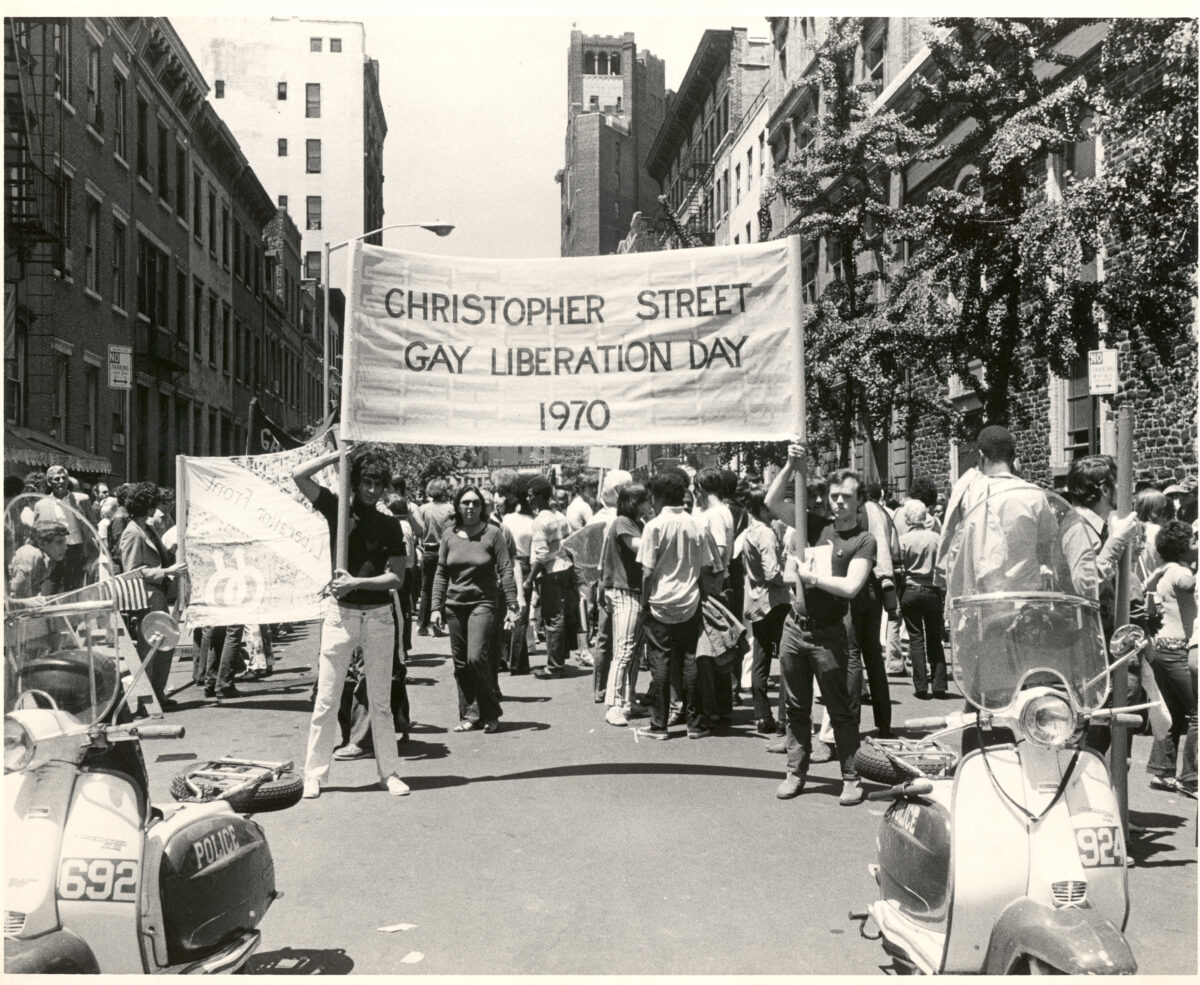
Image by Leonard Fink; courtesy of The LGBT Community Center National History
Today every shop seems to wear a Rainbow Flag and every corporation and major retailer seems to offer a welcoming message to the LGBTQ community or a line of multi-colored ‘gay apparel’.
But keep in mind that just a bit over fifty years ago no such celebration would have ever occurred. In fact the city was certainly doing its best to obscure, frustrate and even expel its gay and lesbian population from living in the open.
Stormé DeLarverie. Craig Rodwell. Dick Leitsch. Marsha P Johnson. These are some of the people that made this present moment possible.
But those individuals have others to thank for creating a network of gay and lesbian spaces in New York City that have existed — mostly in the shadows — for over 150 years. Flawless Sabrina.James Baldwin. Alice Austen. Julian Eltinge. And yes — Walt Whitman.
So yes — celebrate Pride! And listen to one of these Bowery Boys: New York City History podcasts to give some important context to the celebration.
Celebrate the 200th anniversary of the birth of Whitman, a journalist who revolutionized American literature with his long-crafted work “Leaves of Grass.” The 19th-century cities of New York and Brooklyn helped shape the man Whitman would become — from its bustling newspaper offices to bohemian haunts like Pfaff’s Beer Cellar.
Fire Island is one of New York state’s most attractive summer getaways, a thin barrier island on the Atlantic Ocean lined with seaside villages and hamlets, linked by boardwalks, sandy beaches, natural dunes and water taxis. (And, for the most part, no automobiles.)
But Fire Island has a very special place in American LGBT history.
It is the site of one of the oldest gay and lesbian communities in the United States, situated within two neighboring hamlets — Cherry Grove and the Fire Island Pines.
In the beginning there were two styles of drag — vaudeville and ballroom. As female impersonators filled Broadway theaters — one theater is even named for a famed gender illusionist — thrill seekers were heading to the balls of Greenwich Village and Harlem.
By the 1930s, the gay scene began retreating into the shadows, governed by mob control and harshly policed. By design, drag became political. It also became a huge counter-cultural influence in the late 1960s — from the glamour of Andy Warhol’s superstars to the jubilant schtick of Charles Busch.
In 1966, a revolutionary gay-rights organization took a page from the civil rights movement to stage a demonstration in a small bar in the West Village. This little event, called the Sip-In at Julius‘, was a tiny but significant step towards the fair treatment of gay and lesbians in the United States.
In the early morning hours of June 28, 1969, undercover police officers attempting to raid the Stonewall Inn, a mob-controlled gay bar with darkened windows on Christopher Street, were met with something unexpected — resistance.
That ‘altercation’ was a messy affair indeed — chaotic, violent, dangerous for all. Homeless youth fought against riot police along the twisting, crooked streets of the West Village. And yet, by the end, thousands from all walks of life met on those very same streets in the days and weeks to come in a new sense of empowerment.
The history of the New York City fashion industry and how it found its home south of Times Square aka The Garment District.
The Garment District in Midtown Manhattan has been the center of American fashion for almost one hundred years. The lofts and office buildings here still buzz with the business of making clothing — from design to distribution.
But the district has become endangered today as clothing manufacturers move out and the entire industry faces new challenges from online sales and overseas production.
During the mid-19th century, garment production thrived in New York thanks to thousands of arriving immigrants skilled in making clothes. Most clothing in the United States was made below 14th Street, in the city’s tenement neighborhoods, especially the Lower East Side.
As the industry grew more prominent, the residents and merchants of Fifth Avenue feared it would overtake their fashionable street. So, by the 1930s, a new district was born. Hardly a stitch was sewn in the United States without passing through the blocks between 34th Street and 42nd Street, west of Sixth Avenue.
Listen in as we describe the Garment District’s chaotic flurry of activity — from the fabulous showrooms of the world’s greatest designers to the nitty-gritty bustle of its crowded streets.
In celebration of Made In NYC Week, we present our tribute to New York City’s active and thriving garment industry. A version of this show was originally presented in January 2016. Now with a new introduction and ending, this show was reedited by Kieran Gannon.
The Bowery Boys: New York City History podcast is brought to you …. by you!
We are now producing a new Bowery Boys podcast every two weeks. We’re also looking to improve the show in other ways and expand in other ways as well — through publishing, social media, live events and other forms of media. But we can only do this with your help!
We are now a member of Patreon, a patronage platform where you can support your favorite content creators for as little as a $1 a month.
Please visitour page on Patreon and watch a short video of us recording the show and talking about our expansion plans. If you’d like to help out, there are five different pledge levels (and with clever names too — Mannahatta, New Amsterdam, Five Points, Gilded Age, Jazz Age and Empire State). Check them out and consider being a sponsor.
We greatly appreciate our listeners and readers and thank you for joining us on this journey so far. And the best is yet to come!
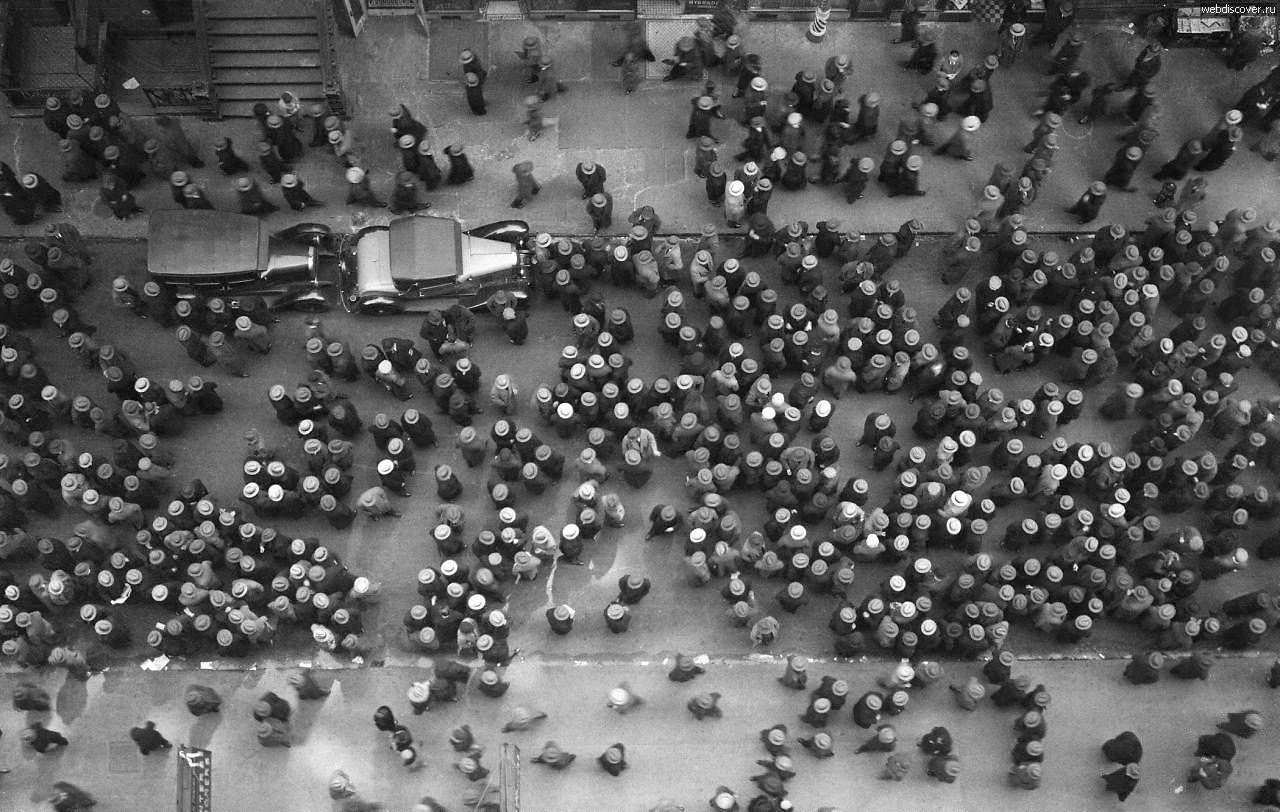
Fashionable streets: hats in the Garment District, photo by Margaret Bourke White
Courtesy Life Magazine
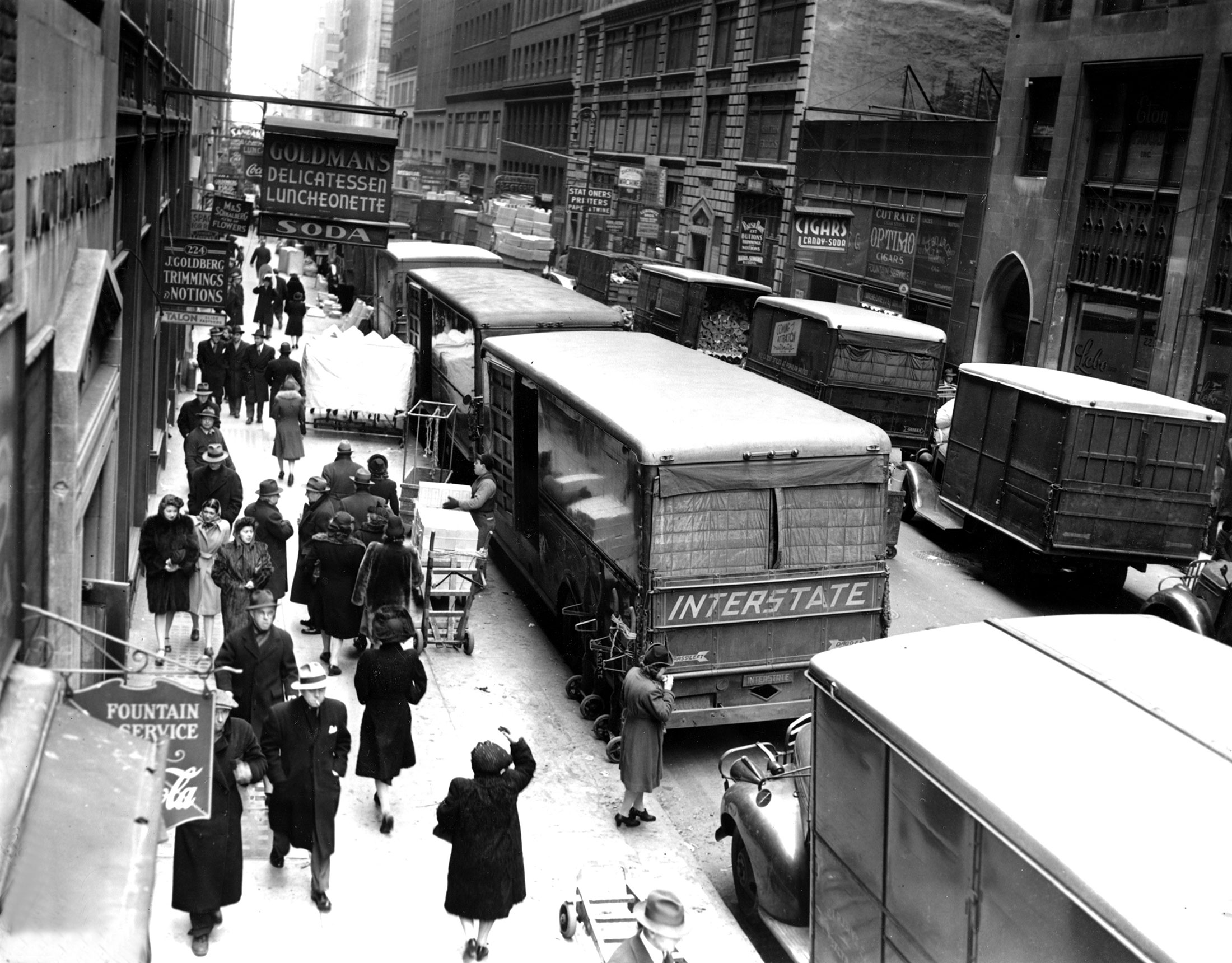
There were as many trucks in the Garment District as models, taking supplies to the busy workshops and finished garments to retailers. Photo is from Nov. 29, 1943.
Courtesy AP Photo
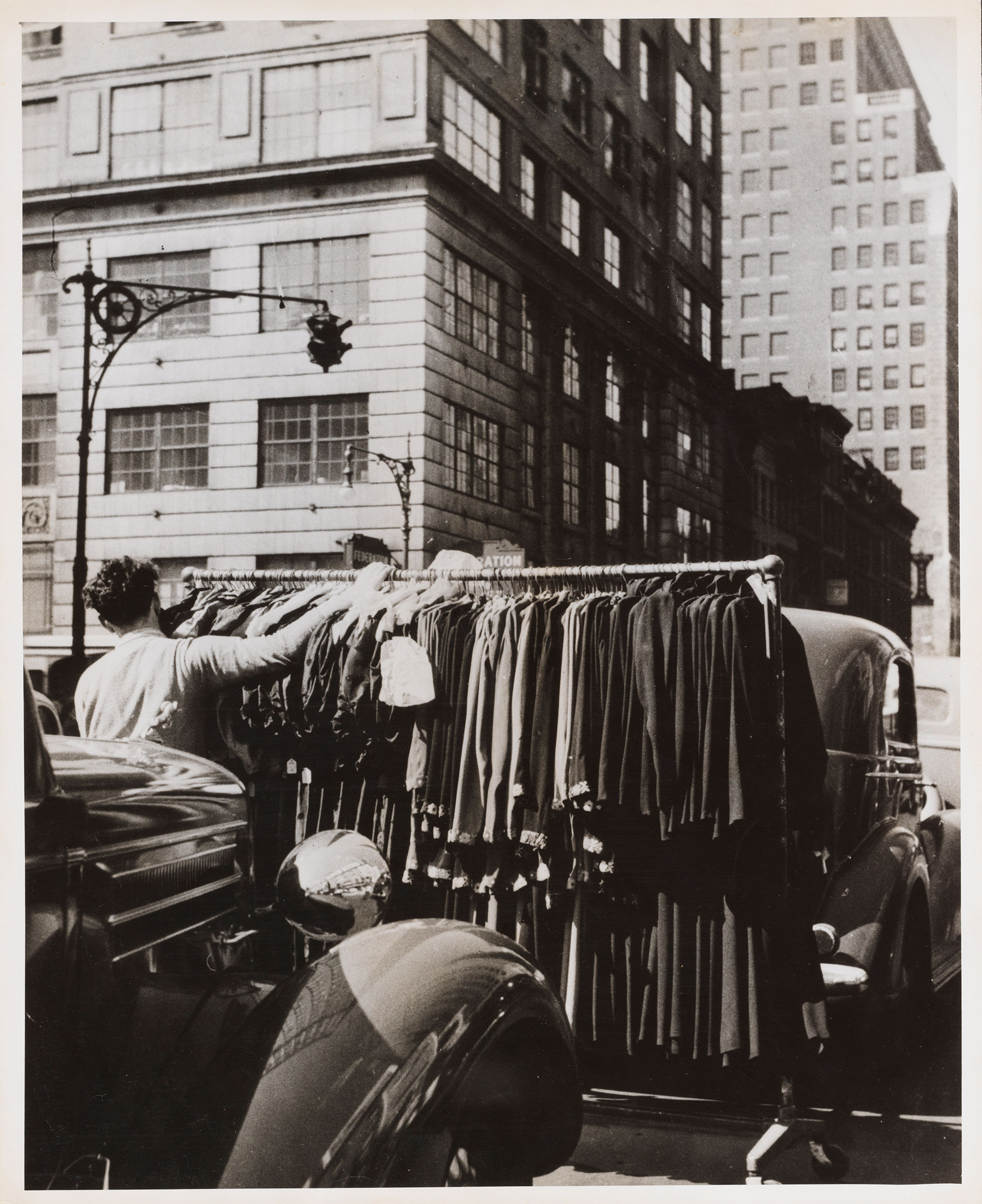
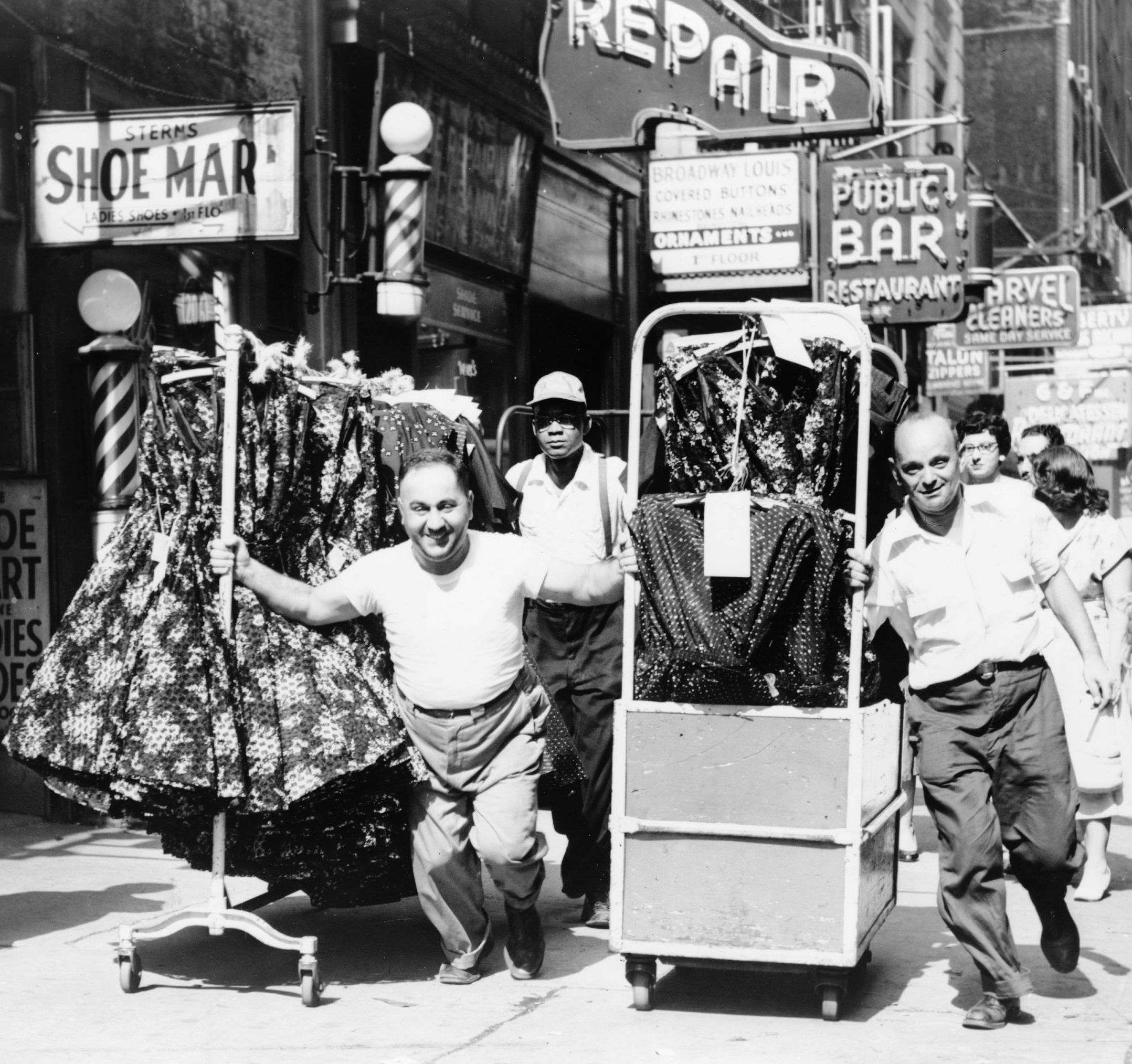
Another common site — racks of clothing being pushed down the street.
Museum of the City of New York
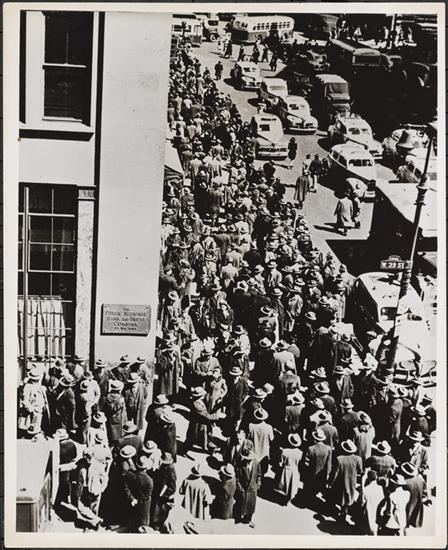
The Garment District at lunchtime, 1944. We told you it was insane!
Museum of the City of New York/US Office of War Information
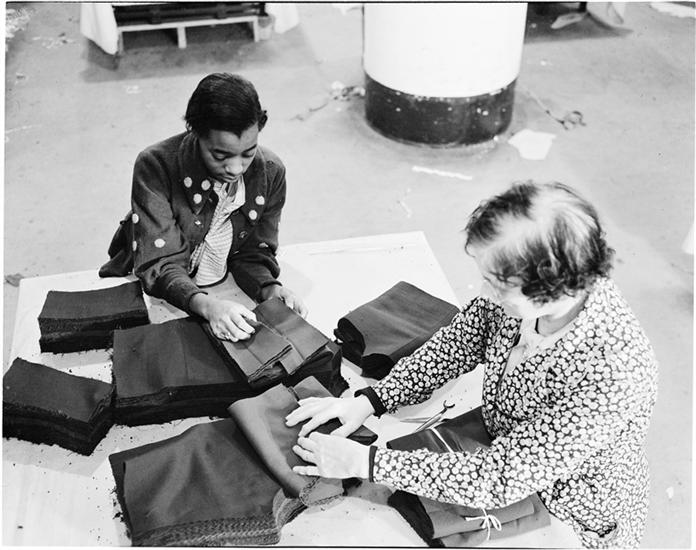
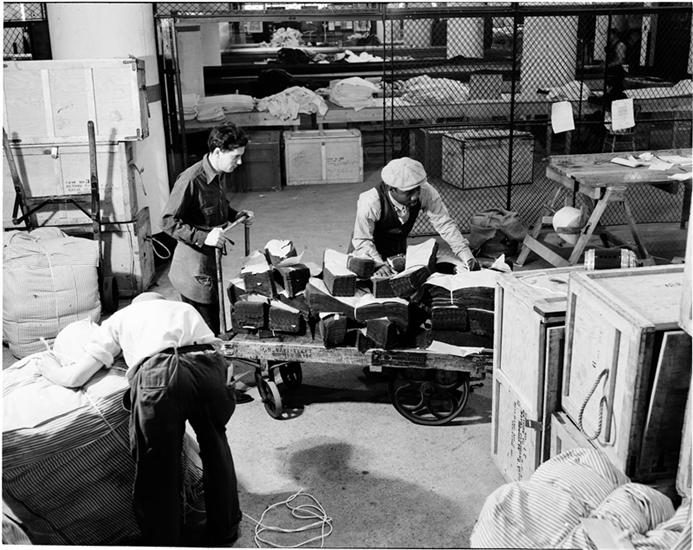
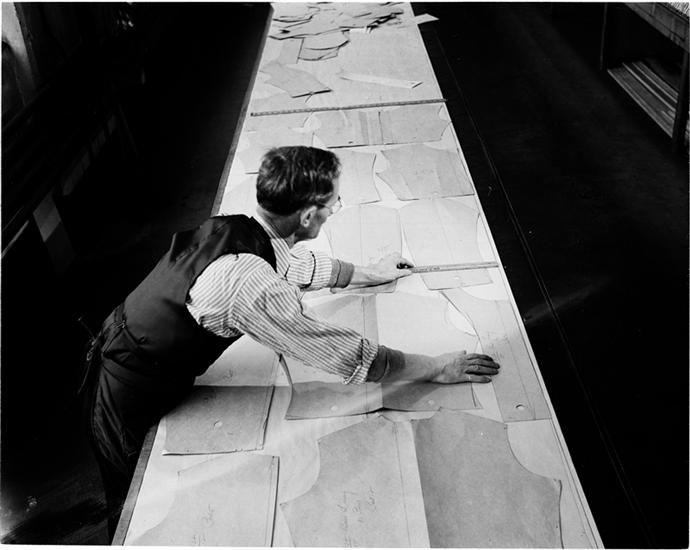
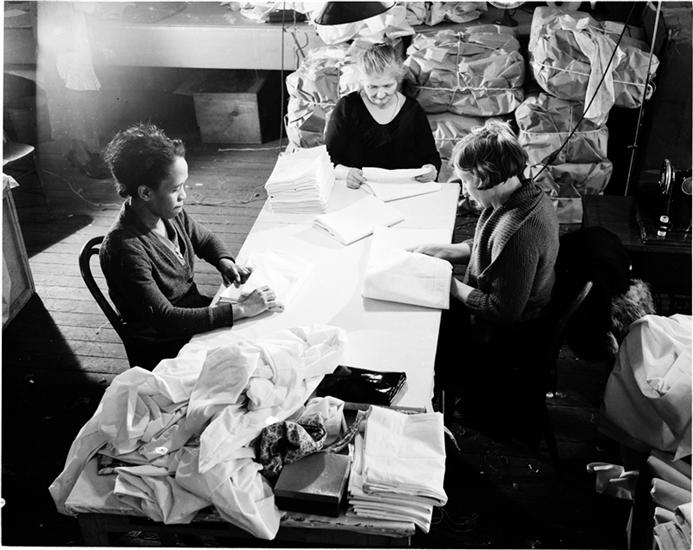
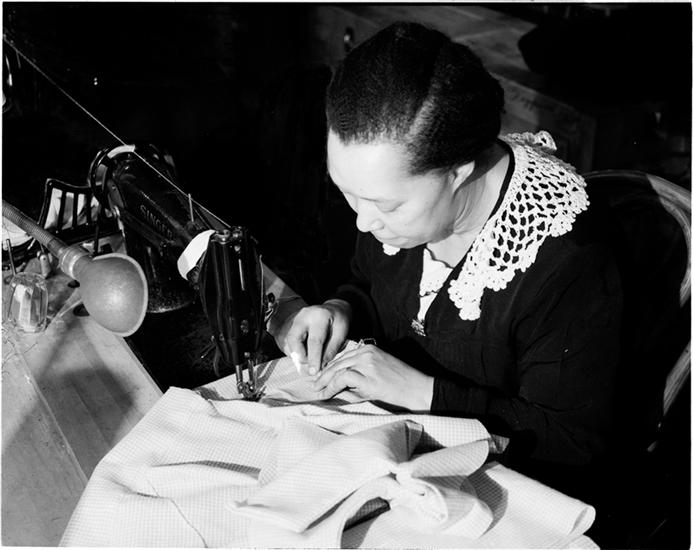
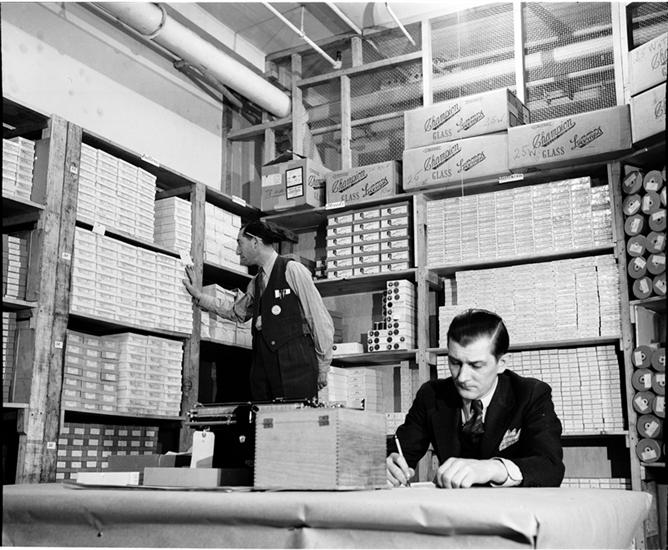
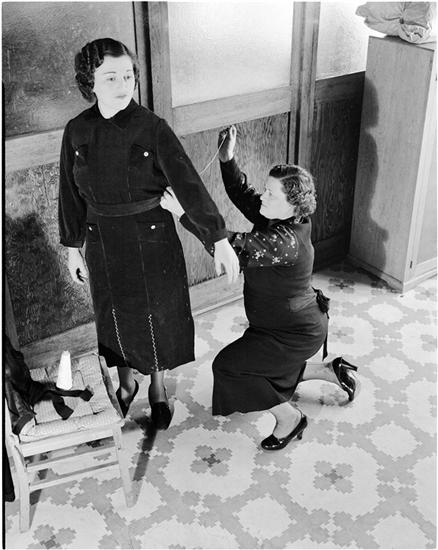
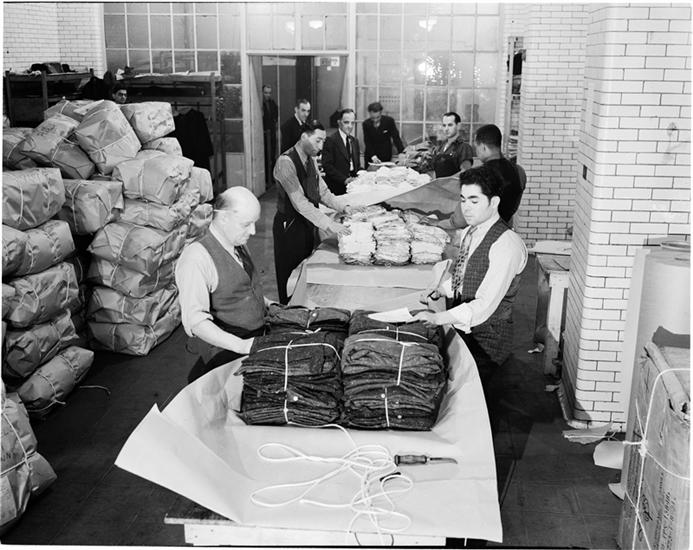
The following are a series of pictures capturing workers in a clothing factory on 36th Street and Tenth Avenue, 1937
Museum of City of New York/Federal Art Project
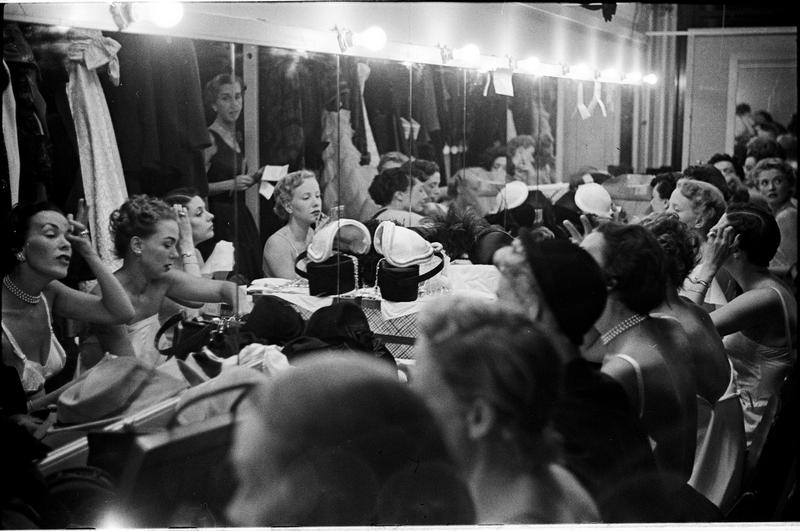
Behind the scenes at a Gimbels Fashion Show, 1949
Photo by Stanley Kubrick/Museum of the City of New York
Racks of clothing, 1955
Library of Congress/WikiMedia
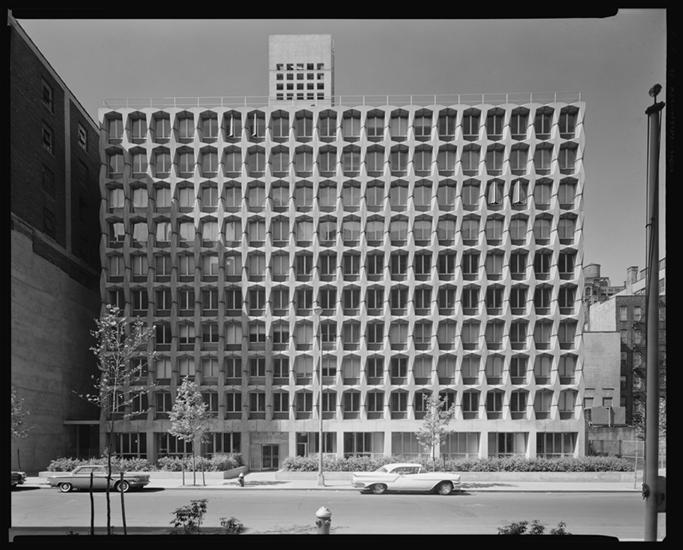
The unique brutalist architecture of the Fashion Institute of Technology 1964
Wurts Brothers/Museum of the City of New York
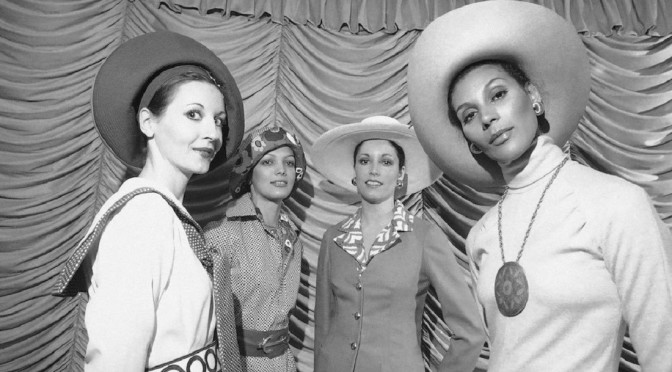
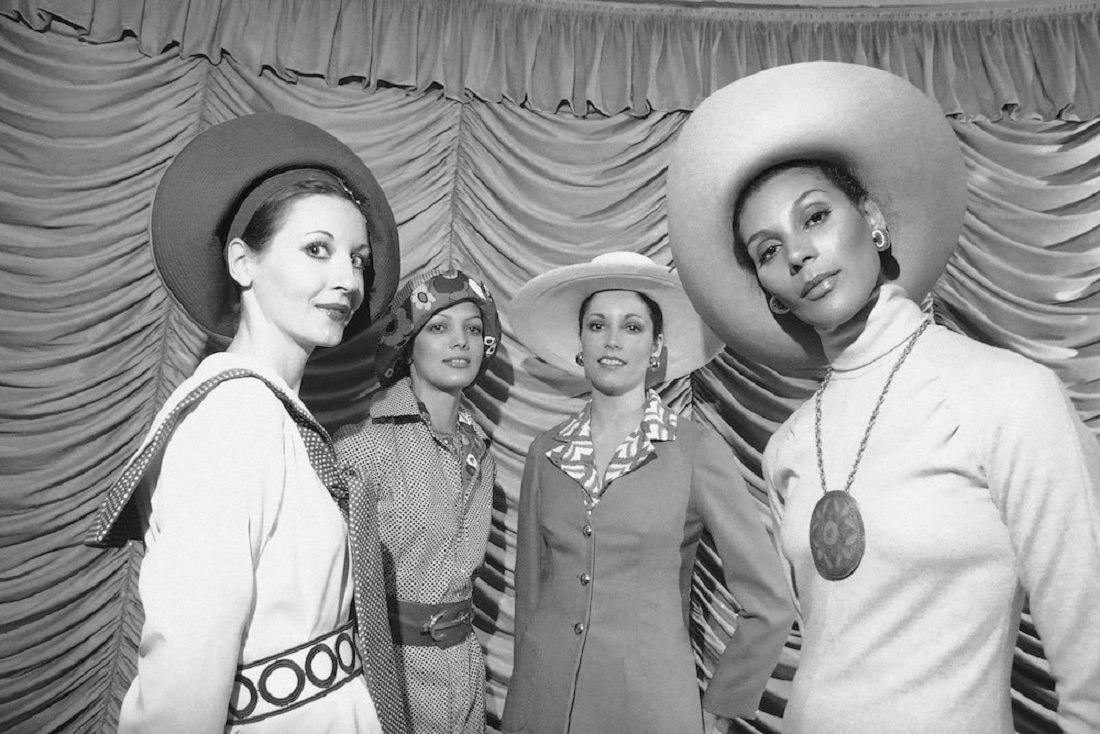
From ‘Press Week’ aka Fashion Week, Jan. 7, 1972. (AP Photo/Ray Stubblebine)