Categories
It's Showtime Podcasts

Rodgers and Hammerstein: Some Enchanted Broadway History

Richard Rodgers and Oscar Hammerstein II are two of the greatest entertainers in New York City history. They have delighted millions of people with their unique and influential take on the Broadway musical — serious, sincere, graceful and poignant. In the process they have helped in elevating New York’s Theater District into a critical destination for American culture.

In this episode, we tell the story of this remarkable duo — from their early years with other creators (Hammerstein with Jerome Kern, Rodgers with Lorenz Hart) to a run-down of all their shows. And almost all of it — from the plains of Oklahoma to the exotic climates of South Pacific — takes place on just two city blocks in Midtown Manhattan!

PLUS: What classic music venue still bears the name of Oscar Hammerstein’s grandfather?

How did the ritzy Plaza Hotel celebrate the fifth anniversary of Oklahoma’s debut?

How is Richard Rodgers associated with Hamilton the Musical?

And what was the final song written by Rodgers and Hammerstein?

LISTEN NOW: RODGERS AND HAMMERSTEIN


The Bowery Boys Podcast is proud to be sponsored by Founded By NYC, celebrating New York City’s 400th anniversary in 2025 and the 250th anniversary of the United States in 2026.

Read about all the exciting events and world-class institutions commemorating the five boroughs’ legacy of groundbreaking achievements, and find ways to celebrate the city that’s always making history at Founded by NYC.


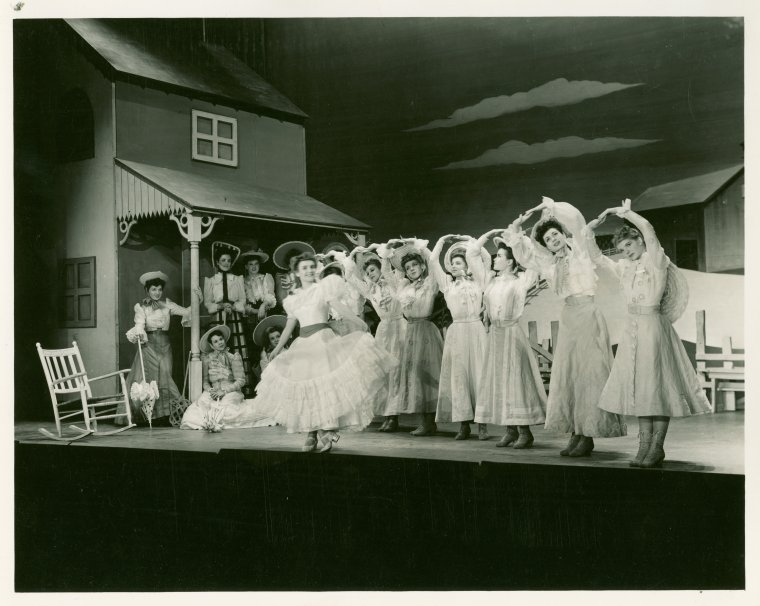
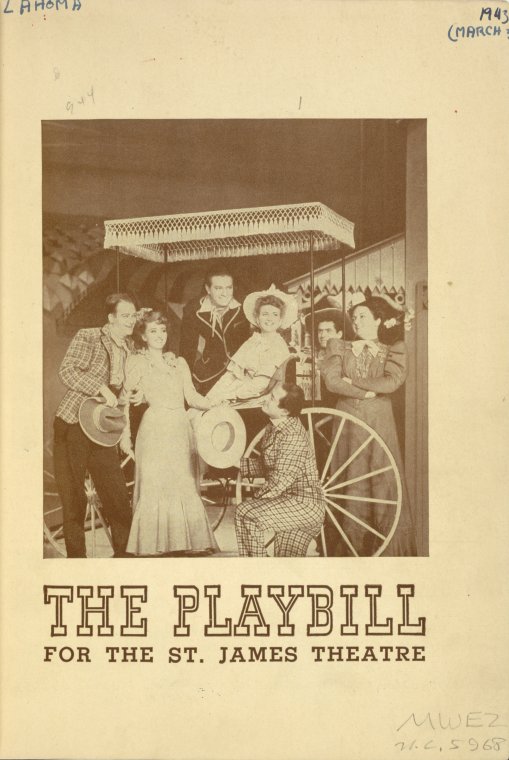
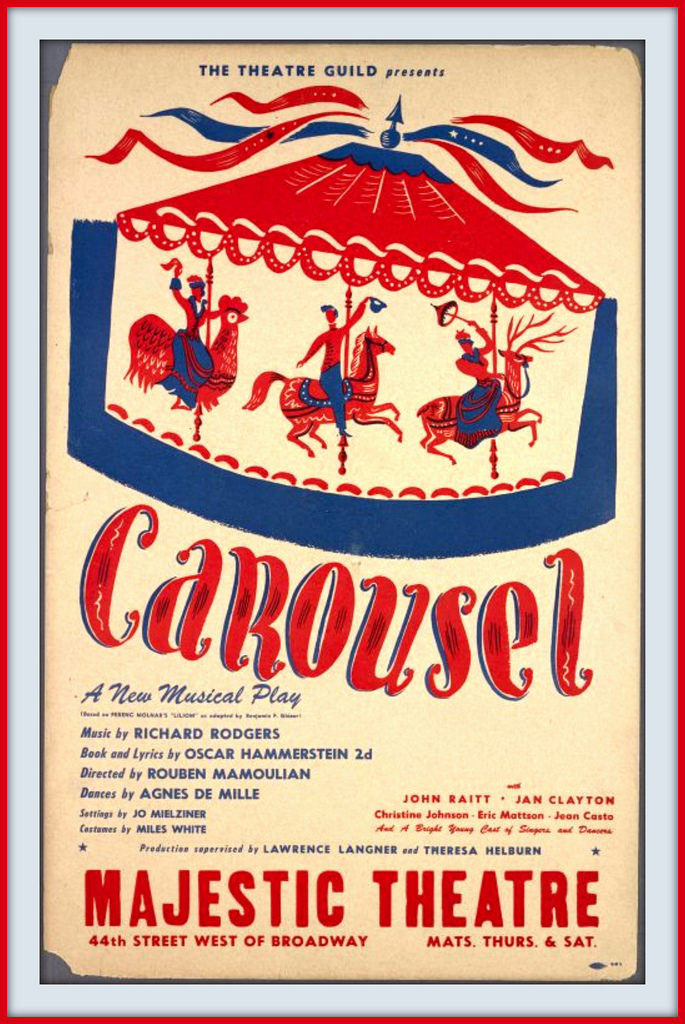
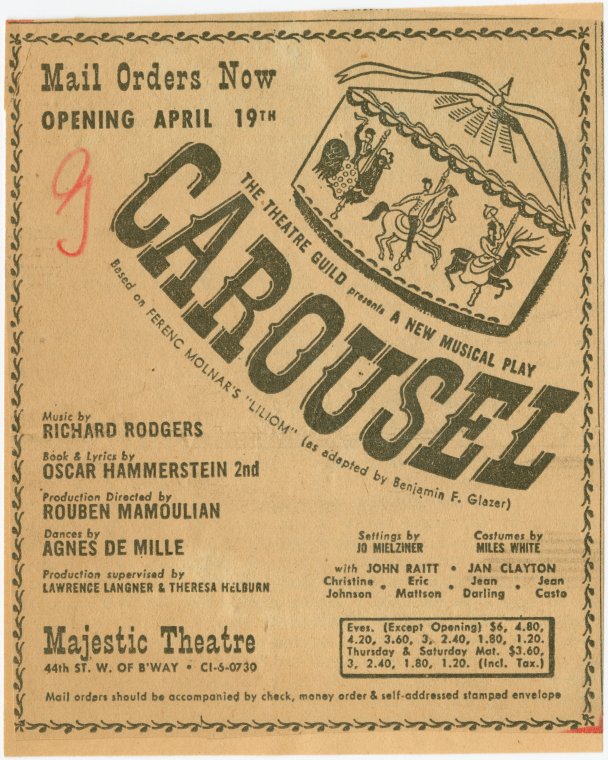
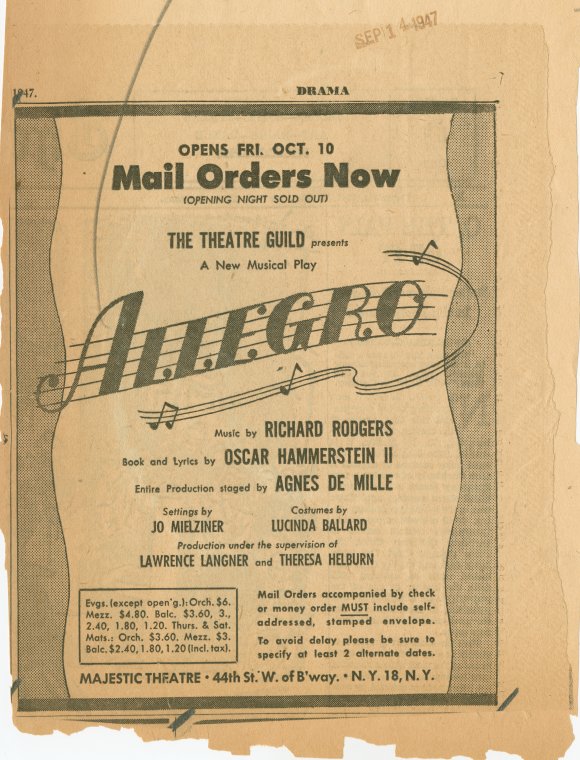
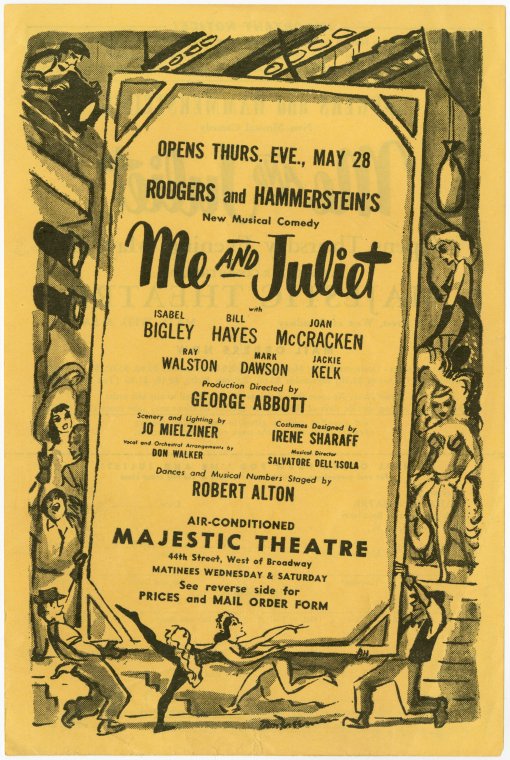
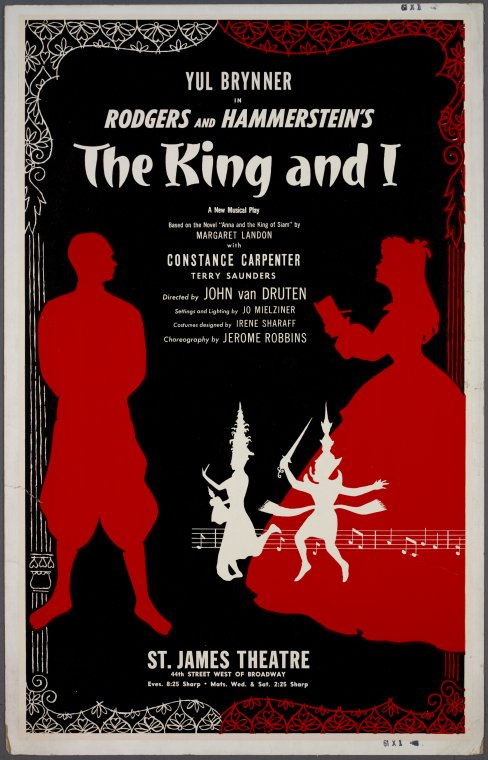
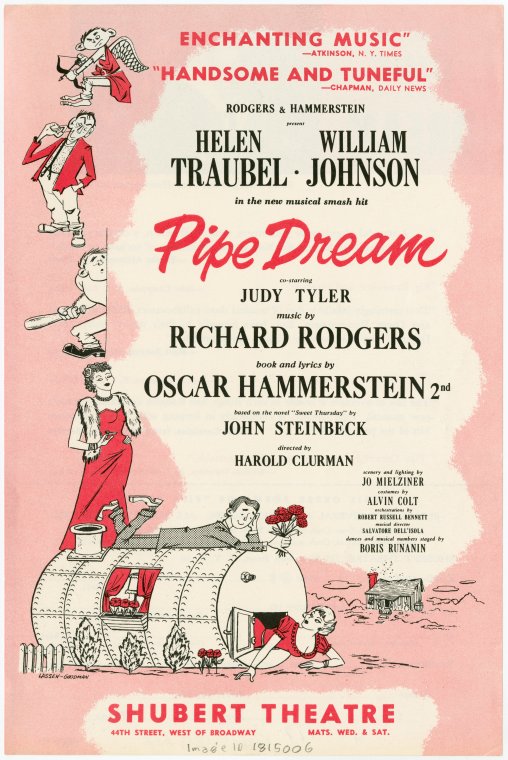
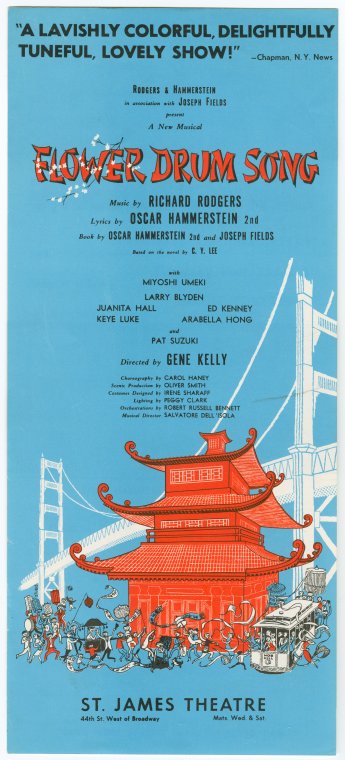
The selection of theater images and memorabilia below are courtesy the Billy Rose Theatre Division at the New York Public Library.

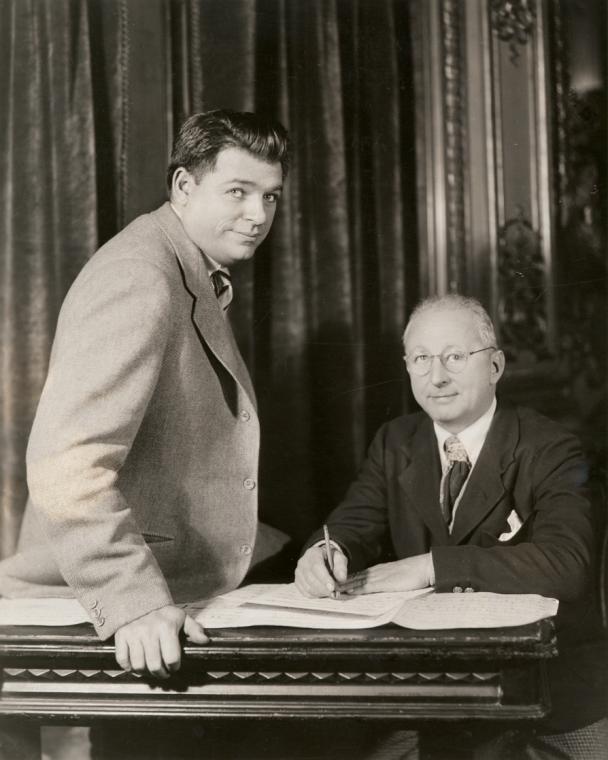
Hammerstein with another musical legend — Jerome Kern — in 1939

NYPL

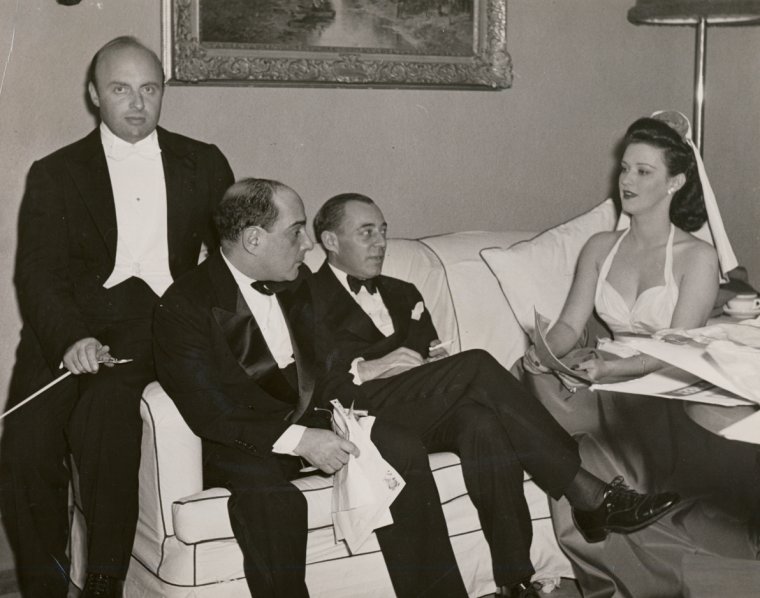
Andre Kostelanetz, Lorenz Hart, Richard Rodgers and Jane Froman, 194o

NYPL

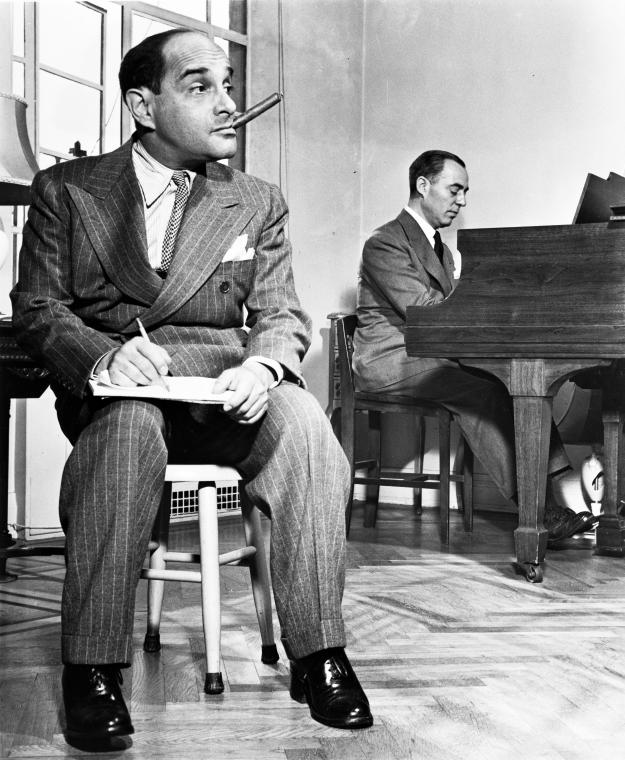
Rodgers and Hart, circa 1940

NYPL

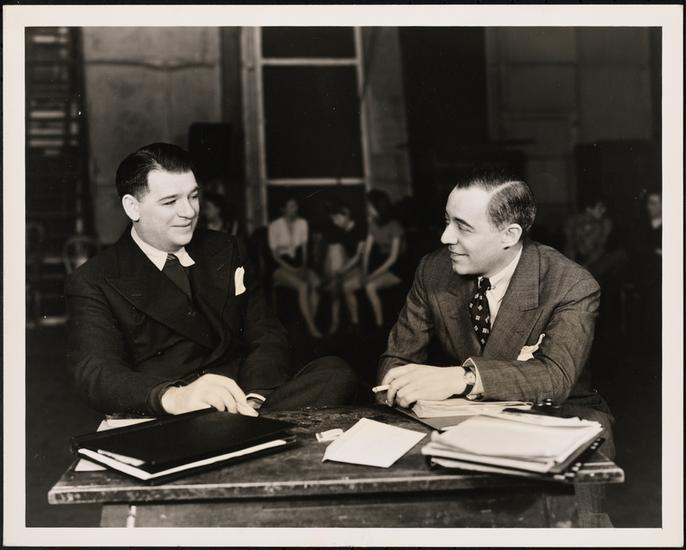
The creators, with performers in the background

Museum of the City of New York/NYPL

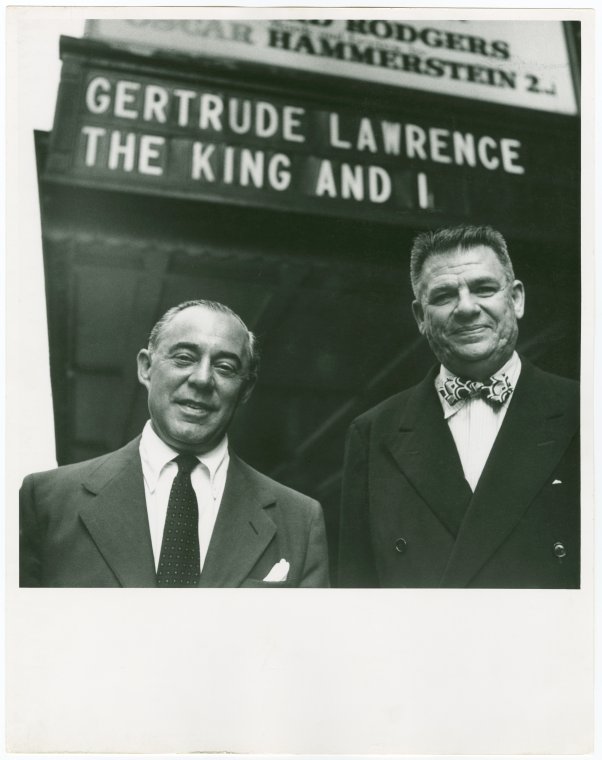
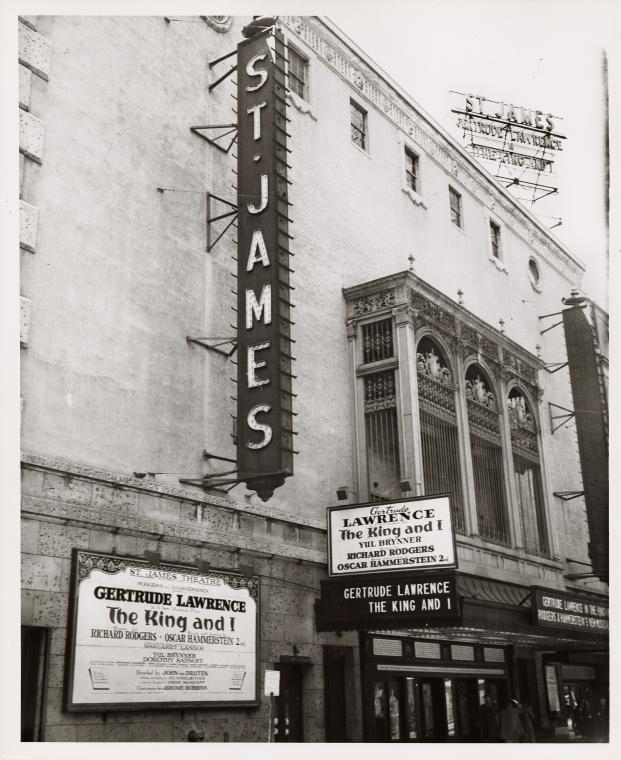
Richard Rodgers and Oscar Hammerstein II at the opening of The King and I at the St. James Theatre

NYPL

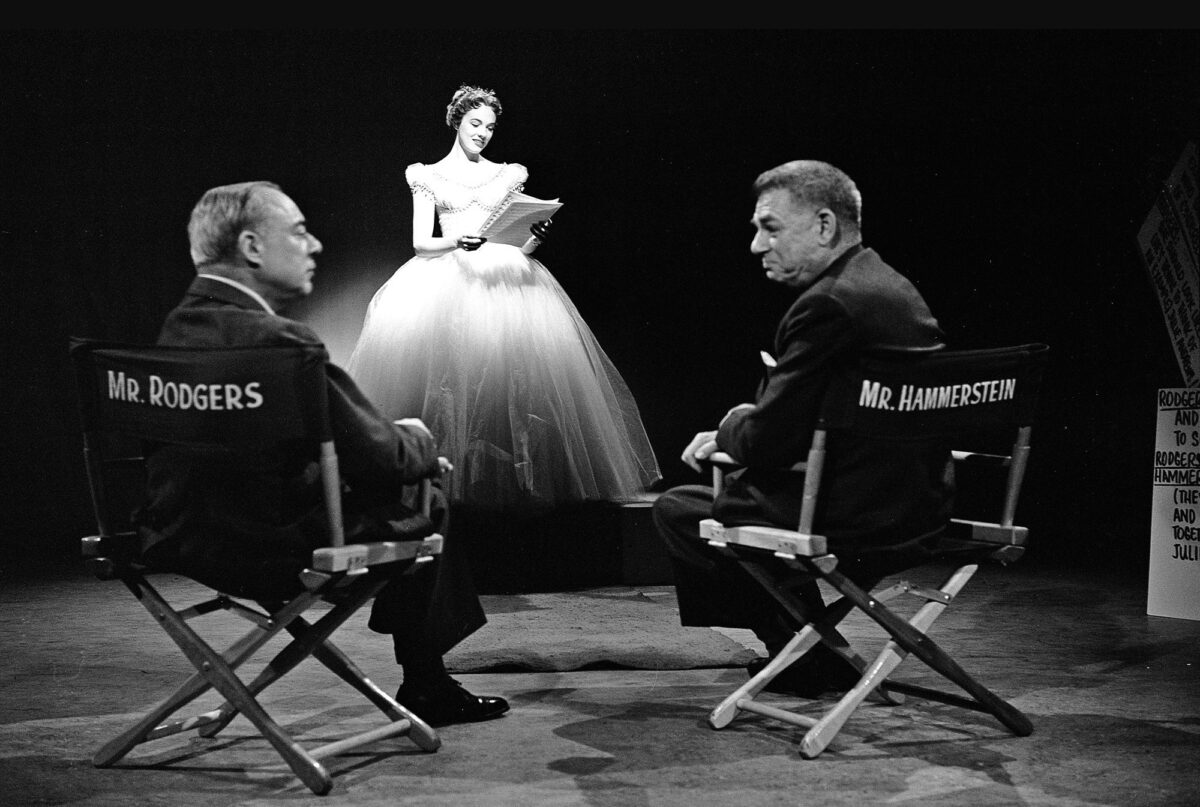
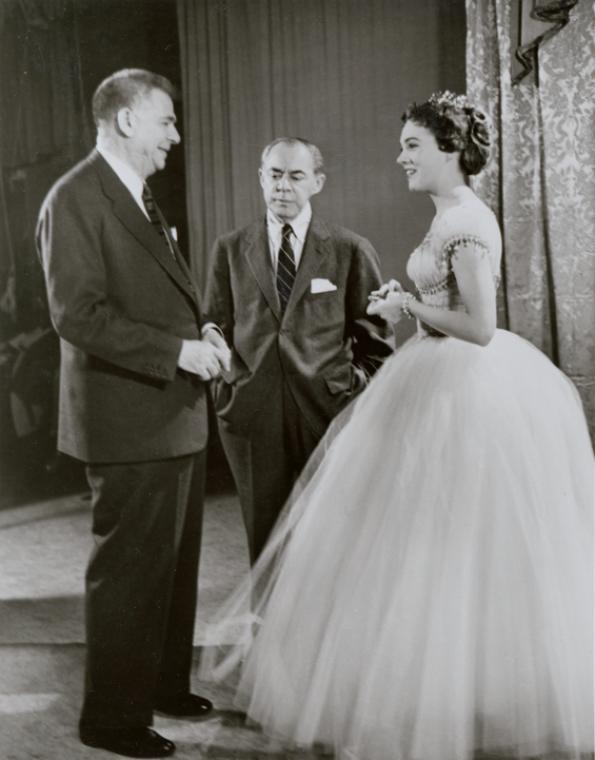
Hammerstein, Rodgers and a young Julie Andrews during rehearsals for the broadcast of Cinderella.

NYPL

No ‘leggy chorus girls’ here. Joan Roberts and the original cast of Oklahoma! transformed the Broadway musical

NYPL

Playbill for the original production of Oklahoma! at the St. James Theatre (1943)

NYPL

Thanks to advance “mail orders,” Rodgers and Hammerstein shows would be sold out months before opening — and months before the reviews came out.

NYPL


NYPL

NYPL


NYPL


NYPL

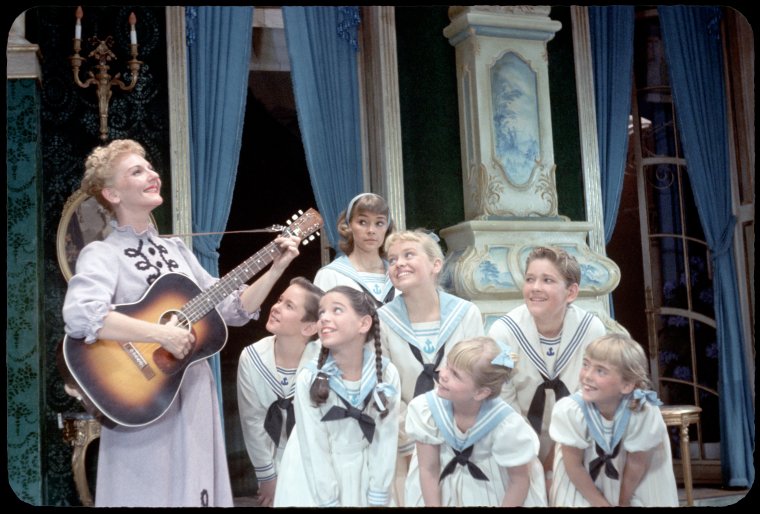
Mary Martin and the child stars of the original production of The Sound of Music.

NYPL

Categories
It's Showtime Podcasts

The Shuberts: The Brothers Who Built Broadway

PODCAST There’s no business like show business — thanks to Lee, Sam and JJ Shubert, the Syracuse brothers who forever changed the American theatrical business in the 20th century.

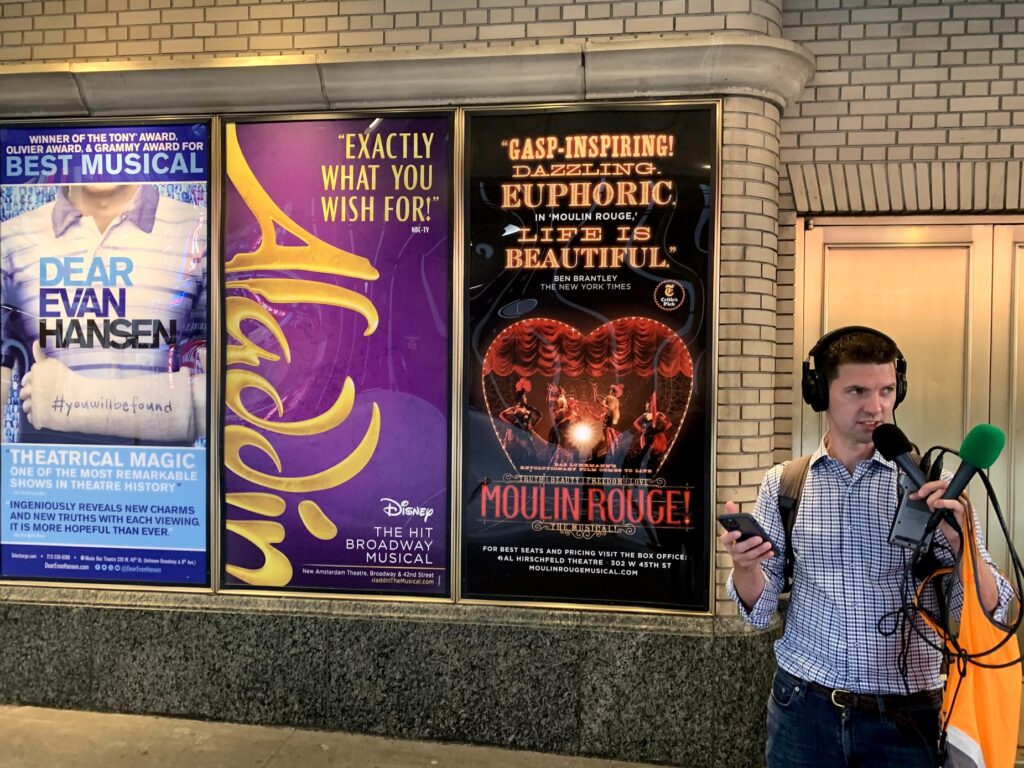
Broadway is back! And the marquees of New York’s theater district are again glowing with the excitement of live entertainment.

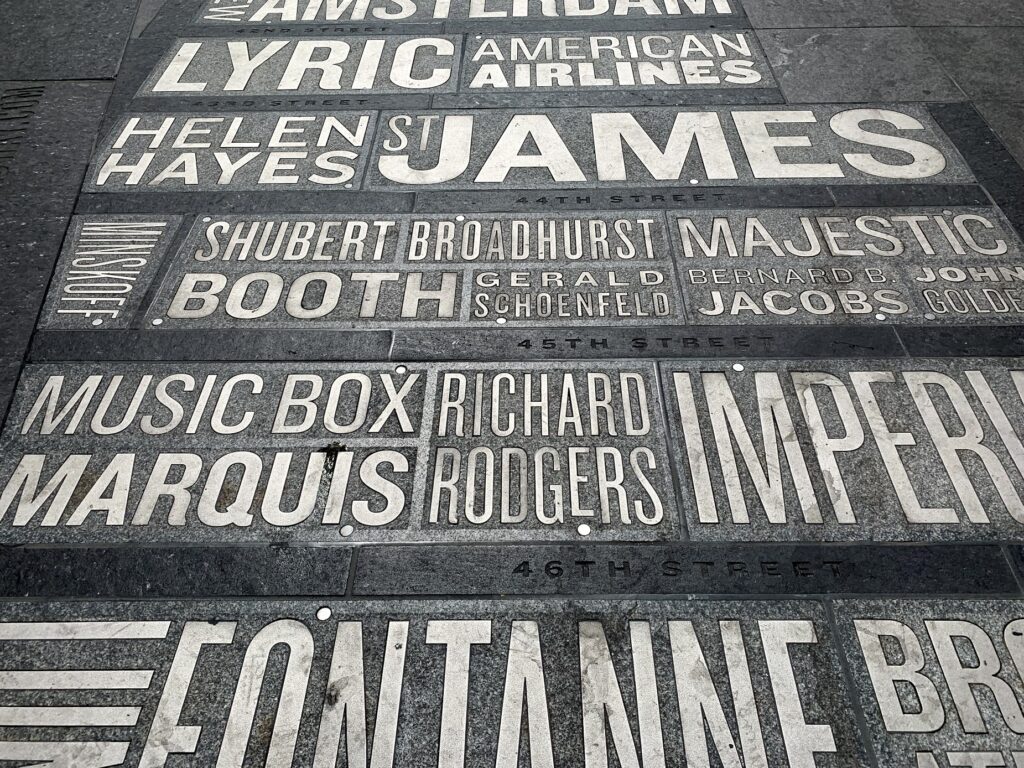
And many of these theaters were built and operated by the Shubert Brothers, impresarios who helped shape the physical nature of the Broadway theater district itself, creating the close cluster of stages that give Times Square its energy and glamour.

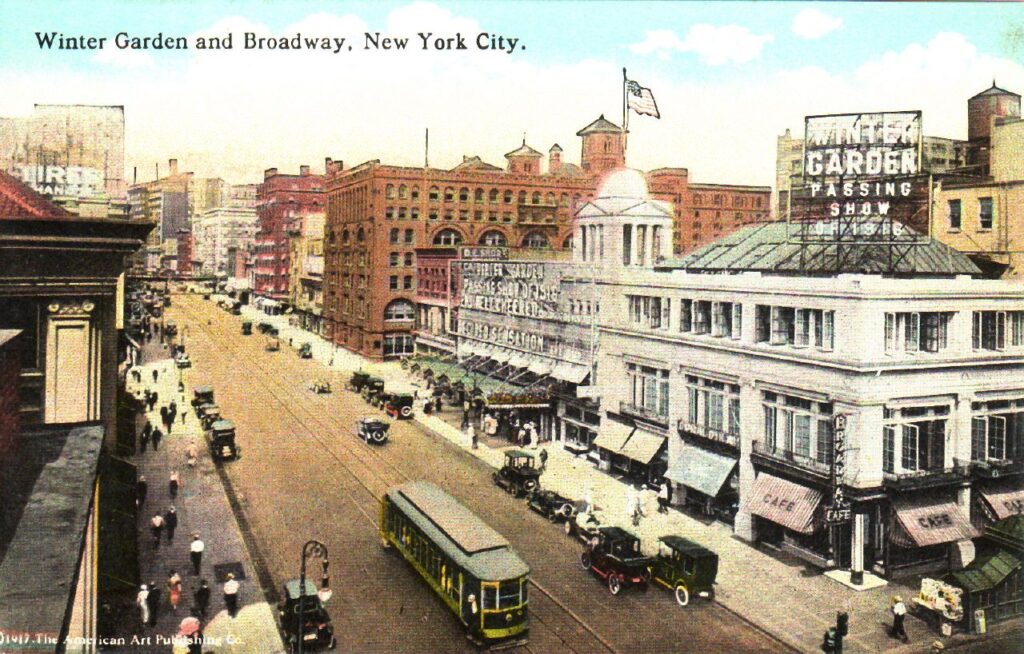
In this show, we’ll be visiting the dawn of Times Square itself and the evolution of the American musical — from coy operettas and flirty song-filled revues filled with chorus girls.

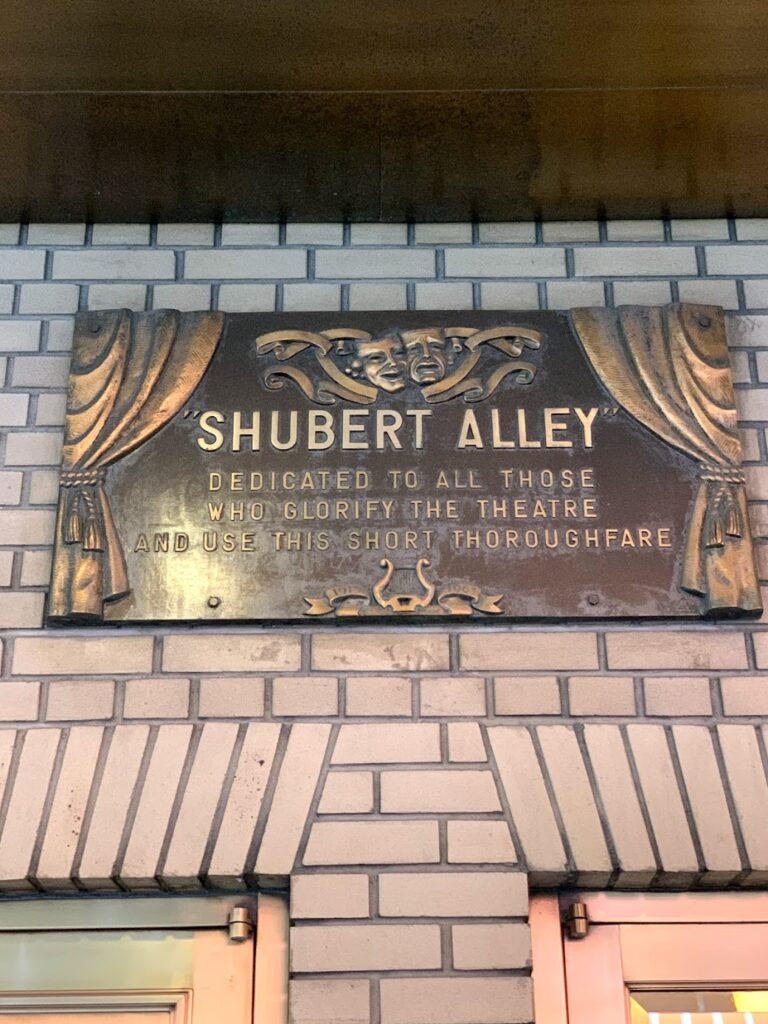
The Shuberts were there from the beginning. After fending off their rivals (namely the Syndicate), the Shuberts centered their empire around an alleyway that would quickly take their name — Shubert Alley.

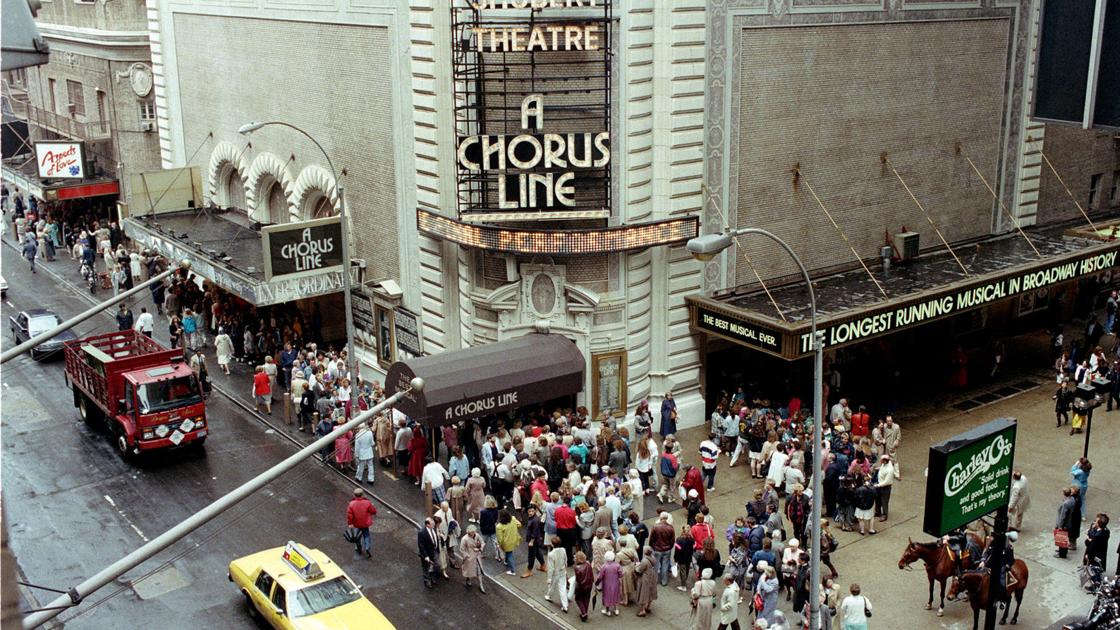
They were innovative and they were ruthless, generous and often cruel (especially to each other). During the 1950s and 60s, the Shubert empire almost crumbled — only to rise again in the 1970s and 1980s thanks to A Chorus Line and some very musical felines.

FEATURING A visit to the Shubert Archive above the Lyceum Theatre, a magical trove of historical items from the American stage.

Listen Now – The Shuberts


Our thanks to Mark E. Swartz, Sylvia Wang and Arielle Dorlester for giving us a marvelous tour of the Shubert Archive.


FURTHER LISTENING

After you’ve listened to this show on the history of Broadway, dive back into the back catalog and listen to these shows referred to on the show:

Rodgers and Hammerstein: The Golden Age of Broadway

The Broadway Musical: Setting the Stage

Florenz Ziegfeld and the Ziegfeld Follies

Times Square in the 1970s


And here’s a special Spotify playlist inspired by this week’s show, featuring tunes which were made famous in America on Shubert stages — either in original runs or very acclaimed revivals.

The Bowery Boys: New York City History podcast is brought to you …. by you!

We are now producing a new Bowery Boys podcast every other week. We’re also looking to improve and expand the show in other ways — publishing, social media, live events and other forms of media. But we can only do this with your help!

We are now a creator on Patreon, a patronage platform where you can support your favorite content creators.

Please visit our page on Patreon and watch a short video of us recording the show and talking about our expansion plans. If you’d like to help out, there are several different pledge levels. Check them out and consider being a sponsor.

We greatly appreciate our listeners and readers and thank you for joining us on this journey so far.


In Times Square

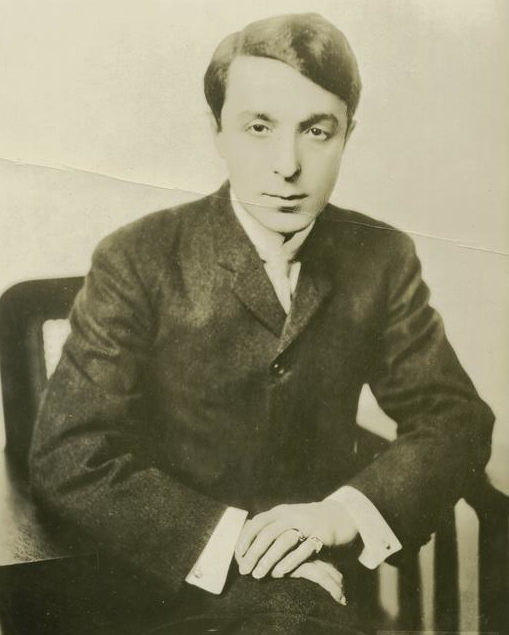
Sam Shubert. He had moxie!
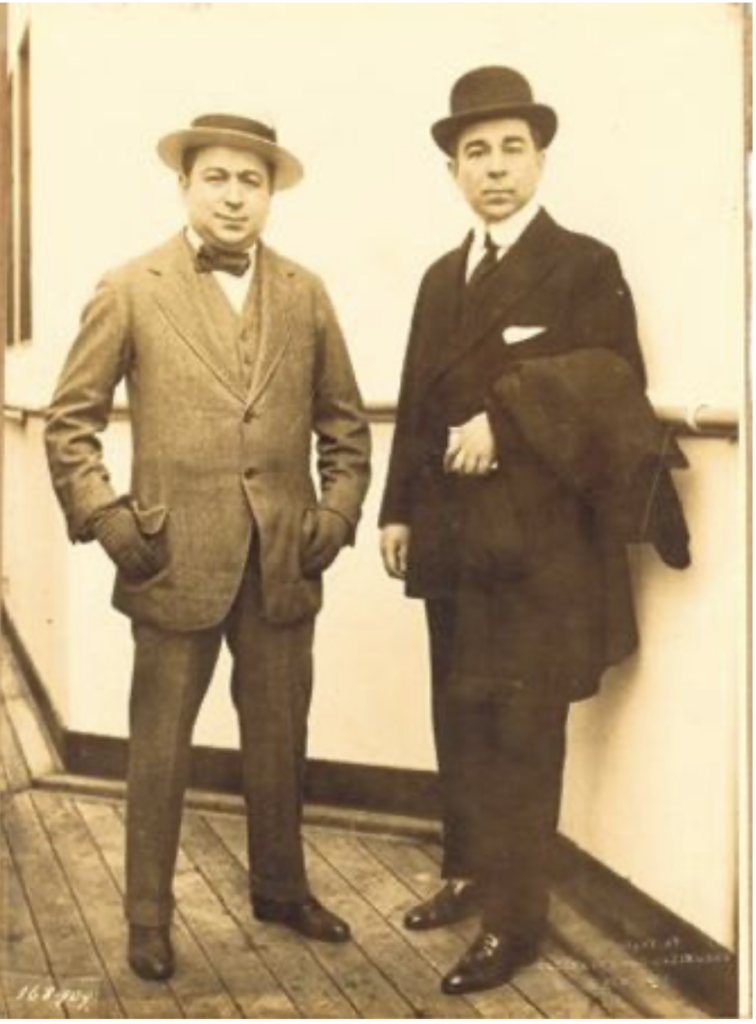
JJ and Lee Shubert, in a rare picture with each other. (Shubert Archive)
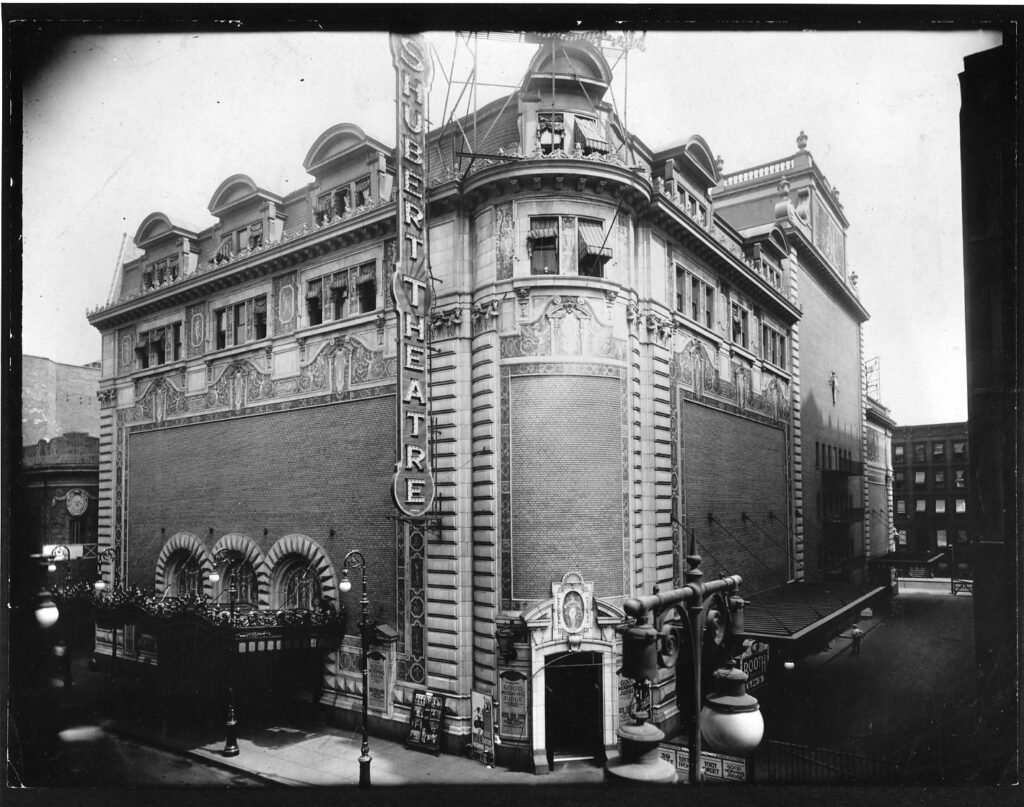
Shubert Theatre (ca. 1919)
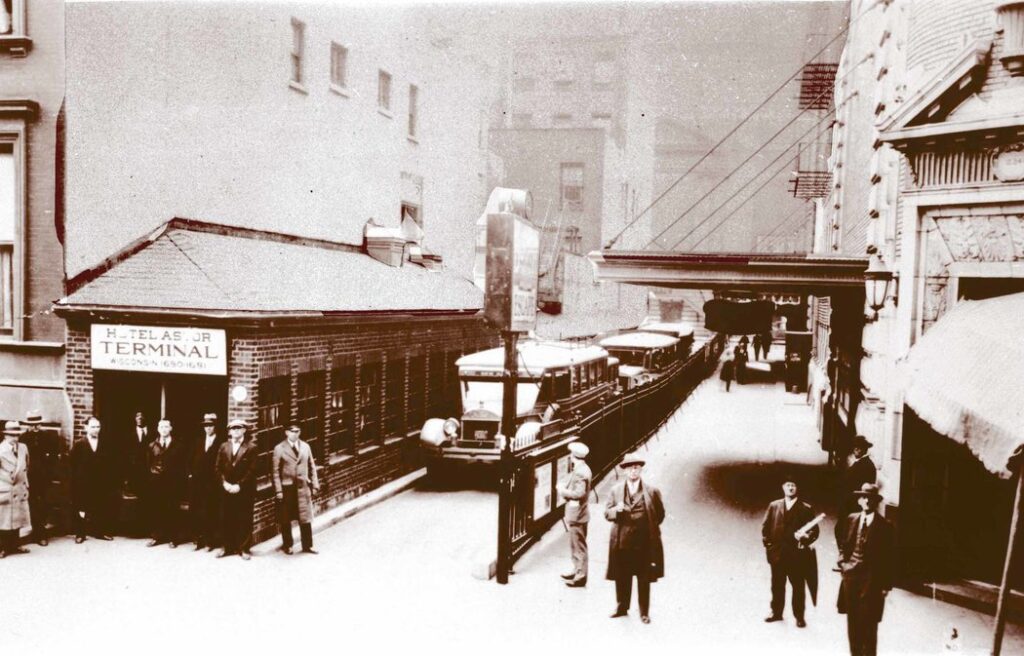
Shubert Alley in the 1930s, looking south, the Booth Theater to the right.
Showgirls from The Passing Show

Images from the Shubert Archive (taken by Greg):

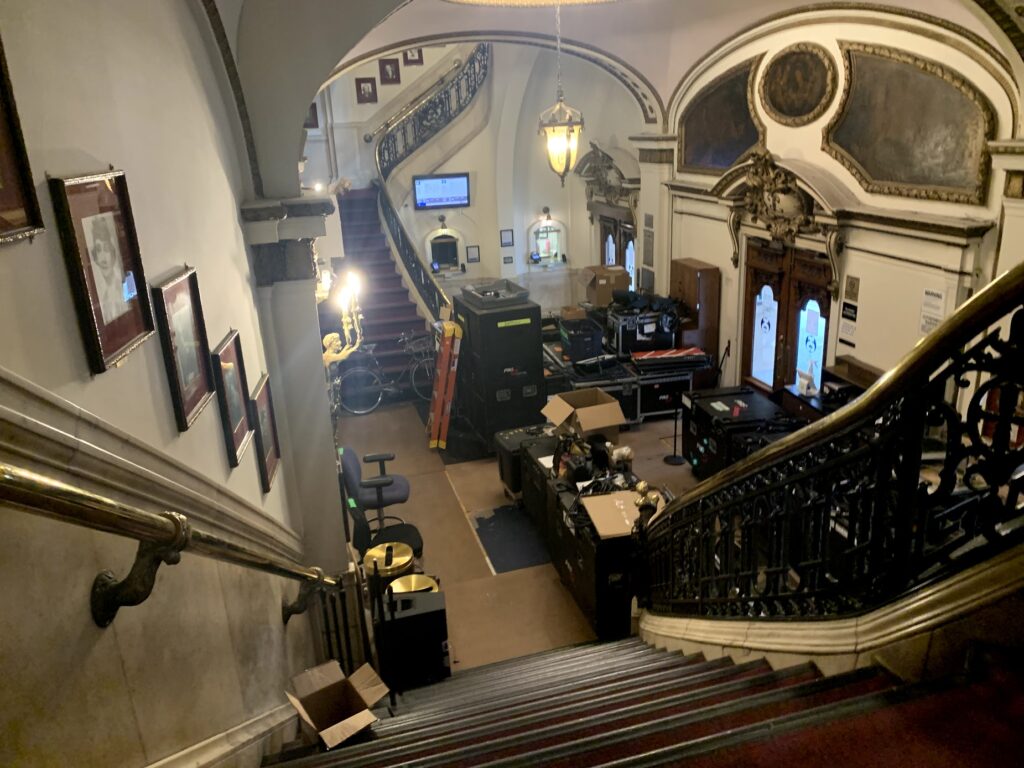
Taking the stairs to the elevator at the Lyceum Theatre.
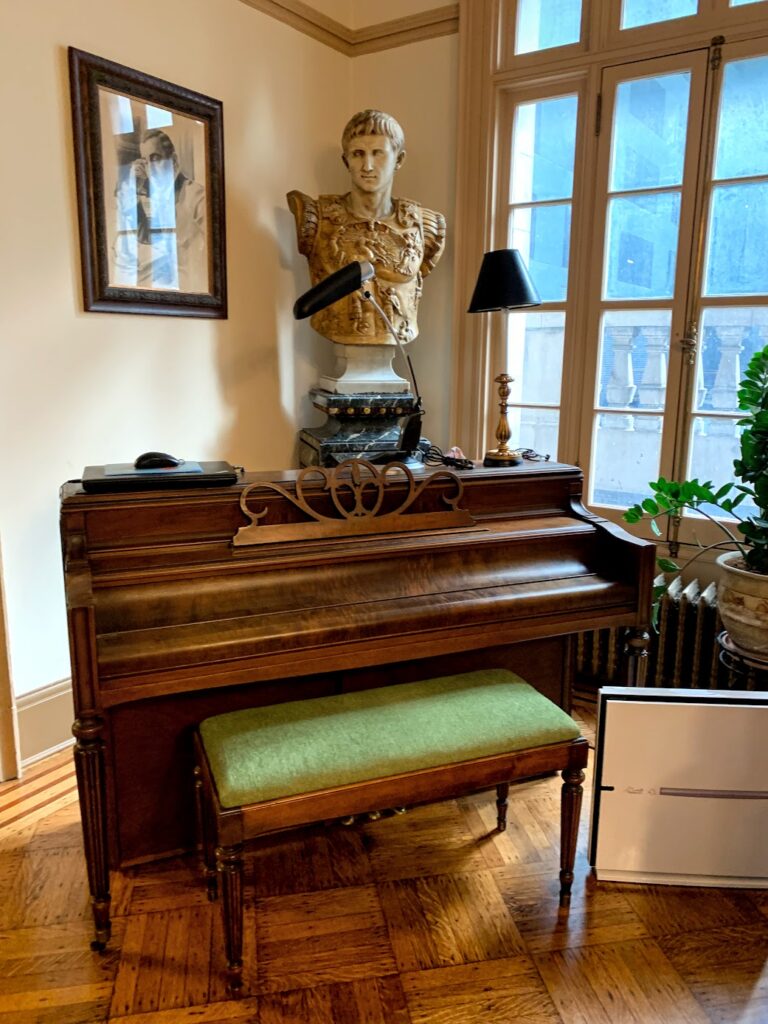
Gerald Schoenfeld’s piano
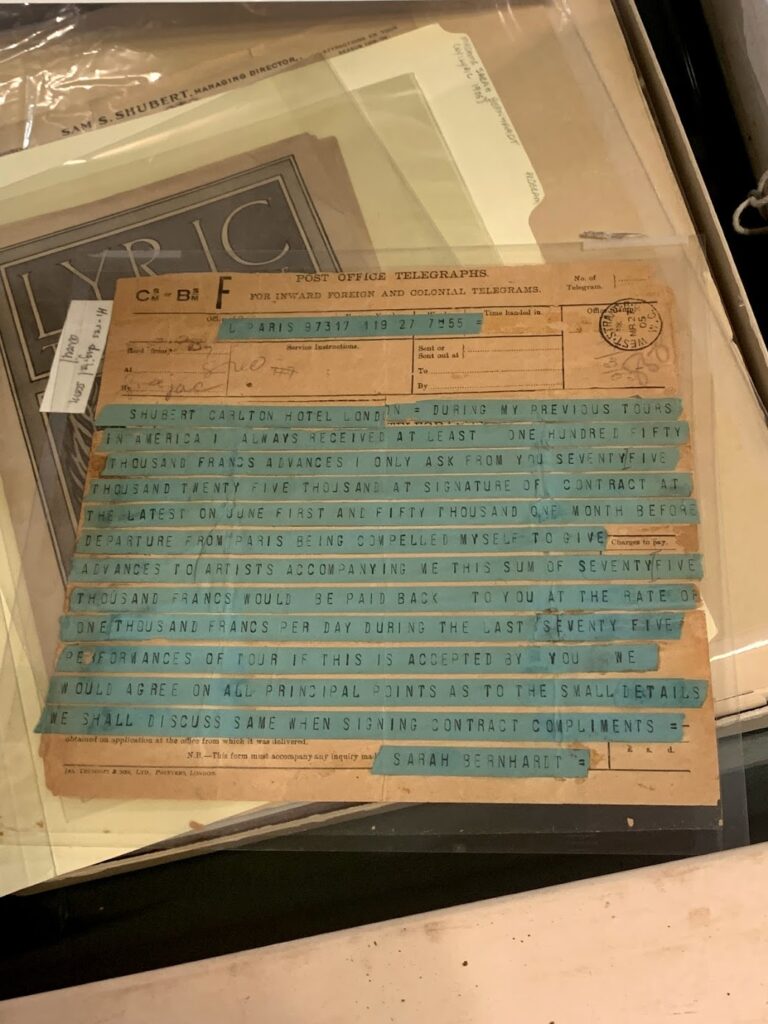
Telegram from Sarah Bernhardt
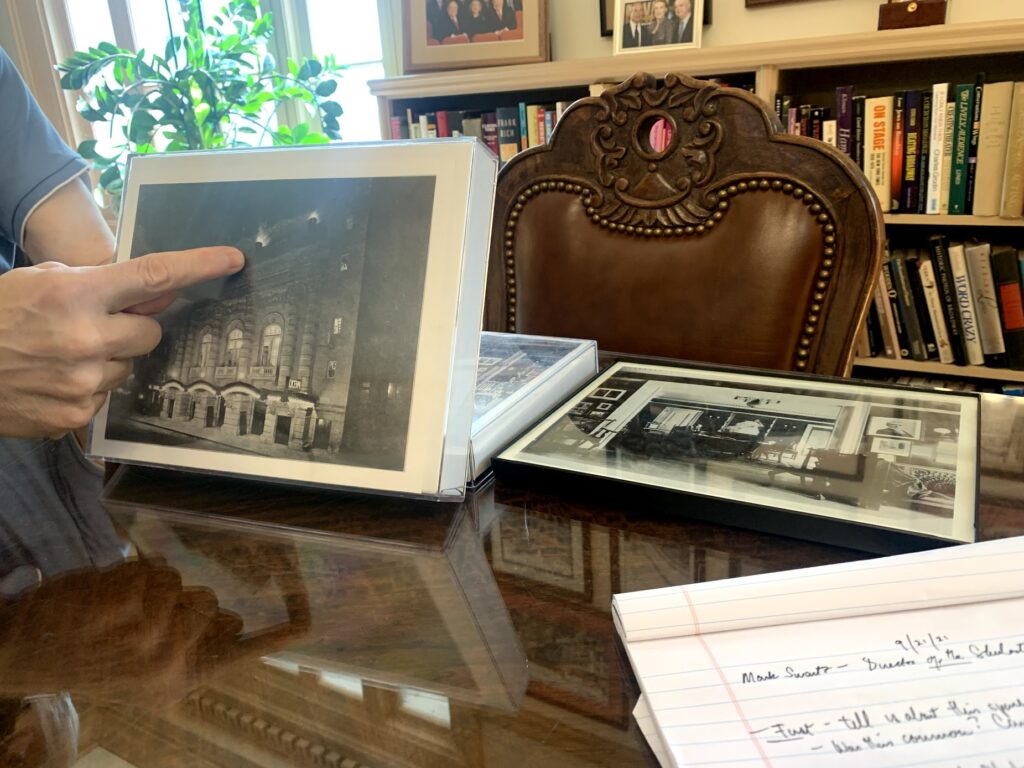
At the Shubert dining table, looking at old photos of the Lyceum
Wall of Shubert theaters!
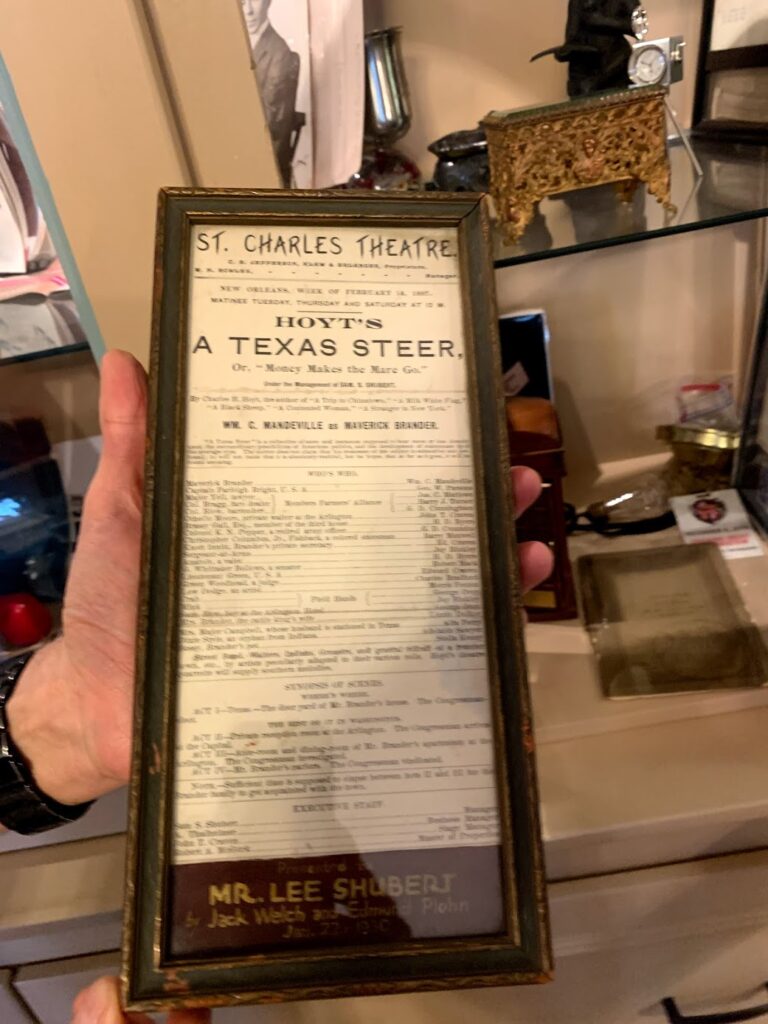
A notice for A Texas Steer, Sam Shubert’s first show.
Categories
It's Showtime Long Island Podcasts

The Very Gay History of Fire Island

How did one particular summer settlement on Fire Island become a ‘safe haven’ for gay men and lesbians almost ninety years ago, decades before the uprising at Stonewall Inn?

This is the third and final part of the Bowery Boys Road Trip to Long Island. (Check out the first part on Gatsby and the Gold Coast and the second part on Jones Beach.)

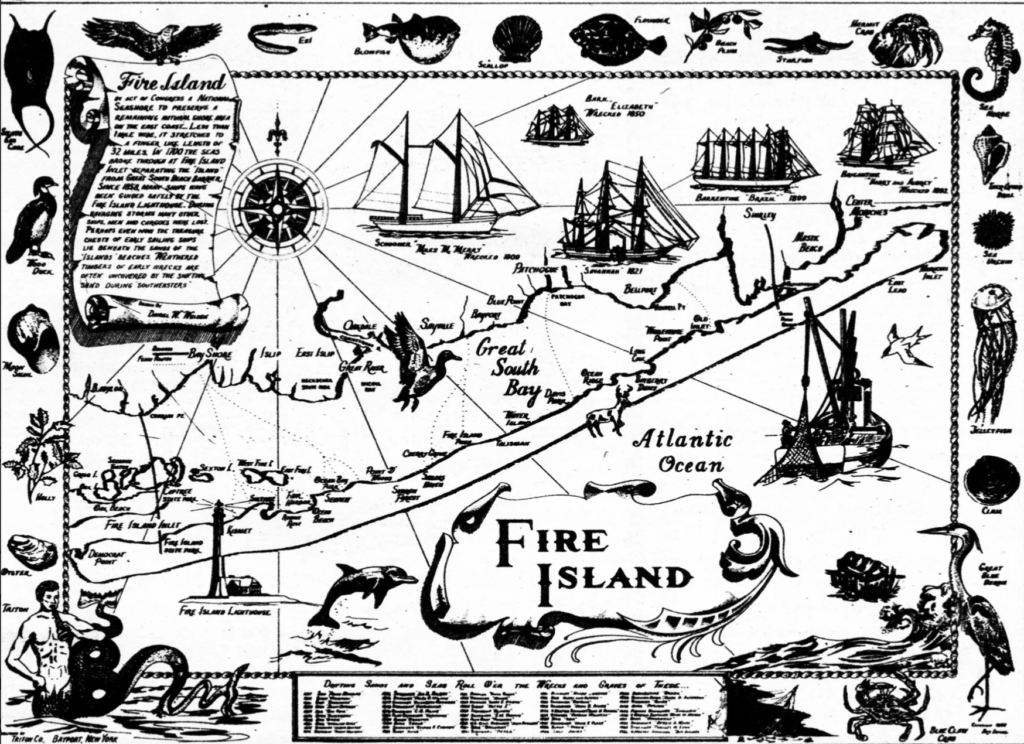
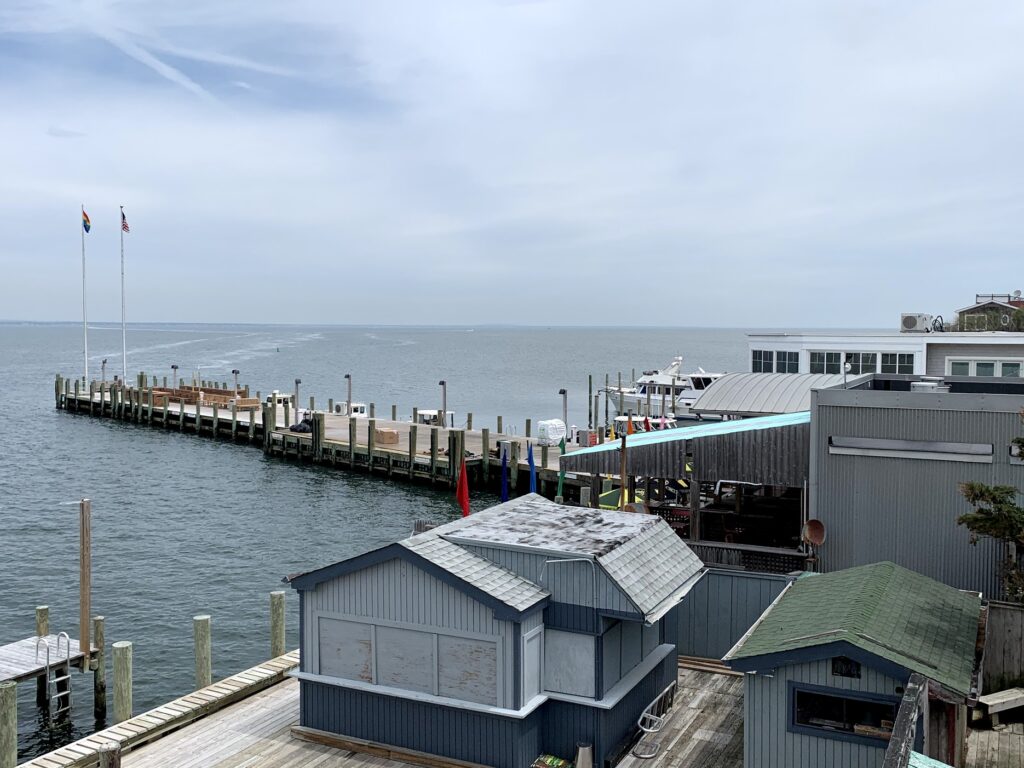
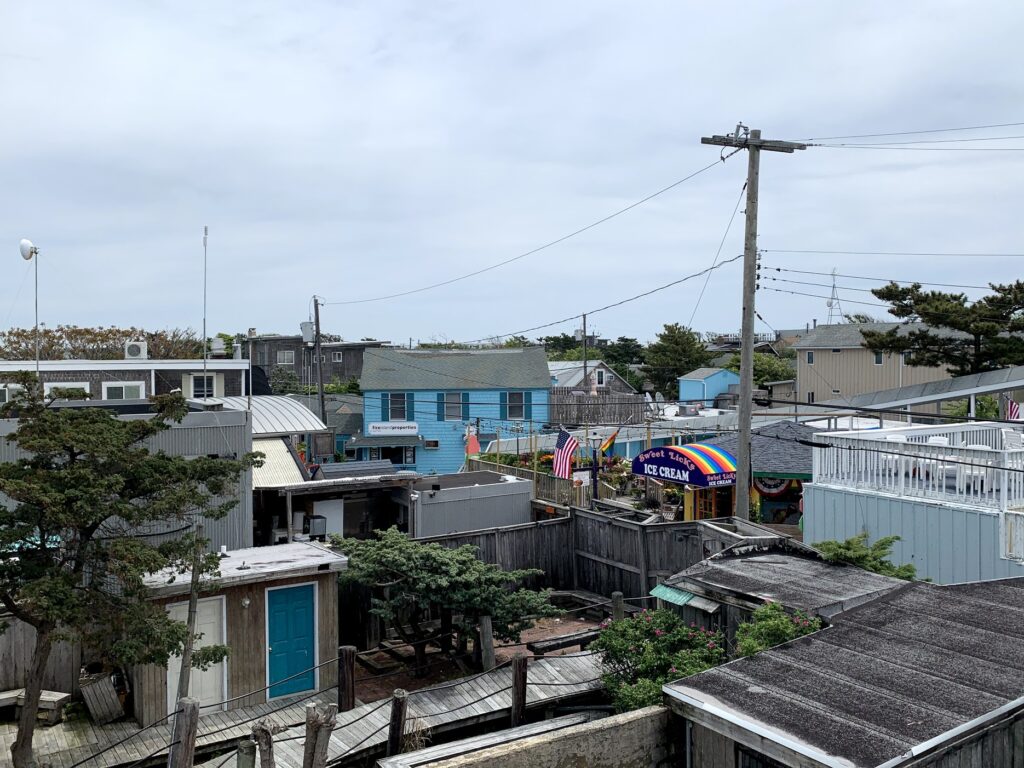
Fire Island is one of New York state’s most attractive summer getaways, a thin barrier island on the Atlantic Ocean lined with seaside villages and hamlets, linked by boardwalks, sandy beaches, natural dunes and water taxis. (And, for the most part, no automobiles.)

But Fire Island has a very special place in American LGBT history.

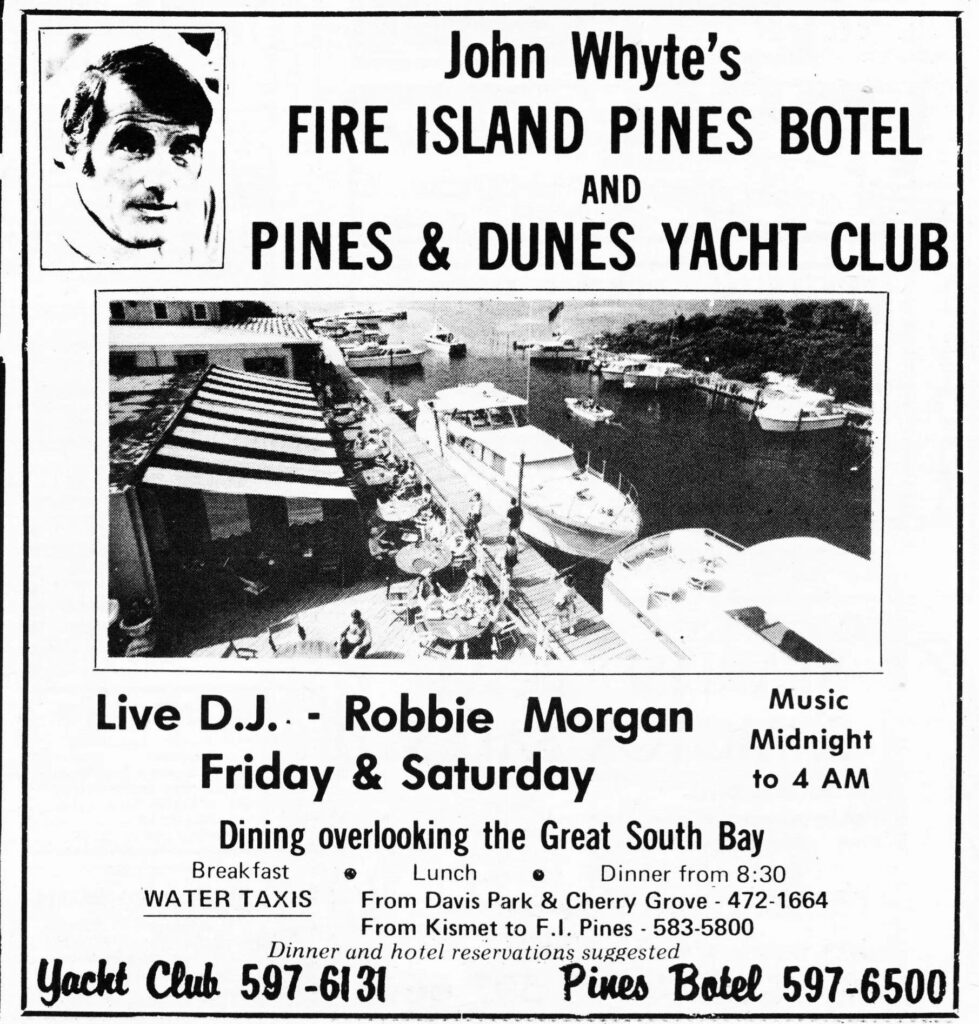
It is the site of one of the oldest gay and lesbian communities in the United States, situated within two neighboring hamlets — Cherry Grove and the Fire Island Pines.

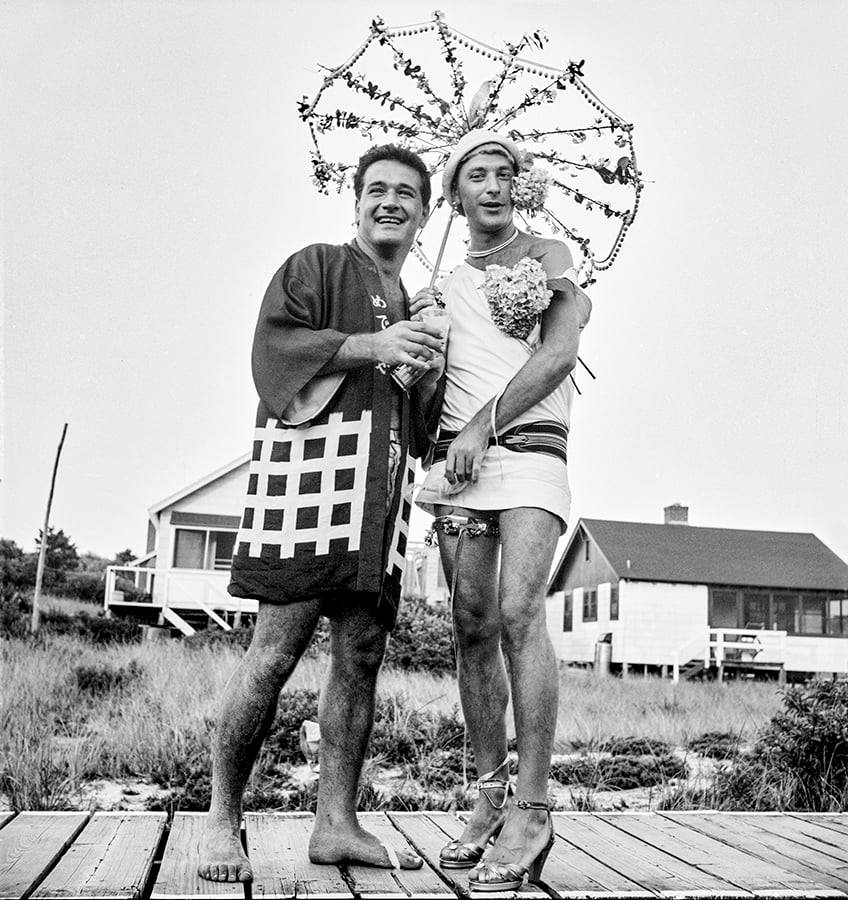
During the 1930s actors, writers and craftspeople from the New York theatrical world began heading to Cherry Grove, its remote and rustic qualities allowing for gay and lesbians to express themselves freely — far away from a world that rejected and persecuted them. 

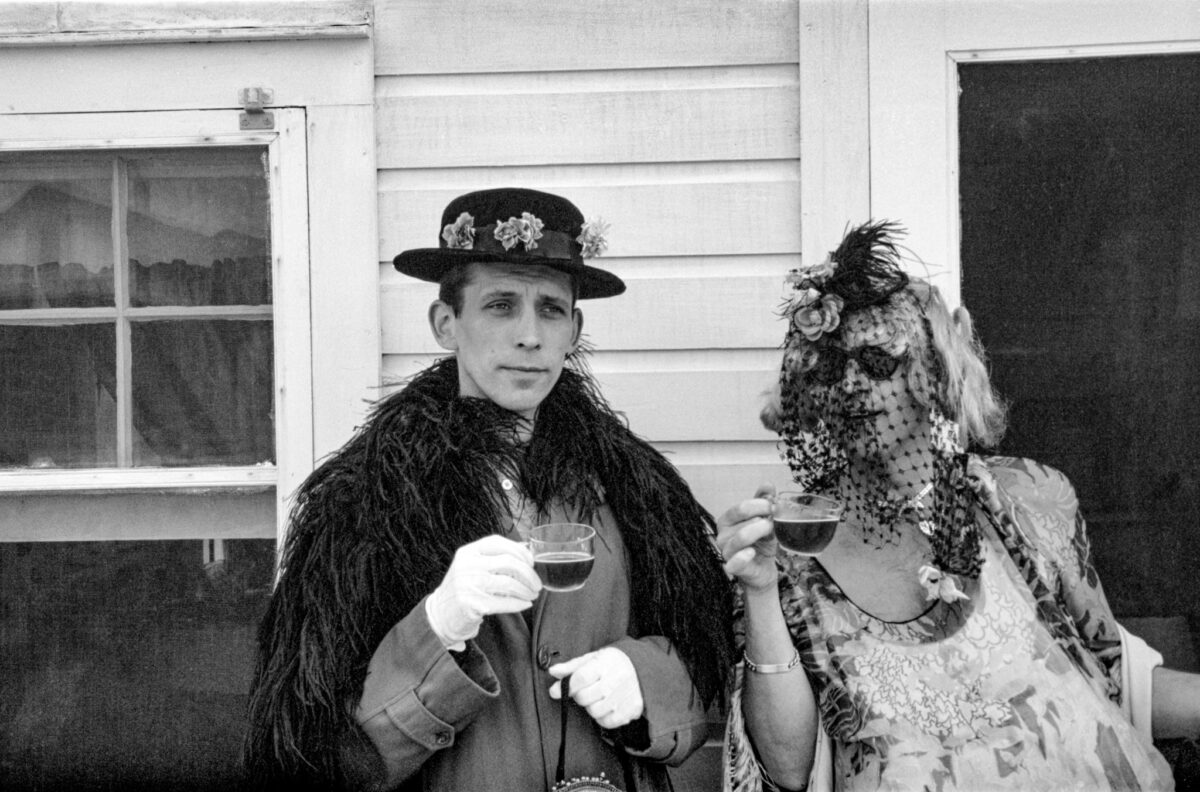
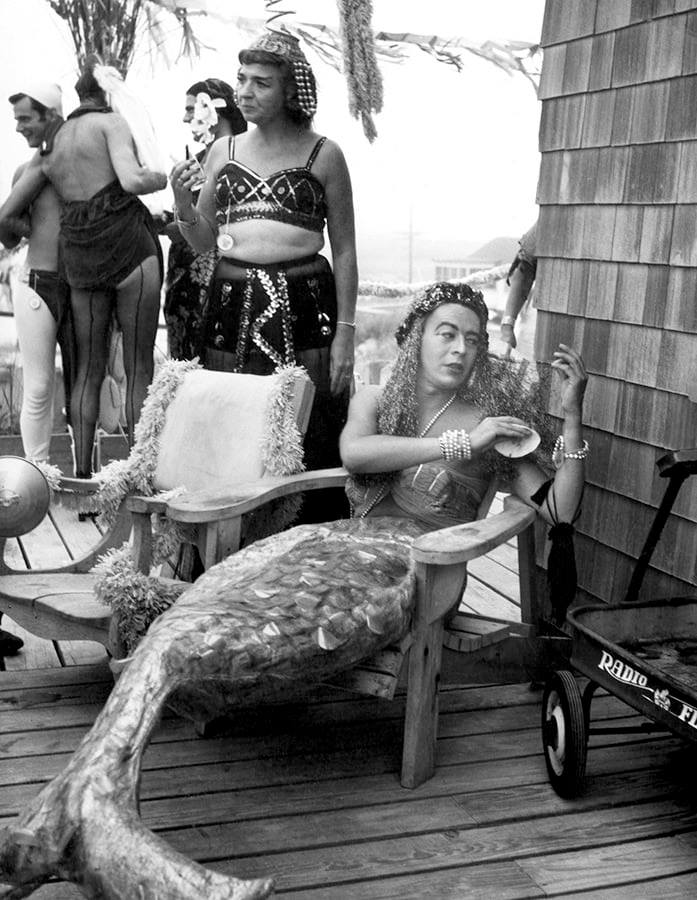
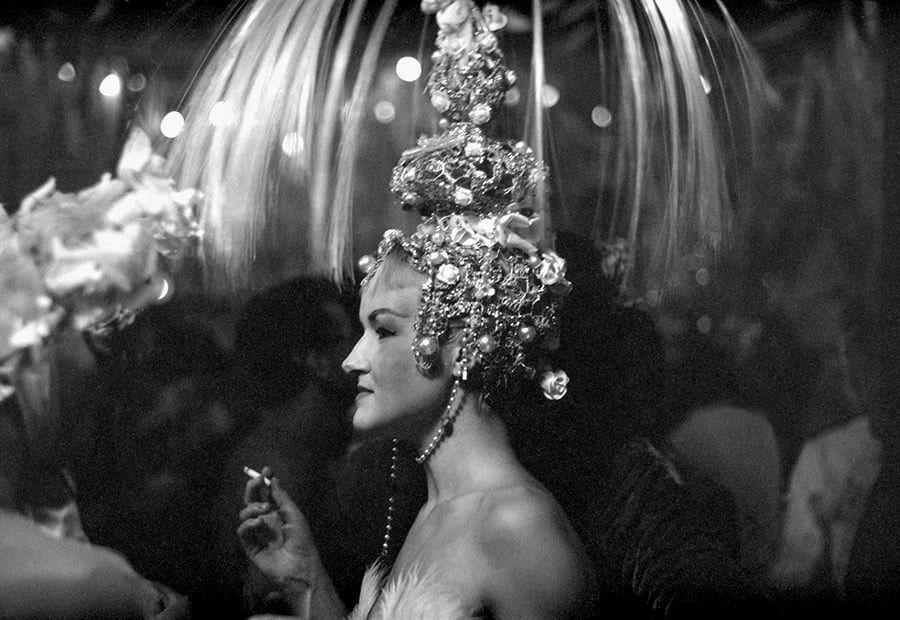
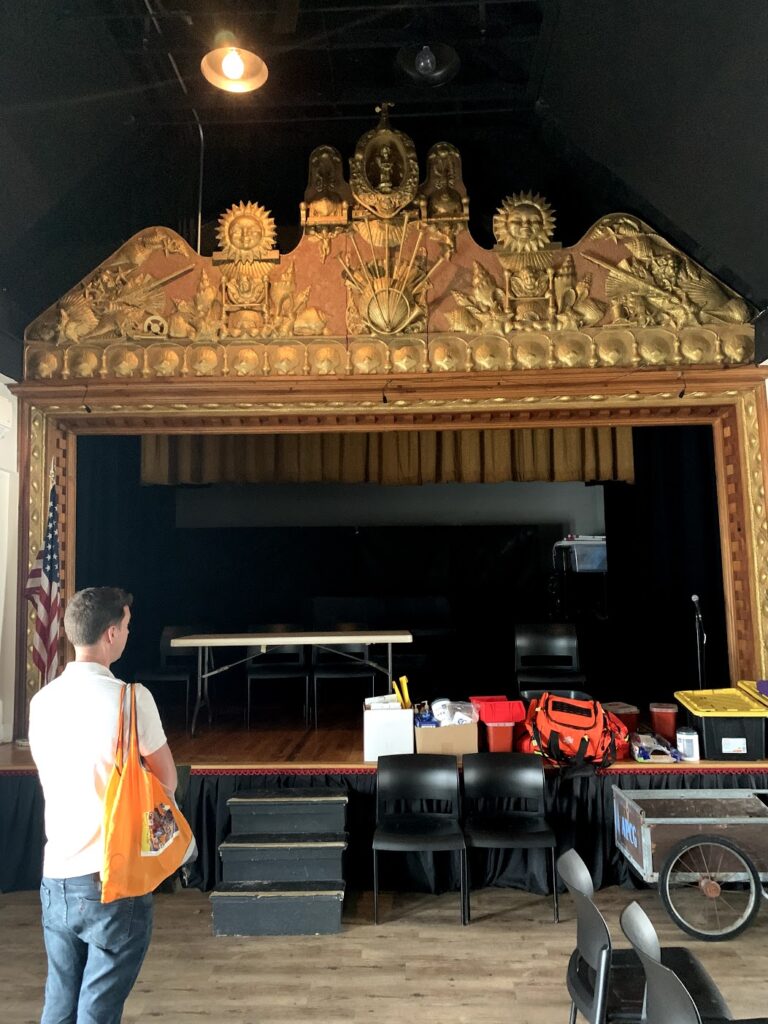
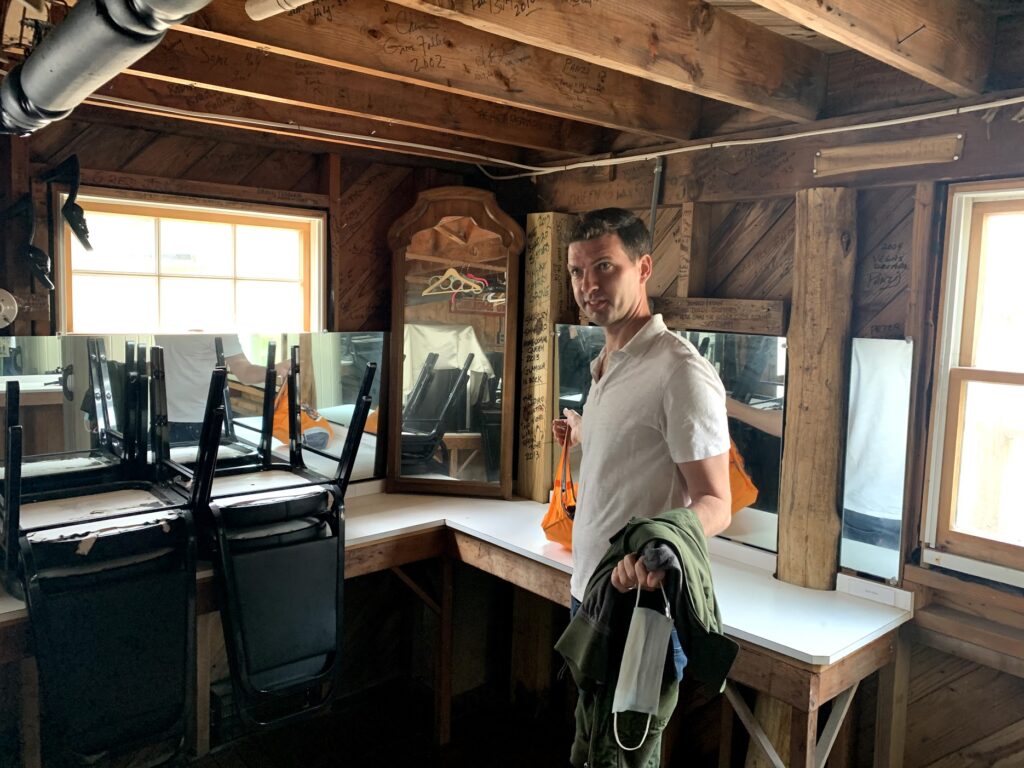
Performers at the Grove’s Community House and Theatre helped define camp culture, paving the way for the modern drag scene.

In this episode, Greg and Tom head to Cherry Grove — and the Community House and Theater — to get a closer look at Fire Island’s unique role in the American LGBT experience.

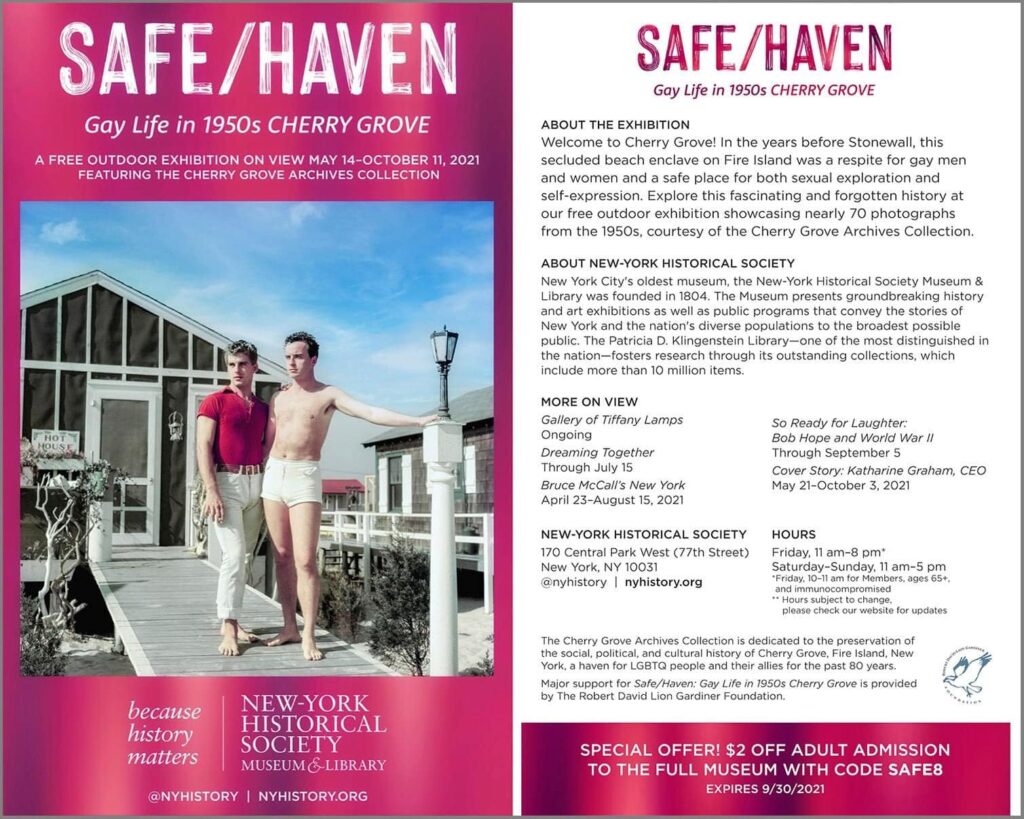
And they are joined by Parker Sargent, a documentary filmmaker and one of the curators of Safe Haven: Gay Life in 1950s Cherry Grove, a new exhibition at the New-York Historical Society, highlighting photography from the collection of the Cherry Grove Archives Collection.

FEATURING: The Great Hurricane of 1938! The Invasion of the Pines! The indescribable Belvedere! And the surprising origin of Fire Island’s name.

Listen Now: The Very Gay History of Fire Island


The Official Bowery Boys
Fire Island Playlist

Your soundtrack for the summer — whether you’re on Fire Island or just want to relive a retro experience from Cherry Grove or The Pines. Here’s a collection of songs inspired by our podcast on the history of Fire Island.

Find it on Spotify or listen to it from here.


Our big thanks to Parker Sargent from the Cherry Grove Archives Collection for joining us on the show this week and giving us such a marvelous tour of the Community House and Theatre.

Go see the show Safe/Haven: Gay Life in 1950s Cherry Grove at the New-York Historical Society. Details here.


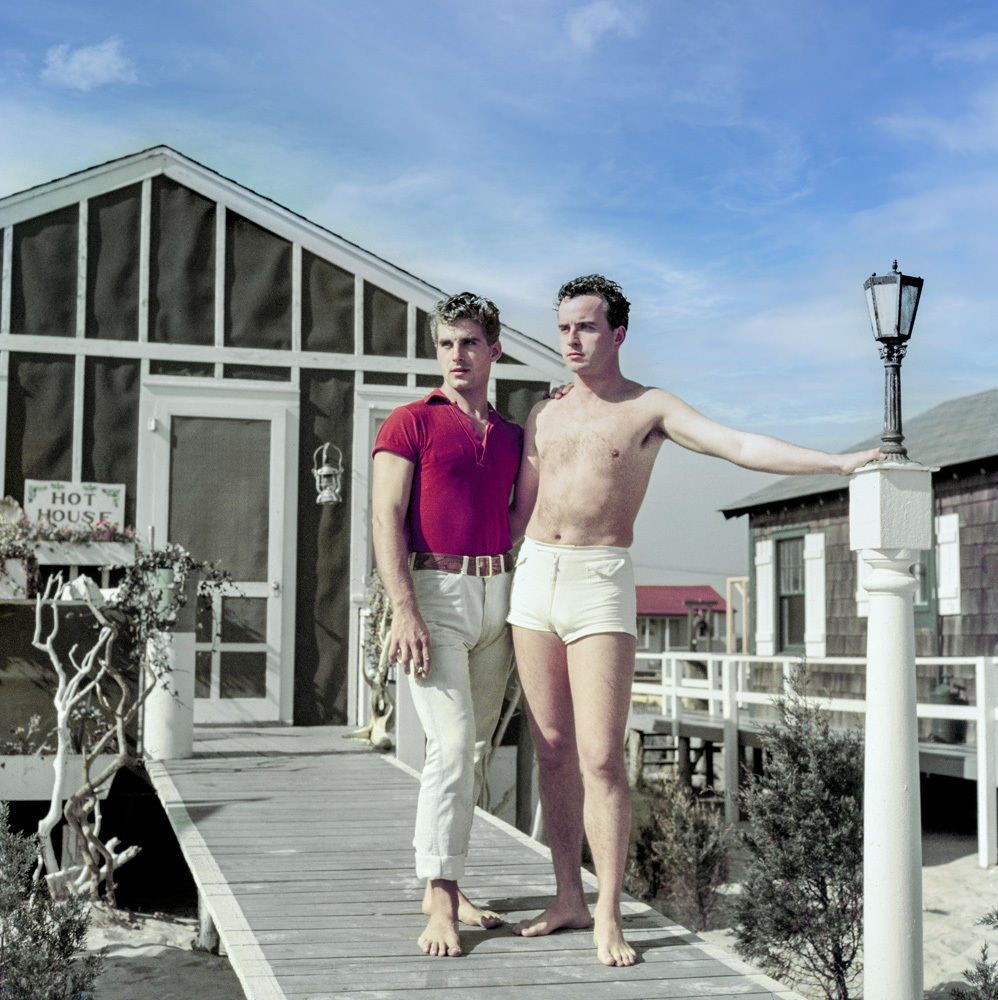
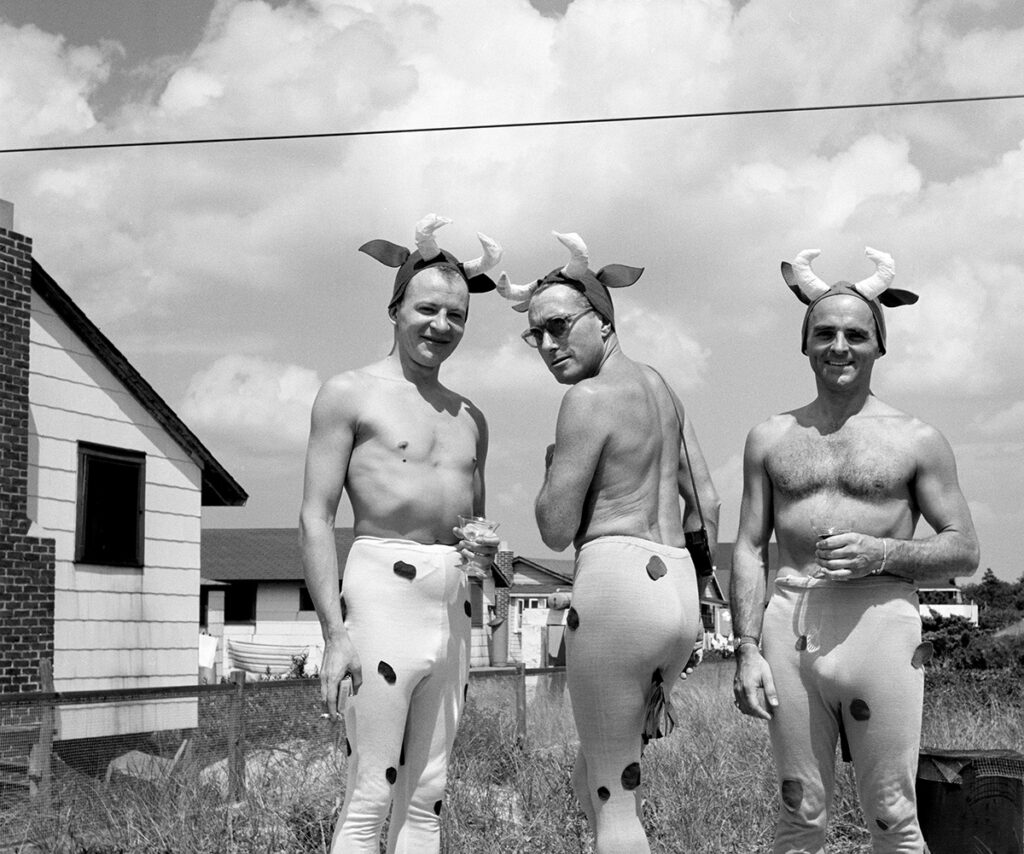
Images courtesy the Cherry Grove Archives Collection, taken by the men and women of Cherry Grove in the 1950s:

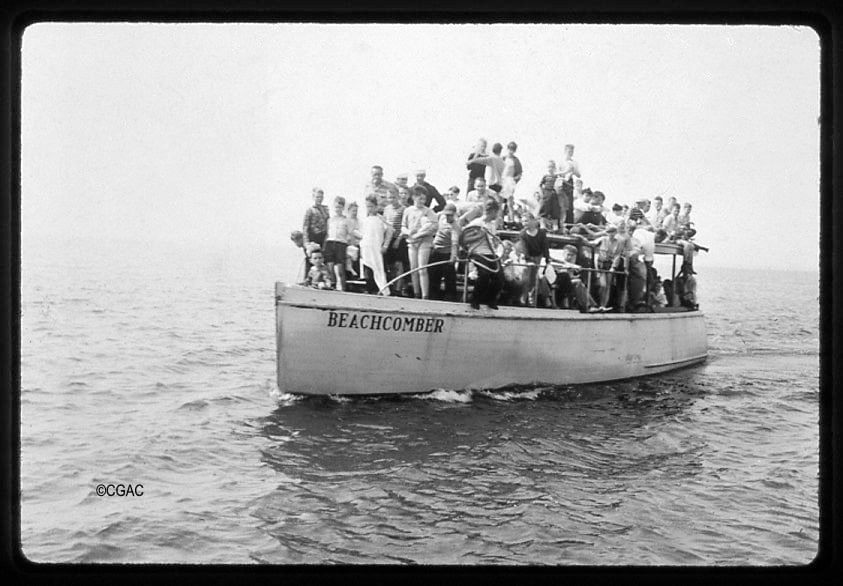
The Beachcomber, 1950s ferry to Cherry Grove. Photographer unknown. Cherry Grove Archives Collection

A few images from the exhibition, courtesy the Cherry Grove Archives Collection:
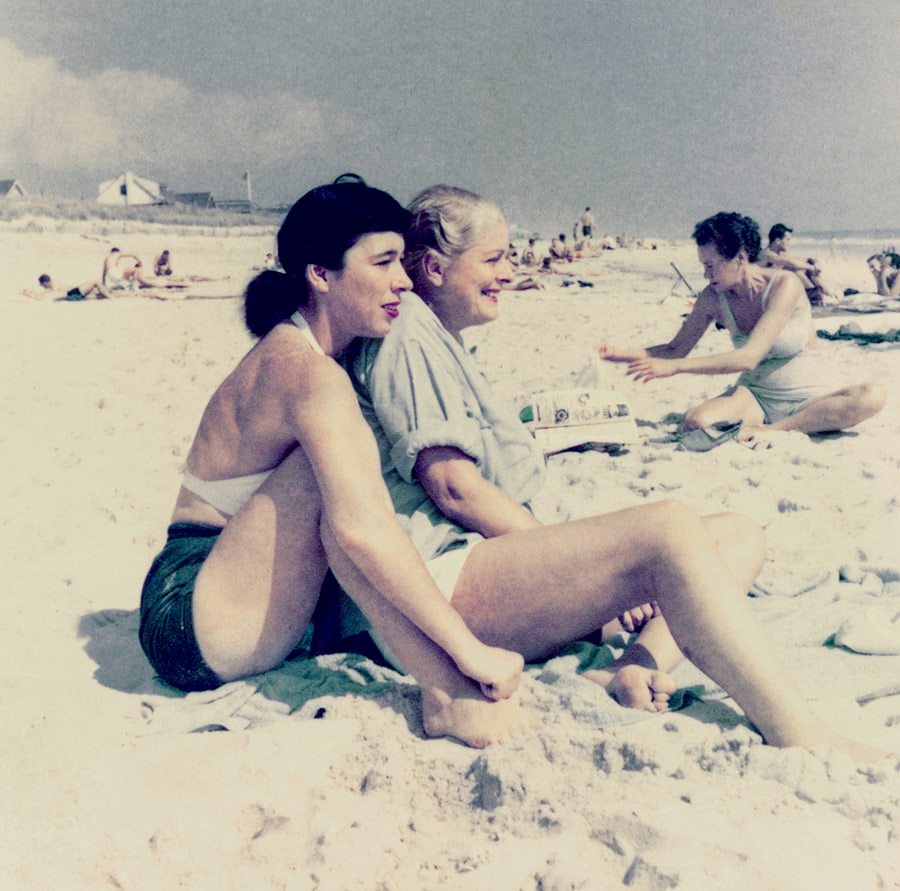
Patricia Fitzgerald & Kay Guinness, Cherry Grove Beach, September 1952

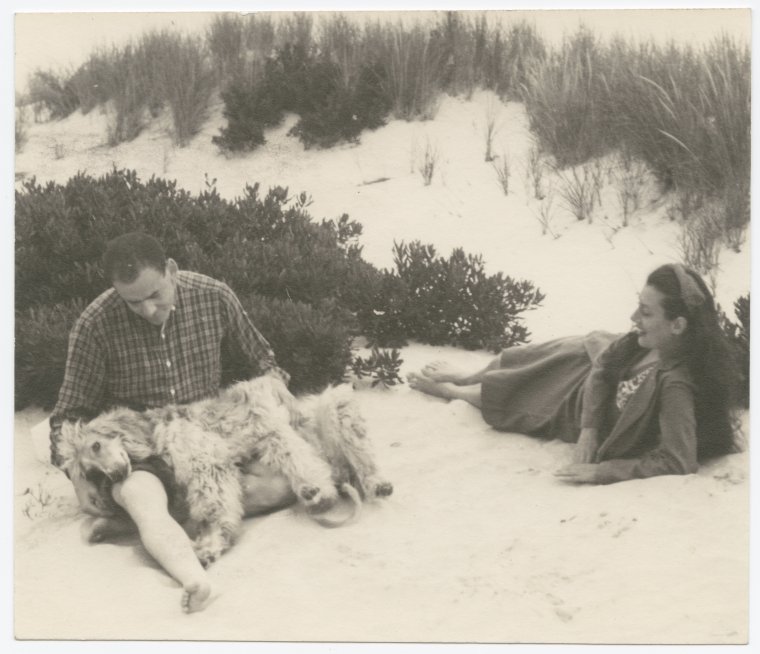
Lincoln Kirstein and Fidelma Cadmus with dog on Fire Island, 1952. New York Public Library
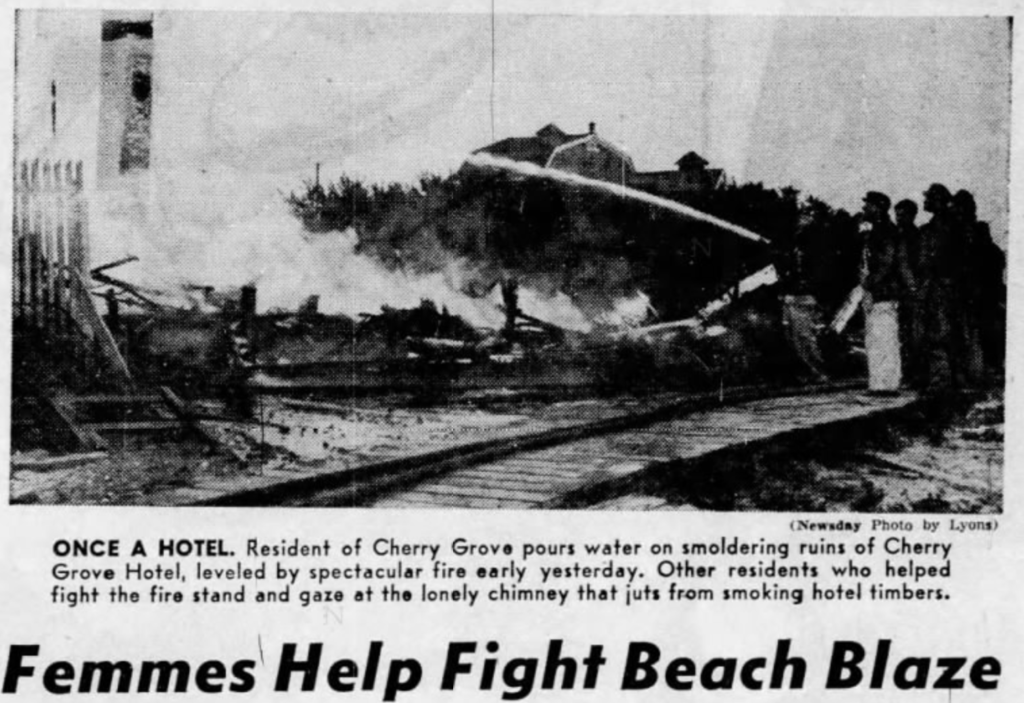
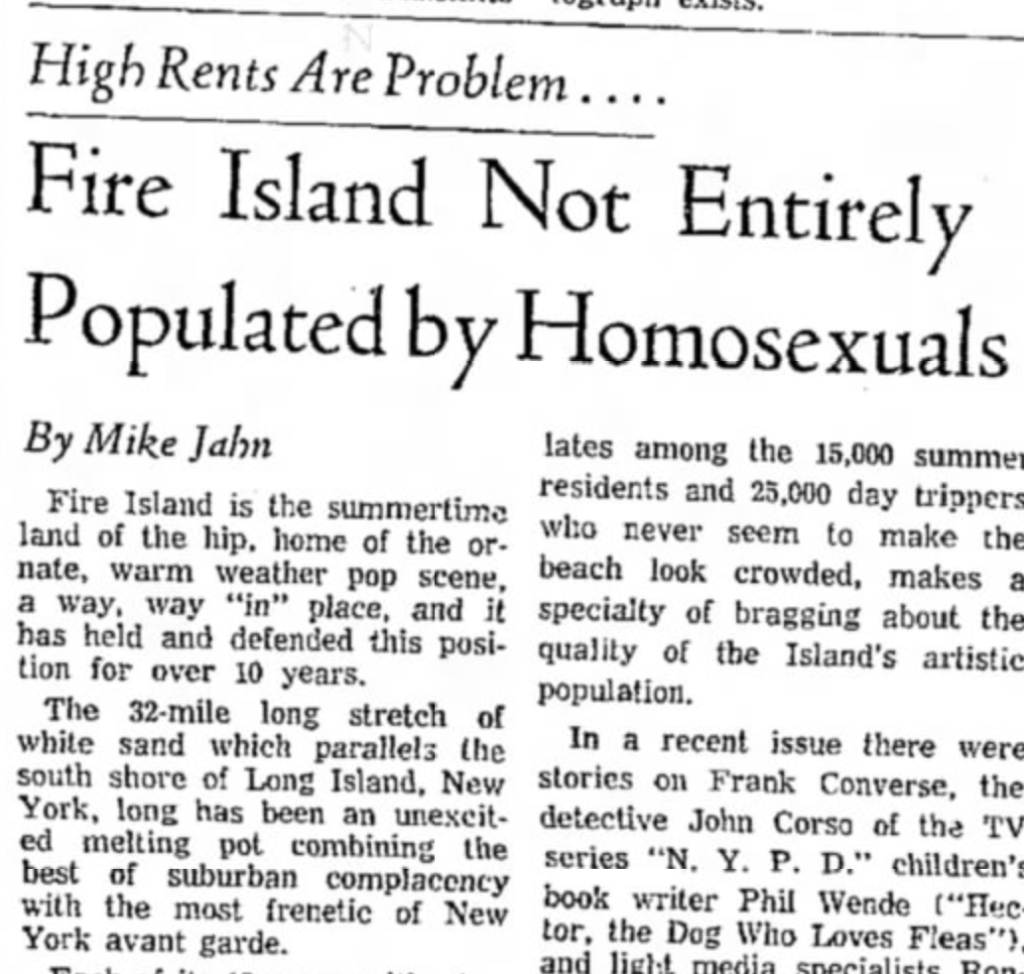
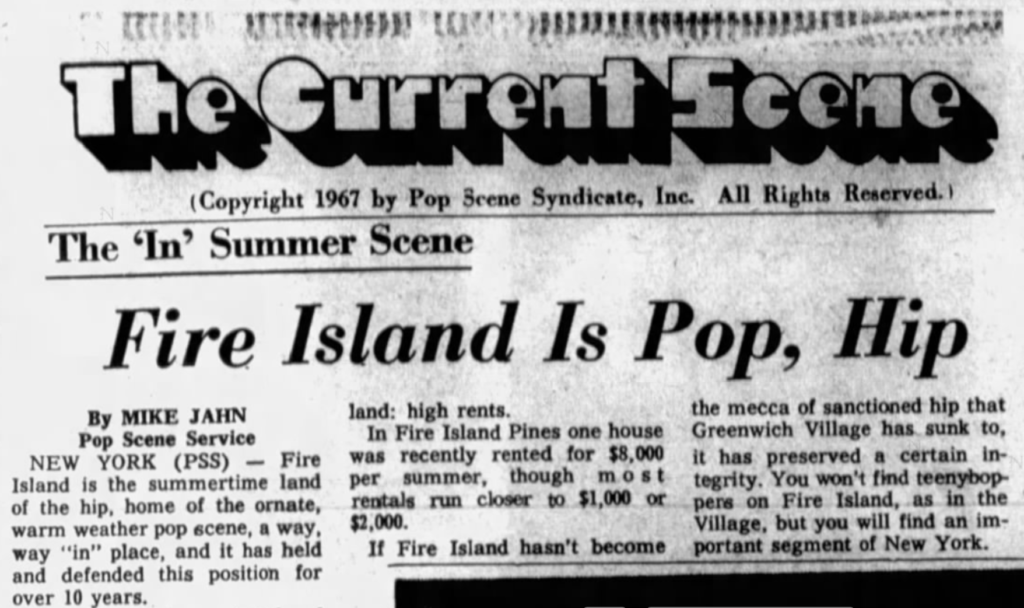
Newsday, September 28, 1956
The Emporia Gazette, June 1968
Then Tribune from Scranton, July 1968

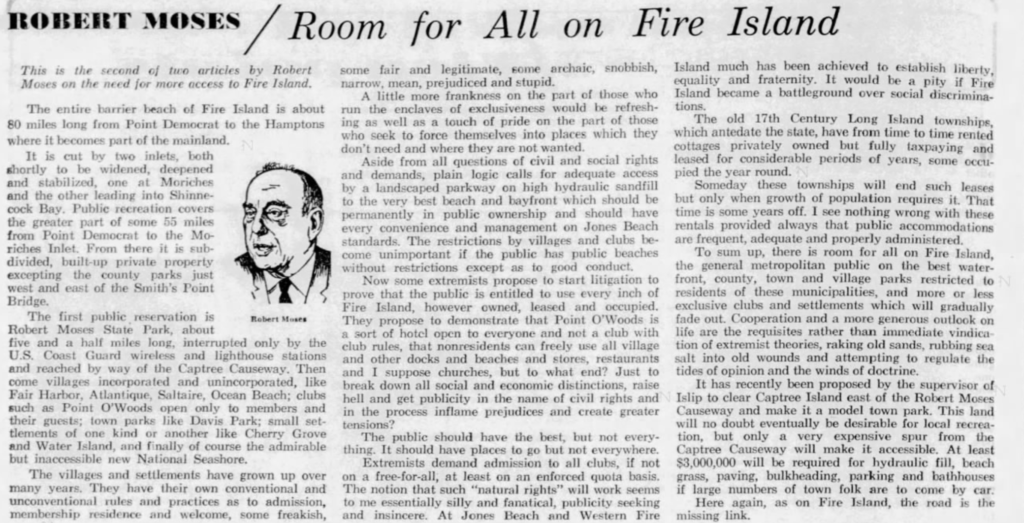
And a column from Robert Moses, 1969


Video about the exhibition from Safe/Haven curator Brian Clark:

https://www.youtube.com/watch?v=HHdROkyMlZ8&t=65s

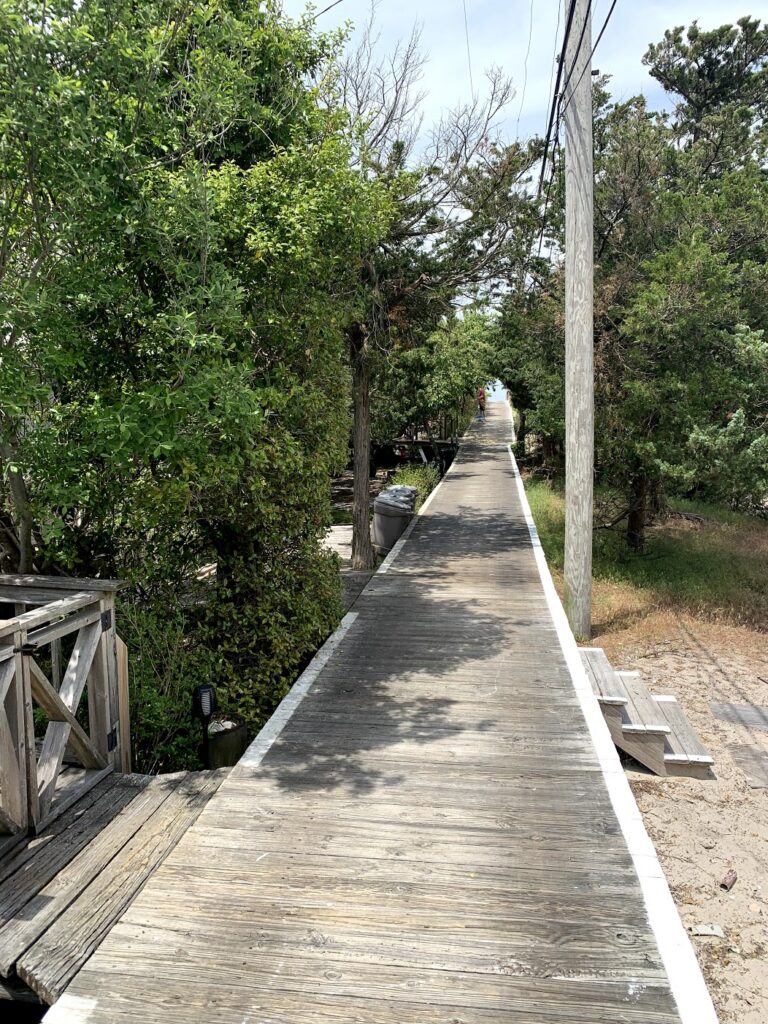
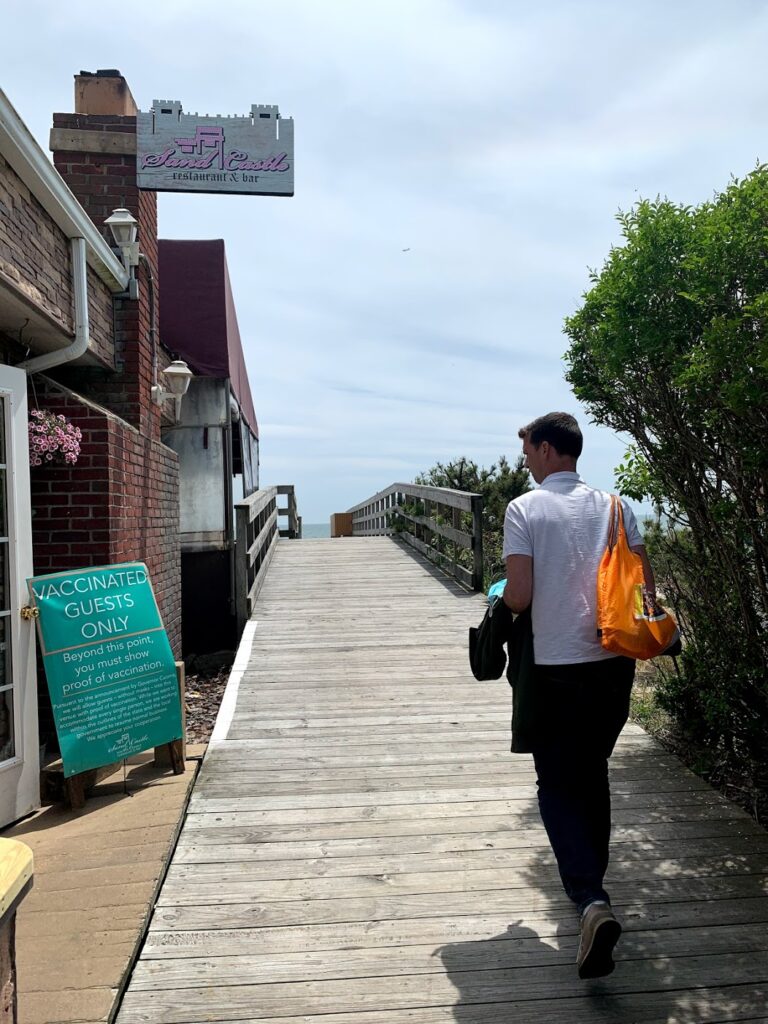
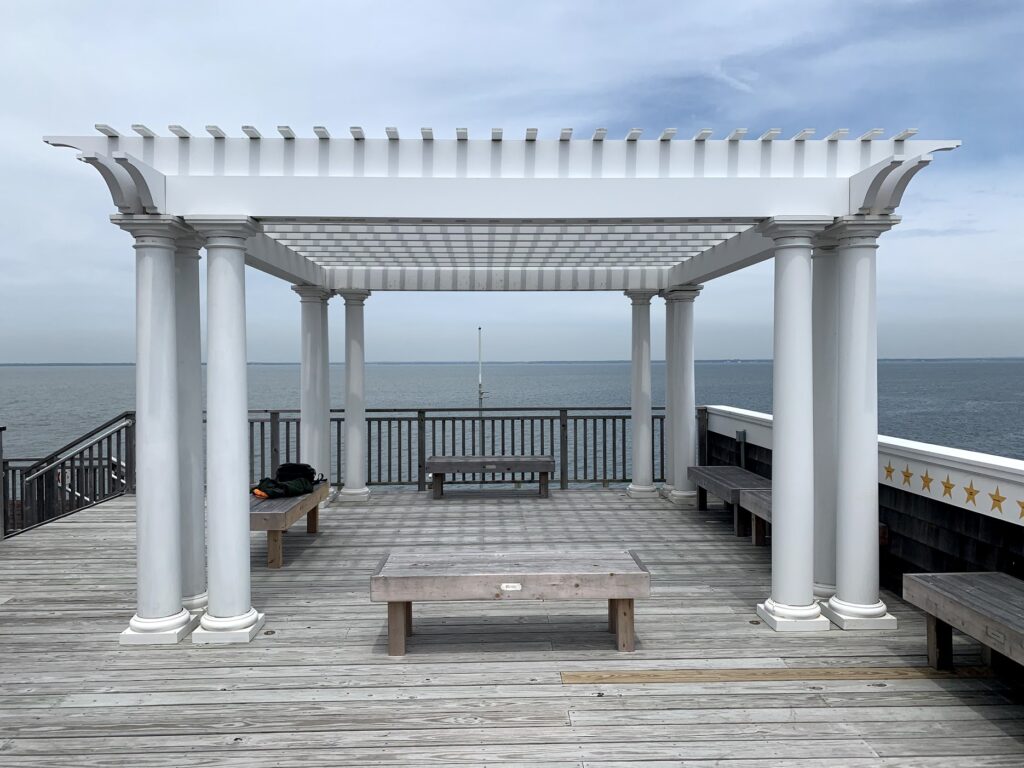
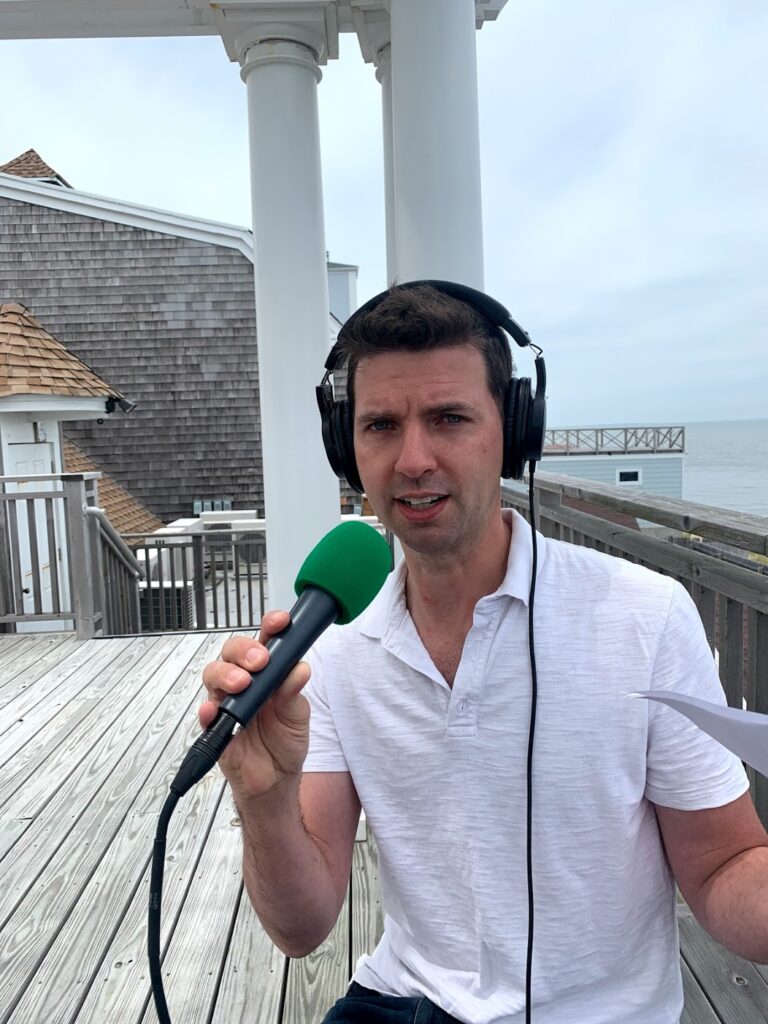
Photographs of Tom and Greg in Cherry Grove (Photos courtesy Greg Young):

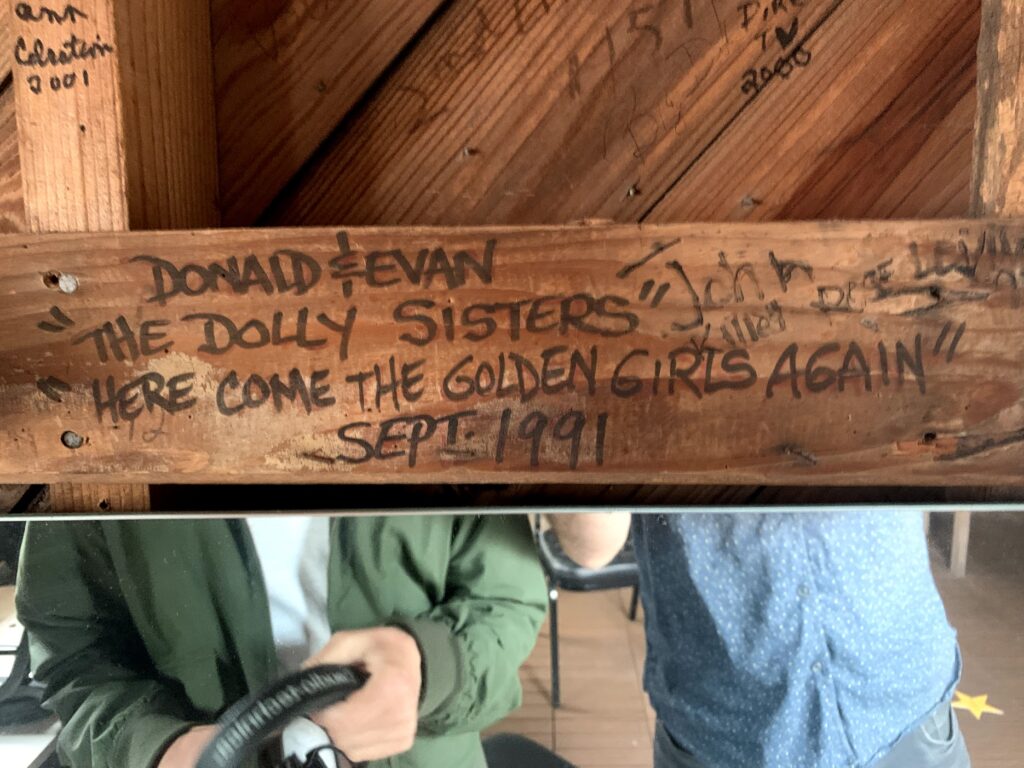
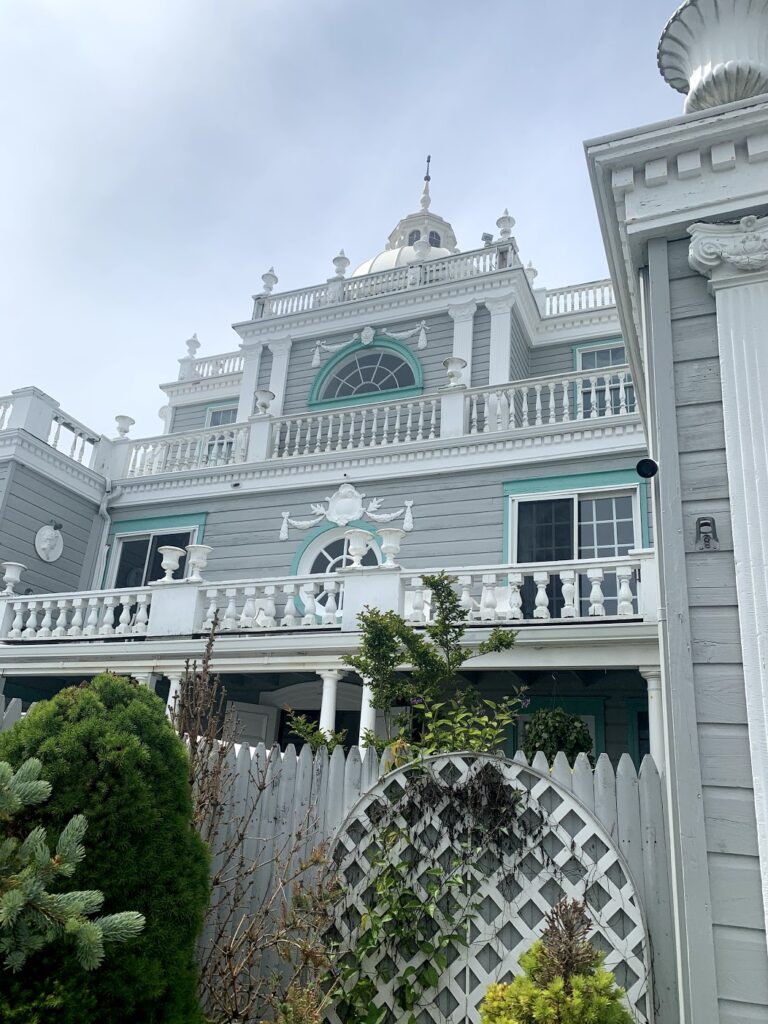
Behold — the Belvedere!


FURTHER LISTENING:

After listening to this show on the history of Fire Island check out these shows with similar themes and historical moments:


The Bowery Boys: New York City History podcast is brought to you …. by you!

We are now producing a new Bowery Boys podcast every other week. We’re also looking to improve and expand the show in other ways — publishing, social media, live events and other forms of media. But we can only do this with your help!

We are now a creator on Patreon, a patronage platform where you can support your favorite content creators.

Please visit our page on Patreon and watch a short video of us recording the show and talking about our expansion plans. If you’d like to help out, there are six different pledge levels. Check them out and consider being a sponsor.

We greatly appreciate our listeners and readers and thank you for joining us on this journey so far.

Categories
Bowery Boys Bookshelf It's Showtime

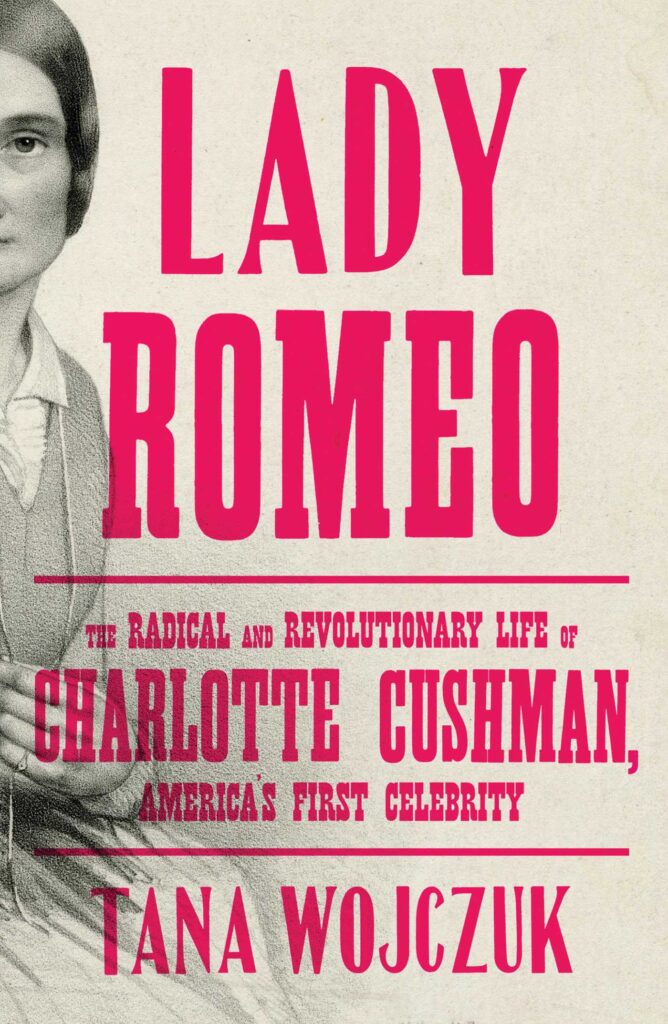
‘Lady Romeo’: The unconventional life of actress Charlotte Cushman

Without moving images or sound recordings to guide us, it can be hard to imagine the lives and careers of famous theater actors from the 19th century.

And yet the American theater produced a list of wildly famous performers whose names were repeated in households that often had no possibility of ever seeing a major play. The press could build upon an actor’s natural charisma and talent, turning leading ladies into modern goddesses.

One such star was Charlotte Cushman, a theatrical chameleon who achieved international fame playing men’s roles and breaking just about every other convention in the book.

LADY ROMEO
The Radical and Revolutionary Life of Charlotte Cushman, America’s First Celebrity
by Tana Wojczuk
Simon & Schuster

The charming biography Lady Romeo has by circumstance become a truly fantastical read, more so than author Tana Wojczuk probably intended.

Not only is Cushman’s life fascinating and almost unbelievable, but nostalgia for the theater itself in 2020 has become romanticized. Imagining anybody on stage performing Shakespeare gave me a thrill!

Cushman reigned during the mid 19th century as America’s most famous actress, specializing in playing roles written for both women and men.

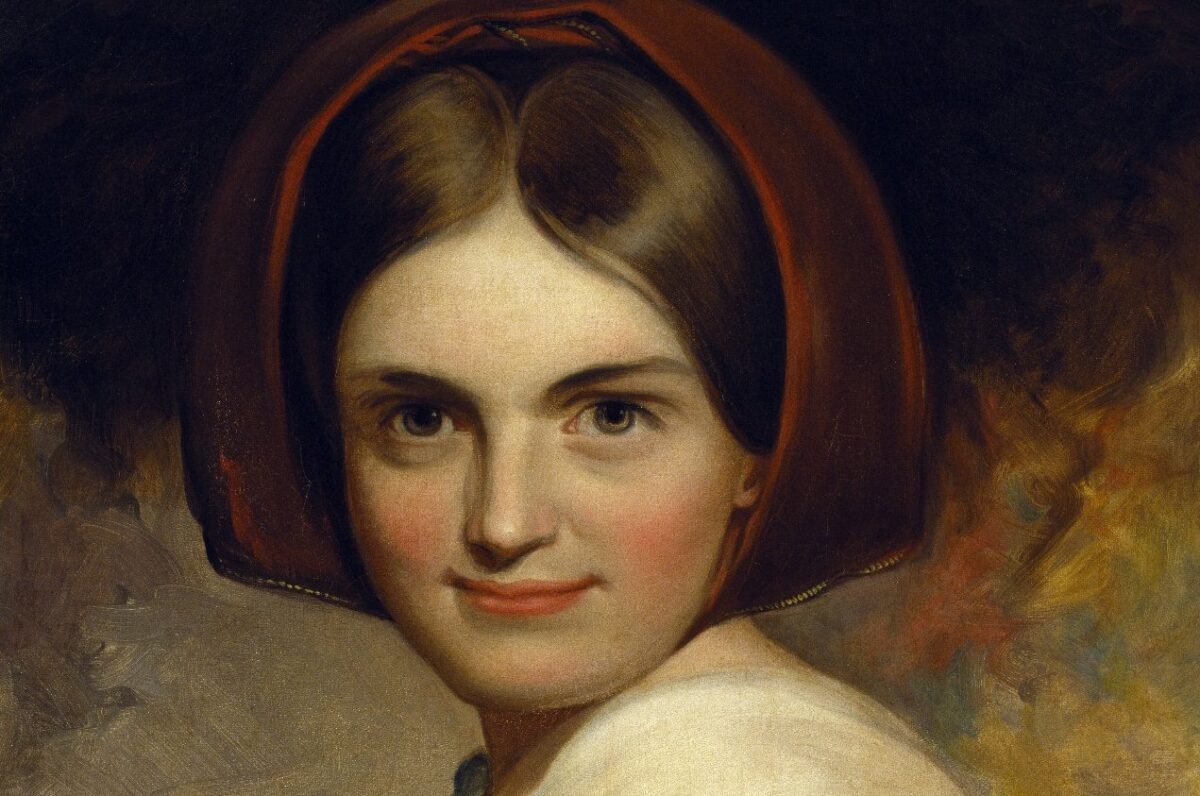
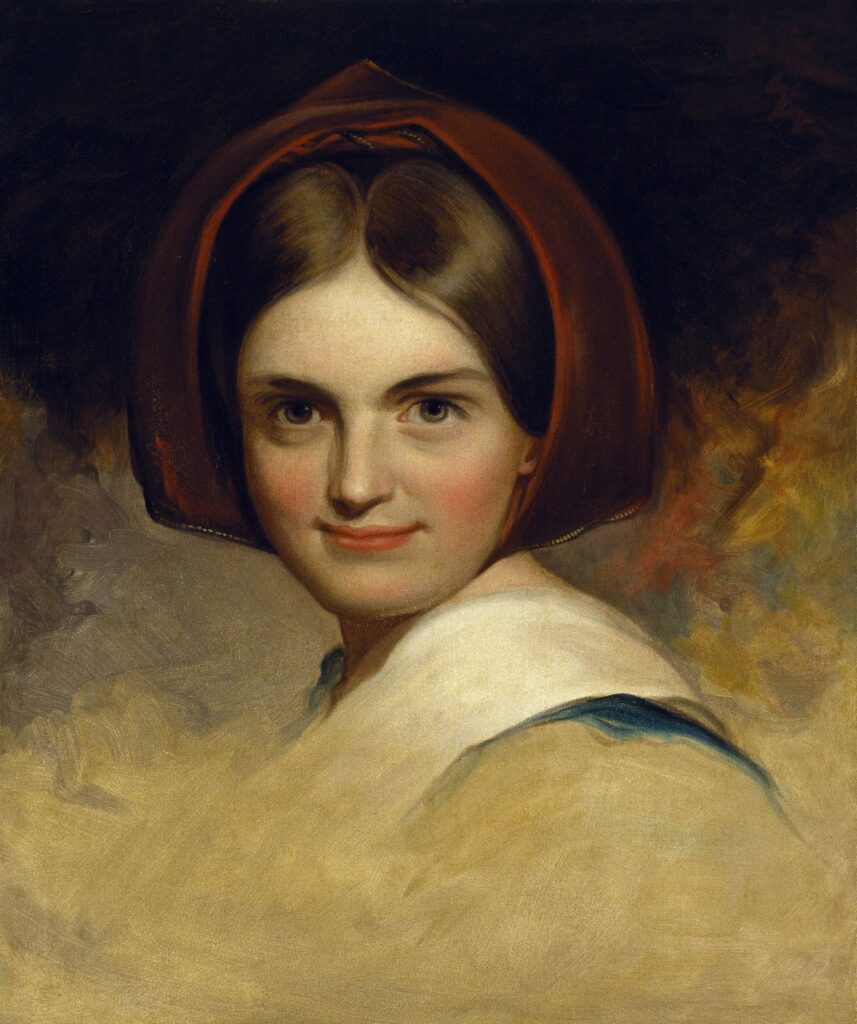
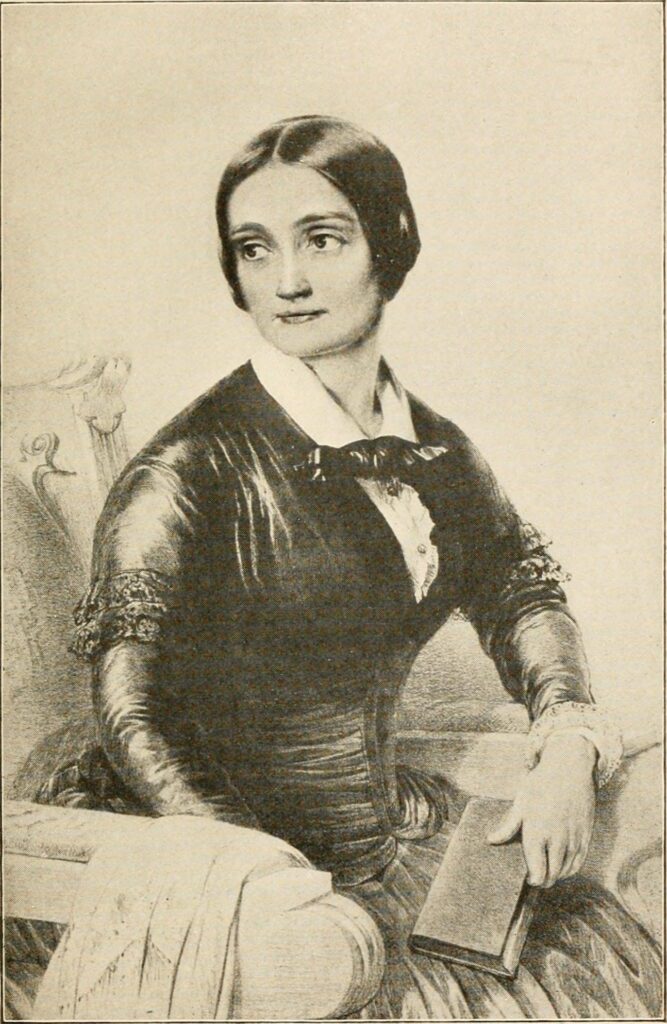
Cushman in an unfinished 1843 painting by Thomas Sully, courtesy the Folger Shakespeare Library

Her versatility and transformative ability — it was truly 19th century ‘method acting’ — were displayed on the New York stage by the mid 1830s, and even early on she was not afraid to challenge the status quo.

She soon commanded the attentions of the New York theater world — even on stages such as the Bowery Theatre with its ample prurient distractions — and in Lady Romeo, her bold ingenuity leaps off the page.

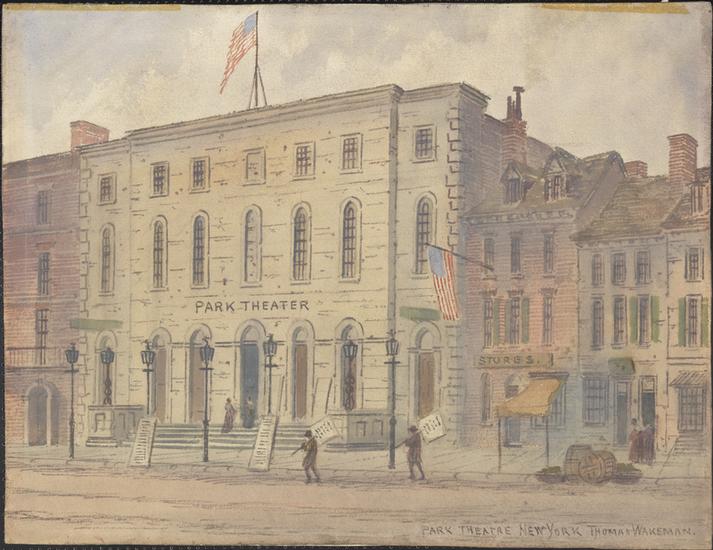
The Park Theater, depicted here in 1840 in a watercolor by Thomas Wakeman. (Courtesy the Museum of the City of New York)

At a performance of Guy Mannering at the lofty Park Theatre on Park Row, Cushman stepped into a starring role interpreted as a young woman.

Charlotte thought differently; she surprised both cast and audience when she emerged as an old crone; her “face was deeply carved with dry creek beds of wrinkles, her dark hair, parted in the middle, escaping in uncombed tangles down her back.”

Cushman was not a traditional beauty, nor was she uniquely connected or wealthy enough to take such early risks in her career. But she let nothing stop her bold ambition for reinventing theater.

For instance, in 1839, Cushman was given the role of Nancy in Oliver Twist. Playing a prostitute was a risky part. Wojczuk writes, “[A]ctresses already had to fight against the stereotype that they were essentially prostitutes themselves.”

Cushman leaned into the controversy. She visited the neighborhood of Five Points to research the part and even exchanged her clothes with those of a dying prostitute. “She gave up her simple but well-made silk dress and put on the women’s rags. These would be Nancy’s clothes.”

She soon became the American queen of Shakespeare; President Abraham Lincoln was a huge fan, enrapt with her portrayal of Lady McBeth.

Her fame and command of the stage allowed her to live a surprisingly more open life with many female companions over her life. Cushman steps vividly from the pages of Lady Romeo like a superstar who would fit perfectly into the 21st century.

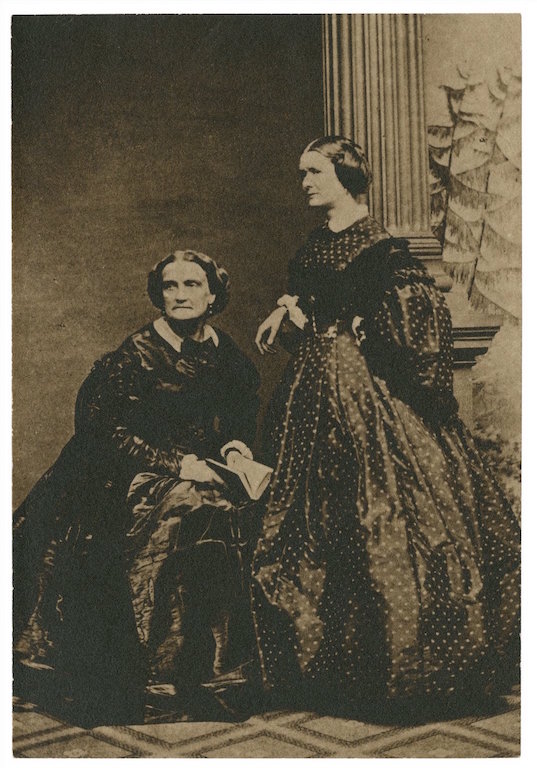
Charlotte Cushman and the New York sculptor Emma Stebbins. The pair were partners at the end of Cushman’s life. Stebbins would eventually write a biography of Cushman. (Shakespeare Folger Library)
Categories
Writers and Artists

A Tribute to Sam Shepard, Pioneer of New York’s Off-Broadway stage

The Pulitzer Prize-winning playwright and actor Sam Shepard,  who passed away today at age 73, is remembered for many classic film roles and triumphant plays which embodied a gritty American aesthetic.

But he was also a pivotal contributor to the development of Off and Off-Off Broadway theater in New York City during the 1960s and early 1970s. In fact, I think it’s fair to say we would not have such a healthy independent theater scene without his influence.

This morning I looked at his early work in a New York City in this series of tweets. Here’s the tweet series along with some additional information:
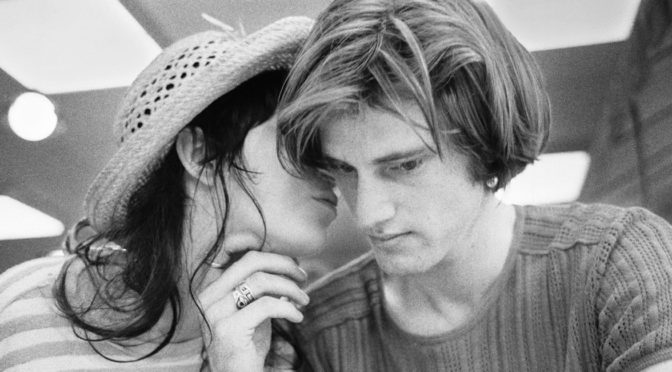
Image at top courtesy the official Sam Shepard website, taken at the Magic Theatre, San Francisco, 1983, photographer unknown