Categories
American History

Terror Spree: Harvard professor bombs U.S. Capitol, shoots JP Morgan

In the early days of July 1915, the United States was preparing for a subdued celebration of America’s 139th Independence Day.

It was hardly a festive time. War was still raging in Europe, and America was debating its entry on the side of Britain, Italy and France.

The deaths of 128 Americans aboard the RMS Lusitania on May 7 had forced the U.S.’s hand, some thought. President Woodrow Wilson pressed Germany for an apology while not yet calling for war. His Secretary of State William Jennings Bryan thought even that too harsh; he resigned in protest from Wilson’s cabinet in June.

The headlines were dire as it seemed the entire world would soon be caught in the maelstrom of the Great War.

And then, right before midnight, July 2, 1915, a bomb went off at the U.S. Capitol building in Washington, D.C.

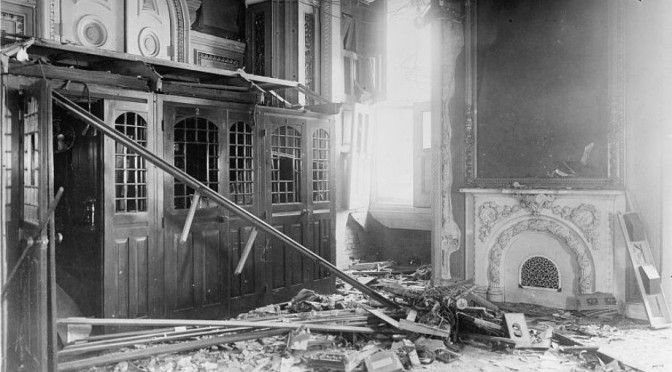
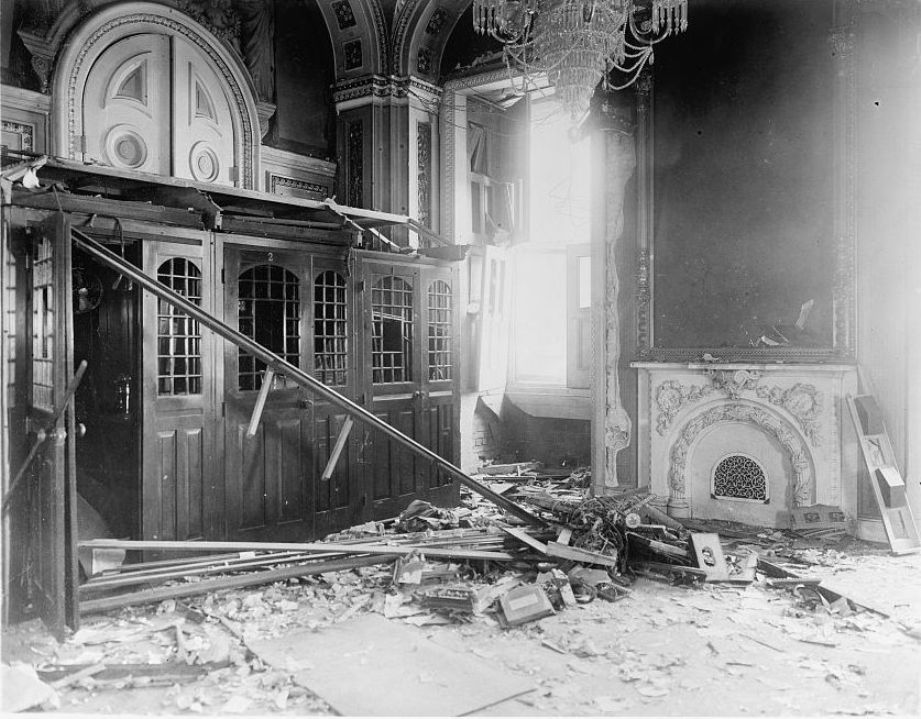
It exploded in an empty reception area. “The explosion was a loud one and shook the entire building, breaking transoms and shattering plastering, ” said the Sun. Windows and mirrors were smashed, but the only bodily harm it caused was throwing a watchman from his chair.

The Sun: “Some persons in the crowd which had gathered around the Capitol were inclined to believe that the bomb had been placed by some war fanatic as an act of resentment against the United States government.”

Below: The Capitol reception room after the explosion
1
Courtesy Library of Congress

They were right. And Eric Muenter wasn’t done.

Before newspaper readers in New York City would find out about the bombing, its instigator would have already arrived in their city, with a roster of further crimes on his mind.

Muenter (pictured below), a former professor at Harvard University*, was a German sympathizer angered at American intervention in the war. He spread his vitriol wide, preparing to target private businessmen personally funding war efforts.  In fact targeting one of America’s most wealthy financiers — JP Morgan Jr.

Below: Muenter after he was captured
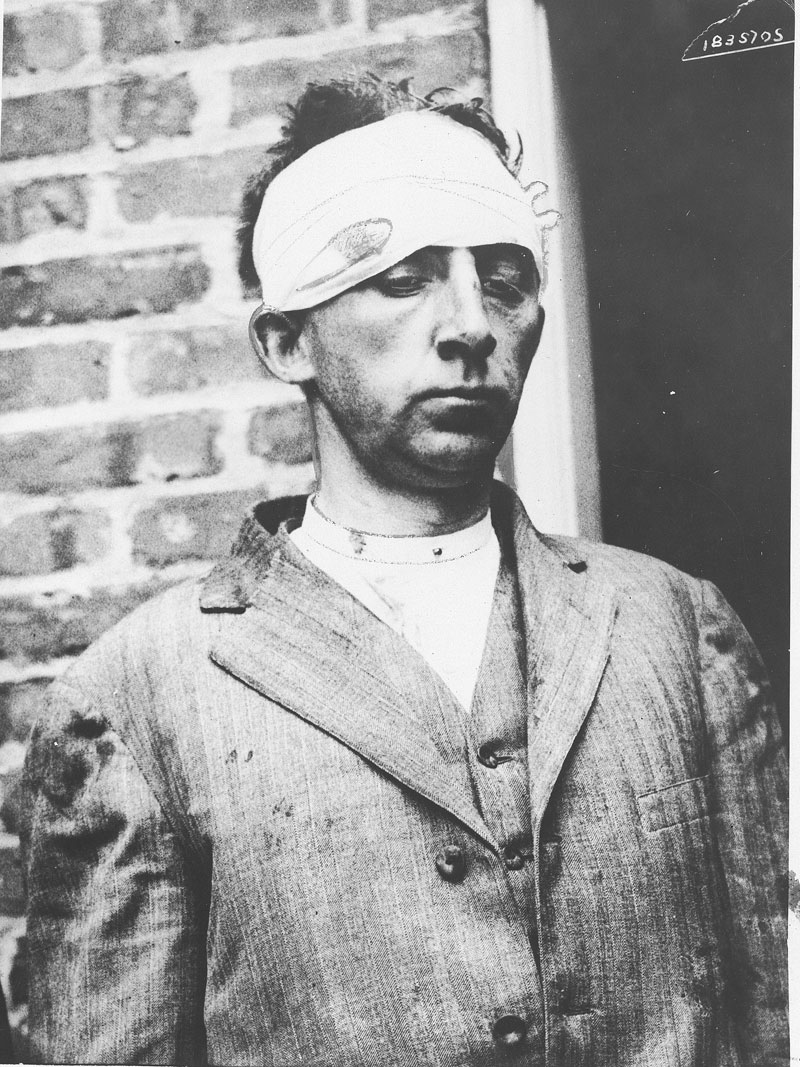
4502797-4840111722-cover

Following his sabotage at the Capitol, Muenter fled to New York on the morning of July 3 to wreak further chaos. He had a makeshift headquarters at the Mills Hotel (Seventh Avenue and 36th Street) where he had stored dozens of sticks of dynamite and fuses. At the port of New York, he managed to sneak aboard the SS Minnehana, an ocean liner filled with explosives destined for England, and install a time bomb to detonate once the ship was at sea.
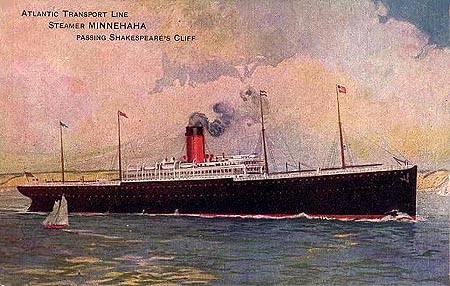
Minnehaha-01
Courtesy Library of Congress

It’s at this time that a similar time bomb was placed at New York Police Headquarters at 240 Centre Street. The device here was later believed to be from the same batch of dynamite as Muenter’s. If he was involved, you have to admit he was incredibly efficient with his time, for by 8 am, he had boarded a train, headed to Glen Cove, Long Island.

Below: New York’s Inspector of Combustibles with Muenter’s steamer trunk filled with dynamite. (Courtesy Glen Cove Heritage)
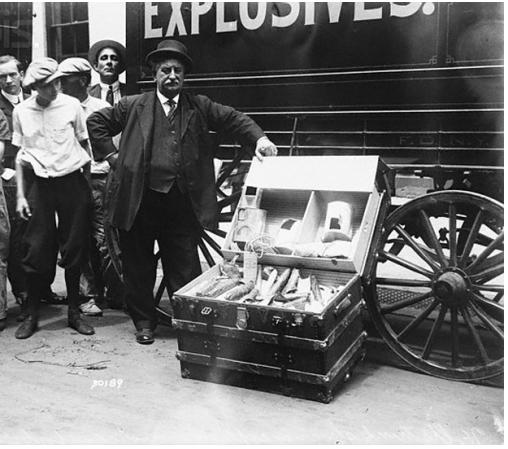
Courtesy Glen Cove Heritage

JP Morgan Jr. had been in control of his father’s banking empire since the elder’s death in 1913. The son embodied America’s involvement in the Great War in the years before the U.S.’s official entry. He facilitated an unprecedented loan of 500 million dollars to the Allied countries, backed by a consortium of over 2,000 American banks.  The loans would soon grow to almost 3 billion dollars.

This made the financier both a symbol of American beneficence for some and a target of unwanted intervention for others. New York was a great stew of European diversity in the 1910s, and the far-away war often played out in the streets of New York, especially in German communities.

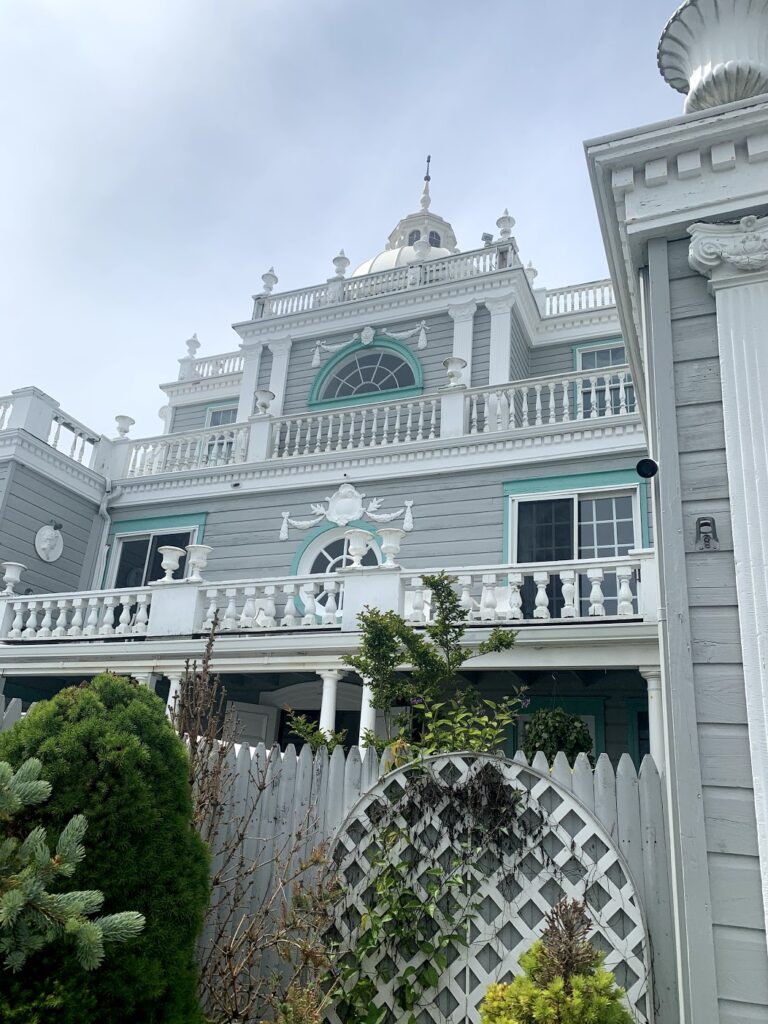
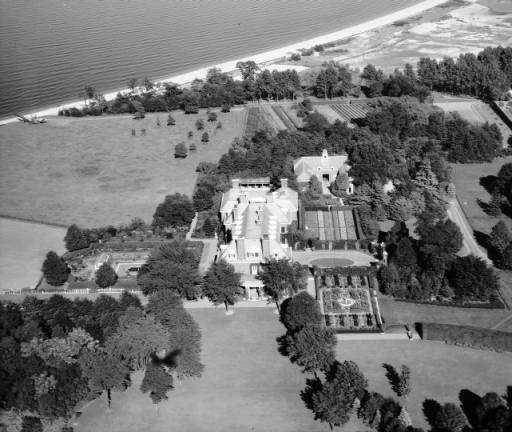
Morgan Jr had his recently-built summer home in Glen Cove, a palatial manor called Matinecock Point (pictured below). This was Muenter’s destination.

The assailant arrived, armed with two revolvers and a set of dynamite in his pocket, during an opportune breakfast meeting; the Morgans just happened to be entertaining the British ambassador Sir Cecil Spring-Rice.
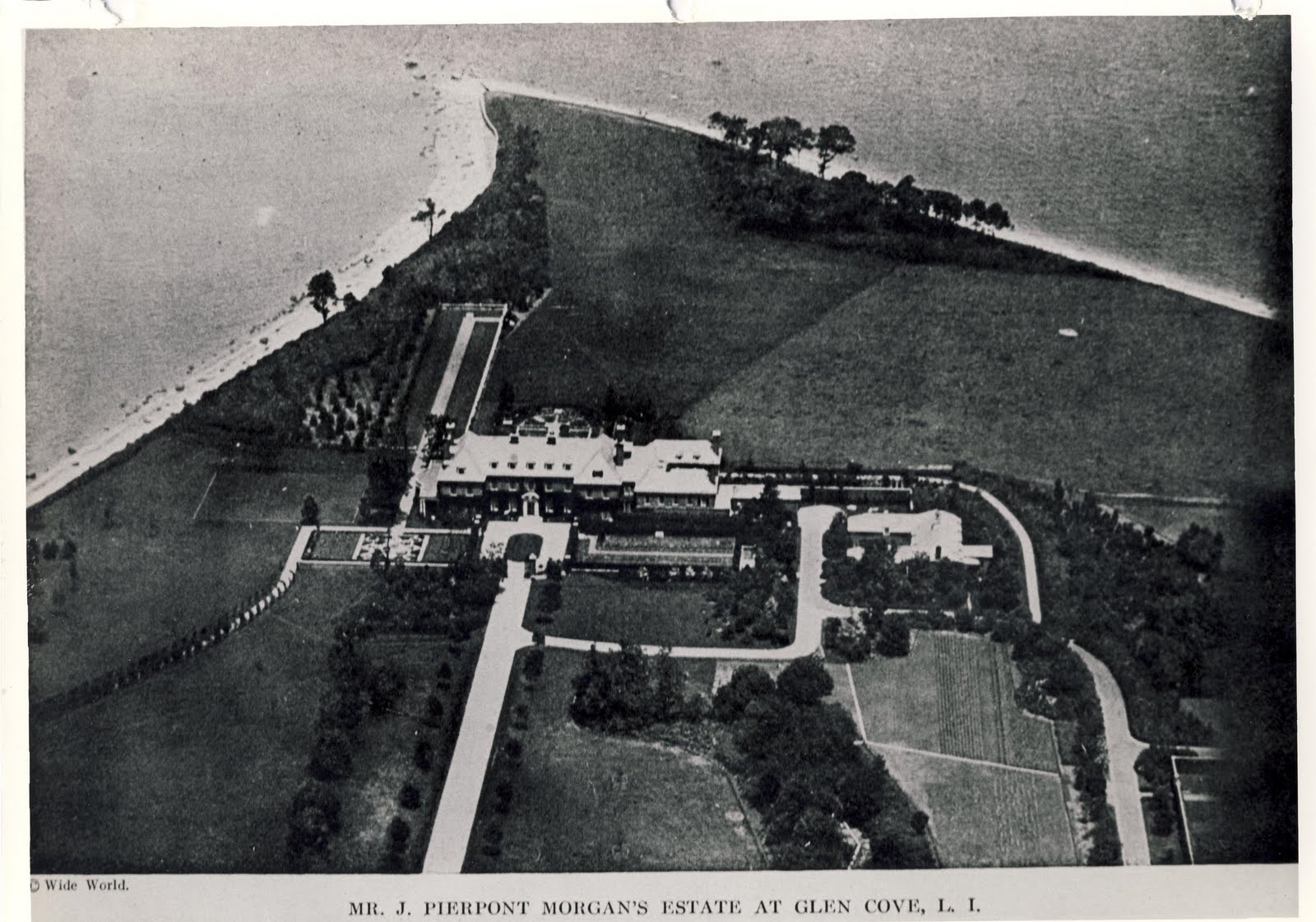
Courtesy American Homes of Today, 1924

At the door, Muenter pulled a gun on Morgan’s butler who, quickly thinking, directed the intruder down an opposite hall then shouted in the other direction for the Morgans to hide.  The family scattered throughout the house.

Eventually, for the safety of their children, the Morgans did appear at the second floor landing and lured Muenter to them.

“Now Mr. Morgan I have got you.” he said reportedly.

His wife Jane attempted to leap in front of the gunman but was harshly shoved out of the way.  Muenter then shot Morgan twice and prepared to fire again from the second pistol.

Fortunately Morgan had actually fallen into the gunman, pinning him to the floor. This allowed time for Mrs. Morgan and the children’s elderly nurse to finally apprehend the shooter. The fact that Spring-Rice, the British ambassador, also personally assisted in the capture of the shooter seems especially notable.

His plan thwarted, Muenter reportedly exclaimed, “Kill me! Kill me now! I don’t want to live any more. I have been in a perfect hell for the last six months on account of the European war.”
eric

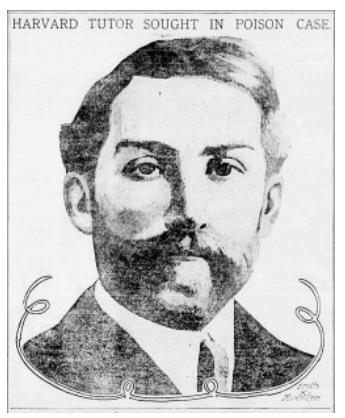
Originally giving his names as Frank Holt, it was soon discovered that the assailant was in fact Muenter, the former Harvard professor.  In 1906, he was accused of poisoning his pregnant wife. Most likely, he did indeed kill her, for he disappeared from campus, changing his name to avoid arrest and had apparently spent years cultivating this new identity.

Once in custody on Long Island, Muenter spilled the beans. “I wanted to attract the attentions of the country to the outrages being committed by those who are sending the munitions of war to the Allies.” [source]
letter

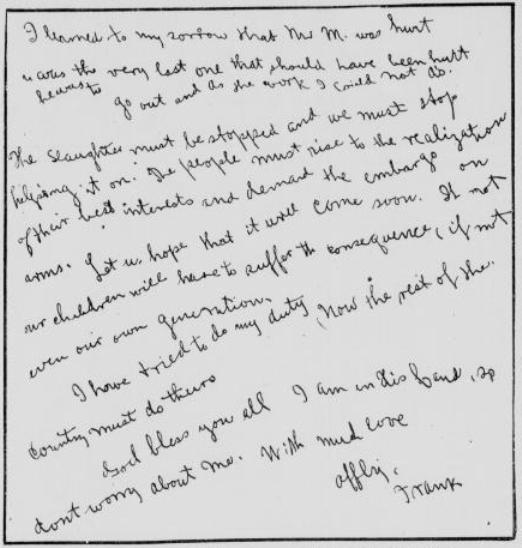
Below is a fragment of a letter Muenter wrote to his father-in-law while in custody. “I learned to my sorrow that Mrs. M[organ] was hurt,” it begins.

On July 5th the explosion at New York Police Headquarters went off, following another explosion at the home of Andrew Carnegie. Nobody was hurt in these blasts. These similar explosions were later declared unrelated to the Muenter incident itself, but it grimly reinforces the danger New Yorkers faced during wartime, even so far away from the battlefields.

Morgan quickly recovered from his injuries although the attack had a chilling effect among the residents of Long Island’s Gold Coast. Security was quickly beefed up at Matinecock Point and at the estates of other wealthy financiers associated with the Morgan bank loan.

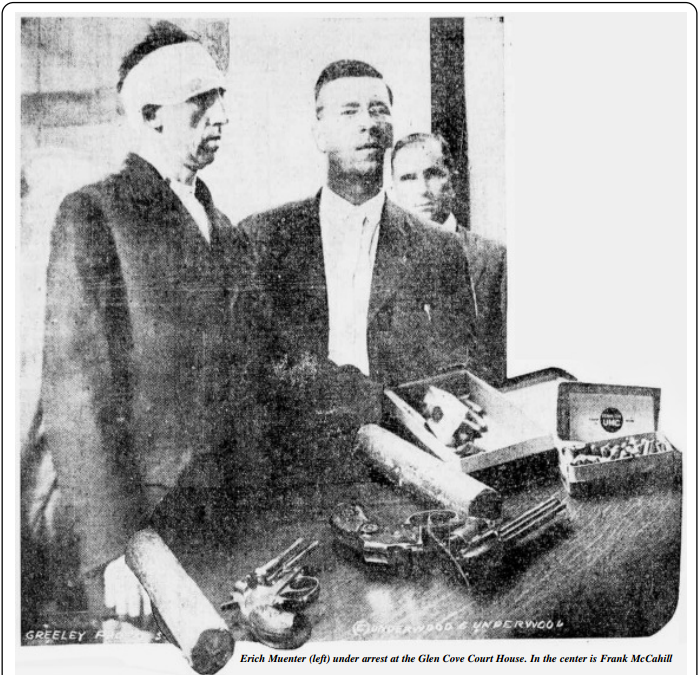
Below: Muenter in custody
Muenter

On the evening of July 6, Muenter leaped to his death from his cell at Nassau County jail in Mineola. While it was but a short drop, he had jumped head first, crushing his skull.

The death was so bizarre and sudden — it actually made a loud, deafening thud — that investigators initially believed that he had placed a blasting cap in his teeth to hasten his demise.

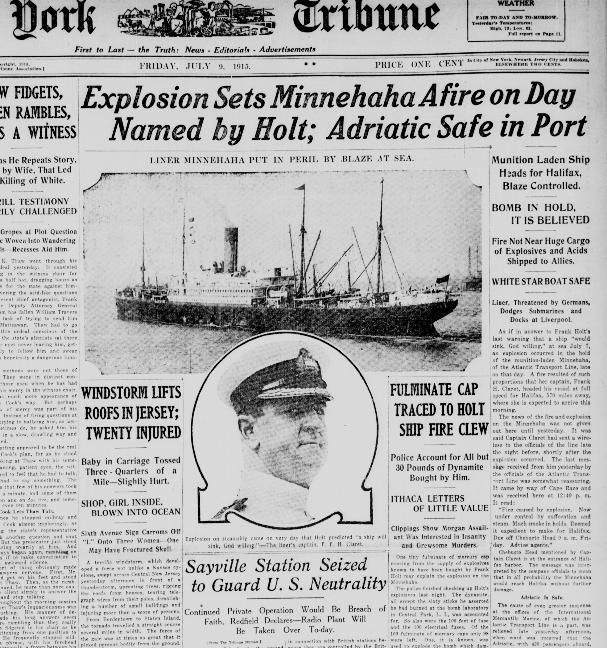
But the reign of terror wasn’t over. The time bomb that Muenter had placed aboard the SS Minnehaha did eventually explode while the ship was in the Atlantic. While it caught the ship ablaze, fortunately the ship was able to reroute to Halifax, and the fire was safely put out.
4

For more information on this spellbinding case, I highly recommend this excellent write-up by Daniel E. Russell for Glen Cove Heritage.

NOTE: Original version of this story featured the mugshot of another bomber Alexander Burkman. It’s been corrected to include the proper mugshot.

*Press reports initially thought he was from Cornell.

Originally published July 2 2015
Categories
It's Showtime Long Island Podcasts

The Very Gay History of Fire Island

How did one particular summer settlement on Fire Island become a ‘safe haven’ for gay men and lesbians almost ninety years ago, decades before the uprising at Stonewall Inn?

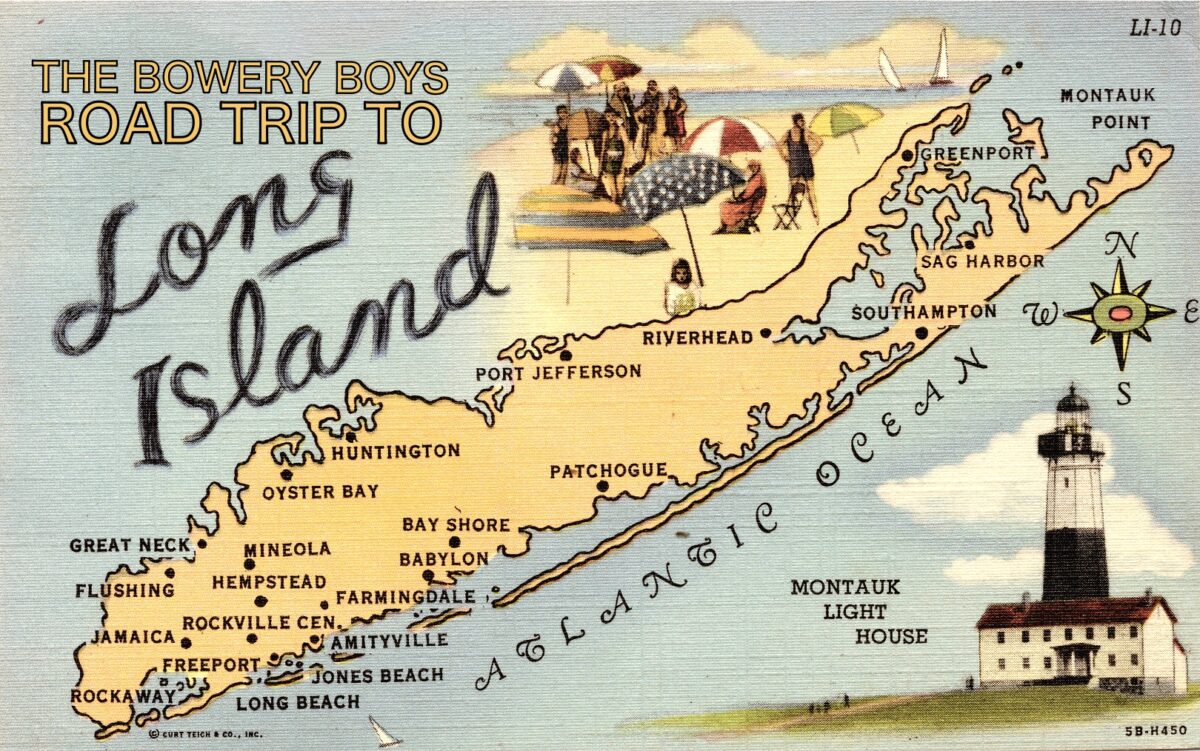
This is the third and final part of the Bowery Boys Road Trip to Long Island. (Check out the first part on Gatsby and the Gold Coast and the second part on Jones Beach.)

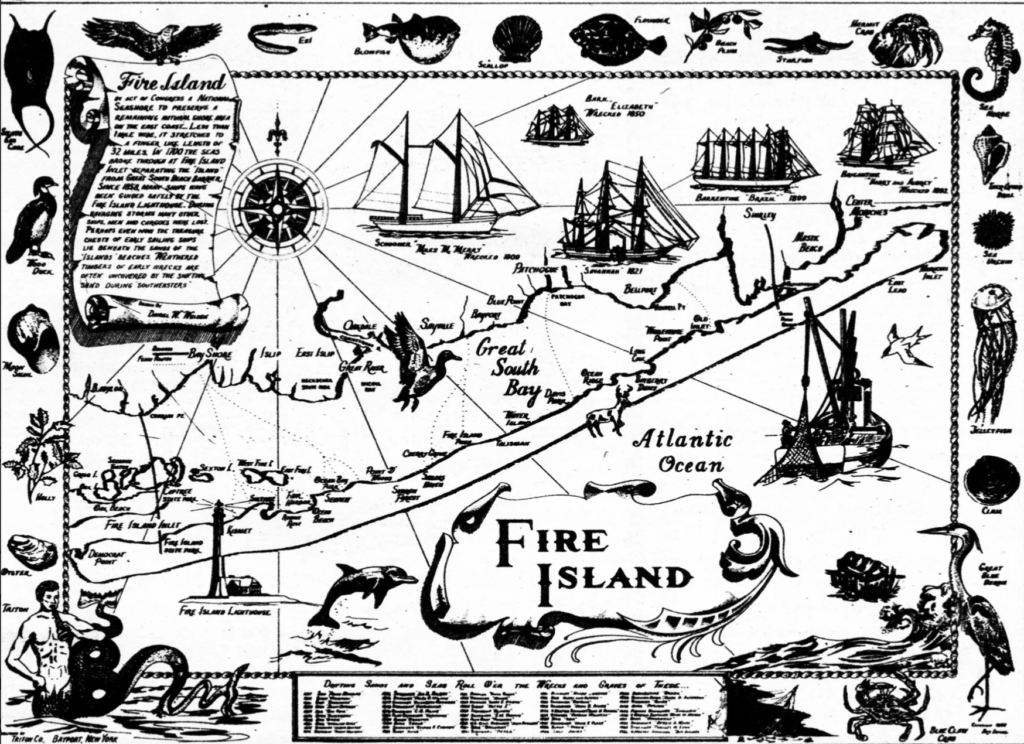
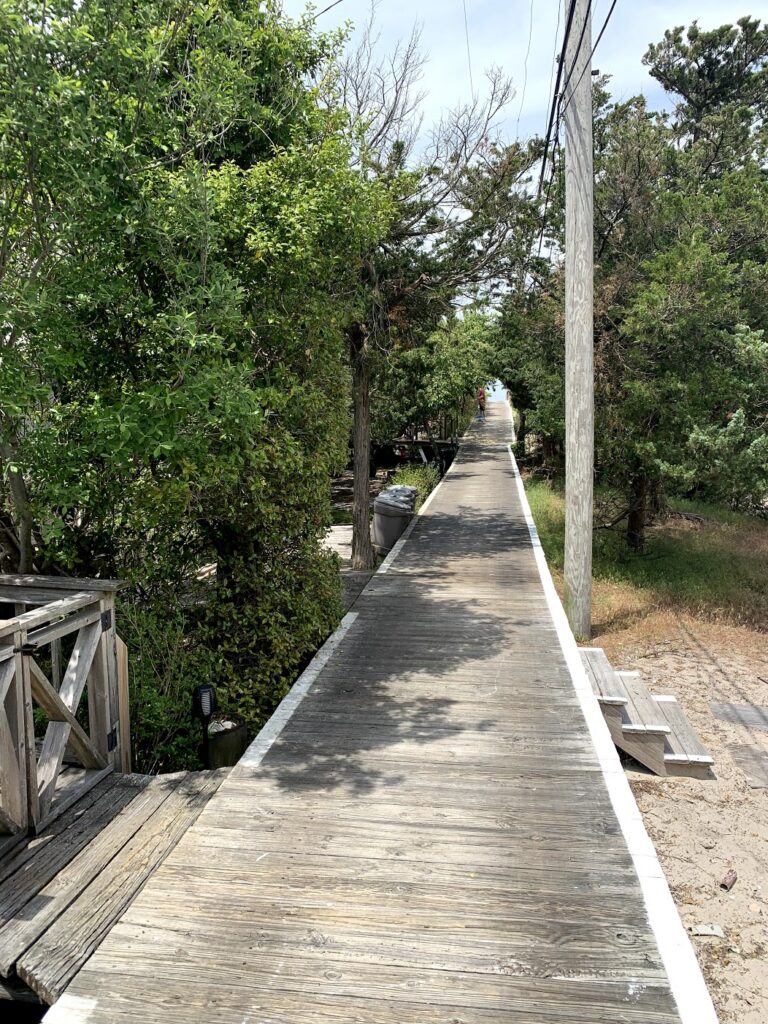
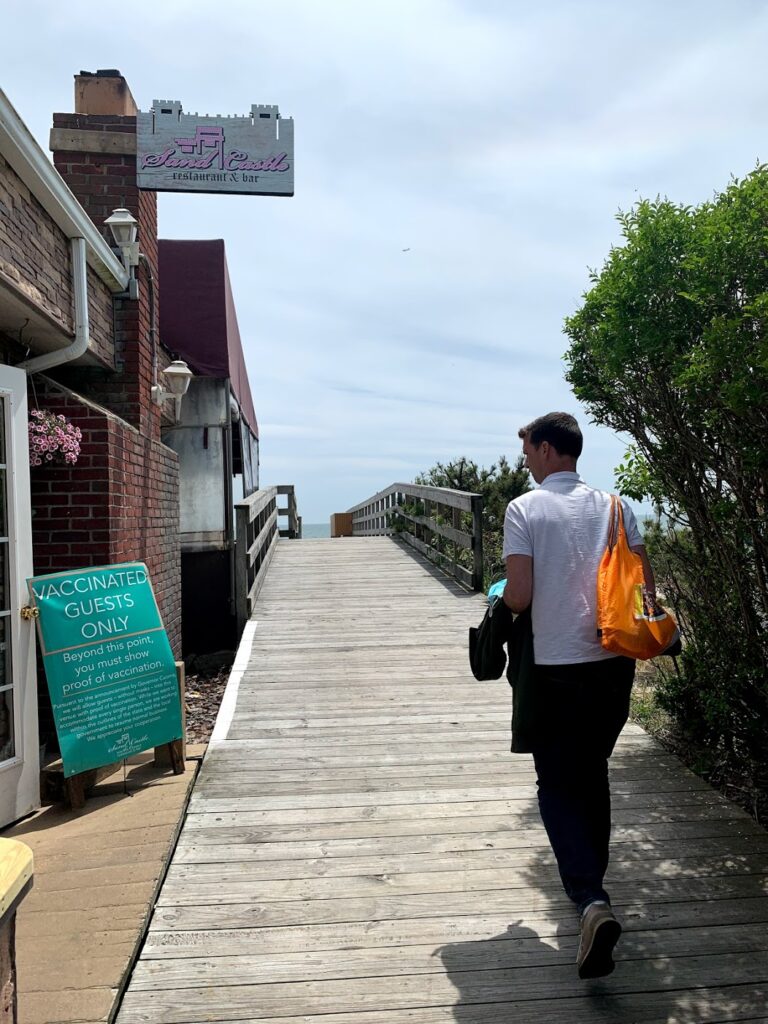
Fire Island is one of New York state’s most attractive summer getaways, a thin barrier island on the Atlantic Ocean lined with seaside villages and hamlets, linked by boardwalks, sandy beaches, natural dunes and water taxis. (And, for the most part, no automobiles.)

But Fire Island has a very special place in American LGBT history.

It is the site of one of the oldest gay and lesbian communities in the United States, situated within two neighboring hamlets — Cherry Grove and the Fire Island Pines.

During the 1930s actors, writers and craftspeople from the New York theatrical world began heading to Cherry Grove, its remote and rustic qualities allowing for gay and lesbians to express themselves freely — far away from a world that rejected and persecuted them. 

Performers at the Grove’s Community House and Theatre helped define camp culture, paving the way for the modern drag scene.

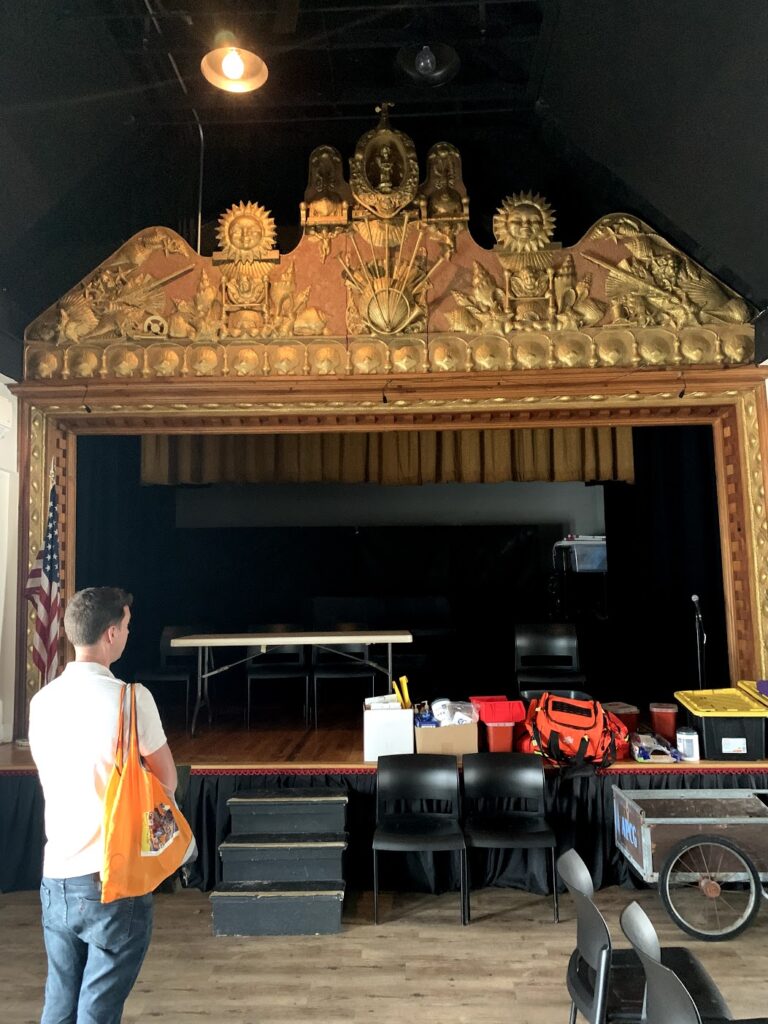
In this episode, Greg and Tom head to Cherry Grove — and the Community House and Theater — to get a closer look at Fire Island’s unique role in the American LGBT experience.

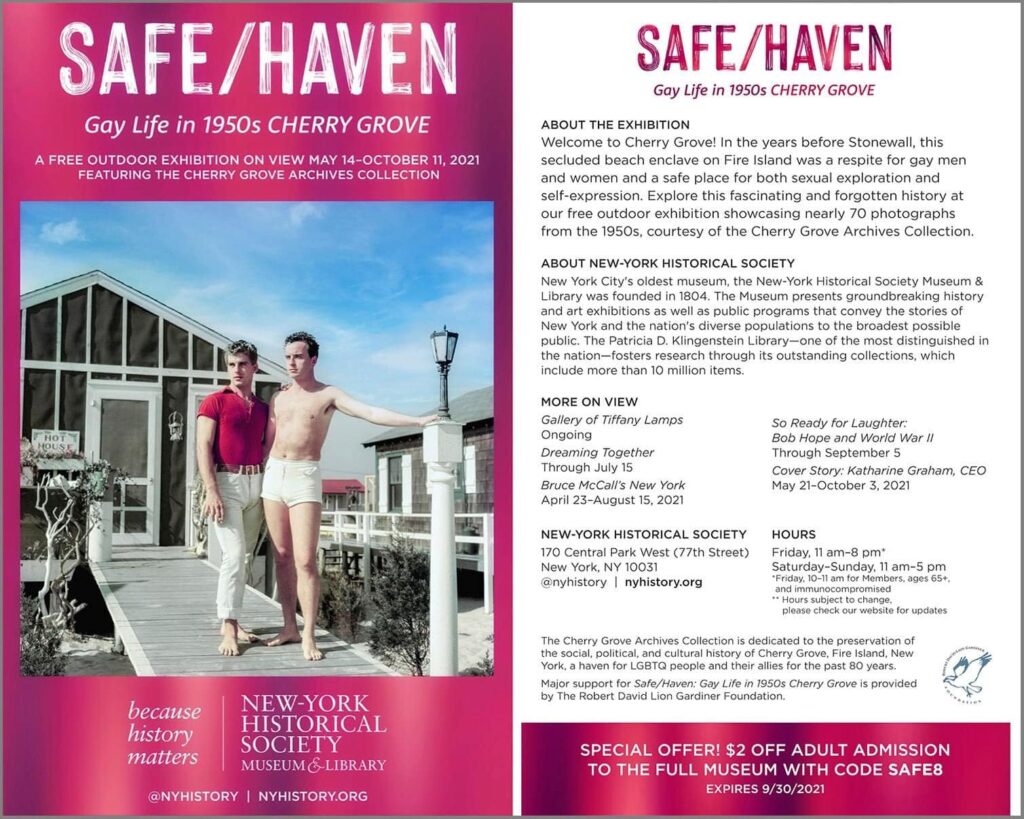
And they are joined by Parker Sargent, a documentary filmmaker and one of the curators of Safe Haven: Gay Life in 1950s Cherry Grove, a new exhibition at the New-York Historical Society, highlighting photography from the collection of the Cherry Grove Archives Collection.

FEATURING: The Great Hurricane of 1938! The Invasion of the Pines! The indescribable Belvedere! And the surprising origin of Fire Island’s name.

Listen Now: The Very Gay History of Fire Island


The Official Bowery Boys
Fire Island Playlist

Your soundtrack for the summer — whether you’re on Fire Island or just want to relive a retro experience from Cherry Grove or The Pines. Here’s a collection of songs inspired by our podcast on the history of Fire Island.

Find it on Spotify or listen to it from here.


Our big thanks to Parker Sargent from the Cherry Grove Archives Collection for joining us on the show this week and giving us such a marvelous tour of the Community House and Theatre.

Go see the show Safe/Haven: Gay Life in 1950s Cherry Grove at the New-York Historical Society. Details here.


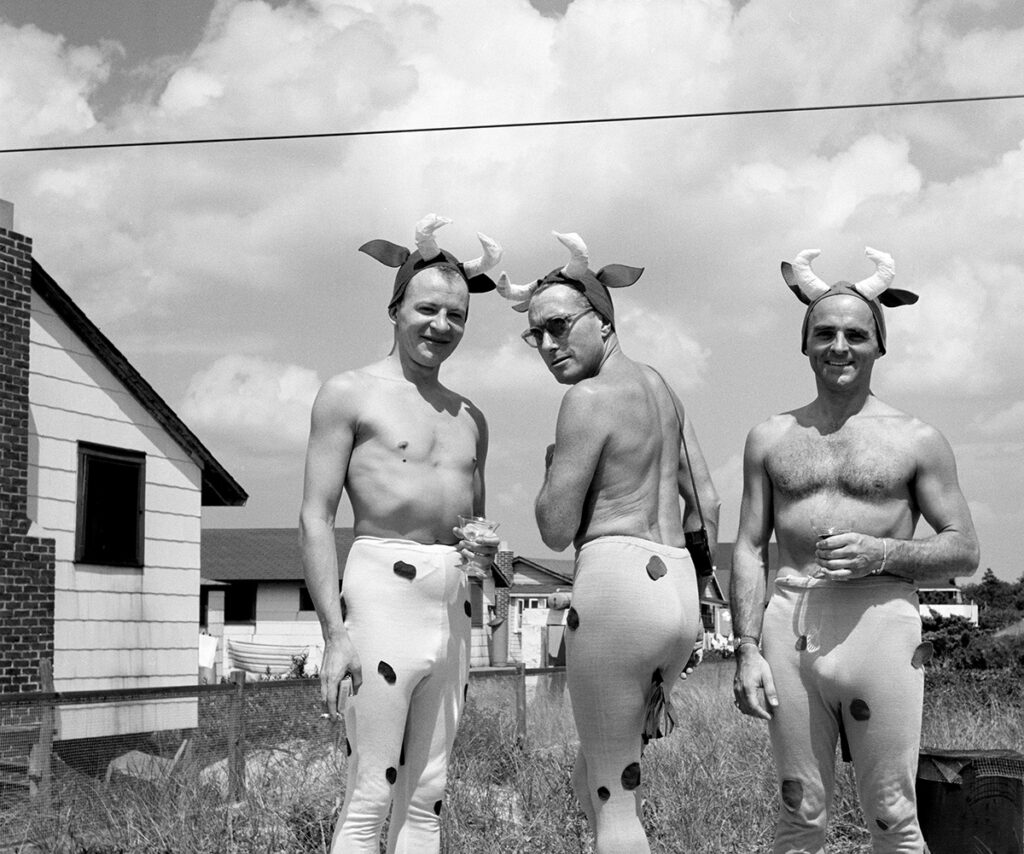
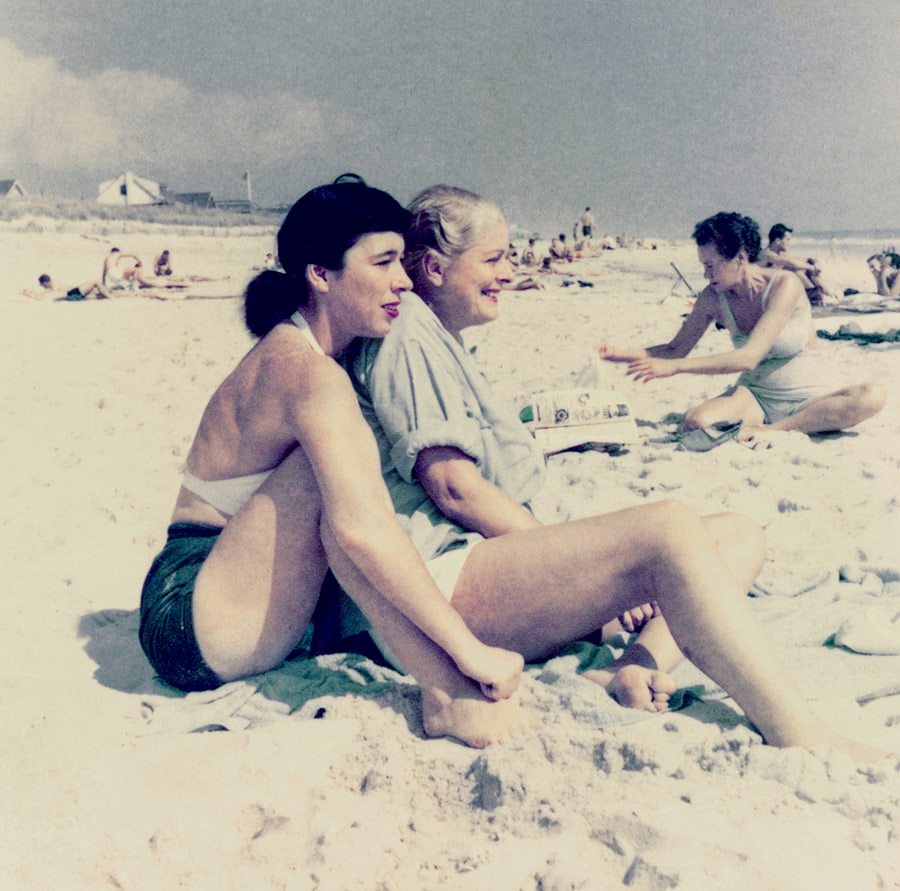
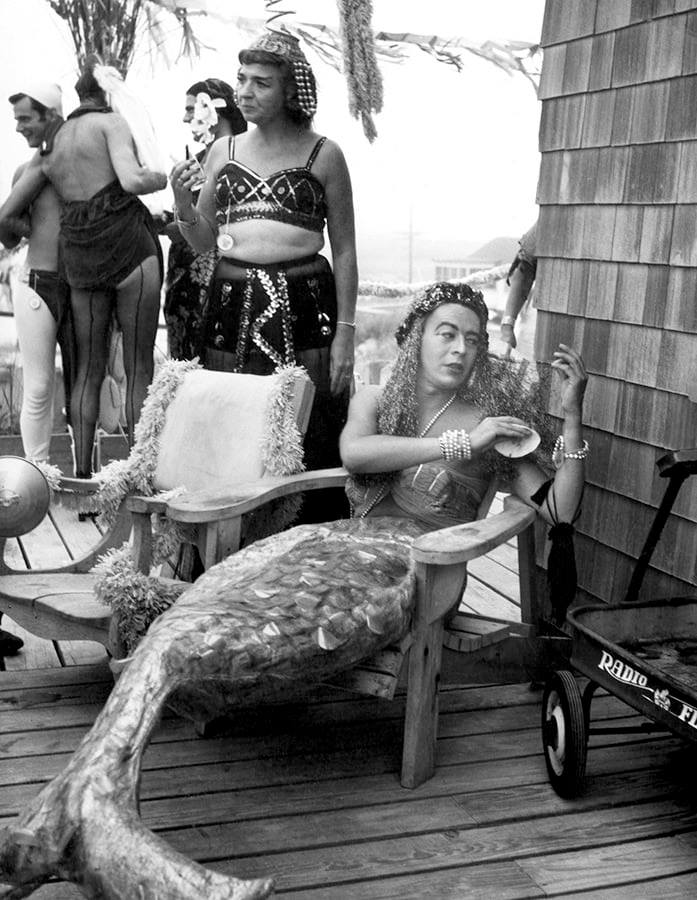
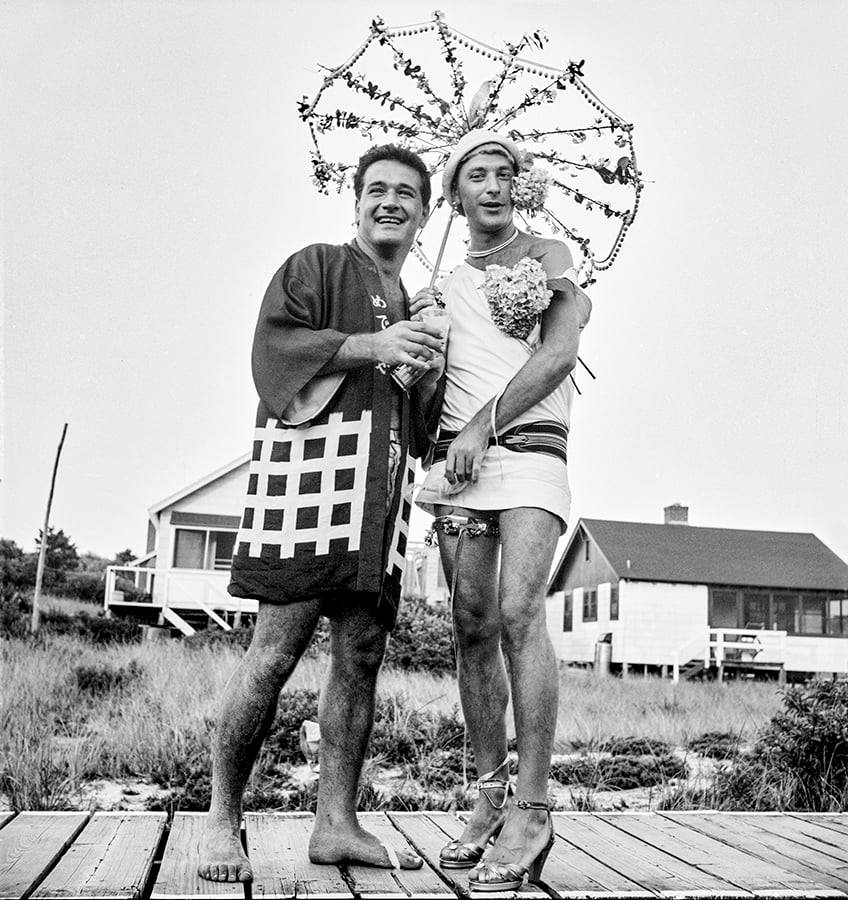
Images courtesy the Cherry Grove Archives Collection, taken by the men and women of Cherry Grove in the 1950s:

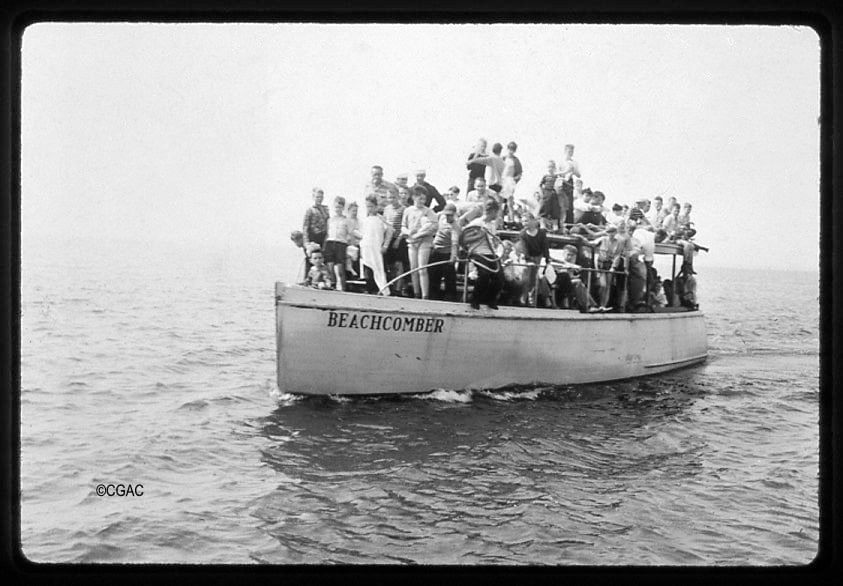
The Beachcomber, 1950s ferry to Cherry Grove. Photographer unknown. Cherry Grove Archives Collection

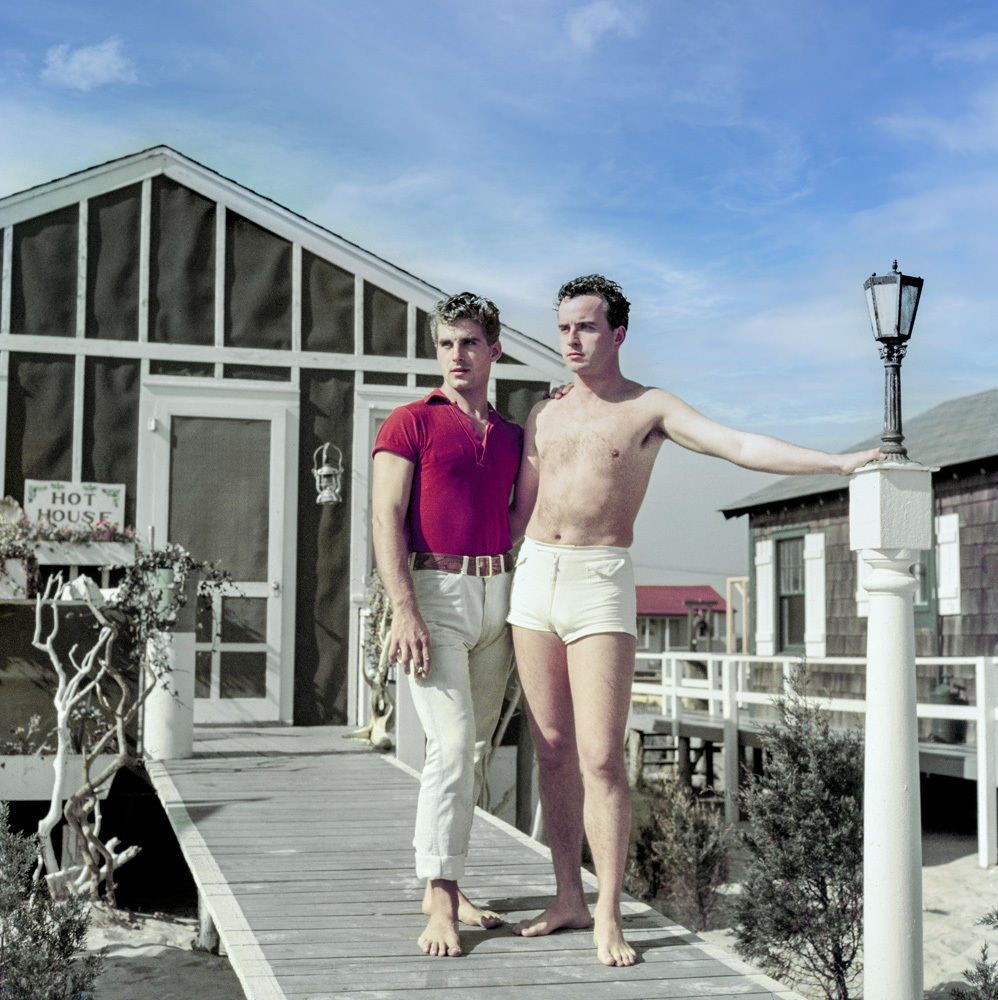
A few images from the exhibition, courtesy the Cherry Grove Archives Collection:

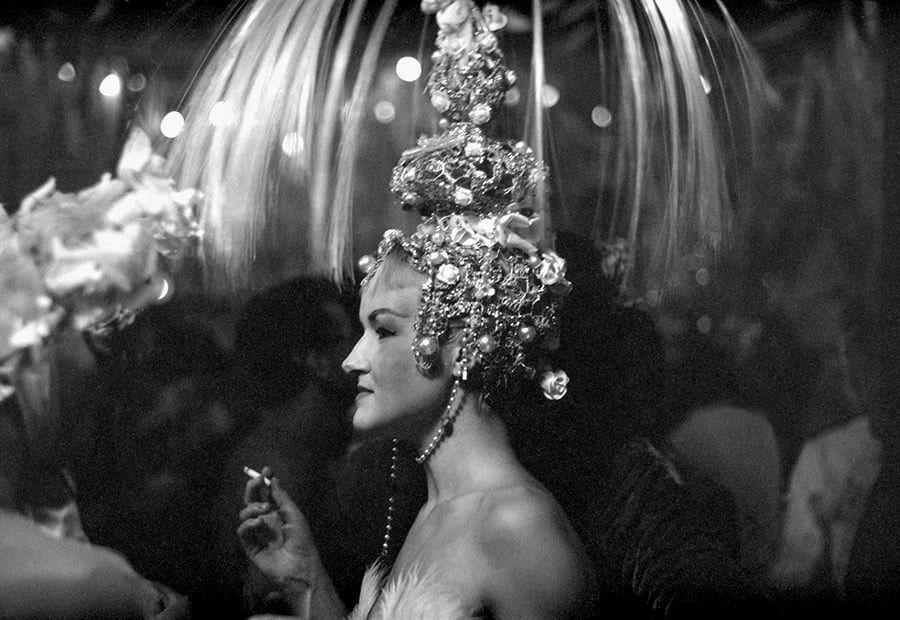
Patricia Fitzgerald & Kay Guinness, Cherry Grove Beach, September 1952

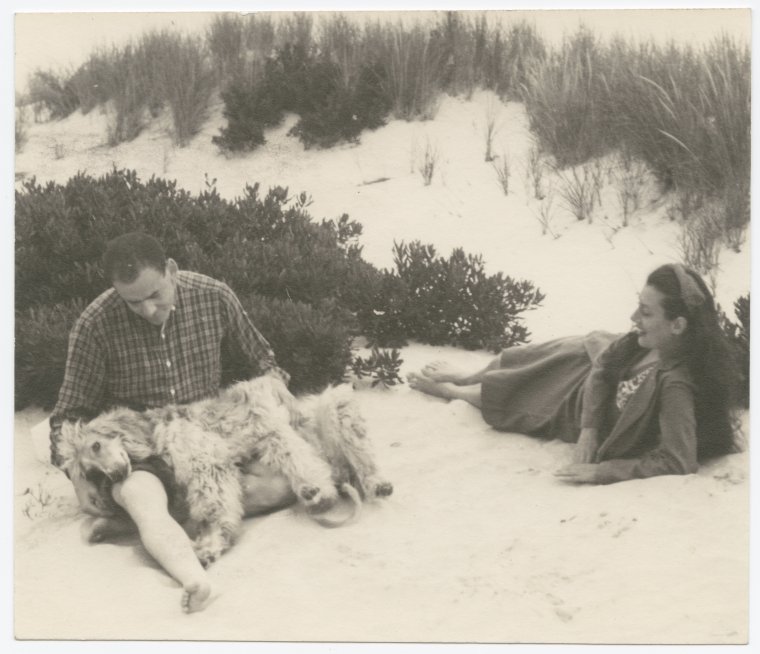
Lincoln Kirstein and Fidelma Cadmus with dog on Fire Island, 1952. New York Public Library
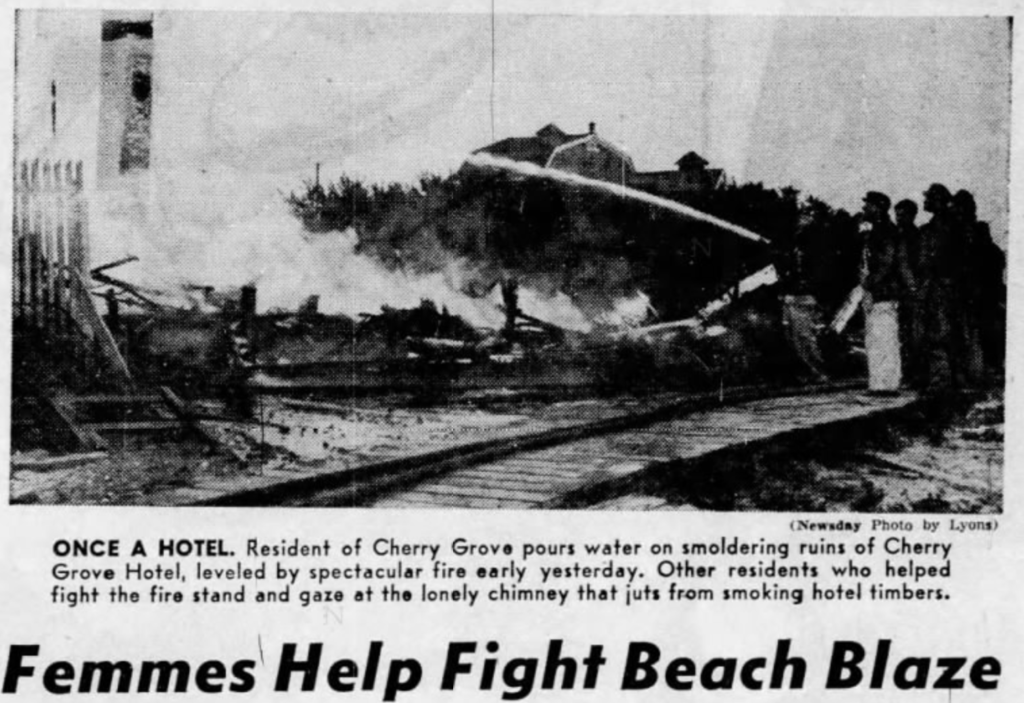
Newsday, September 28, 1956
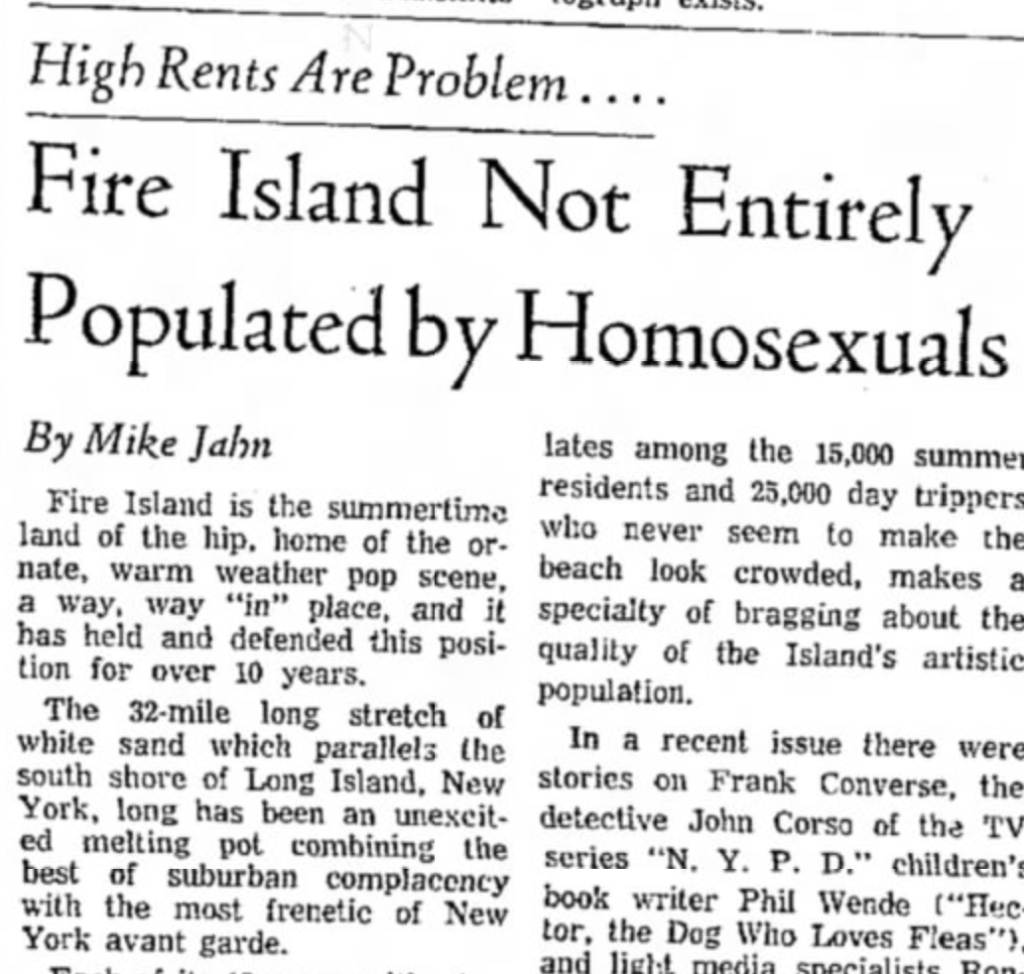
The Emporia Gazette, June 1968
Then Tribune from Scranton, July 1968

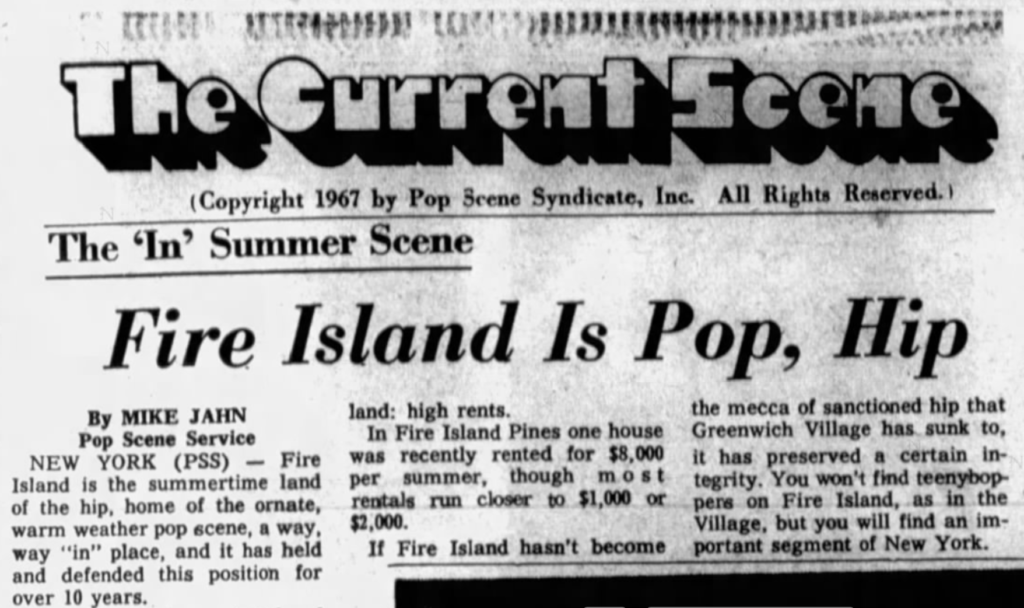
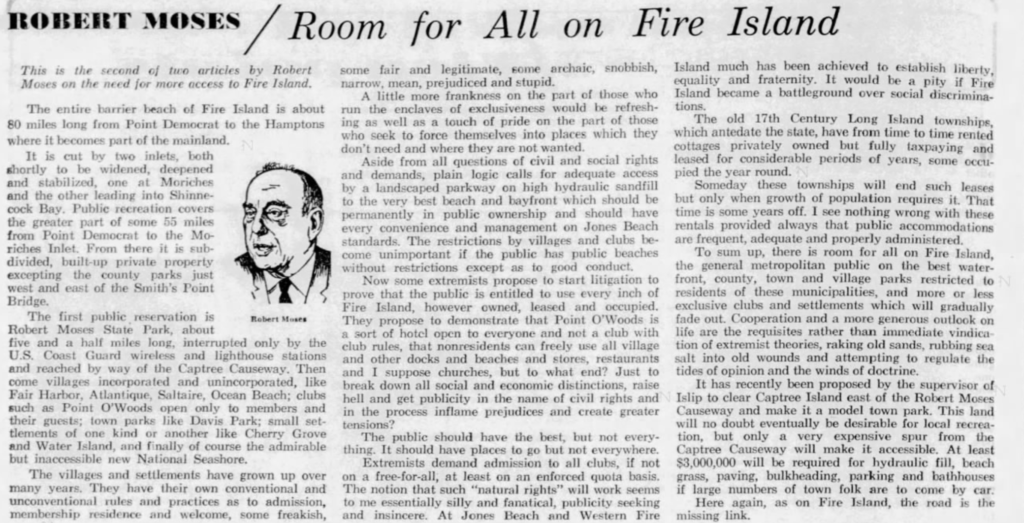
And a column from Robert Moses, 1969


Video about the exhibition from Safe/Haven curator Brian Clark:

https://www.youtube.com/watch?v=HHdROkyMlZ8&t=65s

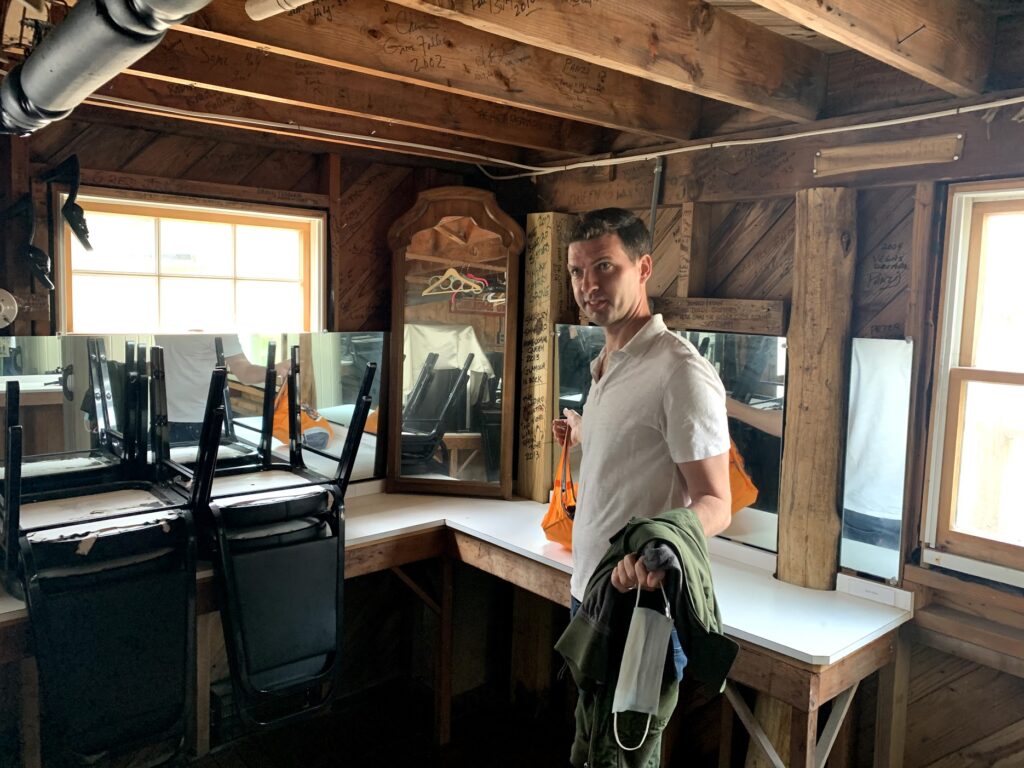
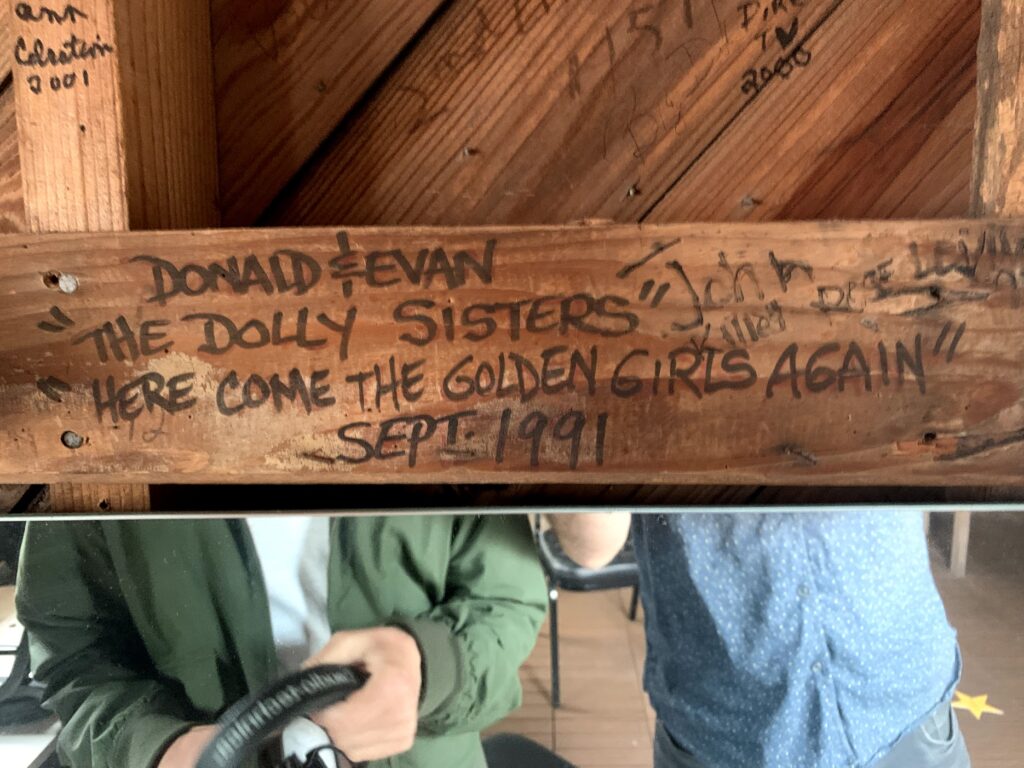
Photographs of Tom and Greg in Cherry Grove (Photos courtesy Greg Young):

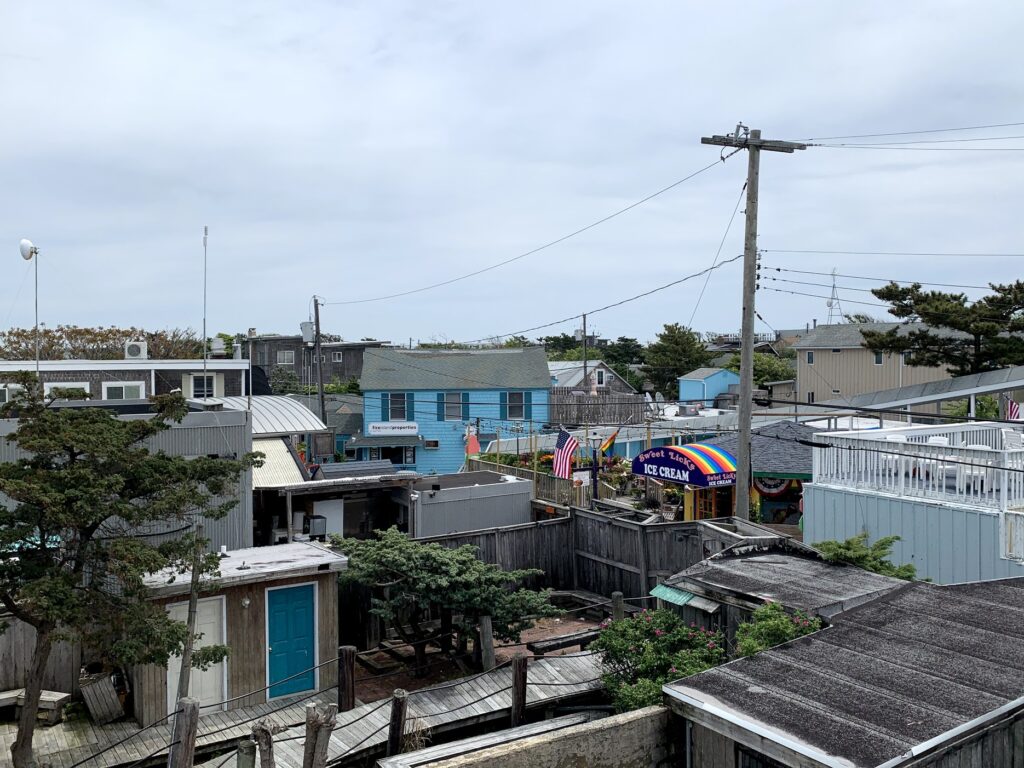
Behold — the Belvedere!


FURTHER LISTENING:

After listening to this show on the history of Fire Island check out these shows with similar themes and historical moments:


The Bowery Boys: New York City History podcast is brought to you …. by you!

We are now producing a new Bowery Boys podcast every other week. We’re also looking to improve and expand the show in other ways — publishing, social media, live events and other forms of media. But we can only do this with your help!

We are now a creator on Patreon, a patronage platform where you can support your favorite content creators.

Please visit our page on Patreon and watch a short video of us recording the show and talking about our expansion plans. If you’d like to help out, there are six different pledge levels. Check them out and consider being a sponsor.

We greatly appreciate our listeners and readers and thank you for joining us on this journey so far.

Categories
American History Long Island

Road Trip to Long Island: A new Bowery Boys three-part podcast series

The Bowery Boys podcast is going on a road trip.

Presenting a new three part podcast series, exploring three historic places outside of New York City. 

It’s a Bowery Boys Road Trip to Long Island!

Listen to the trailer here:

Greg Young · Long Island Trailer
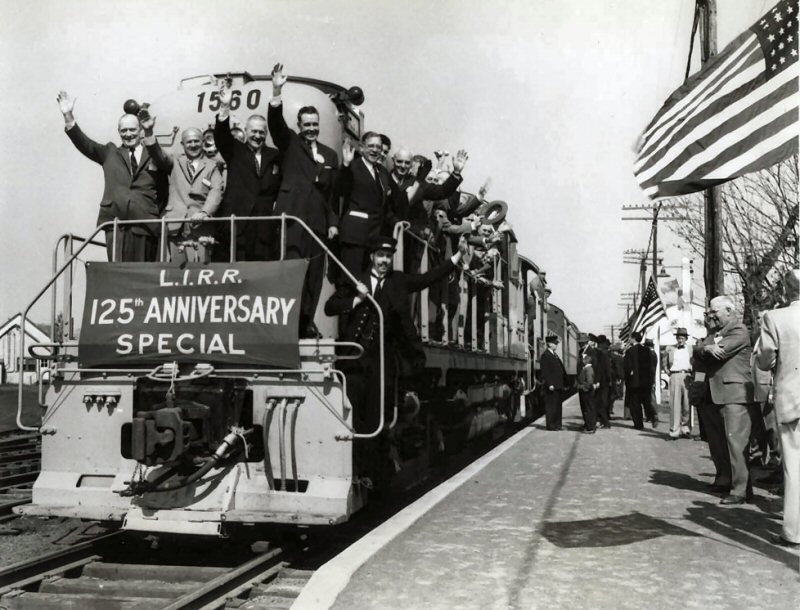
From the website Trains are Fun

We’re headed to the lands beyond Brooklyn and Queens on that island (or is that a peninsula?) of rich history and natural beauty.

Crank up some Billy Joel cause we’re braving the traffic on the Long Island Expressway to explore three historic sites of this beautiful and richly interesting area of New York State.

These shows begin this Friday and run through the first of June.

And what three historic sites will we exploring? You’ll have to tune-in to find out.

The Bowery Boys Road Trip to Long Island, coming soon to your podcast feed. 

So make sure you’re subscribed to the Bowery Boys on your podcast player so you don’t miss an episode.

Categories
Amusements and Thrills Film History

Come to the Airdome! Over 100 years of outdoor movies in NYC

It may be some time before we all get to truly enjoy the inside of a movie theater again. Hopefully soon!

But outdoor movies — in particular, drive-in movies — have had a bit of a renaissance, a socially distanced way to enjoy blockbusters on a big screen. Mommy Poppins has a great round-up of all the outdoor drive-in movie options in New York City and the surrounding area.

Watching movies outdoors is tradition much older than you think.

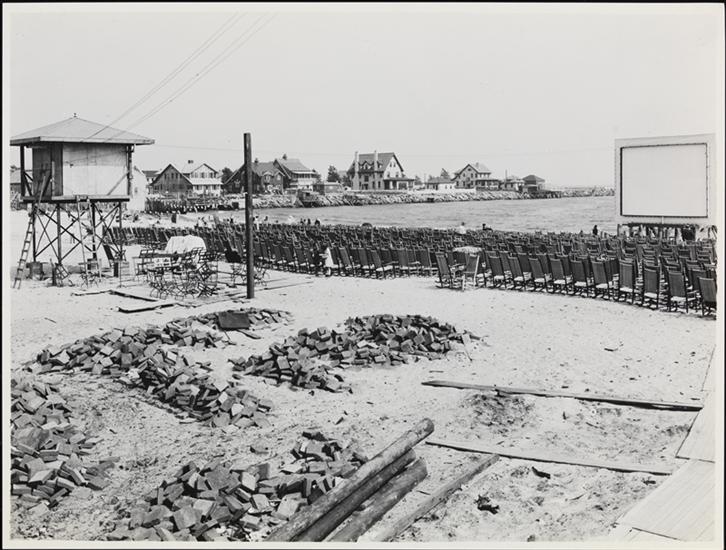
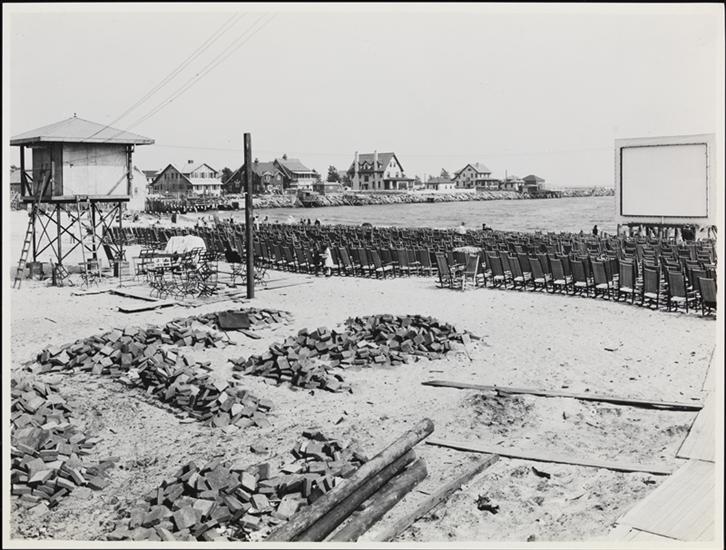
At an outdoor movie theater in Brighton Beach, 1920. (MCNY)

Yes, there were outdoor (or open air) theaters showing films almost as soon as the medium became popular.  

This is not terribly surprising. There were already outdoor playhouses for theater and vaudeville, and, in an era of over-crowded tenements and no air conditioning, any reason to sit outside on a nice summer’s night seemed practically luxurious.

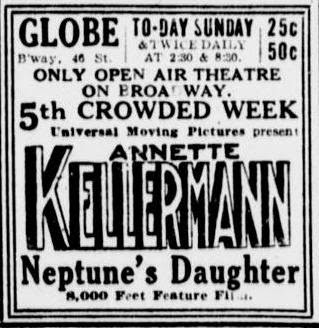
An advertisement for a rare Midtown open-air theater.  The lights of Broadway and street noise would have been a serious impediment. 

One drawback outdoor movie lovers deal with today is the loud city interfering with the sound of the movie.  Not so then; the city might have been loud, but the movies had no sound.  

It was a purely visual sensation, a thrilling entertainment light show under the moonlight.

Early outdoor theaters in New York, sometimes called airdomes, were not usually in city parks, but in abandoned lots or open spaces in upper Manhattan.  

Here’s a description of an airdome from a 1914 exhibition guide:  “An airdome is simply an outside moving picture show that is run on practically the same lines as the old summer garden, and is therefore essentially a fair-weather show, although a few airdomes are equipped with pavilions.”

Airdomes were designed to be temporary although you did need a permit from the city to operate one. Other than that, anybody could do it! “Nothing elaborate …is necessary for a successful airdome,” said the guide. “The chairs and tables may be of the ordinary kitchen variety.”

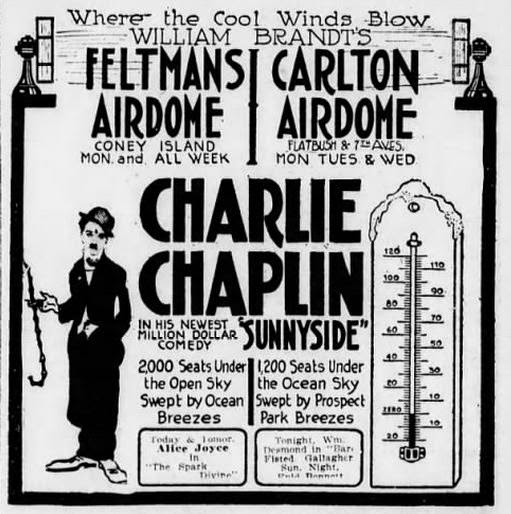
An advertisement for two Brooklyn airdomes — in Coney Island and Prospect Heights (Brooklyn Daily Eagle)

From surveying various newspapers from the 1910s, it appears most airdomes were located either in upper Manhattan and the Bronx (where there were more open lots) or in Coney Island (where the masses went for recreation).

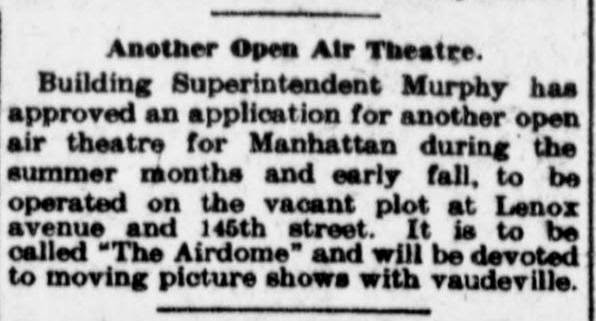
Before 1915, movies were one-reelers, quite short, and often featured alongside live acts as part of a vaudeville routine.  This airdome (listed in the July 1909 New York Sun) was typical of the day:

Outdoor movie theaters were so prevalent in the 1910s that, during planned war time electrical blackouts in 1918, they were specifically mentioned as a “bonafide food and entertainment establishment” alongside “roof gardens and outdoor restaurants.”  [source]

But as with modern outdoor theaters, sometimes reality elbows its way into the picture.  

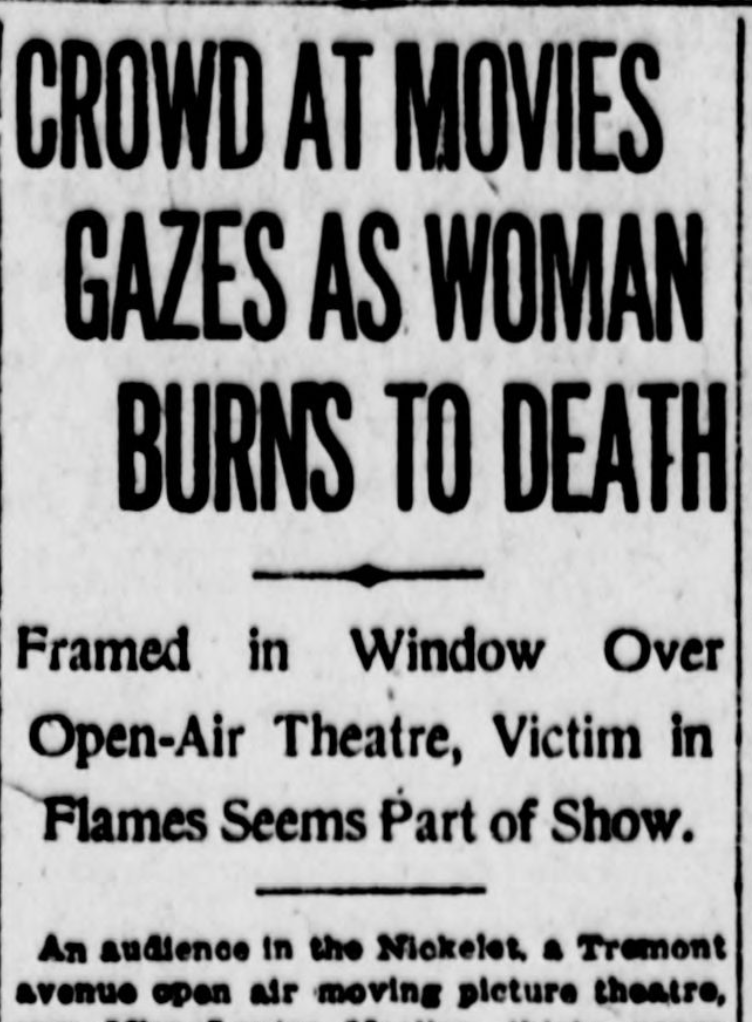
One of the Bronx’s most prominent open air moving picture theatres was the Nickelet (at Tremont and Prospect Avenues), presumably named for the admission price.  

One evening in June 1913, audiences witnessed a terrifying sight — a woman burning to death in a building adjacent to the theater lot.  Audience members scrambled to her rescue to no avail.

The transient nature of the airdome — and the ability for anybody with a license to have one — did cause friction at times.

During the spring of 1909, in the Long Island town of Freeport, a Brooklyn man enraged the town when he set up an airdome there even though he was not a town resident.

The airdome never went away of course.  But the experience paled in comparison to the grand delights of the movie palaces, especially when air conditioning technology came along.  

They eventually died out, along with the rooftop garden, in the 1920s, only to return later in the century when sound and projection technologies allowed for a more enjoyable evening at the movies.

And now, ladies and gentlemen, I hope you’re reading this outside! Create your own airdome experience and watch this film — Charlie Chaplin’s Sunnyside — enjoyed by Brooklynites over 90 years ago in an outdoor moving picture theater:

Categories
Mysterious Stories True Crime

The Dictaphone Murder Trial of 1914: A Mystery In Pictures

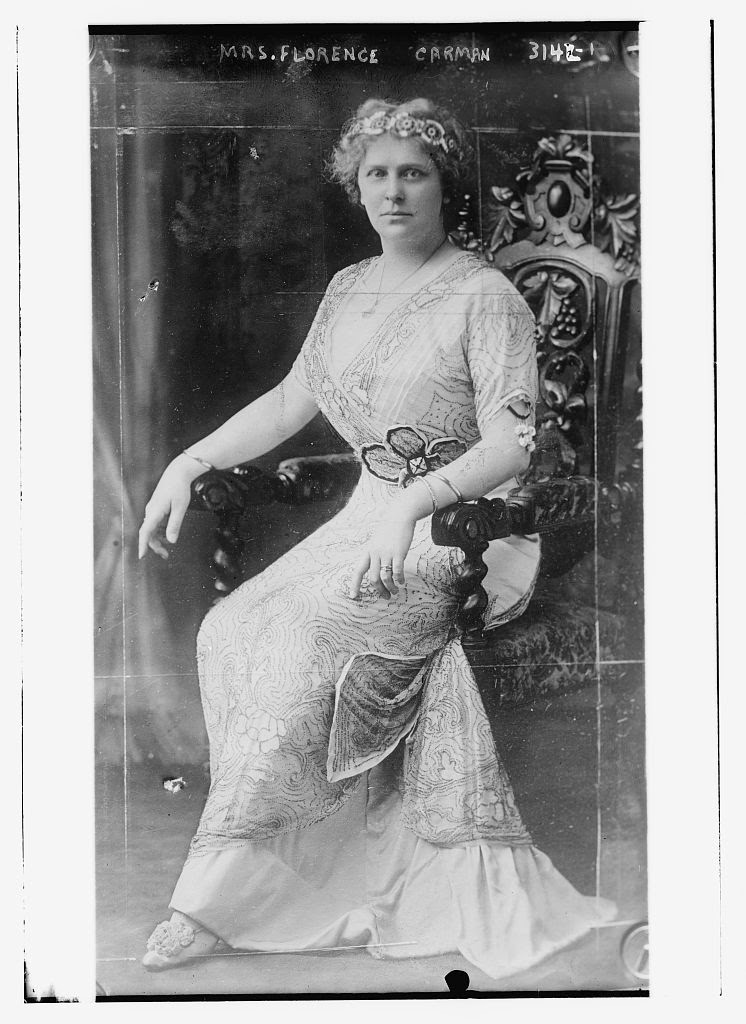
Does this woman look like a murderer to you?

This is Florence Carman, the wife of Dr. Edwin Carman, one of the most respected men in Freeport, on Long Island’s south shore.  Mrs. Carman would be at the center of a murder trial that captivated New Yorkers 100 years ago.

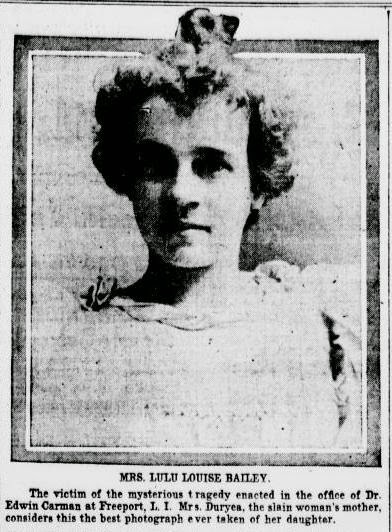
Dr. Carman received a visitor in his office on July 1, 1914, one Louise “Lulu” Bailey.  Her visit was after hours, so we can perhaps surmise the tenor of their engagement.  So, does it seem, did Mrs. Carman.

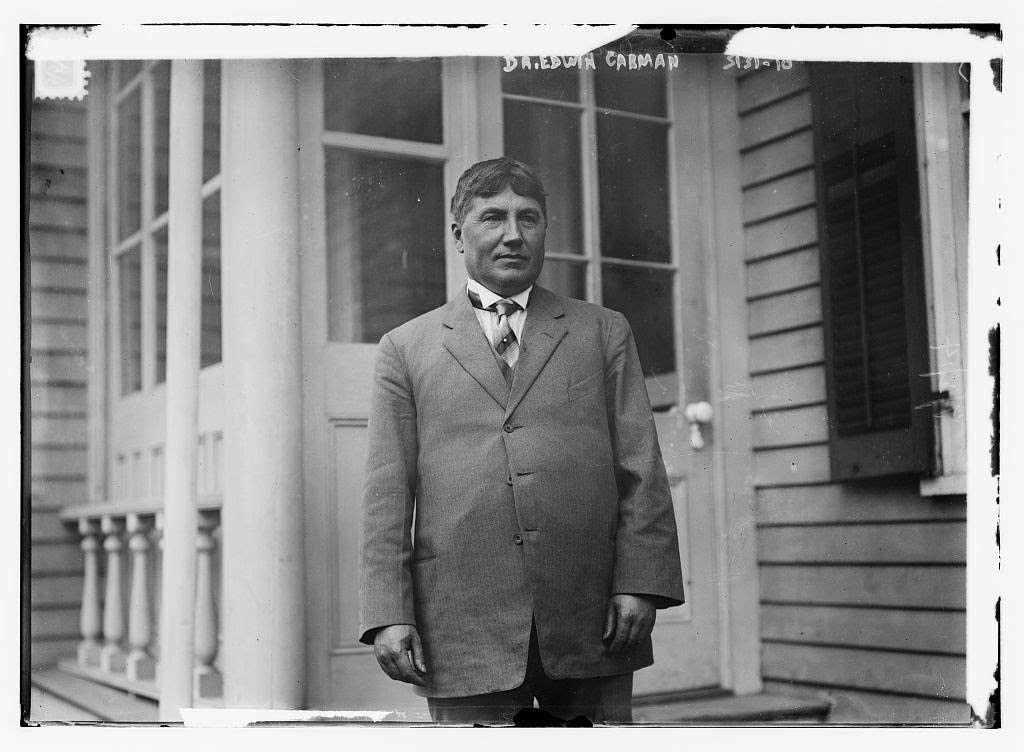
Here’s Dr. Carman, the subject of his wife’s suspicions and the possible recipient of Mrs. Bailey’s affections:

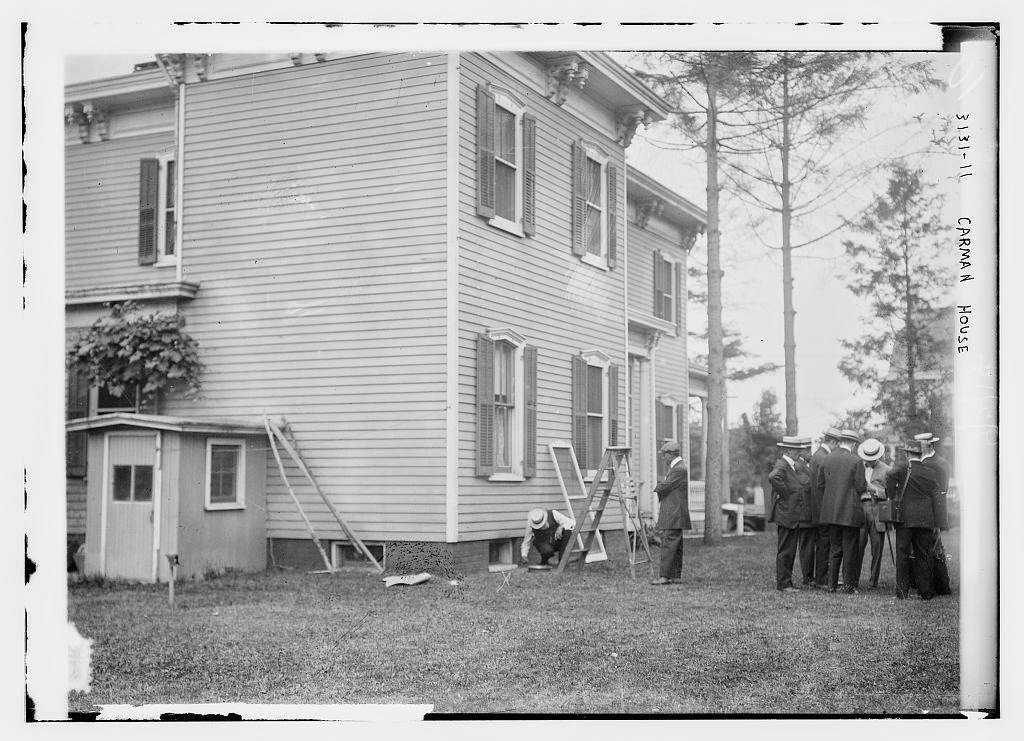
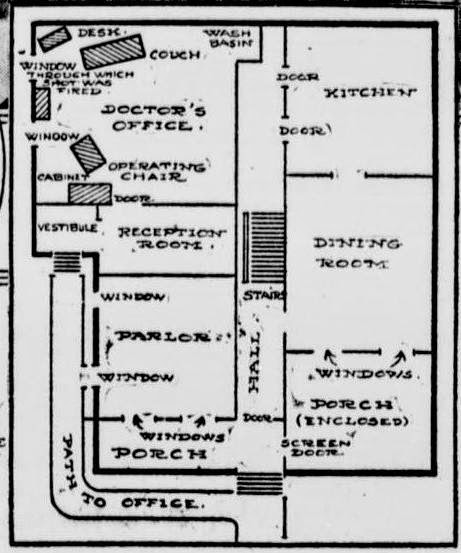
That evening, claimed Dr. Carman, as he entered his office to meet Mrs. Bailey, somebody shot at her through the window. She fell dead to the floor.  I should add that the office just happened to be on the ground floor of the Carman’s Freeport home, a handsome structure, “one of the show places of the village.”

Below: Investigators case the Carman’s house for clues

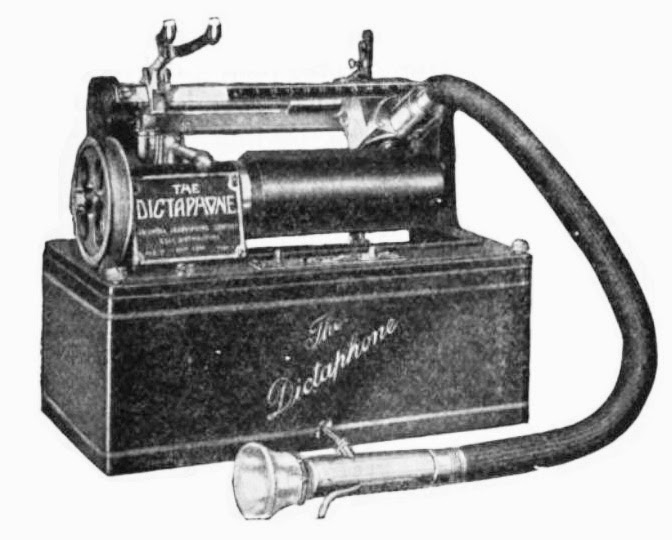
The following day revealed a bizarre twist — Florence had purposefully left on a Dictaphone machine on in the office.  After the police left, she removed it from the crime scene and hid it in the attic.

At right: One example of a Dictaphone machine from the 1920s..

Mrs. Carman, it seems, did not trust her husband with any female patients.  With the Dictaphone on, she could listen in on the conversations between the doctor and his patients.  In particular, she could spy upon any possible dalliance between her husband and Mrs. Bailey.

Her guilt seemed assured when witnesses declared seeing a “woman in white” standing on the porch at the time of the murder.

For many days, suspicions actually volleyed between the doctor and his wife.  For instance, some days later, Dr. Carman claimed that he was shot at by a man on a bicycle while entering his house, a tale others contradicted.  Detectives actually re-enacted the murder with the doctor and his wife.

From the New York Sun:  “The detective took the part of the assassin, creeping at dusk among the hemlocks and crawling, pistol in hand, to the window of Dr. Carman’s office through which Mrs. Bailey was shot.”

At left: A map of the murder scene from the New York Sun

Guilt eventually rested on Mrs.Carman, who was arrested exactly one week after the murder.

Meanwhile, Bailey’s murder swept away all other news of the day, filling the New York newspapers for weeks with the possibility of a salacious scandal.

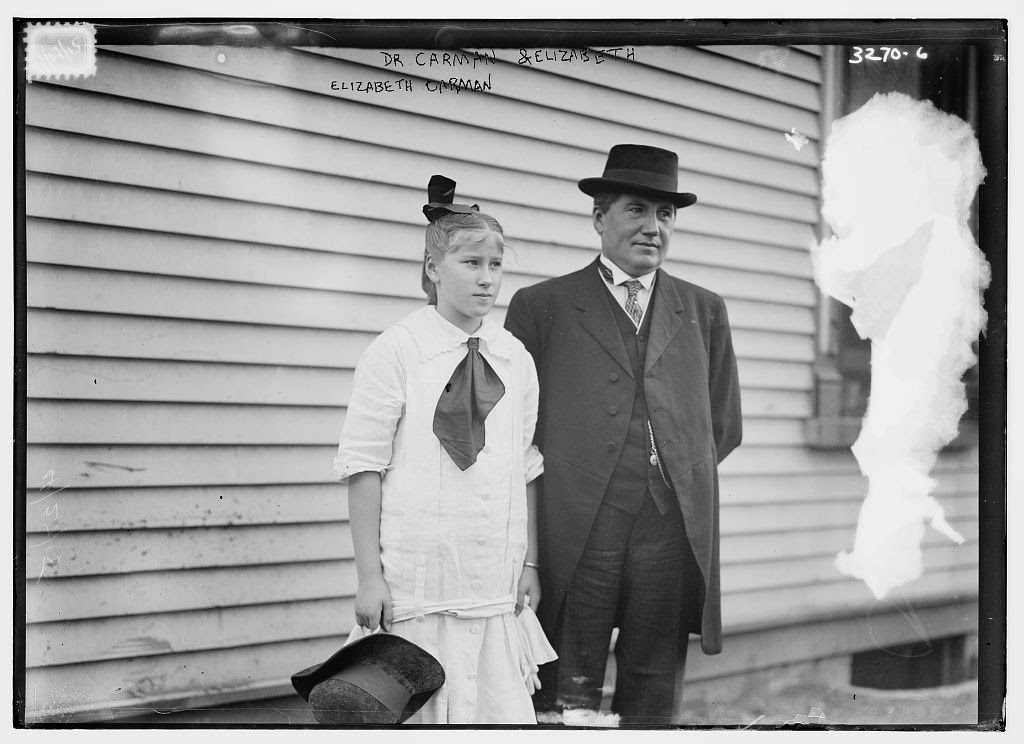
Here’s the Doctor with his daughter Elizabeth Carman, who later took the stand to defend her mother:

Florence was brought up on charges of murdering Bailey, and evidence was brought before the Freeport Justice of the Peace.  In October, the case went to trial in the nearby town of Mineola.

The following photographs were taken outside the courthouse.

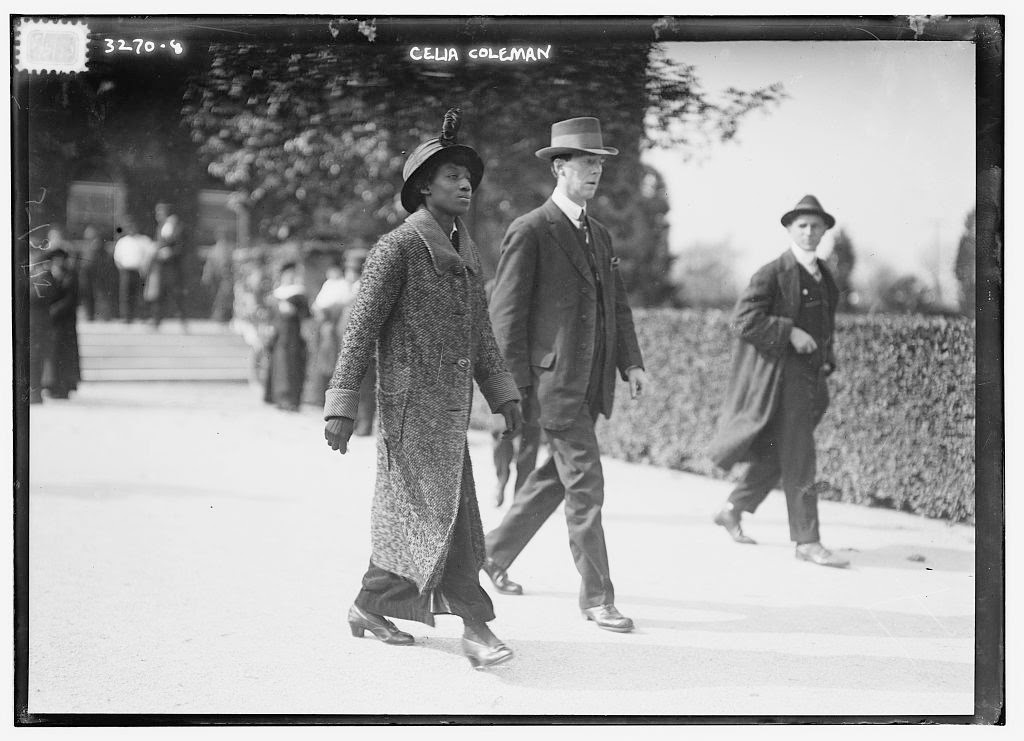
Florence’s defense rested on the testimony of Celia Coleman, the Carman’s maid, who produced a solid alibi for Mrs. Carman, proving she was inside the house the entire time, not on the porch, and thus not the “woman in white.”

However, by October, Coleman claimed that Florence had in fact crept out the back door moments before the fatal murder.  Then she testified….

The reasons for her conflicting stories are muddled, but she may have been covering for her employer then later told the truth.  Or else, she was bought off, as a later conspiracy theorized, brought forth a more tantalizing story to the delight of newspaper men everywhere.

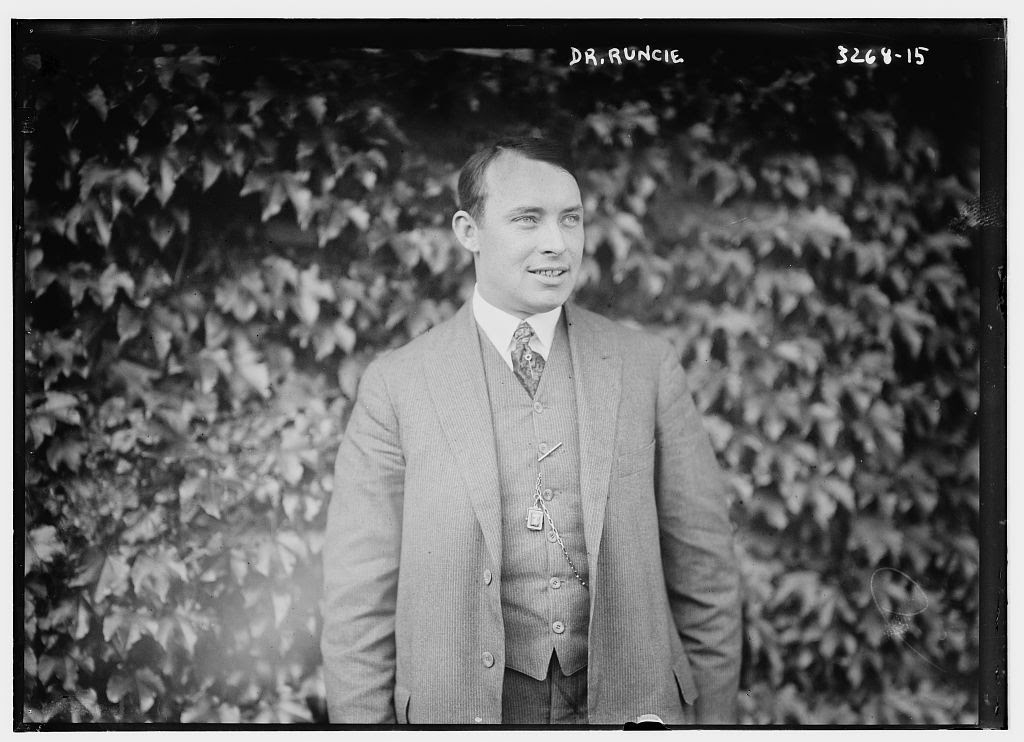
The dashing Dr. William Runcie also took to the stand in regards to the presence of the Dictaphone and whether it was an indication of her mental state.

Runcie had come to the house on the evening of the murder, and Florence had told her then of hiding the machine in the office. But she urged Runcie not to tell her husband this fact.  He tried to brush away this fact.  “While it is out of the ordinary, I cannot see why so much importance is given to it.” [source]

Another witness named George Golder, who had originally testified of Mrs. Carman’s guilt, now “made an affidavit practically repudiating his identification of the doctor’s wife as the woman he saw on the porch.” [source]  His testimony was later used to cast guilt upon Doctor Carman.

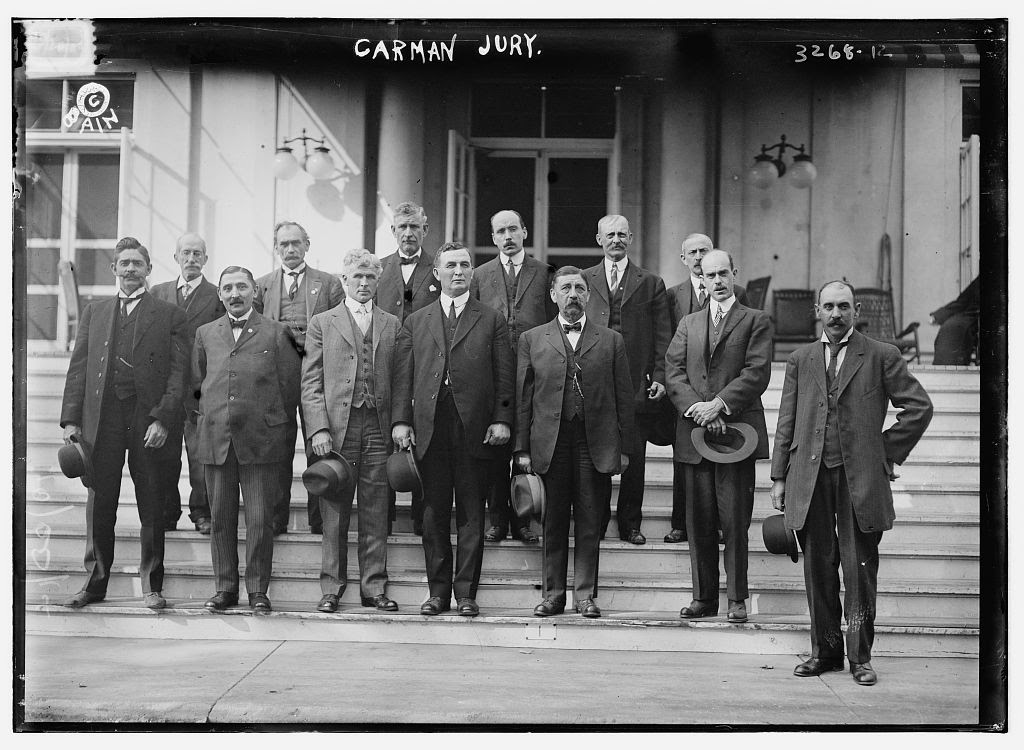
Below: A jury of her peers?

The family of the deceased woman made a dramatic entrance.  This is Lulu’s daughter, mother and husband.

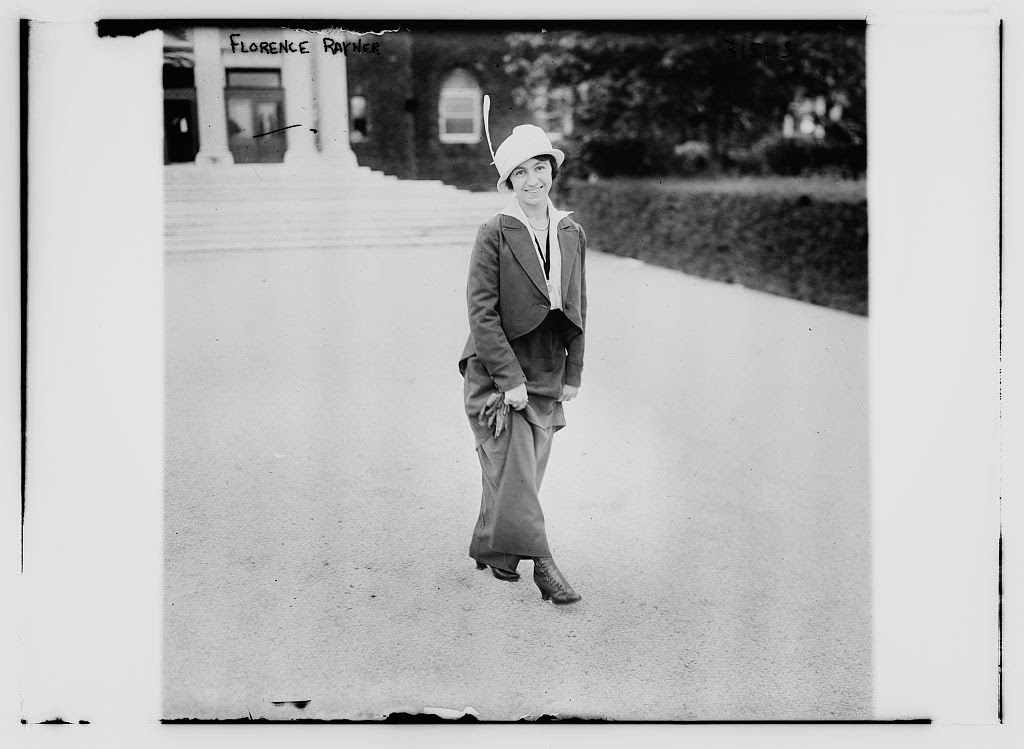
A little sex appeal was brought into the courtroom with the appearance of Florence Raynor, specifically there to contradict the testimony of another man who claimed to have seen Mrs. Carman on the porch that night.

In the end, the jury could not come to a consensus regarding Mrs. Carman’s guilt.  Wrote the New York Times, “After deliberating for thirteen and a quarter hours, the jurors in the trial of Mrs. Florence C. Carman for the alleged murder of Mrs. Lulu D. Bailey filed wearily into the Supreme Court room at 10:58 o’clock this morning and the foreman announced that it was impossible for them to come to any agreement.”

She was re-tried in May of 1915 and given a vigorous grilling on the stand. The New York Times makes note of the soft-spoken woman raising her voice for the very first time — evidence, so goes the inference, of the trial taking its toll upon her.  The jury sympathized with her and finally acquitted her of the murder.
By this time, of course, the story was relegated to the back pages, as world events — and other local murder cases — monopolized the attentions of New Yorkers.

To this day, the murder of Lulu Bailey has not been solved.  It’s unclear whether justice was really served that day.  “I do not believe a jury in Nassau County can be brought to convict a woman of murder in the first degree,” said the district attorney.

All the photographs above are courtesy the Library of Congress.

Categories
Queens History

The Queens boundary line, some amazing New York City trivia, and a clarification to our latest podcast

 Reaction to the Bowery Boys podcast on the Consolidation of 1898 has been tremendous!  But I do have one clarification, and provided by a very excellent source.

The accurate placing of the boundary line between Queens and the newly created Nassau County was a source of frustration for a great many months after consolidation.  I recounted one such tale involving a schoolhouse in Hempstead, included within New York City’s border after a revised survey was completed. (You can read the complete tale here.)

But that is only one part of the story, specific to the area around that particular building.  It may have gained a schoolhouse, but in fact, overall, New York City lost land in the revised survey, and quite a bit of it too!

According to Manhattan borough historian Michael Miscione:  “When the NYS legislature created Nassau County on Jan. 1, 1899 out of that portion of Queens County that was not part of Queens Borough, they almost entirely redrew the Queens Borough line. In the process, Greater New York did NOT gain territory as you state; though it may have acquired an extra sliver of real estate here and there in the resurvey, NYC ultimately LOST about 12 square miles.

Check out the Queens Borough border on an 1897/8 map versus a map from 1899 or later, and the difference is obvious. As a consequence, NYC was the largest it has ever been during the 12 months from Jan. 1 to Dec. 31, 1898! (A very cool piece of trivia that might come in handy some day.)”

Thanks for that great information, Michael!   If you enjoyed our podcast, you’ll have to check out Miscione’s upcoming lecture on the most malleable neighborhood in the history of New York — Marble Hill, the Manhattan neighborhood that’s really in the Bronx:

PEOPLE V. BOYD: THE MURDER TRIAL THAT NEARLY REDREW THE MAP OF NEW YORK CITY 

Manhattan Borough Historian Michael Miscione will describe the peculiar and complex status of Marble Hill, a neighborhood that is attached to the Bronx but is legally a part of Manhattan. (Or is it?)

Tuesday, June 4, 2013
6:00p The General Society Library
20 West 44th St. (Between 5th & 6th Aves.)
 $15 general admission / $10 General Society members / $5 students
Advanced registration is suggested.
Call 212.840.1840 ext. 2, or email victoria.dengel@generalsociety.org .
http://www.generalsociety.org/

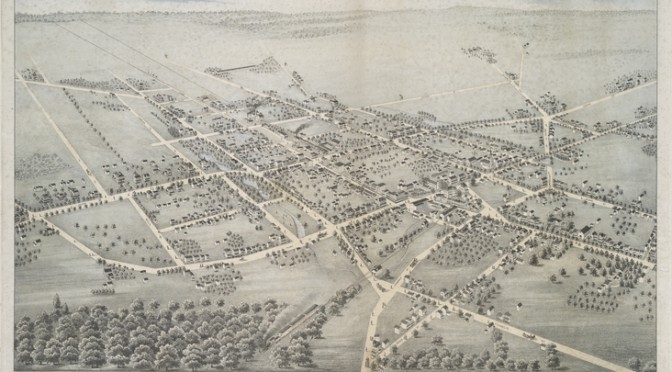
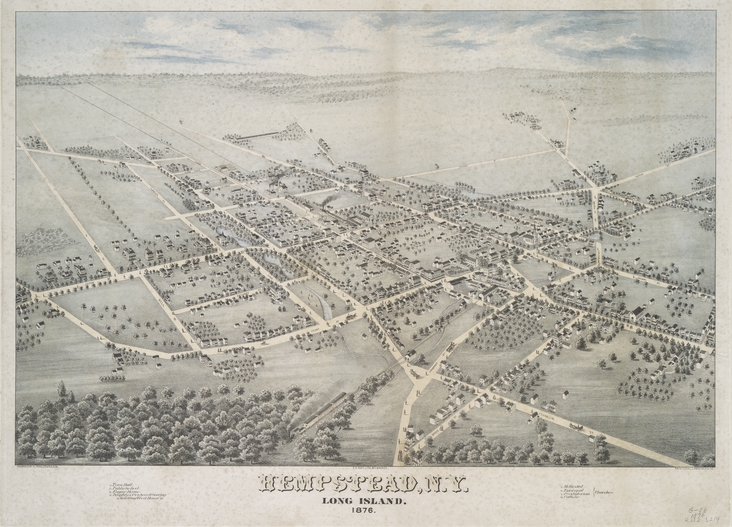
Above: A map of the town of Hempstead in 1876.  Part of its western border was affected by the re-surveying of the border with New York City.