Categories
American History True Crime

Insanity: Congressman Daniel Sickles shot and killed the son of Francis Scott Key

On the 160th anniversary of the killing of Phillip Barton Key, I’m reposting this article from 2014 which originally ran on the 100th anniversary of Daniel Sickle’s death.

We don’t have large, parade-like funeral processions marching up the avenues as they once did during the Gilded Age and in the early years of the 20th century.

These events were times of public mourning and a bit of festivity.  Most often they involved the passing of a well-connected political leader or a popular entertainers.  They were somber and reverent affairs; afterwards the saloons along the side streets benefited graciously, tributes and toasts into all hours of the night.
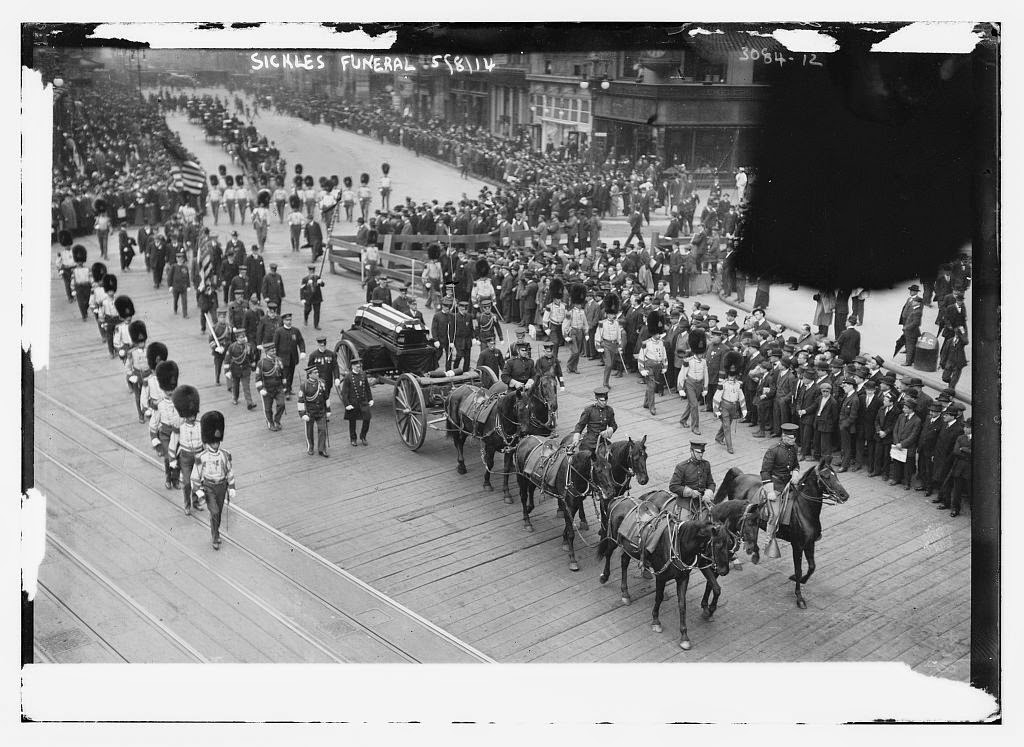
Library of Congress

1914

On May 8, 1914, New Yorkers filled the streets — from Fifth Avenue up to St. Patrick’s Cathedral — to mourn the passing of Daniel E. Sickles, one of the city’s most heralded war veterans.

Having marshaled up volunteers in New York in the early days of the Civil War, Sickles distinguished himself as a bold and commanding general, gathering military promotions through sheer ambition. (He was one of the few commanders in Abraham Lincoln’s army without a West Point education.)

During the Battle of Gettysburg, Sickles was severely injured and had his right leg amputated. (Below: Sickles in 1862.)
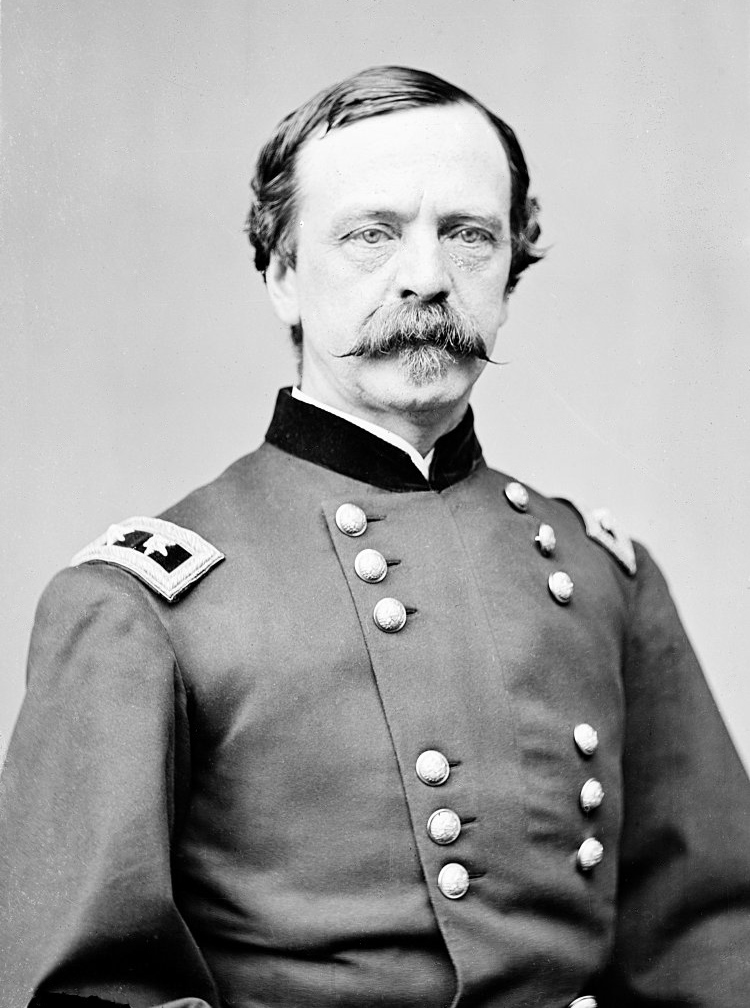
He spent his years after the war polishing his war credentials and maneuvering from one political appointment to another.  Sickles belatedly received the Medal of Honor and, situated from his home at 23 Fifth Avenue, was acclaimed in later life in one of New York’s greatest living veterans.

Sickles’ military career, however, was built as an exercise in reputation rehabilitation.  When the war with the South arrived, he saw an opportunity to change the conversation about himself.  His bravery in service to the Union, never questioned, served a dual purpose for Sickles.  Today we might call this “re-branding.”

For in the years preceding the Civil War, the young politician was also known as a cold-blooded murderer who held a unique distinction in the history of legal proceedings.
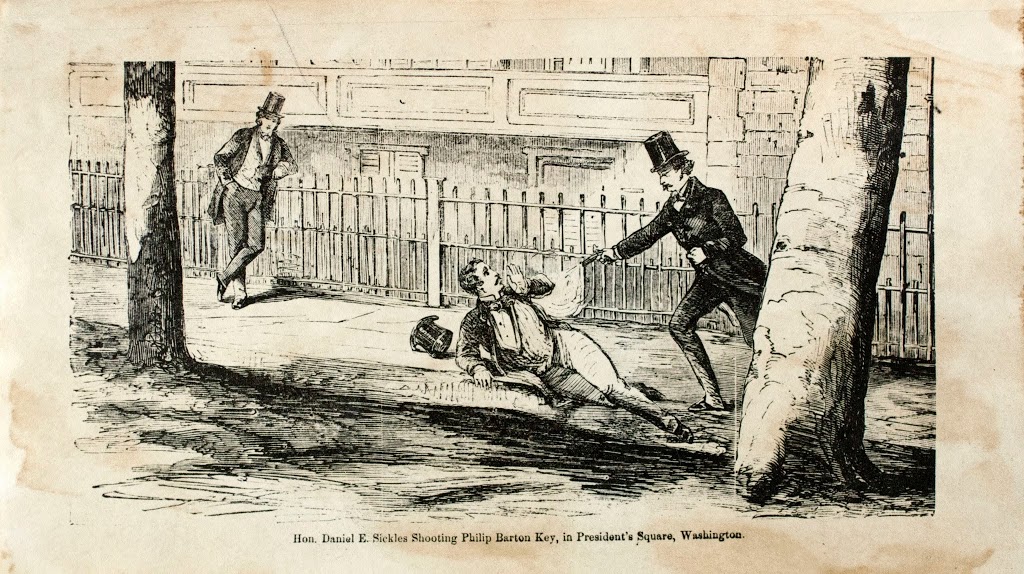
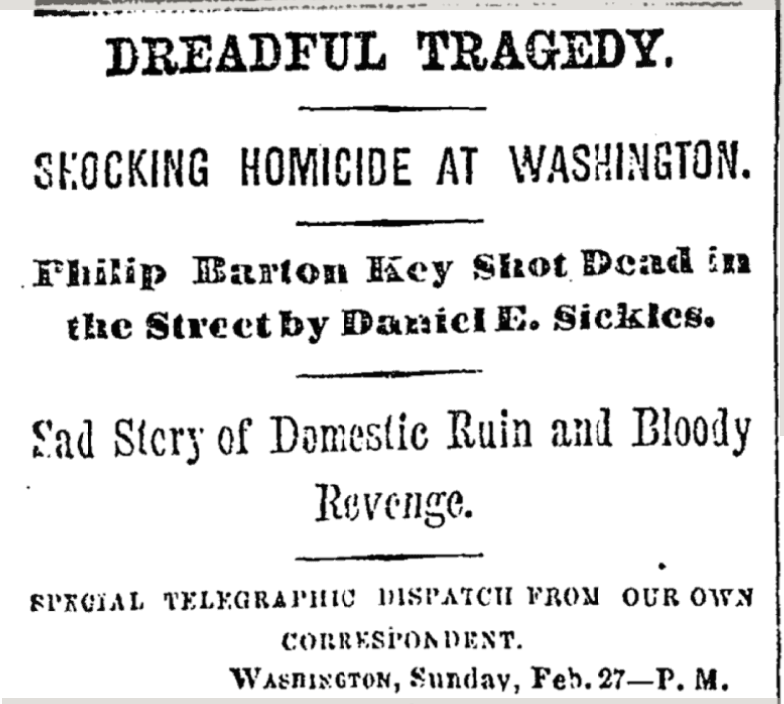
From the New York Times, February 28, 1859

1859
In April of 1859, New York Congressman Daniel Sickles became the first person in history to ever be acquitted of a crime due to temporary insanity.

The crime in this case was the February murder of Philip Barton Key II, the son of Francis Scott Key, author of “The Star-Spangled Banner,” the national anthem of the United States.

Their lives almost resemble an episode of House of Cards.  Key had been having a very open affair with Sickles’ wife Teresa. (Pictured below)
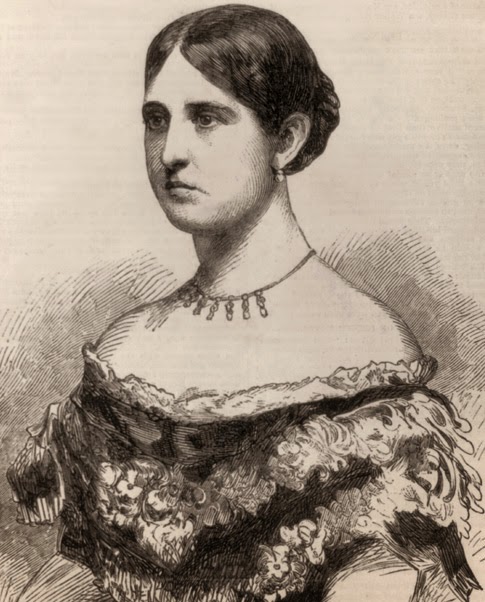
Daniel, however, was something of an epic rake himself.  With no thought to his own or his wife’s reputation, Sickles was once passionately obsessed with the New York prostitute Fanny White, going so far as to take her into the Albany assembly chamber for a tour.  There were even rumors that some of Sickles’ campaign election costs were covered by White.

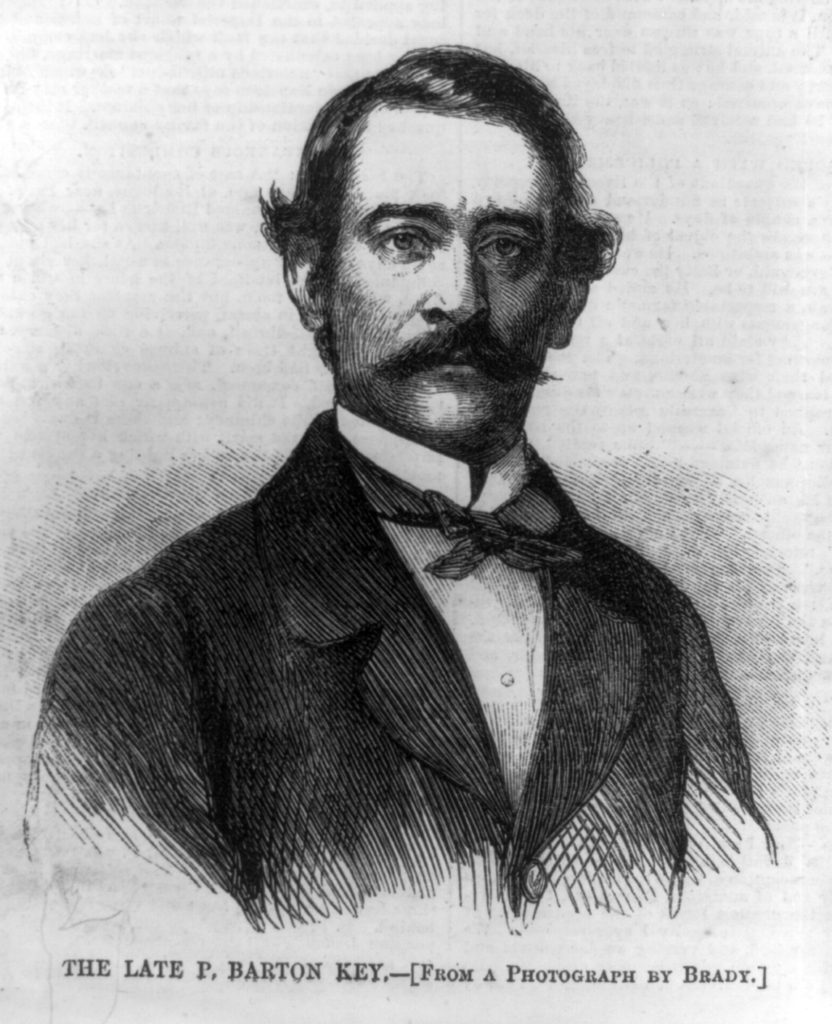
But Key was hardly a wallflower; the famous son was a charming widower who bewitched the women of Washington DC with his intelligence, elegance and wealth.  He and Teresa met in 1857 and began their affair soon after, meeting often once a day and openly flirting with each other at a society balls. (Below: An illustration of Key which ran in Harper’s Weekly in 1859.)
When Sickles did finally discover the affair, he was distraught and sickened, before turning violently angry.  

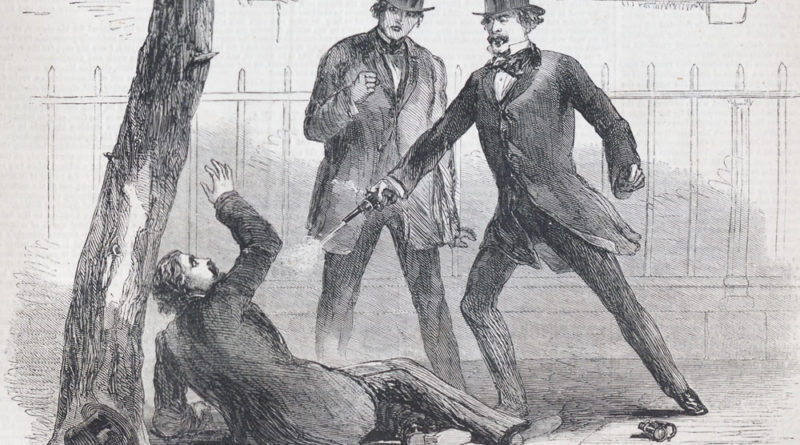
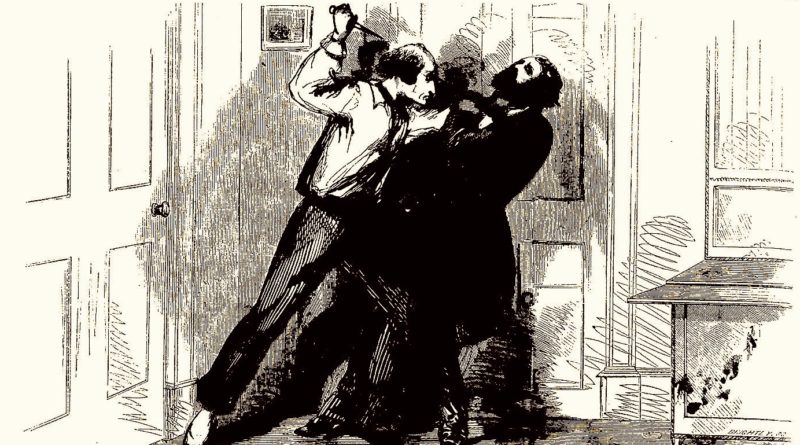
On February 27, 1859, Sickles approached Key in DC’s Lafayette Square — a short distance from the White House –and shot him in the groin.

“You villain, you have dishonored my house, and you must die!” Sickles reportedly said.

He shot Key again in the chest and would have shot him directly in the head had the gun not misfired.

Said the New York Times the following day, “The vulgar monotony of partisan passions and political squabbles has been terribly broken in upon to-day by an outburst of personal revenge, which has filled the city with horror and consternation.”
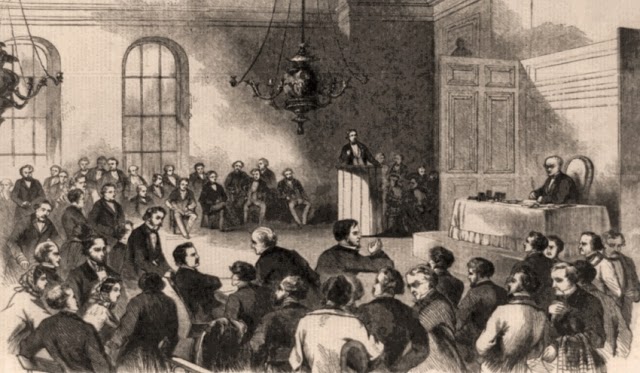
Above: An illustration of the Sickles trial, courtesy Library of Congress

The condition of Sickles’ mental state during and following the murder would be closely dissected in court. A colorful swath of testimony described Sickle as everything from disturbingly serene to a raging lunatic.

According to authors Michael Lief and H. Mitchell Caldwell, “These conflicting stories may be exaggerations on the part of creative witnesses, or they may be evidence that Sickles was driven to the edge, past the breaking point, entirely out of his mind.”

One of the lawyers who helped craft the insanity defense was Edward M. Stanton, later to be Abraham Lincoln’s Secretary of War.  Their defense of temporary insanity — never successfully tried in a U.S. court — was sprung upon the jury, nested within an extravagant bed of prose, classical quotations and moral quandary.

“It is folly to punish a man for what he cannot help doing?” asked associate defense attorney John Graham.  Apparently so, it seems, for in April, a jury acquitted Sickles, taken with the plight of a man wronged by his unfaithful and deceitful wife. (His attorneys did a spectacular job of burying Sickle’s own unfaithfulness and deceit.)
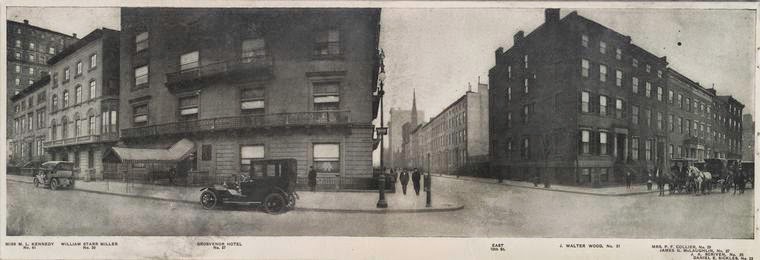
Above: 23 Fifth Avenue, the home of Daniel Sickles and the location of his death on May 5th, 1914 (images courtesy New York Public Library)

1914
Fifty-five years later, Sickles’ many legitimate accomplishments (and, let’s be honest, his relentless self-promotion) assured that this unusual crime was rendered a footnote when he died on May 5.

His New York Times obituary is an extraordinary bit of word play:  “Philip Barton Key … paid attention to Mrs. Sickles, and Sickles shot and killed Key on the street in Washington D.C. on February 27, 1859.”

The focus then turns on Sickles’ “gracious” forgiveness of his wife: “I am not aware of any statute or code of morals,” said Sickles to his critics, “which makes it infamous to forgive a woman….I shall strive to prove to all that an erring wife and mother may be forgiven and redeemed.”

In reality, the two never reconciled.  Teresa died in 1867 at age 31, her reputation destroyed.  A few years later, Sickles became the ambassador to Spain, returned to his legendary womanizing and eventually married a well-connected daughter of a Spanish official.

He spent his final years at his Fifth Avenue home nearly bankrupt, his only means of support coming from his children and his now-estranged second wife.  “[S]everal attempts were made to seize the art treasures  in his Fifth Avenue home because of debt,” noted the Times.

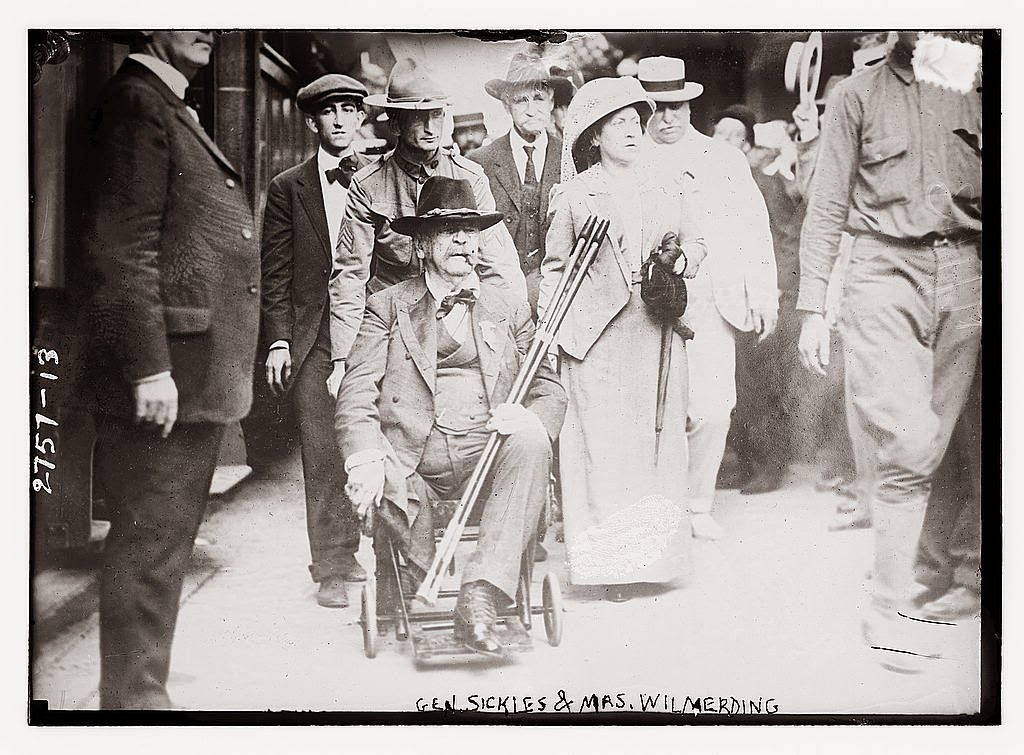
Below: Daniel Sickles at a 1913 Gettysburg reunion, accompanied by his live-in secretary Eleanora Wilmerdirg
Categories
Podcasts True Crime

The Murder on Bond Street: Who Killed Dr. Burdell?

PODCAST A gaslight murder mystery with more twists than an Agatha Christie novel!

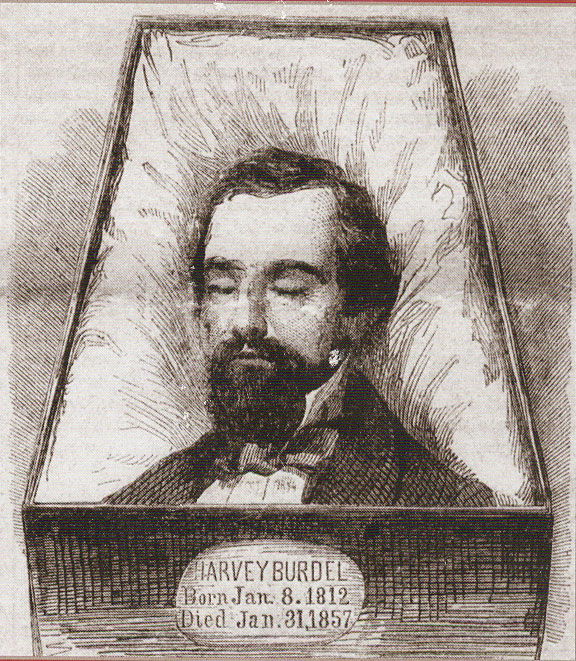
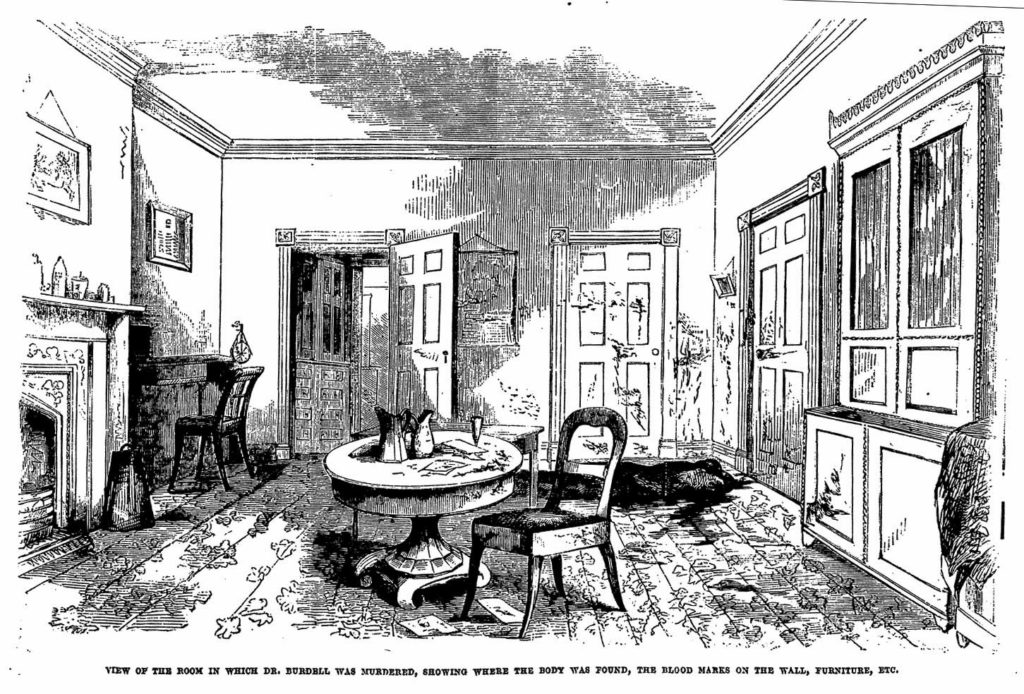
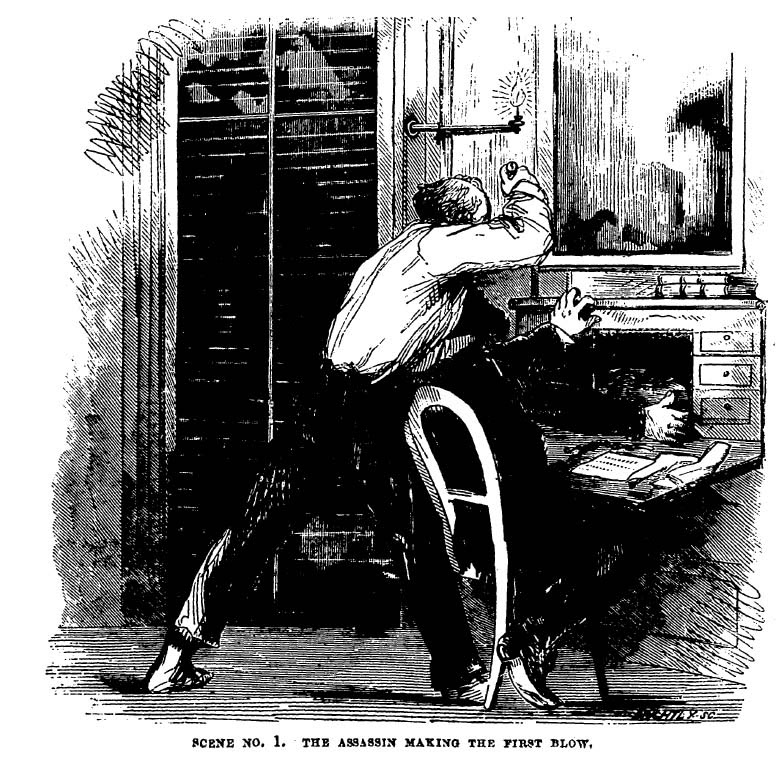
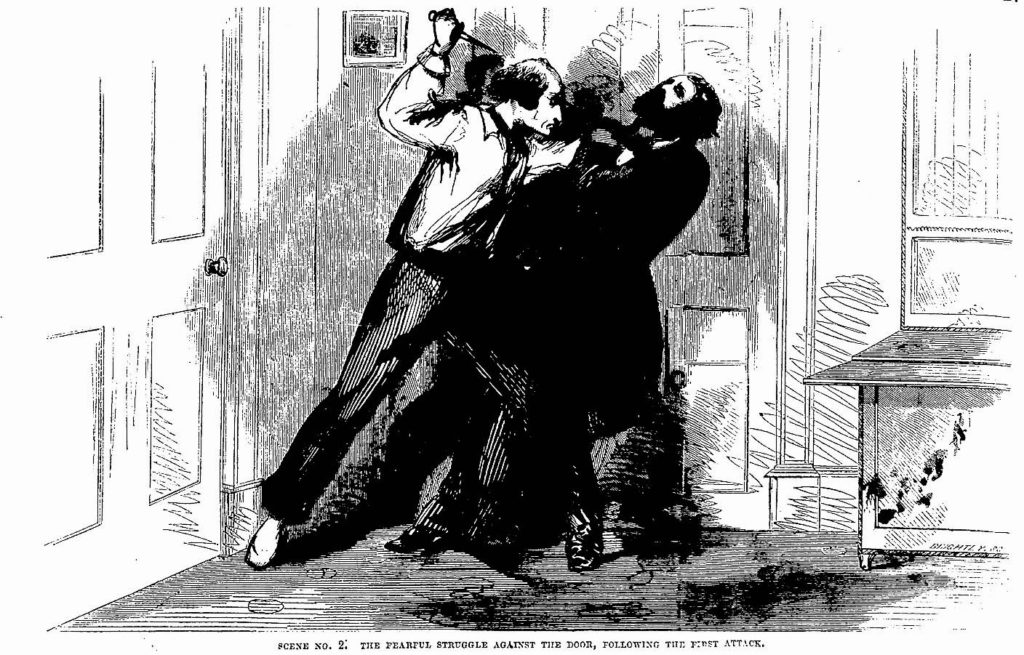
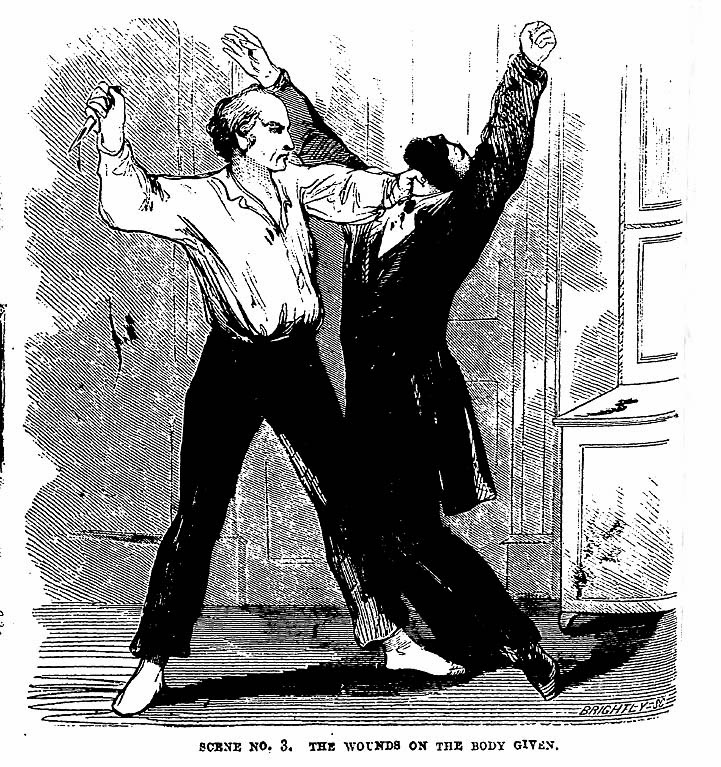
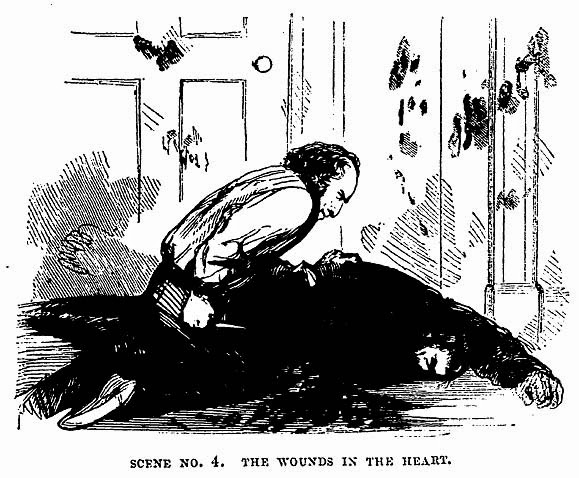
On January 31, 1857, a prominent dentist named Harvey Burdell was found brutally murdered — strangled, then stabbed 15 times — in his office and home and Bond Street, a once-trendy street between Broadway and the Bowery.

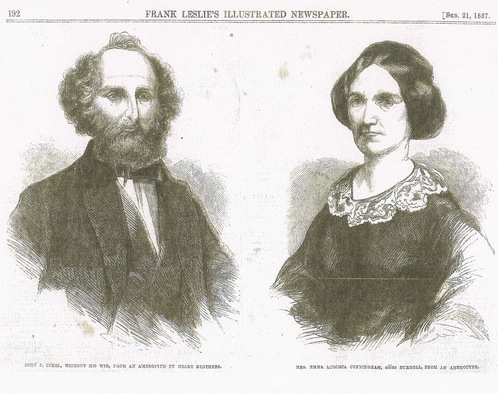
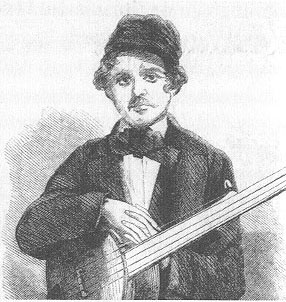
The suspects for this horrific crime populated the rooms of 31 Bond Street including Emma Cunningham, the former lover of Dr. Burdell and a woman with many secrets to hide; the boarder John Eckel with a curious fondness for canaries; and the banjo-playing George Snodgrass, whose personal obsessions may have evolved in depraved ways.

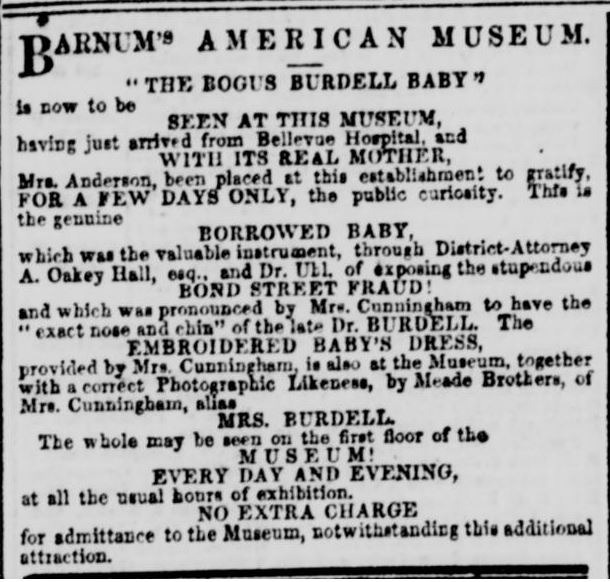
The mechanics of solving crime were much different in the mid 19th century than they are today, and the mysterious particulars of this investigation seem strange and even unacceptable to us today. A suspect would stand trial for Dr. Burdell’s death yet the shocking events which followed — including a sinister deception and a fake childbirth — would prove that truth is stranger than fiction.

Listen Here: Harvey Burdell Murder Podcast

___________________________________________________________

The Bowery Boys: New York City History podcast is brought to you …. by you!

We are now producing a new Bowery Boys podcast every other week. We’re also looking to improve the show in other ways and expand in other ways as well — through publishing, social media, live events and other forms of media. But we can only do this with your help!

We are now a member of Patreon, a patronage platform where you can support your favorite content creators for as little as a $1 a month.

Please visit our page on Patreon and watch a short video of us recording the show and talking about our expansion plans. If you’d like to help out, there are five different pledge levels (and with clever names too — Mannahatta, New Amsterdam, Five Points, Gilded Age, Jazz Age and Empire State). Check them out and consider being a sponsor.

And join us for the next episode of the Bowery Boys Movie Club, an exclusive podcast provided to our supporters on Patreon. This month’s selection — Ghostbusters!

We greatly appreciate our listeners and readers and thank you for joining us on this journey so far.

__________________________________________________________

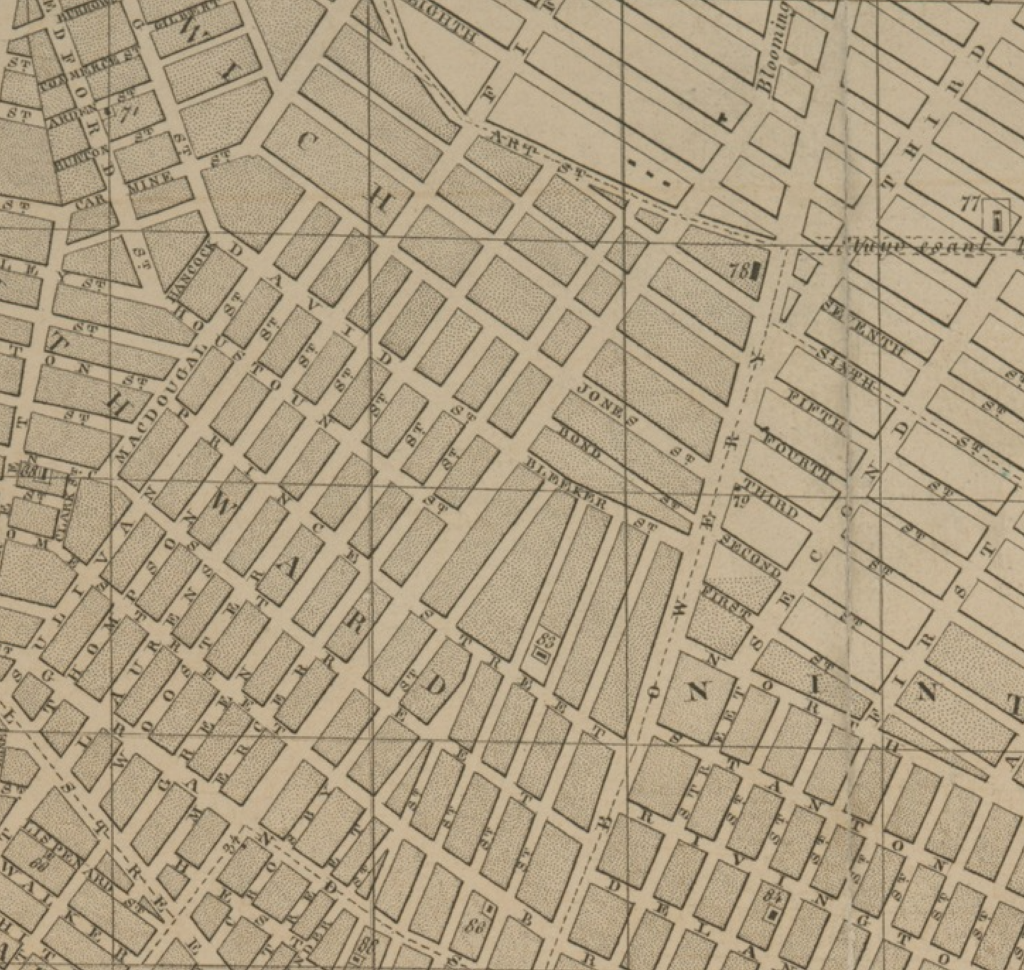
A look at Bond Street and the surrounding blocks in 1828. Lafayette Street/Lafayette Place did not yet exist then. In fact, Houston Street stops at Broadway. East of the Bowery runs North Street (which would be renamed Houston Street when it was extended through the block.) Great Jones Street is listed only as Jones Street here, and streets with names like David Street and Art Street also appear.

New York Public Library
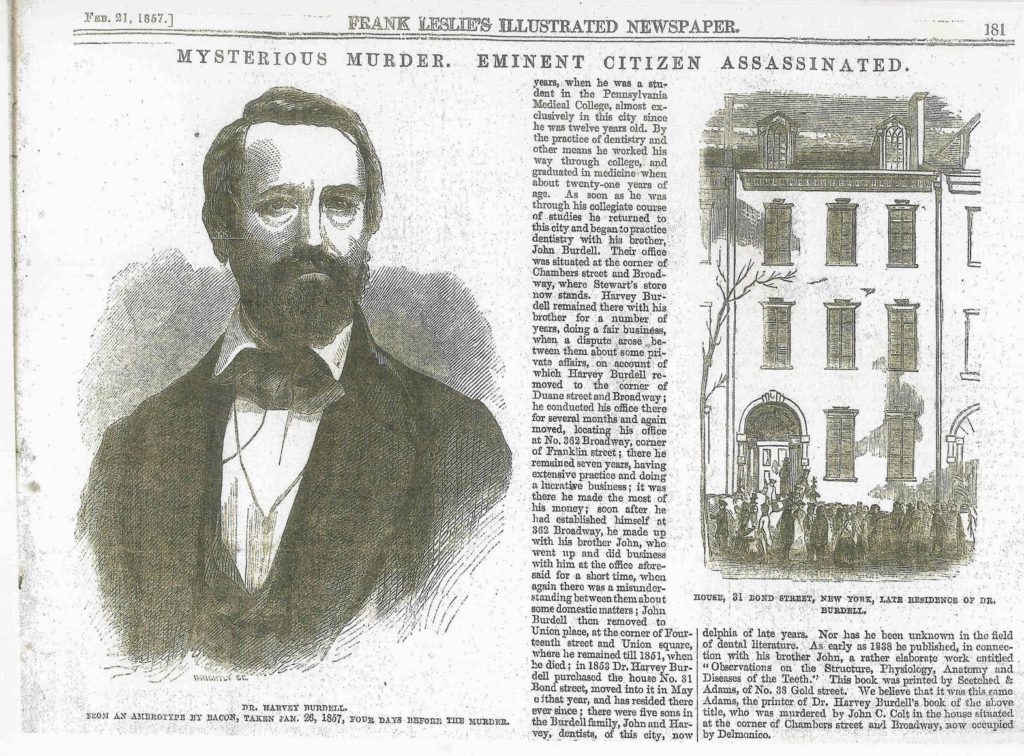
Dr. Harvey Burdell and 31 Bond Street, Leslie’s Illustrated Newspaper, Feb. 21, 1857 via Off the Grid

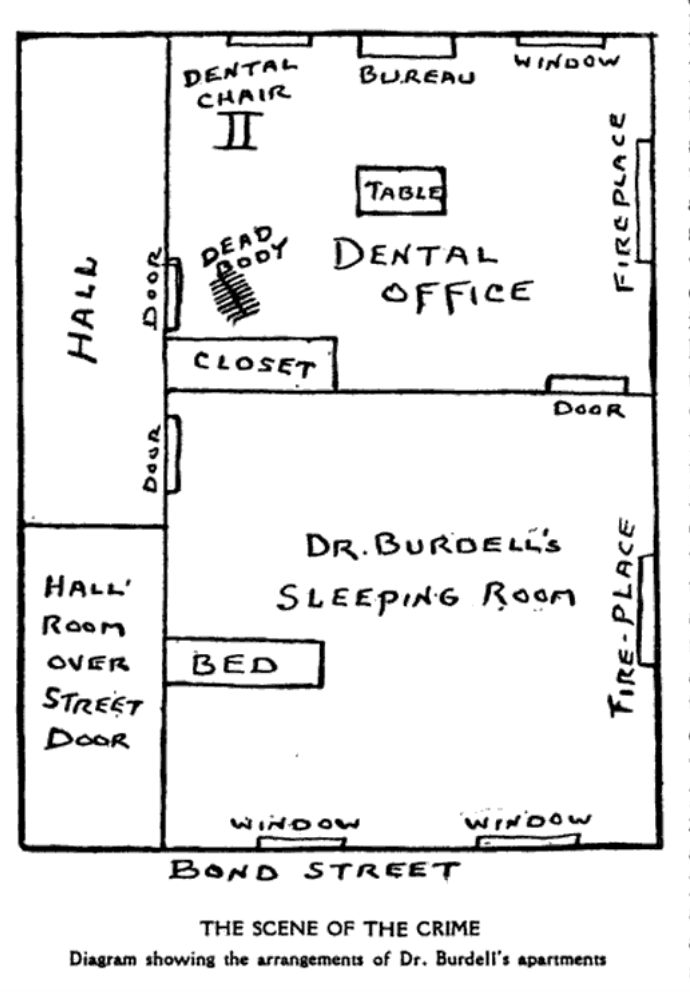
The layout of the murder scene on the second floor of 31 Bond Street

The Era Magazine, 1904

Images below are from Frank Leslie’s Illustrated Newspaper, Harper’s Weekly and other contemporary publications from 1857.

John Eckel, Emma Cunningham and George Snodgrass

An advertisement for the ‘bogus Burdell baby’, displayed at Barnum’s American Museum:

Via Strange Company blog

FURTHER READING

Butchery On Bond Street: Sexual Politics and the Burdell-Cunningham Case in Ante-Bellum New York by Benjamin Feldman — the definitive narrative of this crime story from 2007

Evil Emma, Down Mexico Way by Benjamin Feldman — a sequel of sorts, following the strange circumstances of Emma Cunningham’s time in Baja, California

31 Bond Street: A Novel by Ellen Horan — a fictionalized retelling of the story

FURTHER LISTENING

A few other murder mysteries in our back catalog that might interest you:

Categories
Pop Culture

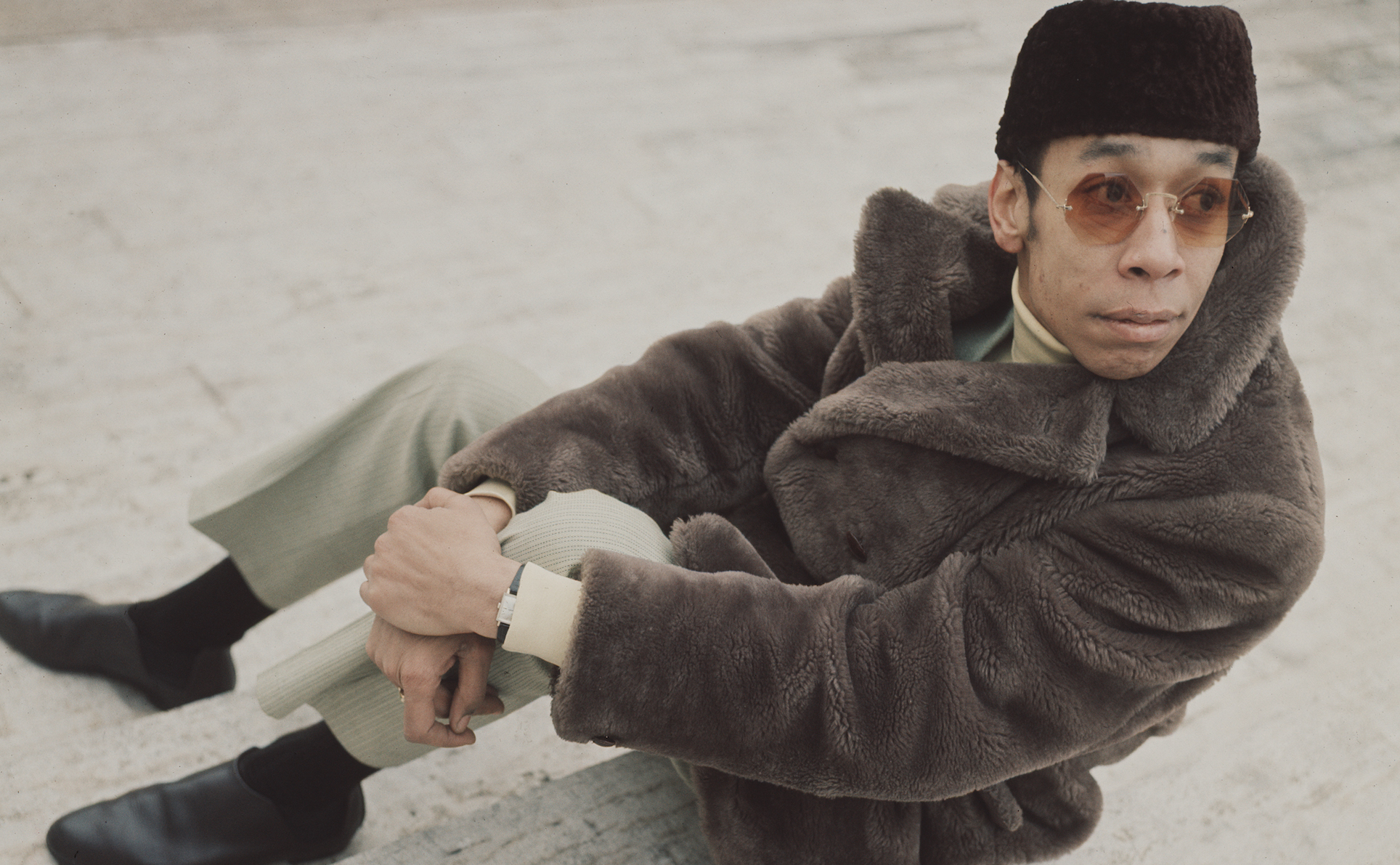
I Called Him Morgan: The Murder of a Jazz Star in wintry 1970s New York

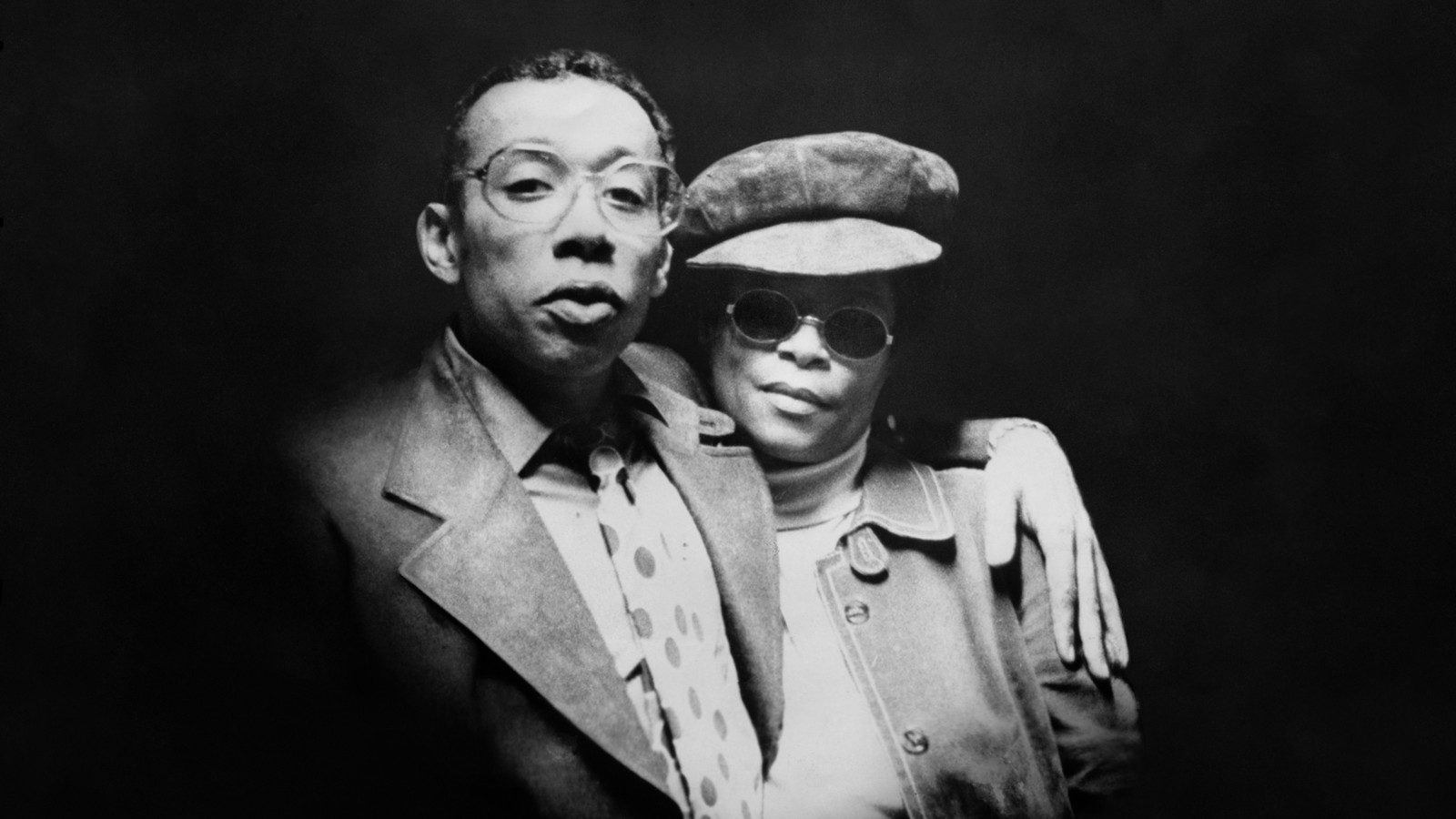
It was during one of those terrible February nights — blizzard winds with the streets packed tight with snow — at a jazz club in the East Village named Slug’s Saloon, packed with people haloed in cigarette smoke, that a woman named Helen Morgan walked up to one of the performers, her common-law husband, a rising jazz trumpeter named Lee Morgan, and shot him dead.

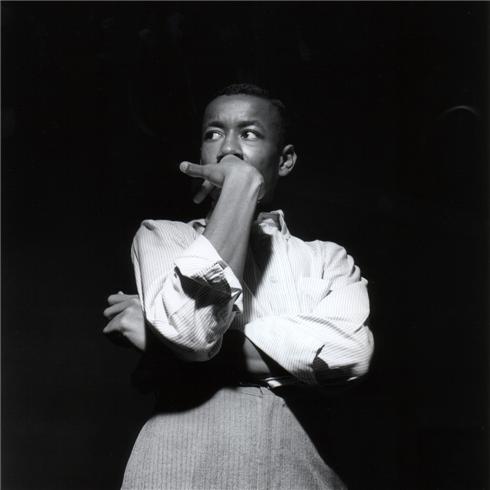
This tragedy had entered into jazz music mythology. Lee Morgan was a prodigy Blue Note Records recording star of the late 1950s and ’60s who was very nearly waylaid by heroin addiction. But by the early 1970s he was clean. And that was because of Helen.

So why did she kill him?

The new documentary I Called Him Morgan, directed by Kasper Collin, is a tranquil and lyrical retelling of Morgan’s bright, brief career and the influences that led to his redemption and death. It also shows off a cool, raw backdrop of 1960s New York grit and shadow, rendered not from acres of stock footage (although there is some) but from abstract re-creation and creative editing. The film itself is very much like a tune Lee Morgan himself would have played.

The film’s driving force is a cassette tape. In the 1990s, Helen Morgan, long released from prison, enrolled in an adult education class in Wilmington, NC, where she met jazz aficionado and former radio host Larry Reni Thomas. Familiar with Morgan’s story, he asked if he could interview her and record the session on cassette tape. She died the following month.

A music documentarian could not dream of a better plot device. Helen talks about her life and her first meeting with the young, impressionable jazz star at her apartment on West 53rd Street, near the legendary Birdland jazz club.

They were an unusual pair — she was older and streetwise, he was an adorable ball of energy and creativity — but they clicked, for a time. She even managed to get him back on his feet after a stint with heroin addiction.

Kasper Collin Produktion AB / Courtesy of the Afro-American Newspaper Archives and Research Center

Helen exists in the film only in a few fleeting photographs. She hated getting her picture taken, and in those that exist, she never looks thrilled. Lee Morgan, however, comes alive in archival footage and black-and-white photographs. Yet we hear her voice and never his — only through his forceful and vibrant music, sounding as crisp and present in the film as though it were being heard live.

The film’s dreamlike, filtered quality pairs exquisitely with the music, creating a tight-focused look at New York and the Lower East Side in particular. Slug’s Saloon was at 242 East 3rd Street, between Avenue B and C, and the entire street, clogged with snow, is shot with grainy foreboding.

Morgan’s musician friends avoided walking the street after his death; the club closed many months later. This may be a street you’ve lithely walked down many times in the past. After watching I Called Him Morgan, you may feel a sense of gloom the next time you walk past.

I CALLED HIM MORGAN
Directed by Kaspar Collin

In theaters now — Playing at the Metrograph and Lincoln Center in New York City this week

Check your local listings for showtimes and visit the website for screening dates


Top image courtesy Kasper Collin Produktion AB / Francis Wolff © Mosaic Images LLC


Categories
Mysterious Stories Podcasts

Who Murdered Helen Jewett? A horrible crime exposes New York’s darkest secret

PODCAST The story of a brutal murder in a New York brothel and the prime suspect’s controversial trial which captivated Americans in the 1830s.

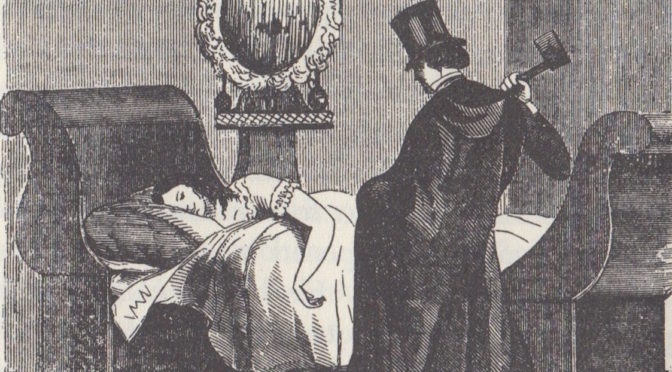
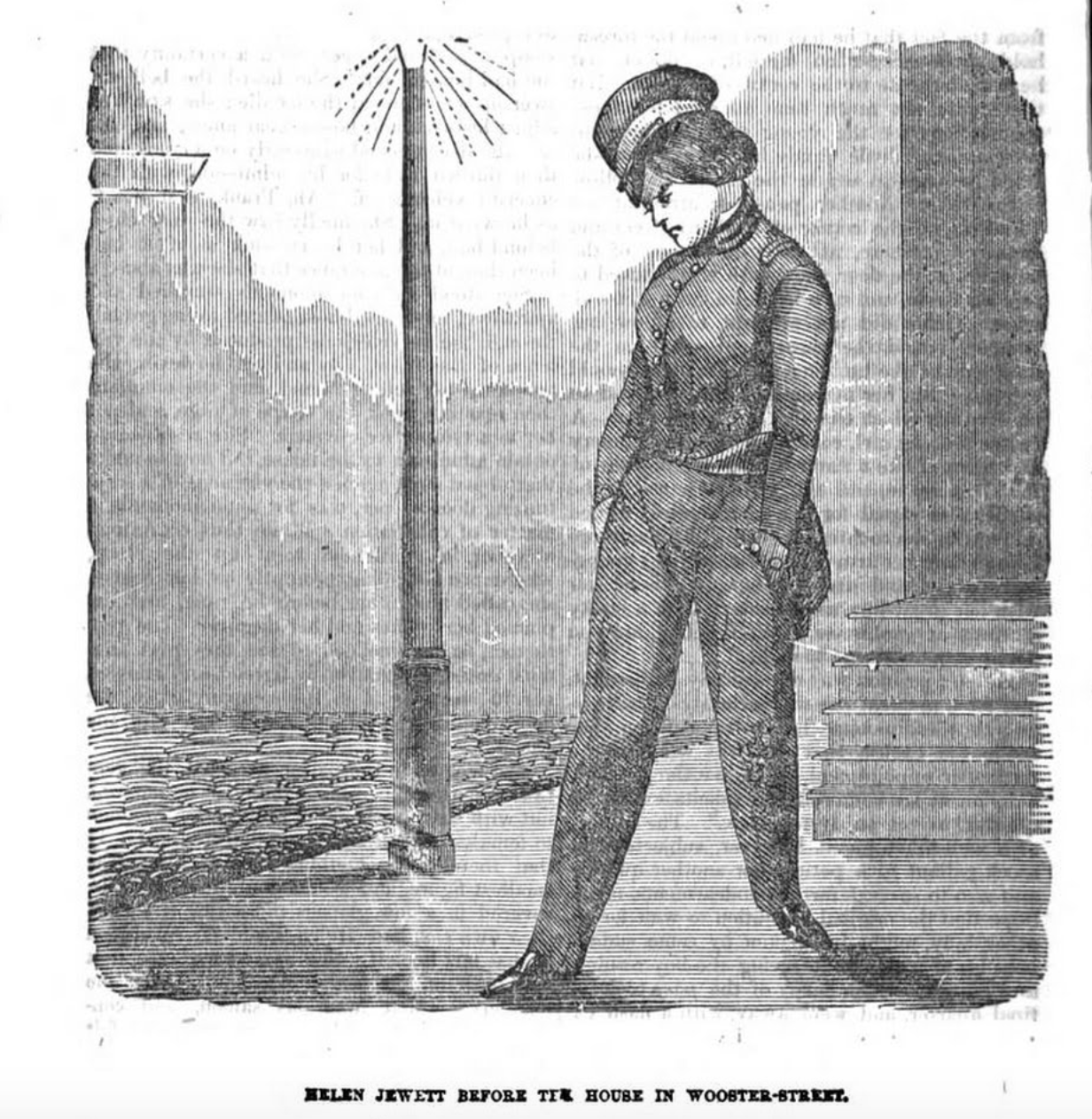
In the spring of 1836, a young woman named Helen Jewett was brutally murdered with a hatchet in a townhouse brothel on Thomas Street, just a few blocks northwest from New York City Hall.

[geo_mashup_map]

This was not a normal crime. Helen was a prostitute of great beauty and considerable intelligence, making her living in a rapidly transforming city. Among her client list were presentable gentlemen and rowdy young men alike — their kind fueling the rise of illicit pleasures throughout New York City in the 1830s.

This was the era of the sporting man. Young single men with a little change in their pocket hit the streets of New York after dark, looking for a good time. For some single young women struggling to survive, the sex industry — from the ‘high end’ brothels to the grimy upper tiers of the theater — allowed them to live comfortable, if secretive, lives. But it placed many in great danger.

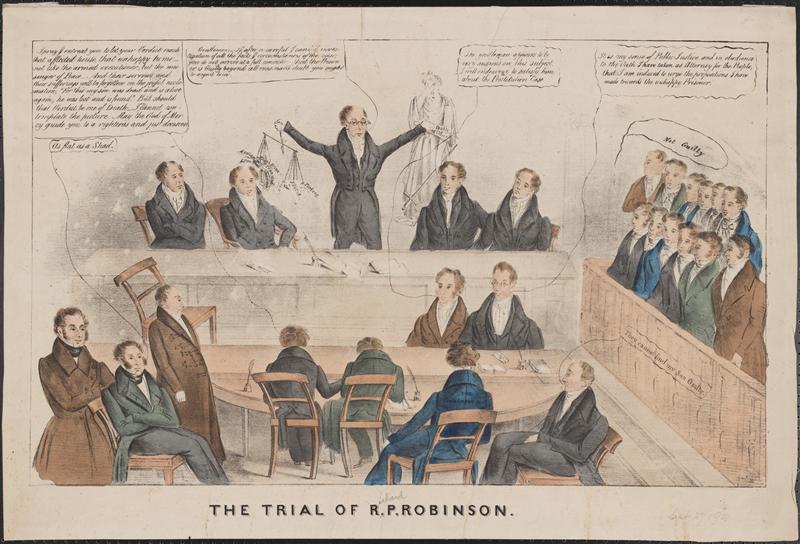
The prime suspect for Helen’s murder was a young Connecticut man named Richard P. Robinson who worked at a respectable New York firm. His trial would captivate New Yorkers and even interest newspaper readers around the country. But would justice be served?

ALSO: Find out how this incident helped shape the nature of American journalism itself.

PLUS: Meet more than one person named Ogden!

LISTEN HERE:

___________________________________________________________________________

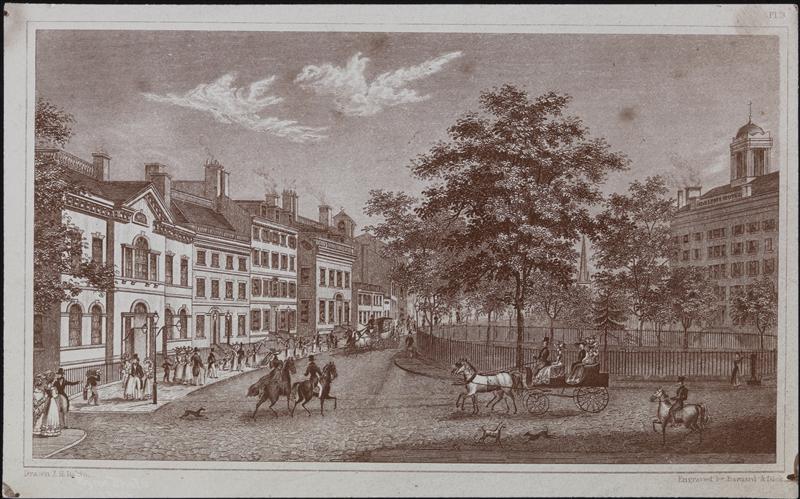
New York City in 1830 — at Broadway and Bowling Green. The area just northeast of here would be ravaged by the Great Fire of 1835.

MCNY

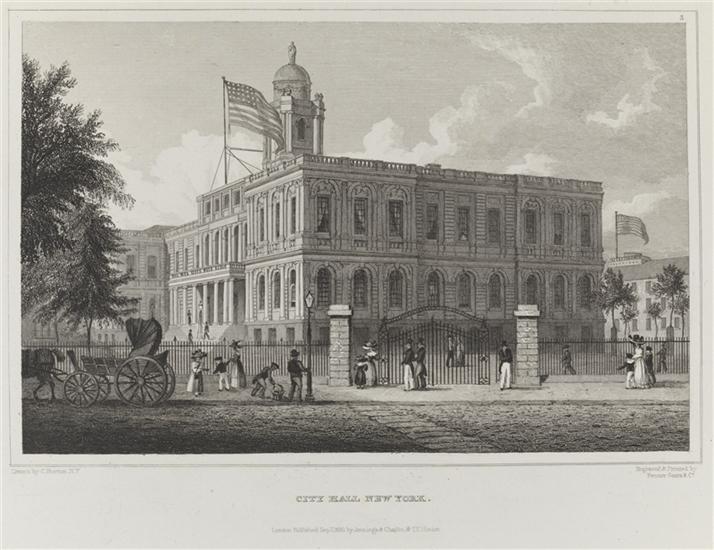
New York City Hall has it looked in 1830. The events of this story take place just a couple blocks to the north west of here!

MCNY

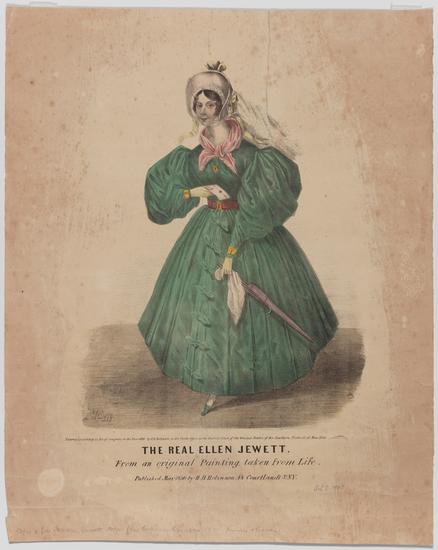
The beautiful Helen Jewett (or Ellen Jewett), “from an original painting taken from life.”

From an original Painting taken from Life. Published May 1836, by H. R. Robinson, 48 Courtlandt St. N.

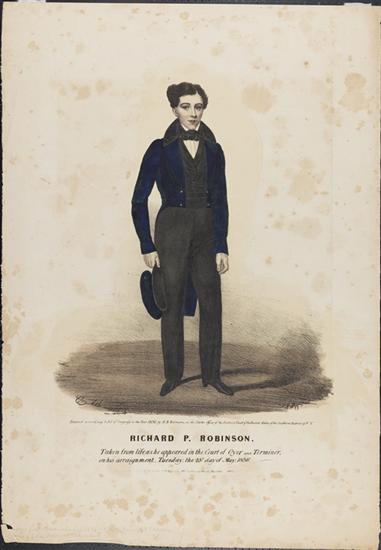
The prime suspect Richard Robinson, in his wig:

Taken from life as he appeared in the Court of Oyer and Terminer, on his arraignment, Tuesday, the 25th day of May, 1836. Entered according to Act of Congress in the Year 1836, by H.R. Robinson, in the Clerk’s Office of the District Court of the United States of the Southern District of N.Y

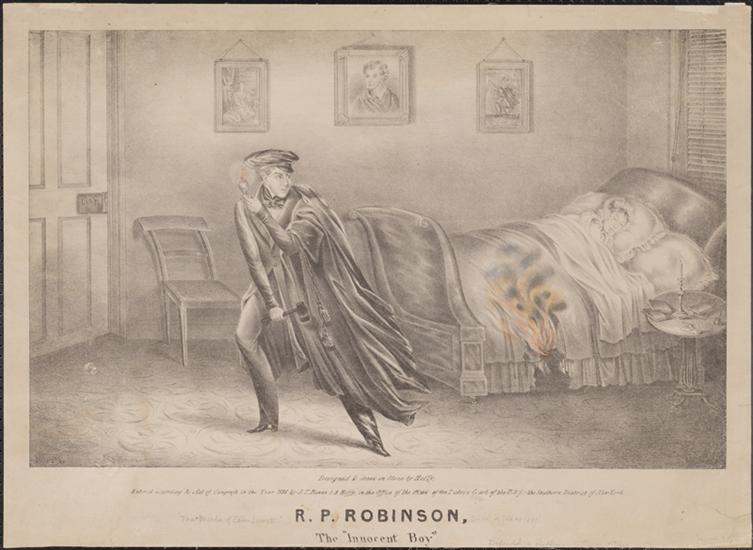
Much of the extant imagery produced following the trial was obviously highly critical of Robinson, mocking him as ‘an innocent boy’, a phrase which was used during the trial.

Courtesy MCNY; Alfred M. Hoffy (1790-1860)
John T. Bowen (ca. 1801-1856? )
DATE:1836
Designed & drawn on Stone by Hoffy. Entered according to Act of Congress in the year 1836 by J. T. Bowen & A. Hoffy, in the Office of the Clerk of the District Court of the U.S. for the Southern District of New – York
MCNY

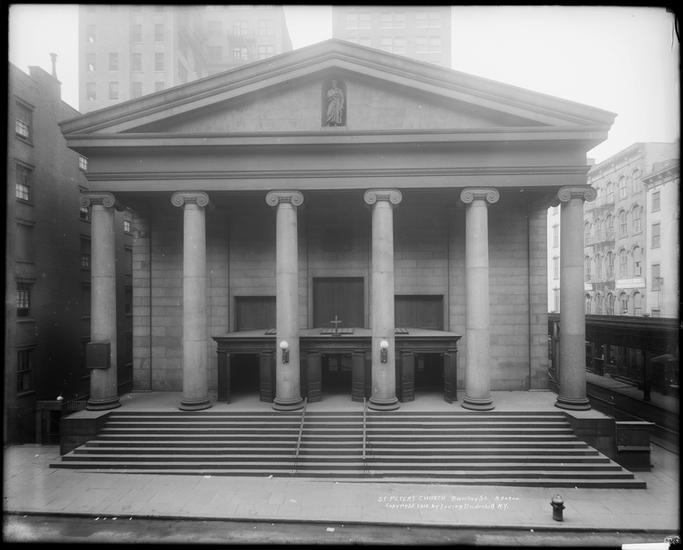
One of the oldest existing buildings in the Tribeca/upper WTC district is St. Peter’s Church — seen here in a 1916 photograph — which began construction (to replace an older building) in 1836, the year of Helen Jewett’s murder. It sits in the region of the old prostitution district known as ‘the Holy Ground’.

MCNY

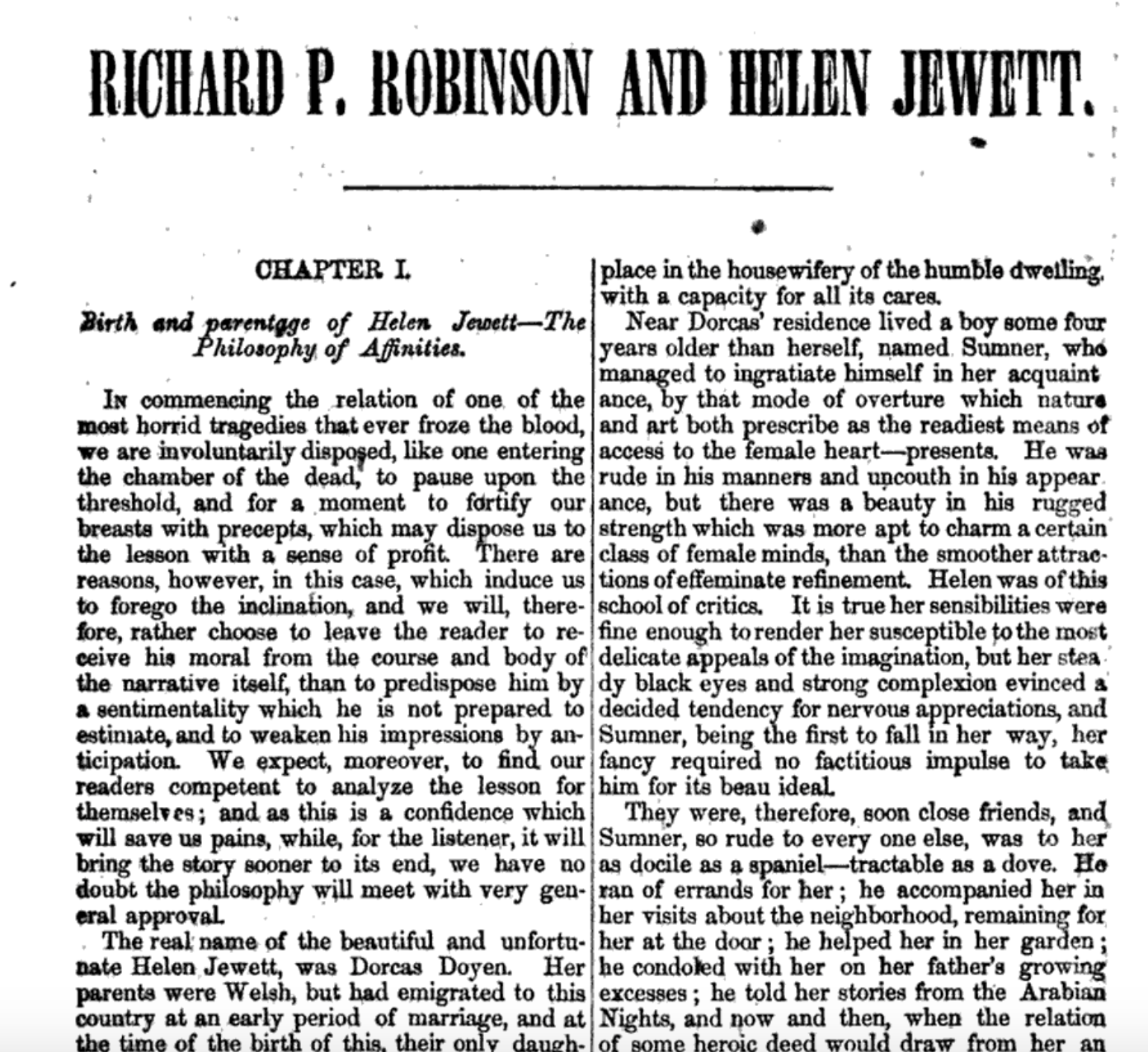
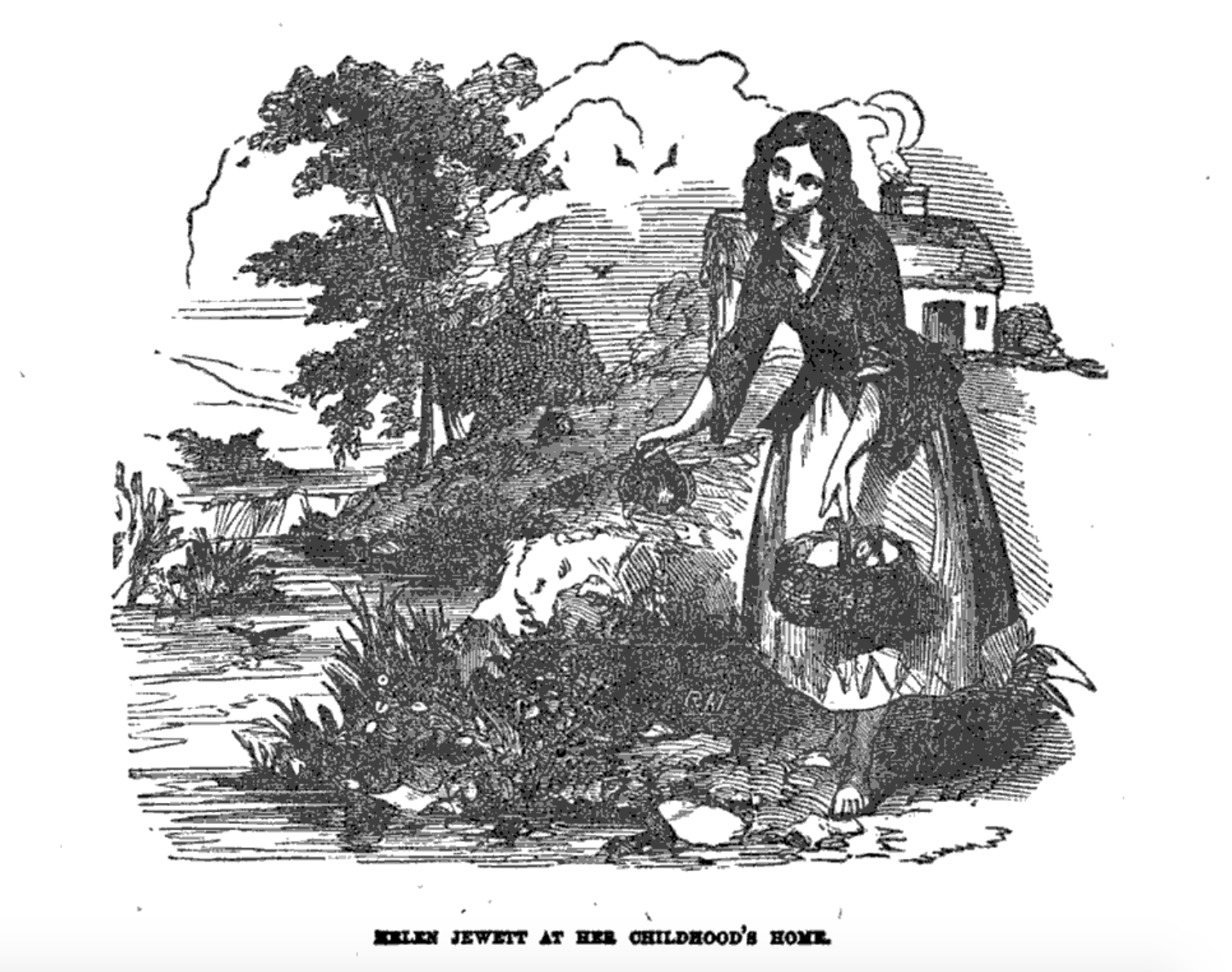
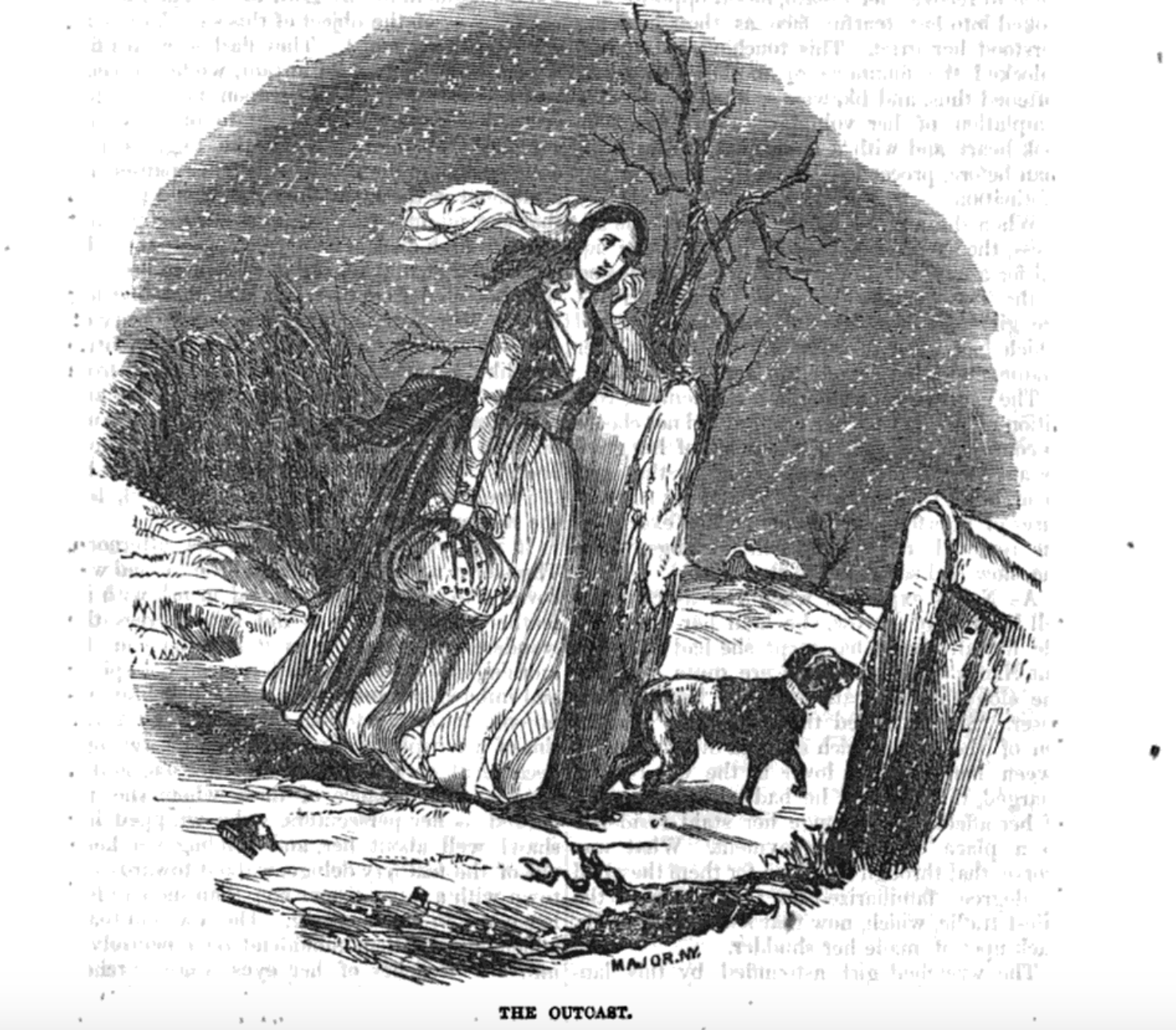
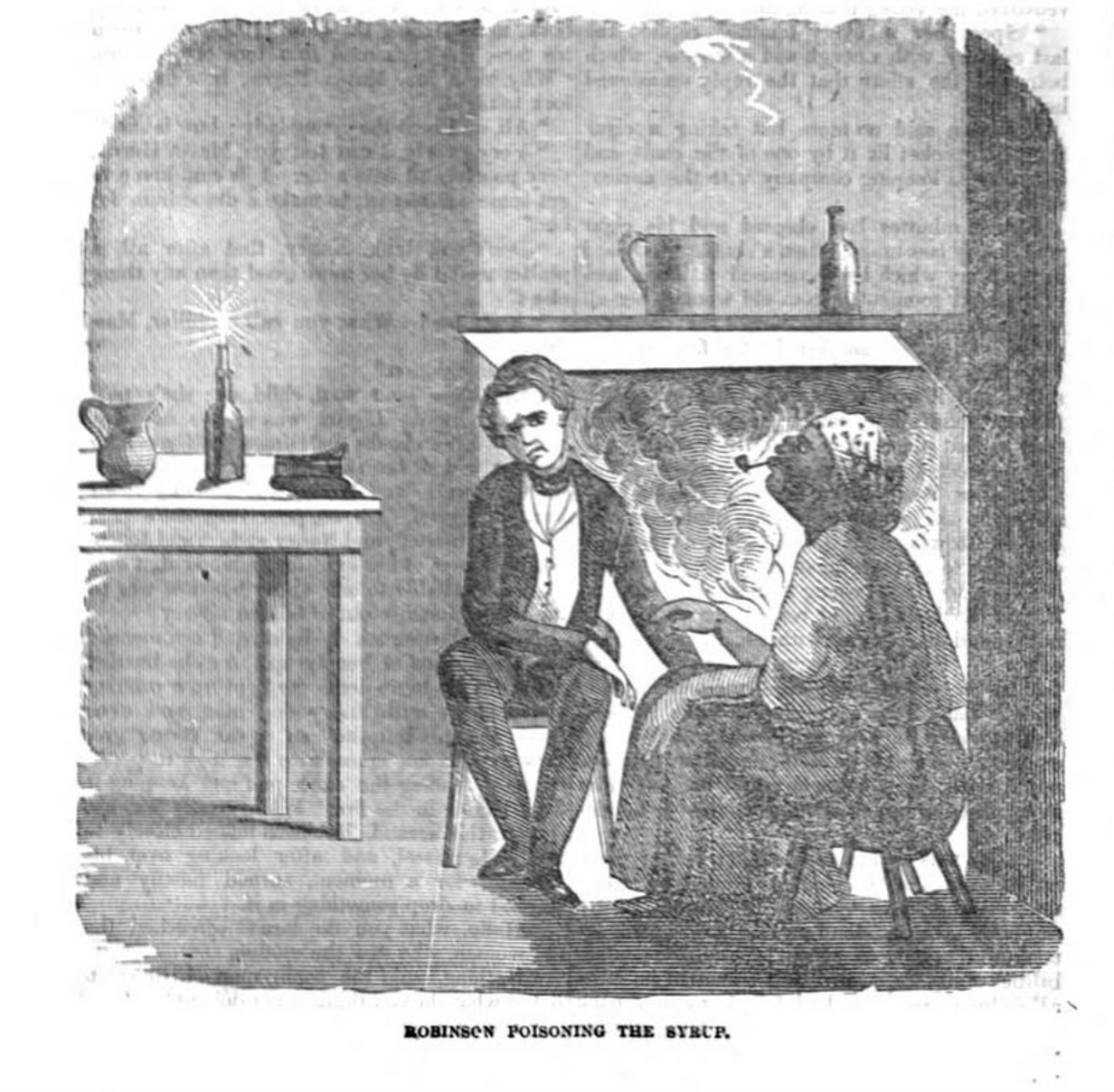
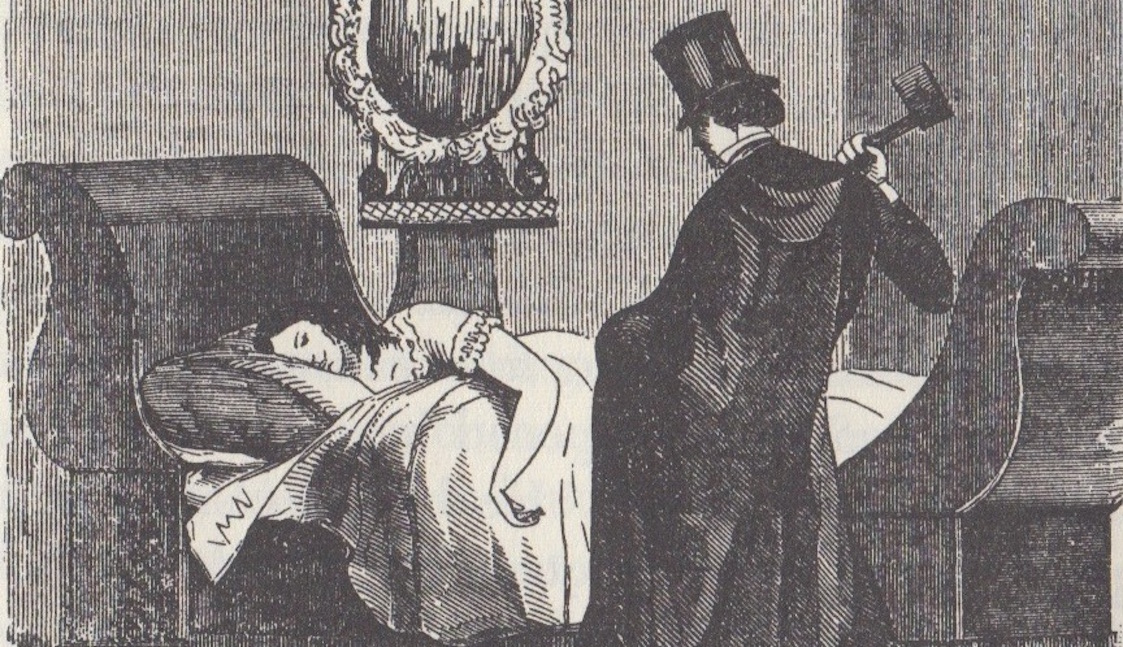
Some images from the Life of Helen Jewett, one of several pamphlets which came out after the trial, dramatizing the lives of Jewett and Robinson. Most of the tale was fabricated for dramatic purposes.

Categories
Gilded Age New York Podcasts

The Murder of Stanford White

PODCAST The tale behind the brutal murder of renown architect Stanford White on the roof garden of Madison Square Garden, the building that was one of his greatest achievements.

On the evening of June 25, 1906, during a performance of Mam’zelle Champagne on the rooftop of Madison Square Garden, the architect Stanford White was brutally murdered by Harry Kendall Thaw. The renown of White’s professional career — he was one of New York’s leading social figures — and the public nature of the assassination led newspapers to call it the Crime of the Century. But many of the most shocking details would only be revealed in a courtroom, exposing the sexual and moral perversities of some of the city’s wealthiest citizens.

White, as a member of the prestigious firm McKim, Meade and White, was responsible for some of New York’s most iconic structures including Pennsylvania Station, the Washington Square Arch and Madison Square Garden, where he was slain. But his gracious public persona disguised a personal taste for young chorus girls, often seduced at his 24th Street studio, famed for its ‘red velvet swing’.

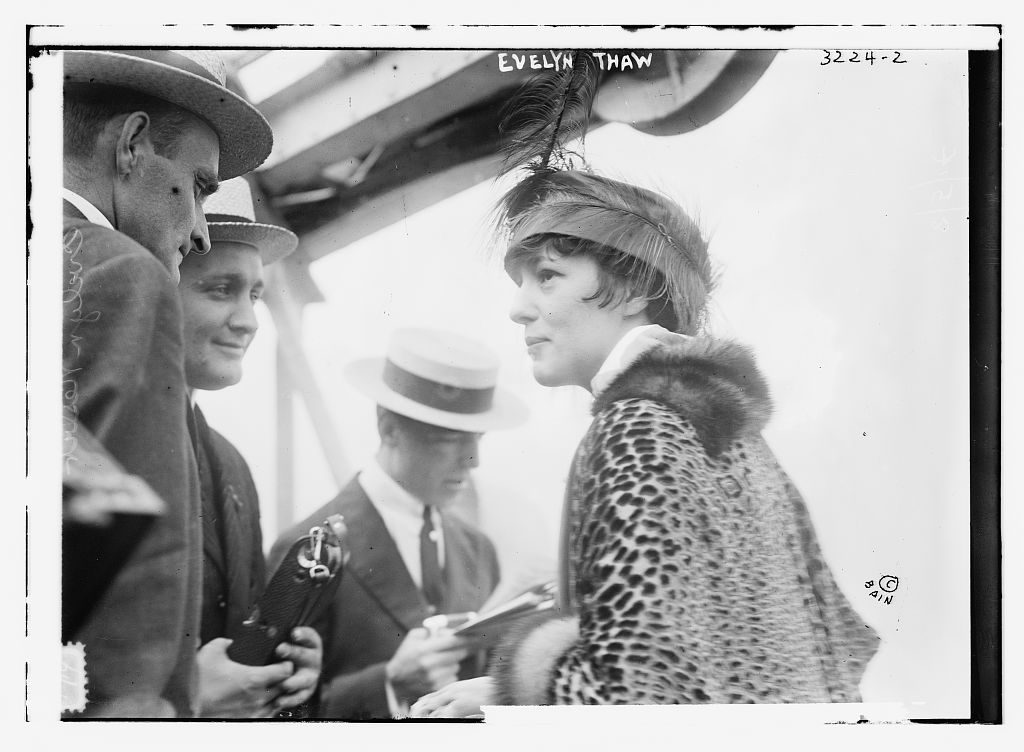
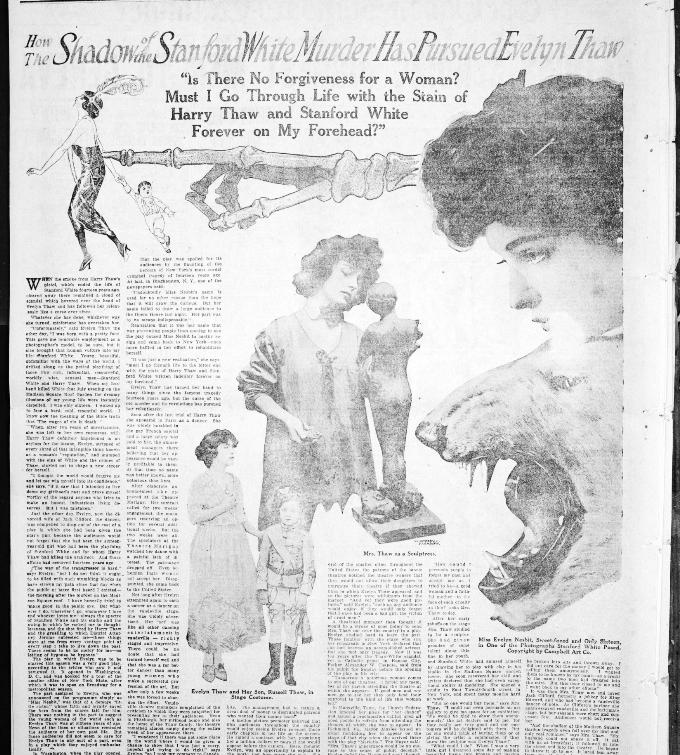
Evelyn Nesbit was only a teenager when she became a popular artist’s model and a cast member in Broadway’s hottest musical comedy. White wooed her with the trappings of luxury and subsequently took advantage of her. The wealthy playboy Harry Thaw also fell for Nesbit — and grew insanely jealous of White. Soon his hatred would envelop him, leading to the unfortunate events of that tragic summer night.


The Bowery Boys: New York City History podcast is brought to you …. by you!

We are now producing a new Bowery Boys podcast every two weeks. We’re also looking to improve the show in other ways and expand in other ways as well — through publishing, social media, live events and other forms of media. But we can only do this with your help!

We are now a member of Patreon, a patronage platform where you can support your favorite content creators for as little as a $1 a month.

Please visit our page on Patreon and watch a short video of us recording the show and talking about our expansion plans. If you’d like to help out, there are five different pledge levels (and with clever names too — Mannahatta, New Amsterdam, Five Points, Gilded Age, Jazz Age and Empire State). Check them out and consider being a sponsor.

We greatly appreciate our listeners and readers and thank you for joining us on this journey so far. And the best is yet to come!


THE UNFORTUNATE TRIO

Stanford White

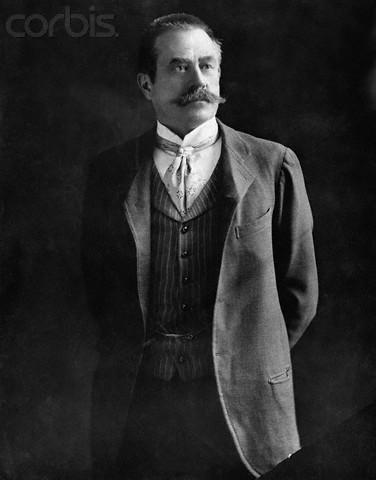
White as a young man (with an enormous mustache!)

9

Stanford White — date unknown but presumed to be 1906, the year he died.

stanford_white_012

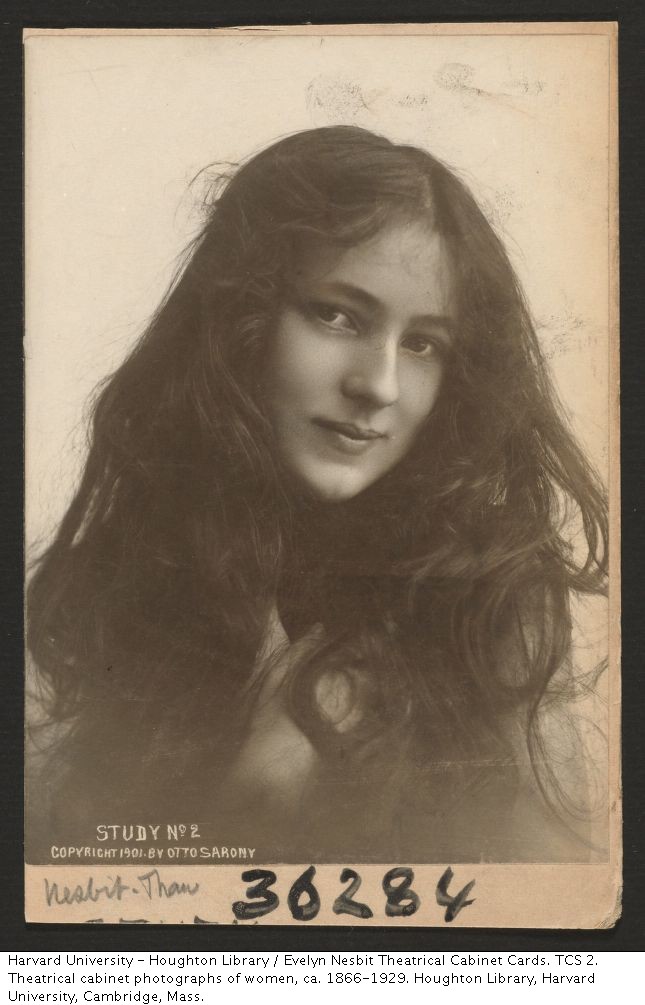
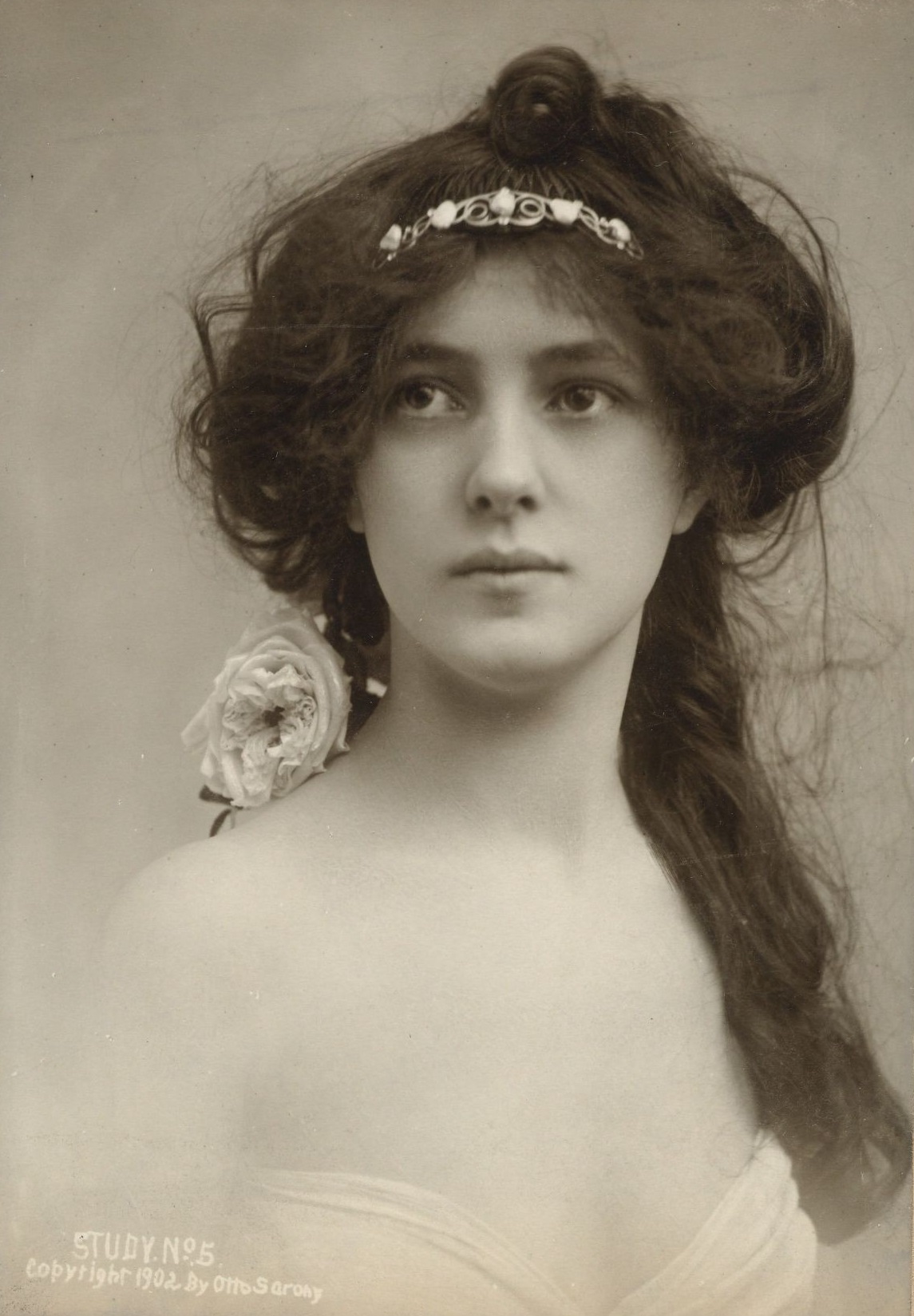
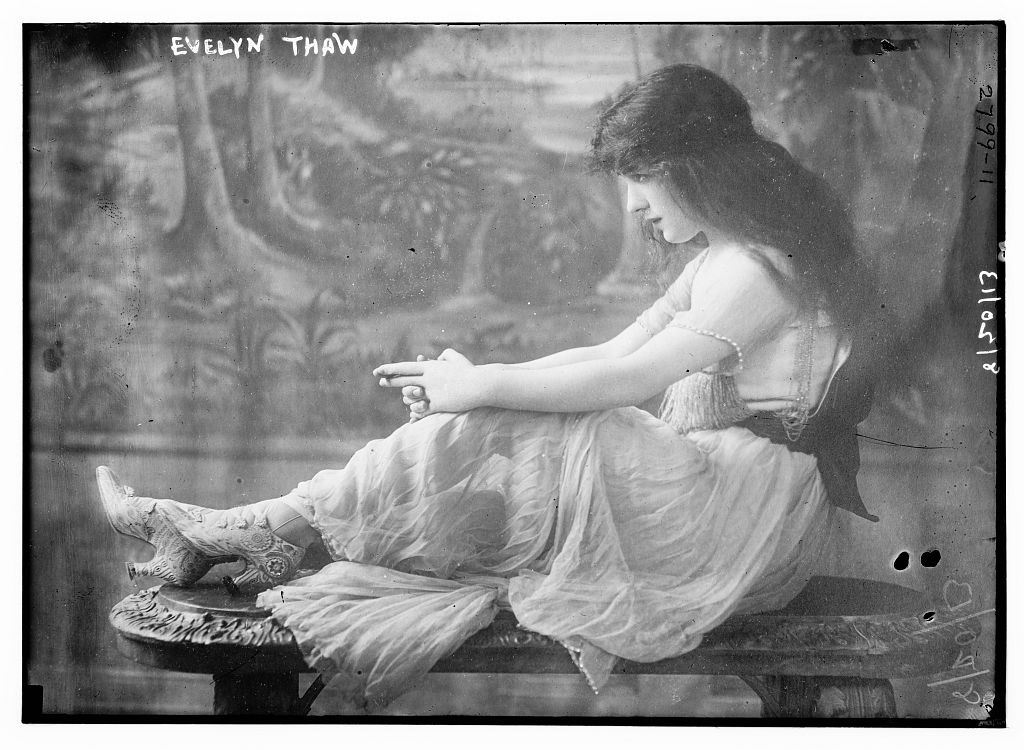
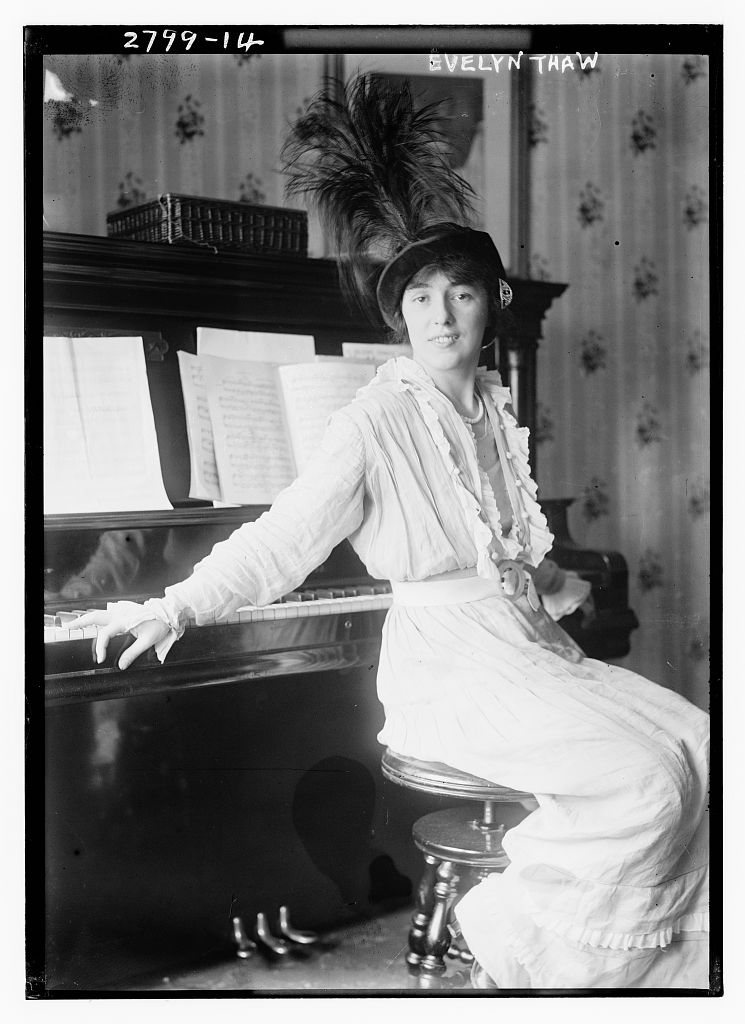
Evelyn Nesbit

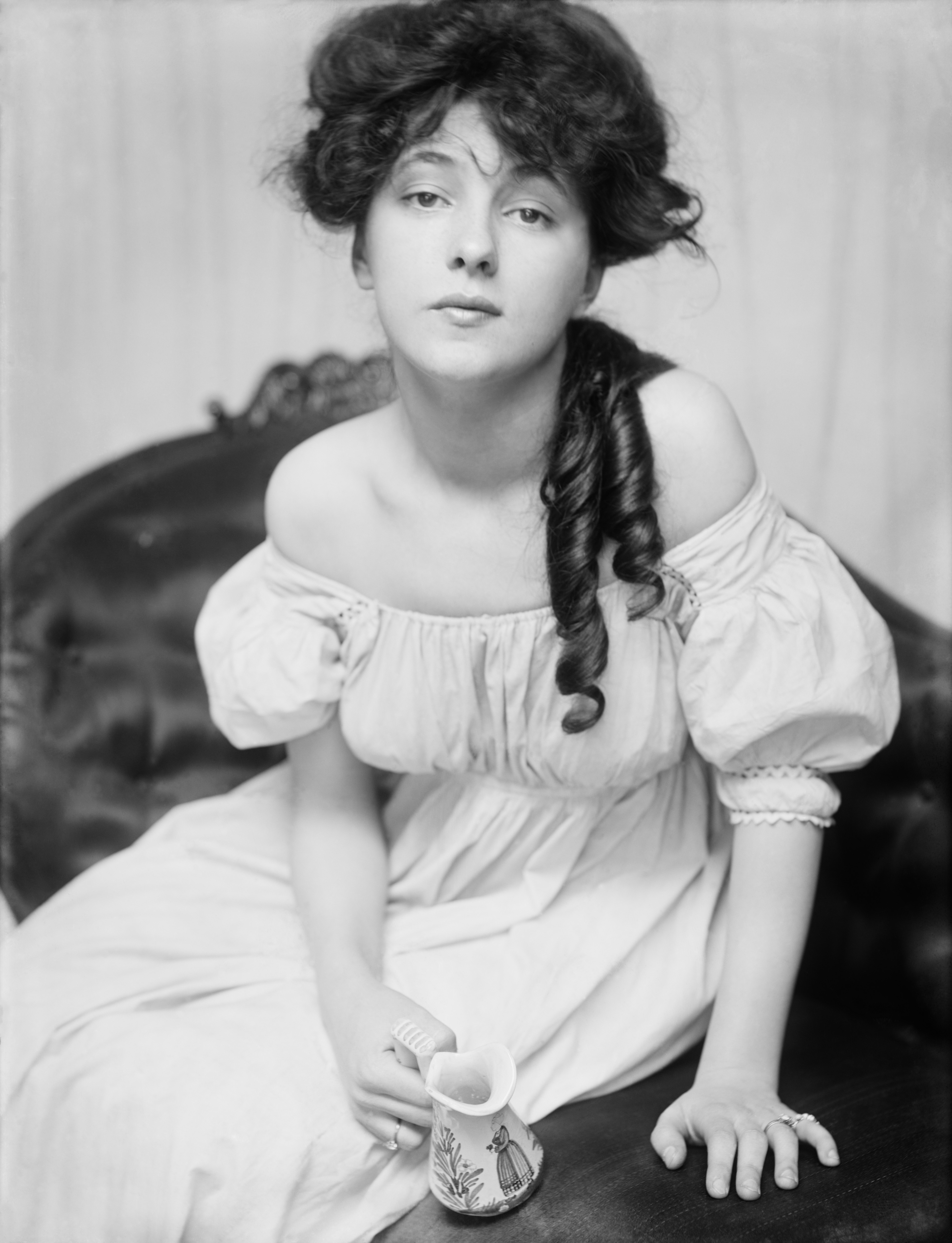
Evelyn in 1900, photo taken by Gertrude Käsebier.

Library of Congress
Library of Congress

A 1901 theatrical card (possibly for Floradora?) taken by Otto Sarony

Harvard University - Houghton Library
Harvard University – Houghton Library

Evelyn in 1902, photo taken by Otto Sarony

Harvard Theatre Collection, Houghton Library, Harvard University

The following photographs of Evelyn Nesbit were taken in 1913. She would be divorced from Harry Thaw in less than two years.

1
Library of Congress
Library of Congress
Library of Congress
Library of Congress
Library of Congress

From the Ogden Standard-Examiner, November 14, 1920

ogden

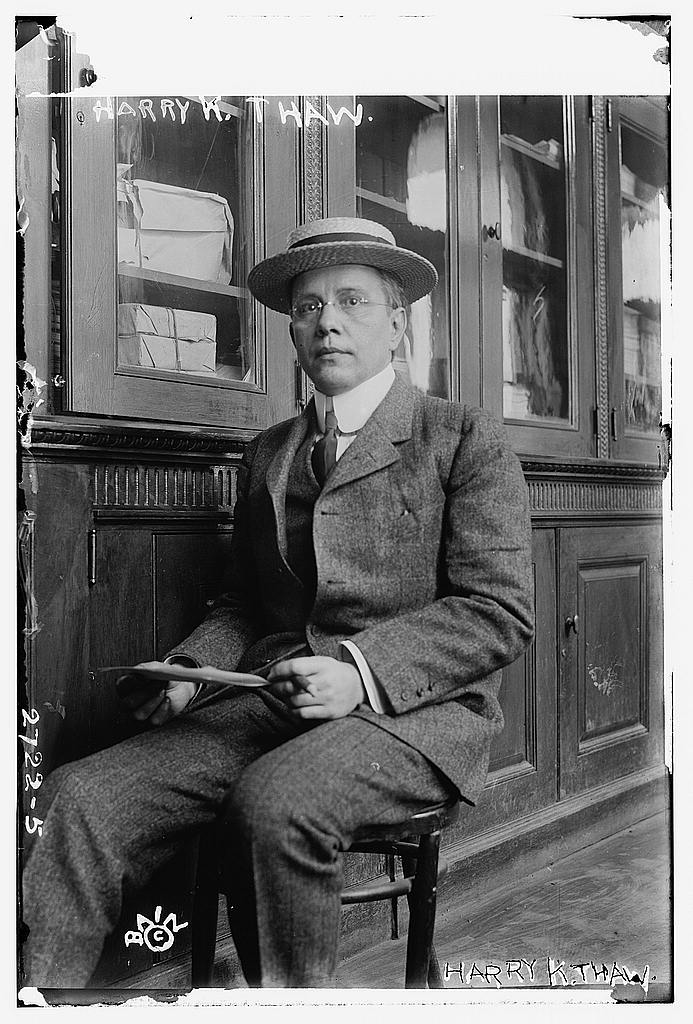
Harry Kendall Thaw

14

Thaw in 1910

jail

in September 1913, Thaw escaped from the institution to Canada. He was eventually captured and brought back to the states. Here he is in New Hampshire, awaiting transportation back to Matteawan.

Library of Congress
Library of Congress

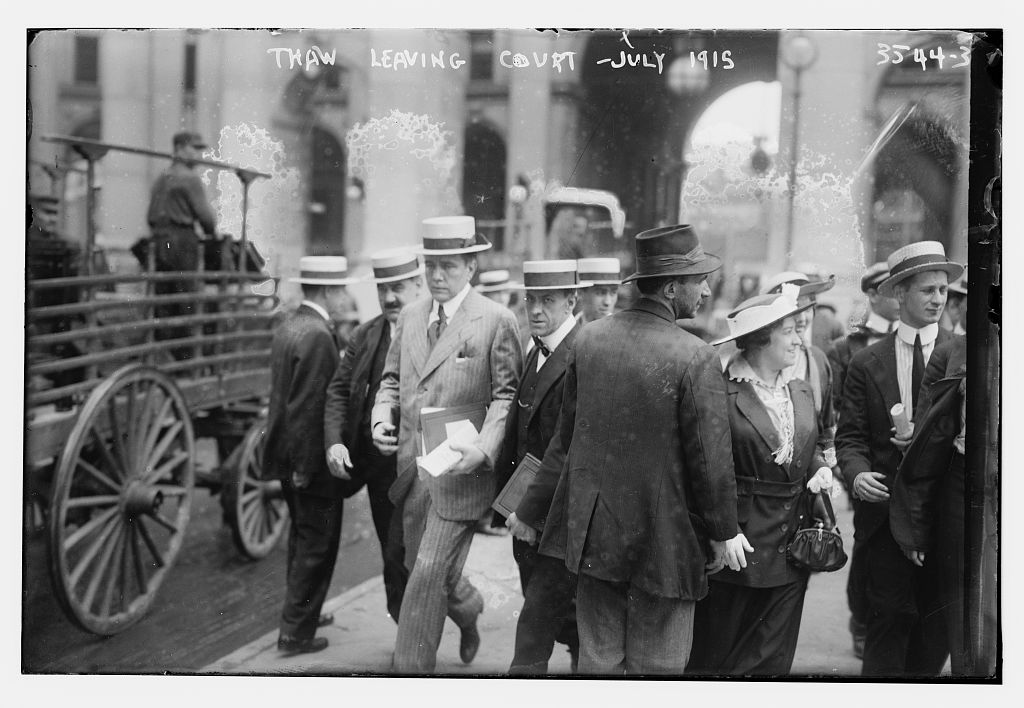
Thaw leaving court in July 1915 after he was declared mentally sane.

Library of Congress
Library of Congress

SCENE OF THE CRIME

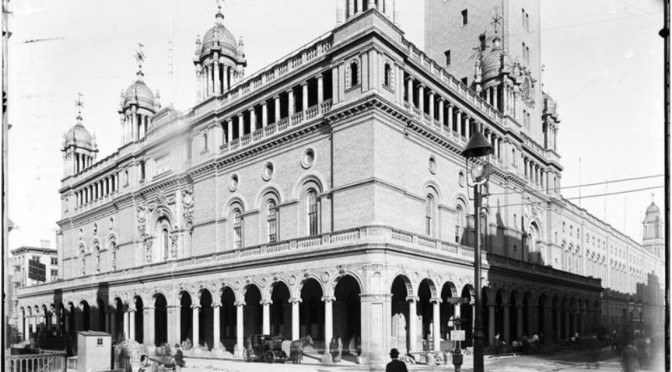
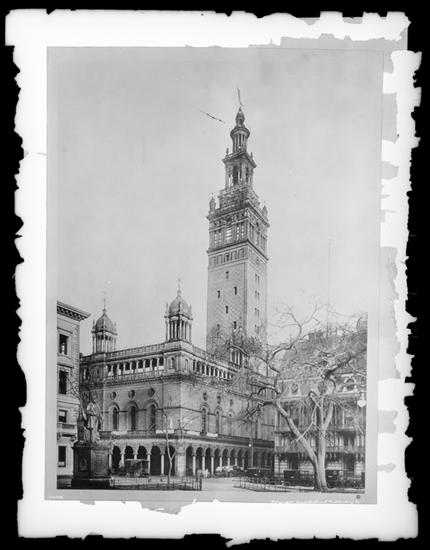
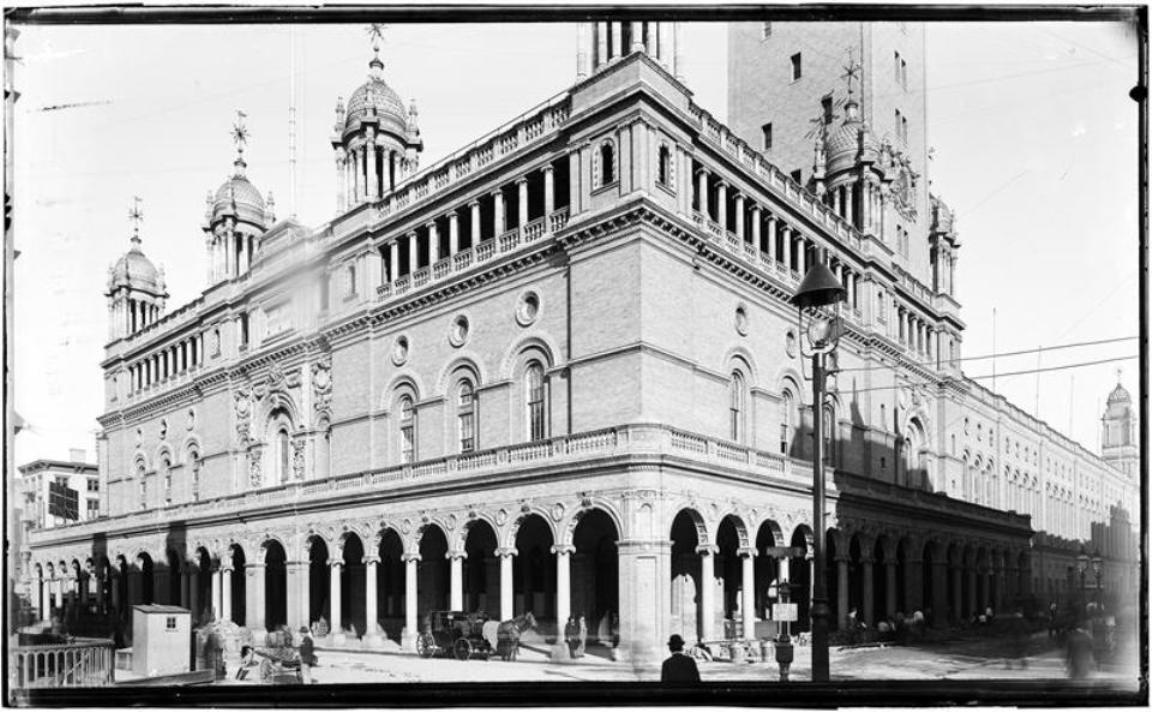
Madison Square Garden, taken in 1905 from inside the park

Museum of the City of New York

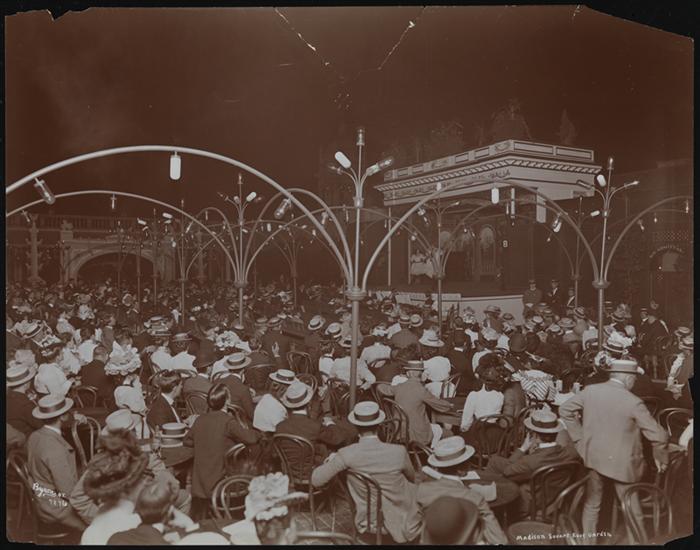
The rooftop theater at Madison Square Garden, pictured here circa 1900

Courtesy the Museum of the City of New York

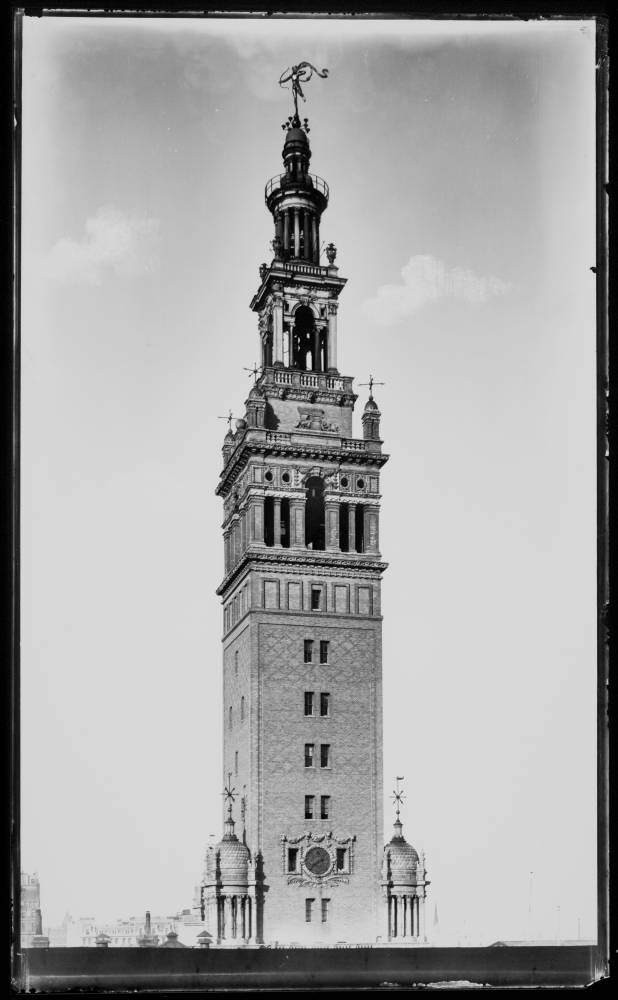
The tower at Madison Square Garden, topped with the scandalous Diana weather vane.

Courtesy George Eastman House

OTHER SETTINGS

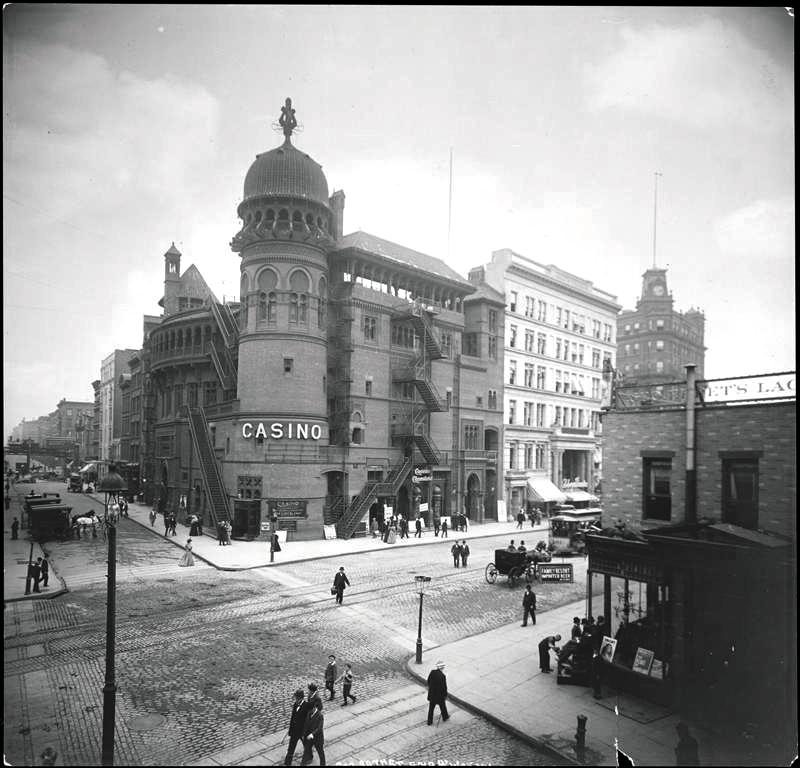
The Casino Theatre, home of the show Florodora, where Evelyn Nesbit was featured, despite her young age

casino theater 1896

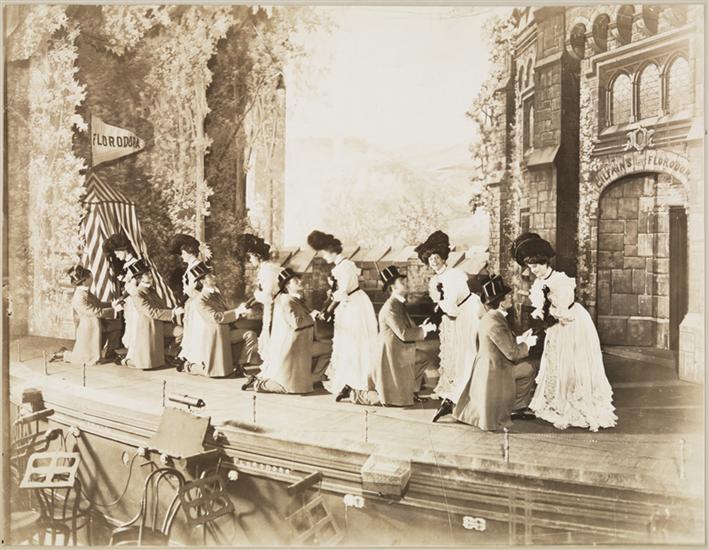
A scene from Florodora in 1900

floro

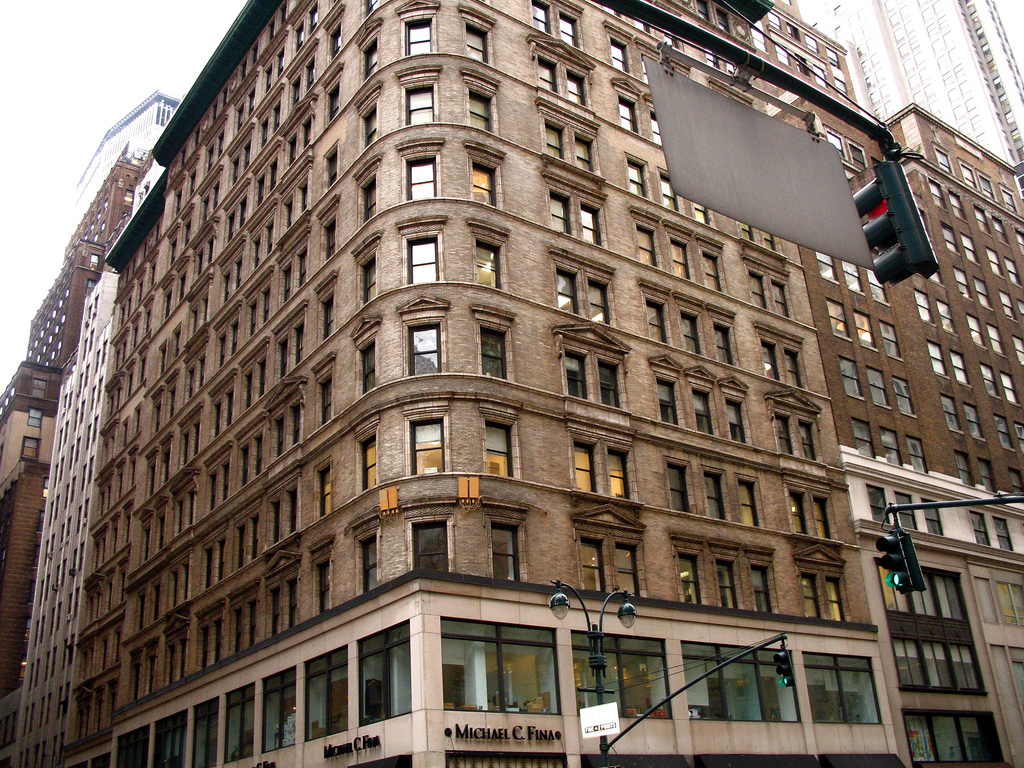
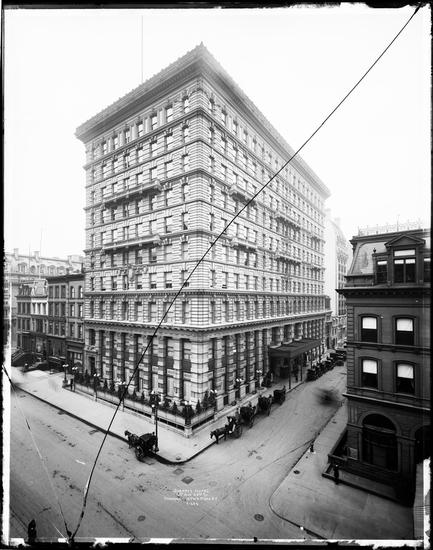
The former Hotel Lorraine, where Nesbit and Thaw were staying on the night of the murder. The address is 545 Fifth Avenue.

Courtesy Flickr/Anonymous A

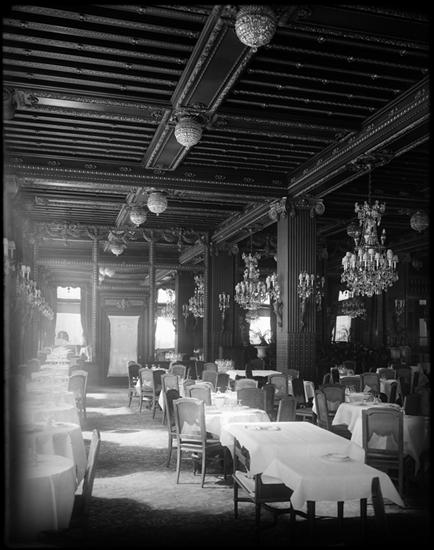
Inside the dining room of Sherry’s Restaurant (44th and 5th Avenue), where Harry Thaw got boozed up before meeting with Evelyn.

MNY210712
sherry

Sherry’s in 1905 — 44th Street and 5th Avenue

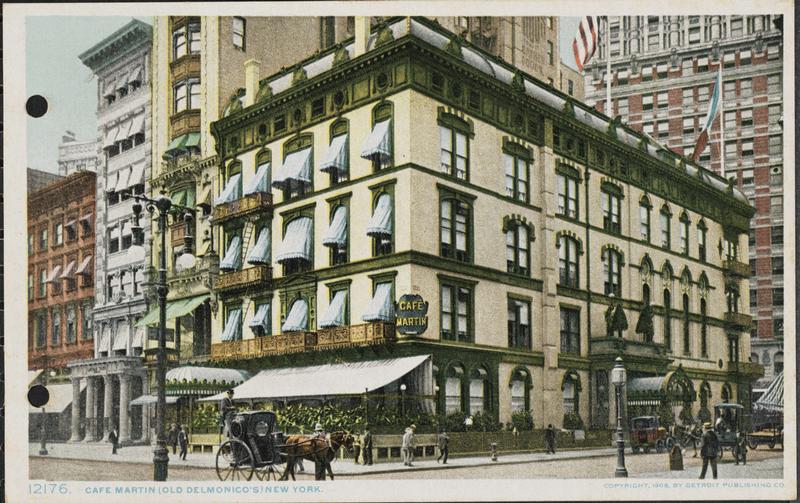
Cafe Martin in 1908, where Evelyn and Harry had dinner before the show

Museum of the City of New York

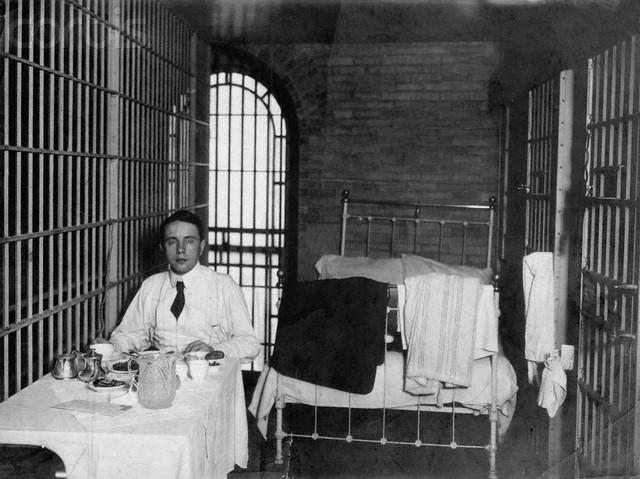
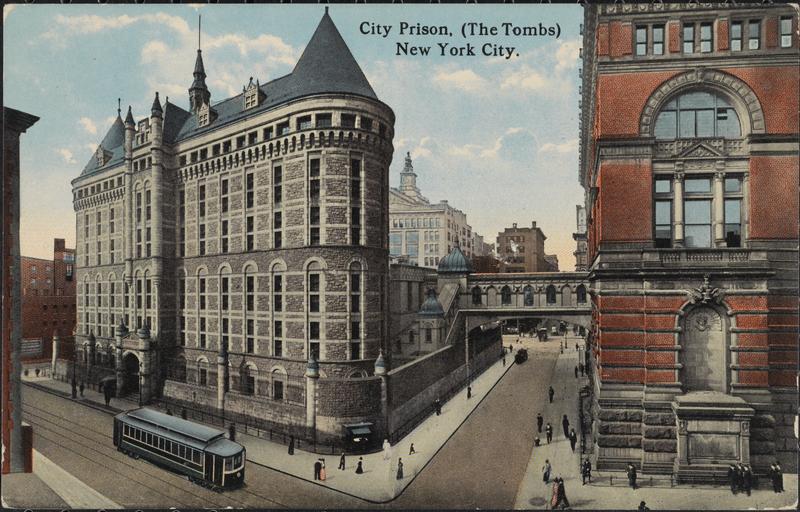
The Tombs — Where Harry Thaw was imprisoned during the original trial

tombs

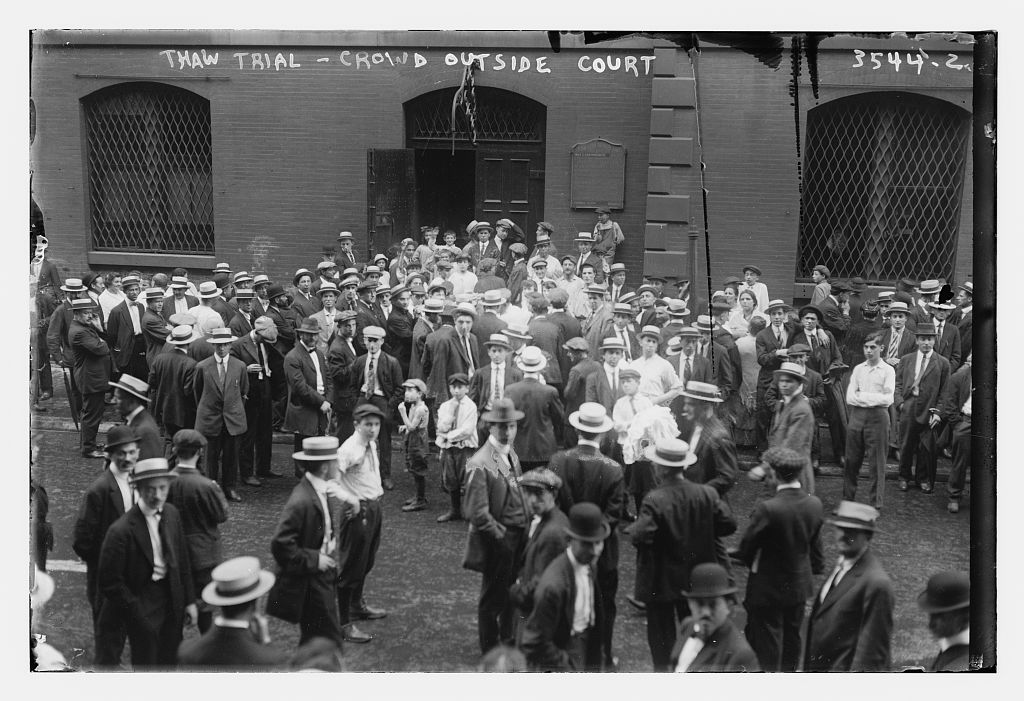
Ludlow Street Jail — Crowds linger outside during the last of the many Thaw trials. For most of his jail time, he was held in the Tombs. According to a Library of Congress commenter: “His lawyers successfully asked the court to move him from The Tombs to the Ludlow Street Jail, on the basis that he was not charged in a criminal matter, but that he was to have a jury trial only as to his present sanity.”

Library of Congress
Library of Congress

A 1907 nickelodeon film called The Unwritten Law about the crime.

https://www.youtube.com/watch?v=6rE2WjXqf7U

Newsreel footage from 1915 of Thaw’s release.

Evelyn Nesbit performing in a nightclub in the 1930s (not sure of the club). Start the video at around 2:15:

The trailer to The Girl In The Red Velvet Swing, a highly fictionalized account of the crime. Nesbit was a consultant for the film.

Categories
A Most Violent Year Pop Culture

1981 was indeed “A Most Violent Year” in New York City

In 1981, there were more reported robberies in New York City (over 120,000) than in any year in its history.  There were over 2,100 murders that year (slightly down from the previous year) including such infamous crimes as the mob-related Shamrock Bar murders in Queens. After years of steadily increasing crime rates, it seemed unlikely in 1981 that New York would ever reverse course.

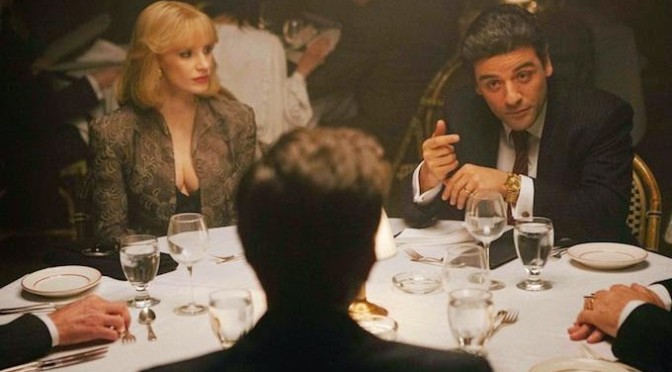
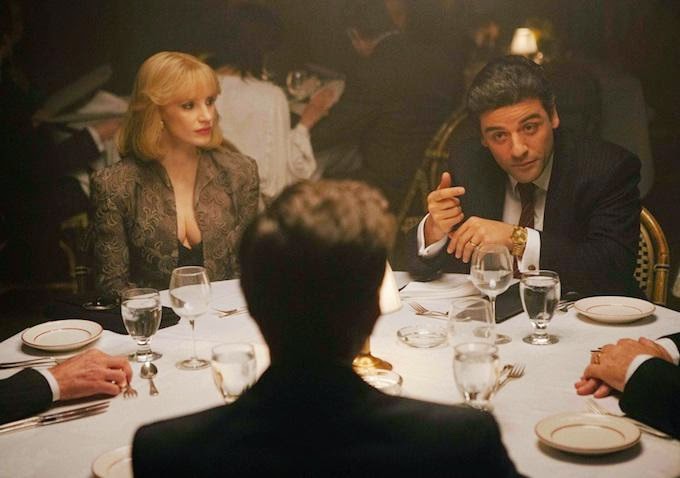
This should make a very intriguing backdrop for the new film A Most Violent Year by J.C. Chandor, starring Jessica Chastain and Oscar Isaac.

We last saw Isaac in another New York flashback — Inside Llewyn Davis — which gave us a spectacular view of 1960s Greenwich Village.  And Chandor himself dabbled in some recent history with his debut film Margin Call, about the 2007 financial crash.

The film is set for an end-of-the-year release. So far the production design looks very promising:


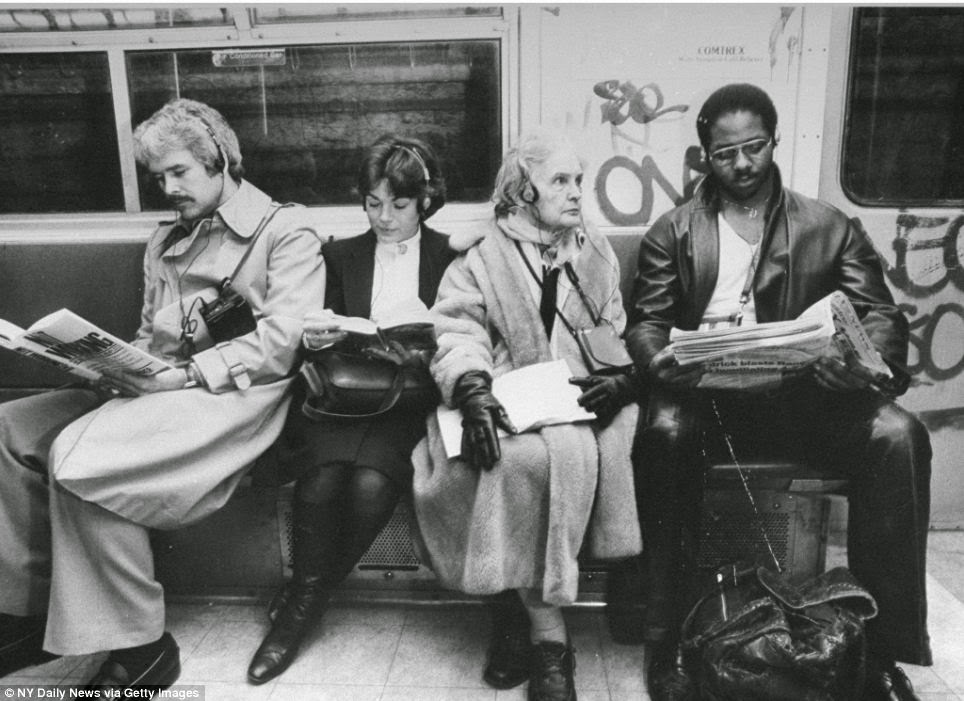
And here’s a few images of New York City in 1981 for comparison:

Top pic courtesy New York Daily News/Getty Images. Middle picture courtesy Luper/Panoramio.  Meryl Streep courtesy Life Magazine!

Categories
Mysterious Stories True Crime

The Dictaphone Murder Trial of 1914: A Mystery In Pictures

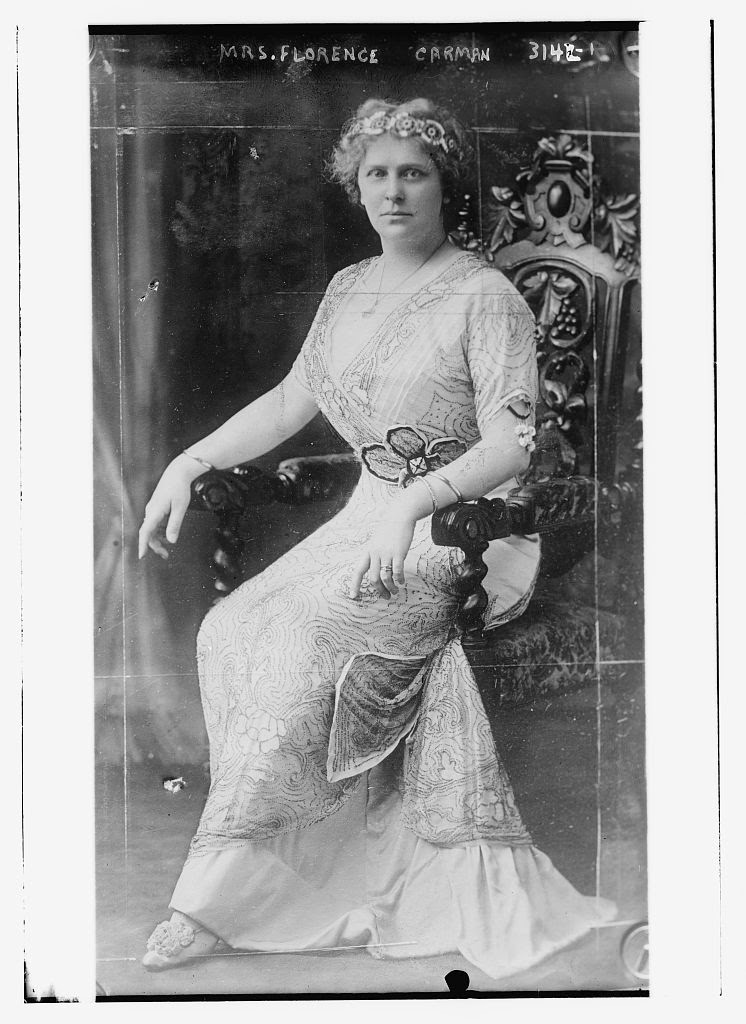
Does this woman look like a murderer to you?

This is Florence Carman, the wife of Dr. Edwin Carman, one of the most respected men in Freeport, on Long Island’s south shore.  Mrs. Carman would be at the center of a murder trial that captivated New Yorkers 100 years ago.

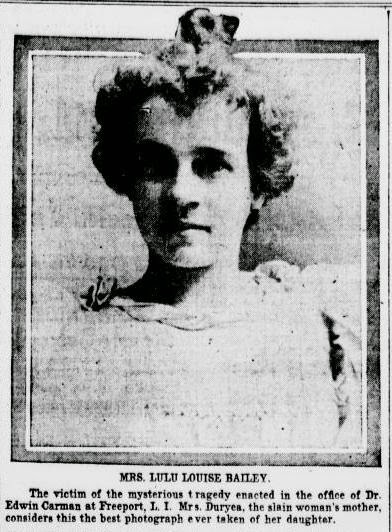
Dr. Carman received a visitor in his office on July 1, 1914, one Louise “Lulu” Bailey.  Her visit was after hours, so we can perhaps surmise the tenor of their engagement.  So, does it seem, did Mrs. Carman.

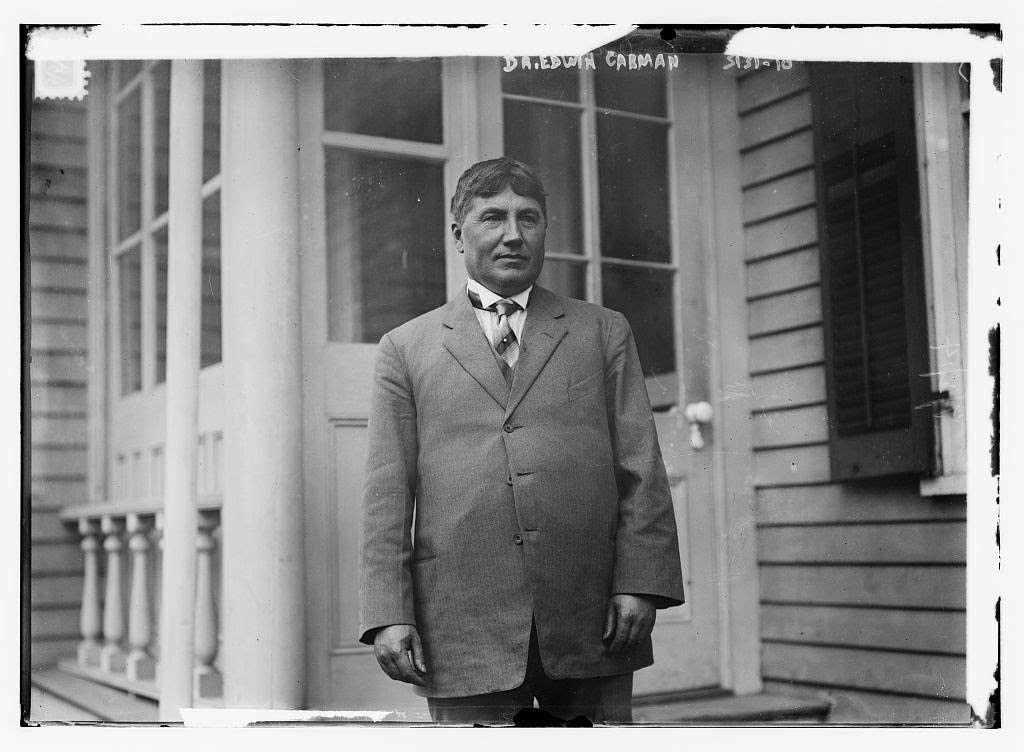
Here’s Dr. Carman, the subject of his wife’s suspicions and the possible recipient of Mrs. Bailey’s affections:

That evening, claimed Dr. Carman, as he entered his office to meet Mrs. Bailey, somebody shot at her through the window. She fell dead to the floor.  I should add that the office just happened to be on the ground floor of the Carman’s Freeport home, a handsome structure, “one of the show places of the village.”

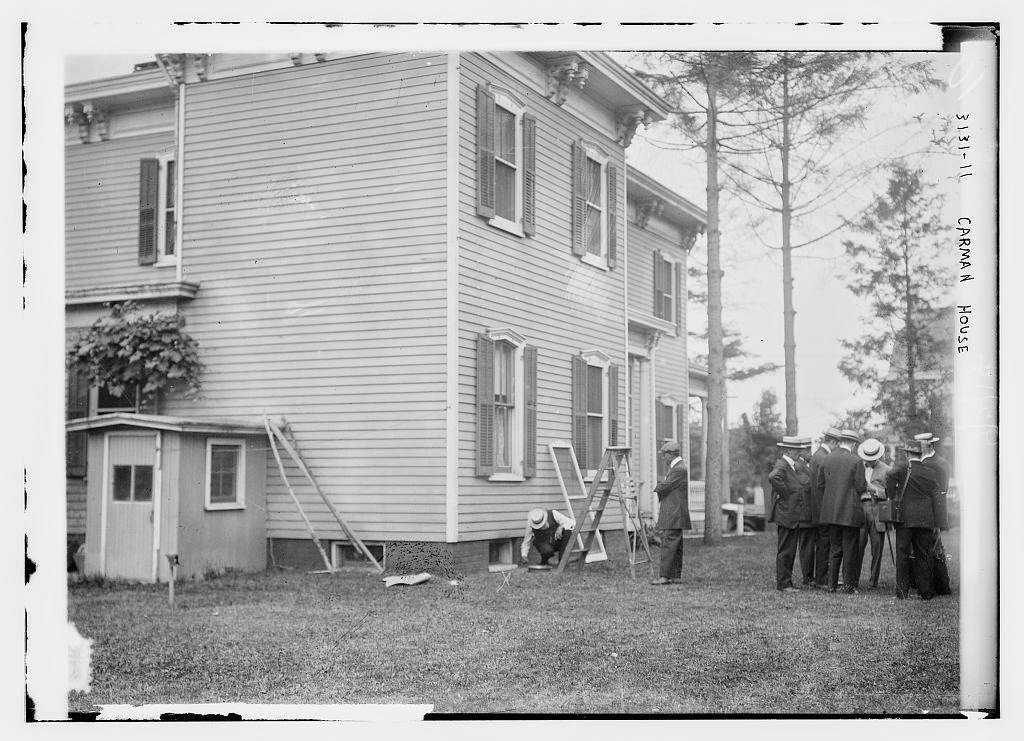
Below: Investigators case the Carman’s house for clues

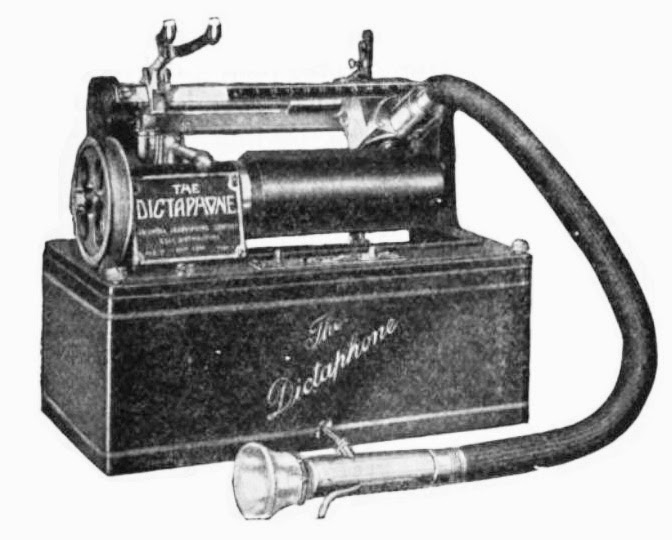
The following day revealed a bizarre twist — Florence had purposefully left on a Dictaphone machine on in the office.  After the police left, she removed it from the crime scene and hid it in the attic.

At right: One example of a Dictaphone machine from the 1920s..

Mrs. Carman, it seems, did not trust her husband with any female patients.  With the Dictaphone on, she could listen in on the conversations between the doctor and his patients.  In particular, she could spy upon any possible dalliance between her husband and Mrs. Bailey.

Her guilt seemed assured when witnesses declared seeing a “woman in white” standing on the porch at the time of the murder.

For many days, suspicions actually volleyed between the doctor and his wife.  For instance, some days later, Dr. Carman claimed that he was shot at by a man on a bicycle while entering his house, a tale others contradicted.  Detectives actually re-enacted the murder with the doctor and his wife.

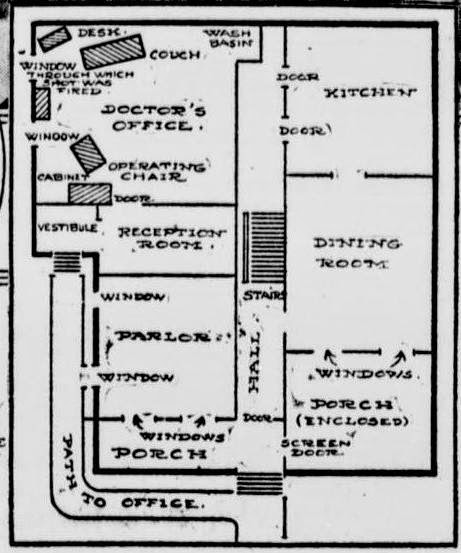
From the New York Sun:  “The detective took the part of the assassin, creeping at dusk among the hemlocks and crawling, pistol in hand, to the window of Dr. Carman’s office through which Mrs. Bailey was shot.”

At left: A map of the murder scene from the New York Sun

Guilt eventually rested on Mrs.Carman, who was arrested exactly one week after the murder.

Meanwhile, Bailey’s murder swept away all other news of the day, filling the New York newspapers for weeks with the possibility of a salacious scandal.

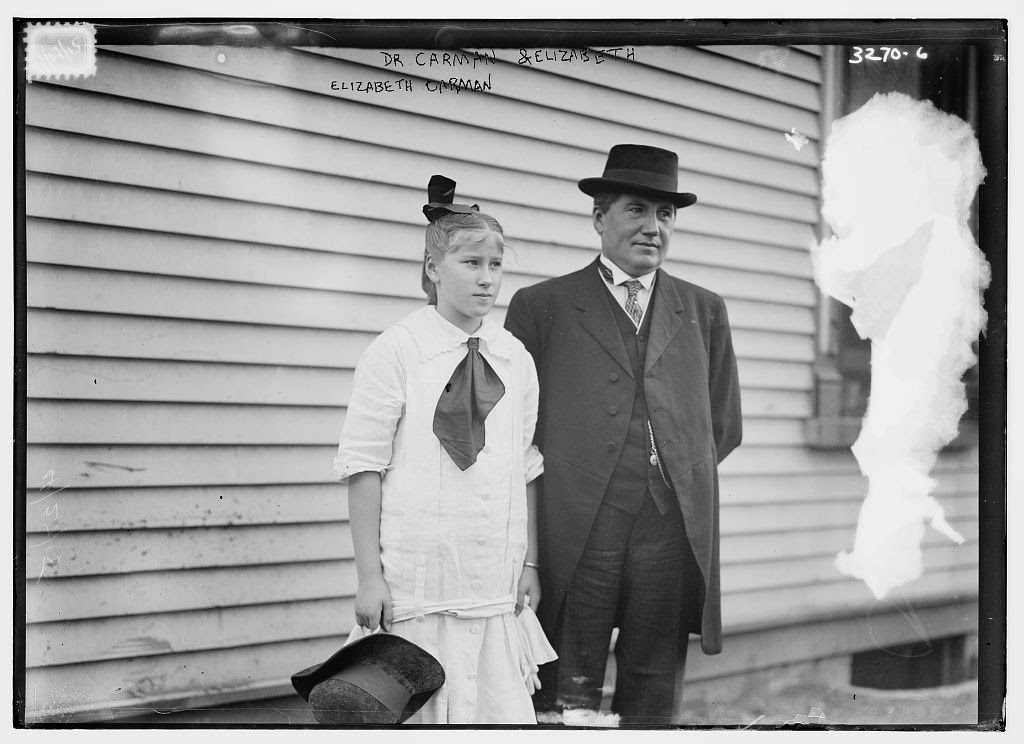
Here’s the Doctor with his daughter Elizabeth Carman, who later took the stand to defend her mother:

Florence was brought up on charges of murdering Bailey, and evidence was brought before the Freeport Justice of the Peace.  In October, the case went to trial in the nearby town of Mineola.

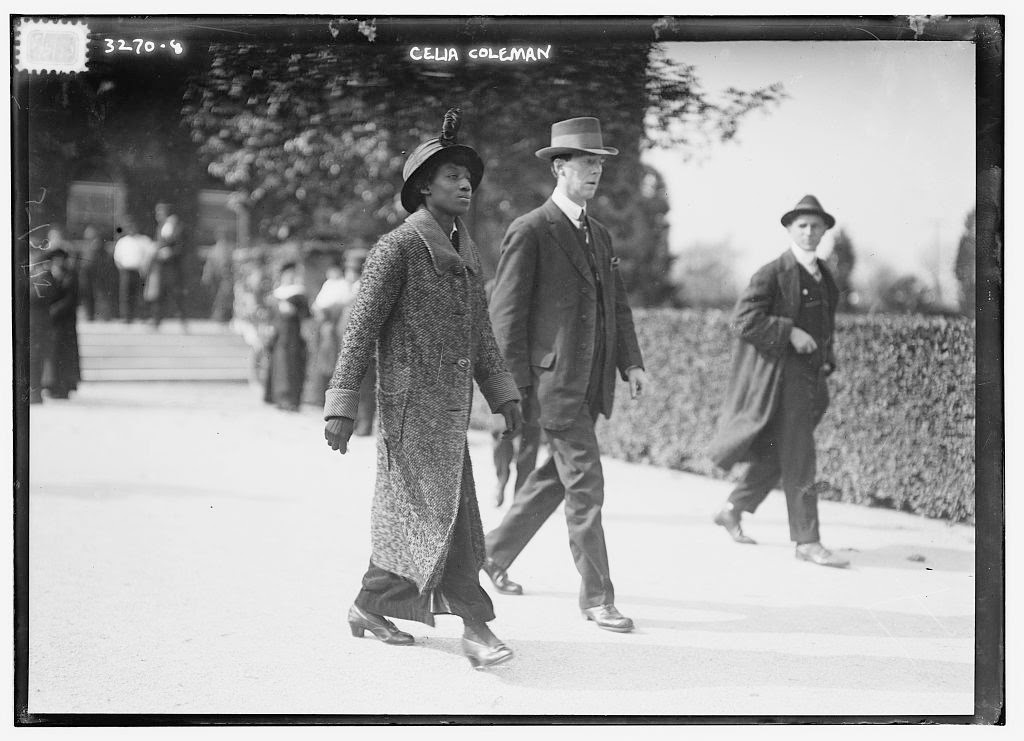
The following photographs were taken outside the courthouse.

Florence’s defense rested on the testimony of Celia Coleman, the Carman’s maid, who produced a solid alibi for Mrs. Carman, proving she was inside the house the entire time, not on the porch, and thus not the “woman in white.”

However, by October, Coleman claimed that Florence had in fact crept out the back door moments before the fatal murder.  Then she testified….

The reasons for her conflicting stories are muddled, but she may have been covering for her employer then later told the truth.  Or else, she was bought off, as a later conspiracy theorized, brought forth a more tantalizing story to the delight of newspaper men everywhere.

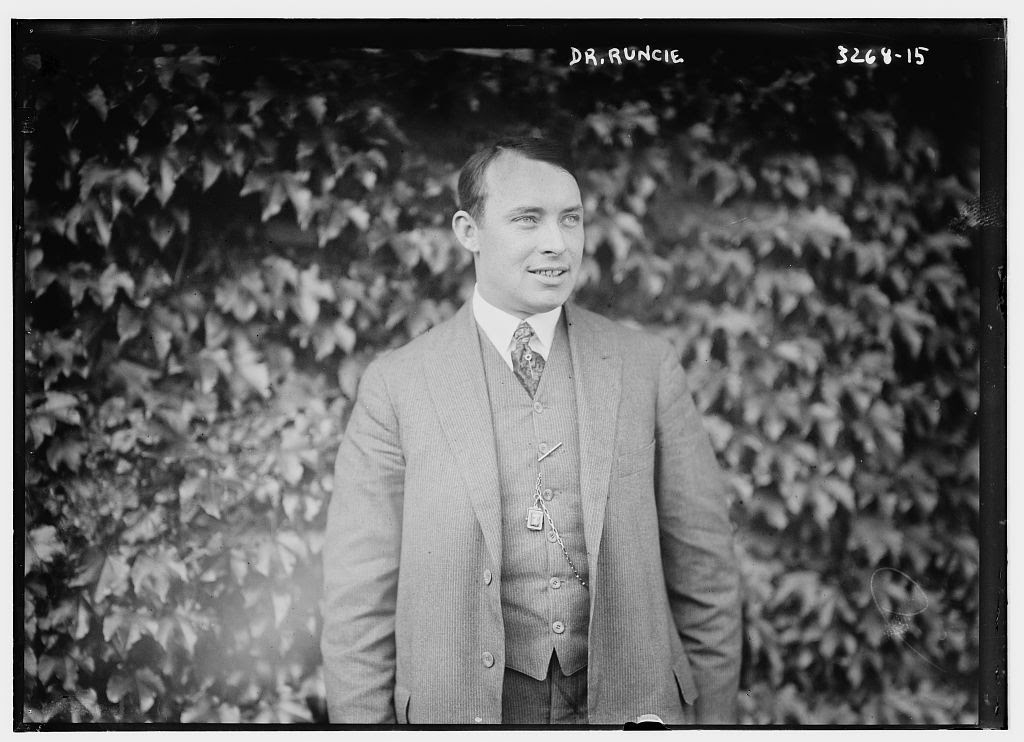
The dashing Dr. William Runcie also took to the stand in regards to the presence of the Dictaphone and whether it was an indication of her mental state.

Runcie had come to the house on the evening of the murder, and Florence had told her then of hiding the machine in the office. But she urged Runcie not to tell her husband this fact.  He tried to brush away this fact.  “While it is out of the ordinary, I cannot see why so much importance is given to it.” [source]

Another witness named George Golder, who had originally testified of Mrs. Carman’s guilt, now “made an affidavit practically repudiating his identification of the doctor’s wife as the woman he saw on the porch.” [source]  His testimony was later used to cast guilt upon Doctor Carman.

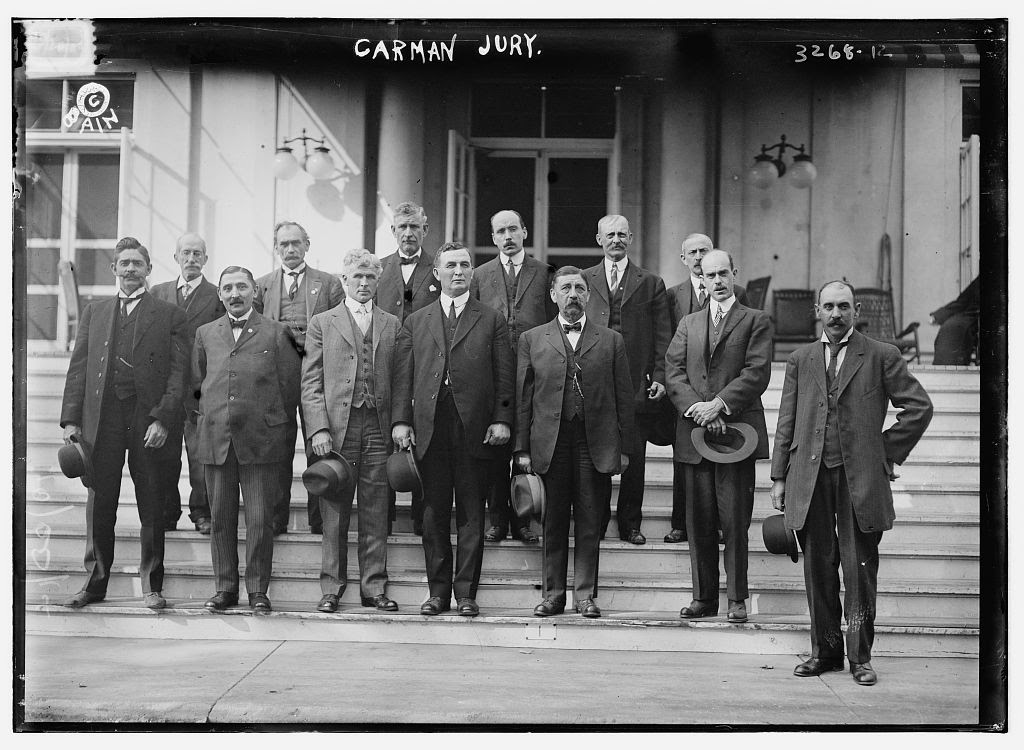
Below: A jury of her peers?

The family of the deceased woman made a dramatic entrance.  This is Lulu’s daughter, mother and husband.

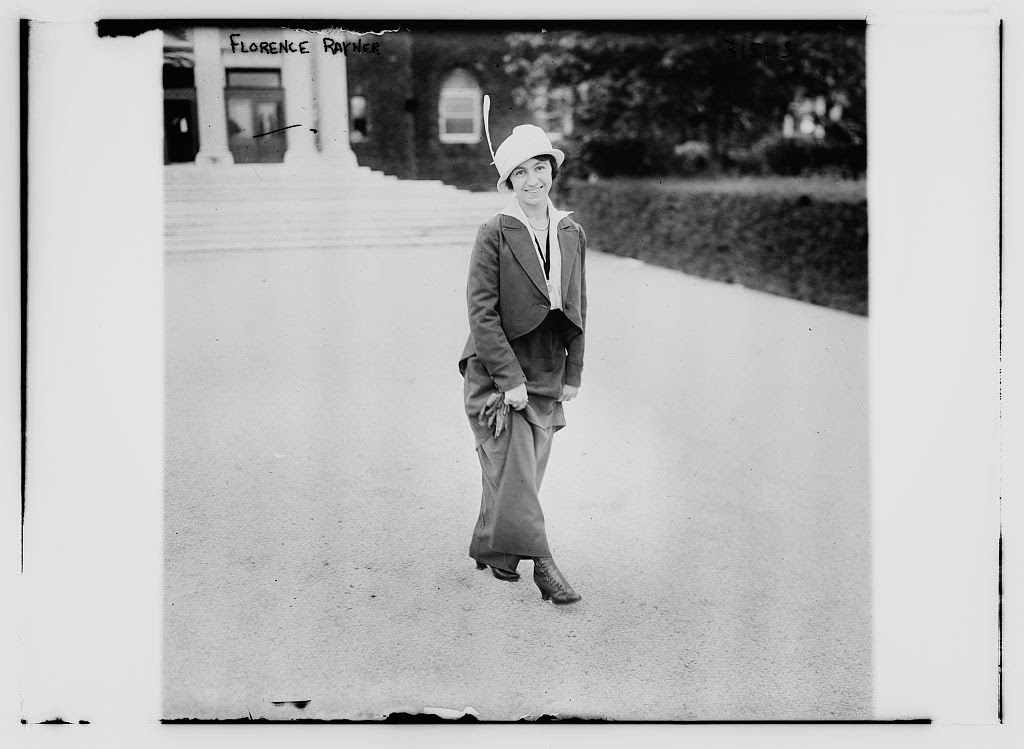
A little sex appeal was brought into the courtroom with the appearance of Florence Raynor, specifically there to contradict the testimony of another man who claimed to have seen Mrs. Carman on the porch that night.

In the end, the jury could not come to a consensus regarding Mrs. Carman’s guilt.  Wrote the New York Times, “After deliberating for thirteen and a quarter hours, the jurors in the trial of Mrs. Florence C. Carman for the alleged murder of Mrs. Lulu D. Bailey filed wearily into the Supreme Court room at 10:58 o’clock this morning and the foreman announced that it was impossible for them to come to any agreement.”

She was re-tried in May of 1915 and given a vigorous grilling on the stand. The New York Times makes note of the soft-spoken woman raising her voice for the very first time — evidence, so goes the inference, of the trial taking its toll upon her.  The jury sympathized with her and finally acquitted her of the murder.

By this time, of course, the story was relegated to the back pages, as world events — and other local murder cases — monopolized the attentions of New Yorkers.

To this day, the murder of Lulu Bailey has not been solved.  It’s unclear whether justice was really served that day.  “I do not believe a jury in Nassau County can be brought to convict a woman of murder in the first degree,” said the district attorney.

All the photographs above are courtesy the Library of Congress.

Categories
Bowery Boys Bookshelf

The Alienist by Caleb Carr, released 20 years ago this week: Retracing the steps of this Gilded Age murder mystery

NOTE: This article has a few plot spoilers but no major twists are revealed or discussed.  I’ve tried to write the descriptions within the interactive map as vaguely as possible.

The Alienist by Caleb Carr was published 20 years ago this week, an instant best-seller in 1994 that has become a cult classic among history buffs.  Despite some creakiness uniquely inherent to early ’90s fiction thrillers, it remains today a page-turning and utterly spellbinding adventure.

Although the Jack the Ripper murders were an obvious inspiration for Carr, perhaps The Alienist‘s biggest influence is The Silence of the Lambs by Thomas Harris.  Carr completed his tale of serial murders in the Gilded Age just as a slew of Silence knockoffs began hitting the bookshelves.  The Alienist stands far above the pack, of course, but you can’t deny its success in 1994 was partially inspired by reader’s cravings for murderers with perverted tastes and body parts in formaldehyde jars.

The Alienist follows a quirky team of investigators in 1896 as they follow the bloody trail of a killer with a peculiar penchant for boy prostitutes, often dressed as girls to the delight of their clientele.  Dr. Laszlo Kreizler is the alienist (or psychologist) in charge of the case, stitching together a profile of the loathsome figure, conveniently using soon-to-be standard analytic techniques.

At right: Alternate artwork for The Alienist (Courtesy Nerd Blerp)

As protagonist John Schuyler Moore, a reporter for the New York Times, explains it “[W]e start with the prominent features of the killings themselves, as well as the personality traits of the victims, and from those we determine what kind of man might be at work. Then, using evidence that would otherwise have seemed meaningless, we begin to close in.”

Carr’s book is finely detailed, perhaps overly detailed, which won’t be a problem if you love New York City history.  There are over two dozen scenes at various notable landmarks throughout Manhattan, some in various states of construction.  Several real-life figures make appearances, although the most entertaining characters are Carr’s own, including the intrepid proto-policewoman Sara Howard and scrappy errand boy Stevie ‘Stovepipe’ Taggart.

When I first read The Alienist back in 1994, I was struck by its preciseness, an expertly placed breadcrumb trail through old Gotham.  There is no romantic gloss, as in another history classic Time and Again. He makes it seem possible to retrace almost every step of our heroes. (In researching this article, I tried to do so.)  The original New York Times review noted that “[y]ou can practically hear the clip-clop of horses’ hooves echoing down old Broadway.”  They’re still echoing.

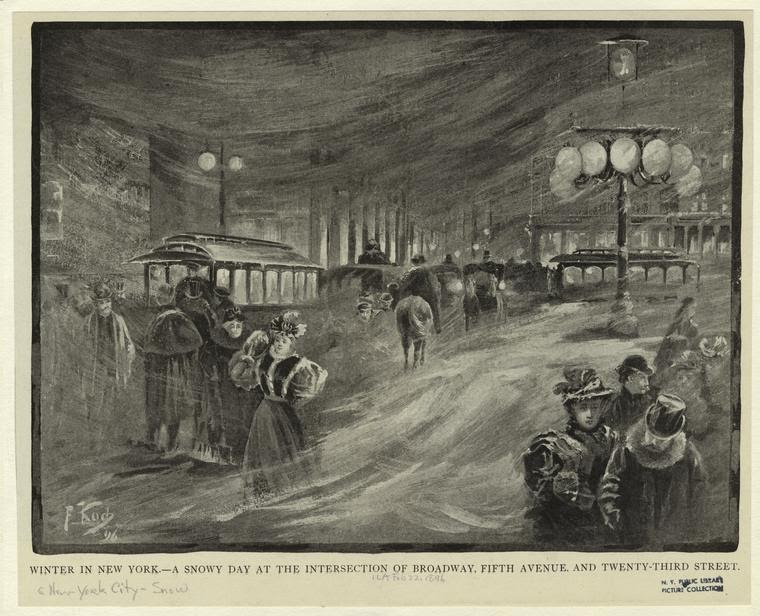
The story begins in the early months of 1896 during a robust winter. Below, from the Illustrated American, a depiction of a snowy Madison Square that year (NYPL):

His depiction of old New York is still glorious.  The book’s polite take on certain social issues, however, read a bit wobbly today.  To his credit, Carr tackles police corruption, gender discrimination, racial prejudice and the plight of homosexuals, all while elaborating on complicated psychological theories in service of an entertaining story.  He has stuffed a hidden epic of New York into the framework of a modern murder mystery.  That he chooses to handle hot-button social issues with kid gloves is not a misstep, but merely a symptom of its genre and day.

The Alienist is still greatly enjoyable, perhaps slightly more so now.  Thanks to renewed interest in New York City history, the details here are even more shimmering and vital.  This is not an old New York emerging from a mysterious fog, but a world that seems to exist alongside our own.

And to prove that — below you will find a detailed, interactive map of the pivotal locations used in the book.  You can click into various points for further details.  A few of these pins have pictures and other links. Just zoom in and choose a location!  (NOTE: Some locations are approximate and a couple are speculation.)


A little elaboration on certain elements of the book’s bigger places and themes:

Paresis Hall 
Most of the murder victims are boy prostitutes employed as several houses of ill repute throughout the city.  Paresis Hall, located steps from Cooper Union, sounds like it was both a place where gay men could congregate in private clubs and a place of sexual transaction, often (as in the book) with underage boys dressed up as girls.  This boy, Nathaniel ‘ The Kid’ Cullen, may have worked there, or may have just a habitue of the club. (He appears in this collection of photographs from Paresis Hill.)

Madison Square 
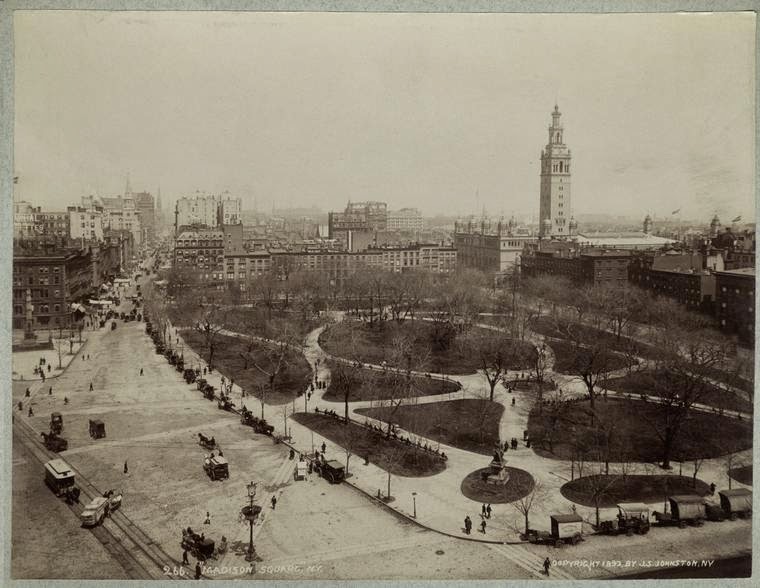
This was still a thriving center for culture and dignified entertainments in 1896. Many theaters clustered around the park, although newer stages were making their way up Broadway to Herald Square.  If Delmonico’s (on the northwest corner) is too crowded for you, head over to the tea room at Madison Square Garden on the northeast side.  Pictured here in 1893, three years before the events of the Alienist. (NYPL)

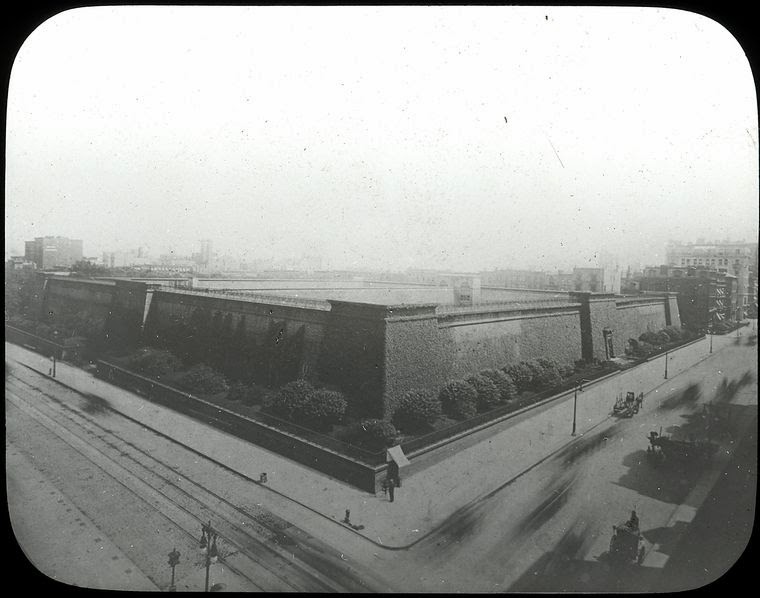
Murray Hill Distributing Reservoir
In 1896, New York still relied on this reservoir to provide most people with water.  But it was also a tourist destination in itself, with walking paths along the top.  Shortly after its appearance it the book, the Egyptian-inspired reservoir was torn down to make way for New York’s new public library. (NYPL)

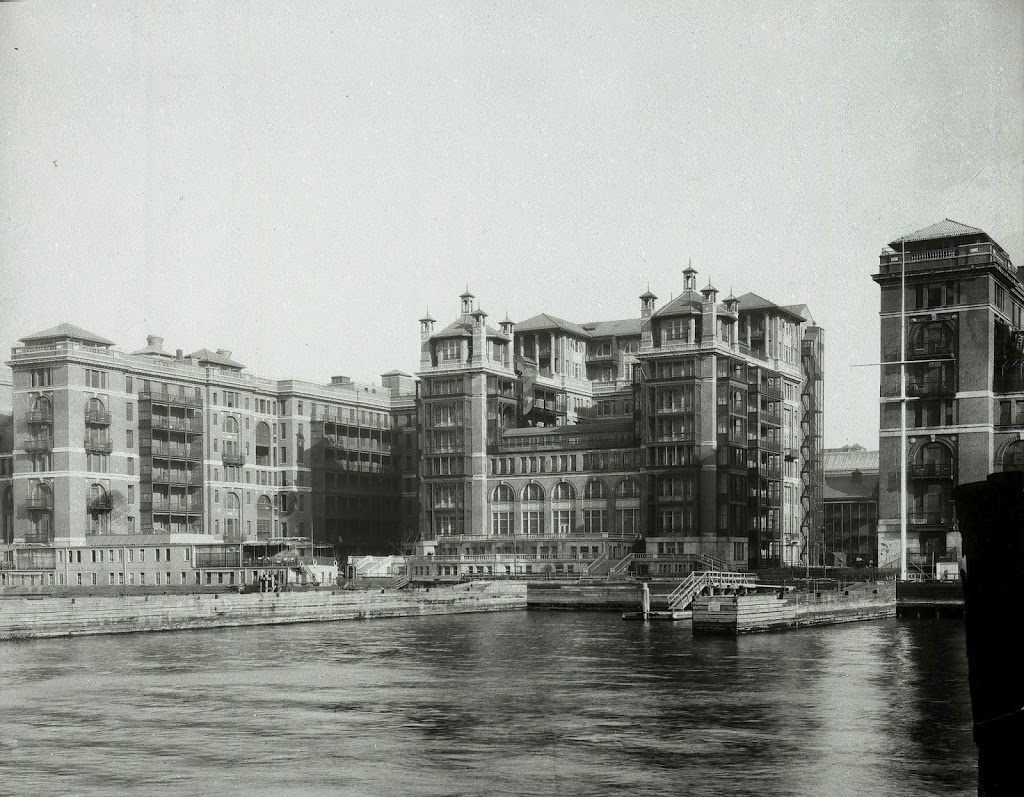
Bellevue Hospital and Morgue
Check out our podcast and blog posting on the history of Bellevue Hospital, as many of the details mentioned there appear in this book.  Below: Bellevue in 1879.

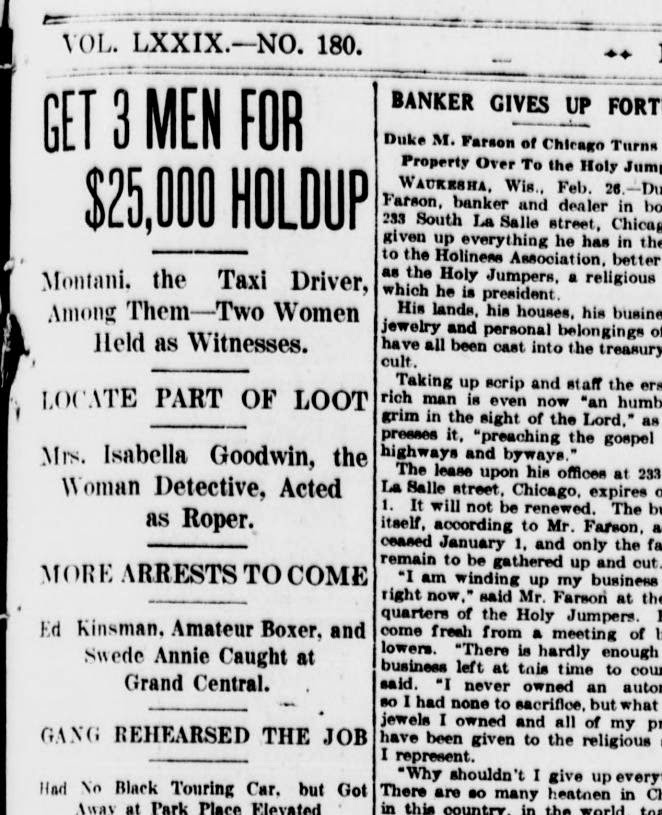
Isabella Goodwin
Sara Howard seems to be a little bit Nellie Bly, and a lot Isabella Goodwin, the first female office promoted to detective in 1896 (the year the book is set).  Below: A front-page case cracked by Goodwin from February 1912.

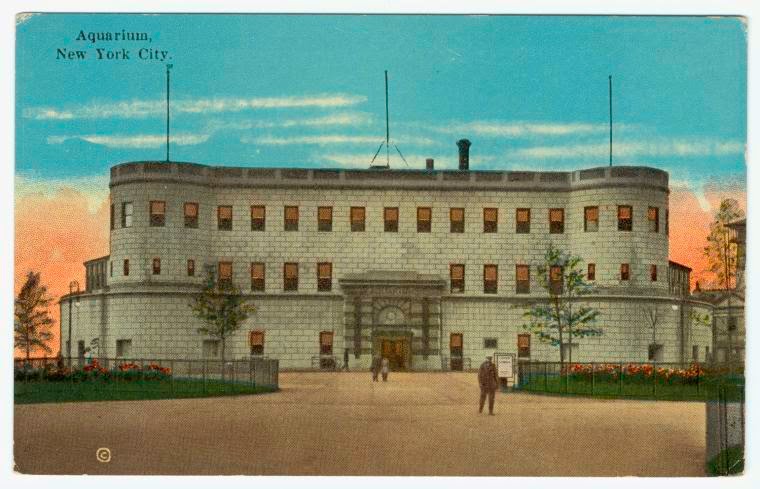
New York Aquarium
Carr’s narrative features several New York landmarks in construction.  Two of those places take a morbid center stage in the book — the Williamsburg Bridge and the nearly completed New York Aquarium (the former Castle Garden) (NYPL)
Theodore Roosevelt
Carr weaves several real life figures into the storyline, from J.P. Morgan (who comes off quite ominous) to Jacob Riis (not a flattering portrait of him either).  But future president Roosevelt gets a glowing supporting role as New York’s police commissioner who directs Dr. Kreizler, Moore and Howard to investigate the murders using powers of psychological deduction.
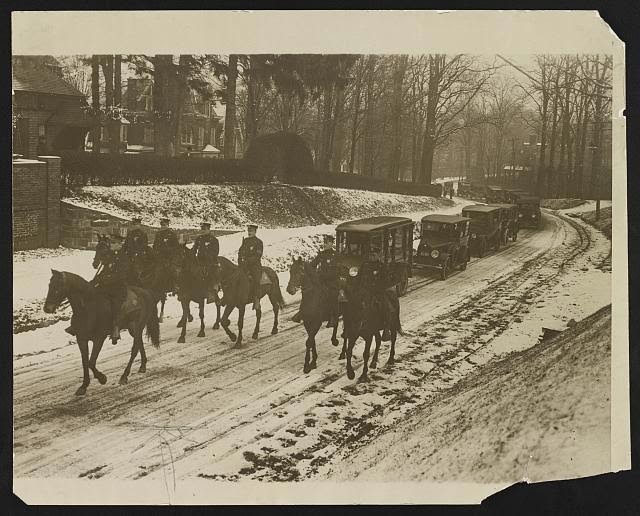
In fact, the book is actually a flashback by our hero Moore, recalled when he visits the Oyster Bay funeral of his dear friend in 1919 (pictured below). (LOC)

True Crime
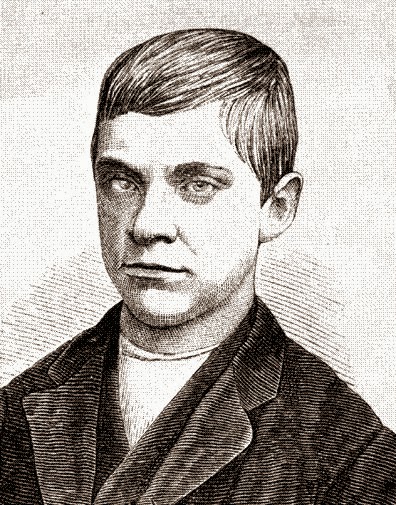
And there are a great many real-life figures from New York’s criminal underworld as well.  In fact, most of the lecherous and notorious figures depicted in the book are real folks, from early gangsters like Paul Kelly to brothel owners such as Biff Ellison.  Carr also finds a few disturbing mental cases to bring into the story, including the young killer Jesse Pomeroy (pictured below), considered one of the most brutal of murderers at a ripe age of 14.

Grand Central Depot
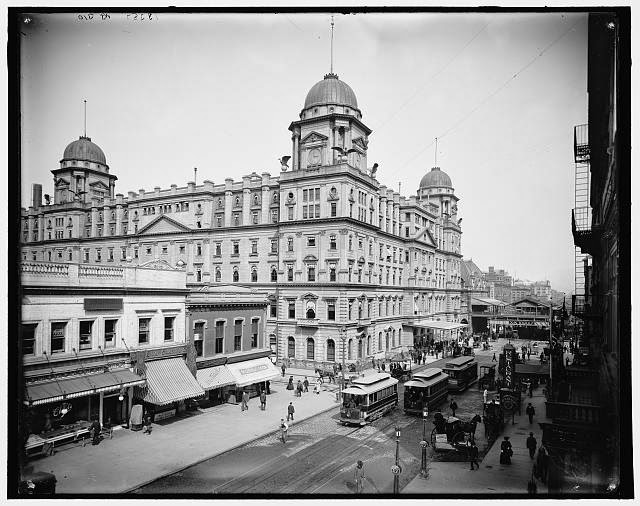
The characters do venture to places outside the city for further clues, but they always come through Grand Central Depot, the most hectic place in New York.  (Pennsylvania Station had not yet been built.)  Within a few years, this too would be ripped down and replaced with the present Grand Central Terminal. (LOC)

And finally, there are three central locations from the book that are still around today:

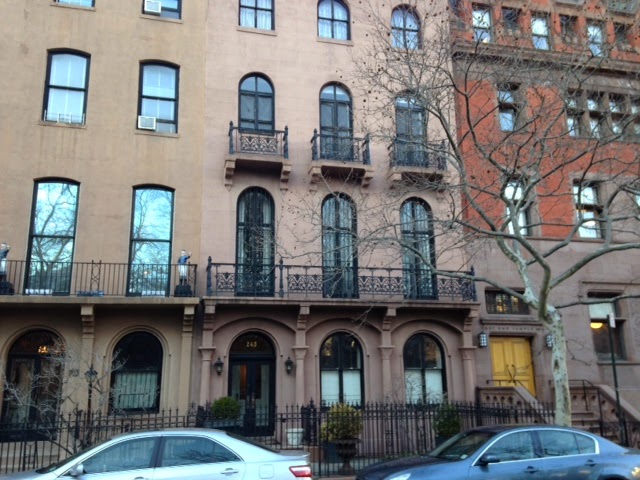
Dr. Laszlo’s residence at Stuyvesant Park. Actually the address in the book doesn’t really exist.  But based on a couple descriptions — and its proximity to St. George’s Church, which is mentioned as close by — this building at 237 East 17th Street may be what Carr had in mind:

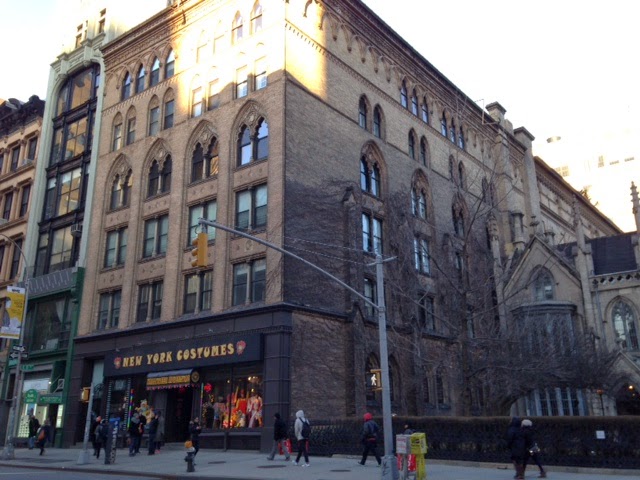
Murder headquarters at 808 Broadway — This exceptionally handsome building was constructed by James Renwick, playing nicely off its neighbor Grace Church.  It’s actually called the Renwick!  The team was located on the sixth floor.  Today, on the first floor, is one of New York’s most popular costume shops.

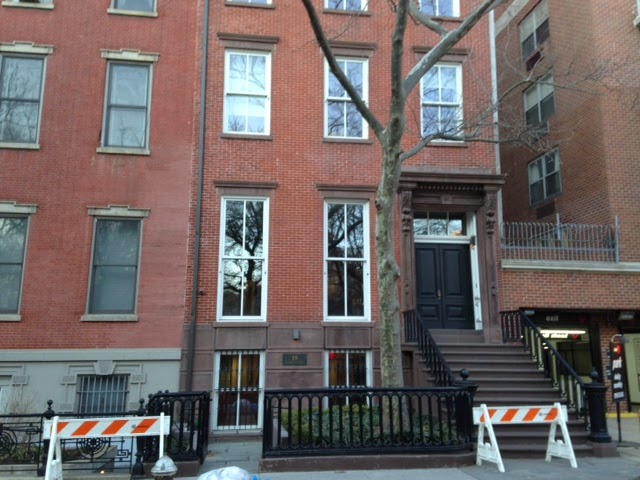
John Schuyler Moore’s home at Washington Square Park North, facing the park:


(My thanks to Dixie Roberts for the story idea!)