Categories
Podcasts The Jazz Age True Crime

The Disappearance of Judge Crater: A notorious crime saga in 1930s New York City

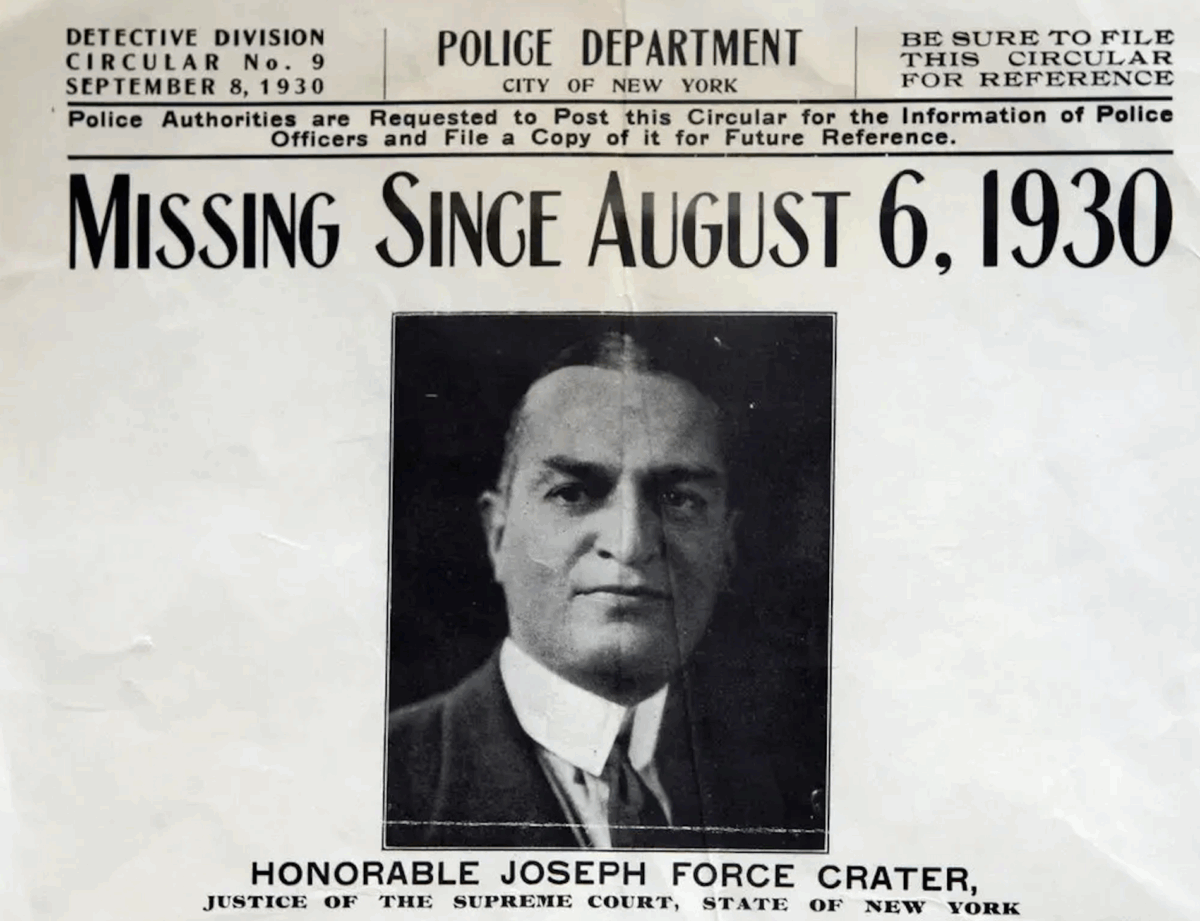
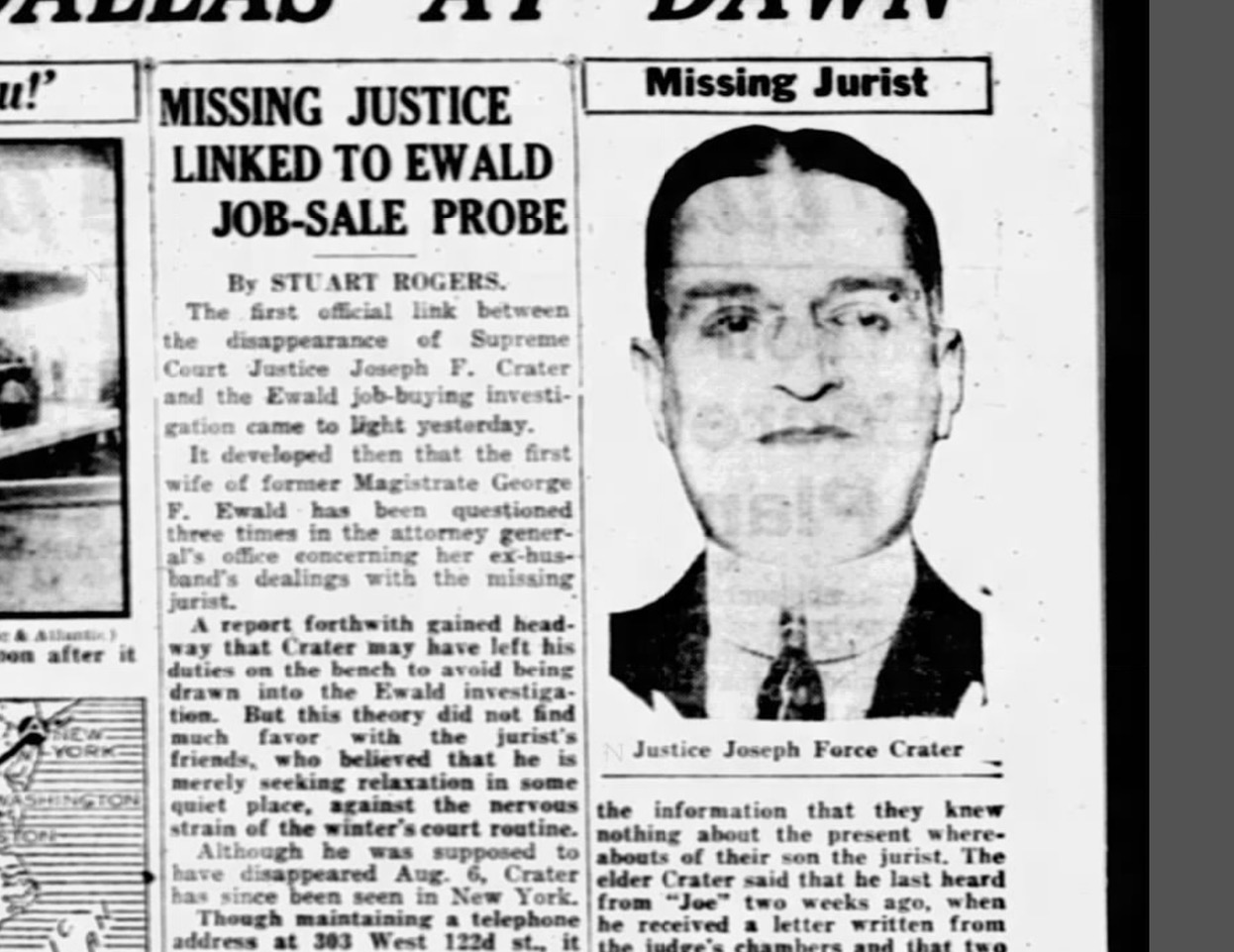
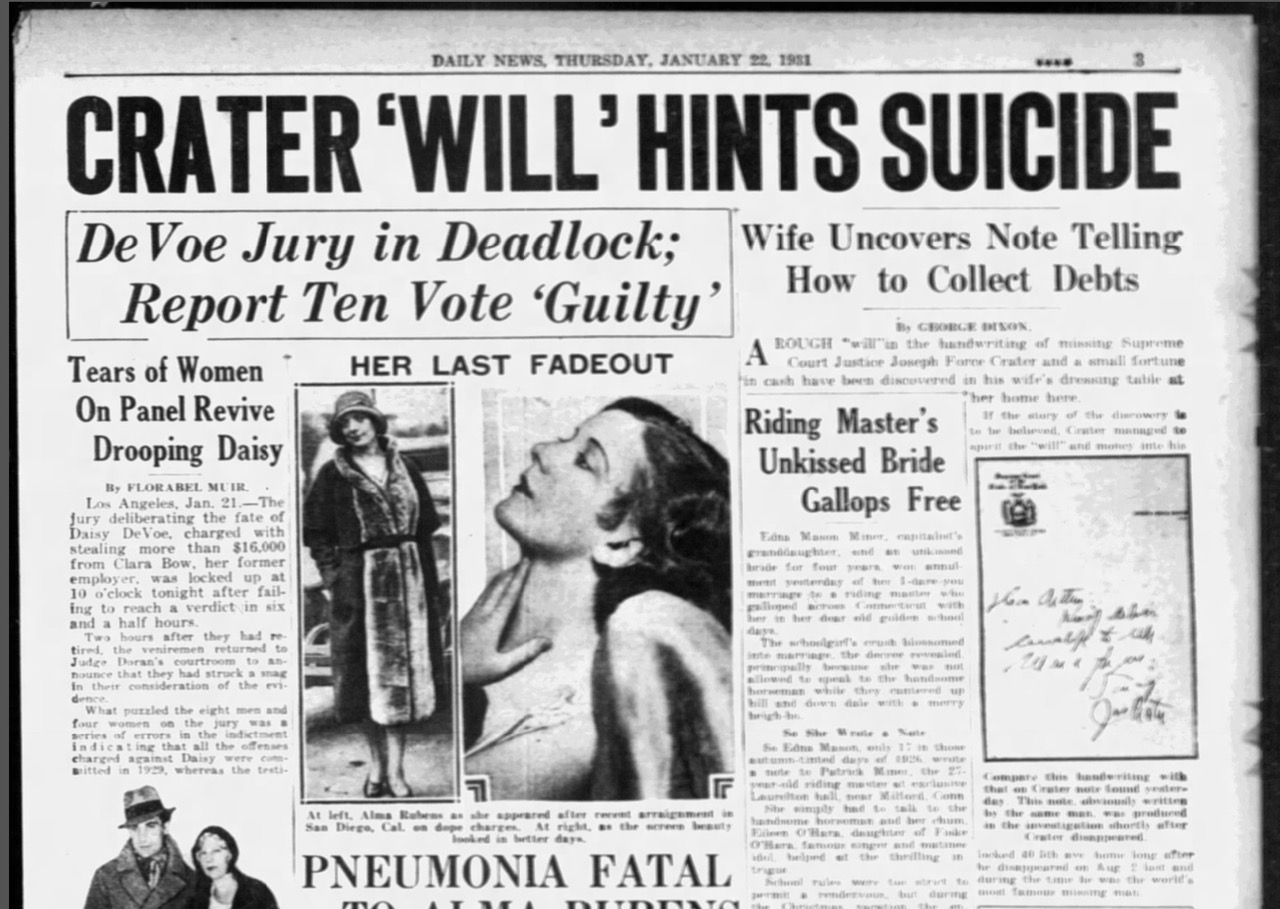
On August 6, 1930, Supreme Court Justice Joseph Force Crater stepped into a taxi on West 45th Street and vanished without a trace.

For 27 days, nobody reported him missing—not his wife waiting in Maine, not his Tammany Hall cronies, not the courts. When the story finally broke, it became the most famous missing persons case in New York history.

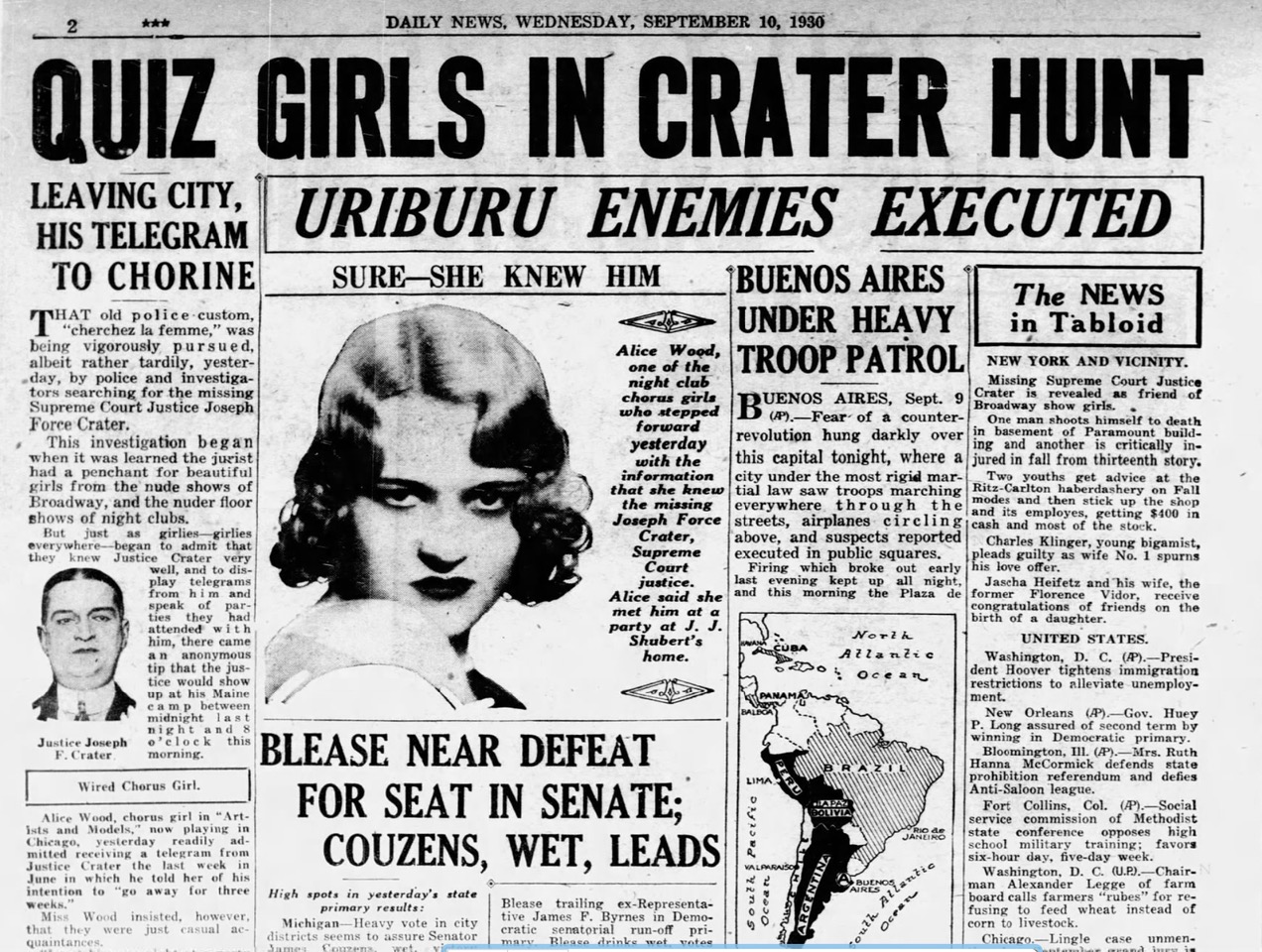
Judge Crater was a rising star in the city’s legal world—a Tammany Hall insider who’d just landed a prestigious judgeship paying $23,000 a year (about $450,000 today). But he was also tangled up in corruption, office-buying schemes, and shady real estate deals. He had a taste for Broadway chorus girls, speakeasies run by gangsters, and envelopes stuffed with cash.

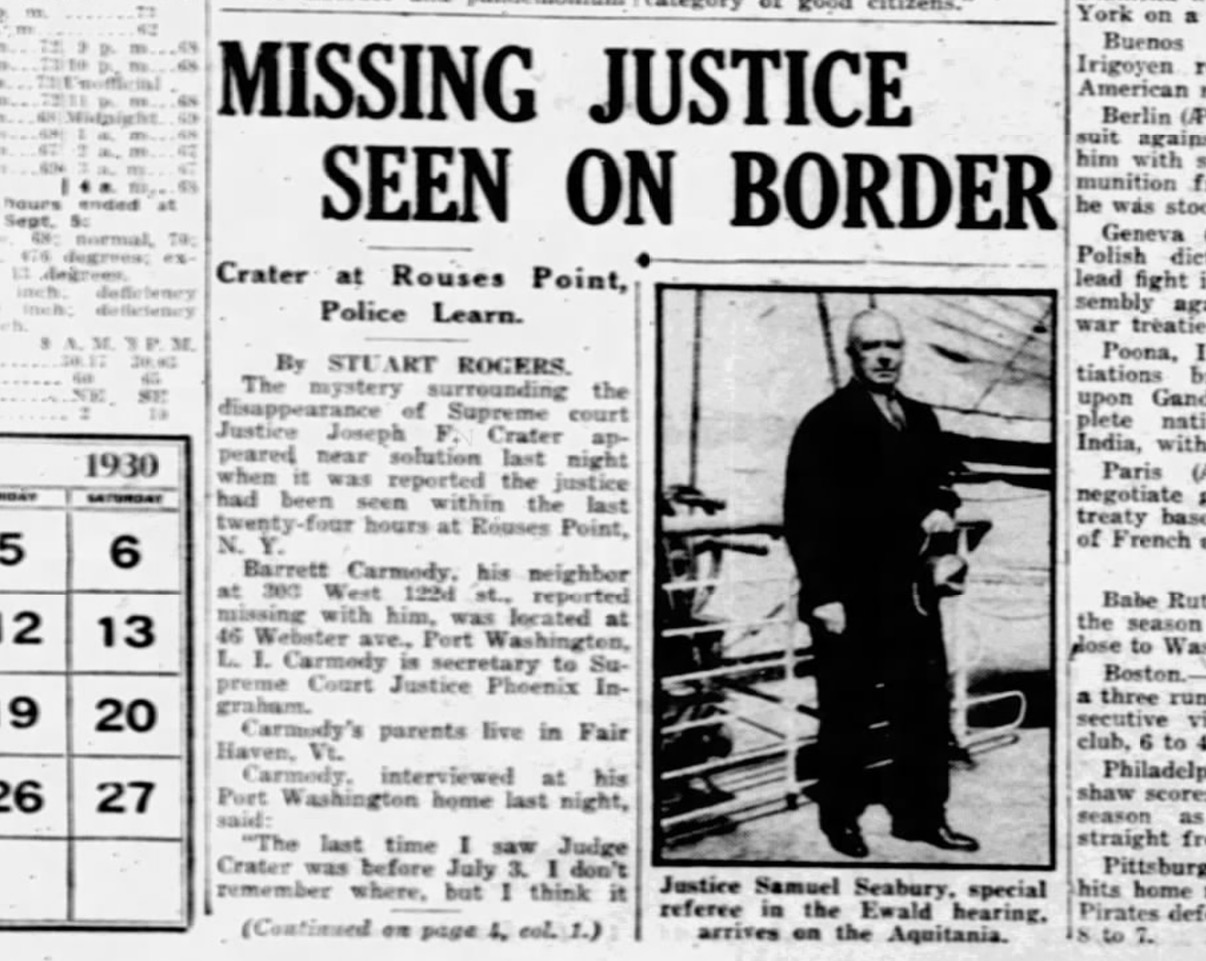
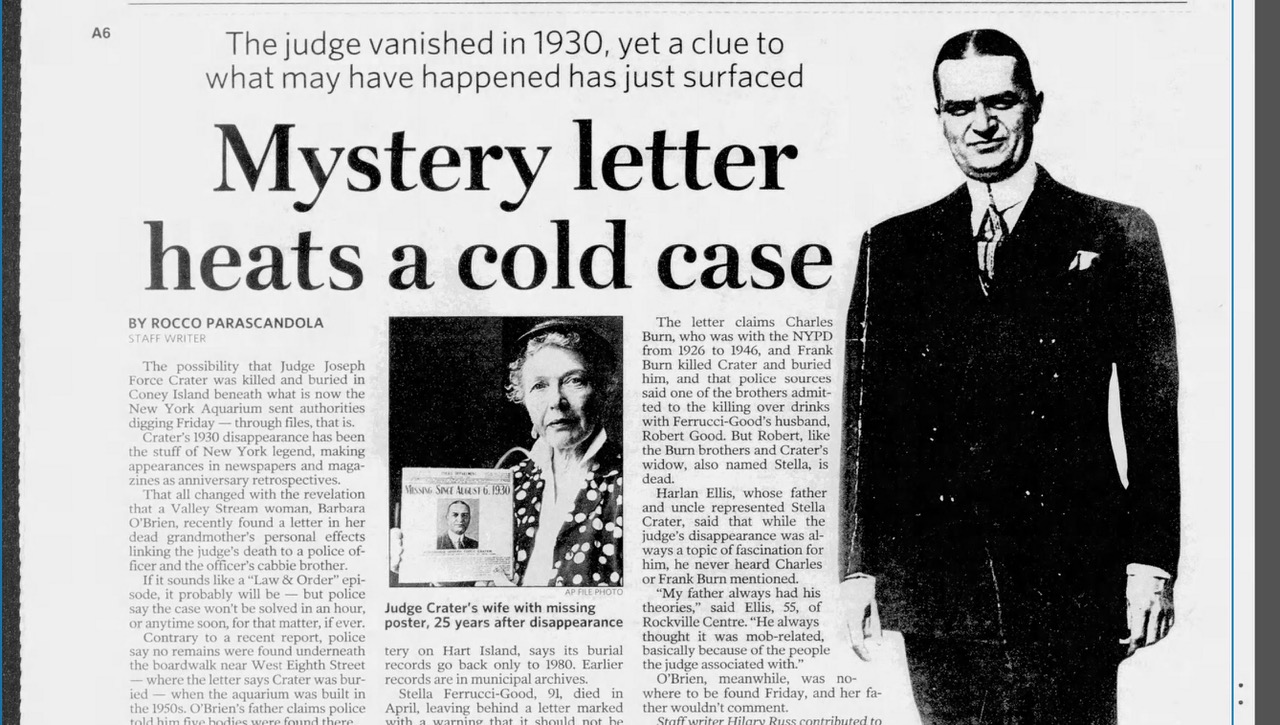
His disappearance rocked the city and captivated the nation for decades. The phrase “to pull a Crater” entered the popular lexicon. Psychics came forward with tips. Grand juries investigated. Deathbed confessions emerged decades later.

This week, Tom takes you through one of the city’s greatest unsolved mysteries—a story of Tammany corruption, Broadway nightlife, and Depression-era New York. What happened on that hot August night? Was it murder? Blackmail? A carefully planned escape?

96 years later, the mystery endures.

This episode was produced and edited by Kieran Gannon.

LISTEN NOW: THE DISAPPEARANCE OF JUDGE CRATER


FURTHER LISTENING

After listening to this podcast, head back to these past Bowery Boys episodes with similar or related themes:

Categories
Podcasts True Crime

Historic Heist: The Great Bank Robbery of 1878

PODCAST The thrilling tale of a classic heist from the Gilded Age, perpetrated by a host of wicked and colorful characters from New York’s criminal underworld.

Jesse James and Butch Cassidy may be more infamous as American bank robbers, but neither could match the skill or the audacity of George Leonidas Leslie, a mastermind known in his day as the ‘King of the Bank Robbers’.

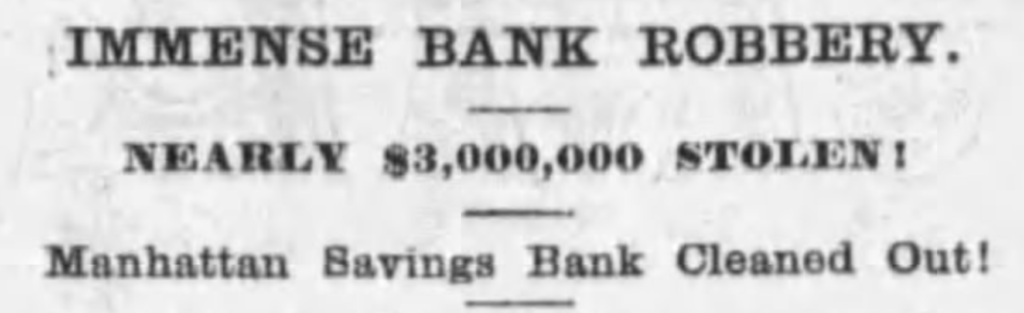
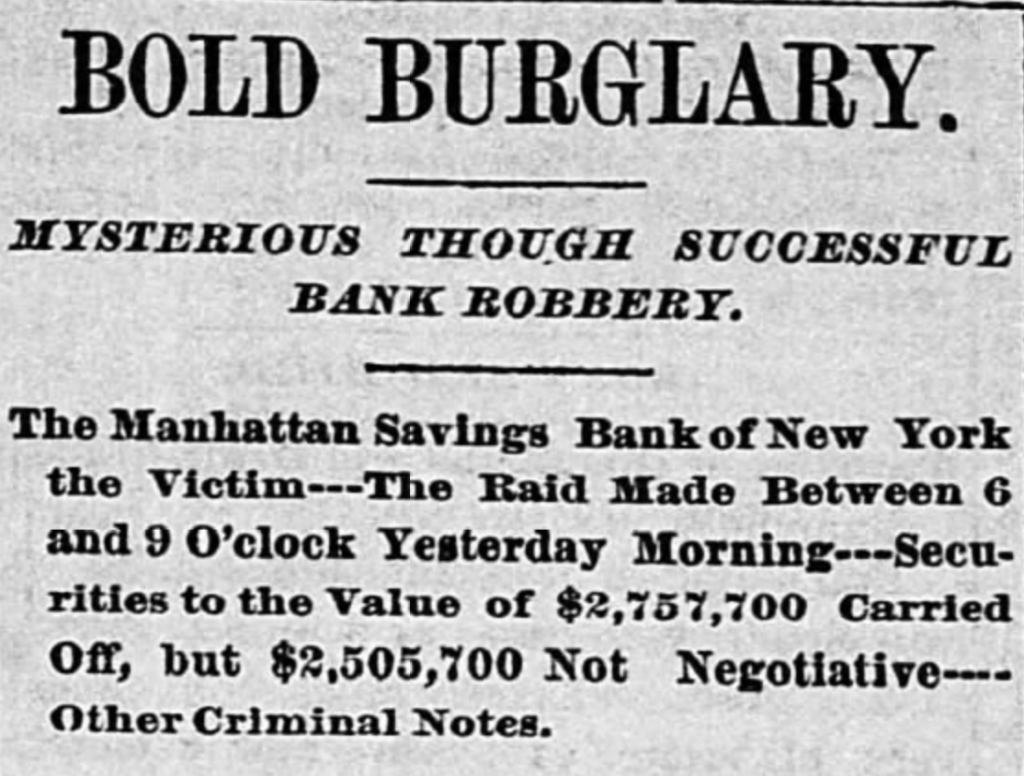
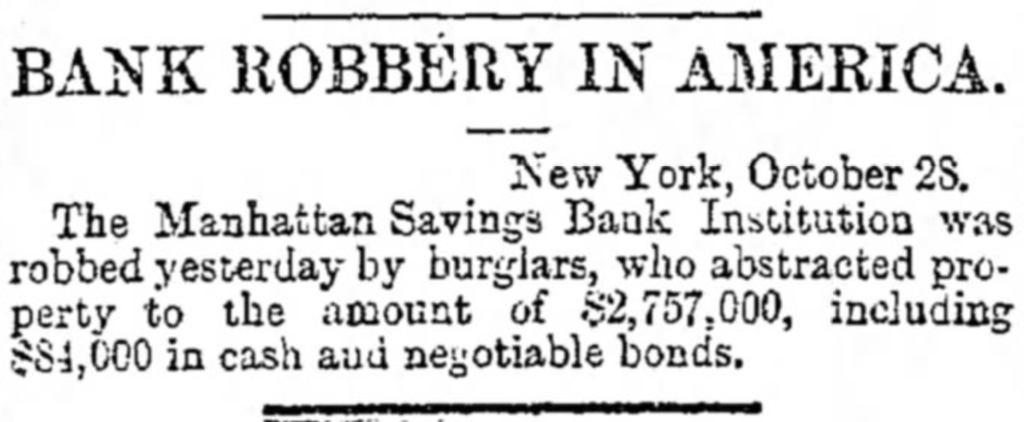
On October 27, 1878, Leslie’s gang broke into the Manhattan Savings Institution and stole almost $3 million in cash and securities (about $71 million in today’s money), making it one of the greatest bank robberies in American history. 

This epic heist, which took three years to plan, was only the greatest in a string of high-profile robberies planned by Leslie and perpetrated by a rogue’s gallery of New York thieves and fences.

Many details of the crime remain a mystery, and the legend of Leslie has been immortalized — with some mixture of truth and fiction — in Herbert Asbury’s classic The Gangs of New York.

Who was this suave and mysterious Leslie? And how do you actually go about breaking into a bank in the 1870s? (Hint: Make sure you have a ‘little joker’ handy.)

Listen Now – The Great Bank Robbery of 1878


The Bowery Boys: New York City History podcast is brought to you …. by you!

We are now producing a new Bowery Boys podcast every other week. We’re also looking to improve and expand the show in other ways — publishing, social media, live events and other forms of media. But we can only do this with your help!

We are now a creator on Patreon, a patronage platform where you can support your favorite content creators.

Please visit our page on Patreon and watch a short video of us recording the show and talking about our expansion plans. If you’d like to help out, there are several different pledge levels. Check them out and consider being a sponsor.

We greatly appreciate our listeners and readers and thank you for joining us on this journey so far.


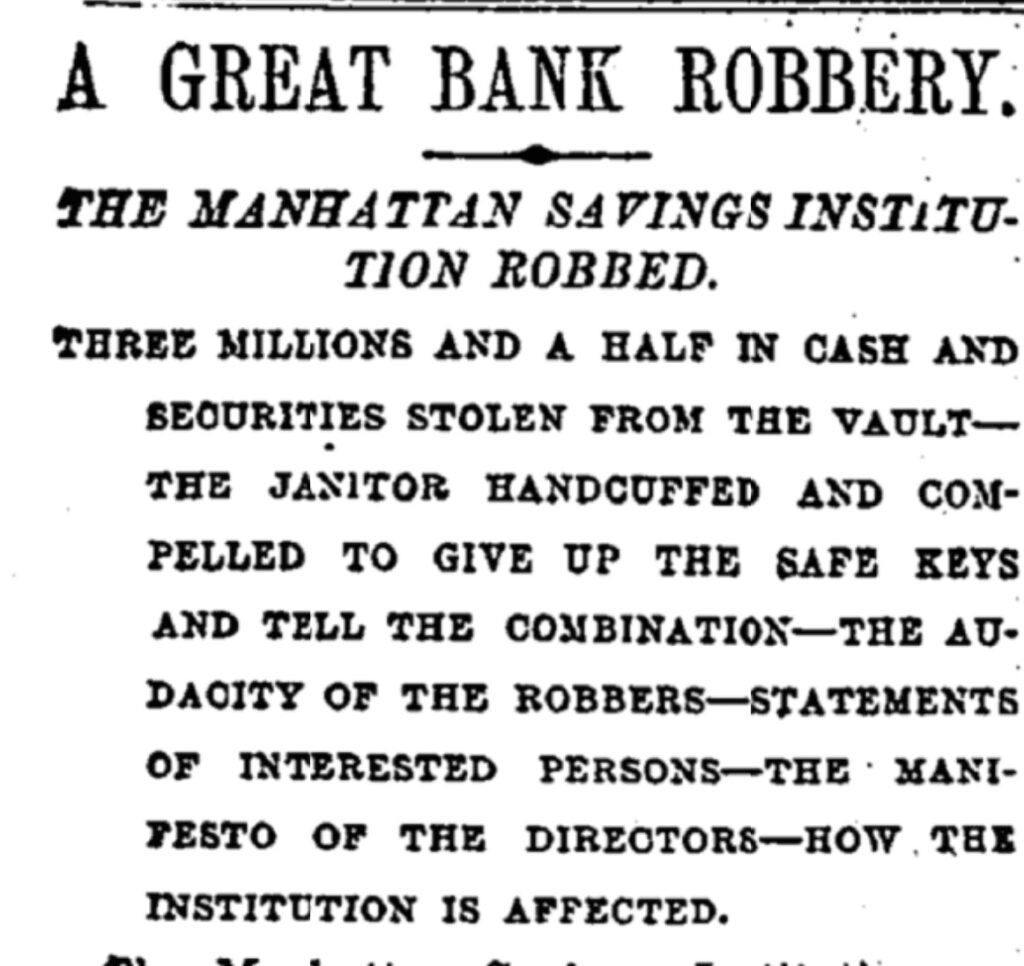
New York Times, October 28, 1878
Front page of the New York Tribune, oct 28, 1878
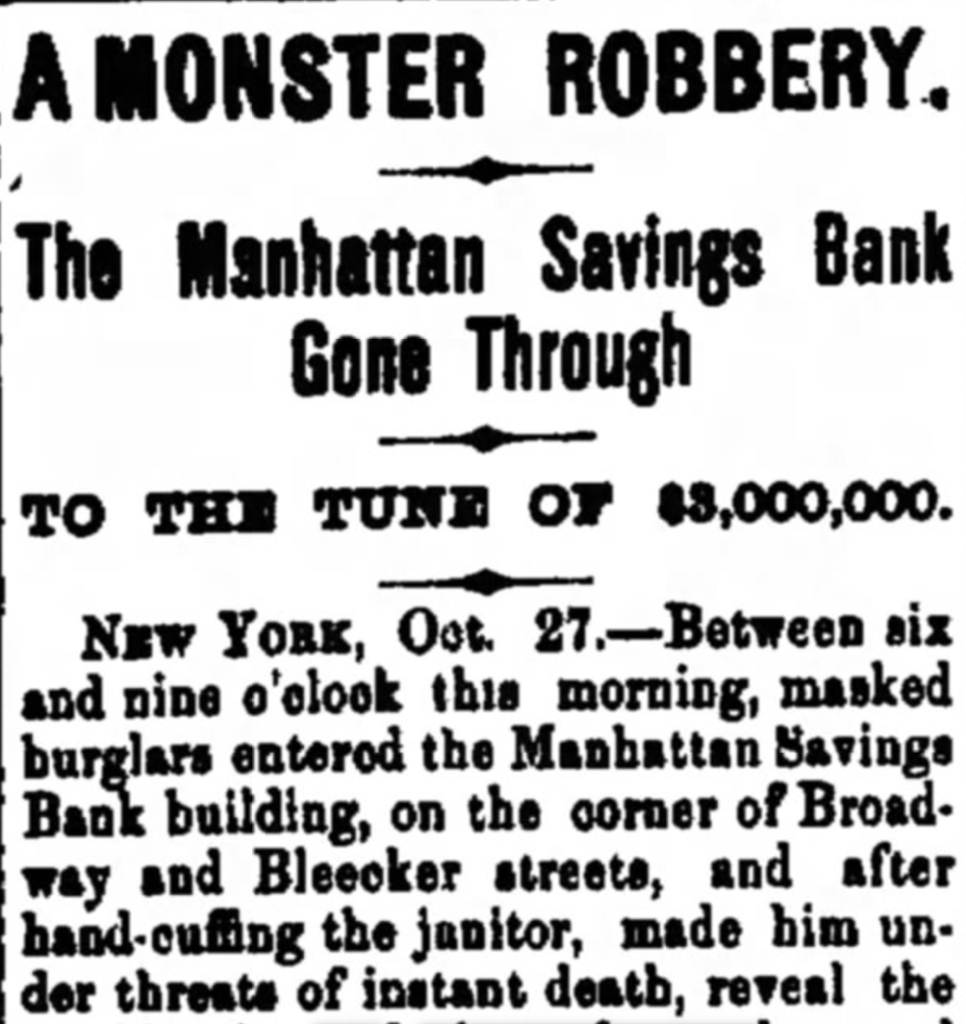
Decatur Weekly Republican, oct 31, 1878
The New England Farmer, November 2, 1878
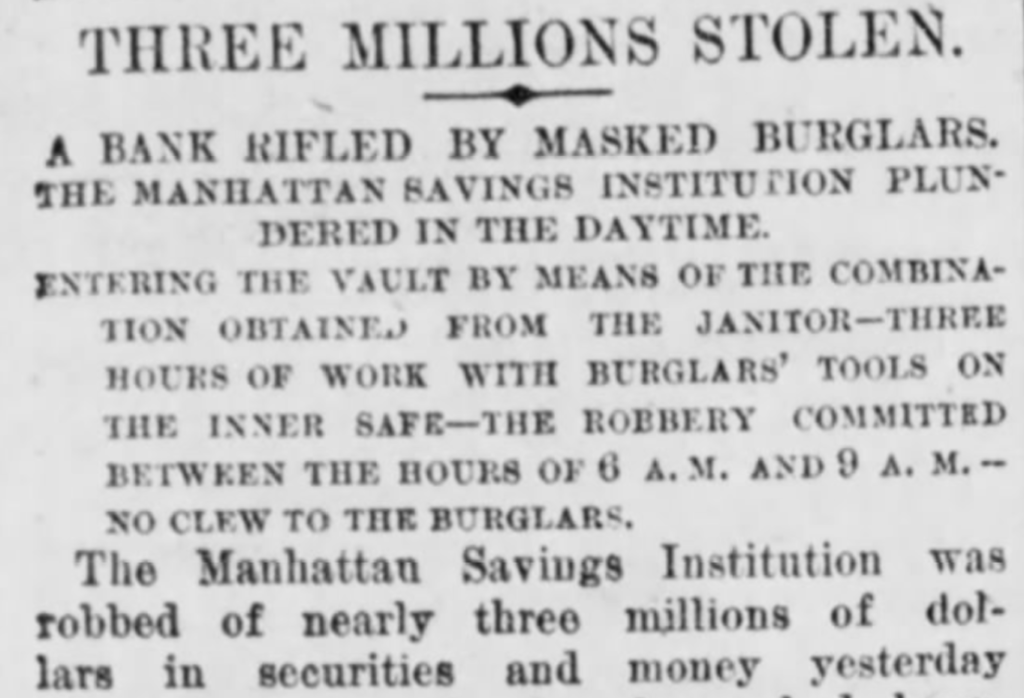
The Saint Paul Globe, Saint Paul, Minnesota, October 28, 1878
Glasgow Herald, Glasgow Scotland, October 29, 1878

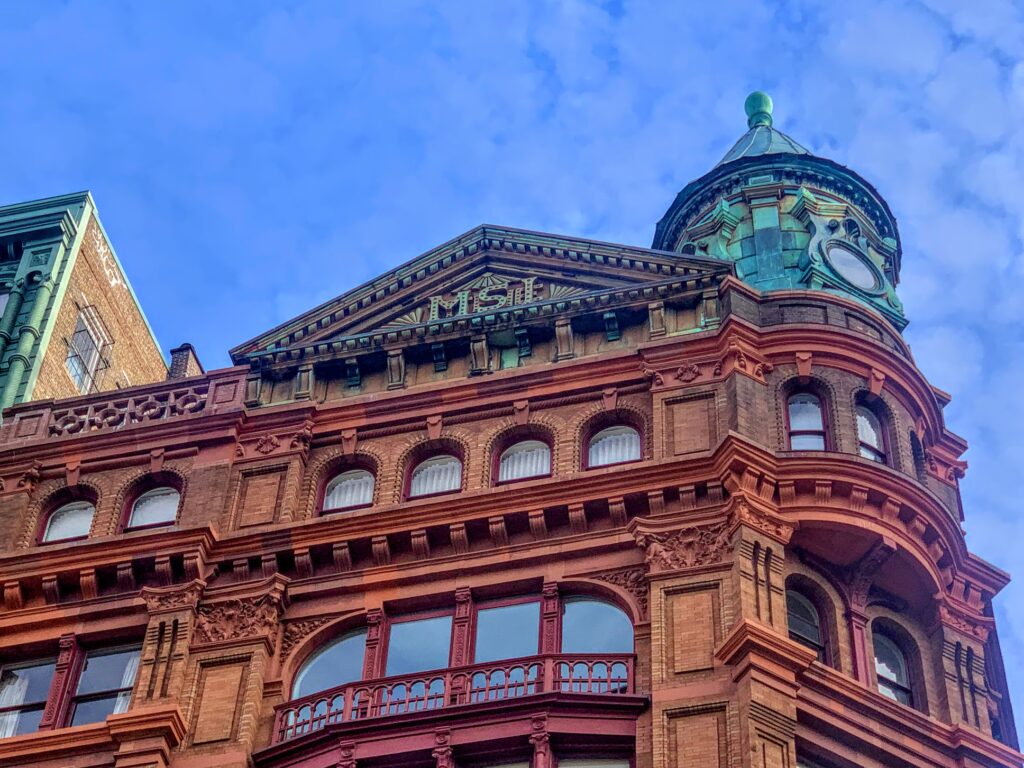
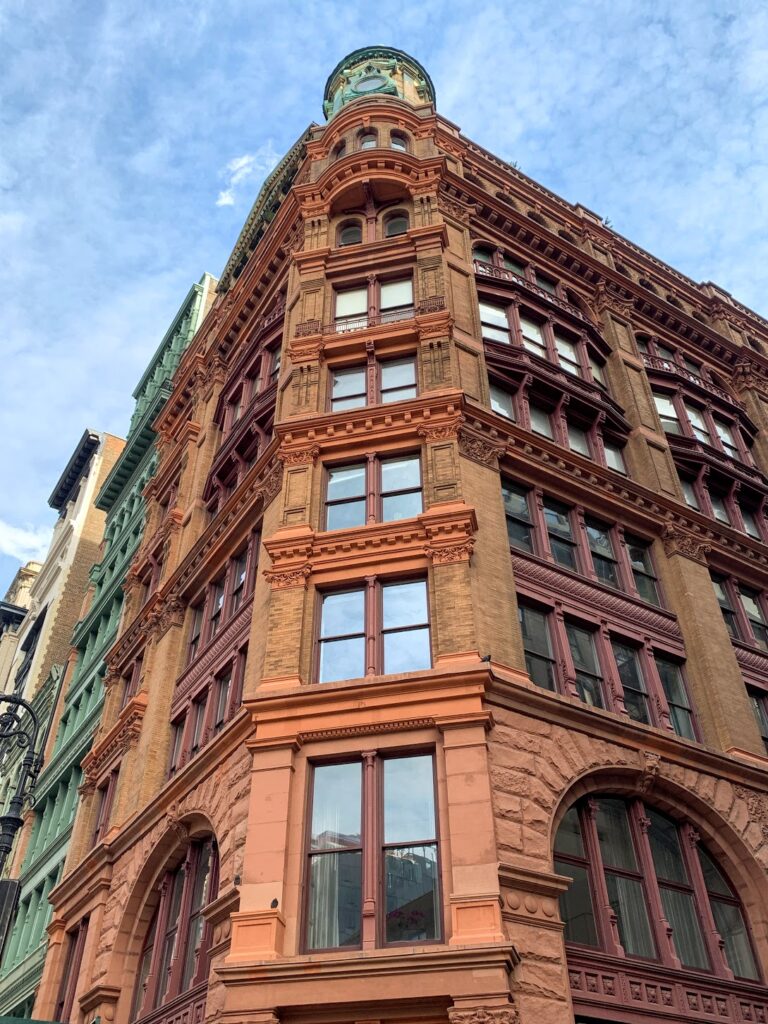
The second Manhattan Savings Institution building, built in 1891 at Broadway and Bleecker Street, on the spot of their first bank — the one targeted by the Leslie gang.

Photo by Greg Young
Photo by Greg Young

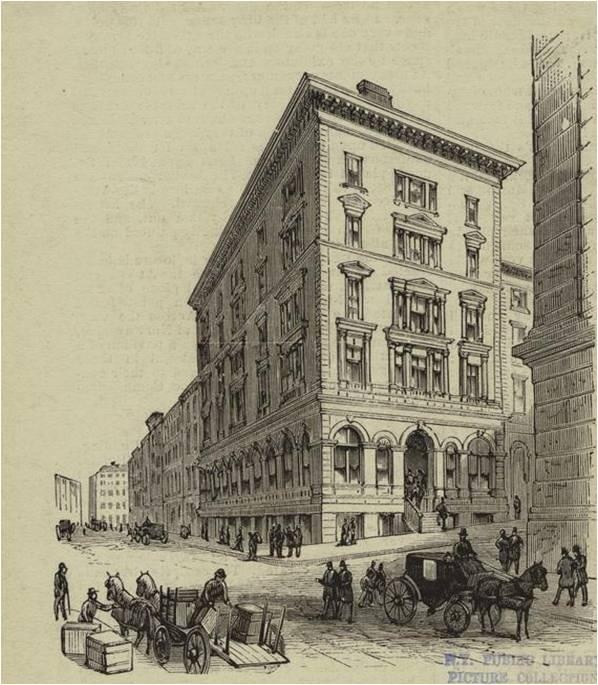
The City Bank of New York which was robbed in 1831.

New York Public Library

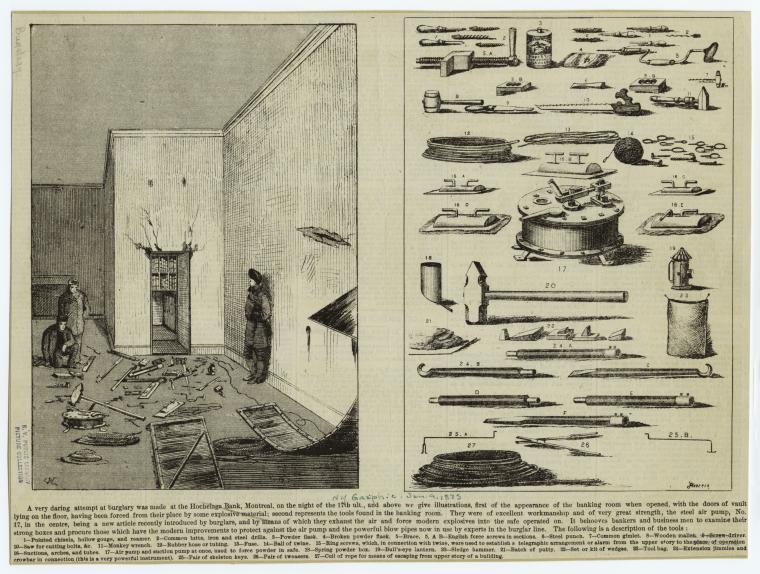
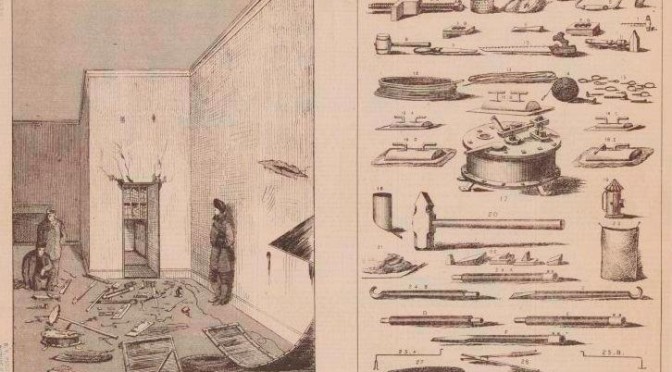
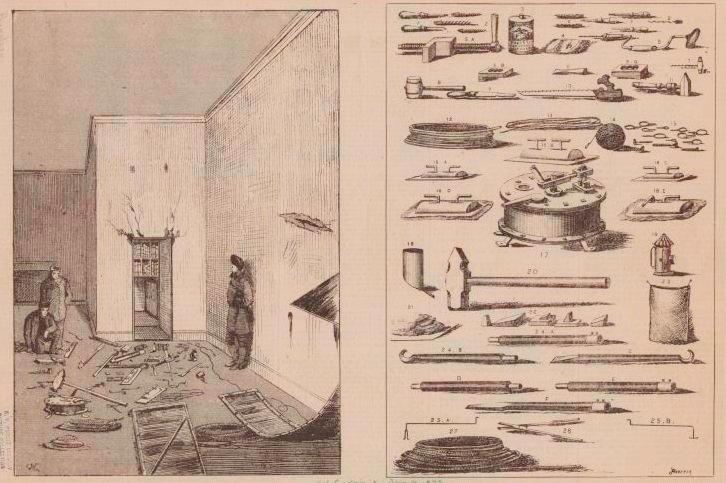
A selection of tools found at a bank break-in in Montreal, 1875.

New York Public Library
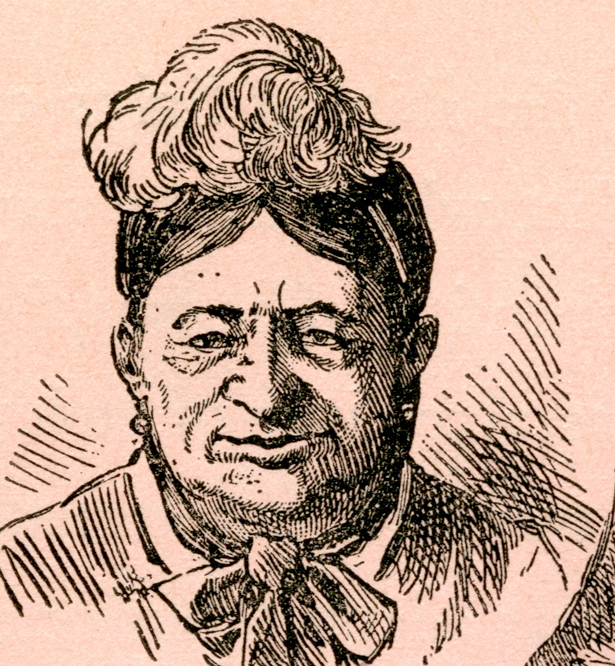
Marm Mandelbaum, as depicted in Sins of New York: As Exposed by the Police Gazette by Edward Van Every

FURTHER READING

Herbert Asbury / The Gangs of New York
Jerry Clark and Ed Palattella / A History of Heists: Bank Robbery In America
J. North Conway / King of Heists
Richard S. Grossman / Unsettled Account
Stephen Jaffe and Jessica Lautin / Capital of Capitol: Money, Banking, and Power in New York City, 1784-2012
Geoff Manaugh / A Burglar’s Guide to the City 

Categories
Podcasts True Crime

The Murder on Bond Street: Who Killed Dr. Burdell?

PODCAST A gaslight murder mystery with more twists than an Agatha Christie novel!

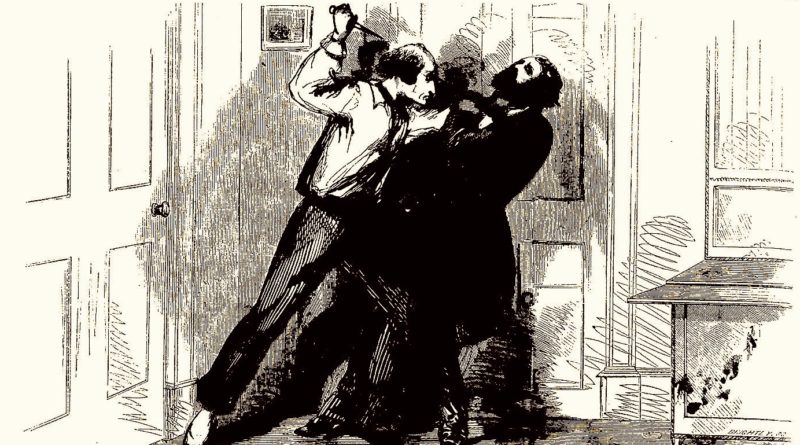
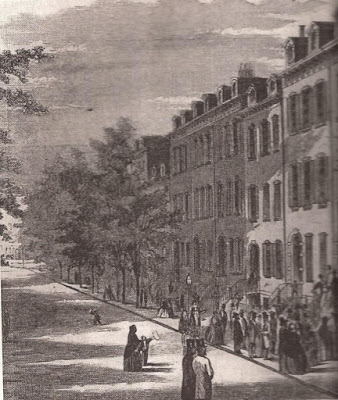
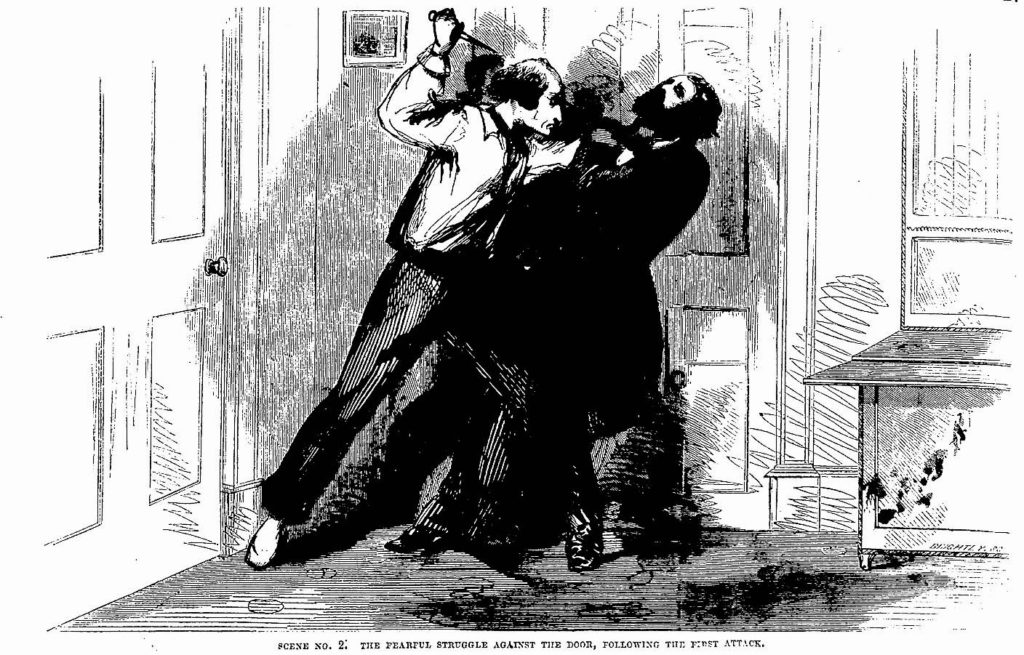
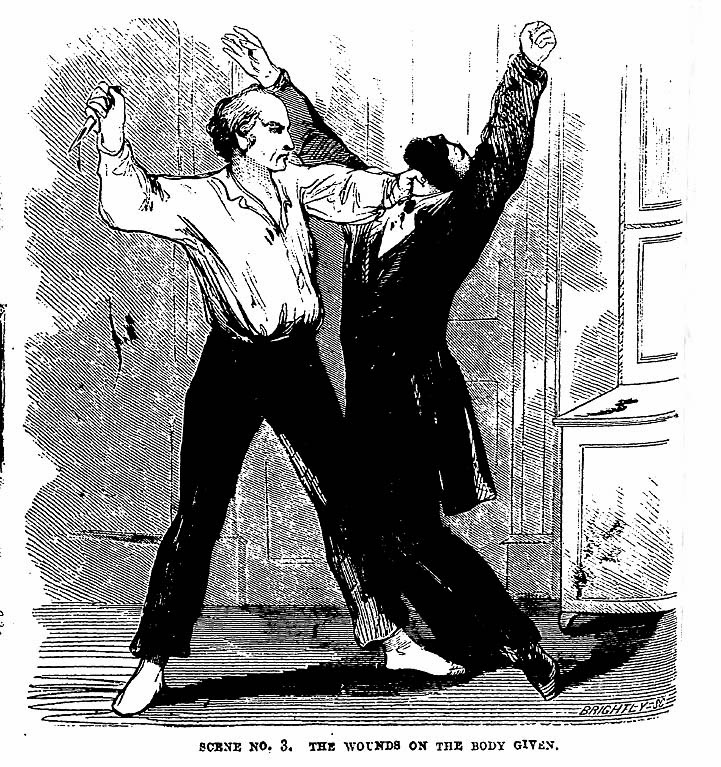
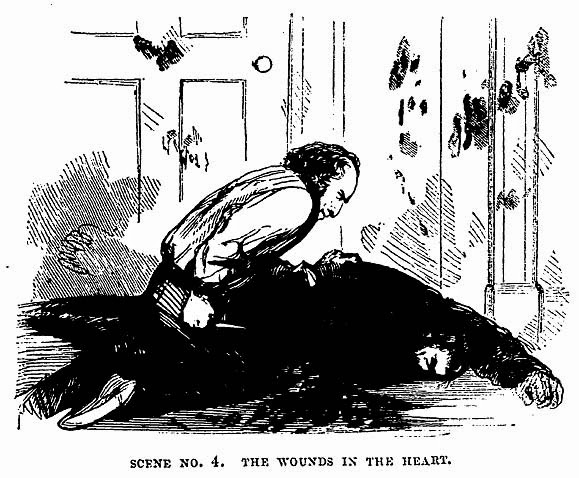
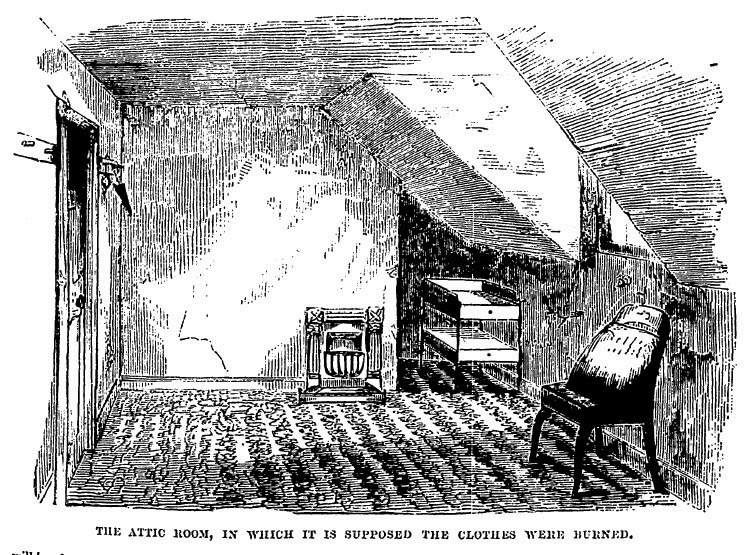
On January 31, 1857, a prominent dentist named Harvey Burdell was found brutally murdered — strangled, then stabbed 15 times — in his office and home and Bond Street, a once-trendy street between Broadway and the Bowery.

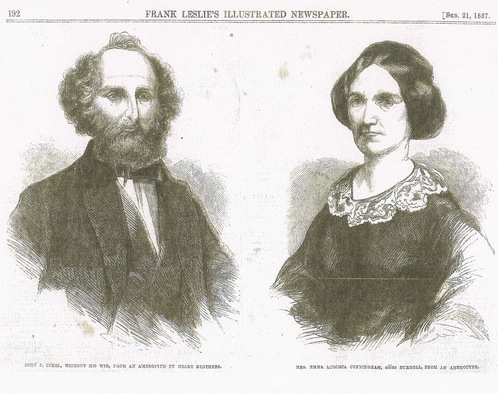
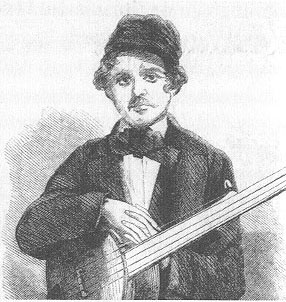
The suspects for this horrific crime populated the rooms of 31 Bond Street including Emma Cunningham, the former lover of Dr. Burdell and a woman with many secrets to hide; the boarder John Eckel with a curious fondness for canaries; and the banjo-playing George Snodgrass, whose personal obsessions may have evolved in depraved ways.

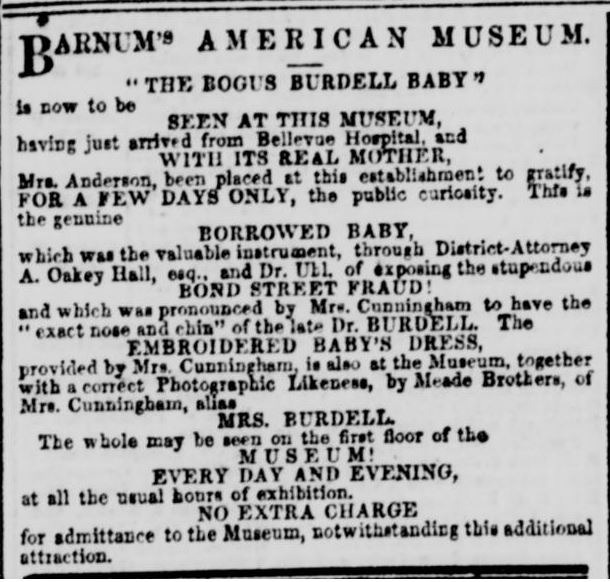
The mechanics of solving crime were much different in the mid 19th century than they are today, and the mysterious particulars of this investigation seem strange and even unacceptable to us today. A suspect would stand trial for Dr. Burdell’s death yet the shocking events which followed — including a sinister deception and a fake childbirth — would prove that truth is stranger than fiction.

Listen Here: Harvey Burdell Murder Podcast

___________________________________________________________

The Bowery Boys: New York City History podcast is brought to you …. by you!

We are now producing a new Bowery Boys podcast every other week. We’re also looking to improve the show in other ways and expand in other ways as well — through publishing, social media, live events and other forms of media. But we can only do this with your help!

We are now a member of Patreon, a patronage platform where you can support your favorite content creators for as little as a $1 a month.

Please visit our page on Patreon and watch a short video of us recording the show and talking about our expansion plans. If you’d like to help out, there are five different pledge levels (and with clever names too — Mannahatta, New Amsterdam, Five Points, Gilded Age, Jazz Age and Empire State). Check them out and consider being a sponsor.

And join us for the next episode of the Bowery Boys Movie Club, an exclusive podcast provided to our supporters on Patreon. This month’s selection — Ghostbusters!

We greatly appreciate our listeners and readers and thank you for joining us on this journey so far.

__________________________________________________________

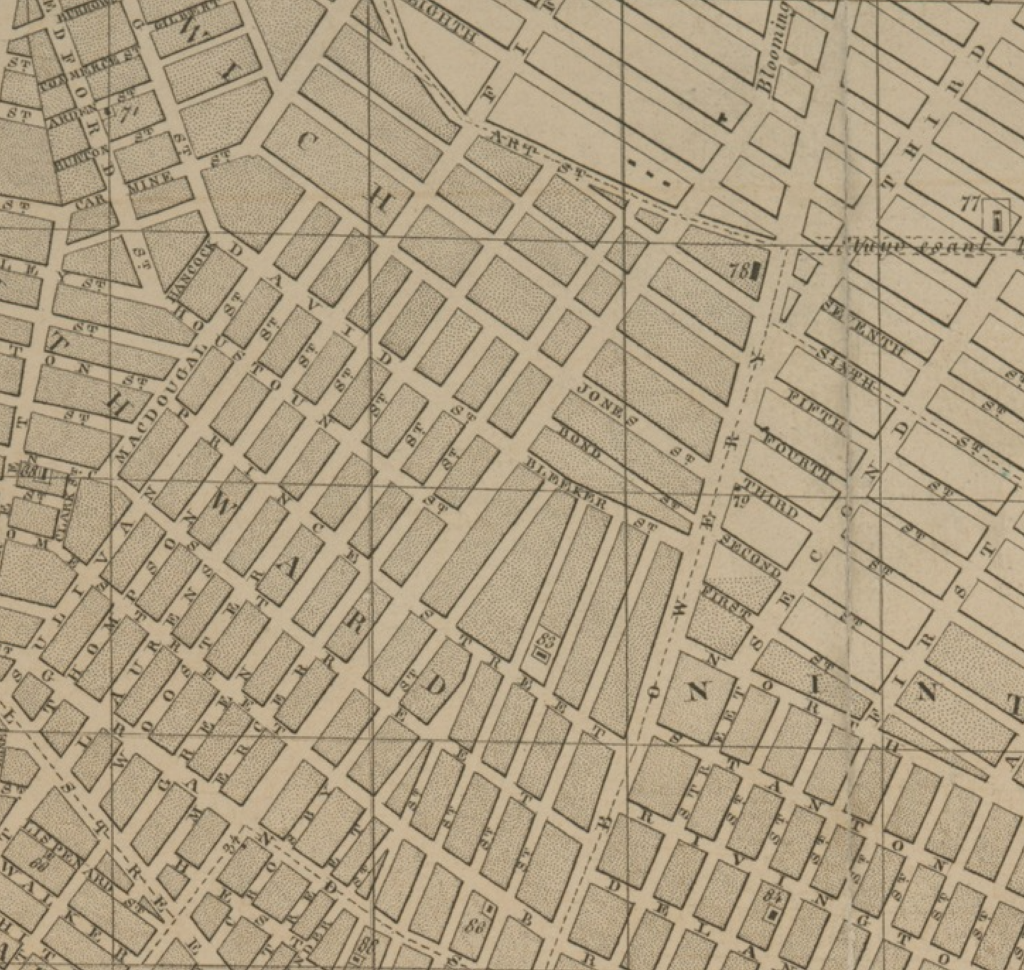
A look at Bond Street and the surrounding blocks in 1828. Lafayette Street/Lafayette Place did not yet exist then. In fact, Houston Street stops at Broadway. East of the Bowery runs North Street (which would be renamed Houston Street when it was extended through the block.) Great Jones Street is listed only as Jones Street here, and streets with names like David Street and Art Street also appear.

New York Public Library
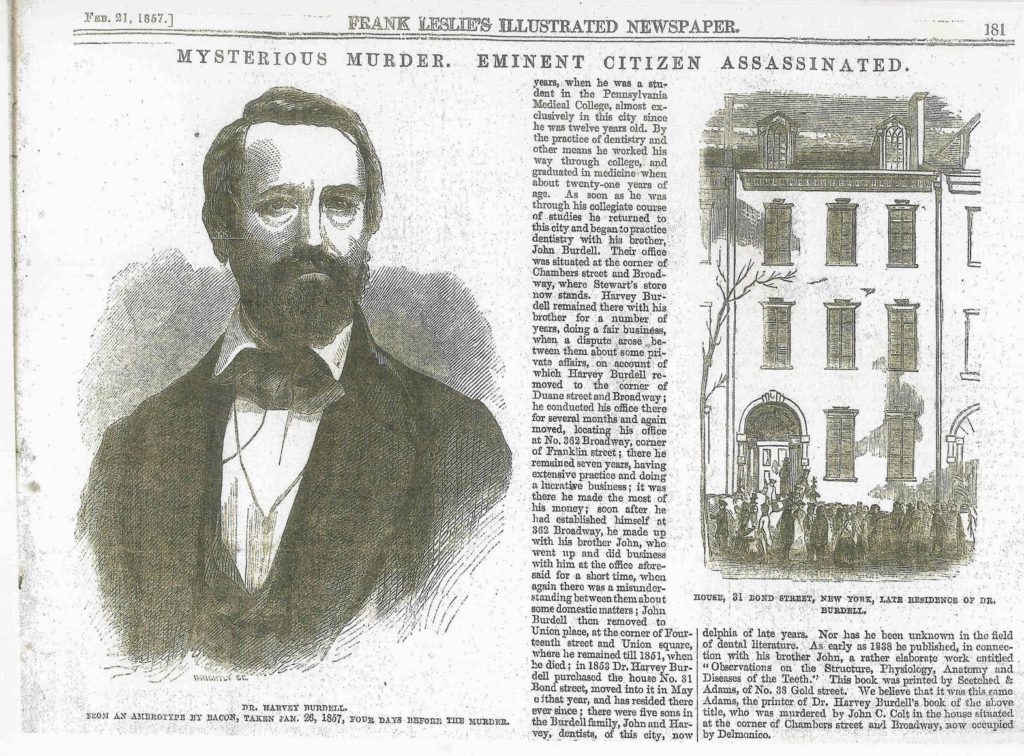
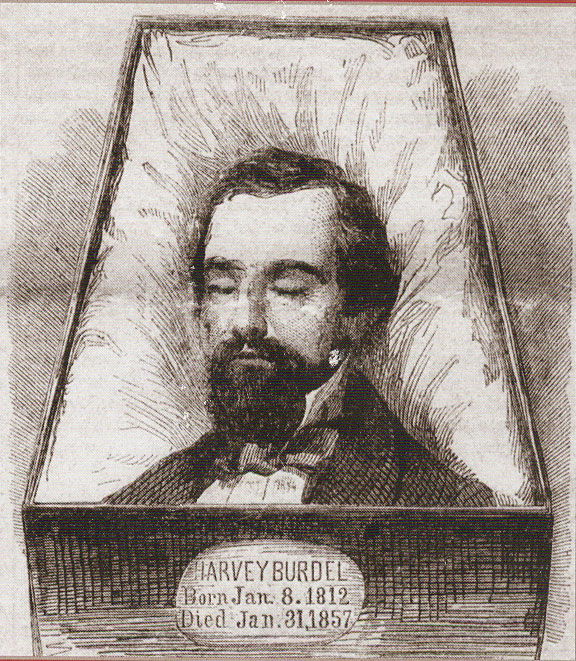
Dr. Harvey Burdell and 31 Bond Street, Leslie’s Illustrated Newspaper, Feb. 21, 1857 via Off the Grid

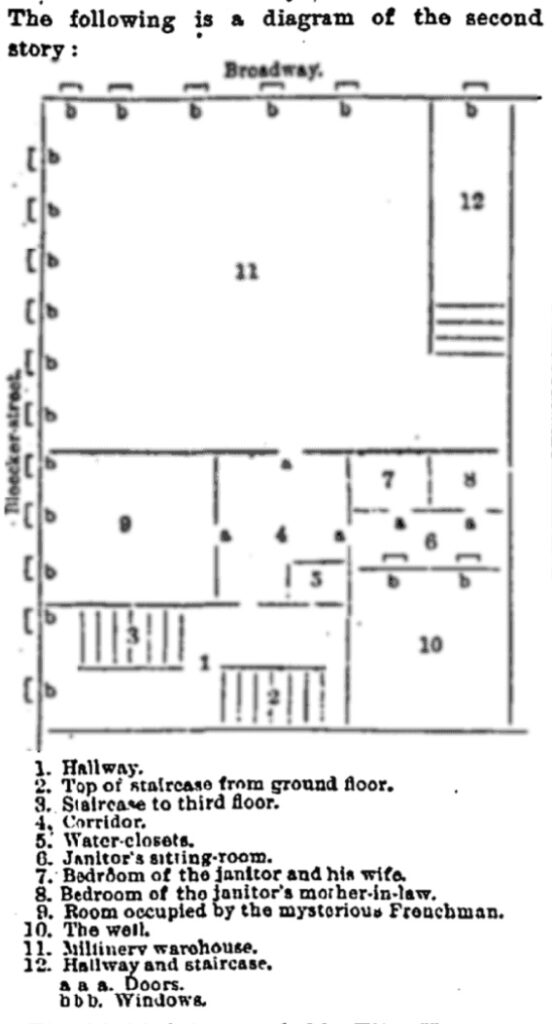
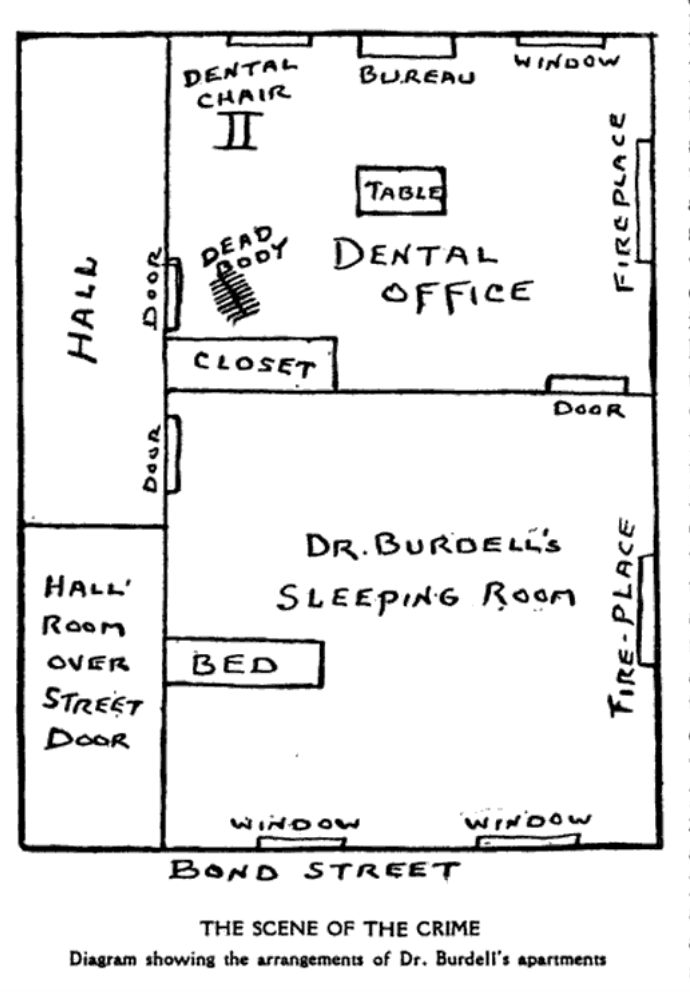
The layout of the murder scene on the second floor of 31 Bond Street

The Era Magazine, 1904

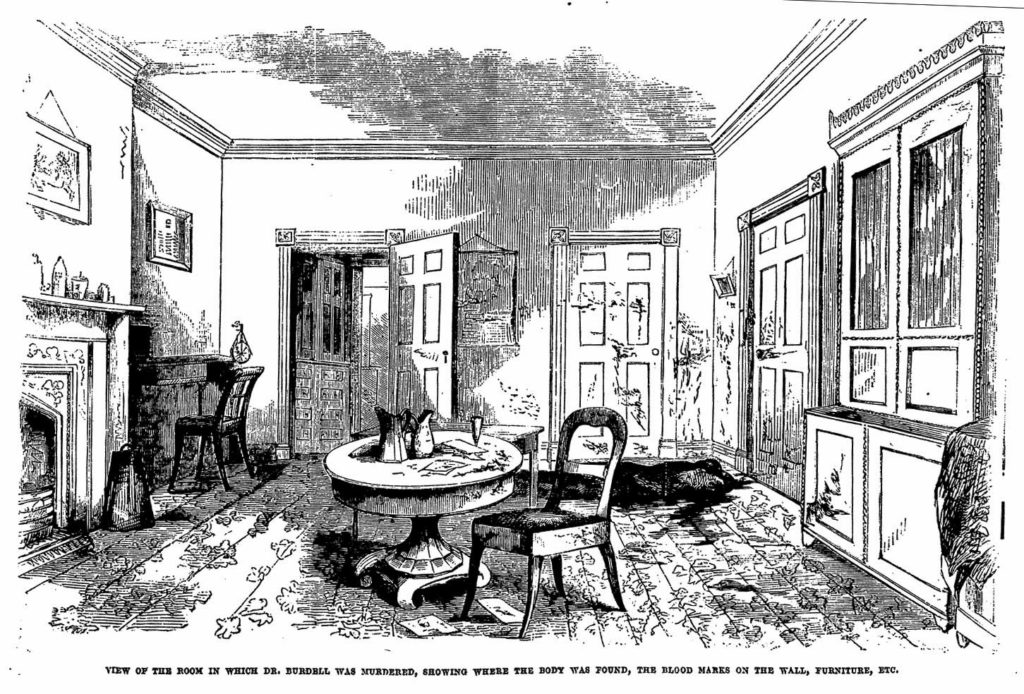
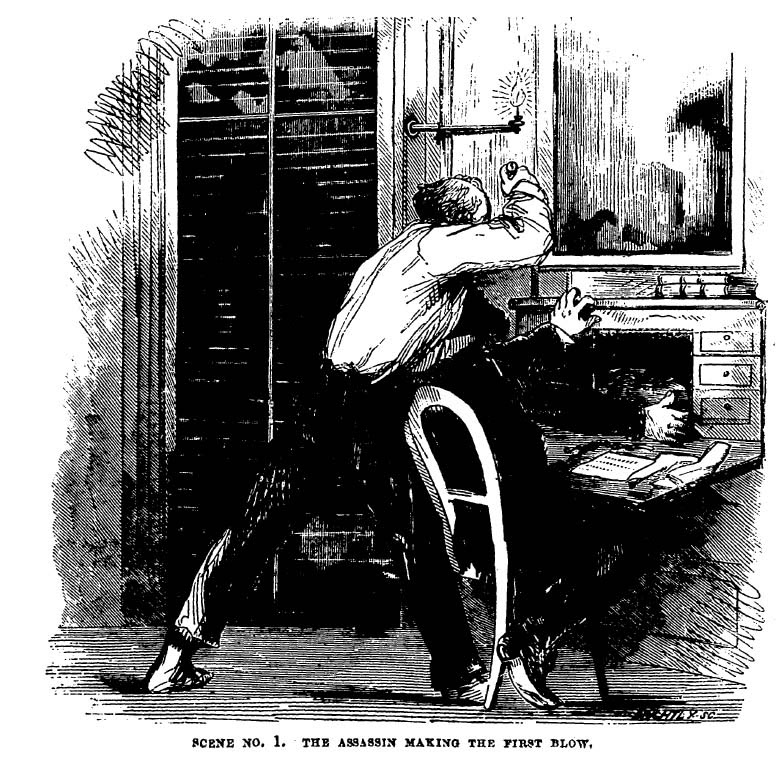
Images below are from Frank Leslie’s Illustrated Newspaper, Harper’s Weekly and other contemporary publications from 1857.

John Eckel, Emma Cunningham and George Snodgrass

An advertisement for the ‘bogus Burdell baby’, displayed at Barnum’s American Museum:

Via Strange Company blog

FURTHER READING

Butchery On Bond Street: Sexual Politics and the Burdell-Cunningham Case in Ante-Bellum New York by Benjamin Feldman — the definitive narrative of this crime story from 2007

Evil Emma, Down Mexico Way by Benjamin Feldman — a sequel of sorts, following the strange circumstances of Emma Cunningham’s time in Baja, California

31 Bond Street: A Novel by Ellen Horan — a fictionalized retelling of the story

FURTHER LISTENING

A few other murder mysteries in our back catalog that might interest you:

Categories
The Alienist True Crime

The Alleged New York Murders of Jack the Ripper

HISTORY BEHIND THE SCENE What’s the real story behind that historical scene from your favorite TV show or feature film? A semi-regular feature on the Bowery Boys blog, we will be reviving this series as we follow along with TNT’s limited series The Alienist. Look for other articles here about other historically themed television shows (Mad MenThe KnickThe DeuceBoardwalk Empire and Copper). And follow along with the Bowery Boys on Twitter at @boweryboys for more historical context of your favorite shows. 

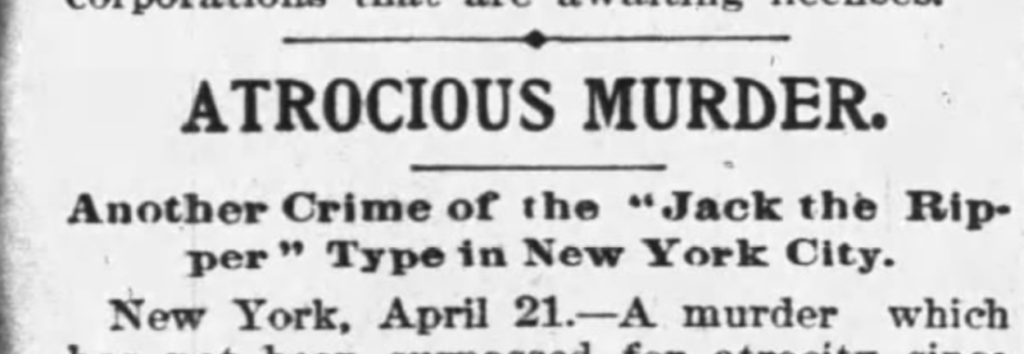
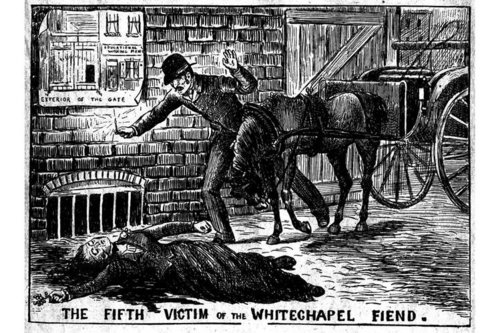
In 1888, a serial killer terrorized the Whitechapel district of London, leaving a set of disturbingly gory crime scenes which horrified the public and galvanized the press. It was soon believed at least five of the victims (and possibly many more) were killed by the same hand — a shadowy figure referred to as Jack the Ripper. The victims, all women, were Whitechapel prostitutes.

In 1891, the killer struck again in as gruesome a fashion as before. The victim was again a prostitute, a middle-aged woman “of dissolute and intemperate habits” named Carrie Brown who was found murdered in a lodging house on April 24, 1891. The only significant difference to the brutal crimes of 1888 was its location.

Carrie Brown was murdered in New York City.

Jack the Ripper’s alleged ‘New York City spree’ is the sinister pretext for the murder investigation depicted on The Alienist. Investigators in 1896, just five years after the death of Carrie Brown, would have had knowledge of Jack’s possible appearance on the streets of New York.

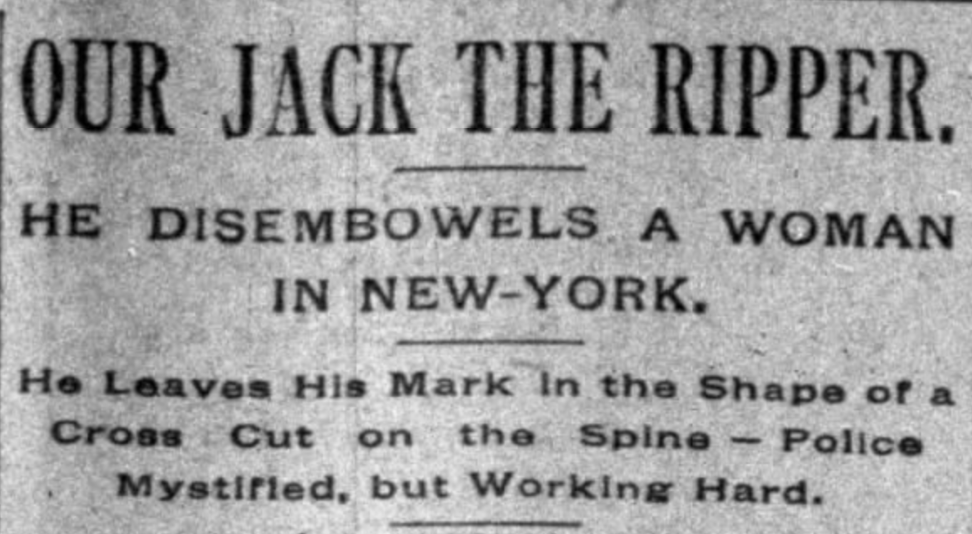
Of course, nothing has ever been proven that Brown’s death was associated in any way with the 1888 murders in Whitechapel. But that didn’t stop the press from speculating. After all, such twisted, grotesque crime sold newspapers.

The circumstances of Brown’s ghastly murder were indeed extraordinary.

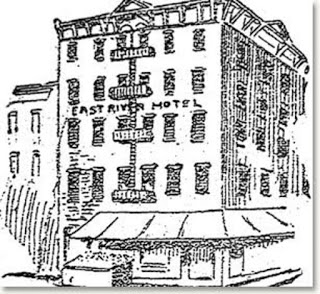
Let’s quote from that defining text of New York City crime folklore — Gangs of New York by Herbert Asbury. “The first Jack-the-Ripper murder in New York is said to have occurred [at the old East River Hotel at Catherine and Water streets] when an old hag known as Shakespeare was cut to pieces.”

Brown was known as Shakespeare for her habit of quoting the bard whenever possible. According to Asbury, “Shakespeare always claimed that she had come from an aristocratic family and that in her youth she had been a celebrated actress in England. She supported her contention by reciting, in return for a bottle of swan gin, every female role in HamletMacbeth and The Merchant of Venice.”

Her lifeless body was discovered the next morning, stabbed and repeatedly slashed with a cross cut into her thigh.

Below: Brown’s body wore mutilations similar to those found in the Whitechapel killings

Buffalo Morning Express, April 25, 1891

From the Evening World the day following her murder: “No crime which has been committed in this city for years has stirred the Police Department to such tremendous activity as the horrible butchery of Carrie Brown, alias ‘Old Shakespeare’ by ‘Jack the Ripper or his double, at the East River Hotel.”

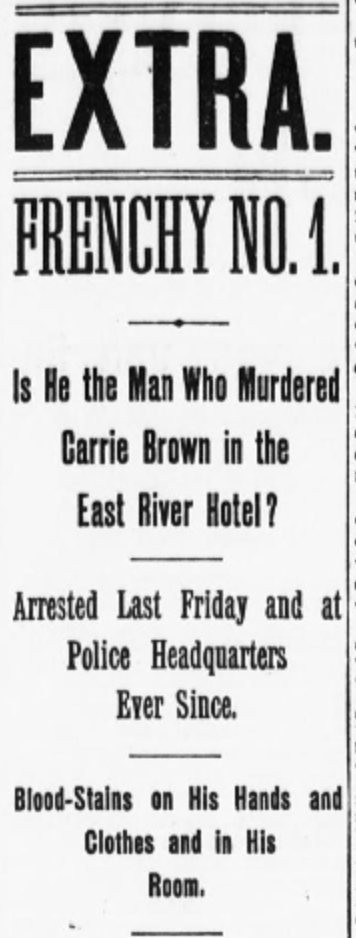
Police chief inspector Thomas F. Byrnes had previously chided Scotland Yard for their inability to catch a killer. Perhaps that’s why there was an immediate arrest in the case — an Algerian man named Ameer Ben Ali (nicknamed Frenchy). He was convicted of the crime and unjustly sent to prison, despite little evidence of his involvement in the murder. (He remained there for eleven years before he was eventually exonerated.)

Evening World, April 30, 1891

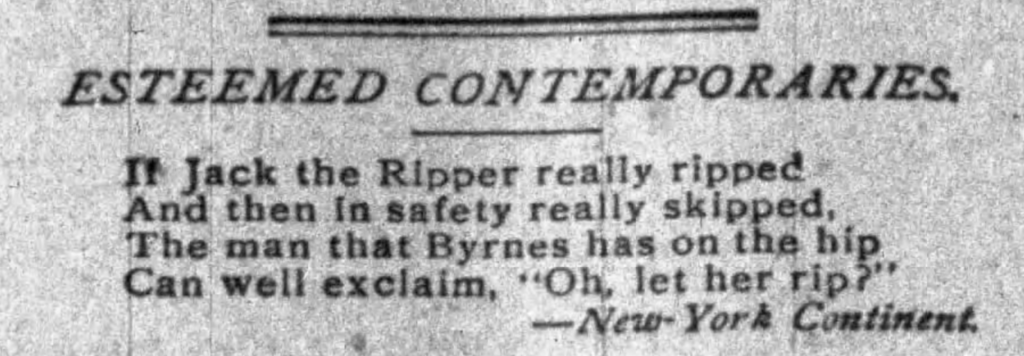
There were doubts about Ameer Ben Ali’s involvement with the murder from the very beginning — as evidenced by this poem in the Buffalo Morning Express, published a couple of weeks after the murder.

It didn’t matter that, in 1891, Jack seemed to have resumed his murder spree at the very same time in London. It’s unclear whether the London slayings attributed to this singular killer were related to the 1888 murders but newspapers made the assumption anyway. In total, eleven ‘Whitechapel murders’ from 1888 to 1891 are attributed to Jack.

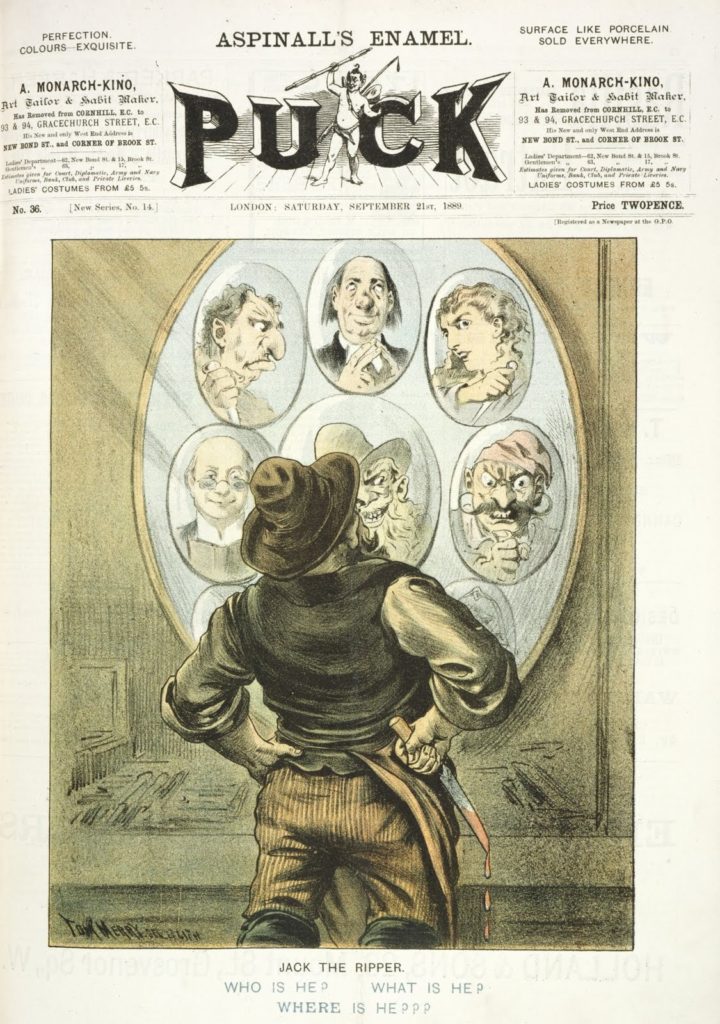
Below: Puck Magazine, published at the Puck Building on Houston Street, speculated on the Ripper’s identity in 1889.

Brown’s murder was not the only one eager newspaper publishers linked to the legend of Jack the Ripper. It happened with such frequency that Twentieth Century Magazine (published in May 1891) attempted to explain the phenomenon. “A little more than a month ago a homicide was committed in New York, the incidents of which were so like those attending the London homicides that the unknown perpetrator of the deed was also called Jack the Ripper. So that the name of Jack the Ripper stands for a person who kills a woman or women and afterword mutilates the body or bodies.”

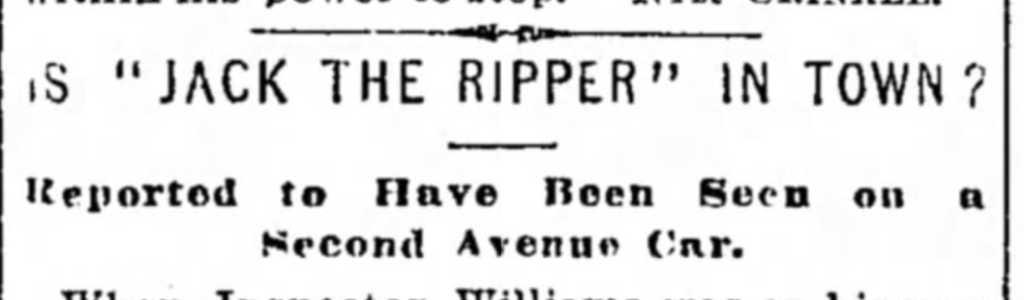
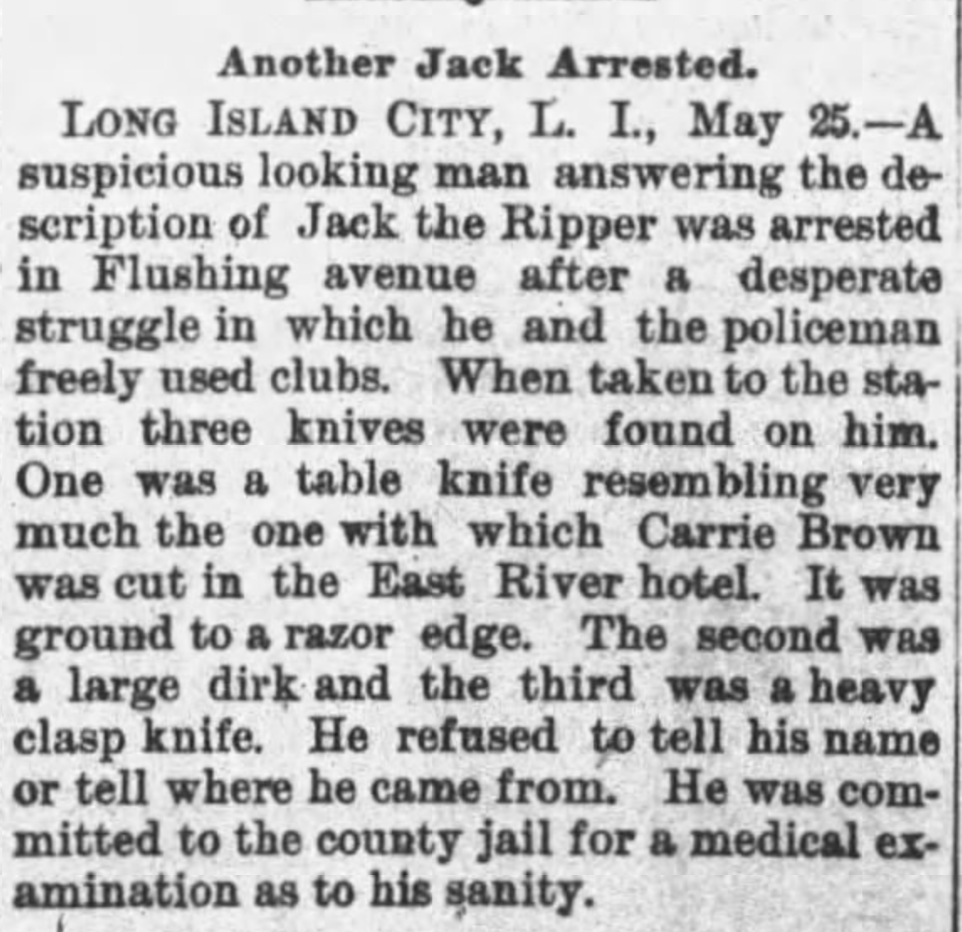
Jack the Ripper was reportedly seen throughout New York, due to the many eyewitness descriptions of both the London killer which ran in American newspapers and descriptions of the suspected New York killer.

Below: Such headlines ran in the newspapers even before the Carrie Brown murder (New York World, March 8, 1891)

Below: From the Buffalo Evening News (May 25, 1891)

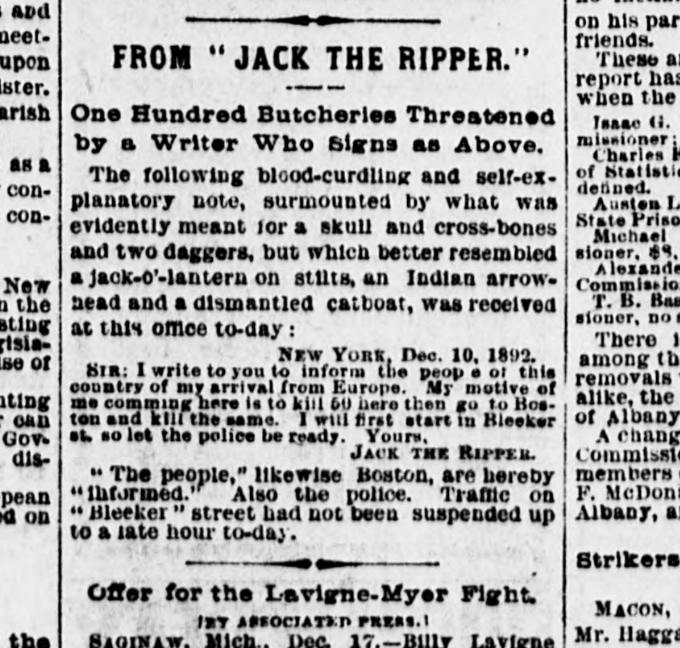
Publishers’ verve in linking any and all grisly murders to London’s killer might have inspired the following letter, sent to the New York Evening World offices on December 17, 1892:

(For those following The Alienist, Bleecker Street is also the destination of choice for that story’s killer.)

In the late fall of 1893, the body of a mutilated woman was found in the East River, and it too, for a time, was linked to Jack the Ripper. “On the hasty examination made last night some marks, taken to be somewhat similar, were discovered, but a thorough examination made this morning shows that they were simply bruises.”

By 1894 people stopped looking for Jack the Ripper in New York although several arrested murderers were described very explicitly as Ripper-style killers. One example from February 3, 1894: “Only a little over two years ago Henry G. Dowd rivaled the fiendish Jack the Ripper by slashing seven intoxicated, but inoffensive men in the Fourth Ward.”

Categories
Bowery Boys Bookshelf

‘Incendiary’: The Mad Bomber Terrorizes 1950s New York

George Metesky was just your average working joe with a unique and understandable beef against his former employer Con Edison. He was injured on the job, eventually fired and denied workers compensation for what appear to be purely bureaucratic reasons.

But any sympathies one might find for Metesky, however, are quickly abandoned.

In retaliation, he began a meticulously sustained crime spree in New York City within its most famous and most bustling landmarks.

For sixteen years (from 1940 until his arrest in January 1957), this disturbed man placed explosive devices throughout the city, a chilling swath of discord meant to send a message while endangering the lives of thousands of New Yorkers. Grand Central, Penn Station, the New York Public Library and a variety of theaters (including Radio City Music Hall) were all targeted by the man who the press would eventually label ‘the Mad Bomber’.

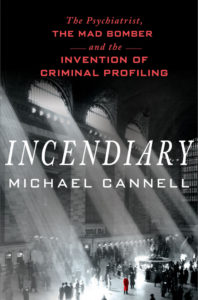
INCENDIARY
The Psychiatrist, The Mad  Bomber and the Invention of Criminal Profiling
By Michael Cannell
Minotaur Books/Macmillan Publishers

In Incendiary, the brisk new page-turner by Michael Cannell, these disturbing events and the race to capture Metesky are given a bold, true-crime retelling, an immersive non-fiction thriller with cinematic pacing.

Metesky operated a bit like a comic-book villain, sending letters to the New York Journal-American, taunting the police, all the while setting devices in places where they would receive the most attention. But, strangely enough, the ‘Mad Bomber’ never meant to seriously take lives; indeed, of the dozens of explosive devices set off over the city, nobody was actually killed. (But there were a number of serious injuries.)

Given the nature of Metesky’s crime spree, investigators were able to use ground-breaking criminal profiling methods. A disturbed individual like Metesky almost demanded such an investigation, his psyche on full display in his newspaper letters.

Key to his eventual capture was psychiatrist James Brussel who worked closely with the police in constructing a profile of Metesky that was extraordinarily detailed — and mostly accurate.

Even down to outfit he wore when he eventually confronted the police on a cold evening in January of 1957.

“I know why you fellows are here. You think I’m the Mad Bomber.”

Metesky conducted his frightening crimes with an alarming theatricality — indeed, Brussel’s criminal profiling methods would inspire millions of hours of evening television — which is why Cannell’s gripping procedural feels immediate and particularly terrifying.  This is the stuff of modern nightmares.


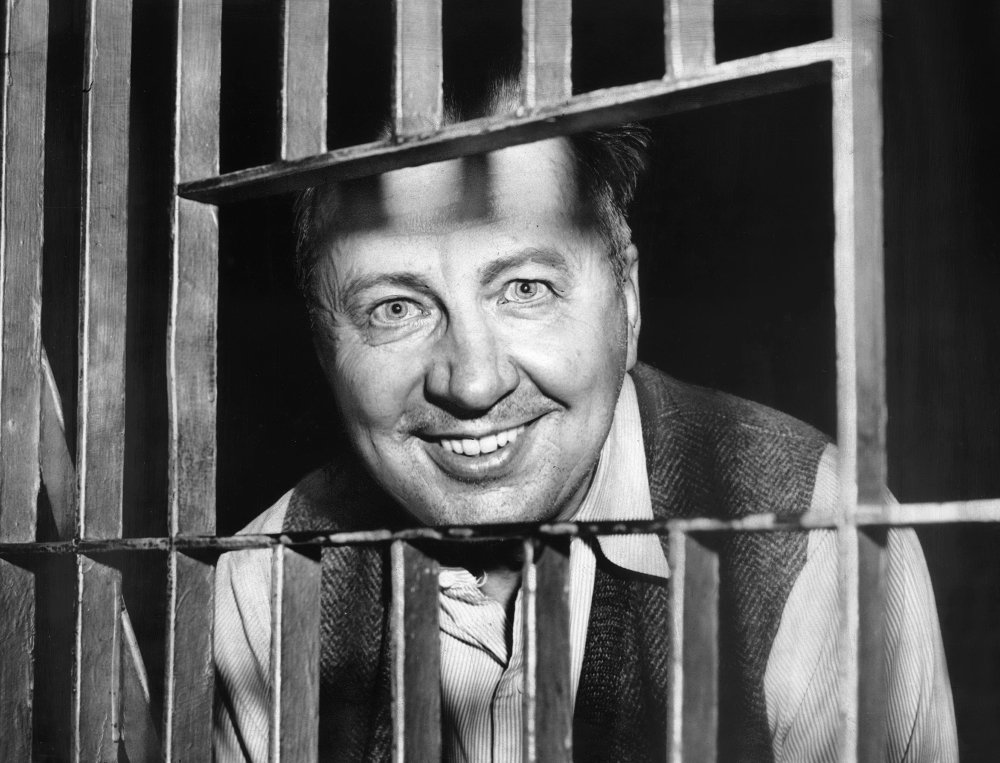
At top: A portion of one of Metesky’s letter. Below: the Mad Bomber in jail

Judd Mehlman/New York Daily News via Getty Images

Categories
A Most Violent Year Pop Culture

1981 was indeed “A Most Violent Year” in New York City

In 1981, there were more reported robberies in New York City (over 120,000) than in any year in its history.  There were over 2,100 murders that year (slightly down from the previous year) including such infamous crimes as the mob-related Shamrock Bar murders in Queens. After years of steadily increasing crime rates, it seemed unlikely in 1981 that New York would ever reverse course.

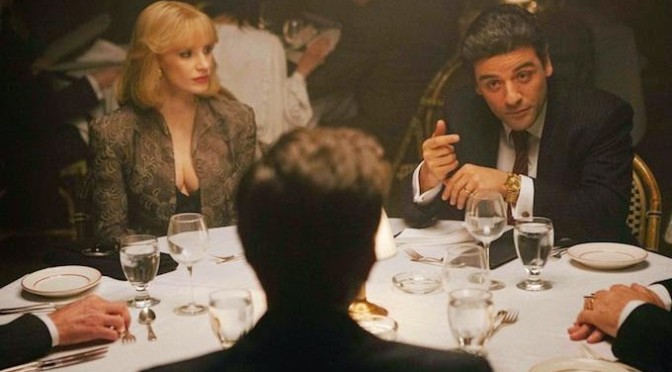
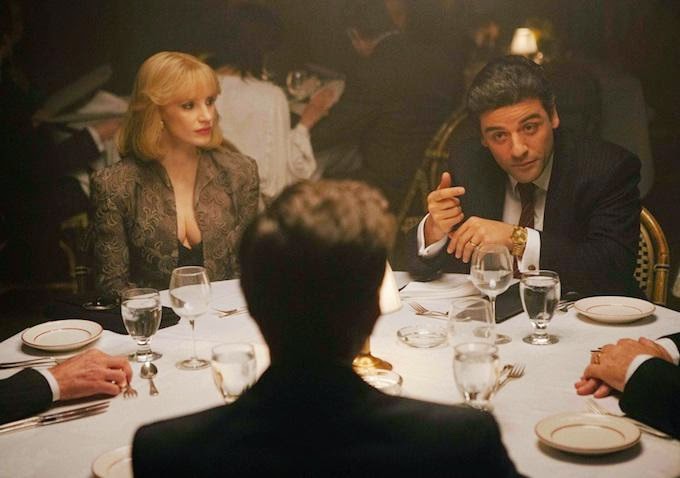
This should make a very intriguing backdrop for the new film A Most Violent Year by J.C. Chandor, starring Jessica Chastain and Oscar Isaac.

We last saw Isaac in another New York flashback — Inside Llewyn Davis — which gave us a spectacular view of 1960s Greenwich Village.  And Chandor himself dabbled in some recent history with his debut film Margin Call, about the 2007 financial crash.

The film is set for an end-of-the-year release. So far the production design looks very promising:


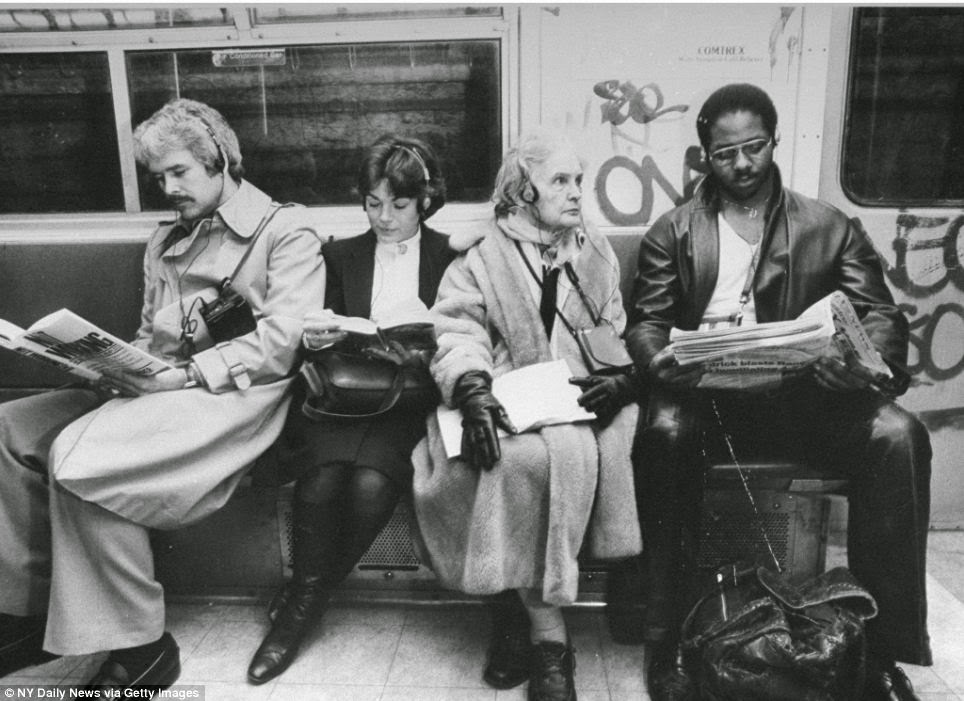
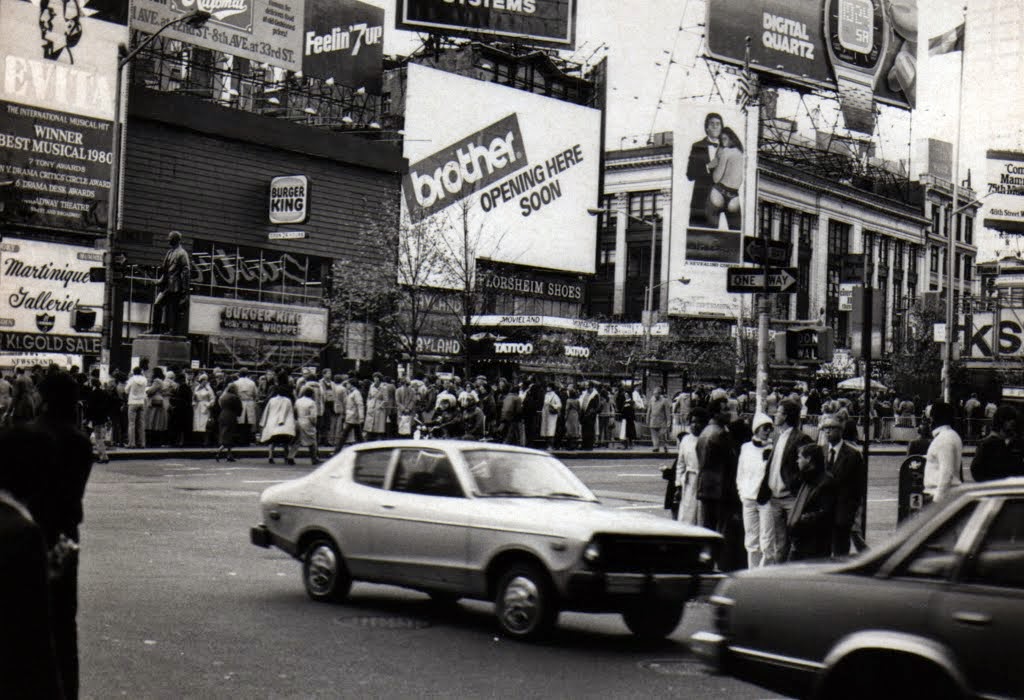
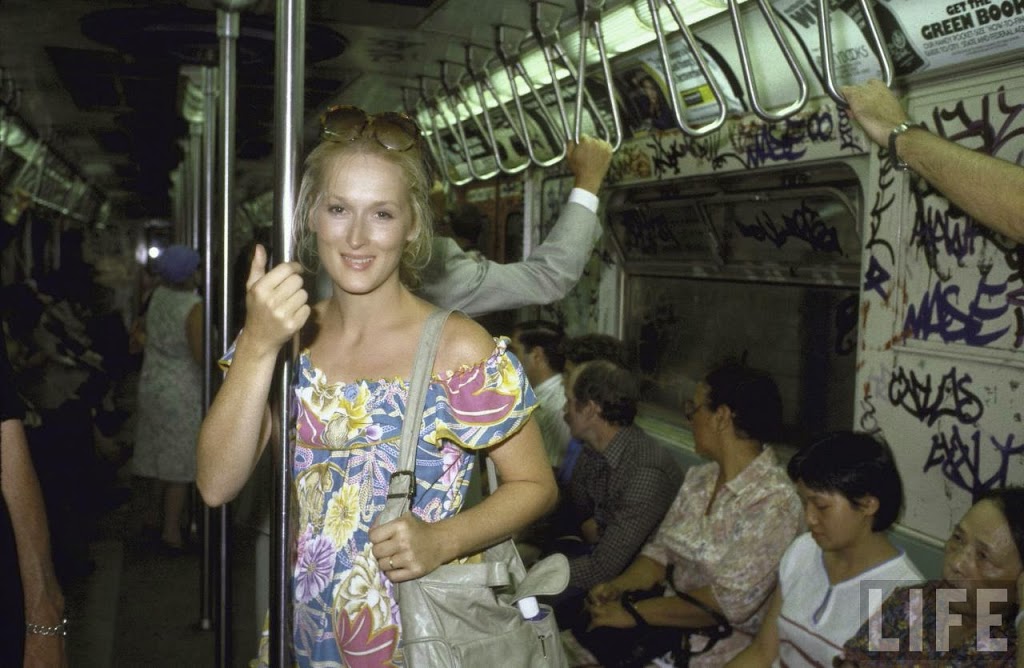
And here’s a few images of New York City in 1981 for comparison:

Top pic courtesy New York Daily News/Getty Images. Middle picture courtesy Luper/Panoramio.  Meryl Streep courtesy Life Magazine!

Categories
Landmarks

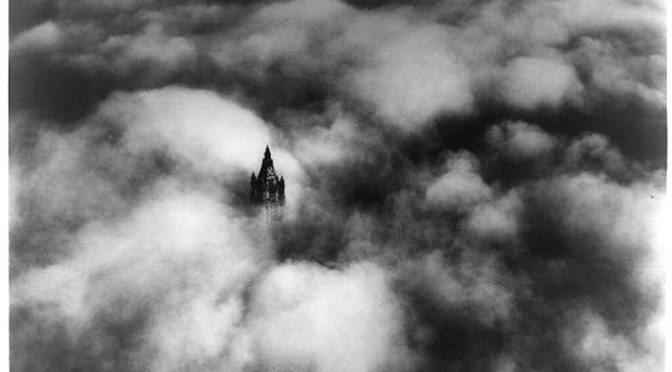
The many mysterious events that befell the Woolworths after constructing the Woolworth Building

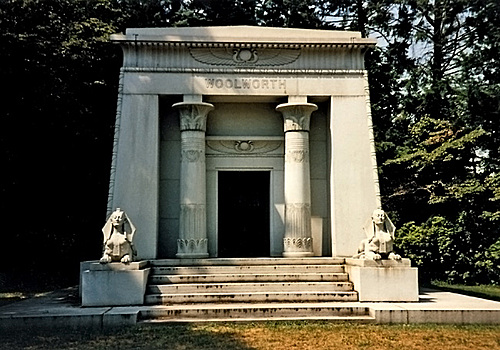
The dramatic Woolworth mausoleum in Woodlawn Cemetery 

With completion of the Woolworth Building in 1913, the leader of the five-and-dime retail craze Frank W. Woolworth had his grand declaration of success in New York, widely feted and proclaimed.

His hundreds of stores would go on to define the shopping experience around the world over the coming decades.  (Their lunch counters would also unfortunately typify racial segregation in the 1960s.) While there are no more Woolworth stores in America today*, you can still find many outlets with that brand as far away as Germany and South Africa.

But life took a few unexpected, frequently tragic and often bizarre twists for the Woolworth family over the next few decades following the completion of the Woolworth Building:

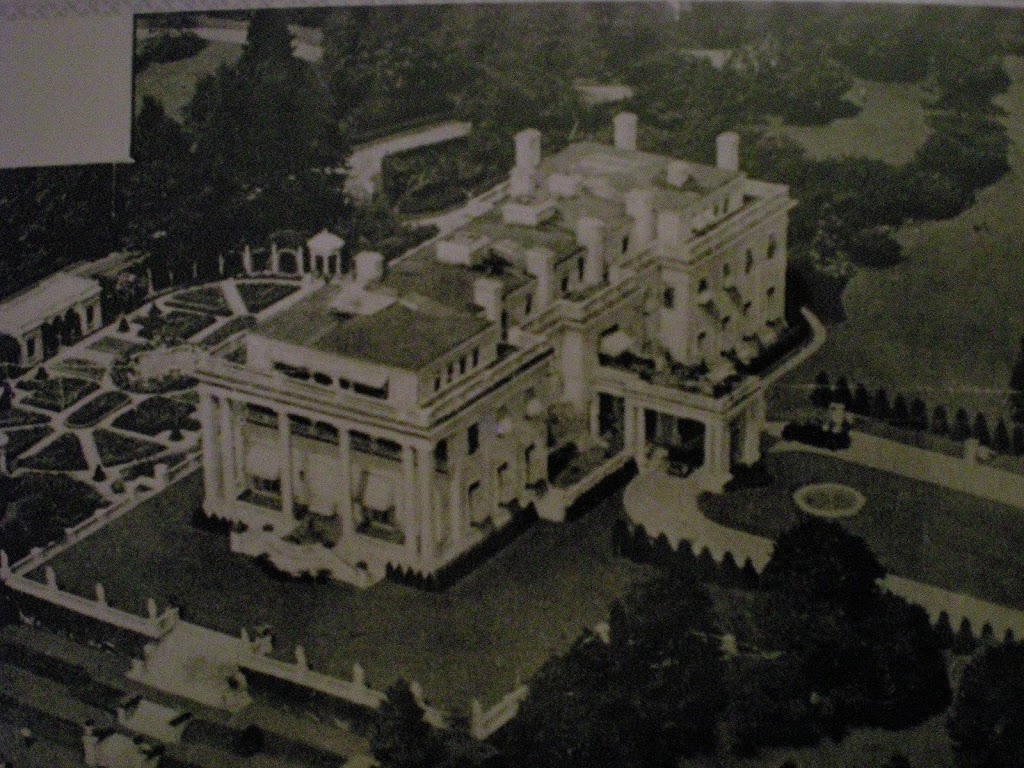
Above: The ‘new’ Winfield Hall in 1925. Courtesy Old Long Island

1) Fire at Winfield Hall: While the family enjoyed a very luxurious residence at Fifth Avenue and 80th Street across from the Metropolitan Museum of Art, his wealth was better displayed in the mansion out in Glen Cove, Long Island, where his wife and daughters lived most of the time.

But this house — a wooden, columned manor named Winfield Hall — mysteriously burned down in November 1916.

And just as oddly, Woolworth had almost instantly on hand new plans for a colossal marble palace, more in keeping with the many gigantic homes along Long Island’s Gold Coast.

Think The Great Gatsby of the five-and-dime; in fact, Glen Cove is just a few minutes over from Manhasset, fictionalized by F. Scott Fitzgerald as ‘East Egg’.

The estate is reportedly haunted due, according to sources, to Woolworth’s interest in the occult.

2) Single White Mogul:  In 1892, in the early days of Woolworth’s business, he hired a young Brooklyn man, Hubert Parson, as a bookkeeper.

By the 1910s, Parson was Woolworth’s right-hand man, thought of as a part of the family and as the son Frank never had. In 1916, Woolworth shocked many by promoting the relatively young assistant to the role of general manager.

It then appeared that the notoriously vain Parson was attempting to actually outdo his boss, first building a bigger Fifth Avenue mansion than his boss, then, in 1918 purposefully buying a house in Long Branch, New Jersey — named Shadow Lawn — that was far larger than Woolworth’s own Winfield Hall!

“If Woolworth bought a brand new automobile,” writes author Karen Plunkett-Powell, “then Parson would, too — complete with uniformed chauffeur.”

After Frank’s death, Parson would become president of the company. Later in life, he would be criticized for his “extravagant personal lifestyle” during the Great Depression and was eventually forced to retire.

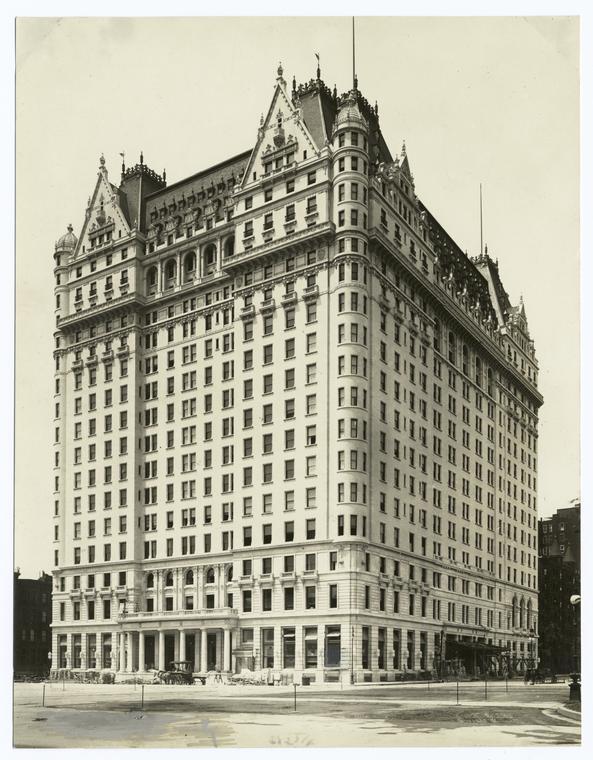
3) Death at the Plaza:  Woolworth’s daughter Edna was a tragic and very tormented woman, marrying an associate of her father’s who ended up drinking heavily and cheating on her. In 1917, at the Plaza Hotel, after reading a letter confirming yet another mistress, Edna put on her loveliest lace dress, sat by a window and ingested a lethal dose of poison.  Unfortunately, her body is discovered several hours later by her daughter Barbara.

4) Why You Should Go to the Dentist: Frank Woolworth had an absolute hatred of going to the dentist, a prejudice that led to his death in April 1919, when he died suddenly due to a tooth infection. Unbelievably, he died with his will unsigned, and all the money (about $30 million) went to his wife Jennie.

However, Jennie was having problems all her own, having been declared ‘mentally feeble‘ and legally incompetent by this time. Of the will, “DEMENTED WIFE GETS ALL,” said an unsubtle New York Times headline.

It’s not clear to me from the reporting of the day, but it appears from description that Mrs. Woolworth was suffering from Alzheimer’s when her husband died.

5) Gem Theft at the Plaza: In 1926, the youngest Woolworth daughter Jennie, living the good life at the Plaza, had over $683,000 worth of jewels stolen from her room while she was in the bathtub.

“The thief displayed a shrewd knowledge of pearls,” said the Times. “Alongside the genuine ones in the drawer were four ropes of imitation pearls …. [T]he robber scorned them.” The crime kept the Woolworths in the paper for an entire month.  The jewels mysteriously reappeared a week later and the man who purloined them — a private detective! — was arrested.

Five years later, Jennie’s husband would then poison himself (another suicide) and die in his office at the Woolworths’ Fifth Avenue residence.

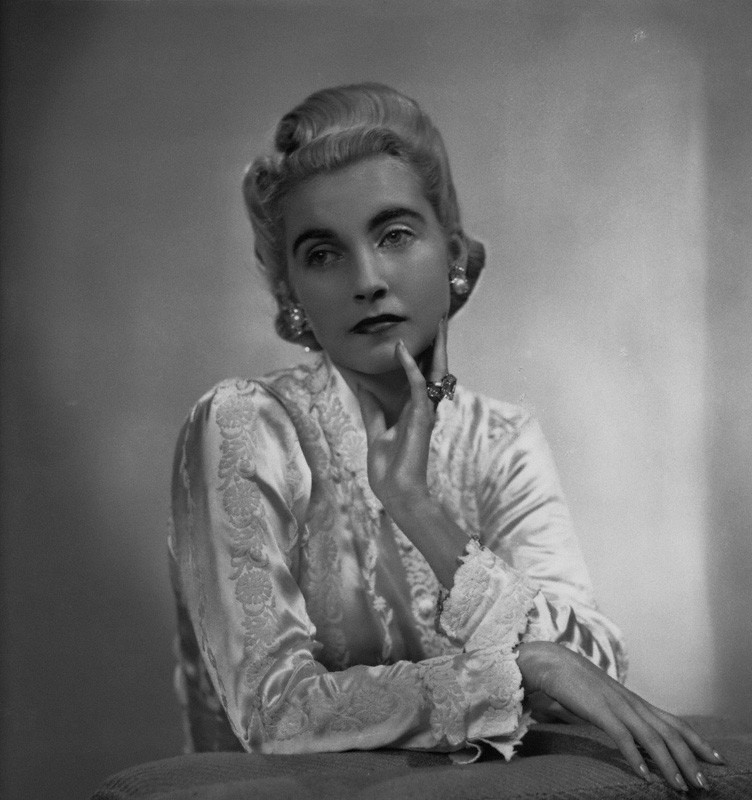
6) Poor Little Rich Girl: Barbara Hutton (above), who had discovered her mother dead in the Plaza, grew up to become something of an infamous party girl, thanks to an over-the-top debutante ball held in her honor during the Great Depression. She was dubbed the ‘poor little rich girl’, fodder for gossip columns and, later, made-for-TV movies.  The heiress, never shying from an extravagant lifestyle, married seven times — most notably to Cary Grant in 1942 — in a life often marred by tragedy and physical abuse.

Most of the people mentioned above are buried in the ornate Woolworth Mausoleum in Woodlawn Cemetery in the Bronx.  The mausoleum is a tribute to vast wealth and self-importance, designed like an Egyptian temple by John Russell Pope, best known for designing the Jefferson Memorial in Washington D.C.!

*The remnants of the Woolworth company are now organized as Foot Locker Inc.

The legend of bank robber ‘Red’ Leary, his wife Kate, and the greatest jail break in Lower East Side history

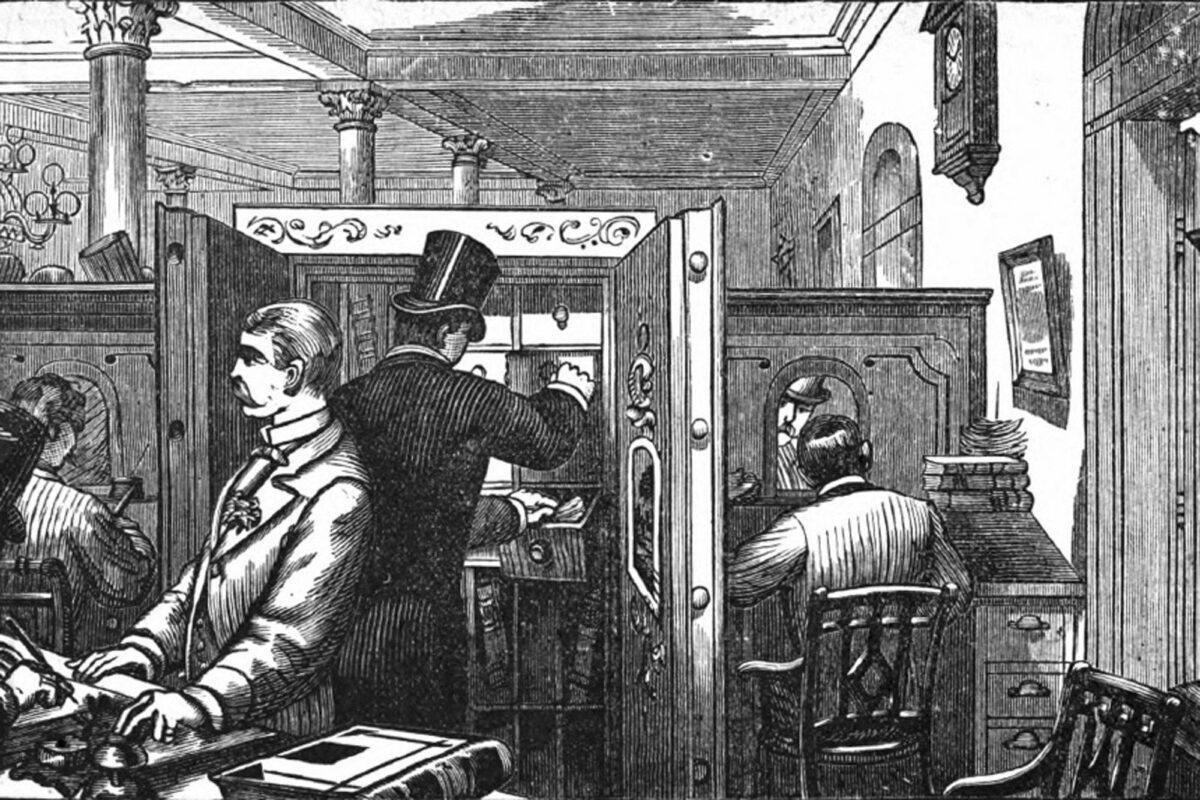
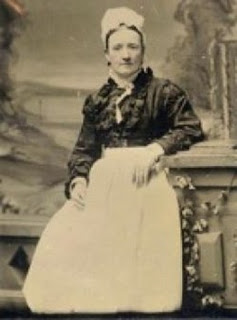
 ‘Red’ Leary was one of the famous bank robbers of the 1870s, assisting in heists all along the Northeast. Above is an illustration of a bank robbery in Montreal, Canada, displaying some of the tools found at the crime scene.
They don’t talk about ‘Red’ Leary anymore down in the streets of the Lower East Side. In the hipster bars and boutiques, in the graphic design firms and the Chinese foot-massage parlors, his name goes virtually unspoken.

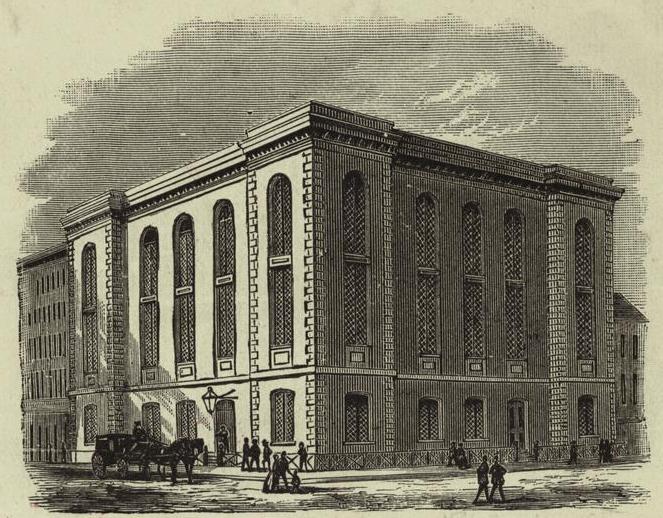
But over one hundred and thirty years ago, his unusual escape from the Ludlow Street Jail (pictured below) captivated New Yorkers, willing to overlook the rascal’s criminal misdeeds to marvel at the ambitiously planned jail break, orchestrated by his wife Kate Leary. ‘A Hero and a Burglar’ proclaimed the New York Times, appalled that teenagers were “absolutely besides themselves and exultant over the daring deed, each individual boy wishing, for the moment, that we was a Red Leary.”

John ‘Red’ Leary was one of the northeast’s most notorious bank robbers of the 1870s, frequently pairing with other known criminals of the day to pull of spectacular heists. In particular, as a part of the gang of George Leonidas Leslie (nicknamed “king of bank robbers”), Leary helped make off with thousands of dollars in stolen sums, involved in tricky operations that sometimes took years to plan.

According to Herbert Asbury, Leslie’s gang was responsible for 80% of the bank robberies between 1874-84. Not sure how that number was specifically settled on, but needless to say, as a critical member of Leslie’s operation, ‘Red’ Leary was a master at his chosen profession.

However, in December 1878, after a robbery at the Northampton Bank in Massachusetts (making off with a staggering $1.6 million), Leary was promptly captured back in New York at Second Avenue and 92nd Street, in connection with another bank robbery. It was decided to extricate Leary to Massachusetts to answer for the robbery there, so he was thrown into Ludlow Street Jail to await transferal.

The Ludlow Street Jail, between Broome and Grand streets, opened at 1862 as a debtors prison and a sometimes repository for New York’s more infamous criminals. In fact, just several months before Leary’s arrival, William ‘Boss’ Tweed had died in one of the cells here.

Leary would be sure not to meet the same fate, thanks in part to his wife, the fiery Coney Island pickpocket Kate Leary, and some of Red’s criminal cohorts. Included among them were Shang Draper, a crooked saloon owner famous for drugging customers and shanghaiing them onto ships.

Kate had already helped her husband escape capture once before, in August 1877, when the duo eluded several officers at a hotel near Fort Hamilton in Brooklyn.  A lightly guarded prison in the middle of one of the most populated neighborhoods in the world was certainly no match for a woman as determined as Kate, known as much for her intelligence as for her venality.

In May of 1879, Mrs. Leary, in disguise, rented a tenement flat next door to the jail at 76 Ludlow Street.  She and her accomplices then knocked out a wall, drilling through the thick prison defenses until they broke through into the prisoner’s bathroom, perfectly timed with Red’s arrival there.

As author B.A. Botkin‘s describes: “No alarm was raised, nor was the tunnel leading to the room with its neatly piled ton of excavated brick discovered until 10:30. By that time the fugitive was on his way to Coney Island in a light truck.”

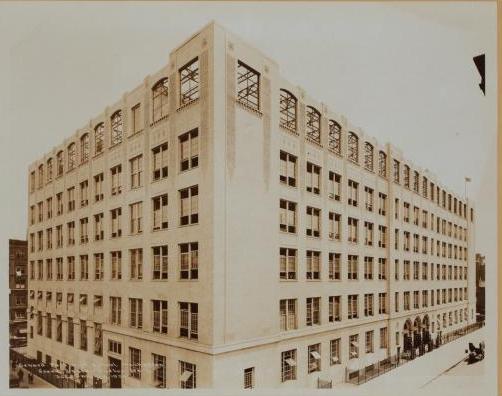
As a judge has explicitly stated that Leary would probably try to escape, the clean extraction of the high profile criminal elicited mocking scorn at the jailers and officers involved. Saving face, Ludlow officials declared Leary’s assisted release was “one of the most daring and skillfully-planned affairs of the kind to ever occur in the city,” “executed by shrewd and bold criminals.” [source]  The Ludlow jail would never really shake its, shall we say, porous reputation and was eventually demolished in the 1920s. Both the jail and the address 76 Ludlow Street would make way for Seward Park High School (pictured below, from 1930)

So dramatic was the 1879 Ludlow prison break that Leary and his crew were soon turned into folk heroes by the more rebellious residents of the Lower East Side. For this reason, the Leary escape is sometimes listed as a New York urban legend. But in fact, newspapers of the day spilled over with reports of the bold getaway.

Red Leary was eventually recaptured two years later and returned to Massachusetts to answer for his crimes there. He met a grim end in 1888 at the Knickerbocker Cottage (Sixth Avenue and 10th Street), smashed in the head with a brick by a card shark named William Train. His wife Kate literally drank herself to death in 1896 at a Coney Island hotel.

According to Botkin’s 1956  book ‘New York City Folklore’, the legend of Red Leary even briefly entered sports vernacular. “So celebrated did the exploit become, that …. [a] coach who wanted to instruct a player to break loose and steal a base simply yelled, “Red Leary!

Pictures courtesy New York Public Library