Categories
Podcasts Politics and Protest Preservation

The History of Jefferson Market and the Women’s House of Detention

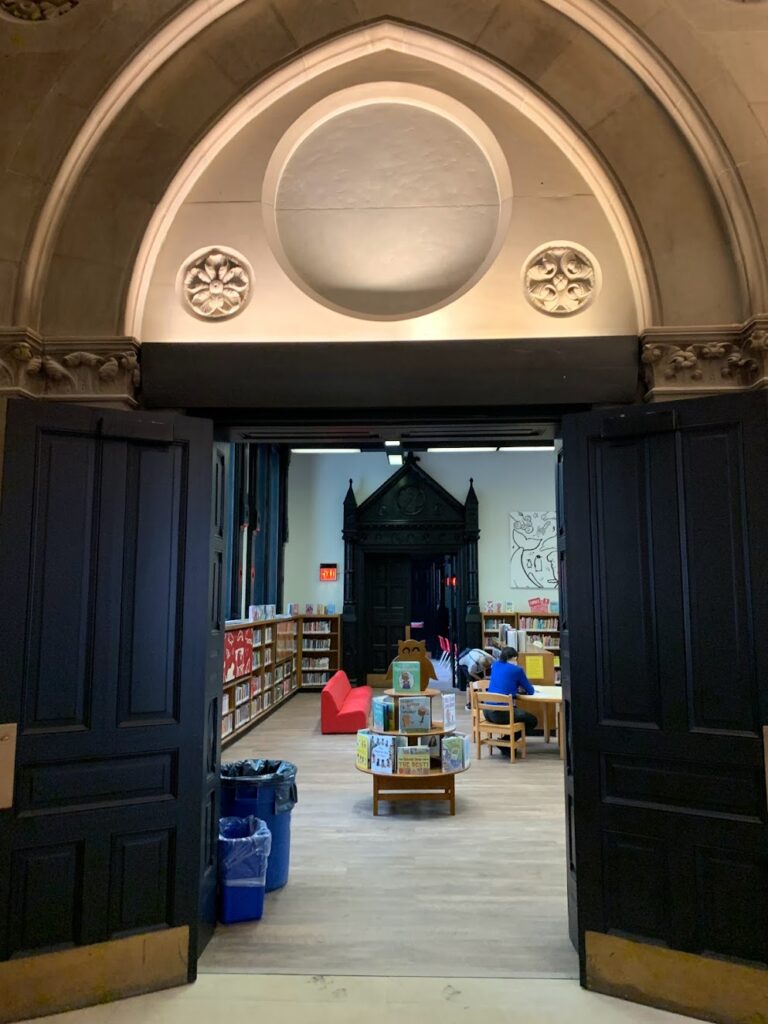
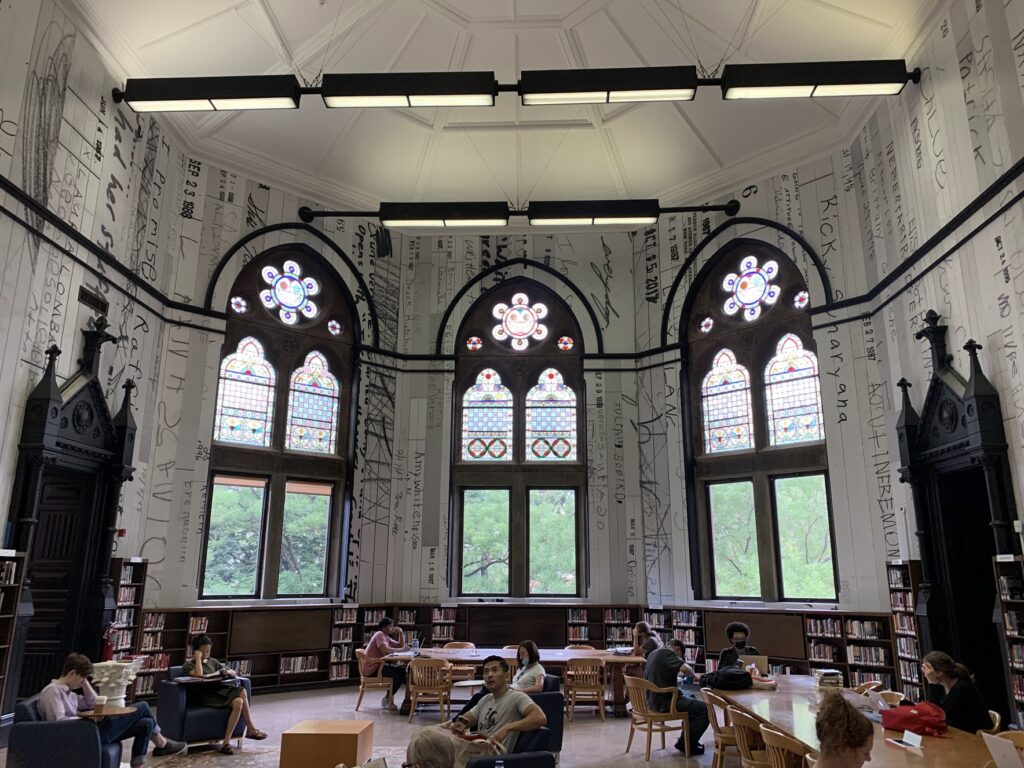
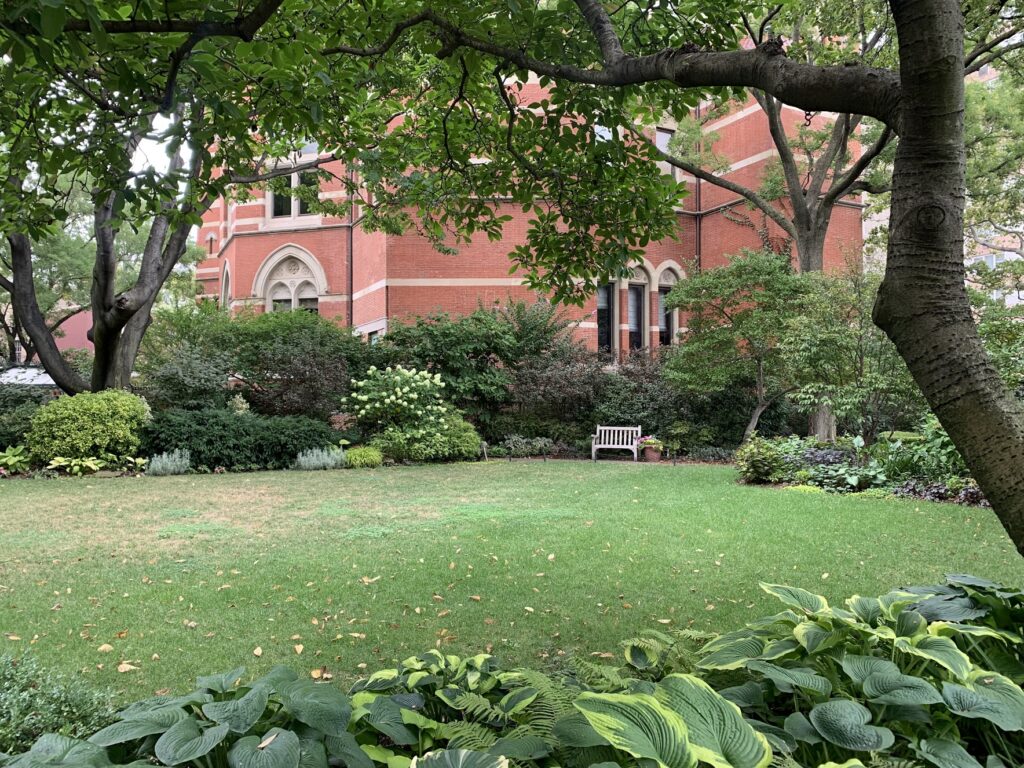
In the heart of Greenwich Village sits the Jefferson Market Library, a branch of the New York Public Library, and a beautiful garden which offers a relaxing respite from the busy neighborhood.

But a prison once rose from this very spot — more than one in fact.

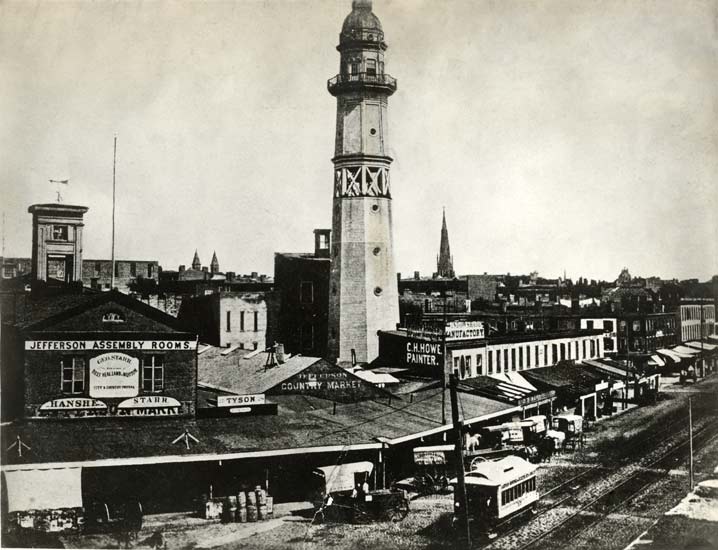
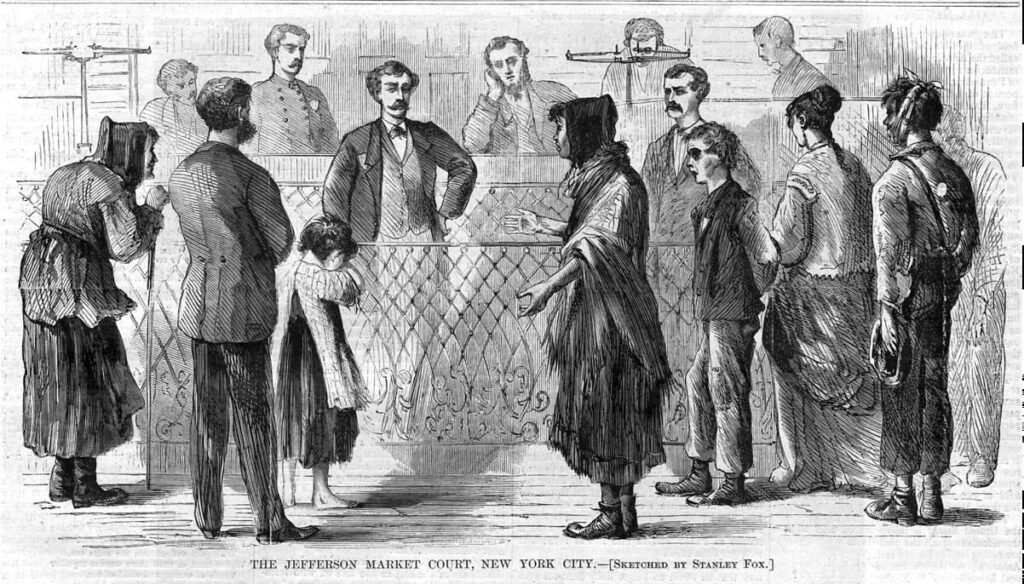
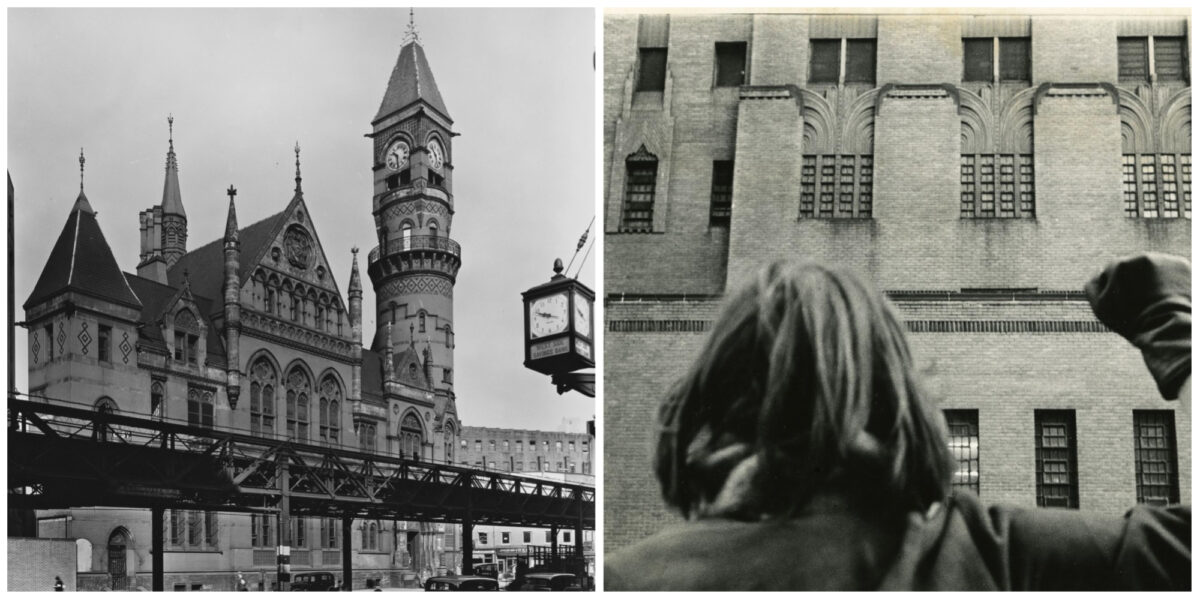
While there was indeed a market at Jefferson Market — dating back to the 1830s — this space is more notoriously known for America’s first night court (at the Jefferson Market Courthouse, site of today’s library) and the Women’s House of Detention, a facility which cast a gloom over the Village for over 40 years.

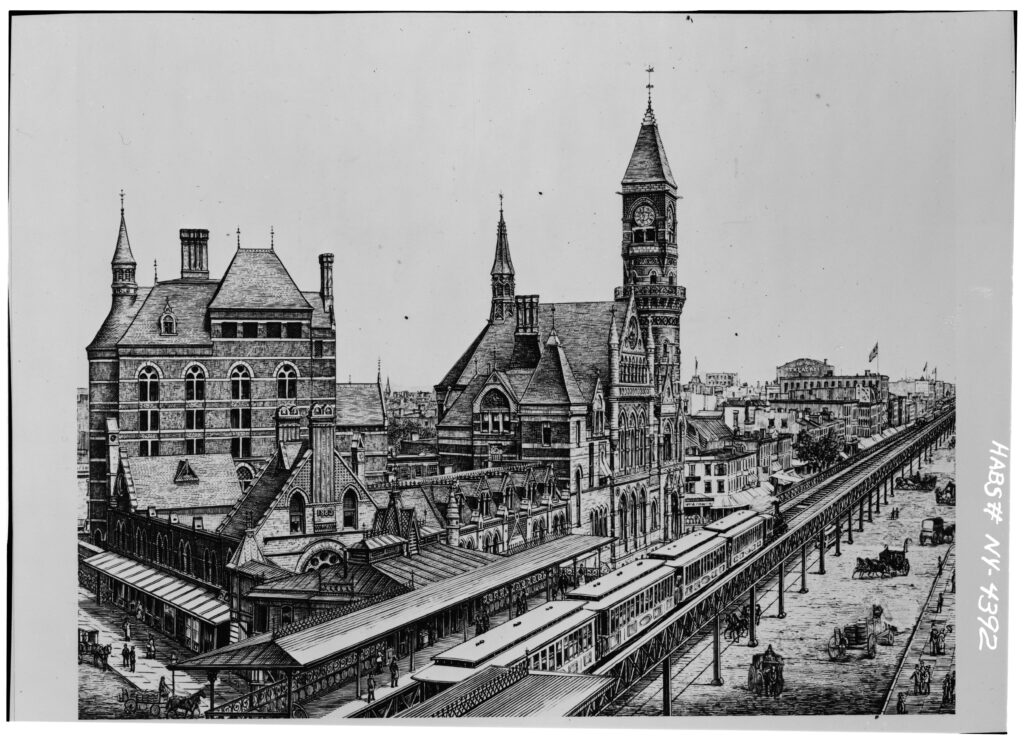
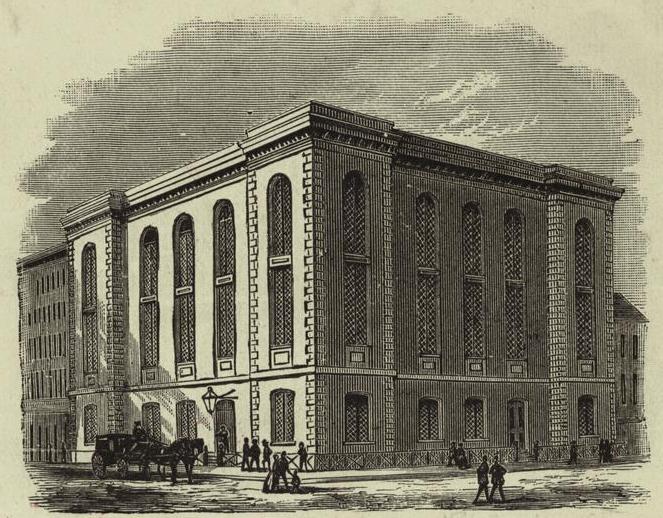
Almost immediately after the original courthouse (designed by Frederick Clarke Withers and Calvert Vaux) opened in 1877, it was quickly overburdened with people arrested in the Tenderloin district. By 1910 a women’s court opened here, and by the Jazz Age, the adjacent confinement was known as “the women’s jail.”

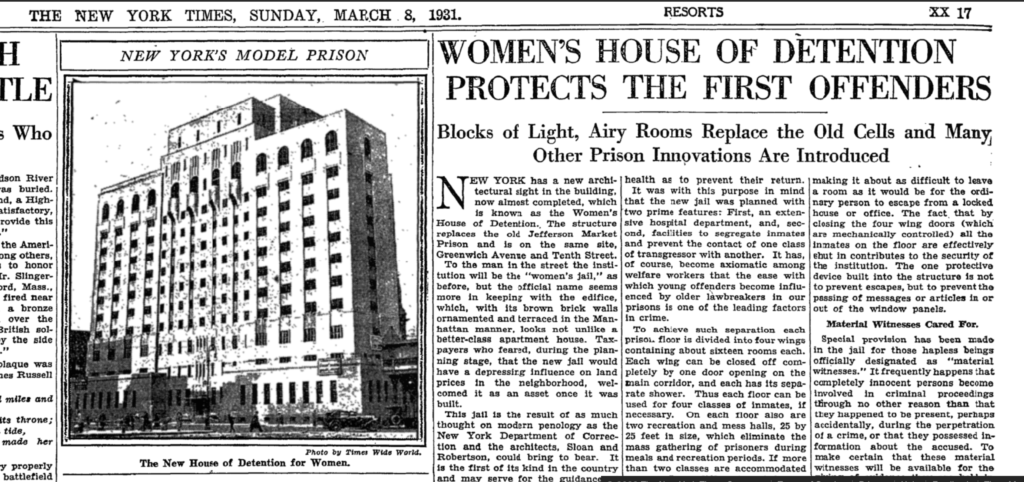
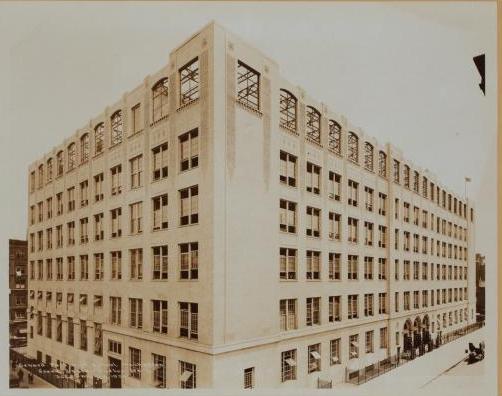
When the Women’s House of Detention opened in 1931 — sometimes referred to as the world’s only Art Deco prison — it was meant to improve the conditions for women who were held there. But the dank and inadequate containment soon became symbol of abuse and injustice.

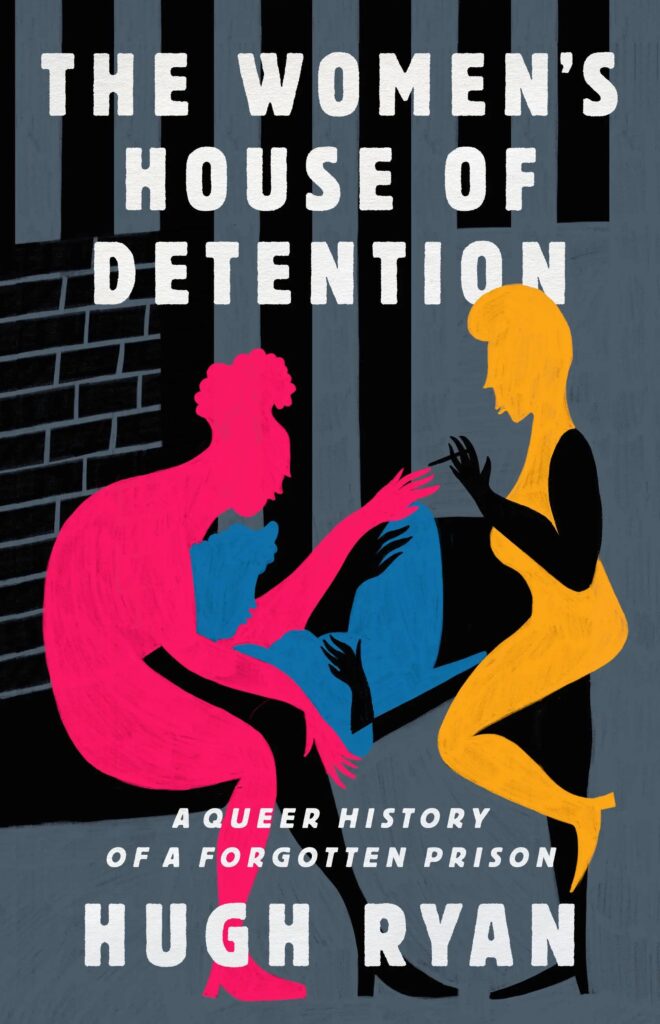
In this special episode — recorded live at Caveat on the Lower East Side — Tom and Greg are joined by Hugh Ryan, author of The Women’s House of Detention: A Queer History of a Forgotten Prison to explore the detention center’s place in both New York City history and LGBT history.

How did the “House of D” figure into the Stonewall Uprising of 1969? And what were the disturbing circumstances surrounding its eventual closure?

FEATURING: Stories of Mae West, Stanford White, Alva Belmont, Mayor Jimmy Walker, Angela Davis, Andrea Dworkin and — Tupac Shakur?

LISTEN NOW: THE HISTORY OF JEFFERSON MARKET AND THE WOMEN’S HOUSE OF DETENTION

Hugh Ryan on Patreon, Twitter and Instagram

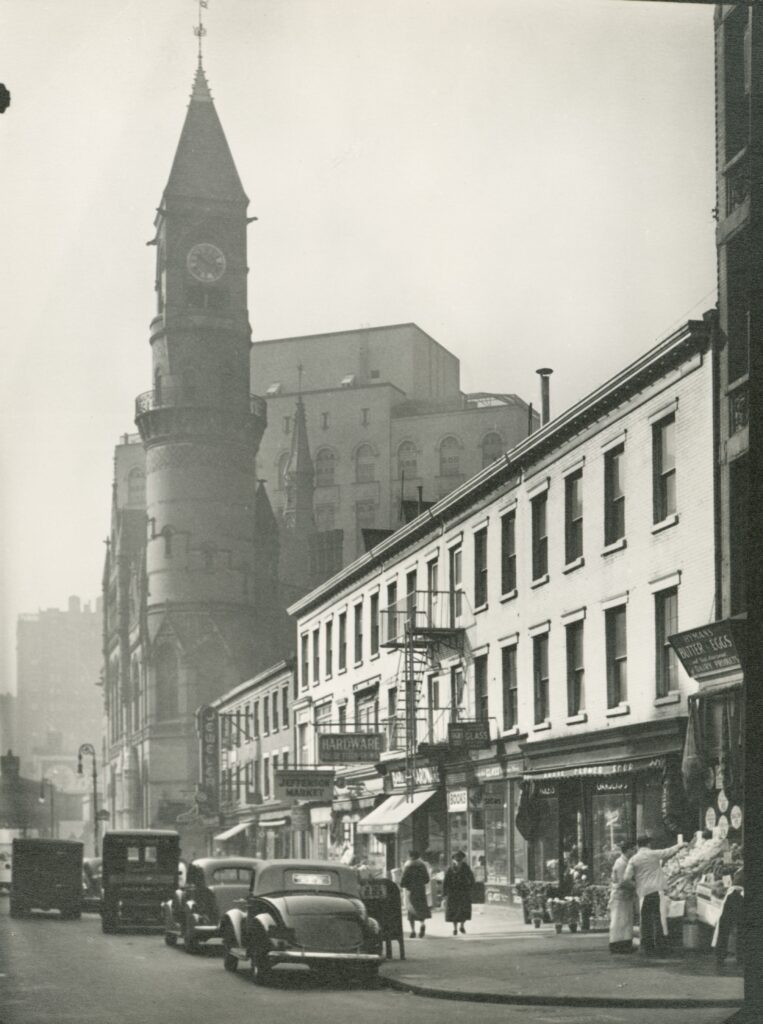
Historic American Buildings Survey, Photocopy, c. 1880, Courtesy of New-York Historical Society,
New. York Public Library
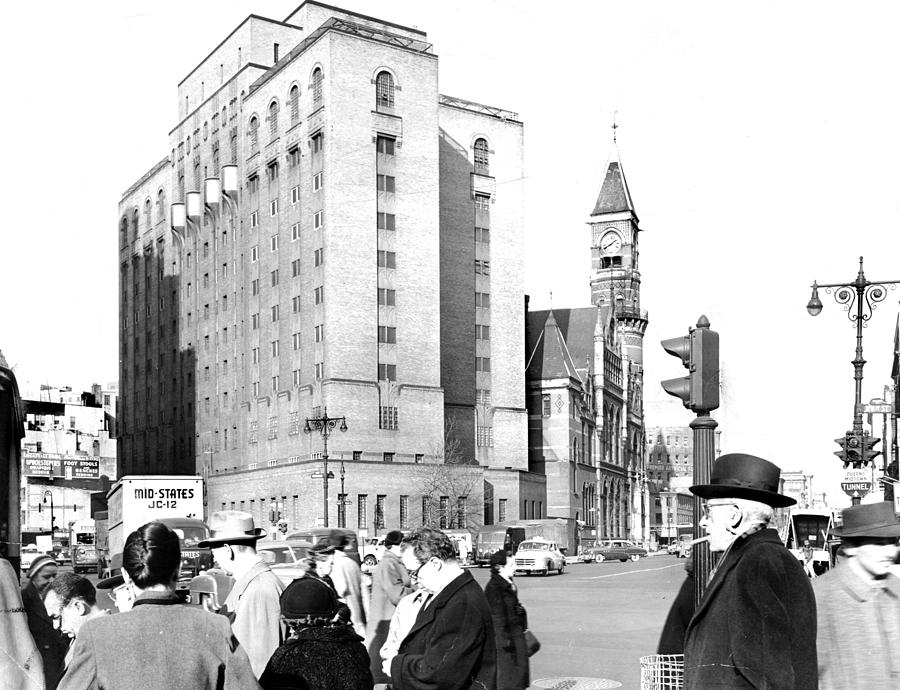
The courtroom and House of Detention, 1938, New York Public Library
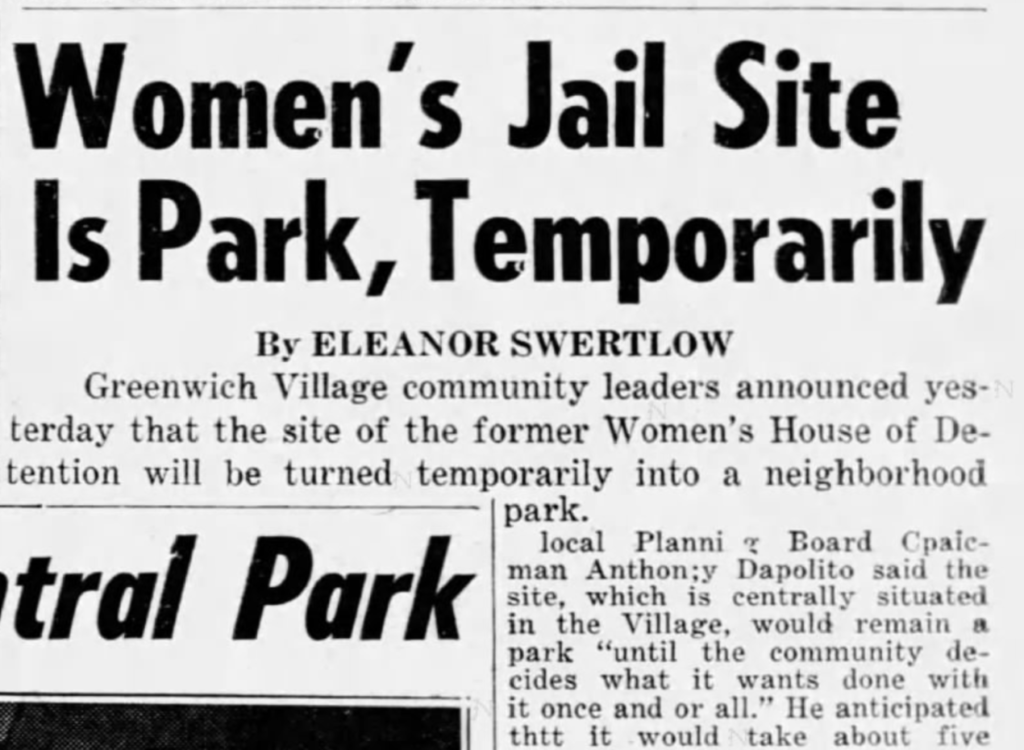
The Women’s House of Detention. Courtesy the New York Daily News Archives
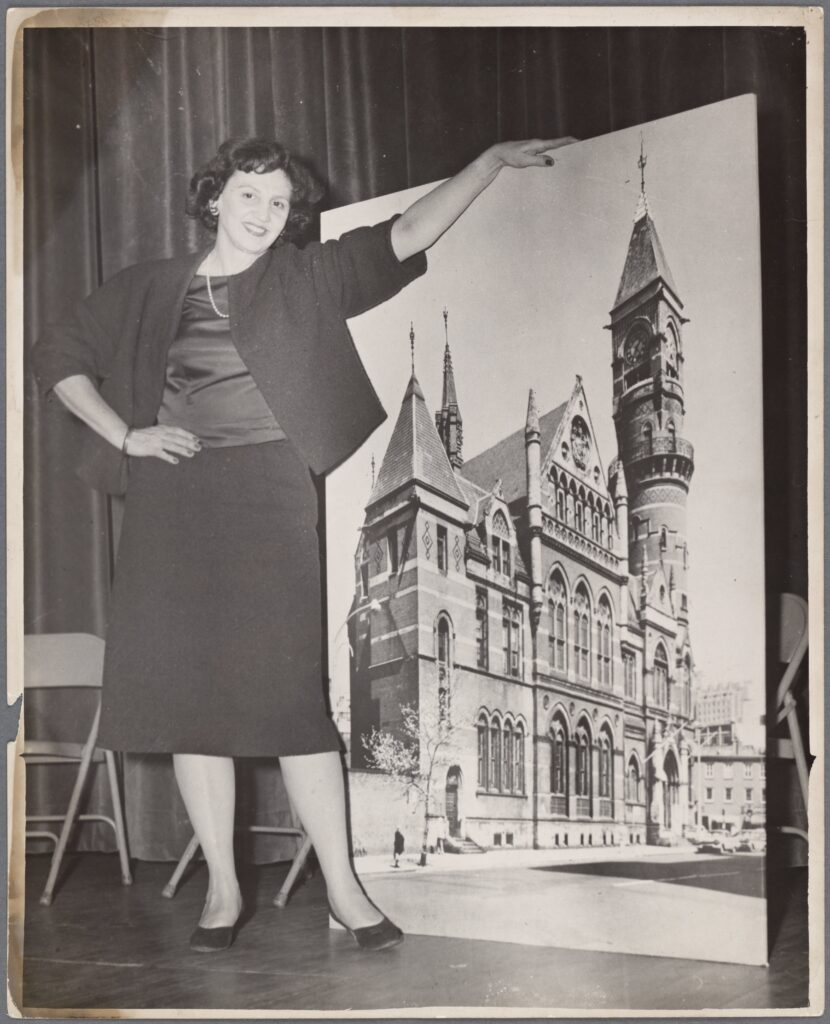
Margot Gayle with an image of the building she would help save. New York Public Library Digital Collections

Photos of the current Jefferson Market Library
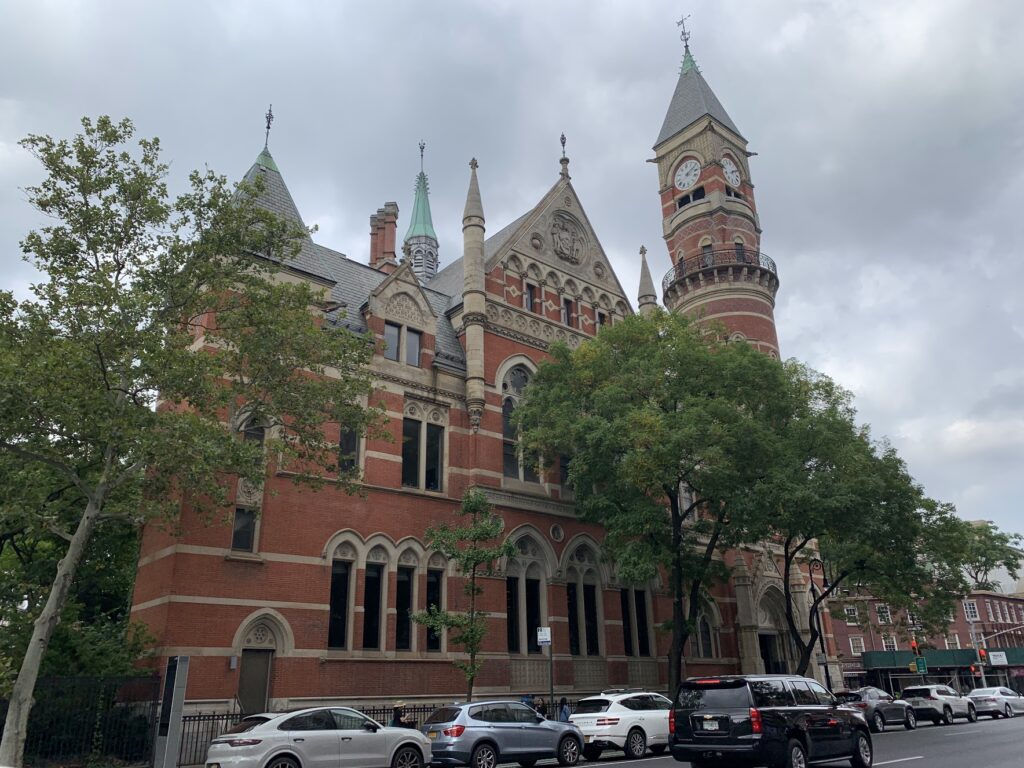
Photo by Greg Young
Photo by Greg Young
Photo by Greg Young

FURTHER LISTENING

The subjects of these episodes are featured on this week’s episode. So check them out after listening to the current show:


The Bowery Boys: New York City History podcast is brought to you …. by you!

We are producing a new Bowery Boys podcast every other week. We’re also looking to improve and expand the show in other ways — publishing, social media, live events and other forms of media. But we can only do this with your help!

We are creators on Patreon, a patronage platform where you can support your favorite content creators.

Please visit our page on Patreon and watch a short video of us recording the show and talking about our expansion plans. If you’d like to help out, there are several different pledge levels. Check them out and consider being a sponsor.

We greatly appreciate our listeners and readers and thank you for joining us on this journey so far.
Categories
Podcasts Revolutionary History

New York City during the Revolutionary War: Besieged and occupied by the British (1776-1783)

PODCAST What was life like in New York City from the summer of 1776 to the fall of 1783 — the years of British occupation during the Revolutionary War?

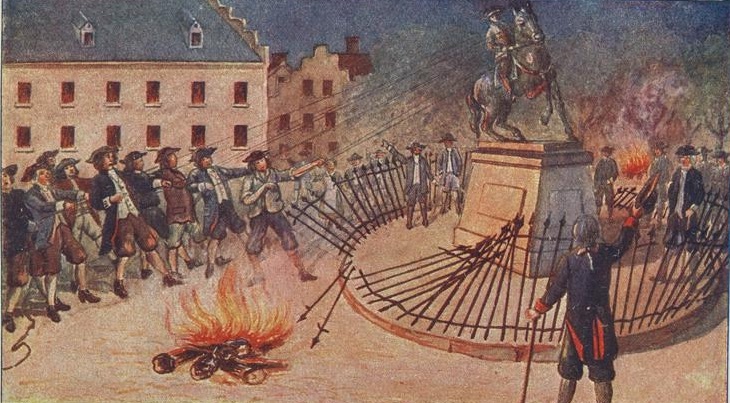
New York plays a very intriguing role in the story of American independence. The city and the surrounding area were successfully taken by the British by the end of 1776 — George Washington and the Continental Army forced to escape for the good of the cause — and the port city became the central base for British operations during the conflict.

While British officers dined and enjoy a newly revitalized theater scene, Washington’s spies on the streets of New York collected valuable intelligence. As thousands of soldiers and sympathizing Loyalists arrived in the city, hunger and overcrowding put the residents of the city in peril. When the sugar houses and churches became too filled with captured rebels, the British employed prison ships along the Brooklyn waterfront to hold their enemies.

This is a very, very special episode, a newly edited combination of two older shows from our back catalog.  PLUS several minutes of brand new material, featuring stories that we overlooked the first time.

Listen Now: Revolutionary War NYC Podcast

_________________________________________________________

The Bowery Boys: New York City History podcast is brought to you …. by you!

We are now producing a new Bowery Boys podcast every other week. We’re also looking to improve the show in other ways and expand in other ways as well — through publishing, social media, live events and other forms of media. But we can only do this with your help!

We are now a member of Patreon, a patronage platform where you can support your favorite content creators for as little as a $1 a month.

Please visit our page on Patreon and watch a short video of us recording the show and talking about our expansion plans. If you’d like to help out, there are five different pledge levels (and with clever names too — Mannahatta, New Amsterdam, Five Points, Gilded Age, Jazz Age and Empire State). Check them out and consider being a sponsor.

We greatly appreciate our listeners and readers and thank you for joining us on this journey so far.
_________________________________________________________

Since 2008, we’ve taken a deep dive into New York’s Revolutionary years with several shows focusing on many different aspects of these trying times. For more information, check out these shows from our back catalog:

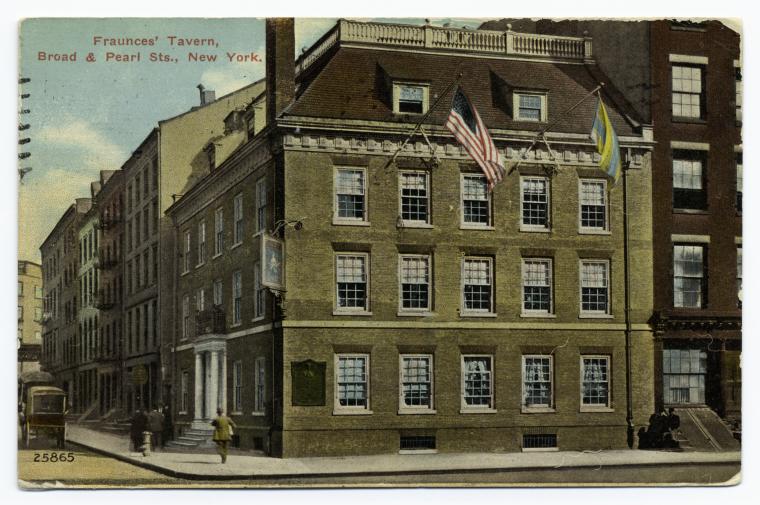
FRAUNCES TAVERN
Fraunces Tavern is one of America’s most important historical sites of the Revolutionary War and a reminder of the great importance of taverns on the New York way of life during the Colonial era.

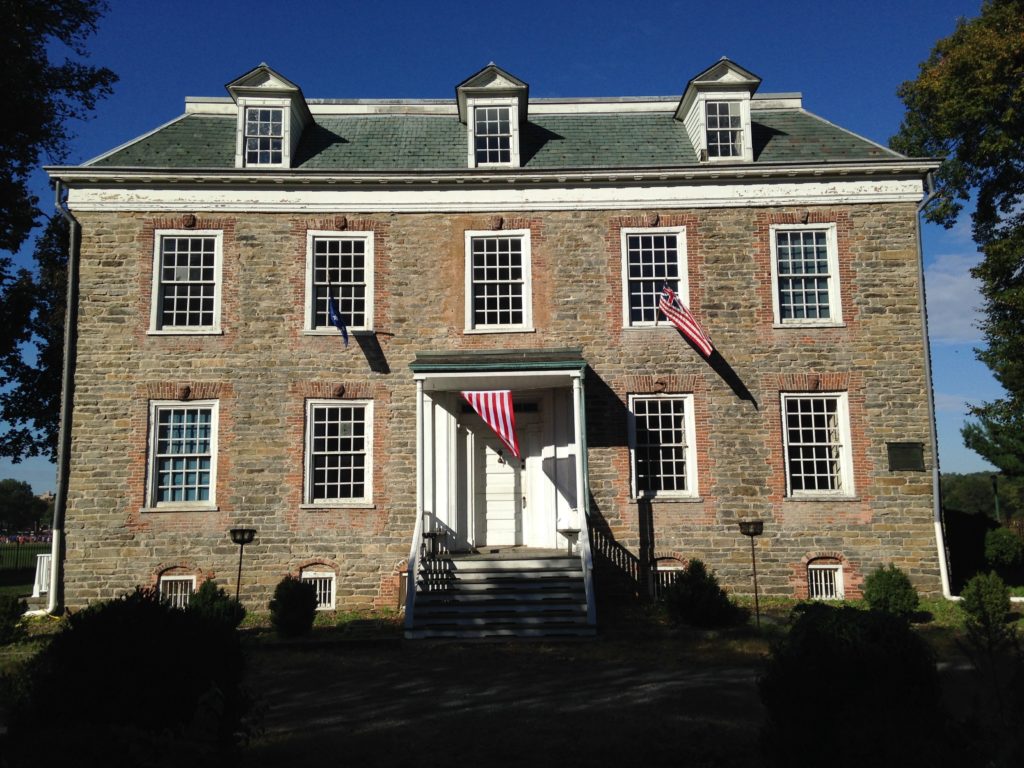
Van Cortlandt House Museum

BRONX TRILOGY (PART ONE): THE BRONX IS BORN
Before it was the borough of the Bronx, the southern portion of Westchester County was populated with wealthy, prominent British families who faced a tough choice during the Revolutionary War? Remain loyal to the Crown or support the rebels?

GOWANUS! Brooklyn’s Troubled Waters
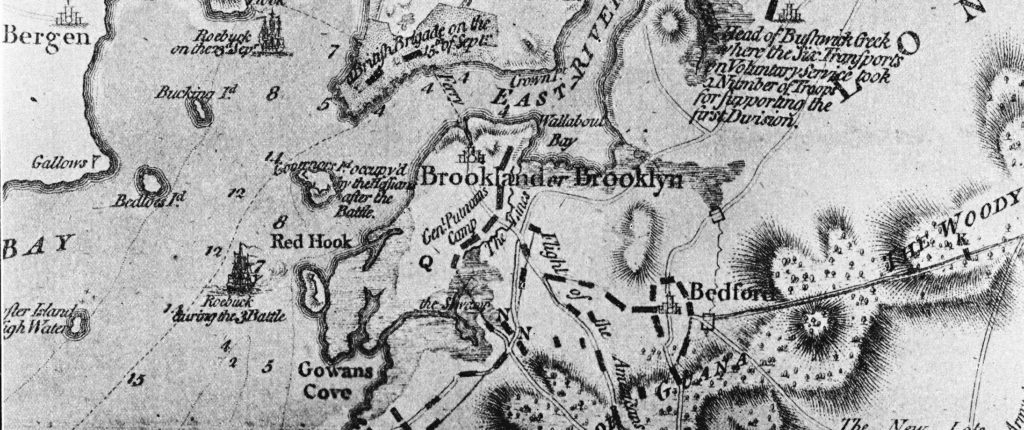
Back when the Gowanus was a marshy creek, an early battle in the quest for American independence was fought here. The Old Stone House today pays homage to this pivotal skirmish.

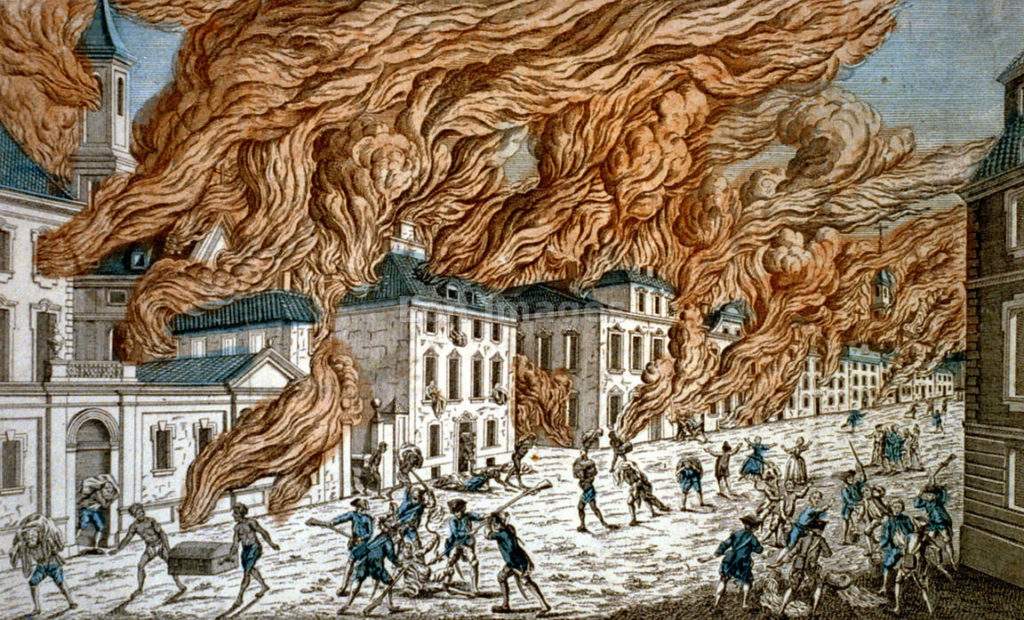
THE GREAT FIRE OF 1776
The circumstances surrounding the Great Fire of 1776, the events of the Revolutionary War leading up to the disaster, and the tragic tale of the American patriot Nathan Hale.

BEFORE HARLEM: NEW YORK’S FORGOTTEN BLACK COMMUNITIES
Featuring a chat with Kama’u Ware of Black Gotham Experience about the struggles of enslaved and free black people during the colonial period

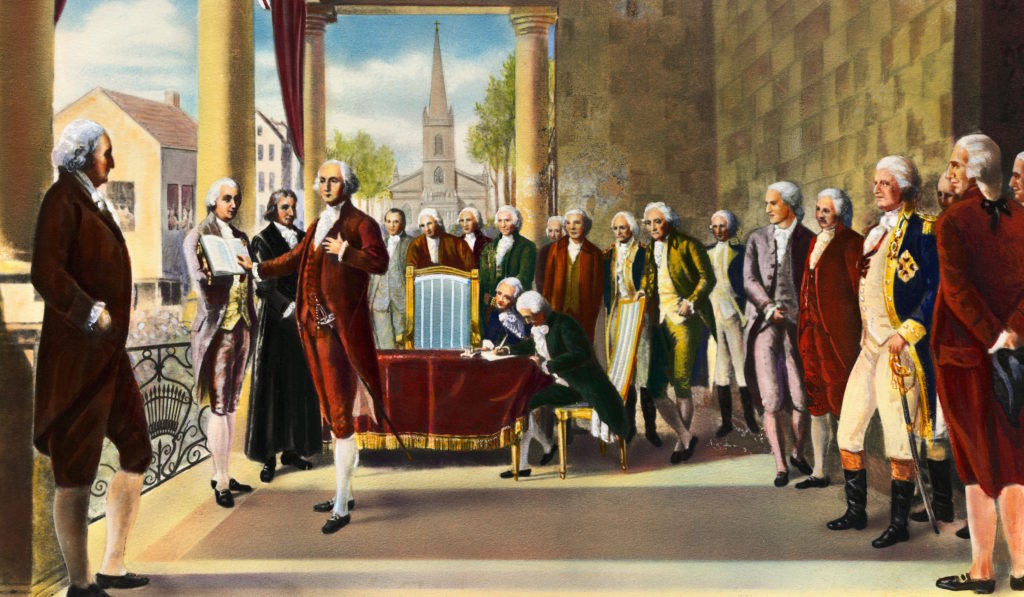
GEORGE WASHINGTON’S NEW YORK INAUGURATION
After Washington resigned as head of the Continental Army in 1783, many did not ever expect to see him back in New York. But providence — and a new nation — called.

Categories
The First

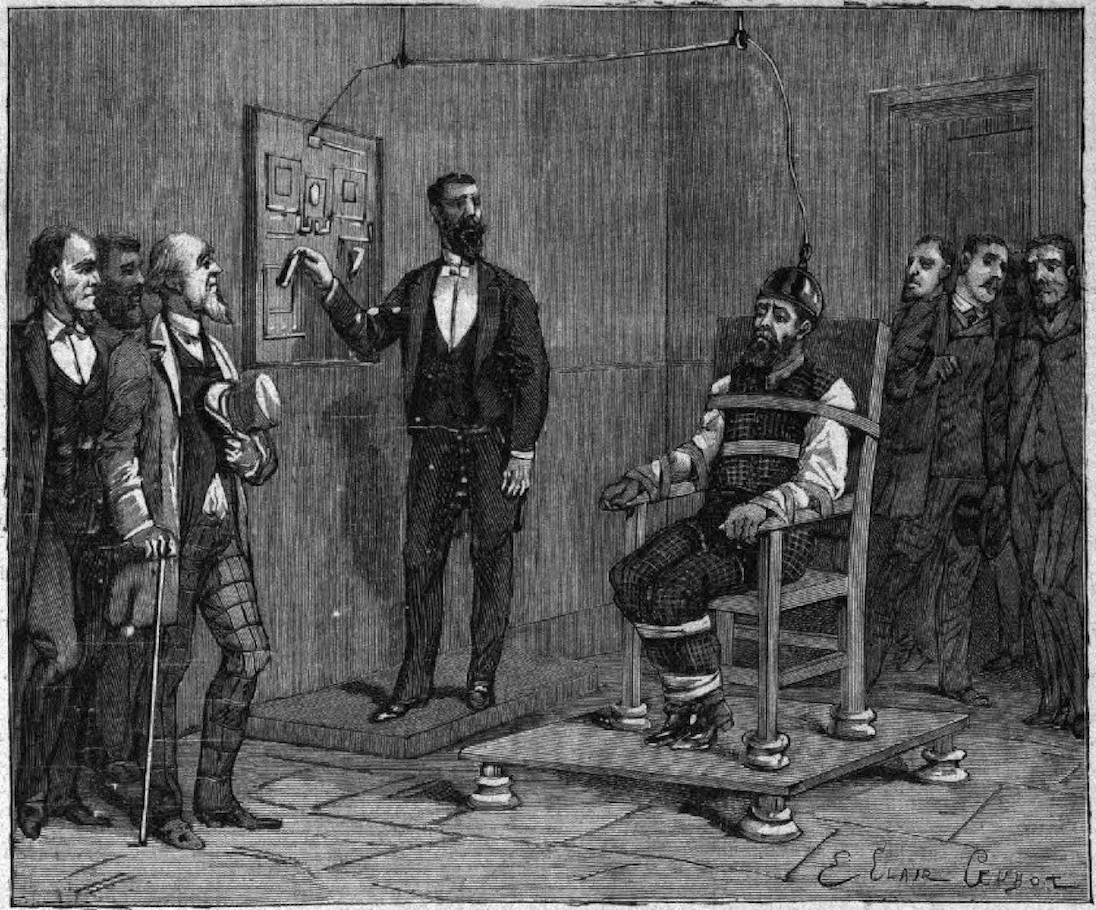
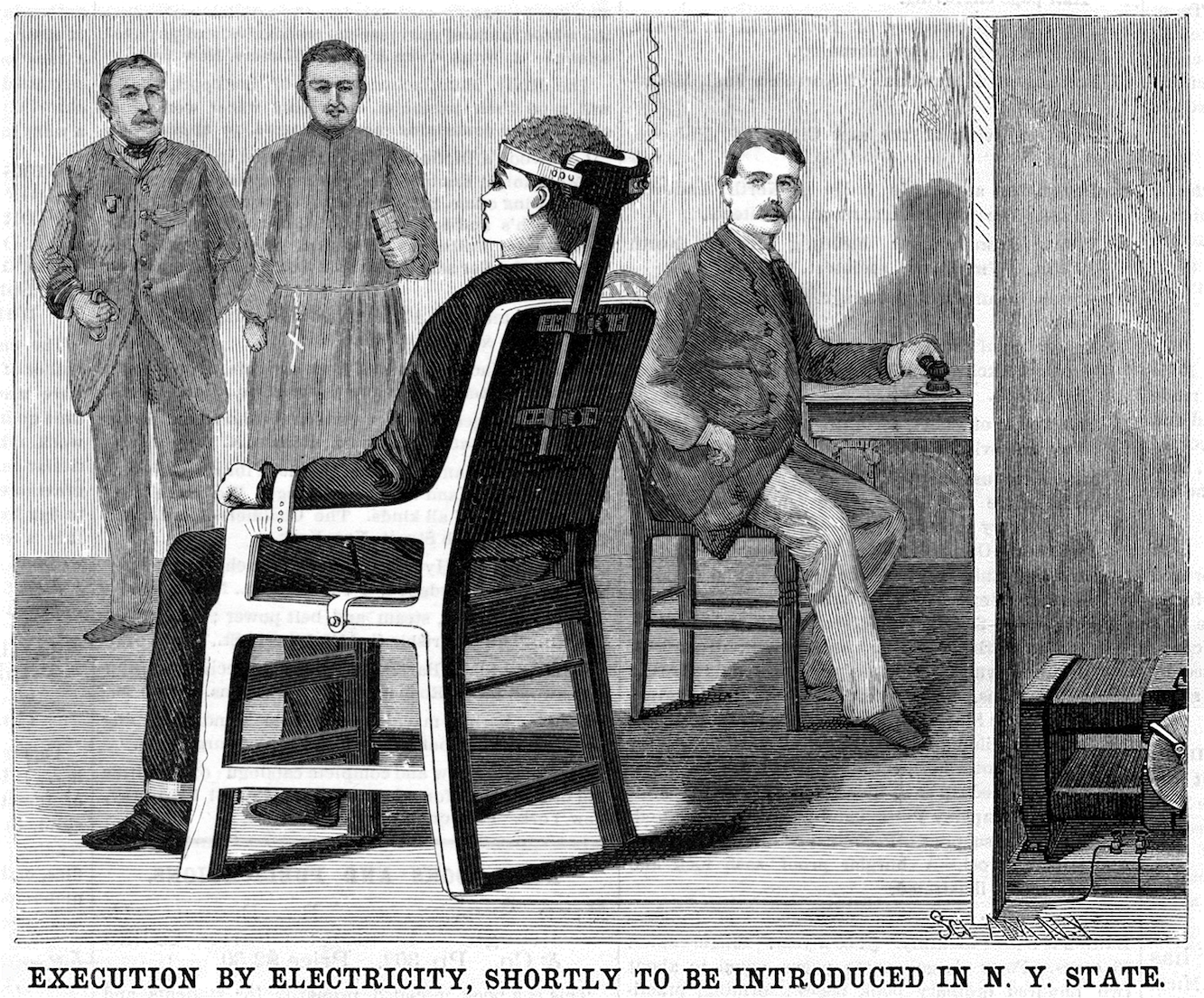
This Morbid Invention: The Terrible Story of the First Electric Chair

THE FIRST PODCAST The story of how electricity became a tool of death for the state of New York and the strange circumstances behind the invention of the electric chair.

The harnessing of electricity by the great inventors of the Gilded Age introduced the world to the miracle of light at all hours of the day. But exposure to electricity’s raw power was dangerous to man.  Awful deaths of men on electrical wires terrified New Yorkers. A few thought this might be useful in the employment of the state’s darkest responsibilities — capital punishment.

This is the story of the first electric chair, the peculiar rivalry which helped create it — an epic feud between Thomas Edison and George Westinghouse, between DC and AC — and its fateful effects upon the life and punishment upon a man named William Kemmler, the first to be killed in this morbid seat.

To get this episode, simply download it for FREE from iTunes or other podcasting services.

Subscribe to The First here so that you don’t miss future episodes!

You can also listen to the show on Stitcher streaming radio from your mobile device.

Or listen to it straight from here:
07 THE MORBID INVENTION: THE STORY OF THE FIRST ELECTRIC CHAIR


The horrors of the modern world — New York electrician John Feeks is killed on the electrical wires as hundreds watched.

1891 book Physique Populaire by Emile Desbeaux, drawn by D. Dumon.


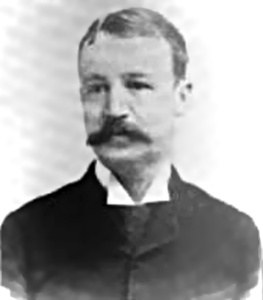
Harold Pitney Brown, who secretly assisted in diminishing the reputation of alternating current (AC) power on behalf of Edison, who was promoting direct current (DC).


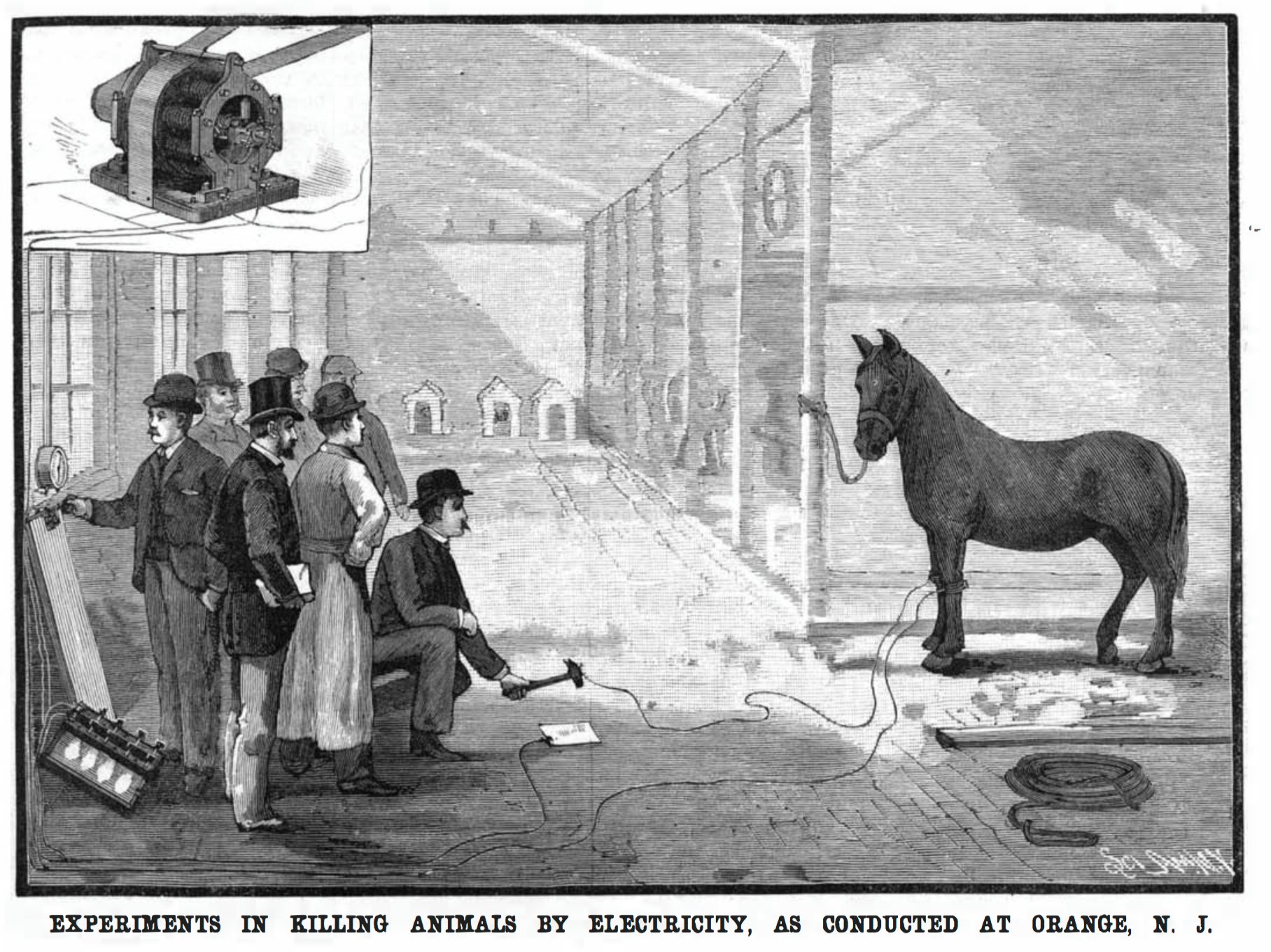
Brown’s bizarre and cruel experiments — proving the dangers of AC — involved killing animals by electrocution. One such experiment at Edison’s lab in New Jersey slaughtered calves and horses to demonstrate his theories. 

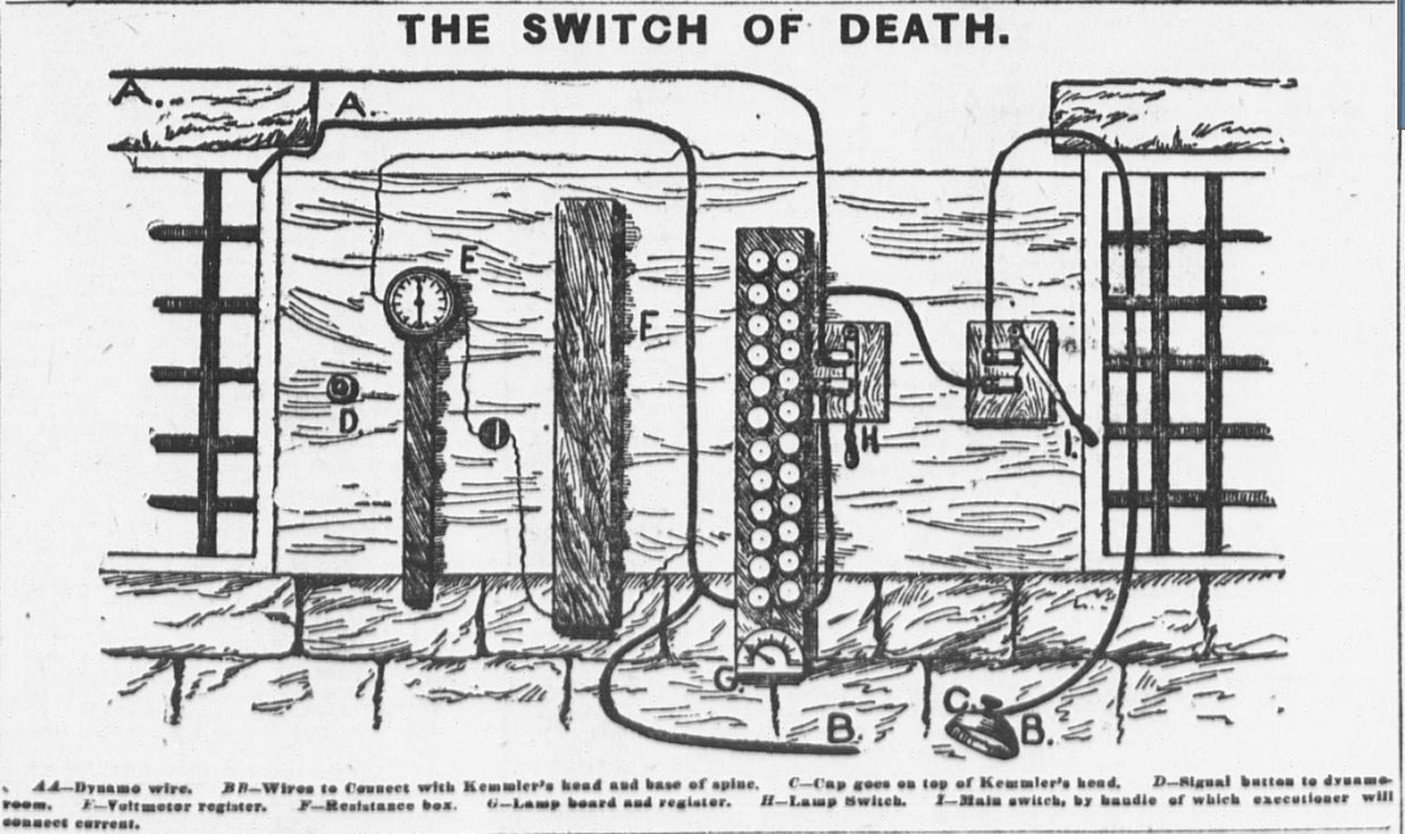
The mechanism of the first electric chair at Auburn Prison. You can see some of these components in the photo below.


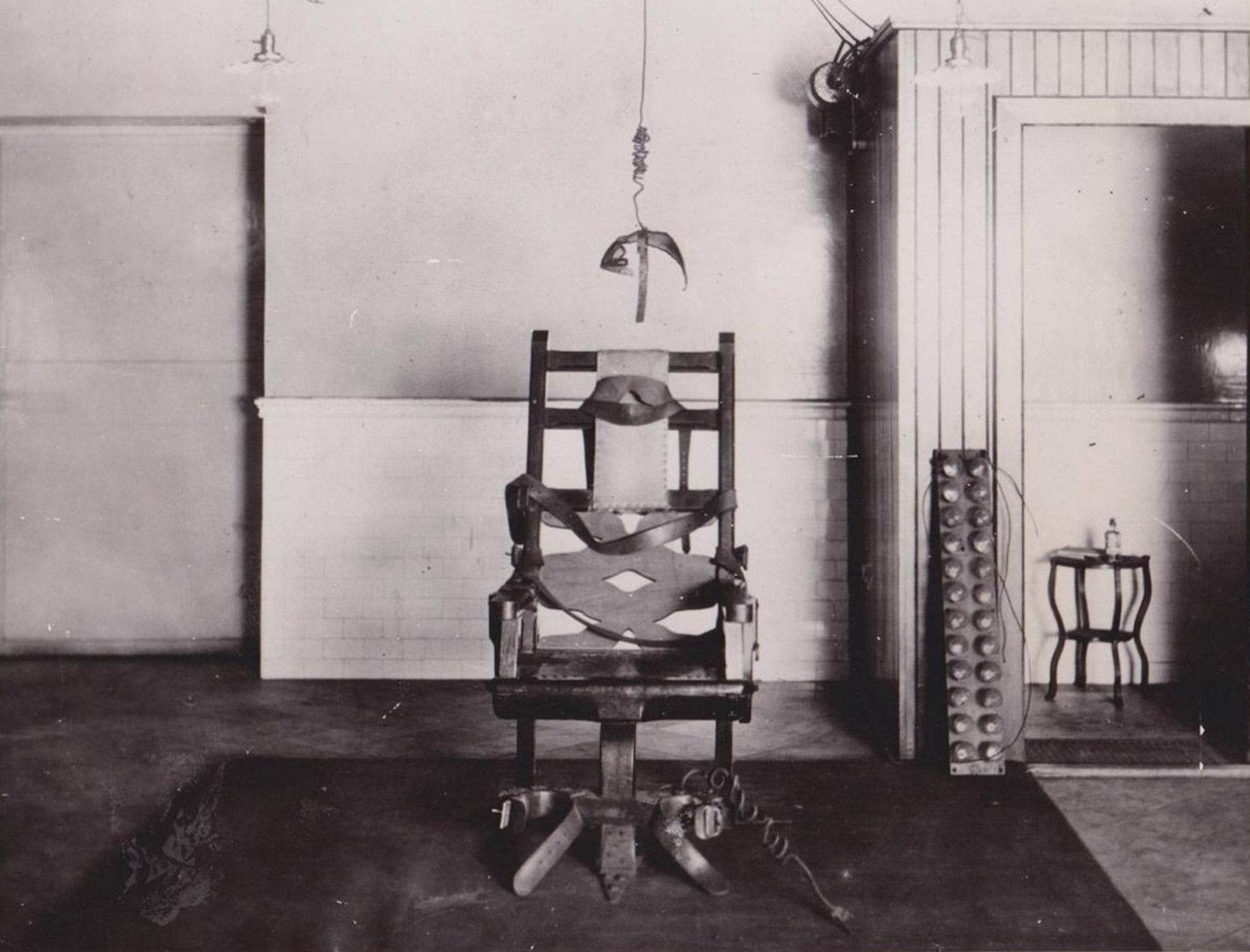
A picture of the notorious first electric chair, used in the execution of William Kemmler


An illustration from Scientific American, June 30 1888, showing an ‘ideal’ depiction of electric-chair functioning.

An illustration (not very accurate) of the execution of William Kemmler.

Categories
On The Waterfront True Crime

The tale of Newgate, the New York state prison in the West Village

You may not be aware of the Weehawken Historic District, a collection of 14 buildings of unique architectural character in the far West Village.

It lies at the foot of Christopher Street and centers around the one-block-long Weehawken Street.

You really should take a stroll down here. It will take you all of one minute; the street is approximately 63 feet long.

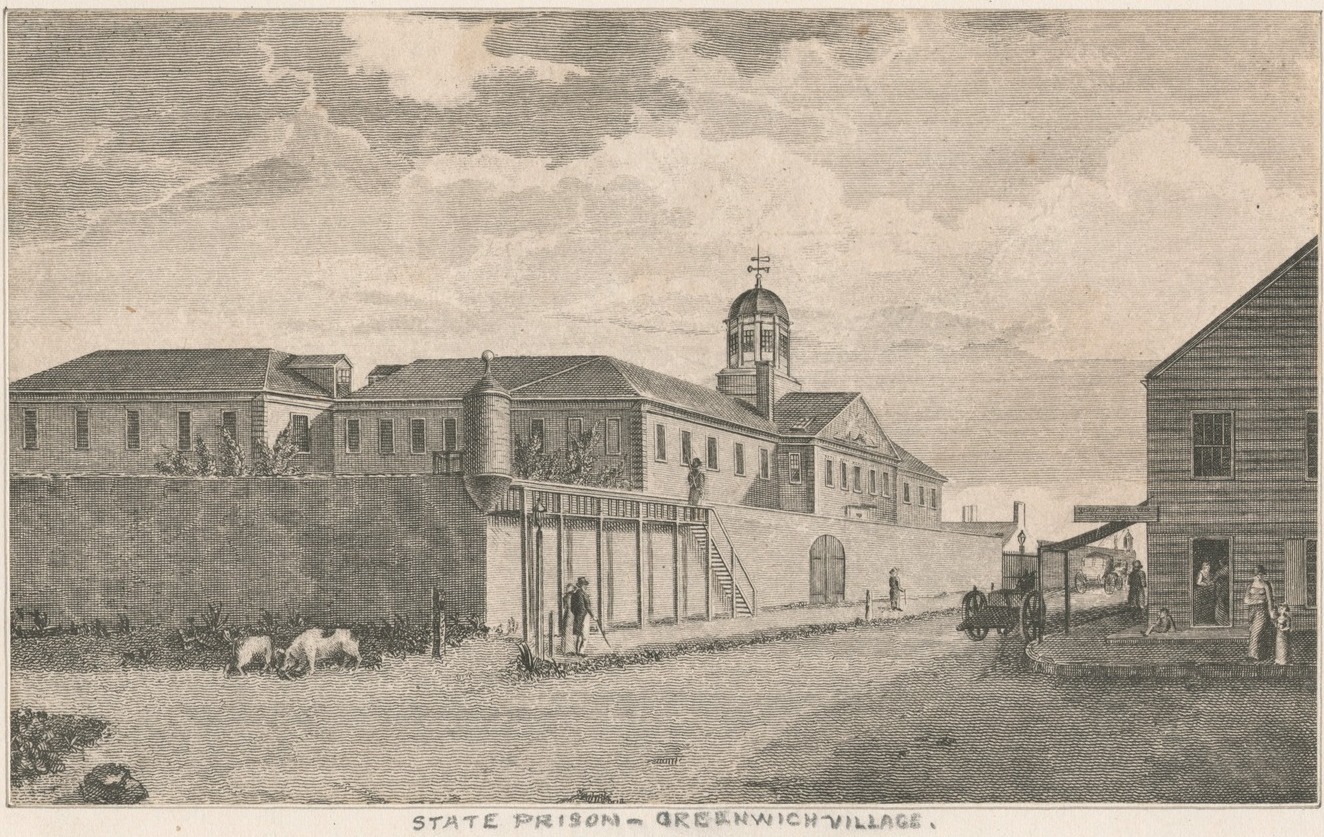
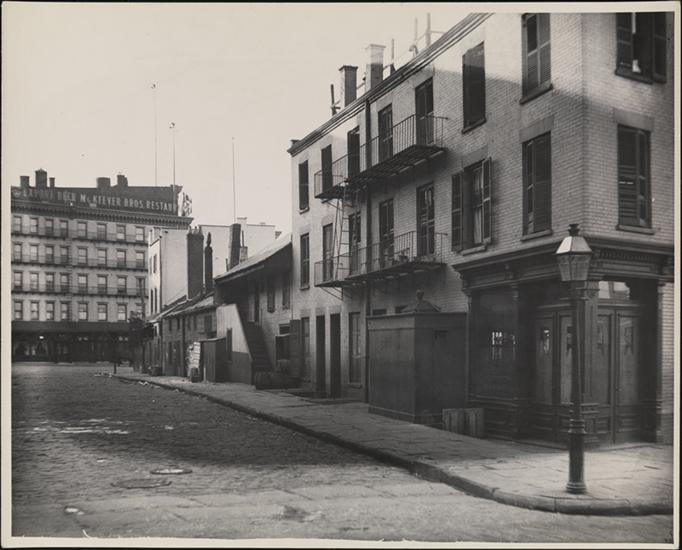
But a surprising structure once sat on this very spot two hundred years ago — Newgate Prison, the official state prison of New York from 1796 to 1828.

The city of New York was still very much confined to the area below today’s Canal Street. The new prison lay on the outskirts of Greenwich Village, a hamlet of farms and estates that served as New York’s first suburb of sorts.

Just a few feet from Newgate was the Greenwich Market, south of Christopher Street (on the spot of the big red, Federal Archives Building).

The prison was considered a progressive upgrade to New York’s dreadful Bridewell Prison, which sat near the area of today’s City Hall.

Built before the Revolutionary War, Bridewell had no windows and wretched facilities; prolonged incarceration here often met death.

Courtesy New York Public Library

With Newgate, enlightened reformers moved the prison out of the middle of town — always a good thing — and nearest the water, providing better ventilation and access to ferry transportation. “A more pleasant, airy, and salubrious spot could not have been selected in the vicinity of New York,” said one writer in 1801.*

Newgate was named (or rather nicknamed) for its larger, more infamous counterpart in London which became a favorite setting in Charles Dickens novels. New York’s Newgate was similarly ominous, with high stone walls mirroring the shape of forts along the waterfront.  

Indeed Fort Gansevoort, in the area of today’s Meat-Packing District, was built several years after Newgate.

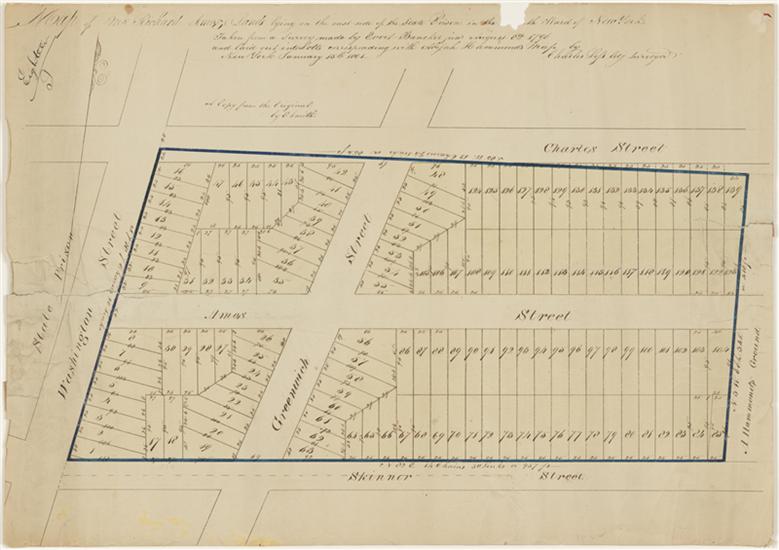
Below: From the original 1796 survey of the spot where Newgate was constructed. Today’s Weehawken Street would have been later laid at the spot of the prison’s western border. Skinner Street would later be known as Christopher Street. Amos Street is now West 10th Street.

Courtesy Museum of the City of New York

This soon proved an inadequate and ill-placed facility. Overcrowding led to prison riots and jail breaks, hardly the behavior you want to see across the street from a civilized public market. By the 1820s, the area of Greenwich Village became desirable real estate as the boundaries of New York — bolstered by the slow development of the 1811 Grid Plan — moved northward.

The western edge of Greenwich Village would be spared from the installing the grid thanks to tenacious land-owners. But it certainly wouldn’t do to have a wily prison sitting next to a developing neighborhood. In 1824, former New York mayor Stephen Allen (technically the first elected mayor) was put in charge of relocating the state prison to someplace more remote. And so, in 1828, Newgate’s prisoners were transferred to a new facility — in Sing Sing.

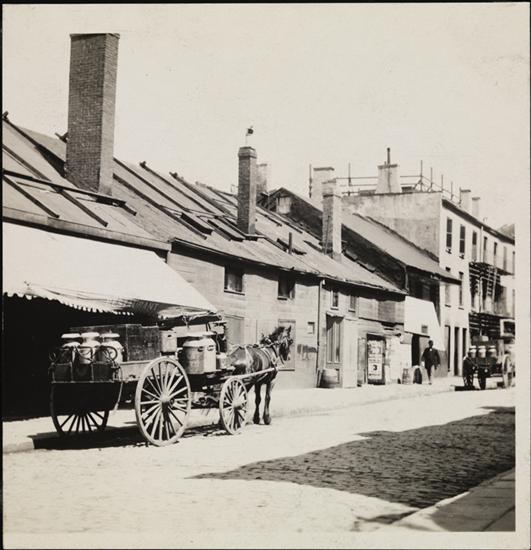
Weehawken Street in 1900 looking south….

Courtesy Museum of the City of New York
Photo by Robert Bracklow, Courtesy Museum of the City of New York

… and north.

MNY217957

The hefty walls of Newgate were torn down, and  l’il Weehawken Street — all 63 feet of it —  was then created and paved in 1830.

By the way, Weehawken Street did get its name from the town of Weehawken, as it was the dock of a colonial ferry that connected with the picturesque New Jersey town. Weehawken was the site of the famous duel between Alexander Hamilton and Aaron Burr in 1804.

They both get their name from the same Lenape Indian source meaning either “place of gulls” or “place of rocks that look like trees.”

*From the official Weehawken historic designation

The legend of bank robber ‘Red’ Leary, his wife Kate, and the greatest jail break in Lower East Side history

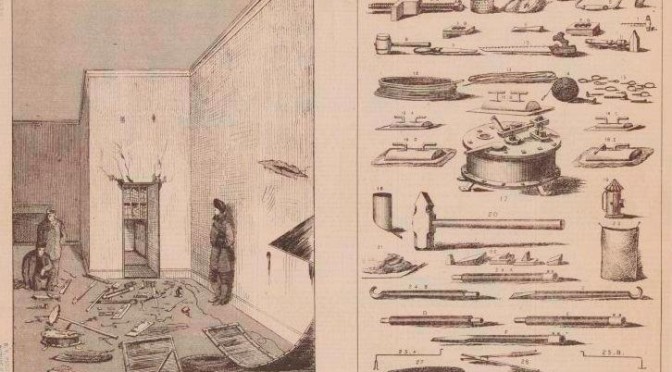
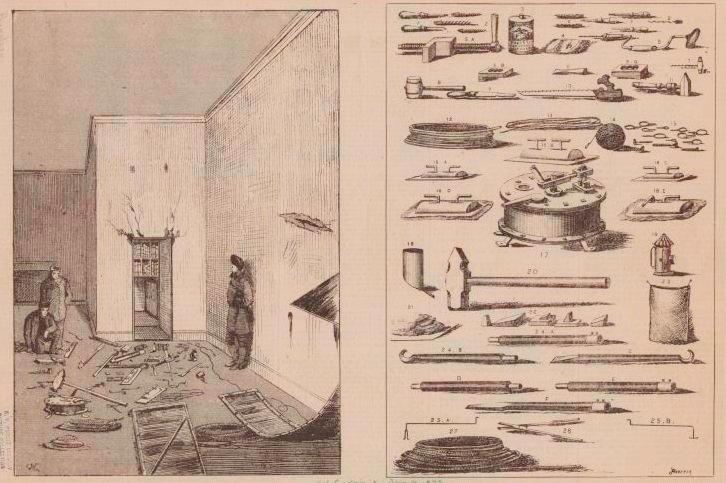
 ‘Red’ Leary was one of the famous bank robbers of the 1870s, assisting in heists all along the Northeast. Above is an illustration of a bank robbery in Montreal, Canada, displaying some of the tools found at the crime scene.

They don’t talk about ‘Red’ Leary anymore down in the streets of the Lower East Side. In the hipster bars and boutiques, in the graphic design firms and the Chinese foot-massage parlors, his name goes virtually unspoken.

But over one hundred and thirty years ago, his unusual escape from the Ludlow Street Jail (pictured below) captivated New Yorkers, willing to overlook the rascal’s criminal misdeeds to marvel at the ambitiously planned jail break, orchestrated by his wife Kate Leary. ‘A Hero and a Burglar’ proclaimed the New York Times, appalled that teenagers were “absolutely besides themselves and exultant over the daring deed, each individual boy wishing, for the moment, that we was a Red Leary.”

John ‘Red’ Leary was one of the northeast’s most notorious bank robbers of the 1870s, frequently pairing with other known criminals of the day to pull of spectacular heists. In particular, as a part of the gang of George Leonidas Leslie (nicknamed “king of bank robbers”), Leary helped make off with thousands of dollars in stolen sums, involved in tricky operations that sometimes took years to plan.

According to Herbert Asbury, Leslie’s gang was responsible for 80% of the bank robberies between 1874-84. Not sure how that number was specifically settled on, but needless to say, as a critical member of Leslie’s operation, ‘Red’ Leary was a master at his chosen profession.

However, in December 1878, after a robbery at the Northampton Bank in Massachusetts (making off with a staggering $1.6 million), Leary was promptly captured back in New York at Second Avenue and 92nd Street, in connection with another bank robbery. It was decided to extricate Leary to Massachusetts to answer for the robbery there, so he was thrown into Ludlow Street Jail to await transferal.

The Ludlow Street Jail, between Broome and Grand streets, opened at 1862 as a debtors prison and a sometimes repository for New York’s more infamous criminals. In fact, just several months before Leary’s arrival, William ‘Boss’ Tweed had died in one of the cells here.

Leary would be sure not to meet the same fate, thanks in part to his wife, the fiery Coney Island pickpocket Kate Leary, and some of Red’s criminal cohorts. Included among them were Shang Draper, a crooked saloon owner famous for drugging customers and shanghaiing them onto ships.

Kate had already helped her husband escape capture once before, in August 1877, when the duo eluded several officers at a hotel near Fort Hamilton in Brooklyn.  A lightly guarded prison in the middle of one of the most populated neighborhoods in the world was certainly no match for a woman as determined as Kate, known as much for her intelligence as for her venality.

In May of 1879, Mrs. Leary, in disguise, rented a tenement flat next door to the jail at 76 Ludlow Street.  She and her accomplices then knocked out a wall, drilling through the thick prison defenses until they broke through into the prisoner’s bathroom, perfectly timed with Red’s arrival there.

As author B.A. Botkin‘s describes: “No alarm was raised, nor was the tunnel leading to the room with its neatly piled ton of excavated brick discovered until 10:30. By that time the fugitive was on his way to Coney Island in a light truck.”

As a judge has explicitly stated that Leary would probably try to escape, the clean extraction of the high profile criminal elicited mocking scorn at the jailers and officers involved. Saving face, Ludlow officials declared Leary’s assisted release was “one of the most daring and skillfully-planned affairs of the kind to ever occur in the city,” “executed by shrewd and bold criminals.” [source]  The Ludlow jail would never really shake its, shall we say, porous reputation and was eventually demolished in the 1920s. Both the jail and the address 76 Ludlow Street would make way for Seward Park High School (pictured below, from 1930)

So dramatic was the 1879 Ludlow prison break that Leary and his crew were soon turned into folk heroes by the more rebellious residents of the Lower East Side. For this reason, the Leary escape is sometimes listed as a New York urban legend. But in fact, newspapers of the day spilled over with reports of the bold getaway.

Red Leary was eventually recaptured two years later and returned to Massachusetts to answer for his crimes there. He met a grim end in 1888 at the Knickerbocker Cottage (Sixth Avenue and 10th Street), smashed in the head with a brick by a card shark named William Train. His wife Kate literally drank herself to death in 1896 at a Coney Island hotel.

According to Botkin’s 1956  book ‘New York City Folklore’, the legend of Red Leary even briefly entered sports vernacular. “So celebrated did the exploit become, that …. [a] coach who wanted to instruct a player to break loose and steal a base simply yelled, “Red Leary!
Pictures courtesy New York Public Library

Categories
Revolutionary History

From prison to post office: The odd fate of a Dutch church

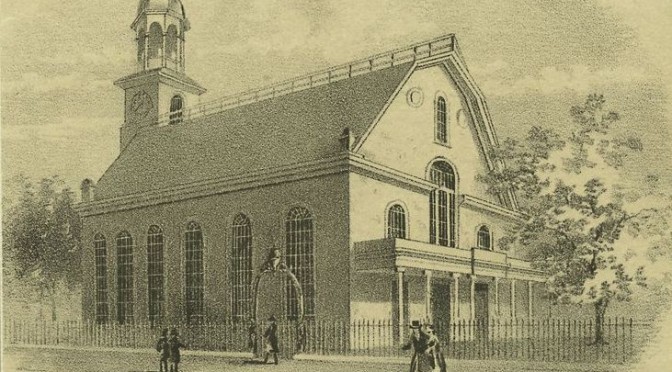
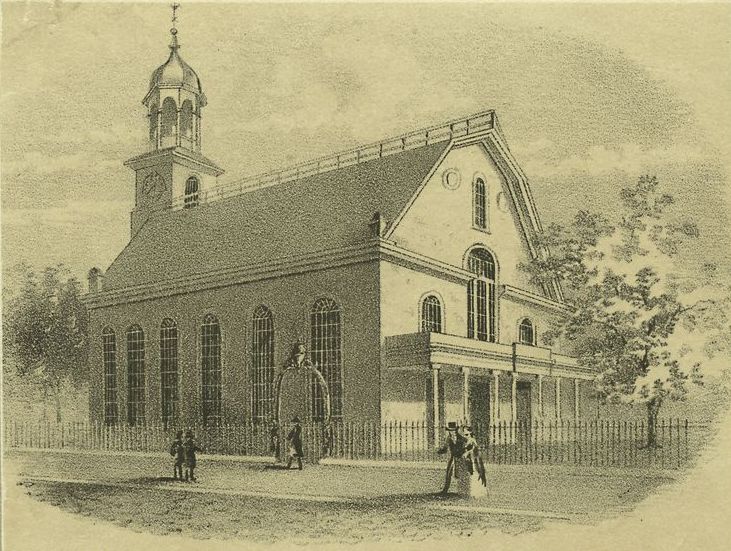
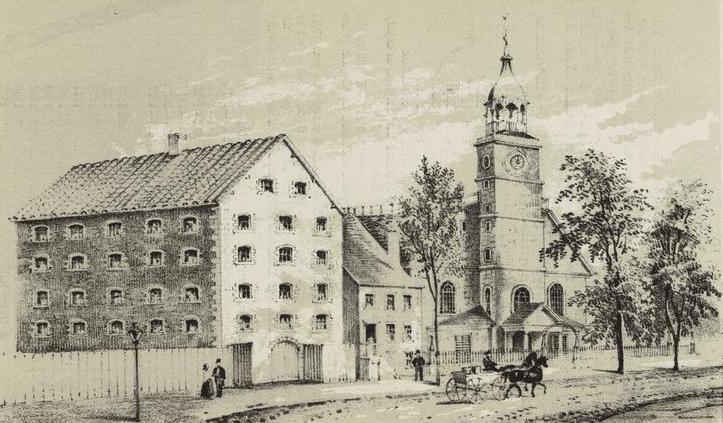
Say a prayer for the Middle Dutch Church (pictured here from sometime before the war) as things are about to get very ugly.

 One need only walk past the old Limelight in the neighborhood of Chelsea to understand the strange flexibility of church architecture.

This former Richard Upjohn-designed Episcopal church at West 20th Street and Sixth Avenue was transformed into a rehab center in the 1970s, then a notorious nightclub in the ’80s, then an upscale mall. And now a gym.

But the Limelight is only the most extreme example of church alteration in New York. Brooklyn Heights has so many churches that some have been turned into swanky loft apartments.

This is not a new trend. New York grew so rapidly in the 19th century that small stone and clapboard churches, once situated on the outskirts of town, found themselves surrounded. As population shifted, congregations left, and other civic services moved in.

The Middle Dutch Church was built between 1726 and 1731, a vestige of Manhattan’s Dutch Reformed community that traced itself back to New Amsterdam‘s very first house of worship.

Its location at Nassau Street and Cedar Street made it central to the lives of colonial New Yorkers, but a series of historical twists ensured a few less hallowed activities would take place here.

The church and the adjoining ‘sugar house’ in 1830, years after being turned into a horrifying prison complex.

During the Revolutionary War, the occupying British turned the damaged and deteriorating Middle Dutch and its neighboring sugar house into a prison for unruly rebels.

An old Times article estimates that up to 8,000 prisoners were held here in those years.  “When the victims confined to the Middle Dutch church crawled to the windows begging for food, a sentinel, pistol in hand, would turn back the gifts of the charitable.” [source]

“The whole floor of the Church was one caked mass of dead, dying, excrement and vermin,” reported the Times, “supernatural” conditions that probably echoed throughout the entire city, choked off during the occupation years between 1776 to 1783.

I’m grimly speculating that prisoners were transferred the prison ships of Wallabout Bay at some point, for the building was emptied, “the planking torn up, tan laid down, and a riding-school established for the recruits of the English riding-horse.”

When the British galloped out of New York entirely in 1783, the beat-up old building sat virtually unused — although Benjamin Franklin may have used the belfry for electricity experiments, according to one source — before being turned back into a church, re-opening on July 4, 1790.

It stayed as a church for 44 years, even as New York’s population migrated north. Finally, under a cloud of debt, the church permanently closed in 1844, with its final service symbolically held in both English and Dutch languages.

If Franklin (America’s first postmaster general) indeed practiced with electricity here, then the next transformation seems natural.

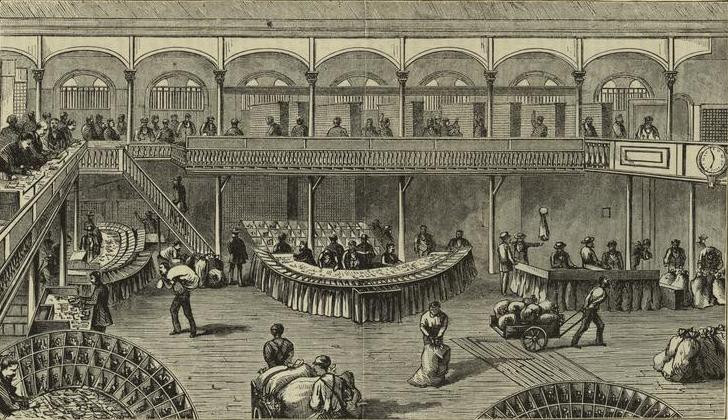
With the federal standardization of postal rates in 1845, New York found itself in need of a central post office. So the U.S. government leased the old church — buying it outright in 1861 — and radically transformed the building into New York’s central post office.

Special delivery: The interior of the Dutch church turned post office in 1871 (NYPL)

The poor building, renovated and stretched thin, could barely process the flow of mail coming through the city by the late 1860s, so a new central post office was built — the odd, greatly loathed City Hall Post Office building.

The old Dutch church, now 150 years old, was considered a city treasure, but real estate in downtown Manhattan was now being carved out for skyscrapers.

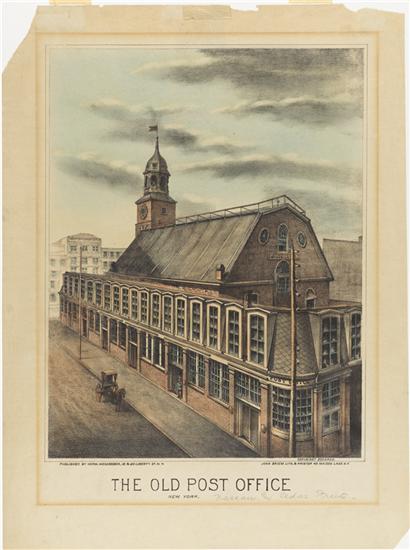
Below: The post office/church in an 1877 lithograph, courtesy the Museum of the City of New York

The church of a thousand faces, to the curiosity of “thousands of relic-hunters and citizens,” was finally torn down and replaced with the Mutual Life Insurance Building in 1882.

The ornate Mutual Life had a good run but was demolished — with a part of Cedar Street erased — to make room for One Chase Manhattan Plaza.

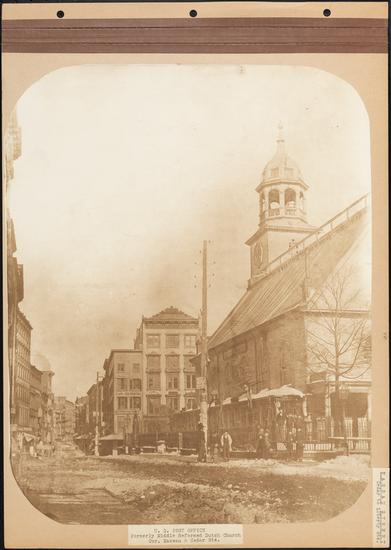
And finally — perhaps the only existing photograph of the old post office, dated 1890, Nassau Street – Cedar to Liberty Sts. (courtesy the Museum of the City of New York)

Categories
Podcasts

Roosevelt Island: New York’s former ‘city of asylums’

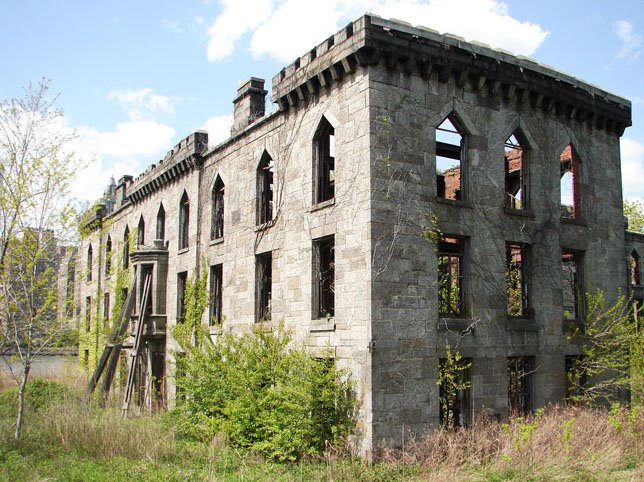
The original Smallpox Hospital, designed by James Renwick, still stands today thanks to diligent restoration. (Click pic for detailed view)

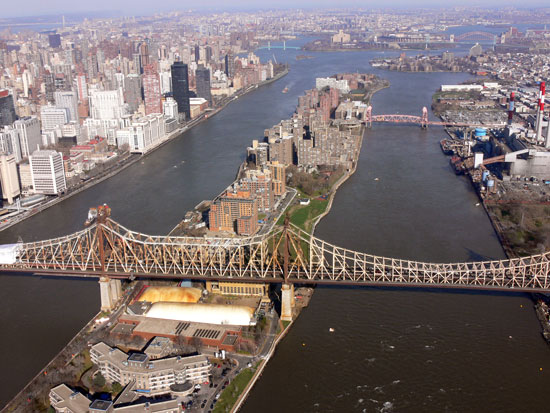
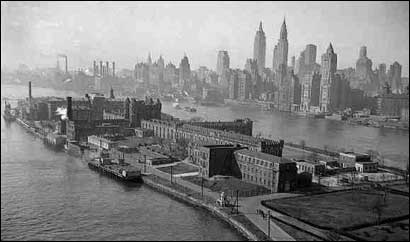
Looking north over Roosevelt Island, which cleanly splits the East River. Picture the buildings gone, the bridges wiped away, replaced with fruit trees and a small farm. The island has adopted several names over the years, including Minnahanonck (‘It’s Nice To Be Here’), Varkens Island (aka Hog’s Island), and Manning’s Island.
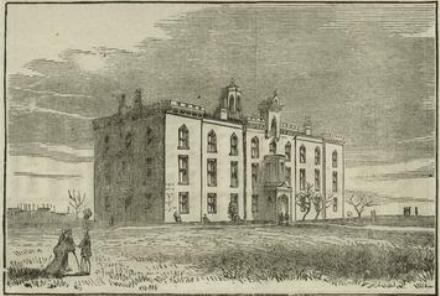
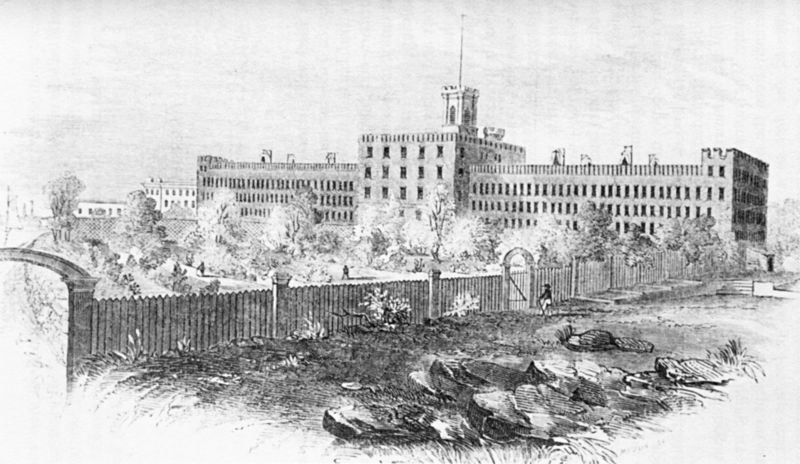
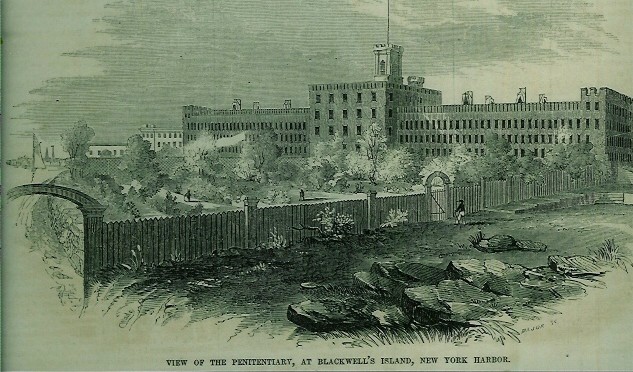
The penitentiary, opening on the now-named Blackwell’s Island in 1832, defined the next 100 years on the island — overcrowded, chaotic, inadequate facilities, grim and corrupted

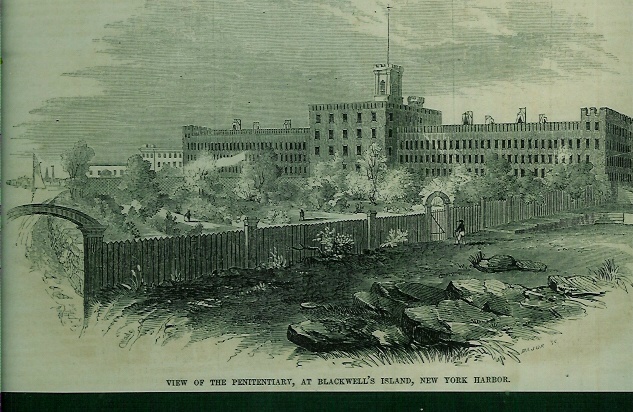
Another illustration of the prison, this from 1853, showing a rather unusual feature to its side: a garden, which would be kept by inmates to feed themselves

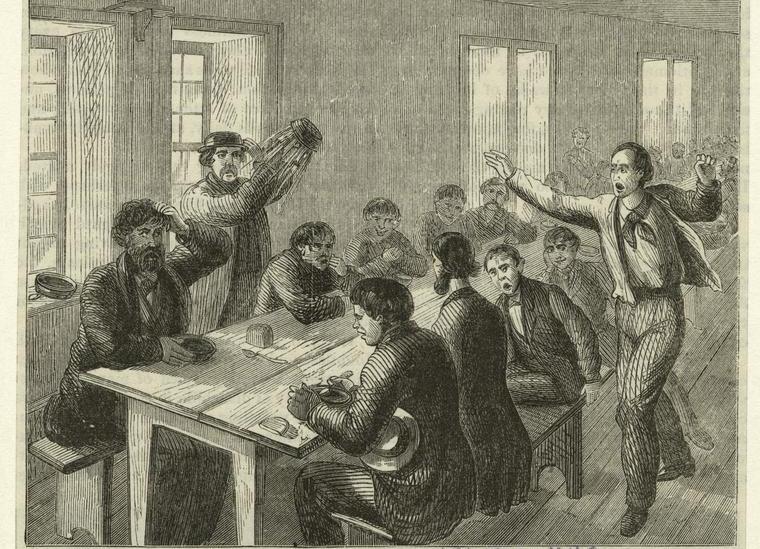
Food fight! Conditions inside the prison — as in most places on the island — were guided by mischief and chaos. Harpers Magazine 1860 (courtesy NY Public Library)

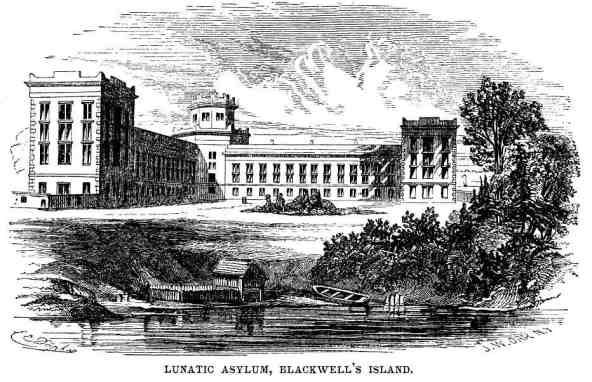
The Lunatic Asylum, aka ‘the Octagon’, became as overcrowded as the island’s prisons, often with people who would not have been considered ‘crazy’ today. Only two wings of the asylum were ever completed. Today, the Octagon is a luxury apartment complex.

Intrepid reporter Nellie Bly exposed the wretched conditions within the asylum when she went undercover there in 1887.

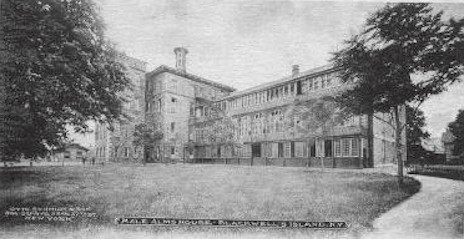
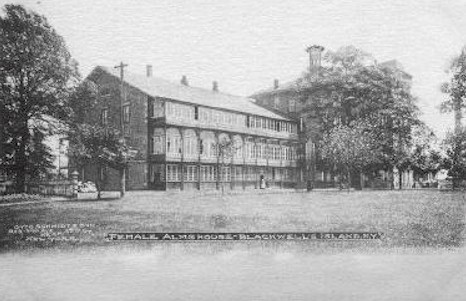
Male and female almshouses, catering to the homeless, the desperately poor and the elderly. Some residents would spend time at the penitentiary or work house, check out, and check back in here. (Images from here)

The Smallpox Hospital came to the island in 1856, a Gothic structure by James Renwick that saw thousands of diseased patients a year.

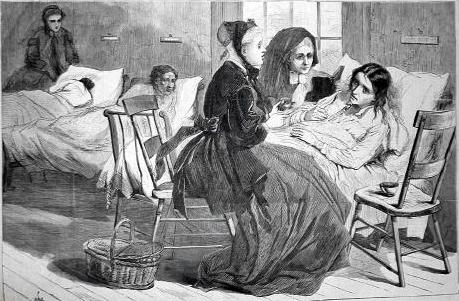
An illustration from 1868 expresses the dire scene at one of the island’s many hospitals. Confining all manner of sick and injured to one island might have been good for the general population, but was often a dangerous proximity for the sufferers, especially during epidemic time.

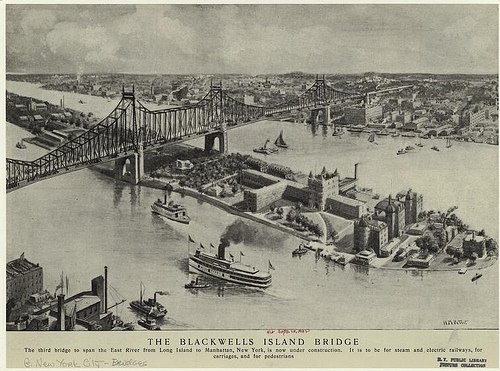
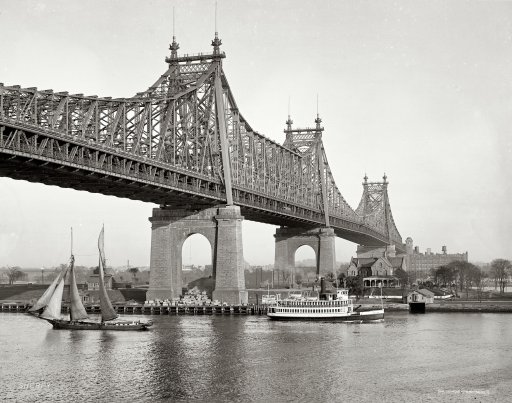
A dramatic change came in 1909 with the construction of the ‘Blackwell’s Island Bridge’, better known today as the Queensboro or 59th Street Bridge. A trolly stopped at the middle of the bridge, letting passengers off who then took an elevator down to the island. The elevator was dismantled by 1970.

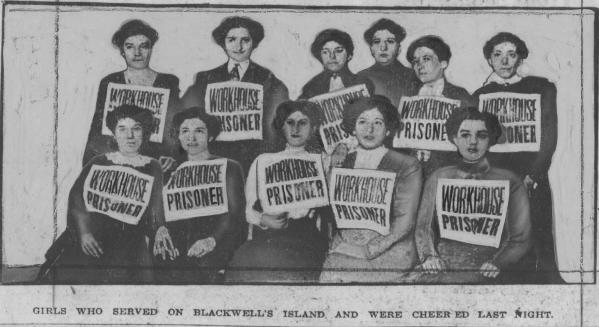
The workhouse, home to prostitutes and drunks, was also a popular place to dump protesters and labor reformers, as evidenced by this group of brave looking women.

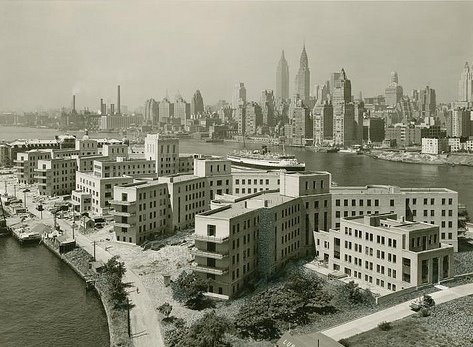
As Welfare Island, many of the major institutions would soon leave (to other New York islands) leaving on chronic care hospitals and a whole lot of abandoned property.

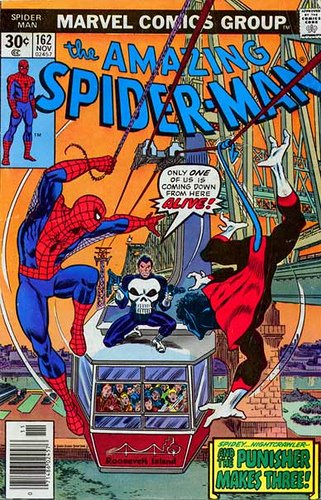
The Roosevelt Islamd Tram was an instant hit when it debuted in 1976, inspiring romantics and comic book writers alike.

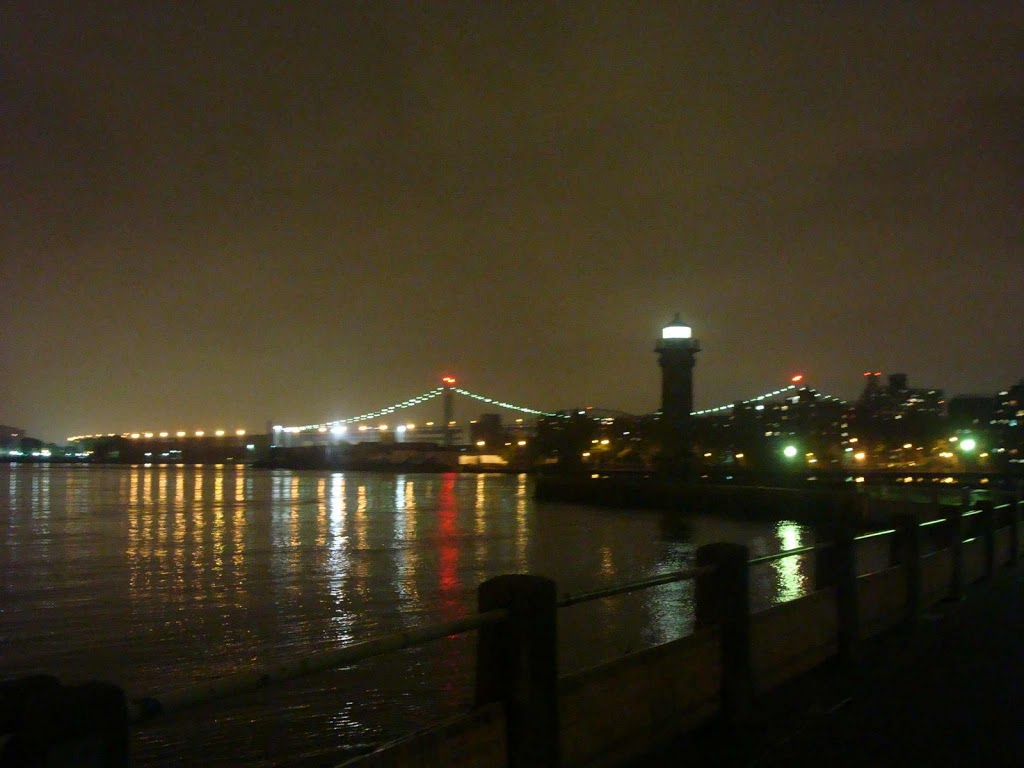
The haunting lighthouse at night, built by island inmates and still illuminating the East River, though the dangers of ships smashing against the rocks of Hell Gate are long gone.

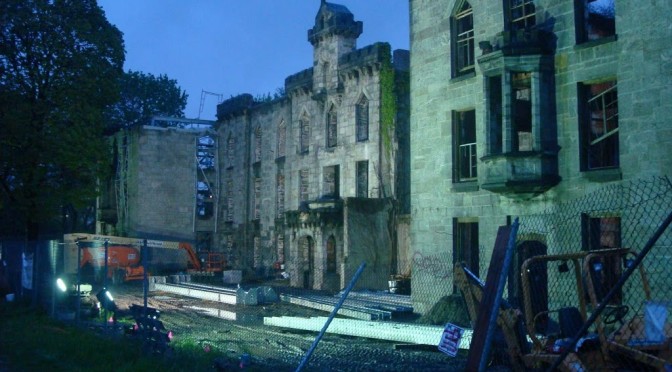
The Renwick Ruins still stand at the south end of the island, the former smallpox hospital still managing to give people a bit of a chill when seen close up (and preferably at night).

An extraordinary look at the island: in 1903, Thomas Edison made a short film using the island as a backdrop. The views include the lighthouse, the Octagon, the penitentiary and the construction work of what would become the 59th Street Bridge

You can find anything you want to know about Roosevelt Island at two excellent blogs, Roosevelt Islander and Roosevelt Island 360. The Main Street Wire, the RI community newspaper, has a great website with an exhaustive history timeline. And naturally, the always reliable Correction History, for all you prison history buffs, has some great info as well.

Click here for some prior articles we’ve written on this blog about Roosevelt here, include Charles Dickens’ visit to the island and an article about the late godfather of RI, ‘Grampa Munster’ Al Lewis.

Mysteries of Roosevelt Island: Jailhouse jitters


We’ve got some more on that wacky, wonderful place called Roosevelt Island. We highlighted some of the spookier stuff last week. Read it all here.

I mentioned earlier that Roosevelt Island was named for a Franklin Delano Roosevelt memorial that was never built there. Perhaps the reason that doesn’t bother anybody is that’s a far more attractive name than its last one, Welfare Island. In the continuum of names in the island’s history, Welfare is worse than all of them, although slightly better than Hog Island.

(The best name it’s ever had? The original Canarsie tribe name Minnahannock, meaning ‘it’s nice to be on this island’.)

Welfare Island might seem a rather unappealing name these days, but at the time it was changed from Blackwell’s to Welfare in 1921, the connotation was less onerous. By that time, the island was crammed with institutions that benefited “the welfare” of the public, while at the same time sequestering society’s most undesirable. It’s held an almshouse, various hospitals, a workhouse, an asylum. Yet none of these public projects grabbed as many headlines as the island penitentiary, which stood there for over a hundred years.

A prison was one of the first things built on then-Blackwell’s Island in 1832. A north wing was added to the prison to accommodate inmates transported from a facility next door to Bellevue Hospital. (The mental patients of Bellevue would make a similar journey to Blackwell’s asylum at around the same time.) The five-story L-shaped building had a granite, medieval-looking facade and 800 cells, much of it filled to capacity through most of its existence.

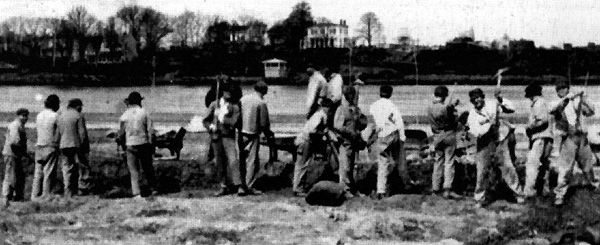
The prison fomented little idleness. Male inmates from there and the adjoining 220-cell workhouse (essentially a correctional facility for “drunks and disorderlies”) were used either in the quarry or to build many of the island’s structures, including a seawall around the perimeter. (Below: a picture from the book Images From America: Roosevelt Island of some of Blackwell Island’s prison laborers.)

This takes the notion of a chain-gang to a whole other level. But then, where would they escape to? Even if they could find a boat, the closest dock was heavily guarded. And although swimming was a possibility, the waters of the East River were far more crowded than they are today. Although some criminals — like ‘Oily’ Rockford — managed escape quite easily.

While the men were outside, women prisoners would do more ‘womanly’ chores, like sewing and laundry. I can’t help but think many of these women could have been better served in the quarries than in the sewing circles.

The prison and workhouse has seen its share of celebrity lawbreakers; one could imagine Paris Hilton feeling at home here. (I’m kidding; she wouldn’t last a day.) Many of the purported crimes wouldn’t even get you a slap on the wrist today.

Margaret Sanger’s sister Ethel Byrne was locked up for providing birth control advice to women in Brooklyn. Anarchist Emma Goldman was a frequent ‘guest’ for incendiary remarks and inciting riots, joining other frequenter Madame Restell, an early 20th century abortionist. Well before her singing career took off Billie Holiday spent four months here for a “vagrant and dissipated adult” (code for prostitution), although she was still a minor.

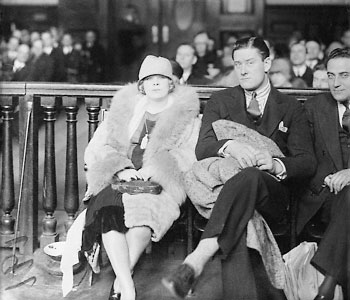
However its two most recognizable residents to the public at the time stand at either end of the justice scale; Boss Tweed served there for a year as the instigator of New York’s corruption woes, while comedian Mae West was locked up for eight days in 1927 on public obscenity charges, due to the ‘salacious’ nature of her Broadway show ‘Sex’. She received so much media attention that she was allowed to wear silk underpants at night and was eventually let off for good behavior. (The picture above is Mae in court, possibly on the day receiving her sentence.)

The celebrity element also helped shine spotlights on the prison’s squalid conditions — a sorry hall of overcrowding, drug addiction and corruption. By the 20th century, gangs of prisoners virtually ran the place. It would become the inspiration for dozens of pulp novels and films, including one actually called Blackwell’s Island.

After a few sorry reforms — including the name change to Welfare Island — produced few results, it was up to can-do mayor Fiorello Laguardia and his hire for corrections commissioner Austin H. MacCormick to raid the prison and transport its remaining inmates to the newly built Rikers Island. The Welfare Island prison was quickly torn down and replaced by Goldwater Hospital, today the Coler-Goldwater Memorial, which still serves the city in an environment far more inviting that anything that ever stood there before. has some of the best medical facilities in the city.

That’s it for Roosevelt Island this week! If you want to know more, the best online resources I could find include those at the Roosevelt Island Historical Society and a spectacular in-depth timeline at NY10044. (I know, I know, I didnt even get to the Blackwell house, fifth oldest building in all of New York City, or the ruins of old Strecker Laboratory.)

By the way, if you want to see what Blackwell Island might have been like, Roosevelt Island 360 has a video stream of the 1903 panoramic film reel that surveys the island in all its gloom and gray.