Categories
Podcasts Politics and Protest Preservation

The History of Jefferson Market and the Women’s House of Detention

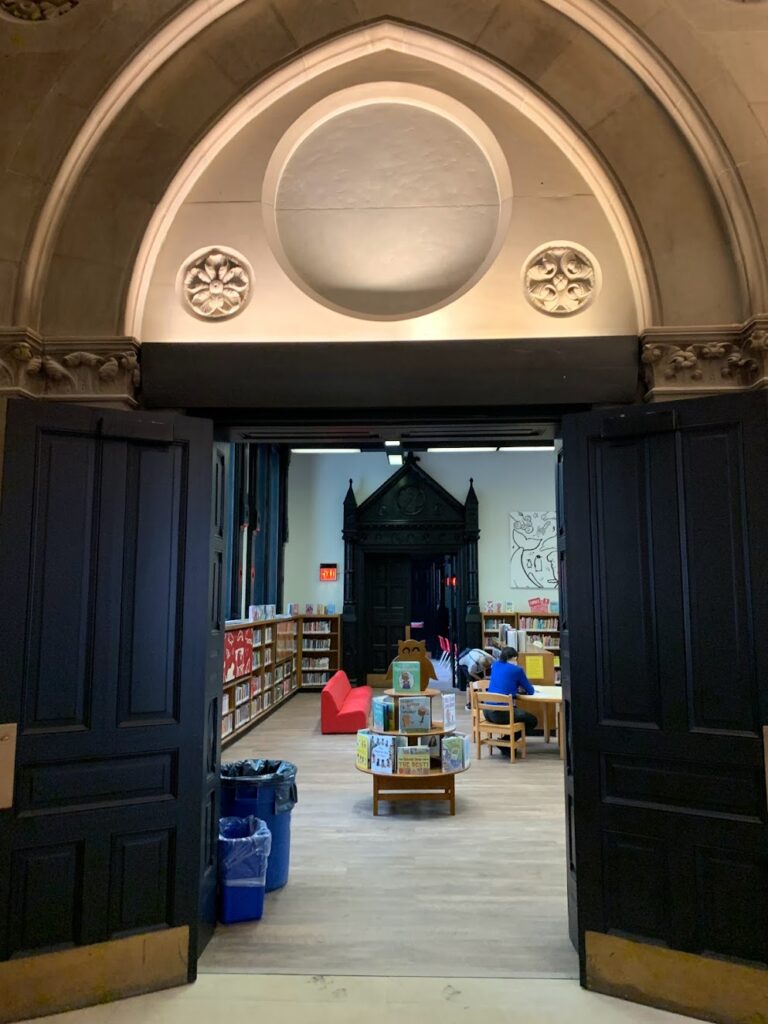
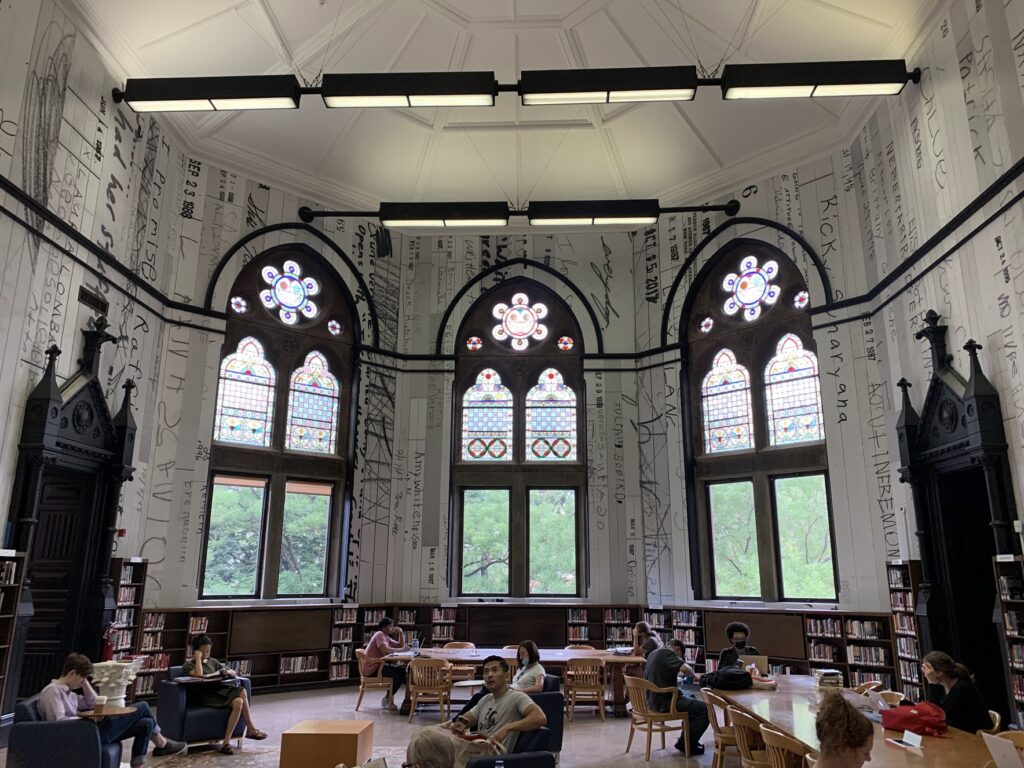
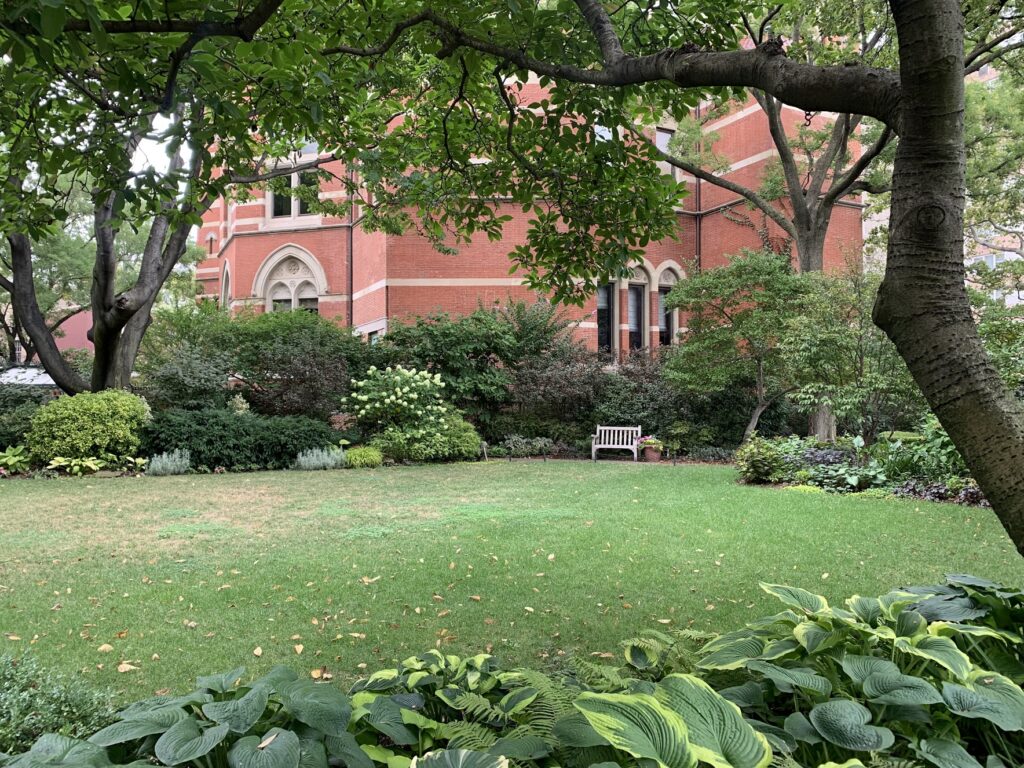
In the heart of Greenwich Village sits the Jefferson Market Library, a branch of the New York Public Library, and a beautiful garden which offers a relaxing respite from the busy neighborhood.

But a prison once rose from this very spot — more than one in fact.

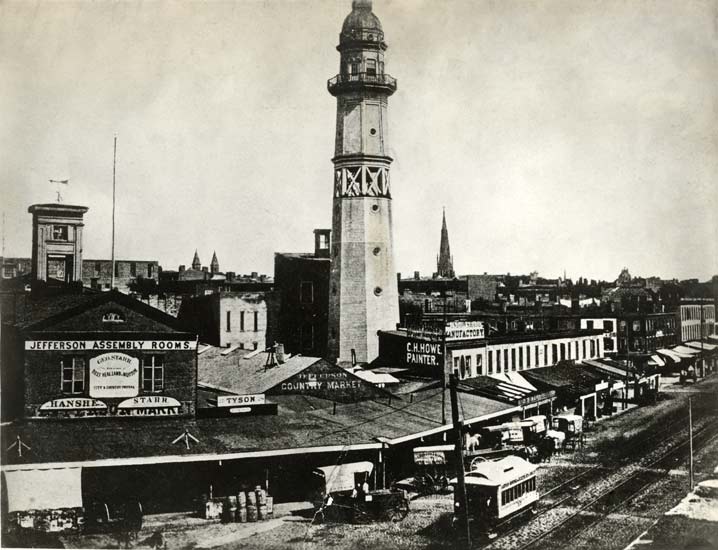
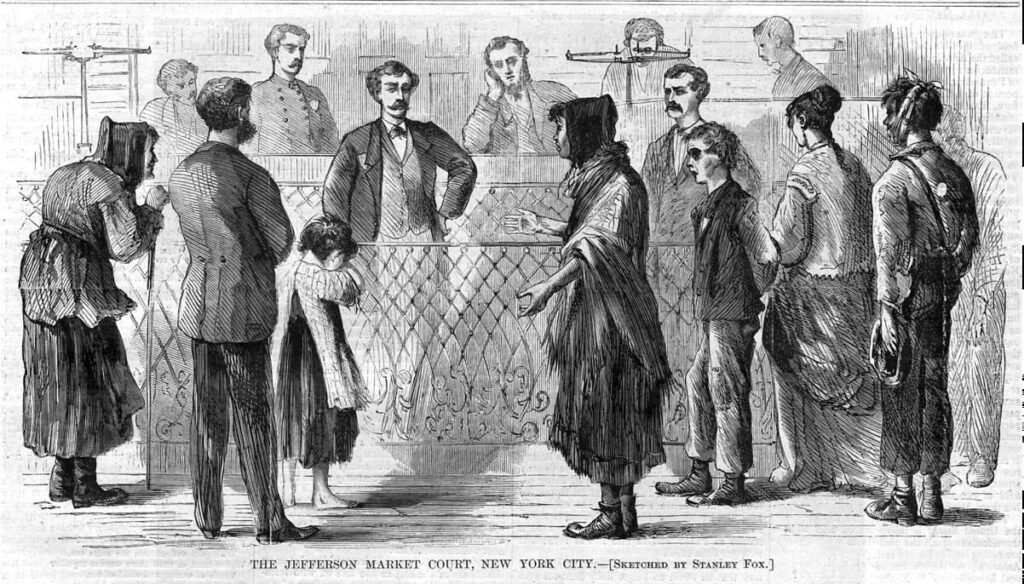
While there was indeed a market at Jefferson Market — dating back to the 1830s — this space is more notoriously known for America’s first night court (at the Jefferson Market Courthouse, site of today’s library) and the Women’s House of Detention, a facility which cast a gloom over the Village for over 40 years.

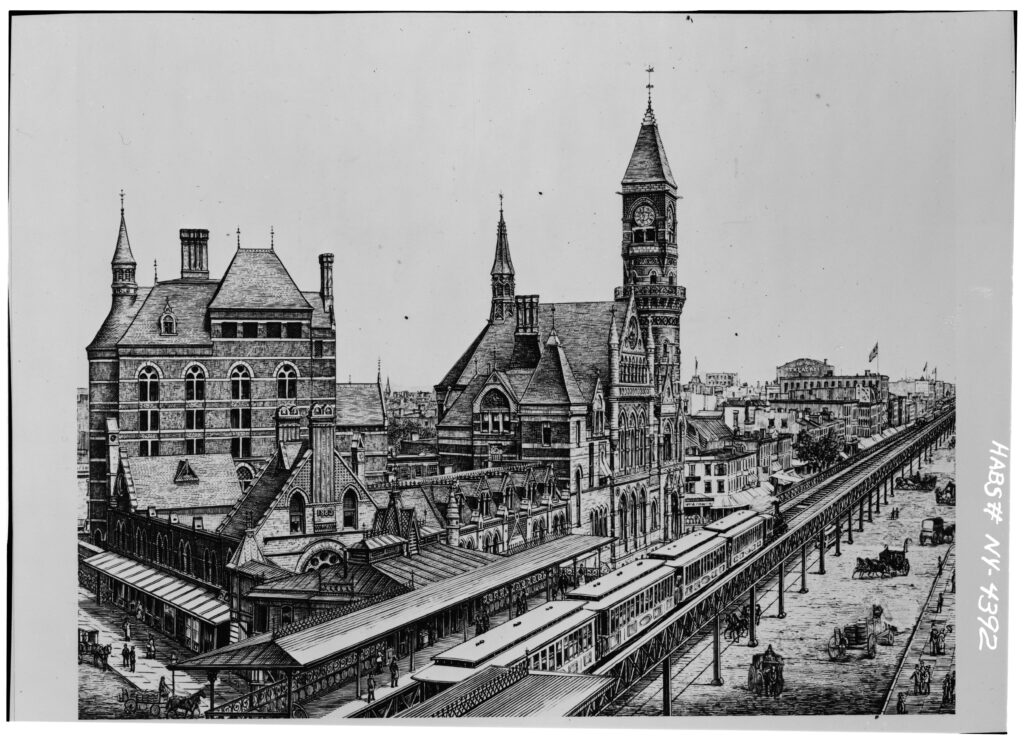
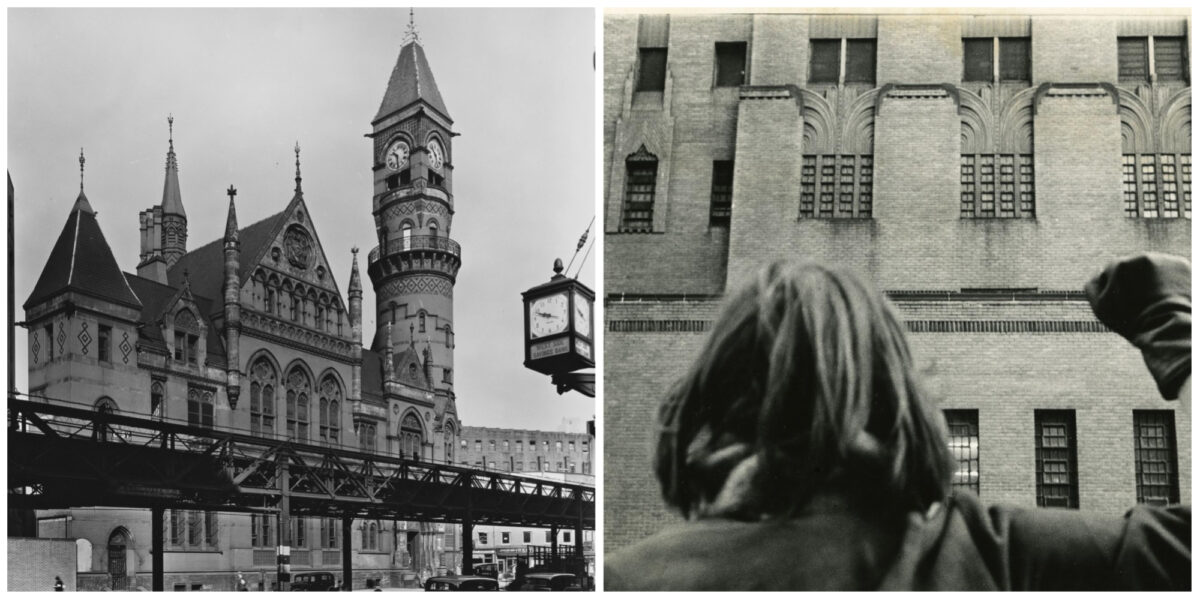
Almost immediately after the original courthouse (designed by Frederick Clarke Withers and Calvert Vaux) opened in 1877, it was quickly overburdened with people arrested in the Tenderloin district. By 1910 a women’s court opened here, and by the Jazz Age, the adjacent confinement was known as “the women’s jail.”

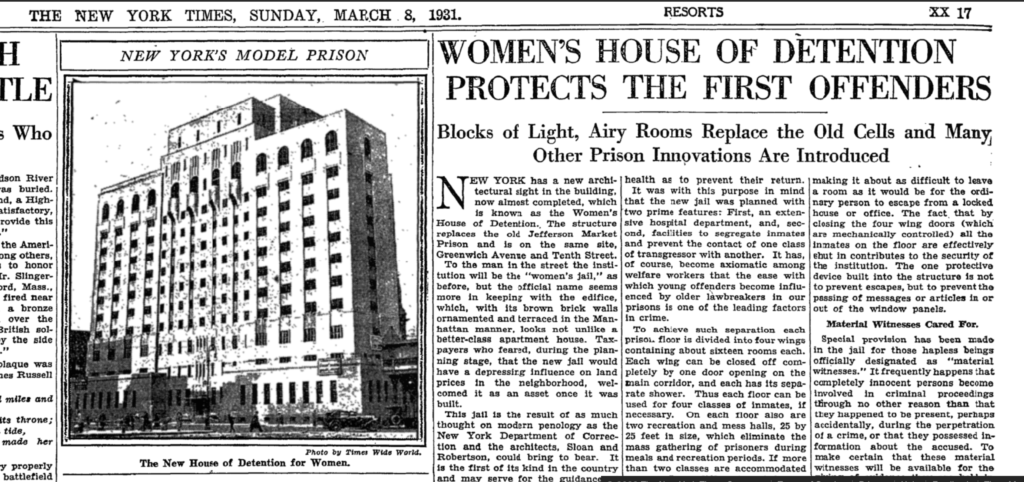
When the Women’s House of Detention opened in 1931 — sometimes referred to as the world’s only Art Deco prison — it was meant to improve the conditions for women who were held there. But the dank and inadequate containment soon became symbol of abuse and injustice.

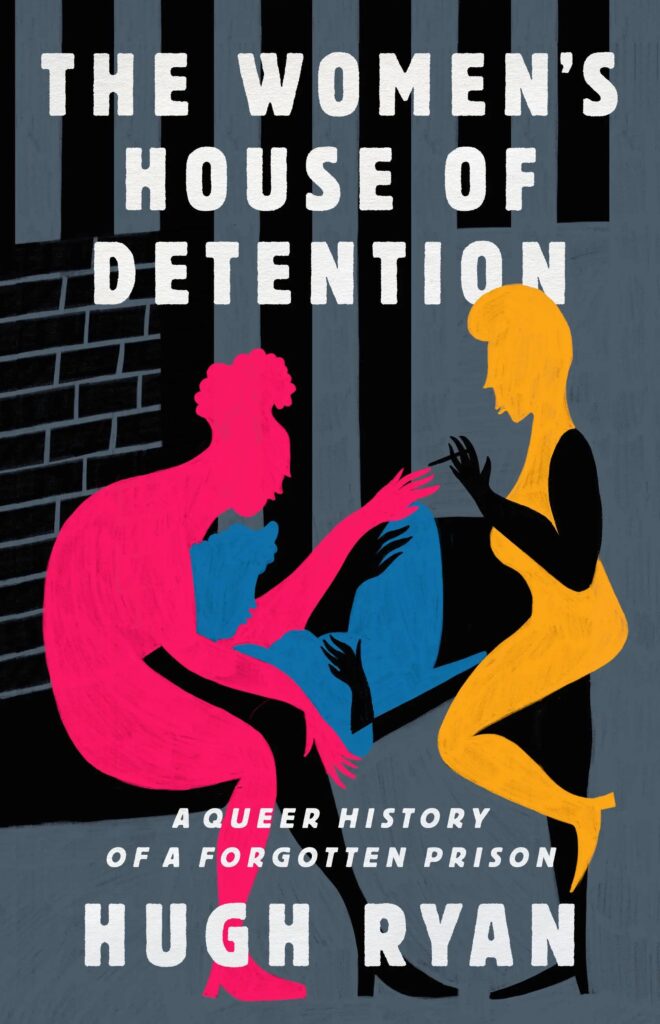
In this special episode — recorded live at Caveat on the Lower East Side — Tom and Greg are joined by Hugh Ryan, author of The Women’s House of Detention: A Queer History of a Forgotten Prison to explore the detention center’s place in both New York City history and LGBT history.

How did the “House of D” figure into the Stonewall Uprising of 1969? And what were the disturbing circumstances surrounding its eventual closure?

FEATURING: Stories of Mae West, Stanford White, Alva Belmont, Mayor Jimmy Walker, Angela Davis, Andrea Dworkin and — Tupac Shakur?

LISTEN NOW: THE HISTORY OF JEFFERSON MARKET AND THE WOMEN’S HOUSE OF DETENTION

Hugh Ryan on Patreon, Twitter and Instagram

Historic American Buildings Survey, Photocopy, c. 1880, Courtesy of New-York Historical Society,
New. York Public Library
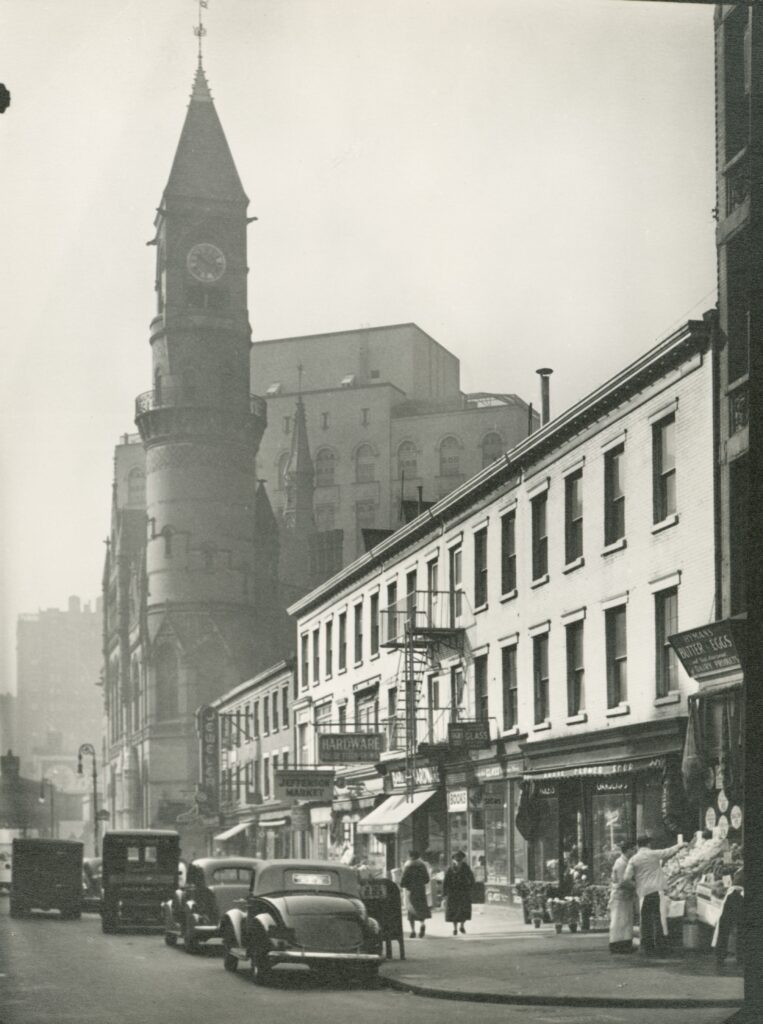
The courtroom and House of Detention, 1938, New York Public Library
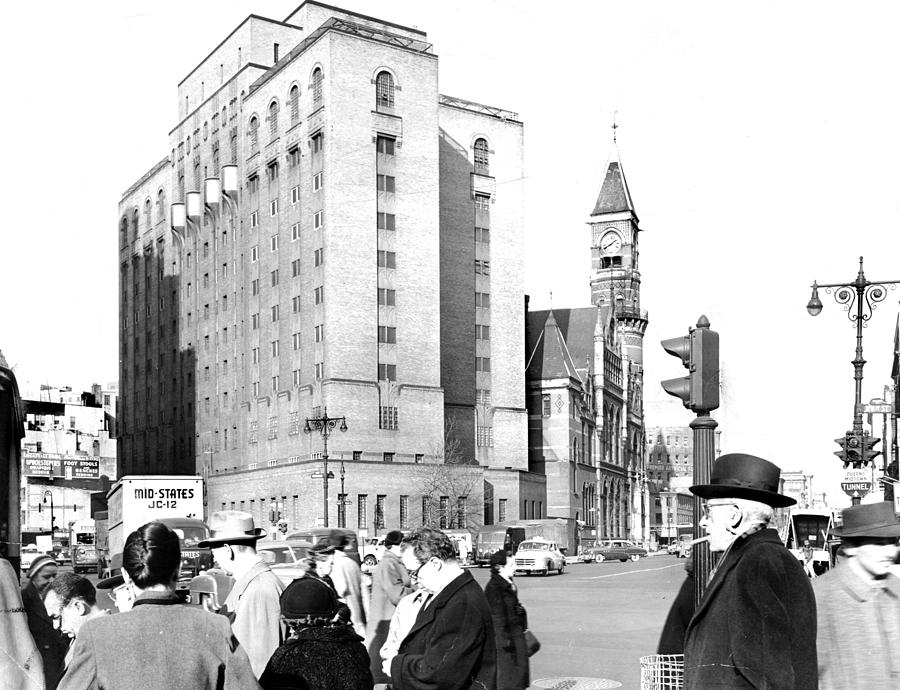
The Women’s House of Detention. Courtesy the New York Daily News Archives
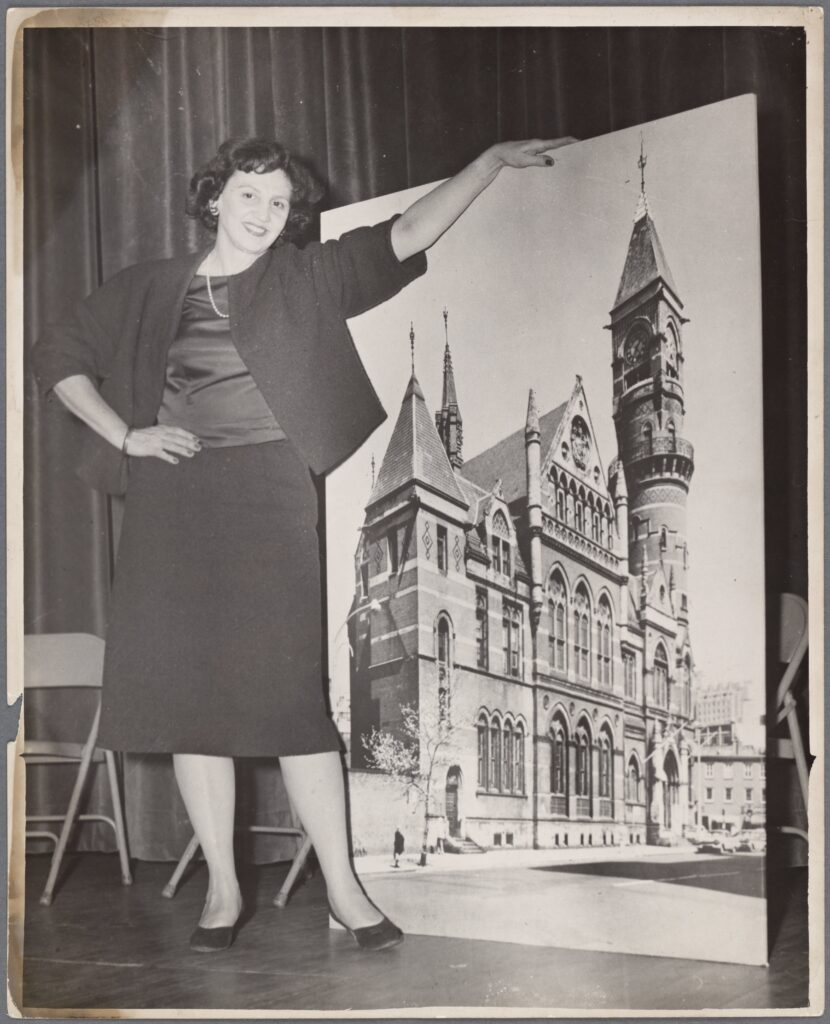
Margot Gayle with an image of the building she would help save. New York Public Library Digital Collections

Photos of the current Jefferson Market Library
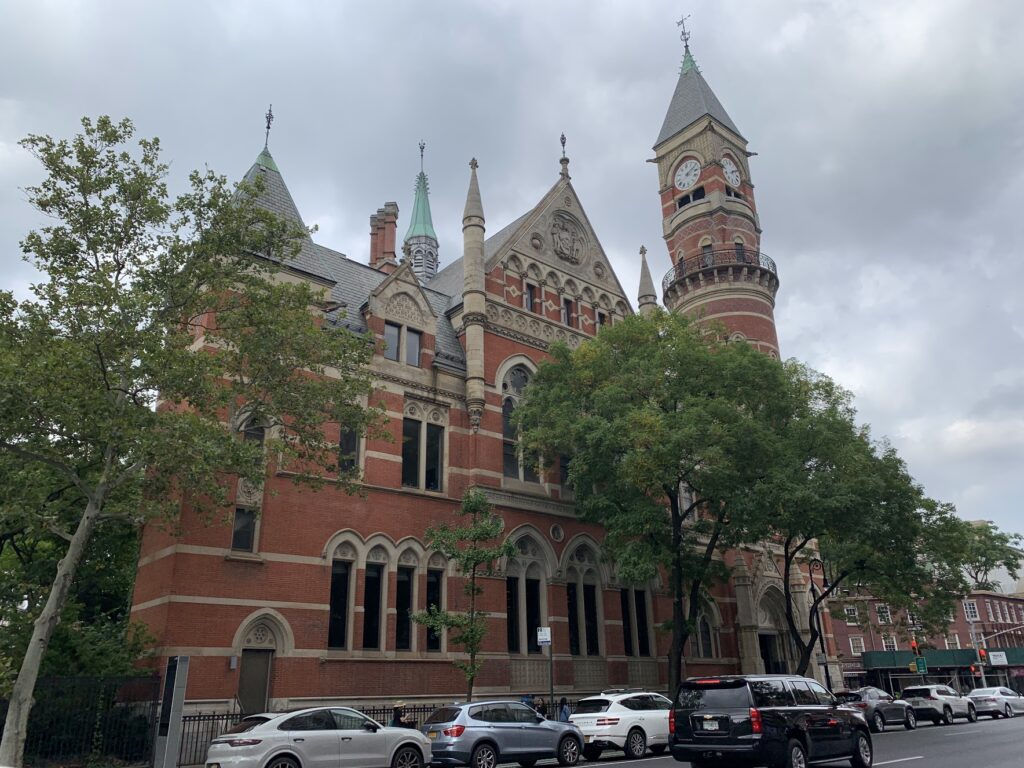
Photo by Greg Young
Photo by Greg Young
Photo by Greg Young

FURTHER LISTENING

The subjects of these episodes are featured on this week’s episode. So check them out after listening to the current show:


The Bowery Boys: New York City History podcast is brought to you …. by you!

We are producing a new Bowery Boys podcast every other week. We’re also looking to improve and expand the show in other ways — publishing, social media, live events and other forms of media. But we can only do this with your help!

We are creators on Patreon, a patronage platform where you can support your favorite content creators.

Please visit our page on Patreon and watch a short video of us recording the show and talking about our expansion plans. If you’d like to help out, there are several different pledge levels. Check them out and consider being a sponsor.

We greatly appreciate our listeners and readers and thank you for joining us on this journey so far.
Categories
Bowery Boys Bookshelf The Jazz Age

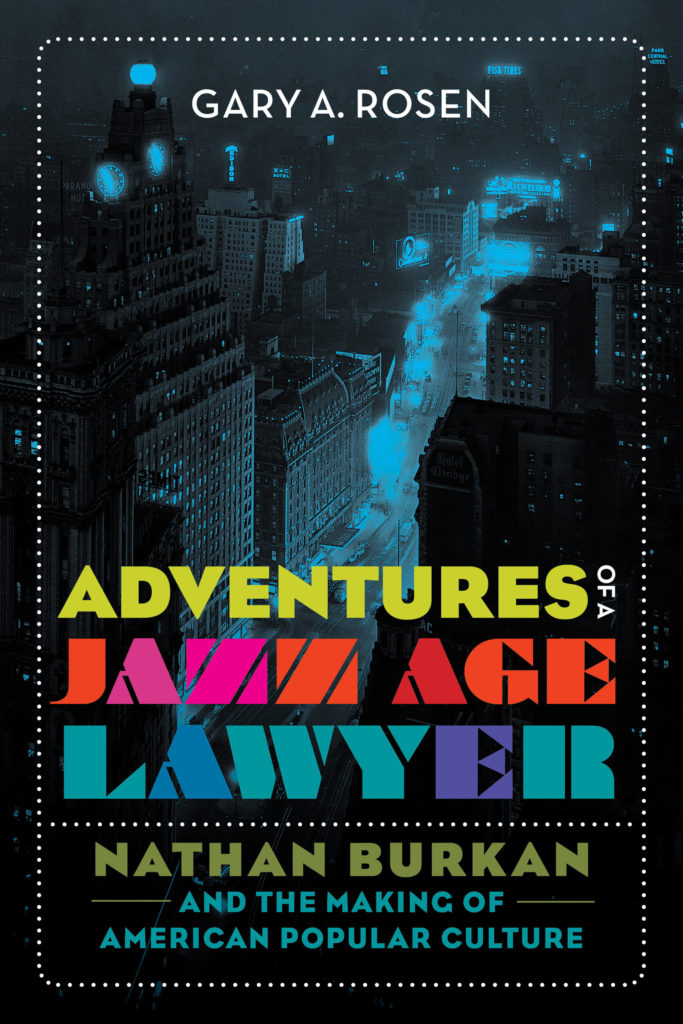
‘Adventures of a Jazz Age Lawyer’: The man who helped build the entertainment world

When it comes to artistic creation, we take many fundamentals of law for granted. Most people might not understand the particulars of ‘intellectual property’ but they sure benefit from it.

The very review you are reading — and the website that publishes it — are protected by laws that were hammered out and fought for one century ago.

Yet building the essential protections for free creativity is but one notable achievement in the life of a very busy man — the fabulous New York attorney Nathan Burkan.

ADVENTURES OF A JAZZ AGE LAWYER
Nathan Burkan and the Making of American Popular Culture

by Gary A. Rosen
University of California Press

In Gary A. Rosen’s absorbing biography of Burkan, we find a somewhat enigmatic presence standing beside some of the most iconic figures of American culture — from songwriters to movie stars, from bootleggers to socialites.

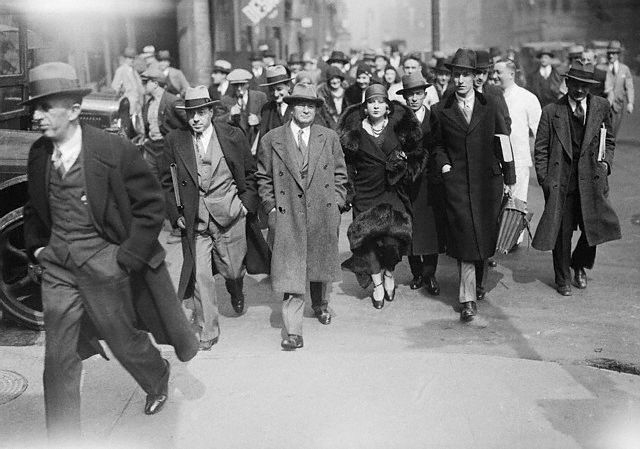
Burkan was one of the most respected lawyers of the early 20th century. He even represented Gloria Morgan Vanderbilt in one of the most sensational (and tragic) trials of the 20th century.

And yet Adventures is not a shallow celebrity tell-all, but a thoughtful and in-depth look at the substance of many foundational cases in the history of entertainment history.

It’s hard to imagine what the music industry would even look like (or sound like) without Burkan’s involvement in the early years of Tin Pan Alley.

With his client Victor Herbert, he helped found ASCAP (American Society of Composers, Authors and Publishers), the organization that protects musical copyrights.

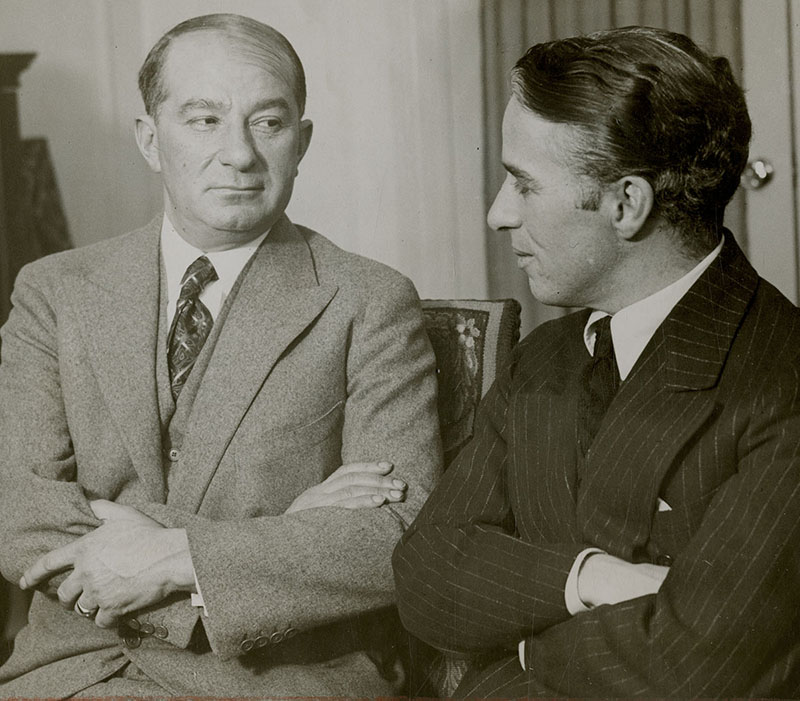
Burkan with Charlie Chaplin

But his most intriguing legal collaboration was with Charlie Chaplin and at a moment (during the mid 1910s) when his star was on the rise.

Charlie’s half-brother and manager Syd Chaplin chose Burkan due to his work with “legitimate theater’s leading comedienne and ingenue of the day Billie Burke,” just one detail that illustrates the attorney’s depth of involvement in the entertainment world.

Burkan with Mae West

And then there was his work in defending Mae West, whose provocative plays were being shut down by the police. His battle against “nightstick censorship” inspired some incendiary moments on the stand:

Burkan put seven cast members [of the play The Pleasure Man] on the stand in the defense case-in-chief. They testified that the police had misunderstood dialogue and omitted important context….One cast member sang the offending songs with clasped hands and such exaggerated choirboy earnestness that ‘Mae West, at counsel table, covered her mouth with her black handkerchief to hide her laughter’.”

Categories
It's Showtime Podcasts

Diamond Girl: How Mae West Brought ‘Sex’ and Scandal to Broadway

PODCAST Mae West (star of I’m No Angel and She Done Him Wrong) would come to revolutionize the idea of American sexuality, challenging and lampooning ideas of femininity while wielding a suggestive and vicious wit. But before she was America’s diamond girl, she was the pride of Brooklyn! In this podcast, we bring you the origin story of this icon and the wacky events of 1927 that brought her brand of swagger to the attention of the world.

1The Brooklyn girl started on the vaudeville stage early, inspired by the influences of performers like Eva Tanguay. She soon proved too smart for the small stuff and set her aim towards Broadway — but on her terms.

West’s play Sex introduced her devastating allure in the service of a shocking tale of prostitution. It immediately found an audience in 1926 even if the critics were less than enamored. But it’s when she devised an even more shocking play — The Drag — that city leaders became morally outraged and vowed to shut her down forever.

From Bushwick to Midtown, from the boards of Broadway to the workhouse of Welfare Island — this is the story of New York’s ultimate Sex scandal.


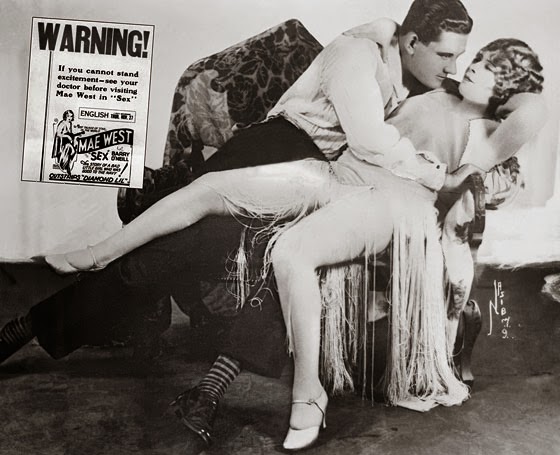
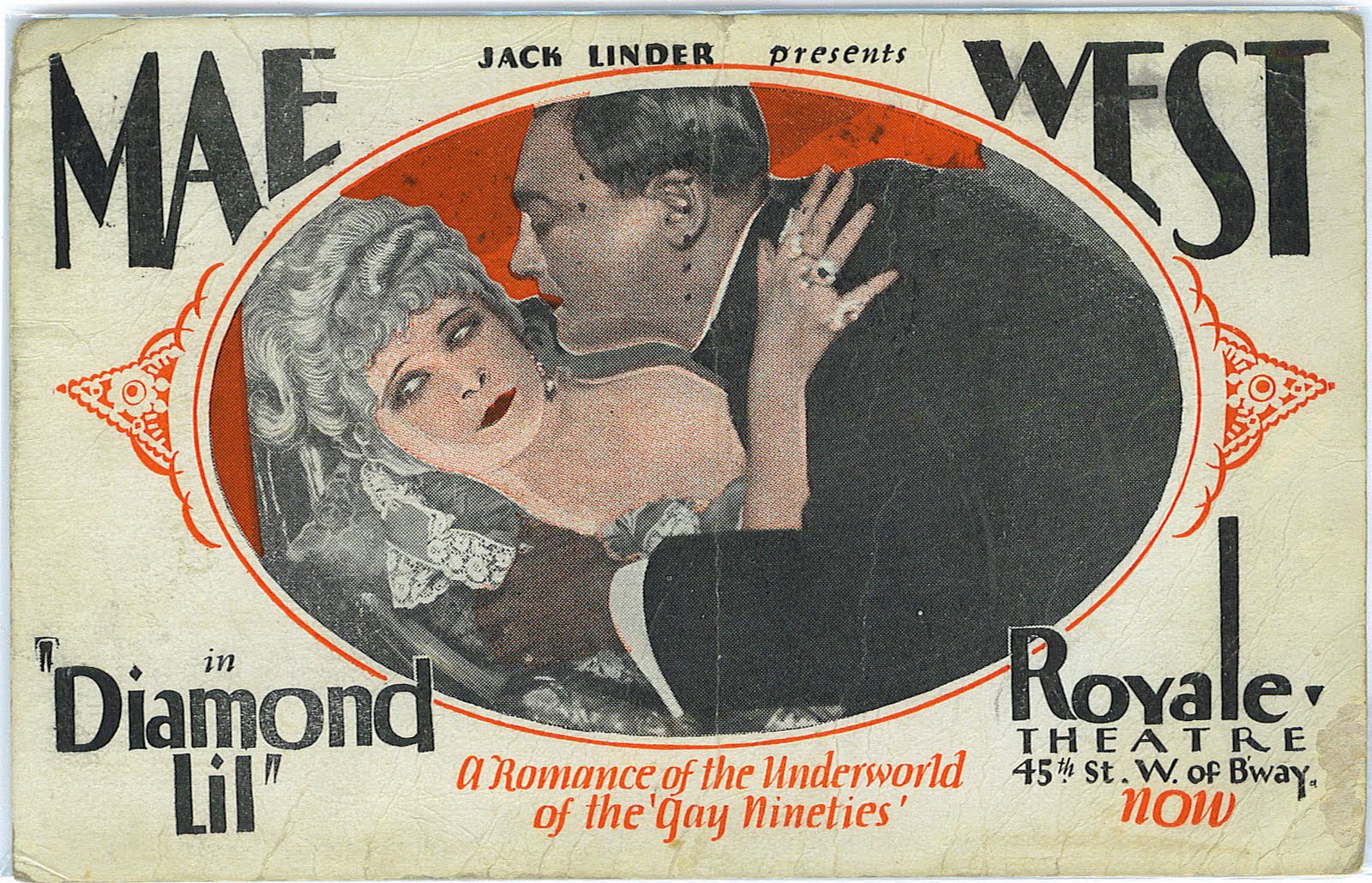
Picture at top: Mae West in a publicity still for her Broadway hit Diamond Lil. (Courtesy Museum of City of New York)

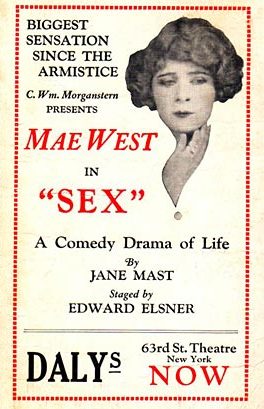
Inset: The poster for Sex by Jane Mast (aka Mae West)

Special thanks to Esther Belle from The West (a Mae West-inspired coffeehouse and bar in Williamsburg). We recorded an interview with her about the legacy of Mae West but weren’t able to use it. But it will be available for Patreon supporters!


The Bowery Boys: New York City History podcast is brought to you …. by you!

Starting this month, we are doubling our number of episodes per month. Now you’ll hear a new Bowery Boys podcast every two weeks. We’re also looking to improve the show in other ways and expand in other ways as well — through publishing, social media, live events and other forms of media. But we can only do this with your help!

We are now a member of Patreon, a patronage platform where you can support your favorite content creators for as little as a $1 a month.

Please visit our page on Patreon and watch a short video of us recording the show and talking about our expansion plans. If you’d like to help out, there are five different pledge levels (and with clever names too — Mannahatta, New Amsterdam, Five Points, Gilded Age, Jazz Age and Empire State). Check them out and consider being a sponsor.

We greatly appreciate our listeners and readers and thank you for joining us on this journey so far. And the best is yet to come!

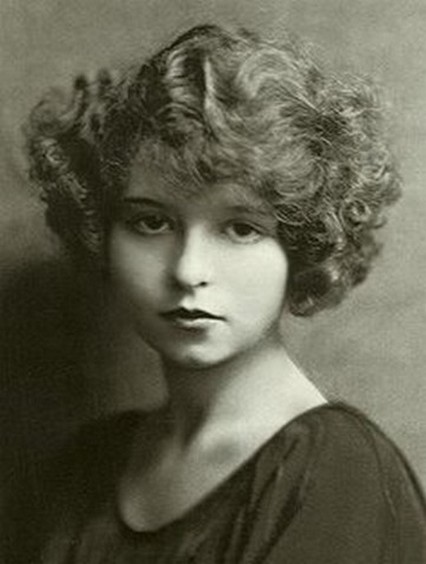
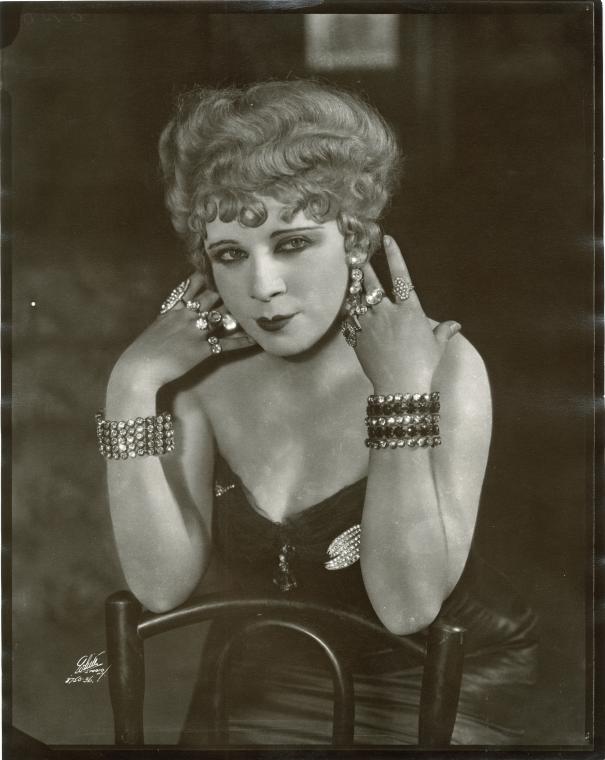
A young Mae West, already a seasoned performer by her teenage years.

Courtesy Notes On The Road

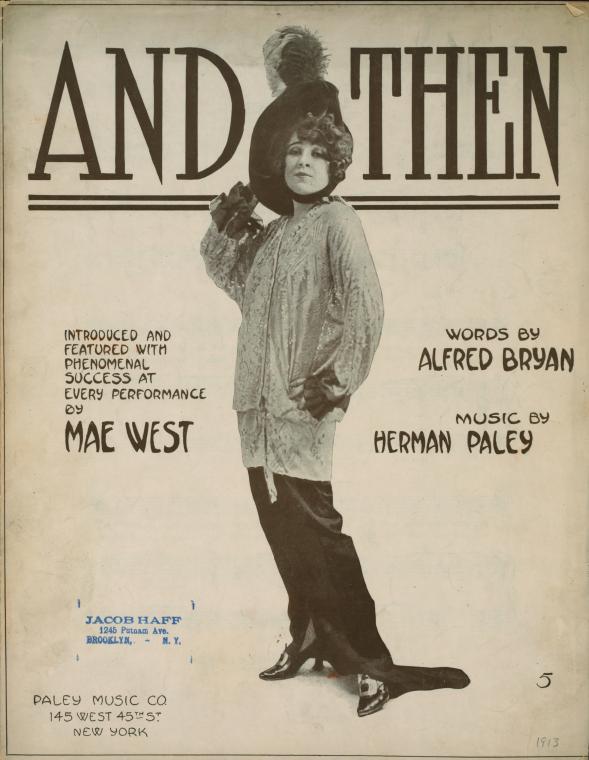
From Mae West’s vaudeville days, a piece of Tin Pan Alley sheet-music she performed in the stage:

Courtesy New York Public Library

A saucy promotional still from Sex

4

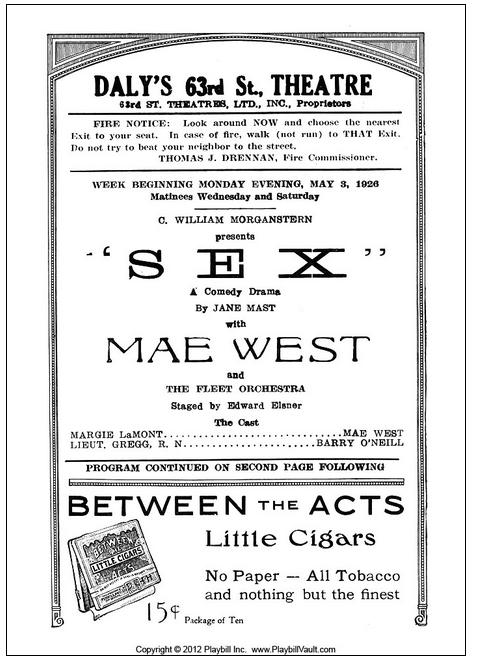
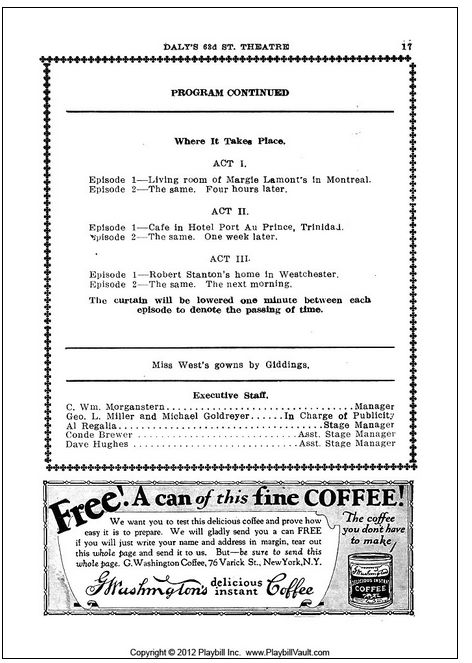
From the original program for Sex:

Courtesy Playbill Vault

1

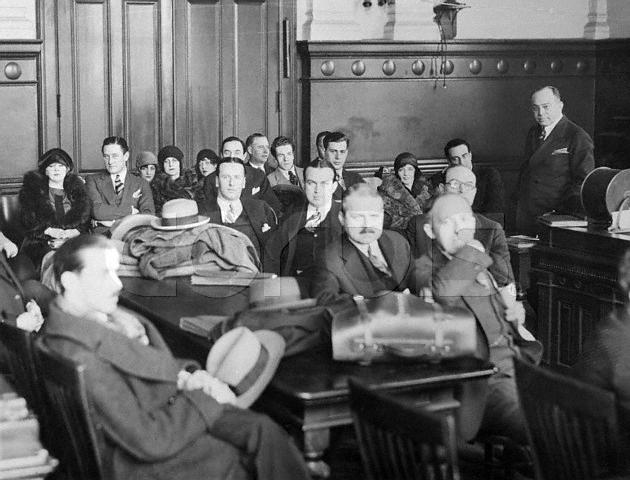
Mae West at the Jefferson Market courthouse:

Original caption: Cast of  Tried By Jury.  New York, New York:  Photo shows scene in courtroom of general sessions part II at start of members of  company.  Mae West and Barry O'Niel, in productions leading roles, can be seen at extreme left. March 28, 1927 New York, New York, USA
Original caption: Cast of Tried By Jury. New York, New York: Photo shows scene in courtroom of general sessions part II at start of members of company. Mae West and Barry O’Niel, in productions leading roles, can be seen at extreme left. March 28, 1927 New York, New York, USA

Mae West in the original photography for the 1928 production of Diamond Lil. She attempted during this period to open the controversial show The Pleasure Man but it was shut down after two days. (Courtesy New York Public Library)

1

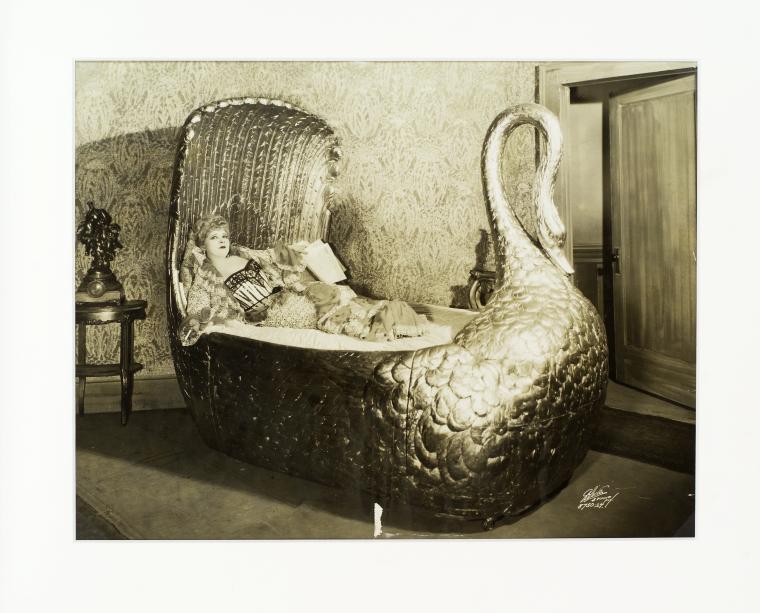
Another odd shot from Diamond Lil, of Mae reclining in a golden swan bed. (source)

Courtesy New York Public Library

5

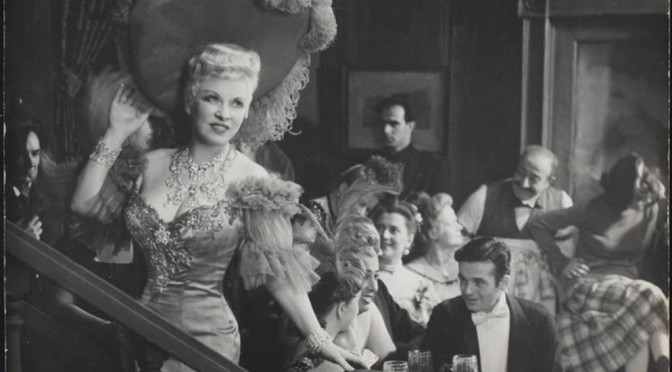
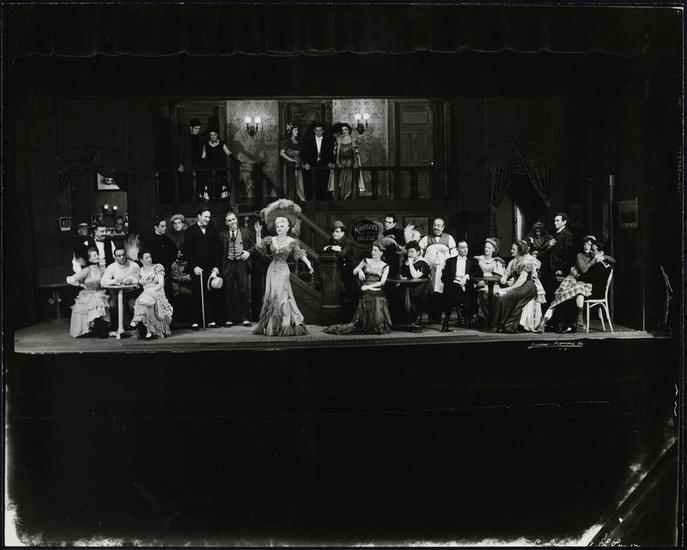
Mae West in the 1949 Broadway revival of Diamond Lil. Once a provocateur of the stage, she settled into her larger-than-life personae in later years, formed mostly from her successes in this role (and its film version She Done Him Wrong). (Courtesy Museum of the City of New York)

Courtesy the Museum of the City of New York

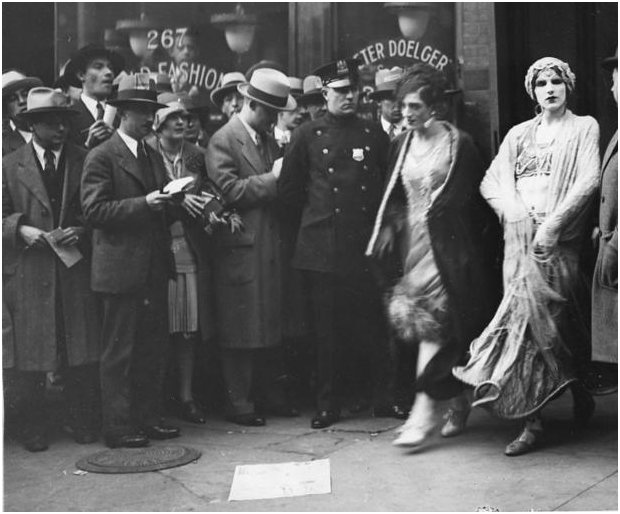
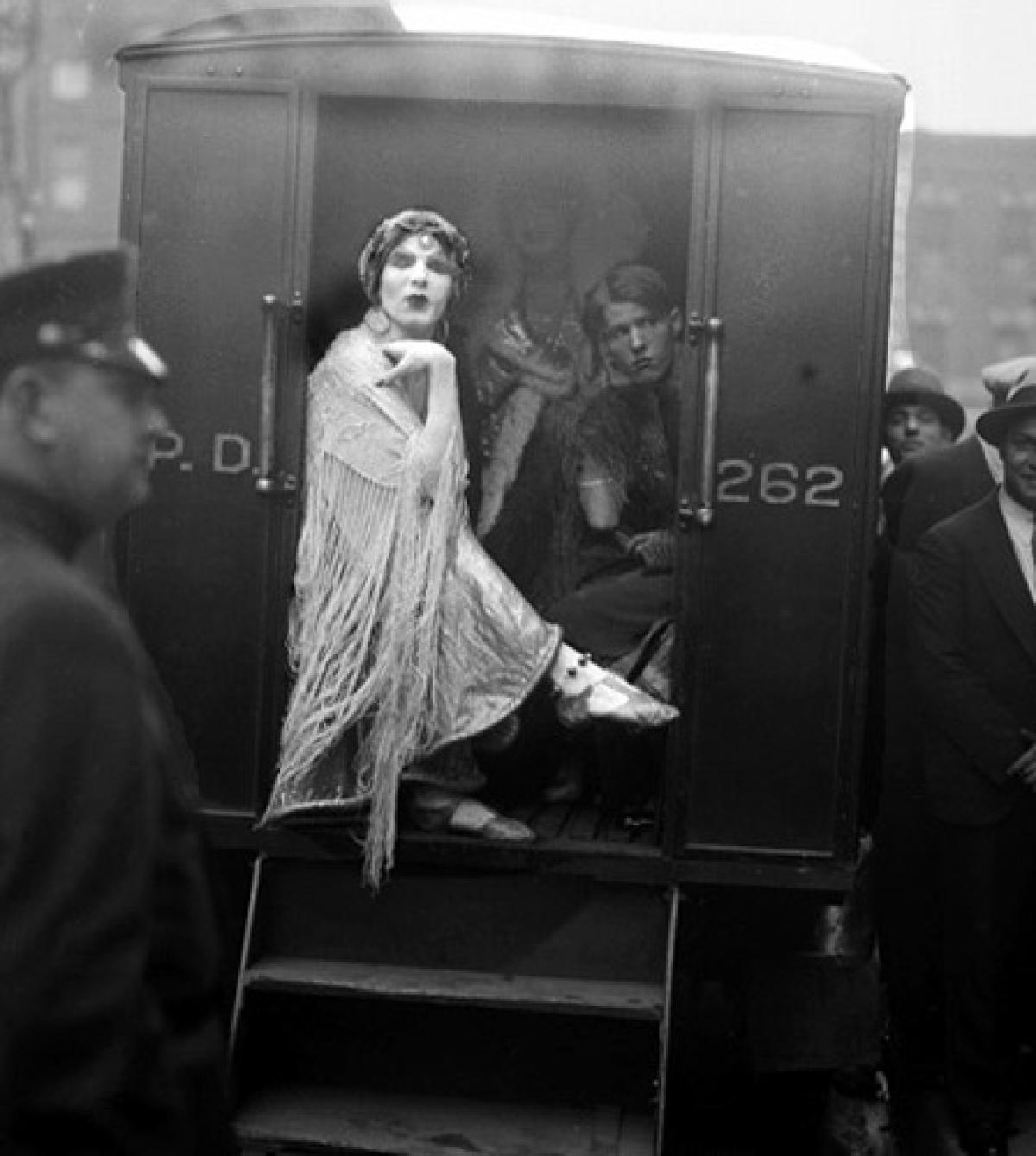
Members of the cast of The Pleasure Man being arrested by police, 1928.

Courtesy Queer Music Heritage -- http://queermusicheritage.com/fem-arts6.html
Courtesy Queer Music Heritage — http://queermusicheritage.com/fem-arts6.html

Courtesy New York Daily News

Mae West (and a young Cary Grant) in She Done Him Wrong

In the hilarious I’m No Angel:

Ladies and gentlemen, Mae West and Mr. Ed:

And her last film — the camp classic Sextette

Mysteries of Roosevelt Island: Jailhouse jitters


We’ve got some more on that wacky, wonderful place called Roosevelt Island. We highlighted some of the spookier stuff last week. Read it all here.

I mentioned earlier that Roosevelt Island was named for a Franklin Delano Roosevelt memorial that was never built there. Perhaps the reason that doesn’t bother anybody is that’s a far more attractive name than its last one, Welfare Island. In the continuum of names in the island’s history, Welfare is worse than all of them, although slightly better than Hog Island.

(The best name it’s ever had? The original Canarsie tribe name Minnahannock, meaning ‘it’s nice to be on this island’.)

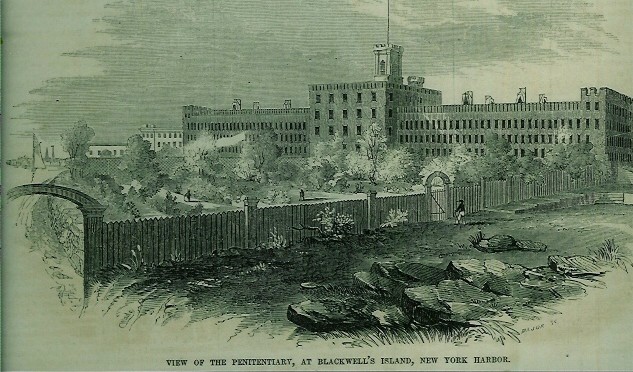
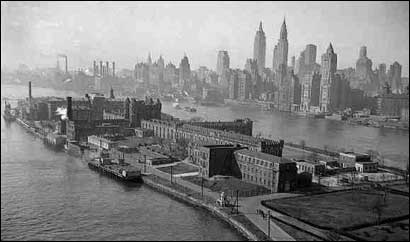
Welfare Island might seem a rather unappealing name these days, but at the time it was changed from Blackwell’s to Welfare in 1921, the connotation was less onerous. By that time, the island was crammed with institutions that benefited “the welfare” of the public, while at the same time sequestering society’s most undesirable. It’s held an almshouse, various hospitals, a workhouse, an asylum. Yet none of these public projects grabbed as many headlines as the island penitentiary, which stood there for over a hundred years.

A prison was one of the first things built on then-Blackwell’s Island in 1832. A north wing was added to the prison to accommodate inmates transported from a facility next door to Bellevue Hospital. (The mental patients of Bellevue would make a similar journey to Blackwell’s asylum at around the same time.) The five-story L-shaped building had a granite, medieval-looking facade and 800 cells, much of it filled to capacity through most of its existence.

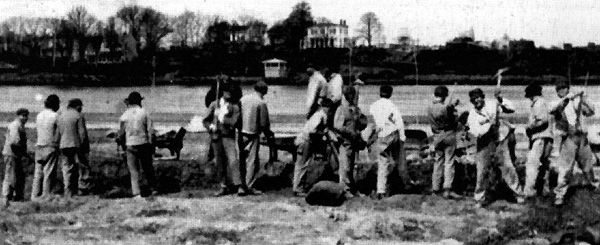
The prison fomented little idleness. Male inmates from there and the adjoining 220-cell workhouse (essentially a correctional facility for “drunks and disorderlies”) were used either in the quarry or to build many of the island’s structures, including a seawall around the perimeter. (Below: a picture from the book Images From America: Roosevelt Island of some of Blackwell Island’s prison laborers.)

This takes the notion of a chain-gang to a whole other level. But then, where would they escape to? Even if they could find a boat, the closest dock was heavily guarded. And although swimming was a possibility, the waters of the East River were far more crowded than they are today. Although some criminals — like ‘Oily’ Rockford — managed escape quite easily.

While the men were outside, women prisoners would do more ‘womanly’ chores, like sewing and laundry. I can’t help but think many of these women could have been better served in the quarries than in the sewing circles.

The prison and workhouse has seen its share of celebrity lawbreakers; one could imagine Paris Hilton feeling at home here. (I’m kidding; she wouldn’t last a day.) Many of the purported crimes wouldn’t even get you a slap on the wrist today.

Margaret Sanger’s sister Ethel Byrne was locked up for providing birth control advice to women in Brooklyn. Anarchist Emma Goldman was a frequent ‘guest’ for incendiary remarks and inciting riots, joining other frequenter Madame Restell, an early 20th century abortionist. Well before her singing career took off Billie Holiday spent four months here for a “vagrant and dissipated adult” (code for prostitution), although she was still a minor.

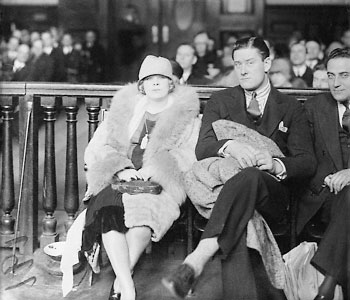
However its two most recognizable residents to the public at the time stand at either end of the justice scale; Boss Tweed served there for a year as the instigator of New York’s corruption woes, while comedian Mae West was locked up for eight days in 1927 on public obscenity charges, due to the ‘salacious’ nature of her Broadway show ‘Sex’. She received so much media attention that she was allowed to wear silk underpants at night and was eventually let off for good behavior. (The picture above is Mae in court, possibly on the day receiving her sentence.)

The celebrity element also helped shine spotlights on the prison’s squalid conditions — a sorry hall of overcrowding, drug addiction and corruption. By the 20th century, gangs of prisoners virtually ran the place. It would become the inspiration for dozens of pulp novels and films, including one actually called Blackwell’s Island.

After a few sorry reforms — including the name change to Welfare Island — produced few results, it was up to can-do mayor Fiorello Laguardia and his hire for corrections commissioner Austin H. MacCormick to raid the prison and transport its remaining inmates to the newly built Rikers Island. The Welfare Island prison was quickly torn down and replaced by Goldwater Hospital, today the Coler-Goldwater Memorial, which still serves the city in an environment far more inviting that anything that ever stood there before. has some of the best medical facilities in the city.

That’s it for Roosevelt Island this week! If you want to know more, the best online resources I could find include those at the Roosevelt Island Historical Society and a spectacular in-depth timeline at NY10044. (I know, I know, I didnt even get to the Blackwell house, fifth oldest building in all of New York City, or the ruins of old Strecker Laboratory.)

By the way, if you want to see what Blackwell Island might have been like, Roosevelt Island 360 has a video stream of the 1903 panoramic film reel that surveys the island in all its gloom and gray.