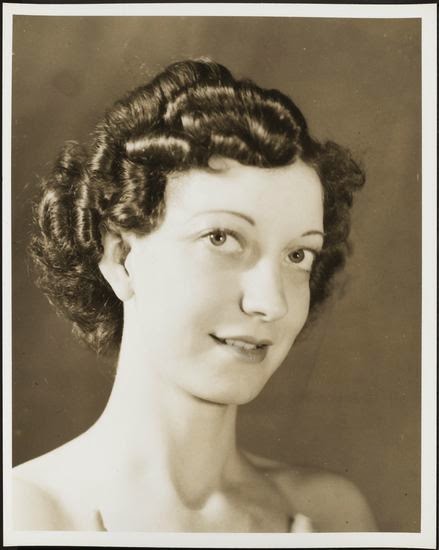
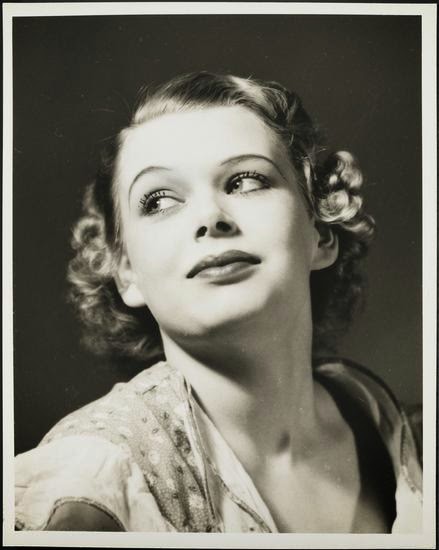
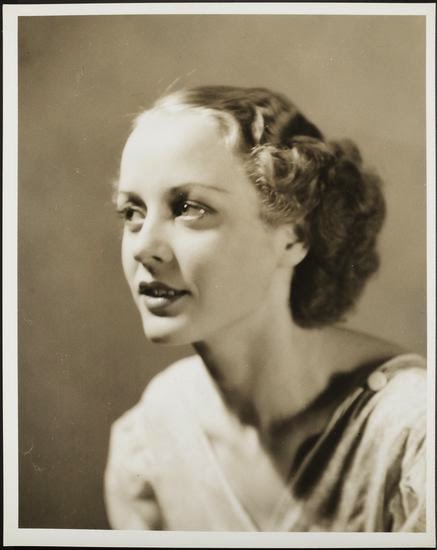
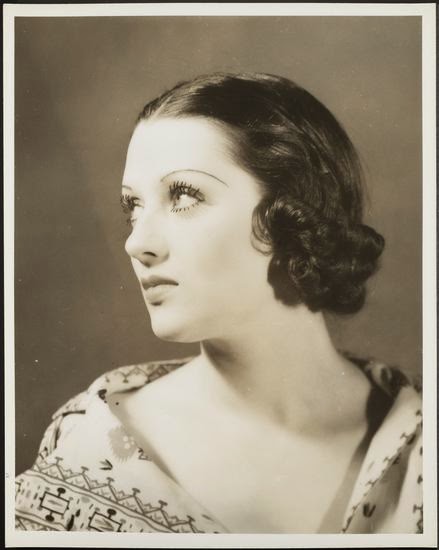
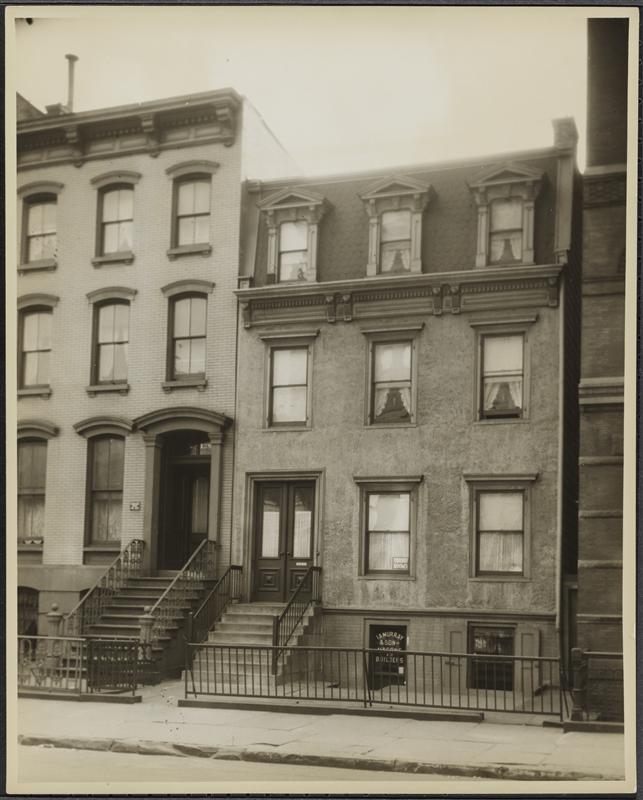
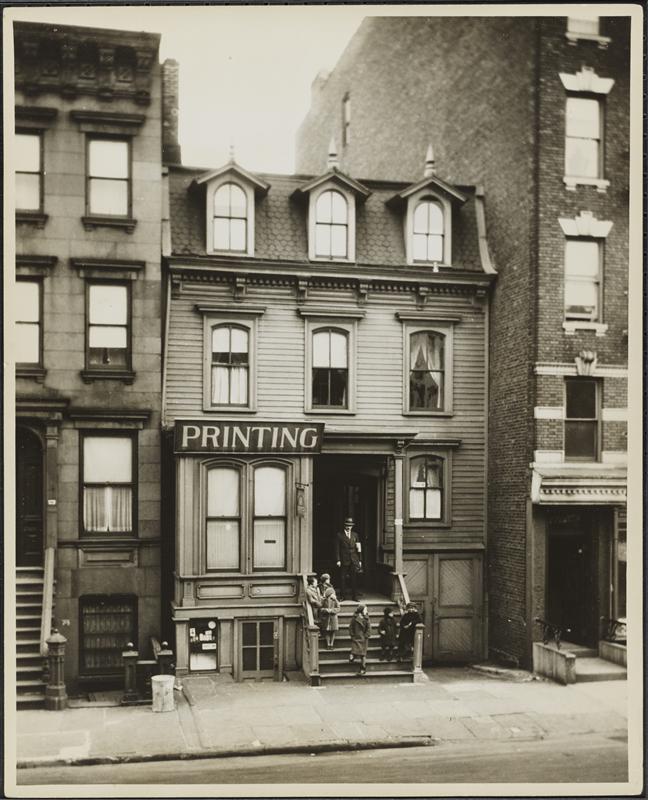
In the town of Hydesville, south of the bustling city of Rochester, a traveling peddler was brutally murdered and buried in the cellar of a forlorn wooden farmhouse. His restless spirit, it was claimed, haunted the house.
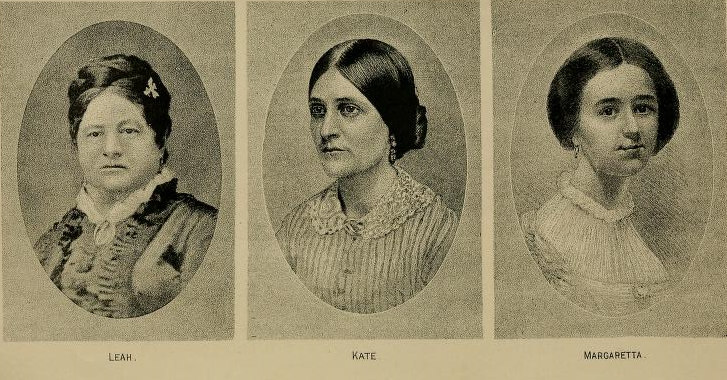
In 1848, the teenage girls Kate and Maggie Fox claimed to receive spiritual transmissions from the murdered man. Their gifts involved the interpretation of mysterious knocking sounds and an unusual ability to conjure such otherworldly communications on a whim.
Later joined by their sister Leah, the Fox Sisters soon exhibited greater powers to communicate with the dead. They took this “act” on the road and enchanted some of the most famous men in New York City — including Horace Greeley and James Fenimore Cooper. Through their atmospheric ‘spirit circles’, the Fox Sisters inspired an entirely new belief known as spiritualism.
They became household names — and attracted their share of skeptics who vexed the young women throughout their entire lives, attempting to debunk their haunted activities.
Were the Fox Sisters truly blessed with a gift of spiritual communication — or were they entertainers with an exquisite ability to deceive? You decide!
This episode was produced and edited by Kieran Gannon.
PODCAST The fascinating history of Brooklyn’s most bustling — and most frequently misunderstood — neighborhood.
Downtown Brooklyn has a history that is often overlooked by New Yorkers. You’d be forgiven if you thought Brooklyn’s civic center — with a bustling shopping district and even an industrial tech campus — seemed to lack significant remnants of Brooklyn’s past; many areas have been radically altered and hundreds of old structures have been cleared over the decades.
But, in fact, Downtown Brooklyn is one of the few areas to still hold evidence of the borough’s glorious past — its days as an independent city and one of the largest urban centers in 19th century America.
Around Brooklyn City Hall (now Borough Hall) swirled all aspects of Brooklyn’s Gilded Age society. With the construction of the Brooklyn Bridge and a network of elevated railroad lines, Downtown Brooklyn became a major destination with premier department stores on Fulton Street, entertainment venues like the Brooklyn Academy of Music and exclusive restaurants like Gage & Tollners.
The 20th century brought a new designation for Brooklyn — a borough of Greater New York — and a series of major developments that attempted to modernize the district — from the creation of Cadman Plaza to New York’s very own ‘tech hub’. In 2004 a major zoning change brought a new addition to the multi-purpose neighborhood — high-end residential towers. What will the future hold for the original heart of the City of Brooklyn?
How do vibrant New York City neighborhoods react to major changes to city life while retaining their historic character? For the next three weeks, we will present three neighborhood-history shows from the Bowery Boys podcast in a new light, exploring how these historic areas survive sudden changes in economic growth, housing needs and tourism. See last week’s show on SoHo for the first part in this series.
This episode was originally released in 2019. It includes a new introduction and has been reedited and remastered by Kieran Gannon
And a video about the history of MetroTech Center from NYU Polytechnic
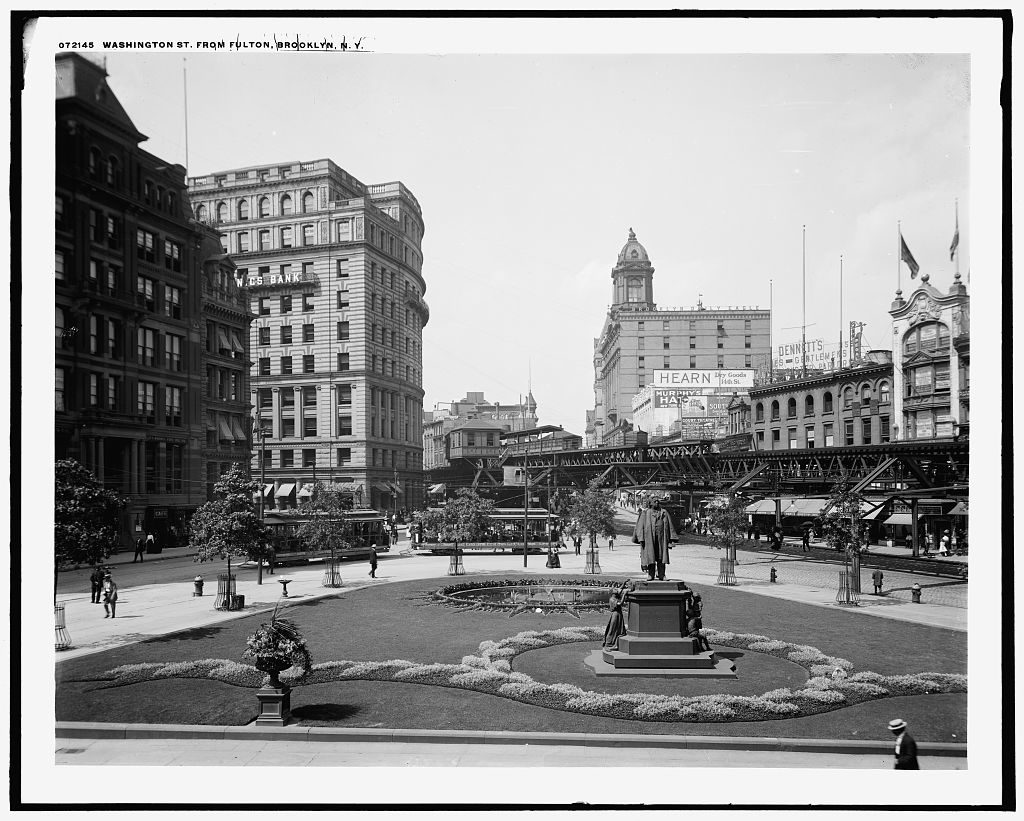
The scene just north of Brooklyn Borough Hall, in a photo taken in the early 1900s. The Henry Ward Beecher monument would be moved further north with the creation of Cadman Plaza.
Detroit Publishing Company / Library of Congress
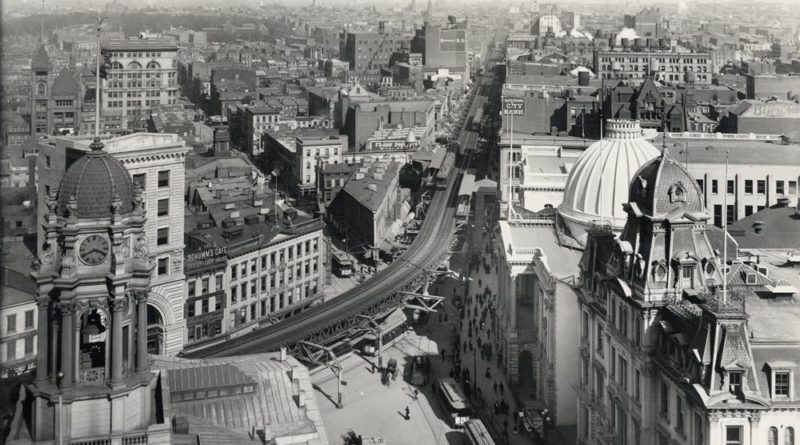
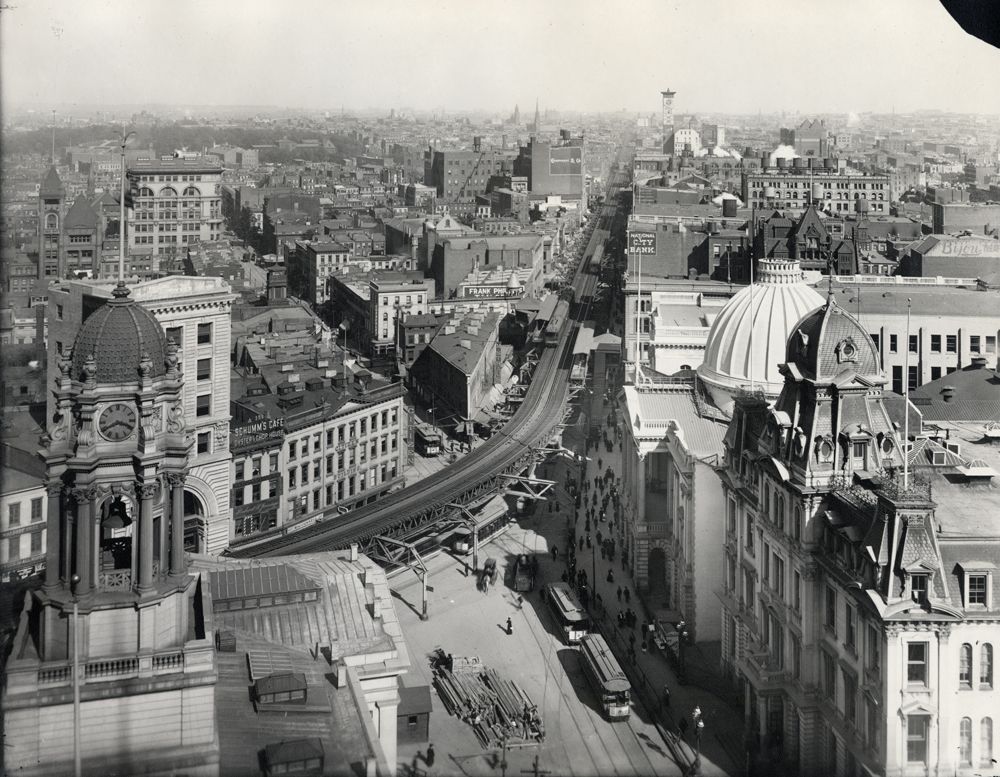
Downtown Brooklyn in 1892, a year of momentous change for the neighborhood. Here you see the elevated railroad snaking up Fulton Street with Brooklyn City Hall on the far left.
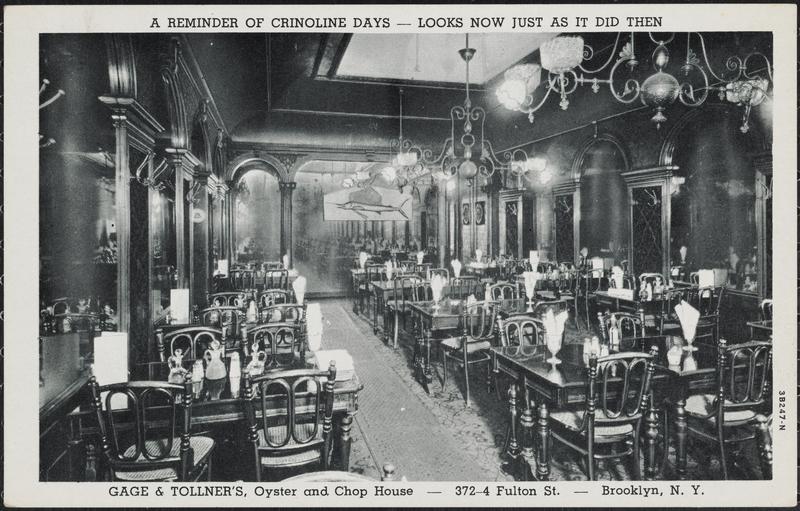
The classic interiors of Gage & Tollner’s exclusive restaurant on Fulton Street. The interiors are landmarks and you can actually peer into the storefront on Fulton Street to see them (although no business currently occupies the space.)
Museum of the City of New York
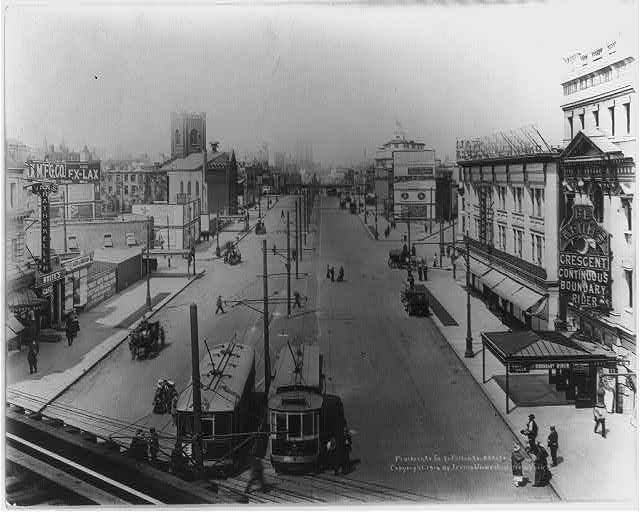
Flatbush Avenue Extension from Fulton Street, 1914 (a few years after the opening of the Manhattan Bridge). Note the Crescent Theatre to the far right. It opened as a vaudeville/burlesque house and transitioned to silent films.
Library of Congress
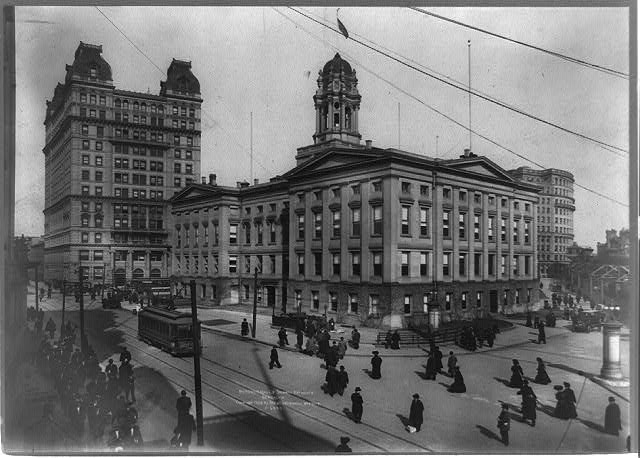
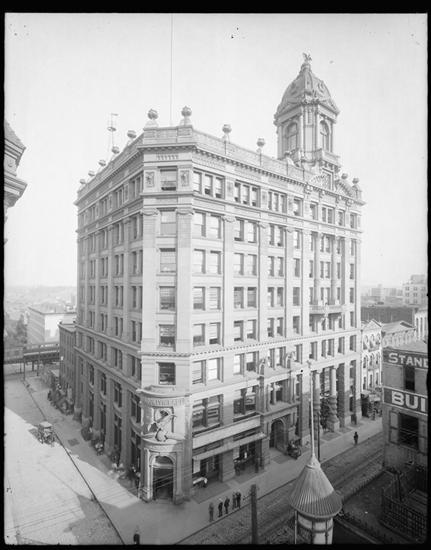
Brooklyn Borough Hall in 1908 with its new neighbor, the Temple Court Building (constructed 1901).
Irving Underhill/Library of Congress/ 1908
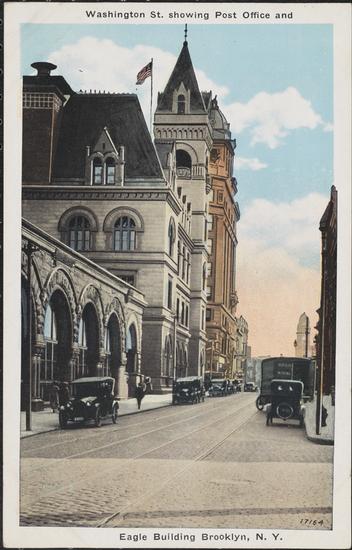
The post office was once next to the Brooklyn Daily Eagle offices. The Eagle building was demolished, as was Washington Street. (It became Cadman Plaza East.)
Museum of the City of New YorkMuseum of the City of New York
The post office building on Cadman Plaza in 1976, with the newly situated Henry Ward Beecher monument.
Edmund Vincent Gillon, Museum of the City of New York
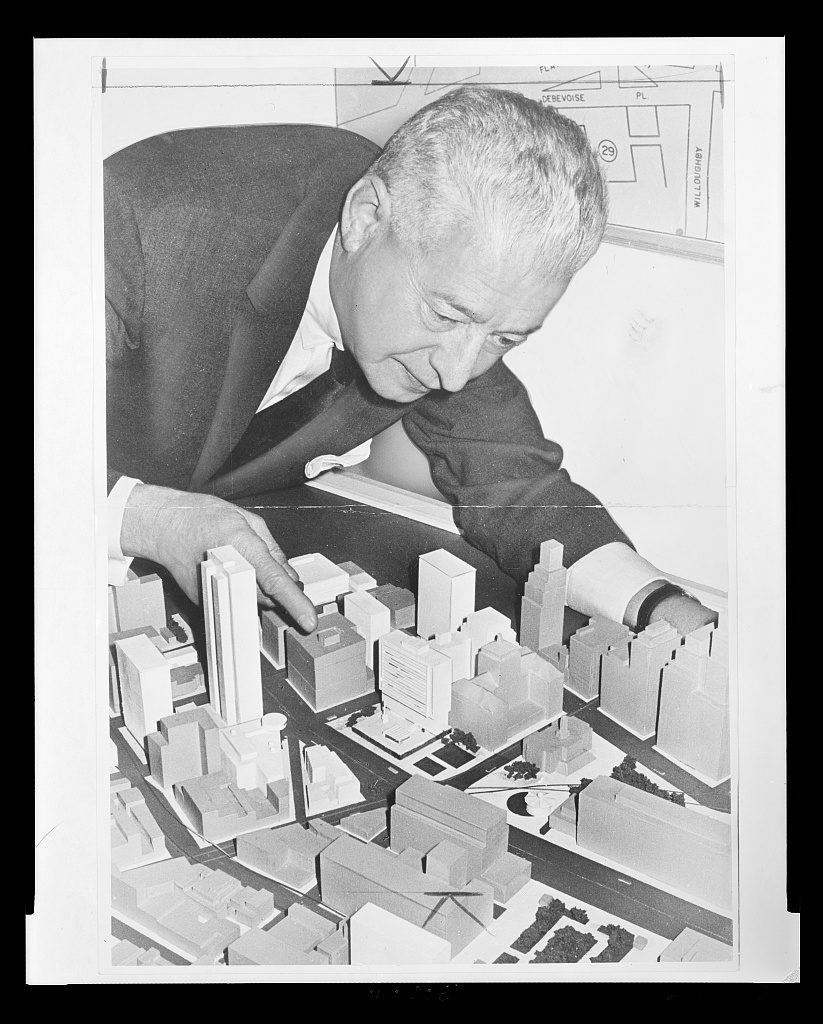
A 1963 photo of Abe Stark, Brooklyn borough president, hovering over a model of the ‘new’ civic center plan for downtown Brooklyn.
Higgins, Roger, photographer/Library of Congress
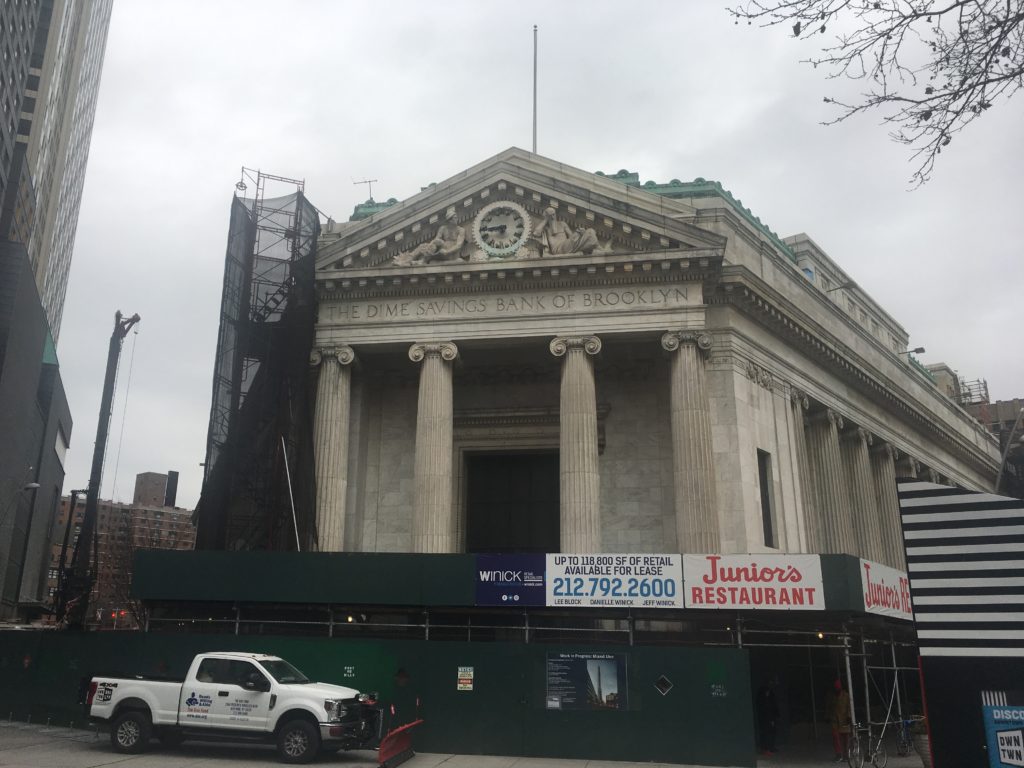
This photo was taken in 2019, before the Brooklyn Tower was propped atop it. Dime Savings Bank of Brooklyn is an oddity among the old retail shops of Fulton Street but its classical architecture has helped it survive the wrecking ball.
Look above the first or second floors on Fulton Street and you’ll find some curious and spectacular architectural finery.
The landmarked Offerman Building, the most beautiful former department store on Fulton Street.
More department store richness:
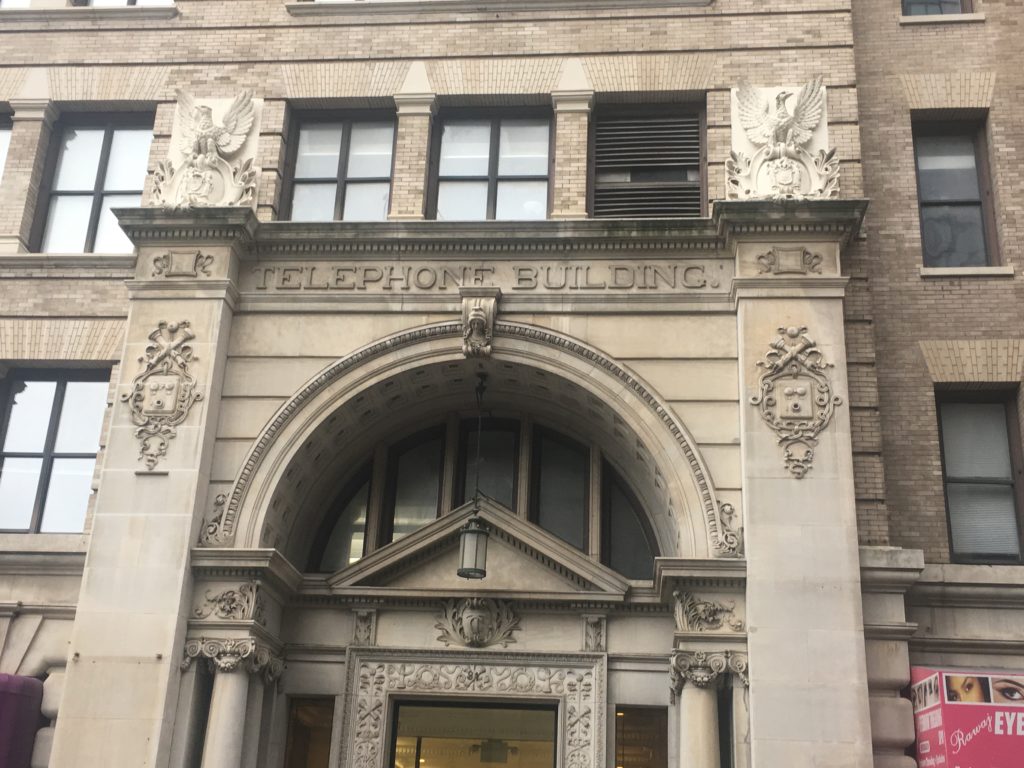
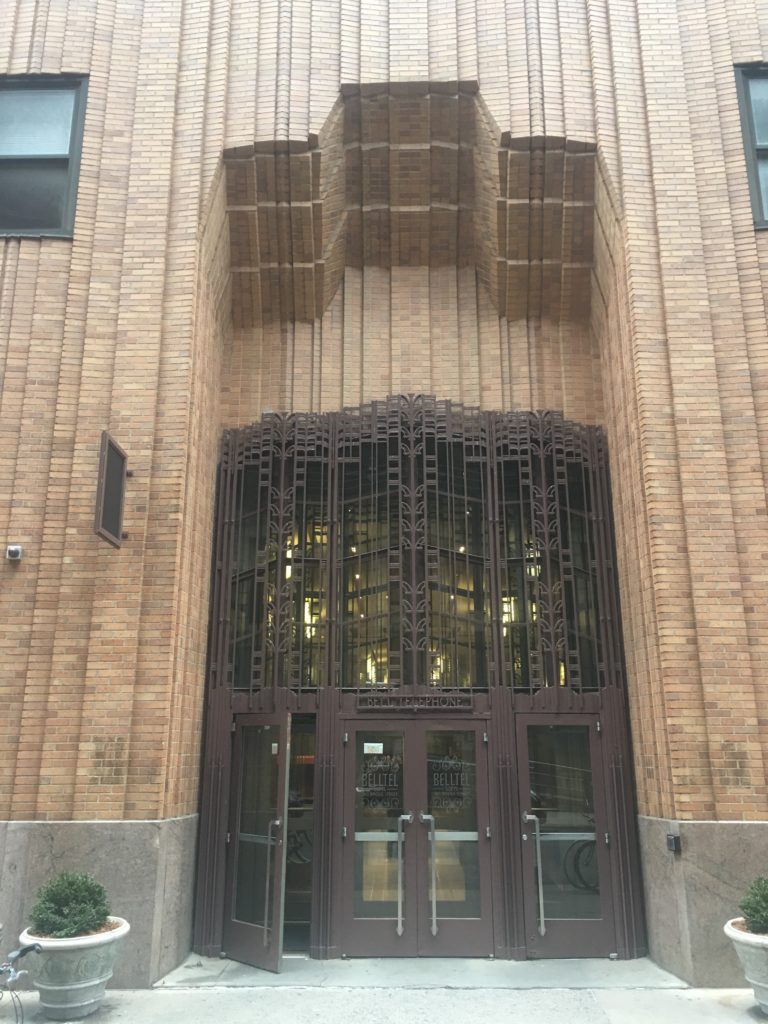
The New York Telephone Company Building and the NY and NJ Telephone and Telegraph Building both remain standing amid a sea of new supertall residential construction.
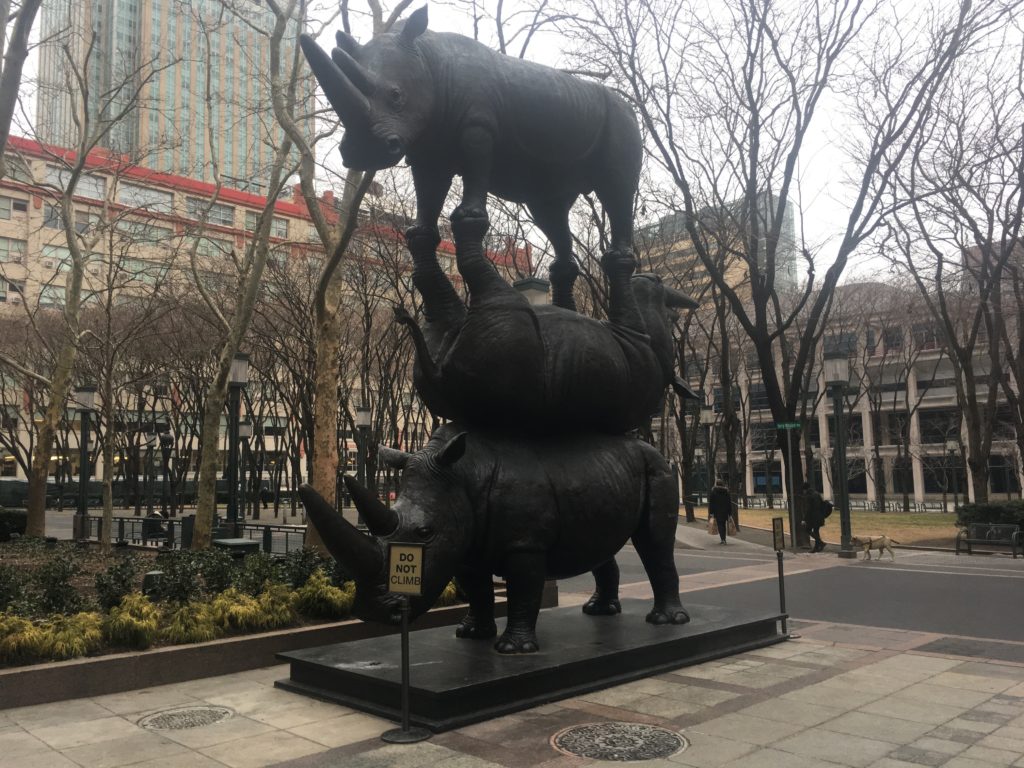
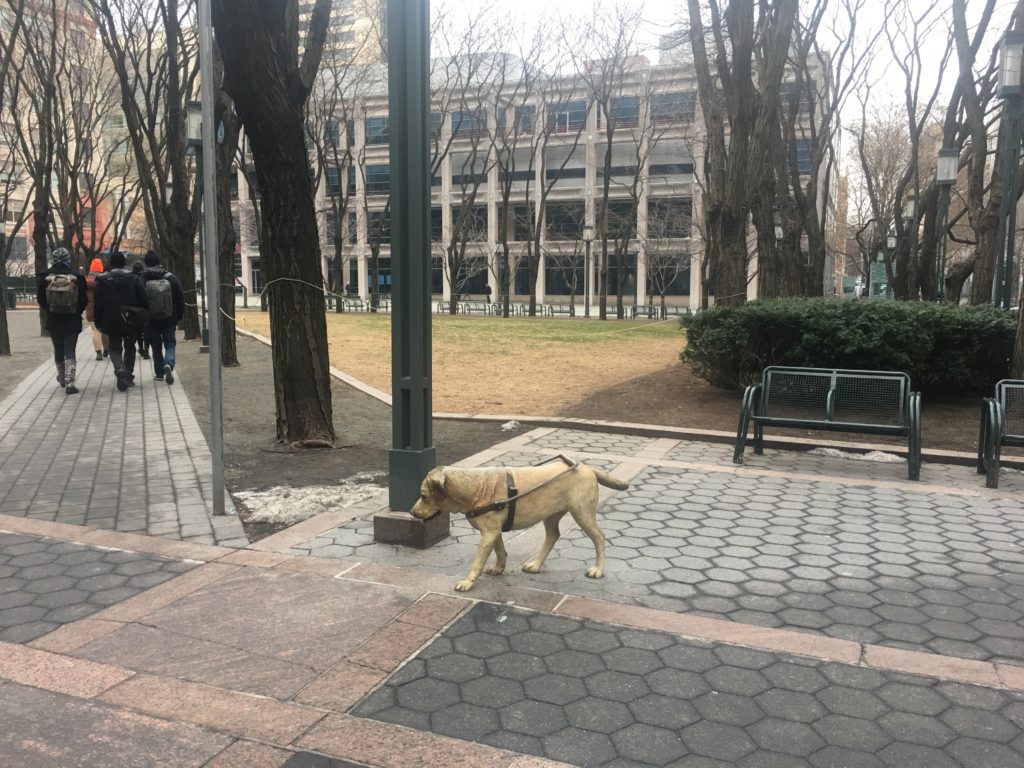
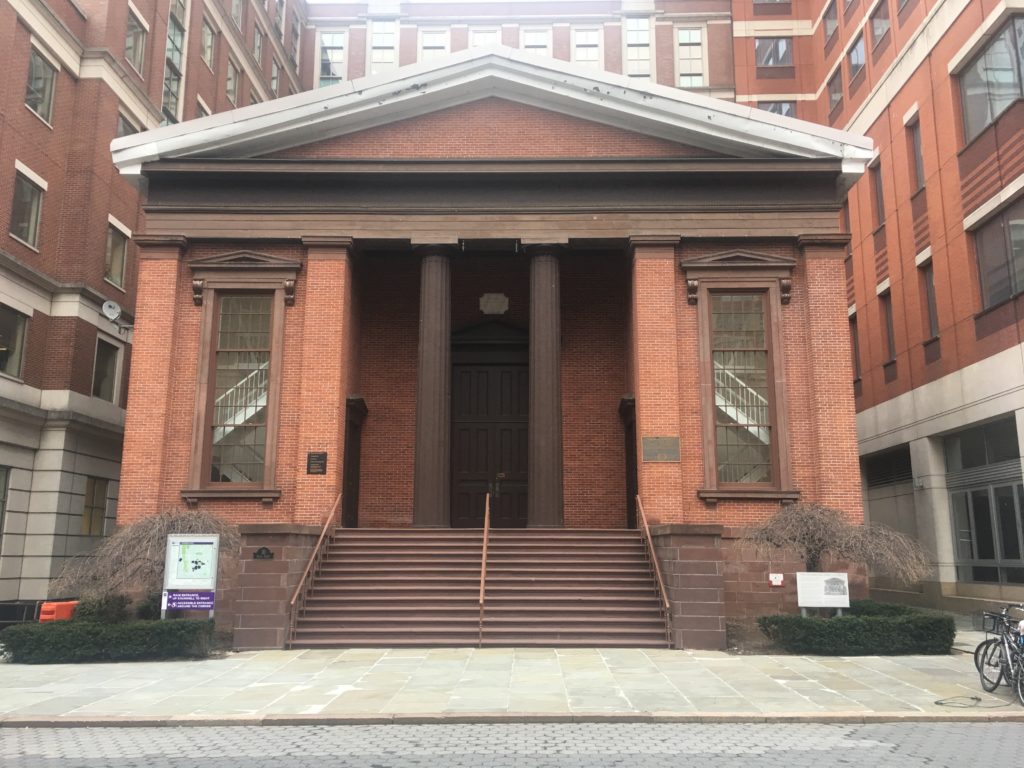
Some curious features of MetroTech Commons — two whimsical animal-themed sculptures and the Bridge Street Church, a historical landmark associated with the Underground Railroad.
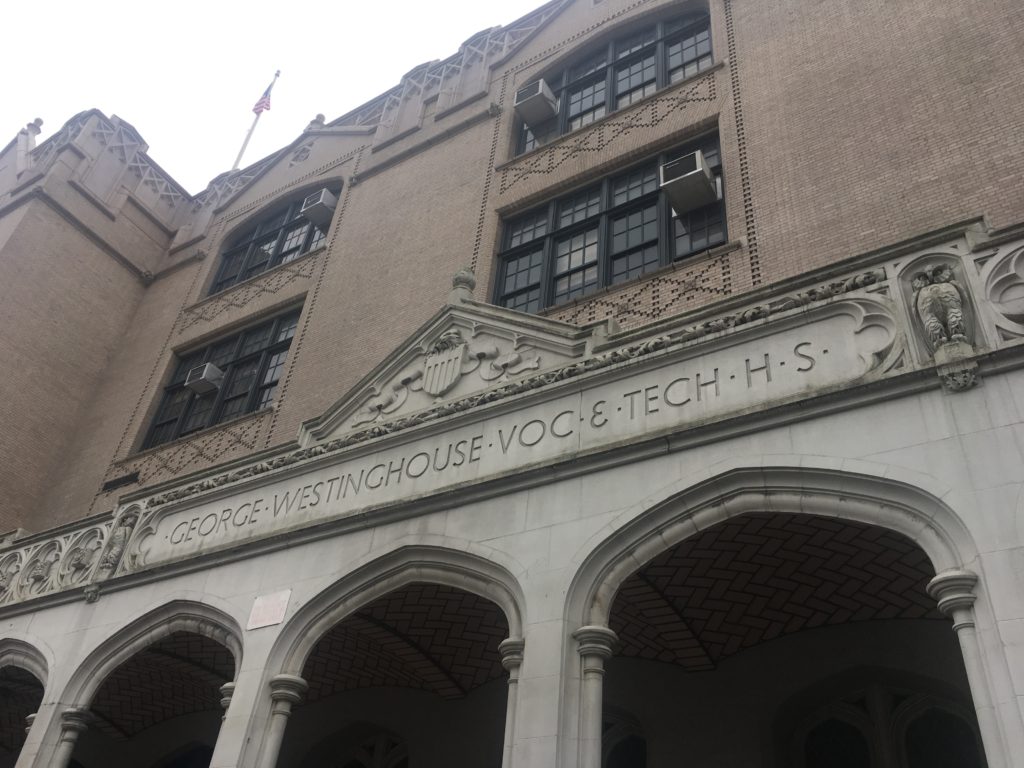
A block north of MetroTech Commons, you’ll find the historic George Westinghouse High School.
The old Brooklyn Fire Headquarters on Jay Street, built in 1892 in a style most unusual for the neighborhood — Richardsonian Romanesque Revival.
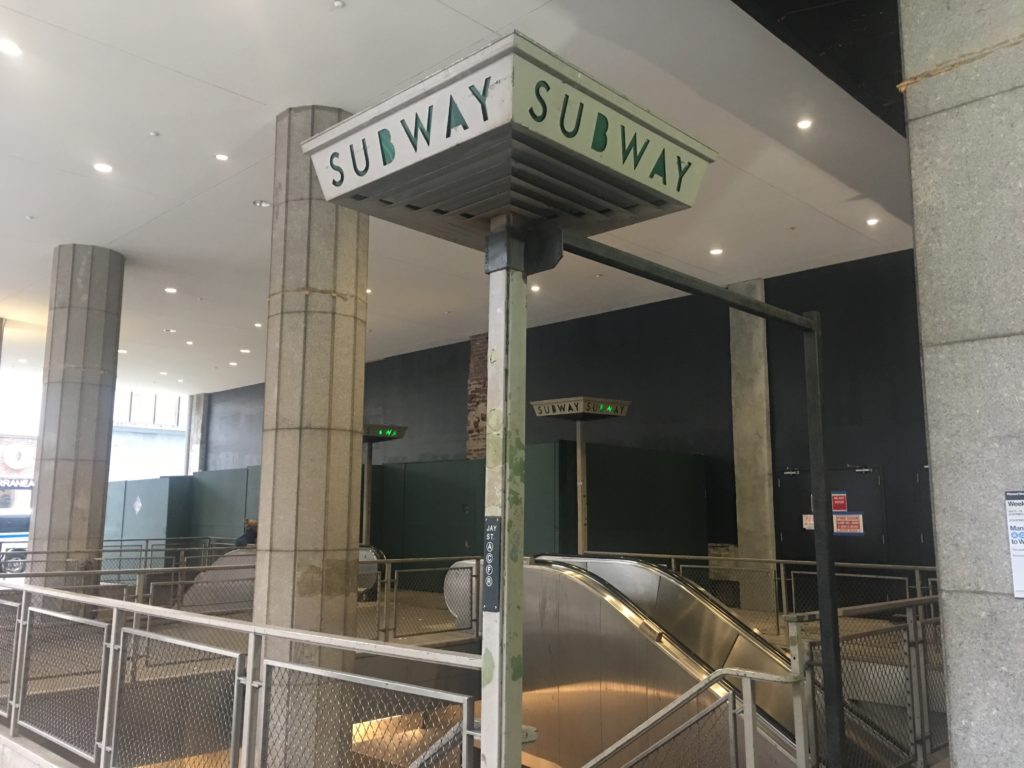
The Jay Street-MetroTech station still contains some quirky details from the past.
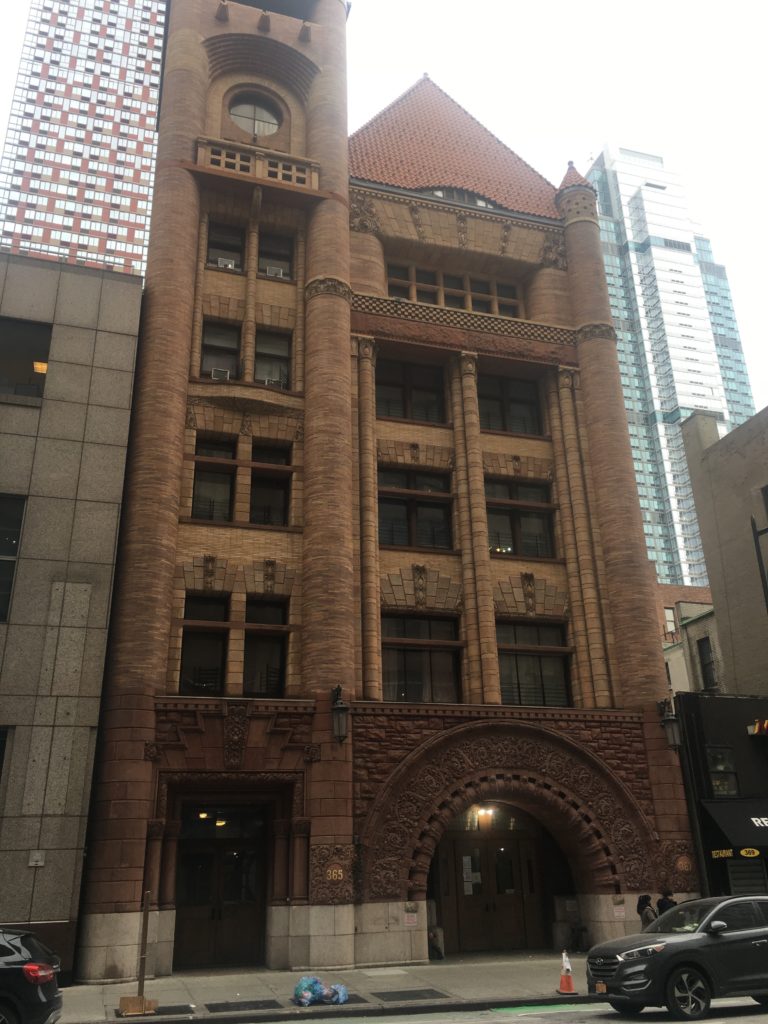
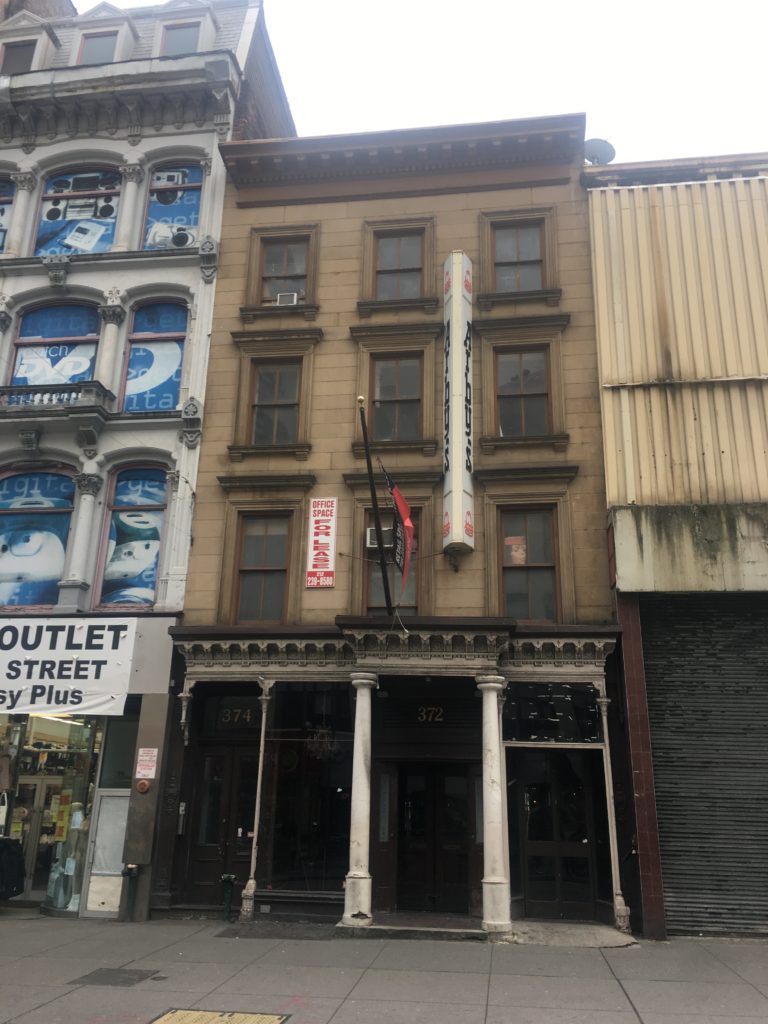
This undistinguished old building was once the home of Gage & Tollner’s, the most exclusive restaurant in Brooklyn.
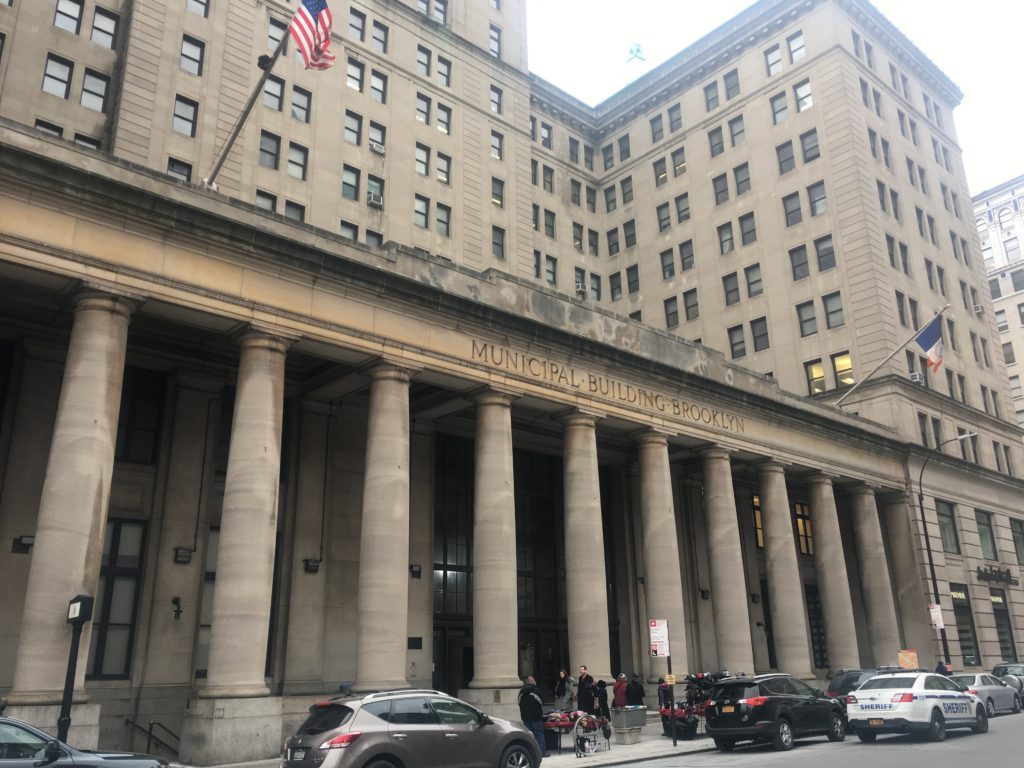
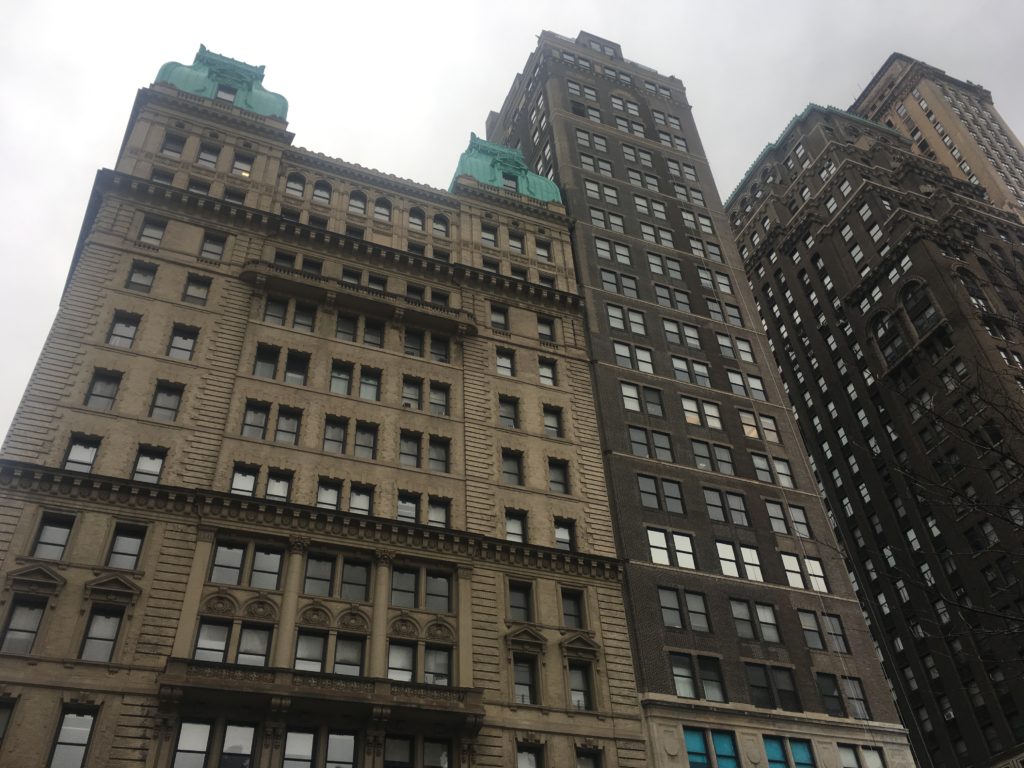
The austere Municipal Building was constructed in 1924 and the skyscrapers which surround it also joined the neighborhood in the same decade.
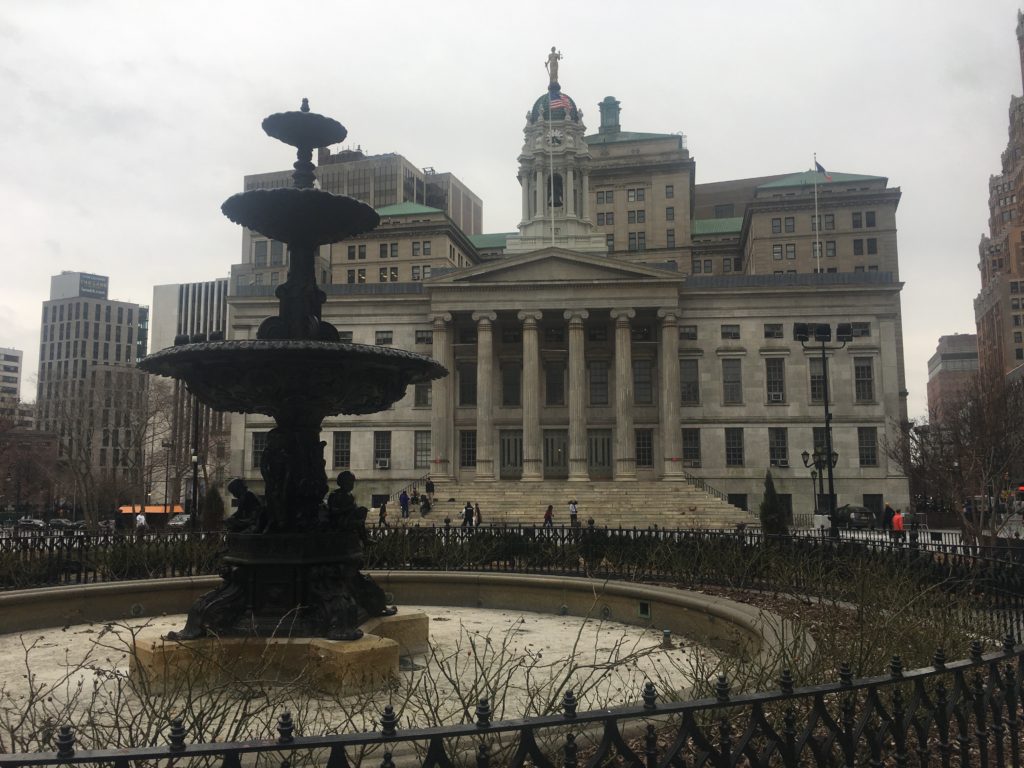
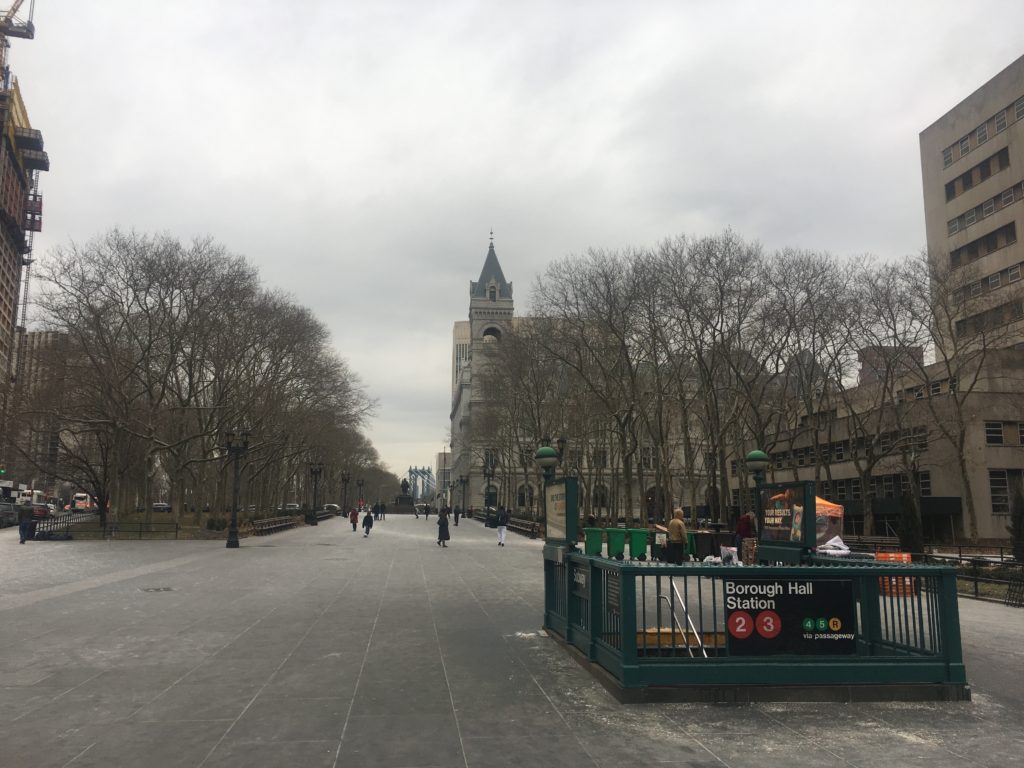
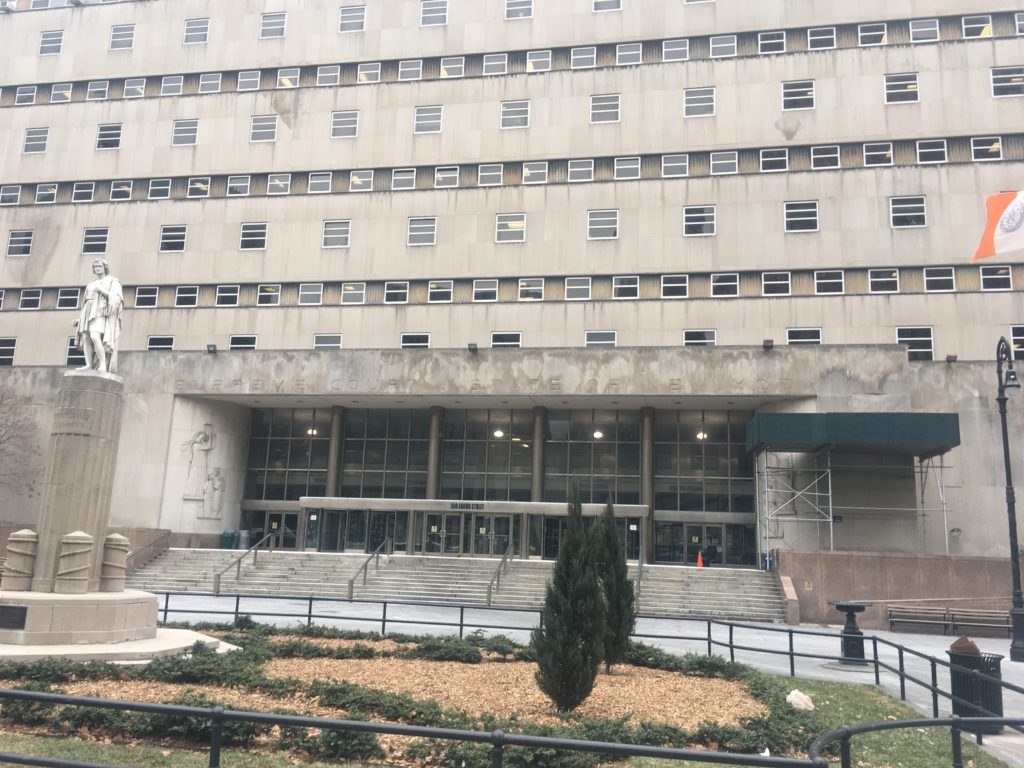
Brooklyn Borough Hall and Columbus Park:
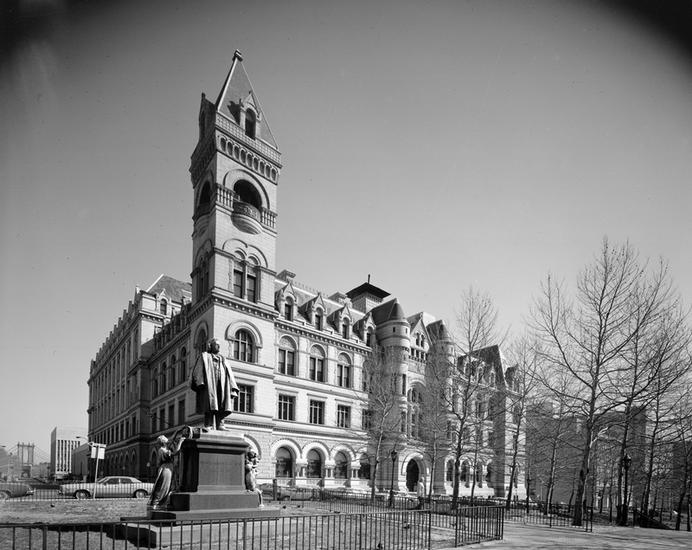
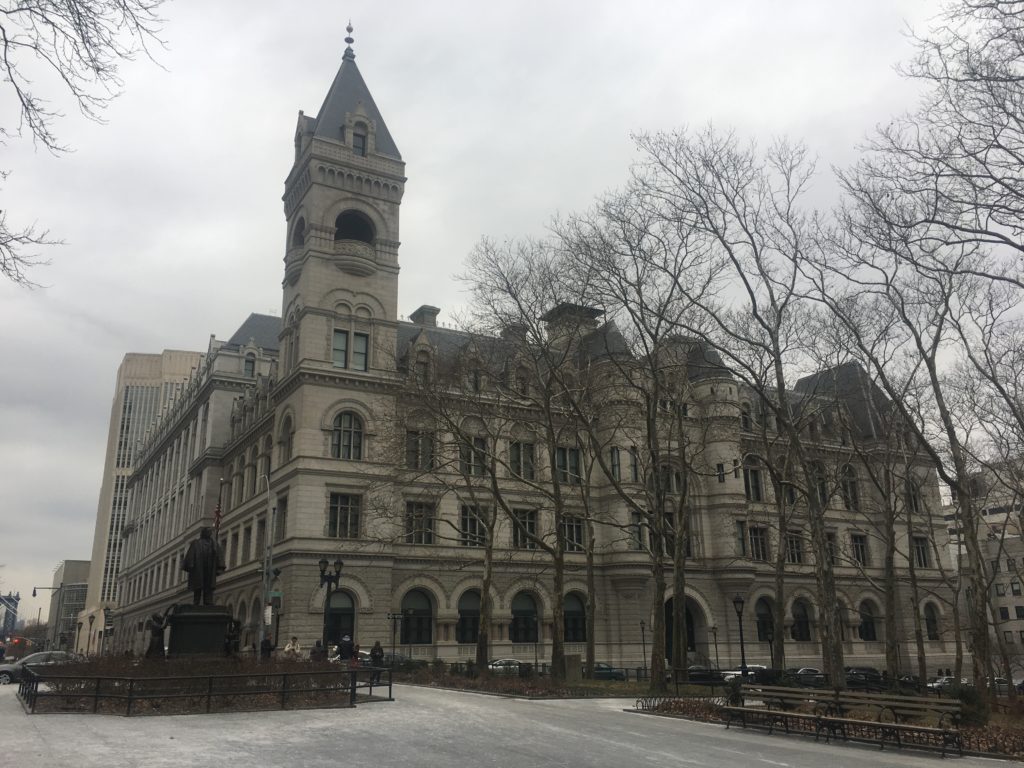
The 1892 Federal Building and Post Office with a tribute to Henry Ward Beecher (which once sat closer to Brooklyn Borough Hall).
Further Listening:
If you like Brooklyn history, check out these episodes from our back catalog that are referenced in this week’s show.
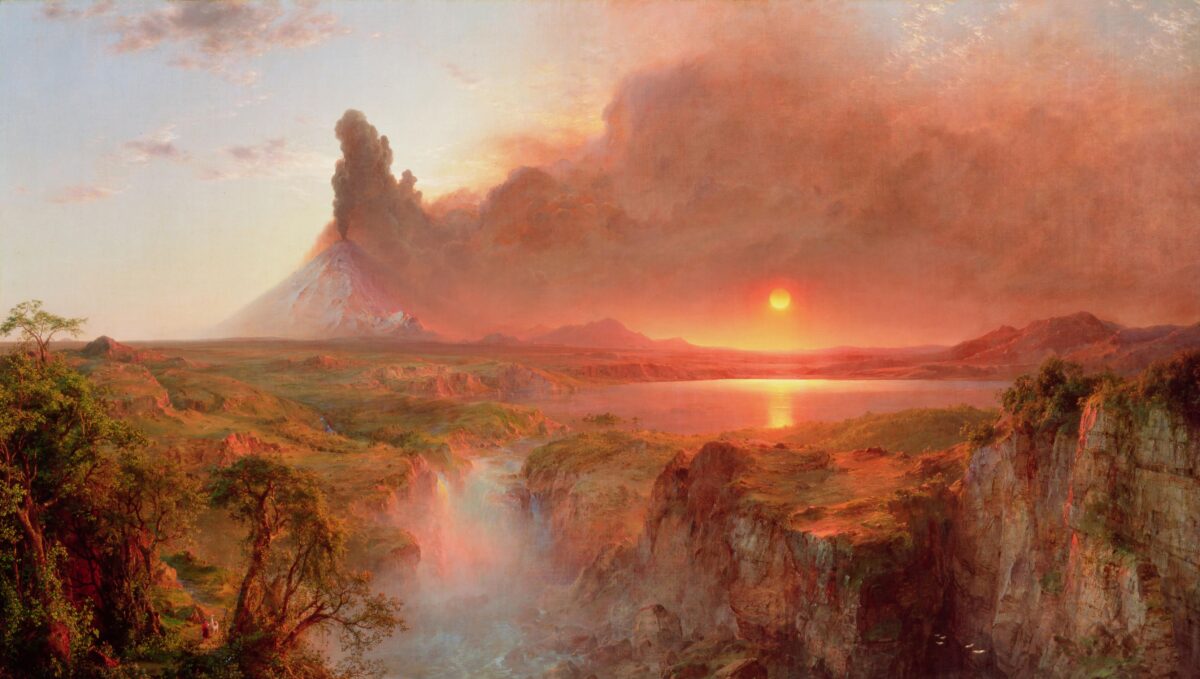
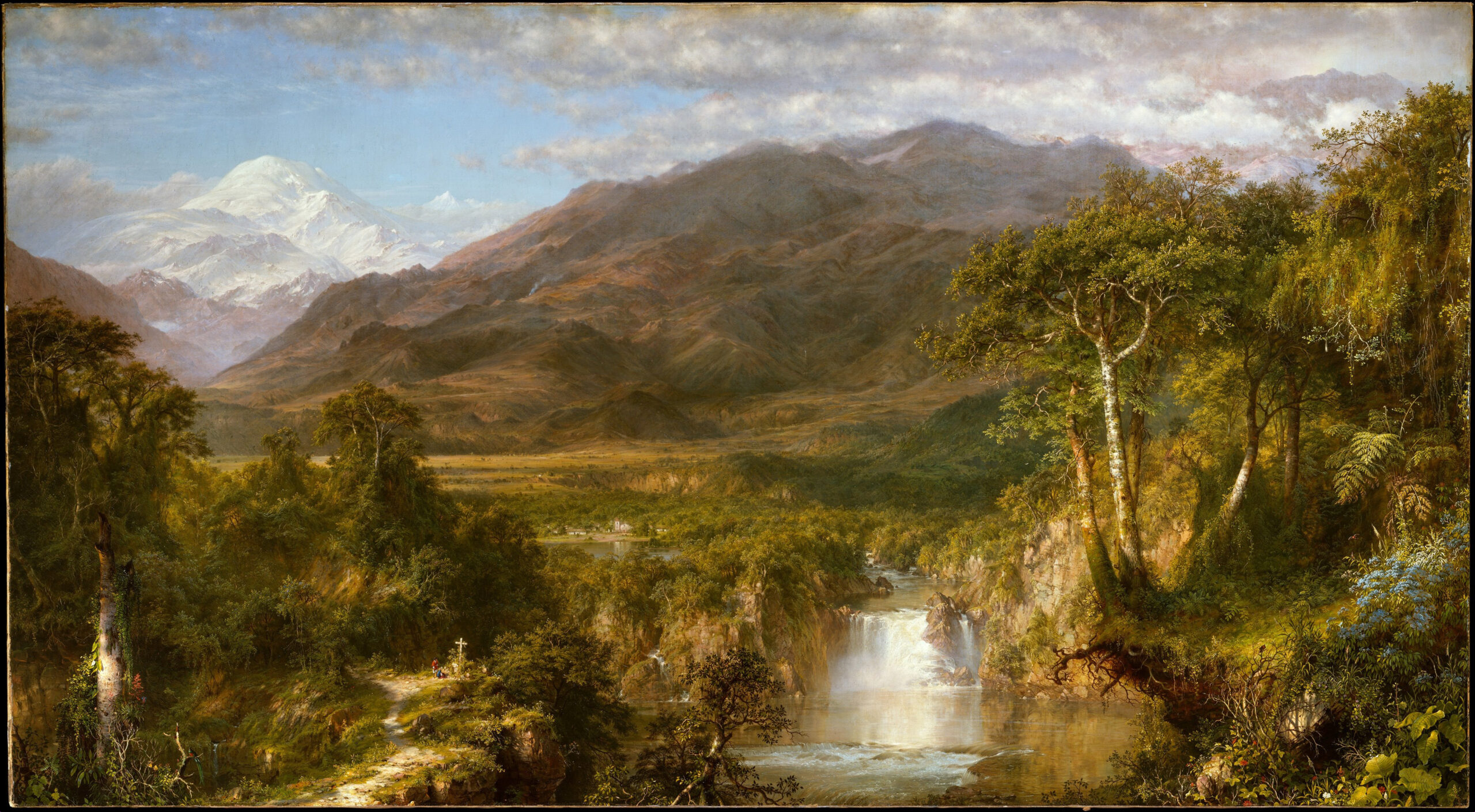
Cotopaxi, 1862, Detroit Institute of Arts, Michigan
Perched over the Hudson River near the city of Hudson sits Olana State Historic Site, once the wondrous home of painter Frederic Church.
This Gilded Age mansion is unlike any in the valley, mystical and imposing, evoking Persian and Moorish architectural styles and reflecting the art and ambitions of its former owner.
Church was more than a Hudson River School painter; he was an adventurer and dreamer, bringing the vistas of the world to America within his massive landscape creations. In 1859, when his Heart of the Andes made its New York debut, thousands lined up to soak in its impossible beauty.
She joins Greg and Tom on the podcast this week to discuss Church’s unusual life — both as a New Yorker and as a daring traveler. After this show, you may never look at a landscape painting the same way again.
LISTEN HERE: THE PAINTER WHO BROUGHT THE WORLD TO NEW YORK
You can also find the podcast on Apple, Spotify, Overcast and YouTube.
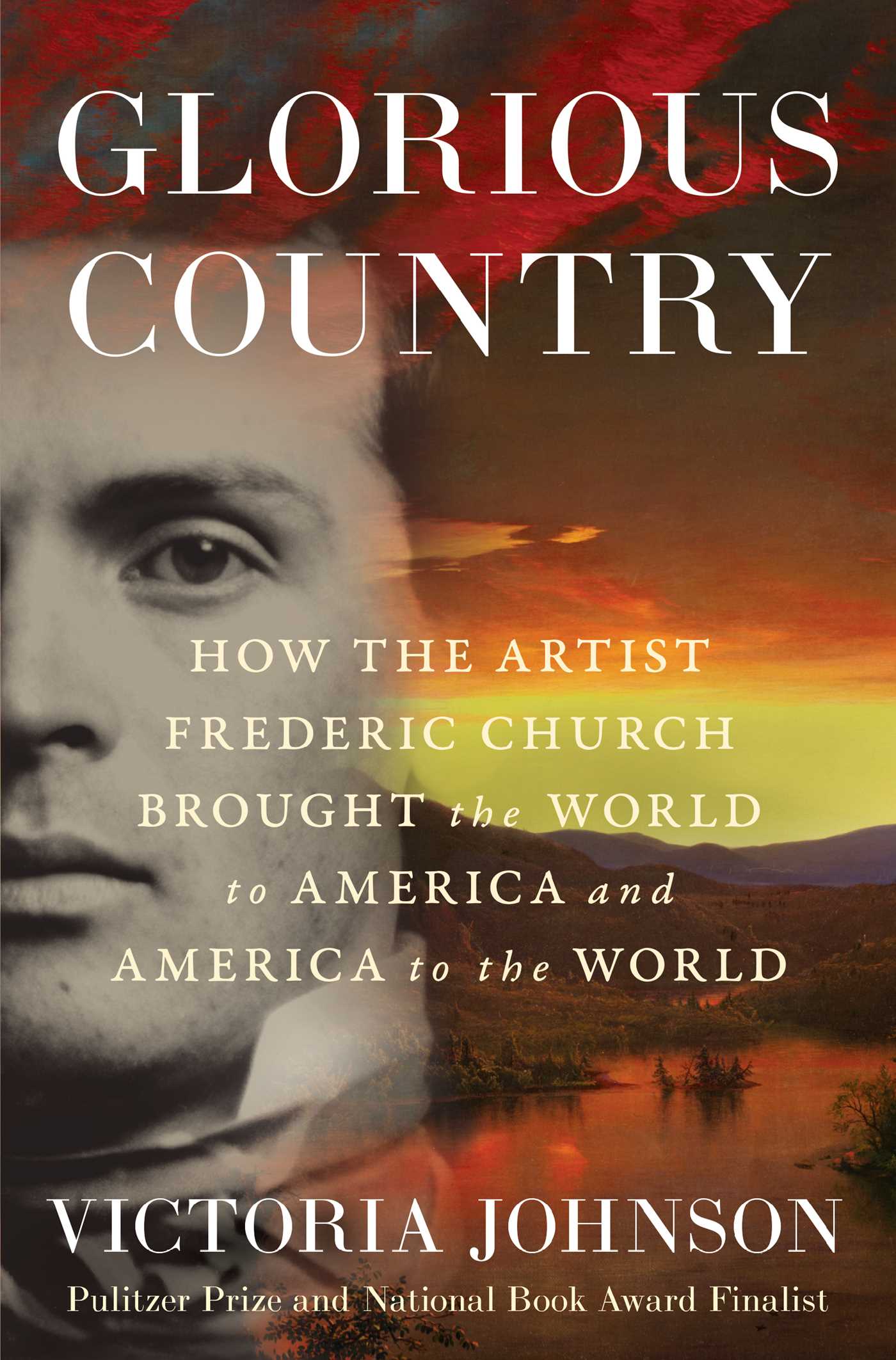
We want to thank Victoria Johnson for joining us on the Bowery Boys Podcast. Her new book Glorious Country is available on Scribner.
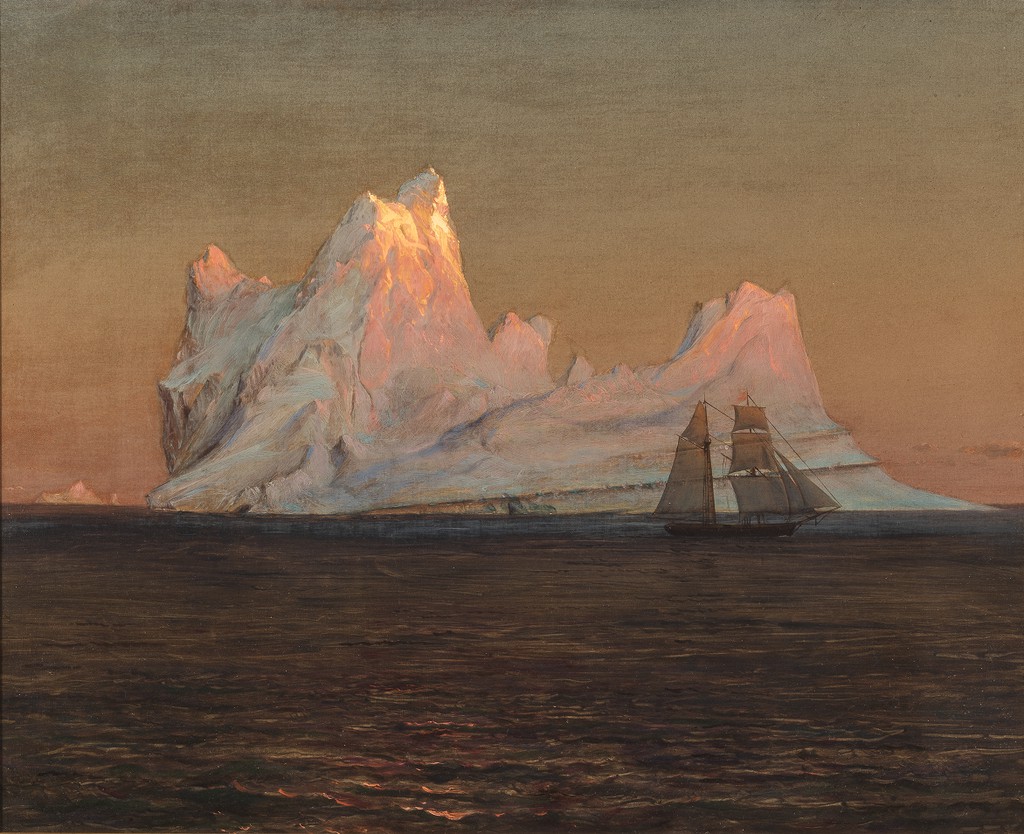
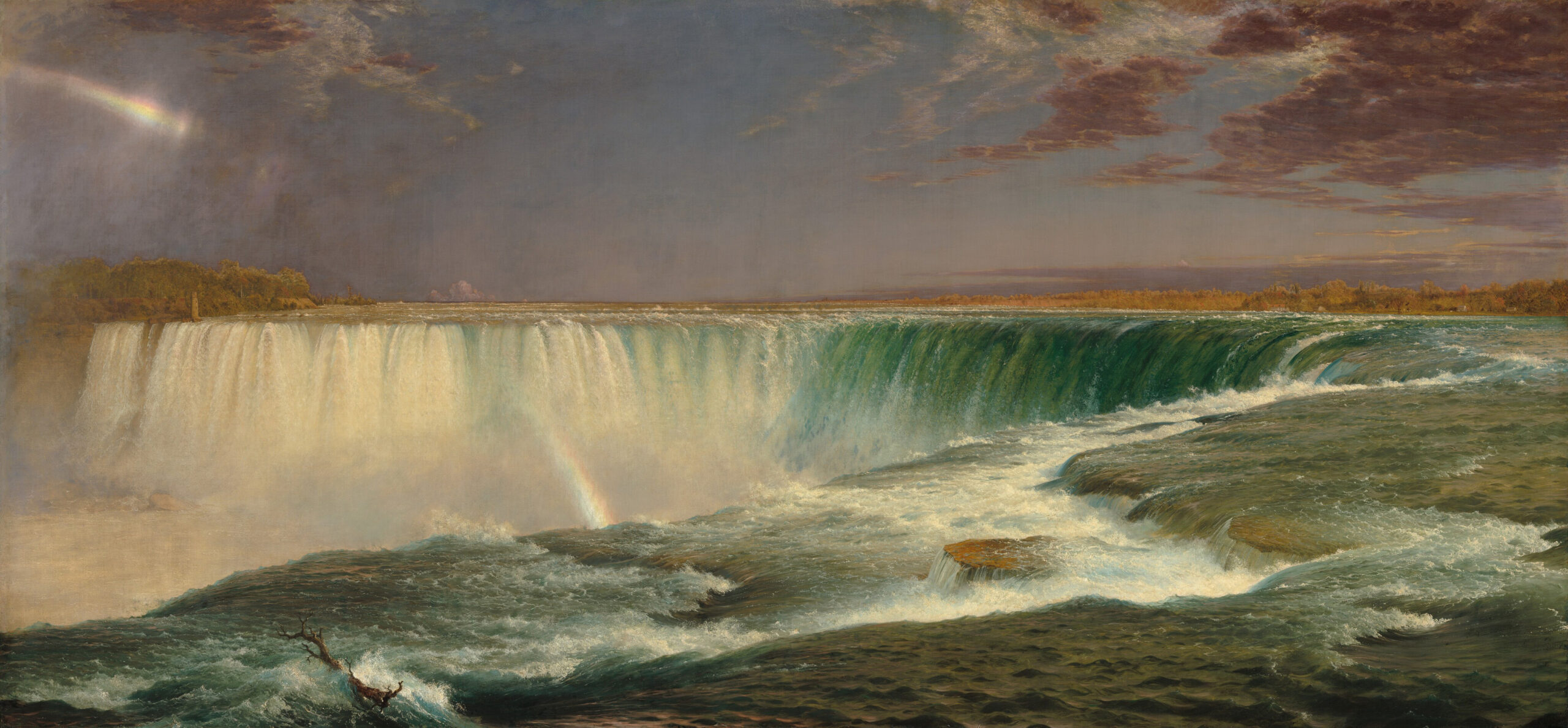
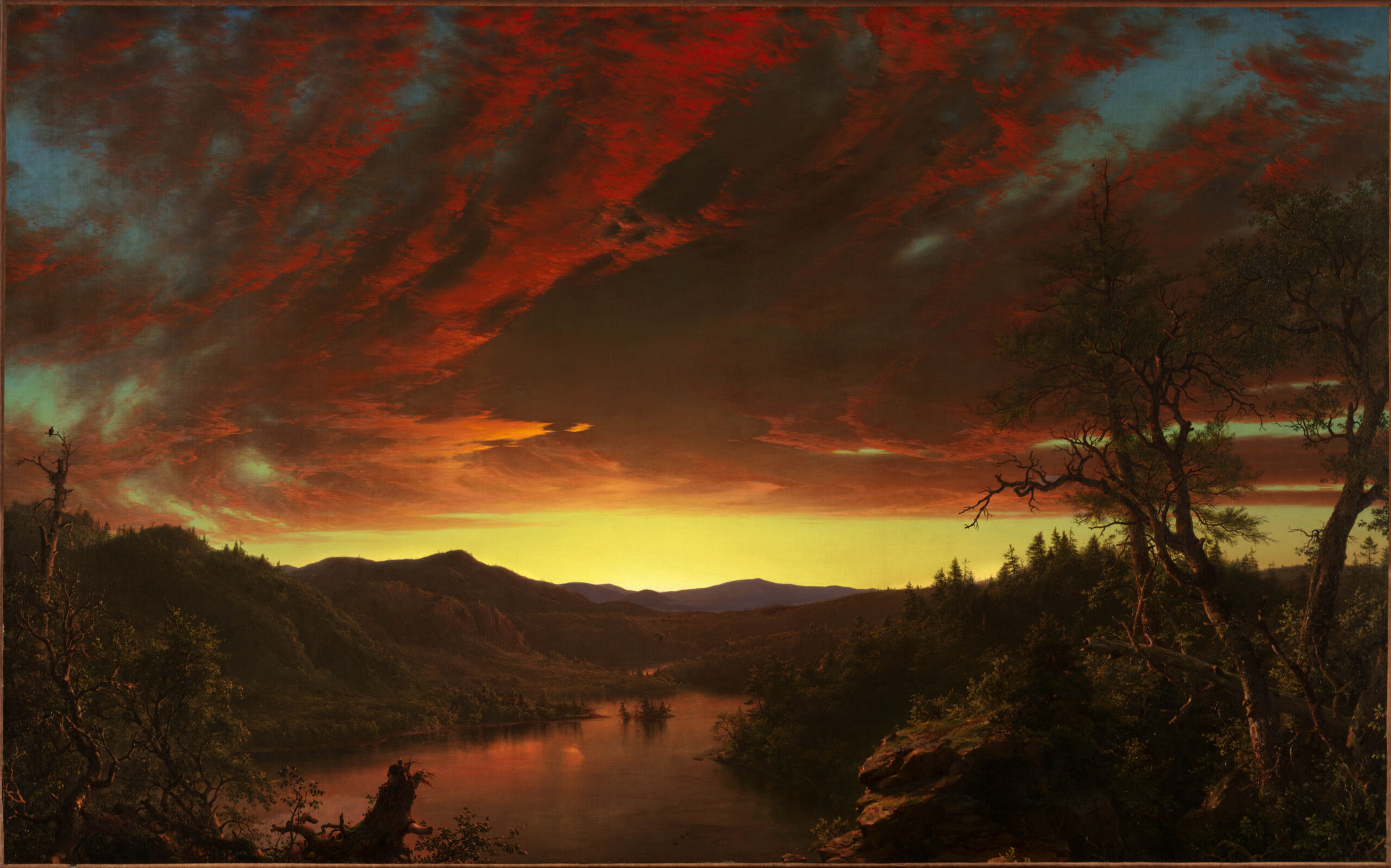
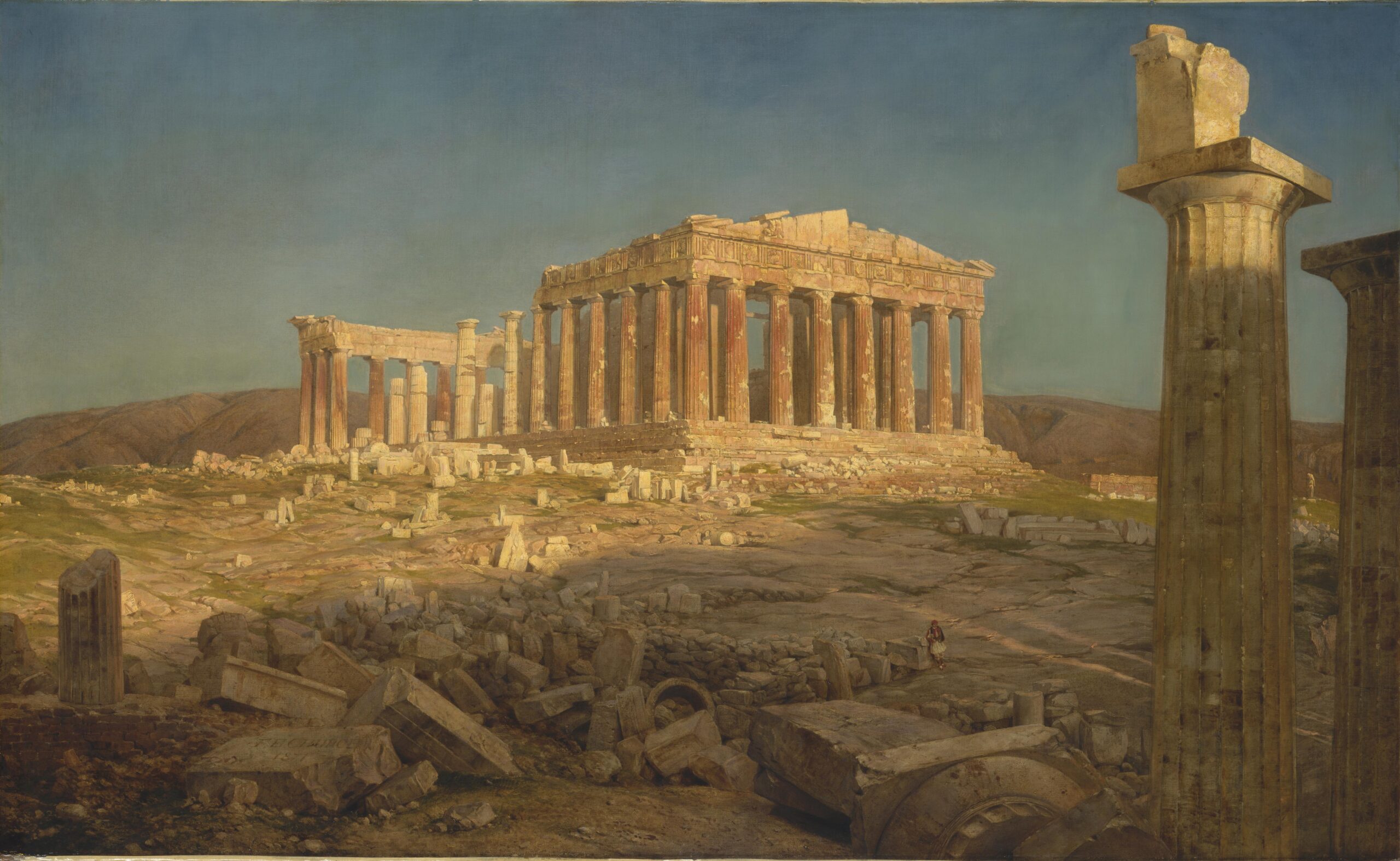
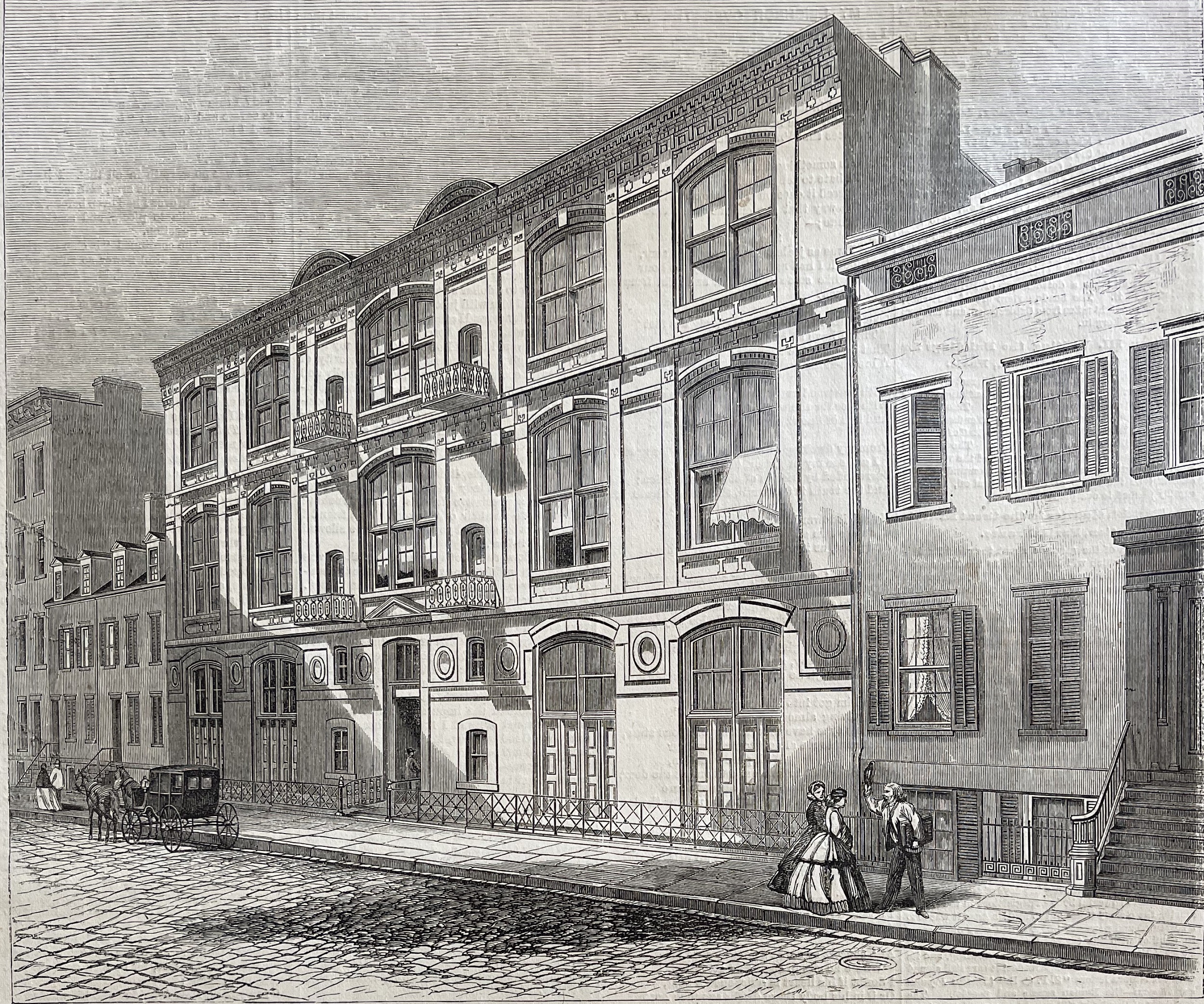
Floating Iceberg, Canada, June–July 1859, Cooper Hewitt, Smithsonian Design MuseumFrederic Edwin Church, Niagara Falls in Winter, March 1856, Cooper Hewitt, Smithsonian Design MuseumTwilight in the Wilderness, 1860, The Cleveland Museum of ArtThe Parthenon, 1871, The Metropolitan Museum of Art10th Street Studio, where Church’s studio was locatedFrederic Edwin Church, The Heart of the Andes, 1859, The Metropolitan Museum of Art
FURTHER LISTENING
Some other shows from the Bowery Boys Podcast related to this week’s show. Give them a listen when you’re done with our interview with Victoria Johnson:
The history of the New York City fashion industry and how it found its home south of Times Square aka The Garment District.
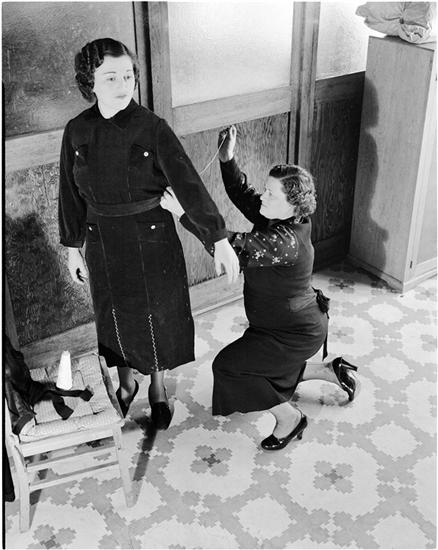
The Garment District in Midtown Manhattan has been the center of American fashion for almost one hundred years. The lofts and office buildings here still buzz with the business of making clothing — from design to distribution.
But the district has become endangered today as clothing manufacturers move out and the entire industry faces new challenges from online sales and overseas production.
During the mid-19th century, garment production thrived in New York thanks to thousands of arriving immigrants skilled in making clothes. Most clothing in the United States was made below 14th Street, in the city’s tenement neighborhoods, especially the Lower East Side.
As the industry grew more prominent, the residents and merchants of Fifth Avenue feared it would overtake their fashionable street. So, by the 1930s, a new district was born. Hardly a stitch was sewn in the United States without passing through the blocks between 34th Street and 42nd Street, west of Sixth Avenue.
Listen in as we describe the Garment District’s chaotic flurry of activity — from the fabulous showrooms of the world’s greatest designers to the nitty-gritty bustle of its crowded streets.
In celebration of Made In NYC Week, we present our tribute to New York City’s active and thriving garment industry. A version of this show was originally presented in January 2016. Now with a new introduction and ending, this show was reedited by Kieran Gannon.
The Bowery Boys: New York City History podcast is brought to you …. by you!
We are now producing a new Bowery Boys podcast every two weeks. We’re also looking to improve the show in other ways and expand in other ways as well — through publishing, social media, live events and other forms of media. But we can only do this with your help!
We are now a member of Patreon, a patronage platform where you can support your favorite content creators for as little as a $1 a month.
Please visitour page on Patreon and watch a short video of us recording the show and talking about our expansion plans. If you’d like to help out, there are five different pledge levels (and with clever names too — Mannahatta, New Amsterdam, Five Points, Gilded Age, Jazz Age and Empire State). Check them out and consider being a sponsor.
We greatly appreciate our listeners and readers and thank you for joining us on this journey so far. And the best is yet to come!
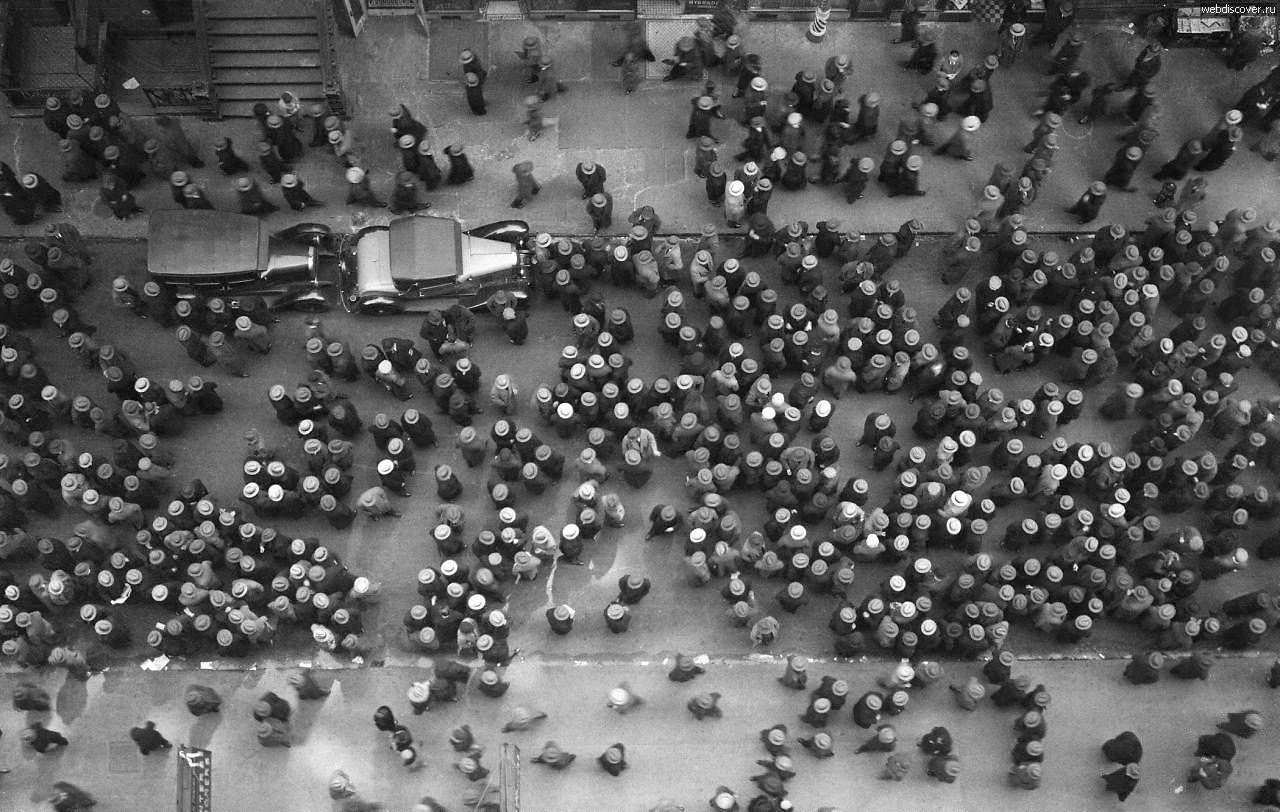
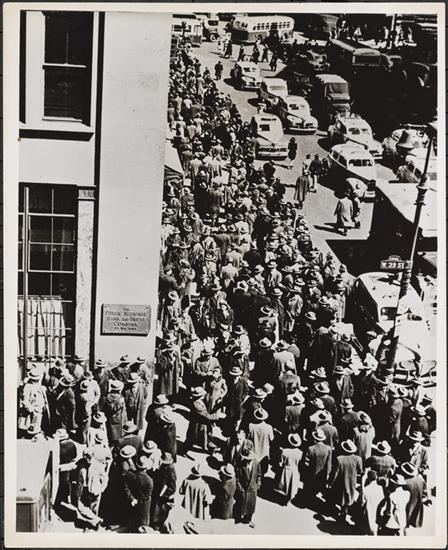
Fashionable streets: hats in the Garment District, photo by Margaret Bourke White
Courtesy Life Magazine
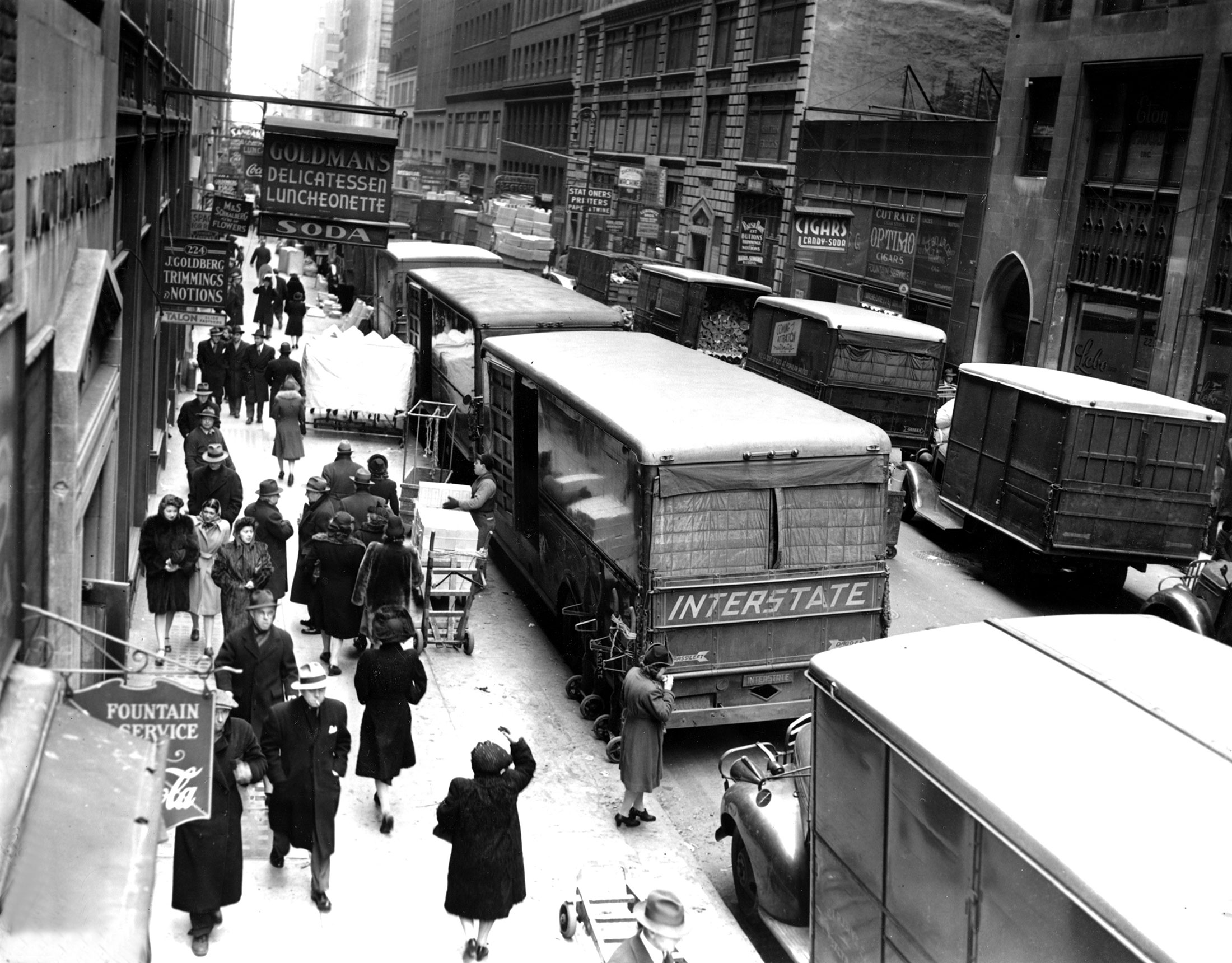
There were as many trucks in the Garment District as models, taking supplies to the busy workshops and finished garments to retailers. Photo is from Nov. 29, 1943.
Courtesy AP Photo
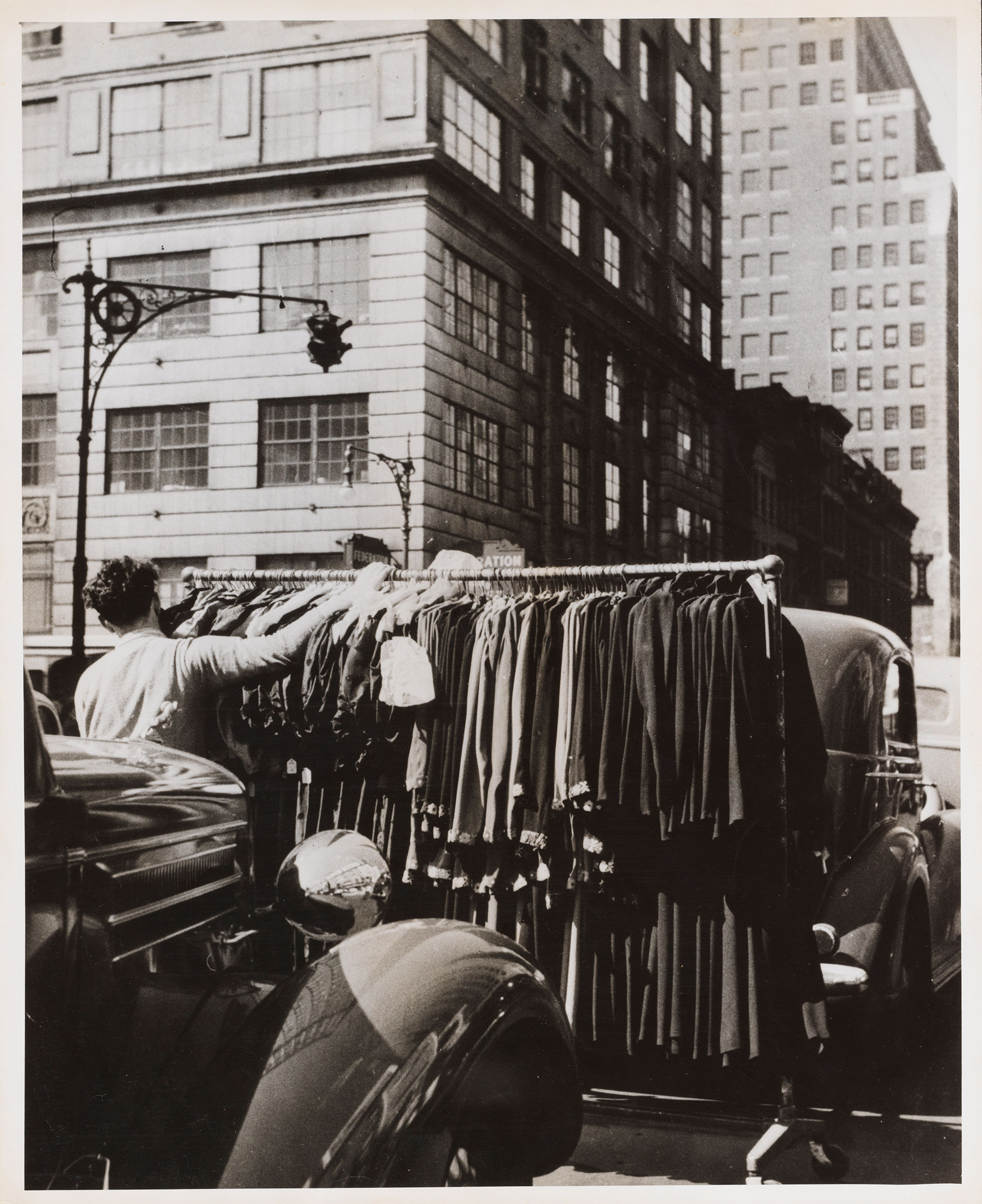
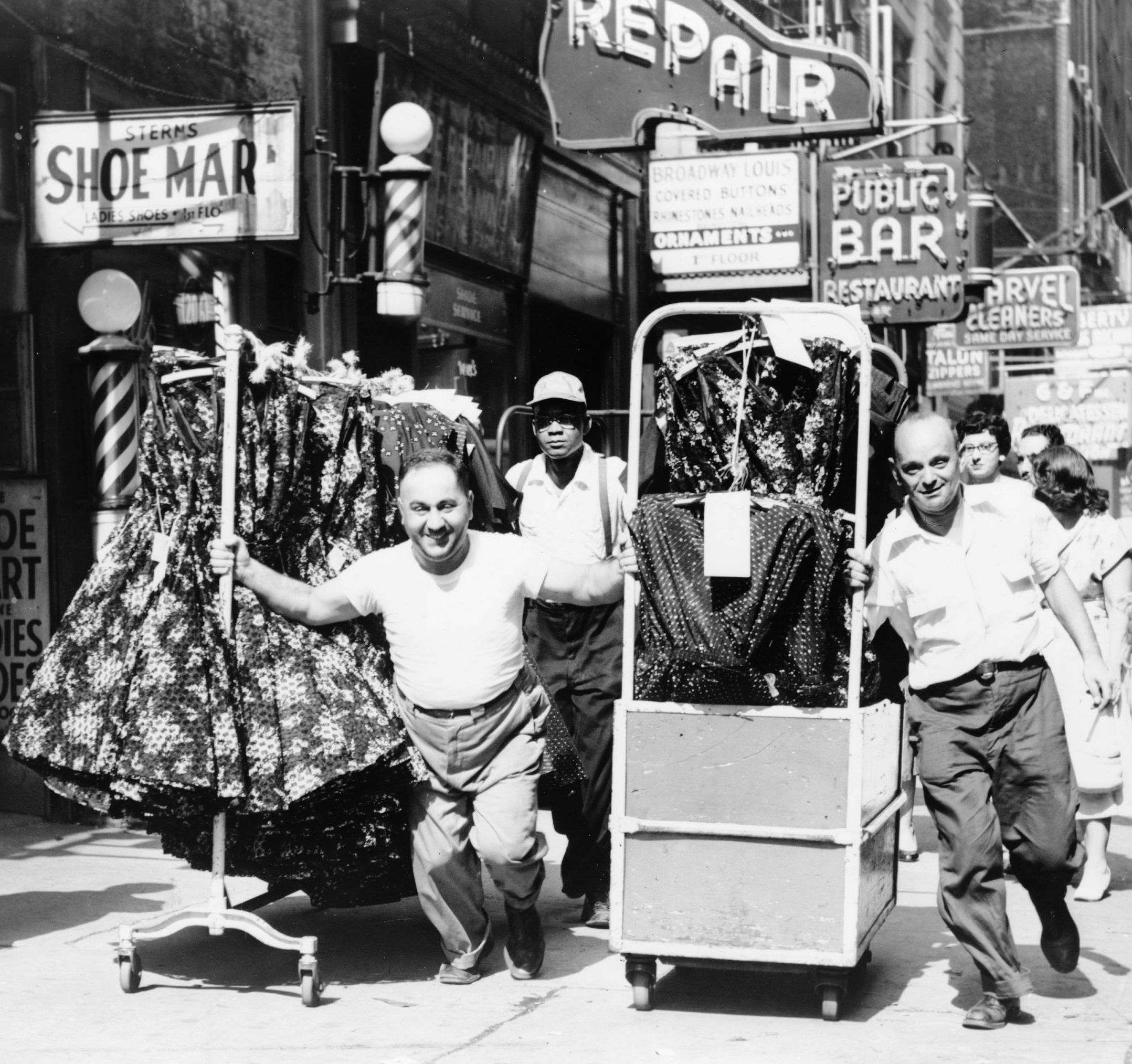
Another common site — racks of clothing being pushed down the street.
Museum of the City of New York
The Garment District at lunchtime, 1944. We told you it was insane!
Museum of the City of New York/US Office of War Information
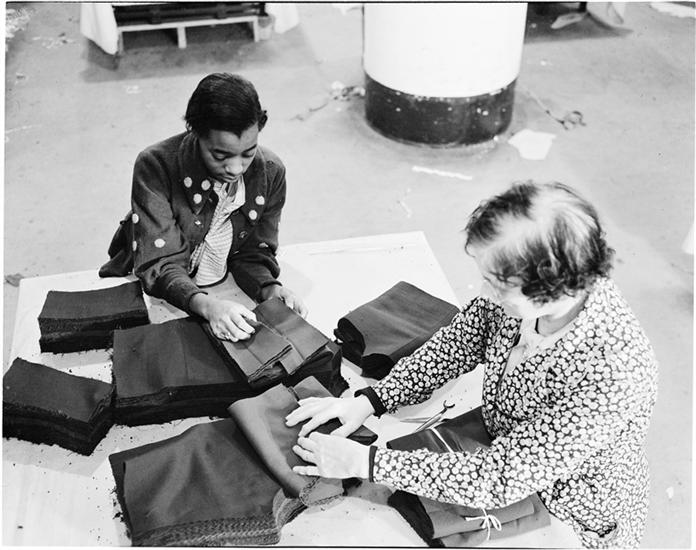
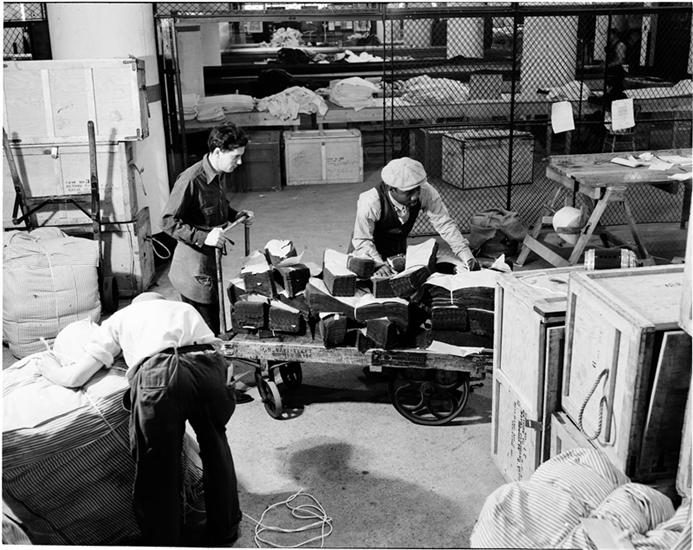
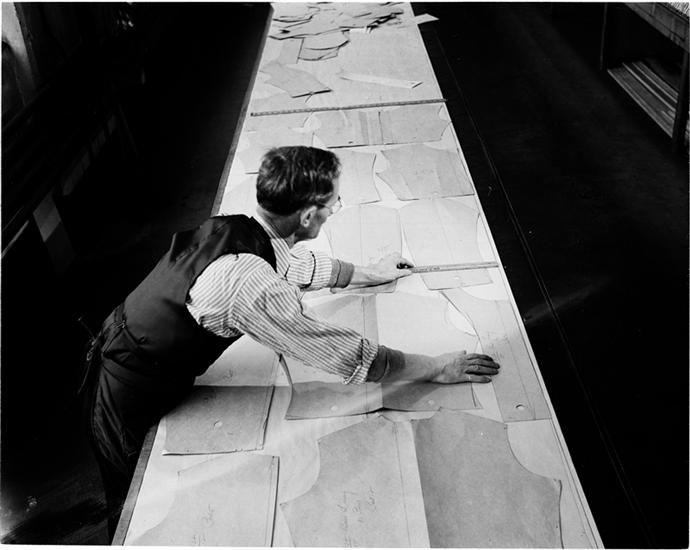
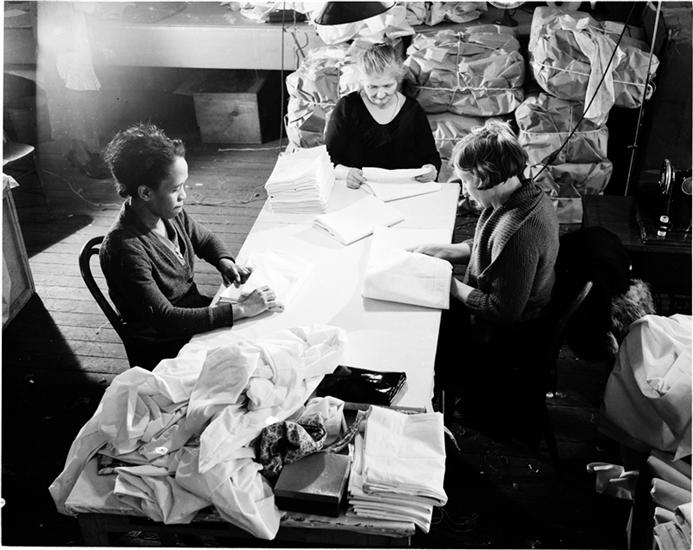
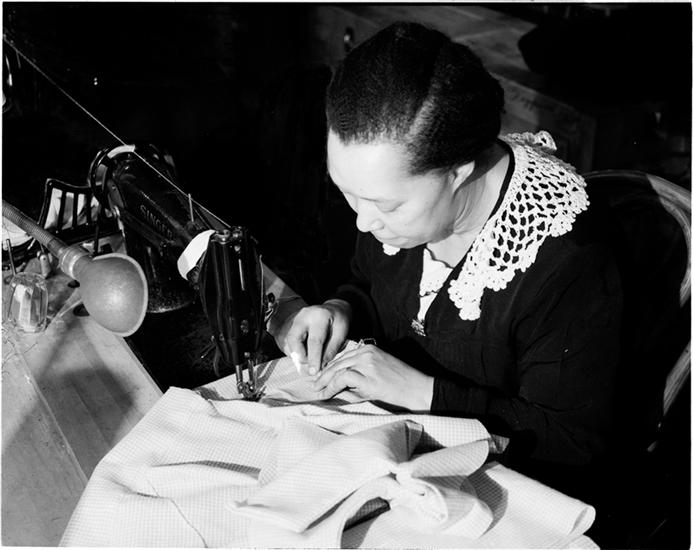
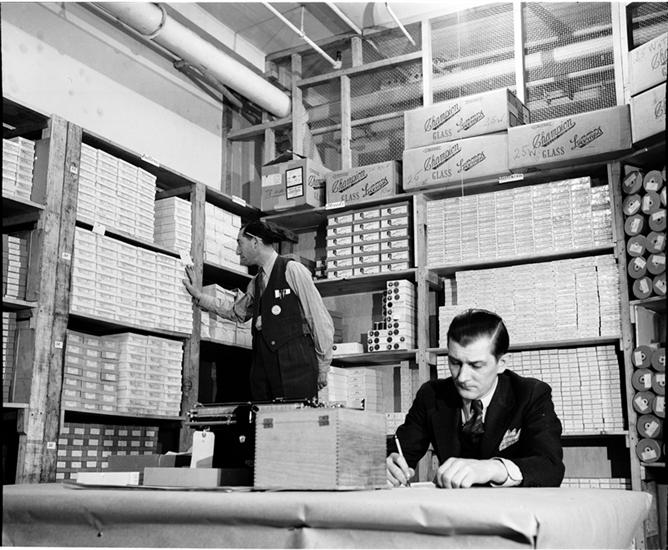
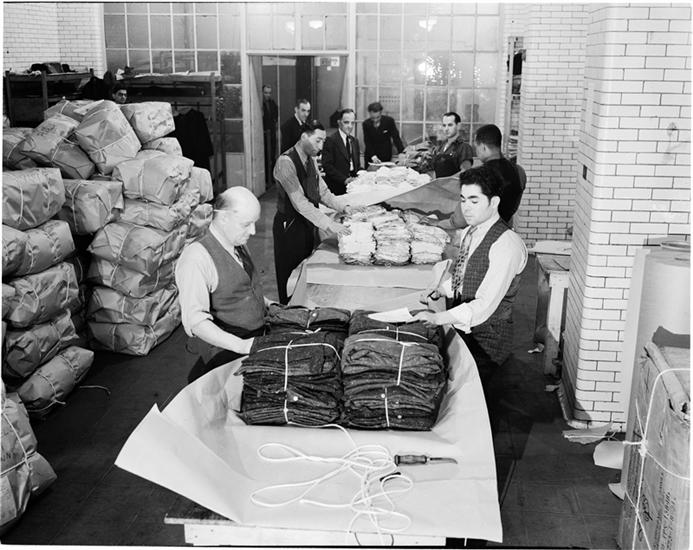
The following are a series of pictures capturing workers in a clothing factory on 36th Street and Tenth Avenue, 1937
Museum of City of New York/Federal Art Project
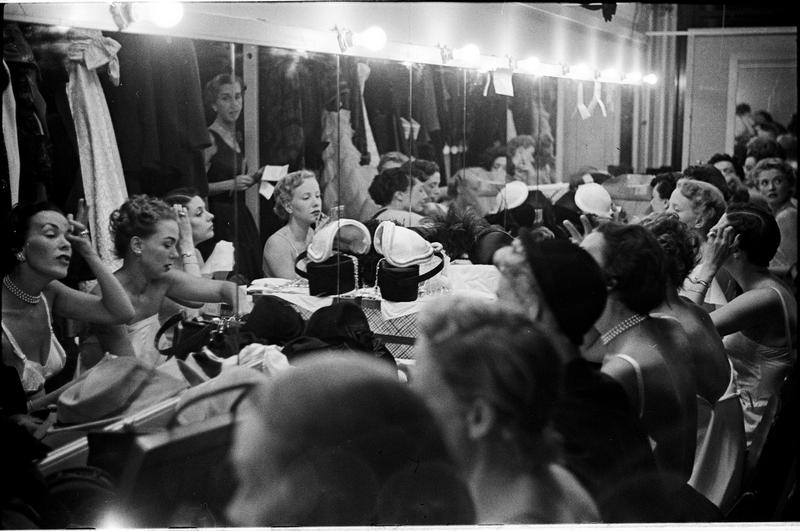
Behind the scenes at a Gimbels Fashion Show, 1949
Photo by Stanley Kubrick/Museum of the City of New York
Racks of clothing, 1955
Library of Congress/WikiMedia
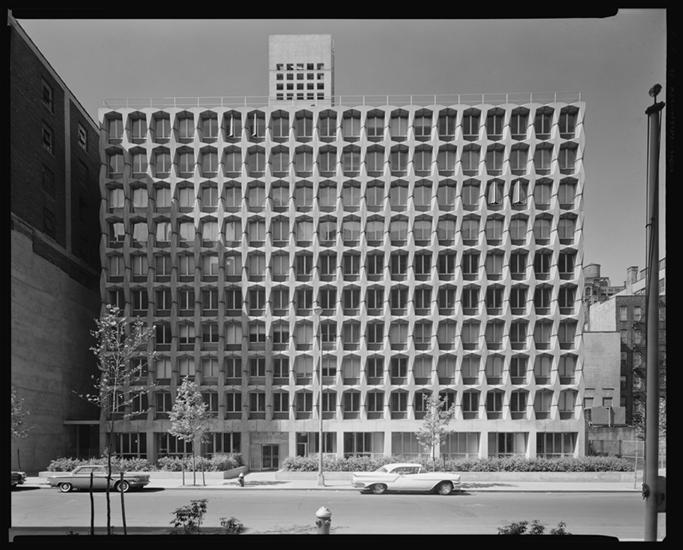
The unique brutalist architecture of the Fashion Institute of Technology 1964
Wurts Brothers/Museum of the City of New York
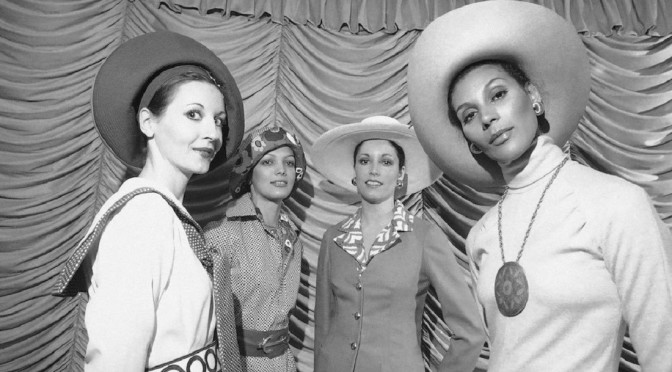
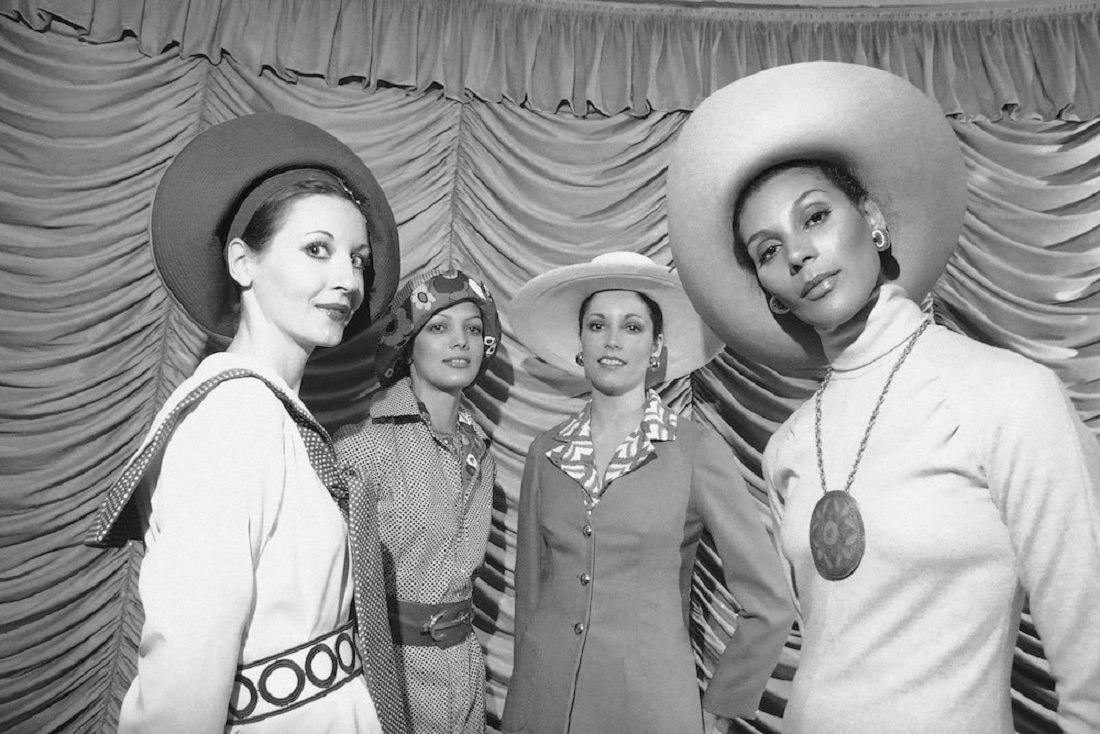
From ‘Press Week’ aka Fashion Week, Jan. 7, 1972. (AP Photo/Ray Stubblebine)
This month marks the 190th anniversary of one of the most devastating disasters in New York City history — The Great Fire of 1835.
This massive fire, among the worst in American history in terms of its economic impact, devastated the city during one freezing December evening, destroying hundreds of shops and warehouses and changing the face of Manhattan forever.
It also underscored the city’s need for a functioning water system and permanent fire department.
So why were there so many people drinking champagne in the street? And how did the son of Alexander Hamilton save the day?
FEATURING Such Old New York sites as the Tontine Coffee House, Stone Street, Hanover Square and Delmonico’s.
To mark this special anniversary, we have newly remastered and edited our classic Bowery Boys podcast on this subject which was originally released on March 13, 2009
LISTEN HERE: THE GREAT FIRE THAT TRANSFORMED NEW YORK
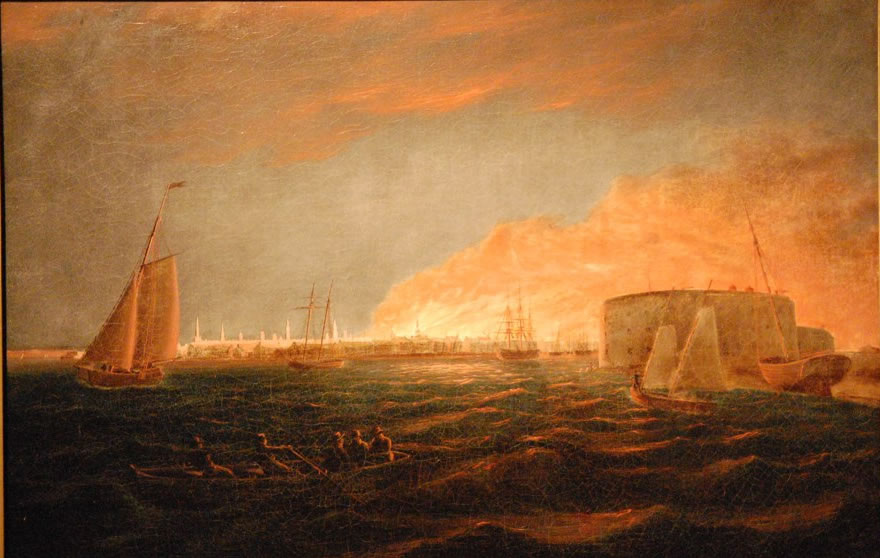
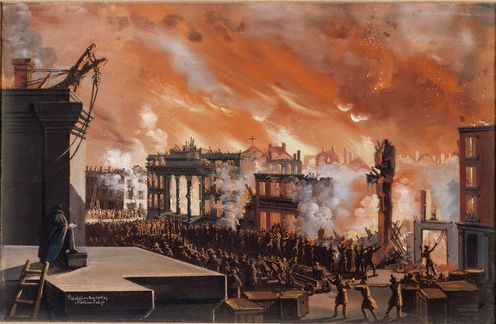
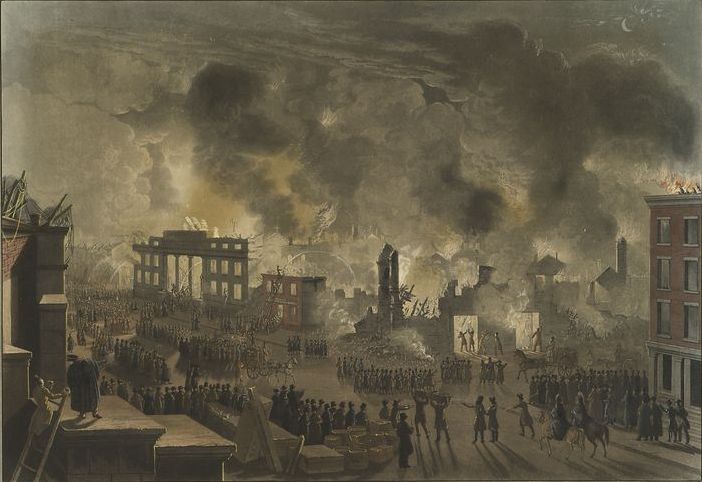
At top: Nicolino Calyo captured the terrible sight of the blaze as it might have looked from Red Hook, Brooklyn
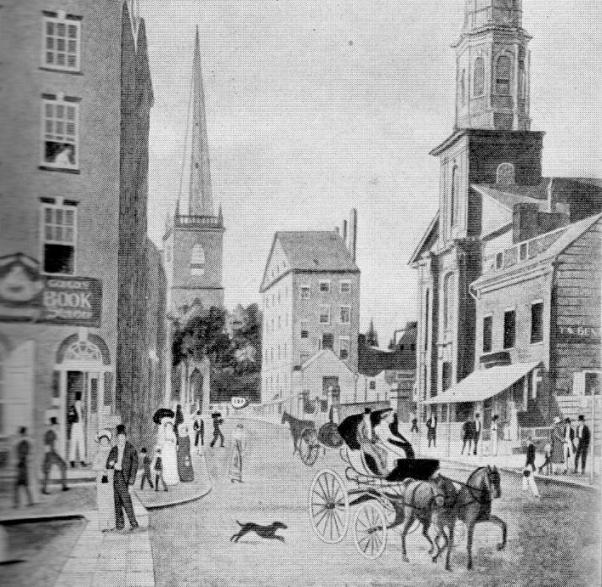
Before the blaze: Charming Wall Street in 1825, from a 1920s guide book. Prosperity from the Erie Canal was just around the bend. (Courtesy Ephemeral New York)
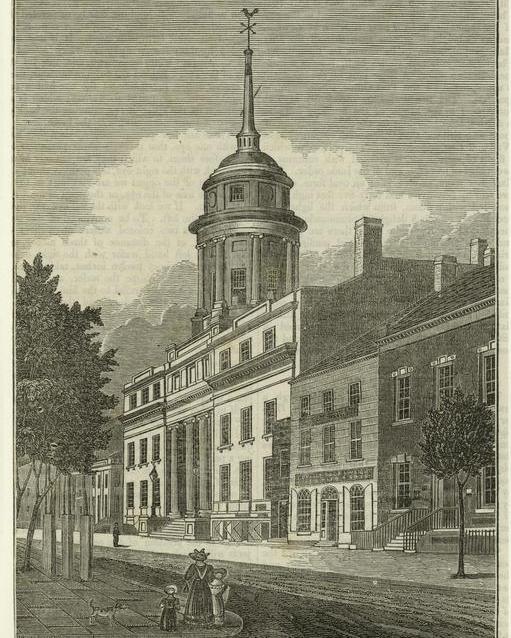
The original Merchant’s Exchange building, one of New York’s more ornate building, featuring a statue of Alexander Hamilton standing nobly in its rotunda. (Illustration courtesy the New York Public Library image gallery)
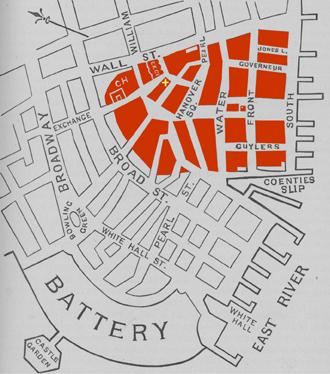
What’s the damage?: the red areas below indicate the blocks destroyed by the swift moving conflagration (map courtesy CUNY)
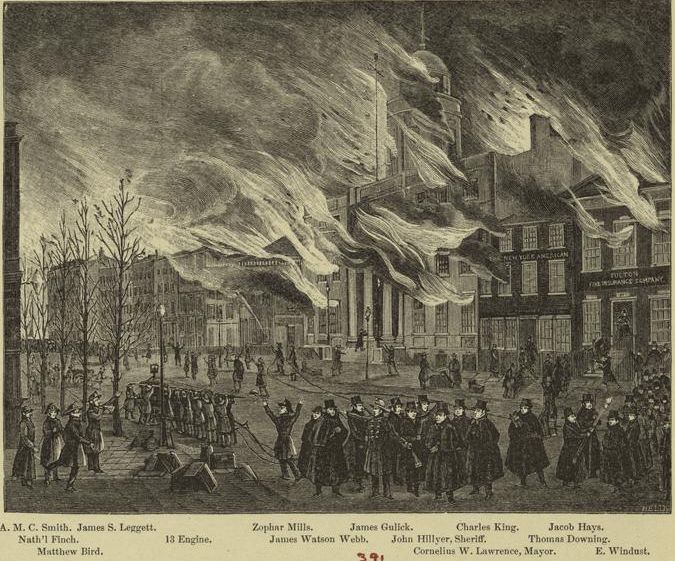
City officials, including mayor Cornelius Lawrence, could only watch and stare as the blaze over takes a stretch of prominent buildings. Also included below is Charles King, who watches as his newspaper the New York American is overcome by the fire.
Calyo’s painted depiction of the “Burning of the Merchant’s Exchange”
Another interpretation from the same angle — the futility of battling the blaze was chillingly illustrated from the corner Wall and William streets, where winds carried the flames from building to building, high above the heads of fighters below.
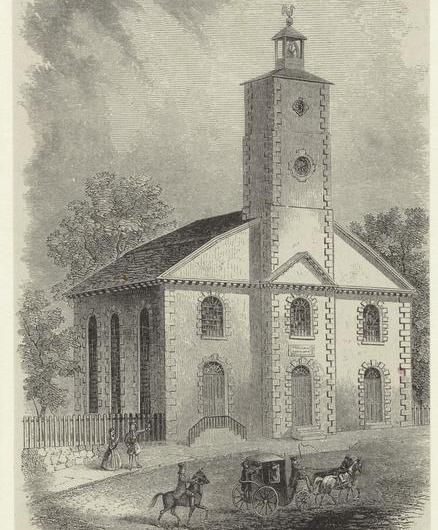
As the old Dutch Church on Garden Street caught fire, a morose parishioner mounted the organ and began playing a dirge. (Where’s Garden Street? According to Forgotten New York, Garden Street was “between William Street and Broadway, just south of Wall Street” and is now part of Exchange Place today.)
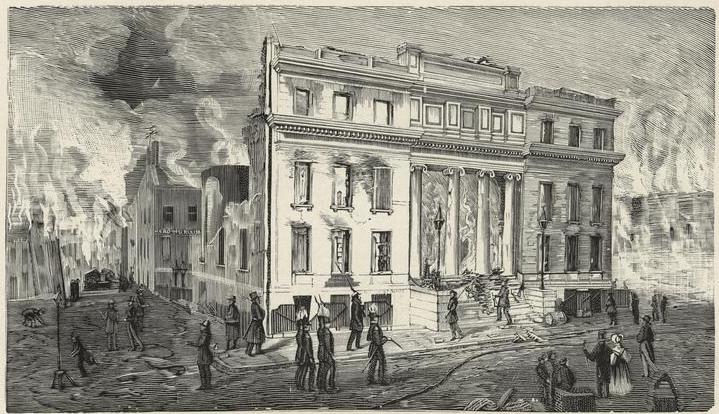
Aftermath at the Merchant’s Exchange. Many business owners actually tranferred their stock to the Exchange building, unfortunately thinking it would be impervious to the encroaching flames.
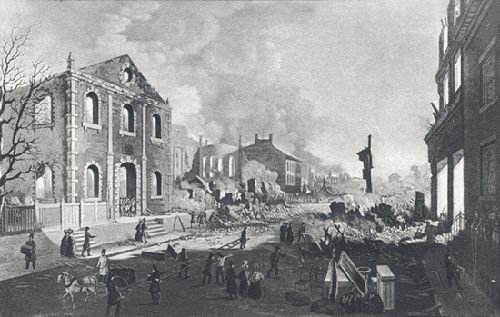
The devastation that met New Yorkers the following day led most to believe the city would never recover.
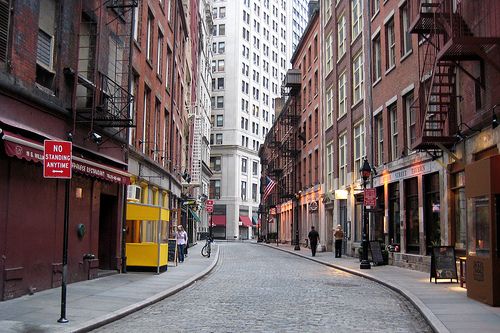
Most of the buildings on today’s Stone Street were built in the immediate years following the fire, Greek Revival-style countinghouses that are refitted for modern times as taverns and restaurants. It’s also one of the few cobblestone streets still around in the Financial District area.
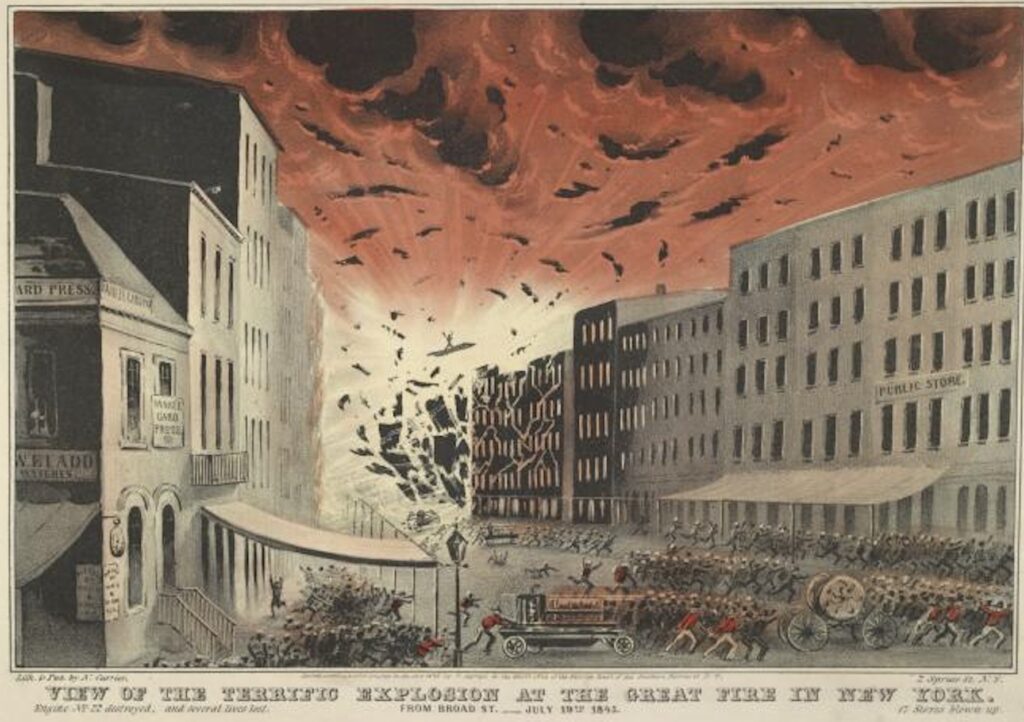
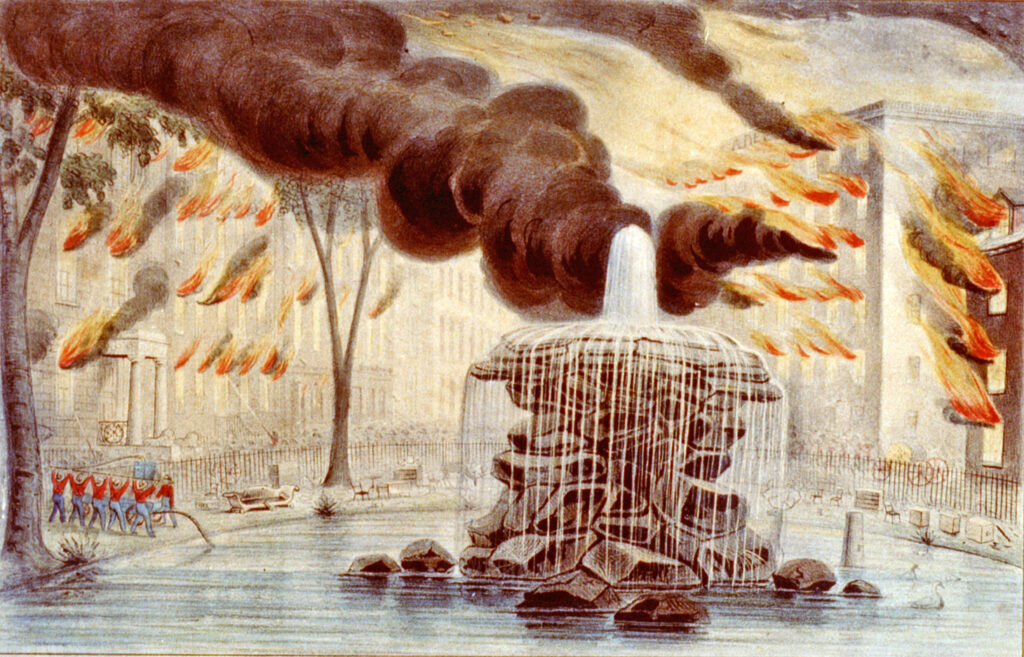
And did you know there was also a terrible fire ten years later — in almost the same location? Check out my article on the Great Fire of 1845 — and these captivating illustrations by Currier and Ives:
In this Currier & Ives lithograph, the serene fountain in Bowling Green as flames consume buildings all around it.
Who exactly was Nicolino Calyo, the man who painted so many vivid pictures of the Great Fire?
Nicolino Vicomte de Calyo was a political dissenter who fled Italy in the 1830s and settled in Baltimore, becoming entranced by the new American landscape.
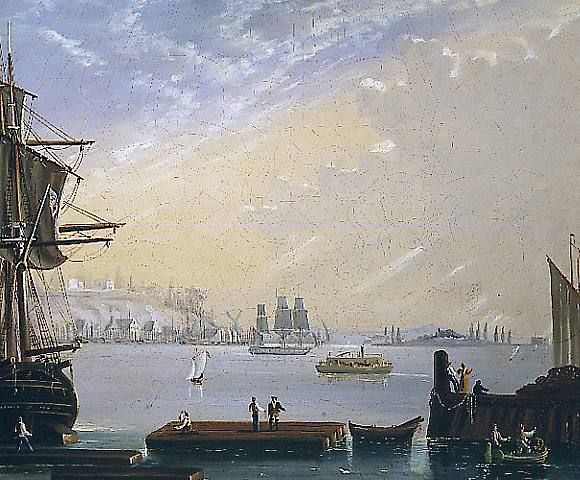
Although his most famous depictions of New York are of the city in flame, he also painted a few serene views (like the one below, a vantage of the harbor from Brooklyn Heights).
His works are in many New York museums, including the Burning of the Merchant’s Exchange which is at the Museum of the City of New York.
Another cool resource on the Great Fire is up at the CUNY website, with more pictures and more backstory as to New York’s capacity to fight blazes in the early 19th century.
FURTHER LISTENING
Other podcasts in our back catalog that relate to this week’s show:
The Bowery Boys: New York City History podcast is brought to you …. by you!
We’re also looking to improve and expand the show in other ways — publishing, social media, live events and other forms of media. But we can only do this with your help!
We are now a creator on Patreon, a patronage platform where you can support your favorite content creators.
Please visit our page on Patreon and watch a short video of us recording the show and talking about our expansion plans.
If you’d like to help out, there are six different pledge levels.Check them out and consider being a sponsor.
We greatly appreciate our listeners and readers and thank you for joining us on this journey so far.
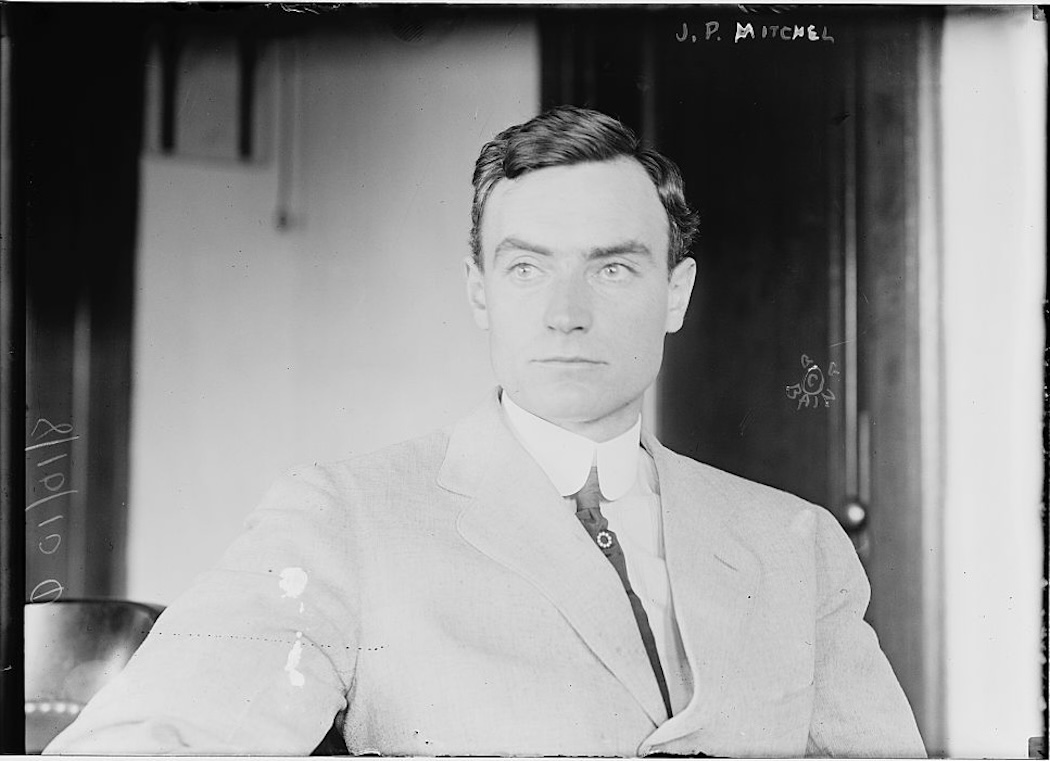
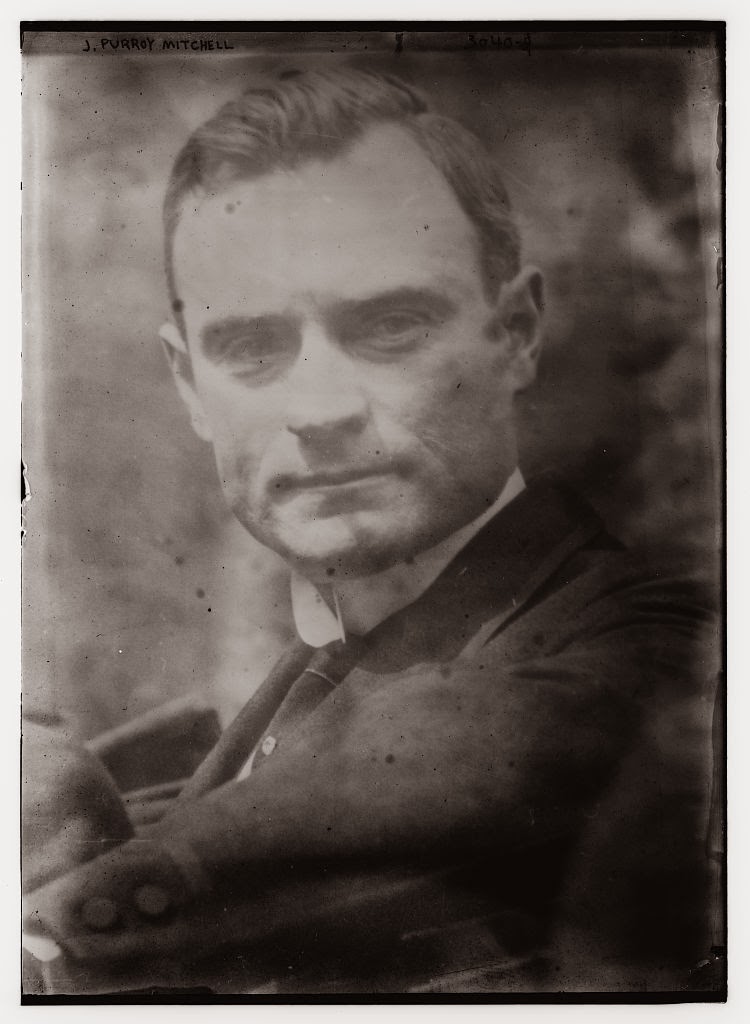
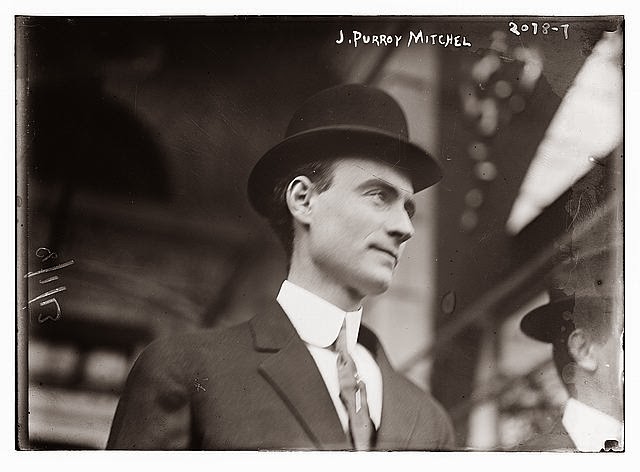
Above: John Purroy Mitchel, the ‘boy mayor’, in 1910 PODCAST As New York City enters the final stages of this year’s mayoral election, let’s look back on a decidedly more unusual contest 110 years ago, pitting Tammany Hall and their estranged ally (Mayor William Jay Gaynor) up against a baby-faced newcomer, the (second) youngest man to ever become the mayor of New York City.
John Purroy Mitchel, the Bronx-born grandson of an Irish revolutionary, was a rising star in New York City, aggressively sweeping away incompetence and snipping away at government excess.
Under his watch, two of New York’s borough presidents were fired, just for being ineffectual! Mitchel made an ideal candidate for mayor in an era where Tammany Hall cronyism still dominated the nature of New York City.
Nobody could predict the strange events which befell the city during the election of 1913, unfortunate and even bizarre incidents which catapulted this young man to City Hall and gave him the nickname “the Boy Mayor of New York“.
But things did not turn out as planned. He won his election with the greatest victory margin in New York City history. He left office four years later with an equally large margin of defeat.
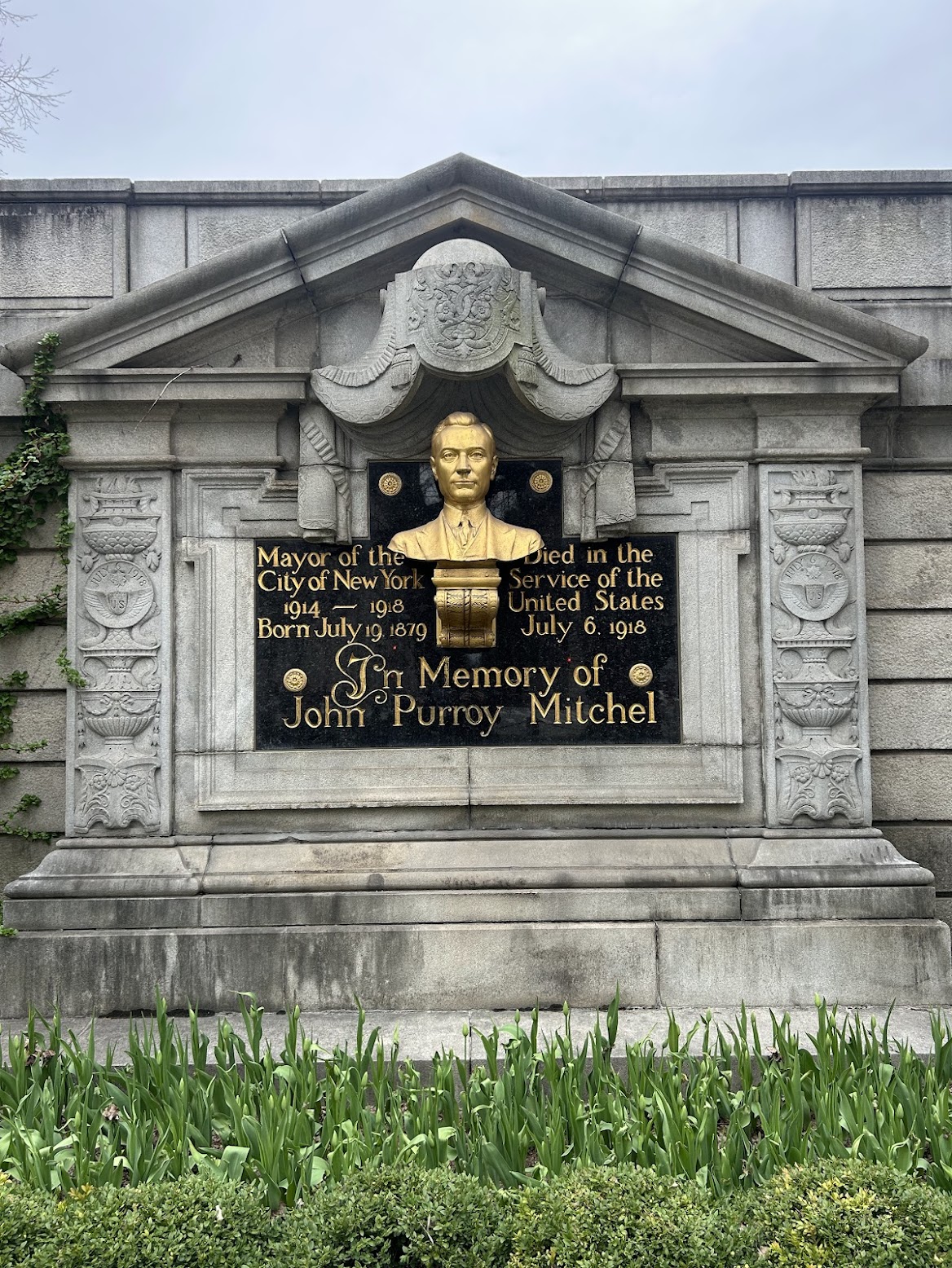
Tune in to our tale of this oft-ignored figure in New York City history, an example of good intentions gone wrong and — due to his tragic end — the only mayor honored with a memorial in Central Park.
PLUS: The totally bizarre death in 1913 of Tammany Hall’s most popular leader
The Bowery Boys Podcast is proud to be sponsored by Founded By NYC, celebrating New York City’s 400th anniversary in 2025 and the 250th anniversary of the United States in 2026.
Read about all the exciting events and world class institutions commemorating the five boroughs legacy of groundbreaking achievements, and find ways to celebrate the city that’s always making history at Founded by NYC.
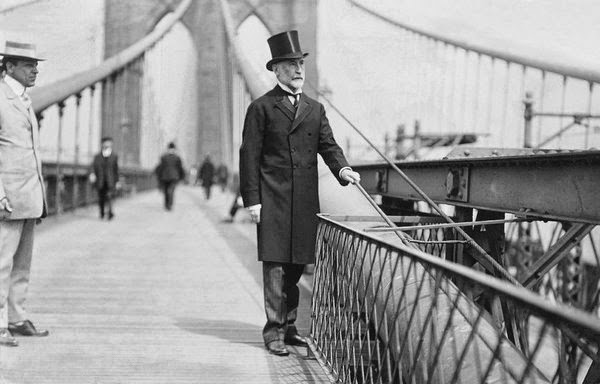
Mayor William Jay Gaynor on his inauguration day in 1909, walking across the Brooklyn Bridge to City Hall, from his home in Park Slope.
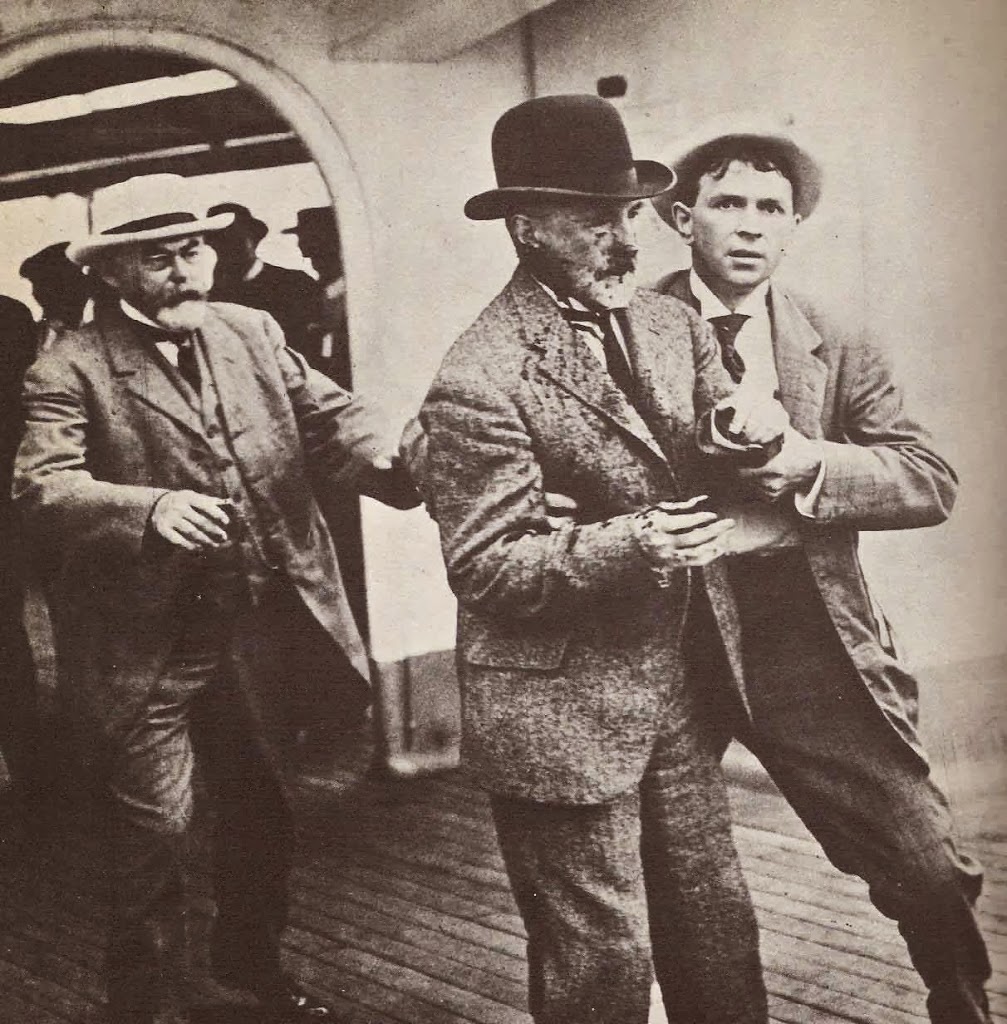
William Jay Gaynor at the very moment he was shot in 1910, on an ocean vessel docked in Hoboken. This picture was taken by a New York World photographer, one of the most famous works of early journalism photography.
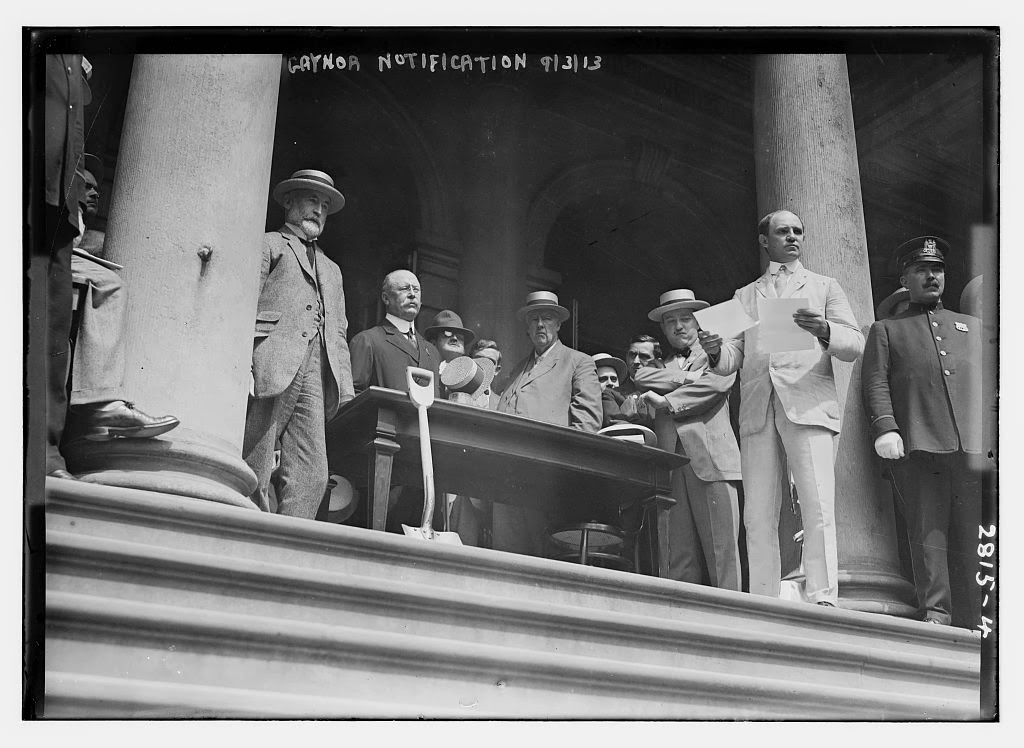
Gaynor (at left) attempted to stage a political comeback (after being by Tammany Hall) at the notification of his independent candidacy at City Hall in September 1913. The shovel in front of him was his campaign emblem.
Within a few days, he would be dead of the assassin’s bullet he received three years earlier.
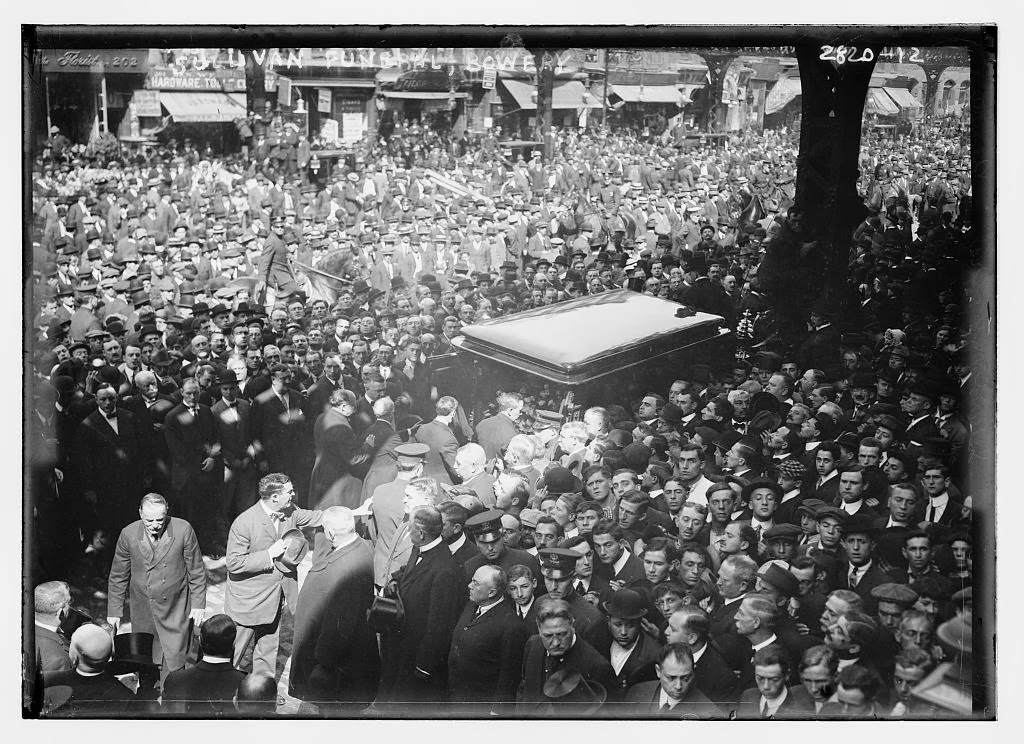
The death of Big Tim Sullivan also caused ripples in the mayoral election of 1913. The picture below is of the Bowery, overflowing with mourners.
While Sullivan was out of politics (and in an asylum) by 1913, his sudden and unusual passing had an effect on Tammany Hall supporters, throwing another strange event into an already tumultuous year.
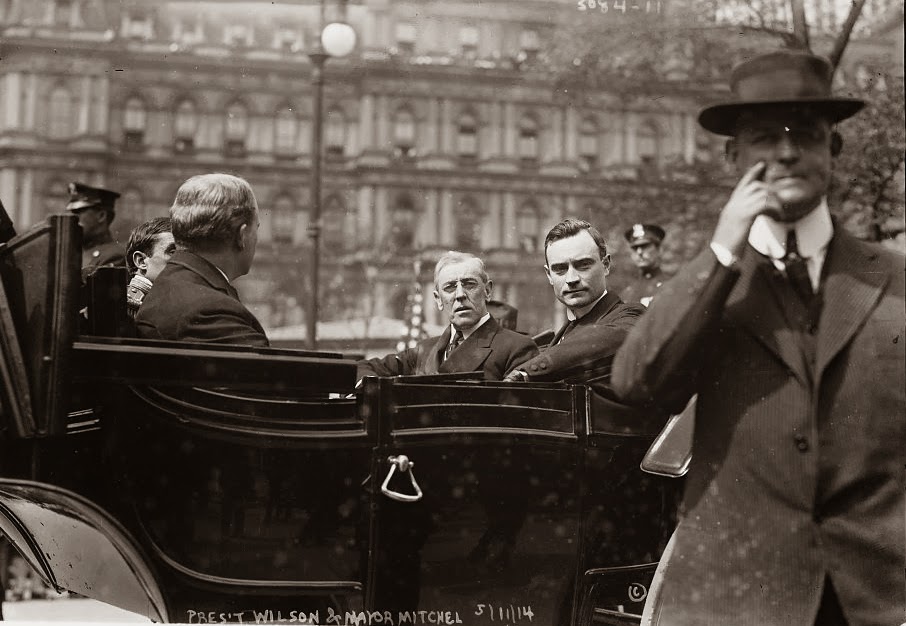
Mayor Mitchel with President Woodrow Wilson in May 1914, at a memorial service for American marines and seamen killed in Veracruz during the Mexican Revolution.
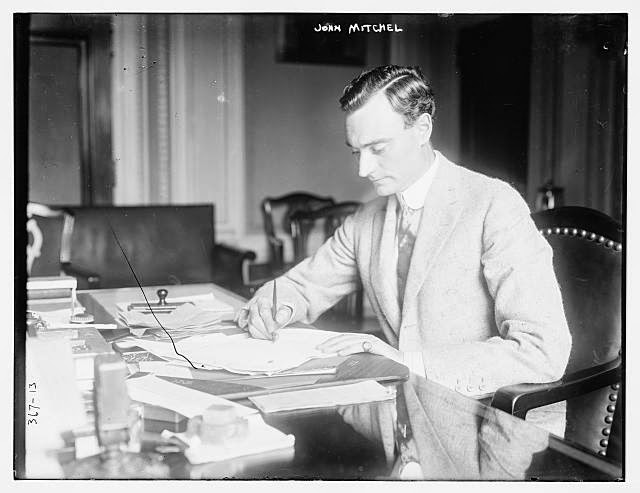
Mitchel at his desk at City Hall, presumably cracking down on some kind of over-expenditure or waste. Or possibly silently suffering from migraine headaches which plagued him during his entire term as mayor.
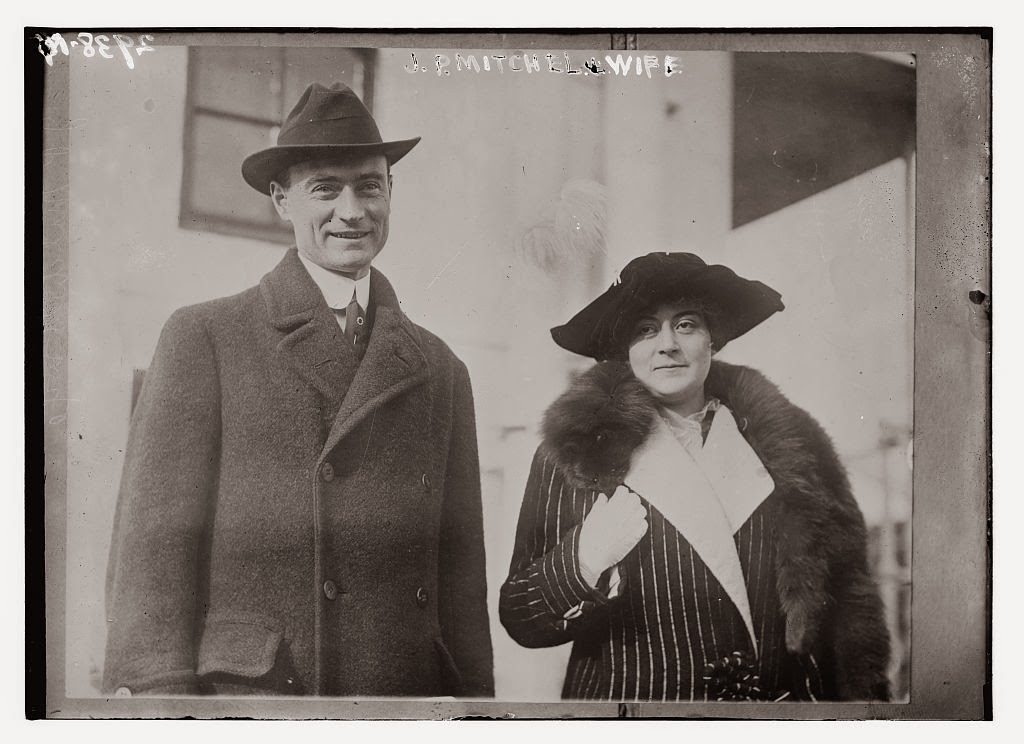
John with his wife Jane.
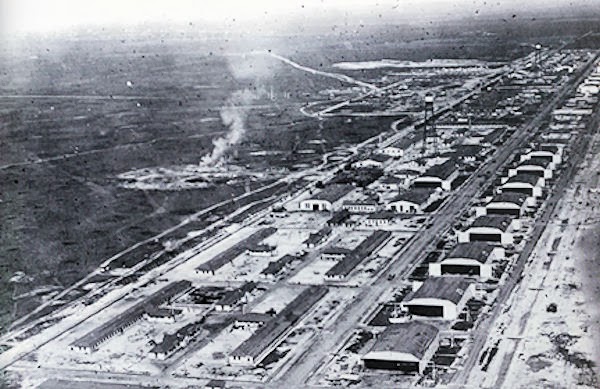
Gerstner Field in Louisiana, where Mitchel had his tragic airplane accident on July 6, 1918.
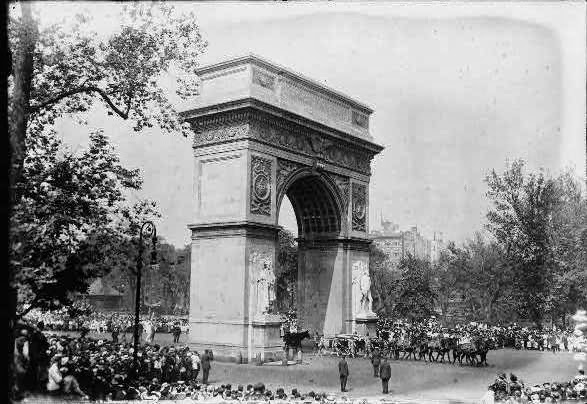
Another New York funeral: The body of John Purroy Mitchel is carried in a procession from City Hall, through the Washington Arch, and up to St. Patrick’s Cathedral.
Theodore Roosevelt, one of the pallbearers at Mitchel’s funeral, leaves St. Patrick’s in this short film by Edison.
The John Purroy Mitchel memorial, near the reservoir in Central Park.
Most pictures above are public domain, courtesy of the Library of Congress
The history of New York City — as told through the stories of its oldest bars.
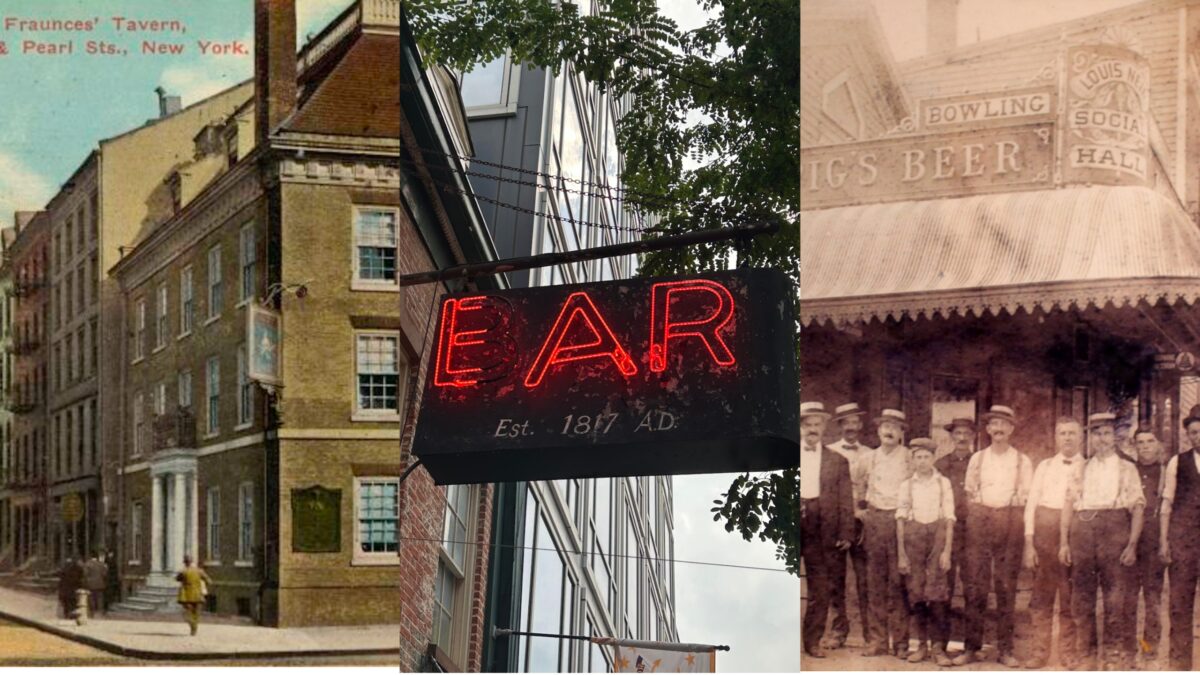
We’ve put together the ultimate New York City historic bar crawl, a celebration of the city’s old taverns, pubs, and ale houses with 18th- and 19th-century connections. And throughout this two-part mini-series, you’ll learn so much about the city’s overall history — from its changing shoreline to the everyday lives of its working-class immigrant populations.
Being an old historic bar isn’t just a novel curiosity for history lovers. It can be good for business and many of the most popular landmark pubs literally wear their stories on the walls — framed newspapers and photographs, memorabilia, old clocks, sailors’ caps and fedoras.
The history of old bars is a little like a ghost story, where a legend has grown up around a historic place, and decades or centuries later, it can be hard to determine the pure truth. In many ways, the myths are as powerful and as interesting as the actual history itself.
In this episode, the first of two parts, Greg and Kieran visit two very different establishments representing the colonial and rustic world of Old New York:
Screenshot
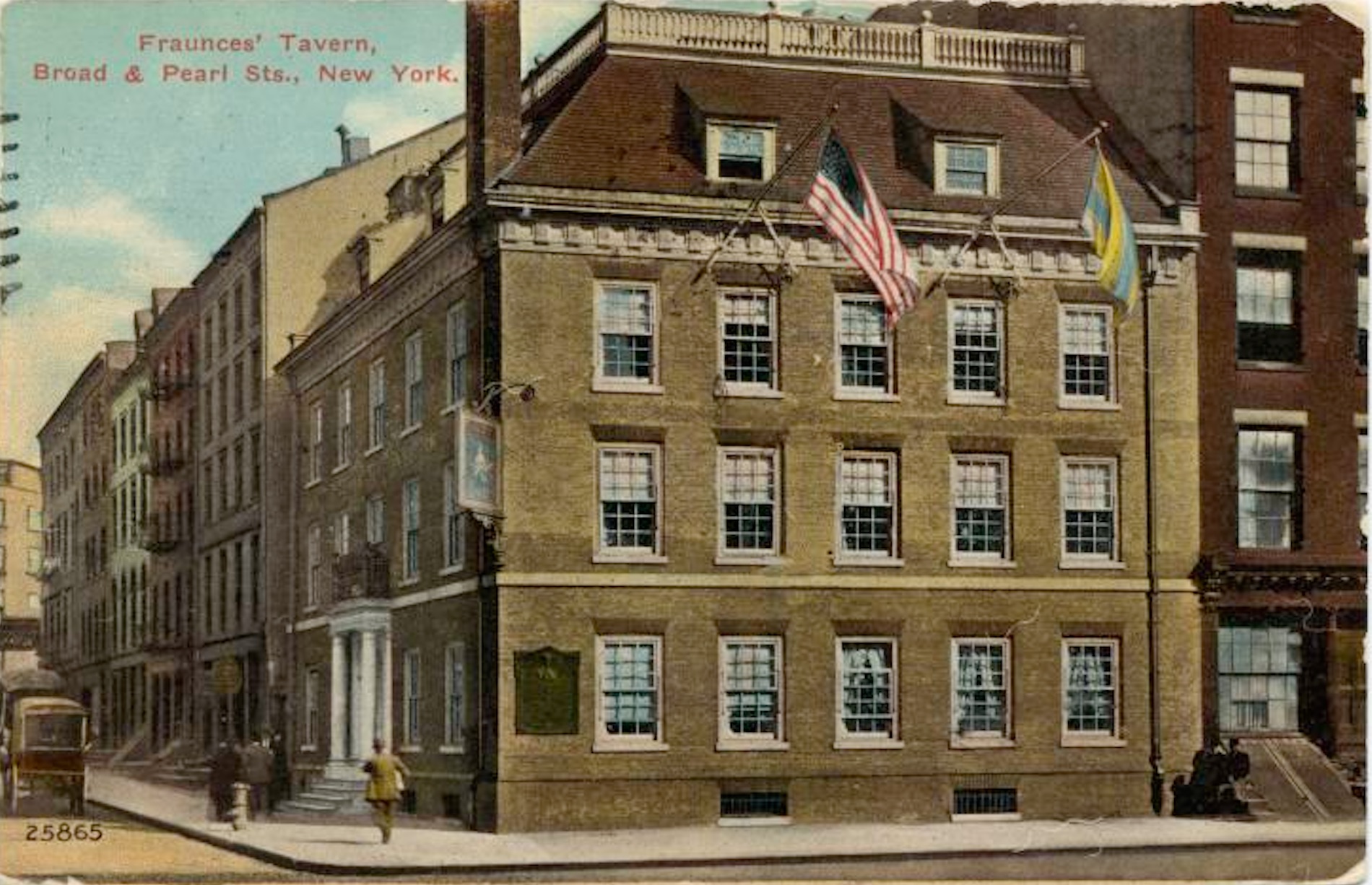
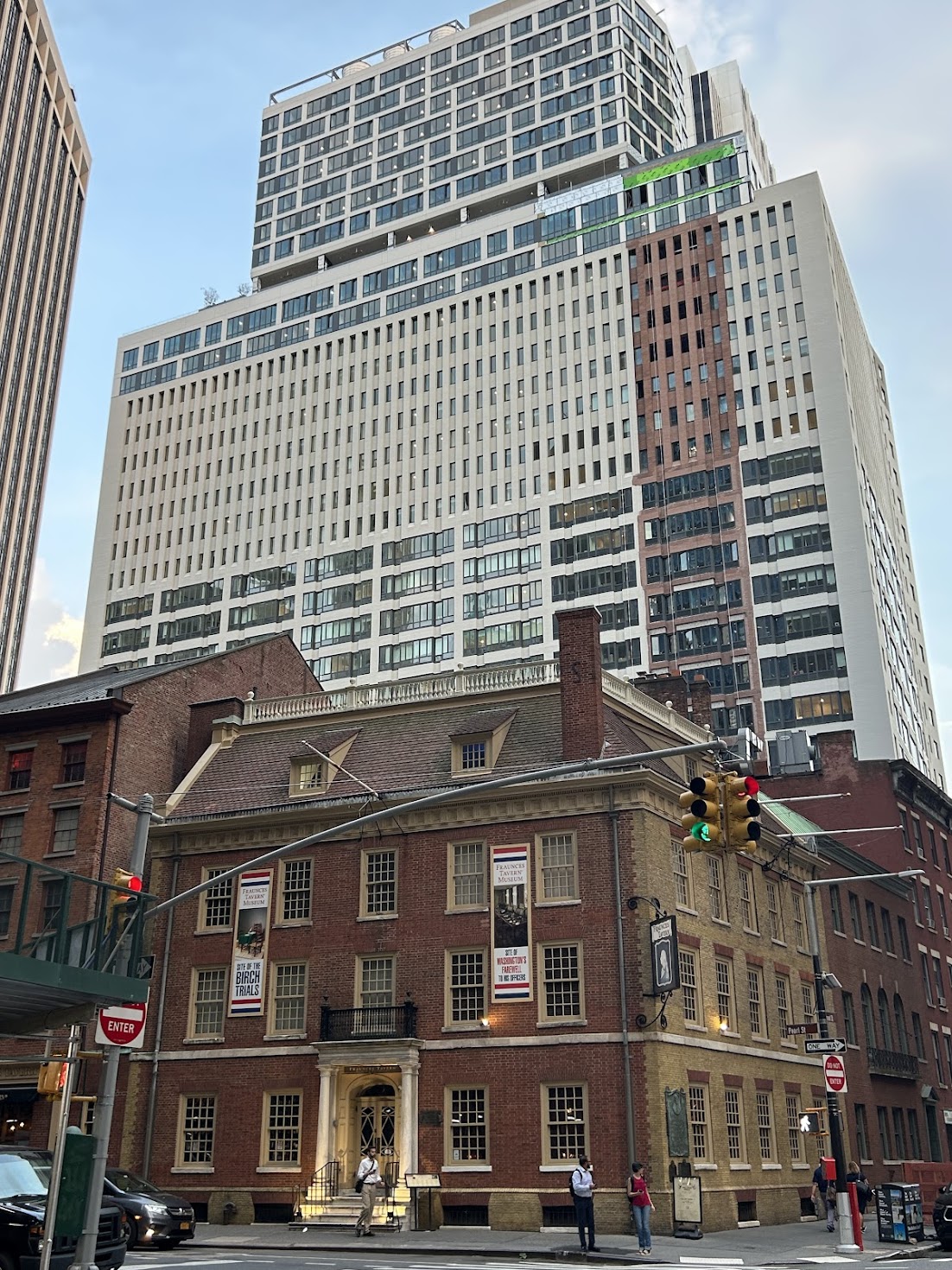
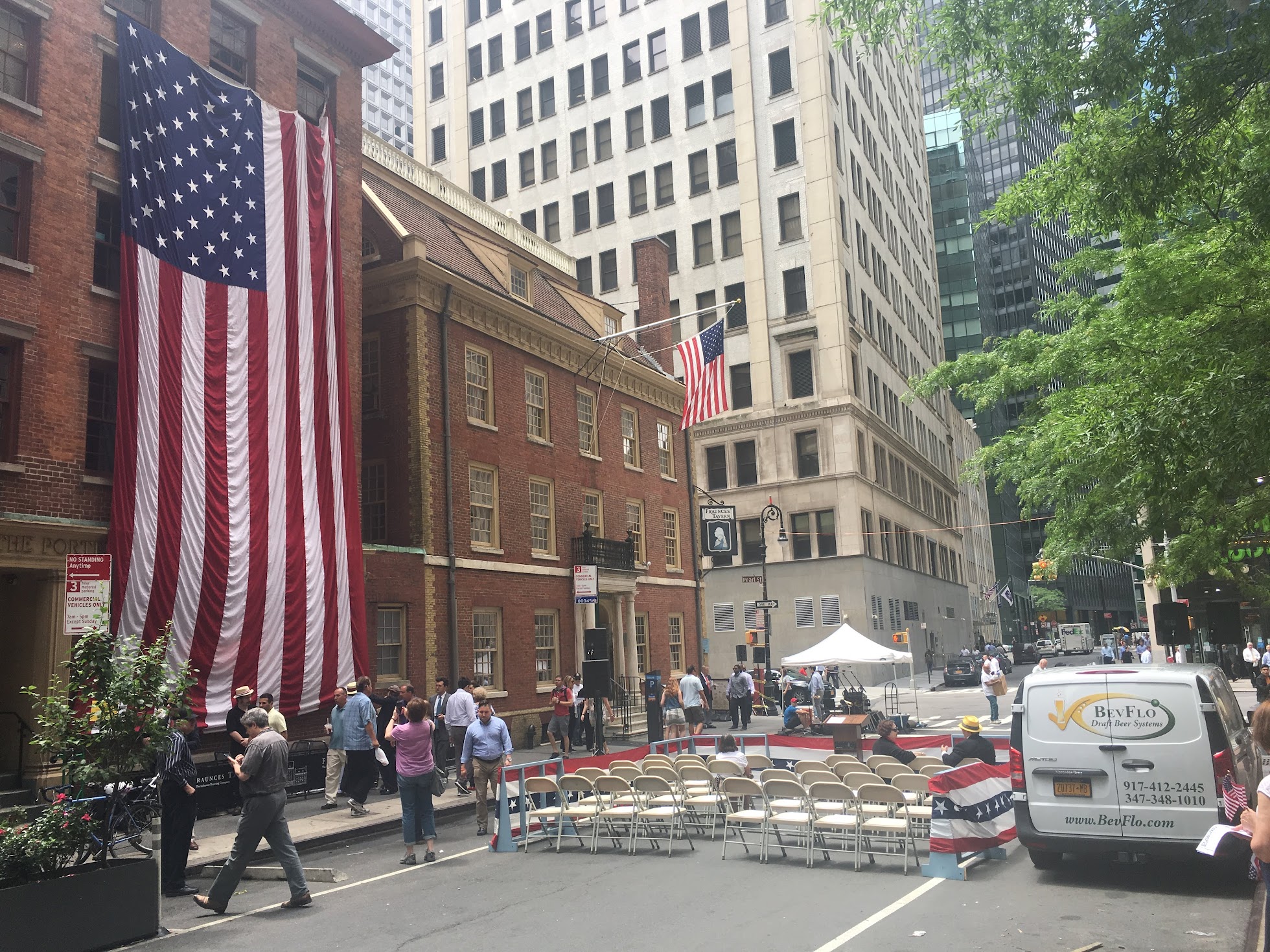
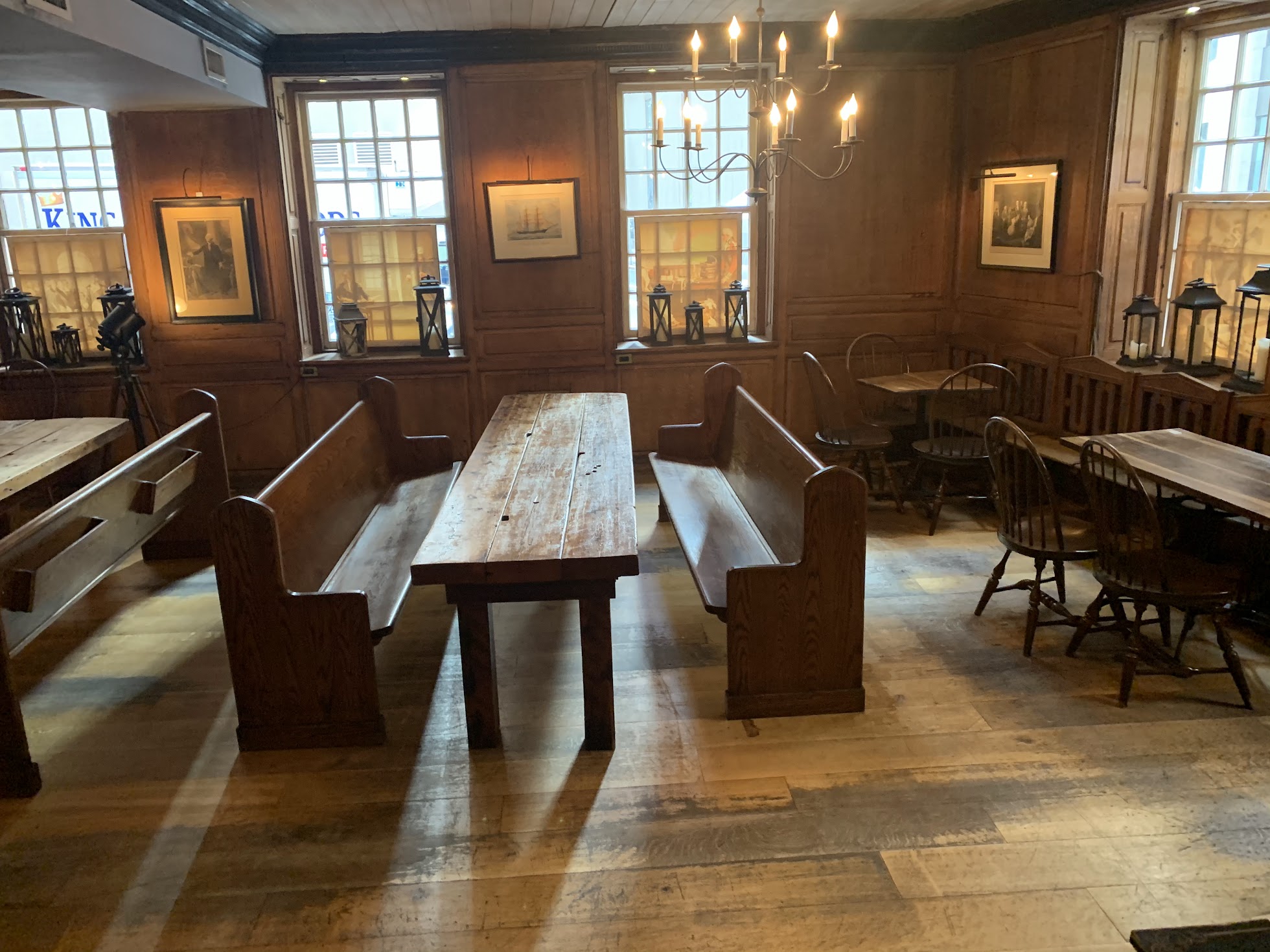
— Fraunces Tavern, one of the most important American landmarks of the Revolutionary War, remains a vibrant spot over 250 years after its stools and tables were occupied with rebellious colonists.
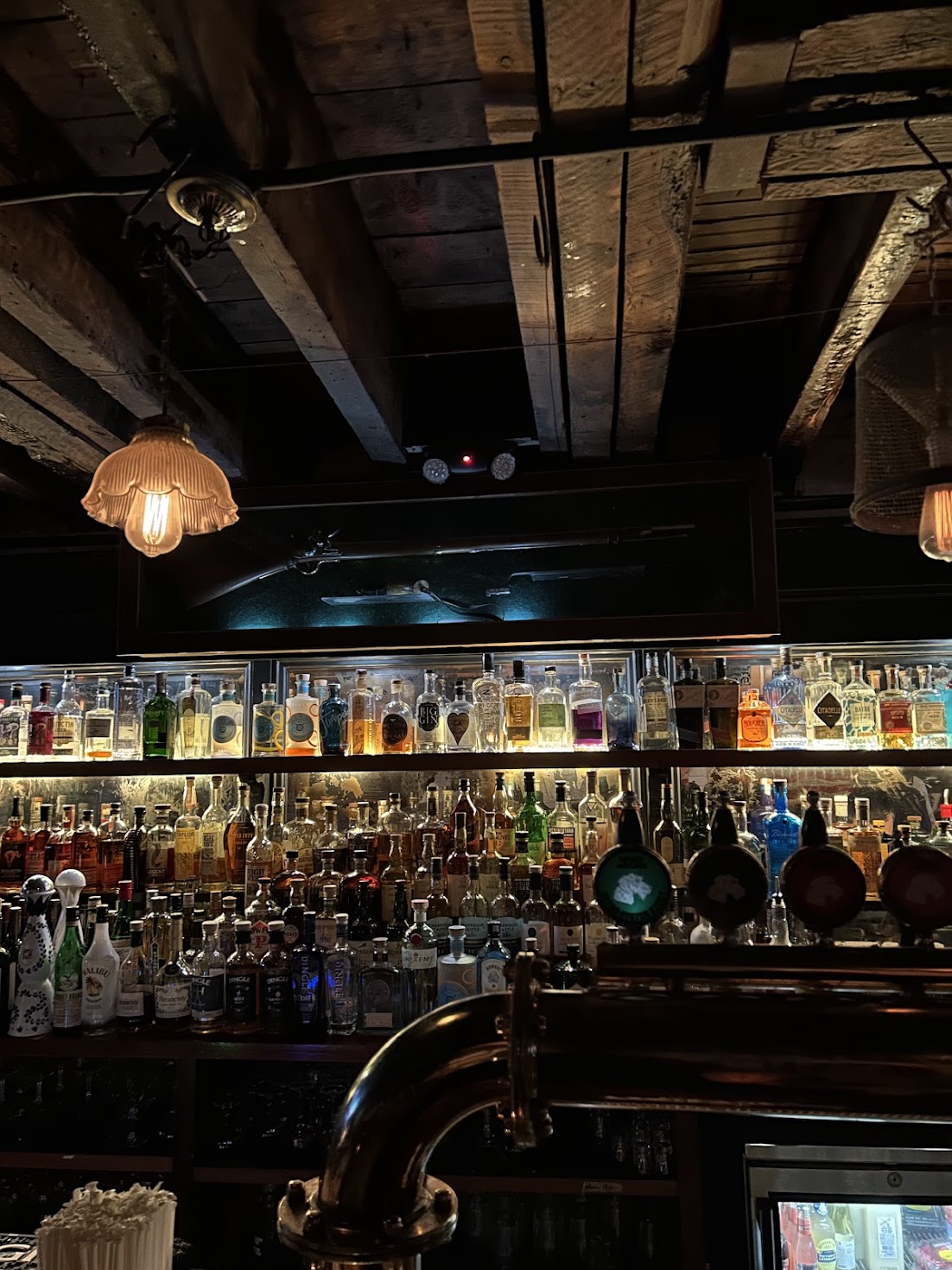
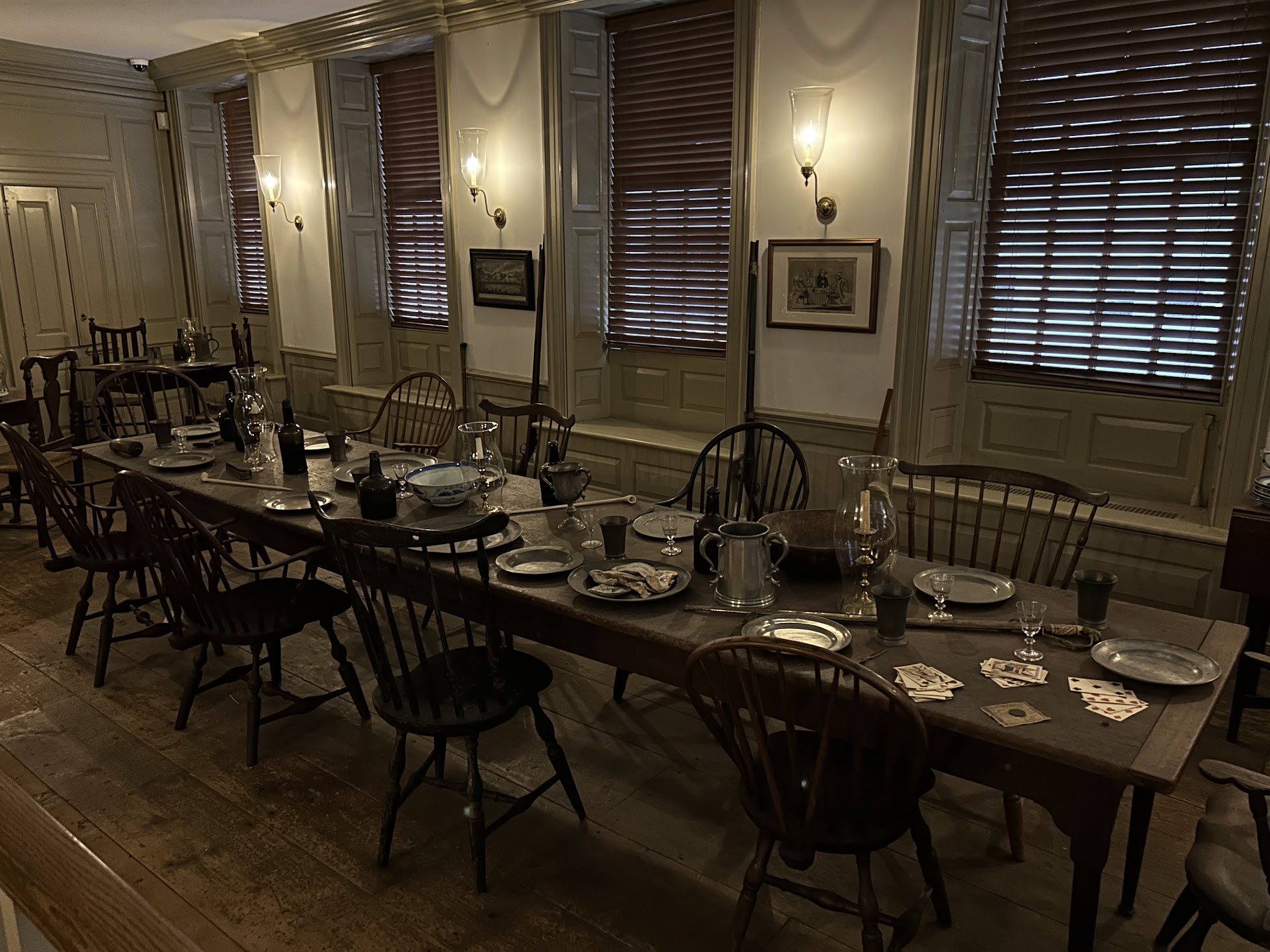
Today, its history lovers and workers from the Financial District who enjoy its labyrinthine bar and dining rooms, while upstairs an impressive museum celebrates the tavern’s many eras of greatness.
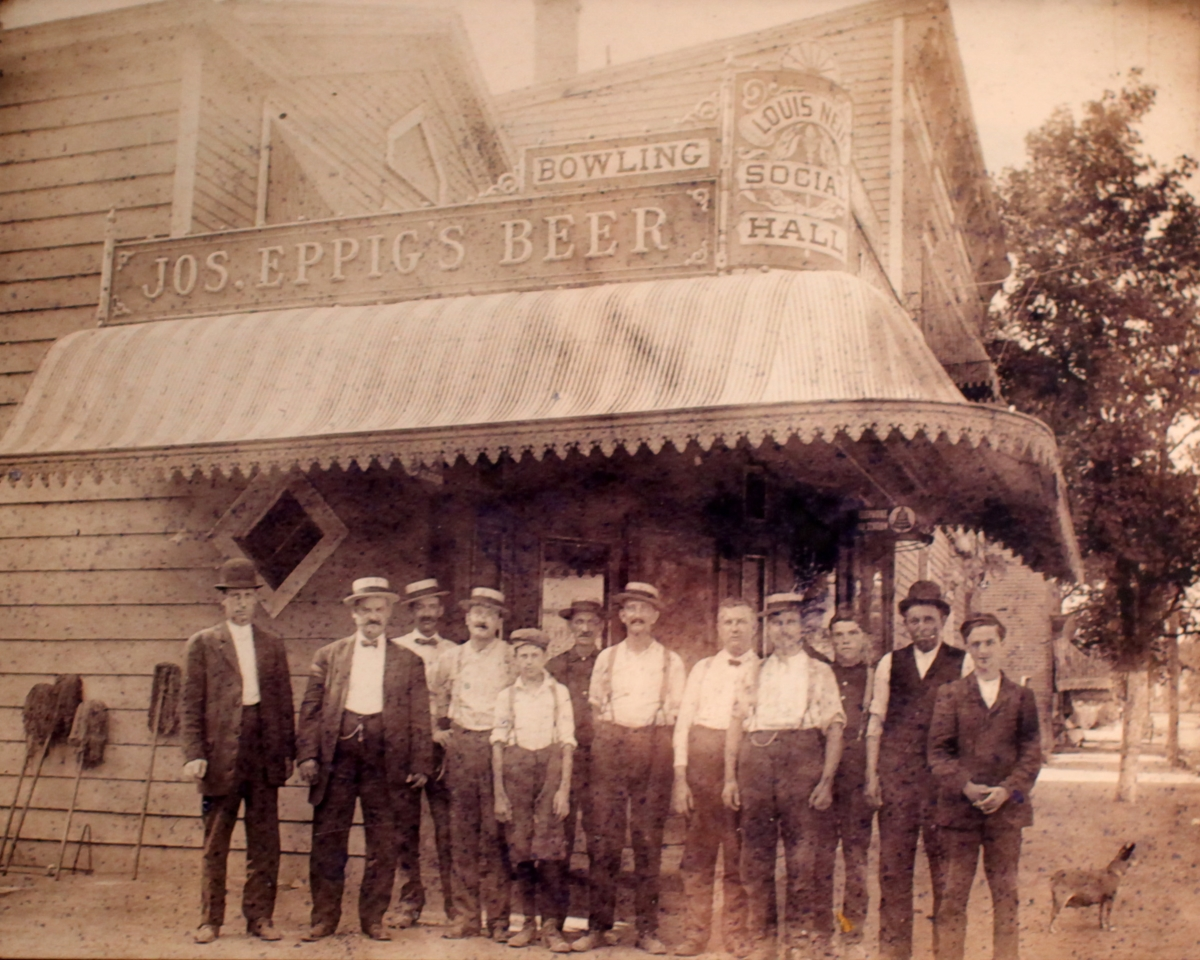
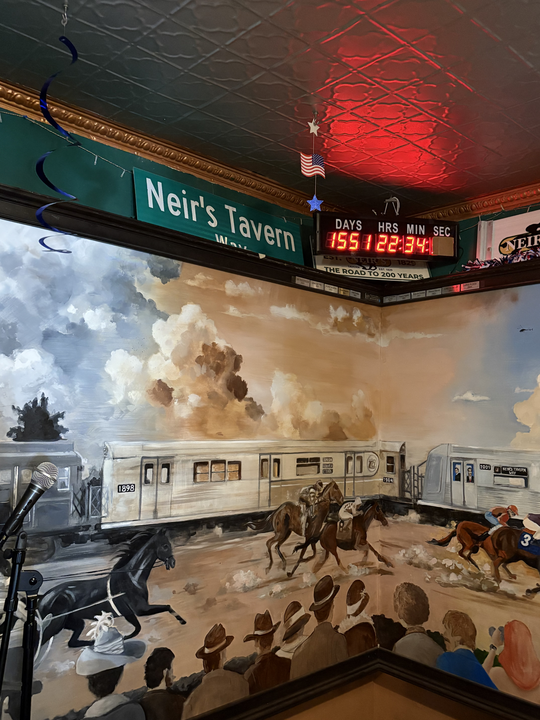
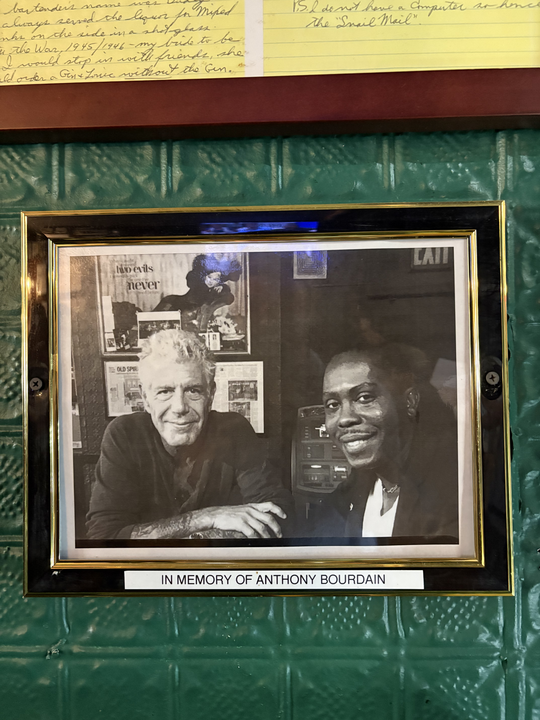
— Neir’s Tavern, in the quiet residential neighborhood of Woodhaven, Queens, once sat next to the popular Union Race Course, one of the key American sports venues of the early 19th century. Horse-racing remains in the bar’s DNA — in its insignia and on its walls.
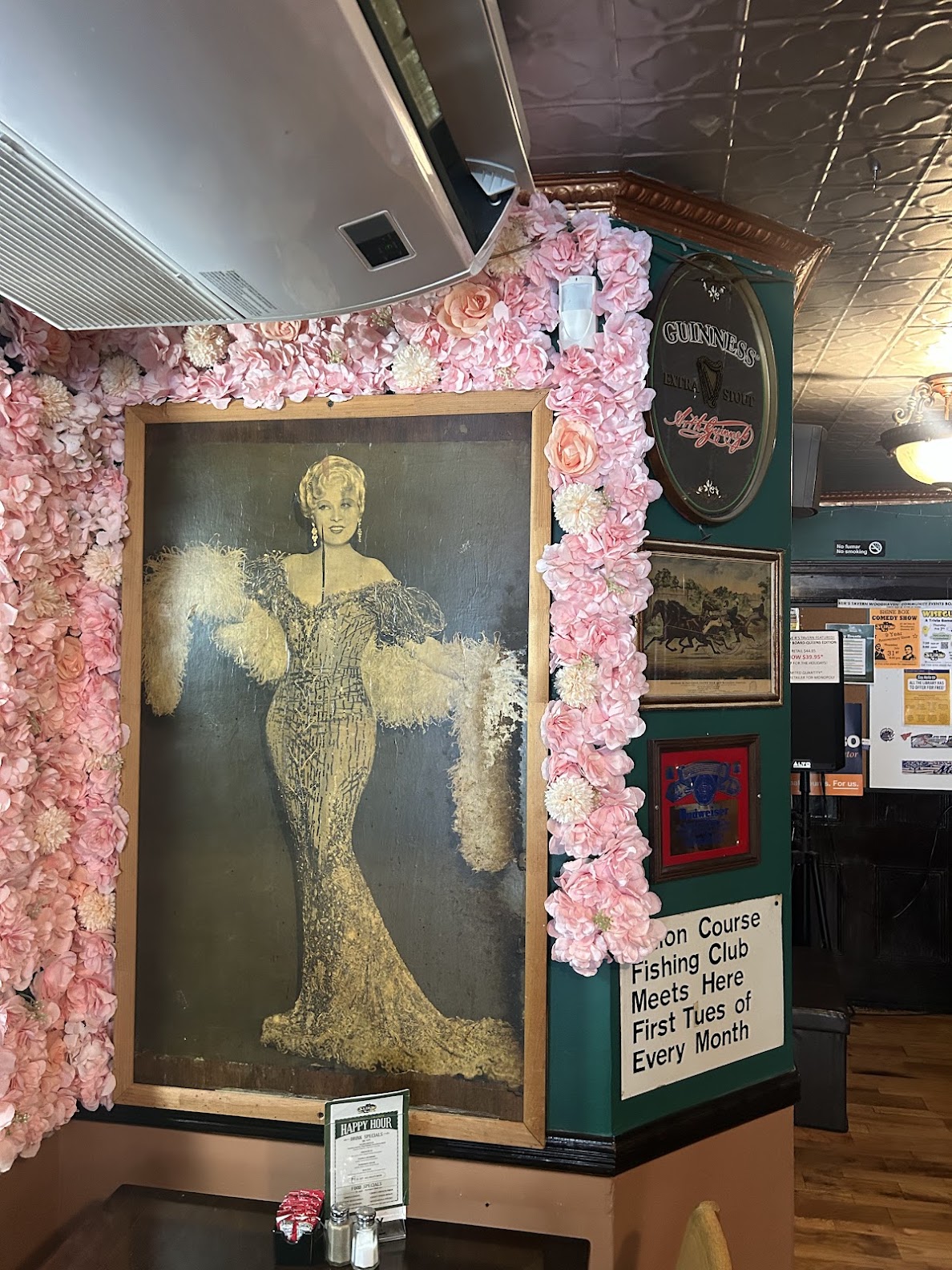
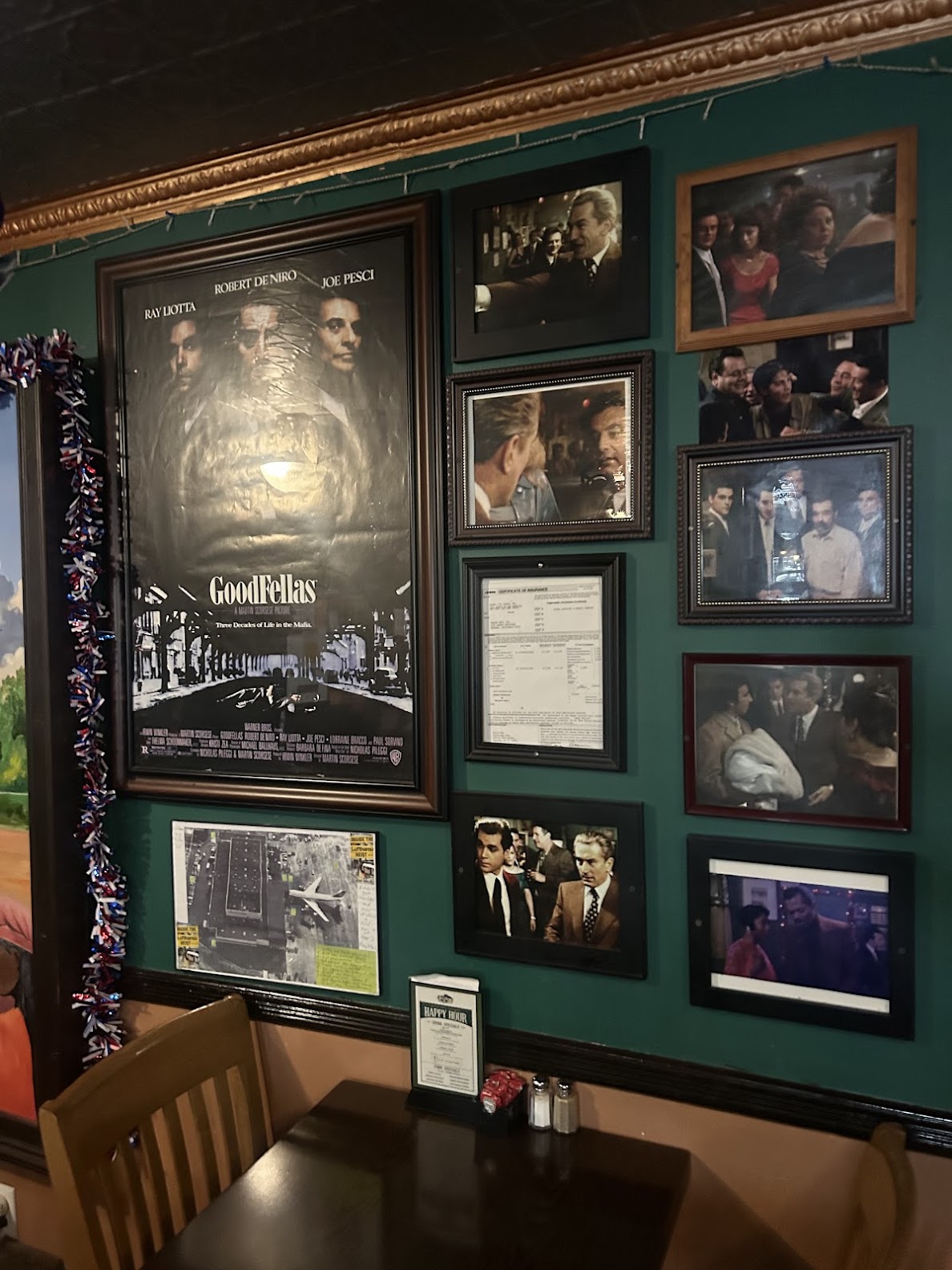
But this surprising spot may be better known for its connections to sassy queen of comedy Mae West and to the iconic Martin Scorsese film Goodfellas, which was filmed here.
PLUS: One of our favorites — the Ear Inn! AND we tell you with absolute certainty the location of the oldest tavern structure in New York City. You can’t drink beer there anymore, but next to it, you can grab a coffee and a croissant.
LISTEN NOW: THE OLDEST BARS IN NEW YORK CITY PART ONE
COMING UP NEXT WEEK: Part Two featuring two mid 19th century drinking establishments beloved by writers. And we fill out the entire list of the oldest bars in New York City
The Bowery Boys Podcast is proud to be sponsored by Founded By NYC, celebrating New York City’s 400th anniversary in 2025 and the 250th anniversary of the United States in 2026.
Read about all the exciting events and world class institutions commemorating the five boroughs legacy of groundbreaking achievements, and find ways to celebrate the city that’s always making history at Founded by NYC.
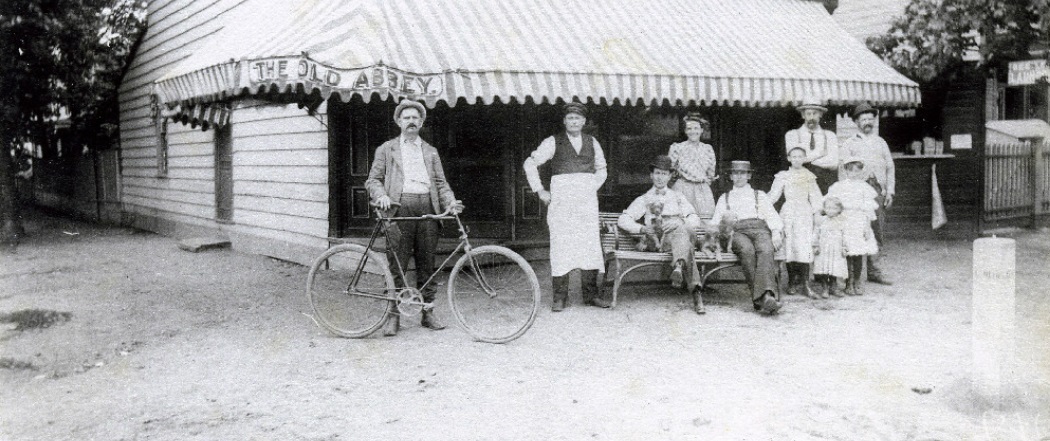
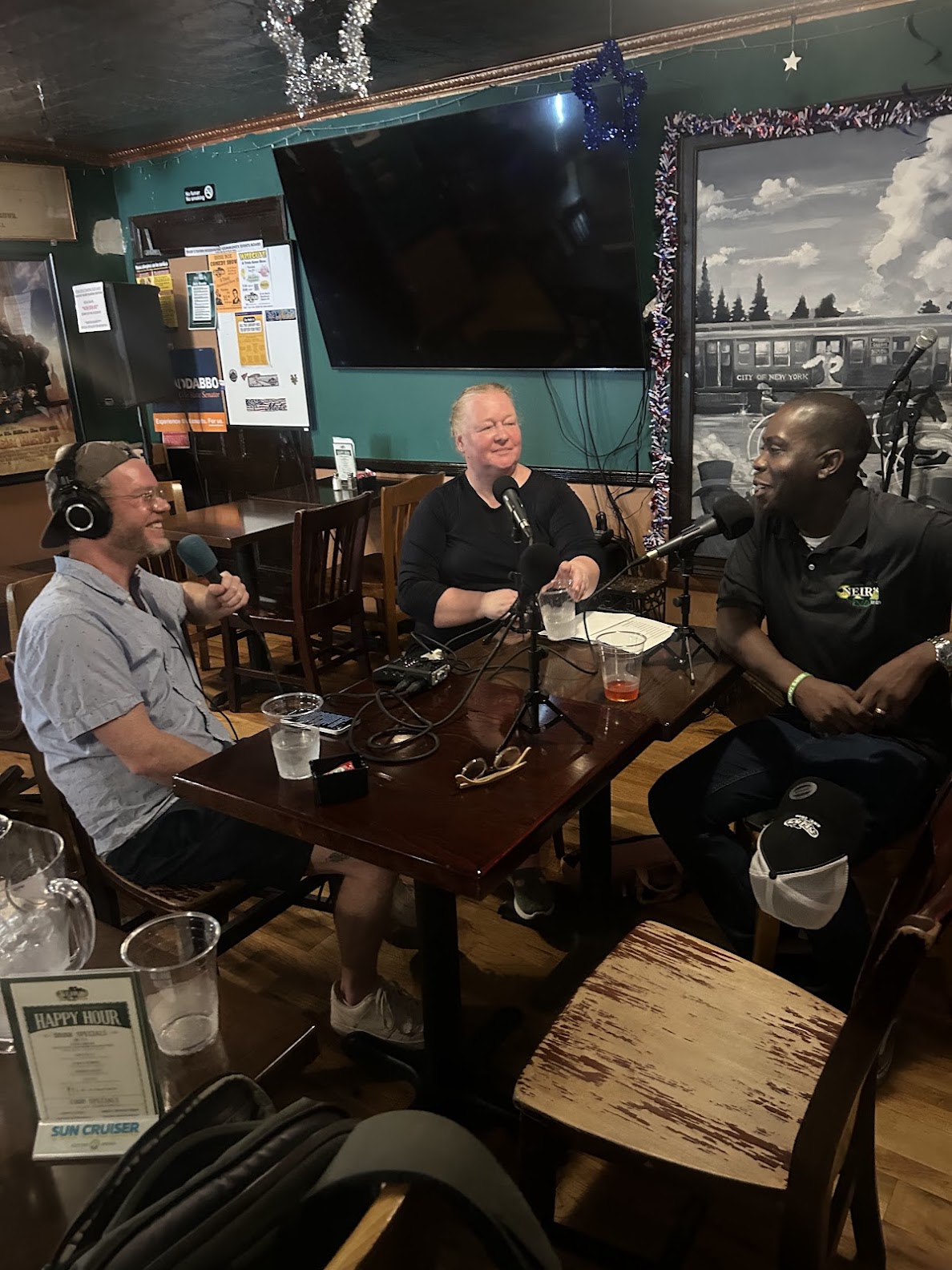
Neir’s, back when it was called the Old Abbey — and back before many streets were paved!Kieran Gannon, Ina Henderson and Loycent Gordon
Courtesy of Garland County Historical Society and Butler Center Books
PODCASTHell’s Kitchen, on the far west side of Midtown Manhattan, is a neighborhood of many secrets. The unique history of this working class district veers into many tales of New York’s criminal underworld and violent riots which have shaken the streets for over 150 years.
This sprawling tenement area was home to some of the most notorious slums in the city, and sinister streets like Battle Row were frequent sites of vice and unrest. The streets were ruled by such gangs as the Gophers and the Westies, leaving their bloody fingerprints in subtle ways today in gentrified buildings which at one time contained the most infamous speakeasies and taverns.
We break down this rip-roaring history and try to get to the real reason for its unusual name!
The Bowery Boys: New York City History podcast is brought to you …. by you!
Starting this month, we are doubling our number of episodes per month. Now you’ll hear a new Bowery Boys podcast every two weeks. We’re also looking to improve the show in other ways and expand in other ways as well — through publishing, social media, live events and other forms of media. But we can only do this with your help!
We are now a member of Patreon, a patronage platform where you can support your favorite content creators for as little as a $1 a month.
Please visitour page on Patreon and watch a short video of us recording the show and talking about our expansion plans. If you’d like to help out, there are five different pledge levels (and with clever names too — Mannahatta, New Amsterdam, Five Points, Gilded Age, Jazz Age and Empire State). Check them out and consider being a sponsor.
We greatly appreciate our listeners and readers and thank you for joining us on this journey so far. And the best is yet to come!
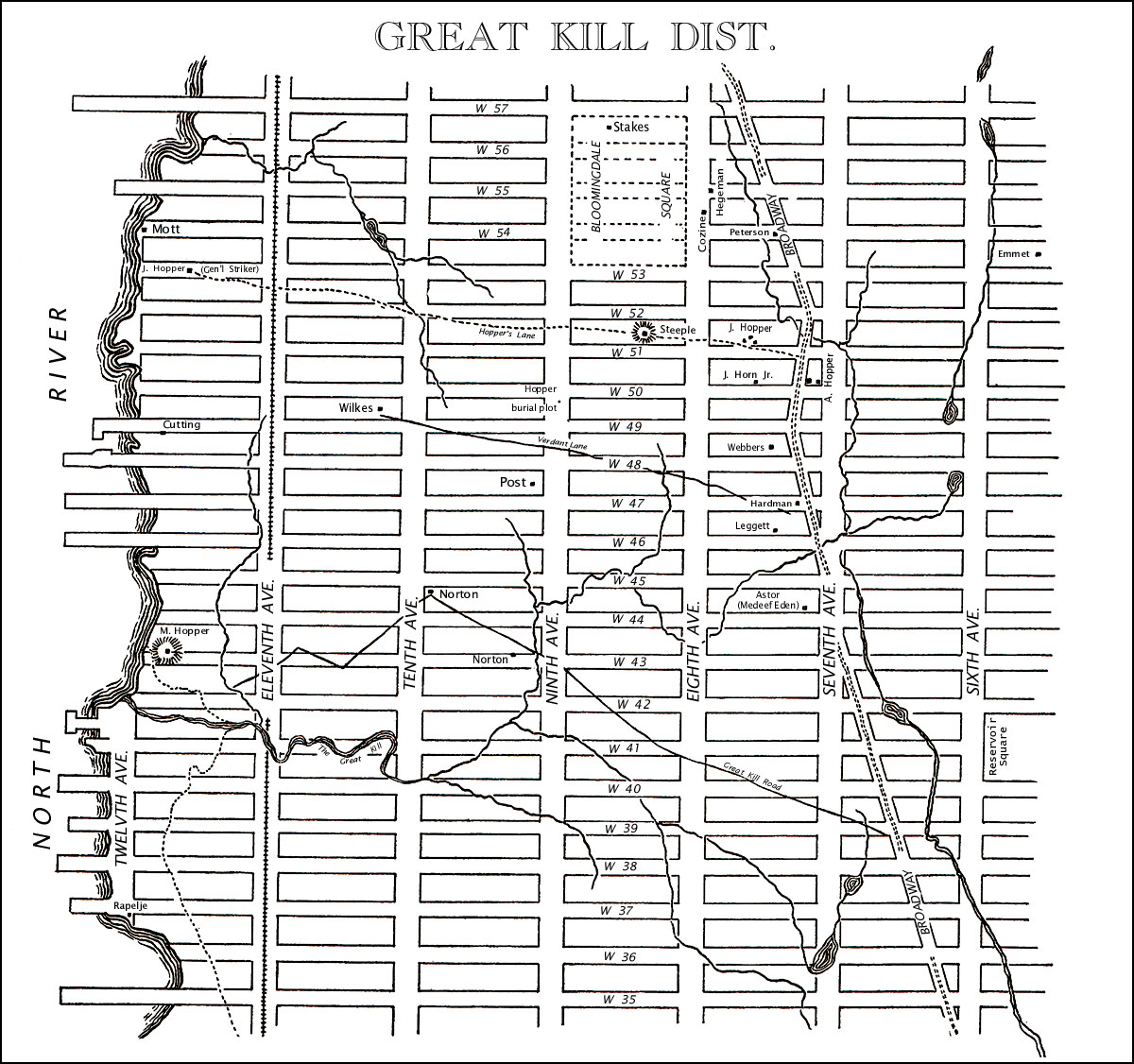
The mysteries begin over 200 years ago when ordered avenues and streets could scarcely be imagined, and the shoreline was a ragged coast.
The Dutch later called it the Great Kill District, for the creek which emptied into the Hudson River (North River) at 42nd Street. As you can see from this diagram the shore was evened out with landfill to create 12th Avenue although the inward dip at 43rd Street is still visible on a modern map.
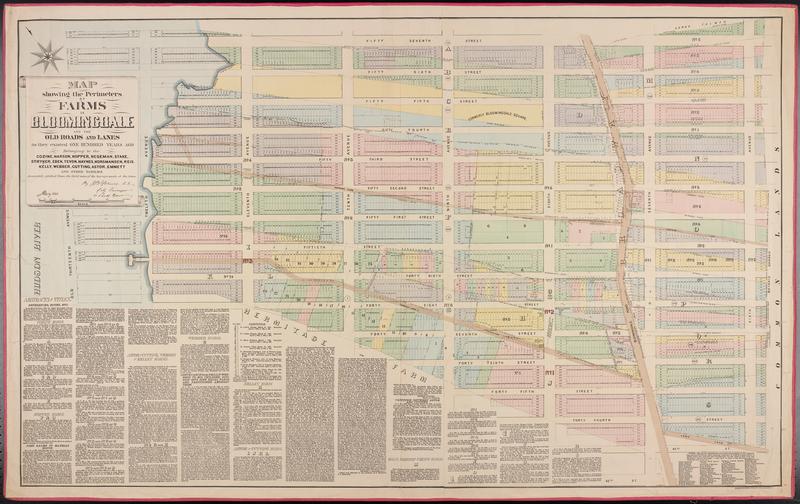
A map (drawn by John Bute Holmes) of the original estate borders of Bloomingdale from the late 18th century. The jagged shore line would later be filled in to make the blocks between 11th and 12th Avenues.
Courtesy Museum of the City of New York
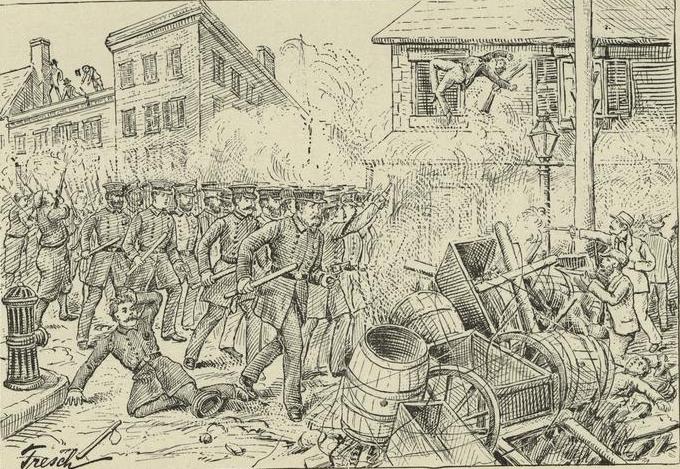
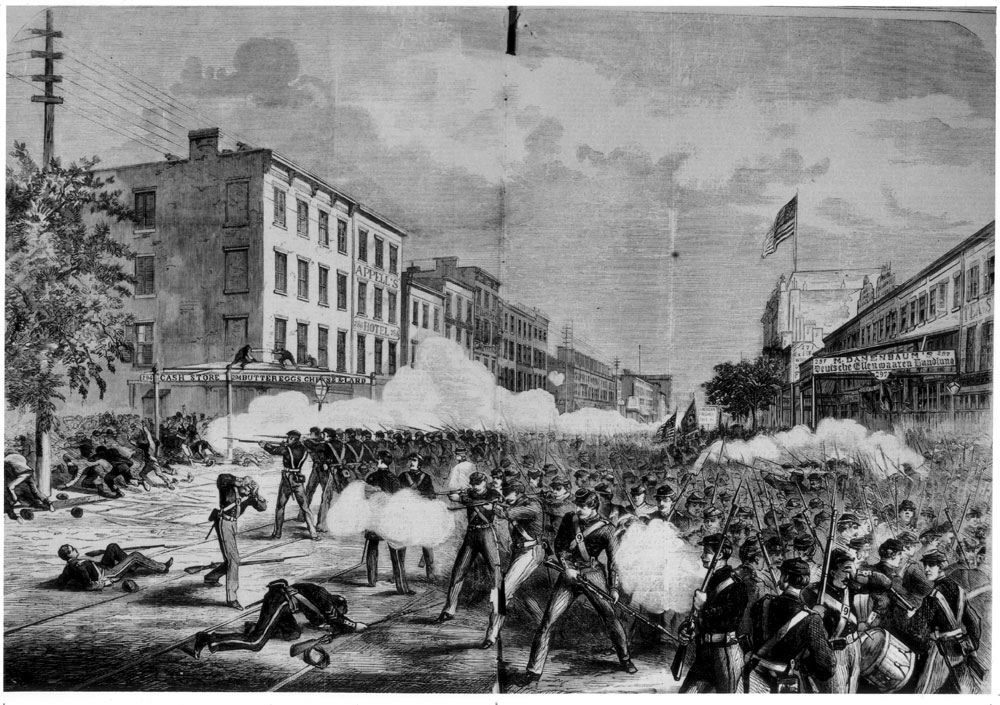
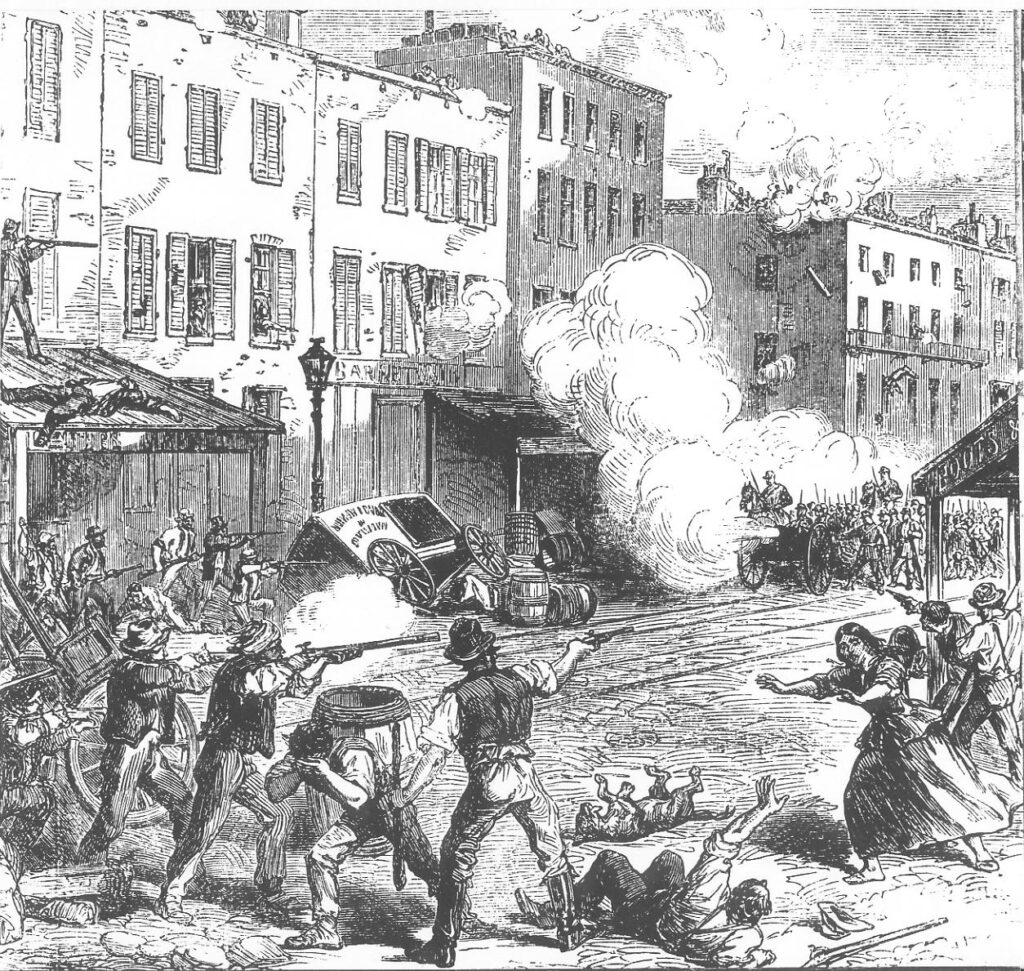
The Ninth Avenue barricades made by rioters in the area of Hell’s Kitchen during the Civil War Draft Riots.
The Orange Riot of July 12 from Eighth Avenue south from 25th street, an 1871 image from Frank Leslie’s Illustrated Newspaper.
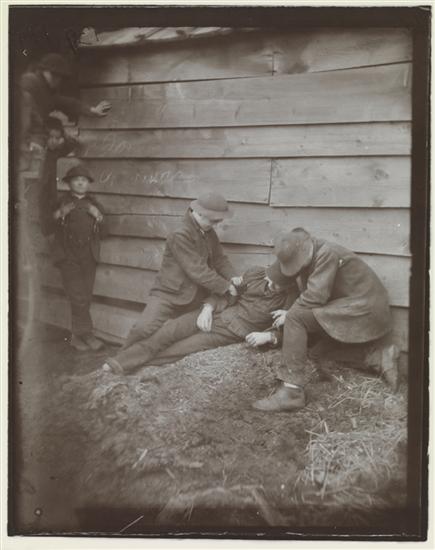
Bad boys: Some Hell’s Kitchen ruffians show Jacob Riis how to rob people who have passed out.
Jacob Riis
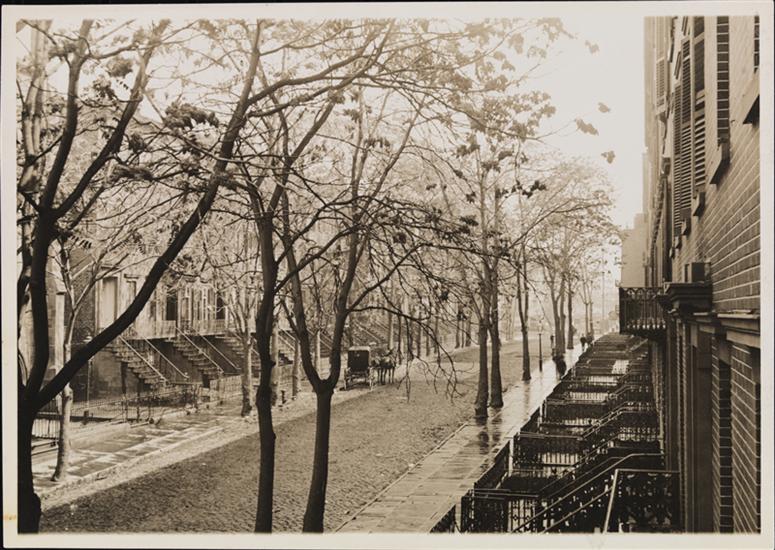
An intriguing shot of 58th Street between 8th and 9th Avenues
Museum of the City of New York
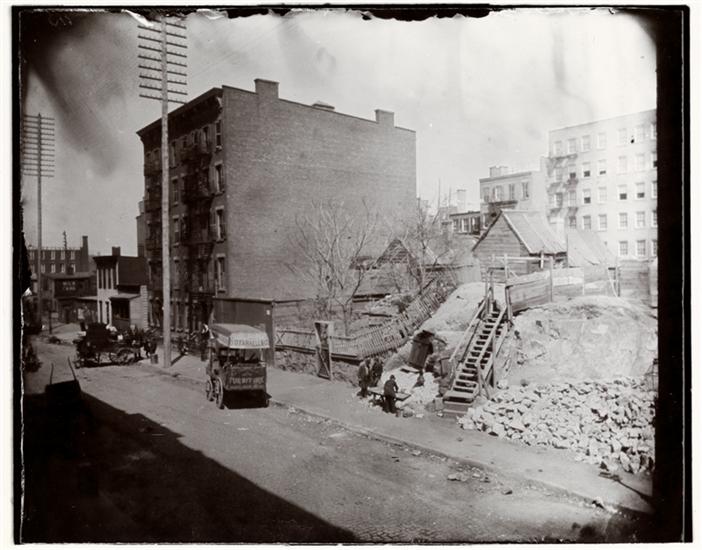
Jacob Riis’ photograph of the Hell’s Kitchen tenement and the remains of Sebastopol (the rocks), 1890
Photo by Jacob Riis
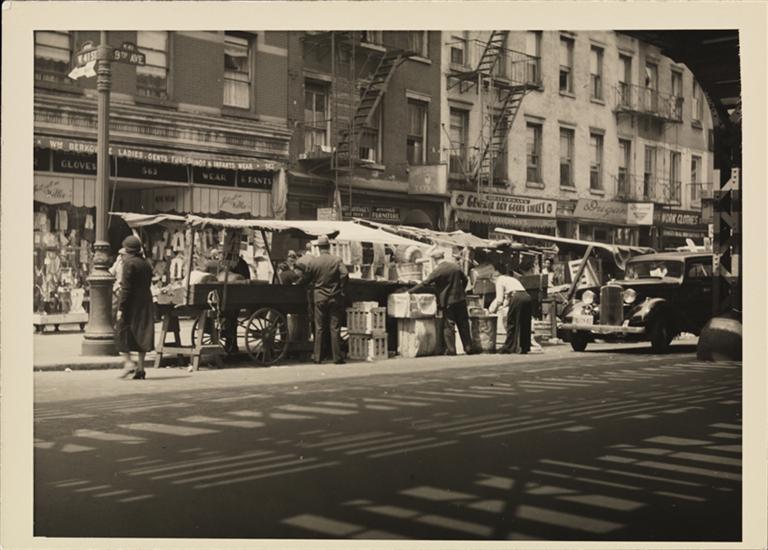
Street vendors under the 9th Avenue Elevated Railroad
Museum of City of New York
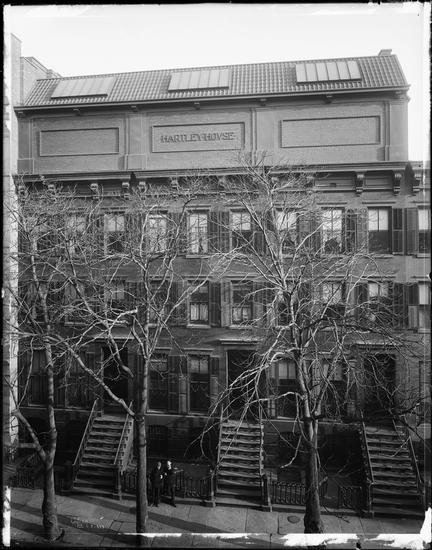
The Hartley House, a settlement house for the Hell’s Kitchen community. on West 46th Street
Museum of the City of New York
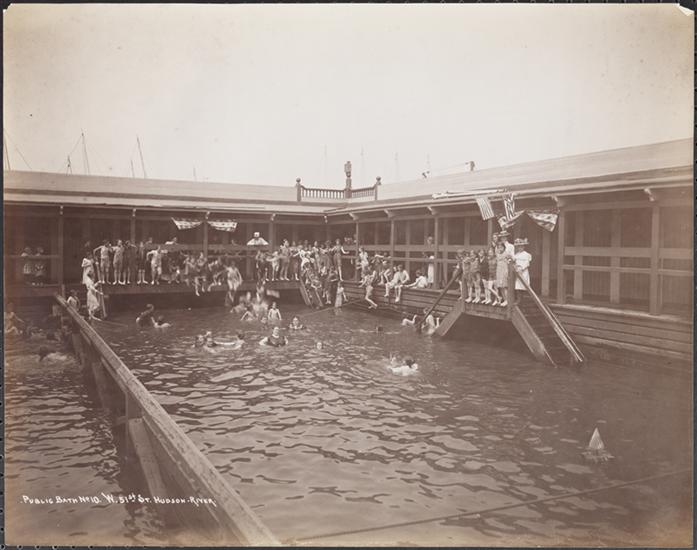
At the recreation pier — a public swimming hole at West 51st Street and the Hudson River.
Museum of the City of New York
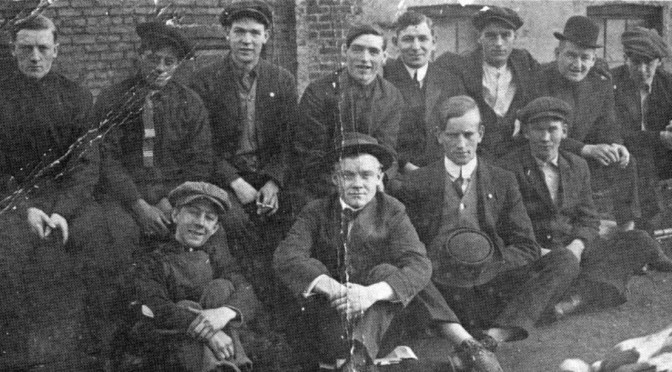
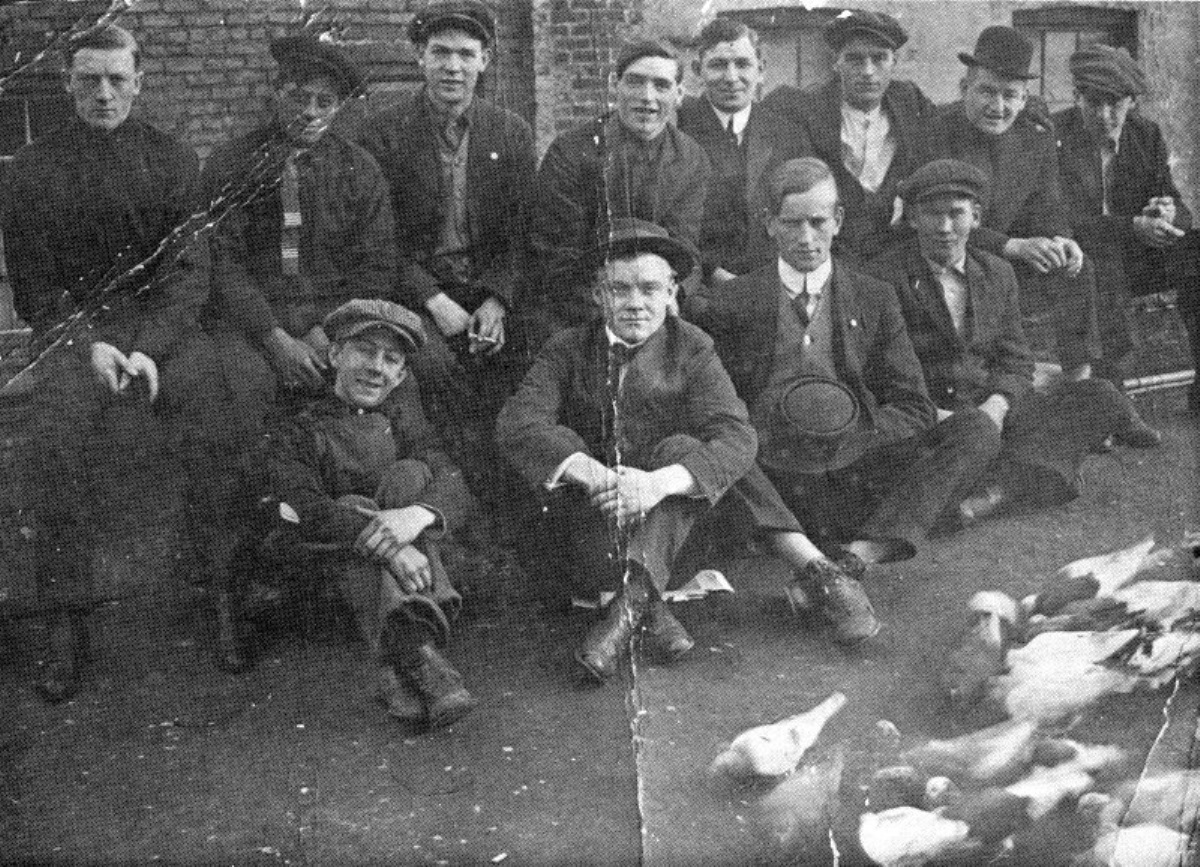
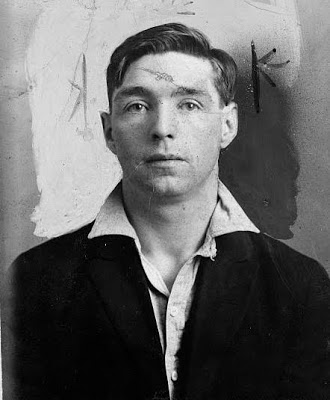
The later configuration of the Gophers. Owney Madden is on the back row, fourth from the left. A very rough and dangerous gang, but don’t they clean up nice?
Courtesy of Garland County Historical Society and Butler Center Books
Owney Madden, the king of the Hell’s Kitchen speakeasy racket.
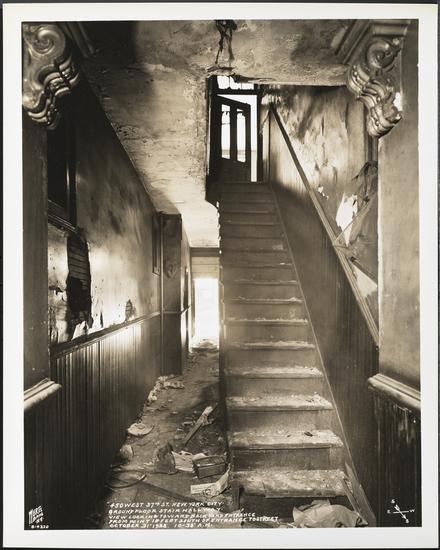
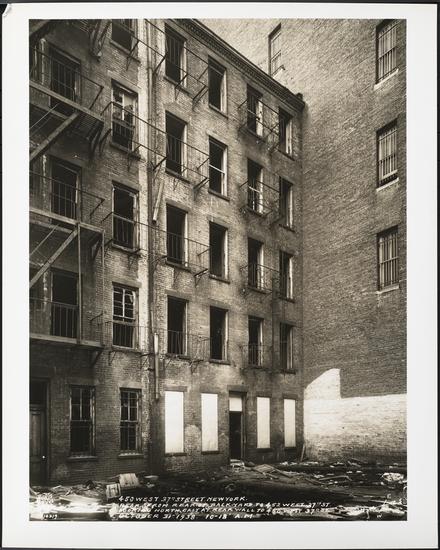
A couple spectacular shots of 1938 slum clearance — eliminating the tenements of 37th Street.
Wurts Brothers. Museum of the City of New York
Wurts Brothers. Museum of the City of New York
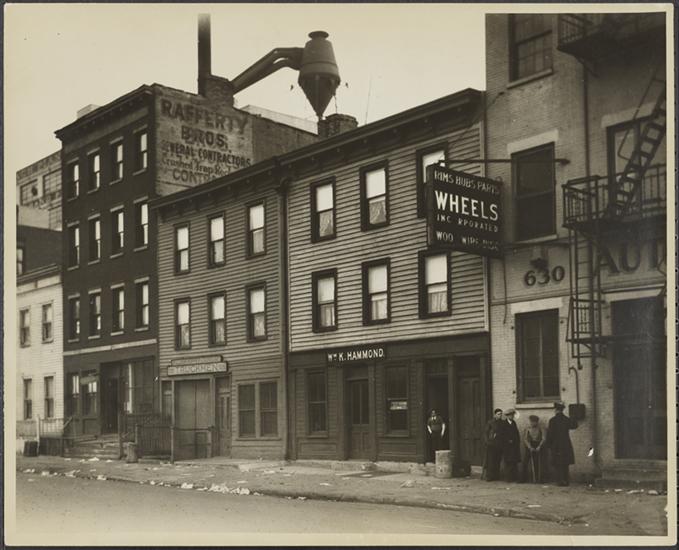
Businesses on West 52nd Street, facing into DeWitt Clinton Park. It’s likely that William Hopper & Sons Truckmen at no. 626 probably traces itself back to the original Hopper land owners. Photograph by Charles von Urban
Courtesy Museum of the City of New York
The entrance to DeWitt Clinton Park (at 54th Street) in 1936
New York Public Library
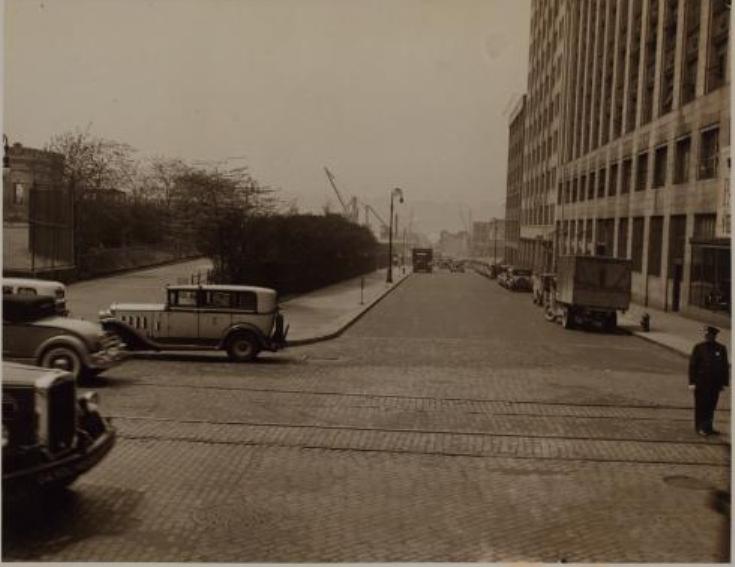
Most of the pressures faced by the Hell’s Kitchen neighborhood came from its perimeter with dramatic changes to the waterfront to its west, Port Authority/Lincoln Tunnel to its south, Madison Square Garden/Times Square to its east and Lincoln Center/Columbus Circle to its north.
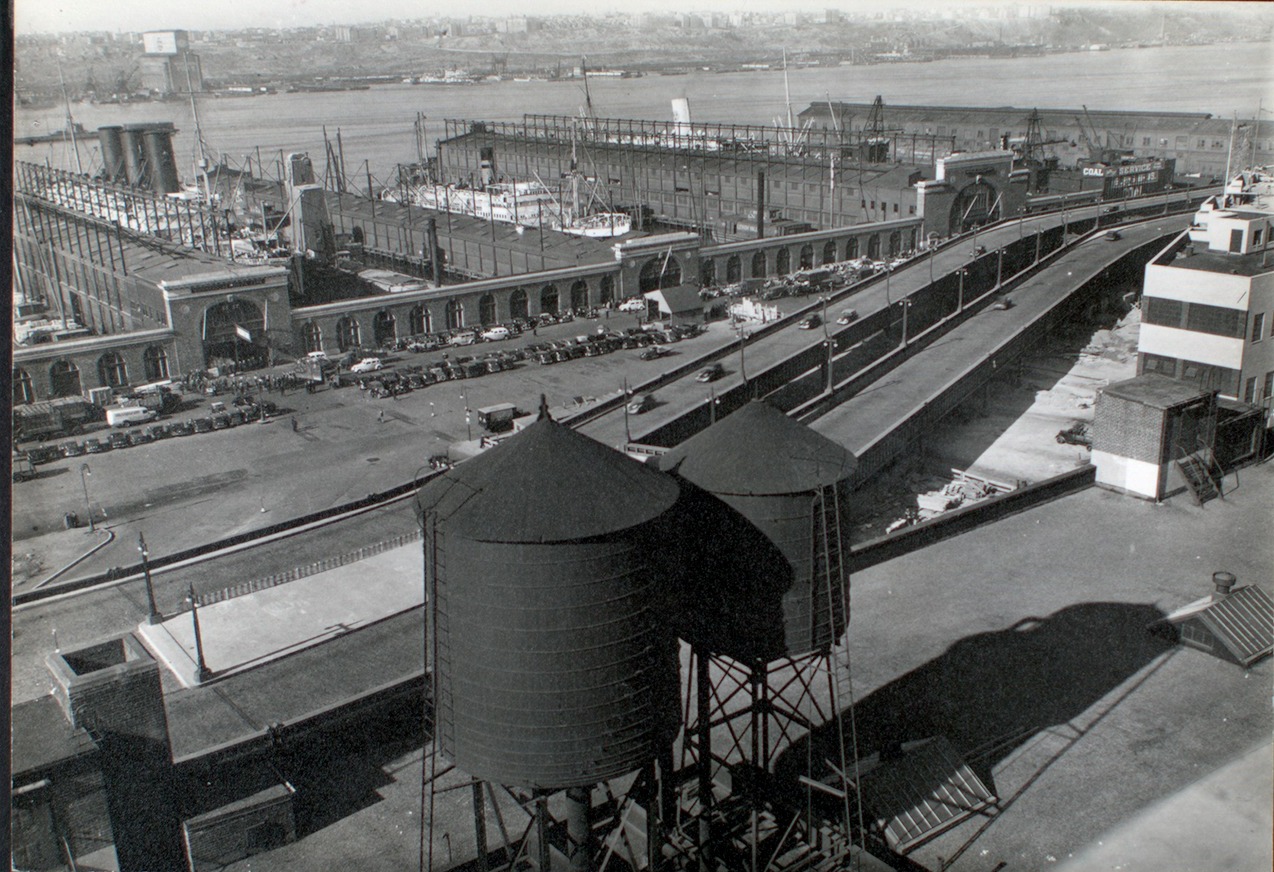
Below: The West Side Highway and piers 95-98, looking west from a roof on West 54th Street
New York Public Library
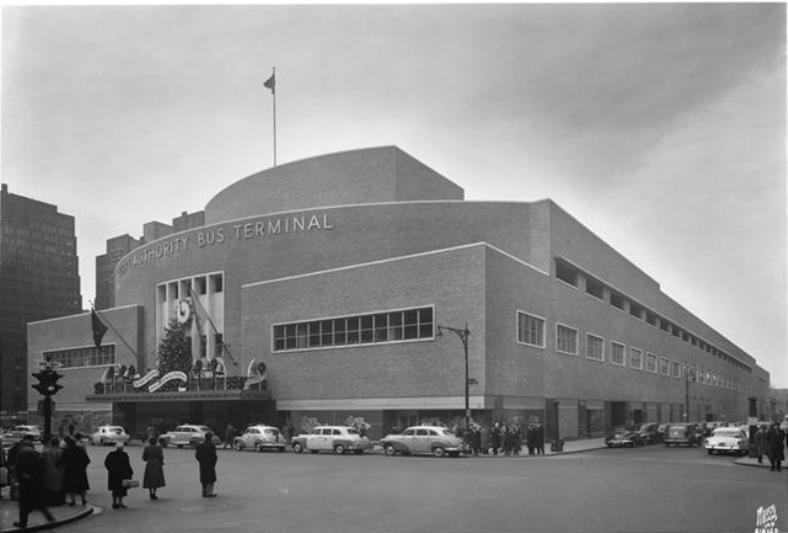
The Port Authority Bus Terminal in 1950, at West 40th and 41st Streets and 8th Avenue.
Wurts Brothers, courtesy Museum of the City of New York
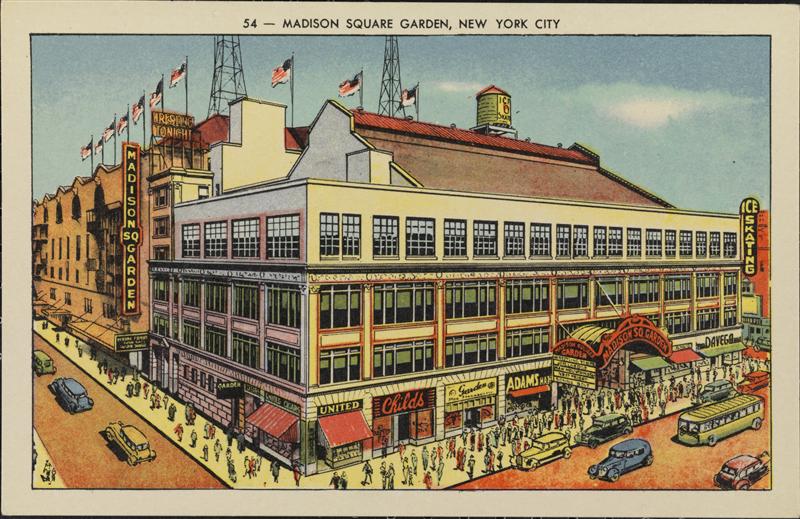
The 8th Avenue Madison Square Garden, as seen in 1935.
Courtesy Museum of the City of New York
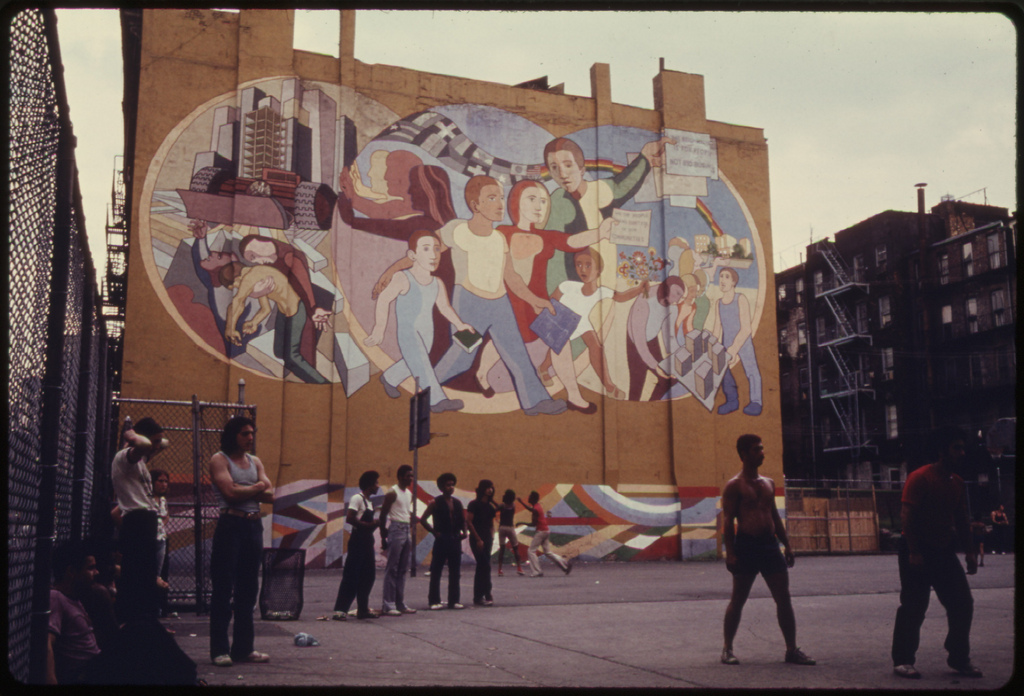
A mural from 1974 — “The Neighborhood Belongs to the People Not Big Business.”
PODCASTA star of the New York City skyline is reborn — the Waldorf Astoria is reopening in 2025!
And so we thought we’d again raise a toast to one of the world’s most famous hotels, an Art Deco classic attached to the Gilded Age’s most prestigious name in luxury and refinement.
Now, you might think you know this story — the famous lobby clock, Peacock Alley, cocktail bars! — but do we have some surprises for you.
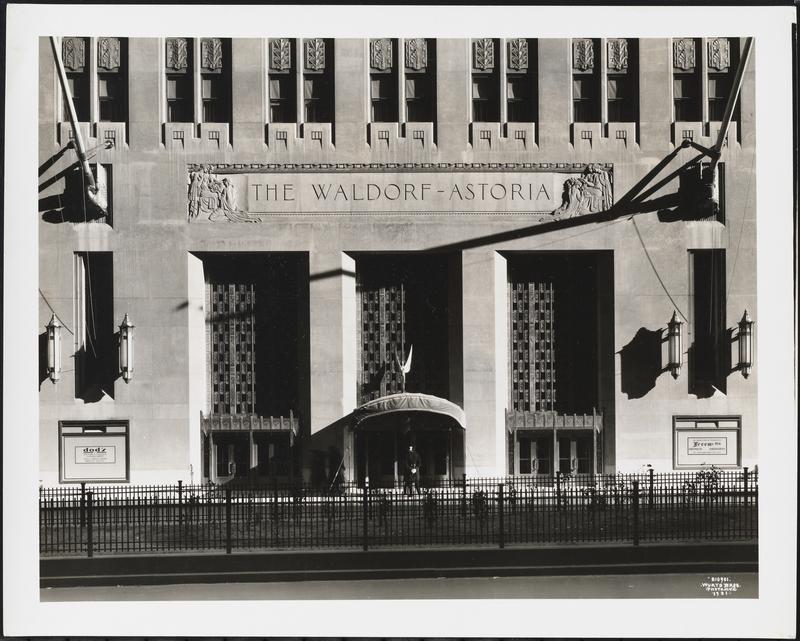
The Waldorf Astoria — once the Waldorf-Astoria and even the Waldorf=Astoria — has been a premier name in hotel accommodations since the opening of the very first edition on 34th Street and Fifth Avenue (the location of today’s Empire State Building).
But the history of the current incarnation on Park Avenue contains the twists and turns of world events, from World War II to recent diplomatic dramas. In essence, the Waldorf Astoria has become the world’s convention center.
Step past the extraordinary Art Deco trappings, and you’ll find rooms which have hosted a plethora of important gatherings, not to mention the frequent homes to Hollywood movie stars.
But its those very trappings — some of it well over a century old — that finds itself in danger today as recent changes threaten to wipe away its glamorous interiors entirely.
LISTEN NOW: THE RETURN OF THE WALDORF ASTORIA
The Bowery Boys: New York City History podcast is brought to you …. by you!
We are now producing a new Bowery Boys podcast every two weeks. We’re also looking to improve the show in other ways and expand in other ways as well — through publishing, social media, live events and other forms of media. But we can only do this with your help!
We are now a member of Patreon, a patronage platform where you can support your favorite content creators for as little as a $1 a month.
Please visitour page on Patreon and watch a short video of us recording the show and talking about our expansion plans. If you’d like to help out, there are five different pledge levels (and with clever names too — Mannahatta, New Amsterdam, Five Points, Gilded Age, Jazz Age and Empire State). Check them out and consider being a sponsor.
We greatly appreciate our listeners and readers and thank you for joining us on this journey so far. And the best is yet to come!
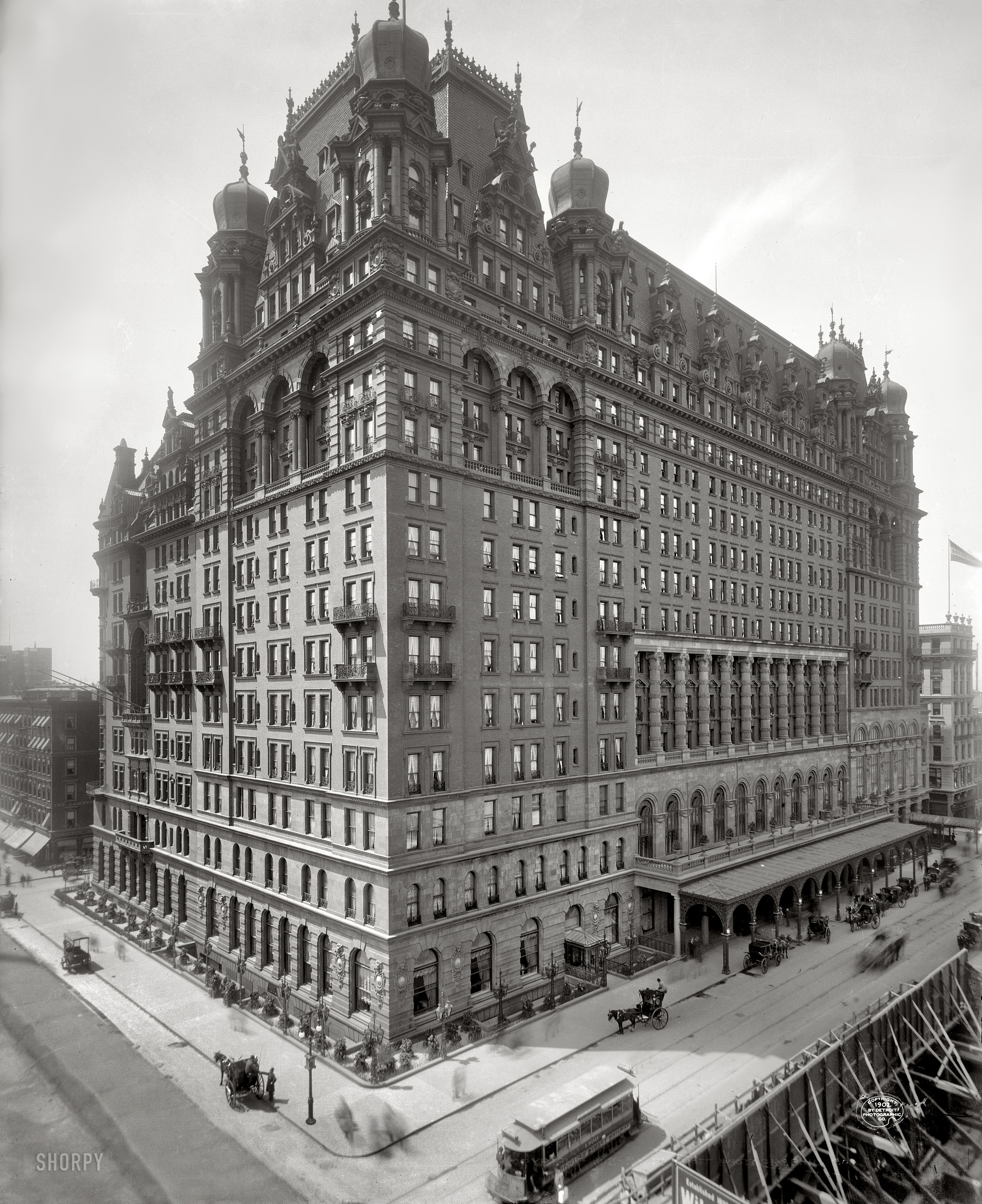
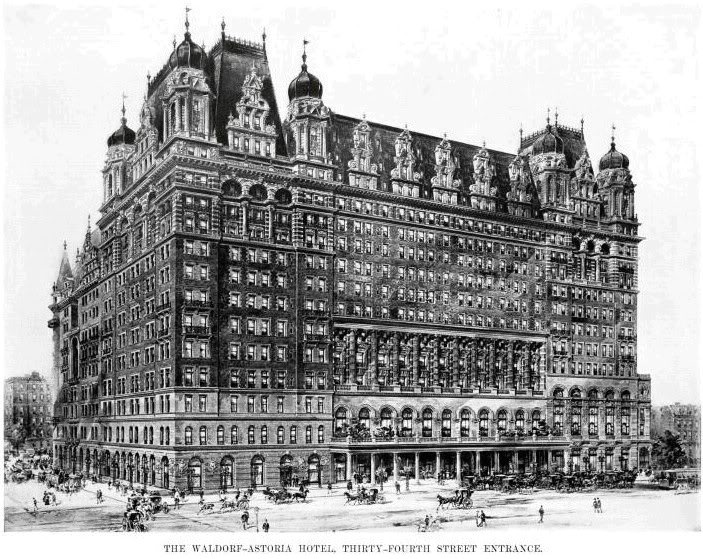
The original Waldorf-Astoria which once sat at 34th Street and Fifth Avenue. The first hotel, the Waldorf, is the shorter one facing 33rd Street.
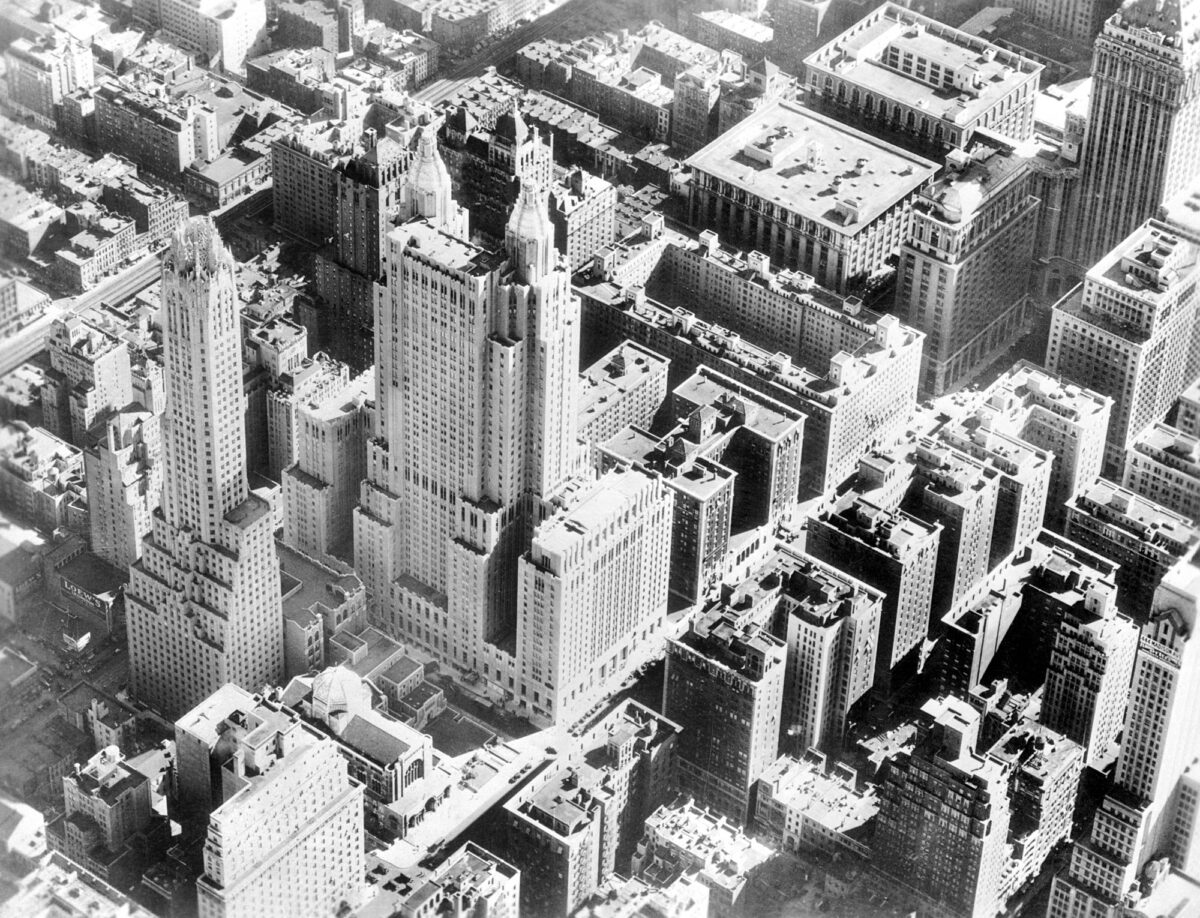
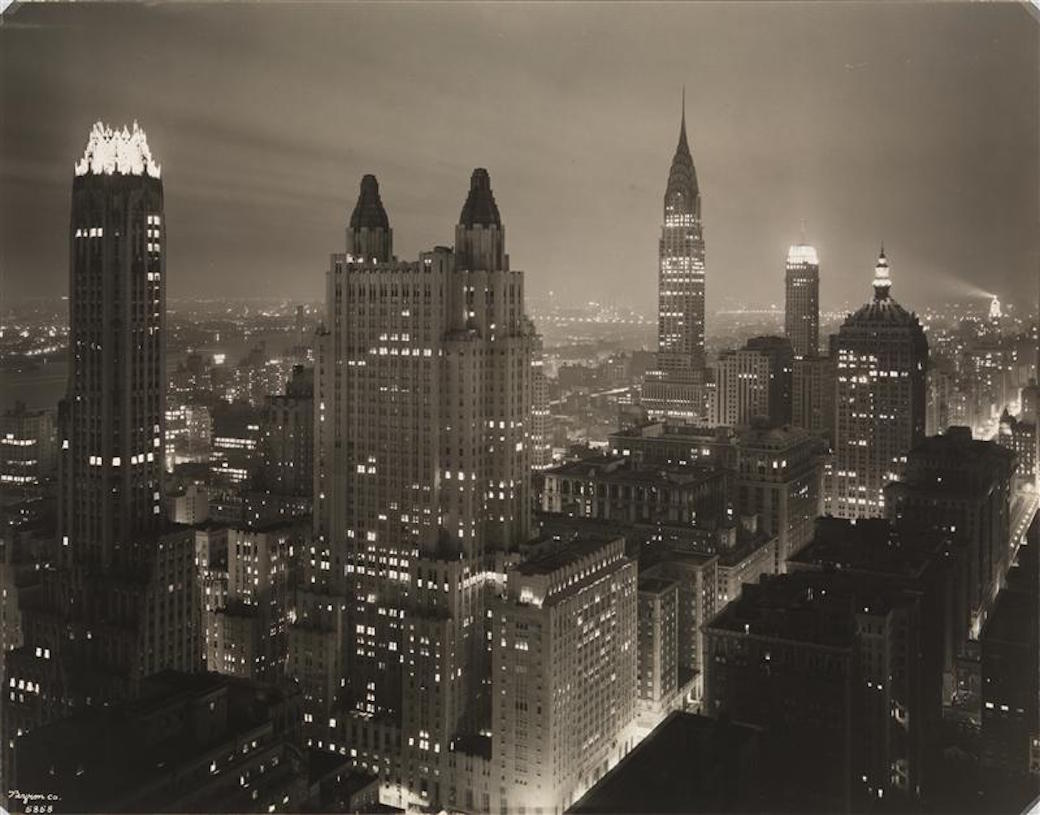
Park Avenue at nighttime, 1937. Seen here: 515 Mad. Ave, Gen. Electric, the Waldorf Astoria, the Chrysler Building, the Chanin Building, and the New York Central Building.
Museum of the City of New York
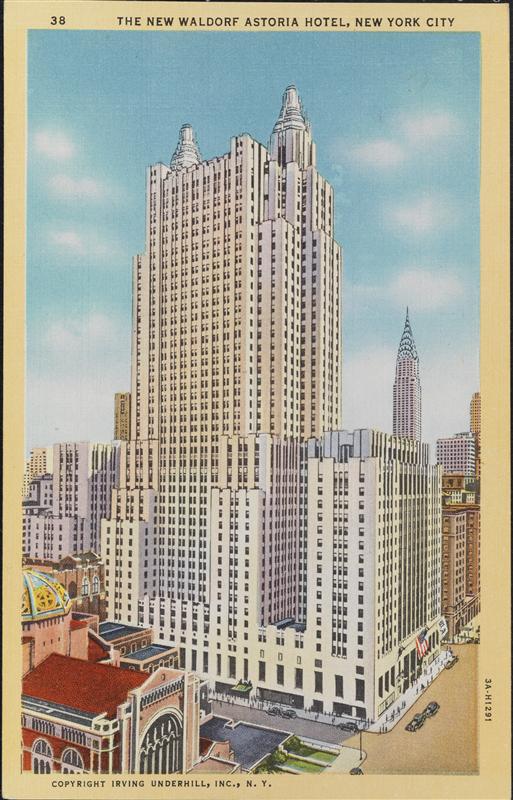
A 1931 postcard announcing the debut of the Waldorf Astoria with the Chrysler in the background.
Courtesy MCNY
MCNY
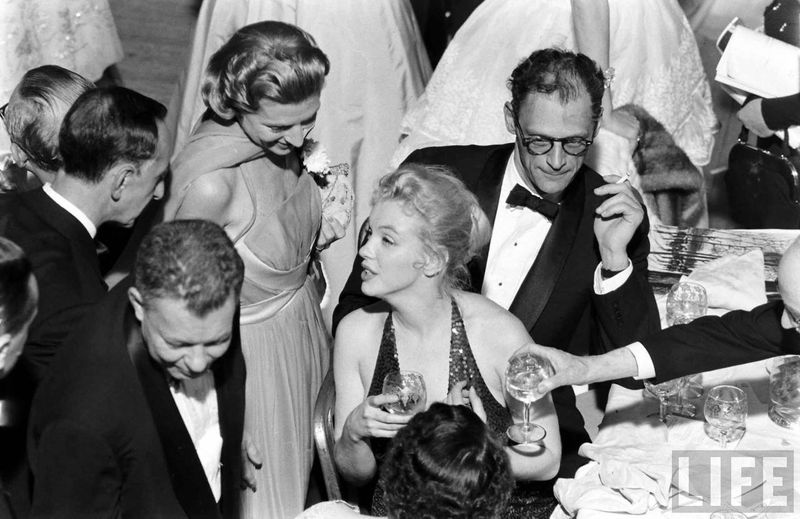
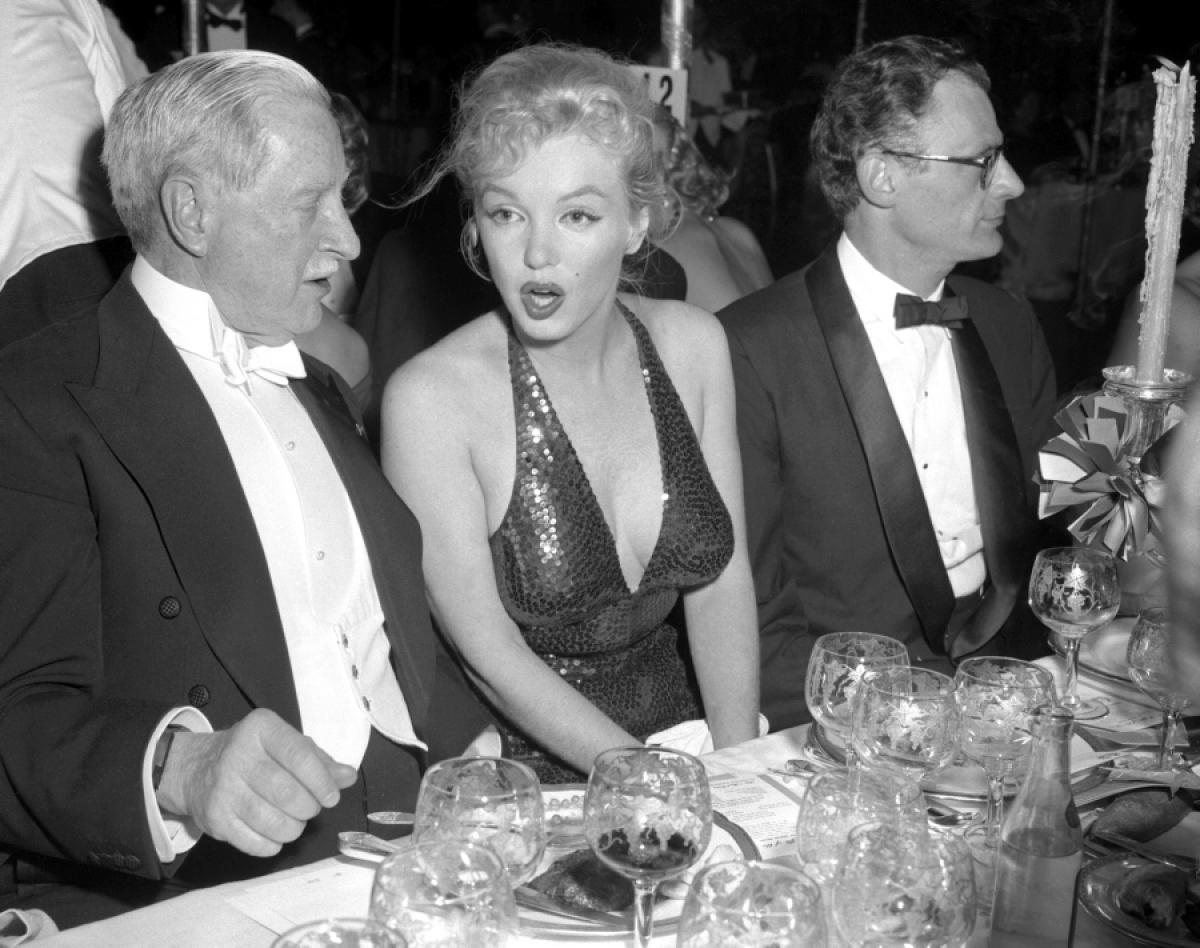
Marilyn Monroe at the Waldorf, her home in 1955. Here she is at the April In Paris ball with her then-husband Arthur Miller.
Courtesy New York Daily News
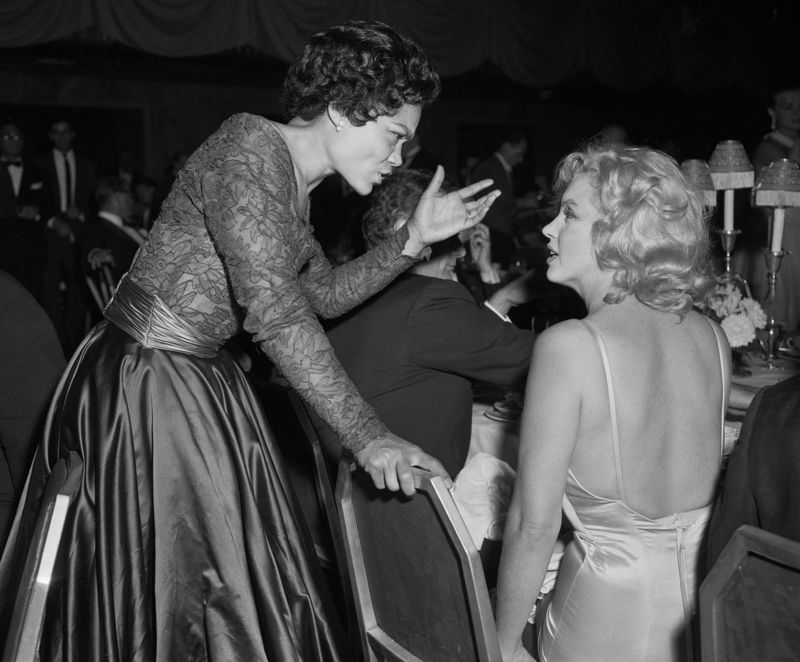
And at another function, this time chatting with Eartha Kitt.
A photo posted by Gregory Young (@boweryboysnyc) on
More information here on the Historic District Council’s efforts to help save the interior decor of the Waldorf Astoria.
CORRECTION: There are a few classic photographs of Marilyn Monroe at the Waldorf-Astoria; however the one that Greg described on the show is actually taken at the Ambassador Hotel, a couple blocks north of the Waldorf. (It was torn down in the 1960s.)
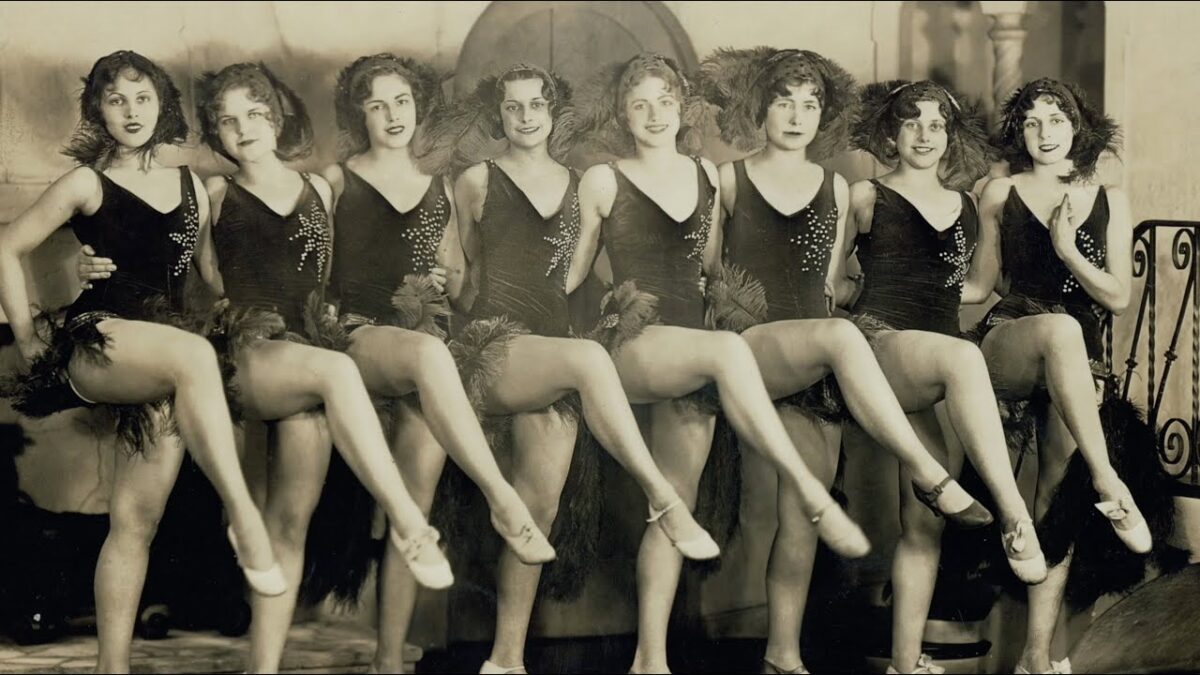
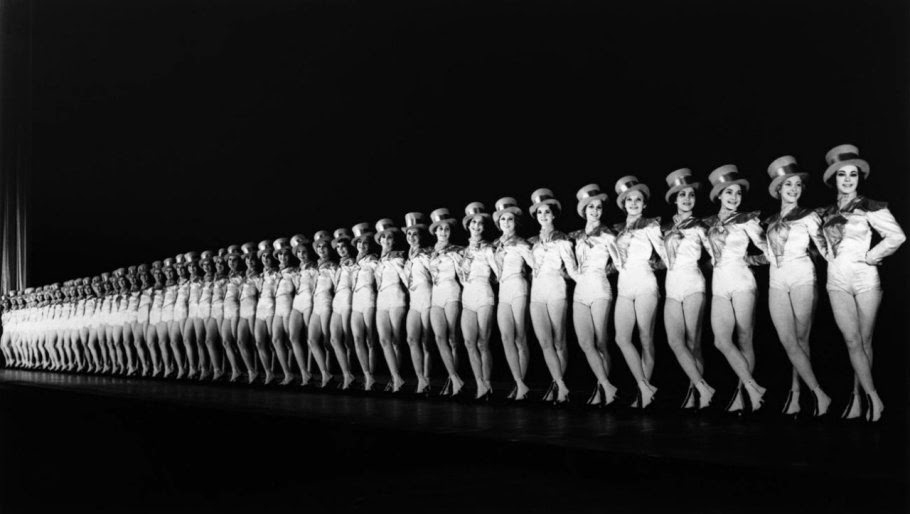
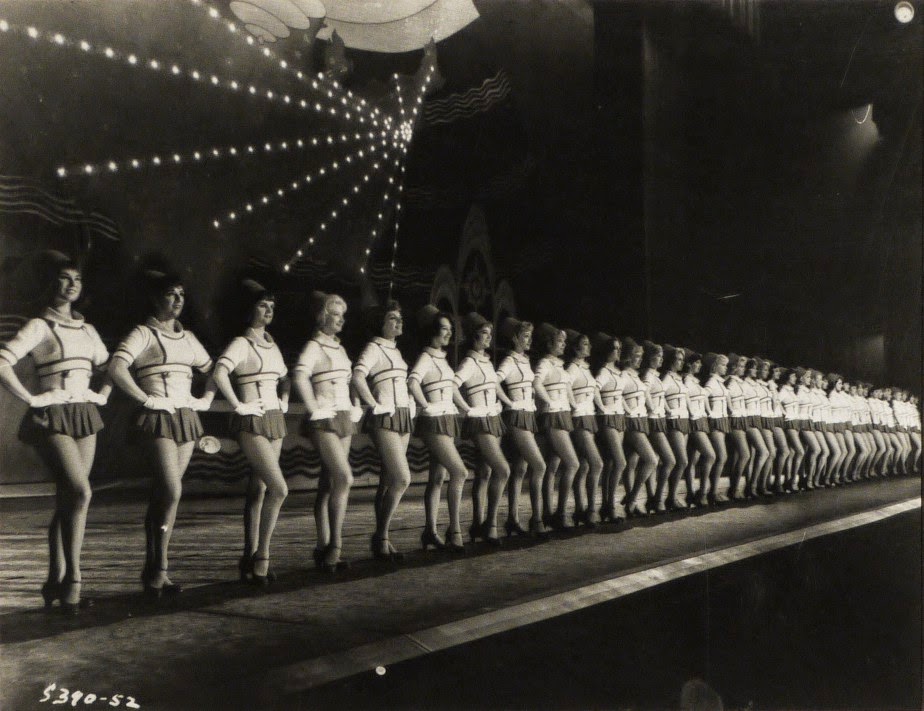
Back when the Rockettes were the Missouri Rockets.
The Rockettes are America’s best known dance troupe — and a staple of the holiday season — but you may not know the origin of this iconic New York City symbol. For one, they’re not even from the Big Apple!
Formerly the Missouri Rockets, the dancers and their famed choreographer Russell Markert were noticed by theater impresario Samuel Rothafel, who installed them first as his theater The Roxy, then at one of the largest theaters in the world — Radio City Music Hall.
The life of a Rockettes dancer was glamorous, but grueling; for many decades dancing not in isolated shows, but before the screenings of movies, several times a day, a different program each week.
There was a very, very specific look to the Rockettes, a look that changed — and that was forced to change by cultural shifts — over the decades.
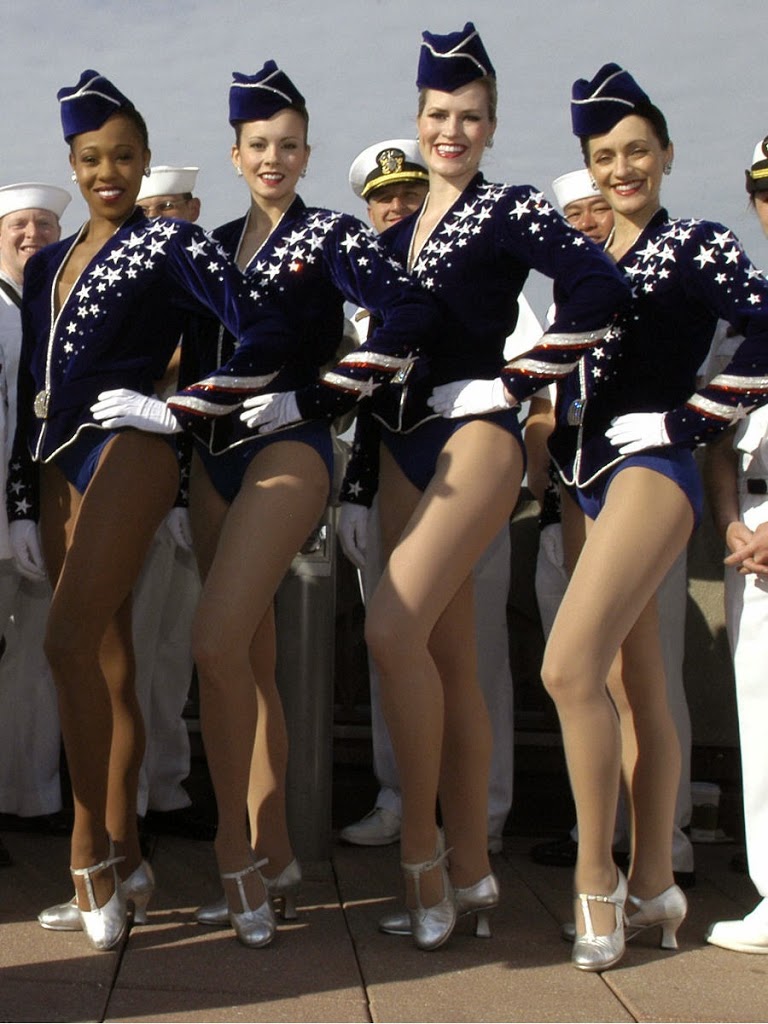
This show is dedicated to the many thousands of women who have shuffled and kicked with the Rockettes over their many decades of entertainment, on the stage, the picket line or the Super Bowl halftime show.
This show is a re-edited and remastered version of our 2014 show with a new introduction — in honor of the upcoming 100th anniversary celebration of the dance troupe which would become the Rockettes.
Share your love of the city’s history with a Bowery Boys Walks gift certificate! Our digital gift cards let your loved ones choose their perfect tour and date.
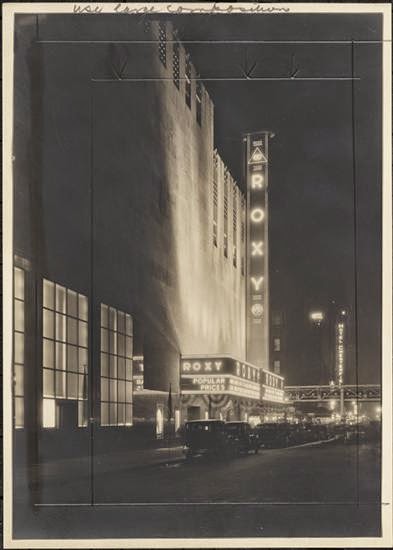
The first New York home of the Rockettes (as the Roxyettes) was the Roxy Theatre, almost as large as Radio City Music Hall and located just nearby. (MCNY)
MCNY
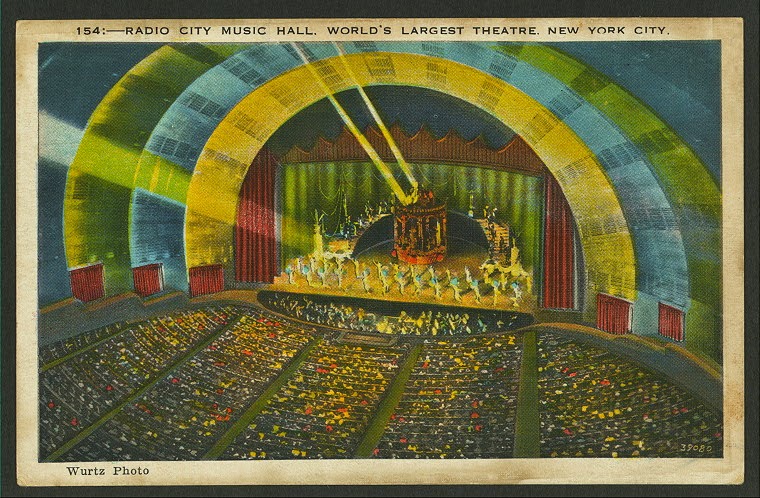
Radio City Music Hall, which opened in 1932, was quickly transformed into the world’s largest movie house after a notorious opening night. It would be here that the Rockettes would perform a few times a day, seven days a week, for over fifty years. (NYPL)
NYPL
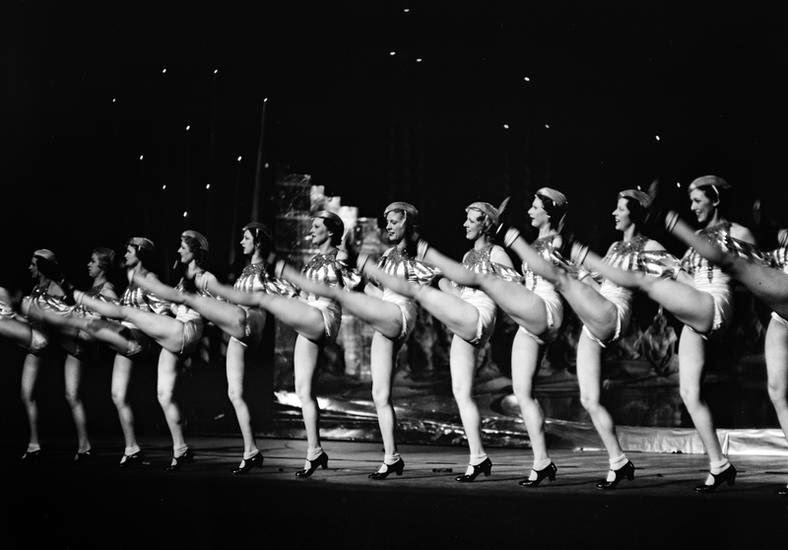
The Rockettes, 1935, in a ‘Cavalcade of Color,’ choreographed and directed by Leon Leonidoff. The constant high-kicking routines required great athleticism, precision and balance. (MCNY)
MCNY
The Rockettes in 1937, beauty in duplication. (Courtesy the Rockettes)
In 1939, the Rockettes gave salute to the Gay Nineties in these extravagant costumes. (Courtesy the Rockettes)
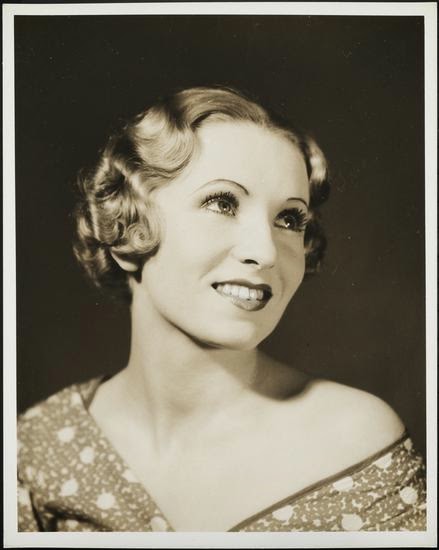
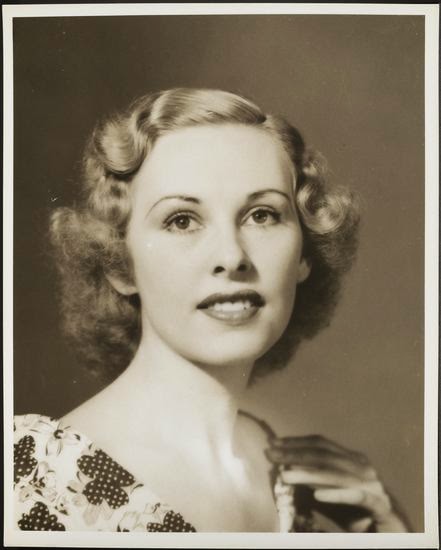
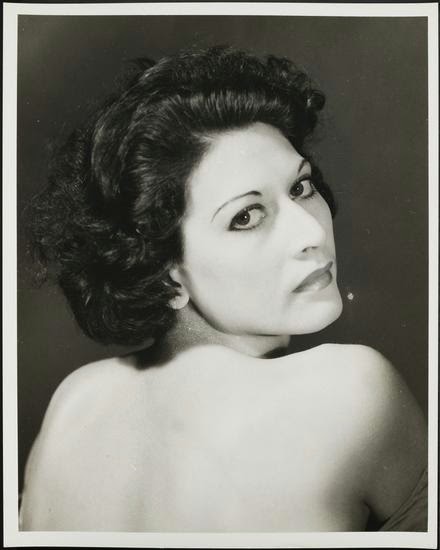
Faces of the Rockettes: A few of the dancers from the 1935 configuration.. These photos are by the Wurts Brothers, from the Museum of the City of New York Collection. You can see the complete group here. Unfortunately there are no names attached to the portraits but if any of these women look familiar, drop me their names in the comments section!
The Rockettes in the 1950s
Courtesy the Rockettes
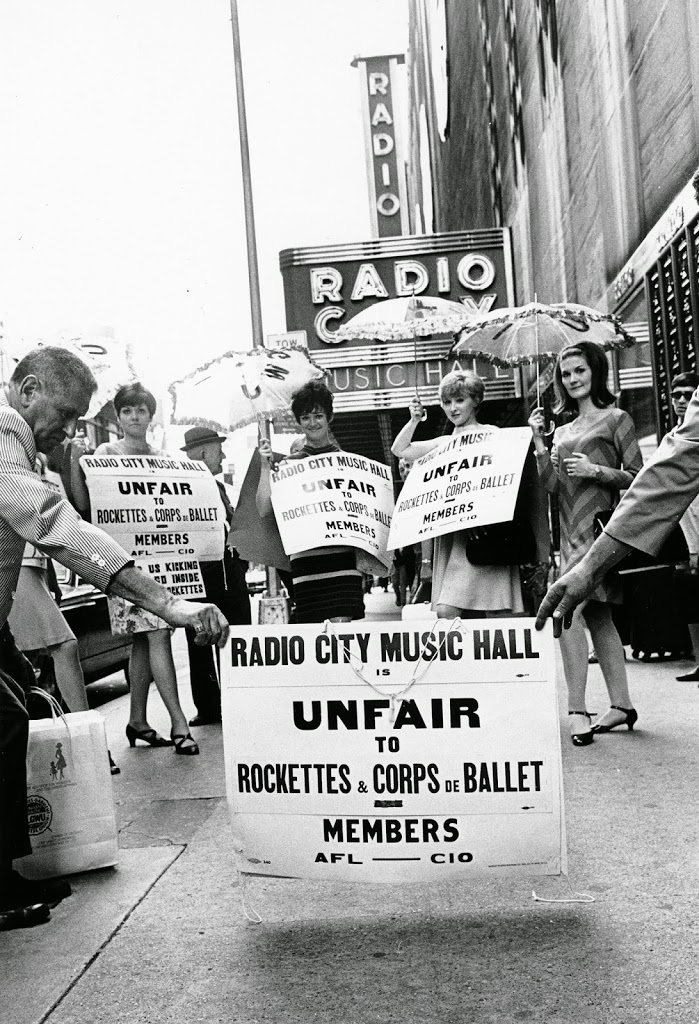
In 1967, many Rockettes went on strike for a month to demand better wages to compensate for their vigorous schedule and unpaid rehearsal time. Needless to say, they got everybody’s attention.
Kheel Center
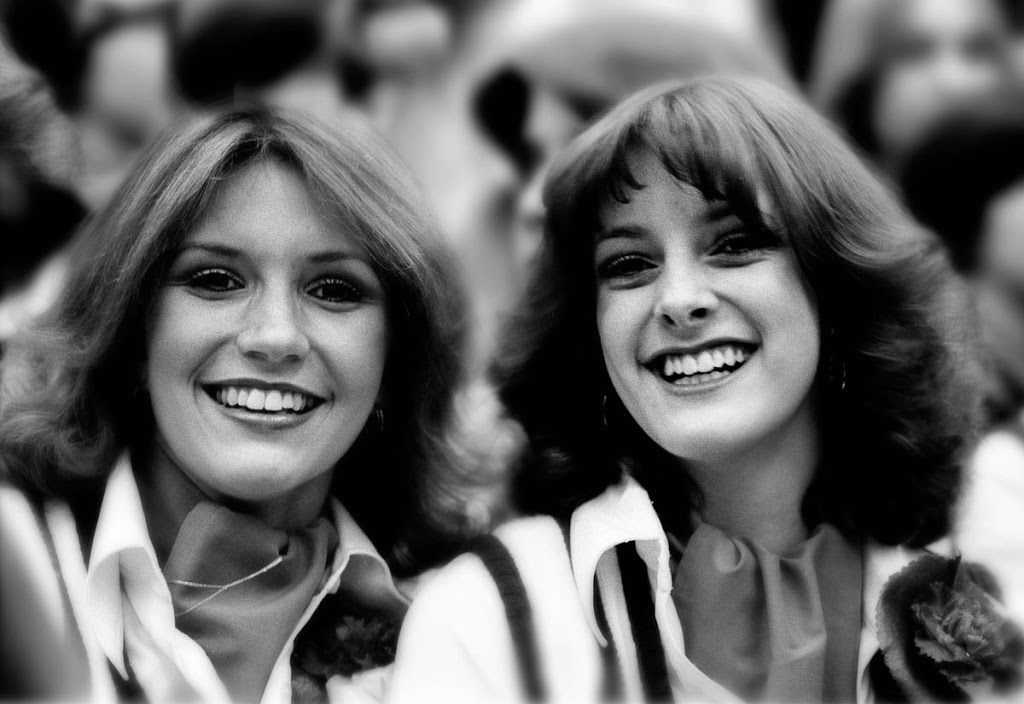
Pam Palmer and Kim Heil, two Rockettes from the late 1970s. (Photo by Jay Heiser)
PODCASTThe mysterious disappearance of a young woman becomes one of the most talked-about events over one hundred years ago.
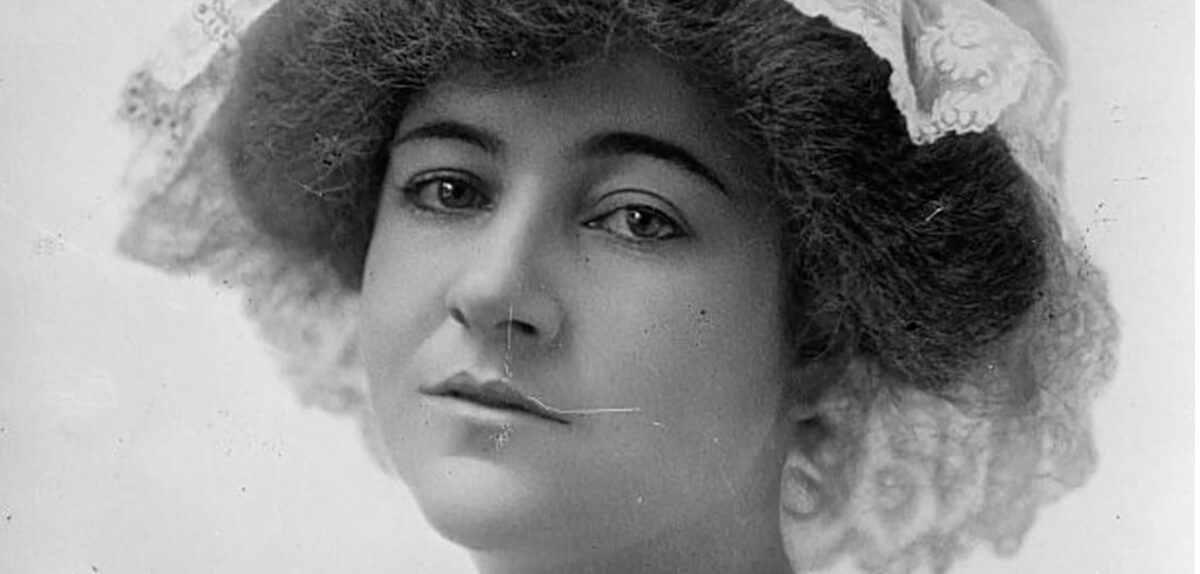
The young socialite Dorothy Arnold seemingly led a charmed and privileged life.
The niece of a Supreme Court justice, Dorothy was the belle of 1900s New York, an attractive and vibrant young woman living on the Upper East Side with her family. She hoped to become a published magazine writer and perhaps someday live by herself in Greenwich Village.
But on December 12, 1910, while running errands in the neighborhood of Madison Square Park, Dorothy Arnold — simply vanished.
In this investigative new podcast, we look at the circumstances surrounding her disappearance, from the mysterious clues left in her fireplace to the suspicious behavior exhibited by her family.
This mystery captivated New Yorkers for decades as revelations and twists to the story continued to emerge. As one newspaper described it: “There is general agreement among police officials that the case is in a class by itself.”
ALSO: What secrets lurk in the infamous Pennsylvania ‘House of Mystery’? And could a sacred object found in Texas hold the key to solving the crime?
This episode is a newly re-edited and re-mastered version of a show we recorded in 2016.
The Bowery Boys: New York City History podcast is brought to you …. by you!
Please visitour page on Patreon and watch a short video of us recording the show and talking about our expansion plans. If you’d like to help out, there are five different pledge levels (and with clever names too — Mannahatta, New Amsterdam, Five Points, Gilded Age, Jazz Age and Empire State). Check them out and consider being a sponsor.
We greatly appreciate our listeners and readers and thank you for joining us on this journey so far. And the best is yet to come!
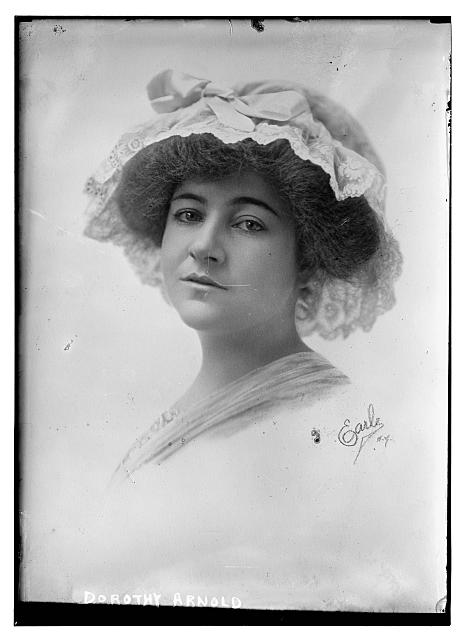
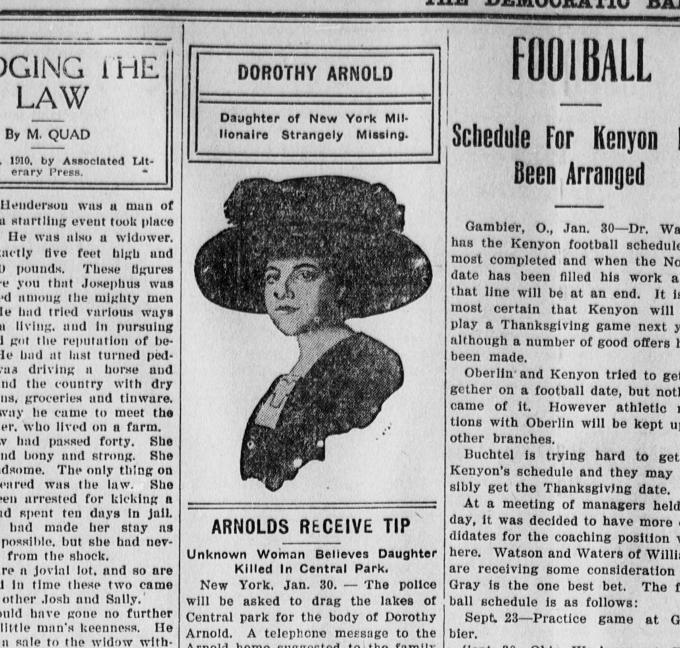
The photograph of Dorothy Arnold that was much reproduced in the press after her disappearance on December 12, 1910.
Library of Congress
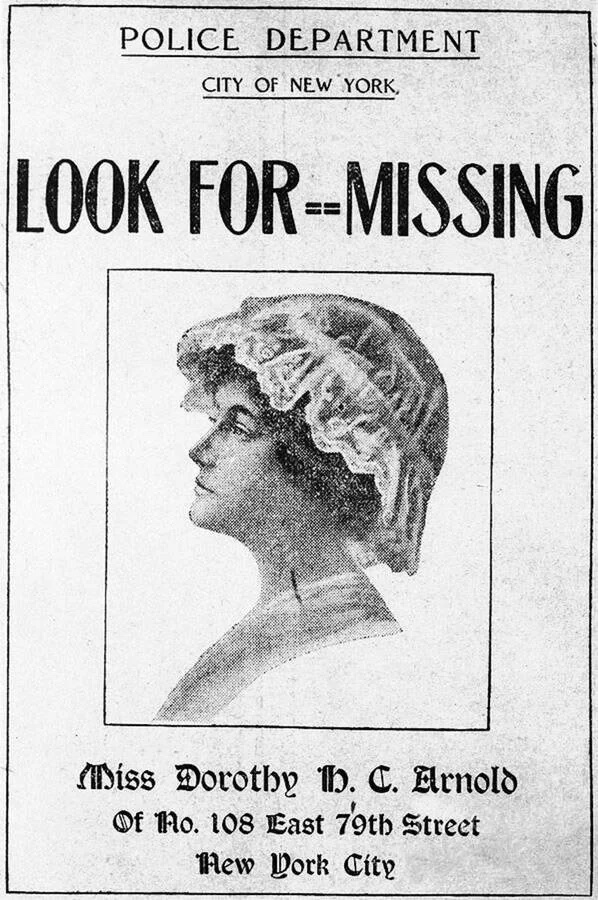
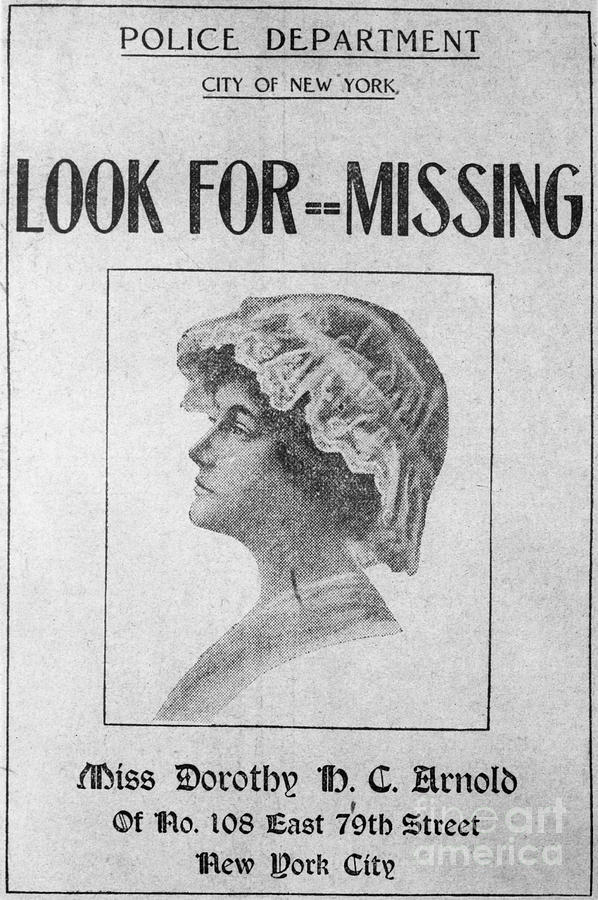
An example of a missing persons notice that was (eventually) distributed to police departments around the city.
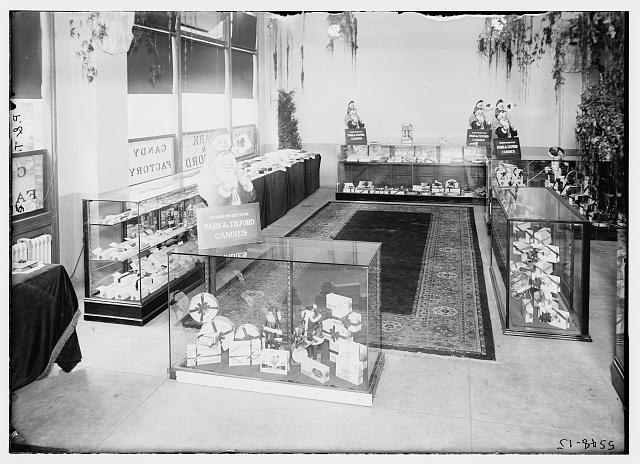
On the day of her disappearance, Arnold bought chocolates at the Park & Tilford candy shop.
Library of Congress
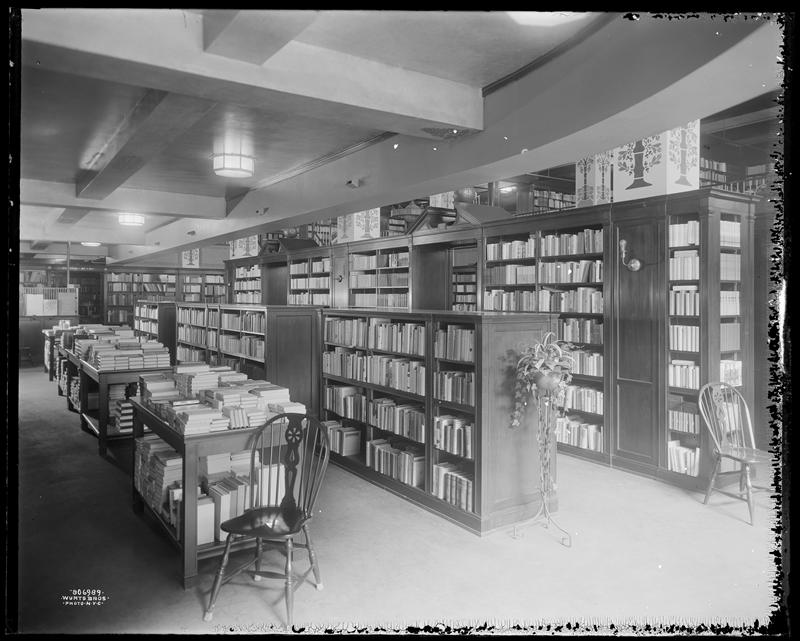
She was last spotted at a Brentano’s Book Store on 27th Street and Fifth Avenue. Here’s the interior of a New York Brentano’s store in 1925:
Museum of the City of New York
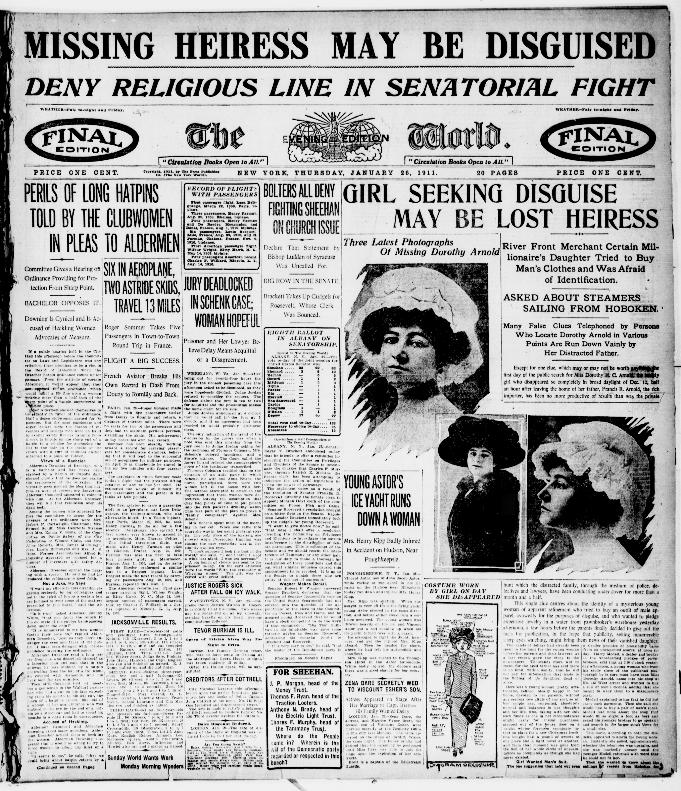
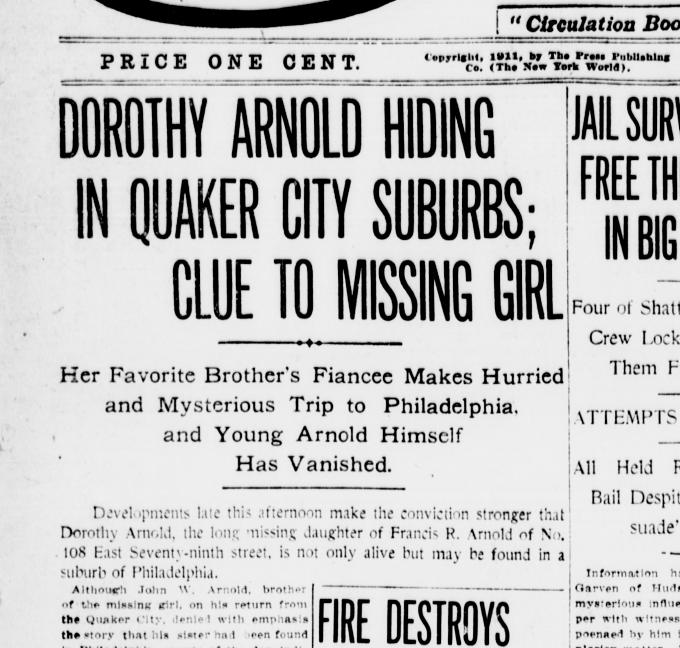
An extraordinary front page from the January 26, 1911, edition of the New York Evening World. Please note the other unusual headlines on the page:
Courtesy the Evening World
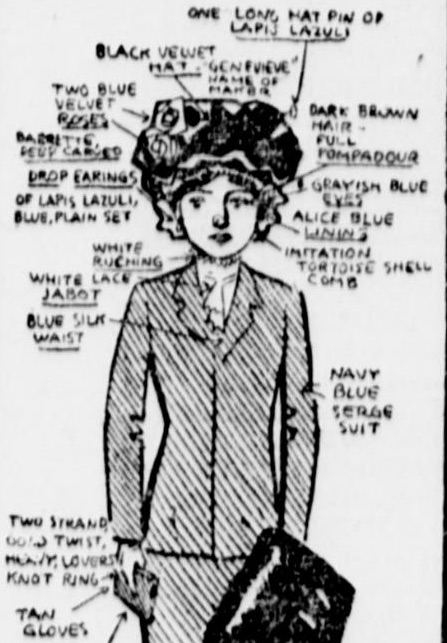
A close-up of the insanely detailed illustration of her wardrobe:
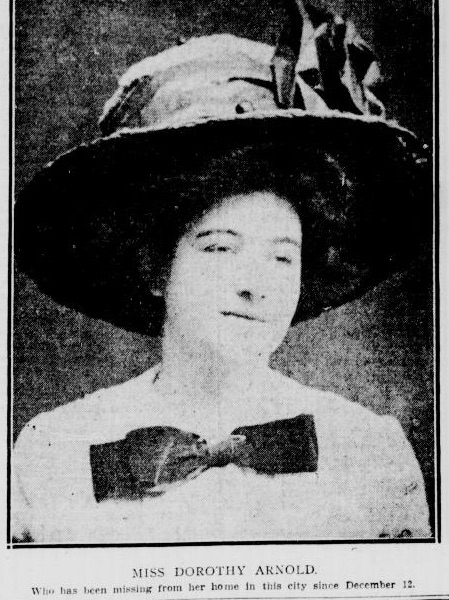
From the Jan. 26, 1911, New York Tribune: “Miss Dorothy Arnold who has been missing from her home in this city since December 12.”
Courtesy the New York Tribune
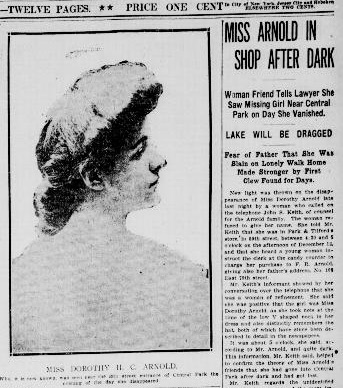
The New York Tribune, Jan 30, 1911: “Miss Dorothy H.C. Arnold who, it is now known, was seen near the 59th Street entrance of Central Park the evening of the day she disappeared.”
Courtesy New York Tribune
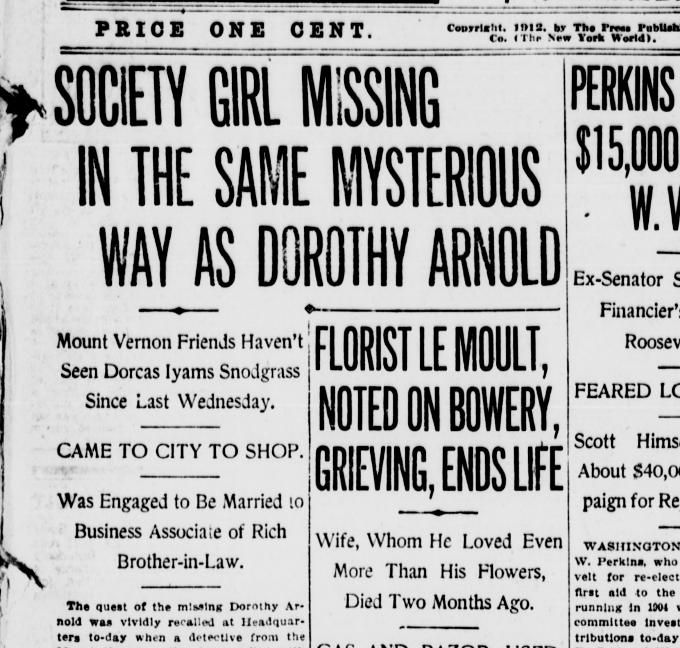
A Dorothy Arnold related headline, sitting next to a headline involving the captain of the ill-fated General Slocum steamship, which sank in 1904.
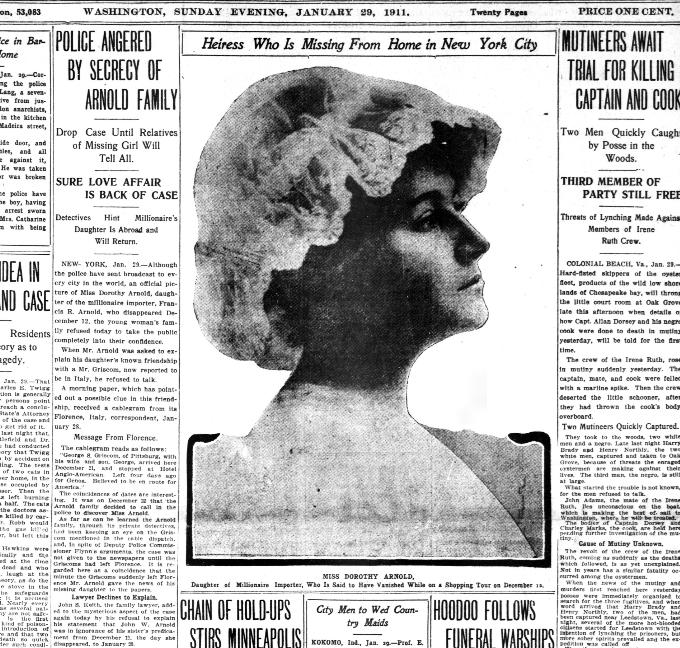
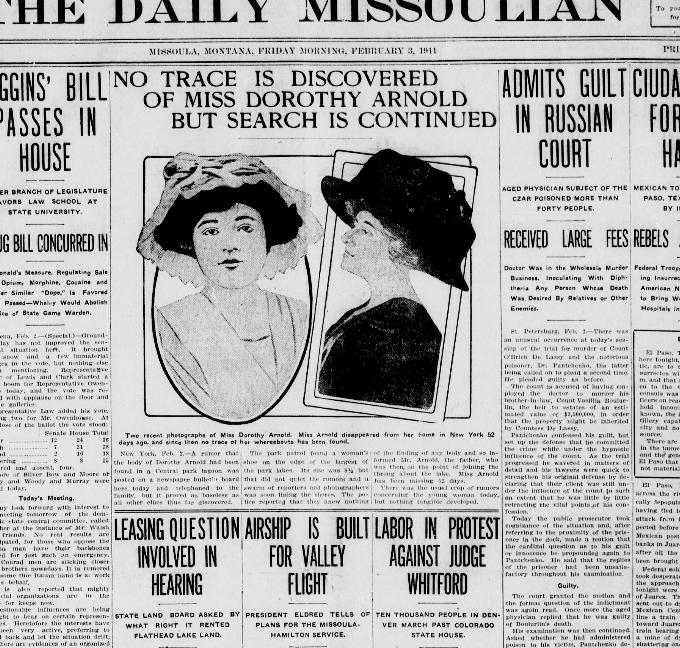
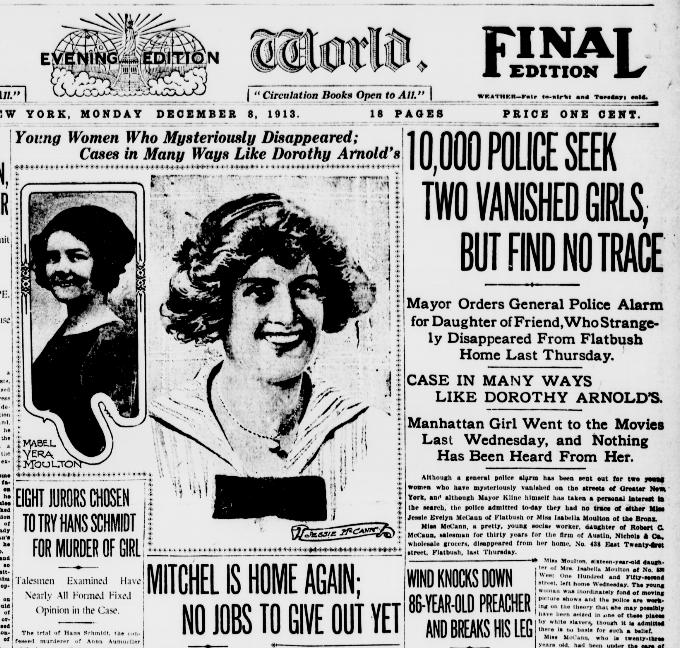
The event soon made newspapers across the country. This is from the front page of the Washington (D.C.) Times, January 29, 1911
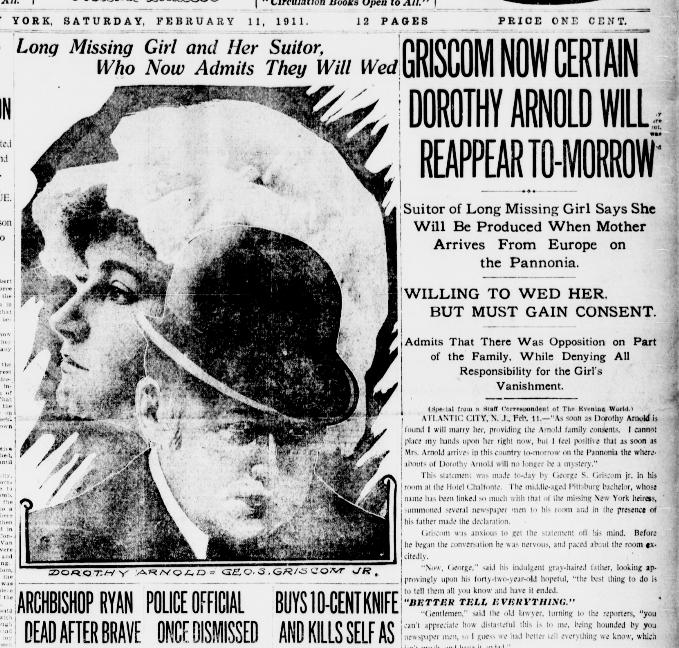
A photo illustration of Dorothy Arnold and George Griscom — accompanied by yet another speculative headline — in the February 11, 1911, edition of the New York Evening World:
Courtesy the Evening World
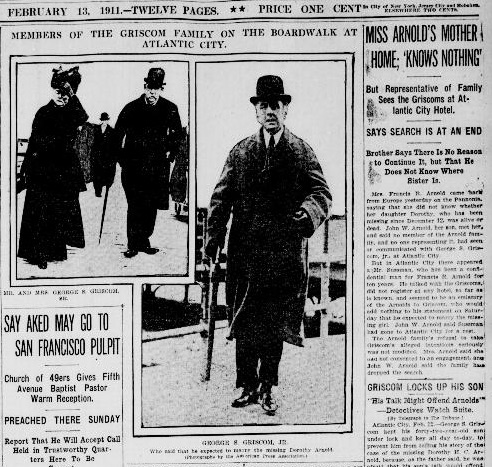
Even Griscom’s family was harassed by eager reporters. Here are his parents, captured on the Atlantic City boardwalk (February 13, 1911)
Courtesy New York Tribune
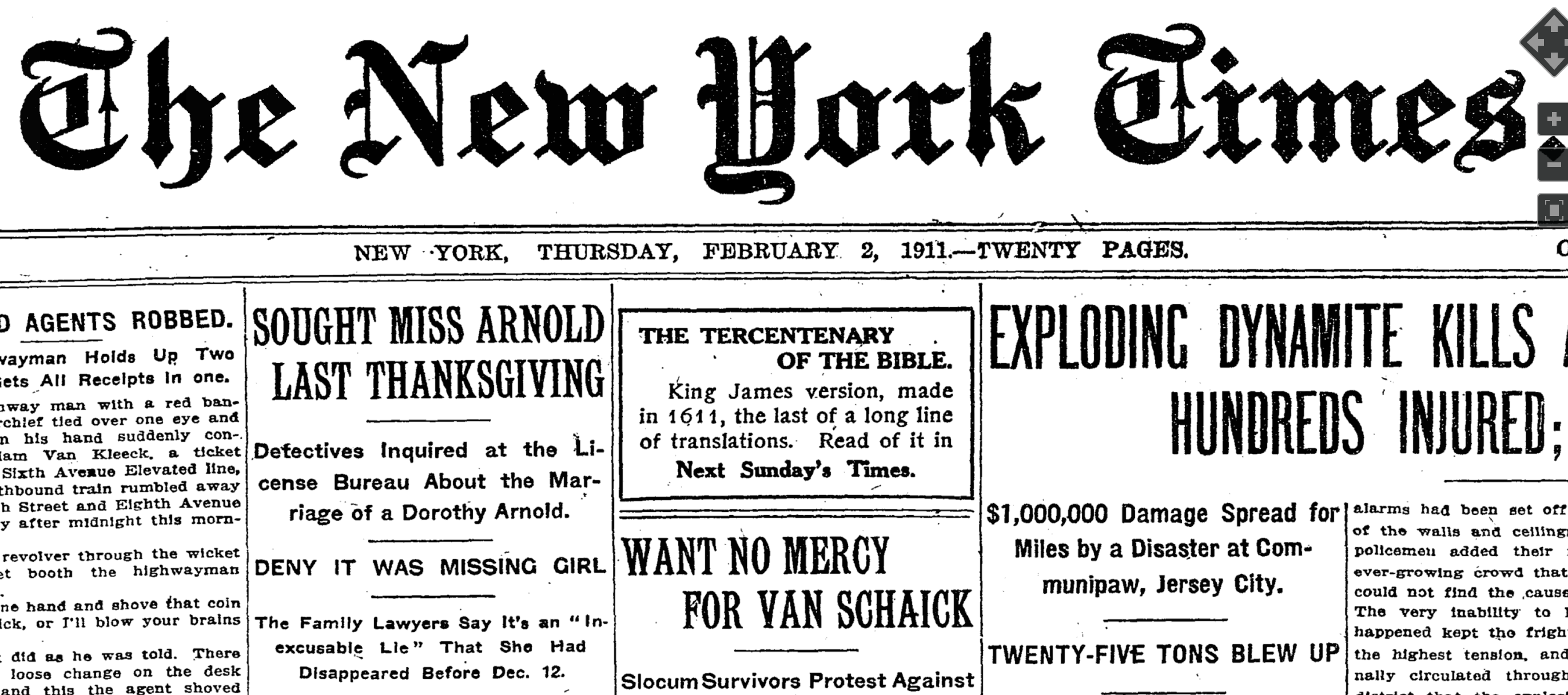
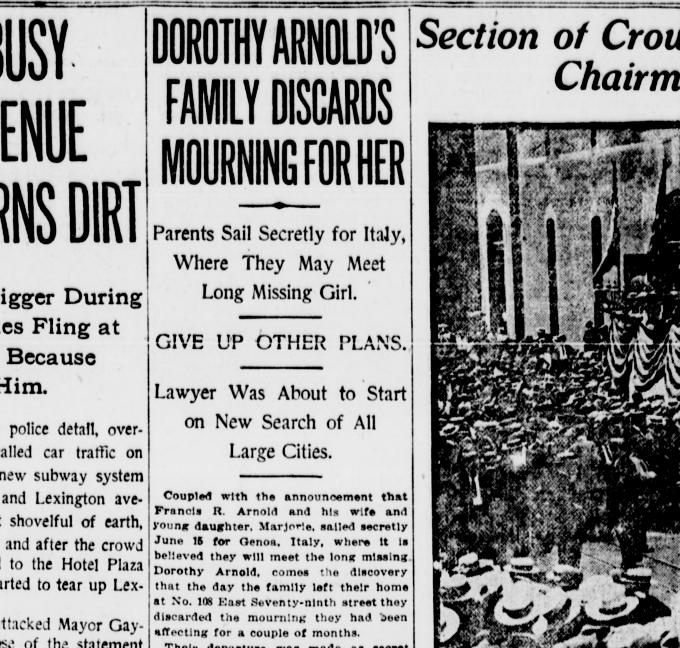
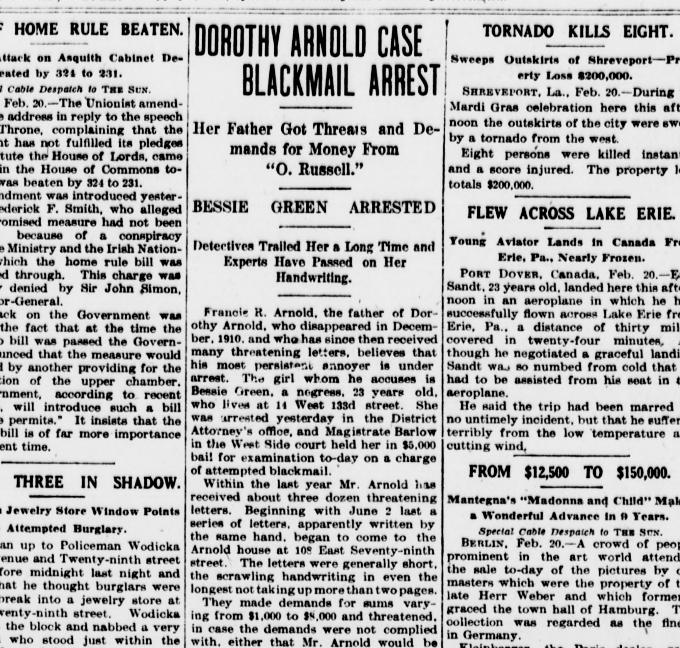
A headline from July 31, 1911, seems to question the motivation of Dorothy’s parents:
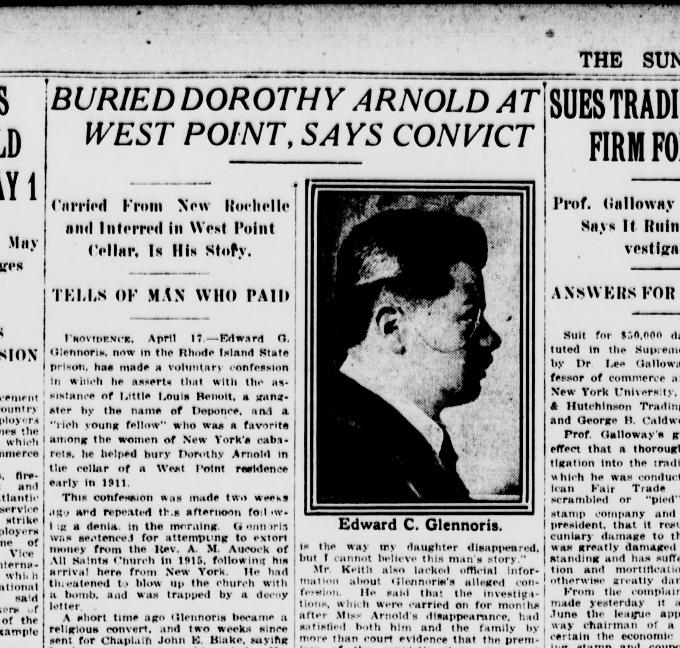
Over five year after her disappearance, her name is brought up again in a possible unfortunate event described by the Rhode Island convict Edward Glennoris.
Courtesy New York Sun
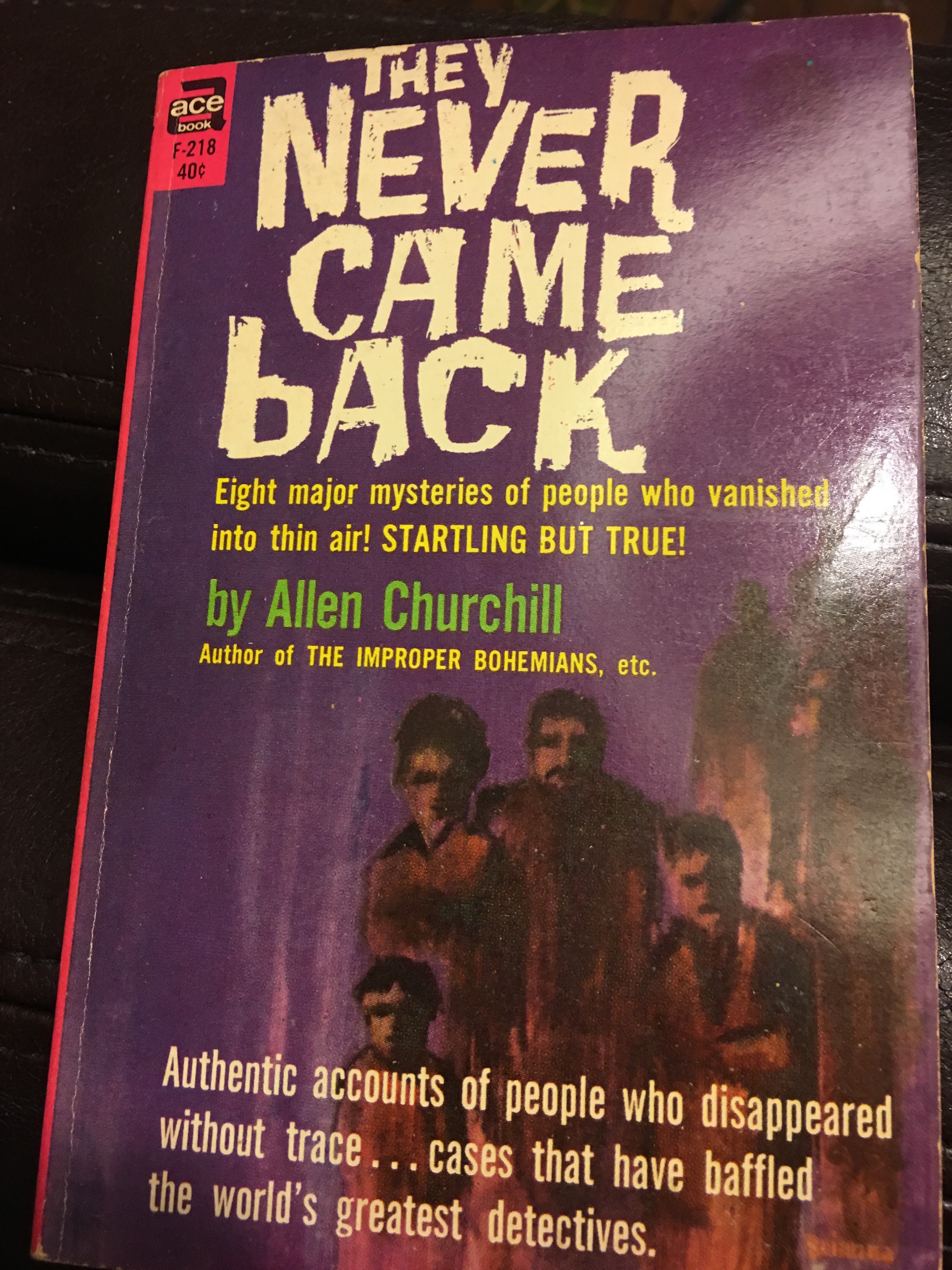
This podcast is inspired by an old paperback I found a long time ago called They Never Came Back by Allen Churchill which features the story of Dorothy Arnold:
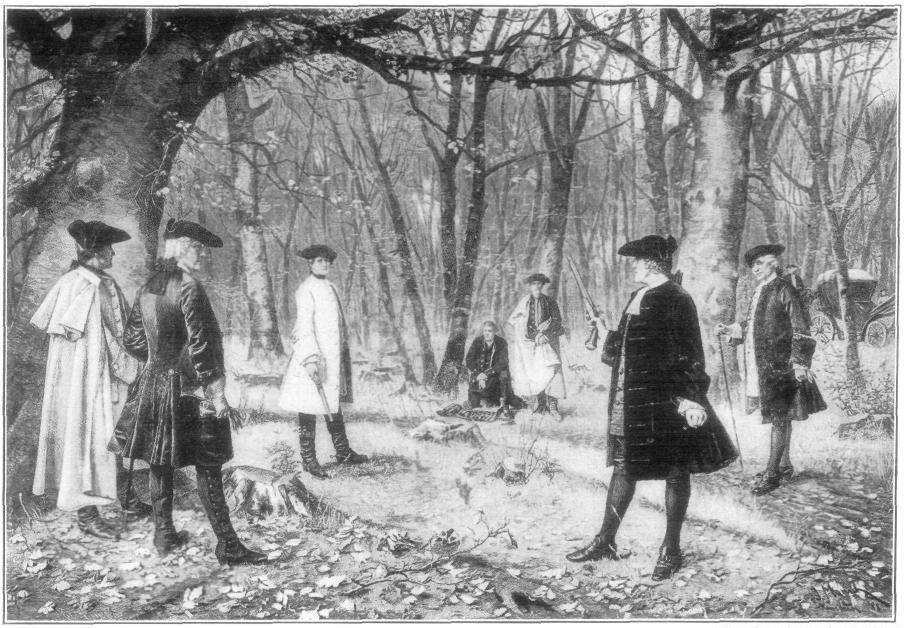
Alexander Hamilton and Aaron Burr met at a clearing in Weehawken, NJ, in the early morning on July 11, 1804, to mount the most famous duel in American history. But why did they do it?
This is the story of two New York lawyers — two Founding Fathers — that so detested each other that their vitriolic words (well, mostly Hamilton’s) led to these two grown men shooting each other out of honor and dignity, while robbing America of their brilliance, leadership and talent.
You may know the story of this duel from history class, but this podcast focuses on its proximity to New York City, to their homes Richmond Hilland Hamilton Grange and to the places they conducted their legal practices and political machinations.
Which side are you on?
ALSO: Find out the fates of sites that are associated with the duel, including the place Hamilton died and the rather disrespectful journey of the dueling grounds in Weehawken.
CORRECTION: Alexander Hamilton had his fateful dinner as the house of Judge James Kent, not John Kent, as I state here.
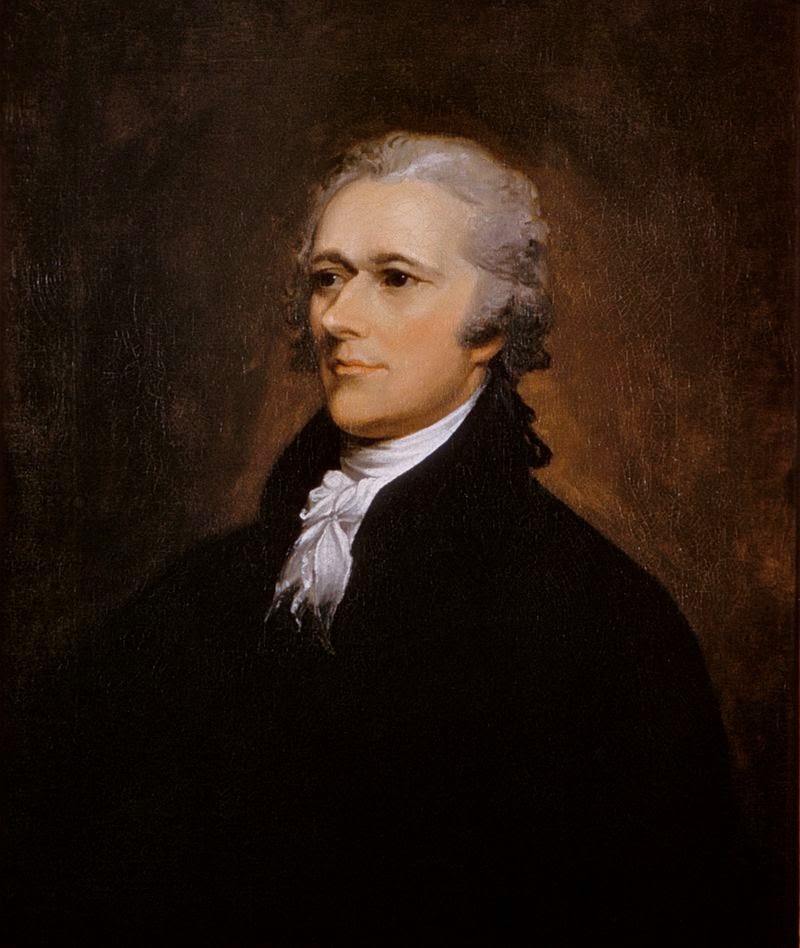
Alexander Hamilton, leader of the Federalists was a played out, stressed out, heavily in debt politician by June 1804. This is John Trumbull’s painting of Hamilton, completed almost over a year after the duel.
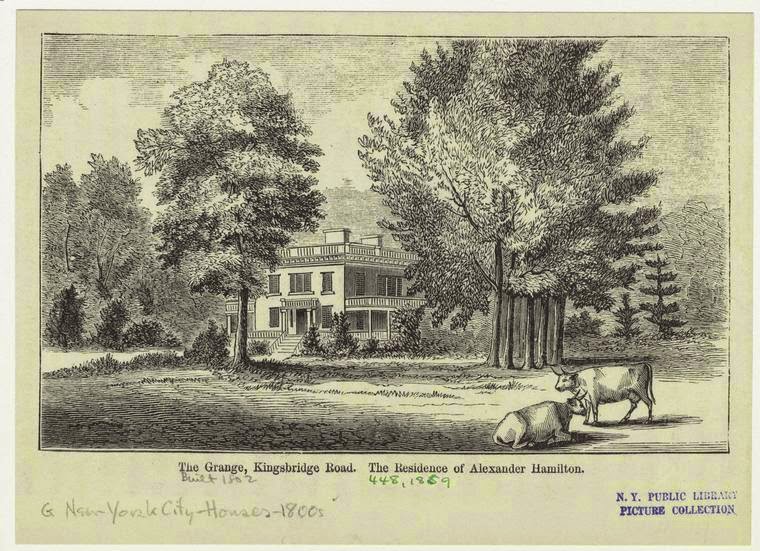
The Hamilton Grange, a beautiful home on the Hudson that Alexander only lived in for a couple years. (NYPL)
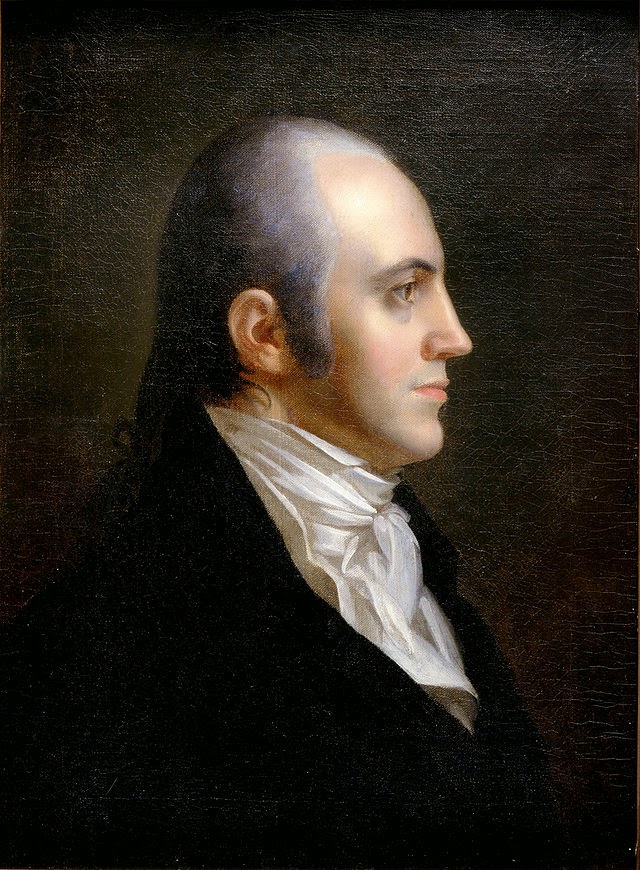
Aaron Burr, Vice President of the United States, was a played out, stressed out, heavily in debt politician by June 1804. This is John Vanderlyn’s portrait of Burr from 1802.
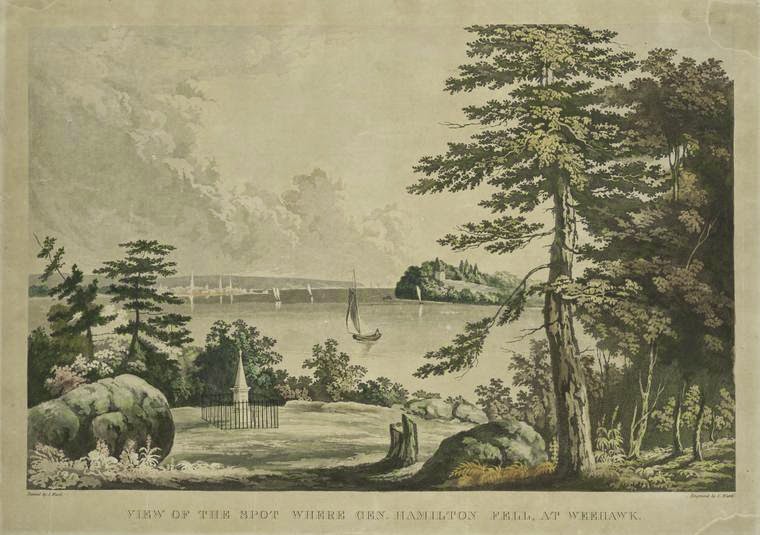
View of the Weekhawken dueling grounds in 1830s. This area most likely still saw some duels at this period. Note the small monument/obelisk marking the spot allegedly where Hamilton fell. (NYPL)
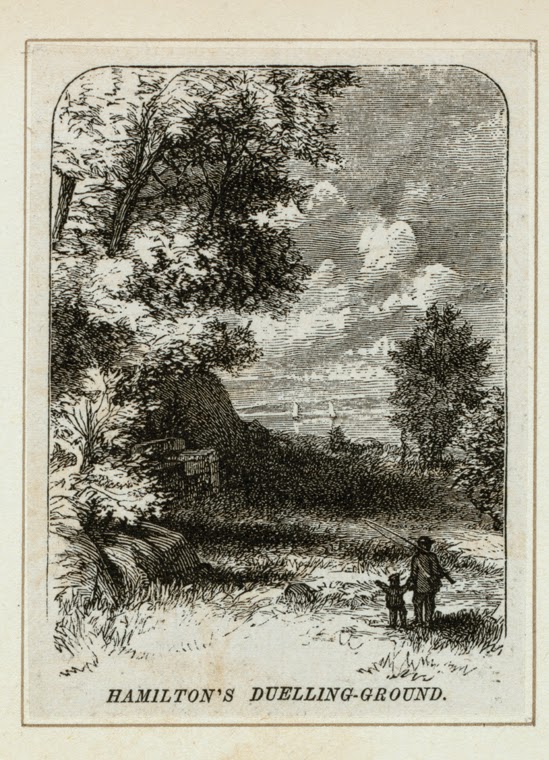
Thomas Addis Emmet’s quaint depiction of the dueling grounds was created in 1881, long after the actual grounds were destroyed by railroad construction. (NYPL)
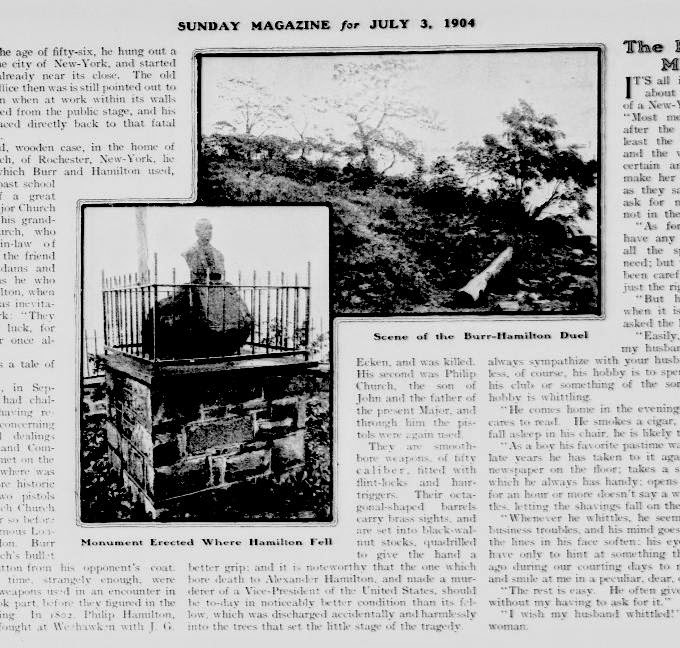
From the New York Tribune, July 1904, a look at the Hamilton bust that once sat in Weehawken. Several years later, vandals took the bust and hurled it off the cliff.
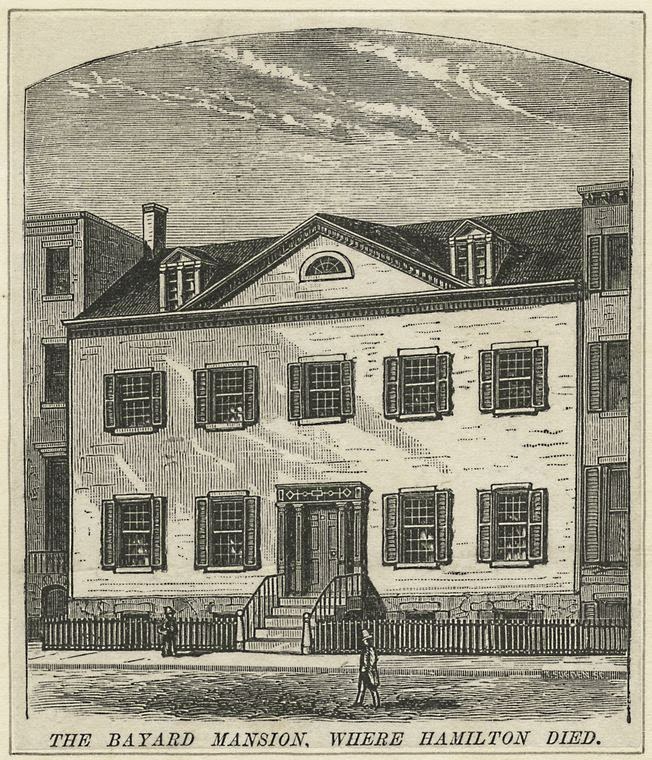
The William Bayard house in later years, with the lots surrounding it obviously sold and built up around it. (NYPL)
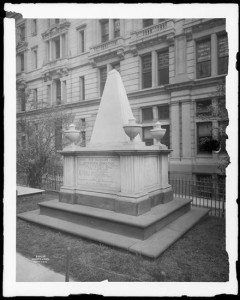
The Hamilton tomb at Trinity Church, picture taken in 1908, although it looks pretty much the same today! (Wurts Brothers, Courtesy MCNY)
PODCASTYour ticket to Truman Capote’s celebrity-filled party at the Plaza.
This month FX is debuting a new series created by Ryan Murphy — called Feud: Capote and the Swans — regarding writer Truman Capote‘s relationship with several famed New York society women.
And it’s such a New York story that listeners have asked if we’re going to record a tie-in show to that series. Well, here it is! Tom and Greg recorded this show back in November of 2016 but, likely, most of you haven’t heard this one.
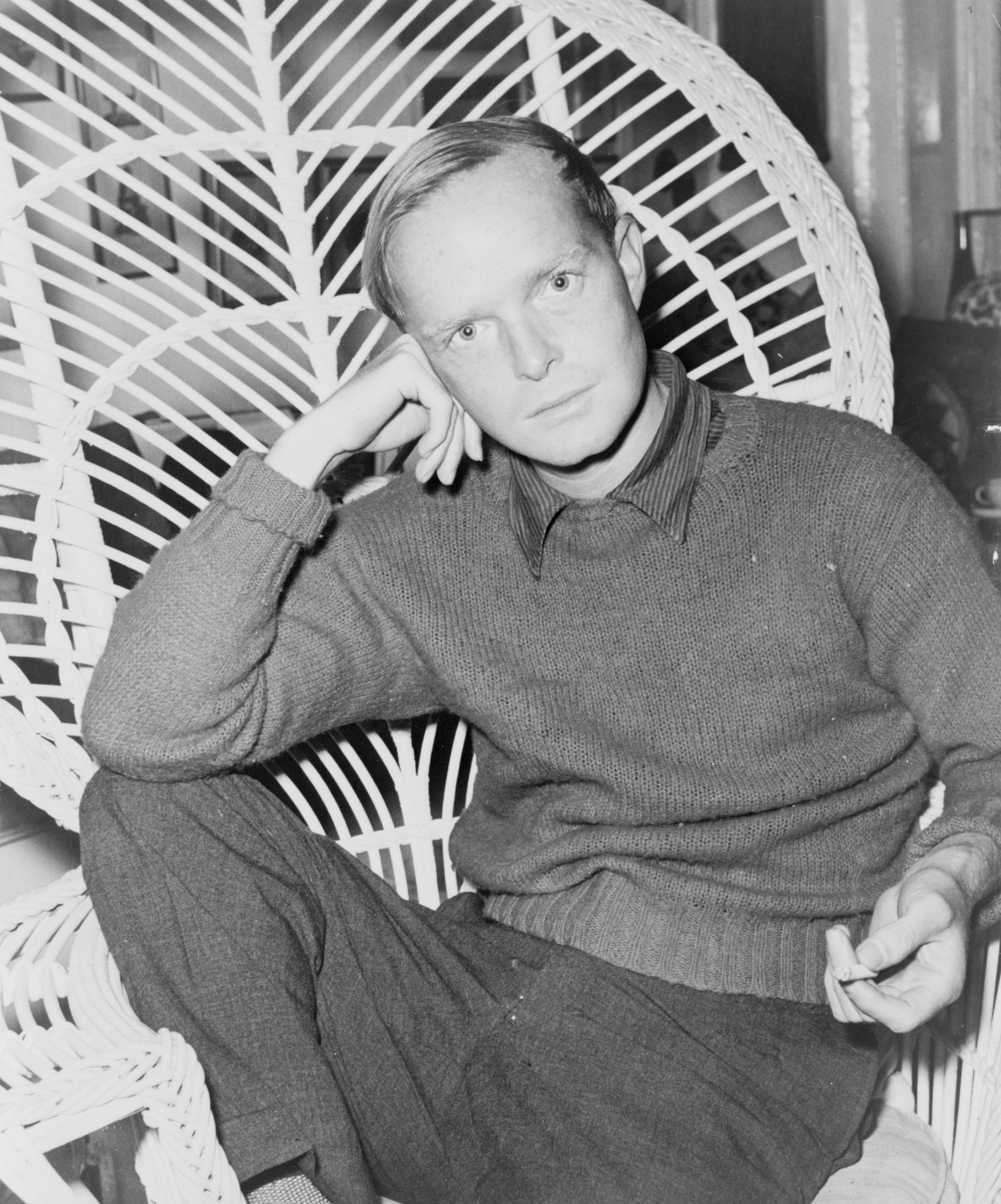
Capote in 1959 / Library of Congress Prints and Photographs Division. New York World-Telegram and the Sun Newspaper Photograph Collection.
Capote is a true New York character, a Southern boy who wielded his immense writing talents to secure a place within Manhattan high society. Elegant, witty, compact, gay — Capote was a fixture of swanky nightclubs and arm candy to wealthy, well-connected women.
One project would entirely change his life — the completion of the classic In Cold Blood, a ‘non-fiction novel’ about a horrible murder in Kansas. Retreating from his many years of research, Truman decided to throw a party.
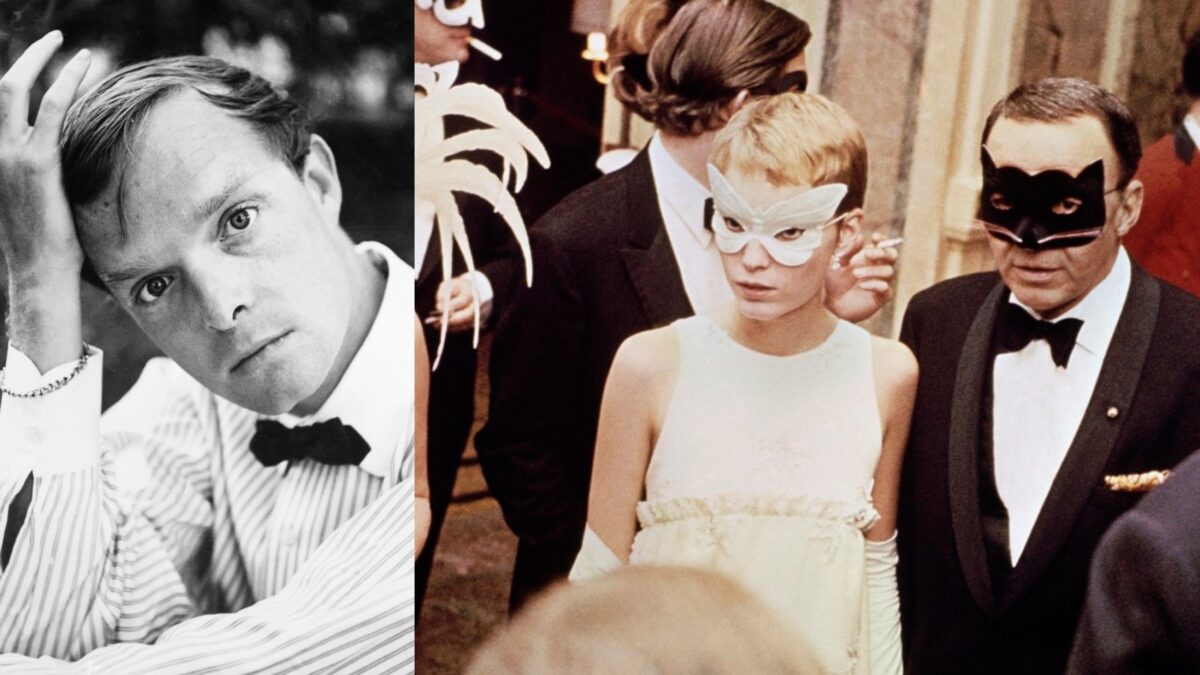
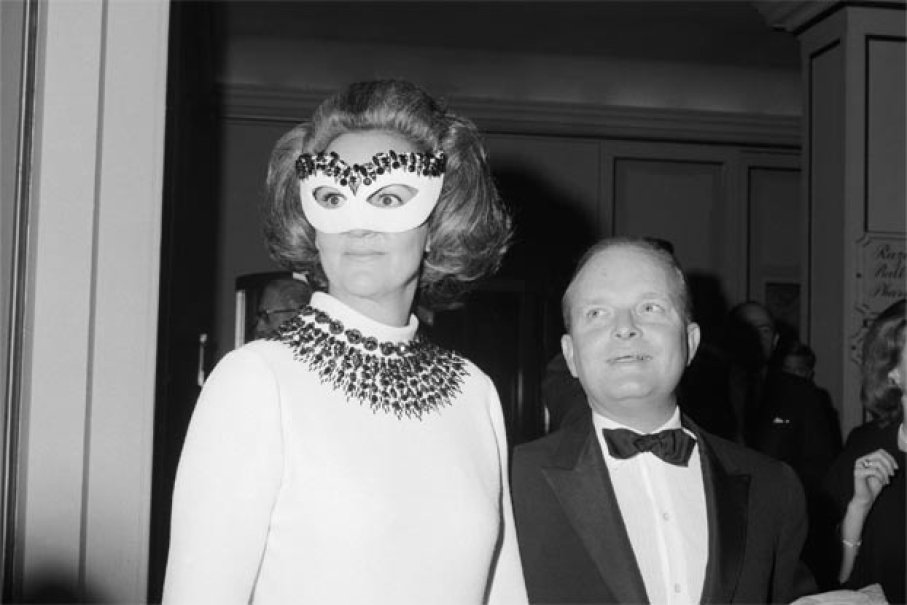
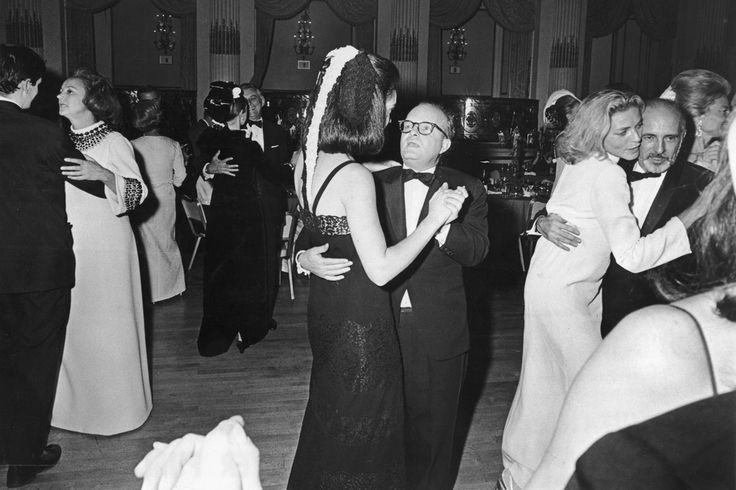
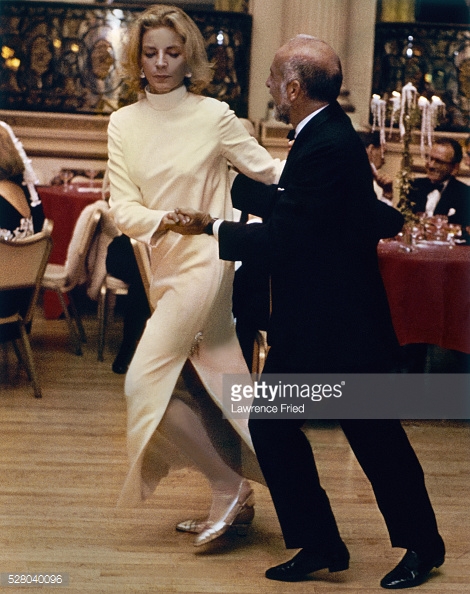
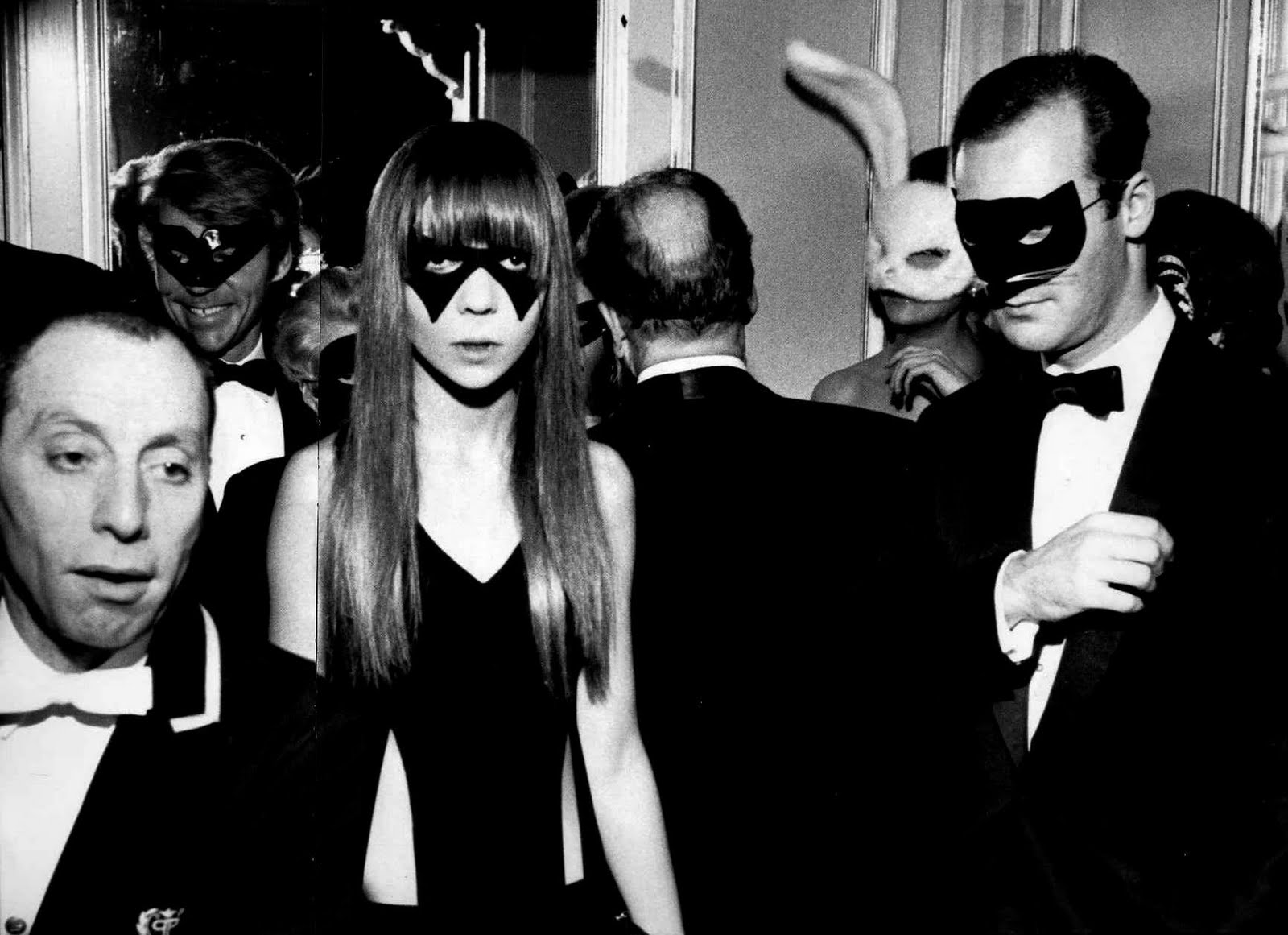
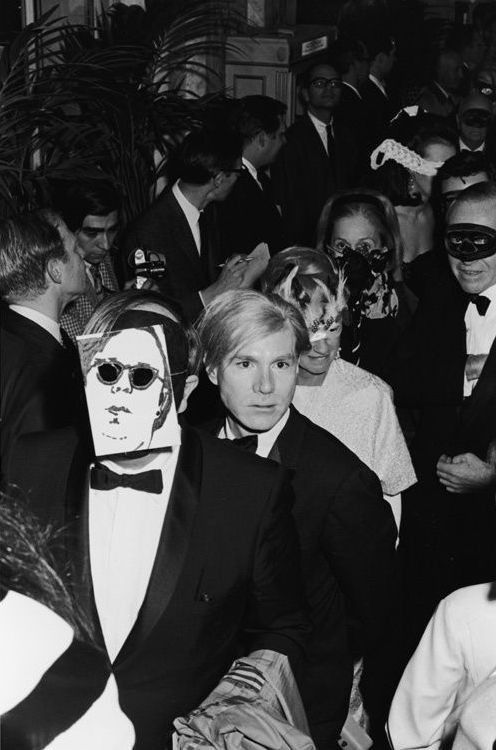
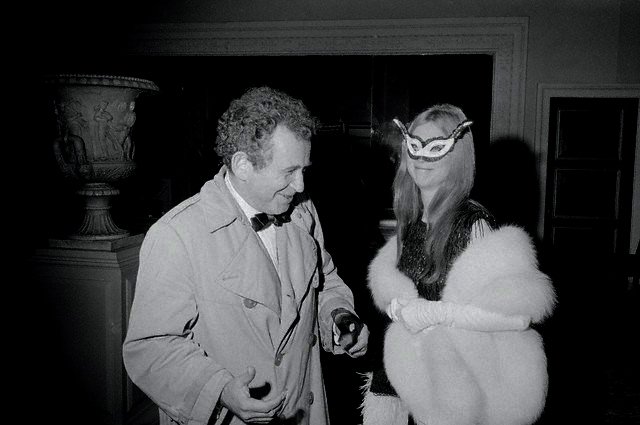
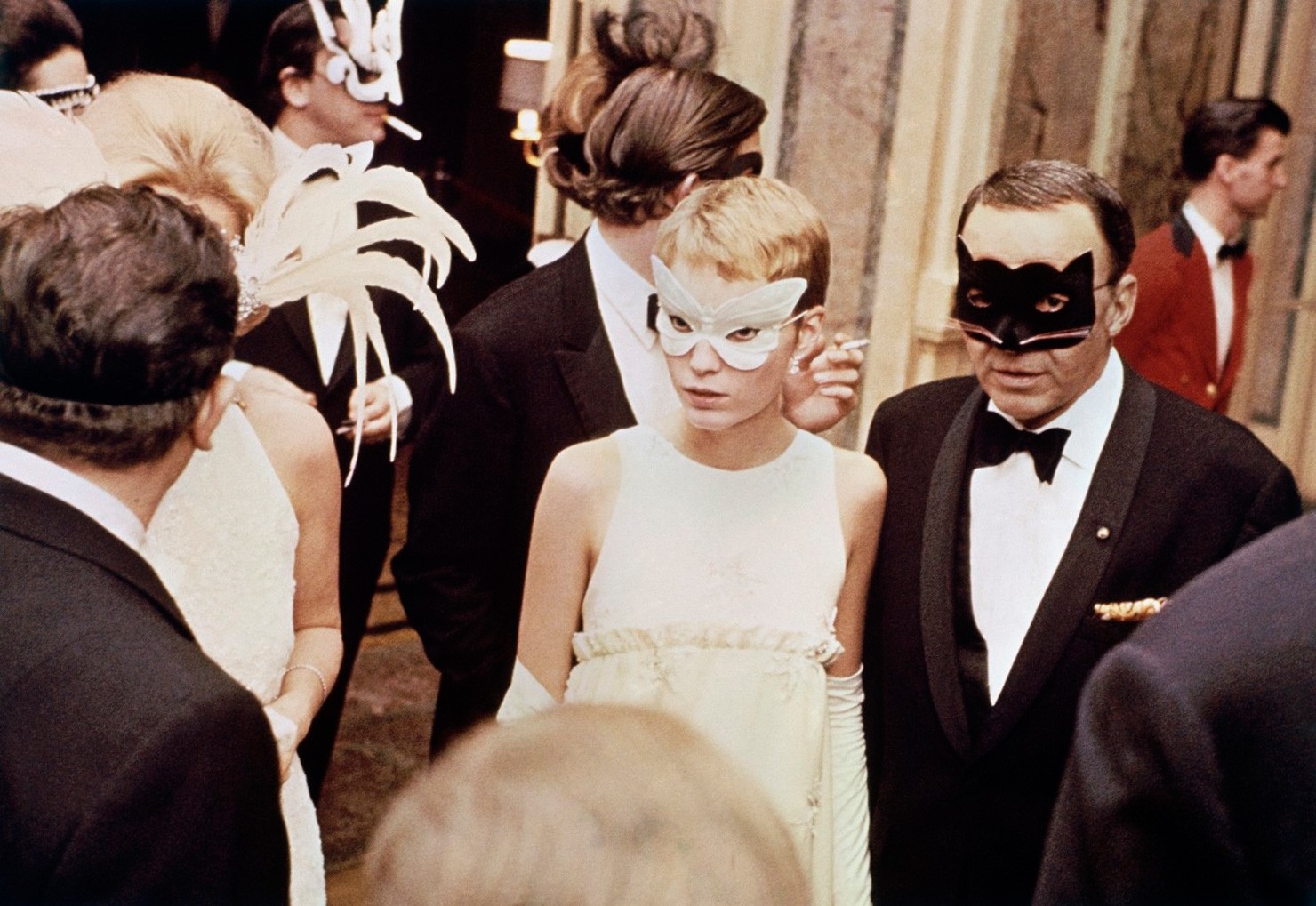
But this wasn’t ANY party. This soiree — a masquerade ball at the Plaza Hotel — would have the greatest assemblage of famous folks ever gathered for something so entirely frivolous. An invite to the ball was the true golden ticket, coveted by every celebrity and social climber in America.
Come with us as we give you a tour of the planning of the Black and White Ball and a few glamorous details from that strange, glorious evening.
FEATURING: Harper Lee, Lauren Bacall, Frank Sinatra, Robert Frost, Lillian Hellman, Halston, Katharine Graham and a cast of thousands (well, or just 540)
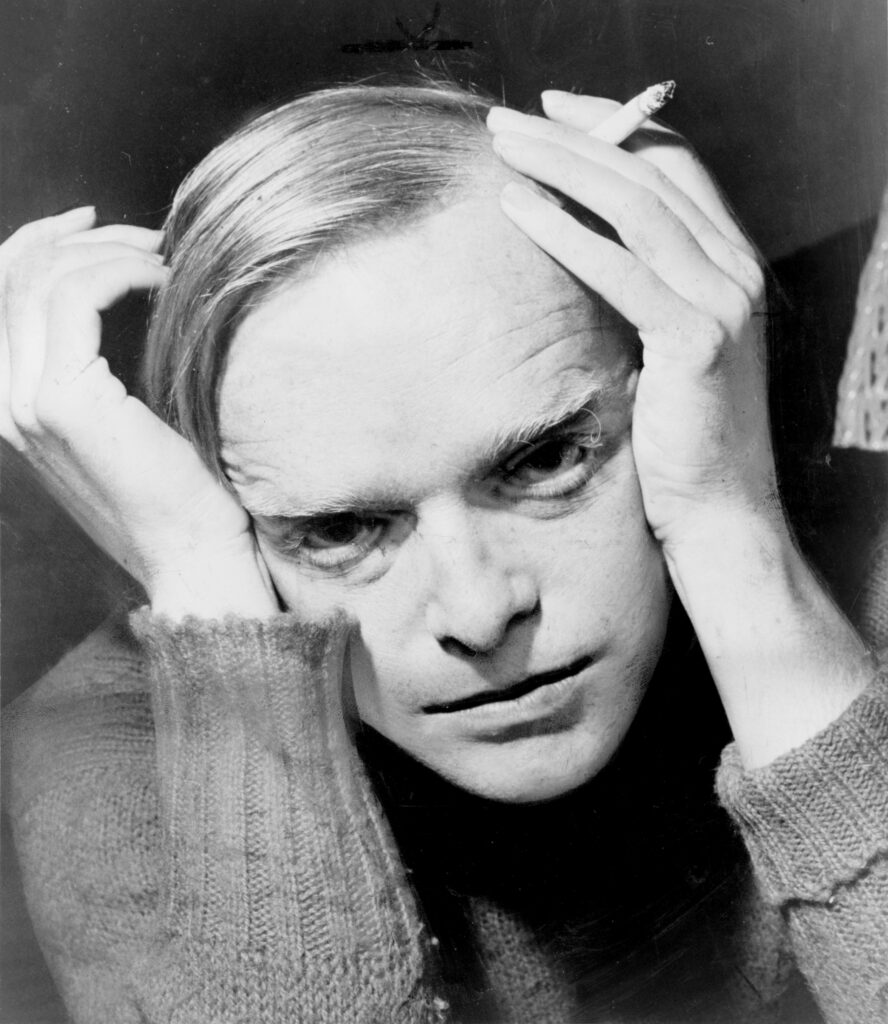
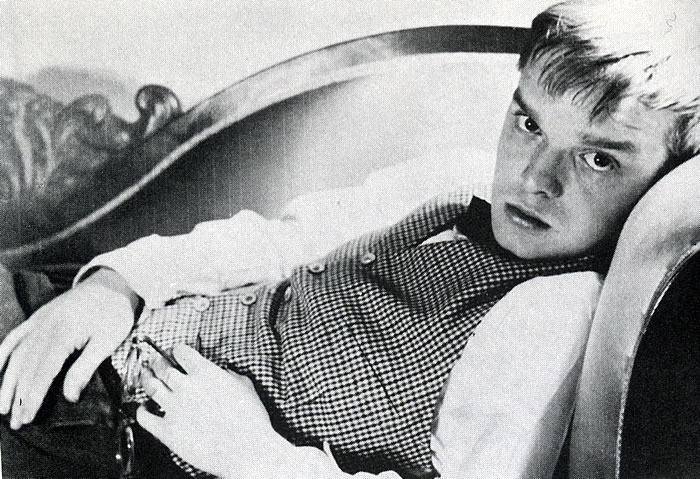
Truman Capote in 1945
From the unusual book jacket of Other Voices, Other Rooms, 1948
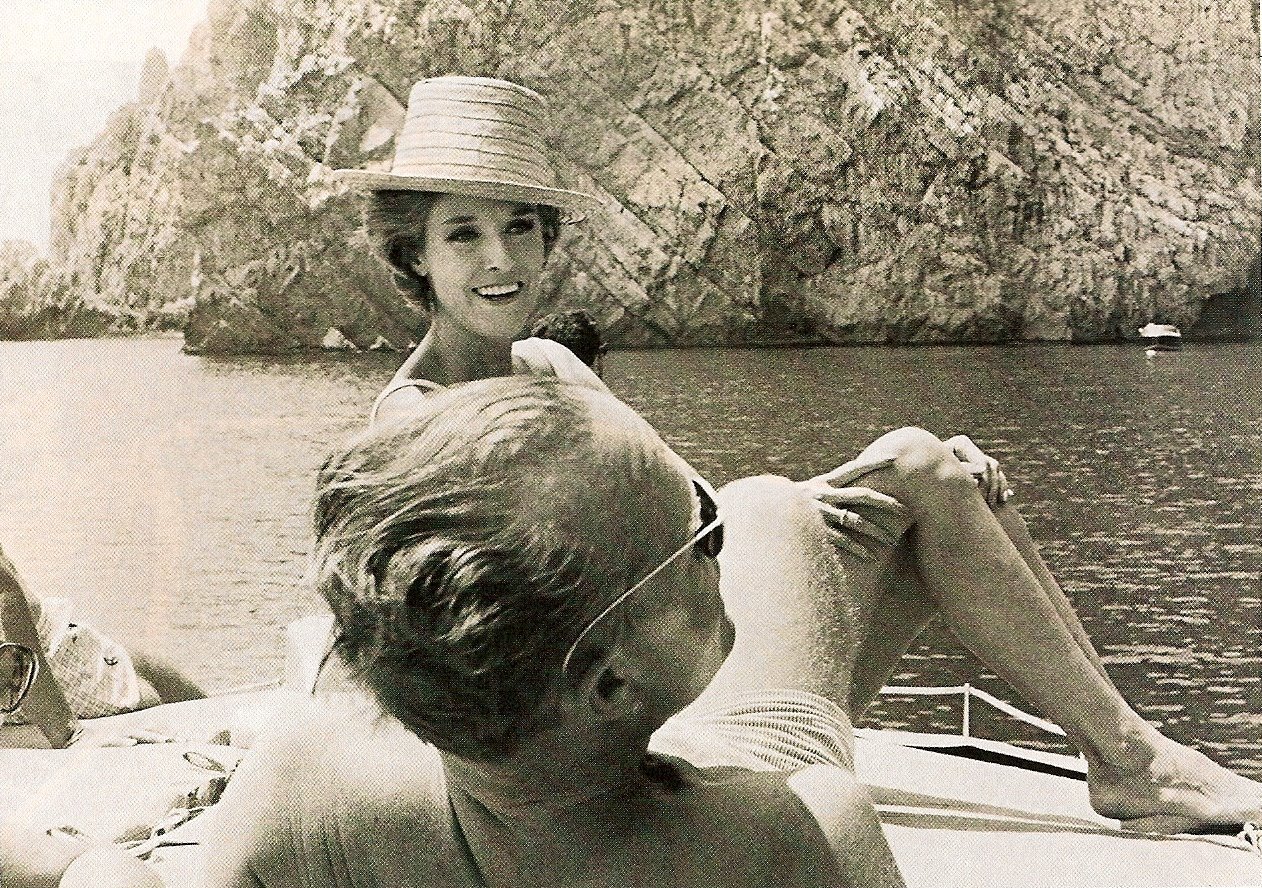
Babe Paley with Truman Capote in Capri, early 1960s
Courtesy the Red List
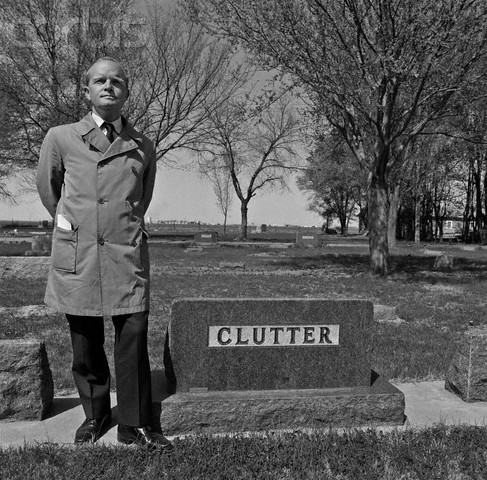
Capote in Kansas, at the grave of the Clutter family, their murder being the inspiration for his book In Cold Blood.
Two other New York cultural icon — who happened to be invited to Capote’s dance:
Some context on the New York ball/society scene, courtesy The Gilded Gentleman
FURTHER READING
Truman Capote / Breakfast at Tiffany’s Truman Capote / In Cold Blood Truman Capote / Other Voices, Other Rooms Truman Capote / “La Côte Basque 1965” and Answered Prayers Deborah Davis / Party of the Century: The Fabulous Story of Truman Capote and His Black and White Ball George Plimpton / “Was Truman Capote’s Black-and-White Ball the Greatest Party Ever?” Esquire 1991 Guy Trebay / “50 Years Ago, Truman Capote Hosted the Best Party Ever,” New York Times, 2016 Ralph Voss / Truman Capote and the Legacy of “In Cold Blood”
This newly edited edition of this episode of the Bowery Boys is now running on the The Gilded Gentleman podcast. Listen today:
PODCAST Four strange and spooky tales taken from New York City newspaper articles published during the Gilded Age
For this year’s 10th annual Bowery Boys Halloween special, we’re highlighting haunted tales from the period just after the Civil War when New York City became one of the richest cities in the world — rich in wealth and in ghosts!
We go to four boroughs in this one (sorry Brooklyn!):
— In the Bronx we highlight a bizarre house that once stood in the area of Hunts Point, a mansion of malevolent and disturbing mysteries
— Then we turn to Manhattan to a rambunctious poltergeist on fashionable East 27th Street
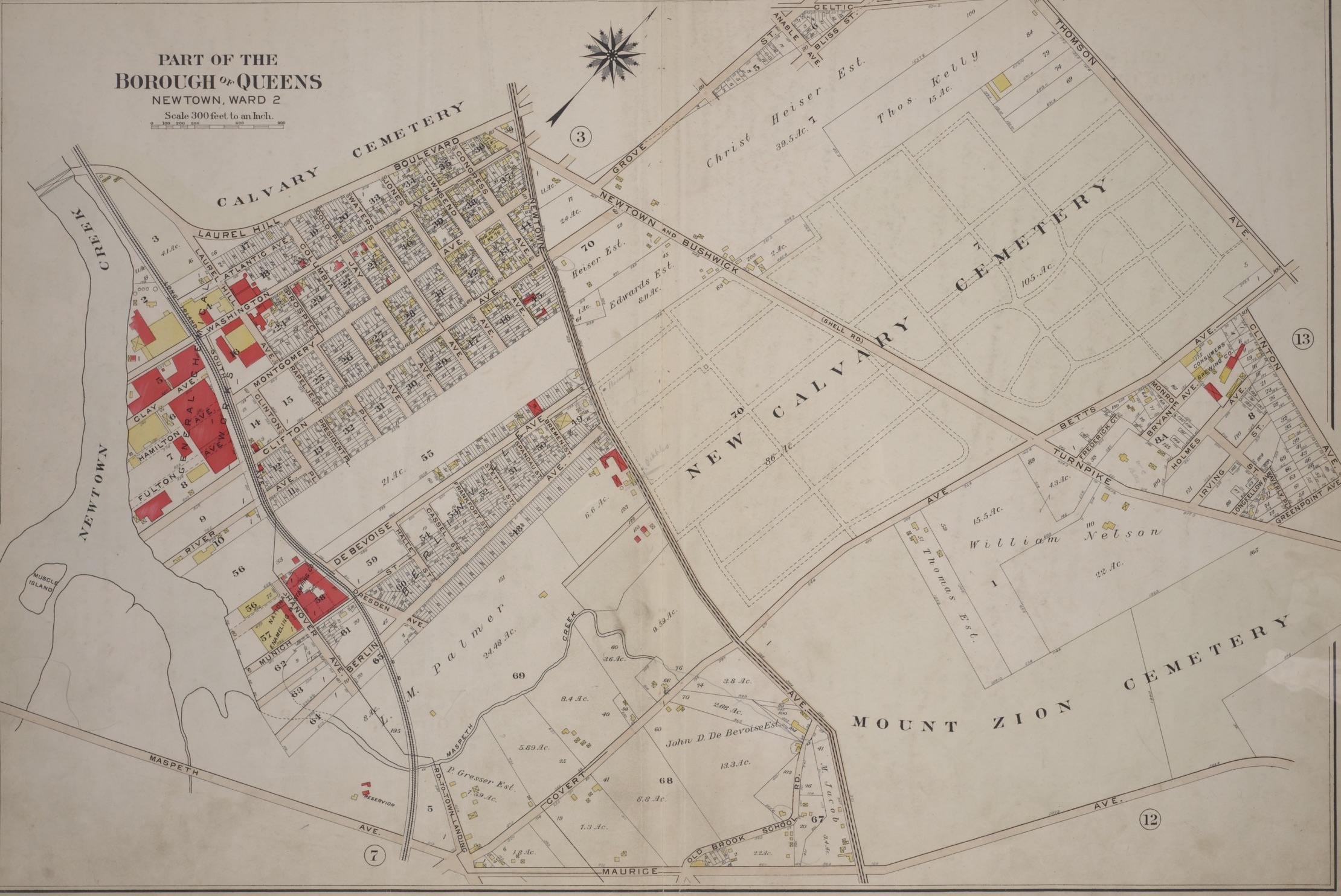
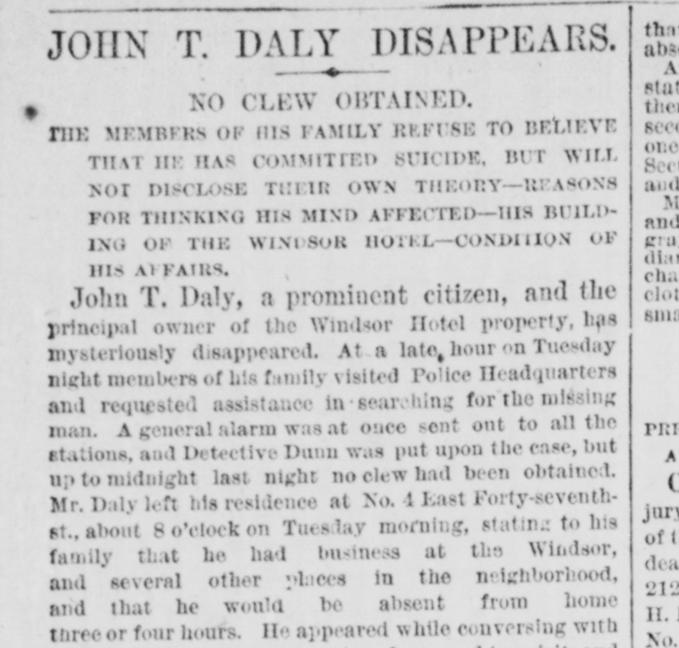
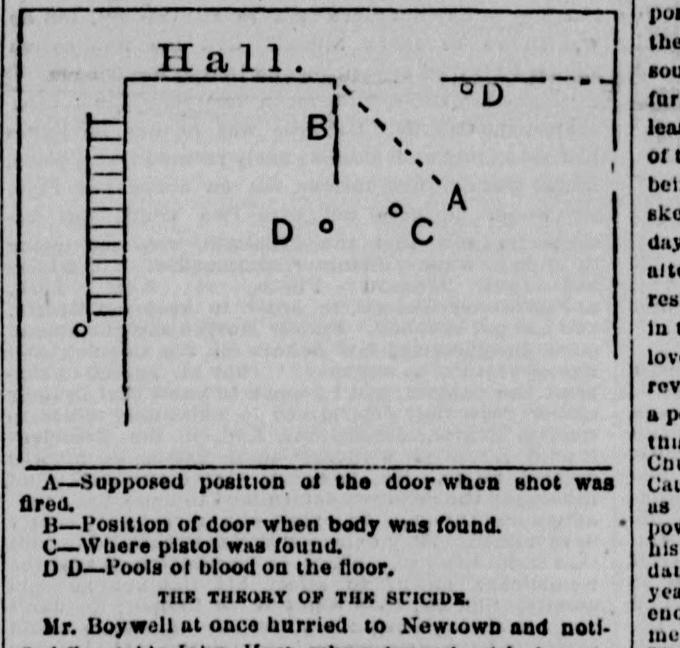
— Over in Queens, a lonely farmhouse in the area of today’s Calvary Cemetery is witness to not one, but two unsettling and confounding deaths
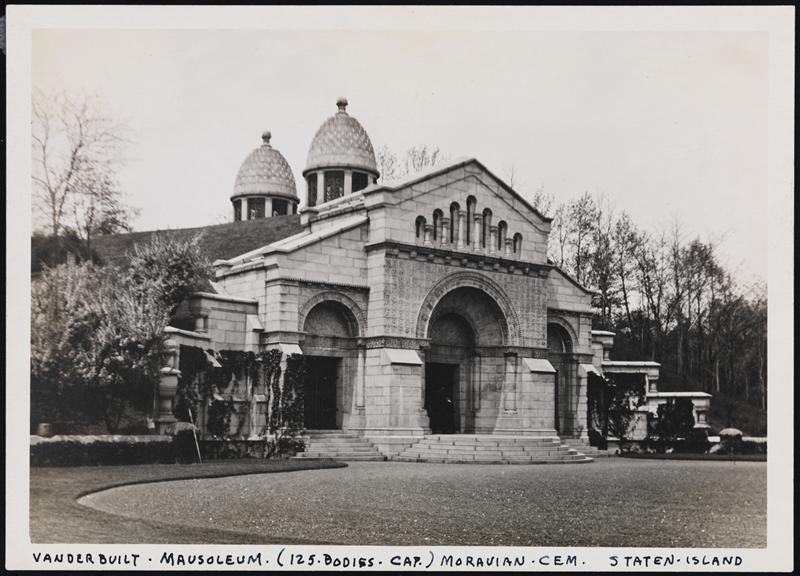
— Finally, in Staten Island, we take a visit to the glorious Vanderbilt Mausoleum, a historic landmark and a location with a few strange secrets of its own
The Bowery Boys: New York City History podcast is brought to you …. by you!
We are now producing a new Bowery Boys podcast every two weeks. We’re also looking to improve the show in other ways and expand in other ways as well — through publishing, social media, live events and other forms of media. But we can only do this with your help!
We are now a member of Patreon, a patronage platform where you can support your favorite content creators for as little as a $1 a month.
Please visitour page on Patreon and watch a short video of us recording the show and talking about our expansion plans. If you’d like to help out, there are five different pledge levels (and with clever names too — Mannahatta, New Amsterdam, Five Points, Gilded Age, Jazz Age and Empire State). Check them out and consider being a sponsor.
We greatly appreciate our listeners and readers and thank you for joining us on this journey so far. And the best is yet to come!
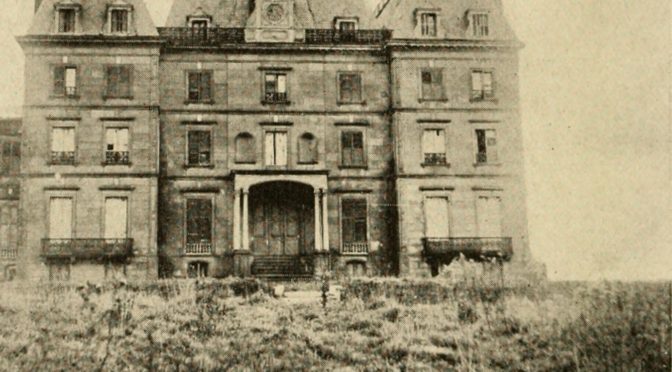
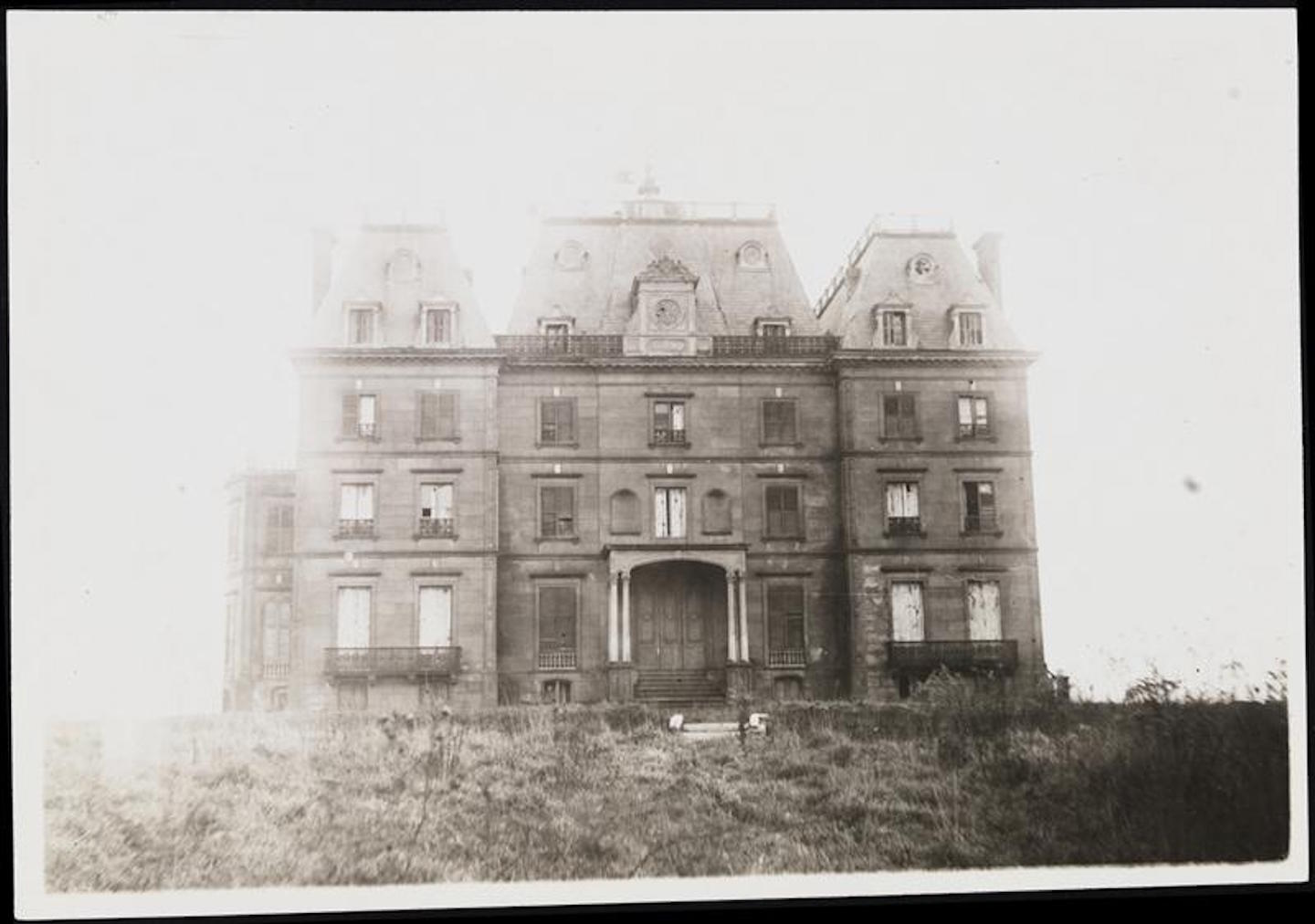
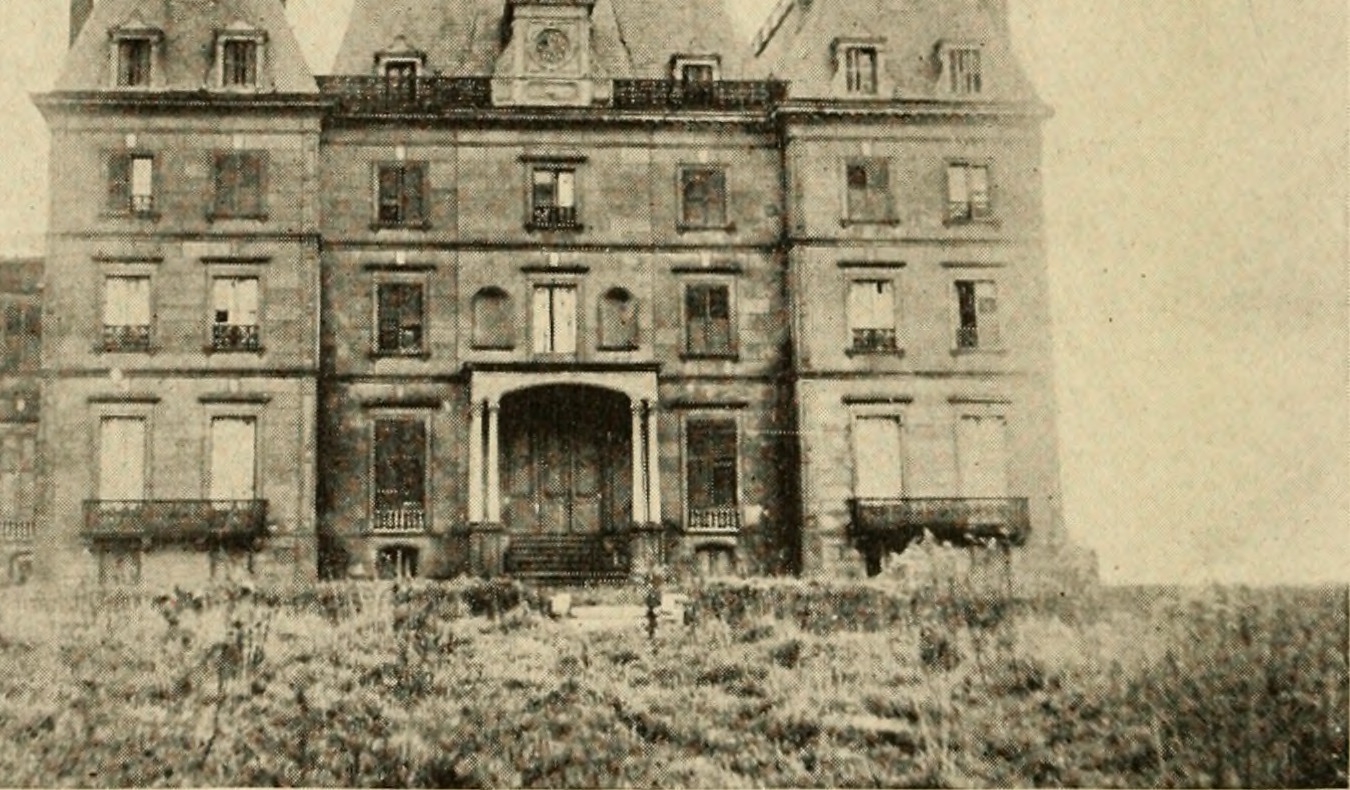
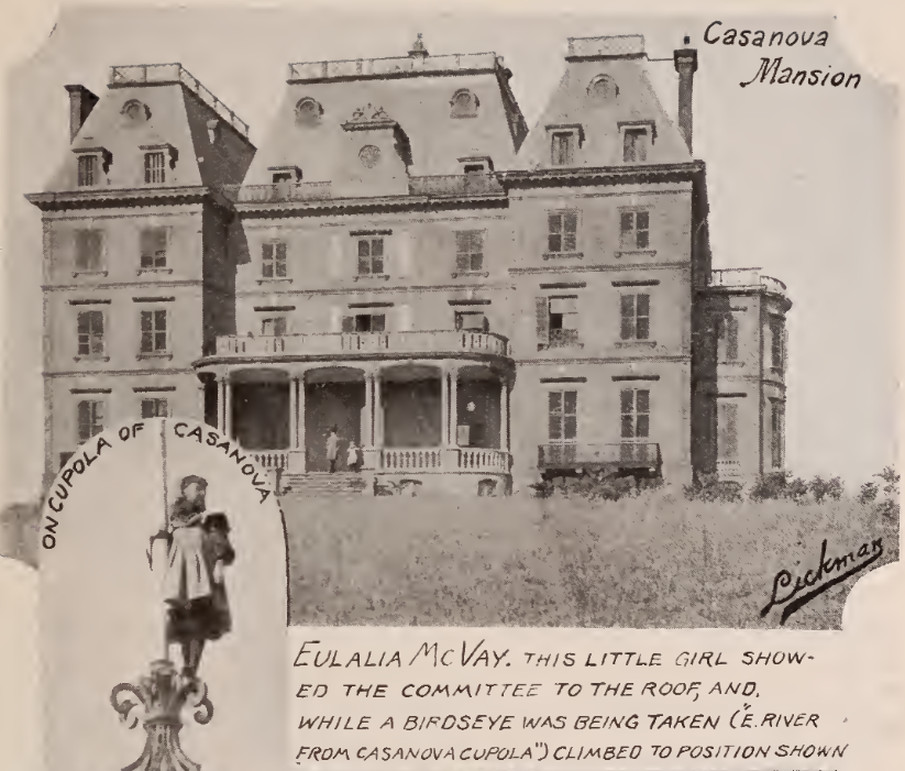
This is the Casanova Mansion aka “the house of many mysteries”
Courtesy Museum of the City of New York
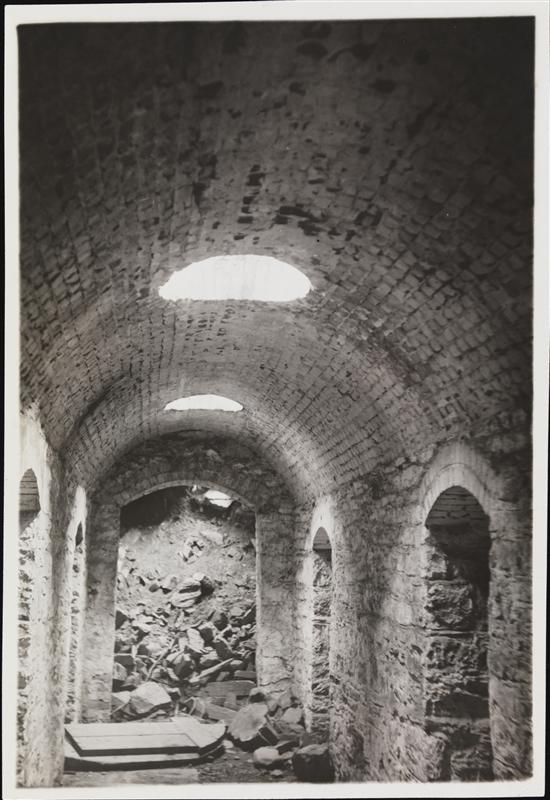
The subterranean tunnels under the Casanova mansion, as they appeared in 1910. Prison cells were discovered along the walls of the tunnels. What could they have been used for?
Courtesy MCNY
From the book “The borough of the Bronx, 1639-1913; its marvelous development and historical surroundings” (1913): “Casanova Mansion were stored with powder and rifles which eventually found their way into the hands of the patriots in Havana and other Cuban cities. An underground passage had been made, running from the house to the Sound, and under cover of darkness boats, which were undoubtedly filibusters, were occasionally seen to steal into the little cove that the mansion overlooked; and, after being freighted with ammunition and other implements of war, to creep out again as mysteriously as they had entered.”
In 1902 a young girl made the news when she by climbing the the very top of the old mansion. Note that the porch is different than the picture above. This is probably the side of the house that faced the East River.
Courtesy Stuff Nobody Cares About
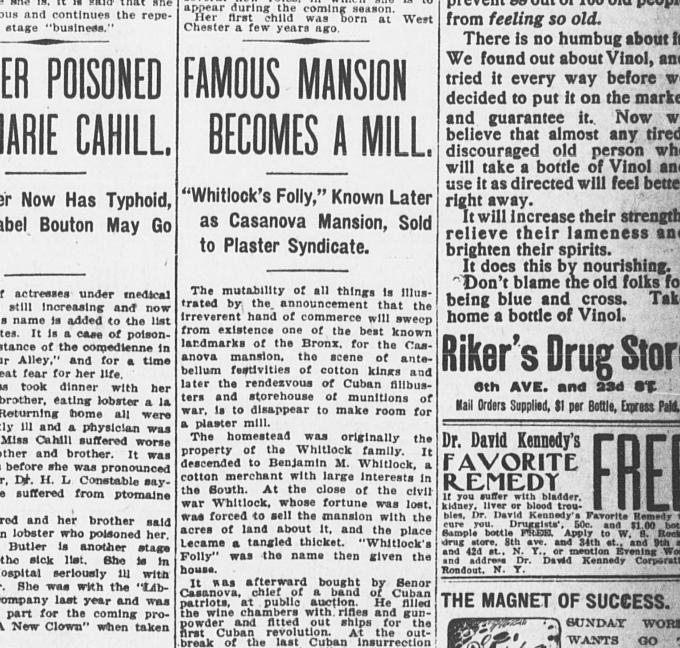
The Casanova Mansion makes one of its final appearances in the newspapers. This article is from 1902 although it appears that the mansion was not completely demolished until much later (the pictures above are from a later date)
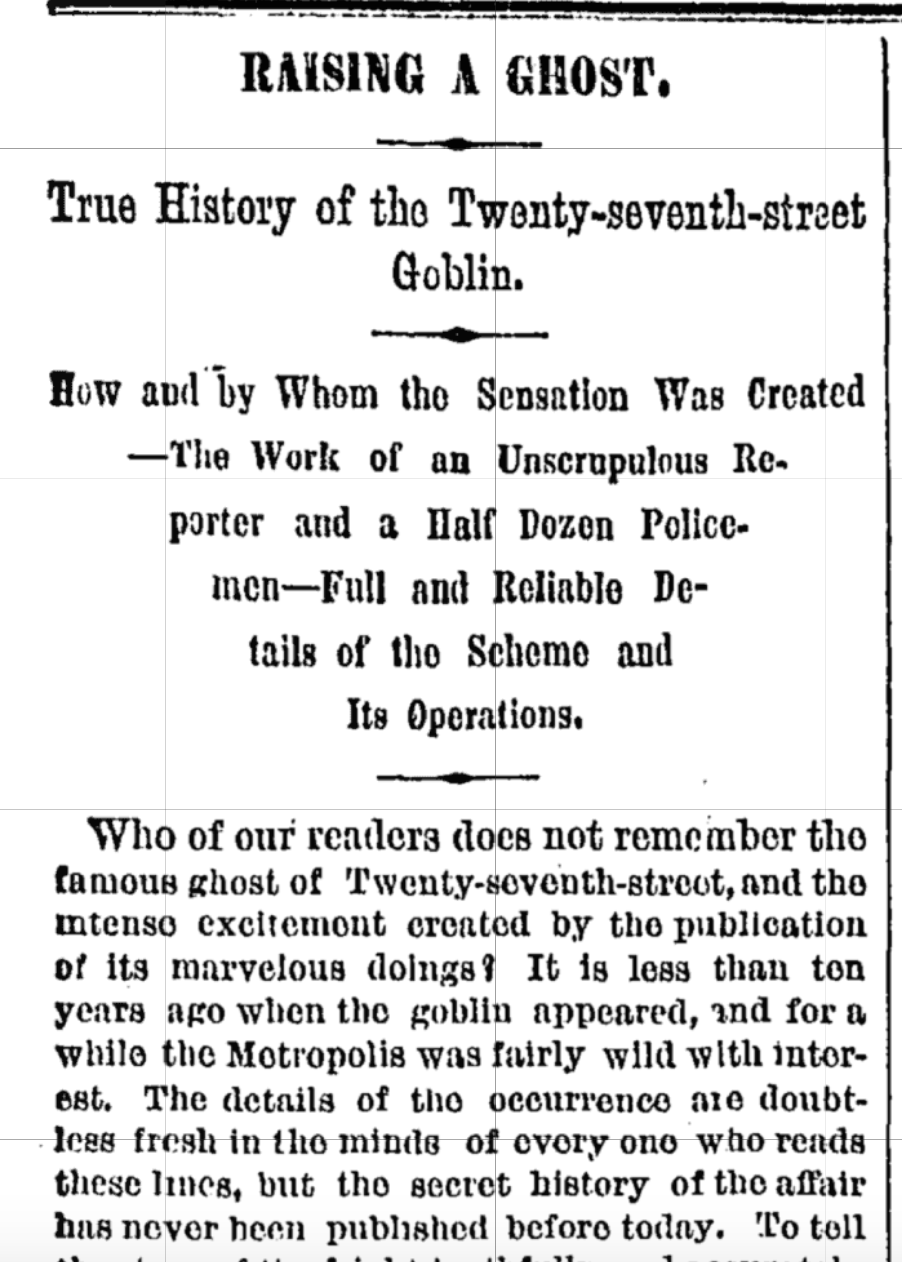
From the New York Times, September 18, 1870, a thorough recounting of the strange story of possible ghosts on East 27th Street, with a thorough description of the police’s creative use of lighting and photography.
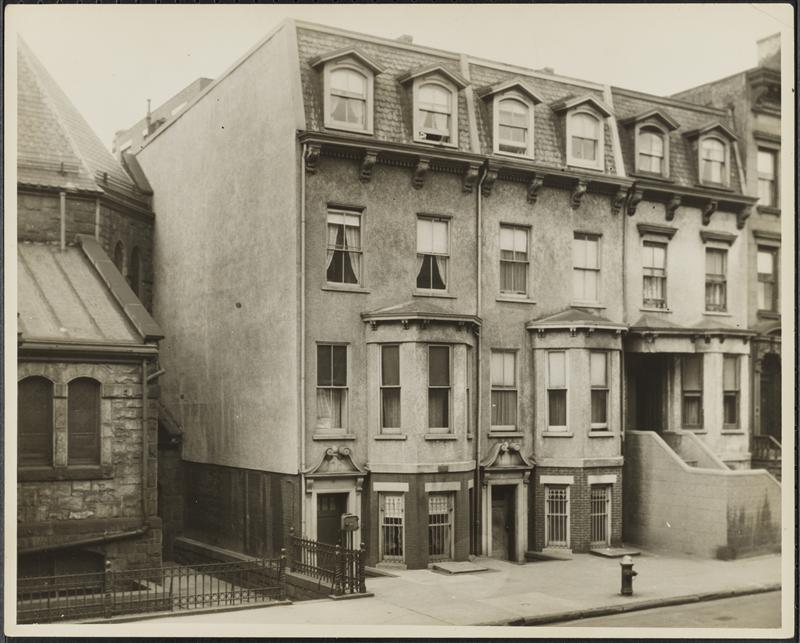
A selection of houses along East 27th Street, photographs by Charles Von Urban, courtesy the Museum of the City of New York
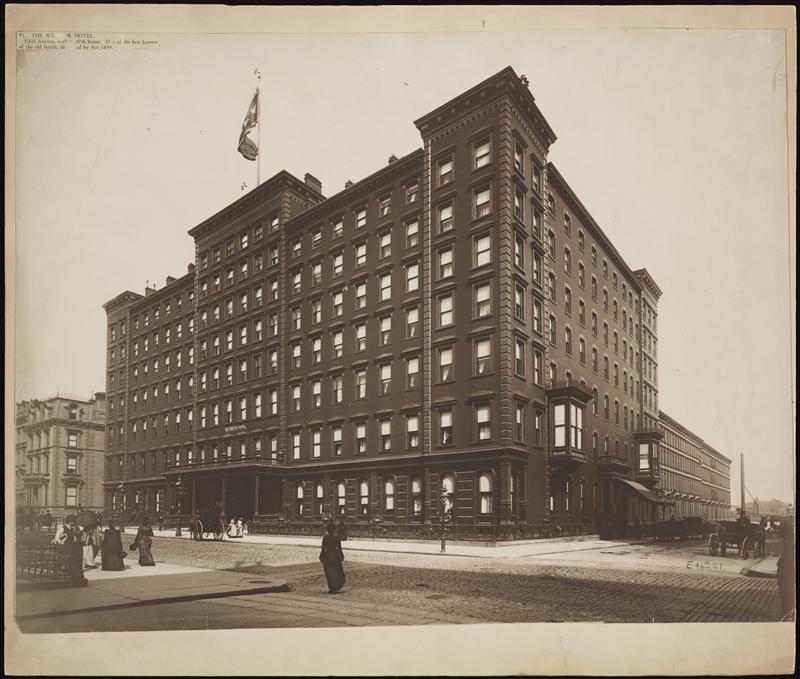
The spectacular Windsor Hotel on Fifth Avenue and 46th Street, pictured here in 1890, many years after the death of its proprietor John T. Daly. For more information on this forgotten hallmark of upper-class glamour, check out this article from Daytonian In Manhattan.
Museum of the City of New York
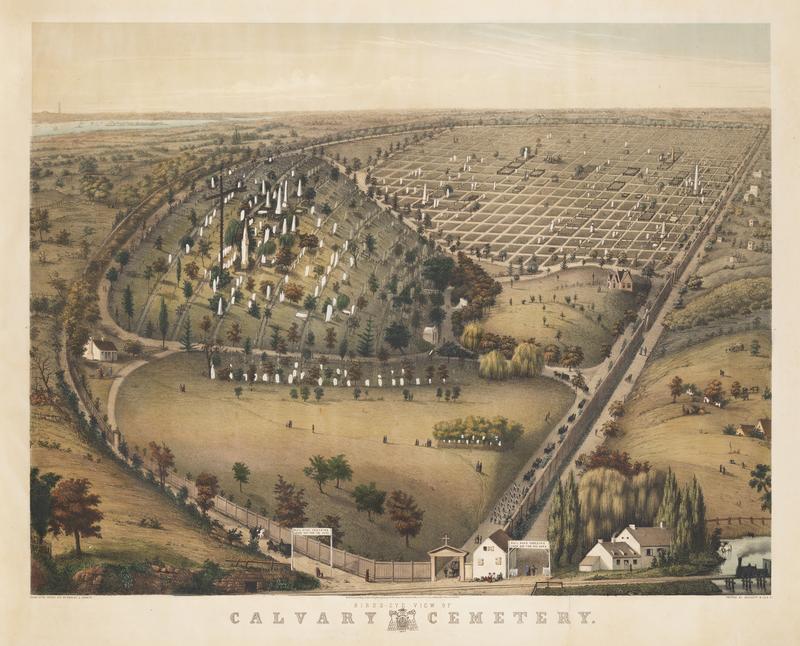
A ‘bird’s eye’ view of Calvary Cemetery in 1855, well before its expansion. Taking from clues from various newspaper, my guess is that the ‘cursed farmhouse’ lay somewhere to the far right of this image.
MCNY
A map from 1909 detailing the expansion of Calvary Cemetery.
We hope you stuck around until the end of the show — to hear the official trailer for the new Bowery Boys podcast series called The First. Listen to it here:
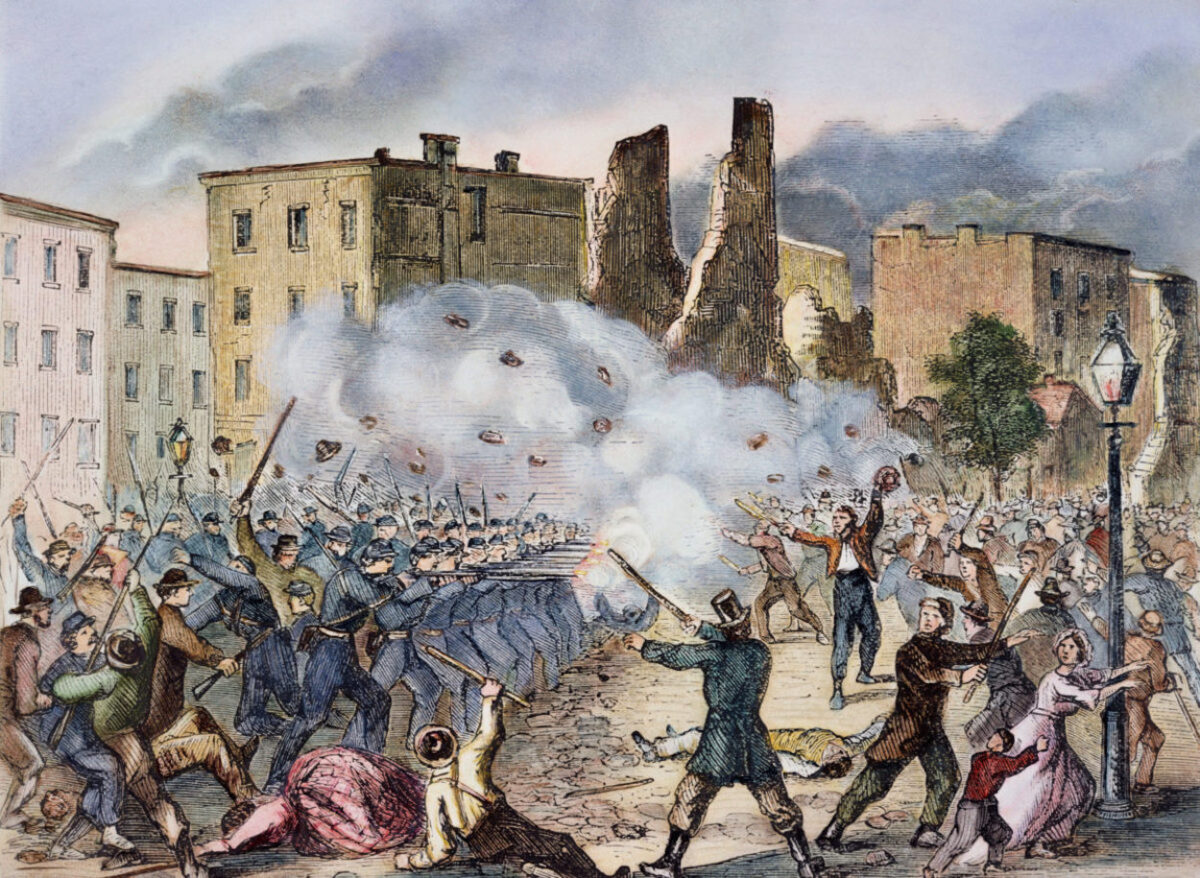
This month we are marking the 160th anniversary of one of the most dramatic moments in New York City history – the Civil War Draft Riots which stormed through the city from July 13 to July 16, 1863.
Thousands of people took to the streets of Manhattan in violent protest, fueled initially by anger over conscription to the Union Army which sent New Yorkers to the front lines of the Civil War. (Or, most specifically, those who couldn’t afford to pay the $300 commutation fee were sent to war.)
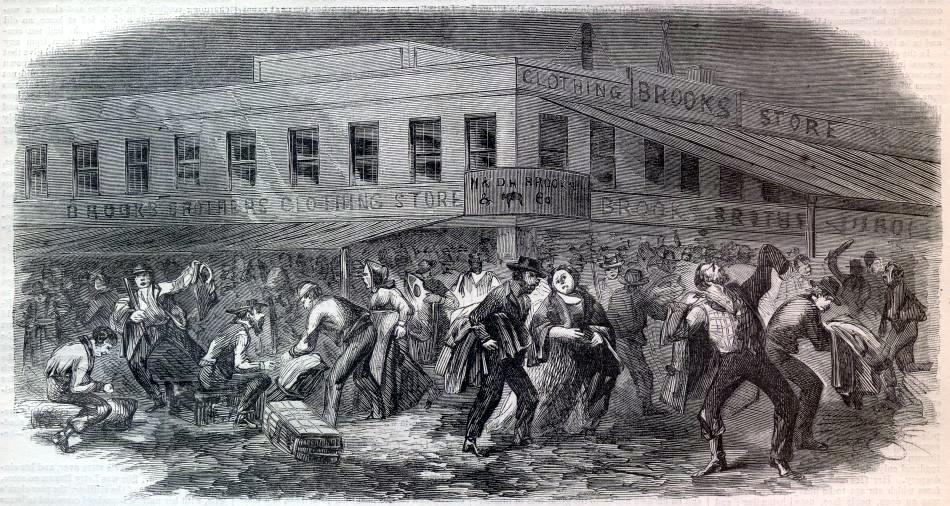
Looting at Brooks Brothers. Harpers Weekly, August 1, 1863
In many ways, our own city often seems to have forgotten these significant events.
There are very few memorials or plaques in existence at all to the Draft Riots, a very odd situation given the numerous markers to other tragic and unsettling moments in New York City history.
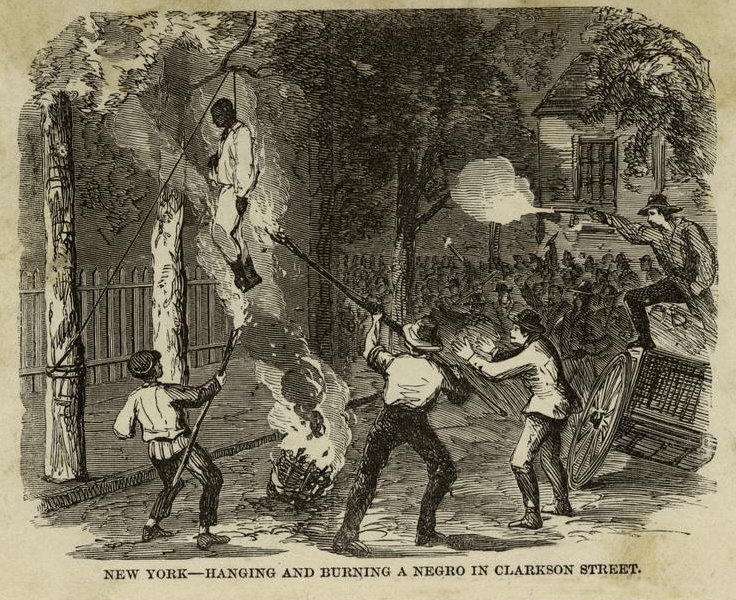
In particular, given the number of African-Americans who were murdered in the streets during these riots, and the numbers of Black families who fled New York in terror, we think this is a very significant oversight.
Harper’s Weekly, August 1, 1863
The riots place New York City not outside the significance of the Civil War battlefield, but squarely within it. The Union was not united, but an assortment of different viewpoints.
In this episode, a remastered, re-edited edition of our 2011 show, we take you through those hellish days of deplorable violence and appalling attacks on abolitionists, Republicans, wealthy citizens, and anybody standing in the way of blind anger. Mobs filled the streets, destroying businesses (from corner stores to Brooks Brothers) and threatening to throw the city into permanent chaos.
That Abraham Lincoln and the Union Army succeeded is even more remarkable when you realize the dissension from within, dissension which we discuss in this show (a remastered, reedited version of a show we originally recorded in 2011).
LISTEN NOW: THE DEADLY DRAFT RIOTS
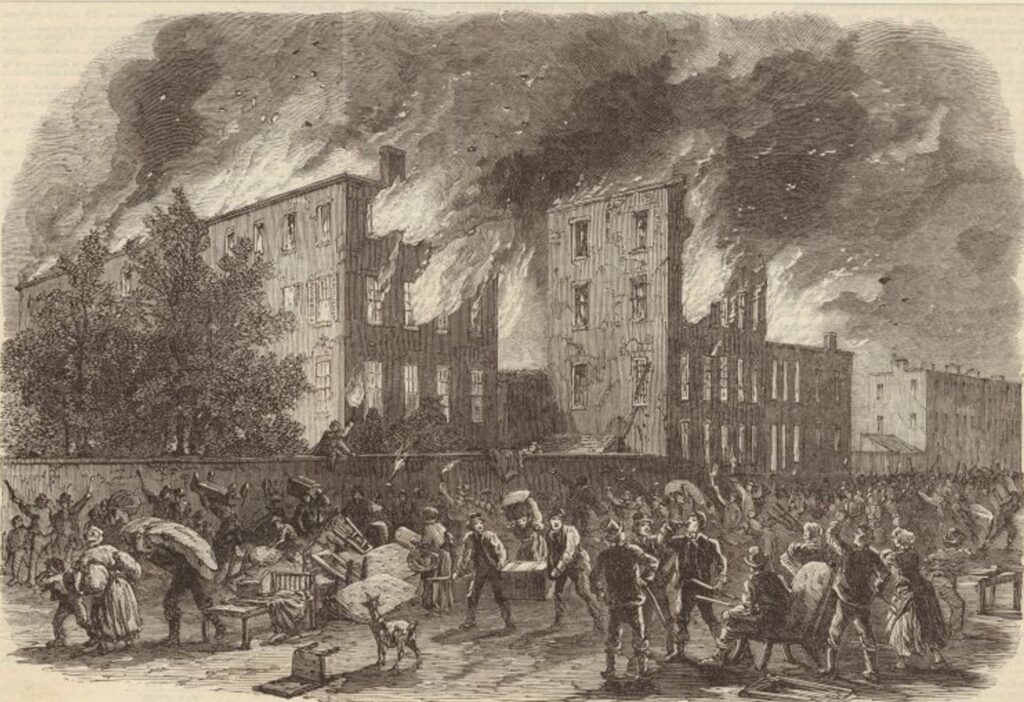
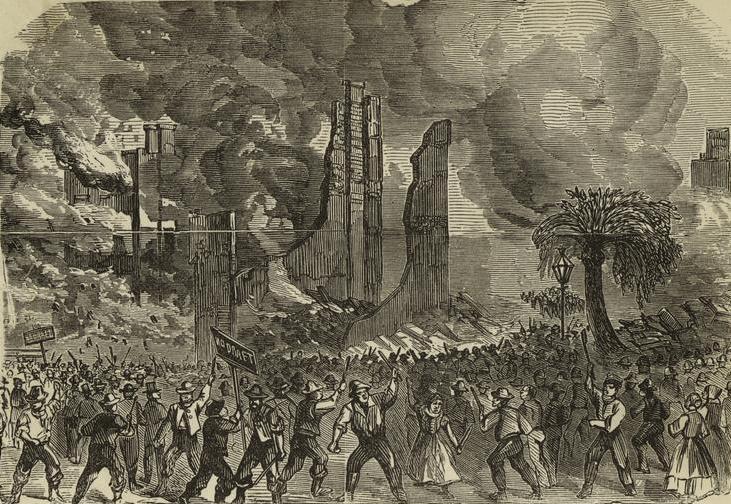
The burning of the Colored Orphan Asylum on Fifth Avenue: In a day of vile crimes that Monday, July 13th, this certainly stands out as one of the worst.The mob burned the draft office at 3rd Avenue and 46th Street first thing on Monday morning. The destruction was but only a taste of the violence that was to come. By Friday, New York would be smoldering with dozens of structures in ashes — from factories and homes to armories and even bridges.
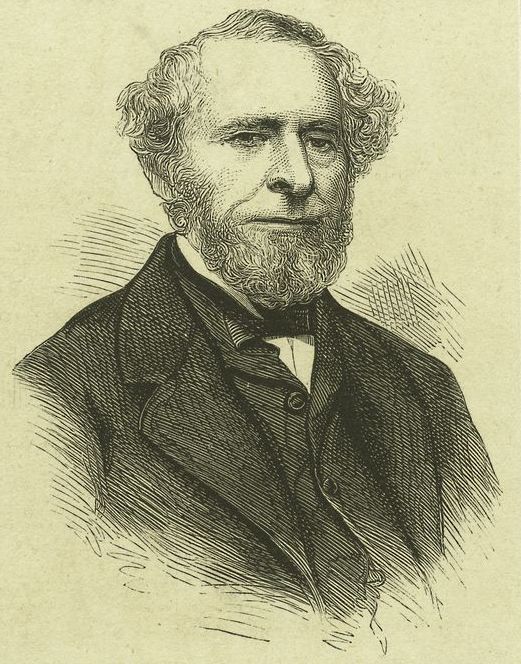
John A. Kennedy, the superintendent of police, who was savagely beaten and barely escaped with his life on the first day of rioting.
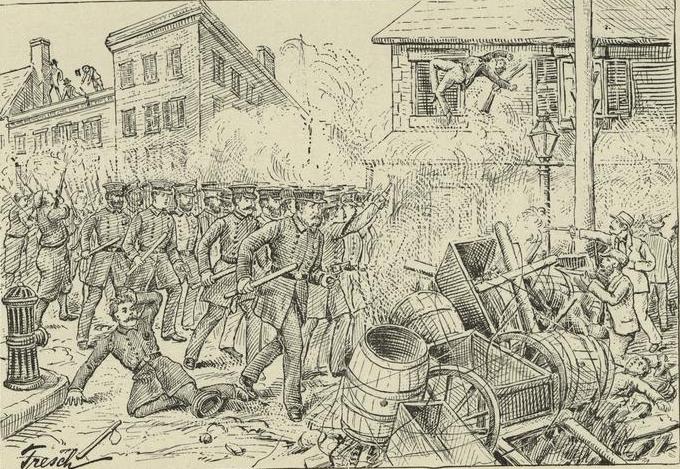
By Tuesday, rioters had cordoned off barricades along a couple key streets, including a mile-long makeshift fortification along Ninth Avenue, through today’s Chelsea and Hell’s Kitchen neighborhoods.
Illustrations courtesy New York Public Library digital image collection
The Illustrated London news
The other draft riots: Given the New York-centric nature of our program, I should note that draft riots occurred throughout the North that week, and even earlier. Yet none were of the intensity as those that occurred in Manhattan. In Boston, for instance, mobs stormed the famous Faneuil Marketplace and an armory on Cooper Street. But troops quelled the violence early, and only eight people died. [Read more about this even in the Boston Phoenix.]
And events were sparked in the future boroughs of Brooklyn, the Bronx, Queens and Staten Island as well. You can read more about them in this blog post.
Why are there no permanent memorials or remembrances of any significant kind in New York City to the Civil War Draft Riots? It was the most grave, the most tumultuous event in New York City history between the Revolutionary War and September 11, 2001. Doesn’t it merit some mention? Read Greg’s opinion piece which ran on the 150th anniversary — which more or less still applies today.
FURTHER READING
For more information on the Draft Riots, you can turn to several sources, based on your level of interest. My favorite is Barnet Schecter’s‘The Devil’s Own Work’which gives a gripping chronological retelling of events. He really manages to tame a chaotic tale in a way that neither confuses nor oversimplifies. I used Schecter’s ‘Mrs. Hilton’ anecdote from this book, and his book is chockful of other individual tales like that one.
If you prefer something a bit more analytical, there’s Iver Bernstein’s‘The New York City Draft Riots’ which tries to parse who exactly the rioters were. Of course ‘Gotham’ by Edwin G Burrows and Mike Wallace have a nice, compact recount with plenty of context. The City University of New York’s ‘Virtual New York’ web resource has a timeline with maps.
The Gangs of New York: Perhaps the most famous depiction of the riots occurs in Herbert Asbury’s classic ‘The Gangs of New York’. The film version, directed by Martin Scorsese, takes quite a few liberties with the facts of course. The placing of candles in windowsills and the fire at Barnum’s American Museum, for instance, did not happen during the riots. But those are based on true events that happened in New York a year later.
FURTHER LISTENING
There’s also the Broadway musical Paradise Square, set during the Draft Riots. Joaquina Kalukango won a Tony Award for Best Actress for her work in the musical:
When this show was originally released in 2011, it was part of a three part mini-series on New York City and the Civil War. You might like to check out the other two parts — especially part three Hoaxes and Conspiracies of 1864
In this episode, Greg pays a visit to Weeksville, the Brooklyn community which became a haven for Black New Yorkers fleeing the city during the riots.
If there is a ‘prequel’ to the Draft Riots, it’s certainly the Astor Place Riot of May 10, 1849.