Categories
Mysterious Stories Podcasts

Whatever Happened to Dorothy Arnold? A tale of New York’s most famous missing person

PODCAST The mysterious disappearance of a young woman becomes one of the most talked-about events over one hundred years ago.

The young socialite Dorothy Arnold seemingly led a charmed and privileged life.

The niece of a Supreme Court justice, Dorothy was the belle of 1900s New York, an attractive and vibrant young woman living on the Upper East Side with her family. She hoped to become a published magazine writer and perhaps someday live by herself in Greenwich Village.

But on December 12, 1910, while running errands in the neighborhood of Madison Square Park, Dorothy Arnold — simply vanished.
In this investigative new podcast, we look at the circumstances surrounding her disappearance, from the mysterious clues left in her fireplace to the suspicious behavior exhibited by her family.

This mystery captivated New Yorkers for decades as revelations and twists to the story continued to emerge. As one newspaper described it: “There is general agreement among police officials that the case is in a class by itself.”

ALSO: What secrets lurk in the infamous Pennsylvania ‘House of Mystery’? And could a sacred object found in Texas hold the key to solving the crime?

This episode is a newly re-edited and re-mastered version of a show we recorded in 2016.


The Bowery Boys: New York City History podcast is brought to you …. by you!

Please visit our page on Patreon and watch a short video of us recording the show and talking about our expansion plans. If you’d like to help out, there are five different pledge levels (and with clever names too — Mannahatta, New Amsterdam, Five Points, Gilded Age, Jazz Age and Empire State). Check them out and consider being a sponsor.

We greatly appreciate our listeners and readers and thank you for joining us on this journey so far. And the best is yet to come!


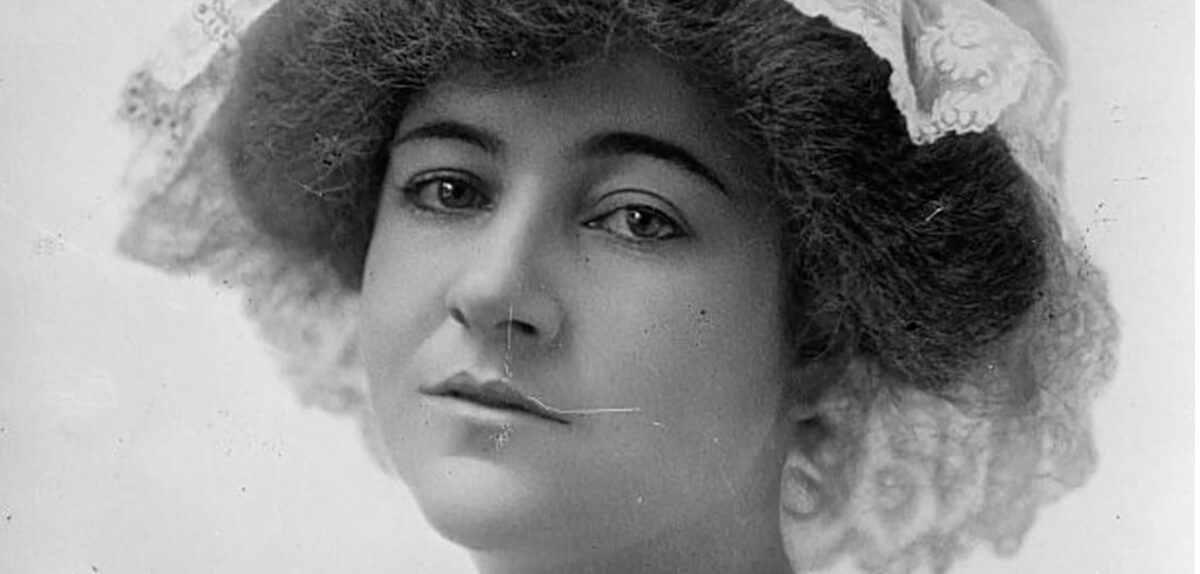
The photograph of Dorothy Arnold that was much reproduced in the press after her disappearance on December 12, 1910.
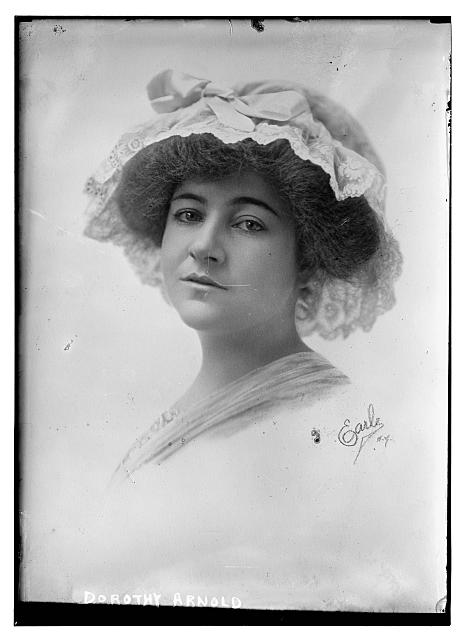
Library of Congress
Library of Congress

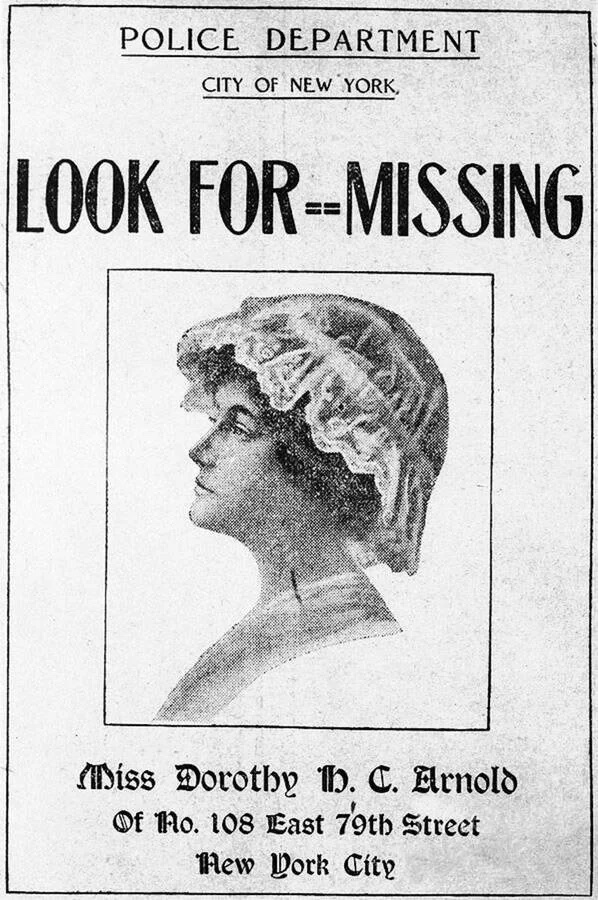
An example of a missing persons notice that was (eventually) distributed to police departments around the city.
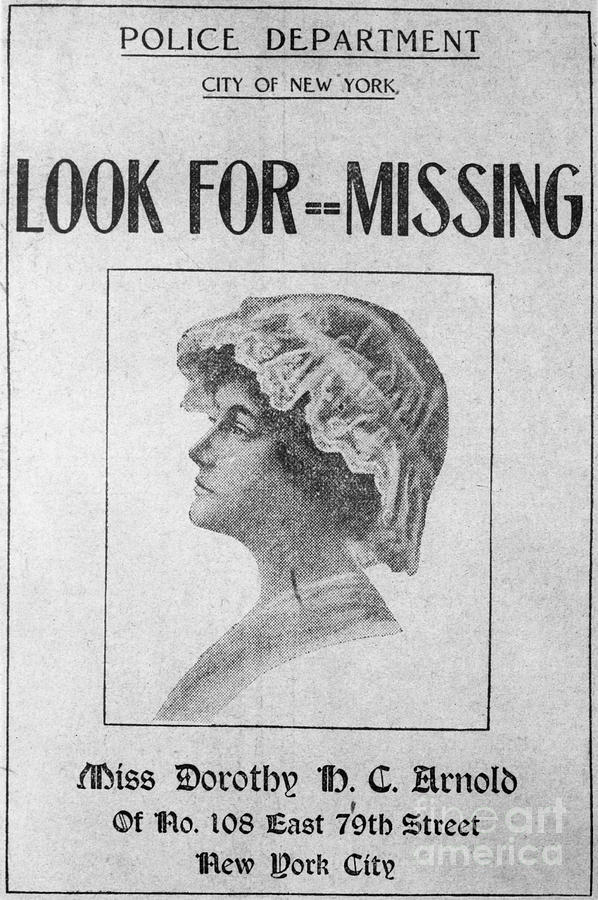
missing-person-1911-granger

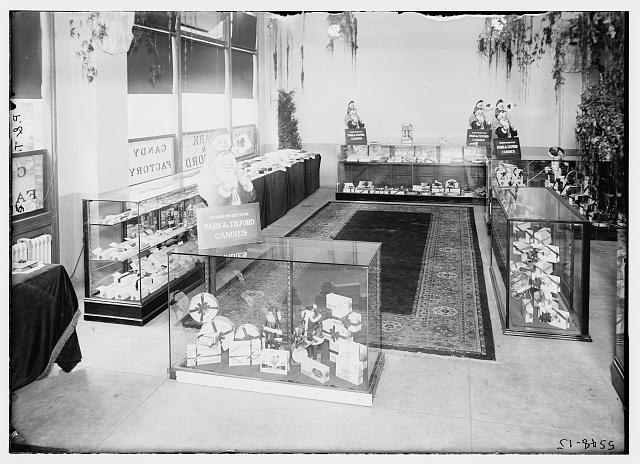
On the day of her disappearance, Arnold bought chocolates at the Park & Tilford candy shop.
Library of Congress
Library of Congress

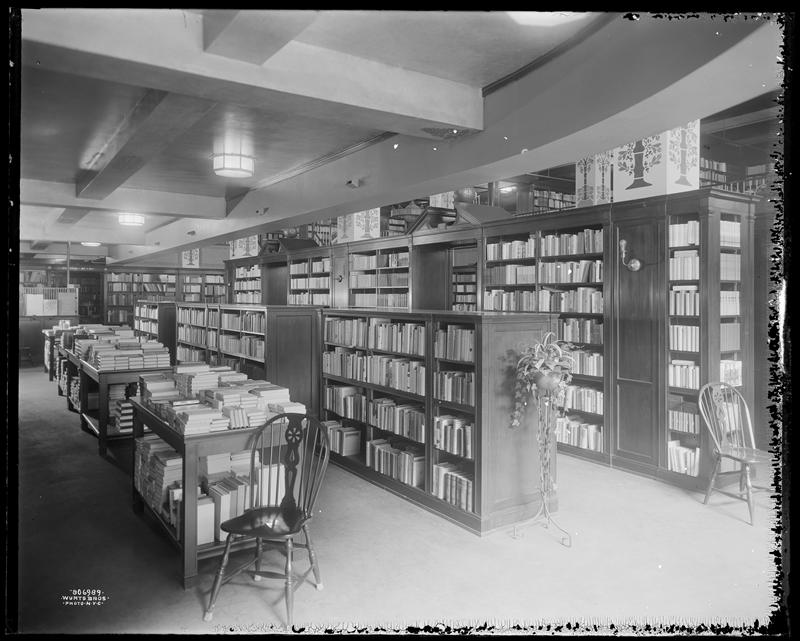
She was last spotted at a Brentano’s Book Store on 27th Street and Fifth Avenue. Here’s the interior of a New York Brentano’s store in 1925:
Museum of the City of New York

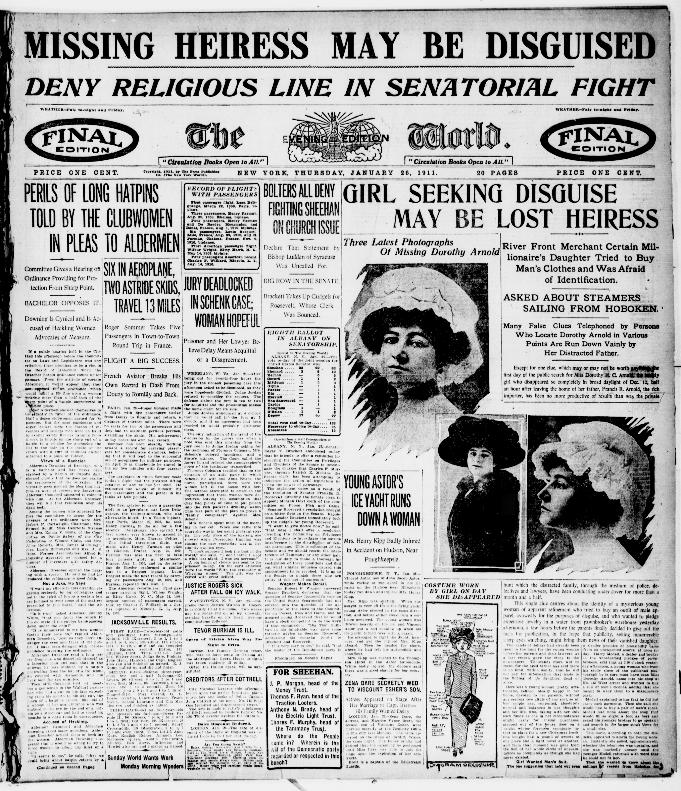
An extraordinary front page from the January 26, 1911, edition of the New York Evening World. Please note the other unusual headlines on the page:
Courtesy the Evening World

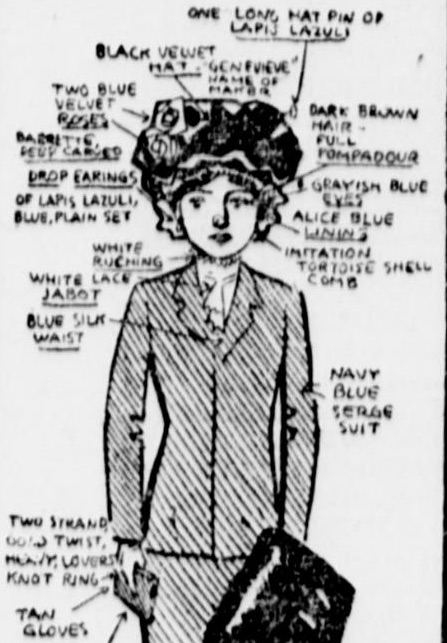
A close-up of the insanely detailed illustration of her wardrobe:
1

From the Jan. 26, 1911, New York Tribune: “Miss Dorothy Arnold who has been missing from her home in this city since December 12.”
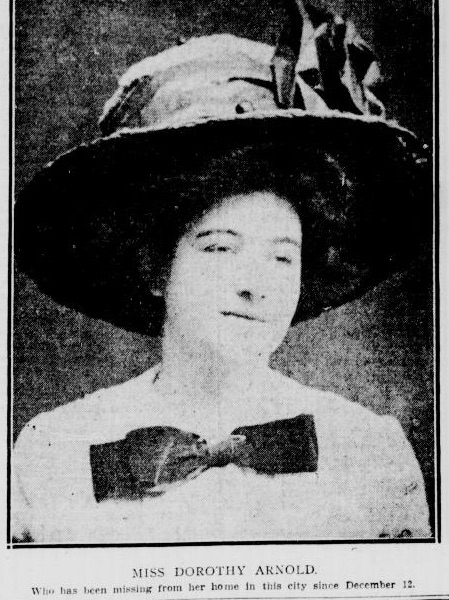
Courtesy the New York Tribune

The New York Tribune, Jan 30, 1911:  “Miss Dorothy H.C. Arnold who, it is now known, was seen near the 59th Street entrance of Central Park the evening of the day she disappeared.”
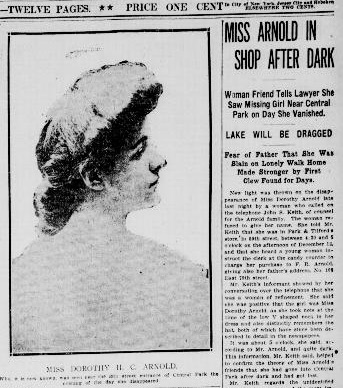
Courtesy New York Tribune

A Dorothy Arnold related headline, sitting next to a headline involving the captain of the ill-fated General Slocum steamship, which sank in 1904.
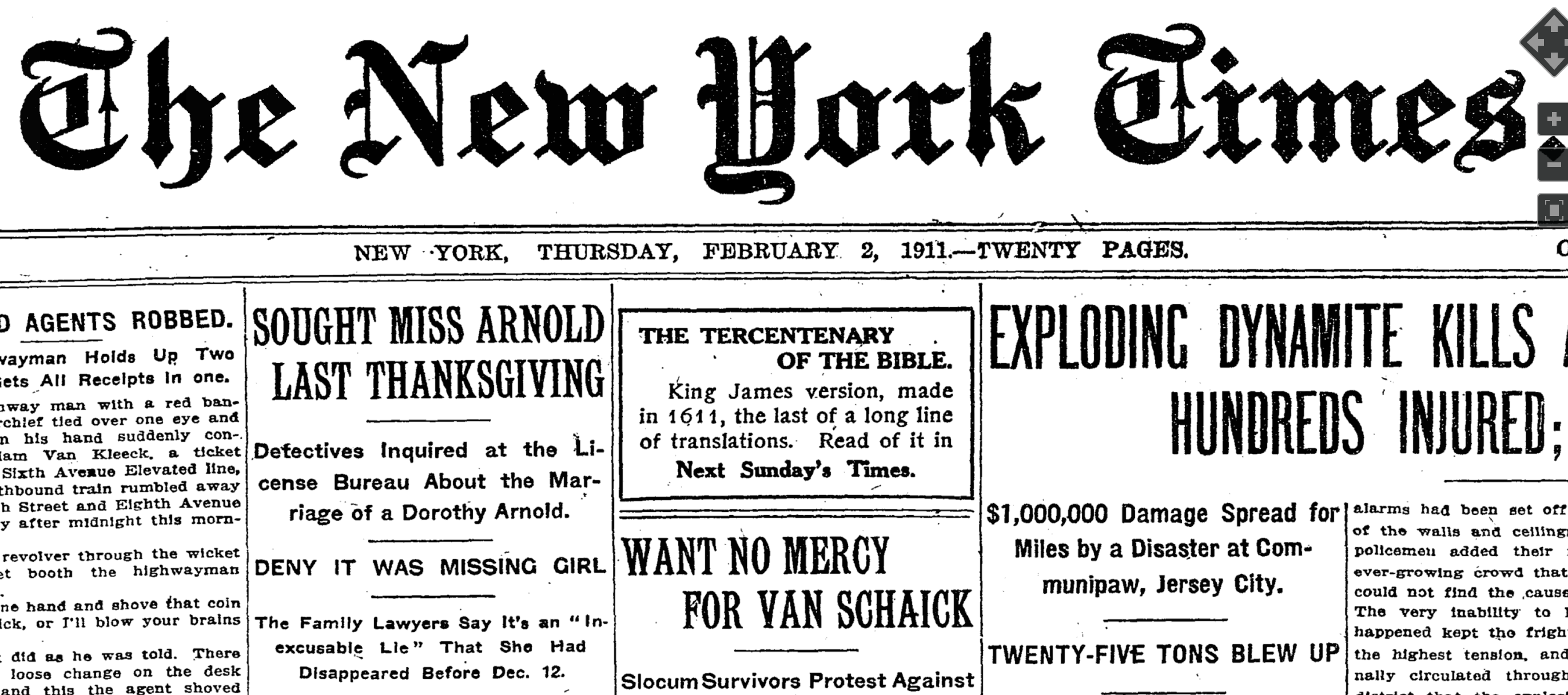
Screen Shot 2016-05-26 at 10.54.56 PM

The event soon made newspapers across the country. This is from the front page of the Washington (D.C.) Times, January 29, 1911
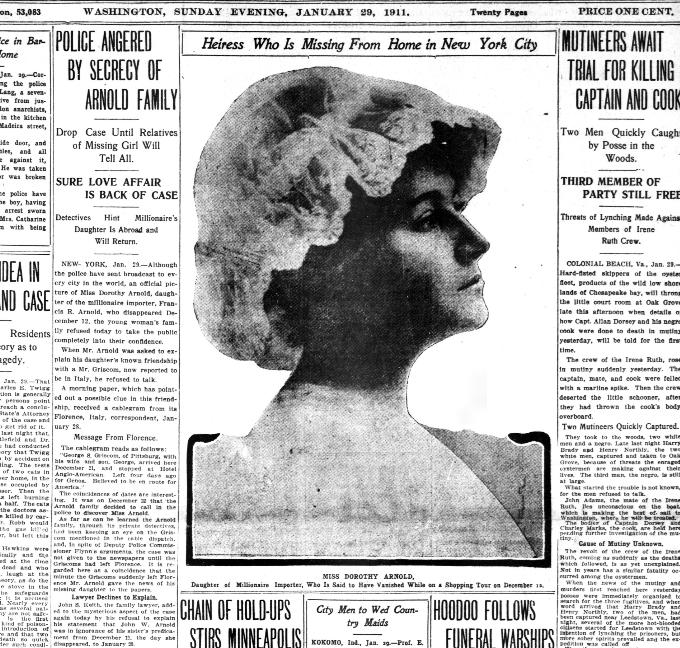
Washington Times
Washington Times

From the Mt. Vernon Ohio newspaper, January 31, 1911
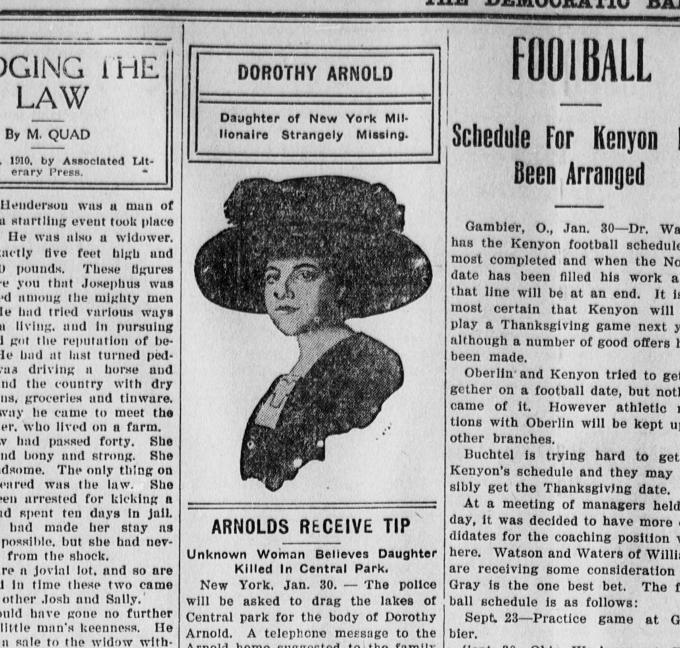
image_681x648_from_1269,326_to_2984,1960
image_681x648_from_1026,415_to_4616,3834

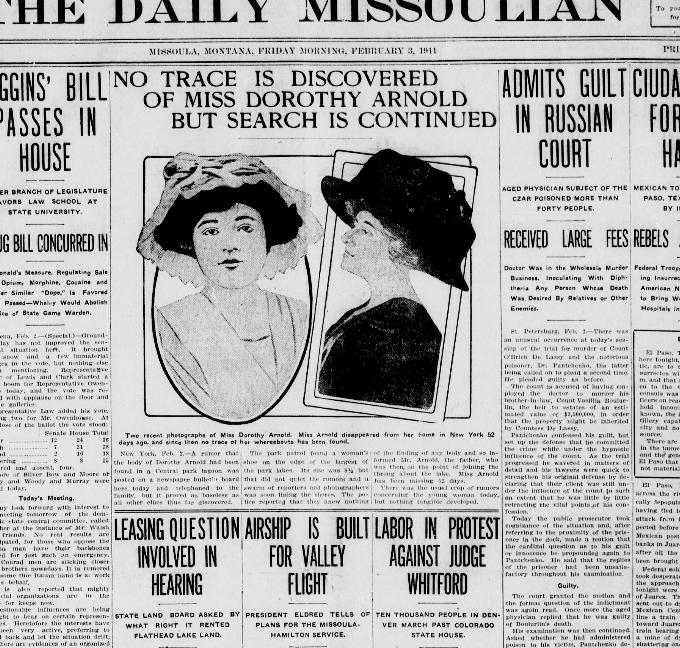
It even made the February 3, 1911, front page of the Missoula, Montana, newspaper!

A clue that went nowhere, in the February 4, 1911, edition of the Evening World:
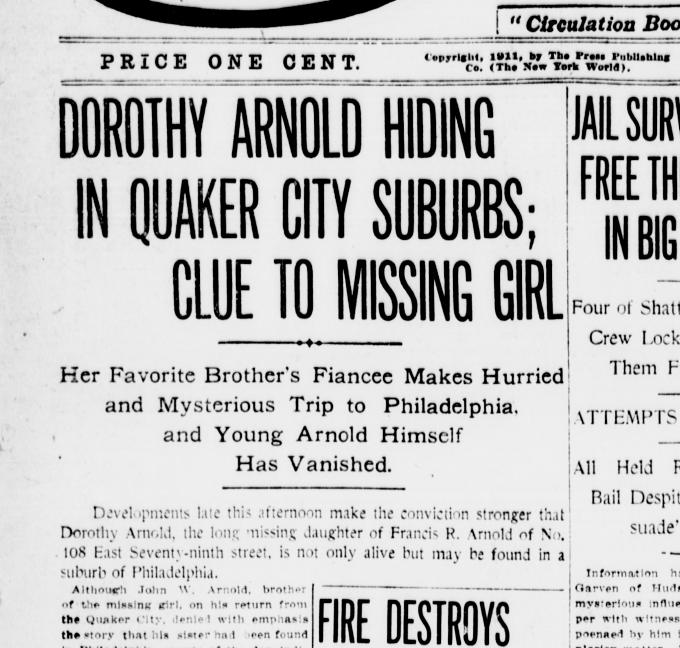
Courtesy New York Evening World

A photo illustration of Dorothy Arnold and George Griscom — accompanied by yet another speculative headline — in the February 11, 1911, edition of the New York Evening World:
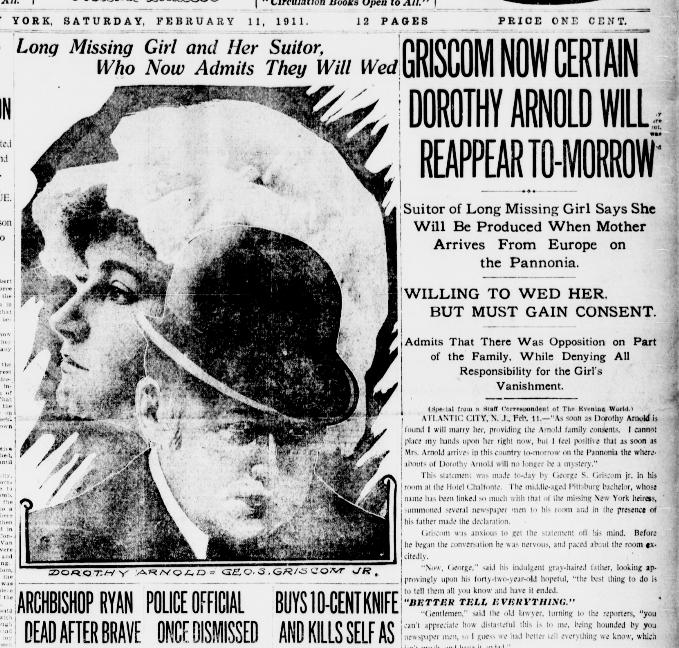
Courtesy the Evening World

Even Griscom’s family was harassed by eager reporters. Here are his parents, captured on the Atlantic City boardwalk (February 13, 1911)
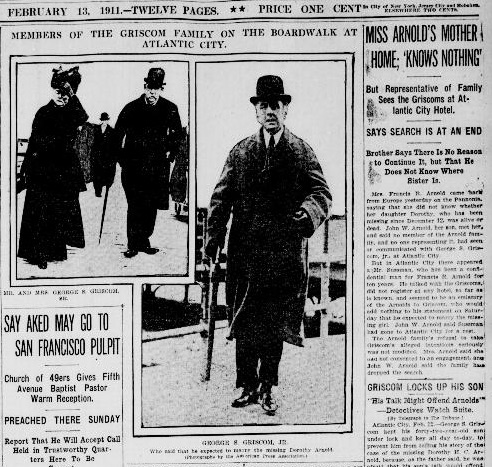
Courtesy New York Tribune

A headline from July 31, 1911, seems to question the motivation of Dorothy’s parents:
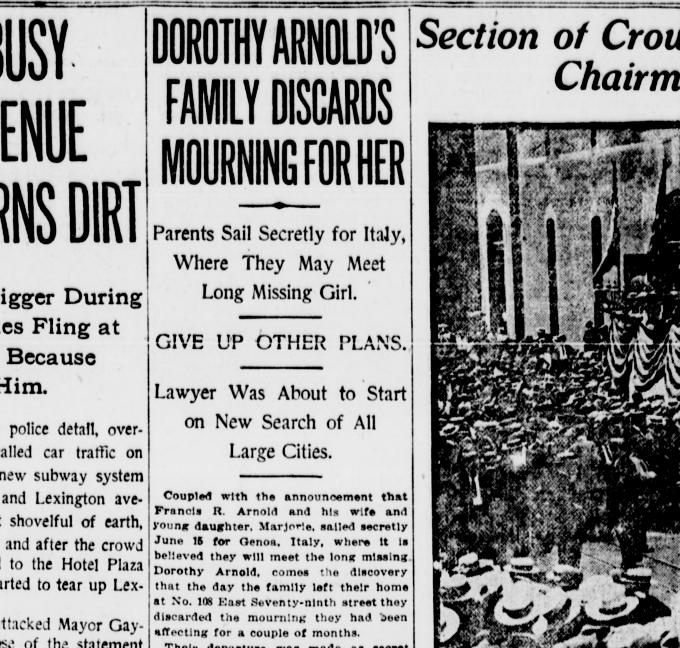
image_681x648_from_1066,1275_to_2699,2830

At other times, they went all in with unsubstantiated facts to sell newspaper such as this whopper from October 10, 1911.
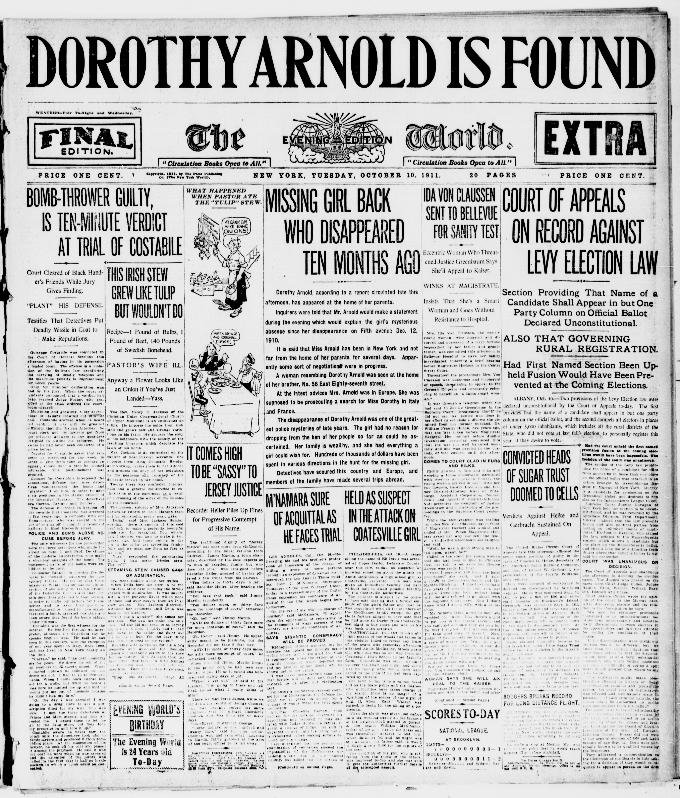
Courtesy Evening World

Another false report of Dorothy found in a sanitarium, from February 7, 1912:
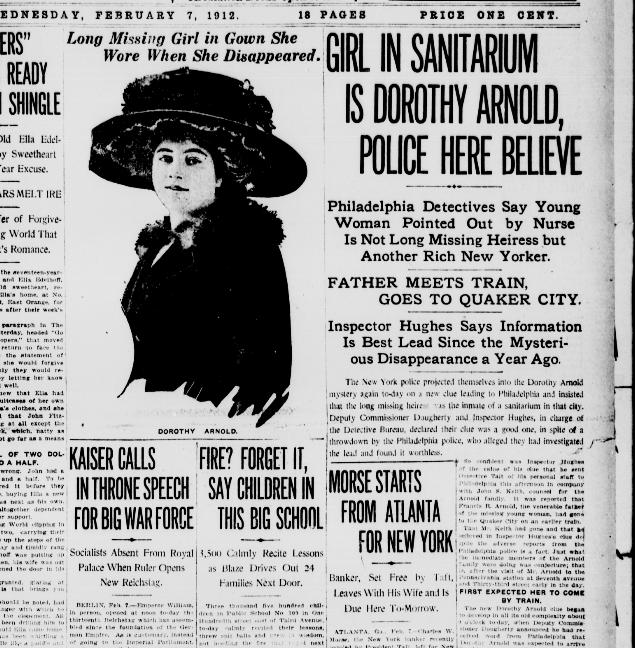
Courtesy New York Evening World

News of a blackmail from February 21, 1912, but in this case, the woman, Bessie Green, was later acquitted.
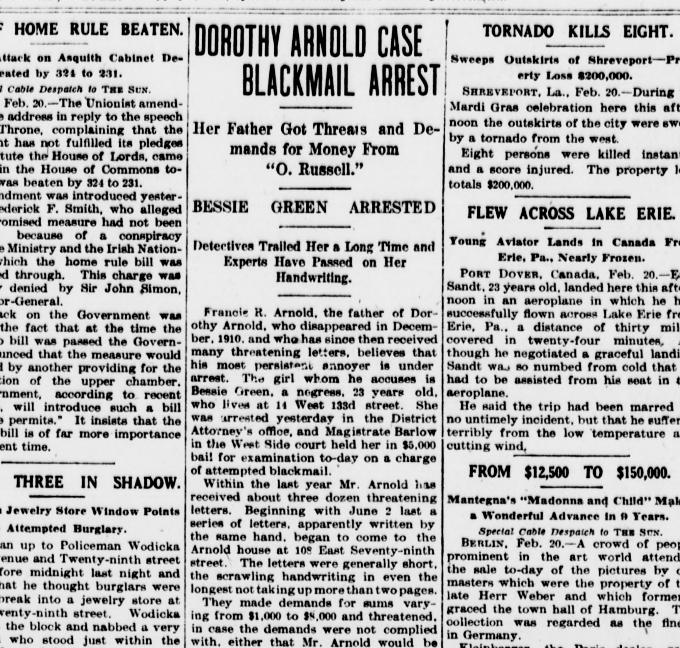
Courtesy New York Sun

Dorothy Arnold was frequently brought up anytime a person went missing, as in this case in July 22, 1912 and another from December 8, 1913.
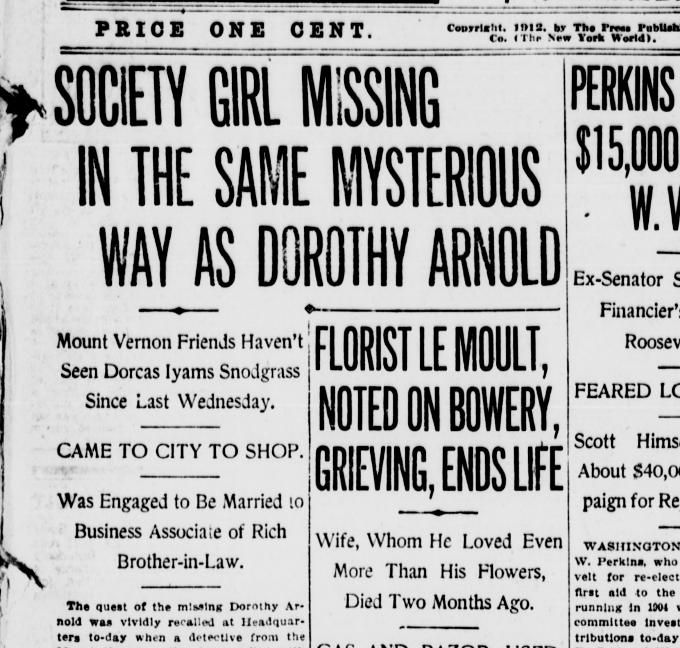
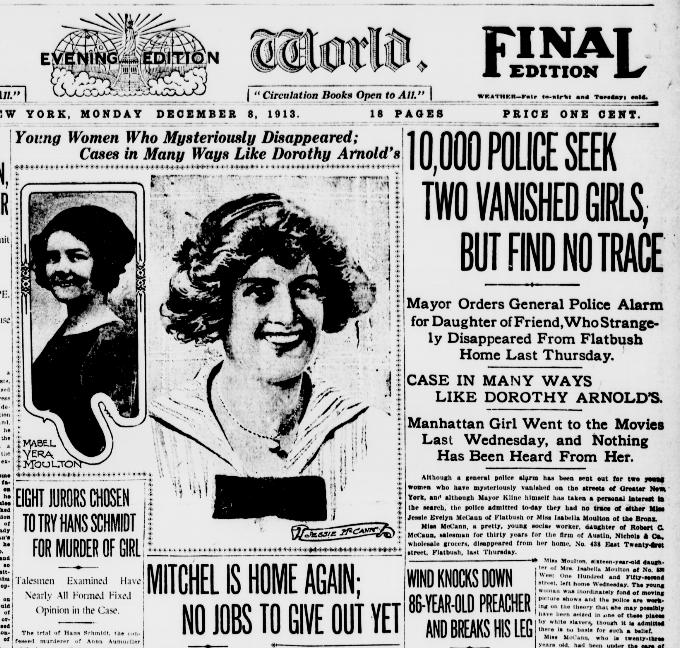
Courtesy Evening World
image_681x648_from_2022,735_to_5311,3867

Over five year after her disappearance, her name is brought up again in a possible unfortunate event described by the Rhode Island convict Edward Glennoris.
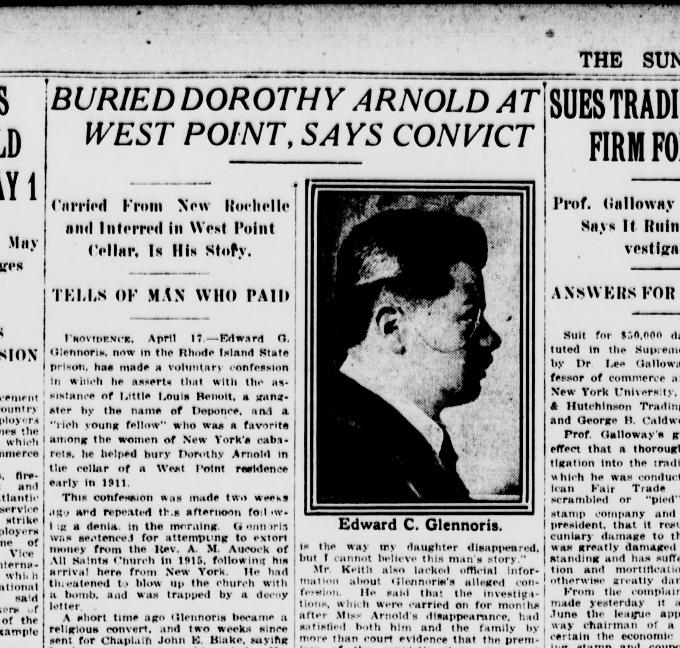
Courtesy New York Sun

This podcast is inspired by an old paperback I found a long time ago called They Never Came Back by Allen Churchill which features the story of Dorothy Arnold:
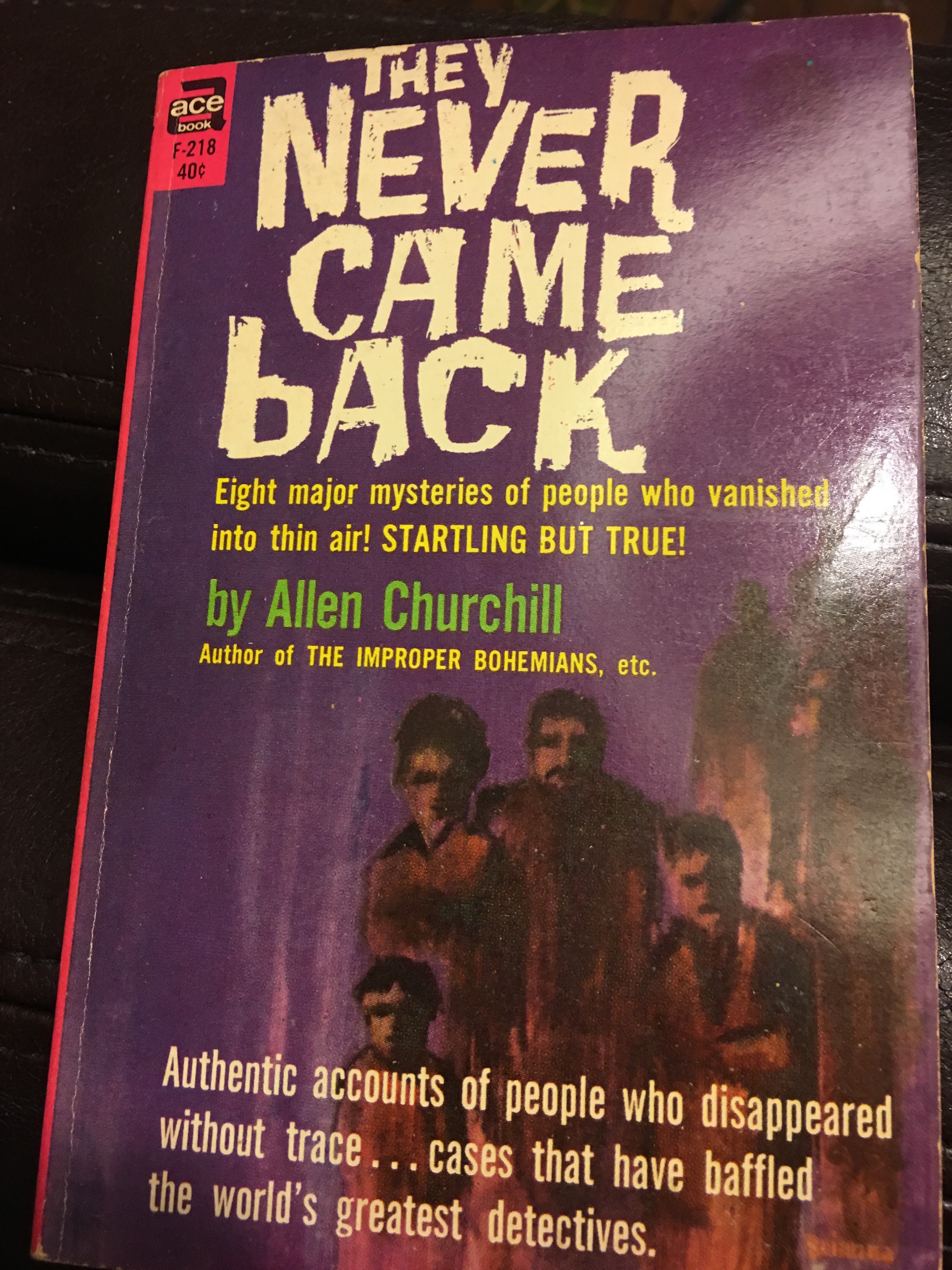
IMG_9339 (1)
Categories
Health and Living Podcasts

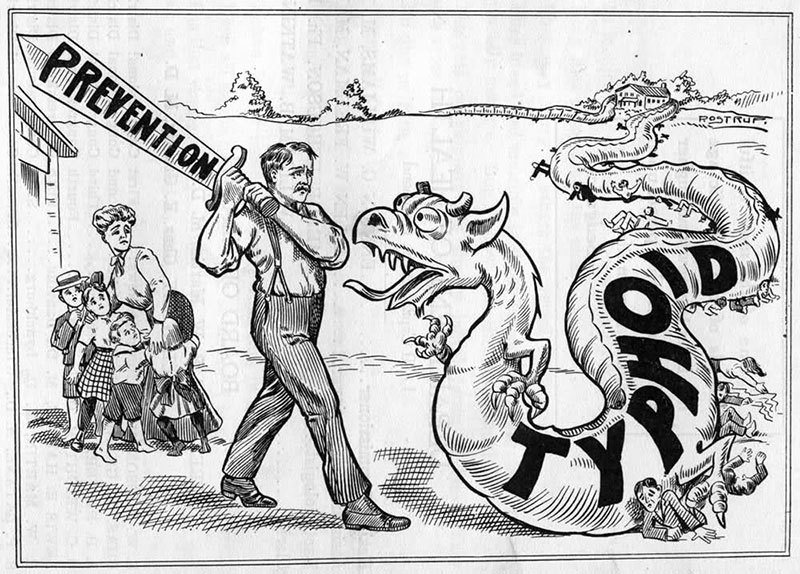
The Curious Case of Typhoid Mary: The Race to Quell an Epidemic

PODCAST An account of a mysterious typhoid fever outbreak and the woman — Mary Mallon, the so-called Typhoid Mary — at the center of the strange epidemic.

American Red Cross 1919, courtesy Library of Congress

The tale of Typhoid Mary is a harrowing detective story and a chilling tale of disease outbreak at the start of the 20th century.

Why are whole healthy families suddenly getting sick with typhoid fever — from the languid mansions of Long Island’s Gold Coast to the gracious homes of Park Avenue?

Can an intrepid researcher and investigator named George Soper locate a mysterious woman who may be unwittingly spreading this dire illness?

Mary Mallon — is she a victim or an enemy? One of the weirdest and divisive tales of the early 1900s. What side are you on?

Listen today on your favorite podcast player:

_________________________________________________________

The Bowery Boys: New York City History podcast is brought to you …. by you!

We are now producing a new Bowery Boys podcast every week. We’re also looking to improve and expand the show in other ways — publishing, social media, live events and other forms of media. But we can only do this with your help!

We are now a creator on Patreon, a patronage platform where you can support your favorite content creators.

Please visit our page on Patreon and watch a short video of us recording the show and talking about our expansion plans.

If you’d like to help out, there are six different pledge levels.Check them out and consider being a sponsor.

We greatly appreciate our listeners and readers and thank you for joining us on this journey so far.

________________________________________________________

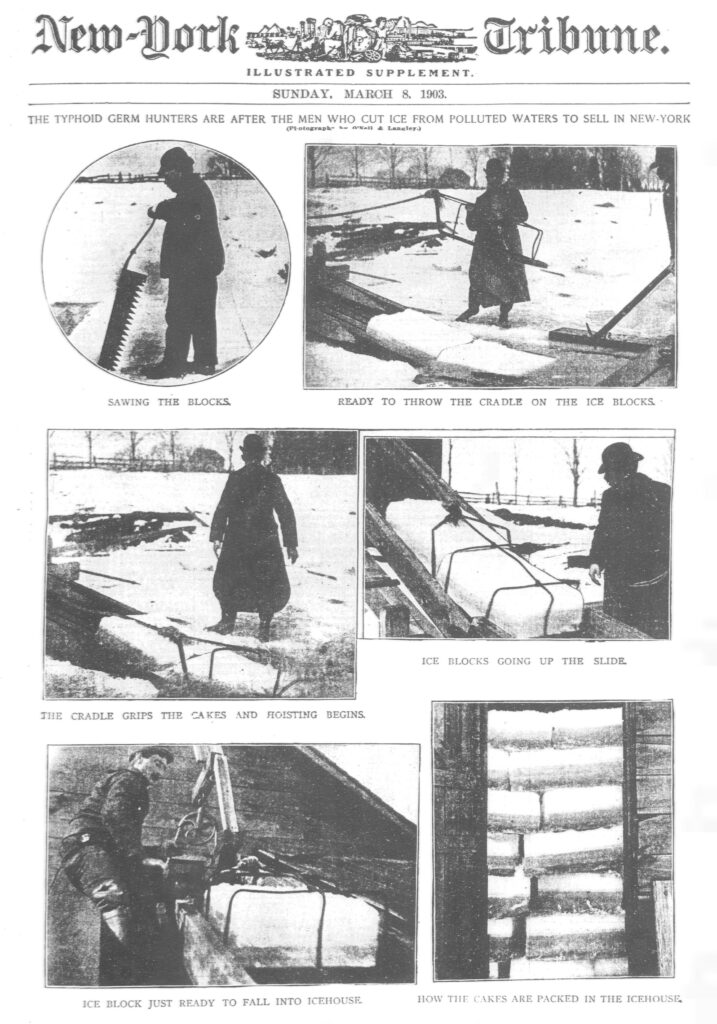
‘The typhoid germ hunters are after the men who cut ice from polluted waters to sell in New York.’ New-York Tribune, March 8, 1903,

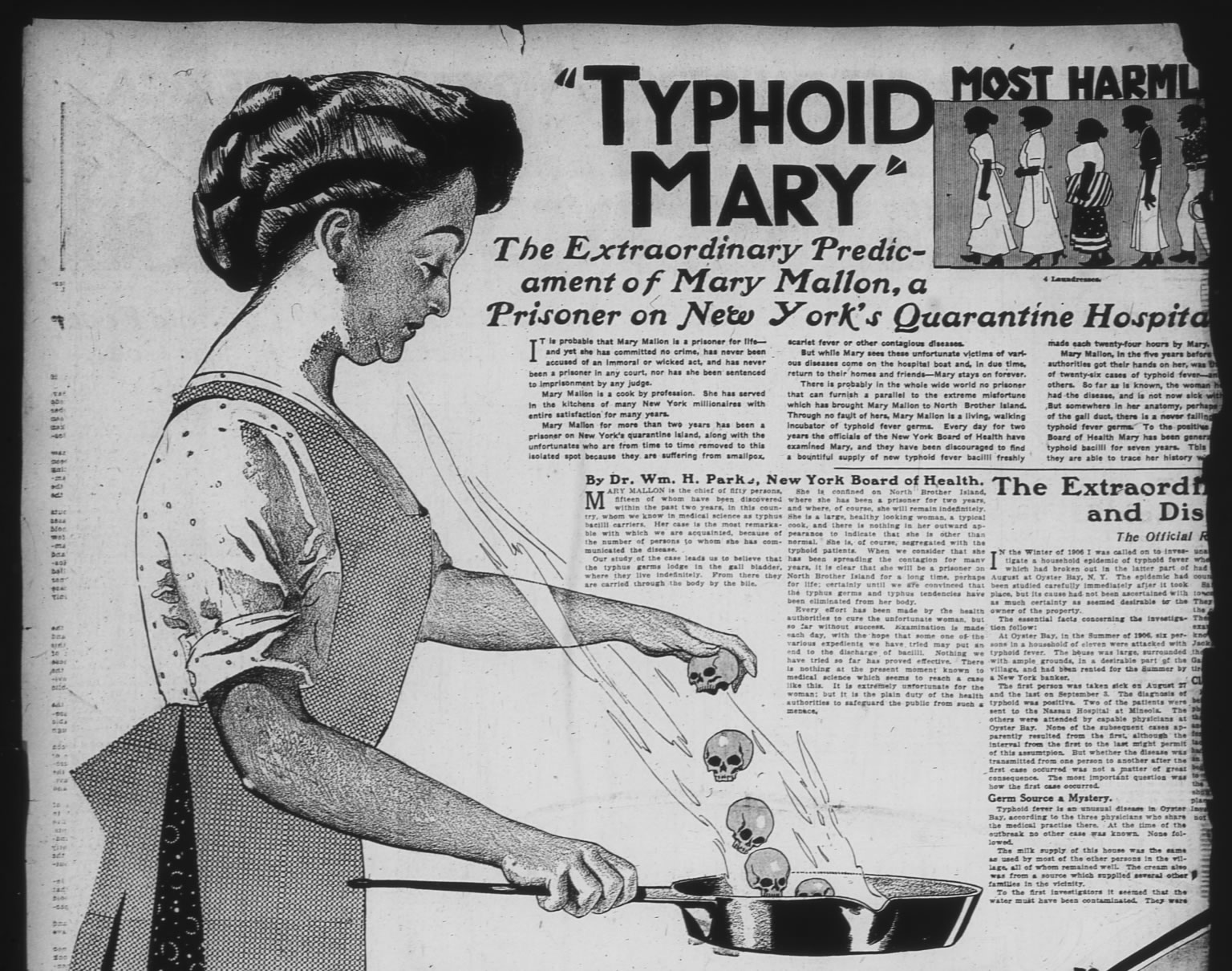
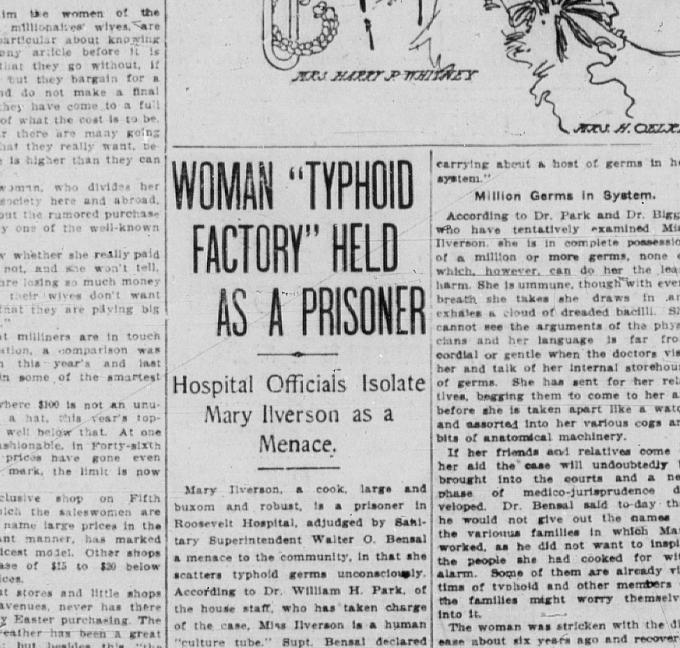
The infamous newspaper article from the New York American (June 30, 1907) which depicts Mary literally seasoning her meals with death.

typhoid-mary-1

Another newspaper headline from the Evening World, April 1, 1097

image_681x648_from_352,1448_to_1977,2995

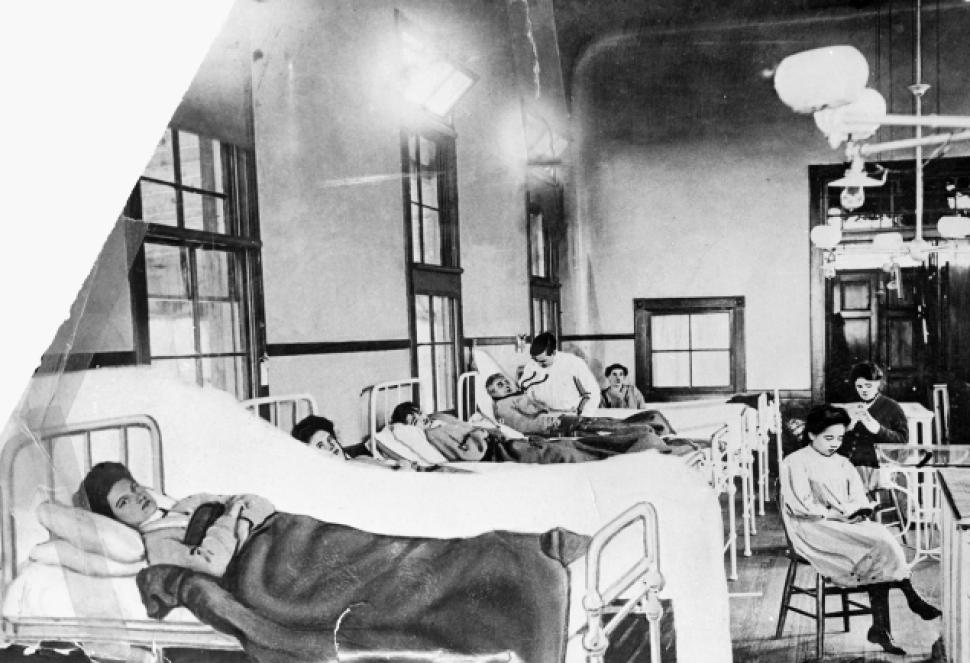
Mary Mallon in a hospital bed at North Brother Island

u1183097inp

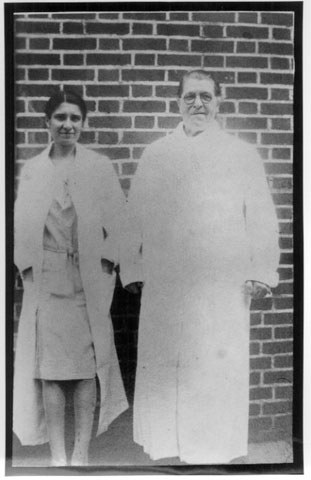
Dr. Emma Sherman standing next to Mary Mallon in the early 1930s. Mary has already spent over 15 years on North Brother Island by this time.

image-01-large

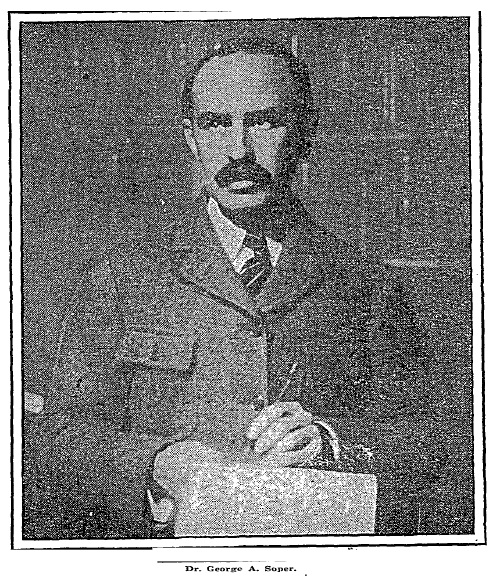
The sanitation engineer (and detective of our story) George Soper who relentlessly tracked down Mary.  (From the New York Times, April 4, 1915)

ny-times-dr-soper-april-4-1915

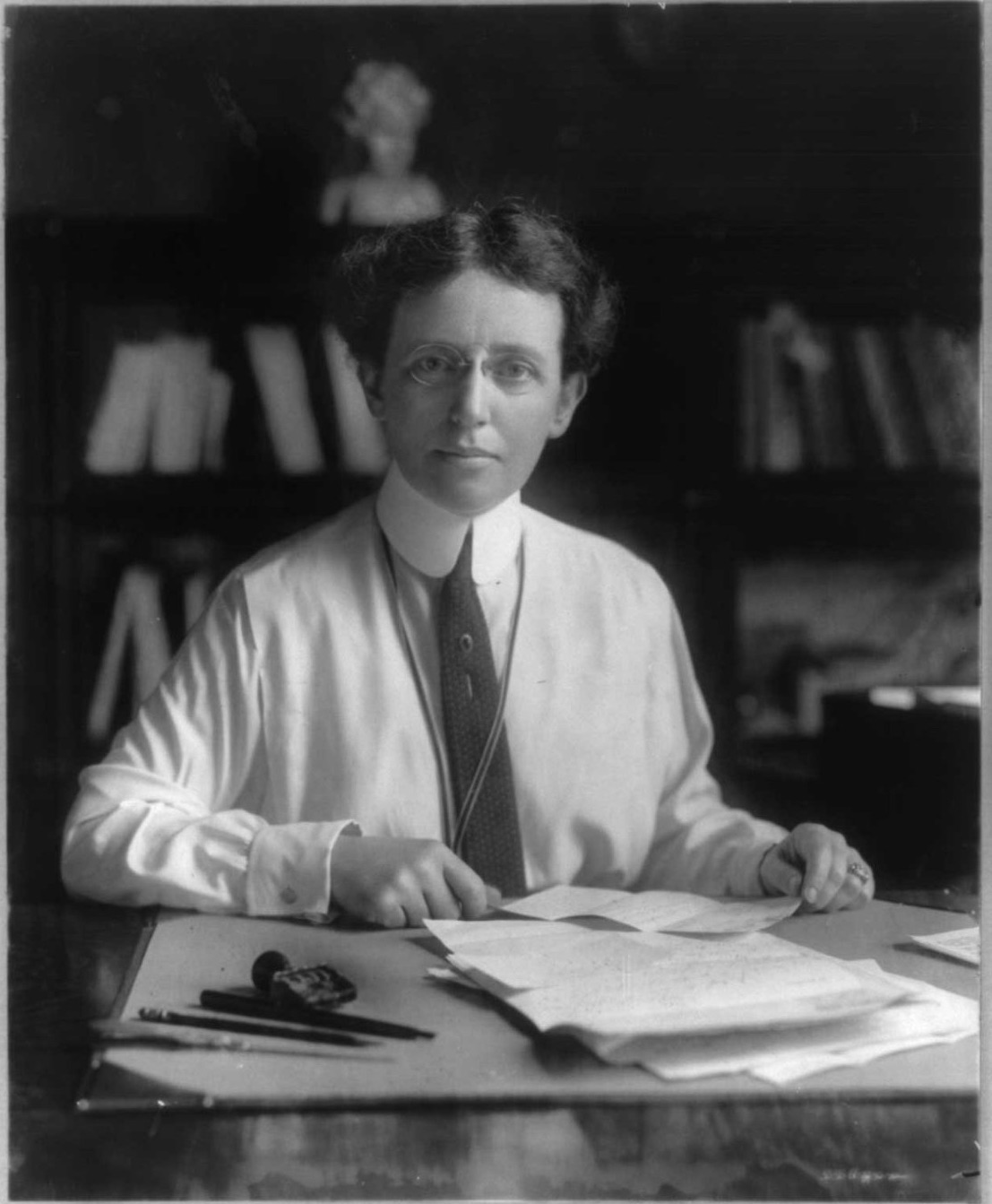
Sara Josephine Baker, the pioneering doctor who was brought in by Soper to (futilely) talk some sense into Mary.

1

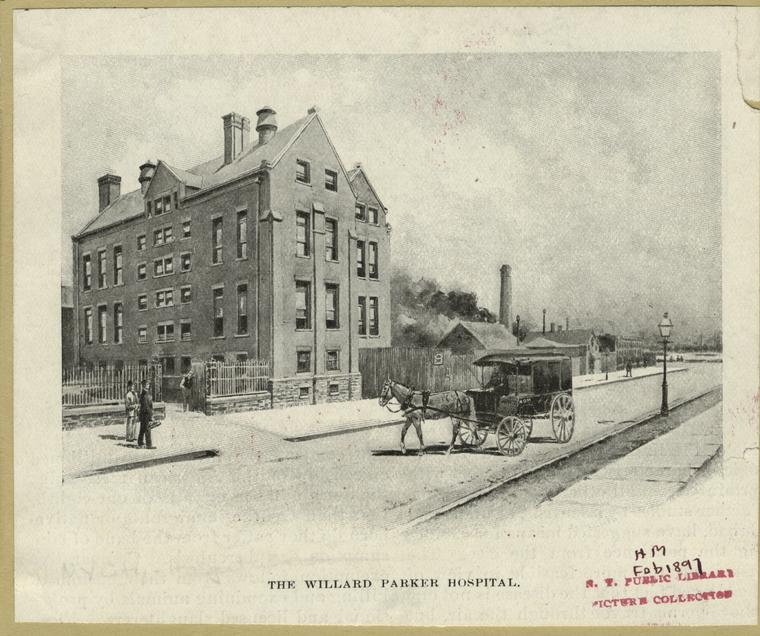
Willard Parker Hospital, formerly at East 16th Street along the East River in the old gashouse district.

Courtesy New York Public Library

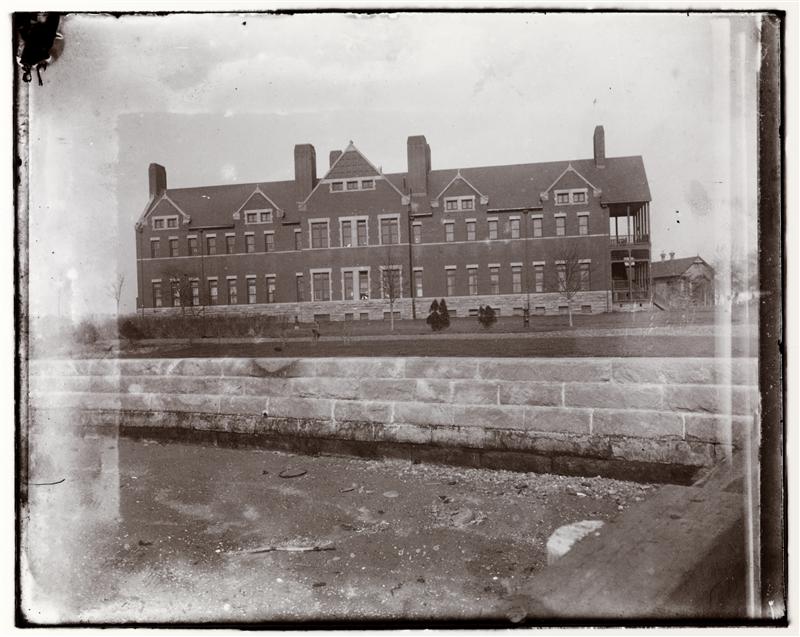
The smallpox hospital on North Brother Island.

Photo by Jacob Riis, courtesy Museum of the City of New York

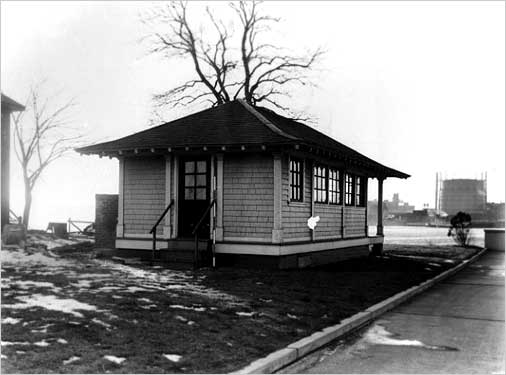
Mary Mallon’s cottage on North Brother Island where she spent the remainder of her life.

typhoid-marys-cottage

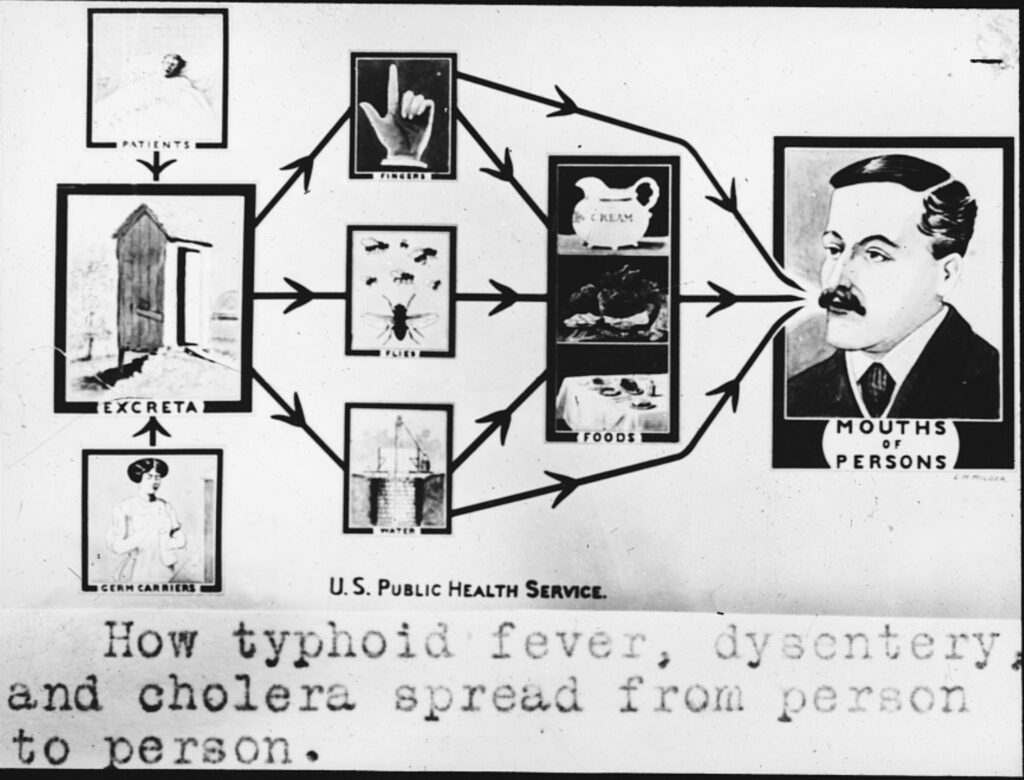
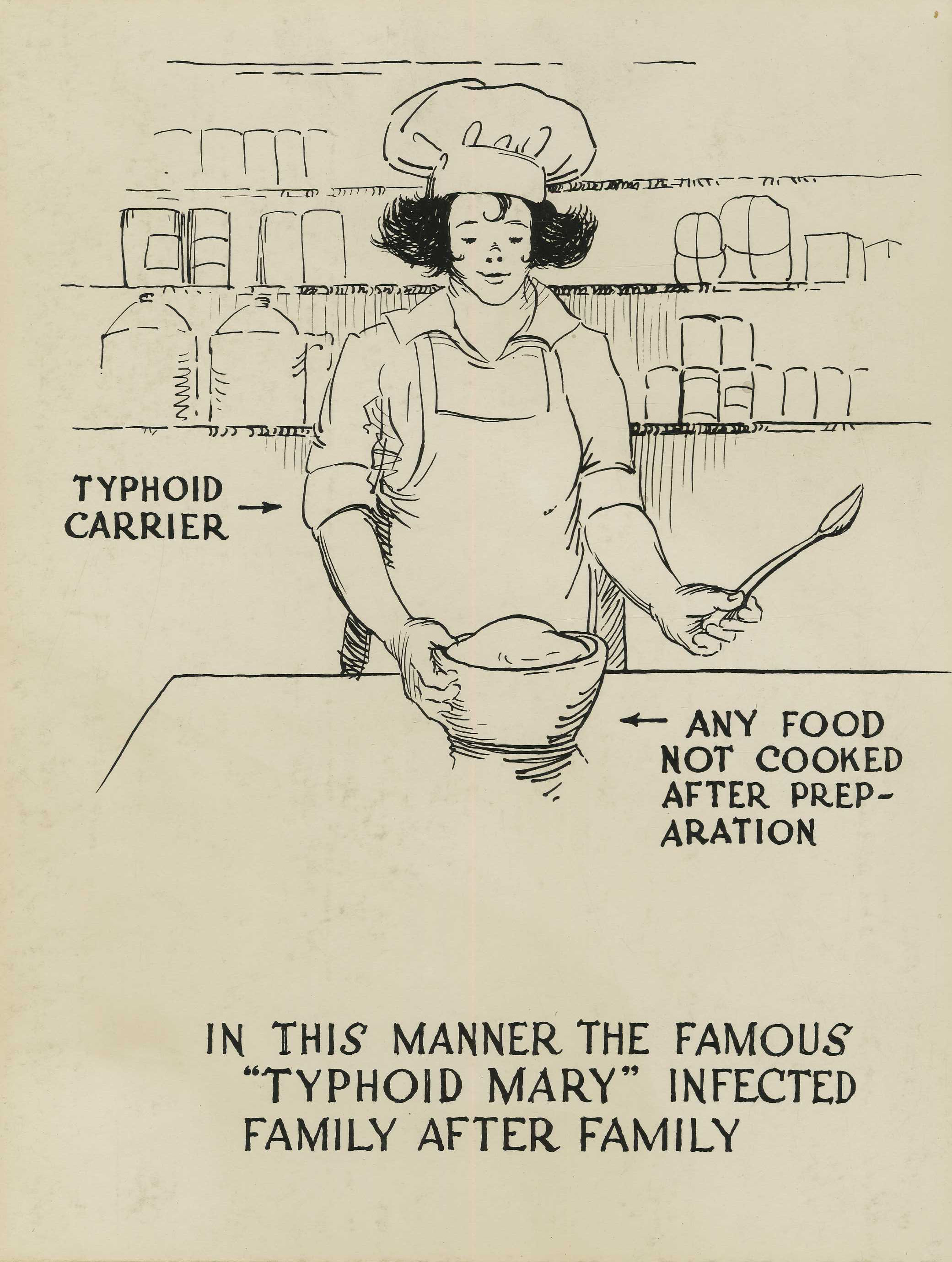
A poster hung in eating establishments following the whole Typhoid Mary fracas.

Otis Historical Archives Nat'l Museum of Health & Medicine
Otis Historical Archives Nat’l Museum of Health & Medicine

FURTHER LISTENING

After listening to this show, take a dive into previous episodes which relate to this subject —

Sara Josephine Baker also appears in this 2019 episode about women health care workers in the Progressive Era:

Many years before North Brother Island, America’s largest quarantine hospital was located on Staten Island. That is, until 1858 when the residents, endangered for decades and ignored by the state, finally took matters in their own hands

Welcome to Bellevue Hospital, New York’s most famous (and infamous) hospital — from ‘pest house’ to execution ground, from a Pathological Museum to New York’s first city morgue

Categories
Podcasts True Crime

The Murder on Bond Street: Who Killed Dr. Burdell?

PODCAST A gaslight murder mystery with more twists than an Agatha Christie novel!

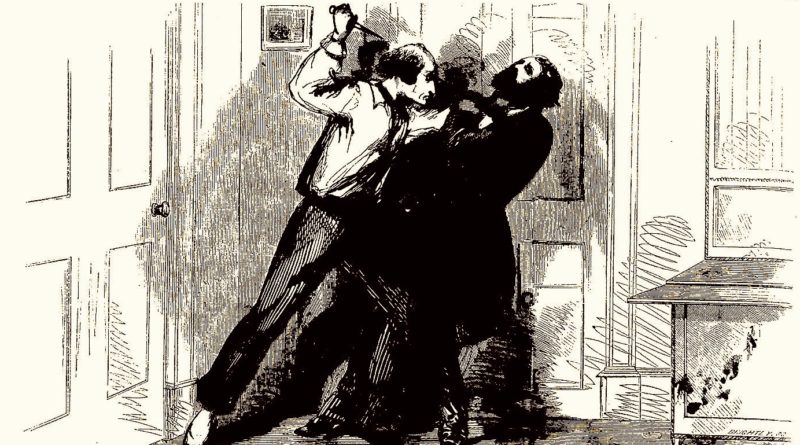
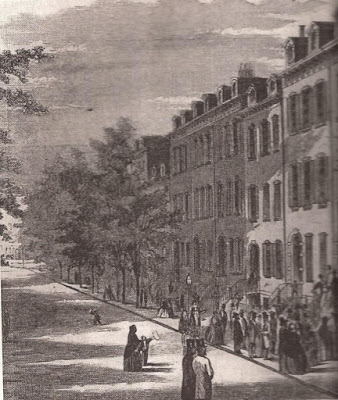
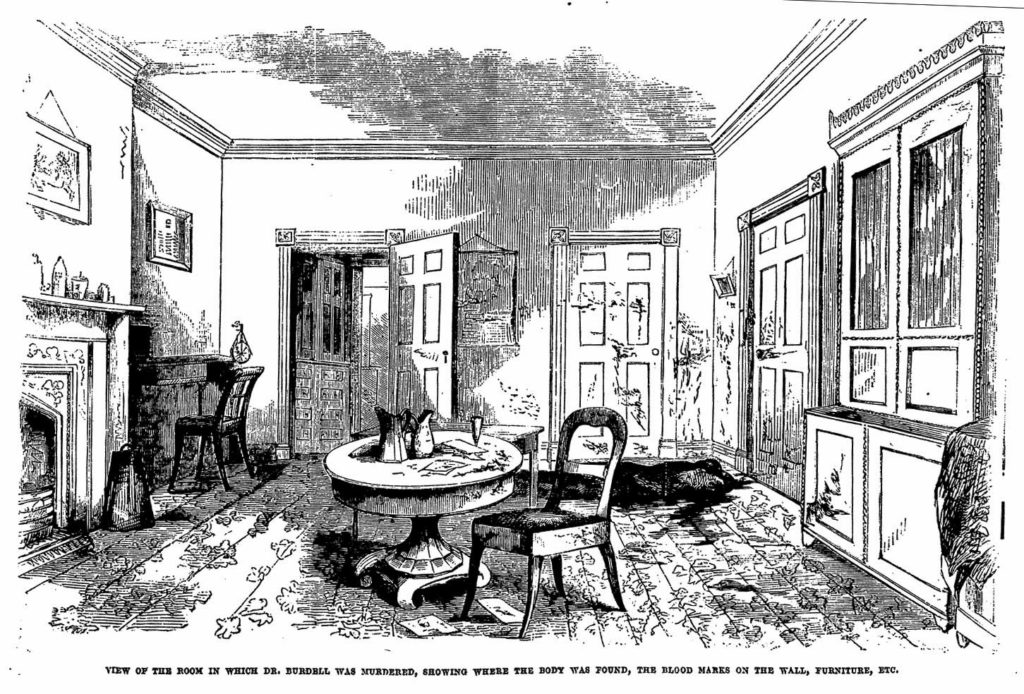
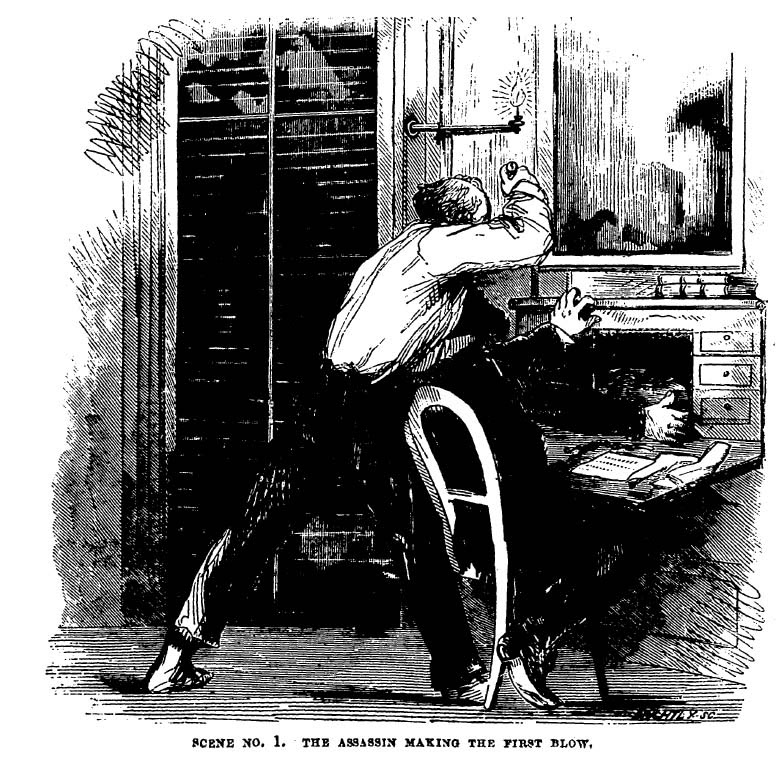
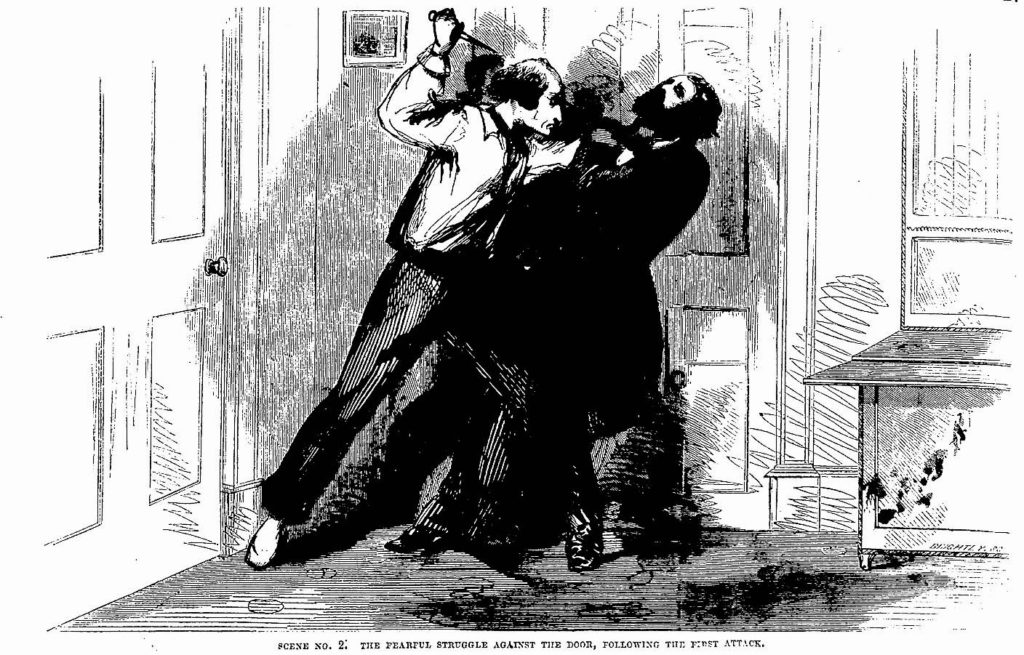
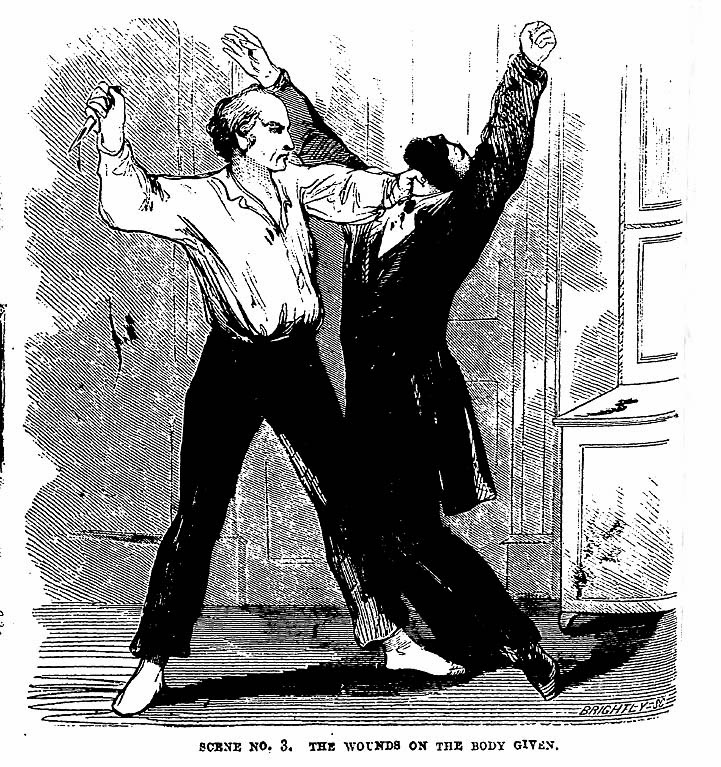
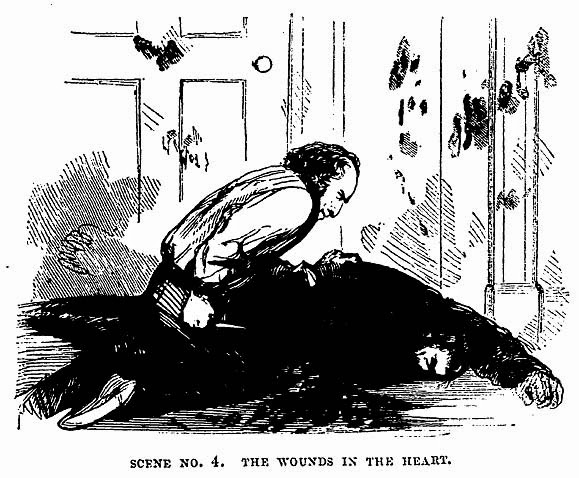
On January 31, 1857, a prominent dentist named Harvey Burdell was found brutally murdered — strangled, then stabbed 15 times — in his office and home and Bond Street, a once-trendy street between Broadway and the Bowery.

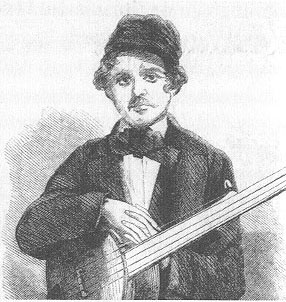
The suspects for this horrific crime populated the rooms of 31 Bond Street including Emma Cunningham, the former lover of Dr. Burdell and a woman with many secrets to hide; the boarder John Eckel with a curious fondness for canaries; and the banjo-playing George Snodgrass, whose personal obsessions may have evolved in depraved ways.

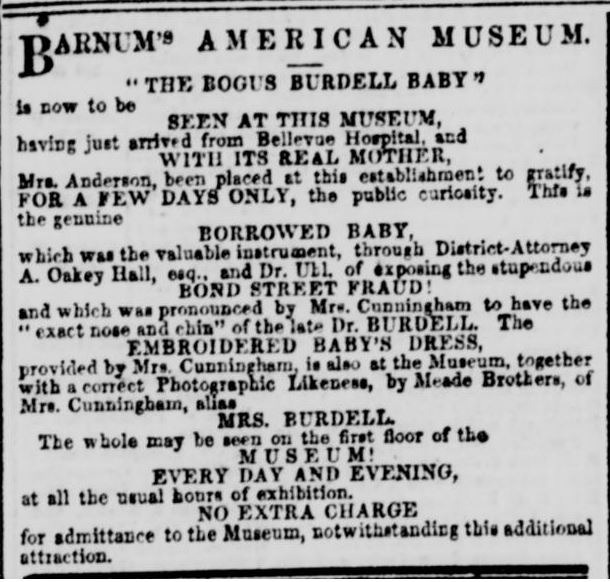
The mechanics of solving crime were much different in the mid 19th century than they are today, and the mysterious particulars of this investigation seem strange and even unacceptable to us today. A suspect would stand trial for Dr. Burdell’s death yet the shocking events which followed — including a sinister deception and a fake childbirth — would prove that truth is stranger than fiction.

Listen Here: Harvey Burdell Murder Podcast

___________________________________________________________

The Bowery Boys: New York City History podcast is brought to you …. by you!

We are now producing a new Bowery Boys podcast every other week. We’re also looking to improve the show in other ways and expand in other ways as well — through publishing, social media, live events and other forms of media. But we can only do this with your help!

We are now a member of Patreon, a patronage platform where you can support your favorite content creators for as little as a $1 a month.

Please visit our page on Patreon and watch a short video of us recording the show and talking about our expansion plans. If you’d like to help out, there are five different pledge levels (and with clever names too — Mannahatta, New Amsterdam, Five Points, Gilded Age, Jazz Age and Empire State). Check them out and consider being a sponsor.

And join us for the next episode of the Bowery Boys Movie Club, an exclusive podcast provided to our supporters on Patreon. This month’s selection — Ghostbusters!

We greatly appreciate our listeners and readers and thank you for joining us on this journey so far.

__________________________________________________________

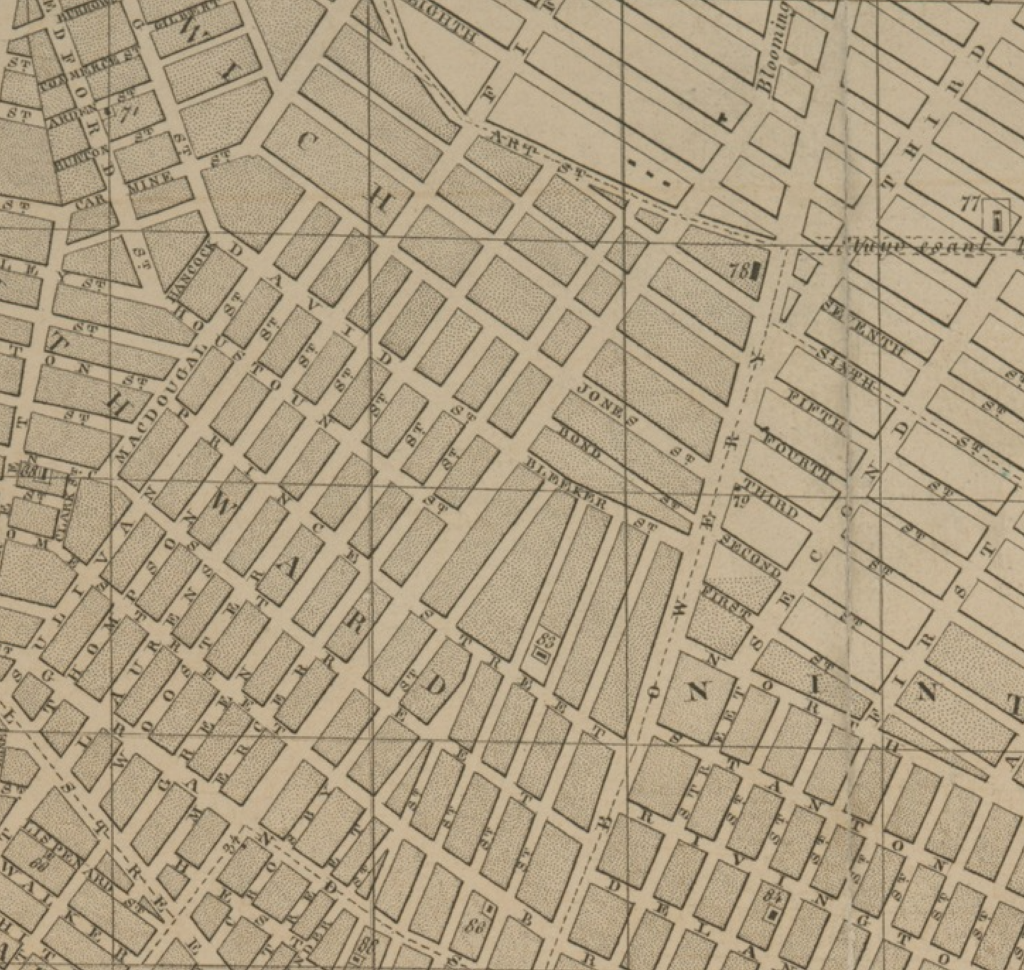
A look at Bond Street and the surrounding blocks in 1828. Lafayette Street/Lafayette Place did not yet exist then. In fact, Houston Street stops at Broadway. East of the Bowery runs North Street (which would be renamed Houston Street when it was extended through the block.) Great Jones Street is listed only as Jones Street here, and streets with names like David Street and Art Street also appear.

New York Public Library
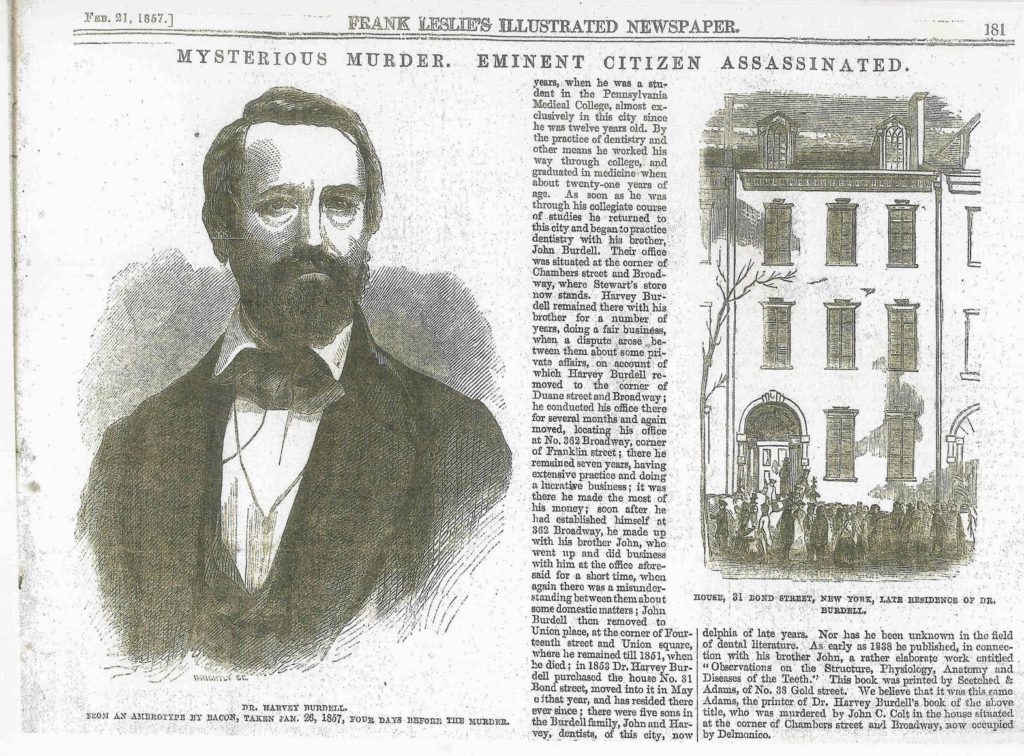
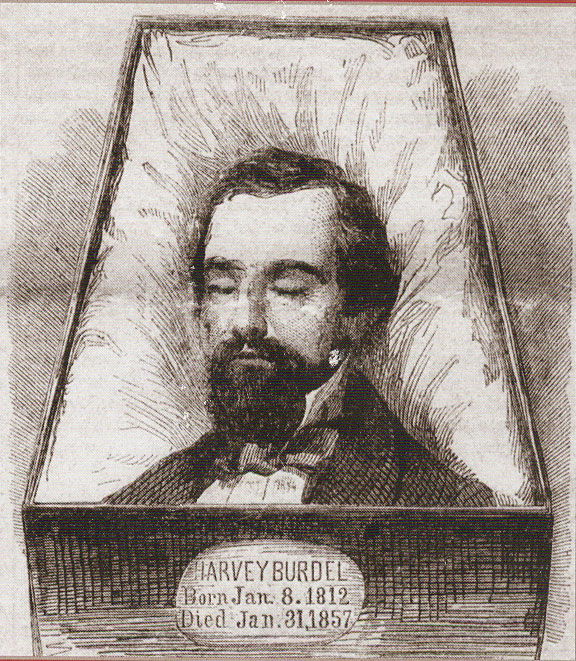
Dr. Harvey Burdell and 31 Bond Street, Leslie’s Illustrated Newspaper, Feb. 21, 1857 via Off the Grid

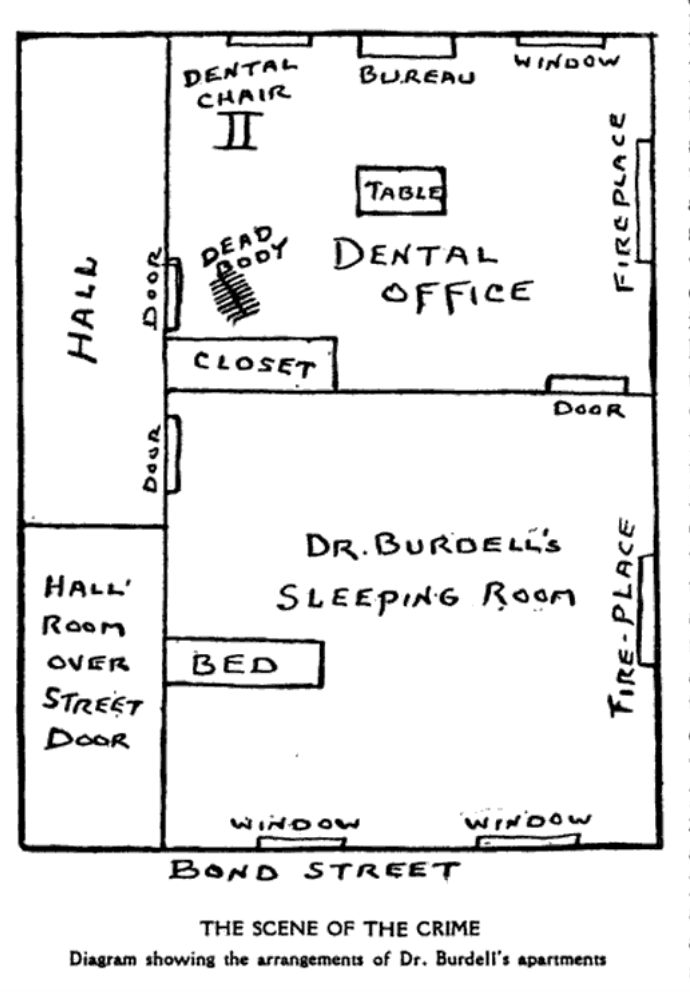
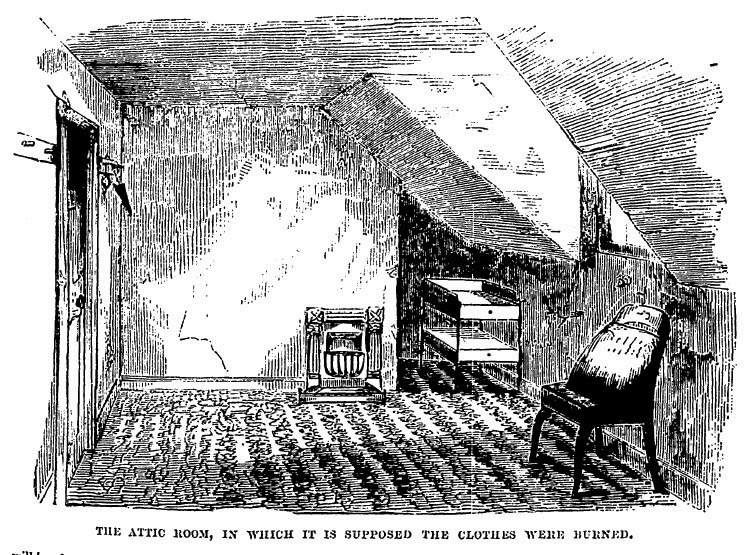
The layout of the murder scene on the second floor of 31 Bond Street

The Era Magazine, 1904

Images below are from Frank Leslie’s Illustrated Newspaper, Harper’s Weekly and other contemporary publications from 1857.

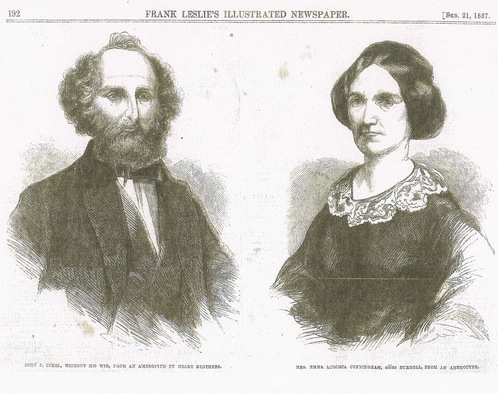
John Eckel, Emma Cunningham and George Snodgrass

An advertisement for the ‘bogus Burdell baby’, displayed at Barnum’s American Museum:

Via Strange Company blog

FURTHER READING

Butchery On Bond Street: Sexual Politics and the Burdell-Cunningham Case in Ante-Bellum New York by Benjamin Feldman — the definitive narrative of this crime story from 2007

Evil Emma, Down Mexico Way by Benjamin Feldman — a sequel of sorts, following the strange circumstances of Emma Cunningham’s time in Baja, California

31 Bond Street: A Novel by Ellen Horan — a fictionalized retelling of the story

FURTHER LISTENING

A few other murder mysteries in our back catalog that might interest you:

Categories
Mysterious Stories

The Mystery on North Brother Island: A story told in news clippings
A thousand unsolved mysteries live within a newspaper’s archives, little forgotten events that have faded into history. Sometimes you can search deeper, and the answers to those mysteries may emerge.

This is what happened in a series of three articles I found the other day while doing some research on North Brother Island (the fruits of which will be revealed in tomorrow’s new podcast!)

I present to you the three complete clippings as they provide a tragic tale told in a methodical manner. I have been able to find no further information about the central figure other than these three articles.

1
Courtesy Museum of the City of New York

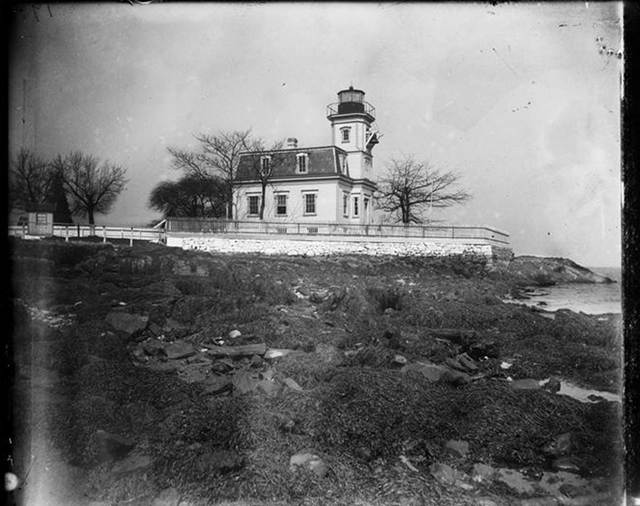
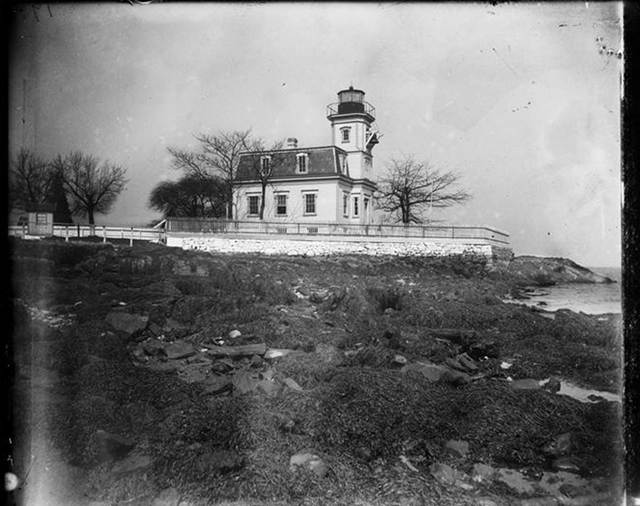
The Lighthouse

But first — Some context on North Brother Island, that little area of land (with its companion South Brother Island) between the Bronx and Riker’s Island. The island was uninhabited until 1869 when a lighthouse was built here to help navigate the traffic of the East River and Long Island Sound past the treacherous waters known as Hell’s Gate.

According to the book Lost Lighthouses, “The square, wooden residence contained a kitchen, pantry, dining room and sitting room as well as four bedrooms and an oil storage area. The 50-foot tower rose from the front of the building and was equipped with a fourth-order Fresnel lens.”

Courtesy Museum of the City of New York

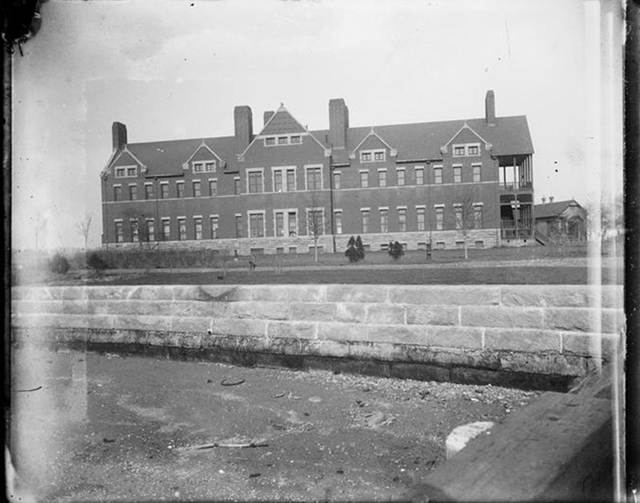
The Quarantine Station

The lonely lighthouse would soon be joined by a hospital specializing in smallpox and other serious diseases. It was to become, in essence, a quarantine station, operated by Riverside Hospital. “The reconstructed smallpox pavilion, on North Brother Island, is ready to receive about forty patients,” reported the New York Tribune in February 1881.

That August, as city officials visited the island to plan the construction, the Tribune reported on its present occupants. “[North Brother Island] has a surface area of about of about thirteen acres. It is at present occupied only by a lighthouse-keeper and his assistant, and by a woman who entertains occasional picnic parties.”

Courtesy Museum of the City of New York

The Lighthouse Operator

Flash forward to the cold winter of 1884 — January 2, 1884, in fact. The picnic woman was undoubtedly gone, and the hospital pavilions were newly completed. Administrators and patients may have just moved in by this time.  We do know, however, that the lighthouse operator was at his helm — a man named Daniel Kelly. I’ll let the news clippings now take over:
From the New York Sun, January 3, 1884:

1

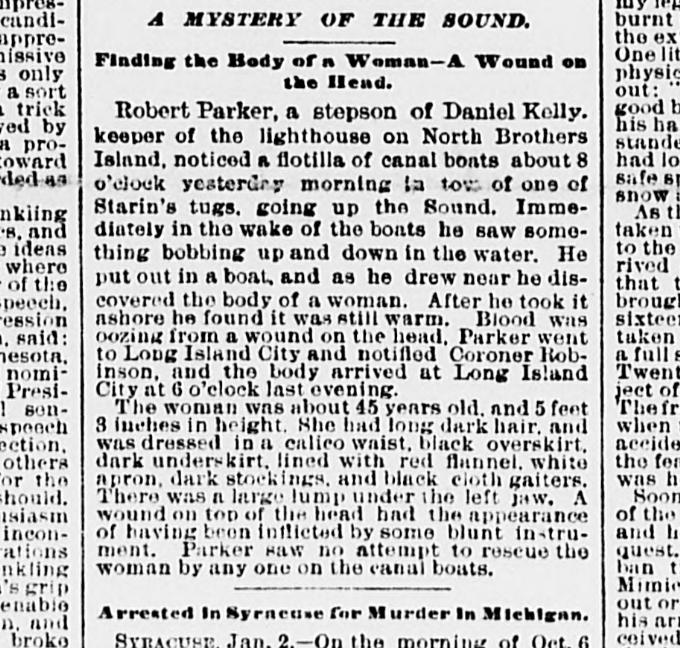
A MYSTERY OF THE SOUND

Finding the Body of a Woman — A Wound on the Head

“Robert Parker, a stepson of Daniel Kelly*, keeper of the lighthouse on North Brother Island, noticed a flotilla of canal boats about 8 o’clock yesterday morning in tow of one of Starin’s tugs**, going up the Sound.  Immediately in the wake of the boats he saw something bobbing up and down in the water.  He put out in a boat, and as he drew near he discovered the body of a woman.  After he took it ashore he found it was still warm.  Blood was oozing from a wound on the head.

Parker went to Long Island City*** and notified Coroner Robinson, and the body arrived at Long Island City at 6 o’clock last evening.

The woman was about 45 years old, and 5 feet 3 inches in height. She had long dark hair, and was dressed in a calico waist, black overskirt, dark underskirt, lined with red flannel, white apron, dark stockings, and black cloth gaiters.

There was a large lump under her left jaw. A wound on top of the head had the appearance of having been inflicted by some blunt instrument.  Parker saw no attempt to rescure the woman by any one on the canal boats.”

*Not sure who this Daniel Kelly is. Any guesses?

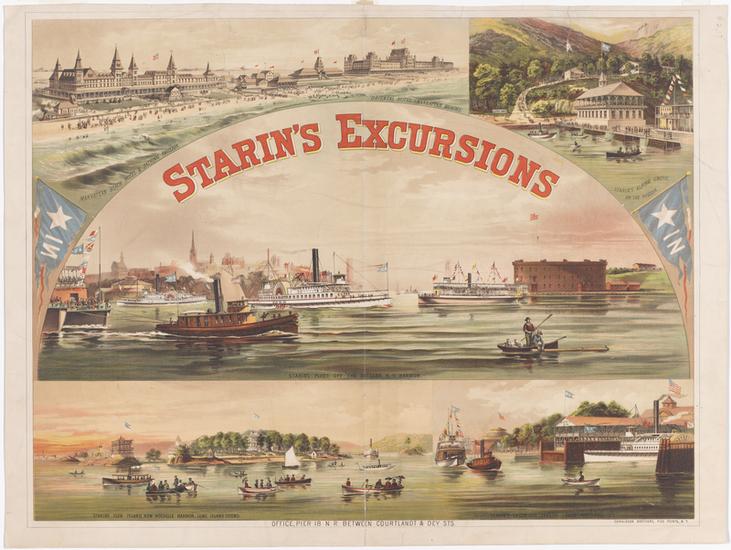
**The tug boat concern of John Henry Starin, a “leading marine operator in the United States,” owning everything from excursion boats to industrial barges. (Pictured above)

***Still an independent city within Queens County as the Queens borough was not yet created

1

Foul Play?

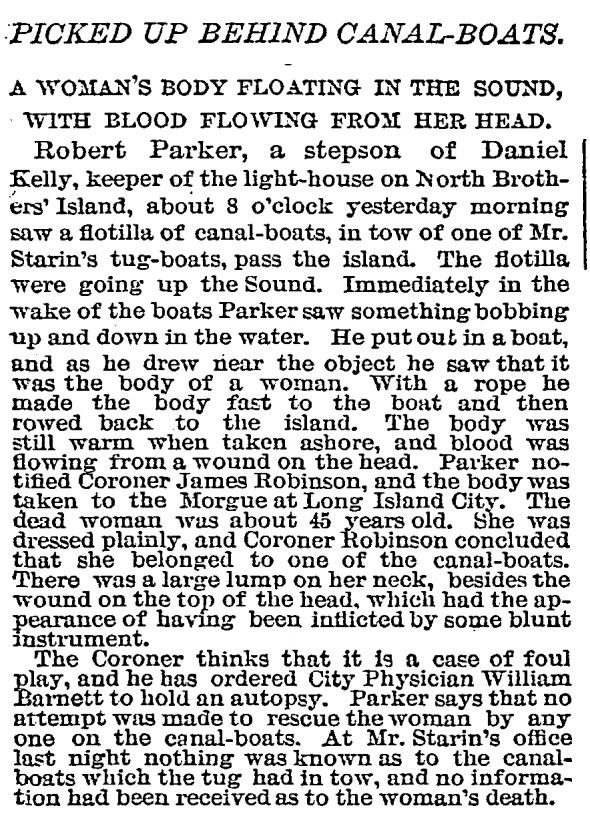
An article in the New York Times from the same day repeats most of the same information — including that thing about Daniel Kelly — but brings up the opinion of the coroner:

1

“The Coroner thinks that it is a case of foul play, and he has ordered City Physician William Barnett to hold an autopsy.  Parker says that no attempt was made to rescue the woman by any one of the canal-boats.  At Mr. Starin’s office last night nothing was known as to the canal-boats which the tug had in tow, and no information had been received as to the woman’s death.”

The Story of Matilda

By the following day, the woman had been identified. Here is an excerpt from the article. (You can find the original here.) The entirety of the text is below.

1

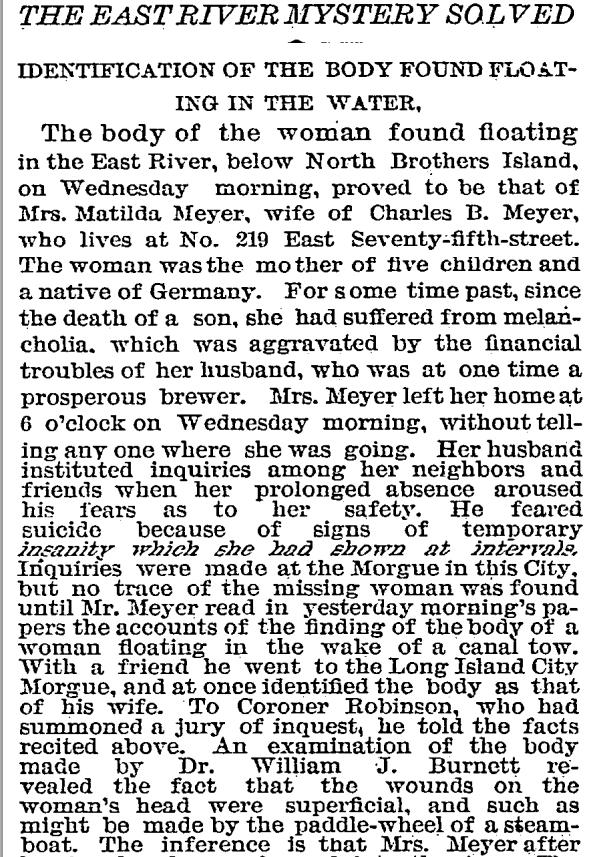
THE EAST RIVER MYSTERY SOLVED

IDENTIFICATION OF THE BODY FOUND FLOATING IN THE WATER

“The body of a woman found floating in the East River, below North Brothers Island, on Wednesday morning, proved to be that of Mrs. Matilda Meyer, wife of Charles B. Meyer, who lives at No. 219 East 75th Street.*

The woman was a mother of five children and a native of Germany.  For some time past, since the death of a son, she had suffered from melancholia, which was aggravated by the financial troubles of her husband, who was at one time a prosperous brewer.

Mrs. Meyer left her home at 6 o’clock on Wednesday morning, without telling anyone where she was going.

Her husband instituted inquiries among her neighbors and friends when her prolonged absence aroused his fears as to her safety. He feared suicide because of signs of temporary insanity which she had shown at intervals.  Inquiries were made at the Morgue in this City., but no trace of the missing woman was found until Mr. Meyer read in yesterday morning’s papers the accounts of the finding of the body of a woman floating in the wake of a canal tow.

With a friend he went to the Long Island City Morgue, and at once identified the body as that of his wife. To Coroner Robinson, who had summoned a jury of inquest, he told the facts recited above.

An examination of the body made by Dr. William J. Burnett revealed the fact that the wounds on the woman’s head were superficial and such as might be made by the paddle-wheel of a steamboat.  The inference is that Mrs. Meyer after leaving her home plunged into the river.  The tide was running at the flood, and was about full flood when she was discovered.

Her clothing had served to buoy her up, and so she had floated out to the point where she was discovered by Robert Parker.”

*The building at that address is no longer there.

While the story deems the ‘mystery solved’, to me it opens so many more. Did Matilda really kill herself? What were the circumstances surround her husband’s failed financial fortunes, and those of her son’s death? What of the fate of the other children?

Unfortunately, the answer of these mysteries from the tragic tale of Matilda Meyers may forever be unanswered.

Categories
Mysterious Stories

The owls are not what they seem: It appears the clock in Herald Square may not be a portal for the Illuminati after all


Pic courtesy Brecthbug/Flickr
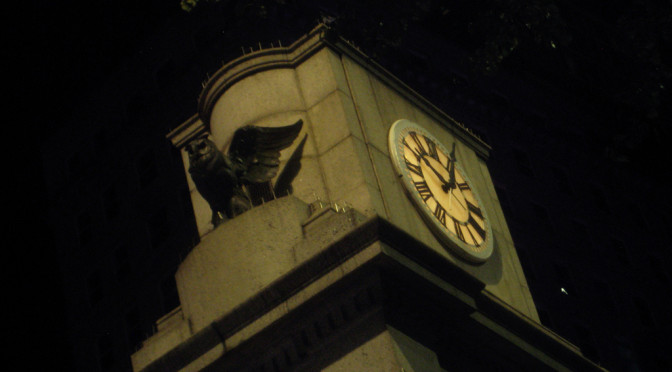
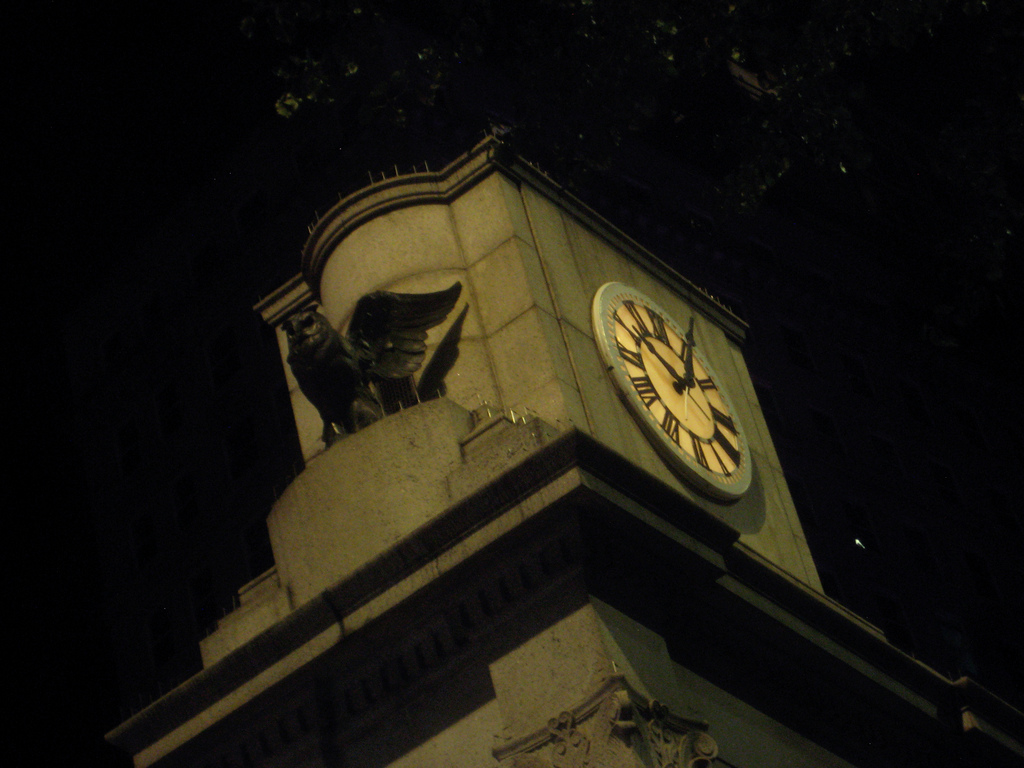
Bummer. I so wanted the spectacular owl-infested Herald Square clock, once perched atop the offices of the New York Herald across the street, to be a secret meeting portal for the Illuminati.

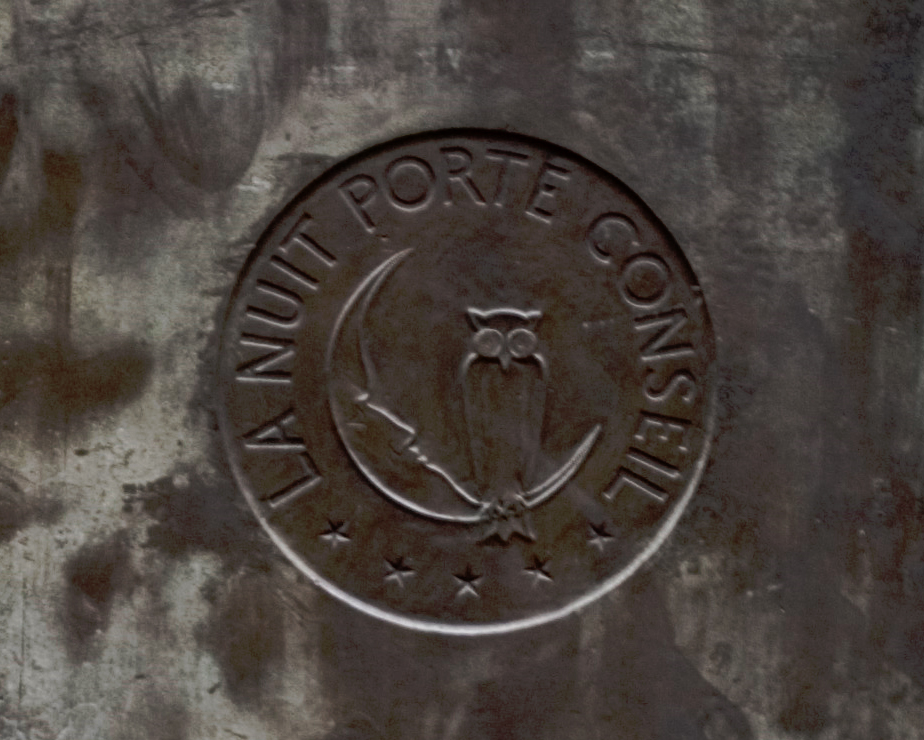
I facetiously brought up the theory in our December podcast on the history of Herald Square.  Upon the door of the clock, which sits in the northern portion of the plaza, is a strange symbol featuring an owl and stars:

Picture courtesy entrance/Flickr

The extravagant James Gordon Bennett Jr., the Herald’s editor at the end of the 19th century, has frequently been linked to the Illuminati.  They say the shadowy, all-powerful organization, with alleged ties to some of the darkest secrets from ancient history, gather to manipulate world affairs only at night. And thus their insignia features the owl — ever vigilant, mysterious and wise.

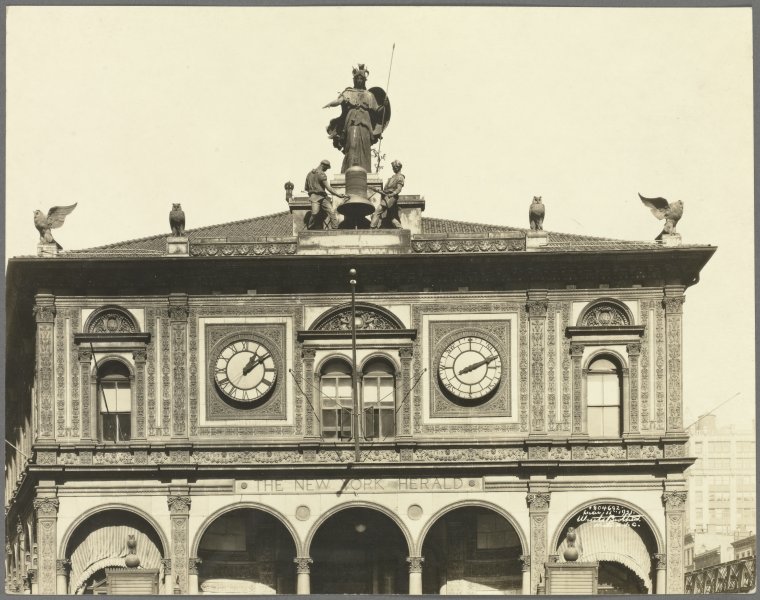
Bennett was obsessed with owls and festooned his lavish newspaper offices with the bird, many with glowing eyes.  Below: Roof decorations on the old Herald Building, pic courtesy NYPL

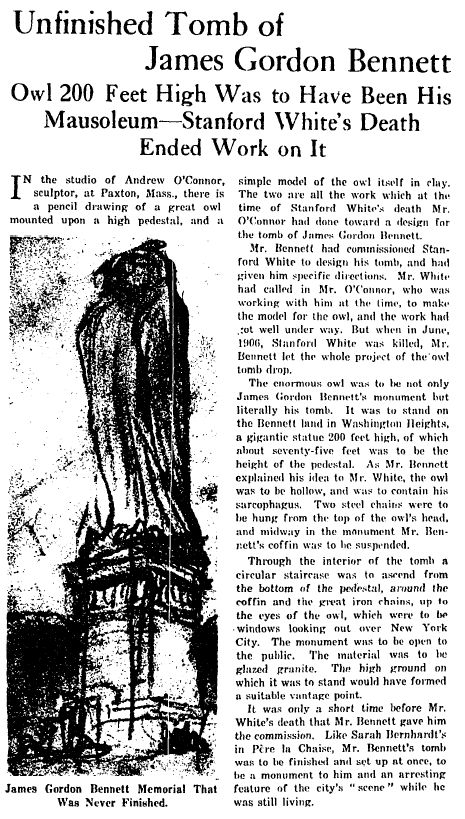
In fact, Bennett had commissioned Stanford White to design a lofty mausoleum for Bennett at his death, featuring an owl 200 feet high, to be placed in Washington Heights!  But when White was murdered on the rooftop of Madison Square Garden in 1906, Bennett’s grandiose plans were scrapped.

Below: The article from the New York Times, featuring a pencil sketch of the proposed owl monument.

The Herald clock features the goddess Minerva and her trademark companion — of course, an owl.  Like the owl, Minerva herself is frequently represented in Illuminati symbolism.  Adding to the mystery are the names of the two bell-ringers below here, Gog and Magog — entities from the biblical era and mentioned in the Book of Revelation. “When the thousand years are over, Satan will be released from his prison and will go out to deceive the nations in the four corners of the Earth—Gog and Magog—and to gather them for battle.”

So you can just imagine how this has stirred the conspiracy theorist community over the years.  It’s all practically begging for a Dan Brown novel or a Nicolas Cage film.  After all, if miles of underground passages exist underneath Trinity Church in ‘National Treasure’, what could possibly lurk here in Herald Square, beneath Bennett’s old symbol-laden clock?

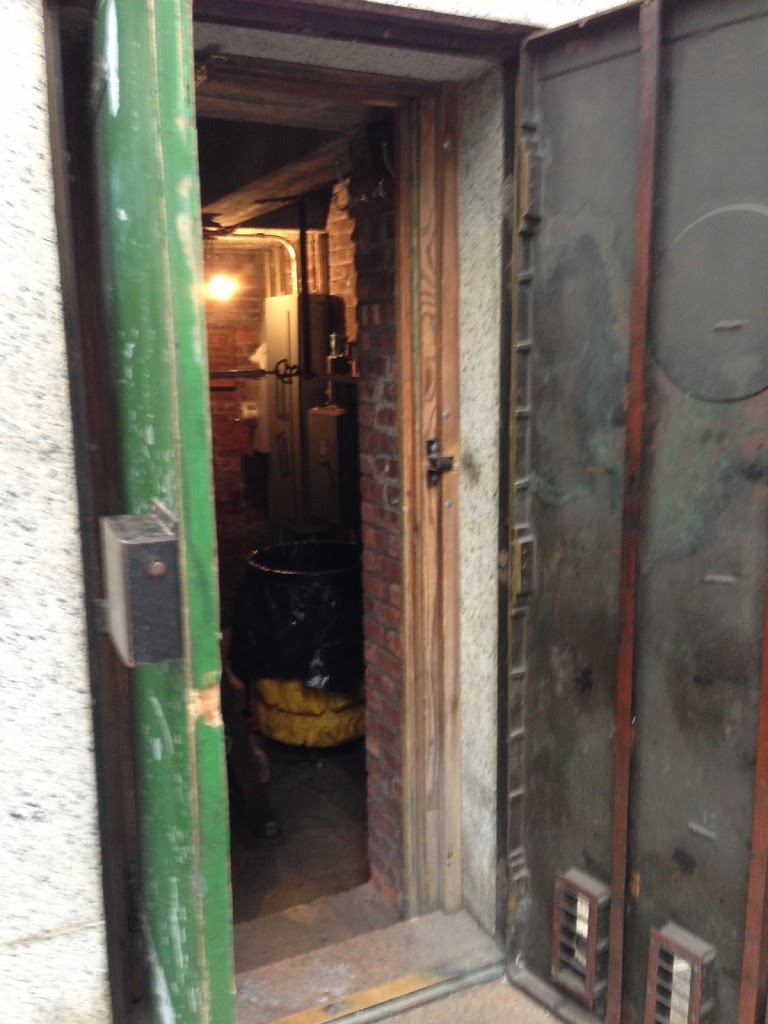
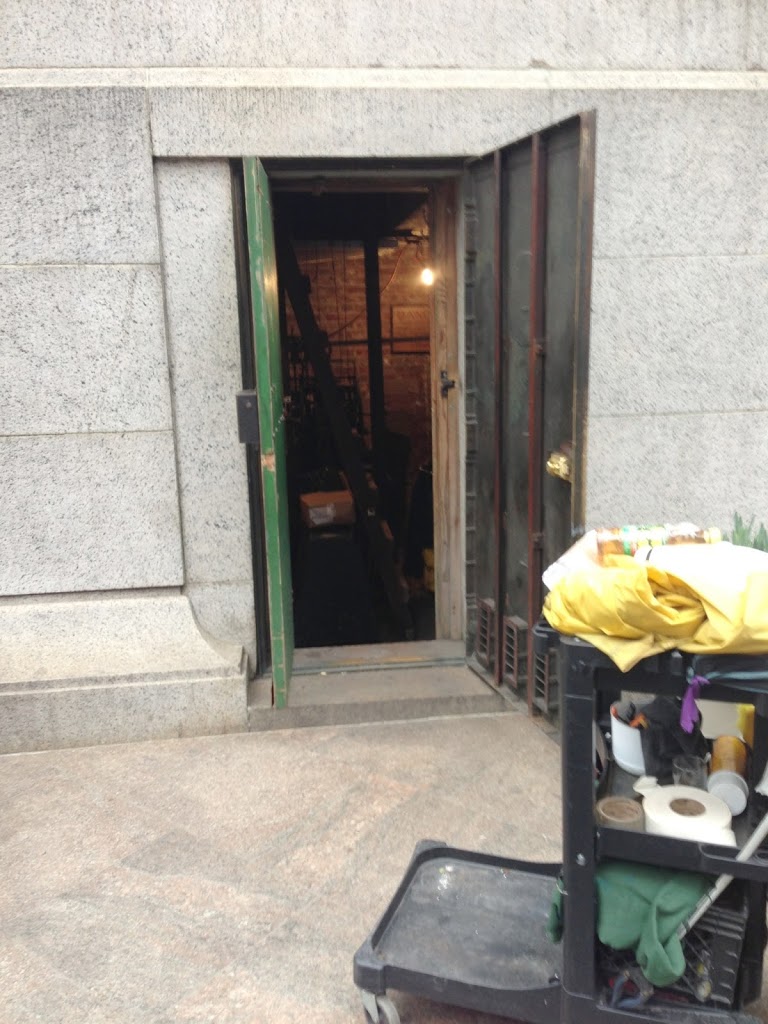
Alas, one of our listeners Ryan Cox has dispelled the existence of any clandestine passageways with a few well-timed photographs. It seems the door is nothing more than a custodian’s closet!

Okay, I mean the realists among you probably assumed this the whole time.

But what if there’s a secret passage behind all the hoses and brooms?  What if Illuminati members step over the mop bucket to get there?

Categories
Mysterious Stories Podcasts

Mysteries and Magicians of New York: Whimsical spirits, scary legends, strange magic and the original ghost busters

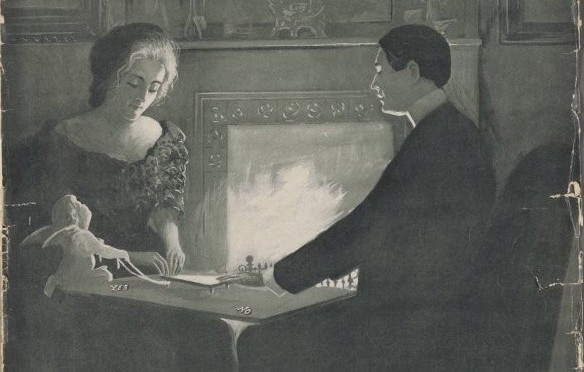
A session with a ouija board, a haunting illustration from a piece of 1901 sheet music ‘There’s A Charm About The Old Love Still’. (NYPL)

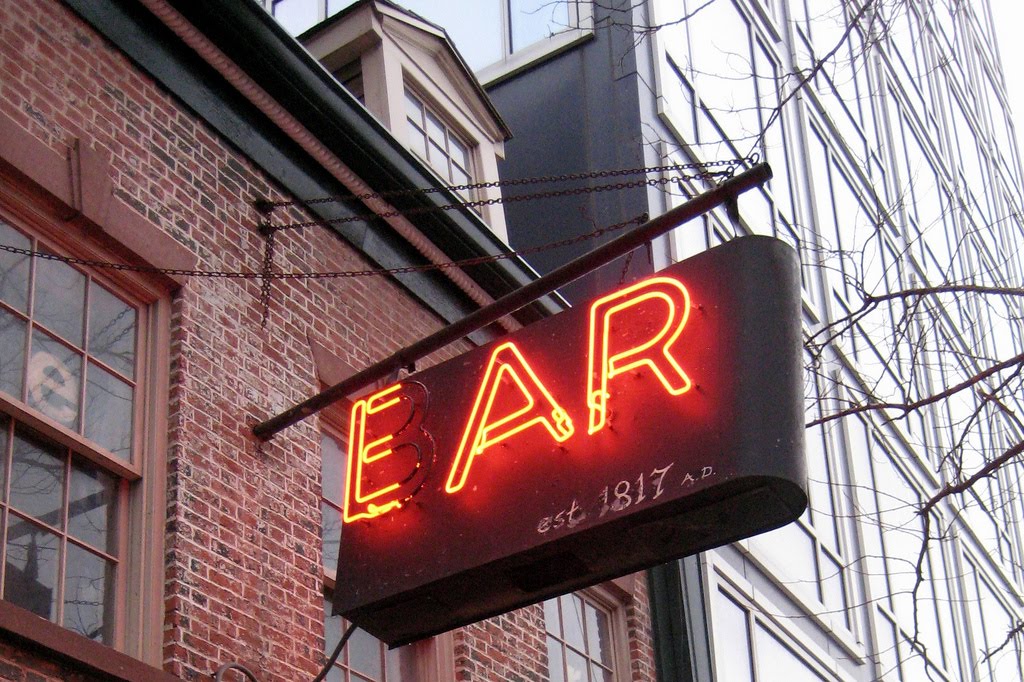
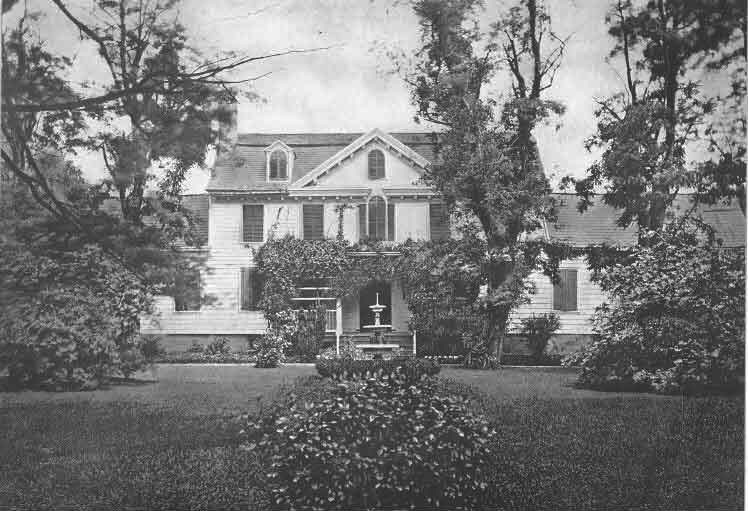
PODCAST Our sixth annual ghost story podcast takes a little twist this time around. Oh sure, we have two of New York’s most FAMOUS horror stories in our first part, beginning with a spirited sailor named Mickey who haunted a classic structure on the Lower West Side. Today it’s the Ear Inn, where you better watch your drink. Then we switch to a Colonial-era tale of obsession and entrapment in old Flatbush, the tale of Melrose Hall with its secret passages, stairwells and dungeons.

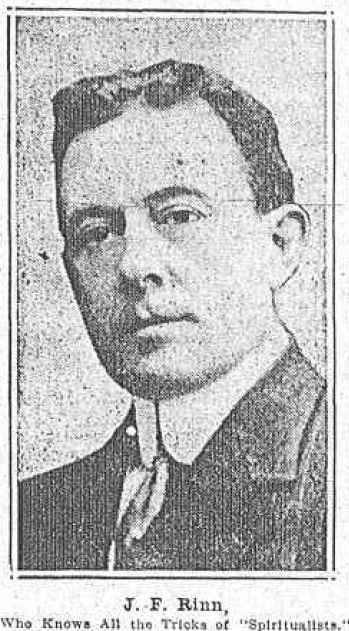
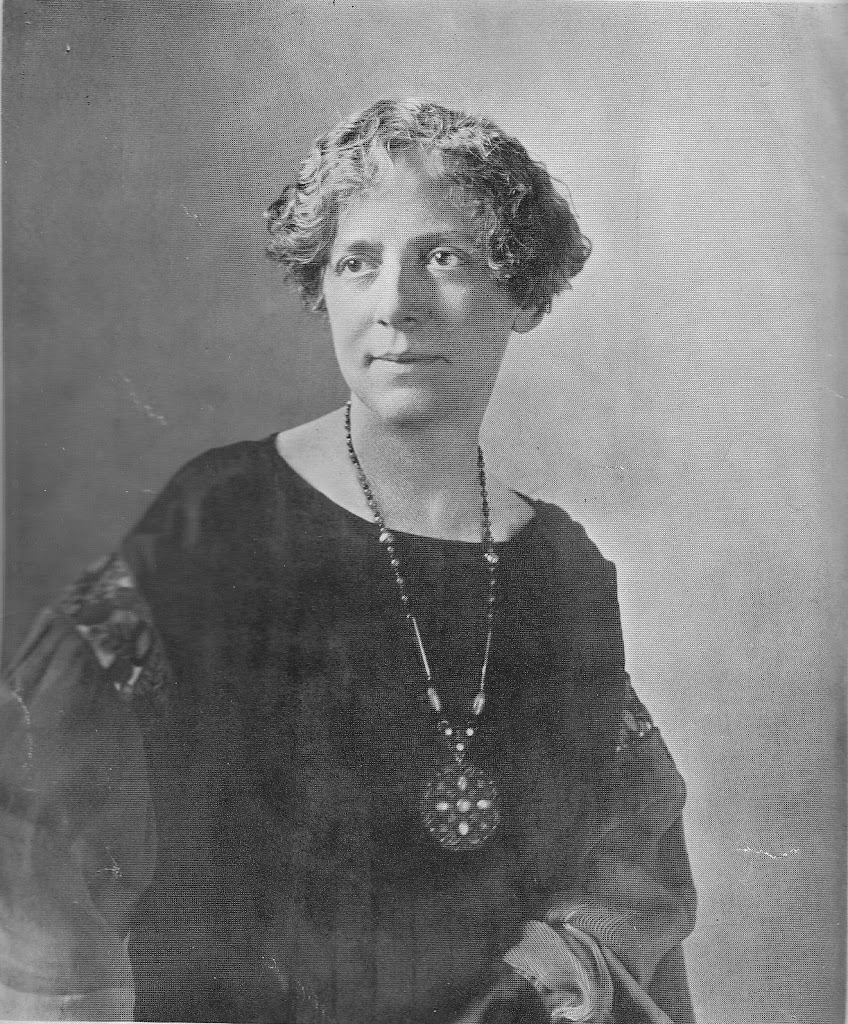
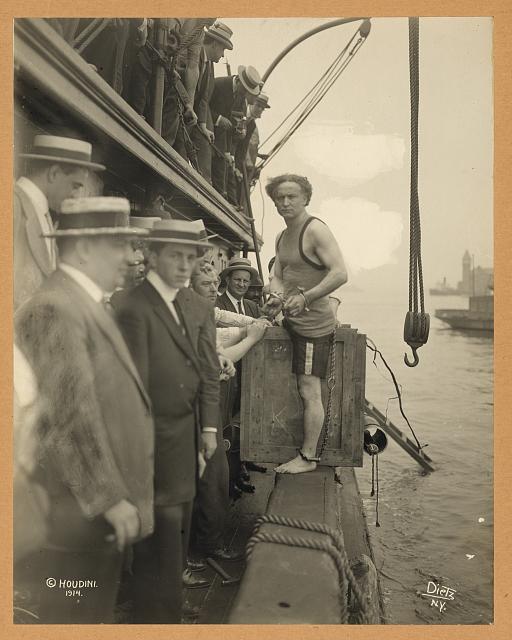
But in the second half, we observe New York’s spiritualism craze of the early 20th century through two frightening faceoffs. In the first, its the madame of the Ouija board, Pearl Curran, and her ghostly companion Patience Worth vs. one of New York’s original ghostbusters, the adventurer and conjurer Joseph Rinn (pictured at right). And in the final tale, Tom explores the secrets of Harry Houdini and what happens when a close confidante — in this case, the noted author Sir Arthur Conan Doyle — believes his powers are of a supernatural variety.

Featuring our annual ghost-story dramatics, a few sound effects, and the surprising haunted history of Carnegie Hall!


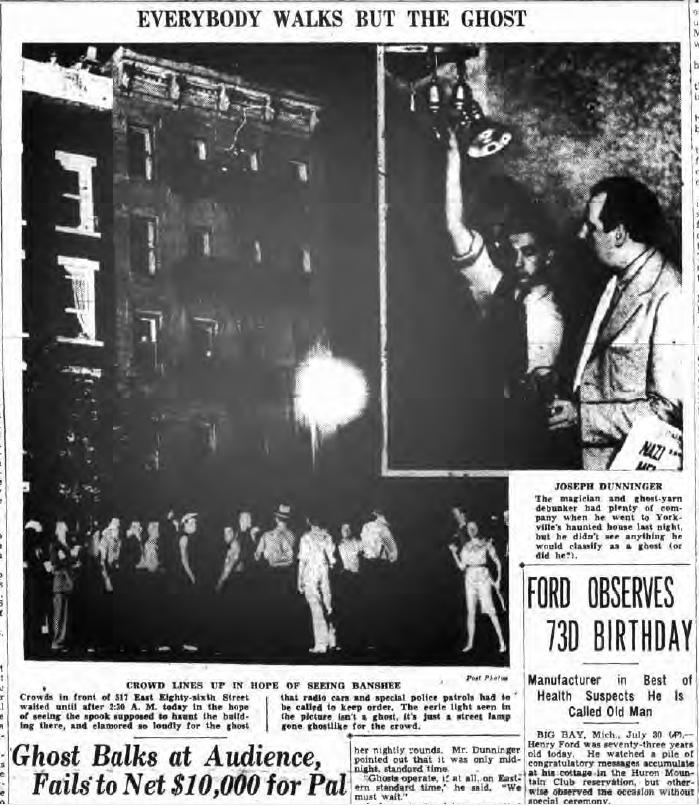
From the pages of the New York Post, July 1936. Crowds hunt for the spirit of Angelina, the Italian ‘banshee’. Crowds lined up to get a glimpse, so many that ‘special police patrols’ were called to control the search. [source]

The house of Revolutionary War veteran James Brown, today the worn and welcoming Ear Inn, is almost 200 years old, which means it has a great many ghosts, including a couple literal ones, including the randy spirit of a sailor named Mickey. (Picture courtesy Flickr/wallyg)

 
The haunted Melrose Hall in Flatbush, Brooklyn, the site of some improbable architecture and a terrible crime. Is that Alma peering from the third floor window? Do you dare enter?
 

Pearl Curran, the St. Louis woman who began conjuring the spirit of an 17th century English woman named Patience Worth, via the Ouija board. She was frequently questioned by prominent medium debunkers, including Houdini’s friend Joseph Rinn.

Harry Houdini in 1912, about to step in to a sealed sunken chest, which he will inevitably escape from. But what was his secret? Was Sir Arthur Conan Doyle — and his wife Lady Jean — onto something about Houdini’s secret powers? (Courtesy Library of Congress)

Categories
Podcasts

PODCAST: Who Murdered Mary Rogers?

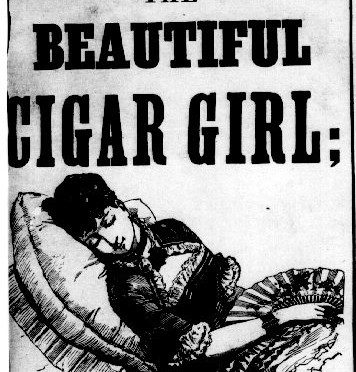
It’s a mystery! It’s 1841 and the most desirable woman in downtown Manhattan — the ‘beautiful cigar girl’ Mary Rogers — is found horribly murdered along the Hoboken shore. Hear some of the stories of this case’s prime suspects and marvel at the excessive attentions of the penny press.

Also: Edgar Allen Poe takes a crack at solving the case, and who is the mysterious Madame Restell?

Listen to it for free on iTunes or other podcasting services. Or you can download or listen to it HERE

NOTE: The sound quality is a little wobbly at first but it goes back to normal after the first few minutes. Sorry!

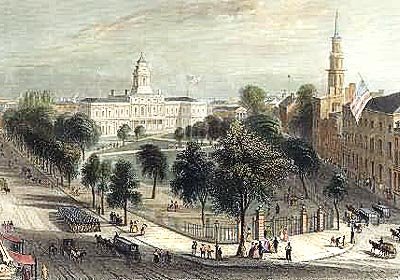
Many of the events of the story take place around the City Hall area — Anderson’s tobacco shop would have been just to the left of the picture, Mary’s boarding house to the right. (This illustration is actually from 1854, but you get the idea.)

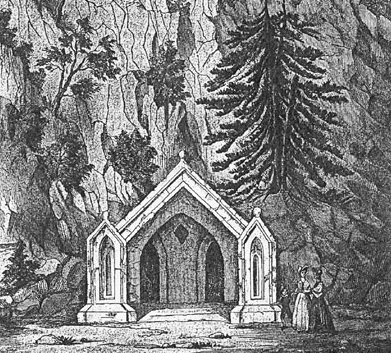
Sybil’s Cave, in an area along the Hoboken shore once called Elysian Fields — it’s here that the body was found … and another gruesome death related to Mary Rogers would occur just a couple month later

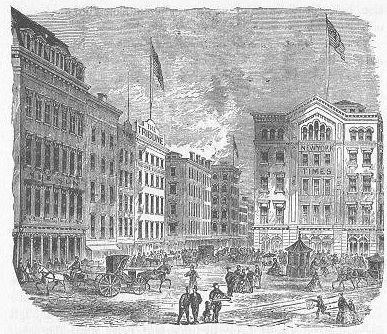
Printing House Square, across from City Hall and mere steps from Mary Rogers’ boarding house, got into the act by printing ever scandalous detail of the murder investigation

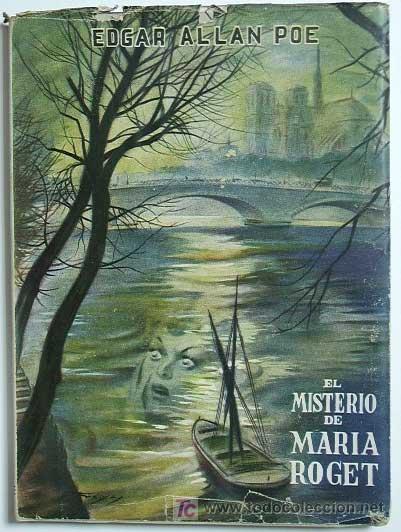
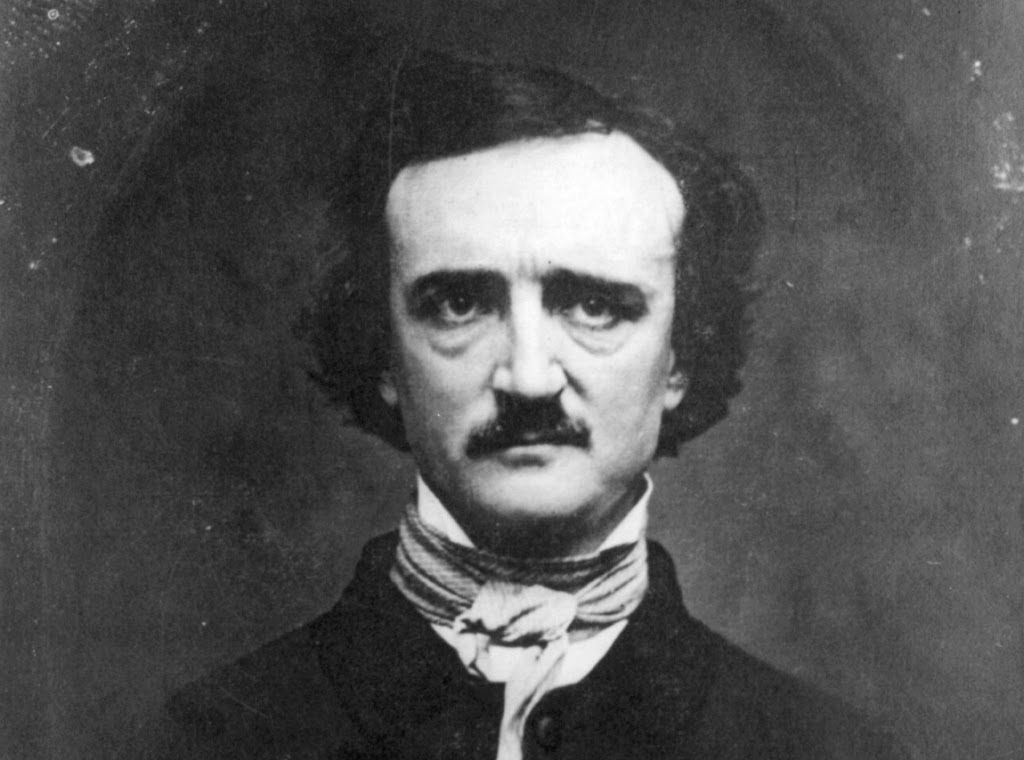
The murder inspired Edgar Allen Poe to write ‘The Mystery of Marie Roget’, changing the names and location but leaving the essential facts intact. But had Poe been paid to write the story by one of the case’s suspects, Mary’s former employer?

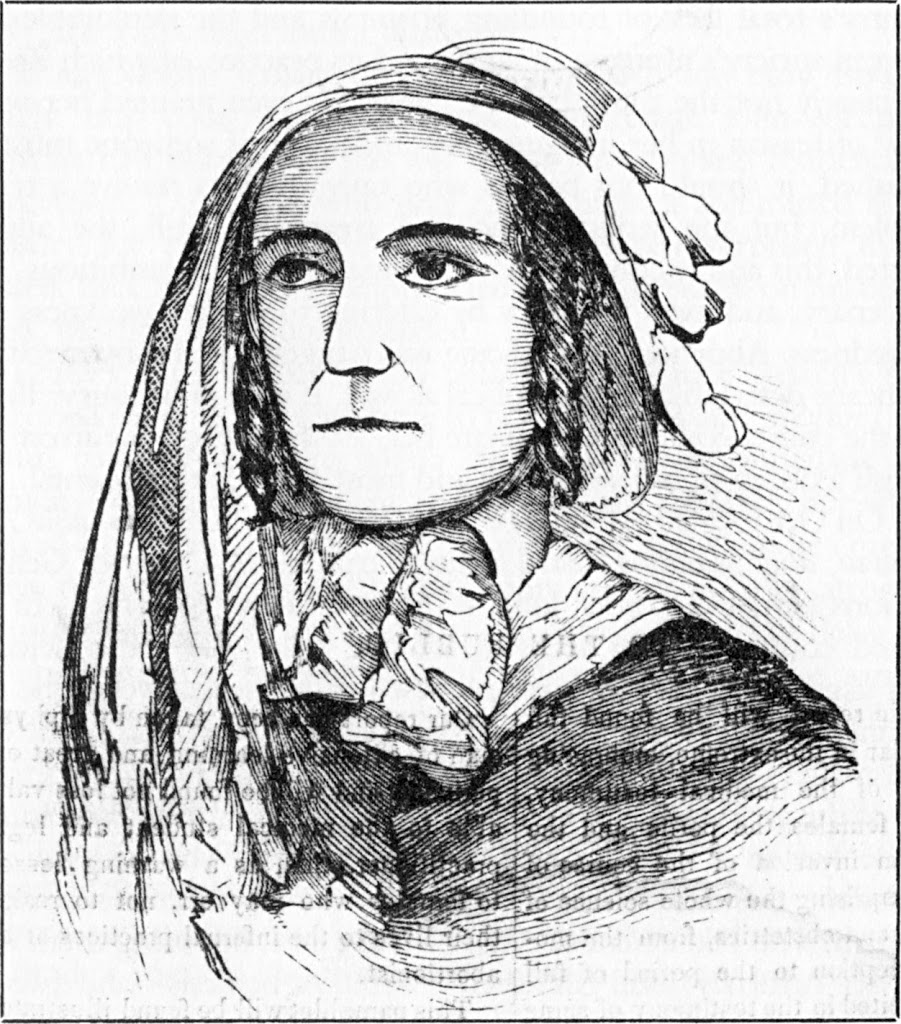
Madame Restell — what role did she play in the disappearance and death of Mary Rogers?

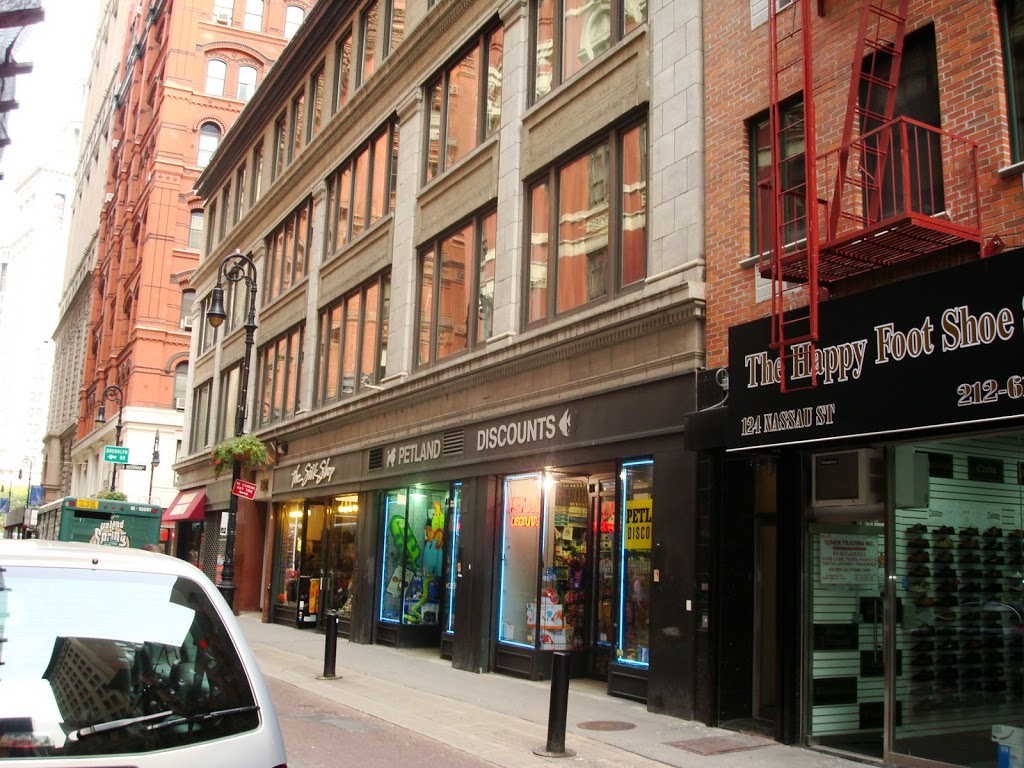
Mary Rogers lived at a boarding house run by her mother that once stood here, just a block from CIty Hall. It was here that Mary met most of the men who later became suspects in the case.

Categories
Mysterious Stories Podcasts

PODCAST: Spooky Stories of New York

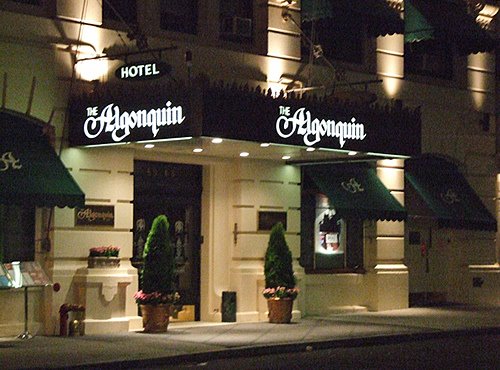
The Algonquin Hotel: the hippest haunt for the dead writer set

By popular demand, we return to the creepier tales of New York City history, ghost tales and stories of murder and mayhem, all of them at some point involving great American icons — Alexander Hamilton, P.T. Barnum, Dorothy Parker and Mark Twain.

Listen to it for free on iTunes or other podcasting services. Or you can download or listen to it HERE

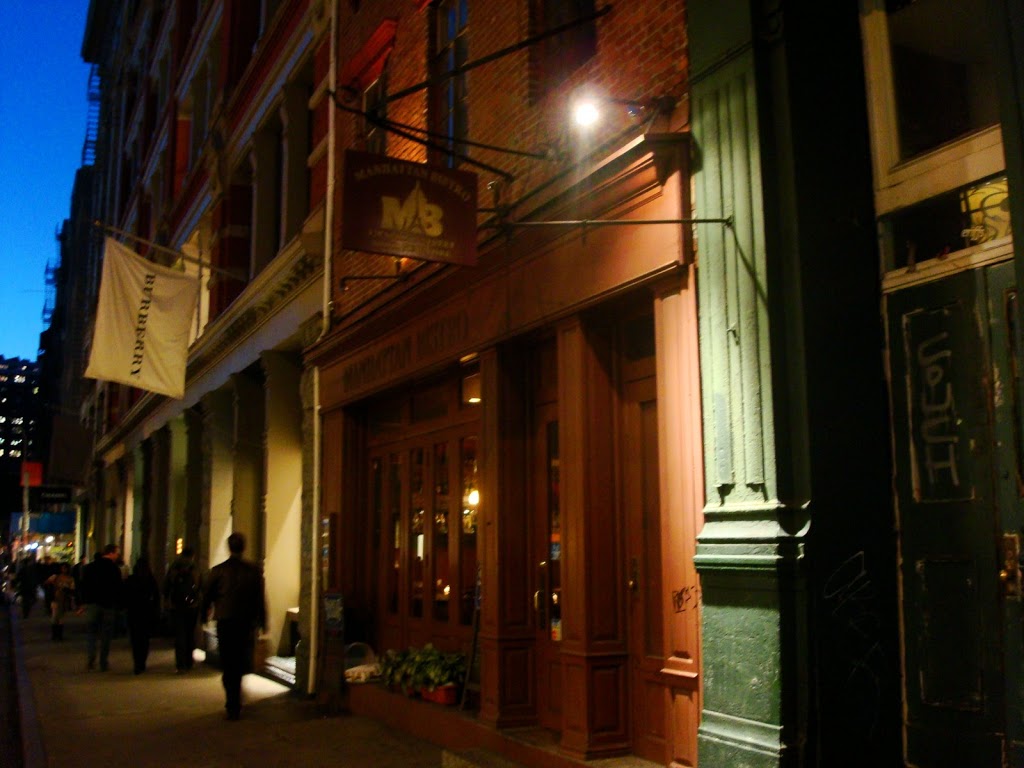
The Manhattan Bistro in SoHo hides a ghastly secret behind it — site of the Manhattan well, and the murder of Elma Sands

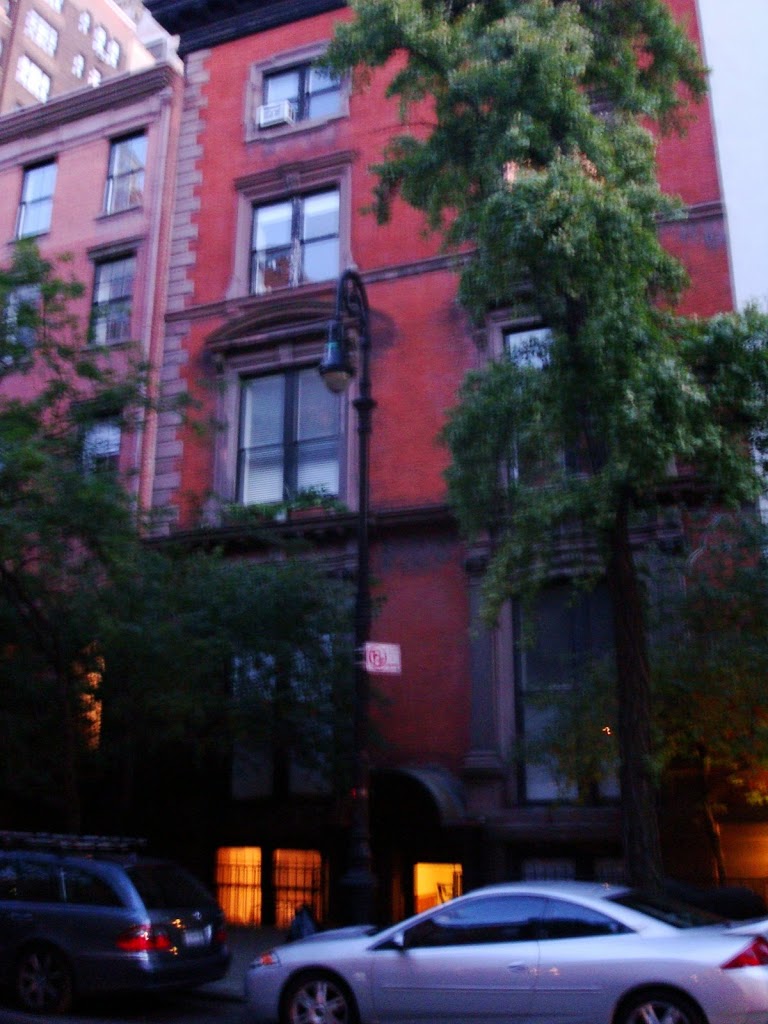
14 West 10th Street, the most haunted brownstone in the Village

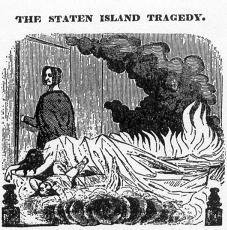
A macabre newspaper depiction of Polly Bodine, the ‘Witch of Staten Island’, fleeing from the burning bodies of her victims Emeline and Ana Eliza Housman

Our Ghost Stories of New York podcast from last year:

Starting next week on iTunes, our old episodes will be available for download, re-edited and with far great audio quality. Look for the feed titled ‘Bowery Boys Archive’ on Tuesday.