Categories
Brooklyn History Neighborhoods Podcasts

The Story of Flatbush: Brooklyn Old and New

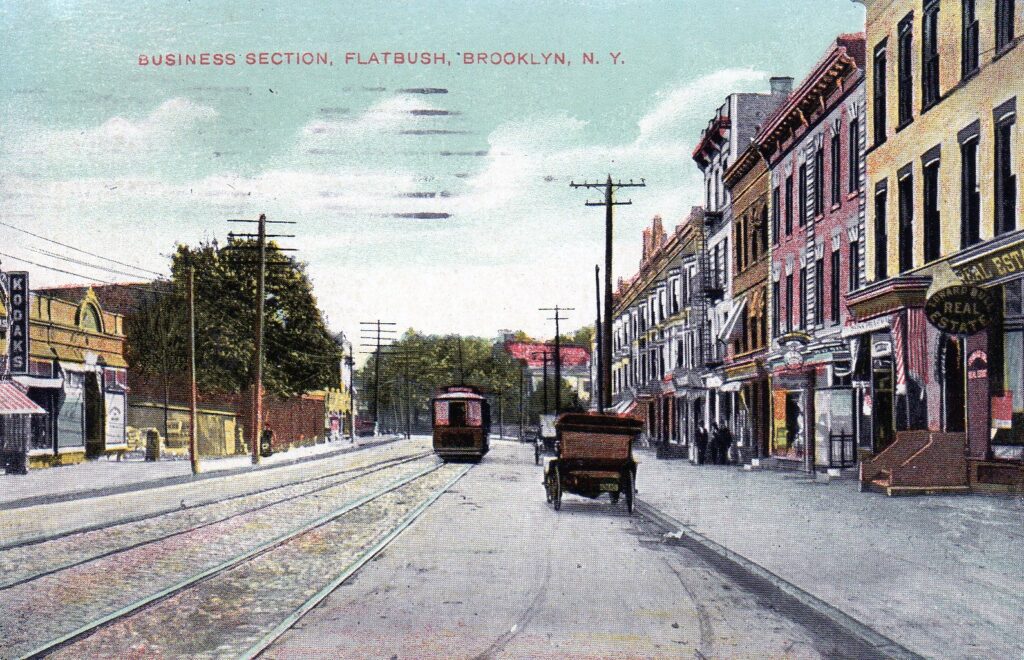
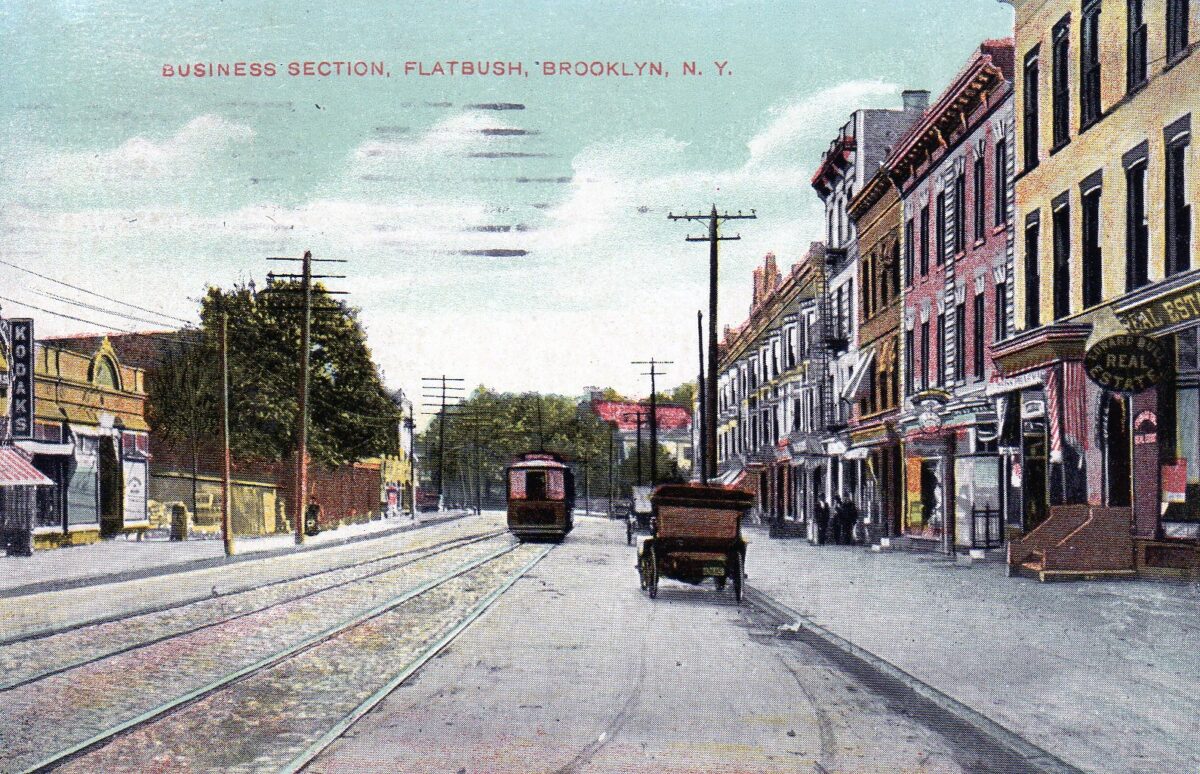
Over 350 years ago today’s Brooklyn neighborhood of Flatbush was an old Dutch village, the dirt path that would one day become Flatbush Avenue lined with wheat fields and farms.

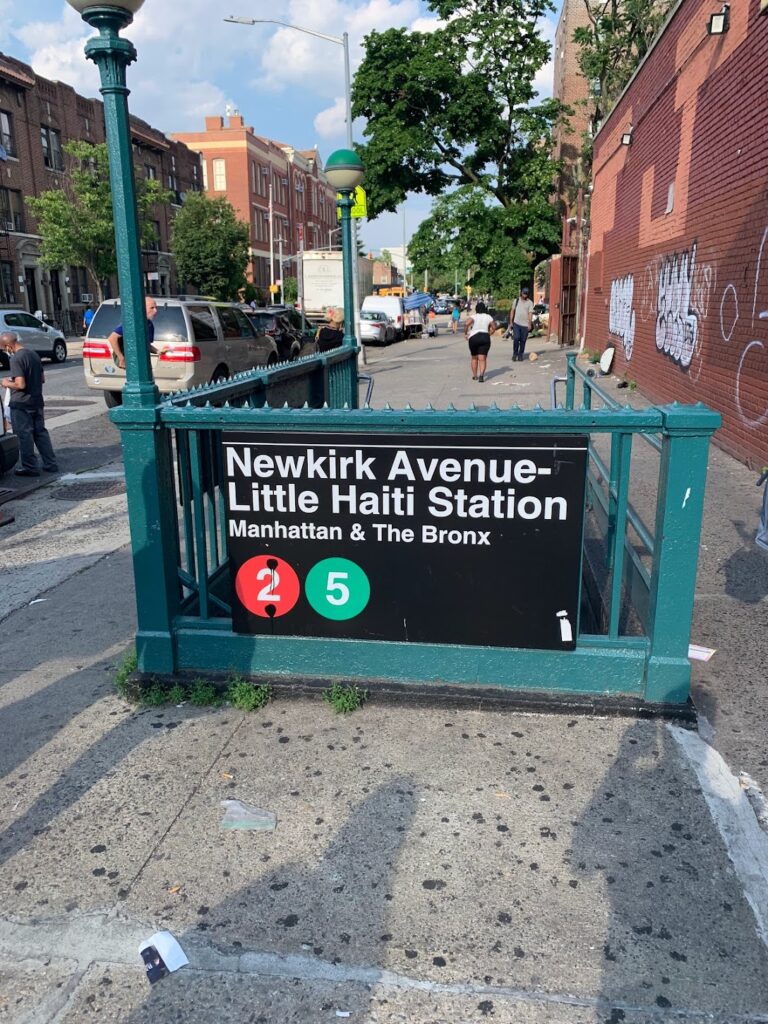
Contrast that with today’s Flatbush, a bustling urban destination diverse in both housing styles and commercial retail shops. It’s also an anchor of Brooklyn’s Caribbean community — Little Caribbean.

There have been many different Flatbushes — rural, suburban and urban. In today’s show we highlight several stories from these phases in this neighborhood’s life.

If you are a Brooklynite of a certain age, the first thing that might come to mind is maybe the Brooklyn Dodgers who once played baseball in Ebbets Field here. Or maybe you know of a famous person who was born or grew up there — Barbra Streisand, Norman Mailer or Bernie Sanders. 

But the story of Flatbush reflects the many transformative changes of New York City itself. And it holds a special place in the identity of Brooklyn — so much so that it is often considered the heart of Brooklyn.

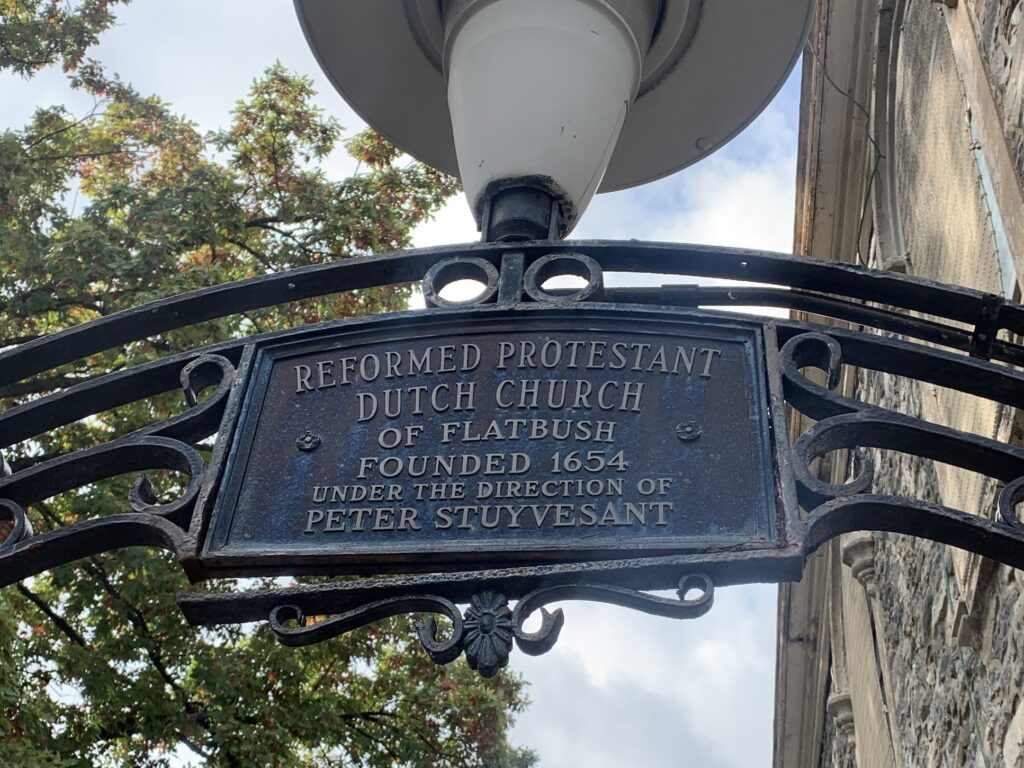
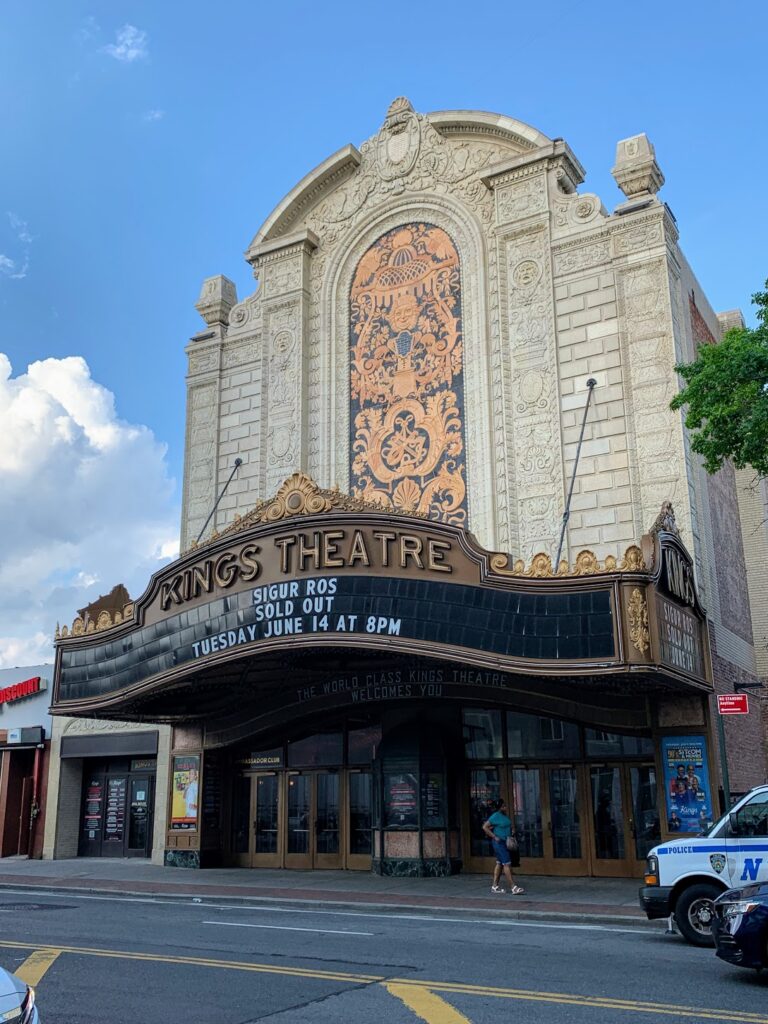
FEATURING STORIES OF Erasmus Hall, the Kings Theater, Lefferts Historic House, the Flatbush African Burial Ground and the Flatbush Dutch Reformed Church.

PLUS We chat with Shelley Worrell of I Am CaribBEING about her work preserving and celebrating the neighborhood’s Caribbean community.

Listen Now — The Story of Flatbush


Thank you to Shelley Worrell for being on the show. For more information on I am CaribBEING, visit their website.

Today (June 17) is One Love Little Caribbean Day, celebrating the Caribbean businesses of Flatbush, Prospect Lefferts Garden and East Flatbush.

And this Sunday (June 19) celebrate National Caribbean-American Heritage Month in Prospect Park with I AM CaribBeing and Prospect Park Alliance

A Juneteenth celebration with live performance by Grammy-Award winning Angela Hunte backed by Da Jerry Wonda Band, peer-to-peer gaming powered by Fun With Friends DJ sets by Gab Soul + Khalil and Little Caribbean artisan vendors.


This episode is brought to you by the Historic Districts Council. Funding for this episode is provided by public funds from the New York City Department of Cultural Affairs in partnership with the City Council and Council Member Benjamin Kallos.


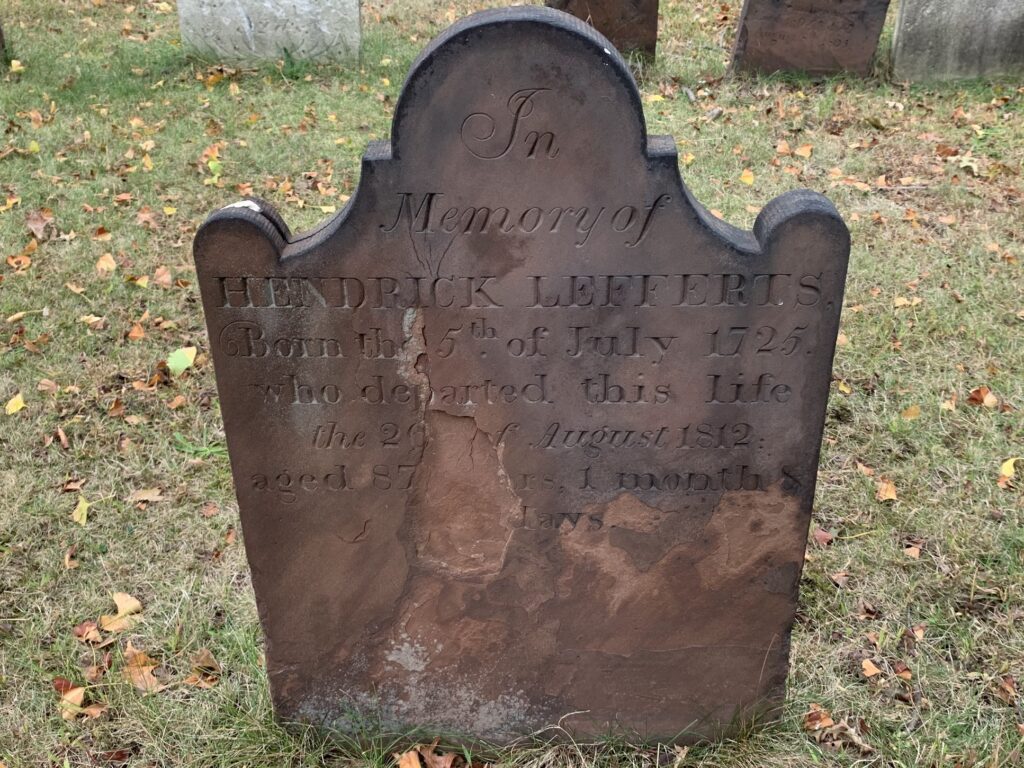
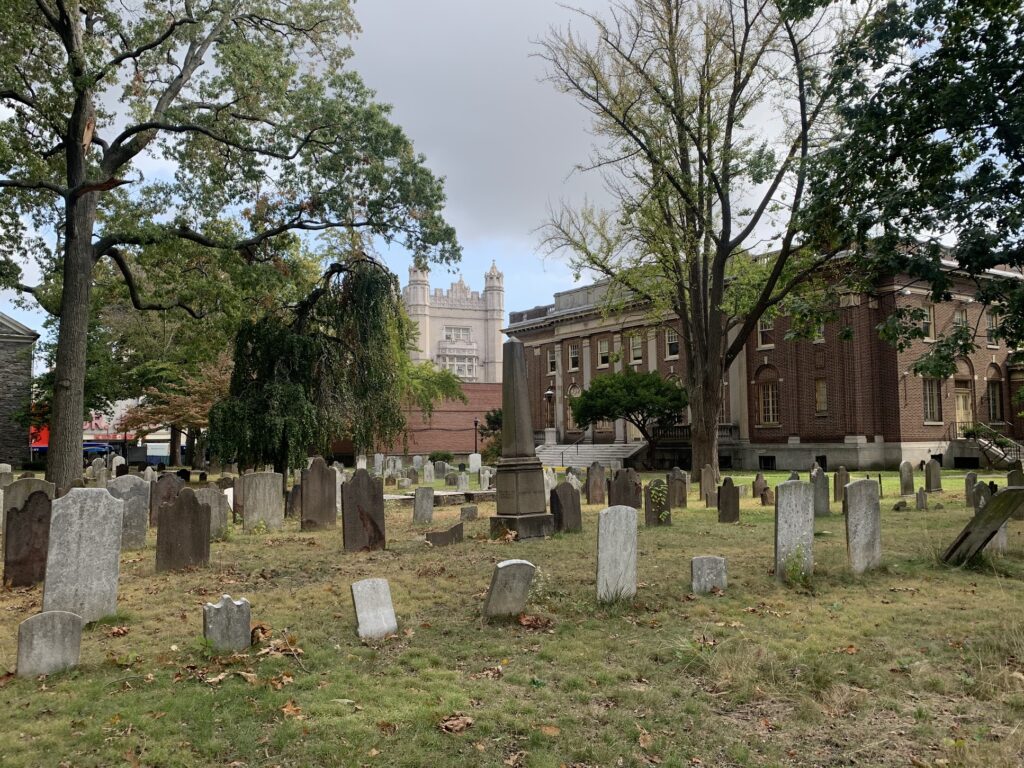
The historic cemetery at Flatbush Dutch Reformed Church
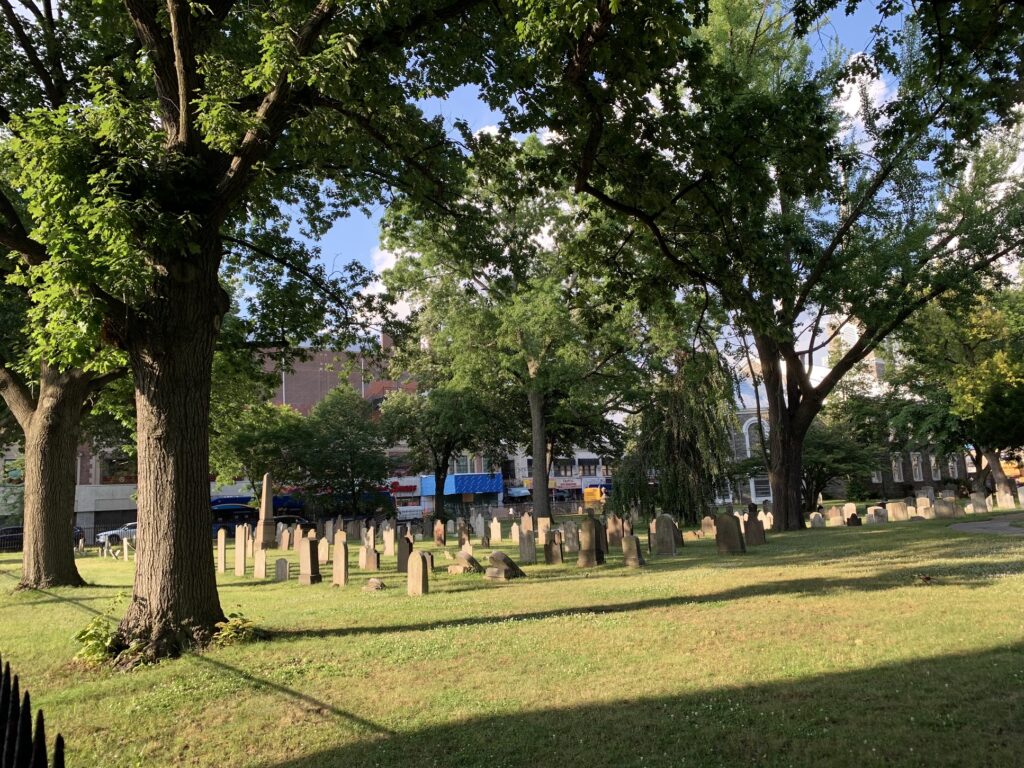
Erasmus Hall High School can be seen from the grounds of the cemetery.
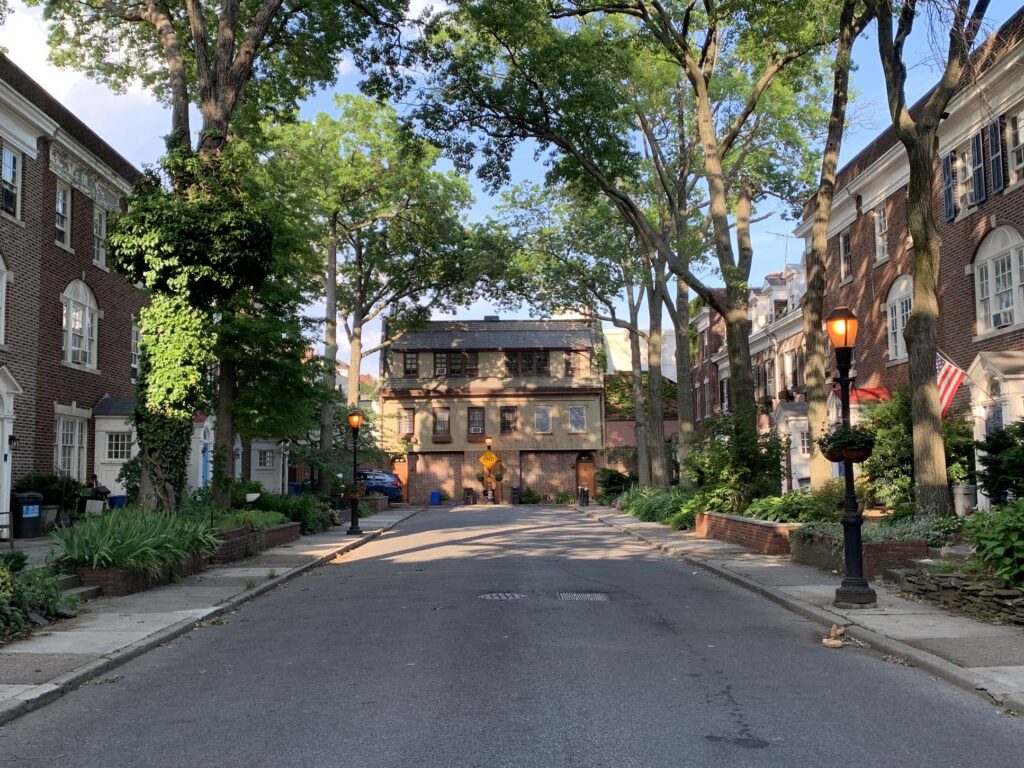
Albemarle–Kenmore Terraces Historic District
Kings Theatre, a Flatbush landmark since the 1920s
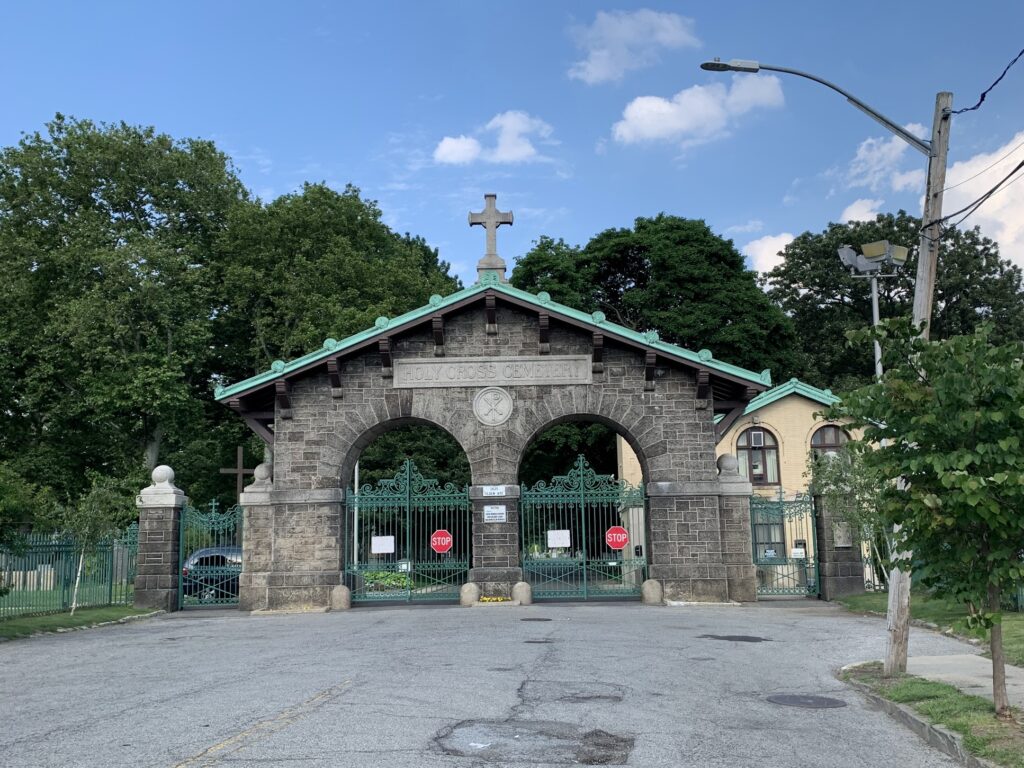
Holy Cross Cemetery in East Flatbush
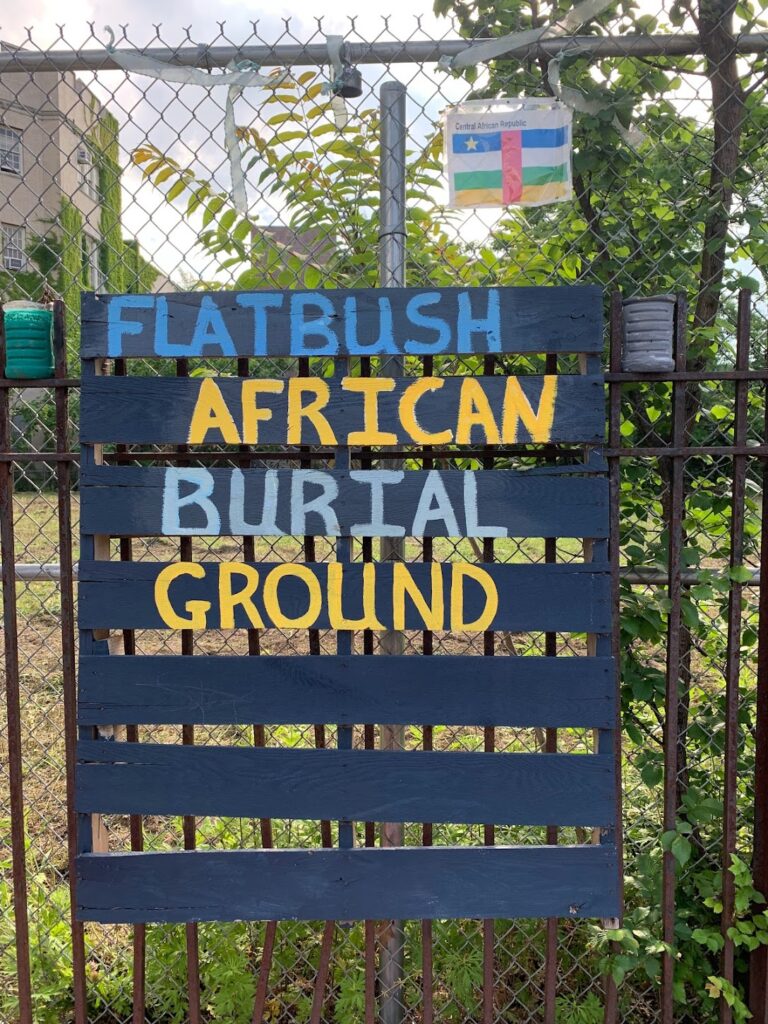
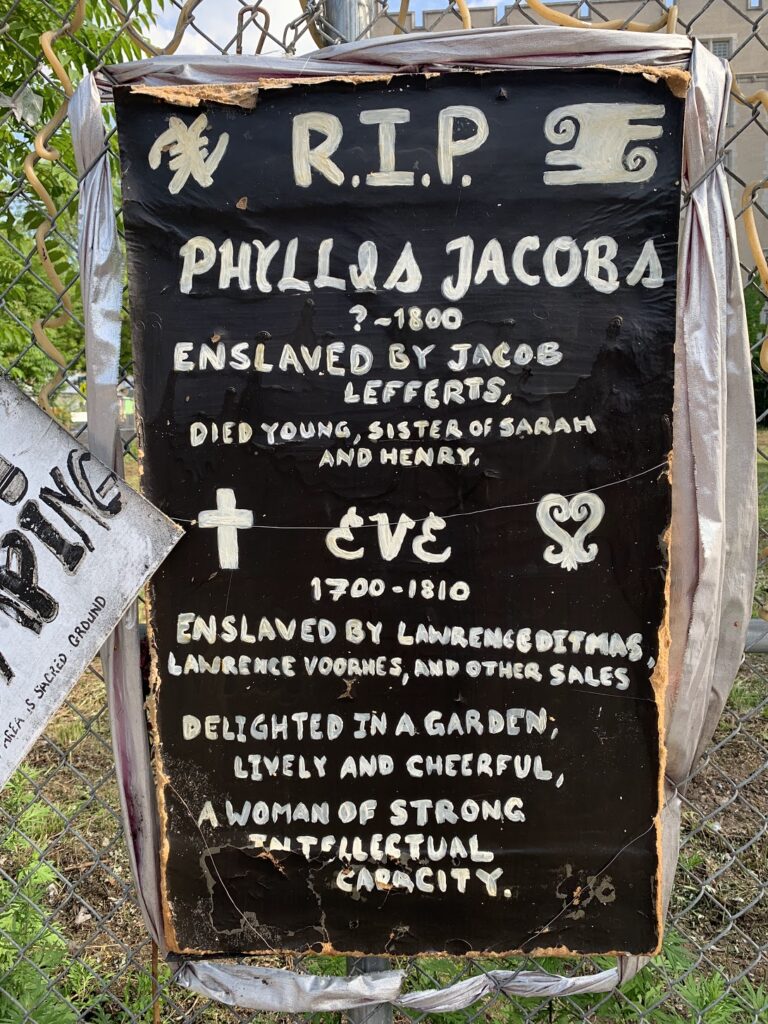
Marker for the Flatbush African Burial Ground and a makeshift tombstone for the two people who were known to be buried here.
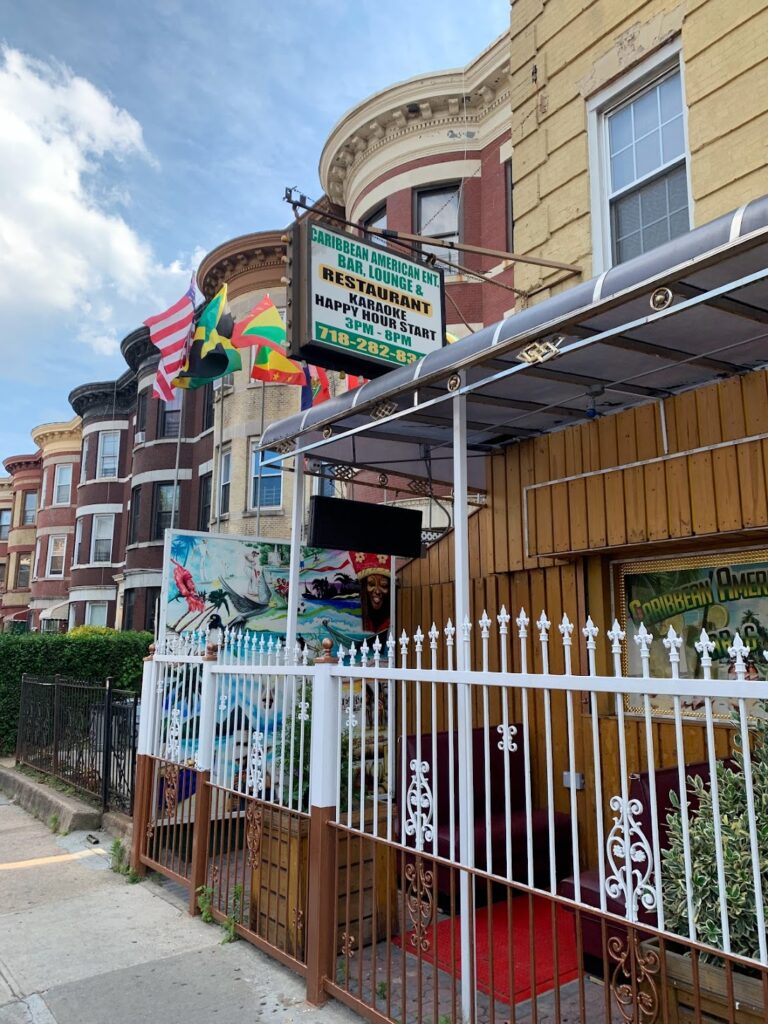
A Caribbean restaurant in East Flatbush amid some excellent examples of rowhouses that are scattered throughout the area.
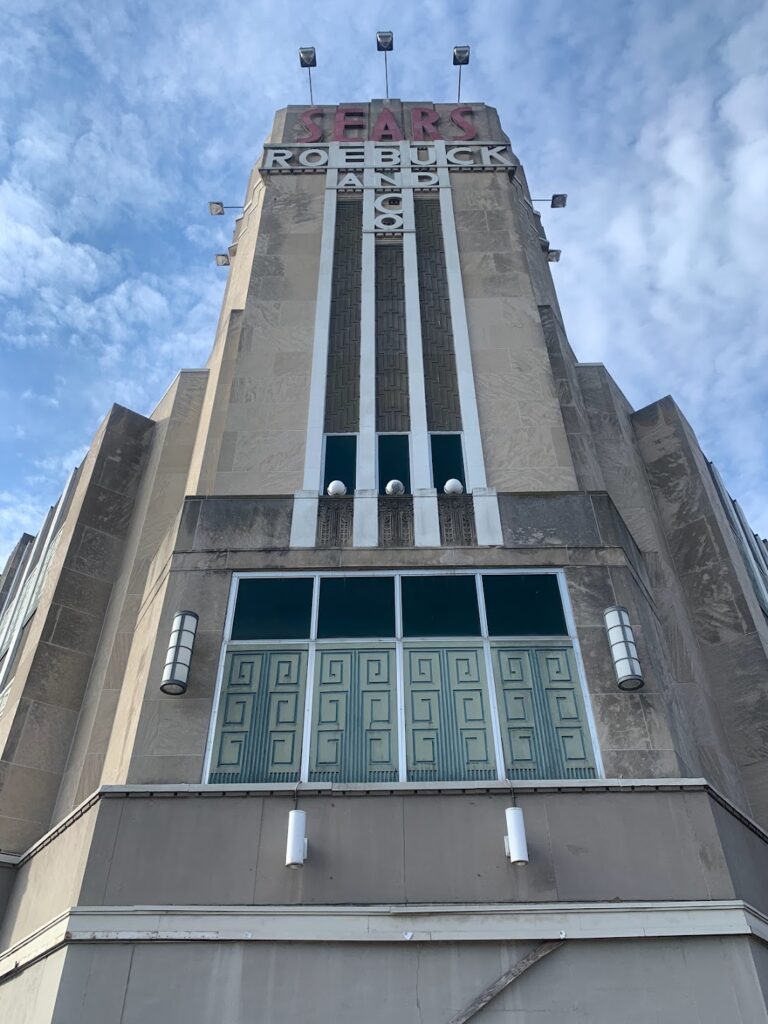
The landmarked Sears Roebuck building, one of the last reminders of the mid-century department stores of Flatbush

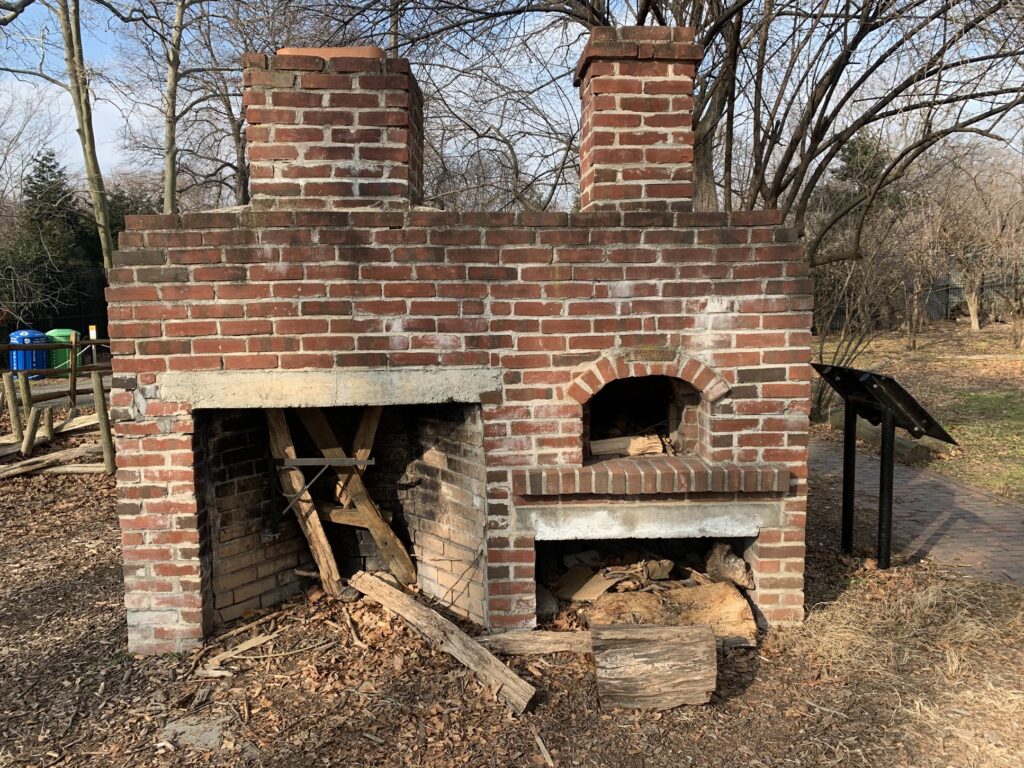
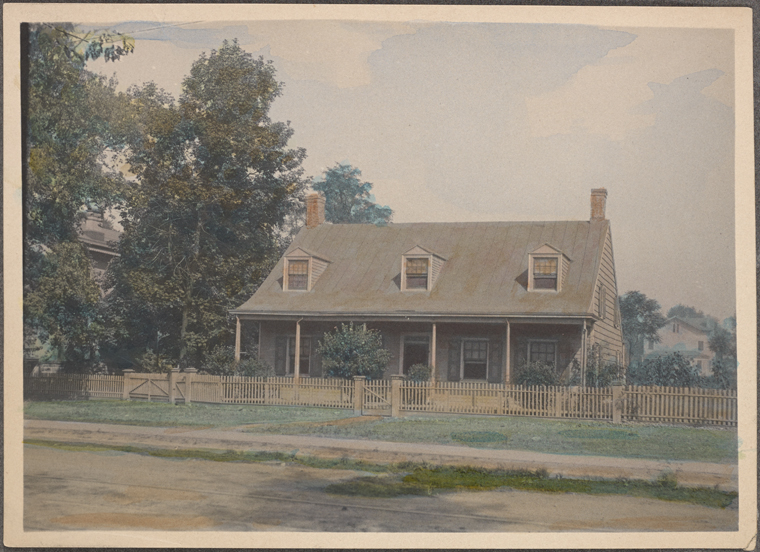
Lefferts Historic House in Prospect Park
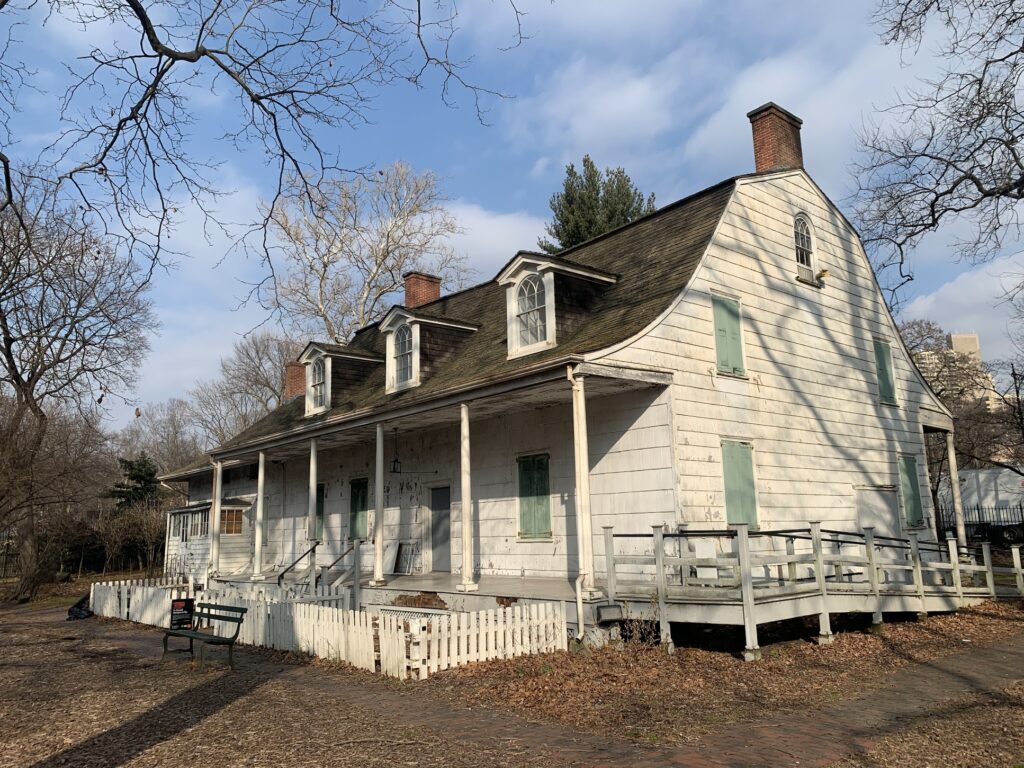
Historic image of the house at its original site (north of Church Avenue) Courtesy New York Public Library

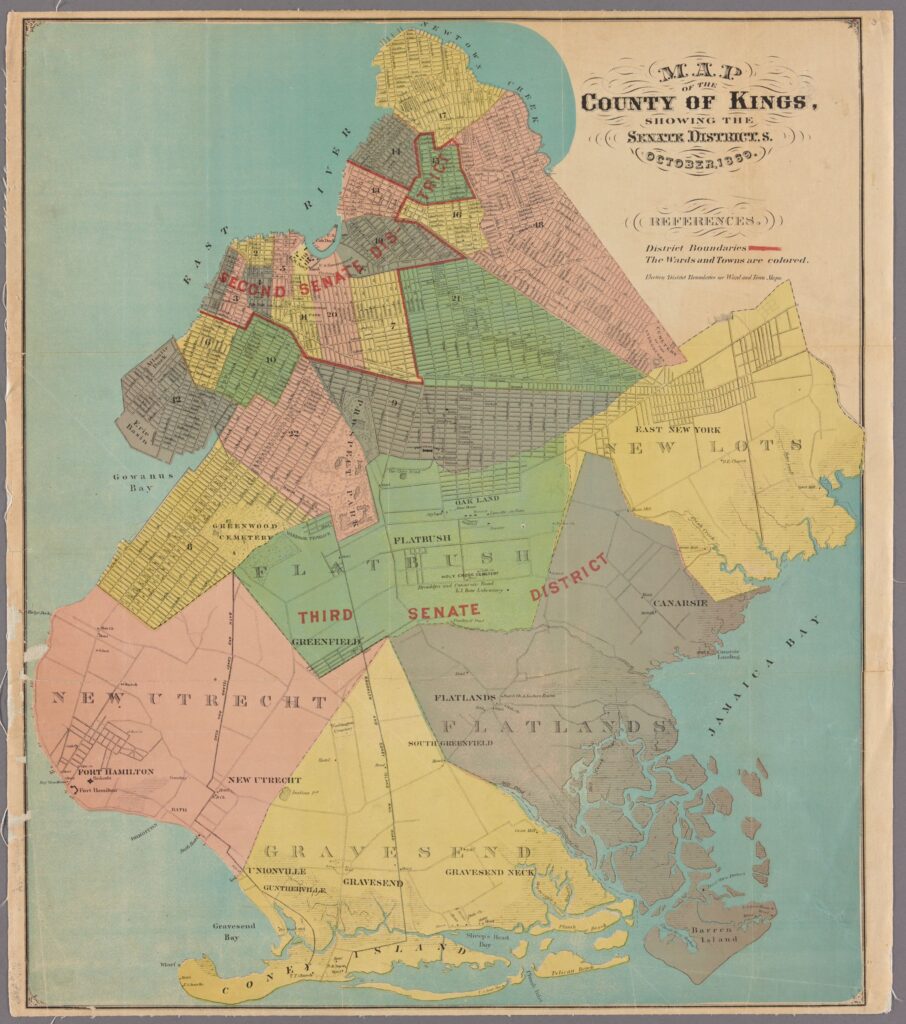
An 1869 map of state senate districts in Kings County. (Courtesy New York Public Library)
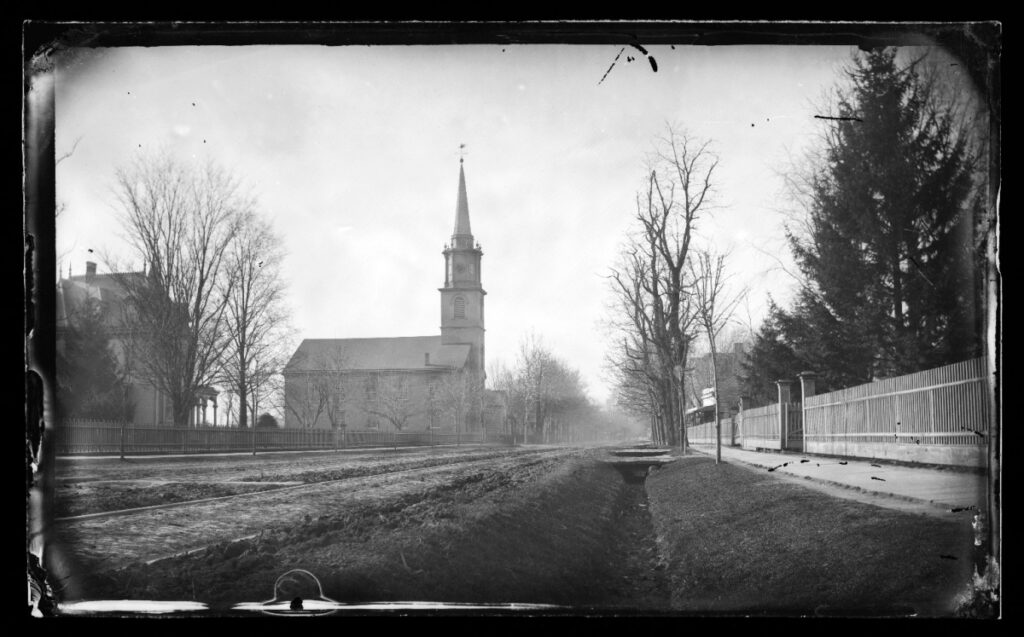
George Bradford Brainerd (American, 1845-1887). Steeple, Flatbush, Brooklyn, ca. 1872-1887. Wet-collodion negative. Prints, Drawings and Photographs. Brooklyn Museum/Brooklyn Public Library, Brooklyn Collection, 1996.164.2-384. (1996.164.2-384_glass_IMLS_SL2.jpg)
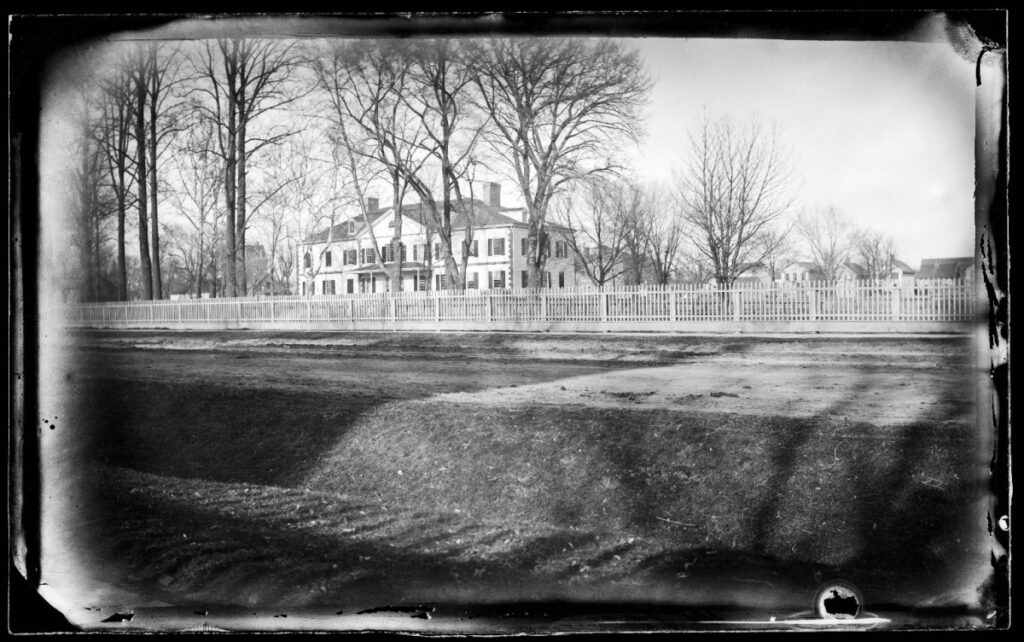
George Bradford Brainerd (American, 1845-1887). Erasmus Hall, Flatbush, Brooklyn, 1879. Wet-collodion negative. Prints, Drawings and Photographs. Brooklyn Museum/Brooklyn Public Library, Brooklyn Collection, 1996.164.2-159. (1996.164.2-159_glass_IMLS_SL2.jpg)
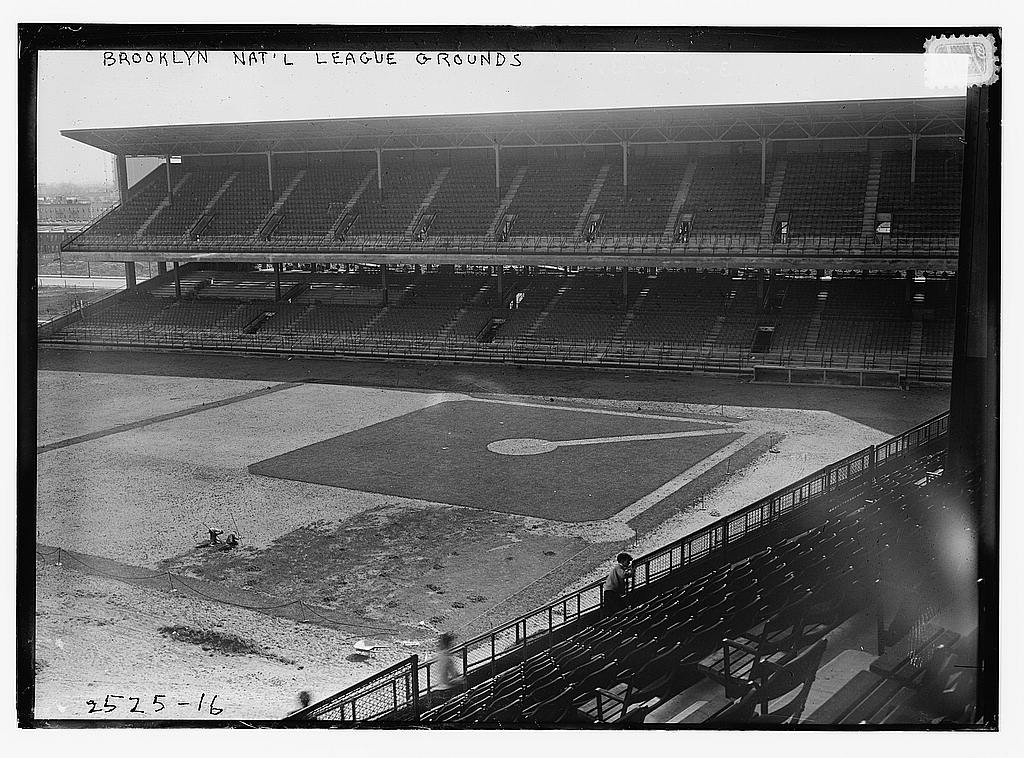
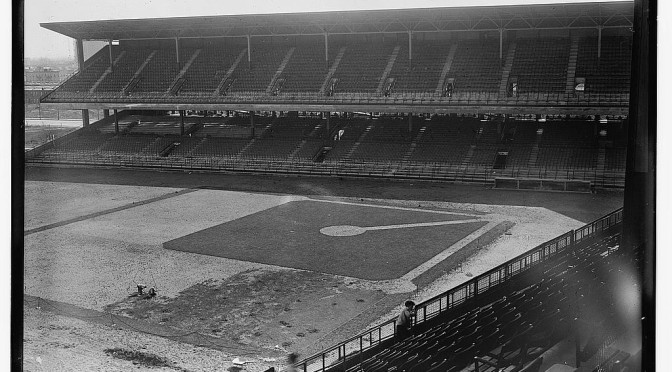
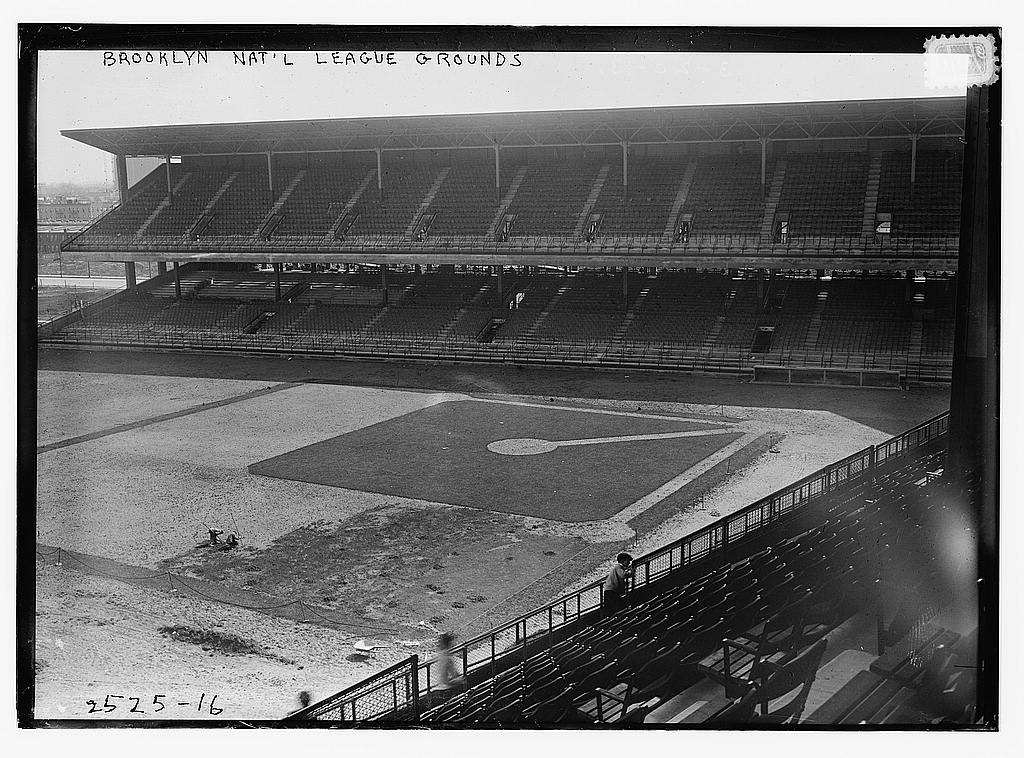
Inside Ebbets Field, 1913, Library of Congress. Here’s an article on their first regular game there.

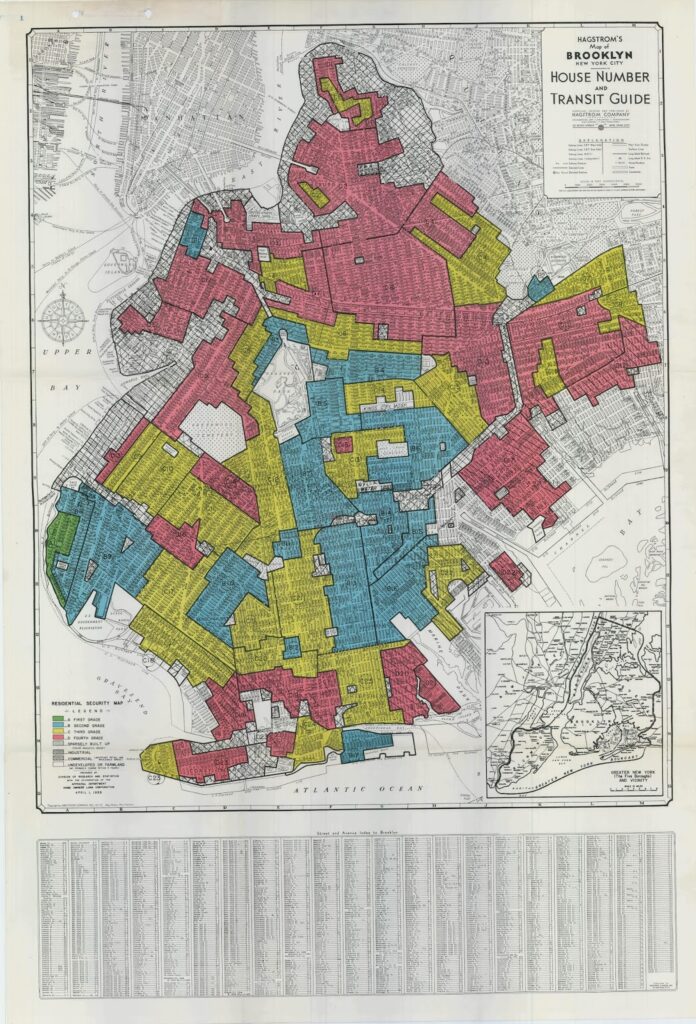
A map of redlined Brooklyn. Flatbush (seen below the Prospect Park white space) has sections in blue, yellow and red.
FURTHER LISTENING

After listening to the story of Flatbush, dive back into these podcasts which touch on some of the themes from this week’s show:
Categories
Pop Culture

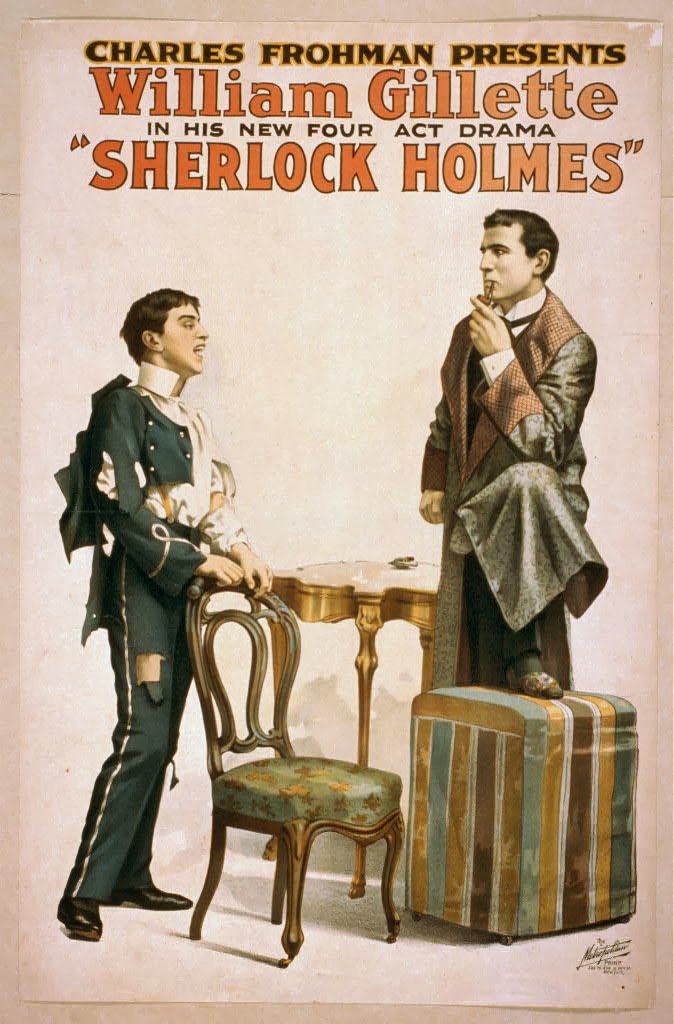
The first Sherlock Holmes film ever was made in Union Square. And the second? In Flatbush, Brooklyn

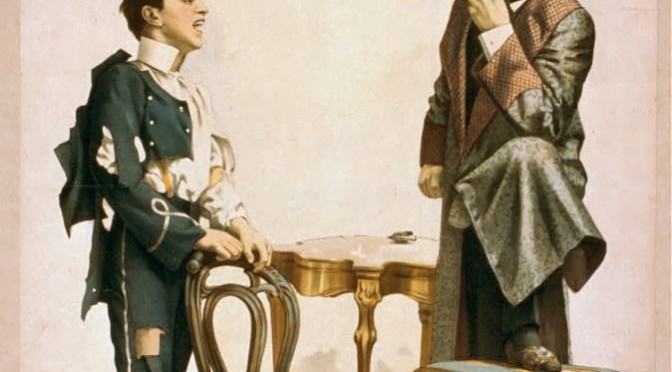
Above: While Sherlock Holmes made his film debut in 1900, he hit the stage a bit earlier.  William Gillette was the most acclaimed Sherlock of the day, touring the United States in a play he co-wrote with the detective’s creator Sir Arthur Conan Doyle.  After a tryout in Buffalo, the play made its debut at the Garrick Theatre (67 West 35th Street) in New York on November 6, 1899.

There are two varieties of Sherlock Holmes these days — the British alternative kind (Sherlock, with Benedict Cumberbatch) and the New York variant (Elementary, with Jonny Lee Miller).  You might naturally assume that Cumberbatch’s Sherlock Holmes is closer in spirit to the original stories by Sir Arthur Conan Doyle.  But the modern-day CBS variation, which is filmed in New York City, actually brings the classic detective stories back to its original roots in the cinema.

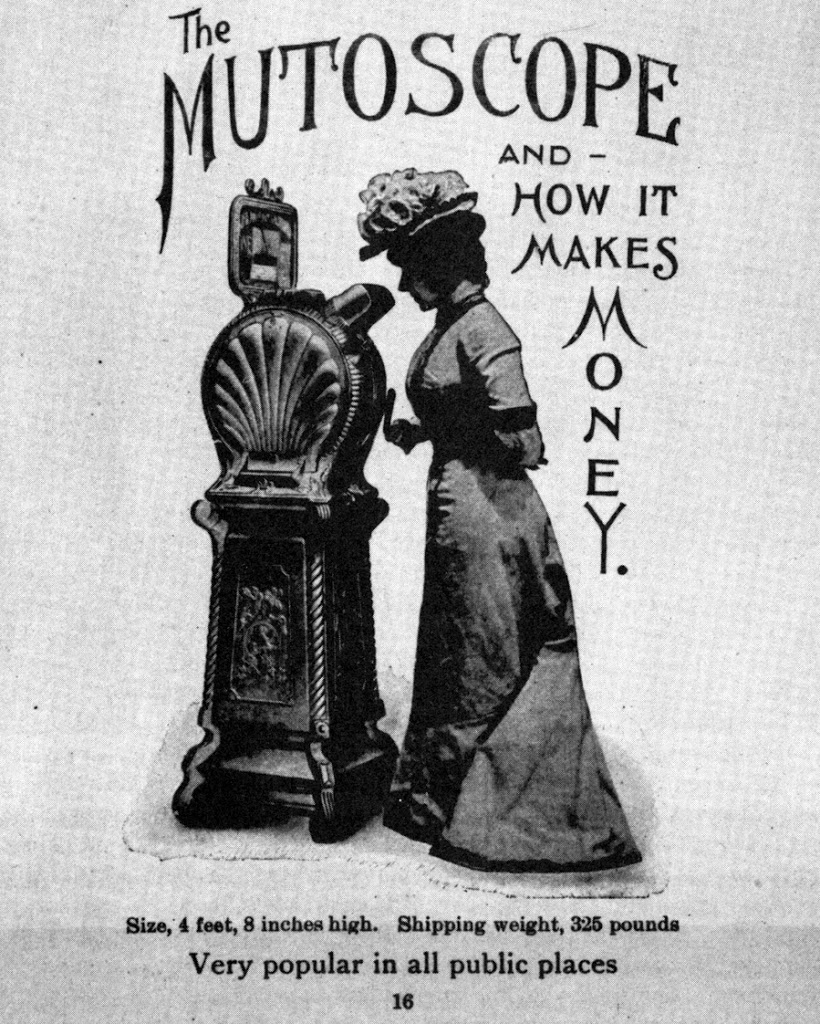
The first attempt to bring Sherlock Holmes to the film medium was in the year 1900 with Biograph-Mutoscope’s Sherlock Holmes Baffled.  Mutoscope films were not projected, but rather, displayed in a stand-alone box for a single person to view, the images moving with the help of a hand crank.  (At right: An 1899 trade advertisement for the Mutoscope).

Most early Mutoscope films were documentary in nature (often boxers or acrobats), similar to those for Thomas Edison‘s Kinetoscope.  The very first movie made in the city of New York was a boxing match featuring Young Griffo, made for another competing film device, the Eidoscope, and filmed atop old Madison Square Garden.

Due to the short running time of films made for these private viewing consoles, the first narrative films were crude, silly and often confusing, throwing viewers into an action scene that abruptly stops.   That is the case with Sherlock Holmes Baffled, seen here in its entirety:

Outside of the title card, the move bares no traits of Sherlock Holmes whatsoever.  It seems to merely borrow the name to present a wacky narrative involving the detective discovering a thief who then disappears and re-appears at a whim.

The movie was made at Biograph’s revolving rooftop studio at 841 Broadway in Union Square.  That original building was demolished at some point to make way for the Roosevelt Building.  In an accidental tie to its movie heritage, across from the Roosevelt is the Regal Union Square Stadium multiplex, which has undoubtedly seen more sophisticated Sherlock Holmes movies (such as the Robert Downey Jr. version) since it was constructed in 1998.

The identity of the actor who played the first Sherlock Holmes is apparently unknown.

Biograph would continue using Union Square as a site for film production.  They moved to another studio in 1906 — just up the street, at 11 14th Street — where they produced ever more extravagent movies, including a reinactment of the San Francisco earthquake, rushed into theater just months after the disaster struck the West Coast city on April 18, 1906.

From my original article:  “What seems especially brazen about this fabrication is that it was being created in New York’s Union Square, even as San Francisco’s public square of the same name sat in ruins.”

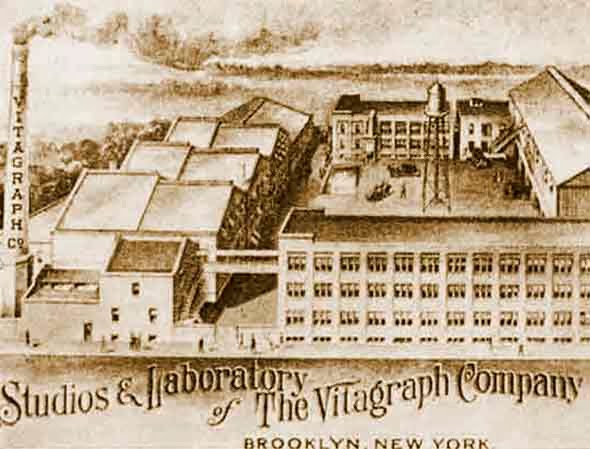
Five years later, a slightly more recognizable Sherlock Holmes can be seen in The Adventures of Sherlock Holmes, or Held For A Ransom.  In this version, Sherlock is played by vaudeville star Gilbert Anderson, best known for his appearance in The Great Train Robbery. (He was later renamed ‘Bronco’ Billy Anderson due to his later fame as an early cowboy film star.)  

This, too, was filmed in New York — at Vitagraph Studios in Flatbush, Brooklyn!  Pictured below:

Top picture courtesy the Library of Congress

Categories
Sports

‘Arctic blasts’, union rousers and hunchbacks: Ten bits of trivia about Ebbets Field’s opening day, 100 years ago today


Inside Ebbets Field, 1913, Library of Congress

The first-ever regular season baseball game at Ebbets Field was played 100 years ago today.  The legendary field, once located in the Flatbush neighborhood of Brooklyn, was home to the Brooklyn Dodgers from 1913 until the team left for Los Angeles in 1958.

Here are ten interesting facts about the opening game, played on April 9, 1913:

1)  The Dodgers were thirty years old by the time their lavish new field opened. The team was originally formed under the name the Brooklyn Grays in 1883 by real estate speculator Charles Byrne.  Like many early ball fields, their first home, Washington Park in today’s Park Slope neighborhood, was frozen over during the winter to become Brooklyn’s leading skating rink.

2)  They were originally nicknamed the Brooklyn Trolley Dodgers, for the treacherous skill exhibited by their fans crossing rail-covered streets to get to the ball field.  There were still a great many streetcar lines near their new home of Ebbets Field, but by 1913 the team was more affectionately known as just ‘the Dodgers’.

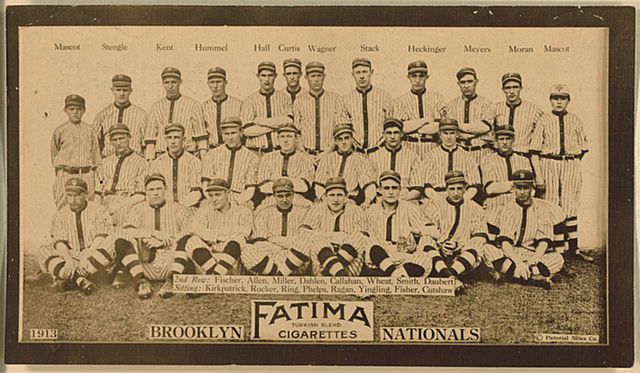
However several names would be casually attached to the team by fans and local journalists — the picture above calls them the Brooklyn Nationals — until 1933, when the name DODGERS would finally be added to both their home and road uniforms.

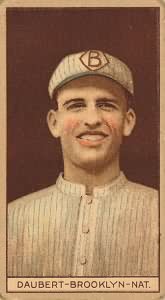
3)  As a nod to its first-ever day, Ebbets Field was allowed to open one day before everybody else in the National League.  One of their most popular players, first baseman Jake Daubert (at right), was presented with a golden bat and a floral horseshoe in a ceremony before the game and would, by season’s end, go on to win the league’s Most Valuable Player honor.

“Gentleman Jake,” as he was called, is better known today as being one of the founders of the baseball’s unionization movement.   This did not make him popular with the namesake of Ebbets Field, owner Charles Ebbet, who traded Daubert in 1917 after a salary dispute.   His union connection may also explain why this unique, well-liked and exemplary ballplayer is not currently listed within National Baseball’s Hall of Fame.

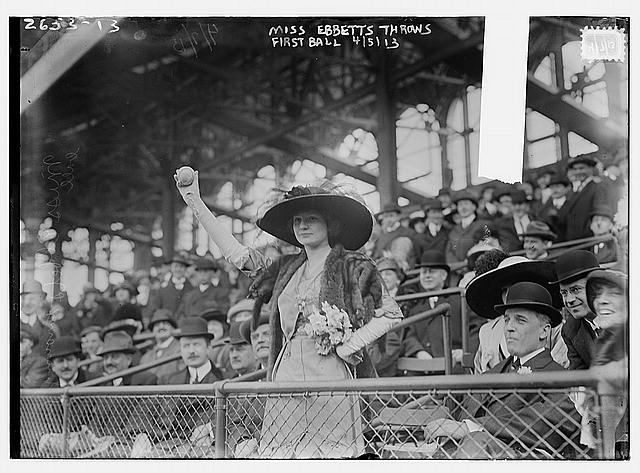
4)  The ceremonial first ball was thrown in by Brooklyn Borough President Alfred E. Steers, a resident of the neighborhood Ebbets Field made its home — Flatbush.   However, at an exhibition game played just a few days earlier, Ebbets’ lovely daughter Genevieve Ebbets tossed out the first pitch.


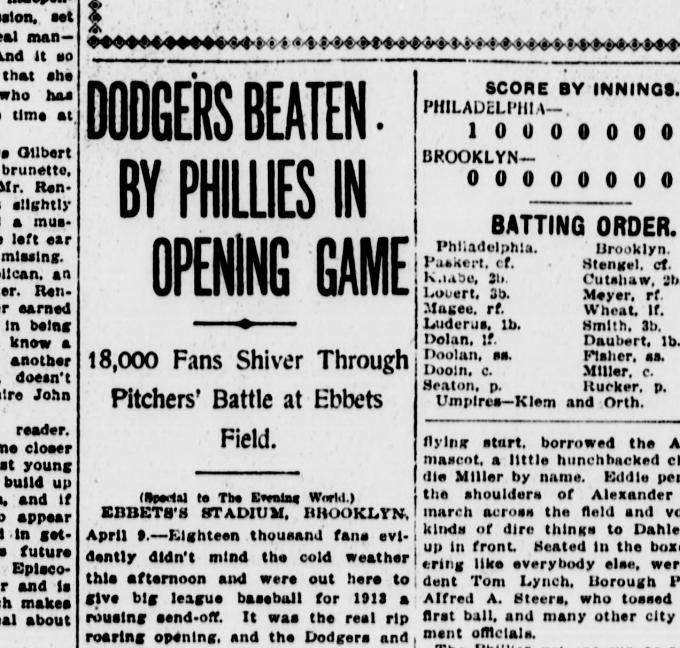
5) The Brooklyn Dodgers played the Philadelphia Phillies that day, which should have boded well for the team in their new home. The Phillies weren’t yet considered a formidable team and were more associated with constant injury. Despite this, the Phillies beat the Dodgers that day, 1-0.

6) Why did the Dodgers lose? Uh, it was unseasonably cold? The Tribune reported that the frightful chill kept the brand-new grandstand partially empty. From the New York Times, April 10, 1913: “It was so cold that the attendance was seriously affected, about 10,000 spectators braving the arctic blasts to see the Phillies win a well-played game by a score of 1 to 0.” [source]

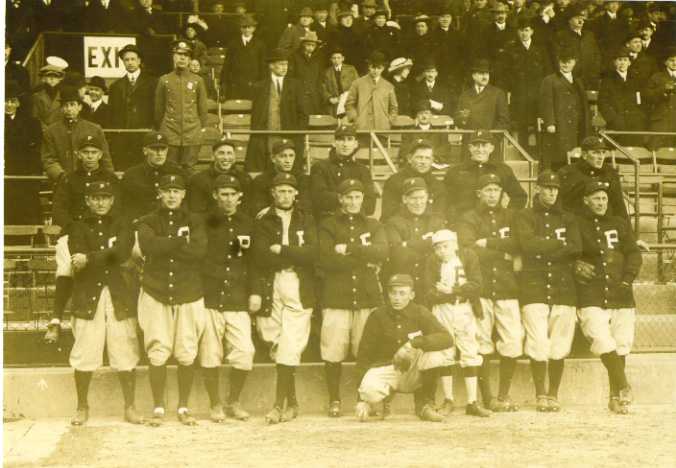
7) The Phillies also had with them an unusual mascot — a hunchback teenage dwarf.  The Phillies home rival the Philadelphia Athletics had a hunchback mascot of their own named Louis Van Zelst, and owner Connie Mack wanted to emulate their success. By, apparently, finding his own young man with a hunchback. Unfortunately, this boy’s name is unknown, but he appears in a 1913 picture with the team:

NOTE: The Tribune infers that this may have been Mr. Van Zelst himself and not another teenager. As the name of the boy in the picture above has not been reported, it’s quite likely that this is the Athletics ‘mascot’.  Note that in the article, the Dodgers are called by yet another name — the Superbas.  

Courtesy the Philadelphia Athletics Historical Society

8) As you could imagine with a 1-0 game, the first-day crowds at Ebbets Field were hardly cheerful.  One might even described them as bored.  The upper seats were barely filled, and the crowd didn’t exactly “wax enthusiastic until the eighth inning” when the Dodgers finally got somebody on base.

9) The first Dodger to ever score a hit in the new field was second baseman George Cutshaw who had only been with the team one year when he scored a single in the first inning.  Ironically, the second basemen was called out when he was caught trying to steal second base.

10) The Dodgers would fare poorly in their first season at Ebbets Field, eventually placing sixth out of eight teams. The winning team that season were their rivals across the East River — the New York Giants.  They would finally bring Ebbets its first pennant victory in 1916.

Categories
Mysterious Stories Podcasts

Mysteries and Magicians of New York: Whimsical spirits, scary legends, strange magic and the original ghost busters

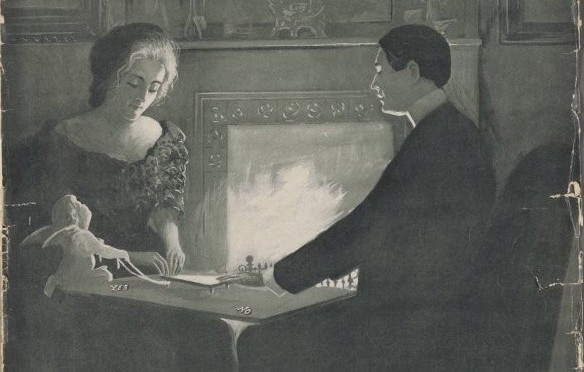
A session with a ouija board, a haunting illustration from a piece of 1901 sheet music ‘There’s A Charm About The Old Love Still’. (NYPL)

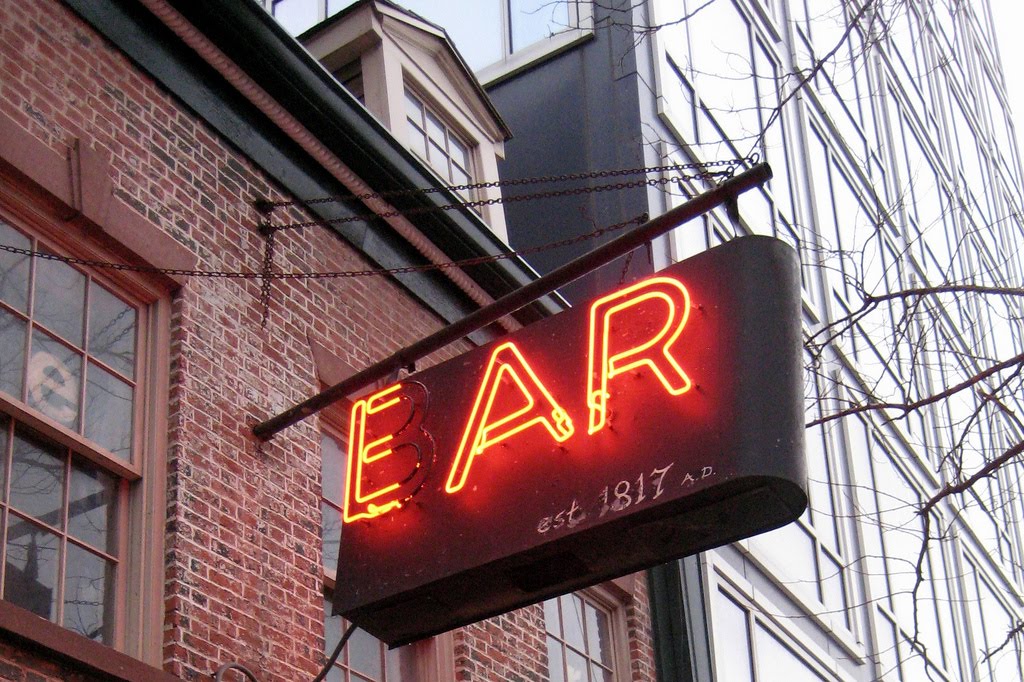
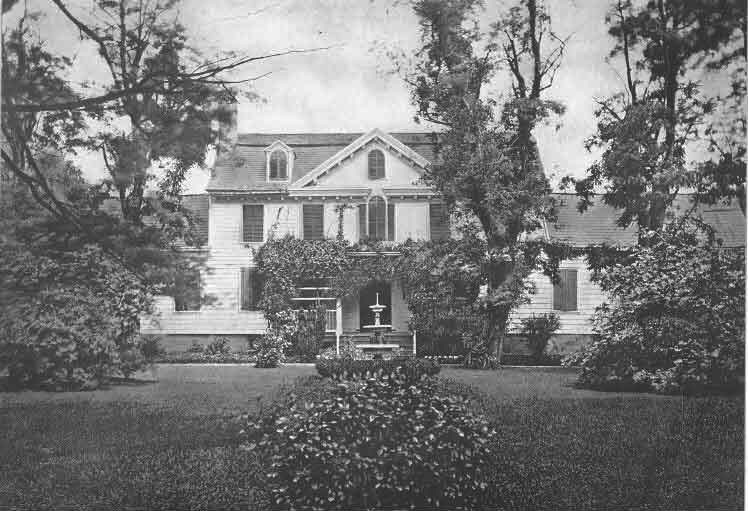
PODCAST Our sixth annual ghost story podcast takes a little twist this time around. Oh sure, we have two of New York’s most FAMOUS horror stories in our first part, beginning with a spirited sailor named Mickey who haunted a classic structure on the Lower West Side. Today it’s the Ear Inn, where you better watch your drink. Then we switch to a Colonial-era tale of obsession and entrapment in old Flatbush, the tale of Melrose Hall with its secret passages, stairwells and dungeons.

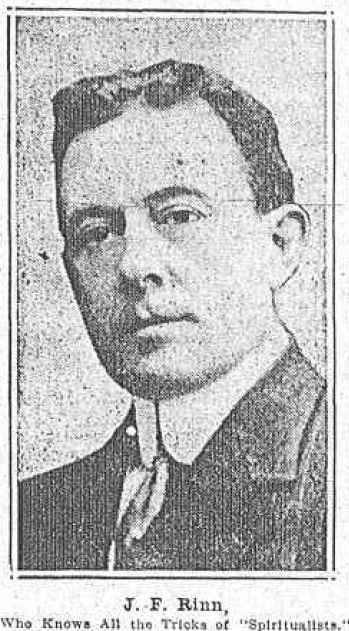
But in the second half, we observe New York’s spiritualism craze of the early 20th century through two frightening faceoffs. In the first, its the madame of the Ouija board, Pearl Curran, and her ghostly companion Patience Worth vs. one of New York’s original ghostbusters, the adventurer and conjurer Joseph Rinn (pictured at right). And in the final tale, Tom explores the secrets of Harry Houdini and what happens when a close confidante — in this case, the noted author Sir Arthur Conan Doyle — believes his powers are of a supernatural variety.

Featuring our annual ghost-story dramatics, a few sound effects, and the surprising haunted history of Carnegie Hall!


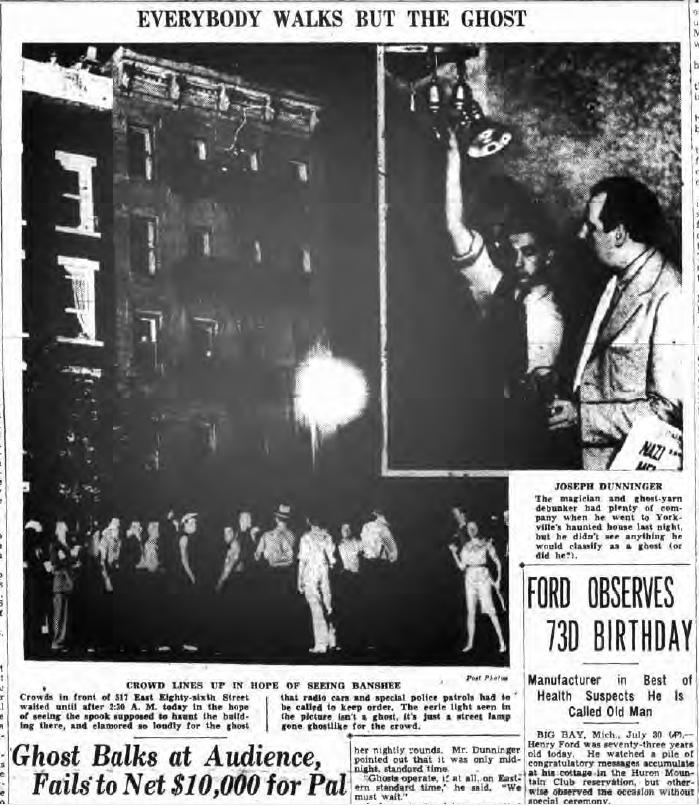
From the pages of the New York Post, July 1936. Crowds hunt for the spirit of Angelina, the Italian ‘banshee’. Crowds lined up to get a glimpse, so many that ‘special police patrols’ were called to control the search. [source]

The house of Revolutionary War veteran James Brown, today the worn and welcoming Ear Inn, is almost 200 years old, which means it has a great many ghosts, including a couple literal ones, including the randy spirit of a sailor named Mickey. (Picture courtesy Flickr/wallyg)

 
The haunted Melrose Hall in Flatbush, Brooklyn, the site of some improbable architecture and a terrible crime. Is that Alma peering from the third floor window? Do you dare enter?
 

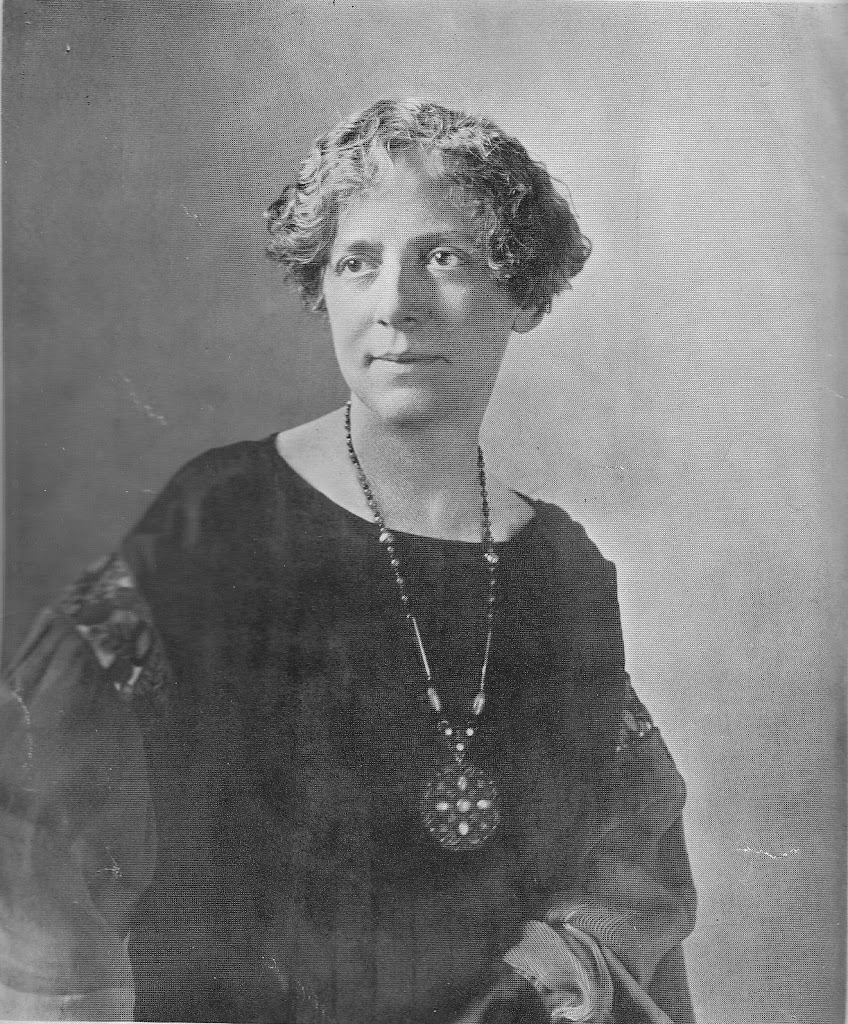
Pearl Curran, the St. Louis woman who began conjuring the spirit of an 17th century English woman named Patience Worth, via the Ouija board. She was frequently questioned by prominent medium debunkers, including Houdini’s friend Joseph Rinn.

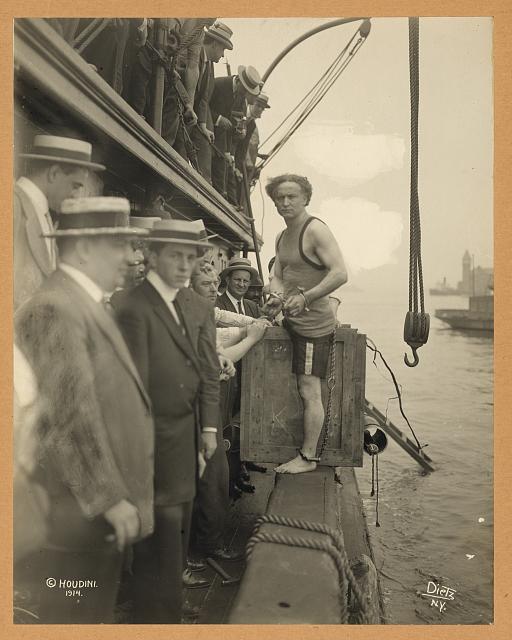
Harry Houdini in 1912, about to step in to a sealed sunken chest, which he will inevitably escape from. But what was his secret? Was Sir Arthur Conan Doyle — and his wife Lady Jean — onto something about Houdini’s secret powers? (Courtesy Library of Congress)