Greenwich Village is one of America’s great music capitals, an extraordinary distinction for an old neighborhood of tenements, townhouses, dive bars and a college campus.
So many musical titans of jazz, folk, pop and rock and roll got their start in the Village’s many small nightclubs and coffeehouses, working alongside artists, writers, actors and comedians to create an American cultural mecca unlike any other.
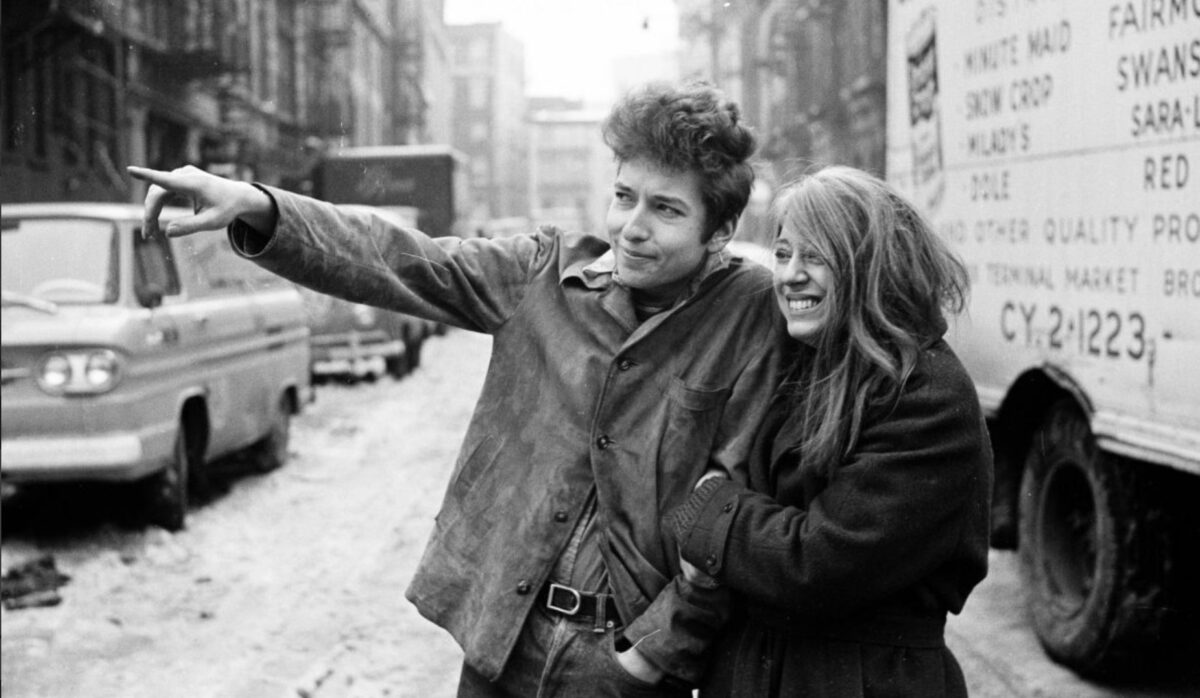
And it was here, on January 24, 1961, that a nineteen-year-old young man from Minnesota entered the fray — Robert Zimmerman, otherwise known as Bob Dylan.
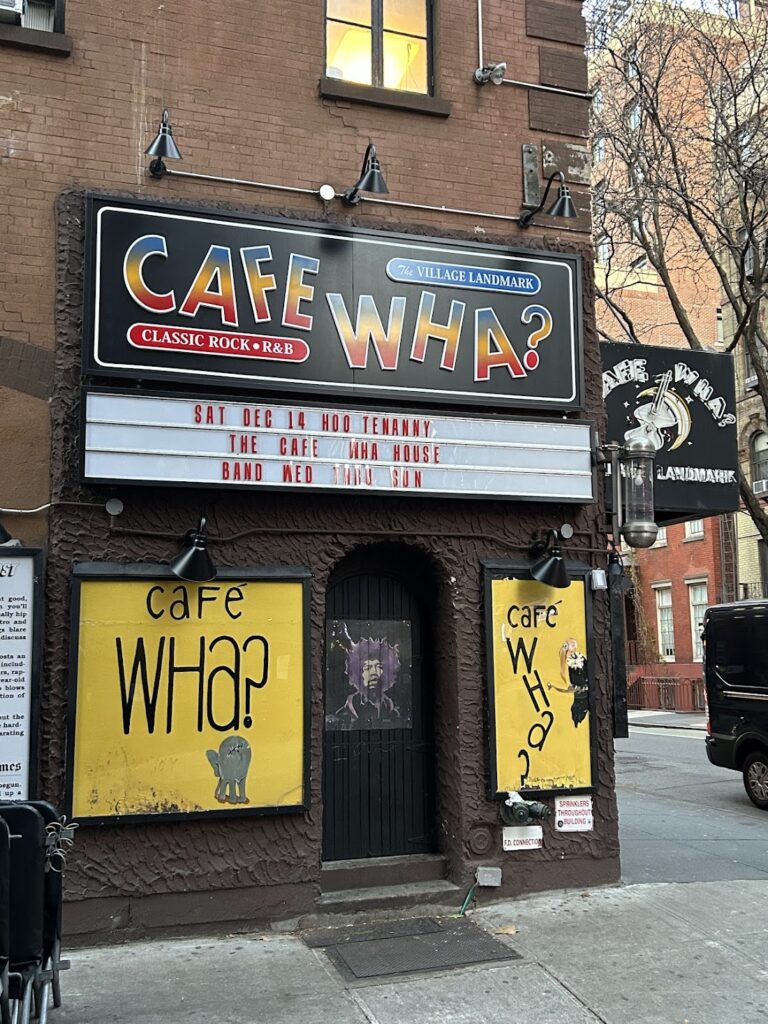
The Village completely transformed the young folk singer into the voice of a generation, working out his transformation on the minuscule stages of the Gaslight, Cafe Wha? and Gerde’s Folk City.
But this show isn’t strictly about Dylan’s ascent to greatness, but the neighborhood — the people, the streets, the basements! — which cultivated artists like Dylan (and Billie Holiday and Nina Simone and Pete Seeger and Barbra Streisand and Joan Baez and so on.)
PLUS: Bob Moses and Jane Jacobs stop by for a hootenanny (and a protest)
LISTEN NOW: BOB DYLAN’S GREENWICH VILLAGE
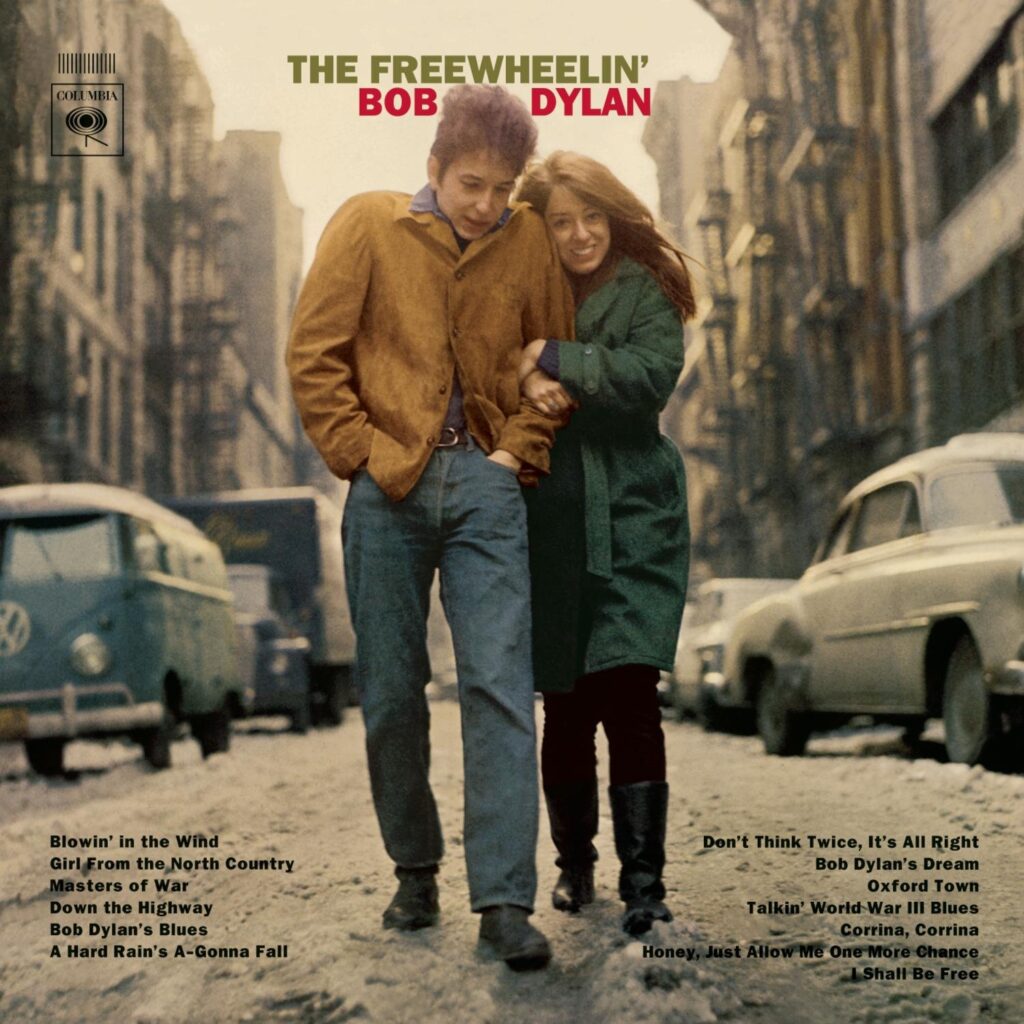
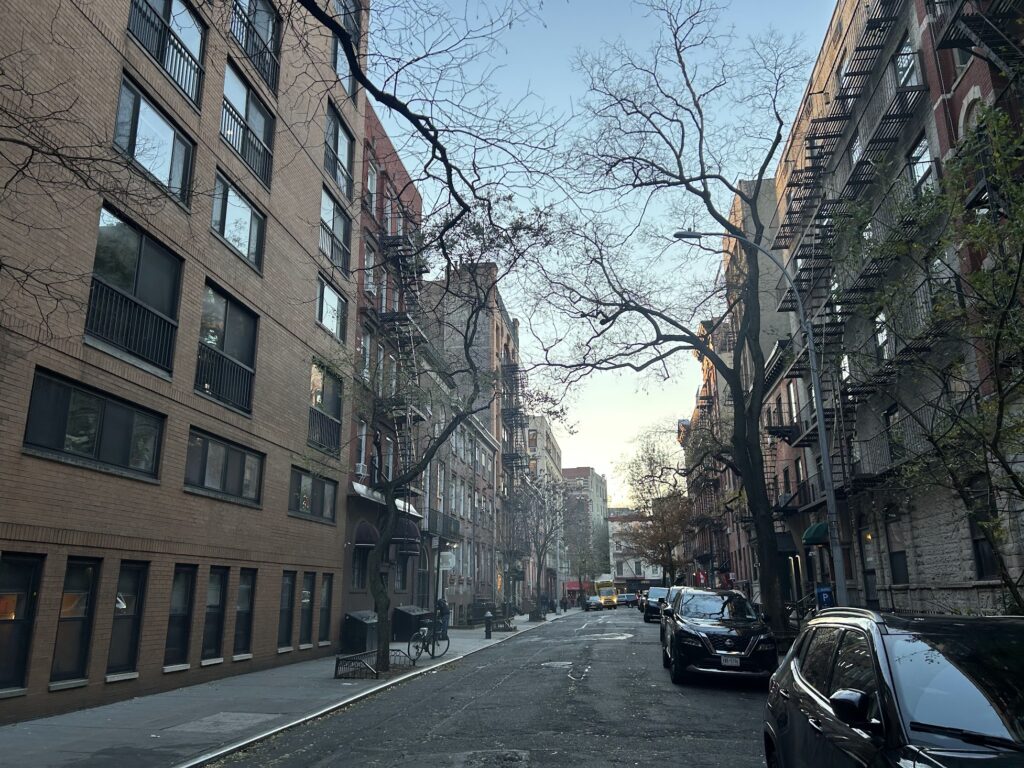
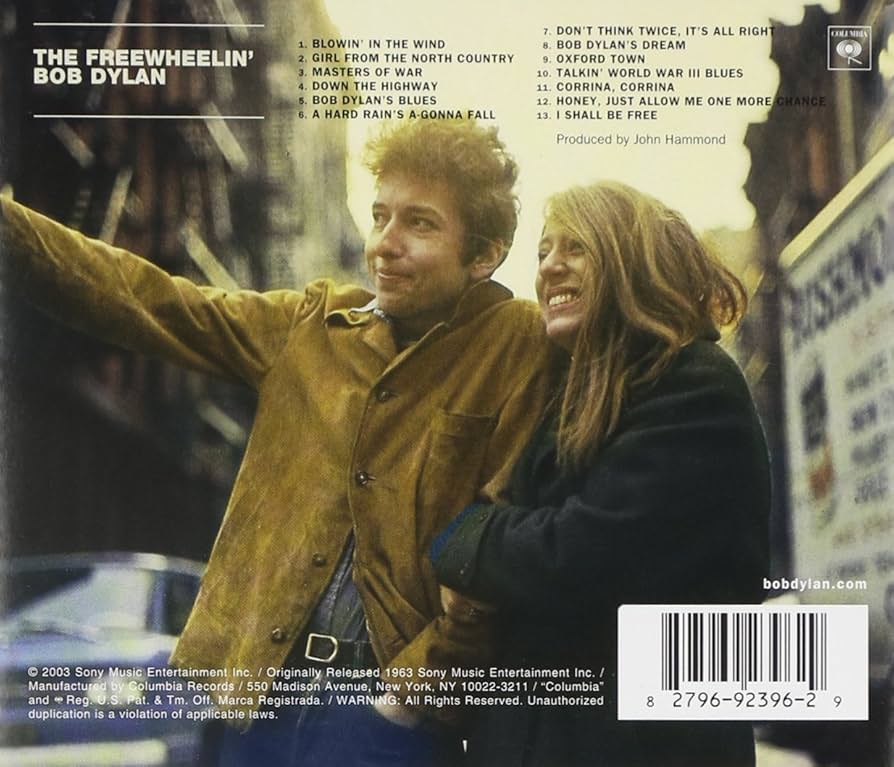
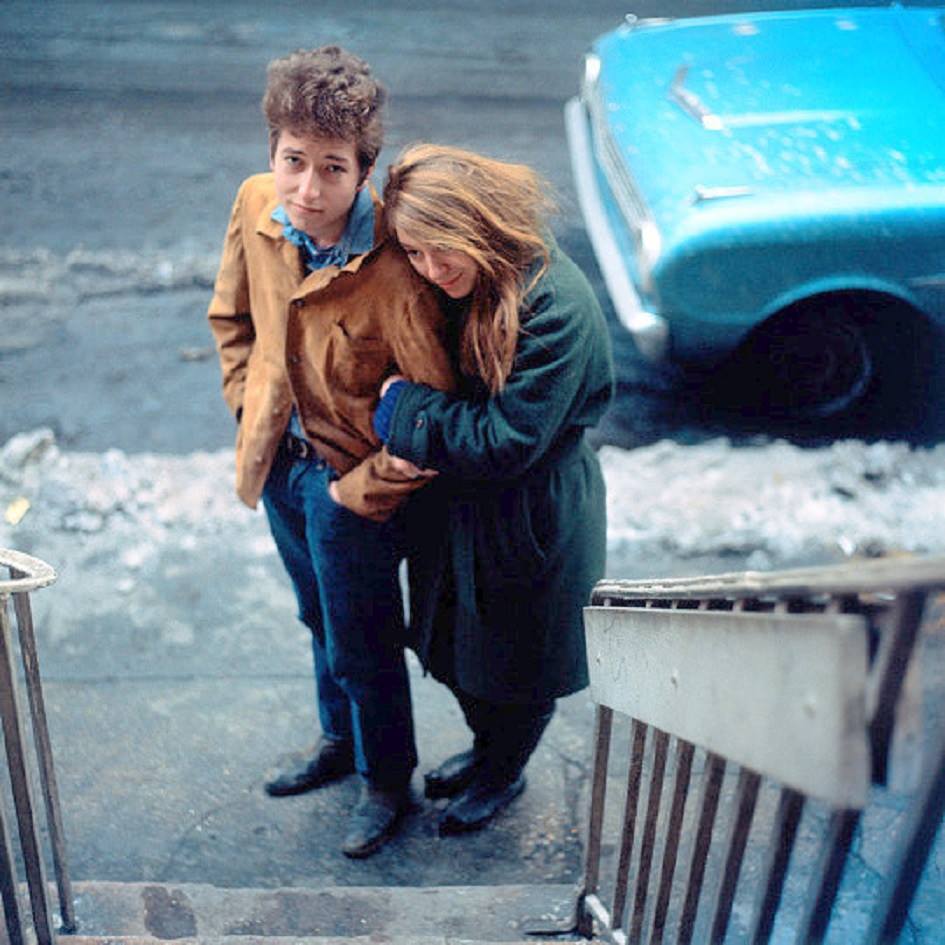
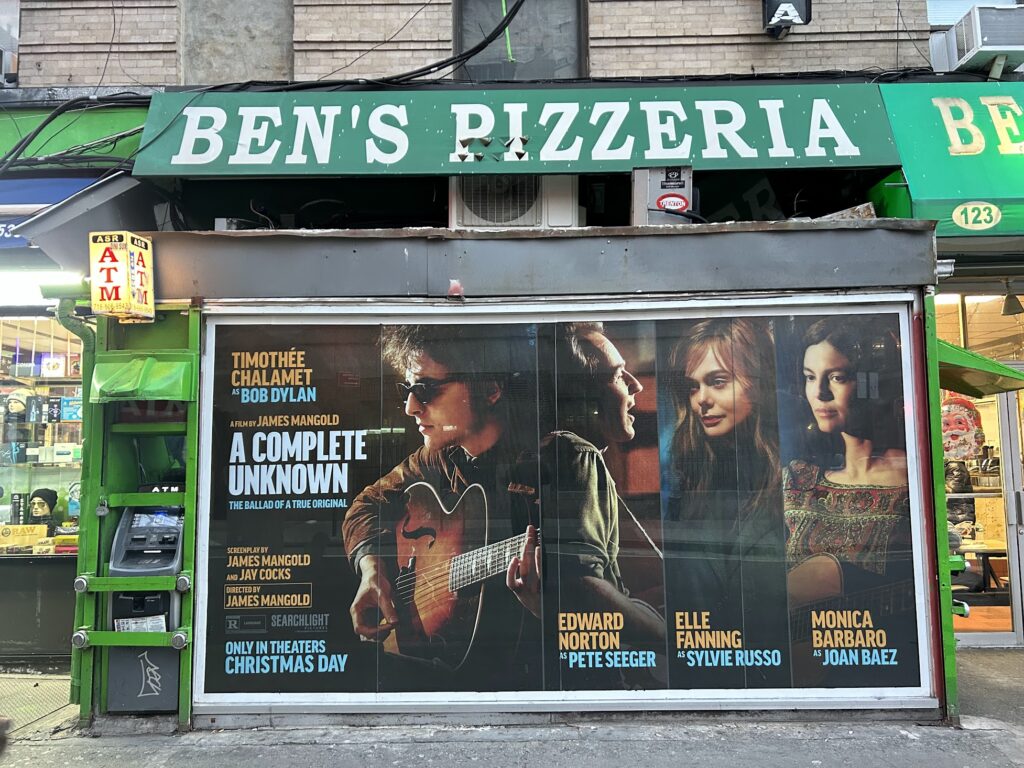
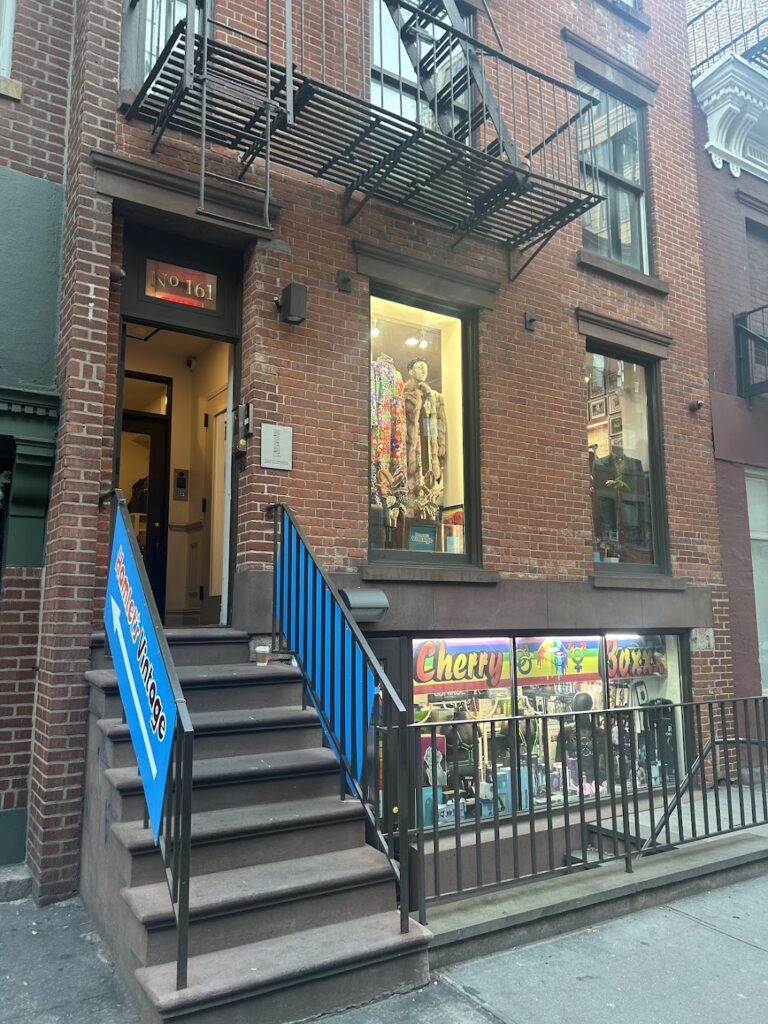
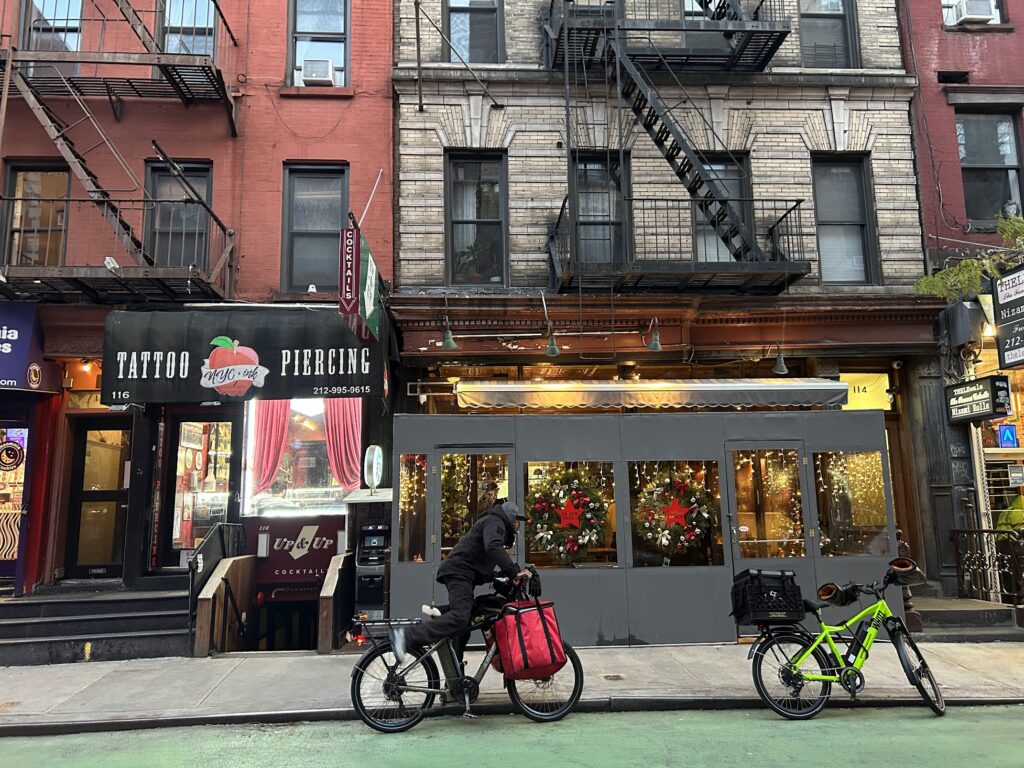
Jones Street, today a popular place for selfies thanks to the album coverPhotography by the legendary music photographer Don HuntsteinBen’s Pizzeria on MacDougal StreetBob and Suze’s apartment on West 4th StreetThe former Gaslight and Kettle of FishStill hosting hootennanies at the Cafe Wha?
FEATURED READING
David Browne / Talkin’ Greenwich Village
Bob Dylan / Chronicles Stephen Petrus and Ronald D Cohen / Folk City: New York and the American Folk Music Revival Suze Rotolo / A Freewheelin’ Time: A Memoir of Greenwich Village in the Sixties Howard Sounes/ Down the Highway: The Life of Bob Dylan Sean Wilentz / Bob Dylan in America
FURTHER LISTENING
Music featured on this show:
“Talkin’ New York” by Bob Dylan (from his first album for Columbia Records) Dylan Thomas reciting “Do Not Go Gentle Into That Good Night” from Dylan Thomas Reading A Child’s Christmas in Wales & Five Poems “Strange Fruit” by Billie Holiday (Commodore) “Little Girl Blue” by Nina Simone (Bethlehem/Verve) “A Sleepin’ Bee” by Barbra Streisand (Columbia Records) “Goodnight Irene” by the Weavers (Decca Records) “This Land Is Your Land” by Woody Guthrie “Talkin’ John Birch Paranoid Blues” by Bob Dylan “Blowin’ In The Wind” by Bob Dylan “Don’t Think Twice, It’s All Right” by Bob Dylan “Only A Pawn In Their Game” by Bob Dylan “The Times They Are A-Changin’” by Bob Dylan
Frances Ethel Gumm was born 100 years ago (June 10, 1922) in Grand Rapids, Minnesota, a world away from the glamour of Hollywood and the lights of Broadway. Yet — as Judy Garland — she would change both places forever, becoming one of the most beloved entertainers in the world.
And she remains beloved to this day — by international fans of her films The Wizard of Oz, A Star Is Born and Meet Me In St. Louis, by music lovers entranced by her rich, emotional voice, by many members of the LGBT+ community who still exalt her as a pop culture legend.
Unlike California, New York was never really her home in the same way — although she did have an apartment here in the 1960s. New York City always knew Judy as a star and revitalized her career at a critical moment.
And she loved the city for that reason. “I’m always at my best in New York.” she once claimed. And when she was not her very best — which was not uncommon — her New York fans stood by her.
Here’s a look at Judy Garland’s New York, the places and spaces which made her an icon.
A Star Is Born
Garland hit the ground running on her very first trip to New York in 1936 — already an MGM star at age 14 — heading to Decca Records West 57th Street studio to record her very first record — “Stompin’ At The Savoy,” originally made famous by Benny Goodman. (Interestingly she would not actually step foot in Harlem’s Savoy until many. years later.)
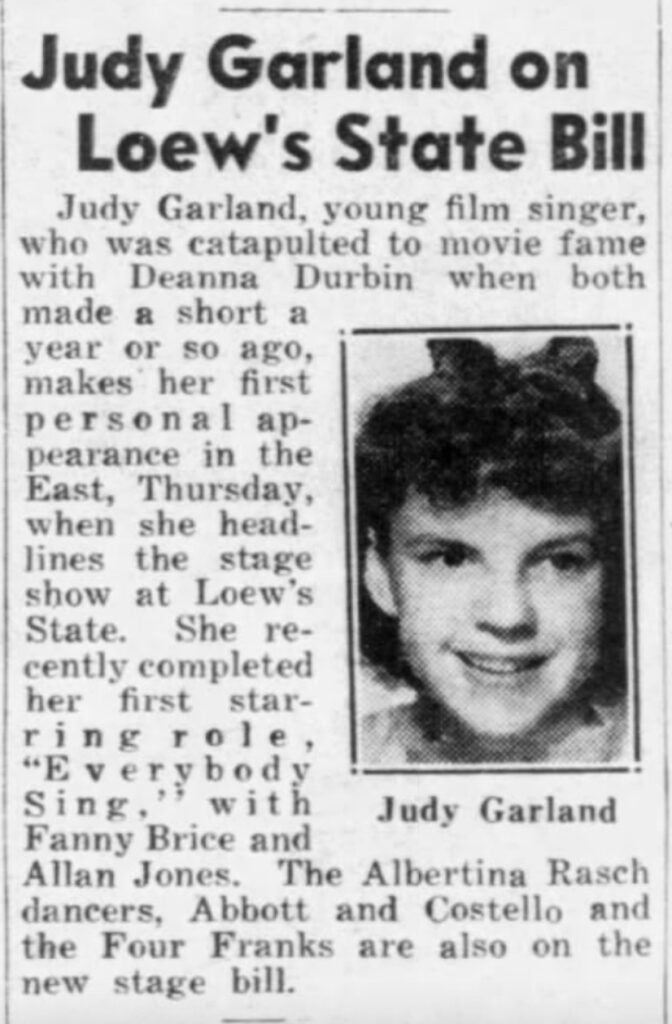
Two years later, in 1938, Garland would make her first stage appearance in New York City at the Loew’s State Theater, the Thomas Lamb-designed movie palace at 1540 Broadway that was still booking vaudeville acts into the 1930s.
Garland was there to promote her film Everybody Sings, a forgettable film co-starring Fanny Brice. But her appearances during the hectic promotional tour — a miniature singing and dancing sensation — dazzled audiences, a true ‘star is born’ moment which set her career in motion.
By the time she returned to the Loews State in the spring of 1939, she was already a mega-star thanks to the hit film Love Finds Andy Hardy, her second on-screen appearance with Mickey Rooney.
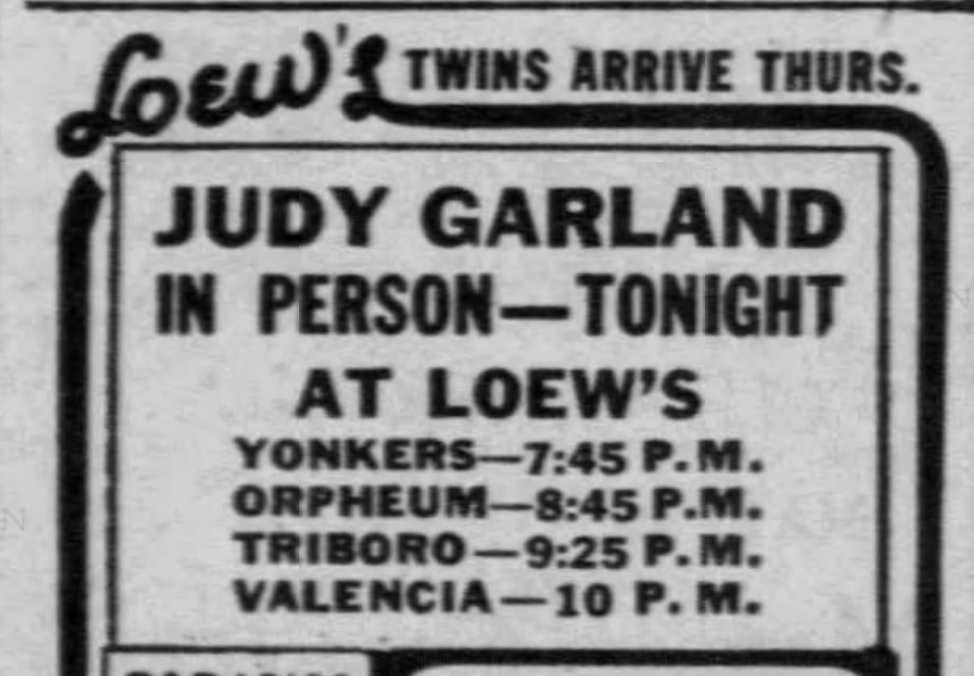
On April 10, 1939 she was quite literally whisked around town on a cyclone-like tour of Loew’s theaters:
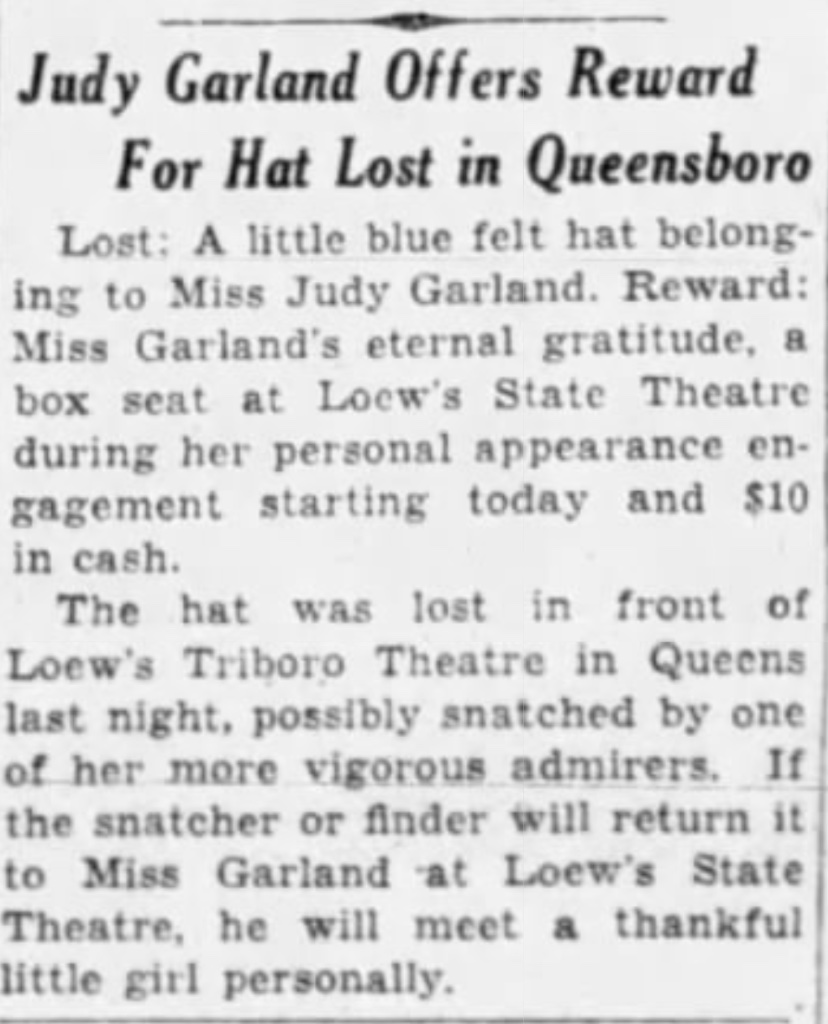
While at the Loews Triboro(2804 Steinway Street in Astoria) she obviously lost a hat. Garland offers a reward to New Yorkers for the accessory that went missing in Queens (April 13, 1939).
Off To See The Wizard
Her next visit to New York is considered by some to be a legendary moment in American entertainment history.
Garland was swinging through town on another frantic tour with Rooney. But this time they were promoting her big star-making vehicle.
The pair arrived at Grand Central Terminal on August 14, 1939 to thousands of well-wishers. (You can see footage of Garland and Rooney at the train station in this video.)
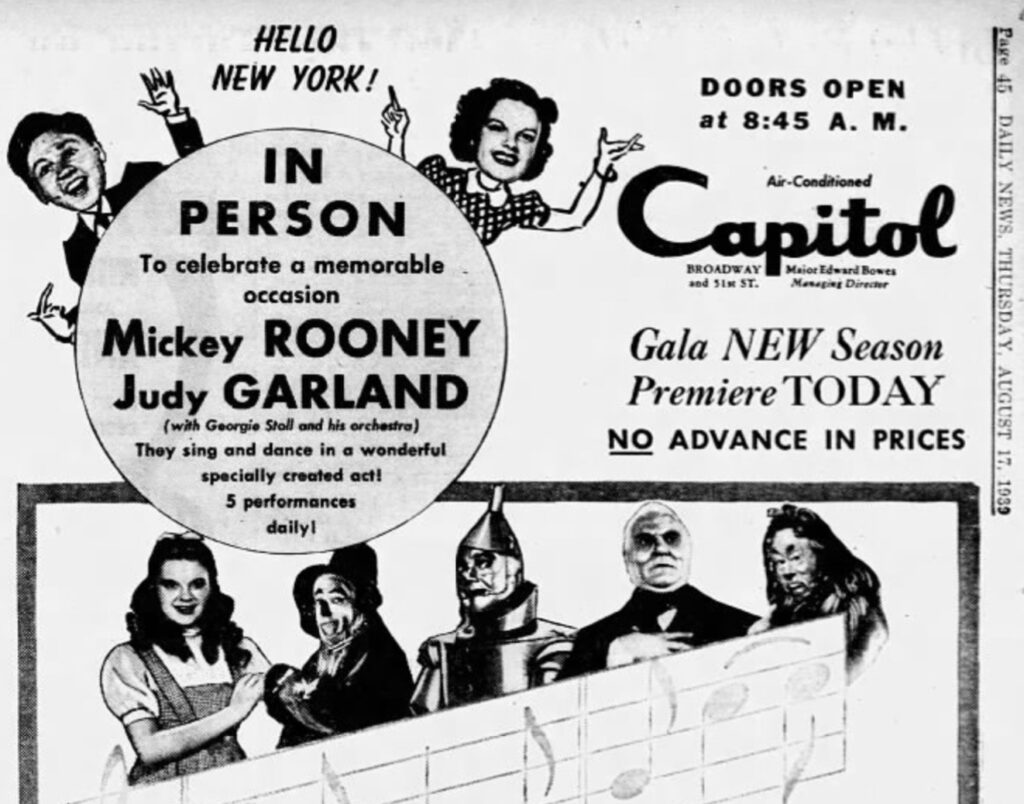
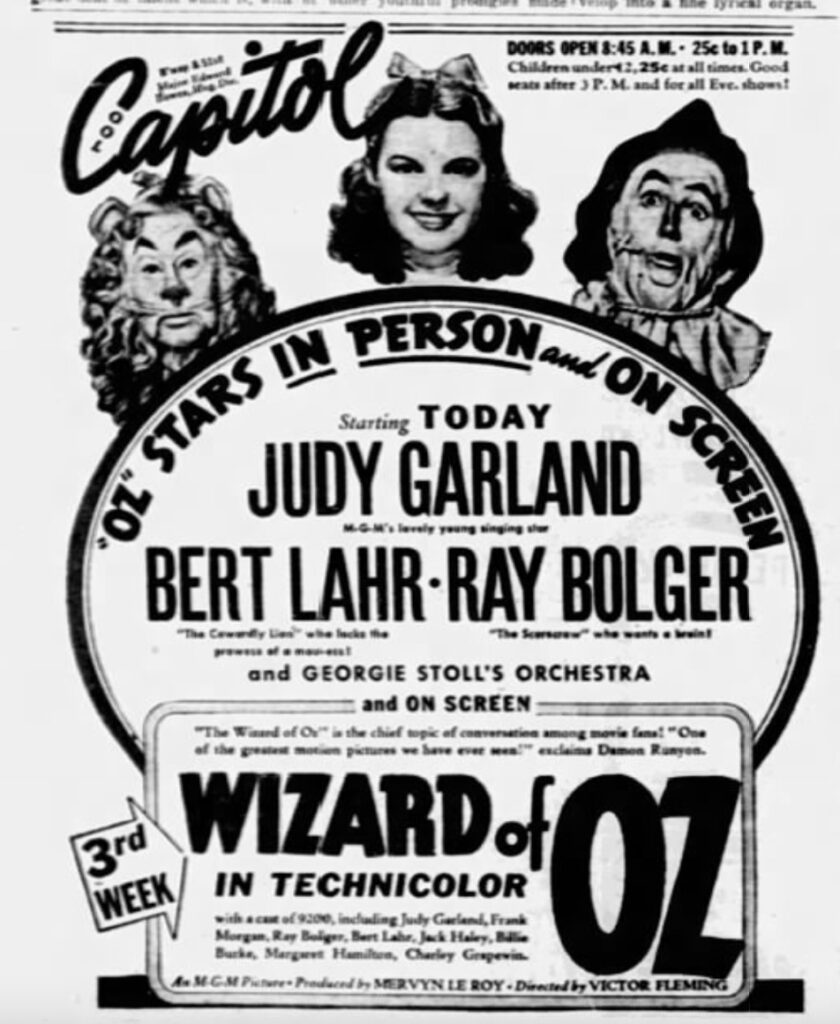
Three days later, on August 17, the film The Wizard of Oz premiered at the Capitol Theater (1645 Broadway), and Garland and Rooney were there, performing live, five shows a day, between sold-out screenings. (On the weekends, they did seven performances a day.)
They were constantly on the go in New York, an exhausting blur of public appearances. And everywhere they went, adoring crowds met them — at restaurants, on the street, at the Waldorf-Astoria, even at a brief appearance at Madison Square Garden.
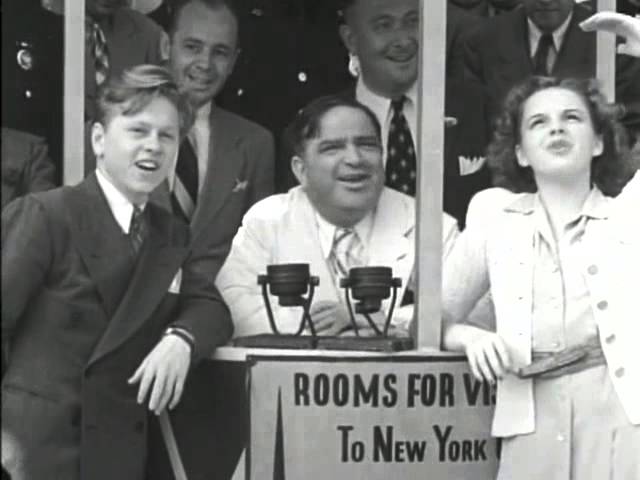
But the duo’s most interesting stop was to Flushing-Meadows Park in Queens — hopefully Judy left her hat at home — for the 1939 World’s Fair where they met Mayor Fiorello La Guardia:
Rooney and La Guardia shared some corny banter:
Rooney: “Mr. Mayor, I have a lot of friends out on the coast and elsewhere who would like to come to your wonderful fair. Is there any place they can stay besides expensive Park Avenue hotels?”
La Guardia: “Why, Mickey, New York is just like any other city in the country. The only difference is that we have 50,000 places for people who visit the Fair to stay as low as 50 and 75 cents, and we have better food for less money.”
Judy and Mickey then spent the day enjoying the many rides at the fair including the Parachute Jump — the very same amusement which new sits in Coney Island today.
Rooney then left town and Garland returned to the Capitol Theater — but she wasn’t alone.
She was joined by a couple of her Wizard of Oz costars, men who were familiar to New York vaudeville audiences — Bert Lahr and Ray Bolger. Imagine seeing them live — then seeing Oz for the very first time — for just a quarter.
New York Daily News, August 31, 1939
Meet Me In New York
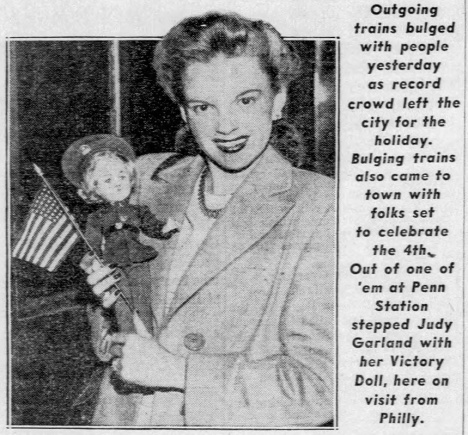
Her rigorous filming and recording schedule in Los Angeles meant long, intense days at the studio — and little traveling. But she appeared briefly in New York in 1943 as part of a USO tour, entertaining troops heading to war. Here’s Garland at Penn Station in August of 1943:
Her next companion in New York was neither Andy Rooney nor a victory doll.
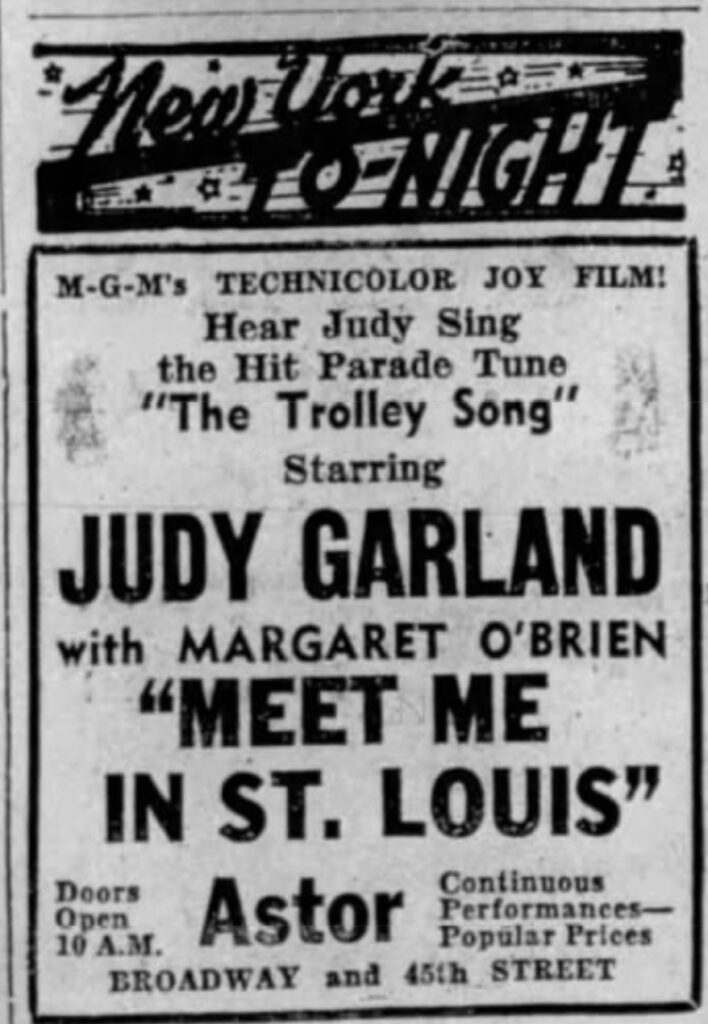
During Thanksgiving week in 1944, Garland arrived with director Vincente Minnelli for the premiere of Meet Me In St. Louis at the Astor Theater (1537 Broadway,). While in New York, they announced their engagement to the press.
The New York Times gifted the film with a rapturous review: “Let those who would savor their enjoyment of innocent family merriment with the fragrance of dried-rose petals and who would revel in girlish rhapsodies make a bee-line right down to the Astor.”
In 1945, Garland and Minnelli honeymooned in New York for three months. Even then she continually recorded music and made radio appearances — all the while pregnant with Liza May (born March 12, 1946).
By the late 1940s Garland’s non-stop (and abusive) schedule had taken a serious toll on her in Los Angeles. Even as her problems began seeping into the press, her supporters came to the rescue.
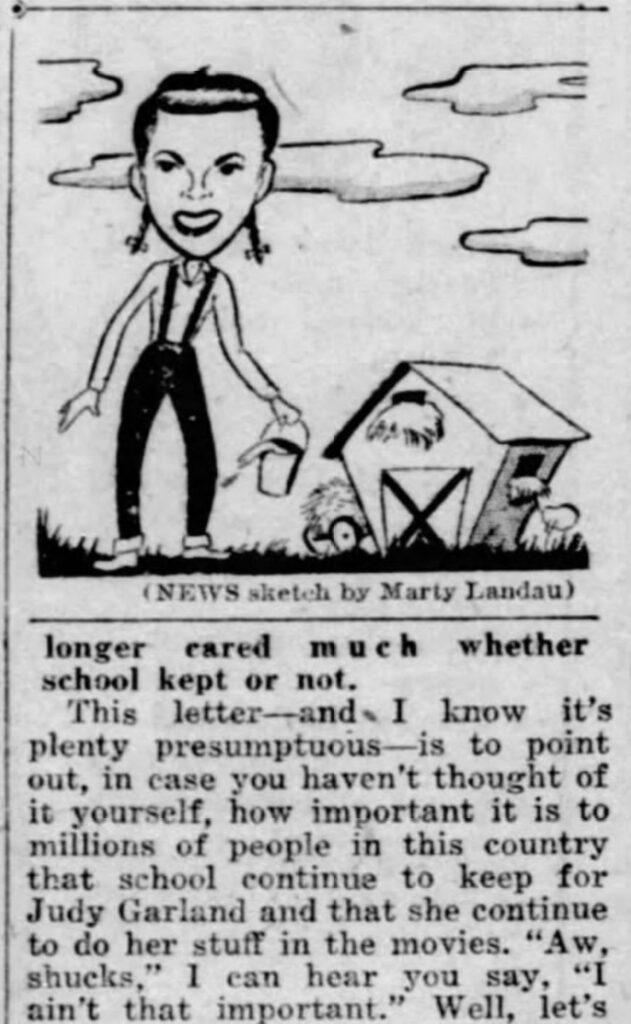
On September 1, 1950, the New York Daily News published a column from theater impresario Billy Rose titled “Love Letter to a National Asset,” both an adoring fan letter and a pep talk. Rose probably knew Garland through his former wife Fanny Brice but here he scribbles down a gushing tribute:
“It gets down to this Judy: In an oblique and daffy sort of way, you are as much a national asset as our coal reserves — both of you help warm up our insides.“
An excerpt from the Daily News (with an accompanying illustration):
Queen Of The Palace
But the most important date in Judy Garland’s New York life was October 16, 1951 — her first performance at the Palace Theater. Her scheduled four-week run stretched to a record nineteen weeks, becoming one of the most legendary theatrical runs in New York history.
The Palace (at 1564 Broadway) first opened in 1913 as a straight vaudeville house but it was a 1915 appearance by acclaimed French actress Sarah Bernhardt put the venue on the map. But by the 1930s, like so many Broadway theaters, it had become a movie palace.
Garland’s live appearance was an attempt to reintroduce vaudeville at the Palace. While that certainly did not happen, Garland’s shows became the true stuff of legend.
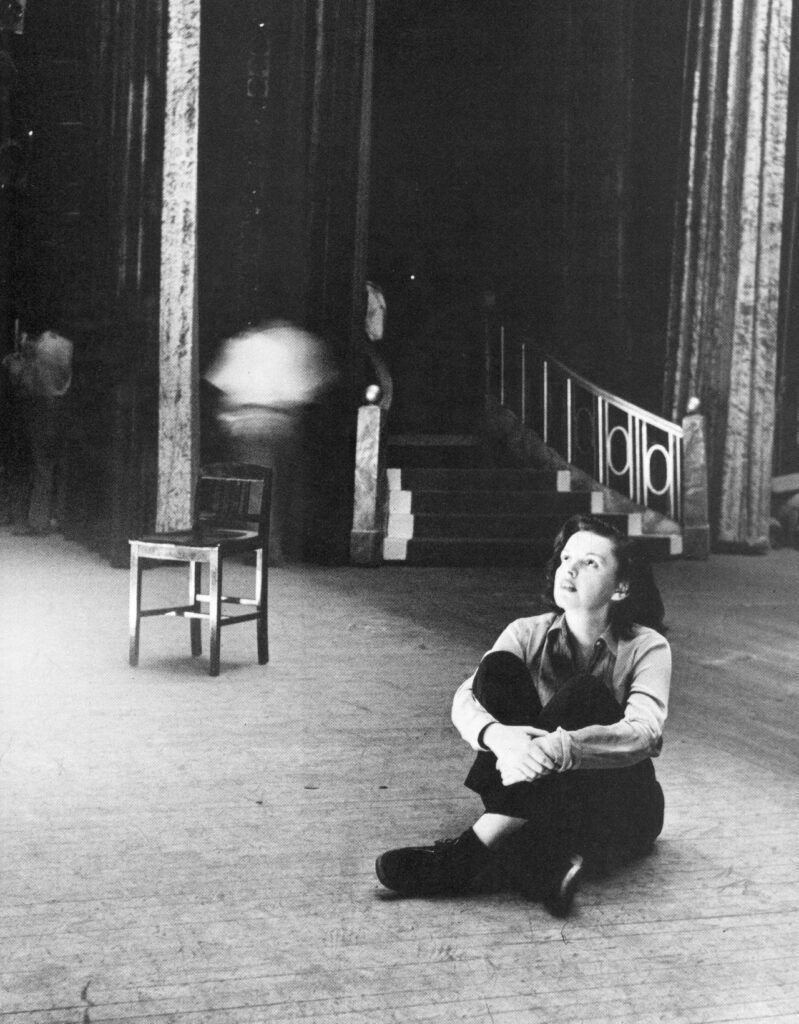
Garland in rehearsals at the Palace, 1951
“Never in this reporter’s memory has there been such a furor outside and inside a single theatre,” writes Robert Sylvester for the Daily News:
“Outside Broadway and 47th Street was blocked off by sawhorses and harassed cops managed to keep thousands of gawkers on the safe side of the blockades. Inside, the explosion of applause which greeted Miss Garland’s entrance threatened to get complete out of hand. The enfant terrible of the musical films finally hollered it down herself and then went on to do one of the most fantastic one-hour solo performances in theatrical history.“
According to Life Magazine: “Almost everyone in theater was crying and for days afterwards people around Broadway talked as if they beheld a miracle. What they beheld was Judy Garland making her debut at the old Palace, which was having a comeback to straight vaudeville. But the real comeback was Judy’s.”
Although this revitalized Garland’s career at a time when her film career was tanking, it also put the superstar through another grueling schedule which facilitated her reliance on alcohol and drugs.
C’mon Get Happy
The Palace would open its doors to her again — next in 1956 for the show Judy Garland in Person. Making her stage debut at the Palace was her ten-year-old daughter Liza who would go on to many Palace performances of her own.
But Judy also performed in other New York City venues over the years. Here’s a list of the most notable:
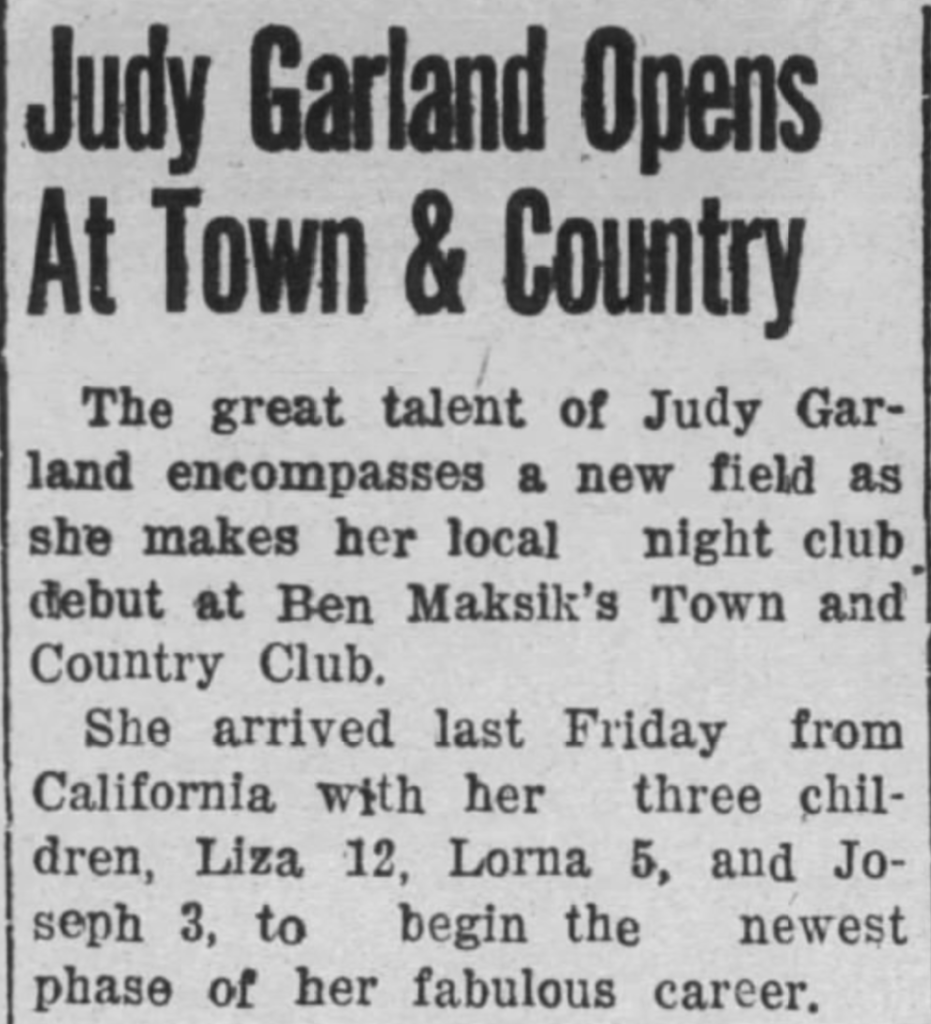
— The Town and Country Club in Flatbush Brooklyn, was notable for Garland opening (on March 20, 1958) to a sold-out house — during a massive snowstorm. Due to various delays, Garland began performing at midnight.
“ Judy only got through the first two songs of her act when she announced that she had laryngitis and had been fired, then left the stage. She had developed severe colitis before opening but had been able to get through the shows until this night. The newspapers reported that she had been an hour late for the show and that the club’s manager, Ben Maksik, noted that when she showed up she was obviously sick. Maksik also said he advanced Judy $40,000, which Judy denied.“
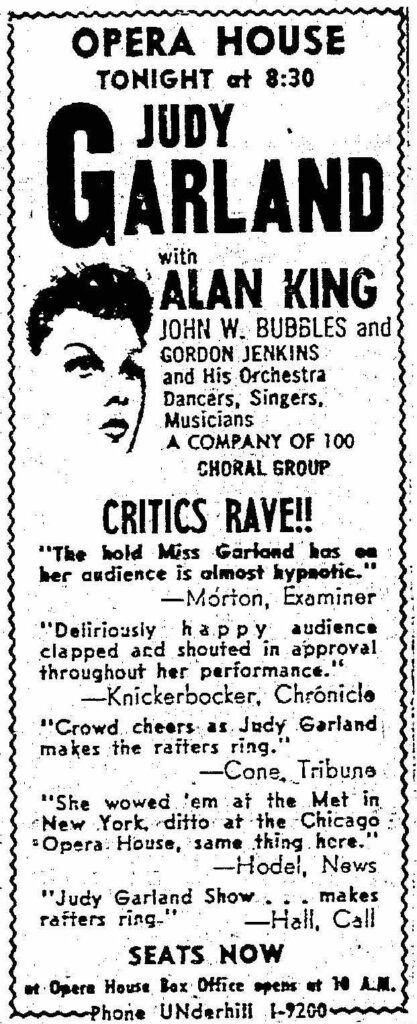
— The Metropolitan Opera House — Garland’s performances here in 1959 — one of the first by a non-opera performer — benefited the Children’s Asthma Research Institute and Hospital.
During this period, Garland was often very ill in part due to her reliance on alcohol and pills. In 1959, she was admitted into Doctor’s Hospital (formerly at 170 East End Avenue). As James Kaplan wrote in Vanity Fair, “With a quarter-century of hard living behind her, [Garland] lay near death in New York’s Doctors Hospital. Alcohol and pills were the culprits. “
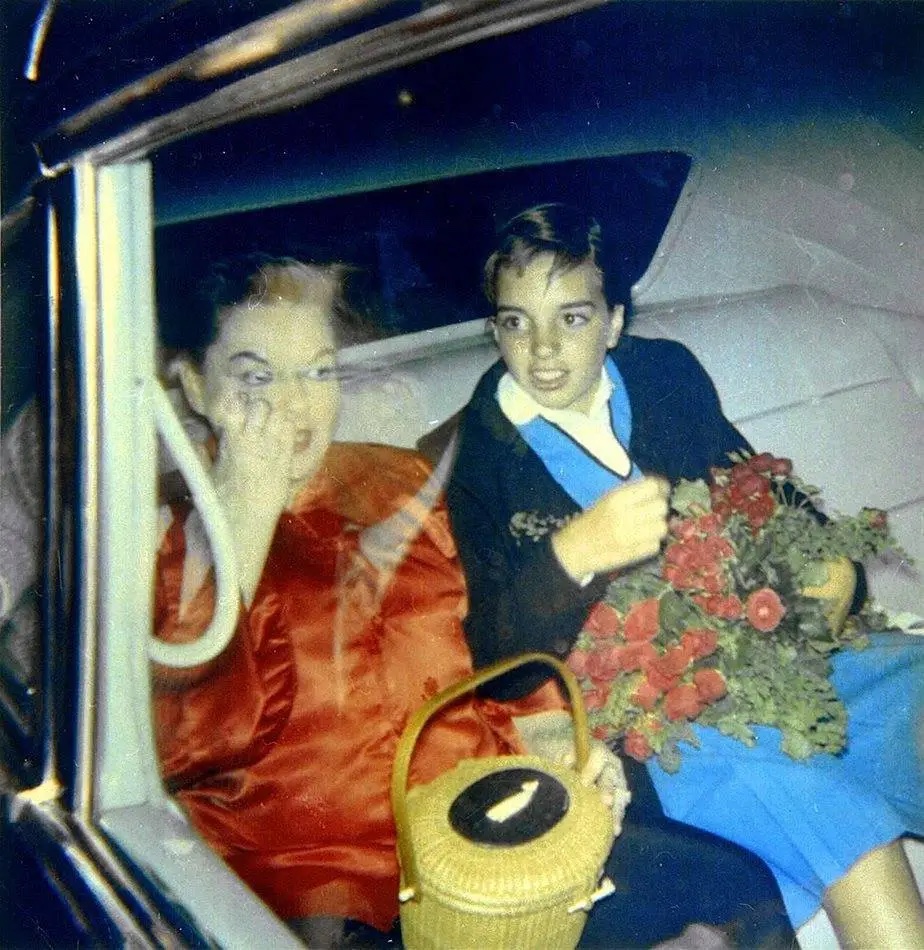
Below: Liza with her mother following a hospital visit
Courtesy the Judy Room
The Swinging 60s
In the last decade of her life, Garland, weakened and exhausted, still gave the audience her all. And she provided New Yorkers with some magnificent music moments.
— The Copacabana — Her appearance at this legendary nightclub in January 1961 wasn’t an official performance but I bet it was memorable. She popped up on stage during Sammy Davis Jr. final night of his legendary run of shows here and did an impromptu version of “Over The Rainbow.”
Judy at Carnegie Hall. Courtesy Frank Beacham
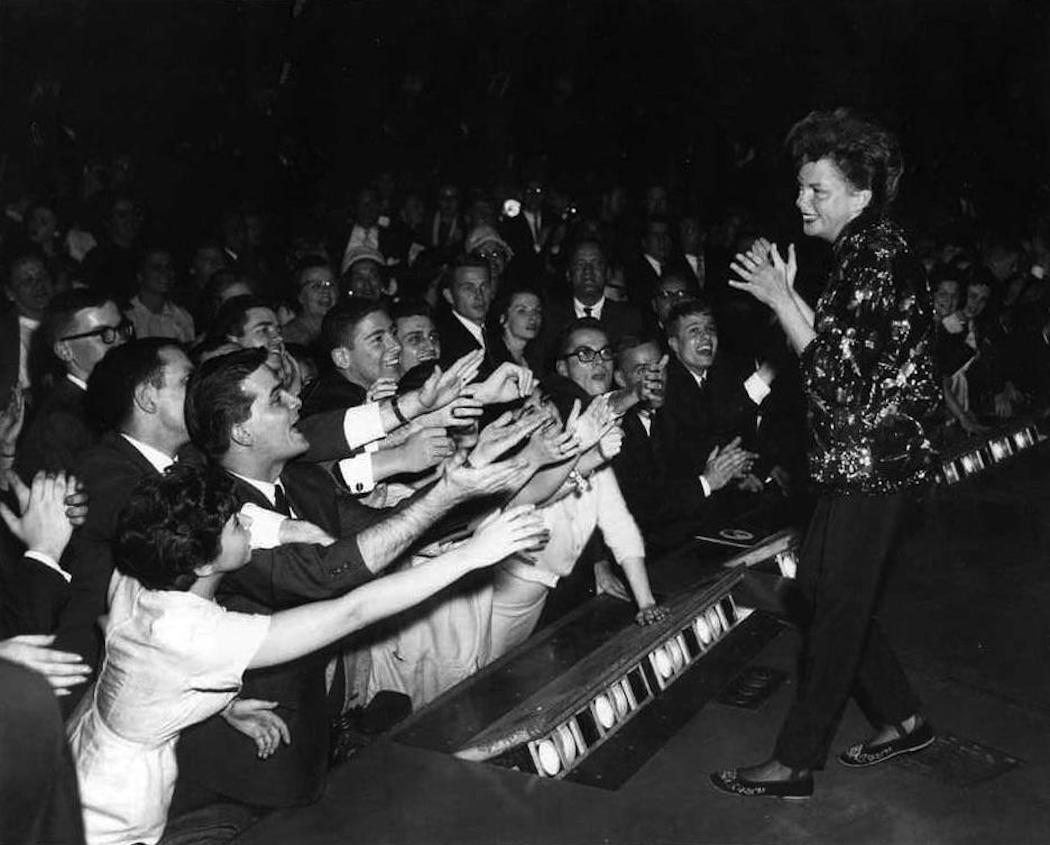
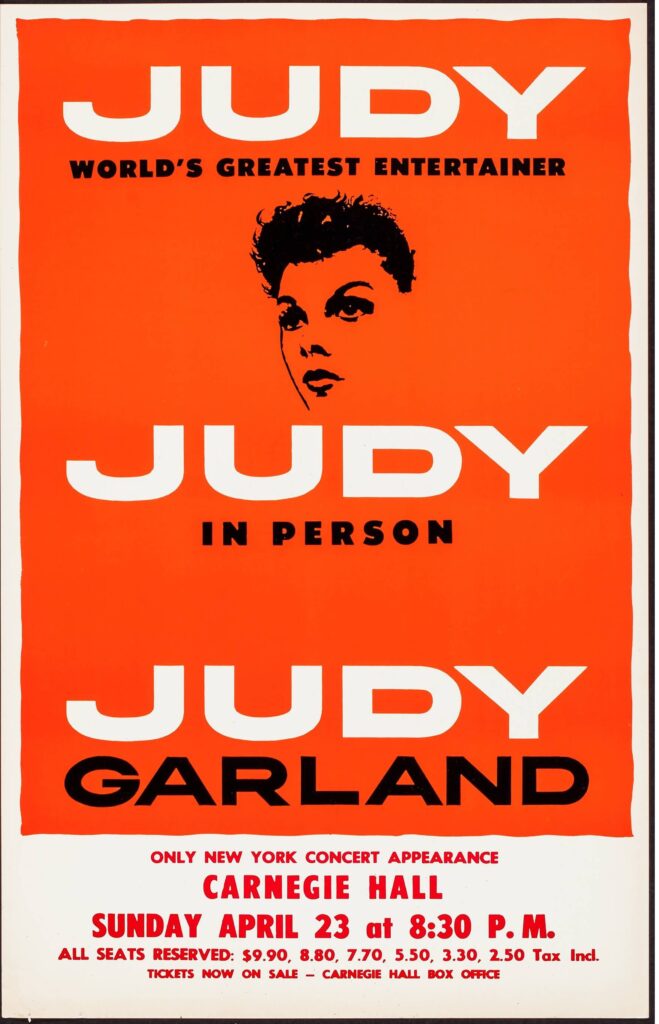
— Carnegie Hall April 23 and May 21, 1961 Her first appearance here is probably Garland’s best known stage performance because it was recorded and released as Judy at Carnegie Hall, an album which spent 95 weeks on the Billboard Charts.
— Manhattan Center 1962 Among the luminaries who witnessed Judy’s performance here in 1962 were Marilyn Monroe and a rising young songstress named Barbra Streisand. She had a bad case of laryngitis that night and Capitol Records scrapped plans for a live album. (In 1989 the album was finally released — Judy Garland Live!)
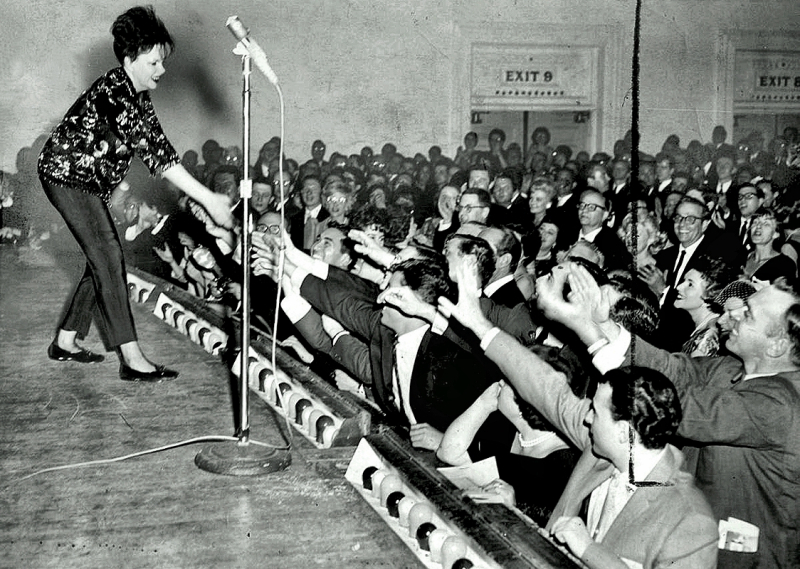
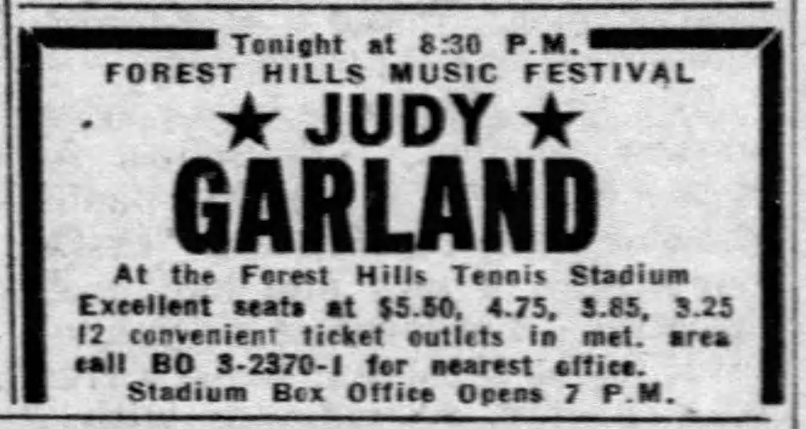
— Forest Hills Stadium She performed two times at the classic tennis-club-turned-performance venue in July 1961, but it was her show here four years later (on July 17, 1965) that made headlines for the 10,000 audience members who gave her allegedly the “longest standing ovation” for a performer at that time.
Before stepping on the stage, Judy told the press: “New York is my town and I’m really looking forward to this concert. I’m always at my best in New York.”
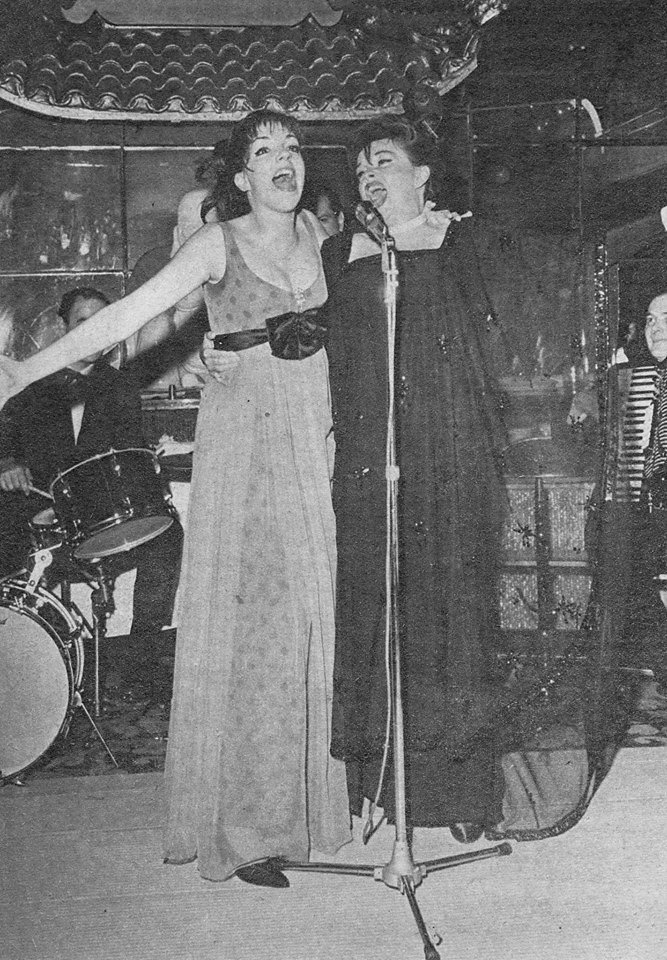
— Ruby’s Foos May 11, 1965 — Not a music venue but oh want a performance to have seen! Judy and her daughter Liza performed together at this classic Chinese restaurant in Midtown at an afterparty for Liza’s Broadway debut in the play Flora the Red Menace:
Judy and Liza at Ruby Foo’s
She performed a final run of shows at the Palace Theater from July 31 to August 26, 1967. The shows were greeted with the same enthusiasm as her previous appearances. Jerry Tallmer from the New York Post gushed, “Judy, for the thousand and first time, has come all the way back.”
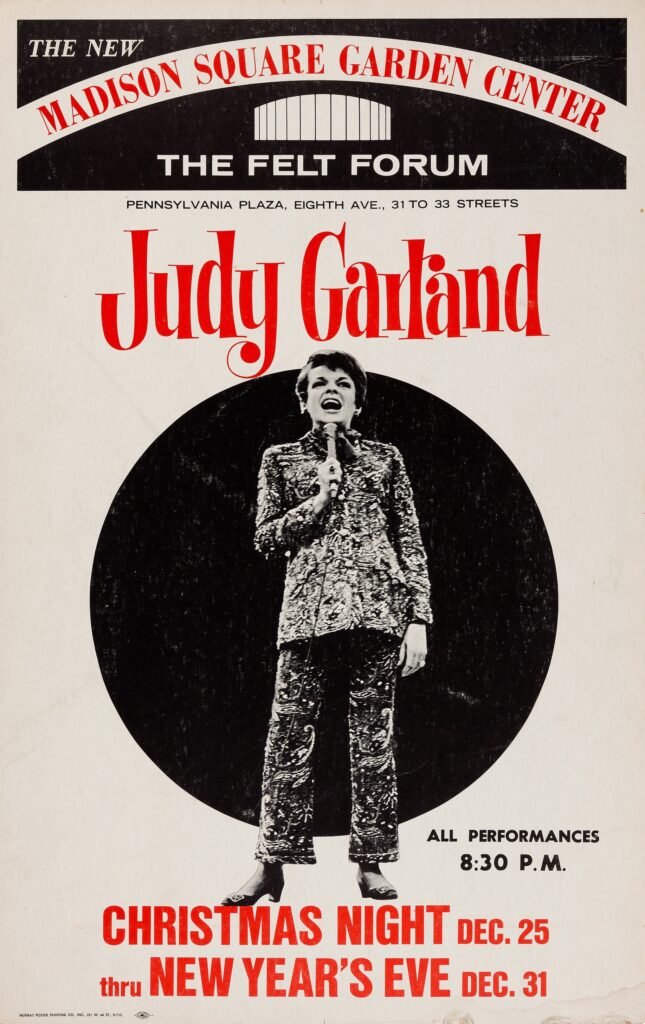
In 1967 she also played Madison Square Garden, one of the first shows at venue’s new Felt Forum (today’s Hulu Theater at Madison Square Garden) above the new subterranean Pennsylvania Station. During the show she was joined by Tony Bennett for a couple Christmas numbers. She did not complete her run of shows, cancelling after her final appearance here on December 27.
There No Place Like Home
Garland lived in several cities over the years — in the Hollywood Hills, Malibu and London — although in a way, it’s hard to associate her with any place on the map. (Of course, for many, she’ll always be that girl from Kansas or St. Louis.)
While in New York, she mostly she lived in hotels, of the most glamorous sort — the St. Regis, the Carlyle, the Regency, the Plaza, the Sherry Netherland. In 1961 she even lived briefly at the Dakota Apartments.
In 1968 she was locked out of the St. Moritz Hotel (50 Central Park South) for not paying her bills.
The Rainbow
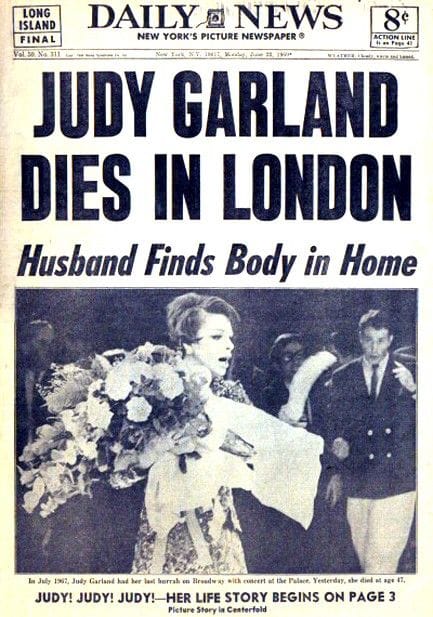
On June 22, 1969, Garland was found dead in her rented house in London. She was 47 years old. The cause of death was an accidental barbiturate overdose.
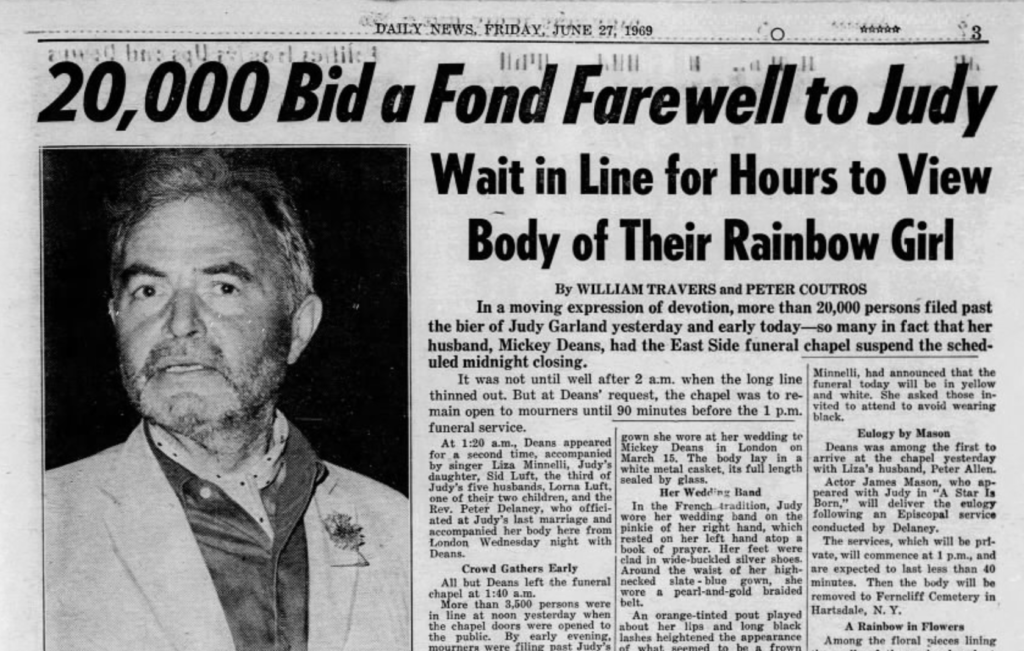
The world mourned her passing — and most especially, we can assume, her legion of fans in New York City. Her funeral at Frank E. Campbell’s Funeral Chapel drew thousands of mourners who gathered along the surrounding streets.
From the New York Times: “While legions of her fans maintained an ardent vigil in the hot and humid streets, colleagues of Judy Garland bade her farewell yesterday in a swift, simple service at the Frank E. Campbell Funeral Home.
“Judy’s great gift,” James Mason said in his eulogy, “was that she could wring tears out of hearts of rock.”
Although the press was barred from the actual service, portions of the funeral, including Mr. Mason’s eulogy, were audible through a loudspeaker provided by Campbell’s in an upstairs room.”
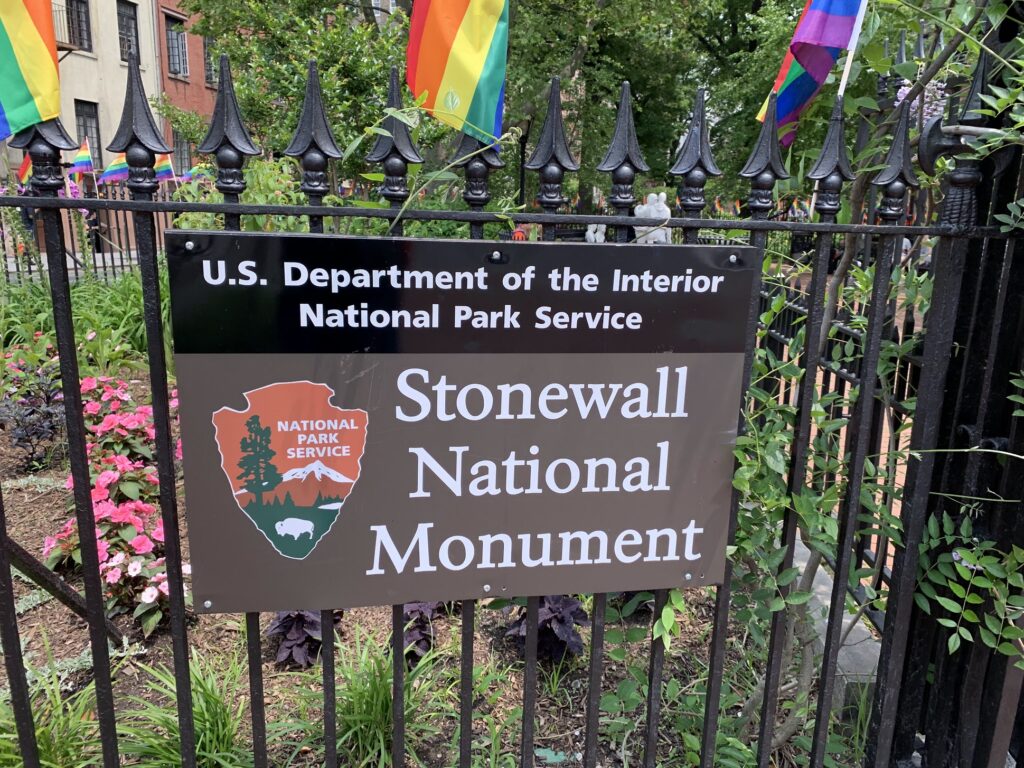
Many hours later in the West Village, in the early morning hours of June 28, police raided a gay bar named the Stonewall Inn. The patrons, tired of the homophobia and the cycles of police intimidation, at last fought back.
As many of Judy Garland’s most passionate fans were gay, could this mean that her death, as urban legend goes, fueled the passions that went into the historic event today known as the Stonewall Uprising?
It’s impossible to really say. The people at the Stonewall Inn that first night of conflict were probably younger than the average Judy Garland fan. However, in the following days, as more people gathered on the streets of the West Village to protest, it’s very likely that many who attended Garland’s funeral were also there — at the dawn of the Gay Liberation Movement. (Listen to our Stonewall Riots show for more information.)
Everybody Rise
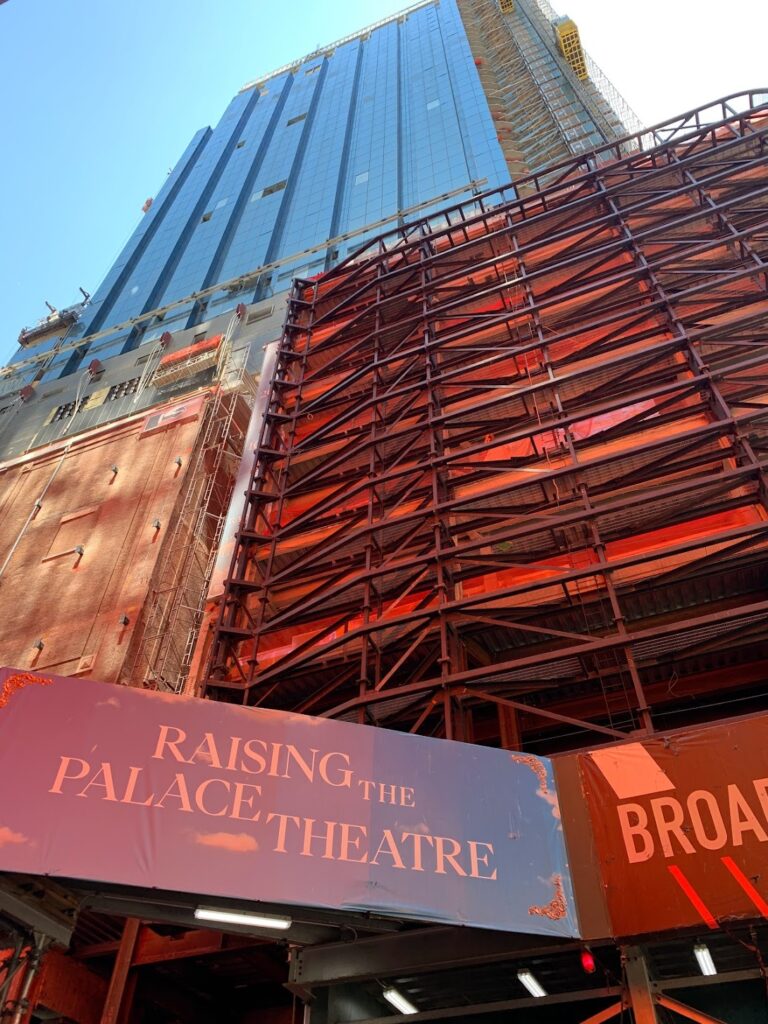
Today the Palace Theatre, the greatest landmark to Garland’s New York legacy is getting a facelift. Scratch that, an UP-lift.
The theater has literally been lifted 30 feet off the ground as part of a massive new construction project, a 46-story, 661-room hotel being built above it.
According to the New York Times: “L&L Holding, the lead developer on the TSX project, made arrangements with the theater’s owner, the Nederlander Organization, to elevate the Palace and fill the void with three floors of new shopping space, part of 10 floors of retail in the tower. The theater will have a new entrance on West 47th as well as a new lobby, marquee and backstage area.”
By the way, does Judy Garland still haunt the Palace Theatre? That urban legend is explored in our podcast Haunted Histories of New York.
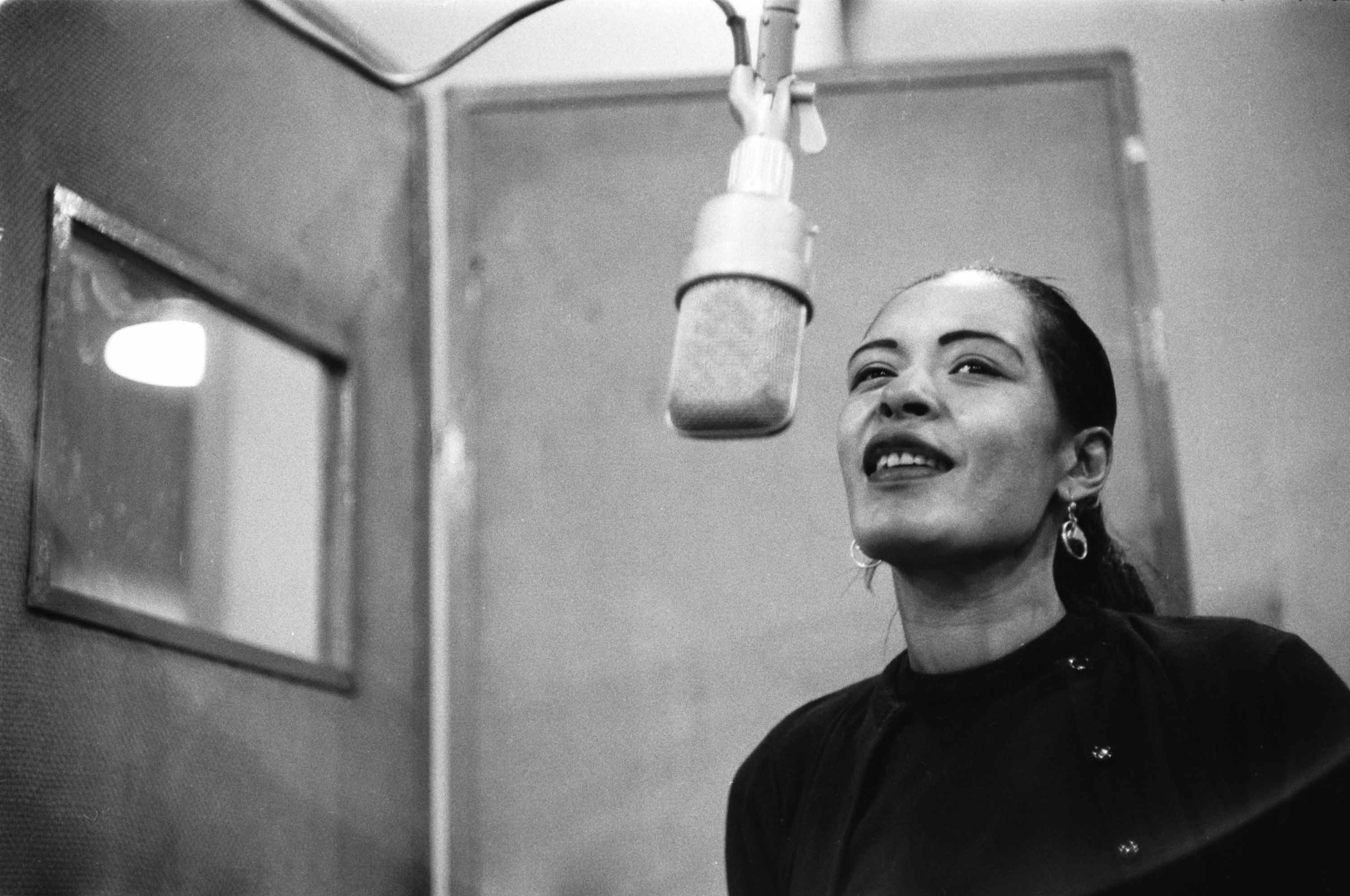
PODCAST Grab your fedora and take a trip with the Bowery Boys into the heart of New York City’s jazz scene — late nights, smoky bars, neon signs — through the eyes of one of the greatest American vocalists who ever lived here — Billie Holiday.
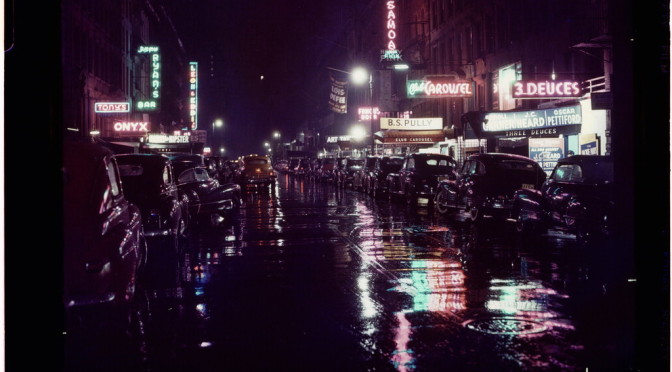
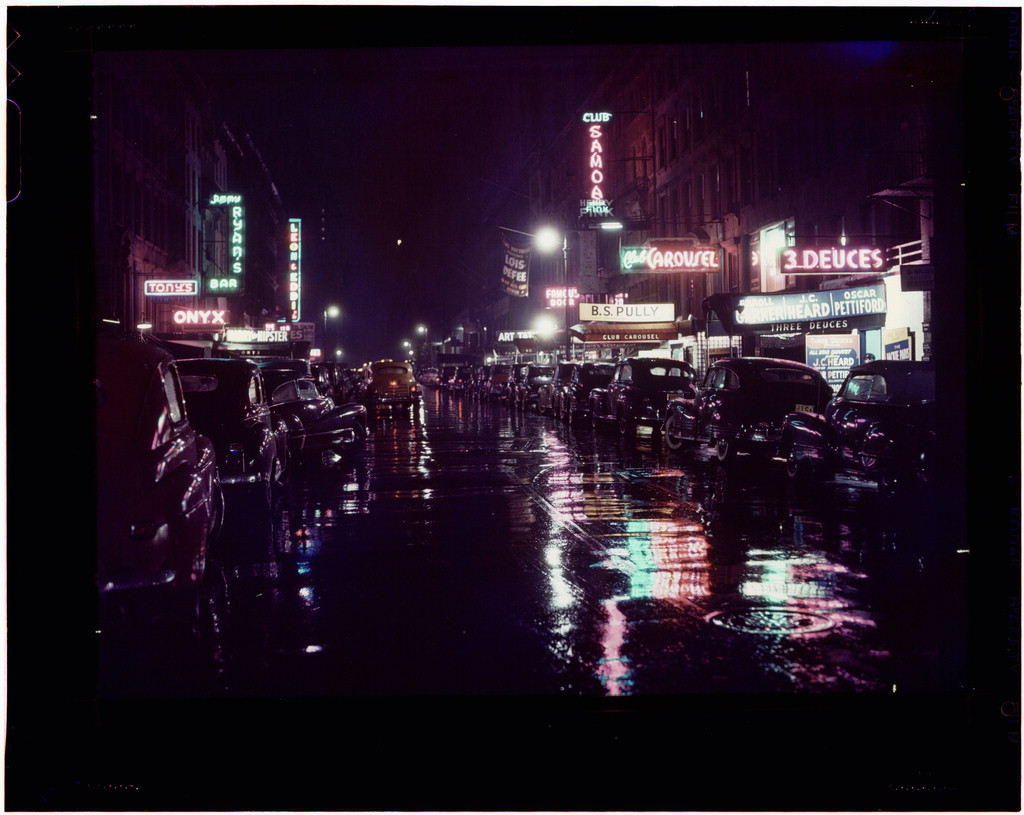
Eleanora Fagan walked out of Pennsylvania Station in 1929 and into the city that would help make her a superstar. Her early years were bleak, arrested for prostitution and thrown into the Welfare Island workhouse. But music would be her savior, breaking out in Harlem first in the nightclubs on 133rd Street, then in the basement clubs of ‘Swing Street’ on 52nd Street.
Her recordings make her an international star, but the venues of New York helped solidify her talents — from the Apollo Theater to Carnegie Hall. But one particular club in the West Village would provide her with a signature song, one that reflected the horrible realities of racism in the mid 20th century.
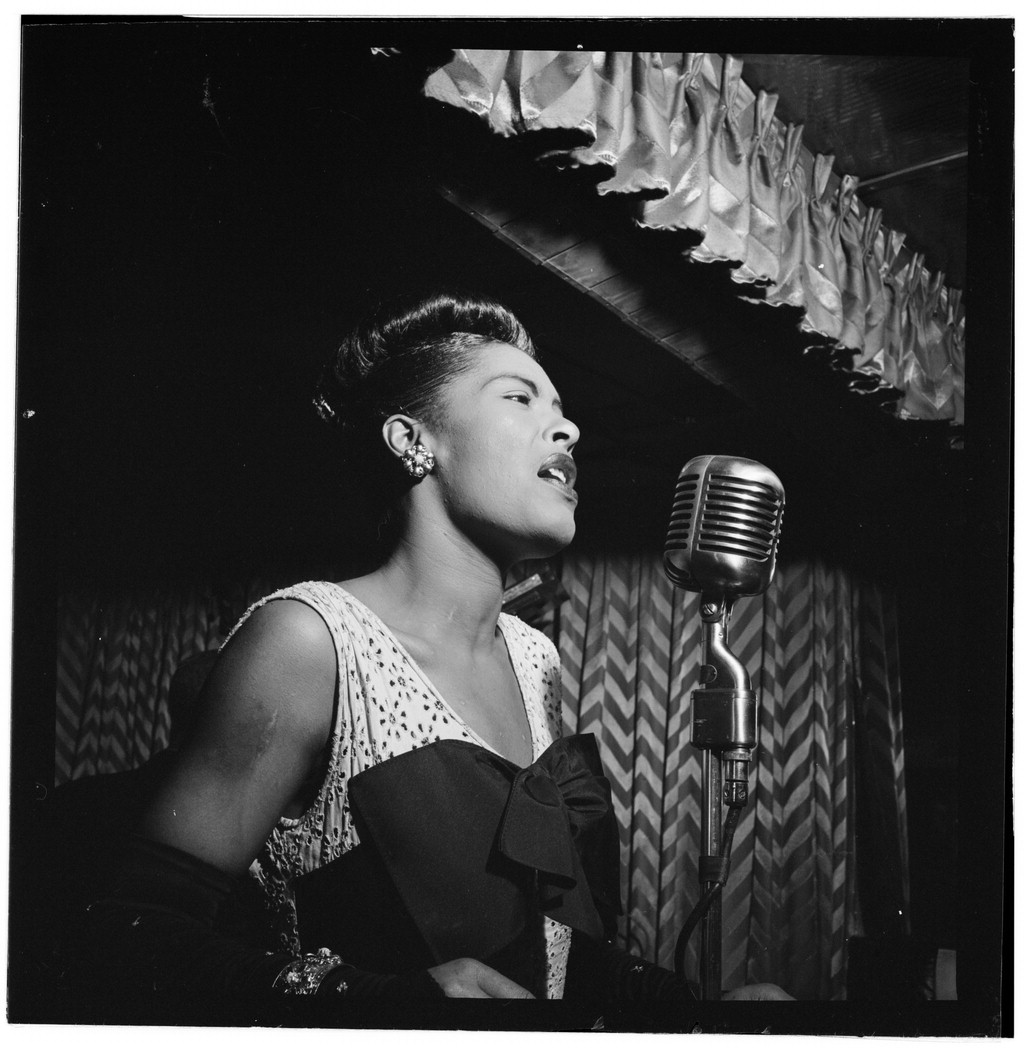
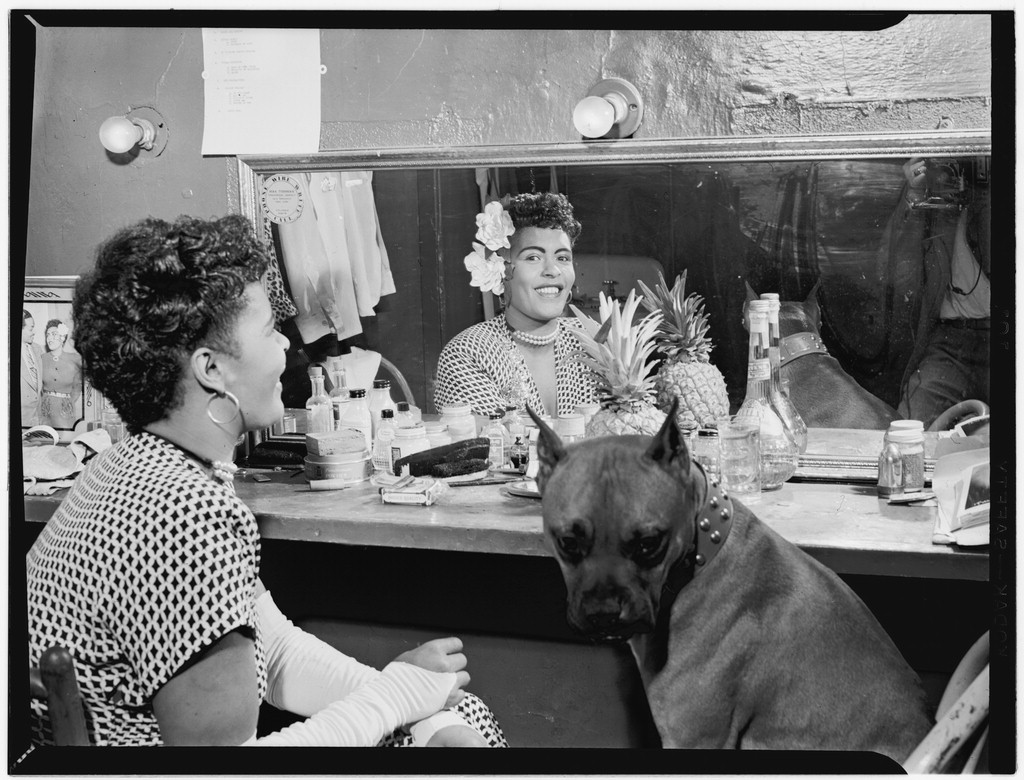
Billie Holiday at Club Downbeat, 1947
Locations featured in this episode:
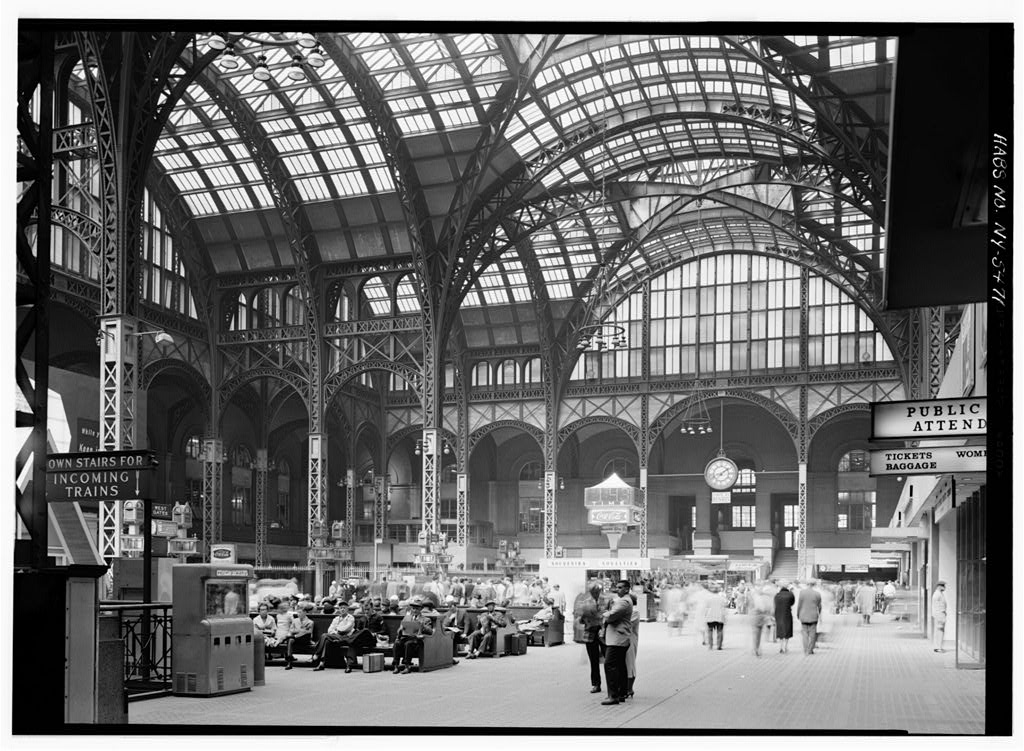
1) Pennsylvania Station (circa 1930s-40s)
Courtesy Library of Congress
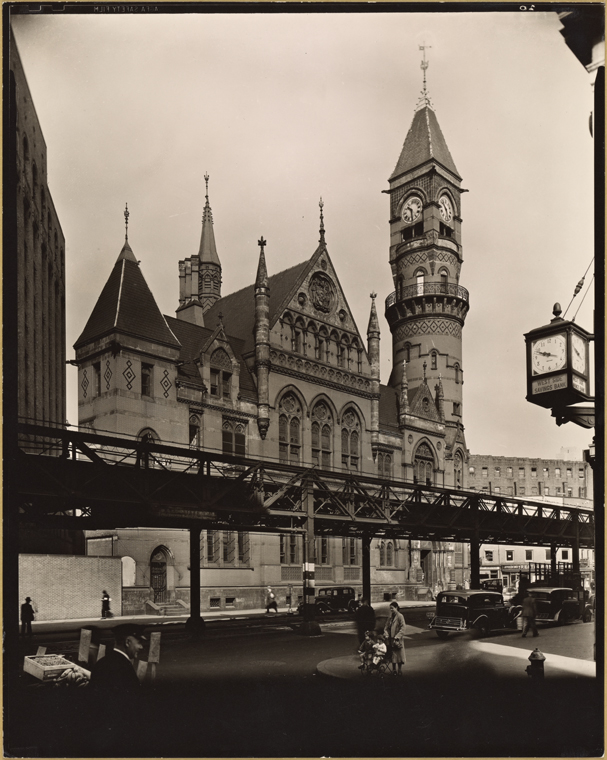
2) Jefferson Market Courthouse, pictured here in 1935
Photographed by Berenice Abbott, courtesy New York Public Library
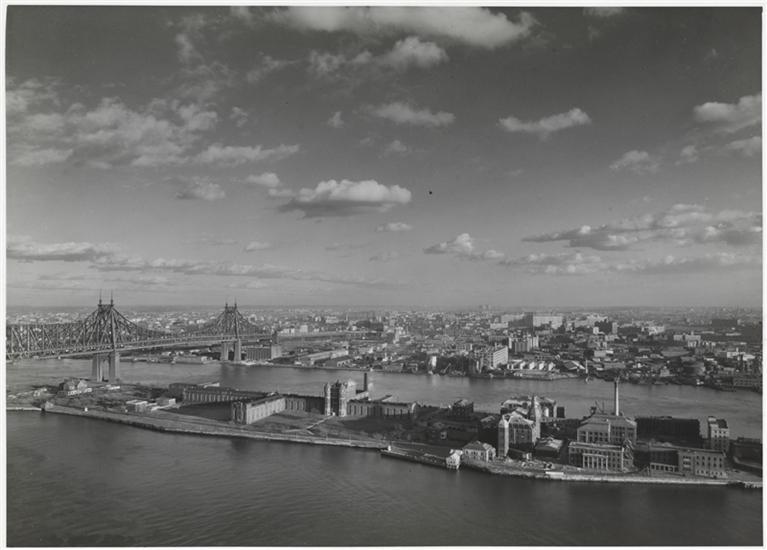
3) Welfare Island, pictured here in 1931
Photographed by Samuel H Gottscho, courtesy Museum of City of New York
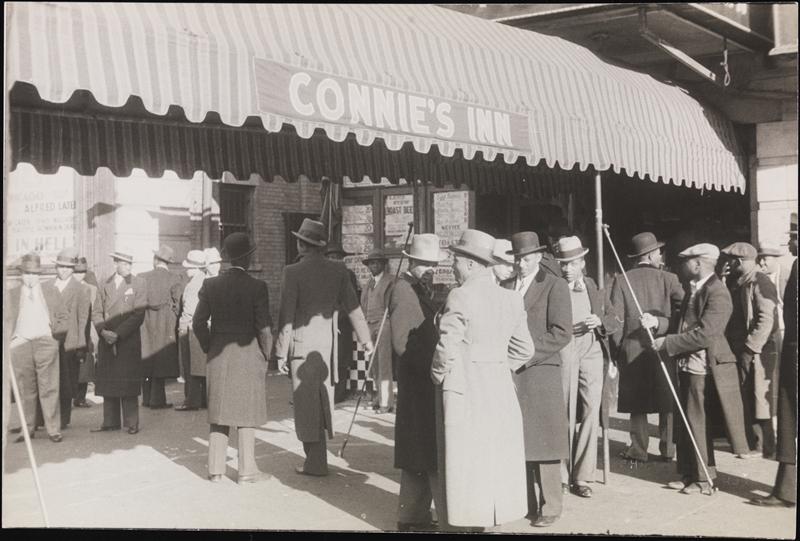
4) 133rd Street — “Jungle Alley” or The Street — outside Connie’s Inn
Courtesy Museum of the City of New York
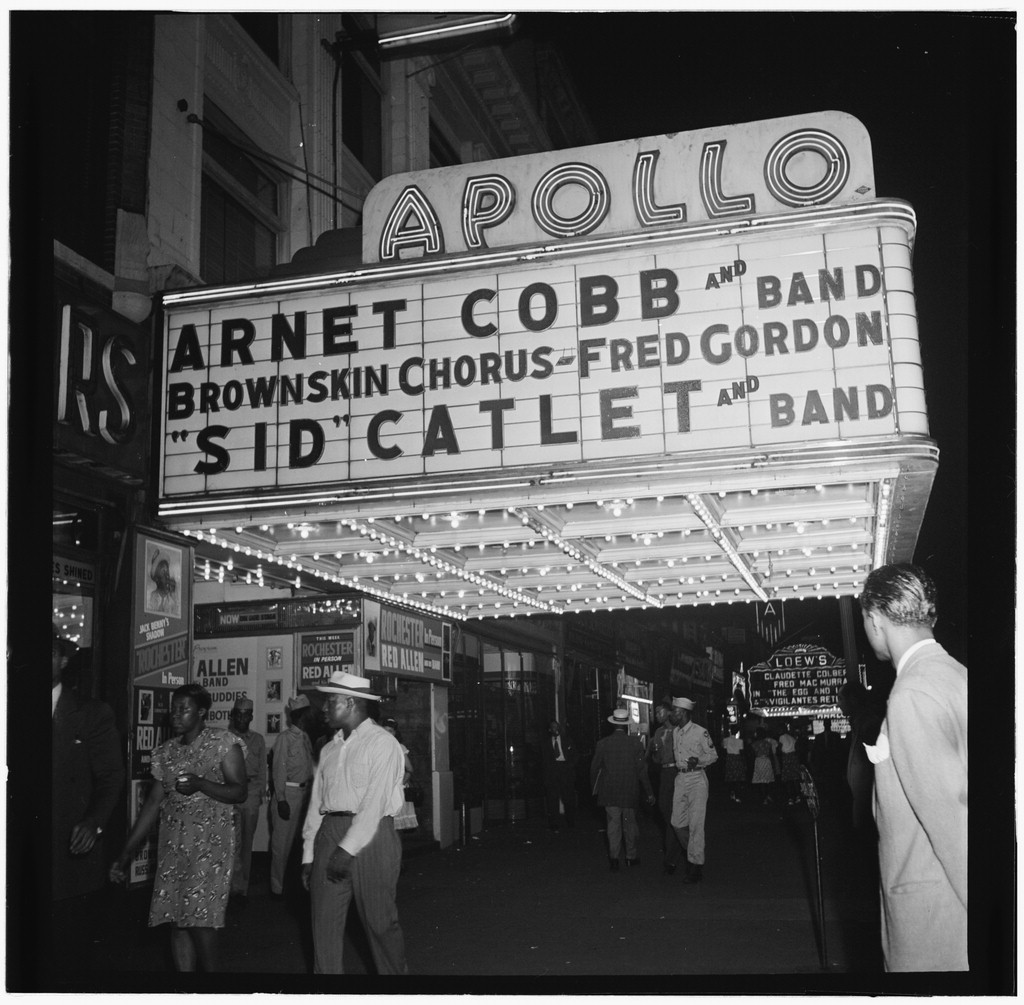
5) Apollo Theater, pictured here in the mid 1940s
Courtesy Library of Congress, photographer William Gottlieb
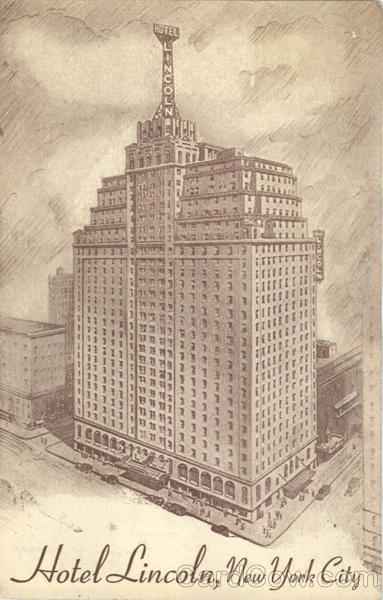
6) Lincoln Hotel
Hotel Lincoln, 44th to 45th Street at 8th Avenue New York City
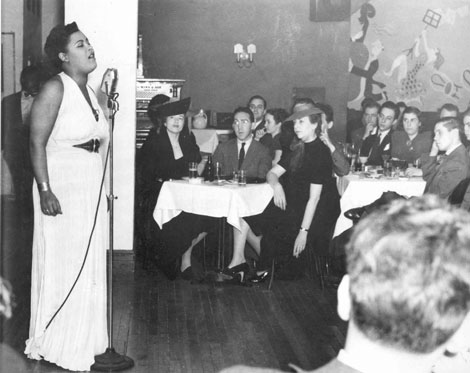
7) Billie Holiday at Cafe Society 1939
Photo by Charles B. Nadell
8) 52nd Street aka Swing Street
Billie at Club Downbeat (with her dog Mister) — June 1946
Courtesy Library of Congress
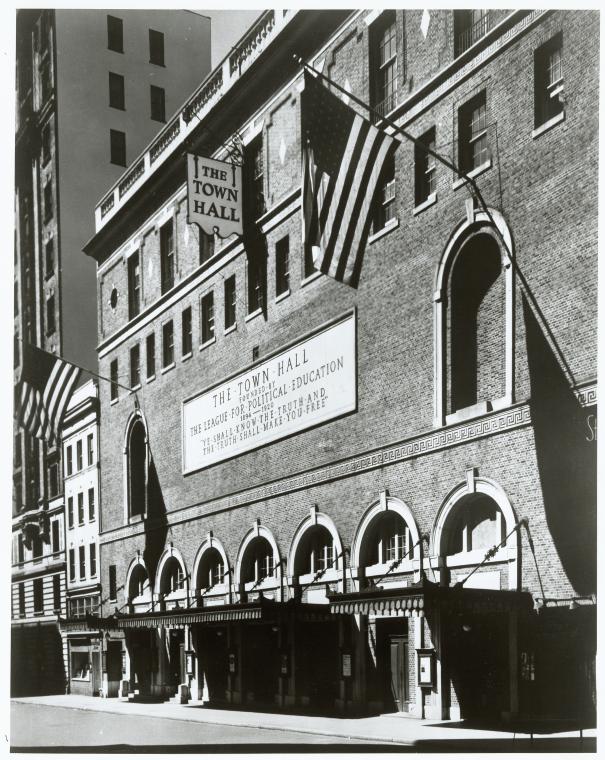
9) Town Hall, sometime in the 1940s
Exterior view of The Town Hall, courtesy New York Public Library
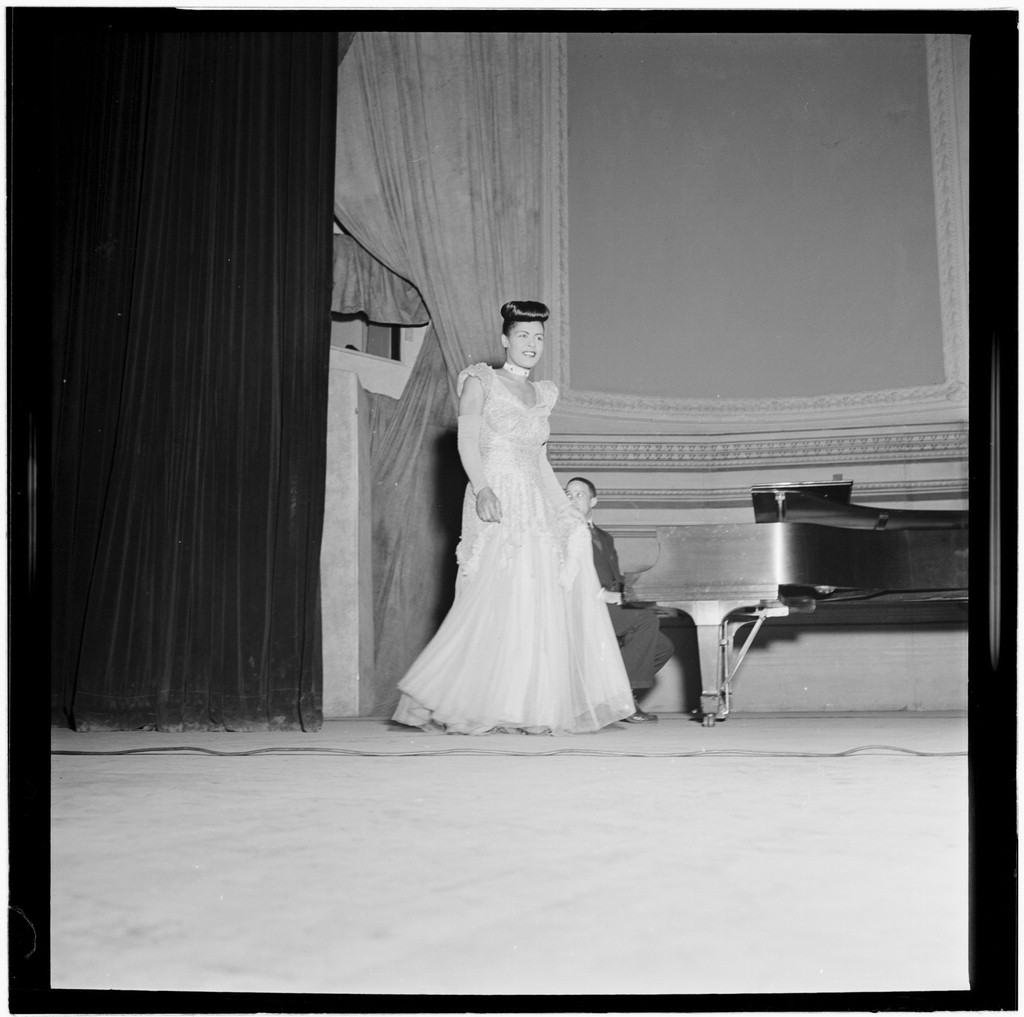
10) Billie Holiday at Carnegie Hall for her rave 1948 concert
Courtesy Library of Congress
An extraordinary performance of ‘Strange Fruit’, performed in February 1959, months before she died. This was recorded for a British television show called ‘Chelsea At Nine’.
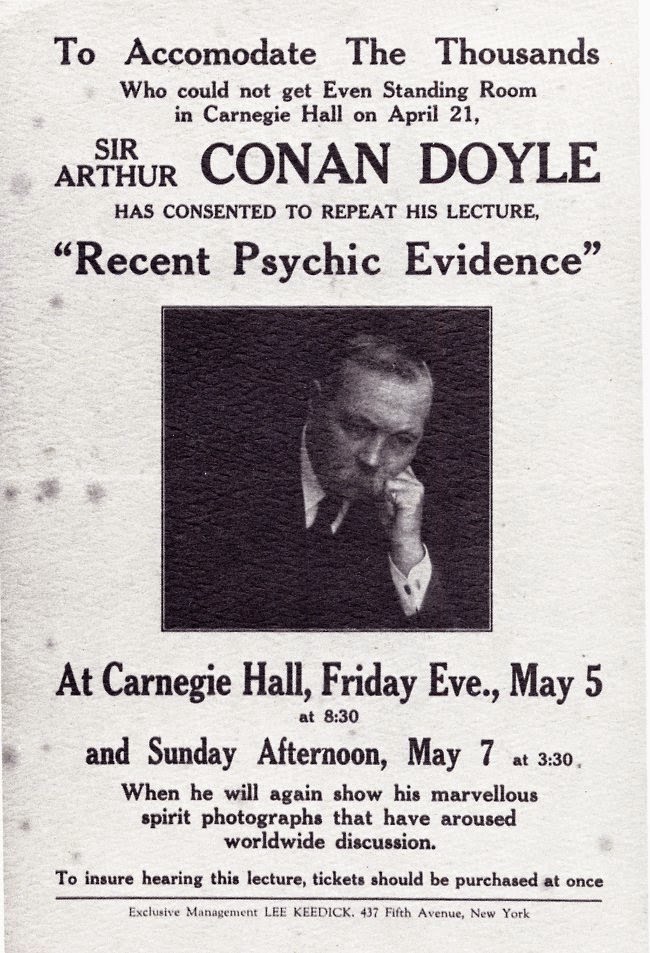
A flyer for one of the author’s many Carnegie Hall lectures. (Courtesy Carnegie Hall archives) Sir Arthur Conan Doyle made a startling announcement in April 1922. Known for his beliefs in communicating with the afterlife, the famed creator of Sherlock Holmes announced an extraordinary discovery — the existence of ectoplasm, the ghostly goo that emits from mediums possessed with the spirits of the dead.
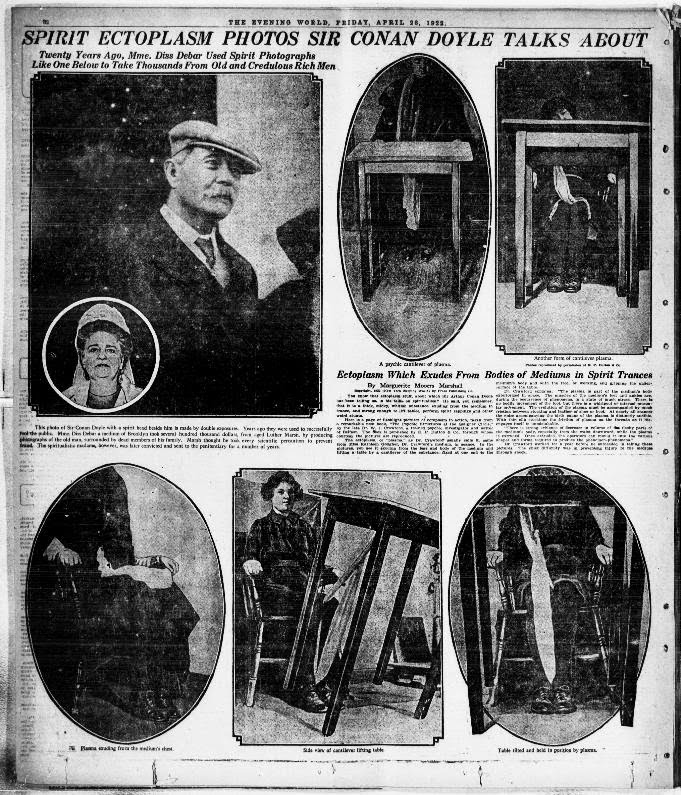
“Ectoplasm is a thick, vapory, slightly luminous substance which exudes from some materializing mediums,” Conan Doyle told the author Marguerite Mooers Marshall in an interview with the New York Evening World. “Immediately there comes from her body this vaperous substance which surrounds her like a fog. As the ectoplasm increases it becomes more dense. It coalesces, becomes sticky. It can be felt. It can be photographed.”
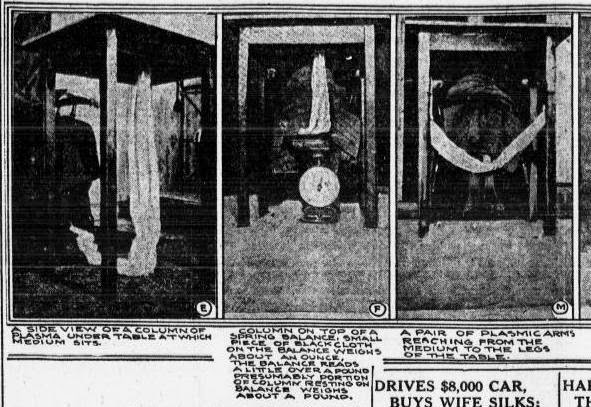
To prove the existence of this viscous residue, the Evening World published photographs of alleged ectoplasmic events on April 26, 1922.
The root of all this sudden interest in bizarre supernatural events during the spring of 1922 was a series of lectures Conan Doyle gave at Carnegie Hall and the Brooklyn Academy of Music, shaking proper society to the core with Spiritualist talk of mediums and psychic planes far outside those commonly prescribed by Western religion.
Among the spirit photography he displayed in the legendary Carnegie stage were several examples of ectoplasmic events, thick wisps of ghostly material issuing from the bodies of entranced mediums.
His lectures were received with great interest and much mockery. In reference to the author’s peculiar views of the afterlife and days before run the odd photography posted above, the Evening World intoned in a headline, “ALL WOMEN PRETTY AND 25, MEN 30, IN DOYLE’S HEAVEN.“
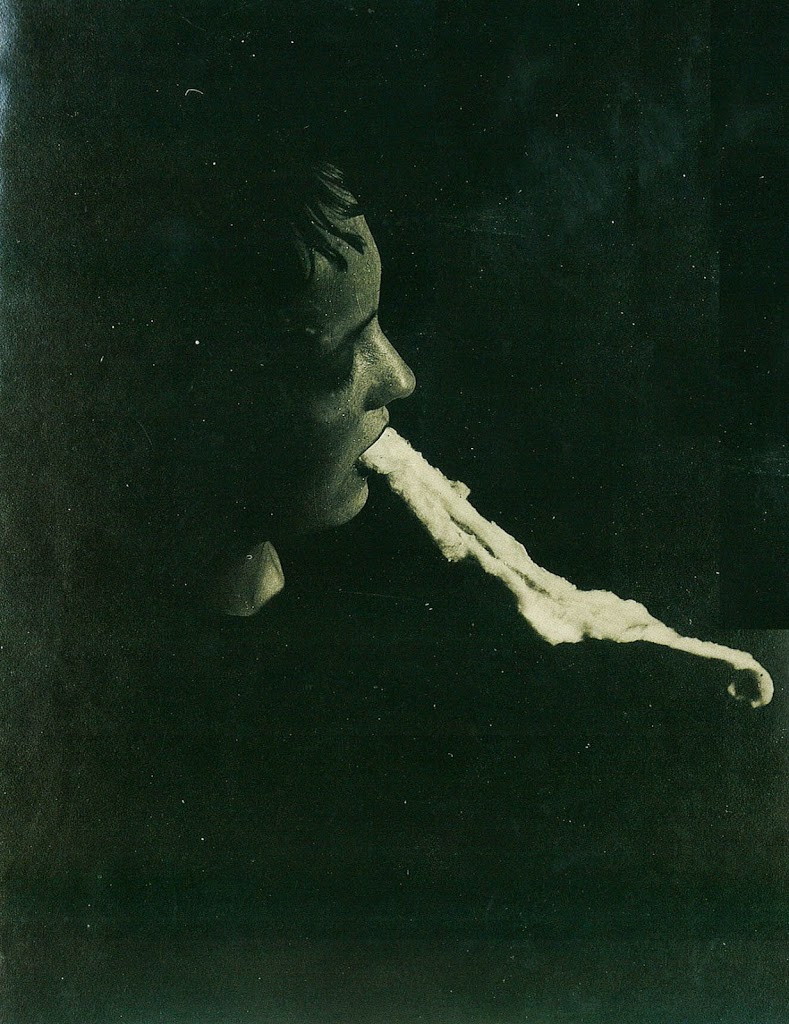
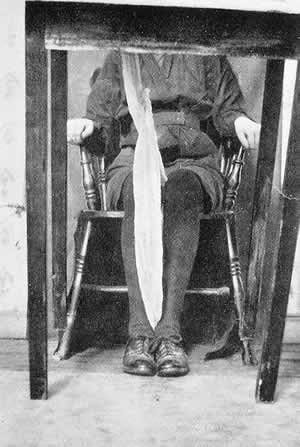
Others blamed a series of mysterious murders and suicides in New York City during this time period on Conan Doyle’s disturbing lectures. It was in May of that year that Conan Doyle met with Harry Houdini, magician and famous spiritualist skeptic. Â (We speak of the results of this encounter in our podcast Mysteries and Magicians of New York.) Among their lengthy debates regarding the spiritual realm were discussions on the existence of ectoplasm. Below are some of the more disturbing photographs of alleged ectoplasmic activity. Â It was similar photos to that that Conan Doyle displayed at Carnegie Hall in 1922. 1913 — The medium Stanislawa emitting ghostly ectoplasm (Courtesy Univ of Sydney)
Â
Â
Katherine Goligher, subject of the Evening World photographs, issuing ectoplasm that looks suspiciously like regular fabric
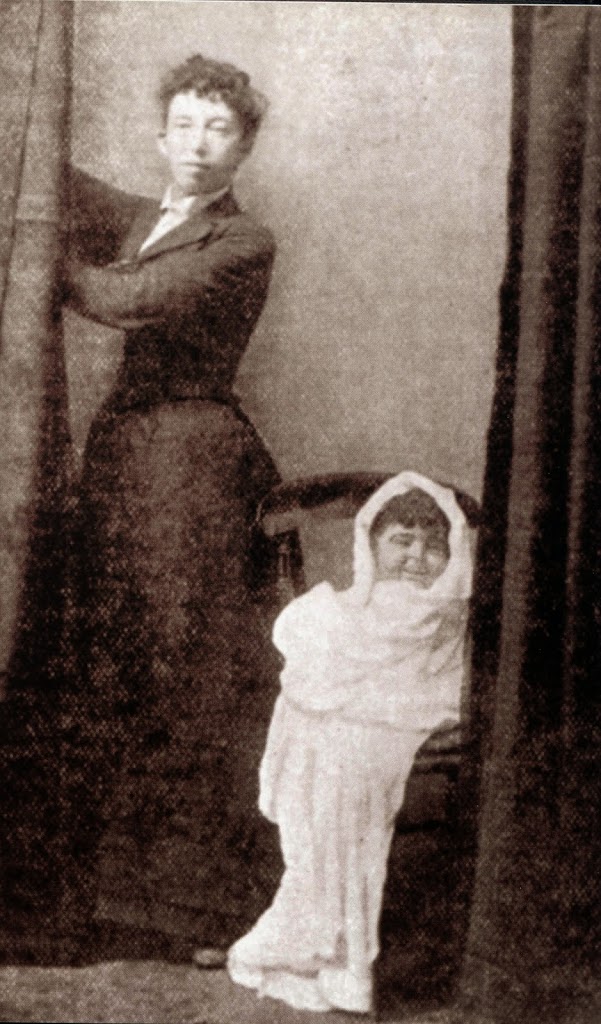
Sometimes the ectoplasm came out in the form of little people, as in this photo of Annie Mellon and an entity named ‘Cissy’, c. 1890 (Univ. of Sydney)
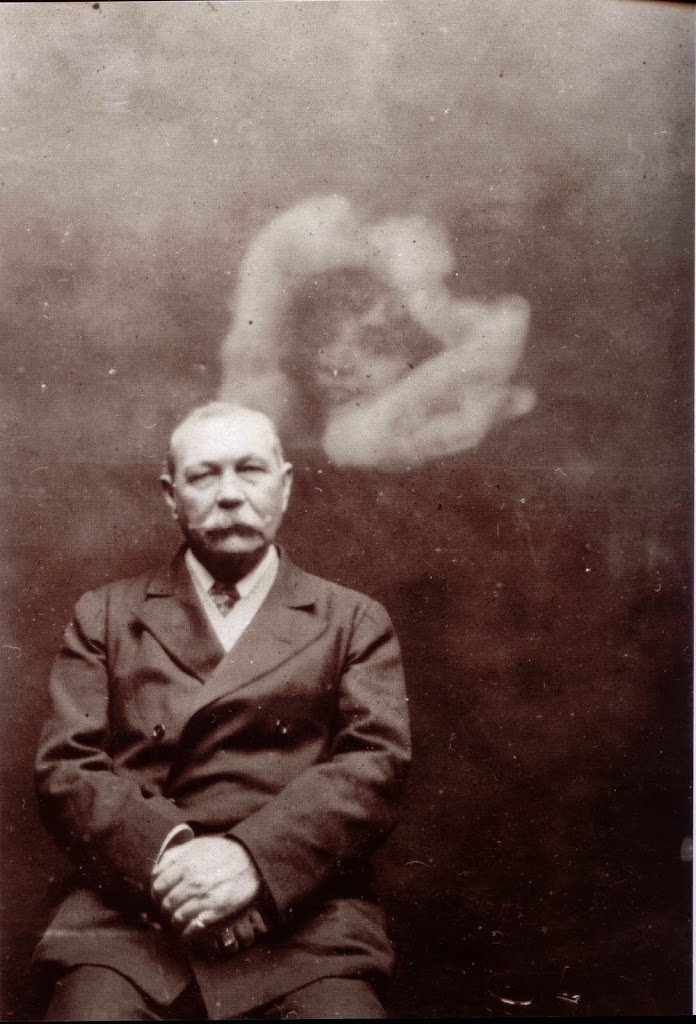
Conan Doyle himself could even expel ectoplasm, especially in front of a camera! Â This was taken in 1922, possibly while he was in New York
Below: Video evidence of ectoplasm and creatures made from the substance (If you’re in a Ghostbusters mood, read my exhaustive breakdown from last year of all the fun New York trivia from the 1984 film classic.)
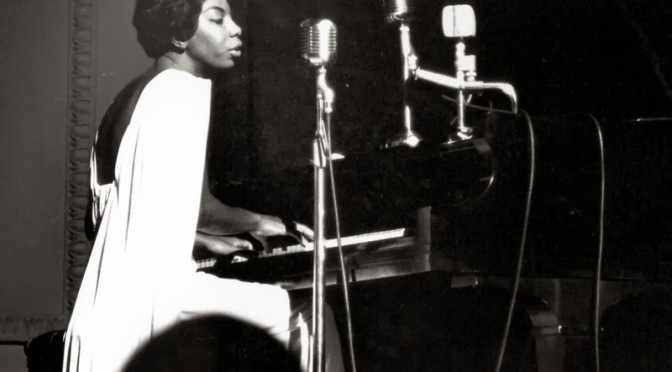
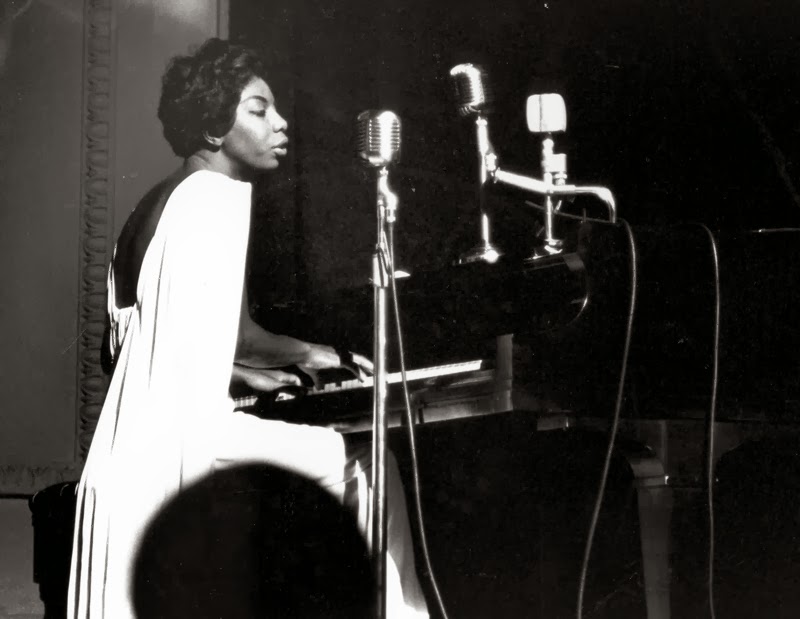
Nina Simone was born on this date in 1933 in Tryon, North Carolina. She came to New York as a student of the Julliard School, but her unique blend of genres came from her experiences in the nightclubs and cabarets of Harlem and Greenwich Village. She wowed audiences with a memorable New York debut at the Village Vanguard on July 20, 1959. “Miss Simone is a real talent who can go far,” said Billboard of her performance.
Less than three months later, she made a more formal debut to audiences on September 12, 1959, at Town Hall, an elegant stage in the heart of the theater district. The ironic thing about this show was that the regal, classically trained performer was used to singing in places where the patrons were drinking and smoking, venues with a bit of commotion and energy.
She brought a bit of everything to her performance that evening, confounding those who pegged her as a simple classical artist.
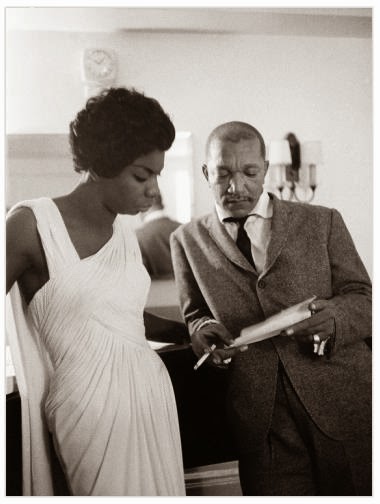
From Simone’s autobiography: “[C]ritics started to talk about what sort of music I was playing and tried to find a neat slot to file it away in. It was difficult for them because I was playing popular songs in a classical style with a classical piano technique influenced by cocktail jazz. On top of that I included spirituals and children’s songs in my performances, and those sorts of songs were automatically identified with the folk movement.” At right: Nina from that same evening with Redd Foxx (Photo courtesy Ebony Magazine, G Marshall Wilson photographer)
The New York Times review was hesitant in its praise, but concluded “both her singing and playing are carried off with such consummate assurance, skillful pacing and attractive good nature that she proved an extremely winning performance.”
Although she had recorded two previous albums by this time (and a third was cobbled together without her knowledge), the Town Hall live album released in 1959 is notable as being the first to include one of her signature masterpieces — “Black Is The Color Of My True Love’s Hair.”
Simone would release three more live albums recorded in New York venues — one at Village Gate and two at Carnegie Hall.
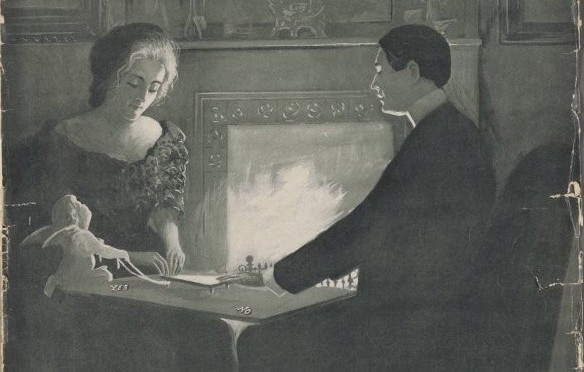
A session with a ouija board, a haunting illustration from a piece of 1901 sheet music ‘There’s A Charm About The Old Love Still’. (NYPL)
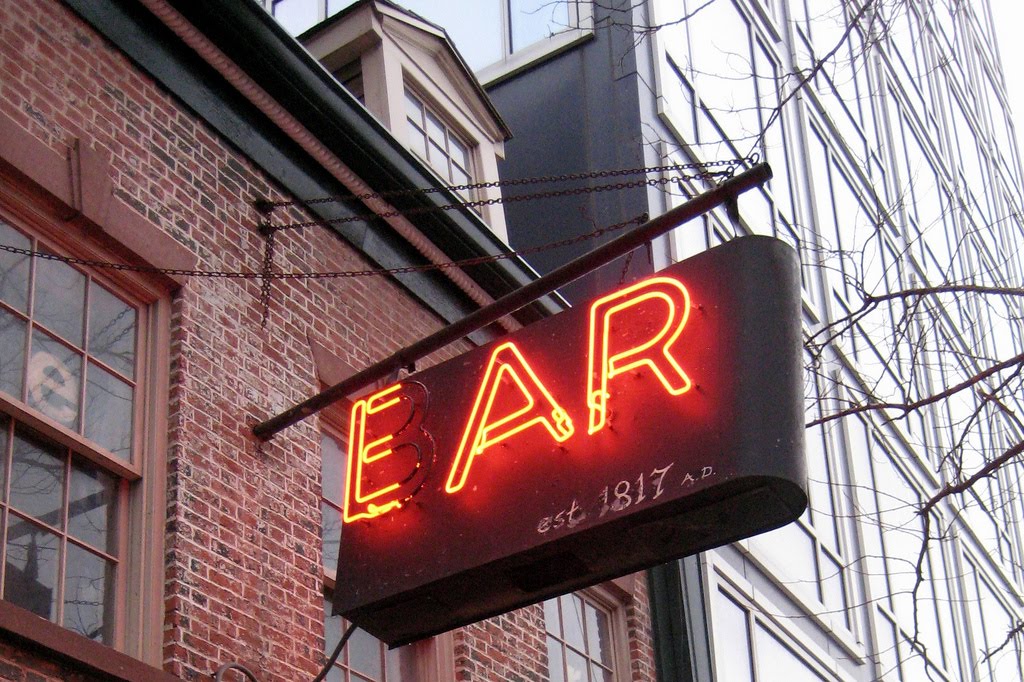
PODCAST Our sixth annual ghost story podcast takes a little twist this time around. Oh sure, we have two of New York’s most FAMOUS horror stories in our first part, beginning with a spirited sailor named Mickey who haunted a classic structure on the Lower West Side. Today it’s the Ear Inn, where you better watch your drink. Then we switch to a Colonial-era tale of obsession and entrapment in old Flatbush, the tale of Melrose Hall with its secret passages, stairwells and dungeons.
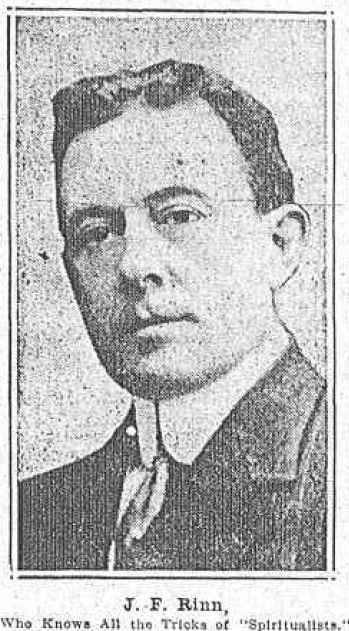
But in the second half, we observe New York’s spiritualism craze of the early 20th century through two frightening faceoffs. In the first, its the madame of the Ouija board, Pearl Curran, and her ghostly companion Patience Worth vs. one of New York’s original ghostbusters, the adventurer and conjurer Joseph Rinn (pictured at right). And in the final tale, Tom explores the secrets of Harry Houdini and what happens when a close confidante — in this case, the noted author Sir Arthur Conan Doyle — believes his powers are of a supernatural variety.
Featuring our annual ghost-story dramatics, a few sound effects, and the surprising haunted history of Carnegie Hall!
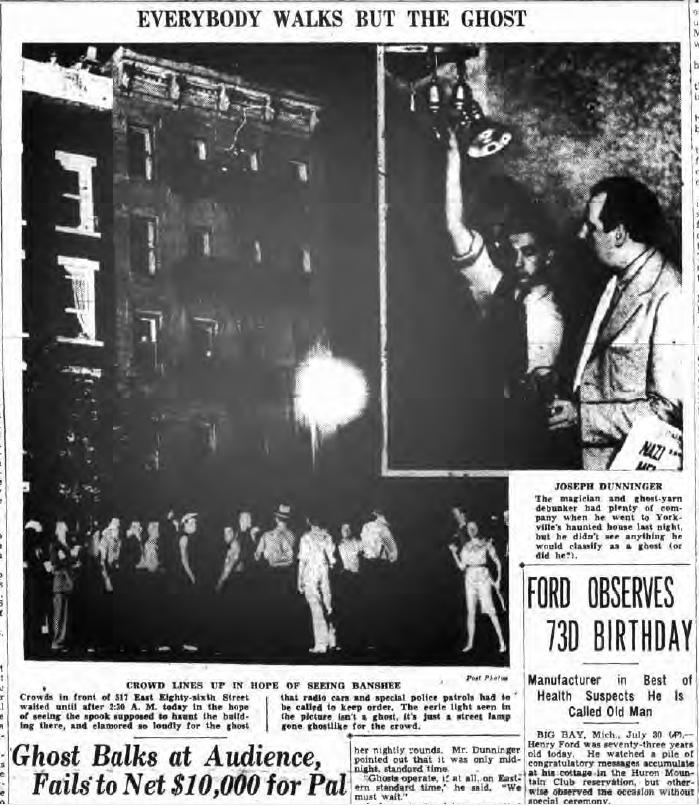
From the pages of the New York Post, July 1936. Crowds hunt for the spirit of Angelina, the Italian ‘banshee’. Crowds lined up to get a glimpse, so many that ‘special police patrols’ were called to control the search. [source]
The house of Revolutionary War veteran James Brown, today the worn and welcoming Ear Inn, is almost 200 years old, which means it has a great many ghosts, including a couple literal ones, including the randy spirit of a sailor named Mickey. (Picture courtesy Flickr/wallyg)
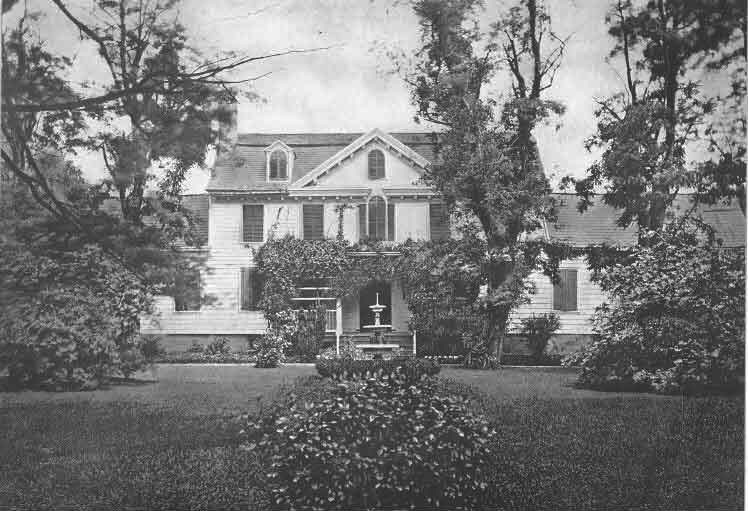
The haunted Melrose Hall in Flatbush, Brooklyn, the site of some improbable architecture and a terrible crime. Is that Alma peering from the third floor window? Do you dare enter?
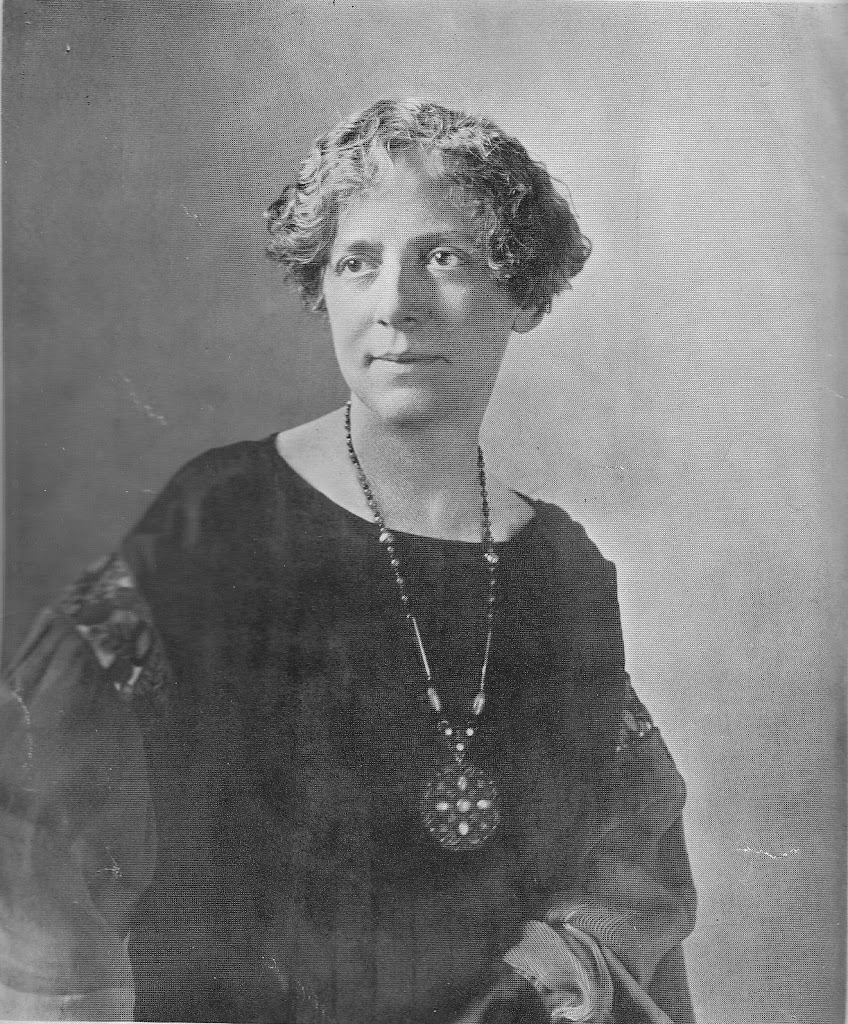
Pearl Curran, the St. Louis woman who began conjuring the spirit of an 17th century English woman named Patience Worth, via the Ouija board. She was frequently questioned by prominent medium debunkers, including Houdini’s friend Joseph Rinn.
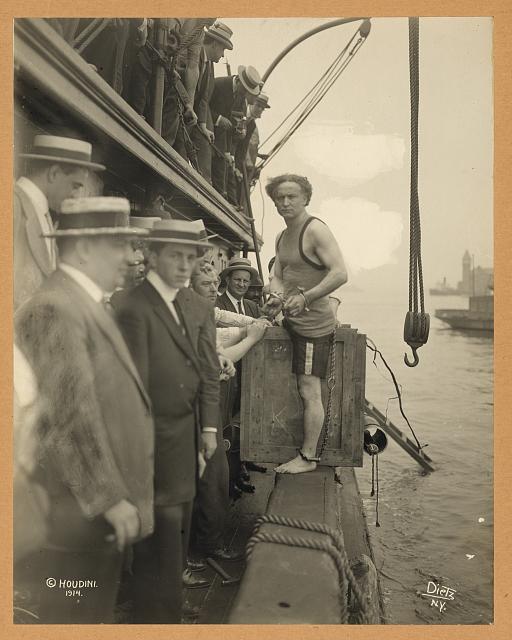
Harry Houdini in 1912, about to step in to a sealed sunken chest, which he will inevitably escape from. But what was his secret? Was Sir Arthur Conan Doyle — and his wife Lady Jean — onto something about Houdini’s secret powers? (Courtesy Library of Congress)
One hundred years ago yesterday, New York hosted its first-ever Republican presidential primary. Not only was it an organizational failure of epic proportions, but the results handed a stunning and rare defeat to one of New York’s most iconic politicians.
Making the 1912 primary a unique contest was that it was between two presidents — the current one, William Howard Taft, and the prior one, Theodore Roosevelt. (Robert La Follette was also on the ticket, serving as a bit of a Ralph Nader-esque outsider.) Dissatisfaction with Taft’s administration had convinced Roosevelt to obtain his party’s nomination once again, having served in the White House for almost eight years already.
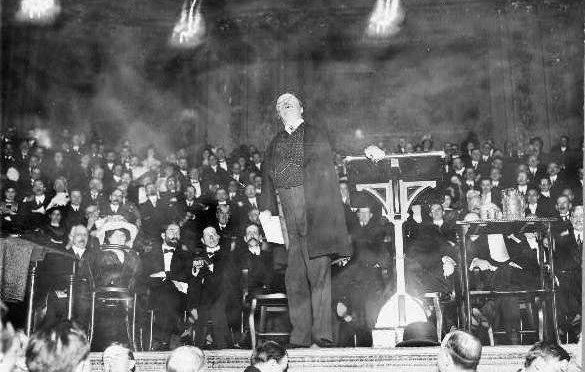
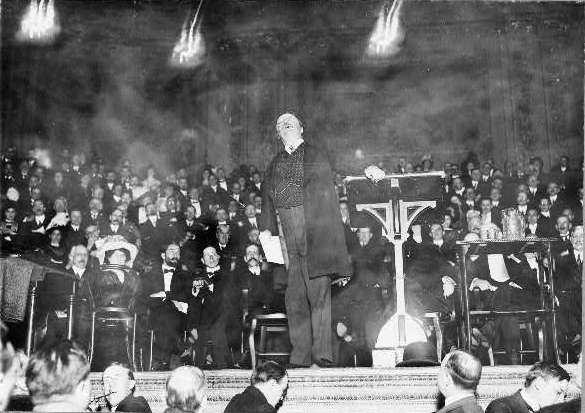
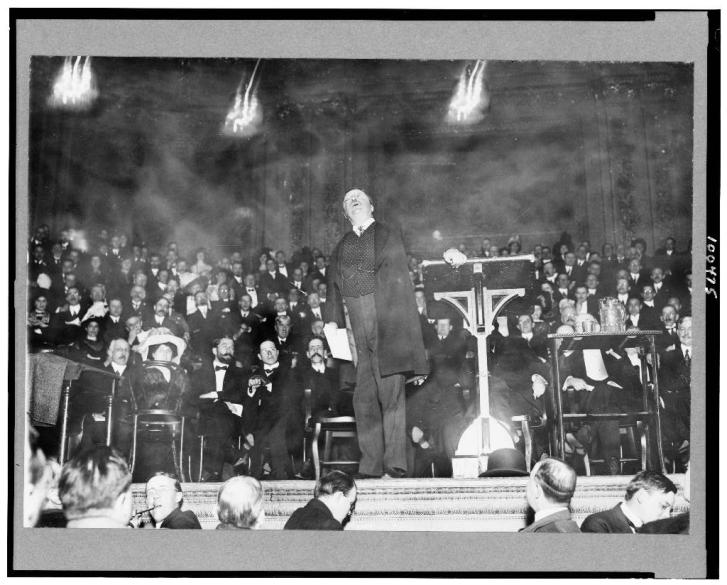
Roosevelt laid out his plank during a memorable speech at Carnegie Hall (pictured above) on March 20, 1912: “THE great fundamental issue now before the Republican party and before our people can be stated briefly. It is: Are the American people fit to govern themselves, to rule themselves, to control themselves? I believe they are. My opponents do not.”
Getting out a powerful incumbent was a difficult task, one that Roosevelt supporters thought could be overcome with the debut of the Republican primary process to the political system. The primary system was considered progressive for its day, putting the delegate process to a popular vote. But New York’s first Republican primary, held on March 26, 1912, quickly dissolved into chaos.
Poll workers were ready to make history that morning, only to arrive at polling stations bereft of ballots. Voting locations throughout the city opened that day with nary a ballot in sight. The outer boroughs suffered greatly, and in over a hundred locations, ballots never arrived. Voters waited in line for hours, only to be told that would not get an opportunity to select a candidate. At some voting locations, ballots arrived a few minutes before the polls closed at 9 p.m.
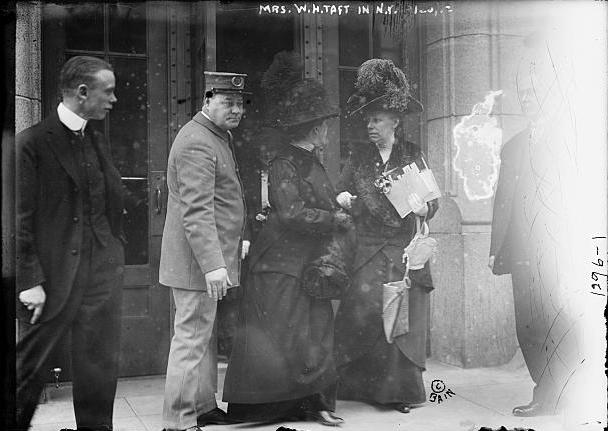
Below: First lady Helen Herron Taft makes greets supporters in New York
Manhattan voters had fewer problems at their polling stations, as moving vans rushed ballots to locations throughout the city. But the result did not help out the former president.
Political machines still held sway in local politics, and New York was now firmly in Taft’s camp. The incumbent easily won the state, although the voting hiccups throughout the other counties allowed Roosevelt supporters to cry foul. A representative of Roosevelt’s election committee wailed to the New York Times that “the primary election here today was not only a farce, but goes beyond that and is an insult to the city.”
Roosevelt came back from this messy defeat to win nine primaries in other states. Unfortunately, most states still chose delegates at state conventions, a system that favored Taft. At the national convention, Taft was chosen again as the Republican candidate. Roosevelt bolted and ran as a progressive third party candidate (the so-called ‘Bull Moose’ party).
While campaigning in Milwaukee, Roosevelt was shot in the chest by an insane saloon keeper, surviving the impact due to his eyeglass case and a voluminous speech absorbing most of the blow.
Both Taft and Roosevelt lost that November to the Democrat Woodrow Wilson.
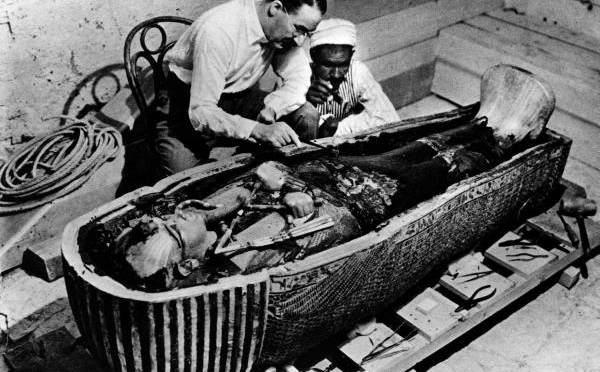
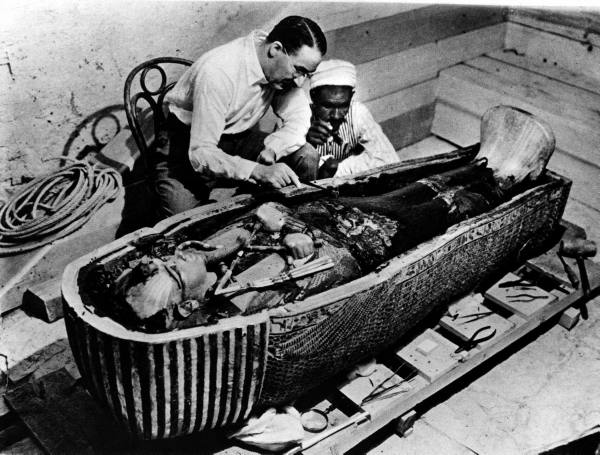
British archaeologist Howard Carter opened the tomb of King Tut in February 1923 and spent the year investigating the treasures within, even as legend of the ‘curse of King Tut’s tomb’, fueled by the mysterious death of Carter’s financier Lord Carnarvon, electrified the press.
A disagreement with the Egyptian government in 1924 grounded work on the excavation. So in the interim, Carter decided to take news of his discoveries on the road — and started in New York City.
Arriving on the ocean liner Berengaria in April, Carter took to a round of lectures throughout the city. Carter was caught off guard by his reception, finding himself “celebrated and adulated like a star.” And although his proper British diction and inexperience at public speaking turned off a few naysayers, his tales, helpfully illustrated in photos by Met photographer Harry Burton, ultimately helped spark the interest in his discoveries and in Egyptian culture.
He began with with a couple invitation-only discussions at the Waldorf-Astoria for the Metropolitan Museum of Art, an unflagging collaborator with Carter for many years. In fact, the Met’s assistant curator Arthur Mace worked with Carter at the dig and would allegedly fall victim to the curse in 1928.
Carter then presented to a larger audience in a series of four lectures at Carnegie Hall, the first on April 25, 1924. In a venue better known for dynamic musical performances, Carter was still able to pack in over 2,500 people and a madly fascinated press.
According to the Times: “Step by step, he led them to the point where the cover was lifted off the great stone sarcophagus containing the mummy of the Egyptian monarch interred 3,300 years ago.”
For a week in April, dusty Howard Carter became one of the most toasted men in New York City. He spent his days in the city traveling to other venues to share his work — one at the Museum of Natural History, two separate functions at the Brooklyn Academy of Art, and more appearances at Carnegie. At night, he was feted at private dinners.
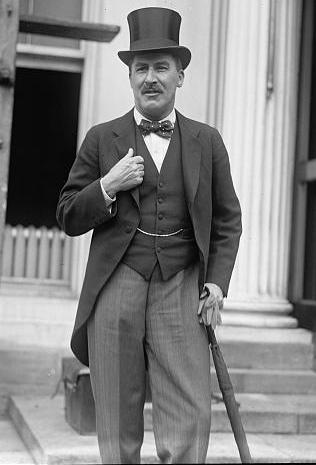
He carried that enthusiasm with him throughout the country, hitting stops in New Haven, Pittsburgh, Baltimore, Philadelphia and Chicago. He even swung by the White House to have tea with President Calvin Coolidge. (The picture at right is Carter taken at one of these locations, May 1924, courtesy LOC)
Carter left New York for England on the Mauretania in July 1924 and eventually resumed work on the tomb. He took with him Met Museum photographer Harry Burton, who documented further exploration of the dig, providing the most startling and iconic images of the world’s most famous mummy.
The Met would continue to involve itself with the discoveries, and in the 1970s organized its best-known tour of the United States, which culminated in the Met’s own hallways in the winter of 1979.
As for the ‘curse’ of King Tut, you might be interested in reading a 1978 article in New York Magazine about the Met’s 1979 show and the allegations — by no less than their former director Thomas Hoving — that the Met might have used Carter’s appearance as a ‘cover’ to obtain stolen art from the tomb.
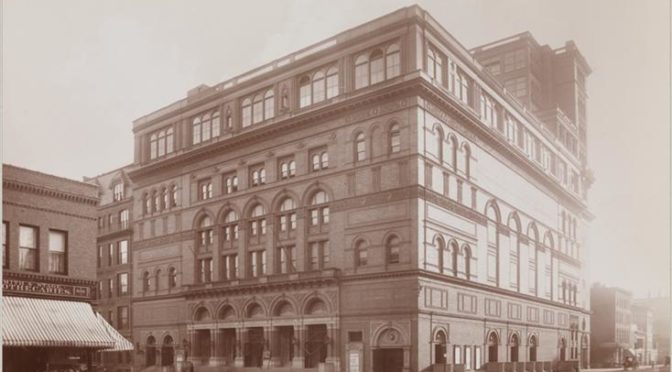
How do you get to Carnegie Hall? Well, we can at least show you the way through its tumultuous history, from a fortunate meeting on a Norwegian cruise ship, passed a symphonic rivalry, and into the 20th Century with some of the biggest names in classical and popular music.
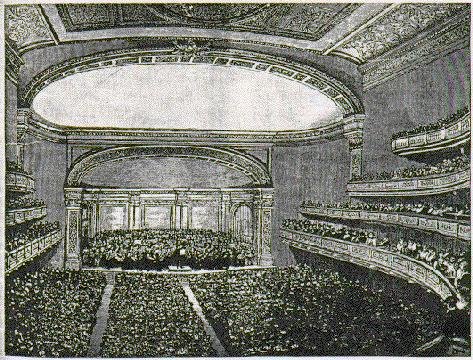
A crude sketch of Carnegie Hall on opening night, illustrating how simply packed it was
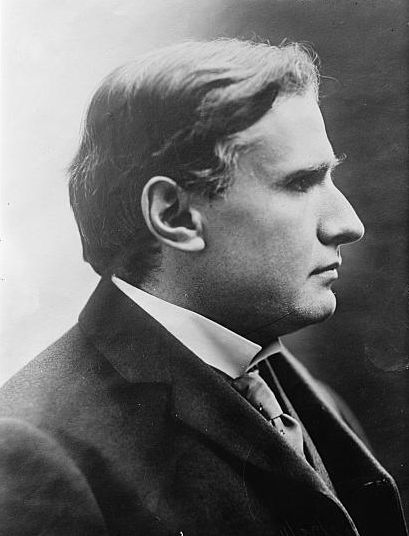
Walter Damrosch
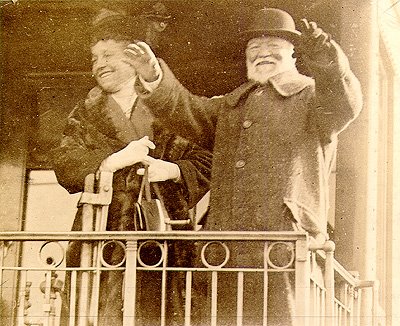
Andrew and Louise Carnegie in 1914
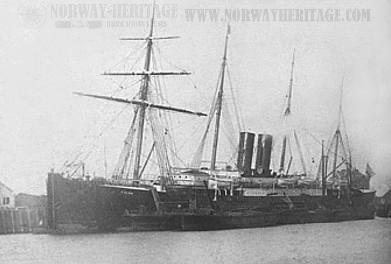
The steamship Fulda, where Damrosch and Carnegie had their fateful meeting
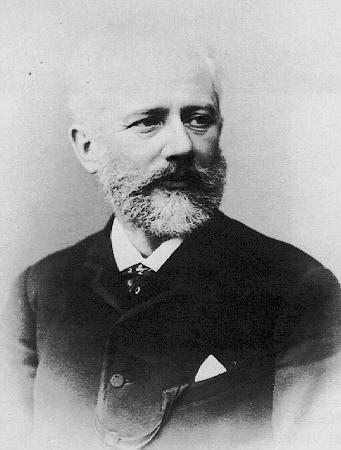
Pyotr Ilyich Tchaikovsky, ‘nervous’ but head intact, who gave one of his final performances on Carnegie Hall’s opening night
Teddy Roosevelt grandstands to a captive audience in 1912
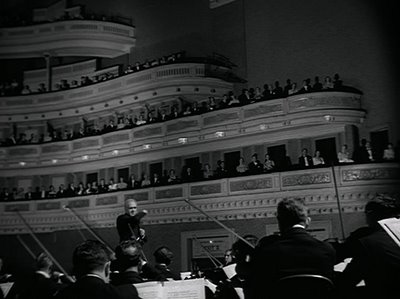
The interior, taken in 1947, for a feature film by Edgar G Ulmer titled Carnegie Hall, which featured performances by Artur Rubinstein and Lily Pons. Walter Damrosch makes a cameo in the film!
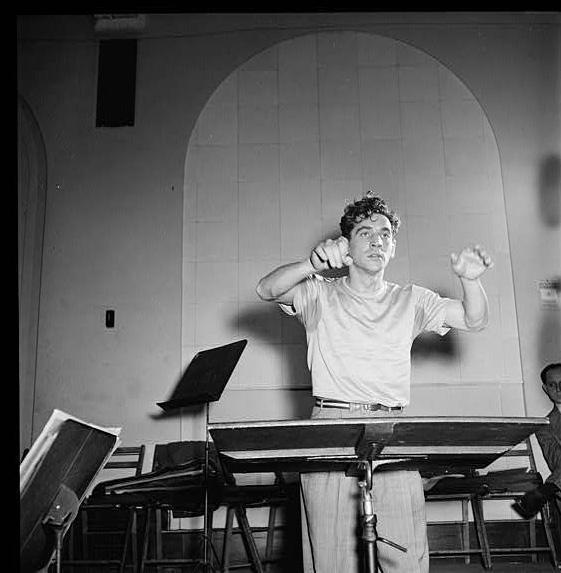
Leonard Bernstein, one of Carngie’s most enduring figures, seen here in a shot between 1946-48
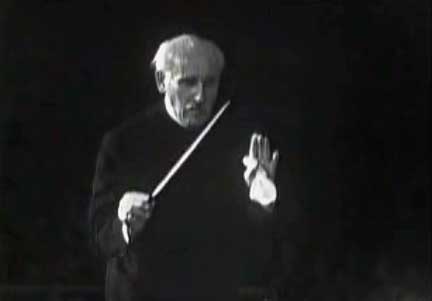
Arturo Toscanini was a regular here, in particular performing with the NBC Orchestra, bringing classical music to the new medium of television
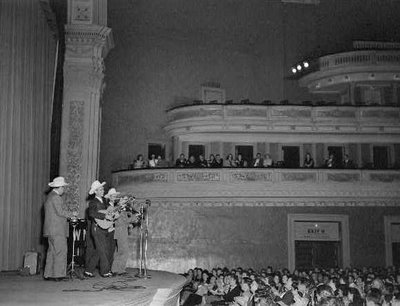
A long way from the Grand Ole Opry! Bob McCoy and Ernest Tubb brought country music to Carnegie back in 1947
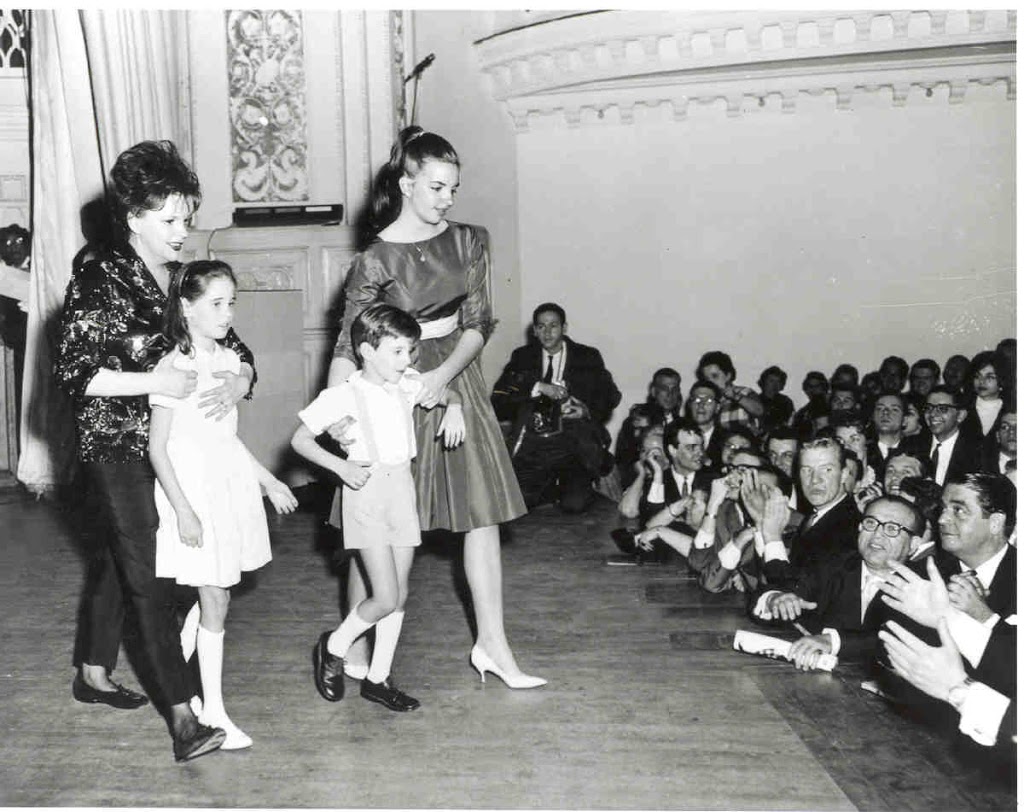
Judy Garland brings her family on stage. Young Liza would grow up and perform here as a superstar in her own right.
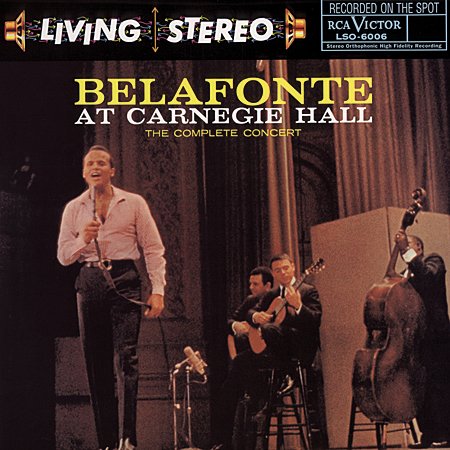
Dozens of performance have recorded live albums here, including Harry Belafonte, whose 1959 album (below) was such a success, he recorded another one the next year
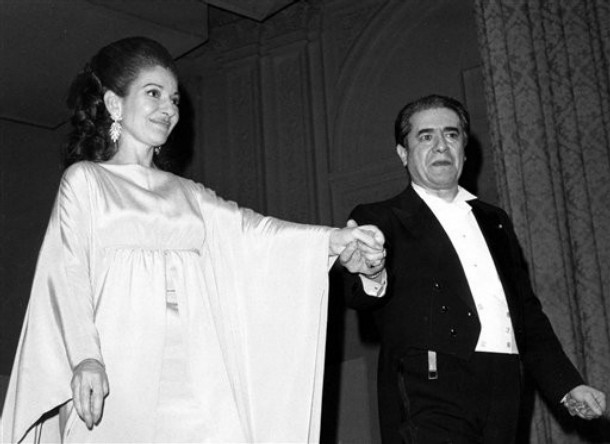
Maria Callas and Giuseppe di Stefano perform at a Carnegie Hall benefit in 1974. Callas would give a farewell performance on this stage.
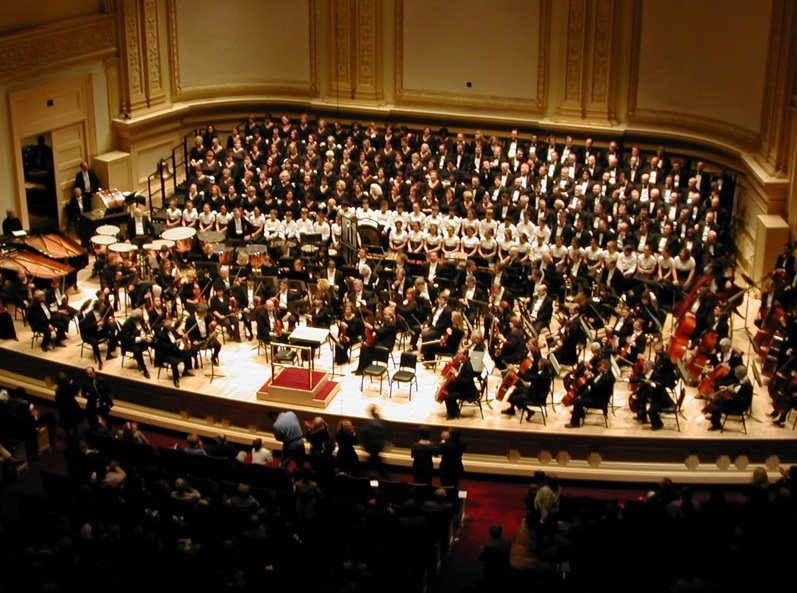
The Dallas Symphony and Chorus, in 2005. Most major-city symphonic and choral groups have made their way to the Carnegie Hall stage at one time or another
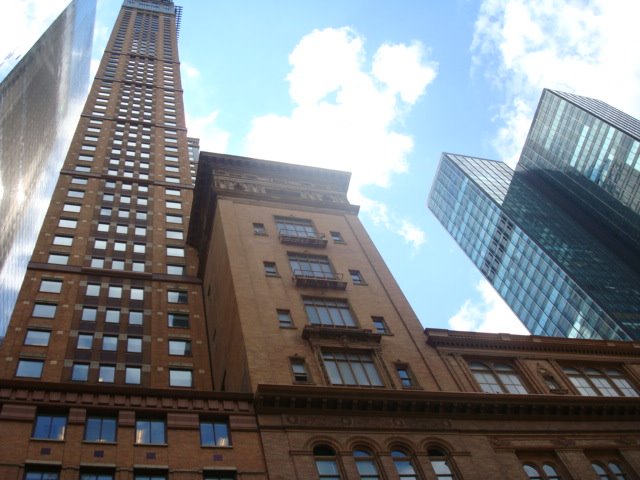
The Carnegie Hall Towers, rising nearby, were built in the late 1980s
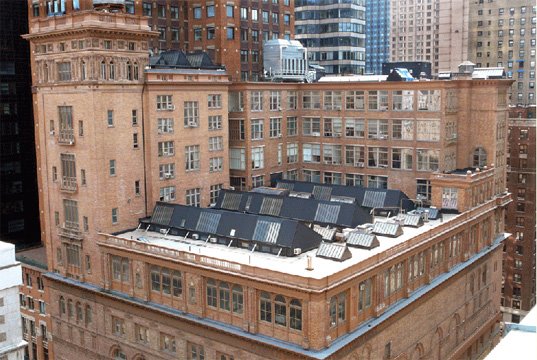
The top of the building, looking down at the famed Carnegie Hall Studios. A haven for artists, Carnegie Hall recently announced the studios were being transformed into music education facilities, an announcement not greeted kindly by some.