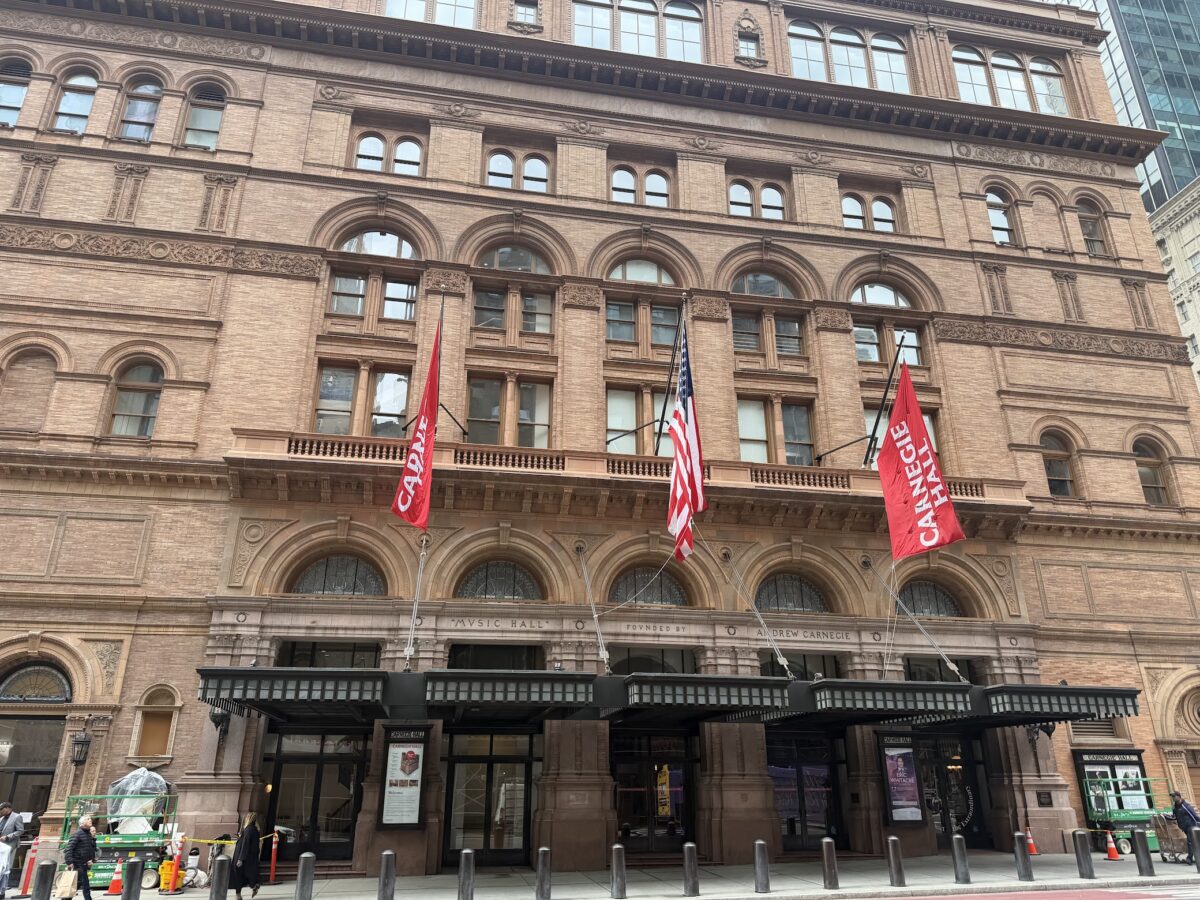
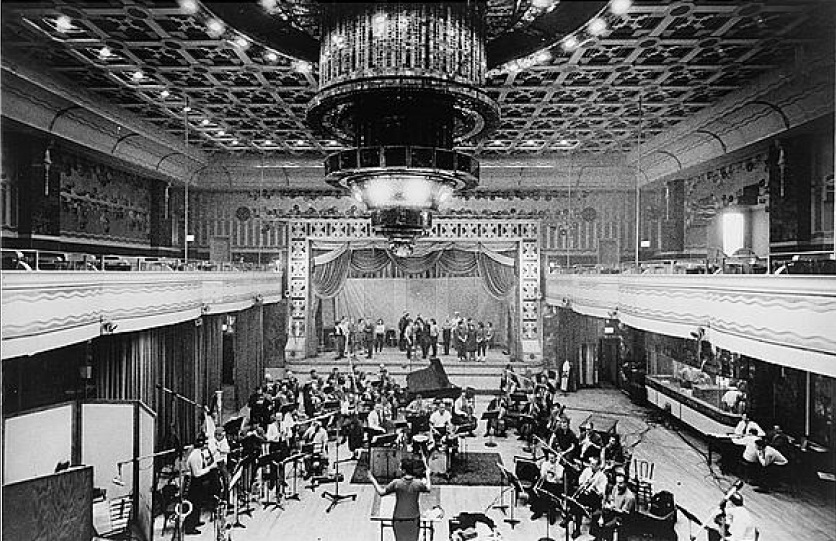
Carnegie Hall is one of America’s greatest and most enduring cultural landmarks, enchanting audiences and making history since its opening night on May 5, 1891, when Pyotr Ilyich Tchaikovsky appeared there in his first performance in the United States.
This groundbreaking performance space (originally known simply as “Music Hall”) is in fact a trio of distinct venues, all nestled within a single, opulent Italian Renaissance–style building.
Although its benefactor Andrew Carnegie and his fellow Gilded Age elites had moved their grand residences farther up Fifth Avenue, New York’s established cultural institutions, like the venerable Academy of Music, still lingered well to the south. Carnegie Hall helped shift that center of gravity uptown.
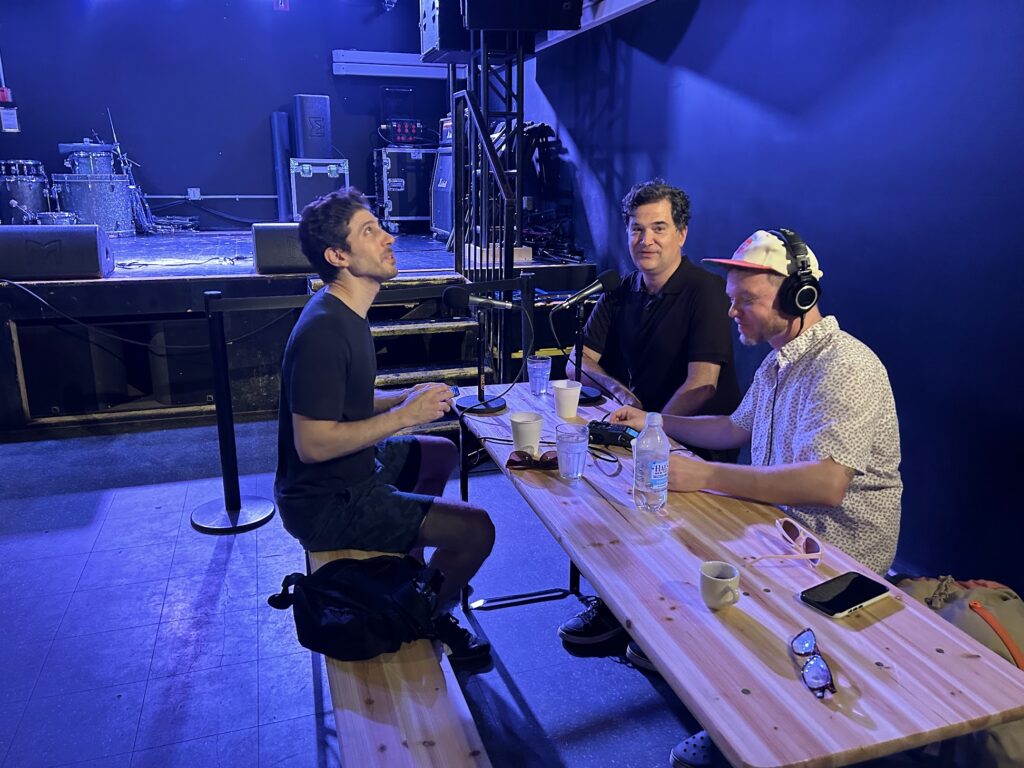
Yet the true history of Carnegie Hall lives inside its walls—within the experiences of the audiences and the artists, and, for this week’s show, within the archives themselves. Tom and Greg have been invited into the Carnegie Hall archives for an exclusive, unprecedented encounter with the story of American music.
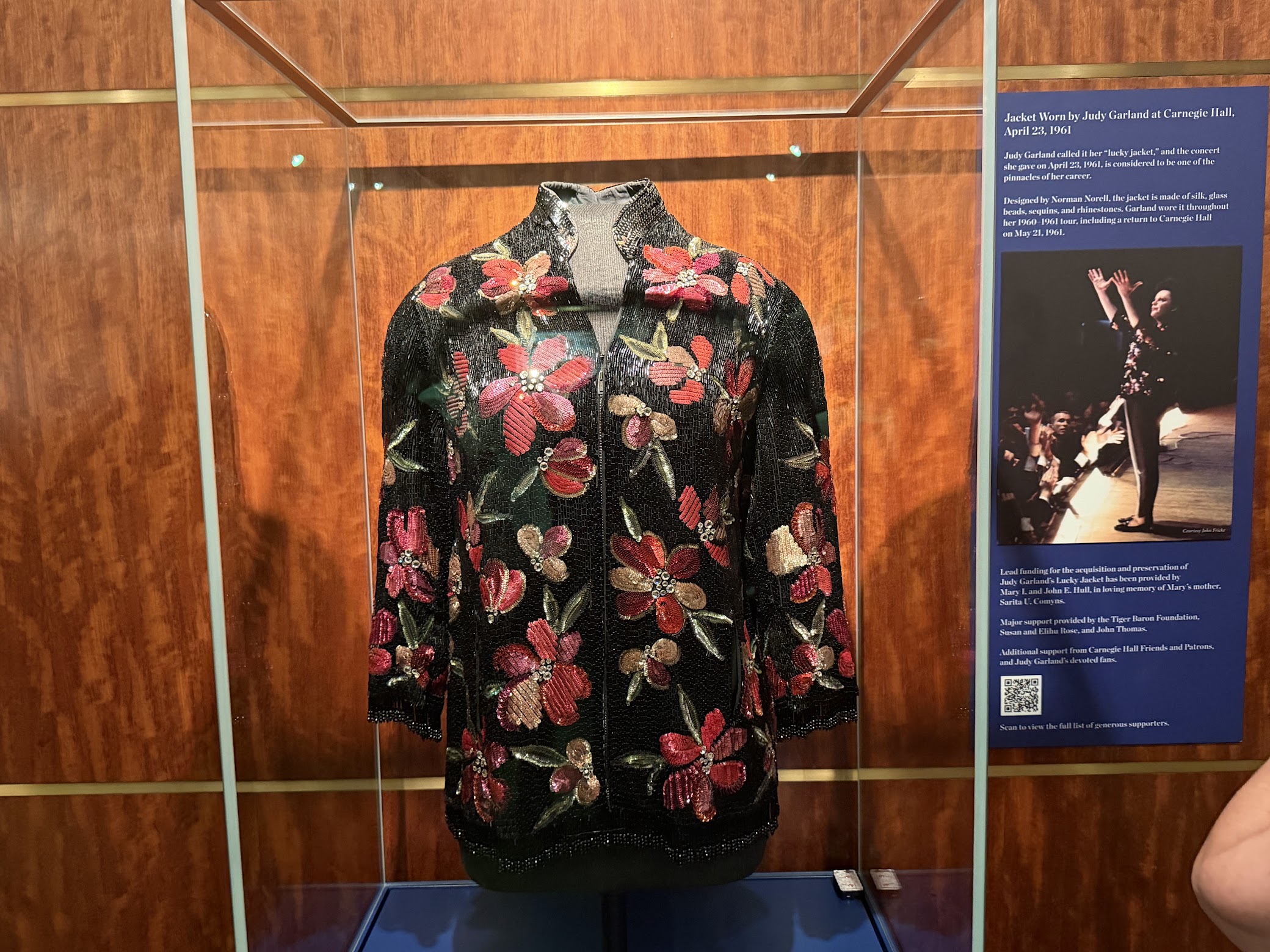
Kathleen Sabogal and Robert Hudson of the Rose Museum & Archives guide the Bowery Boys through the Hall’s past, using some of their collection’s most cherished artifacts: a clarinet, mysterious locks, ledger books, stickpins, suffrage buttons, beaded jackets, photographs, and autograph books that together bring the spirit of Carnegie Hall vividly to life.
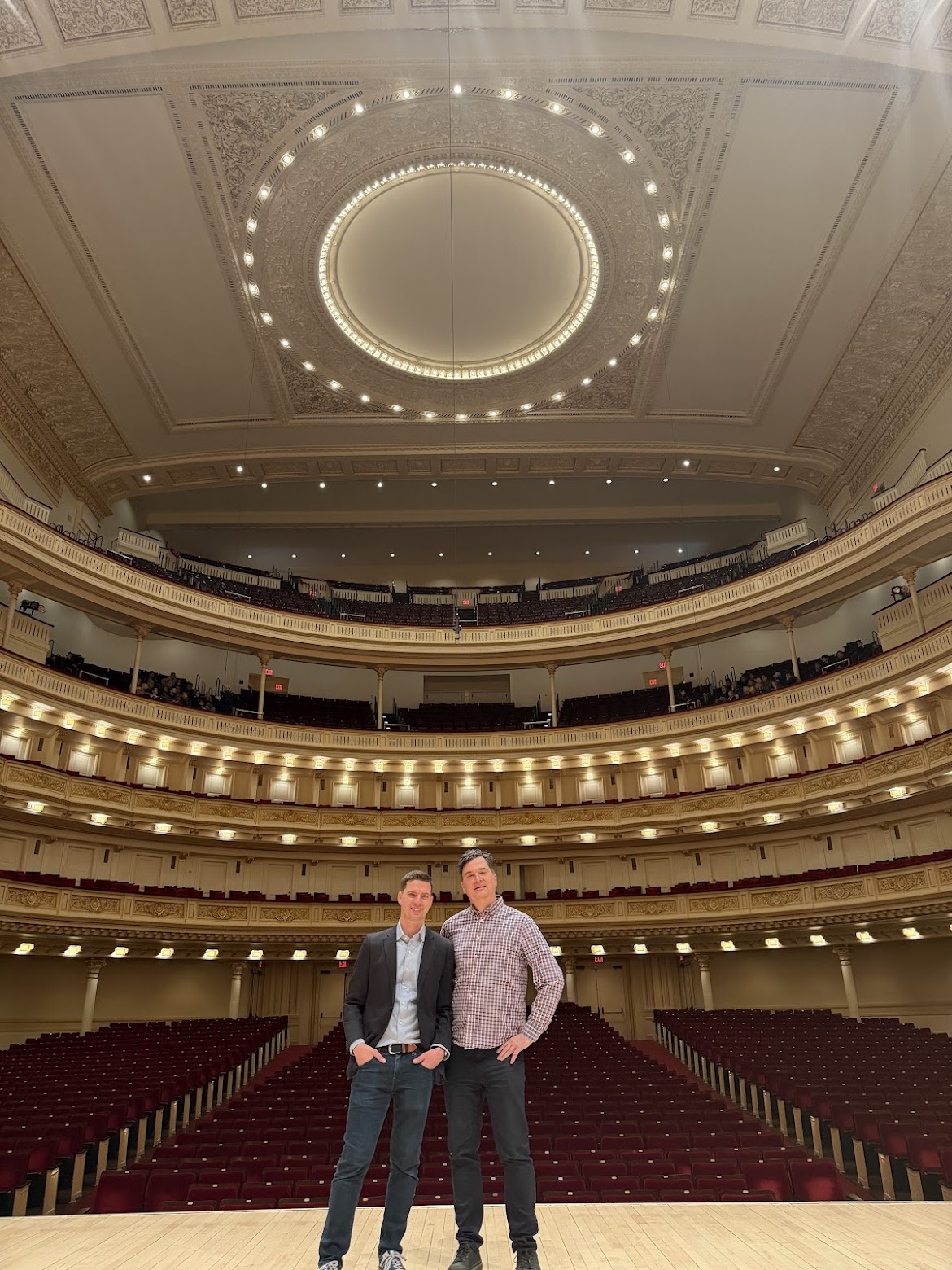
And in the end — they even take to the stage!
This episode was proudly sponsored by Carnegie Hall. Visit CarnegieHall.org for information on upcoming shows, including the United in Sound: America at 250festival, a multifaceted reflection of the United States 250 years since the signing of the Declaration of Independence.
Carnegie Hall’s 2025–2026 season festival is a multifaceted reflection of the United States 250 years since the signing of the Declaration of Independence.
In more than 35 concerts at the Hall, audiences will experience Broadway, jazz, film music, rock ‘n’ roll, hip-hop, bluegrass, classical, and so much more, showcasing the very best of the American spirit through music.
Events at top cultural institutions across New York further expand the festival’s scope, offering new avenues for discovery as we explore our nation’s vibrant and complex past, present, and future.
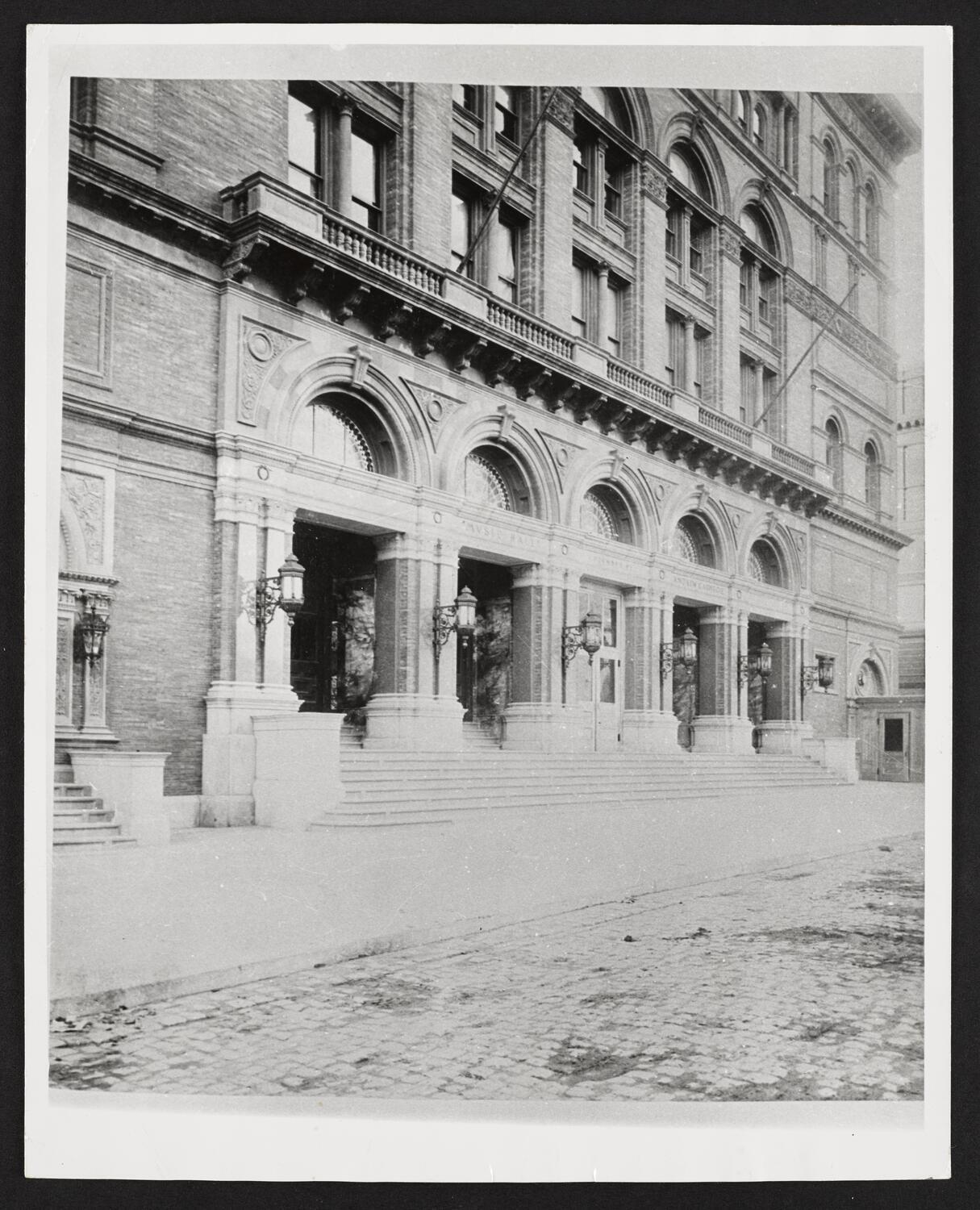
Carnegie Hall, 1891. Main entrance to Carnegie Hall on 57th street. The front stairs were removed in 1920 when 57th street was widened to add two additional traffic lanes.
Courtesy Carnegie Hall Rose Archives
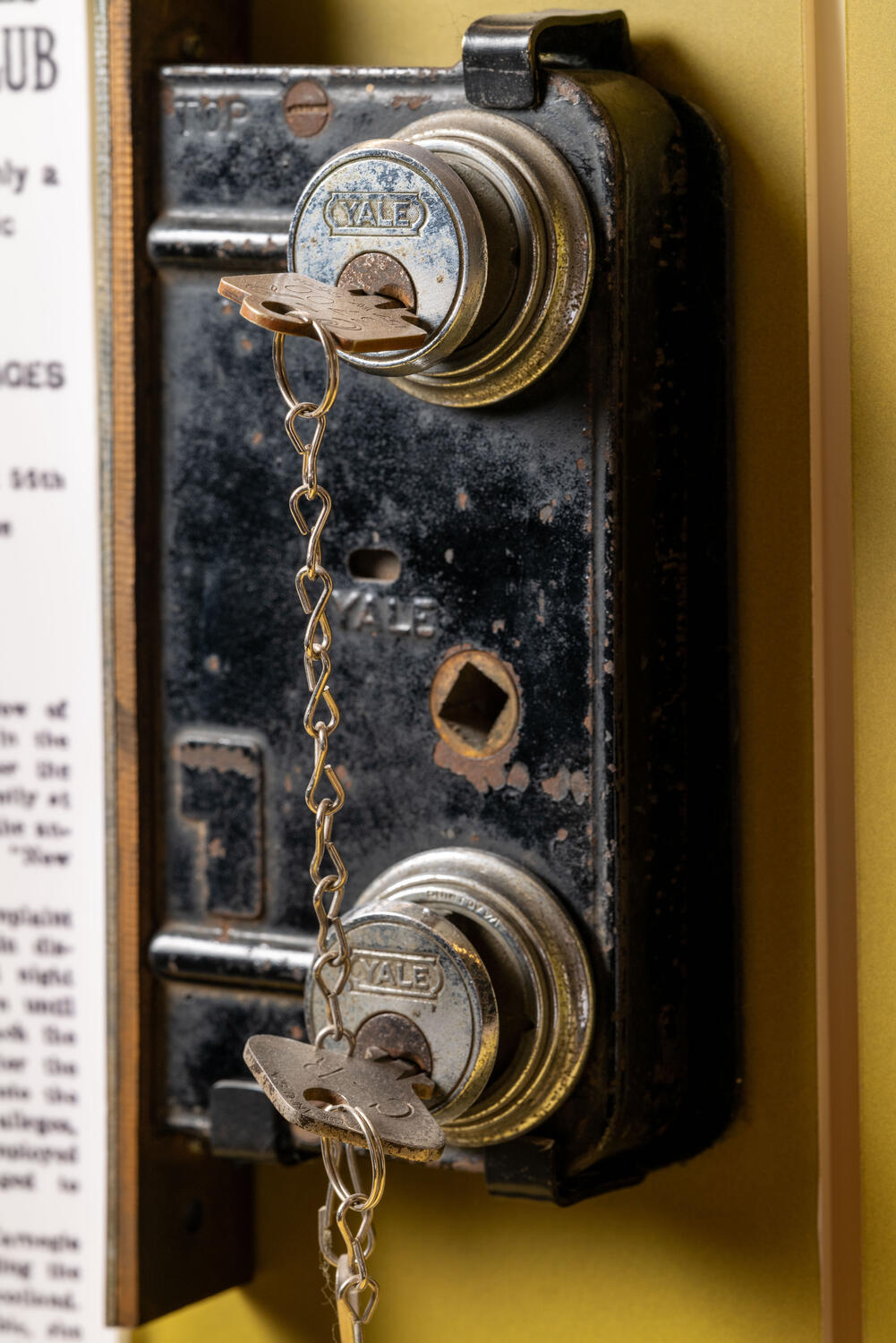
The speakeasy lock! Double-lock used to gain entry to Club Richman, a speakeasy located on the Carnegie Hall property, 1924
Courtesy of Carnegie Hall Rose Archives
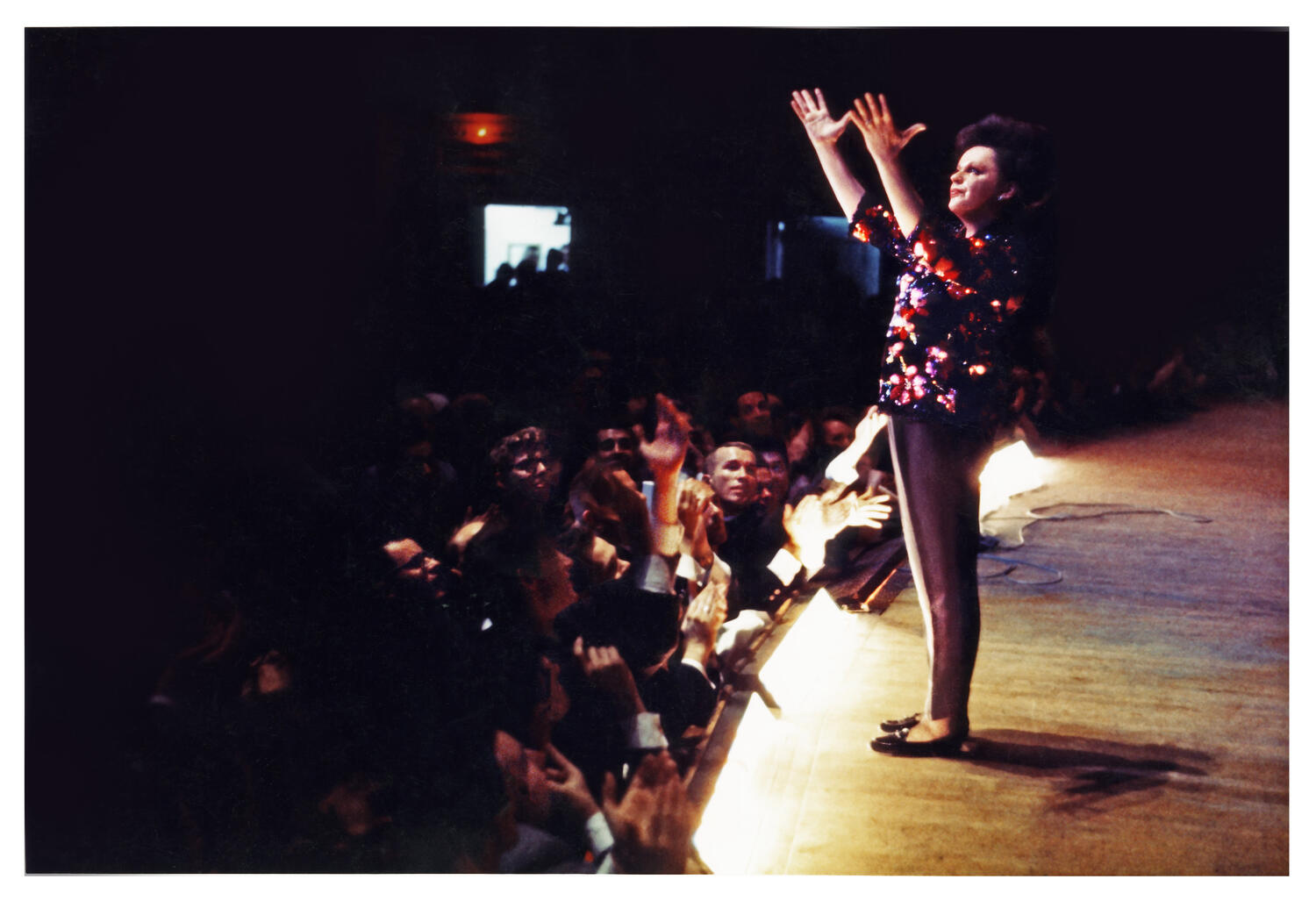
Judy Garland at Carnegie Hall 1961
Courtesy of John FrickeCourtesy Bowery Boys
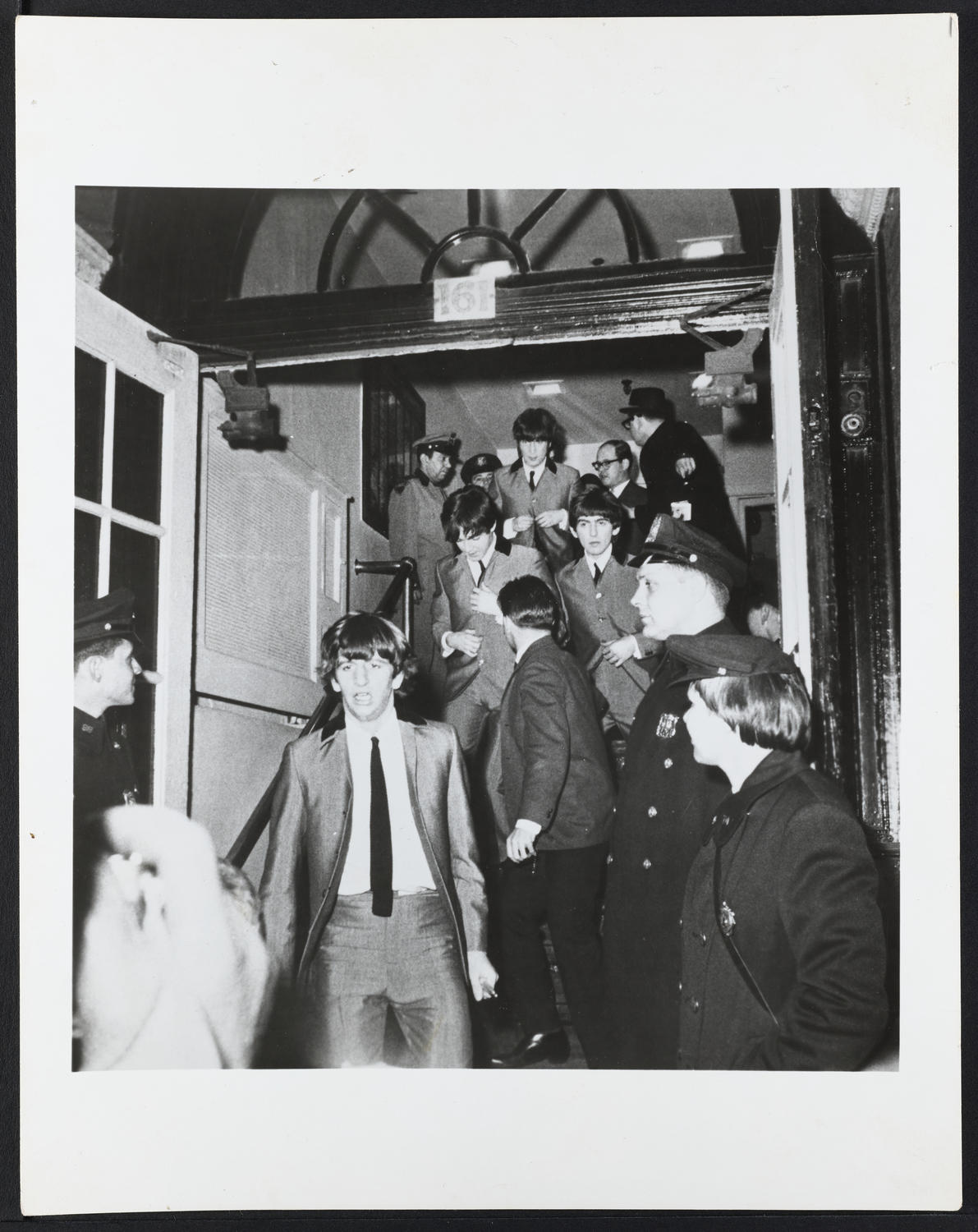
The Beatles at Carnegie Hall, February 12, 1964
Courtesy of Carnegie Hall Rose Archives
FURTHER LISTENING
After taking in the story of Carnegie Hall, take a dive into these past Bowery Boys episodes to learn more about some of the topics mentioned in the show, including some forays into New York City musical history
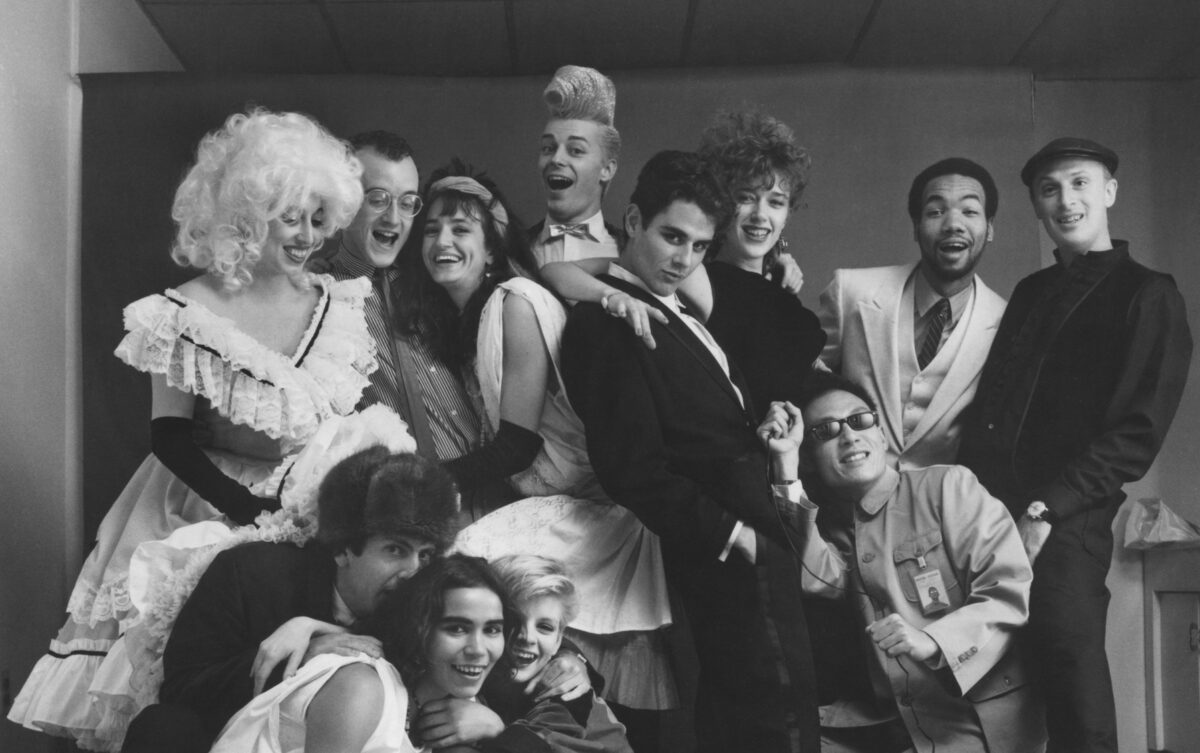
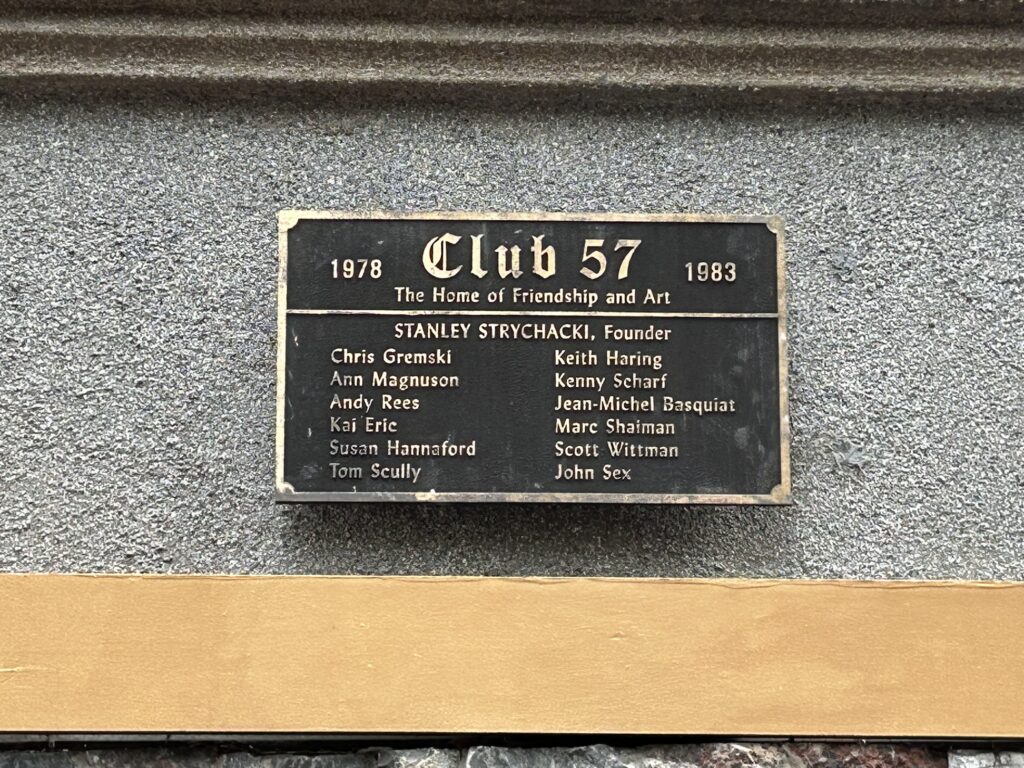
The wonderful wacky artists of Club 57. Photo by Tseng Kwong Chi
PODCAST The rebirth of the East Village in the late 1970s and the flowering of a new and original New York subculture — what Edmund White called “the Downtown Scene” — arose from the shadow of urban devastation and was anchored by a community that reclaimed its own deteriorating neighborhood.
In the last episode (Creating the East Village 1955-1975) this northern corner of New York’s Lower East Side became the desired home for new cultural venues — nightclubs, cafes, theaters, and bars — after the city tore down the Third Avenue Elevated in 1955.
But by the mid 1970s, the high wore off. The East Village was in crisis, one of the Manhattan neighborhoods hit hardest by the city’s fiscal difficulties and cutbacks. It had become a landscape of dark, unsafe streets, buildings demolished in flame.
But the next generation of creative interlopers (following the initial stampede of Greenwich Village beatniks and hippies) built upon the legacies of East Village counter-culture to create poems, music, paintings and stage performances heavily influenced by the apocalyptic situations around them.
This was something truly distinct, a creative scene that was thoroughly and uniquely an East Village creation — punk and hardcore, murals and graffiti, fashion and drag,
And much of that was created by people who did not fit in anywhere else in the world, whether that world which rejected them was a Queens suburb or New Jersey or the Midwest or well beyond.
Photo: New York Daily News Archive
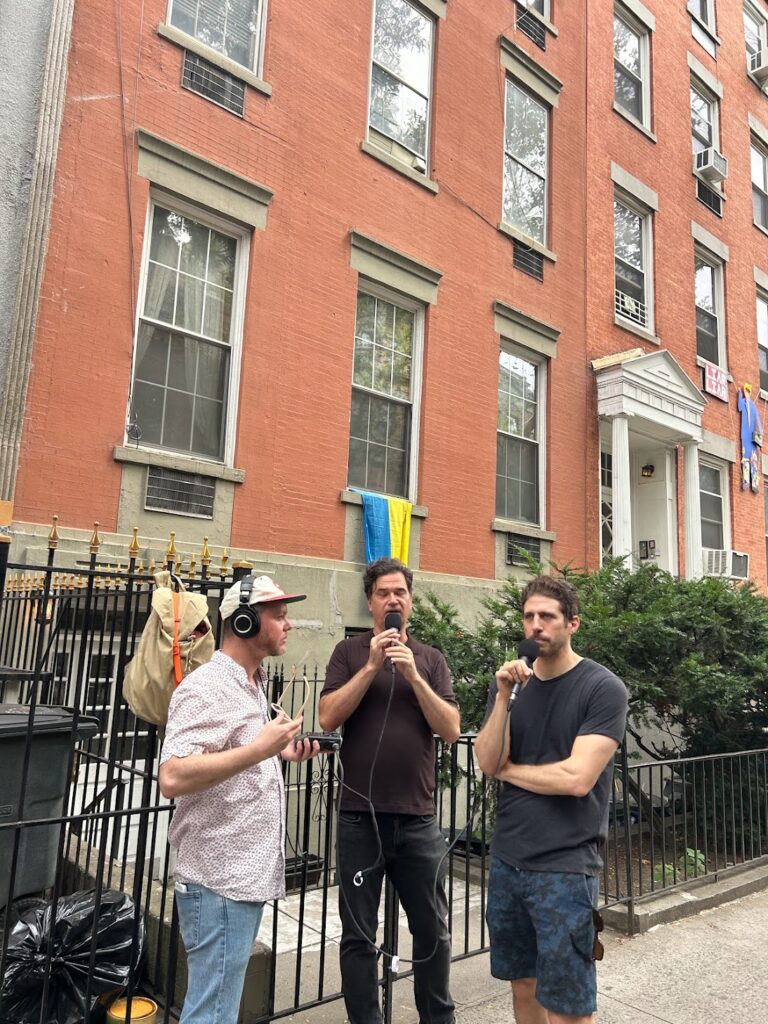
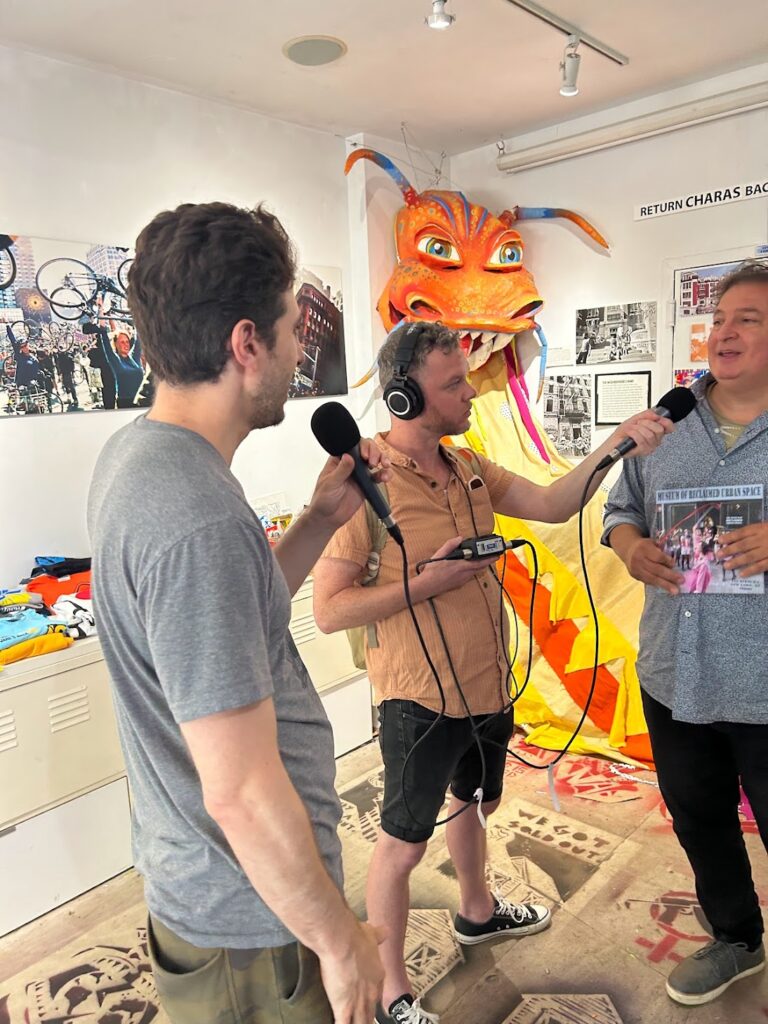
In this episode Greg hits the streets of the East Village with musician and tour guide Krikor Daglian (of True Tales of NYC), exploring the secrets of the recent past — from the origins of skateboarding to the seeds of the American alternative rock scene.
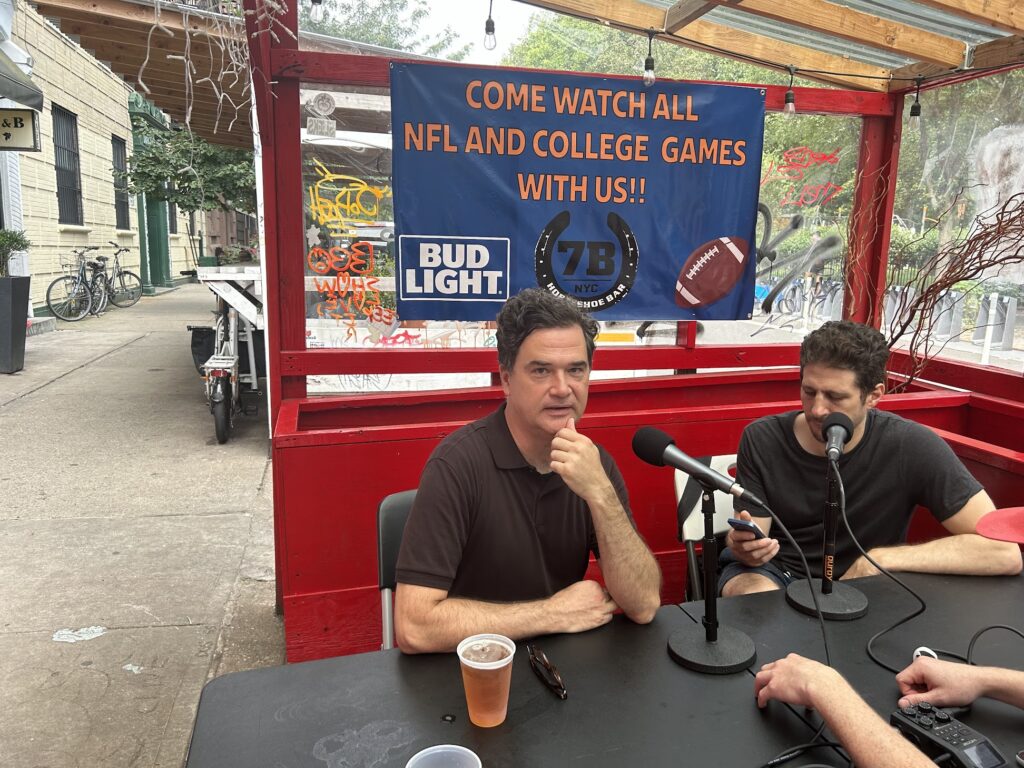
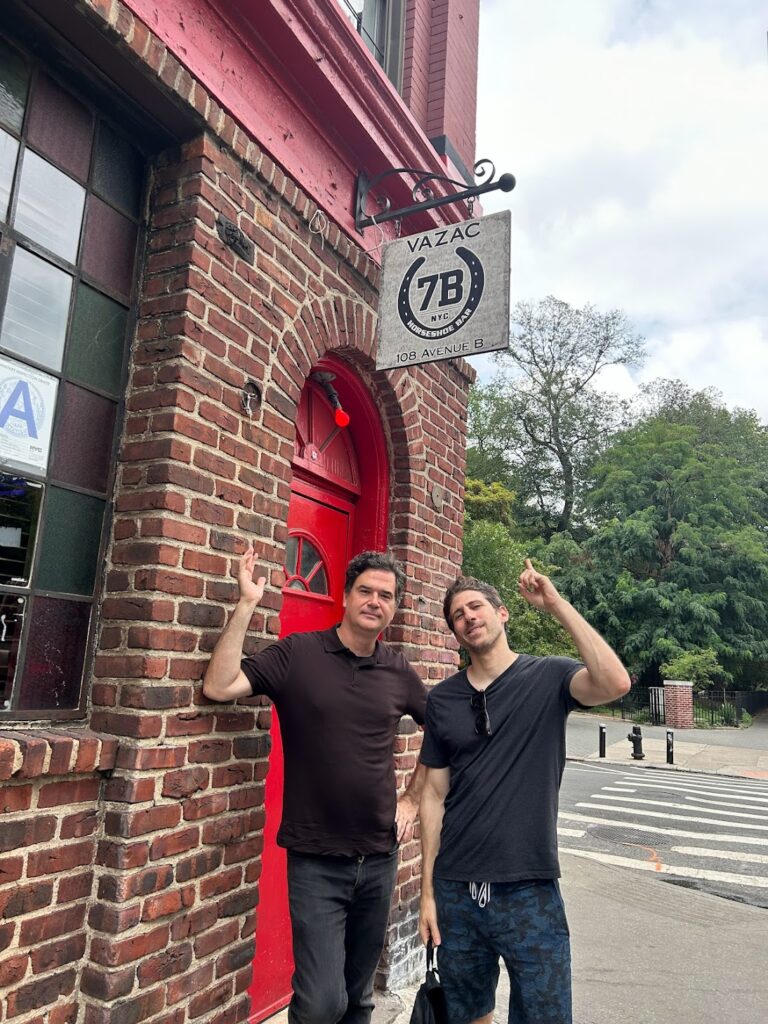
Follow along as they traipse to classic music venues and dive bars to uncover the special ingredients which made the East Village a most special place at the end of the 20th century.
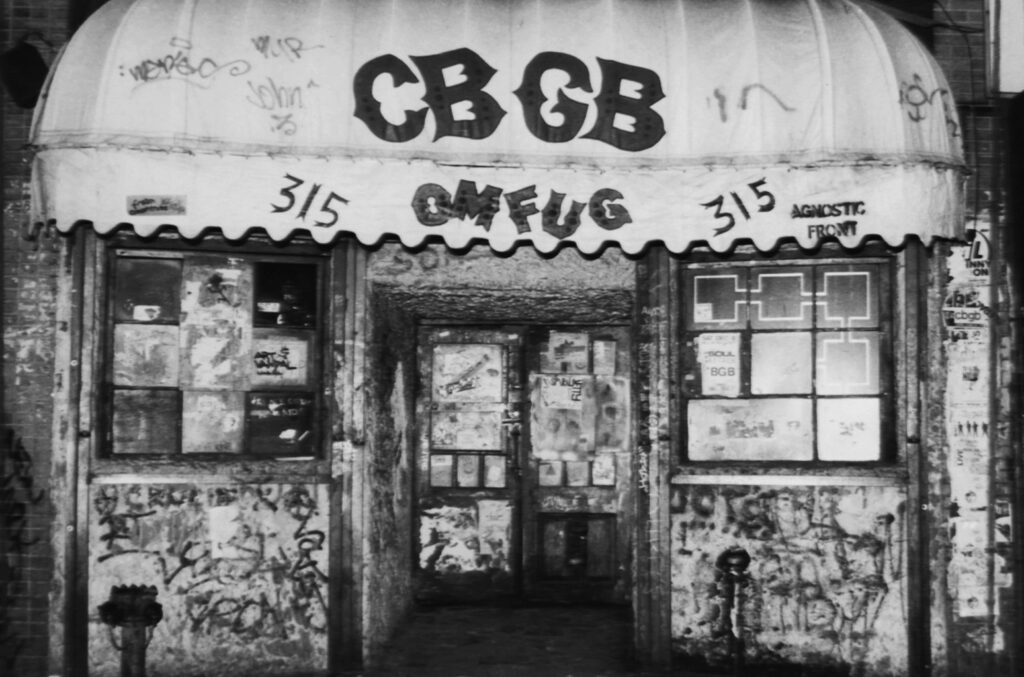
FEATURING: CBGB, Supreme, the Pyramid, Club 57, Niagara, 7B, Brownies and many others
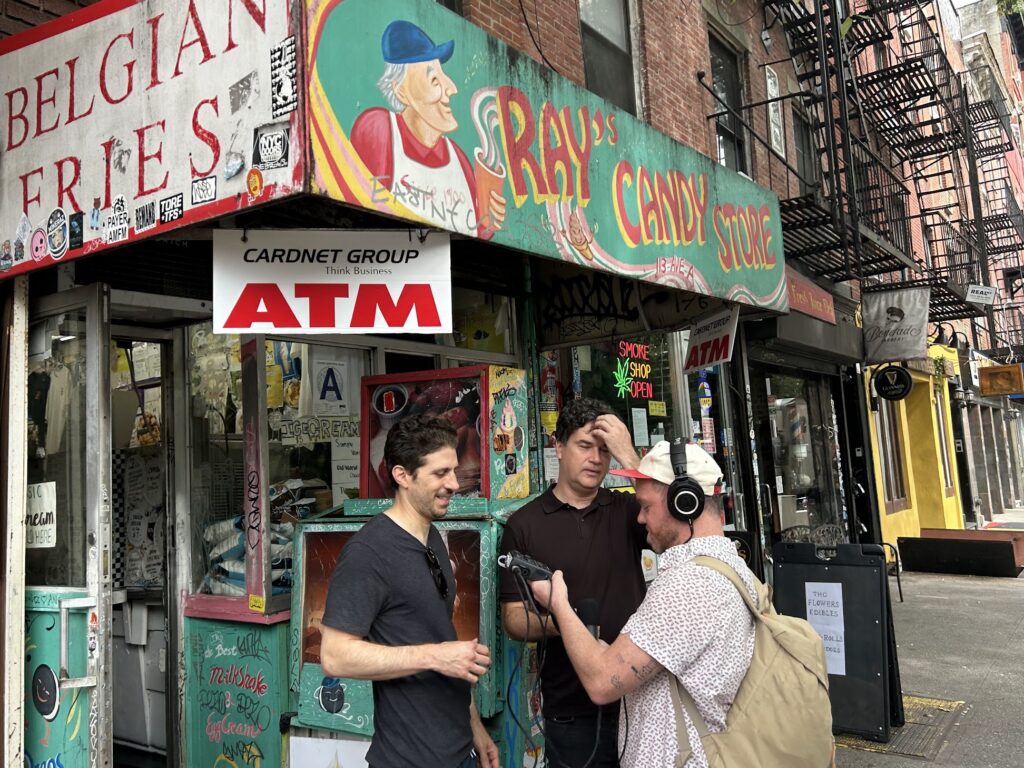
Producer Kieran Gannon with Krikor and Bill De Paola
FURTHER LISTENING
After you listen to this week’s episode, check out these episodes with related themes:
FURTHER READING
The Drag Explosion: New York City’s Drag Scene of the 1980s and 90s / Linda Simpson From Urban Village to East Village / Janet L. Abu-Ludhod New York Rock: From the Rise of the Velvet Underground to the Fall of CBGB / Steven Blush St. Marks Is Dead: The Many Lives of America’s Hippest Street / Ada Calhoun The Village: 400 Years of Beats and Bohemians, Radicals and Rogues / John Strausbaugh This Must Be The Place: Music, Community and Vanished Spaces in New York City / Jesse Rifkin
By a very fun coincidence, our twotime guest — the marvelous Hugh Ryan — just so happens to have written “The Trashy, Freaky, DIY East Village Scene That Birthed Modern Drag” for Curbed this week. Excellent article about the 80s East Village drag scene with a focus on the Pyramid — where Greg and Krikor recorded some of the show!
The Broadway Musical is one of New York City’s greatest inventions, over 150 years in the making! It’s one of the truly American art forms, fueling one of the city’s most vibrant entertainment businesses and defining its most popular tourist attraction — Times Square.
But why Broadway, exactly? Why not the Bowery or Fifth Avenue? And how did our fair city go from simple vaudeville and minstrel shows to Shuffle Along, Irene and Show Boat, surely the most influential musical of the Jazz Age?
This podcast is an epic, a wild musical adventure in itself, full of musical interludes, zipping through the evolution of musical entertainment in New York City, as it races up the ‘main seam’ of Manhattan — the avenue of Broadway.
We are proud to present a tour up New York City’s most famous street, past some of the greatest theaters and shows that have ever won acclaim here, from the wacky (and highly copied) imports of Gilbert & Sullivan to the dancing girls and singing sensations of the Ziegfeld revue tradition.
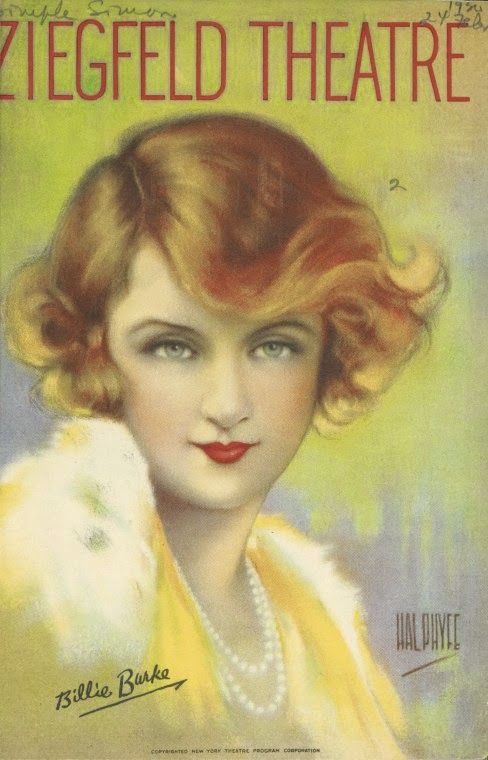
CO-STARRING: Well, some of the biggest names in songwriting, composing and singing. And even a dog who talks in German! At right: Billie Burke from a latter-year Follies. (NYPL)
This show, originally recorded in 2013, has been re-edited, remastered and even includes extra material which was cut from the original episode.
LISTEN NOW: THE BIRTH OF THE BROADWAY MUSICAL
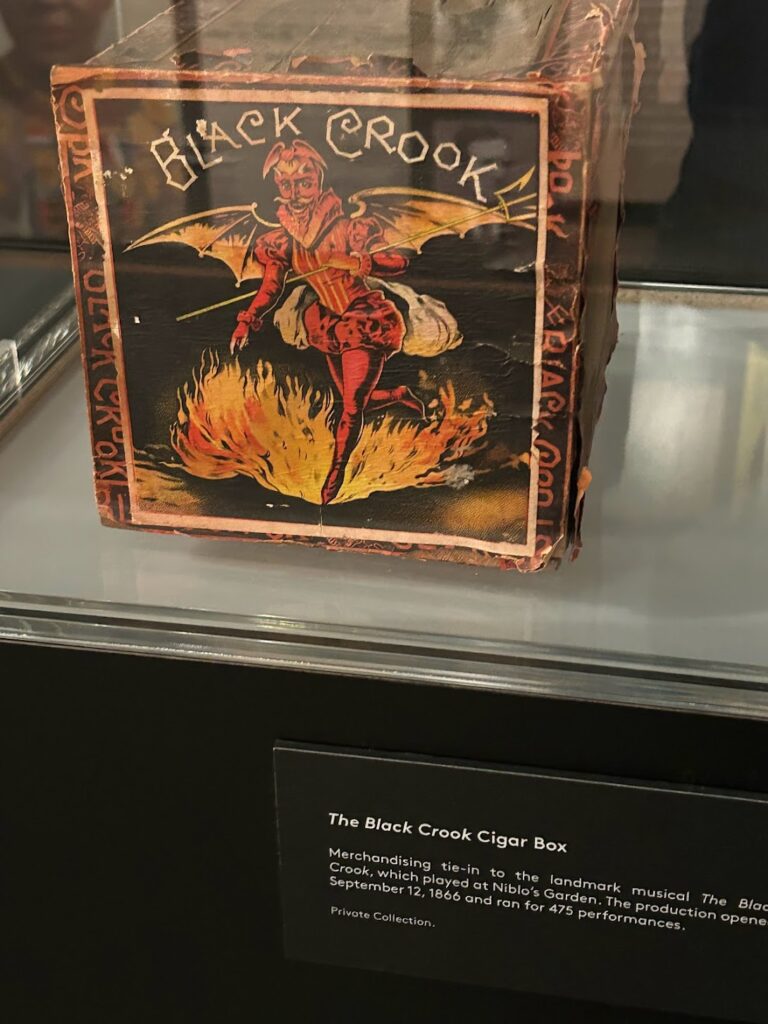
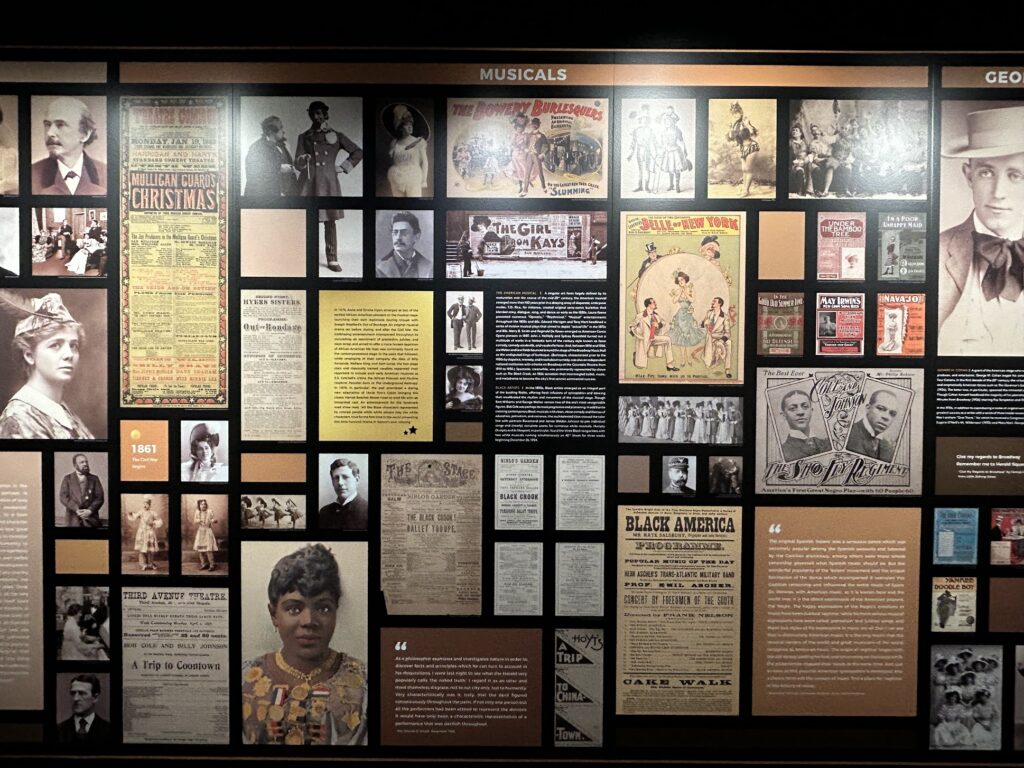
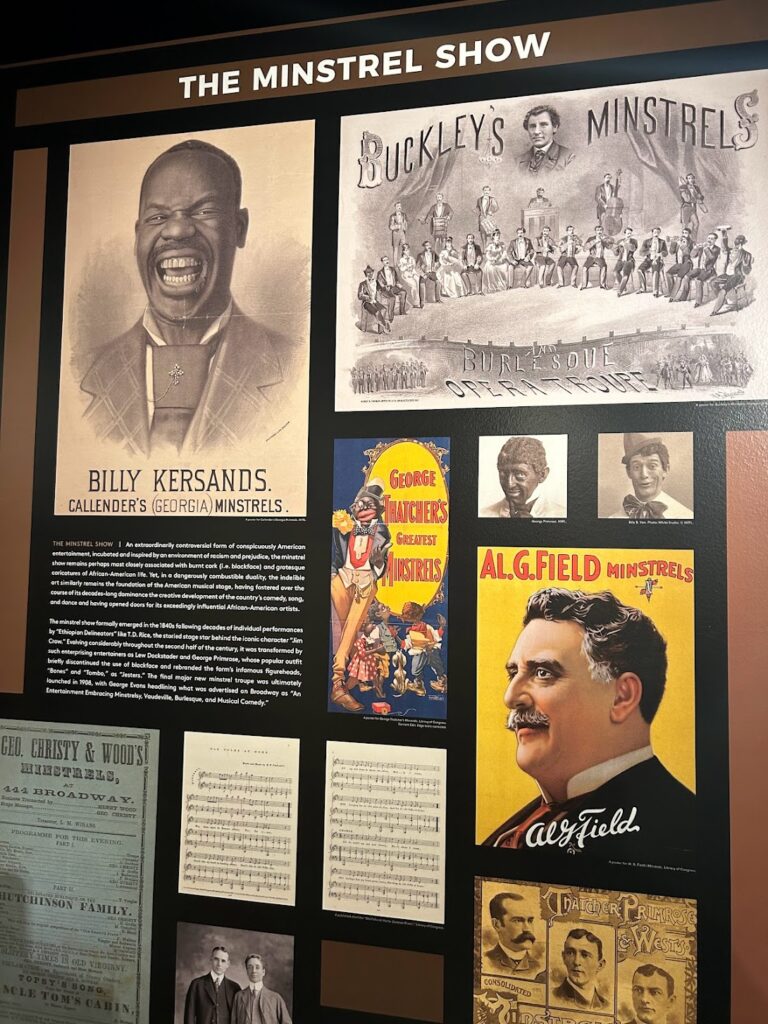
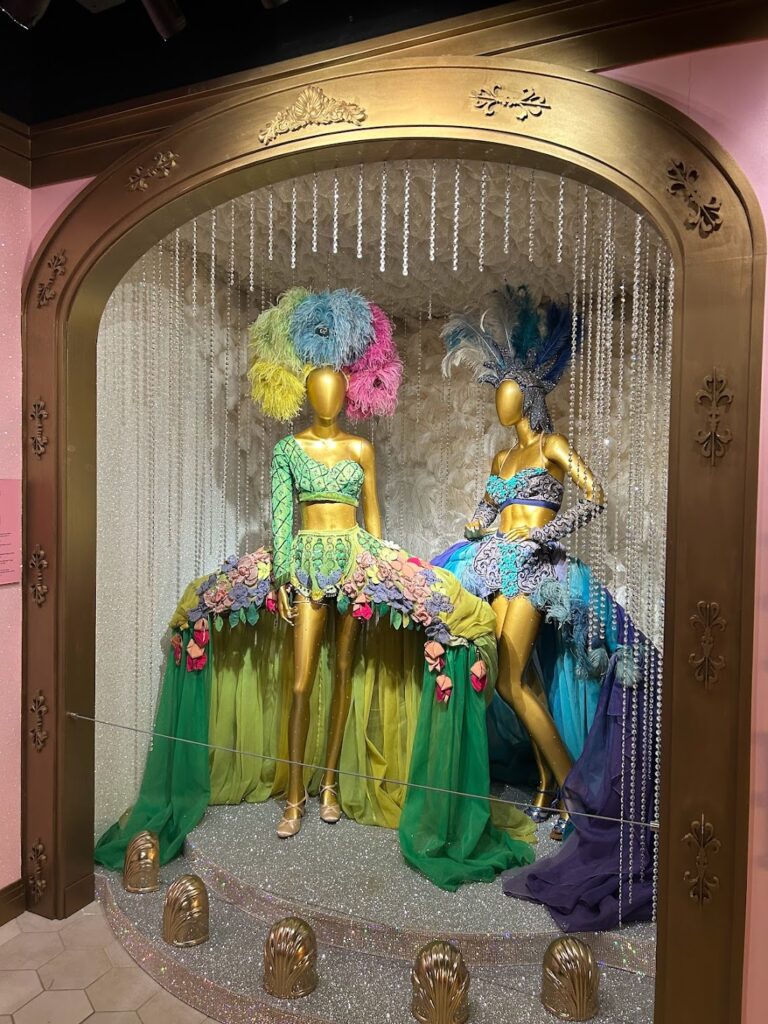
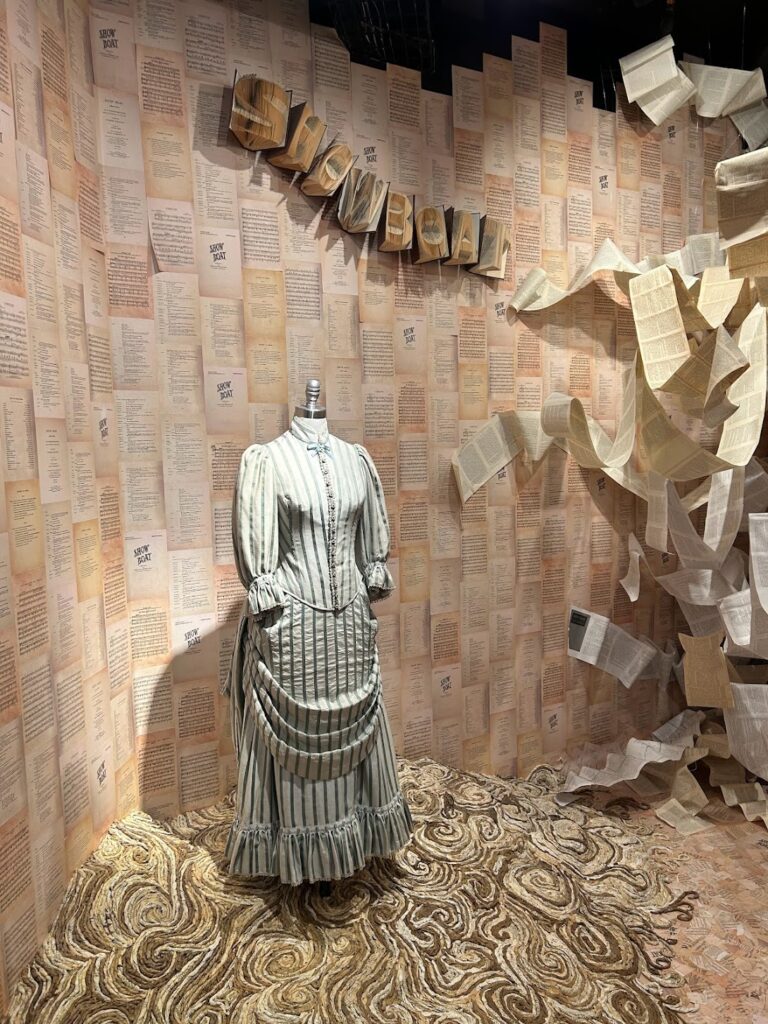
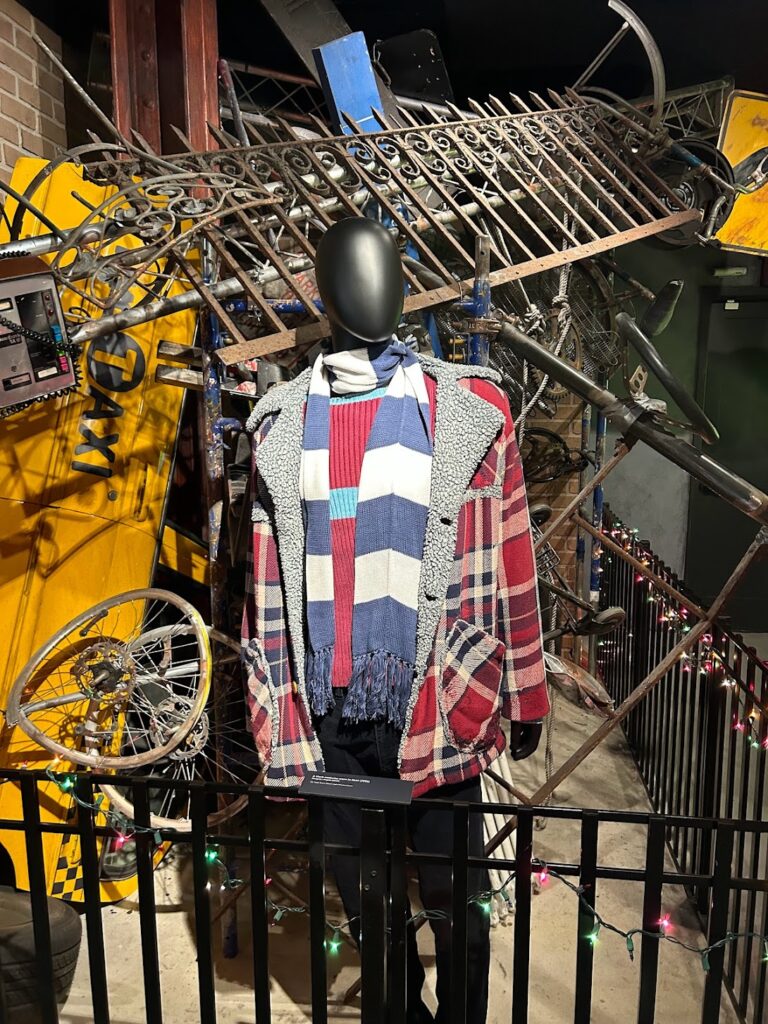
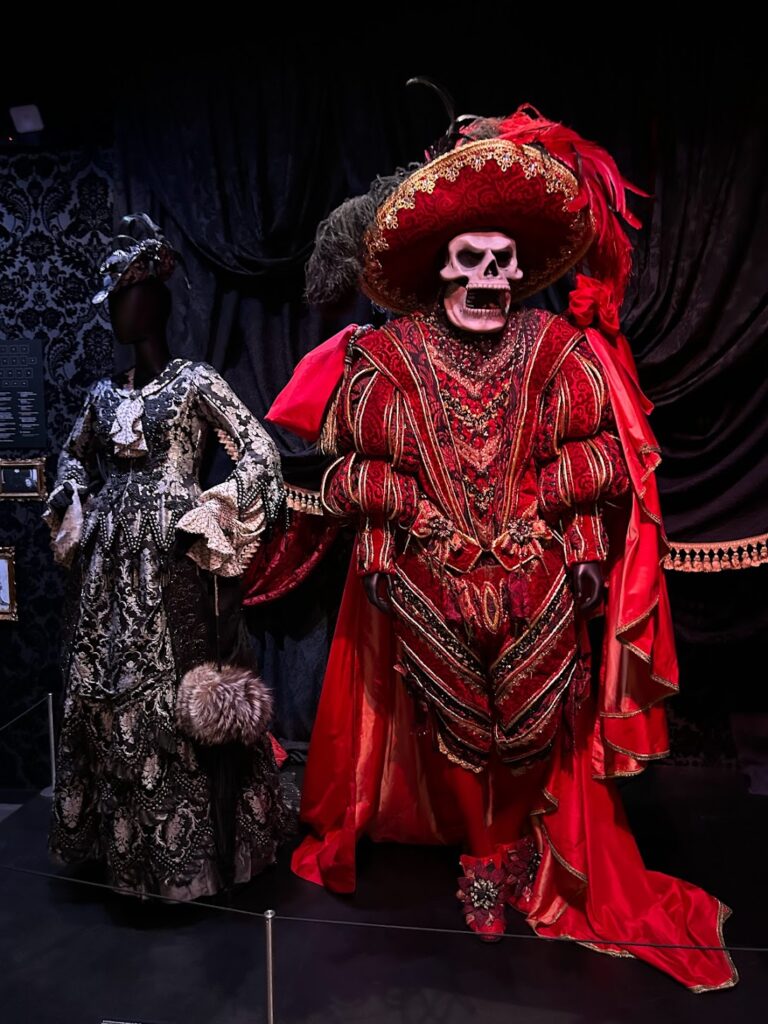
A few images from Greg’s trip to the Museum of Broadway at 145 West 45th Street.
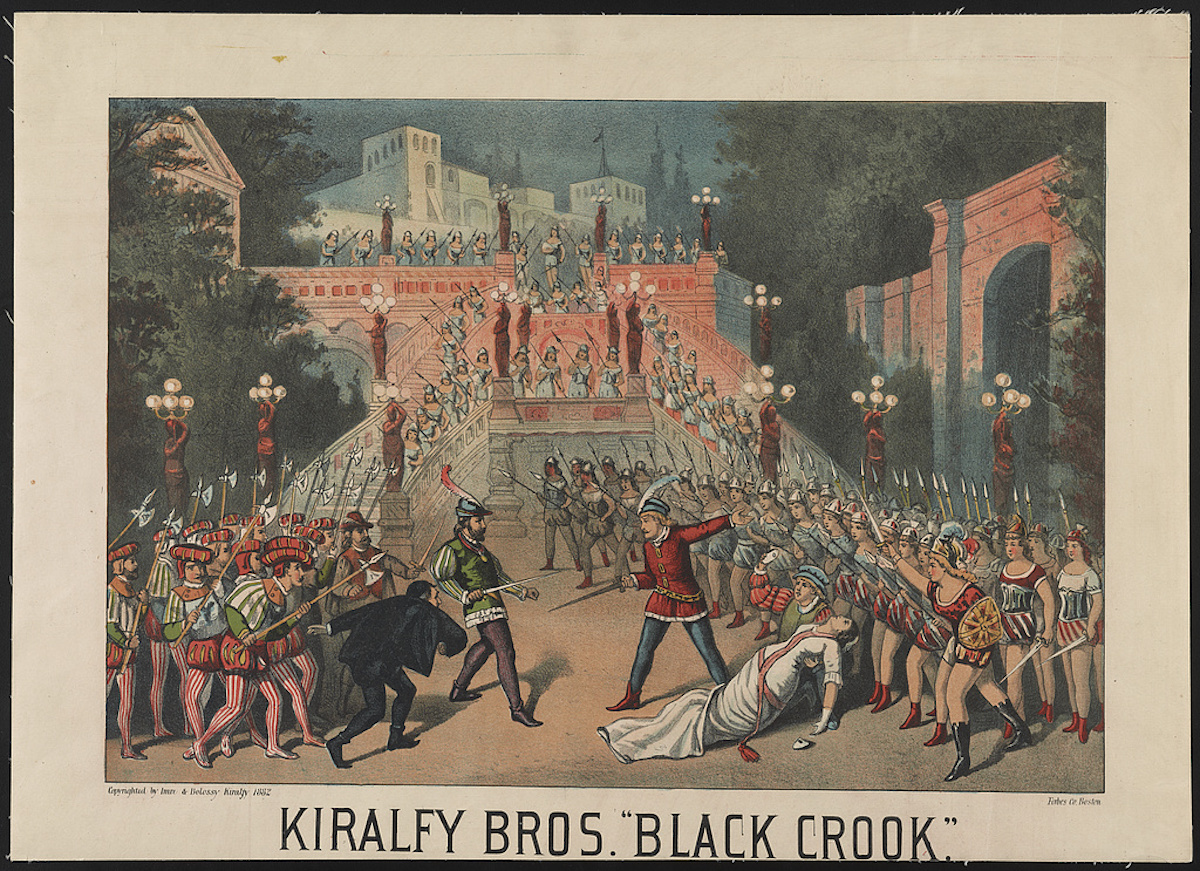
The Black CrookZiegfeld FolliesShowboatRentThe Phantom of the Opera
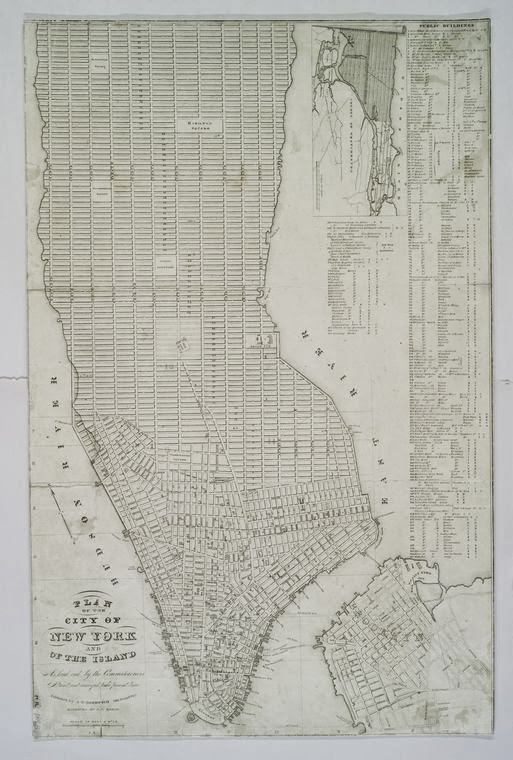
The original grid plan from 1811. As you can see, Broadway was not meant to extend further than the Parade Ground, the largest planned plaza from the Commissioner’s Plan. Years later, the Parade Ground was reduced (becoming Madison Square) and Broadway was allowed to break the grid, creating plazas conducive for transportation and public gathering. (NYPL)
New York Public Library
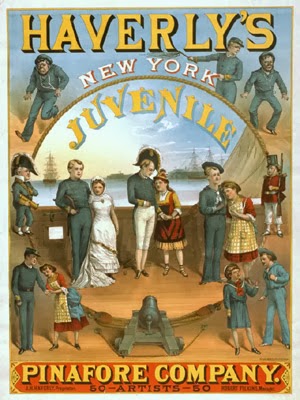
One of dozens of knock-off productions of HMS Pinafore, this one featuring children:
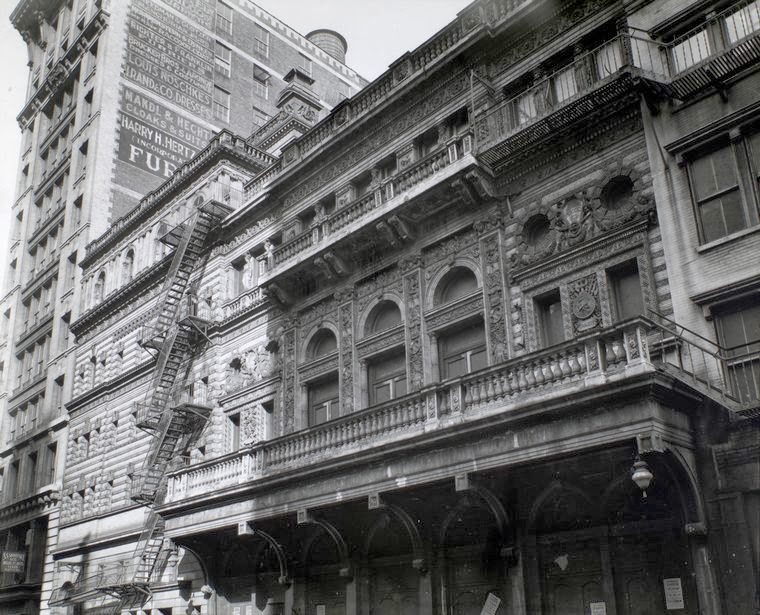
The facade of the Fifth Avenue Theater, once located at 1185 Broadway. Why was it called the Fifth Avenue Theater then? Possibly to just make the society ladies feel at home here! This was home to three Gilbert & Sullivan original productions, including the premiere of The Pirates of Penzance.
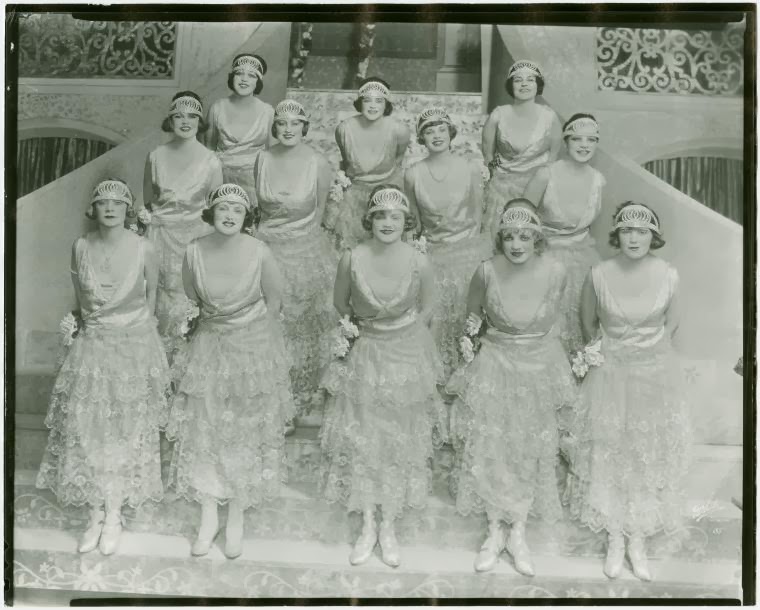
The Florodora girls, from the hugely successful 1900 musical comedy which debuted at the Casino Theater. (NYPL)
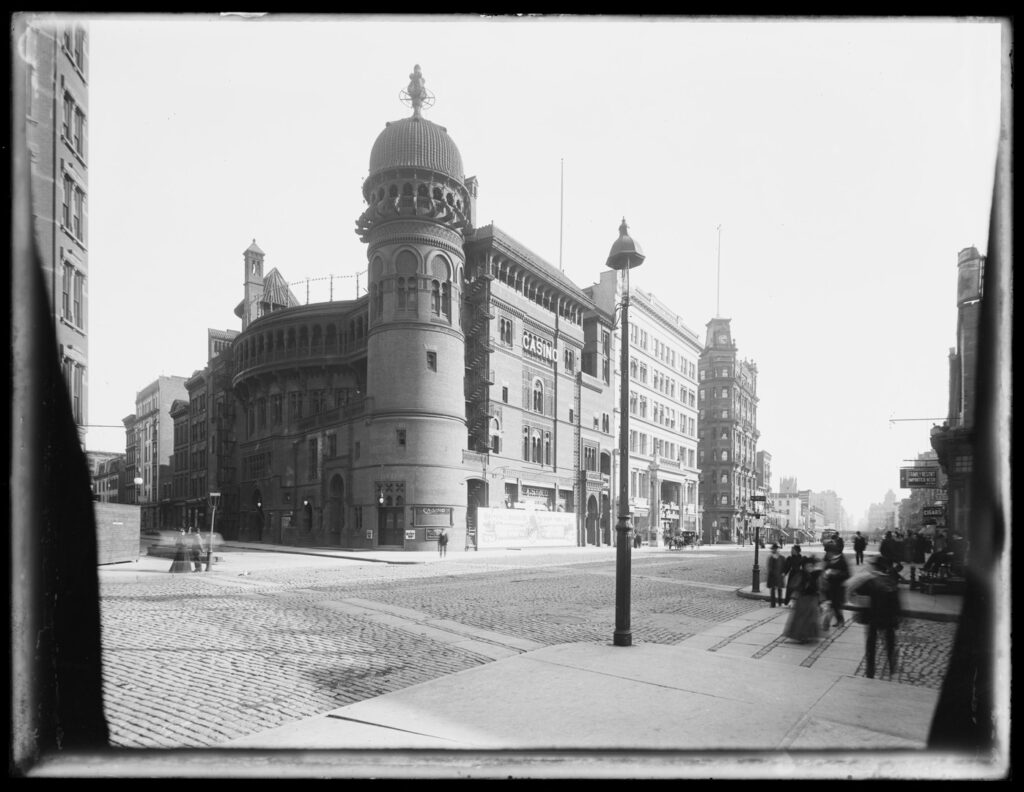
The Casino Theatre at West 39th Street and Broadway.
One of the more fantastic creatures from Victor Herbert’s Babes In Toyland, which made its debut in Columbus Circle’s Majectic Theater. You can read my article here on the musical which inspired Herbert’s show, the musical version of The Wizard of Oz. (NYPL)
New York Public Library
George M Cohan singing “Over There”
Video of a Ziegfeld Follies from 1929, a bit past their heyday, actually. They would only last until 1931:
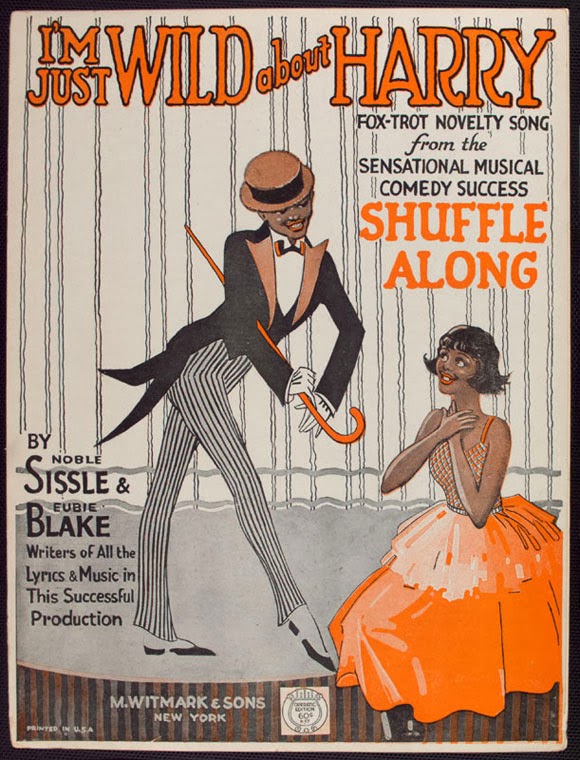
Sheet music from 1921 of one of the most famous songs from Shuffle Along (NYPL):
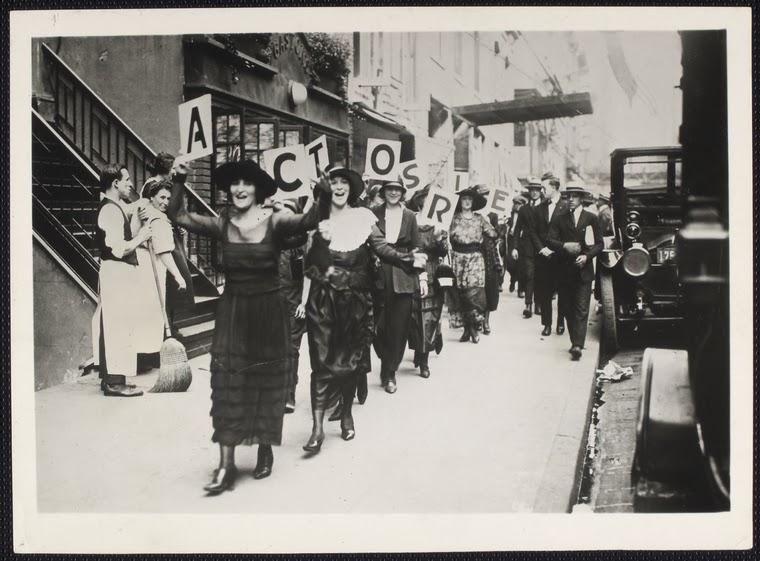
Dancing girls during the Actors Strike of 1919, which galvanized the industry and gave regular New Yorkers a window into the tough conditions faced by many background performers. (NYPL)
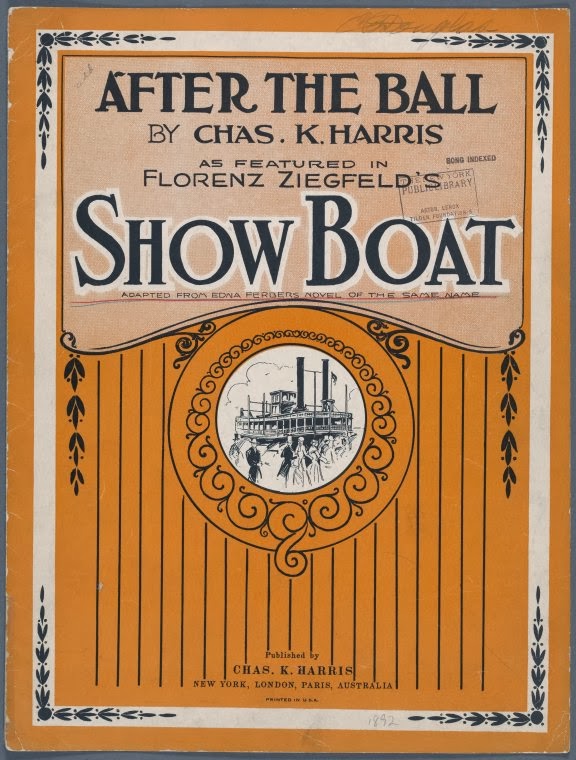
So the number ‘After The Ball’ — a huge hit song that made its stage debut in A Trip To Chinatown — made a return appearance to Broadway in 1927’s Show Boat!
Musical cues from this week’s show: Give My Regards To Broadway and After the Ball performed by Billy Murray A version of Make Believe recorded by Bing Crosby, and Ol Man River, performed by Paul Robeson, from a 1932 cast recording, featuring Victor Young and His Orchestra Love Will Find A Way, from a 1921 recording by Eubie Blake Selection from HMS Pinafore, from a 1914 recording by the Victory Light Opera Chorus
And finally, a clip from the film version of ‘Show Boat’, featuring an iconic performance by Paul Robeson.
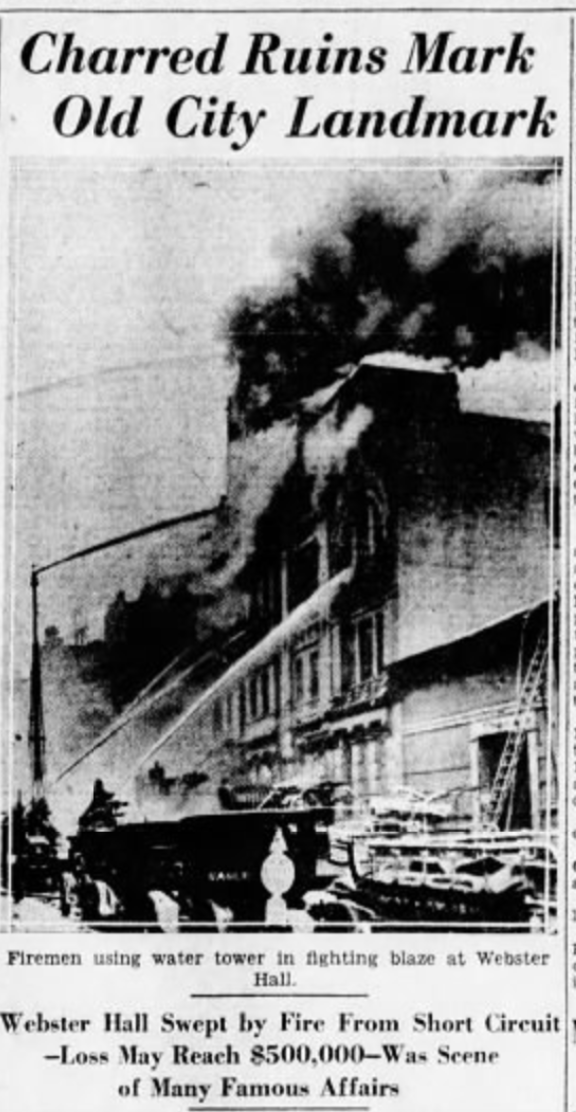
The East Village nightclub Webster Hall reopens this evening with a concert by Jay-Z after an extensive interior renovation by new owner Barclays/Bowery Presents.
The hall has had many facelifts over the past 133 years, evolving to mirror the tastes of Greenwich Village residents. This latest upgrade is a belated reflection of the neighborhood’s various sleek changes. That said, the renovations as describedseem positively mild in comparison to the blistering reinvention of neighboring Astor Place.
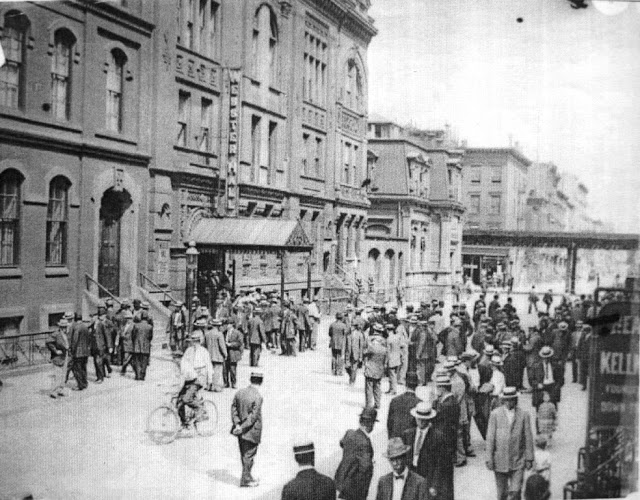
From the exterior, it appears absolutely nothing has changed. In 2008 Webster Hall was designated a New York City landmark for its impressive terra-cotta architecture and its status as a beacon of ethnic and social counter-culture during the late 19th and early 20th centuries.
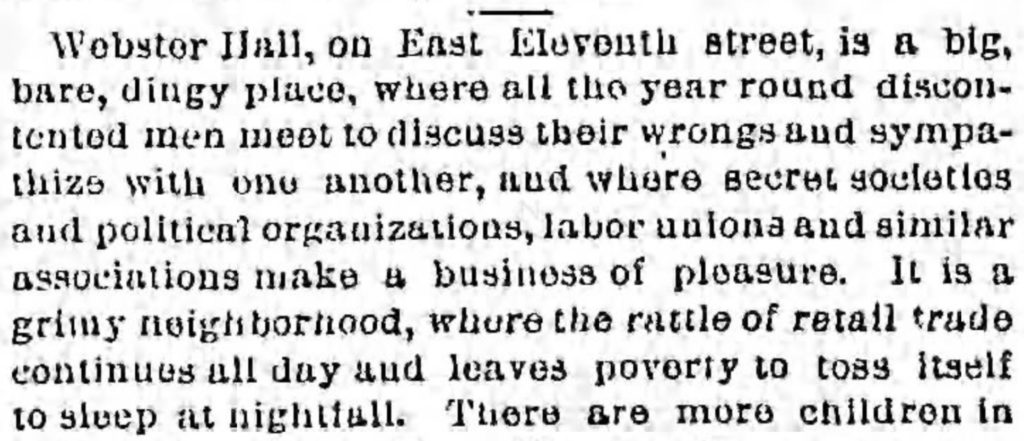
If I were the owner of this club, I would affix the following description (from an 1888 Brooklyn Daily Eagle article) in massive letters near the entrance:
As we wrote in our book Adventures In Old New York: “Opened in 1886, the hall hosted the annual Greenwich Village Ball from the 1910s to the 1930s, a bacchanalia where artists, bohemians, drag queens, and general reprobates of the best kind came to drink, dance, and seriously make merry until early morning. It worked hard to earn its nickname “the devil’s playhouse.”
Author Allan Church wrote, “So many dances-till-dawn and fancy dress balls were held there that one Villager said of himself and his wife: ‘We’ve sold our bed. Why sleep when there’s a dance every night at Webster Hall?’ ”
—————
In celebration of its new landmark status, we recorded a short episode on the history of Webster Hall back in January 2009.
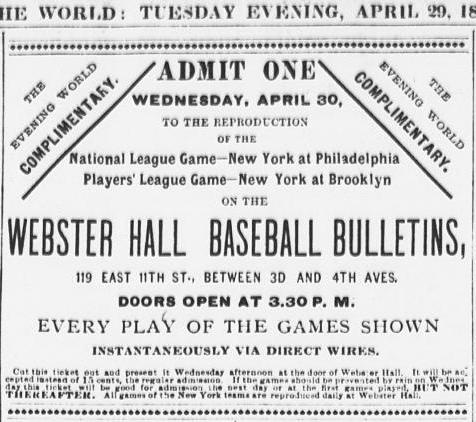
Here’s a few clippings from old newspapers, giving you a few additional insights into Webster Hall’s spectacular history:
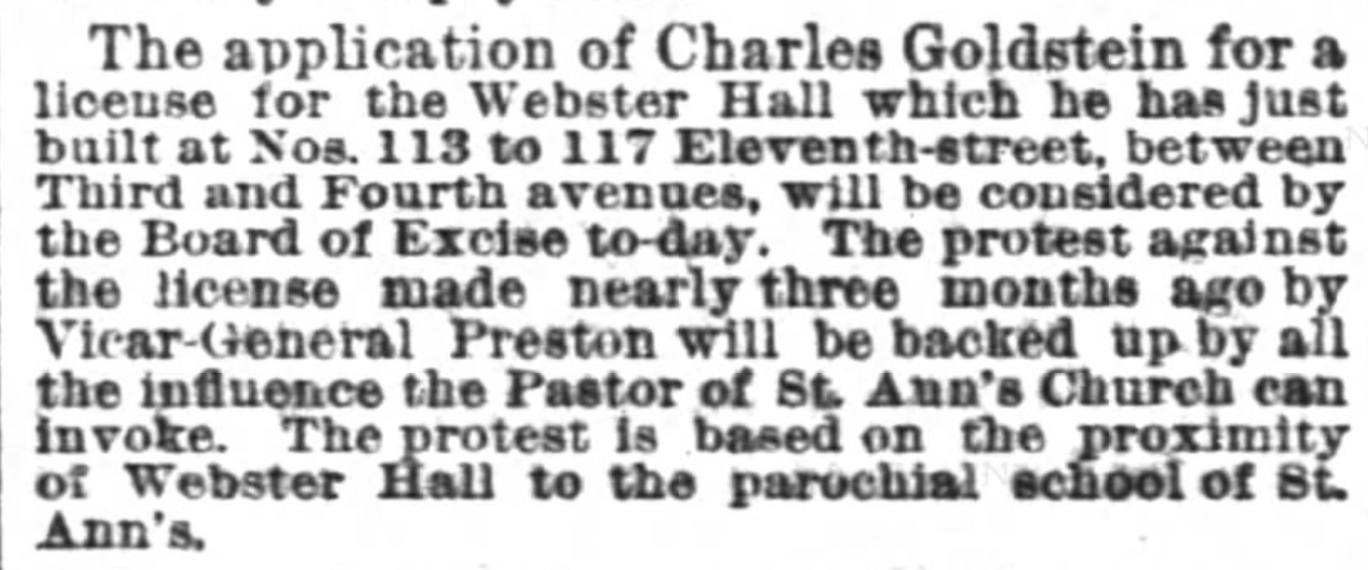
Webster Hall was rebellious before it even opened. St. Ann’s, the church which most vigorously decried its existence, has all been erased except for its entrance:
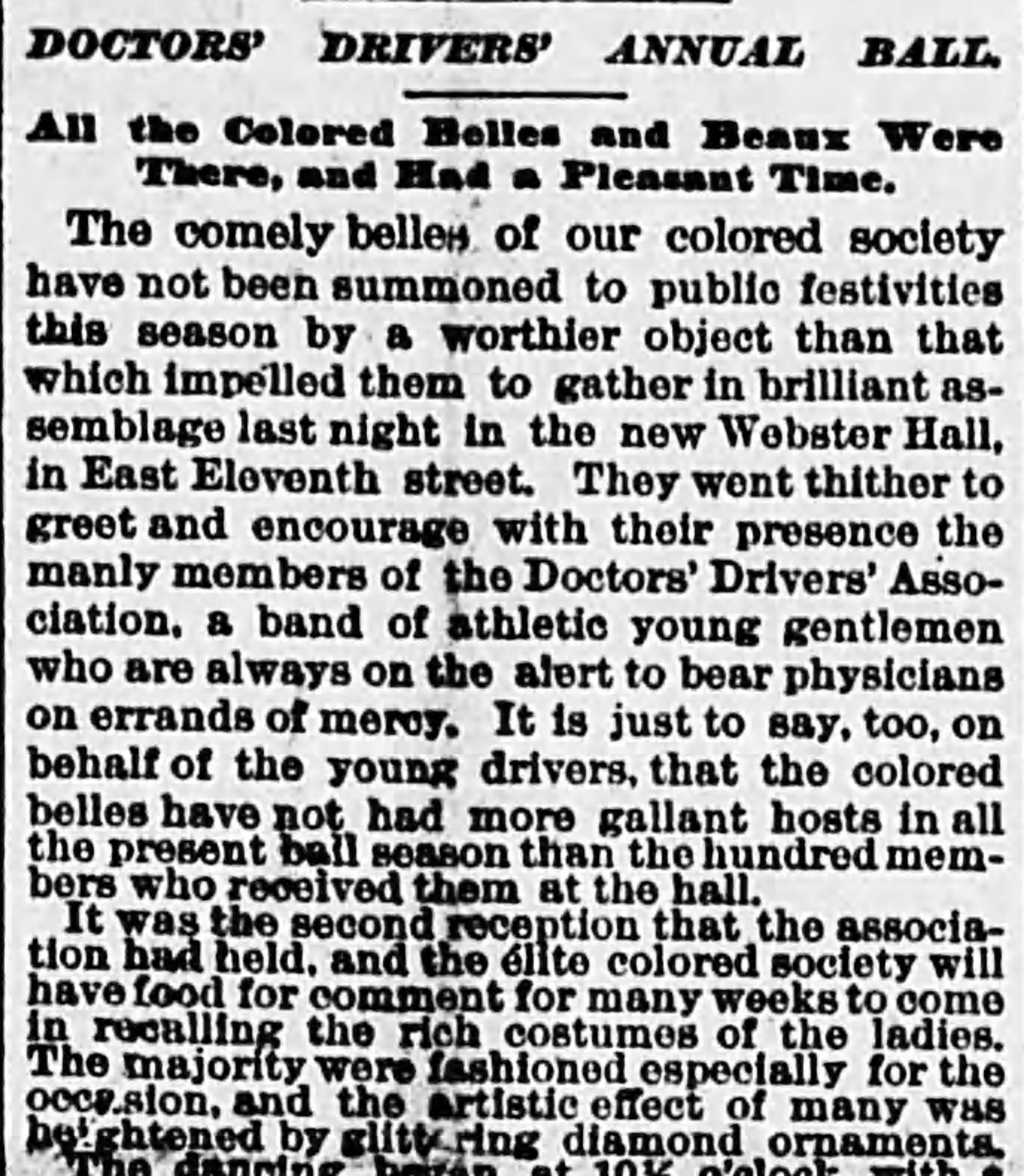
In 1887 Webster Hall played host to a private dance for wealthy black New Yorkers, members of the Doctors’ Drivers’ Association, “a band of athletic young gentlemen who are always on the alert to bear physicians on errands of mercy.”
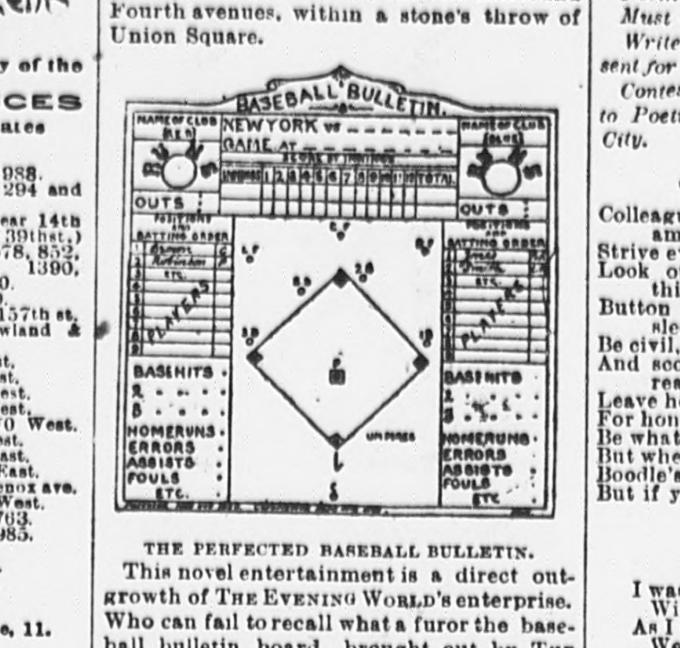
A depiction of the baseball scoreboard that was installed by the New York Evening World to ‘instantaneously’ update baseball scores from Boston in 1890. [The complete article is here.]
New York Evening World
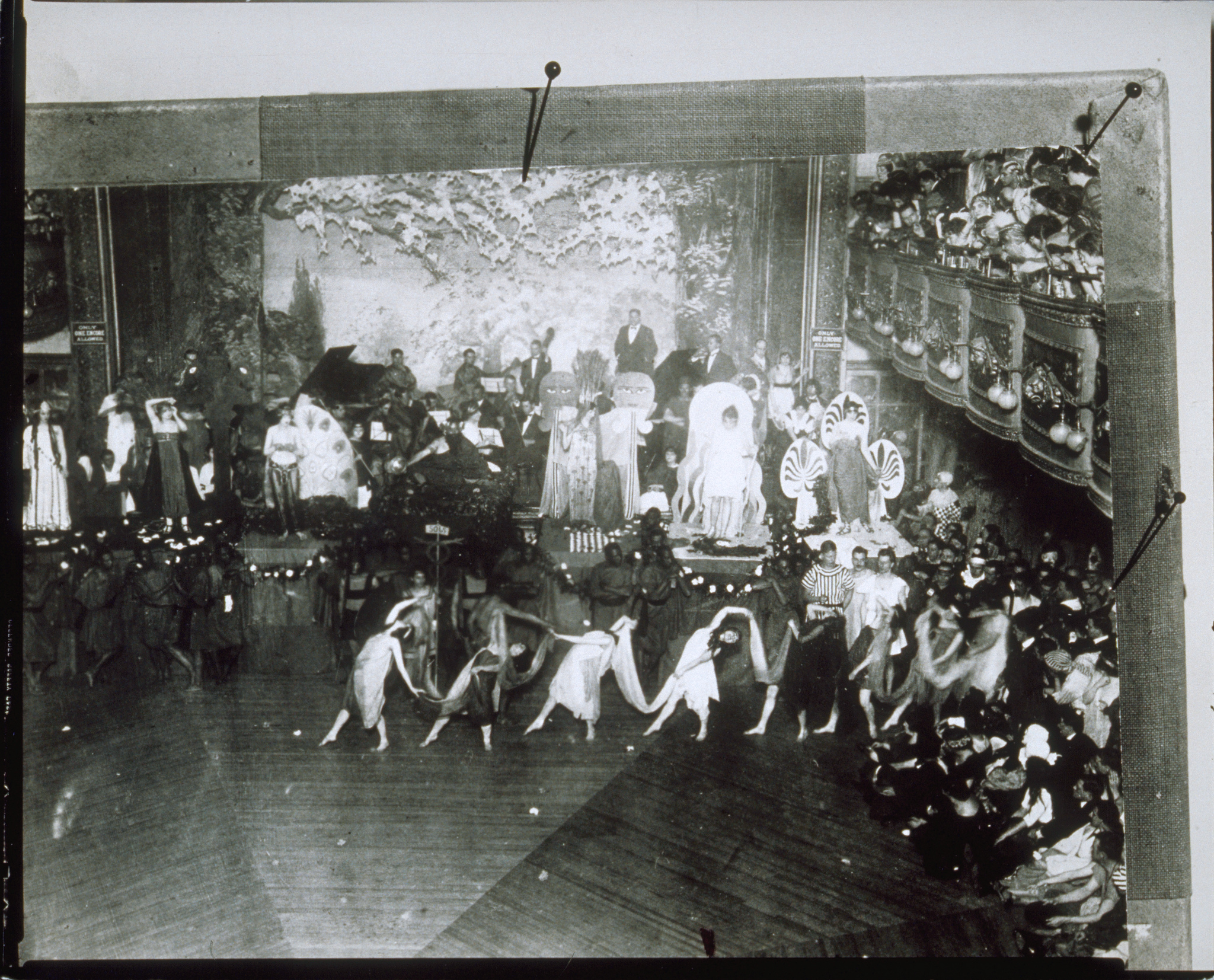
The party rages at a Webster Hall artist costume ball, in a photo by the great Jessie Tarbox Beals (date unknown, most likely late 1910s).
Courtesy Schlesinger Library
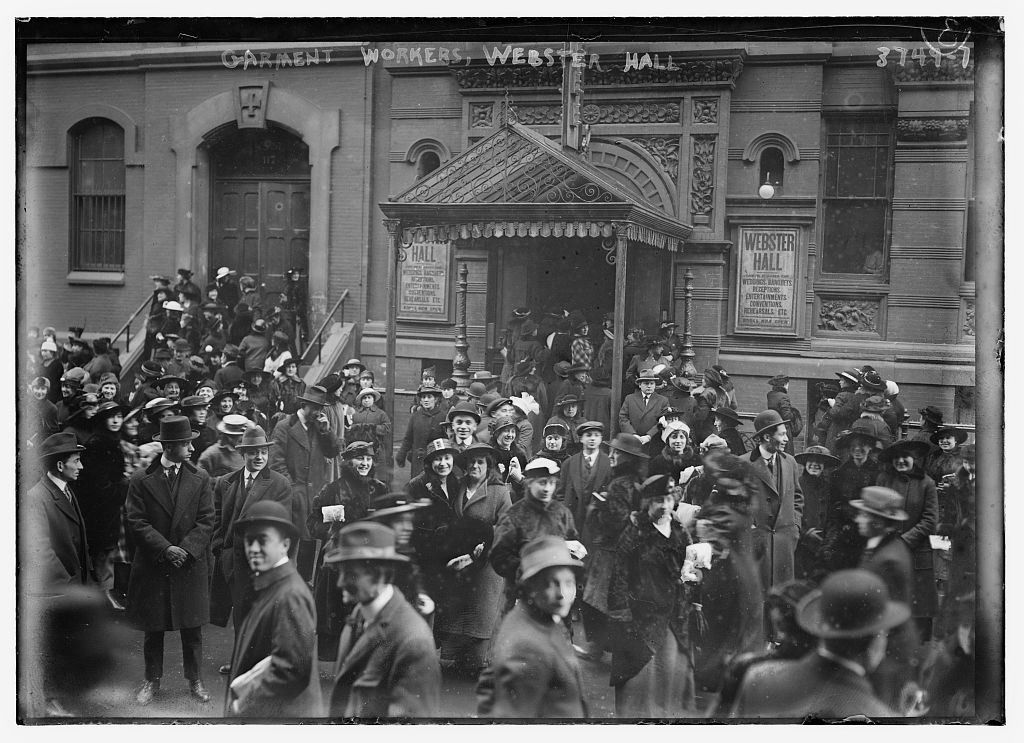
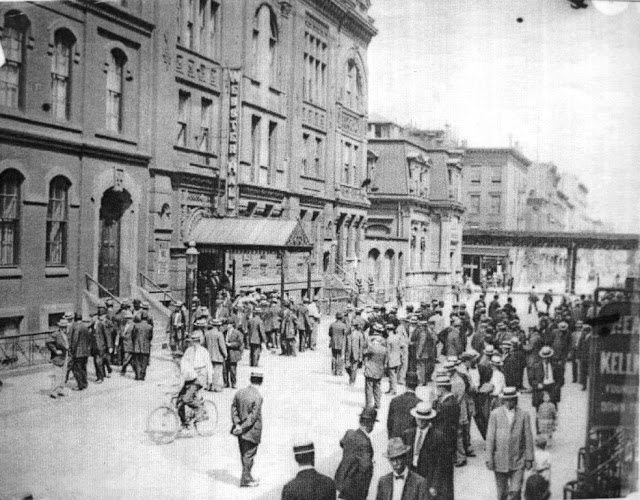
Garment workers meet out in front of Webster Hall, between 1910-1915. The venue was a pivotal meeting spot for union groups, political activists and anarchist leaders like Emma Goldman.
Courtesy Library of Congress
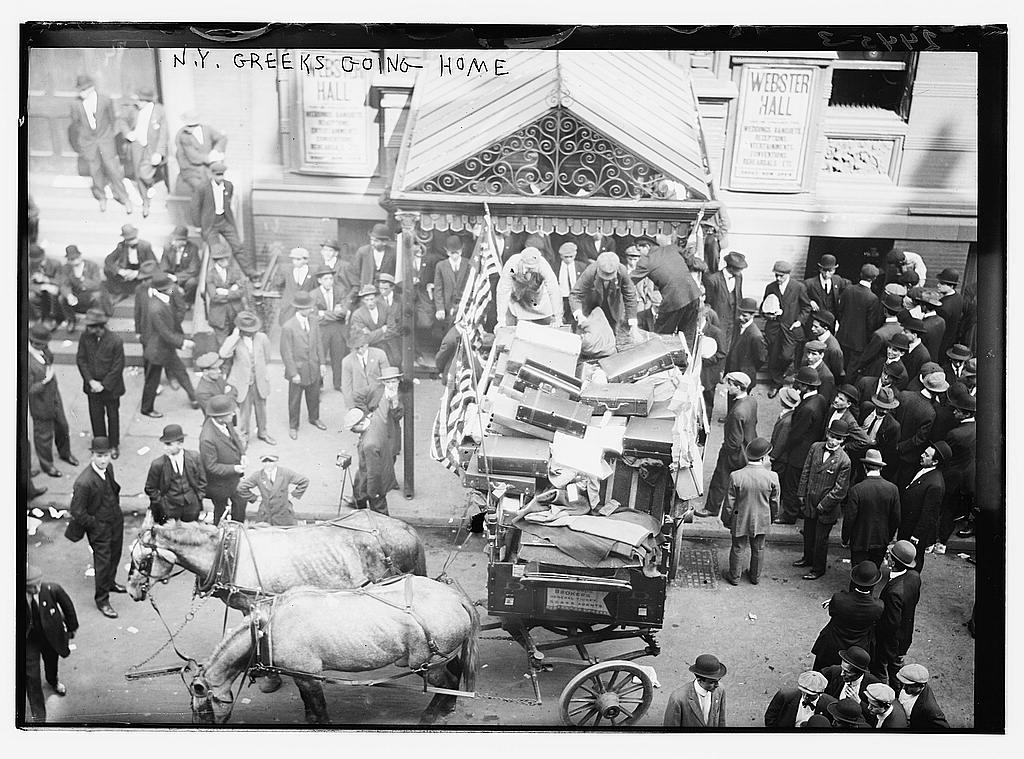
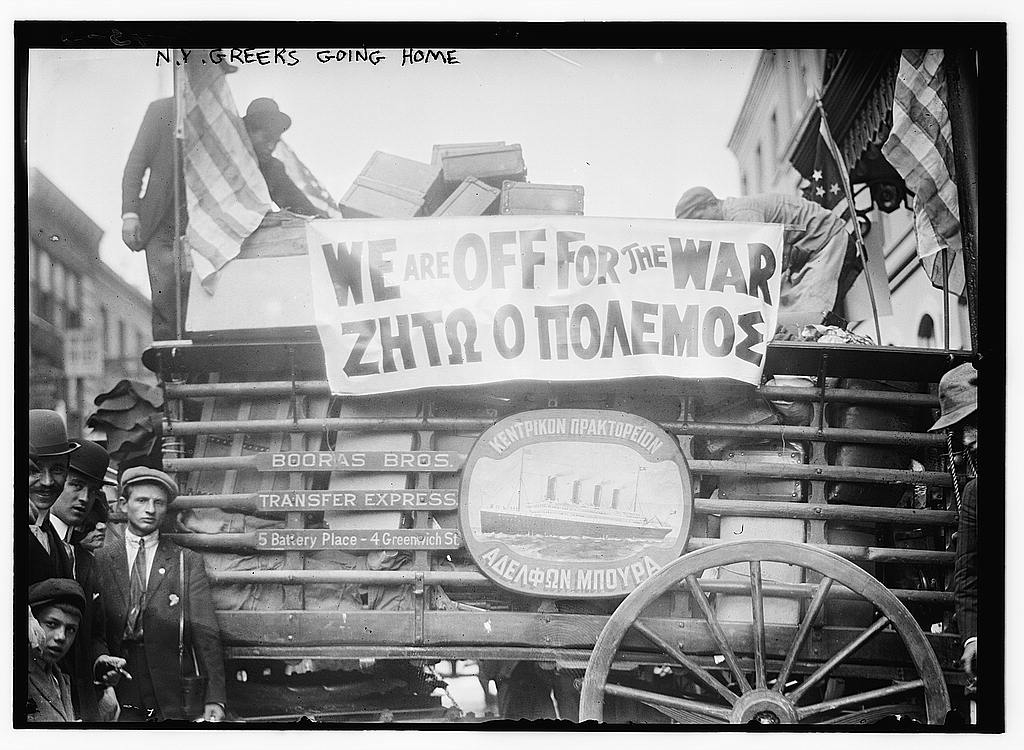
Greek immigrants gather in front of Webster Hall as they prepare to return to their country to engage in the first Balkan war (October 1912).
Courtesy Library of CongressCourtesy Library of Congress
From a 1930 article:
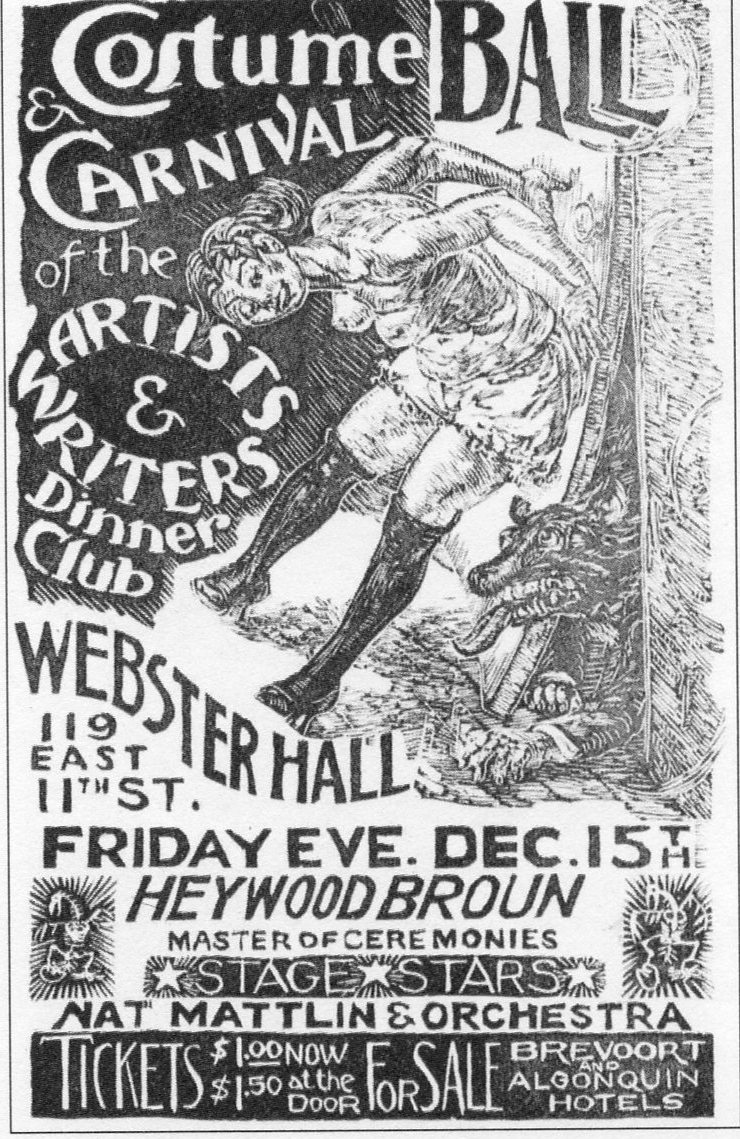
A 1933 poster advertising the annual Greenwich Village costume ball, designed by John Sloan
Courtesy Library of Congress
The cast of ‘How To Succeed In Business Without Really Trying’ recording the cast album at Webster Hall, 1961.
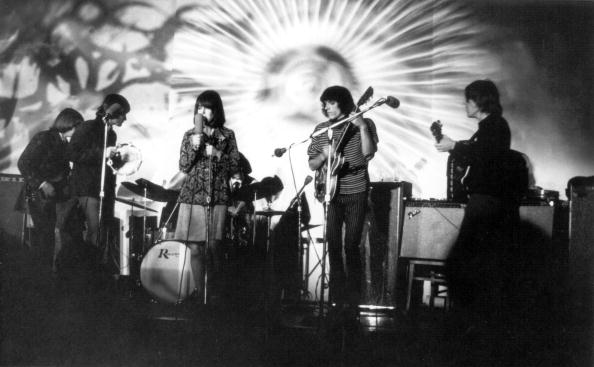
Jefferson Airplane’s first New York concert, January 8, 1967, at Webster Hall
(Photo by Michael Ochs Archives/Getty Images)
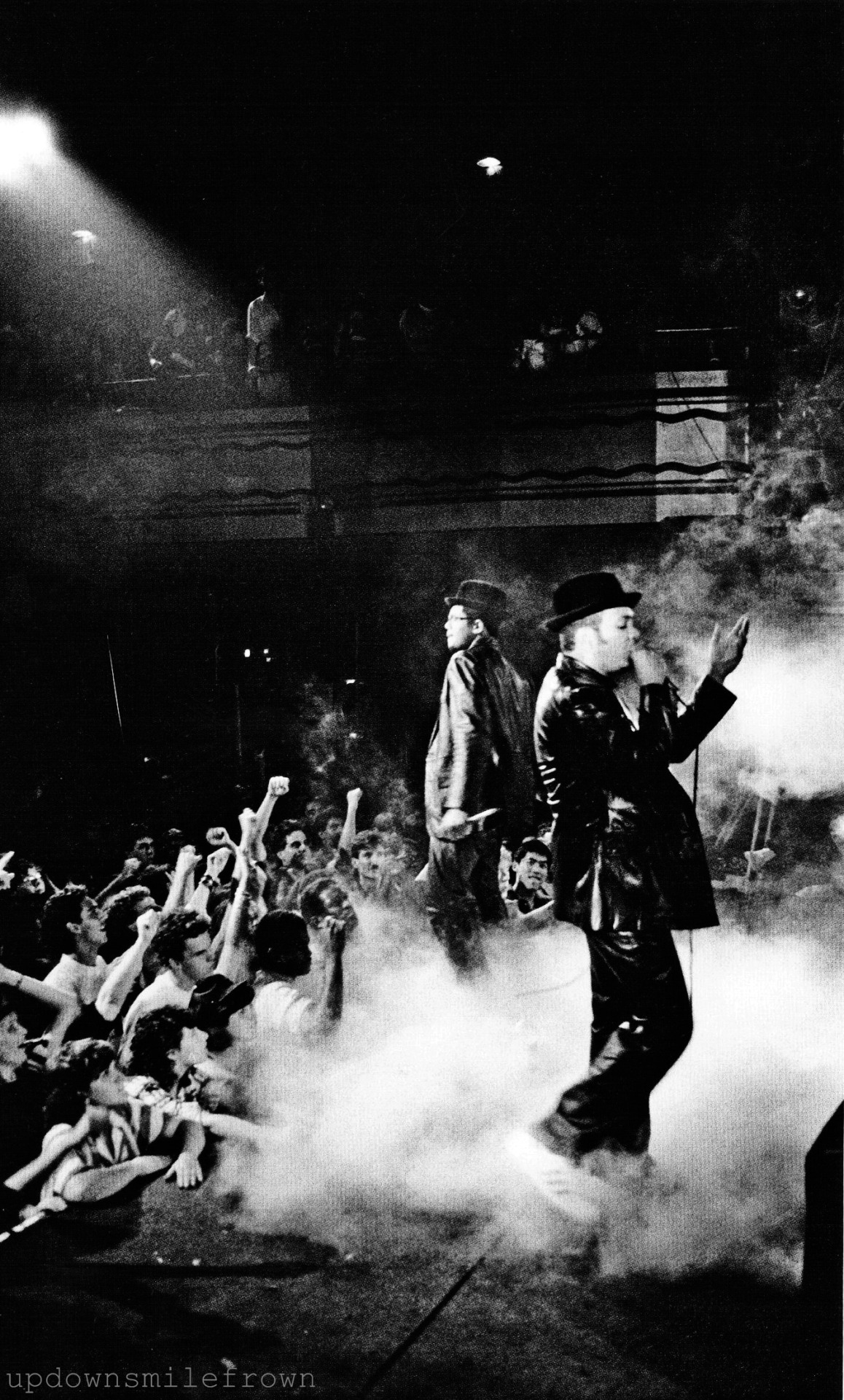
In the 1980s and early 90s, Webster Hall was known as The Ritz. Much of the scrappy charm of Webster Hall that people love derives from its years as this important rock venue. Here’s Run DMC performing at The Ritz, May 15, 1984
Photograph by Josh Cheuse/updownsmilefrown
In 1980, the young Irish rock band U2 had their American debut at The Ritz. Their second performance there, in March of 1981, was reviewed by the New York Times, and the original review — by Stephen Holden, no less — is worth a look if you’re a U2 fan. “Bono Hewson, U2’s lead singer, has a moderately strong voice that was partially drowned out at the Ritz. This was a shame, since the band’s material is of considerable interest.”
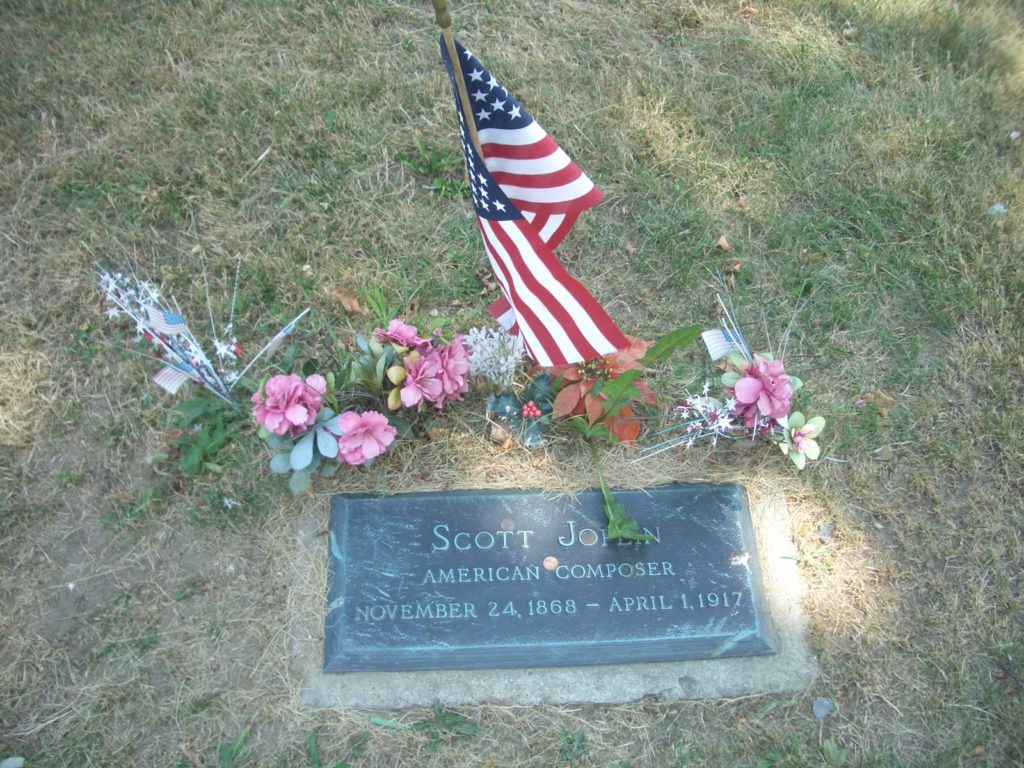
PODCAST How did one of the greatest composers of the 20th century end up buried in Queens in a pauper’s grave?
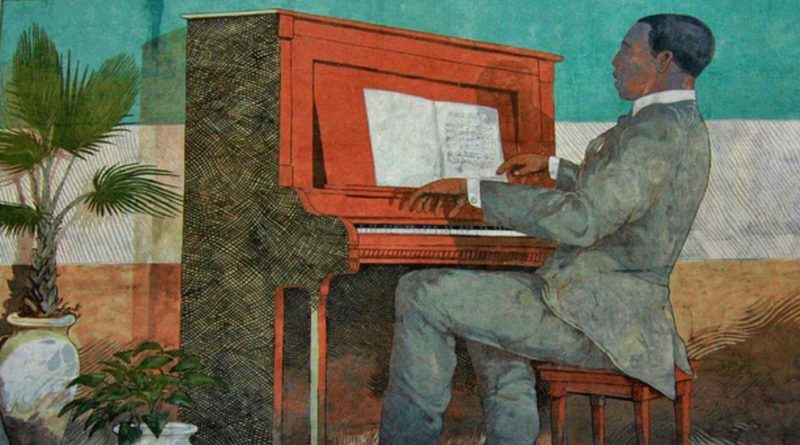
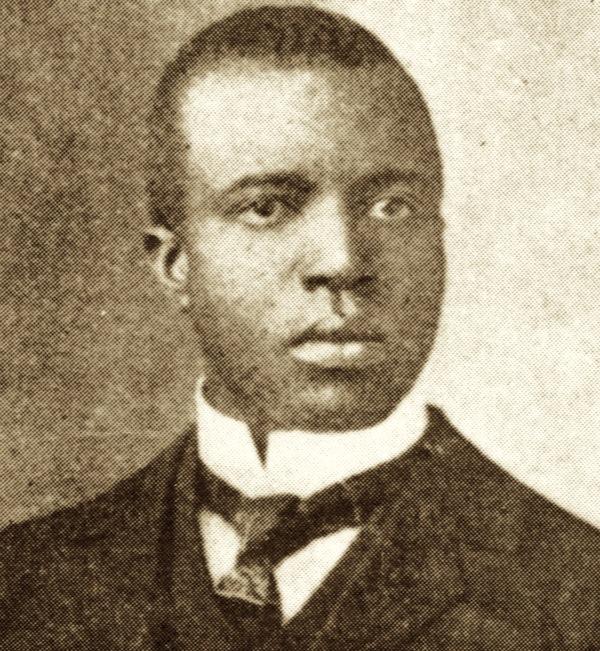
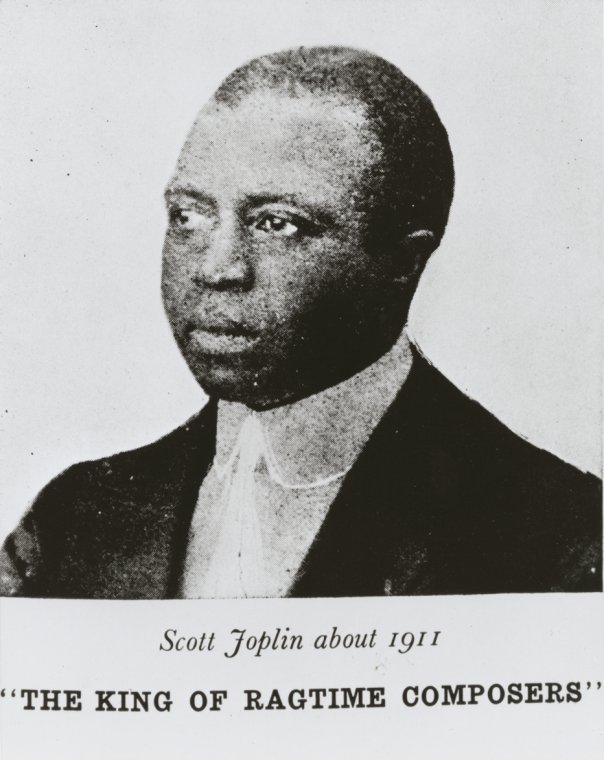
Scott Joplin, the “King of Ragtime”, moved to New York in 1907, at the height of his fame. And yet, he died a decade later, forgotten by the public.
He remained nearly forgotten and buried in a communal grave in Queens, until a resurgence of interest in ragtime music in the 1970s. How did this happen?
In today’s music-packed show, we travel to Missouri, stopping by Sedalia and St. Louis, and interview a range of Ragtime experts to help us understand the mystery of Joplin’s forgotten years in New York City.
The Bowery Boys: New York City History podcast is brought to you …. by you!
We are now producing a new Bowery Boys podcast every other week. We’re also looking to improve the show in other ways and expand in other ways as well — through publishing, social media, live events and other forms of media. But we can only do this with your help!
We are now a member of Patreon, a patronage platform where you can support your favorite content creators for as little as a $1 a month.
Please visit our page on Patreon and watch a short video of us recording the show and talking about our expansion plans. If you’d like to help out, there are five different pledge levels (and with clever names too — Mannahatta, New Amsterdam, Five Points, Gilded Age, Jazz Age and Empire State). Check them out and consider being a sponsor.
And join us for the next episode of the Bowery Boys Movie Club, an exclusive podcast provided to our supporters on Patreon.
We greatly appreciate our listeners and readers and thank you for joining us on this journey so far.
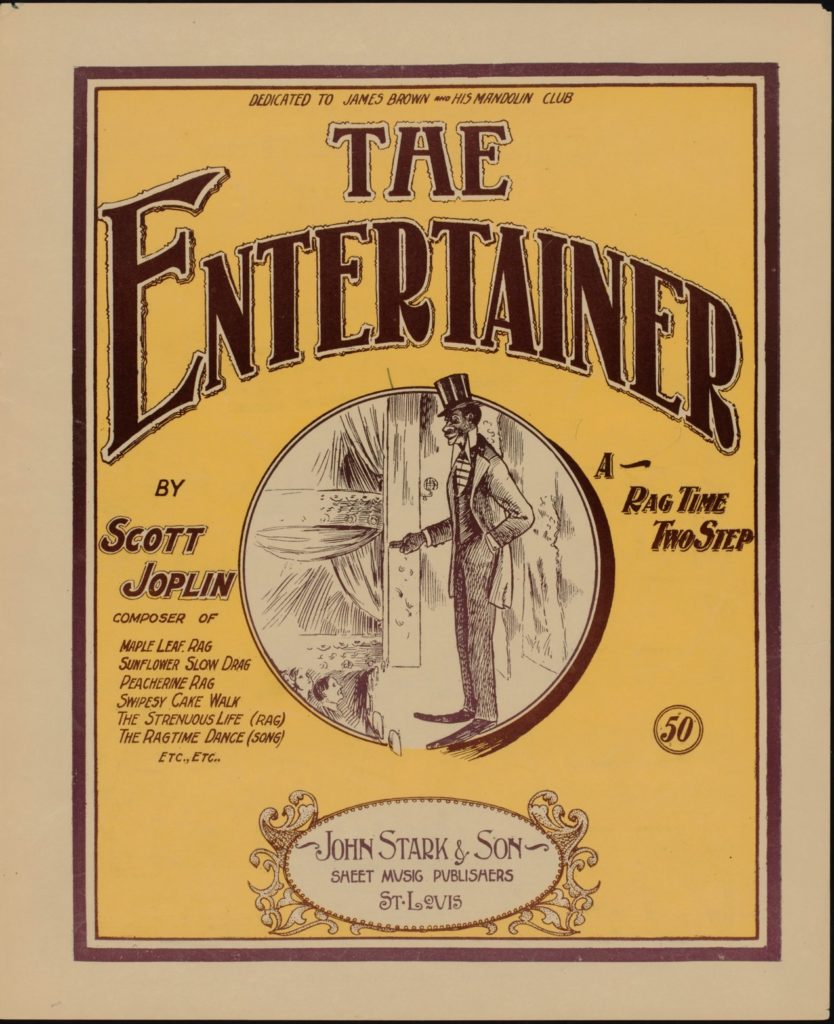
Here are Reginald Robinson and Richard Dowling performing Scott Joplin:
New York Public LibraryThe Entertainer published 1902/New York Public Library
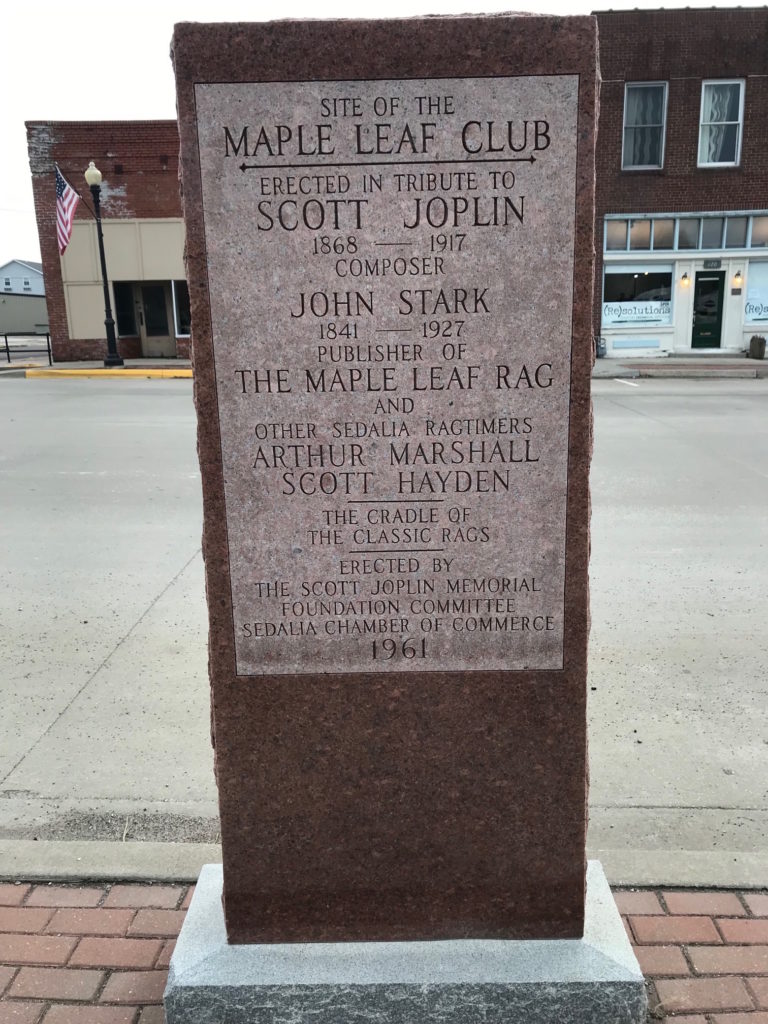
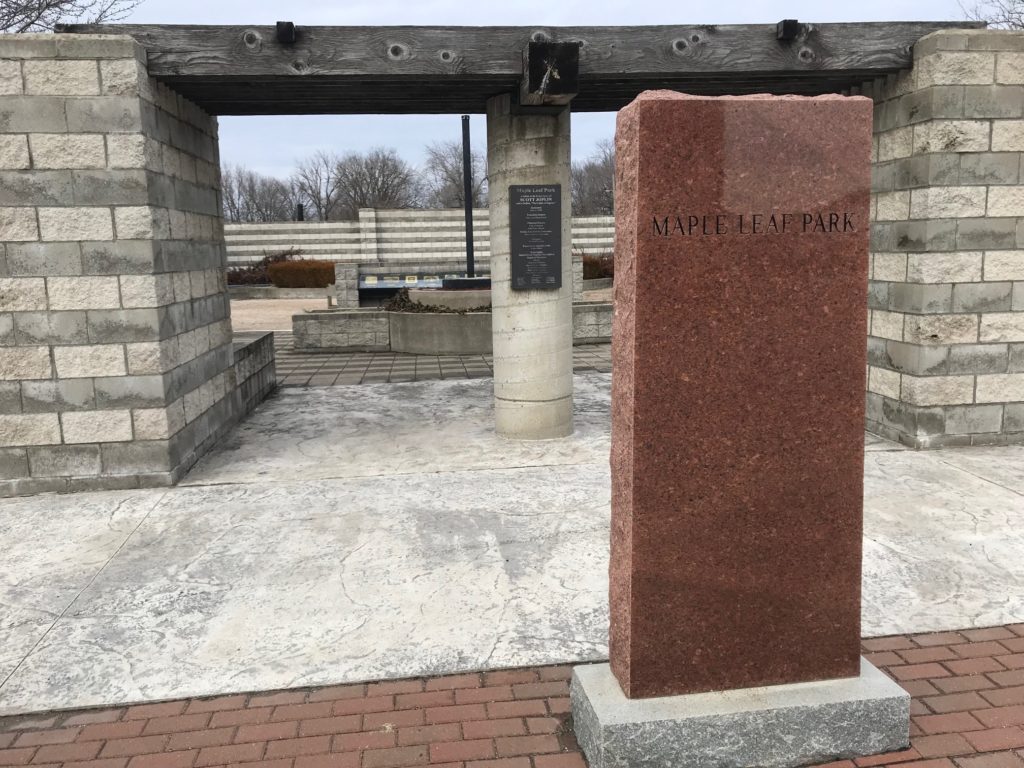
Tom’s images from Sedalia and St. Louis, Missouri:
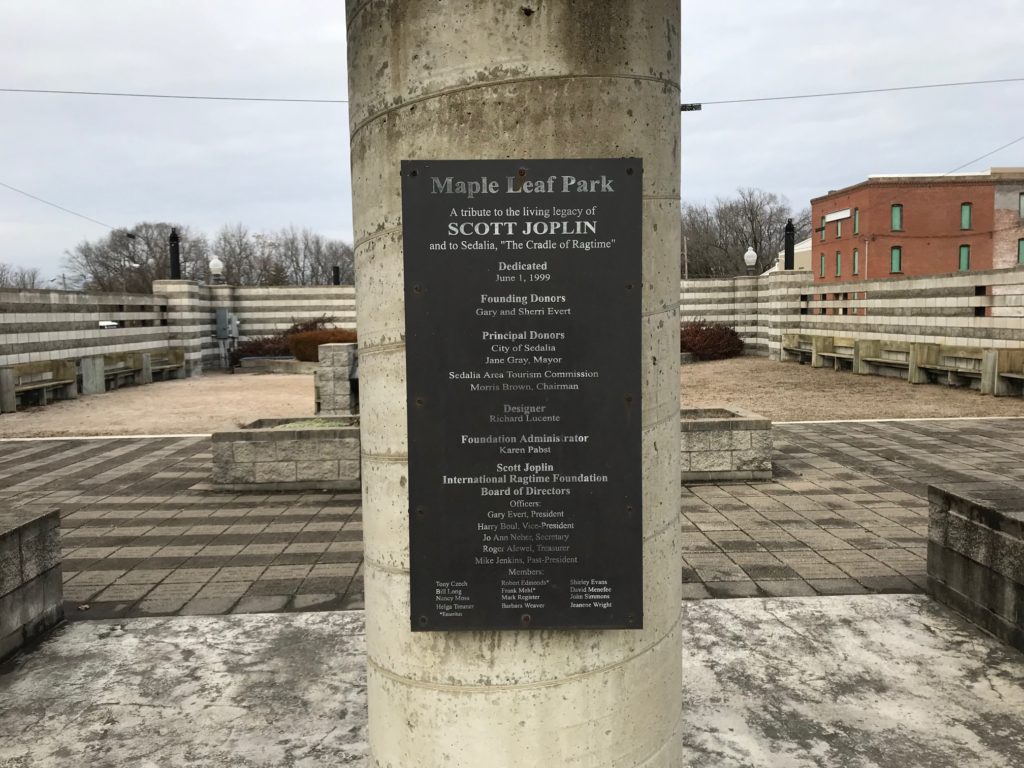
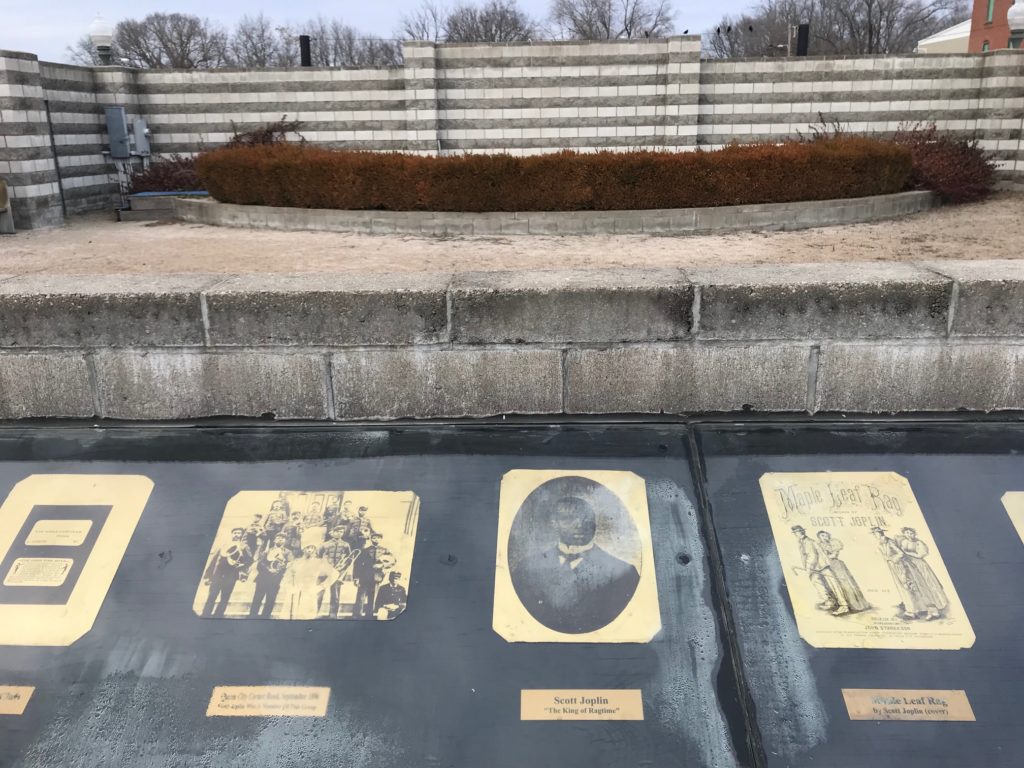
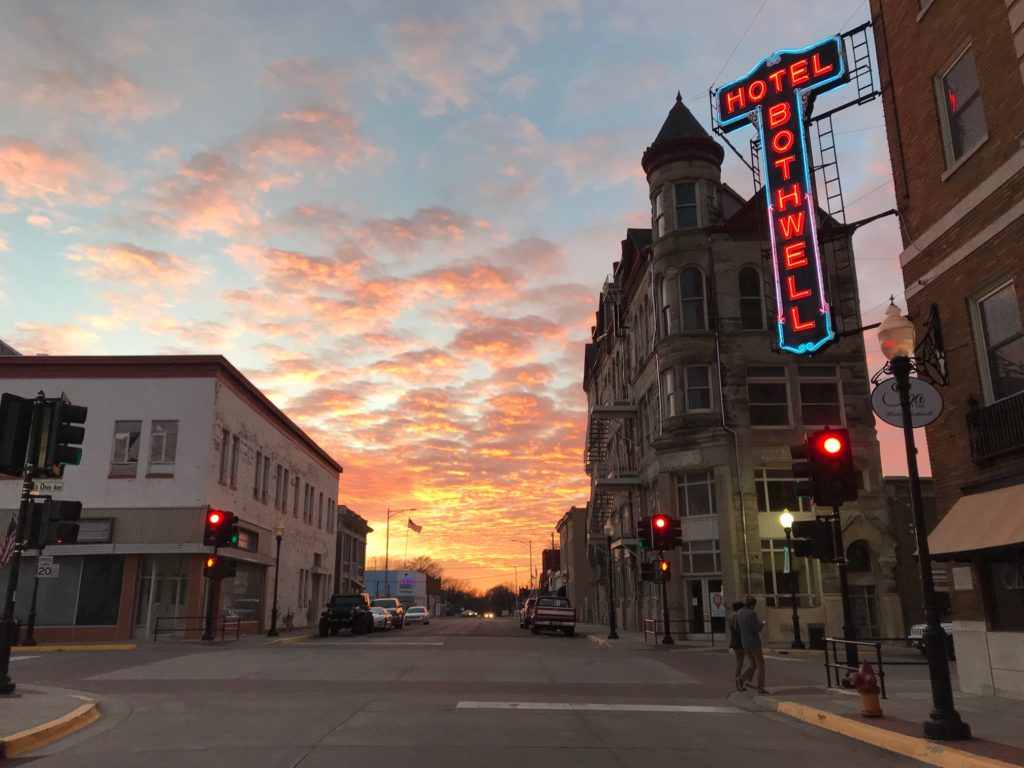
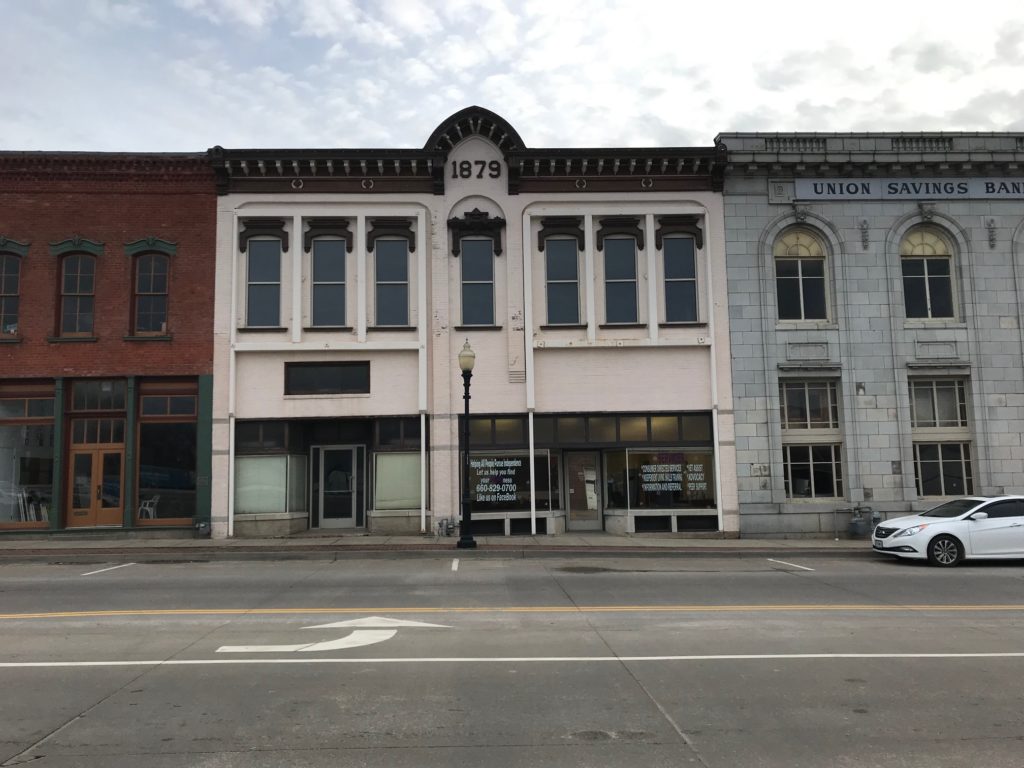
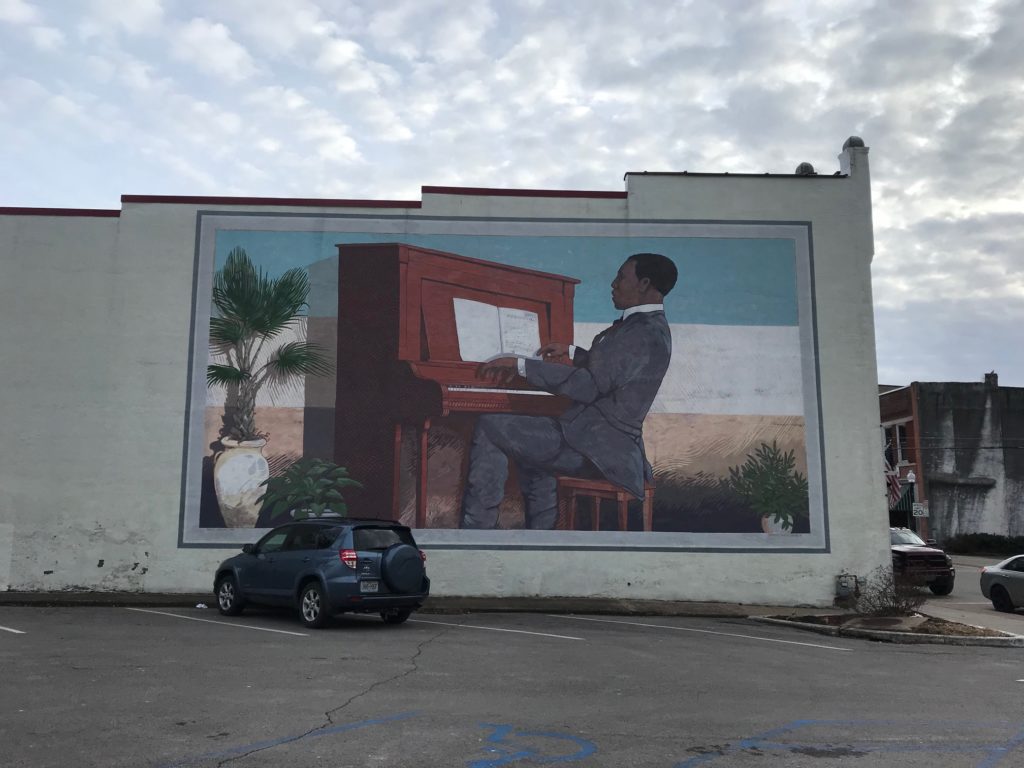
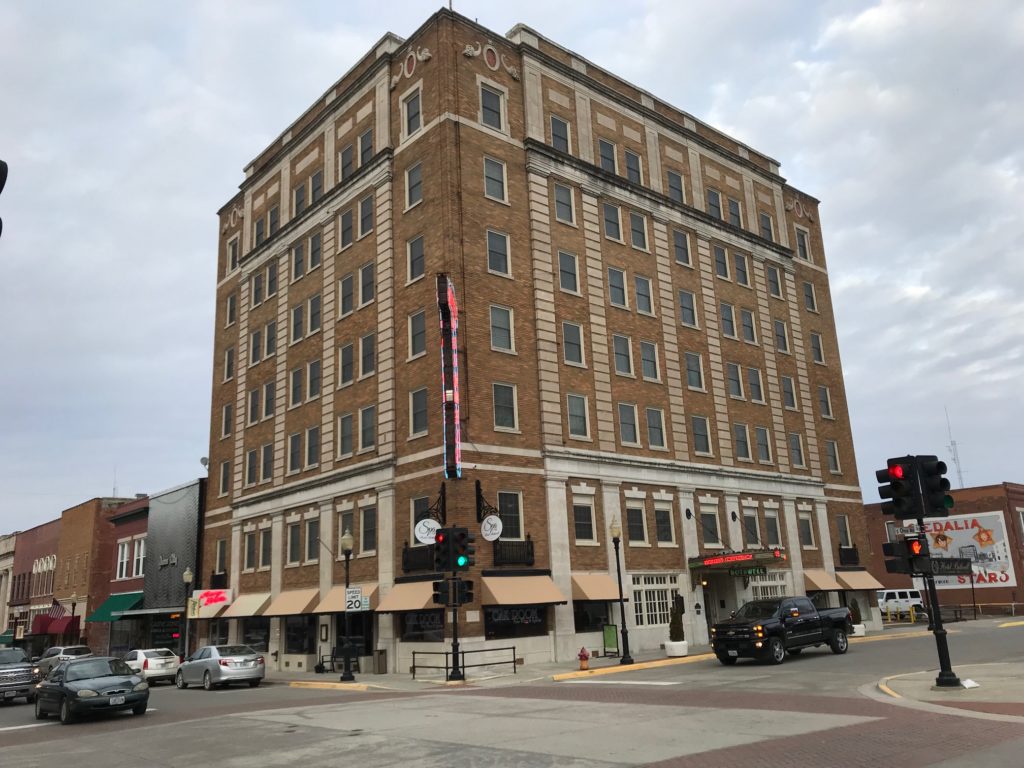
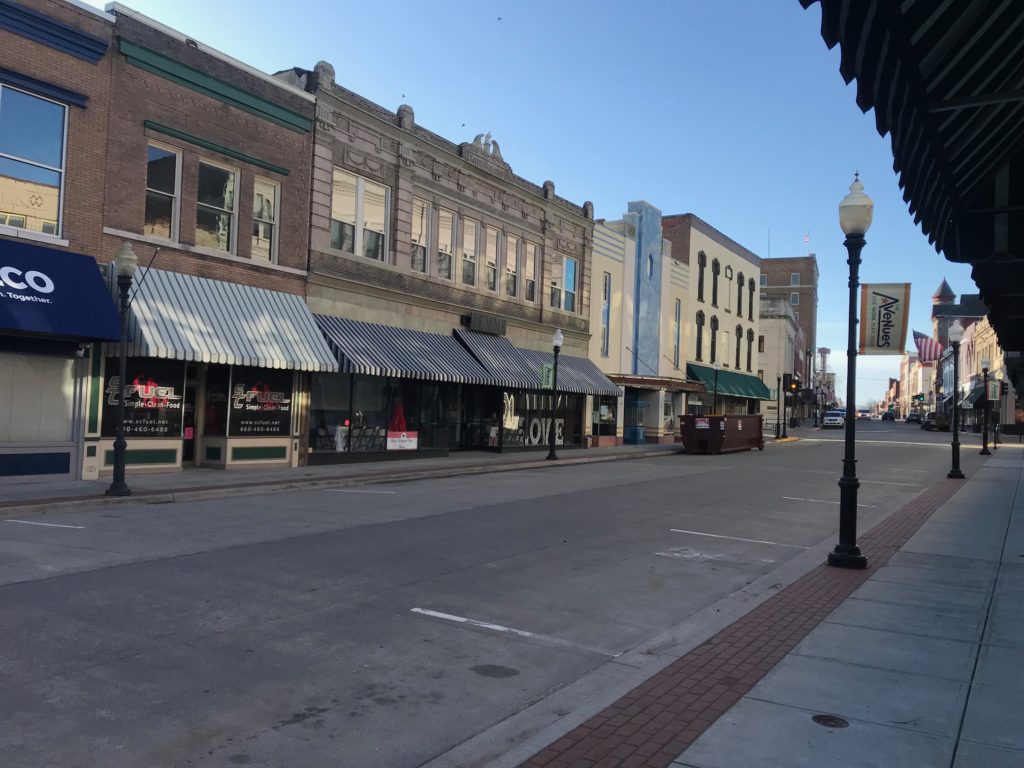
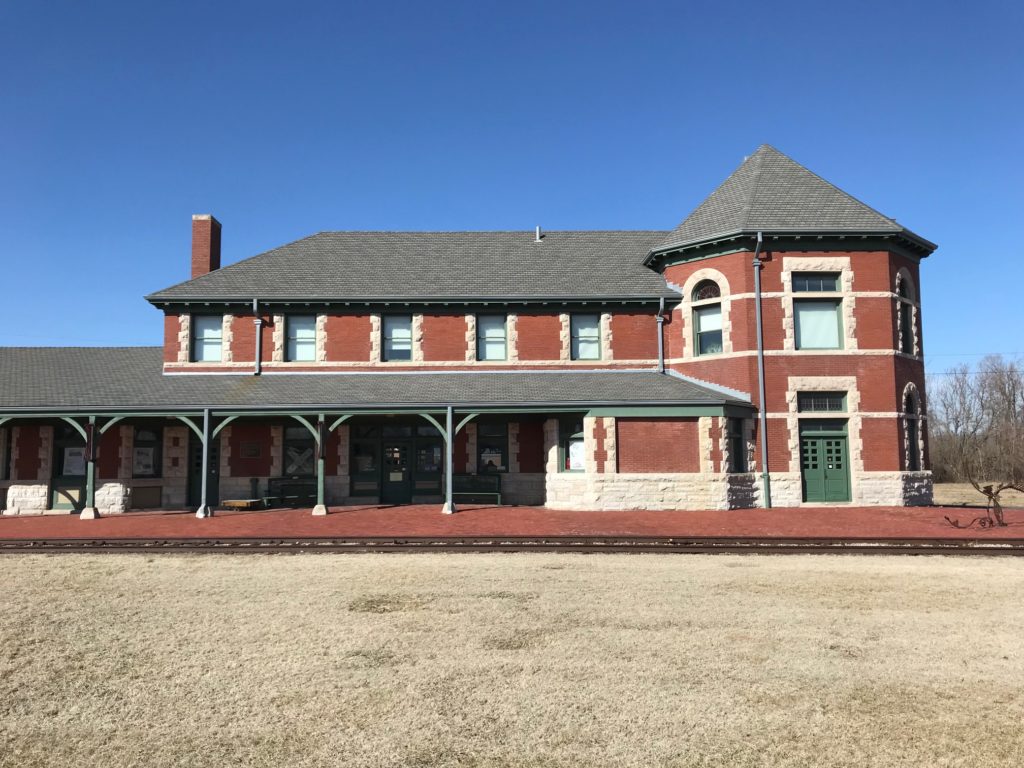
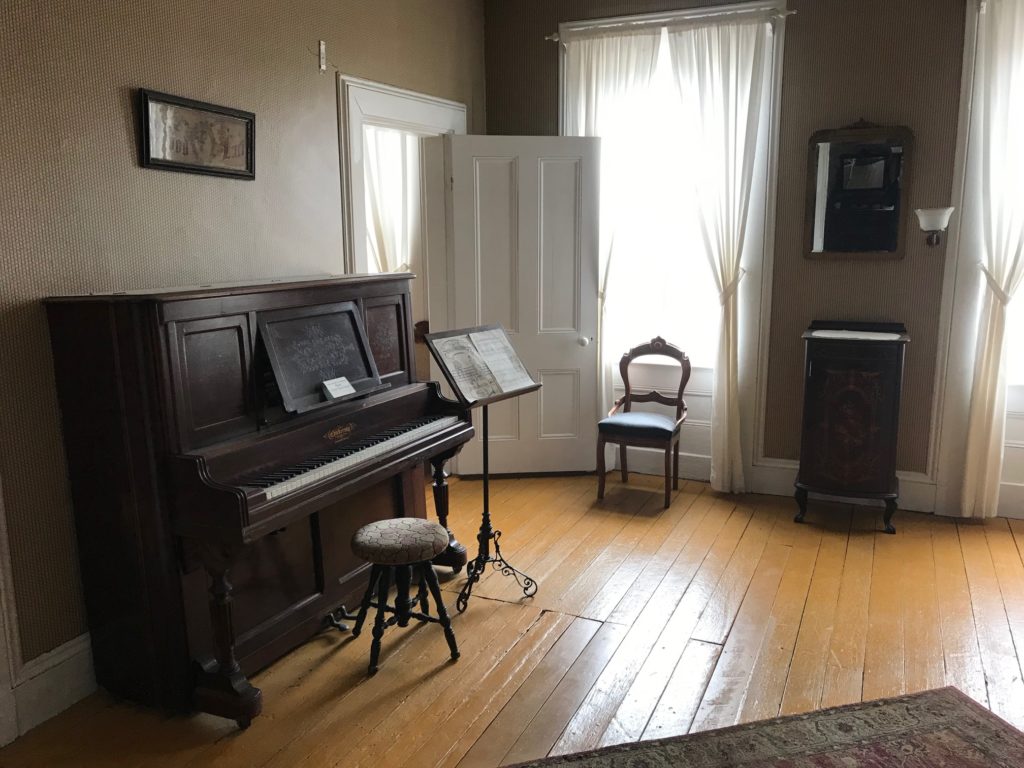
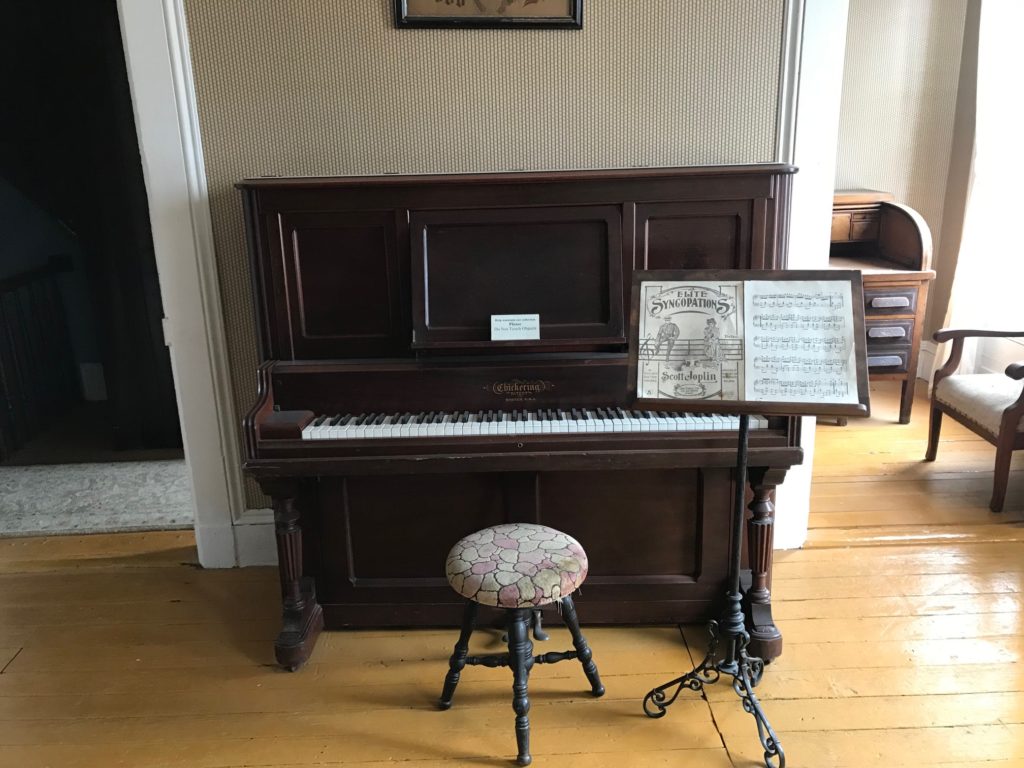
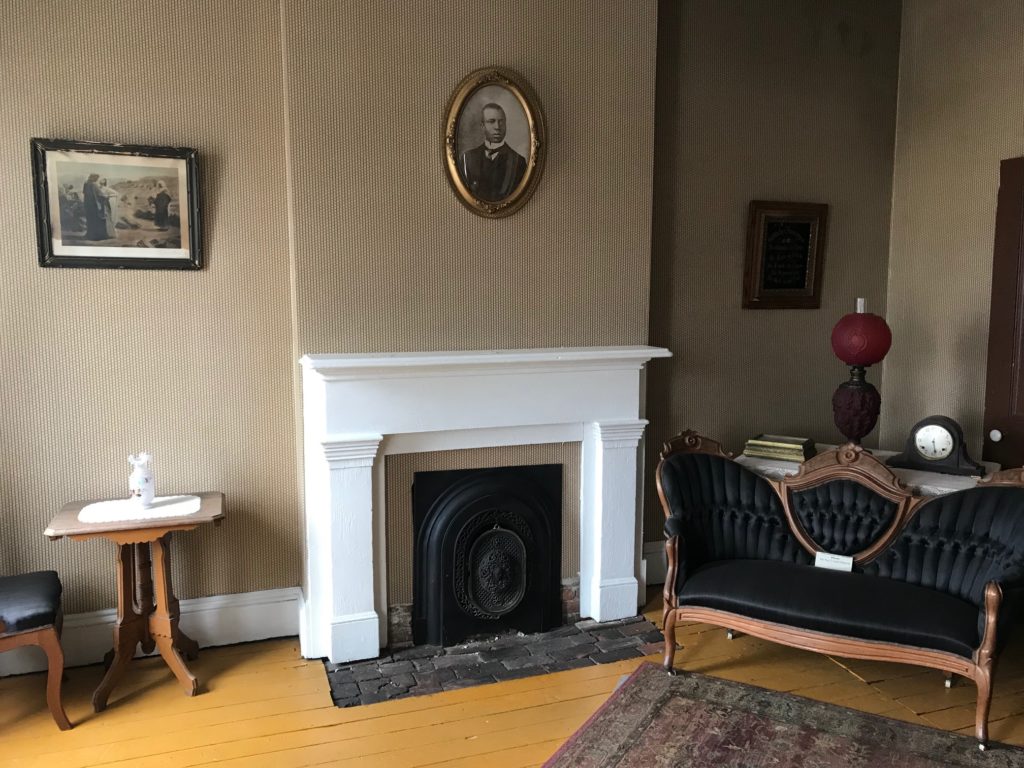
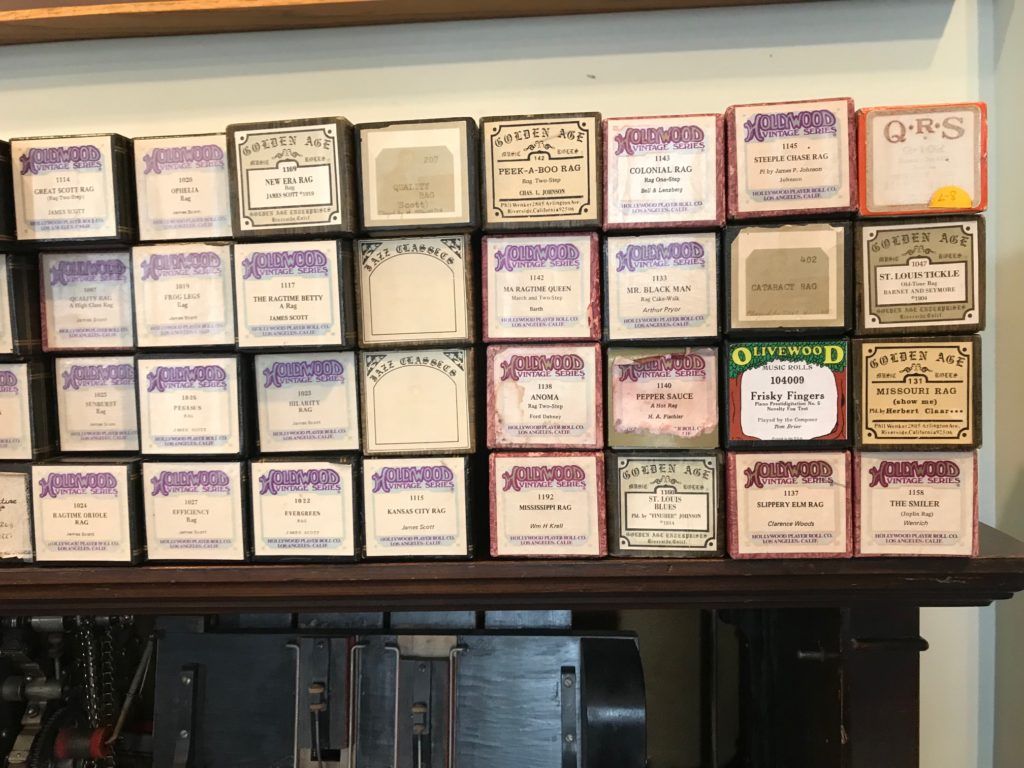
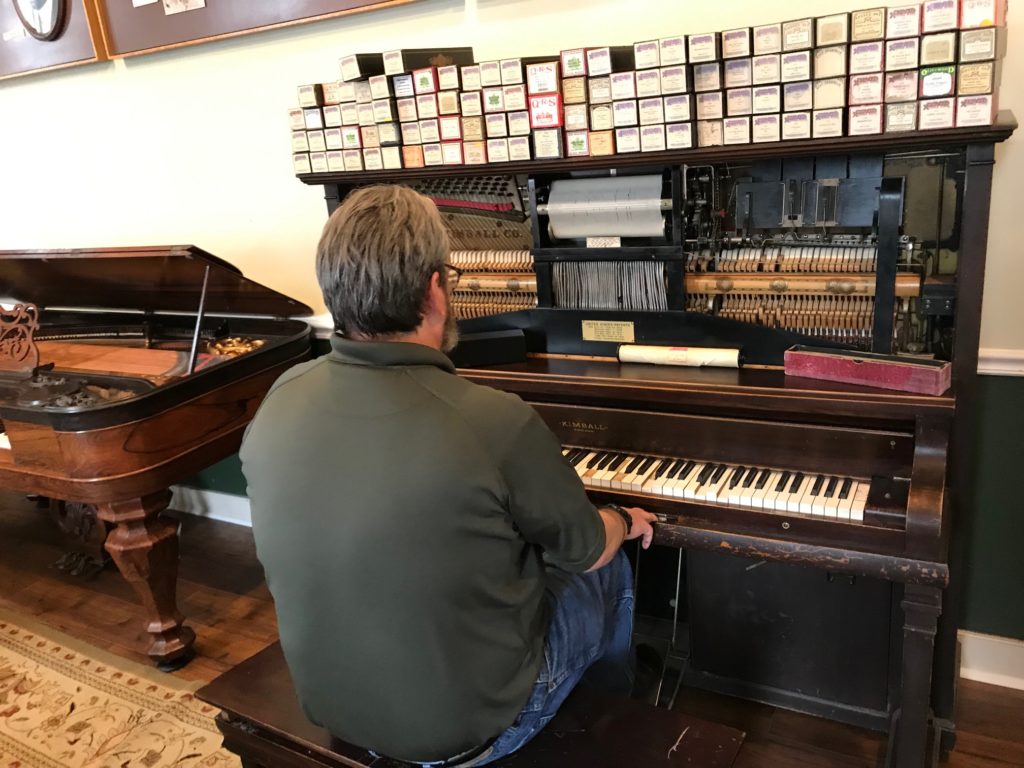
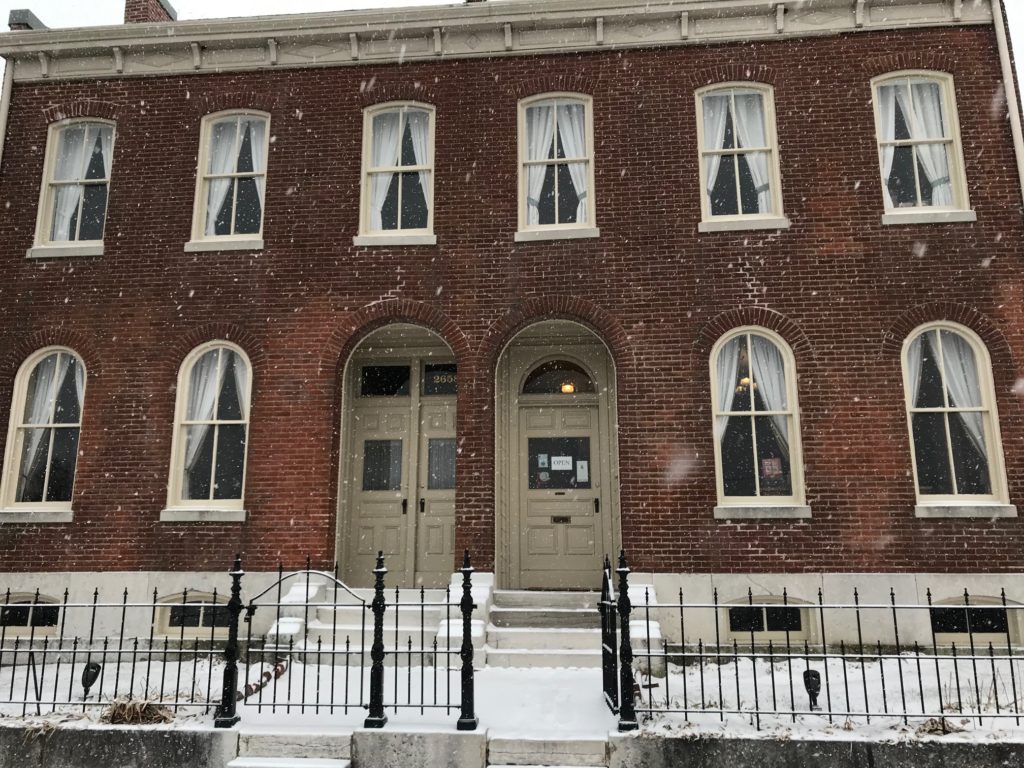
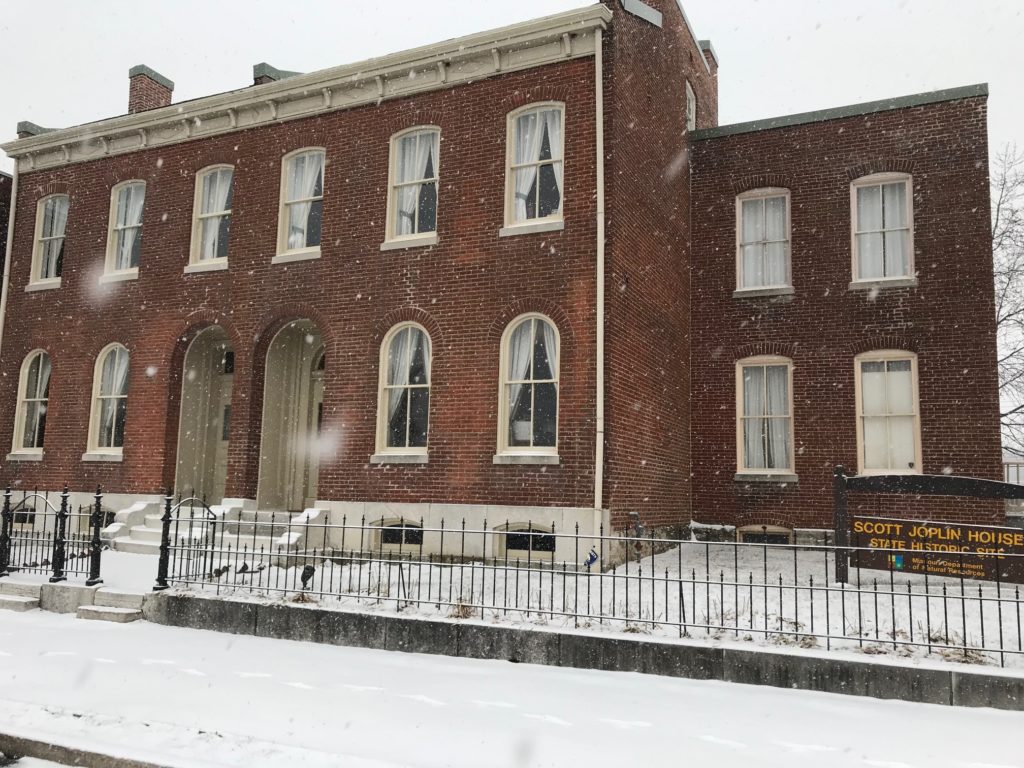
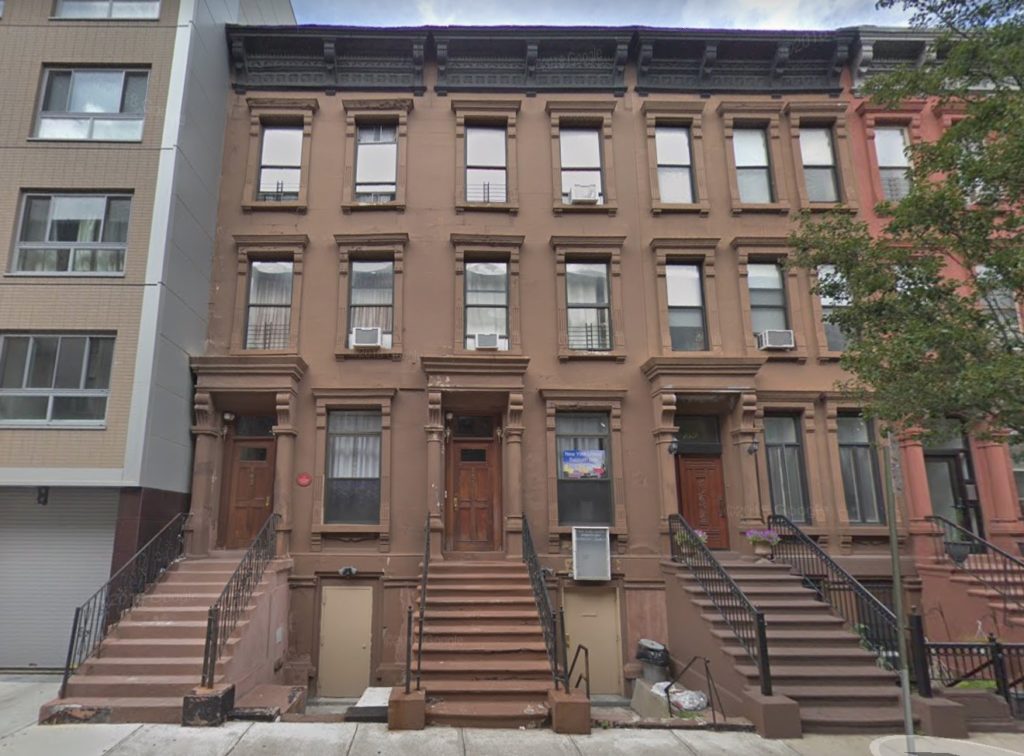
The historic marker outside the site of the Maple Leaf Club in Sedalia, Missouri.Looking into Maple Leaf Park, on the site of the historic club.Inside Maple Leaf ParkMaple Leaf Park contains a timeline of Joplin, the “Maple Leaf Rag” and the club.Downtown Sedalia at sunset, with the historic Hotel Bothwell, right.Historic downtown Sedalia. This is a shot on Main Street.Sedalia’s mural dedicated to Scott Joplin.The Hotel BothwellLooking up Ohio Avenue in downtown Sedalia.Sedalia’s former train station has been converted into a visitors center, with a museum that covers a lot of Ragtime, and Joplin, history.Inside the Scott Joplin House State Historic Site in St. Louis. This is the front apartment, where Joplin may have boarded.A piano with, of course, Joplin music ready to be played.Joplin’s portrait hangs on the wall of the Scott Joplin House in St. Louis.The piano room downstairs at the Scott Joplin House in St. Louis contains many piano rolls of Joplin compositions.Bryan Cather, interviewed in the show at the Scott Joplin House, pumps away at the player piano.Outside the Scott Joplin House in St. Louis on a snowy February day.Scott Joplin House, St. Louis.The last home of Scott Joplin at 163 West 131st Street in Harlem. Image courtesy Google MapsThe grave of Scott Joplin at St. Michael’s Cemetery. Image courtesy Gardens of Stone.The major reason for Scott Joplin’s resurgent popularity in the 1970s was the box office hit The Sting starring Robert Redford and Paul Newman.The Maple Leaf Rag, Joplin’s most successful song in his lifetime. A clip of the Houston Grand Opera’s version of Treemonisha, performed in 1976.
FURTHER LISTENING:
Get a background on the music scene of the early 1900s by listening to these two podcasts on New York’s early music heritage:
And for a look at early African-American neighborhoods in New York, check out this episode (with trips to Seneca Village and Weeksville):
THE FIRST PODCAST Imagine if we could hear the voices of Abraham Lincoln, Queen Victoria or Harriet Tubman?
Believe it or not, somebody was making audio recordings as far back as the 1850s. Had these techniques been widespread, we might have had the words of those famous people preserved, as well as recordings from the Civil War, the Crimean War and other tumultuous events.
This is the story of the first audio recordings ever made and the oldest song recording to ever be heard today, thanks to an intrepid group of tech-savvy historians.
This important musical piece may not sound like much — in fact, it sounds downright creepy! — but it marks the beginning of music as a cultural force. One that can be replicated, replayed and enjoyed by those who were not in the room when it was first made.
Big thanks to First Sounds, the organization which helped bring the audio of Scott de Martinville to life. They have also generously offered their work for all to listen to on their website.
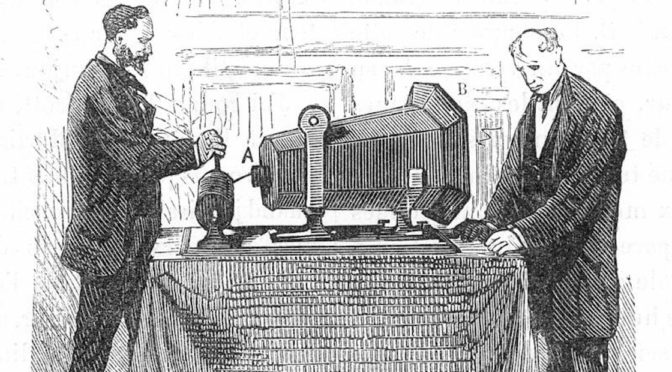
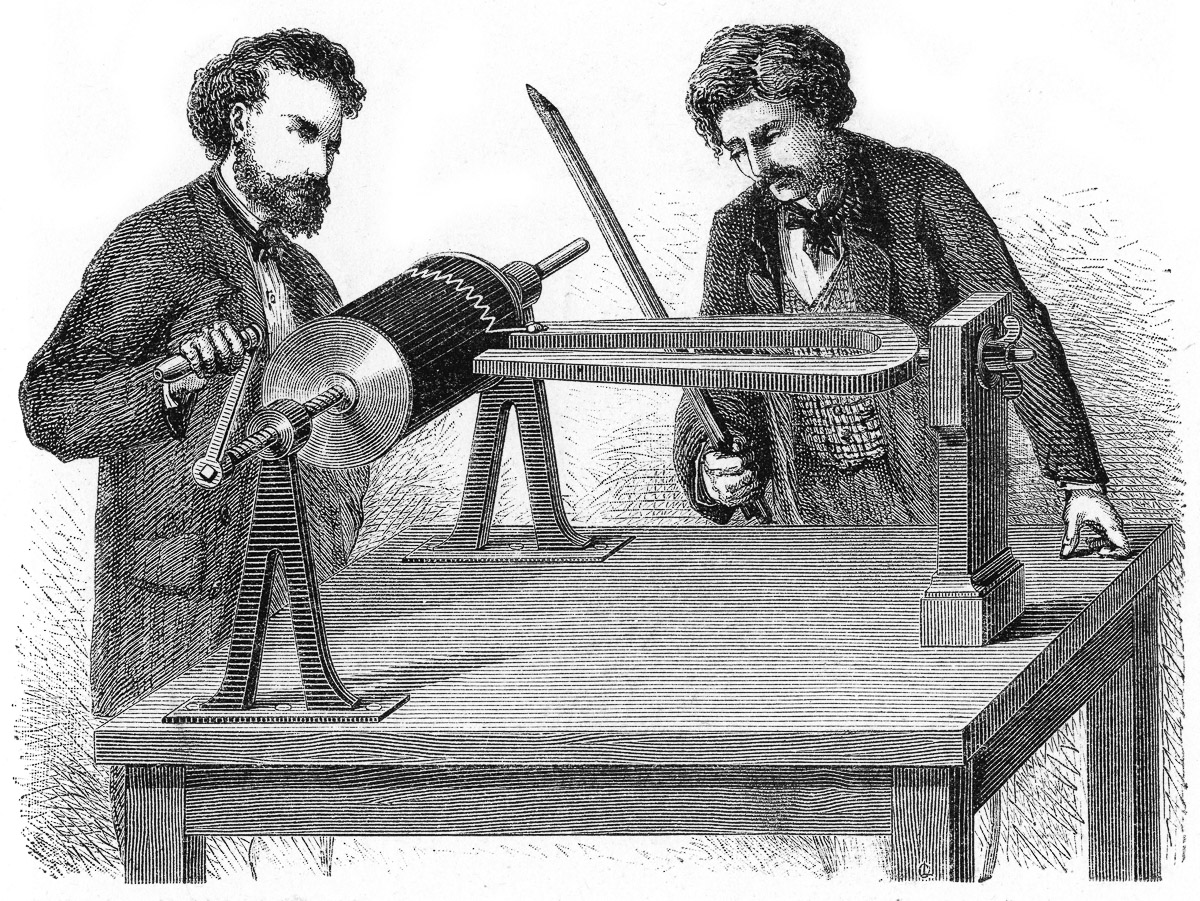
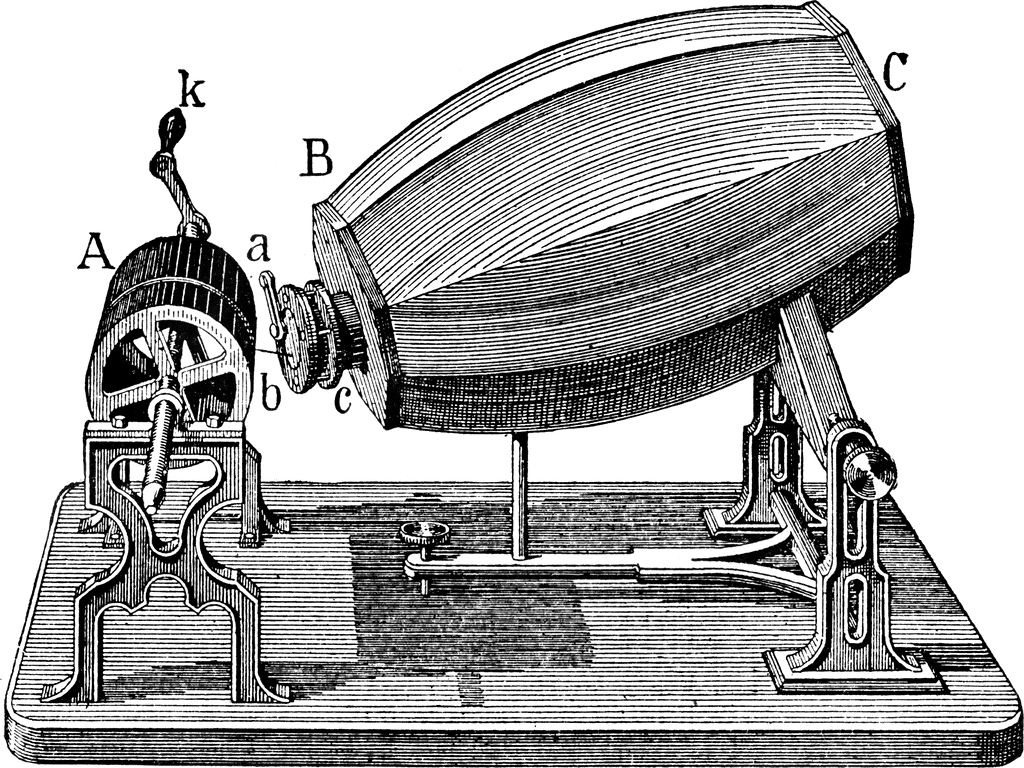
(Edouard) Leon Scott de Martinville’s invention went through several iterations. The image below illustrates one version from 1857. Tuning fork vibrated by bow or iron rod, and vibration traced on cylinder coated with lampblack (carbon). Engraving, 1872 (Photo by Universal History Archive/Getty Images)
A later version of the so-called phonautograph
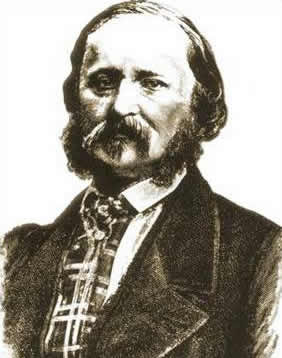
The inventor himself Edouard Leon Scott de Martinsville. Also the singer of the first song!
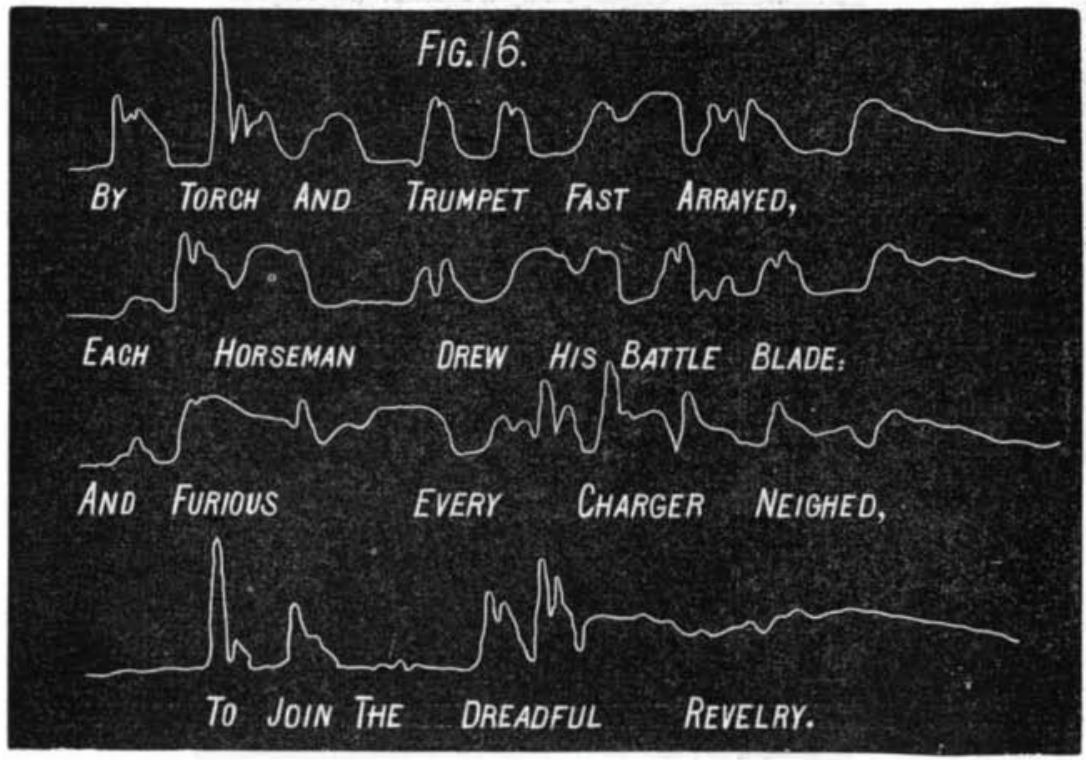
From Scientific American 1877 — an illustration of what the inventor hoped to achieve with his device. The noted vibrations could be translated into words. Thus the first audio recording device was really a dictation of machine of sorts.
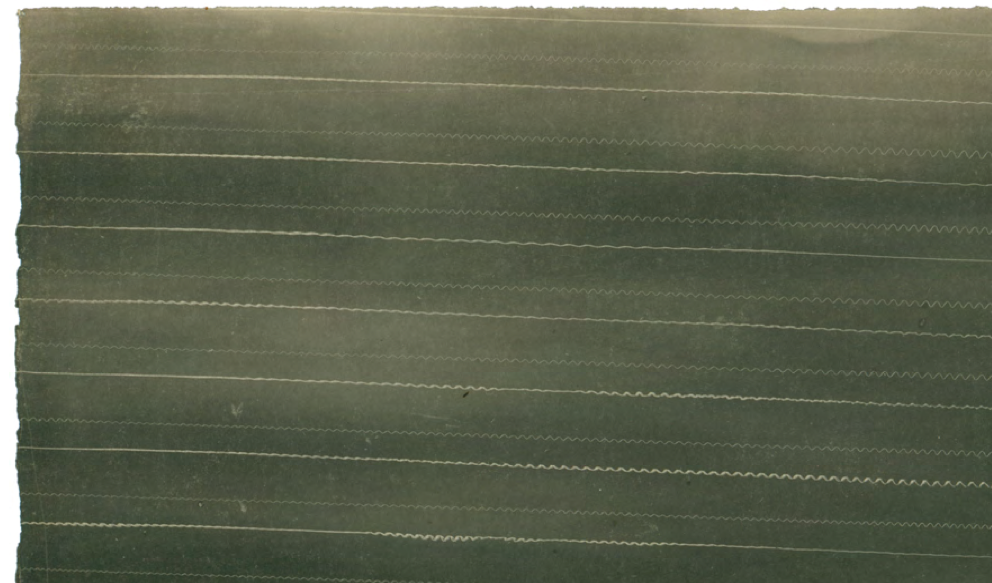
This is what First Sounds technicians were working with — a page from the inventor’s phonautograph. The vibrations proved too small to work with the human eye but a computer could identify the detailed ridges much more effectively.
The plays and sonnets of William Shakespeare, as the finest examples of the English written word, were also the first recorded sounds ever made. Â The first recording ever made at Alexander Graham Bell‘s Volta Laboratory in Washington DC in 1881 was that of Bell’s very own voice reading Shakespeare’s Hamlet.
Here’s another recording of Bell’s voice from 1885, running through a series of numbers as a sort of ‘test pattern’ for Bell’s new Graphophone:
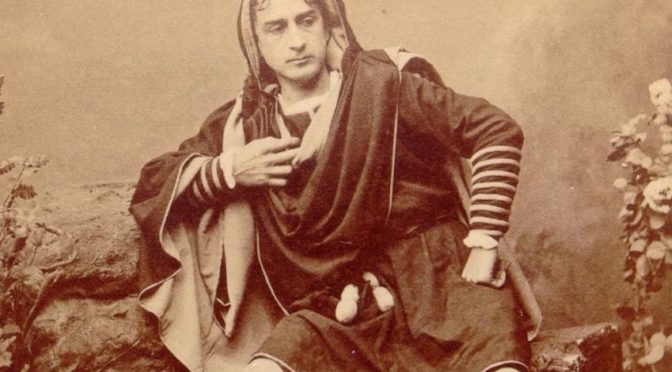
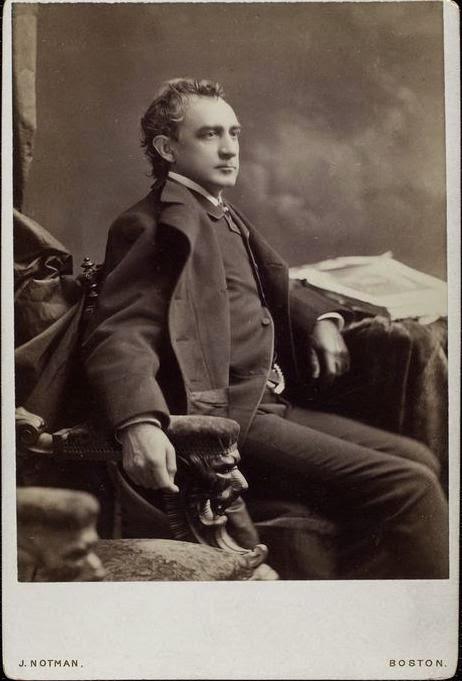
But Bell, visionary and genius, was no actor. Â The first audio of Shakespeare performance by an actor — the greatest actor, in fact –Â Edwin Booth, also known among the creative set in New York for The Players Club in Gramercy Park.
The recordings were made in Chicago in March 1890, of Hamlet and Othello (heard below):
Booth has a couple tie-ins to the subject of our last podcast,the Astor Place Riot. Â He was named for the early American tragedian Edwin Forrest whose rivalry with the British actor William Macready incited the bloody conflict at the crossroads of Broadway and the Bowery on May 10, 1849.
And, of course, Edwin Booth has a serious connection with another 19th century theater tragedy — the assassination of Abraham Lincoln by Edwin’s brother (and acting partner) John Wilkes Booth. Â The assassin was actually known for his own aggressive version of Othello; during one performance, he almost strangled the life out of the actress playing Desdemona!
Listen to Edwin Booth’s recorded performance. Â You’re listening to the world’s most well-regarded actor of the 19th century. Â He’s at the end of his career here. Â One year later, in 1891, he would give his last performance at the Brooklyn Academy of Music. In the role of Hamlet, naturally.
The recordings, using Thomas Edison’s equipment, were never meant for public performance, but rather at the behest of his daughter Edwina.
PODCAST The musical story of the Cotton Club, the most famous (and infamous) nightclub of the Jazz Age.
The Cotton Club, Harlem’s most prominent nightclub during the Prohibiton era, delivered some of the greatest music legends of the Jazz Age — Duke Ellington, Cab Calloway, Fletcher Henderson, Ethel Waters, the Nicolas Brothers. Some of the most iconic songs in the American songbook made their debut at the Cotton Club or were popularized in performances here.
But the story of gangster Owney Madden‘s notorious supper club is hardly one to be celebrated.
That the Cotton Club was owned by Prohibition’s most ruthless mob boss was just the beginning. The club enshrined the segregationist policies of the day, placing black talent on the stage for the pleasure of white patrons alone. Even the club’s flamboyant decor — by Ziegfeld’s scenic designer, no less — made sure to remind people of these ugly admission practices.
This is the tale of Harlem late night — of hot jazz and illegal booze, of great music and very bad mobsters. Featuring some of the greatest tunes of the day by Ellington, Calloway, King Oliver and more.
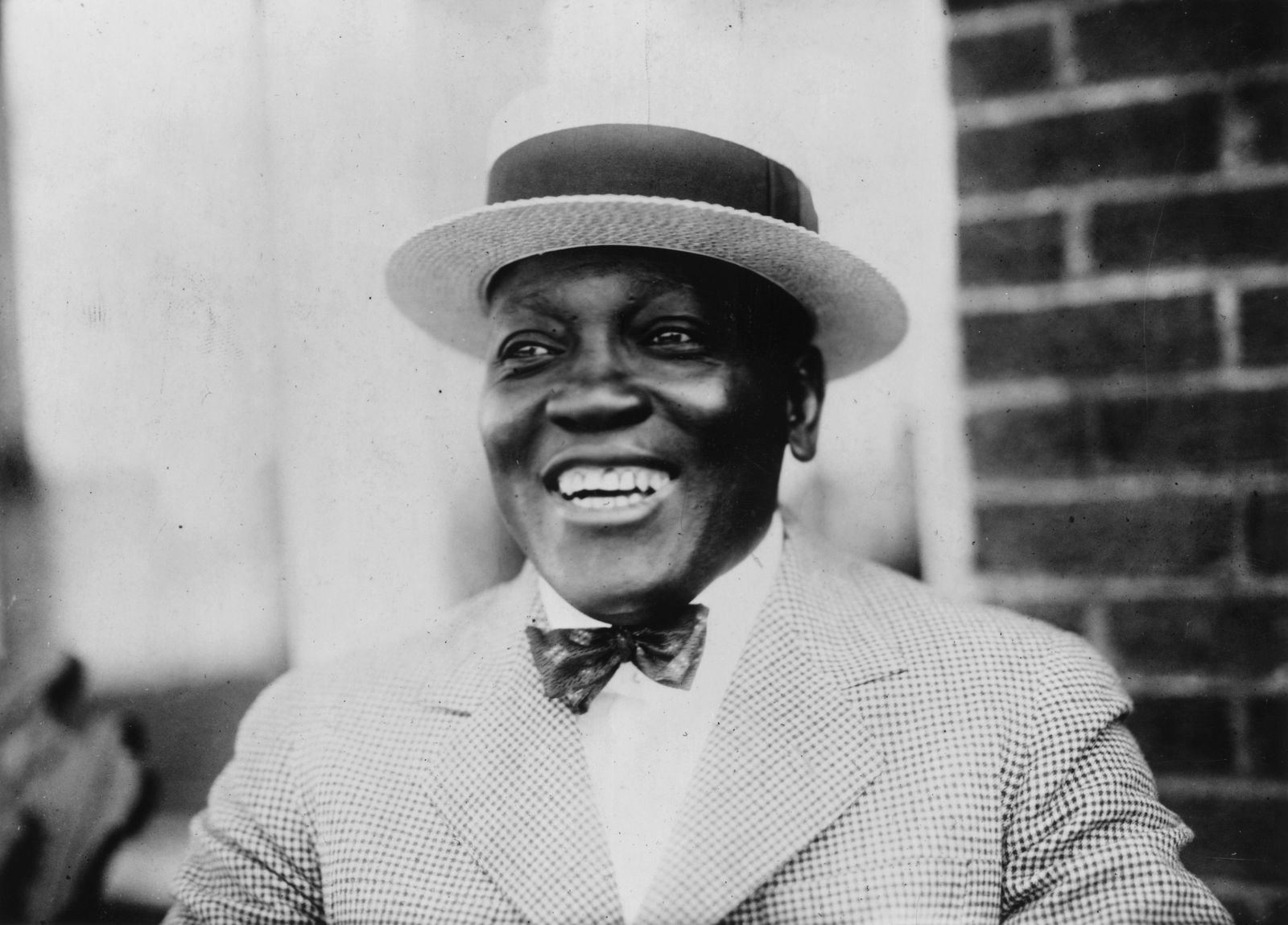
The Cotton Club was spawned from an earlier nightspot called Club Deluxe, owned by boxer Jack Johnson. (Below: Johnson in 1910)
Courtesy Getty Images)
Club Deluxe was renamed The Cotton Club in 1923 by Owney Madden, the mob boss and supplier of illegal booze.
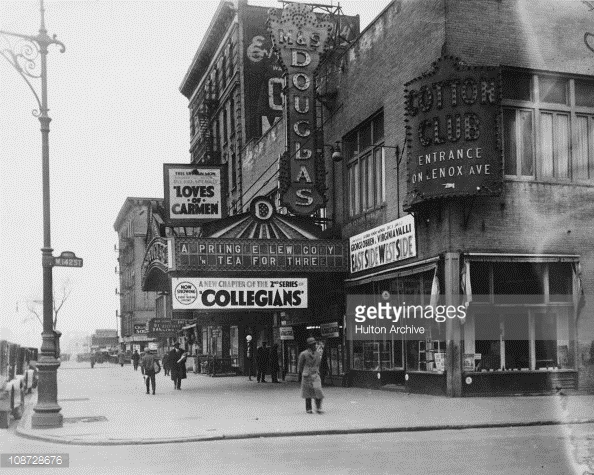
The original Cotton Club at 142nd Street and Lenox Avenue. The Douglas Theater, on the ground floor, is doing much better here, photo taken sometime in 1927:
Courtesy Getty Images
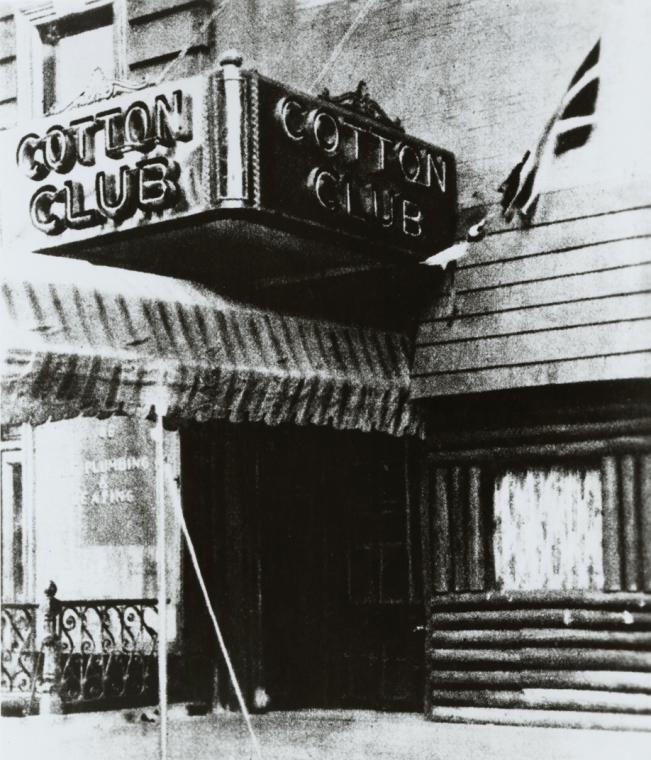
The entrance to the Harlem Cotton Club. Note the log decoration to make it appear like some old rugged shack.
Courtesy New York Public Library
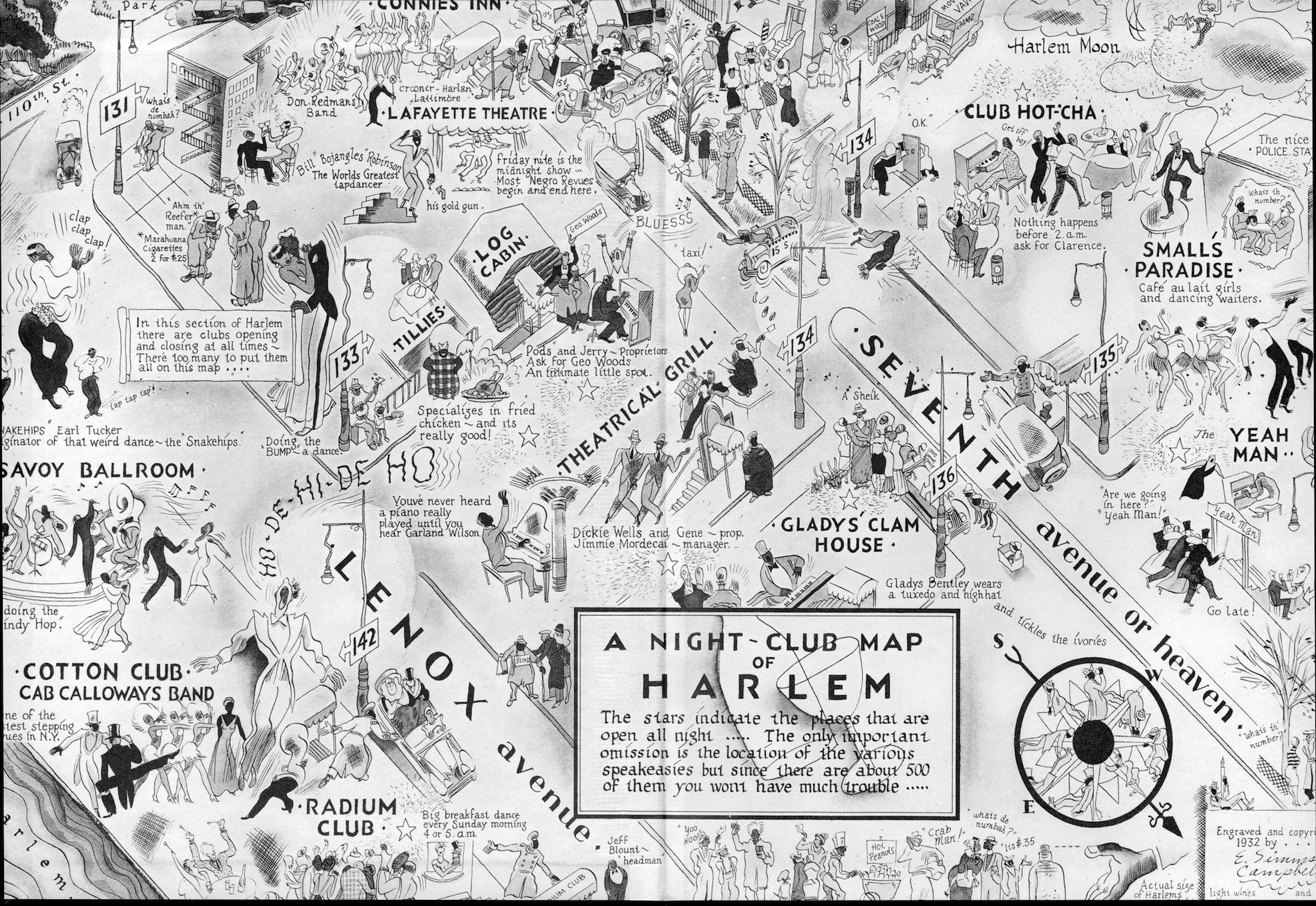
A map from 1932 of the Harlem nightclub scene, featuring the Cotton Club, Small’s Paradise, Connie’s Inn, the Savoy Ballroom and more….
Courtesy Open Culture
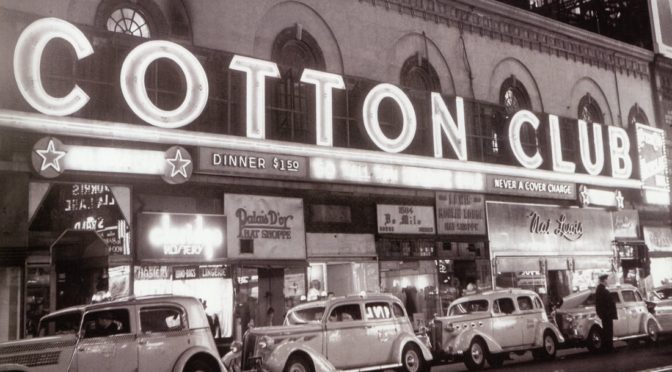
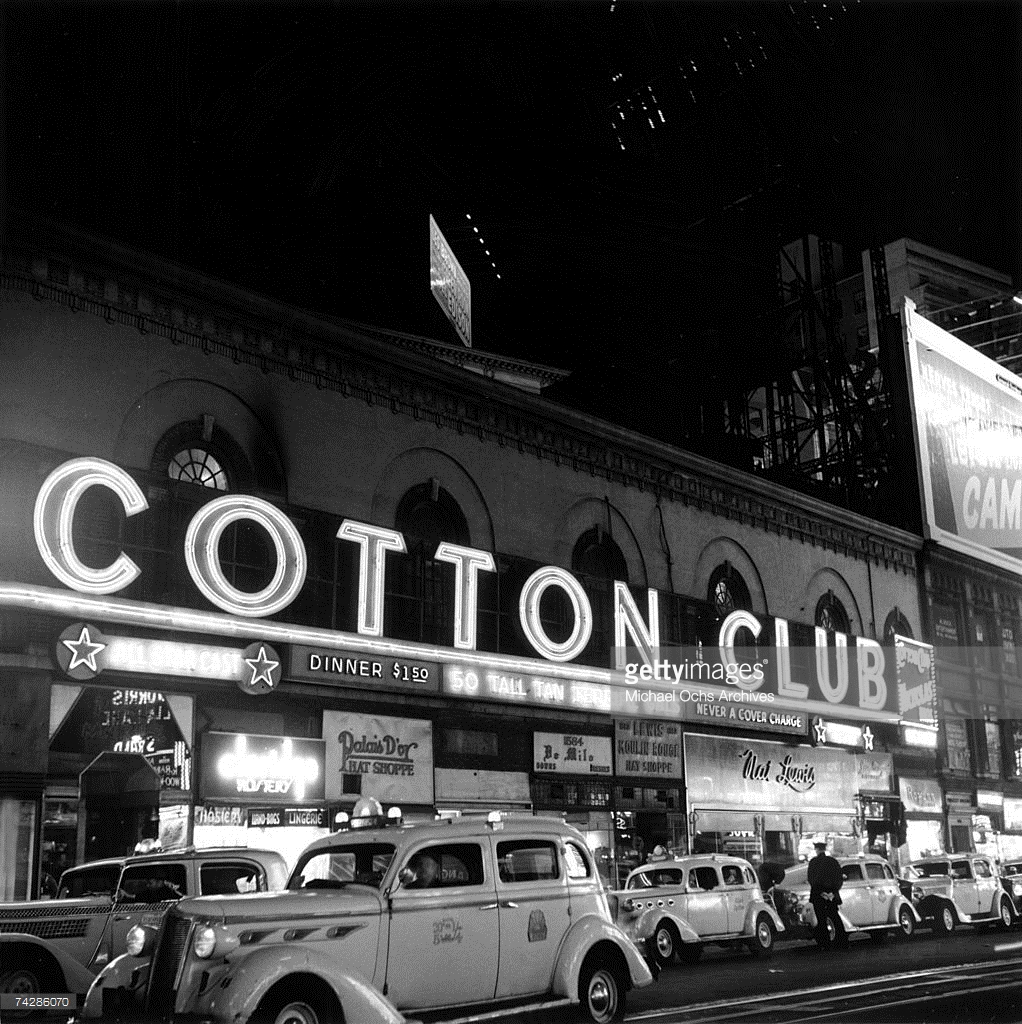
The Broadway Cotton Club as it looked one evening in 1938.
Courtesy Getty Images/ Michael Ochs Archives
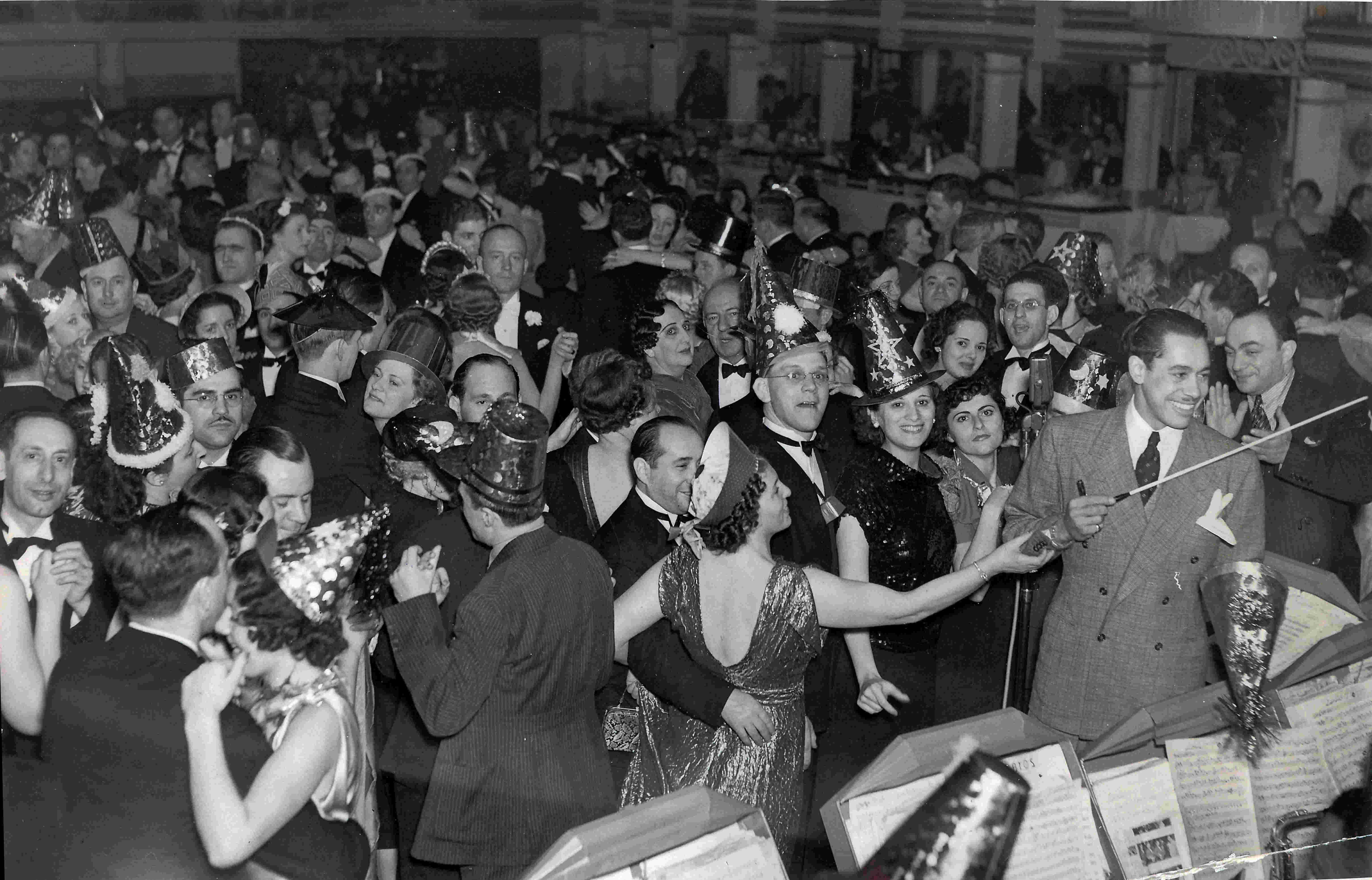
A look at the interior of the Broadway Cotton Club circa, during an New Year’s celebration, 1937, with Cab Calloway conducting.
Courtesy the Hi De Ho Blog, devoted to Cab Calloway
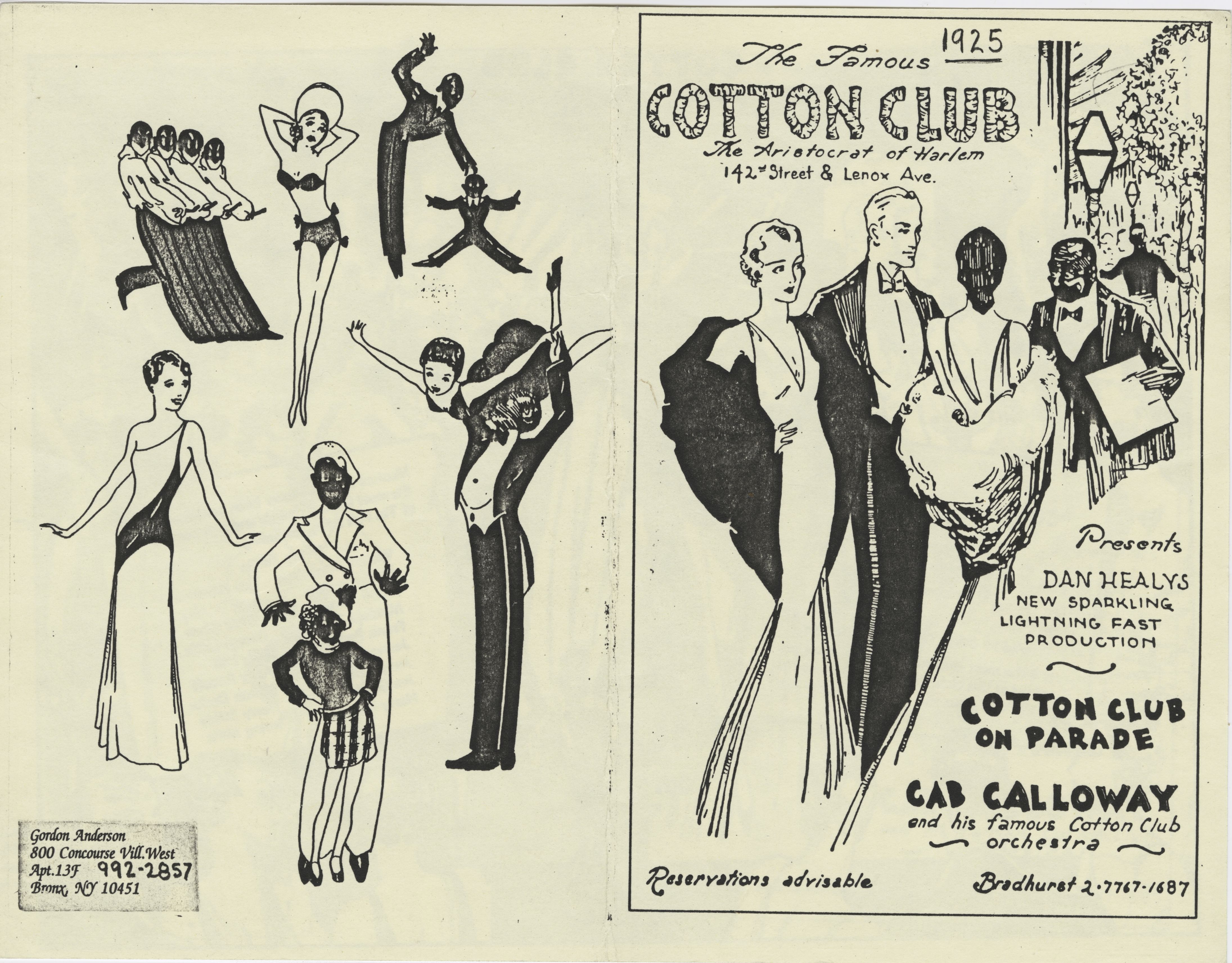
An advertisement or program for The Cotton Club. The year 1925 is penciled in at the top, but it has to be from a later date. Calloway had just graduated from high school in 1925!
Courtesy New York Public Library
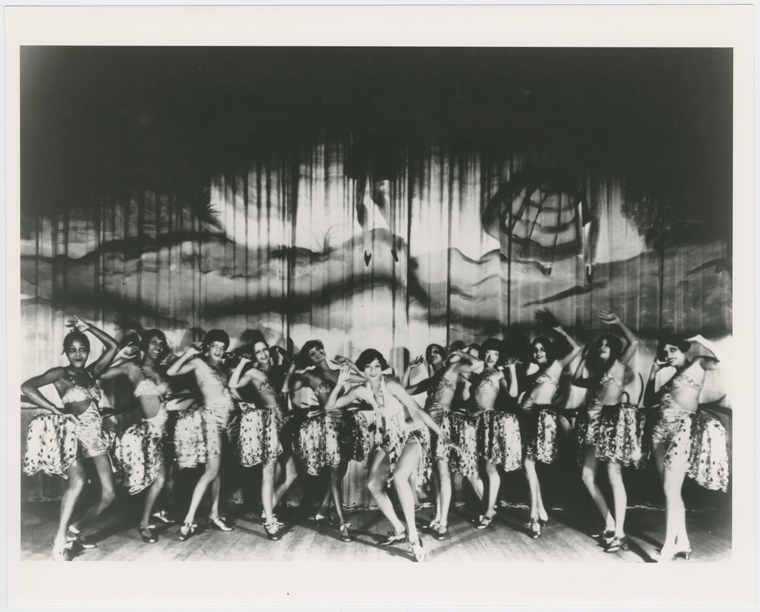
Maude Russel and her Ebony Steppers, performing in the 1929 Cotton Club show called ‘Just A Minute’.
Courtesy New York Public Library
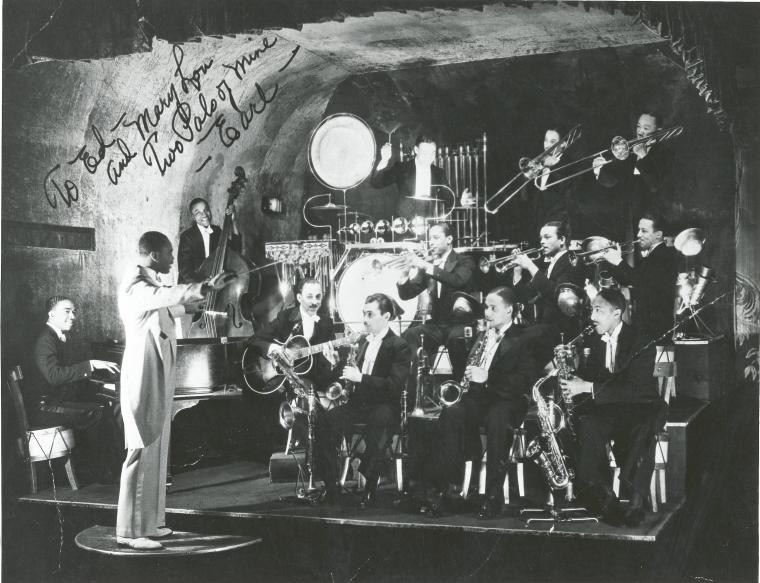
A shot of Jimmy Lunceford and His Orchestra in 1934.
Courtesy New York Public Library
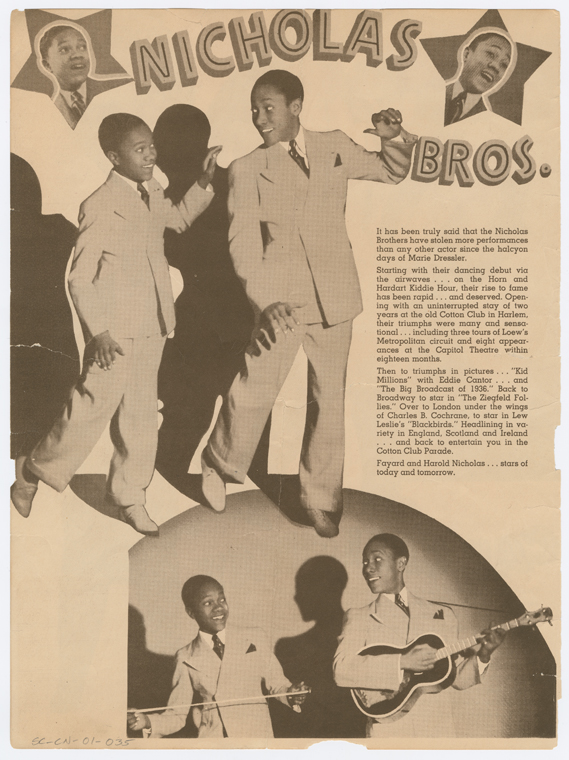
An advertisement for the Nicolas Brothers, for a performance in 1938 at the Broadway Cotton Club.
Courtesy New York Public Library
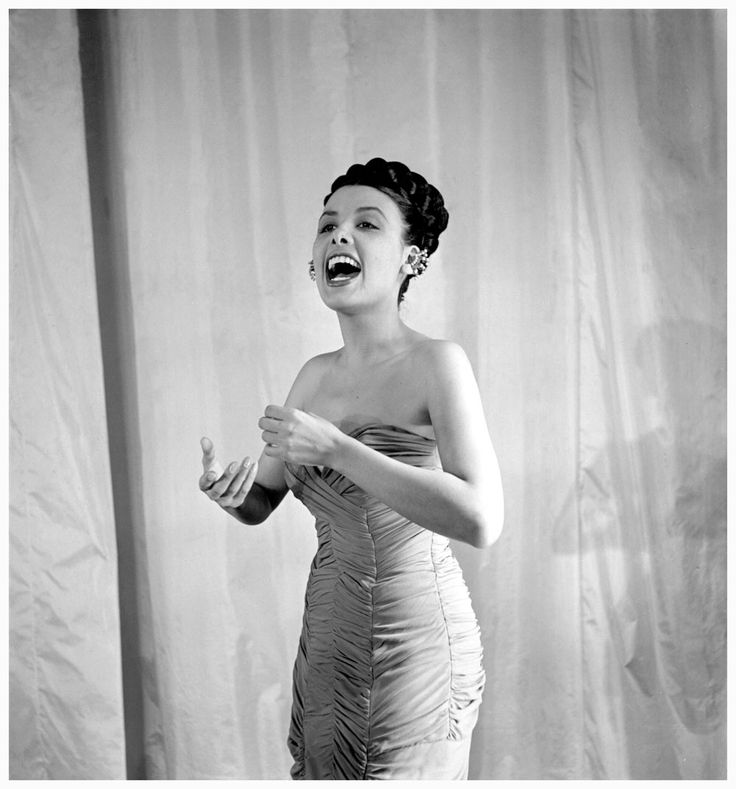
Lena Horne started out in the Cotton Club chorus line but eventually became a headlining star in her own right.
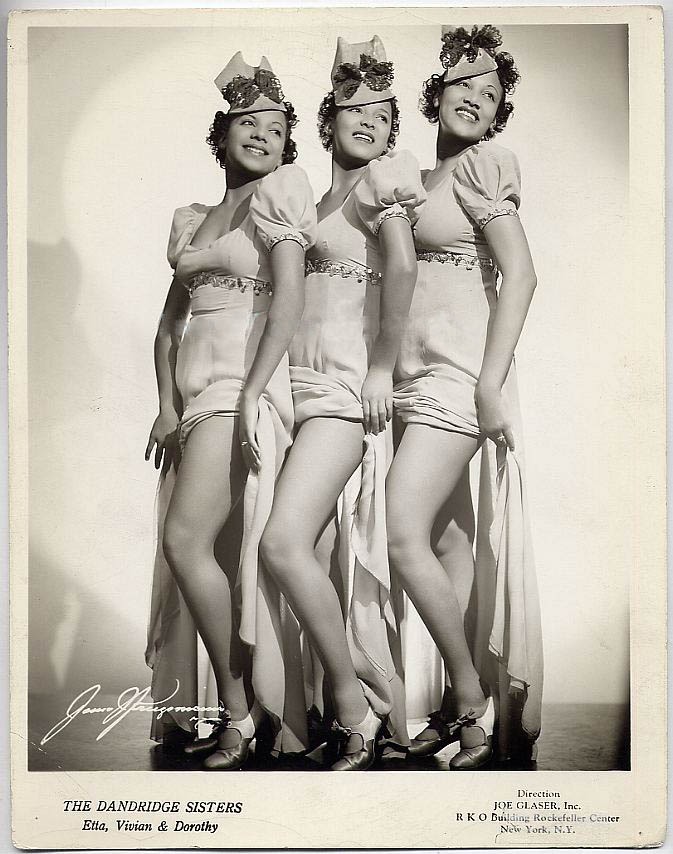
The Dandridge Sisters were notable performers in the final years of the Cotton Club.
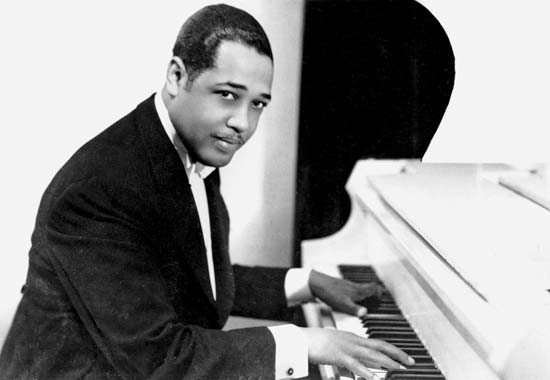
The young and dashing Duke Ellington became a superstar in the years following his Cotton Club residency.
Duke Ellington and his Cotton Club Band, in a 1930 film appearance:
In 1934, Cab Calloway made this short film featuring his music:
Cab Calloway’s here too, in this clip from the film Stormy Weather, but the real stars are the Nicholas Brothers in a breathtaking dance number:
THIS PODCAST FEATURED MUSICAL SNIPPETS FROM THE FOLLOWING SONGS:
Black and Tan Fantasy – Duke Ellington
Drop Me Off In Harlem – Duke Ellington
Speak Easy Blues – King Oliver Jazz Band
Charleston – Paul Whiteman
Mood Indigo – Duke Ellington
Swing Session – Duke Ellington
If You Were In My Place – Duke Ellington
Minnie the Moocher – Cab Calloway
I’ve Got The World On A String – Duke Ellington
Stormy Weather – Ethel Waters
On The Sunny Side of the Street – Duke Ellington
NOTES ON THIS SHOW:
— I made two amusing flubs in this show 1) Duke Ellington’s nickname is probably inspired by the Duke of Wellington, not (obviously) the Duke of Ellington, 2) the name of the movie with Lena Horne and the Nicholas Brothers is obviously named Stormy Weather, not Stormy Weathers (which must be the name of a drag queen somewhere)
— Jack Johnson‘s story is so much more complex and I wish I had more time to talk about him. For more information, check out the incredible documentary (and the book it’s based on by Geoffrey C Ward) called Unforgivable Blackness: The Rise and Fall of Jack Johnson.
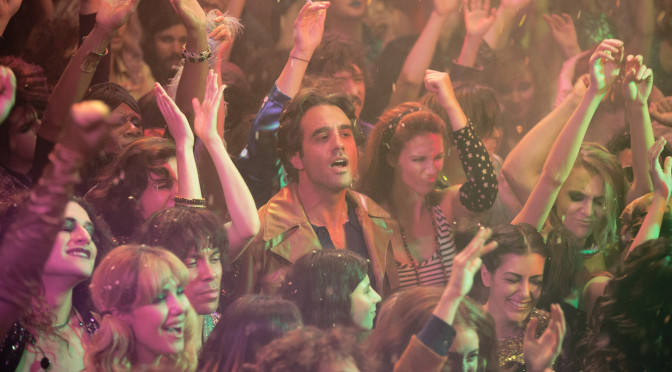
The music industry is the focus of Martin Scorsese’s new HBO show Vinyljust as the mob-run liquor business was the focus of his last show Boardwalk Empire, but in many ways, the two are pretty much the same.
Richie Finestra (Bobby Cannavale) runs his record label American Century Records out of the Brill Building with the same amount of wild swagger that Nucky Thompson ran his Atlantic City operation. By the end of the first episode, there was even a bloody murder.
My interest, of course, is the history, and Vinyl compacts historical events in vivid, fairly unrealistic but very enjoyable way. (A glacially paced romp through 1970s New York City history wouldn’t make good television.) In the first episode alone, Finestra magically predicts the success of ABBA, stumbles into the first hip hop party in the Bronx, then witness the collapse of the Mercer Arts Centerfrom the inside.
If you happen to be watching live on Sunday nights (9pm EST), follow along with me on Twitter (@boweryboys) where I’ll be watching alongside and throwing out some interesting trivia bits. It’s the 1970s in Times Square so the potential for some scandalous history is high!
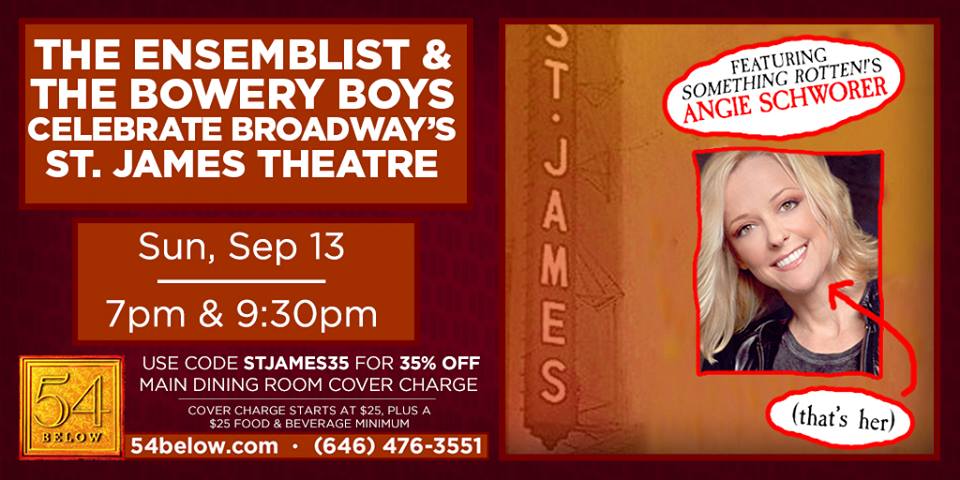
On Sunday The Bowery Boys join up with The Ensemblist to present a special cabaret event at 54 Below — a tribute to the great St. James Theatre!
Perhaps some of you may be asking — why do a live show about a individual theater?
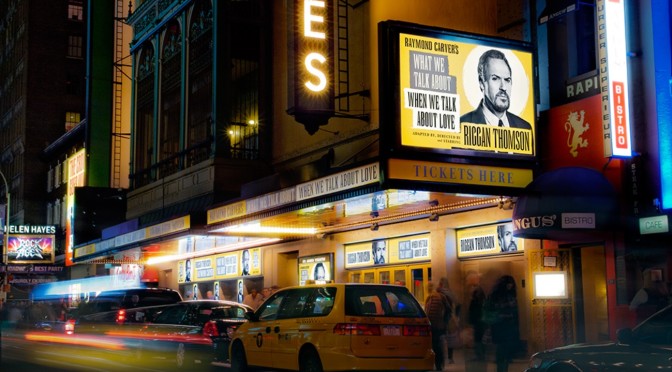
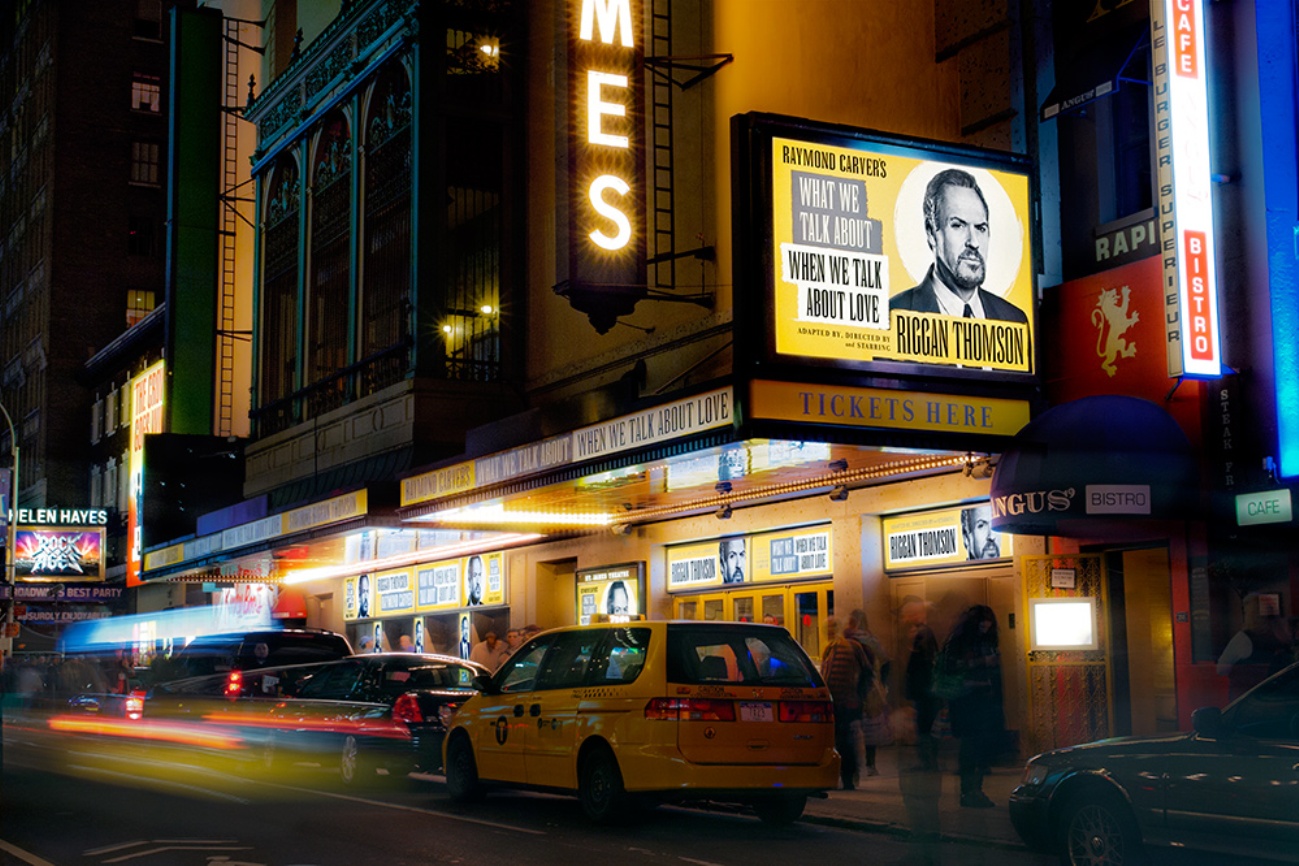
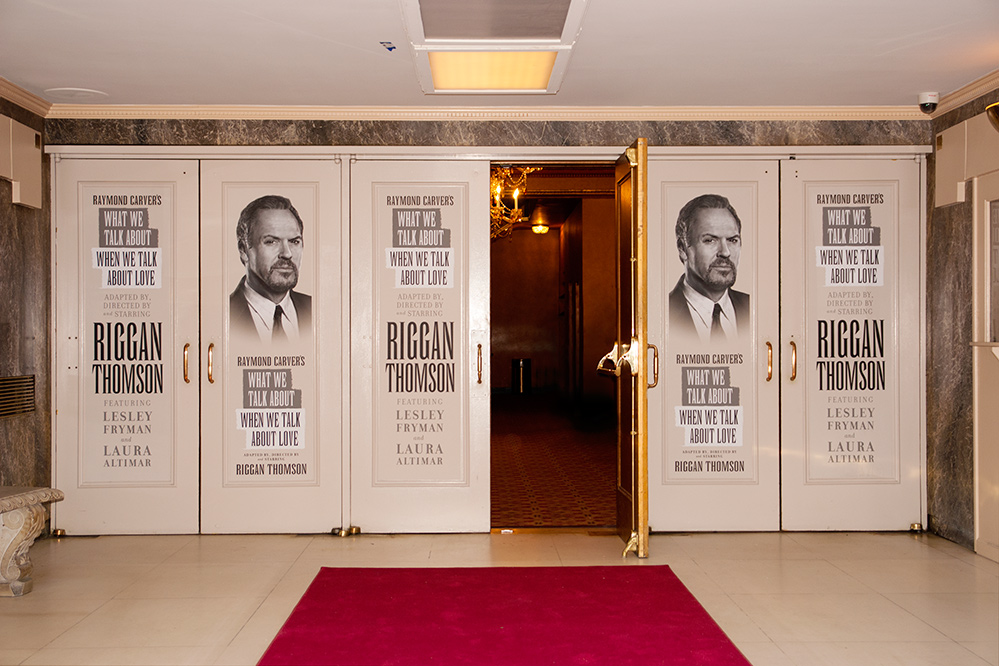
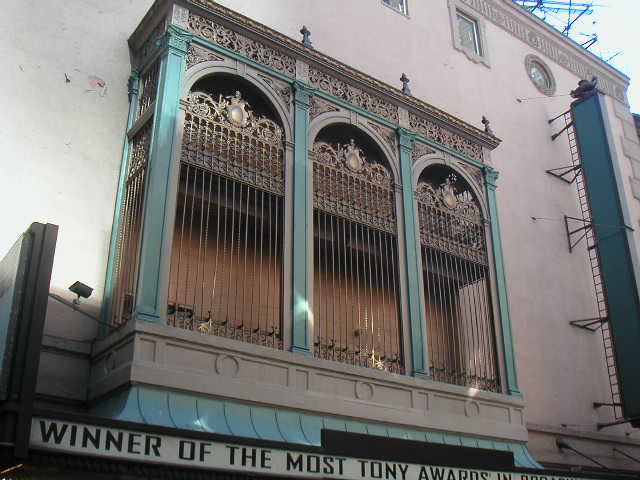
The St. James Theatre (246 West 44th Street) was prominently featured as the principal set in this year’s Academy Award winner for Best Picture Birdman or (The Unexpected Virtue of Ignorance)Â starring Michael Keaton, Edward Norton and Emma Stone.
The underlying theme of the film is that ‘serious’ theater was a reinvigorating, respectable medium that could renew the career of Riggan Thomson (Keaton) whose Hollywood successes have diminished his credibility.
Below:  The exterior and entrance of the St. James in character for Birdman.  More images at Eric Helmin / Design + Media who worked on the film’s terrific graphic design can be found at his website. He’s also worked on The Knick and Inside Llewyn Davis so we’re clearly fans of his work.
Courtesy Eric Helmin / Design + Media
Courtesy Eric Helmin / Design + Media
The St. James was one of a handful of stages which estabished the supremacy of the American theater. To film Birdman here was to set the bar near-impossibly high for the lead character.  The history of the St. James runs parallel to Broadway’s own dramatic highs and lows. It was here that Hello Dolly!, Oklahoma, The King and I and The Producers all made their New York debuts.
Here’s a selection of other quirky facts about the St James Theatre, some big, some small, some weird:
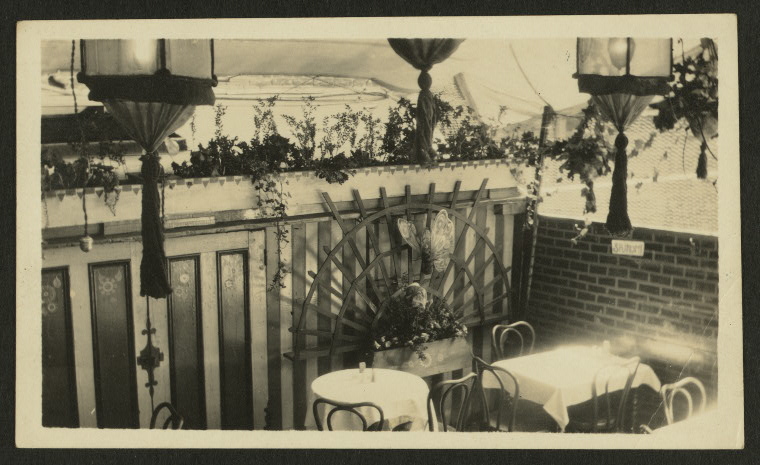
1) The plot of land where the St. James Theater stands today — that’s 246 West 44th Street, between the Helen Hayes Theatre and John’s Pizzeria —  was home to the first incarnation of Sardi’s Restaurant. Called the Little Restaurant (or Sardi’s Sidewalk Cafe), this first incarnation of the famous theatrical eatery opened in 1921.  A frequent sight was that of proprietor Melchiore Pio Vincenzo Sardi Sr. standing in the doorway, flipping a twenty-dollar gold coin.  In 1927, the restaurant moved to its present location – just a couple doors down from the St. James.
Below: The outdoor garden at Sardi’s original spot
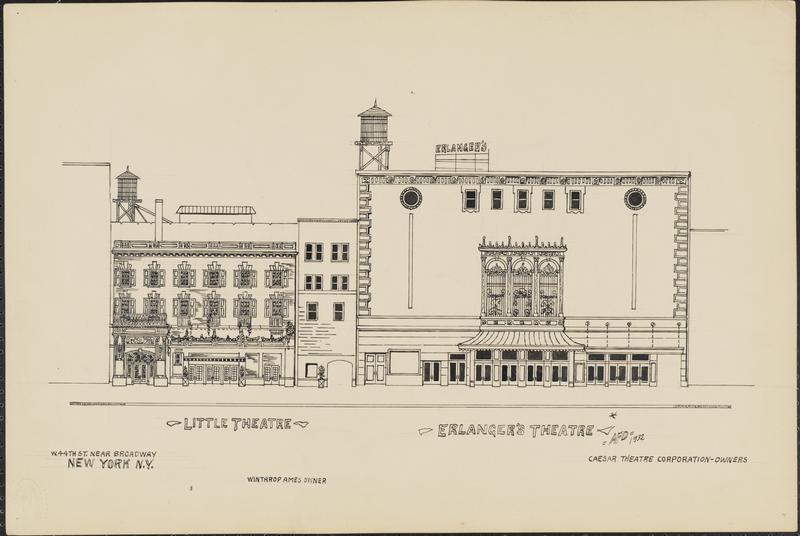
2) What does the St. James Theatre have in common with the Chelsea Piers and Grand Central Terminal? They were all designed by the same architectural firm Warren and Wetmore. But when it opened with its first show — a George M. Cohan romp called The Merry Malones — it was called Erlanger’s Theater, named for one half of the theatrical production juggernaut of the 1920s — Klaw & Erlanger. (By the way, there was also a Klaw Theatre just a block away.)
Below: Anthony Dumas sketches from 1932 of the Erlanger Theatre and the Little Theatre (later the Helen Hayes). Later that year the name would switch to the St. James in tribute to a famous London theater of that same name.
Courtesy the Museum of the City of New York
3) In 1943 the Rodgers and Hammerstein musical Oklahomamade its debut here, changing the face of musical theater forever. But, many years before, the St. James very nearly celebrated the debut of another major epoch-making musical– Showboat. It was even considered for the inaugural performance at the St. James! However its producer Florenz Ziegfeld wasn’t ready in time, and it eventually debuted at Ziegfeld’s own theater on December 27, 1927.
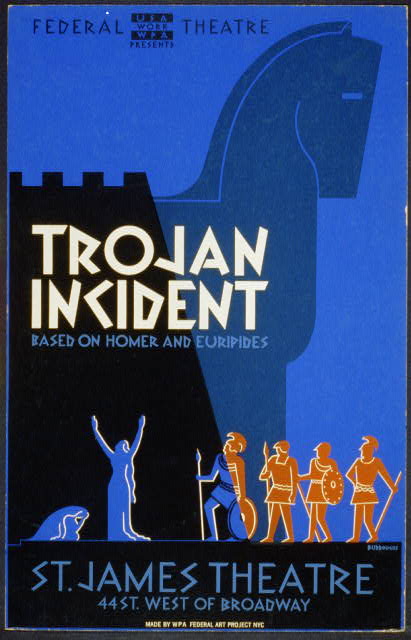
Below: A dance-filled play presented by the Federal Theatre Project called Trojan Incident played for a limited run in 1938
Courtesy Library of Congress
4) The St. James was a vital component of the so-called ‘Golden Age of Broadway’, delivering debut musicals such as Pal Joey, Where’s Charley?, The King and I and The Pajama Game. Countless successful Shakespeare and Gilbert & Sullivan productions graced the stage as did original ballets and even the first play production of Richard Wright’s Native Son in 1941.
So the place has gotta be loaded, right? During the run of Oklahoma, burglars broke into the St. James to steal the evening’s hefty receipts, only to be foiled when they were unable to open the main safe. “They escaped with a small amount of change,” said the Times.
5) In 1958, the theater went through a massive renovation, almost a rebuilding really. Â Most of the interior was replaced with modern theatrical amenities like a state-of-the-art sound system and air conditioning unit. Â The lighting equipment was now “completely enclosed in Plexiglass” and “the asbestos curtain has a mural-like design on it.” [source]
Courtesy NYC Architecture
6) A peculiar set of shows hit the St. James Theatre during the 1970s, most notably a Nashville-themed jamboree called Broadway Opry ’79 featuring a rotating roster of country music greats! Sadly it played only two shows after four previews — the first featuring Don Gibson, Floyd Cramer and Tanya Tucker, the second Waylon Jennings and the Crickets.
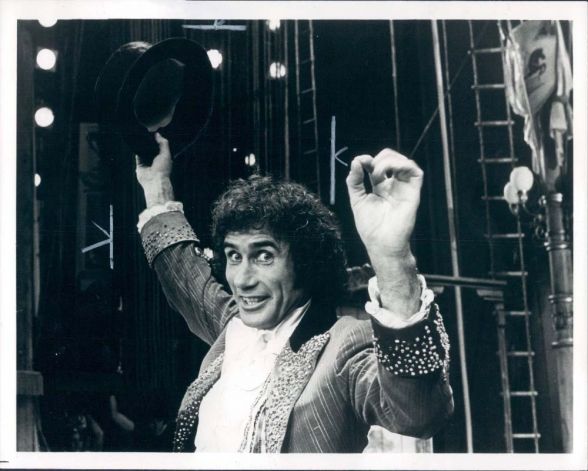
7) A lot of shows celebrating New York City history have played at the St. James, and in  1980  came a tribute to the city’s greatest showman — P. T. Barnum. The musical Barnum, with music by Cy Coleman, featured the subjects of real-life Barnum spectacles like Joice Heth, Jenny Lind and Tom Thumb.  Barnum died in 1891, many years before any theater would have made an appearance above 42nd Street.
Below: Jim Dale in Barnum
8) In 2005 an extraordinary feedback loop occurred at the St James Theatre when the musical movie version ofThe Producers(itself based on a non-musical film) was filmed at the St. James on the very set of the Broadway theater version.  Said one of the extras from the film, standing on stage that day  “Basically, I’m supposed to applaud the play-within-the-play in a movie about a play that was based on a movie,” [source]
9) The past ten years at the St. James have been rewarding indeed — with musical versions of rock albums (American Idiot), children’s books (How The Grinch Stole Christmas), Woody Allen movies (Bullets Over Broadway), and even one Shakespearean comic farce (the current Something Rotten!)
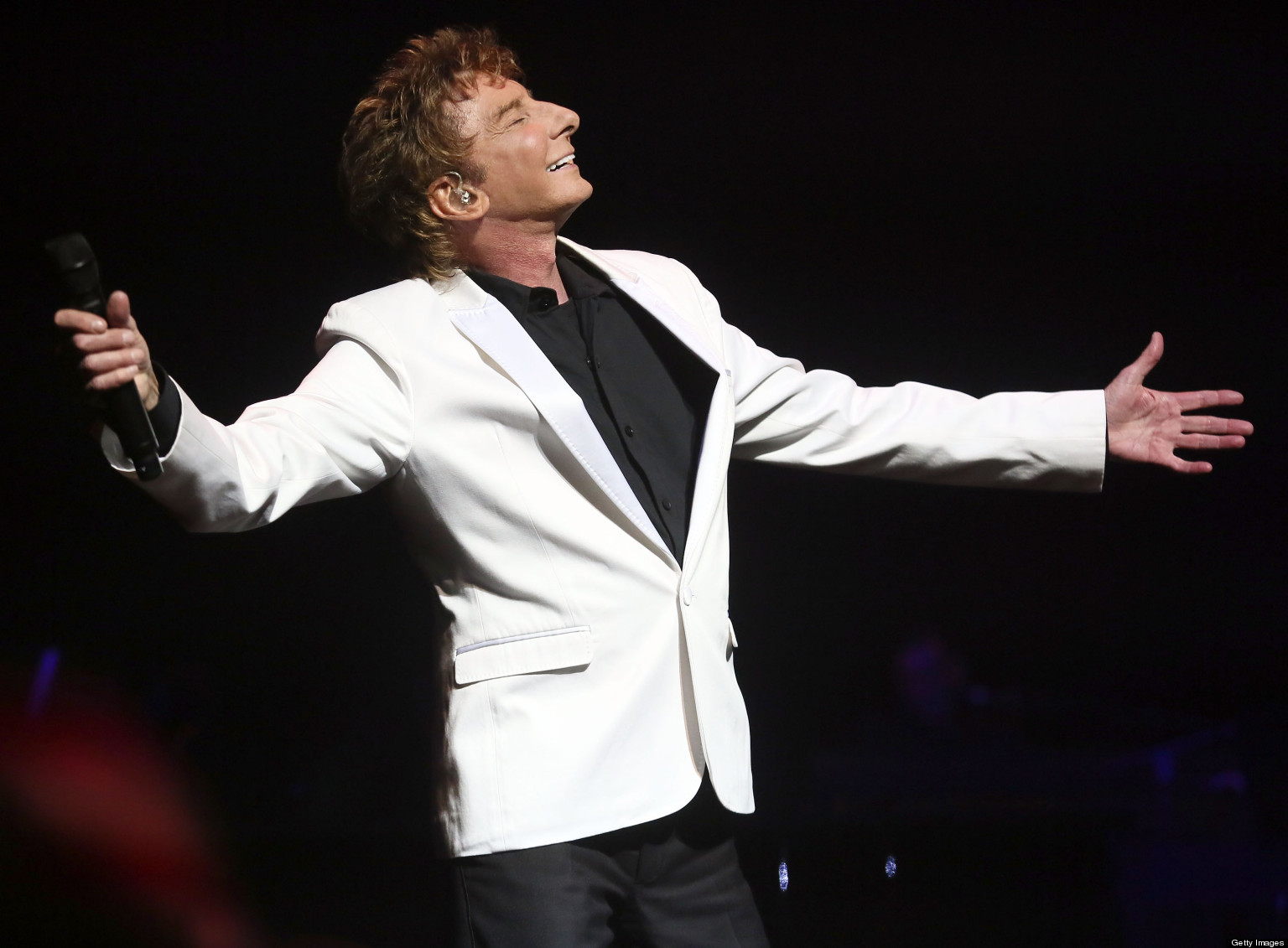
A few lucky individuals even got to see Barry Manilow here in a one-man concert show in 2013. From one review:  “The 1-hour-50-minute concert, performed without an intermission, revealed Mr. Manilow’s brand to be intact. That brand might be described as musical chicken soup for the soul.”
(Photo by Astrid Stawiarz/Getty Images)
10) With Birdman‘s big win at the 2015 Academy Awards, the St. James Theatre becomes the second Broadway theater prominently featured in a Best Picture winner.  All About Eve, Best Picture winner in 1951, features scenes from the John Golden Theatre on West 45th Street.  The Great Ziegfeld also won Best Picture (in 1937) but it was all filmed in Hollywood.
Wanna know more about the history of the St. James Theatre with an overview of Times Square and Broadway history — all while festively dining and drinking in a superb cabaret setting? Come to our show this Sunday!
Tickets are still available for our two shows at 7pm and 9:30pm.Â
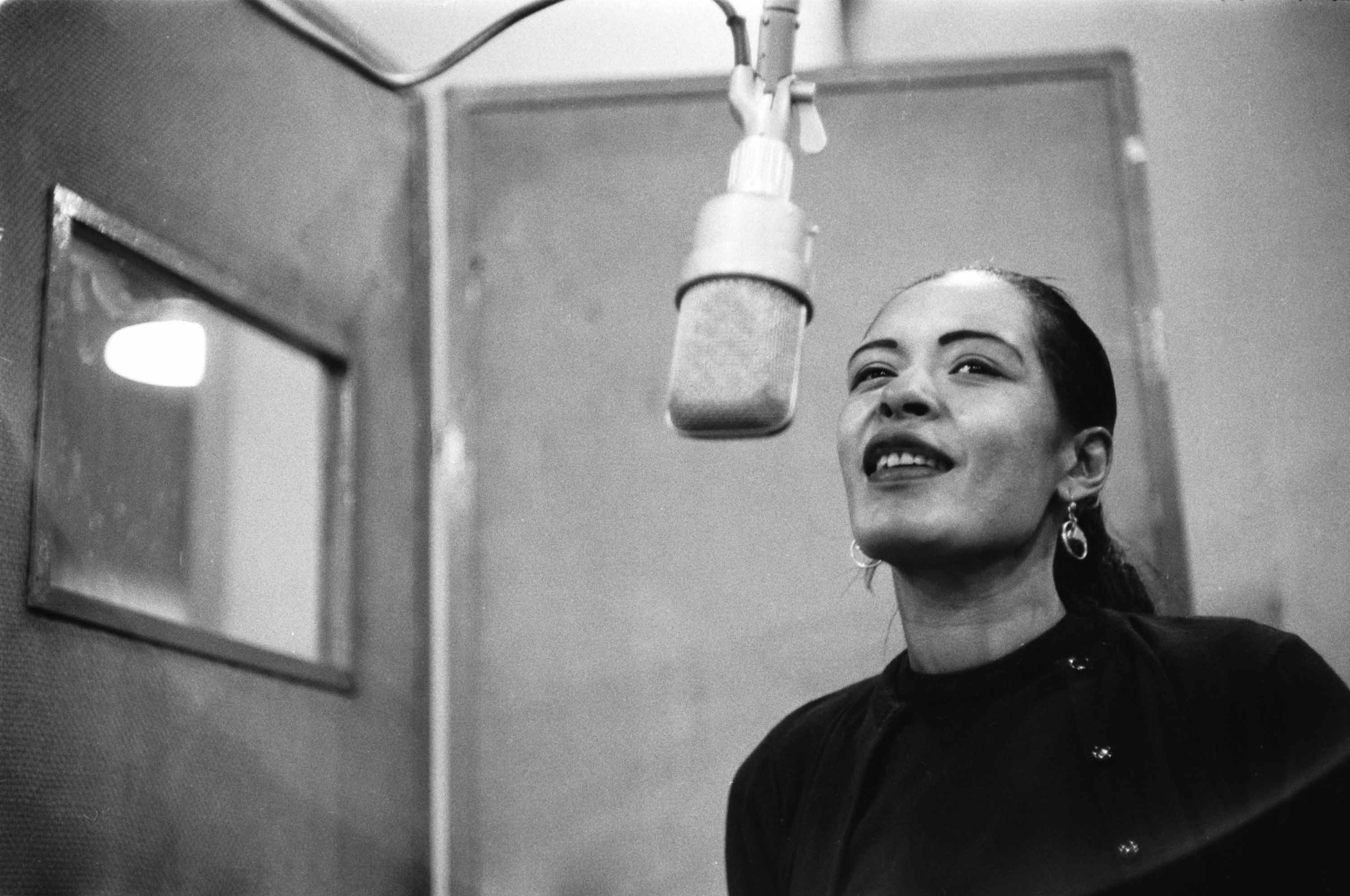
PODCAST Grab your fedora and take a trip with the Bowery Boys into the heart of New York City’s jazz scene — late nights, smoky bars, neon signs — through the eyes of one of the greatest American vocalists who ever lived here — Billie Holiday.
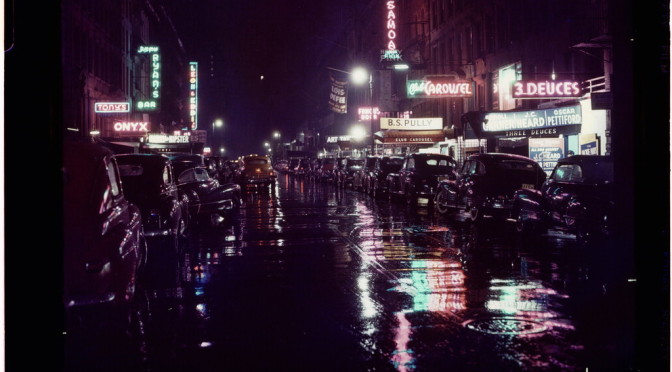
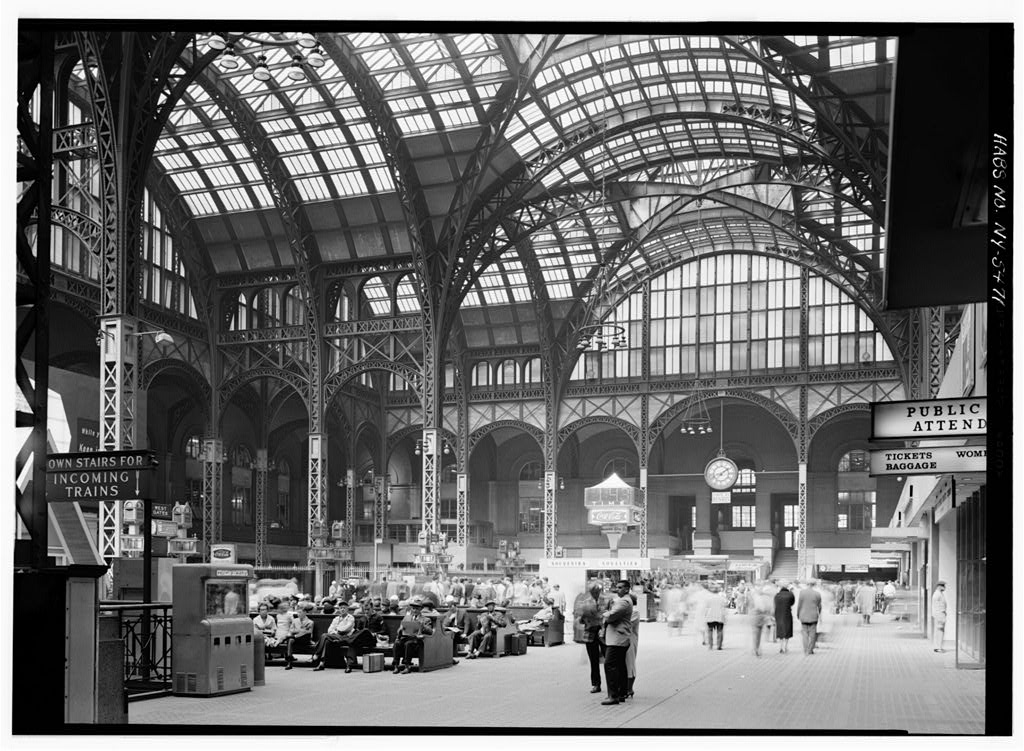
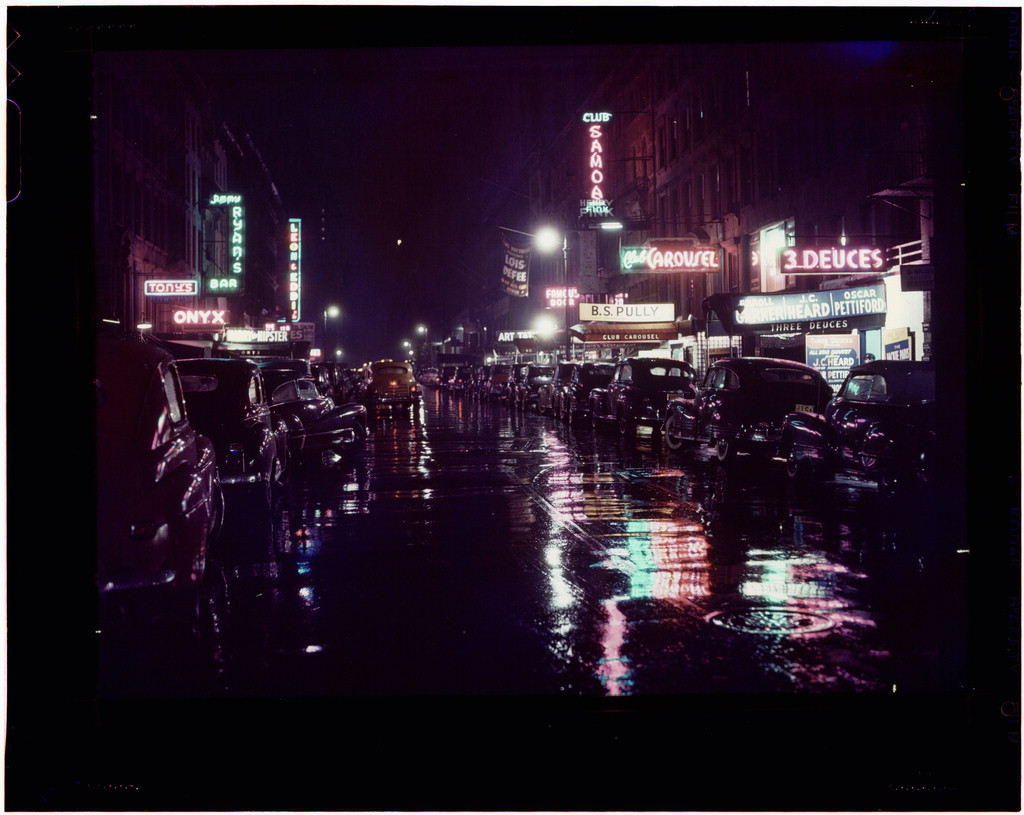
Eleanora Fagan walked out of Pennsylvania Station in 1929 and into the city that would help make her a superstar. Her early years were bleak, arrested for prostitution and thrown into the Welfare Island workhouse. But music would be her savior, breaking out in Harlem first in the nightclubs on 133rd Street, then in the basement clubs of ‘Swing Street’ on 52nd Street.
Her recordings make her an international star, but the venues of New York helped solidify her talents — from the Apollo Theater to Carnegie Hall. But one particular club in the West Village would provide her with a signature song, one that reflected the horrible realities of racism in the mid 20th century.
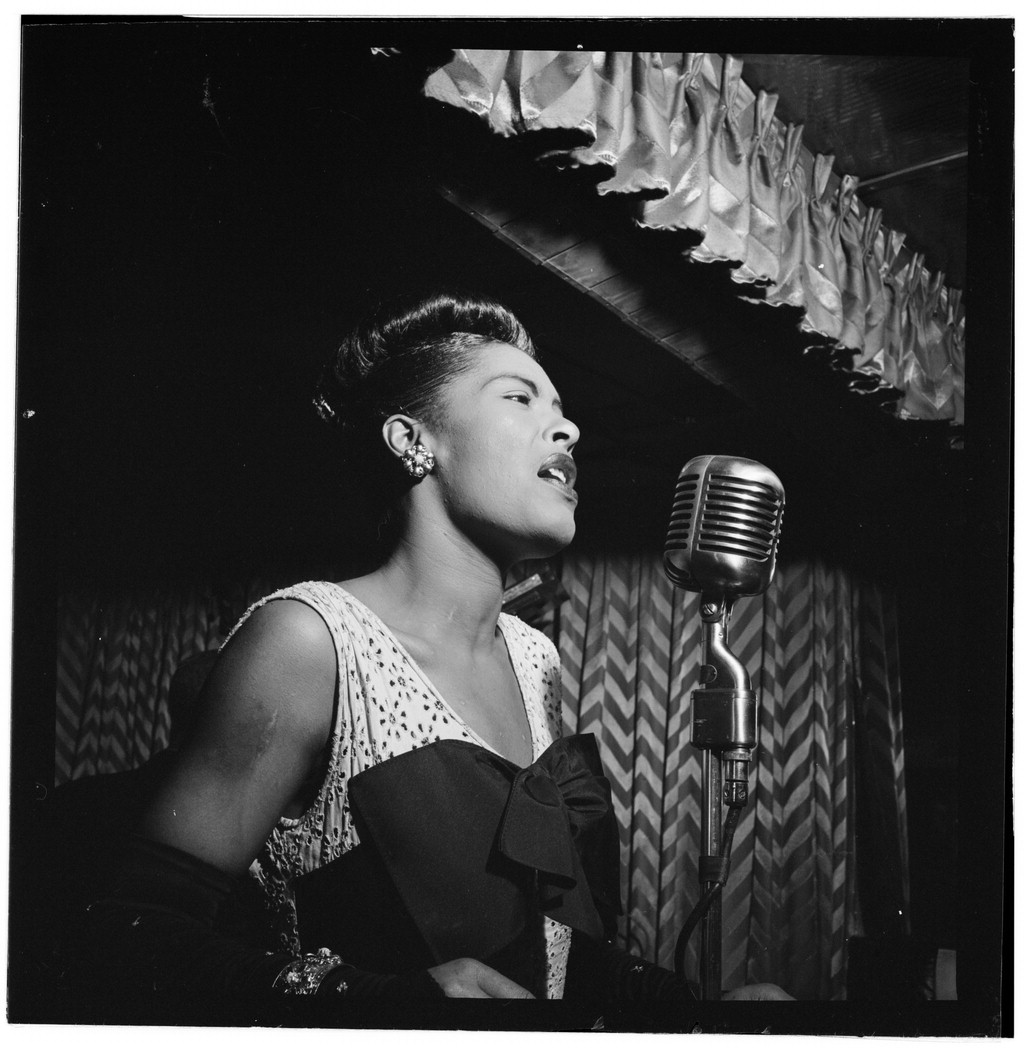
Billie Holiday at Club Downbeat, 1947
Locations featured in this episode:
1) Pennsylvania Station (circa 1930s-40s)
Courtesy Library of Congress
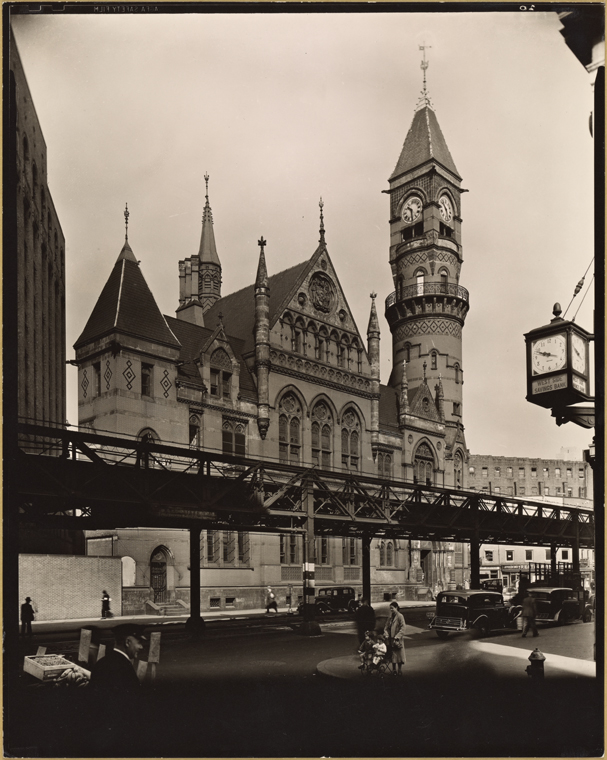
2) Jefferson Market Courthouse, pictured here in 1935
Photographed by Berenice Abbott, courtesy New York Public Library
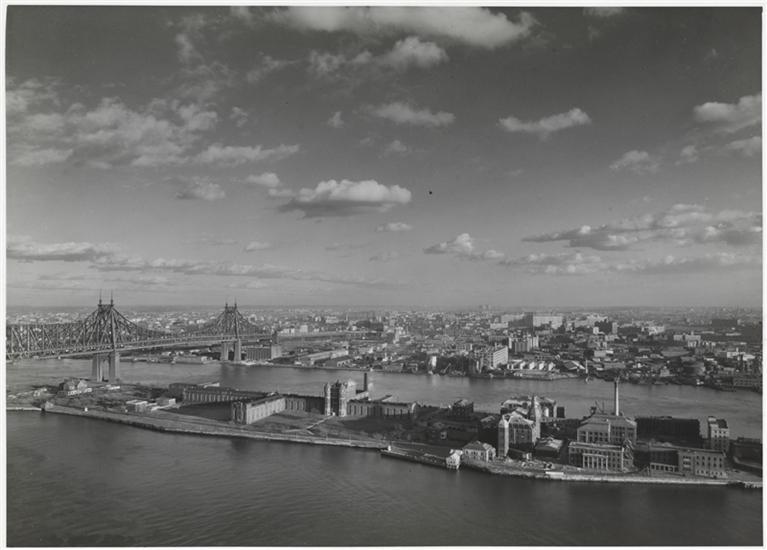
3) Welfare Island, pictured here in 1931
Photographed by Samuel H Gottscho, courtesy Museum of City of New York
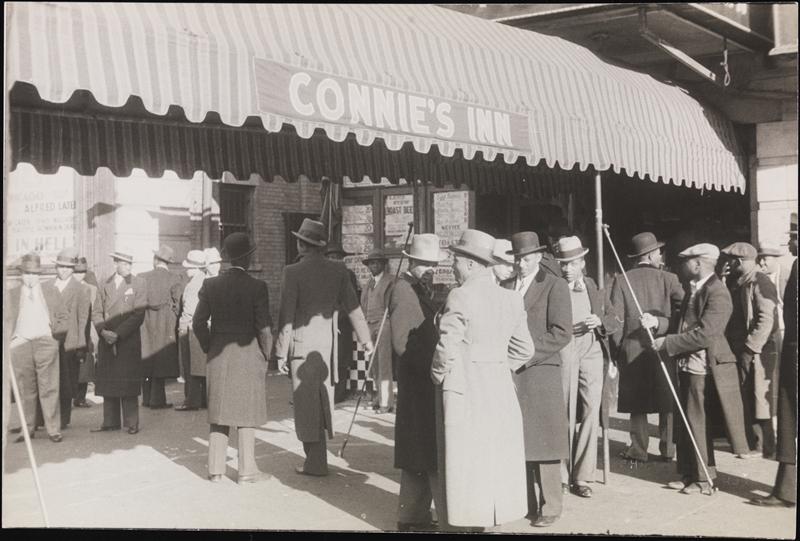
4) 133rd Street — “Jungle Alley” or The Street — outside Connie’s Inn
Courtesy Museum of the City of New York
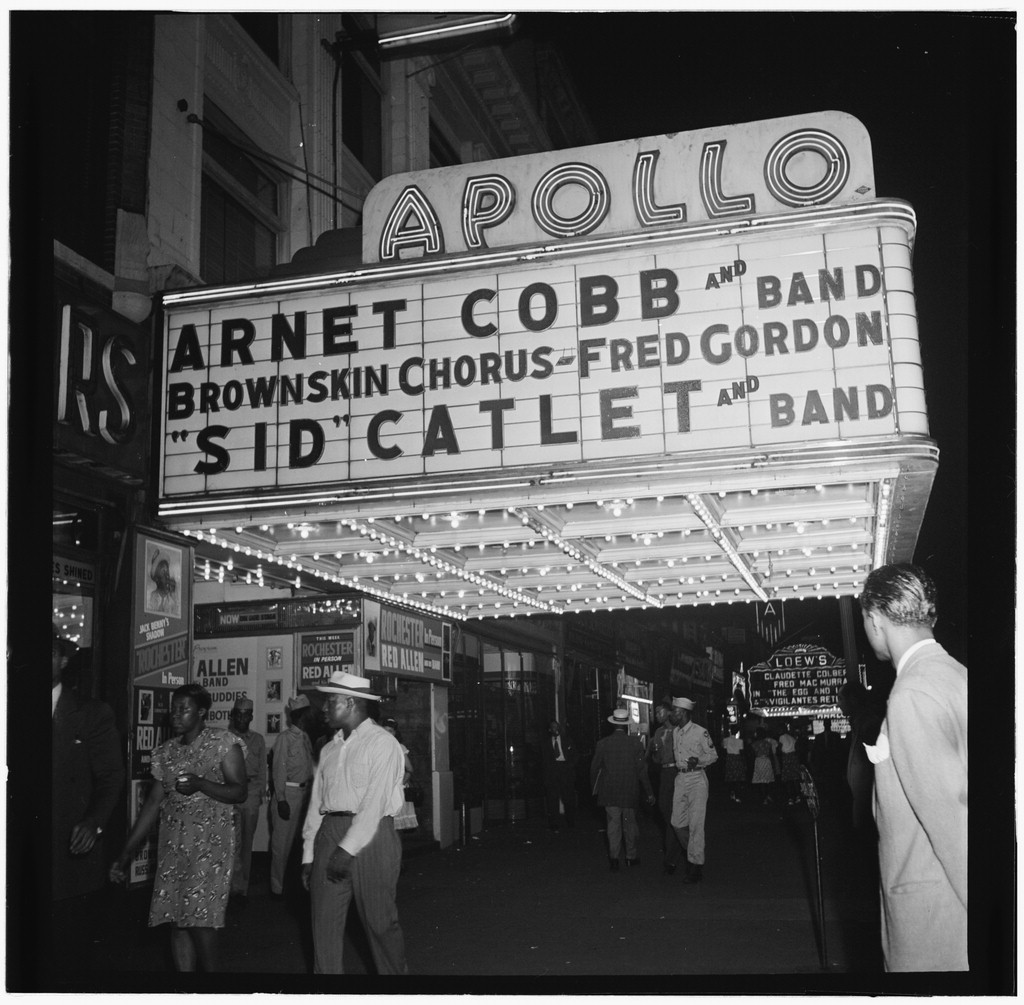
5) Apollo Theater, pictured here in the mid 1940s
Courtesy Library of Congress, photographer William Gottlieb
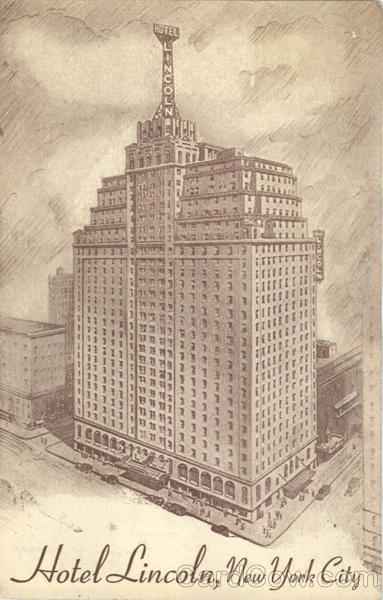
6) Lincoln Hotel
Hotel Lincoln, 44th to 45th Street at 8th Avenue New York City
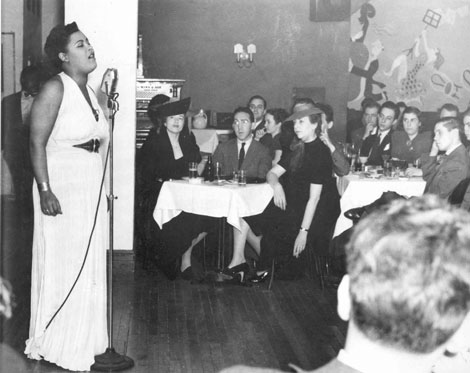
7) Billie Holiday at Cafe Society 1939
Photo by Charles B. Nadell
8) 52nd Street aka Swing Street
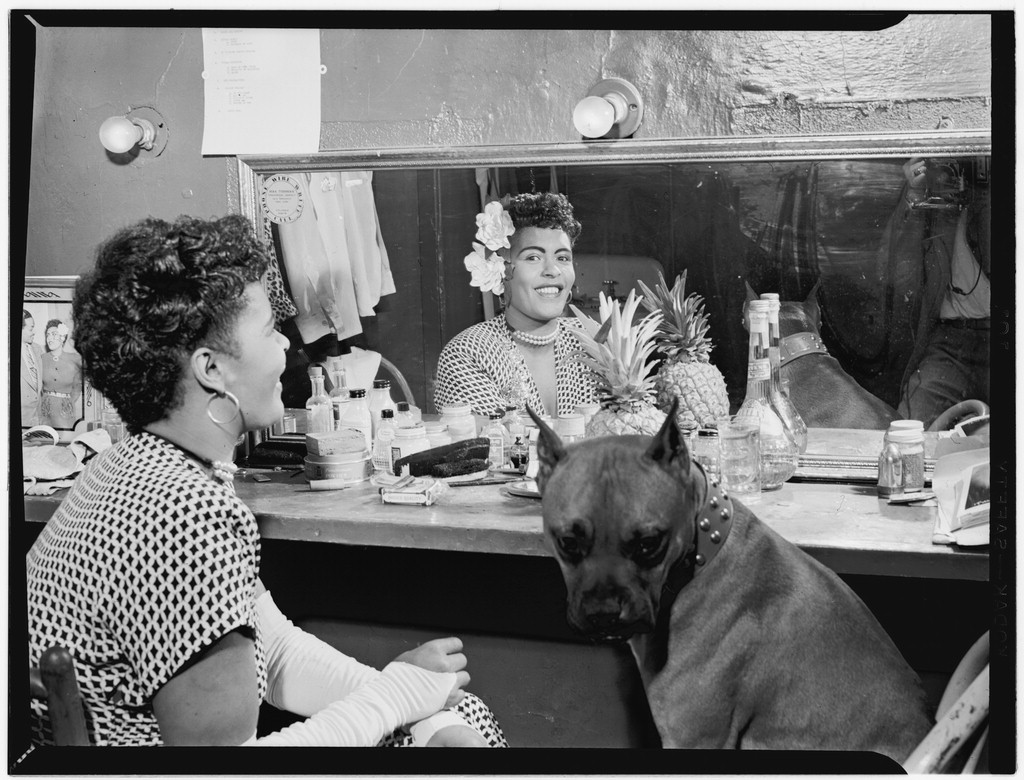
Billie at Club Downbeat (with her dog Mister) — June 1946
Courtesy Library of Congress
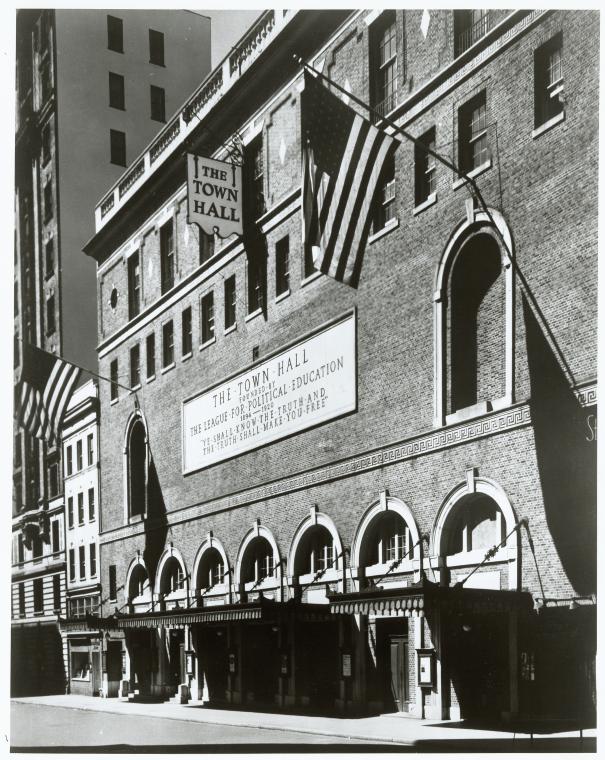
9) Town Hall, sometime in the 1940s
Exterior view of The Town Hall, courtesy New York Public Library
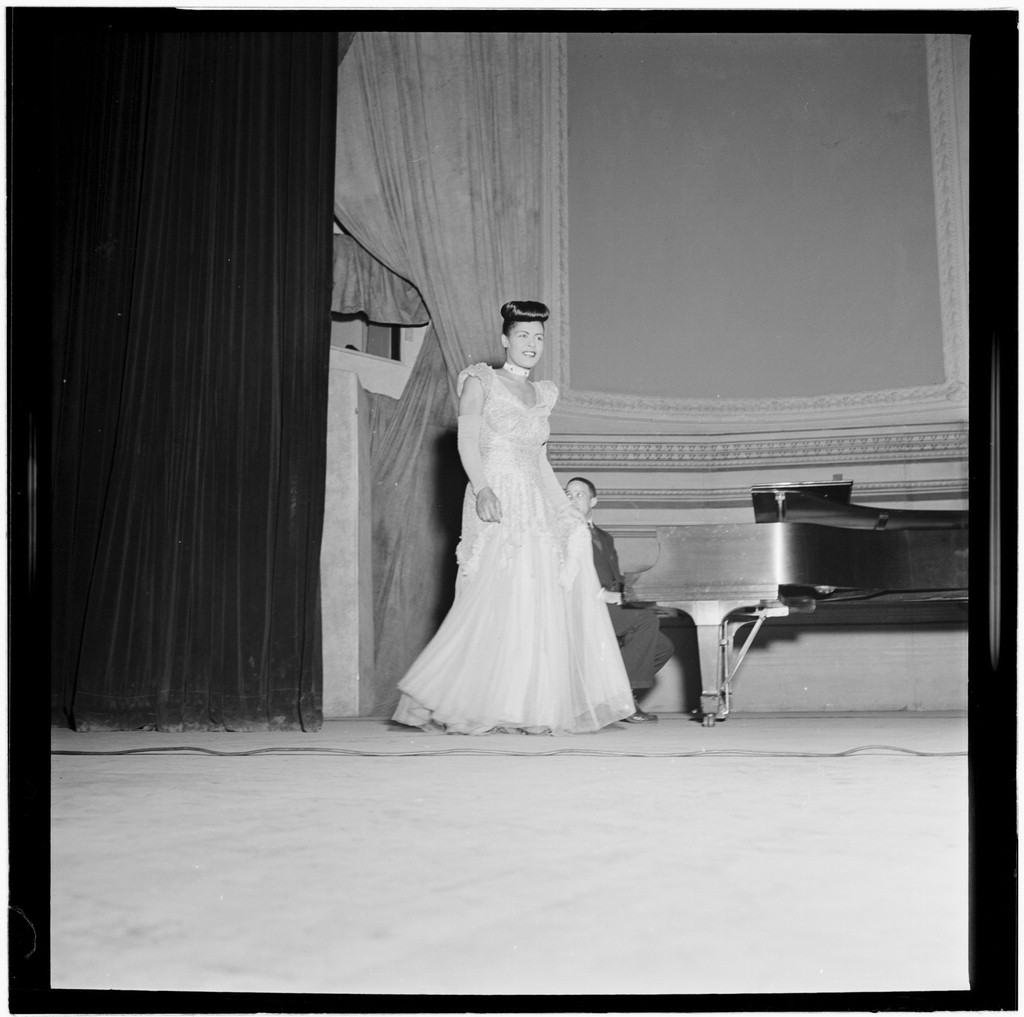
10) Billie Holiday at Carnegie Hall for her rave 1948 concert
Courtesy Library of Congress
An extraordinary performance of ‘Strange Fruit’, performed in February 1959, months before she died. This was recorded for a British television show called ‘Chelsea At Nine’.
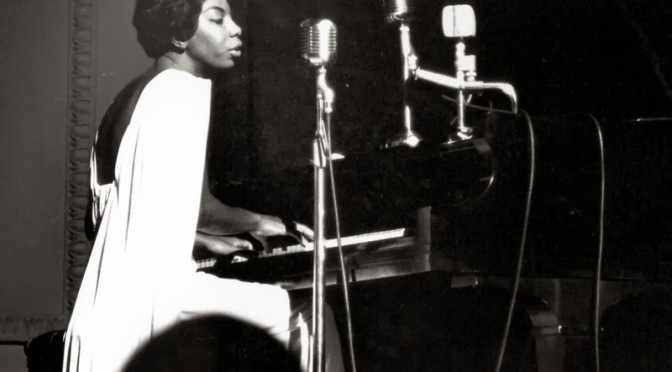
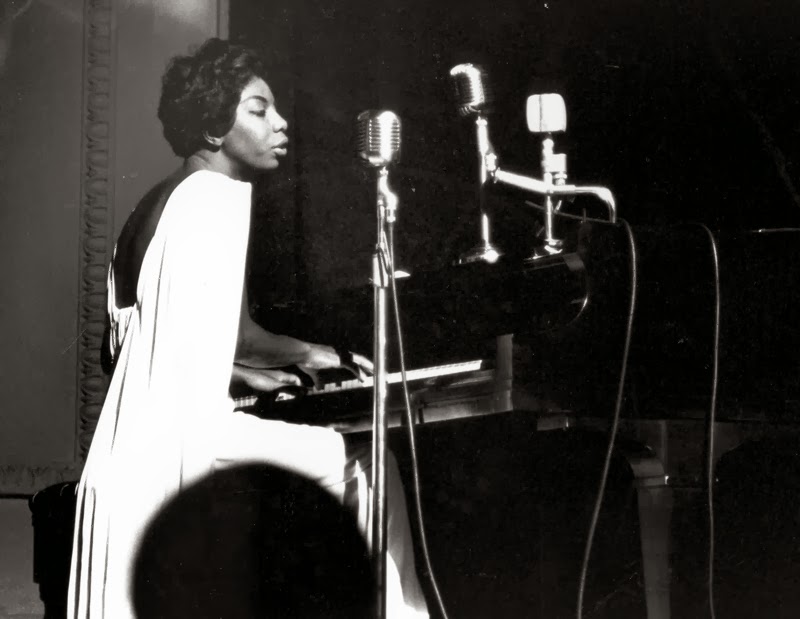
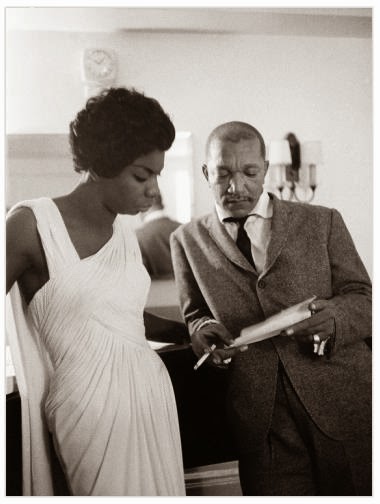
Nina Simone was born on this date in 1933 in Tryon, North Carolina. She came to New York as a student of the Julliard School, but her unique blend of genres came from her experiences in the nightclubs and cabarets of Harlem and Greenwich Village. She wowed audiences with a memorable New York debut at the Village Vanguard on July 20, 1959. “Miss Simone is a real talent who can go far,” said Billboard of her performance.
Less than three months later, she made a more formal debut to audiences on September 12, 1959, at Town Hall, an elegant stage in the heart of the theater district. The ironic thing about this show was that the regal, classically trained performer was used to singing in places where the patrons were drinking and smoking, venues with a bit of commotion and energy.
She brought a bit of everything to her performance that evening, confounding those who pegged her as a simple classical artist.
From Simone’s autobiography: “[C]ritics started to talk about what sort of music I was playing and tried to find a neat slot to file it away in. It was difficult for them because I was playing popular songs in a classical style with a classical piano technique influenced by cocktail jazz. On top of that I included spirituals and children’s songs in my performances, and those sorts of songs were automatically identified with the folk movement.” At right: Nina from that same evening with Redd Foxx (Photo courtesy Ebony Magazine, G Marshall Wilson photographer)
The New York Times review was hesitant in its praise, but concluded “both her singing and playing are carried off with such consummate assurance, skillful pacing and attractive good nature that she proved an extremely winning performance.”
Although she had recorded two previous albums by this time (and a third was cobbled together without her knowledge), the Town Hall live album released in 1959 is notable as being the first to include one of her signature masterpieces — “Black Is The Color Of My True Love’s Hair.”
Simone would release three more live albums recorded in New York venues — one at Village Gate and two at Carnegie Hall.
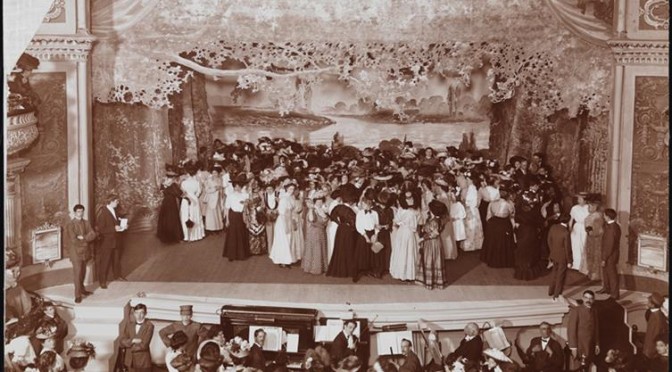
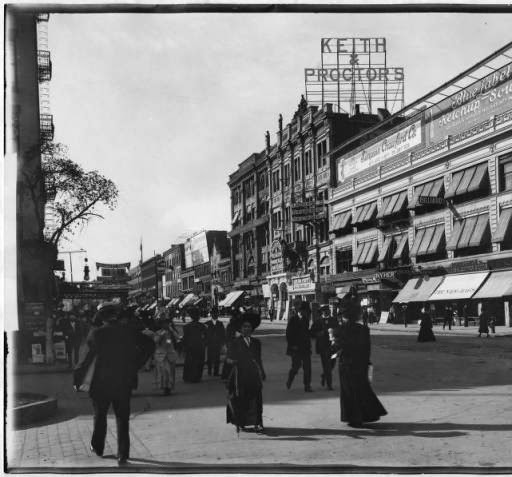
A ton of people on-stage at the Harlem Opera House in 1907. During this period, it was owned by vaudeville impresario Keith Proctor and called Proctor’s Harlem Opera House. Pictures courtesy the Museum of the City of New York
Harlem is known for a rich musical heritage in a variety of genres, but did you know it also had very old ties to world of opera, from as far back as the 19th century?
Oscar Hammerstein was a wealthy New York cigar maker who decided to dip his toe into real estate ventures, and in a most surprising neighborhood. Thanks to the construction of the elevated railroads in the 1880s, the once-distant Harlem was now linked to the heart of the city, and thousands began moving there, particularly European Jewish immigrants.
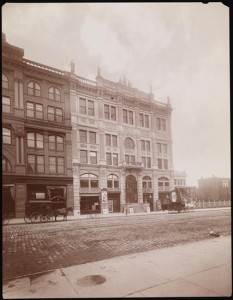
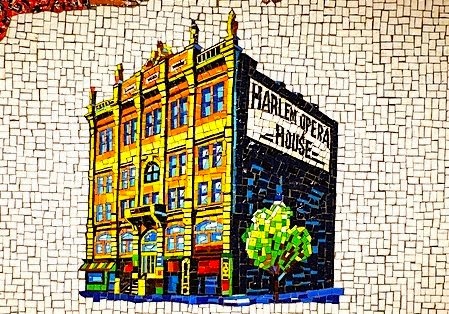
Hammerstein built dozens of rowhouses for prospective residents, but his real vision was the Harlem Opera House (at right), constructed in 1889 and located at 207 West 125th Street, on the other side of the street from the Hotel Winthrop (later the Hotel Theresa).
For a time, it really did just showcase operatic productions, of both the severe and light varieties. According to author Jonathan Gill, “Hammerstein had a broad vision of what uptown theatergoers wanted, and he produced both popular and genteel drama and opera in English translation, an experiment that proved attractive to audiences who were willing to pay up to $2.50 a ticket.”
Famous stars were drawn here from the stages of Herald Square. For instance, Edwin Booth performed Shakespeare here in 1889, a few years before his death. Lillian Russell, a favorite of the New York press, performed the show ‘An American Beauty’ here in March 1897.
The Opera House helped create a miniature theater district here along 125th Street. Hammerstein himself built the Columbus Theatre the following year, bringing more popular fare — namely, vaudeville. Soon the street would become one of New York’s great centers of burlesque entertainment. Many years later, Hurtig & Seamon’s New Burlesque Theater would open a couple doors down from the opera house, later changing its name to the Apollo Theatre.
Hammerstein, however, could not make the Harlem Opera House a financial success, and he was soon lured downtown to build his most renown theaters (and places that would later inspire his grandson Oscar Hammerstein II.) The Harlem Opera House was sold and transformed into a more traditional vaudeville house. By the 1930s, to compete with the thriving amateur nights over at the Apollo, the Harlem Opera House had its own amateur nights. Its most notable discovery is one of the greatest names in music — Ella Fitzgerald. Below: Another view of the Opera House, here as Proctor’s Opera House, courtesy NYHS. The balconies to the left belong to the Winthrop Hotel — compare this picture to the Winthrop photo here — to be replaced in a few years by the Theresa.
The Opera House was torn down in 1959. Surprisingly, it appears there was the possibility of a new opera house in Harlem being built in the late 1960s, under the guidance of Gian Carlo Menotti, but that never panned out. However, the operatic tradition lives on today with the Harlem Opera Theater, founded in 2001.
Below: You can still find the Harlem Opera House in Harlem — on the walls of the 125th subway station, in mosaic form!
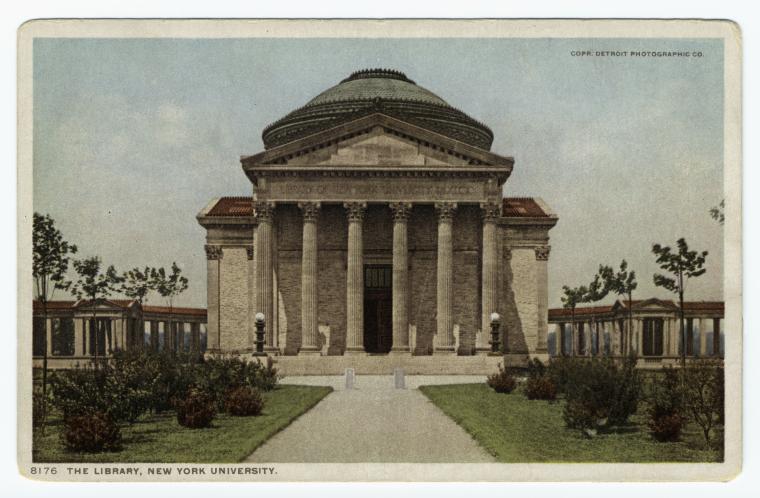
A Welcome Debut: Our podcast this week was on the history of New York University, an institution which spent decades in the Bronx neighborhood today called University Heights. When they returned downtown to Greenwich Village, the campus passed into the hands of Bronx Community College, a part of the City University of New York system.
From that moment, the students of Bronx Community College have been essentially educated in second-hand properties, a collection of storied structures designed by Stanford White and a couple kooky Brutalist additions. But no longer! The New York Times reports on the opening of North Hall and Library, the first new building for the college since they moved in.
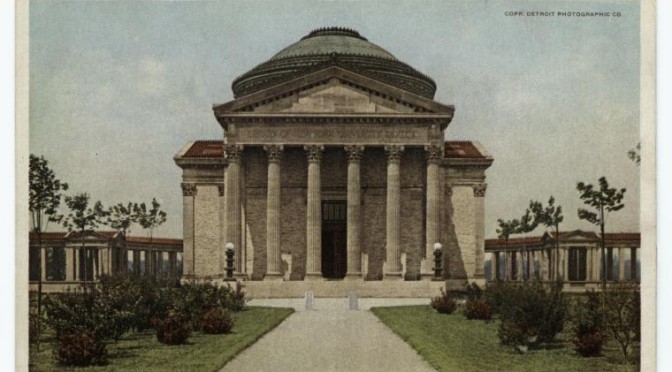
And what of the fate the Stanford White-designed Gould Library (pictured above), home to the Hall of Fame For Great Americans? Read about it in the Times article here.
What The World Needs Now: Songwriter, NYU graduate and New Yorker Hal David, known for his collaborations with Burt Bacharach, passed away over the weekend. David was a student at the NYU journalism school, although he would quickly find his calling in the world of pop music, and specifically at Brill Building, the venerable songwriting factory in midtown.
I shall now use this occasion to honor Mr. David by presenting the one of his greatest collaborations with Bacharach. When do I ever get the opportunity to post a video by the Carpenters?
WARNING The article contains a few spoilers about last night’s ‘Mad Men’ on AMC, so if you’re a fan of the show, come back once you’re watched the episode.
Lusty groupies, ample drug intake, smoky hallways and deafening rock music. One might have thought last night’s ‘Mad Men’ — partially centered around the backstage antics of a Rolling Stones concert — was taking place at Shea Stadium, where the Beatles famously performed to their largest audience in 1965. Or maybe that was Madison Square Garden, the one on Eighth Avenue and 50nd Street, where Marilyn Monroe sang happy birthday to John F. Kennedy in 1962?
No, that mad, bacchanalian event took place at an esteemed tennis club — the West Side Tennis Club in Forest Hills, Queens.
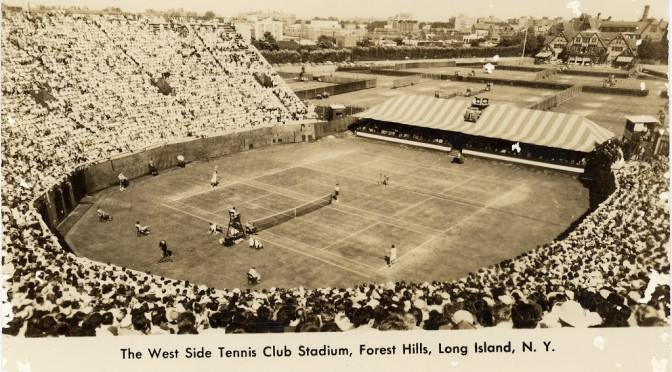
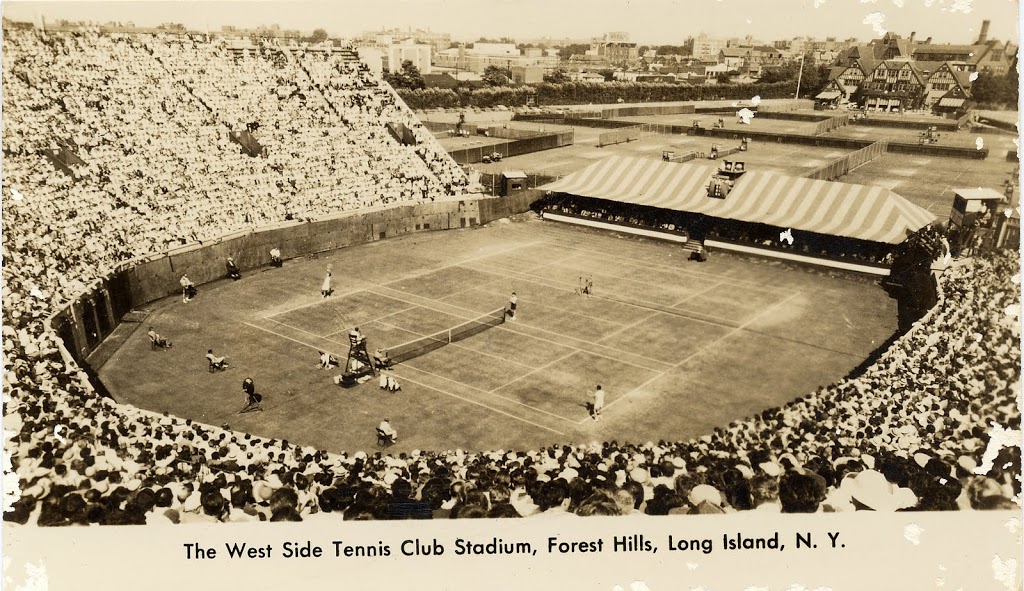
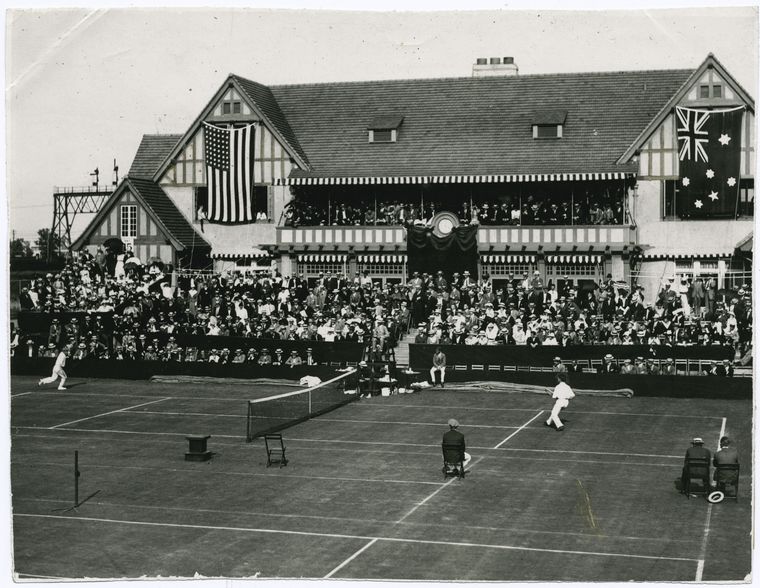
Organized in New York in the 1890s, the tennis organization and social club quickly outgrew various venues in Manhattan and made their way to Queens. The momentary inconvenience of relocating to an outer borough was swiftly forgotten when the venue opened in 1914, a sumptuous series of grand courts, manicured lawns and a spectacular Tudor-style clubhouse designed by Grosvenor Atterbury* and John Almay Tompkins. A later court addition would provide seating for 14,000 spectators.
The clubhouse reflected the style of homes in nearby Forest Hills Gardens, also planned by Atterbury as a private, upper class community. To this day, the ‘cottage community’ is one of Queens most exclusive neighborhoods.
Below: A vigorous match between Maurice McLoughlin and Norman Brookes in 1914. The larger court would not be built for several more years. Courtesy NYPL
The grounds were so abundant that it drew the U.S. Open from Newport, Rhode Island, in 1915, and they remained here until 1987. In fact, for most of the 20th century, the tennis club became the American capital for the sport, seeing victories by sports icons like Arthur Ashe, Jimmy Connors, Althea Gibson and Billie Jean King. Alfred Hitchcock even filmed a pivotal scene in ‘Strangers On A Train’ here.
Tying in some of these themes of this season of ‘Mad Men’, there was even a scandal involving the exclusion of black and Jewish members from the club in the 1959, a scandal that involved an under-secretary from the United Nations.
But the appeal of a large and vibrant permanent outdoor venue soon drew, shall we say, less buttoned-up events. The Forest Hills Music Festival was a weekend precursor to New York’s many outdoor concert events today, bringing modern stars to the courtyards and giving this upper crust cloister a taste of counter-culture and teen-fueled rock and roll. One of its organizers was Ron Delsener, later to become a renown concert promoter in the New York area.
Beginning in the late 1950s, concert events were staged on the court itself. At first, the venue drew acts like the Kingston Trio, Frank Sinatra, Harry Belafonte, Barbra Streisand, and even Woody Allen with a stand-up performance. But not of those performers brought the frenzy quite like the Beatles, who played two nights in late August 1964 and drew such passionate crowds that their helicopter had to land on the court itself, their fans separated from the performance area by an eight-foot fence.
Forest Hills was known for its ungainly crowds. Bob Dylan performed there in August 1965 and was booed by audience members outraged that he would deign perform with electric accompaniment, “betraying the cause of folk music,” according to music historian Tony Glover.
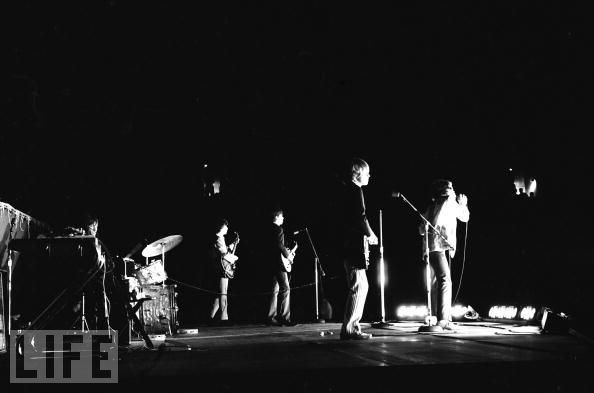
So with all that in mind, imagine the passionate crowds which awaited the shaggy ragamuffins from Dartford, the Rolling Stones, on July 2, 1966, appearing in the United States just as radio stations were buzzing with their number one song, ‘Paint It Black‘.
After three opening acts (including the Trade Winds), the Stones played ten songs at Forest Hills (pictured above), including ‘Lady Jane’, ‘Get Off My Cloud, and of course ‘Satisfaction’, to a crowd of 9,400 people.Yes, believe it or not, they didn’t sell out the venue, but that’s because the most expensive seats (an unheard-of $12.50!) went unsold, and the temperature for the outdoors concert was in the high 90s.
But those that were in attendance were frenzied enough that 250 cops were deployed to the show, armed with tear gas and nightsticks, holding back frothing audiences of young people sent “into peroxsyms” by the British stars. “A dozen youngsters willfully broke through the police line,” according to the Times. “Within seconds the park lights went up and the Rolling Stones’ helicopter took off into the night.”
Far from the maddening crowd, members of the band hit the club circuit in Manhattan, first Cafe Wha? in Greenwich Village, and then Ondine’s at 59th Street, where they were wowed by the energy of a young guitarist named Jimi Hendrix.**
And here’s some further context you should keep in mind. That was the summer of 1966. The biggest American musical artist that year was actually two young sons from Forest Hills, Queens — Paul Simon and Art Garfunkel — and their album The Sounds of Silence would become the biggest album of the year.
*Mr. Atterbury also played a significant role in the renovation of New York’s City Hall in the early 1900s. We have a ball with Grosvenor in our City Hall podcast from 2009
**There seems to be a little confusion here. Keith Richards bios recall Cafe Wha?, while the diary of Bill Wyman mentions Ondine’s. Hendrix played at both venues a few times, so either (or even both) is possible. Keep in mind, everybody was probably stoned.