Categories
It's Showtime Podcasts

The Broadway Musical: A trip through American theater history


The Broadway Musical is one of New York City’s greatest inventions, over 150 years in the making! It’s one of the truly American art forms, fueling one of the city’s most vibrant entertainment businesses and defining its most popular tourist attraction — Times Square.

 But why Broadway, exactly? Why not the Bowery or Fifth Avenue? And how did our fair city go from simple vaudeville and minstrel shows to Shuffle Along, Irene and Show Boat, surely the most influential musical of the Jazz Age?
This podcast is an epic, a wild musical adventure in itself, full of musical interludes, zipping through the evolution of musical entertainment in New York City, as it races up the ‘main seam’ of Manhattan — the avenue of Broadway.

We are proud to present a tour up New York City’s most famous street, past some of the greatest theaters and shows that have ever won acclaim here, from the wacky (and highly copied) imports of Gilbert & Sullivan to the dancing girls and singing sensations of the Ziegfeld revue tradition.

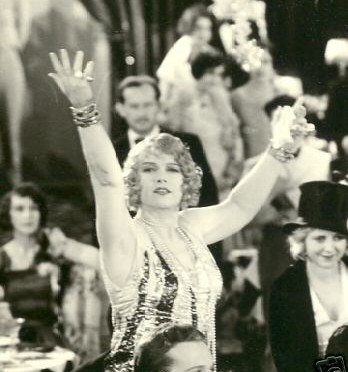
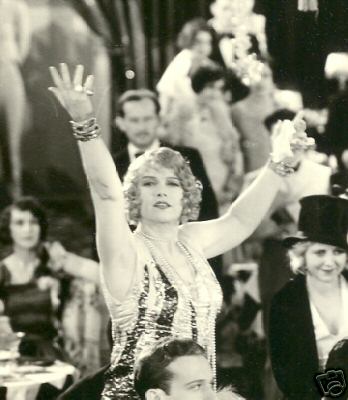
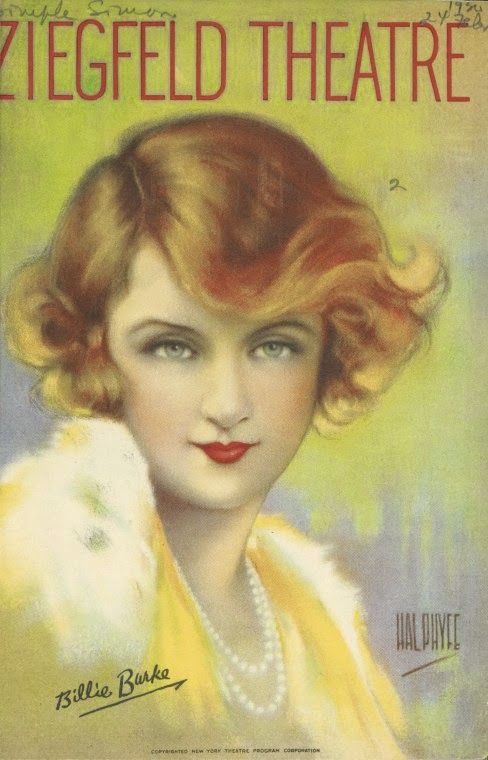
CO-STARRING: Well, some of the biggest names in songwriting, composing and singing. And even a dog who talks in German!  At right: Billie Burke from a latter-year Follies. (NYPL)

This show, originally recorded in 2013, has been re-edited, remastered and even includes extra material which was cut from the original episode.

LISTEN NOW: THE BIRTH OF THE BROADWAY MUSICAL


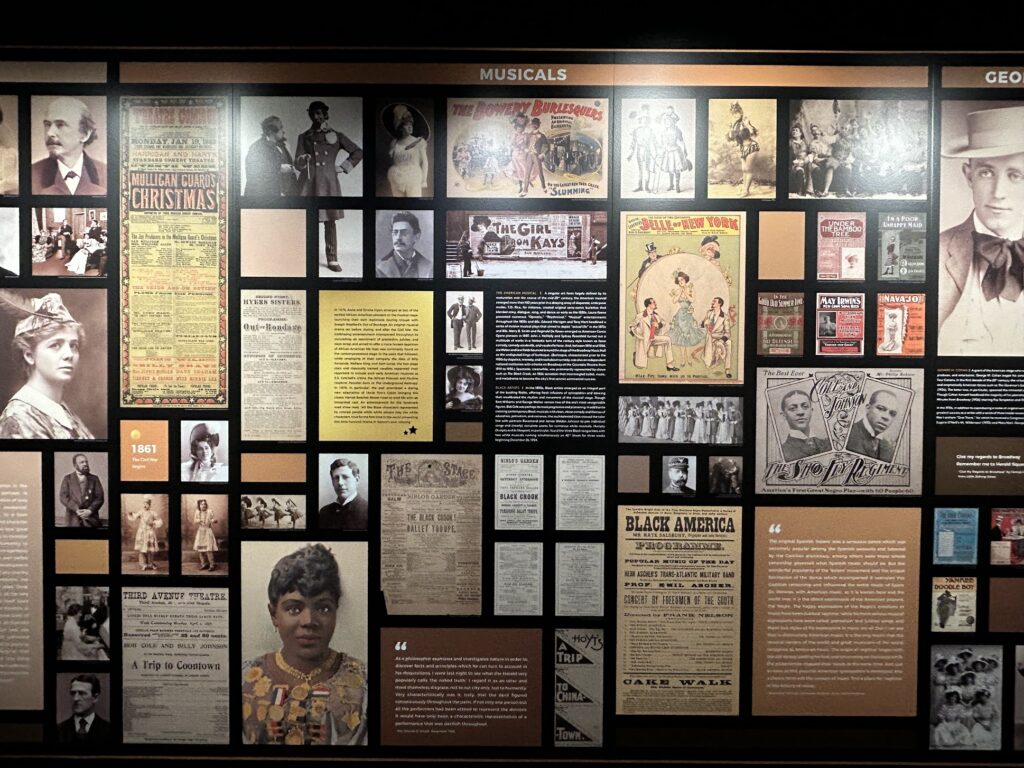
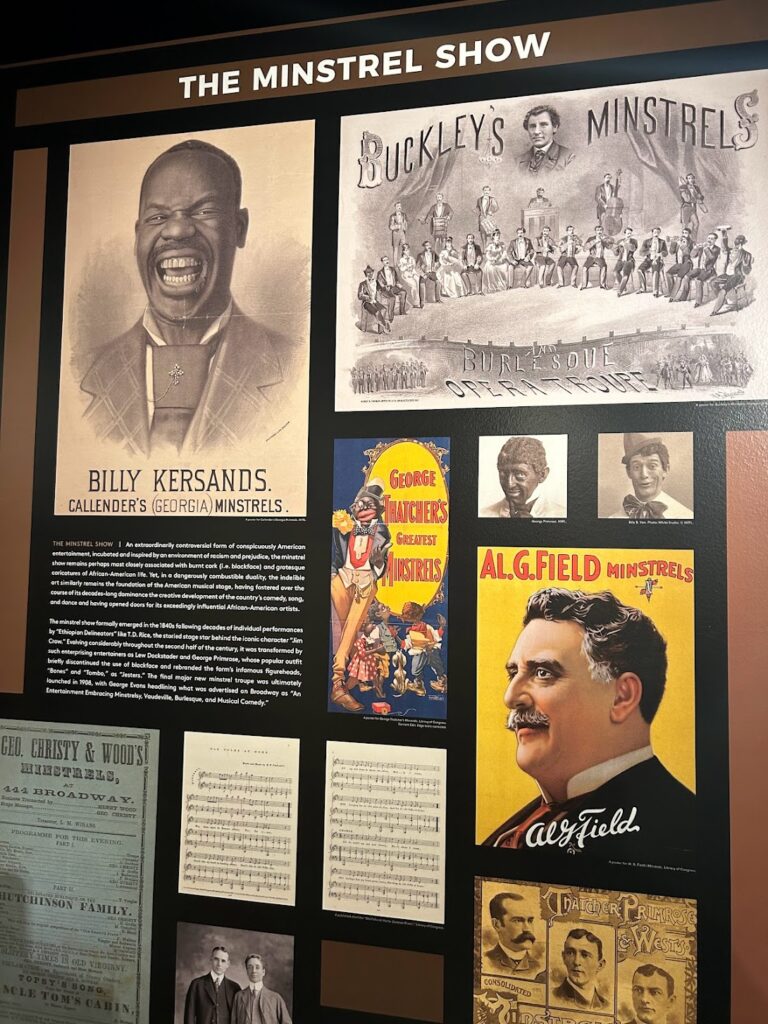
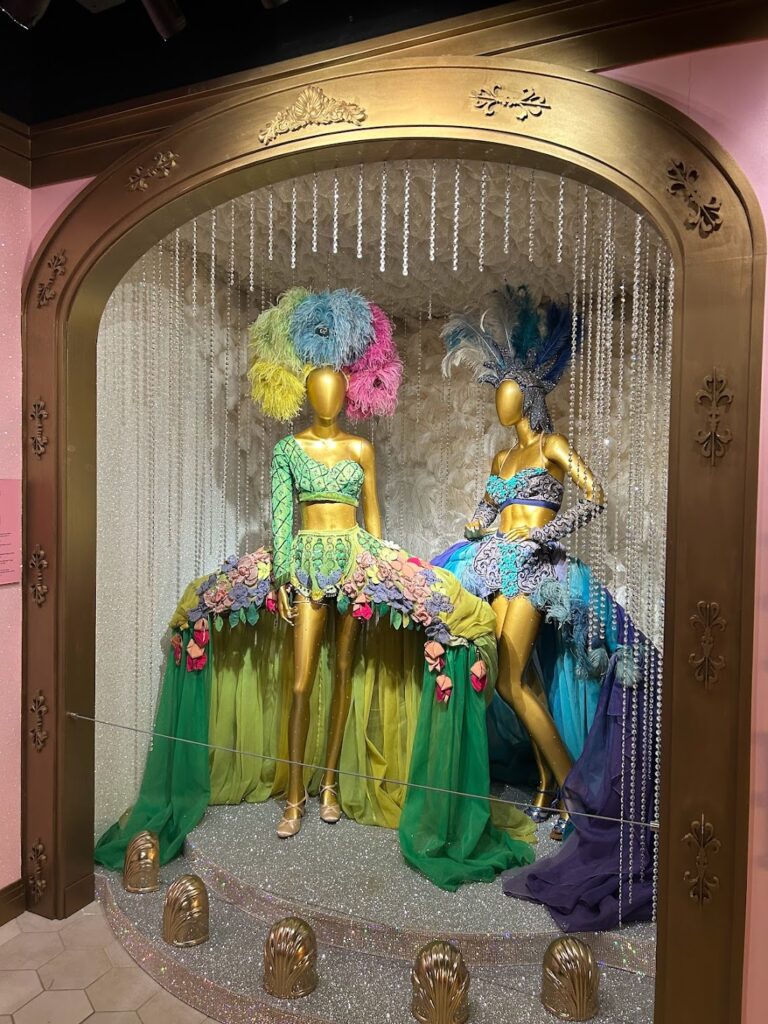
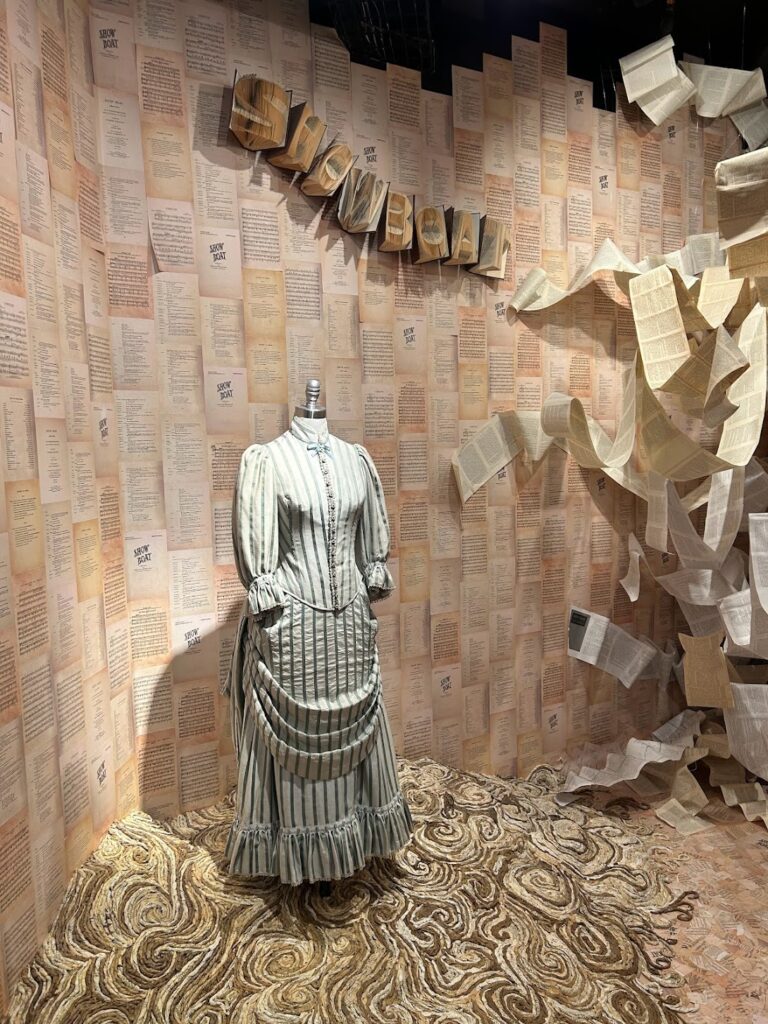
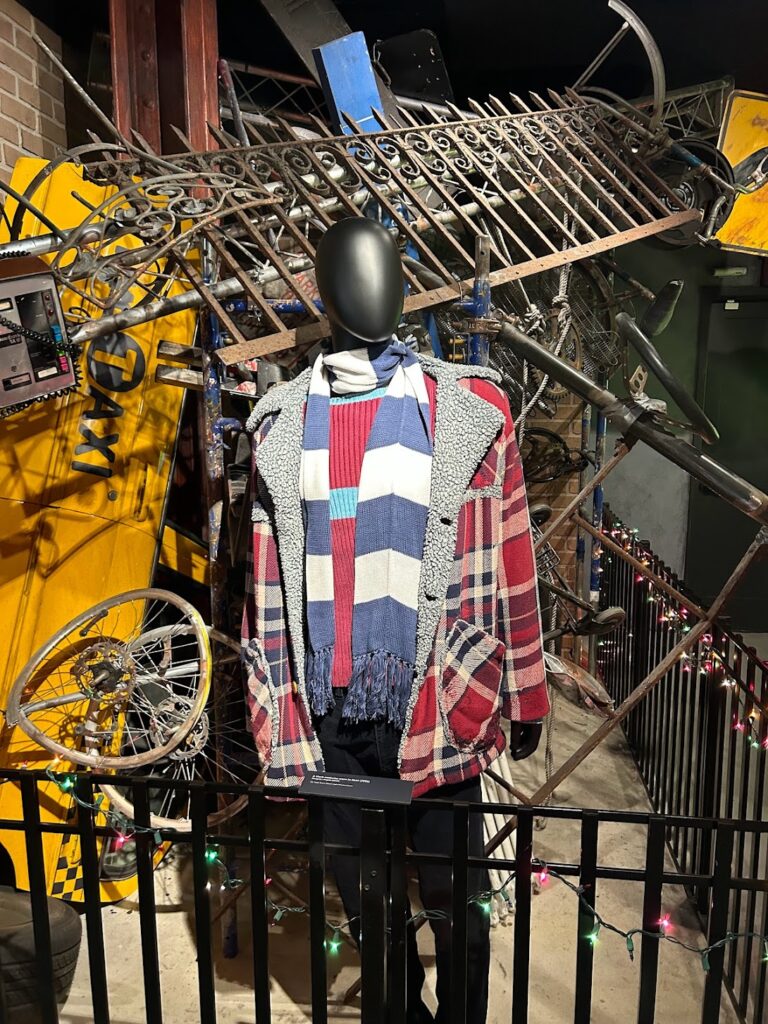
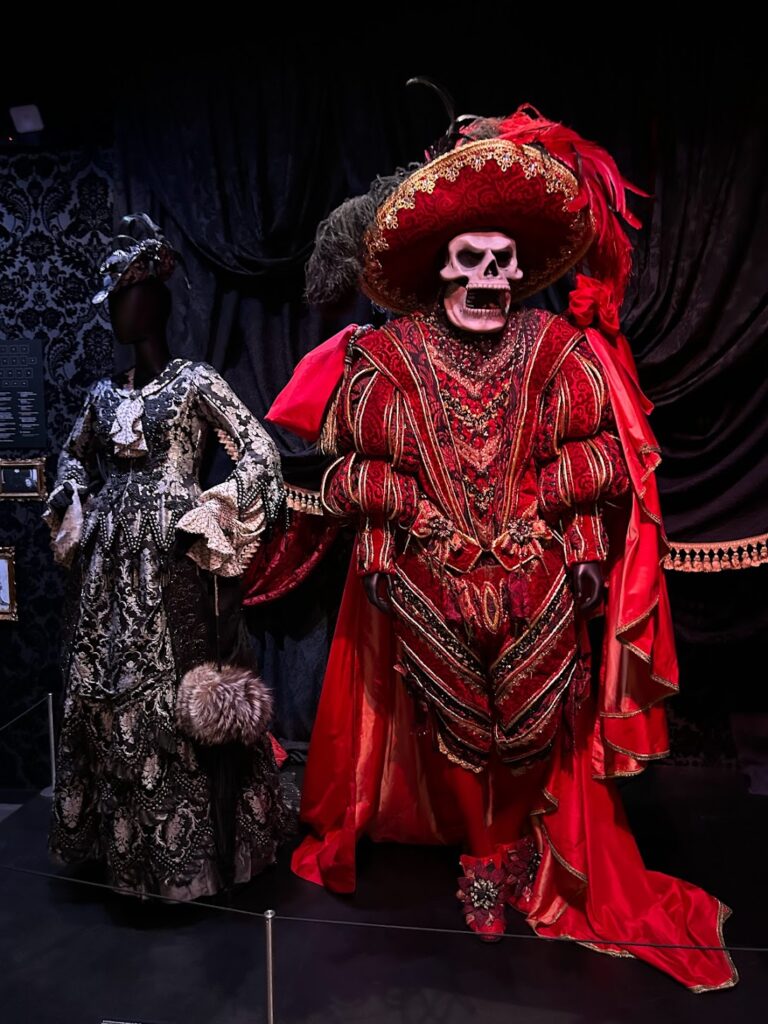
A few images from Greg’s trip to the Museum of Broadway at 145 West 45th Street.
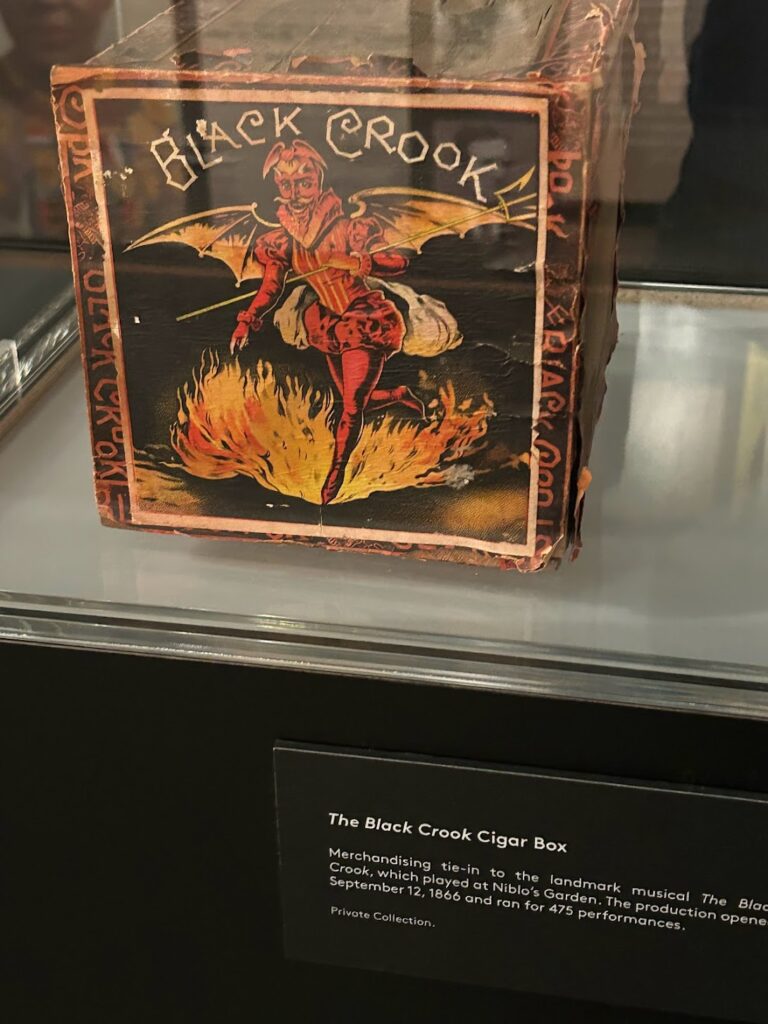
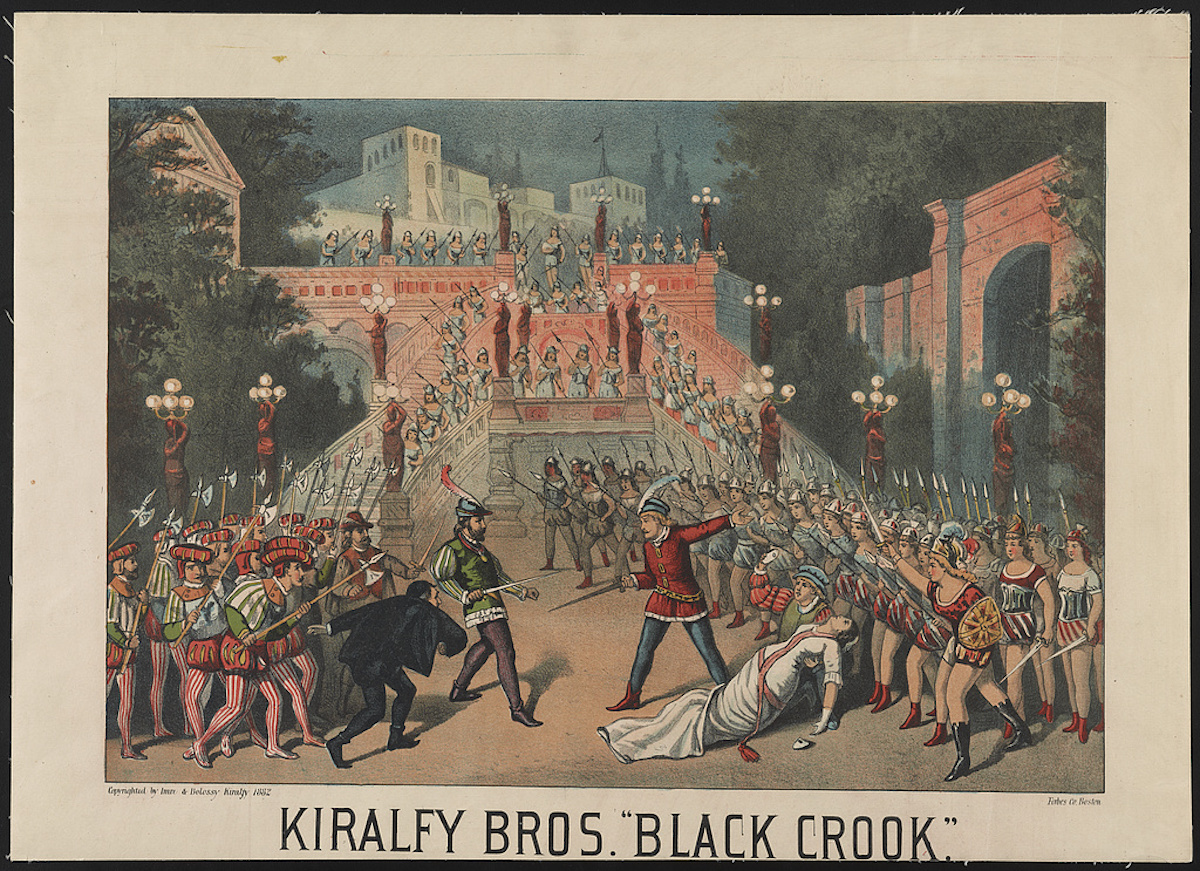
The Black Crook
Ziegfeld Follies
Showboat
Rent
The Phantom of the Opera

The original grid plan from 1811. As you can see, Broadway was not meant to extend further than the Parade Ground, the largest planned plaza from the Commissioner’s Plan. Years later, the Parade Ground was reduced (becoming Madison Square) and Broadway was allowed to break the grid, creating plazas conducive for transportation and public gathering. (NYPL)
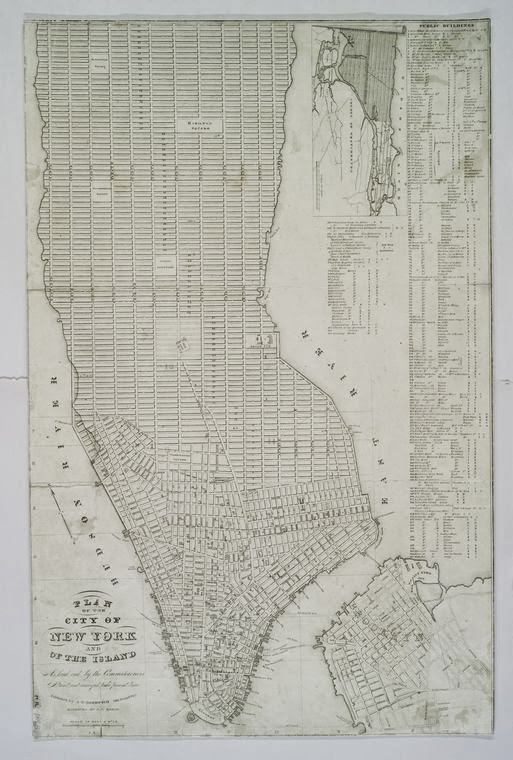
New York Public Library

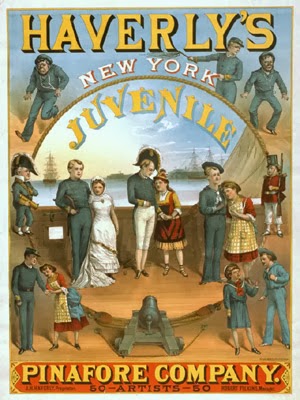
One of dozens of knock-off productions of HMS Pinafore, this one featuring children:
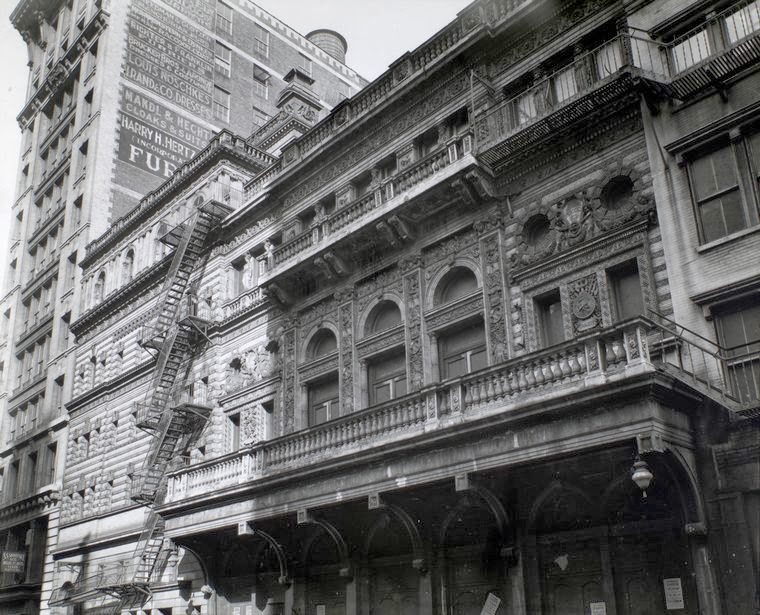
The facade of the Fifth Avenue Theater, once located at 1185 Broadway. Why was it called the Fifth Avenue Theater then? Possibly to just make the society ladies feel at home here!  This was home to three Gilbert & Sullivan original productions, including the premiere of The Pirates of Penzance.
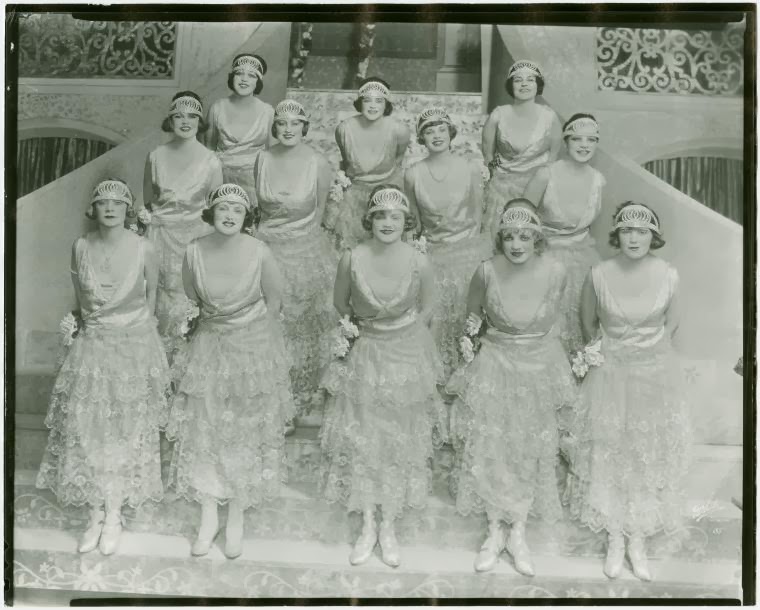
The Florodora girls, from the hugely successful 1900 musical comedy which debuted at the Casino Theater. (NYPL)
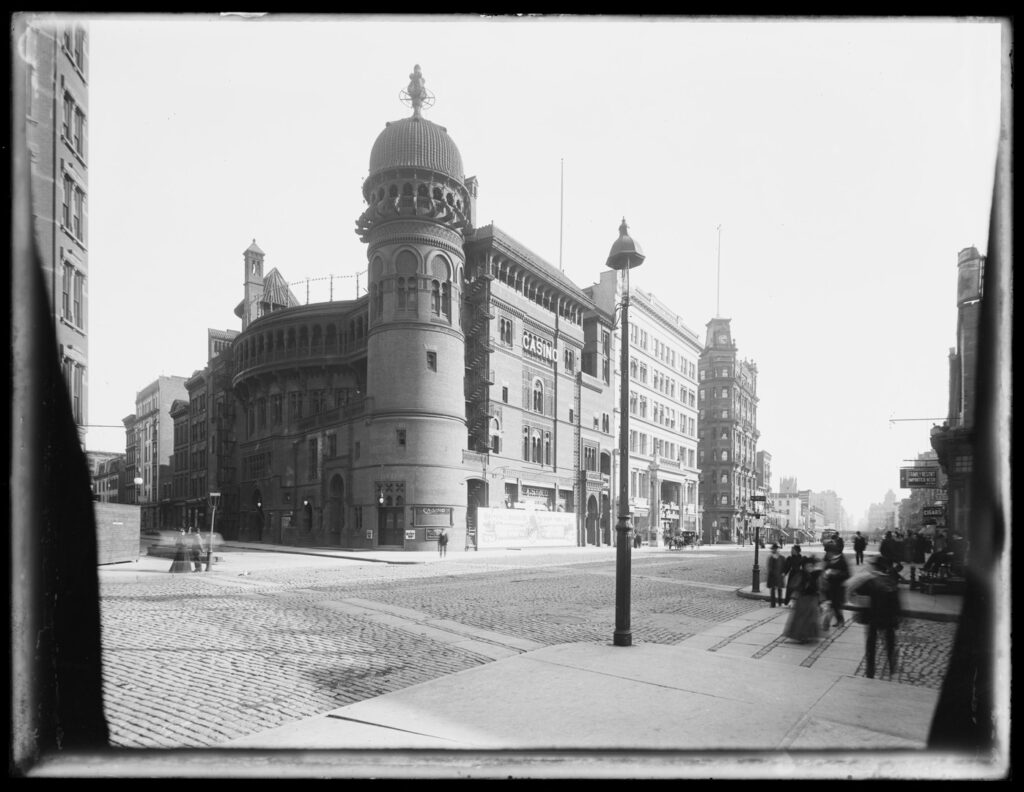
The Casino Theatre at West 39th Street and Broadway.
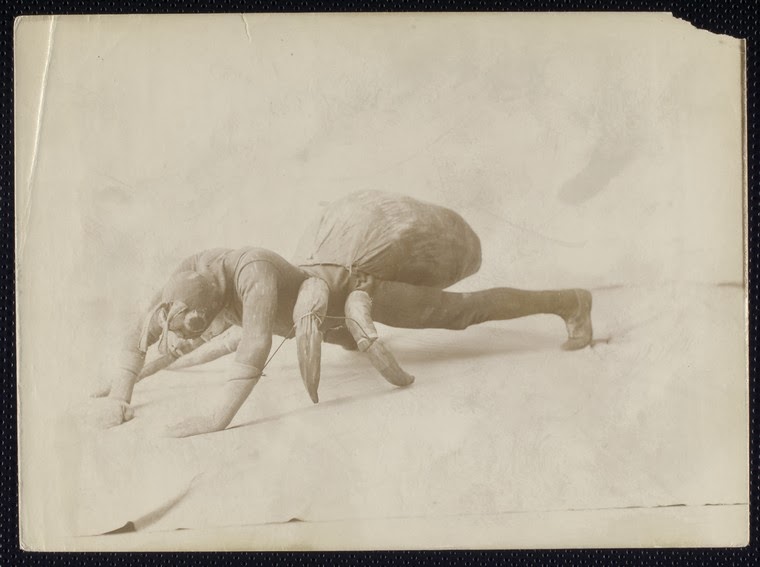
One of the more fantastic creatures from Victor Herbert’s Babes In Toyland, which made its debut in Columbus Circle’s Majectic Theater. You can read my article here on the musical which inspired Herbert’s show, the musical version of The Wizard of Oz. (NYPL)
New York Public Library

George M Cohan singing “Over There”

Video of a Ziegfeld Follies from 1929, a bit past their heyday, actually. They would only last until 1931:

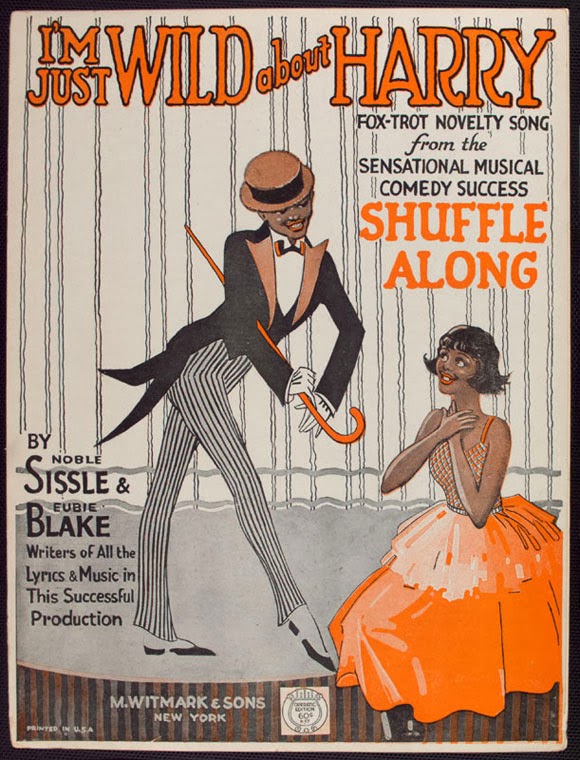
Sheet music from 1921 of one of the most famous songs from Shuffle Along (NYPL):
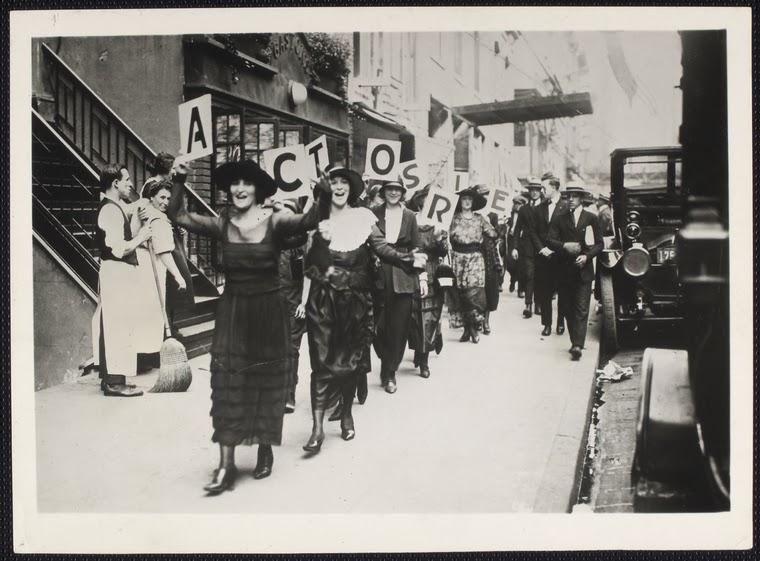
Dancing girls during the Actors Strike of 1919, which galvanized the industry and gave regular New Yorkers a window into the tough conditions faced by many background performers. (NYPL)
So the number ‘After The Ball’ — a huge hit song that made its stage debut in A Trip To Chinatown — made a return appearance to Broadway in 1927’s Show Boat!
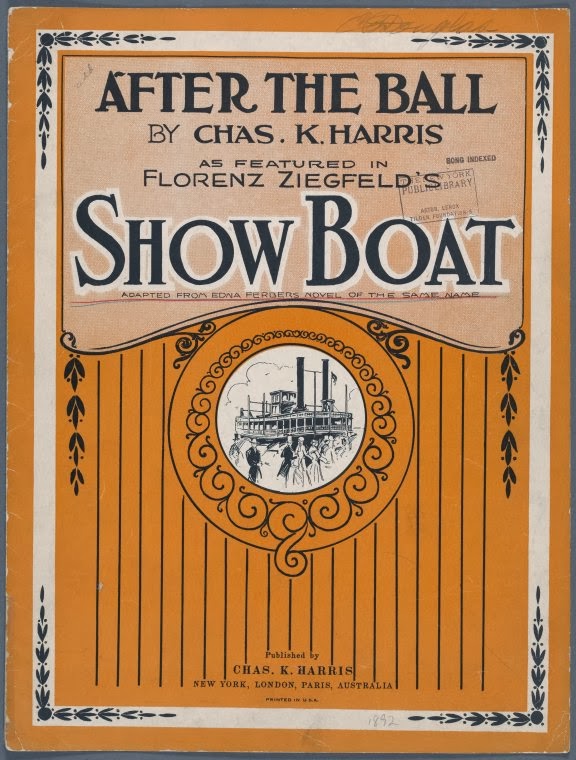
Musical cues from this week’s show:
Give My Regards To Broadway and After the Ball performed by Billy Murray
A version of Make Believe recorded by Bing Crosby, and Ol Man River, performed by Paul Robeson, from a 1932 cast recording, featuring Victor Young and His Orchestra
Love Will Find A Way, from a 1921 recording by Eubie Blake
Selection from HMS Pinafore, from a 1914 recording by the Victory Light Opera Chorus

 And finally, a clip from the film version of ‘Show Boat’, featuring an iconic performance by Paul Robeson.
 

Categories
Podcasts

Tin Pan Alley and the birth of modern popular music

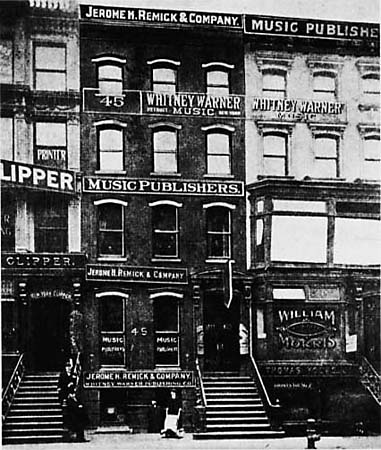
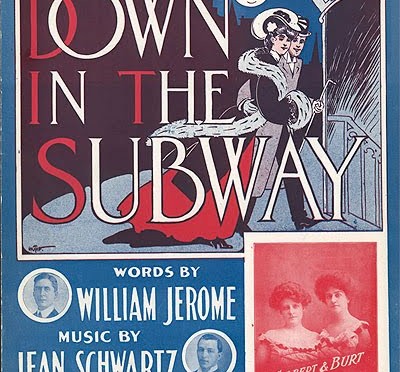
“Down In The Subway,” published in 1904 by one of Tin Pan Alley’s most successful music men Jerome Remick

___________________________________

PODCAST The modern music industry begins…. on 28th Street? A seemingly nondescript street in midtown Manhattan contains some of the most important buildings where early American pop music was created.

Tin Pan Alley was a bustling and frenzied area, the most creative area of the city, with songwriters — and song pluggers — churning out iconic music. Sing along as we talk about the greatest songwriters and the process they went through to create the most influential tunes of the century.

Download this show it for FREE on iTunes or other podcasting services. Click this link to download it directly from our satellite site. Or click below to listen here:

The Bowery Boys: Tin Pan Alley

___________________________________

This week’s show features actual music snippets, featuring “A Pretty Girl Is Like A Melody” by John Steel, “Toot-Toot-Tootsie” by Al Jolson, and “Grand Ole Flag” by Billy Murray.

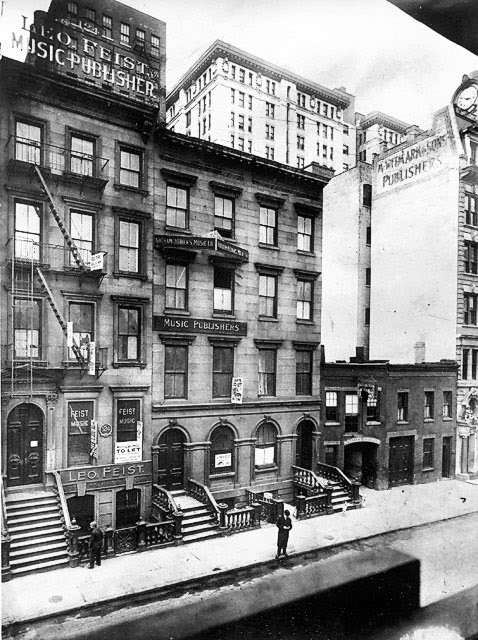
Music Row: Music publishers, once centered around Union Square, began collecting on 28th Street in the late 1880s and most of them stayed there until 1909. Leo Feist, seen in the first picture on the left, was probably the first to move onto the block.

___________________________________

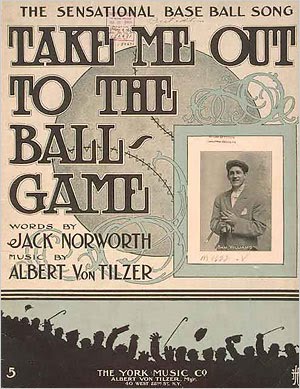
Grand Slam: One of the greatest hits to come out of 28th Street was Albert Von Tilzer’s Take Me Out To the Ballgame. The lyrics were written by vaudeville star Jack Norworth who popularized the song in his routines. Curiously, neither Von Tilzer nor Norworth had ever seen a baseball game at the time the song was written.

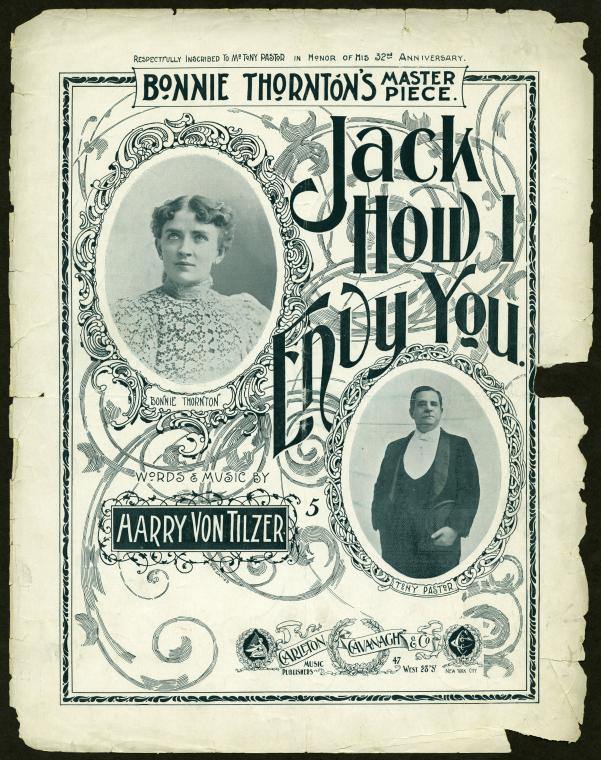
A song by Albert’s brother that is, needless to say, less famous. (Pic courtesy here)

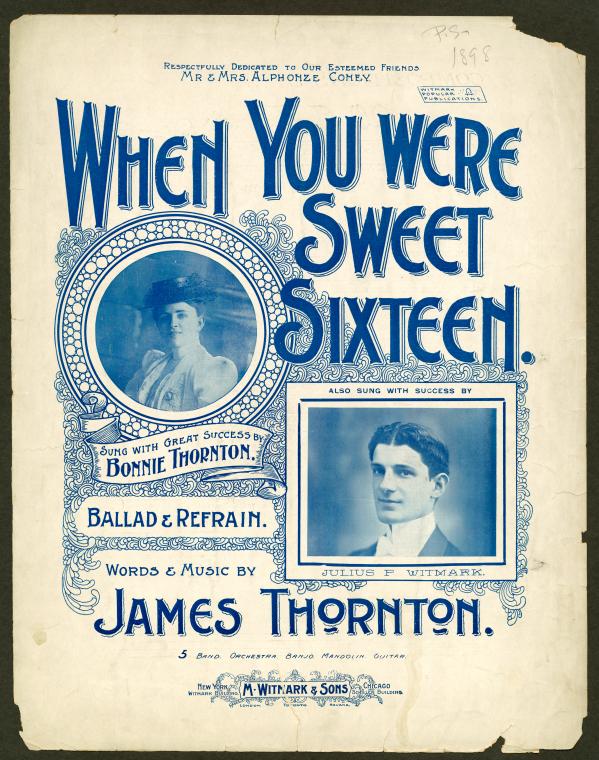
M. Witmark and Sons got their start selling their tunes straight from the vaudeville stage, later to become one of the most successful of the 28th Street firms.

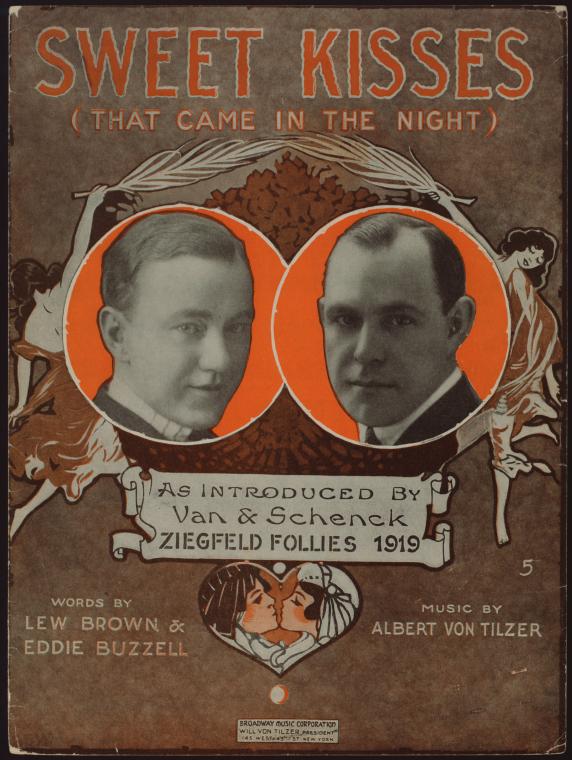
By 1909, most of the music houses had moved off the street into various locations throughout midtown, catering to the budding Broadway market. One of the most lucrative platforms of popularizing songs was the Ziegfeld Follies. (Pic)

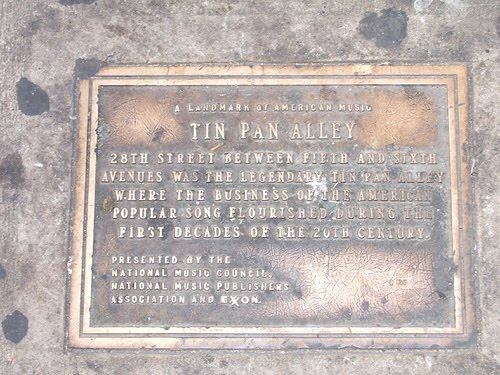
The only sign on 28th Street of its importance to the world of music is a small plaque on the sidewalk

The buildings of Tin Pan Alley are not landmarked, but there are some grassroots efforts underway to make sure the area is protected. In particular, the Historic Districts Council has a lovely writeup and features the addresses of many of Tin Pan Alley’s most successful music houses. No surprise that a website on collectable sheet music should also have a great writeup on the area.

Check out what Tin Pan Alley looks like today:

View Larger Map

FRIDAY NIGHT FEVER: The 300 Club


To get you in the mood for the weekend, every Friday we’ll be celebrating ‘FRIDAY NIGHT FEVER’, featuring an old New York nightlife haunt, from the dance halls of 19th Century Bowery, to the massive warehouse spaces of the mid-90s. Past entries can be found here

We’re reaching way back for this week’s entry, to the heyday of New York nightlife, the 1920s, when prohibition hardly prohibited anything. The underground speakeasy The 300 Club at 151 W. 54th Street was one of the most successful, despite being raided many, many times, and all because of one scrappy, lovable dame. 

Ladies and gents, I give you New York’s reigning queen of nightlife, Ms. Mary Louise Cecilia — but the boys call her  “Texas” Guinan.

Born in Waco in 1884 to Irish immigrants, she coined her nickname on the youth rodeo circuit, then ran off to New York for a short stint in vaudeville. Her cornfed, bawdy charms caught the eye of a movie scout who rustled her to Hollywood, where she became the silent era’s first movie cowgirl, starring in a string of corny Westerns — The Girl Sherriff, The White Squaw, The School M’arm, Little Miss Deputy.

But New York lured her back, where saloon owner Larry Fay (his speakeasy El Fey Club was on West 47th) convinced her to crack open her own establishment. And the 300 Club* was born.

The bar practically bristled with Guinan’s outsized personality. Its relatively small size worked in its advantage, especially as 40 fan dancers flew from the wings and had to basically dance in the aisles, to the delight of those tippling the bar’s illegal sauce.

Texas was always around greeting customers with her signature slogans, “Hello, Suckers! Come on in and leave your wallet on the bar!” and “Give the little ladies a great big hand!”

It wasn’t just the underbelly of New York captivated by Texas’ charms. The toast of the town often popped by to ogle at her dancing beauties, including Rudolph Valentino, Gloria Swanson and Pola Negri. Young composer George Gershwin would sometimes leap to the piano and pound out a ragtime. She also took a young Walter Winschel under her wing, a man who would later become the most influential gossip columnist of the 1930s and 40s.

With all that attention, it’s no surprise the club was perpetually raided. Guinan never once admitted she sold liquor, claiming her hundreds of customers had brought it in with them. According to one adoring fan site:

“Legend has it that the joint was raided one night when the Prince of Wales was there. She popped an apron on him and hid him in the kitchen, washing dishes.”

After a few weeks she would reopen, and the party would begin again. Occasionally, she would have to move to different locations, and reopen under different names (Salon Royale, Club Intime, the Argonaut), but she always returned W. 54th Street, where the legends of the jazz age were bred.

It ended a little too soon for Texas. The Great Depression rolled over her good fortunes, and she attempted to take her show on the road, touring the United States. (She even attempted to take it to Europe and was denied a permit to perform in France due to Texas’ notorious reputation.) While in Vancouver, she contracted dysentery and died in Nov 5, 1933, age 49.

The tales of her midtown speakeasys have helped to shape our entire perception of New York in the 20s, with its excess and abandon. Guinan herself lived on as an primary influence to Mae West. In fact Guinan was actually considered for West’s debut role in the film Night After Night in 1932.

(By the way, today is Mae West’s birthday.)

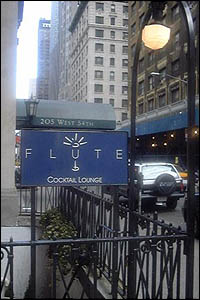
You can still have a drink at Guinan’s speakeasy Club Intime; the space where she once entertained New York’s greatest is now the champagne bar Flute . The location of the 300 Club has been turned into The London luxury hotel.

She literally was the end of an era; the day after she died, the US government repealed prohibition.

Texas Guinan lives on in an incredibly exhaustive blog in her honor and in reruns of Star Trek: the Next Generation (Whoopi Goldberg’s bartender character is named after her). Who knows what mayhem Texas would be getting herself into if she were alive today.

*I admit I couldnt find anything on why it was called the 300 Club, however it could be because when customers would ask her how many films she had made in Hollywood, she always answered, “About 300 of ’em.” Even though it was more like a couple dozen.