Categories
Podcasts The Jazz Age

The Wall Street Crash of 1929: The sobering end of New York’s Jazz Age

This is the final part of our three-part NEW YORK IN THE JAZZ AGE podcast series. Check out our two prior episode #233 The Roaring ’20s: The King of the Jazz Age and #234 Queen of the Speakeasies: A Tale of Prohibition New York


Something so giddy and wild as New York City in the Jazz Age would have to burn out at some point. But nobody expected the double catastrophe of a paralyzing financial crash and a wide-ranging government corruption scandal.

Mayor Jimmy Walker, in a race for a second term against a rising congressman named Fiorello La Guardia, might have had a few cocktails at the Central Park Casino after hearing of the pandemonium on Wall Street in late October 1929.

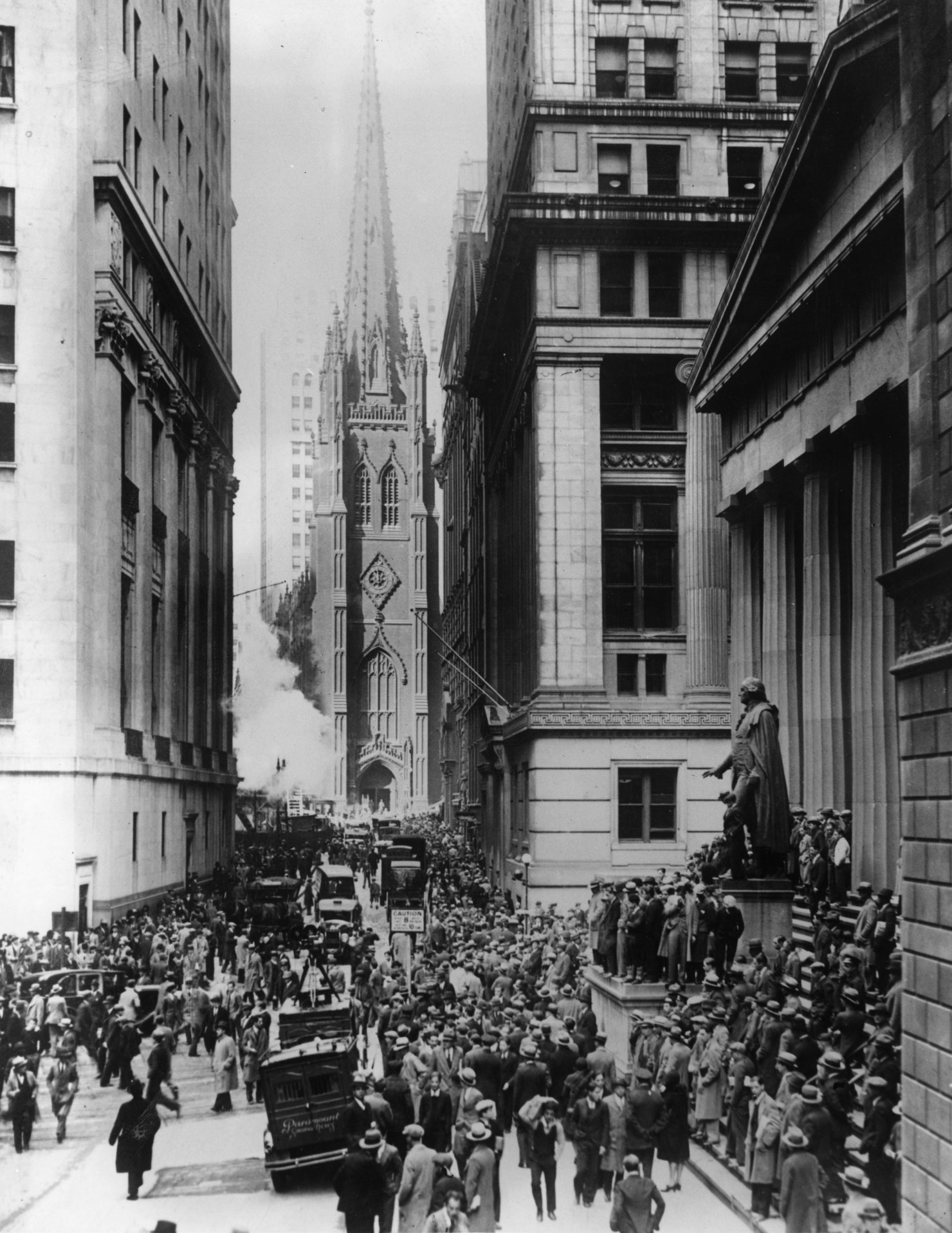
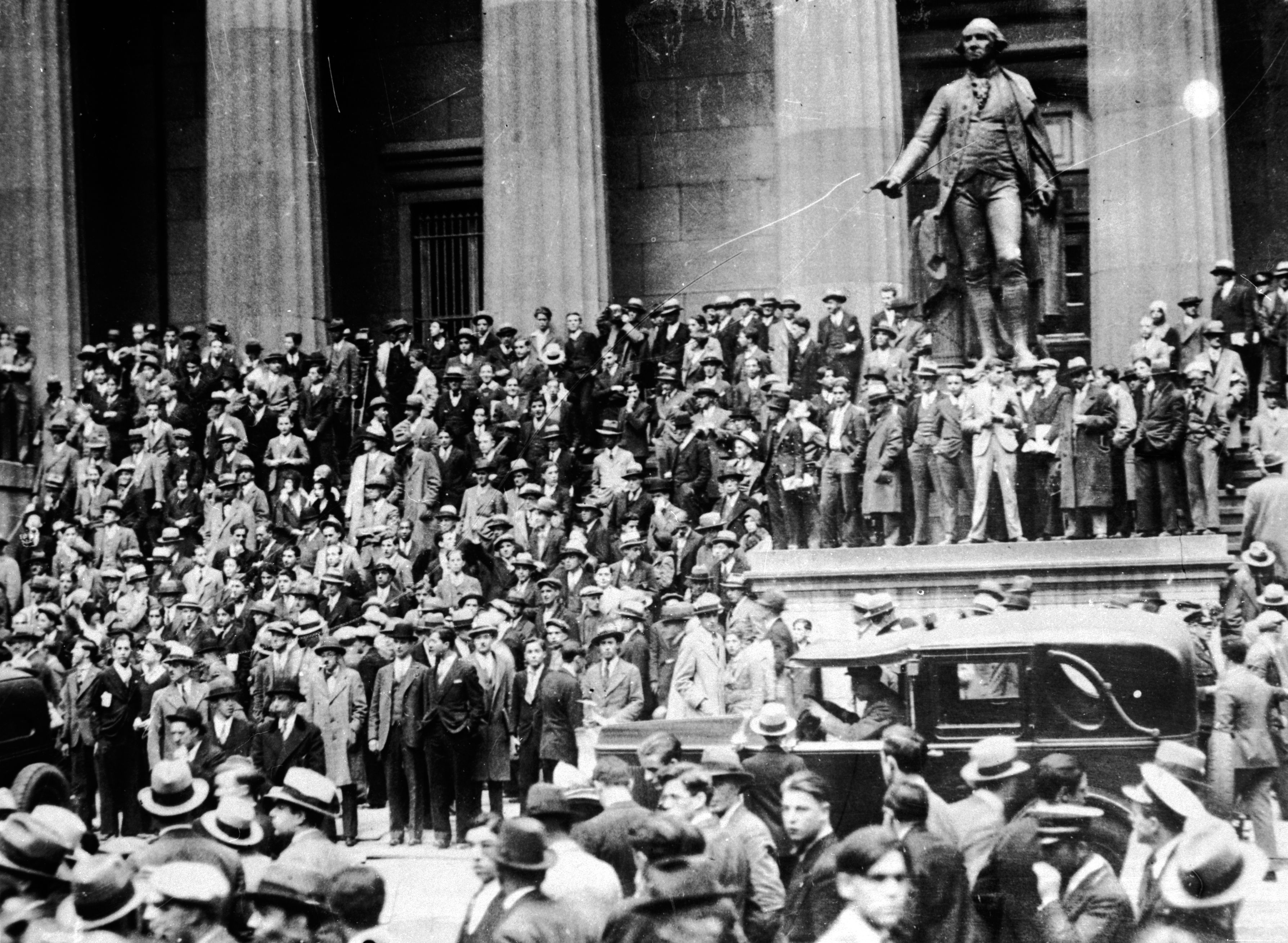
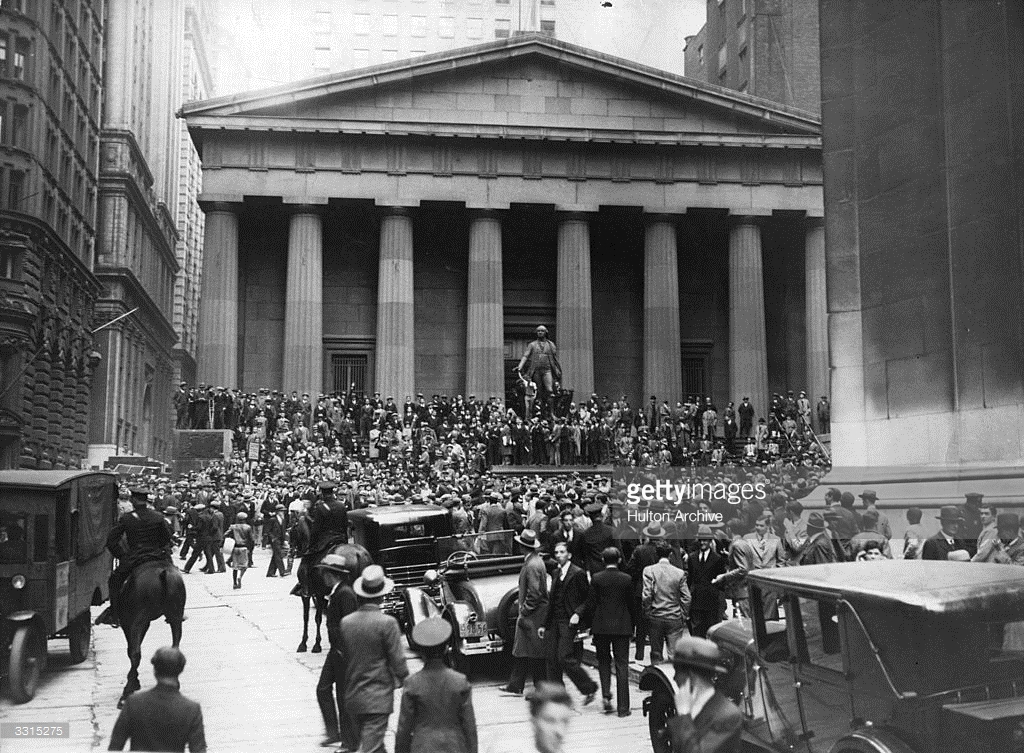
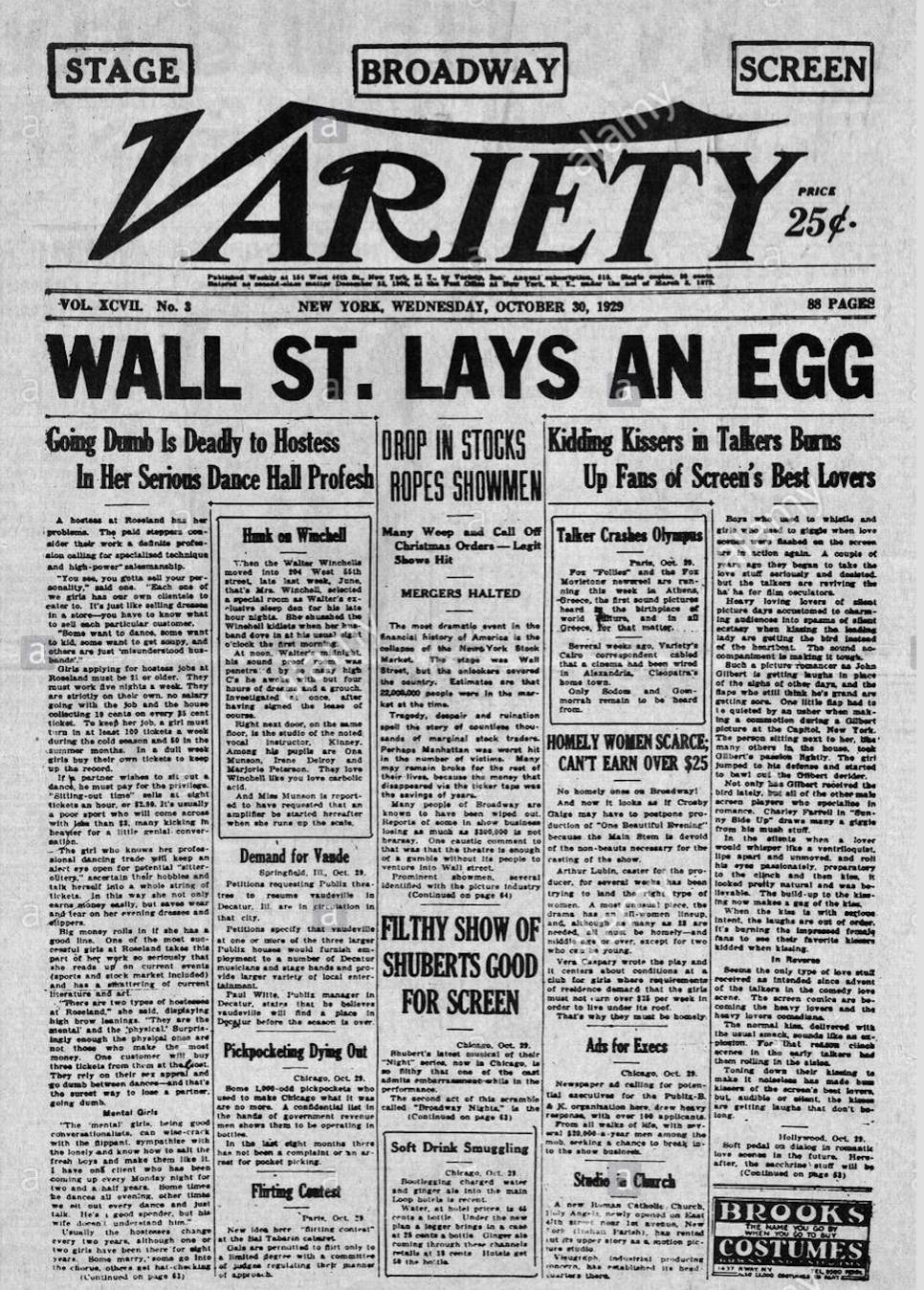
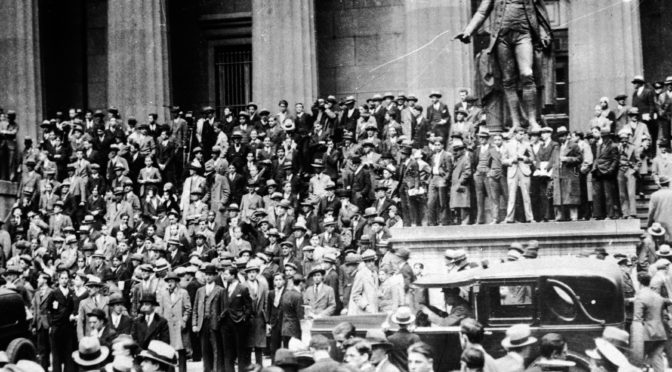
The irresponsible speculation fueling the stock market of the Roaring 20’s suddenly fell apart, turning princes into paupers overnight. Rumors spread among gathering crowds in front of the New York Stock Exchange of distraught traders throwing themselves out windows.

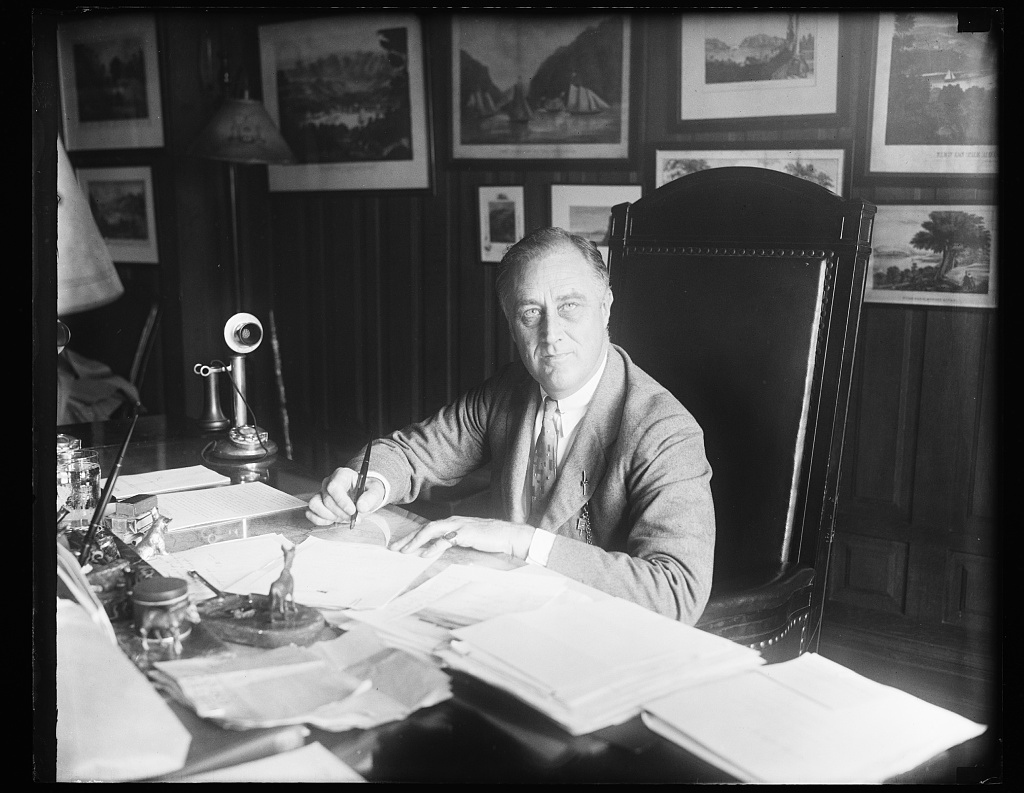
And yet a more immediate crisis was awaiting the Night Mayor of New York — the investigations of Judge Samuel Seabury, steering a crackdown authorized by governor Franklin Delano Roosevelt to rid New York City of its deeply embedded, Tammany Hall-fueled corruption.

With the American economy in free fall and hundreds of New York politicians, police officers and judges falling to corruption revelations, the world needed a drink! Counting down to the last days of Prohibition….

PLUS: The fate of Texas Guinan, the movie star turned Prohibition hostess who hit the road with a bawdy new burlesque — that led to a tragic end.

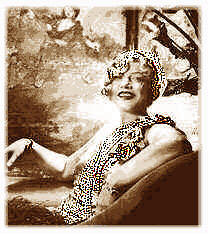
The song featured in this week’s episode was Bessie Smith’s “Nobody Knows You When You’re Down and Out”


The Bowery Boys: New York City History podcast is brought to you …. by you!

We are now producing a new Bowery Boys podcast every two weeks. We’re also looking to improve the show in other ways and expand in other ways as well — through publishing, social media, live events and other forms of media. But we can only do this with your help!

We are now a member of Patreon, a patronage platform where you can support your favorite content creators for as little as a $1 a month.

Please visit our page on Patreon and watch a short video of us recording the show and talking about our expansion plans.If you’d like to help out, there are five different pledge levels (and with clever names too — Mannahatta, New Amsterdam, Five Points, Gilded Age, Jazz Age and Empire State). Check them out and consider being a sponsor.

We greatly appreciate our listeners and readers and thank you for joining us on this journey so far. And the best is yet to come!


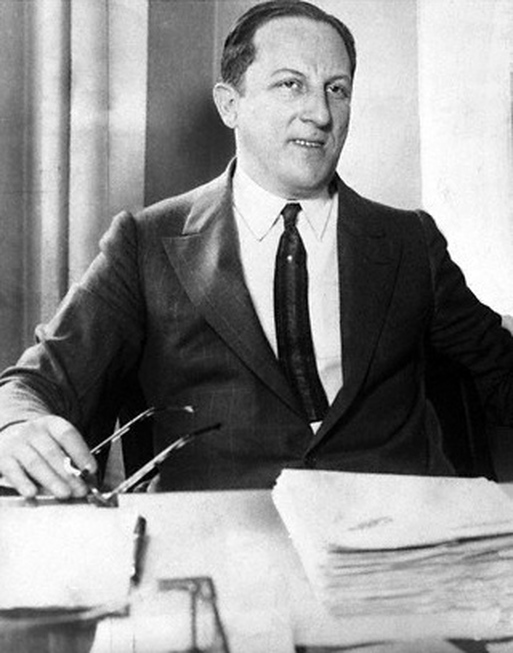
Arnold Rothstein — His murder would kick off a frenzy in New York’s organized crime syndicates and lead to an in-depth investigation into the police and local government
Al Smith — His unsuccessful bid for the presidency in 1928 led him to pursue more business-related projects, including the construction of the Empire State Building.
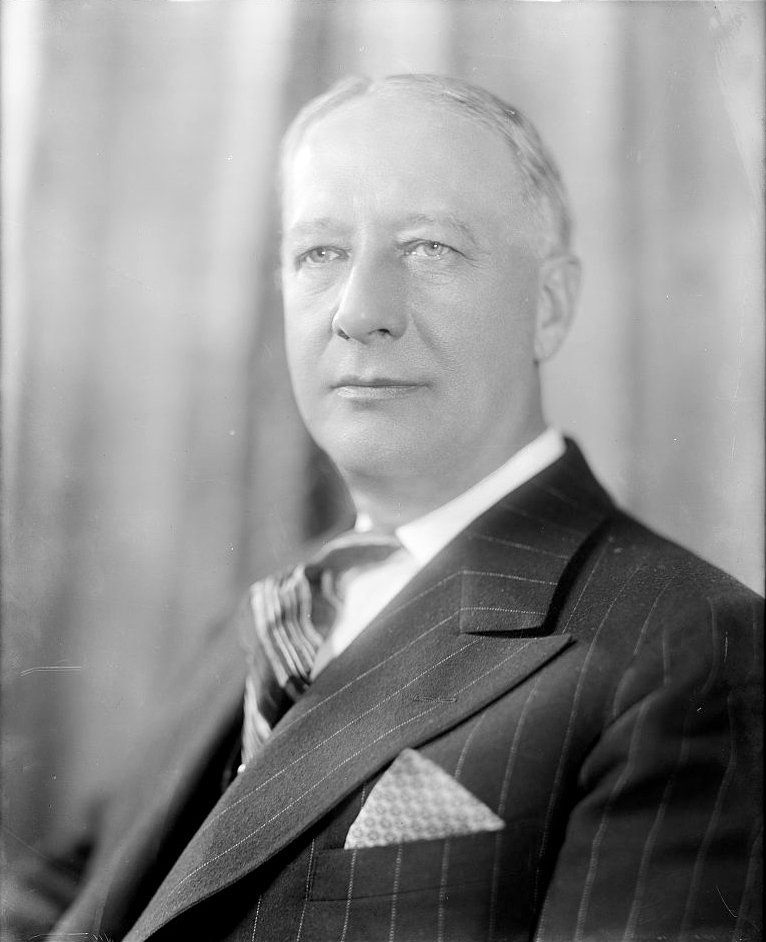
Harris & Ewing collection at the Library of Congress.

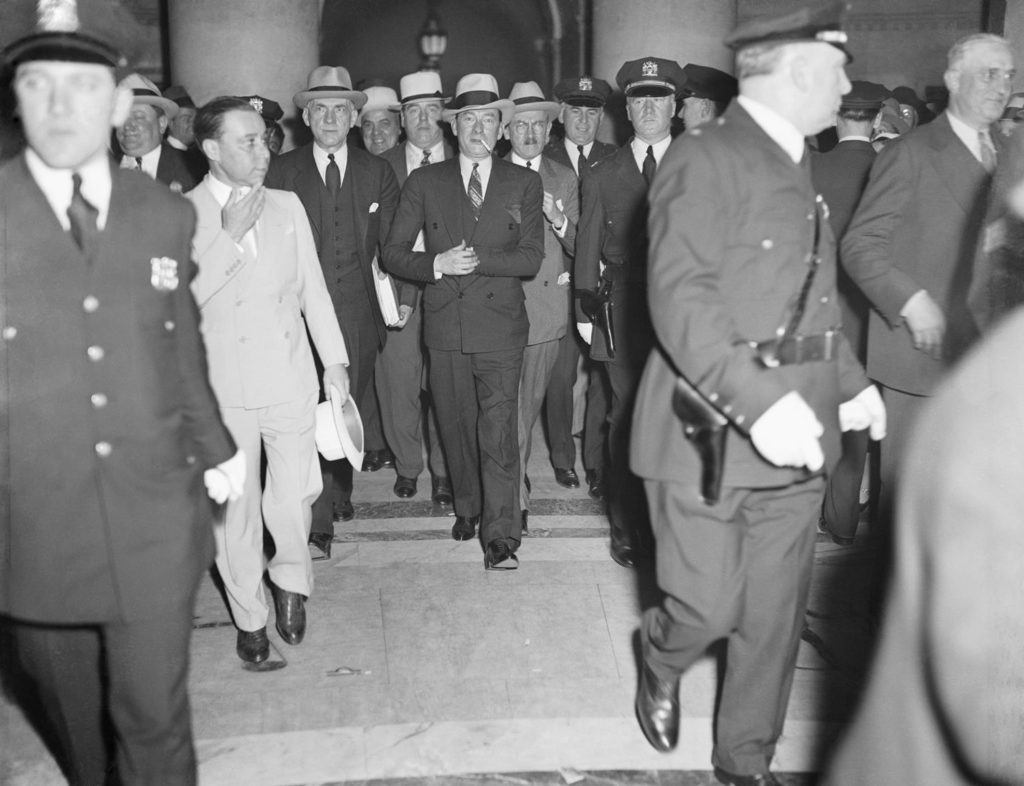
Mayor Jimmy Walker felt invincible at the start of his second term
Texas Guinan eventually left the nightclub scene and returned to film and stage work. She’s pictured here in 1931 in Paris. She would later be denied entry into the country for her bawdy performances (at least, that’s what she claimed).
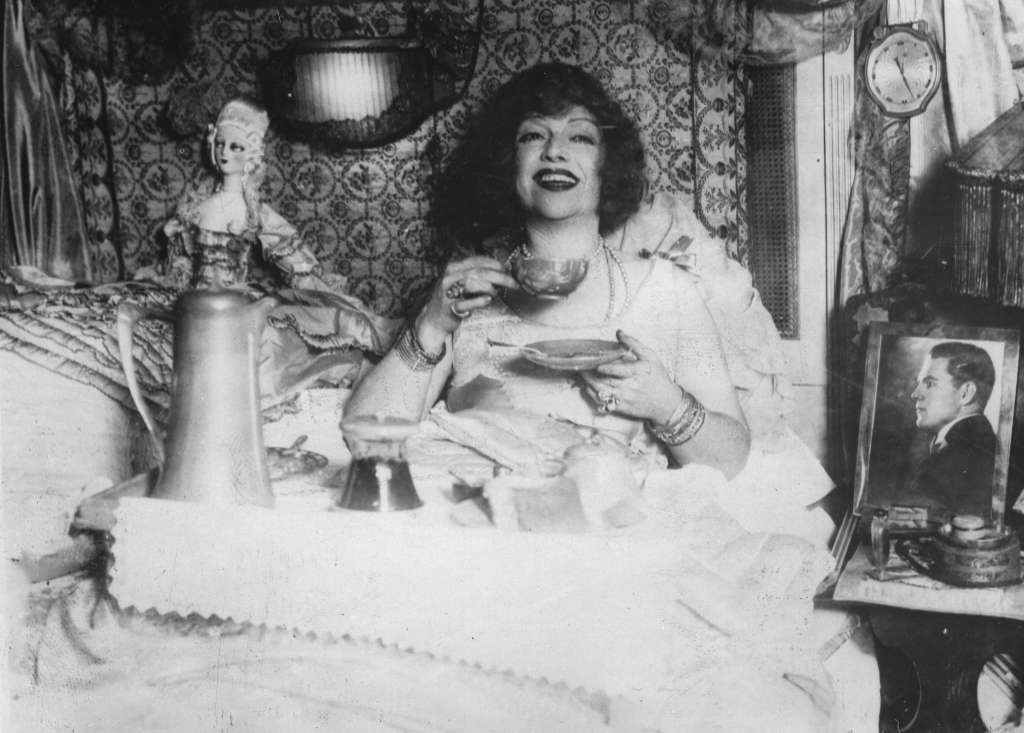
Getty Images

Betty Compton waited patiently for Walker from the sidelines, watching as his political fortunes collapsed in 1932.
Franklin Delano Roosevelt — The governor of New York (and soon president of the United States) went after corruption during a busy campaign season.
Library of Congress

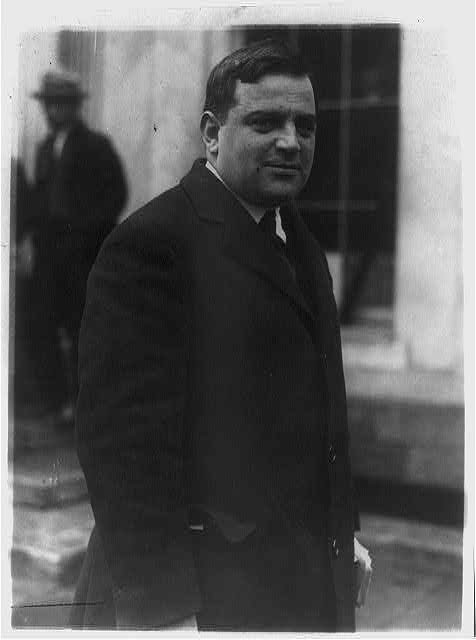
Fiorello La Guardia (pictured here in 1929) was an early supporter of Prohibition repeal and ran for mayor in 1929, losing to Walker.
Library of Congress

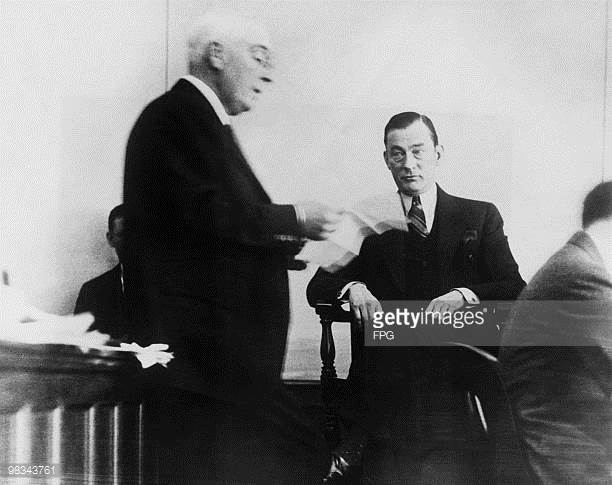
Samuel Seabury, questioning a nonplussed Jimmy Walker on the stand, succeeded in rooting out corrupt officials in public offices. With Roosevelt’s help, he even brought down the Night Mayor himself.
Getty Images

The Central Park Casino transformed into a swanky nightclub in 1929, a favored spot for Jimmy Walker
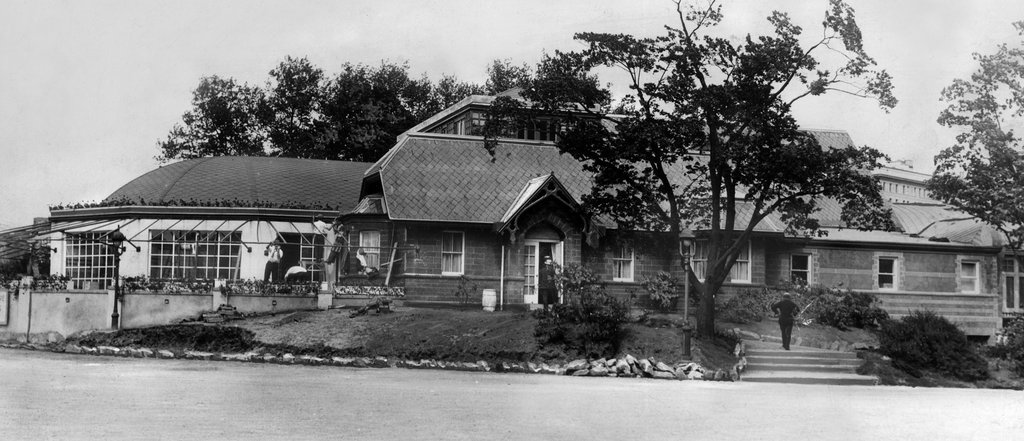
Courtesy New York Times

An interesting view of mid-Manhattan in 1931 (from St. Gabriel’s Park at First Avenue and 35th Street) with the newly completed Chrysler Building and the Empire State Building nearly completed.
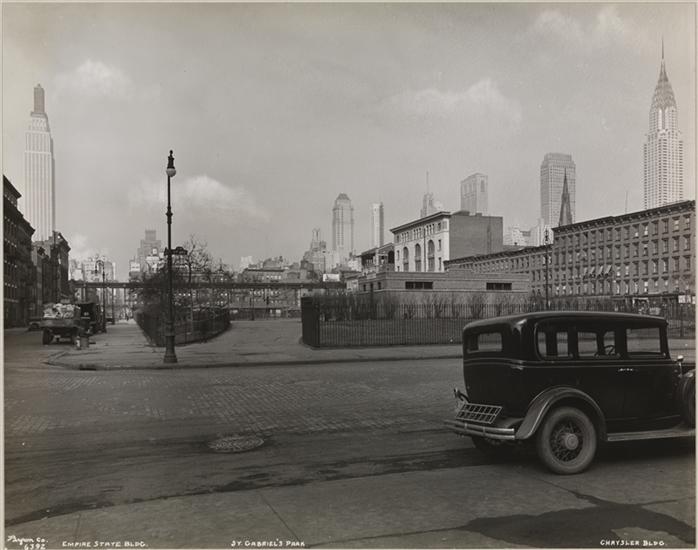
MCNY/Byron Company

An ominous image of the New York Stock Exchange from September 1929, weeks before the crash.
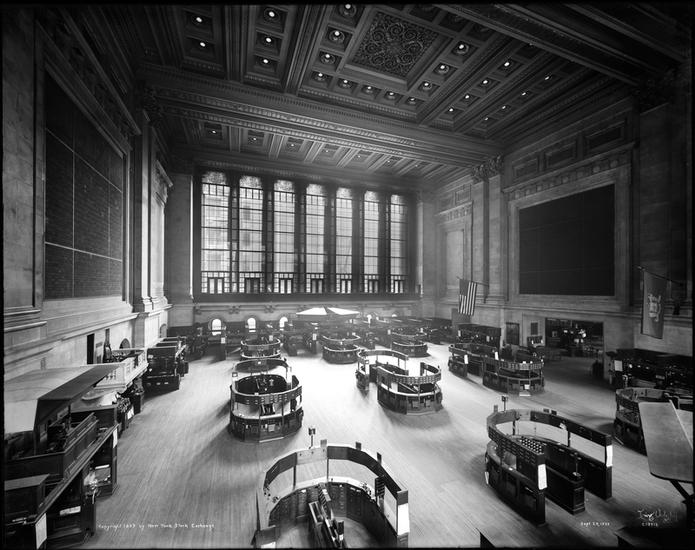
Irving Underhill/MCNY

The streets outside the New York Stock Exchange were clogged with people for days, frantic scenes of anger, panic and heartbreak.
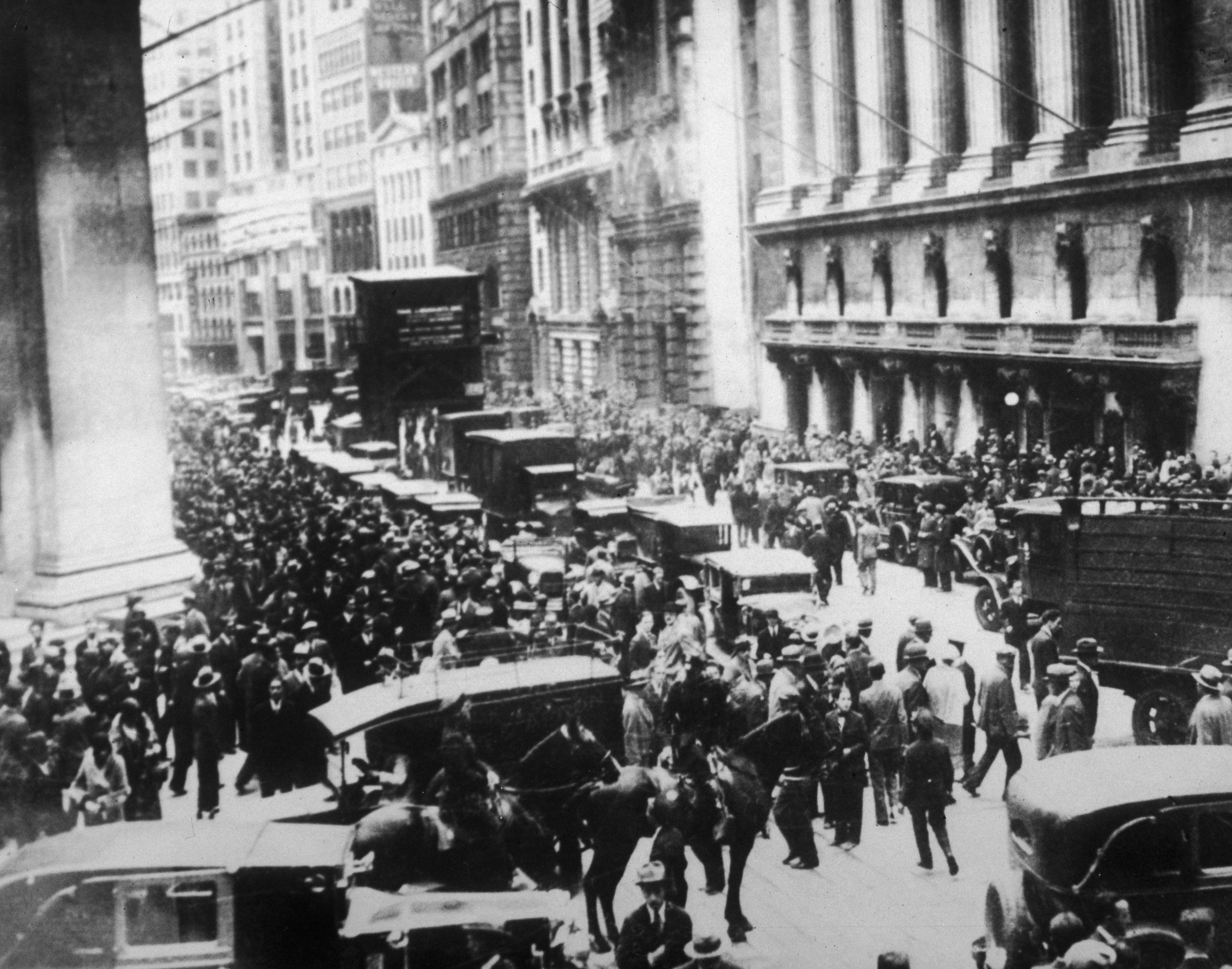
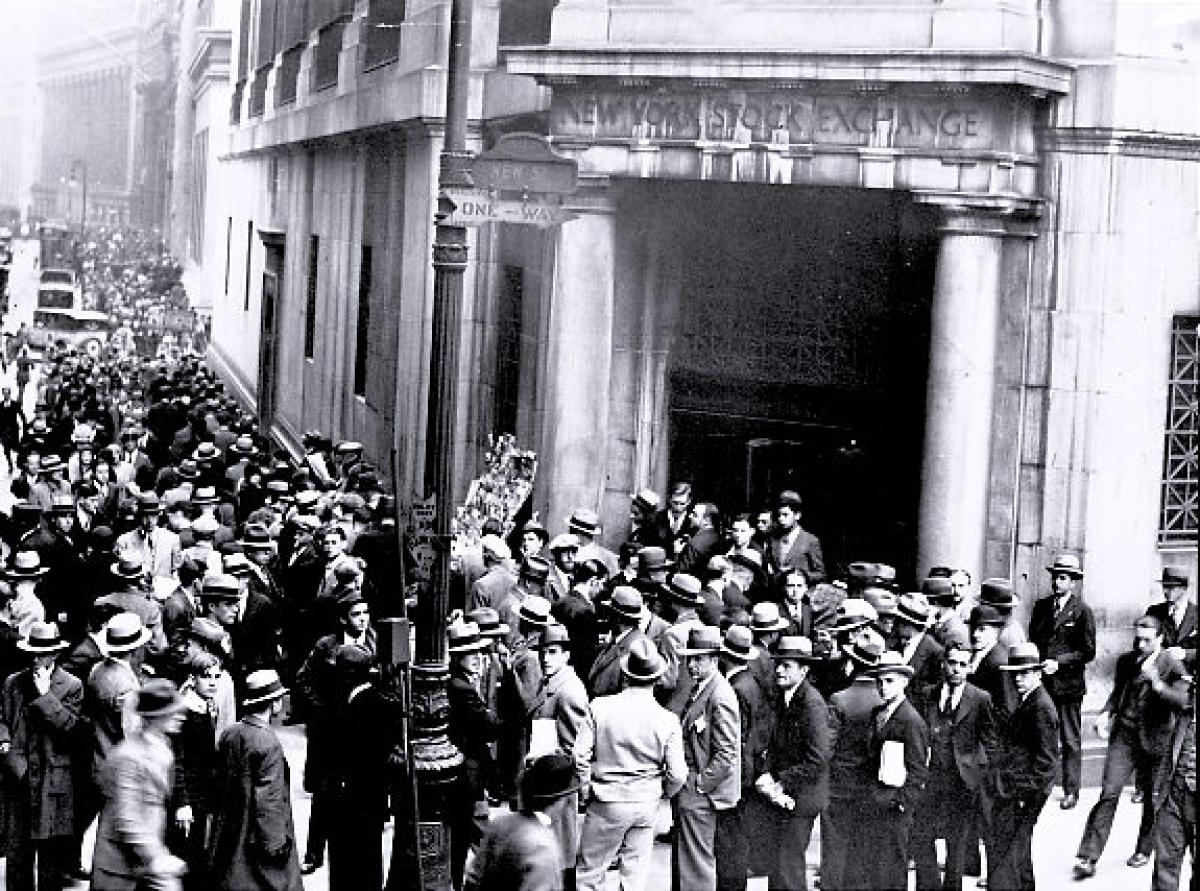
29th October 1929. (Photo by Hulton Archive/Getty Images)
New York Daily News
(Photo by Keystone/Getty Images)

A graphic look at the Wall Street Crash of 1929.
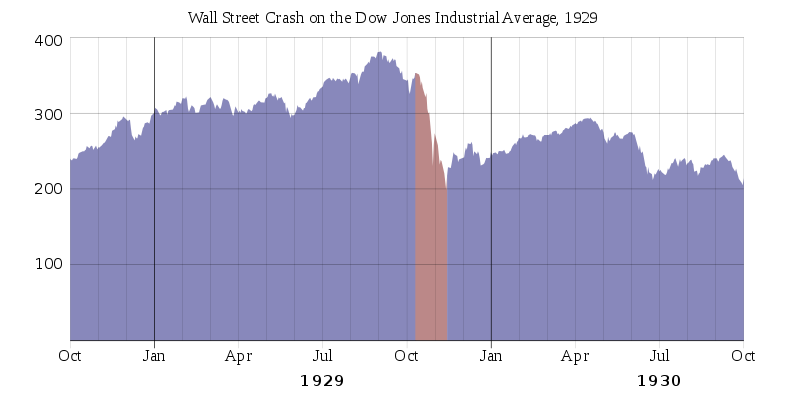
Wikicommons

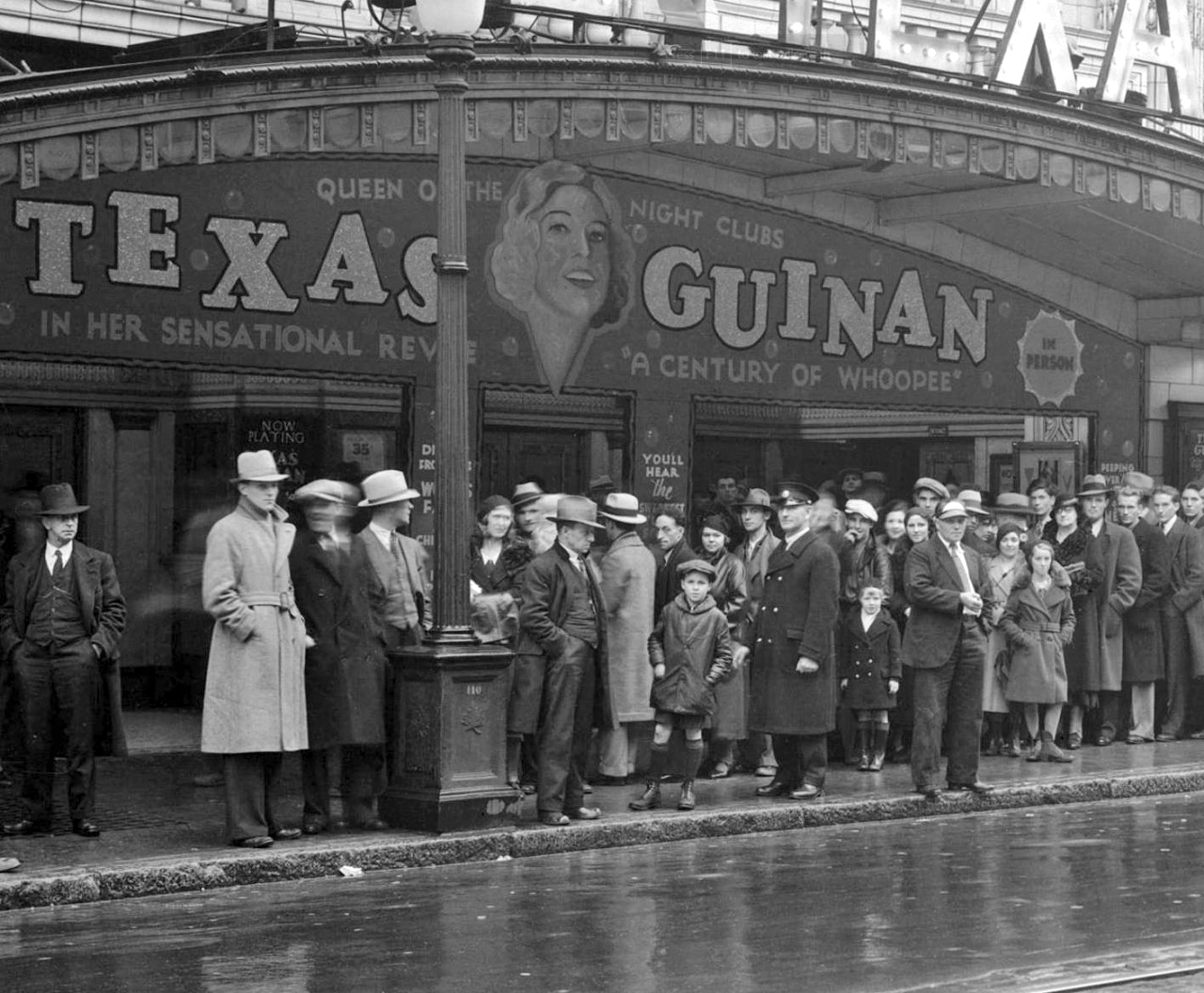
Outside Vancouver’s Beacon Theatre on October 28, 1933, just a week before her death here in this city.

CORRECTION: Jimmy Walker’s second term began on January 1, not January 3.

For more information, check out the following books:

Dry Manhattan: Prohibition in New York City by Michael A. Lerner

The Great Crash by John Kenneth Galbraith

Once Upon A Time In New York by Herbert Mitgang

The Man Who Rode The Tiger: The Life and Times of Judge Samuel Seabury by Herbert Mitgang

Rothstein: The Life, Times, and Murder of the Criminal Genius Who Fixed the 1919 World Series by David Pietrusza

Other Bowery Boys podcasts related to this one:

The Tallest Building In New York: A Short History (#169)
Battle For The Skyline: How High Can It Go? (#199)

The Chrysler Building (#11)

Robert Moses (#100)

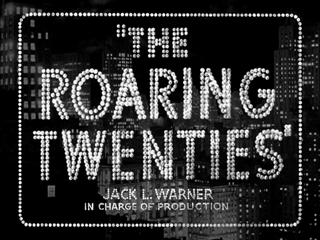
The Roaring Twenties: a boozy old Hollywood bio

BOWERY BOYS RECOMMEND is an occasional feature where we find an unusual movie or TV show that — whether by accident or design — uniquely captures an era of New York City better than any reference or history book. Other entrants in this particular film festival can be found HERE.

New York during the Prohibition was a lot more difficult and less glamorous than the movies have portrayed. But why go there? In The Roaring Twenties, every element of the New York underworld is portrayed in pitch-perfect movie fantasy. What you wouldn’t realize is that this Hollywood gem is based on the true story of Manhattan’s speakeasy king and queen, Larry Fay and Texas Guinan.

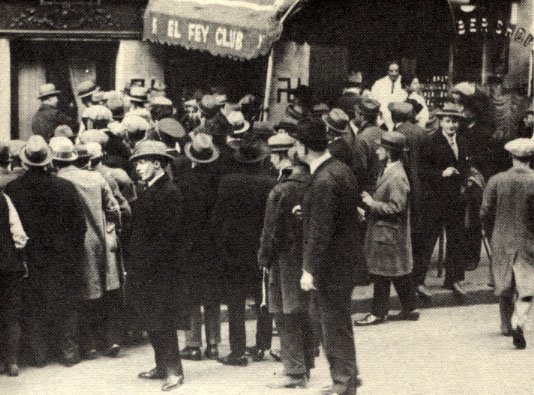
The real Fay was a “taxi racketeer” (runner of several illegal cabs) turned lucrative speakeasy owner during the Jazz Age. His club El Fey, at 105 W. 45th Street (below), with its swastika-adorned doorway, moved poorly made champagne at premium prices, thanks to hiring the personable and sexy Guinan, a former Hollywood Western star turned nightlife doyenne. (I elaborated about her and her 300 Club in an article last year.)

Below: the real El Fey

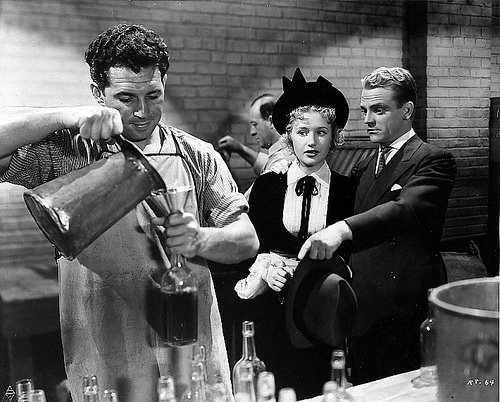
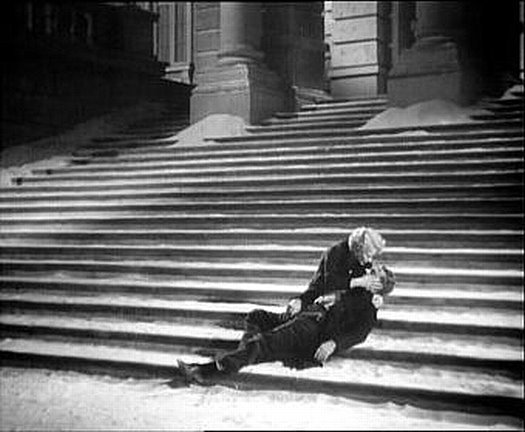
Fay was a notorious enough name that by 1934, the year after his death by the hands of a disgruntled employee, news of the auction of his bullet-proof Excelsior limousine made Time Magazine. Its no surprise that the 1939 big screen adaptation of his life, then, would attract two of Hollywood’s biggest stars — James Cagney and Humphrey Bogart. (In classic early movie tradition, the story is loosely based and all the names are changed.)

Cagney plays Eddie Bartlett (the stand-in for Fay), out-of-luck after returning from World War I and virtually forced into the gangster business. Thankfully he finds that his foxhole partner George Hally (Bogart) has also entered the illegal booze smuggling business. The two uneasily join forces but soon learn that in the New York underground, your friend one day is your enemy the next.

Notable in the cast is Gladys George as Panama Smith the saucy, barely disguised avatar for Guinan. As this is a moralist film, Panama is punished for being a saavy independent business-owner by slowly deteriorating into a needy, washed-up lounge singer that nobody wants.

The director Raoul Walsh would later bring Cagney his most defining screen moments in White Heat, and Bogart a few of his in High Sierra. Six years prior to ‘Twenties’, Walsh directed a film called ‘The Bowery’ about the rough and tumble saloon-clogged street during the 1890s.

Meanwhile, Cagney and Bogart had teamed two years previous in ‘Dead End’, the movie about a New York slum that brought the world the first appearance of the Dead End Kids, later to rename themselves the Bowery Boys.

The Roaring Twenties is currently out on DVD and is probably played on Turner Classic Movies about once a month.

FRIDAY NIGHT FEVER: The 300 Club


To get you in the mood for the weekend, every Friday we’ll be celebrating ‘FRIDAY NIGHT FEVER’, featuring an old New York nightlife haunt, from the dance halls of 19th Century Bowery, to the massive warehouse spaces of the mid-90s. Past entries can be found here

We’re reaching way back for this week’s entry, to the heyday of New York nightlife, the 1920s, when prohibition hardly prohibited anything. The underground speakeasy The 300 Club at 151 W. 54th Street was one of the most successful, despite being raided many, many times, and all because of one scrappy, lovable dame. 

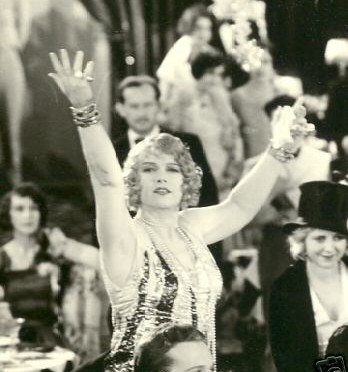
Ladies and gents, I give you New York’s reigning queen of nightlife, Ms. Mary Louise Cecilia — but the boys call her  “Texas” Guinan.

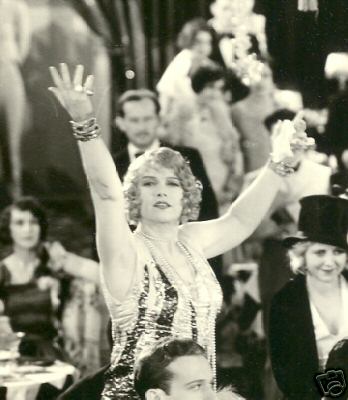
Born in Waco in 1884 to Irish immigrants, she coined her nickname on the youth rodeo circuit, then ran off to New York for a short stint in vaudeville. Her cornfed, bawdy charms caught the eye of a movie scout who rustled her to Hollywood, where she became the silent era’s first movie cowgirl, starring in a string of corny Westerns — The Girl Sherriff, The White Squaw, The School M’arm, Little Miss Deputy.

But New York lured her back, where saloon owner Larry Fay (his speakeasy El Fey Club was on West 47th) convinced her to crack open her own establishment. And the 300 Club* was born.

The bar practically bristled with Guinan’s outsized personality. Its relatively small size worked in its advantage, especially as 40 fan dancers flew from the wings and had to basically dance in the aisles, to the delight of those tippling the bar’s illegal sauce.

Texas was always around greeting customers with her signature slogans, “Hello, Suckers! Come on in and leave your wallet on the bar!” and “Give the little ladies a great big hand!”

It wasn’t just the underbelly of New York captivated by Texas’ charms. The toast of the town often popped by to ogle at her dancing beauties, including Rudolph Valentino, Gloria Swanson and Pola Negri. Young composer George Gershwin would sometimes leap to the piano and pound out a ragtime. She also took a young Walter Winschel under her wing, a man who would later become the most influential gossip columnist of the 1930s and 40s.

With all that attention, it’s no surprise the club was perpetually raided. Guinan never once admitted she sold liquor, claiming her hundreds of customers had brought it in with them. According to one adoring fan site:

“Legend has it that the joint was raided one night when the Prince of Wales was there. She popped an apron on him and hid him in the kitchen, washing dishes.”

After a few weeks she would reopen, and the party would begin again. Occasionally, she would have to move to different locations, and reopen under different names (Salon Royale, Club Intime, the Argonaut), but she always returned W. 54th Street, where the legends of the jazz age were bred.

It ended a little too soon for Texas. The Great Depression rolled over her good fortunes, and she attempted to take her show on the road, touring the United States. (She even attempted to take it to Europe and was denied a permit to perform in France due to Texas’ notorious reputation.) While in Vancouver, she contracted dysentery and died in Nov 5, 1933, age 49.

The tales of her midtown speakeasys have helped to shape our entire perception of New York in the 20s, with its excess and abandon. Guinan herself lived on as an primary influence to Mae West. In fact Guinan was actually considered for West’s debut role in the film Night After Night in 1932.

(By the way, today is Mae West’s birthday.)

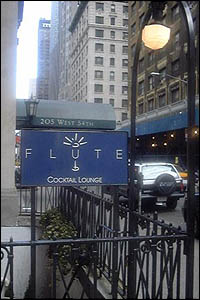
You can still have a drink at Guinan’s speakeasy Club Intime; the space where she once entertained New York’s greatest is now the champagne bar Flute . The location of the 300 Club has been turned into The London luxury hotel.

She literally was the end of an era; the day after she died, the US government repealed prohibition.

Texas Guinan lives on in an incredibly exhaustive blog in her honor and in reruns of Star Trek: the Next Generation (Whoopi Goldberg’s bartender character is named after her). Who knows what mayhem Texas would be getting herself into if she were alive today.

*I admit I couldnt find anything on why it was called the 300 Club, however it could be because when customers would ask her how many films she had made in Hollywood, she always answered, “About 300 of ’em.” Even though it was more like a couple dozen.