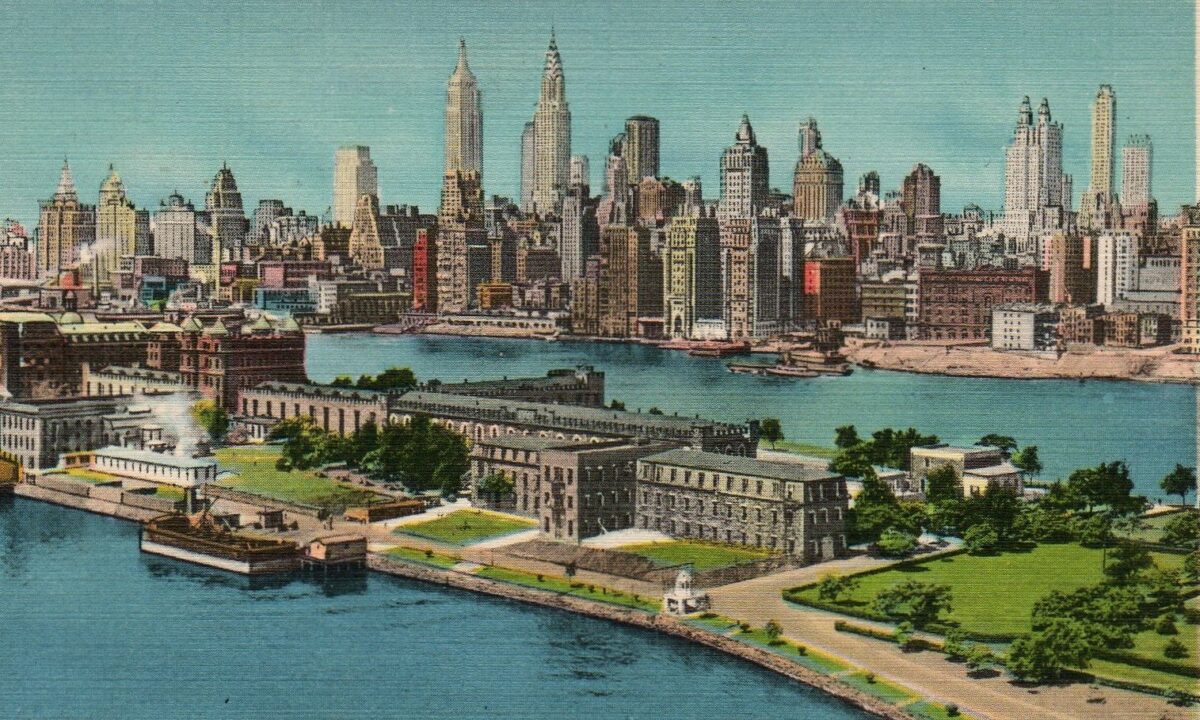
Welfare Island (once the more enticingly named Blackwell’s Island) was New York’s depository of human services, once a dour place of horrifying asylums and miserable workhouses.
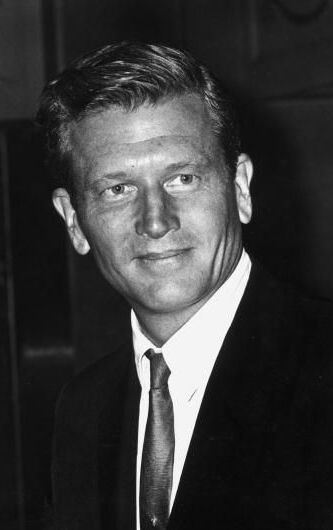
In the 1960s Mayor John Lindsay was preparing to revitalize the East River island with new housing and increased support for the hospitals there. Architects Philip Johnson and John Burgee were brought in to rethink the urban space as a largely automobile-free community.
For this grand experiment, all they needed was a name. Luckily there seemed be a couple prominent figures being egregiously ignored in the city — Franklin Delano Roosevelt and his wife Eleanor:
“It is astonishing, and becomes more disgraceful with every passing year, that within the city there is still no memorial to this great New Yorker (except for FDR Drive, a dubious honor).
The opportunity is, however, immediately at hand. Welfare Island, now slowly undergoing a total reconstruction and rebirth, would take on a new symbolic significance if its name were changed to Franklin D. Roosevelt Island — or, better yet, to Franklin and Eleanor Roosevelt Island in honor of that extraordinary woman who was even more closely identified with New York City than was the president himself.”
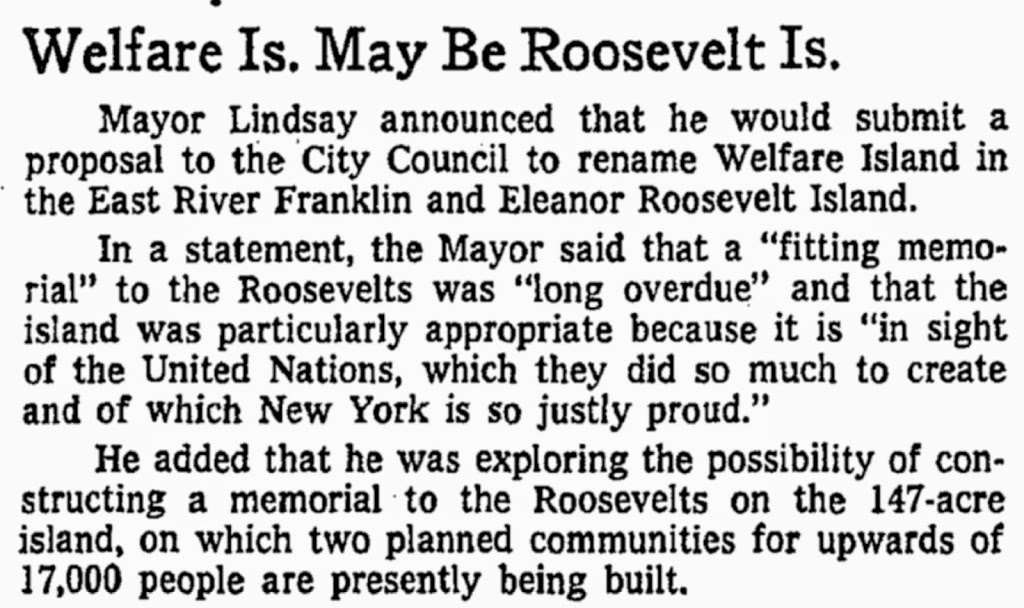
By the following year Mayor Lindsay submitted a proposal to re-name Welfare Island for the president and the first lady.
From Jan. 21, 1973:
It was officially approved later that summer but with a revised name — Franklin Roosevelt Island.
To the Council, “a witness testified that the name of Welfare Island should be dropped because plans were under way to start marketing this September the thousands of apartments already built and still under construction as part of a $300-million ‘new town’ designed to replace outdated medical facilities.” [source]
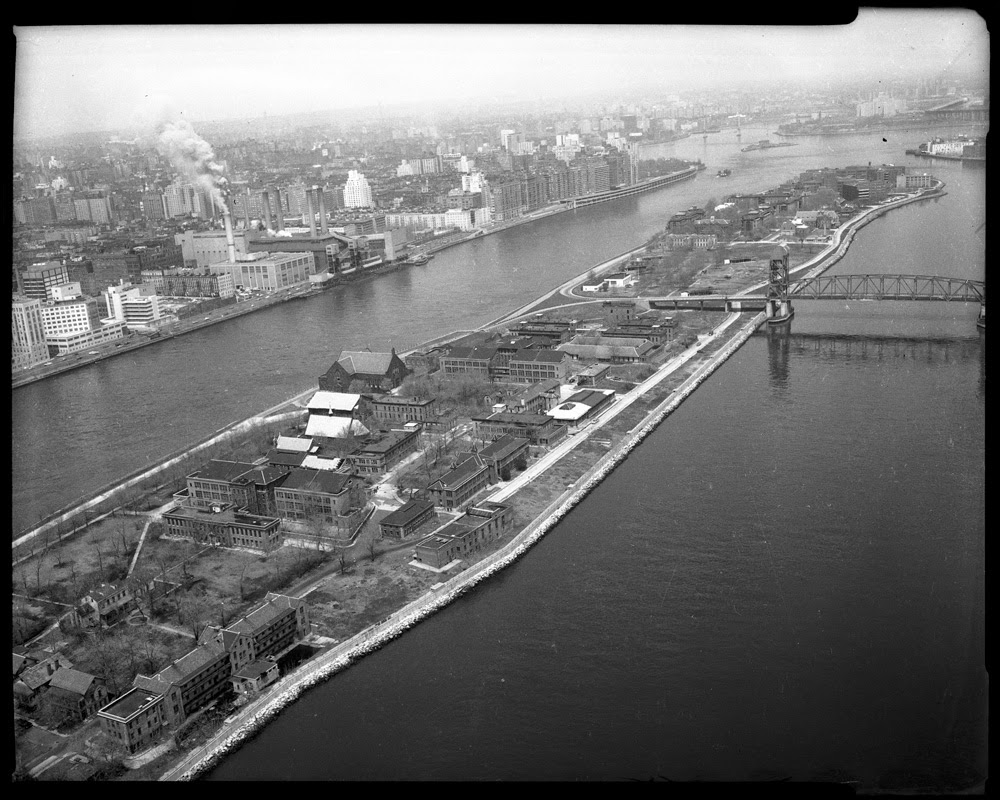
Below: The island in April 1961, photo courtesy the New York Fire Department
She finally did get her own memorial in New York City — an understated statue tucked away in Riverside Park.
It was unveiled on October 5, 1996 by Hillary Rodham Clinton.
Oddly enough, Hillary regaled the crowd with a story of imaginary conversations she liked to have with Eleanor. “When I last spoke to Mrs. Roosevelt, she wanted me to tell all of you how pleased she is by this great, great new statue.”
Top picture courtesy Museum of the City of New York
The Bowery Boys Road Trip to the Hudson Valley mini-series, exploring stories of American history along the Hudson River, is now complete. Catch up on all three episodes — and join us on Patreon for a special ‘behind the scenes’ episode:
On the Trail of the Croton Aqueduct
Welcome to the Old Croton Aqueduct Trail, 26.5 miles of dusty pathway through some of the most interesting and beautiful towns and villages of Westchester County.
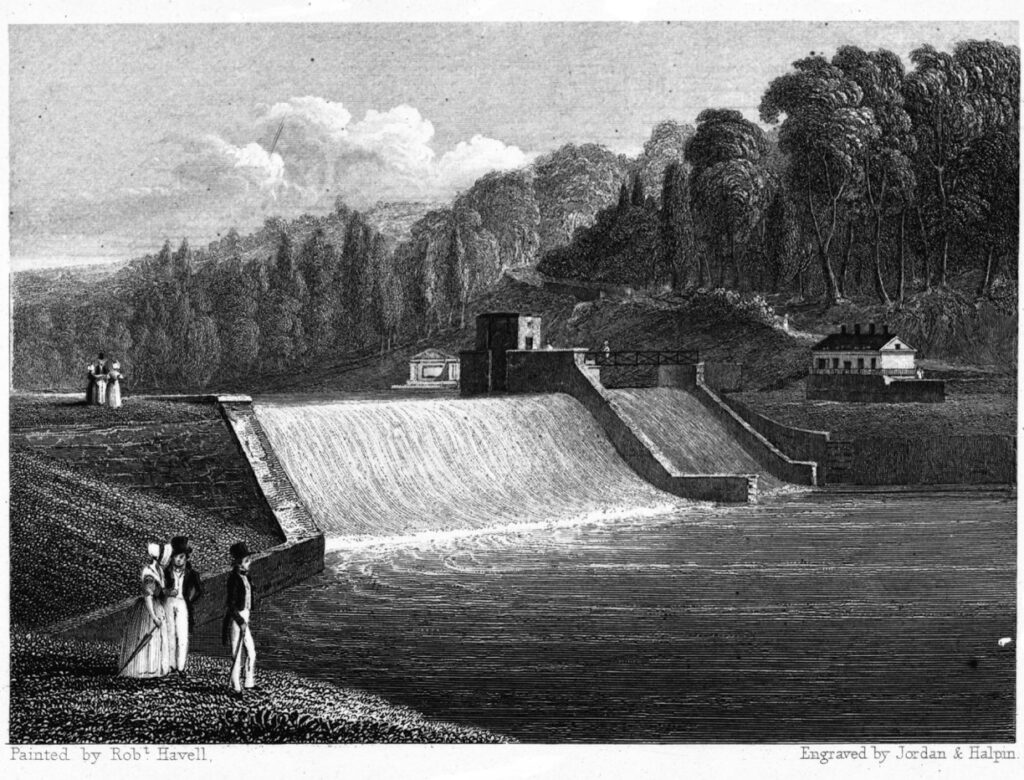
But this is more than a linear park. The trail runs atop — and sometimes alongside — the original Croton Aqueduct, a sloping water system which opened in 1842, inspired by ancient Roman technology which delivered fresh water to the growing metropolis over three dozen miles south.
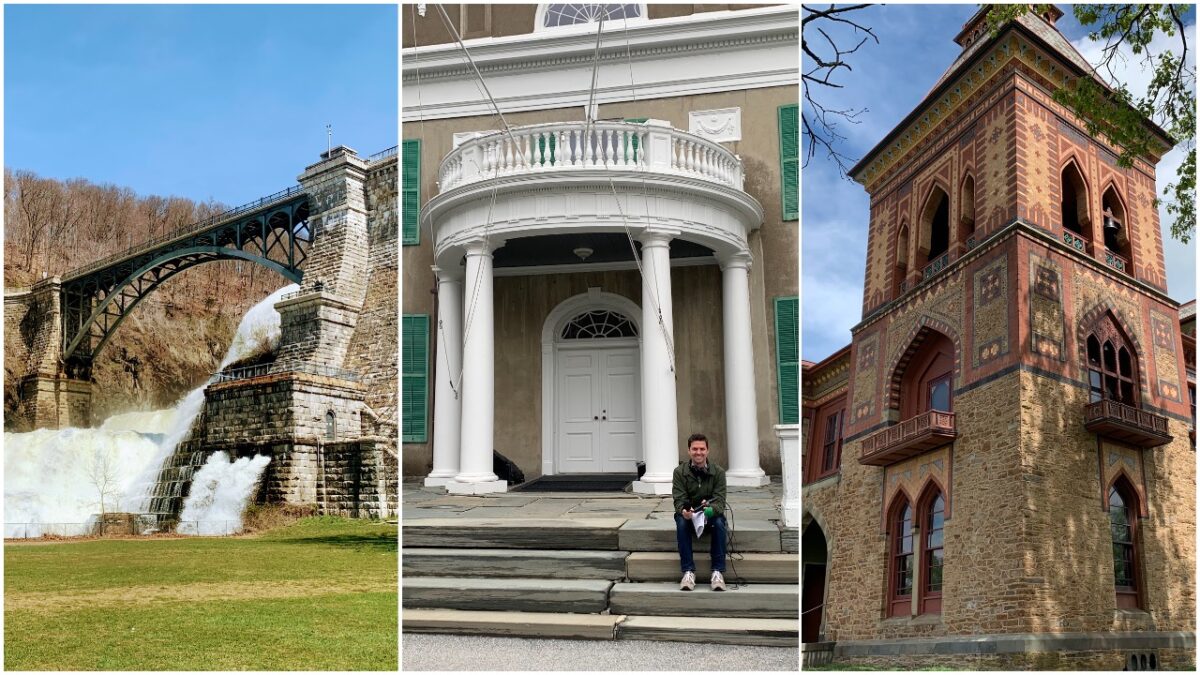
Locations featured: New Croton Dam, the Double Arch Bridge in Ossining, the Keeper’s House in Dobbs Ferry
Hyde Park: The Roosevelts on the Hudson
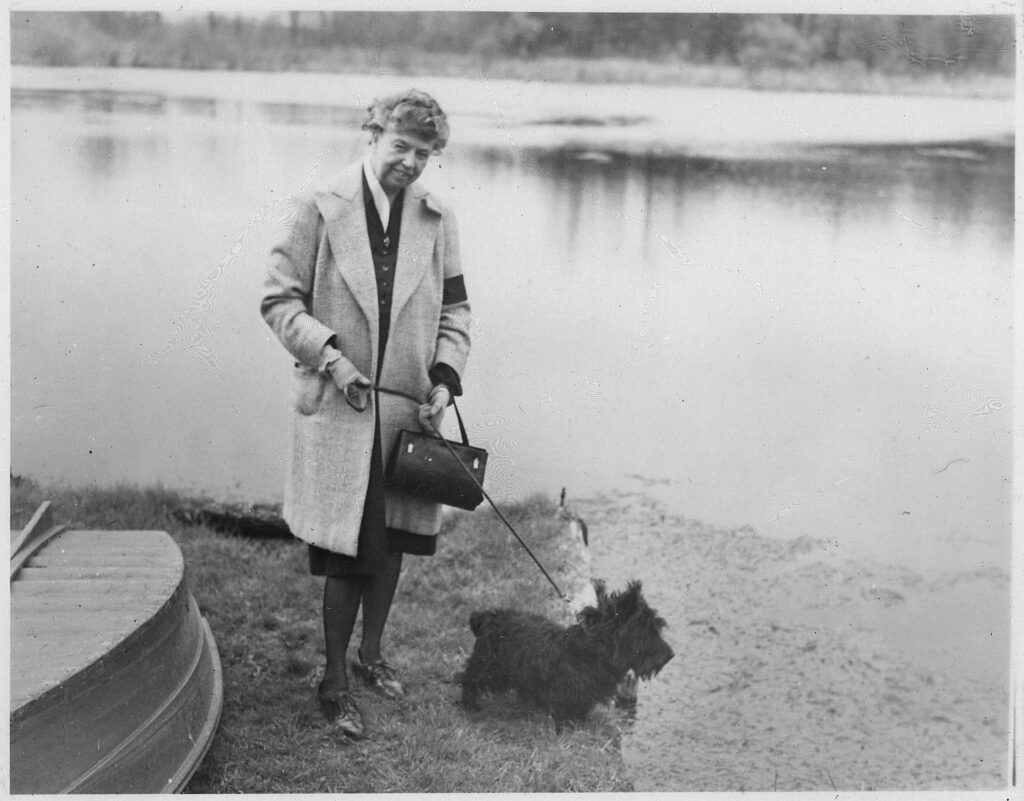
Hyde Park, New York was the home of Franklin Delano Roosevelt, the 32nd president of the United States. He was born here, he lived here throughout his life, and he’s buried here — alongside his wife Eleanor Roosevelt.
But it was more than simply a home.
The Hyde Park presence of the Roosevelts expands outwardly from the Roosevelt ancestral mansion of Springwood, over hundreds of forested acres from former farmlands on the eastern side to the shores of the Hudson River on the west.
Locations featured: Home of Franklin D. Roosevelt National Historic Site, FDR Presidential Library and Museum, Top Cottage, Val-Kill Cottage, all in Hyde Park
The Hudson River School: An American Art Revolution
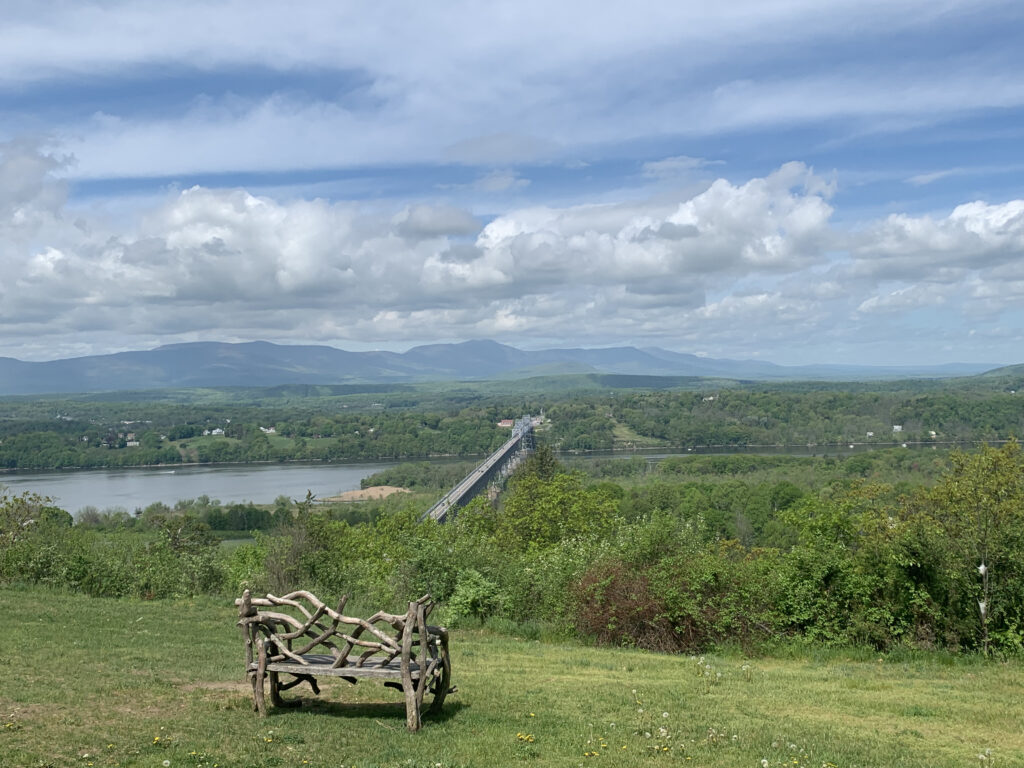
Two landmarks to American art history sit on either side of the Rip Van Winkle Bridge over the Hudson River — the homes of visionary artists Thomas Cole and Frederic Edwin Church.
Cole and Church were leaders of the Hudson River School, a collective of 19th century American painters captivated by natural beauty and wide-open spaces. Many of these paintings, often of a massive size, depicted fantastic views of the Hudson River Valley where many of the artists lived.
Locations featured: Thomas Cole National Historic Site in Catskill, Olana State Historic Site in Hudson
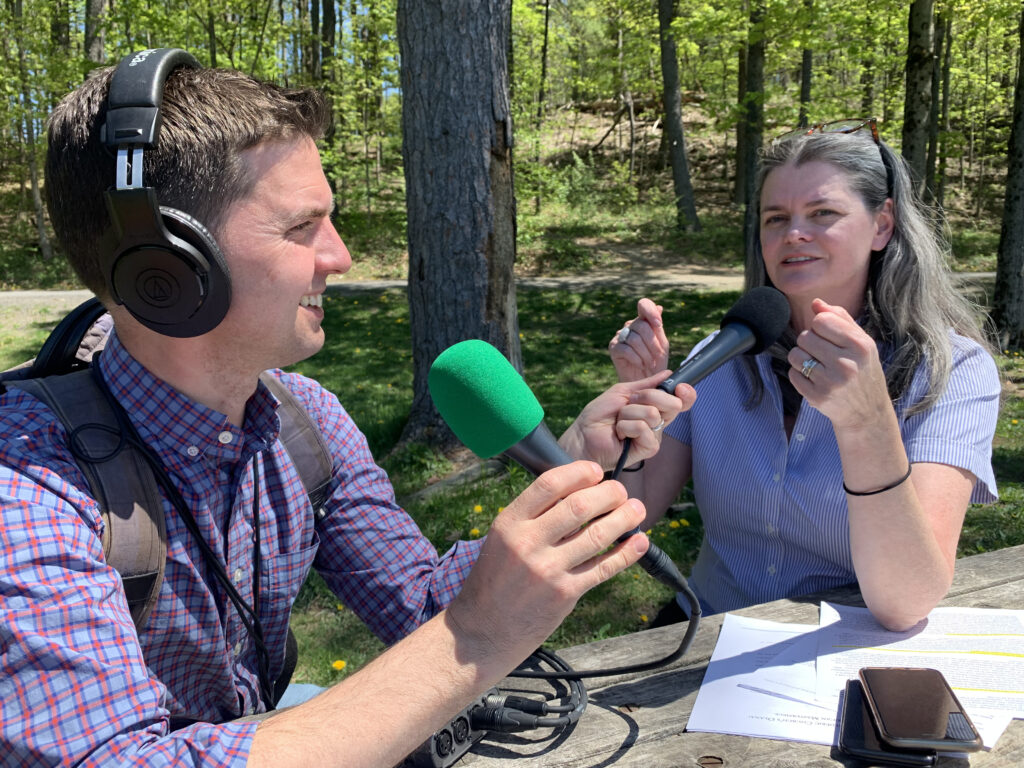
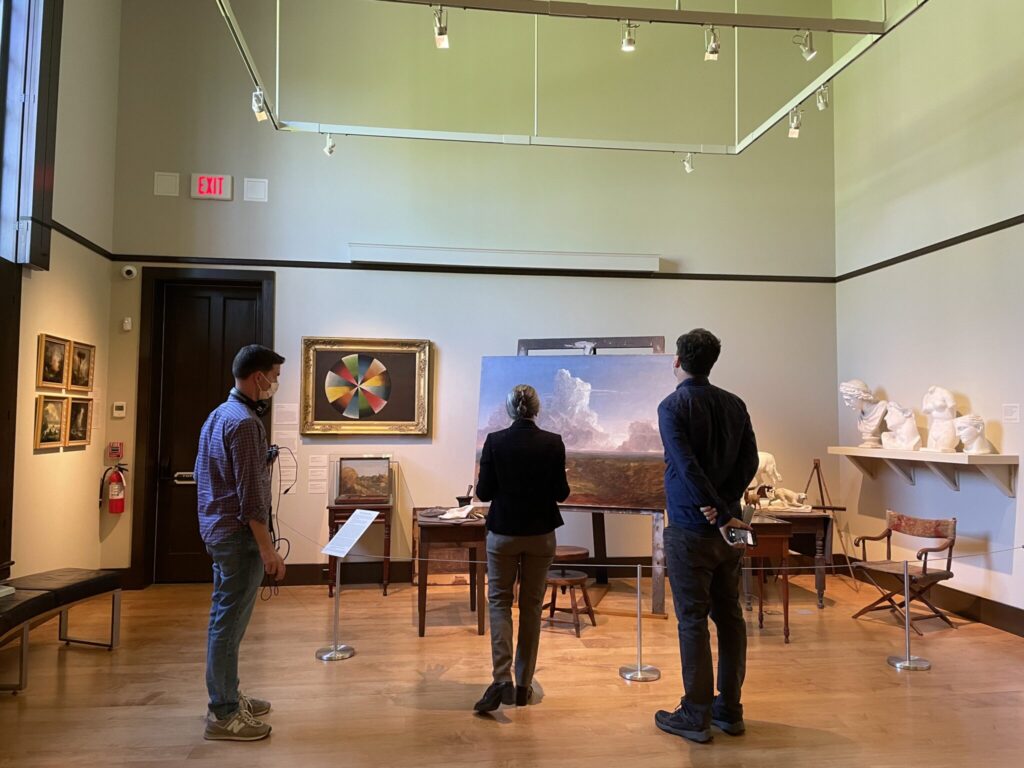
Tom interviewing Amy Hausmann of the Olana State Historic Site
Road Trip to the Hudson Valley: Aftermath
In this Patreon exclusive, Greg and Tom look back on their adventures in the Hudson Valley and give you a behind-the-scenes look at their journeys along the Croton Aqueduct Trail, Hyde Park and the towns of Catskill and Hudson.
PLUS: Some tips on how to make these trips yourself this year.
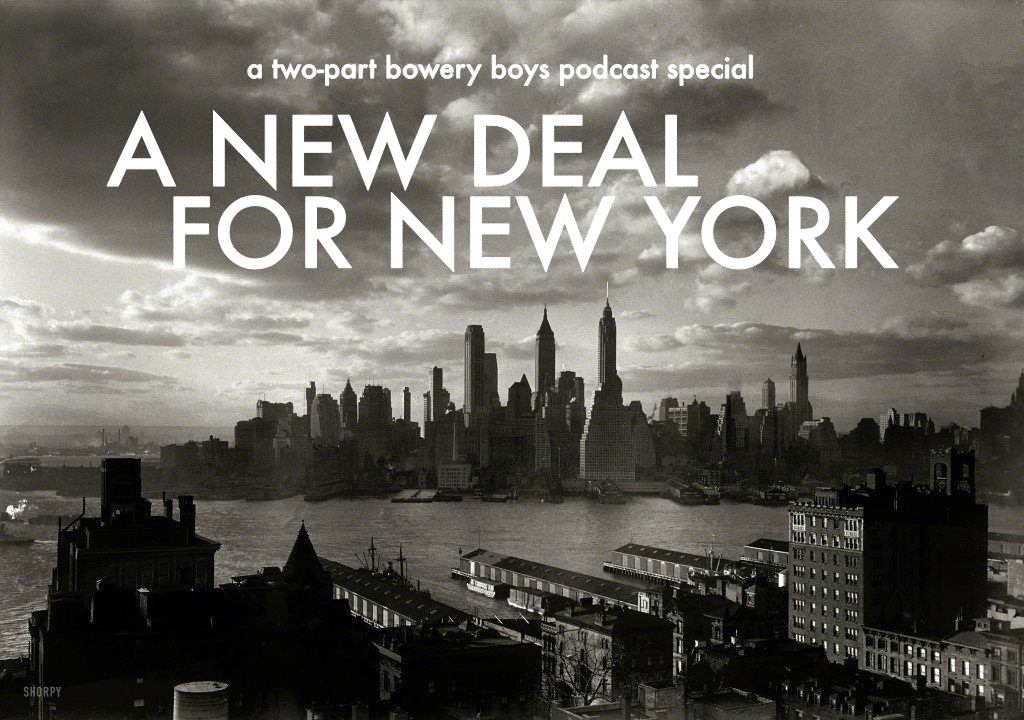
PART ONE of a two-part podcast series A NEW DEAL FOR NEW YORK.
In this episode, we look at the impact New Deal funding had in shaping the city’s infrastructure — from bridges and tunnels to neighborhood parks — how New York City uniquely benefited from this government program.
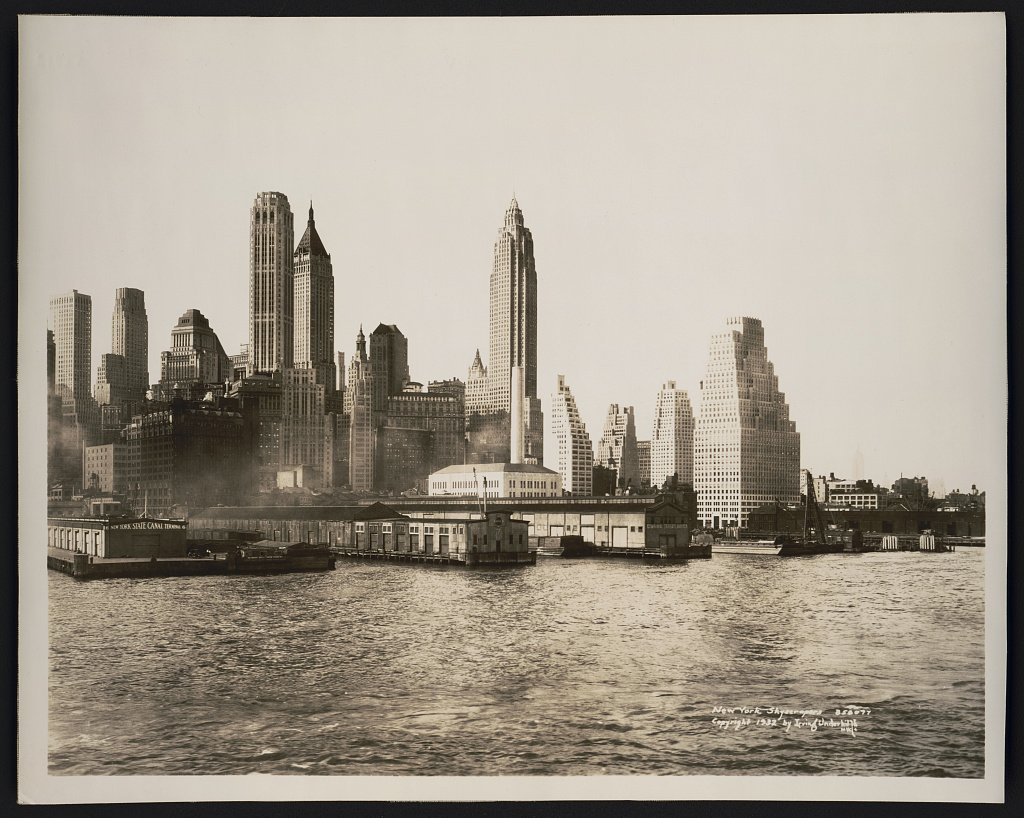
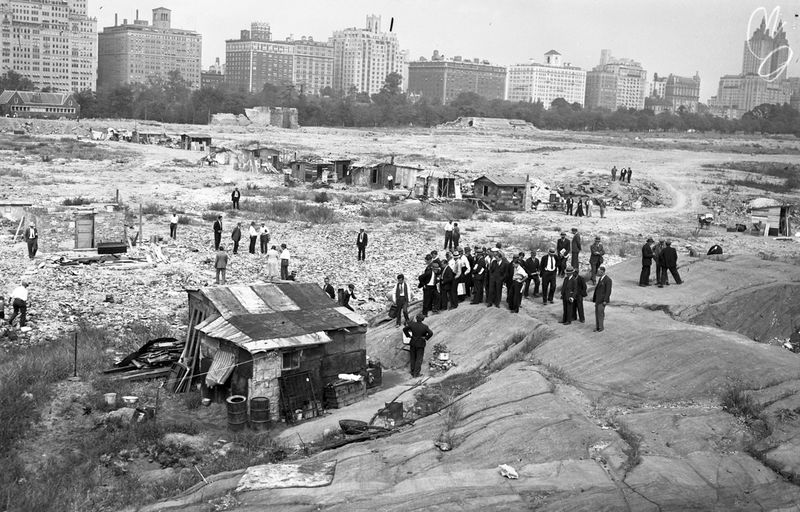
EPISODE 337 New York City during the 1930s was defined by massive unemployment, long lines at the soup kitchens, Hoovervilles in Central Park.
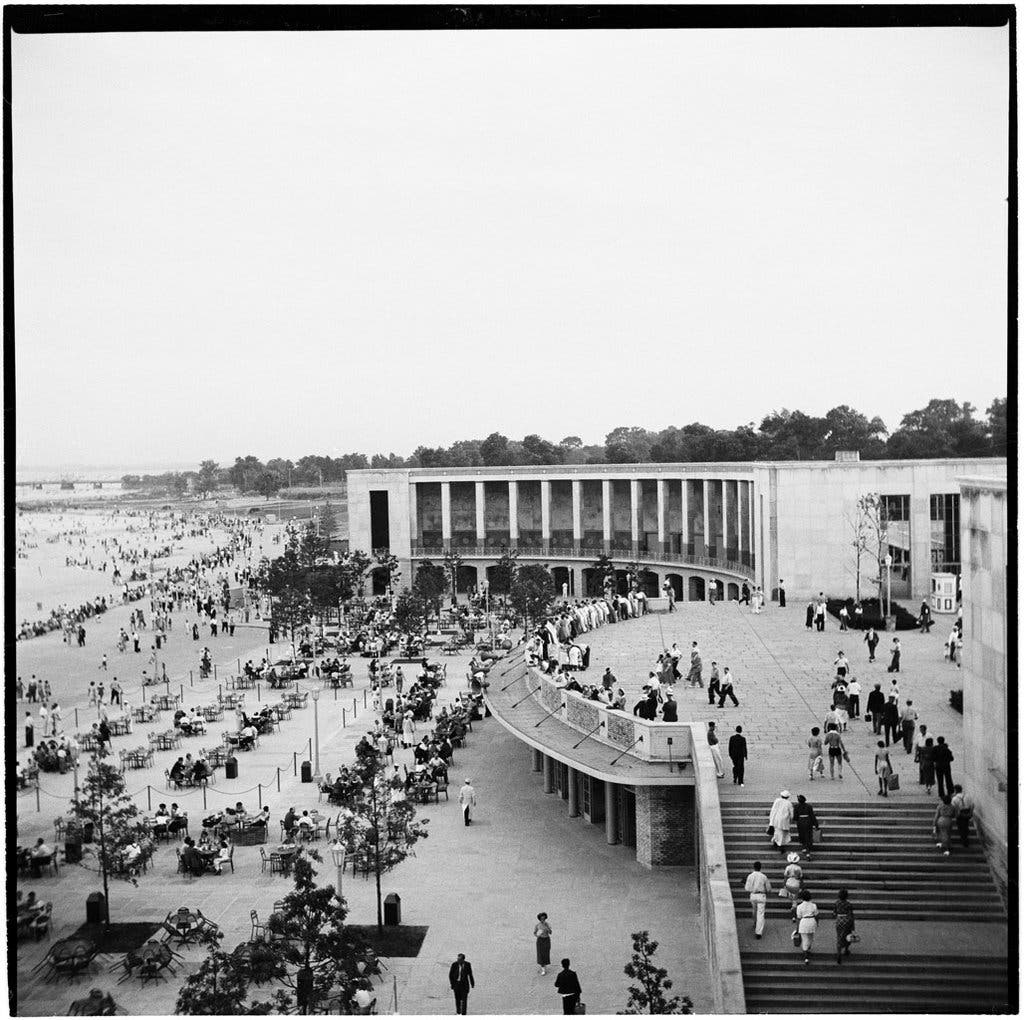
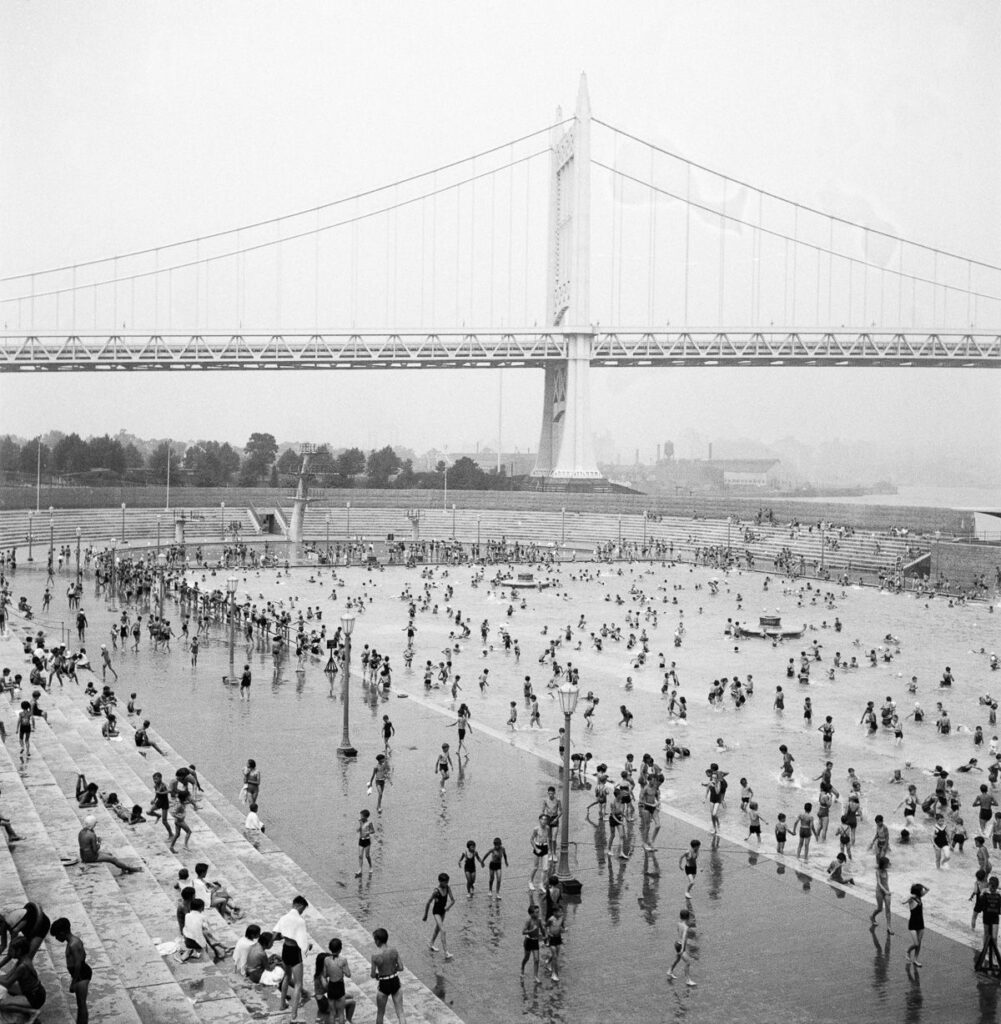
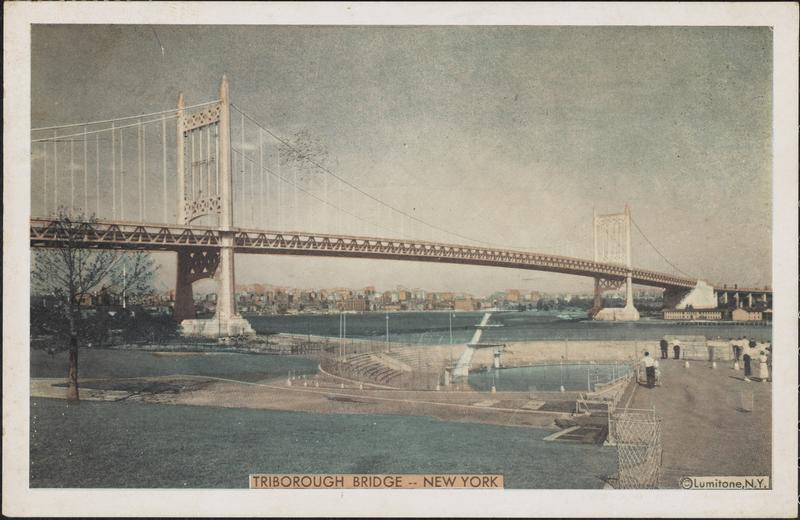
But this was also the decade of the Triborough Bridge and Orchard Beach, of new swimming pools and playgrounds, of hundreds of new building projects across the five boroughs.
Faced with the nationwide financial crisis, former New York governor and newly elected President of the United States Franklin Delano Roosevelt chose to boldly take the crisis on a series of transformative actions by the government that became known as the New Deal.
No other American city would benefit more from the New Deal that New York City. At one point, one out of every seven dollars from the Works Progress Administration (WPA) was being spent in New York.
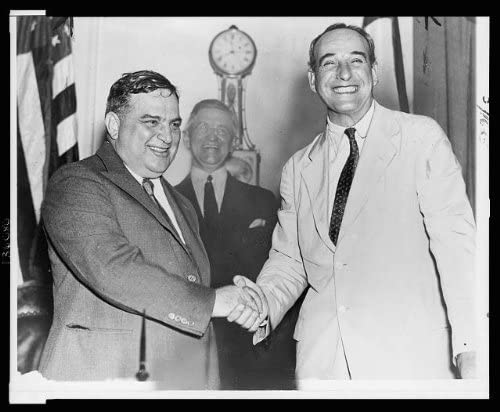
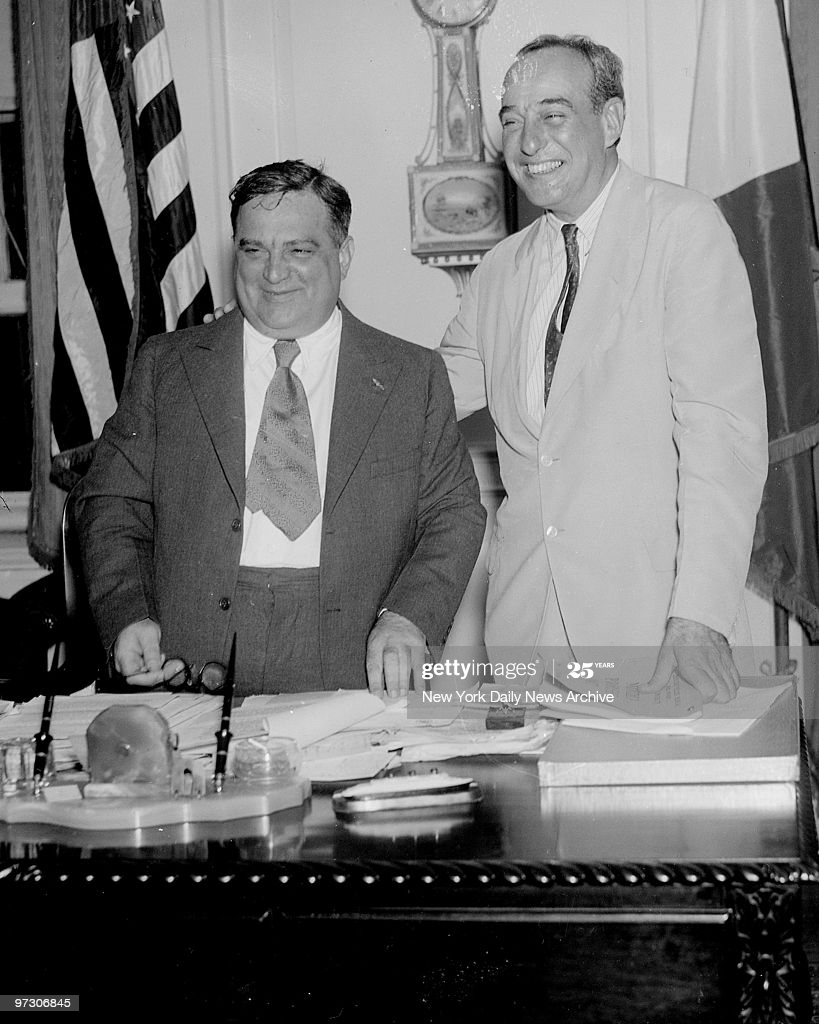
And the two men responsible for funneling federal funding to the city was Mayor Fiorello LaGuardia and his new parks commissioner Robert Moses.
Moses amassed a great amount of unchecked power, generating thousands of projects through out the city — revitalizing the city landscape.
How did Moses manage to funnel so much federal assistance into his own projects? And where can you see evidence of the New Deal in the city today? (HINT: Pretty much everywhere.)
Listen today on your favorite podcast player or just press play here:
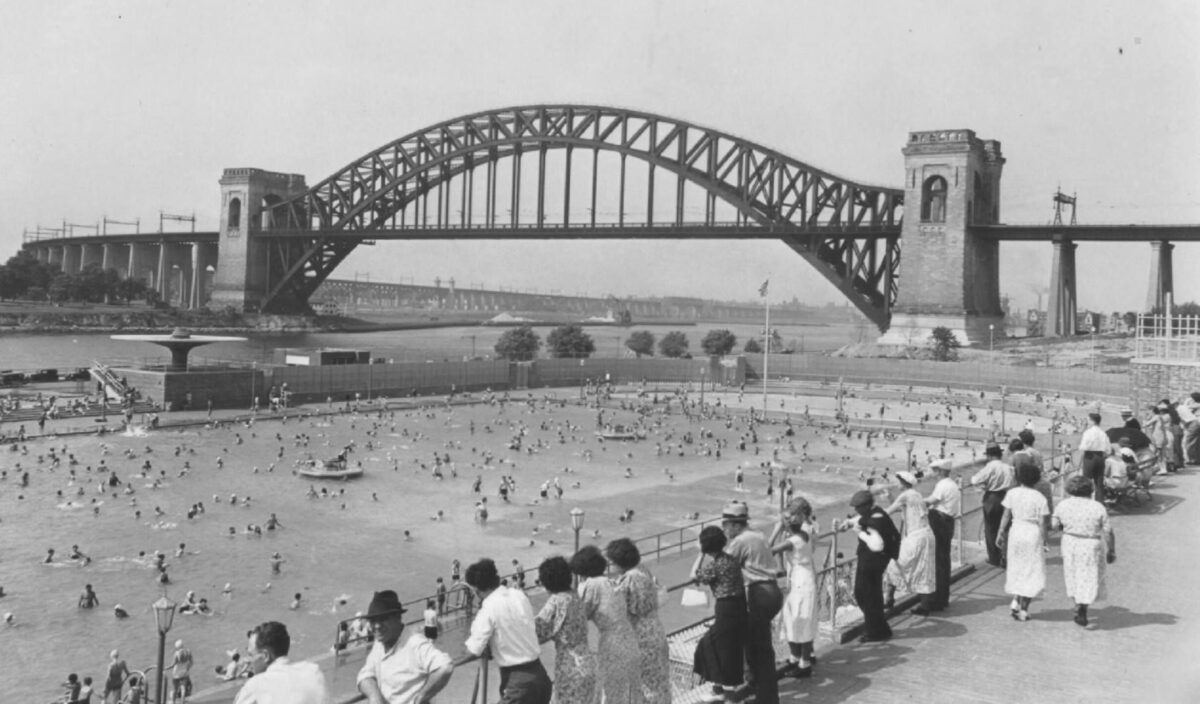
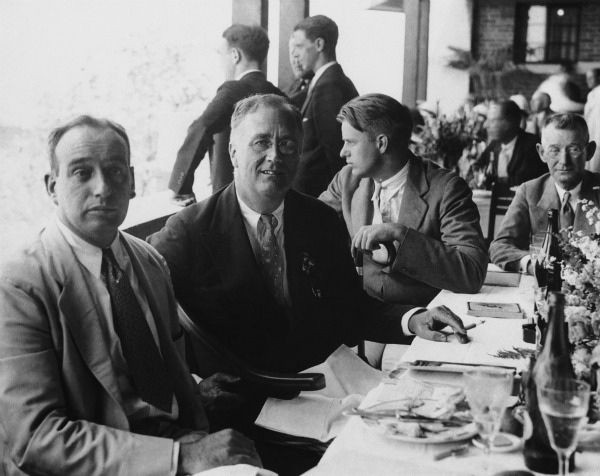
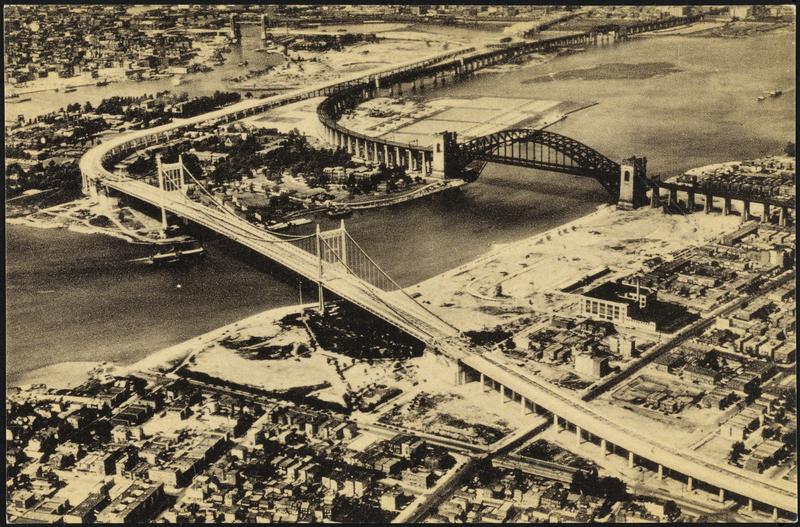
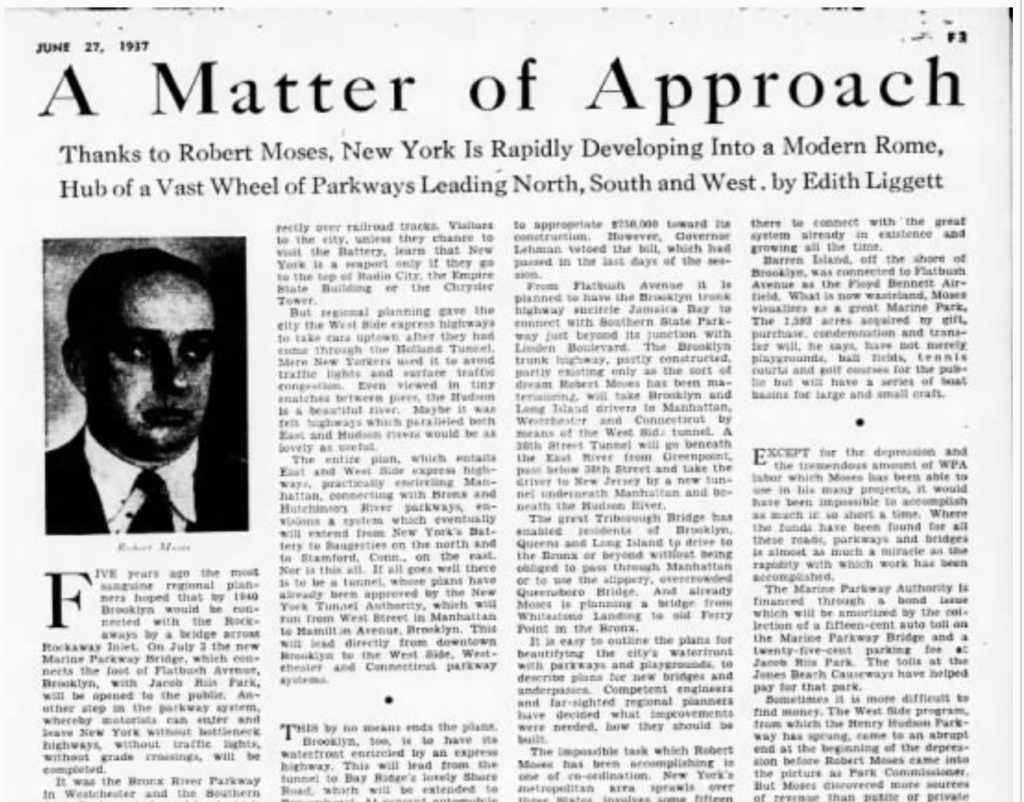
New York City, 1932 (Irving Underhill/Library of Congress)A Hooverville in Central Park, 1932 (New York Daily News)Robert Moses and FDR at Jones BeachMayor Fiorello LaGuardia and Gov. Robert Moses (Photo by Bob Mortimer/NY Daily News Archive via Getty Images)Orchard Beach, 1937 (Museum of the City of New York)July 29, 1936 Astoria Park PoolThe Triborough Bridge as seen from the Astoria swimming pool, in a 1940 postcard. (Museum of the City of New York)Aerial view of the Triborough Bridge, 1936 (Museum of the City of New York)Article from the Brooklyn Daily Eagle, 1937 (Courtesy Newspapers.com)
FURTHER LISTENING
After you’ve checked out this episode, go back to some of our past episodes for further insight into this period in American history.
FURTHER READING
First of all, please visit The Living New Deal, an incredible website with an exhaustive catalog of New Deal projects across the country.
Robert Caro / The Power Broker William E. Leuchtenburg / Franklin D. Roosevelt and the New Deal Amity Shlaes / The Forgotten Man Nick Taylor / American Made: The Enduring Legacy of the WPA Mason Williams / City of Ambition: FDR, La Guardia and the Making of Modern New York (And our miniseries title is an homage to Mike Wallace‘s 2002 book A New Deal For New York)
The Bowery Boys: New York City History podcast is brought to you …. by you!
We are now producing a new Bowery Boys podcast every week. We’re also looking to improve and expand the show in other ways — publishing, social media, live events and other forms of media. But we can only do this with your help!
We are now a creator on Patreon, a patronage platform where you can support your favorite content creators.
Please visit our page on Patreon and watch a short video of us recording the show and talking about our expansion plans.
If you’d like to help out, there are six different pledge levels.Check them out and consider being a sponsor.
We greatly appreciate our listeners and readers and thank you for joining us on this journey so far.
Is Bloomberg really running? If so, this would make David Dinkins the only previous living mayor of New York City never to have run for the highest office in the land.
And it begs the question — is it even possible for the leader of the biggest city in America to step up to the role of Commander In Chief?
Precedent tells us no. Not one New York City mayor in history who ever actively tried or hinted at being interested in the job ever got it. Indeed it’s difficult — especially in recent years — to even identify any genuine enthusiasm for such presidential runs.
The Road to the Presidency
This is rather unusual as the mayor of New York City has certain responsibilities akin to running an actual country. Our city has a diverse population the size of Austria with immense financial and cultural power. One might expect the job to be a natural stepping stone to the White House.
Mayors of American cities and towns have become president in the past although that biographical detail is usually not a defining aspect of that candidate’s résumé. For instance, Calvin Coolidge tenure as mayor of Northhampton, Massachusetts, was but one of several offices the lawyer achieved on his way to the presidency.
Grover Cleveland was also a mayor (of Buffalo), but it’s his experience as Governor of New York which recommended him for the Office of the President.
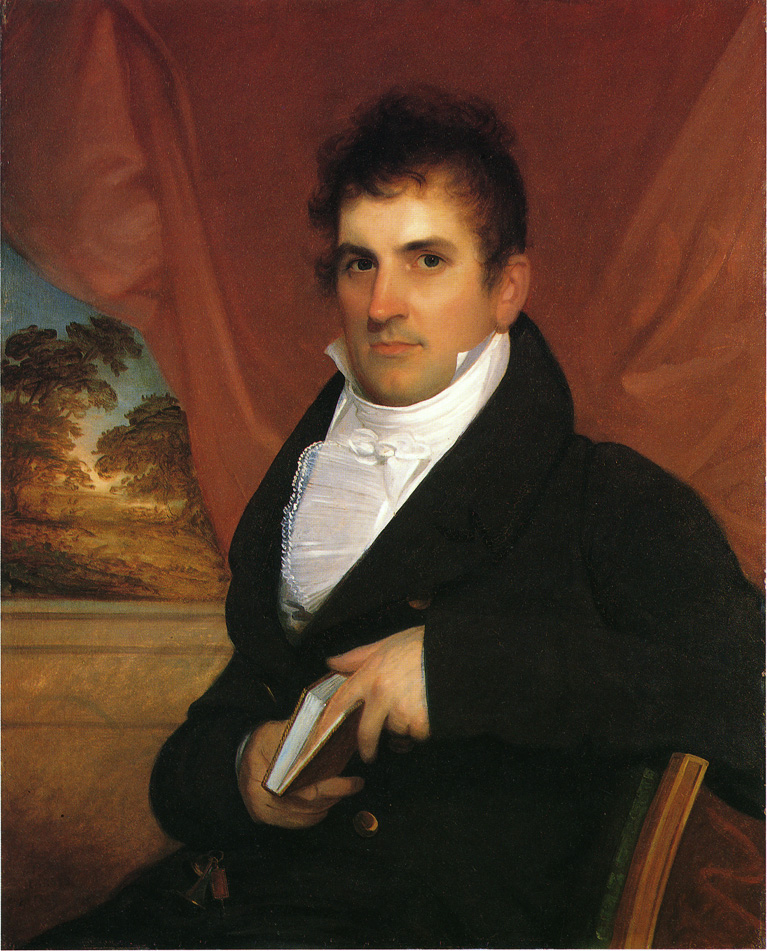
Mayor Philip Hone, in a painting by John Wesley Jarvis, never ran for President but ‘the party mayor’ was close friends with several of them.
Indeed the real road to power is through the office of New York state governor. Four former governors have become president (Cleveland, as well as Martin Van Buren, Theodore and Franklin Delano Roosevelt), four more were vice president (George Clinton, Daniel Tompkins, Levi P. Morton and Nelson Rockefeller) and two have even become chief justice of the Supreme Court (John Jay and Charles Evans Hughes).
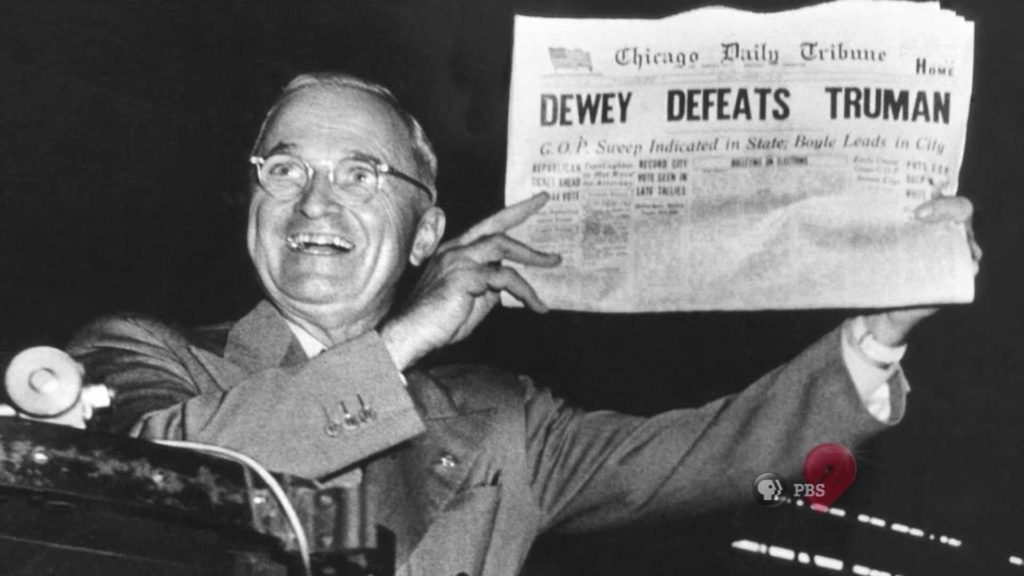
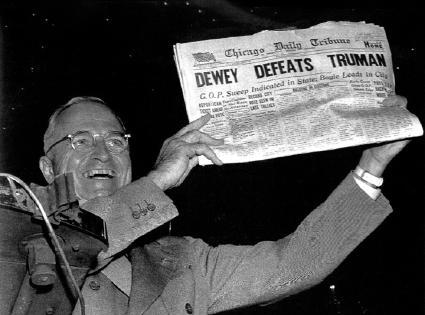
Even those governors who failed to become president did so in a dramatic and historic fashion, such as former governors Al Smith, Samuel Tilden and Thomas Dewey (of the particularly famous photo below).
New York governors often have very interesting failed presidential runs!
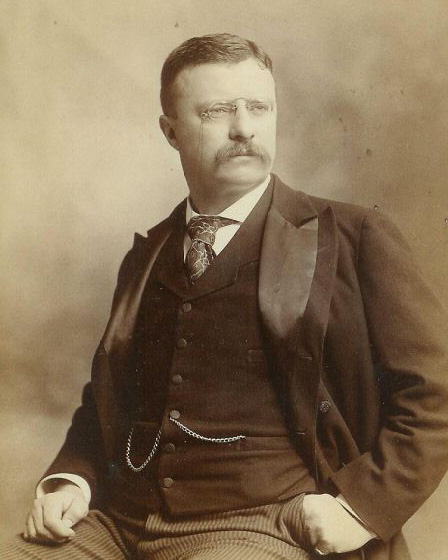
Then you have Theodore Roosevelt who was the New York City police commissioner and eventual New York governor who became the Vice President and then the President of the United States — all in the span of less than seven years.
Courtesy US Navy
But Mayor of New York City? No.
New York City Mayors and the White House
The list of what-ifs and also-rans is long indeed:
Michael Bloomberg — The mayor from 2002-2013 has flirted many times with a presidential run but has never made the leap — until now. Since his first flirtation with a presidential bid, the political world has shifted greatly. The three-term Republican mayor changed his party affiliation to Democrat last year although he seems forever poised to run as a fiscally-minded centrist.
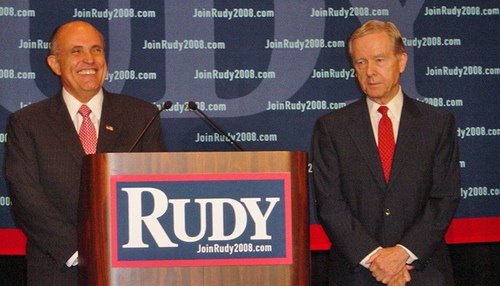
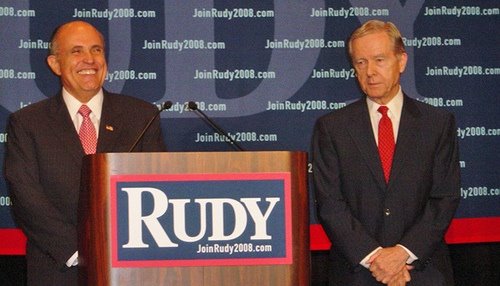
Rudy Giuliani — The mayor from 1994-2001 did run for President in 2008 but stumbled almost immediately after a major Florida miscalculation and never recovered, withdrawing on January 30, 2008.
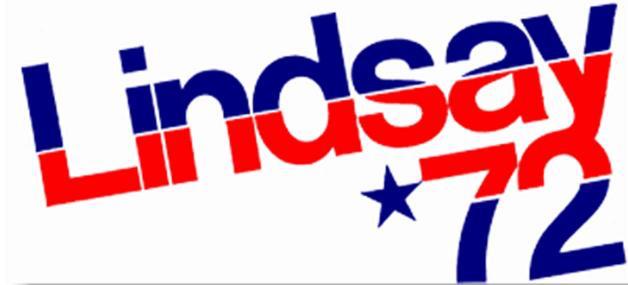
John Lindsay didn’t fare much better than Rudy in his quest for the 1972 Democratic nomination. Starting out of the gate strong, like Rudy he stalled in Florida and eventually dropped out. Given the catastrophic changes to the city in the 1960s ad 70s, it’s not surprising that having ‘mayor of New York City’ on their political resume proved a stumbling block.
Robert F. Wagner (1954 to 1965) never ran for president but was short-listed to be Adlai Stevenson‘s vice president in 1956. Wagner was eventually beaten in balloting by Al Gore Sr. and John F Kennedy Jr. But, in the end, they were ALL beat for the spot by the clearly more popular, always reliableEstes Kefauver.
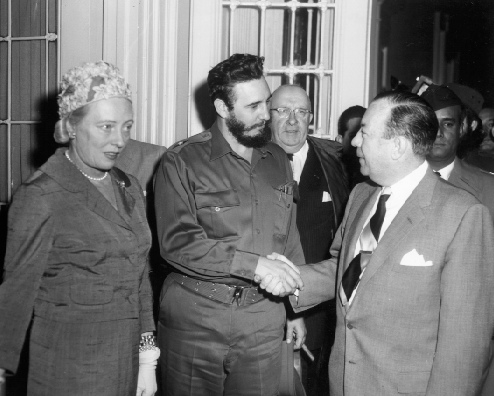
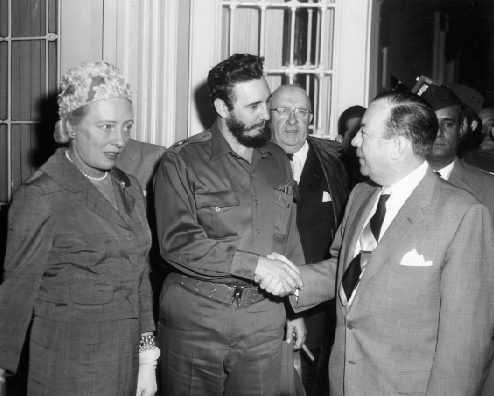
Below: Robert Wagner meets Fidel Castro during his visit to New York in 1959.
Courtesy La Guardia and Wagner Archives
New York City mayors before World War One were generally considered second tier, even props for political machines. Only a few were politically influential and that was often because of prior connections. You can read all our coverage of past New York City mayors here.
William Jay Gaynor (mayor 1910-1913) was widely considered a potential presidential hopeful, even with an assassin’s bullet lodged in his neck. Had he actually lived through his term as mayor, who knows?
George Brinton McClellan Jr (mayor 1904-1909) was never a presidential candidate but his father and Civil War icon George B. McClellan Sr most certainly was. The Union Army general ran in 1864 against Lincoln during his second term, promising to end the war in the South.
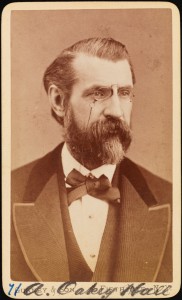
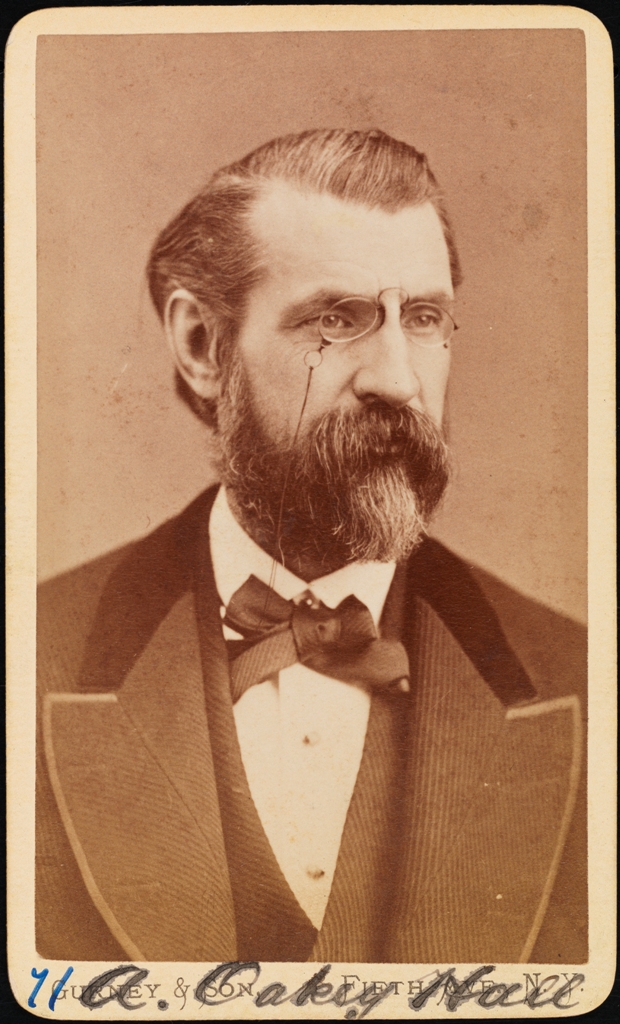
A Oakley Hall (mayor 1869 from 1872) (pictured at left) was as closely tied to the Boss Tweed Ring as a politico could be, but even he harbored presidential hopes. Considering he had to temporarily resign from mayor due to the Tweed scandal, I can’t imagine how much luck he would have had.
DeWitt Clinton (mayor for ten non-consecutive annual terms starting in 1803 ending 1815) collected political positions like postage stamps, but the one he could never lick was the presidency, defeated by incumbent James Madison in 1812. By June, Madison had declared war on England and later fled the White House when the Brits torched it.
How a Mayor gets to the White House
The closest a mayor ever got to a top federal job wasEdward Livingston, who became Secretary of State to Andrew Jackson. Which is interesting, as Livingston was literally ran out of Manhattan after his stint as mayor several years previous due to debts and scandals.
For the most part, most politicians who become the mayor of New York City rarely achieve higher elected office. John T. Hoffman is the last individual to be both New York City mayor and then a higher elected position (New York governor in 1869)
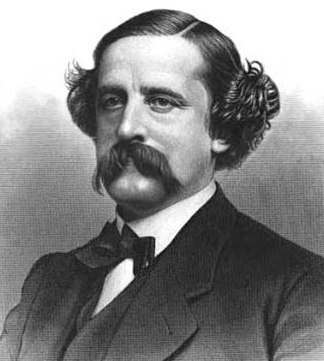
John T. Hoffman, a Boss Tweed favorite
This story has been revised from an article which ran on June 25, 2008. Because there’s always a chance, fellow mayors!
Something so giddy and wild as New York City in the Jazz Age would have to burn out at some point. But nobody expected the double catastrophe of a paralyzing financial crash and a wide-ranging government corruption scandal.
Mayor Jimmy Walker, in a race for a second term against a rising congressman named Fiorello La Guardia, might have had a few cocktails at the Central Park Casino after hearing of the pandemonium on Wall Street in late October 1929.
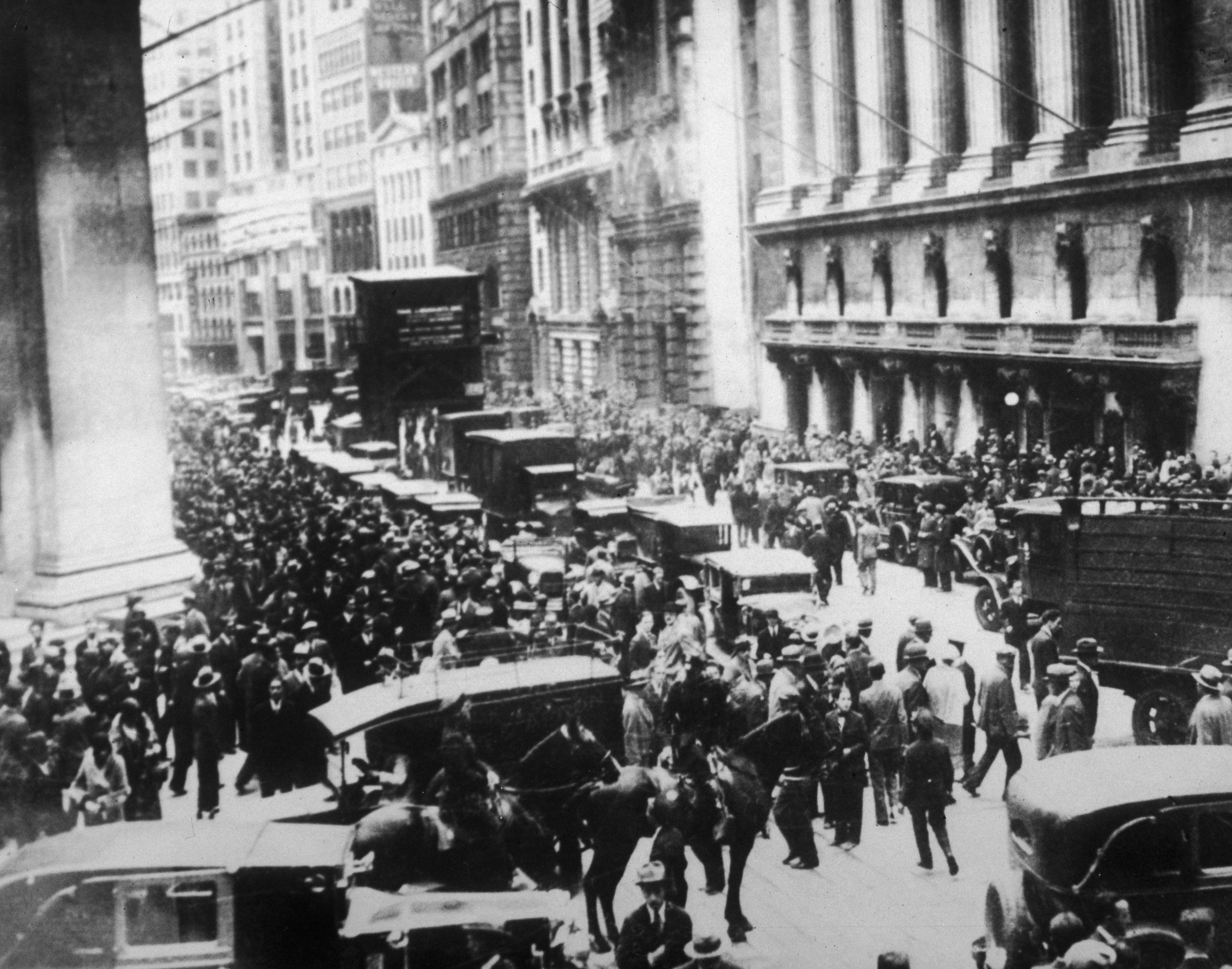
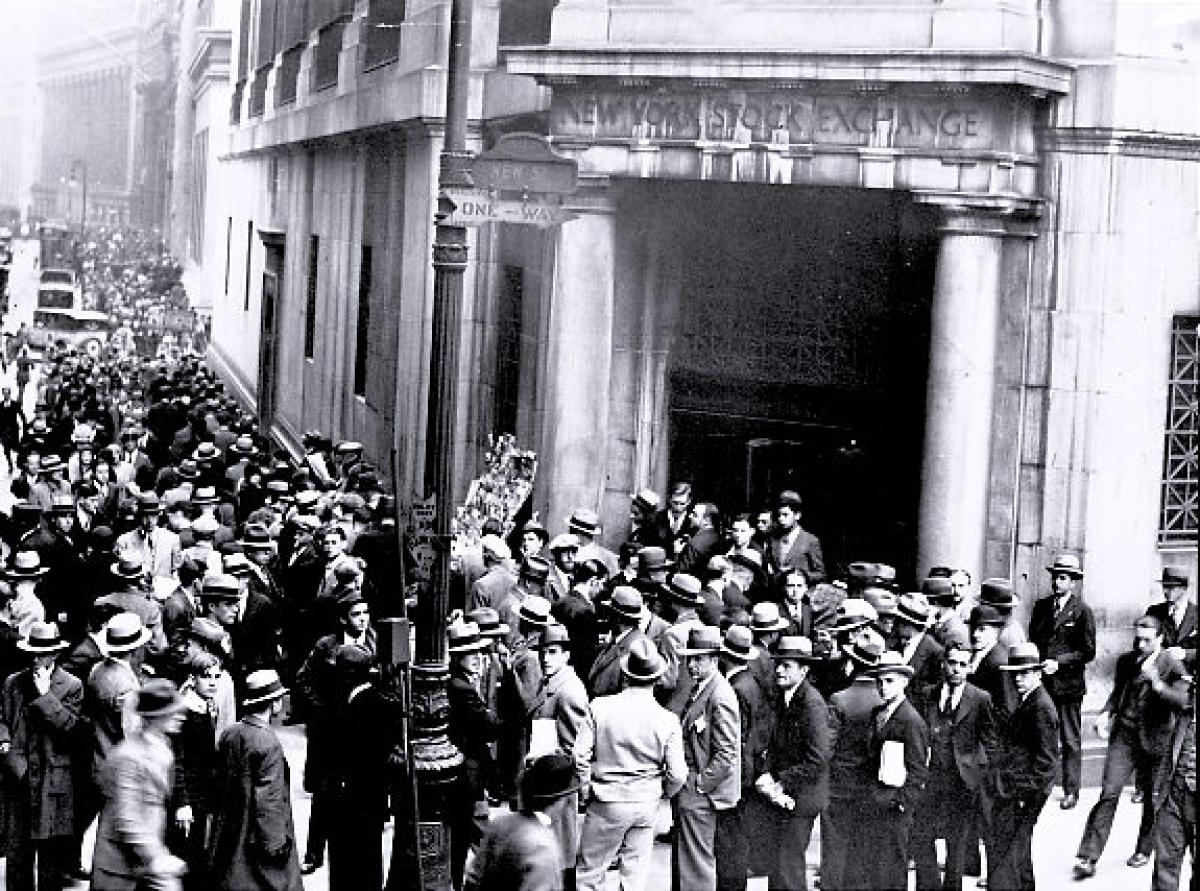
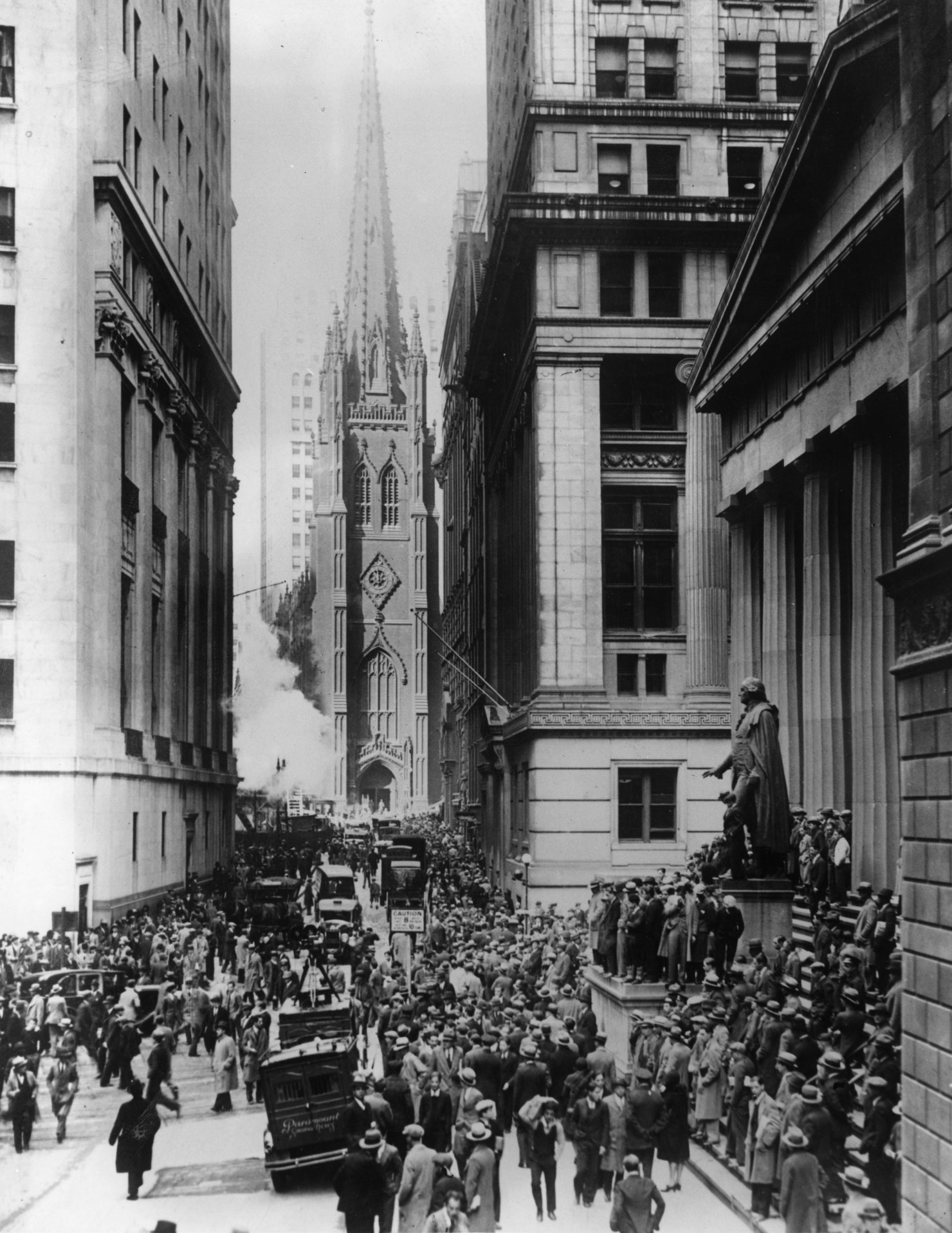
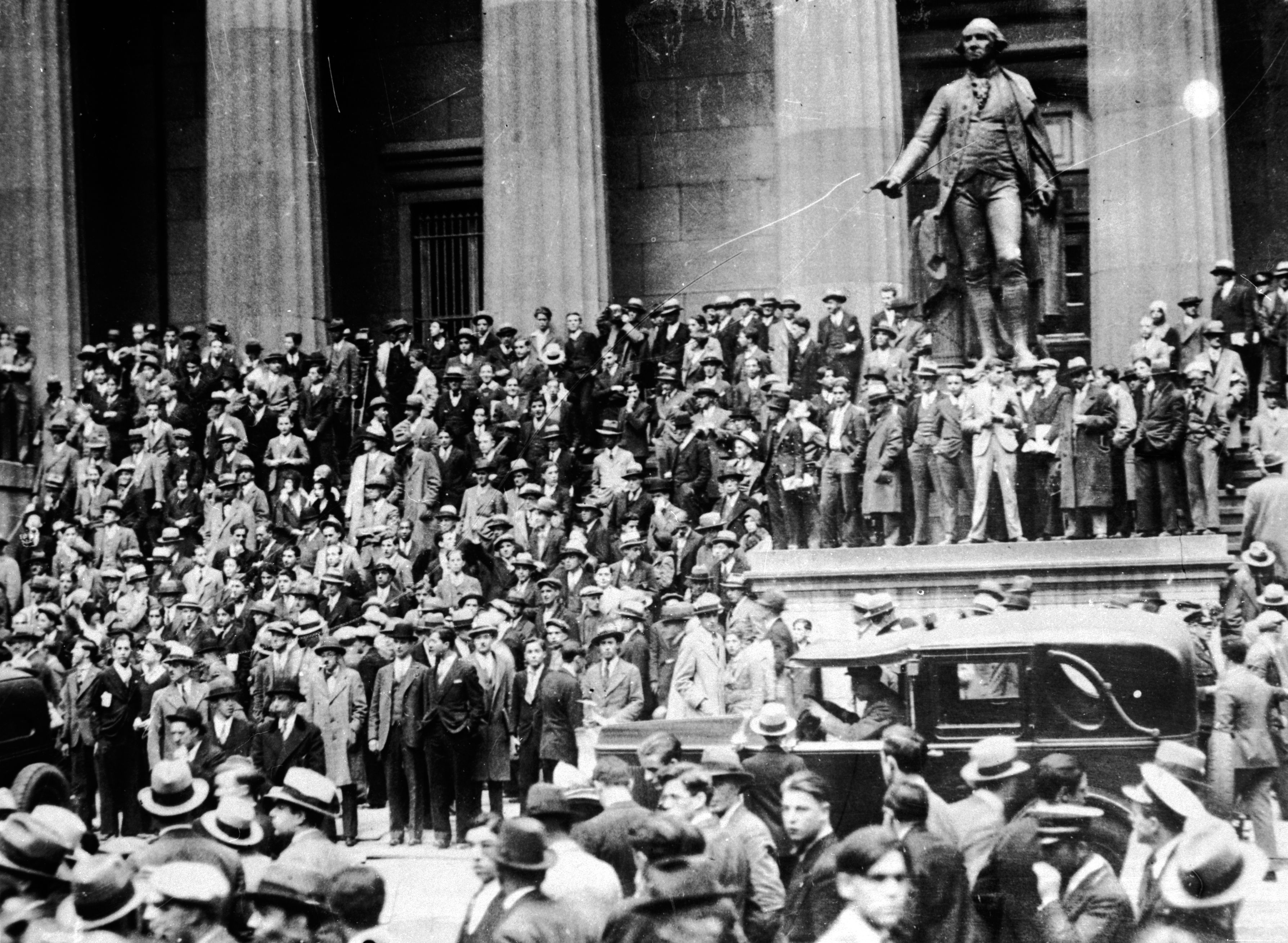
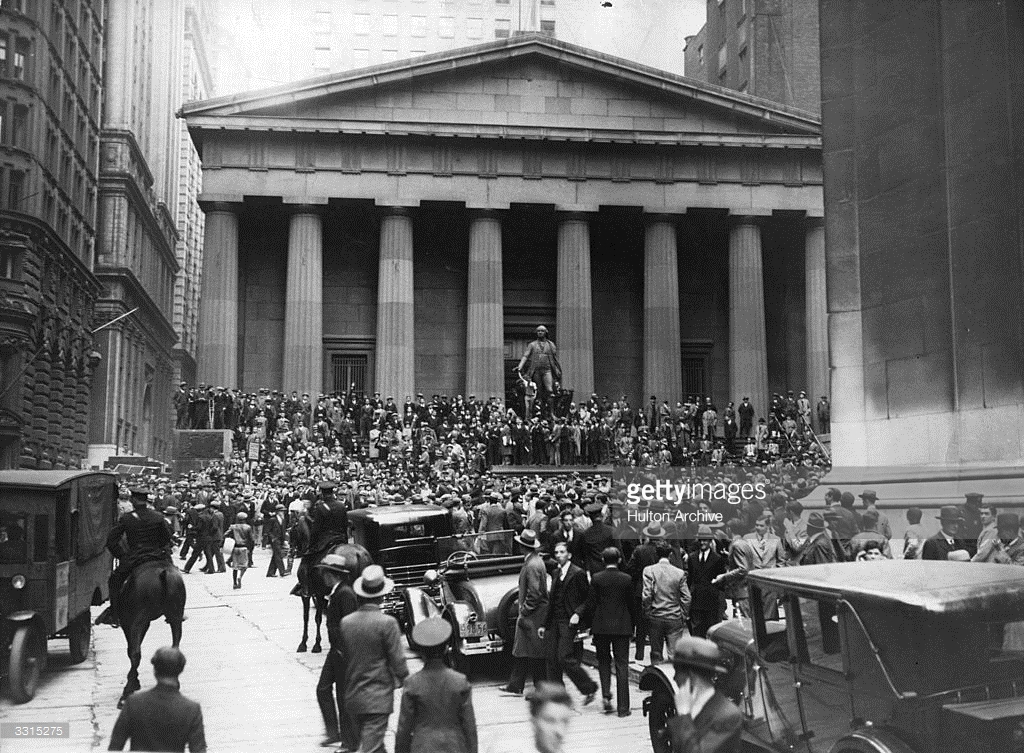
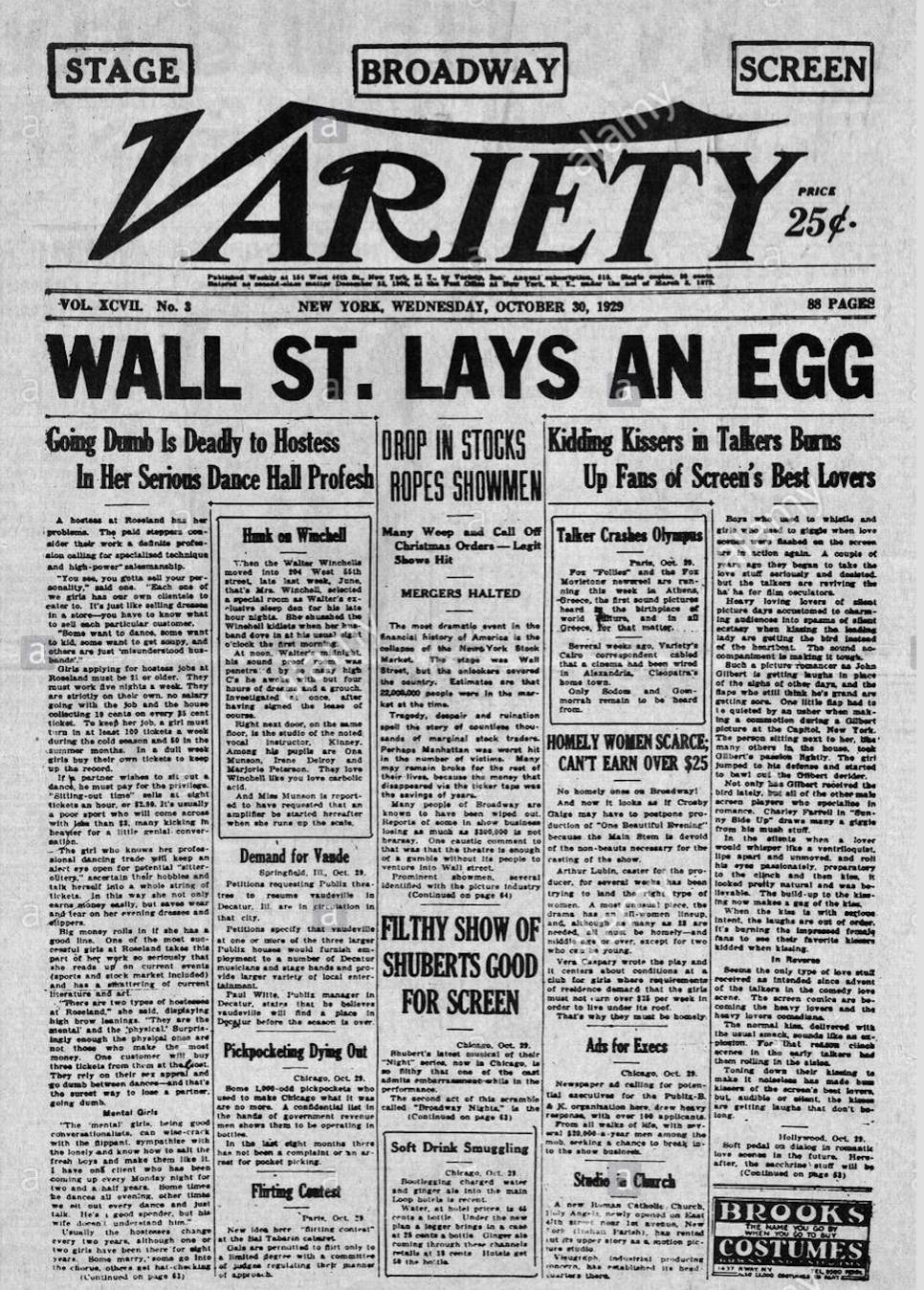
The irresponsible speculation fueling the stock market of the Roaring 20’s suddenly fell apart, turning princes into paupers overnight. Rumors spread among gathering crowds in front of the New York Stock Exchange of distraught traders throwing themselves out windows.
And yet a more immediate crisis was awaiting the Night Mayor of New York — the investigations of Judge Samuel Seabury, steering a crackdown authorized by governor Franklin Delano Roosevelt to rid New York City of its deeply embedded, Tammany Hall-fueled corruption.
With the American economy in free fall and hundreds of New York politicians, police officers and judges falling to corruption revelations, the world needed a drink! Counting down to the last days of Prohibition….
PLUS: The fate of Texas Guinan, the movie star turned Prohibition hostess who hit the road with a bawdy new burlesque — that led to a tragic end.
The song featured in this week’s episode was Bessie Smith’s “Nobody Knows You When You’re Down and Out”
The Bowery Boys: New York City History podcast is brought to you …. by you!
We are now producing a new Bowery Boys podcast every two weeks. We’re also looking to improve the show in other ways and expand in other ways as well — through publishing, social media, live events and other forms of media. But we can only do this with your help!
We are now a member of Patreon, a patronage platform where you can support your favorite content creators for as little as a $1 a month.
Please visitour page on Patreon and watch a short video of us recording the show and talking about our expansion plans.If you’d like to help out, there are five different pledge levels (and with clever names too — Mannahatta, New Amsterdam, Five Points, Gilded Age, Jazz Age and Empire State). Check them out and consider being a sponsor.
We greatly appreciate our listeners and readers and thank you for joining us on this journey so far. And the best is yet to come!
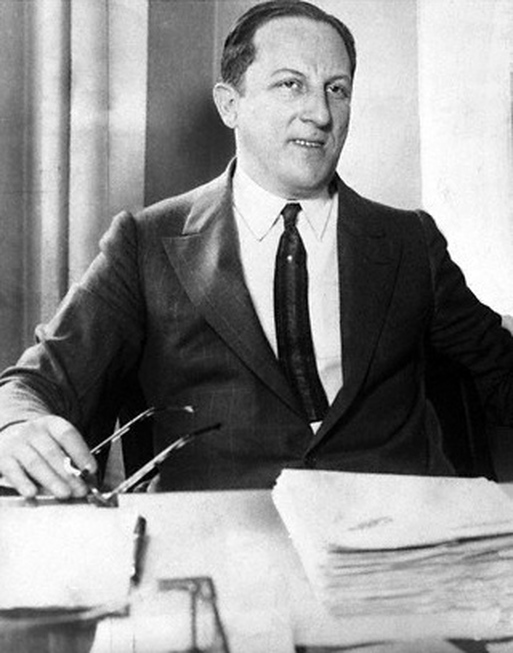
Arnold Rothstein — His murder would kick off a frenzy in New York’s organized crime syndicates and lead to an in-depth investigation into the police and local government
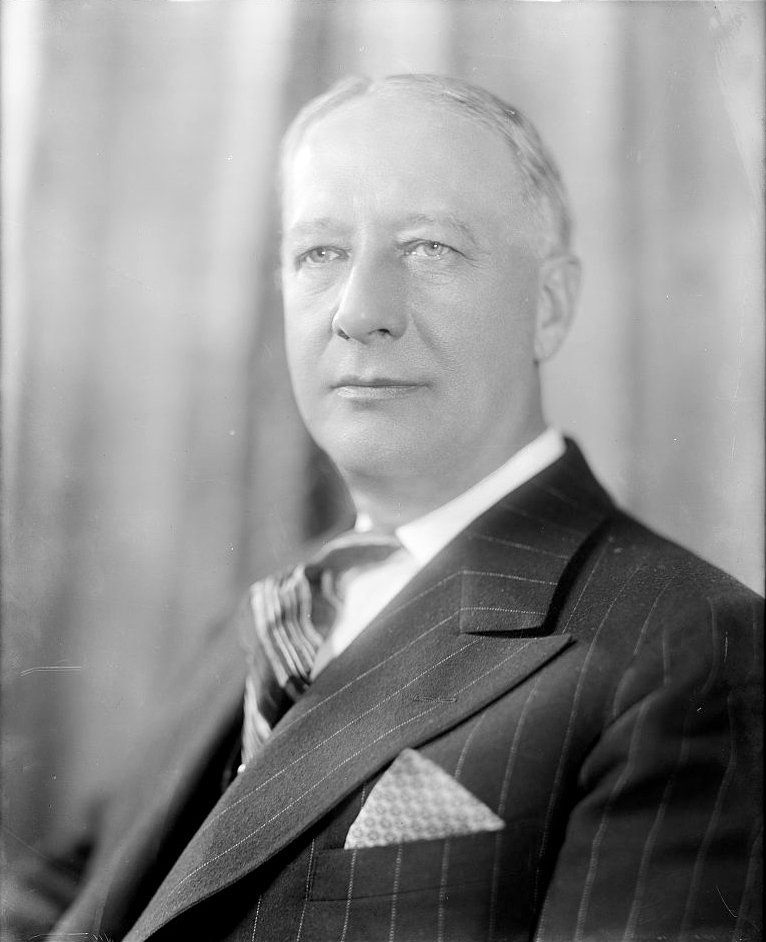
Al Smith — His unsuccessful bid for the presidency in 1928 led him to pursue more business-related projects, including the construction of the Empire State Building.
Harris & Ewing collection at the Library of Congress.
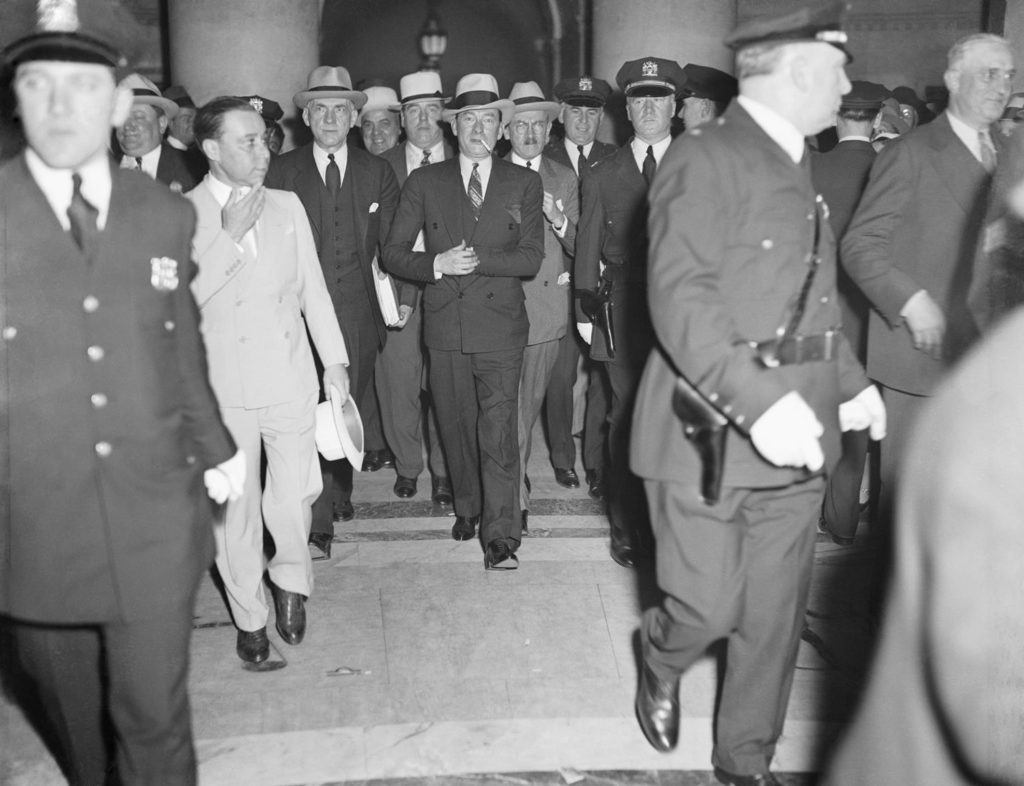
Mayor Jimmy Walker felt invincible at the start of his second term
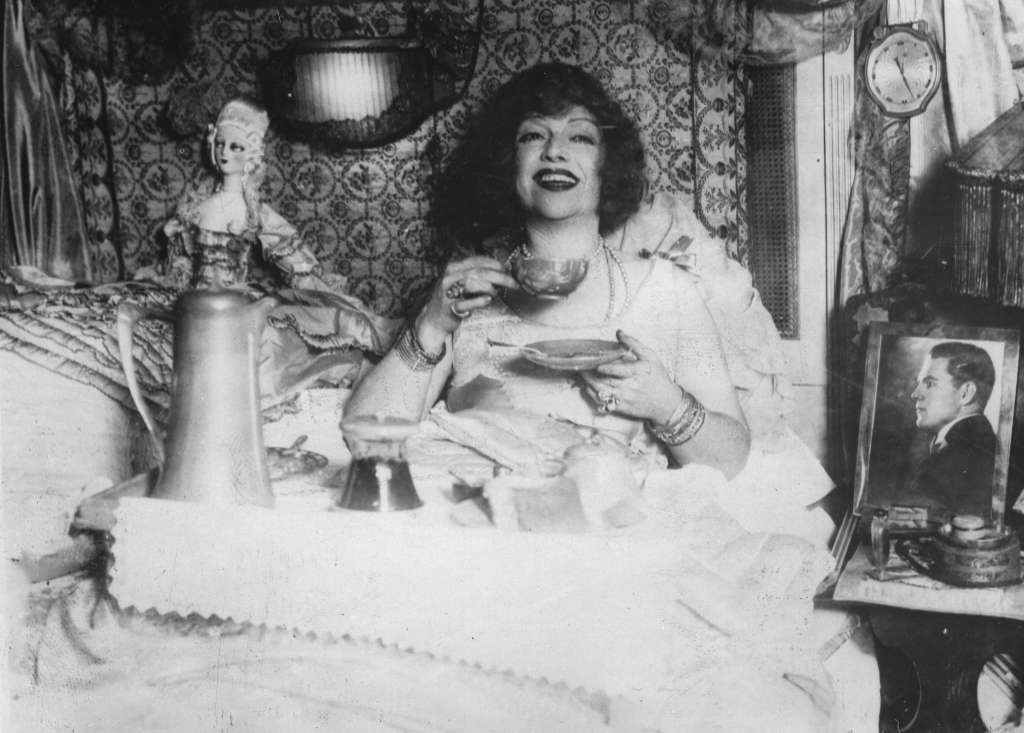
Texas Guinan eventually left the nightclub scene and returned to film and stage work. She’s pictured here in 1931 in Paris. She would later be denied entry into the country for her bawdy performances (at least, that’s what she claimed).
Getty Images
Betty Compton waited patiently for Walker from the sidelines, watching as his political fortunes collapsed in 1932.
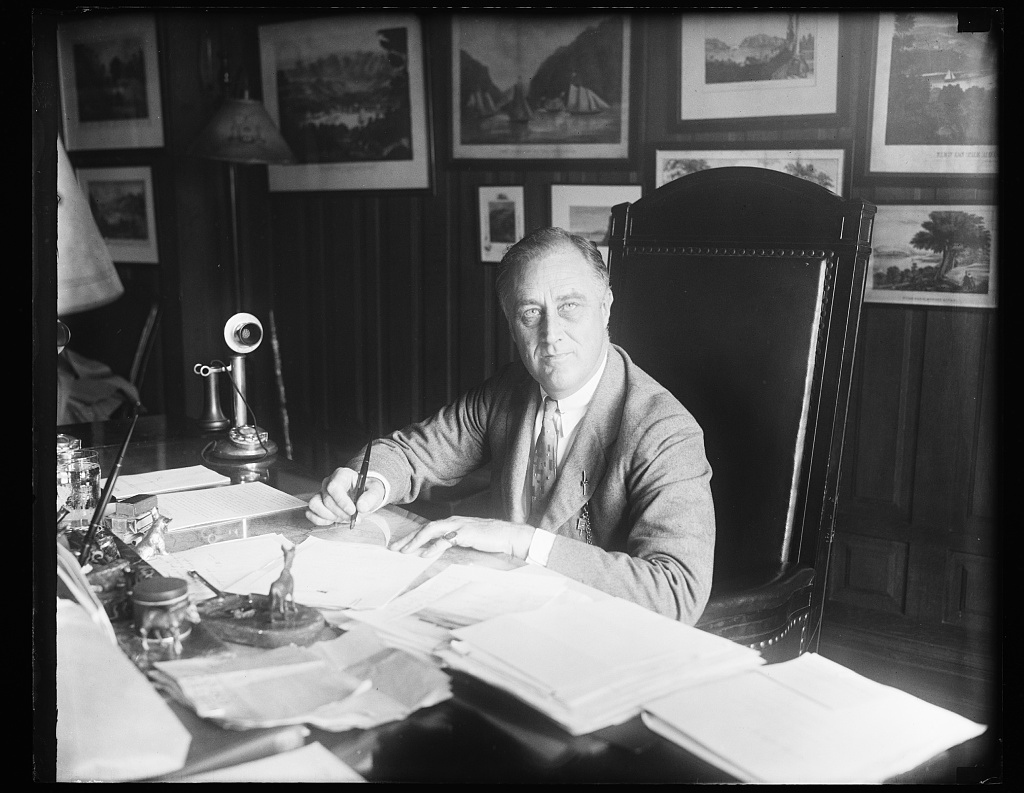
Franklin Delano Roosevelt — The governor of New York (and soon president of the United States) went after corruption during a busy campaign season.
Library of Congress
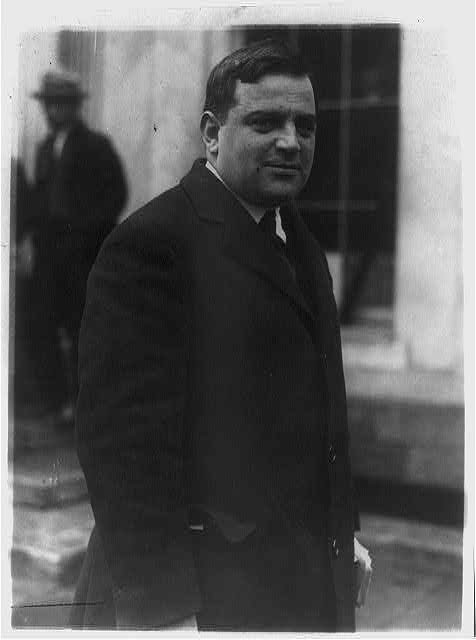
Fiorello La Guardia (pictured here in 1929) was an early supporter of Prohibition repeal and ran for mayor in 1929, losing to Walker.
Library of Congress
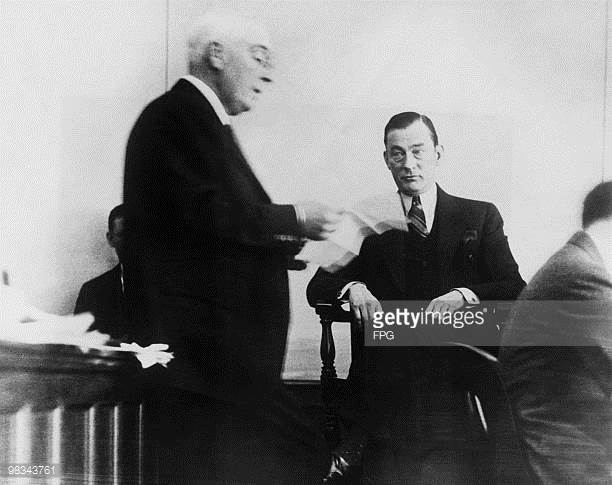
Samuel Seabury, questioning a nonplussed Jimmy Walker on the stand, succeeded in rooting out corrupt officials in public offices. With Roosevelt’s help, he even brought down the Night Mayor himself.
Getty Images
The Central Park Casino transformed into a swanky nightclub in 1929, a favored spot for Jimmy Walker
Courtesy New York Times
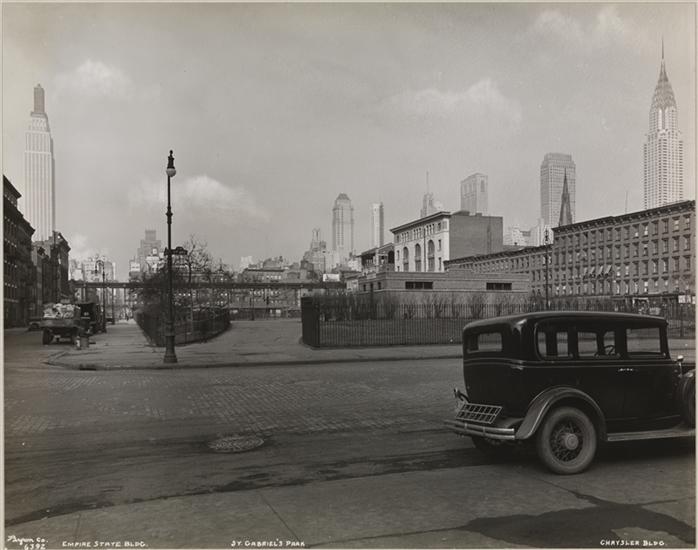
An interesting view of mid-Manhattan in 1931 (from St. Gabriel’s Park at First Avenue and 35th Street) with the newly completed Chrysler Building and the Empire State Building nearly completed.
MCNY/Byron Company
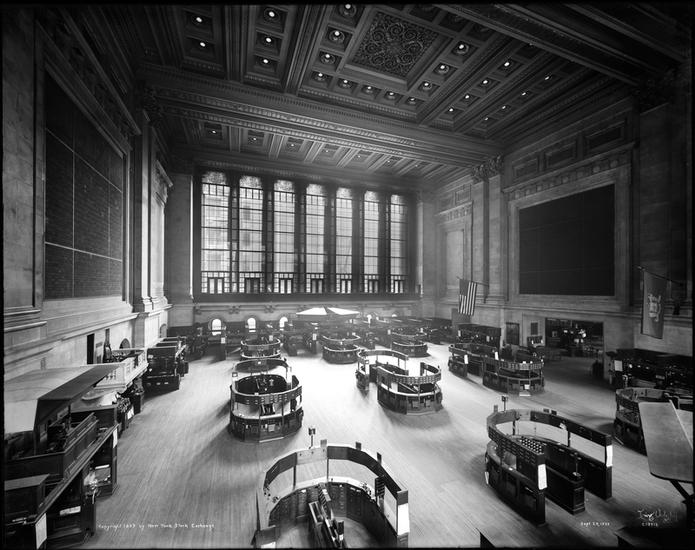
An ominous image of the New York Stock Exchange from September 1929, weeks before the crash.
Irving Underhill/MCNY
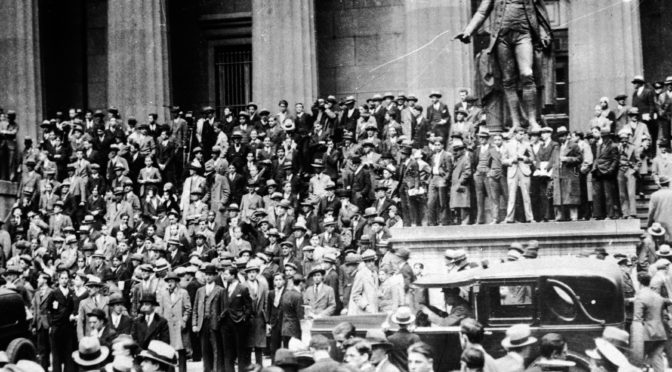
The streets outside the New York Stock Exchange were clogged with people for days, frantic scenes of anger, panic and heartbreak.
29th October 1929. (Photo by Hulton Archive/Getty Images)
New York Daily News
(Photo by Keystone/Getty Images)
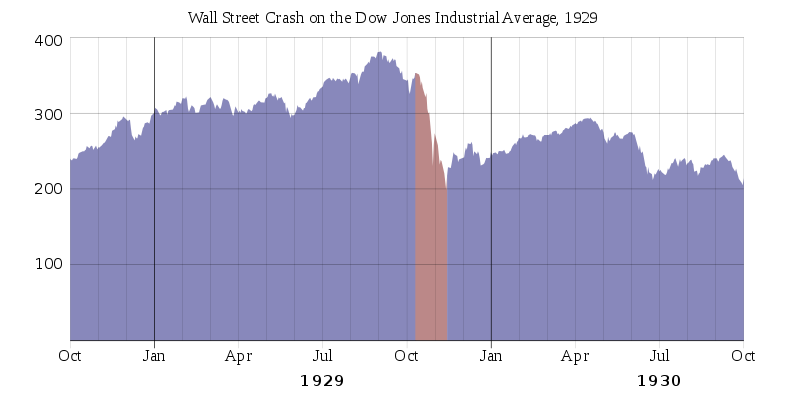
A graphic look at the Wall Street Crash of 1929.
Wikicommons
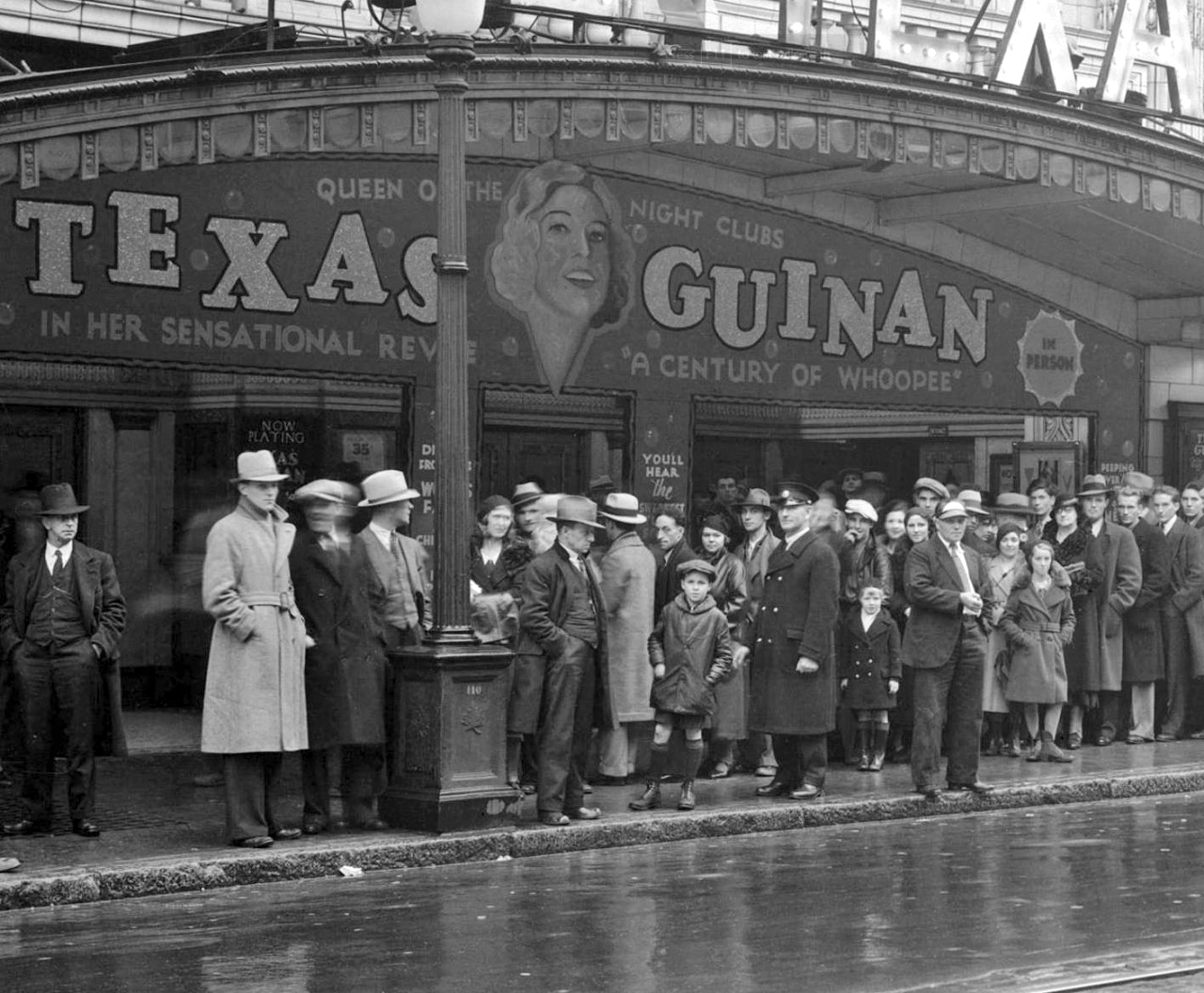
Outside Vancouver’s Beacon Theatre on October 28, 1933, just a week before her death here in this city.
CORRECTION: Jimmy Walker’s second term began on January 1, not January 3.
For more information, check out the following books:
Dry Manhattan: Prohibition in New York City by Michael A. Lerner
The Great Crash by John Kenneth Galbraith
Once Upon A Time In New York by Herbert Mitgang
The Man Who Rode The Tiger: The Life and Times of Judge Samuel Seabury by Herbert Mitgang
Rothstein: The Life, Times, and Murder of the Criminal Genius Who Fixed the 1919 World Series by David Pietrusza
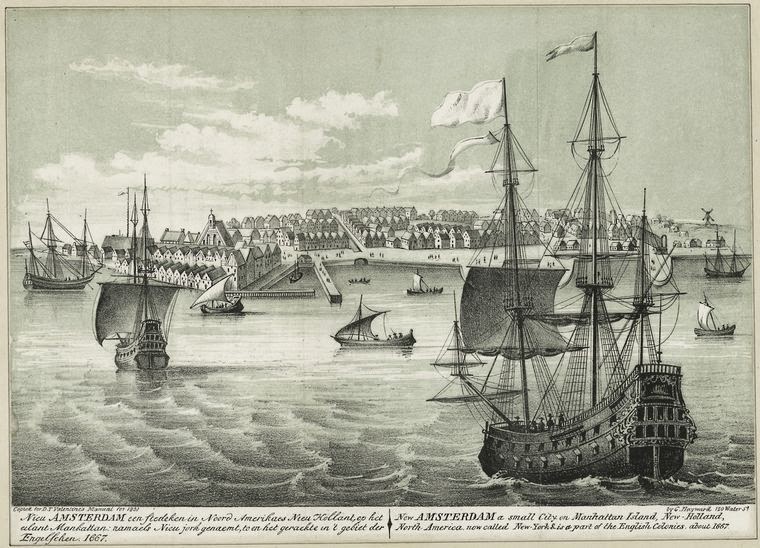
New Amsterdam, the home of Claes Maartenszen van Rosenvelt (by Thomas Addis Emmet, courtesy NYPL)
The new Ken Burns seven-part documentary The Roosevelts: An Intimate History is underway on PBS, a sprawling look at one of New York’s most prominent families. It began last night with the introduction of young Theodore Roosevelt, the sickly boy turned New York police commissioner. Tonight, in part two, he becomes the President of the United States.
With so many Roosevelts to speak about — and two clans of Roosevelts, named for their summer haunts Hyde Park and Oyster Bay — there wasn’t much time to mention the very first Roosevelt. That is, the first ancestor to arrive in future North America — Claes Maartenszen van Rosenvelt.
Claes arrived to New Amsterdam sometime around 1649 or 1650, although possibly much earlier (some records say 1638), one of a number of Dutch settlers arriving at this outpost of the Dutch West India Company. If the earlier dates are true, this puts Rosenvelt in the outpost during the years of William Keift, when New Amsterdam was a ragged company town, with a rudimentary civic structure and in constant fear of attack by the Lenape.
His wife is referred to in records as both Jannetje Samuels and Jannetie Thomas. Keep in mind that with the paucity of extant records, a company-town’s inefficiencies, basic human error and the “peculiar method of naming people during Dutch times,” it’s incredible that we even have these names at all!
Many histories make note of Claes unusual nickname — Klein Klassje or Cleyn Claesjen (“Little Claes”) — perhaps meaning he was a short man or that there was a much larger Claes in town. It’s not inconceivable to think he was also “short” in social stature, not physical.
The colony was whipped into a relatively more livable condition with the arrival of Peter Stuyvesant in 1647, and records list Claes as having a farm “situated back of Stuyvesant’s Bouwery, at present somewhere between Broadway and the East River, in the neighborhood of Tenth Street.” [source]
The couple had four children of which only one (Nicolas) took and kept the name Rosenvelt, which of course was modified over time into Roosevelt.
For decades, Manhattan once had a Roosevelt Street, named not for any of the later great leaders who would make the family famous, but (it’s believed) for either Nicolas or his son Jacobus. The family owned a profitable mill on a small stream which ran between the East River and the banks of Collect Pond. [source]
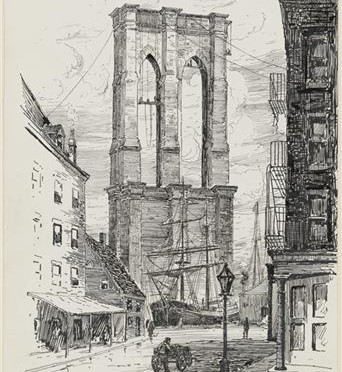
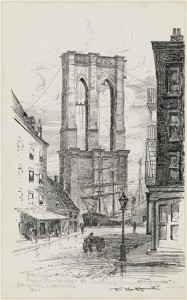
At right: the construction of the Brooklyn Bridge as seen from Roosevelt Street, 1876 (courtesy MCNY)
In the 19th century, Roosevelt Street was a dour place, rife with poverty and the downtrodden culture of South Street piers. It was entirely erased in the 1950s with the creation of the Alfred E. Smith Houses.
KNOW YOUR MAYORSOur modest little series about some of the greatest, notorious, most important, even most useless, mayors of New York City. Other entrants in our mayoral survey can be found here.
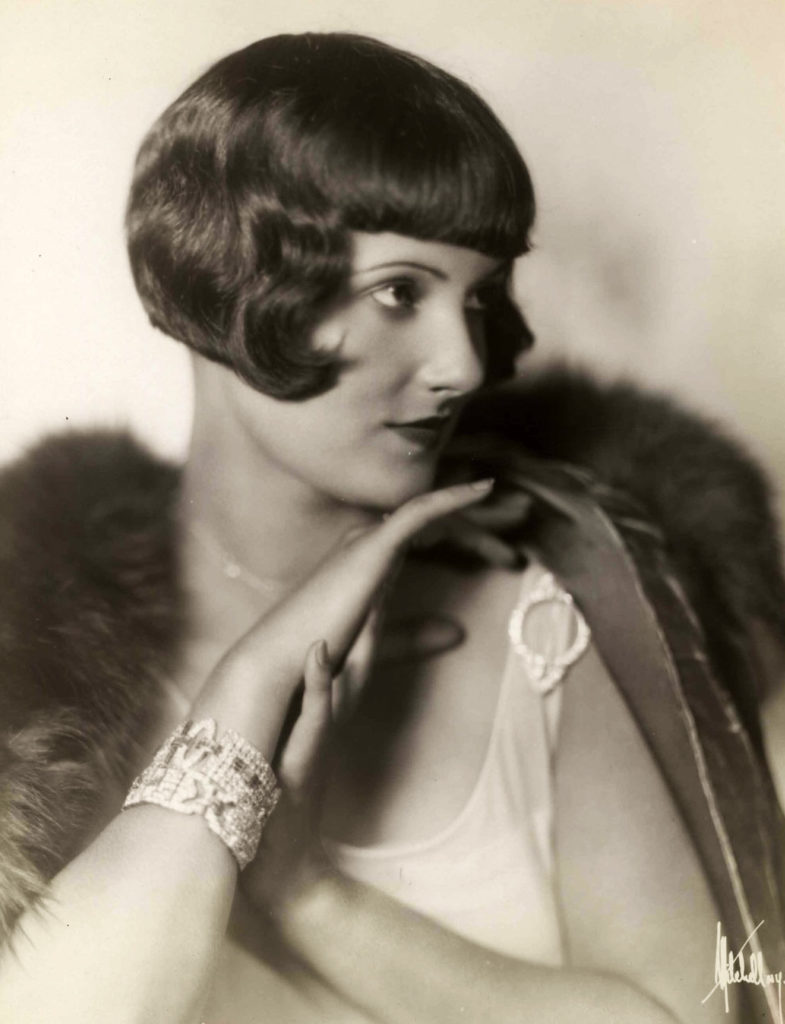
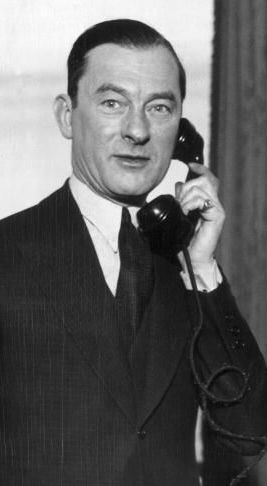
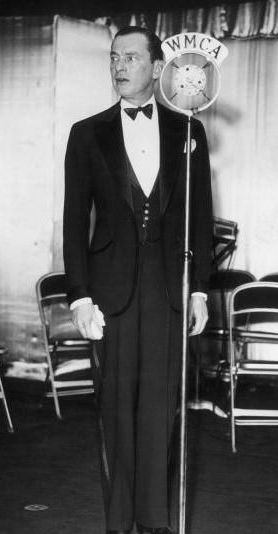
MayorJimmy Walker
In office: 1926-1932
Has a New York mayor ever reflected the decade he governed more perfectly than Jimmy Walker? Although John Hylan was actually the 1920s more effective mayor, it was Walker who embodied the Jazz Age spirit in his style, and the tragic Depression-era change of fortune in his downfall. He glamours us today because he’s both movie star and rebel; but the corruption of his regime is equally as striking and even disturbing in its grandiosity.
Walker is easily one of the most notorious mayors of New York, but today we can appreciate his brashness, his independence and class, just as we can lament his subservience to diabolic Tammany-era politics. He wasn’t the last disgraced mayor the city would see in the 20th century, but his abdication neatly defines the modern era’s defining fall from grace.
Jimmy, born June 19, 1881, was a New York boy and a golden one at that, raised in Greenwich Village among the bohemians, the son of an Irish immigrant who became a well connected Democratic assemblyman. Walker’s first passion seems to be music; in 1905 he stormed Tin Pan Alley writing songs such as “There’s Music In The Rustle Of A Skirt” and “Will You Love Me in December As You Do in May?” with its melancholy refrain:
Will you love me in December as do in May, Will you love in the good old fashioned way? When my hair has all turned gray, Will you kiss me then, and say, That you love me in December as do in May?
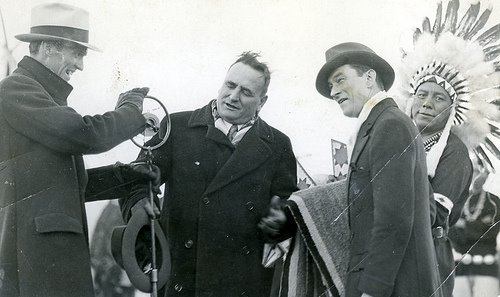
Below: In an odd ceremony with the mayor of Albuquerque
He had even less hesitation in announcing a political career, especially as Father had connections to a certain Al Smith, governor of New York. An adopted son of Tammany Hall, elected first to the state assembly in 1910 then to the state senate in 1914, young Walker sought Smith’s guidance and the governor soon took a fancy to the smooth, impeccably dressed young man, who shone like a new penny on the Senate floor. As he was described by Robert Caro:
“Pinch-waisted, one-button suit, slenderest of cravats, a shirt from a collection of hundreds, pearl-gray spats buttoned around silk-hosed ankles, toes of the toothpick shoes peeking out from the spats polished to a gleam. Pixie smile, the ‘vivacity of a song and dance man,’ a charm that made him arrive n the Senate Chamber like a glad breeze’ The Prince Charming of Politics…..slicing through the ponderous arguments of the ponderous men who sat around him with a wit that flashed like a rapier. Beau James.”
Smith took him under wing, maneuvering him through the entanglements of state politics, shielding Walker when his excesses got the better of him. He was a philandering cad and a boozer, even then. When opportunity arose to challenge the successful John Hylan for mayor of New York, Smith wanted Walker to run, but only if he would change his ways. Walker changed them all right; instead of partying out at speakeasies with chorus girls, he moved the whole production to a private penthouse funded by Tammany favors.
That election in 1925 was fierce. First, Smith had to dispense of Hylan in the Democratic primary — and in the halls of Tammany. The two split the storied political machine, but eventually Walker won out. Next, he faced the Republican-Fusion candidate Frank Waterman in the general election, who cried of potential Tammany corruption to the new subway system if Walker were elected. (Waterman would, of course, be right.) Beau James, however, went unabated. He ran as a people’s mayor, somebody who enjoys and the same pleasures as those voting for him:
“I like the company of my fellow human beings. I like the theatre and am devoted to healthy outdoor sports. Because I like these things, I have reflected my attitude in some of my legislation I have sponsored — 2.75 percent beer, Sunday baseball, Sunday movies, and legalized boxing. But let me allay any fear there may be that, because I believe in personal liberty, wholesome amusement and healthy professional sport, I will countenance for a moment any indecency or vice in New York.”
Right! Walker was one of the people. Everybody bought it but nobody believed it. He swept into office because New York, in 1925, was prosperous, a Jazz Age mayor for a Jazz Age city.
Once elected, of course, Walker countenanced all sorts of indecency and vice. He was frequently in Europe on vacation. When he was in town, it was rarely at City Hall. The lavish new Casino nightclub in Central Park became his unofficial headquarters, with Ziegfield dancer Betty Compton at his side. (Walker’s wife was out of town, frequently.) City business was often discussed with the pop of champagne cork.
Some things got done that first term: the New York hospital system was consolidated on his watch, he purchased thousands of acres for park land (including Great Kills in Staten Island), and grew the municipal bus system — greatly benefiting more than a few friends who happened to own the bus company given the exclusive franchise.
He managed to turn on his old ally the governor, scrubbing City Hall of any Smith loyalists, granting more jobs to his type of Tammany men, filling their own pockets but allied to the charming man in charge.
How did he stay so popular? This was the late ’20s and people wanted the mayor to reflect prosperity and confidence. He also gave back, in symbolic gestures. Even as the new subway system became clogged with corruption, he staved off a strike while keeping the fare at five cents, thought at the time to be an incredible concession.
He easily won election in 1929 against a largely outmatched Fiorello LaGuardia. Tammany was in place and unstoppable; but the voters still chose not to look askance at Walker’s dalliances, and even the newspapers were charmed. The New York Times wrote of his “great personal charm, his talent for friendship, his broad sympathies embracing all sorts of conditions of men,” then recommended him under the guise that “the Mayor that he has been gives only a hint of the Mayor that he might be.”
That hinted-at mayor never materialized, because the Stock Market crash did, plunging the city’s fortunes into ruin and exposing the weaknesses of a government consumed with greed. Suddenly, having an extravagant, indecent mayor didn’t seem like such a good idea.
Archbishop of New York Cardinal Hayes, once dazzled, now condemned the mayor’s amoral ways, opening the flood doors for others to lay the city’s problems was Walker’s feet. Eventually the accusations reached the ear of governor Franklin D. Roosevelt.
A commission lead by Justice Samuel Seabury exposed deep veins of corruption throughout the city’s legal system and police force. Innocent citizens, often women, would be charged with crimes and forced to pay steep fines to get out of jail time. (Many times they couldn’t pay, and off they went, dozens at a time.) Neighborhoods, most often Harlem, would be routinely raided and its residents taken in, wild charges conjured for maximum penalty.
This would line the pockets of dozens of judges and vice squad officers. Newspapers dubbed it the Tin Box Parade, “after one testified that he had found $360,000 in his home in a ‘tin box…a wonderful tin box'” (Caro).
Walker himself was brought to the stand to testify, the judge warning those in the court room not to look the mayor in the eye, lest they succumb to Walker’s sensational charm.
After months of epic battles on the stand — Walker eluding hot button questions about his personal bank accounts, delaying appearances until after Roosevelt’s nomination for president was assured — the embattled mayor could fight no longer. With Roosevelt mere months from his national election, he needed to be rid of Walker. Walker obliged in the classiest way possible: he resigned on September 1, 1932, and went on a grand tour of Europe with his Ziegfeld girl.
He was never charged with a crime. He was barely even held accountable for anything. Back in New York three years later, he held a series of smaller posts, including one for the New York garment industry that was assigned to him by new mayor LaGuardia, his former rival.
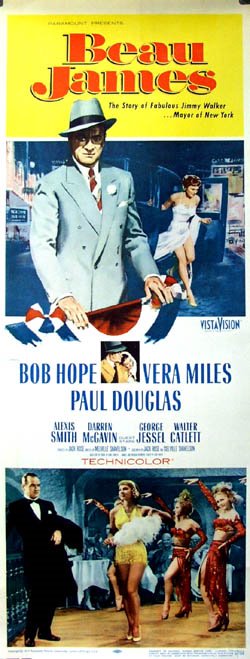
Nothing stuck to him. He died in November 1946 of a brain hemorrhage, just two years after returning to his first love as the head of a big-band record label with a stable of artists that included Louis Prima and Bud Freeman. Ten years later, Hollywood decided to do something very redundant and make a movie of his life, starring Bob Hope as Beau James. It would follow a screenplay only slightly less glamorous than the real thing.
(This story was originally published in June 25, 2008)
Yesterday was the opening of Campaigning For President at the Museum of the City of New York, a look at the city’s participation in some of the most famous and contentious presidential elections in history. The exhibit will focus on the city’s role in deciding the outcomes, as well as some of the famous New Yorkers who once coveted the White House.
It got me thinking about the recent phantom campaign of Michael Bloomberg and colossally failed one of former mayor Rudy Giuliani. Is it possible for the leader of the biggest city in America to step up to the role of Commander In Chief?
The answer is a big, fat NO, at least so far. Not one New York mayor who ever actively tried or hinted at being interested in the job ever got it. And the list of also-rans is long indeed:
Michael Bloomberg –Â Excessive hints to the contrary, Bloomberg never officially threw his hat in the ring.
Rudy Giuliani — He did run for President in 2008 but stumbled almost immediately after a major Florida miscalculation and never recovered, withdrawing on January 30, 2008.
John Lindsay (mayor from 1966 to 1973, pictured at right) didn’t fare much better than Rudy in the quest for the 1972 Democratic nomination. Starting out of the gate strong, like Rudy he stalled in Florida and eventually dropped out. Given the catastrophic changes to the city in the 1970s, I’m surprised anybody thought having ‘mayor of New York’ on their political resume would have garnered national favor.
Robert F. Wagner (1954 to 1965) never ran for president but was short-listed to be Adlai Stevenson’s vice president in 1956. Wagner was eventually beaten in balloting by Al Gore Sr. and John F Kennedy Jr. But, in the end, they were ALL beat for the spot by the clearly more popular, always reliableEstes Kefauver.)
Below: Robert Wagner meets Fidel Castro during his visit to New York in 1959.
Courtesy La Guardia and Wagner Archives
William Jay Gaynor (mayor 1910-1913) was widely considered a potential presidential hopeful, even with an assassin’s bullet lodged in his neck. Had he actually lived through his term as mayor, who knows?
George Brinton McClellan Jr (mayor 1904-1909) was never a presidential candidate but his father and Civil War icon George B. McClellan Sr certainly was. Dad ran in 1864 against Lincoln in his second term, promising to end the war in the South.
A Oakley Hall (mayor 1869 from 1872) (pictured at left) was as closely tied to the Boss Tweed Ring as a politico could be, but even he harbored presidential hopes. Considering he had to temporarily resign from mayor due to the Tweed scandal, I can’t imagine how much luck he would have had.
DeWitt Clinton (mayor for ten non-consecutive annual terms starting in 1803 ending 1815) collected political positions like butterflies, but the one he could never catch was the presidency, defeated by incumbent James Madison in 1812. By June, Madison had declared war on England and later fled the White House when the Brits torched it.
The closest a mayor ever got to the top job wasEdward Livingston, who became Secretary of State to Andrew Jackson. Which is interesting, as Livingston was literally ran out of Manhattan after his stint as mayor several years previous due to debts and scandals.
The real road to power is through the office of New York state governor. Four former governors have become president (Martin Van Buren, Grover Cleveland, Theodore and Franklin Delano Roosevelt), four more were vice president (George Clinton, Daniel Tompkins, Levi P. Morton and Nelson Rockefeller) and two have even become chief justice of the Supreme Court (John Jay and Charles Evans Hughes).
Heck, even those governors who failed to become president did so in a dramatic and historic fashion, such as former governors Al Smith, Samuel Tilden and Thomas Dewey (of the particularly famous photo below).
With apologies to the people who reside there, I must admit that Roosevelt Island has always freaked me out. Which is why I like it actually. Over the next few days, I’ll highlight some of my favorite Roosevelt Island places and people, some familiar to New Yorkers who have never ventured there.
The “little Apple”, i.e. the mini-Manhattan island floating below the Queensboro Bridge in the East River, Roosevelt Island is an anomaly. Although just across the water from lucrative real estate and everchanging Manhattan and Queens landscapes, it seems completely frozen in time.
Over the years, its been called Hogs Island, Blackwell Island, and Welfare Island, none exactly a draw to trendsetters or developers. (Although, I guess if Hell’s Kitchen can become a ‘hot neighborhood, anything can.) It was given its current name in 1973 to welcome a spectacular new memorial to Franklin Delano Roosevelt, designed by the renowned Louis Kahn. If you’re wondering why you’ve never heard of it, its because it was never built. So even its name harbors a certain incompleteness. (However believe it or not, there are still plans to build it!)
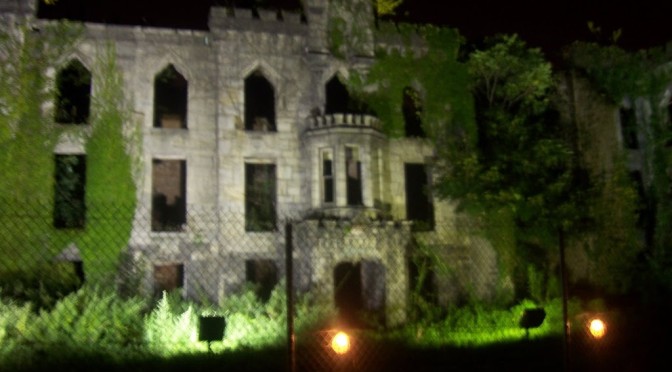
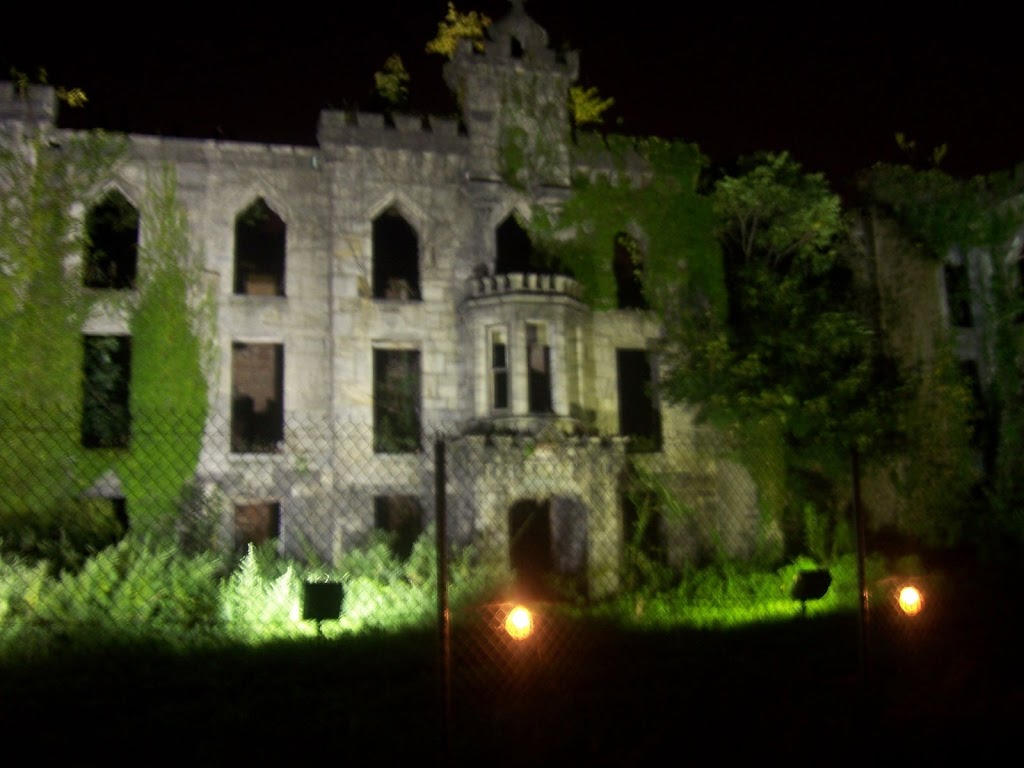
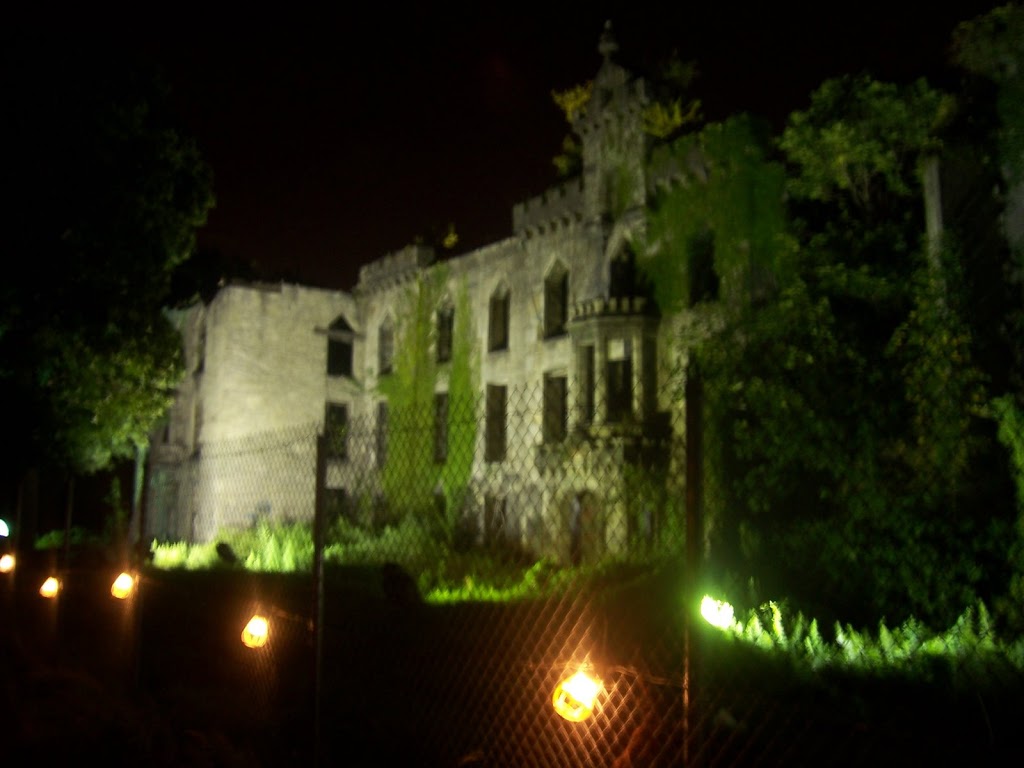
Our first stop along the Roosevelt Island is probably its most recognizable feature, at least to most Queens or Manhattan residents — the Renwick Ruins, on the southernmost point of the island. Delightfully lit year round, it rises out of the East River like a haunted castle, with stark turrets and dark windows peering back at the city. More impressive than its Halloween-like trappings is the fact that such a large ruin has managed to survive near Manhattan at all without being torn down and turned into a glass condominium. For that reason, Renwick Ruins should creep you out and impress you in equal parts.
I went over a couple weeks ago and took some snaps close up. (Not the best pics you’ll ever see of it, but you get the idea. Some better daytime shots can be found on Flickr.)
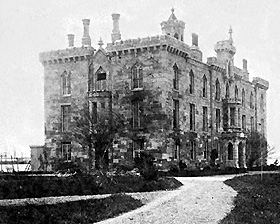
The almost fairytale Gothic structure was designed by James Renwick — most notable for St Patrick’s Cathedral, Grace Church, and the Smithsonian Institute in D.C. — as the location of a hospital for smallpox patients. It was built in 1856 using labor from the neighboring lunatic asylum and in fact supplanted a fort built by one of its more passionate inmates. (More on that later.)
Roosevelt’s relative isolation made it an ideal spot for a smallpox hospital, and the rooms were soon filled with hundreds of patients, many of them poor immigrants too distrusting of our country’s immunization practices, or Union soldiers shipped here to recover from the illness. Within twenty years, the New York Board of Health took over the building and made into a nurses residences and school maintained by City Hospital. That too was then abandoned when City Hospital was transferred off of Roosevelt to Queens.
Luckily the deteriorating structure was saved by the Landmarks Preservation Commission in the 60s and has only been preserved to the extent that its structure is maintained. It remains beautifully spooky to this day and a testament to the notion that not every inch of New York real estate need be functional.
The Roosevelt Island Historical Society has a more detailed history as well as a fine description of its architectural details. The site is closed to the public, but its home in Southpoint Park is occasionally opened for special events.
NOTE: As per the time of year, I’m only highlighting Roosevelt’s spookier elements. It’s obviously a normal and healthy place to live, mostly free of ghosts and insane lunatics. I promise. There are two good blogs that deal specifically with Roosevelt Island — Roosevelt Island360 and Roosevelt Islander.