Categories
Parks and Recreation Podcasts

Robert Moses and the Art of the New Deal

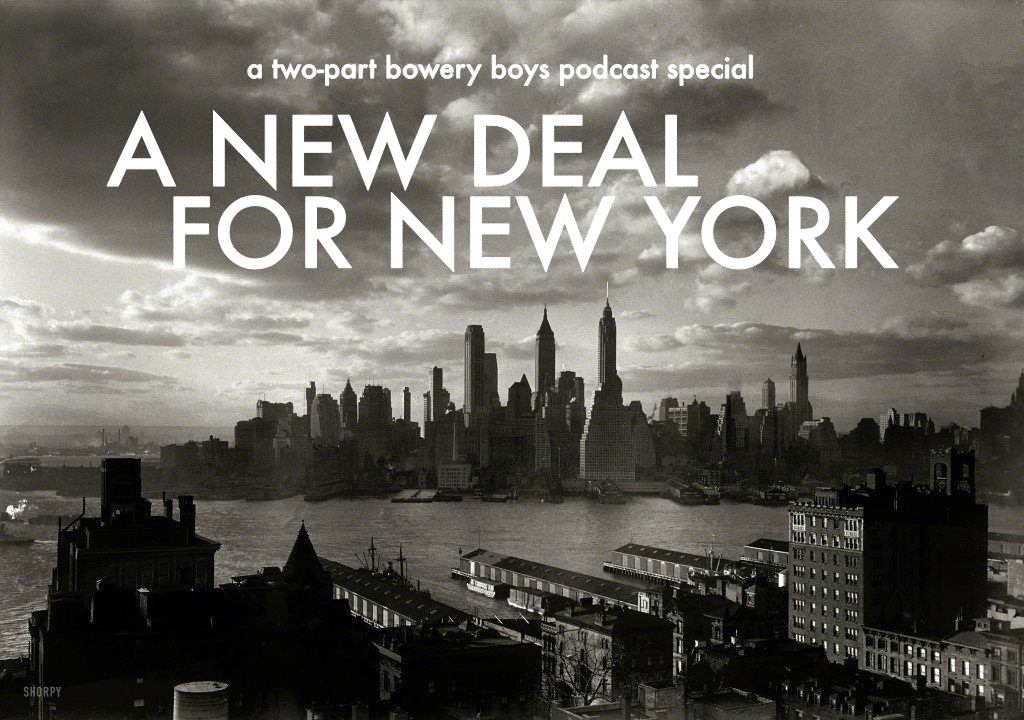
PART ONE of a two-part podcast series A NEW DEAL FOR NEW YORK.

In this episode, we look at the impact New Deal funding had in shaping the city’s infrastructure — from bridges and tunnels to neighborhood parks — how New York City uniquely benefited from this government program.
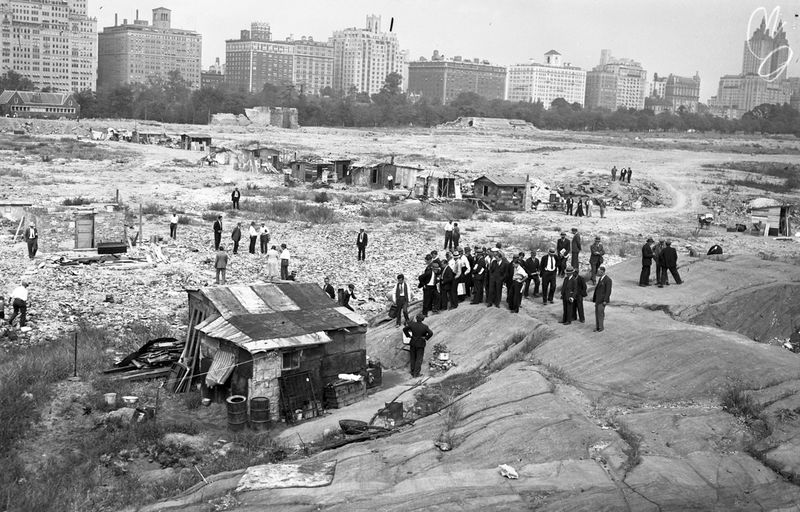
EPISODE 337 New York City during the 1930s was defined by massive unemployment, long lines at the soup kitchens, Hoovervilles in Central Park.

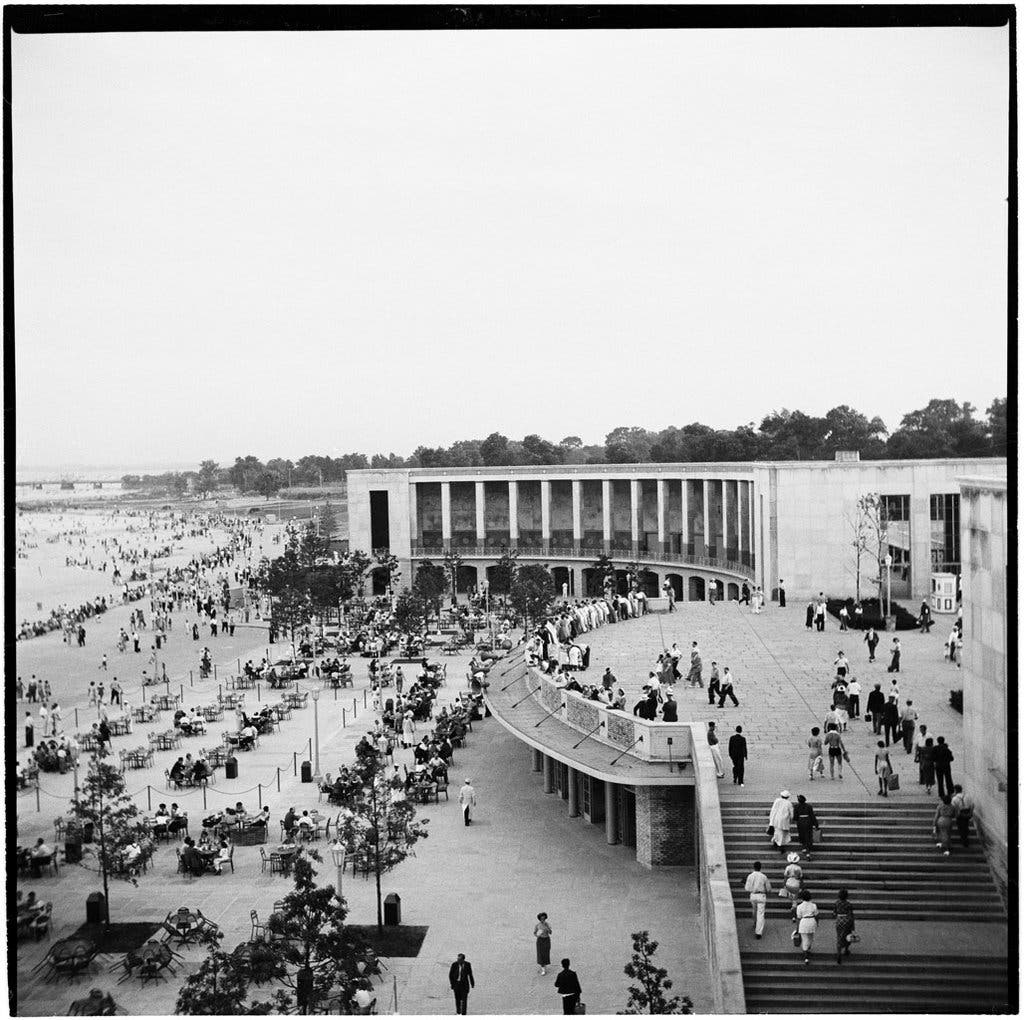
But this was also the decade of the Triborough Bridge and Orchard Beach, of new swimming pools and playgrounds, of hundreds of new building projects across the five boroughs.

Faced with the nationwide financial crisis, former New York governor and newly elected President of the United States Franklin Delano Roosevelt chose to boldly take the crisis on a series of transformative actions by the government that became known as the New Deal.
No other American city would benefit more from the New Deal that New York City. At one point, one out of every seven dollars from the Works Progress Administration (WPA) was being spent in New York.

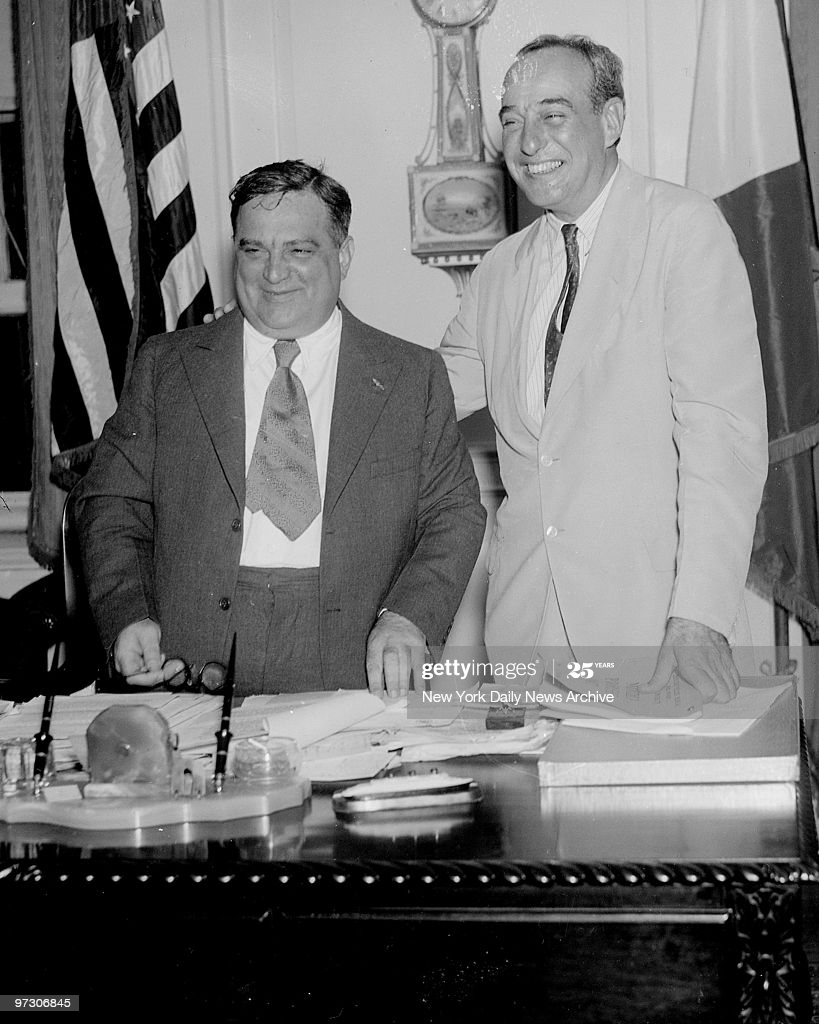
And the two men responsible for funneling federal funding to the city was Mayor Fiorello LaGuardia and his new parks commissioner Robert Moses.
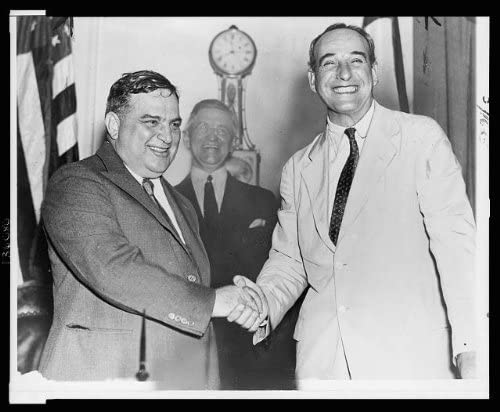
Moses amassed a great amount of unchecked power, generating thousands of projects through out the city — revitalizing the city landscape.

How did Moses manage to funnel so much federal assistance into his own projects? And where can you see evidence of the New Deal in the city today? (HINT: Pretty much everywhere.)

Listen today on your favorite podcast player or just press play here:
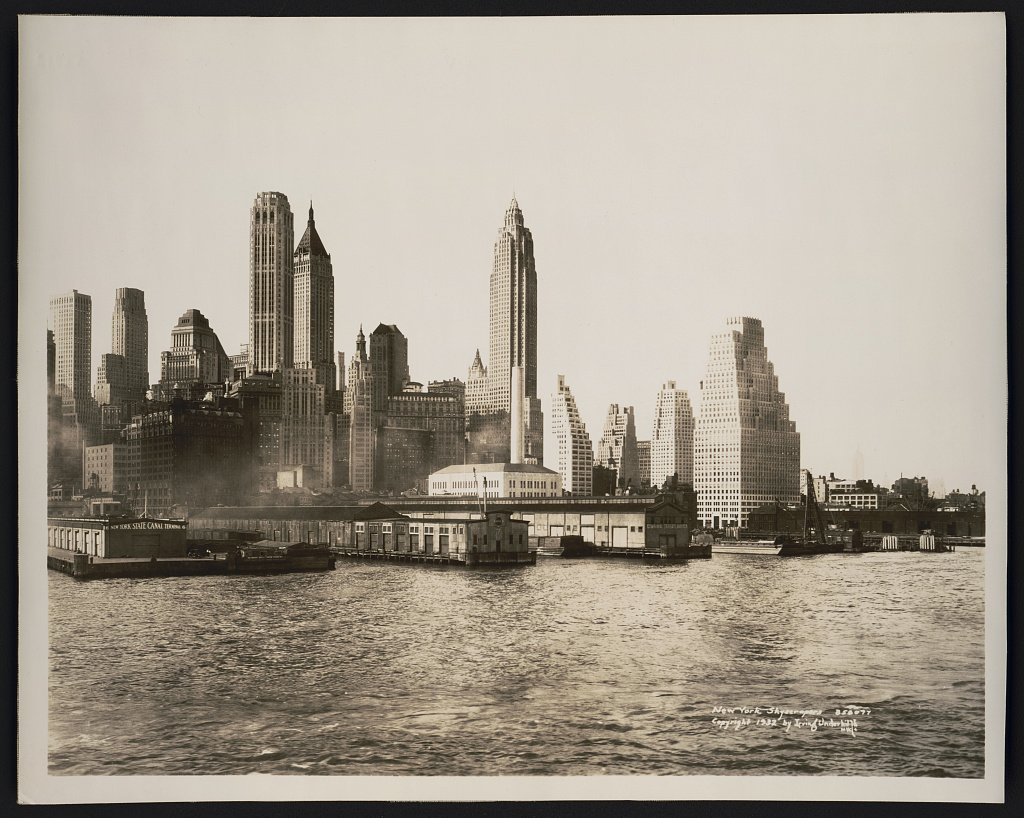

New York City, 1932 (Irving Underhill/Library of Congress)
A Hooverville in Central Park, 1932 (New York Daily News)
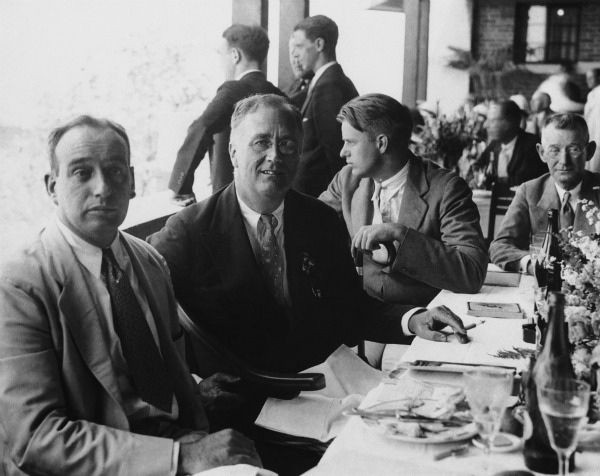
Robert Moses and FDR at Jones Beach
Mayor Fiorello LaGuardia and Gov. Robert Moses (Photo by Bob Mortimer/NY Daily News Archive via Getty Images)
Orchard Beach, 1937 (Museum of the City of New York)
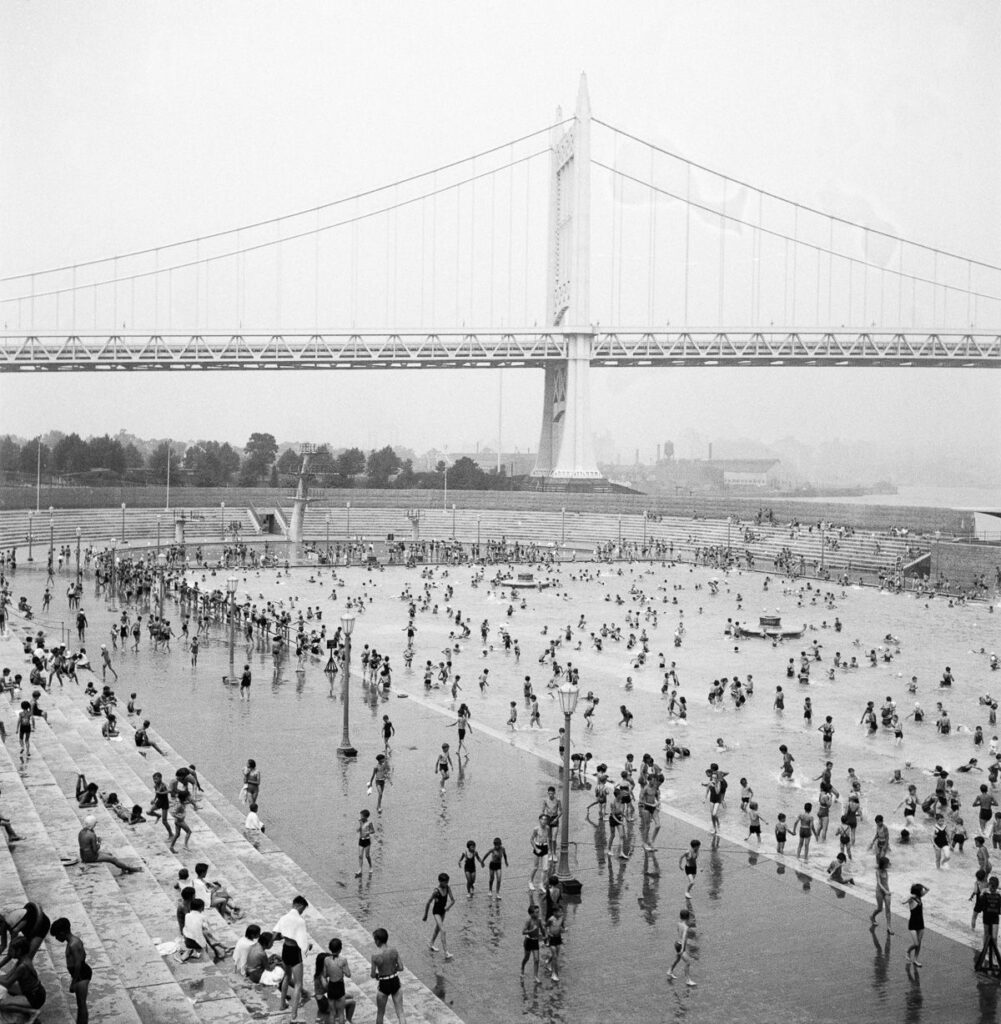
July 29, 1936 Astoria Park Pool
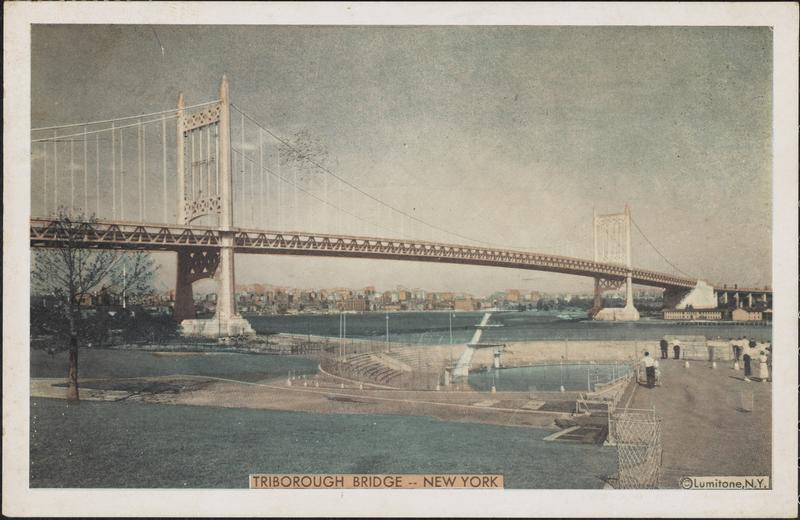
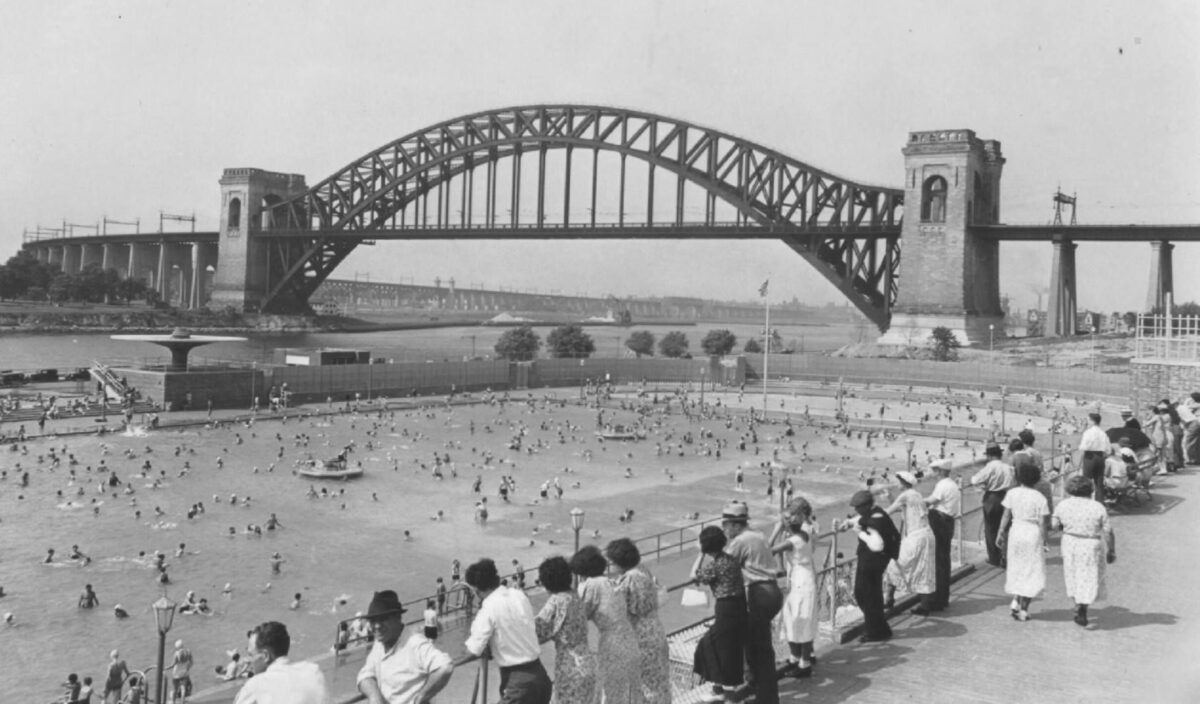
The Triborough Bridge as seen from the Astoria swimming pool, in a 1940 postcard. (Museum of the City of New York)
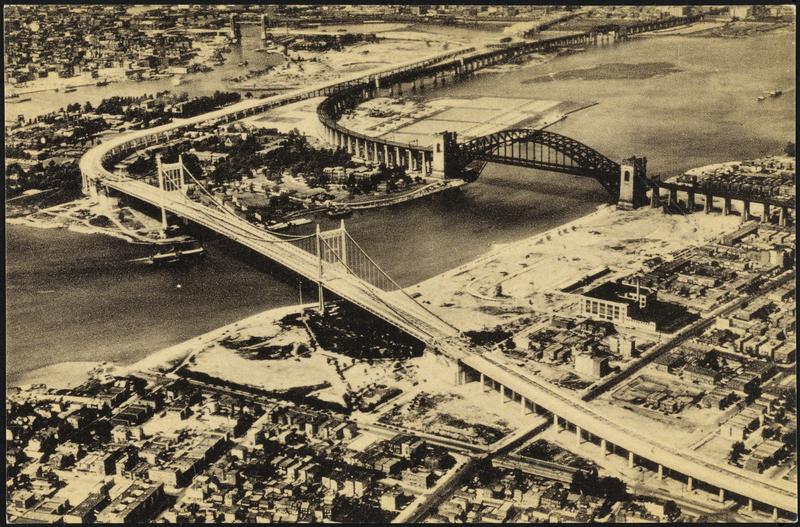
Aerial view of the Triborough Bridge, 1936 (Museum of the City of New York)
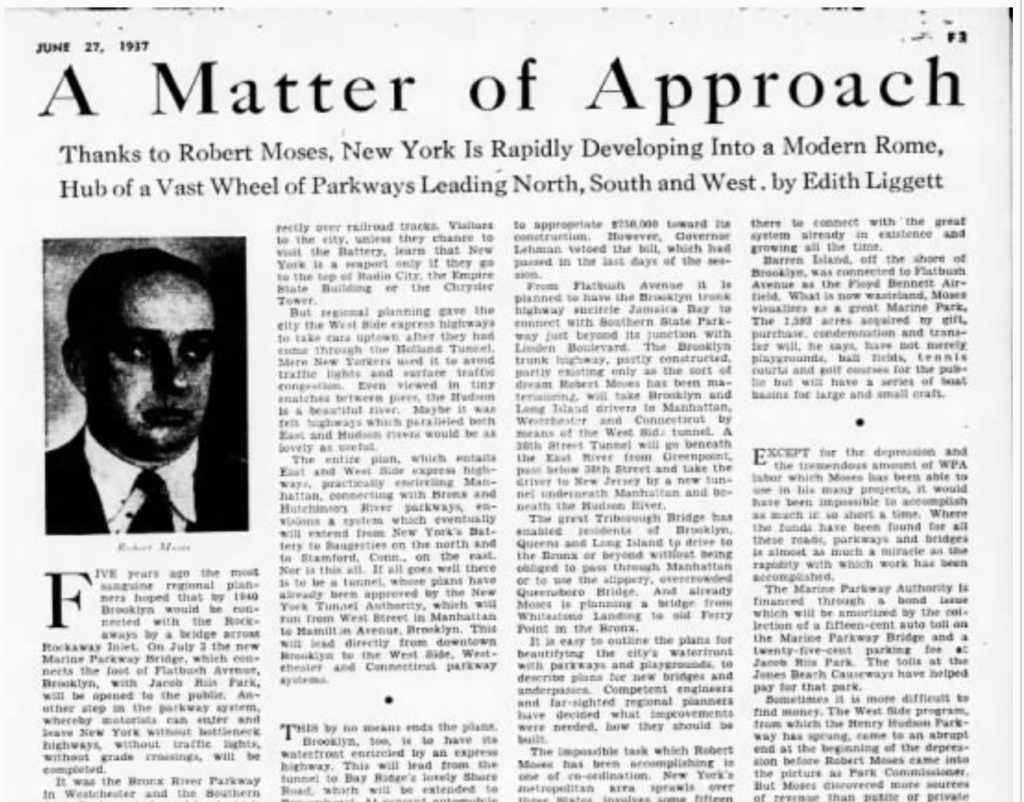
Article from the Brooklyn Daily Eagle, 1937 (Courtesy Newspapers.com)

FURTHER LISTENING

After you’ve checked out this episode, go back to some of our past episodes for further insight into this period in American history.


FURTHER READING

First of all, please visit The Living New Deal, an incredible website with an exhaustive catalog of New Deal projects across the country.


Robert Caro / The Power Broker
William E. Leuchtenburg / Franklin D. Roosevelt and the New Deal
Amity Shlaes / The Forgotten Man
Nick Taylor / American Made: The Enduring Legacy of the WPA
Mason Williams / City of Ambition: FDR, La Guardia and the Making of Modern New York
(And our miniseries title is an homage to Mike Wallace‘s 2002 book A New Deal For New York)


The Bowery Boys: New York City History podcast is brought to you …. by you!

We are now producing a new Bowery Boys podcast every week. We’re also looking to improve and expand the show in other ways — publishing, social media, live events and other forms of media. But we can only do this with your help!

We are now a creator on Patreon, a patronage platform where you can support your favorite content creators.

Please visit our page on Patreon and watch a short video of us recording the show and talking about our expansion plans.

If you’d like to help out, there are six different pledge levels.Check them out and consider being a sponsor.

We greatly appreciate our listeners and readers and thank you for joining us on this journey so far.
Categories
Bronx History Podcasts

A History of the Bronx Part Two: Building The Borough

PODCAST The story of how the Bronx became a part of New York City and the origin of some of the borough’s most famous landmarks.

In the second part of the Bowery Boys’ Bronx Trilogy — recounting the entire history of New York City’s northernmost borough — we focus on the years between 1875 and 1945, a time of great evolution and growth for the former pastoral areas of Westchester County.

New York considered the newly annexed region to be of great service to the over-crowded city in Manhattan, a blank canvas for visionary urban planners. Soon great parks and mass transit transformed these northern areas of New York into a sibling (or, perhaps more accurately, a step-child) of the densely packed city to the south.

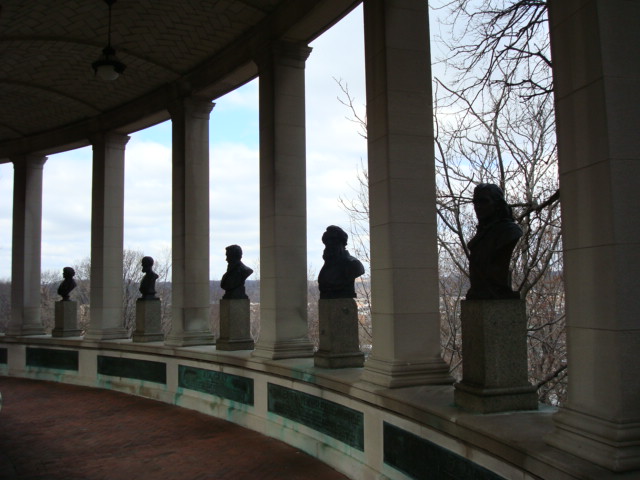
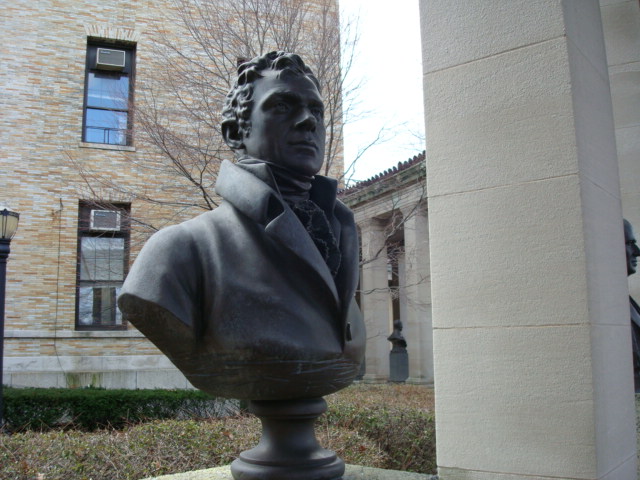
The Grand Concourse embodied the promise of a new life for thousands of new residents — mostly first and second-generation immigrants, many of them Jewish newcomers. The Hall of Fame of Great Americans was a peculiar tourist attraction that honored America’s greatest. But the first time that many outside New York became aware of the Bronx may have been the arrival in 1923 of New York’s most victorious baseball team, arriving via a spectacular new stadium where sports history would frequently be made.

By the 1930s Parks Commissioner Robert Moses began looking at the borough as a major factor in his grand urban development plans. In some cases, this involved the creation of vital public recreations (like Orchard Beach). Other decisions would mark the beginning of new troubles for the Bronx.


The Bowery Boys: New York City History podcast is brought to you …. by you!

We are now producing a new Bowery Boys podcast every two weeks. We’re also looking to improve the show in other ways and expand in other ways as well — through publishing, social media, live events and other forms of media. But we can only do this with your help!

We are now a member of Patreon, a patronage platform where you can support your favorite content creators for as little as a $1 a month.

Please visit our page on Patreon and watch a short video of us recording the show and talking about our expansion plans. If you’d like to help out, there are five different pledge levels (and with clever names too — Mannahatta, New Amsterdam, Five Points, Gilded Age, Jazz Age and Empire State). Check them out and consider being a sponsor.

We greatly appreciate our listeners and readers and thank you for joining us on this journey so far. And the best is yet to come!

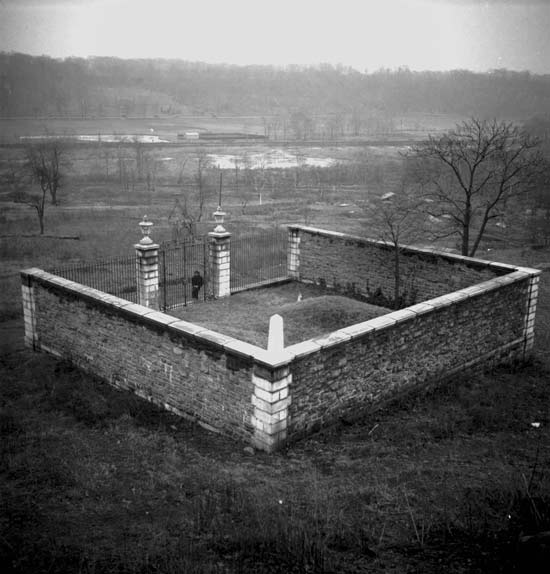
The burial vault of the Van Cortlandts was actually contained within the newly formed park. And it’s still there.

Courtesy New York Park Service

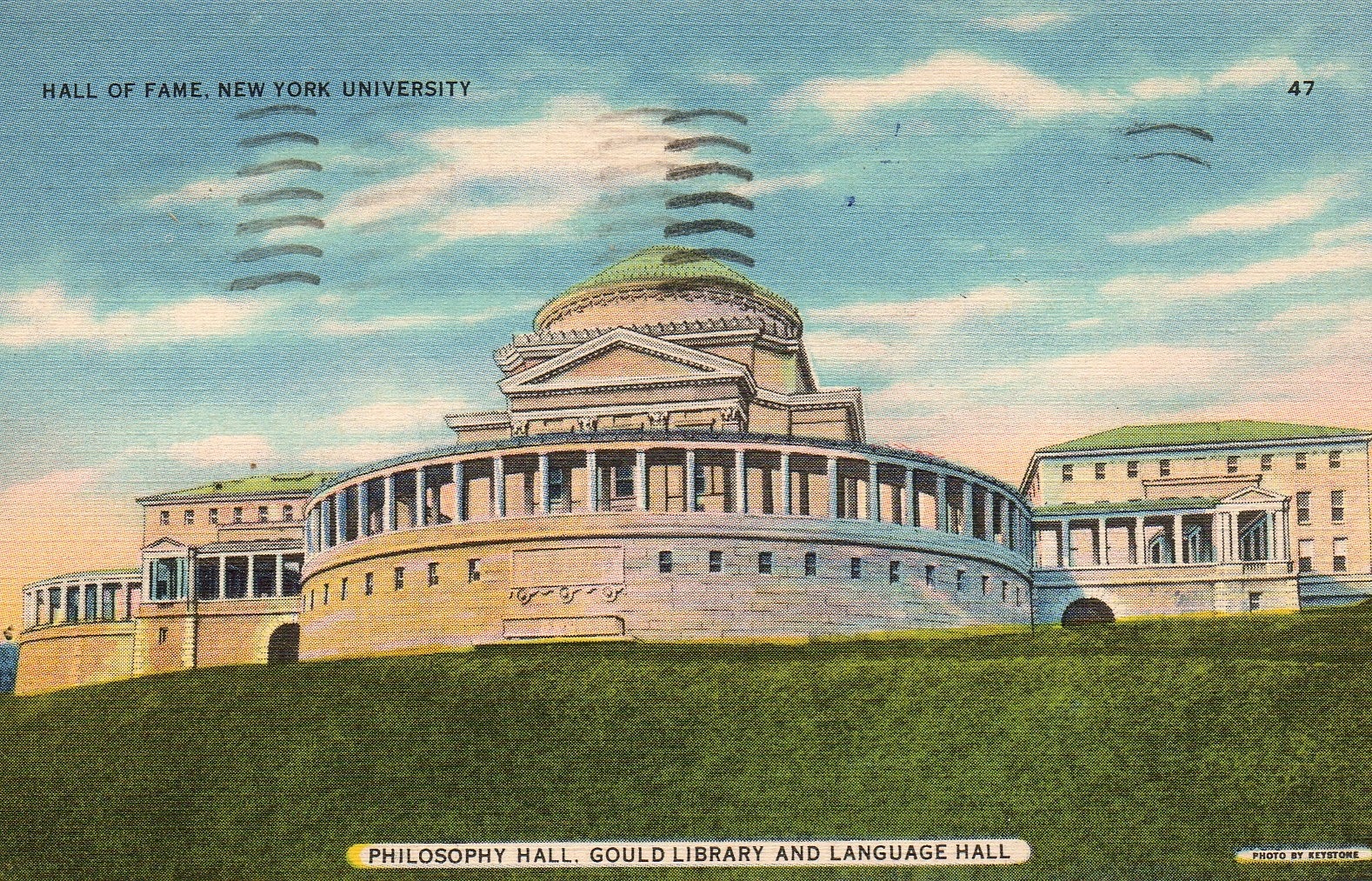
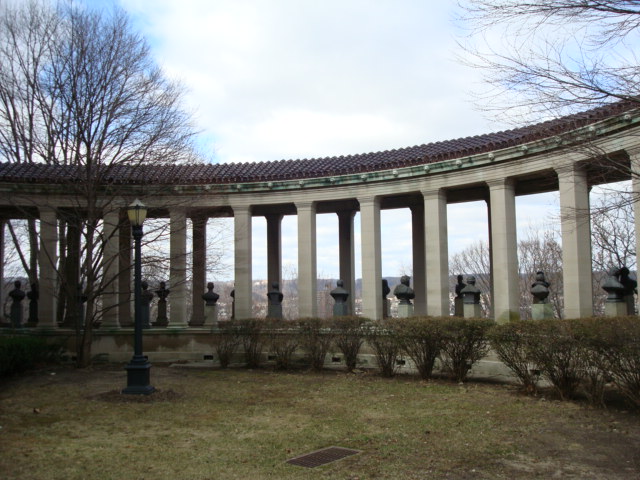
NYU’s former University Heights campus (now the home of Bronx Community College) contains one unusual tourist attraction — the Hall of Fame of Great Americans

nyuinthebronxpostcard

1 2 3

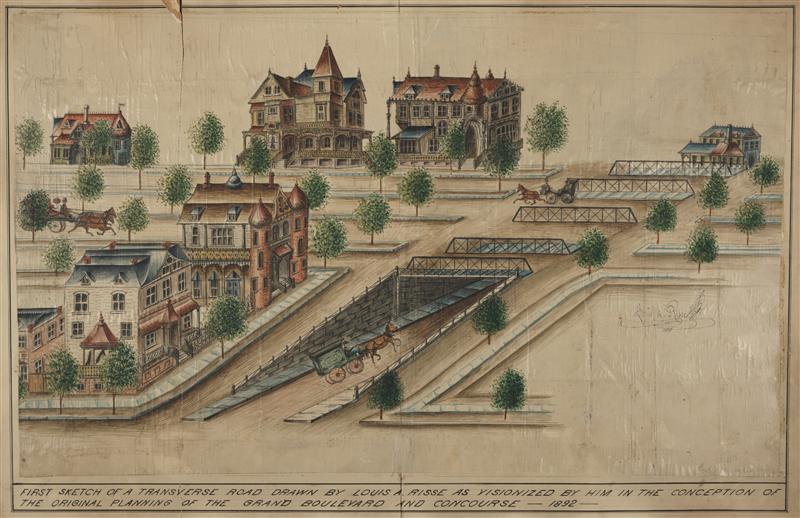
Louis Risse’s vision of the Grand Concourse in 1892 obviously did not imagine automobiles using the boulevard.

MCNY
MCNY

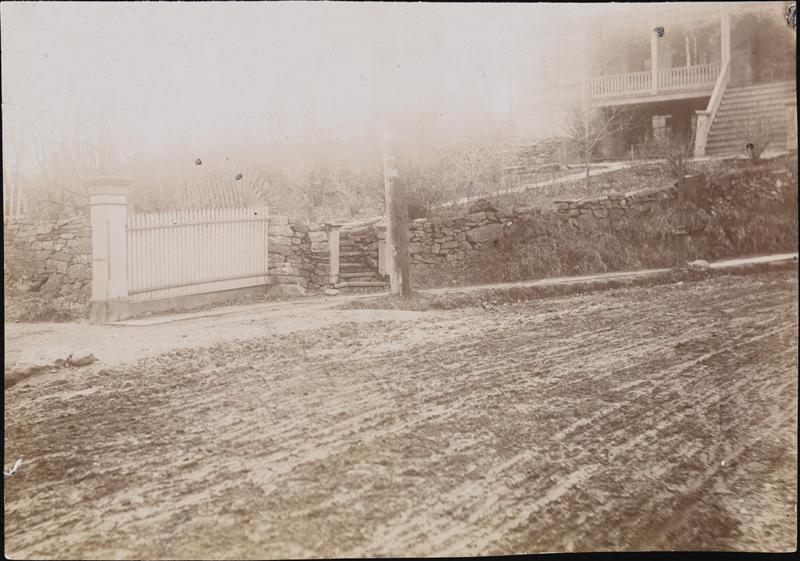
Kingsbridge Road near the Grand Concourse, 1890. It was originally a dirt road of course.

MCNY
MCNY

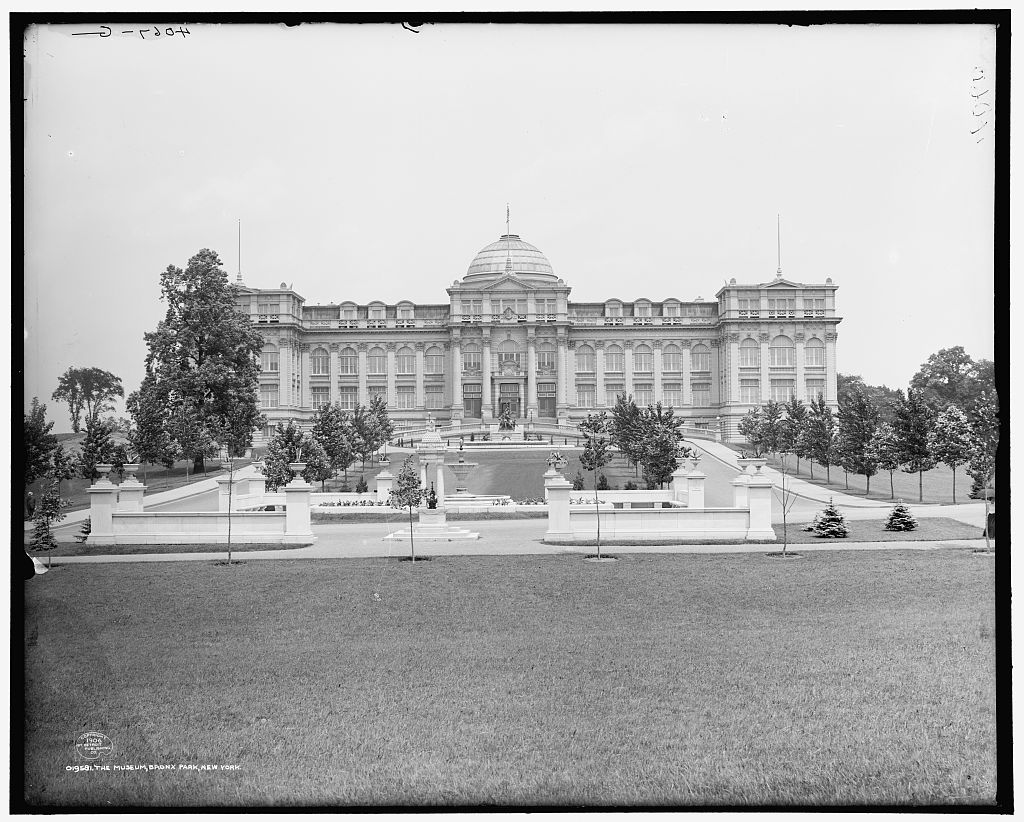
The New York Botanical Garden inaugurated Bronx Park and created another reason for New Yorkers to head up to the vastly evolving area up north.

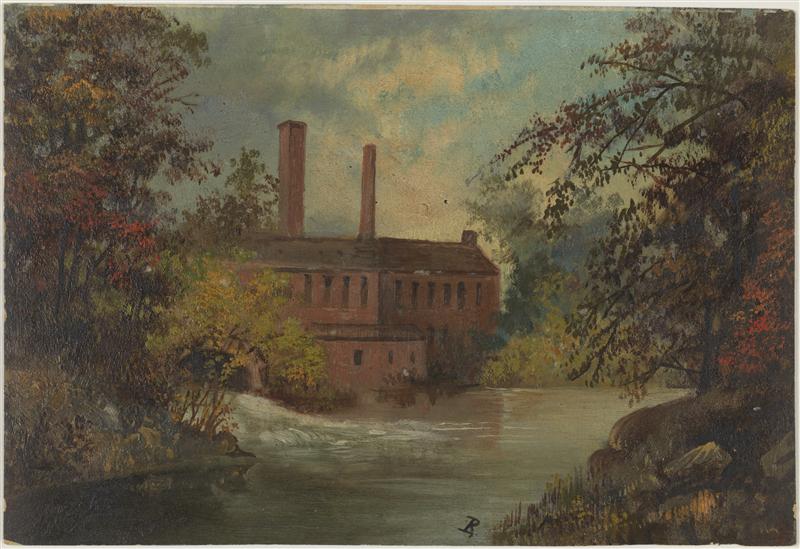
4a13506v

A romantic depiction of the Lorillard snuff mill on the Bronx River. The building is still on the river, contained within the Botanical Garden.

By Frederick Rondel, Jr., courtesy MCNY

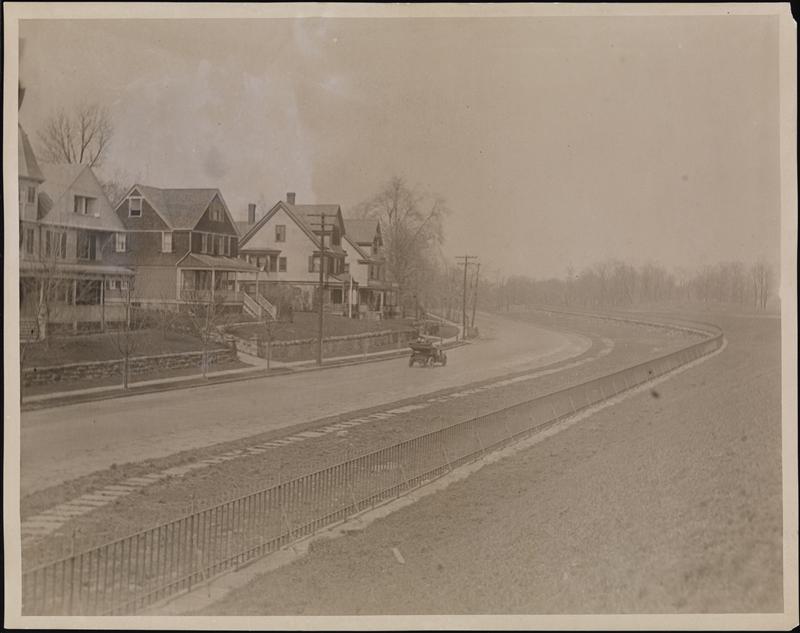
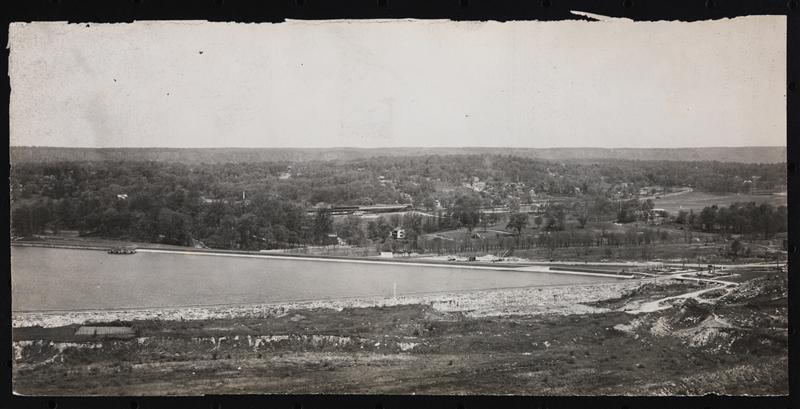
Jerome Park Reservoir, opposite a set of homes, pictured here in 1920 and (below) 1936.

MCNY
MCNY
mny221499
MCNY

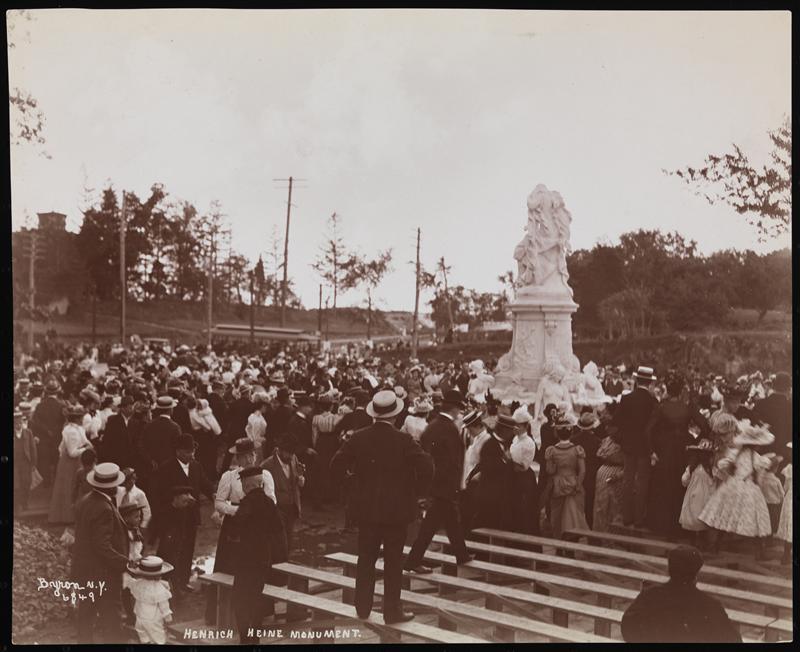
The unveiling of the Heinrich Heine monument in today’s Joyce Kilmer Park on the Grand Concourse.

MCNY
MCNY

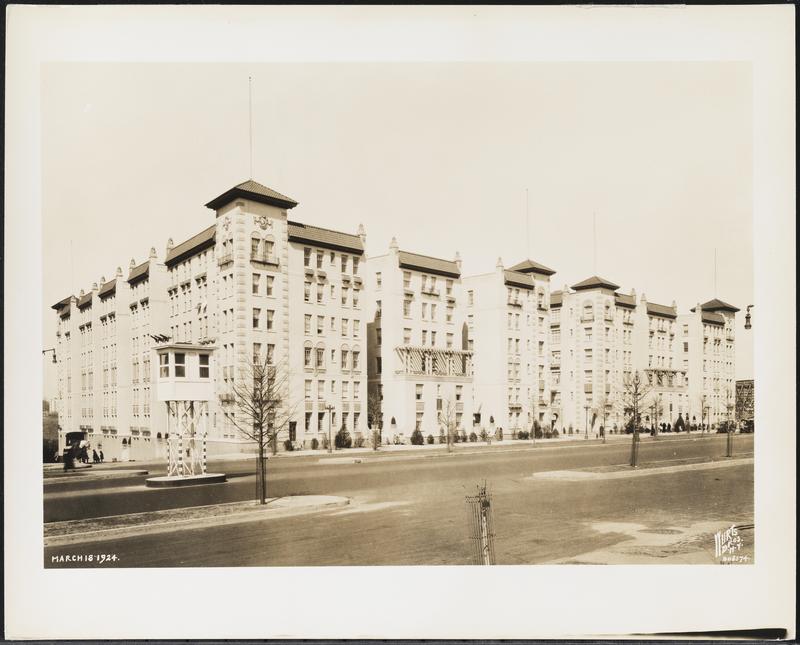
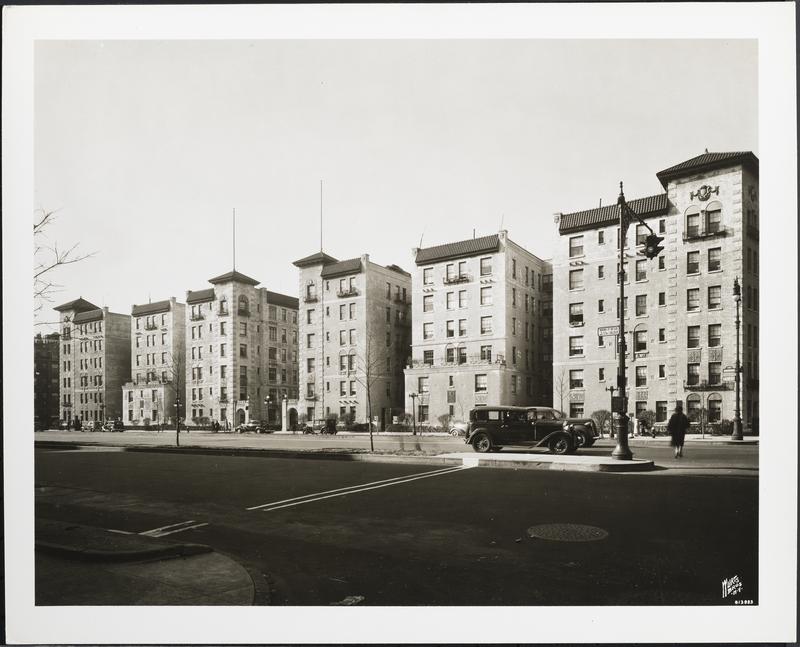
Lavish apartments like the Roosevelt  (pictured here in 1924 and in 1937) were able to attract New Yorkers escaping the overcrowded Lower East Side.

MCNY
MCNY
MCNY
MCNY

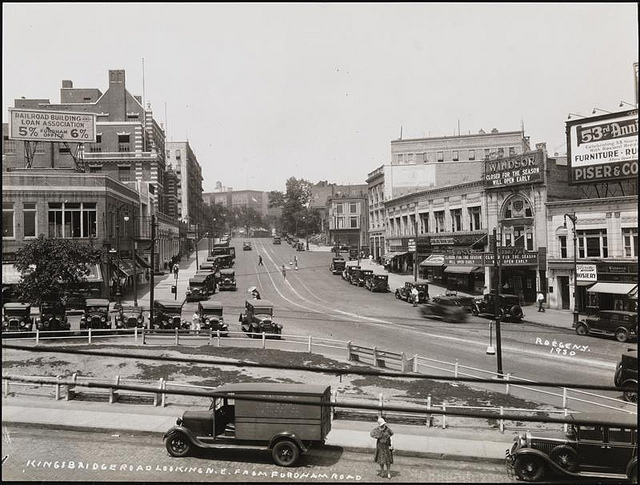
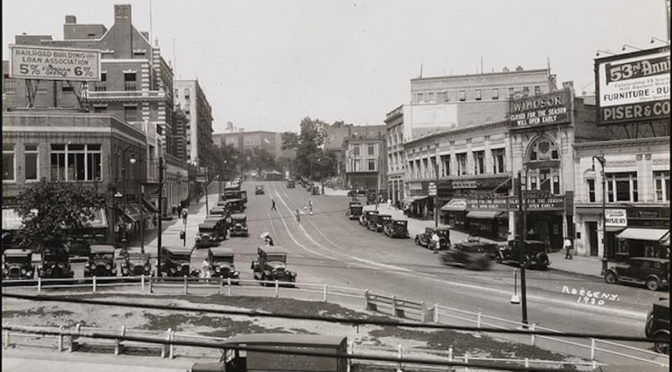
Fordham Road in 1930 with the Grand Concourse East Kingsbridge Road steaming by.

Photo by William Roege (1930)

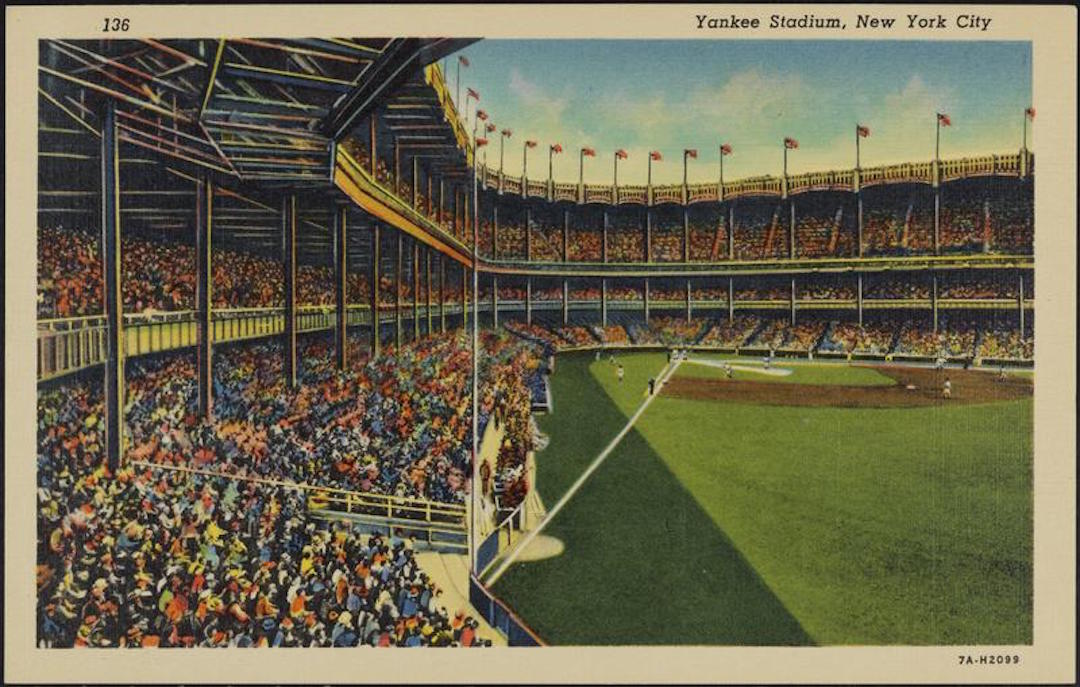
A Yankee Stadium postcard circa 1945

mny285122
Courtesy MCNY

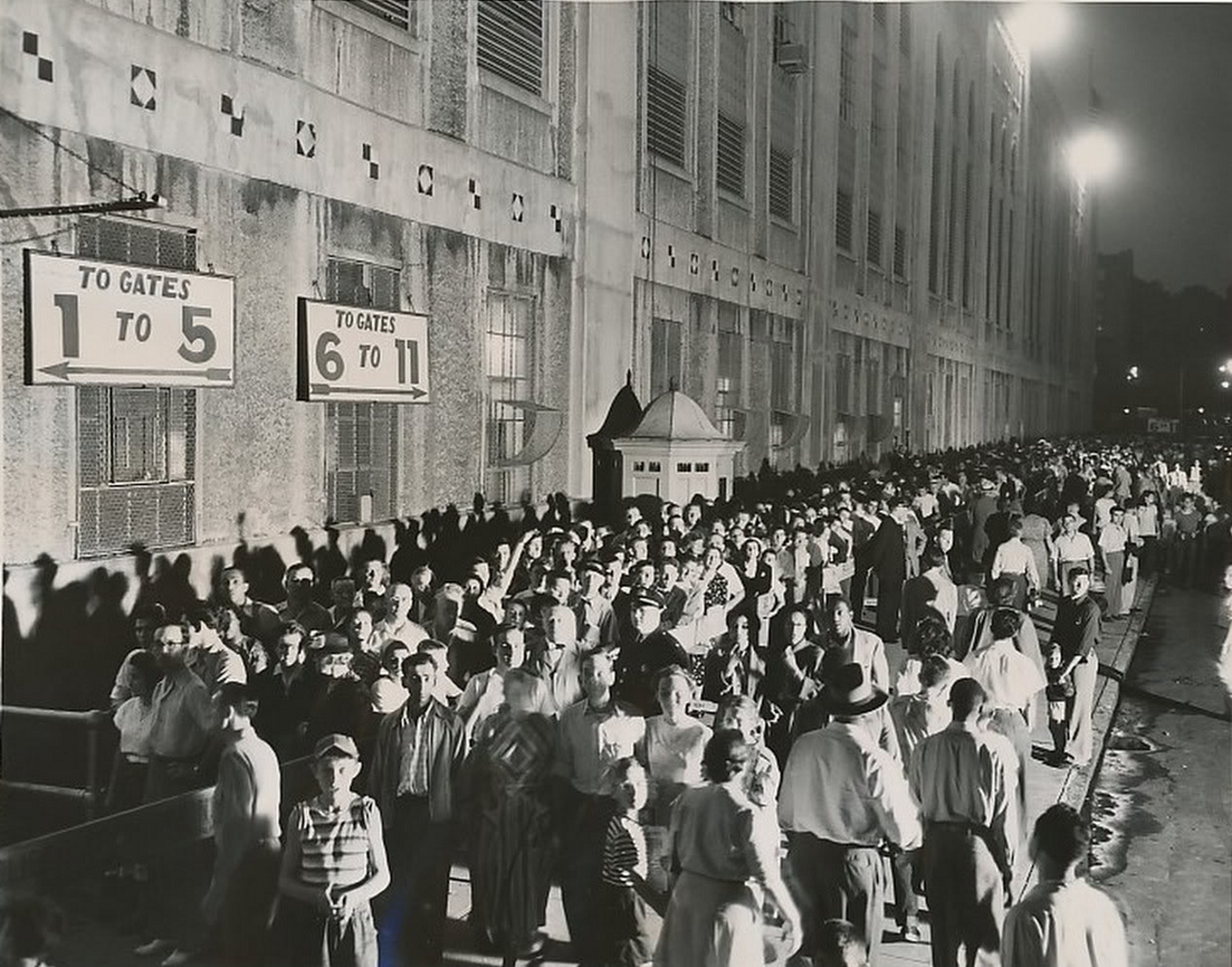
Ruth was so integrally a part of the Bronx and Yankee Stadium that when he died in 1948, his casket was taken to the stadium where tens of thousands of people came to pay their respects.

babe-ruth-funeral-fans-line-up-8-17-1948

A few selections from our Instagram account of things we discussed on this week’s show:


A photo posted by Gregory Young (@boweryboysnyc) on


A photo posted by Gregory Young (@boweryboysnyc) on

From the Grand Concourse:


A photo posted by Gregory Young (@boweryboysnyc) on


A photo posted by Gregory Young (@boweryboysnyc) on


A photo posted by Gregory Young (@boweryboysnyc) on

Here’s Tom and our special guest this week — the great Lloyd Ultan