Categories
Sports

The Wise Guy of Baseball: Getting To Know Leo ‘The Lip’ Durocher

BOOK REVIEW The history of sports is often written around its most revered role models, as though the noble character of the greatest players comes from the purest devotion to their game.

Leo Durocher, a sterling shortstop and manager for some of the greatest teams in baseball history, was no role model. In most ways, he was the very opposite, a combative player with a rock-star personality.  He’s famously attributed as saying “Nice guys finish last,” not because he actually said it, but because it seemed to be his life’s slogan.

In Paul Dickson‘s fast-paced and often amusing biography, Durocher’s extraordinary accomplishments on the field battle for prominence with the player’s indulgent and never-ending quest for the good life. Along the way, he became an iconic New York sports hero. As a player for the New York Yankees (1925, 1928-29), the Brooklyn Dodgers (1938-48) AND the New York Giants (1948-1955), his story plays out in New York’s greatest ballparks, as well as its most glamorous nightclubs and hotels.
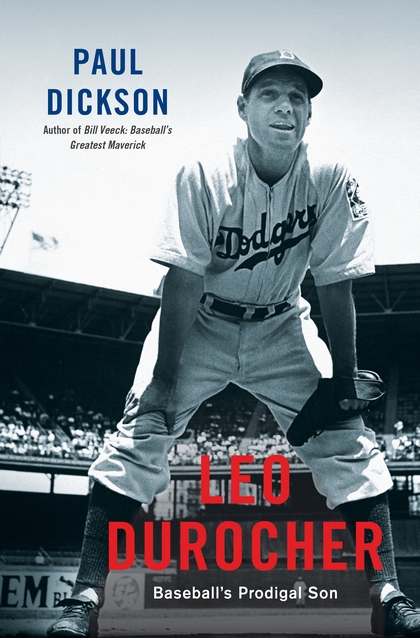
Leo Durocher: Baseball’s Prodigal Son
by Paul Dickson
Bloomsbury Publishing

Durocher, born in Massachusetts to French Canadian parents, has had many nicknames through his career — Frenchy, “the All-American Out,” and a great number of four-letter ones. But “Leo the Lip” seemed to fit him best. His quarrels with other players, umpires and sportswriters are the stuff of legends.

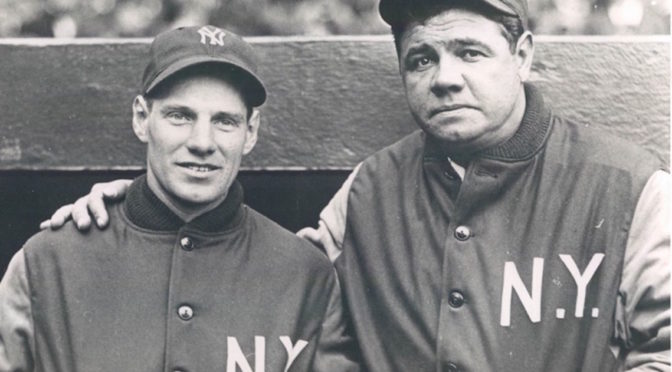
Babe Ruth famously couldn’t stand him. At one point, he accused Durocher of stealing his watch, an alleged theft that would follow the players from the Yankees to the Dodgers. Writes Dickson: “As Leo said, in a half-angry, half-mocking tone, ‘Jesus Christ, if I was going to steal anything from him I’d steal his god-damned Packard.”
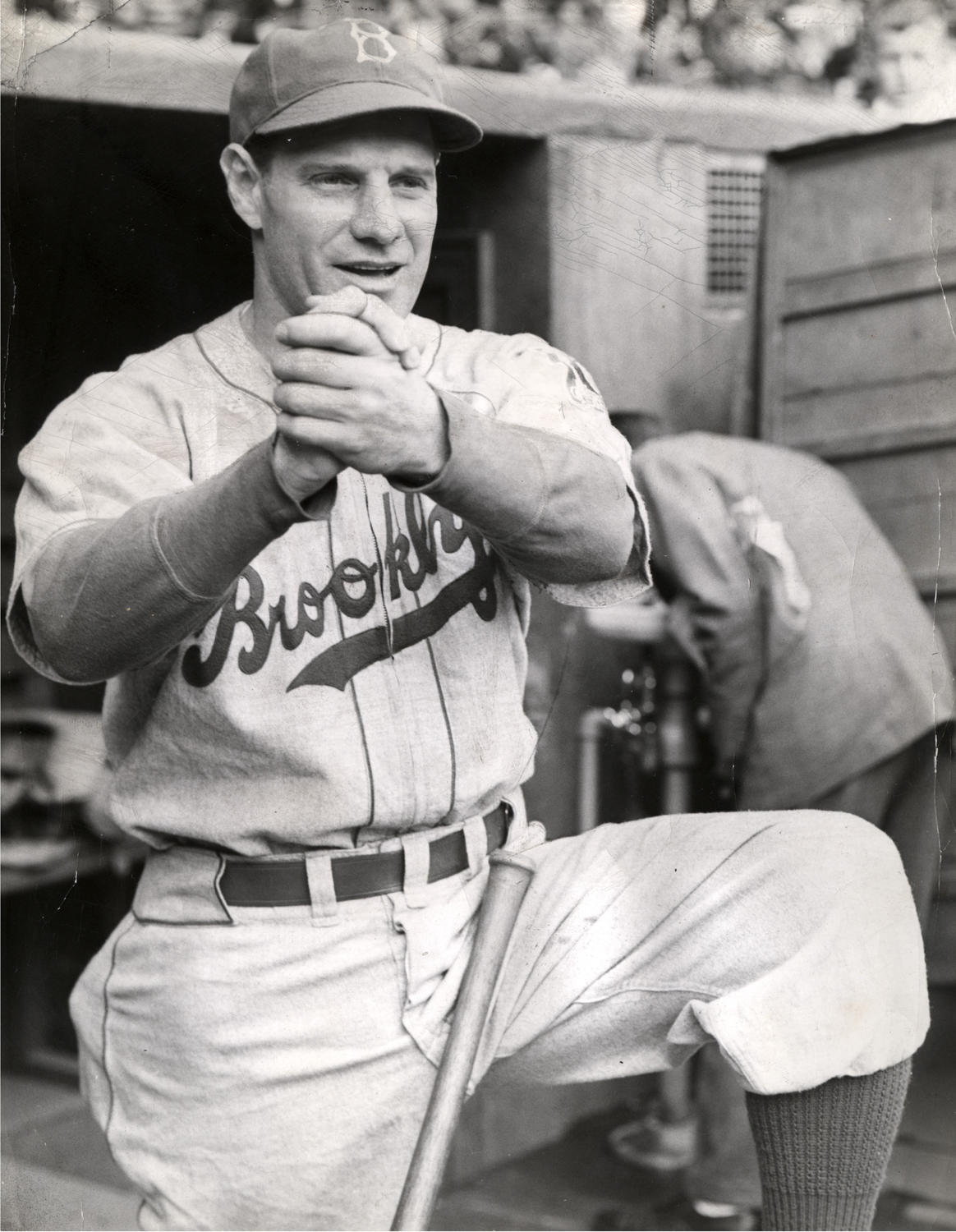
Brooklyn Dodgers Leo Durocher on dugout steps in 1939

His expletive-filled spats with teammates and managers tarred him early in his career; at one point, at age 24, Durocher was considered ‘washed out’, a toxic presence distracted by decadence and fame. As Dickson writes, “One rumored reason that all the teams in the American League passed on Durocher was that Babe Ruth let it be known he wanted Durocher out of the league.”

In New York, Durocher hops from the Cotton Club to the Stork Club in fancy suits, racking up debts at trendy hotels and acquiring a coterie of suspicious characters. His gambling addiction is now legendary; although many baseball players squandered their salaries this way, Durocher seemed to treat gambling as a second sport.

This led him into the circles of both mobsters and movie stars. And there, in the middle, was Durocher’s close friend George Raft, the Hollywood actor who frequently played gangsters on film. Durocher emulated Raft — often dressing and parting his hair in similar ways – and the actor, in turn, introduced the baseball player to the thrills of the entertainment world.

Below: Durocher with the stars of the TV show Mr. Ed
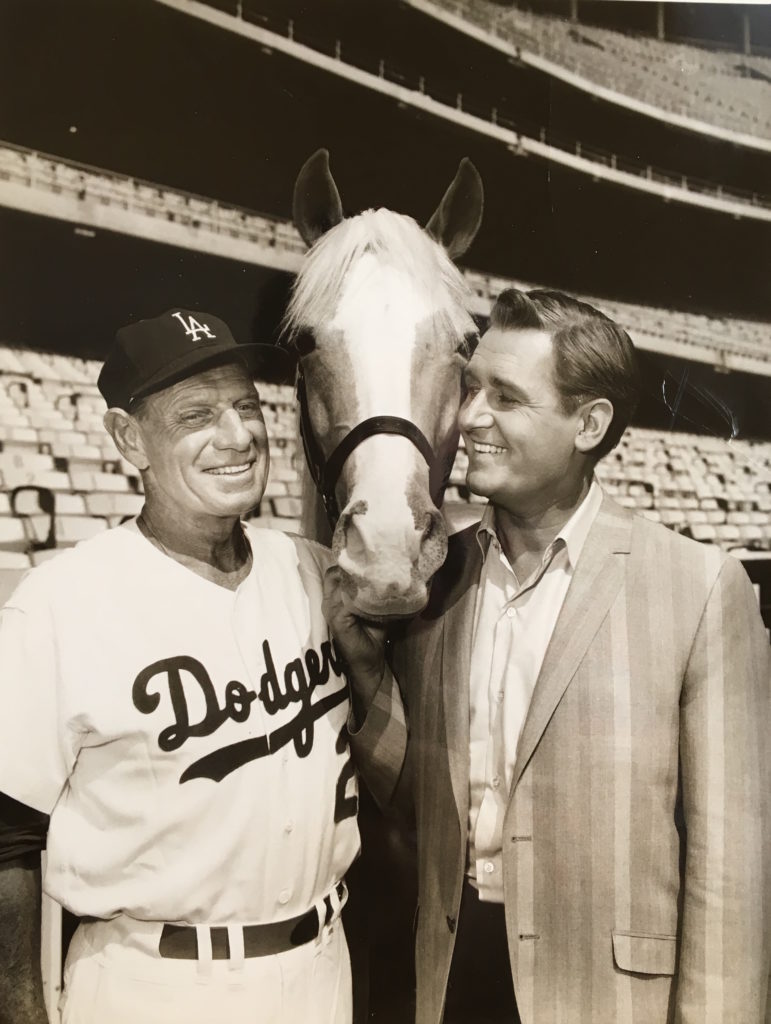
Courtesy Baseball Reliquary

Even during his greatest moments as a manager of the Dodgers, many believed Durocher might quit and become a radio comedian and actor. During World War II he even toured with the USO.

Yet he would always return to the game. With the Dodgers, he transitioned from player to manager, overseeing the team during some of its greatest moments. That included the years with Jackie Robinson, the first African-American player. (Of course, Robinson and Durocher would later public feud, almost a rite of passage for great baseball stars at this point.)

Dickson, a long-time chronicler of baseball history, finds a readable balance between Durocher’s on-field achievements and late-night scandals, revealing a charming and exceptionally scrappy, if not exactly likable, sportsman.

He’s harsh and mouthy to the end. But his talent was undeniable; the writer Bob Broeg, at Durocher’s death in 1991, said that “losing Leo Durocher was like losing either an old friend or an old enemy — you could take your pick.” Over the years, the writer had gotten into several fist-fights with Durocher.
Categories
Bronx History Podcasts

A History of the Bronx Part Two: Building The Borough

PODCAST The story of how the Bronx became a part of New York City and the origin of some of the borough’s most famous landmarks.

In the second part of the Bowery Boys’ Bronx Trilogy — recounting the entire history of New York City’s northernmost borough — we focus on the years between 1875 and 1945, a time of great evolution and growth for the former pastoral areas of Westchester County.

New York considered the newly annexed region to be of great service to the over-crowded city in Manhattan, a blank canvas for visionary urban planners. Soon great parks and mass transit transformed these northern areas of New York into a sibling (or, perhaps more accurately, a step-child) of the densely packed city to the south.

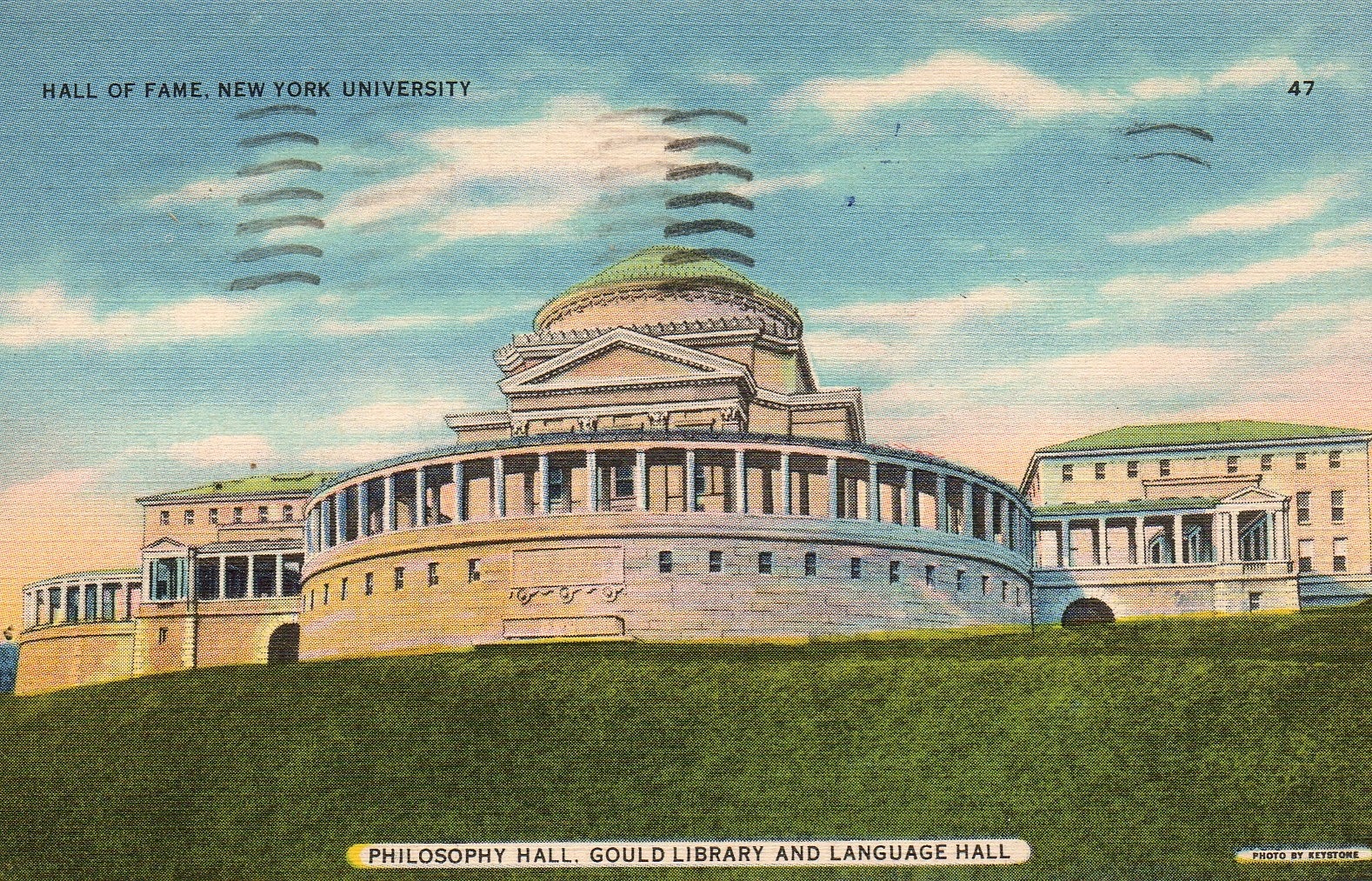
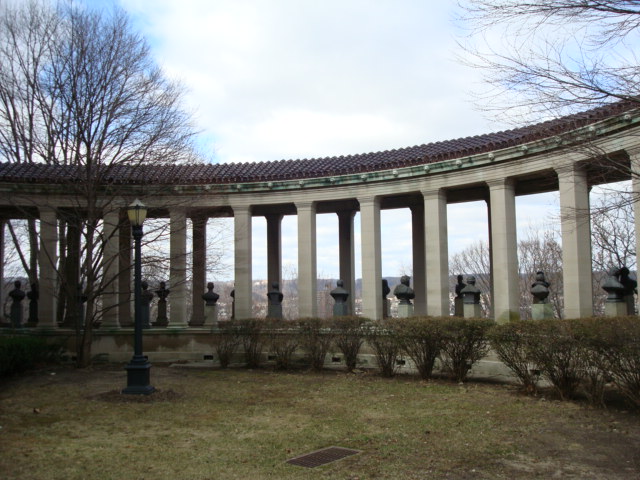
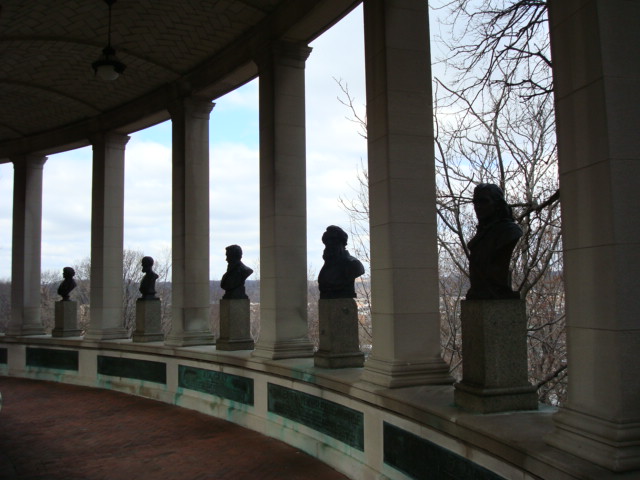
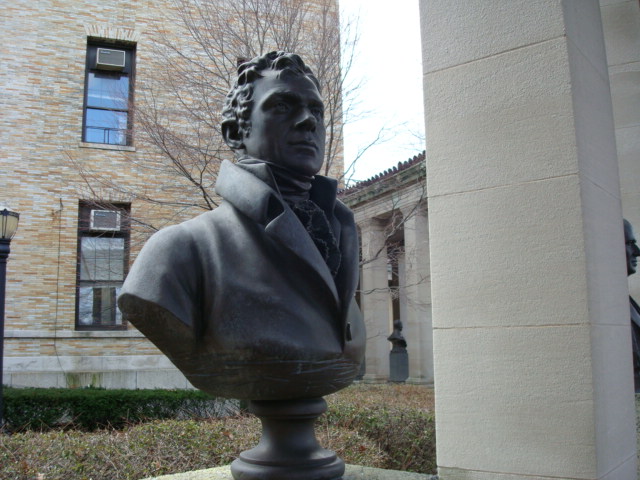
The Grand Concourse embodied the promise of a new life for thousands of new residents — mostly first and second-generation immigrants, many of them Jewish newcomers. The Hall of Fame of Great Americans was a peculiar tourist attraction that honored America’s greatest. But the first time that many outside New York became aware of the Bronx may have been the arrival in 1923 of New York’s most victorious baseball team, arriving via a spectacular new stadium where sports history would frequently be made.

By the 1930s Parks Commissioner Robert Moses began looking at the borough as a major factor in his grand urban development plans. In some cases, this involved the creation of vital public recreations (like Orchard Beach). Other decisions would mark the beginning of new troubles for the Bronx.


The Bowery Boys: New York City History podcast is brought to you …. by you!

We are now producing a new Bowery Boys podcast every two weeks. We’re also looking to improve the show in other ways and expand in other ways as well — through publishing, social media, live events and other forms of media. But we can only do this with your help!

We are now a member of Patreon, a patronage platform where you can support your favorite content creators for as little as a $1 a month.

Please visit our page on Patreon and watch a short video of us recording the show and talking about our expansion plans. If you’d like to help out, there are five different pledge levels (and with clever names too — Mannahatta, New Amsterdam, Five Points, Gilded Age, Jazz Age and Empire State). Check them out and consider being a sponsor.

We greatly appreciate our listeners and readers and thank you for joining us on this journey so far. And the best is yet to come!


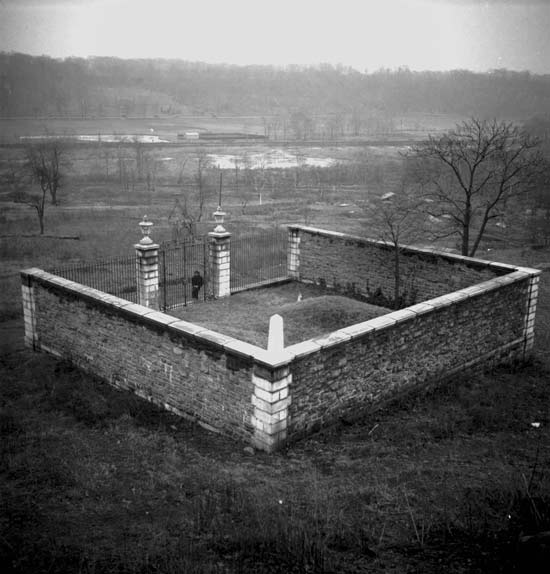
The burial vault of the Van Cortlandts was actually contained within the newly formed park. And it’s still there.

Courtesy New York Park Service

NYU’s former University Heights campus (now the home of Bronx Community College) contains one unusual tourist attraction — the Hall of Fame of Great Americans

nyuinthebronxpostcard

1 2 3

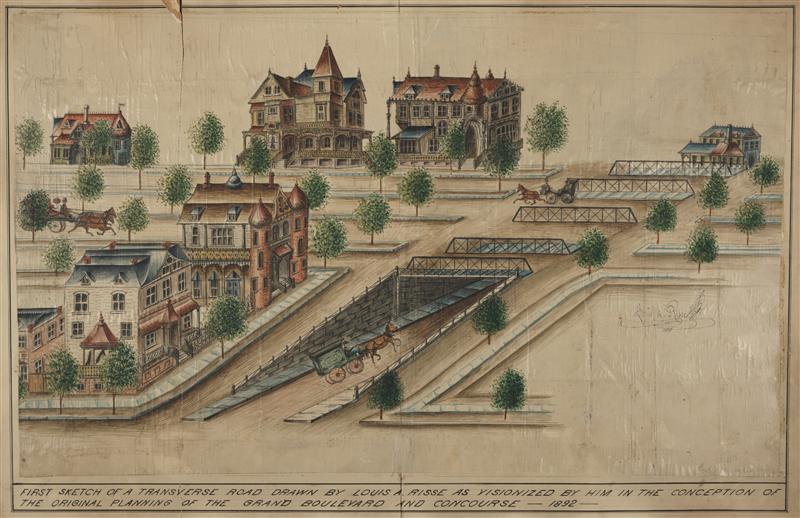
Louis Risse’s vision of the Grand Concourse in 1892 obviously did not imagine automobiles using the boulevard.

MCNY
MCNY

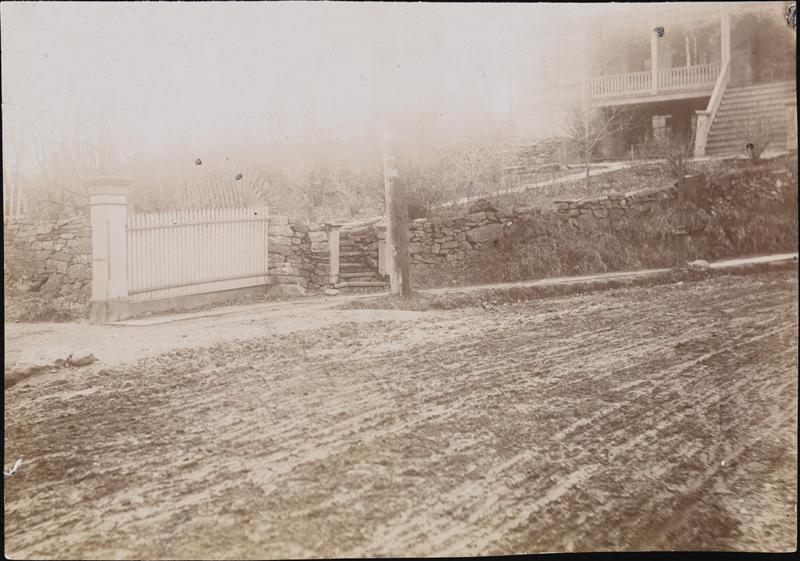
Kingsbridge Road near the Grand Concourse, 1890. It was originally a dirt road of course.

MCNY
MCNY

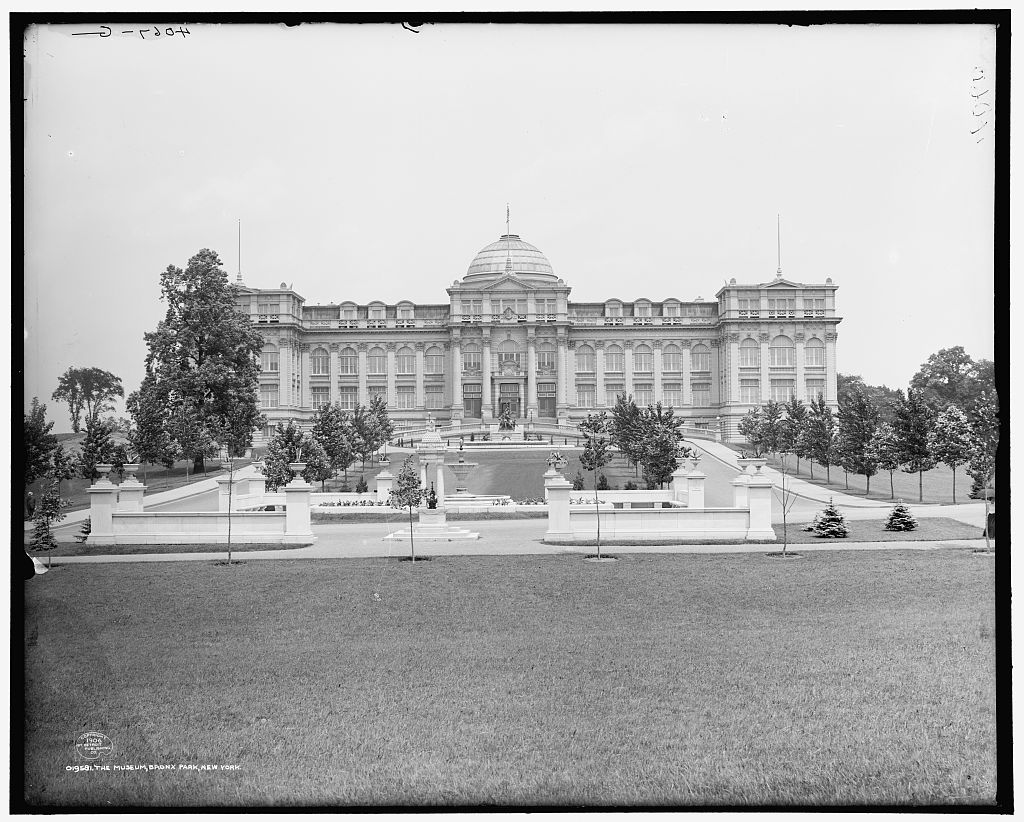
The New York Botanical Garden inaugurated Bronx Park and created another reason for New Yorkers to head up to the vastly evolving area up north.

4a13506v

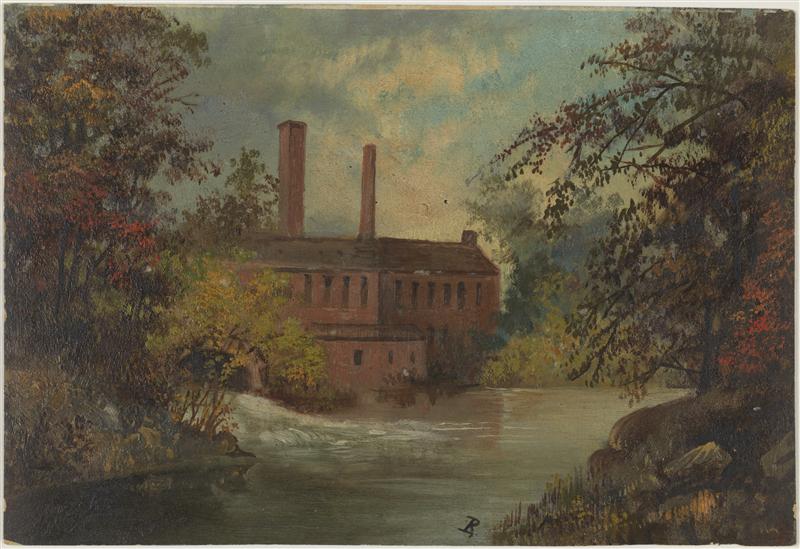
A romantic depiction of the Lorillard snuff mill on the Bronx River. The building is still on the river, contained within the Botanical Garden.

By Frederick Rondel, Jr., courtesy MCNY

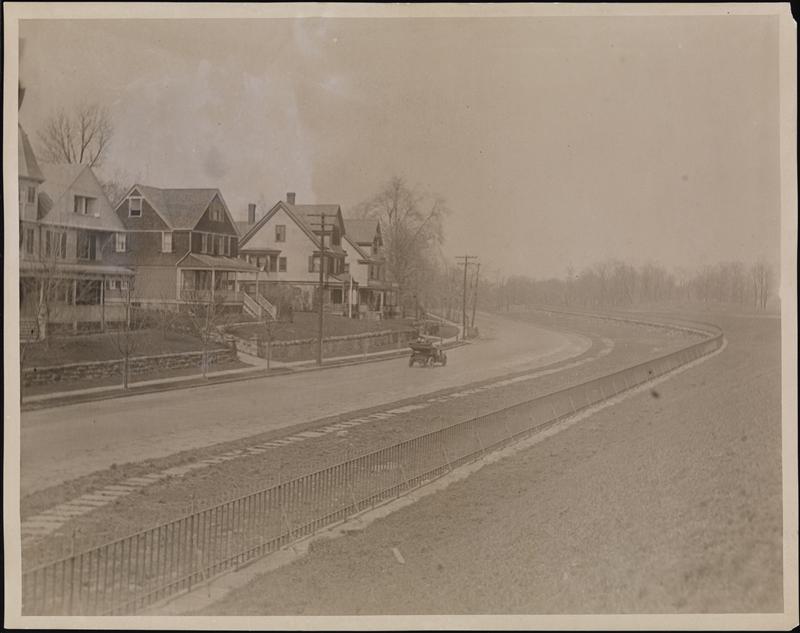
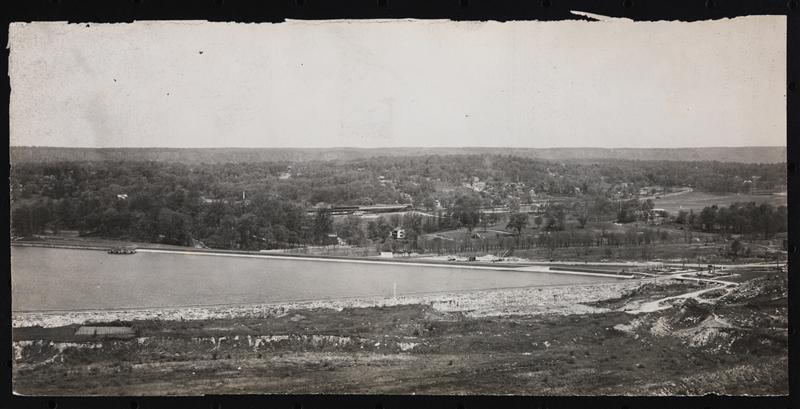
Jerome Park Reservoir, opposite a set of homes, pictured here in 1920 and (below) 1936.

MCNY
MCNY
mny221499
MCNY

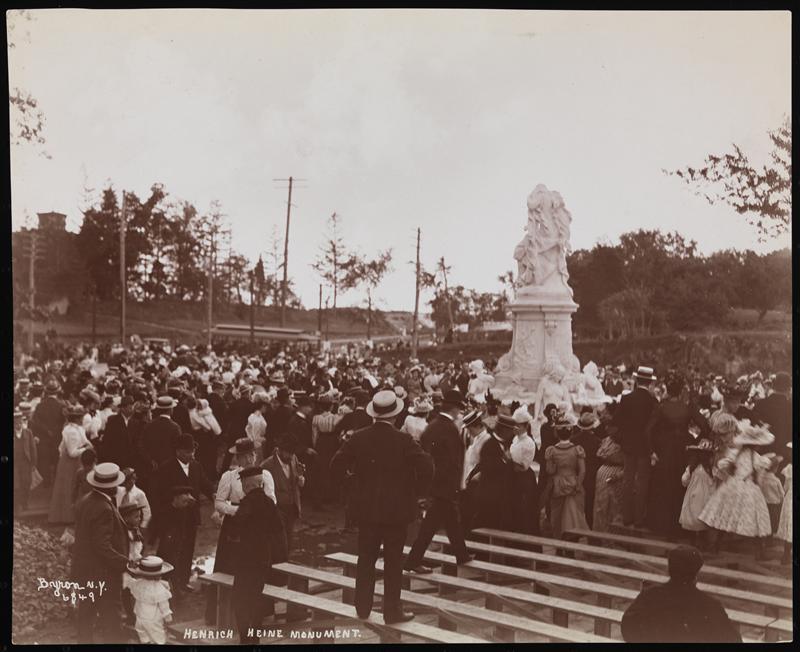
The unveiling of the Heinrich Heine monument in today’s Joyce Kilmer Park on the Grand Concourse.

MCNY
MCNY

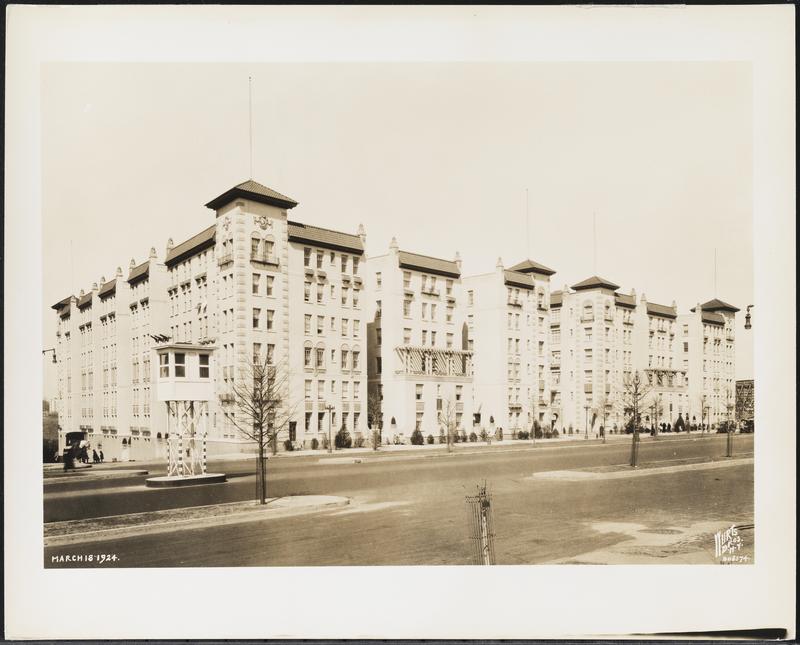
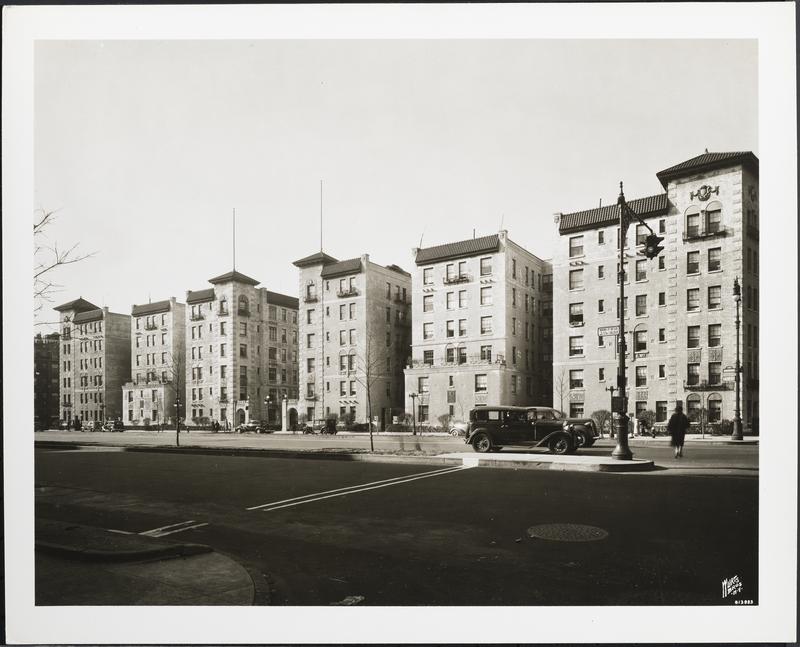
Lavish apartments like the Roosevelt  (pictured here in 1924 and in 1937) were able to attract New Yorkers escaping the overcrowded Lower East Side.

MCNY
MCNY
MCNY
MCNY

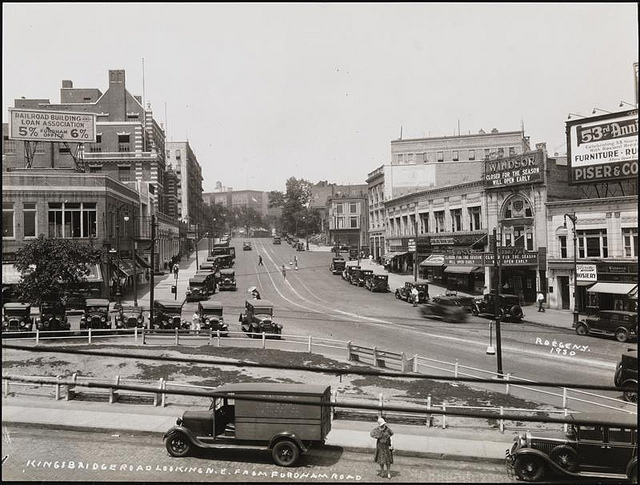
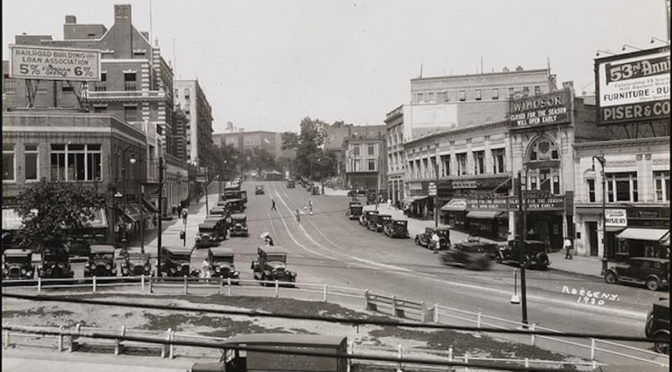
Fordham Road in 1930 with the Grand Concourse East Kingsbridge Road steaming by.

Photo by William Roege (1930)

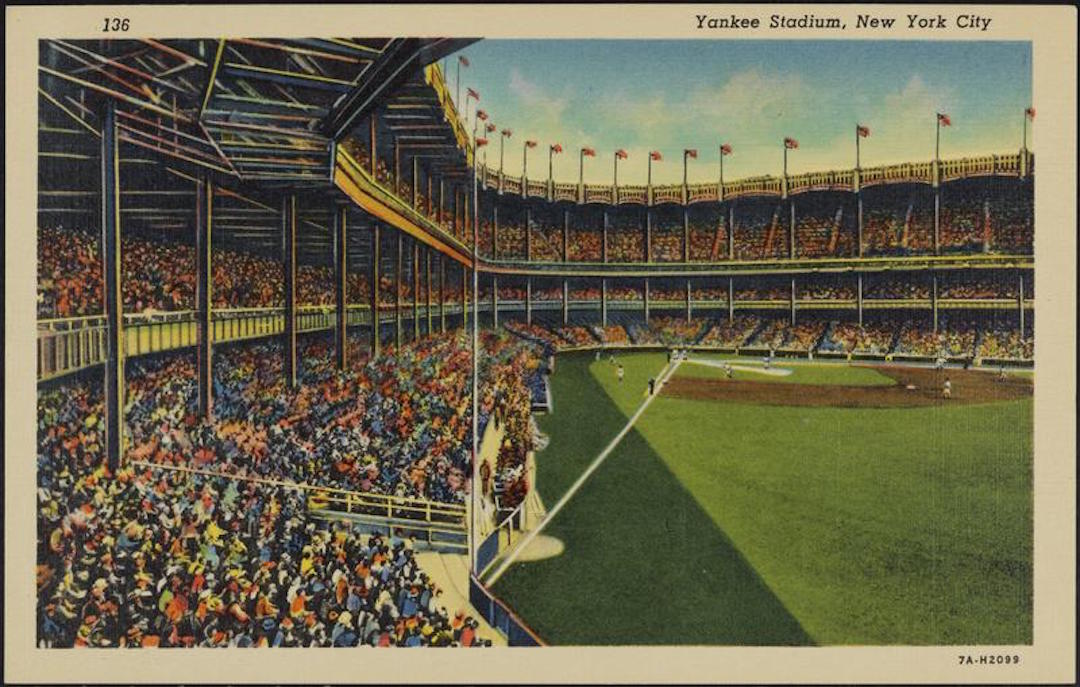
A Yankee Stadium postcard circa 1945

mny285122
Courtesy MCNY

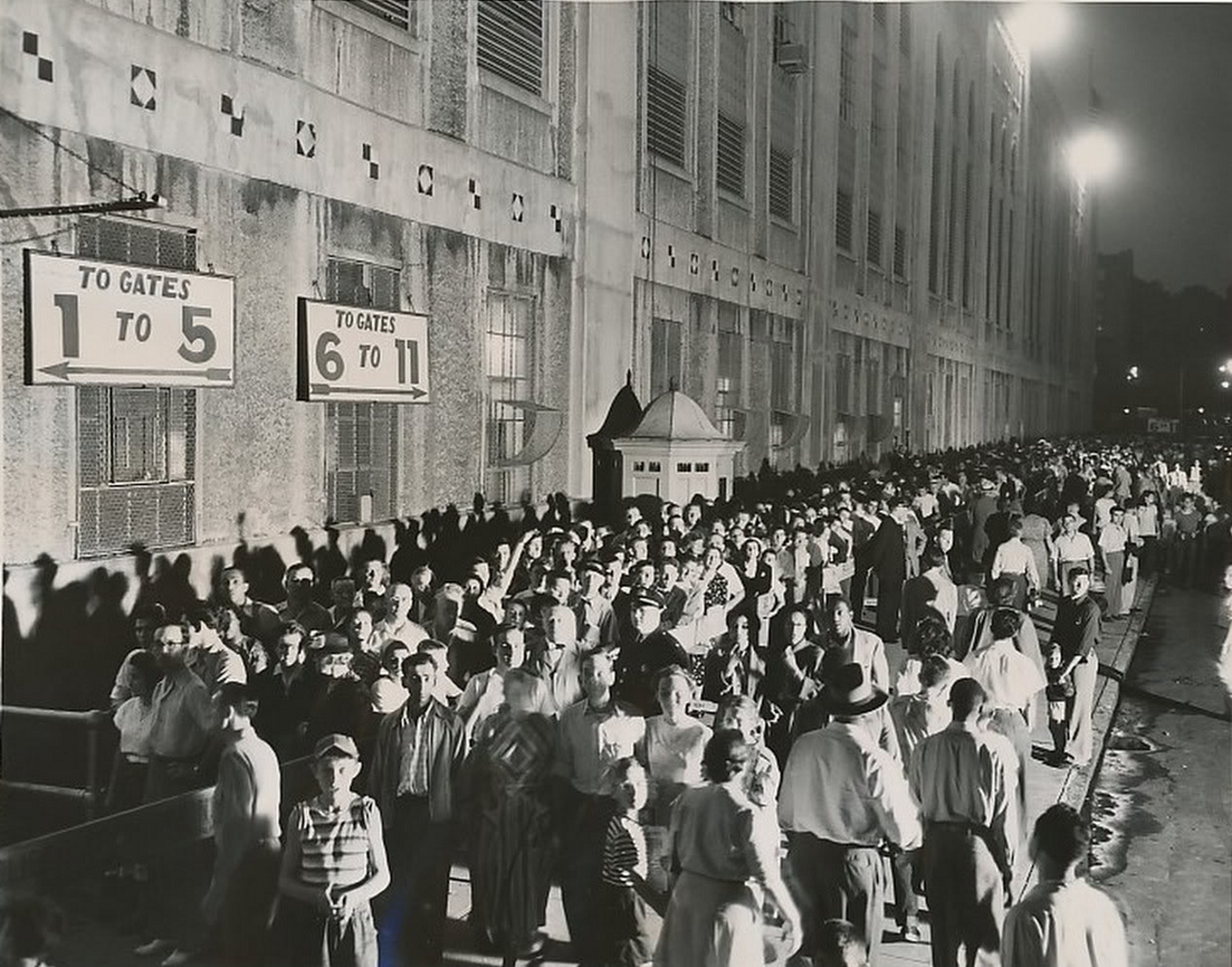
Ruth was so integrally a part of the Bronx and Yankee Stadium that when he died in 1948, his casket was taken to the stadium where tens of thousands of people came to pay their respects.

babe-ruth-funeral-fans-line-up-8-17-1948

A few selections from our Instagram account of things we discussed on this week’s show:


A photo posted by Gregory Young (@boweryboysnyc) on


A photo posted by Gregory Young (@boweryboysnyc) on

From the Grand Concourse:


A photo posted by Gregory Young (@boweryboysnyc) on


A photo posted by Gregory Young (@boweryboysnyc) on


A photo posted by Gregory Young (@boweryboysnyc) on

Here’s Tom and our special guest this week — the great Lloyd Ultan