Categories
Sports

Boston vs. New York: You think this is just about sports?

Here’s a fun article I wrote back in 2012 that may find new meaning for many of baseball fans this week. Again, happy to take any corrections on any particular sports statistics! – Greg


When again we see New York Knicks face off against the Boston Celtics this weekend, the beast of an old rivalry will continue to roar, the latest configuration of a fierce competition between two of America’s greatest cities.

While the rivalry between Boston and New York primarily manifests within the world of sports — the venue of modern warfare —  it echos a spirit of competition that has existed between the coastal cities for over two centuries. But how did it begin?

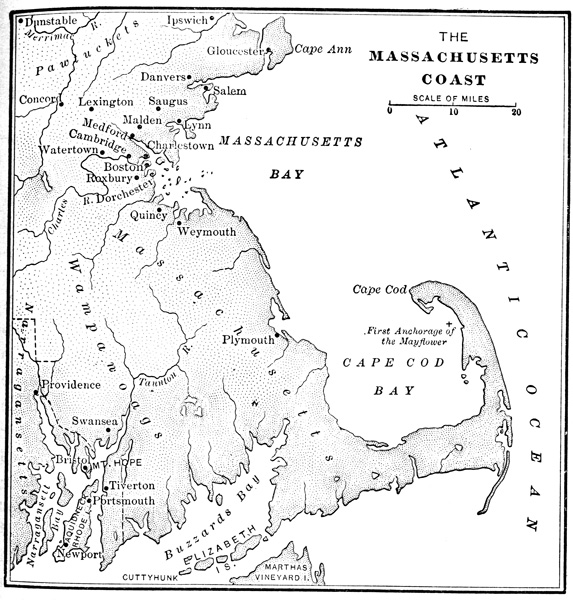
The cultures of the cities which would become Boston and New York were drastically different from the very start. Boston, after all, was founded in 1630 by Puritans of the Massachusetts Bay Colony, a society based on specific religious values, with little tolerance for variation. New Amsterdam, New York’s pre-cursor, developed as a company town in the 1620s and was quite renown for being notoriously value-less, relatively speaking.

The Puritans, with a moral superiority that paralleled national antagonisms, believed a distasteful mix of cultures, an abhorrent godless mixture festered there in New Amsterdam. As a secular development, New Amsterdam fostered a policy of religious freedom far more in keeping with modern American ethics than the stringent, finger-pointing Puritans. Many so-called heretics fled the Puritans and were granted haven by the Dutch.

The Puritans were fortified by their connection to England, while New Amsterdam was a rowdy outpost of a faltering world power. By 1644, Massachusetts had created a powerful alliance with other colonies, allowing England a stronghold in the New World.

New Amsterdam, meanwhile, deteriorated as the Dutch focused on warfare with the Lenape and encroaching colonies such as Swedish. Peter Stuyvesant arrived in 1647 to shape up the Dutch town, but by then motions were already in place to drive them out entirely.

By 1664, the Dutch were thrown out of New Amsterdam and the defeated city was renamed New York, part of a larger British colony named for the Duke of York.  Boston, for its part, became the premier British bastion, capital of the Dominion of New England, and a place many believed chosen by God (the storied ‘City Upon a Hill’) as a shining beacon of humanity. Boston was right to have an attitude.

Even as New York and Boston became competing ports in the British era, the Massachusetts city always had the edge.

America has benefited from Boston pride. The opening salvos of American independence were born from clashes between Boston citizens and British soldiers, rebellion in the form of bloody clashes (the Boston Massacre) and economic unrest (the Boston Tea Party).

As colonists rose up against British oppression during the Revolutionary War, they could look to the Boston battle at Bunker Hill as an example of victory and perseverance.

Bostonians celebrated Evacuation Day on March 17 because the British were booted from there in 1776 and never returned. New Yorkers celebrated the same holiday on November 25 because the British kept that city for most of the war and weren’t expelled from it until 1783.

Both cities struggled for economic footing after the war. Both had sophisticated ports and bustling harbors ready to send and receive shipping vessels, manufacturing plants rivaling anything overseas, and a growing class of wealthy old-family elites. In Boston, they were the Brahmins and went to Harvard. In New York, they were Knickerbockers and turned to Yale or Princeton. (Columbia was not quite in their league yet.)

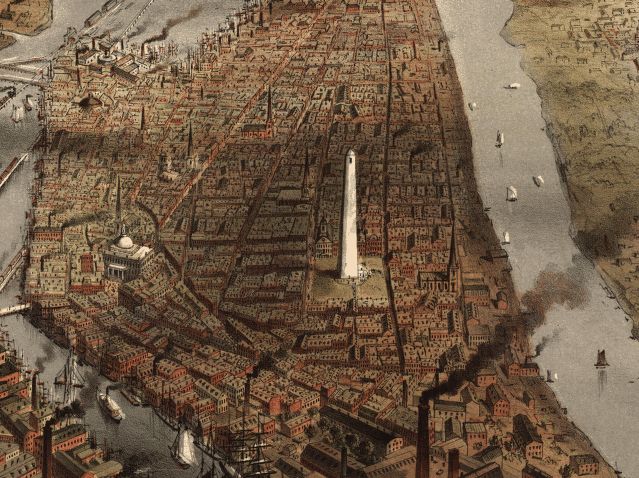
Below: Boston in 1873

But only one city had access to a river inland, a point made explicit with the opening of the Erie Canal in 1825. Suddenly, New York became a gateway into the expanding American west. Not only would New York traders and merchants grow rich and form a nouveau upper-crust (thriving in the wake of men like John Jacob Astor), the canal would siphon away much of Boston’s livelihood, one ship at a time.

Bostonians were not pleased. The founder of Boston’s first daily newspaper saw a diversion of goods to New York as ‘evil‘ and recommended the city jump on a newfangled transportation idea just debuting in England — the steam-powered railroad. Within a few years, train tracks stretched down the old Boston Post Road (almost, but not quite, to New York) in an effort to connect Boston to the waters of the Hudson River.

Or as author Eric Jaffe observes: “…the goal of everyone involved in Boston’s railroad system at the time was clear: to move Manhattan toward the [Massachusetts] Bay along the highways of the future.”

The two cities remained locked in quiet, but stiff, competition throughout the 19th century, not only in industry and trade, but in intelligentsia, literature, politics and social ‘quality’.

The dynamics of both cities changed with the immigration boom that began in the late 1840s. Soon, one fifth of the populations of both cities would be Irish.

The culture of Boston was greatly affected, perhaps more that any American city, by these new Irish arrivals, but it was New York that felt the most weight. By 1860, with New York as the biggest city in America, even the city of Brooklyn had a greater population than Boston.

Bostonians had their legendary, steely pride for their city — in many ways, America’s first, greatest city — but New York was a powerful, untouchable metropolis by the time of the Gilded Age. Despite its grime and squalor, despite its sinful and corrupt reputation (or perhaps because of it), New York had bested Boston to become the biggest, richest, most powerful city in America by the time of the Civil War.

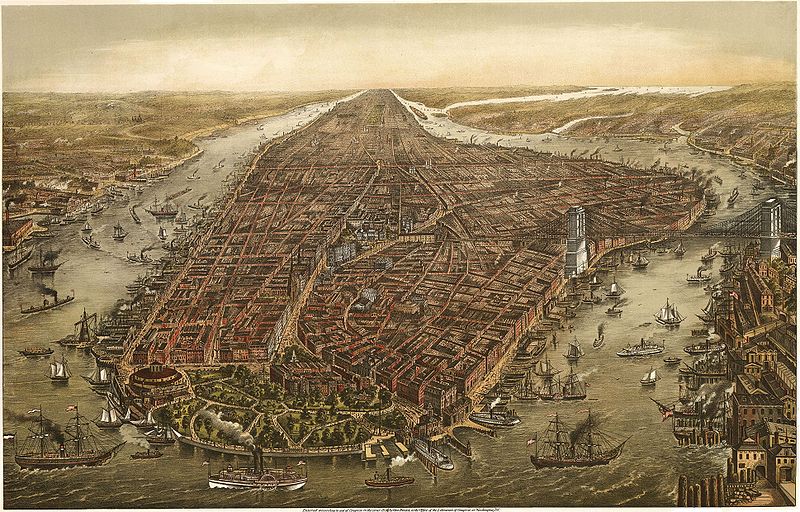
Below: New York City in 1873 (from George Schlegel lithograph)

And so it was that, in the late 19th century, an apparatus arose for which the undercurrent of rivalry between the cities could take a more explicit, more robust form — sports.

Universities already organized sports teams — with accompanying rivalries of their own — and now, in the post-war era, professional teams began sprouting up in a wide variety of games.

The first sports leagues formed in the Northeast, thus it was natural that teams from Northern and Rust Belt cities would often clash.

The first organized baseball league principally concerned New York and Brooklyn teams. (Don’t even get me started on the New York/Brooklyn rivalry!) Teams wouldn’t truly take on defined regional characters until the formation of the National League in 1876, which included the Boston Red Stockings, a precursor of the Sox, among its original teams.

The two baseball franchises that would cement the Boston-New York conflict were born in the 20th century. The Boston team came first, in 1901, with the inauguration of the American League, but were not referred to by their distinctive bold-colored foot coverings until 1908.

In 1904, the Boston team was declared champion of the American League. However, National League teams looked down upon the ‘inferiority’ of the younger American League teams, and thus, what might have been the first World Series — between the Boston Red Sox and National League victors the New York Giants — never occurred.

The Giants were considered New York’s principal baseball franchise and even spawned a successful soccer team. (They frequently played a soccer spinoff of the Boston Beaneaters.)

By this time, another New York team limped into the city in 1903 — the Highlanders, who later changed their name to the New York Yankees.

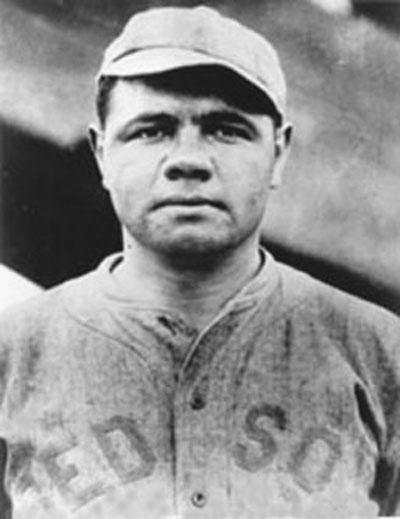
In 1918 came an event that changed the fortunes of the Boston Red Sox and the New York Yankees forever. Red Sox star Babe Ruth was traded to the New York Yankees during the off-season 1919-1920, allegedly because Sox owner Harry Frazee was looking to finance his Broadway musical offering No No Nanette. (That’s the popular legend, although many believe the trade was to finance another, equally  ridiculous production called My Lady Friends.)

Whatever the origin of the ‘Curse of the Bambino’, it had a psychological effect on fans and players on both sides. Boston, once the league’s most successful squad, didn’t win another World Series until 2004, while the Yankees, well, changed sports history with 27 World Series victories.

The deep animosity spilled over into other sport match-ups. In basketball, the New York Knicks pale under the legacy of the Boston Celtics, simply put the best basketball team in history.

In hockey, the Boston Bruins and New York Rangers became the first two American teams to play each other for the Stanley Cup in 1929. The Bruins cleaned the ice with the Rangers.

But it’s in football that the two cities have had some truly dramatic clashes. The New York Giants football team, hardly a threat when they first formed in the late 1920s, were a force to be reckoned with by the time they first met the Boston Patriots in 1960.

Notably, when the Boston team changed its name to the New England Patriots and moved to Schaefer Stadium in Foxborough in 1971, the first game they played was against the Giants.

The Giants and the Patriots have met in the Super Bowl just once before — and notably so — in 2008. New York was the victor, in one of the greatest upsets in sports history. This Sunday, Boston seeks revenge. As you sit through a halftime show with Madonna (a New Yorker in her formative years), ponder upon the weight of history hanging over both teams.


To sports fans: I welcome any clarification of details if I’ve gotten something wrong!

Categories
Amusements and Thrills Sports Those Were The Days

The New York Game: Baseball in the Early Years

Baseball, as American as apple pie, really is “the New York game.” While its precursors come from many places – from Jamestown to Prague – the rules of American baseball and the modern ways of enjoying it were born from the urban experience and, in particular, the 19th-century New York region.

The sport (in the form that we know it today) developed in the early 1800s, played in Manhattan’s many open lots or New Jersey public parklands and soon organized into regular teams and eventually leagues. The way that New Yorkers played baseball was soon the way most Americans played by the late 19th century.

But it wasn’t until the invention of regular ball fields – catering to paying customers – that baseball became truly an urban recreational experience. And that too was revolutionized in New York.

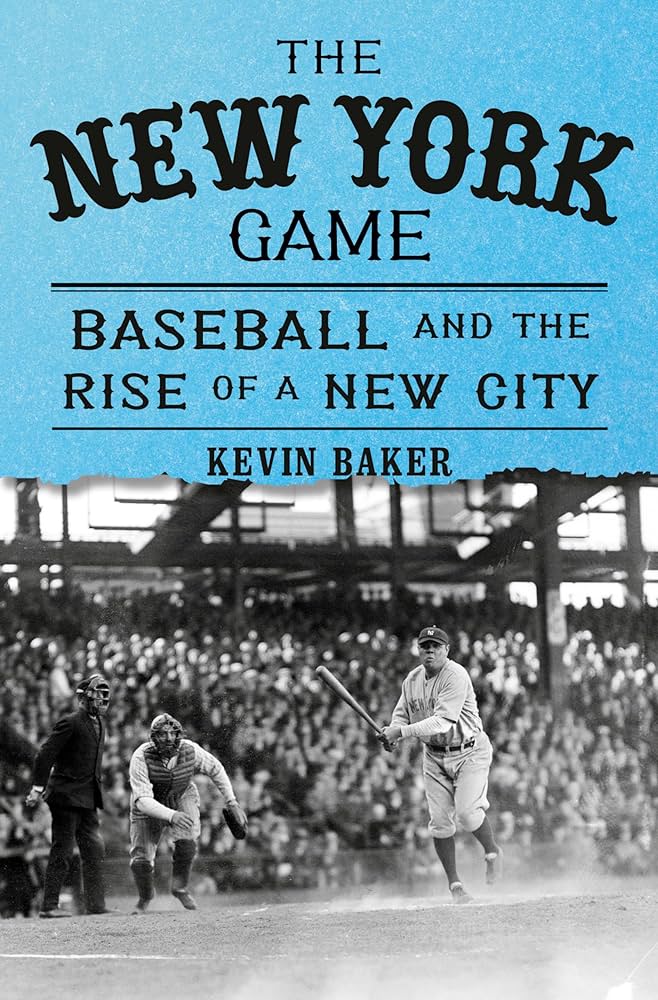
Just in time for spring and the new Major League baseball season, Tom and Greg are joined by the acclaimed Kevin Baker, author of The New York Game: Baseball and the Rise of a New City to discuss the early history of the sport and its unique connections to New York City.

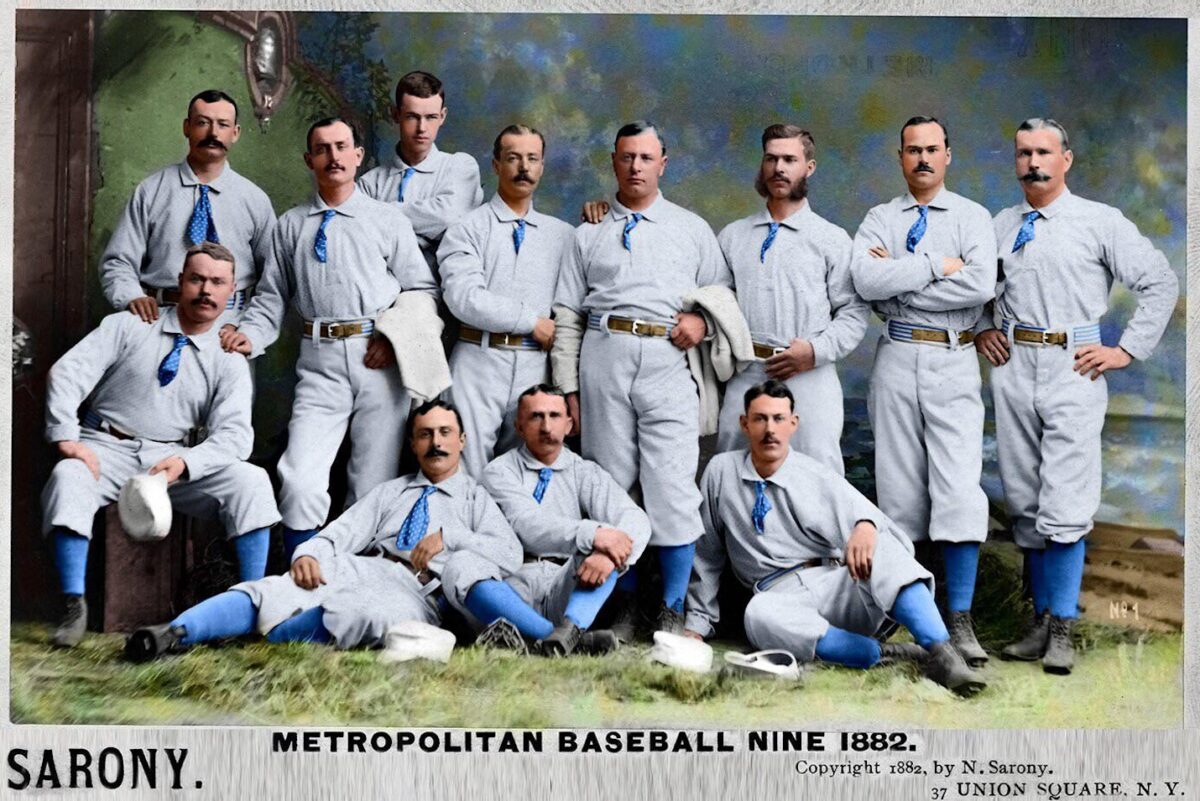
This show is truly the ultimate origin story of New York baseball, featuring tales of the city’s oldest and most legendary sports teams – the Yankees, the Dodgers, and the Giants. AND the New York Metropolitans – a different team than today’s Mets located in Queens.

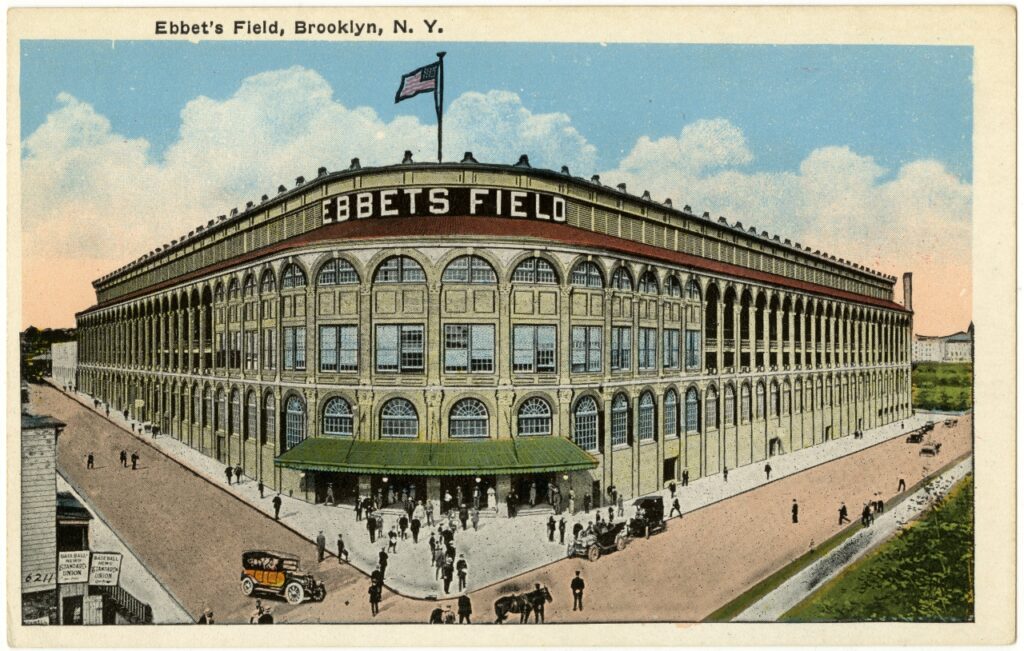
Where was baseball played? Kevin shares the secrets of New York baseball’s earliest venues – from the many Polo Grounds in upper Manhattan to Ebbets Field in Brooklyn

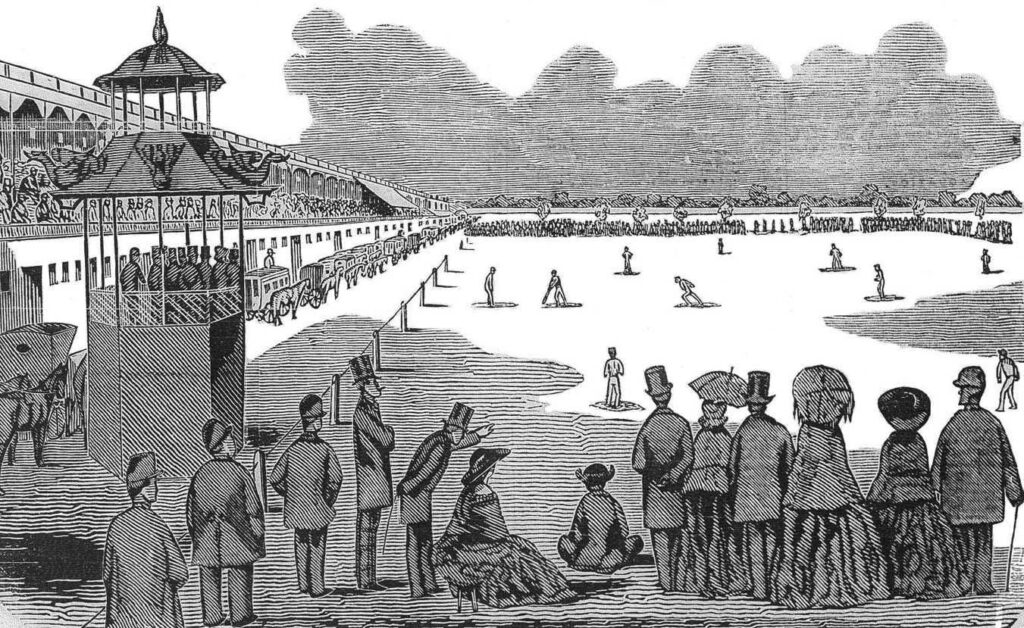
This is a true five-borough origin story! With stops at Hilltop Park (Manhattan), Yankee Stadium (Bronx), Fashion Race Course (Queens), Washington Park (Brooklyn), and St. George Cricket Grounds (Staten Island) among many other sites.
FEATURING the surprising link between baseball and Boss Tweed and his notorious political machine Tammany Hall

PLUS How did segregation distort the game and where did Black ballplayers play the sport? What was baseball like before Jackie Robinson?

LISTEN NOW: THE NEW YORK GAME


Fashion Race Course in Flushing, Queens, from The Clipper of July 24, 1858 (and via John Thorn/Our Game)
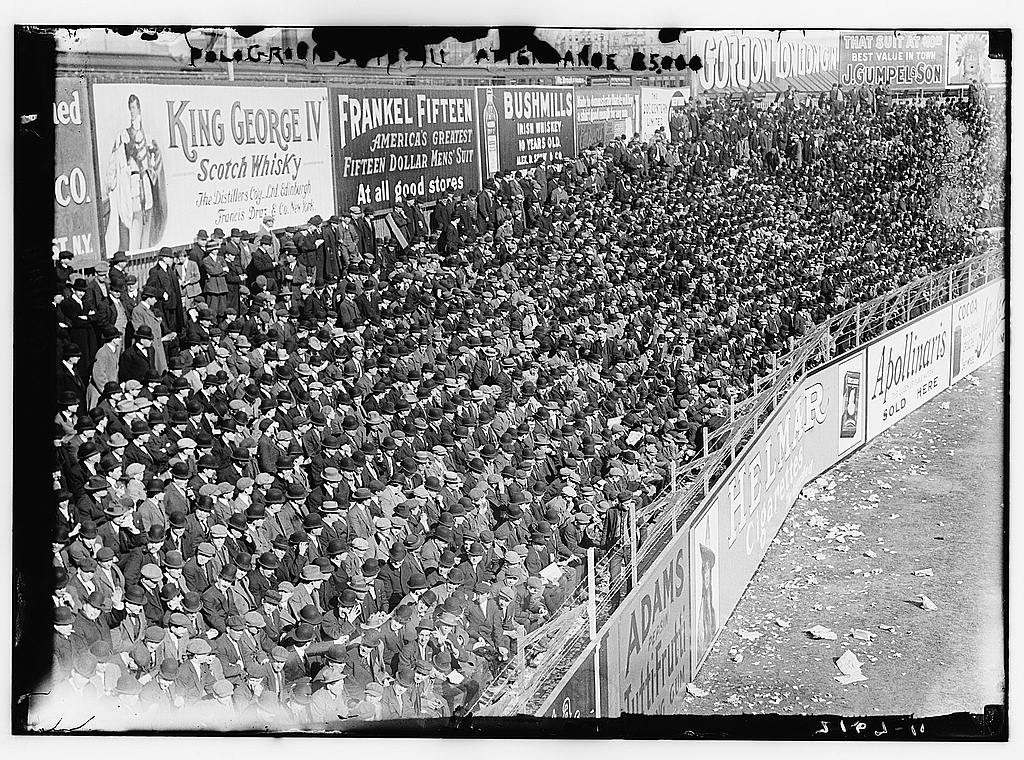
Many hatted men at the Polo Grounds, 1911 (Library of Congress)
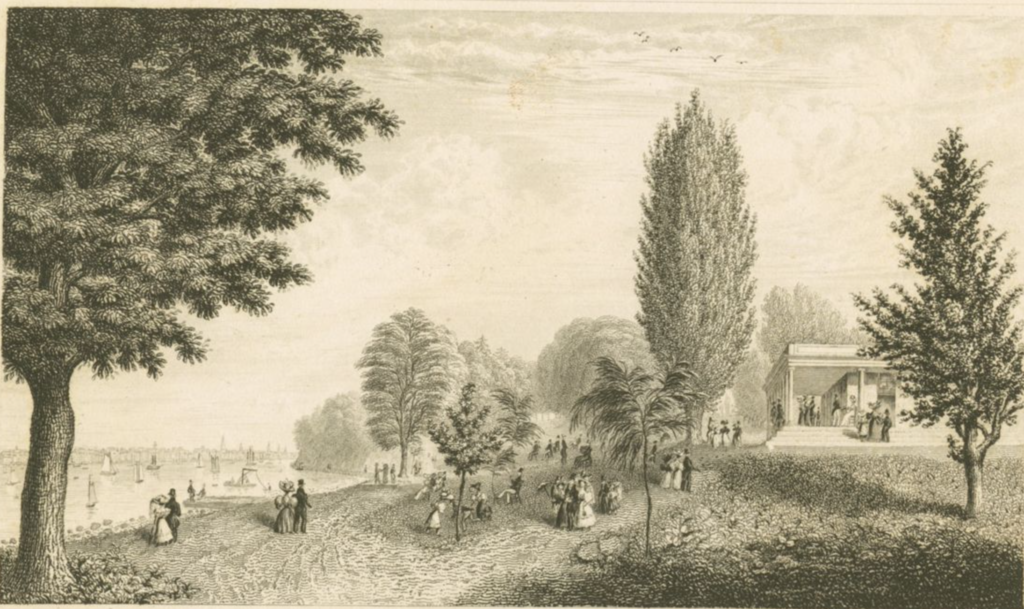
Elysian Fields in Hoboken, the site of America’s first baseball games (NYPL, image from Booth’s History of New York)
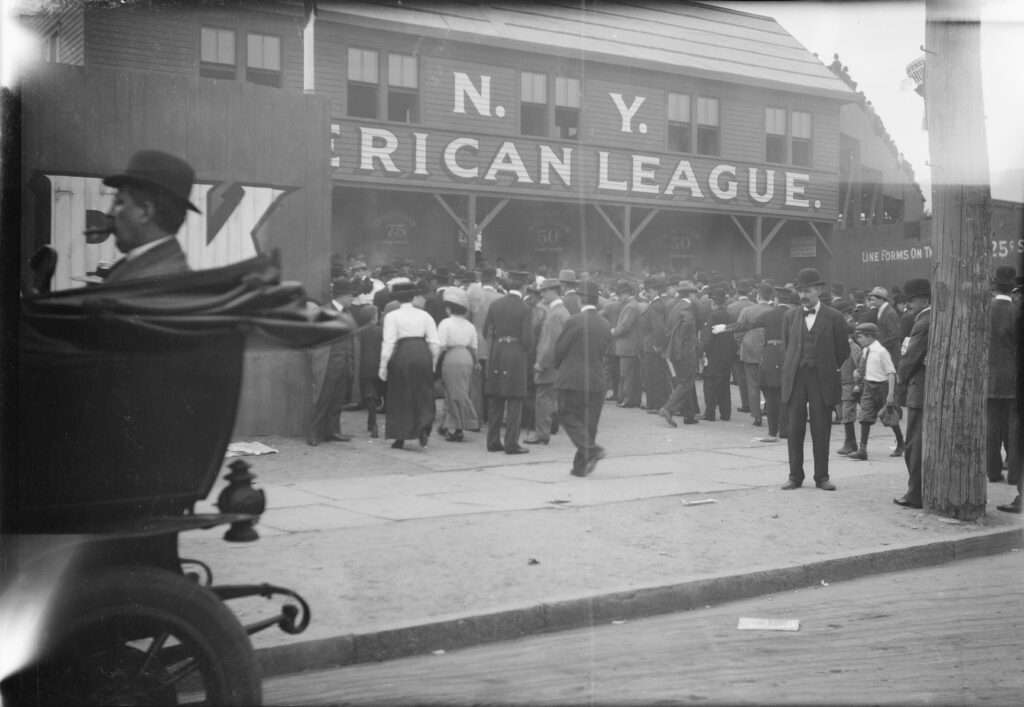
The entrance to Hilltop Park, 1912 (Library of Congress)
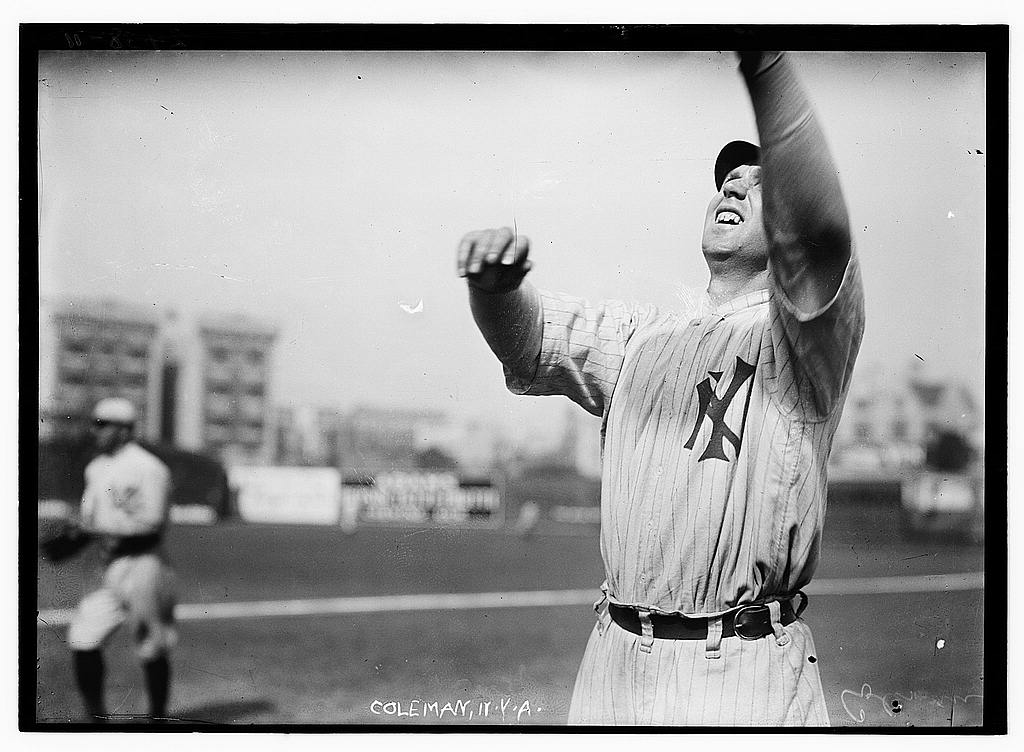
Curt Coleman at Hilltop Park, 1912
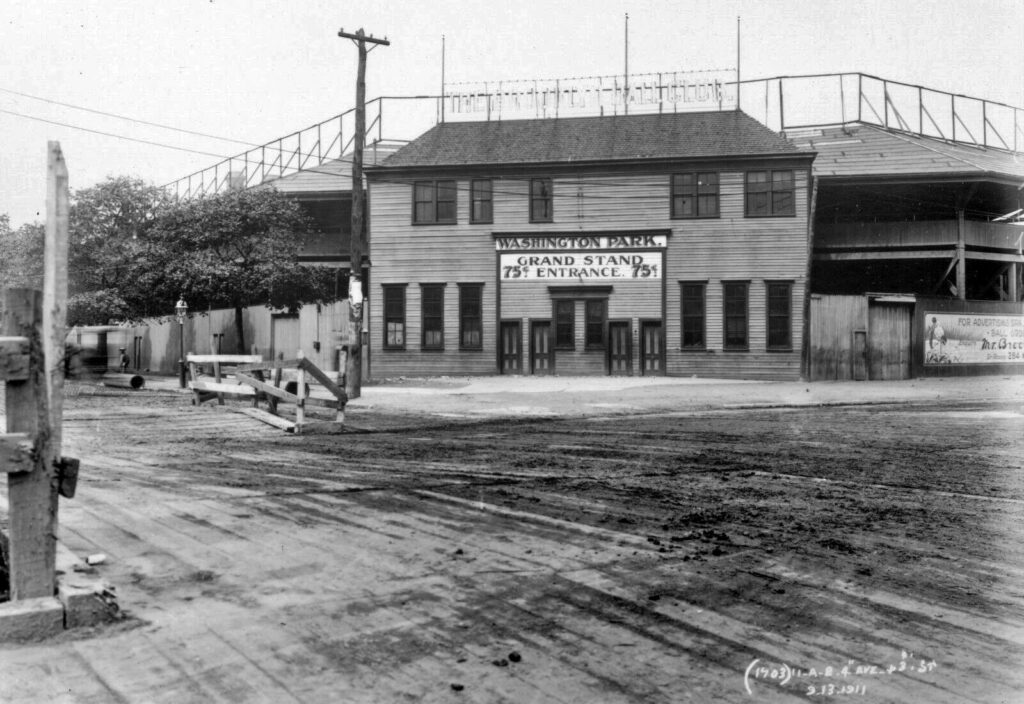
Washington Park taken September 13, 1911 from the intersection of 4th Avenue and 3rd Street in Park Slope, Brooklyn.
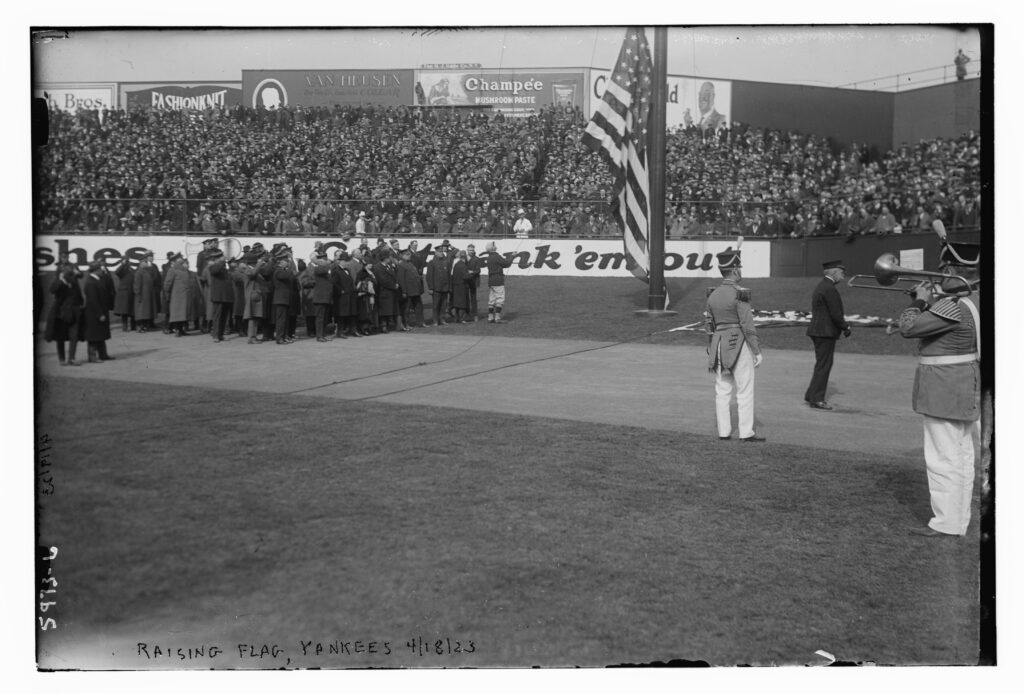
Opening Day at Yankee Stadium, 1923 (Library of Congress)
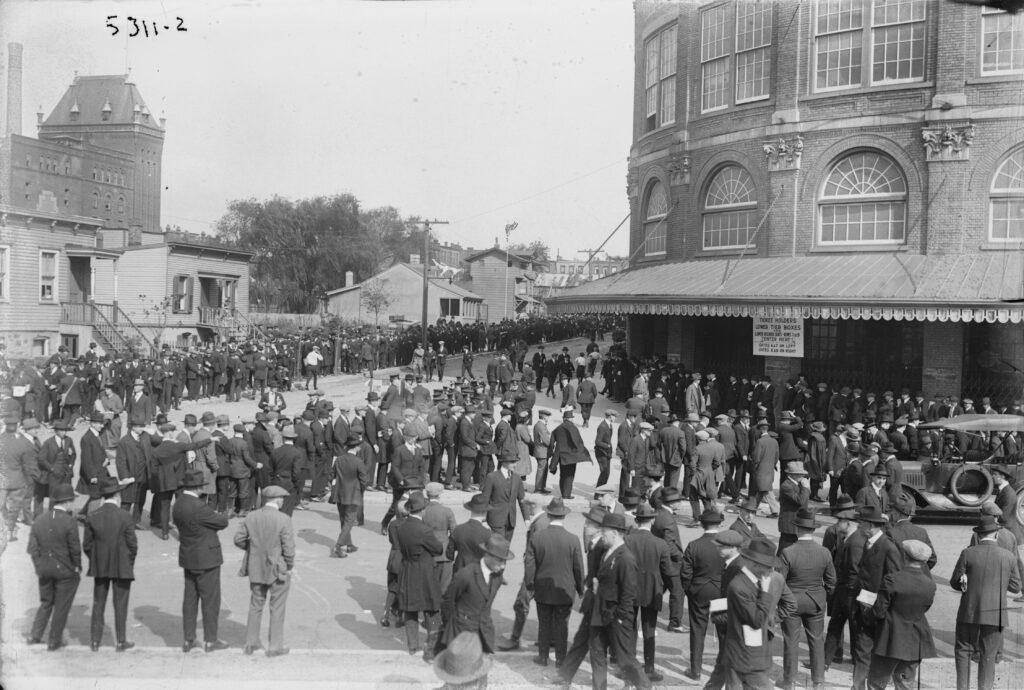
The crowd outside Ebbets Field for Game 1 of the 1920 World Series, the Brooklyn Dodgers against the Cleveland Indians.

FURTHER LISTENING

FURTHER READING

Brooklyn baseball: the Superbas and the worst batter ever

Brooklyn Dodgers vs. Cincinnati Reds at Ebbets Field — in the first Major League baseball game ever broadcast on television

Hilltop Park: home base for NYC’s premier baseball team

Meet the Mets! The Metropolitans, that is, an early NY baseball team

The short shelf life of the Tip-Tops, the Brooklyn baseball team situated near the Gowanus River and named for bread

Union Grounds: Baseball history in Williamsburg

The Wise Guy of Baseball: Getting To Know Leo ‘The Lip’ Durocher

100 years ago today, the Yankees played their first game at Yankee Stadium

Categories
Sports

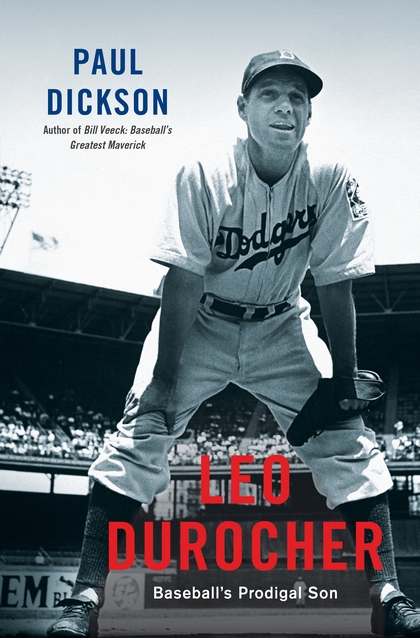
The Wise Guy of Baseball: Getting To Know Leo ‘The Lip’ Durocher

BOOK REVIEW The history of sports is often written around its most revered role models, as though the noble character of the greatest players comes from the purest devotion to their game.

Leo Durocher, a sterling shortstop and manager for some of the greatest teams in baseball history, was no role model. In most ways, he was the very opposite, a combative player with a rock-star personality.  He’s famously attributed as saying “Nice guys finish last,” not because he actually said it, but because it seemed to be his life’s slogan.

In Paul Dickson‘s fast-paced and often amusing biography, Durocher’s extraordinary accomplishments on the field battle for prominence with the player’s indulgent and never-ending quest for the good life. Along the way, he became an iconic New York sports hero. As a player for the New York Yankees (1925, 1928-29), the Brooklyn Dodgers (1938-48) AND the New York Giants (1948-1955), his story plays out in New York’s greatest ballparks, as well as its most glamorous nightclubs and hotels.

Leo Durocher: Baseball’s Prodigal Son
by Paul Dickson
Bloomsbury Publishing

Durocher, born in Massachusetts to French Canadian parents, has had many nicknames through his career — Frenchy, “the All-American Out,” and a great number of four-letter ones. But “Leo the Lip” seemed to fit him best. His quarrels with other players, umpires and sportswriters are the stuff of legends.

Babe Ruth famously couldn’t stand him. At one point, he accused Durocher of stealing his watch, an alleged theft that would follow the players from the Yankees to the Dodgers. Writes Dickson: “As Leo said, in a half-angry, half-mocking tone, ‘Jesus Christ, if I was going to steal anything from him I’d steal his god-damned Packard.”

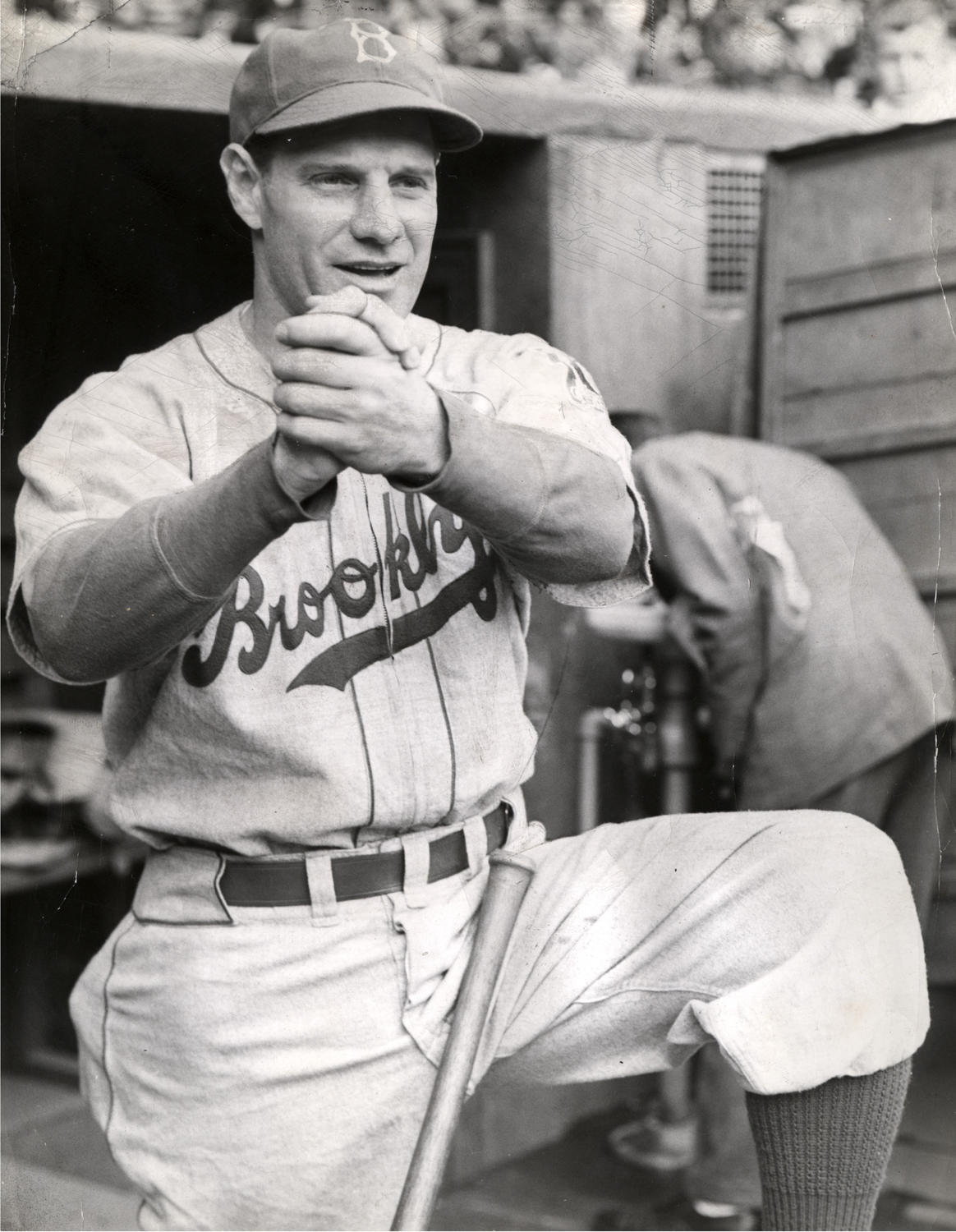
Brooklyn Dodgers Leo Durocher on dugout steps in 1939

His expletive-filled spats with teammates and managers tarred him early in his career; at one point, at age 24, Durocher was considered ‘washed out’, a toxic presence distracted by decadence and fame. As Dickson writes, “One rumored reason that all the teams in the American League passed on Durocher was that Babe Ruth let it be known he wanted Durocher out of the league.”

In New York, Durocher hops from the Cotton Club to the Stork Club in fancy suits, racking up debts at trendy hotels and acquiring a coterie of suspicious characters. His gambling addiction is now legendary; although many baseball players squandered their salaries this way, Durocher seemed to treat gambling as a second sport.

This led him into the circles of both mobsters and movie stars. And there, in the middle, was Durocher’s close friend George Raft, the Hollywood actor who frequently played gangsters on film. Durocher emulated Raft — often dressing and parting his hair in similar ways – and the actor, in turn, introduced the baseball player to the thrills of the entertainment world.

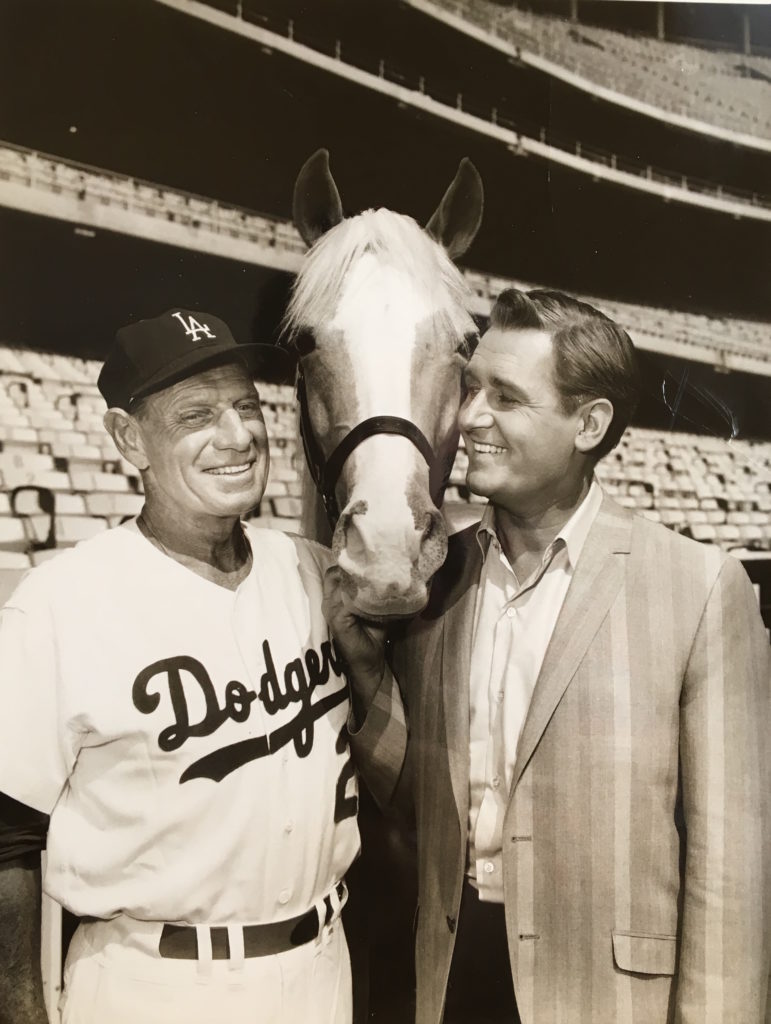
Below: Durocher with the stars of the TV show Mr. Ed

Courtesy Baseball Reliquary

Even during his greatest moments as a manager of the Dodgers, many believed Durocher might quit and become a radio comedian and actor. During World War II he even toured with the USO.

Yet he would always return to the game. With the Dodgers, he transitioned from player to manager, overseeing the team during some of its greatest moments. That included the years with Jackie Robinson, the first African-American player. (Of course, Robinson and Durocher would later public feud, almost a rite of passage for great baseball stars at this point.)

Dickson, a long-time chronicler of baseball history, finds a readable balance between Durocher’s on-field achievements and late-night scandals, revealing a charming and exceptionally scrappy, if not exactly likable, sportsman.

He’s harsh and mouthy to the end. But his talent was undeniable; the writer Bob Broeg, at Durocher’s death in 1991, said that “losing Leo Durocher was like losing either an old friend or an old enemy — you could take your pick.” Over the years, the writer had gotten into several fist-fights with Durocher.

Categories
Sports

And now, the New York Female Giants: (Briefly) A League Of Their Own

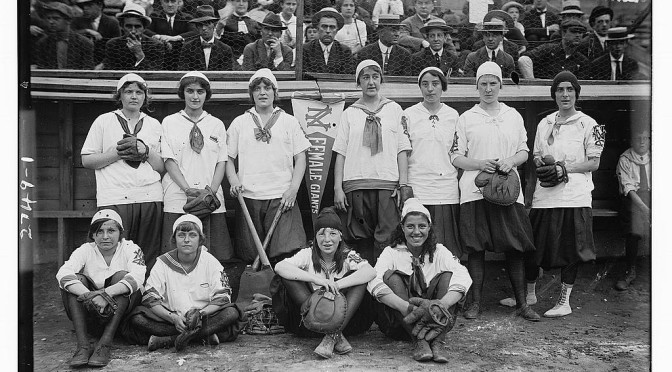
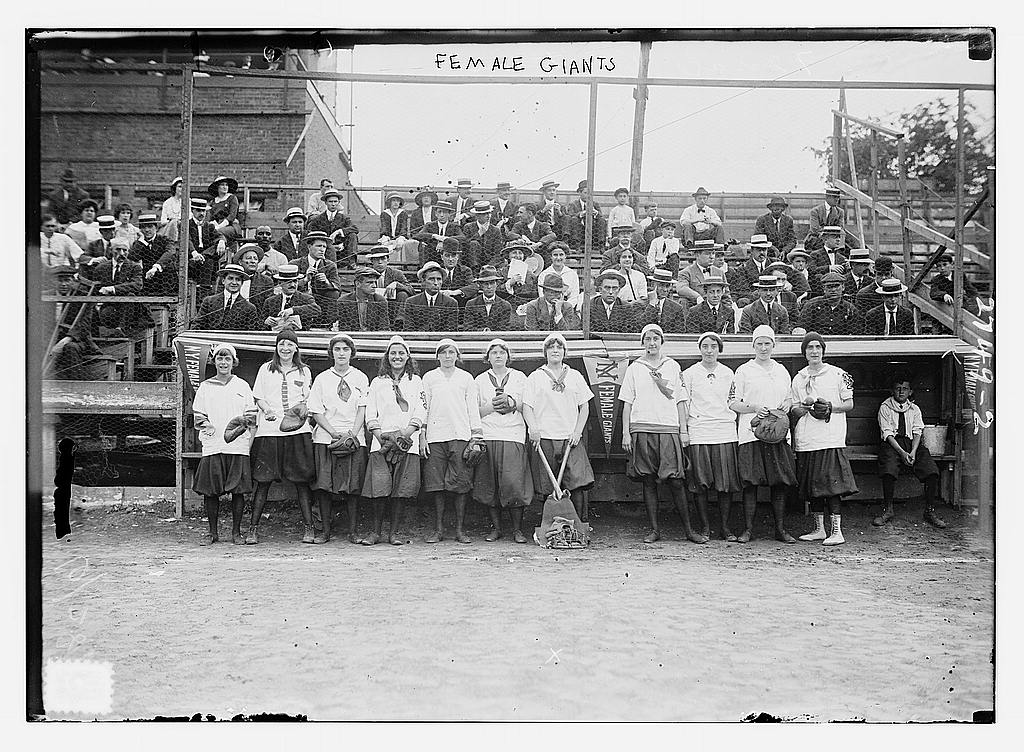
For a very brief period — likely just a single year — there was a female counterpart to the New York (Male) Giants.

The New York Female Giants seem to have an unofficial affiliation with the better known Giants, the city’s most popular baseball team.  Author Michael Carlebach speculates the team was probably formed by Giants manager John McGraw.

2

Early women’s teams — called ‘Bloomer Girls’ — often had a few men playing alongside them.  Occasionally those men even disguised themselves as women as in a revealing case in the summer of 1913 in Washington DC: “Four thousand angry fans surged on the diamond in the old Union League baseball park this afternoon when they learned that the “Bloomer Girls,” who were playing against a team of young men, were not girls. The deception was suspected when the “girl” playing in centre field threw the ball from deep centre to the home plate.” [source]

(The All-American Girls Professional Baseball League, featured in the movie A League Of Their Own, would not be formed until the 1940s.)

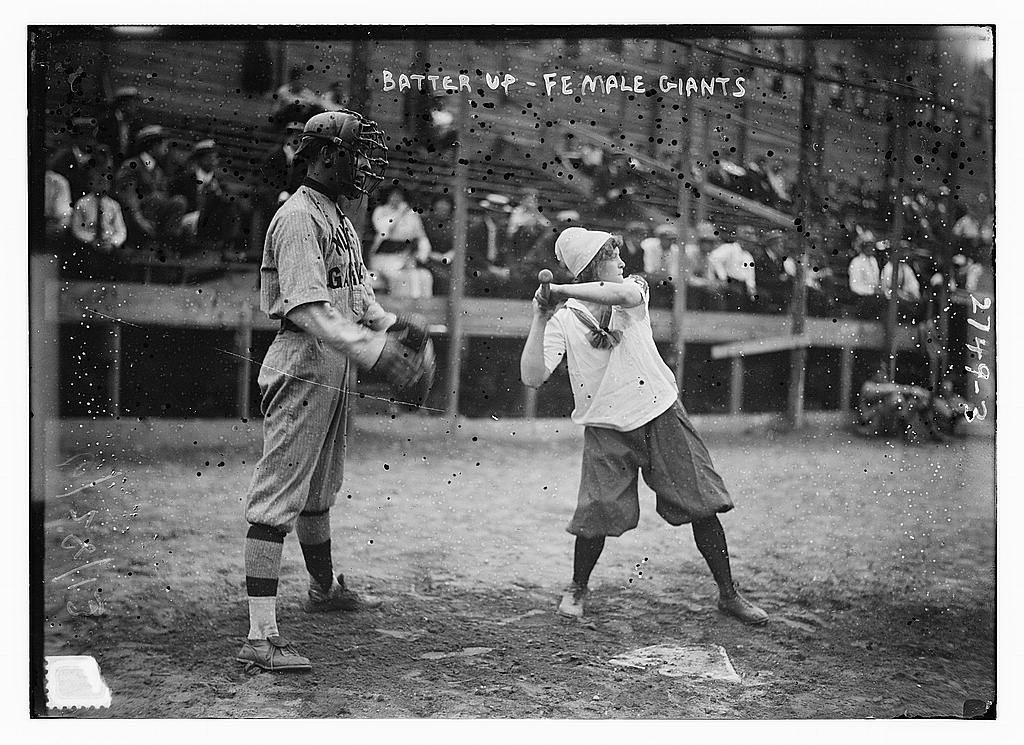
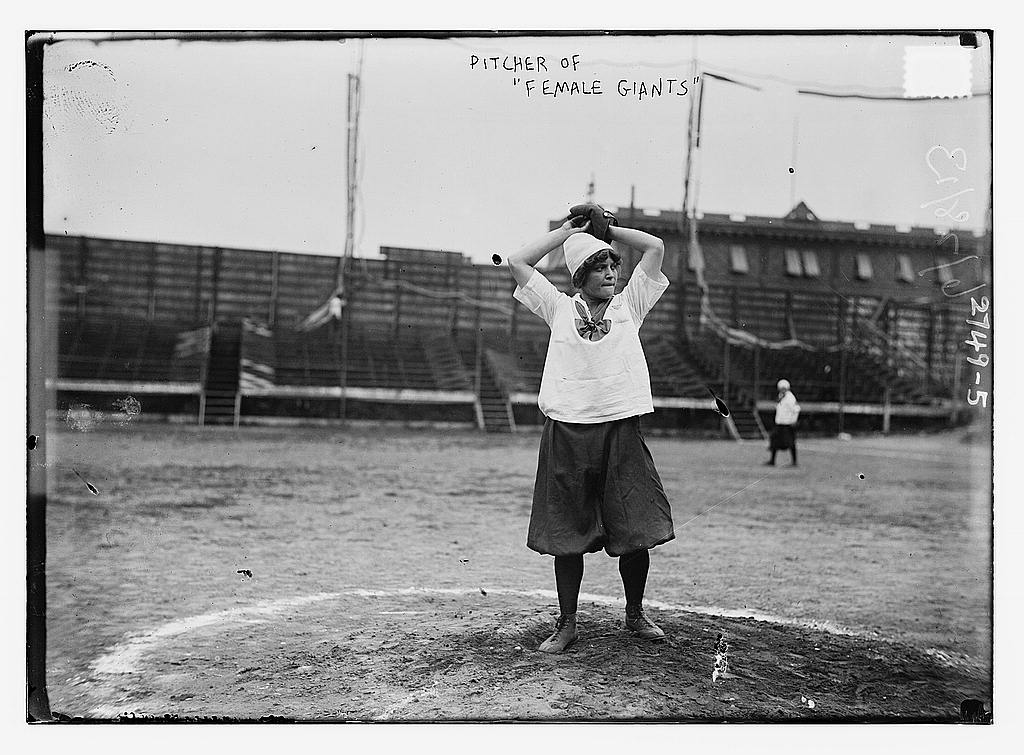
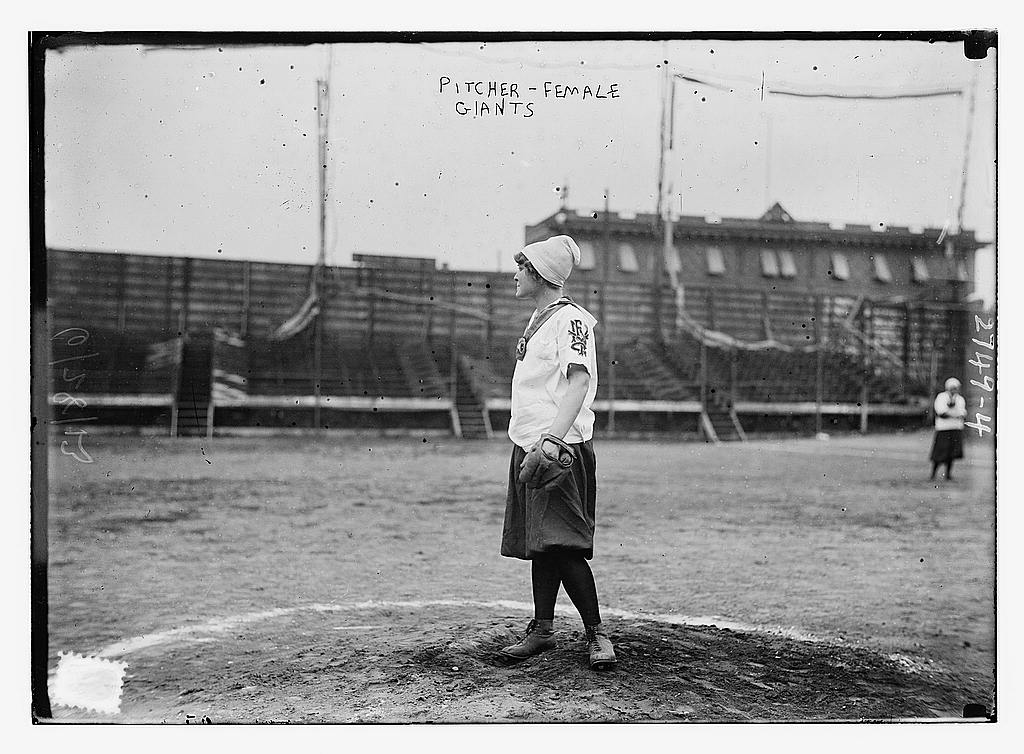
The Female Giants don’t appear to be all women players either although there are no disguises at least. The men featured in these pictures played with the New York Giants.

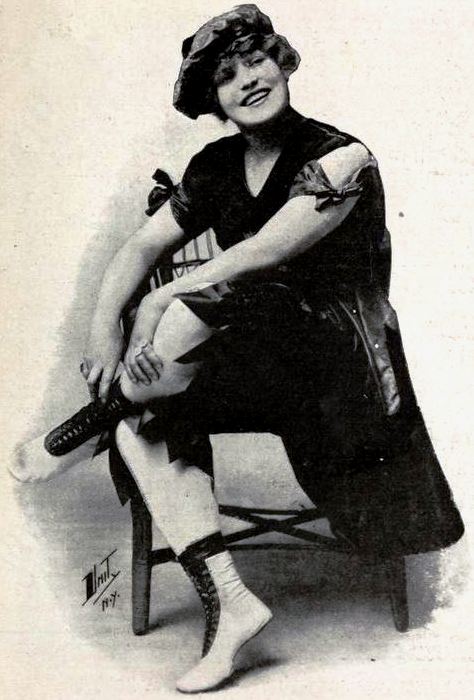
The female players were mostly girls from local high schools and women athletes from other fields of sports.  Following her stint with the Female Giants, their captain Ida Schnall would head to Hollywood and become a silent film actress. She would later become an accomplished swimmer and an advocate for women’s sports, petitioning the National Olympics Committee to expand their offerings for women. Below: Ida in a glamorous pose

ida


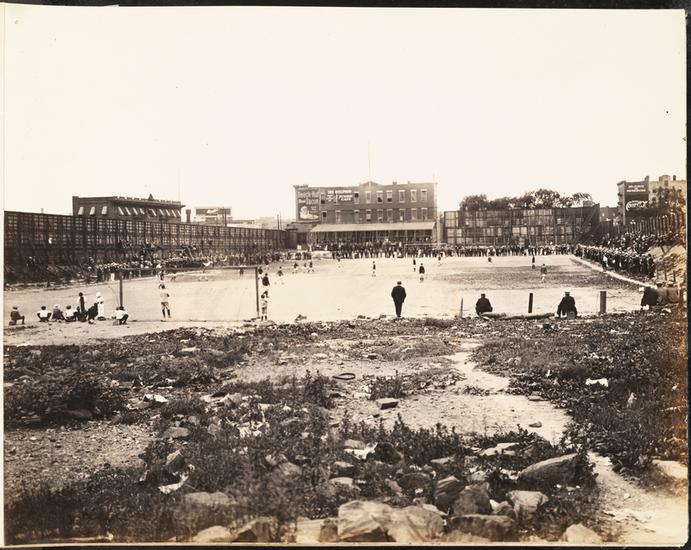
They broke up into two teams — the ‘Red Stockings’ and the ‘Blue Stockings’– and played a notable exhibition game for almost 1,500 people on Sunday, May 25, 1913 at the Lenox Oval, a sports field at Lenox Avenue and 145th Street.

Below: A 1919 soccer game being played at the Lenox Oval

Courtesy Museum of the City of New York

It seems their typical game schedule went unnoticed by the press which is probably a good thing. That May 25th game was written about by the New York Tribune in the following fashion : “The batter hitched up her skirt.  The pitcher nervously adjusted a side comb. Girls will be boys, and the Reds and the Blues of the New York Female Giants were playing an exhibition game at Lenox Oval, 145th Street and Lenox Avenue.” [source]

Below: A catcher from the New York Giants, playing alongside a diminutive young player

3

We know about this particular game because it got shut down by the cops.  In the ninth inning, a detective stepped out onto the field and handed the third baseman — a 17 year old teenager named Helen Zenker – a subpoena to appear in Harlem court.

Due to New York ‘blue laws’, teams were not supposed to legally sell tickets to a baseball game on Sundays. While the women were indeed playing a practice game, Helen had been caught selling programs. She claimed that no such sales activity had taken place; people were just giving her money, including the detective. [More details in this amusing New York Times article from 1913.]

Fortunately, the young Zenker (“seventeen, pretty, active, intelligent, and has the easy gait and springy step of the athlete”) easily charmed the judge, and the case was dismissed. [source]

The photos in this post obviously take place on another date as they’re wearing uniforms which they were not allowed to do on a Sunday.

4


5


EDIT: After going live, I later included the line about the All-American Girls Professional Baseball League and also to clarify that the team also featured adult women playing along with high schoolers. For instance, Ida Schnall, who went on to greater athletic fame, was 24 or 25 at the time of the game described above.

Categories
Sports

The New York Giants, before they were giants


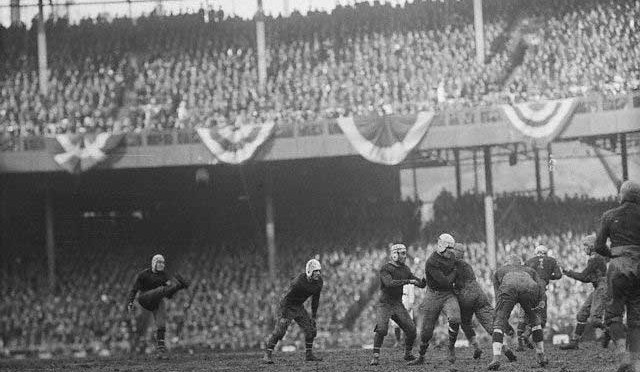
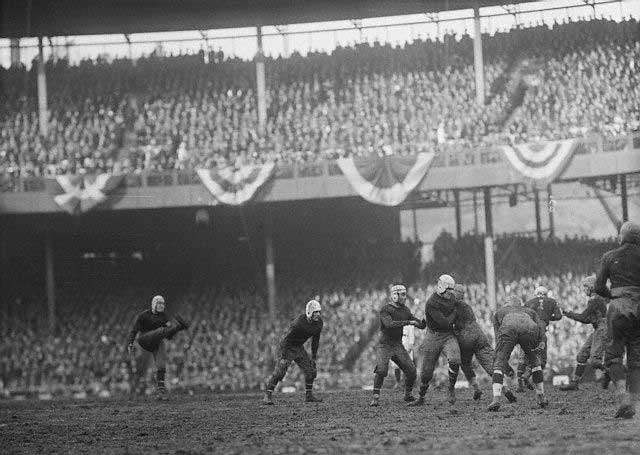
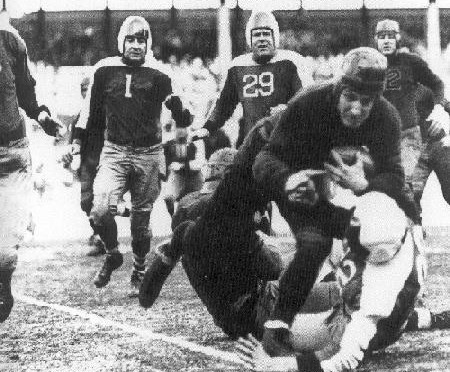
At the legendary Polo Grounds 1925, where the Giants football team (after a couple false starts) finally make their mark on the sport.


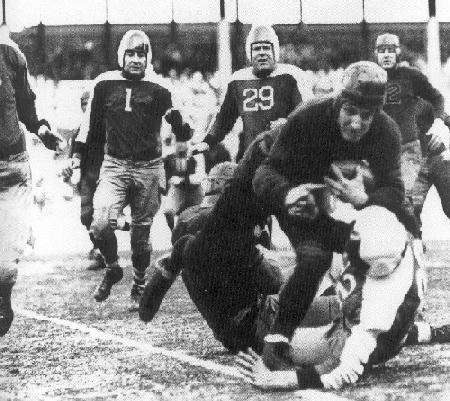
The New York Giants, currently in the playoffs and on their way to tackle the formidable Green Bay Packers this Sunday, are football’s oldest existing NFL team, and among its greatest — with seven total championship victories since their debut in 1925.  But that original team, dazzling with such stars as Jim Thorpe at their original home at the Polo Grounds, was not New York’s first professional football team. It wasn’t even New York’s first football team called the Giants!

The first try at a New York Giants football club came in 1919. They were a spin-off of the New York Giants baseball team*, a club considered the best of its day, dominating the sport from the late 19th century and into the 1910s.  Like the baseball franchise, the young Giants football team was to have played at the Polo Grounds as well, the location for many college football contests of the day. But those college games were played on Saturday, and on the month of October 1919, all Saturdays were fully booked.

So the Giants were scheduled to debut on a Sunday, against an Ohio team called the Massillon Tigers. This seemed possible, as team organizers understood that New York’s blue law, prohibiting Sunday play, had been removed from the books. But the city quickly clarified: the law had made way for Sunday baseball, not Sunday football.

Since football was more popularly considered a college pastime — many still questioned the validity of so-called ‘professional’ teams — nobody budged for the football Giants. And thus, the game was cancelled, and the team disbanded before they even hit the field.

The team’s coach, Harvard football star Charles Brickley, tried again two years later, managing to cobble together twenty-four players, a squad that is sometimes referred to as ‘Brickley’s Giants’ to distinguish them from the 1925 team. And people often choose to distinguish them, because Brickley’s Giants were a utter disaster. As one of 21 teams with the American Professional Football Association during its second season, Brickley’s team lost both its regular-season games. The Buffalo team actually destroyed them, 55-0.

During a bout with Jim Thorpe‘s Cleveland team, The New York Times noted, “The game was lopsided and had little to excite even the most rabid of rooters….[L]ittle can be said for the brand of football displayed.”

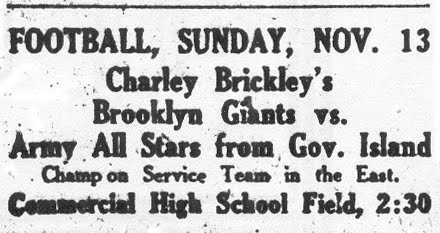
They were more successful at some exhibition games, such as the one advertised below in the Brooklyn Daily Eagle, Brickley’s ‘Brooklyn Giants’ (as they played at Ebbets Field by this time) against the Governors Island ‘Army All Stars’, whom they defeated. (Thanks to Paul Luchter for this image.) 

The following year, the American Professional Football Association changed its name to the National Football League, but Brickley’s team never made it that far, dropping out for good before the new season. They did continue to play exhibition games, but eventually disbanded by 1923. After these two disastrous attempts, nobody would attempt another Giants franchise for another couple years, when former newsie-turned-bookmaker Tim Mara joined the ascendant NFL with a third go at a New York team. And you know what they say about the third time.

By the way, the Maras have kept the Giants in the family since its 1925 debut. Tim’s grandson John Mara is an owner along Steve Tisch (whose last name should be familiar to any students at NYU’s Tisch School of the Arts).

*The original Giants baseball team now haunts and torments New York sports fans today in the form of the San Francisco Giants. The franchise moved to the West Coast in 1958.

Pope-fest 2008: The Holy (Sight) See

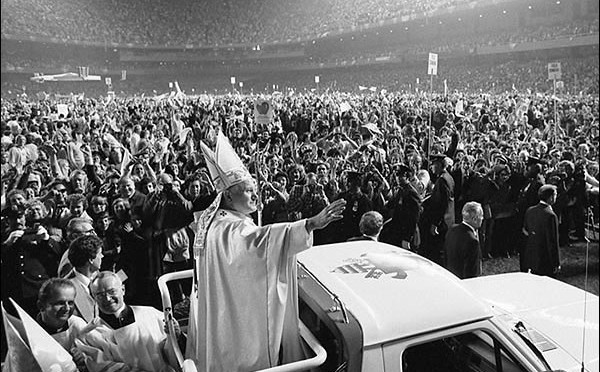
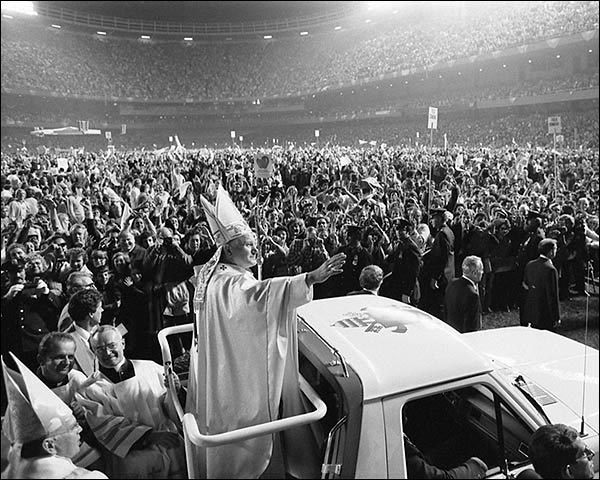
Pope John Paul greets the crowds at Yankee Stadium

Welcome Benedict! I’m not Catholic, but I do love a good papal visit to New York City. Nothing could be more absurd. The leader of the Catholic Church, a man who traces his spiritual lineage all the way back to the apostles — delivering mass at Yankee Stadium, traipsing Fifth Avenue in his sacred robes. I hope that person who dresses as Sesame Street’s Elmo in front of Rockefeller Center waves to Benedict as he enters St. Patrick’s Cathedral on Friday.

Only the Marquis de Lafayette and the Beatles have been treated to more rapturous displays of welcome by New York City residents. The city has been host to three previous papal visits, and in each case, St. Patrick’s has naturally been the manic center of activity. In fact each visit is immortalized on a plaque in front of the cathedral. Although with each trip, the pope in question managed to find a couple other unique corners of the city to visit as well.

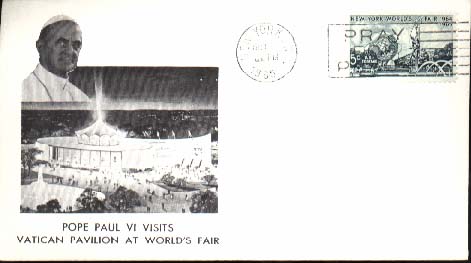
Perhaps the strangest was the very first — Pope Paul VI, the controversial leader who presided over the Second Vatican Council and made a name for himself traveling all over the world. Finally in an era were a man could be both pope and jetsetter, Pope Paul arrived in New York in October of 1965 and promptly went to visit his roommate, who was performing in a fair.

That roommate would be Michelangelo’s Pieta, on loan from St. Peter’s hallways to the Vatican pavilion at the 1964-65 World’s Fair. The Pope visited the Fair on Oct 4, 1965, on a busy day that also included mass at Yankee Stadium (the first papal mass ever in the United States), an address to the United Nations, and a meeting in the city with president Lyndon Johnson at the Waldorf=Astoria.

Today a rounded bench, or exedra, sits in Flushing Meadows park honoring the moment Pope Paul visited the Pavilion. (It seems that whenever a Pope hovers in a place for more than a few minutes, a plaque or monument springs up in its place.)

By the way, I found this extraordinary page full of great photos about the Pope-mobile, the superfine limousine used by the Pope during his visit.

But its Pope John Paul who’s the real New York favorite; he held the office for so long that he managed two trips to Gotham City — in 1979 and 1995.

His October 1979 trip was like a rock concert tour, also swinging through Philadelphia, Boston, D.C., Chicago and Des Moines. Part of the enthusiasm was because John Paul, at 58 years old, had just been appointed the year before.

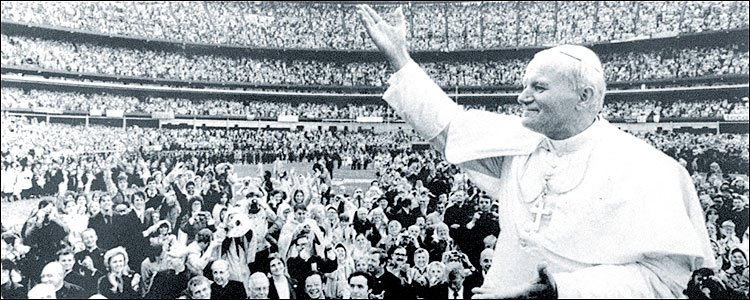
As a cardinal, he had already held mass at Yankee Stadium, so by the time he did it again on October 2, 1979, he was as much a fixture as Reggie Jackson. Rain greeted over 9,000 cheering worshippers — or fans — and, according to legend, when the Pope mounted the ballfield to address the crowd, the rain showers stopped. And as a blessing for Mets fans, the next day the Pope also held rapt an audience of 52,000 at Shea Stadium (pictured below).

But like all rock stars, the Pope couldn’t complete his New York odyssey without a performance at Madison Square Garden. Although John Paul also addressed the U.N. and a St Patrick’s audience during that trip, he’s best remembered by many for his inspirational address on October 3rd to 19,000 city children.

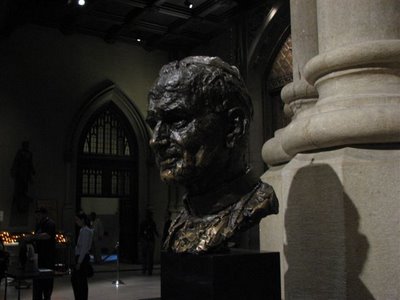
St Patrick’s honored his Holiness’s visit in 1979 by installing a bust (see below). But he would be back. On almost exactly the same day, sixteen years later.

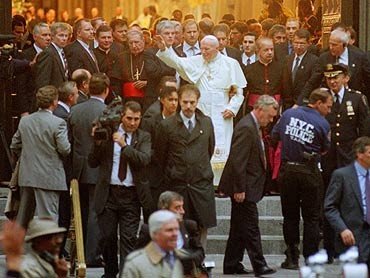
New York City in 1995 was a vastly different city and John Paul returned for a longer visit — four days in total in the entire New York area — on October 4th. This time, instead of just delivering messages to the clergy gathered at St. Patrick’s, he spontaneously decided he wanted to walk around the block. And why not? You’ve got shopping, Saks, street vendors selling Pope souvenirs!

Below: the Pope prepares for his light stroll

The Pope also finished off his collection of performing in gigantic venues for mass — holding court in Giants Stadium, the Aquaduct Racetrack in Ozone Park and eventually to 100,000 people on the great lawn in Central Park.

From there, the elderly leader of the Catholic Church gave the city the ultimate shout-out: “This is New York! The great New York! This is Central Park. The beautiful surroundings of Central Park invite us to reflect on a more sublime beauty: the beauty of every human being, made in the image and likeness of God. Then you can tell the whole world that you gave the pope his Christmas present in October, in New York, in Central Park.”

Pope Benedict, here for two days (April 19-20), has broken the apparently holy tradition of visiting New York in the first week in October. But Benedict, as the cardinal formerly known as Joseph Ratzinger, actually visited the city in that lesser role in 1988, where apparently he was met with protest from gay activists and shunned by some prominent Jewish leaders.

This year, he intends to hit all the “usual” Pope spots — St. Patricks, the United Nations, Yankee Stadium — but has added a couple surprising detours: Park East Synagogue and Ground Zero. At this rate, he might even stop in to see an off-Broadway show! Is Nunsense still playing?

A brief history of New York Giants

I’ve had a couple emails asking us to do a New York Giants podcast this week. Oh, had I known! We would have planned one. However, by the end of next month, we will unveil another major sports-themed podcast.

In the meantime, here’s a few New York Giants’ non-statistical, history-related factoids to chew on and toss out to your friends at Sunday night’s Superbowl party:

— The National Football League was all of five years old when the Giants, and four other teams, joined up in 1925. New York was an unusual place to host a professional football team back then; teams normally propped up the spirits of small to mid-size towns (Canton, Muncie, Rock Island, Portsmith, Akron, Buffalo) and many were particularly centered in Ohio. That’s why the Football Hall of Fame is in Canton.

— Promoter and bookie Tim Mara bought the New York Giants for all of $500 back in 1925, and for his troubles almost went bankrupt. The team thanks him by immediately losing their first three games, before charging through an amazing winning streak and ending the season 8-4.

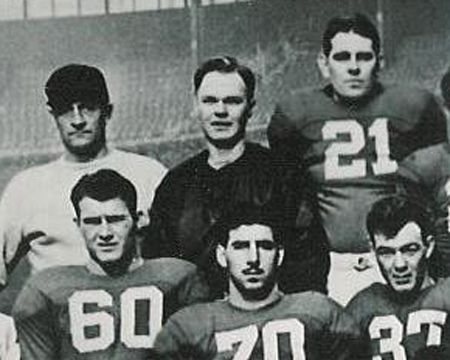
— In 1931, Mara passes ownership of his team to his two sons Jack Mara (age 22) and Wellington Mara (age 14). By far, Wellington is the youngest owner ever of a major league football team. Believe it or not, he would co-own the team all the way until his death in 2005! (That’s him in the pic below, with the team in 1941).

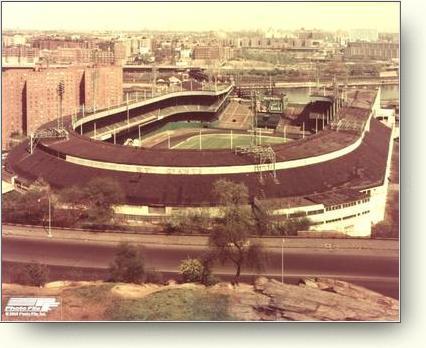
— The Giants played at Polo Grounds, at West 155th Street and Eighth Avenue, as did almost every other New York sports team at one time or another, including the New York Jets (even when they were known as the Titans). Sports enthusiasts referred to it as Polo Grounds IV, as three prior incarnations (including one in the same spot) have hosted New York sporting events since the 19th Century.

— In a 1934 game with the Chicago Bears, the temperature dipped to 9 degrees, and the grounds were so icy that the coach made the Giants switch to basketball sneakers in the Fourth Quarter, effectively winning them the game 30-13 against the slippery Bears. The game is infamously known as ‘The Sneaker Game’.

— A game against crosstown rivals the Brooklyn Dodgers (yes, they were a football team too) on Dec 7, 1941, was interrupted by the announcement of the attack on Pearl Harbor and the call for military personnel over the loudspeakers. Giants player Al Blozis would enlist in the Army and die in Vosges Mountains during the Battle of the Bulge; his number 32 would be permanently retired.

(Above: overhead shot of the Giants’ early home, the Polo Grounds)

— The Giants move to Yankee Stadium in 1956. That same year popular Giants player Frank Gifford (Kathee Lee’s husband) won the National Football League’s MVP honor.

— 1958 The Giants play the Baltimore Colts in the first-ever televised championship game, largely considered in football mythology as ‘The Greatest Game Ever Played’.

— 1966: the Giants worst season, going 1-12-1

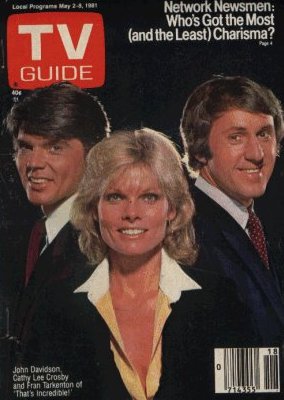
Fran Tarkenton, a Giant quarterback from 1967-72, became so popular that he became host of the 70s show That’s Incredible with co-hosts John Davidson and Cathy Lee Crosby.

— The Yankees kick out the Giants, and they prep for a new stadium to be built in East Rutherford, NJ. So from 1973 to 74, the Giants temporarily move their games to New Haven, Connecticut and the Yale campus. However, after terrible losses there, they double back to the city to share Shea Stadium with the Jets for a single season (1975)

— Yay! The Giants move into their new stadium in 1976. They rejoice by promptly losing almost every game they play there, ending with a 3-11 record.

— The Giants have won the Super Bowl exactly TWICE (1986 and 1990), however before the NFL-AFL merger in 1970, they did manage to be the NFL champs four times.

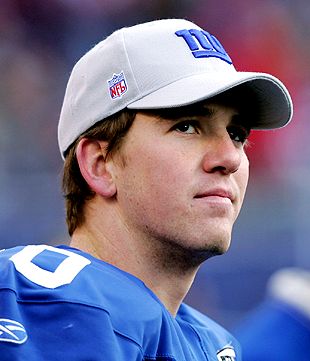
Eli Manning starts with the Giants in 2004. His first decisive performance came in January 2, 2005, in a 28-24 win against the Dallas Cowboys.

— Wellington Mara, a constant presence with the Giants since his teens, dies at age 89.

Check out the Giants official history. And thanks to Sports Encylopedia for the info…

More Things To Come: 1908!

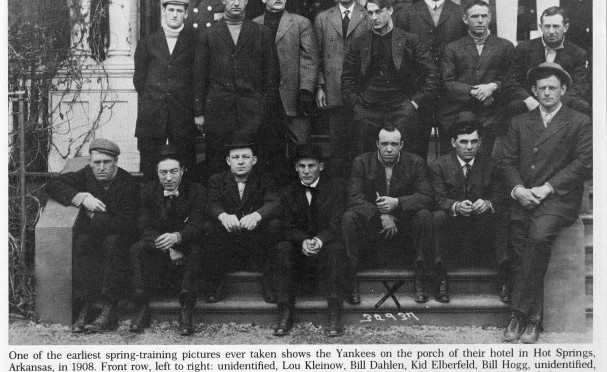
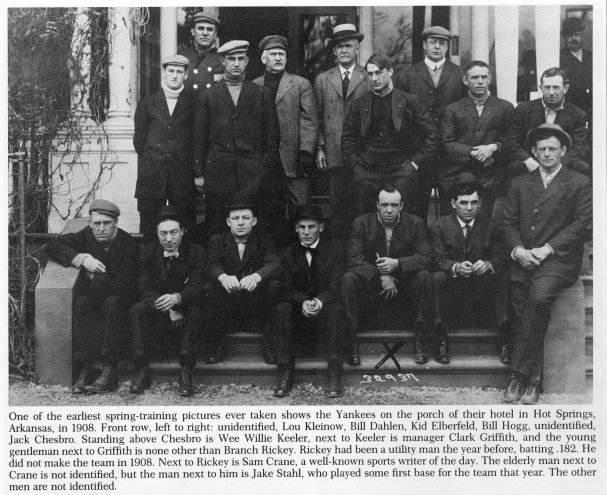
The 1908 New York Yankees — Losers!

Do you dare take a second glimpse into the crystal ball of things foretold of the upcoming year 1908? Observe and take care, for the following things will all happen this year:

Baseball Scores Magically Appear … on Madison Square Diamonds!

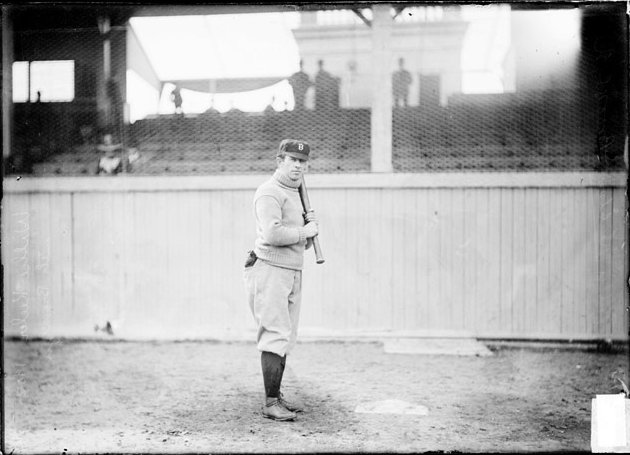
That’s dashing Willie Keeler above, in practice for the New York Giants, and in August 1908, he and his team take two wins from the Pittsburgh team in a thrilling double-header. New Yorkers, however, got to share in the action.

A rolling tally of the score was scrolled over a new device — the Compton’s Baseball Bulletin — a series of ‘electric diamonds’ broadcasting the scores at Madison Square Garden, at its comfy new home on 26th and Madison Ave. We predict this device will continue to broadcast scores for the team throughout the rest of the season.

This wonderful invention of lights distract us from the woeful performance of our other baseball team, the Yankees, who on October 6, will lose their 100th game of the year, eventually finishing the season in last place with an appalling record of 51-103.

Luckily the New York Giants will never leave New York and they will be our premier baseball team well into the future!

Manhattan Hosts Voyagers, Heroes, Exhausted Families

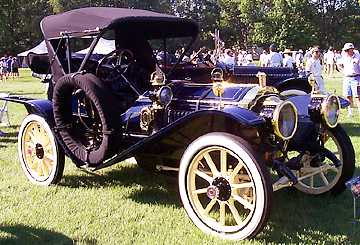
New York City will be the starting point and final destination for a host of historic and majestic adventures — the first being experienced by Mr. Jacob Murdock, his wife, two children and a mechanic along for the ride. On April 24, they boarded their family Packard Model 30 (a 1909 model is shown above) and drove for 32 days straight across the United States, arriving in New York City on May 26. It is not known how many times the children cried “Are we there yet?”

A far more experienced traveler Robert Peary has planned one more northernly trek to the North Pole. On July 6, he and his crew set sail with great fanfare from New York City’s harbor, aboard the vessel Roosevelt.

Peary is well on his way northward when on August 29 the United States Olympic team members– competing the fifth Olympic games in London — are greeted by thousands of fans in a lavish ticker tape parade in the canyons of New York’s financial district.

Culture Returns To Brooklyn!

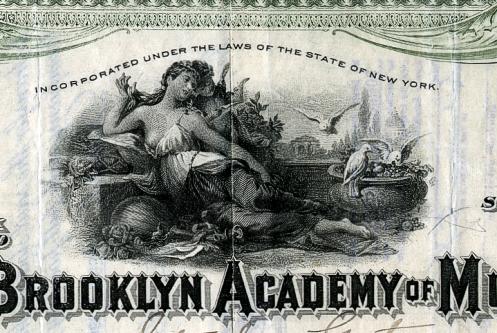
Patrons of the arts in Brooklyn were crestfallen with the Brooklyn Academy of Music in Brooklyn Heights burned to the ground in November 30, 1903. Never fear, however, for the Philharmonic Society now has a new home in Fort Greene. The new Brooklyn Academy of Music, with its luscious facade and massive spaces for orchestral and theatrical performances, opens on November 4th with a production of Charles Gounod’s Faust starring Geraldine Farrar and Enrico Caruso.

And if that doesn’t make your proverbial highbrows atwitter, just a couple weeks later, on November 16, the Metropolitan Opera hires a young conductor that will be, ahem, instrumental to the company’s reputation — Arturo Toscanini.

Baseball archival photos from the wonderful Baseball Fever fan site.