Categories
Sports

Boston vs. New York: You think this is just about sports?

Here’s a fun article I wrote back in 2012 that may find new meaning for many of baseball fans this week. Again, happy to take any corrections on any particular sports statistics! – Greg


When again we see New York Knicks face off against the Boston Celtics this weekend, the beast of an old rivalry will continue to roar, the latest configuration of a fierce competition between two of America’s greatest cities.

While the rivalry between Boston and New York primarily manifests within the world of sports — the venue of modern warfare —  it echos a spirit of competition that has existed between the coastal cities for over two centuries. But how did it begin?
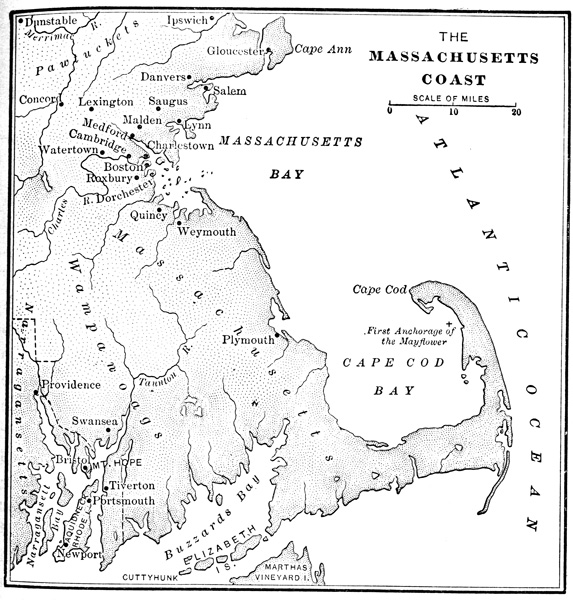
The cultures of the cities which would become Boston and New York were drastically different from the very start. Boston, after all, was founded in 1630 by Puritans of the Massachusetts Bay Colony, a society based on specific religious values, with little tolerance for variation. New Amsterdam, New York’s pre-cursor, developed as a company town in the 1620s and was quite renown for being notoriously value-less, relatively speaking.

The Puritans, with a moral superiority that paralleled national antagonisms, believed a distasteful mix of cultures, an abhorrent godless mixture festered there in New Amsterdam. As a secular development, New Amsterdam fostered a policy of religious freedom far more in keeping with modern American ethics than the stringent, finger-pointing Puritans. Many so-called heretics fled the Puritans and were granted haven by the Dutch.

The Puritans were fortified by their connection to England, while New Amsterdam was a rowdy outpost of a faltering world power. By 1644, Massachusetts had created a powerful alliance with other colonies, allowing England a stronghold in the New World.

New Amsterdam, meanwhile, deteriorated as the Dutch focused on warfare with the Lenape and encroaching colonies such as Swedish. Peter Stuyvesant arrived in 1647 to shape up the Dutch town, but by then motions were already in place to drive them out entirely.

By 1664, the Dutch were thrown out of New Amsterdam and the defeated city was renamed New York, part of a larger British colony named for the Duke of York.  Boston, for its part, became the premier British bastion, capital of the Dominion of New England, and a place many believed chosen by God (the storied ‘City Upon a Hill’) as a shining beacon of humanity. Boston was right to have an attitude.

Even as New York and Boston became competing ports in the British era, the Massachusetts city always had the edge.

America has benefited from Boston pride. The opening salvos of American independence were born from clashes between Boston citizens and British soldiers, rebellion in the form of bloody clashes (the Boston Massacre) and economic unrest (the Boston Tea Party).

As colonists rose up against British oppression during the Revolutionary War, they could look to the Boston battle at Bunker Hill as an example of victory and perseverance.

Bostonians celebrated Evacuation Day on March 17 because the British were booted from there in 1776 and never returned. New Yorkers celebrated the same holiday on November 25 because the British kept that city for most of the war and weren’t expelled from it until 1783.

Both cities struggled for economic footing after the war. Both had sophisticated ports and bustling harbors ready to send and receive shipping vessels, manufacturing plants rivaling anything overseas, and a growing class of wealthy old-family elites. In Boston, they were the Brahmins and went to Harvard. In New York, they were Knickerbockers and turned to Yale or Princeton. (Columbia was not quite in their league yet.)

Below: Boston in 1873
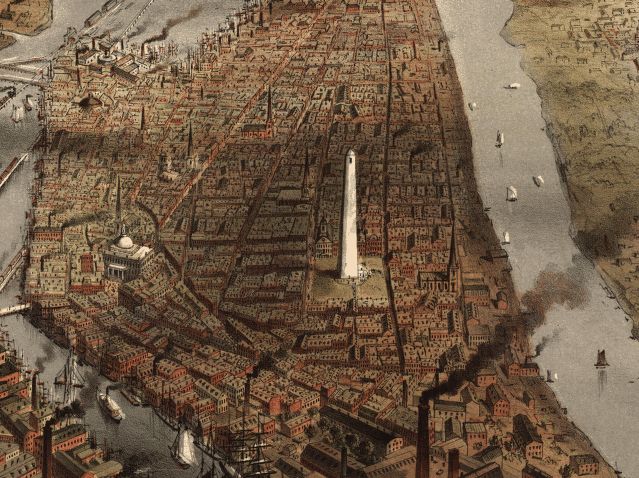
But only one city had access to a river inland, a point made explicit with the opening of the Erie Canal in 1825. Suddenly, New York became a gateway into the expanding American west. Not only would New York traders and merchants grow rich and form a nouveau upper-crust (thriving in the wake of men like John Jacob Astor), the canal would siphon away much of Boston’s livelihood, one ship at a time.

Bostonians were not pleased. The founder of Boston’s first daily newspaper saw a diversion of goods to New York as ‘evil‘ and recommended the city jump on a newfangled transportation idea just debuting in England — the steam-powered railroad. Within a few years, train tracks stretched down the old Boston Post Road (almost, but not quite, to New York) in an effort to connect Boston to the waters of the Hudson River.

Or as author Eric Jaffe observes: “…the goal of everyone involved in Boston’s railroad system at the time was clear: to move Manhattan toward the [Massachusetts] Bay along the highways of the future.”

The two cities remained locked in quiet, but stiff, competition throughout the 19th century, not only in industry and trade, but in intelligentsia, literature, politics and social ‘quality’.

The dynamics of both cities changed with the immigration boom that began in the late 1840s. Soon, one fifth of the populations of both cities would be Irish.

The culture of Boston was greatly affected, perhaps more that any American city, by these new Irish arrivals, but it was New York that felt the most weight. By 1860, with New York as the biggest city in America, even the city of Brooklyn had a greater population than Boston.

Bostonians had their legendary, steely pride for their city — in many ways, America’s first, greatest city — but New York was a powerful, untouchable metropolis by the time of the Gilded Age. Despite its grime and squalor, despite its sinful and corrupt reputation (or perhaps because of it), New York had bested Boston to become the biggest, richest, most powerful city in America by the time of the Civil War.

Below: New York City in 1873 (from George Schlegel lithograph)
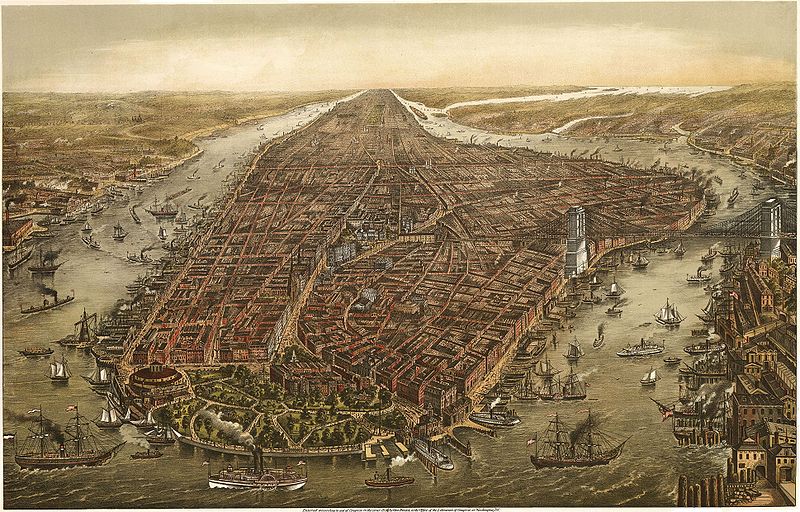
And so it was that, in the late 19th century, an apparatus arose for which the undercurrent of rivalry between the cities could take a more explicit, more robust form — sports.

Universities already organized sports teams — with accompanying rivalries of their own — and now, in the post-war era, professional teams began sprouting up in a wide variety of games.

The first sports leagues formed in the Northeast, thus it was natural that teams from Northern and Rust Belt cities would often clash.

The first organized baseball league principally concerned New York and Brooklyn teams. (Don’t even get me started on the New York/Brooklyn rivalry!) Teams wouldn’t truly take on defined regional characters until the formation of the National League in 1876, which included the Boston Red Stockings, a precursor of the Sox, among its original teams.

The two baseball franchises that would cement the Boston-New York conflict were born in the 20th century. The Boston team came first, in 1901, with the inauguration of the American League, but were not referred to by their distinctive bold-colored foot coverings until 1908.

In 1904, the Boston team was declared champion of the American League. However, National League teams looked down upon the ‘inferiority’ of the younger American League teams, and thus, what might have been the first World Series — between the Boston Red Sox and National League victors the New York Giants — never occurred.

The Giants were considered New York’s principal baseball franchise and even spawned a successful soccer team. (They frequently played a soccer spinoff of the Boston Beaneaters.)

By this time, another New York team limped into the city in 1903 — the Highlanders, who later changed their name to the New York Yankees.
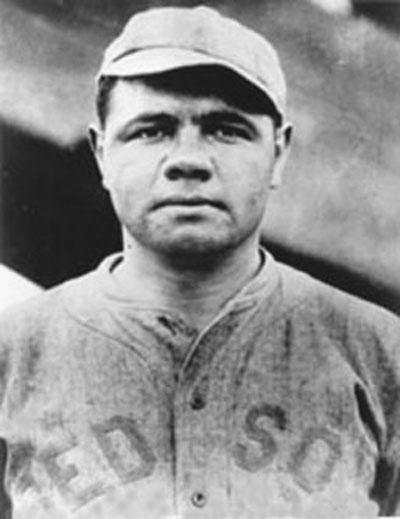
In 1918 came an event that changed the fortunes of the Boston Red Sox and the New York Yankees forever. Red Sox star Babe Ruth was traded to the New York Yankees during the off-season 1919-1920, allegedly because Sox owner Harry Frazee was looking to finance his Broadway musical offering No No Nanette. (That’s the popular legend, although many believe the trade was to finance another, equally  ridiculous production called My Lady Friends.)

Whatever the origin of the ‘Curse of the Bambino’, it had a psychological effect on fans and players on both sides. Boston, once the league’s most successful squad, didn’t win another World Series until 2004, while the Yankees, well, changed sports history with 27 World Series victories.

The deep animosity spilled over into other sport match-ups. In basketball, the New York Knicks pale under the legacy of the Boston Celtics, simply put the best basketball team in history.

In hockey, the Boston Bruins and New York Rangers became the first two American teams to play each other for the Stanley Cup in 1929. The Bruins cleaned the ice with the Rangers.

But it’s in football that the two cities have had some truly dramatic clashes. The New York Giants football team, hardly a threat when they first formed in the late 1920s, were a force to be reckoned with by the time they first met the Boston Patriots in 1960.

Notably, when the Boston team changed its name to the New England Patriots and moved to Schaefer Stadium in Foxborough in 1971, the first game they played was against the Giants.

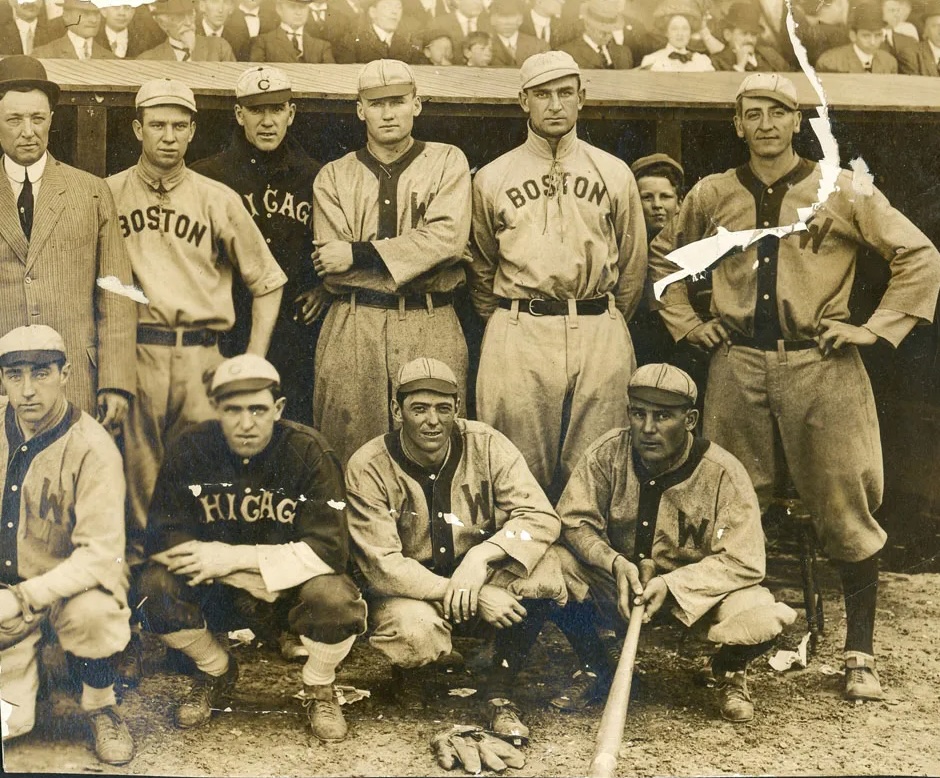
The Giants and the Patriots have met in the Super Bowl just once before — and notably so — in 2008. New York was the victor, in one of the greatest upsets in sports history. This Sunday, Boston seeks revenge. As you sit through a halftime show with Madonna (a New Yorker in her formative years), ponder upon the weight of history hanging over both teams.


To sports fans: I welcome any clarification of details if I’ve gotten something wrong!
Categories
Know Your Mayors Politics and Protest Queens History

Mayor Cadwallader D. Colden: Leading the city over 200 years ago

We’re just months away from a new mayor in New York City so we think it is time that you Know Your Mayors! Become familiar with other men who’ve held the job, from the ultra-powerful to the political puppets, the most effective to the most useless leaders in New York City history.

This longtime feature of this website is being rebooted with new articles and newly researched and refreshed earlier entries in this series. Check back every other week for a new installment. Read past articles here.

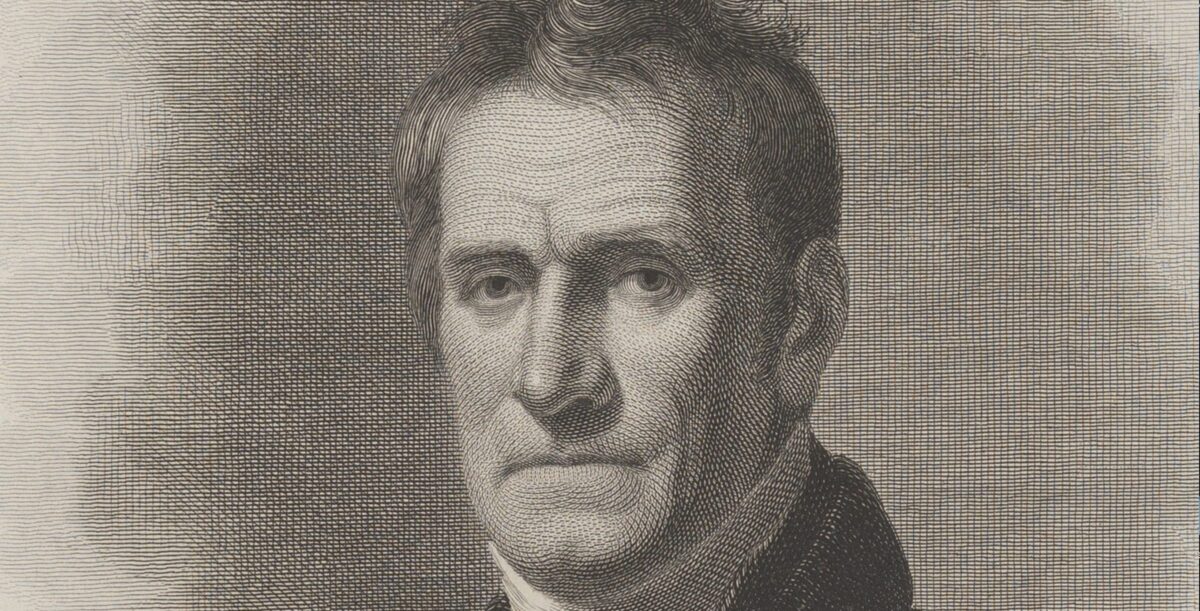
Cadwallader D. Colden
Terms: 1818-1821

The most remarkable thing about New York City having a mayor named Cadwallader Colden is the fact that he was not even the most famous New Yorker named Cadwallader Colden.

That distinction goes to his grandfather, an altogether different Cadwallader Colden than his grandson and a rather fascinating Renaissance man.

Well, despite the fact that he was also pro-British, stridently hated among the American rebels and the type of man that would have thrown most of us in jail on sight.

Grandpa Colden

Ole Cadwallader was an Irish physician who came to the American colonies in 1710 (at age 22) to practice medicine.

Establishing his practice in Philadelphia, he later came to New York and in 1743 wrote a now seemingly obvious treatise drawing a connection between New York’s unsanitary conditions and its frequent outbreaks of yellow fever.

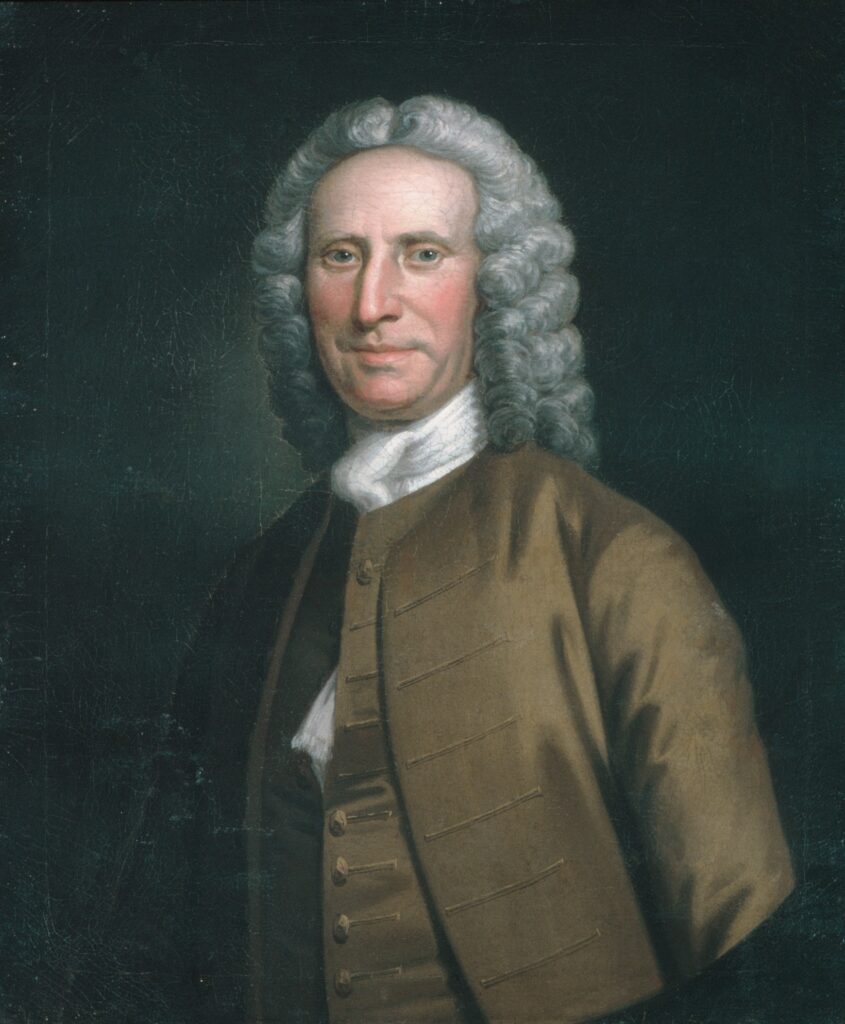
Painting of the Elder Colden by John Wollaston the Younger. Wikimedia Commons

Elder Colden became governor of the New York colony in 1760 and later sparked ire among beleaguered New Yorkers, who burned his effigy over enactment of the Stamp Act.

Colden ultimately represented the losing side of the American Revolution, and due to that, his other accomplishments are often overlooked. He was the first in America to write about Newtonian scientific theories and the first colonist to act as ambassador to the Iroquois Confederacy, the union of five Native American tribes.

Grandson in a New County

Perhaps it’s fitting that Colden died in September 1776, the year of the conflict that would run the British out forever.

He might be scandalized to know that his grandson, born in 1769 in Flushing, Queens County, would become a model American. (The child’s father Cadwallader Colden II was more concerned with governing the family’s lush 3,000 acre estate in Queens and remained essentially neutral during the Revolutionary War.)

Born in the trappings of wealth, Cadwallader David Colden III was shipped off to London for a proper education and returned to New York in 1785 to become a lawyer.

With his high class connections, he quickly acquired an impressive client roster, in particular Robert Fulton and Robert Livingston, assisting in their control of ferry services in New York harbor. He became New York district attorney twice, 1798 and 1810.

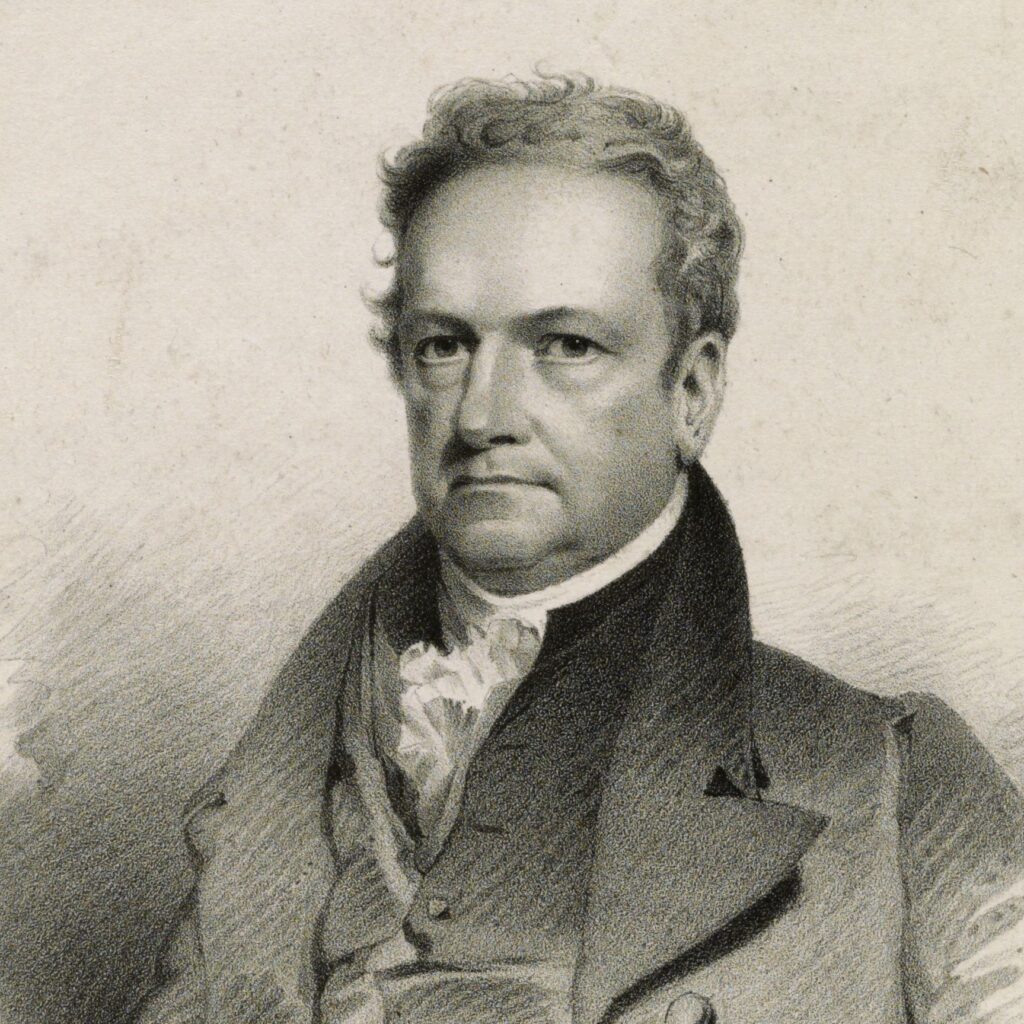
Colden’s good pal DeWitt Clinton

Advantageous Friendships

Colden was a different man from his ancestor; he even fought against the British as a colonel of volunteers in the War of 1812. Surprising given his lineage, Colden was for many years considered a Federalist, the party of Alexander Hamilton. However, he considered as one of his closest friends a rather unlikely ally — anti-Federalist DeWitt Clinton.

How they met probably had less to do with political alliances than membership of a rather notable society — the Freemasons.

In fact, Colden and Clinton were members of the city’s most influential — and still active — Holland Lodge. Within a few years, this affiliation would be political poison, with anti-Freemason candidates characterizing the secret organization as above the law and morally corrupt.

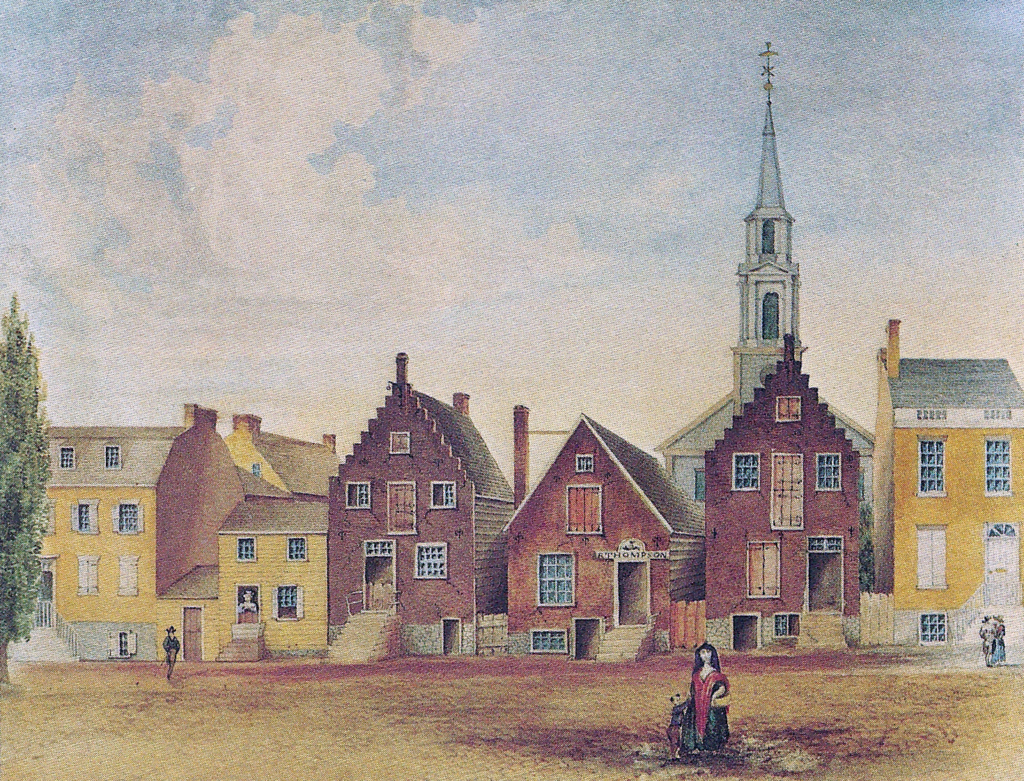
View of North Pearl Street just north of State Street in Albany (1800s), painting by James Eights

At Odds With Tammany Hall

Colden’s ascent into the mayor’s office caught him within some serious political crossfire. Cadwallader’s friend DeWitt became the governor of New York in 1817, making him the head of the Council of Appointments, which selected a mayor for New York, back in the heady days before elections.

Clinton would use his influence to install his friend in the job in 1818, but not without Colden sustaining a little political injury.

One evening, Colden was in Albany and was invited inside a tavern for a glass of wine. He suddenly realized he was in a room filled with members of Tammany Hall, political enemies of the Federalists.

Colden had once been a member of Tammany — during their less politically active days — and in 1793 had even spoke to an assemblage at Saint Paul’s Church.

He was now on the opposite side.

Immediately they pounced, urging him to not seek the mayor appointment. But no, he cried!

“He exclaimed energetically against the trickery, declaring that he had not asked for the office of Mayor, but would only accept it if offered.”

When Clinton did grant him the job, Tammany made sure to make life difficult for him. For the entirely of his three one-year terms, Colden became a pawn in the battle between Governor Clinton and the ascendant Democratic machine.

Colden began work in the spanking new City Hall, the fourth mayor for the new building after Jacob Radcliffe, John Ferguson and, of course, DeWitt Clinton.

Pigs and Prison Reform

First on Colden’s agenda: all those pigs running around.

He declared, “Our wives and daughters cannot walk through the streets of the city without encountering the most disgusting spectacles of these animals indulging the propensities of nature.”

Animals were penned up and steep fines charged to butchers who kept pigs unproperly supervised.

Colden also took a crack at the city’s deeper social problems. Indeed he was governing over a growing city, population 123,706 as of 1820. With a big city came big city problems — poverty, crime, homelessness.

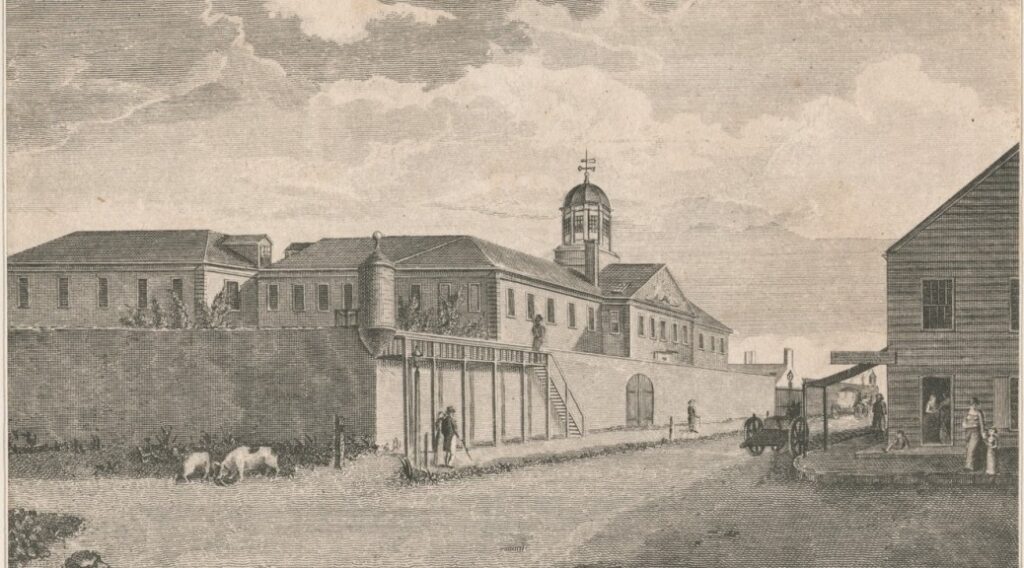
Newgate Prison. Image courtesy New York Public Library

The New York Society for the Prevention of Pauperism, led by the mayor himself, investigated prison conditions throughout the young nation to come up with a local solution.

At the time, the state penitentiary lay in today’s West Village in a place called Newgate Prison. One of their findings was a need to separate younger delinquents from the adult criminals held there.

Colden proclaimed, “It must be obvious that under such circumstances it would be in vain to expect that their punishment will improve their morals: it can hardly fail to have a contrary effect.”

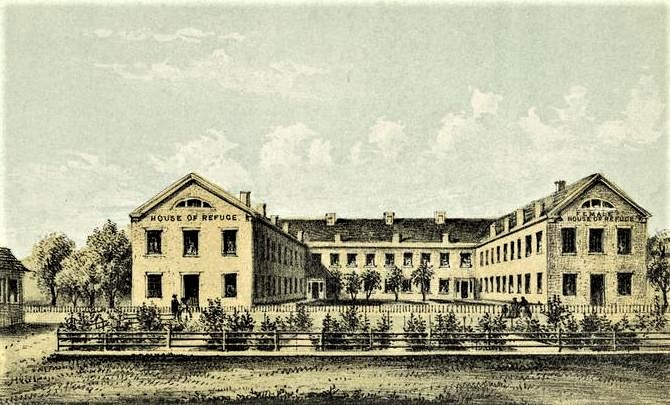
The House of Refuge in 1832 (pic courtesy NYPL)

The mayor set the stage for an innovative experiment: New York’s House of Refuge, in an arsenal at Broadway and 23rd Street, essentially a reform school, built to incarcerate children age 16 and younger.

It later opened in 1825 (after Colden left office) with six boys and three girls as its pupils, many of them guilty only of homelessness and essentially kept here until adulthood. By the early 1830s, the House of Refuge would receive over 1,600 teenagers.

A ‘Kindly’ Anecdote

Like many mayors to follow, Colden also clamped down on liquor sales, even carrying around a ‘red book’ to notate violations and overheard complaints of local tavern owners.

Naturally, Colden would rally behind Clinton’s most ardent cause — the Erie Canal. It opened in 1825, after Colden left office, but his support did indeed pave the way for New York to become, in his own words, “one of the greatest commercial cities in the world.”

He was aristocratic, class-oriented but ultimately open hearted, they say. A reminiscence in the 1843 journal New Mirror quotes this certainly apocryphal story about the mayor’s ‘kindness’.

One rainy night on his way to a dinner party, Cadwallader stepped up to a ‘hackman’, a type of carriage taxi, for a ride.

The driver, “who had some old grudge against Mr. Colden,” rudely sped away, leaving the passenger on the curb. He jotted down the cab driver’s number and summoned him to City Hall.

“Poor Pat (for of course he was Irish)” as the article indicates, “went up the stairs, trembling at the fate which awaited him. When the mayor demanded to know why he was treated so rudely, the driver proclaimed,”you see I looked in your face, and, faith, you looked so like a jontleman I drove twice before that never paid me, I was afraid to thrust him agin!”

Colden laughed, exclaiming, “Your wit has saved you this time!” and excused the driver.

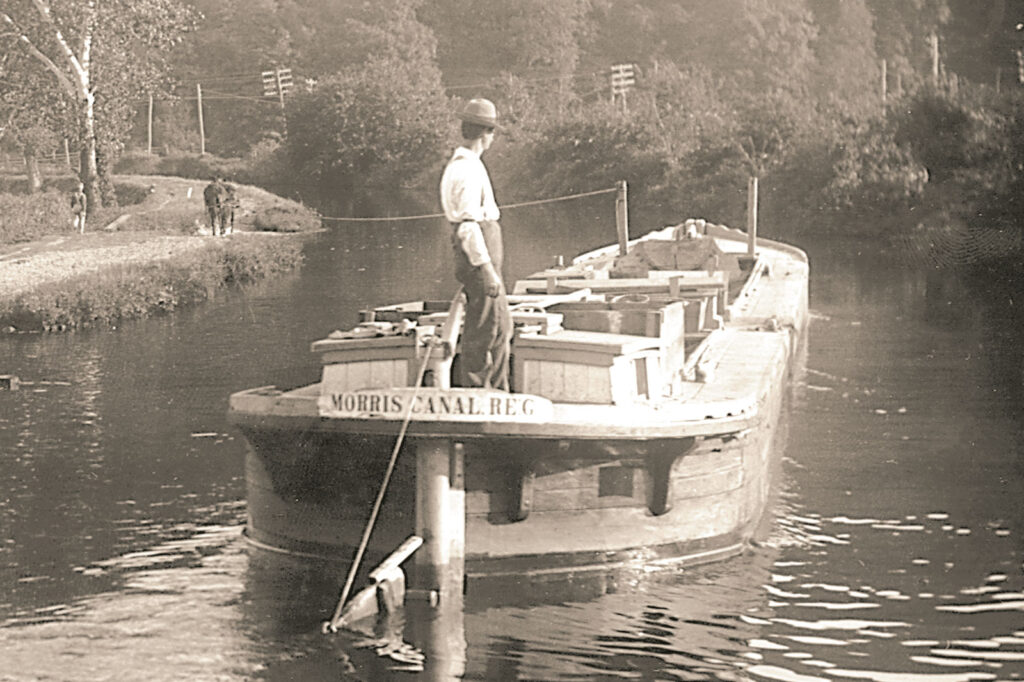
A boat upon the Morris Canal (courtesy the Canal Society of New Jersey)

Colden’s Later Years

Aligning with Clinton eventually became a bad idea. When Clinton was turned out of the governor’s office, so too was Colden from the mayor’s office. But he still remained popular with New Yorkers, becoming a U.S. congressman, then a member of the New York state senate in 1825.

In later life, he engaged in a couple unusual endeavors. The first was the construction of the Morris Canal in northern New Jersey, a conveyor of coal that operated for over a century.

And in 1830, he briefly indulged in the hobby of horse racing, taking over the Union Course in Woodhaven, Queens. The closest you’ll get to visiting Colden’s racetrack is visiting Neir’s Tavern, the oldest tavern in the borough.

Colden died in 1834, in Jersey City.

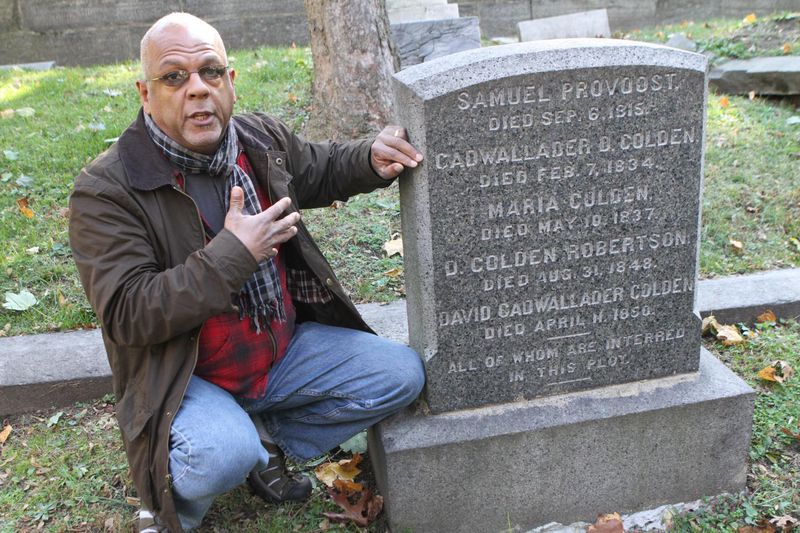
For centuries his gravesite was unknown. But in 2011, historian (and friend of the show) Eric K. Washington discovered his grave at Trinity Church Cemetery.

Washington in front of the new stone in 2011, adding Cadwallader III’s name. (Courtesy Mariela Lombard  of theNew York Daily News)

Revision and expansion of an article which first ran on this website in 2009.

Categories
Amusements and Thrills Bridges

The ten greatest fireworks displays in New York City history

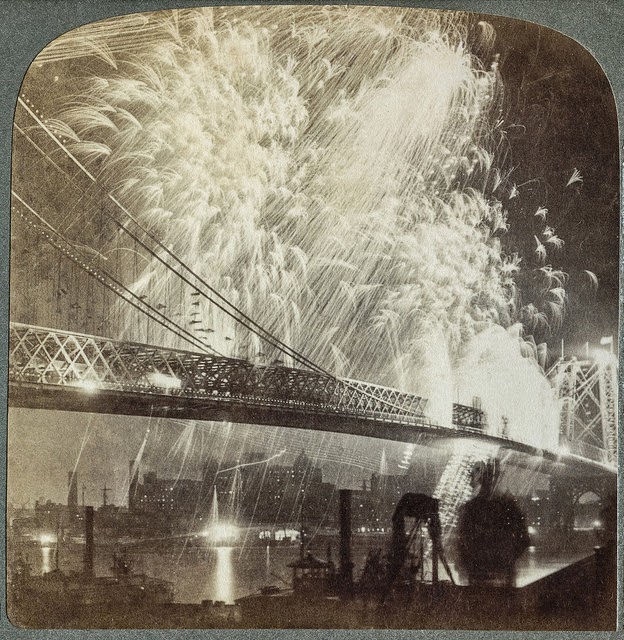
Above: One of my favorite pictures of the Williamsburg Bridge, at its opening in 1903
Nothing befits a fireworks display quite like a skyline to frame it, and no city has a skyline quite like New York City.  And so, despite the obvious dangers of setting off thousands of pounds of explosives in a crowded, flammable city, the city has been subject to some of the most beautiful feats of pyrotechnics in American history.
Here are ten of the greatest examples in the city’s history — celebrations not only of holidays, but vivid displays that highlighted the finest landmarks and accomplishments:

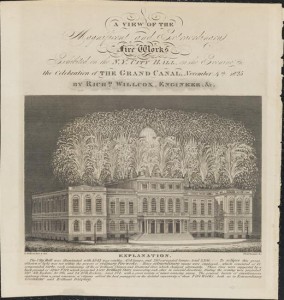
A View of the Magnificent and Extraordinary Fire Works Exhibited on the N.Y. City Hall

1. Opening of the Erie Canal — November 4, 1825
“On November 4, 1825, a spectacular extravaganza celebrated the just finished Erie Canal. City Hall, brilliantly illuminated, proudly overlooked a fireworks display in the park. There was good reason to celebrate:  the canal was the match that lit the fuse that detonated the boom of the 1830s” — Mark Caldwell, New York Night
(Illustration by John Francis Eugene Prod’Homme, Image courtesy MCNY)


2. Celebration for the Transatlantic Telegraph Cable — September 1-3, 1858
This called for a variety of elaborate pyrotechnic displays, including one 21-part program, which included “some new principles were attempted for the first time in the pyrotechnic art,” “two light houses connected by a line of rolling waters, on which the ships slowly moved towards their destination” and “all the splendor of the dazzling colors, assisted by all the mechanical contrivances of which the art is capable”. [source]

Incidentally, this fireworks festival caught City Hall on fire, burning down the cupola! (NYPL)


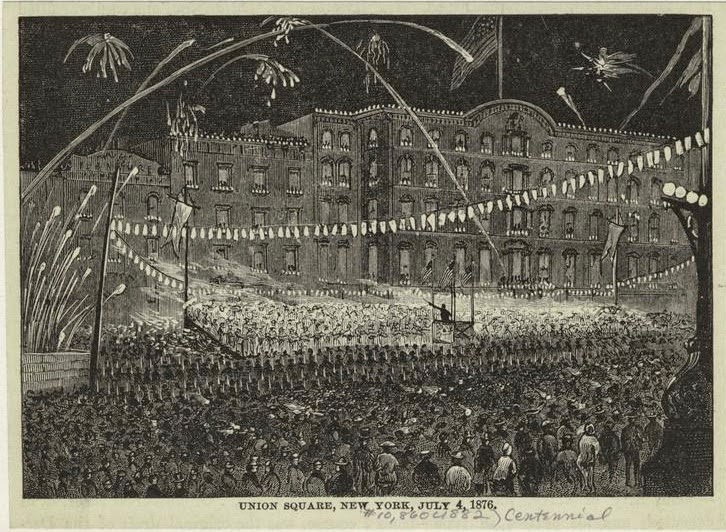
3. American Centennial — July 4, 1876
The all-day centennial celebration culminated in fireworks “representing the Goddess of Liberty sitting on a cloud in the act of greeting,” as well as several street-level “allegoric representations” illuminated in colorful fireworks. [source]


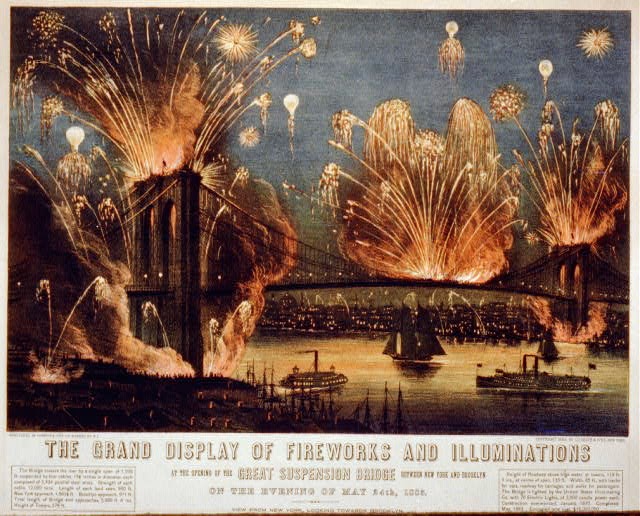
4. Opening of the Brooklyn Bridge — May 24, 1883
“Forty pyrotechnists superintended the display. There were 6,000 four-pound skyrockets, 400 bombshells and 125 fountains of colored lights.  Zinc bombshells of about ten inches in diameter were fired from mortars 500 feet in the air. Each bombshell held 600 stars of various colors.  A newly-invented rocket was displayed.  It held seven parachutes of cloth.  From these hung colored balls of fire.  The rockets burst, leaving the parachutes floating in the air. Five of these rockets were fired at once.  The result was thirty-five balls of colored fire floating in the air…..” [source]


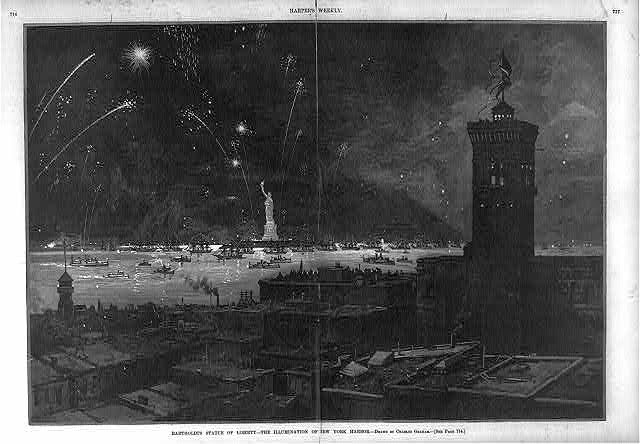
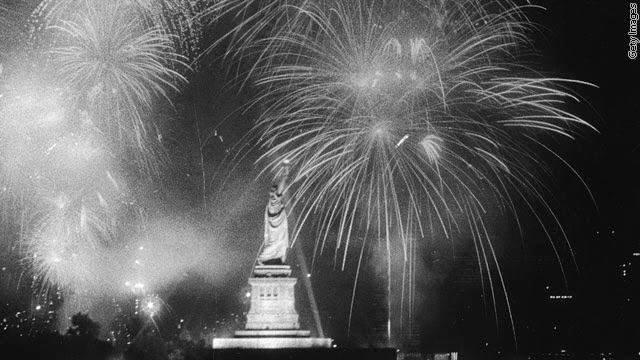
5. Dedication of the Statue of Liberty — October 28, 1886
Well, actually, three days later, on November 1.  A soggy day killed off the fireworks on the day of the statue’s dedication, but were finally launched the following Monday.

“At precisely the hour fixed there came a burst of kaleidoscopic lights from Bedlow’s and Governors Island, and in an instant the air was filled with flying fire balls of every color of the rainbow.”


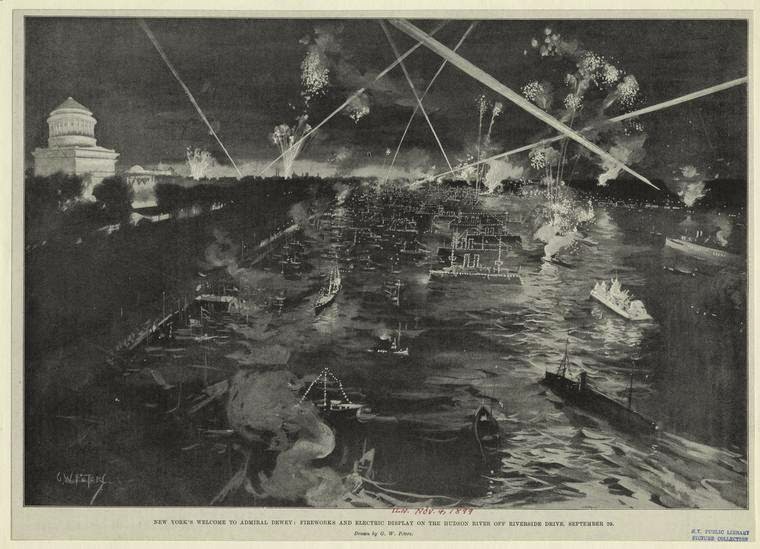
6. Hero’s Welcome for Admiral George Dewey — September 29, 1899
The arrival of Admiral Dewey, the face of the U.S.’s victory in the Spanish-American War,  inspired an exuberant celebration throughout the city.

“The day of Dewey celebration on the water ended in a roaring, popping, banging blaze of glory last night. Fireworks displays lit up the east side, the west side and all around the town. Not only did great boats loaded down with fireworks sweet down all the water-ways and circle about the lower Bay, but in the parks throughout the middle of the city the sky was painted red, white and blue and all the other shades of color known to the pyrotechnic art. ” [New York Sun]  (Illustration by GW Peters, courtesy NYPL)

7. Opening of the Williamsburg Bridge — December 19, 1903
“Then, without warning, the bridge was suddenly transformed into a sheet of flame.  From tower to tower the flames turned and writhed and flared high in the air, illuminating the waterfront for blocks.  Then came a kaleidoscopic medley of colors, red, green, purple, orange, violet — more colors than French ribbon dealer could enumerate — from huge rockets that sails two hundred feet above the bridge.” [source]

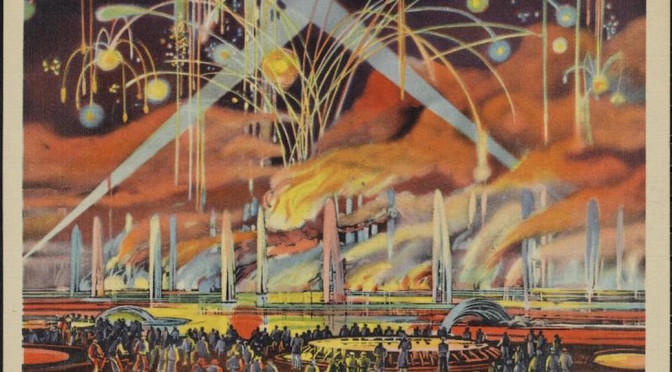
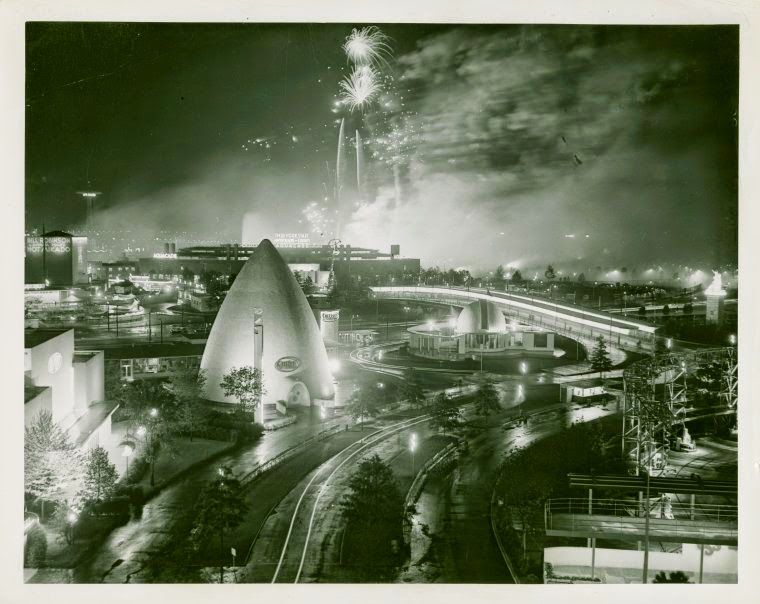
8. New York World’s Fair — July 4, 1939
“Fireworks colored the sky with the red, white and blue of the nation’s colors over the World’s Fair Grounds last night as two spectacular and elaborate displays of fire, water and music were set off, first from the Lagoon of Nations in the exhibit area and a short while later from Fountain Lake in the amusement area.”


9. America’s Bicentennial — July 4, 1976
This event was notable not only for its visibility across the nation — thanks to a television special — but it was the first fireworks display sponsored by Macy’s.   “New York Harbor became more brilliant than Broadway last night as the biggest and most colorful fireworks display in the city’s history exploded for half an hour in celebration of the nation’s Bicentennial.” [NYT]


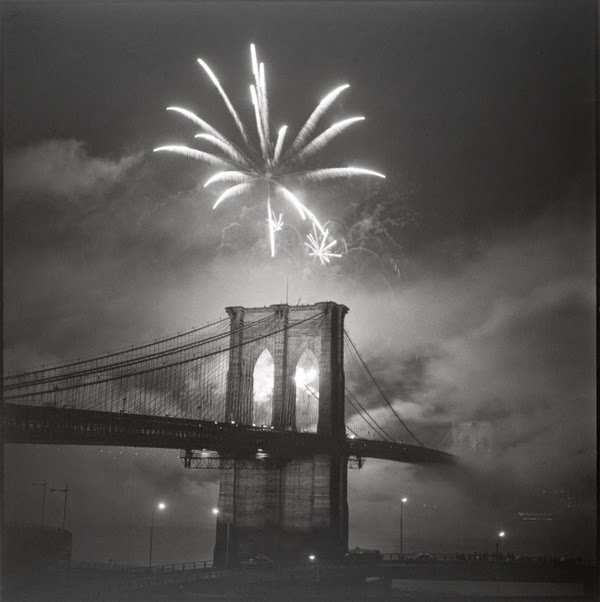
10. Brooklyn Bridge 100th Birthday — May 24, 1983
“Then the sky simply exploded with fireworks. Red, white and blue shells, golden comets changing to silver, crackling stars in red and green, appeared to fill the entire sky, while hundreds of thousands of people gasped at the sheer dazzle of it all.” [New York Times]
(Bruce Cratsley, courtesy Brooklyn Museum)