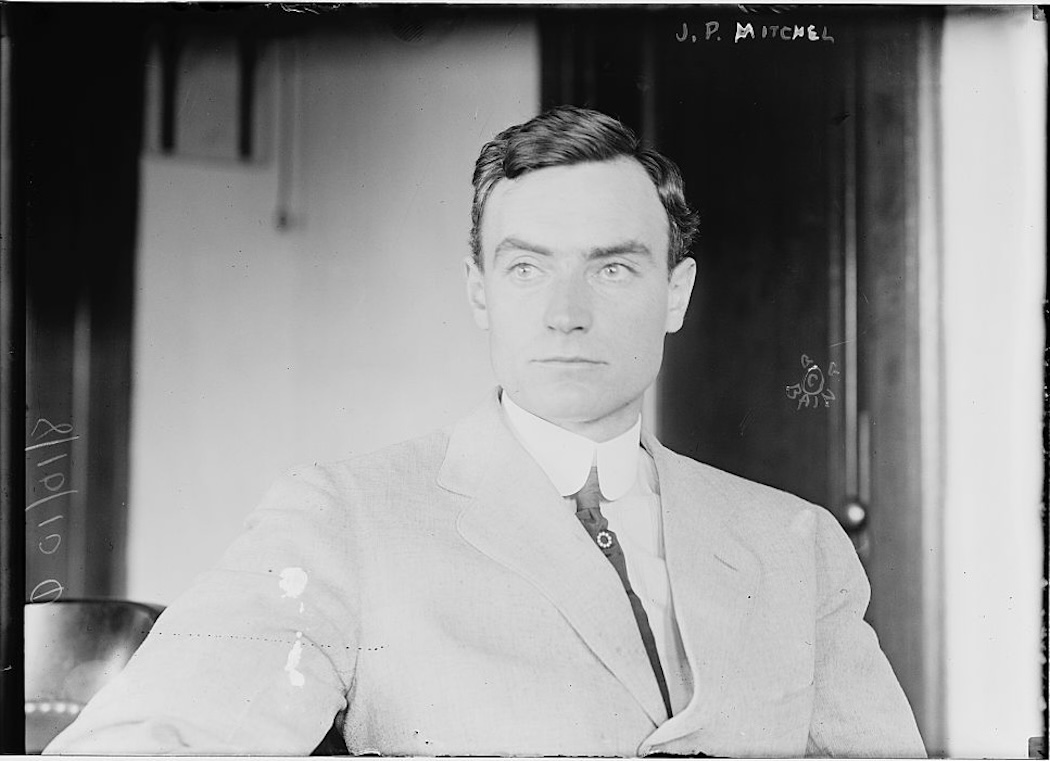
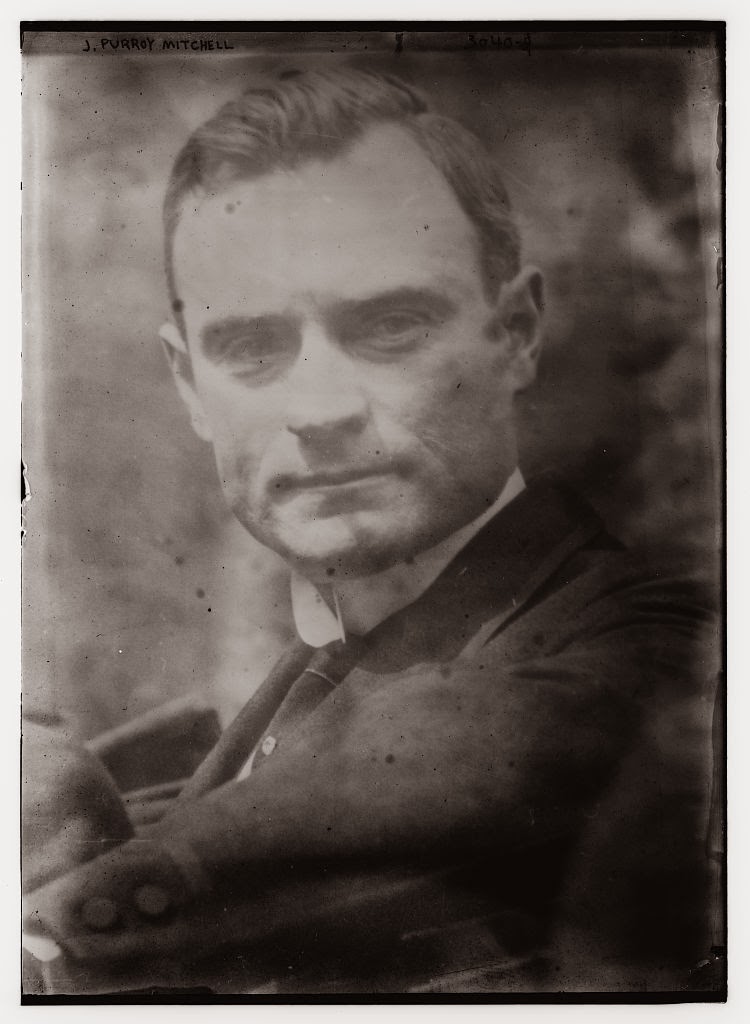
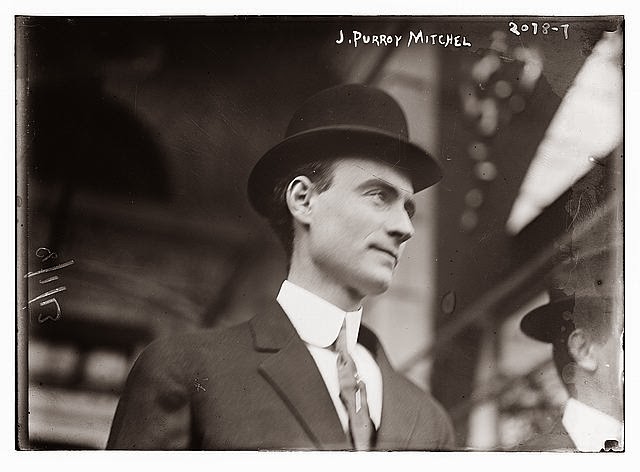
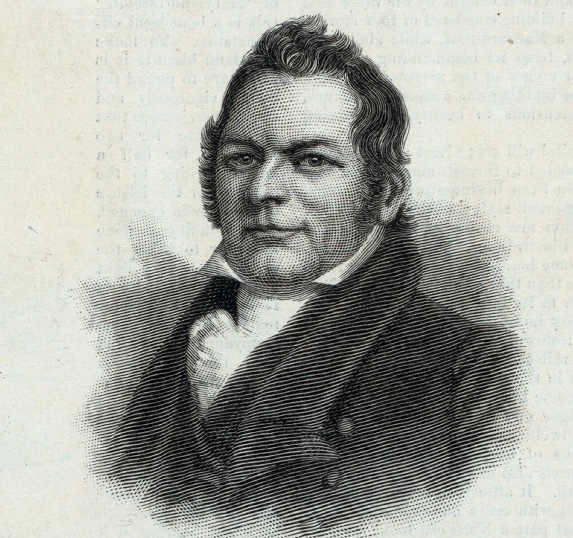
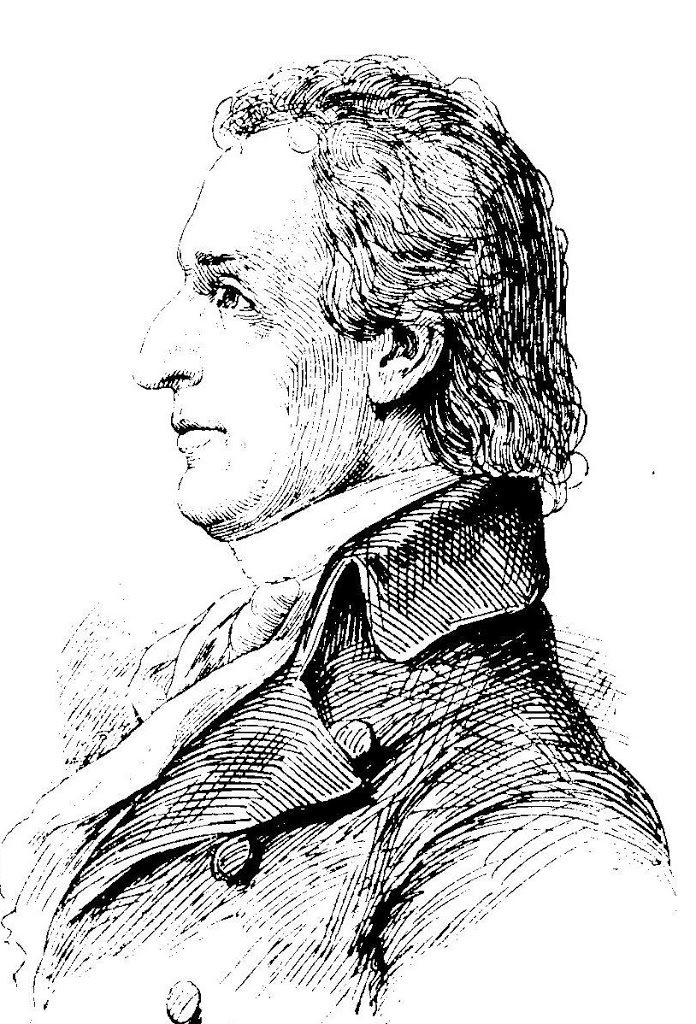
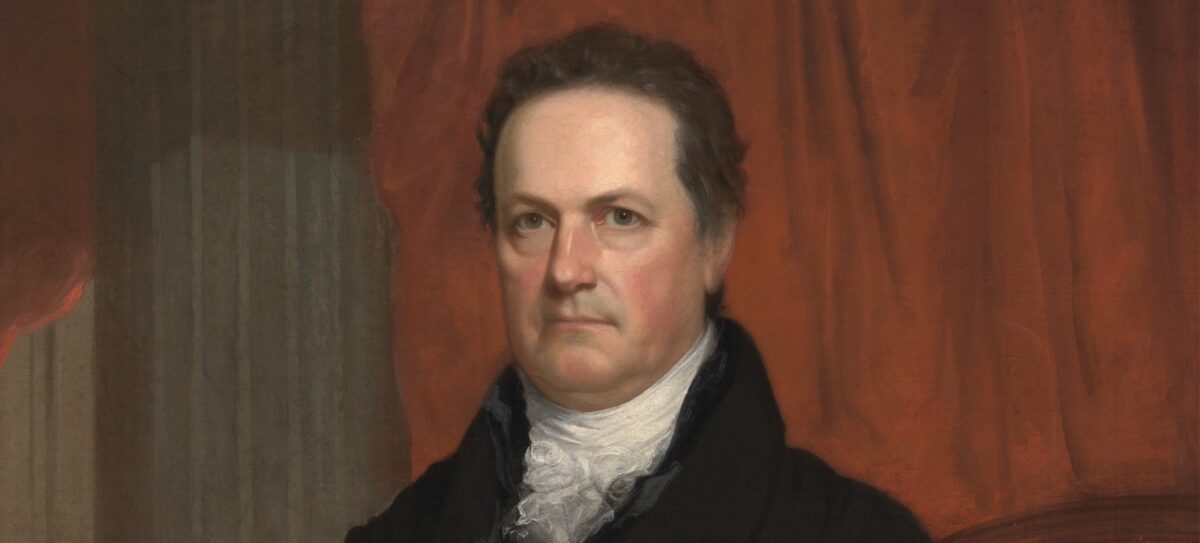
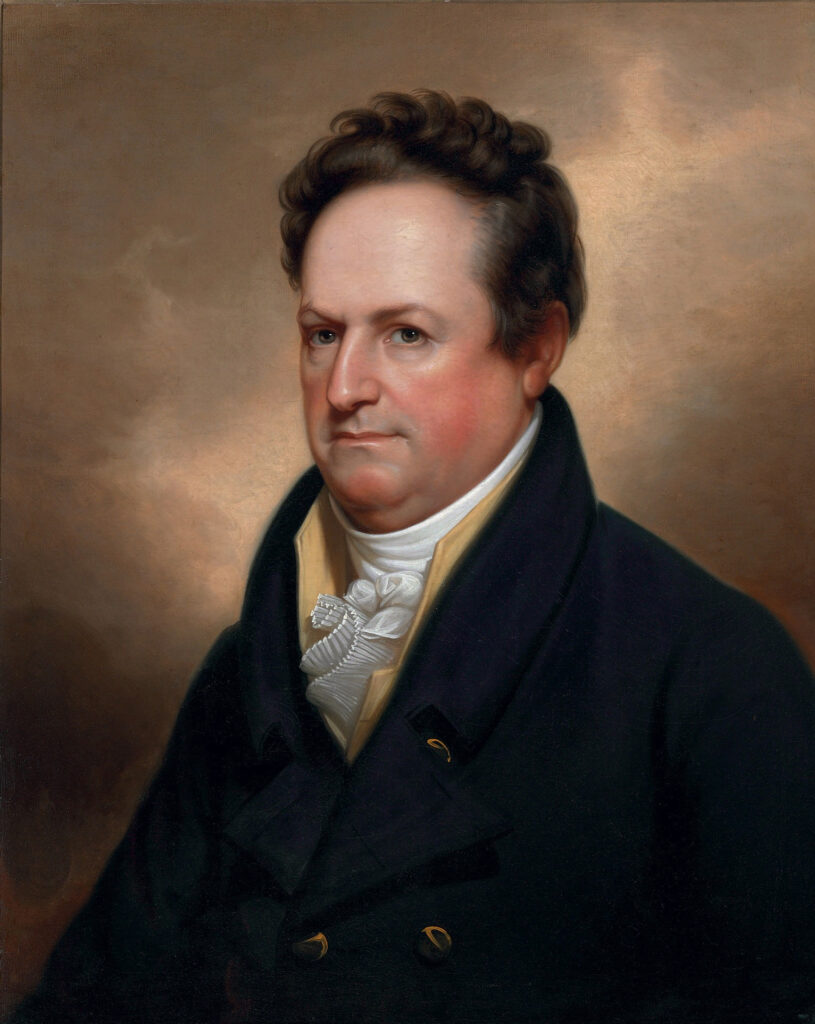
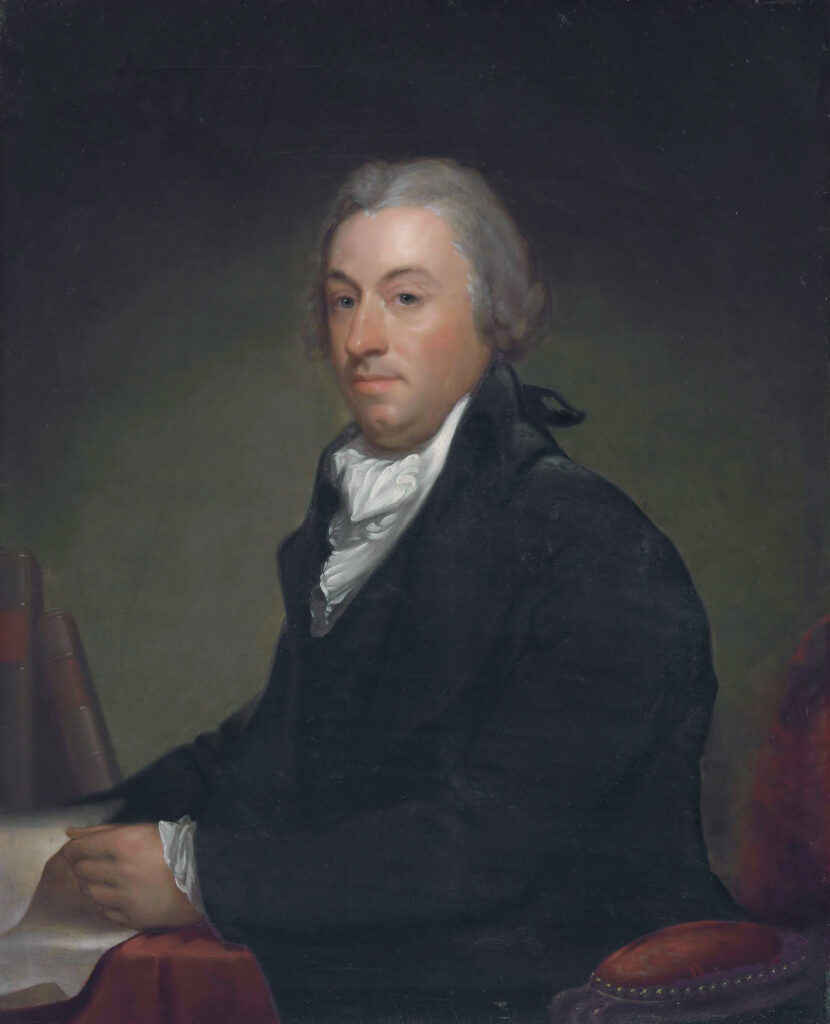
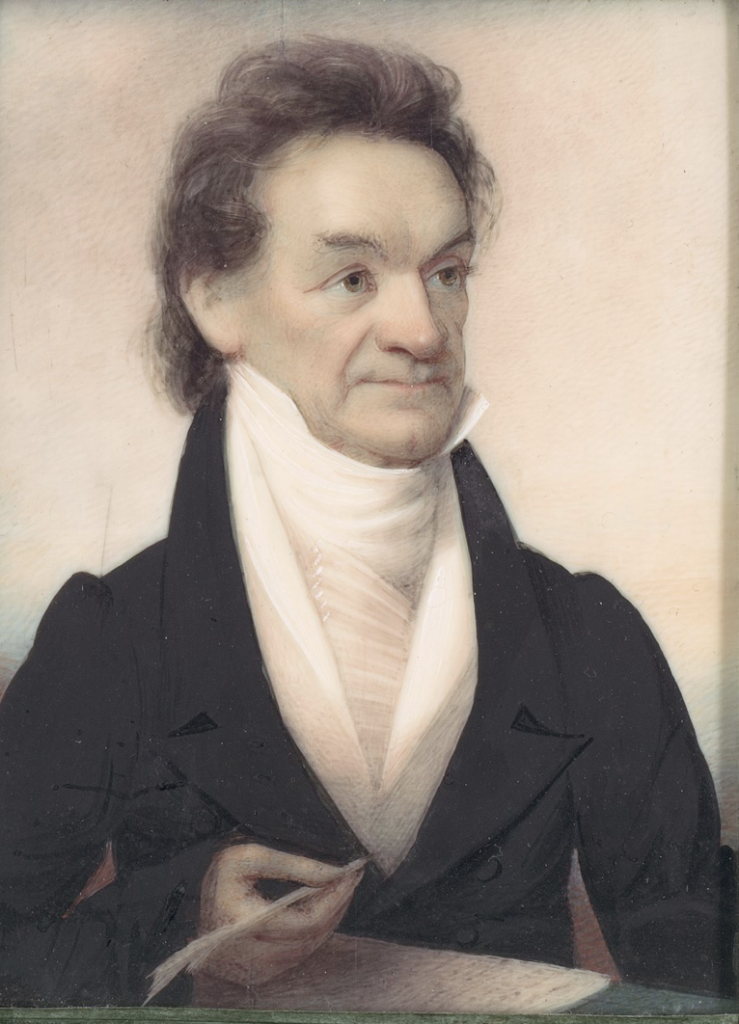
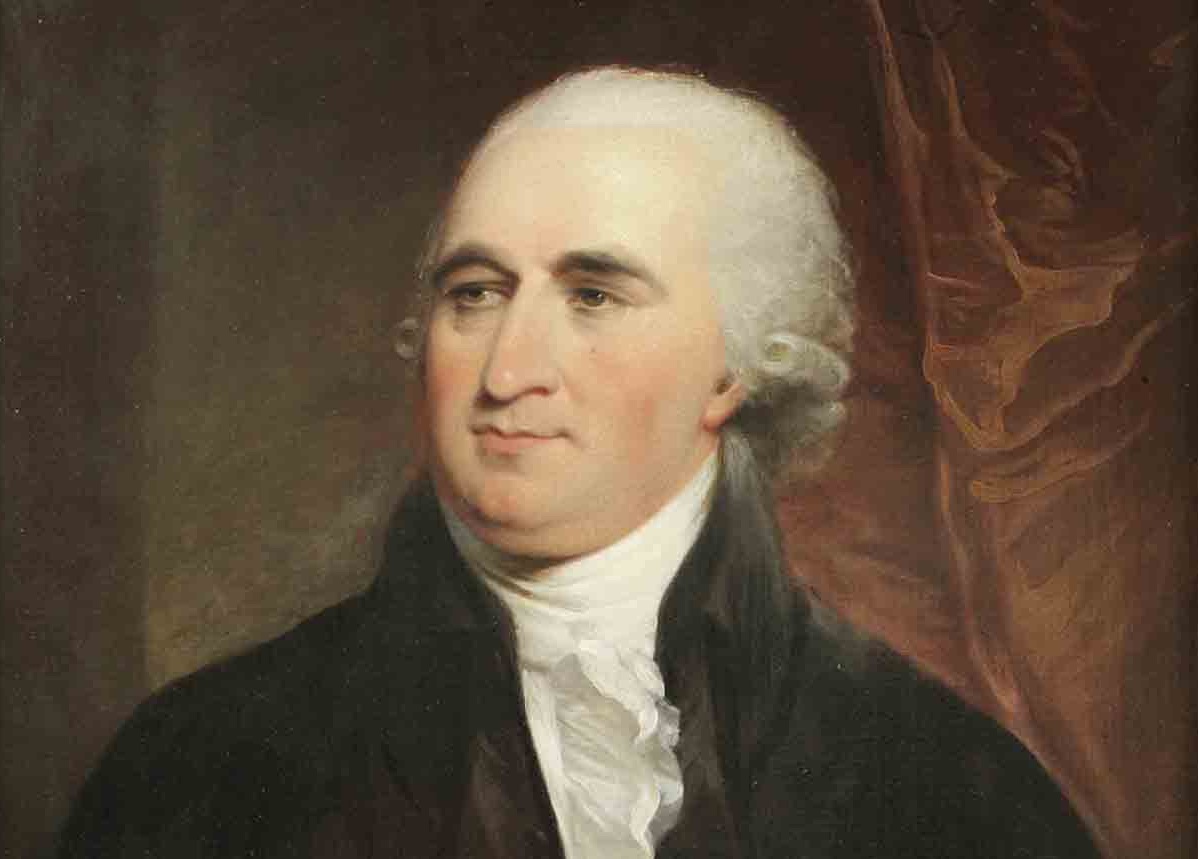
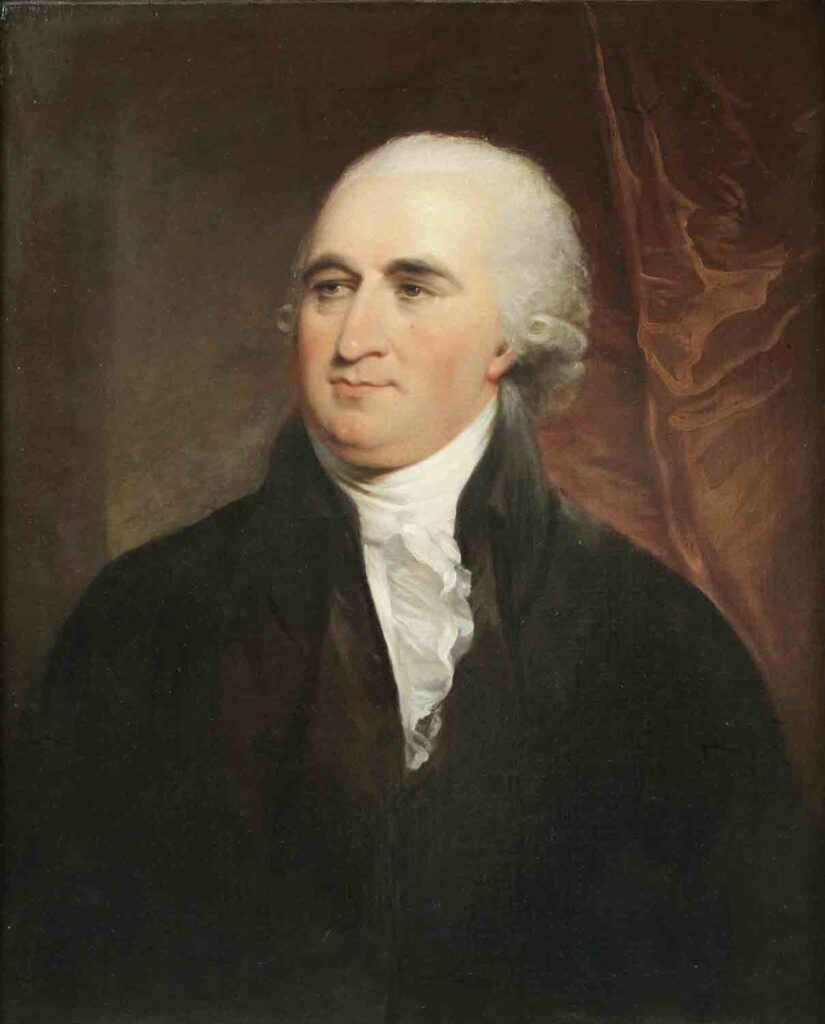
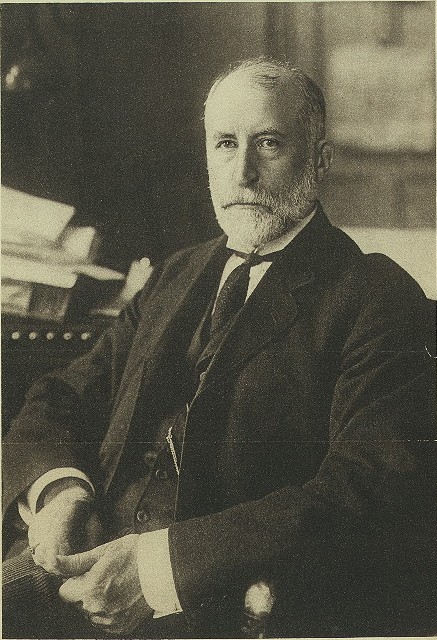
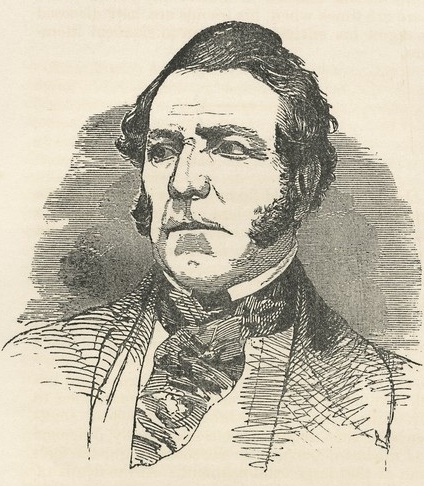
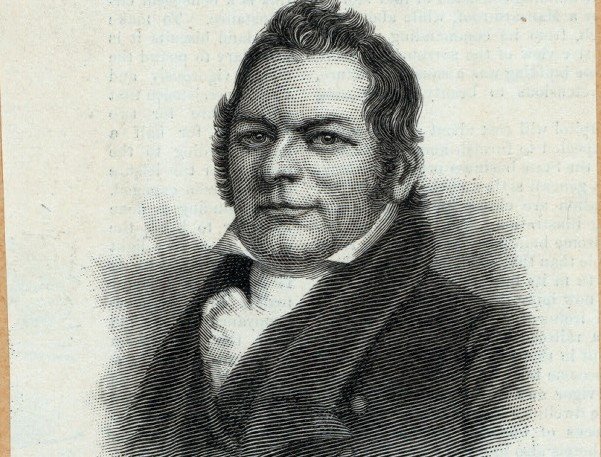
Above: John Purroy Mitchel, the ‘boy mayor’, in 1910 PODCAST As New York City enters the final stages of this year’s mayoral election, let’s look back on a decidedly more unusual contest 110 years ago, pitting Tammany Hall and their estranged ally (Mayor William Jay Gaynor) up against a baby-faced newcomer, the (second) youngest man to ever become the mayor of New York City.
John Purroy Mitchel, the Bronx-born grandson of an Irish revolutionary, was a rising star in New York City, aggressively sweeping away incompetence and snipping away at government excess.
Under his watch, two of New York’s borough presidents were fired, just for being ineffectual! Mitchel made an ideal candidate for mayor in an era where Tammany Hall cronyism still dominated the nature of New York City.
Nobody could predict the strange events which befell the city during the election of 1913, unfortunate and even bizarre incidents which catapulted this young man to City Hall and gave him the nickname “the Boy Mayor of New York“.
But things did not turn out as planned. He won his election with the greatest victory margin in New York City history. He left office four years later with an equally large margin of defeat.
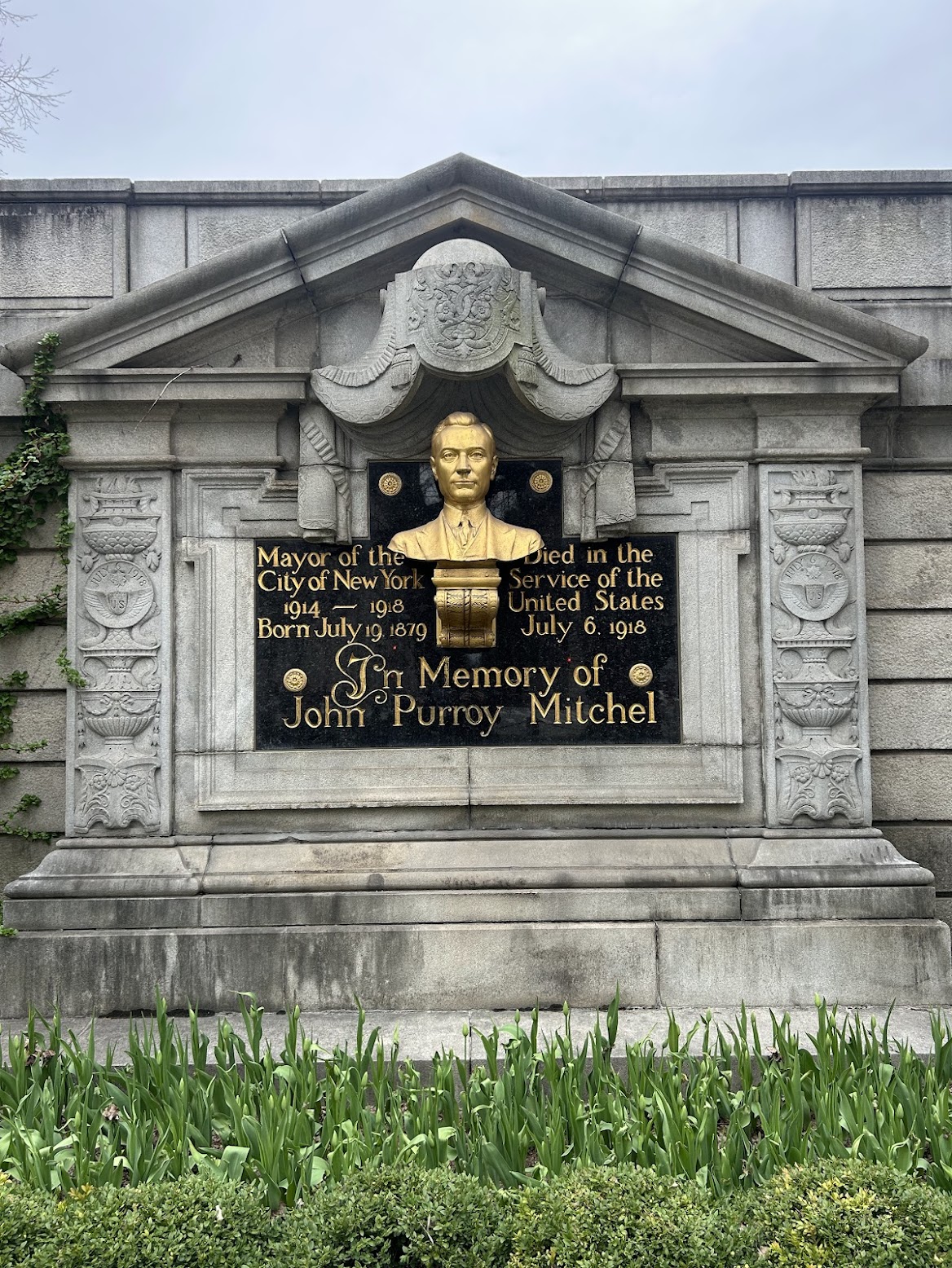
Tune in to our tale of this oft-ignored figure in New York City history, an example of good intentions gone wrong and — due to his tragic end — the only mayor honored with a memorial in Central Park.
PLUS: The totally bizarre death in 1913 of Tammany Hall’s most popular leader
The Bowery Boys Podcast is proud to be sponsored by Founded By NYC, celebrating New York City’s 400th anniversary in 2025 and the 250th anniversary of the United States in 2026.
Read about all the exciting events and world class institutions commemorating the five boroughs legacy of groundbreaking achievements, and find ways to celebrate the city that’s always making history at Founded by NYC.
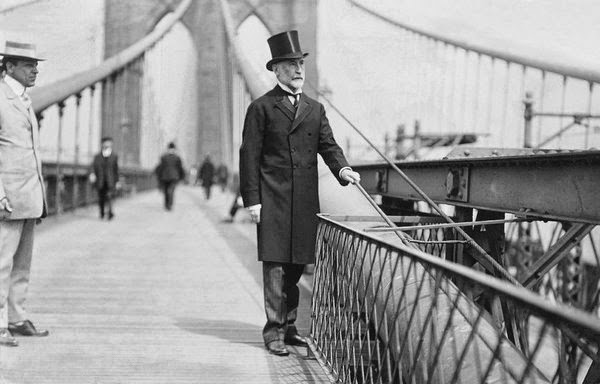
Mayor William Jay Gaynor on his inauguration day in 1909, walking across the Brooklyn Bridge to City Hall, from his home in Park Slope.
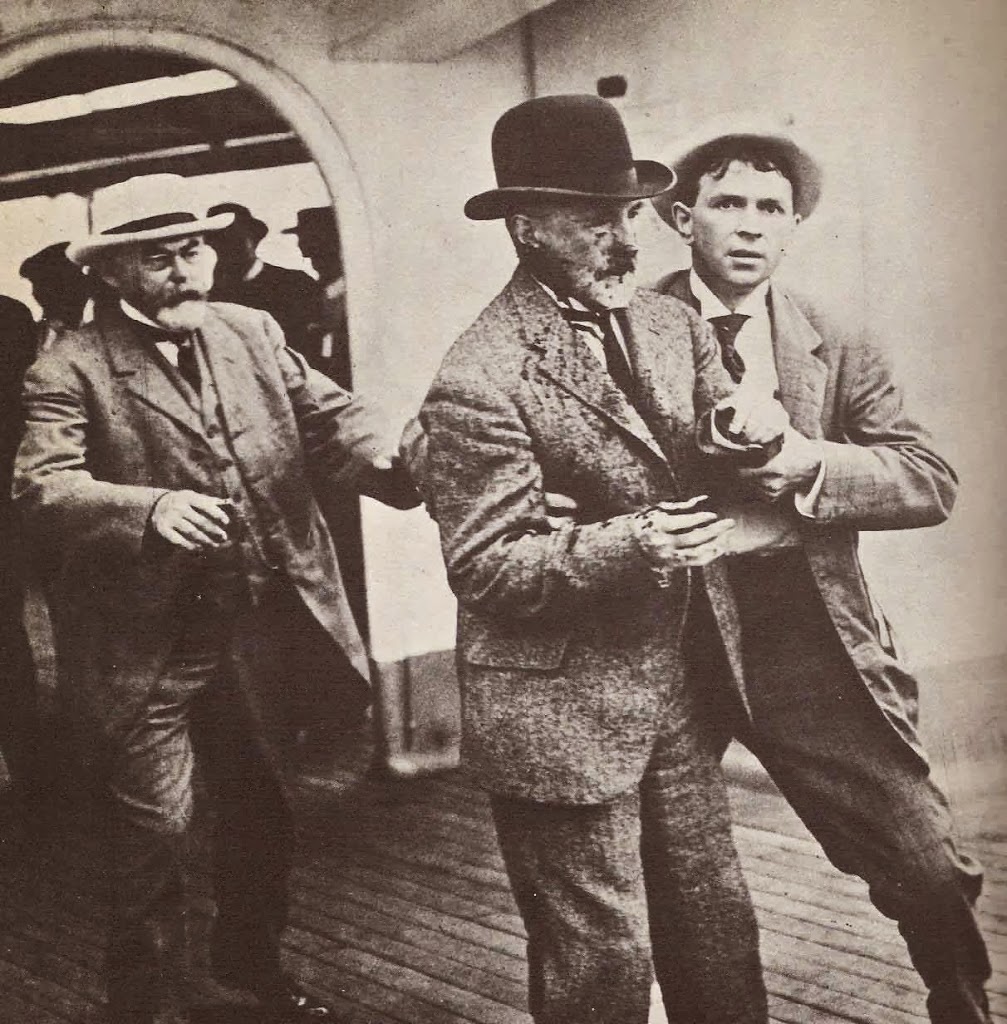
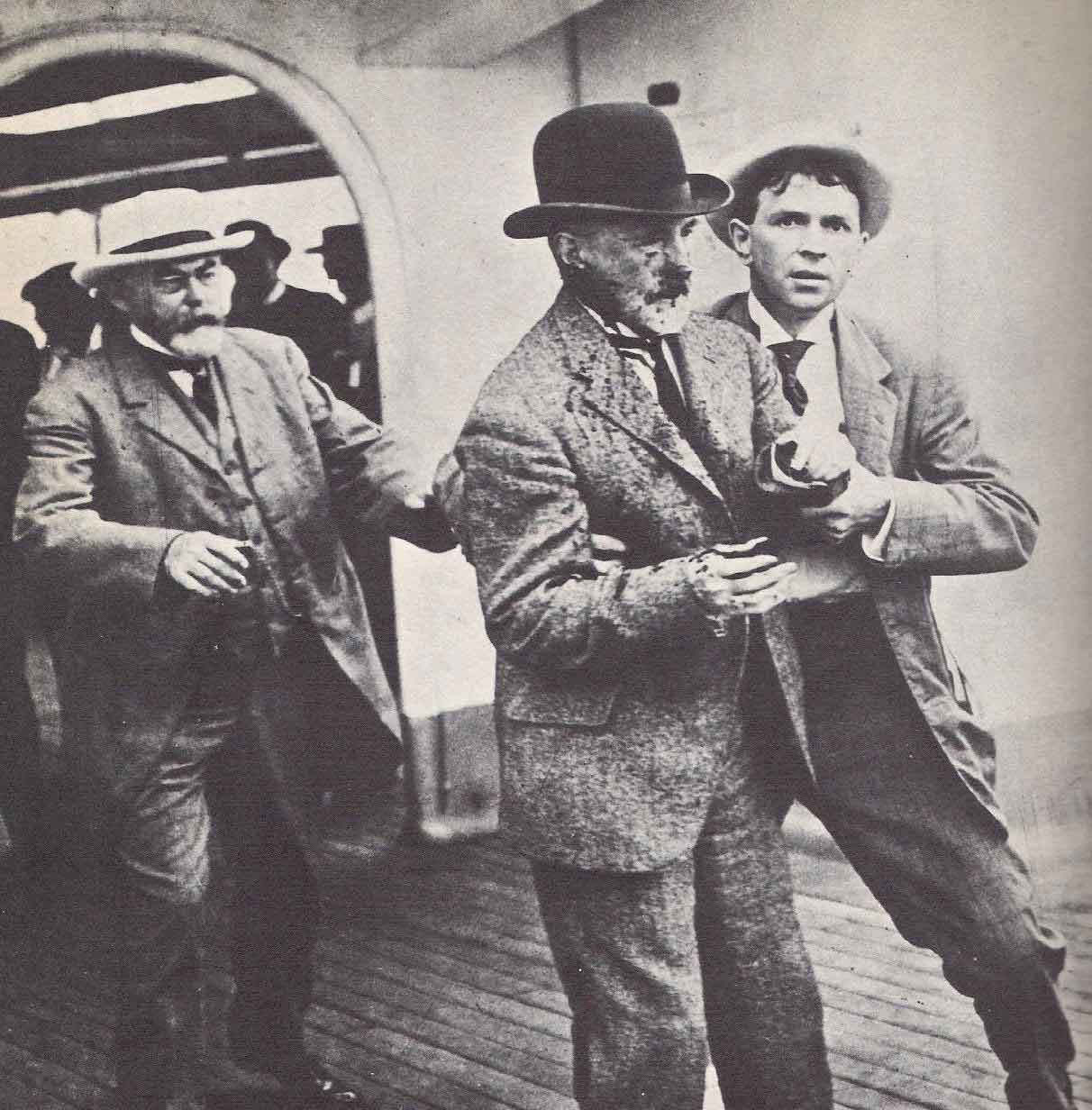
William Jay Gaynor at the very moment he was shot in 1910, on an ocean vessel docked in Hoboken. This picture was taken by a New York World photographer, one of the most famous works of early journalism photography.
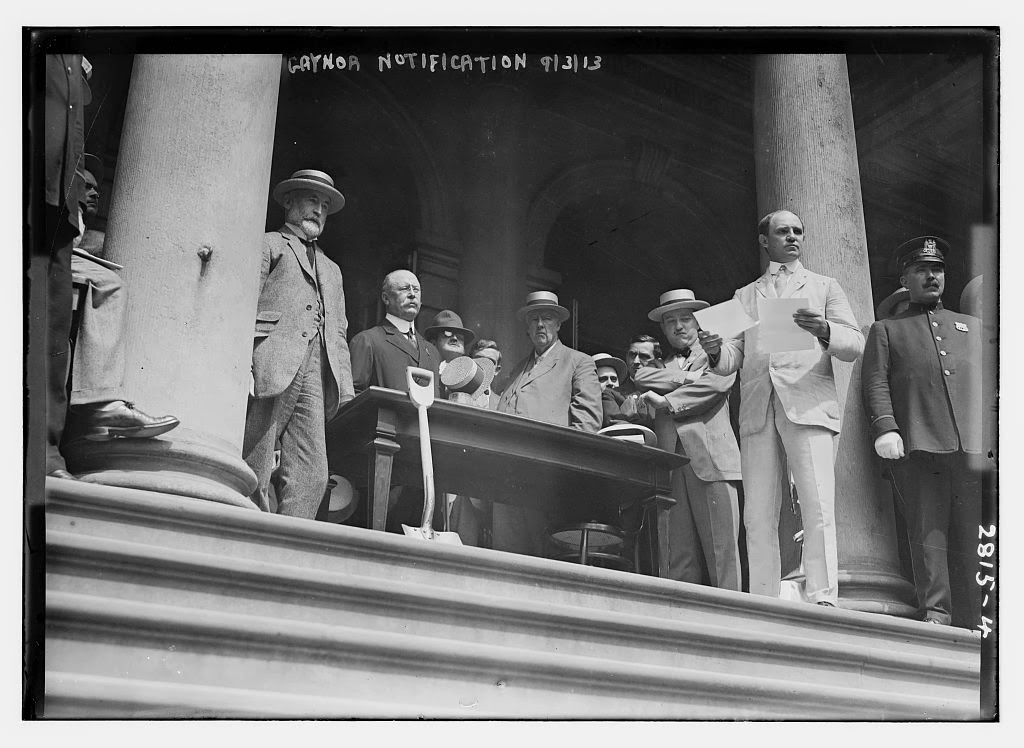
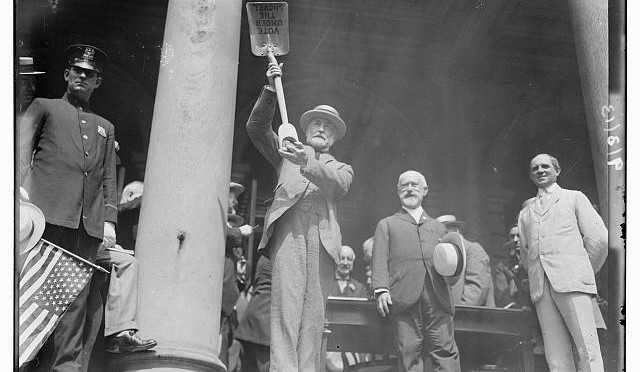
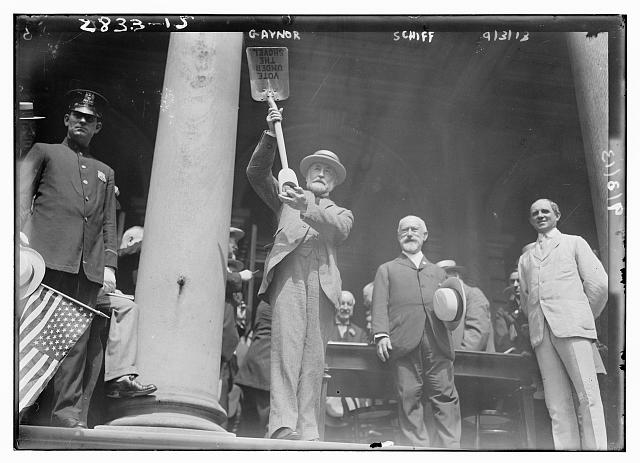
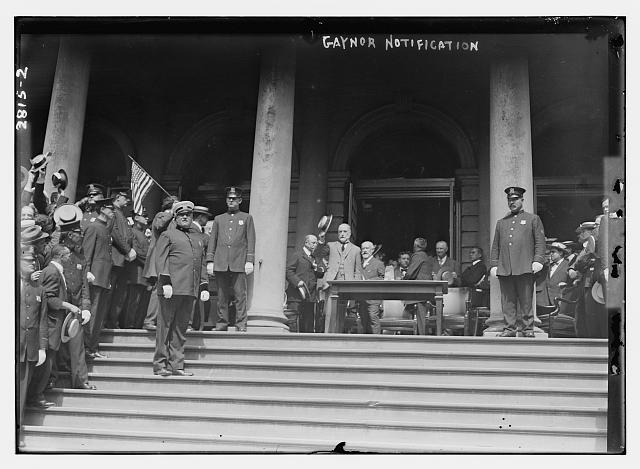
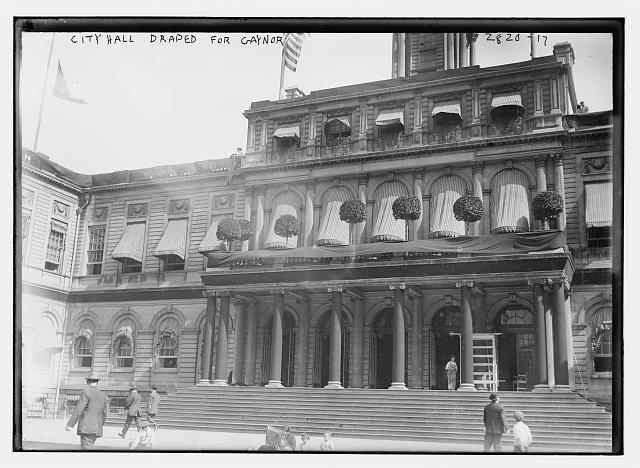
Gaynor (at left) attempted to stage a political comeback (after being by Tammany Hall) at the notification of his independent candidacy at City Hall in September 1913. The shovel in front of him was his campaign emblem.
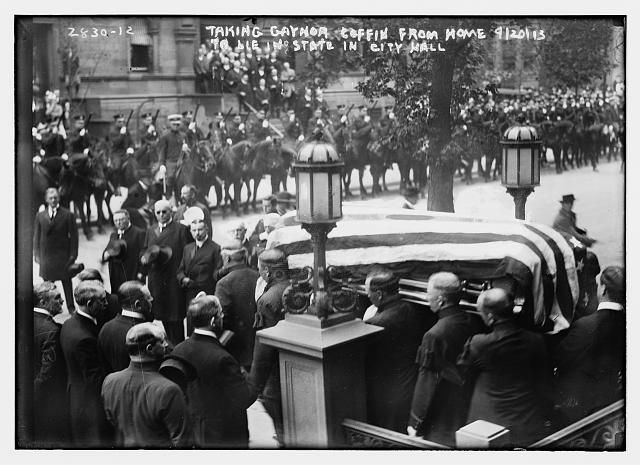
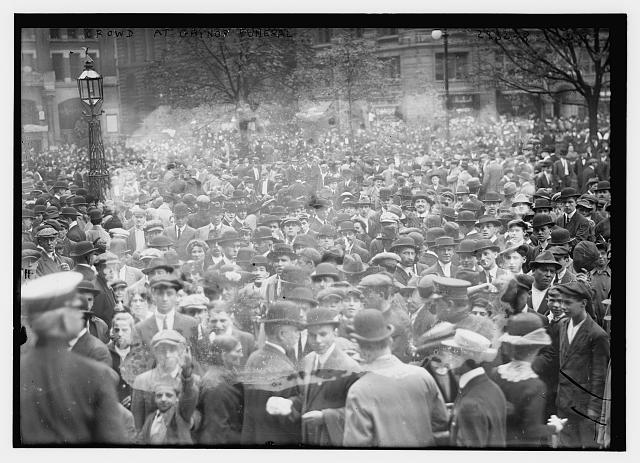
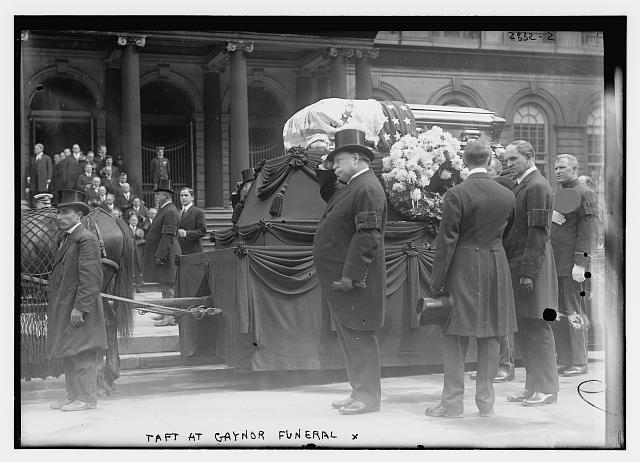
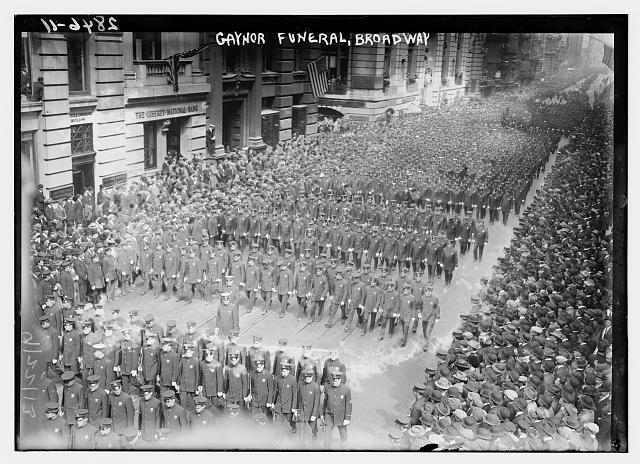
Within a few days, he would be dead of the assassin’s bullet he received three years earlier.
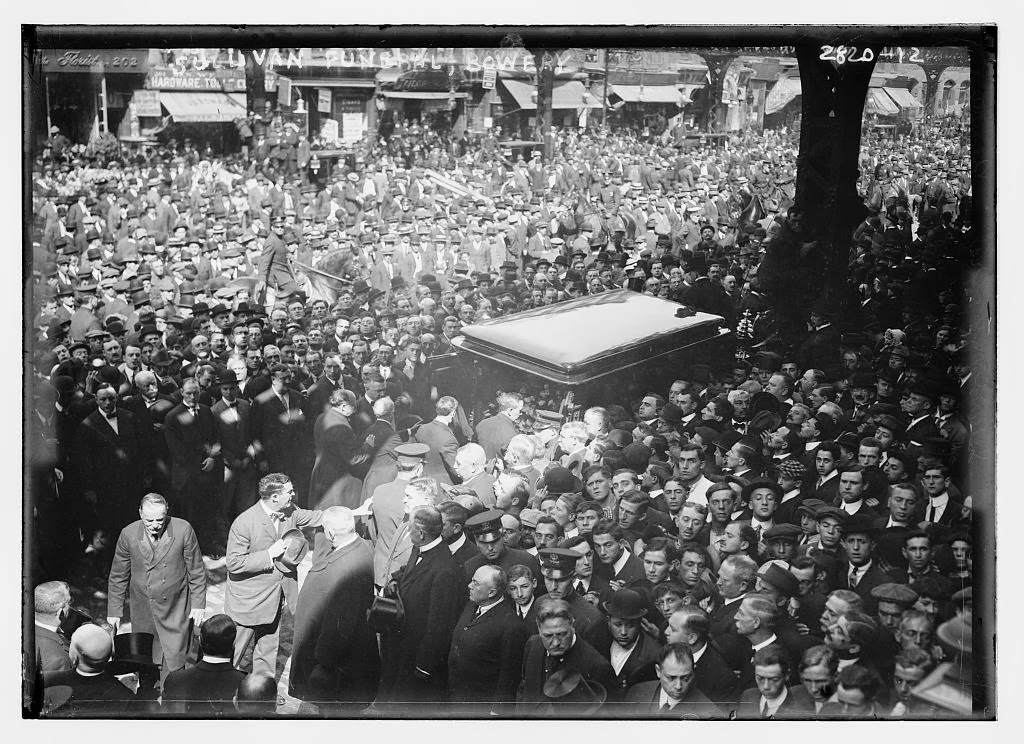
The death of Big Tim Sullivan also caused ripples in the mayoral election of 1913. The picture below is of the Bowery, overflowing with mourners.
While Sullivan was out of politics (and in an asylum) by 1913, his sudden and unusual passing had an effect on Tammany Hall supporters, throwing another strange event into an already tumultuous year.
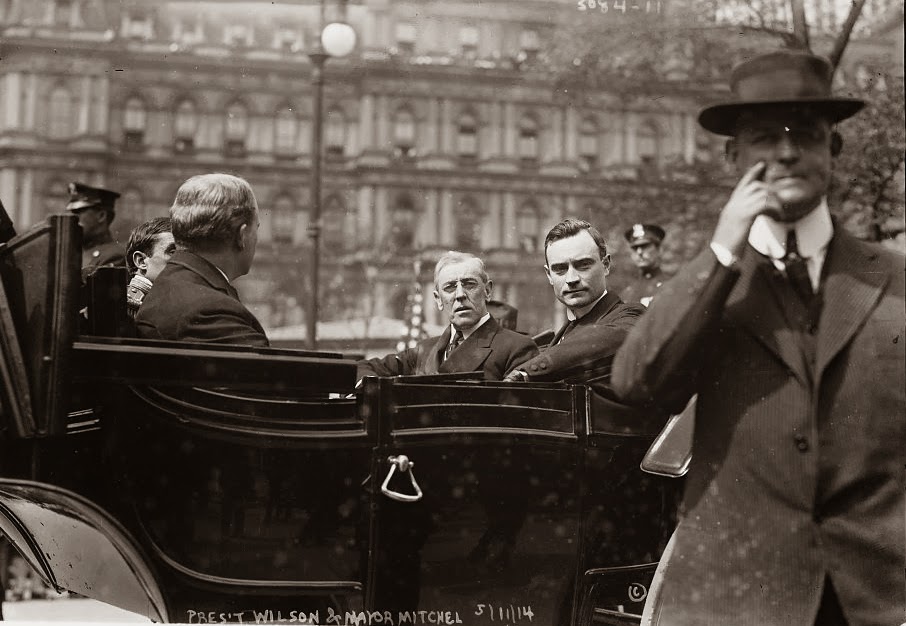
Mayor Mitchel with President Woodrow Wilson in May 1914, at a memorial service for American marines and seamen killed in Veracruz during the Mexican Revolution.
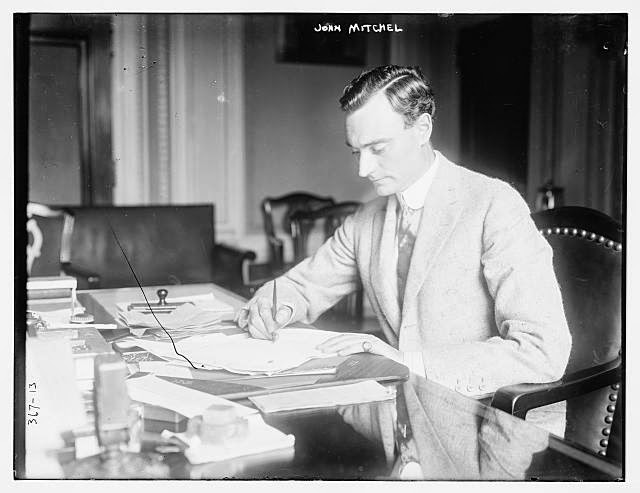
Mitchel at his desk at City Hall, presumably cracking down on some kind of over-expenditure or waste. Or possibly silently suffering from migraine headaches which plagued him during his entire term as mayor.
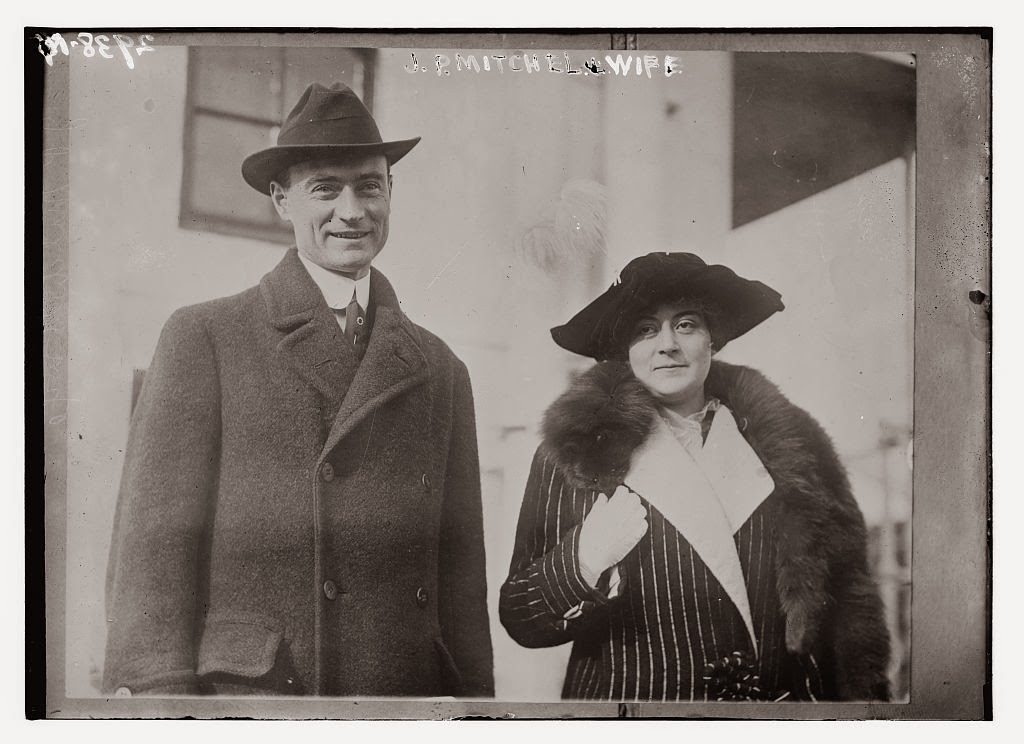
John with his wife Jane.
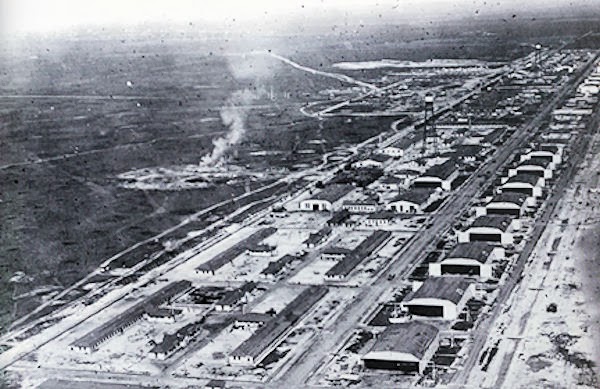
Gerstner Field in Louisiana, where Mitchel had his tragic airplane accident on July 6, 1918.
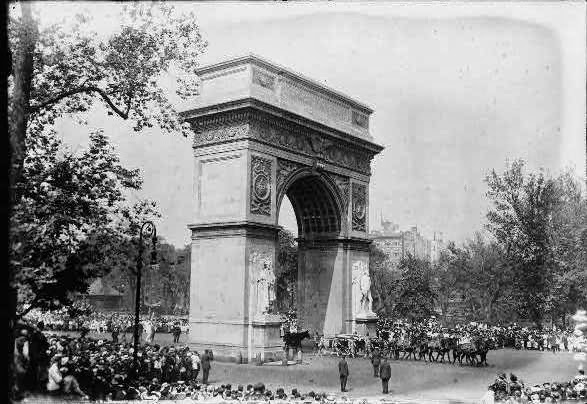
Another New York funeral: The body of John Purroy Mitchel is carried in a procession from City Hall, through the Washington Arch, and up to St. Patrick’s Cathedral.
Theodore Roosevelt, one of the pallbearers at Mitchel’s funeral, leaves St. Patrick’s in this short film by Edison.
The John Purroy Mitchel memorial, near the reservoir in Central Park.
Most pictures above are public domain, courtesy of the Library of Congress
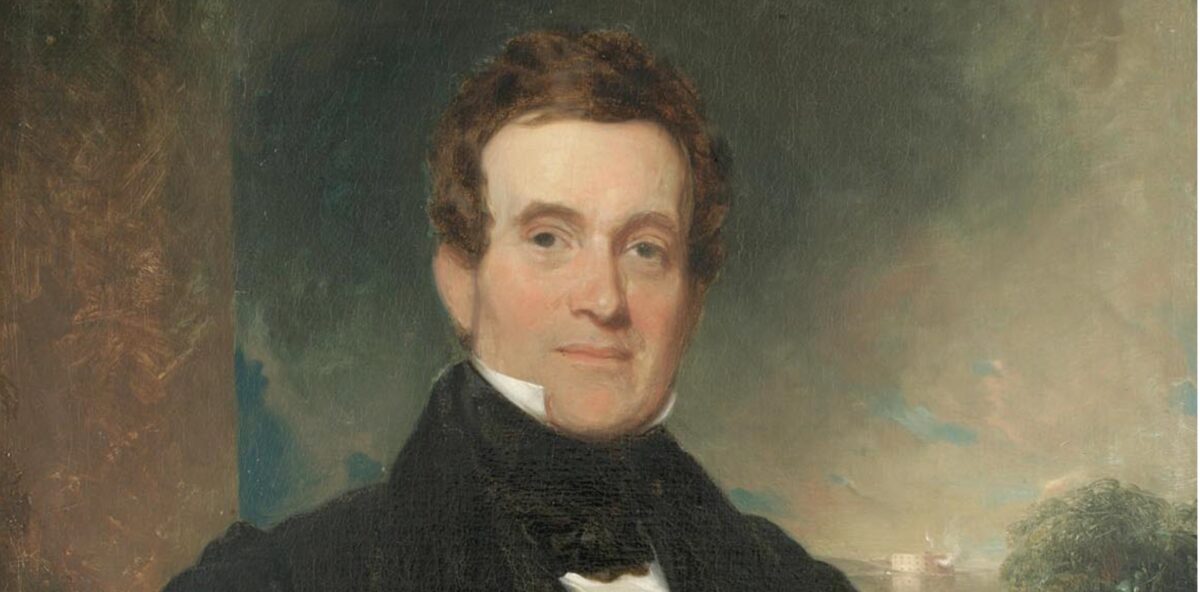
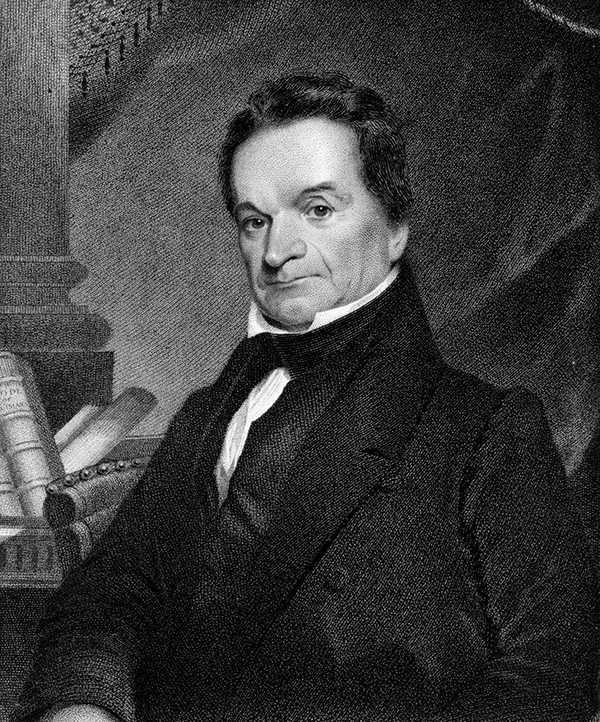
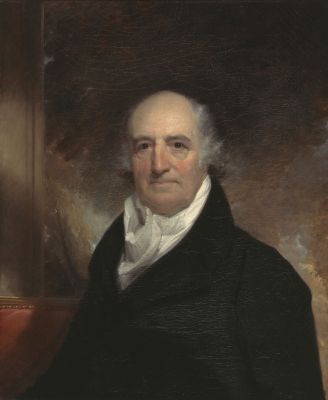
Aaron Clark, from his official City Hall portrait, painted by Henry Inman. Courtesy NYC City Hall
New York City has a new mayor — Eric Adams! So we think it is time that you Know Your Mayors, becoming familiar with other men who’ve held the job, from the ultra-powerful to the political puppets, the most effective to the most useless leaders in New York City history.
This longtime feature of this website is being rebooted with new articles and newly researched and refreshed earlier entries in this series. Check back every other week for a new installment. Read past articles here.
Mayor Aaron Clark 1837-1839 (two one-year terms)
Aaron Clark has many claims to fame in New York City history, none of them really things that recommend him as a defining leader of our city. His most defining characteristic was that he was often very lucky.
Clark is the first mayor ever elected representing the anti-Democrat, anti-Andrew Jackson Whig Party — a political party abolished less than 20 years after Clark’s victory.
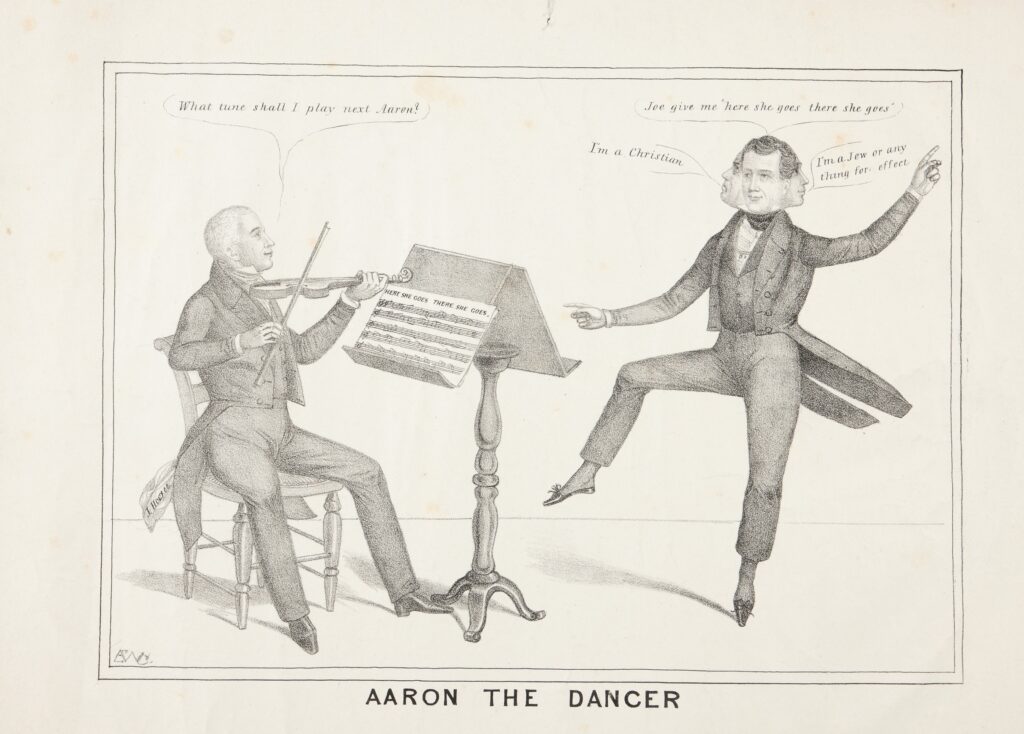
He was known as the ‘Dancing Mayor’, which was not an accomplishment but a mockery.
He called himself the New York’s most prestigious lottery operator, which he considered an accomplishment but was perceived by some as a disqualification.
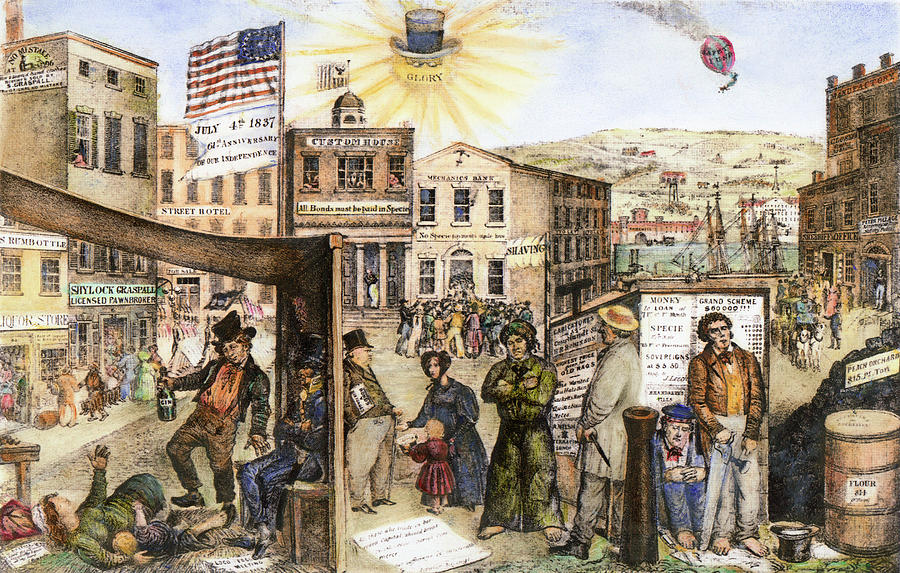
And finally he was elected amidst one of the worst financial crises in its history– the Panic of 1837.
Previously on ‘Know Your Mayors’
Clark, perhaps more honorably, was also the second man to ever be popularly elected as mayor of New York, i.e. chosen directly by the people of the city.
Previously, the position was selected by the Common Council (city council), district representatives who often chose men beholden to their whims.
When the state finally changed mayoral selection to one of popular election in 1834, the result caused violence at the polls and mass pandemonium. (See the last installment.) Cornelius Lawrence would come out ahead for three consecutive one-year terms.
Lawrence had been a candidate of Democratic machine Tammany Hall — with their influence, who else would be the first mayor? — but Democrats were facing strong opposition from an ascendent Whig party.
In fact, the Whig candidate in 1834, Gulian Verplanck, very nearly won; the animosity between the Democrats and Whigs was so contentious that right before the election, Tammany thugs stormed their opponents headquarters, destroyed everything inside and even killed a man.
During Lawrence’s tenure, the Whigs remained strong as the Democrats got weaker.
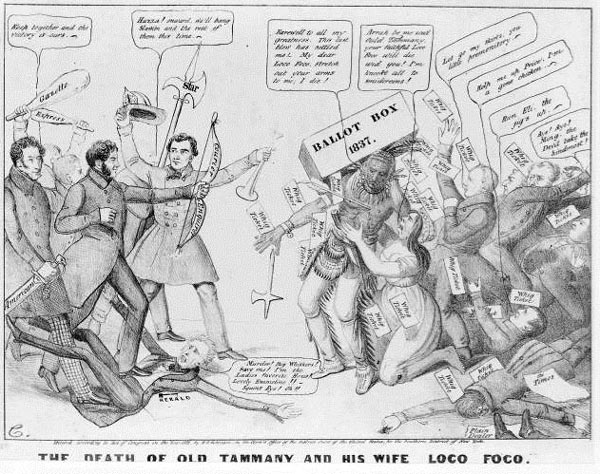
In a situation which certainly has some reflection in current national events, Tammany was split between conservative and liberal factions (an ‘Equal Rights’ faction, as they called themselves).
During a Tammany meeting in 1835, the Equal Righters stormed a Tammany committee meeting loaded with conservative members and threw them out.
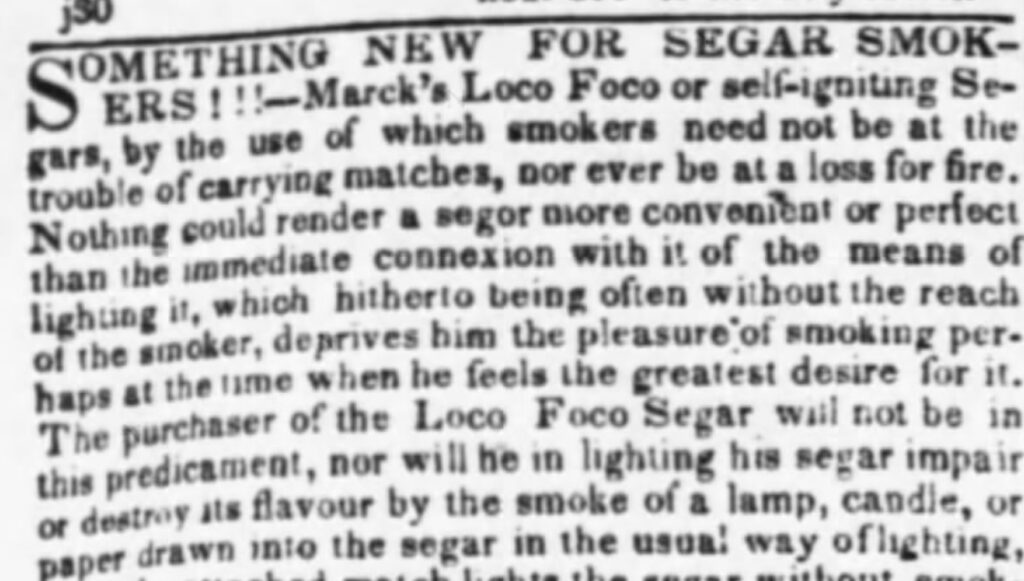
When the lights were turned out on the party-crashers, they lit Spanish matches or ‘loco-focos‘ and continued. The opposition, which would eventually run the conservatives right out of the party, would forever be known as the Locofocos. (For more on their particular beliefs, read here.)
How Luck Elected A Whig Mayor
So what does this have to do with Whig man Aaron Clark? At another period in history, Mr. Clark might never have gotten to experience life in City Hall.
But the dissention within the Democrats opened the door for the fleeting Whig party to reign briefly in New York. With that sort of luck, it’s no surprise to learn that Clark’s primary occupation up to then was as operator of a lottery business.
Privately-run lotteries were, believe it or not, quite common in early American history.
King’s College (today’s Columbia University) was founded with a lottery pool. A young P.T. Barnum operated one up in the 1820s. Benjamin Franklin and George Washington both held fund-raising lotteries in their day.
Even Alexander Hamilton opined that “everybody … will be willing to hazard a trifling sum for the chance of considerable gain.”
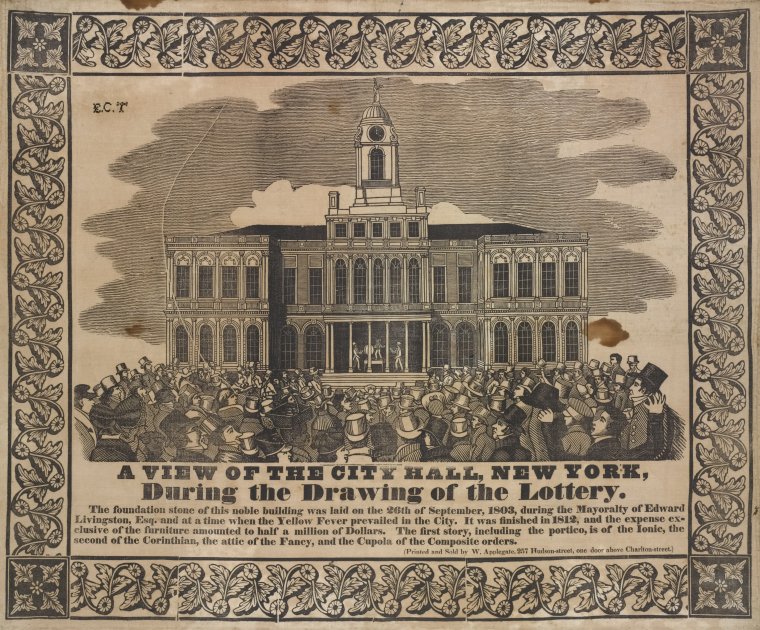
A view of the City Hall, New York, during the drawing of the lottery, New York Public Library
By the mid 19th century, private lotteries would be associated with more disreputable elements and would be abolished at the end of the century. Clark was thus a successful operator of an industry in the 1830s that would soon be looked upon as scandalous and unseemly.
“As lotteries, under certain regulations as to the drawings, which were had upon the esplanade in front of the City Hall, in the presence of an alderman, were authorized by law, there were many offices in the city, notably one at the southwest corner of Broadway and Park Place* kept by Aaron Clark, a much reputed citizen.”
*The Woolworth Building now stands on the spot where Clark’s business once stood.
“He was a great lottery seller and made a fortune of it,” says one source. A recollection from an 1890s New York Times article shortlists Clark as one of the “best known rich men” at the time.
Huzza for Clark, Fortune’s Favorite!
Clark was born in 1787 in Massachusetts, a veteran of the War of 1812, and spent his early years as a clerk of Albany state assembly.
He moved to New York to pursue banking and eventually fell into his lottery endeavors, becoming wealthy and, by extension, highly suitable for early 19th century public office. Clark was soon elected to an alderman’s seat, typically a neat launching pad into the mayor’s chair.
The Whigs announced him as their candidate in 1837 against the intensely split Democrats. Conservative Tammany ran John Jordan Morgan, while the Loco-Focos put up the interestingly named Moses Jacques, considered “the patriarchal leader of the Loco-Focos.”
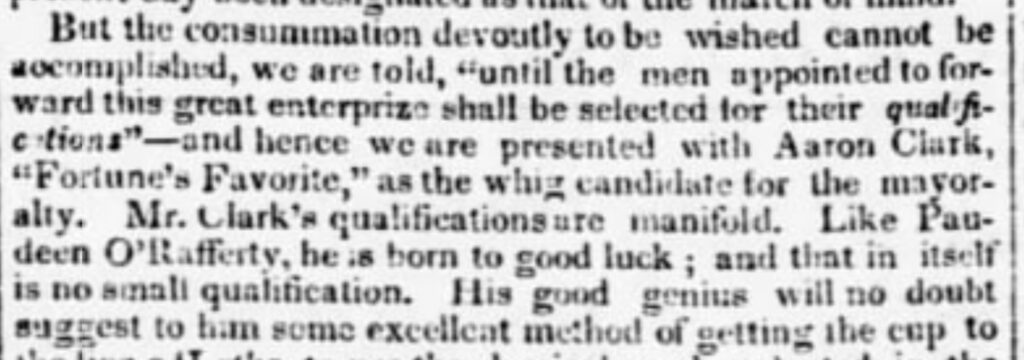
Clark’s opponents certainly tried to use his occupation against him. Wrote William Leggett : “If we elect Aaron Clark for Mayor who knows but he may get up some ‘splendid scheme’ and insure ‘a grand prize’ to everyman who assisted in making him manager of the municipal lottery. Huzza for Clark, Fortune’s Favorite!”
The Evening Post repeated this nickname — Fortune’s Favorite — March 1837.
However Morgan and Jacques cleaved the opposition in two, and for the first time in New York history, on April 11, 1837, a Whig became mayor.
He then would be re-elected in 1838 when Tammany’s conservatives threw their support to him out of spite towards their liberal LocoFoco brethren. (There was apparently a shocking amount of fraud going about that year, which also helped matters.)
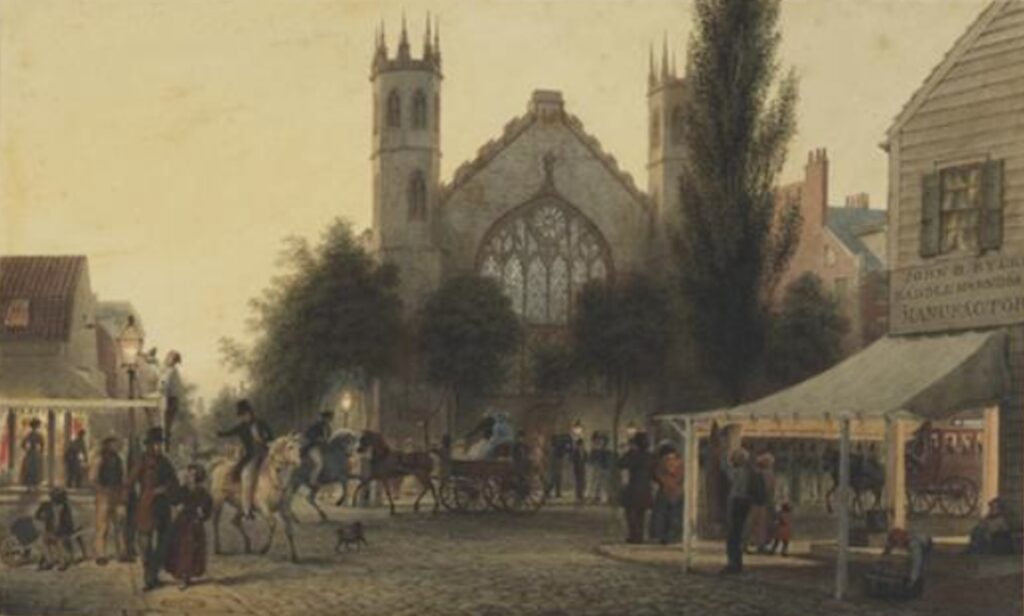
Night-fall. St. Thomas’ Church, Broadway, New York, a beautiful painting by George Harvey from 1837. (The Museum of the City of New York)
Fortune’s Favorite?
Clark was certainly the wrong mayor for the moment. He was an ardent Native American, meaning he generally despised the boatloads of Irish emptying into New York slums, driving “the native workmen to exile,” he said in a meeting to the Common Council.
His campaign was openly hostile to ‘clannish’, ‘untrustworthy’ Irishmen, and his tenure as mayor only stirred up xenophobic sentiments. He advocated for keeping new immigrants on ships, directing them away from city and charging them ‘commutation fees’ of $10.
Clark aimed his racial paranoia at the lower classes at large, fearing that the charity organizations already in place were turning the city “into a rendez-voux of beggars, paupers, vagrants and mischievous persons,” according to the book Gotham.
One general benefit of this alarming hysteria was an improvement to the system of nightwatchmen and security patrols throughout the city, a “military arm” to assuage rioting and general chaos. Clark was no light-weight; he would frequently lead these local militias through the city himself, breaking up rabble-rousing groups.
The Unfortunate Fop
Most unfortunately, however, Clark’s charms were limited. His attempts to woo over New York’s elite in a series of parties at his home on Broadway and Leonard Street fell flat.
This type of social governance was a winning recipe for mayors like the honorable Philip Hone. As mentioned in a prior installment of this column, Hone’s parlor “hosted a nightly gallery of political and foreign dignitaries mixing it up with New York’s social strata.”
Clark, however, was roundly ridiculed for attempting such grand ‘entertainments’. In fact, in an early form of political snark, Clark was ironically called ‘the Dancing Mayor’, not for his graces assumably or even the class of his “splendid patent leather pumps” but for his pretensions of trying too hard.
Also on his watch, the Croton Aqueductcontinued apace although its workers went on strike not once but twice in 1838 for better wages.
He also governed the city through the beginning of a grueling financial crisis, known today as the Panic of 1837.
Not even a month into Clark’s first term, on May 10, 1837, New York City banks ran out of gold and silver, having loaned out too much due to months of high inflation. President Jackson had hollowed out the central bank and refused to recharter it, leading to bank collapses across the country.
“During the Panic of 1837, approximately ten percent of U.S. workers were unemployed at any one time. Mobs in New York City raided warehouses to secure food to eat. Prominent businessmen, like Arthur Tappan, lost everything.” [source]
The Panic froze real estate developments across the city. Construction projects in Union Square and Gramercy Park sat unfinished.
“A deadly calm pervades this lately flourishing city,” wrote former mayor Philip Hone in his diary. “No goods are selling, no business stirring, no boxes encumber the sidewalks of Pearl Street.”
A Different Kind of Prize
It became clear that Clark was out of his depth. Two years of a Whig in office — with the tide of immigrants hardly abating — was quite enough.
In the election of 1839, Tammany put up Isaac Varian, who had been defeated the year previous by his political machine’s fractious split. Despite the usual cries of fraud, in this round Varian was the victor. Clark’s luck, if that’s ever what it was, had run out.
During its first year, The Clark Prize had eight competitors. “It is expected that the exercises will be unusually interesting and attractive,” claimed one article.
When Clark died in 1861, he was buried right here in the city, at the old New York Marble Cemetery in the East Village. The gates to this historic burial ground are occasionally opened to the public so I recommend bringing a lottery ticket to his headstone.
We’re just a few weeks away from a new mayor in New York City so we think it is time that you Know Your Mayors! Become familiar with other men who’ve held the job, from the ultra-powerful to the political puppets, the most effective to the most useless leaders in New York City history.
This longtime feature of this website is being rebooted with new articles and newly researched and refreshed earlier entries in this series. Check back every other week for a new installment. Read past articles here.
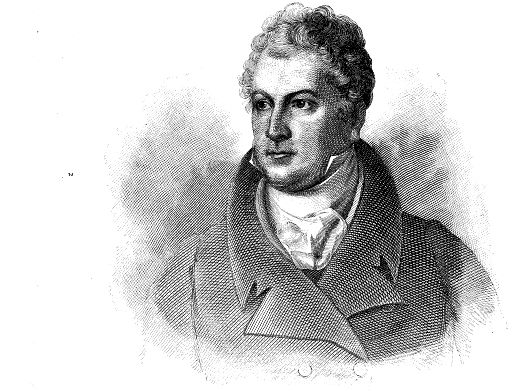
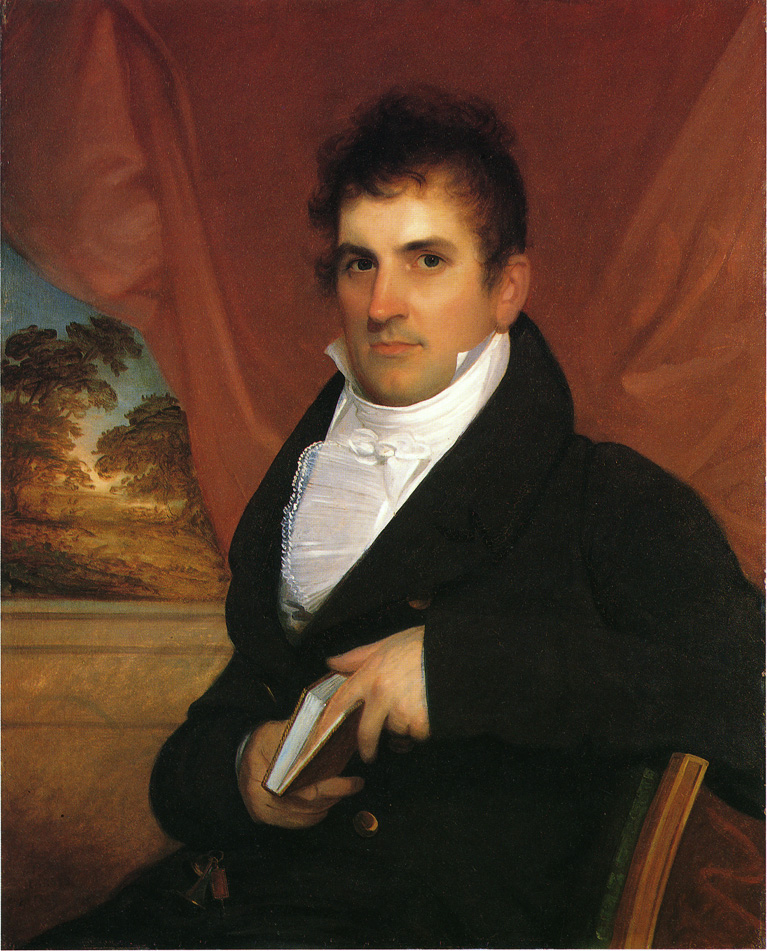
Philip Hone Term: 1826-1827
Many of our city’s early mayors are marginal figures obscured by a lack of personal information contained in publications of the day.
We only know a few by their actions and can only indirectly discern their personalities from their popularity and effectiveness.
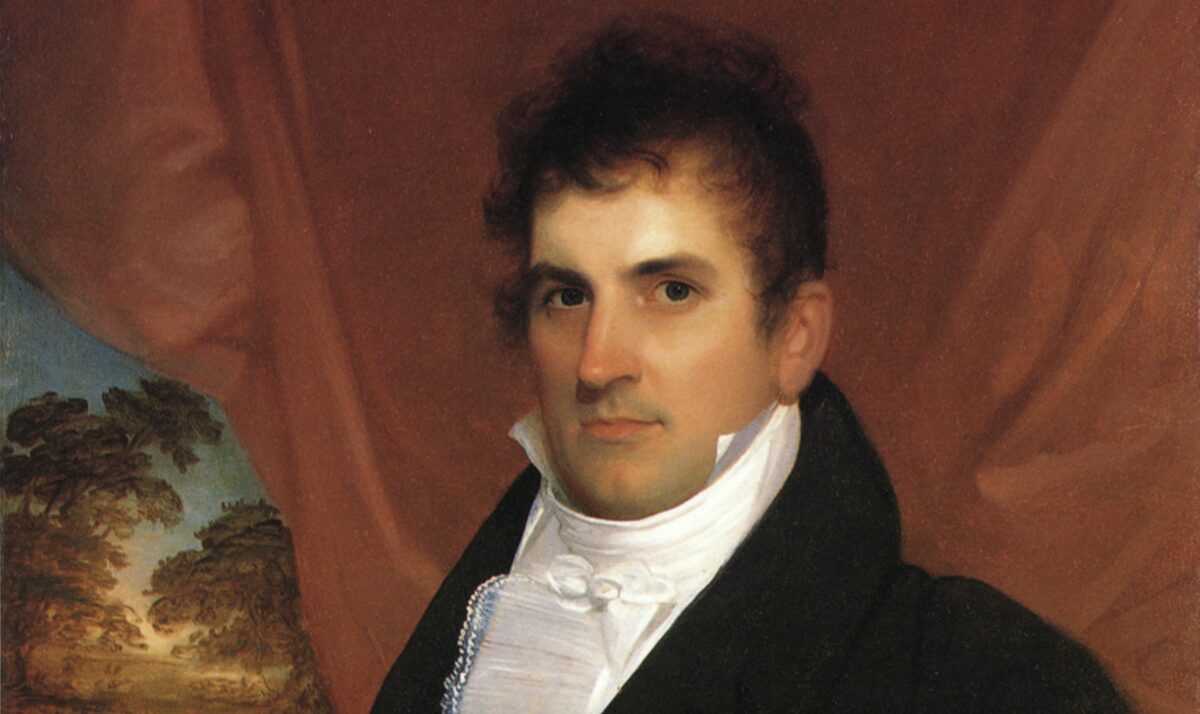
Not so with Philip Hone, the Whig mayor of New York City for a single solitary term (1826-27).
Thanks to his fascinating and well written diary, we not only know all about him, we have an uncommonly vivid window into the workings of the early city.
Twenty-Four Hour Party People
Hone was born in 1780 on Dutch Street (between John and Fulton streets) and made his name on the nearby ports as an teenage auctioneer selling goods right off the boat.
His auction business became known throughout the ports of the new America, and by age 40, the self-made Hone had amassed such wealth that he effectively retired to the life of a “gentleman”.
From his lavish home on 235 Broadway across from City Hall, Hone dined with politicians and celebrities, a good-natured and cultured bon vivant, an old school Knickerbocker who would consider himself good friends with the likes of Daniel Webster, Washington Irving, and John Jacob Astor (whose Astor House would sprout up next door).
His parlor hosted a nightly gallery of political and foreign dignitaries mixing it up with New York’s social strata.
From his diary: “As his children grew up the house became a resort for the young people ; and it was an ordinary question for the beaux and belles walking on Broadway : ” Shall we meet to-night at Mr. Hone’s, or at Dr. Hosack’s?” — these being the two houses in town most constantly open..”
Naturally, political ambitions also came knocking, and Hone was elected an alderman in 1824 before winning the mayoralty in 1826, a rare representative of the Whig party in a city ever so dominated by Democrats.
It seems that Hone’s strengths as mayor came as a direct extension of his role as New York’s social network king. He’s as known as much for his parties as for his policies.
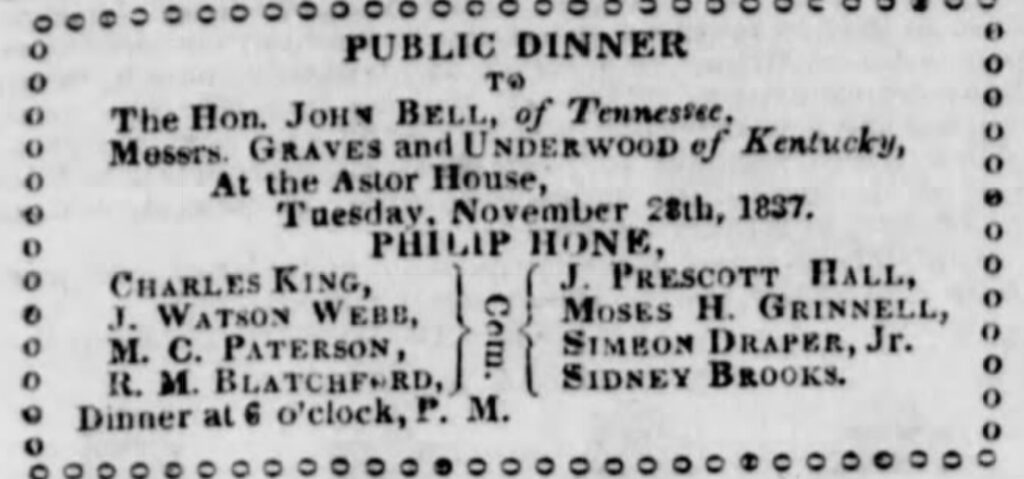
The New York Daily Herald published an invitation to one of his fancy parties at the Astor House, 1837
King of Clubs
The introduction to his diaries doesn’t even bother to disguise this: “Mr. Hone represented the city socially as well as politically. He entertained officially; and visiting strangers during his term enjoyed a hospitality which reflected credit upon the whole community.”
A true social butterfly, he amassed membership in a variety of clubs and associations, became a trustee in New York’s first insane asylum, and dabbled early in canal building as president of the Delaware and Hudson Canal company (later to become the basis of the D&H Railroad).
“He was never voluntarily absent from a meeting where the interests of others demanded his presence, and many were the good dinners which he lost in consequence.”
As a comfortable and well-connected gadabout, his somewhat elitist views and political outsiderness left him stranded in a city where ‘Whiggery’ often equated only to upper classes.
In particular his anti-Irish, anti-Democratic positions were fighting against the wind. Later, by the 1830s, the power struggles between Whigs and Democrats would virtually wipe Hone’s party from the city’s political map.
Mostly, he’s remembered as a cultural ambassador, even commissioning artwork for City Hall, approving of a developing theater district in the not-yet-seedy Bowery and encouraging the city’s growth as an American capitol of arts and sciences.
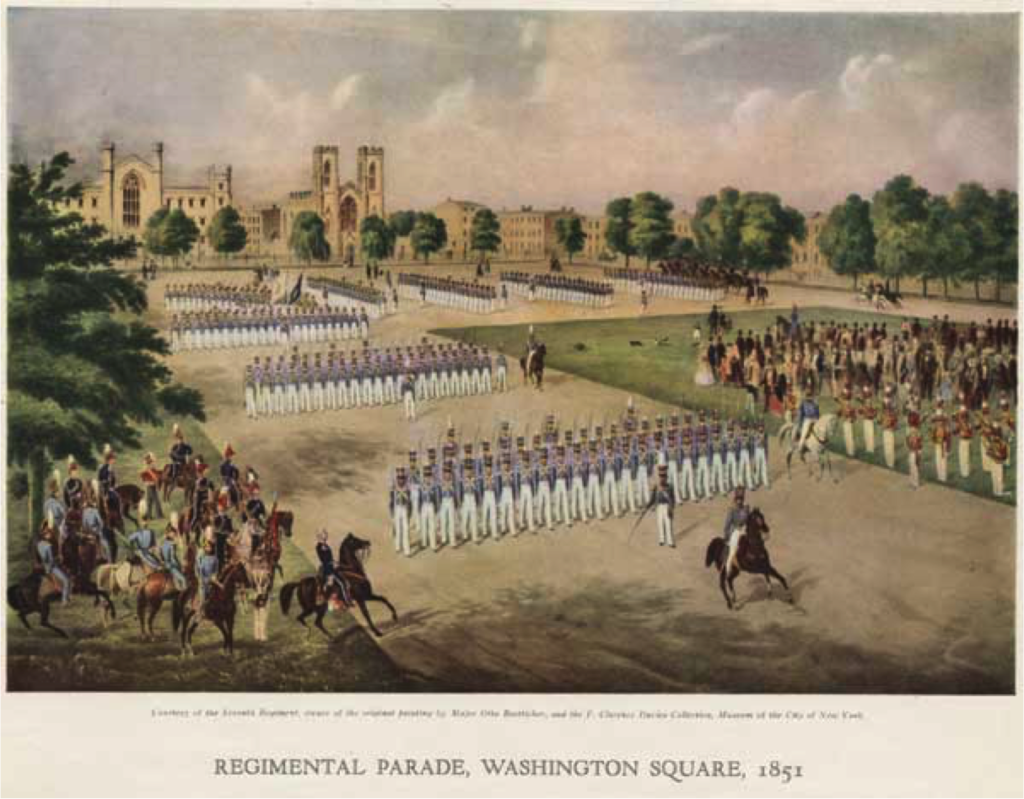
Seventh Regiment on Review, Washington Square, New York, 1851, Otto Boetticher. Courtesy of the Metropolitan Museum of Art.
The Washington Parade Ground
But he’s largely responsible for one of New York City’s most beautiful places — Washington Square Park.
Hone, as earlier mentioned, was on the board of everything. One of those organizations was Sailors Snug Harbor, a retirement home for “aged, decrepit, and worn out seamen” which owned property immediately north of New York’s public burial grounds in Greenwich Village.
By 1831 the retirement home had moved to the donated farmland of Robert Richard Randall on the north shore of Staten Island (where it resides to this day). To raise money for the organization, Hone suggested that the former burial ground — which was already overcrowded — be transformed into a military parade ground.
“Hone ensconced the militia in the former potter’ field,” wrote Luther S. Harris in his book Around Washington Square, “then decreed that the site be used to host the national jubilee for the fiftieth anniversary of the signing of the Declaration of Independence.”
In June of 1826 the grounds were renamed the Washington Parade Ground, in time for a massive jubilee celebrating that patriotic anniversary the following month. As a result this meant that Sailor Snug Harbor’s Greenwich Village property became much, much more valuable.
By the end of his term, the ‘parade ground’ would be expanded to its present size. The military would leave the grounds by the late 1840s and it would be renamed Washington Square Park.
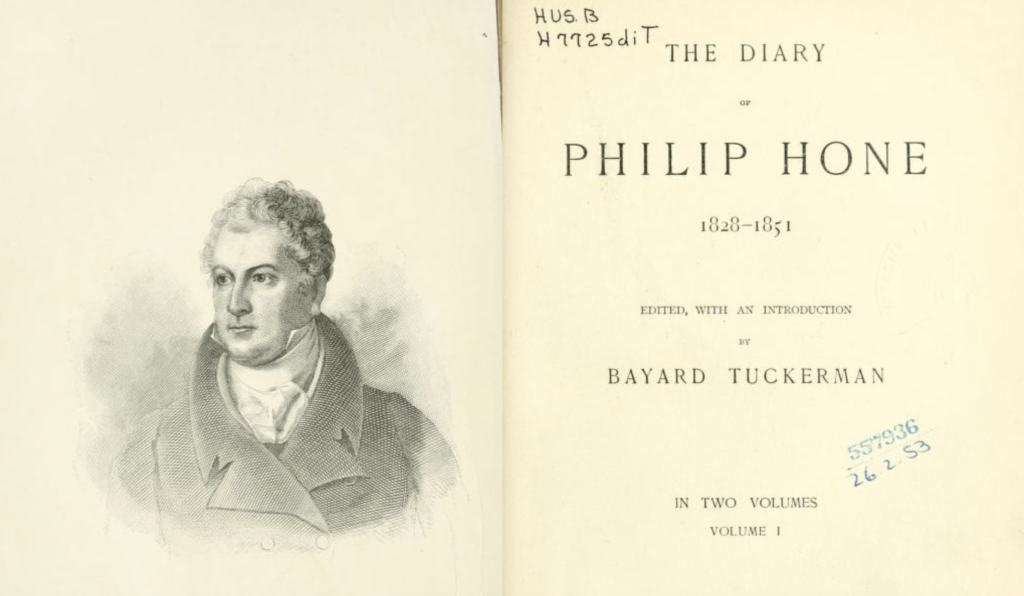
From an 1889 edition of Hone’s diary
Diary of a Comfortable Man
As for Hone, his true claim to fame would come as an urban observer, not only as a civic leader.
Moving to the “south-east corner of Broadway and Great Jones street” above Houston Street, where he would remain until his death in 1851, Hone would document in a remarkable diary the everyday, upper-class life of New York, from political shifts to the latest opera.
Hone’s “graphic pen”, as described in a New York Times review in 1896, would become one of the great chronicles of early New York history, a “naive, faithful and vastly interesting record of social, commercial and political events here ” and in Europe.” [source]
From his diary introduction:
“Mr. Hone took pleasure in recording the events which took place under his eyes during the first half of the present century. He saw New York grow from a town of twenty thousand inhabi- tants into a city of five hundred thousand ; he saw the residence portion of the city extend up Broadway to Union square, up Fifth avenue as far as Twentieth street. And in this enormous growth and all the changes which it involved, he had borne an influential part.”
Most notable is his description of the terrible Great Fire of 1835, a tragedy which momentarily gutted the high society he had fostered for years:
“How shall I record the events of last night, or how to attempt to describe the most awful calamity which has ever visited these United States? [It was the] greatest loss by fire that has ever been known, with the exception perhaps of the conflagration of Moscow, and that was an incidental concomitant war….”
The diary is indispensable for New York historians. You can take peek at the 1889 edition here.
This article is an expanded and reedited version of an article which first ran on this site in 2008.
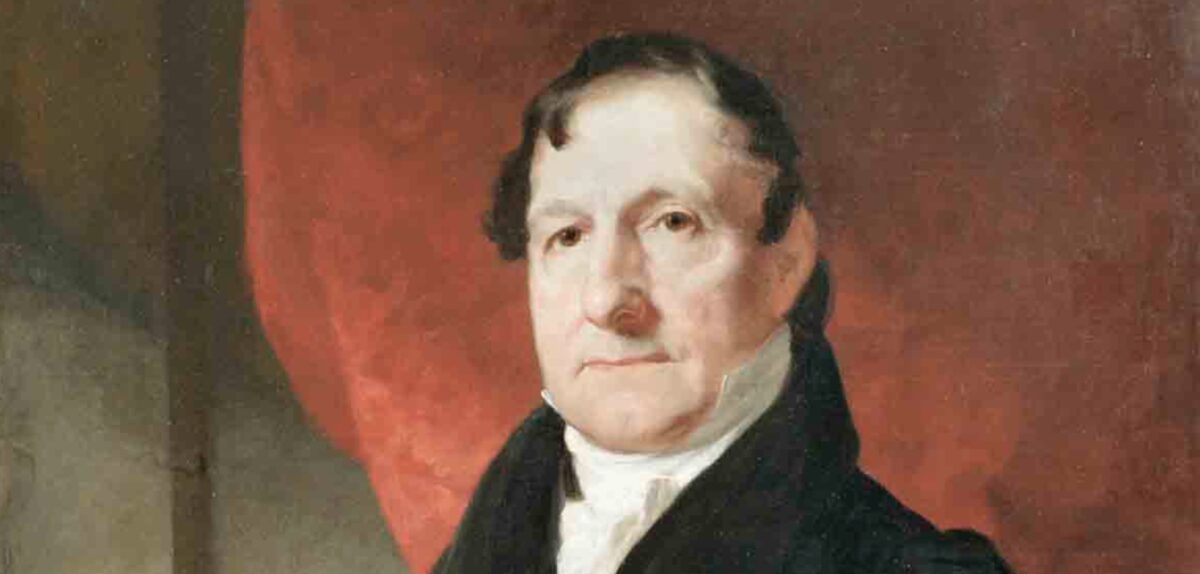
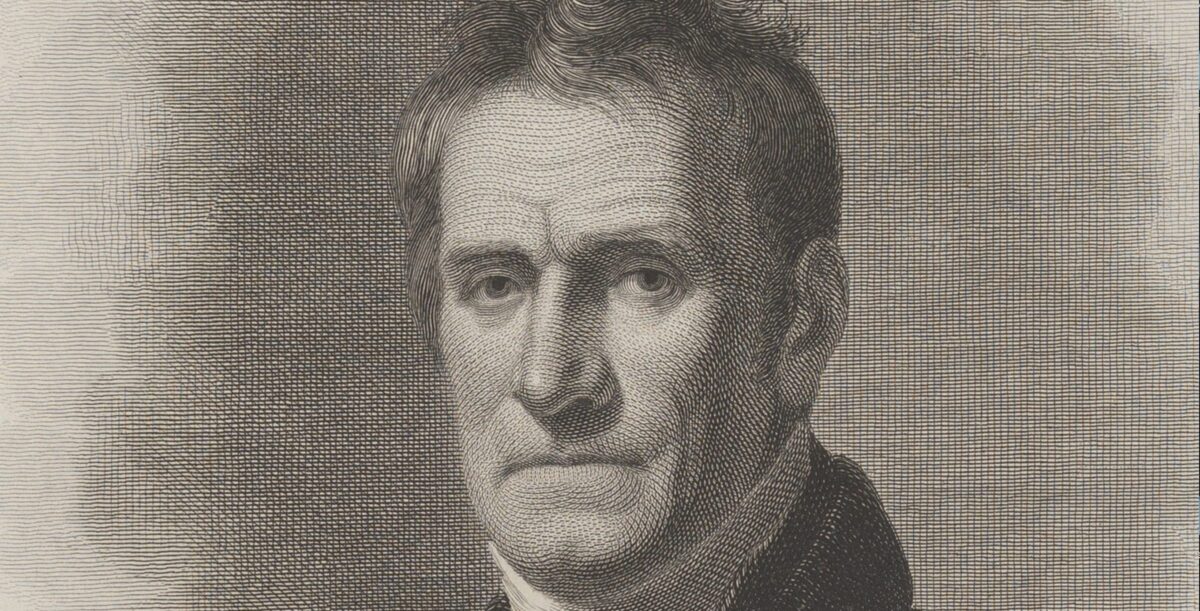
Detail from William Paulding's official portrait by Samuel Morse
We’re just a couple months away from a new mayor in New York City so we think it is time that you Know Your Mayors! Become familiar with other men who’ve held the job, from the ultra-powerful to the political puppets, the most effective to the most useless leaders in New York City history.
This longtime feature of this website is being rebooted with new articles and newly researched and refreshed earlier entries in this series. Check back every other week for a new installment. Read past articles here.
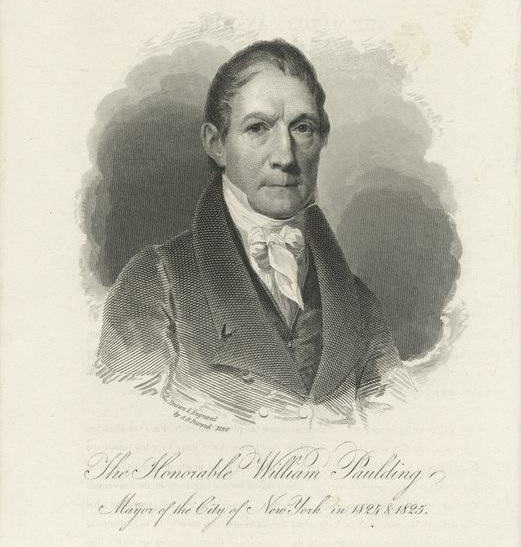
William Paulding Terms: 1824-1825; 1827-29
Despite the success of the occasional vanguard in early American politics — Alexander Hamilton, for instance — most leaders came from the most prominent families. The ‘elites’, if you will, the powerful and wealthy individuals who benefit most from the close connections to government.
In local politics, this is to be expected. In an age where mayors were appointed, not popularly elected (and thus influenced more by individualism and personal style), it would be family connections and reputation that would put them in position for such a post.
And yet, if they were truly of a distinguished character, they probably wouldn’t want to be mayor, a position that before 1834, was entirely beholden to city aldermen. You were merely a figurehead — albeit one that paid pretty well.
That’s not to say that Mayor William Paulding wasn’t a most respectable gentleman in many ways. It’s just that he’s somewhat forgettable compared to his younger brother.
The Paulding Story
The star of the Paulding family was his younger brotherJames Kirke Paulding. If you love New York City history, then you already admire James Paulding, even though you may not know his name.
William (born 1770) and James (born 1778) were from a litter of eight Paulding children, many born in New York City before the family permanently settled in Tarrytown.
Their father, once a wealthy shop owner, had been bankrupted by the Revolutionary War. However, even in misfortune, the Pauldings managed to raise a well-read lot of children.
James and William were quote close. When William moved to New York to become a lawyer, he secured James a job in “public office” (James’ bio is not forthcoming as to what kind), date uncertain, but probably by 1796-7.
The two would seek different paths. William would become a prominent attorney and mix with the learned men of New York. By 1811, he would be elected to the still-young House of Representatives and would even see action on the battlefield in the War of 1812. He returned with great reputation, achieving a level of respectability reserved for those of higher classes.
His More Famous Brother
Young James (above), however, would go an alternative route to fame.
Their sister married William Irving, and James became quite close to William’s brother Washington Irving. In James’ own words: “Thus I fell, as it were, among the Philistines; for the circle in which I moved … was composed of young men, many of whom have since made no inconsiderable figure in the world.”
Washington Irving and James Paulding grew close; their correspondence is among the boldest writing of the day. In 1807 the pair of writers created a wry, satirical experiment called Salmagundi — poking fun at the city politics of the day. (It was in Salmagundi that New York is first referred by the nickname ‘Gotham’.)
Along the way, the pair bolstered their reputations as superior wits and soon assembled a group of other young writers, creating one of New York’s first literary salons, unofficially called the Knickerbocker Group.
They would even attend their own version of the Algonquin Round Table, called the Bread and Cheese Club, founded by fellow penman James Fenimore Cooper (Last of the Mohicans). James Paulding would go on to be one of America’s most adventurous novelists of the early 19th century.
Brother as Mayor
Ah, but we’re here for William! If James was busy securing the family reputation for posterity, William was doing so for present high society.
As a brigadier-general of the war and a former member of Congress, William’s ascent into New York politics was an easy one, first as the governor-appointed Adjutant General (or leader of the state militia) then finally as mayor in 1824, replacing Stephen Allen. (See the last installment of Know Your Mayors for his story.)
Paulding would be only the second mayor appointed by Common Council (today’s City Council); they had previously been appointments by the governor.
Tied as he was to the favoritism of council members, it’s no surprise that Paulding had few official powers. He served mostly as an ambassador of New York, rolling out the welcome mat, even as many of the city’s most pressing decisions were left to others.
But during his non-consecutive years as mayor, New York witnessed some significant events.
In 1824, a house on Water Street becomes the first to be lit by gas power, and Paulding would see the entire city lit up by gaslight by the end of his mayoralty.
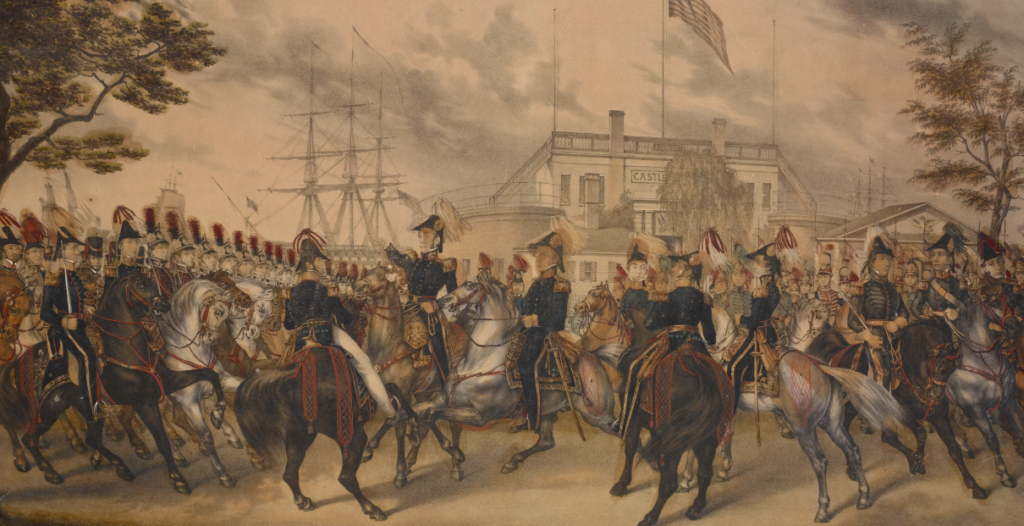
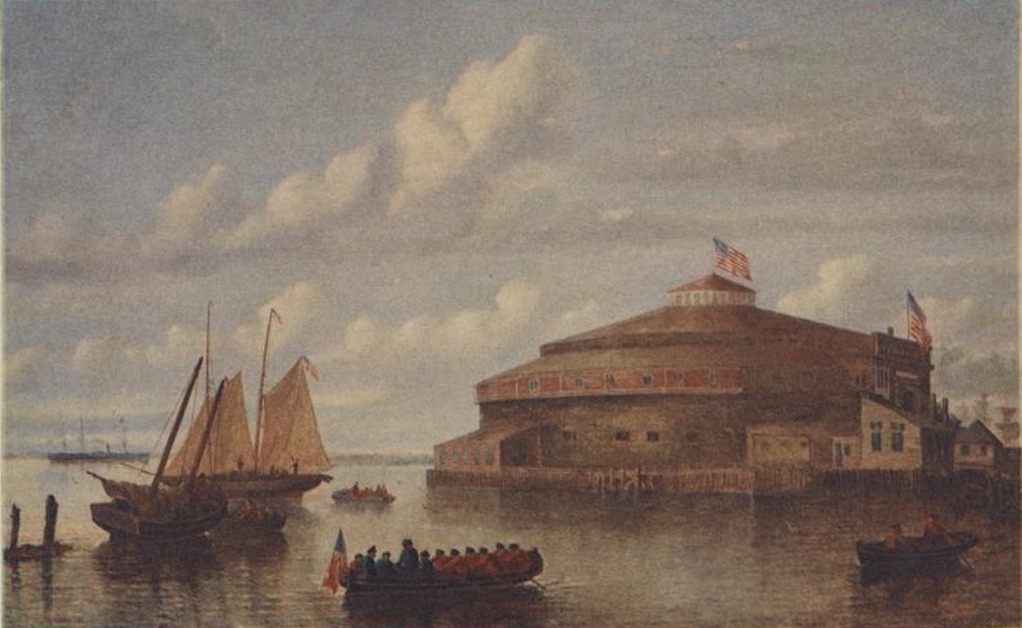
The military escort forms at Castle Clinton to await the arrival of Lafayette. From a painting by FJ Fritsch.
Welcoming the Marquis
Perhaps his most notable moment came early, and it was purely honorary. Paulding’s crisp appearance and military credential — “handsome, courtly” — made him a fine representative for the city in August when the Marquis de Lafayette made his triumphal tour of the United States in 1824.
The Marquis, a French general in the Continental Army and close confidante of George Washington, was a symbolic link to the country’s first president, who had died a quarter century previous.
Lafayette arrived on the ship Cadmus, greeted in Staten Island by a procession led by Paulding and accompanied by a no-holds-barred display of artillary bombast.
The next day, Lafayette, Paulding and a gathering of thousands made their way to City Hall for an official welcoming. The revered French ally would be in New York a number of times during his 13-month visit, and the mayor would be on hand for most events, including what may possibly be the greatest party ever thrown in New York — the September reception for Lafayette at Castle Garden.
New York City became a fundamentally different city under Paulding’s tenure, although he had little to do with the most important event — the opening of the Erie Canal, a project once overseen by former mayor Dewitt Clinton.
Once a cemetery, the area later to become Washington Square Park was bought as a military parade ground in 1827, and the celebrated homes of the elite soon crowded along its north end.
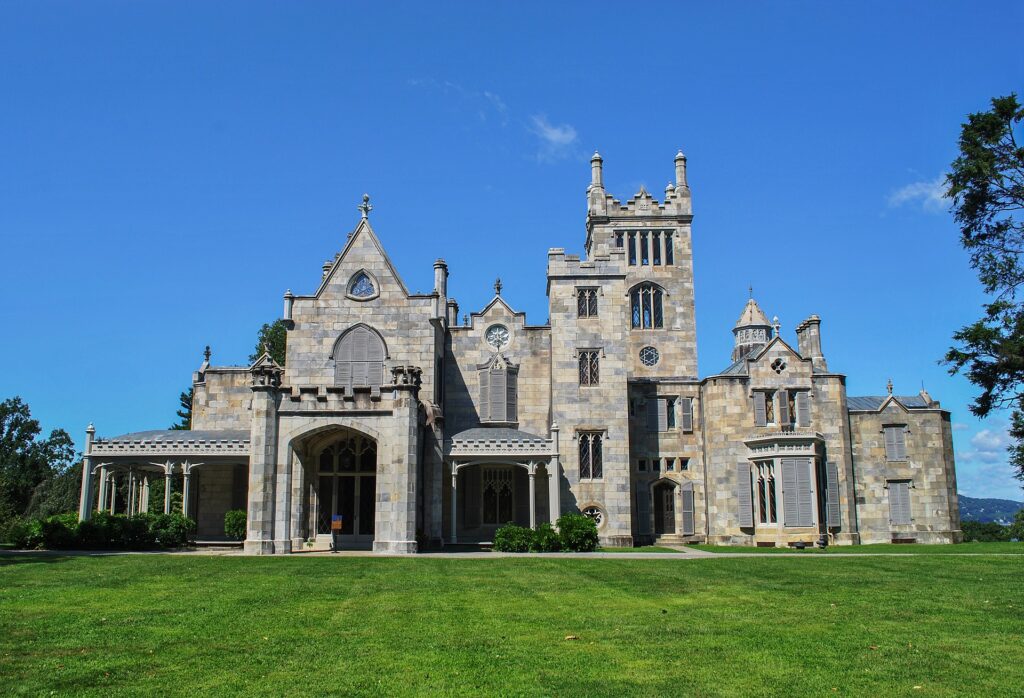
Lyndhurst today. Photo by Elisa Rolle/Wikimedia Commons
Lyndhurst
After leaving office, Paulding (and more importantly, Paulding’s son Phillip) would influence the fortunes of his hometown of Tarrytown, namely through the construction of a lavish mansion (above) as summer retirement villa, which would eventually be called Lyndhurst.
William was of such name and connection by this time (1838) that he was able to enlist noted architect Alexander Jackson Davis in its construction. (Davis designed Federal Hall, among other notable structures.)
Originally called the Knoll, the lavish home was roundly criticized for its outdated Gothic design, including by Philip Hone (who would become mayor), who referred to it as ‘Paulding’s folly.’
No folly, it turns out. The home would take on a life of its own in future generations, grandly expanded by later owner George Merritt. The railroad ‘robber baron’ Jay Gould also lived here. Today, Paulding’s old home is one of the most celebrated structures along the Hudson River and can be visited today.
William is currently buried in one of the most famous graveyard in all the Hudson River Valley — the Old Dutch Burying Ground in Sleepy Hollow. Washington Irving, incidentally, is buried nearby, in the Sleepy Hollow Cemetery.
James Kirke Paulding, however, is not buried near his brother nor his great literary friend. He died in 1860 and is interred at Green-Wood Cemetery.
The cemetery’s website provides this amazing piece of trivia — James Paulding coined the tongue-twister “Peter Piper picked a peck of pickled peppers.”
We’re just a couple months away from a new mayor in New York City so we think it is time that you Know Your Mayors! Become familiar with other men who’ve held the job, from the ultra-powerful to the political puppets, the most effective to the most useless leaders in New York City history.
This longtime feature of this website is being rebooted with new articles and newly researched and refreshed earlier entries in this series. Check back every other week for a new installment. Read past articles here.
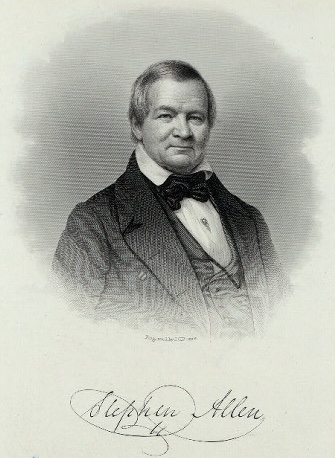
Stephen Allen Terms: 1821-1824
There once was a time when New Yorkers were told who their mayor was going to be. The power was all at the state level.
Imagine Governor Kathy Hochul with the power to install who she chose, or worse, a handful of Albany insiders entirely beholden to special political interests.
Governor In Charge
For most years until 1821 — and through all previous entries in the rebooted Know Your Mayor series — this was precisely the manner in which New York City adopted its mayors every year.
The Council of Appointments, four specially selected state senators, were in charge of hundreds of yearly state and local appointments, approving and (just as often) altering the wishes of the governor.
Those appointed to the job were either prominent citizens, figureheads, or politicians with strong connections to the governor. (And in the case of DeWitt Clinton, the actual nephew of a governor.)
From 1783 to 1821, the governors of New York were George Clinton, John Jay,George Clinton (again), Morgan Lewis, Daniel D. Tompkins and John Tayler (who served briefly after Tompkins became Vice President of the United States under James Monroe).
And at the time of our story in the summer of 1821, DeWitt Clinton had assumed the position of New York governor.
“The mayor of all cities in this state shall be appointed annually by the common councils of their appointed cities.”
Among its changes were a new method of choosing a mayor — still appointed, but by the city’s Common Council (or city council).
Citizens voted for the aldermen who then, among their membership, voted on who would become mayor — indirect, imperfect, but seen at the time as a great step forward. It would not be until 1834 that New Yorkers could directly vote for a candidate.
But one peculiar trait of the mayor’s job was carried over — “annually.” In fact mayors would continue to serve one-year terms — sometimes serving consecutive one-year terms — until the year 1849.
New York Public Library
Allen Sets Sail
For their first appointment, city leaders did not stray from the successful formula of choosing one of the wealthiest, well-connected businessman among them.
In 1821, Stephen Allen became the first mayor appointed by the Common Council, ‘chosen’ by the people because he had first been elected to the council in the first place.
Allen was an inspired candidate, a self-made success story with roots in the American Revolution.
According to an 1848 biographical ‘sketch book’, Allen “affords another instance of what may be accomplished without money, without family connexions or friends. Mr. Allen commenced life, it is said, as a poor sailor boy.”
He was born in New York in 1767 and remained here with his family through the British occupation during the Revolutionary War.
New York Public Library
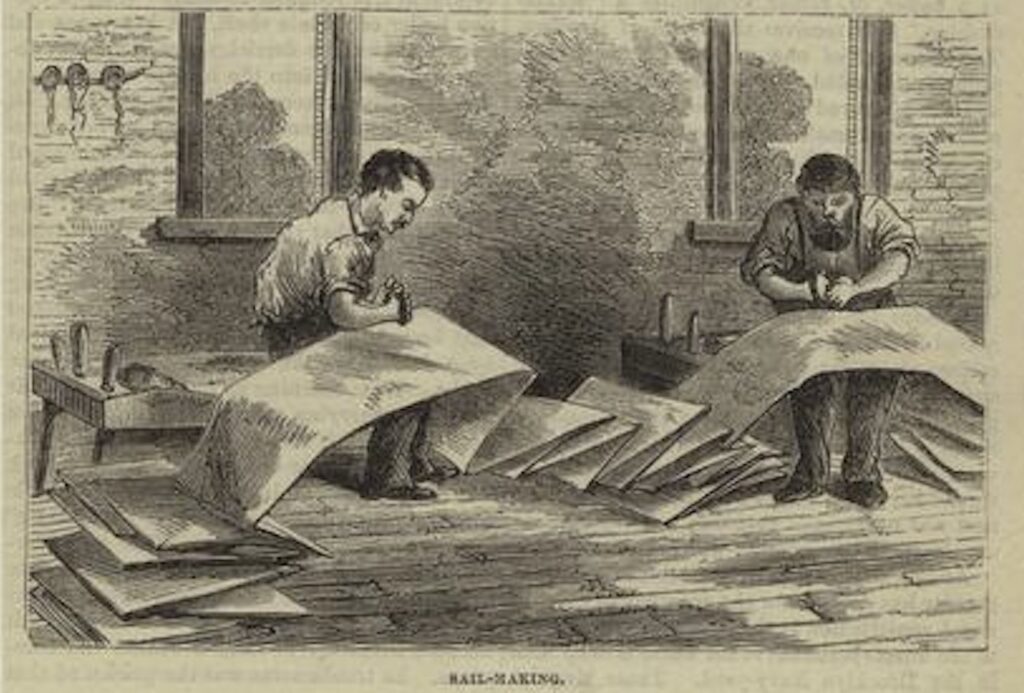
During that time he became an apprentice to a British Tory sail maker when he was only 12 years old. Times were rough for young Stephen in the stressed, over-crowded city; he lived with several other apprentices in a tiny ‘sail loft’, eating only bread and butter for supper.
The Continental Army couldn’t have won the war fast enough to young Allen’s liking.
A teenage Allen was witness to Washington’s return to the city in November 1783: “This was a happy day for the real friends of America and it was celebrated accordingly by young and old, particularly by those who had left the city at the commencement of the troubles and had now returned for the first time from an exile of eight long years.”
Allen worked his way into the sailmaking partnership of Hillson and Allen by age 22. Disgruntled with his partner’s lack of business acumen which, in his own words, tended to “irritate and promote altercation,” Allen launched his own sail-making business by the age of 30.
With the war ended, the British gone and New York becoming the dominant American port, Allen soon became one of the city’s wealthiest artisans by the 1810s.
As a member of the Tammany Society — he would eventually become grand sachem — he transitioned seamlessly into local politics, first as a member of the Common Council in April 1817 then finally as their first appointee for mayor in 1821.
Allen in later years. Courtesy New York Public Library
Water Troubles
For a man who made his fortunes from sails, it’s not surprising that his primary concern as mayor was water.
Clean drinking water was a scarcity; the city’s previous source for fresh water, Collect Pond, had been levelled just years due to pollution from local industry. What would replace it?
Allen’s focus on water was no paltry obsession. The city again faced smallpox and cholera epidemics and the mayor knew the problem would only get worse as foreign vessels came to dock at the city ports.
“Allen immediately turned his attention to the communicable qualities of the disease, focusing on sani- tation and quarantine laws. He questioned whether it made sense to quarantine foreign ships before they docked, while at the same time bringing the ships’ goods to the city’s wharves without inspection.”
He headed a committee that sought additional sources of drinking water, eventually focusing on Rye Pond in the future borough of the Bronx, and a potential canal to be built in Westchester.
Allen and the council were raring to move forward, but state bureaucracy, yellow fever outbreaks and focus on the Erie Canal would delay the development of a viable aqueduct for many years. It would take many more years for the city to get the Croton Aqueduct water system.
Allen also made a significant impact on New York’s prison system as a member of a state committee that inspected conditions at the first state prison in Auburn, New York. Their evaluations eventually led to the construction of Sing Sing prison.
He left office after three years as mayor, but he didn’t leave politics or Tammany behind, eventually becoming a state senator and helping raise money to build the first Tammany Hall.
Tragedy
He spent his latter days at home on Washington Square, but tragically, he did not end up dying peacefully in bed here as other future mayors would do.
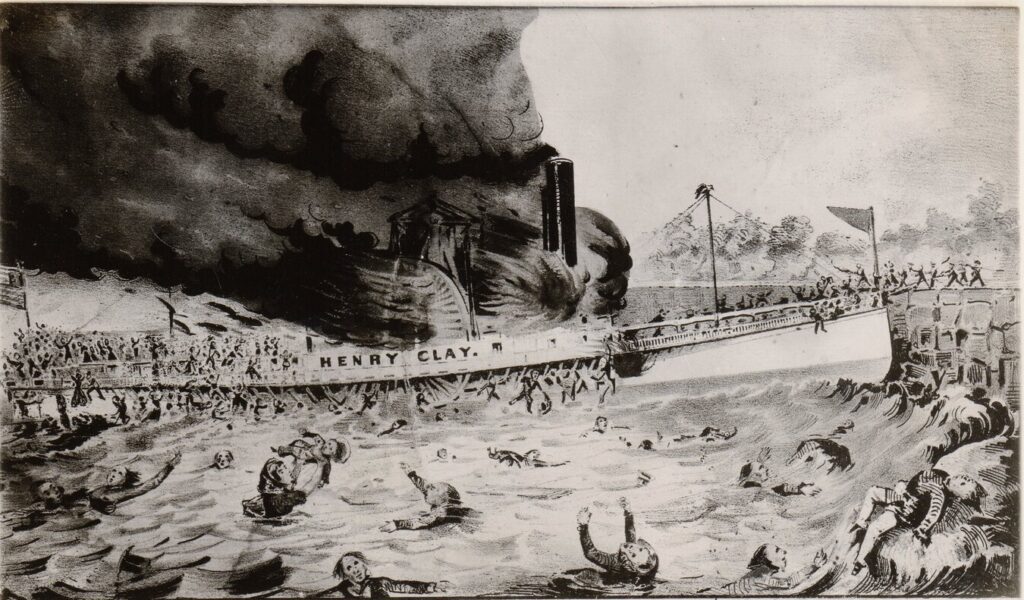
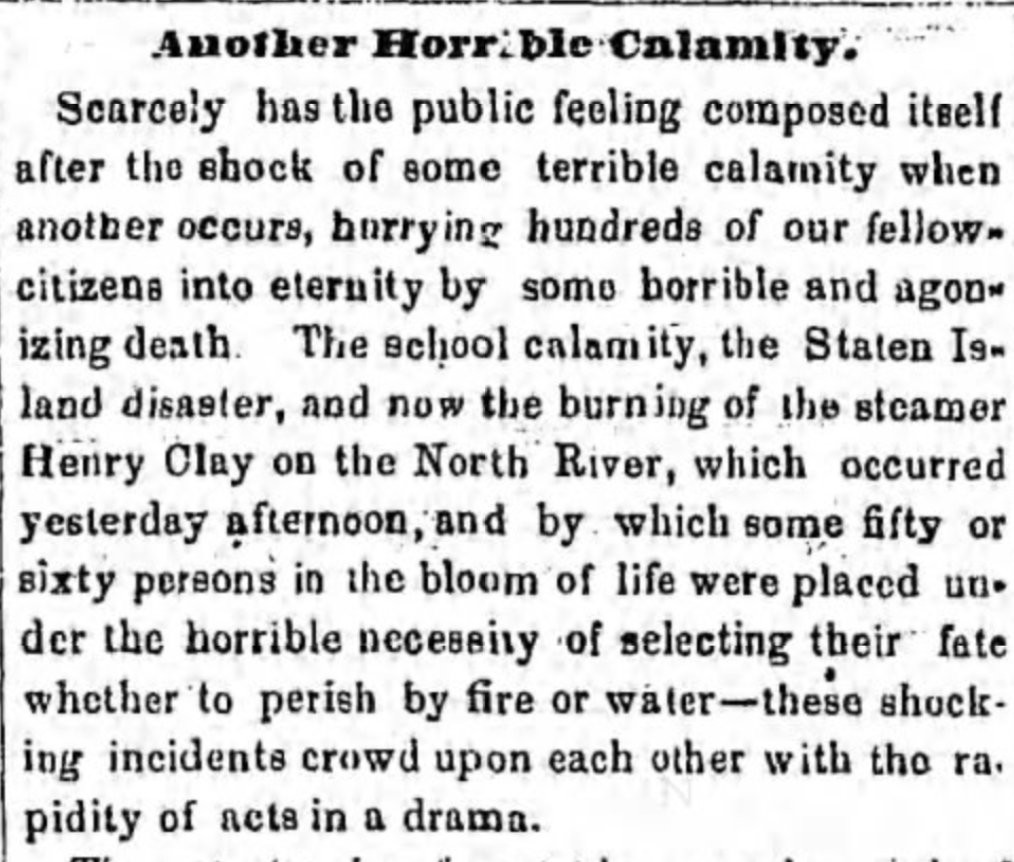
He was aboard the steamship Henry Clay in July 28 1852 when, after an ill-advised race with another vessel, it caught fire and crashed on the Hudson River, killing dozens of passengers.
The terrible tragedy has drawn comparisons to the Titanic disaster as many who perished were well connected New Yorkers including Nathaniel Hawthorne’s sister Maria Hawthorne, famed landscapist Andrew Jackson Downing — and, sadly, our former mayor Allen.
From the Daily Eagle, July 31: “One of the peculiarities of the late steamboat disaster is the havoc which it made among persons widely known and greatly esteemed. We do not recollect any other catastrophe so remarkable in this respect.”
A slip of paper was allegedly found in his pocket, a list of thoughtful and hearty maxims which Allen read over “at least once a week.” Among his list:
— “Keep good company or none. Never be idle. If your hands cannot be usefully employed attend to the cultivation of your mind. Always speak the truth. Make few promises.”
We’re just months away from a new mayor in New York City so we think it is time that you Know Your Mayors! Become familiar with other men who’ve held the job, from the ultra-powerful to the political puppets, the most effective to the most useless leaders in New York City history.
This longtime feature of this website is being rebooted with new articles and newly researched and refreshed earlier entries in this series. Check back every other week for a new installment. Read past articles here.
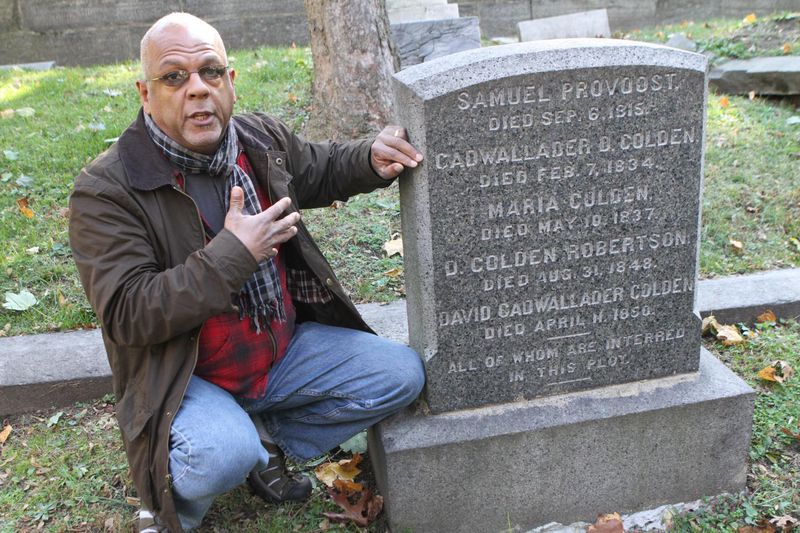
Cadwallader D. Colden Terms: 1818-1821
The most remarkable thing about New York City having a mayor named Cadwallader Colden is the fact that he was not even the most famous New Yorker named Cadwallader Colden.
That distinction goes to his grandfather, an altogether different Cadwallader Coldenthan his grandson and a rather fascinating Renaissance man.
Well, despite the fact that he was also pro-British, stridently hated among the American rebels and the type of man that would have thrown most of us in jail on sight.
Grandpa Colden
Ole Cadwallader was an Irish physician who came to the American colonies in 1710 (at age 22) to practice medicine.
Establishing his practice in Philadelphia, he later came to New York and in 1743 wrote a now seemingly obvious treatise drawing a connection between New York’s unsanitary conditions and its frequent outbreaks of yellow fever.
Painting of the Elder Colden by John Wollaston the Younger. Wikimedia Commons
Elder Colden became governor of the New York colony in 1760 and later sparked ire among beleaguered New Yorkers, who burned his effigy over enactment of the Stamp Act.
Colden ultimately represented the losing side of the American Revolution, and due to that, his other accomplishments are often overlooked. He was the first in America to write about Newtonian scientific theories and the first colonist to act as ambassador to the Iroquois Confederacy, the union of five Native American tribes.
Grandson in a New County
Perhaps it’s fitting that Colden died in September 1776, the year of the conflict that would run the British out forever.
He might be scandalized to know that his grandson, born in 1769 in Flushing, Queens County, would become a model American. (The child’s father Cadwallader Colden II was more concerned with governing the family’s lush 3,000 acre estate in Queens and remained essentially neutral during the Revolutionary War.)
Born in the trappings of wealth, Cadwallader David Colden III was shipped off to London for a proper education and returned to New York in 1785 to become a lawyer.
With his high class connections, he quickly acquired an impressive client roster, in particular Robert Fulton and Robert Livingston, assisting in their control of ferry services in New York harbor. He became New York district attorney twice, 1798 and 1810.
Colden’s good pal DeWitt Clinton
Advantageous Friendships
Colden was a different man from his ancestor; he even fought against the British as a colonel of volunteers in the War of 1812. Surprising given his lineage, Colden was for many years considered a Federalist, the party of Alexander Hamilton. However, he considered as one of his closest friends a rather unlikely ally — anti-Federalist DeWitt Clinton.
How they met probably had less to do with political alliances than membership of a rather notable society — the Freemasons.
In fact, Colden and Clinton were members of the city’s most influential — and still active — Holland Lodge. Within a few years, this affiliation would be political poison, with anti-Freemason candidates characterizing the secret organization as above the law and morally corrupt.
View of North Pearl Street just north of State Street in Albany (1800s), painting by James Eights
Clinton would use his influence to install his friend in the job in 1818, but not without Colden sustaining a little political injury.
One evening, Colden was in Albany and was invited inside a tavern for a glass of wine. He suddenly realized he was in a room filled with members of Tammany Hall, political enemies of the Federalists.
Immediately they pounced, urging him to not seek the mayor appointment. But no, he cried!
“He exclaimed energetically against the trickery, declaring that he had not asked for the office of Mayor, but would only accept it if offered.”
When Clinton did grant him the job, Tammany made sure to make life difficult for him. For the entirely of his three one-year terms, Colden became a pawn in the battle between Governor Clinton and the ascendant Democratic machine.
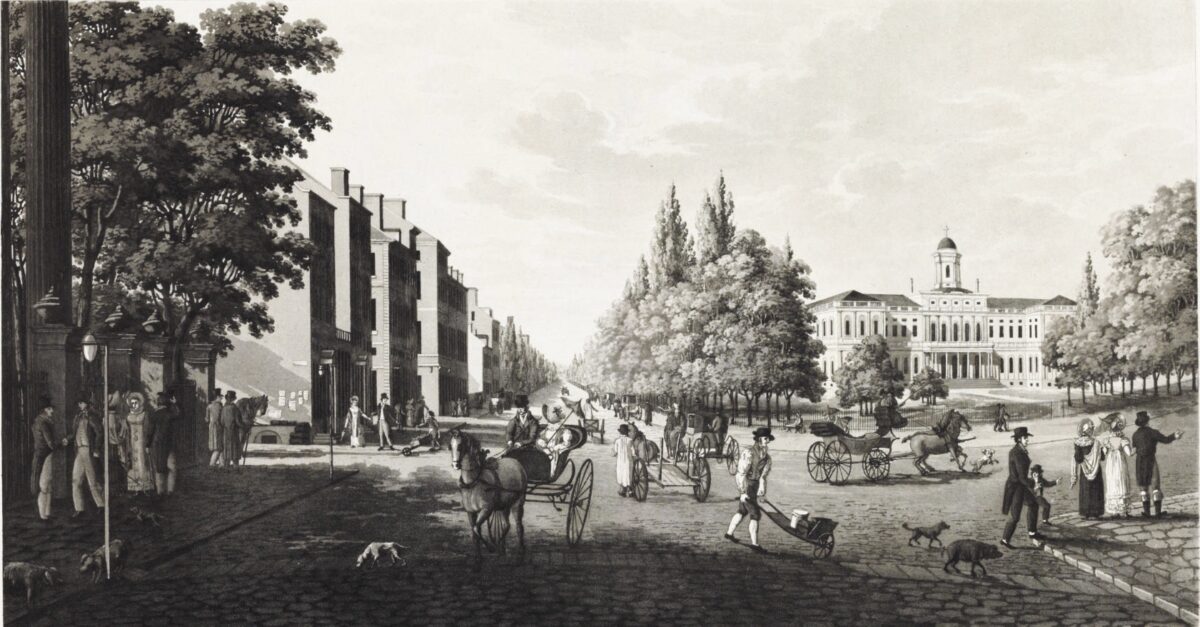
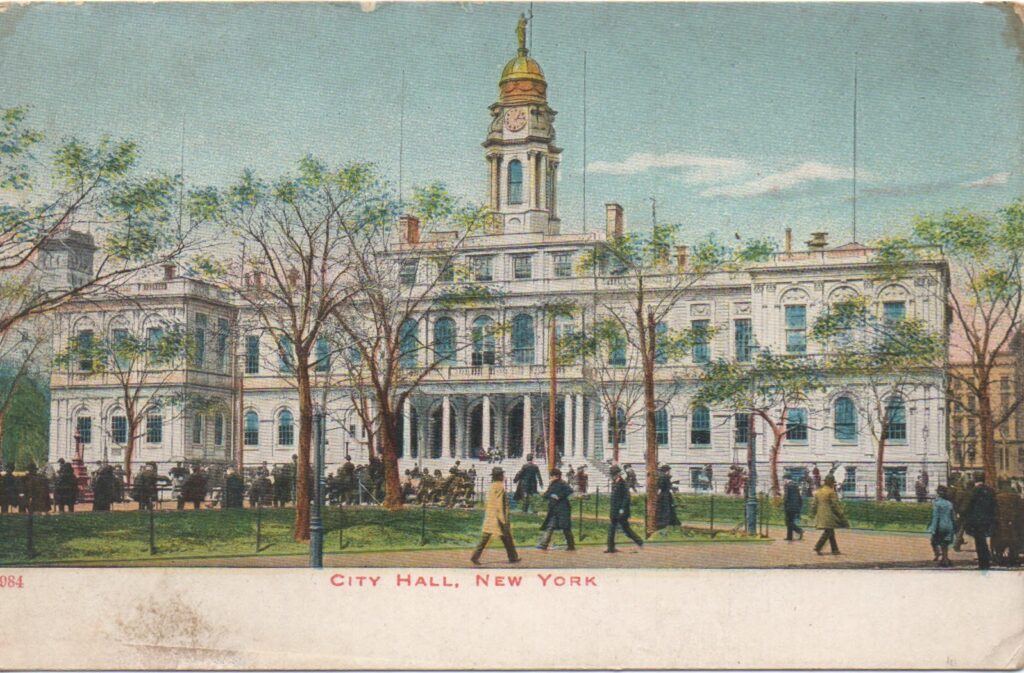
Colden began work in the spanking new City Hall, the fourth mayor for the new building after Jacob Radcliffe, John Ferguson and, of course, DeWitt Clinton.
Pigs and Prison Reform
First on Colden’s agenda: all those pigs running around.
He declared, “Our wives and daughters cannot walk through the streets of the city without encountering the most disgusting spectacles of these animals indulging the propensities of nature.”
Animals were penned up and steep fines charged to butchers who kept pigs unproperly supervised.
Colden also took a crack at the city’s deeper social problems. Indeed he was governing over a growing city, population 123,706 as of 1820. With a big city came big city problems — poverty, crime, homelessness.
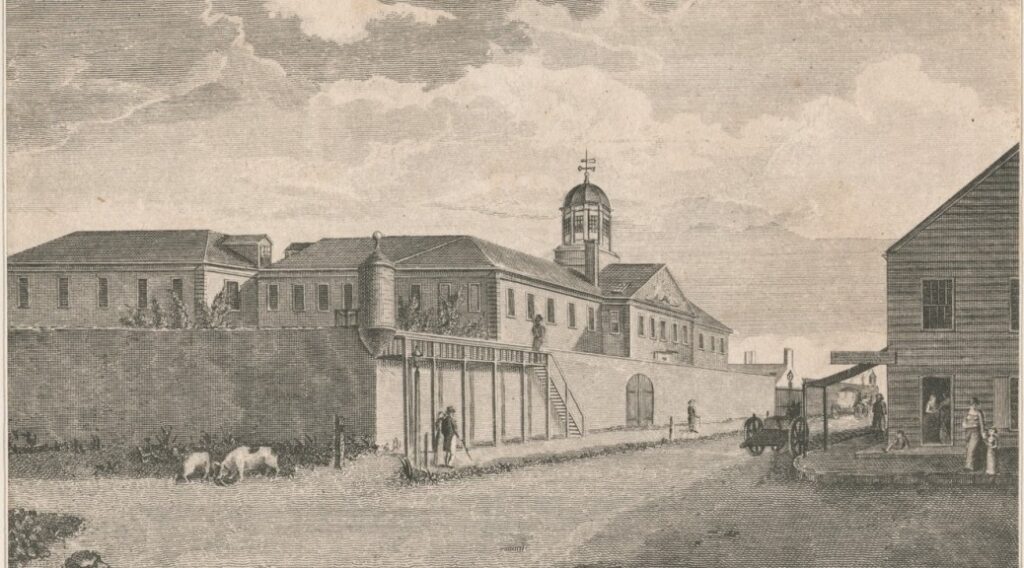
Newgate Prison. Image courtesy New York Public Library
The New York Society for the Prevention of Pauperism, led by the mayor himself, investigated prison conditions throughout the young nation to come up with a local solution.
Colden proclaimed, “It must be obvious that under such circumstances it would be in vain to expect that their punishment will improve their morals: it can hardly fail to have a contrary effect.”
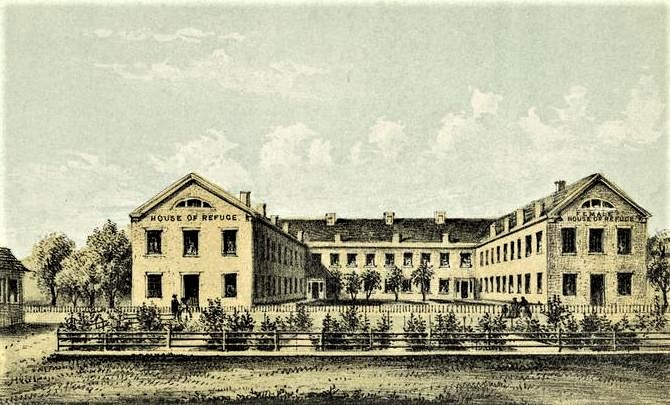
The mayor set the stage for an innovative experiment: New York’s House of Refuge, in an arsenal at Broadway and 23rd Street, essentially a reform school, built to incarcerate children age 16 and younger.
It later opened in 1825 (after Colden left office) with six boys and three girls as its pupils, many of them guilty only of homelessness and essentially kept here until adulthood. By the early 1830s, the House of Refuge would receive over 1,600 teenagers.
A ‘Kindly’ Anecdote
Like many mayors to follow, Colden also clamped down on liquor sales, even carrying around a ‘red book’ to notate violations and overheard complaints of local tavern owners.
Naturally, Colden would rally behind Clinton’s most ardent cause — the Erie Canal. It opened in 1825, after Colden left office, but his support did indeed pave the way for New York to become, in his own words, “one of the greatest commercial cities in the world.”
He was aristocratic, class-oriented but ultimately open hearted, they say. A reminiscence in the 1843 journal New Mirror quotes this certainly apocryphal story about the mayor’s ‘kindness’.
One rainy night on his way to a dinner party, Cadwallader stepped up to a ‘hackman’, a type of carriage taxi, for a ride.
The driver, “who had some old grudge against Mr. Colden,” rudely sped away, leaving the passenger on the curb. He jotted down the cab driver’s number and summoned him to City Hall.
“Poor Pat (for of course he was Irish)” as the article indicates, “went up the stairs, trembling at the fate which awaited him. When the mayor demanded to know why he was treated so rudely, the driver proclaimed,”you see I looked in your face, and, faith, you looked so like a jontleman I drove twice before that never paid me, I was afraid to thrust him agin!”
Colden laughed, exclaiming, “Your wit has saved you this time!” and excused the driver.
Aligning with Clinton eventually became a bad idea. When Clinton was turned out of the governor’s office, so too was Colden from the mayor’s office. But he still remained popular with New Yorkers, becoming a U.S. congressman, then a member of the New York state senate in 1825.
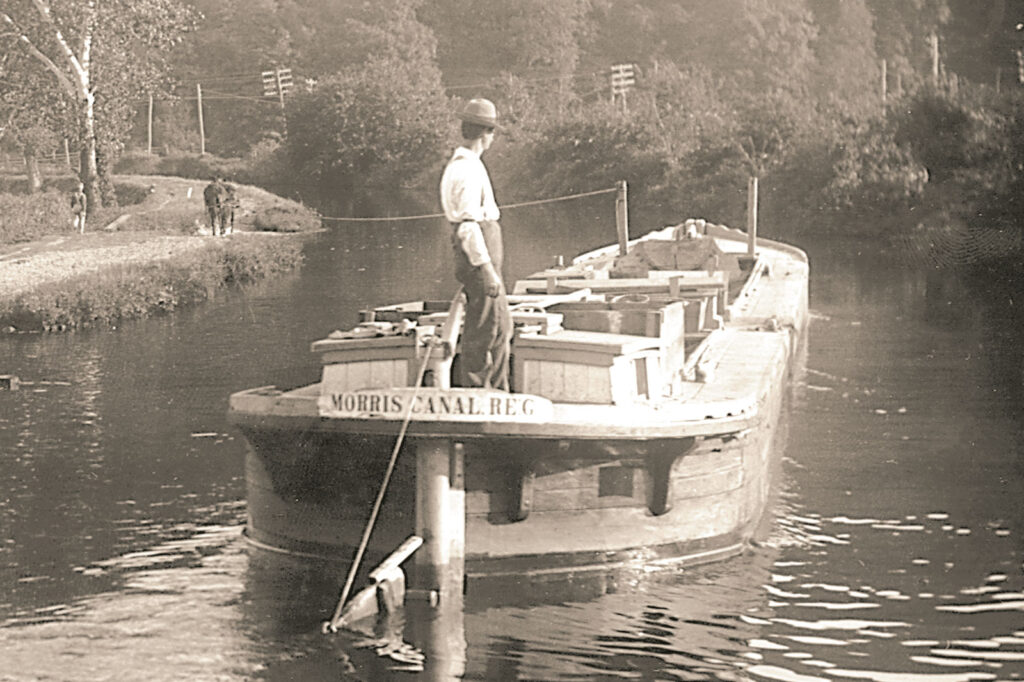
In later life, he engaged in a couple unusual endeavors. The first was the construction of the Morris Canal in northern New Jersey, a conveyor of coal that operated for over a century.
And in 1830, he briefly indulged in the hobby of horse racing, taking over the Union Course in Woodhaven, Queens. The closest you’ll get to visiting Colden’s racetrack is visiting Neir’s Tavern, the oldest tavern in the borough.
We’re just months away from a new mayor in New York City so we think it is time that you Know Your Mayors! Become familiar with other men who’ve held the job, from the ultra-powerful to the political puppets, the most effective to the most useless leaders in New York City history.
This longtime feature of this website is being rebooted with new articles and newly researched and refreshed earlier entries in this series. Check back every other week for a new installment. Read past articles here.
The most influential political force in New York City history isn’t an individual but a group of men who wielded power in often corrupt, entirely self-enriching ways. They were elected again and again because — at various times in history — they were able to convince the public that they were a better option than the city’s elites.
And sometimes they actually were. Occasionally they even kept the city running smoothly and served with the needs of their constituents in mind.
Thus is the power of a political machine. And thus was the power of Tammany Hall.
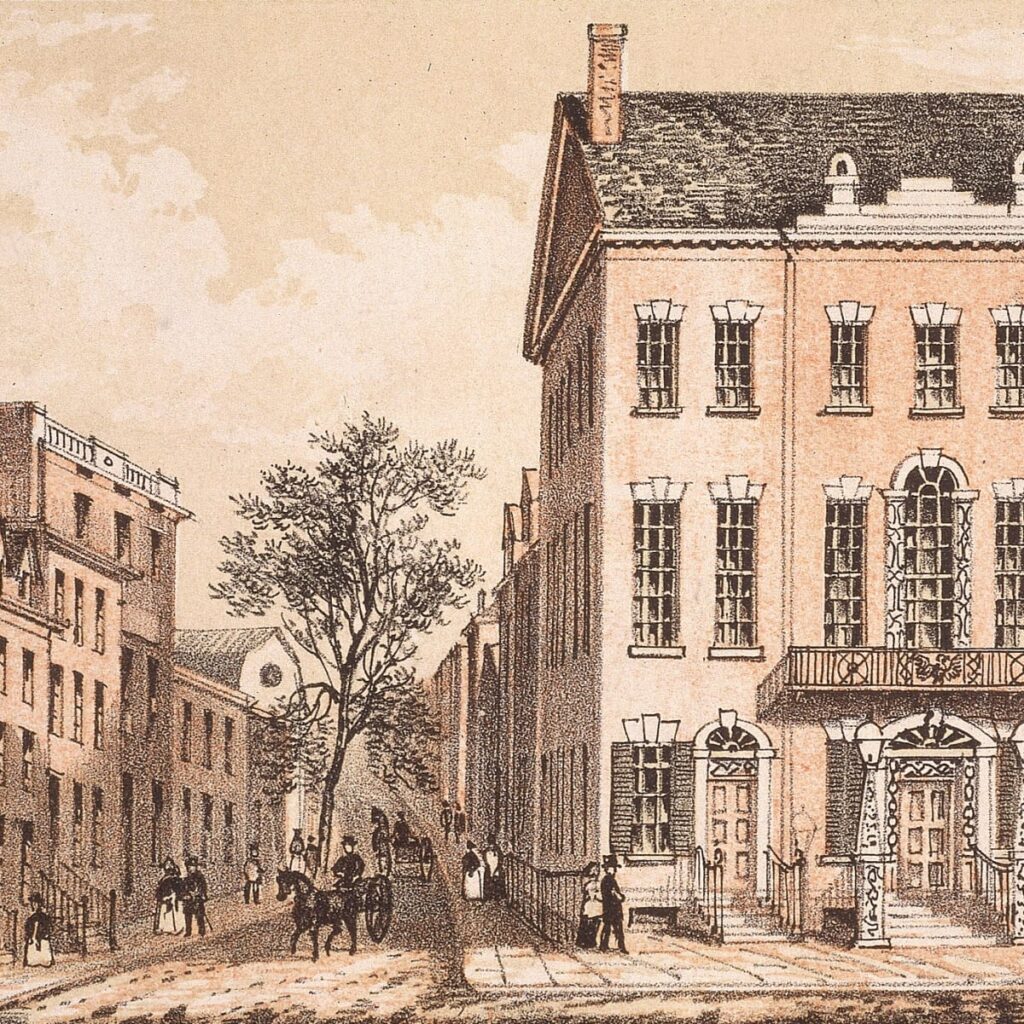
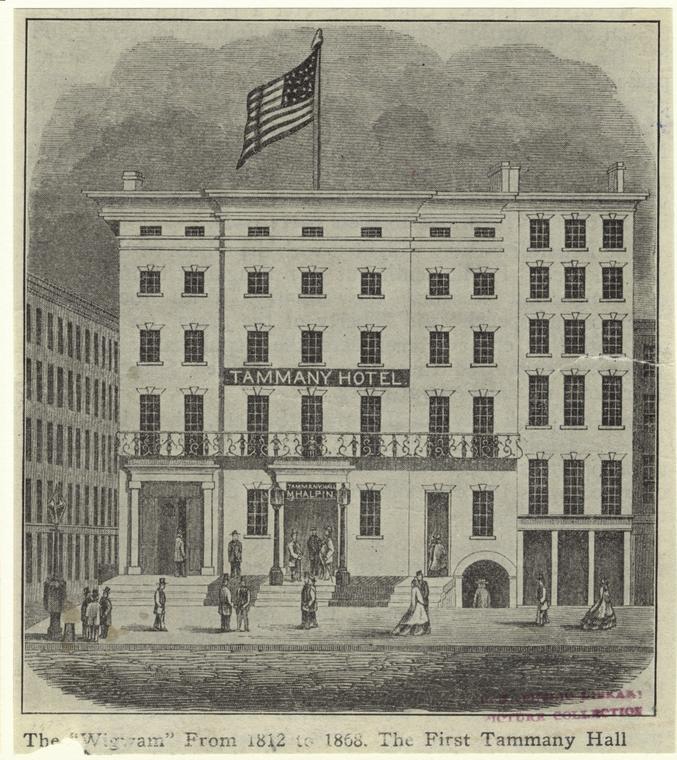
Tammany Hall on 170 Nassau Street
What is Tammany Hall?
The year 1815 marks the real beginning of New York City’s Tammany Hall era. It was the year that the organization first realized its fullest political potential.
The legendary Democratic political machine had of course been around long before, founded in 1789 as the Tammany Society, a patriotic club formed around the legend of the Lenape leader Tamanend.
These white gentlemen war veterans participated in garish exaggerations of Native American ceremonies, forming a structure of command under a Grand Sachem (leader or, later, Boss).
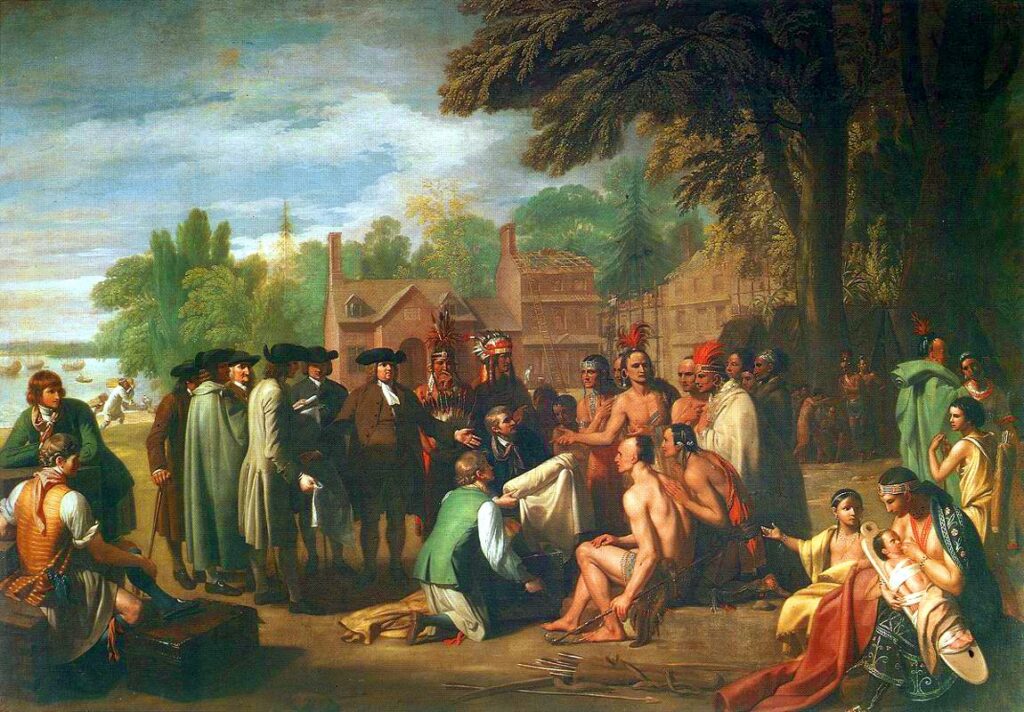
The Benjamin West painting The Treaty of Penn depicting William Penn negotiating with Lenape chief Tamanend.
Being comprised of well-connected men in high society, the organization soon took on a political character. It would be Aaron Burr that first exploited its political potential as a mechanism to unite the city’s Democratic-Republicans against Alexander Hamilton and his Federalist forces.
In 1800, Burr became the Vice President after an unusual election outcome that almost handed him the presidency instead of Thomas Jefferson. Burr’s suspicious handling of the election put him on the wrong side of some fellow Democratic-Republicans like governor George Clinton.
This meant that the Clintons would gradually become political enemies to those of Burr’s new political tool — the Tammany Society (or Tammany Hall).
Burr would eventually be sidelined in all things political. (Shooting a Founding Father and attempting to form a new country out west will do that to you.) But the political machine he wielded was only just beginning.
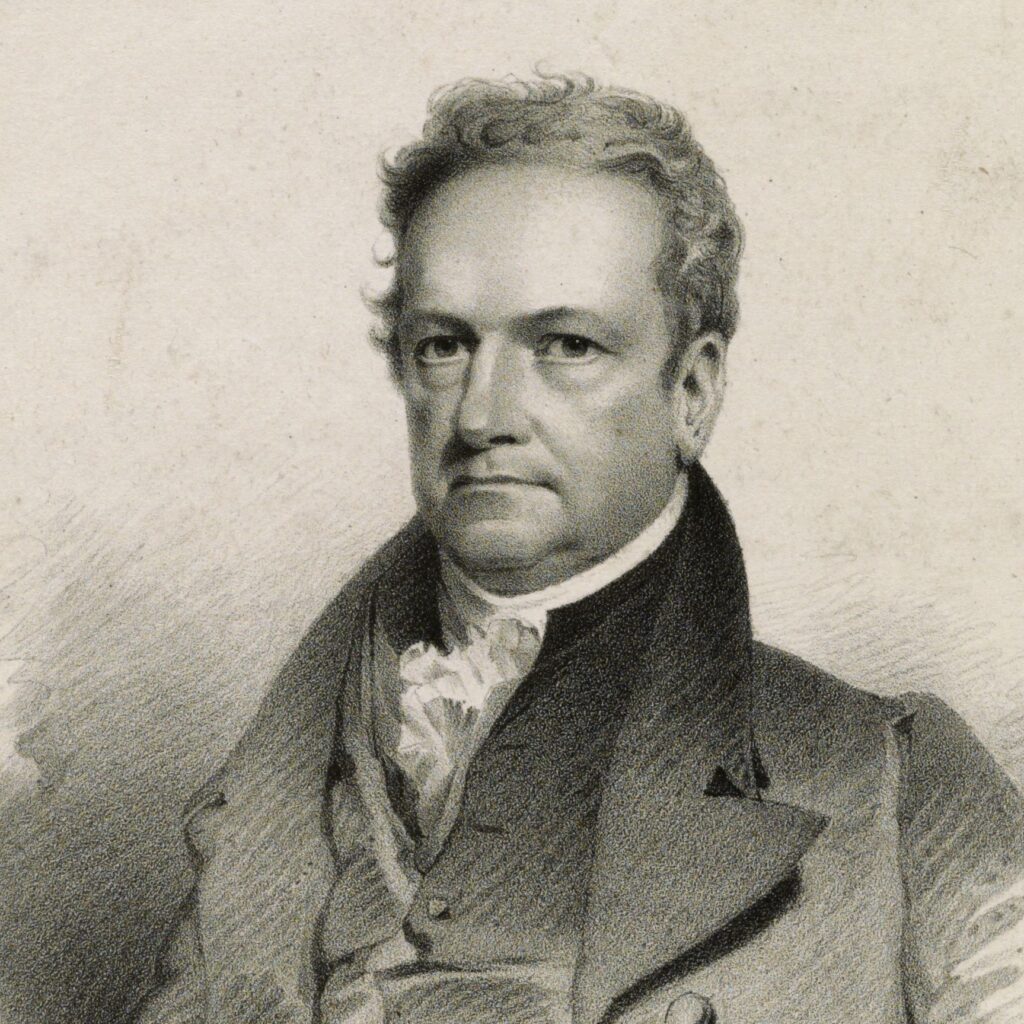
Mayor DeWitt Clinton, Library of Congress
Clinton Entanglements
When Clinton finally became mayor of New York starting in 1803 — serving several consecutive one-year terms — Tammany waited for a moment of weakness to strike. (Read about Clinton’s days as mayor here.)
As stated in previous Know Your Mayor articles, the job of New York mayor was not an elected post at this time, but rather chosen by a state-run Council of Appointments, one year at a time.
The ambitious and well connected Clinton would be appointed to this position for several years, since 1803, excepting a single year when he was replaced by Revolutionary War hero Marinus Willett. (Read more about him here.)
He returned to the mayor’s seat in 1808 but his political entanglements had earned him many new enemies by this time.
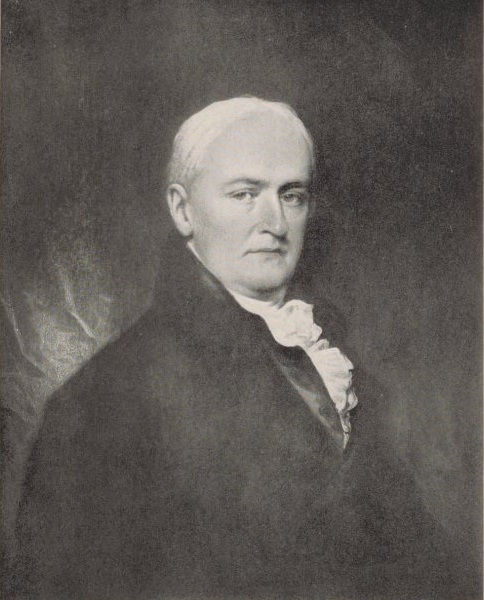
Mayor Radcliff, courtesy New York Public Library
Mayor Jacob Radcliff
Most notably, Clinton, who was a lifelong Democratic-Republican, eventually became an enemy to most of New York’s disenfranchised faction of that party. He was the state’s most popular politician — except with a great many politicians.
Clinton’s political fortunes swung like a pendulum and in 1810 that pendulum swung to the Federalists on the state level.
According to author Oliver Allen, “Tammany plotted circuitously with its leaders to have the Council of Appointment remove Clinton from the mayoralty. The move succeeded but Clinton was only temporarily sidetracked.”
He was replaced with Jacob Radcliff, a former associate of Alexander Hamilton and a justice on the New York Supreme Court whose lasting claim of fame would be as a founding father of the city of Jersey City, New Jersey.
Radcliff was also openly aligned with the Tammany Society and well aware that his new position (more lucrative than a job on the bench) was entirely due to his associations with the nascent political machine.
But the pendulum swung back the following year and Clinton was placed back in the mayor’s seat in 1811. (You think this is confusing so far? Read on.)
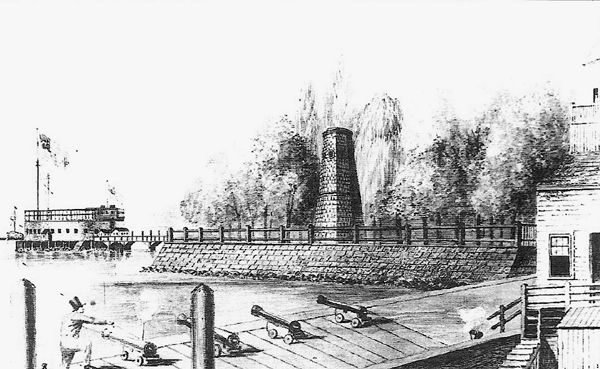
Fort Clinton (later Castle Clinton), named for the mayor and built in anticipation of conflicts from the coming war. [source]
The Brewing War of 1812
Tammany Hall finally gained its more-than-a-century-long foothold over New York City politics with the international crisis known as the War of 1812 — which actually lasted until 1815.
On top of the usual partisan stew of a swiftly growing city, the conflict with England left party affiliations malleable, with Federalists opposing action (even suggesting secession from the United States!) and staunch Democratic-Republicans generally favoring war.
Thus, as you can imagine, it would be difficult to remain balanced in such unstable political waters, even for somebody as saavy and popular a career politician as Clinton.
As war broke out with England in 1812, all political parties and affiliations seemed to disintegrate entirely.
As James Renwick wrote in his biography of Clinton, “On this occasion the old party lines were completely obliterated; no trace of affection for Great Britain remained in any mind, and the very name of federalist only exists to be used as a mode of discrediting a political adversary in the minds of the ignorant.”
As a result, many Federalists jumped ship to join the surging Tammany Democrats. Among their number was the former mayor Radcliff, warmly greeted by Tammany head Grand Sachem John Ferguson.
He would be Tammany’s first ‘boss’ with genuine power.
Mayor Ferguson
John Ferguson, Mayor and Boss
A perfect storm brewed in 1815 when Tammany — in the first robust display of its powers — for the first time controlled the state senate and enjoyed great gains in local elections.
At last! Tammany could really do what it wanted. And what it wanted was to get rid of that old stalwart Clinton. Once and for all.
And who better to replace him than the head of Tammany himself — John Ferguson?
However, whether by intent or sudden whim, Ferguson stepped down after only three months in office to take on the far-more lucrative job of officer of the Port of New York custom house, according to one source, a major center “of federal revenue, political patronage and potential graft.”
And so he was replaced with — Jacob Radcliff again, now a mayoral appointee representing an entirely different political party from the first time he had the job! In 1815 he moved in the city’s new City Hall and would remain in the position until 1818.
Clinton became governor in 1817 and handily swept away his opponents.
Meanwhile, Radcliff was caught up in a scandal when, halfway into his term, he was caught distributing a list of potential Tammany replacements for all still-remaining Federalist Common Council members, a politically insensitive move which galvanized the Council and ensured that 1818 would be Radcliff’s last year ever as mayor.
But it would be tactics like this that would ensure the future of Tammany Hall in local politics.
The political machine was only getting warmed up.
This is an expanded and rewritten version of an article which first ran on this website in 2009.
With a new mayoral race on the horizon in New York City we think it is time that you Know Your Mayors! Become familiar with other men who’ve held the job, from the ultra-powerful to the political puppets, the most effective to the most useless leaders in New York City history.
This longtime feature of this website is being rebooted with new articles and newly researched and refreshed earlier entries in this series. Check back each week for a new installment.
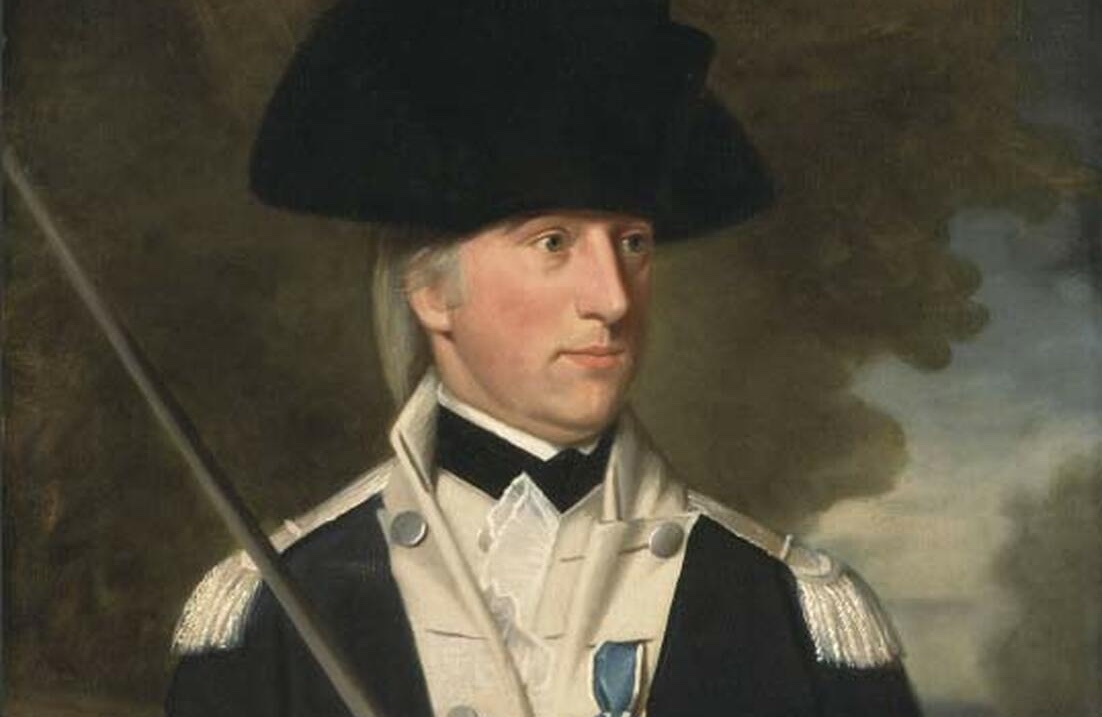
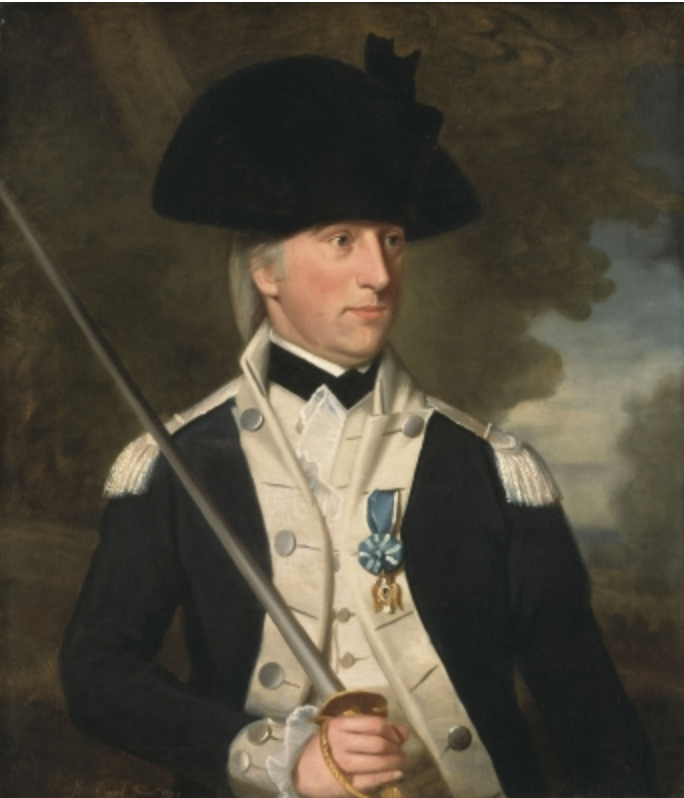
Marinus Willett is easily one of the most distinguished New York mayors, one of the few whose tenure at City Hall is so dwarfed by his past achievements that it merits but a footnote in his biography.
However he has a fantastic connection with the job that makes his brief stint there all the more relevant.
Marinus served as city mayor from 1807-1808 — just a single year.
His great-grandfather Thomas Willett, however, was New York City very first mayor, appointed to guide the city of New Amsterdam through its official transformation as a British property in 1665.
The Fighter
His rascally great grandson would be less enamored of his British lineage. Born on July 31, 1740 in Jamaica, Long Island — in what would much, much later become the borough of Queens — Marinus would be the last appointed New York mayor with strong military connections to the Revolutionary War.
Willett served as a militiaman during the battles of the French and Indian War, where as a young man he participated in the failed campaign at Fort Ticonderoga.
By 1775, he was a fully engaged American rebel living in New York, foiling British troops at the very start of the Revolutionary War as one of the subversive Sons of Liberty.
Marinus Willett preventing removal of arms by the British, June 6th, 1775 / In a print of a painting by John Ward Dunsmore, 1907. Library of Congress
That same year, age 35, he became Lieutenant Colonel in George Washington’s Continental Army, working on the northern Canadian campaigns and distinguishing himself at the defense of Fort Stanwix in upstate New York, where he held off British and allied Indian forces.
Eventually in 1780 he was even given command of the entire Mohawk Valley, where his ragtag and sparse militia tenuously held the area against enemy foes.
According to author Frederick L. Bronner: “It is a possibility that Willett witnessed the first and last battle in New York during the Revolution.”
Today, Willett is remembered at Fort Stanwix National Monument by the Marinus Willett Center.
Choosing Sides
Willett’s reputation as a Revolutionary warrior would define him for the rest of his life.
But his return to post-war New York, employed as a merchant, was seemingly marked by skirmishes of a different sort, divorcing two different women before settling third wife in 1799, 35 years his junior. (All this on top of an illegitimate son he had fathered during the war!)
But by the start of the 1800s, Willett became associated with Aaron Burr which put him on the opposite side of many former political allies including DeWitt Clinton who became Mayor of New York in 1803.
Bronner writes: “Clinton saw to it that they [Burr sympathizers] got not so much ‘as a smallest crumb from the well-filled table.'”
Yet when Clinton fell out of political favor in Albany, his appointment as mayor (he served from 1803 to 1807) went to Willett.
A Brief Tenure
Simply put, Willett took the job for the money, which paid better than city sheriff. But as a rival of Clinton, he must have relished taking the position away from him.
He lasted for exactly one full term (i.e. a year). Clinton would return to the job in 1809. (Read Clinton’s Know Your Mayor entry here for more information.) And two years after that, when Willett ran for state lieutenant governor, he was defeated … by DeWitt Clinton.
Ever a feisty old man to the finish, Willett later rallied support for the war that would become the War of 1812. He died at age 90 on August 22, 1830.
Willett is still remembered today in the Lower East Side with two streets — Willett Street and possibly Sheriff Street. Both streets have been rather ungraciously neutered by the Williamsburg Bridge.
A version of this article originally ran on June 10, 2008 — as you can see from the comments below.
With a new mayoral race on the horizon in New York City we think it is time that you Know Your Mayors! Become familiar with other men who’ve held the job, from the ultra-powerful to the political puppets, the most effective to the most useless leaders in New York City history.
This longtime feature of this website is being rebooted with new articles and newly researched and refreshed earlier entries in this series. Check back every other week for a new installment.
Dewitt Clinton was so much more than a mayor of New York City of course.
He also served as a two-term governor, ran for president against James Madison and helped oversee one of the greatest engineering projects in American history.
He negotiated the choppy waters of early American politics with dexterity, building upon the reputation of his family name to fuel economic and cultural growth in the state he called home.
His greatest achievement was the Erie Canal, the cross-state canal which linked the Hudson River and New York Harbor with the interior of the United States.
No other civic project — with the possible exception, at the start of the 20th century, of the subway system — would affect the fortunes of New York City in such a dramatic and unambiguous way.
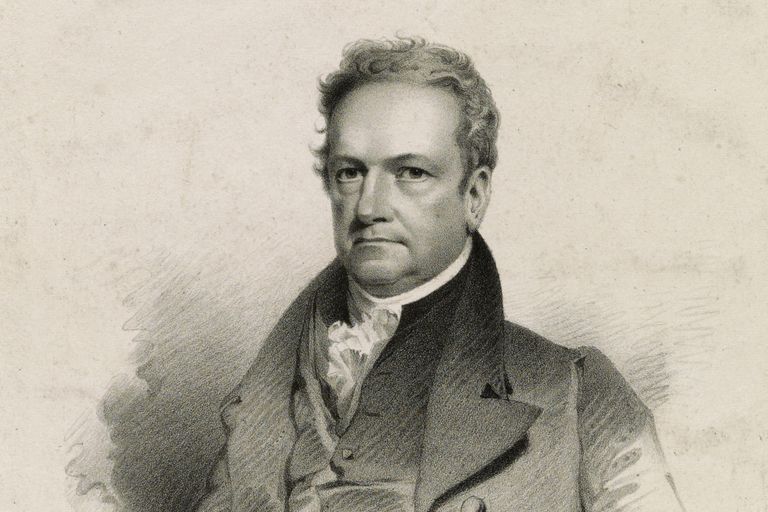
Clinton in a portrait made by Rembrandt Peale
So, yes, the many accomplishments in Clinton’s storied career tend to overshadow his work as the mayor of New York.
Yet most historians place him among the greatest mayors the city has ever employed. He might even be the greatest in terms of his long-term impact.
Clinton served ten one-year terms non-consecutively — 1803-1807, 1808-1810 and 1811-1815 — weaving together an extraordinary period of city growth during tumultuous political times and a potentially deadly foreign war. (Why not consecutive terms? I’ll explain in the next Know Your Mayors column.)
Clinton on the Rise
Dewitt Clinton was born in Little Britain, New York, on March 2, 1769, into one of the most politically important families in America.
Major-General James Clinton, DeWitt’s father, fought next to George Washington during the Revolutionary War (and brutally killed hundreds of Iroquois people during the 1779 Sullivan Expedition). DeWitt’s uncle George Clinton rose the political ranks following the war to become the governor of New York (from 1777-1795 and again from 1801-1804).
By the 1890s, according to author Evan Cornog, “three families presided over New York State politics — the Schuylers, the Clintons and the Livingston.”
So DeWitt Clinton had easy access to the corridors of power — Uncle George even made him his secretary in a bold gesture of nepotism — but he built upon that privilege, instead of resting on it. More importantly, he’s often considered to have the genuine needs of New Yorkers in mind in his accumulation of power, believing the city’s cultural and economic prosperity could be worn as a badge of honor for himself.
His most influential job during this period was as a member of the Council of Appointment, the body charged with appointing all the governmental positions that were not elected. This included the mayor of New York. In fact, he helped appoint the last mayor in our Know Your Mayors series — Edward Livingston.
While the Clintons were aligned with Thomas Jefferson and the Democratic-Republicans, DeWitt held personal animus towards his party’s Aaron Burr, the Vice President, who many believed had attempted to steal the 1800 election from the preordained Jefferson. When Burr killed Alexander Hamilton in 1804, Jefferson replaced him — with George Clinton, DeWitt’s uncle.
By then, DeWitt himself had dabbled in federal office, serving as the Senator from New York for almost two years from 1802 to 1803. But he hated Washington D.C. — which was an unpleasant and barely developed swamp then — and wanted to return to the comforts of New York.
So he resigned and took a new job which was then offered to him — the mayor of New York City.
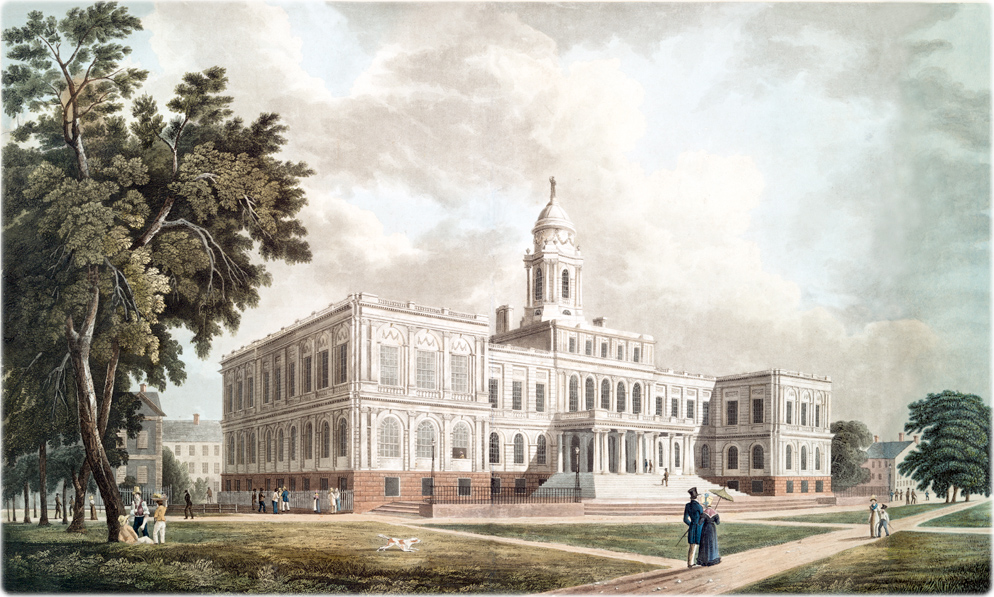
New York City Hall, dedicated in 1811 and opened for government business by 1812
Setting the Foundations
At first it appeared this was just another step in the political ladder for DeWitt. According to Gotham, Clinton told his uncle that “being mayor was the better job [than being a U.S. senator] because its influence in presidential elections made it ‘among the most important positions in the United States’.”
But he quickly fleshed out the mayor’s role in surprising ways, having the unique political connections that allowed him to expand local government’s role. In later years, these expanded powers would be reduced by the influence of political machines like Tammany Hall.
Among the fledgling organizations he either founded or vigorously supported during his time in office:
— New York Board of Health: Clinton entered office with yellow fever the city’s greatest enemy. According to NYC Health, “Led by Mayor De Witt Clinton, the board evacuated stricken neighborhoods and started collecting mortality statistics, to ‘furnish data for reflection and calculation.'”
From this department came a newly created role — city inspector — which expanded to collect data (births, marriages and deaths) on city residents.
— New-York Historical Society: Clinton believed in upgrading the city’s cultural life, and the Historical Society, essentially New York’s first museum, allowed the city to celebrate its role in the new American cause and exalt the New Yorkers who fought for independence (which naturally included Clinton’s family).
Clinton was a founding committee member in 1804 and even gave the institution some space at City Hall (then at Wall Street aka Federal Hall).
He also chaired both the American Academy of the Arts and the Literary and Philosophical Society in their early years.
— Free School Society: Clinton championed the social education model which eventually became the New York public school system.
According to Evan Cornog, “In 1805, two measures transformed primary education in New York. The first was the allotment by the legislature of 500,000 acres of state lands and three thousand shares of bank stock for the benefit of public school. The second was the establishment of the New York Free School Society, whose president, from its inception to his death, was DeWitt Clinton.”
— The Grid Plan: Seeing a need to plan the city’s growth as it galloped up Manhattan island, the city’s Common Council formed a committee — “doubtless at DeWitt Clinton’s instigation” — that would draft up ideas for a possible grid of streets and avenues.
— A System of Fortifications: In addition, Clinton faced the impending crisis of a new war with Great Britain. Although the War of 1812 never came to New York City, Clinton oversaw the construction of new fortifications through the city, including a new fort at the Battery which eventually bore his name — Castle Clinton.
Castle Garden (within the old Castle Clinton) courtesy the Museum of the City of New York
A Complicated Record
Clinton innovated a form of governance which can be seen either as forward thinking or incredibly opportunistic (and quite possibly both) — the improved rights of immigrants.
Christian Luswanger, a member of the city’s night watch, became the first officer killed in the line of duty in New York during a Christmas Day anti-Catholic riot in 1806, the most violent of a series of skirmishes aimed at immigrants. New Irish arrivals faced Nativist backlash in a heavily Protestant city.
DeWitt Clinton. Library of Congress
The mayor, however, was a supporter of the Irish, laying the groundwork for one of the most successful collaborations in 19th century New York City politics.
As a U.S. senator, Clinton had supported liberal immigration laws. As mayor he also supported the elimination of a citizenship test oath for Catholics. As a result, his opponents quickly painted Clinton as a puppet of foreign influence.
But Clinton was no paragon of human rights reform. While he earlier supported the Gradual Emancipation Act of 1799 — and a second Emancipation Act passed in his first year as governor in 1817 — his family had kept enslaved people for decades. And DeWitt himself owned at least a couple people during his years as mayor, including a coachman named Henry.
And many decisions Clinton made did seem more bluntly opportunistic.
He directed that the city’s funds be held by the banks of Manhattan Company, formed in 1799 — by his foe Aaron Burr, no less — to build a water system for the city. But the Company never did fund a truly adequate system, existing only as a bank. (Clinton, by the way, was also a company director. Seems like a conflict of interest!)
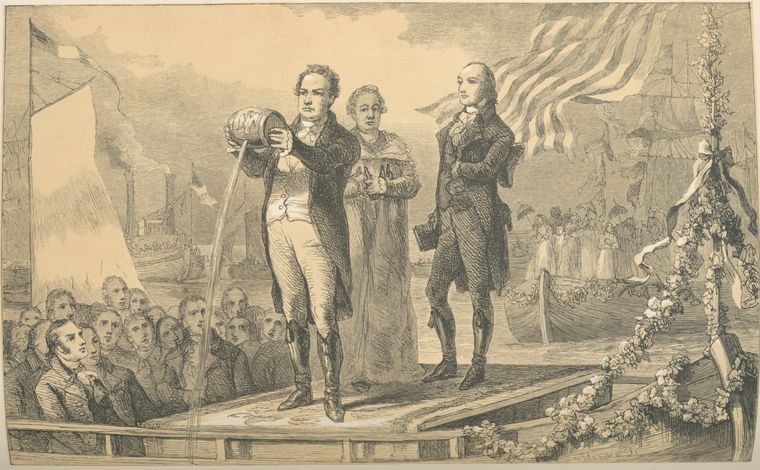
Clinton ceremonially pours water from Lake Erie into the Atlantic Ocean, 1825
The Billion Dollar Idea
For decades, prominent New Yorkers had pondered the idea of an upstate canal system, and even Clinton had considered canal making schemes years before reaching any significant prominence, extending back to his days as a student at Columbia College.
His interest in a massive canal project was renewed during his tenure as mayor (and those years in between his non-consecutive terms). By the time he became the governor of New York in 1817, he was so associated with the canal project that it became known by detractors as Clinton’s Folly.
No folly at all. When the Erie Canal finally opened in 1825, the engineering marvel — one of America’s greatest early achievements — proved genius. It not only created new wealth of New York City, it boosted the economic strength of the entire country.
Clinton had created new opportunities for New York City. The rise of the city as an economic and cultural power begins with him.
DeWitt Clinton Park in Hell’s Kitchen, photography by Greg Young
For more information on DeWitt Clinton, we have an older show in our catalog on Clinton and his role in creating the Erie Canal:
With a new mayoral race on the horizon in New York City we think it is time that you Know Your Mayors! Become familiar with other men who’ve held the job, from the ultra-powerful to the political puppets, the most effective to the most useless leaders in New York City history.
This longtime feature of this website is being rebooted with new articles and newly researched and refreshed earlier entries in this series. Check back each week for a new installment.
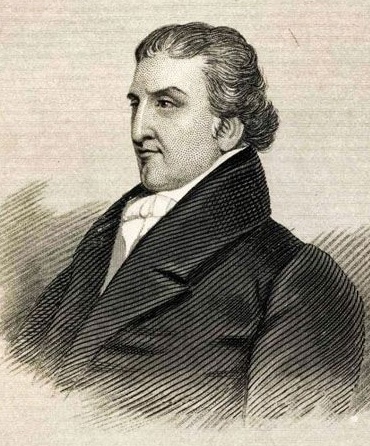
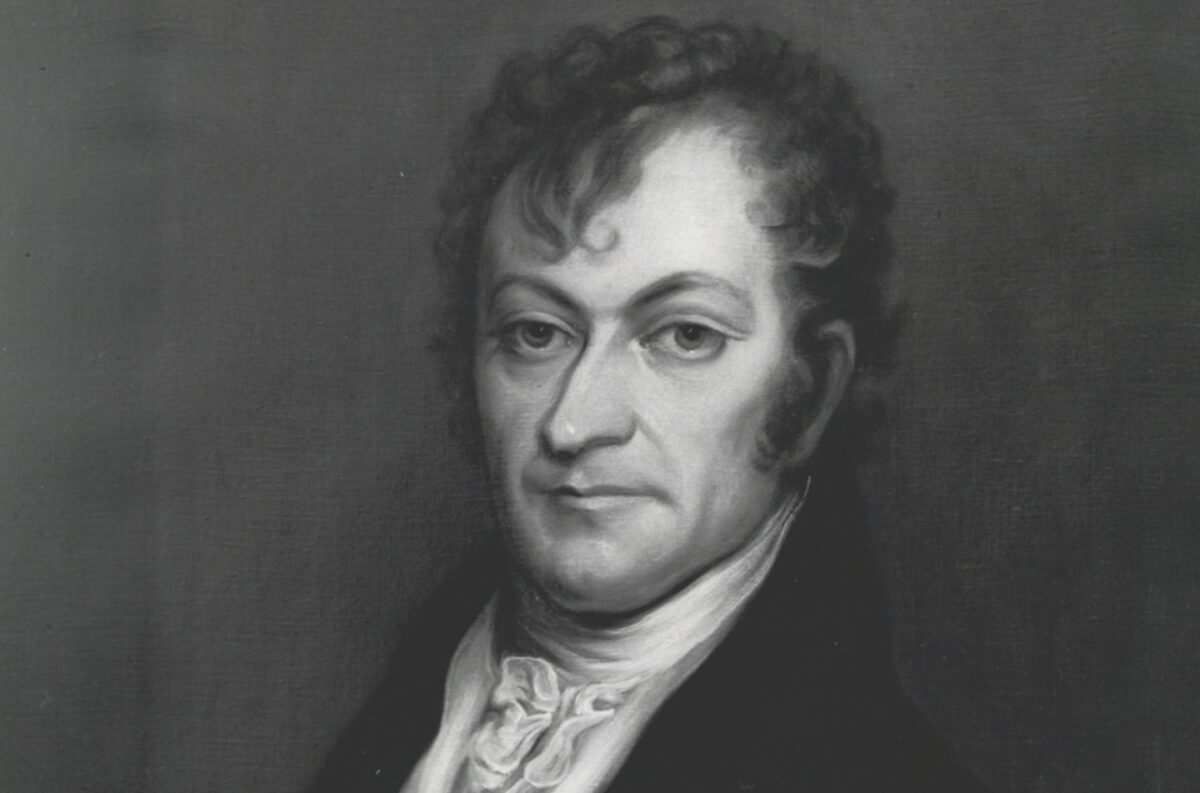
Edward Livingston Term: 1801-1803 The Mayor Who Went On To Do Better Things
On the spectrum of interesting folks who have occupied the mayor’s seat, Edward Livingston must certainly be noted as the defining example of turning your life around.
In 1801Livingston became the mayor of New York City. Two years later, he left the job in total disgrace, run out of the city due to a financial scandal. He would never work in this town again.
And then things got really interesting.
Edward Livingston. Wellmore, E (Engravor) &Longacre, J. L. (Illustrator) Courtesy Library of Congress
Life With The Livingstons
Livingston, born in 1764, was a member of the rich and powerful Livingston clan. There were Livingstons in all aspects of American life — political, social, financial. It was as close as you got to a brand name in the Colonial era.
Edward benefited from this common ancestry. He was just eleven years old when his father Peter Van Brugh Livingston became president of New York’s First Provincial Congress in 1775. Another relation Philip Livingston signed the Declaration of Independence in 1776. And Edward’s older brother Robert Livingston (pictured below) would become New York chancellor.
Robert R. Livingston, in a painting by Gilbert Stuart
Young Edward barreled into his career, an ambitious lawyer who settled in New York following the Revolutionary War. Everybody knew his name; he was unsurprisingly a great success. What could go wrong?
Rising Star
In 1795, Beau Ned (as he was called) was elected to represent New York in the U.S. House of Representatives, aligned with the ascendent Democratic-Republican Party, putting him in good graces with Thomas Jefferson, New York Governor George Clinton and various politicians in opposition to the Federalists.
The mayor of New York at that time — Ricard Varick — was a Federalist.
WhenJeffersonwon the presidency in a hotly contested election in 1800, Edward Livingston found himself on the right side of many lucrative political appointments.
In 1801, the governor chose him for U.S district attorney and then, a few months later, Livingston was also appointed mayor. (See entries on Varick and James Duane to understand why these men were even allowed to hold multiple jobs.)
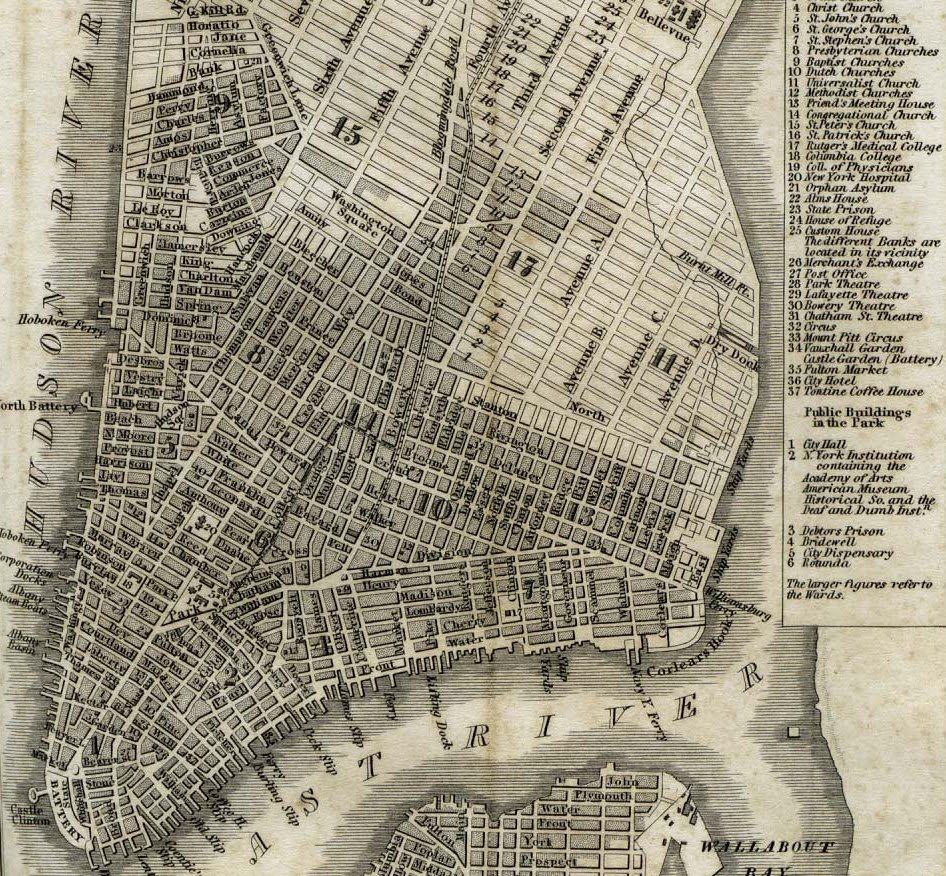
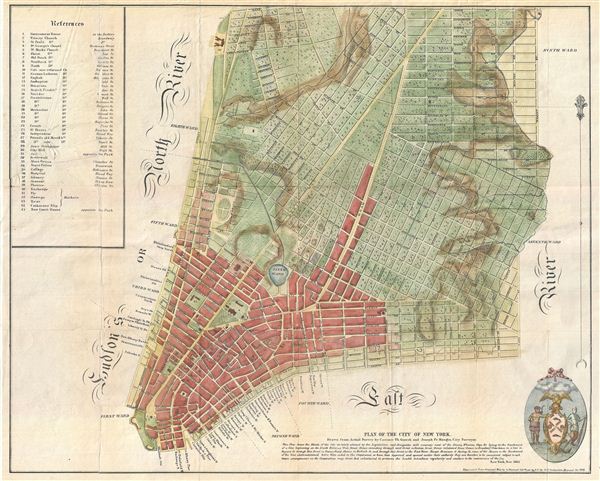
An 1801 map of New York, overlaid with a grid plan proposed by Casimir Goerck and Joseph-François Mangin. This plan was never carried out but it would inspire the Commissioners Plan of 1811.
A Hot Time In The Old Town
Suddenly, Livingston had become mayor of the biggest city in the new nation — a whopping 60,482 according to that year’s census. His opposition to the policies of former president John Adams served him well for a time under the new auspices of a Jefferson presidency.
But the year 1801 in New York was undeniably a volatile one and post-war optimism had given way to bitter skepticism and political chicanery.
New York senator Aaron Burr, Jefferson’s running mate, was nearly voted president in an electoral-college snafu.
Jefferson’s nemesis Alexander Hamilton— who would later be shot and killed by said running mate — would baste his thoughts in the newly created New York Evening Post.
Nearby, a young aide named Washington Irving worked in a law office.
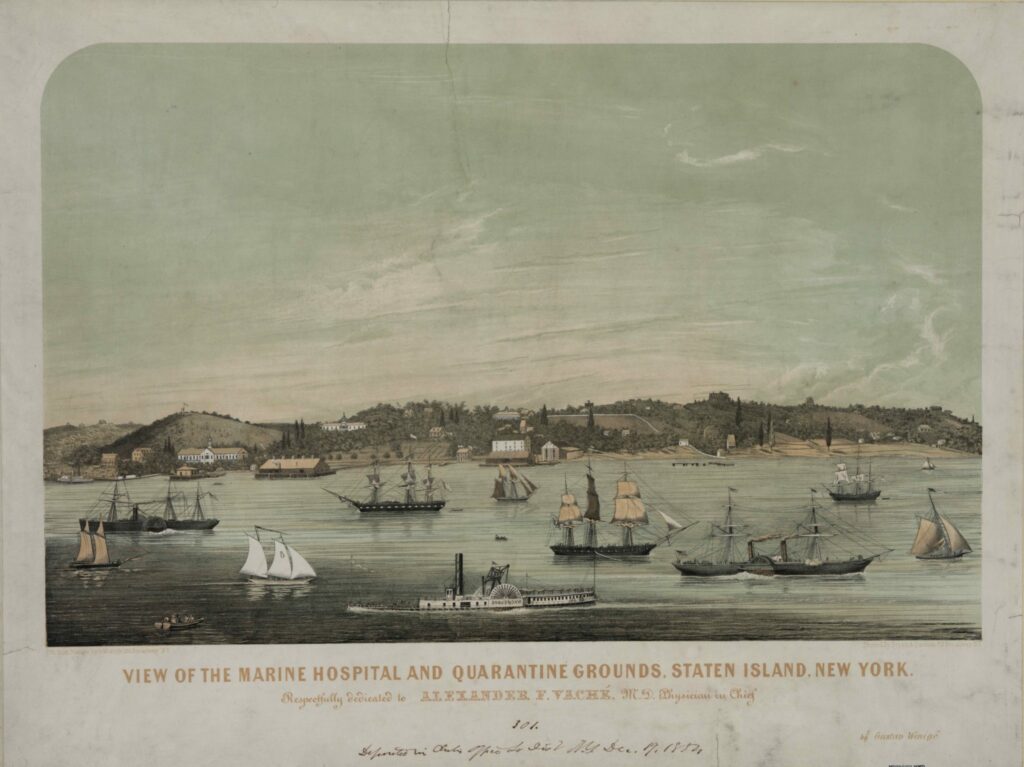
In 1799 New York City built a quarantine station in Staten Island for the treatment of people afflicted by yellow fever and other illnesses. (Image courtesy New York Public Library)
A City Sickness
Unfortunately for Livingston the early 1800s were simply not a great time to be living in New York City. In fact, during his tenure, Edward Livingston almost died of yellow fever.
In 1803, a second epidemic hits New York and hits hard. Hundreds would die, thousands would flee. The stoic Livingston would manage to keep the city operating, even as he himself would become sick and nearly die.
In Disgrace
He recovered only to meet with a scandal that would nearly ruin him.
In the summer of 1803, it was discovered that $45,000 had gone missing from the city’s custom-house fund. While it was determined that a clerk from the district attorney’s office had actually stolen the money, it was Edward Livingston who took the hit politically.
“Although his own integrity was not in question,” according to the book Gotham, the ensuing scandal not only forced Livingston to give up both the state attorney job and the mayor’s seat, but he actually had to sell his property to repay the government.
Livingston had disgraced the family name.
1803 view of New Orleans, looking upriver from the Marigny Plantation House, by J. L. Bouquet de Woiseri
The Ultimate Second Act
Nearly penniless and humiliated, Edward decided to leave New York for good in 1803.
Penniless but not, of course, without family connections.
In 1804 moved to New Orleans, recently purchased from the French by the federal government as part of the Louisiana Purchase. The team negotiating that deal included James Monroe — and Edward’s older brother Robert Livingston.
During the War of 1812, Edward was active in the defense of New Orleans and even served as the aide-de-camp to General Andrew Jackson. The two became close friends.
By 1826, Livingston was successful enough again with his own law practice in New Orleans that he was able to pay back the government all the money he owed plus interest — or almost $100,000, no petty sum back then.
Livingston in 1827. Painting by Anson Dickinson
That same year, Livingston would shape American civil policy with a series of influential penal and judiciary codes for the treatment of prisoners, now referred to as the Livingston Code. While rejected by the State of Louisiana, the legal reforms would live on to shape ideals about incarceration and the death penalty.
Because of these reform codes, Edward Livingston is considered one of the great American legal geniuses of the early 19th century.
After notable stints as representative and a Senator for the State of Louisiana, he became a persuasive Secretary of State for President Jackson from 1831-1833. Edward Livingston died on May 23, 1836.
With a new mayoral race on the horizon in New York City we think its time that you Know Your Mayors! Become familiar with other men who’ve held the job, from the ultra-powerful to the political puppets, the most effective to the most useless leaders in New York City history.
This longtime feature of this website is being rebooted with new articles and newly researched and refreshed earlier entries in this series. Check back each week for a new installment.
Richard Varick Term: 1789-1801 The Federalist Mayor
La Guardia Airport. Van Wyck Expressway.The Ed Koch Queensboro Bridge. Duane Street.
While most old mayors of New York City fade into obscurity, a few leave their legacies on landmarks and street names.
In Lower Manhattan lies little Varick Street, linking the West Village to Tribeca. Drivers entering the Holland Tunnel are very familiar with Varick Street. It’s named for the man who once owned property here — Richard Varick.
He served as mayor of New York City for eleven consecutive terms — one year terms, from the fall of 1789 to 1801, making him the first New York mayor of the 19th century.
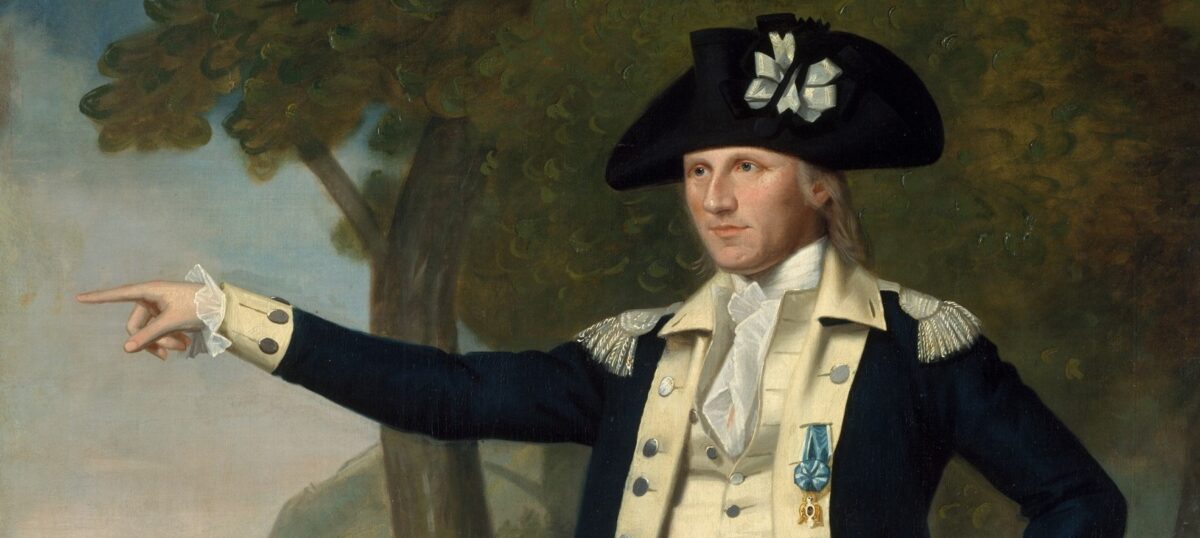
Biographer Paul Cushman calls Varick a “forgotten Founding Father” of the United States, an officer in the Continental Army and confidante of George Washington.
But perhaps his legacy had been slightly tarnished by another close association — with Benedict Arnold.
Richard Varick, born in Hackensack, NJ, on March 15, 1753, was the descendent of Dutch settlers, and his family history is deeply intertwined with that of early colonial New Jersey.
Richard’s fate would lie in New York where he would get his law degree in 1774 at King’s College (Columbia University), naturally becoming compatriots with those who would become revolutionaries against the British Crown.
Varick had a virtually unblemished military record during the Revolutionary War but for one unfortunate association.
During the early days of battle he served as secretary to General Philip Schuyler, later father-in-law to Varick’s friend Alexander Hamilton. He swiftly moved on as inspector-general of the newly formed military base at West Point (it wouldn’t become a military academy until 1802) where he would become entangled with a potential political albatross — Benedict Arnold.
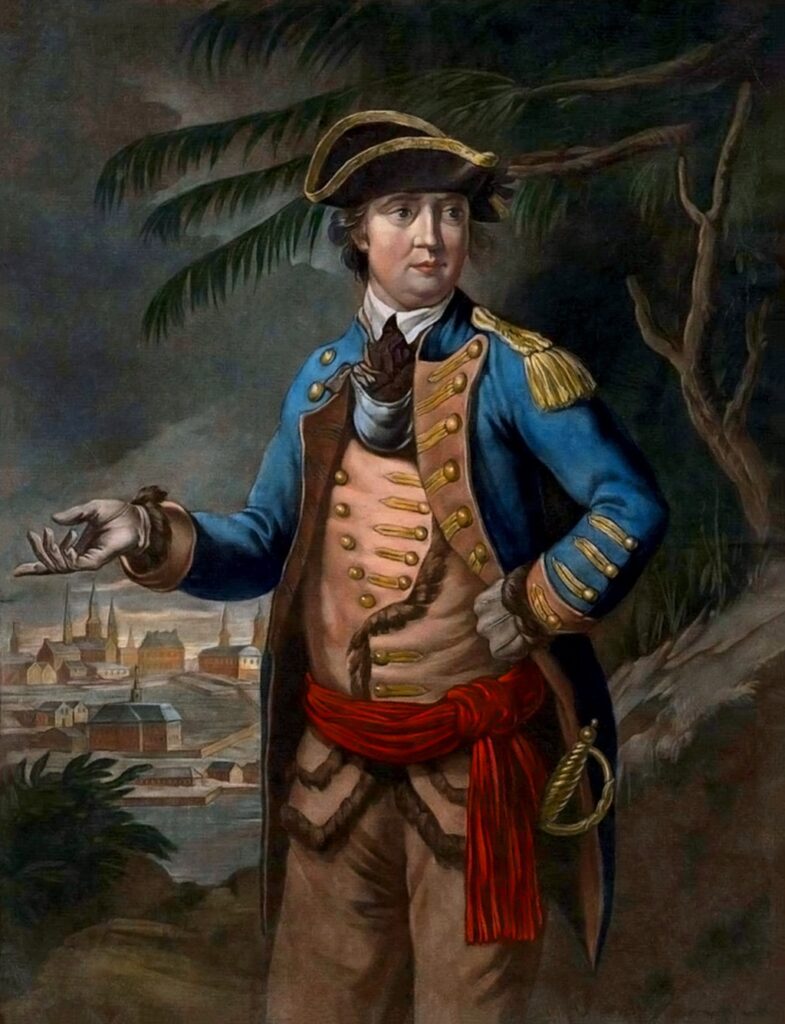
Arnold in a 1776 painting by Thomas Hart
Serving as Arnold’s loyal aide-de-camp, he was unaware that his friend was selling West Point — and the American cause — down the river, plotting to trade the base’s secrets to the British.
Arnold’s treachery was found out, and it comes as no surprise that Varick too was suspected of treason, but was later exonerated. The stench of rumored betrayal was alleviated when Varick was appointed Washington’s personal secretary in the later days of the Revolutionary War.
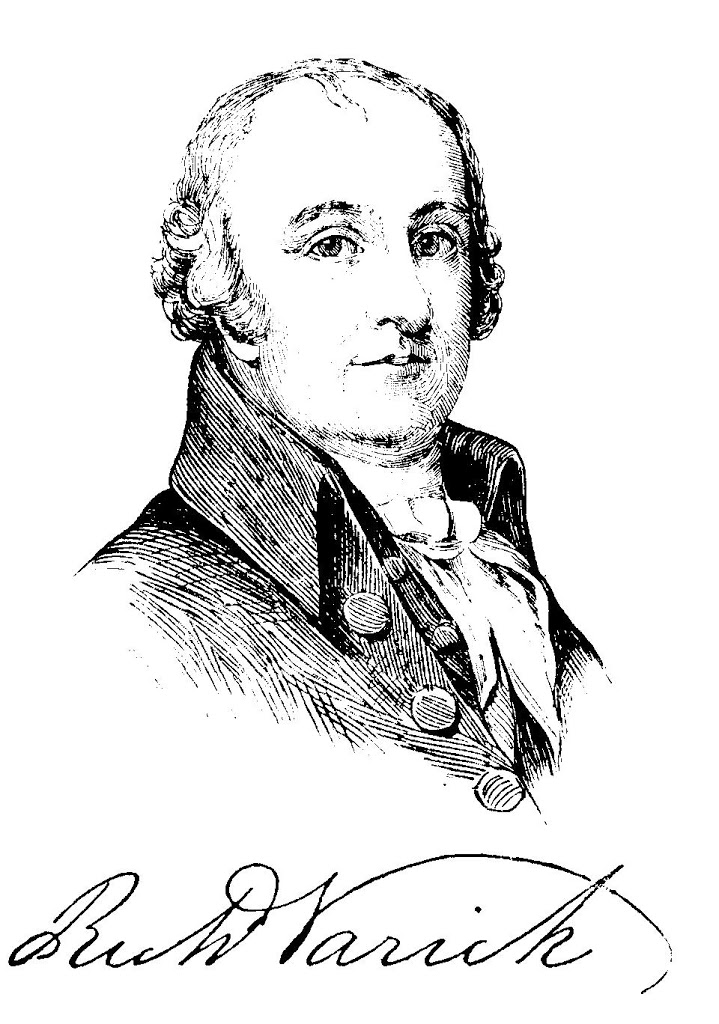
Varick and his signature
The Ultimate Multi-tasker
Not one to let one sticky political association bog him down, Varick was appointed a recorder of New York City once the British were swept out of town. But that’s not all.
In those days, with so many positions in the newly formed government and so few men with experience, Varick soon held other jobs concurrently — including speaker of the New York State assembly and even the state attorney general!
“A simple explanation of the prevalence of a few public-spirited civic servants holding multiple offices in these times,” writes Paul Cushman, “might relate to the fact that these were unusual and non-recurring moments in the development of government. The offices in the evolving government were still quite malleable. “
The amount of ink and parchment used by Varick in these various jobs — not to mention his wartime correspondence — must have been astounding. Indeed forty-four folio volumes known as the Varick Transcripts, collecting his various papers from 1775 to 1785 (including his correspondence with Washington), are housed at the Library of Congress.
But in 1789 came his most intriguing government appointment — mayor of New York, a role in which he was appointed eleven consecutive times by the Council of Appointment. (Previous mayor James Duane stepped down to become a judge. See the previous article of Duane for a breakdown on the appointment process.)
How could one man with so many jobs take on this responsibility as well? Cushman explains: “A part-time occupant as mayor, not yet burdened with a host of defined civic duties or a subordinate staff to manage, could carry out several tasks simultaneously, with the mayoral duties being just one of many.“
Richard Varick, in an 1805 painting by John Trumbull
A City In Crisis
The city population doubled under his administration, so naturally basic civic neccessities like water and disease control became the focus of his attentions. So what were his governing views?
Like Hamilton and John Jay, Varick was a staunch Federalist, believing in a strong centralized government and a robust national banking system. Federalists were also aristocratic and often elitist, and Varick was frequently at odds with the city’s rising artisan class who favored the more democratic leanings of national politicians like Thomas Jefferson and James Madison.
Varick used his position to punish anti-Federalist New Yorkers. In 1791 he threatened to revoke the licenses of any cartmen who voted against Federalist candidates in future elections.
In fact, due to his support of the quite unpopular Jay Treaty in 1794, the “arrogant and elitist” Varick was almost literally driven out of City Hall by a mad riot.
His political posturing insured that New Yorkers would never really like Varick. Still he continued to be appointed to the job year after year — by both Republican governors (George Clinton) and Federal ones (John Jay), most likely based on his reputation during the war.
The political bickering between factions failed to stunt the growth of the city, both in terms of its physical size and its prominence as the financial center of the new nation, of which Varick played no small part. (He was the director of a few small fledgling banks, including Alexander Hamilton’s special project the Bank of New York.)
Another change during Varick’s term would alter the course of New York politics forever.
In 1797, New York state government responsibilities moved out of the city to Albany, allowing the city bureaucracy to grow but setting the stage for future animosities between state and local leaders. In other words, the roots of Andrew Cuomo vs. Bill De Blasio begin here.
Painting by Henry Inman
Founding Father of Jersey City
With the ascent of the Democratic-Republican Thomas Jefferson to nationwide office, Federalists were on the wane, and Varick was replaced by the more amenable Edward Livingston.
Varick, on the outs in New York, returned to New Jersey where he helped found Jersey City. Varick died there on July 30, 1831. For the residents of NJ’s second-largest city, Varick is most certainly not forgotten.
And thousands everyday take lower Manhattan’s Varick Street to the Holland Tunnel which arrives on its New Jersey side into the city which Varick founded.
This article is newly written and expanded from an earlier version published in 2007.
With a new mayoral race on the horizon in New York City we think its time that you Know Your Mayors! Become familiar with other men who’ve held the job, from the ultra-powerful to the political puppets, the most effective to the most useless leaders in New York City history.
This longtime feature of this website is being rebooted with new articles and newly researched and refreshed earlier entries in this series. Check back each week for a new installment.
James Duane Term: 1784-1789 The First Post-War Mayor
New York officially had 44 men prior to James Duane filling the seat of city mayor in 1784. So why do I consider Duane New York City’s official first mayor?
Although America declared its independence from England in 1776, England did not declare its independence from New York City until 1783, when they were driven out at the end of the Revolutionary War.
British appointed mayor David Mathews governed Manhattan throughout the entire war until he and other Loyalists fled to Canada in the conflict’s waning days. Which is probably a good thing since he was implicated in a specific attempt to kidnap and murder the commander of the Continental Army George Washington.
Duane is the first American New York mayor, the first to lead the city newly broken from its colonial shackles.
However, it should be noted that he is not New York’s first elected mayor. Like the many mayors of the Colonial era before him — and the many men who would hold this office well into the 19th century — James Duane was appointed to the job.
James Duane, born in New York in 1733, was destined for great things, a respected attorney and statesman who would become what we might call a minor Founding Father.
Orphaned as a teen, young Duane became the charge of Robert Livingston, a prominent lawyer in a socially important New York family. Naturally he pursued a career in law as well, his natural skills bolstered by his social privilege.
In 1759 Duane married Robert’s daughter Mary Livingston and would grow up alongside Robert Jr. who would go on to draft the Declaration of Independence. Through tenacity, family wealth and de facto family influence through the Livingstons, Duane became New York state attorney general at age 34.
Duane was also part of New York’s delegation to the First Congressional Congress in 1774, alongside John Jay and another Livingston, Philip, who would eventually sign the Declaration of Independence. (Duane, alas, was serving in New York’s Provincial Congress in the summer of 1776 or else he too would have John Hancock’d the founding document.)
Duane had originally agreed with general notions of appeasement with the British, not favoring a separation from England.
In fact author Edward P. Alexander calls him a ‘moderate rebel‘. “Duane strove with common sense and moderation to cling to the golden mean which would protect gentlemen of his station from both British taxation and domestic social upheaval.”
In other words he was for the cause of American liberty but not all that rabblerousing.
James Duane’s New York City, 1776
Regardless, he would be a member of Second Continental Congress all the way through the end of the war and on behalf of New York would even be a signer of the Articles of Confederation, precursor to the Constitution.
During the British occupation of New York, Duane lived at Livingston Manor, a vast estate which today includes modern-day Livingston, New York.
New York during British occupation 1776
Its Loyalists freshly evacuated, the city needed a new leader.
In 1784 Duane was appointed Mayor of New York by a slate of state officials called the Council of Appointment, led by Governor George Clinton.
This council didn’t just select the city’s mayors; it selected every office in the state. It would be decades before mayors were actually elected into office by the people.
Duane moved his family to a family estate right outside the city — a farm that would become Gramercy Park thirty years after his death.
“In a letter of James Duane to his wife, after the Revolution, he alludes to this farm and the beautiful grounds with the fish pond and fountains. The house having been occupied by British officers during the War the letter says ‘you will find the cellars in most excellent condition and the wine bins in good repair, the house has suffered but little.’“
City Hall became Federal Hall.
The new mayor oversaw a massive shift in Manhattan’s well-being; while the evacuation of the British and their sympathizers left a serious economic vacuum, the city also took its first steps win defining its urban character.
In fact Duane’s legacy as mayor would be largely overshadowed as the foundations of the United States were built around him.
City Hall would become Federal Hall in these years and the overcrowded government building — over 75 years old already by the time Duane took office — was hastily enlarged in 1788 to accommodate these extra politicians.
Angry New Yorkers storm the hospital. Wood engraving by William Allen Rogers
Meanwhile in the spring of that year, Duane intervened in one chilling incident involving grave robbers and medical students at New York Hospital, an incident today known as the Doctor’s Riot.
An angry mob, enraged that the local cemetery had been pillaged for cadavers, stormed the hospital and, eventually, Columbia College. Several officials, including Duane, urged restraint. When the mob attacked the officials — injuring John Jay in the process — Duane took action.
According to Gotham by Edwin G. Burrows and Mike Wallace, “Duane summoned a troop of militia to disperse the crowd and was met with another shower of missiles. Baron von Steuben, also struck in the head and bleeding profusely, shouted, ‘Fire, Duane! Fire!’ Duane, or perhaps [Governor] Clinton, gave the order. The first volley killed three rioters outright and wounded many others. Before a second could be fired, the crowd had scattered.“
Governor George Clinton who possessed most of the power in post-Colonial New York.
While Duane threw himself into the job — he was praised by his critics for his charity and “good judgement” — his power was limited. Governor Clinton and his Common Council (an early version of City Council) controlled his salary and could veto his decisions on a whim.
In 1785 he was also a founding member of the New-York Manumission Society, an abolition organization headed by John Jay that eventually included Alexander Hamilton and Governor Clinton.
This despite the fact that Duane would own at least one enslaved person after this date:
“His 1790 census record, in New York City, shows his family consisting of 2 Free White Males aged 16 and older, 2 FWM under 16, 6 Free White Females, and 1 slave.” [wiki]
(Most of the members were slaveholders including Jay and Clinton. In 1799, Jay, as governor of New York, would sign the Act for the Gradual Abolition of Slavery into law.)
James Duane — February 6, 1773 – February 1, 1797
By the end of administration in 1789, Duane was governing over a city of 25,000 citizens. After the wounds of war, New York was at last recovering.
After Duane’s five one-year terms, the mayor’s seat went to another attorney with even greater ties to the Revolutionary War — Richard Varick.
Duane’s next appointment was more prestigious — one of the nation’s first federal judges on US Circuit Court in New York, nominated for the position by President George Washington himself. (It helped to rub elbows with the new president in the cramped quarters of Federal Hall.)
Duane died on February 1, 1797, on an inherited land grant in upstate New York that he had developed into a township and where he spent his final years. Its name, appropriately, is Duanesburg.
Most New Yorkers are familiar with James Duane today — not for his accomplishments but for the street named after him. Duane Street runs through lower Manhattan today just a couple blocks north of today’s City Hall.
The drug store Duane Reade takes its name from Duane Street.
This article is based on an original post from December 2007.
Is Bloomberg really running? If so, this would make David Dinkins the only previous living mayor of New York City never to have run for the highest office in the land.
And it begs the question — is it even possible for the leader of the biggest city in America to step up to the role of Commander In Chief?
Precedent tells us no. Not one New York City mayor in history who ever actively tried or hinted at being interested in the job ever got it. Indeed it’s difficult — especially in recent years — to even identify any genuine enthusiasm for such presidential runs.
The Road to the Presidency
This is rather unusual as the mayor of New York City has certain responsibilities akin to running an actual country. Our city has a diverse population the size of Austria with immense financial and cultural power. One might expect the job to be a natural stepping stone to the White House.
Mayors of American cities and towns have become president in the past although that biographical detail is usually not a defining aspect of that candidate’s résumé. For instance, Calvin Coolidge tenure as mayor of Northhampton, Massachusetts, was but one of several offices the lawyer achieved on his way to the presidency.
Grover Cleveland was also a mayor (of Buffalo), but it’s his experience as Governor of New York which recommended him for the Office of the President.
Mayor Philip Hone, in a painting by John Wesley Jarvis, never ran for President but ‘the party mayor’ was close friends with several of them.
Indeed the real road to power is through the office of New York state governor. Four former governors have become president (Cleveland, as well as Martin Van Buren, Theodore and Franklin Delano Roosevelt), four more were vice president (George Clinton, Daniel Tompkins, Levi P. Morton and Nelson Rockefeller) and two have even become chief justice of the Supreme Court (John Jay and Charles Evans Hughes).
Even those governors who failed to become president did so in a dramatic and historic fashion, such as former governors Al Smith, Samuel Tilden and Thomas Dewey (of the particularly famous photo below).
New York governors often have very interesting failed presidential runs!
Then you have Theodore Roosevelt who was the New York City police commissioner and eventual New York governor who became the Vice President and then the President of the United States — all in the span of less than seven years.
Courtesy US Navy
But Mayor of New York City? No.
New York City Mayors and the White House
The list of what-ifs and also-rans is long indeed:
Michael Bloomberg — The mayor from 2002-2013 has flirted many times with a presidential run but has never made the leap — until now. Since his first flirtation with a presidential bid, the political world has shifted greatly. The three-term Republican mayor changed his party affiliation to Democrat last year although he seems forever poised to run as a fiscally-minded centrist.
Rudy Giuliani — The mayor from 1994-2001 did run for President in 2008 but stumbled almost immediately after a major Florida miscalculation and never recovered, withdrawing on January 30, 2008.
John Lindsay didn’t fare much better than Rudy in his quest for the 1972 Democratic nomination. Starting out of the gate strong, like Rudy he stalled in Florida and eventually dropped out. Given the catastrophic changes to the city in the 1960s ad 70s, it’s not surprising that having ‘mayor of New York City’ on their political resume proved a stumbling block.
Robert F. Wagner (1954 to 1965) never ran for president but was short-listed to be Adlai Stevenson‘s vice president in 1956. Wagner was eventually beaten in balloting by Al Gore Sr. and John F Kennedy Jr. But, in the end, they were ALL beat for the spot by the clearly more popular, always reliableEstes Kefauver.
Below: Robert Wagner meets Fidel Castro during his visit to New York in 1959.
Courtesy La Guardia and Wagner Archives
New York City mayors before World War One were generally considered second tier, even props for political machines. Only a few were politically influential and that was often because of prior connections. You can read all our coverage of past New York City mayors here.
William Jay Gaynor (mayor 1910-1913) was widely considered a potential presidential hopeful, even with an assassin’s bullet lodged in his neck. Had he actually lived through his term as mayor, who knows?
George Brinton McClellan Jr (mayor 1904-1909) was never a presidential candidate but his father and Civil War icon George B. McClellan Sr most certainly was. The Union Army general ran in 1864 against Lincoln during his second term, promising to end the war in the South.
A Oakley Hall (mayor 1869 from 1872) (pictured at left) was as closely tied to the Boss Tweed Ring as a politico could be, but even he harbored presidential hopes. Considering he had to temporarily resign from mayor due to the Tweed scandal, I can’t imagine how much luck he would have had.
DeWitt Clinton (mayor for ten non-consecutive annual terms starting in 1803 ending 1815) collected political positions like postage stamps, but the one he could never lick was the presidency, defeated by incumbent James Madison in 1812. By June, Madison had declared war on England and later fled the White House when the Brits torched it.
How a Mayor gets to the White House
The closest a mayor ever got to a top federal job wasEdward Livingston, who became Secretary of State to Andrew Jackson. Which is interesting, as Livingston was literally ran out of Manhattan after his stint as mayor several years previous due to debts and scandals.
For the most part, most politicians who become the mayor of New York City rarely achieve higher elected office. John T. Hoffman is the last individual to be both New York City mayor and then a higher elected position (New York governor in 1869)
John T. Hoffman, a Boss Tweed favorite
This story has been revised from an article which ran on June 25, 2008. Because there’s always a chance, fellow mayors!
Mayor William Jay Gaynor’s final appearance at City Hall was at a notification rally, declaring his independent candidacy. He brandishes a shovel as a symbol of a new era of subway construction (the eventual fruits of the so-called ‘dual contracts’ which had finally be agreed to earlier that year.)
Today’s mayoral primary falls on a very grim anniversary in New York City political history. One hundred years ago today, Mayor William Jay Gaynor collapsed and died while on a voyage to Europe, succumbing to an assassin’s bullet which had been lodged in his throat for over three years.
Gaynor was not in New York when he was shot, and he was not in New York when he finally succumbed to its effects years later. On August 9, 1910, he boarded a German ocean liner in Hoboken, New Jersey, for a planned trip to Europe. A disgruntled dock worker James J. Gallagher approached and shot him through the neck. The moment was gruesomely captured by a New York World photographer.
Although the injury derailed Gaynor’s presidential ambitions, it did not prevent him from leaving office. The bullet remained stuck in his neck, slowly weakening his health and eventually deterioriating his ability to speak.
But he remained a feisty opponent of city corruption. So much so that corruption-fueled Democratic machine Tammany Hall refused to support his re-election bid in 1913, throwing their support to judge Edward E. McCall, a more pliant candidate to their whims. McCall would run against Fusion candidate John Purroy Mitchel, the firebrand reformer and president of New York’s Board of Aldermen (city council).
Gaynor would not be sidelined. On September 3, he announced an independent run for the mayor from the steps of City Hall. To a crowd of 5,000 supporters, Gaynor’s secretary had to read his speech for him as he was unable to raise his voice due to his injuries. At the very end, however, as his secretary declared the mayor’s intention to eradicate graft, Gaynor leaped to his feet and cried, “Yes, that is what we are going to do — shovel all those miserable grafters into the common dump!”
Gaynor at his candidacy announcement, buffered by supporters
The following day, he boarded another ocean liner with his son, intending to convalesce for two or three weeks. It was unannounced voyage — Gaynor naturally wanted to keep his deteriorating condition quiet — although the newspapers found out and splashed it upon their front pages. “It was a feeble figure that went slowly up the gangplank leaning heavily on the arm of his son Rufus,” said the Evening World.
He was intending to return on September 21. However, six days into his voyage, on September 10, the mayor finally succumbed to his wounds, aggravated by other afflictions in his stomach and lungs.
His body was returned to New York on the RMS Lusitania nine days later. The following day, his body lay in state at City Hall as thousands of mourners paid their last respects.
Gaynor would be the second New York mayor to die in office — William Havemeyer died of a heart attack while in office in 1874 — and the fifth to die in office if you count those from before the Revolutionary War.
Gaynor’s passing turned the coming election into a free-for-all, with the remaining candidates scrambling to appeal to the former mayor’s moderate voting base. In the end, Mitchel was elected that November, becoming the city’s second youngest mayor in history.
A memorial for Gaynor was placed in Cadman Plaza in Brooklyn in 1926, inscribed with the anti-corruption slogan “Ours is a government of laws not men.” Gaynor lived in Park Slope at 20 Eighth Avenue.
Below are some images from his funeral at City Hall, September 20, 1913
New York City Hall and its brand new water fountain, in 1846, courtesy Currier and Ives (LOC) KNOW YOUR MAYORS A modest little series about some of the greatest, notorious, most important, even most useless, mayors of New York City. Other entrants in the Bowery Boys mayoral survey can be found here. MayorAndrew H. Mickle In office: 1846-1847
New York City has had many useless and incompetent mayors. To be fair, that legion of forgettable and unspectacular men is bloated by the ways in which mayors were chosen in the early days.
Before 1783, mayors were assigned to the city by the governor of the New York colony. The hand-picked mayor presided over a board of aldermen that were elected by the people. He operated at the behest of the British crown, often overseeing a group very much opposed to British rule.
This curious arrangement carried on even after the Revolutionary War, with New York governors continuing to assign mayors to the city until 1821, when the Common Council (today’s City Council) received the authority to appoint mayors themselves.
The role of mayor was not powerful at this time. Before 1821, they were essentially a mouthpiece for the will of the state government. After 1821, mayors were beholden to the Common Council for their very existence. The job frequently went to well-liked merchants with unsullied reputations, uncontroversial men who rarely rocked the boat.
When the New York state charter was amended in 1834, mayors became popularly elected. (The first was Cornelius Lawrence, in a violent, chaotic election.) But this did not necessarily alter the quality of office holders. Mayors now became the puppets of both powerful council members and thriving political machines like Tammany Hall. Corruption ensured that the position of mayor be considered a valuable but neutered prize.
Further minimizing their role in 1834 was the reduction of the mayoral term to one year (until 1849, when they were given two). Even the most savvy and adroit politician would wither in frustration under these limitations. Men questing for substantive political power sought other prizes. The office of mayor became, in essence, a beauty pageant.
And thus enters into the picture one Andrew H. Mickle, tobacconist and mayor of New York City from 1846 to 1847.
Andrew was born in 1805 to a Scottish couple in New York’s Sixth Ward, the future Five Points. Of course, this was in the era when Collect Pond was being drained, and new residences around this area weren’t yet considered notorious slums. However it seems later biographers gave his back story a bit of that Five Points patina. “He was born in a shanty in the ‘bloody aude Sixth’, in the attic of which a dozen pigs made their habitation,” claimed Gustavus Myers.
As a young man, he began working for the tobacconist George B. Miller at Water and Wall Streets. He would eventually fall in love with Miller’s daughter, marry her, then take over the business entirely.
Below: Wall Street in 1846. Mickle’s tobacco shop would have been located in the distance, near the tree. (NYPL)
A 40-year-old tobacco seller might not fit the profile of mayoral candidate today, but it did in 1845. The mayor of New York at the time was sugar manufacturer William Havemeyer, who had actually tried doing something in office (namely, reforming the Common Council), to the consternation of Tammany.
With a surge of immigration adding new voters, Democratic leaders looked for a relatable candidate, somebody who was “one of the people,” but one with little political motivation. These were the years of the Native American party, a drive to flush America of the thousands of Irish immigrants who were arriving in New York. Mickle, though fully unsuited for a life of politics, represented the opposition, the surge of new voters and the core of the Democratic party.
It also helped that Andrew, with his modest upbringing, was known as the son-in-law of a popular tobacco concern, one that many political men visited on a weekly basis.
But if we are to believe the eyewitness of Nathaniel Hubbard, Mickle’s entry into city politics was engineered almost entirely by a different source — his mother-in-law.
Mrs. Russell* was one of the most powerful women in early Tammany Hall history. She was known, according to Hubbard, for giving her employees the day off at the tobacco counter, “a holiday for electioneering purposes,” the writer claims.
Desiring a bit of power for herself, Mrs.Russell essentially bribed Tammany Hall. “She sent a letter to the rulers of Tammany with a pledge to give them $5,000 on condition they would nominate and elect her son-in-law to the office of mayor of this city,” wrote Hubbard.
Perhaps it says something about the office of the mayor that Tammany Hall took the bait willingly, placing this non-entity Mickle at the top of the ticket. Political machines, especially in the early years, felt strongly about holding offices, with few concerns about who went into them.
Hubbard describes Mickle as “an uneducated man,” with abilities of “a very common order.” But in 1845, perhaps, a man of middling skills could properly govern, if he represented the right things. And so Andrew Mickle was resoundingly elected, receiving more votes than his competitors in the Whig and Native American parties combined.
For somebody accustomed mostly to cigars, Mickle did not embarrass himself in his new task. Tammany Hall was pleased with their purchase; Mickle would be considered a “tried and conservative Democrat.” Hubbard would only say that Mickle “passed through his duties … quite satisfactorily to the political party which elected him.” [source]
He exhibited no amount of political acumen, nor was any required of him. The city prospered of its own accord under Mickle. Telegraph poles began appearing in this city in 1846, connecting New York with Albany and Washington DC, and New York’s first great department store, owned by A.T Stewart, opened that year, just a block from City Hall. Richard Hoe‘s innovation of the rotary press that year revolutionized journalism.
Mickle encouraged the construction of a new workhouse and insane asylum, leading eventually to Blackwell’s Island becoming a sort of one-stop for all of New York’s undesirable industries. After the Great Explosion of 1845, Mickle also saw to developing New York’s fire-fighting infrastructure, although it would remain in the hands of private operators until the 1860s.
He announced his retirement at the end of his term in 1847 and retired once again to the world of tobacco, officially renaming the family business A. H. Mickle & Sons. He remained well-liked in Tammany circles up until his death in 1863.
As a curious side note to his later life, Mickle took up residence in the area of Bayside (today, the neighborhood of Bayside, Queens), “situated on one of the most commanding elevations in that section of Long Island.” His spacious manor here was called Bayside Lawn. Many years after his death, in October 1890, the mansion was destroyed in a fire.