Categories
New York Islands Podcasts

The history of Hart Island, a place of strangeness and sorrow

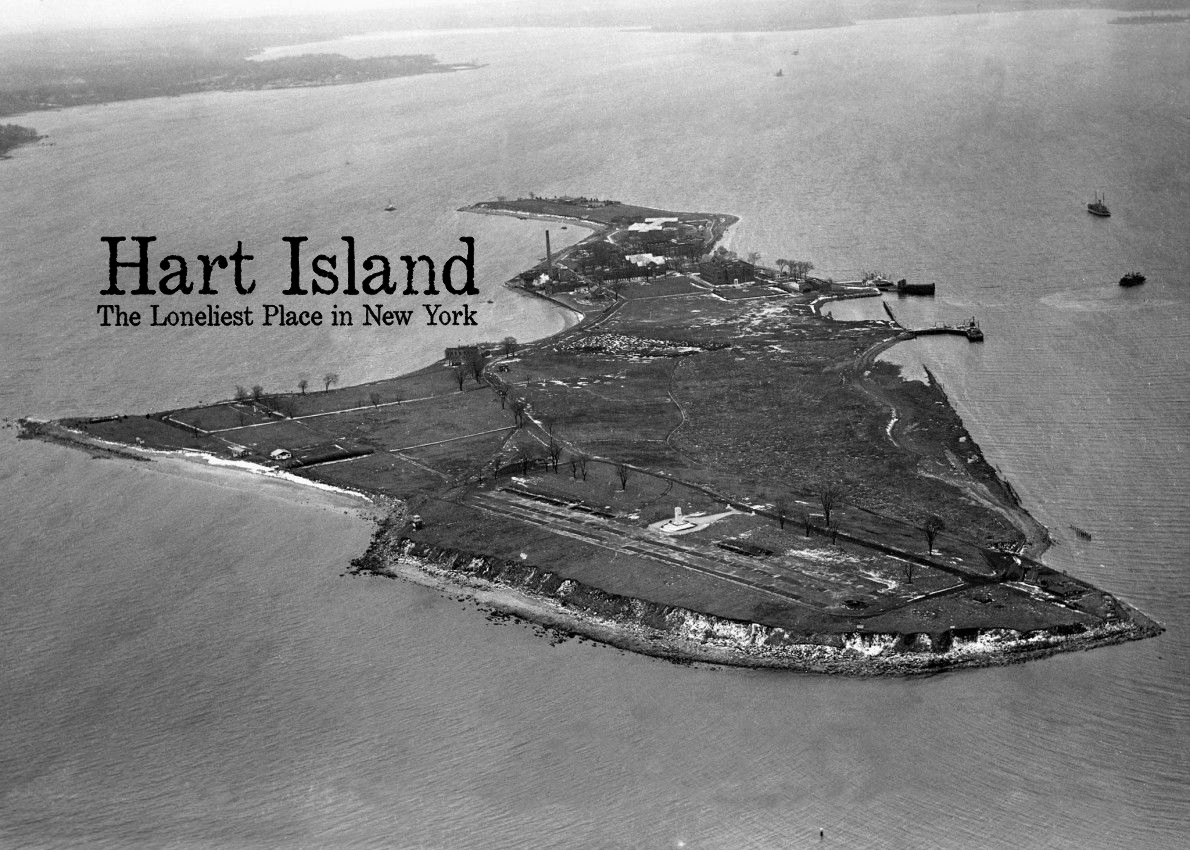
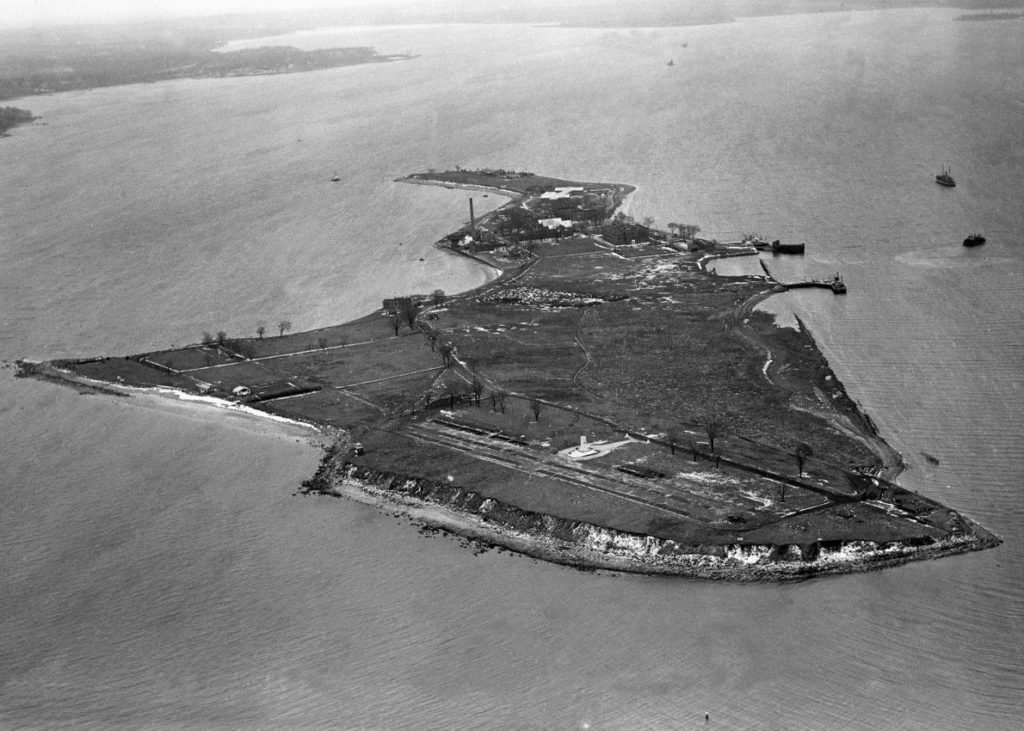
Few people are allowed to go onto Hart Island, the quiet, narrow island in the Long Island Sound, a lonely place in sight of the bustling community of City Island.

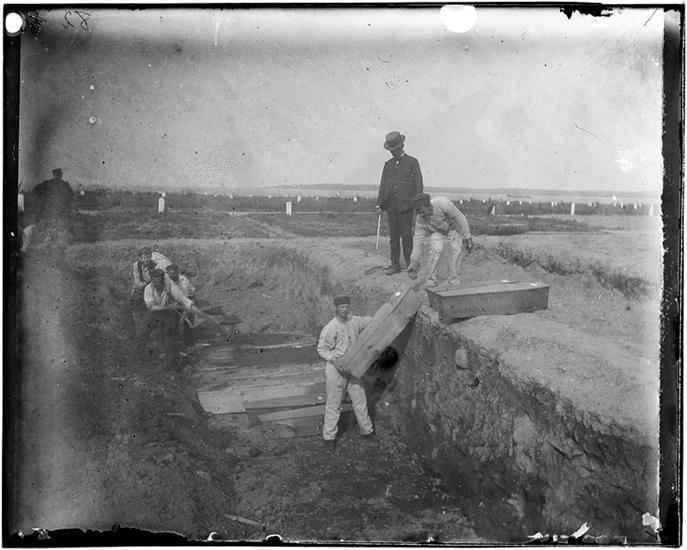
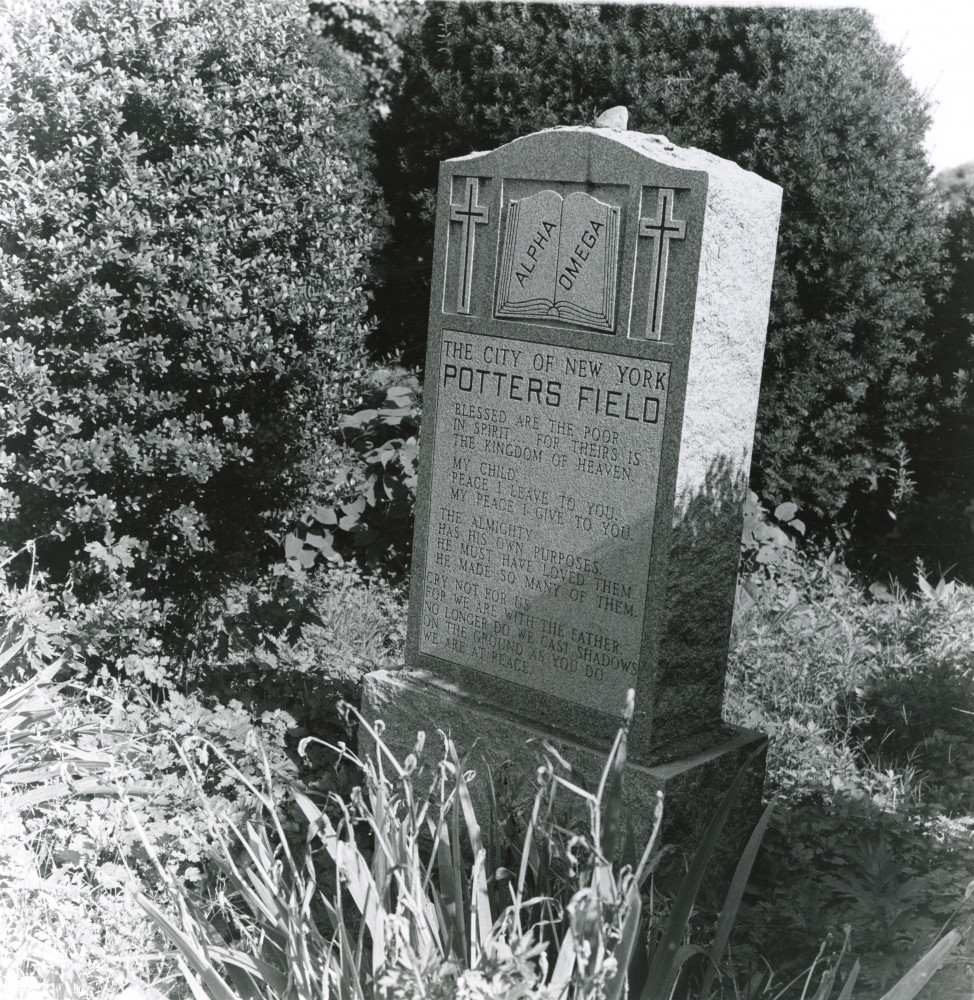
For over 150 years, Hart Island has been New York’s potter’s field, the burial site for over one million people — unclaimed bodies, stillborn babies, those who died of AIDS in the 1980s, and, in 2020, the location of burials of those who have died of COVID-19 coronavirus.

New York Daily News/Getty

Hart Island’s appearance in the international press this past week has drawn attention to the severity of the pandemic in New York City, but it has also drawn attention to the island itself.

By the early 19th century, this peaceful place — most likely named for deer which may have called it home — had already developed a violent reputation as a renegade site for boxing matches.

During the Civil War, black Union troops trained here and later Confederate soldiers were imprisoned in refitted prison barracks.

But in the late 1860s the city prepared the island for its eventual and longest lasting purpose. Today it is the world’s largest potter’s field. And thanks to groups like the Hart Island Project, New Yorkers may finally get a glimpse at this strange, forlorn place and the previously forgotten people buried here.

PLUS: That time that an amusement park was almost built on Hart Island.

LISTEN NOW — HART ISLAND: THE LONELIEST PLACE IN NEW YORK

To get this week’s episode, simply download or stream it forFREE from iTunes, Stitcher, Spotify or other podcasting services.You can also get it straight from our satellite site.

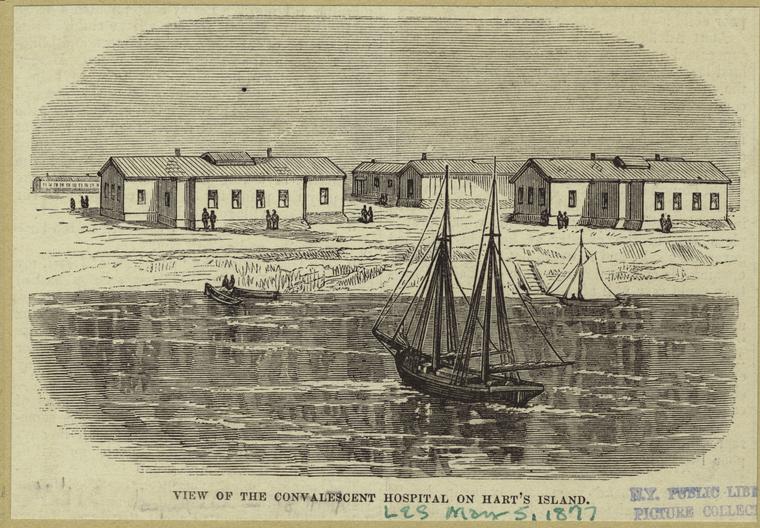
Hart Island 1877, courtesy New York Public Library
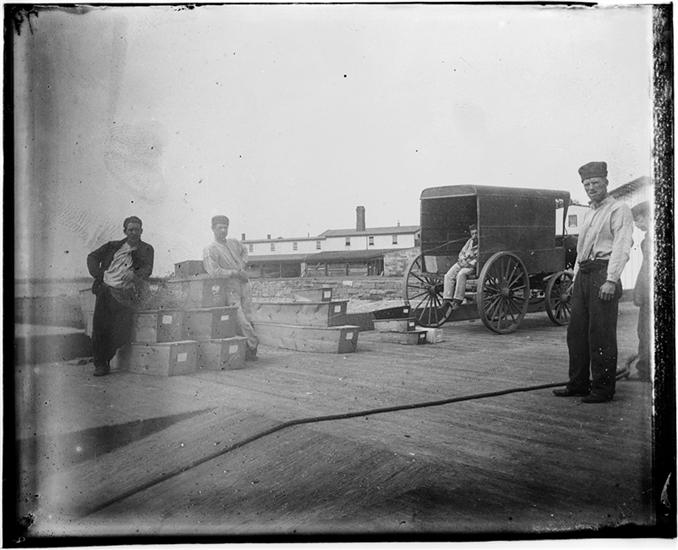
Hart Island 1890, photo by Jacob Riis/Museum of the City of New York
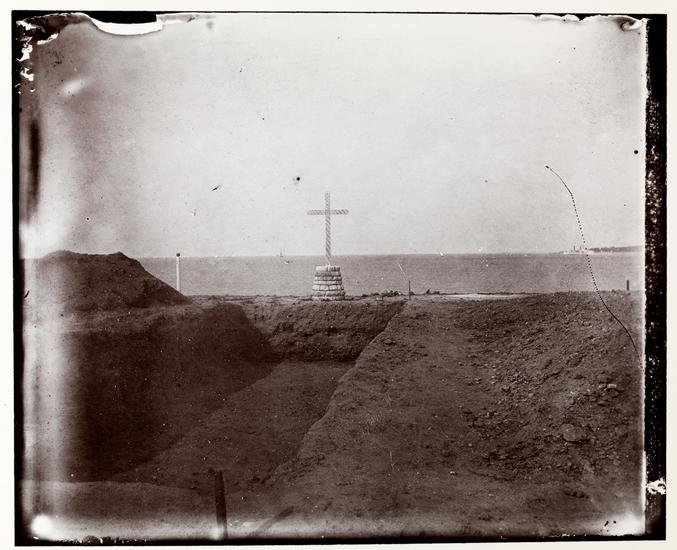
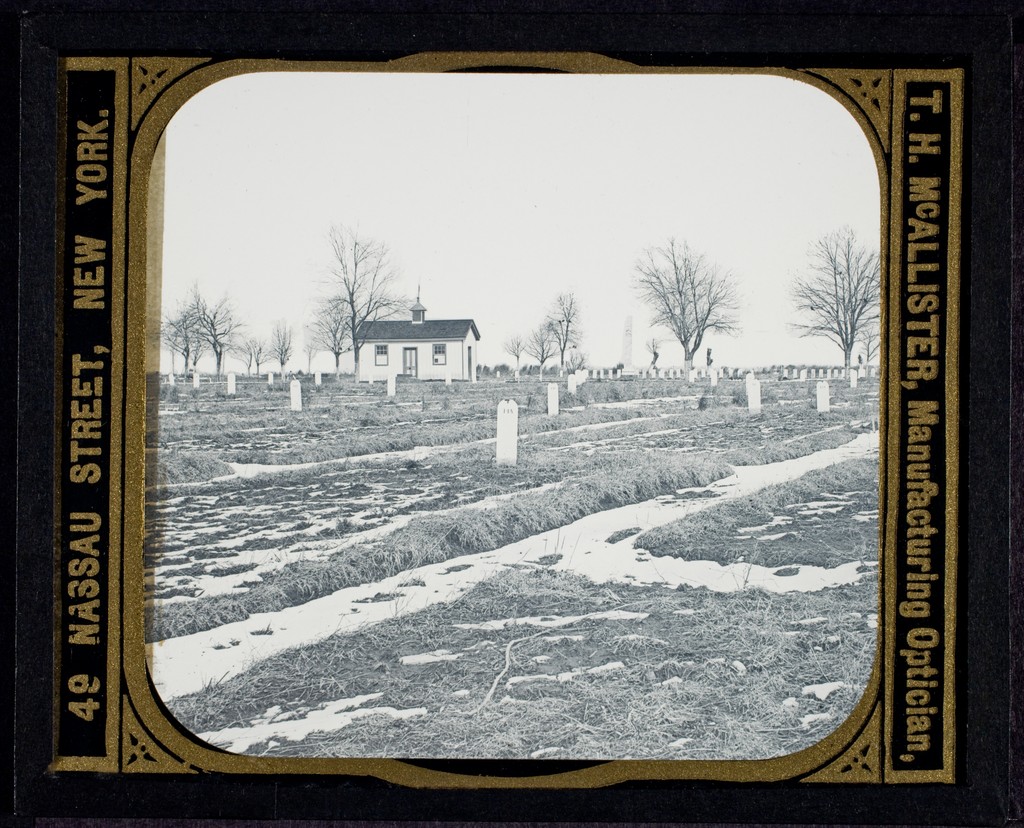
The Potter’s Field, Hart’s Island, 1898
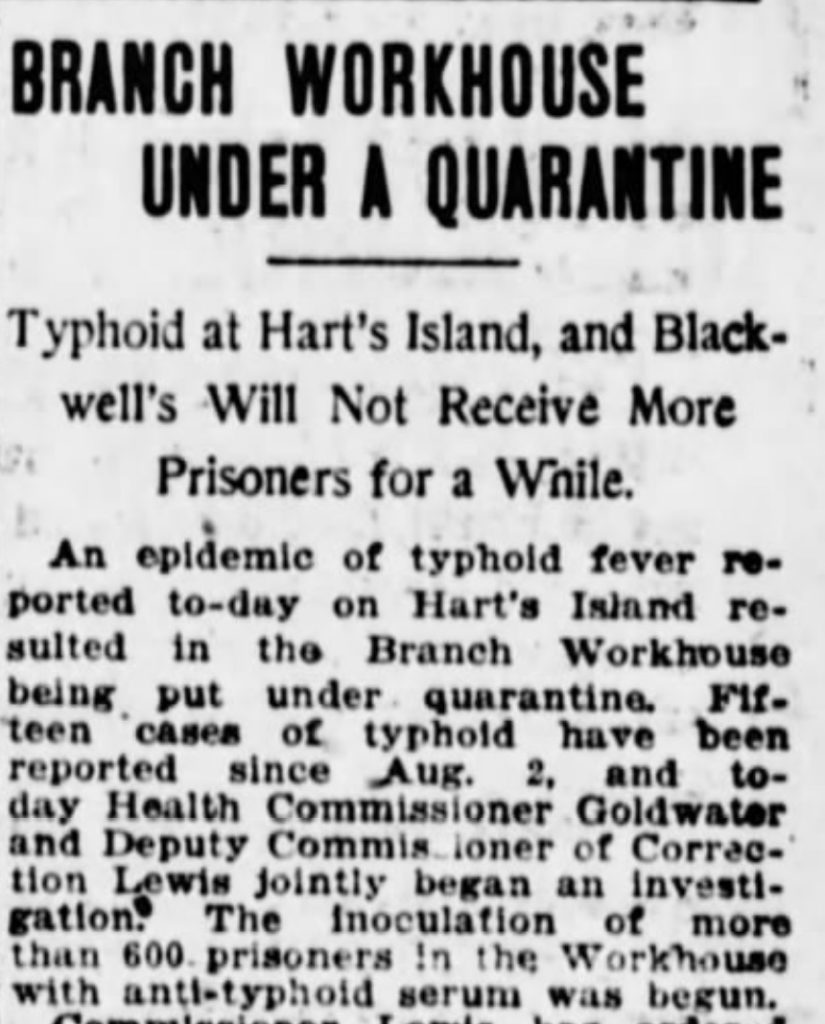
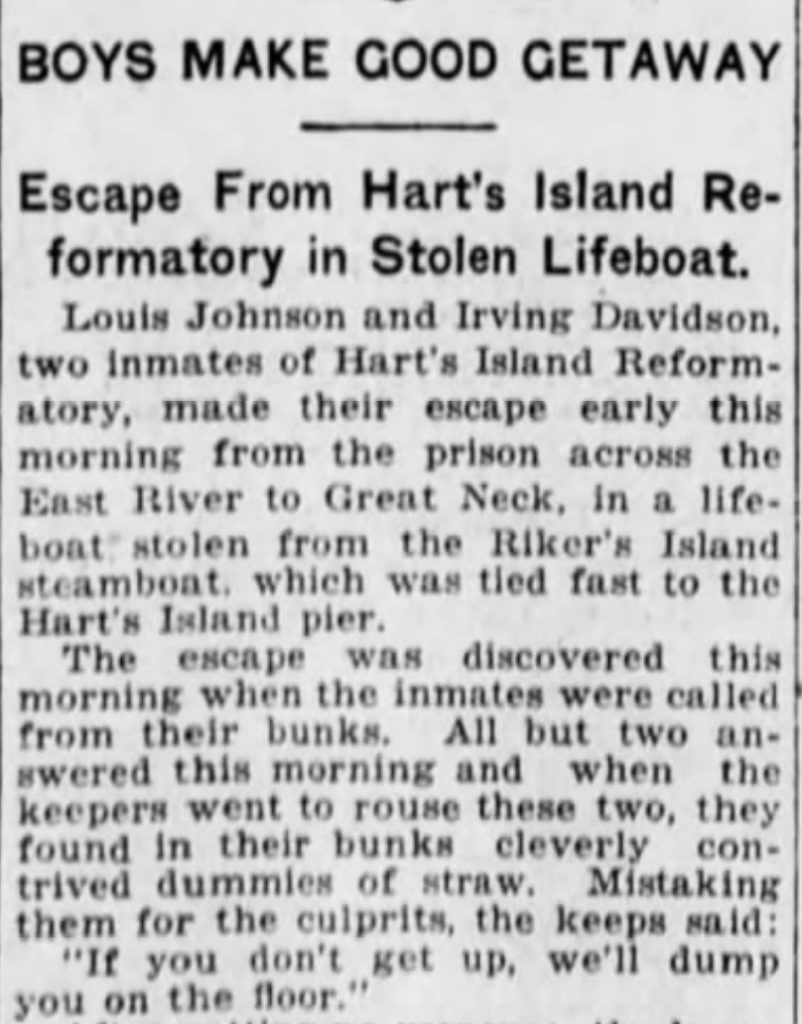
August 18, 1914, New York Evening Post (courtesy Newspapers.com)
March 20, 1916, Brooklyn Daily Eagle (courtesy Newspapers.com)
Claire Yaffa Children With Aids Photograph Collection, via New-York Historical Society
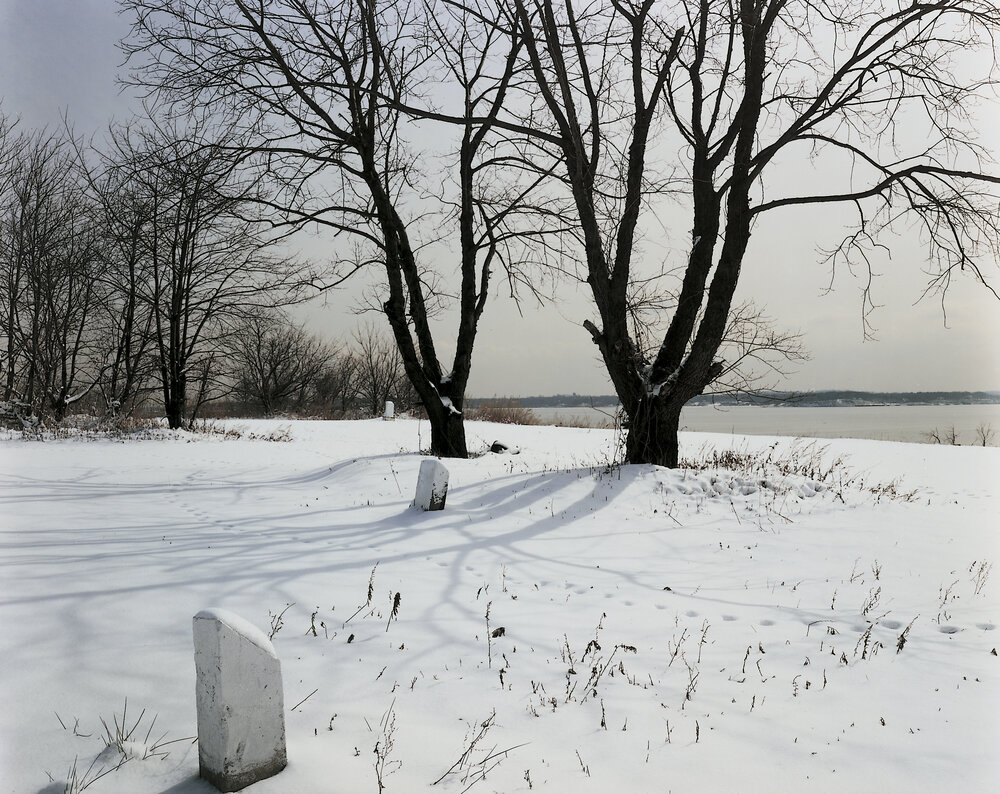
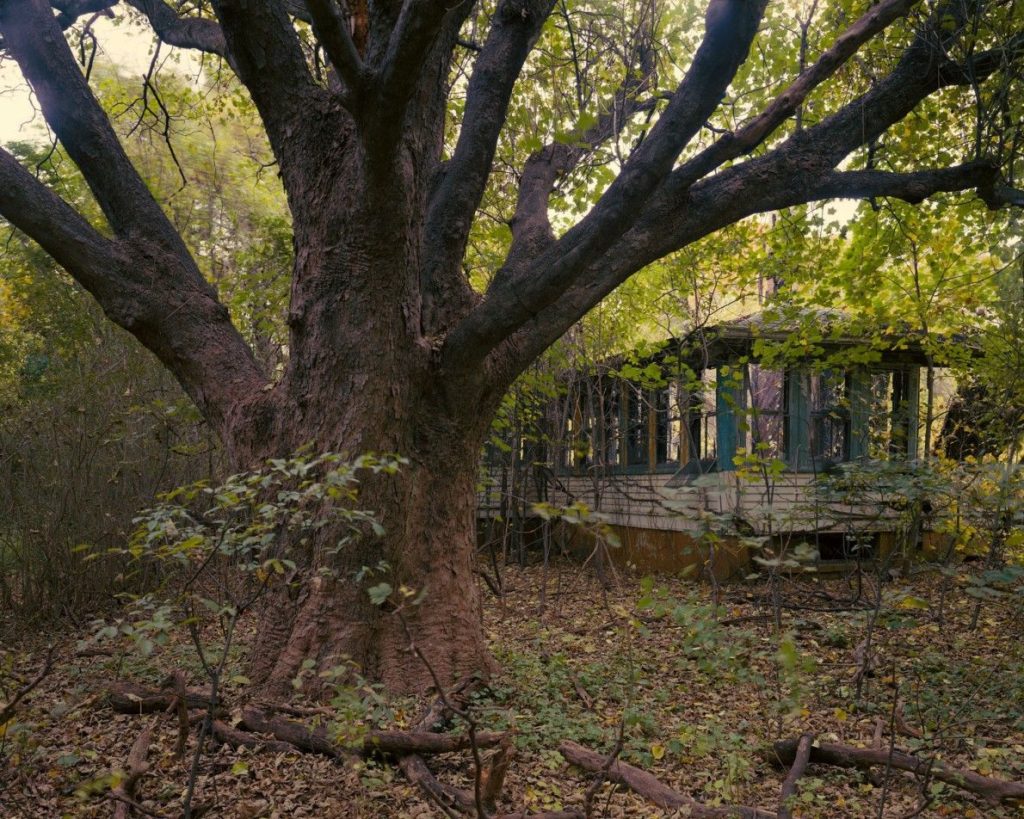
1993/Joel Sternfeld
The two images above were taken by Joel Sternfeld. Please check out his website for more haunting images of the island.

A 1978 news broadcast about Hart Island.

A 2015 piece about Hart Island from MSNBC.

FURTHER READING AND LISTENING

Believe it or not, potter’s fields and cemeteries play a huge role in the development of New York City. This article lists several sites that have once been burials grounds.

The lesser known islands of New York have very fascinating histories that you may not be aware of — try these stories about North Brother Island and City Island, for instance.

And these older podcasts on other New York City islands:

Blackwell’s Island/Roosevelt Island
Rikers Island
Randall’s Island and Wards Island

The Bowery Boys: New York City History podcast is brought to you …. by you!

We are now producing a new Bowery Boys podcast every other week. We’re also looking to improve and expand the show in other ways — publishing, social media, live events and other forms of media. But we can only do this with your help!

We are now a creator on Patreon, a patronage platform where you can support your favorite content creators.

Please visit our page on Patreon and watch a short video of us recording the show and talking about our expansion plans. If you’d like to help out, there are six different pledge levels. Check them out and consider being a sponsor.

For the next several weeks, in addition to our new two-episodes-a-week schedules, all those who support us on Patreon will receive a BONUS EPISODE every other Sunday.

We greatly appreciate our listeners and readers and thank you for joining us on this journey so far.

Categories
Health and Living Newspapers and Newsies Podcasts

Nellie Bly: Undercover in New York’s Notorious Asylum for the Insane

The story of New York World reporter Nellie Bly as she poses as a mental patient to report on the abuses of Blackwell’s Island’s Lunatic Asylum.

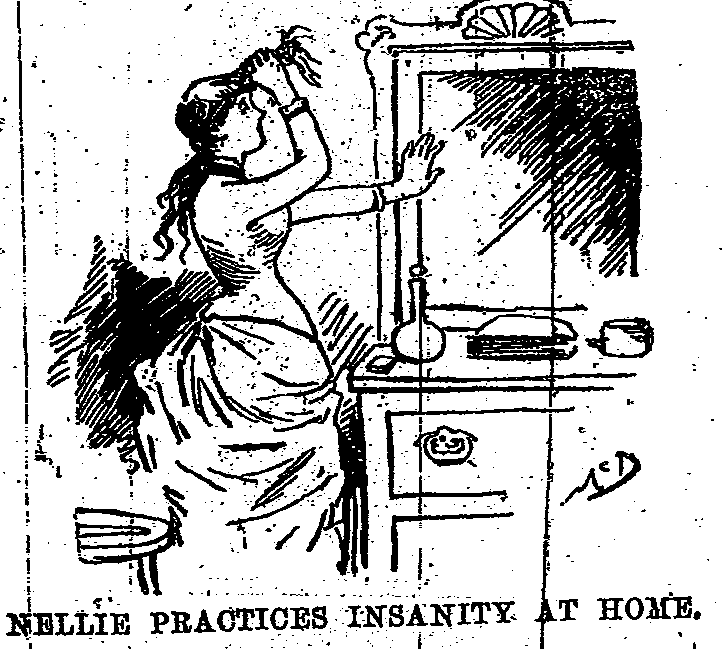
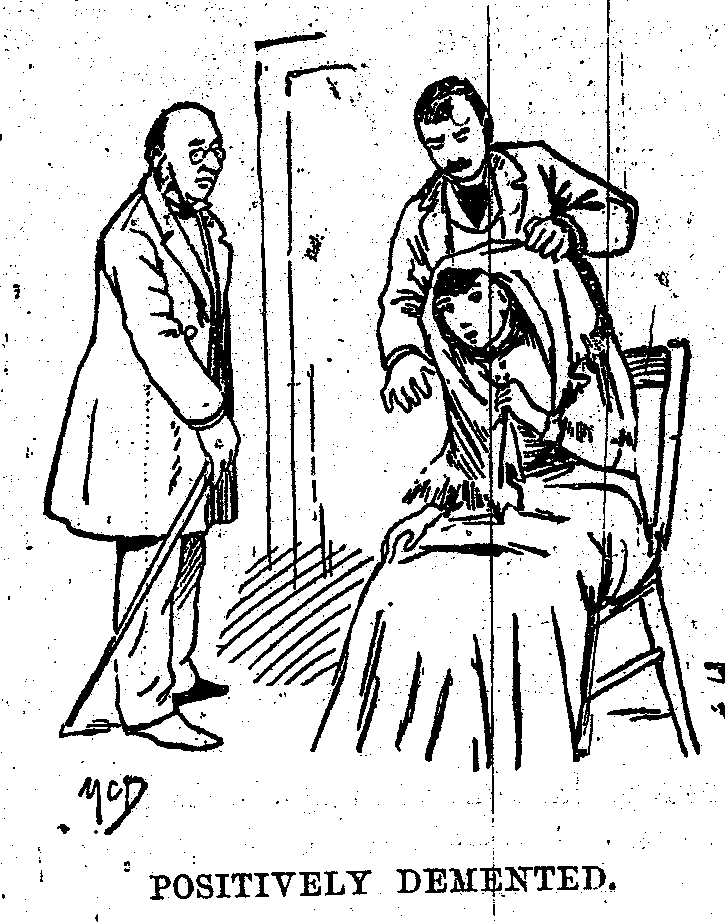
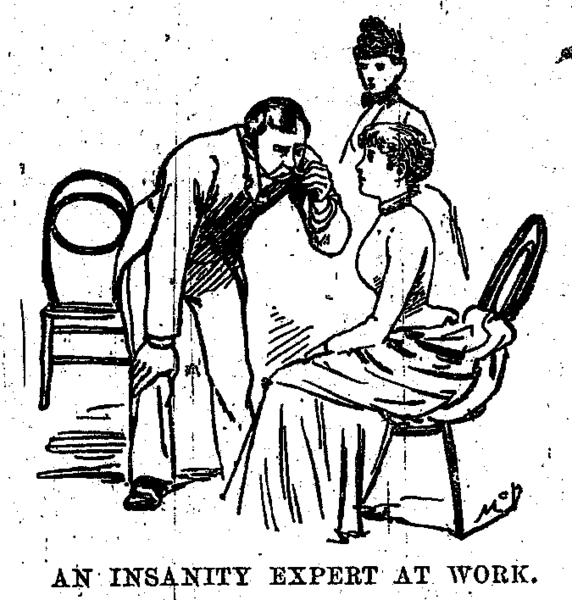
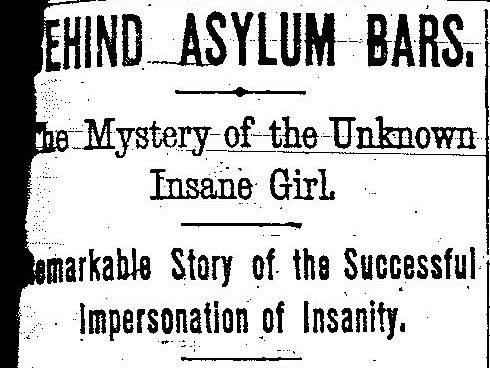
PODCAST Nellie Bly was a determined and fearless journalist ahead of her time, known for the spectacular lengths she would go to get a good story. Her reputation was built on the events of late September-early October 1887 — the ten days she spent in New York’s most notorious insane asylum.

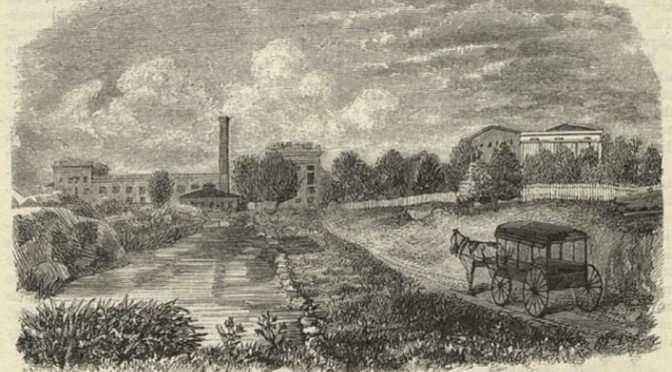
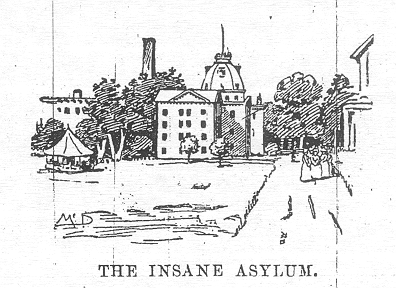
Since the 1830s Blackwell’s Island had been the destination for New York’s public institutions of an undesirable nature — hospitals for grave diseases, a penitentiary, an almshouse, even a quarantine for smallpox. There was also a mental institution — an insane or lunatic asylum — rumored to treat its patients most cruelly.

51

The ambitious young reporter decided to see for herself — by acting like a woman who had lost her mind. Her ten days in this particular madhouse — the basis of her newspaper articles and a book — would expose the world to the sinister treatment of the mentally ill and the loathsome conditions of New York institutions meant to care for the most needy.

But would the process of getting this important story lead Nellie herself to go a little mad? And once she got inside the asylum, how would she get out?

ALSO: Not only is a vestige of the asylum still around today, you can live in it!


The Bowery Boys: New York City History podcast is brought to you …. by you!

We are now producing a new Bowery Boys podcast every two weeks. We’re also looking to improve the show in other ways and expand in other ways as well — through publishing, social media, live events and other forms of media. But we can only do this with your help!

We are now a member of Patreon, a patronage platform where you can support your favorite content creators for as little as a $1 a month.

Please visit our page on Patreon and watch a short video of us recording the show and talking about our expansion plans. If you’d like to help out, there are five different pledge levels (and with clever names too — Mannahatta, New Amsterdam, Five Points, Gilded Age, Jazz Age and Empire State). Check them out and consider being a sponsor.

We greatly appreciate our listeners and readers and thank you for joining us on this journey so far. And the best is yet to come!


Nellie Bly, the bold journalist with extraordinary will and panache, tackled a number of strange assignments in her life, starting with her virtuoso performance getting into the Blackwell’s Island insane asylum.

7f5ab10e286c50902324b51b1b1a3a51

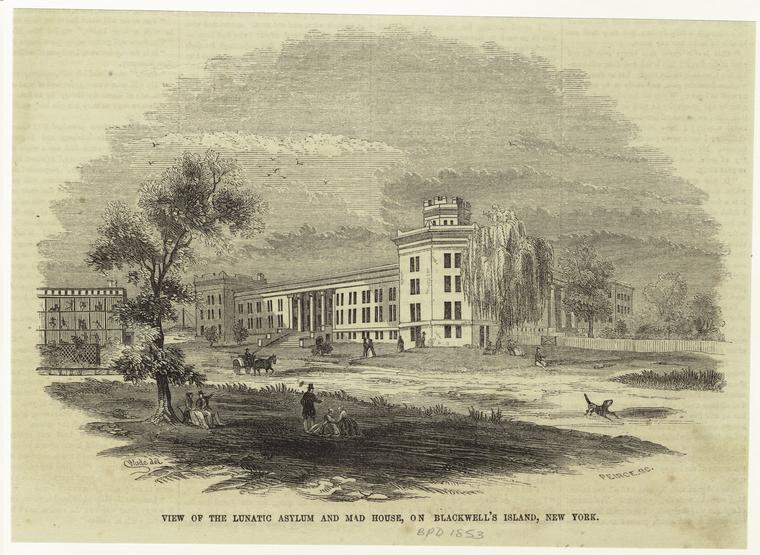
Blackwell’s Island Lunatic Asylum from 1853, rendered by William Wade

Courtesy NYPL
Courtesy NYPL

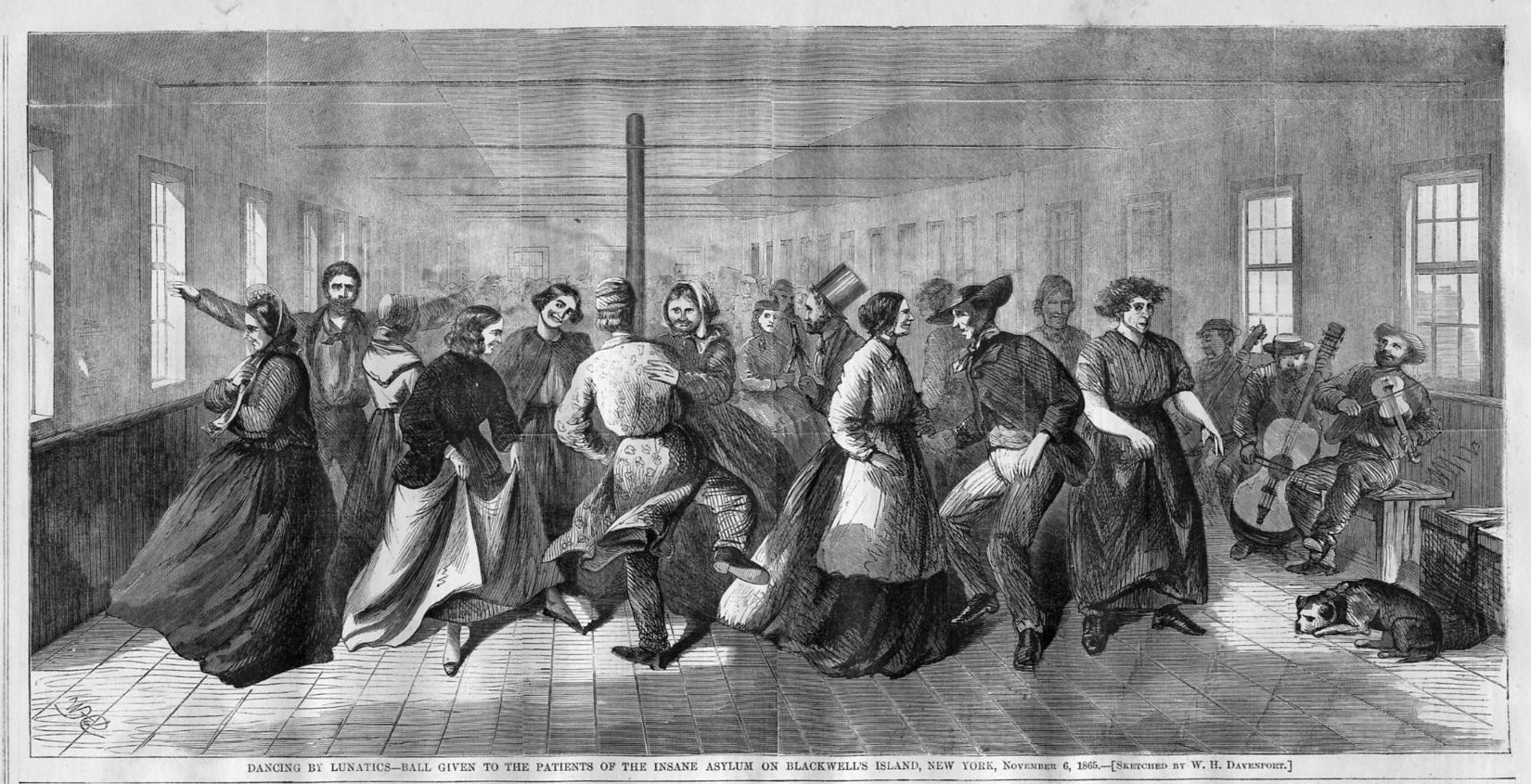
A newspaper clipping from 1865 — “Dancing by lunatics — Ball given to the patients of the Insane Asylum on Blackwell’s Island”

1

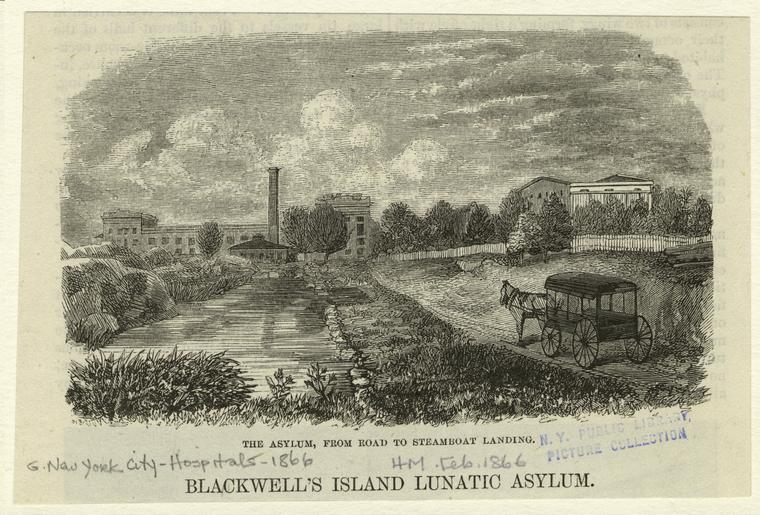
Another view of Blackwell’s Island Lunatic Asylum, pictured here in 1866 “from road to steamboat landing.”

Courtesy NYPL
Courtesy NYPL

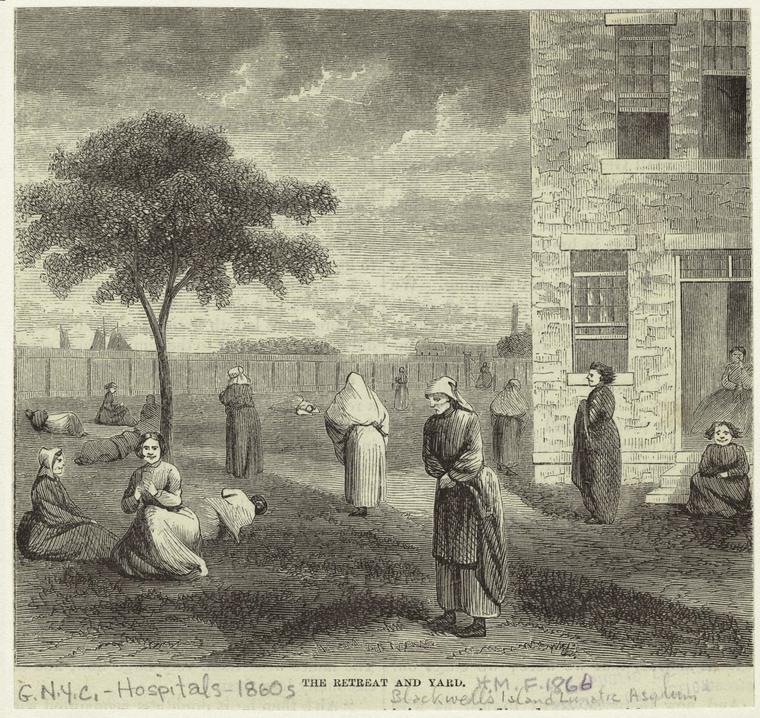
On the grounds of the asylum the ‘Retreat and Yard’, where Nellie would later roam with the other patients.

Courtesy NYPL
Courtesy NYPL

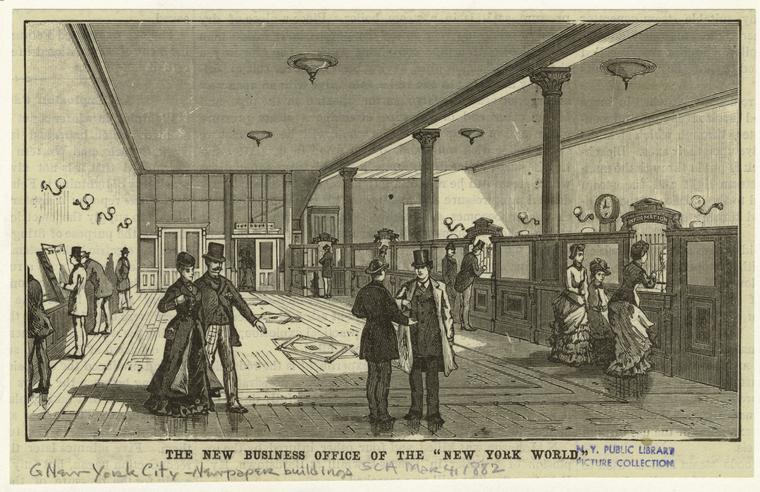
Inside of the offices of the New York World in 1882

Courtesy NYPL
Courtesy NYPL

Some images from the New York World and the book Ten Days In A Madhouse

1

2

3

From the first article which ran on October 9, 1887

1

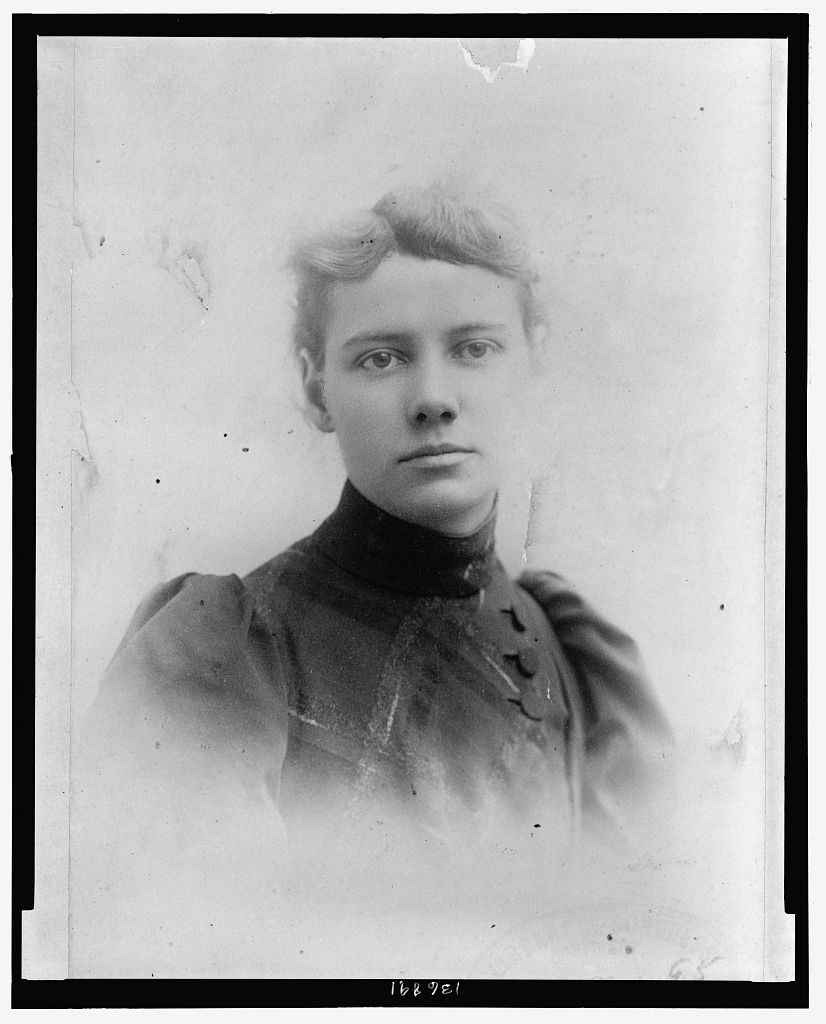
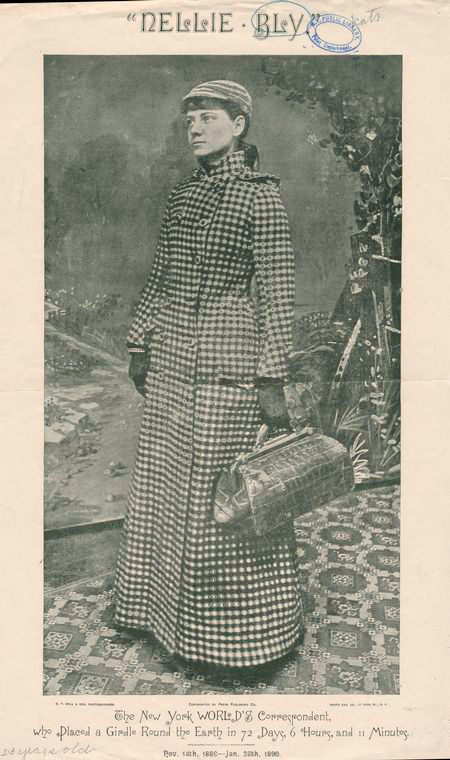
A famous photo of Nellie Bly taken during her trip around the world.

Courtesy New York Public Library

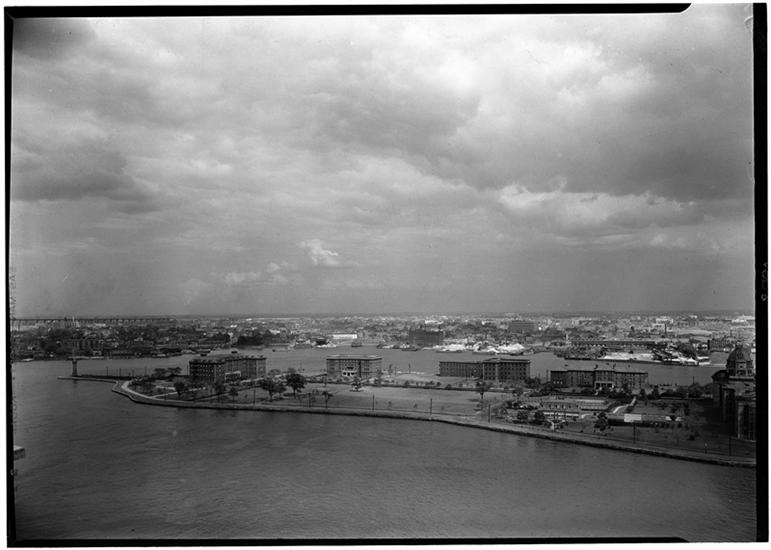
Blackwell’s Island was later named Welfare Island (before its following name change to Roosevelt Island in the 1970s). Below you can see the Octagon at the far right of this image.

Samuel H. (Samuel Herman) Gottscho, photographer, Courtesy Museum of the City of New York

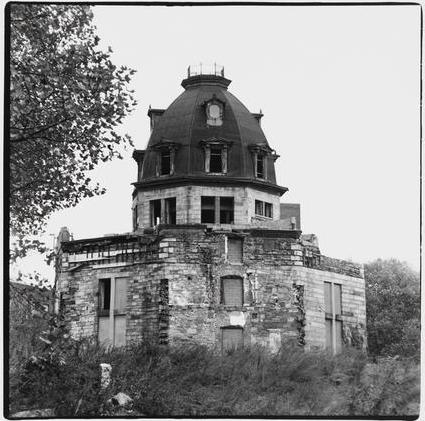
The remaining ruins of the mental asylum. It was later turned into a condominium and apartment building.

ruin
Edmund Gillon photographer. Courtesy Museum of the City of New York
Categories
Know Your Mayors

Meet Andrew H. Mickle, perhaps the least qualified man to ever serve as the mayor of New York City


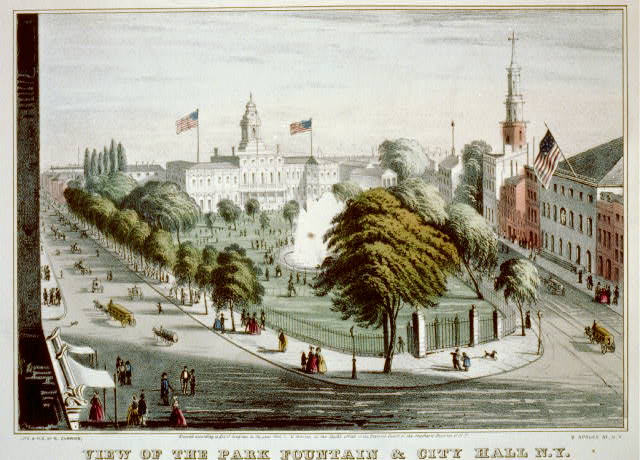
New York City Hall and its brand new water fountain, in 1846, courtesy Currier and Ives (LOC)

KNOW YOUR MAYORS A modest little series about some of the greatest, notorious, most important, even most useless, mayors of New York City. Other entrants in the Bowery Boys mayoral survey can be found here.

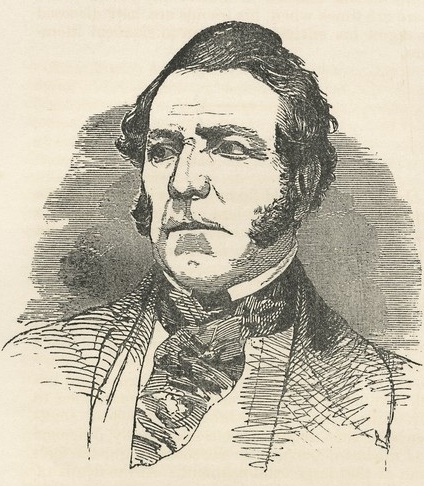
Mayor Andrew H. Mickle
In office: 1846-1847

New York City has had many useless and incompetent mayors.  To be fair, that legion of forgettable and unspectacular men is bloated by the ways in which mayors were chosen in the early days.

Before 1783, mayors were assigned to the city by the governor of the New York colony.  The hand-picked mayor presided over a board of aldermen that were elected by the people.  He operated at the behest of the British crown, often overseeing a group very much opposed to British rule.

This curious arrangement carried on even after the Revolutionary War, with New York governors continuing to assign mayors to the city until 1821, when the Common Council (today’s City Council) received the authority to appoint mayors themselves.

The role of mayor was not powerful at this time.  Before 1821, they were essentially a mouthpiece for the will of the state government. After 1821, mayors were beholden to the Common Council for their very existence. The job frequently went to well-liked merchants with unsullied reputations, uncontroversial men who rarely rocked the boat.

When the New York state charter was amended in 1834, mayors became popularly elected.  (The first was Cornelius Lawrence, in a violent, chaotic election.)  But this did not necessarily alter the quality of office holders.  Mayors now became the puppets of both powerful council members and thriving political machines like Tammany Hall.  Corruption ensured that the position of mayor be considered a valuable but neutered prize.

Further minimizing their role in 1834 was the reduction of the mayoral term to one year (until 1849, when they were given two).  Even the most savvy and adroit politician would wither in frustration under these limitations.  Men questing for substantive political power sought other prizes. The office of mayor became, in essence, a beauty pageant.

And thus enters into the picture one Andrew H. Mickle, tobacconist and mayor of New York City from 1846 to 1847.

Andrew was born in 1805 to a Scottish couple in New York’s Sixth Ward, the future Five Points.  Of course, this was in the era when Collect Pond was being drained, and new residences around this area weren’t yet considered notorious slums.  However it seems later biographers gave his back story a bit of that Five Points patina. “He was born in a shanty in the ‘bloody aude Sixth’, in the attic of which a dozen pigs made their habitation,” claimed Gustavus Myers.

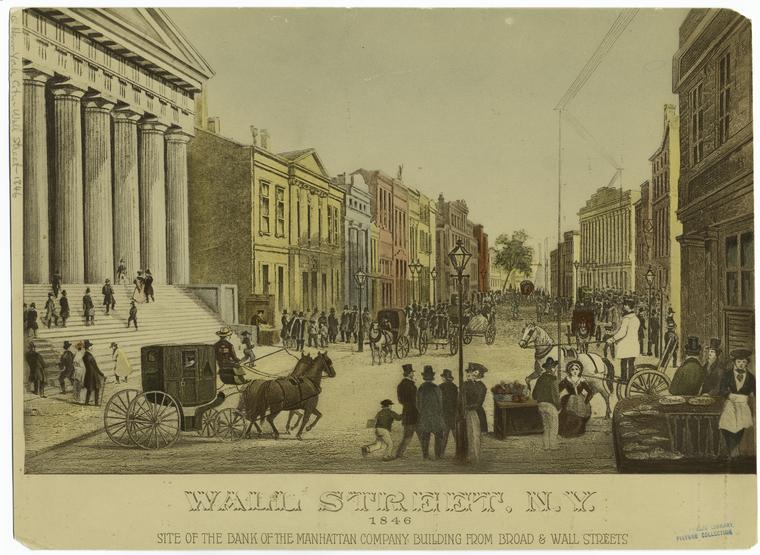
As a young man, he began working for the tobacconist George B. Miller at Water and Wall Streets.  He would eventually fall in love with Miller’s daughter, marry her, then take over the business entirely.

Below: Wall Street in 1846. Mickle’s tobacco shop would have been located in the distance, near the tree. (NYPL)

A 40-year-old tobacco seller might not fit the profile of mayoral candidate today, but it did in 1845.  The mayor of New York at the time was sugar manufacturer William Havemeyer, who had actually tried doing something in office (namely, reforming the Common Council), to the consternation of Tammany.

With a surge of immigration adding new voters, Democratic leaders looked for a relatable candidate, somebody who was “one of the people,” but one with little political motivation.  These were the years of the Native American party, a drive to flush America of the thousands of Irish immigrants who were arriving in New York.  Mickle, though fully unsuited for a life of politics, represented the opposition, the surge of new voters and the core of the Democratic party.

It also helped that Andrew, with his modest upbringing, was known as the son-in-law of a popular tobacco concern, one that many political men visited on a weekly basis.

But if we are to believe the eyewitness of Nathaniel Hubbard, Mickle’s entry into city politics was engineered almost entirely by a different source — his mother-in-law.

Mrs. Russell* was one of the most powerful women in early Tammany Hall history.  She was known, according to Hubbard, for giving her employees the day off at the tobacco counter, “a holiday for electioneering purposes,” the writer claims.

Desiring a bit of power for herself,  Mrs.Russell essentially bribed Tammany Hall.  “She sent a letter to the rulers of Tammany with a pledge to give them $5,000 on condition they would nominate and elect her son-in-law to the office of mayor of this city,” wrote Hubbard.

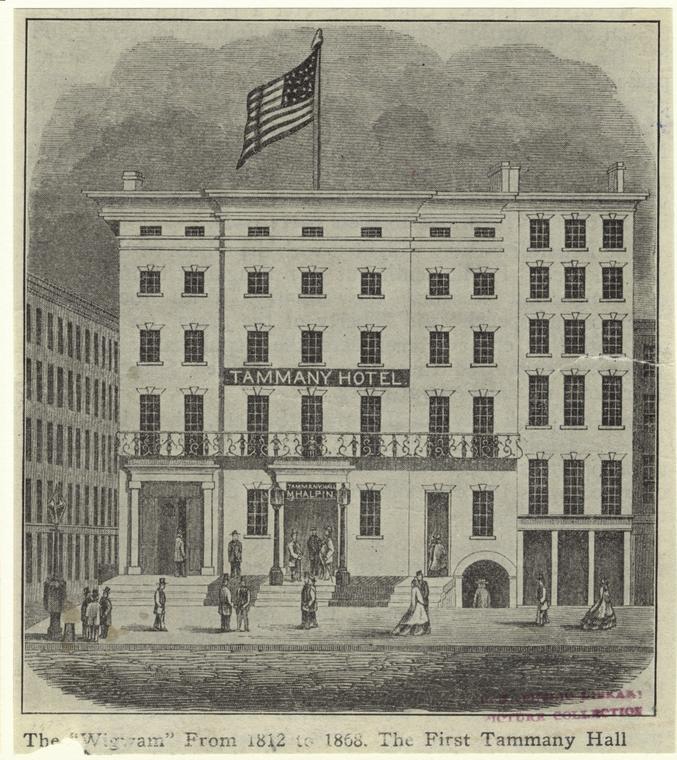
At right: The first Tammany Hall, at Frankfurt and Nassau Streets, their first official home after moving from Martling’s Long Room

Perhaps it says something about the office of the mayor that Tammany Hall took the bait willingly, placing this non-entity Mickle at the top of the ticket.  Political machines, especially in the early years, felt strongly about holding offices, with few concerns about who went into them.

Hubbard describes Mickle as “an uneducated man,” with abilities of “a very common order.”  But in 1845, perhaps, a man of middling skills could properly govern, if he represented the right things. And so Andrew Mickle was resoundingly elected, receiving more votes than his competitors in the Whig and Native American parties combined.

For somebody accustomed mostly to cigars, Mickle did not embarrass himself in his new task.  Tammany Hall was pleased with their purchase;  Mickle would be considered a “tried and conservative Democrat.” Hubbard would only say that Mickle “passed through his duties … quite satisfactorily to the political party which elected him.” [source]

He exhibited no amount of political acumen, nor was any required of him.  The city prospered of its own accord under Mickle.  Telegraph poles began appearing in this city in 1846, connecting New York with Albany and Washington DC, and New York’s first great department store, owned by A.T Stewart, opened that year, just a block from City Hall.  Richard Hoe‘s innovation of the rotary press that year revolutionized journalism.

Mickle encouraged the construction of a new workhouse and insane asylum, leading eventually to Blackwell’s Island becoming a sort of one-stop for all of New York’s undesirable industries.  After the Great Explosion of 1845, Mickle also saw to developing New York’s fire-fighting infrastructure, although it would remain in the hands of private operators until the 1860s.

He announced his retirement at the end of his term in 1847 and retired once again to the world of tobacco, officially renaming the family business A. H. Mickle & Sons.  He remained well-liked in Tammany circles up until his death in 1863.

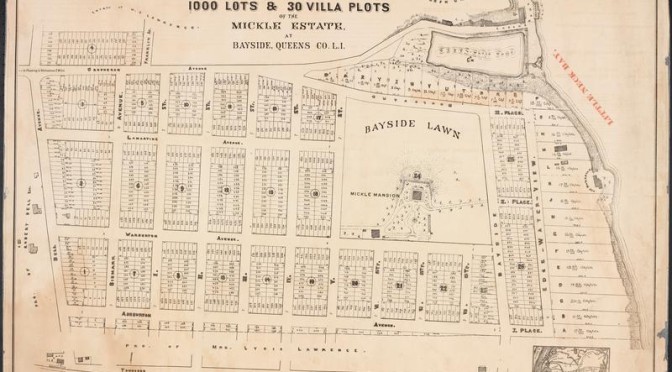
As a curious side note to his later life, Mickle took up residence in the area of Bayside (today, the neighborhood of Bayside, Queens), “situated on one of the most commanding elevations in that section of Long Island.”  His spacious manor here was called Bayside Lawn.  Many years after his death, in October 1890, the mansion was destroyed in a fire.

Below: A map of the Mickle estate (MCNY)
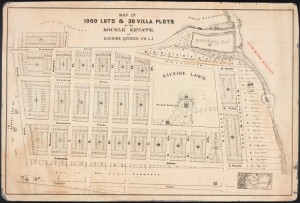
Map of 1000 Lots and 30 Villa Plots of the Mickle Estate, at Byaside, Queens County, Long Island.

*I have no clue why she’s Mrs. Russell and not Mrs. Miller, but I’m still researching this fact.

EDIT: An earlier version of this story stated that Mickle was preceded as mayor by Philip Hone. In fact, it was William Havemeyer.