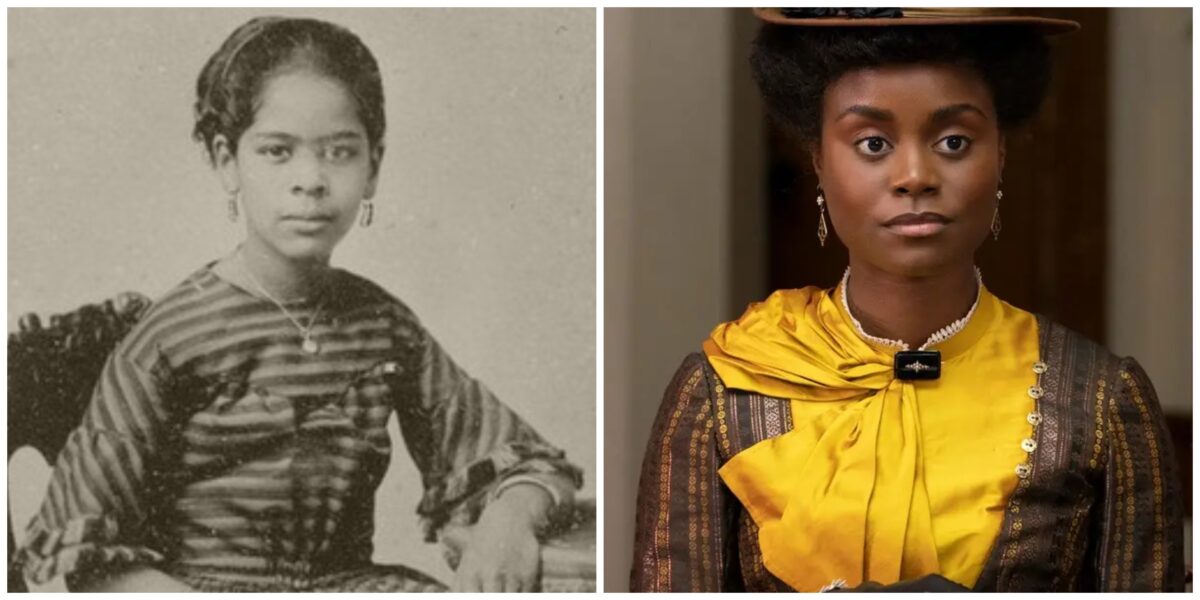
At left Maritcha Remond Lyons; at right the character of Peggy Scott (played by Denèe Benton) on The Gilded Age
NEW from The Gilded Gentleman podcast — some overlooked history of the 19th century, the story of black life and social class in New York City.
Dr. Carla Peterson, author of Black Gotham: Family History of African Americans in Nineteenth-Century New York City, joins Carl to share her research and perspective on the growth and development of the prosperous black professional class throughout the nineteenth century up to the Gilded Age.
In her 2012 groundbreaking book, Peterson sheds light on how this particular corner of the black community grew as New York became enriched in the late 19th century. She provides insight into leading African-American figures of the day, many missing in contemporary accounts of the period.
And believe it or not, a few characters from the HBO series “The Gilded Age” were designed with Black Gotham in mind. In particular, the father of Peggy Scott (played by Denée Benton) was based on Peterson’s own ancestral family.
LISTEN HERE OR ON YOUR FAVORITE PODCAST PLAYER:
And for other Bowery Boys podcasts on similar subjects, follow up your listening with these shows:
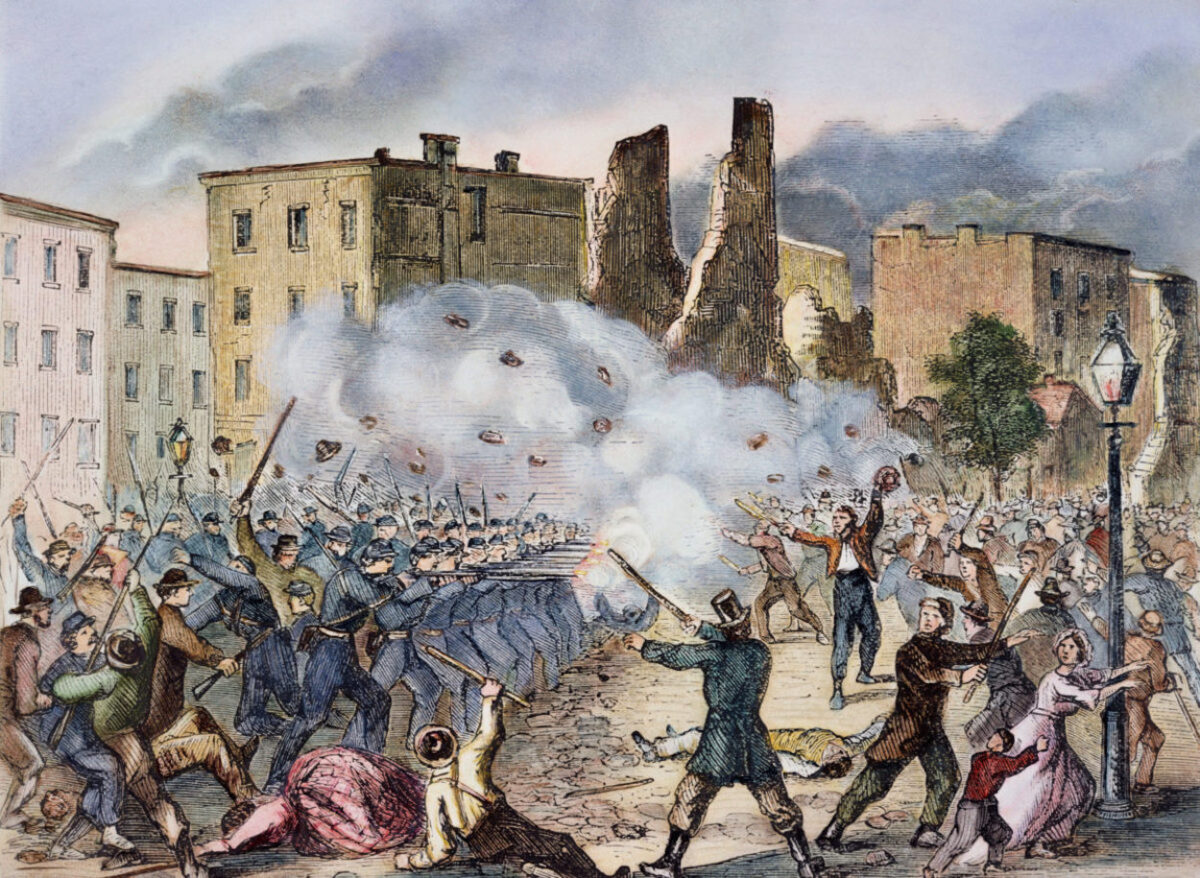
This month we are marking the 160th anniversary of one of the most dramatic moments in New York City history – the Civil War Draft Riots which stormed through the city from July 13 to July 16, 1863.
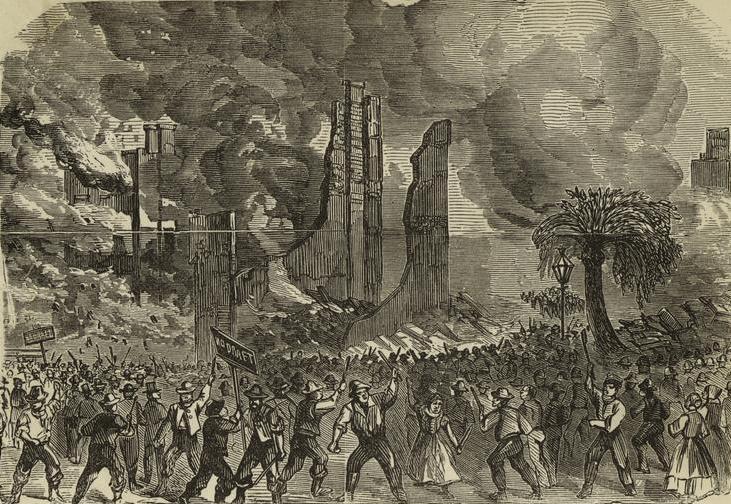
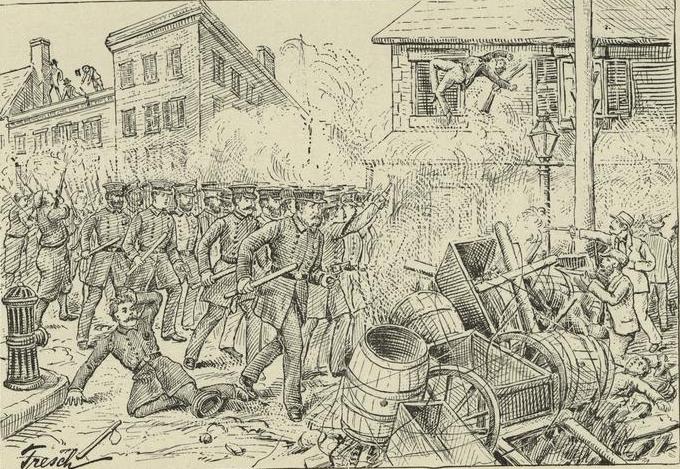
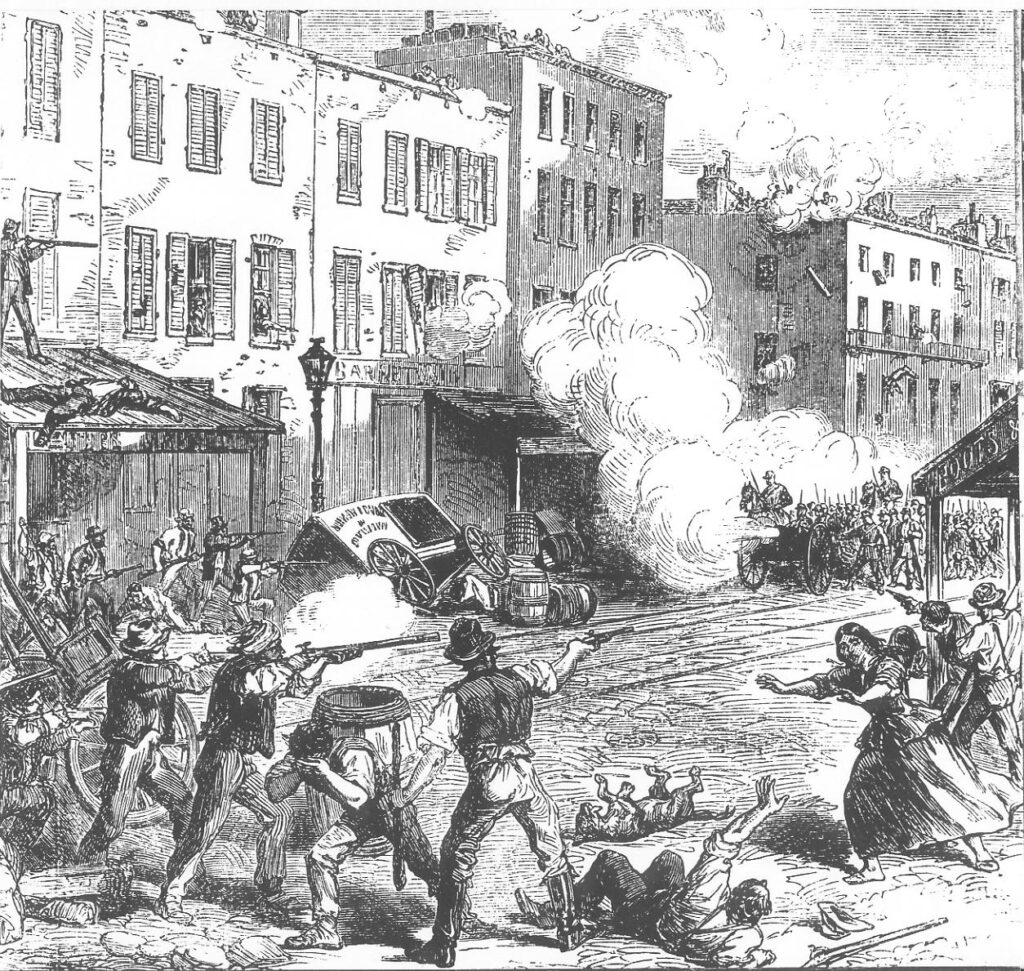
Thousands of people took to the streets of Manhattan in violent protest, fueled initially by anger over conscription to the Union Army which sent New Yorkers to the front lines of the Civil War. (Or, most specifically, those who couldn’t afford to pay the $300 commutation fee were sent to war.)
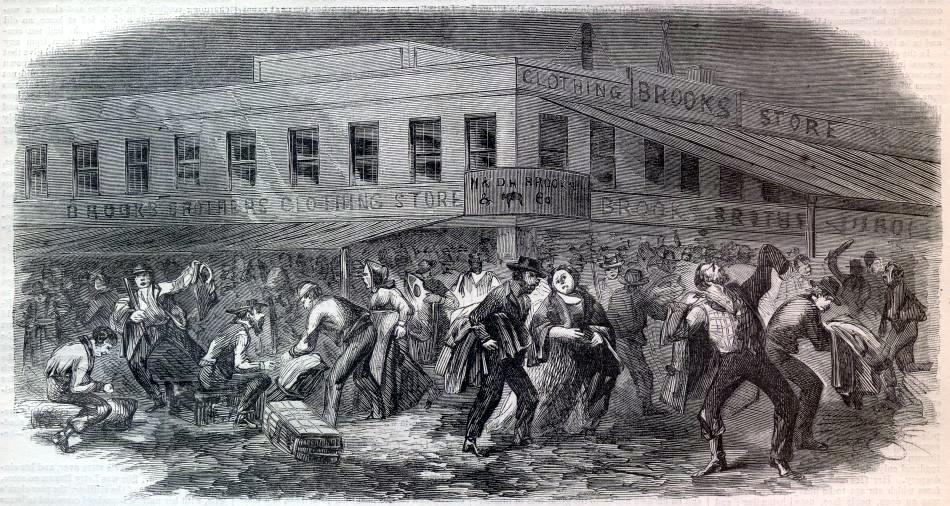
Looting at Brooks Brothers. Harpers Weekly, August 1, 1863
In many ways, our own city often seems to have forgotten these significant events.
There are very few memorials or plaques in existence at all to the Draft Riots, a very odd situation given the numerous markers to other tragic and unsettling moments in New York City history.
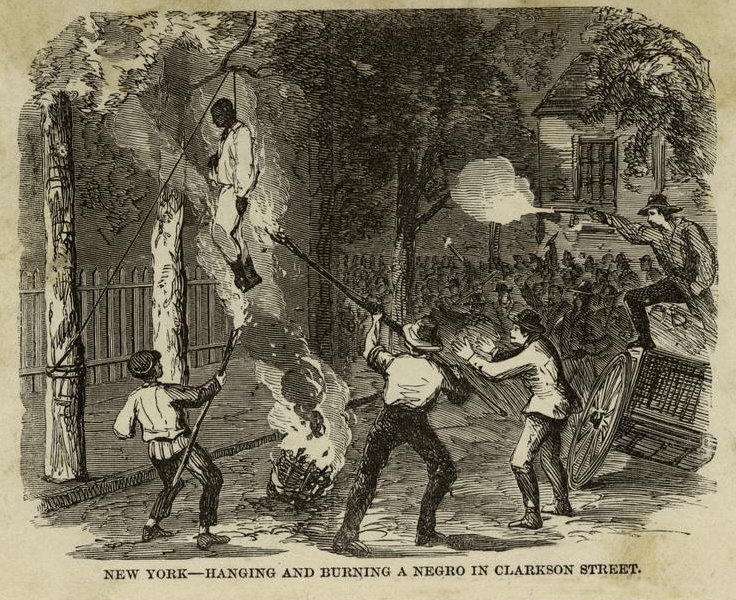
In particular, given the number of African-Americans who were murdered in the streets during these riots, and the numbers of Black families who fled New York in terror, we think this is a very significant oversight.
Harper’s Weekly, August 1, 1863
The riots place New York City not outside the significance of the Civil War battlefield, but squarely within it. The Union was not united, but an assortment of different viewpoints.
In this episode, a remastered, re-edited edition of our 2011 show, we take you through those hellish days of deplorable violence and appalling attacks on abolitionists, Republicans, wealthy citizens, and anybody standing in the way of blind anger. Mobs filled the streets, destroying businesses (from corner stores to Brooks Brothers) and threatening to throw the city into permanent chaos.
That Abraham Lincoln and the Union Army succeeded is even more remarkable when you realize the dissension from within, dissension which we discuss in this show (a remastered, reedited version of a show we originally recorded in 2011).
LISTEN NOW: THE DEADLY DRAFT RIOTS
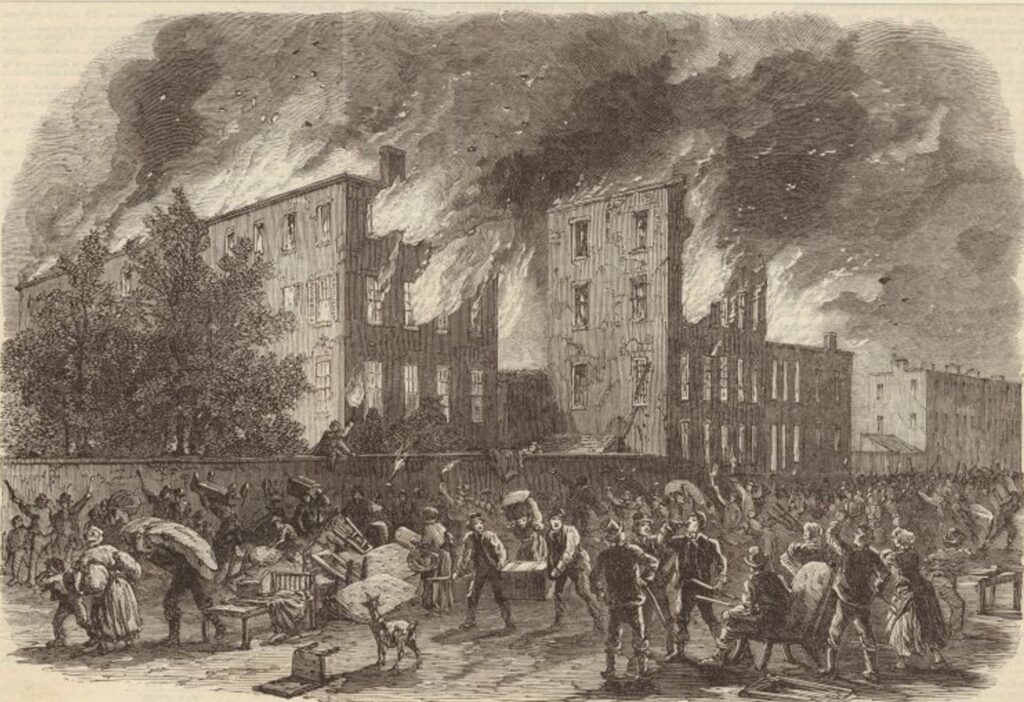
The burning of the Colored Orphan Asylum on Fifth Avenue: In a day of vile crimes that Monday, July 13th, this certainly stands out as one of the worst.The mob burned the draft office at 3rd Avenue and 46th Street first thing on Monday morning. The destruction was but only a taste of the violence that was to come. By Friday, New York would be smoldering with dozens of structures in ashes — from factories and homes to armories and even bridges.
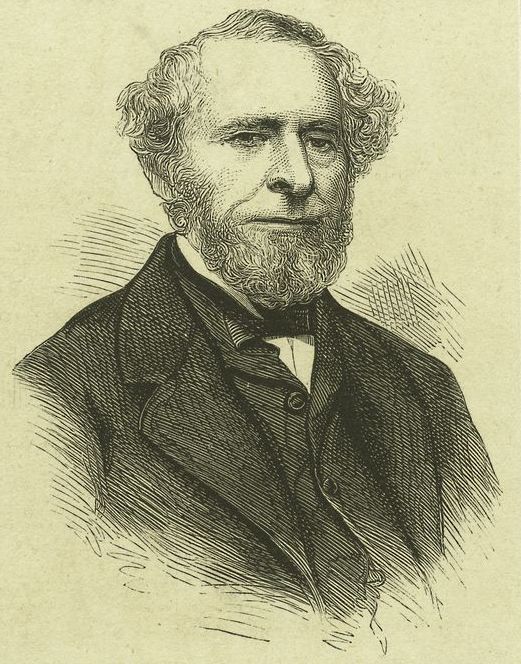
John A. Kennedy, the superintendent of police, who was savagely beaten and barely escaped with his life on the first day of rioting.
By Tuesday, rioters had cordoned off barricades along a couple key streets, including a mile-long makeshift fortification along Ninth Avenue, through today’s Chelsea and Hell’s Kitchen neighborhoods.
Illustrations courtesy New York Public Library digital image collection
The Illustrated London news
The other draft riots: Given the New York-centric nature of our program, I should note that draft riots occurred throughout the North that week, and even earlier. Yet none were of the intensity as those that occurred in Manhattan. In Boston, for instance, mobs stormed the famous Faneuil Marketplace and an armory on Cooper Street. But troops quelled the violence early, and only eight people died. [Read more about this even in the Boston Phoenix.]
And events were sparked in the future boroughs of Brooklyn, the Bronx, Queens and Staten Island as well. You can read more about them in this blog post.
Why are there no permanent memorials or remembrances of any significant kind in New York City to the Civil War Draft Riots? It was the most grave, the most tumultuous event in New York City history between the Revolutionary War and September 11, 2001. Doesn’t it merit some mention? Read Greg’s opinion piece which ran on the 150th anniversary — which more or less still applies today.
FURTHER READING
For more information on the Draft Riots, you can turn to several sources, based on your level of interest. My favorite is Barnet Schecter’s‘The Devil’s Own Work’which gives a gripping chronological retelling of events. He really manages to tame a chaotic tale in a way that neither confuses nor oversimplifies. I used Schecter’s ‘Mrs. Hilton’ anecdote from this book, and his book is chockful of other individual tales like that one.
If you prefer something a bit more analytical, there’s Iver Bernstein’s‘The New York City Draft Riots’ which tries to parse who exactly the rioters were. Of course ‘Gotham’ by Edwin G Burrows and Mike Wallace have a nice, compact recount with plenty of context. The City University of New York’s ‘Virtual New York’ web resource has a timeline with maps.
The Gangs of New York: Perhaps the most famous depiction of the riots occurs in Herbert Asbury’s classic ‘The Gangs of New York’. The film version, directed by Martin Scorsese, takes quite a few liberties with the facts of course. The placing of candles in windowsills and the fire at Barnum’s American Museum, for instance, did not happen during the riots. But those are based on true events that happened in New York a year later.
FURTHER LISTENING
There’s also the Broadway musical Paradise Square, set during the Draft Riots. Joaquina Kalukango won a Tony Award for Best Actress for her work in the musical:
When this show was originally released in 2011, it was part of a three part mini-series on New York City and the Civil War. You might like to check out the other two parts — especially part three Hoaxes and Conspiracies of 1864
In this episode, Greg pays a visit to Weeksville, the Brooklyn community which became a haven for Black New Yorkers fleeing the city during the riots.
If there is a ‘prequel’ to the Draft Riots, it’s certainly the Astor Place Riot of May 10, 1849.
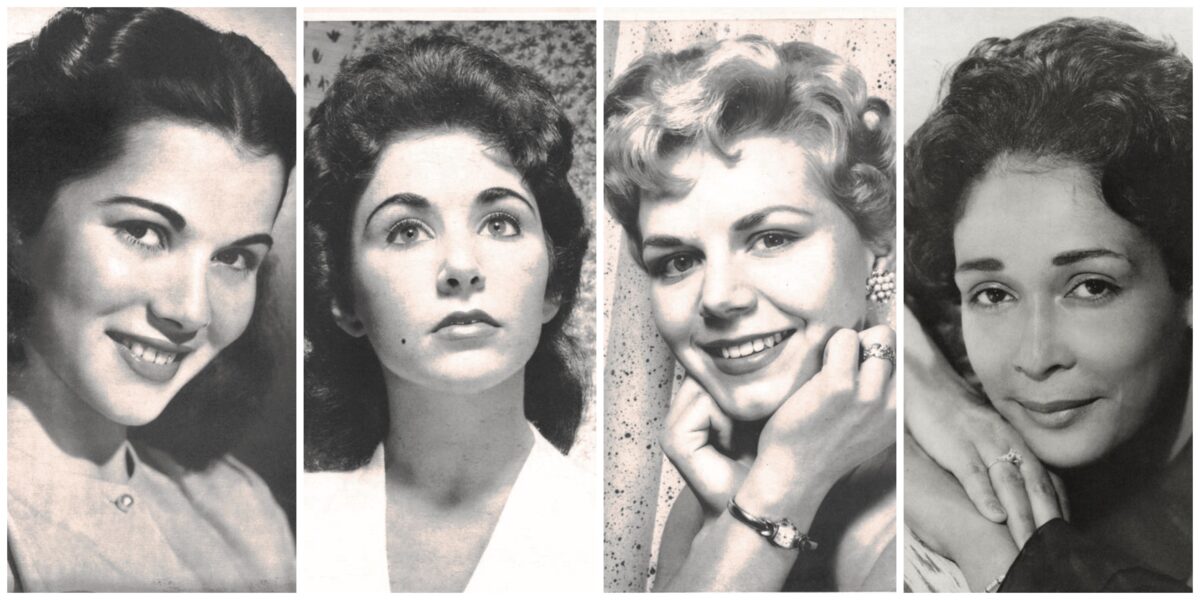
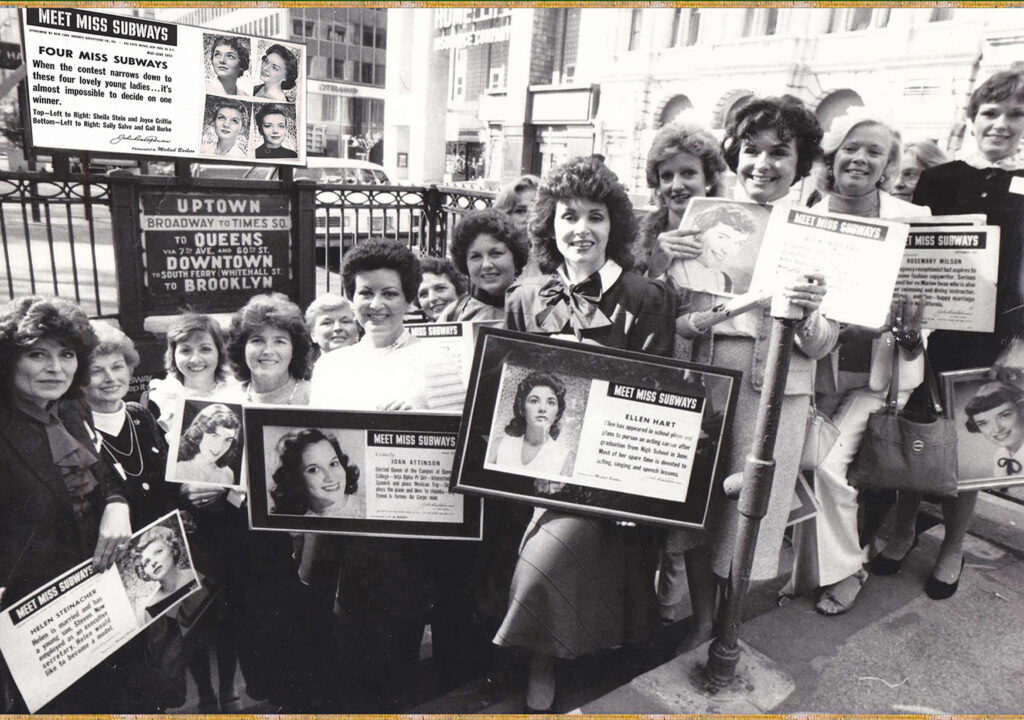
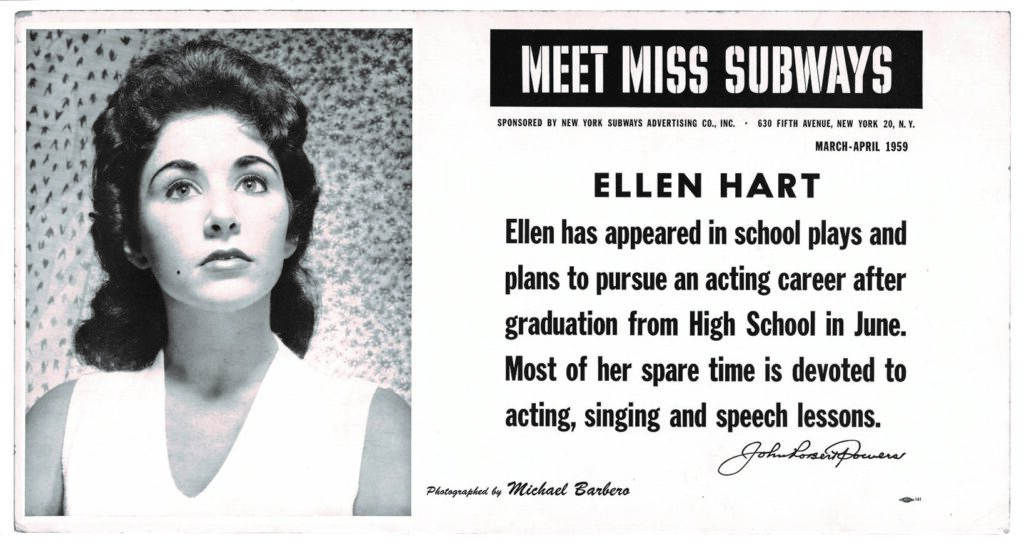
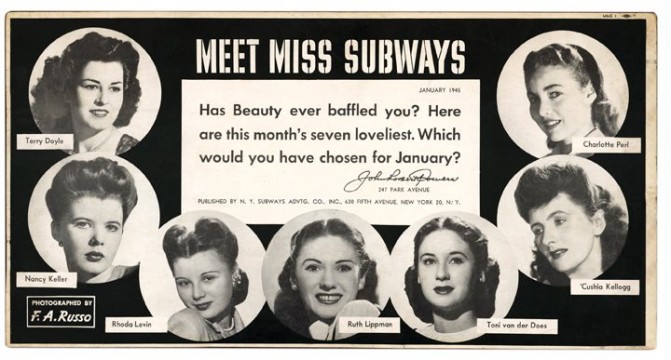
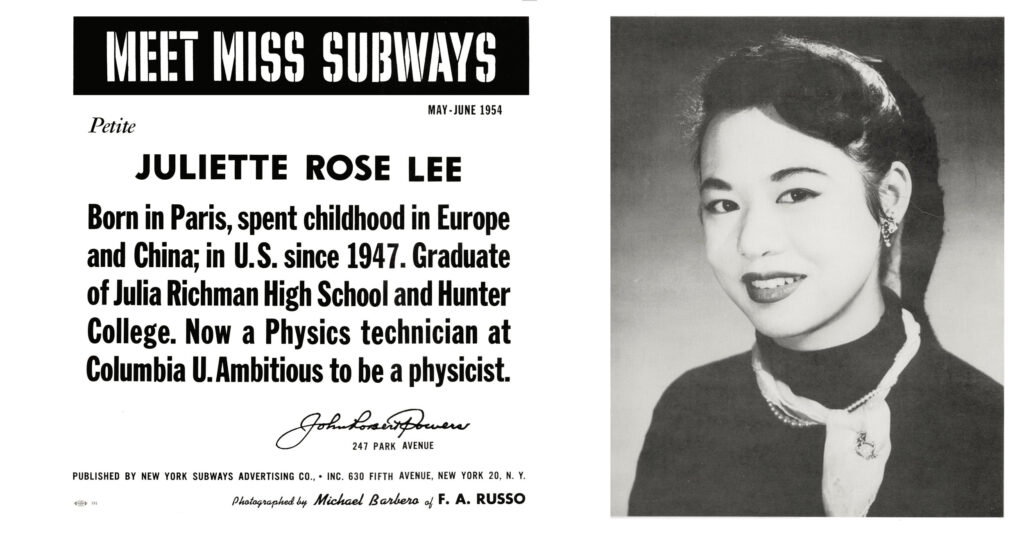
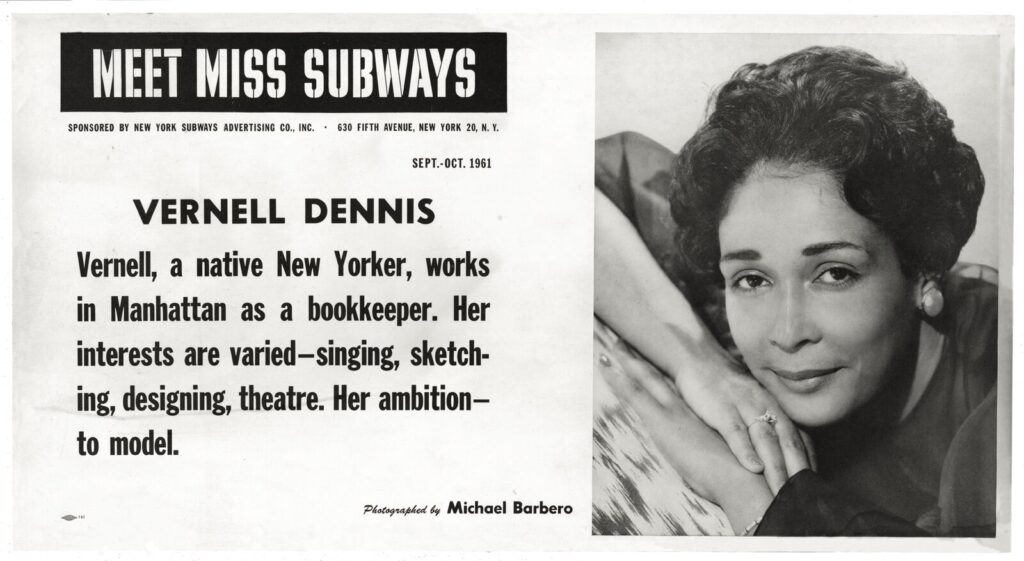
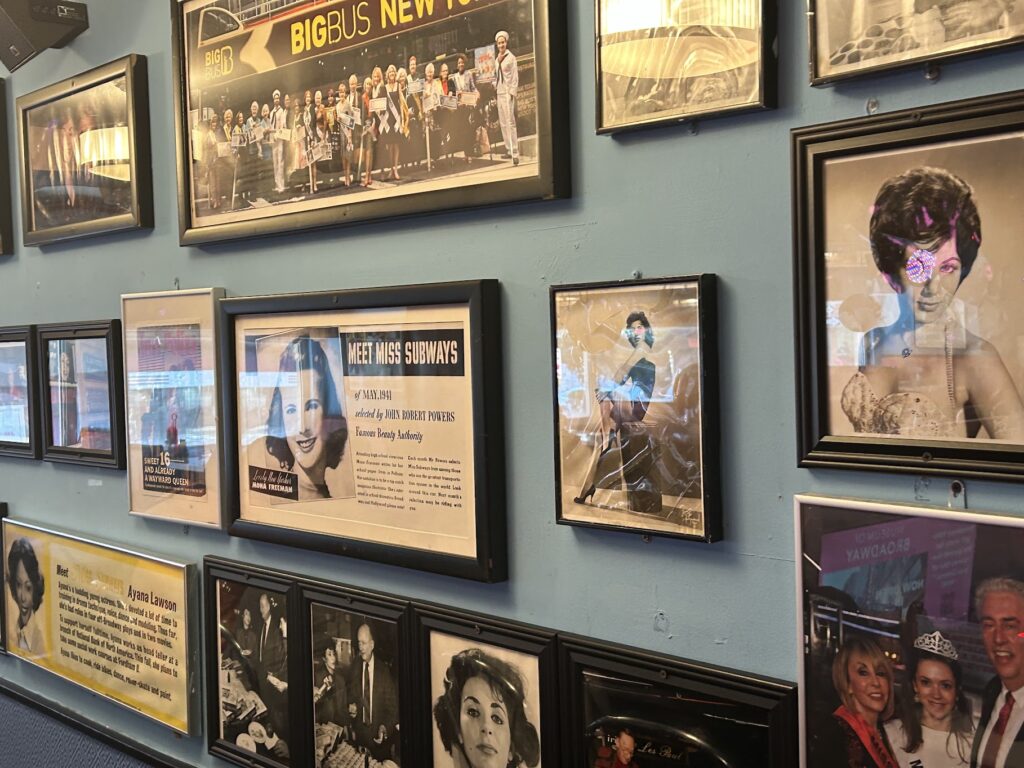
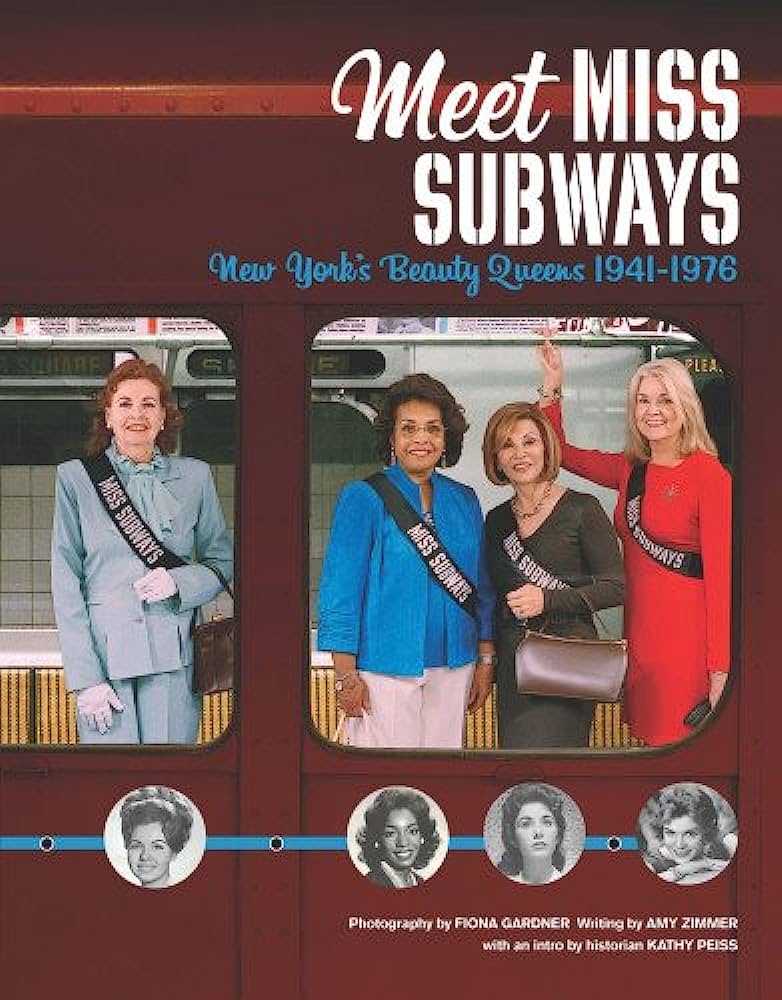
Miss Subways winners Enid Berkowitz (July 1946), Ellen Hart (March-April 1959), Shirley Martin (May-June 1960), Vernell Dennis (Sept-Oct 1961)
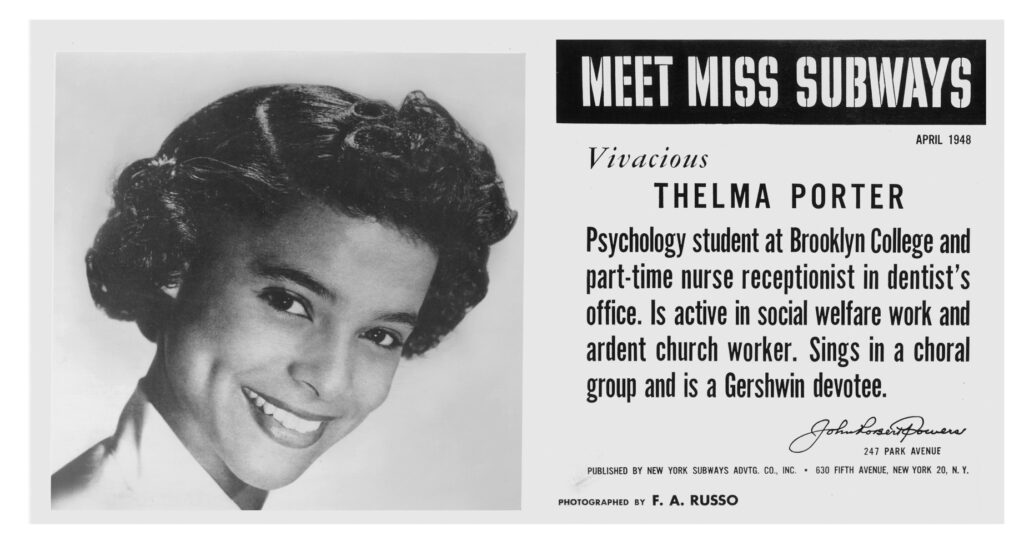
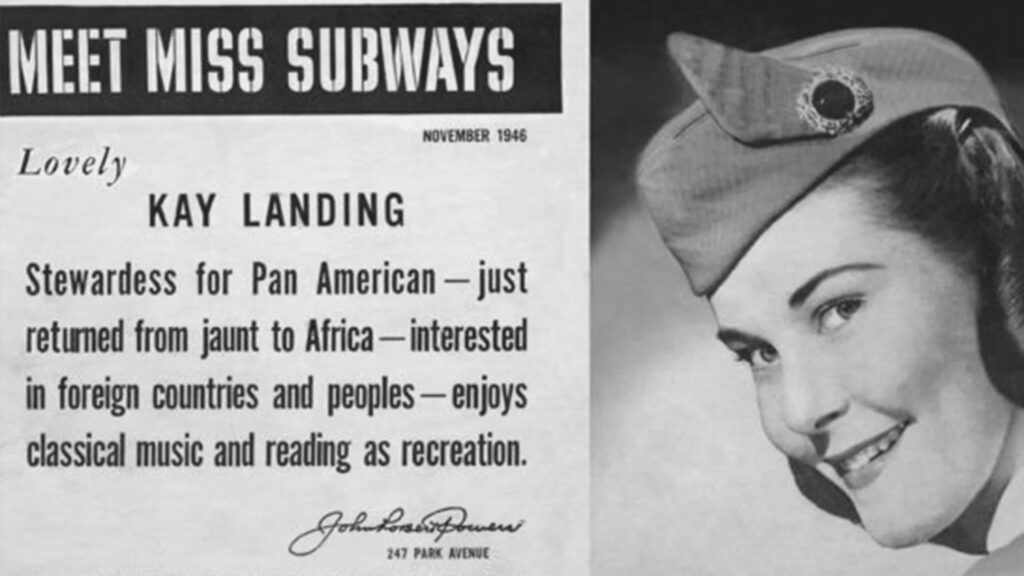
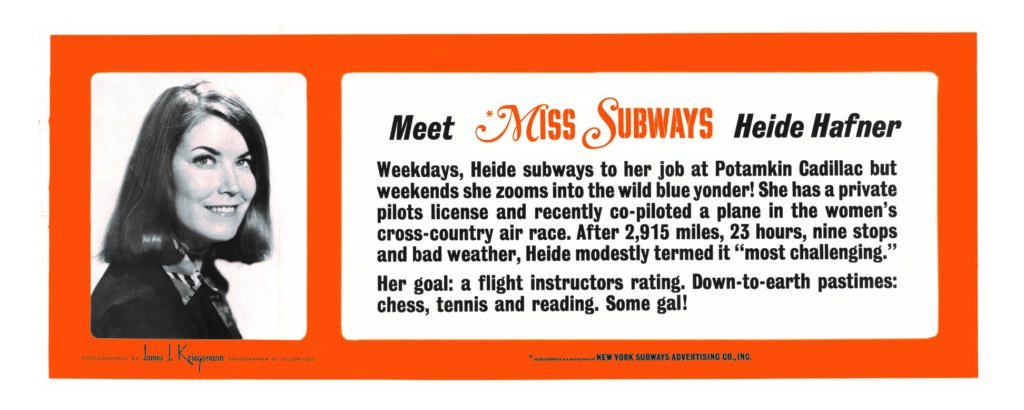
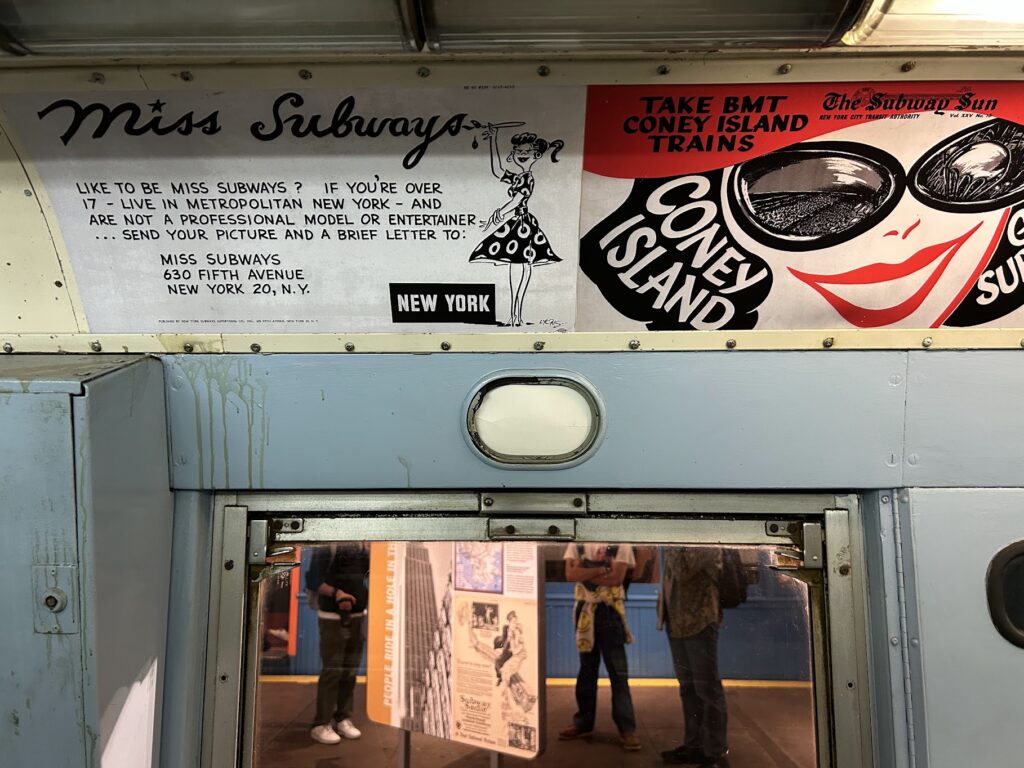
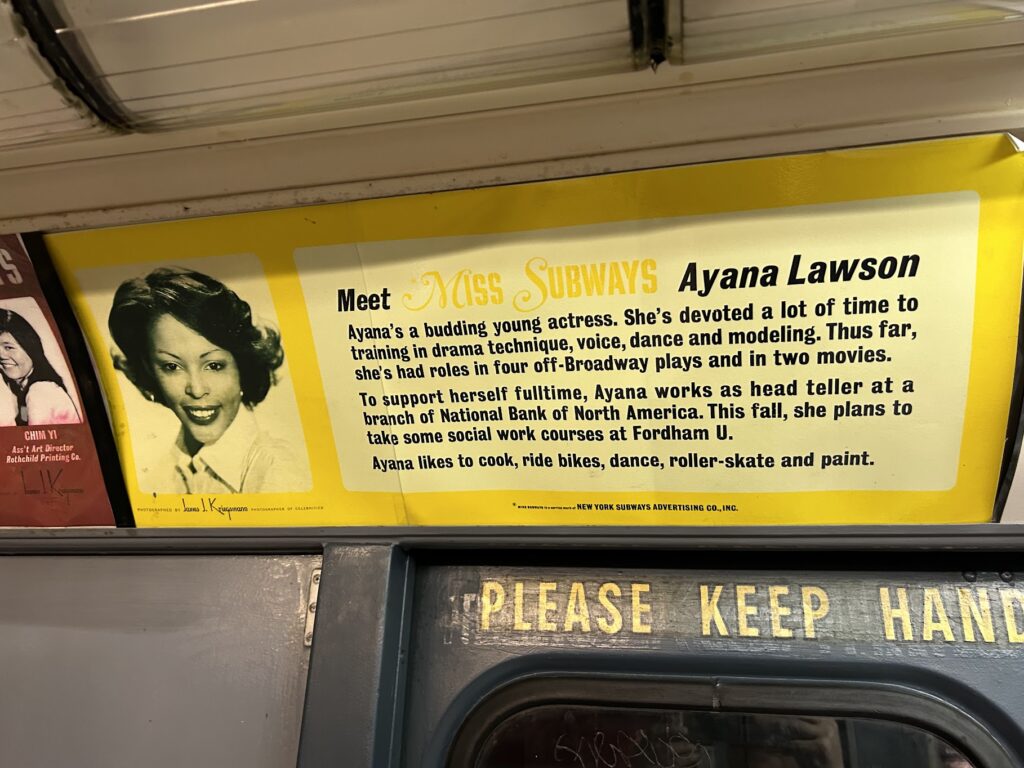
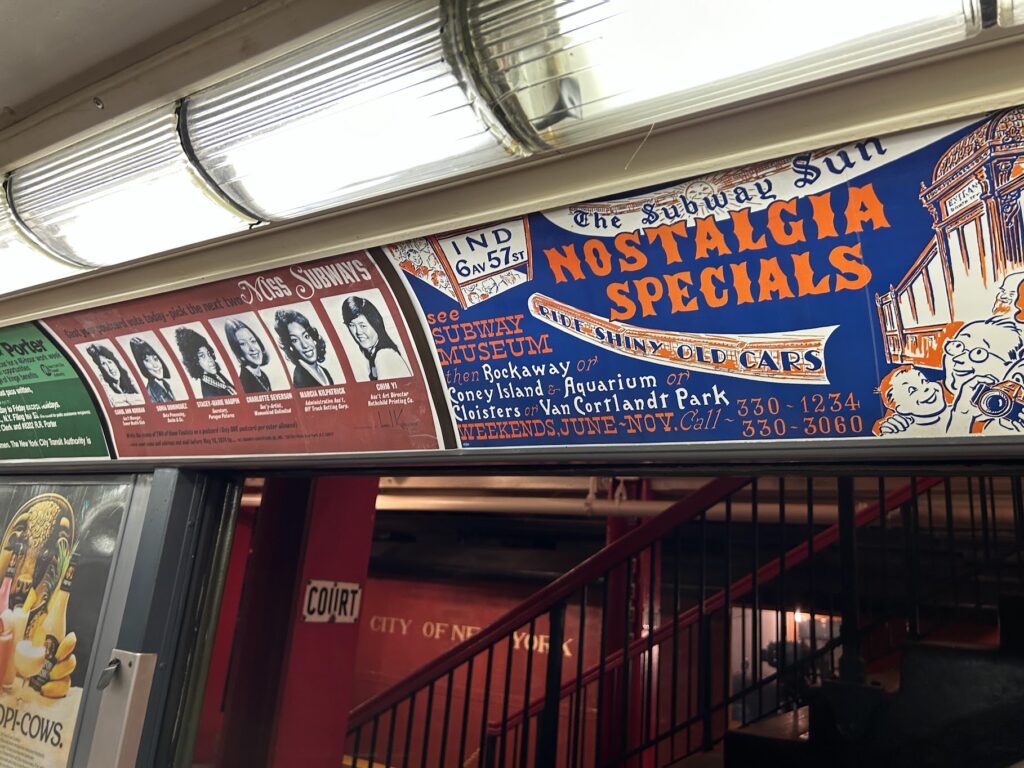
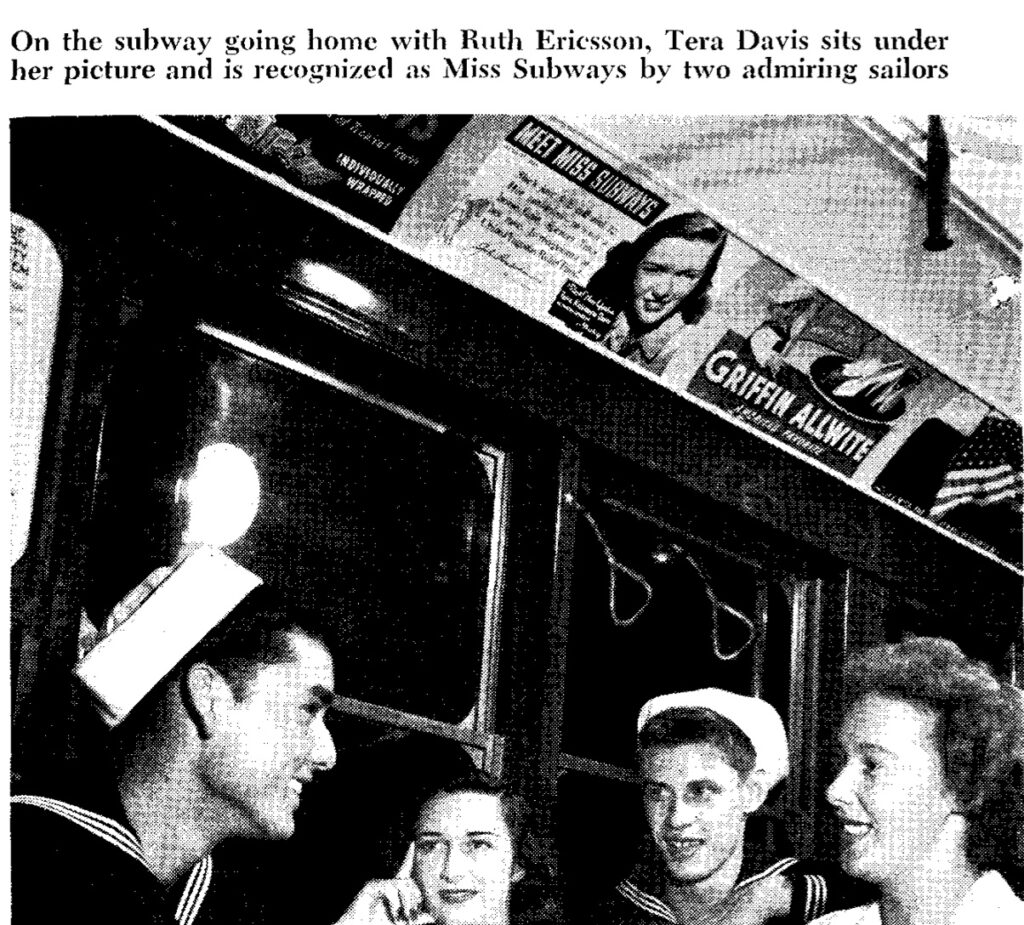
From 1941 and 1976, dozens of young women and high school girls were bestowed the honor of Miss Subways with her smiling photograph hanging within the cars of the New York subway system.
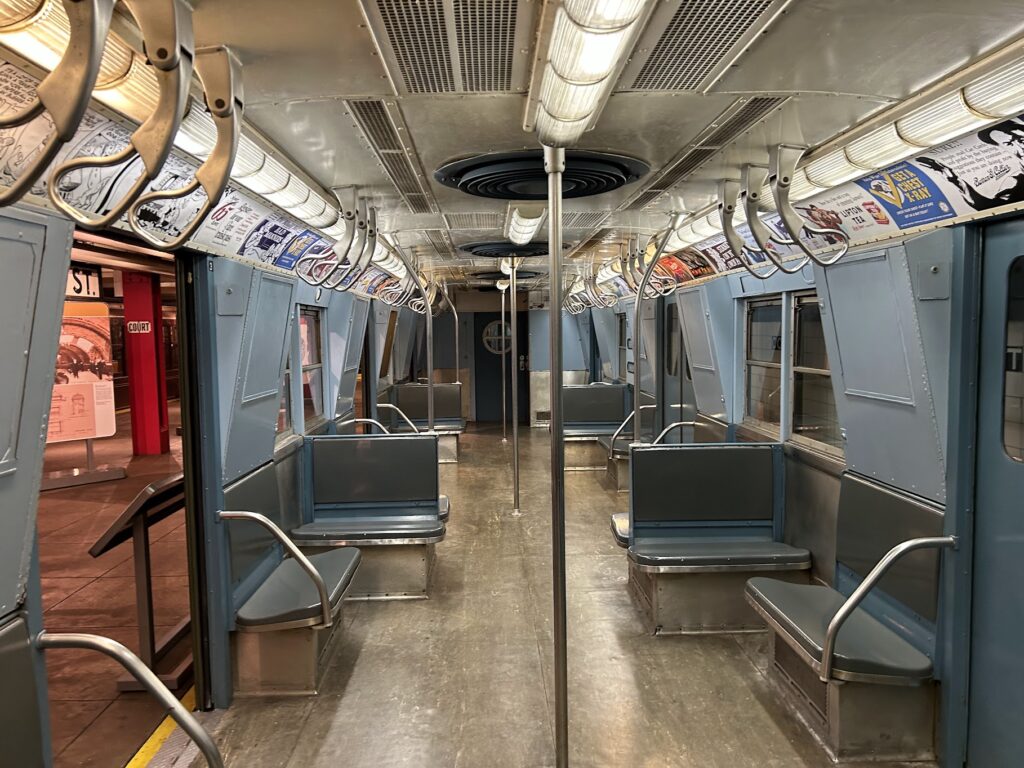
This was not a beauty pageant, but rather an advertising campaign which promoted the subway and drew the eyes of commuters to the train car’s many advertisements for cod liver oil, cigarettes and frozen foods.
The women who were chosen for Miss Subways became overnight local celebrities, aspirational figures for thousands of subway riders.
The program was overseen by modeling agent guru John Robert Powers whose work for mail order catalogs and newspapers would help define the ‘girl-next-door’ image of the mid 20th century.
However this blonde Midwestern template soon looked out of place promoting the subway system of one of the most diverse cities in the world. By the 1960s, winners of this fleeting title began to reflect the many types of women who commuted and used the subway.
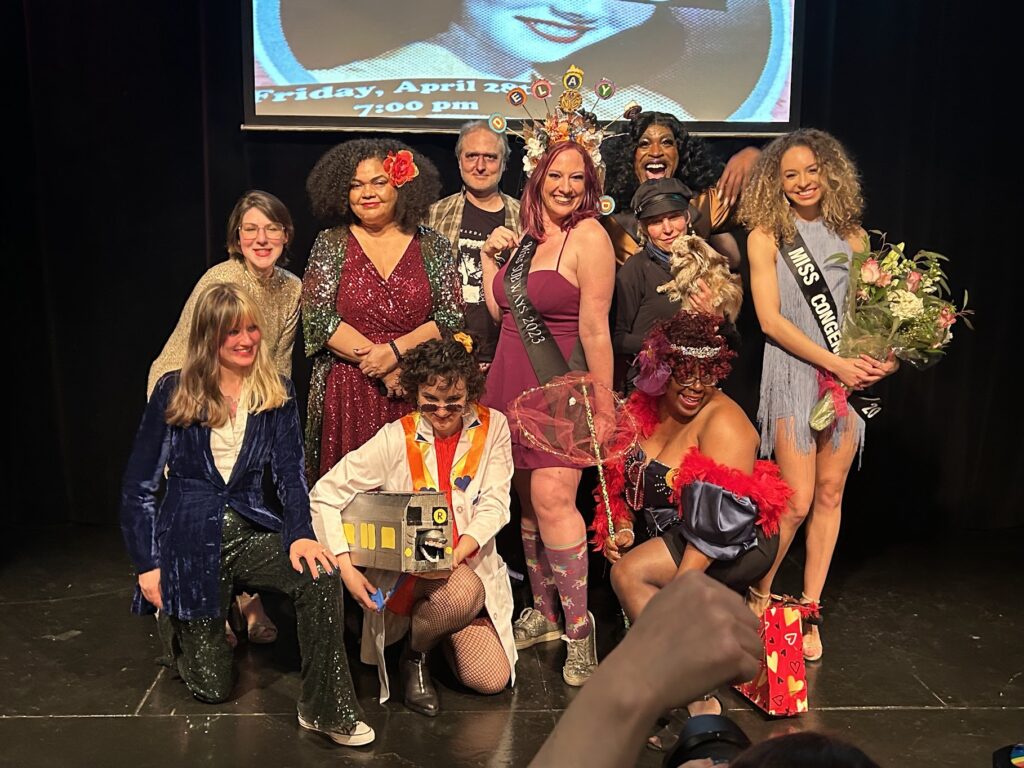
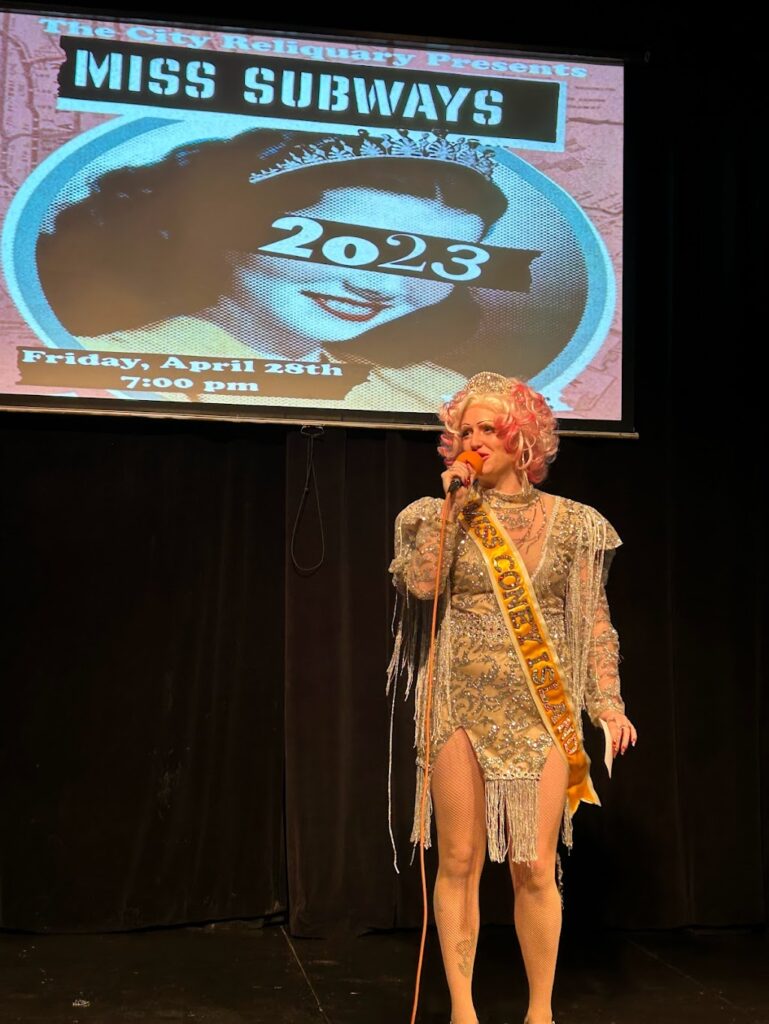
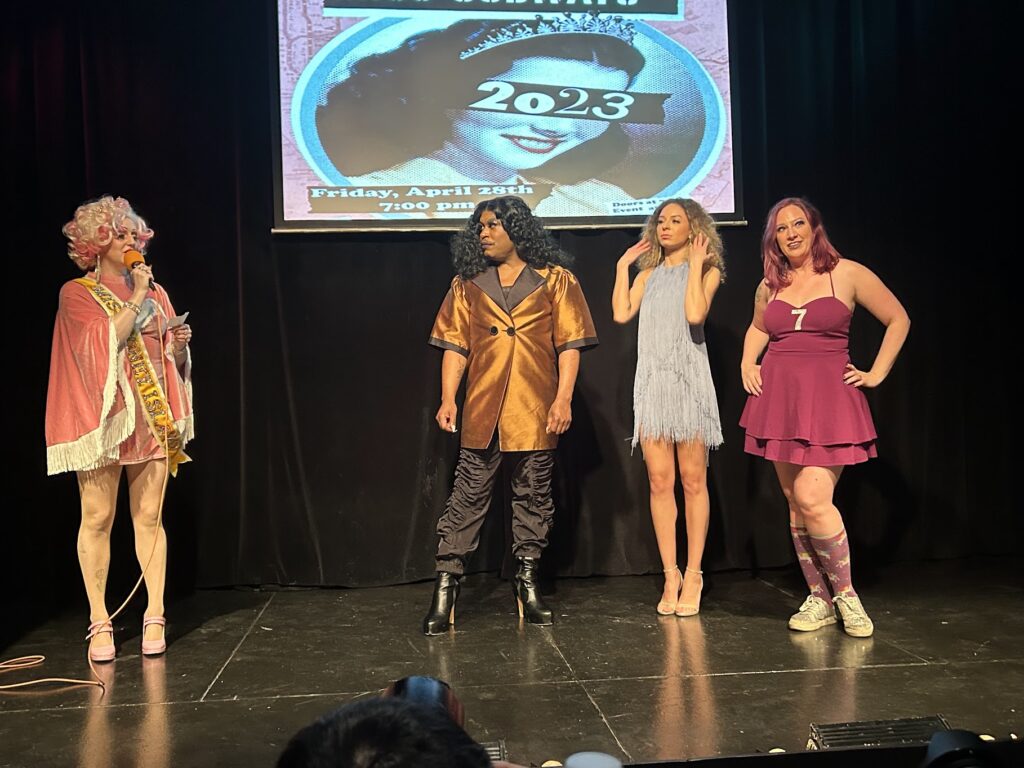
Listen in as Greg tells the story of the Miss Subways pageant then participates as a judge for a brand new Miss Subways competition, held in Coney Island in April. But what does this title mean in 2023?
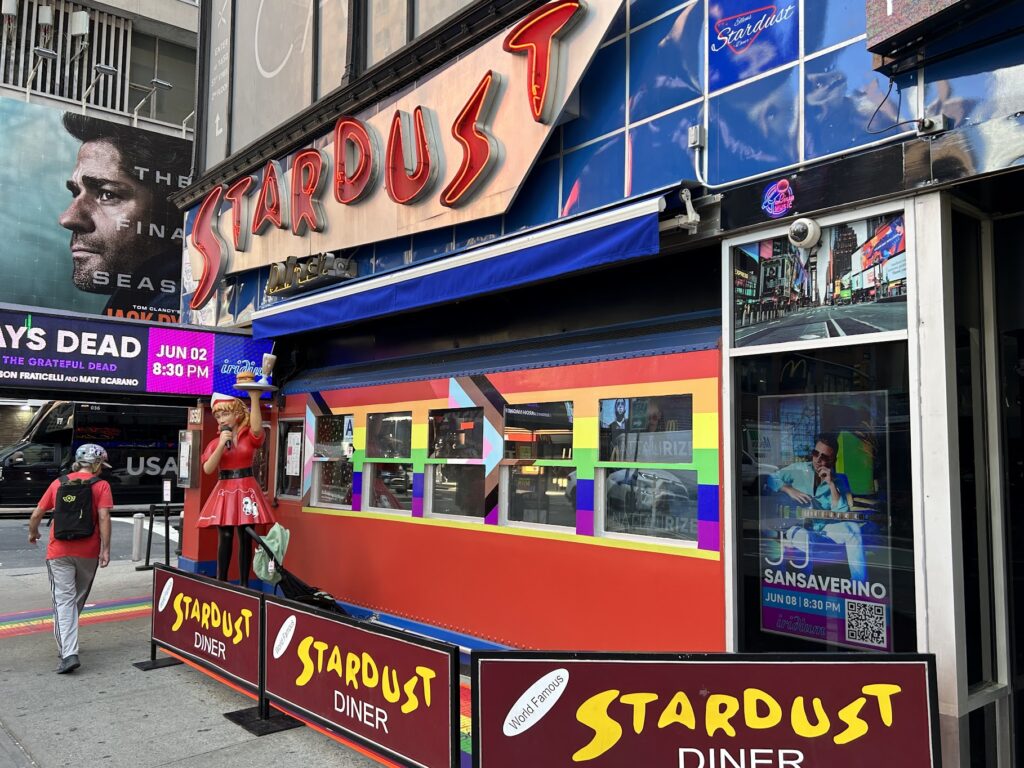
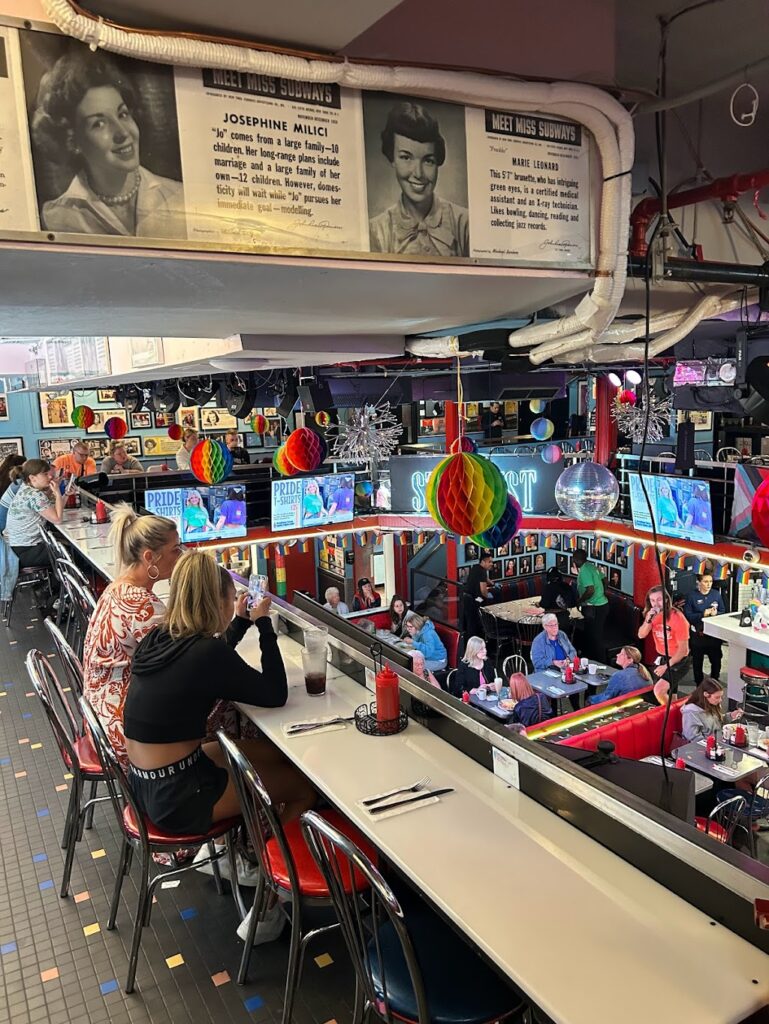
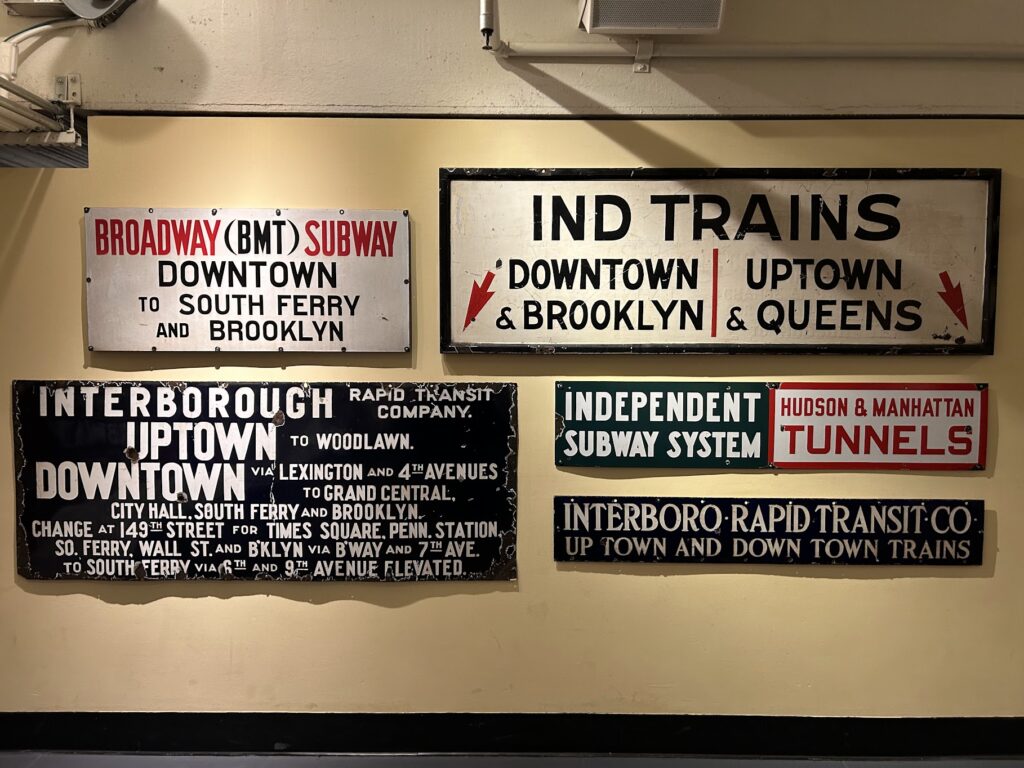
FEATURING A visit to the New York Transit Museum, the City Reliquary, Coney Island USA’s Seashore Theater and Ellen’s Stardust Diner
LISTEN NOW: MISS SUBWAYS: QUEENS OF THE NEW YORK COMMUTE
Harmony Hardcore and the contestants of the 2023 Miss Subways pageantThe glorious Maggie McMuffinThe final three contestants — Lena Horné, Chantelle and Harmony Hardcore
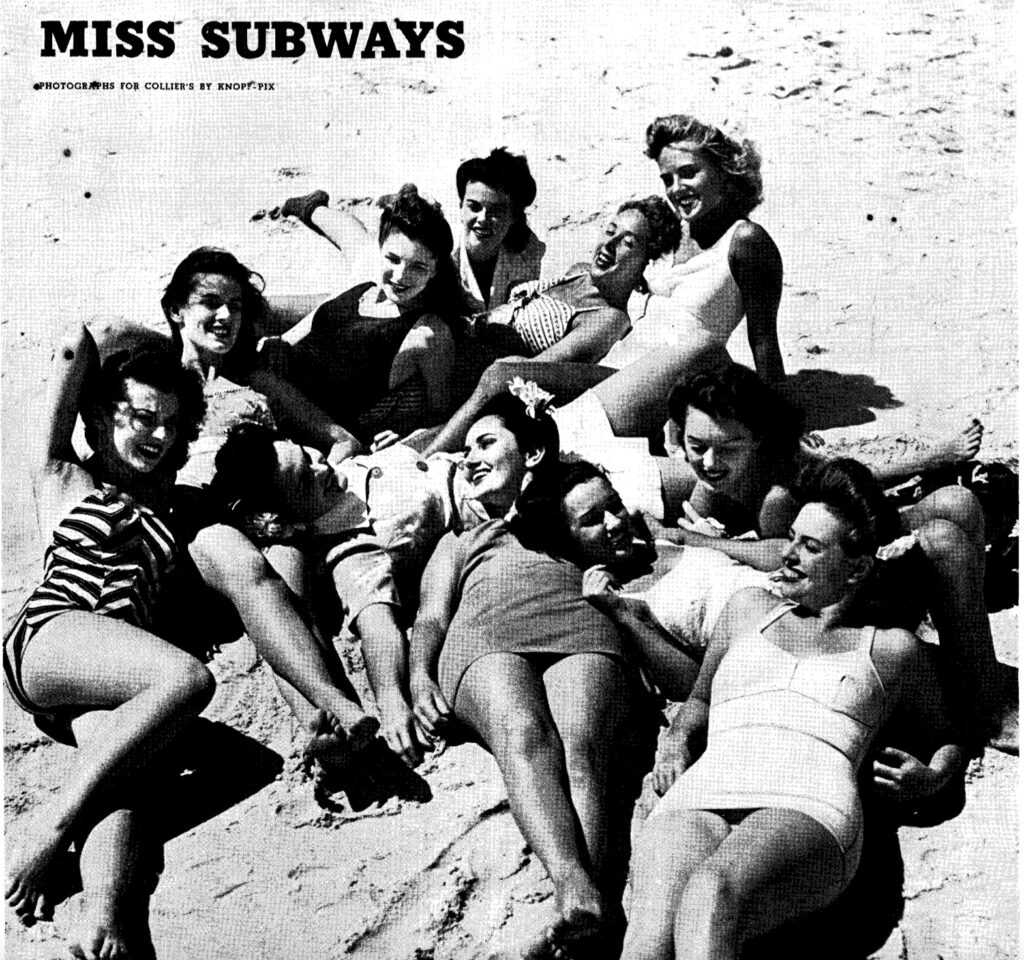
From an article in Collier’s Weekly, September 25, 1943, “Miss Subways: A new kind of beauty brightens the life of New York’s underground commuters,” in a photograph highly influenced by the pin-up photos of Betty Grable and other wartime beauties:
FURTHER LISTENING
After listening to this podcast, head back into our back catalog and listen to these shows with similar themes
The Broadway Musical is one of New York City’s greatest inventions, over 150 years in the making! It’s one of the truly American art forms, fueling one of the city’s most vibrant entertainment businesses and defining its most popular tourist attraction — Times Square.
But why Broadway, exactly? Why not the Bowery or Fifth Avenue? And how did our fair city go from simple vaudeville and minstrel shows to Shuffle Along, Irene and Show Boat, surely the most influential musical of the Jazz Age?
This podcast is an epic, a wild musical adventure in itself, full of musical interludes, zipping through the evolution of musical entertainment in New York City, as it races up the ‘main seam’ of Manhattan — the avenue of Broadway.
We are proud to present a tour up New York City’s most famous street, past some of the greatest theaters and shows that have ever won acclaim here, from the wacky (and highly copied) imports of Gilbert & Sullivan to the dancing girls and singing sensations of the Ziegfeld revue tradition.
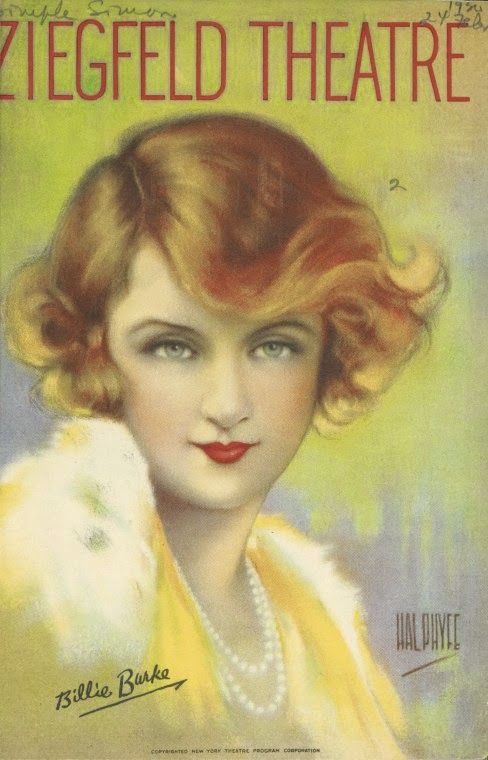
CO-STARRING: Well, some of the biggest names in songwriting, composing and singing. And even a dog who talks in German! At right: Billie Burke from a latter-year Follies. (NYPL)
This show, originally recorded in 2013, has been re-edited, remastered and even includes extra material which was cut from the original episode.
LISTEN NOW: THE BIRTH OF THE BROADWAY MUSICAL
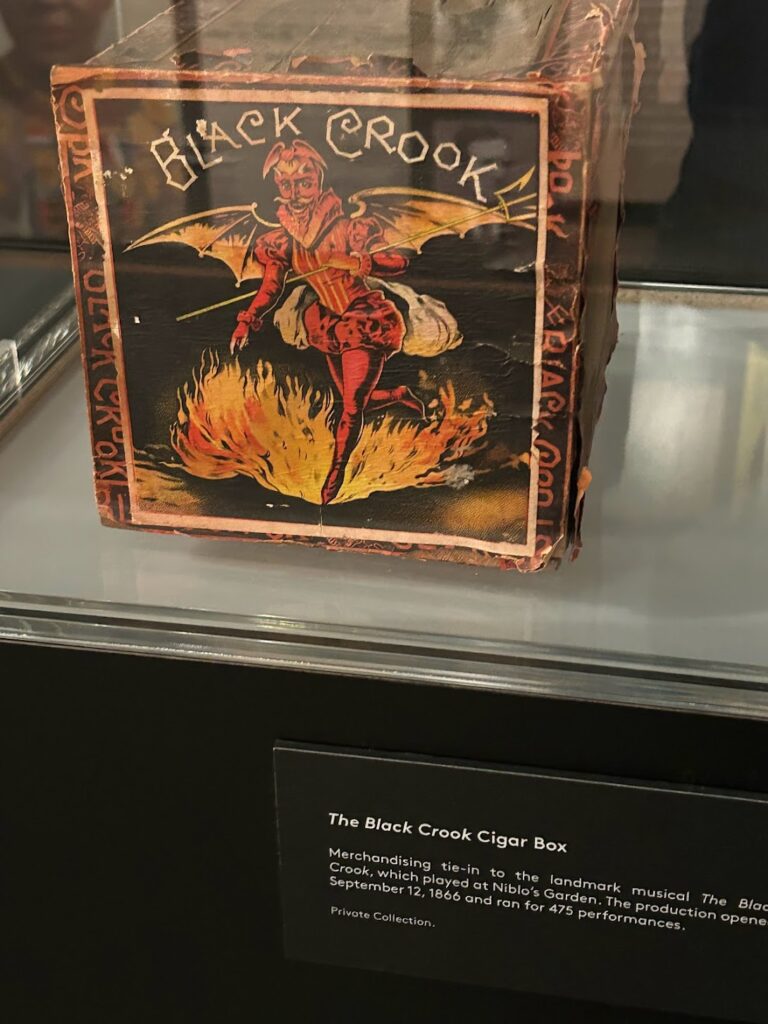
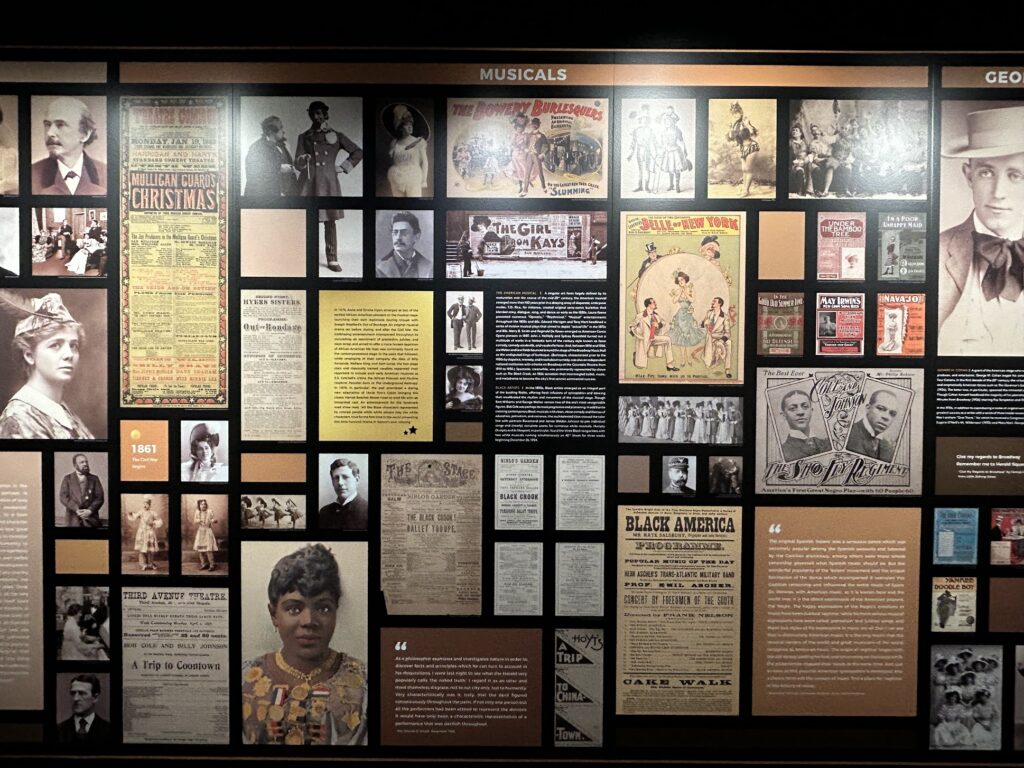
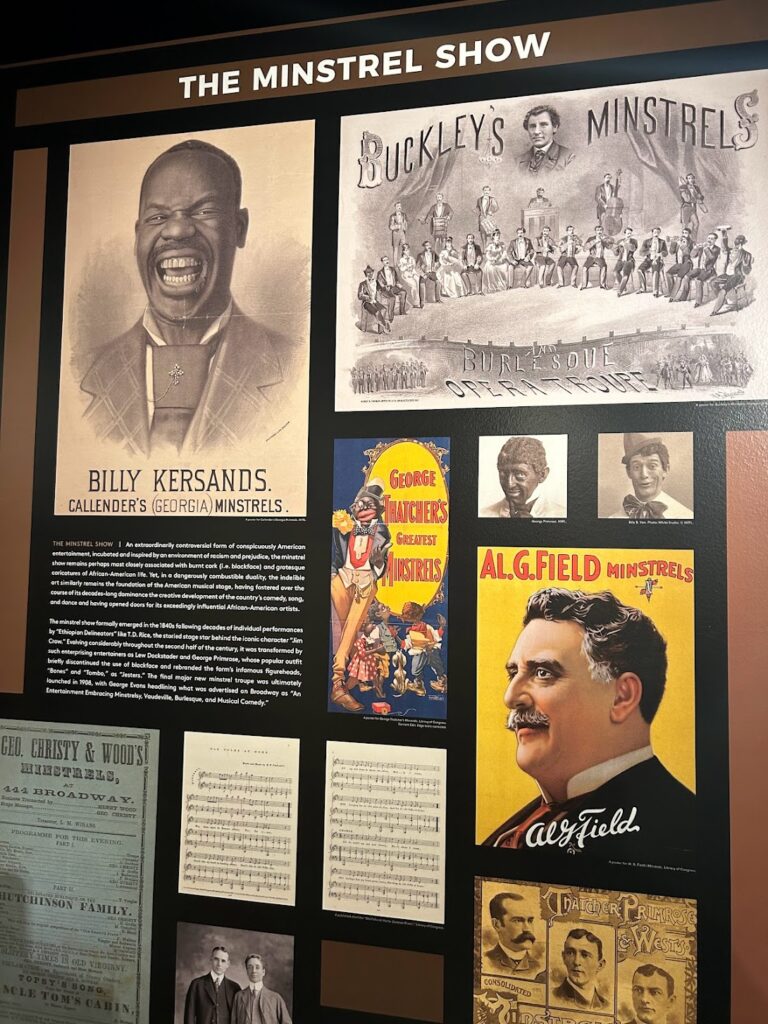
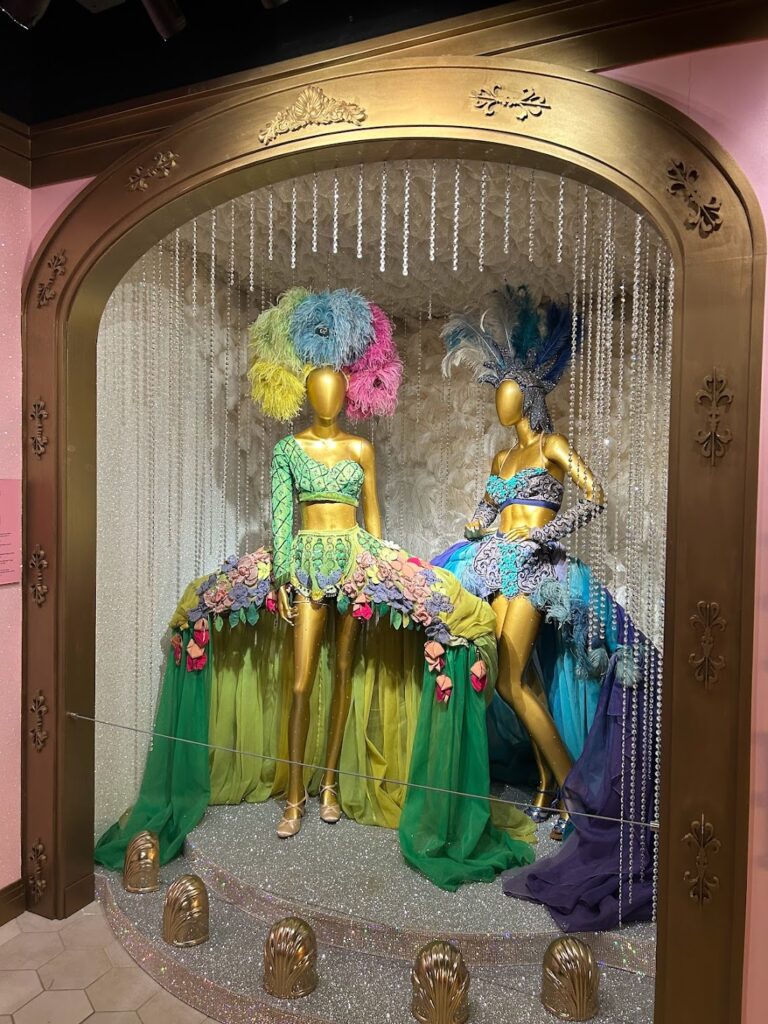
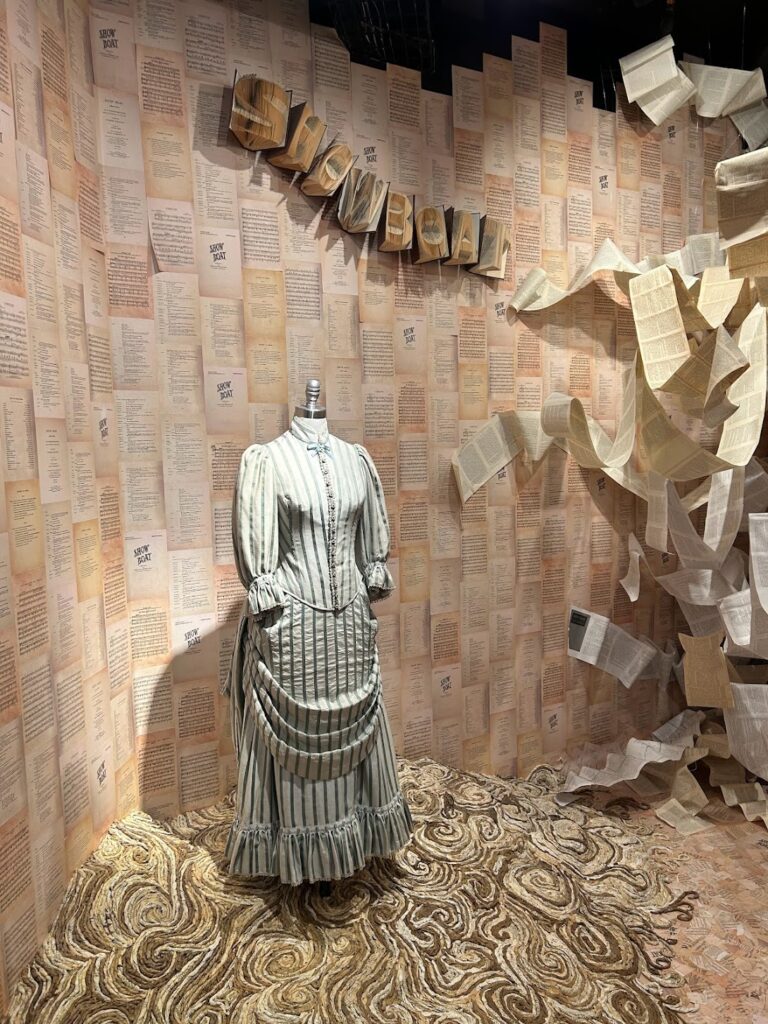
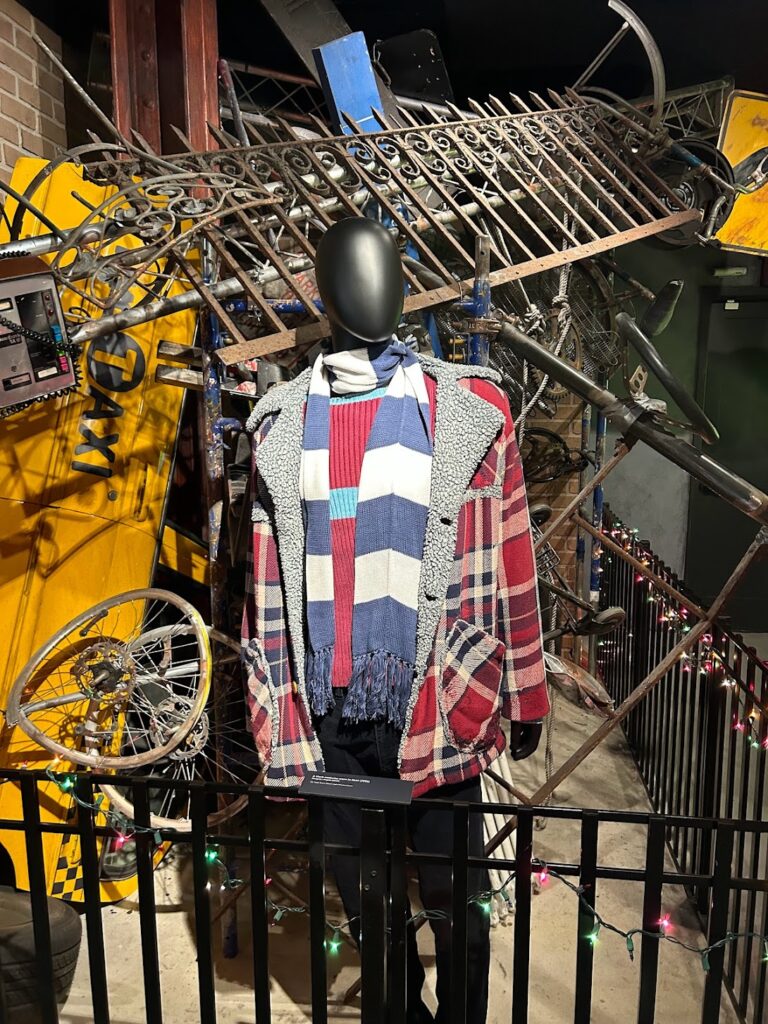
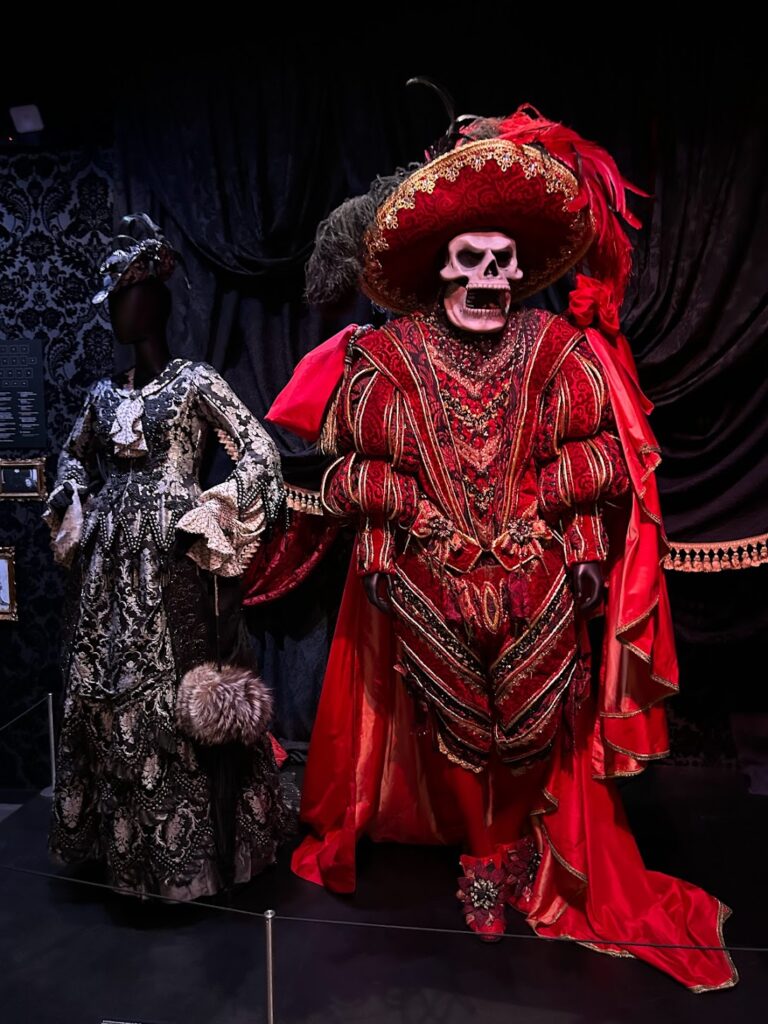
A few images from Greg’s trip to the Museum of Broadway at 145 West 45th Street.
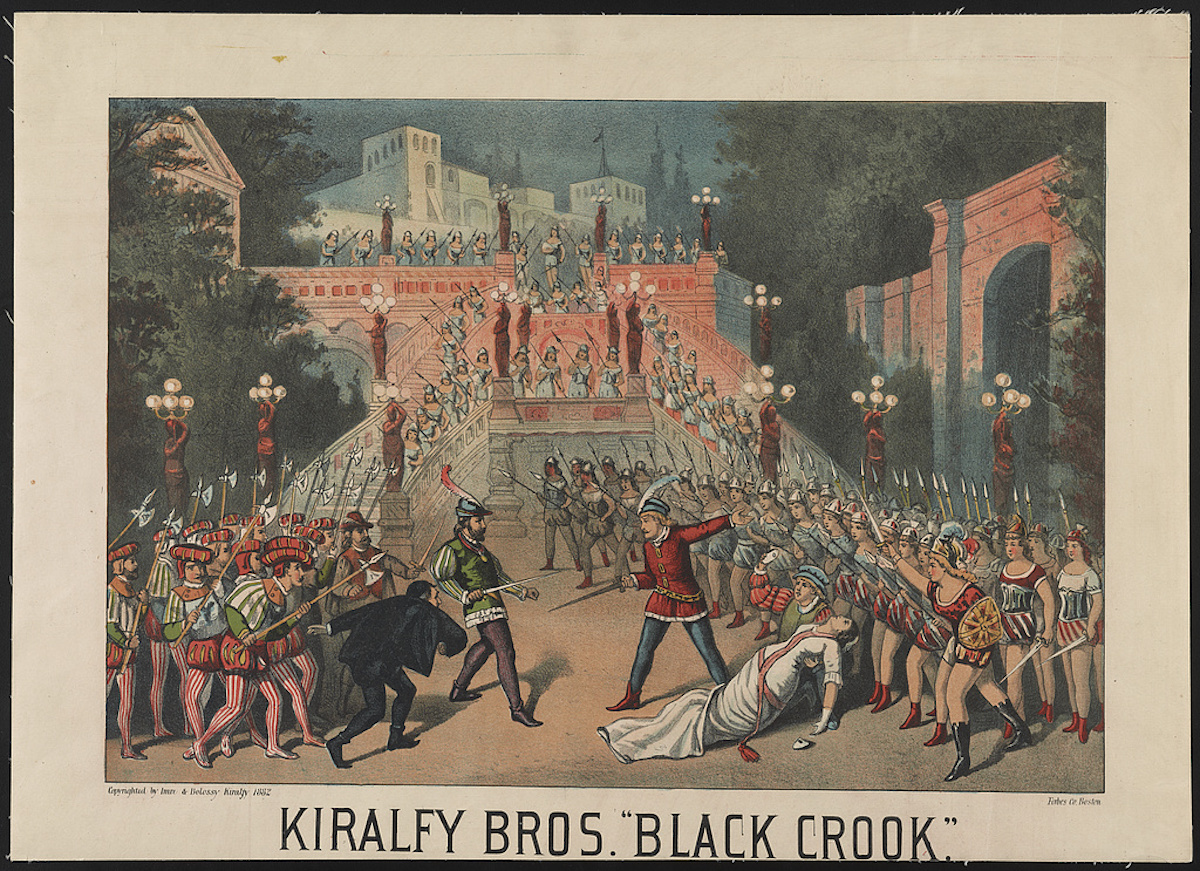
The Black CrookZiegfeld FolliesShowboatRentThe Phantom of the Opera
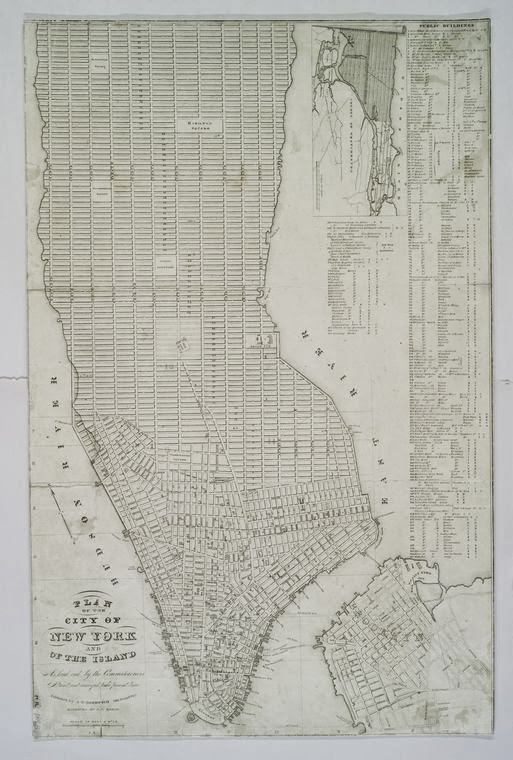
The original grid plan from 1811. As you can see, Broadway was not meant to extend further than the Parade Ground, the largest planned plaza from the Commissioner’s Plan. Years later, the Parade Ground was reduced (becoming Madison Square) and Broadway was allowed to break the grid, creating plazas conducive for transportation and public gathering. (NYPL)
New York Public Library
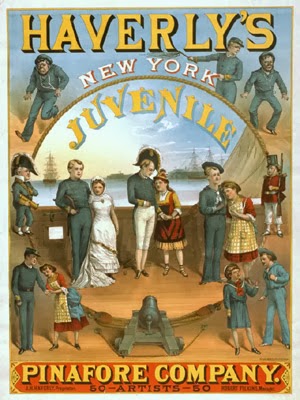
One of dozens of knock-off productions of HMS Pinafore, this one featuring children:
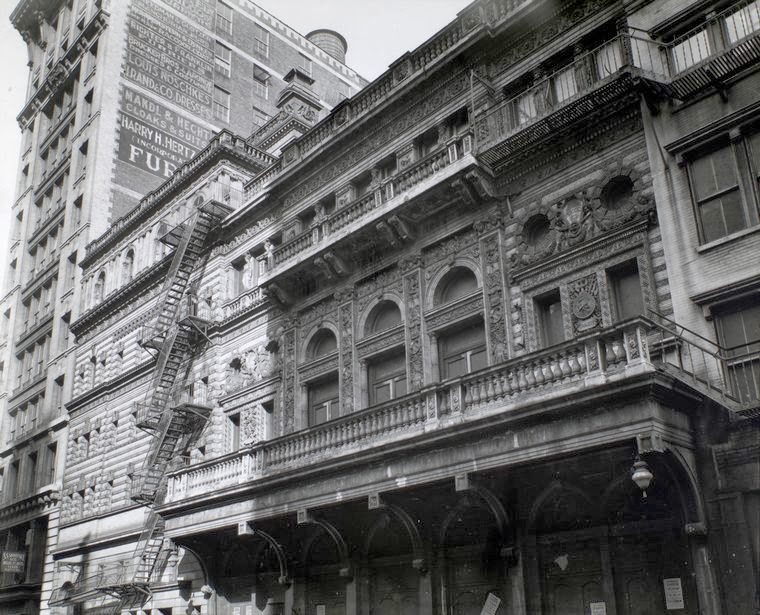
The facade of the Fifth Avenue Theater, once located at 1185 Broadway. Why was it called the Fifth Avenue Theater then? Possibly to just make the society ladies feel at home here! This was home to three Gilbert & Sullivan original productions, including the premiere of The Pirates of Penzance.
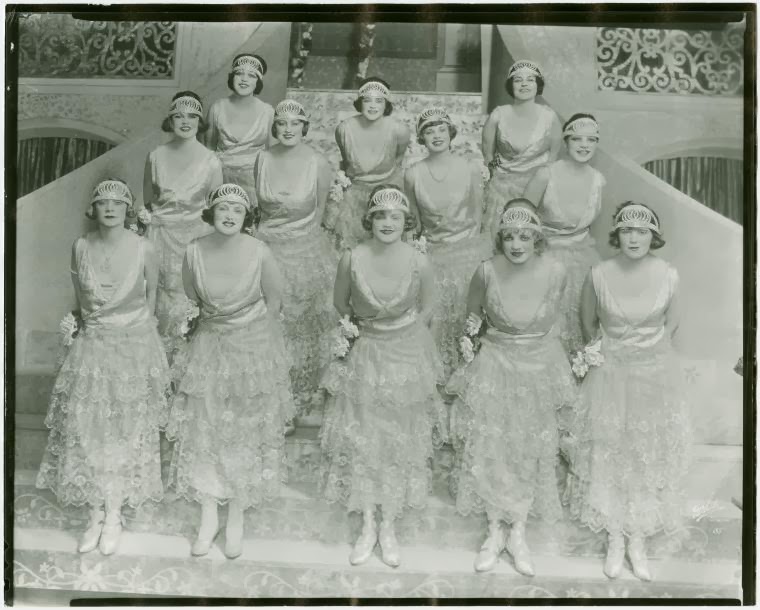
The Florodora girls, from the hugely successful 1900 musical comedy which debuted at the Casino Theater. (NYPL)
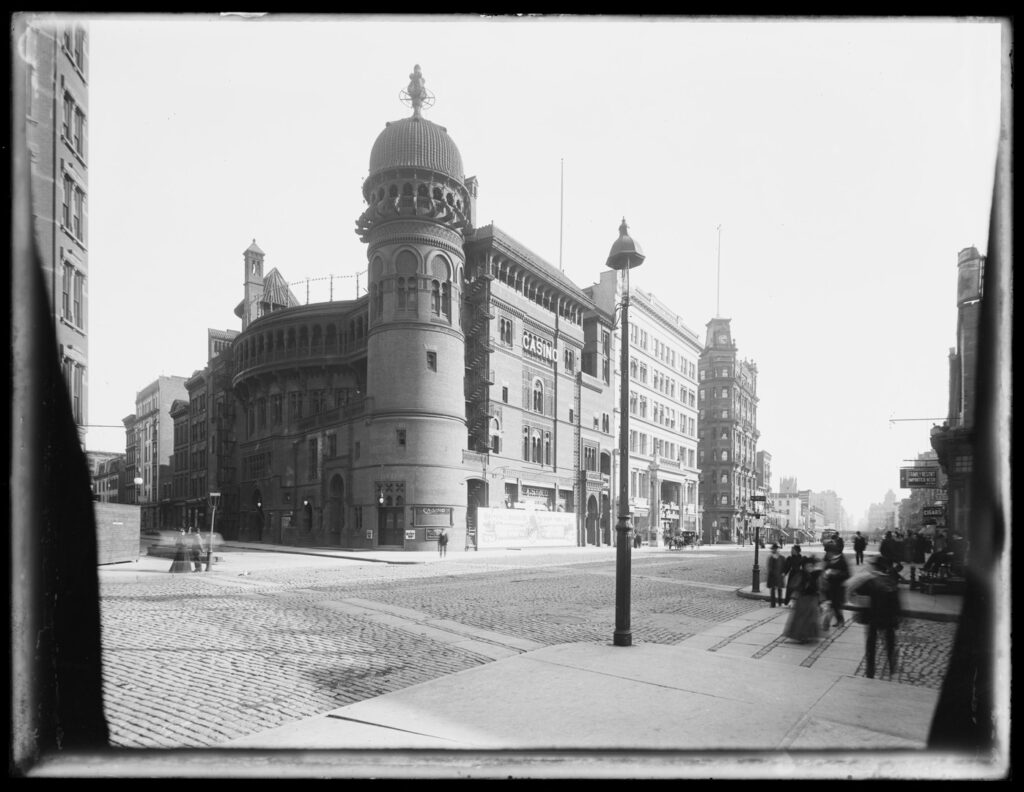
The Casino Theatre at West 39th Street and Broadway.
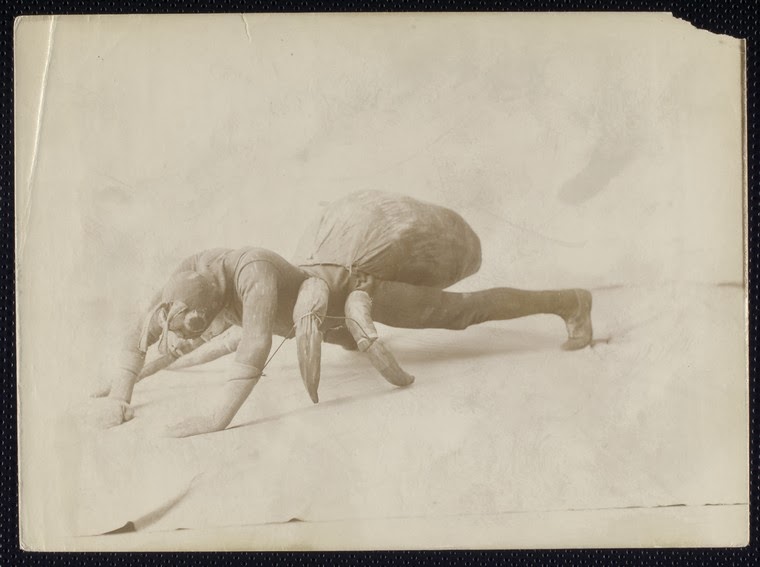
One of the more fantastic creatures from Victor Herbert’s Babes In Toyland, which made its debut in Columbus Circle’s Majectic Theater. You can read my article here on the musical which inspired Herbert’s show, the musical version of The Wizard of Oz. (NYPL)
New York Public Library
George M Cohan singing “Over There”
Video of a Ziegfeld Follies from 1929, a bit past their heyday, actually. They would only last until 1931:
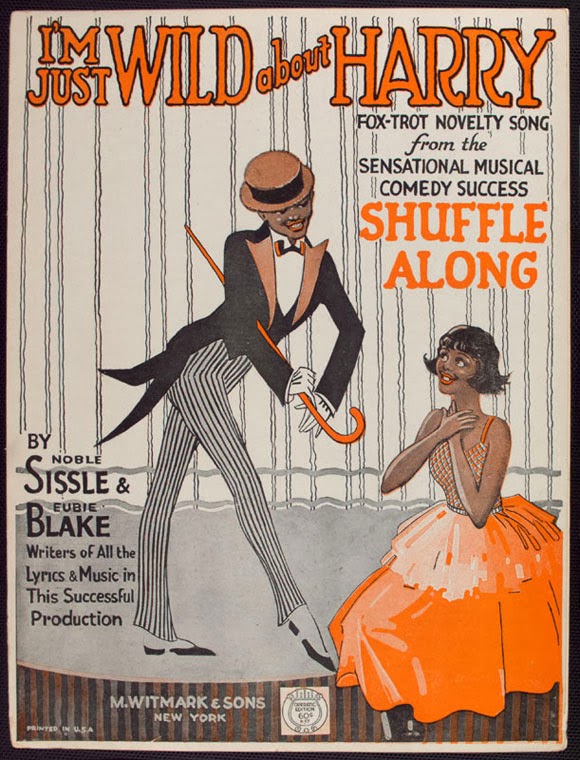
Sheet music from 1921 of one of the most famous songs from Shuffle Along (NYPL):
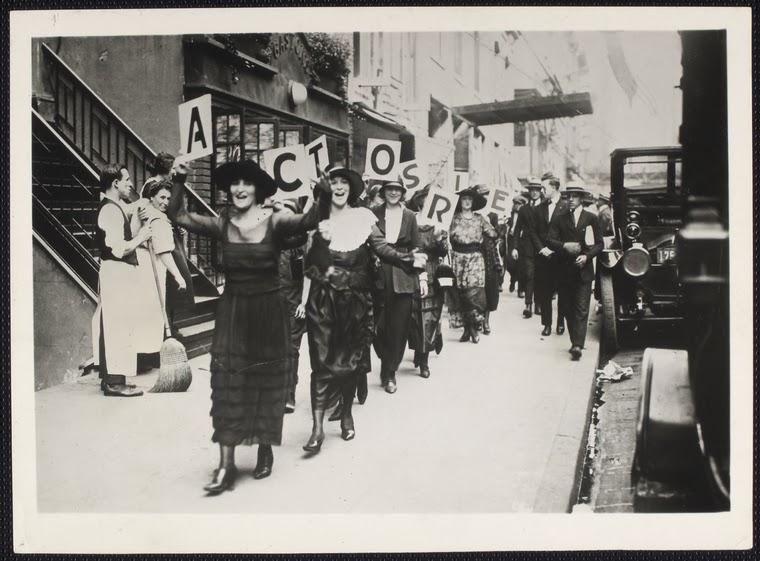
Dancing girls during the Actors Strike of 1919, which galvanized the industry and gave regular New Yorkers a window into the tough conditions faced by many background performers. (NYPL)
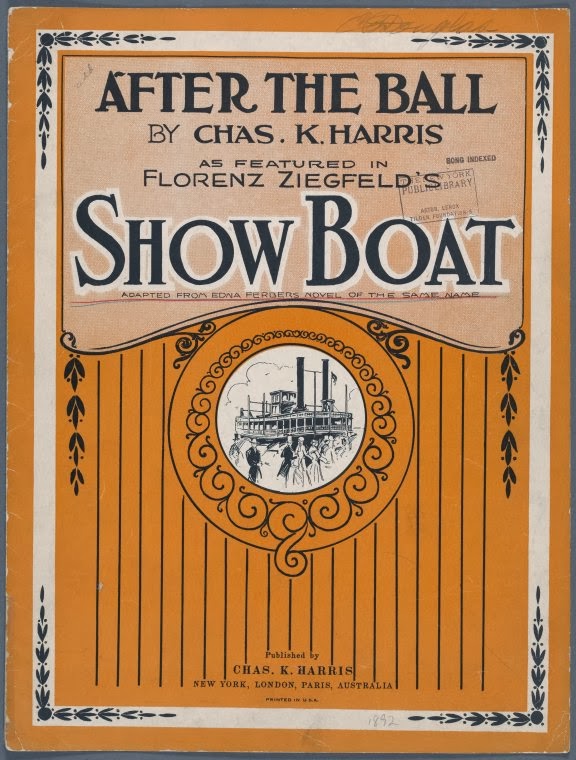
So the number ‘After The Ball’ — a huge hit song that made its stage debut in A Trip To Chinatown — made a return appearance to Broadway in 1927’s Show Boat!
Musical cues from this week’s show: Give My Regards To Broadway and After the Ball performed by Billy Murray A version of Make Believe recorded by Bing Crosby, and Ol Man River, performed by Paul Robeson, from a 1932 cast recording, featuring Victor Young and His Orchestra Love Will Find A Way, from a 1921 recording by Eubie Blake Selection from HMS Pinafore, from a 1914 recording by the Victory Light Opera Chorus
And finally, a clip from the film version of ‘Show Boat’, featuring an iconic performance by Paul Robeson.
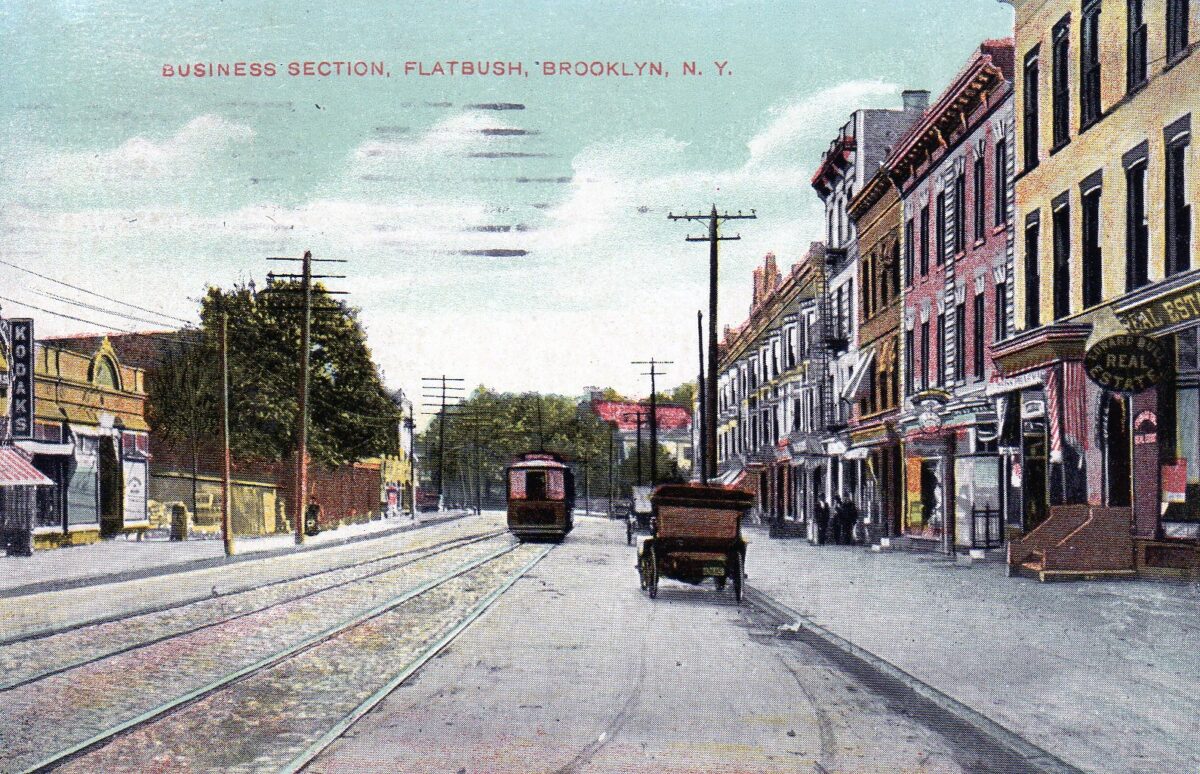
Over 350 years ago today’s Brooklyn neighborhood of Flatbush was an old Dutch village, the dirt path that would one day become Flatbush Avenue lined with wheat fields and farms.
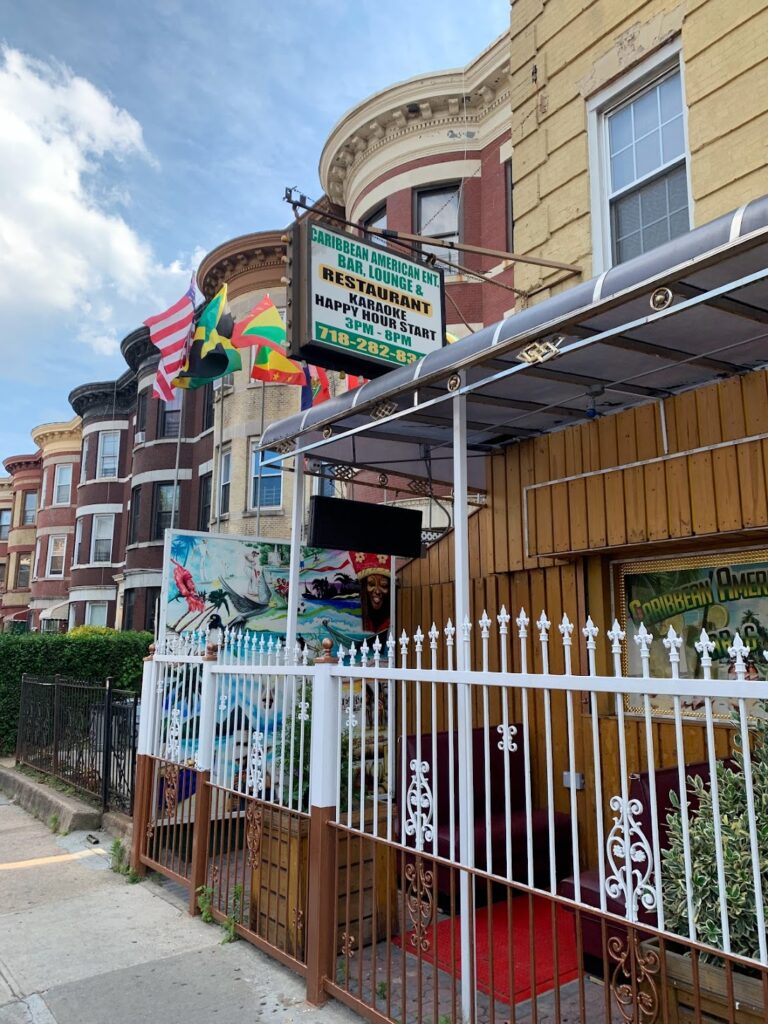
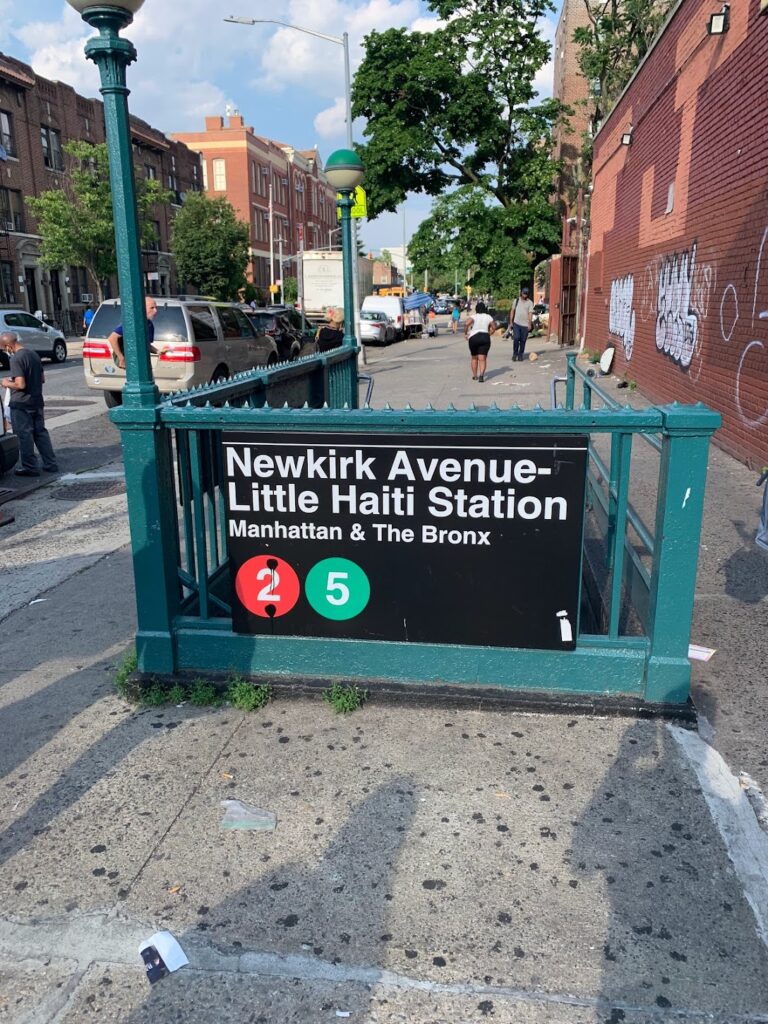
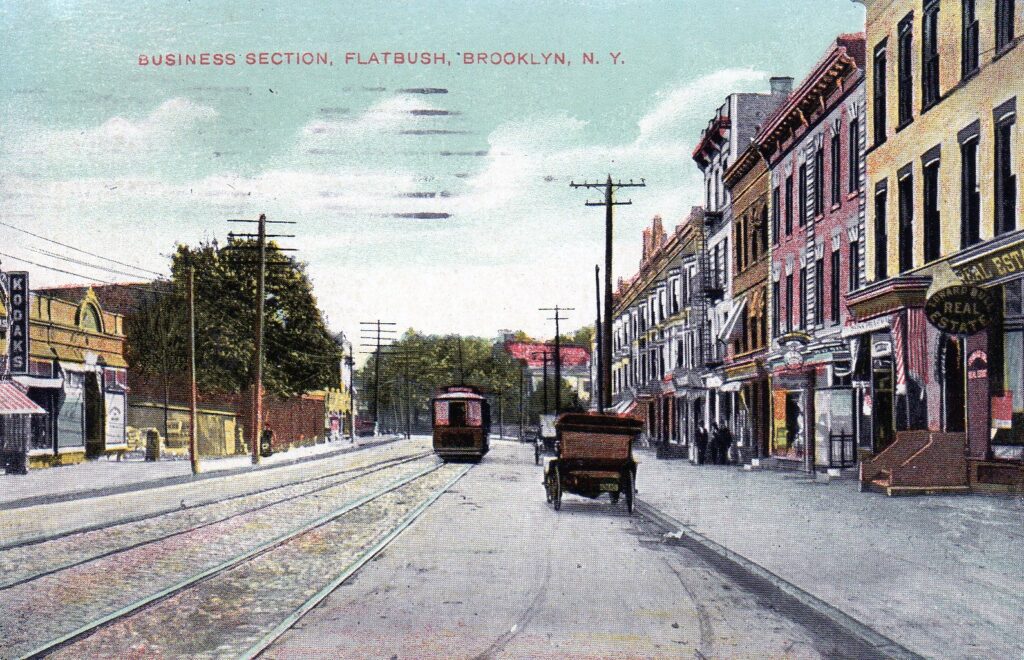
Contrast that with today’s Flatbush, a bustling urban destination diverse in both housing styles and commercial retail shops. It’s also an anchor of Brooklyn’s Caribbean community — Little Caribbean.
There have been many different Flatbushes — rural, suburban and urban. In today’s show we highlight several stories from these phases in this neighborhood’s life.
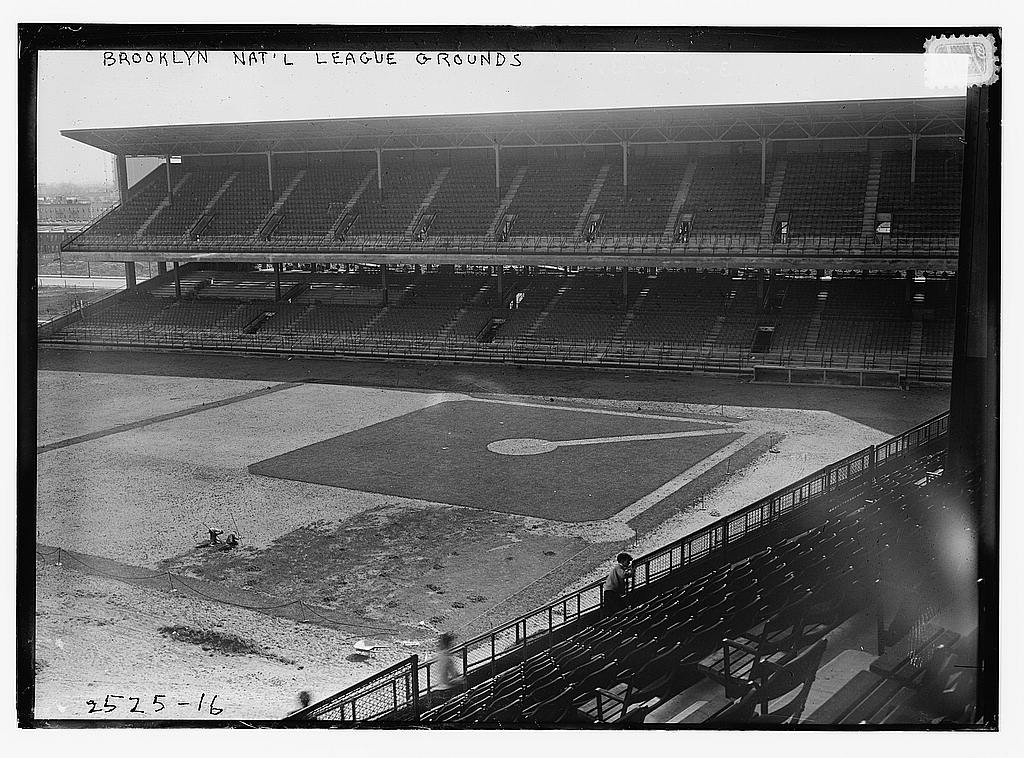
If you are a Brooklynite of a certain age, the first thing that might come to mind is maybe the Brooklyn Dodgers who once played baseball in Ebbets Field here. Or maybe you know of a famous person who was born or grew up there — Barbra Streisand, Norman Mailer or Bernie Sanders.
But the story of Flatbush reflects the many transformative changes of New York City itself. And it holds a special place in the identity of Brooklyn — so much so that it is often considered the heart of Brooklyn.
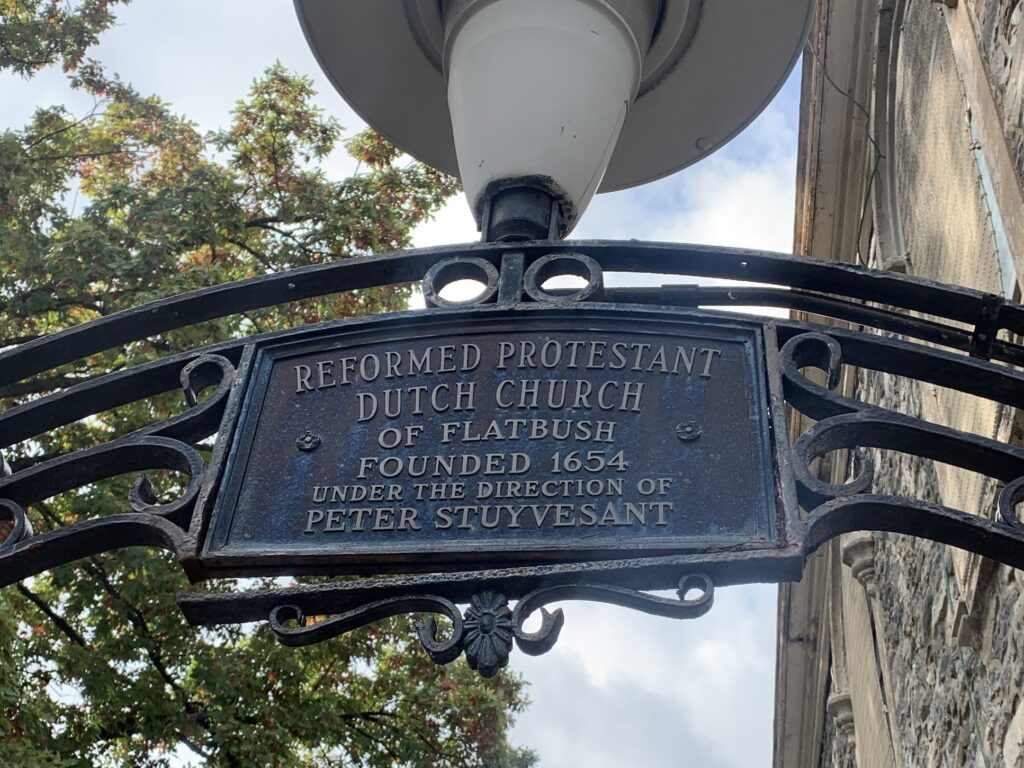
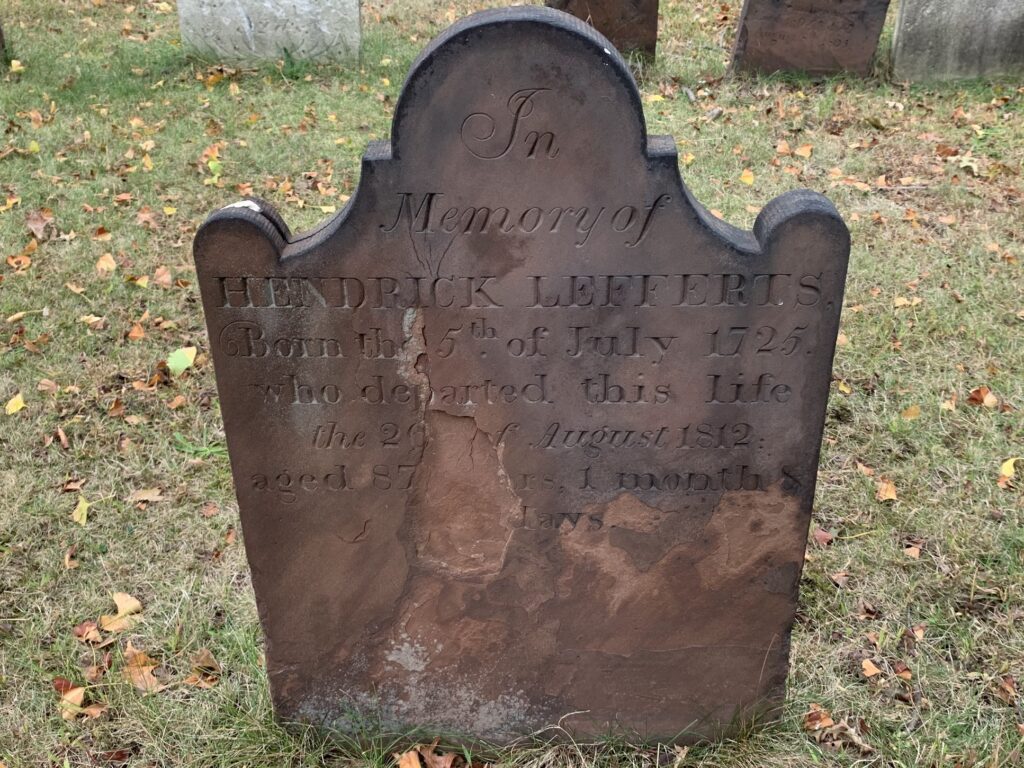
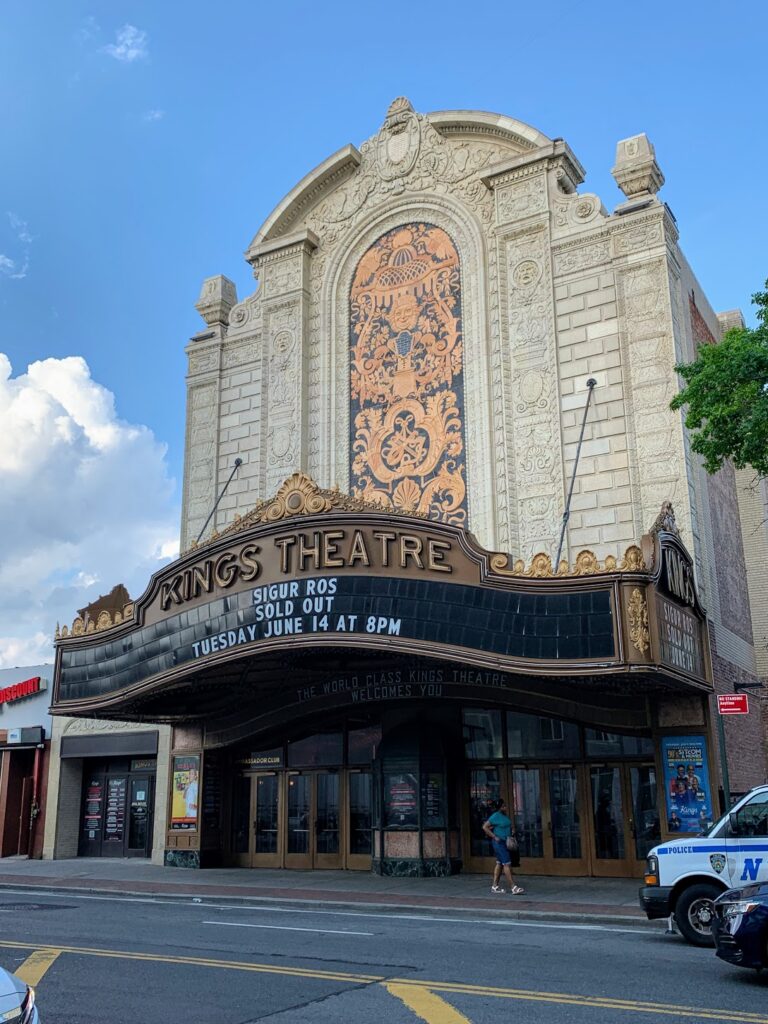
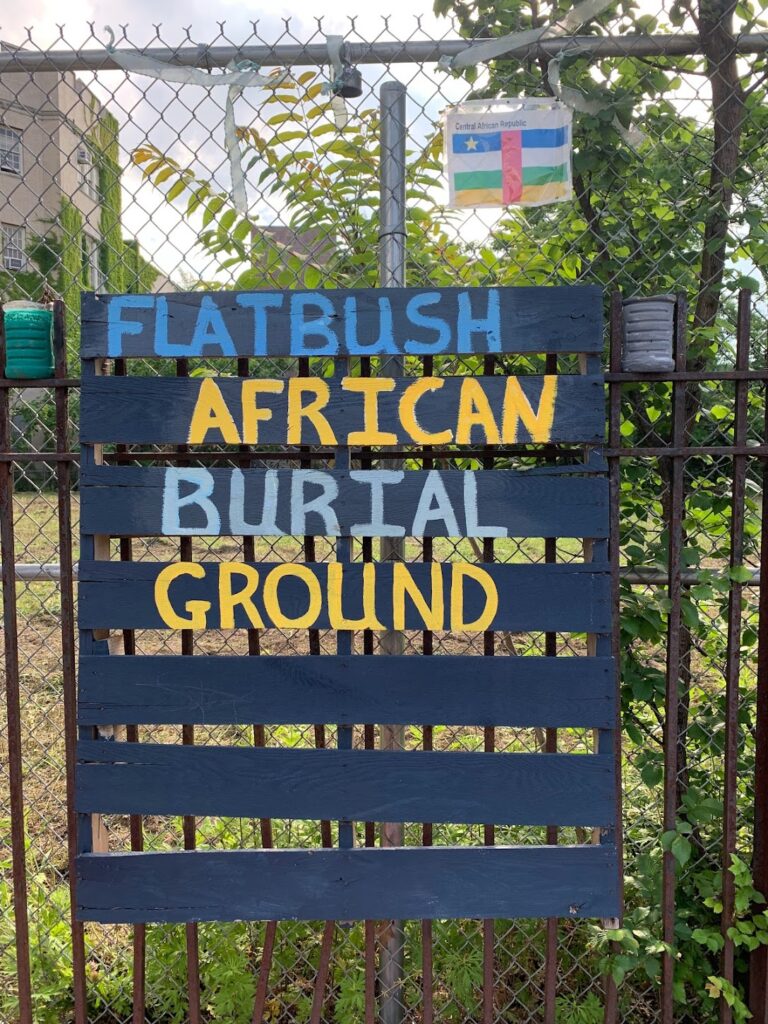
FEATURING STORIES OF Erasmus Hall, the Kings Theater, Lefferts Historic House, the Flatbush African Burial Ground and the Flatbush Dutch Reformed Church.
PLUS We chat with Shelley Worrell of I Am CaribBEING about her work preserving and celebrating the neighborhood’s Caribbean community.
Listen Now — The Story of Flatbush
Thank you to Shelley Worrell for being on the show. For more information on I am CaribBEING, visit their website.
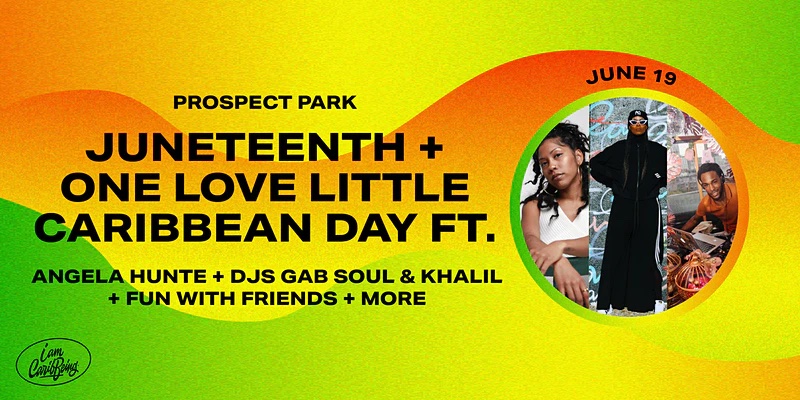
Today (June 17) is One Love Little Caribbean Day, celebrating the Caribbean businesses of Flatbush, Prospect Lefferts Garden and East Flatbush.
And this Sunday (June 19) celebrate National Caribbean-American Heritage Month in Prospect Park with I AM CaribBeing and Prospect Park Alliance
A Juneteenth celebration with live performance by Grammy-Award winning Angela Hunte backed by Da Jerry Wonda Band, peer-to-peer gaming powered by Fun With Friends DJ sets by Gab Soul + Khalil and Little Caribbean artisan vendors.
This episode is brought to you by the Historic Districts Council. Funding for this episode is provided by public funds from the New York City Department of Cultural Affairs in partnership with the City Council and Council Member Benjamin Kallos.
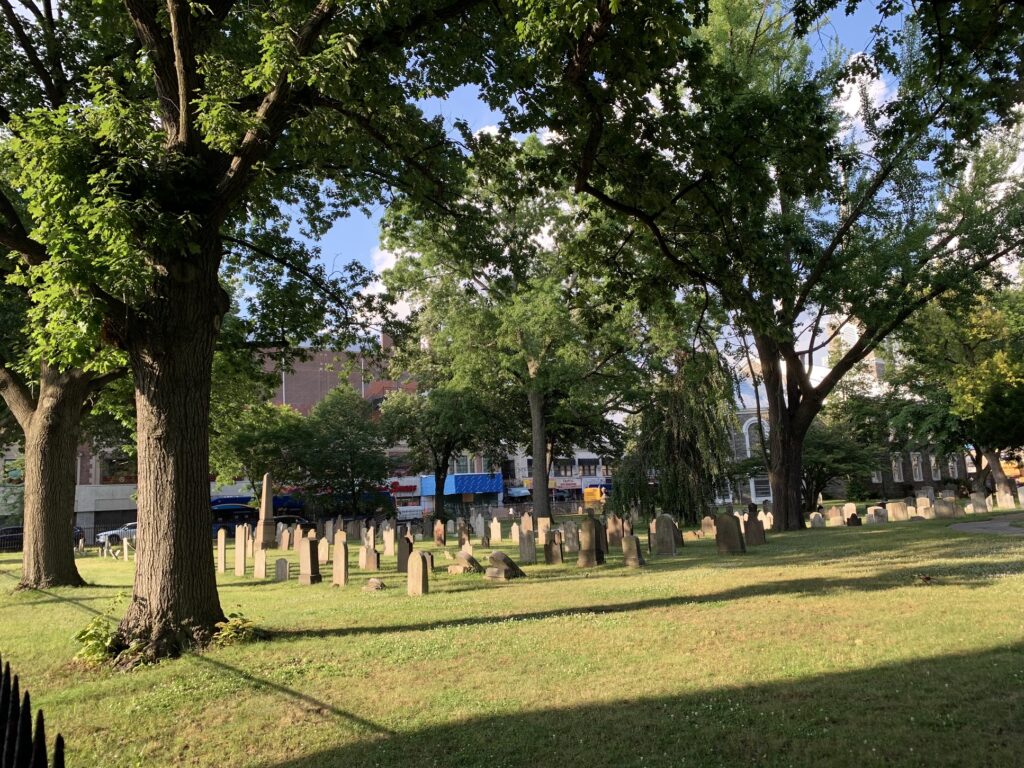
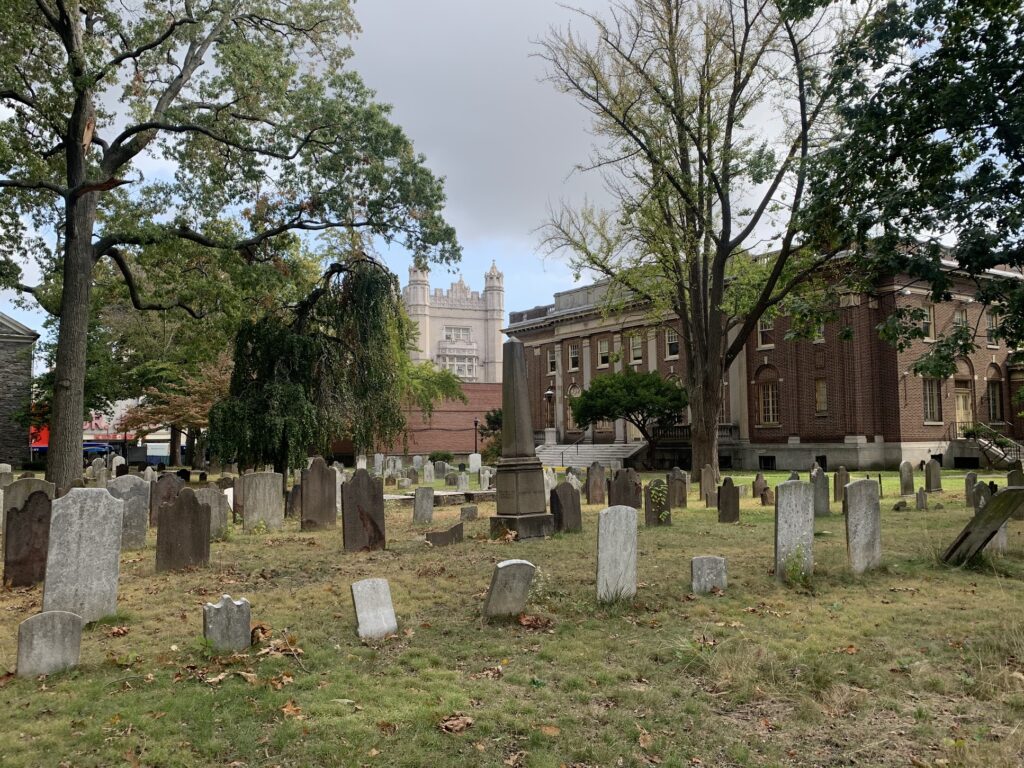
The historic cemetery at Flatbush Dutch Reformed Church
Erasmus Hall High School can be seen from the grounds of the cemetery.
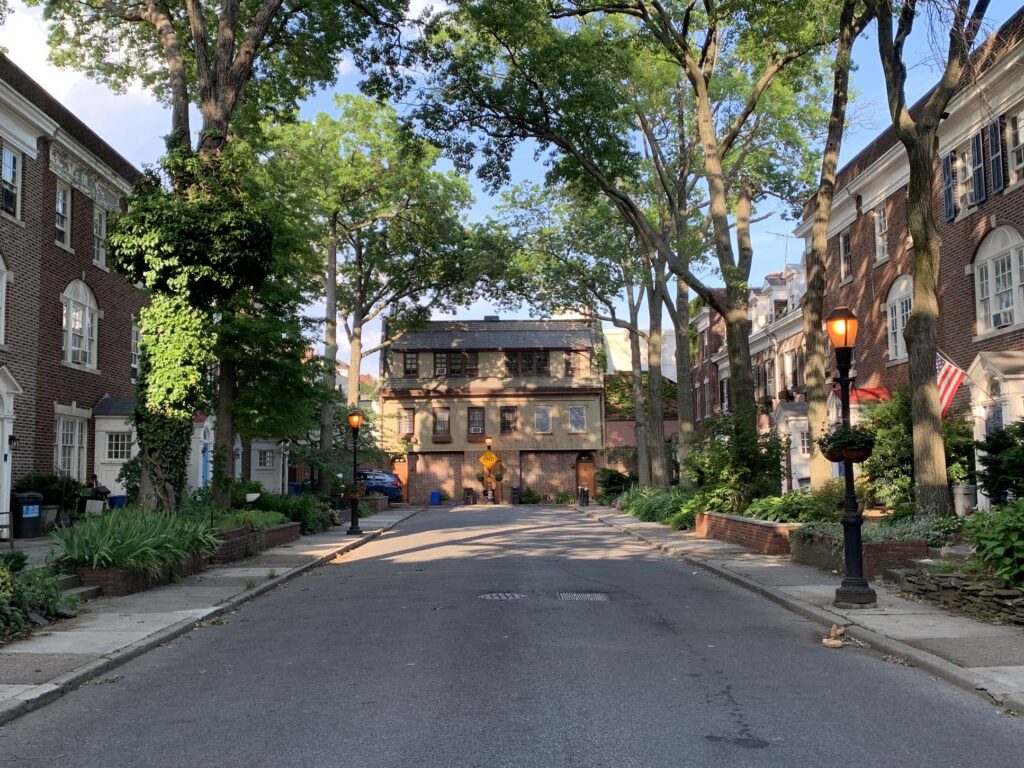
Albemarle–Kenmore Terraces Historic District
Kings Theatre, a Flatbush landmark since the 1920s
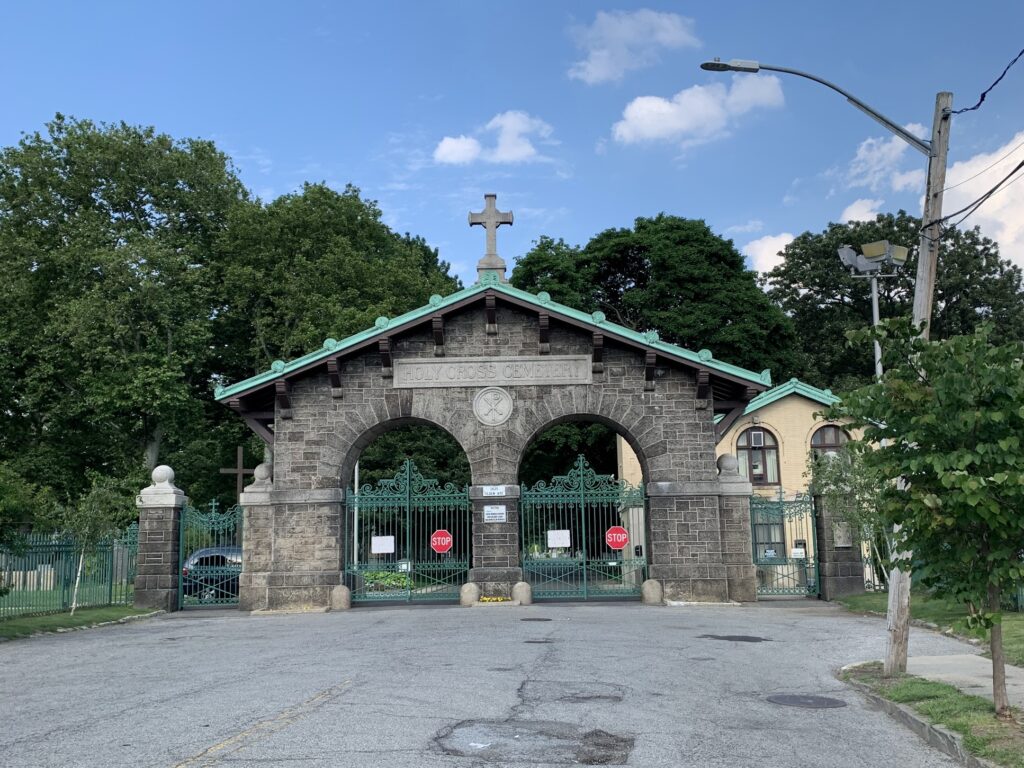
Holy Cross Cemetery in East Flatbush
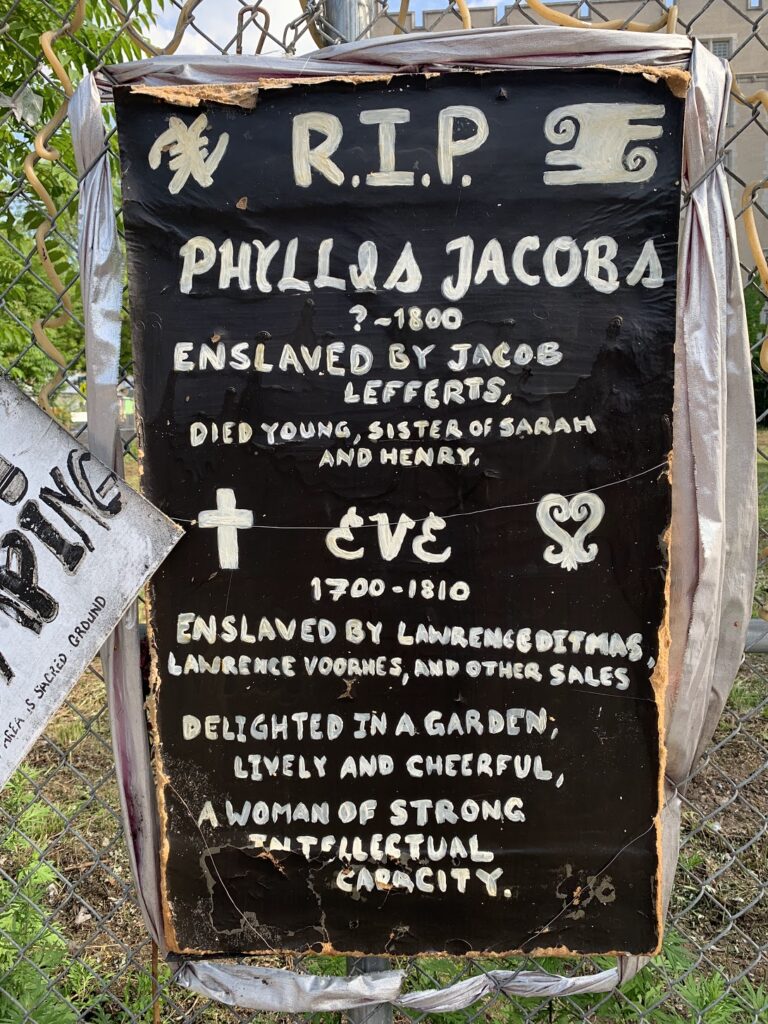
Marker for the Flatbush African Burial Ground and a makeshift tombstone for the two people who were known to be buried here.
A Caribbean restaurant in East Flatbush amid some excellent examples of rowhouses that are scattered throughout the area.
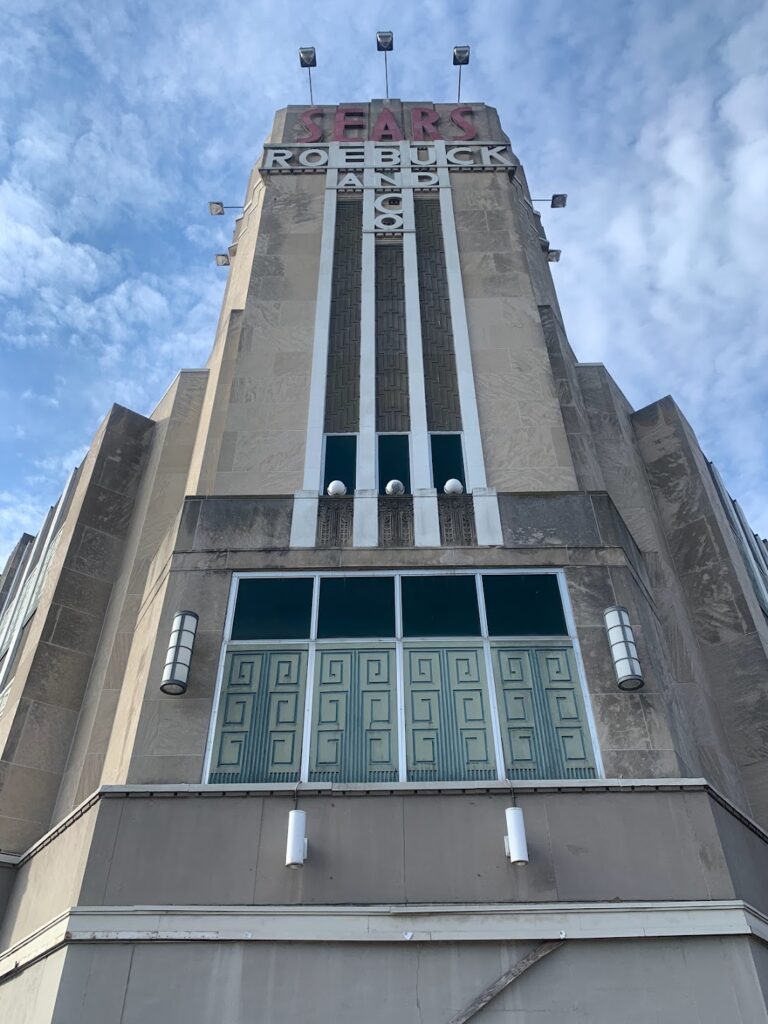
The landmarked Sears Roebuck building, one of the last reminders of the mid-century department stores of Flatbush
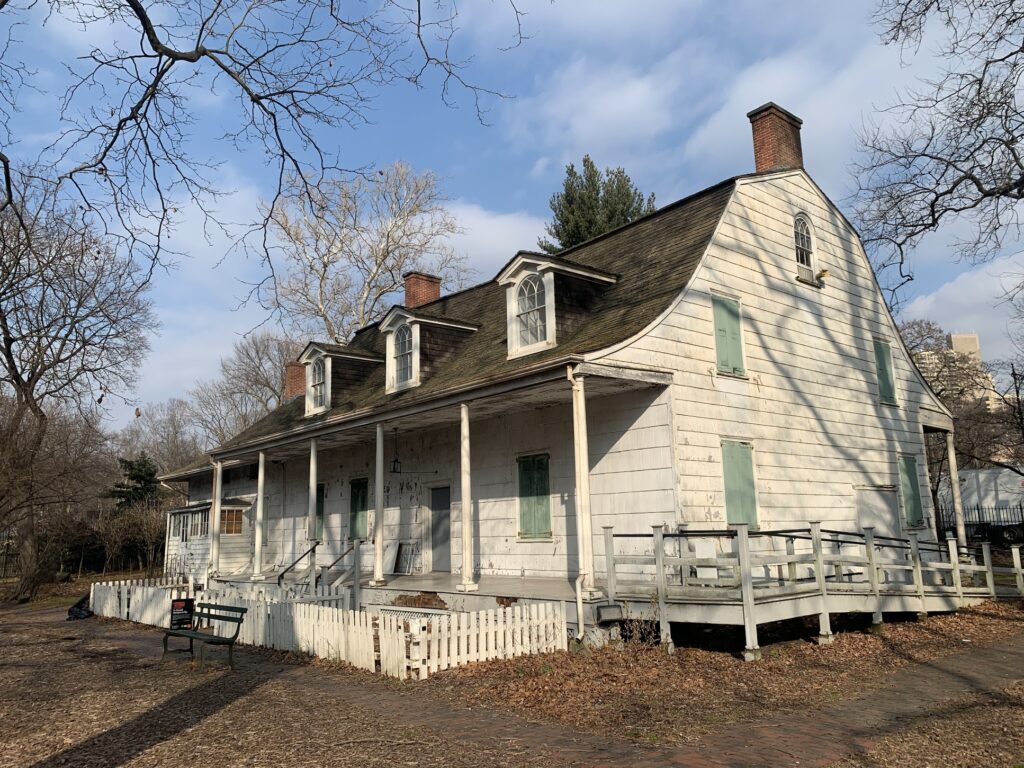
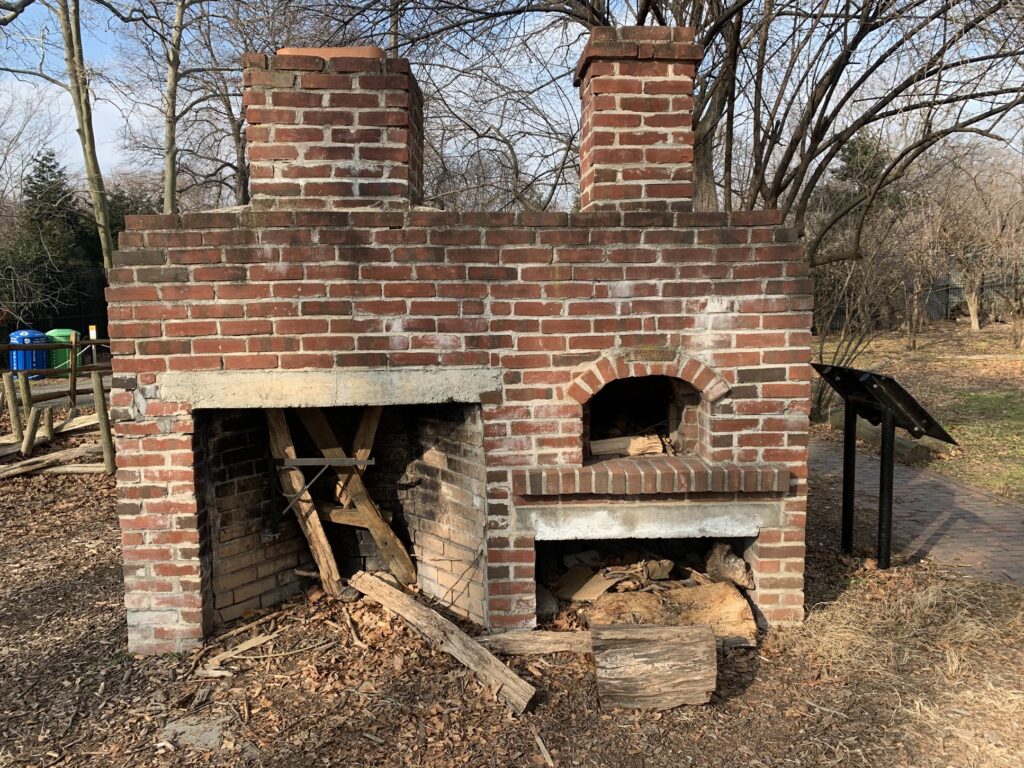
Lefferts Historic House in Prospect Park
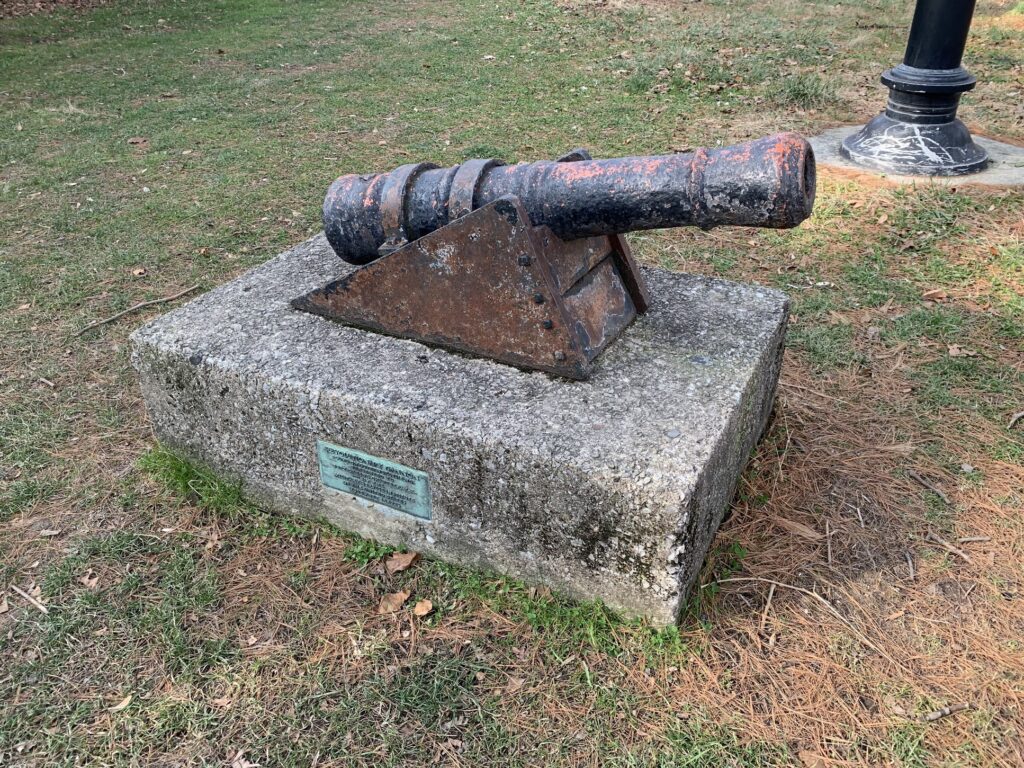
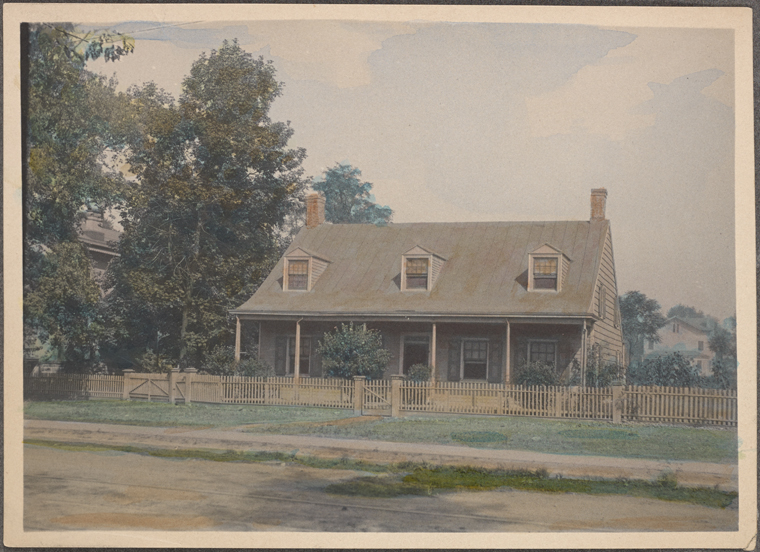
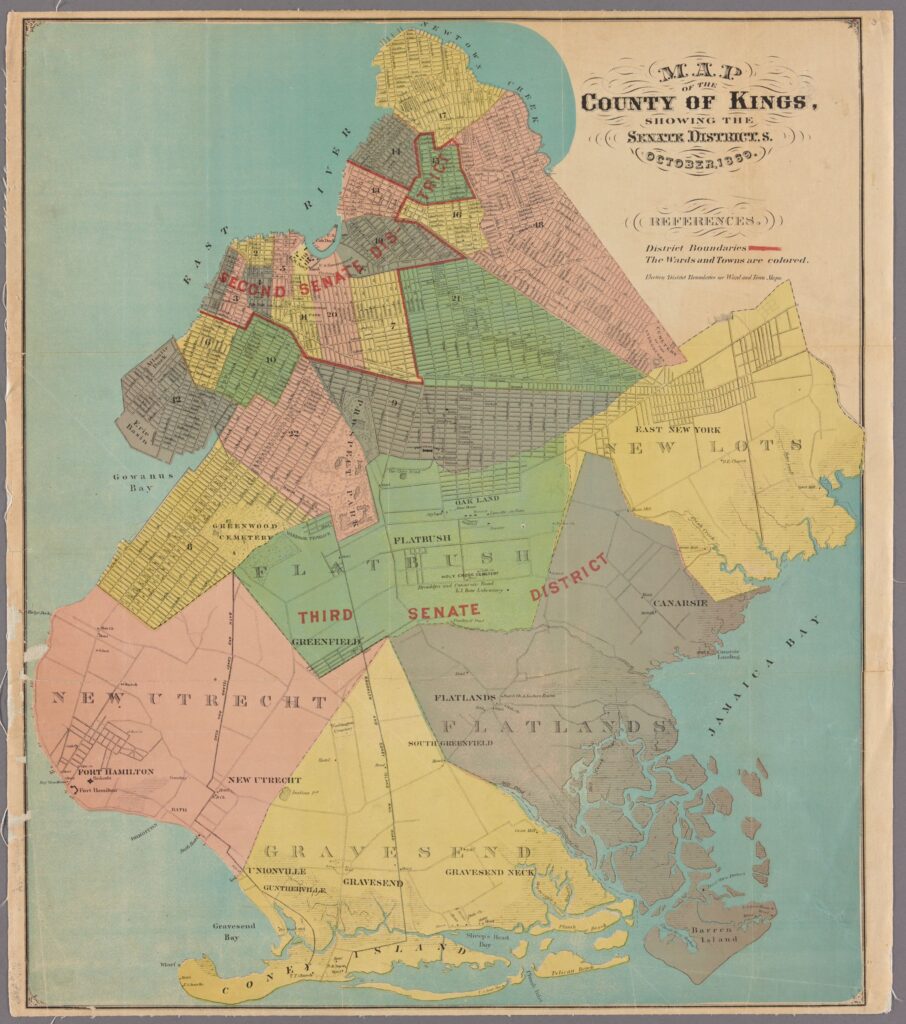
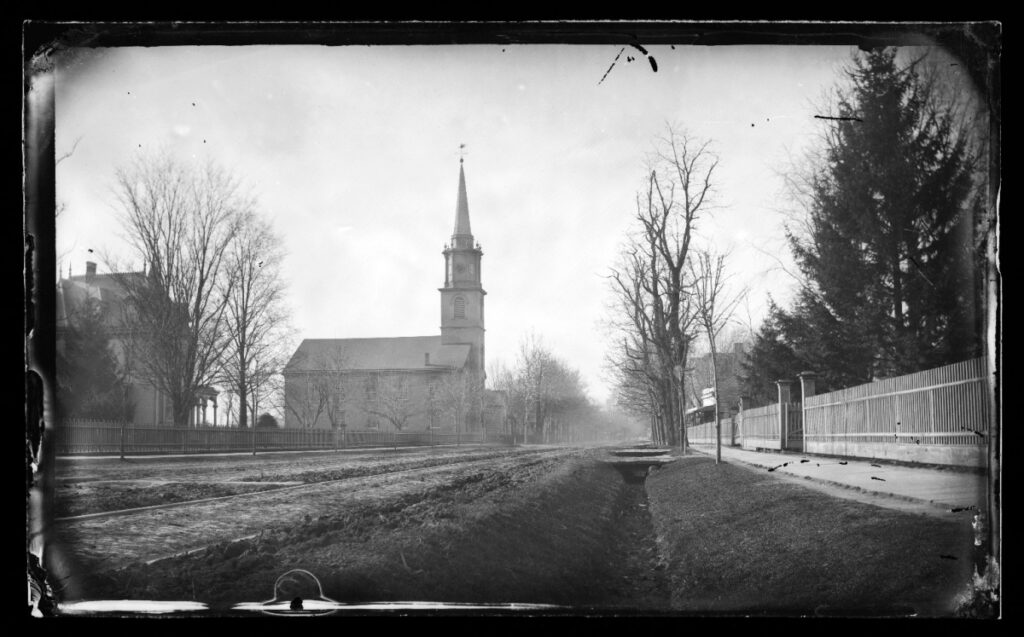
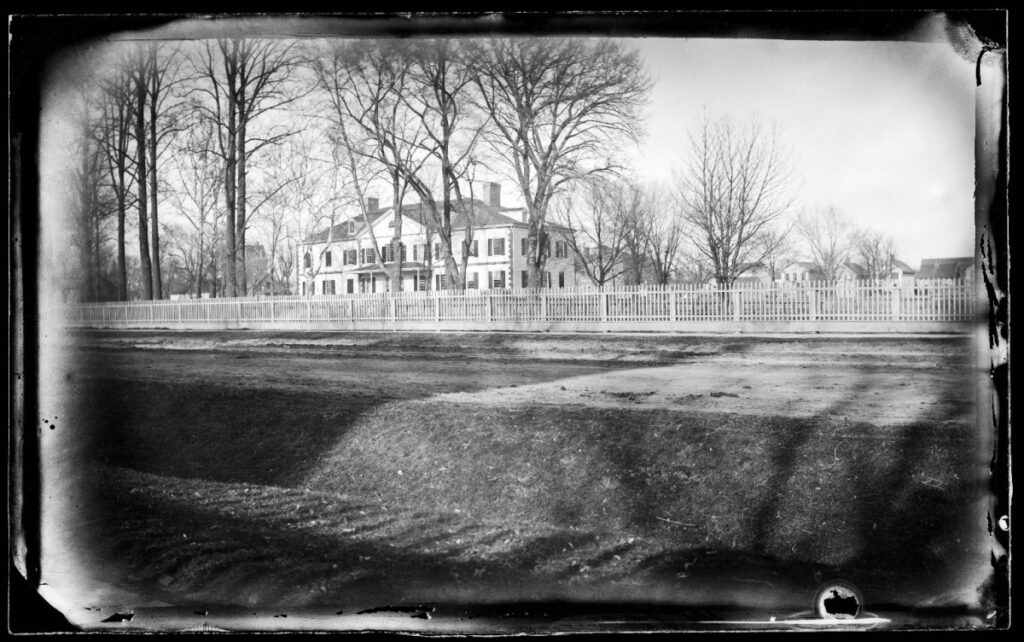
Historic image of the house at its original site (north of Church Avenue) Courtesy New York Public LibraryAn 1869 map of state senate districts in Kings County. (Courtesy New York Public Library)George Bradford Brainerd (American, 1845-1887). Steeple, Flatbush, Brooklyn, ca. 1872-1887. Wet-collodion negative. Prints, Drawings and Photographs. Brooklyn Museum/Brooklyn Public Library, Brooklyn Collection, 1996.164.2-384. (1996.164.2-384_glass_IMLS_SL2.jpg)George Bradford Brainerd (American, 1845-1887). Erasmus Hall, Flatbush, Brooklyn, 1879. Wet-collodion negative. Prints, Drawings and Photographs. Brooklyn Museum/Brooklyn Public Library, Brooklyn Collection, 1996.164.2-159. (1996.164.2-159_glass_IMLS_SL2.jpg)Inside Ebbets Field, 1913, Library of Congress. Here’s an article on their first regular game there.
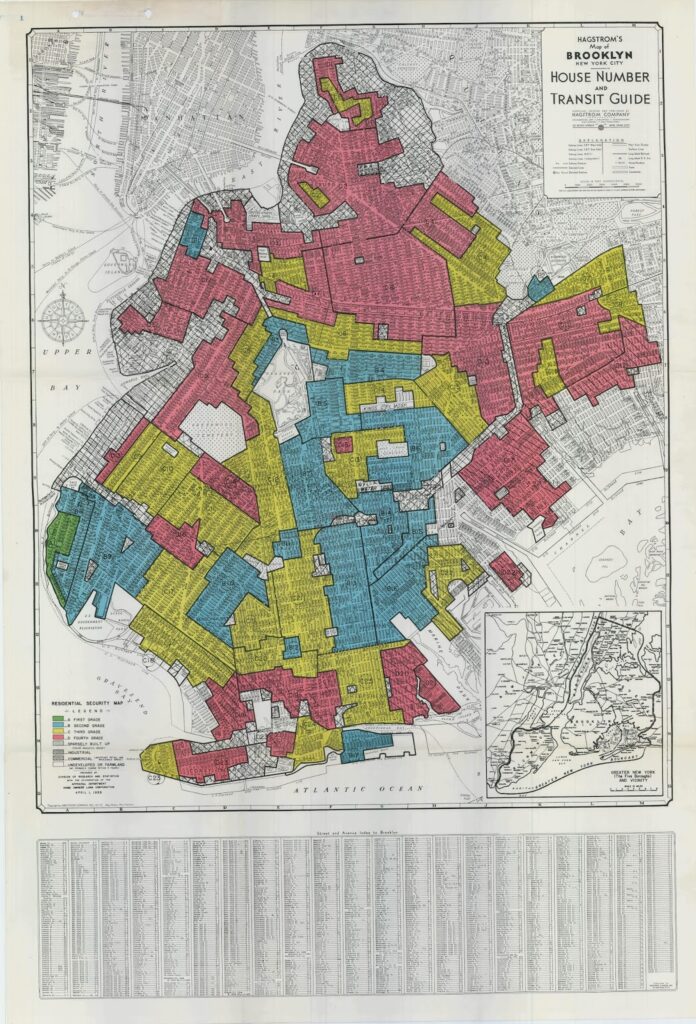
A map of redlined Brooklyn. Flatbush (seen below the Prospect Park white space) has sections in blue, yellow and red.
FURTHER LISTENING
After listening to the story of Flatbush, dive back into these podcasts which touch on some of the themes from this week’s show:
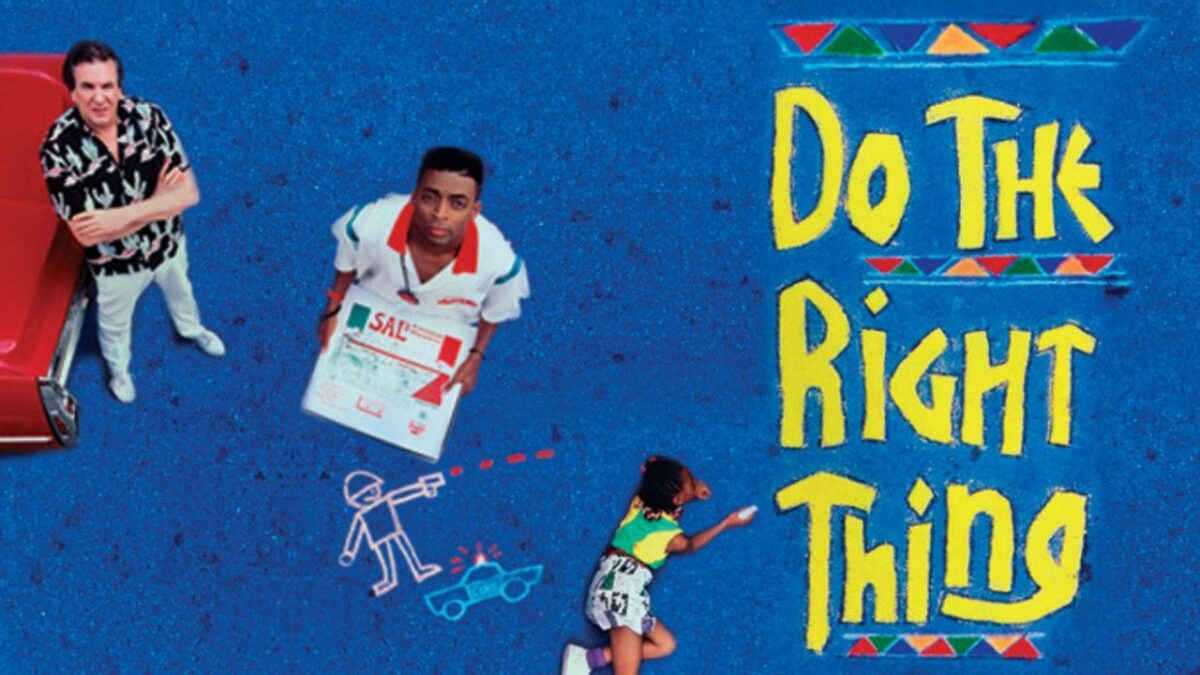
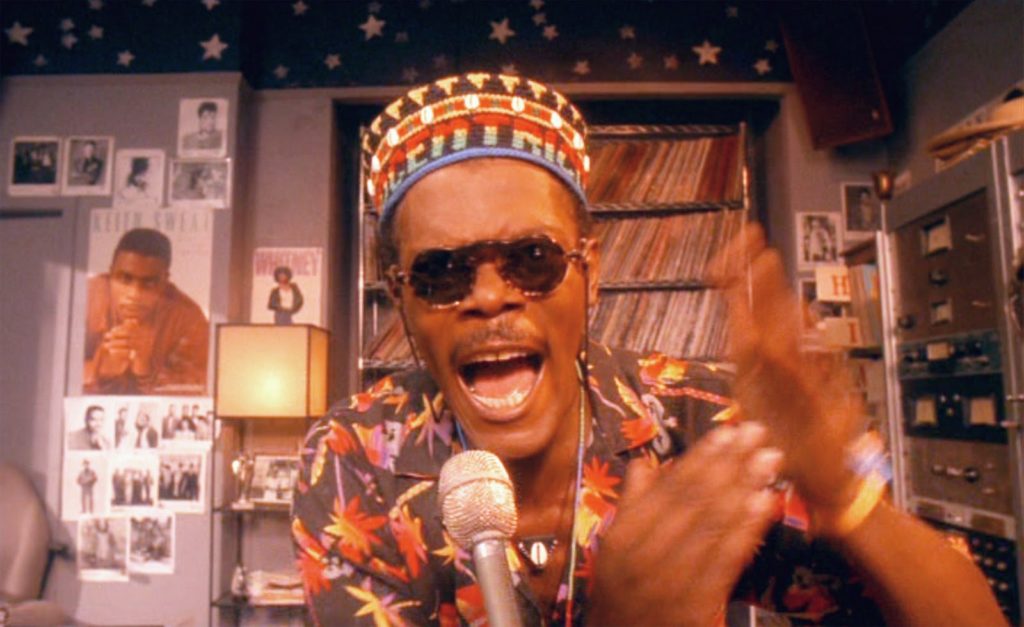
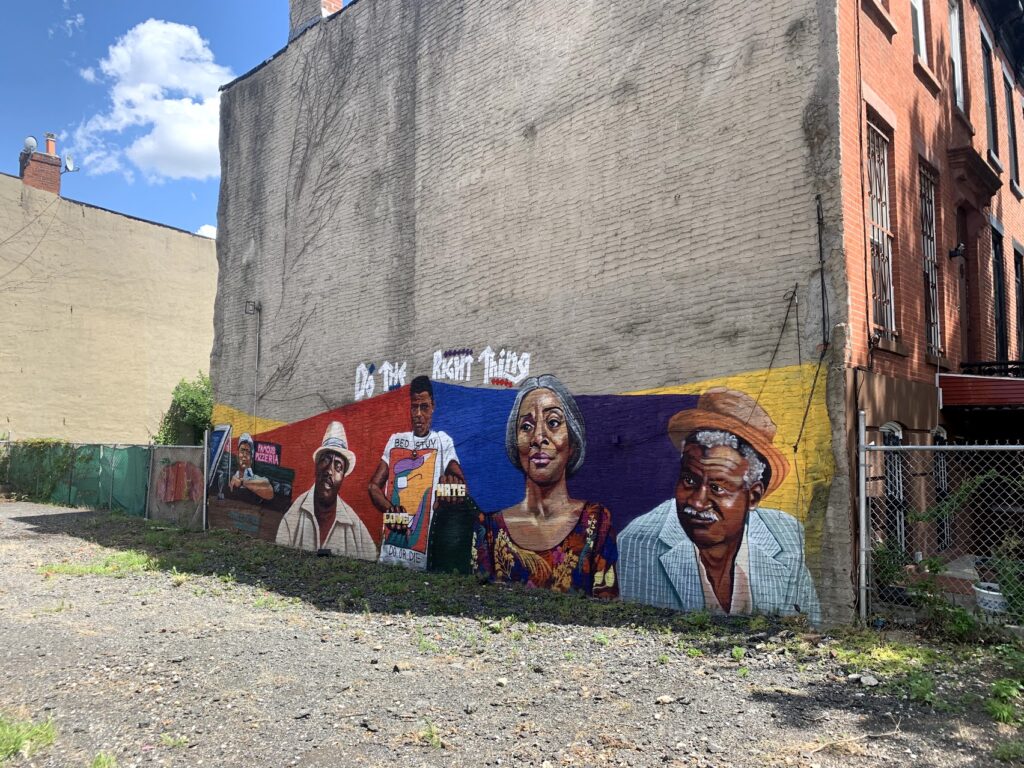
We’re sliding into summer AT LAST — ready for great music, hot dancing and breaking into fire hydrants — and so we’ve just released an epic summertime episode of Bowery Boys Movie Club to the general Bowery Boys podcast audience, exploring the 1989 Spike Lee masterpiece Do The Right Thing.
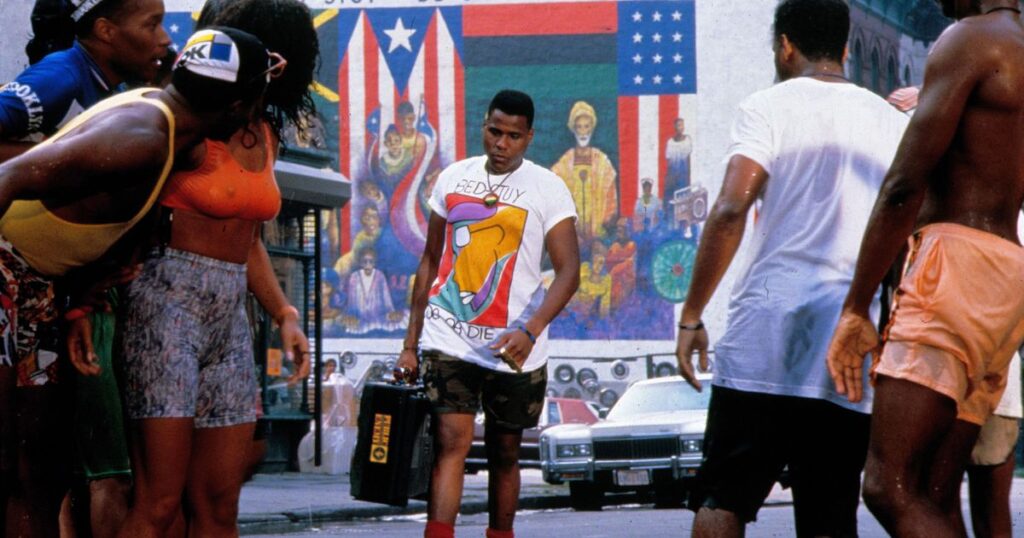
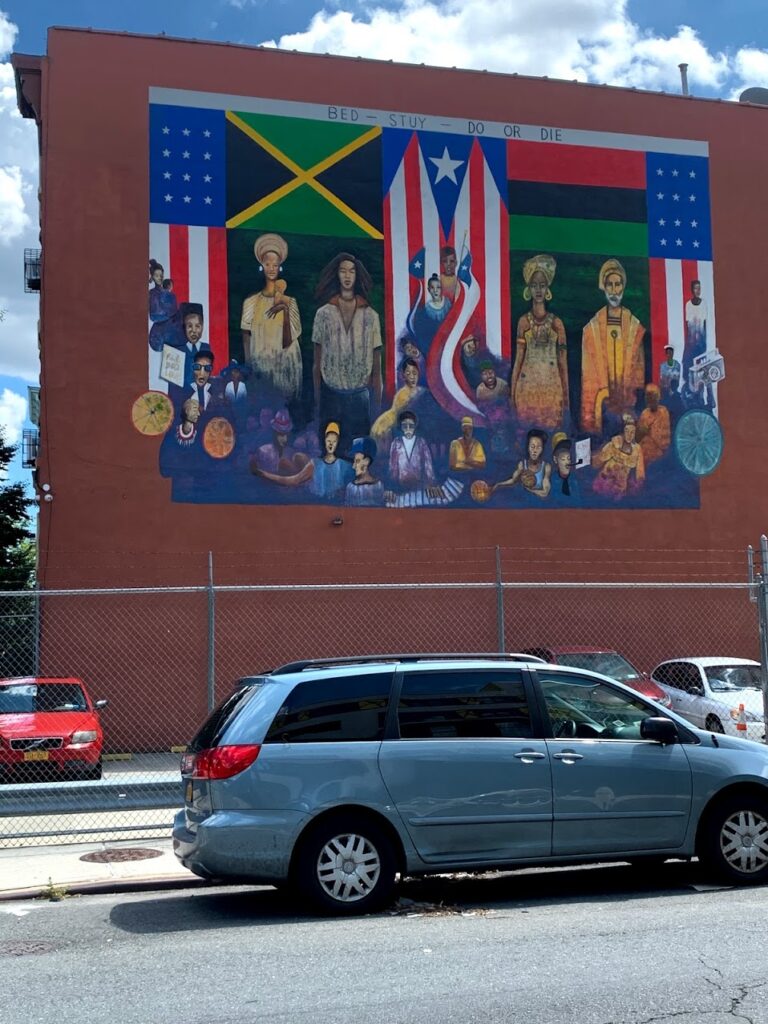
FIGHT THE POWER! In 1989, director Spike Lee electrified film audiences with Do The Right Thing, documenting a day in the life of one block in Bed-Stuy, Brooklyn on one of the hottest days of the summer.
Inspired by both Greek tragedy and actual events in 1980s New York, Lee’s masterpiece observes the racial and ethnic tensions that boil over at an Italian-American owned pizzeria serving a mostly African-American clientele from the neighborhood.
Listen in as Greg and Tom recap the story and explore some of the historical context for the film — the incendiary nature of New York summers, the realistic portrait of everyday life in Brooklyn, and the true-life murders on which Do The Right Thing is based.
Lee has since explored several historical subjects (Malcolm X, blackkklansman, Son of Sam in Summer of Sam) since making Do The Right Thing, but that exquisite marriage of past and present in his films really breaks through here.
And it doesn’t hurt that his cast includes actors that would become some of Hollywood’s biggest stars.
This episode is made possible by our supporters on Patreon, and is part of our patron-only series Bowery Boys Movie Club. Join us on Patreon to access all Movie Club episodes, along with other patron-only audio.
Shouldyouwatchthemoviebeforeyoulistentothisepisode? This podcast can be enjoyed both by those who have seen the film and those who’ve never even heard of it.
We think our take on Do The Right Thing might inspire you to look for the film’s many fascinating (but easy to overlook) historical details, so if you don’t mind being spoiled on the plot, give it a listen first, then watch the movie! Otherwise, come back to the show after you’ve watched it.
Where can you watch Do The Right Thing? It’s available to rent on all movie streaming services and is free to watch on the new NBC streaming service Peacock.
Listen to our podcast on the history of the Silent Parade of 1917here:
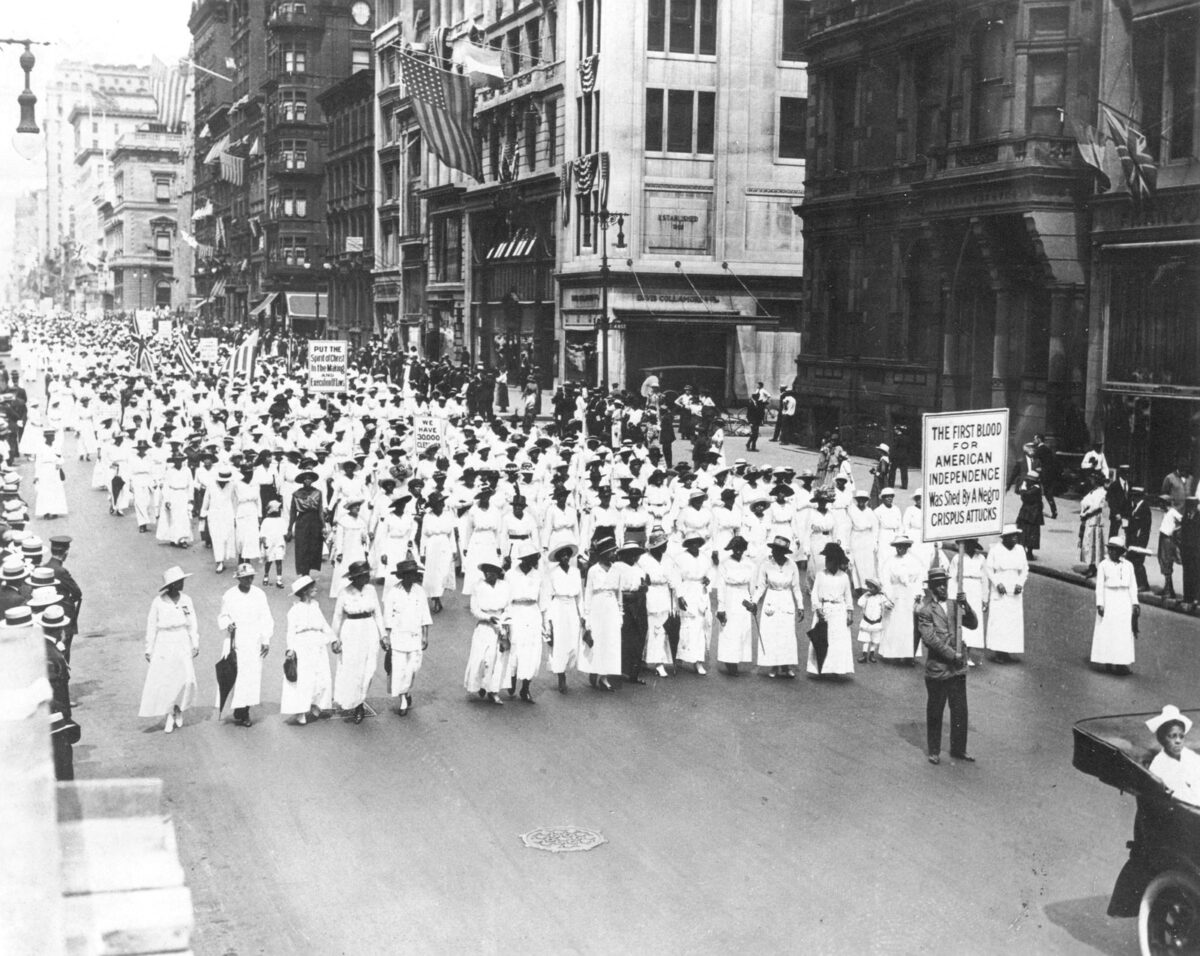
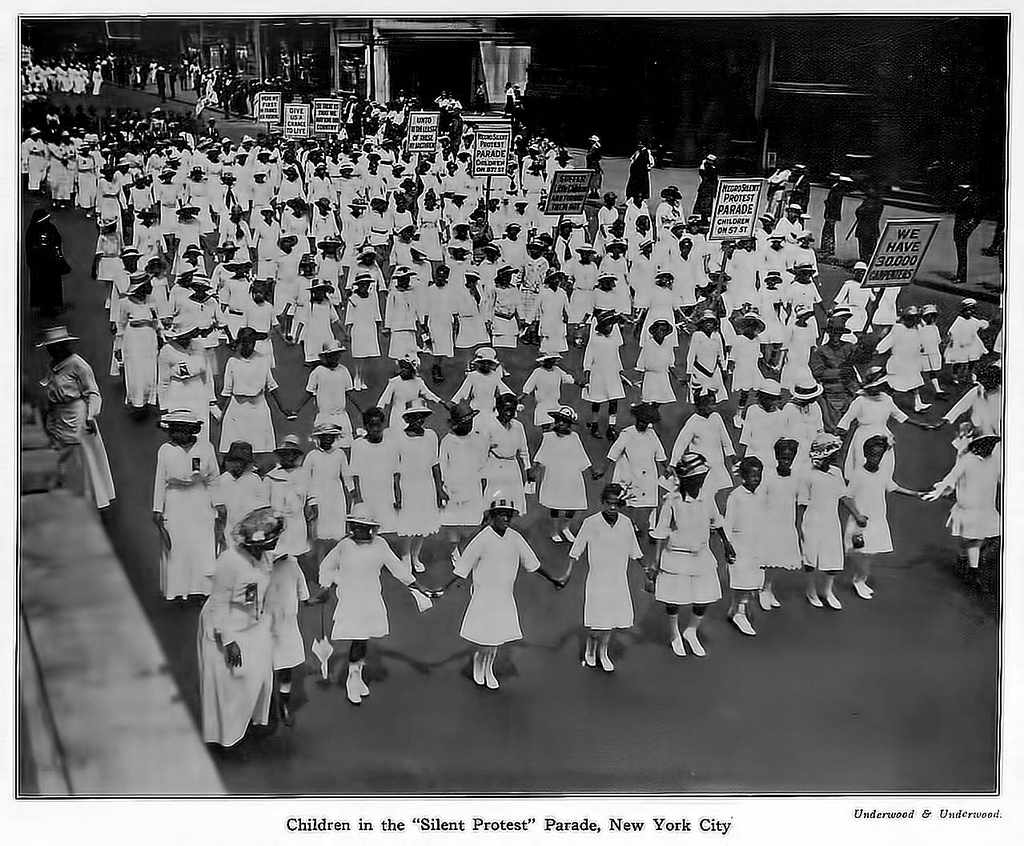
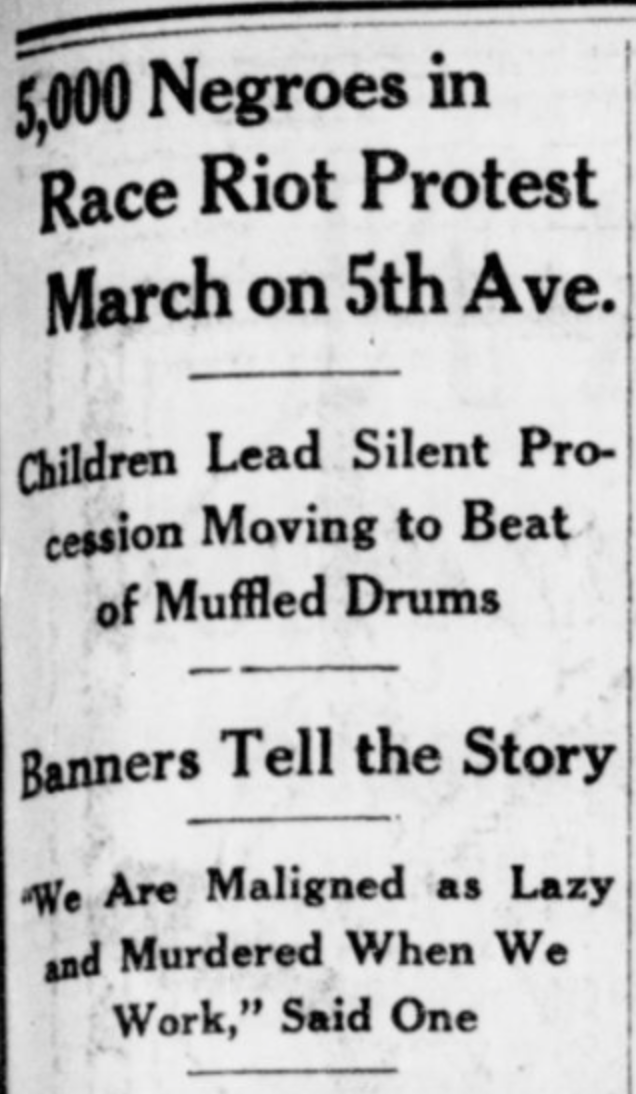
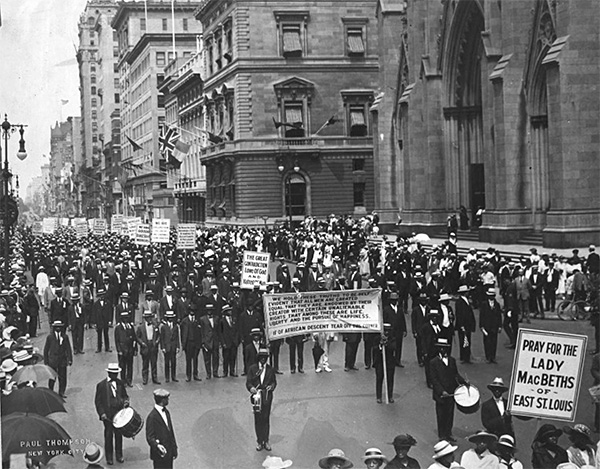
“To the beat of muffled drums 8,000 negro men, women and children marched down Fifth Avenue yesterday in a parade of ‘silent protest against acts of discrimination and oppression’ inflicted upon them in this country, and in other parts of the world. Without a shout or a cheer they made their cause known through the many banners which they carried, calling attention to Jim Crowism, segregation, disfranchisement, and riots of Waco, Memphis and East St. Louis.” — New York Times
The Silent Parade of July 28, 1917, was unlike anything ever seen in New York City. Today it is considered New York’s (and most likely America’s) first African-American civil rights march.
New York had seen its share of protest parades since the start of World War I, but none had featured so prominently the city’s African-American population, gathering in such impressive numbers along New York’s wealthiest street.
This extraordinary procession was organized by the National Association of the Advancement of Colored People (NAACP), a group of concerned black and white activists and intellectuals which had formed less than a decade earlier in New York.
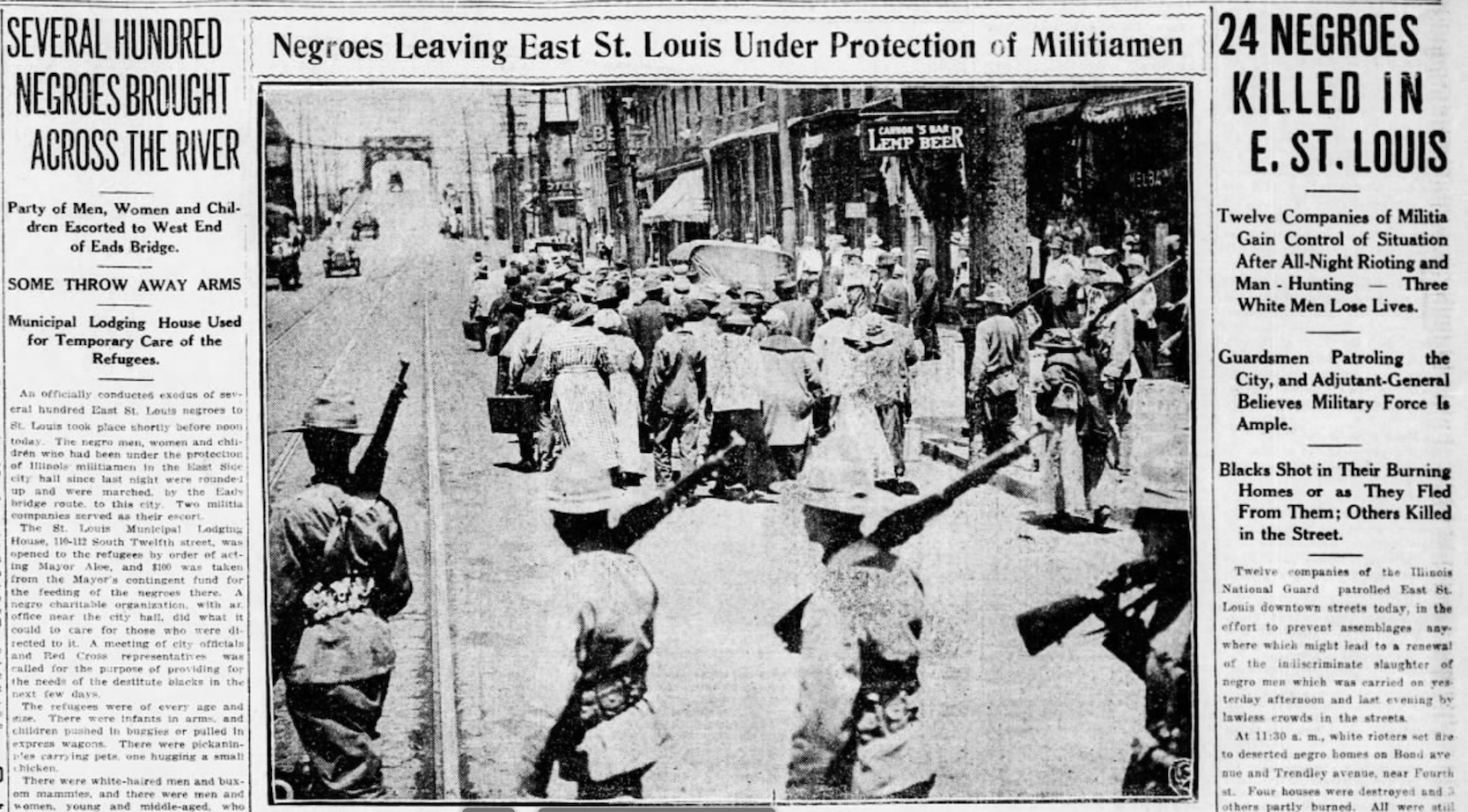
The march was organized in direct response to a horrible plague of violence against black Americans in the 1910s, culminating in the East St. Louis Riots*, a massacre involving white mobs storming black neighborhoods in sheer racial animus.
In Illinois, two sets of riots in May and July 1917 left almost 200 people dead. Rioters burned black neighborhoods, cutting off water hoses and watched as families fled the burning buildings — to be picked off by gunmen.
This massacre was but one of several violent incidents aimed at new black laborers, pointed attacks meant to strike fear in the hearts of black Americans.
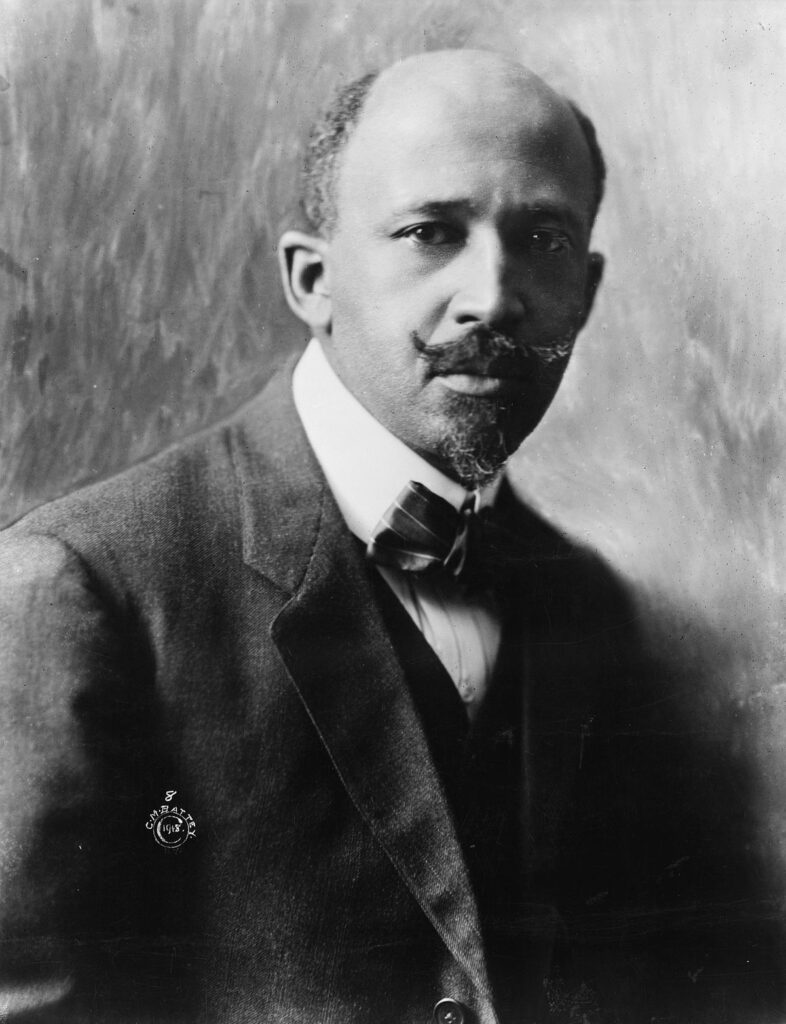
The circumstances of World War I exacerbated an already volatile crisis. As W.E.B. DuBoiswould explain it,
“The Negro, attracted by higher wages in the North and repelled by the menace of lynchinig and caste in the South moves in to fill the new labor demand [caused by the war]. The common laborer in the North is caught between the tyranny of exclusive trade unions and the underbidding of blacks. The rest is murder and riot and unrest…. White Northern laborers find killing Negroes a safe, lucrative employment which commends them to the American Federation of Labor.”
W.E.B Du Bois in 1918.
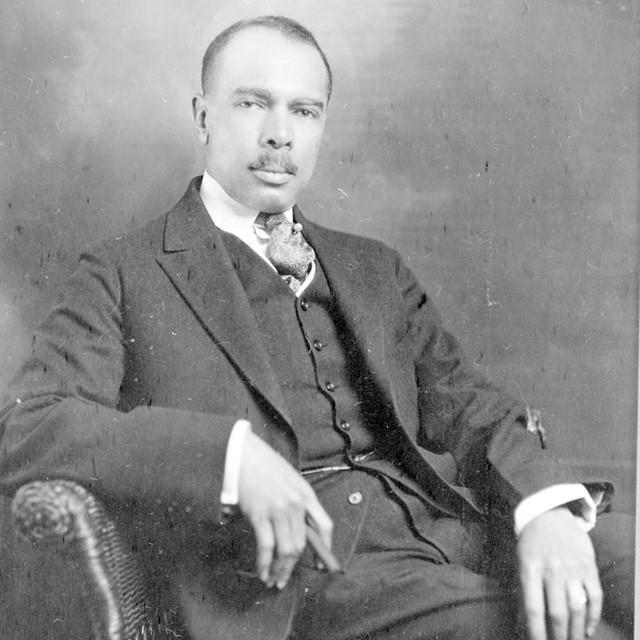
In New York, at a meeting of the NAACP in Harlem, president James Weldon Johnson (at the suggestion of New York Evening Post editor Oswald Villard) proposed an unusual but effective form of protest — an army of marchers along Fifth Avenue, drawing attention to the victims of the East St. Louis riot.
And in an unprecedented decision by the organizers, it would consist only of black marchers.
Underwood & Underwood
New York newspaper reports of the riot passively mentioned the tragic cost to the black residents of East St. Louis; a dramatic march down the city’s most prosperous street — comprised of those very people most likely to be victimized in such riots — would jar the delicate sensibilities of insulated New Yorkers.
This was a fairly radical idea for its time. Decades after the Civil War, most Americans, even in the most progressive states, still looked skeptically at organized black movements. Part of the NAACP’s early legitimacy for many was that it was formed by a mixture of black and white activists.
James Weldon Johnson, one of the architects of the Silent Parade
In 1915, the NAACP (in a crusade led by newspaper editor William Monroe Trotter) protested the release of the film Birth of a Nation, the trailblazing film that positively depicted the Ku Klux Klan while demonizing African-Americans. The protests failed to stop the film’s release but this organized resistance galvanized the NAACP and the black community for future battles.
While the East St. Louis tragedy was the focus of the mournful July 28th gathering, the march was intended as a larger protest against civil rights abuses in the United States. One of many flyers passed around during the march declared :
“We march because we are thoroughly opposed to Jim Crow cars, segregation, disenfranchisement and the host of evils that are forced upon us. We march in memory of our butchered dead, the massacre of honest toilers who were removing the reproach of laziness and thriftlessness hurled at the entire race. They died to prove our worthiness to live. We live in spite of death shadowing us and ours.”Â
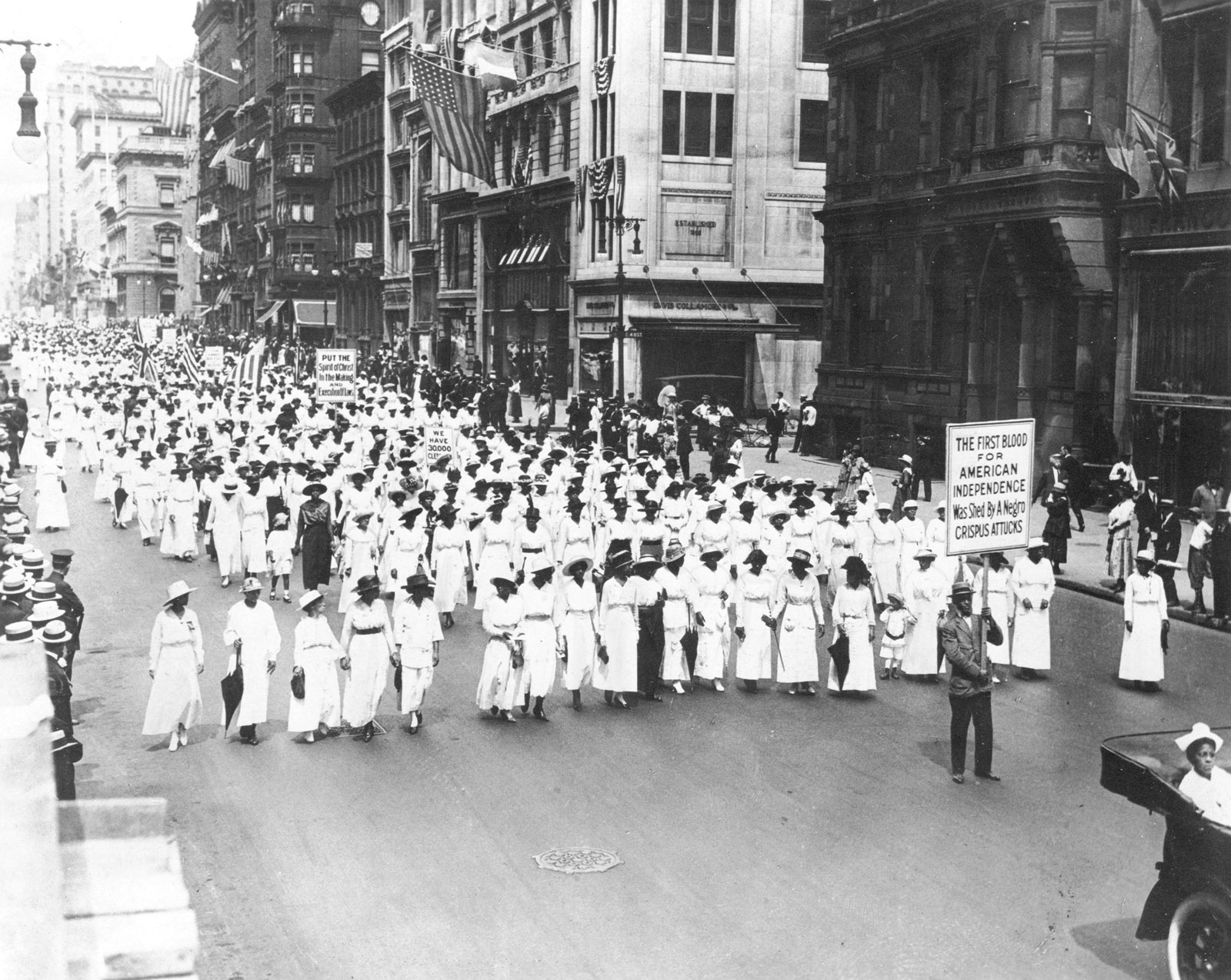
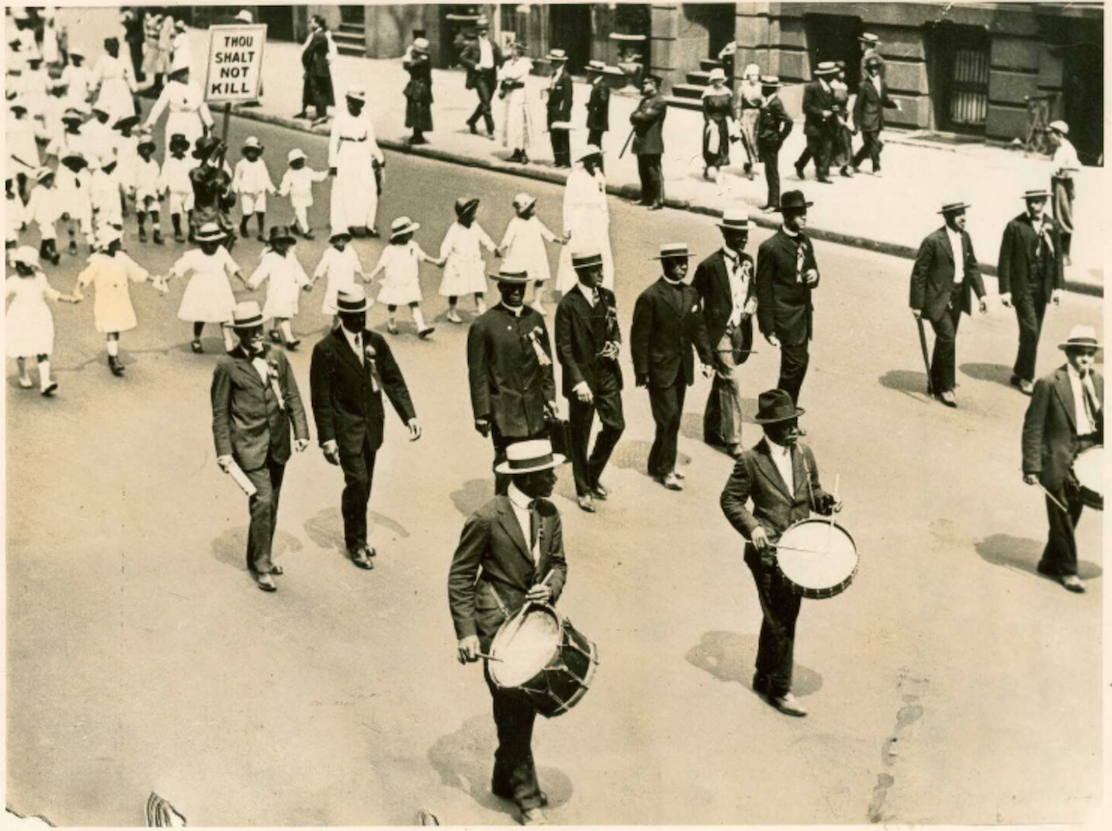
Below: The organizers marched in front of the women and children. At far right are W.E.B. Du Bois and James Weldon Johnson.
Underwood and Underwood
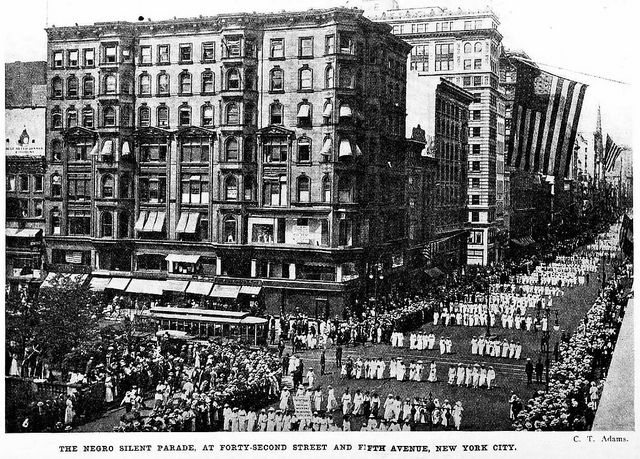
The thousands of people who marched that day came from virtually every African-American church in New York City and the surrounding area. A drum corps and a troupe of black Boy Scouts vibrantly led the parade, with women and children following behind, garbed in white dresses.
The men, some in United States army uniforms, marched last behind a row of flag bearers, holding representative flags from the United States, Great Britain, Liberia and Haiti.
New York Tribune
There were no chants or rallying cries. The throng remained silent during the length of the parade, a commonpractice for peace parades but one pregnant with meaning here. The black communities in East St. Louis and in the South had little opportunity to engage in such protests.
New Yorkers, in solidarity, would echo that reverberating silence. (It may also have been prudent for large groups of African-Americans marching along the city’s whitest street to keep themselves calcified.)
The marchers were orderly and stone-faced as they walked down Fifth Avenue — from 57th Street to 24th Street, culminating at Madison Square Park. They were not allowed to gather there; according to the New York Sun, “When the marchers reached Twenty-Fourth Street, they turned west and were dismissed.”
While there were no chants, political intentions were made known via a series of banners interspersed among the marchers:
‘Your Hands Are Full of Blood’
‘Pray for the Lady Macbeths of East St. Louis’**
‘We Are Maligned as Lazy and Murdered When We Work’
‘From Bunker Hill to Carrizal*** We Have Done Our Duty’
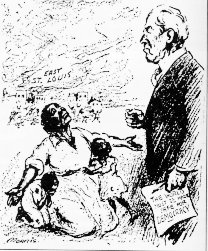
One ‘controversial’ sign was thrown out of the march. According to the Times, the sign “displayed a picture of a negro woman kneeling before President Wilson and appealing to him to bring democracy to America before carrying it to Europe.” The police intervened, and the sign was removed.
Below: A newspaper illustration that was most certainly used in the offending sign
No other incidents surrounding the march were reported that day. Thousands of onlookers had lined the parade route that day out of curiosity, amusement, pride, anger and joy. Some were shaken to the core.
“[T]he streets of New York have witnessed many strange sites, but I judge, never one stranger than this; among the watchers were those with tears in their eyes. — James Weldon Johnson, The Autobiography of James Weldon Johnson, 1937
FURTHER LISTENING
After you’ve listened to this podcast on the Silent Parade of 1917, check out these past episodes of our show that feature topics referenced in the new episode:
NOTE: The number of marchers so widely varies from source to source that I can safely say that it was between 5,000 and 15,000 marchers. Not exactly precise! Judging from all reports, I would guess the actual number is closer to 15,000.
*East St. Louis, on the Illinois side, is about 15 miles away from Ferguson, the St. Louis suburb on the Missouri side.
**According to authorNikki Brown, the ‘Lady Macbeth’ sign references “an alleged incident wherein at least two white women pulled black women off a streetcar, tore off one woman’s clothing and ‘then took off her shoes and beat her over the face and head with their shoe heels’.”
***The Battle ofCarrizal had been fought in Mexico a year before the march. Unlike the battles in Europe, African-American soldiers served with American units on the front lines of this engagement.
PODCAST The history of African-American settlements and neighborhoods which once existed in New York City
Today we sometimes define New York City’s African-American identity by the places where thriving black culture developed – Harlem, of course, and also Crown Heights and Bedford-Stuyvesant, neighborhoods that developed for groups of black residents in the 20th century.
But by no means were these the first in New York City. Other centers of black and African-American life existed long before then. In many cases, they were obliterated by the growth of the city, sometimes built over without a single marker, without recognition.
This is the story of a few of those places. From the ‘land of the blacks‘ — the home to New Amsterdam and British New York’s early black population — to Seneca Village, a haven for black lives that was wiped away by a park.
From Little Africa — the Greenwich Village sector for the black working class in the late 19th century — to Sandy Ground, a rural escape in Staten Island with deep roots in the neighborhood today.
And then there’s Weeksville, Brooklyn, the visionary village built to bond a community and to develop a political foothold.
The episode is a rebroadcast of a show which first aired on June 9, 2017. Stay tuned to the end of this show for some newly written material and an update on the Black Gotham Experience and the Weeksville Heritage Center.
To get this week’s episode, just find our show onStitcher or your favorite podcast streaming service. Or listen to it here:
The Bowery Boys: New York City History podcast is brought to you …. by you!
We are now producing a new Bowery Boys podcast every week. We’re also looking to improve and expand the show in other ways — publishing, social media, live events and other forms of media. But we can only do this with your help!
We are now a creator on Patreon, a patronage platform where you can support your favorite content creators.
Please visit our page on Patreon and watch a short video of us recording the show and talking about our expansion plans.
If you’d like to help out, there are six different pledge levels. Check them out and consider being a sponsor.
We greatly appreciate our listeners and readers and thank you for joining us on this journey so far.
Our thanks to Weeksville Heritage Center and Black Gotham Experience. Visit their websites for further information about upcoming events and programs. In addition please check out the Sandy Ground Historical Society for information about this important site in Staten Island.
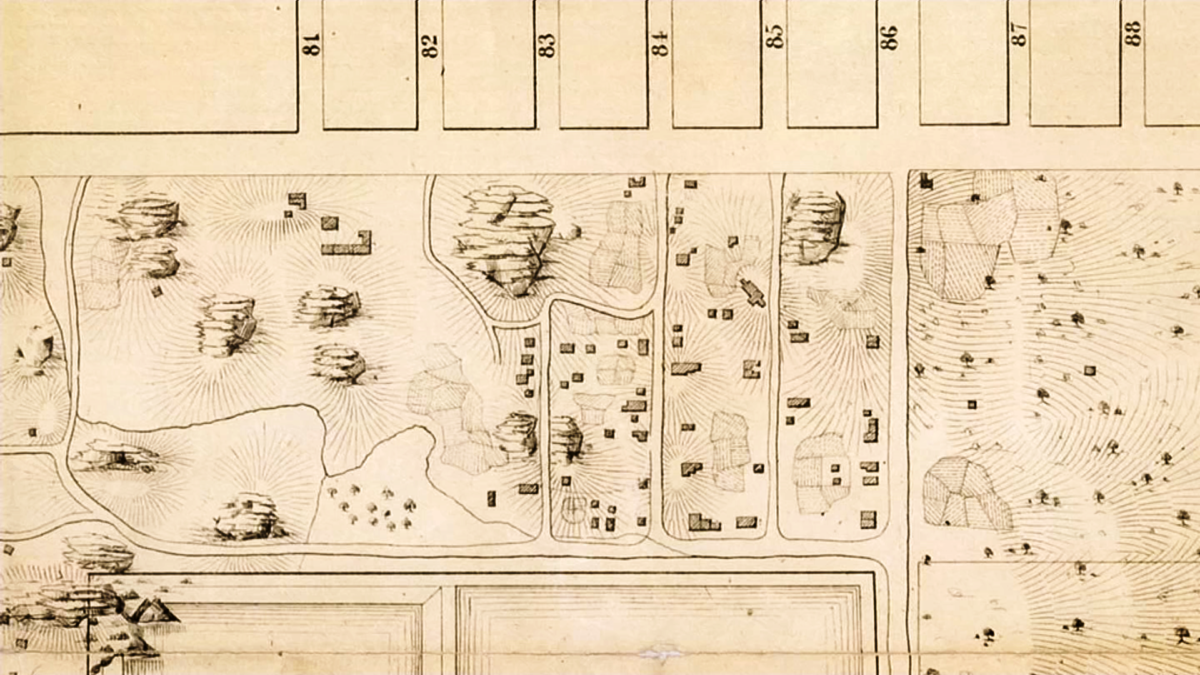
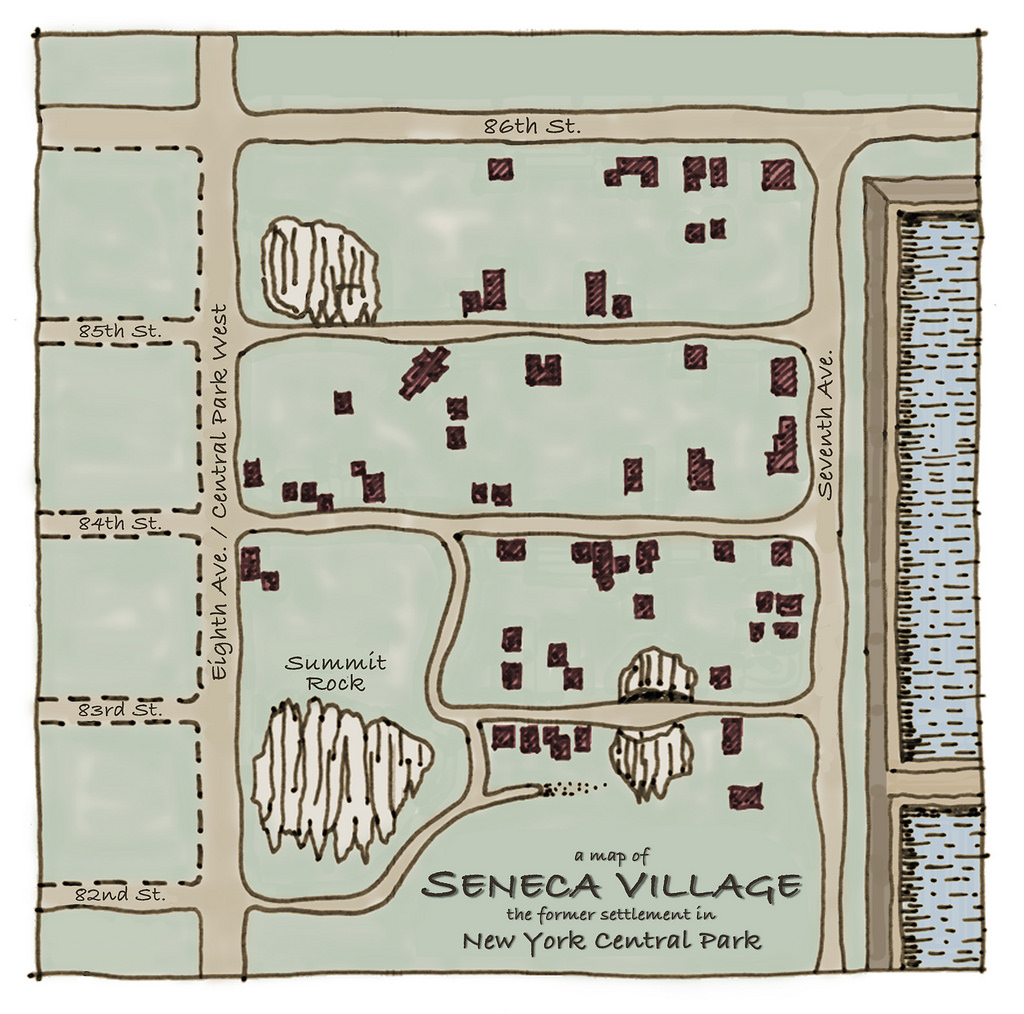
This map of Seneca Village was made by Andy Proehlillustrating what the settlement looked like in the years before its destruction.
Courtesy Andy Proehl/Flickr
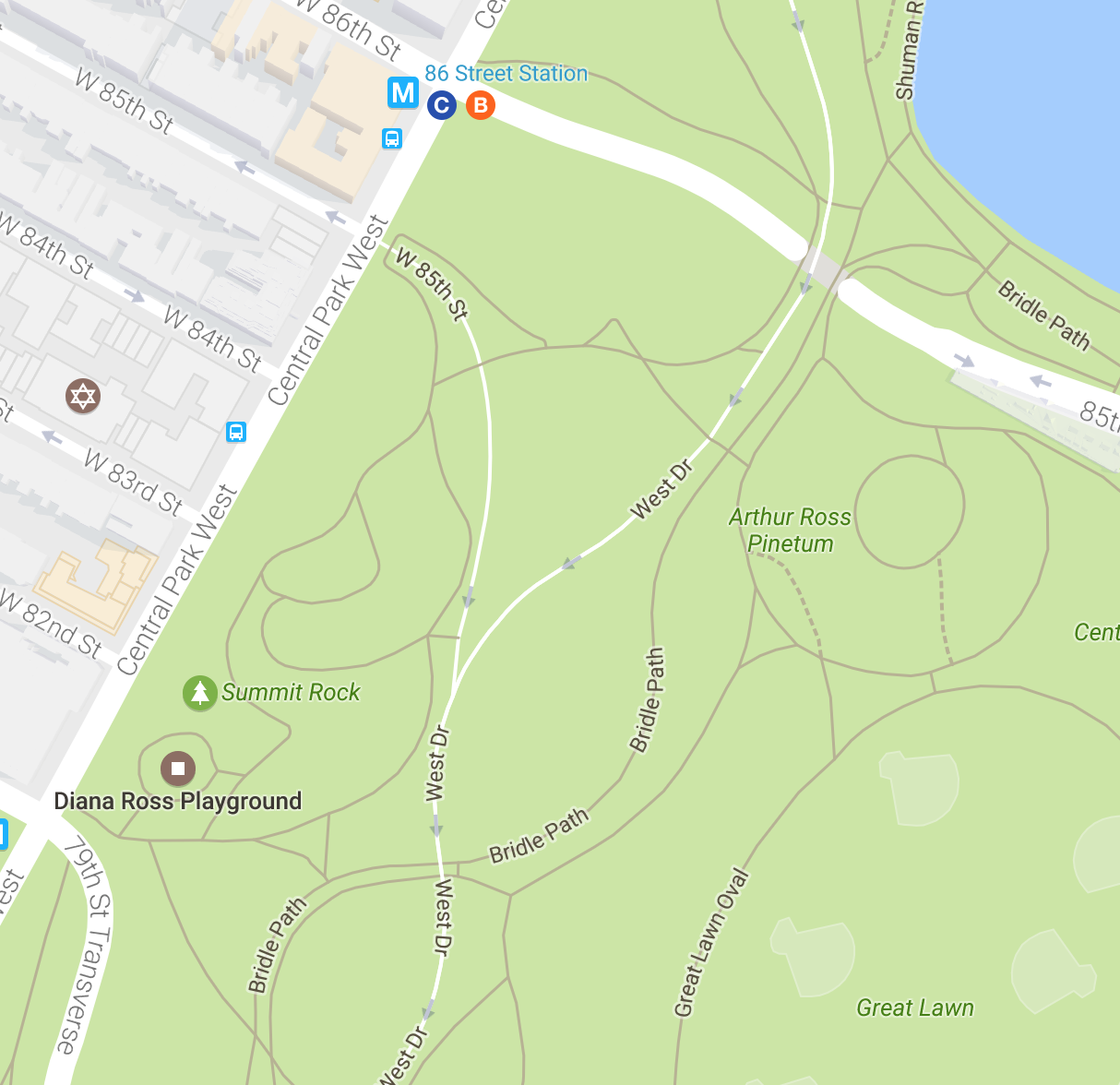
The approximate area via Google Maps. The Great Lawn now sits on the spot where the reservoir is.
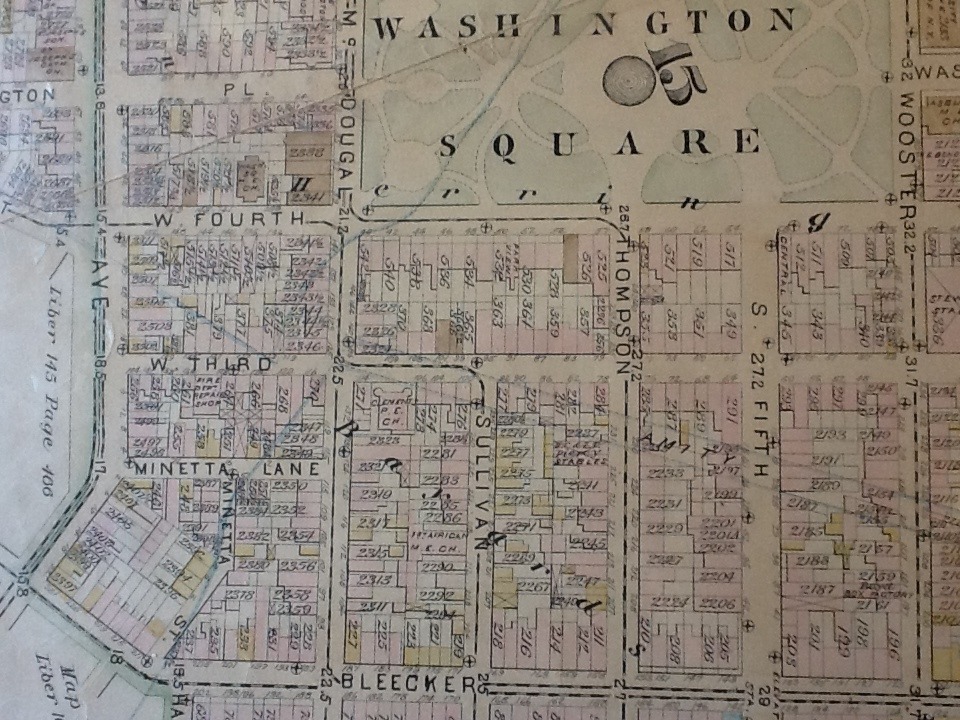
The approximate area of Little Africa. The map is from 1889.
NYPL via Greenwich Village Society of Historical Perseveration
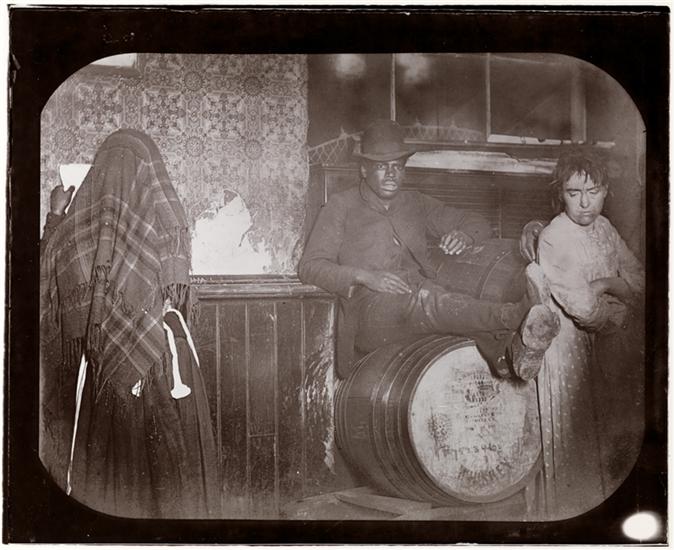
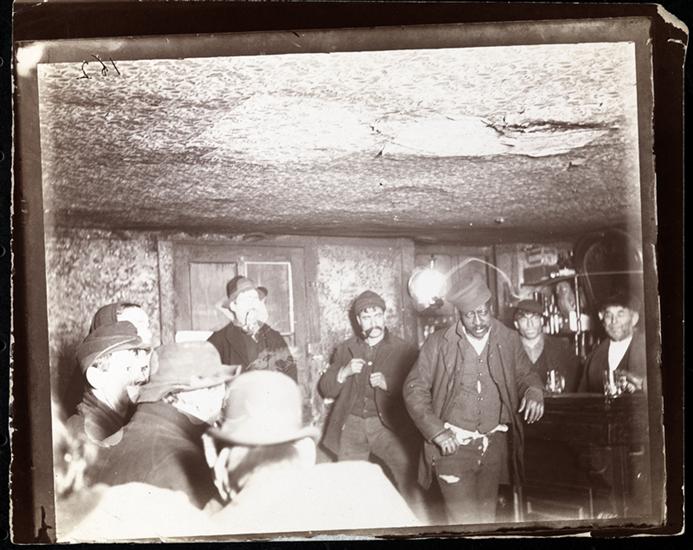
Richard Hoe Lawrence and Jacob Riis’s images of a “Black and Tan” dive bar on Broome Street near Wooster Street, 1890.
Courtesy Museum of the City of New York
Courtesy Museum of the City of New York
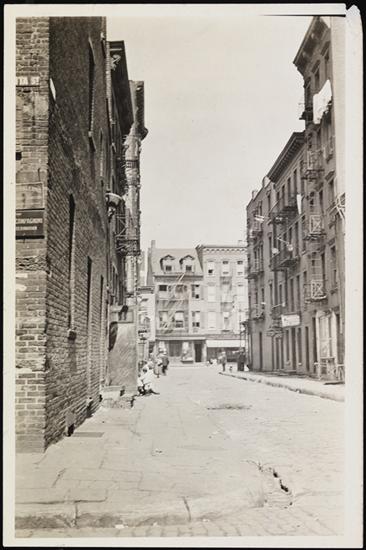
Minetta Lane, circa 1900.
MCNY
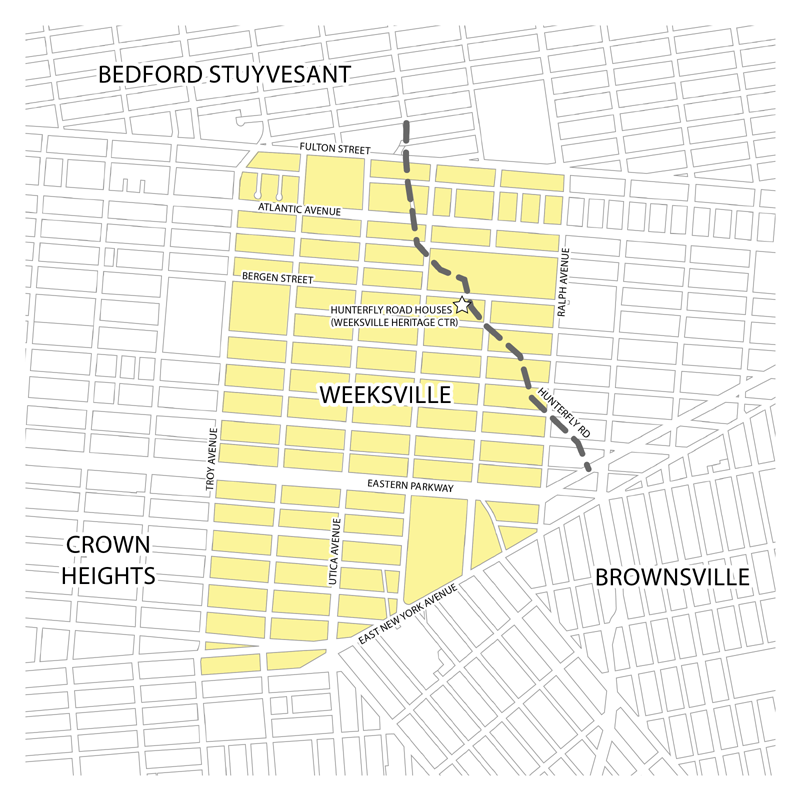
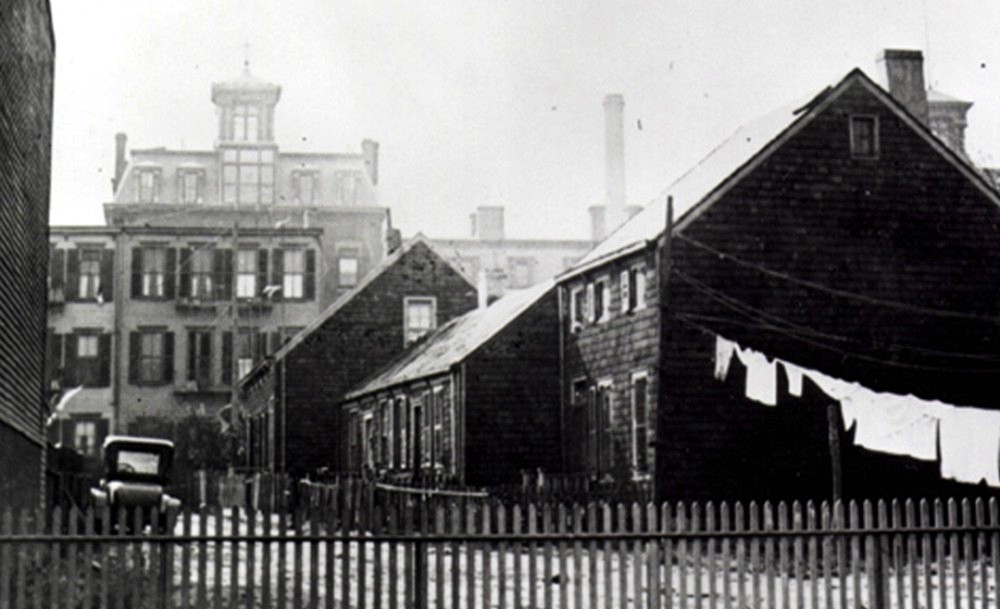
The approximate location of Weeksville, Brooklyn
Wikipedia
Brooklyn Public Library
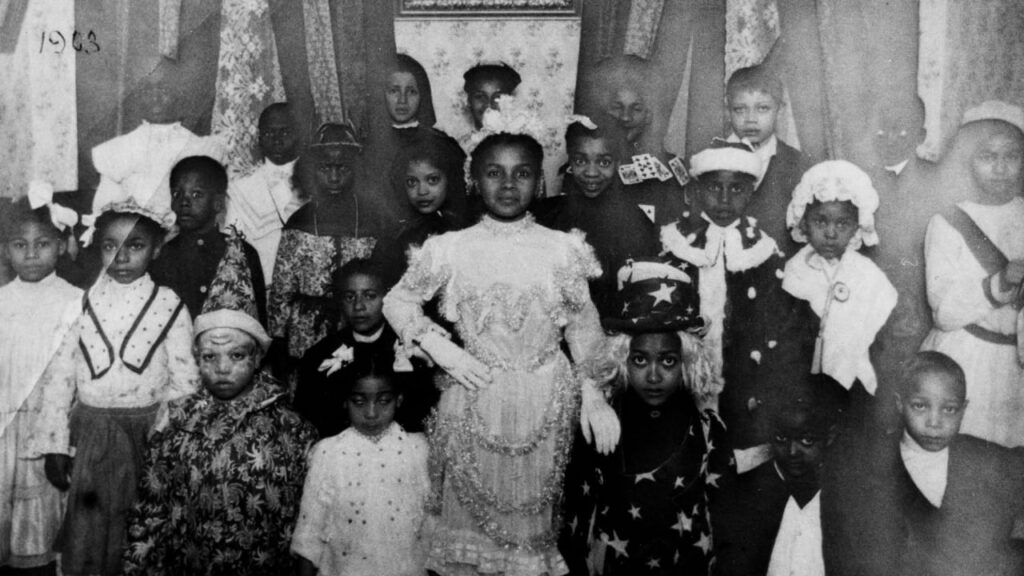
Halloween party by photographer and Weeksville resident Alexander Moore. [PHOTO: PERCY F. MOORE COLLECTION, COURTESY OF THE 5TH OF JULY RESOURCE CENTER FOR SELF-DETERMINATION & FREEDOM, WEEKSVILLE HERITAGE CENTER]
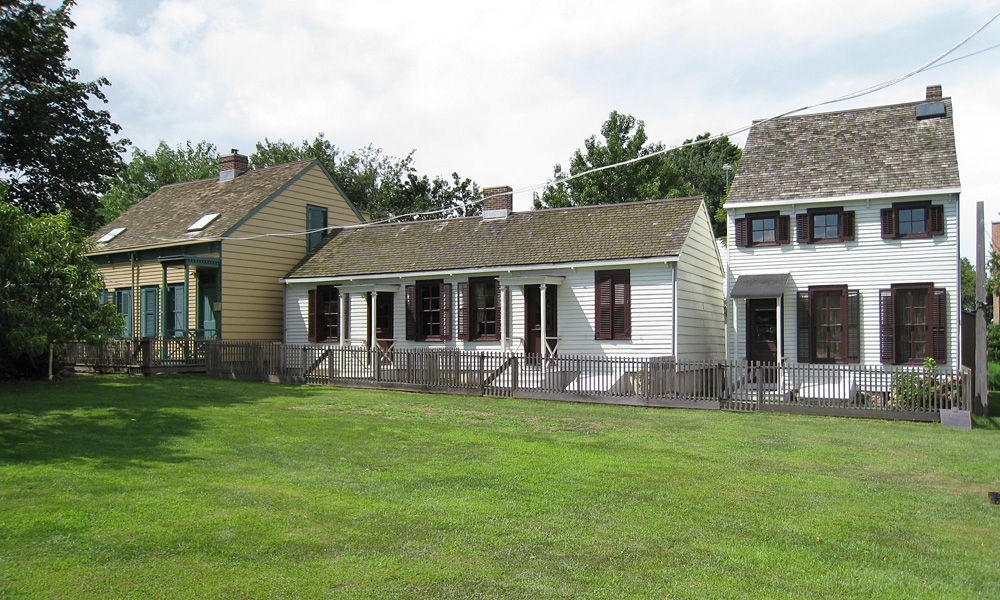
The three surviving houses today
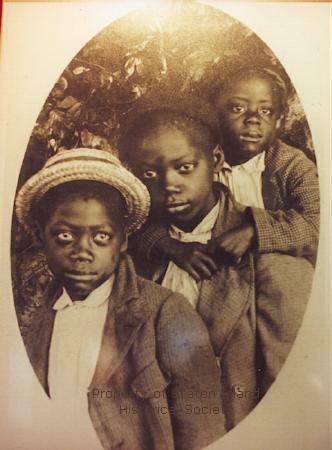
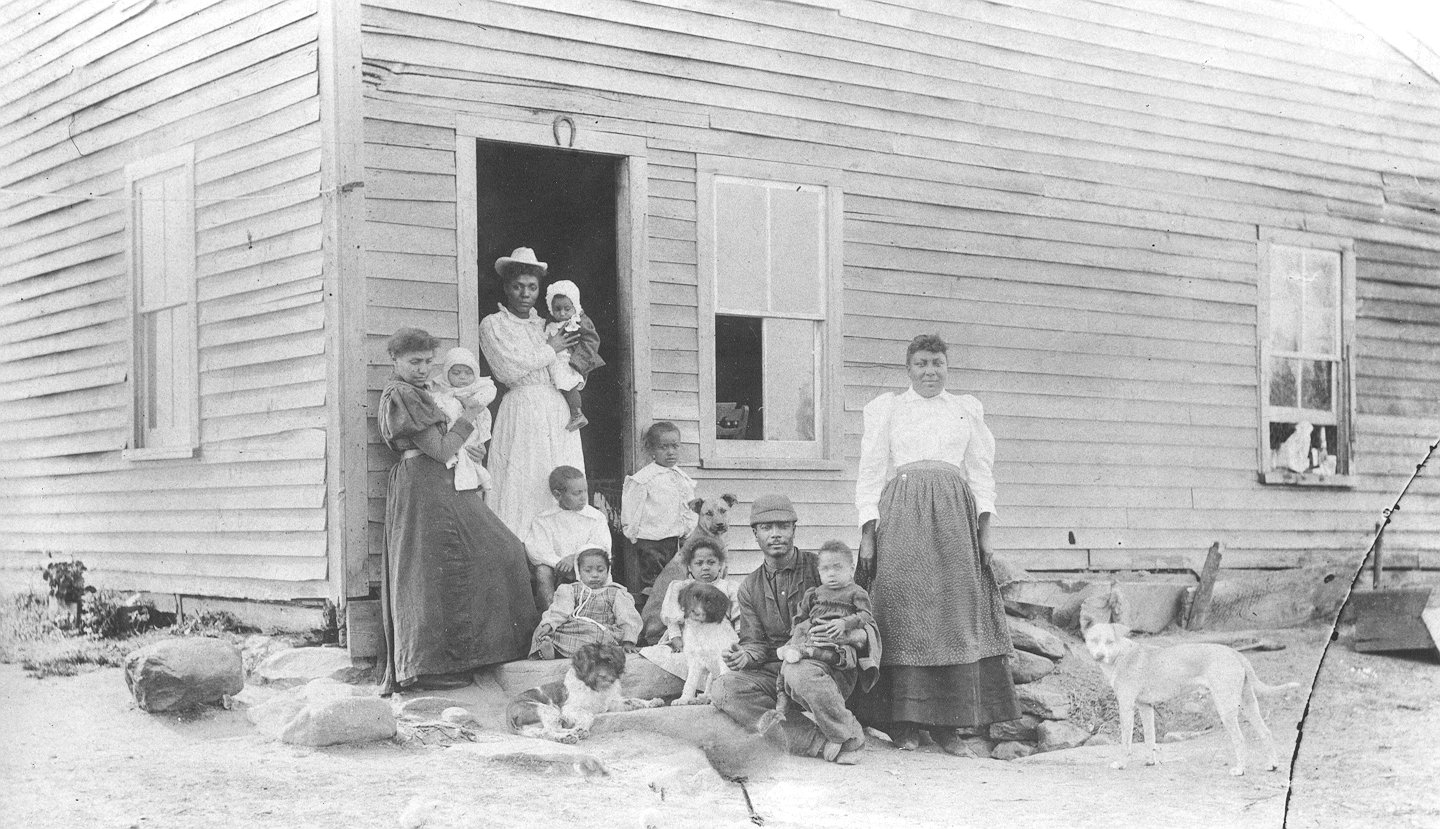
The picture at top features an African-American family posed in front of the John Brown Homestead in Torrington, Connecticut, circa 1890s-1900. I particularly love this picture because the house is reminiscent of the Weeksville houses and those that were in Sandy Ground.
Connecticut Historical Society
FURTHER LISTENING
After you’ve listened to this episode on Seneca Village and New York’s forgotten black communities, check out these past Bowery Boys episodes about aspects of New York City history featured on this show:
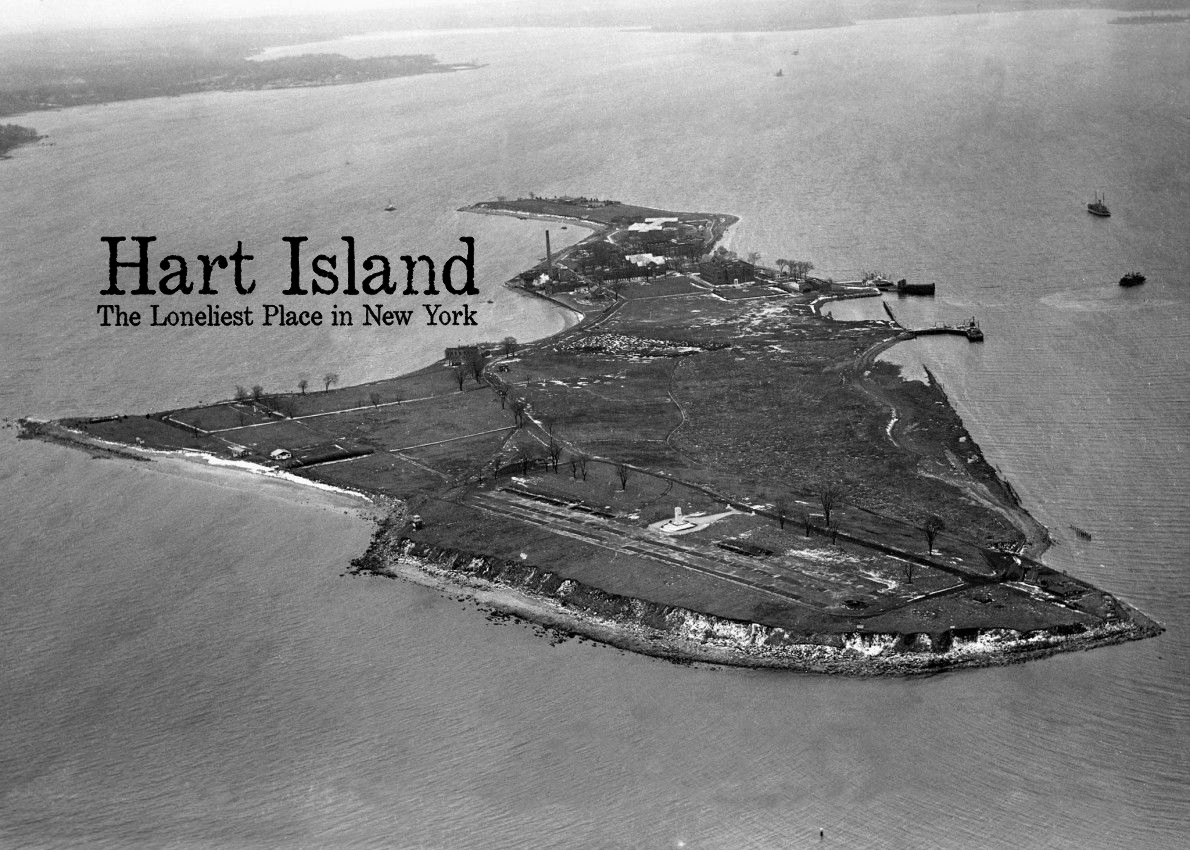
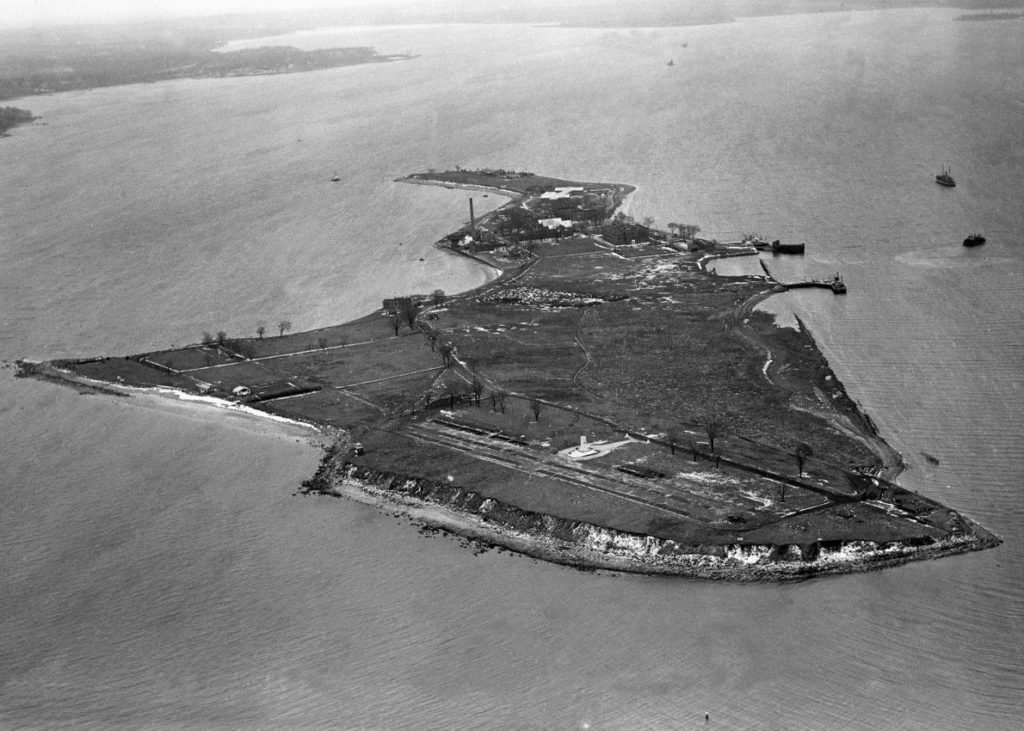
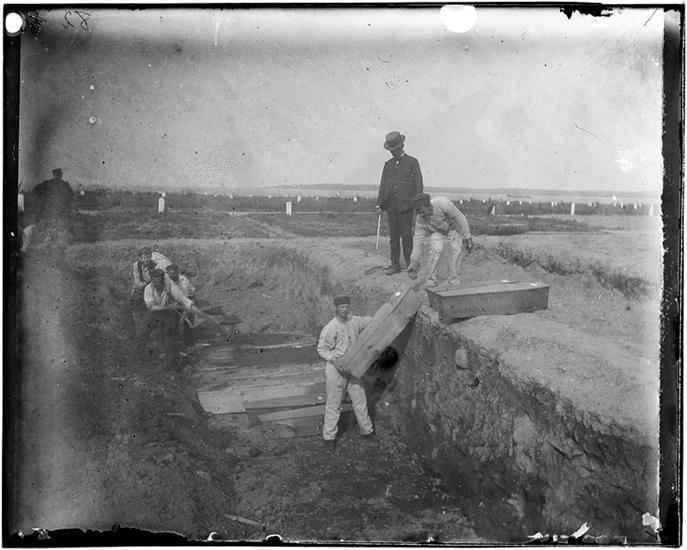
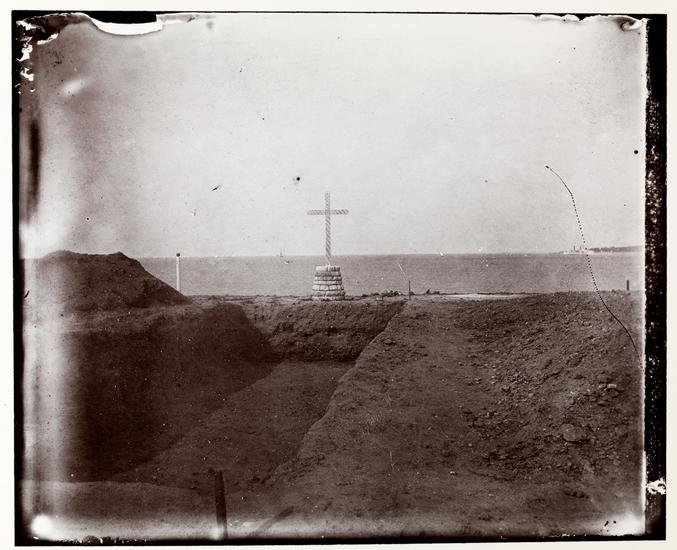
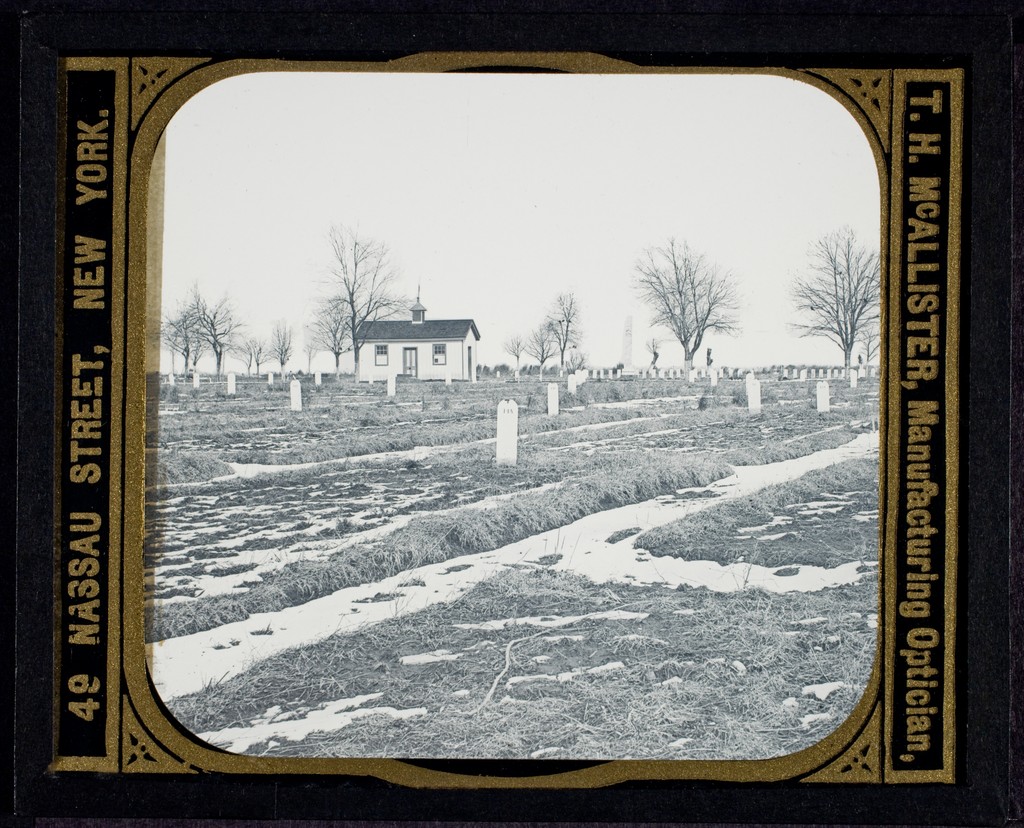
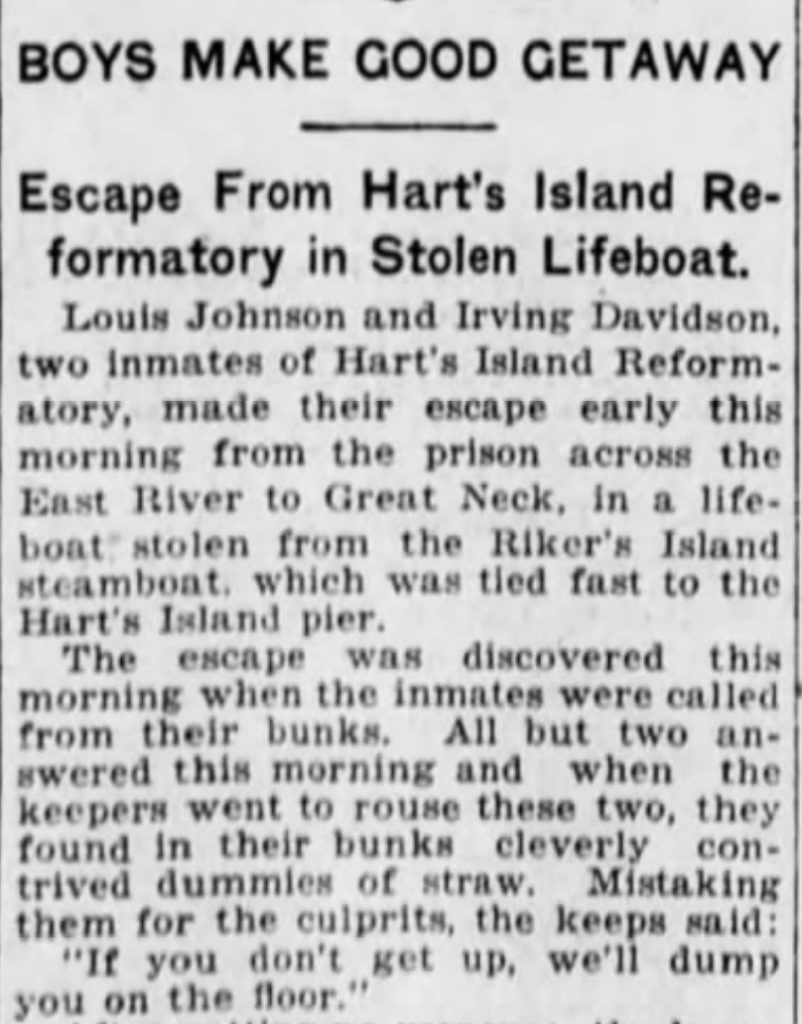
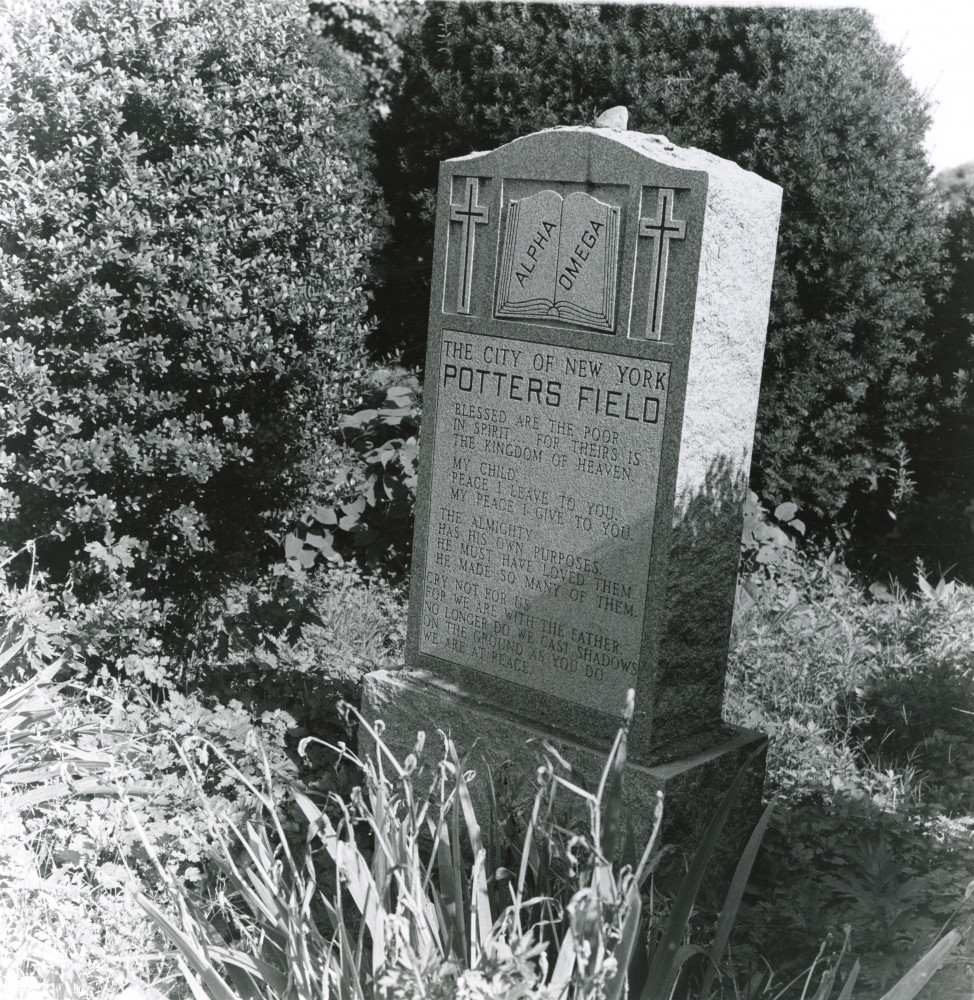
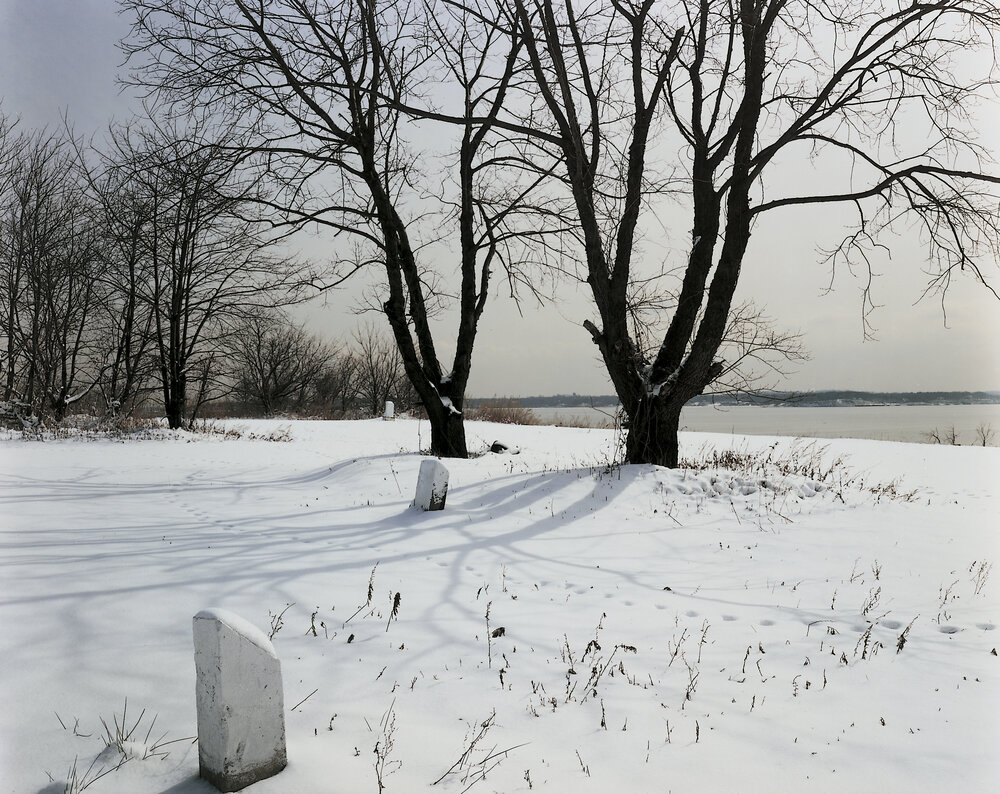
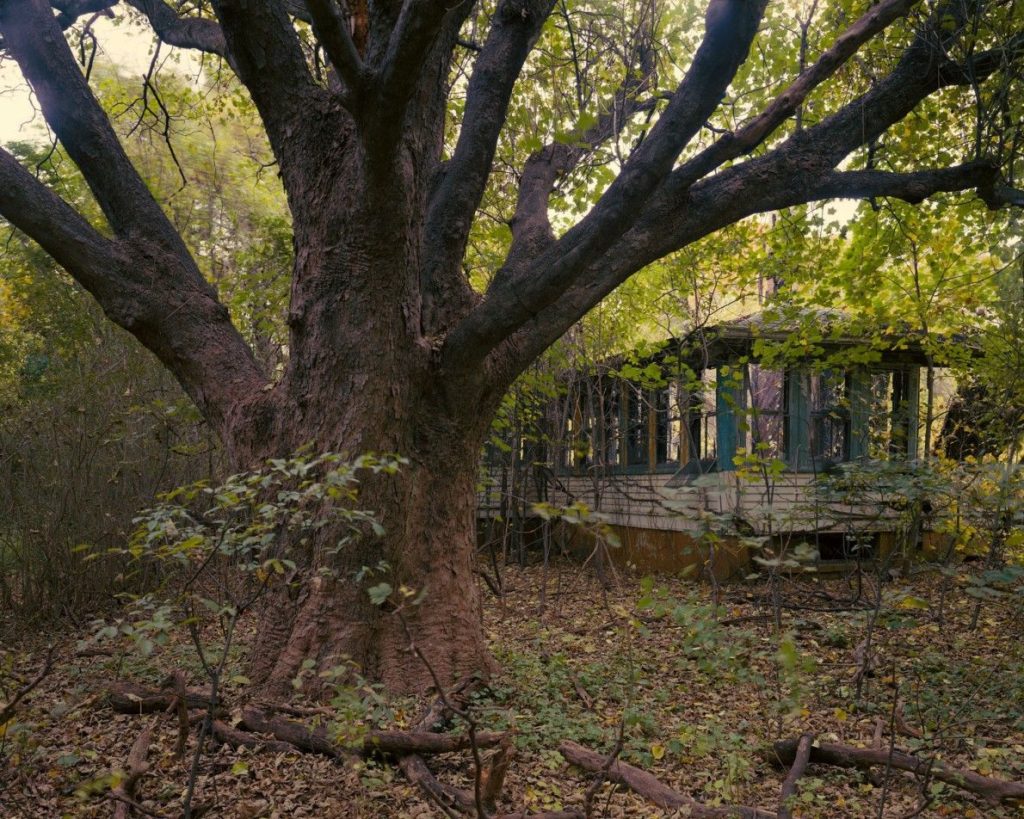
Few people are allowed to go onto Hart Island, the quiet, narrow island in the Long Island Sound, a lonely place in sight of the bustling community of City Island.
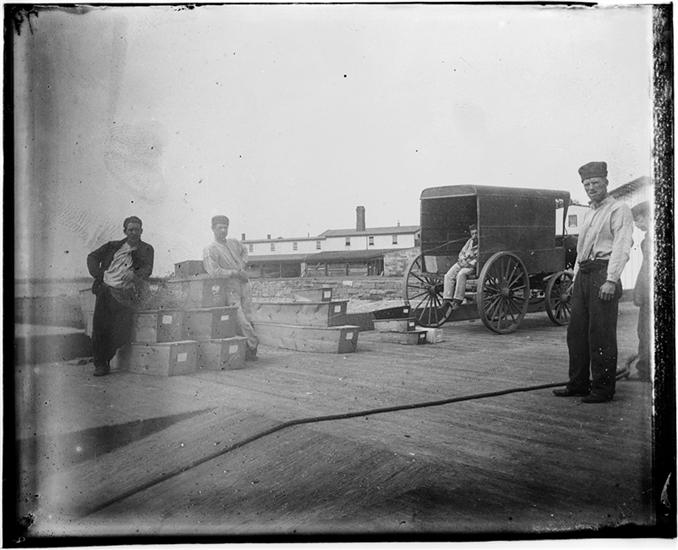
For over 150 years, Hart Island has been New York’s potter’s field, the burial site for over one million people — unclaimed bodies, stillborn babies, those who died of AIDS in the 1980s, and, in 2020, the location of burials of those who have died of COVID-19 coronavirus.
New York Daily News/Getty
Hart Island’s appearance in the international press this past week has drawn attention to the severity of the pandemic in New York City, but it has also drawn attention to the island itself.
By the early 19th century, this peaceful place — most likely named for deer which may have called it home — had already developed a violent reputation as a renegade site for boxing matches.
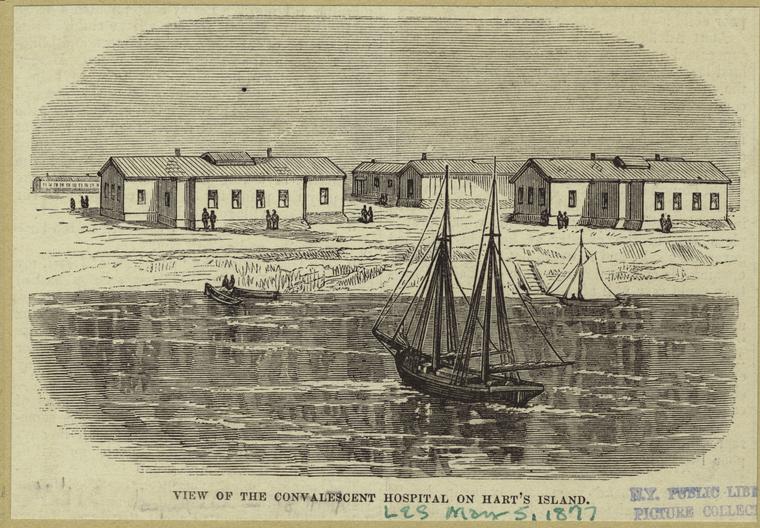
During the Civil War, black Union troops trained here and later Confederate soldiers were imprisoned in refitted prison barracks.
But in the late 1860s the city prepared the island for its eventual and longest lasting purpose. Today it is the world’s largest potter’s field. And thanks to groups like the Hart Island Project, New Yorkers may finally get a glimpse at this strange, forlorn place and the previously forgotten people buried here.
PLUS: That time that an amusement park was almost built on Hart Island.
LISTEN NOW — HART ISLAND: THE LONELIEST PLACE IN NEW YORK
Hart Island 1877, courtesy New York Public LibraryHart Island 1890, photo by Jacob Riis/Museum of the City of New YorkHart Island 1890, photo by Jacob Riis/Museum of the City of New YorkHart Island 1890, photo by Jacob Riis/Museum of the City of New YorkThe Potter’s Field, Hart’s Island, 1898
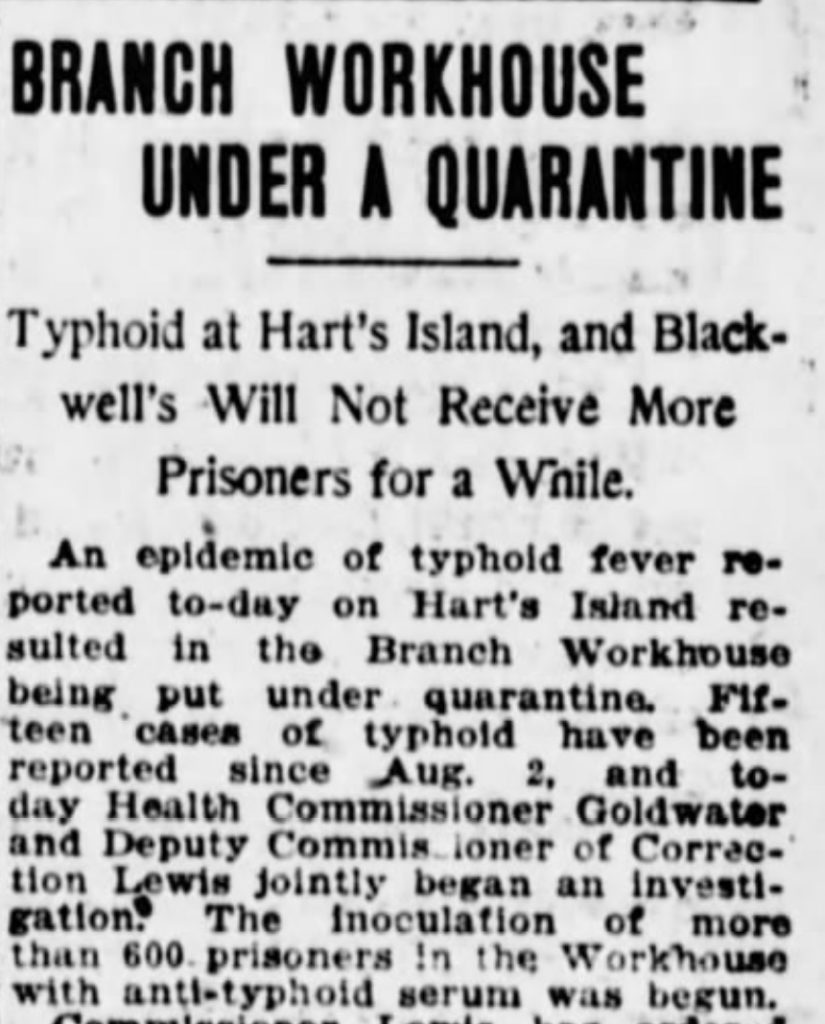
August 18, 1914, New York Evening Post (courtesy Newspapers.com)
March 20, 1916, Brooklyn Daily Eagle (courtesy Newspapers.com)
Believe it or not, potter’s fields and cemeteries play a huge role in the development of New York City. This article lists several sites that have once been burials grounds.
The lesser known islands of New York have very fascinating histories that you may not be aware of — try these stories about North Brother Island and City Island, for instance.
And these older podcasts on other New York City islands:
Blackwell’s Island/Roosevelt Island
Rikers Island
Randall’s Island and Wards Island
The Bowery Boys: New York City History podcast is brought to you …. by you!
We are now producing a new Bowery Boys podcast every other week. We’re also looking to improve and expand the show in other ways — publishing, social media, live events and other forms of media. But we can only do this with your help!
We are now a creator on Patreon, a patronage platform where you can support your favorite content creators.
Please visit our page on Patreon and watch a short video of us recording the show and talking about our expansion plans. If you’d like to help out, there are six different pledge levels. Check them out and consider being a sponsor.
For the next several weeks, in addition to our new two-episodes-a-week schedules, all those who support us on Patreon will receive a BONUS EPISODE every other Sunday.
We greatly appreciate our listeners and readers and thank you for joining us on this journey so far.
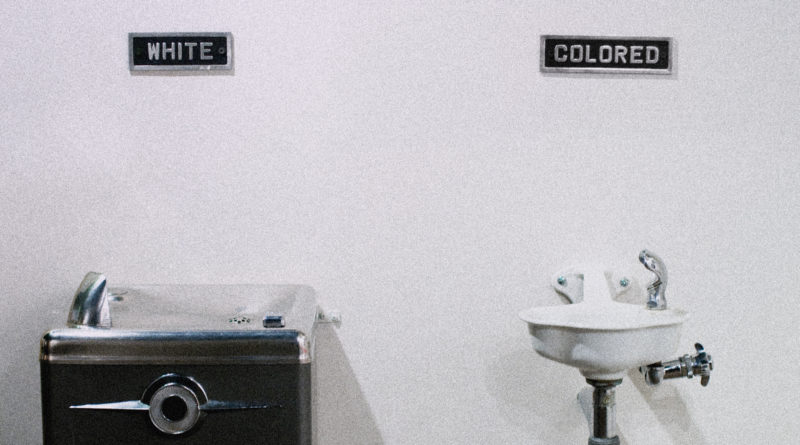
The 1896 landmark Supreme Court decision Plessy v. Ferguson embedded and legitimized the practice of “separate but equal” into American life in the 20th century.
The decision built racism into the fiber of everyday activities — schooling, housing, medical care, public transportation — and elevated personal prejudices into the realm of legality. It raised white and black children in separate environments, entrenching prejudice so deeply that we, in 2019, are still reeling from its consequences.
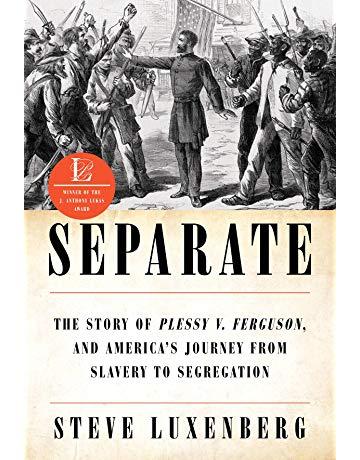
Steve Luxenberg’s captivating history Separate: The Story of Plessy v. Ferguson, and America’s Journey From Slavery to Segregation is a slow-build up to the case itself. (Homer Plessy, the Creole plaintiff who attempted to sit in a railroad car for white passengers, comes into the story 60 pages before the end.) Luxenberg is more concerned with the legal and social entanglements that led up to the case, a myriad of state-specific practices upon a wide spectrum of public prejudice.
Separate follows the lives of three men crucial to the outcome of the decision — the firebrand white Northern journalist Albion Tourgée and Supreme Court justices Henry Billings Brown and John Marshall Harlan. From different states and backgrounds, the stories of these three men hurtle towards that fated moment in 1896 when their collective experiences lead to a damaging climax.
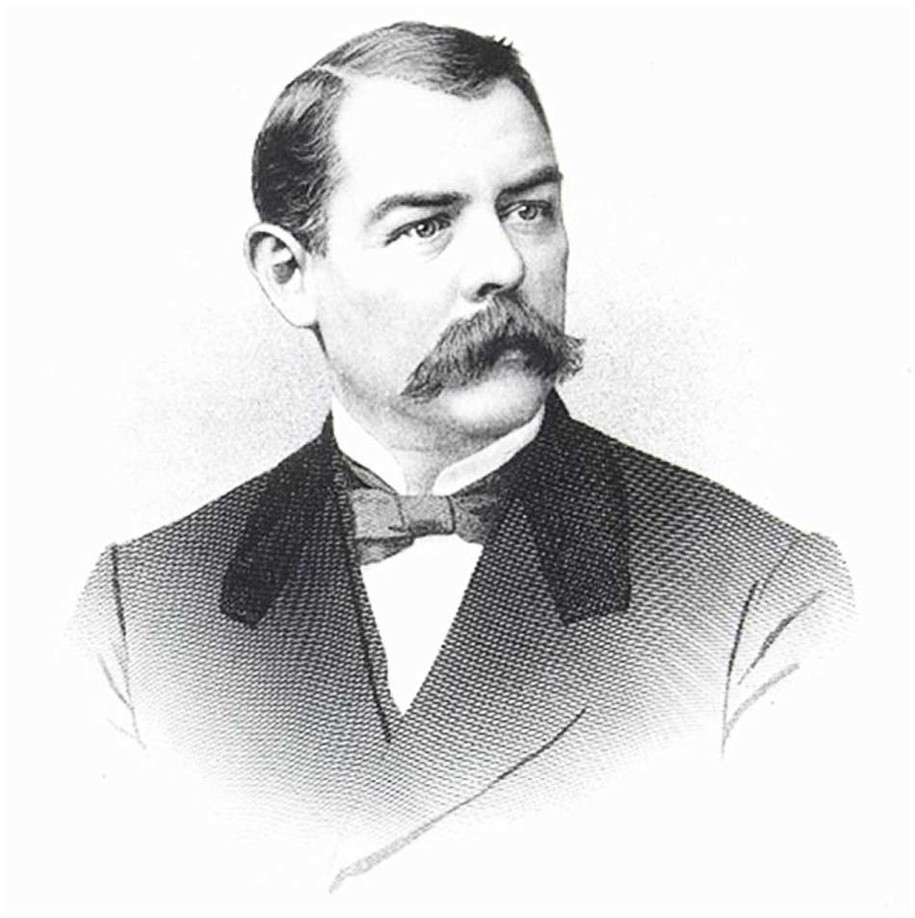
Albion Tourgée who litigated for Homer Plessy in front of the Supreme Court. (Library of Congress)
The fourth protagonist — and certainly the most interesting — are the people of color in New Orleans in the late 19th century.
‘Separate but equal’ policies were commonplace on the state level throughout the South and especially contentious when it came to public transportation — streetcar and railroad passenger cars. Drivers and ticket takers had to determine on the spot the race of a passenger, guide them to the ‘proper’ section and enforce the separation should there be conflict.
But in Louisiana, there were thousands of residents of color who had never been enslaved people, lesgens de couleur libres with a mix of European and African ancestry. (An excerpt of a 1853 New Orleans divvied its population into eight different ‘grades’.) Passengers could be labeled black one day, white the next, depending on the railroad or streetcar employee making the determination.
Plessy was indeed a mixed race gentlemen from New Orleans, and his ‘test case’, destined for the high court, would be shepherded through the system by Tourgée, a nationally known columnist, and Louis Martinet, a Creole attorney with interesting challenges to his own career.
In the stories of Brown and Harlan, another fascinating subplot emerges, that of wavering and unexpected shifting views on slavery and racial relationships, inspired by unique state issues following the Civil War.
And even enlightened views can be reached narrowly. Harlan, the ‘lone dissenter’ in the case of Plessy vs. Ferguson, was once a proud member of the anti-immigrant Know Nothing Party and was a full-throated supporter of the Chinese Exclusion Act.
For many legal minds in the late 19th century, equality in a legal sense did not mean social equality. An American, white or black, may share the same rights as upheld by the U.S. Constitution, but in everyday matters, there was no urgent need to include all people in the same public spaces.
Of course this would prove dysfunctional and absurd, a fallacy based on an unenforceable belief that every actor at every level of public life would truly provide ‘equal’ options to Americans of any color. Separate lays out the course for how this thinking became the law of the land.
Schomburg Center for Research in Black Culture, Photographs and Prints Division
unknown
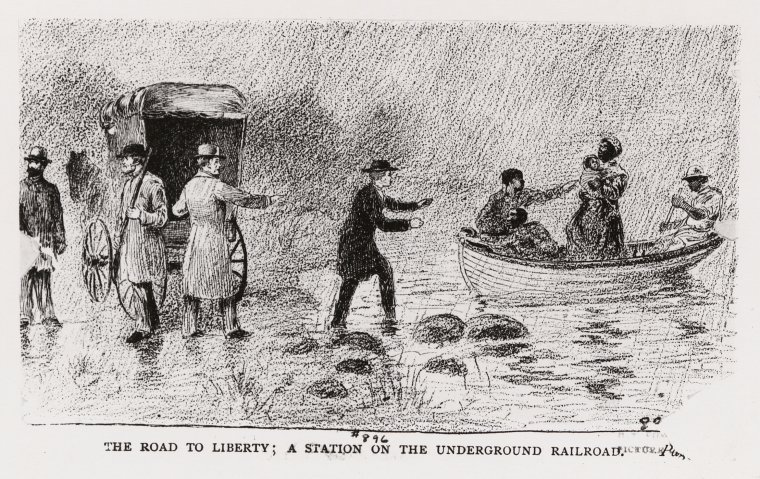
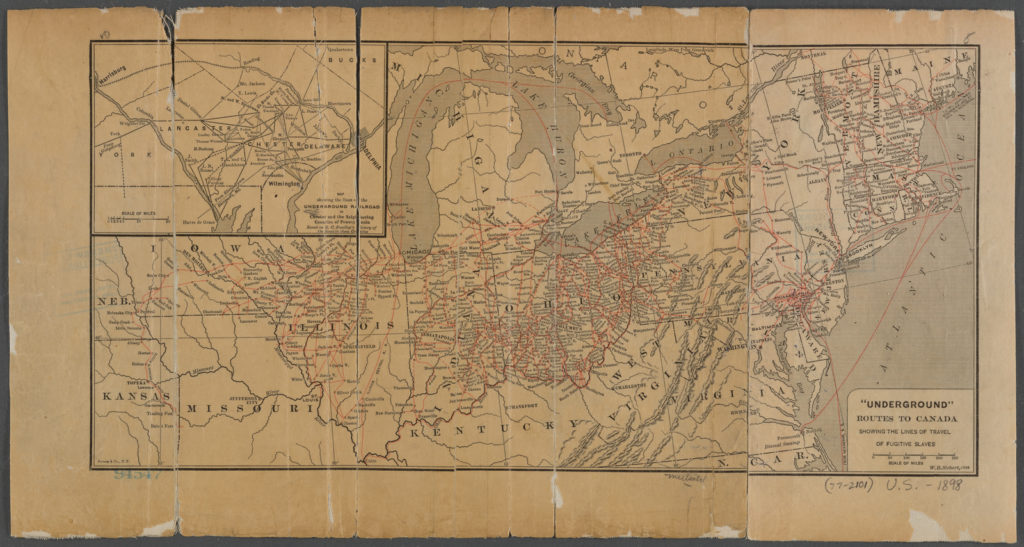
PODCAST For thousands of people escaping the bonds of slavery in the South, the journey to freedom wound its way through New York City via the Underground Railroad.
The Underground Railroad was a loose, clandestine network of homes, businesses and churches, operated by freed black people and white abolitionists who put it upon themselves — often at great risk — to hide fugitives on the run.
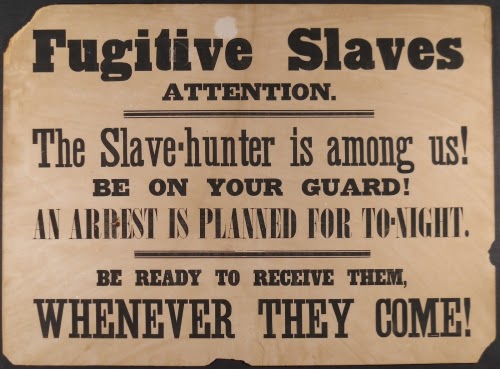
New York and Brooklyn were vital hubs in this network but these cities were hardly safe havens. The streets swarmed with bounty hunters, and a growing number of New Yorkers, enriched by Southern businesses, were sympathetic to the institution of slavery. Not even freed black New Yorkers were safe from kidnapping and racist anti-abolitionist mobs.
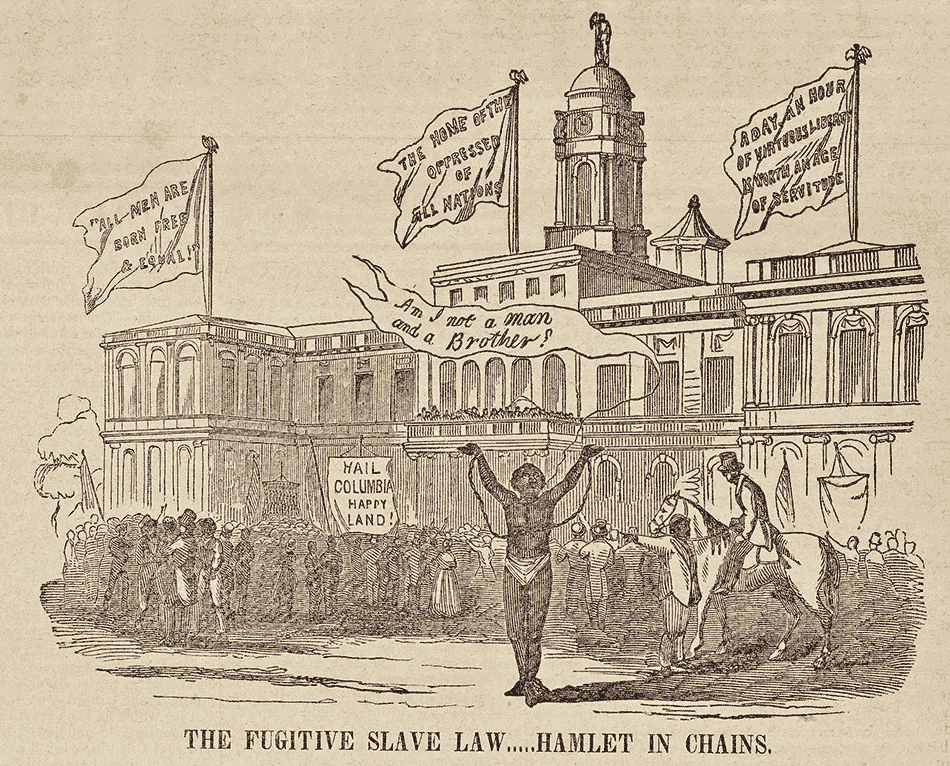
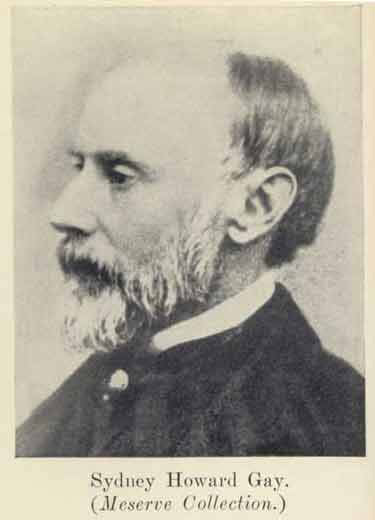
In this podcast we present some of the stops in New York along the Underground Railroad — from offices off Newspaper Row to the basement of New York’s first African-American owned bookstore. You’ll be familiar with some of this story’s leading figures like Frederick Douglass, Harriet Tubman and Henry Ward Beecher. But many of these courageous tales come from people who you may not know — the indefatigable Louis Napoleon, the resolute Sydney Howard Gay, the defiant David Ruggles and James Hamlet, the first victim of the 1850 Fugitive Slave Act.
PLUS: A trip to Brooklyn Heights and the site of New York’s most famous Underground Railroad site — Plymouth Church
The Bowery Boys: New York City History podcast is brought to you …. by you!
We are now producing a new Bowery Boys podcast every week. We’re also looking to improve the show in other ways and expand in other ways as well — through publishing, social media, live events and other forms of media. But we can only do this with your help!
We are now a member of Patreon, a patronage platform where you can support your favorite content creators for as little as a $1 a month.
Please visitour page on Patreon and watch a short video of us recording the show and talking about our expansion plans. If you’d like to help out, there are five different pledge levels (and with clever names too — Mannahatta, New Amsterdam, Five Points, Gilded Age, Jazz Age and Empire State). Check them out and consider being a sponsor.
We greatly appreciate our listeners and readers and thank you for joining us on this journey so far.
The many routes of the Underground Railroad, in an 1898 map by cartographer Wilbur Henry Siebert.
New York Public Library
New York Public Library
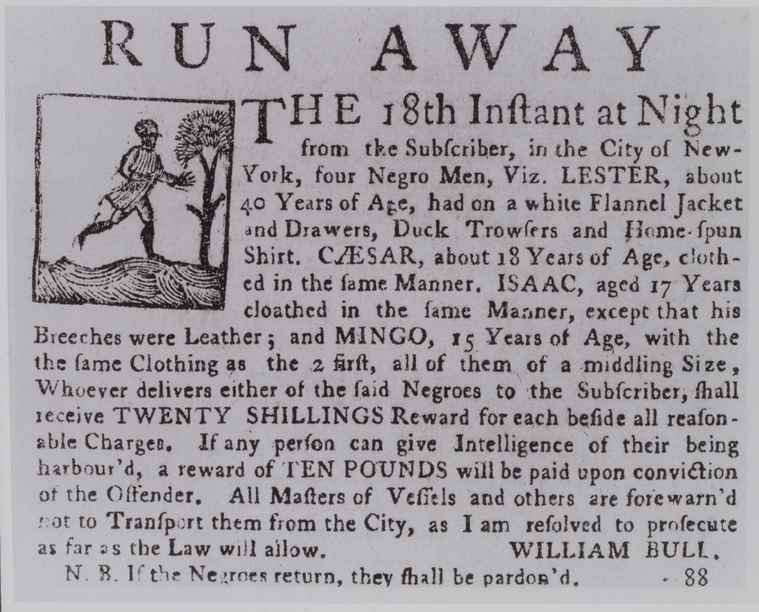
An advertisement for the capture of a runaway slave, published during the colonial era (1760s)
Schomburg Center for Research in Black Culture, Photographs and Prints Division
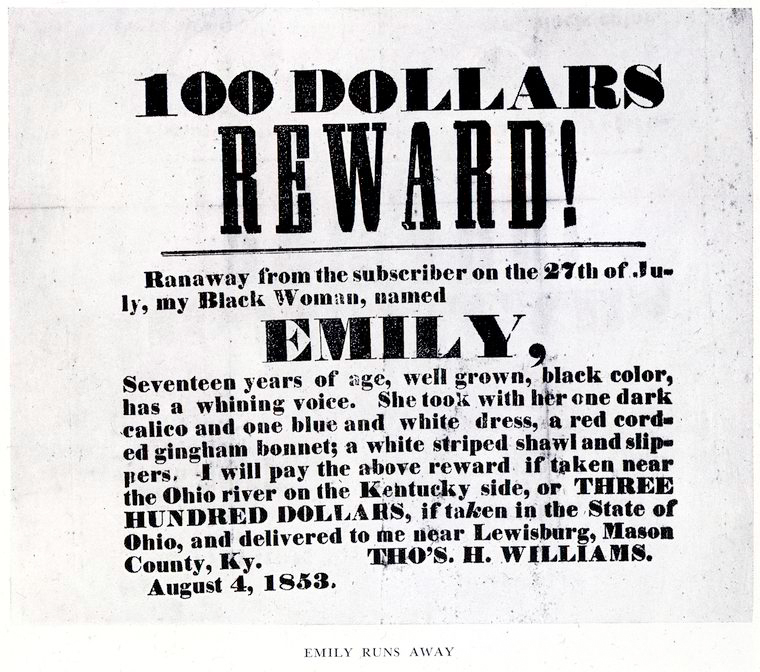
….and another, from 90 years later.
Schomburg Center for Research in Black Culture, Photographs and Prints Division
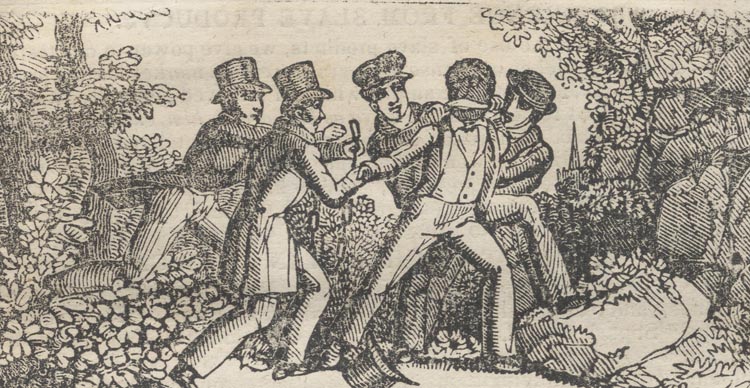
African-American New Yorkers lived in fear of being kidnapped by bounty hunters.
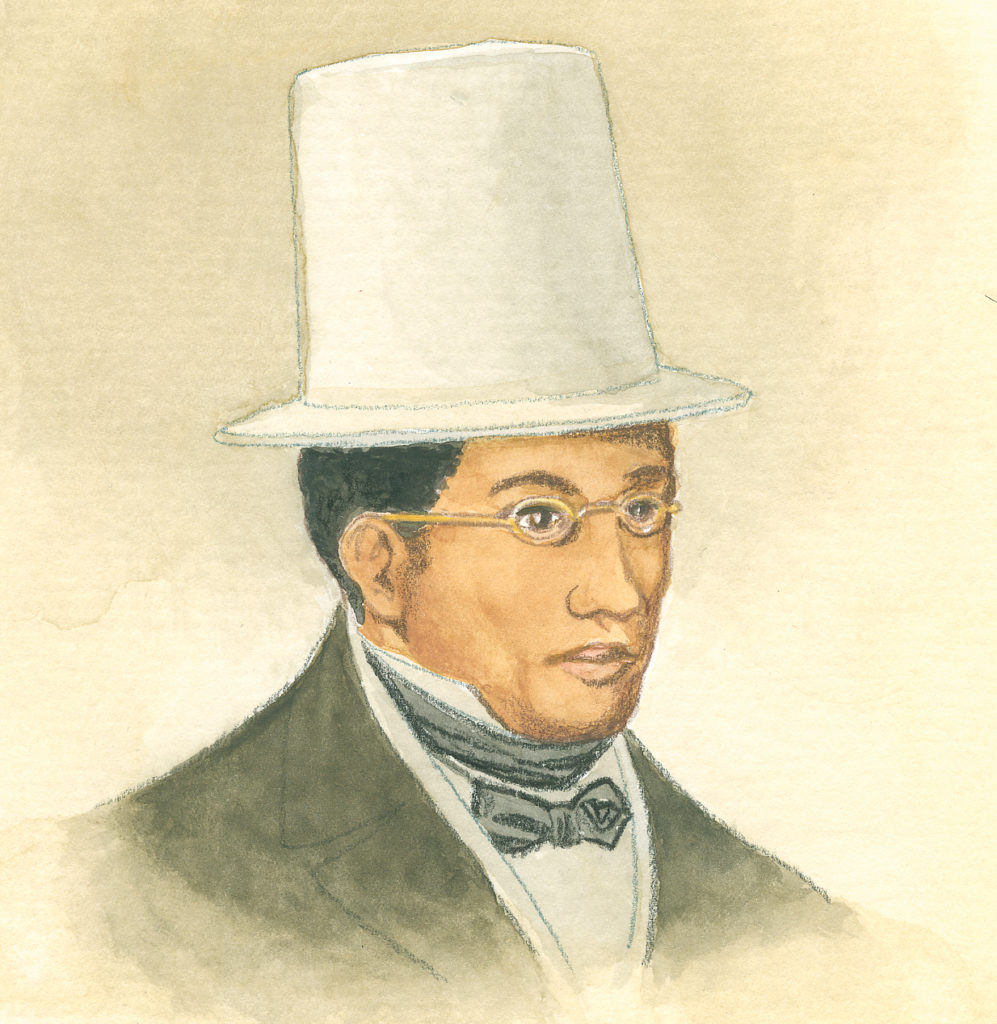
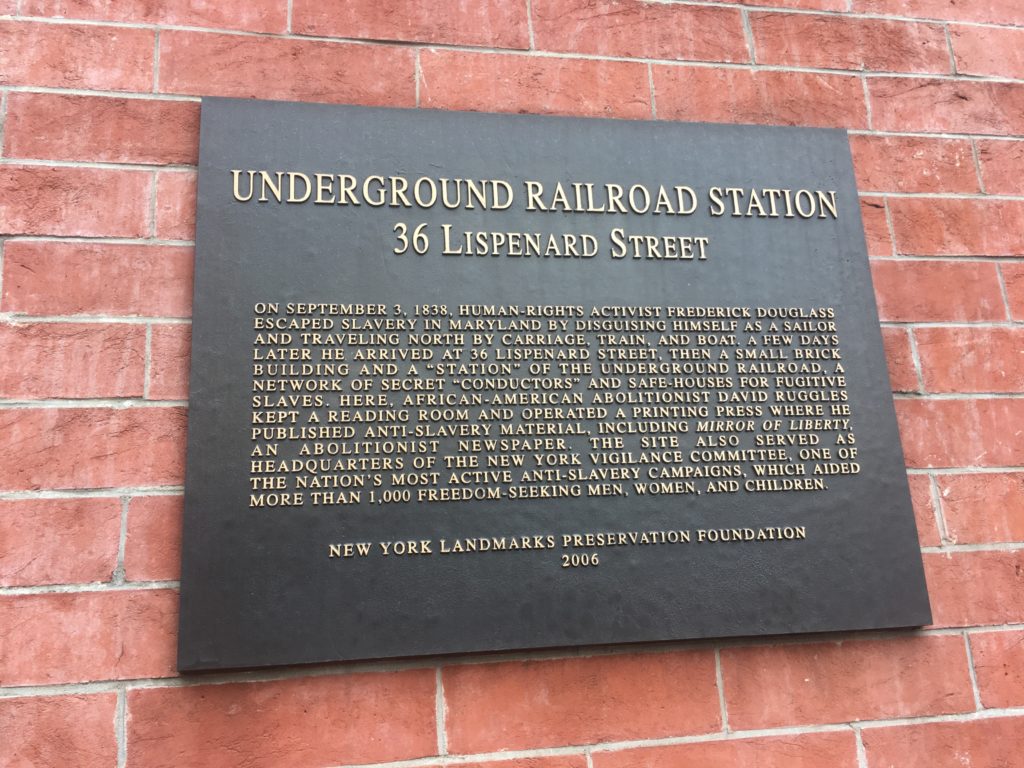
David Ruggles who operated America’s first African-American library and reading room on Lispenard Street. His home was also a stop on the Underground Railroad.
Illustration by Bob Powers (from original engraving)
At the release of James Hamlet (i.e. the purchase of his freedom by the AME Zion Church), this handbill was distributed
Rare Books and Manuscripts Library, Columbia University
Sydney Howard Gay worked with several operatives on the Underground Railroad and was one of the few to keep records of new fugitive arrivals.
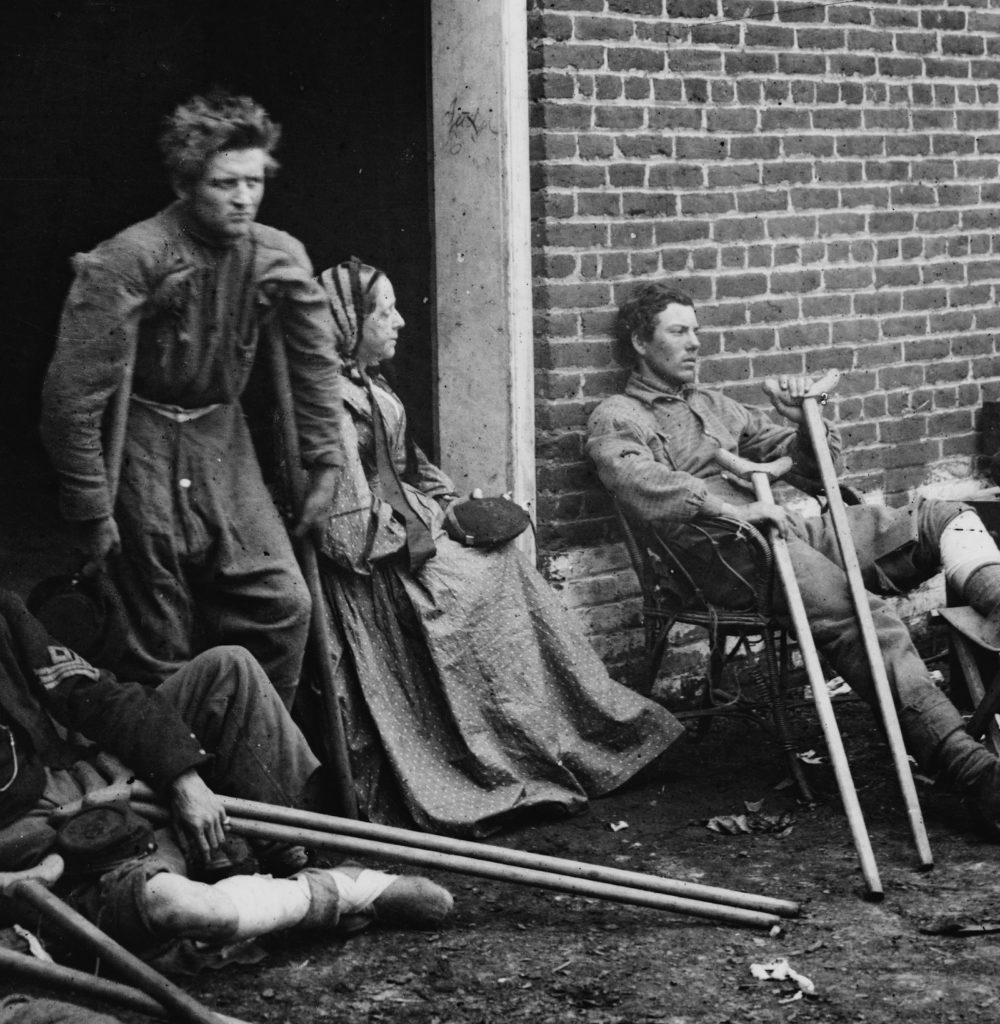
Abigail Hopper Gibbons, daughter of esteemed abolitionist Isaac Hopper, worked as a battlefield nurse in the early years of the Civil War. She returned to New York in 1863, only to be chased from her home by angry mobs during the Civil War Draft Riots.
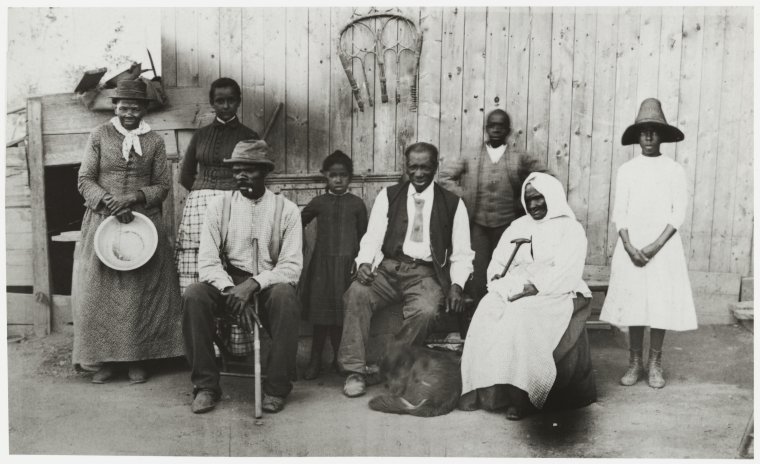
Harriet Tubman and her family — Gertie Davis [Tubman’s adopted daughter]; Nelson Davis [Tubman’s husband]; Lee Cheney; “Pop” Alexander; Walter Green; Sarah Parker [“Blind Auntie” Parker] and Dora Stewart [granddaughter of Tubman’s brother, John Stewart].
Schomburg Center for Research in Black Culture, Photographs and Prints Division
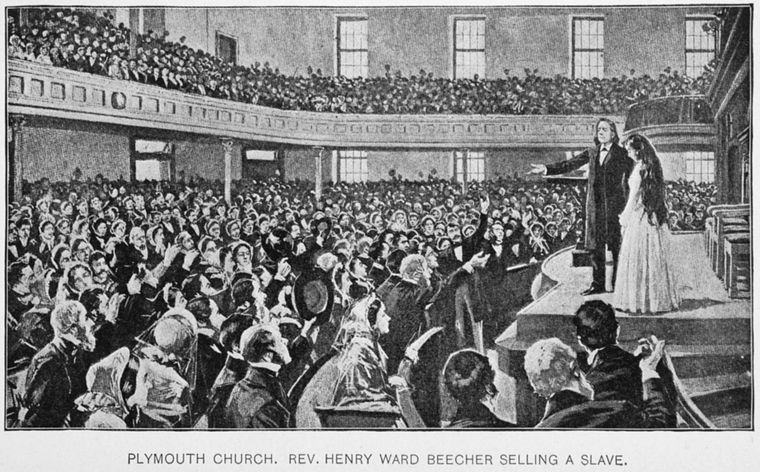
An illustration of Henry Ward Beecher‘s ‘auction’ of the enslaved woman nicknamed Pinky, held at Plymouth Church.
Schomburg Center for Research in Black Culture, Manuscripts, Archives and Rare Books Division
Plymouth now has a New Abolitionists ministry, tied into New York state’s anti-human trafficking initiatives. Visit Plymouth’s website for further information.
FURTHER READING Bound for Canaan: The Epic Story of the Underground Railroad by Fergus M. Bordewich Gateway to Freedom: The Hidden History of the Underground Railroad by Eric Foner The Underground Railroad: Authentic Narratives and First-Hand Accounts (African American) by William Still
and, of course,
The Underground Railroad by Colson Whitehead
EXHIBITIONS
Brooklyn Historical Society — In Pursuit of Freedom: A long term installation celebrating the lives of Brooklyn abolitionists
FURTHER LISTENING We mentioned these past Bowery Boys podcast on the show. After you’ve finished listening to our Underground Railroad show, give these a try!
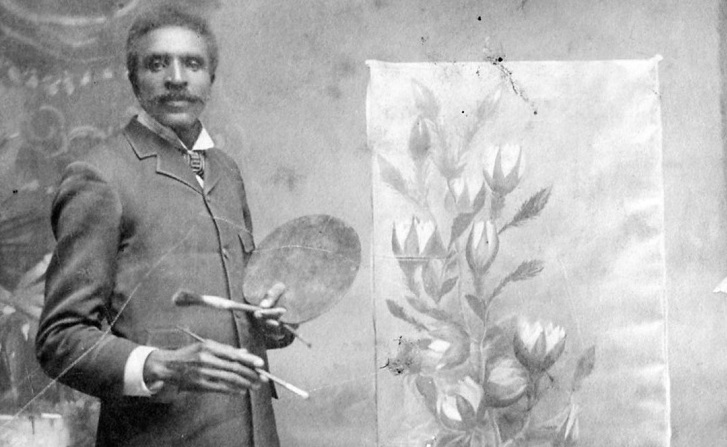
THE FIRST PODCASTHow much do you know about George Washington Carver, the man born into slavery who became America’s most famous botanist in the first half of the 20th century? He didn’t discover the peanut, a legume commonplace in the human diet for thousands of years, nor did he invent peanut butter. What Carver did — and what he remains underappreciated for — was help reorient man’s relationship with plants for the modern world
He saw items like the sweet potato and the soybean for their unlimited potentials, not just to better the human condition but to improve the opportunities of American farmers. He saw plants as the secret to human health and well being.
And he did these things not merely as an African-American man in the Jim Crow South, but as a man of frequent ill health and eccentric character. He was as miraculous as his inventions. George Washington Carver as an artist of uncommon tools — both a literal artist, armed with plant-based paints of his own design, but a conceptual one, finding a world of new ideas within the palette grown from his garden. He became the world’s most famous proponent for organic eating.
CO-STARRING: Booker T. Washington, Henry Ford and — Mahatma Gandhi?!
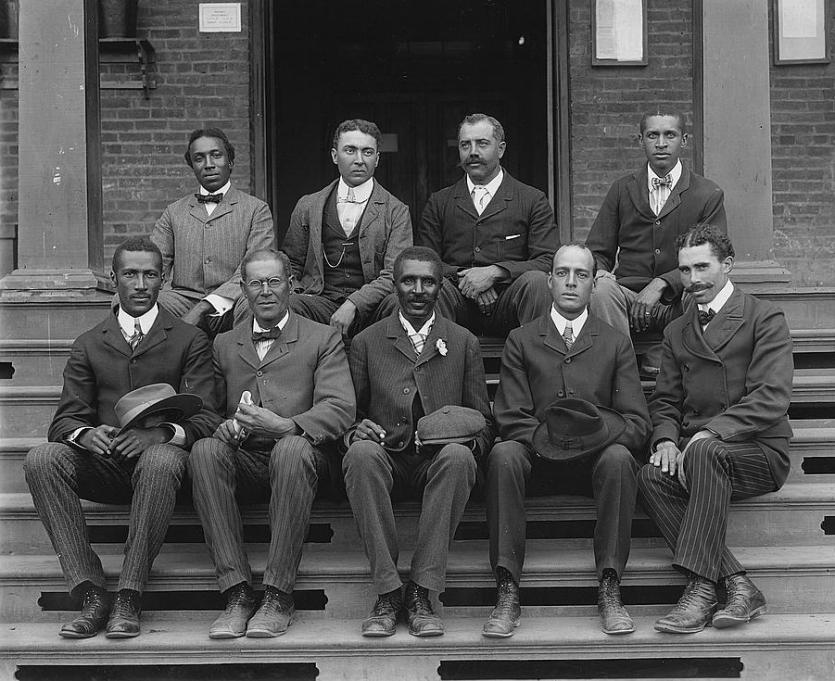
Carver with his fellow professors at Tuskegee University in 1902
Frances Benjamin Johnston/Library of Congress
Several months before he died, Carver visited Henry Ford in Dearborn, Michigan, and was there for the unveiling of the replica of his log cabin birthplace at Greenfield Village.
This month America celebrates the 100th anniversary of the National Park Service, the organization which protects the great natural and historical treasures of the United States. There are a number of NPS locations in the five borough areas. Throughout the next few weeks, we will focus on a few of our favorites.  For more information, you can visit National Parks Centennial for a complete list of parks and monuments throughout the country.  For more blog posts in this series, click here.
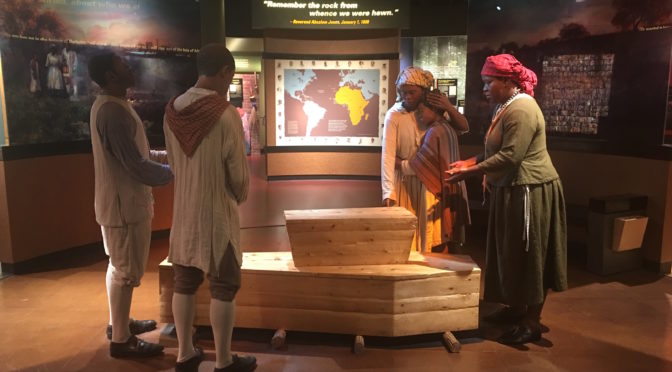
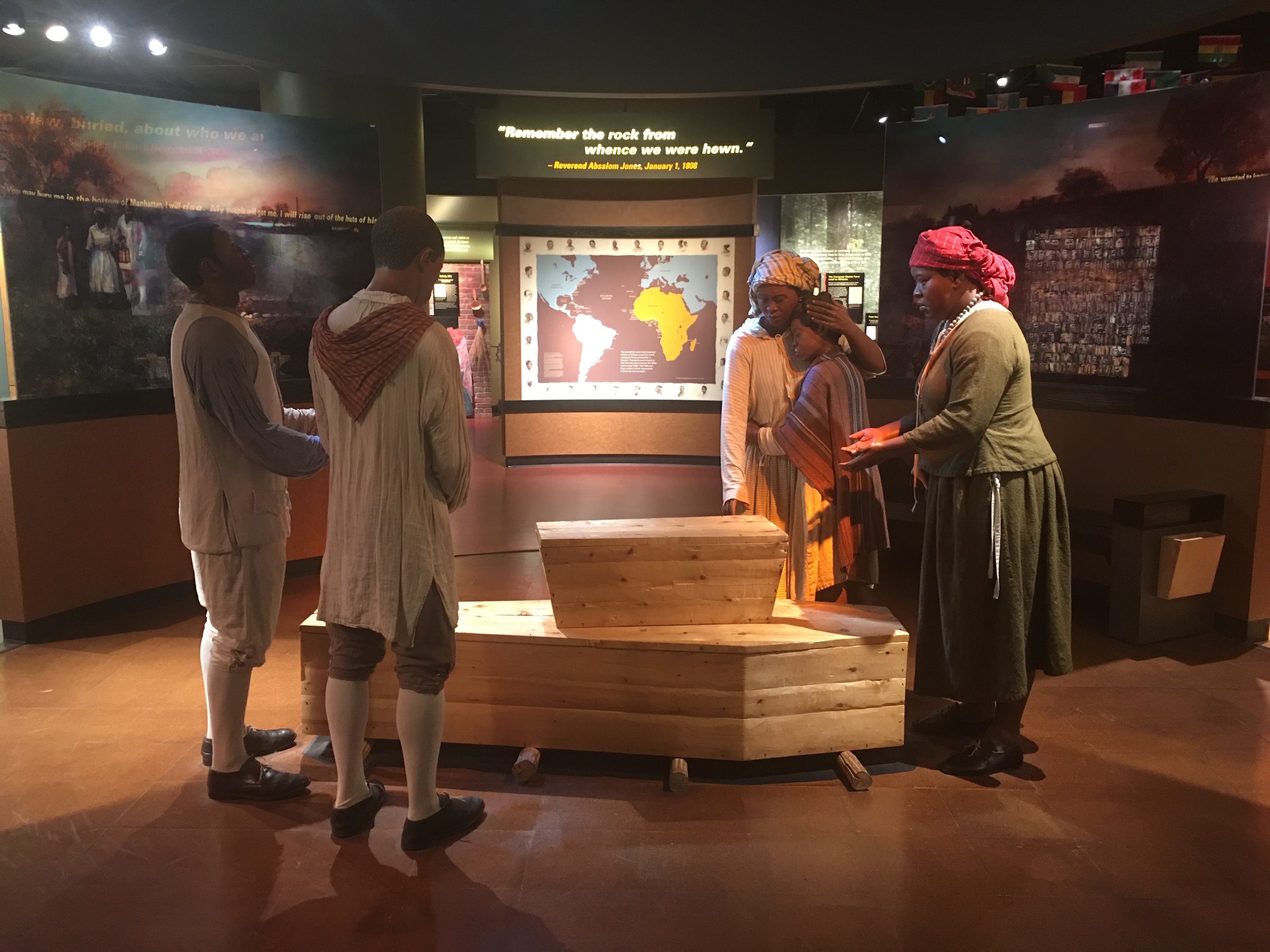
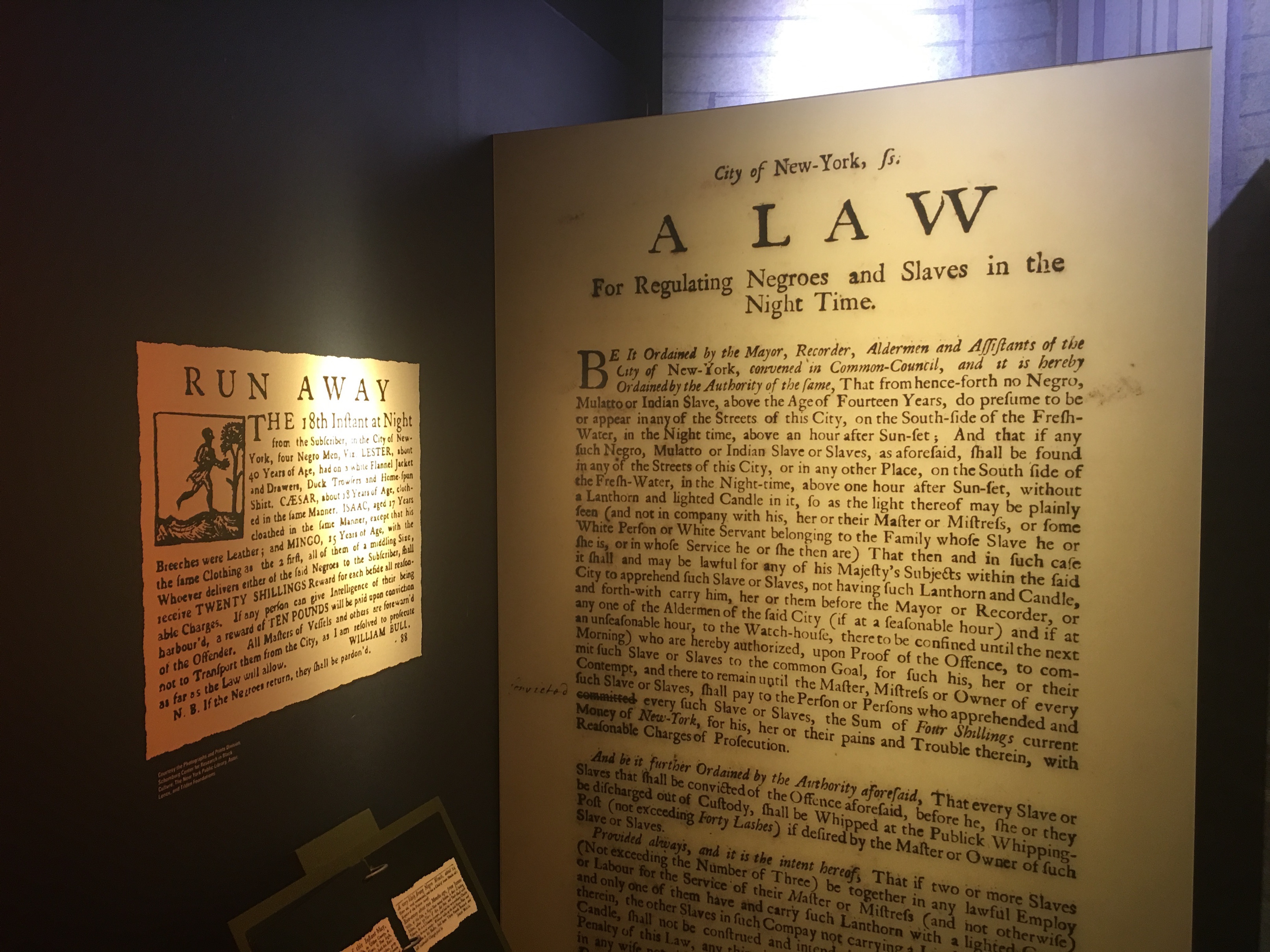
A vivid display inside the visitor center at 290 Broadway.
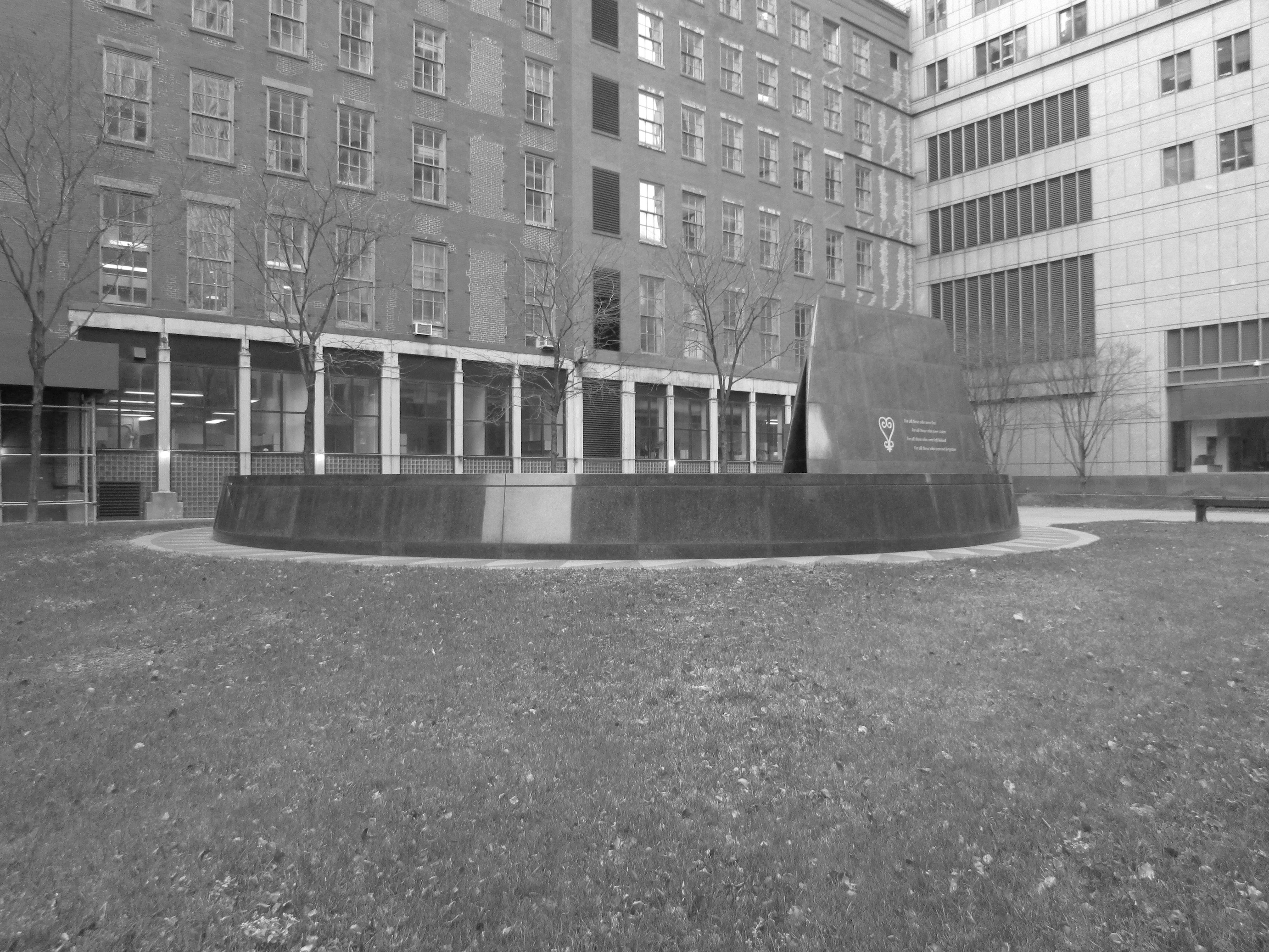
AFRICAN BURIAL GROUNDÂ NATIONAL MONUMENT DUANEÂ STREET, CIVIC CENTER, MANHATTAN
The African Burial Ground, tucked right into the heart of Lower Manhattan, two blocks north of City Hall, represents one of the greatest archaeological finds and saddest stories in New York’s history. The somber monument, opened in 2007, gives long overdue respect and honor to the remains buried here of New York’s first African and West Indian communities.
 Contrast this with lower Manhattan’s other two burial grounds — at Trinity Church and St. Paul’s Chapel —with their carefully preserved marble tombstones and prestigious roster of permanent residents. Whereas Trinity’s cemetery has a fence to preserve the peace, this burial ground has no such border to keep the city at bay.
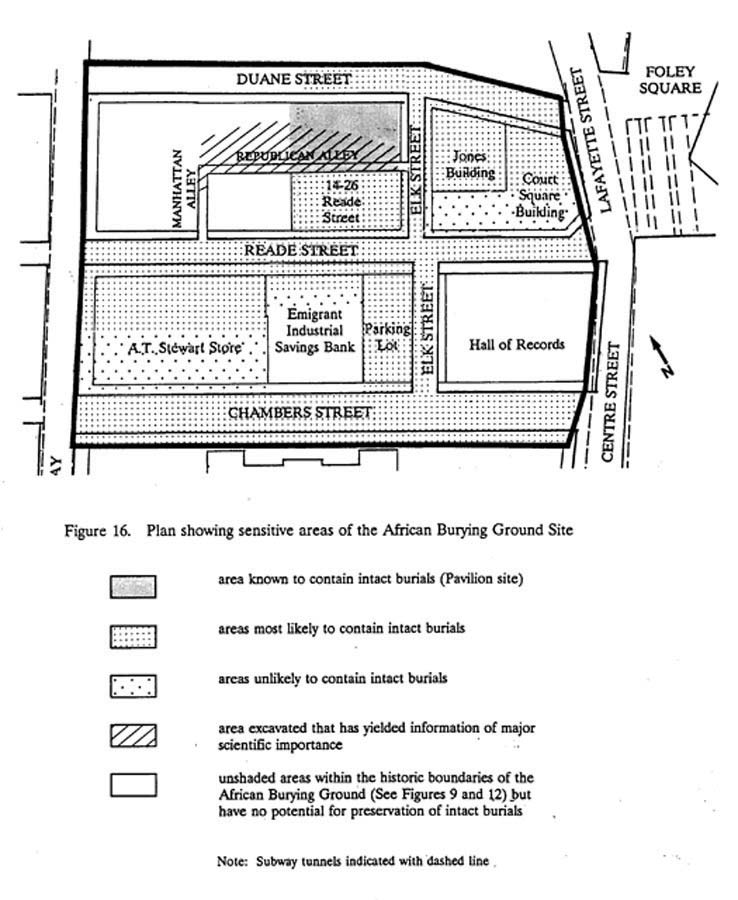
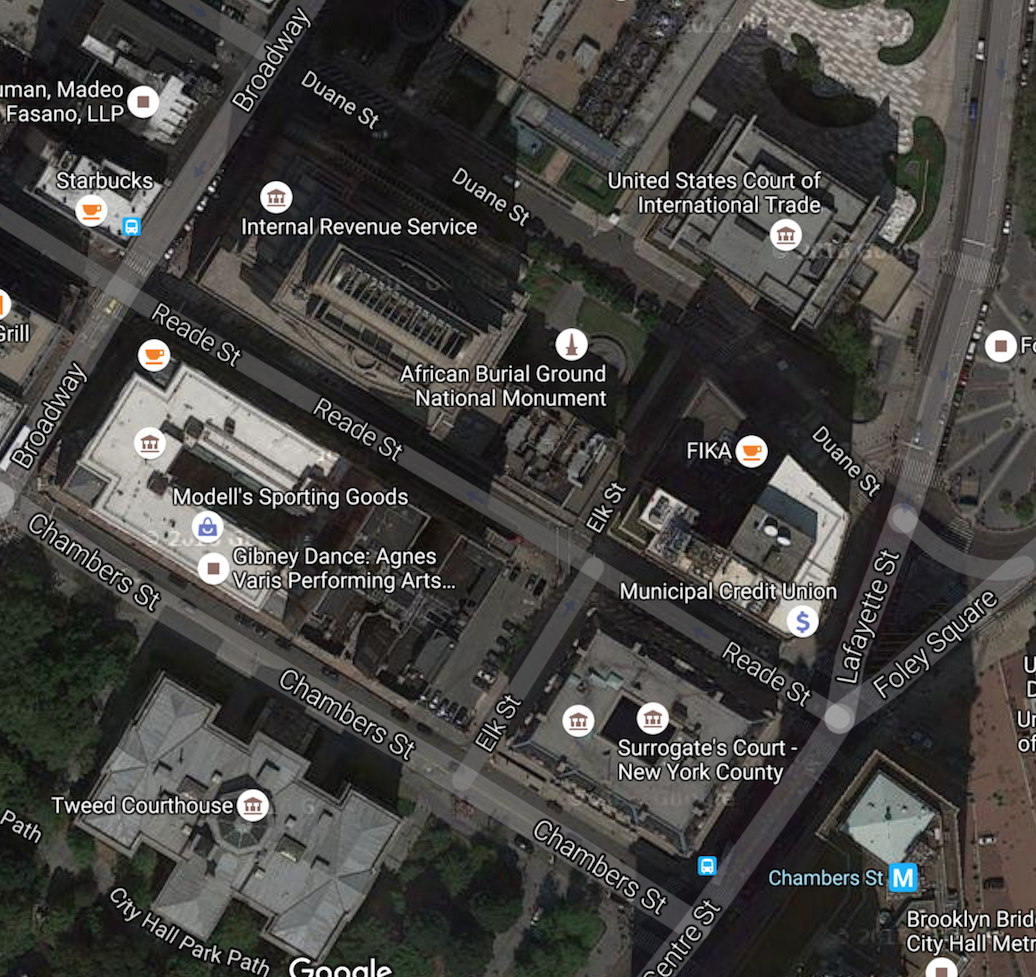
In fact, the African Burial Ground is far larger than the site of today’s monument. Its true size is unknown, although it is believed to cover about seven acres, stretching out under many of the surrounding buildings, including those in Foley Square and along Chambers Street.
The burial ground dates back to the seventeenth century, when New Amsterdam was a company town for the thriving Dutch West India Company, and the town’s early settlers were primarily traders, not builders or town planners. In their eyes, they didn’t sail all the way across the Atlantic from Holland to do menial work.
And so in 1626, to stimulate and facilitate the colony’s growth, the Dutch imported the New World’s first African slaves, a group of eleven people. Early records show that they were assigned names associated with their homelands or original captors: Antony Congo, Dorothe Angola, Jan Negro. Slave labor would be used to build many of New Amsterdam’s major structures, including the large wall that lined the northern edge of town.
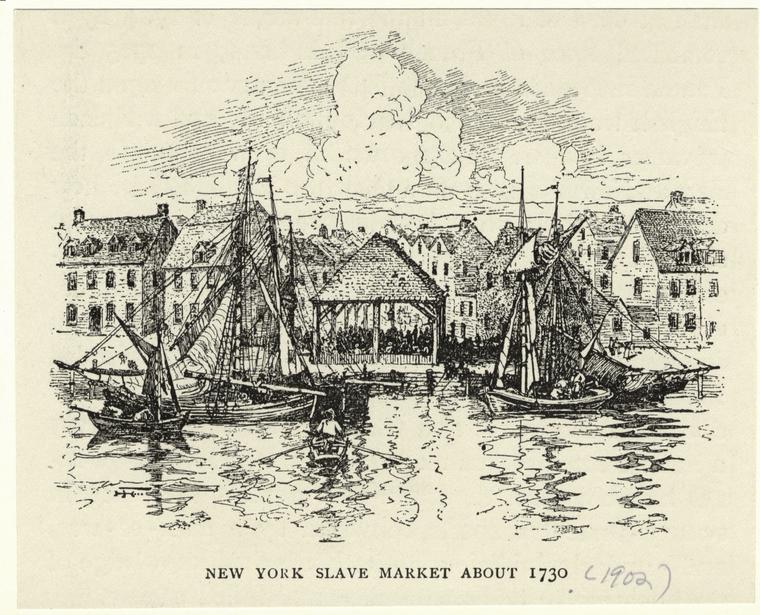
One of the most notorious landmarks of the slave trade sat at the corner of Wall and Water Streets (once the shoreline, back in British New York). The Meal Market was established in 1711 not only for the buying and selling of raw products like grains, but also for the purchase and leasing of “negroes and Indian slaves.â€
Courtesy New York Public Library
It’s interesting to note that under the Dutch, enslaved men and women could earn their freedom and eventually own property. But those who did gain independence were not permitted to reside within the city’s walls. Instead, they were forced out beyond the borders to settle in the “free Negro lots†found around the southern edge of Collect Pond.
Things got worse for the colony’s slave population in 1664, when the British took control and renamed the colony New York.
They brought with them their own stricter slavery traditions and stripped away those meager legal protections that had been afforded by the Dutch. New York was not a plantation town; many families owned one or two slaves and they were usually kept in or near their homes. By the 1740s thousands of enslaved men and women from Africa and the Caribbean lived in New York, more than one-fifth of the city’s population.
The visitor center serves as a museum about slavery and an exhibit to the early black experience in New York
While a diverse number of religions were practiced under English rule, most black New Yorkers eventually converted to the Anglican Church. But Trinity Church did not allow the remains of black people, slave or free, to be buried in its churchyard. And so this population was forced outside the city walls again, this time claiming some land south of Collect Pond as their own private burial ground.
In their burial ceremonies and mourning practices, the city’s African and Caribbean residents were able to display their original religious beliefs, and could come here and bury friends and loved ones according to traditional burial customs.
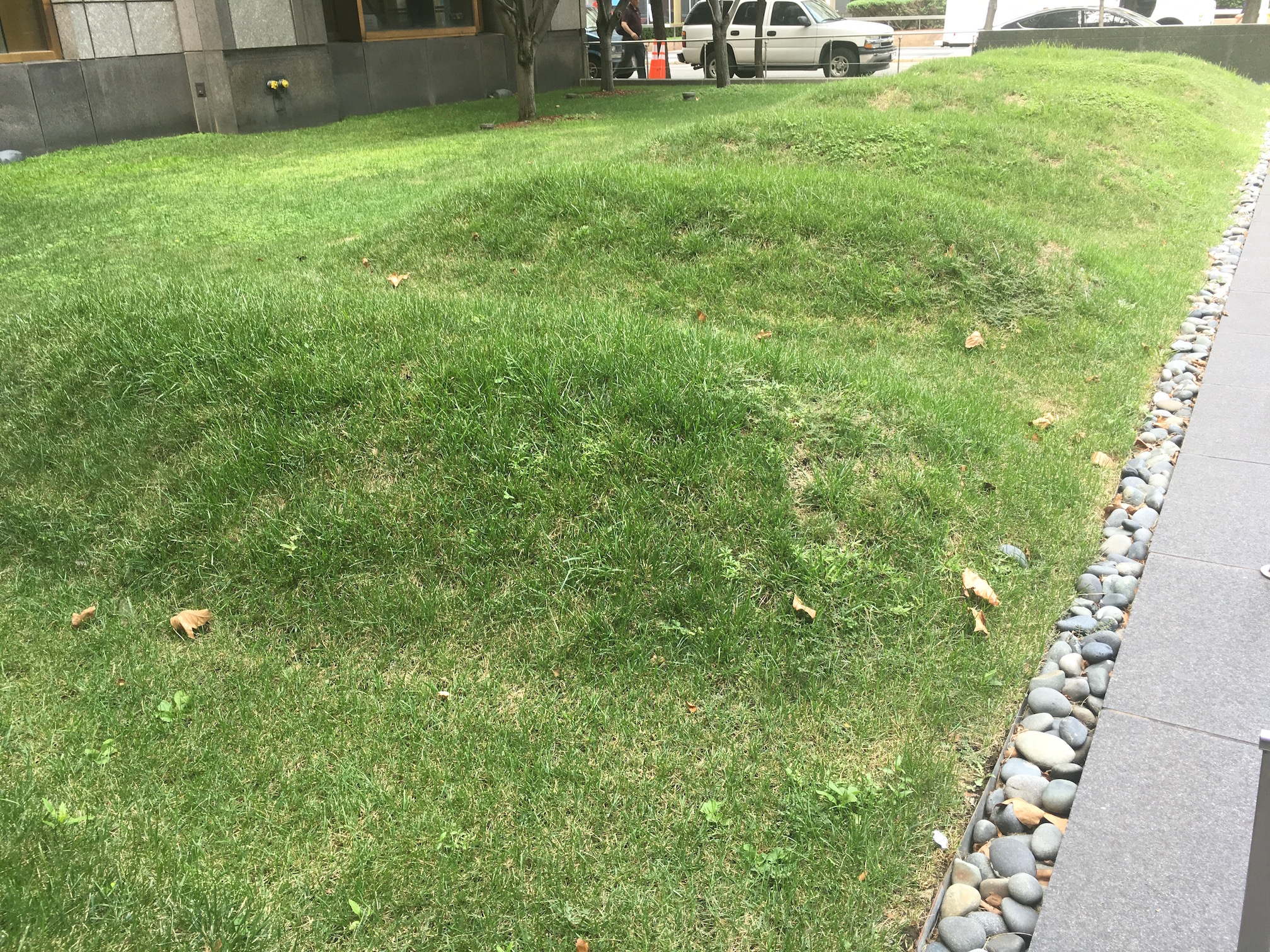
The remains of 419 individuals are contained in mounds outside next to the monument.
In the early years, at dusk, New Yorkers would hear the foreign-sounding music, drum beats, and the sounds of exotic ceremonies drifting down from the burial yard.
Well, that was simply too frightening for some white New Yorkers, and so, starting in 1722, it became illegal for blacks to congregate at night, and a 1731 law prohibited more than twelve people from gathering during the day at the burial ground. These draconian laws against black New Yorkers were instigated due to the events of April 1712, when a group of slaves conspired to burn the city. Twenty-one enslaved and freedmen were put to death in retaliation.
While these laws put a damper on many religious ceremonies, it was still possible to show some freedom of expression in the burials themselves. The dead were buried in wooden boxes, most facing east, as was customary for some African religions, and trinkets of religious or personal value (cowrie shells, pipes, buttons, and pieces of coral and crystal) were placed inside the coffins with the deceased.
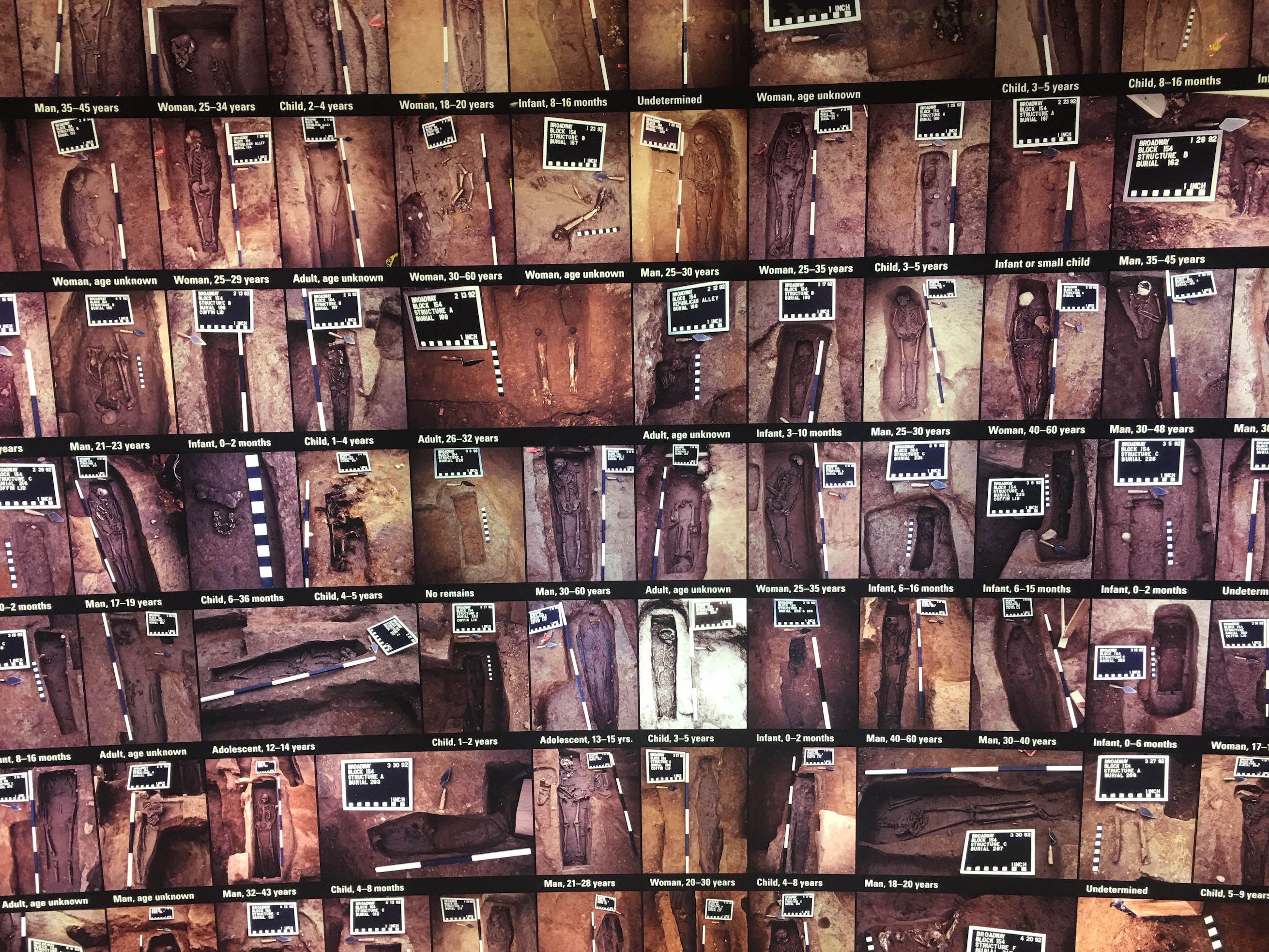
Images of the remains found on the site of the very building you’re standing in are displayed inside the visitors center.
With the departure of the British in 1783 and the beginning of the city’s great march northward, this land quickly became much more valuable. By the early 1810s, Collect Pond and its now-spoiled natural surroundings were simply filled in, the marshes drained, the hills leveled.
The graves of many of New York’s early slave and free black population, the resting place of approximately 15,000 bodies here, were covered over in landfill, in some places 16 to 25 feet deep.
Map of the site and the projected location of other burials. Below is a current Google Map satellite view of the site:
Courtesy National Park Service
The early structures built atop the burial ground were not very tall, none more than a few stories high. As a result, the depths of their foundations were no deeper than 20 feet or so. In some places, the burial ground lay below the newly erected buildings, completely preserved by the landfill that had been hastily thrown over it.
Flash forward—way forward—to 1991, when New York City was home to hundreds of skyscrapers, but unbelievably this small seven-acre area still only held structures of modest height. When work began on a nearby government building at 290 Broadway, excavators happened upon the first evidence of human remains. Throughout the next year, excavations would uncover a total of 419 bodies, along with a wide assortment of artifacts.
The monument to this discovery, completed in 2007 and operated by the National Park Service, returns a bit of grace and reverence to this site, and focuses on the spiritual beliefs of those who were interred here centuries ago. Immediately to your right is a set of seven evenly and elevated spaced beds of grass, where the bodies of the 419 have once again been buried, collected in hand-carved wooden sarcophagi.
The following words are inscribed upon the monument (Duane Street, between Broadway and Lafayette Street. Visitors’ center at 290 Broadway):
For all those who were lost For all those who were stolen For all those who were left behind For all those who are not forgotten
PODCAST The musical story of the Cotton Club, the most famous (and infamous) nightclub of the Jazz Age.
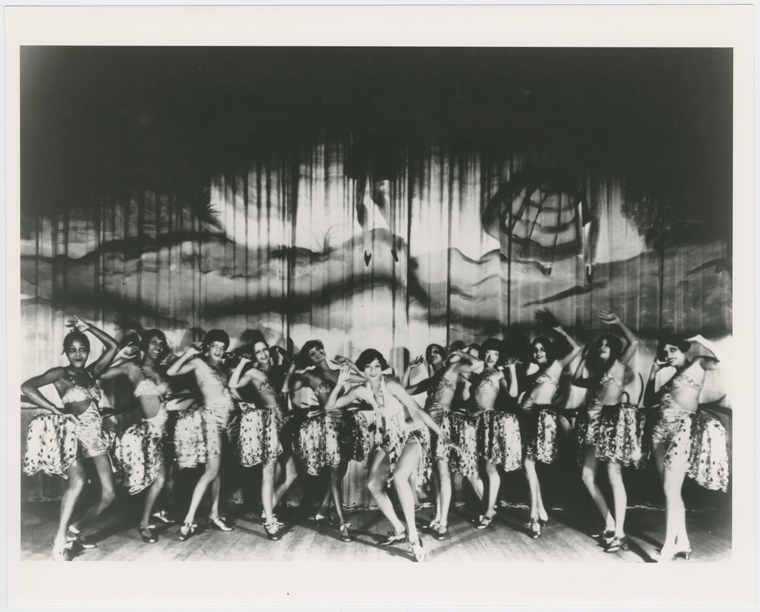
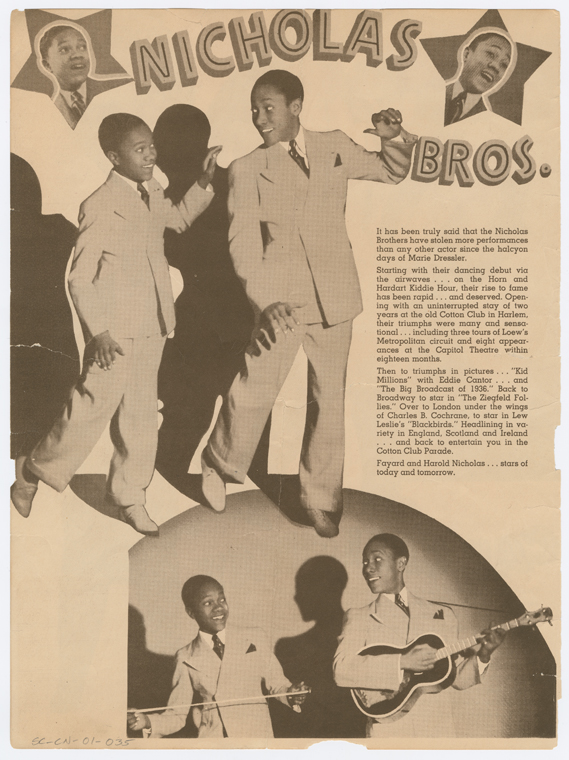
The Cotton Club, Harlem’s most prominent nightclub during the Prohibiton era, delivered some of the greatest music legends of the Jazz Age — Duke Ellington, Cab Calloway, Fletcher Henderson, Ethel Waters, the Nicolas Brothers. Some of the most iconic songs in the American songbook made their debut at the Cotton Club or were popularized in performances here.
But the story of gangster Owney Madden‘s notorious supper club is hardly one to be celebrated.
That the Cotton Club was owned by Prohibition’s most ruthless mob boss was just the beginning. The club enshrined the segregationist policies of the day, placing black talent on the stage for the pleasure of white patrons alone. Even the club’s flamboyant decor — by Ziegfeld’s scenic designer, no less — made sure to remind people of these ugly admission practices.
This is the tale of Harlem late night — of hot jazz and illegal booze, of great music and very bad mobsters. Featuring some of the greatest tunes of the day by Ellington, Calloway, King Oliver and more.
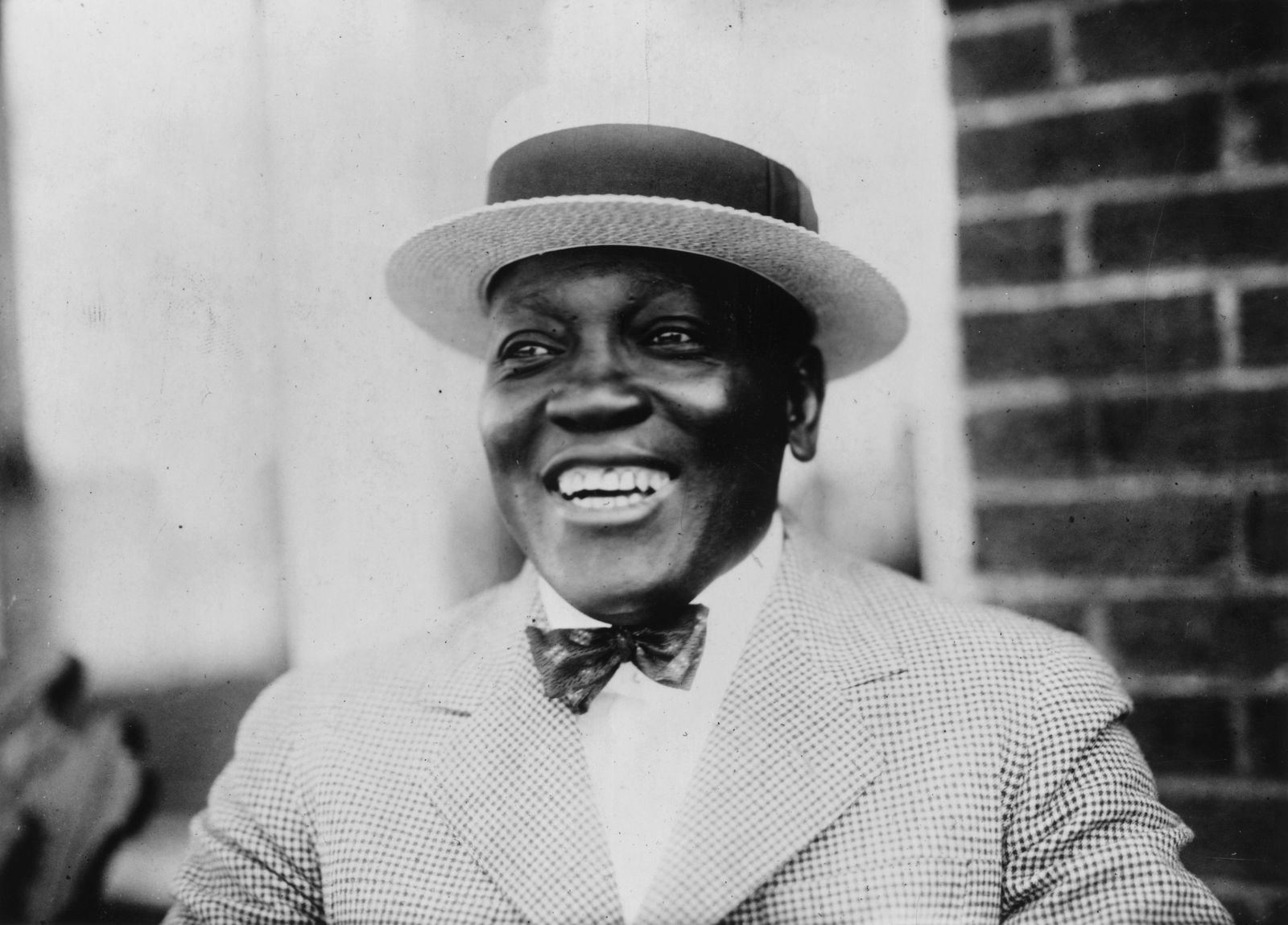
The Cotton Club was spawned from an earlier nightspot called Club Deluxe, owned by boxer Jack Johnson. (Below: Johnson in 1910)
Courtesy Getty Images)
Club Deluxe was renamed The Cotton Club in 1923 by Owney Madden, the mob boss and supplier of illegal booze.
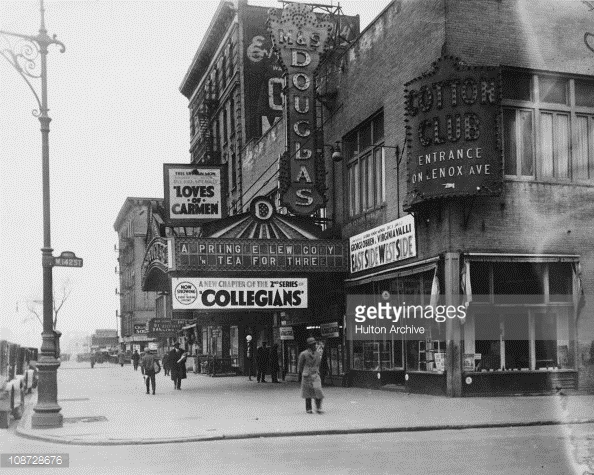
The original Cotton Club at 142nd Street and Lenox Avenue. The Douglas Theater, on the ground floor, is doing much better here, photo taken sometime in 1927:
Courtesy Getty Images
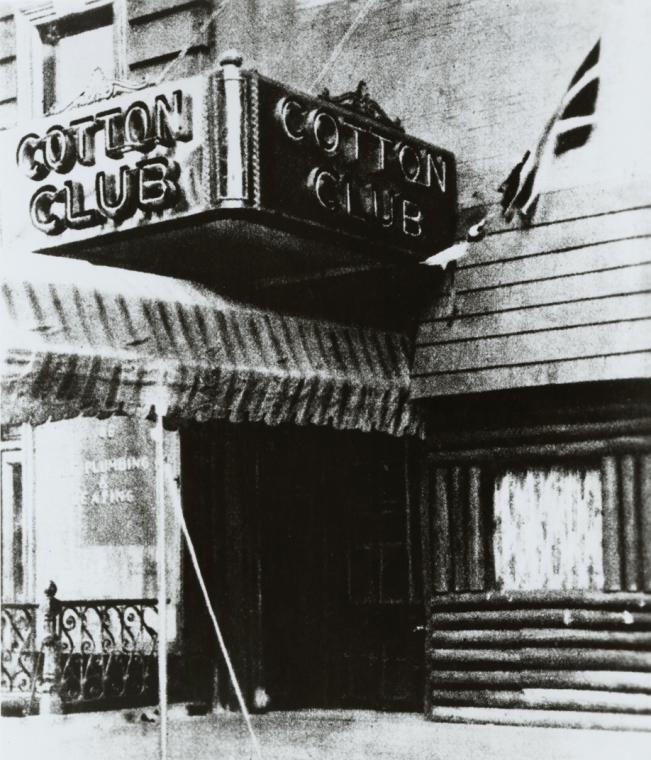
The entrance to the Harlem Cotton Club. Note the log decoration to make it appear like some old rugged shack.
Courtesy New York Public Library
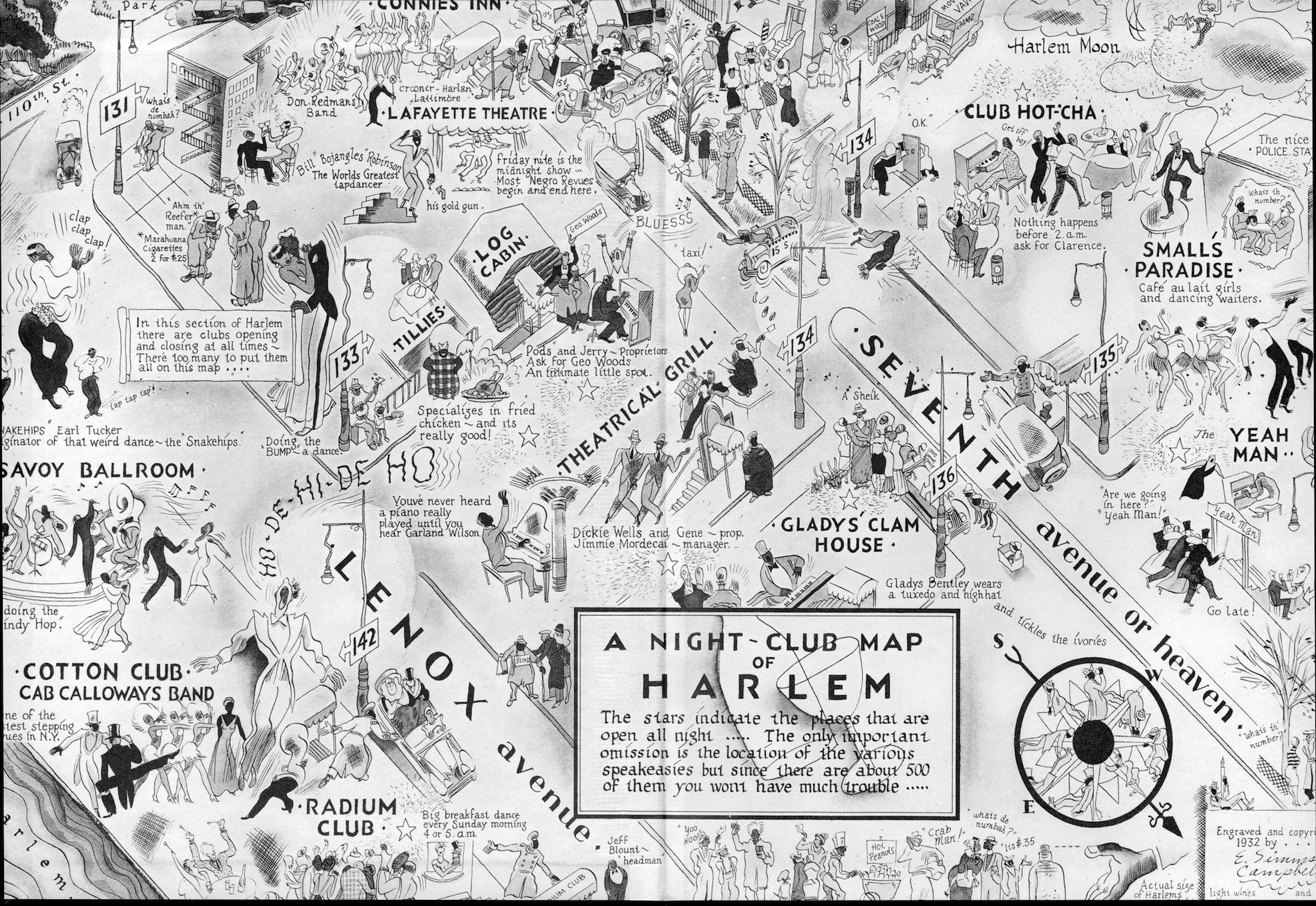
A map from 1932 of the Harlem nightclub scene, featuring the Cotton Club, Small’s Paradise, Connie’s Inn, the Savoy Ballroom and more….
Courtesy Open Culture
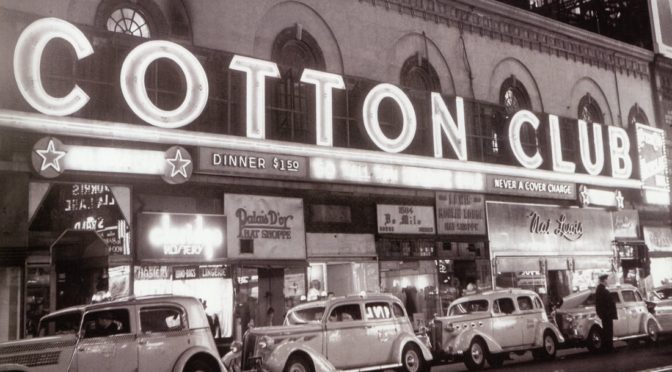
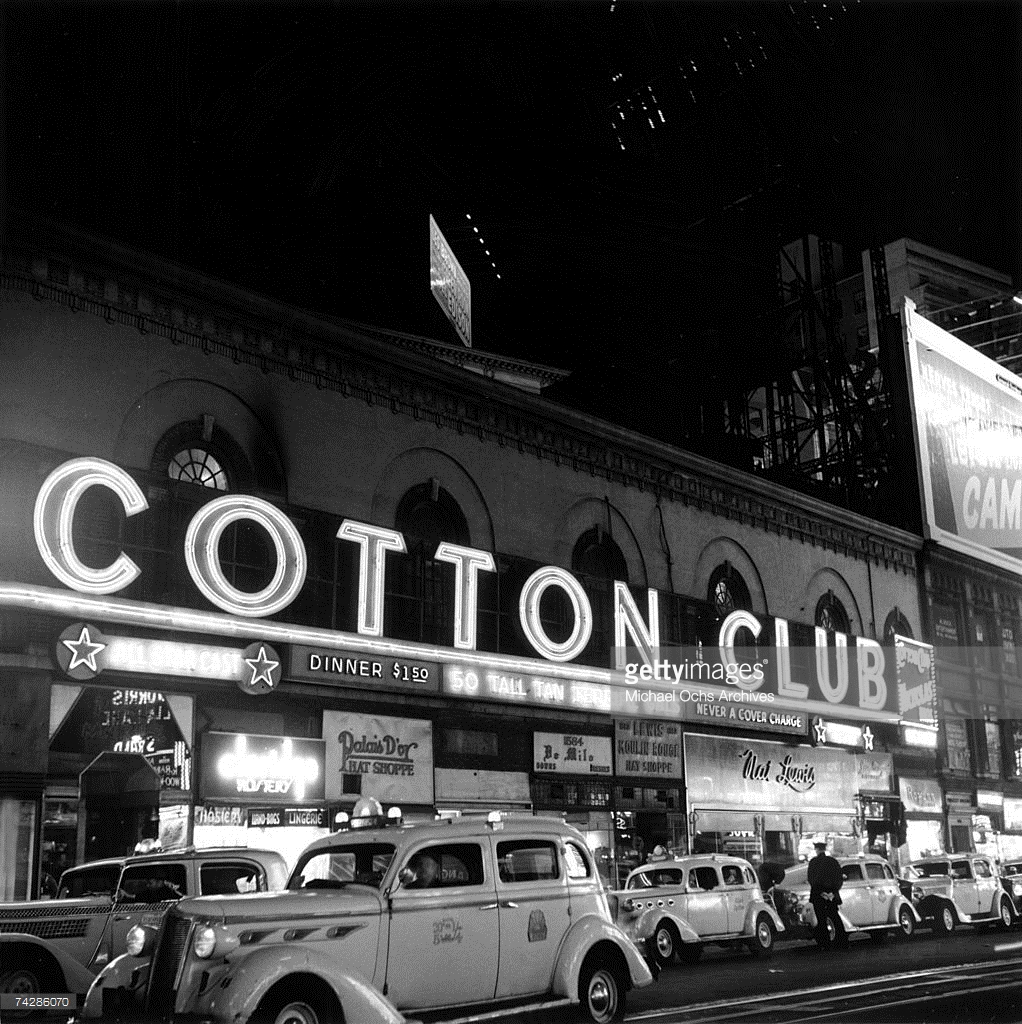
The Broadway Cotton Club as it looked one evening in 1938.
Courtesy Getty Images/ Michael Ochs Archives
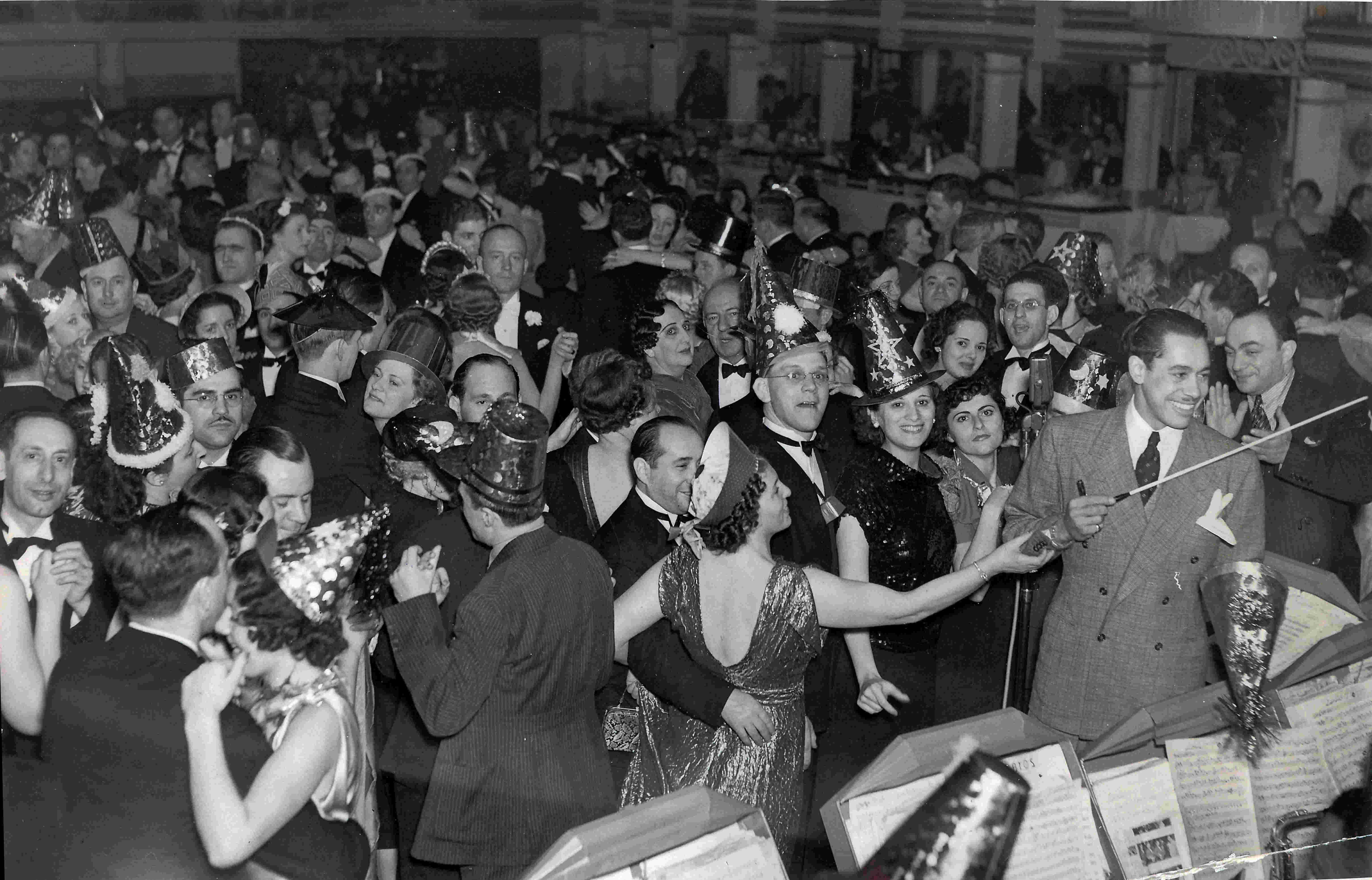
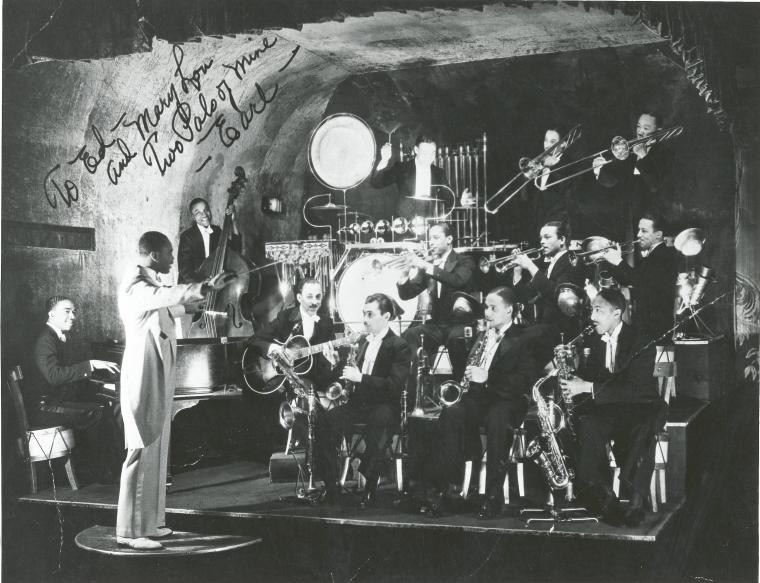
A look at the interior of the Broadway Cotton Club circa, during an New Year’s celebration, 1937, with Cab Calloway conducting.
Courtesy the Hi De Ho Blog, devoted to Cab Calloway
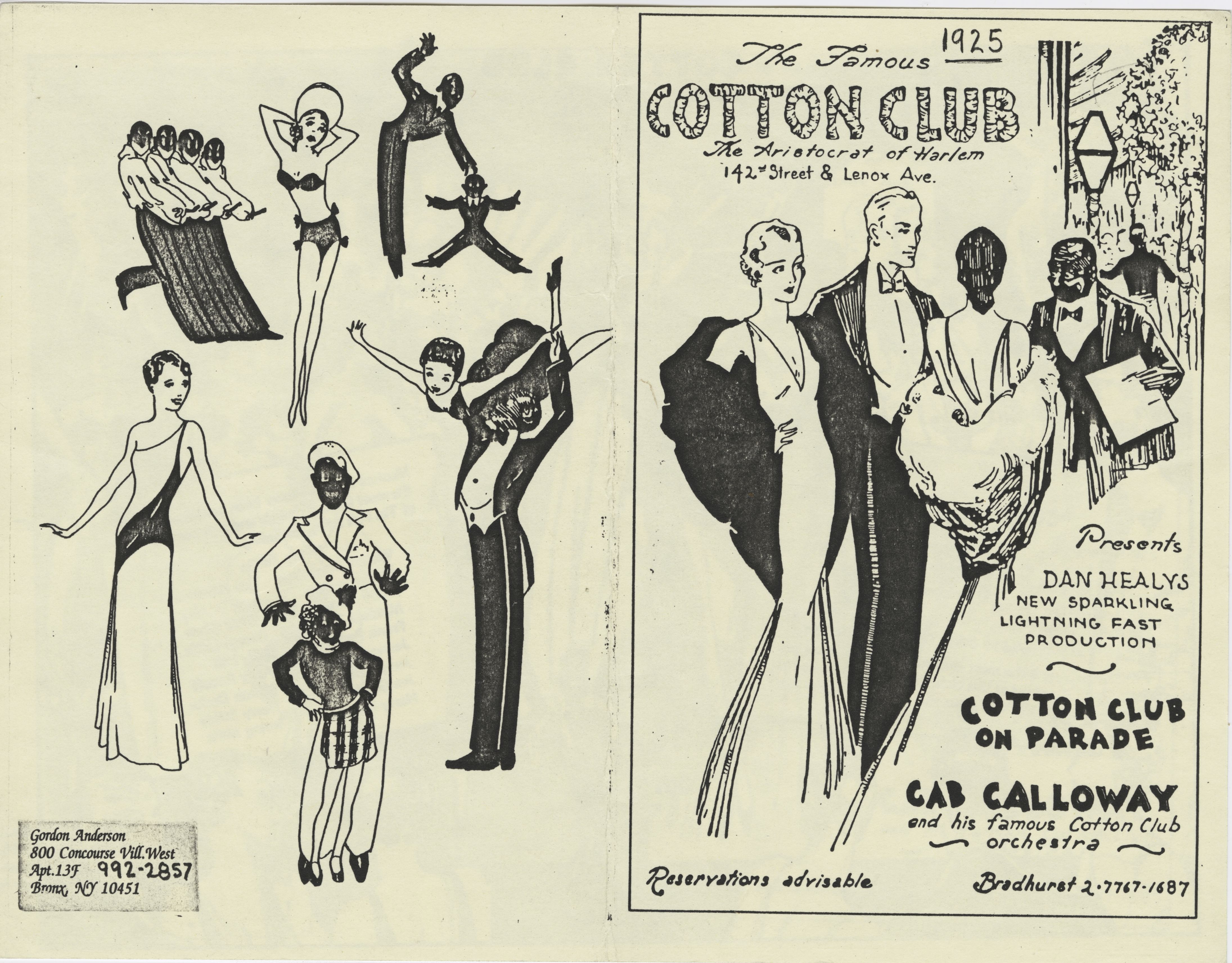
An advertisement or program for The Cotton Club. The year 1925 is penciled in at the top, but it has to be from a later date. Calloway had just graduated from high school in 1925!
Courtesy New York Public Library
Maude Russel and her Ebony Steppers, performing in the 1929 Cotton Club show called ‘Just A Minute’.
Courtesy New York Public Library
A shot of Jimmy Lunceford and His Orchestra in 1934.
Courtesy New York Public Library
An advertisement for the Nicolas Brothers, for a performance in 1938 at the Broadway Cotton Club.
Courtesy New York Public Library
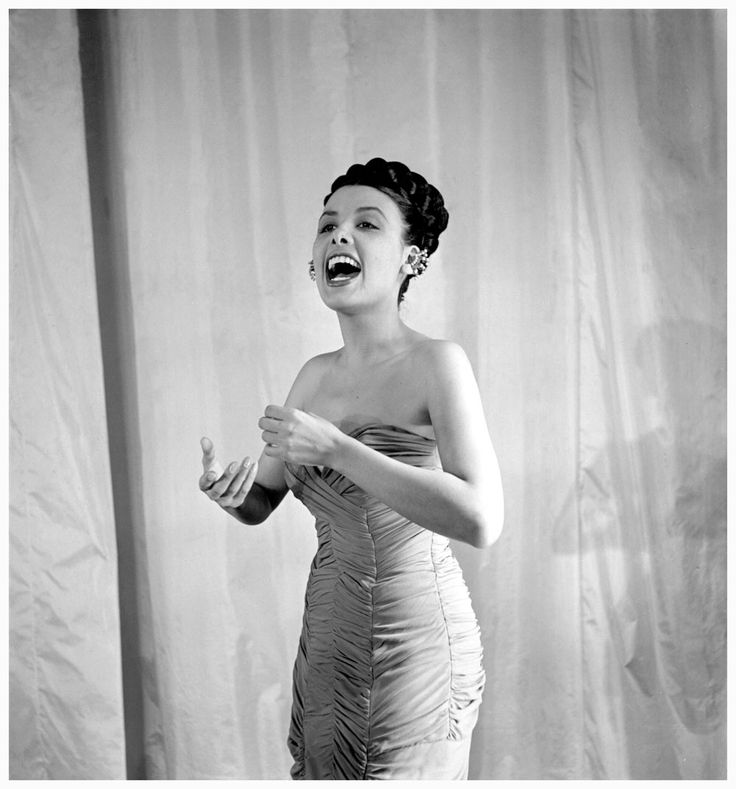
Lena Horne started out in the Cotton Club chorus line but eventually became a headlining star in her own right.
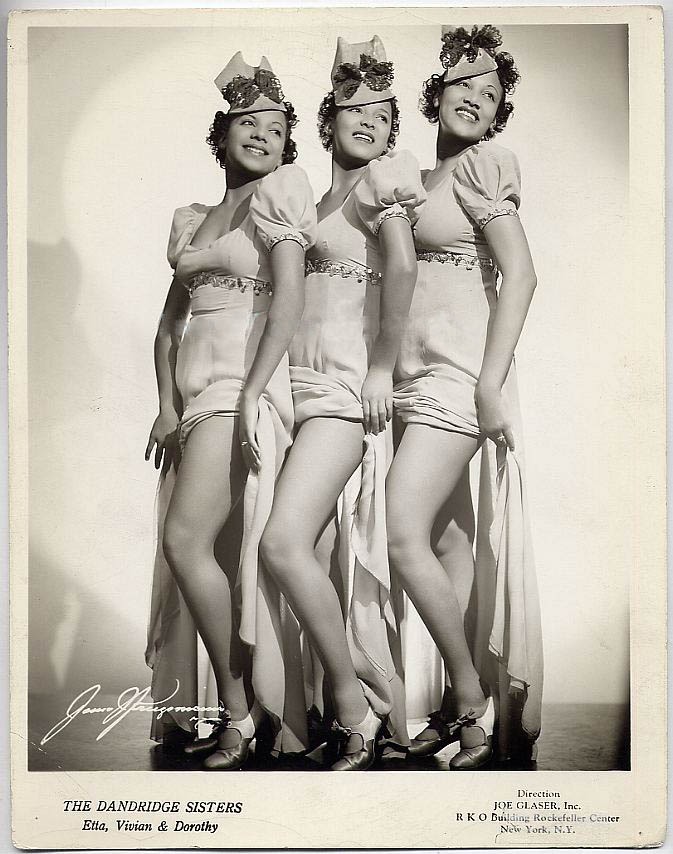
The Dandridge Sisters were notable performers in the final years of the Cotton Club.
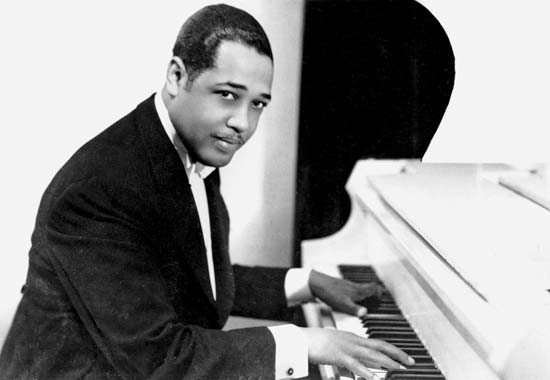
The young and dashing Duke Ellington became a superstar in the years following his Cotton Club residency.
Duke Ellington and his Cotton Club Band, in a 1930 film appearance:
In 1934, Cab Calloway made this short film featuring his music:
Cab Calloway’s here too, in this clip from the film Stormy Weather, but the real stars are the Nicholas Brothers in a breathtaking dance number:
THIS PODCAST FEATURED MUSICAL SNIPPETS FROM THE FOLLOWING SONGS:
Black and Tan Fantasy – Duke Ellington
Drop Me Off In Harlem – Duke Ellington
Speak Easy Blues – King Oliver Jazz Band
Charleston – Paul Whiteman
Mood Indigo – Duke Ellington
Swing Session – Duke Ellington
If You Were In My Place – Duke Ellington
Minnie the Moocher – Cab Calloway
I’ve Got The World On A String – Duke Ellington
Stormy Weather – Ethel Waters
On The Sunny Side of the Street – Duke Ellington
NOTES ON THIS SHOW:
— I made two amusing flubs in this show 1) Duke Ellington’s nickname is probably inspired by the Duke of Wellington, not (obviously) the Duke of Ellington, 2) the name of the movie with Lena Horne and the Nicholas Brothers is obviously named Stormy Weather, not Stormy Weathers (which must be the name of a drag queen somewhere)
— Jack Johnson‘s story is so much more complex and I wish I had more time to talk about him. For more information, check out the incredible documentary (and the book it’s based on by Geoffrey C Ward) called Unforgivable Blackness: The Rise and Fall of Jack Johnson.
In 1906, visitors to the Bronx Zoo observed a rather bizarre sight in the Monkey House — the exhibition of a man in African dress, often accompanied by a parrot or an orangutan.
An African pygmy, so read the sign, “Age, 23, Height, 4 feet 11 inches, Weight 103 pounds, Brought from the Kasai River, Congo Free State, South Central Africa.” Displayed in one of America’s foremost institutions devoted to the display and care of exotic animals. Elephants, tigers, polar bears, snow leopards, bison. And one young man named Ota Benga.
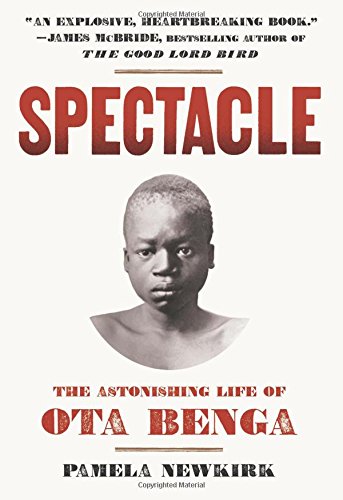
He is the subject of Pamela Newkirk’s engaging new book Spectacle: The Astonishing Life of Ota Benga, both a sincere ode to his tragic life and a contemporary accusation of the terrible forces that exploited him over a century ago.
But the story is really about the ghost of Ota Benga.
He spoke little English and there are no accounts from his perspective. Almost everything we know is from the perspective of a jaundiced press and the glare of condescending authority. He was the subject of great fabrications over the years; the truth is almost impossible to extricate from hyperbole.
While his story is front and center in Spectacle, but he barely raises his voice. He never had one.
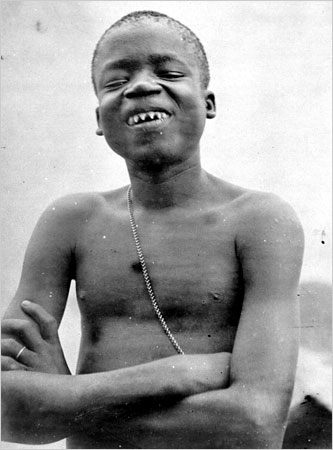
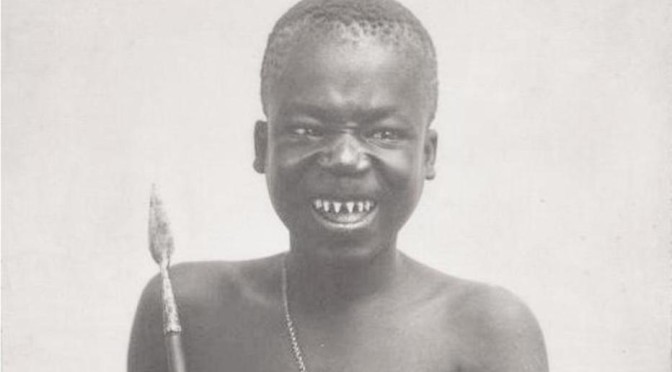
1906 photograph of Ota Benga, described as being taken at Bronx Zoo. (Wikimedia) Creator(s): Bain News Service, publisher Ota Benga is probably not even his real name. And even then, it’s twisted and distorted mercilessly, sometimes by the man himself. (When he died in 1916, he was known as Ota Bingo.)  In 1904 he was rescued from captivity in the Congo by the explorer and would-be scientist Samuel Phillips Verner.
This is probably true although Verner is an unreliable source, often changing his own biography to burnish his reputation in the science community.  Verner was the product of his age, seeing Africans as inferior beings but seeing their continent as a source of revenue. Verner sought to profit handsomely from his ‘explorations’ both by currying favor with the Belgian King Leopold II (the ruthless leader who exploited the people of the Congo) and by snatching human specimens for display in America.
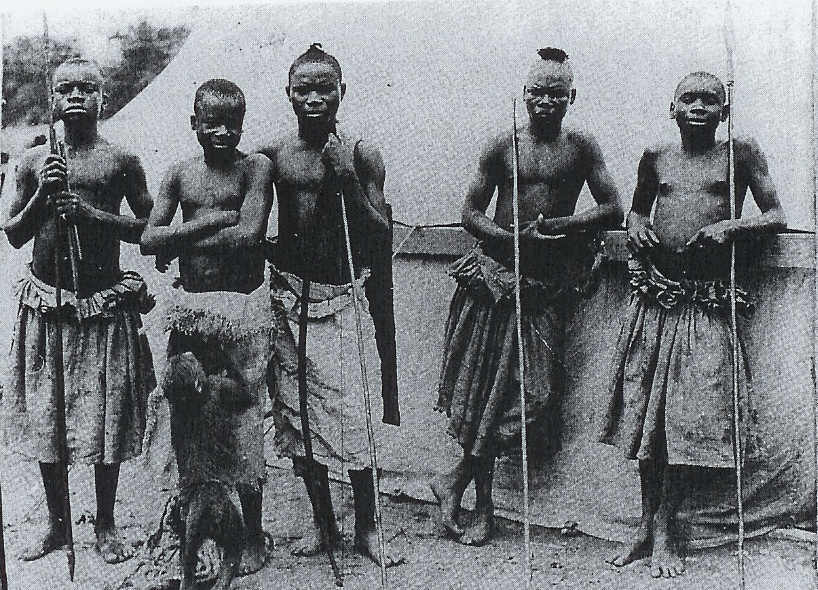
Ota Benga first arrived with a group of other men and boys for an exhibition at the 1904 St. Louis World’s Fair. Â People delighted at his mischievous nature and unusual appearance. His teeth were filed into points, a decorative trait that exhibitors (including Verner) proclaimed were the product of a cannibalistic nature.
Below: Ota Benga at the St. Louis World’s Fair with other men taken from AfricaÂ
He went back with Verner to Africa only to arrive back in America by 1906 where he was placed in the care of the American Museum of Natural History. Ota Benga actually lived inside the museum, subject to more than a few indignities. “I have bought a duck suit for the Pigmy,” wrote Hermon Carey Bumpus, the director of the museum, to Verner. “He is around the museum, apparently perfectly happy and more or less a favorite of the men.”
Ota Benga’s removal to the Bronx Zoo and subsequent display in the Monkey House has certainly been a blight to that institution’s history. The decision reveals the outmoded and racist philosophies that pervaded scientific thinking of the day.
At best, Ota Benga was simply an object in an exotic diorama with audiences prodding him to do tricks. His humanity was barely considered. At worst, the exhibition lays bare the racism of the day in the most baldy sinister way possible, corroding even the most esteemed institutions of the day.
It’s a small relief to hear of the many criticisms the zoo received in the press back in 1906. Sanity soon prevailed and Ota Benga left the zoo to live in an orphanage in Weeksville, Brooklyn.
Newkirk gives the life of Ota Benga a proper eulogy. She crafts an intriguing tale around the many uncertainties of his biography, sometimes even stopping to analyze his state of mind.  I greatly credit the author for parsing through volumes of inaccurate news reports in search of even the smallest grains of truth.
His story ends with an unsatisfying hollowness, outside New York and far from the Congo. Few in his life ever treated him as an equal. In fact, due to his size, he was frequently treated like a boy, although he mostly like ended his life in his early 30s.  He never found a place to fit in.
There’s only a single moment in the book where Newkirk lets us in on his marvelous potential, on a life that could have been under more fair and enlightened circumstances.
He becomes, for a moment, “a father figure and hero” to a group of small African-American boys in Lynchburg, Virginia. Â “In Benga they found an open and patient teacher, a beloved companion, and a remarkably agile athlete who sprinted and leaped over logs like a boy. And with his young companions Benga could uninhibitedly relive memories of a lost and longed-for life and retreat to woods that recalled home.”
Spectacle: The Astonishing Life of Ota Benga
Amistad, HarperCollinsPublishers
by Pamela Newkirk
Other recently reviewed books on the Bowery Boys Bookshelf:

![1906 photograph of Ota Benga, described as being taken at Bronx Zoo. (Wikimedia) Title: Ota Bengi Creator(s): Bain News Service, publisher Date Created/Published: [no date recorded on caption card] Medium: 1 negative : glass ; 5 x 7 in. or smaller. Reproduction Number: LC-DIG-ggbain-22741 (digital file from original negative) Rights Advisory: No known restrictions on publication. Call Number: LC-B2- 3971-2 [P&P] Repository: Library of Congress Prints and Photographs Division Washington, D.C. 20540 USA http://hdl.loc.gov/loc.pnp/pp.print Notes: Title from unverified data provided by the Bain News Service on the negatives or caption cards. Forms part of: George Grantham Bain Collection (Library of Congress). General information about the Bain Collection is available at http://hdl.loc.gov/loc.pnp/pp.ggbain Format: Glass negatives. Collections: Bain Collection Bookmark This Record: http://www.loc.gov/pictures/item/ggb2005022751/](https://www.boweryboyshistory.com/wp-content/uploads/2015/06/tumblr_mblqmjIlfr1rxtv35.jpg)