Categories
Podcasts Politics and Protest

New York City and the Underground Railroad: Escaping to freedom through a hostile city

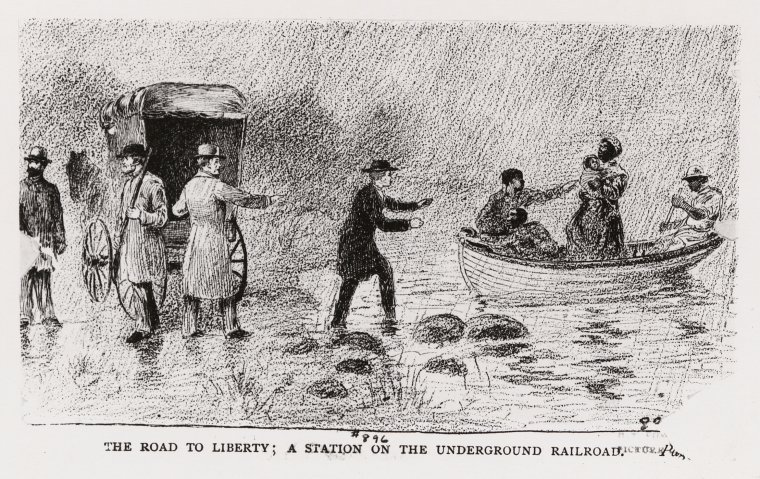
PODCAST For thousands of people escaping the bonds of slavery in the South, the journey to freedom wound its way through New York City via the Underground Railroad.


The Underground Railroad was a loose, clandestine network of homes, businesses and churches, operated by freed black people and white abolitionists who put it upon themselves — often at great risk — to hide fugitives on the run.

New York and Brooklyn were vital hubs in this network but these cities were hardly safe havens. The streets swarmed with bounty hunters, and a growing number of New Yorkers, enriched by Southern businesses, were sympathetic to the institution of slavery. Not even freed black New Yorkers were safe from kidnapping and racist anti-abolitionist mobs.

In this podcast we present some of the stops in New York along the Underground Railroad — from offices off Newspaper Row to the basement of New York’s first African-American owned bookstore. You’ll be familiar with some of this story’s leading figures like Frederick Douglass, Harriet Tubman and Henry Ward Beecher. But many of these courageous tales come from people who you may not know — the indefatigable Louis Napoleon, the resolute Sydney Howard Gay, the defiant David Ruggles and James Hamlet, the first victim of the 1850 Fugitive Slave Act.

PLUS: A trip to Brooklyn Heights and the site of New York’s most famous Underground Railroad site — Plymouth Church

LISTEN HERE:

_______________________________________________________

The Bowery Boys: New York City History podcast is brought to you …. by you!

We are now producing a new Bowery Boys podcast every week. We’re also looking to improve the show in other ways and expand in other ways as well — through publishing, social media, live events and other forms of media. But we can only do this with your help!

We are now a member of Patreon, a patronage platform where you can support your favorite content creators for as little as a $1 a month.

Please visit our page on Patreon and watch a short video of us recording the show and talking about our expansion plans. If you’d like to help out, there are five different pledge levels (and with clever names too — Mannahatta, New Amsterdam, Five Points, Gilded Age, Jazz Age and Empire State). Check them out and consider being a sponsor.

We greatly appreciate our listeners and readers and thank you for joining us on this journey so far. 

________________________________________________________

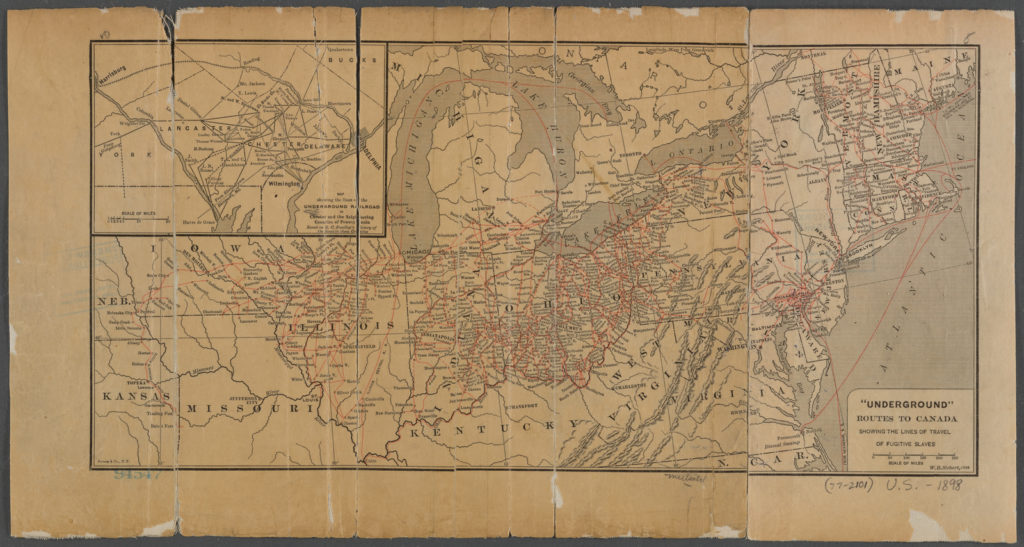
The many routes of the Underground Railroad, in an 1898 map by cartographer Wilbur Henry Siebert.
New York Public Library

An advertisement for the capture of a runaway slave, published during the colonial era (1760s)
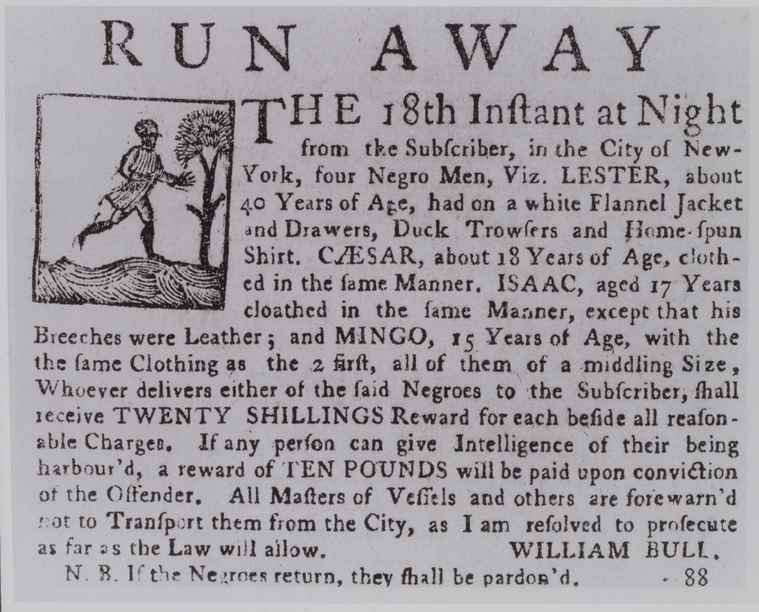
Schomburg Center for Research in Black Culture, Photographs and Prints Division

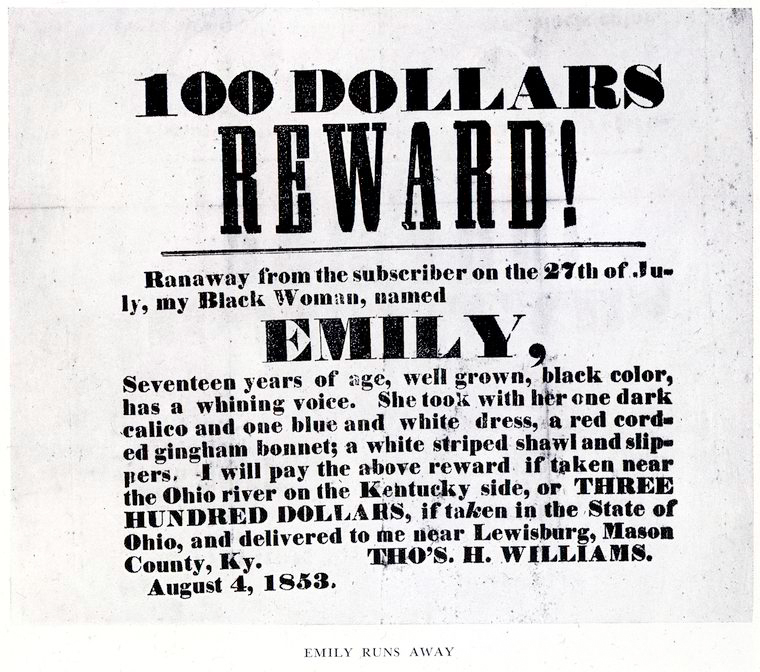
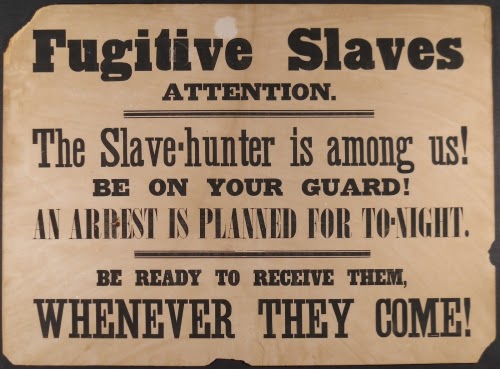
….and another, from 90 years later.

Schomburg Center for Research in Black Culture, Photographs and Prints Division

African-American New Yorkers lived in fear of being kidnapped by bounty hunters.
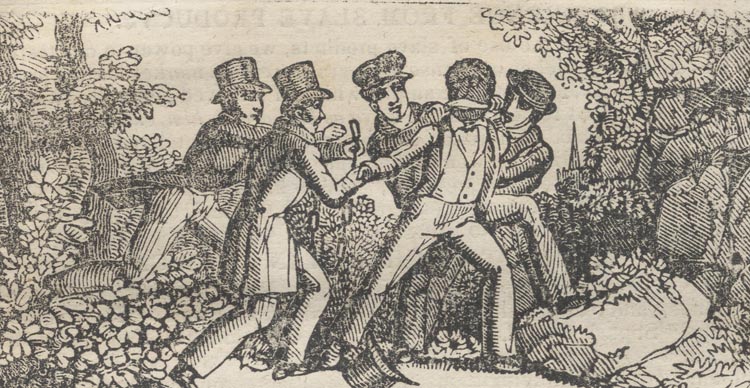
David Ruggles who operated America’s first African-American library and reading room on Lispenard Street. His home was also a stop on the Underground Railroad.
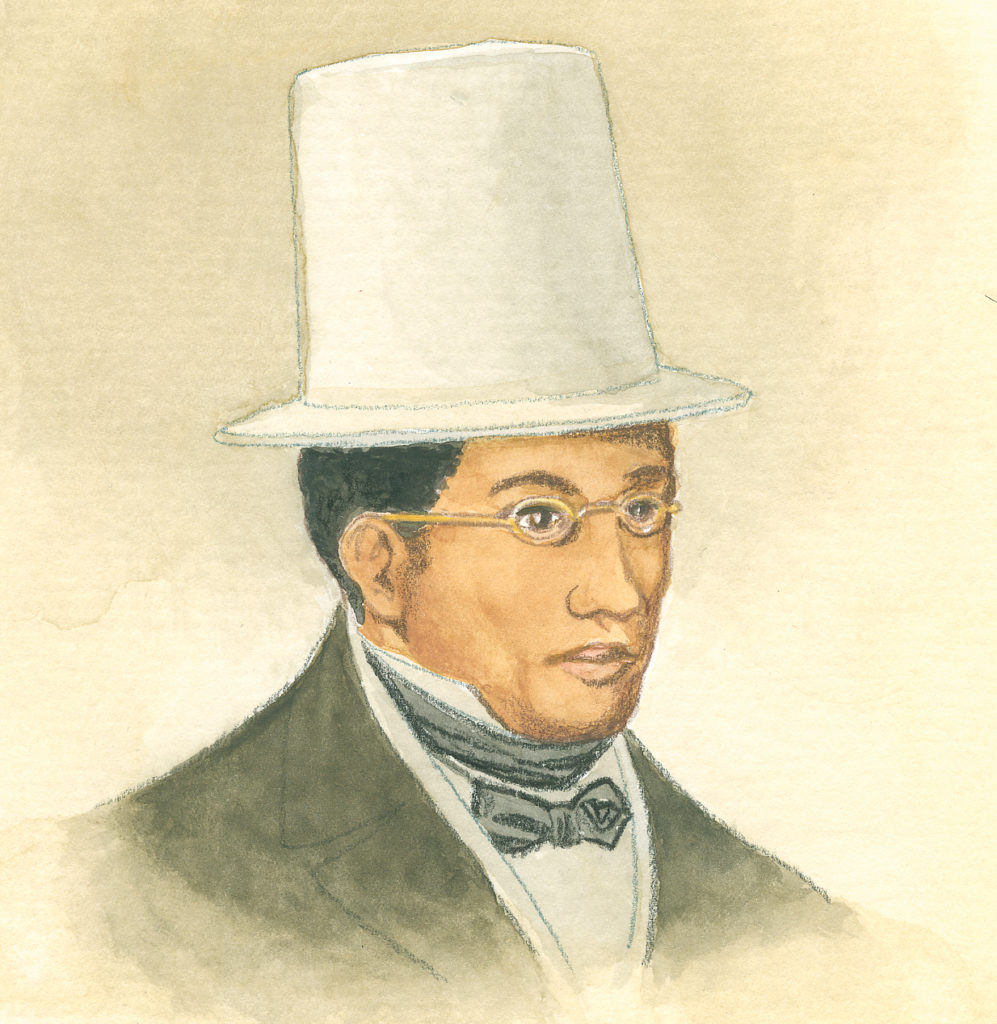
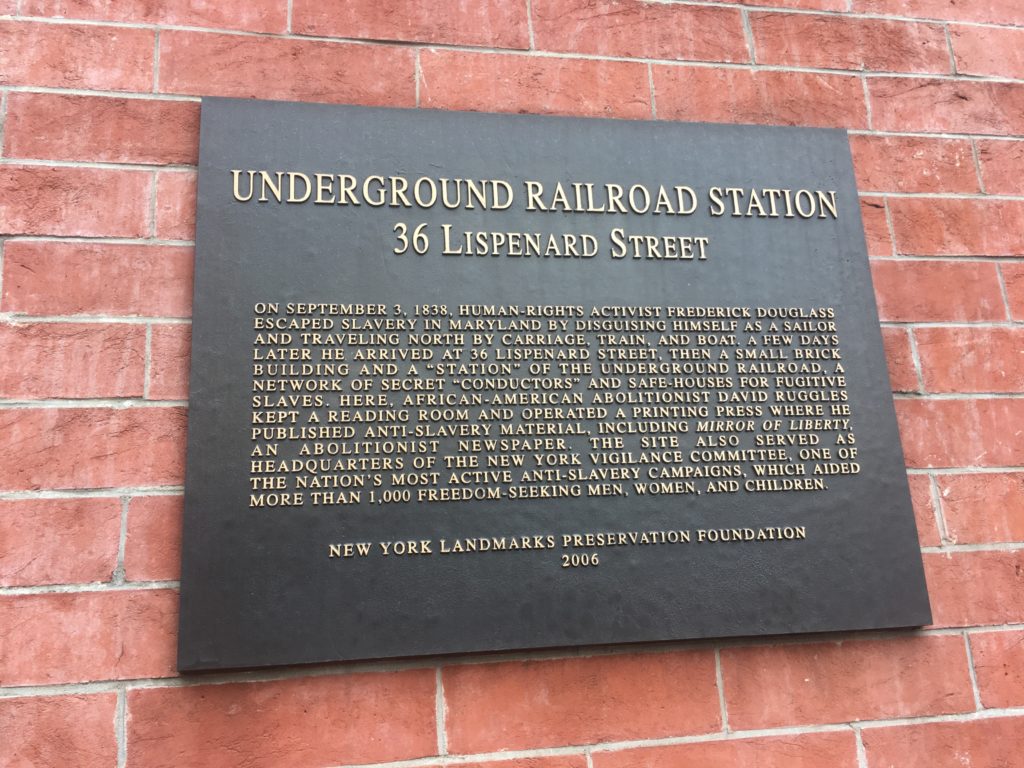
Illustration by Bob Powers (from original engraving)

At the release of James Hamlet (i.e. the purchase of his freedom by the AME Zion Church), this handbill was distributed
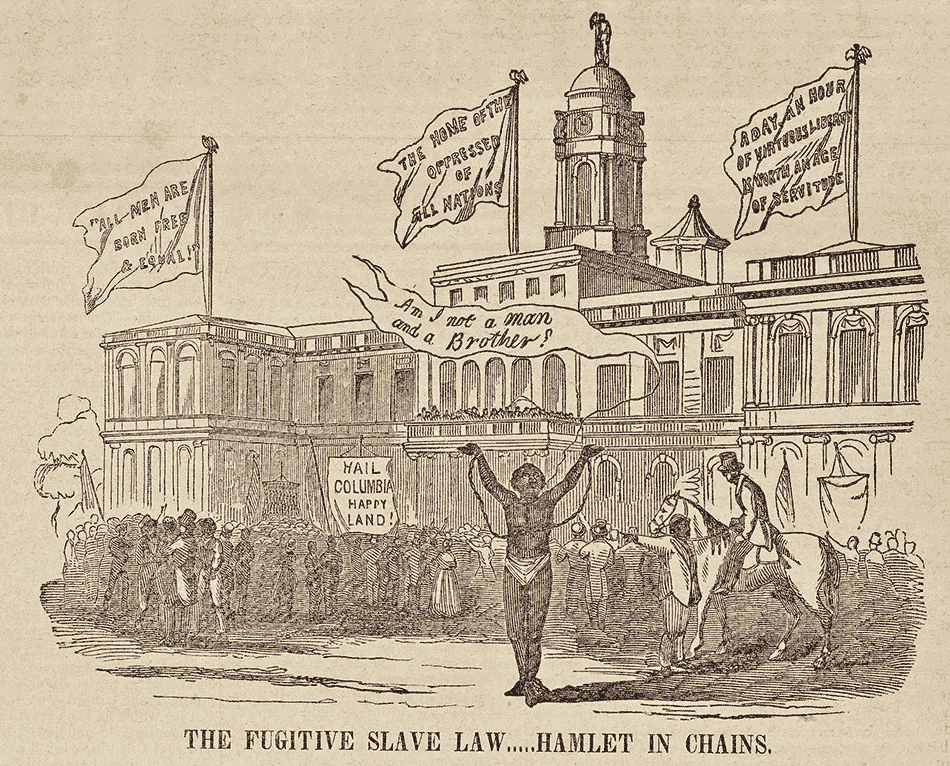
Rare Books and Manuscripts Library, Columbia University

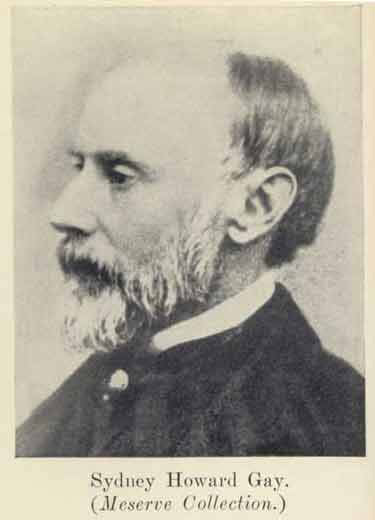
Sydney Howard Gay worked with several operatives on the Underground Railroad and was one of the few to keep records of new fugitive arrivals.
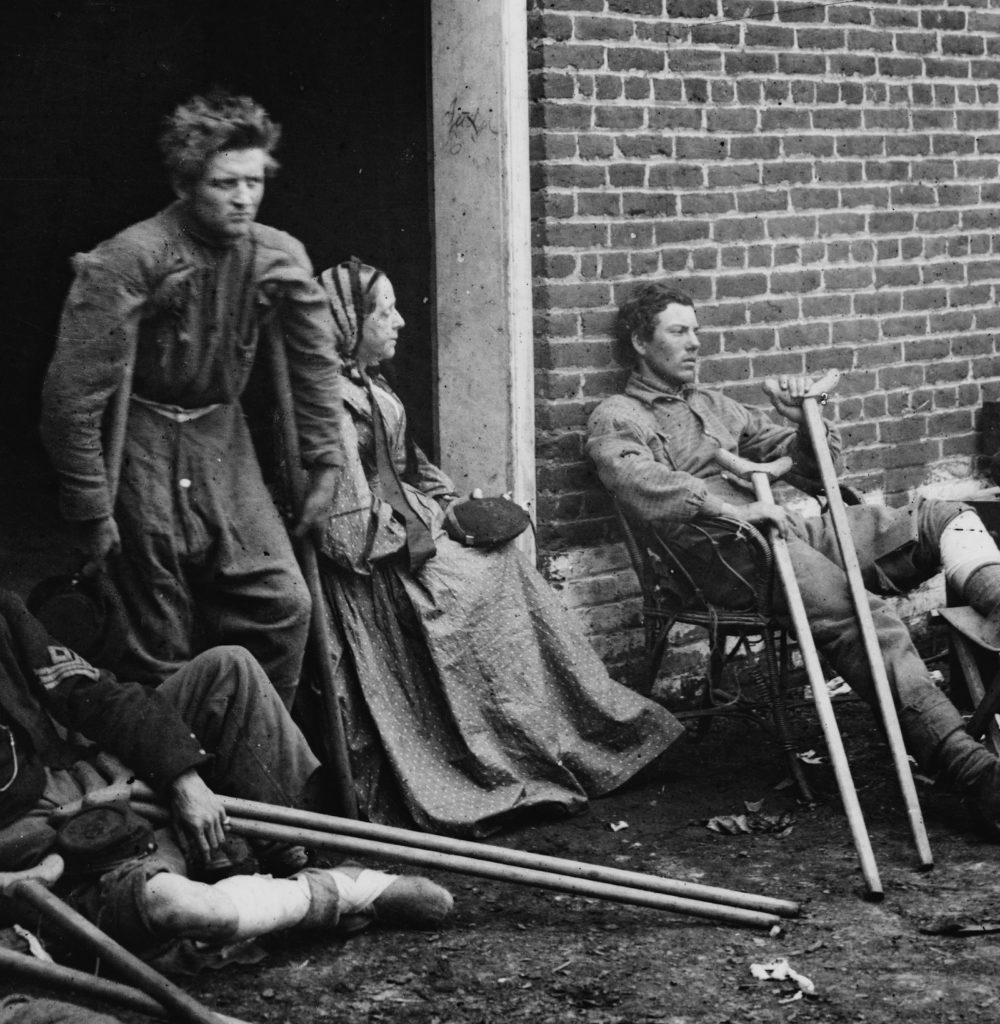
Abigail Hopper Gibbons, daughter of esteemed abolitionist Isaac Hopper, worked as a battlefield nurse in the early years of the Civil War. She returned to New York in 1863, only to be chased from her home by angry mobs during the Civil War Draft Riots.
Harriet Tubman and her family — Gertie Davis [Tubman’s adopted daughter]; Nelson Davis [Tubman’s husband]; Lee Cheney; “Pop” Alexander; Walter Green; Sarah Parker [“Blind Auntie” Parker] and Dora Stewart [granddaughter of Tubman’s brother, John Stewart].
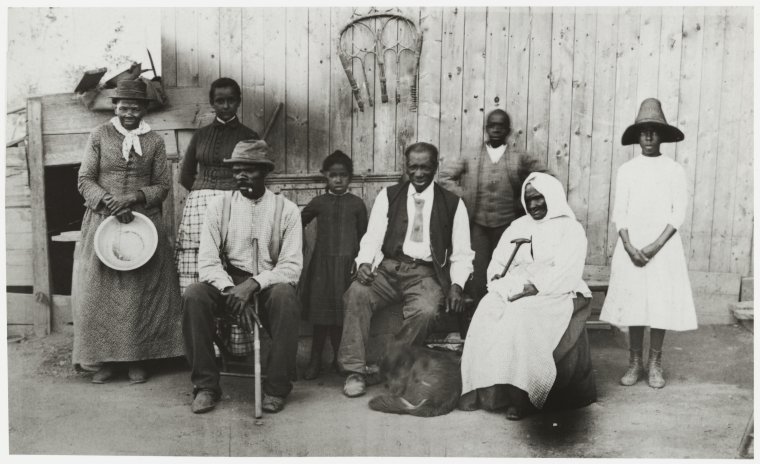
Schomburg Center for Research in Black Culture, Photographs and Prints Division

An illustration of Henry Ward Beecher‘s ‘auction’ of the enslaved woman nicknamed Pinky, held at Plymouth Church.
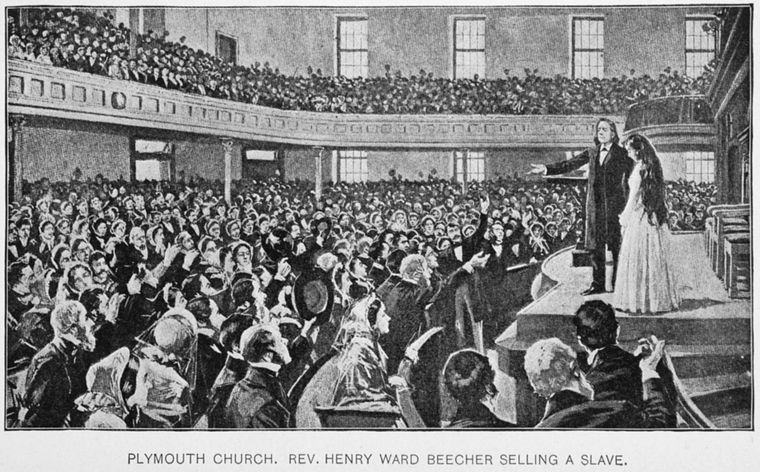
Schomburg Center for Research in Black Culture, Manuscripts, Archives and Rare Books Division

TOURS
Inside Out Tours: Slavery and Underground Railroad Walking Tour
Walks of New York
Black Gotham Experience

Plymouth Church — Public tours every Sunday at 12:30. Visit their website for more information

Plymouth now has a New Abolitionists ministry, tied into New York state’s anti-human trafficking initiatives. Visit Plymouth’s website for further information.

FURTHER READING
Bound for Canaan: The Epic Story of the Underground Railroad by Fergus M. Bordewich
Gateway to Freedom: The Hidden History of the Underground Railroad by Eric Foner
The Underground Railroad: Authentic Narratives and First-Hand Accounts (African American) by William Still

and, of course,

The Underground Railroad by Colson Whitehead

EXHIBITIONS

Brooklyn Historical Society — In Pursuit of Freedom: A long term installation celebrating the lives of Brooklyn abolitionists

Weeksville Heritage Center — Site of one of America’s first free black communities in the 19th century

You may also be interested in New-York Historical Society‘s online exhibit New York Divided: Slavery and the Civil War

FURTHER LISTENING
We mentioned these past Bowery Boys podcast on the show. After you’ve finished listening to our Underground Railroad show, give these a try!
Categories
Brooklyn History

Henry Ward Beecher, on the 200th anniversary of his birth

If anybody could be called a patron saint of Brooklyn, one of the nominees would be Henry Ward Beecher, born 200 years ago today.  In 1847, he arrived in Brooklyn at the behest of a new congregation and, within a few years, his pulpit there at Plymouth Church would draw thousands.  Perhaps Beecher would also be called Brooklyn’s second great tourist attraction, after Green-Wood Cemetery (which opened nine years earlier and where Beecher is buried today).

Beecher is known for his famous sister Harriet Beecher Stowe, his relatively progressive views on abolition, and his famous friendships with people like Abraham Lincoln, Elizabeth Cady Stanton, and Henry David Thoreau.  But his reputation was besmirched in 1870 in a shocking adultery scandal involving the wife of newspaper editor Theodore Tilton and even free love advocate and scandal magnet Victoria Woodhull!

Celebrate Beecher’s two-hundredth birthday with a visit to is monument facing into the plaza at Brooklyn Borough Hall and short walk to Plymouth Church at 75 Hicks Street.  And listen to my podcast recorded back in 2008!  You can find it in the Bowery Boys Archives on iTunes (here), download it at this link or play it here below, via SoundCloud!

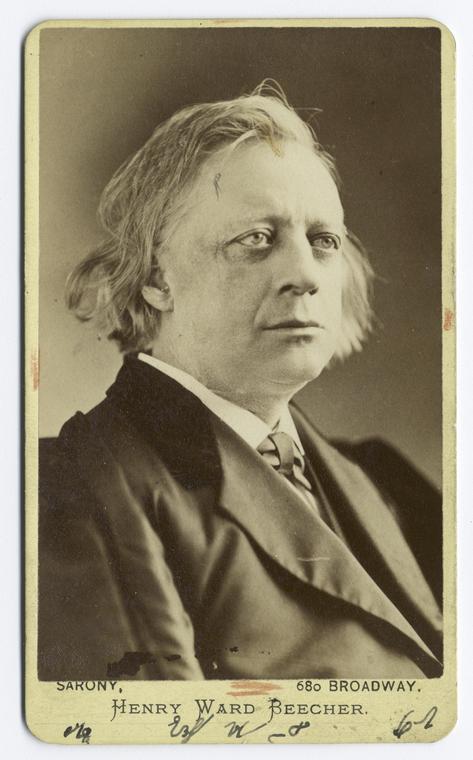
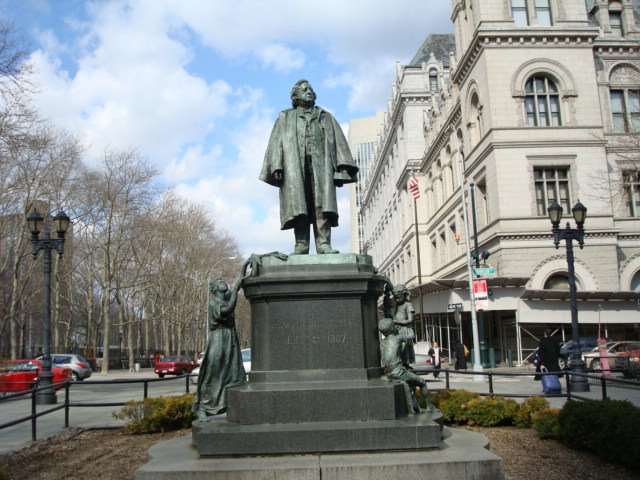
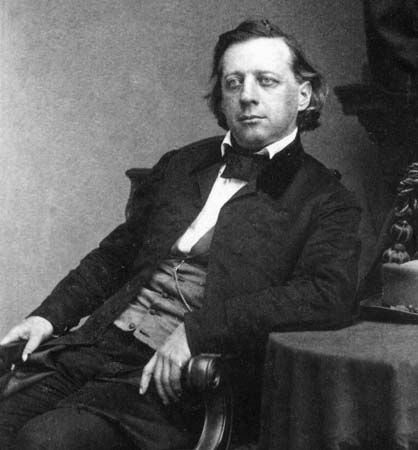
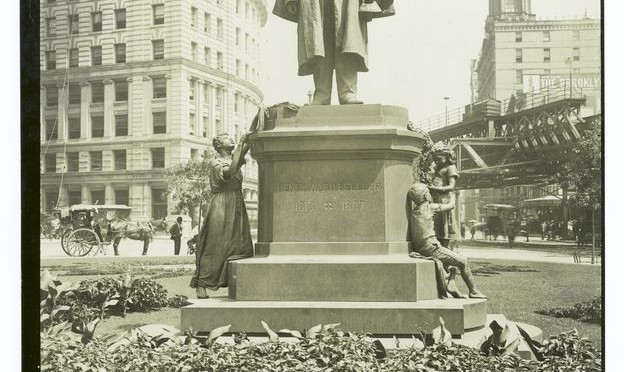
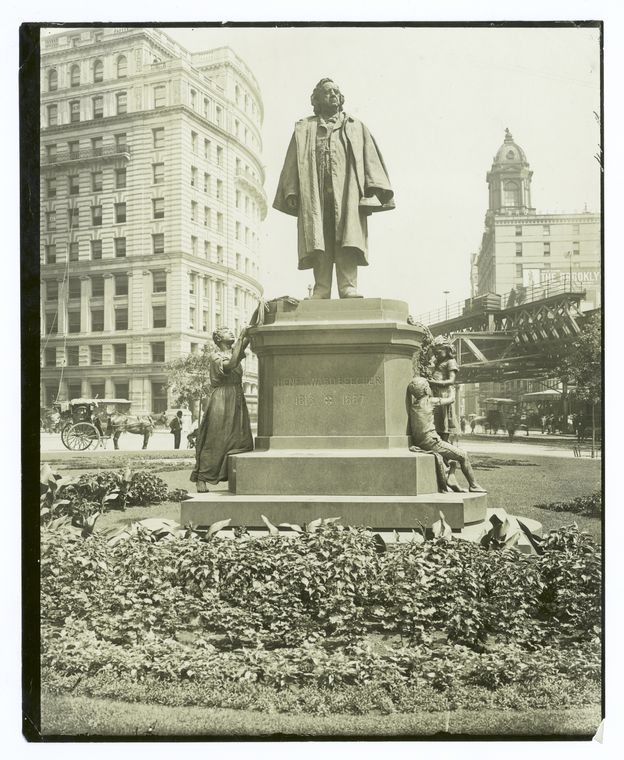
At top: the Beecher statue created by John Quincy Adams Ward, as it looked in the 1890s with horsecars and elevated railroads in the background.  At left: Beecher’s carte de visite

Categories
Neighborhoods

Why are there so many Henry Streets in New York City?

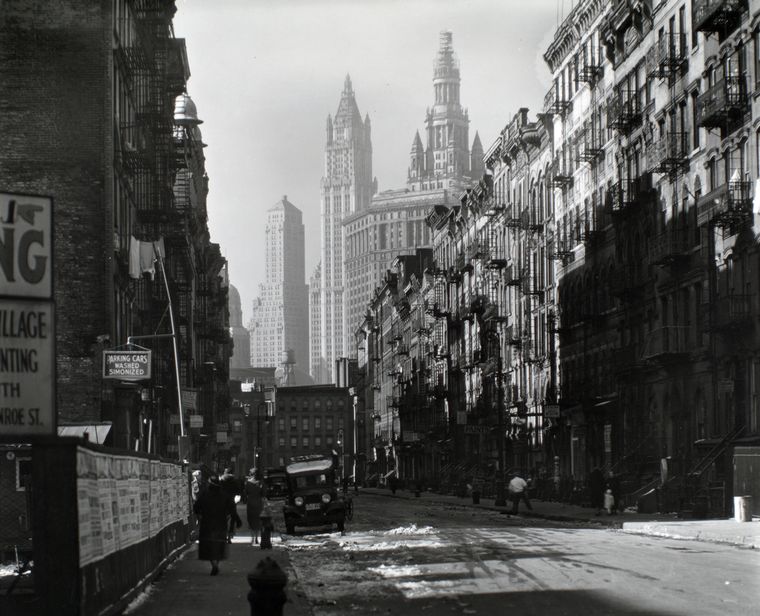
Manhattan’s Henry Street looking south, 1935, photo by Berenice Abbott (NYPL)

Since Manhattan and Brooklyn developed as two separate cities before they were intertwined within consolidated New York City in 1898, it’s not surprising to see similar street names in both boroughs, deriving from different origins.  But the Henrys being honored in these street names are quite different:

Henry Street (Manhattan) is named for Henry Rutgers, the Revolutionary War hero and the financial savior of Queen’s College in New Jersey, who thanked him by renaming themselves Rutgers College (later University).  You’ll find a Rutgers Street in the Lower East Side too; in fact, it intersects with Henry Street. I wonder if he had a middle name?

This of course the Henry Street of  Henry Street Settlement, the pivotal health and social services provider which opened on this street in 1895.

Henry Street (Brooklyn), however, is named for Dr. Thomas W. Henry, a prominent physician in the 1820s who treated the early aristocracy of Brooklyn Heights.  

Although Henry was president of the Medical Society of the County of Kings from 1831-32, it doesn’t seem like he was a name for the annals of medical history. The reason he got his own street has to do with one of the families he treated — the Middaghs.

Lady Middagh, as legend has it, wanted more colorful names for her neighborhood and led a movement to rename certain streets for pieces of fruit — which is why Brooklyn Heights has a Cranberry Street, an Orange Street and a Pineapple Street.

Despite her aversion to pompous street names, one street is actually named for her own family (Middagh Street) and, of course, one for her beloved doctor.

North Henry Street (Brooklyn) was just regular Henry Street in the independent town of Greenpoint.  But that changed in 1855, when Greenpoint — and its neighbors Williamsburg(h) and Bushwick — were annexed into the city of Brooklyn.  

Dozens of old street names were changed when the annexation took place. Here’s a lengthy list of other altered names.  Since the southern Henry Street was the ‘original’ Henry Street of Brooklyn, this one got a North stuck to it.

It’s not clear to me which Henry this is named after, but it’s possible that it took its name from Revolutionary War hero Patrick Henry.  

If so, it would have shared this trait with one of Brooklyn’s greatest politicians, Patrick Henry McCarren, who represented the Williamsburg(h) and Greenpoint areas during the years of the Gilded Age.

Interestingly, none of these Brooklyn Henry Streets are named after Henry Ward Beecher, although his pulpit at Plymouth Church sits near the ‘original’ Henry Street.

Henry Place (Staten Island) is in the neighborhood of South Beach.  I’m not sure of the origin of the name, but one possibility could be a farmer named Henry Bedell, whose mill gives its name to Mill Creek, or even Henry Hudson, who landed here in 1609 before heading over to Mannahatta.

But according to this census report from 1930, Staten Island had a great many more streets named for Henry!  As this borough was a collection of small villages — and still feels that way in some areas there today — there were various Henrys that had to be eliminated for the ease of mail delivery and mapping.

If you have any information on the more unknown Henry Streets, any speculation, or if I missed any Henry Streets, please leave a comment below or email me at greg@boweryboyspodcast.com.

Categories
Podcasts

PODCAST: Henry Ward Beecher and Plymouth Church

We’ve never done such a saucy show — full of sex, lies, and petticoats. Meet Henry Ward Beecher, Brooklyn Heights’ most notorious resident, and find out about the fascinating and provocative history of the church that turned him into a national celebrity.

Listen to it for free on iTunes or other podcasting services. Or you can download or listen to it HERE

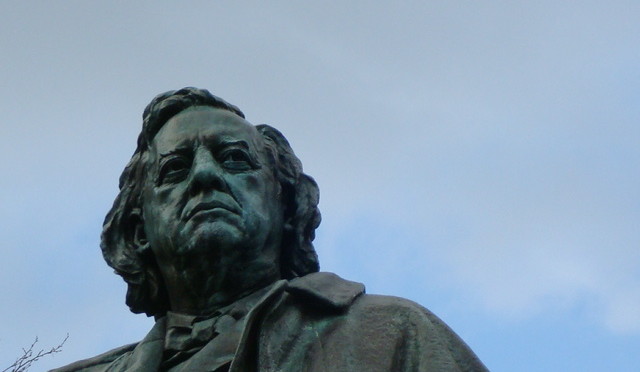
This statue of Beecher sits in Columbus Park in front of Brooklyn Borough Hall. The figure was designed by John Quincy Adams Ward (best known for his George Washington in front of Federal Hall) and dedicated in 1891, just four years after Beecher’s death. The pedestal here is no less austere; it was designed by Ward’s frequent collaborator Richard Morris Hunt, who had recently worked on a significantly bigger pedestal — for the Statue of Liberty.

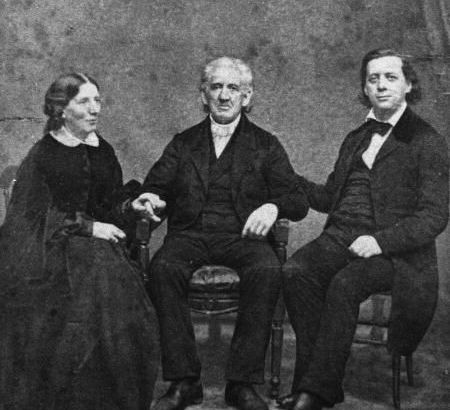
Beecher with sister Harriet Beecher Stowe and patriarch Lyman Beecher:

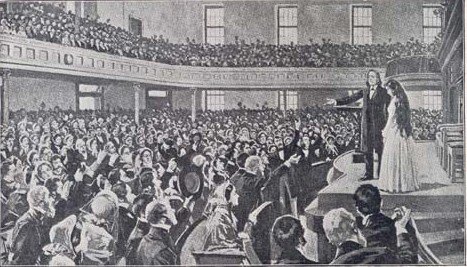
A depiction of one of Plymouth Church’s ‘slave auctions’.

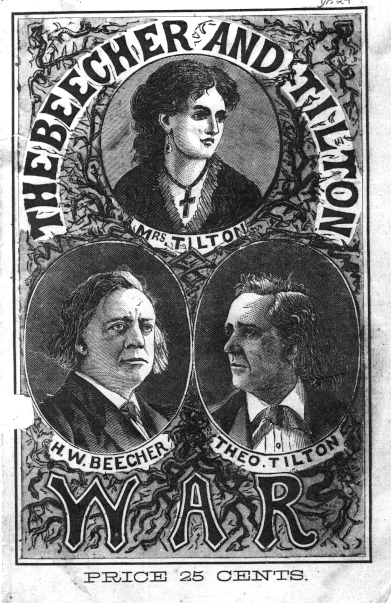
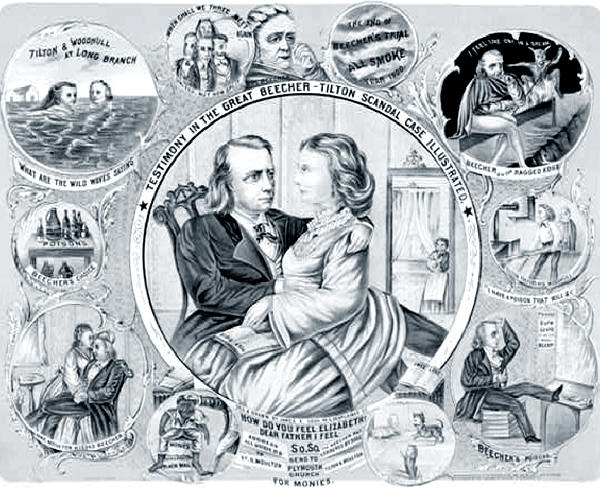
The Beecher-Tilton sex scandal electrified the public’s curiousity and filled newspapers with illustrations such as these:

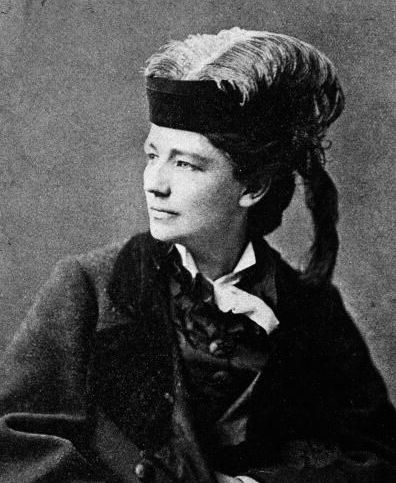
The bold and provocative Victoria Woodhull:

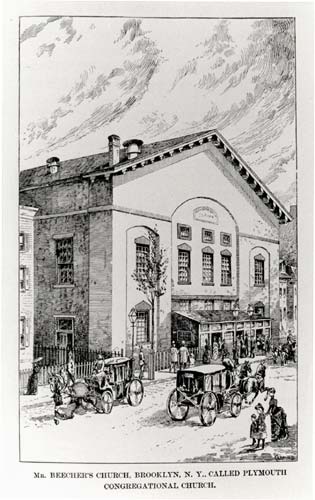
Plymouth Church then:

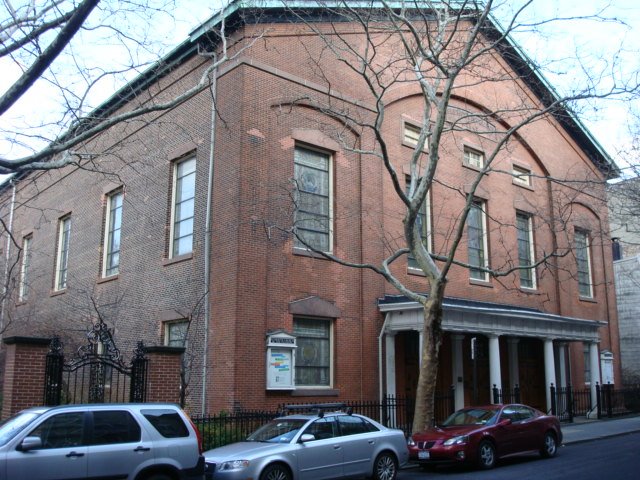
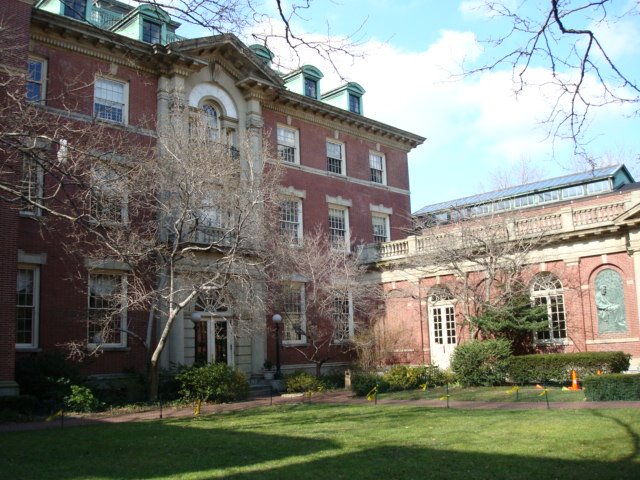
Plymouth Church today:

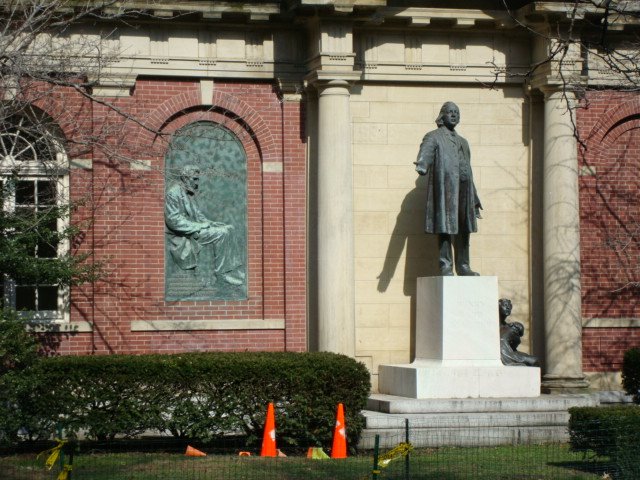
Compare the Beecher statue above with the one that sits on the grounds of Plymouth Church. This one was created by Gutzon Borglum — you might know him for that little rock carving he did called Mount Rushmore. The copper bas-relief nearby of Lincoln is also by Borglum.