Categories
Podcasts Politics and Protest

New York City and the Underground Railroad: Escaping to freedom through a hostile city

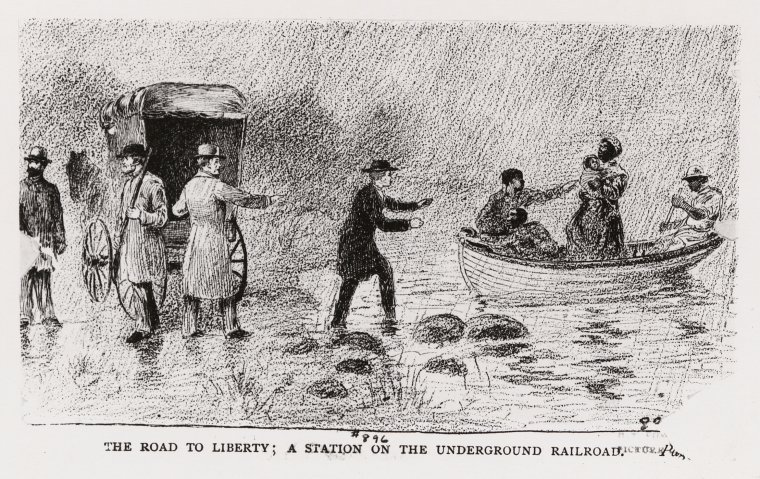
PODCAST For thousands of people escaping the bonds of slavery in the South, the journey to freedom wound its way through New York City via the Underground Railroad.


The Underground Railroad was a loose, clandestine network of homes, businesses and churches, operated by freed black people and white abolitionists who put it upon themselves — often at great risk — to hide fugitives on the run.

New York and Brooklyn were vital hubs in this network but these cities were hardly safe havens. The streets swarmed with bounty hunters, and a growing number of New Yorkers, enriched by Southern businesses, were sympathetic to the institution of slavery. Not even freed black New Yorkers were safe from kidnapping and racist anti-abolitionist mobs.

In this podcast we present some of the stops in New York along the Underground Railroad — from offices off Newspaper Row to the basement of New York’s first African-American owned bookstore. You’ll be familiar with some of this story’s leading figures like Frederick Douglass, Harriet Tubman and Henry Ward Beecher. But many of these courageous tales come from people who you may not know — the indefatigable Louis Napoleon, the resolute Sydney Howard Gay, the defiant David Ruggles and James Hamlet, the first victim of the 1850 Fugitive Slave Act.

PLUS: A trip to Brooklyn Heights and the site of New York’s most famous Underground Railroad site — Plymouth Church

LISTEN HERE:

_______________________________________________________

The Bowery Boys: New York City History podcast is brought to you …. by you!

We are now producing a new Bowery Boys podcast every week. We’re also looking to improve the show in other ways and expand in other ways as well — through publishing, social media, live events and other forms of media. But we can only do this with your help!

We are now a member of Patreon, a patronage platform where you can support your favorite content creators for as little as a $1 a month.

Please visit our page on Patreon and watch a short video of us recording the show and talking about our expansion plans. If you’d like to help out, there are five different pledge levels (and with clever names too — Mannahatta, New Amsterdam, Five Points, Gilded Age, Jazz Age and Empire State). Check them out and consider being a sponsor.

We greatly appreciate our listeners and readers and thank you for joining us on this journey so far. 

________________________________________________________

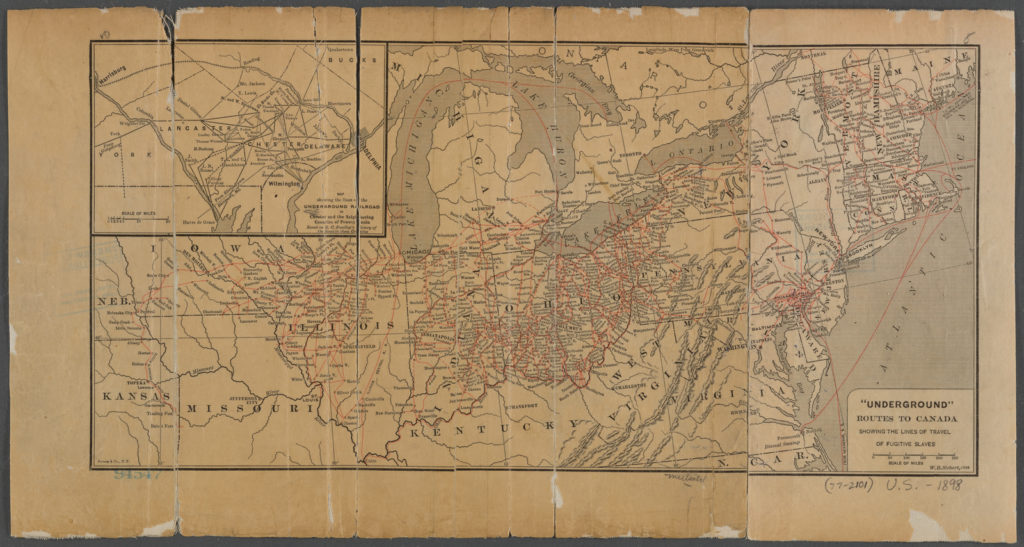
The many routes of the Underground Railroad, in an 1898 map by cartographer Wilbur Henry Siebert.
New York Public Library

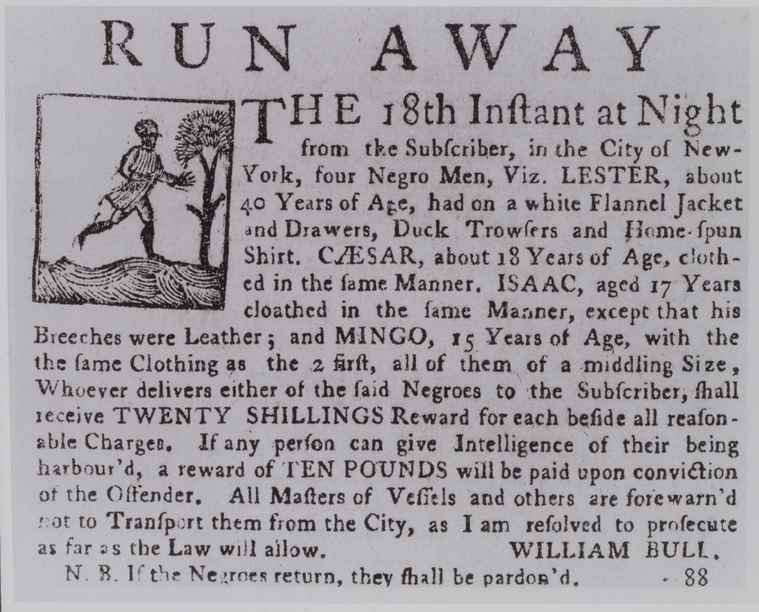
An advertisement for the capture of a runaway slave, published during the colonial era (1760s)
Schomburg Center for Research in Black Culture, Photographs and Prints Division

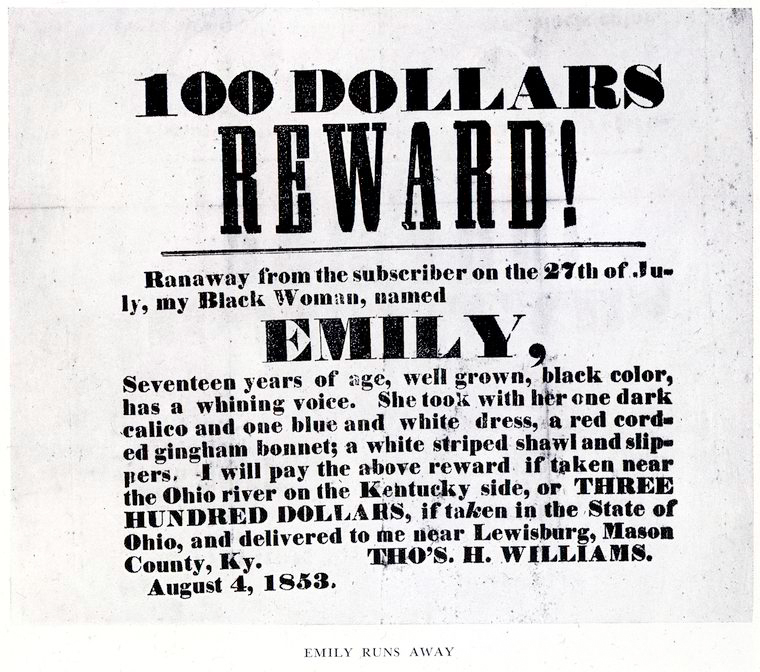
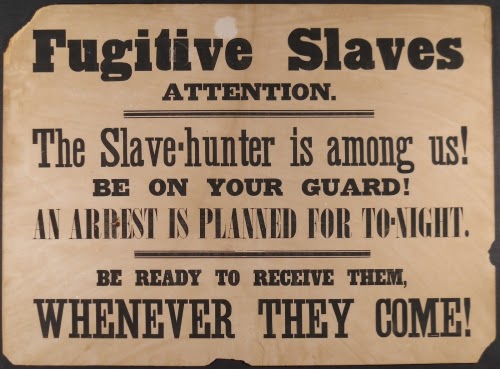
….and another, from 90 years later.

Schomburg Center for Research in Black Culture, Photographs and Prints Division

African-American New Yorkers lived in fear of being kidnapped by bounty hunters.
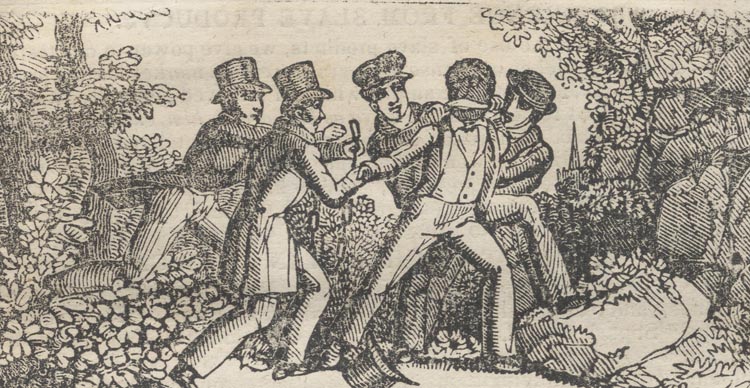
David Ruggles who operated America’s first African-American library and reading room on Lispenard Street. His home was also a stop on the Underground Railroad.
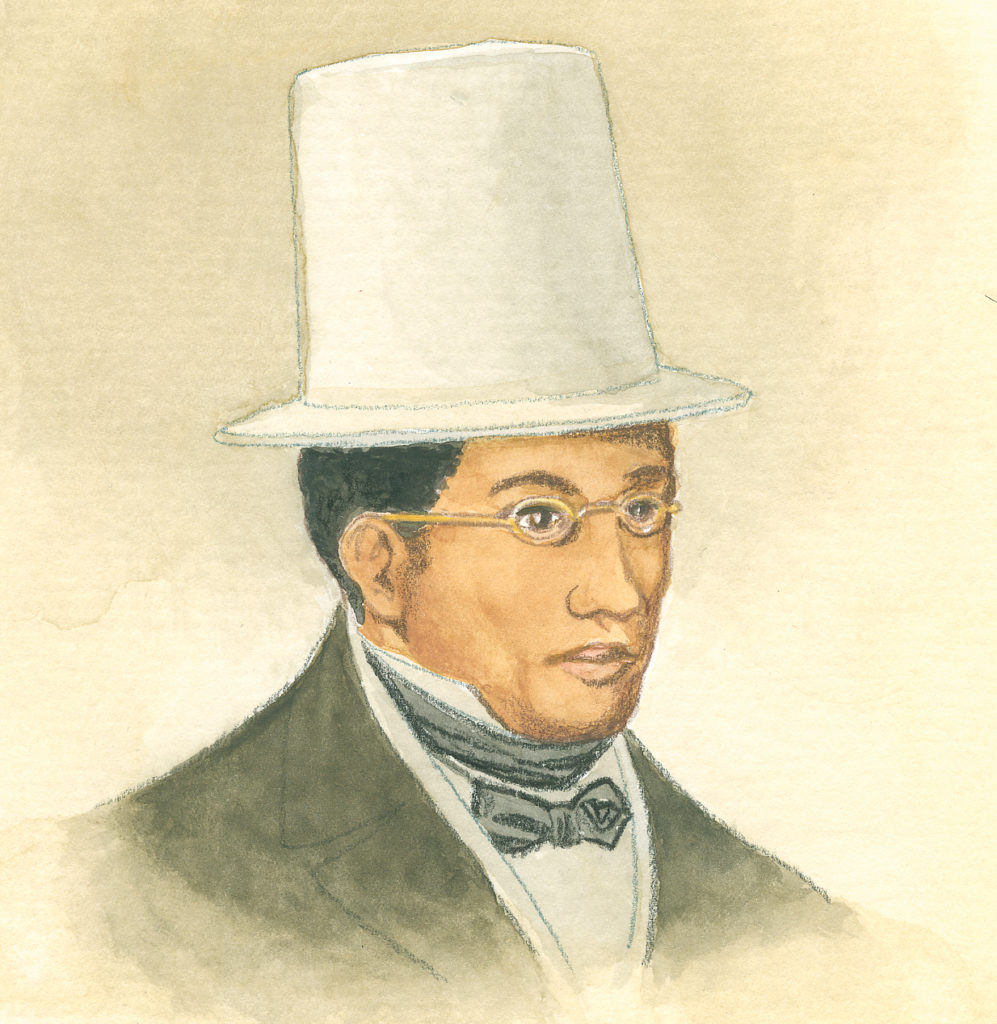
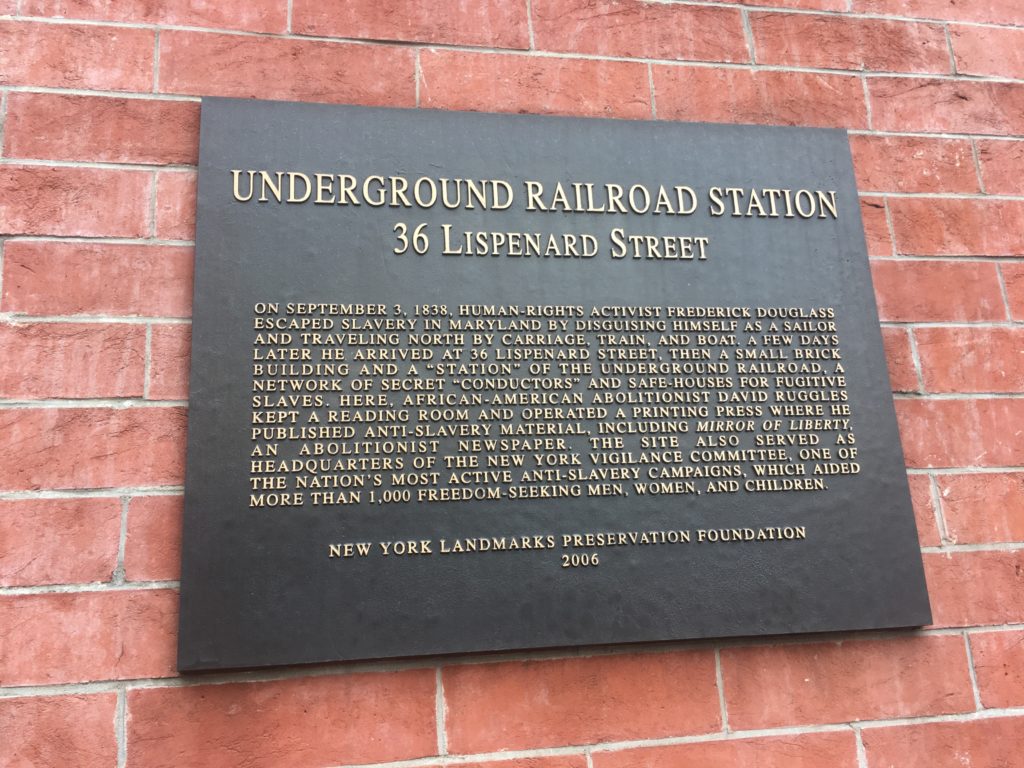
Illustration by Bob Powers (from original engraving)

At the release of James Hamlet (i.e. the purchase of his freedom by the AME Zion Church), this handbill was distributed
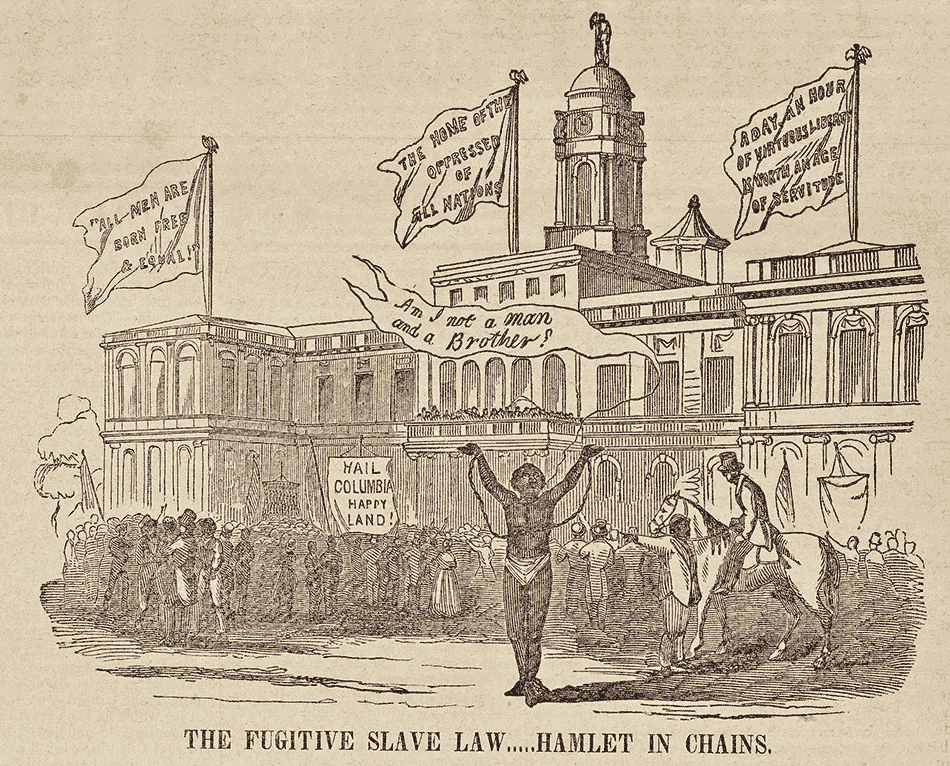
Rare Books and Manuscripts Library, Columbia University

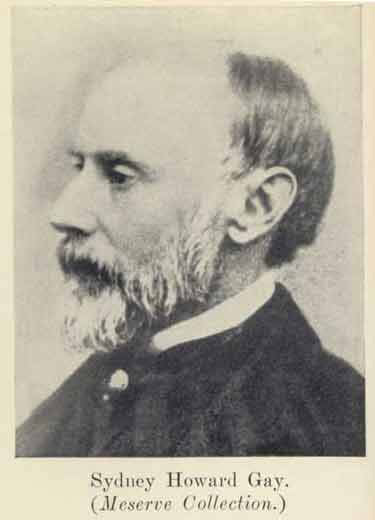
Sydney Howard Gay worked with several operatives on the Underground Railroad and was one of the few to keep records of new fugitive arrivals.
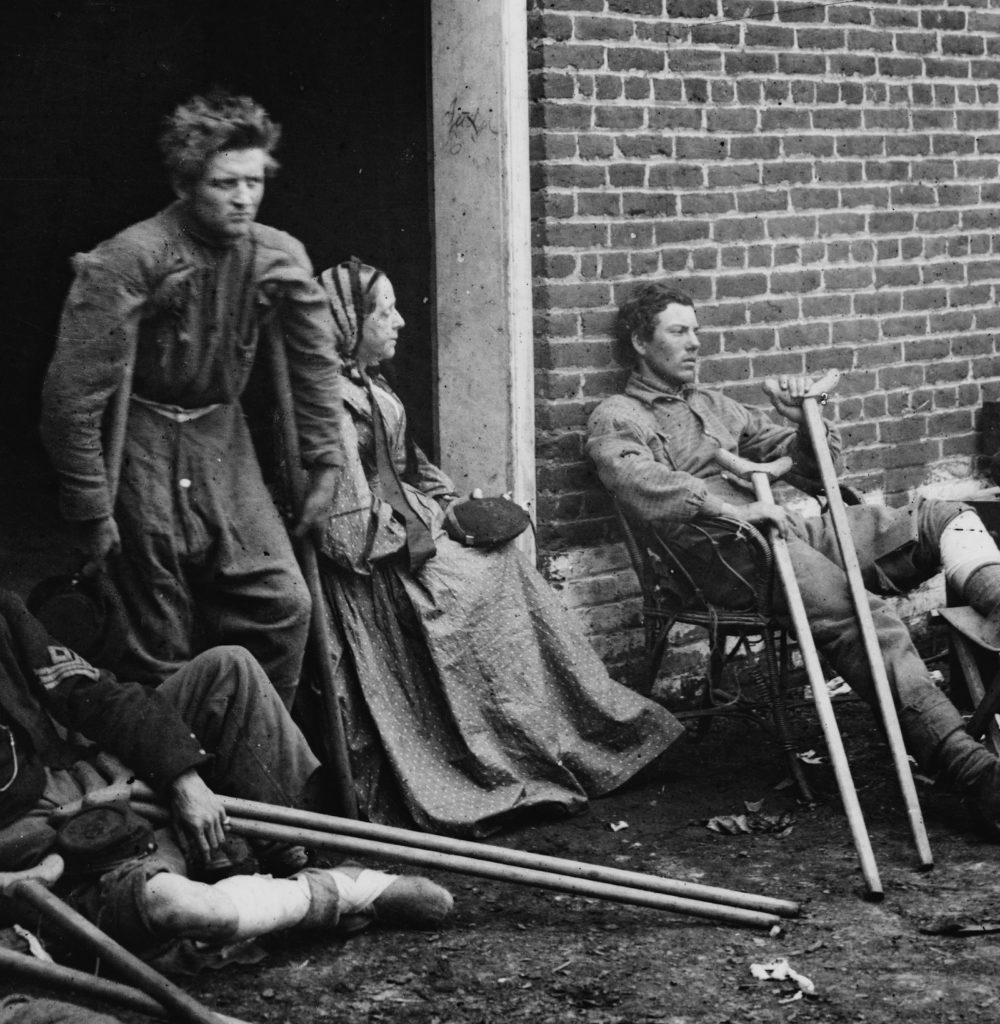
Abigail Hopper Gibbons, daughter of esteemed abolitionist Isaac Hopper, worked as a battlefield nurse in the early years of the Civil War. She returned to New York in 1863, only to be chased from her home by angry mobs during the Civil War Draft Riots.
Harriet Tubman and her family — Gertie Davis [Tubman’s adopted daughter]; Nelson Davis [Tubman’s husband]; Lee Cheney; “Pop” Alexander; Walter Green; Sarah Parker [“Blind Auntie” Parker] and Dora Stewart [granddaughter of Tubman’s brother, John Stewart].
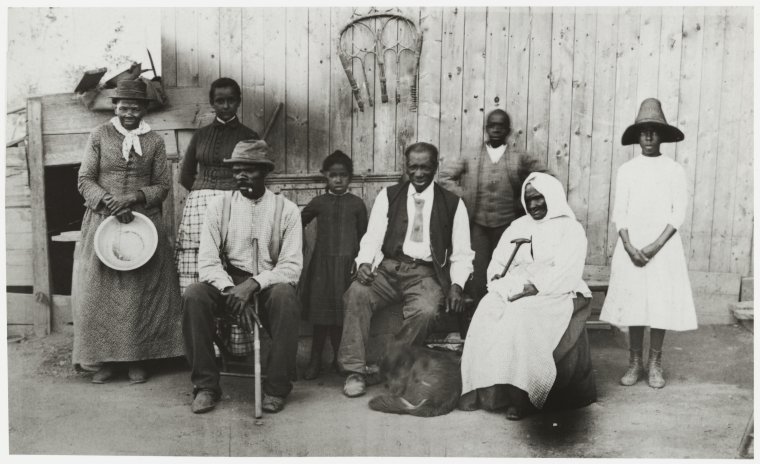
Schomburg Center for Research in Black Culture, Photographs and Prints Division

An illustration of Henry Ward Beecher‘s ‘auction’ of the enslaved woman nicknamed Pinky, held at Plymouth Church.
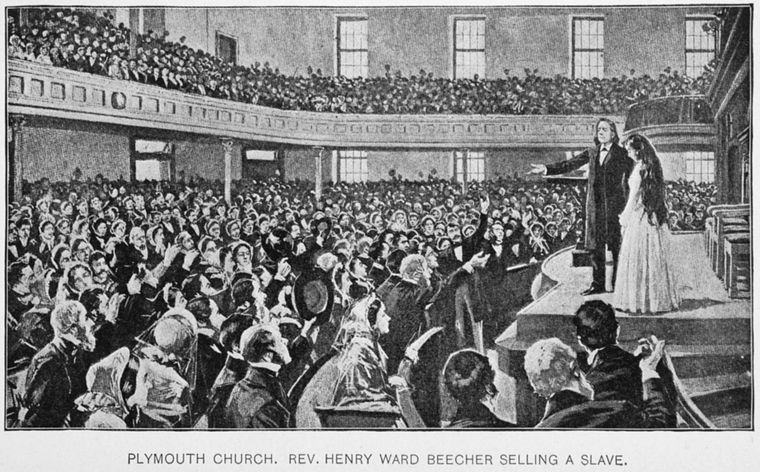
Schomburg Center for Research in Black Culture, Manuscripts, Archives and Rare Books Division

TOURS
Inside Out Tours: Slavery and Underground Railroad Walking Tour
Walks of New York
Black Gotham Experience

Plymouth Church — Public tours every Sunday at 12:30. Visit their website for more information

Plymouth now has a New Abolitionists ministry, tied into New York state’s anti-human trafficking initiatives. Visit Plymouth’s website for further information.

FURTHER READING
Bound for Canaan: The Epic Story of the Underground Railroad by Fergus M. Bordewich
Gateway to Freedom: The Hidden History of the Underground Railroad by Eric Foner
The Underground Railroad: Authentic Narratives and First-Hand Accounts (African American) by William Still

and, of course,

The Underground Railroad by Colson Whitehead

EXHIBITIONS

Brooklyn Historical Society — In Pursuit of Freedom: A long term installation celebrating the lives of Brooklyn abolitionists

Weeksville Heritage Center — Site of one of America’s first free black communities in the 19th century

You may also be interested in New-York Historical Society‘s online exhibit New York Divided: Slavery and the Civil War

FURTHER LISTENING
We mentioned these past Bowery Boys podcast on the show. After you’ve finished listening to our Underground Railroad show, give these a try!
Categories
Politics and Protest

Frederick Douglass and the life saver of Lispenard Street, a stop on the Underground Railroad

In the early and mid-nineteenth century, the Underground Railroad secretly escorted tens of thousands of Southern enslaved people to Northern destinations, where slavery was illegal. The African American publisher David Ruggles was born a freeman in Connecticut and moved to New York to energize the emerging abolitionist move- meant via the New York Vigilance Committee, one of the city’s most influential abolitionist collectives.

And thank goodness David Ruggles was there.

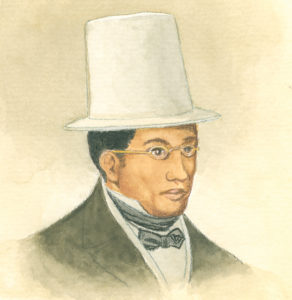
Below: One of the few extant depictions of David Ruggles

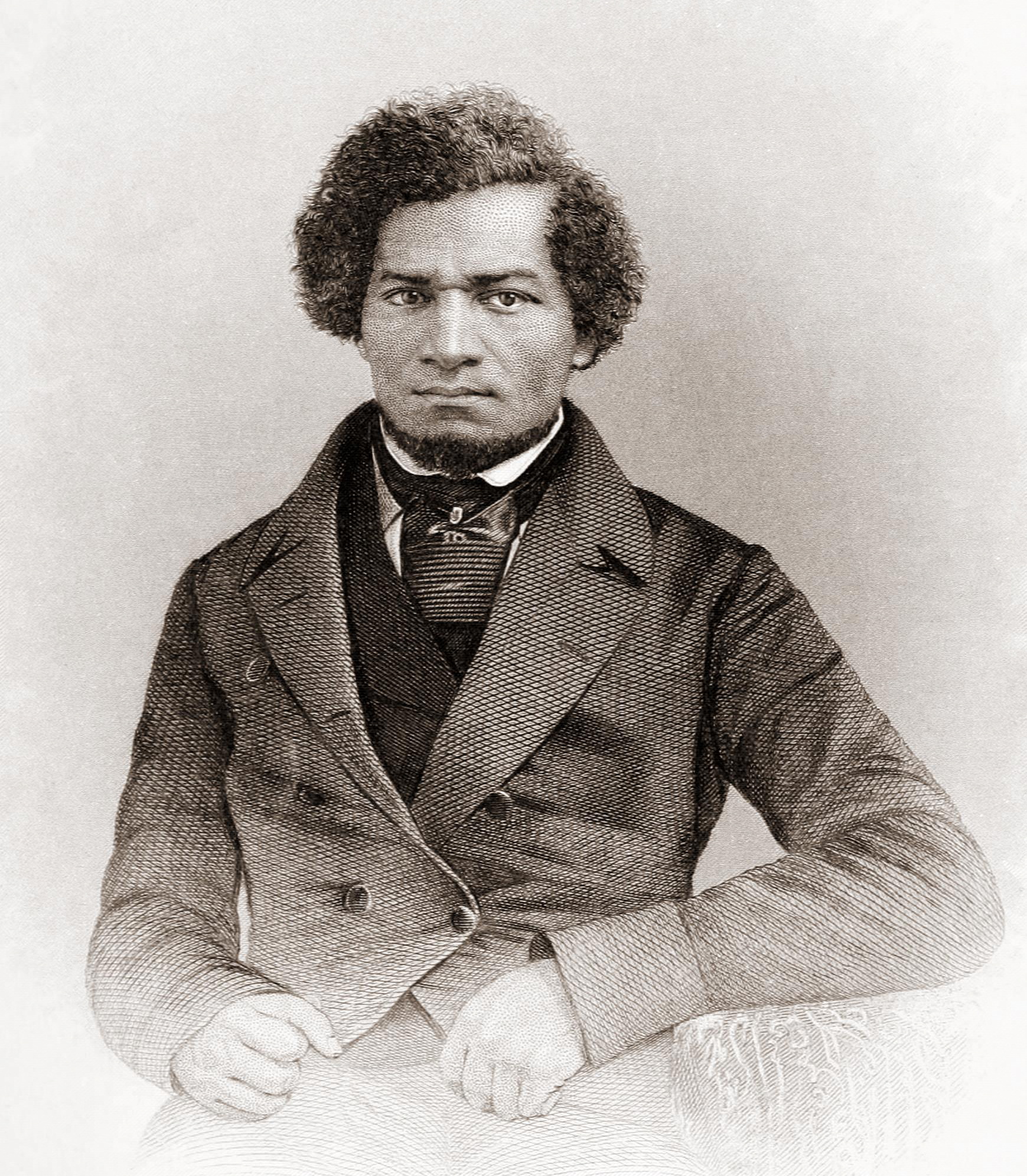
At his home at 36 Lispenard Street (in today’s Tribeca neighborhood), Ruggles ran a printing press and reading room for abolitionist literature. He also sheltered an estimated 600 fugitive slaves here over the years, including in 1838 a man named Frederick Washington Bailey, who had escaped a life of slavery in Maryland.

Under a new name, the abolitionist Frederick Douglass later wrote about how he felt arriving in New York. The following words are from the Life and Times of Frederick Douglass: From 1817-1882:

“My free life began on the third of September, 1838. On the morning of the fourth of that month, after an anxious and most perilous but safe journey, I found myself in the big city of New York, a free man – one more added to the mighty throng which, like the confused waves of the troubled sea, surged to and fro between the lofty walls of Broadway.

Though dazzled with the wonders which met me on every hand, my thoughts could not be withdrawn from my strange situation.

I have often been asked how I felt, when first I found myself on free soil; and my readers may share the same curiosity. There is scarcely anything in my experience about which I could not give a more satisfactory answer. A new world had opened upon me. 

If life is more than breath, and the ‘quick round of blood,’ I lived more in one day than in a year of my slave life.

In a letter written to a friend soon after reading New York, I said: “I felt as one might feel, upon escape from hungry lions.”

Anguish and grief, like darkness and rain, may be depicted; but gladness and joy, like the rainbow, defy the skill of pen or pencil.

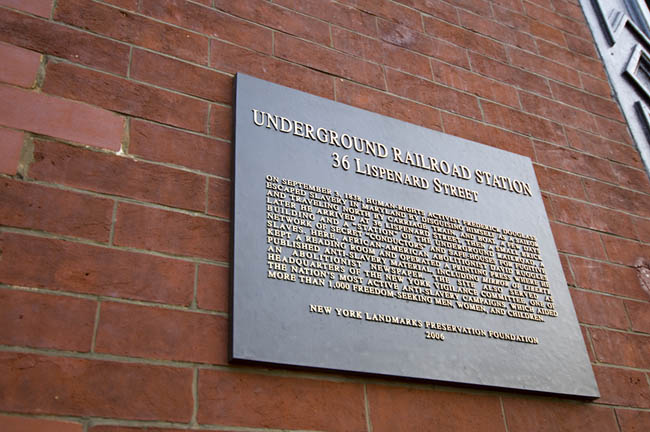
While the building which sheltered Douglass on Lispenard Street is no longer there, a plaque is affixed to the current structure at that spot, marking Ruggles — and New York’s — contribution to the liberation of Southern slaves.

Columbia University

In tomorrow’s new Bowery Boys podcast, we’ll look at the story of Mr. Ruggles more closely and explore the many paths taken through New York City along the Underground Railroad.

This is an excerpt from the Bowery Boys Adventures In Old New York, now available in bookstores everywhere.

Categories
Neighborhoods

The hole that swallowed Greenpoint and other treasures at Old NYC

The New York Public Library‘s Old NYC interface is pretty much one of the best things to happen to New York City history this year. It selects photographs from their extensive archives and maps them out — all five boroughs and pretty much most major intersections.  It’s like a Google Maps street-view of the past.

It’s been a true delight (and a major distraction) to revisit random avenues and see what things looked like over 75-100 years ago.  Try it out. Pick a street, any street.

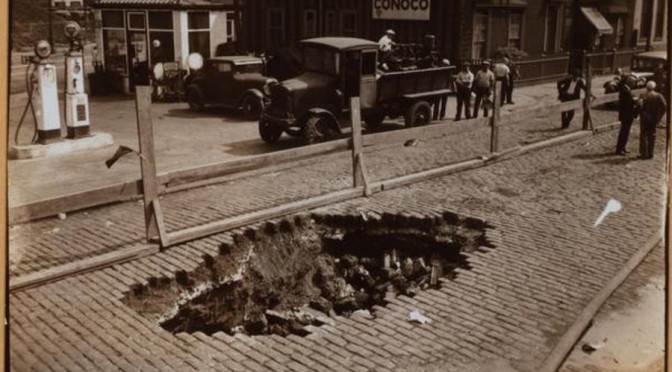
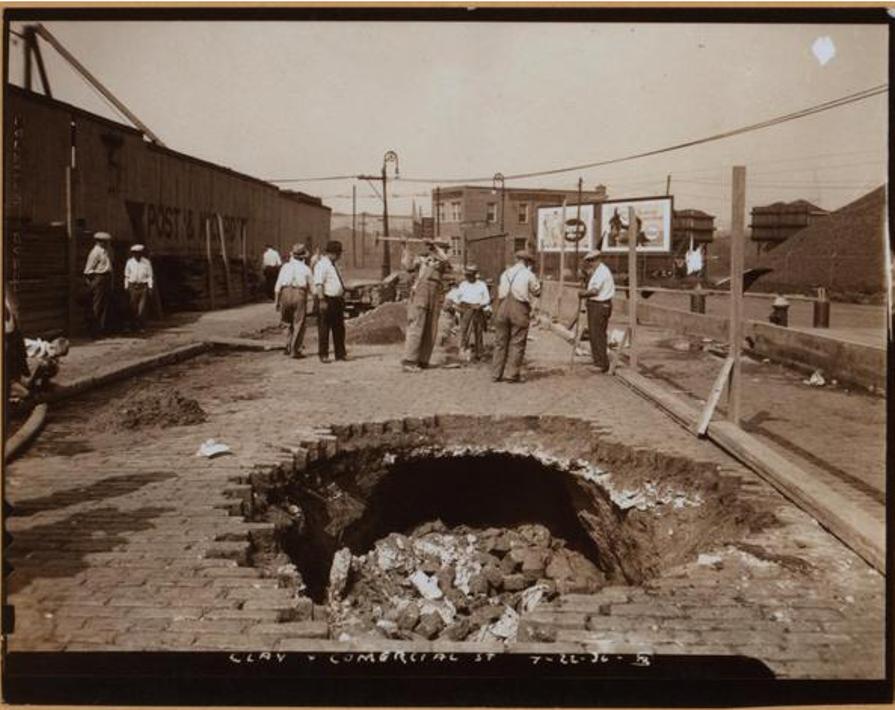
While stumbling through Brooklyn history, I can upon a startling sight at Clay Street and Commercial Street in Greenpoint.  According to the caption, the photos show “operations on a W. P. A. sewer project.”

Here’s another view (and check out the others here):

2


An in-depth plunge through this resource finds all sorts of unusual items from the past. Here are a few more that I discovered but, by all means, go hunt around for yourself!

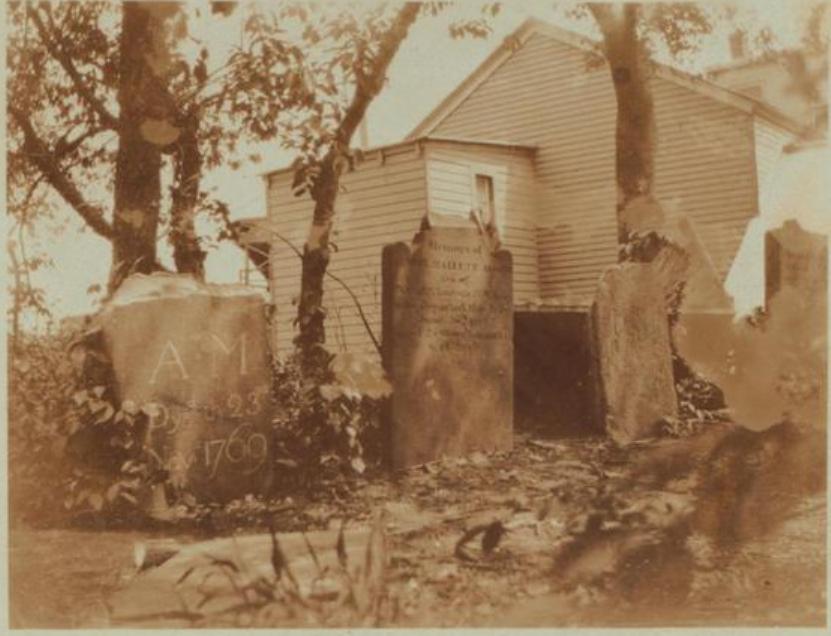
A spooky cemetery in Woodside, Queens, at 32nd Avenue and the northwest corner of 54th Street (or this intersection):

3

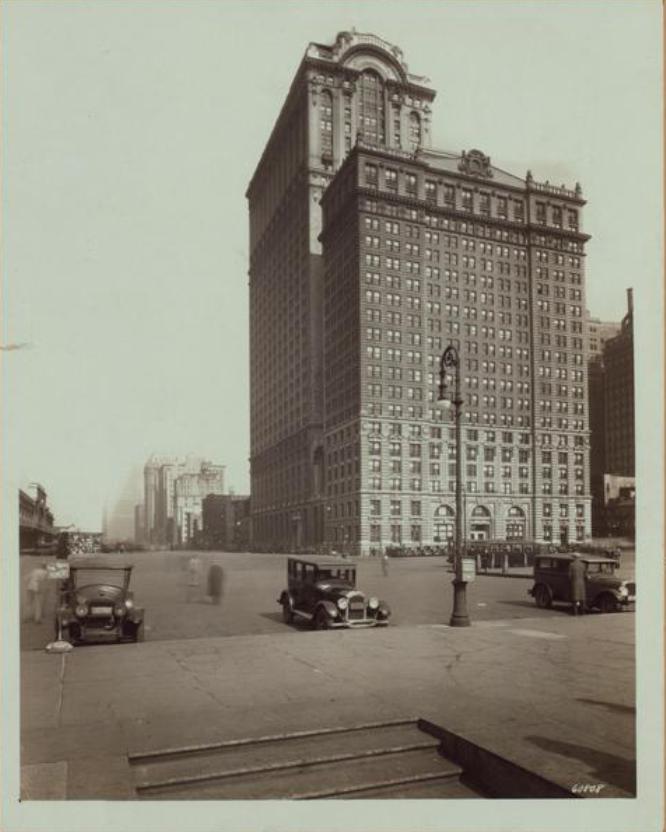
Back when one could just park your jalopy at the foot of West Street, 1920s. Here’s that view today. [source]

4

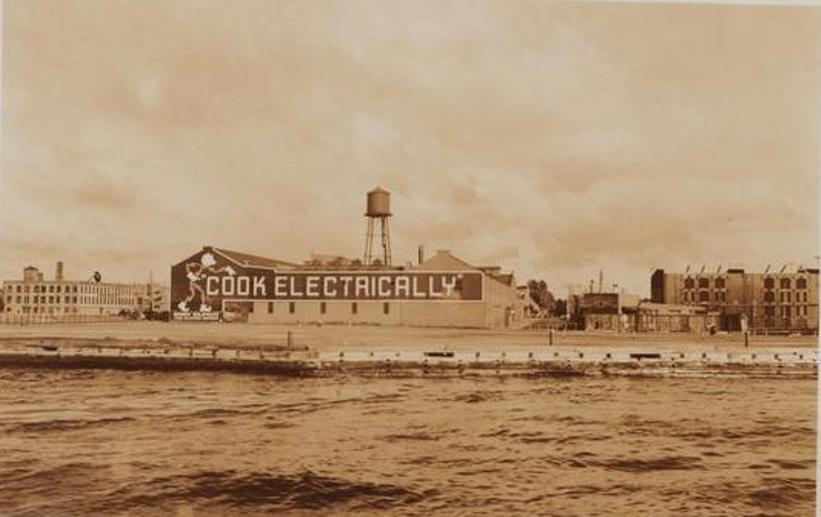
Edison Electric Company wants to encourage you to ‘COOK ELECTRICALLY’ from the vantage of a Ferris Street sign in Red Hook, Brooklyn. [source]

8

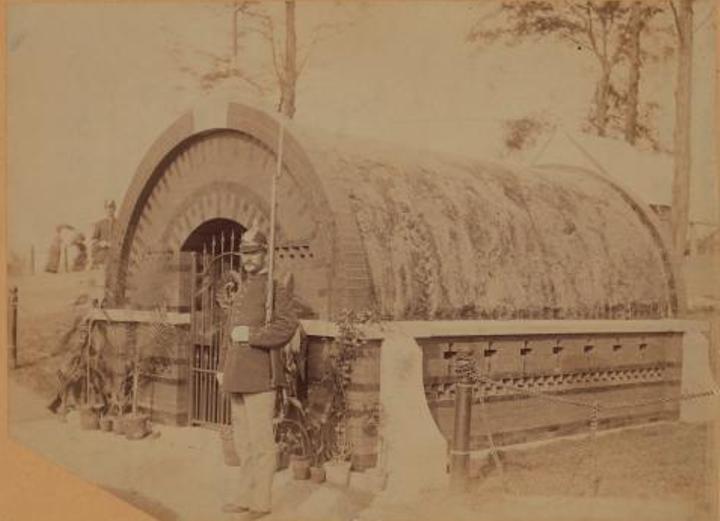
Before Ulysses S. Grant was interred in the monument that bears his name, he was kept in a temporary tomb near the same spot.  This picture is from the 1880s. [source]

9

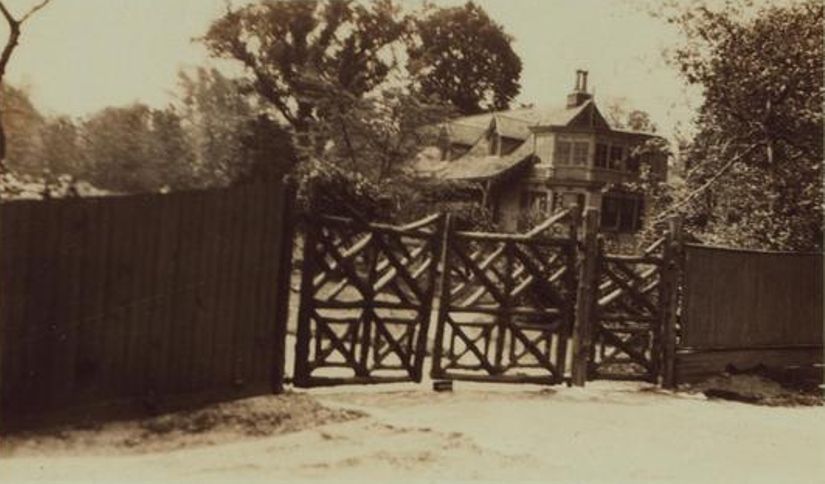
A rustic view of the Alice Austin House in Staten Island from 1926. Here’s that same view today:

5


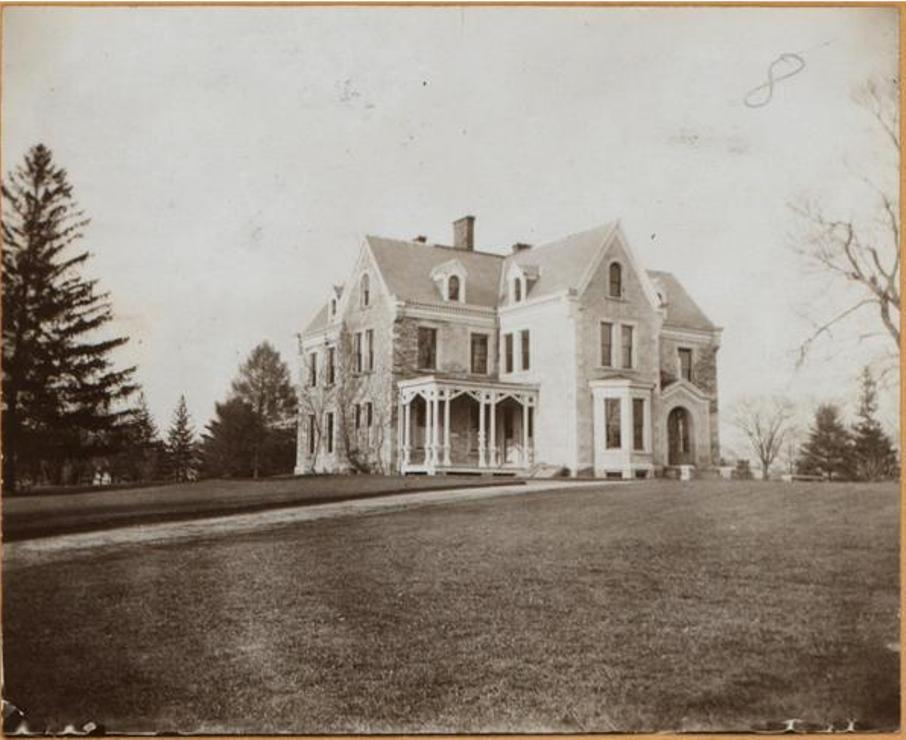
Graceful and long-gone Zborowski Mansion which once sat in Claremont Park in the Bronx. More information about this house here.


6


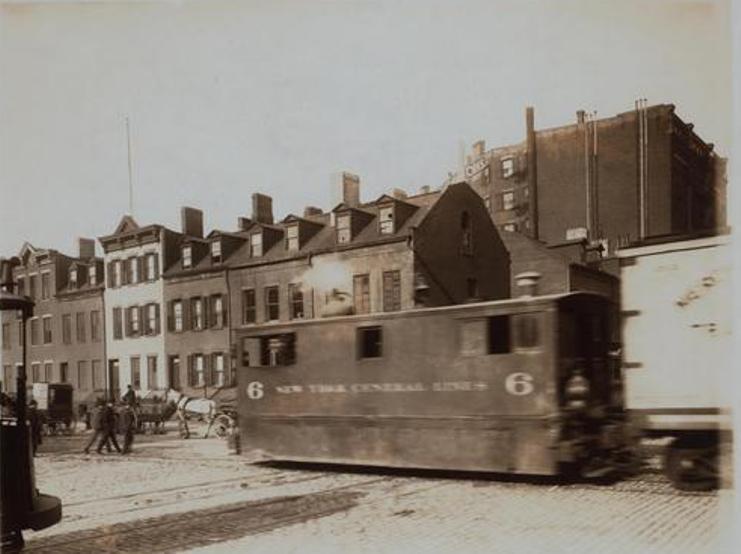
New York Central Railroad cars, just sailing down the street, at the corner of Hudson and Vestry Streets, in Manhattan. [source]

7


Categories
Those Were The Days

Detonations and flying cheese: Annotated news from 1913

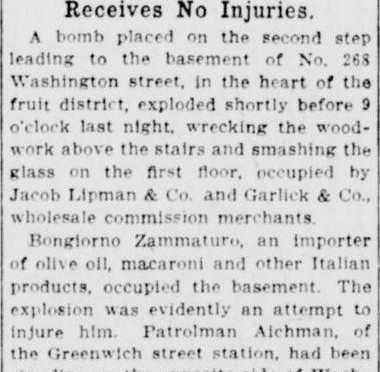
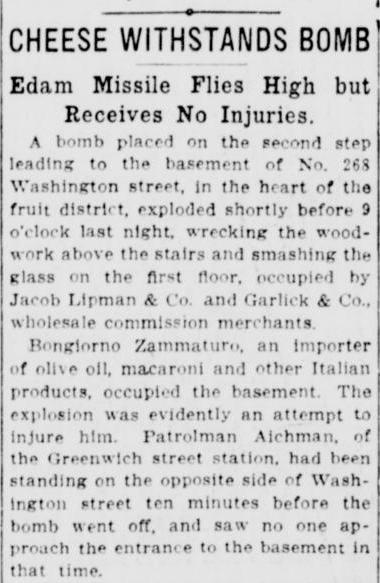
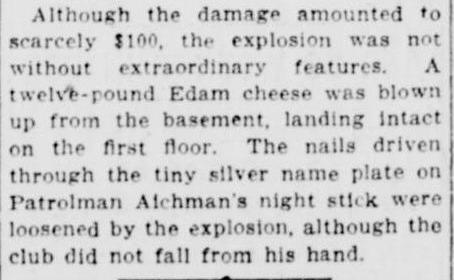
I present this little news item from the June 6, 1913 New York Tribune in its entirety:

1)  The idea of bombs exploding all over the city is shocking to us today.  But in fact the threat of makeshift bombs were sometimes employed in extortion plots such as those by the Black Hand.  Most of these bombs were homemade and many never detonated. When they did, they were usually used to kill particular individuals.  The police department even had a Bureau of Combustibles; in 1913 they reported 125 such explosive devices.
2)  This bomb was placed at 268 Washington Street.  That stretch of Washington no longer exists today, but it would have been located in today TriBeCa neighborhood.  The building which sat at this address predictably held grocers of various sorts.
3)  Notably this address is indeed in “the heart of the fruit district,” Washington Market, where the city went to get one’s produce right off the trains from St. John’s Freight Depot.
4)  Garlick & Co. was a produce “commission merchant,” i.e. a grocery middle-man who buys or sells items for a percentage of the price, obviously a familiar concept today.  
5) The spectacularly-named victim, Bongiorno Zammaturo, was unharmed. I have a feeling the Tribune has gotten his last name wrong. Zammataro is a more frequent variation of this name.
6) This particular Greenwich Street Police Station, where officer Aichman reports, was closed by the police department five years after this incident for “lack of business.”  Another police station of Greenwich Street was active by the 1930s as the man who kidnapped and killed the baby of Charles Lindbergh was taken there.
7) The damage “amounted to scarcely $100” = $2,348.00 according to the Inflation Calculator.
8) An intact flying “twelve-pound Edam cheese” is the comic star of the show of this article.  For those not versed in delicious cheeses, Webster’s describes Edam as “a mild Dutch cheese of yellow color and fine flavor, made in balls weighing three or four pounds, and usually colored crimson outside.”  It’s that outside shell that turned this little cheese into a virtual cannonball, explaining why it “landed intact”.
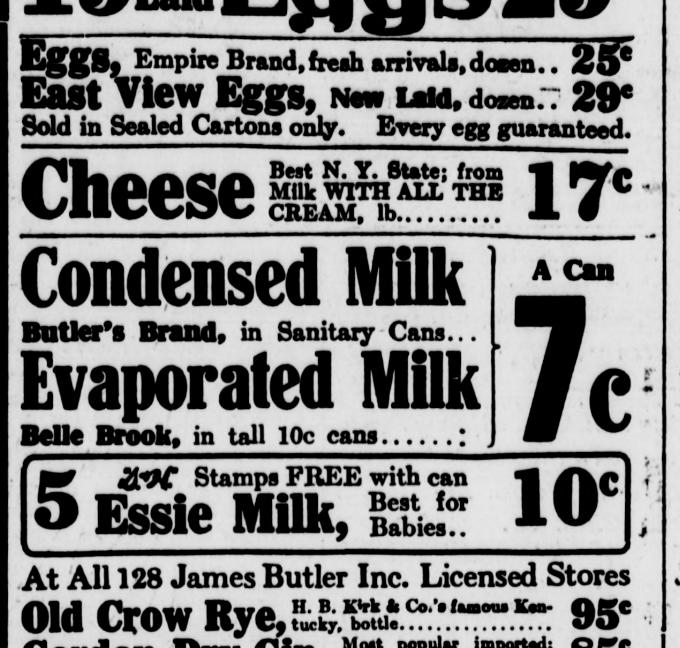
By the way, did you know that New York state was America’s leading cheese maker in the mid-19th century, although by the time of this article, major cheese manufacturing was centered in the northern Midwest.
Below: An advertisement from April 1913, for cheese “with all the cream”
IN OTHER NEWS THAT DAY: The big local news of that day was the announcement that New York district attorney Charles S. Whitman was running for mayor to replace William Jay Gaynor who was not running again (and in fact would die in office that September).  Whitman became a national hero during the gangland murder trial that eventually convicted Charles Becker.  
As it turns out, Whitman wouldn’t run for mayor; instead, he ran for governor in 1914 — and won.
______________________________________
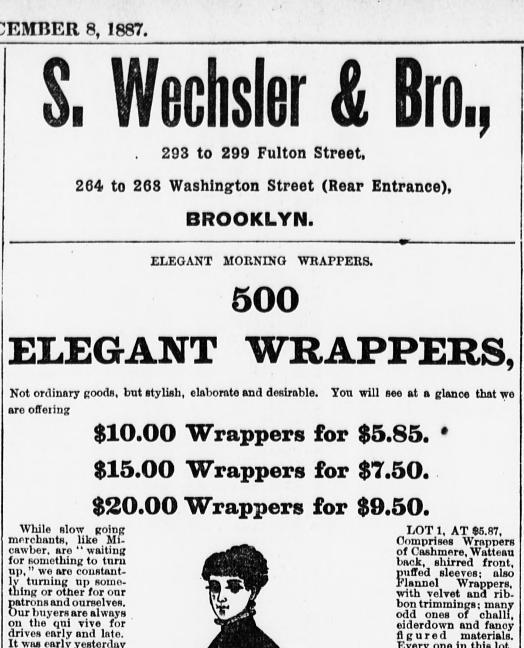
Edit: I originally ran this ad in context of the article above, thinking it was Manhattan’s Washington Street, although it clearly says Brooklyn.  My apologies.  However since this ad was so interesting I thought I would keep it here anyway.  I find the pricing structure particularly interesting:

Name That Neighborhood: TriBeCa not so triangular

Some New York neighborhoods are simply named for their location on a map (East Village, Midtown). Others are given prefabricated real-estate designations (SoHo, DUMBO). But a few retain names that link them intimately with their pasts. Other entries in this series can be found here.

For all the New York City neighborhoods with wonderful old names hearkening back to Lenape, Dutch and British settlers, we have a small number crafted by other, more venerable tribes — real estate brokers and community organizers. Dumbo is not a city in the Netherlands; NoLiTa is not Lenape for ‘neighborhood’. And at least one –TriBeCa, that fashionable neighborhood northwest of City Hall — is made of comprised of a complex portmanteau that isn’t even technically accurate.

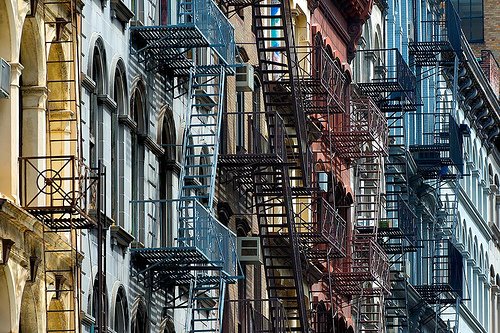
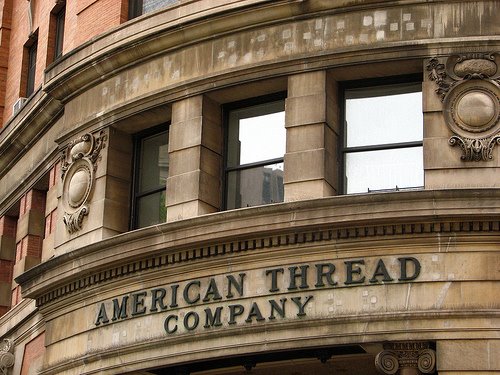
The area bounded on the north by Canal, south by Vesey Street, east by Broadway and west by the Hudson River is calm and quirky compared to other neighborhoods, owing to its shape, sculpted by a cross work of diagonal streets braced against the grid-like blocks between Church and Broadway. While the Lower West Side, as it was earlier known, began as a residential district in the late 18th century, its proximity to the docks and to the Hudson River Railroad’s St. John’s Park Depot transformed the neighborhood into a center of industry, primarily textiles by the 1850s.

Like the Meatpacking District further north, the western edge of the area also became a grocery center for New Yorkers, with fresh produce, dairy and meat. The streets of Washington Market, as it was known then, were clogged with buyers and sellers with vendors even set up along the Hudson River docks. A chaotic mess to be sure, to contrast with many of the gorgeous Italianate and Romanesque Revival buildings built by wealthy companies to house their offices and factories.

Below: You can easily find remnants of TriBeCa’s ‘material’ past

Flash forward to the 1960s. The factories long abandoned and the western warehouses cleared away to construct the West Side Highway, the large now-empty spaces attracted artists, musicians and “bohemians”, slowly returning the neighborhood to its original residential leanings. Similar, in fact, to the phenomenon of SoHo just north, also a locus for artists, whose tenacious effort to turn industrial space residential led to the creation of its made-up name (SOuth of HOuston) and historical landmark designation in 1973.

The residents of Washington Market followed suit. Or rather, those centered around an actual triangular block — the one with Canal to its north, Lispenard to its south and Church to its west. (It narrows pointing to Broadway on its eastern edge.) They formed a block association called the Triangle Below Canal to rally behind a similar designation for their area. Although they too are technically south of Houston — and Washington Market has a cleaner, historical ring to it — the organization’s name was truncated, and TriBeCa was soon born.

Although TriBeCa represents the entire area, in fact the neighborhood (outside of a few individual blocks) is not actually triangular at all. But as the true sign of the neighborhood’s drastic transformation, the area’s unofficial king is an Oscar-winning celebrity — Robert De Niro. The actor, who moved here in the ’90s, brought two restaurants and a film festival here, which allowed other celebrities to follow suit.

You can find more indepth information on the history of TriBeCa at its official website.

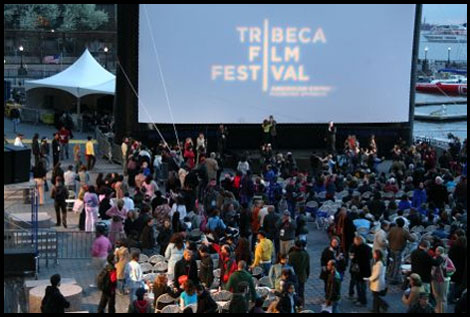
Below: Where once crowds of produce cellars clogged the streets, now filmgoers enjoy cocktails and watch film premieres