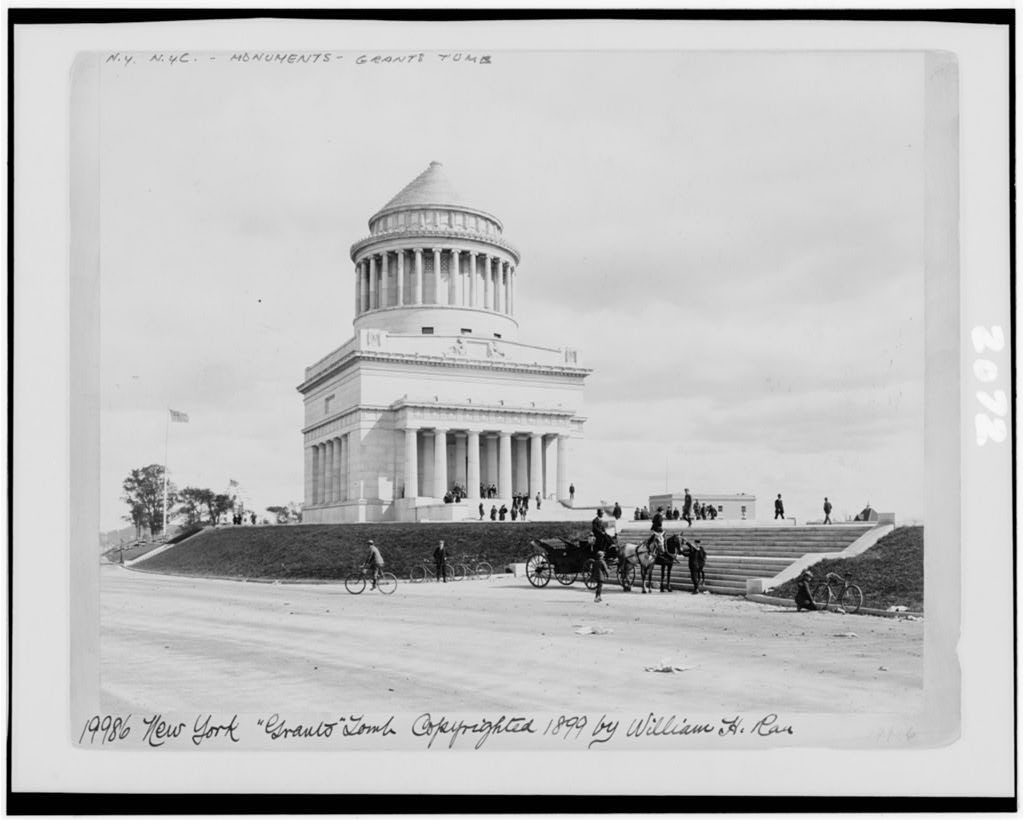
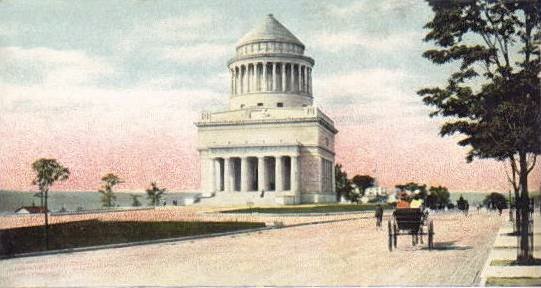
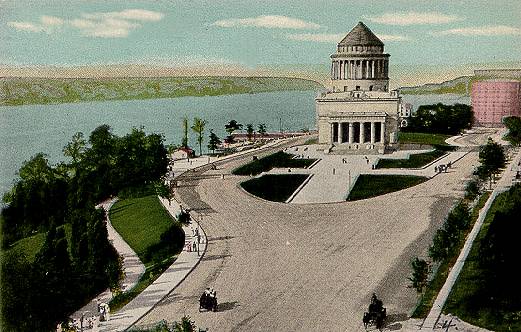
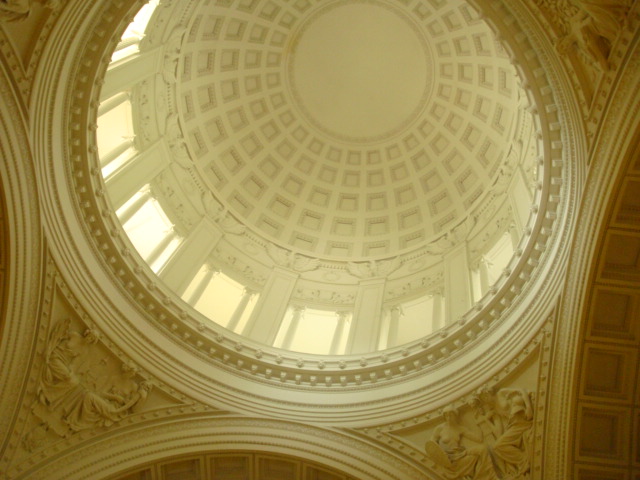
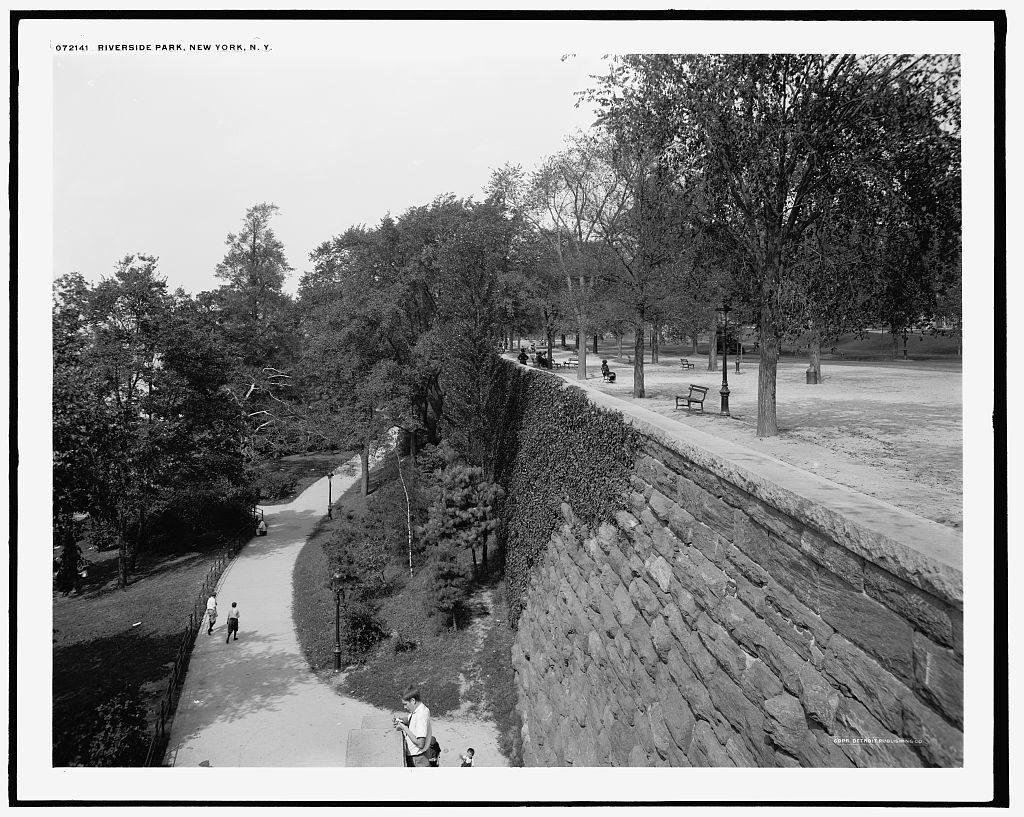
The fascinating story of Grant’s Tomb — and a quirky history that includes an ambitious architect, one of the seven wonders of the ancient world, lots of ugly raspberry paint, and strange charges of animal sacrifice.
The history of Grant’s Tomb plays an important role in the story of Riverside Park (released in 2018). Listen to that tale here:
And listen to the story of Grant’s Tomb in this very early episode of the Bowery Boys podcast from 2008.
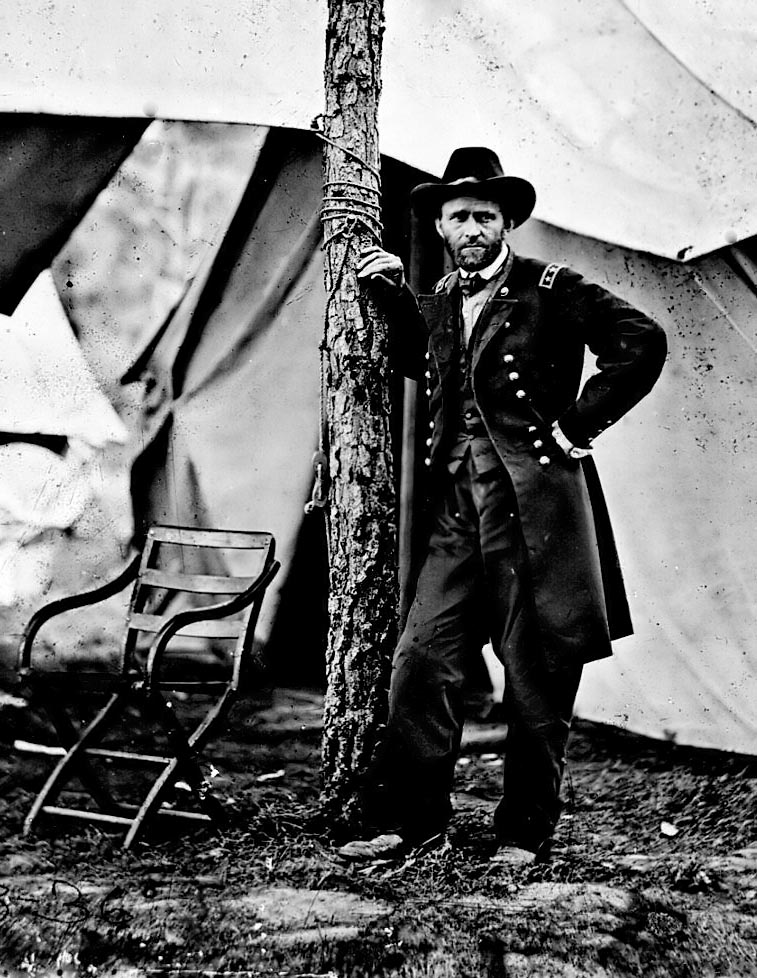
Ulysses S. Grant – perhaps America’s most famous man in the years following the Civil War. As president of the United States, Grant would be known for important political reforms — and a series of corruption scandals.
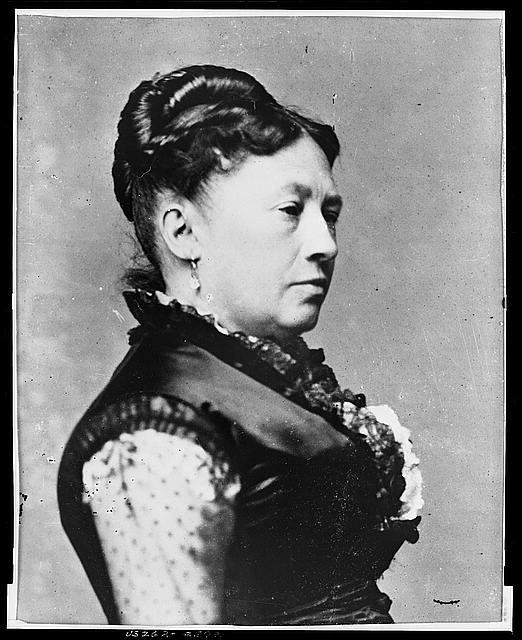
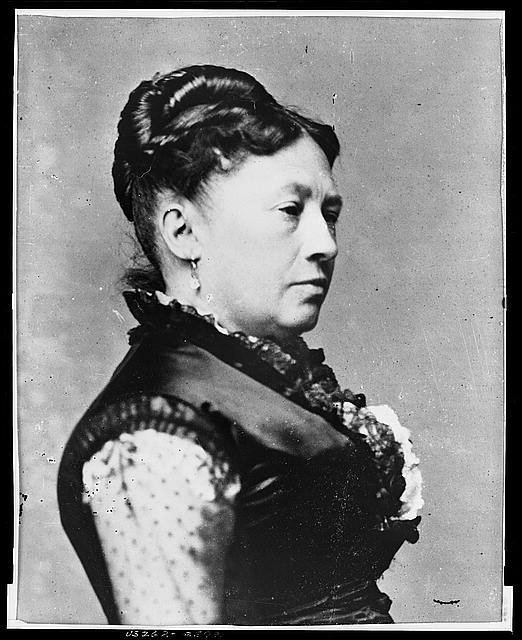
His wife Julia Dent Grant, entombed next to him
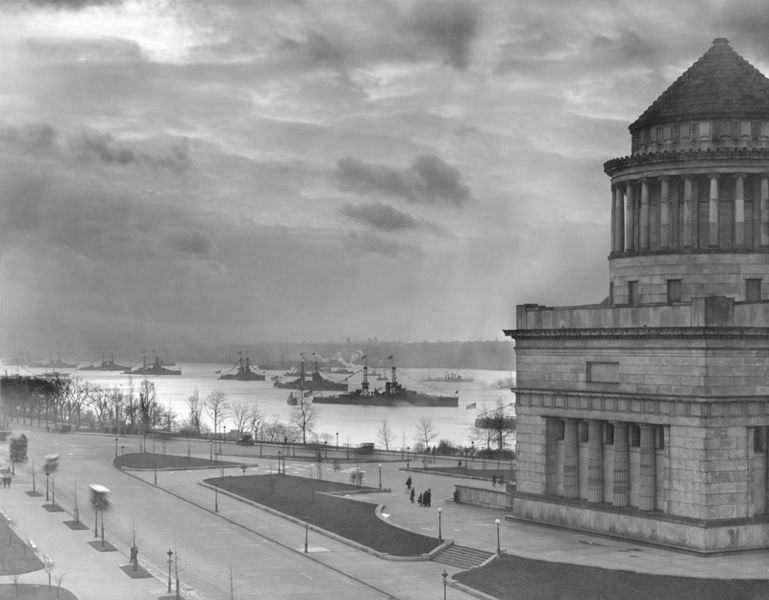
An ominous view of the Tomb during World War I, as battleships pass by it
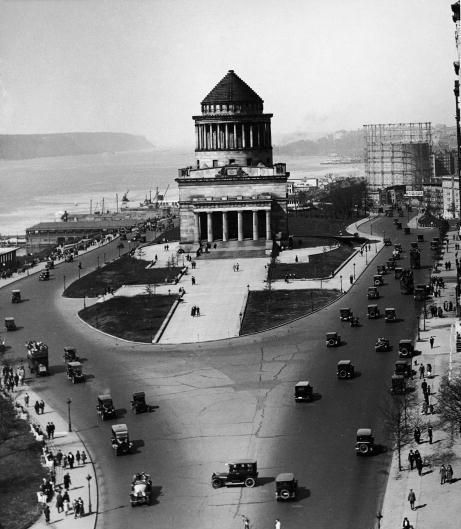
A great photo illustrating how somewhat barren that area of town was at the time. The silo-like building in the background is apparently a gas shell.
The website of the Grant Monument Association details some of the disasterous deterioration of the memorial during the 1970s:
Frank Scaturro, the Columbia University student who helped bring Grant’s Tomb back to life (photos courtesy the GMA website)
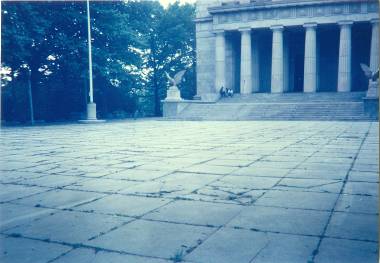
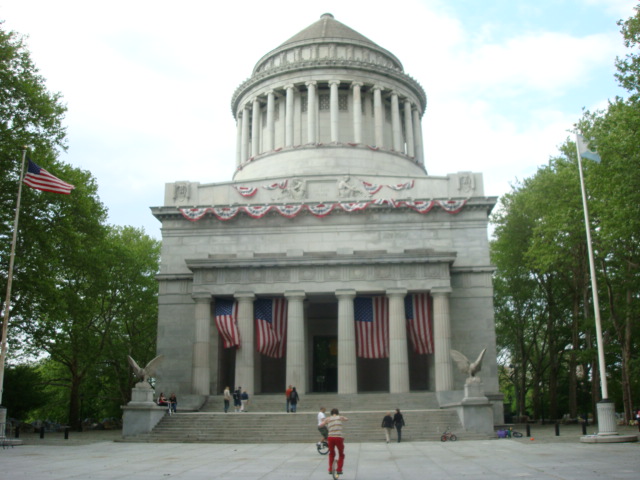
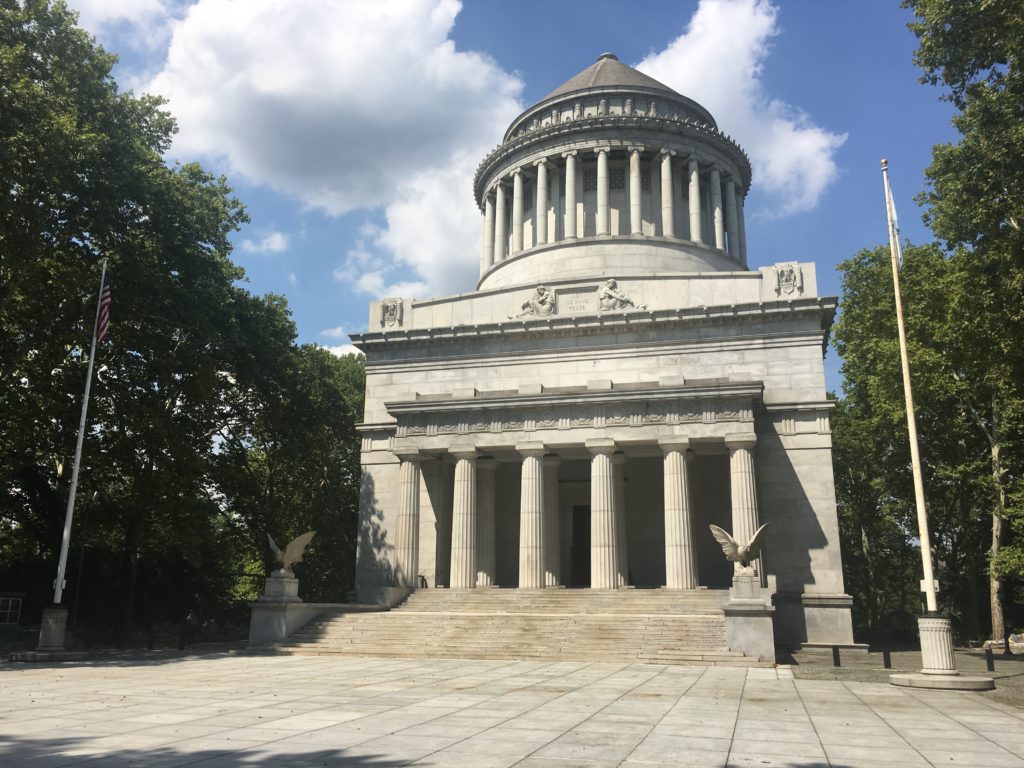
Grant’s Tomb today, complete with unicyclists (in foreground). Photos by Greg Young (taken in 2008)
PODCAST The highs and lows of the history of Riverside Park
In peeling back the many layers to Riverside Park, upper Manhattan’s premier ribbon park, running along the west side from the Upper West Side to Washington Heights, you will find a wealth of history that takes you back to Manhattan’s most rugged days.
The windswept bluffs overlooking the Hudson River were home to only desolate mansions and farmhouses, its rock outcroppings appealing to tortured poets such as Edgar Allan Poe. But the railroad cleaved the peace when it laid its tracks along the waterfront in the 1840s.
To encourage development, the city planned Riverside Park as a respite with commanding views of the river and a swanky carriage way for afternoon excursions. But the original plan by Central Park designer Frederick Law Olmsted only went so far — right up to those pesky train tracks.
In the 20th century, residents along the newly chic Riverside Drive tired of the smoky mess. It would take the ‘master builder’ himself — Robert Moses — to finally conceal those tracks and create a new spot for recreational facilities. In doing so, he threaded his new park with a new noisemaker — the Henry Hudson Parkway.
We give you the grand overview history of this extraordinary park THEN we visit the park itself to give you the full dynamic sound experience, reviewing Riverside’s most spectacular attractions.
PLUS: The strange story of two great monuments at 125th Street, the final resting place for a great military leader and a five year old boy, whose tragic story has inspired generations of poets.
FEATURING: George and Ira Gershwin, Charles Schwab, Joan of Arc, Hillary Clinton and Donald Trump (in non political capacities!)
The Bowery Boys: New York City History podcast is brought to you …. by you!
We are now producing a new Bowery Boys podcast every other week. We’re also looking to improve the show in other ways and expand in other ways as well — through publishing, social media, live events and other forms of media. But we can only do this with your help!
We are now a member of Patreon, a patronage platform where you can support your favorite content creators for as little as a $1 a month.
Please visit our page on Patreon and watch a short video of us recording the show and talking about our expansion plans. If you’d like to help out, there are five different pledge levels (and with clever names too — Mannahatta, New Amsterdam, Five Points, Gilded Age, Jazz Age and Empire State). Check them out and consider being a sponsor.
We greatly appreciate our listeners and readers and thank you for joining us on this journey so far.
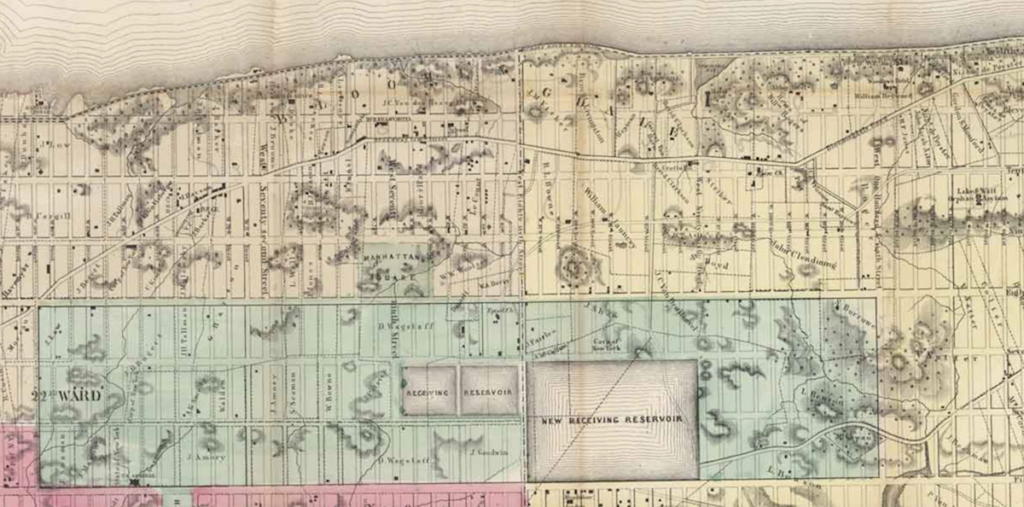
From an 1855 map of Manhattan, showing the still-rugged terrain of the area west of Central Park
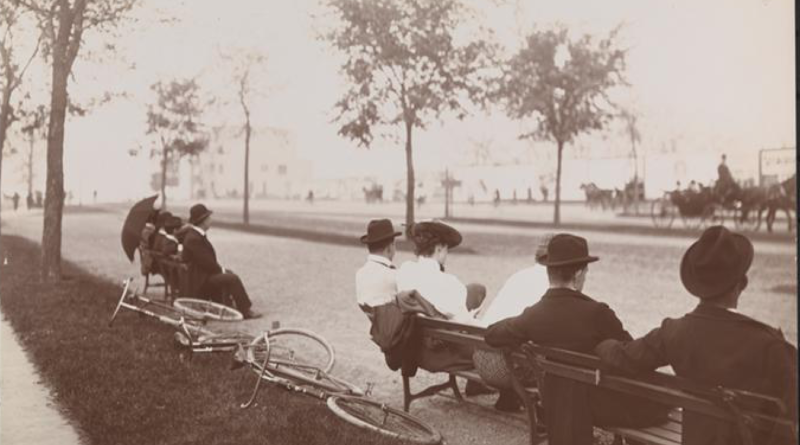
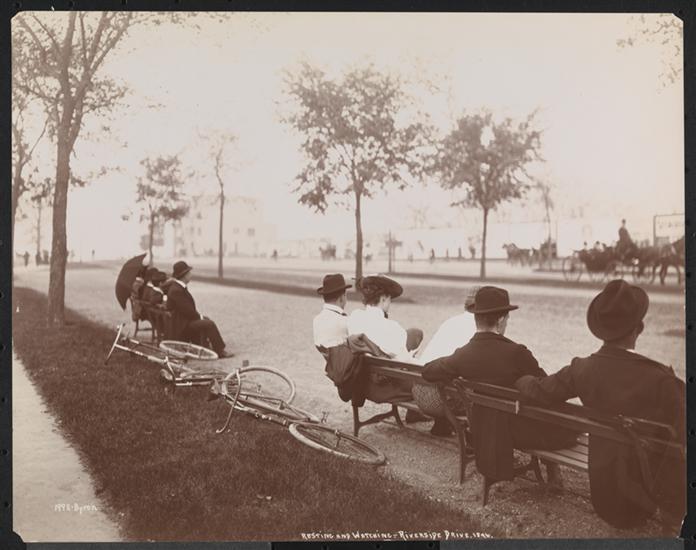
1896, Museum of the City of New YorkDetroit Publishing Co.,Created / Published between 1910 and 1920 / Library of Congress
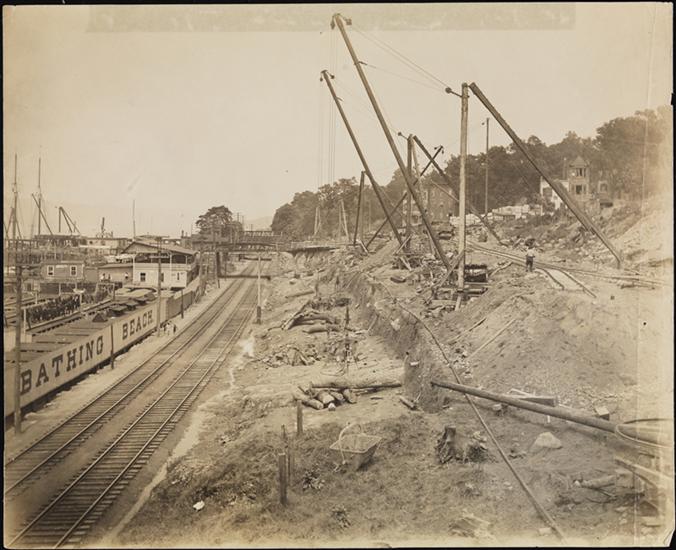
In the early 1900s, the park was extended further north. This depicts the scene near 148th Street, near a ‘bathing beach’ that couldn’t have been very pleasant to visit during construction.
MCNY
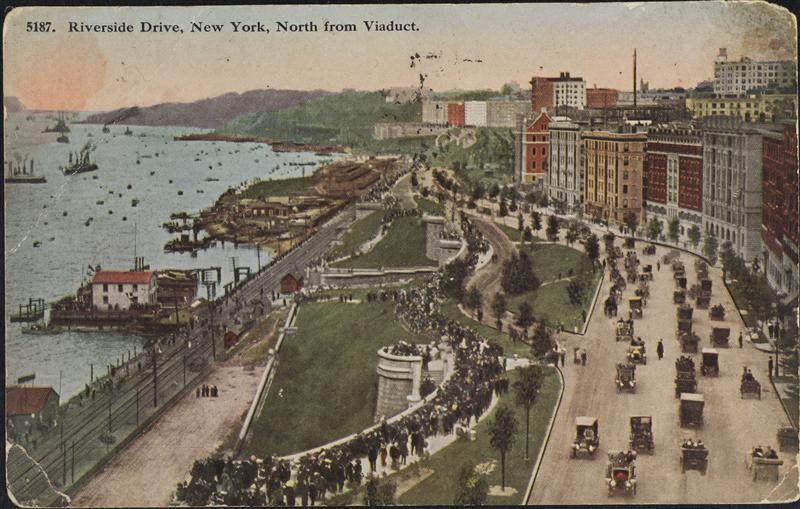
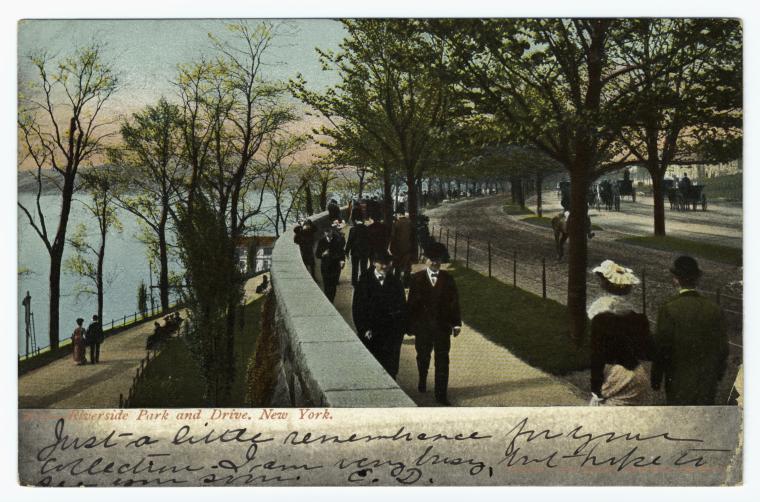
Riverside Park and Drive in the 1920s — the park stops at the tracks.
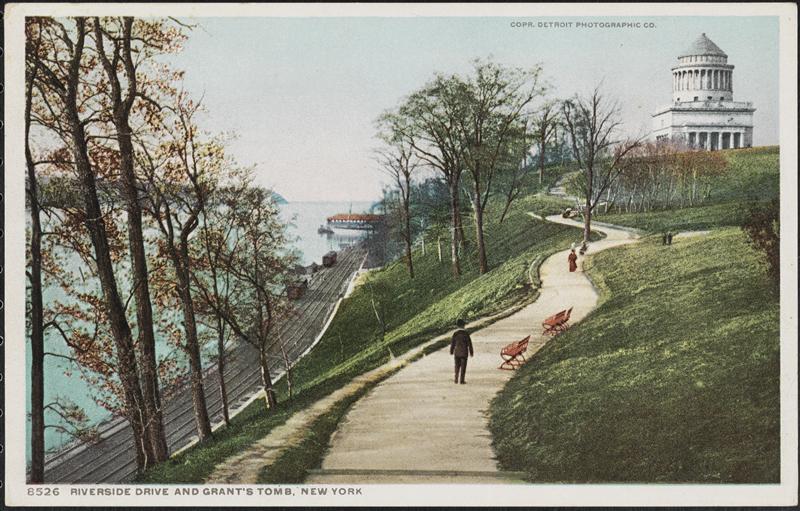
Another image from 1910, showing the exposed tracks and the waterfront.
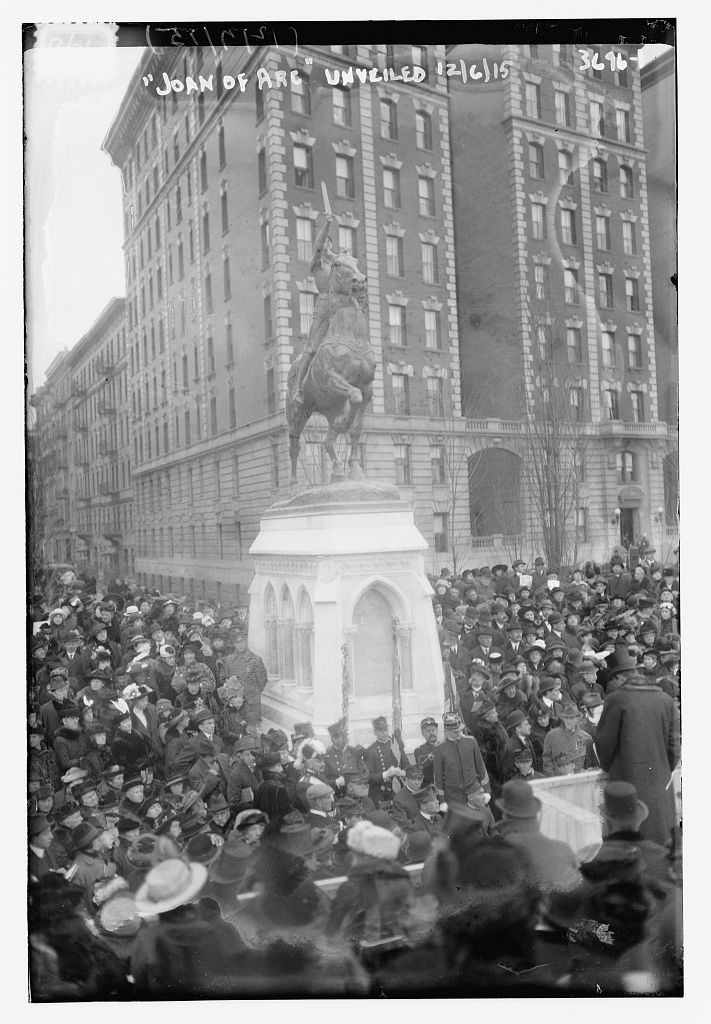
Photograph shows the unveiling of the Joan of Arc statue, Riverside Park, New York City on Dec. 6, 1915. (Source: Flickr Commons project, 2013)
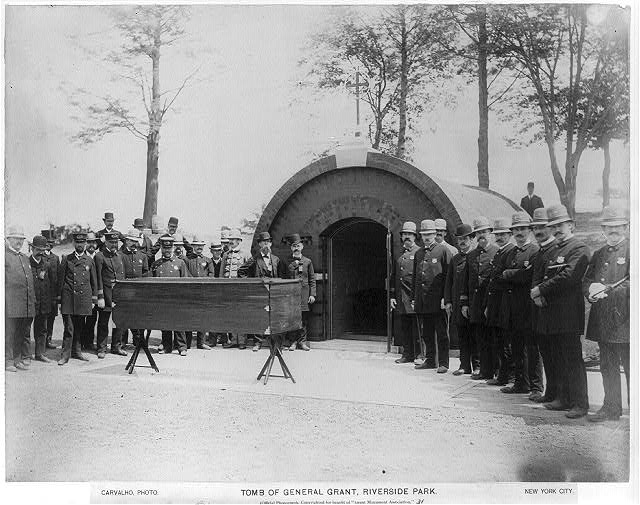
The original tomb of Ulysses S. Grant, circa 1886….
Library of Congress
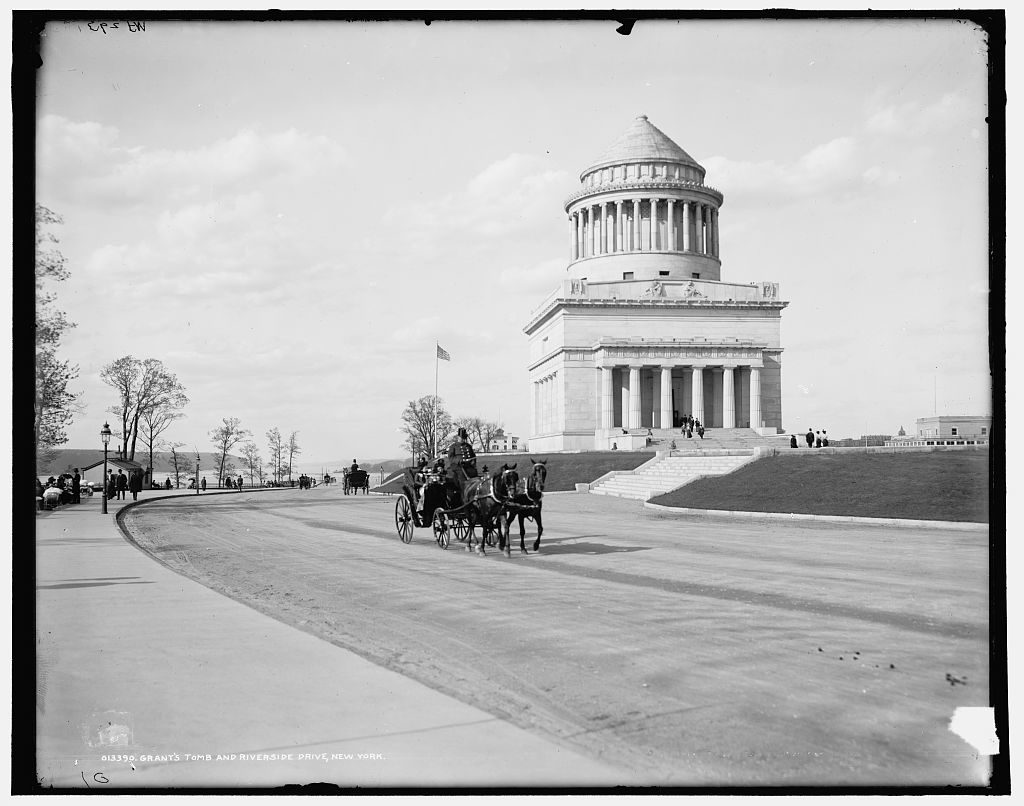
Replaced by his more famous resting place in 1897, in Olmsted’s carriage loop. (Olmsted was no longer associated with Riverside Park or else he might have taken issue with its placement.)
1901/Library of Congress
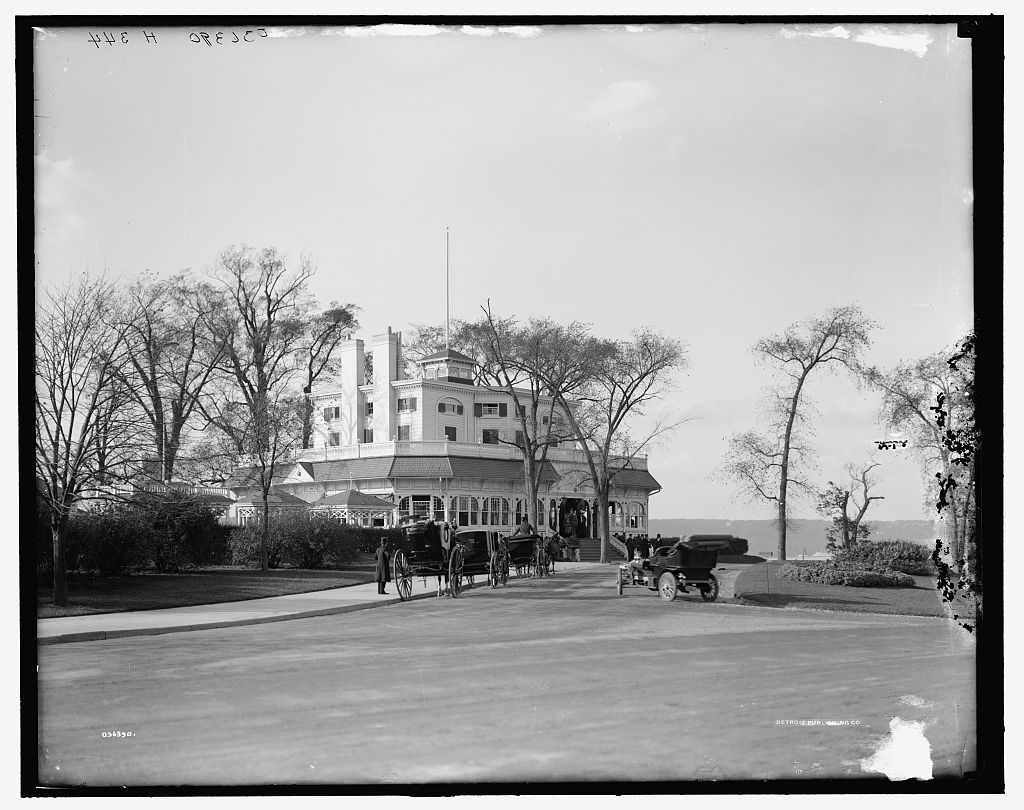
The fabulous Claremont Inn which drew thousands of weary New Yorkers after a long stroll in Riverside Park.
Detroit Publishing Co., 1900/ Library of Congress
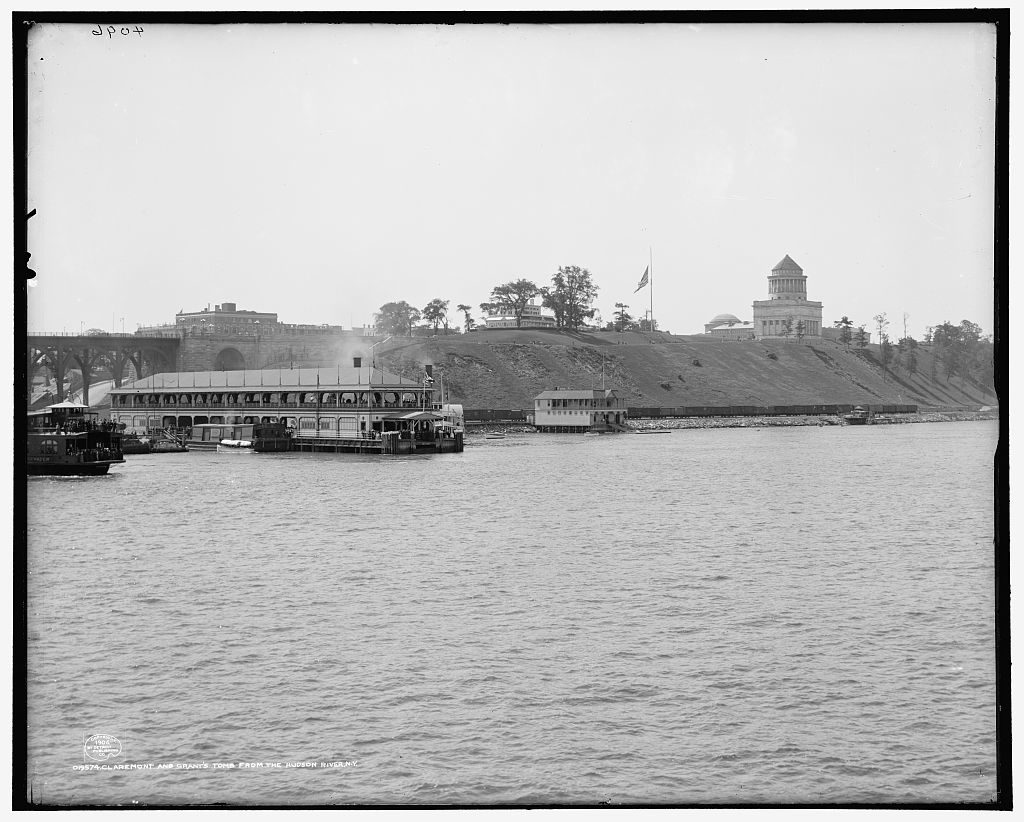
A view of Grant’s Tomb, Claremont Inn, the Manhattan Valley Viaduct and a glorious pier structure.
1906/Library of CongressNew York Public Library
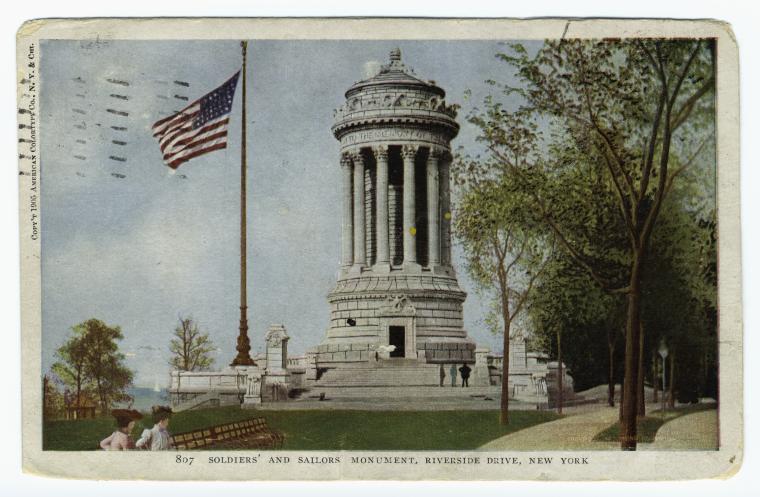
The Soldiers and Sailors Monument. (Read more about it here.)
New York Public Library
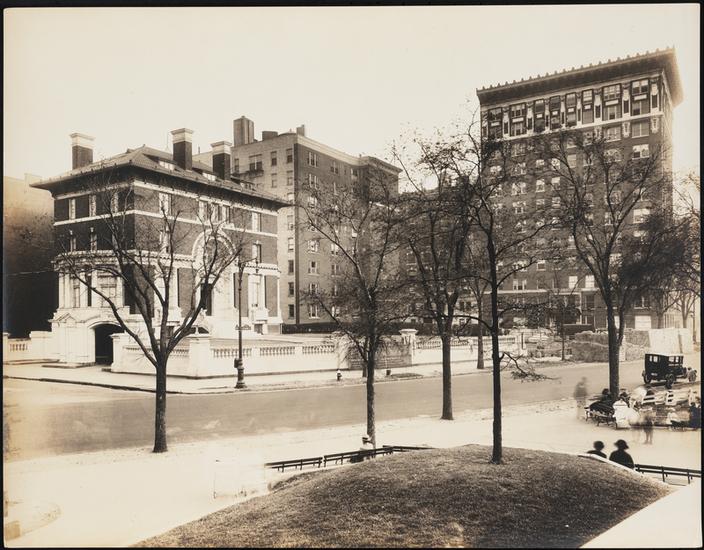
The Rice residence at West 89th Street and Riverside Drive
Wurts Brothers/MCNY
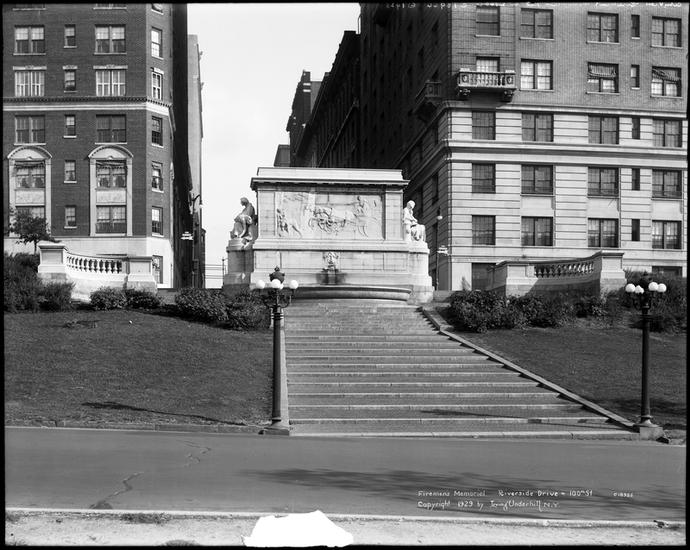
The Firemen’s Memorial, pictured here in 1929
MCNY
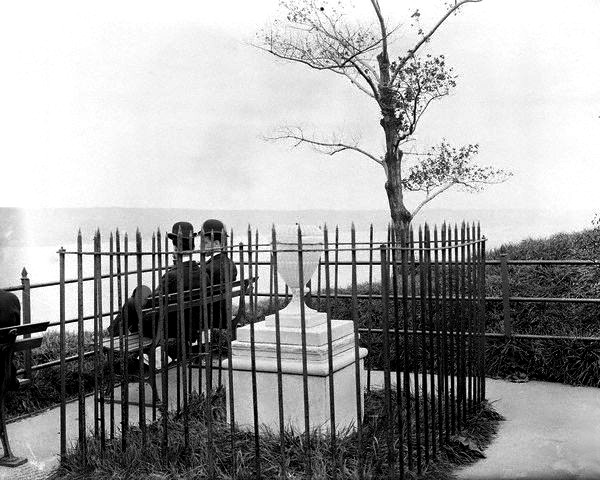
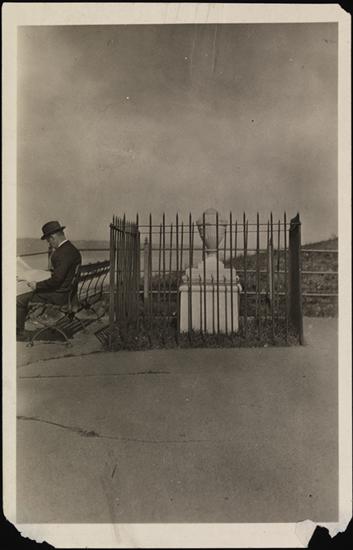
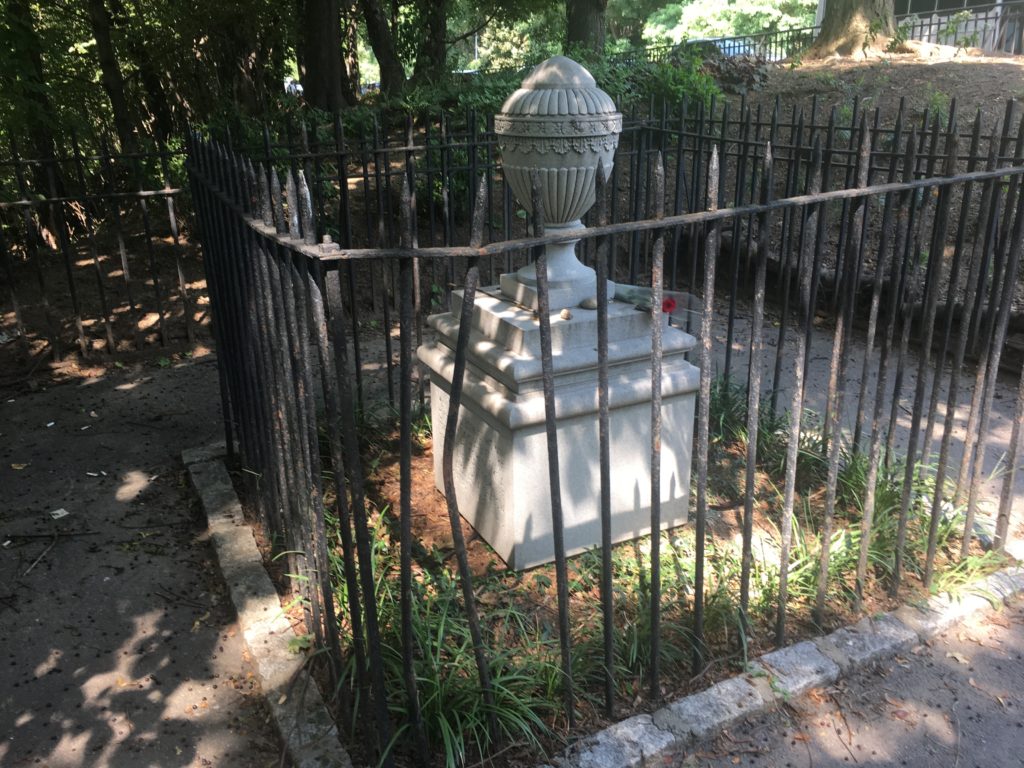
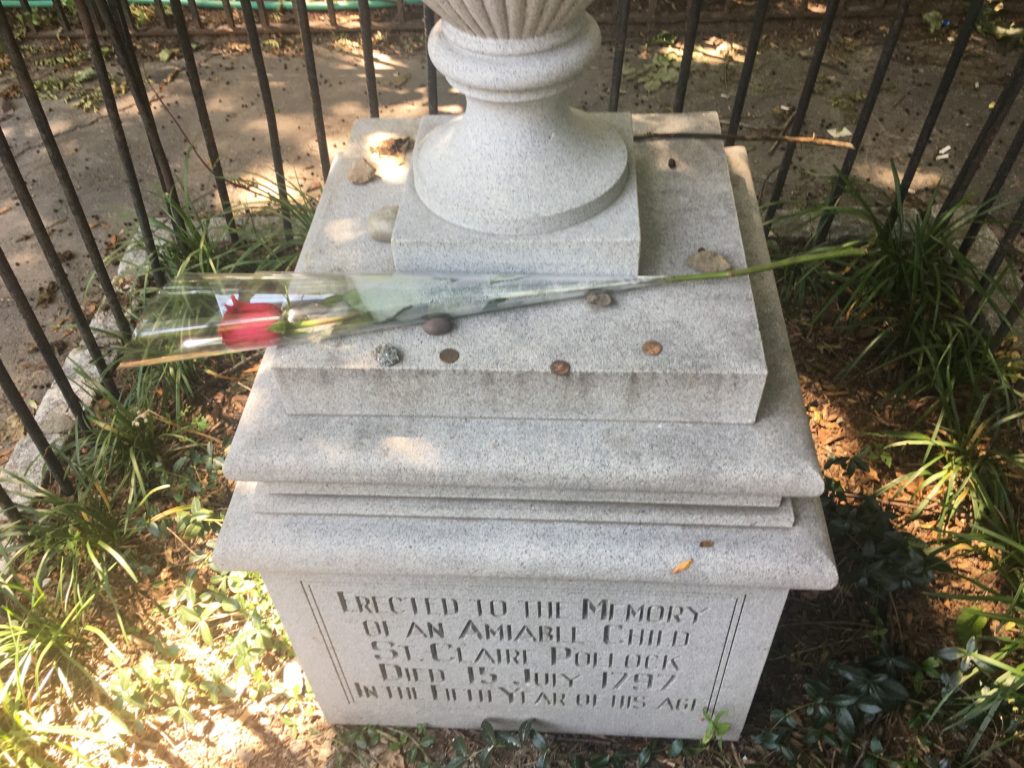
The tomb of the Amiable Child, 1900 and 1925
MCNY
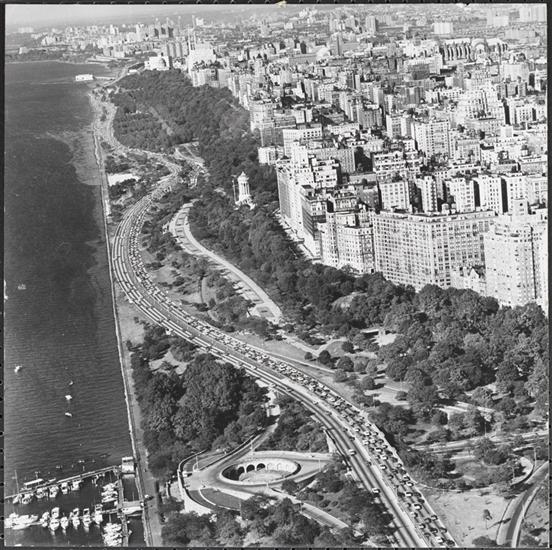
The Henry Hudson Parkway and the Boat Basin, 1975
New York Times/MCNY
A portion of Riverside Park South, developed by Donald Trump.
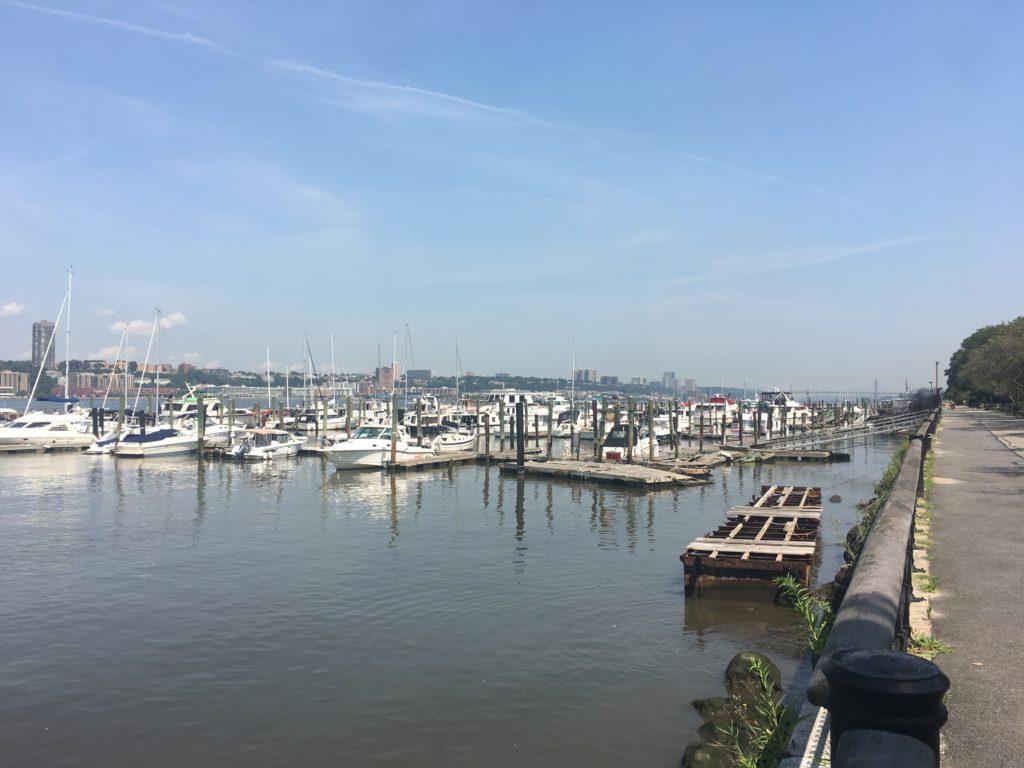
A glorious little marina sits in front of the Boat Basin.
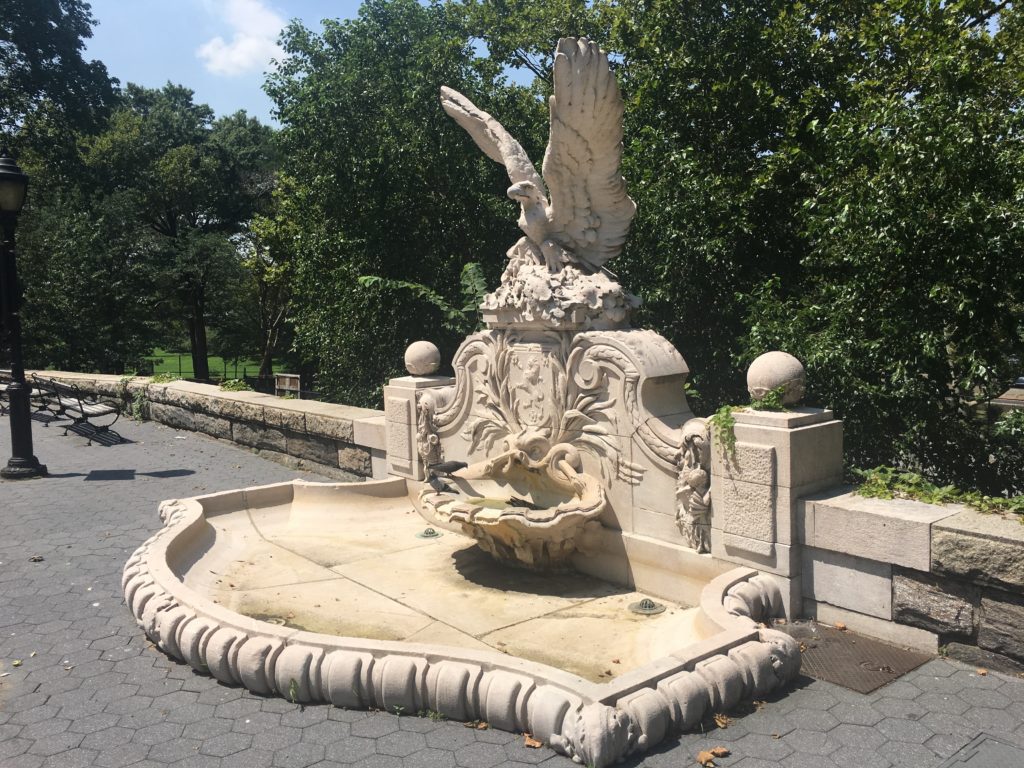
The Hamilton Fountain, at West 76th Street, named for the man who bequeathed it to the city — Robert Ray Hamilton, the great-grandson of Alexander Hamilton and Eliza Schuyler Hamilton.
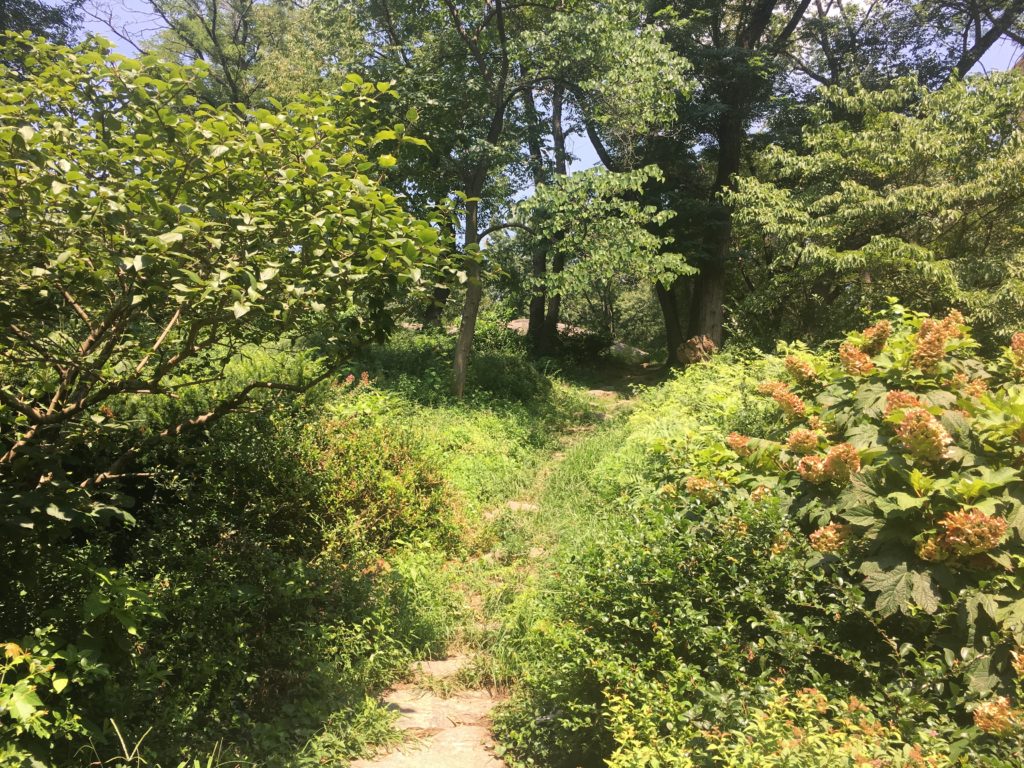
Up the hill and through the trees, you will find the contemplation spot for one of America’s most famous writers.
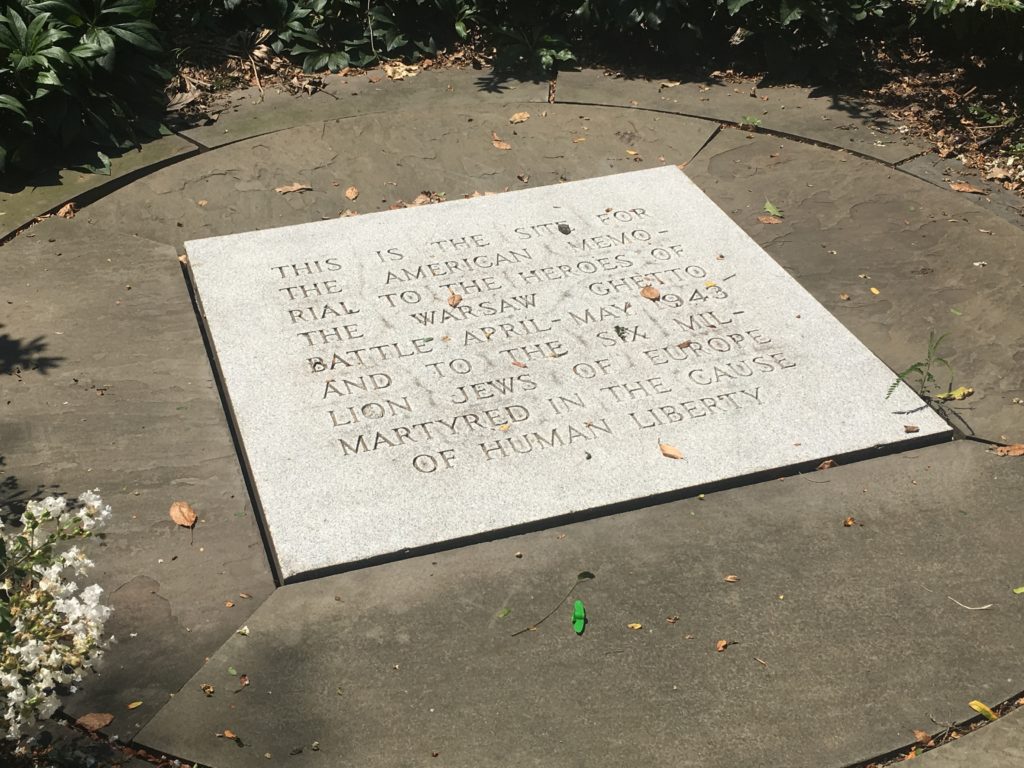
The Warsaw Ghetto Memorial — or rather, where a memorial should be.
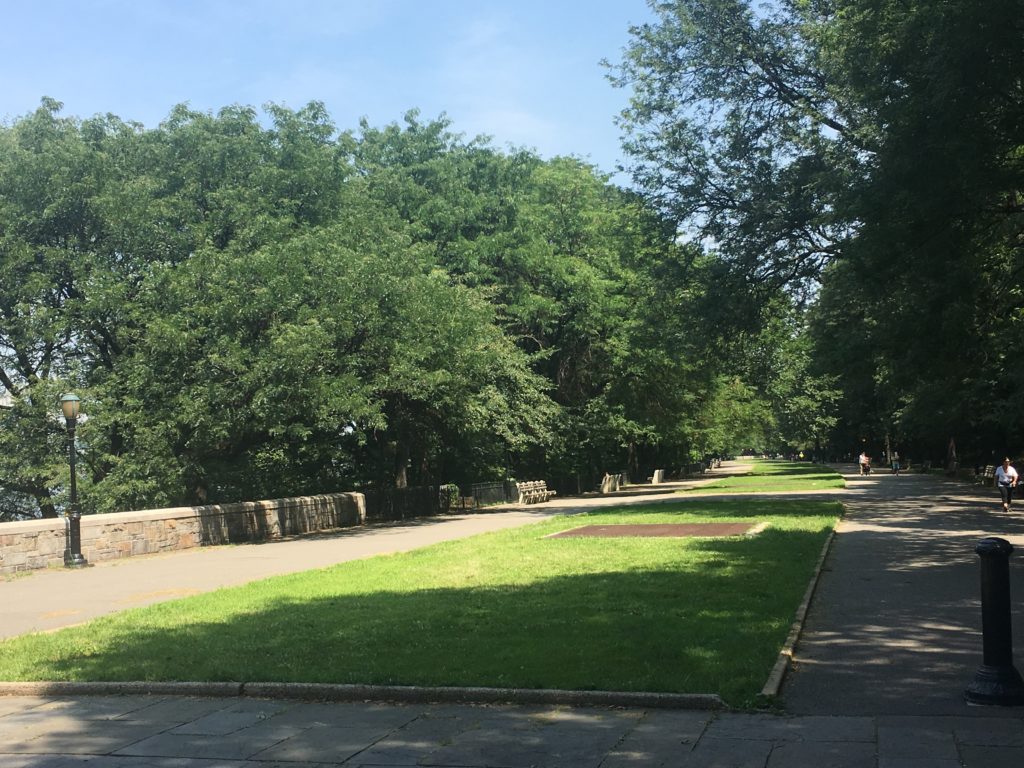
Just west of the peacefulness of Warsaw Ghetto Memorial Plaza:
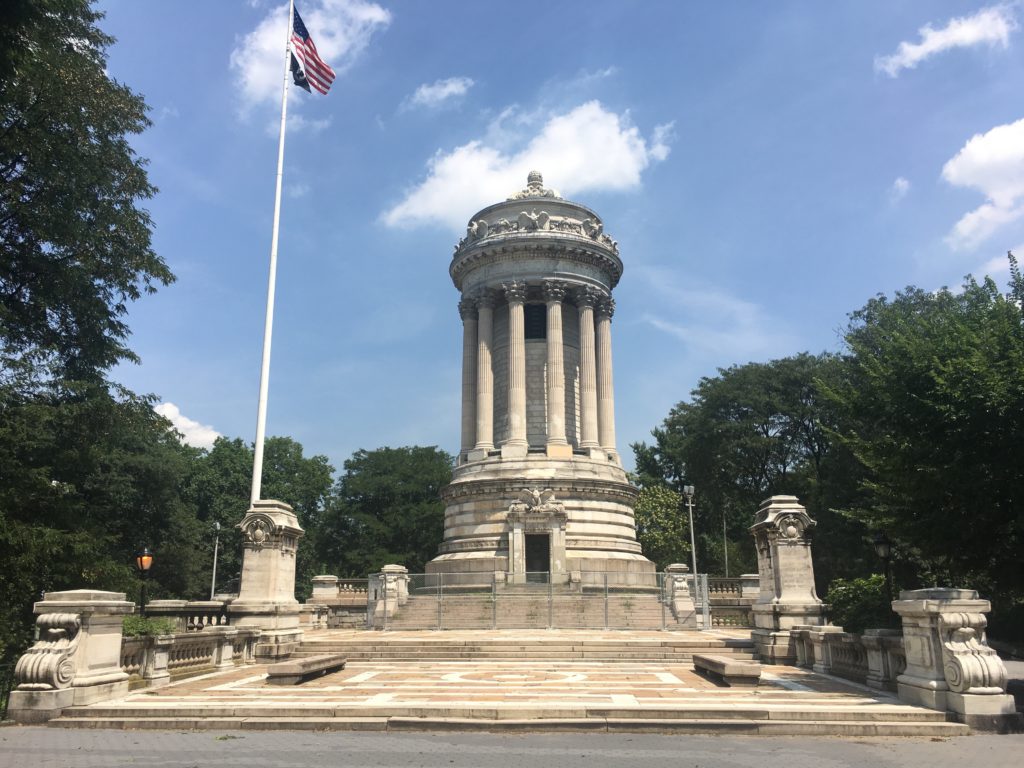
The Soldiers and Sailors Monument, completed in 1902.
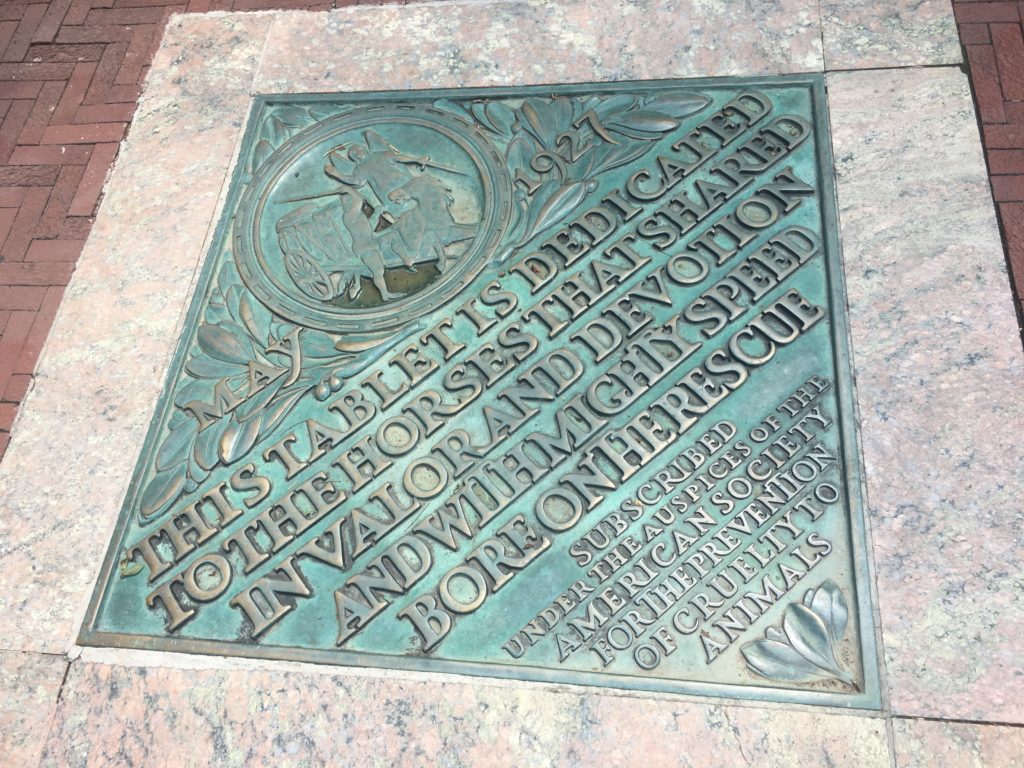
A message of thanks from the ASPCA….
The Amiable Child monument today…..
…just steps away from Grant’s Tomb.
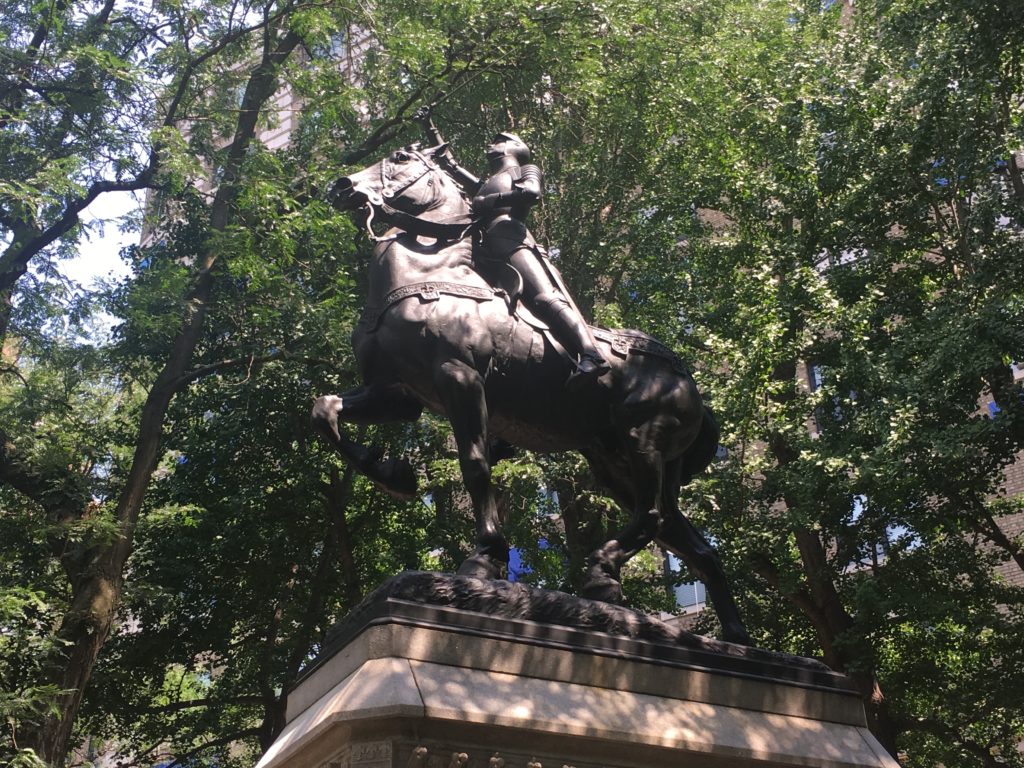
All hail Joan!
FURTHER LISTENING
After listening to this story of Riverside Park, check out these related Bowery Boys podcasts —
For more information on Upper West Side development:
Our first-ever Bowery Boys book, “Adventures in Old New York” is now out in bookstores! A time-traveling journey into a past that lives simultaneously besides the modern city.
Bowery Boys Walking Tours
Are you ready to walk through time? We’re excited to announce Bowery Boys Walks, our new walking tours developed around our podcast. Join us in the streets — beginning in October 2018!
The New York Public Library‘sOld NYC interface is pretty much one of the best things to happen to New York City history this year. It selects photographs from their extensive archives and maps them out — all five boroughs and pretty much most major intersections. Â It’s like a Google Maps street-view of the past.
It’s been a true delight (and a major distraction) to revisit random avenues and see what things looked like over 75-100 years ago. Â Try it out. Pick a street, any street.
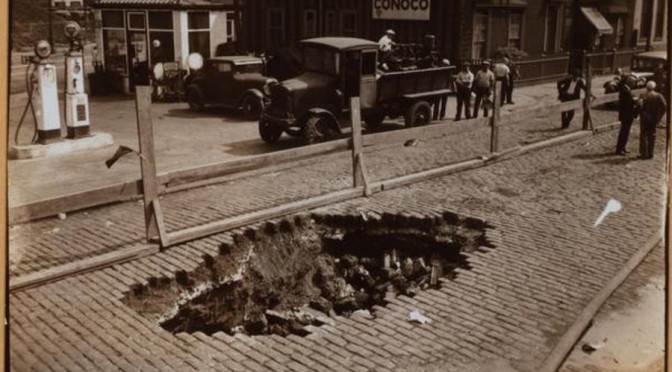
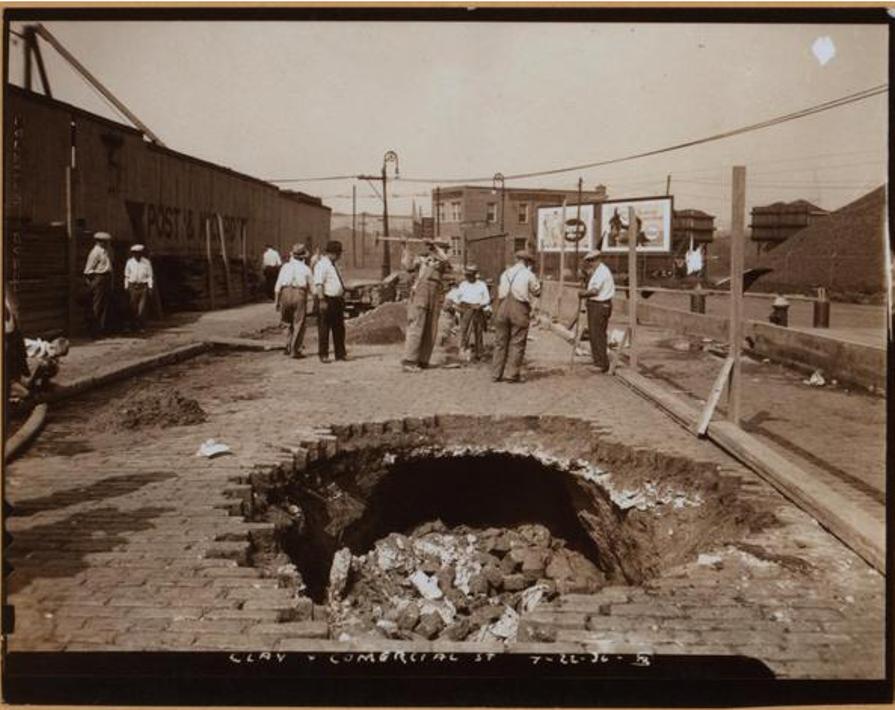
While stumbling through Brooklyn history, I can upon a startling sight at Clay Street and Commercial Street in Greenpoint. Â According to the caption, the photos show “operations on a W. P. A. sewer project.”
An in-depth plunge through this resource finds all sorts of unusual items from the past. Here are a few more that I discovered but, by all means,go hunt around for yourself!
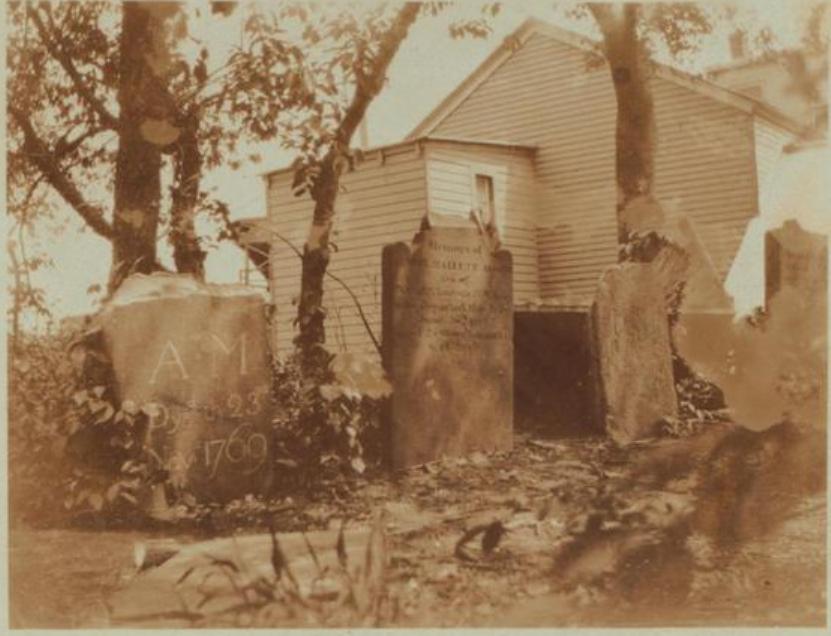
A spooky cemetery in Woodside, Queens, at 32nd Avenue and the northwest corner of 54th Street (or this intersection):
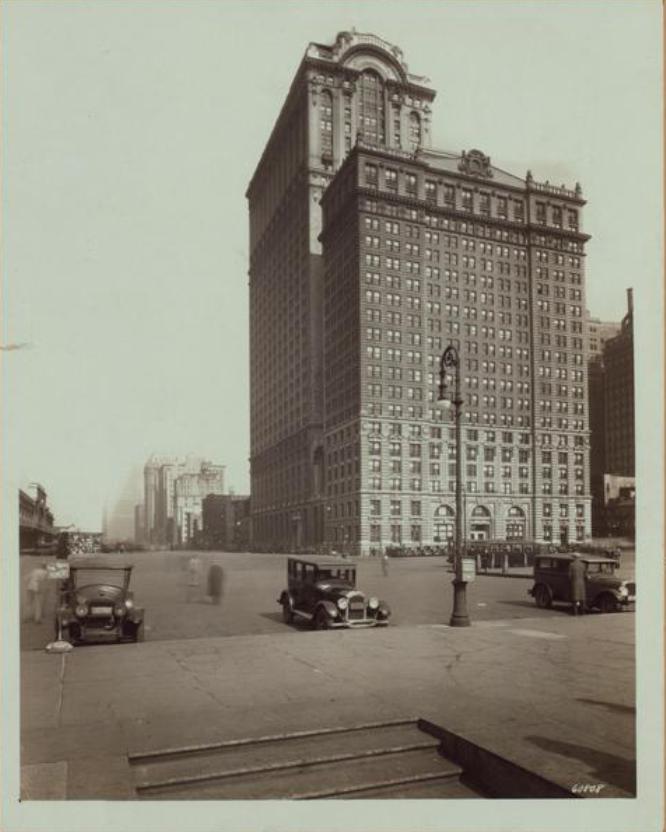
Back when one could just park your jalopy at the foot of West Street, 1920s. Here’s that view today. [source]
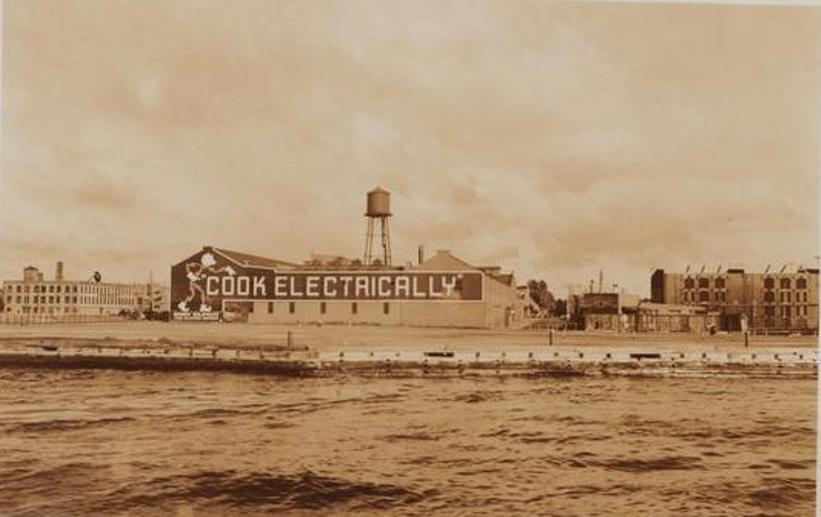
Edison Electric Company wants to encourage you to ‘COOK ELECTRICALLY’ from the vantage of a Ferris Street sign in Red Hook, Brooklyn. [source]
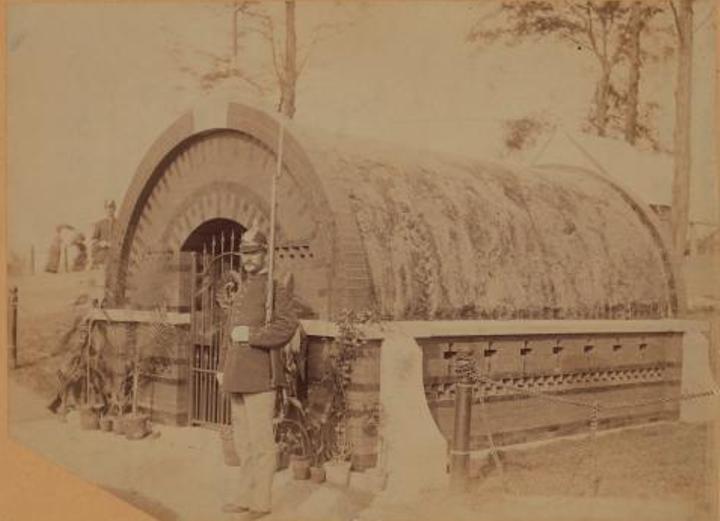
Before Ulysses S. Grant was interred in the monument that bears his name, he was kept in a temporary tomb near the same spot. Â This picture is from the 1880s. [source]
Our modest little series about some of the greatest, notorious, most important, even most useless, mayors of New York City. Other entrants in our mayoral survey can be found here.
You can divide the mayors of New York into at least five different groups, with some obvious overlapping into one or more groupings:
1) Ladder climbers who use the mayor’s seat as a mere spoke to greater political power
2) Puppet mayors of Tammany Hall, driven by corruption, though occasionally by sudden late-day resistance against the powerful Democratic machine that put them into power
3) Idealistic one-shots, who rise to power during flashes of mass community unrest, then often disappear shortly afterwards
4) City workhorses, who spend their lives rising through the ranks to achieve the mayor’s seat almost as a finish line to their careers
Then there is the fifth kind, one that our current Michael Bloomberg embodies, as does this week’s Know Your Mayor topic, William R. Grace — the mogul mayor, a powerful businessman with astute vision who pursue civic leadership almost like a hobby.
Like Bloomberg, Grace entered New York politics only after establishing a business empire that spanned the globe. In fact, Grace’s resume hardly seems to foretell a future in local politics at all.
Born on May 10, 1832, in Cork, Ireland, young William and his family fled the potato famine in 1846 and eventually found themselves in Peru. Grace became a successful merchant to the shipping and delivery vessels mining South America’s natural resources, particularly bat guano, whose flexible chemical properties made it as desirable as precious metals.
By 1854, Grace and his brothers had their own operation — W.R. Grace and Company — which initiated steamship lines traveling between North and South America. By the time the young entrepreneur decided to relocate to his North American office in New York City in 1866, he had become independently wealthy and one of the most powerful men navagating the Atlantic Ocean.
Like many of the nouveau riche, Grace lived in Brooklyn Heights with his wife where he could observe his burgeoning shipping empire in New York harbor, his vessels traveling between Latin America and Europe. His office was at 47 Exchange Place and, later, the India House.
His new financial powers granted him avenues into New York’s political scene. At first entirely uninterested in civic matters, he ran for mayor in 1880, and won, incredibly as a Democrat who also happened to be foe to the Tammany Hall forces. (If you’re going to fight Tammany Hall, it helps to have money and influence already in the bank.)
If that wasn’t enough, Grace become the first Irish-American and Catholic mayor in an age where when many city residents still distrusted Catholics. In fact, Republican opponents had claimed that Grace would “make this City subordinate to the Holy Father in Rome.“
Grace was mayor for two non-consecutive terms. From 1880-1882, his battles were with Tammany’s ‘Honest’ John Kelly and the city’s deteriorating infrastructure. Although Boss Tweed had been dead for two years, and Tammany’s corrosive readily exposed, Grace still devoted most of his first term battling his fellow Democrats over such things as street cleaning.
After returning to business for a couple years, he was brought back into the mayoral world in 1884 (until 1886) after the Republican and traditional Tammany candidates proved too divisive. Less dramatic years in terms of political battles, Grace would be involved with ensuring New York two of its most famous monuments.
He was mayor when the Statue of Liberty came to town, officially accepting the gift from the French in 1885. That same year he successfully secured the permission to have the body of Ulysses S. Grant buried in the city, in the ostentatious mausoleum that would be known as Grant’s Tomb.
According to the Catholic Encyclopedia, Grace went to Mass every morning before heading to City Hall. Grace’s latter days were devoted to philanthopical gestures, including the Grace Institute, which educated immigrant women, in 1897. He died in 1904.
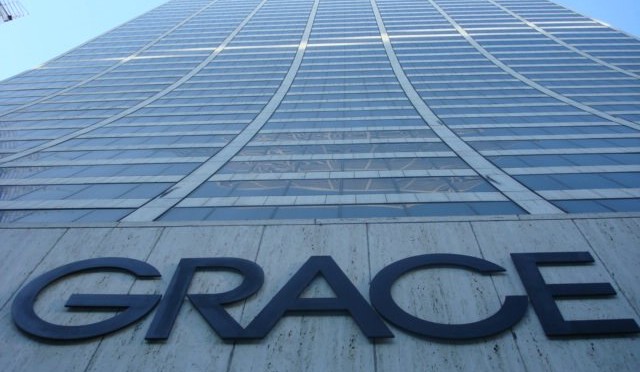
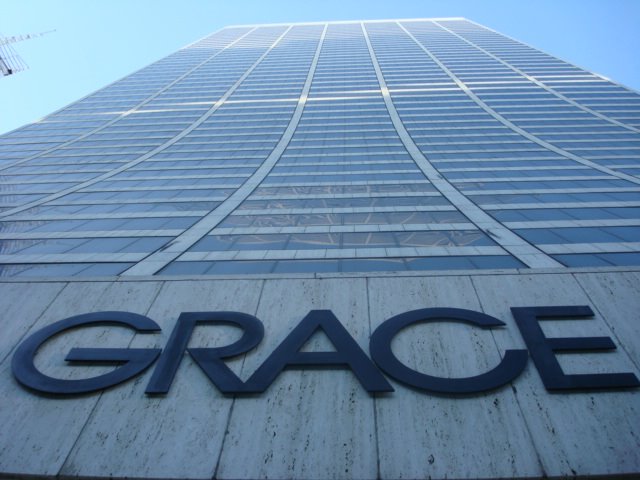
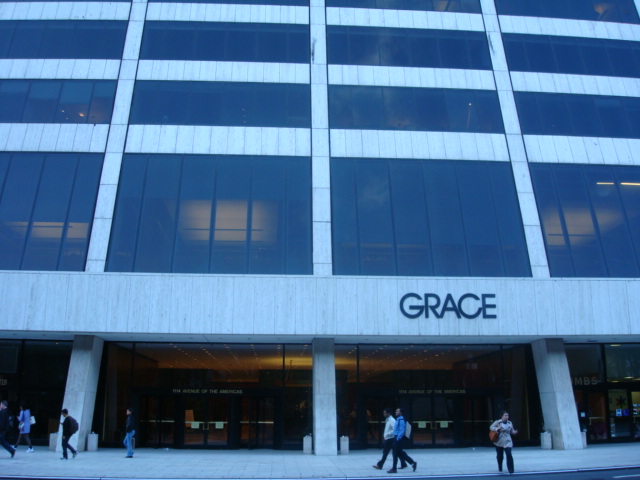
However, his company W.R. Grace and Company would grow, from its salad days in bat guano, to become one of the world’s biggest chemical conglomerates. Their New York corporate headquarters was built in 1971 on the north side of Bryant Park and is generally known for its white sloping facade. At present it is the 61st tallest building in New York City.