Categories
Wartime New York

“To the memory of the Brave Soldiers and Sailors Who Saved the Union”

This Monday (May 27, 2019), a Memorial Day observance will be held from 10 a.m to noon at the Soldiers and Sailors Monument in Riverside Park. In honor of the holiday, we’re rerunning this 2015 article on this oft-forgotten monument.

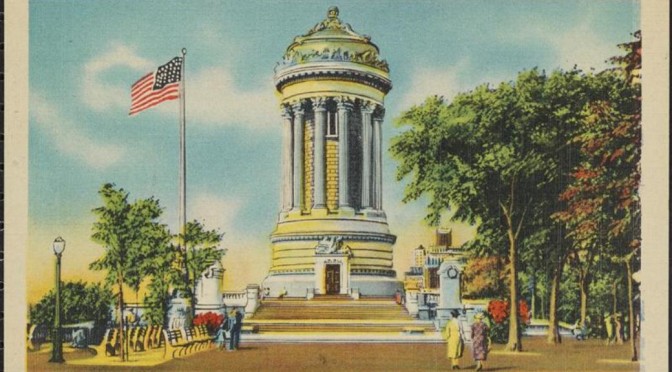
The Soldiers’ and Sailors’ Monument on the Upper West Side has been the centerpiece for Memorial Day commemoration for decades.  Unless you actually live by it, you probably have not been there in years, if at all. It’s a vastly under-appreciated landmark, occasionally vandalized and certainly in need of work. [For more on the history of Riverside Park, listen to our podcast episode: Heaven on the Hudson.]
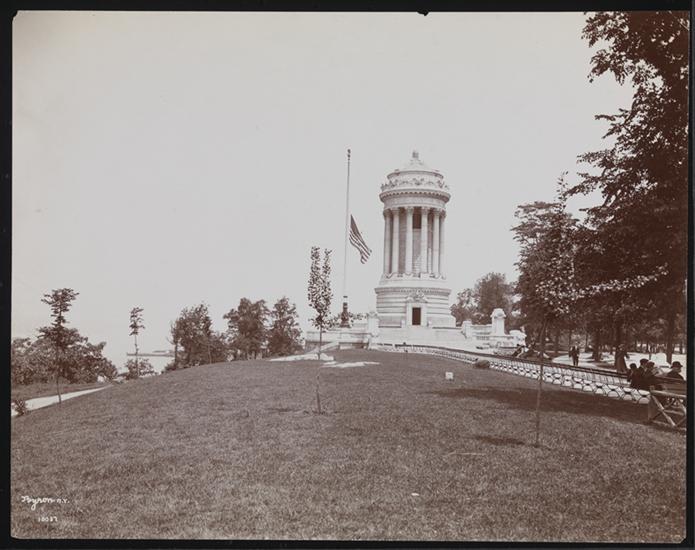
Courtesy the Museum of the City of New York

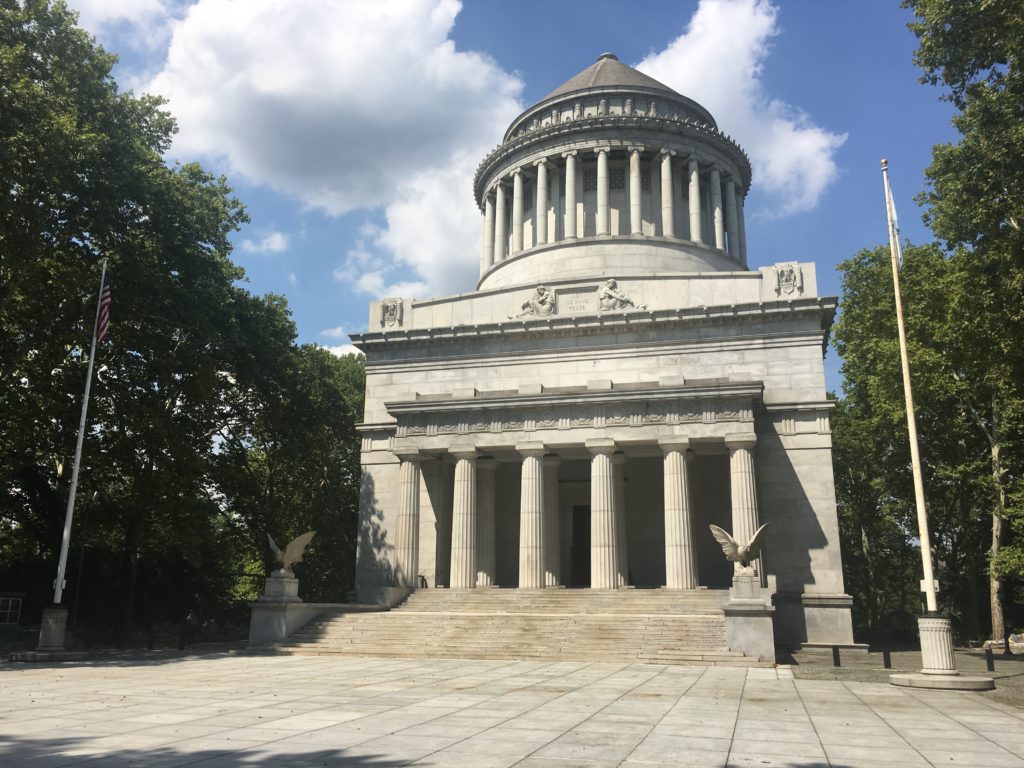
It owes its form to the great Gilded Age fervor for classical beauty and the aesthetic appeal of Beaux-Arts architecture. Grand war memorials were sprouting up all over New York during this period, most notably he Soldiers’ and Sailors’ Arch in Brooklyn’s Grand Army Plaza (1892) and Prison Ship Martyrs Monument in Fort Greene (1908).  Then there’s Grant’s Tomb (1897), which owes its existence more to the General’s military career and not so much his scandal-filled presidency.

And similar monuments of such colossal proportion were erected in other cities including Hartford (1886), New Haven (1887), Allentown (1899) Indianapolis (1902), Baltimore (1909)  Syracuse (1910), Pittsburgh (1910), among many others.
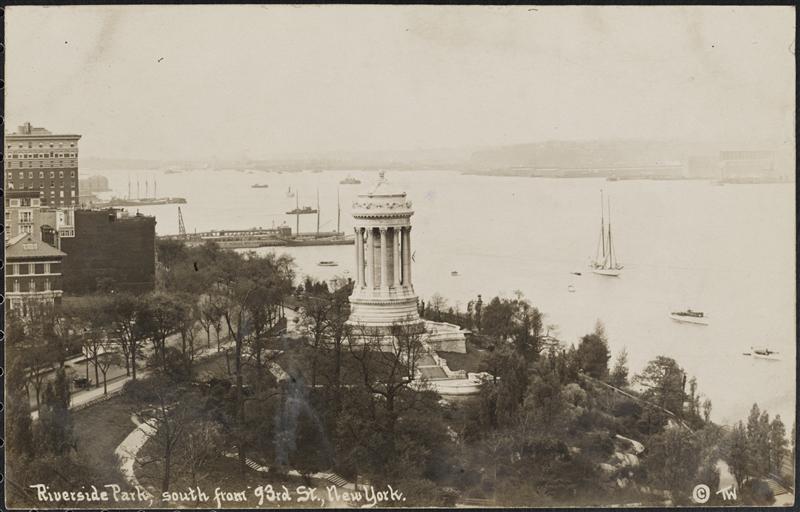
Courtesy the Museum of the City of New York

Monuments are dandy indicators of civic pride but many were inspired by practical necessity. Most Union veterans were in their ’50s and ’60s by this time many of these memorials were planned. Those that grew up after the war– the sons and daughters of war heroes — wanted to recognize the achievements of a previous generation.  Many of these men (Grant being the notable example) were now prominent citizens in New York.

Its also not a coincidence patriotic feelings were swelling during this period due to conflicts like the Spanish-American War which would later demand their own memorials like the powerful Maine Monument, unveiled in 1913.
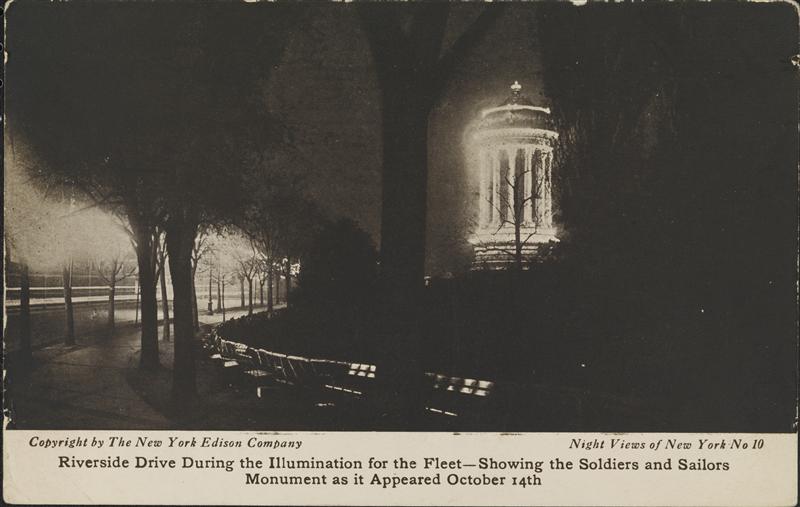
1915, courtesy the Museum of the City of New York

Riverside Drive might seem a curious place to put a Civil War monument. In fact, its location inspired a bit of a civic war itself from the moment it was first planned in 1893.  “THE MONUMENT FIGHT AGAIN” proclaimed the New York Times in 1895, reporting on a rivalry between  members of the Upper East Side Association and the Upper West Side Association.

I mean, in 1895, didn’t it make sense to place it on Fifth Avenue, the most prominent and wealthy street in the world? Proponents chose Fifth Avenue and 59th Street, the entrance to Central Park, as the ideal spot. “It is rather amusing to hear …. grounds for opposition in view of what was said in front of the Commissioners when the west side men wanted to locate the monument on the Riverside Drive and Seventy-Second Street…..[T]hey charged that the Plaza was not suitable because the monument would be surrounded by buildings that would dwarf it.”

Supports of the Riverside site claimed that the foundations would not be sturdy enough near the park, an amusing remark given the skyscraper boom which would take over Midtown Manhattan in the 20th century.  In particular, naval officers bristled at the Fifth Avenue site which was almost as far from the site of water that one could get in Manhattan.

Had the eastsiders won, we would have gotten a Soldier’s and Sailors Monument that looked like this on the spot of today’s Grand Army Plaza:
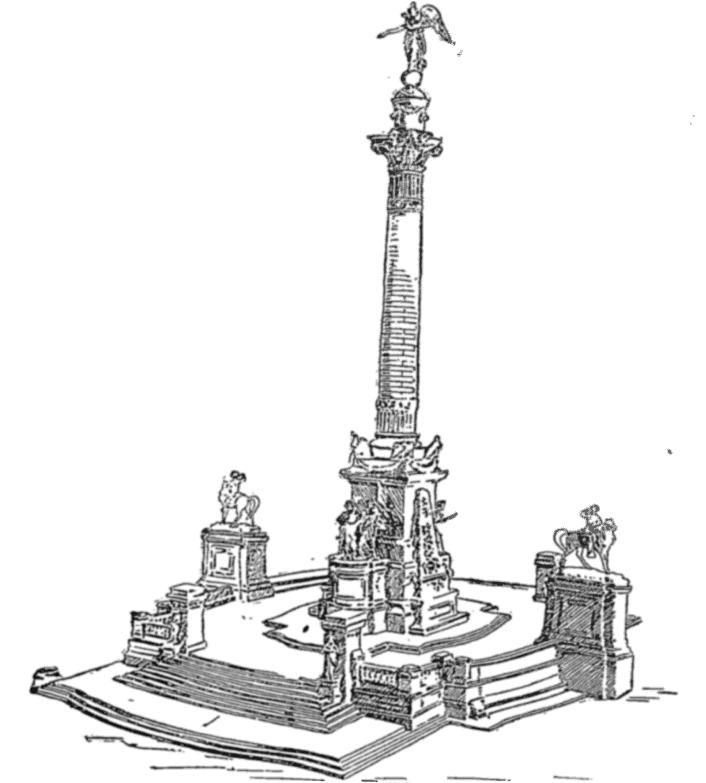
1

By 1899, years after the project was conceived, proponents of the west side finally won out.  The monument was planned for a spot in the newly developed Riverside Park known as Mount Tom, a “very beautiful little knoll of natural rock,” believed to have been a spot of quiet contemplation for one Edgar Allen Poe (who lived nearby in 1844).  That was at Riverside Drive and 83rd Street.  Eventually that too was deemed inadequate, and the preparations were then moved to the present location at 89th Street.

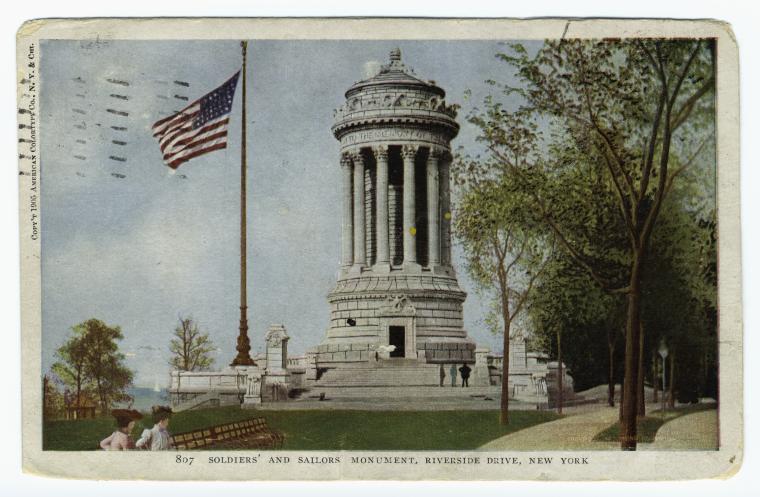
Given the new location, the monument was redesigned by the firm of Straughton and Straughton as a circular temple adorned with Corinthian columns. The Soldiers and Sailors Monument was officially dedicated on Memorial Day 1902:
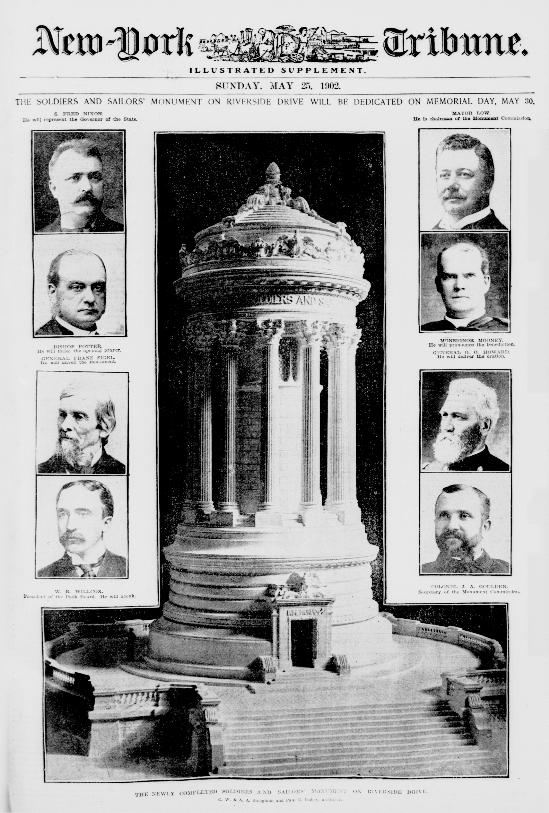
1

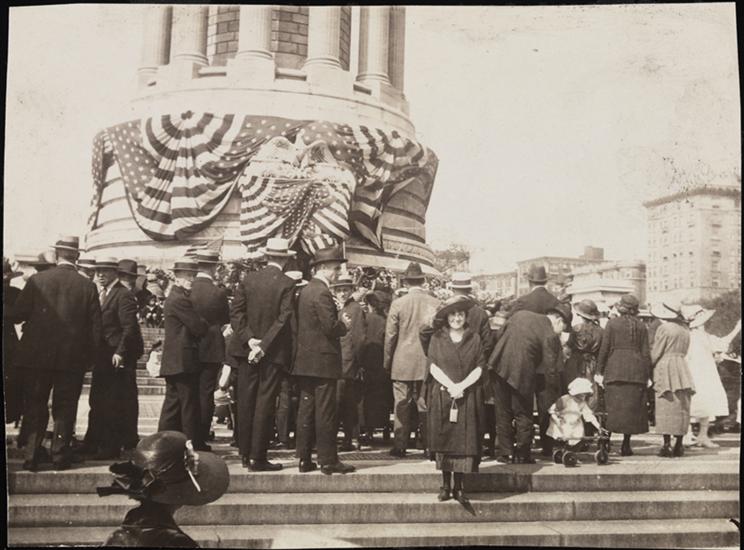
Here are a couple views of its dedication ceremony in 1902:
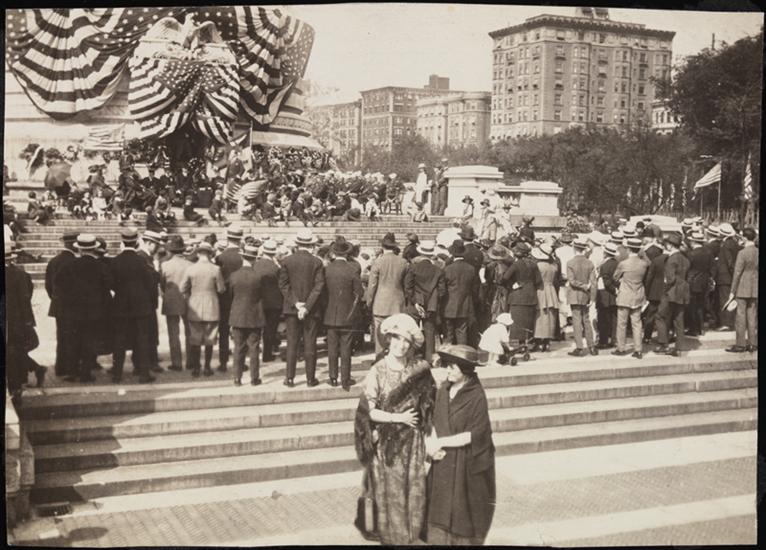
Courtesy the Museum of the City of New York

The final monument is absolutely beautiful, of noble design, but was not well constructed.  Repairs were necessary less than five years later, and the structure has gone through several alterations.  This New York Times article gives you a look inside the monument and reviews some current efforts to rescue the building from further deterioration.

The weather’s supposed to be spectacular this holiday weekend, so make that a good excuse to visit this unusual and charming little memorial.
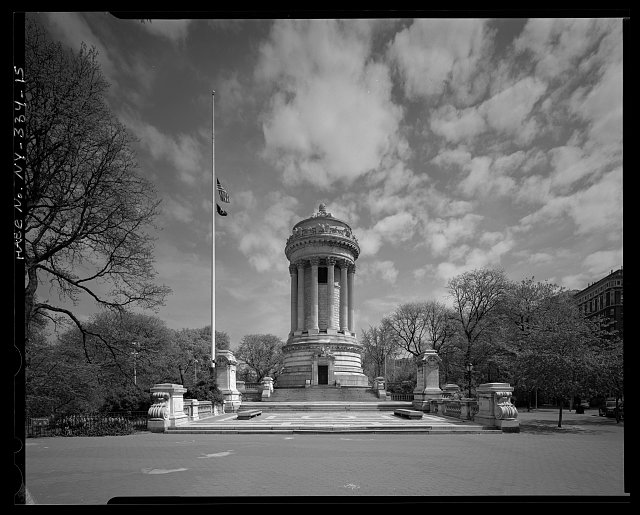
Photo by Renee Bieretz, courtesy the Library of Congress

And finally, a mysterious post card from the New York Public Library collection. Note the caption:
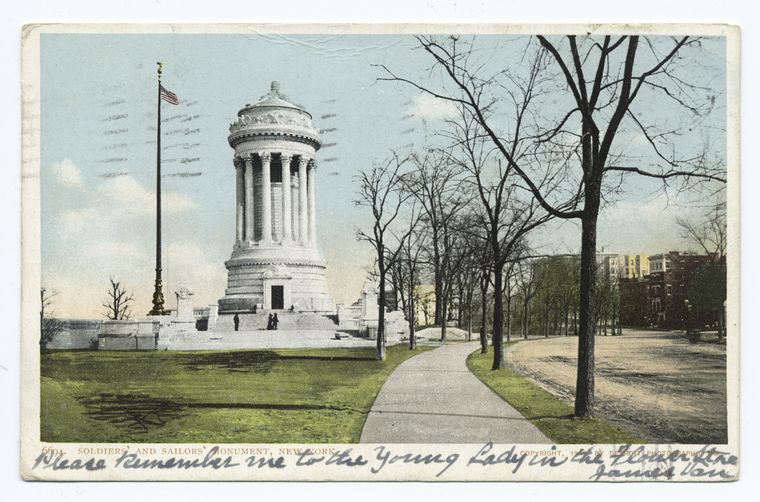
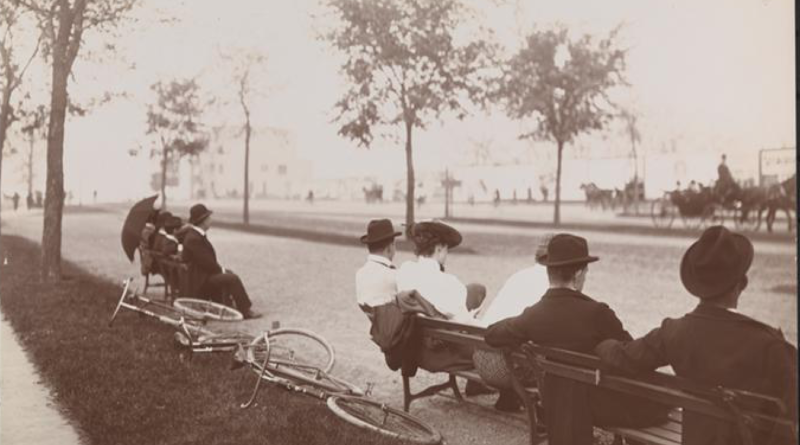
forindex

Categories
Parks and Recreation Podcasts

Heaven on the Hudson: How Riverside Park covered its tracks and became a breathtaking spot

PODCAST The highs and lows of the history of Riverside Park

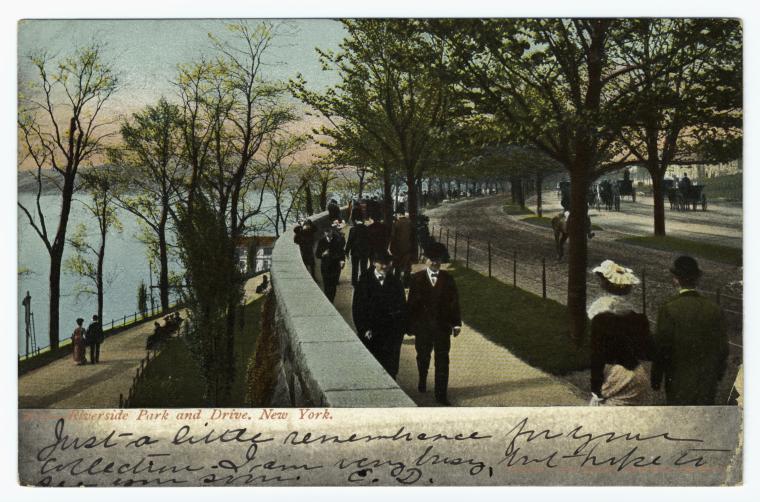
In peeling back the many layers to Riverside Park, upper Manhattan’s premier ribbon park, running along the west side from the Upper West Side to Washington Heights, you will find a wealth of history that takes you back to Manhattan’s most rugged days.

The windswept bluffs overlooking the Hudson River were home to only desolate mansions and farmhouses, its rock outcroppings appealing to tortured poets such as Edgar Allan Poe. But the railroad cleaved the peace when it laid its tracks along the waterfront in the 1840s.

To encourage development, the city planned Riverside Park as a respite with commanding views of the river and a swanky carriage way for afternoon excursions. But the original plan by Central Park designer Frederick Law Olmsted only went so far — right up to those pesky train tracks.

In the 20th century, residents along the newly chic Riverside Drive tired of the smoky mess. It would take the ‘master builder’ himself — Robert Moses — to finally conceal those tracks and create a new spot for recreational facilities. In doing so, he threaded his new park with a new noisemaker — the Henry Hudson Parkway.

We give you the grand overview history of this extraordinary park THEN we visit the park itself to give you the full dynamic sound experience, reviewing Riverside’s most spectacular attractions.

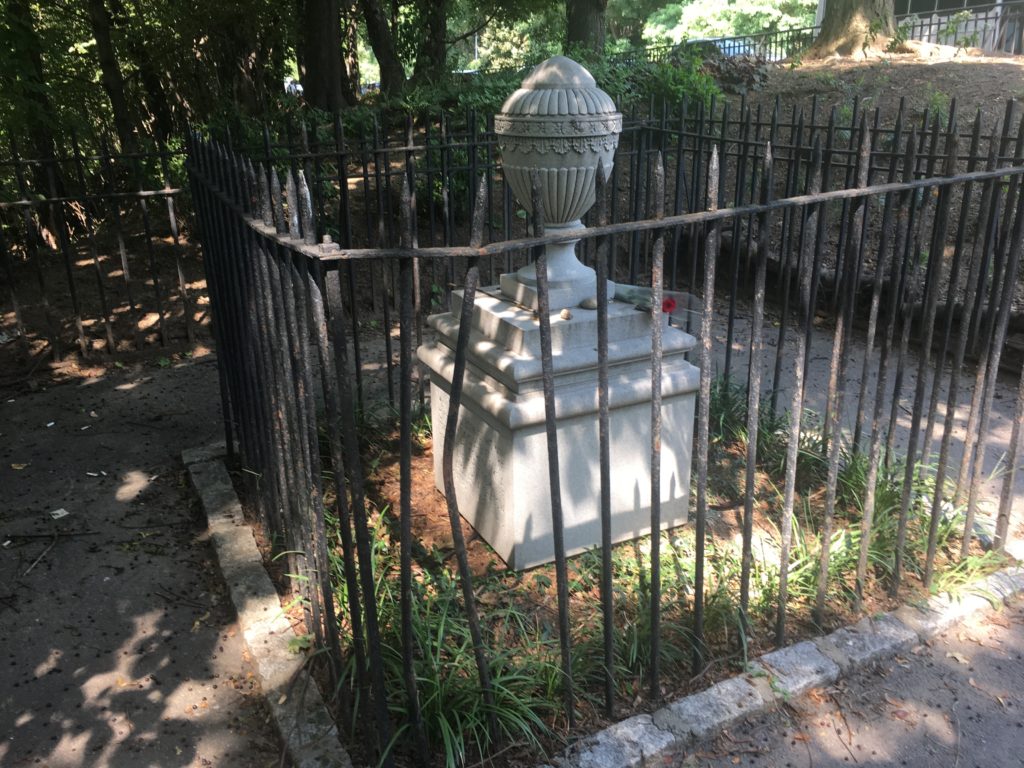
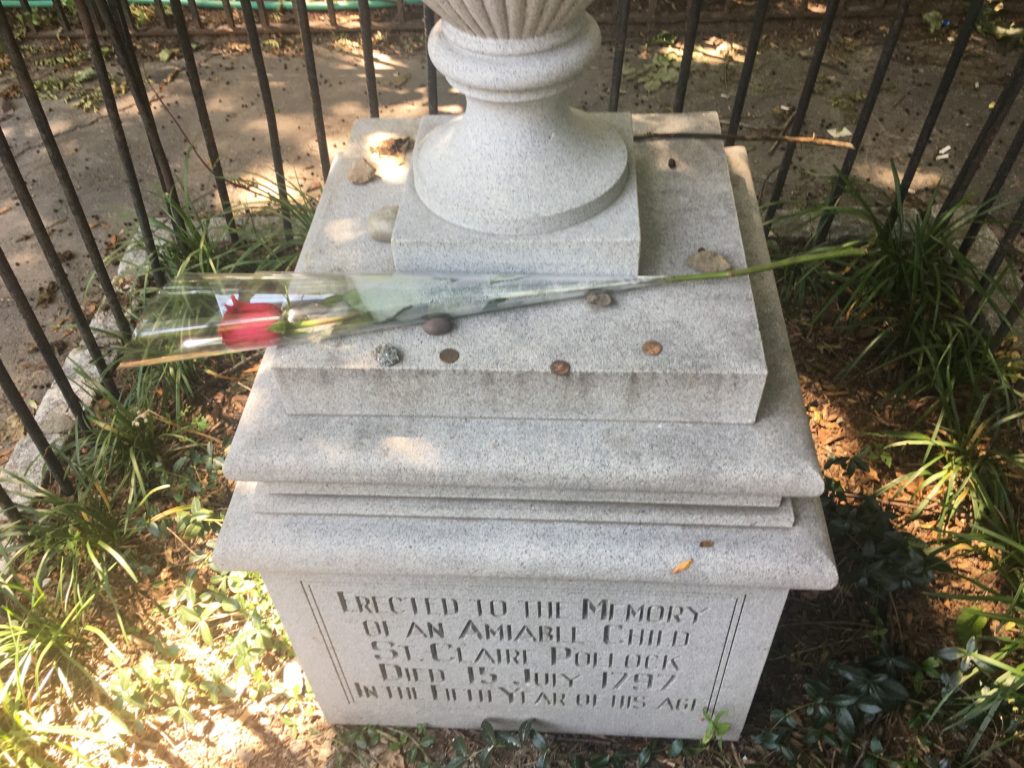
PLUS: The strange story of two great monuments at 125th Street, the final resting place for a great military leader and a five year old boy, whose tragic story has inspired generations of poets.

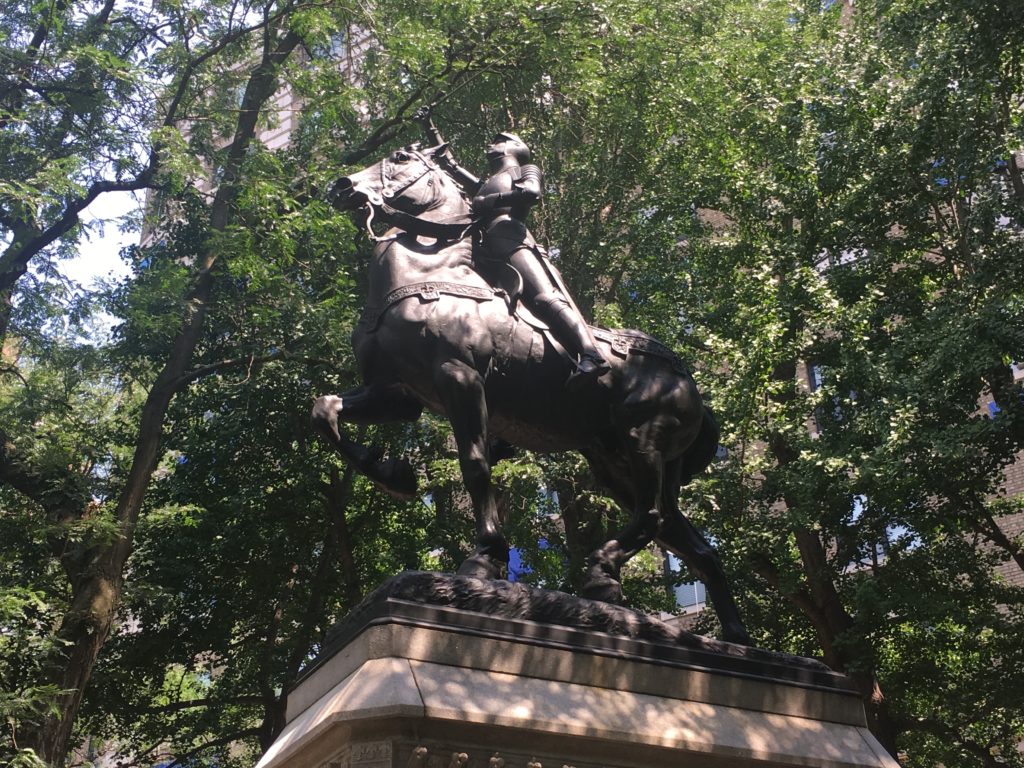
FEATURING: George and Ira Gershwin, Charles Schwab, Joan of Arc, Hillary Clinton and Donald Trump (in non political capacities!)

Listen Now: Riverside Park New York Podcast

________________________________________________________

The Bowery Boys: New York City History podcast is brought to you …. by you!

We are now producing a new Bowery Boys podcast every other week. We’re also looking to improve the show in other ways and expand in other ways as well — through publishing, social media, live events and other forms of media. But we can only do this with your help!

We are now a member of Patreon, a patronage platform where you can support your favorite content creators for as little as a $1 a month.

Please visit our page on Patreon and watch a short video of us recording the show and talking about our expansion plans. If you’d like to help out, there are five different pledge levels (and with clever names too — Mannahatta, New Amsterdam, Five Points, Gilded Age, Jazz Age and Empire State). Check them out and consider being a sponsor.

We greatly appreciate our listeners and readers and thank you for joining us on this journey so far.

________________________________________________________

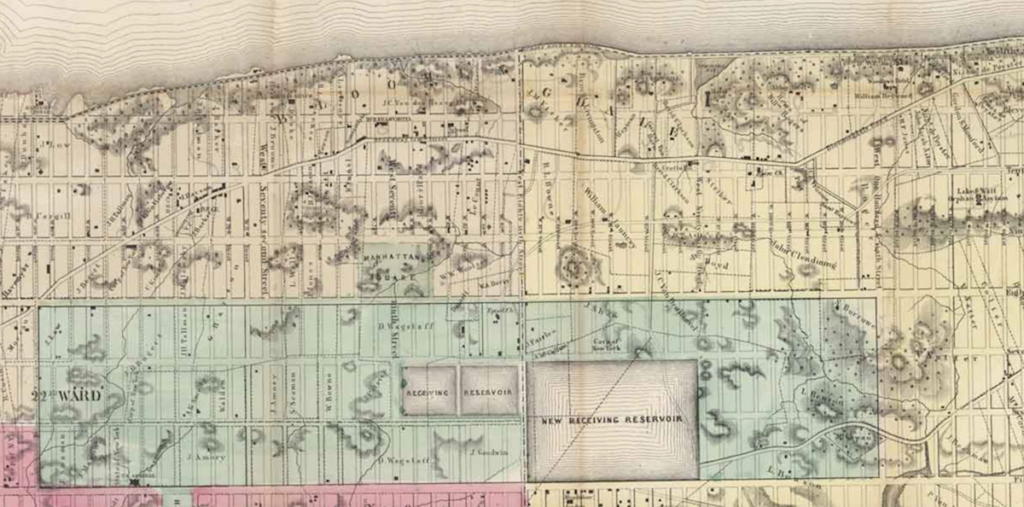
From an 1855 map of Manhattan, showing the still-rugged terrain of the area west of Central Park

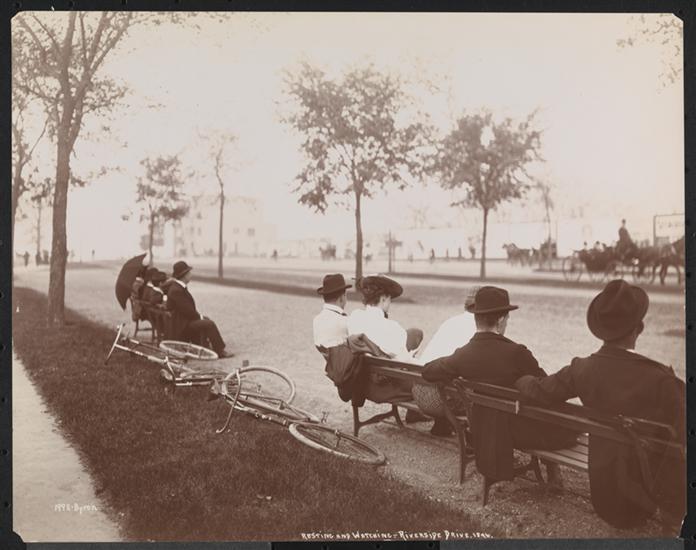
1896, Museum of the City of New York
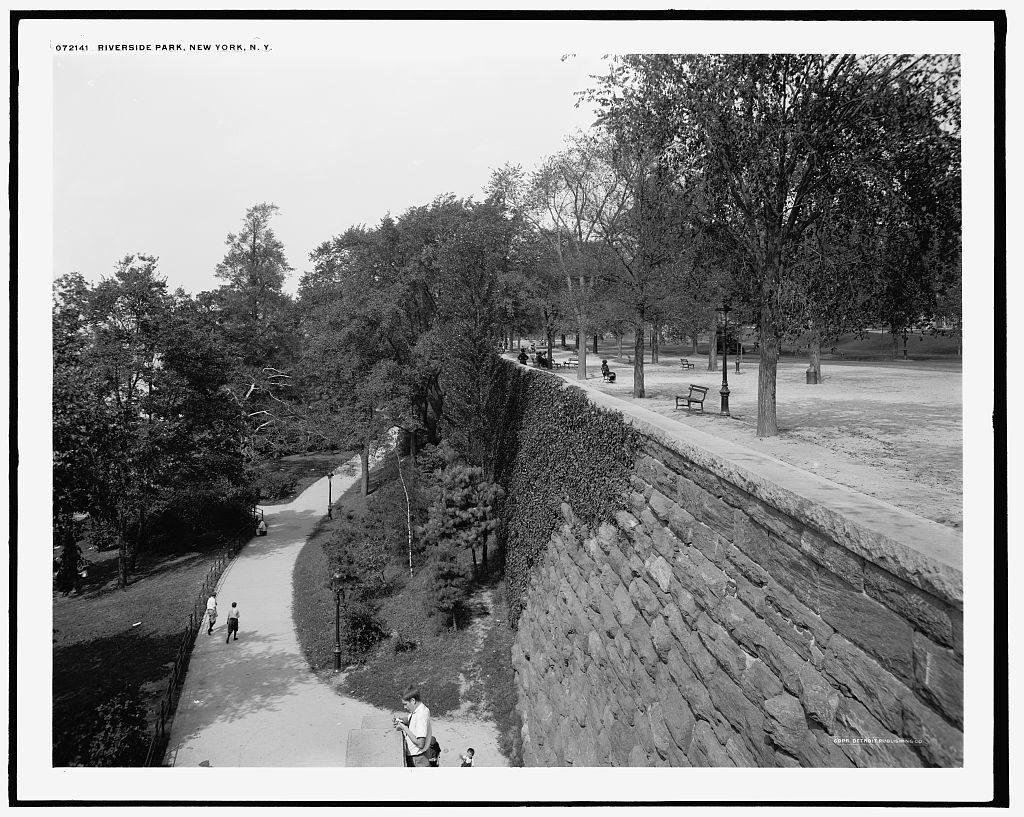
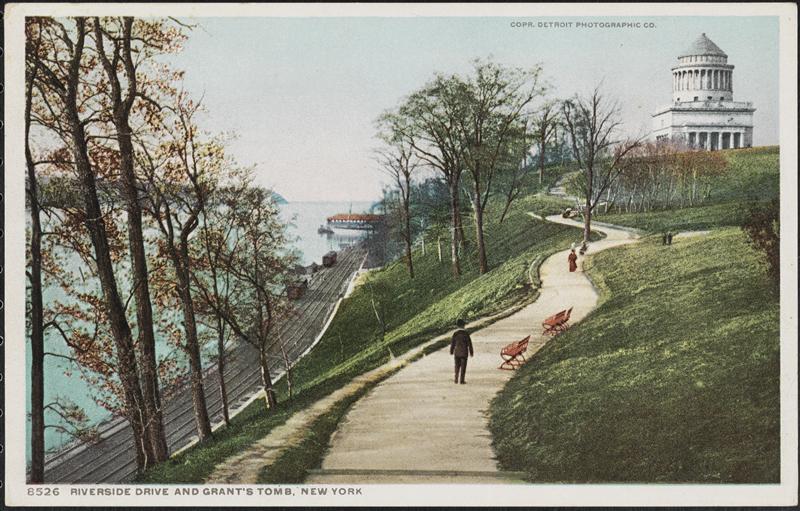
Detroit Publishing Co.,Created / Published between 1910 and 1920 / Library of Congress

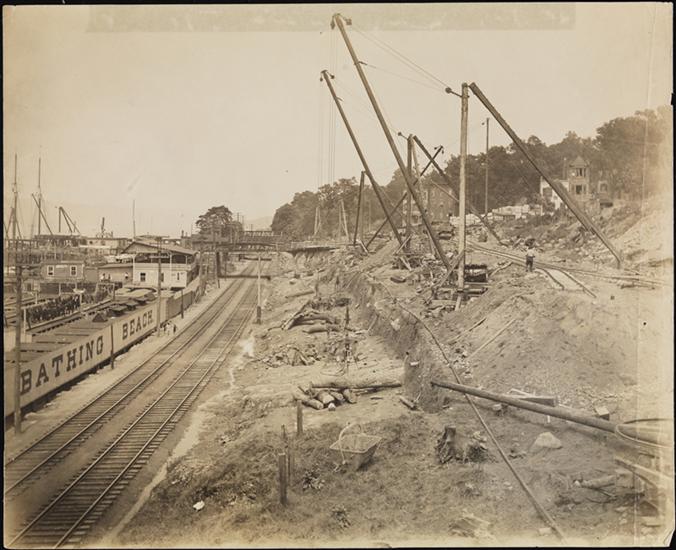
In the early 1900s, the park was extended further north. This depicts the scene near 148th Street, near a ‘bathing beach’ that couldn’t have been very pleasant to visit during construction.

MCNY

Riverside Park and Drive in the 1920s — the park stops at the tracks.

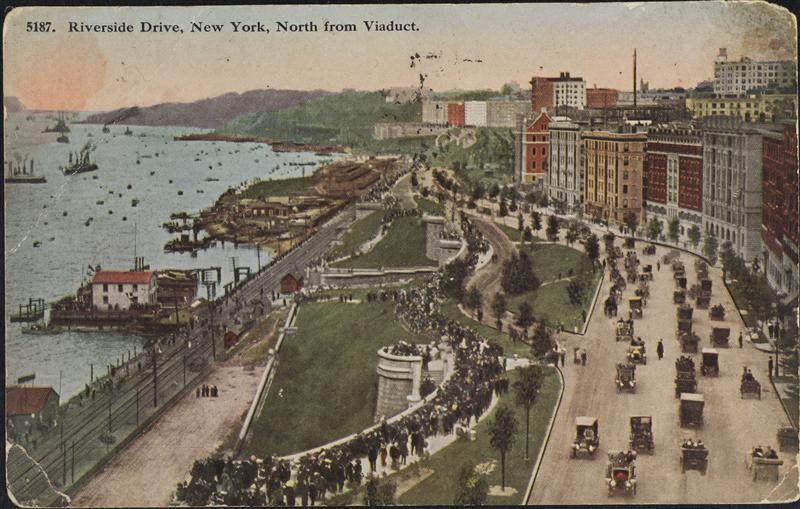
Another image from 1910, showing the exposed tracks and the waterfront.

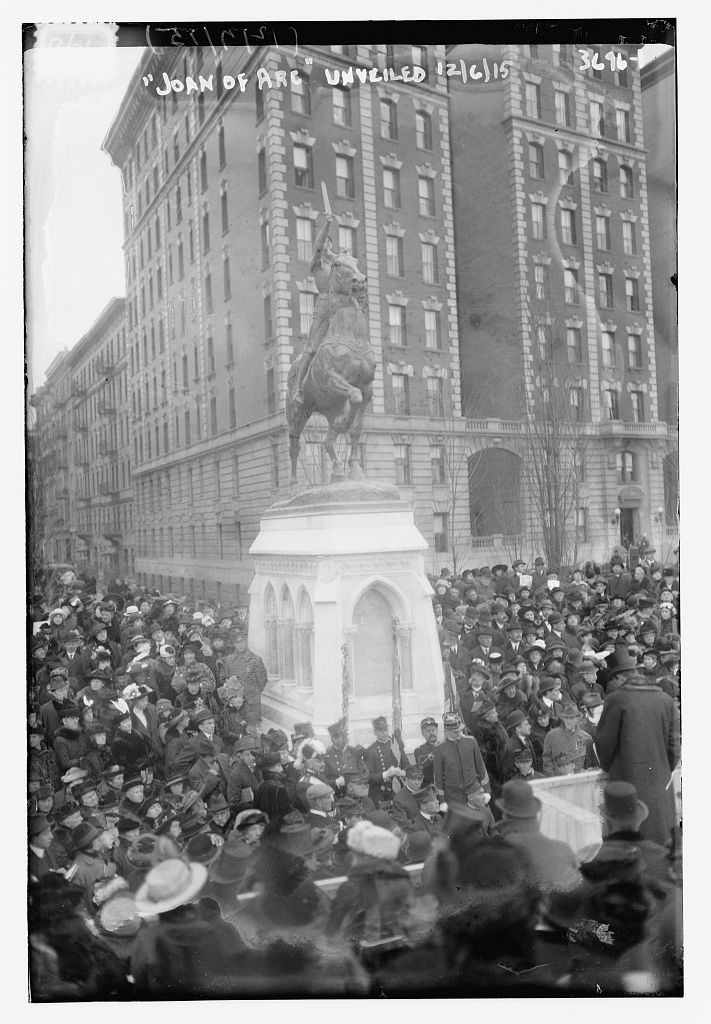
Photograph shows the unveiling of the Joan of Arc statue, Riverside Park, New York City on Dec. 6, 1915. (Source: Flickr Commons project, 2013)

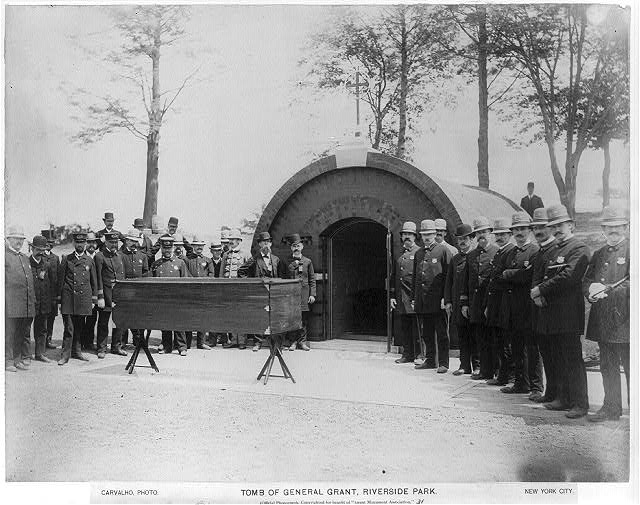
The original tomb of Ulysses S. Grant, circa 1886….

Library of Congress

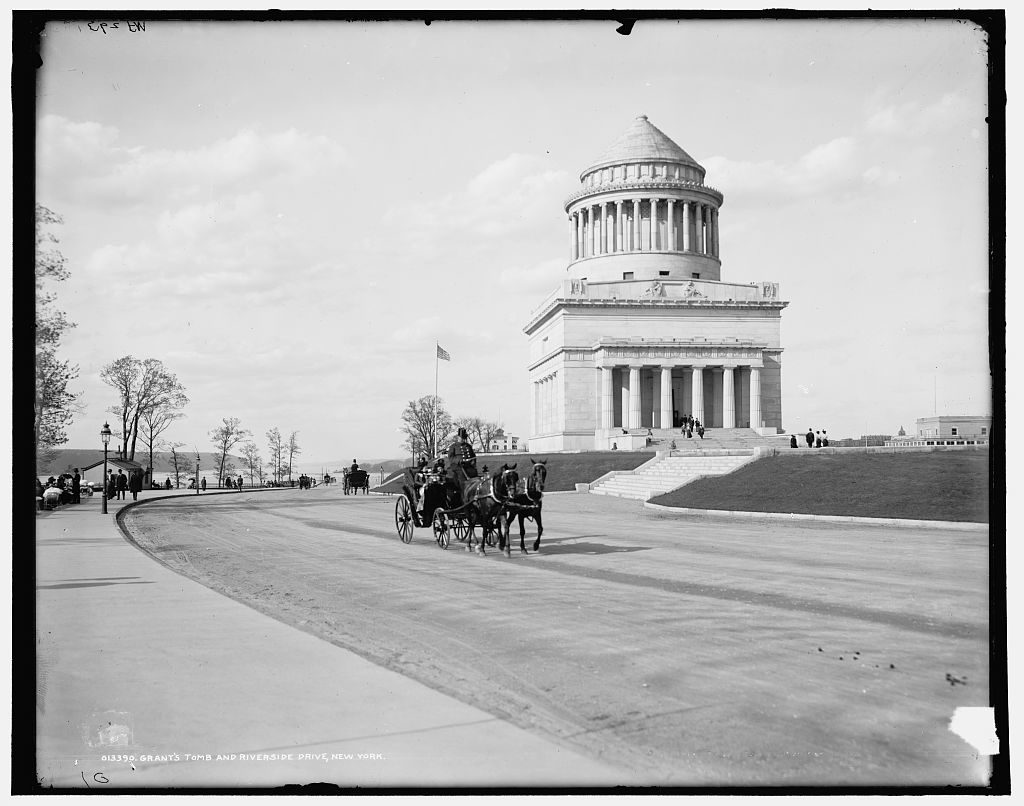
Replaced by his more famous resting place in 1897, in Olmsted’s carriage loop. (Olmsted was no longer associated with Riverside Park or else he might have taken issue with its placement.)

1901/Library of Congress

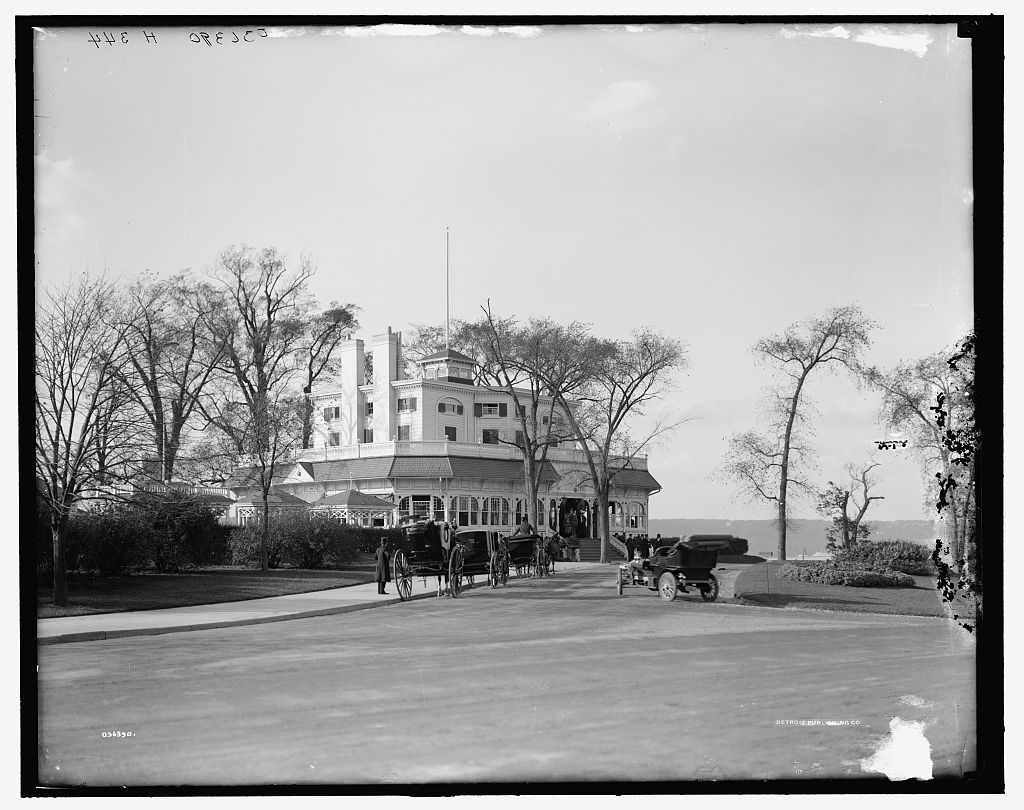
The fabulous Claremont Inn which drew thousands of weary New Yorkers after a long stroll in Riverside Park.

Detroit Publishing Co., 1900/ Library of Congress

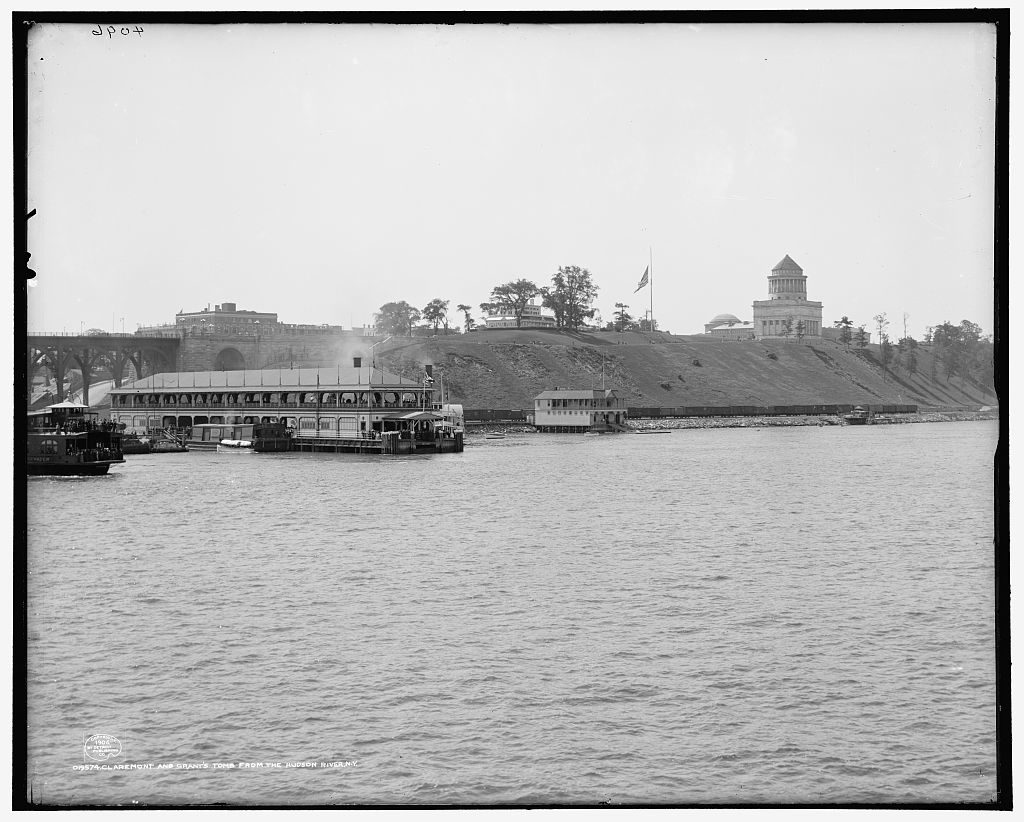
A view of Grant’s Tomb, Claremont Inn, the Manhattan Valley Viaduct and a glorious pier structure.

1906/Library of Congress
New York Public Library

The Soldiers and Sailors Monument. (Read more about it here.)

New York Public Library

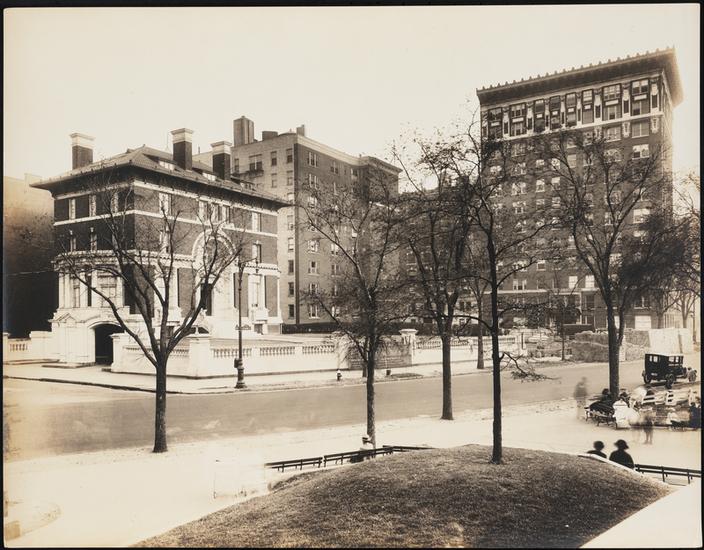
The Rice residence at West 89th Street and Riverside Drive

Wurts Brothers/MCNY

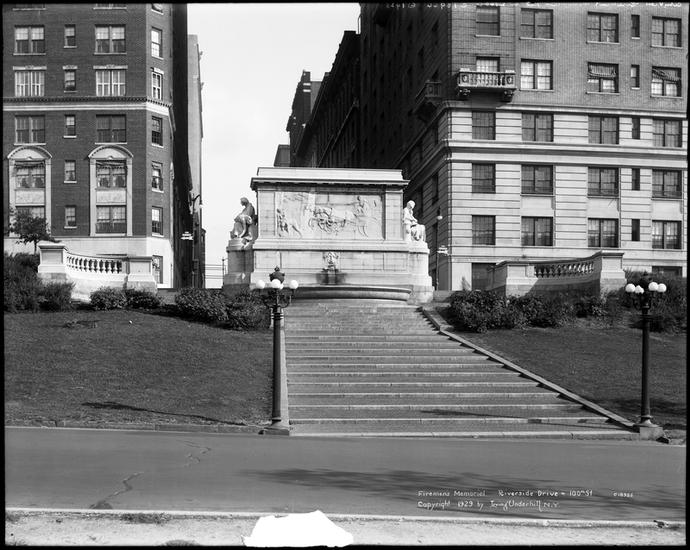
The Firemen’s Memorial, pictured here in 1929

MCNY

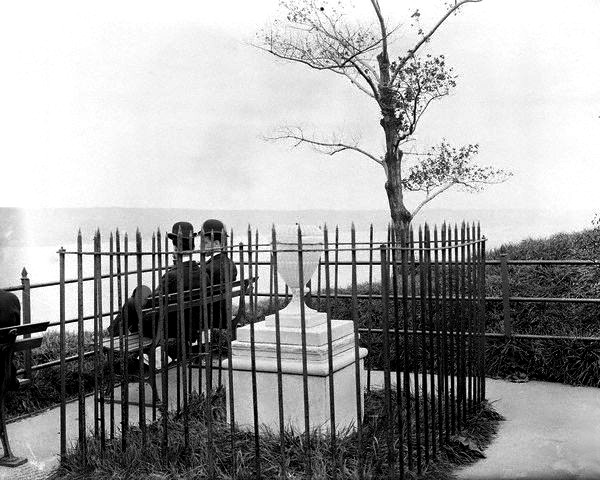
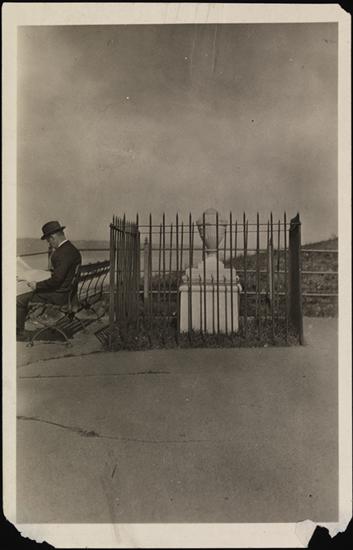
The tomb of the Amiable Child, 1900 and 1925

MCNY

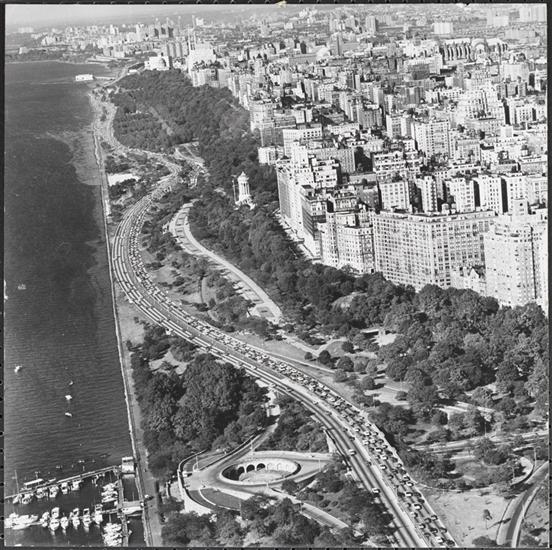
The Henry Hudson Parkway and the Boat Basin, 1975

New York Times/MCNY

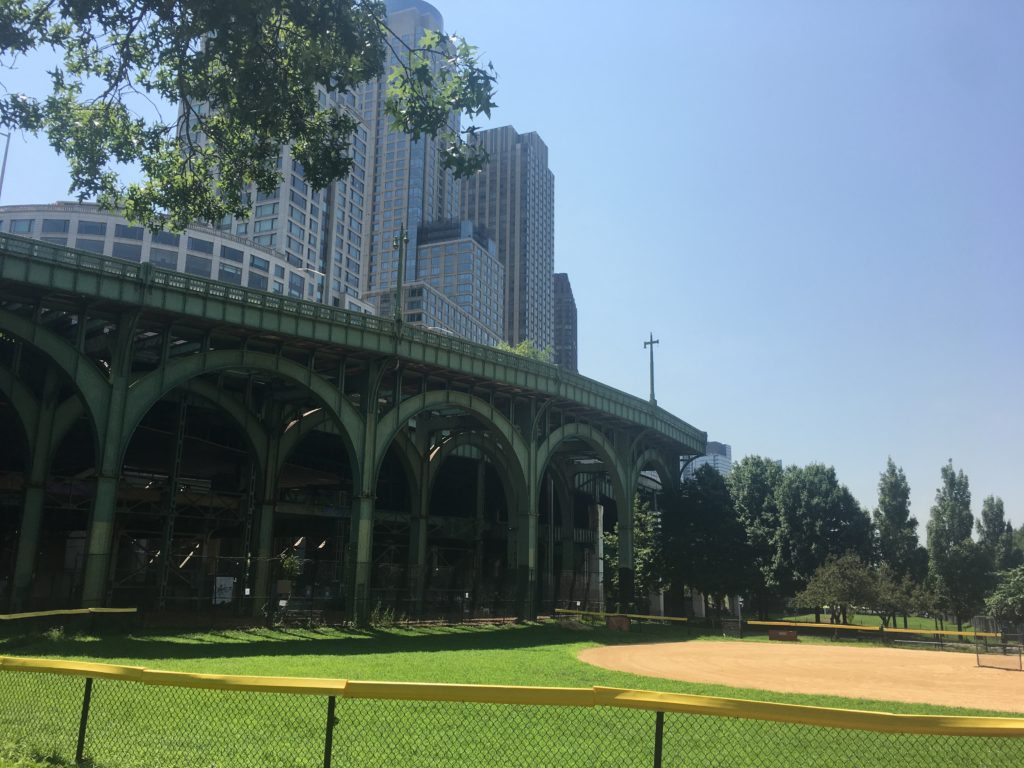
A portion of Riverside Park South, developed by Donald Trump.

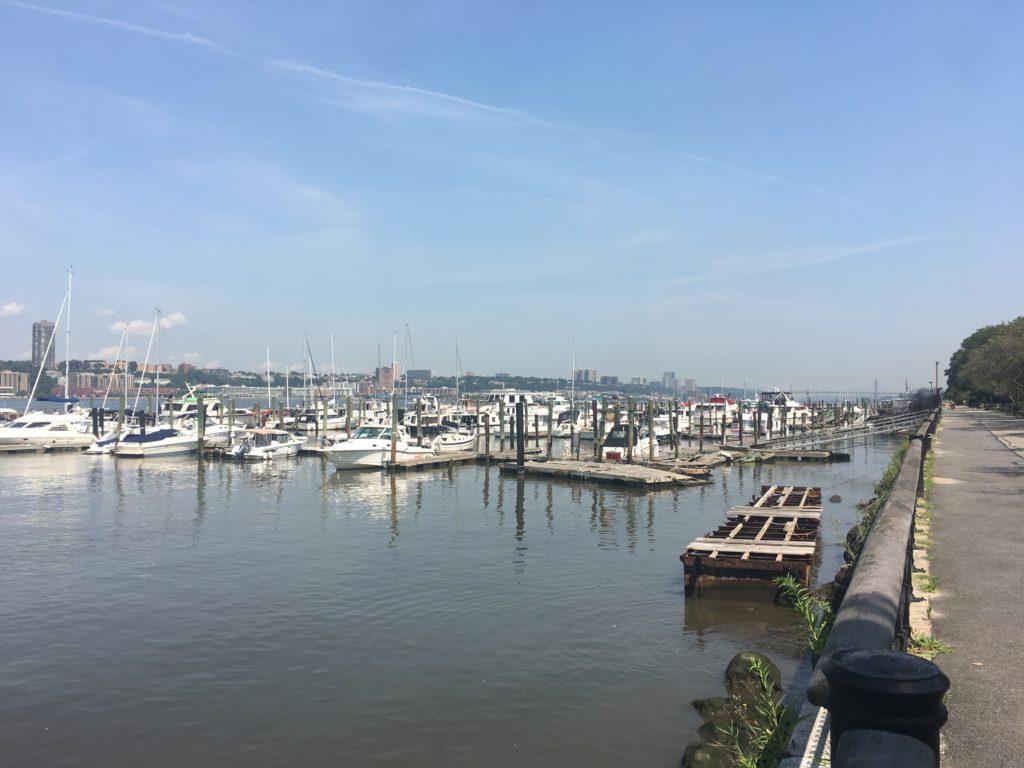
A glorious little marina sits in front of the Boat Basin.

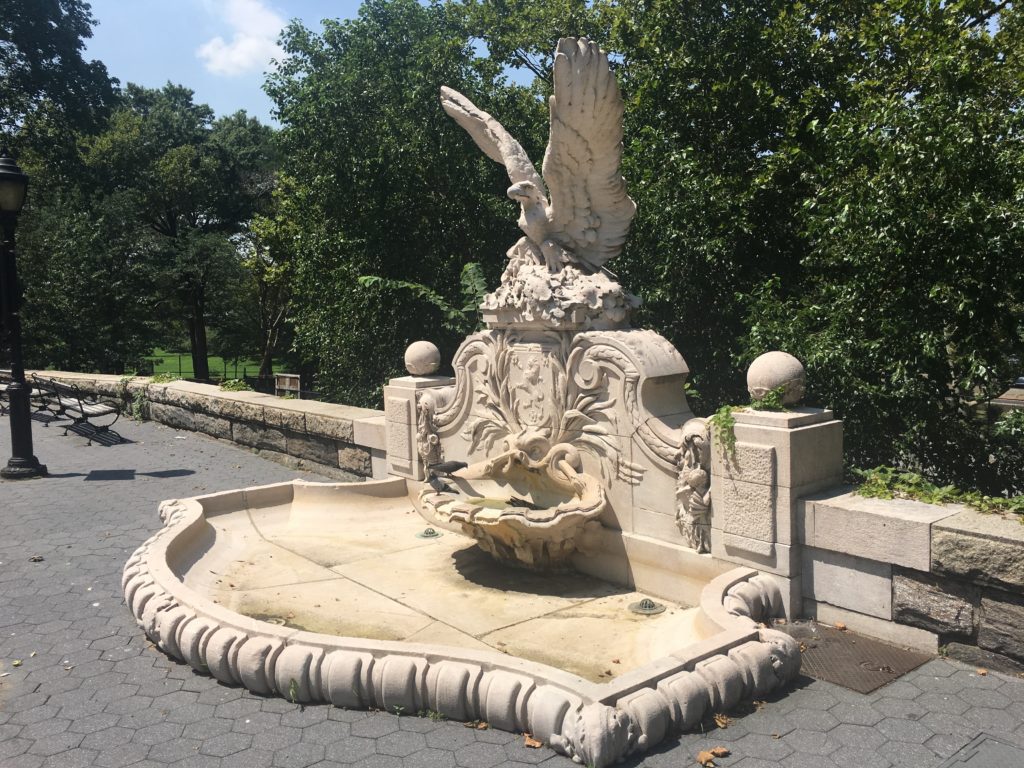
The Hamilton Fountain, at West 76th Street, named for the man who bequeathed it to the city — Robert Ray Hamilton, the great-grandson of Alexander Hamilton and Eliza Schuyler Hamilton.

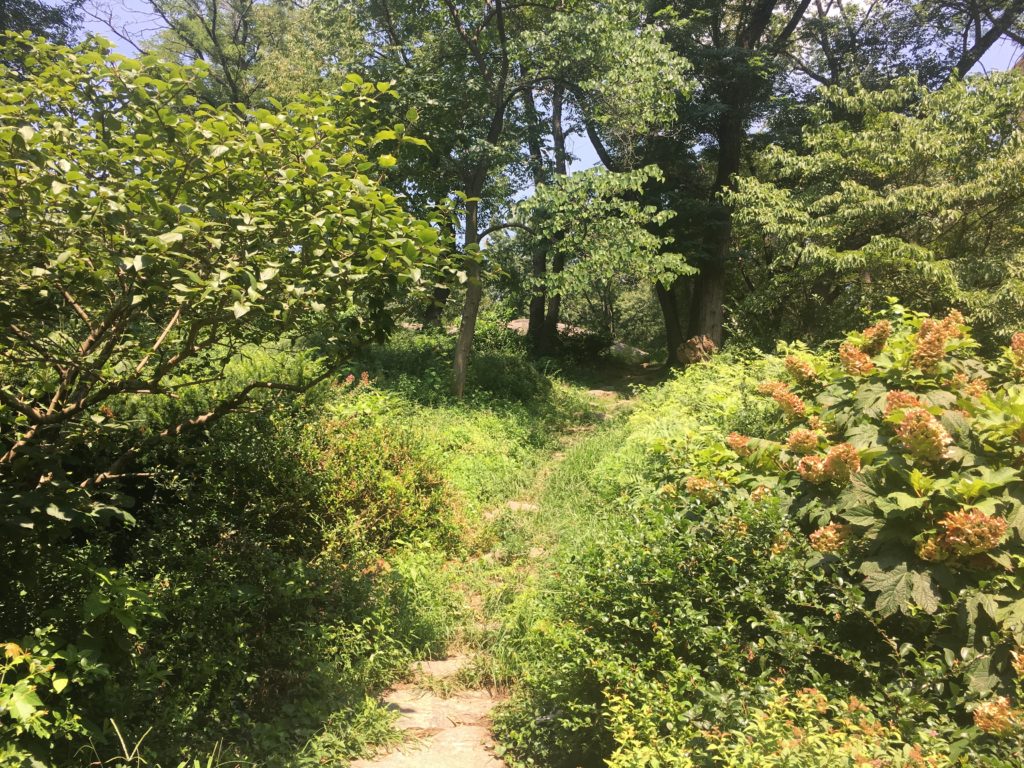
Up the hill and through the trees, you will find the contemplation spot for one of America’s most famous writers.

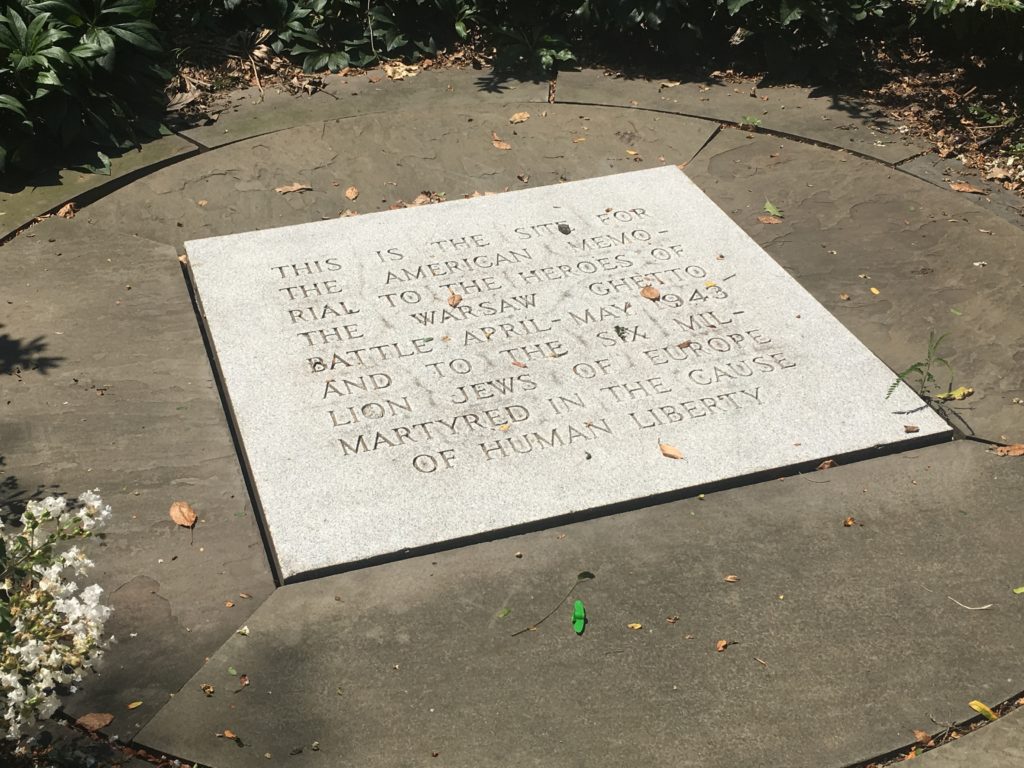
The Warsaw Ghetto Memorial — or rather, where a memorial should be.

Just west of the peacefulness of Warsaw Ghetto Memorial Plaza:

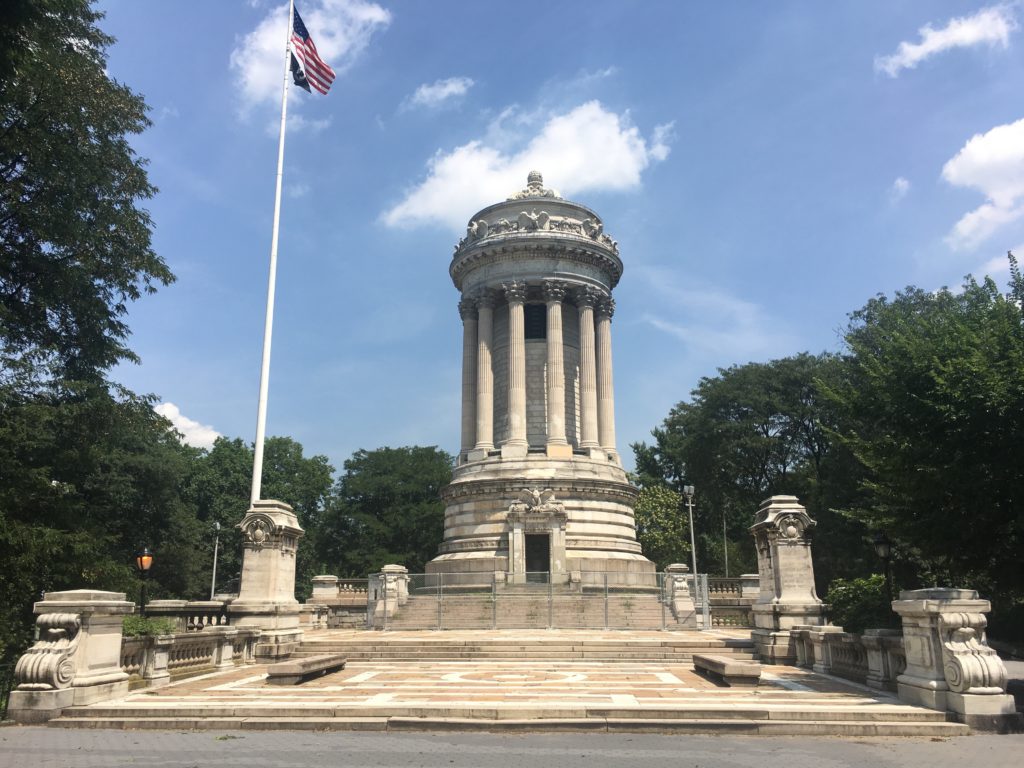
The Soldiers and Sailors Monument, completed in 1902.

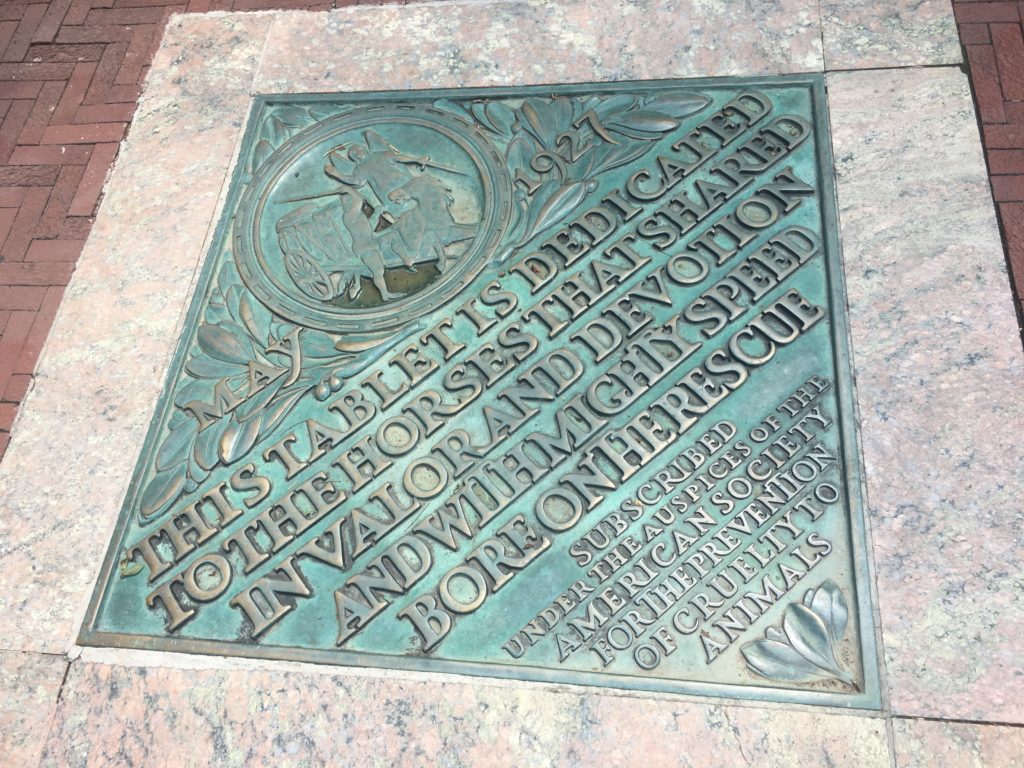
A message of thanks from the ASPCA….

The Amiable Child monument today…..

…just steps away from Grant’s Tomb.

All hail Joan!

FURTHER LISTENING

After listening to this story of Riverside Park, check out these related Bowery Boys podcasts —

For more information on Upper West Side development:

For more information on the westside railroad:

Listen to the podcasts

Looking for the latest episode of our podcasts? Listen now on iTunes to “The Bowery Boys” and “The First”.

Find recent podcast episodes here, and click to read more about listening options here.

Read the book

Bowery-Boys-Book-Cover-R6--revised

Our first-ever Bowery Boys book, “Adventures in Old New York” is now out in bookstores! A time-traveling journey into a past that lives simultaneously besides the modern city.

Bowery Boys Walking Tours

Are you ready to walk through time? We’re excited to announce Bowery Boys Walks, our new walking tours developed around our podcast. Join us in the streets — beginning in October 2018!