Categories
Planes Trains and Automobiles Podcasts Women's History

The Story of Miss Subways: Queens of the New York Commute

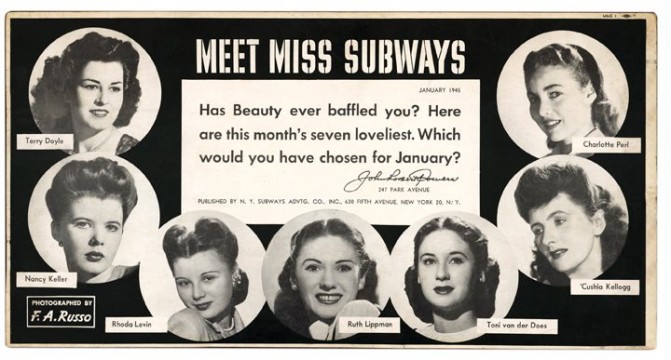
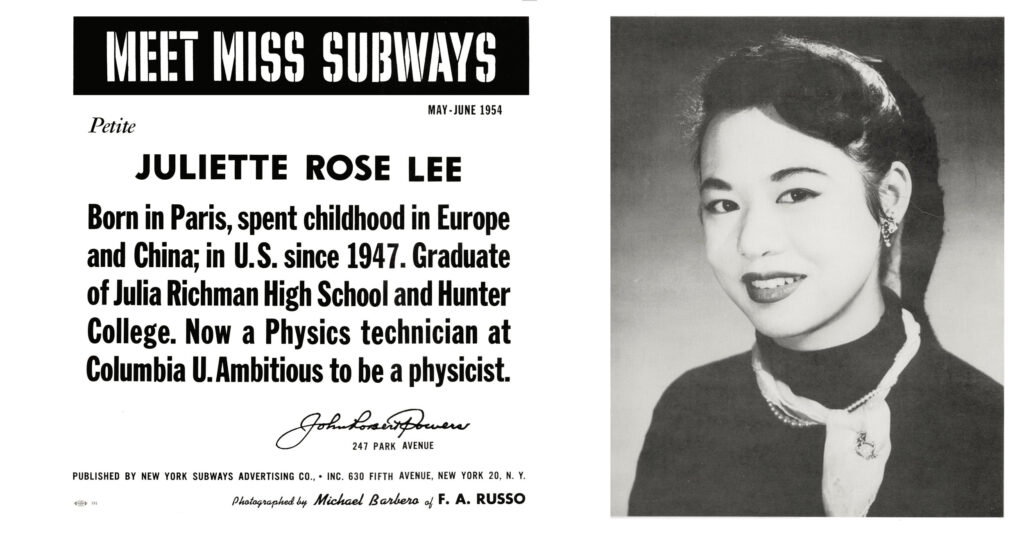
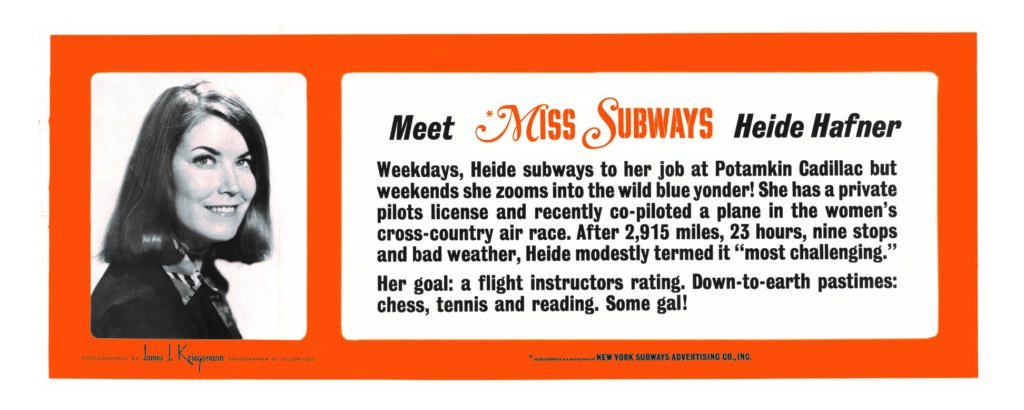
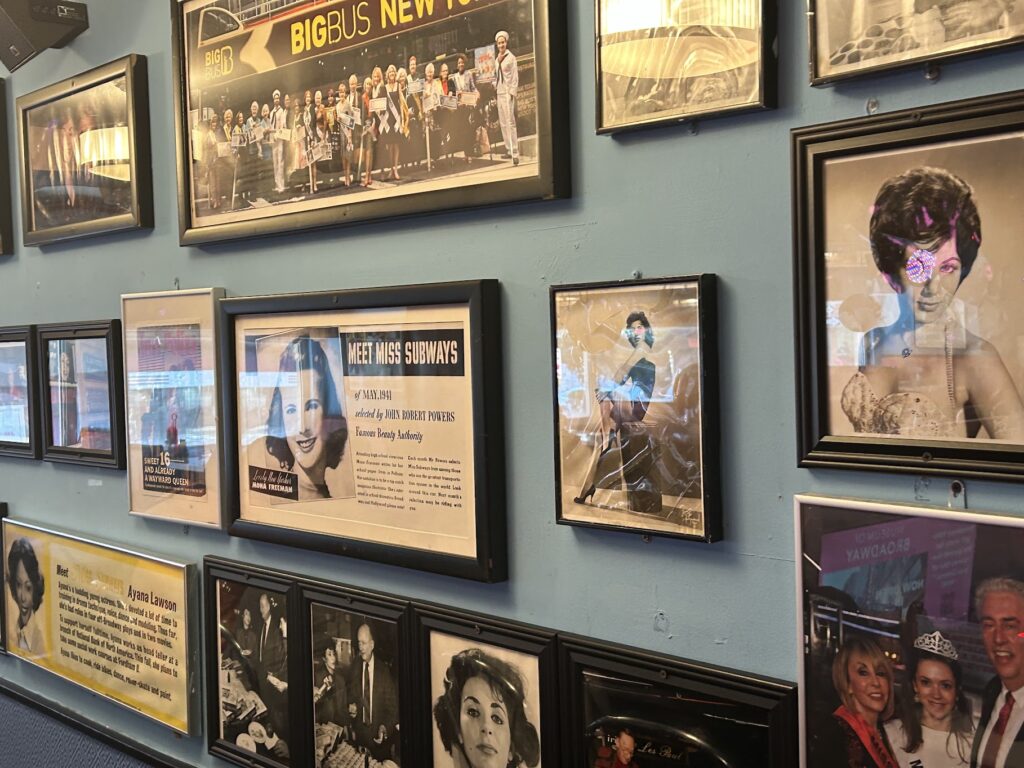
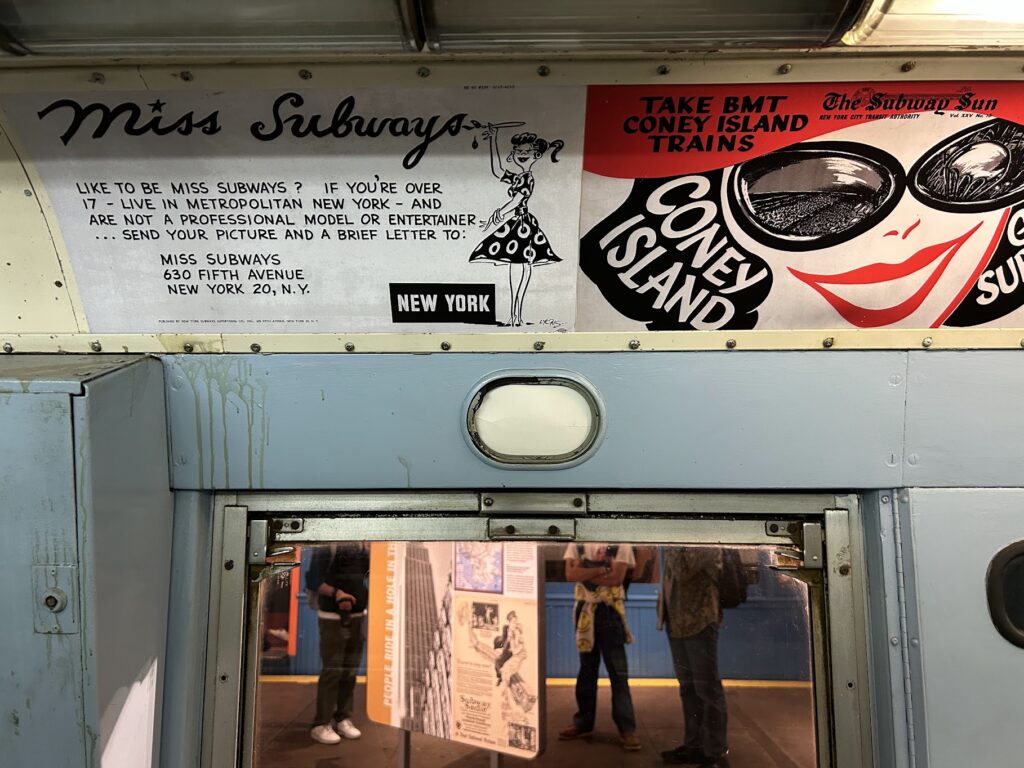
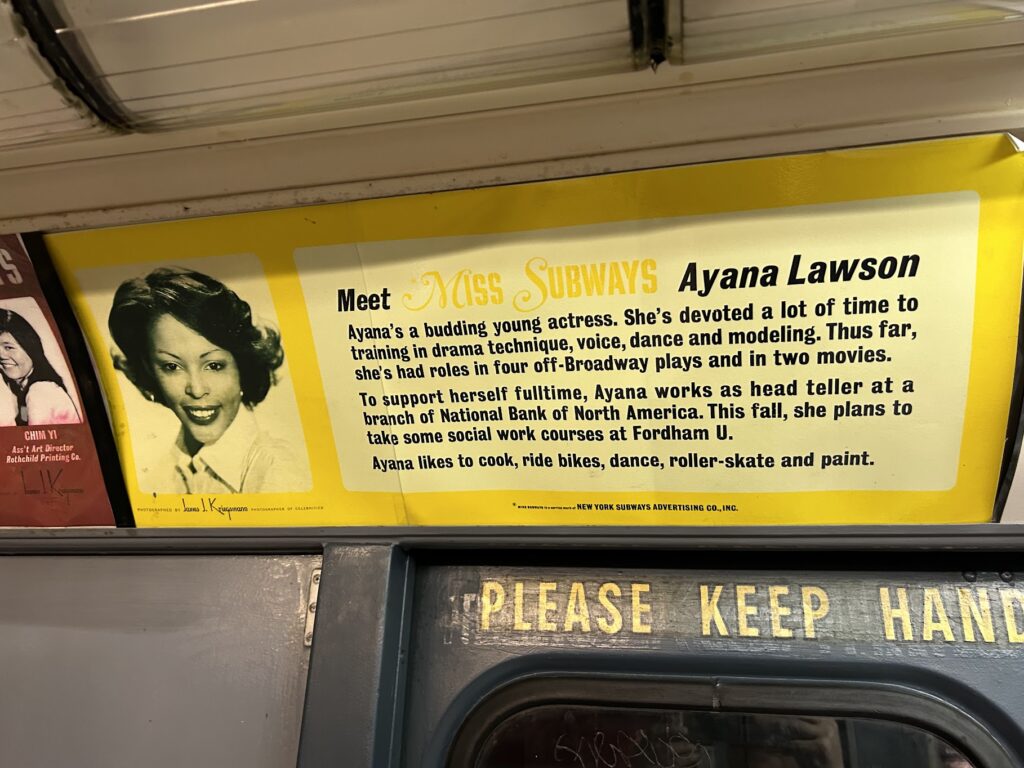
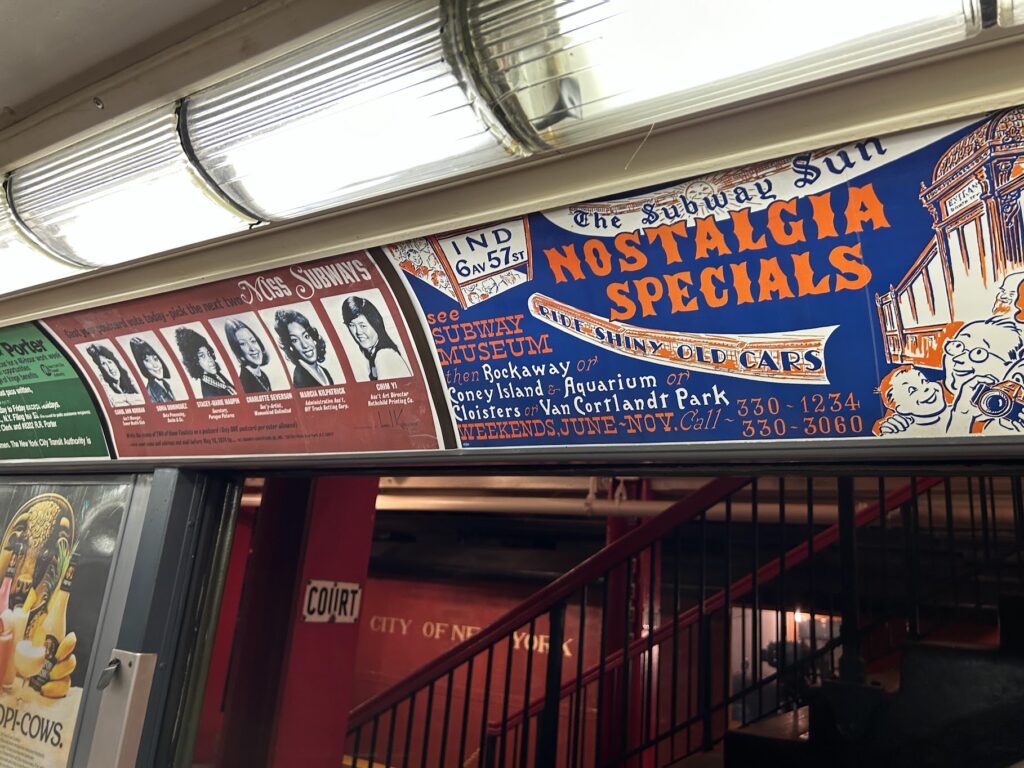
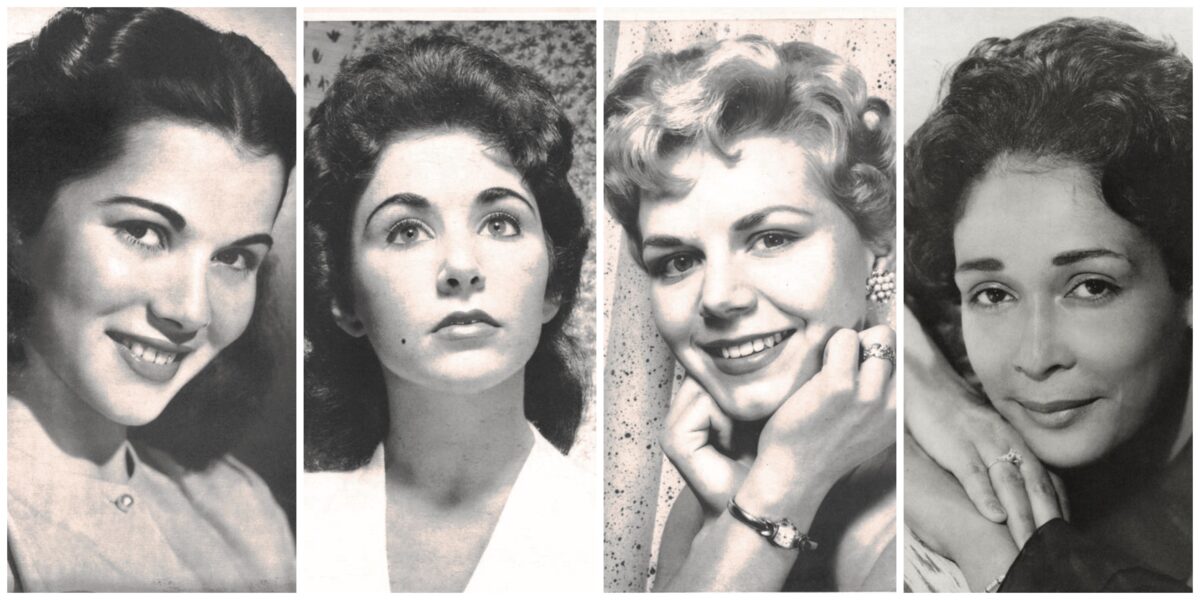
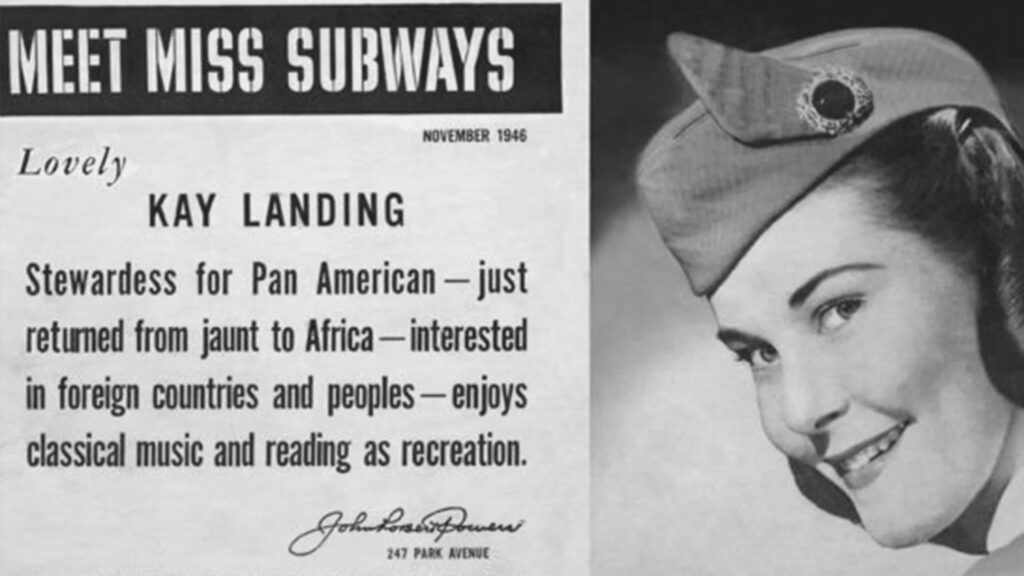
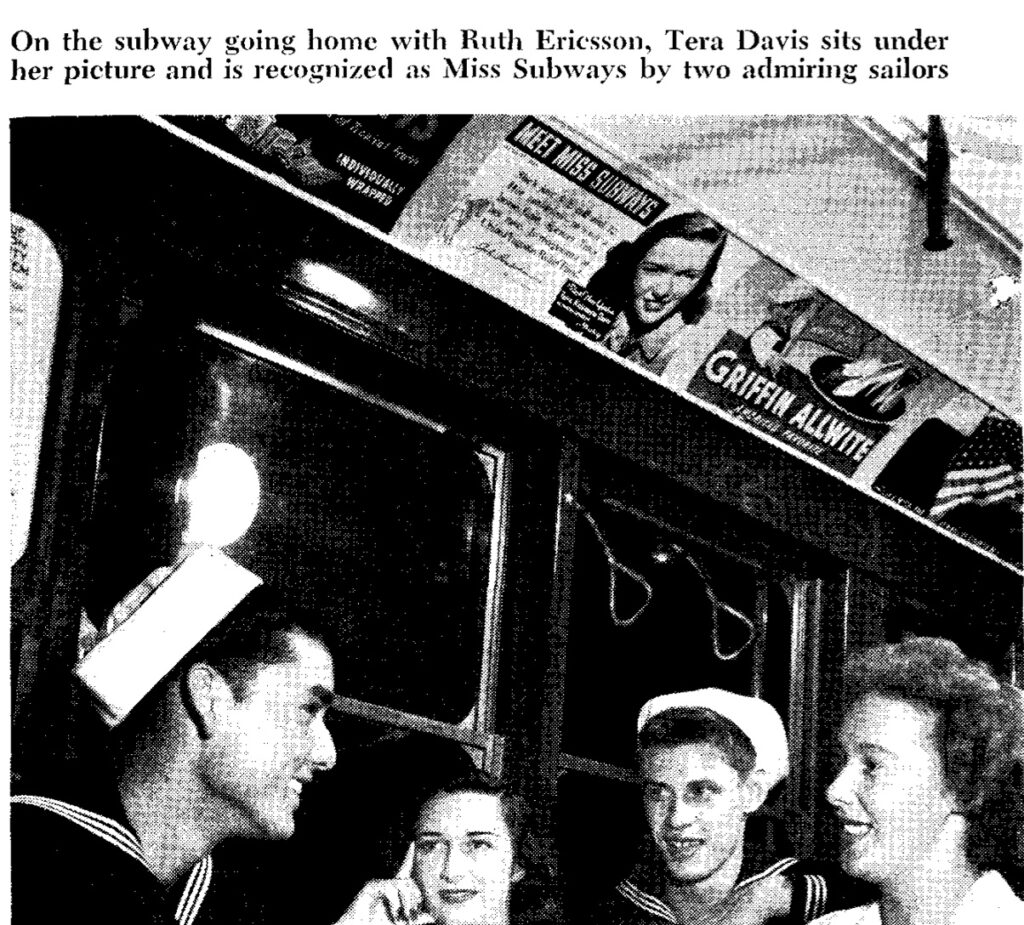
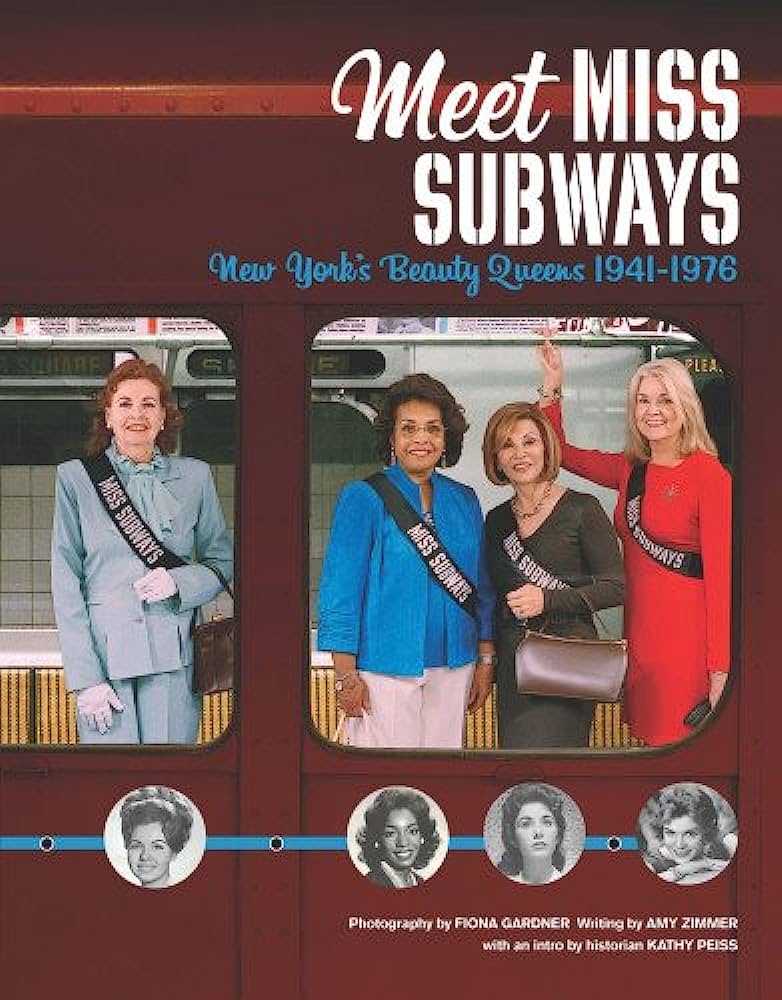
From 1941 and 1976, dozens of young women and high school girls were bestowed the honor of Miss Subways with her smiling photograph hanging within the cars of the New York subway system.

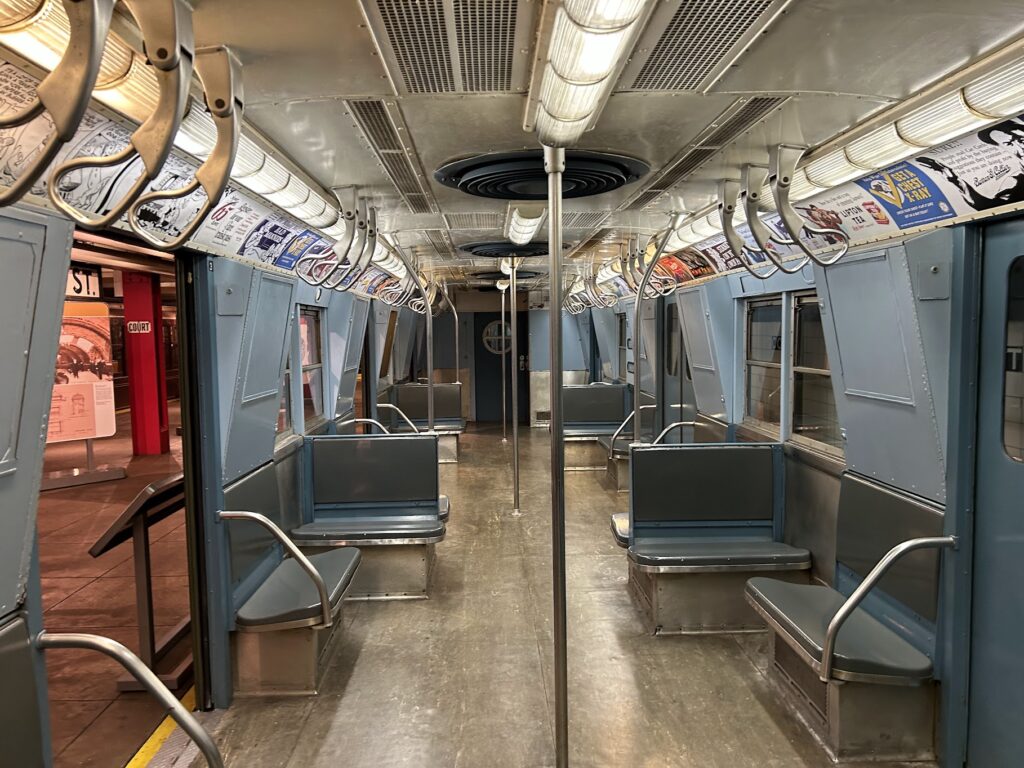
This was not a beauty pageant, but rather an advertising campaign which promoted the subway and drew the eyes of commuters to the train car’s many advertisements for cod liver oil, cigarettes and frozen foods.

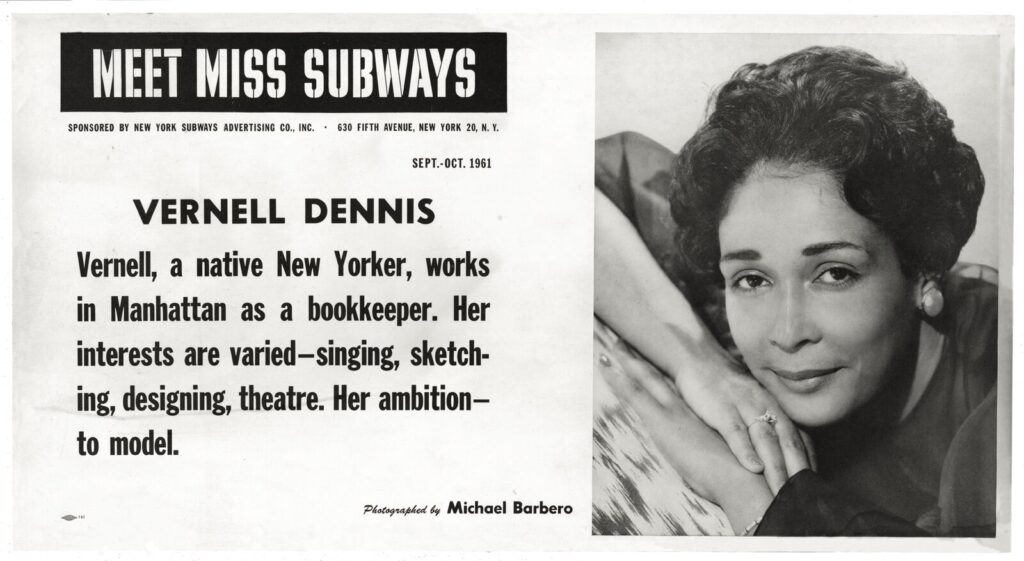
The women who were chosen for Miss Subways became overnight local celebrities, aspirational figures for thousands of subway riders.

The program was overseen by modeling agent guru John Robert Powers whose work for mail order catalogs and newspapers would help define the ‘girl-next-door’ image of the mid 20th century.

However this blonde Midwestern template soon looked out of place promoting the subway system of one of the most diverse cities in the world. By the 1960s, winners of this fleeting title began to reflect the many types of women who commuted and used the subway.

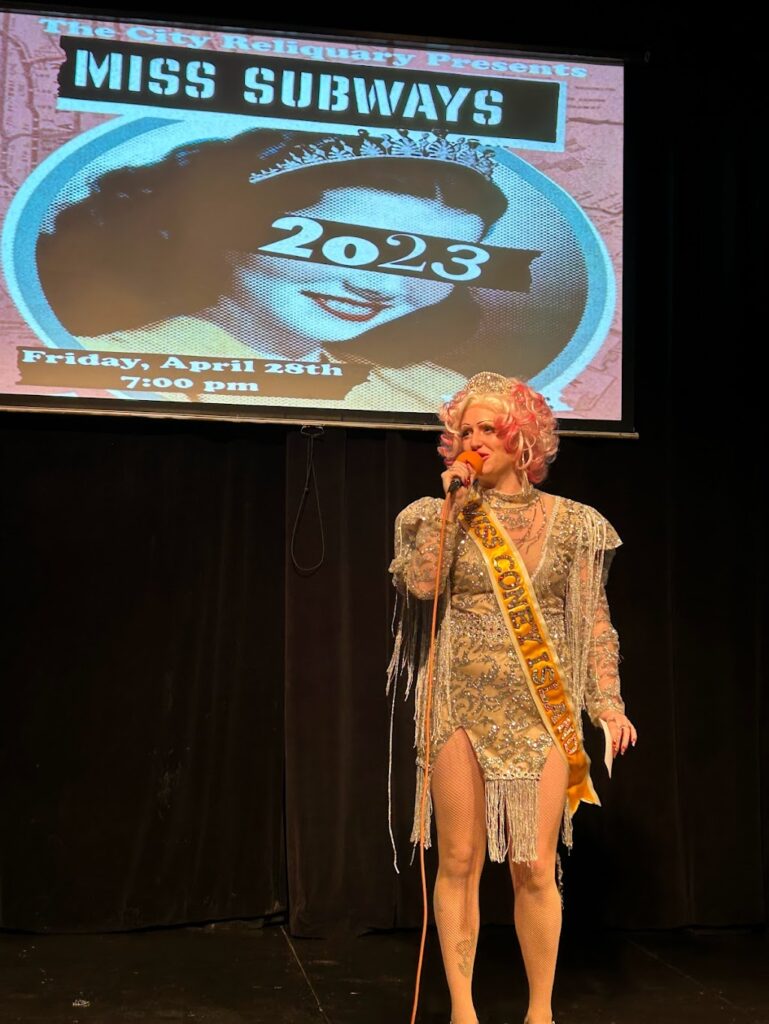
Listen in as Greg tells the story of the Miss Subways pageant then participates as a judge for a brand new Miss Subways competition, held in Coney Island in April. But what does this title mean in 2023?

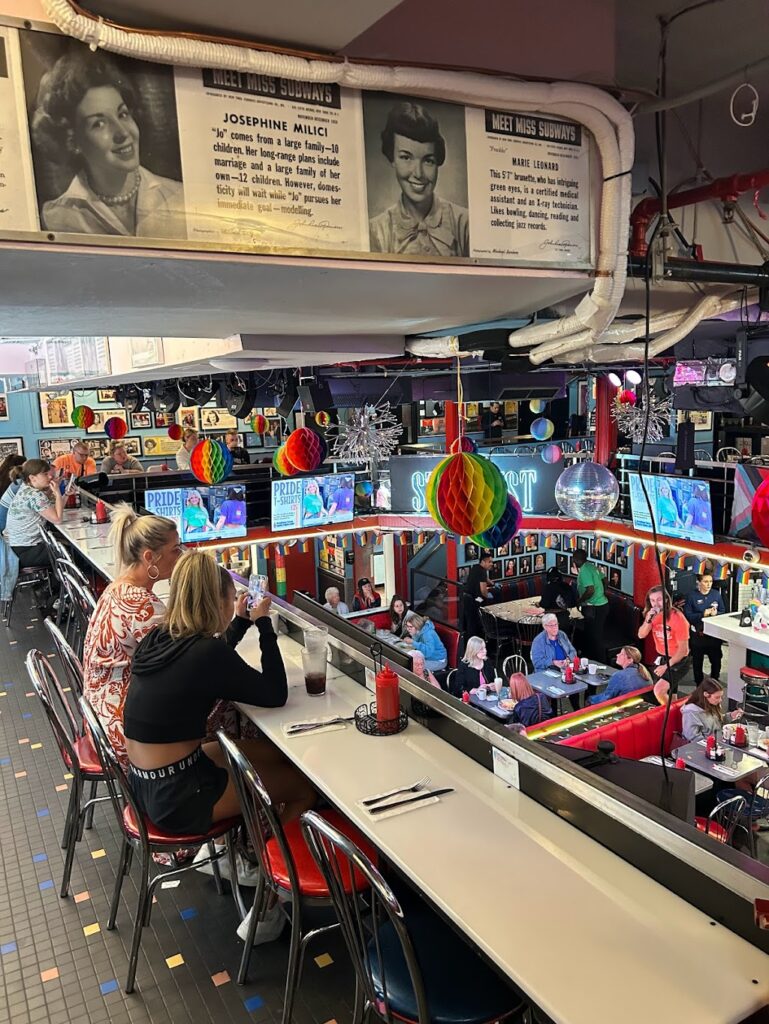
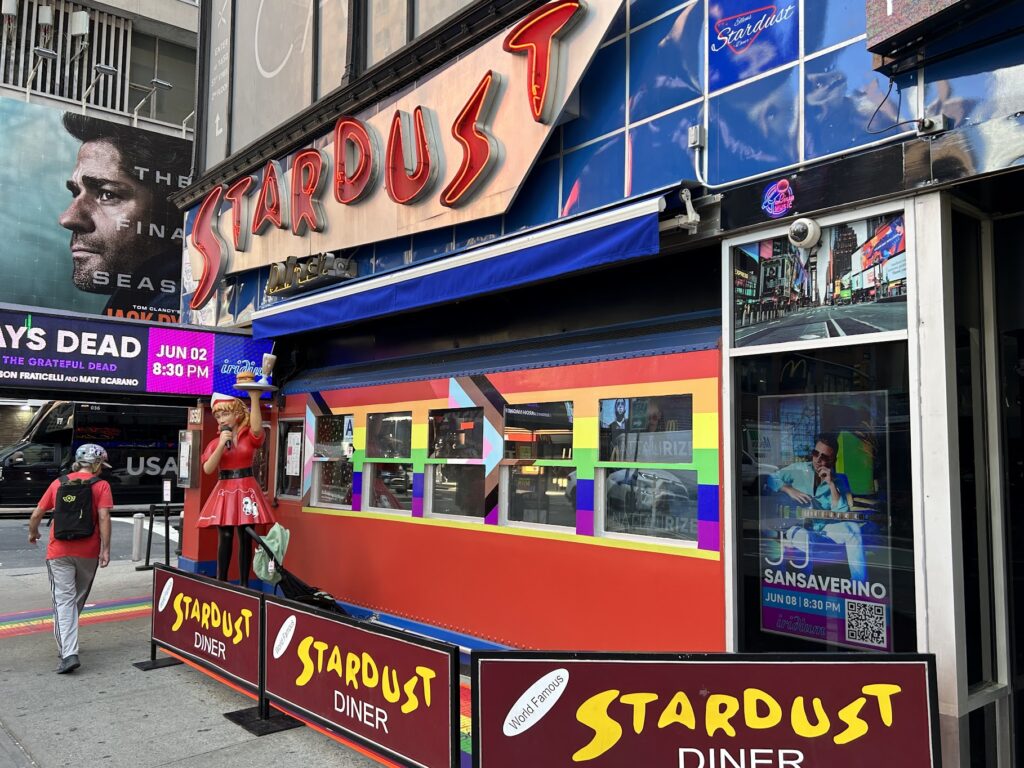
FEATURING A visit to the New York Transit Museum, the City Reliquary, Coney Island USA’s Seashore Theater and Ellen’s Stardust Diner

LISTEN NOW: MISS SUBWAYS: QUEENS OF THE NEW YORK COMMUTE
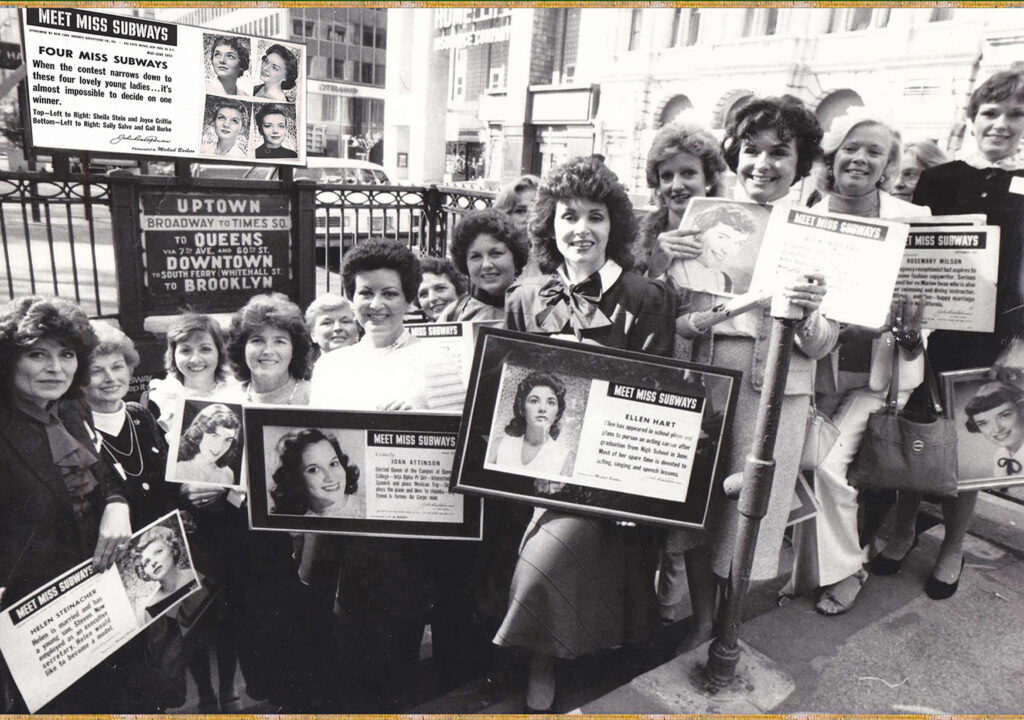

Photograph courtesy Ellen’s Stardust Diner/Miss Subways

My thanks to:

Jodi Shapiro and everybody at the New York Transit Museum
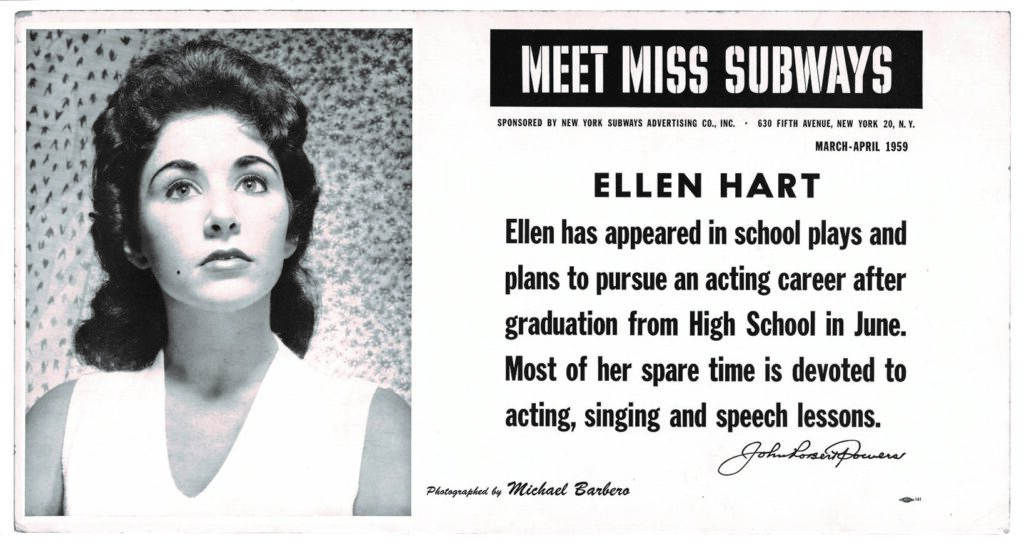
Ellen Hart Shurm and the whole gang at Ellen’s Stardust Diner
Dave Herman at the City Reliquary

And the reigning Miss Subways — Harmony Hardcore! And also to all the contestants who participated.
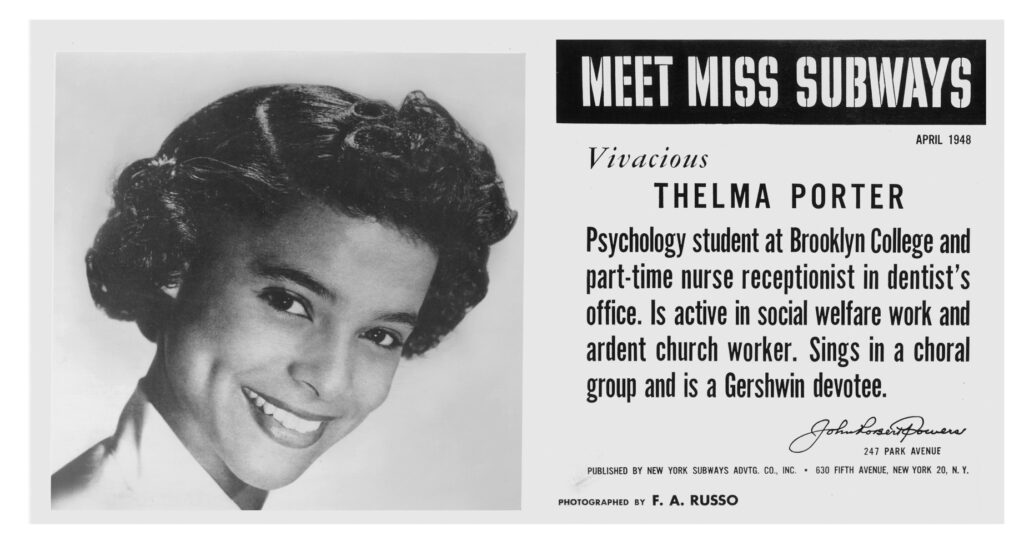
In 1948, Thelma Porter became the first African-American Miss Subways.

Ellen’s Stardust Diner. More information about their Miss Subways collection here.
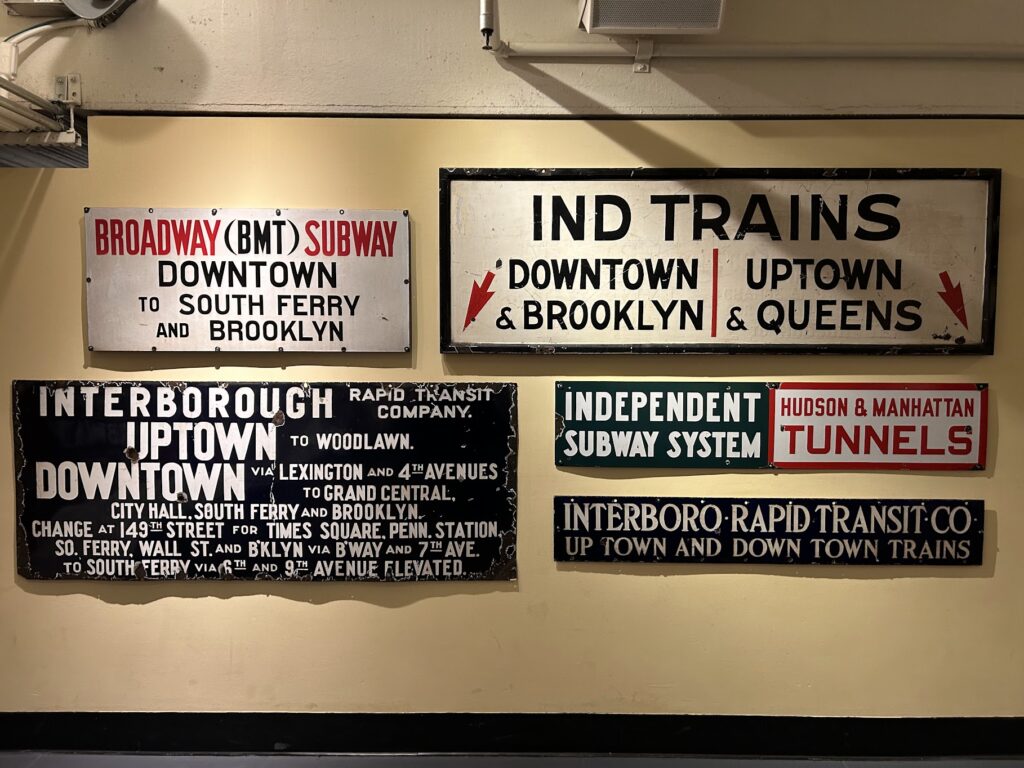
New York Transit Museum

Seashore Theater at Coney Island USA
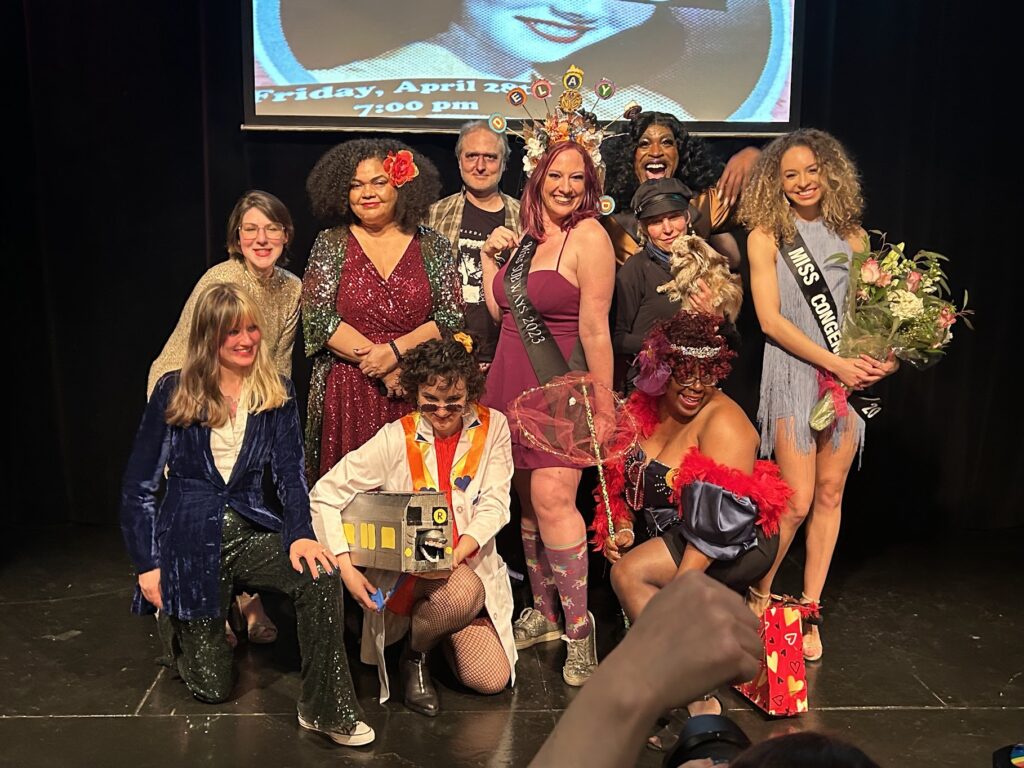
Harmony Hardcore and the contestants of the 2023 Miss Subways pageant
The glorious Maggie McMuffin
The final three contestants — Lena Horné, Chantelle and Harmony Hardcore

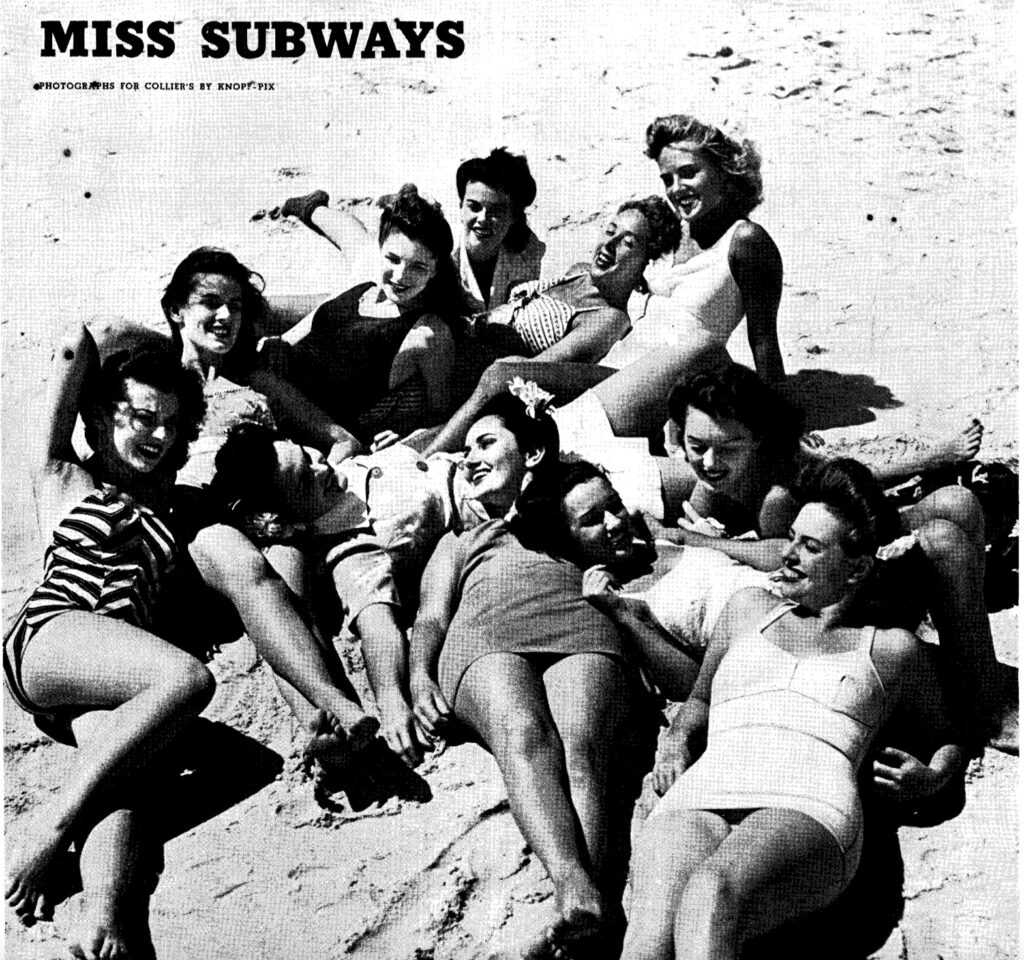
From an article in Collier’s WeeklySeptember 25, 1943, “Miss Subways: A new kind of beauty brightens the life of New York’s underground commuters,” in a photograph highly influenced by the pin-up photos of Betty Grable and other wartime beauties:
FURTHER LISTENING

After listening to this podcast, head back into our back catalog and listen to these shows with similar themes


FURTHER READING
Categories
Holidays

Midnight in Times Square: The history of New Year’s Eve in New York City

PODCAST The tale of New York City’s biggest annual party from its inception on New Years Eve 1904 to the magnificent spectacle of the 21st century. 

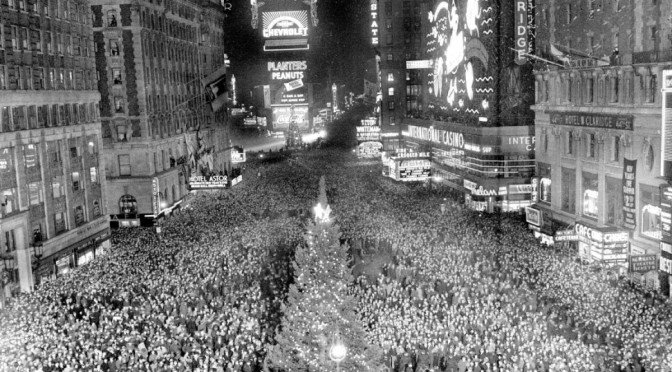
In this episode, we look back on the one day of the year that New Yorkers look forward. New Years Eve is the one night that millions of people around the world focus their attentions on New York City — or more specifically, on the wedge shaped building in Times Square wearing a bright, illuminated ball on its rooftop.

1

In the 19th century, the ringing-in of the New Year was celebrated with gatherings near Trinity Church and a pleasant New Years Day custom of visiting young women in their parlors. But when the New York Times decided to celebrate the opening of their new offices — in the plaza that would take the name Times Square — a new tradition was born.

Tens of millions have visited Times Square over the years, gazing up to watch the electric ball drop, a time-telling mechanism taken from the maritime tradition. The event has been affected by world events — from Prohibition to World War II — and changed by the introduction of radio and television broadcasts.

ALSO: What happened to the celebration which it reached the gritty 1970s and a Times Square with a surly reputation?

PLUS: A few tips for those of you heading to the New Years Eve celebration this year!


The Bowery Boys: New York City History podcast is brought to you …. by you!

We are now producing a new Bowery Boys podcast every two weeks. We’re also looking to improve the show in other ways and expand in other ways as well — through publishing, social media, live events and other forms of media. But we can only do this with your help!

We are now a member of Patreon, a patronage platform where you can support your favorite content creators for as little as a $1 a month.

Please visit our page on Patreon and watch a short video of us recording the show and talking about our expansion plans. If you’d like to help out, there are five different pledge levels (and with clever names too — Mannahatta, New Amsterdam, Five Points, Gilded Age, Jazz Age and Empire State). Check them out and consider being a sponsor.

We greatly appreciate our listeners and readers and thank you for joining us on this journey so far. And the best is yet to come!


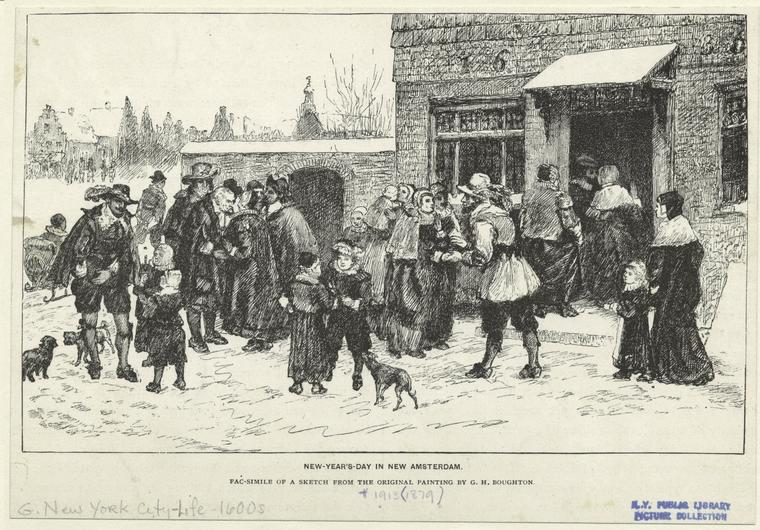
New Years Day celebrations have evolved since the days of New Amsterdam when visitations symbolized a ‘fresh start’ to the year.

Courtesy NYPL
Courtesy NYPL

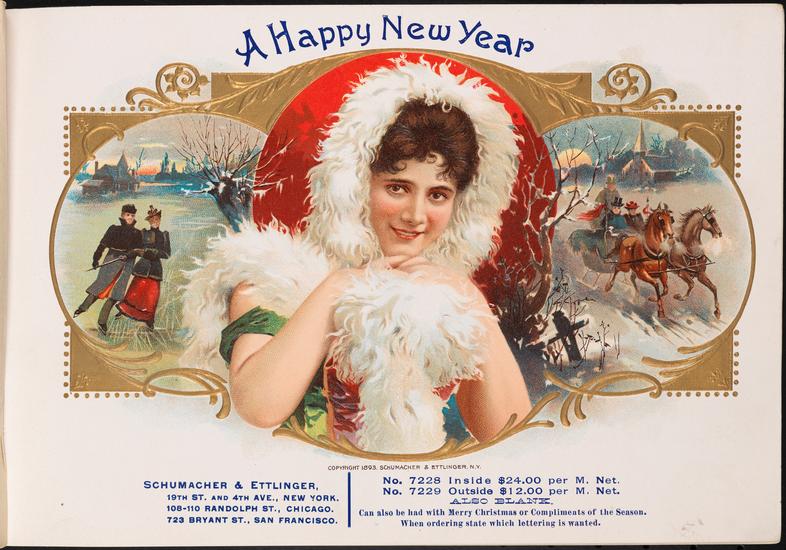
A decorative cigar box from the 1890s, ringing in the new year with a winsome damsel and wholesome scenes of winter beckoning you to smoke a cigar.

Courtesy Museum of the City of New York

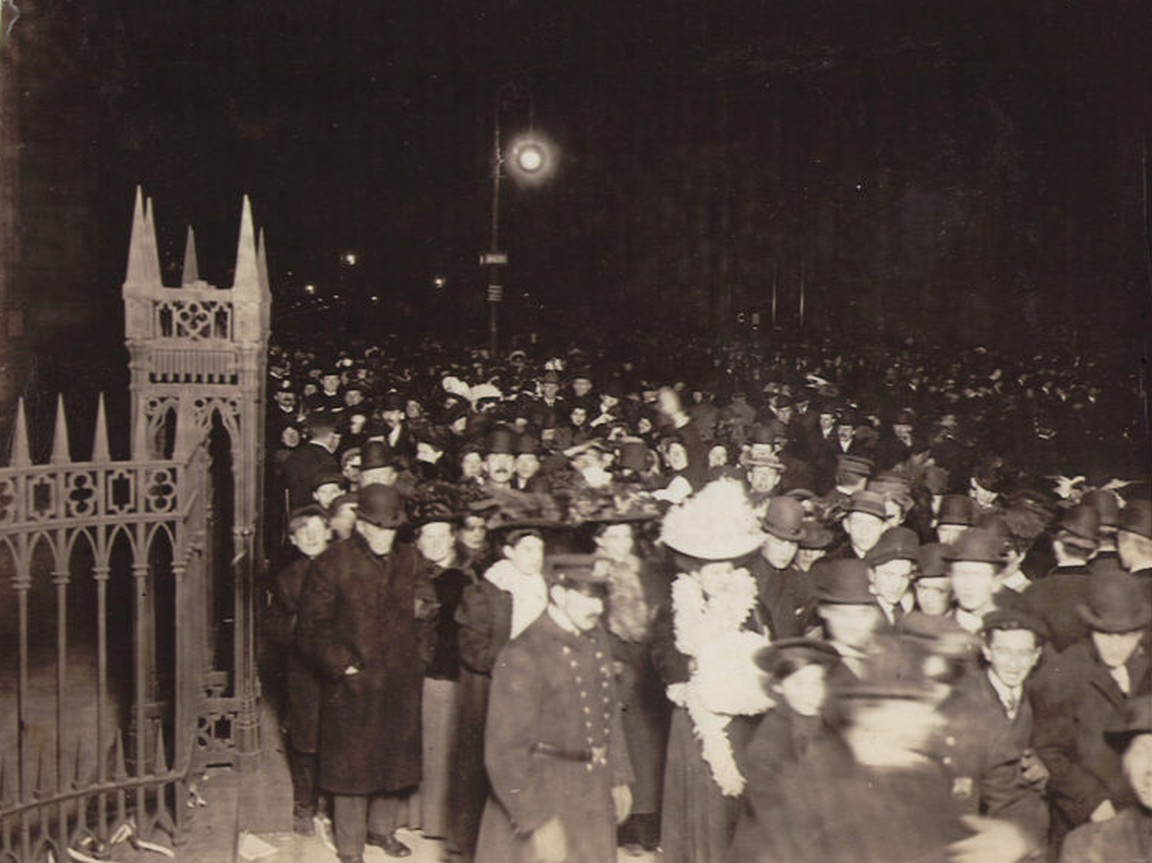
The crowds outside Trinity Church on 1906 gathered to usher in the new year. The church was traditionally the place people gathered before the Times Square celebration took off.

1

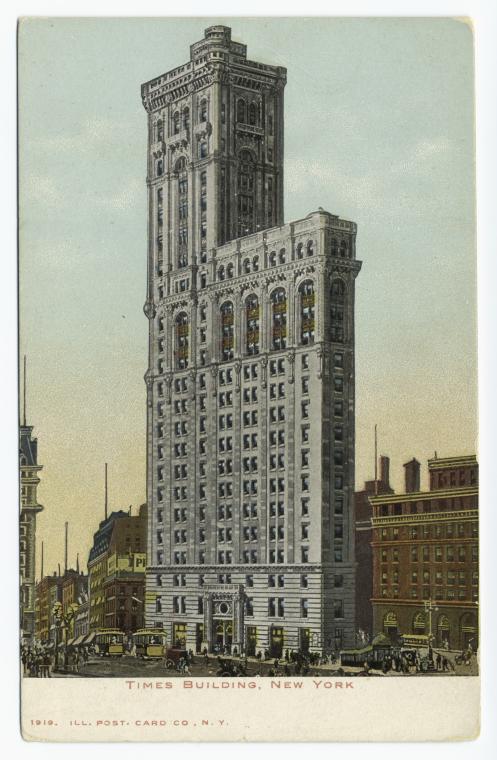
Fated to be the centerpiece of New Years Eve, One Times Square once wore some beautiful architecture until much of it was ripped off to accommodate a frenzy of electronic signs.

Courtesy NYPL
Courtesy NYPL

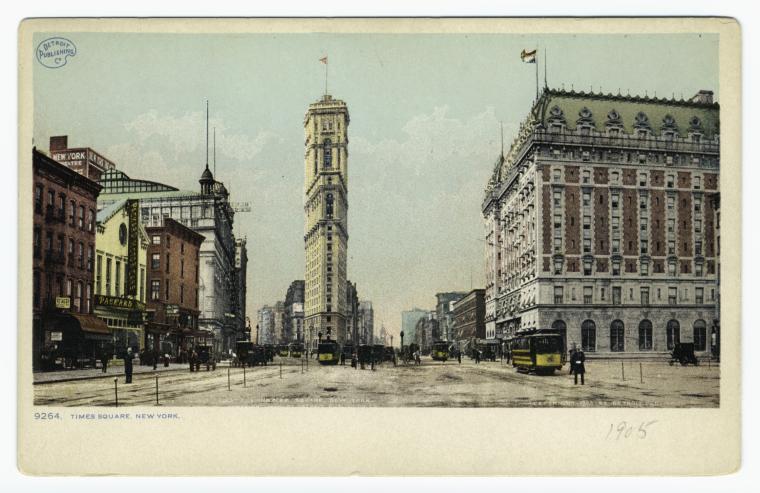
Times Square in 1905 for the very first New Years Eve celebration albeit one with fireworks, not a ball drop.

Courtesy NYPL
Courtesy NYPL

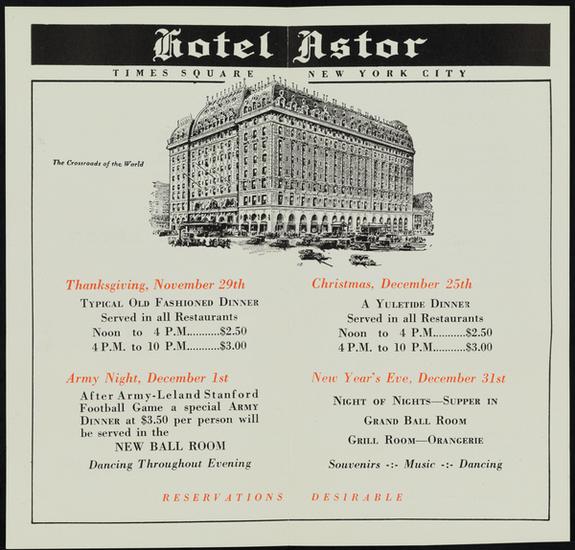
The party offerings at the Hotel Astor in Times Square in 1926.

Courtesy Museum of the City of New York

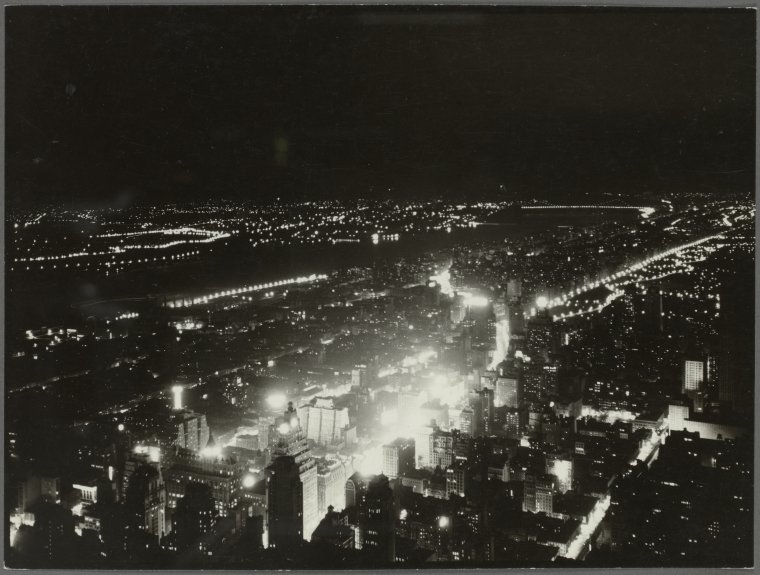
The view of Times Square from the Empire State Building.

Courtesy NYPL
Courtesy NYPL

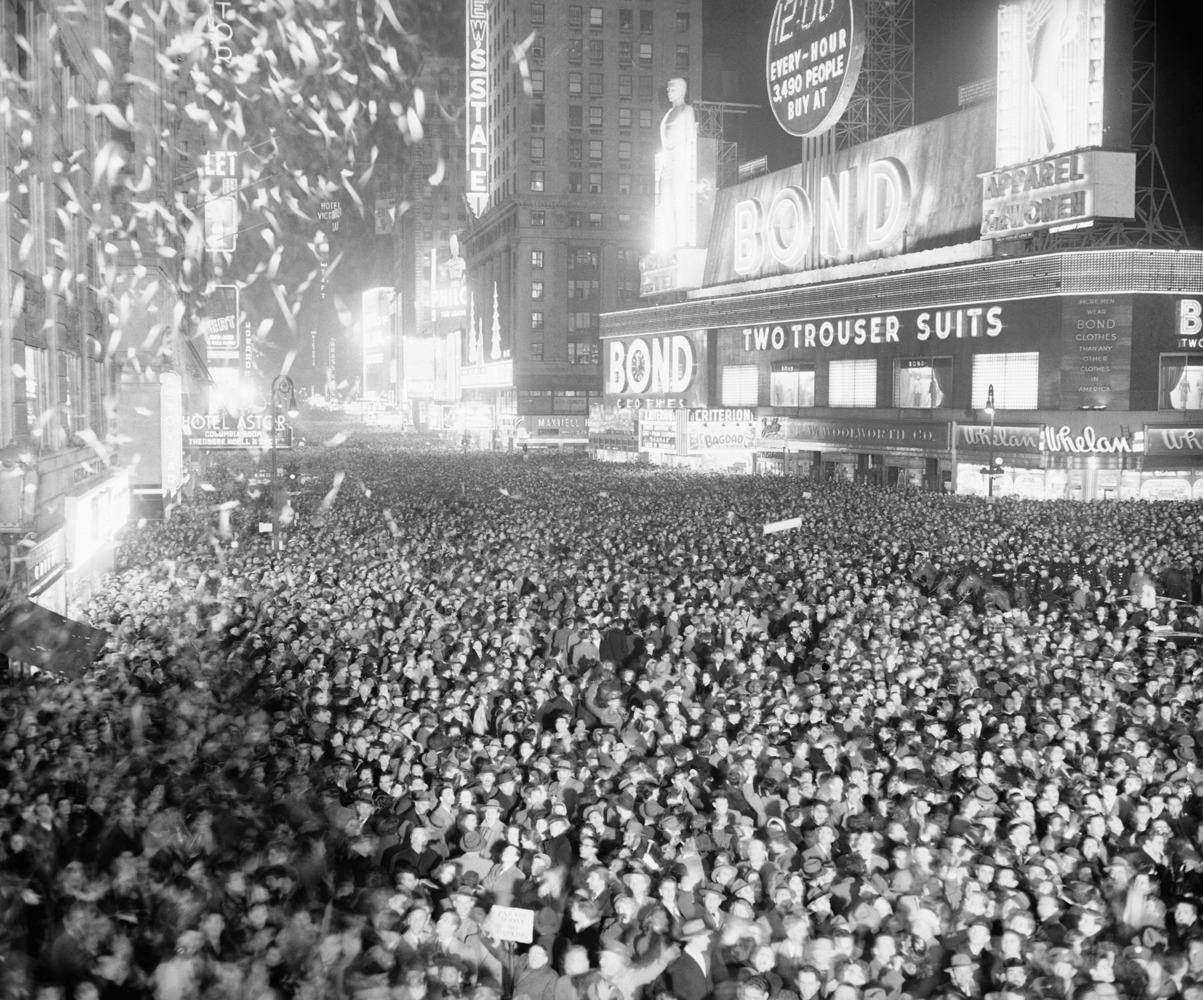
New Years Eve 1938

AP photo
AP photo

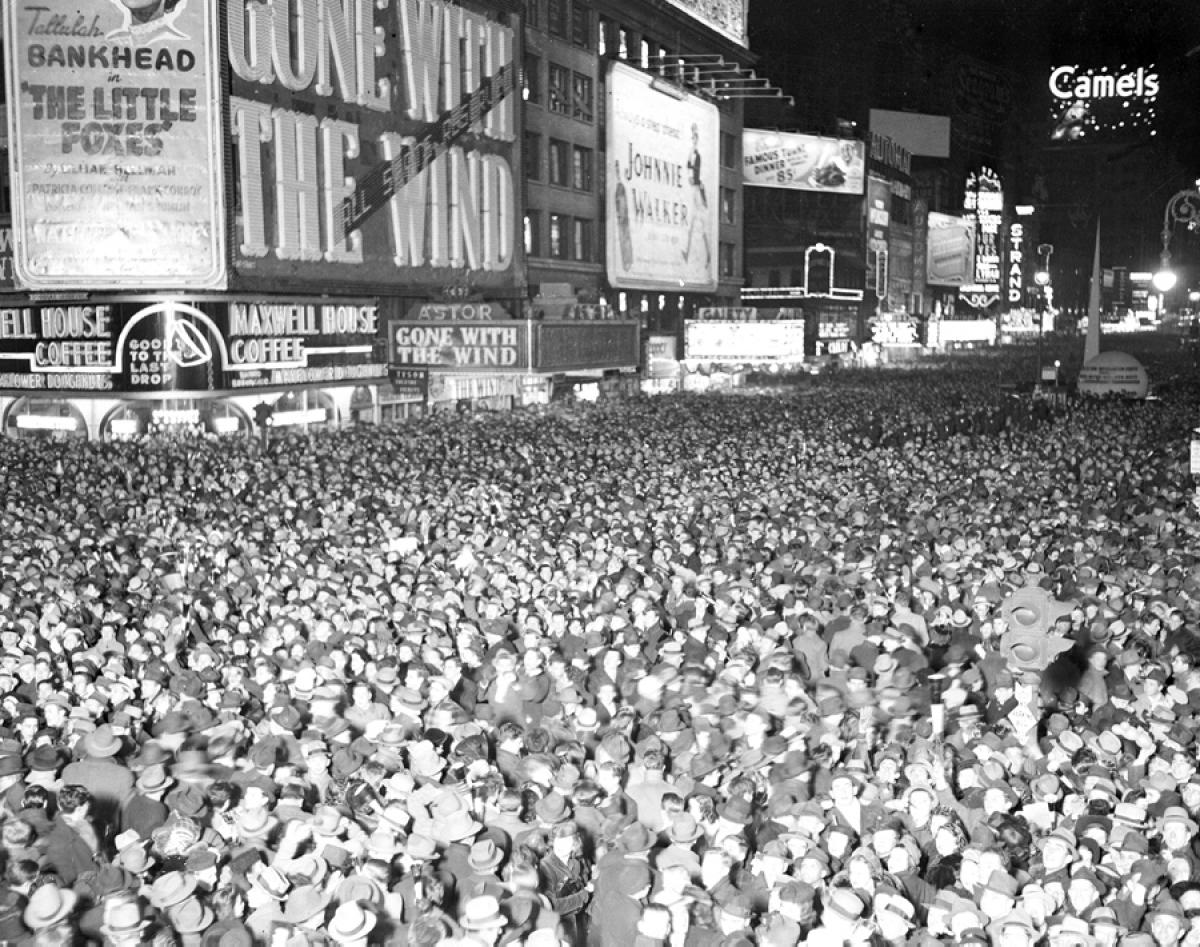
The throngs in 1940 with the Gone With The Wind marquee in the background (not to mention Tallulah Bankhead in the play The Little Foxes!)

Courtesy New York Daily News

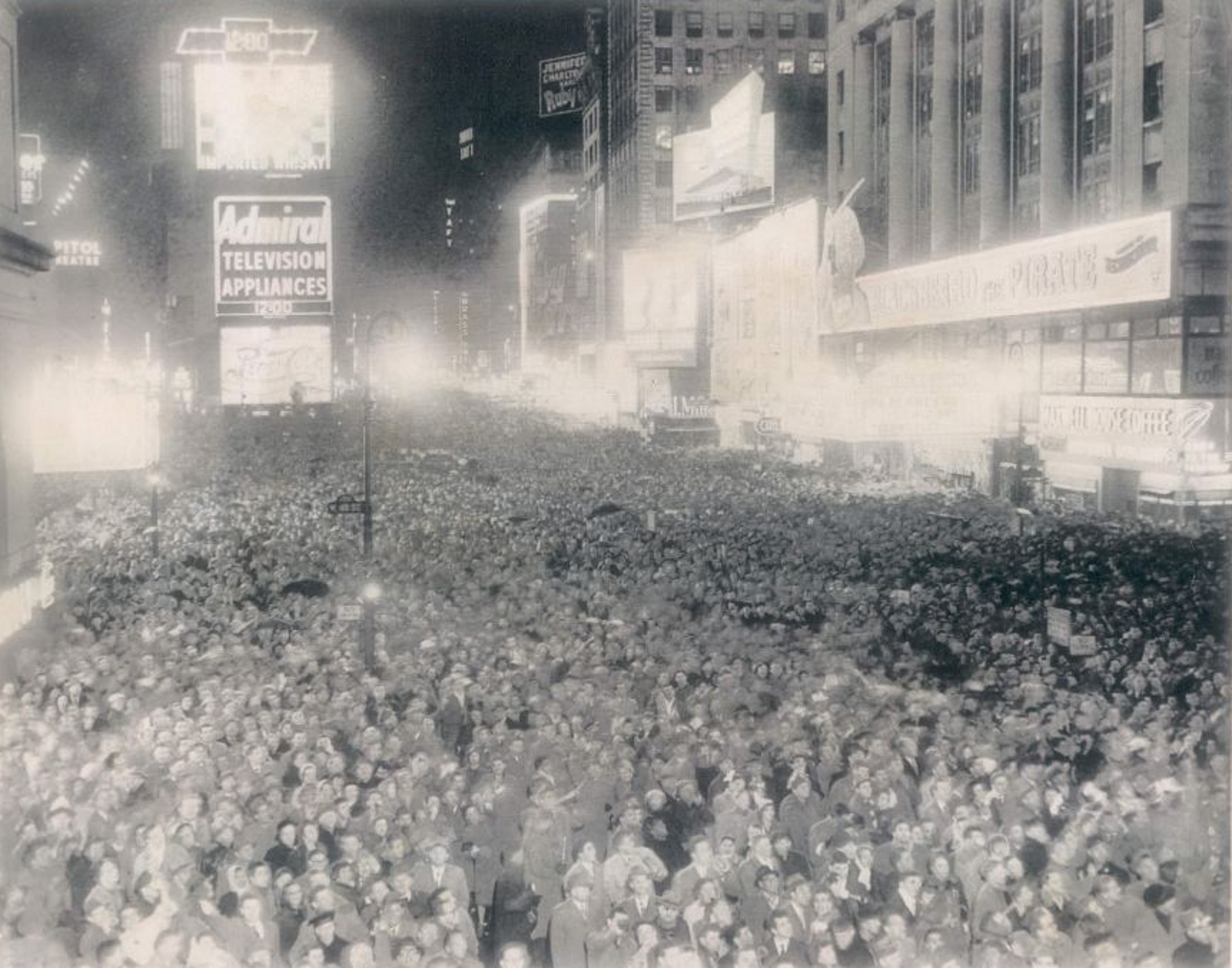
Ushering in 1953:

9

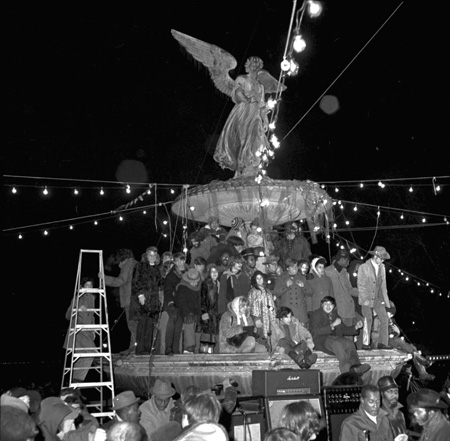
Celebrations were also held for a time in Central Park, like this festive group from 1969:

Courtesy New York Parks Department

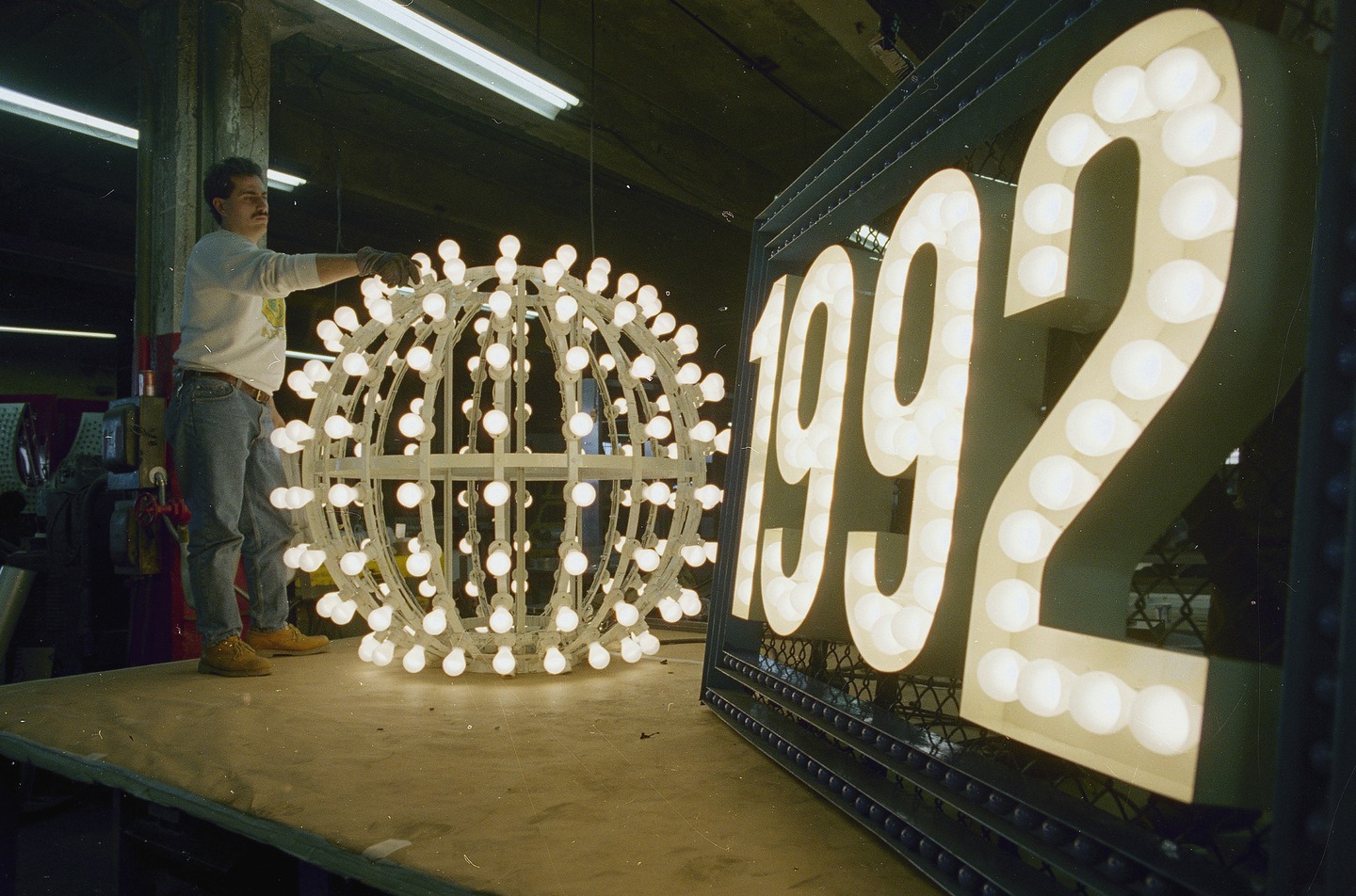
An electrician from the Artkraft Strauss Sign Corporation tests out the lighting effects that will greet the new year in 1992.

MARTY LEDERHANDLER/ASSOCIATED PRESS

And here’s some videos of New Years Eve countdown past!

Mr New Years Eve himself — Guy Lombardo — here at the Roosevelt Hotel, ringing in 1958

From 1965-66:

A clip from Dick Clark’s first appearance in Times Square. It cuts away to Three Dog Night in California!

CBS’s New Years Eve program featuring Catherine Bach from The Dukes of Hazzard.

The absolutely bonkers ball drop for the new millennium.

Last year’s commentary by those wacky cards Anderson Cooper and Kathy Griffin.

Categories
American History

Life in New York City 1935-1945: Heavenly images from Yale University

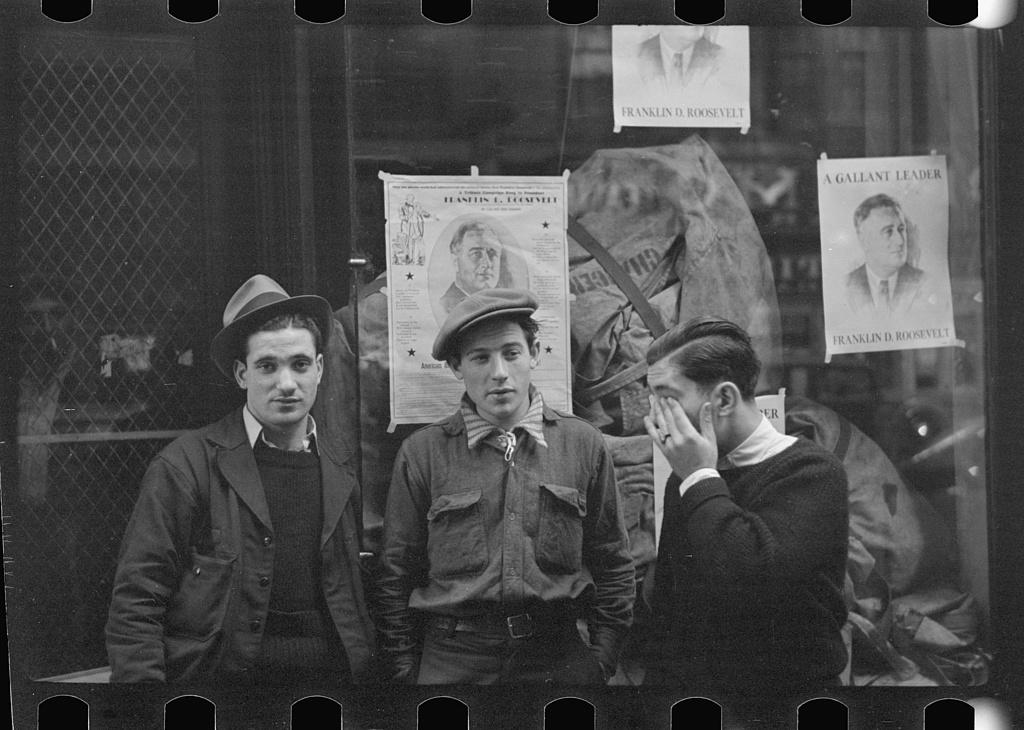
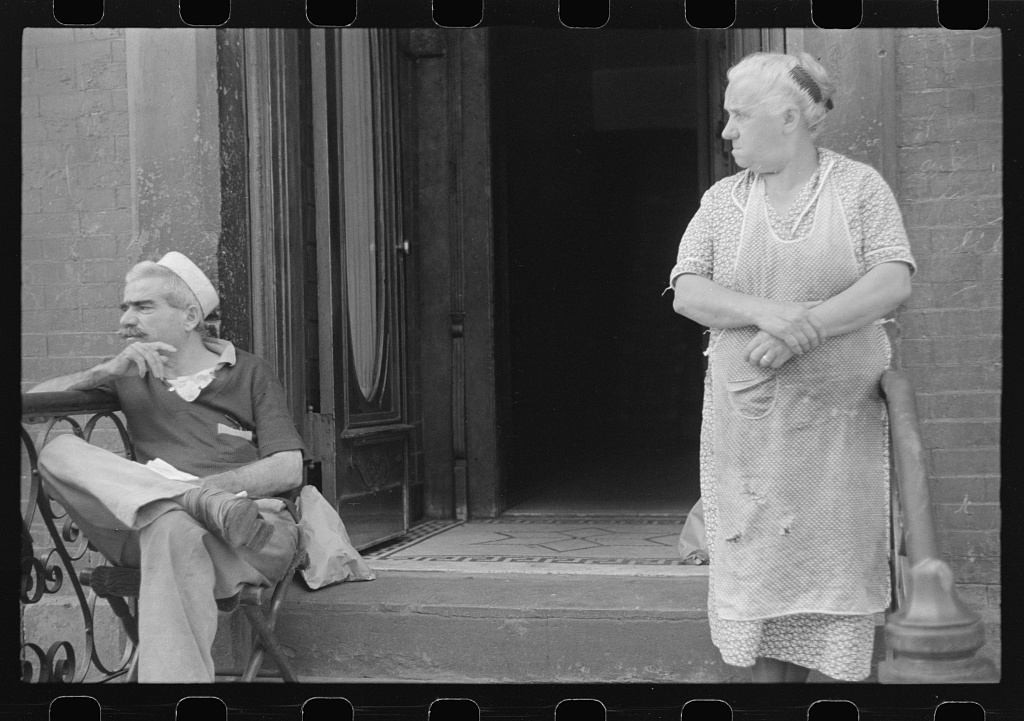
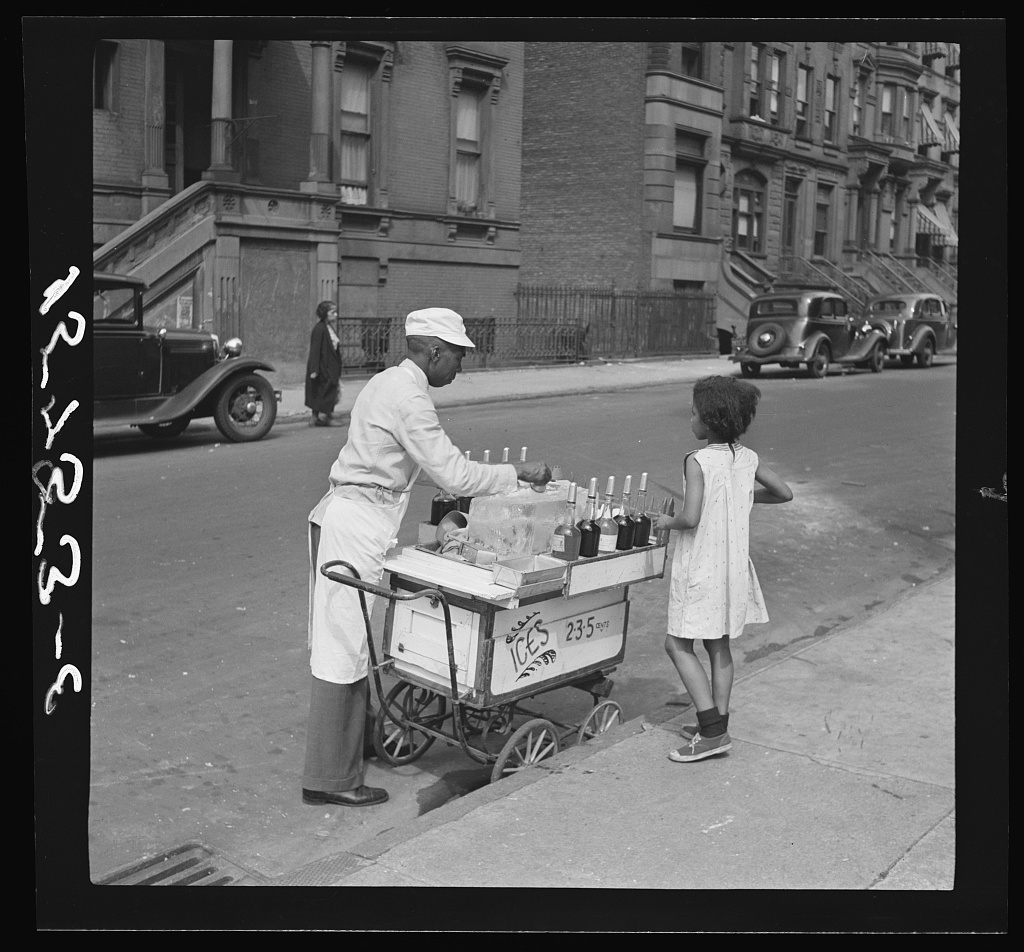
Yale University has sprung a beautiful present onto the Internet — a searchable database of over 170,000 public-domain photographs created by the United States Farm Security Administration and Office of War Information, documenting the aftermath of America of the Great Depression and World War II. The photos, dating from between the years 1935 to 1945, include of the greatest American photographers from the period (such as Gordon Parks, Walker Evans and Dorothea Lange).

These images aren’t really new; they’ve been available at the Library of Congress for many years. I’ve even ran a couple of these on the blog before.  But Yale has done an outstanding job of sorting and cataloging. Their site even comes with a map if you want to look at images from a particular area of the country.

Take a look at this particular images from New York City during this period, then head over to the database and lose yourself inside these captivating, sometimes harrowing pictures. Thank you Yale!


3

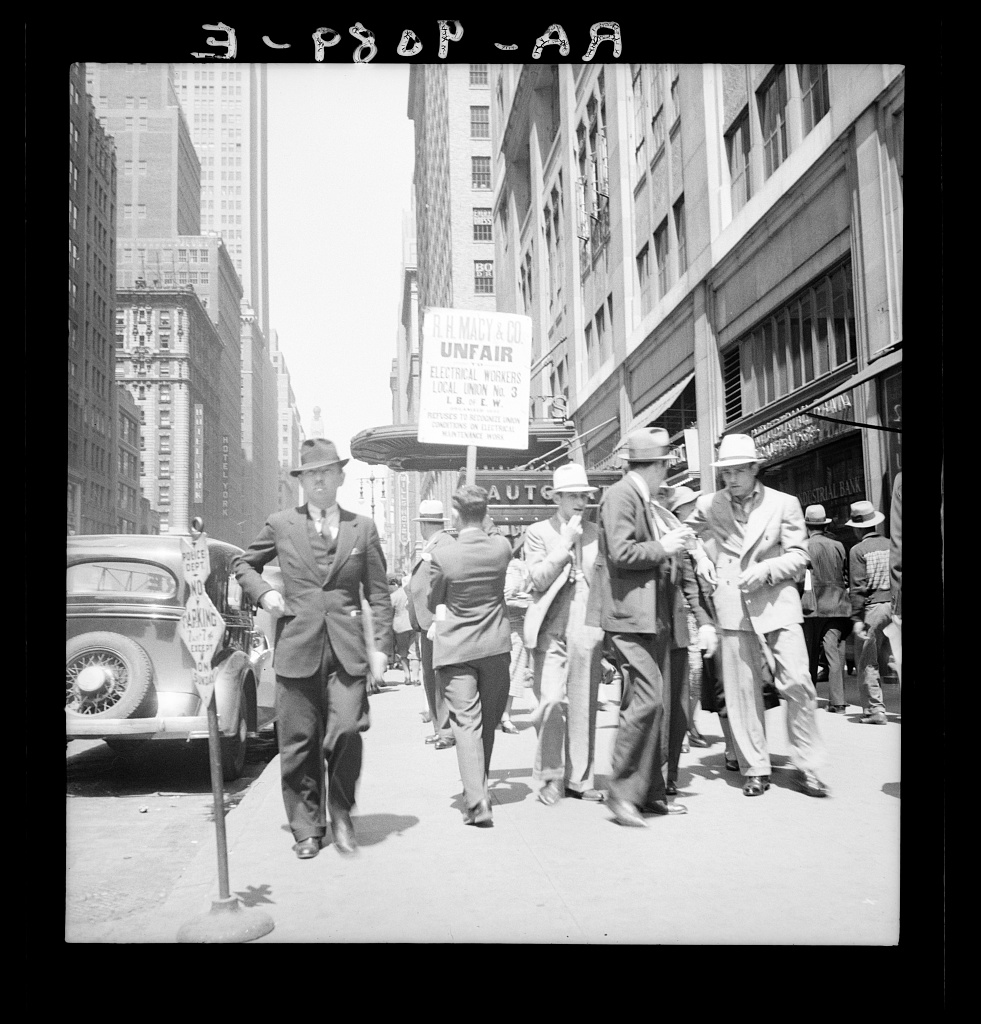
June 1936 “New York street scene: striking in front of Macy’s” Photographer Dorothea Lange


4

November 1936 “Street scene at 38th Street and 7th Avenue” Photographer Russell Lee


5

1938 “New York, New York. 61st Street between 1st and 3rd Avenues. Tenants” Photographs by Walker Evans


6

1938 Photographer Jack Allison (no caption on photo)


7

June 1941 New York City, East Side, Sunday morning, photographer Marion Post Walcott


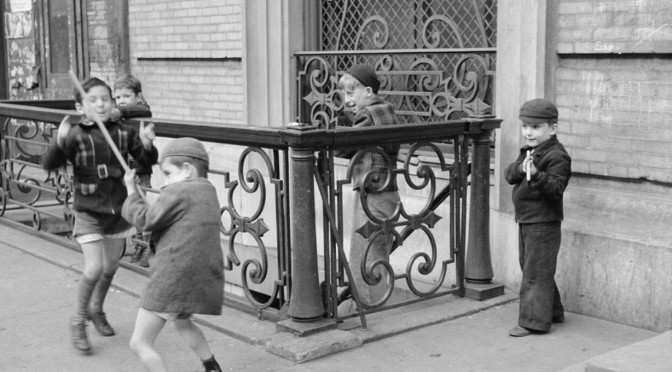
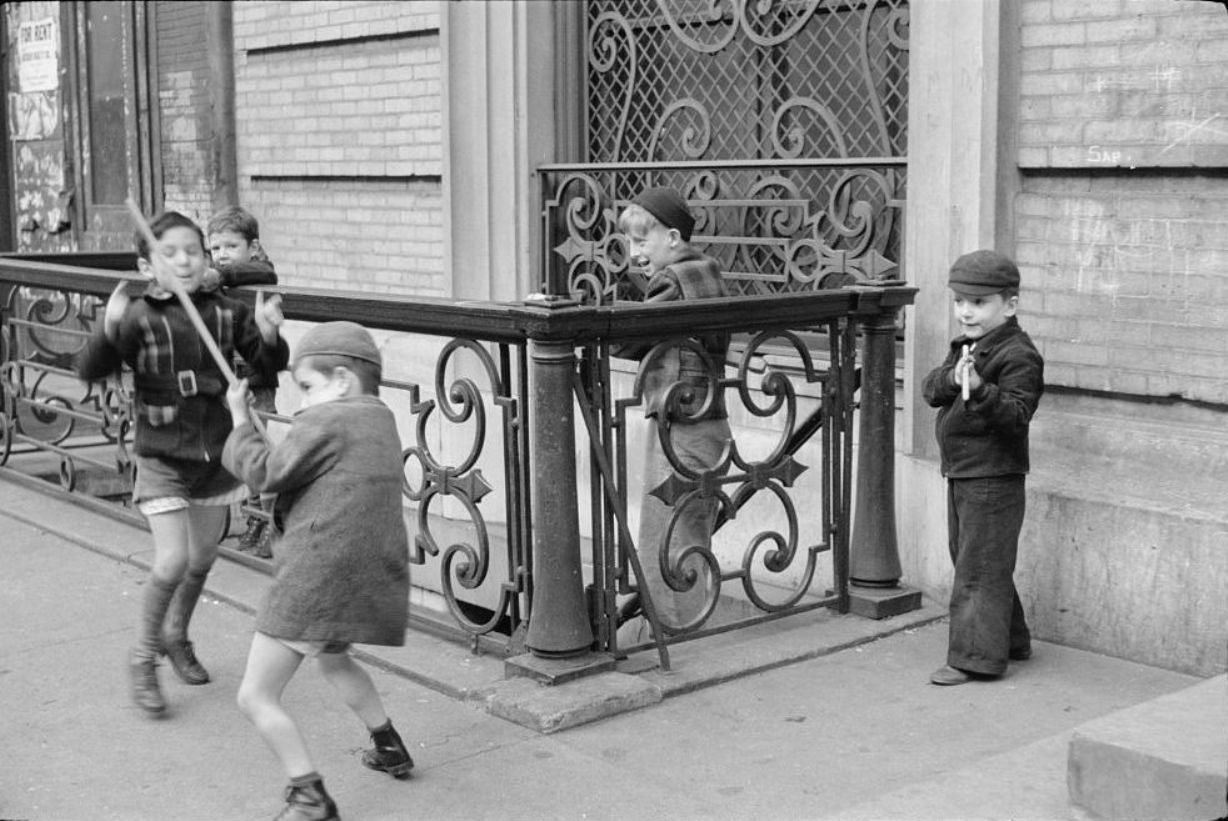
picDecember 1941 :Children playing, New York City: Photographer Arthur Rothstein


1

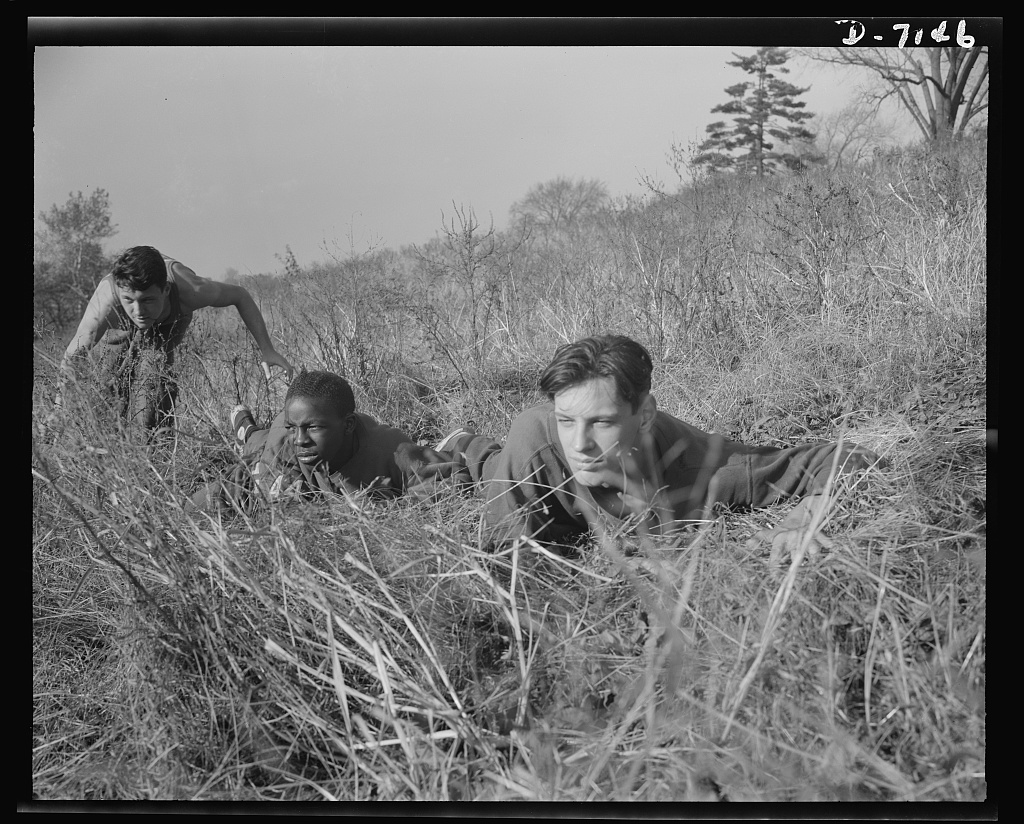
October 1942 “High school Victory Corps. Learning the rudiments of advancing on an enemy will prove valuable to these boys if they are called to join their older brothers in the armed forces. This is part of the “commando” training given in physical education courses at Flushing High School, Queens, New York” Photographer William Perlitch


2

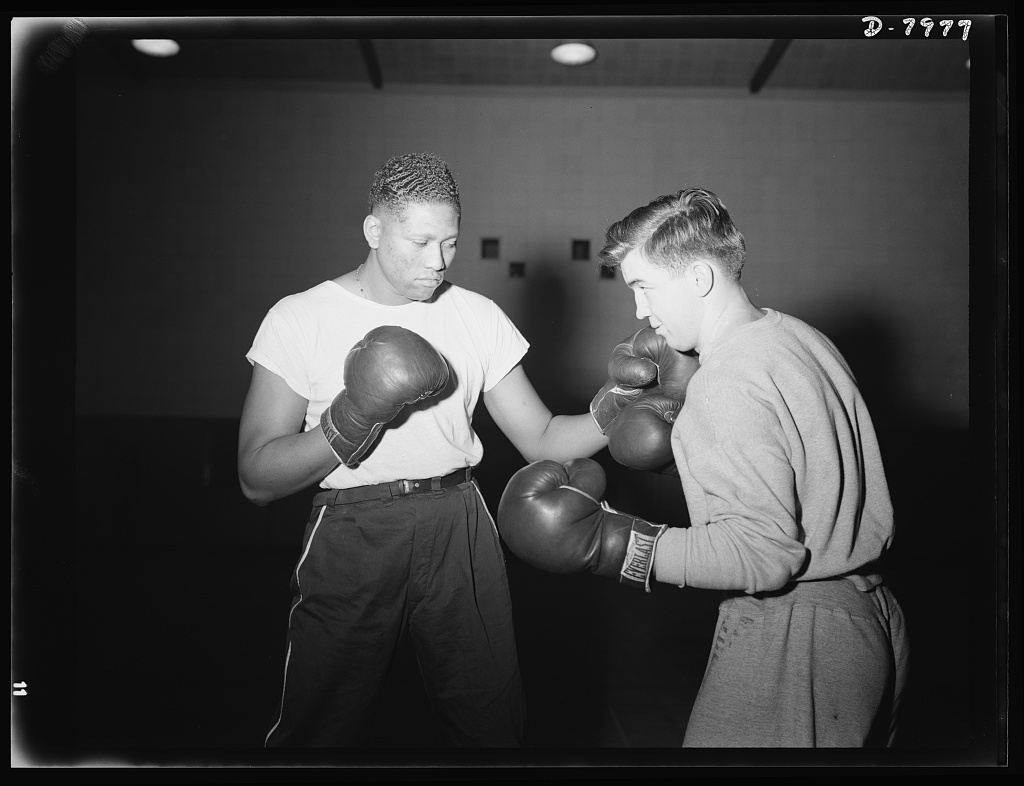
January 1943 “Manhattan Beach Coast Guard training station. The gymnasium is one of the busiest places at Manhattan Beach Coast Guard training station. The physical education program is handled by many noted exponents of boxing, wrestling, track and judo. Paul (Tiny) Wyatt, one-time leading contender for heavyweight boxing honors, is shown sparring with Hart Kraeten, former Golden Gloves champ.” Photographer Roger Smith


mott

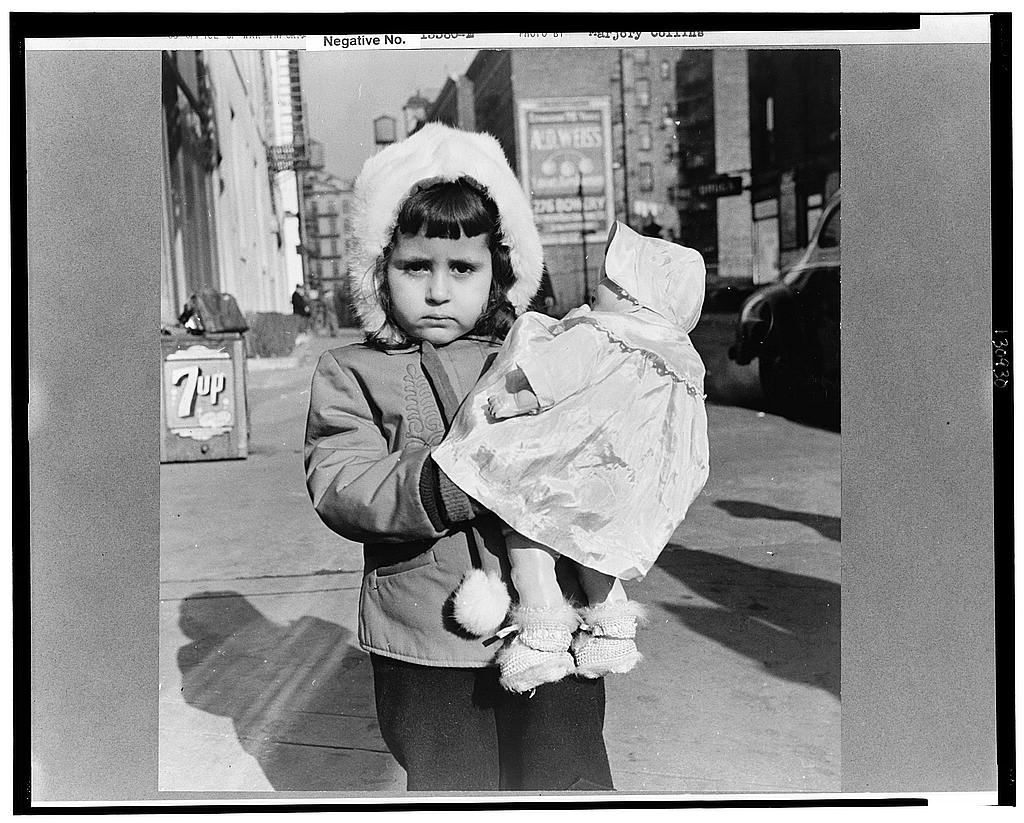
January 1943 “New York, New York. Child on Mott Street on Sunday” Photograph by Marjory Collins


8


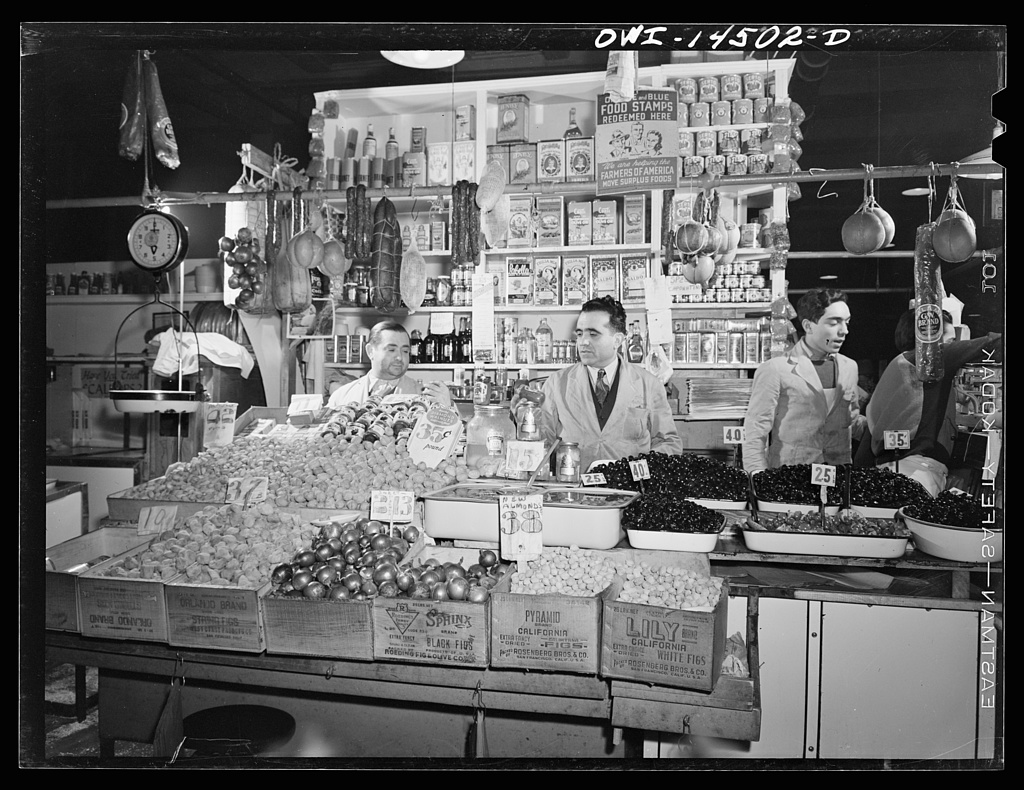
January 1943  “Italian grocer in the First Avenue market at Tenth Street” Photograph by Marjory Collins

10


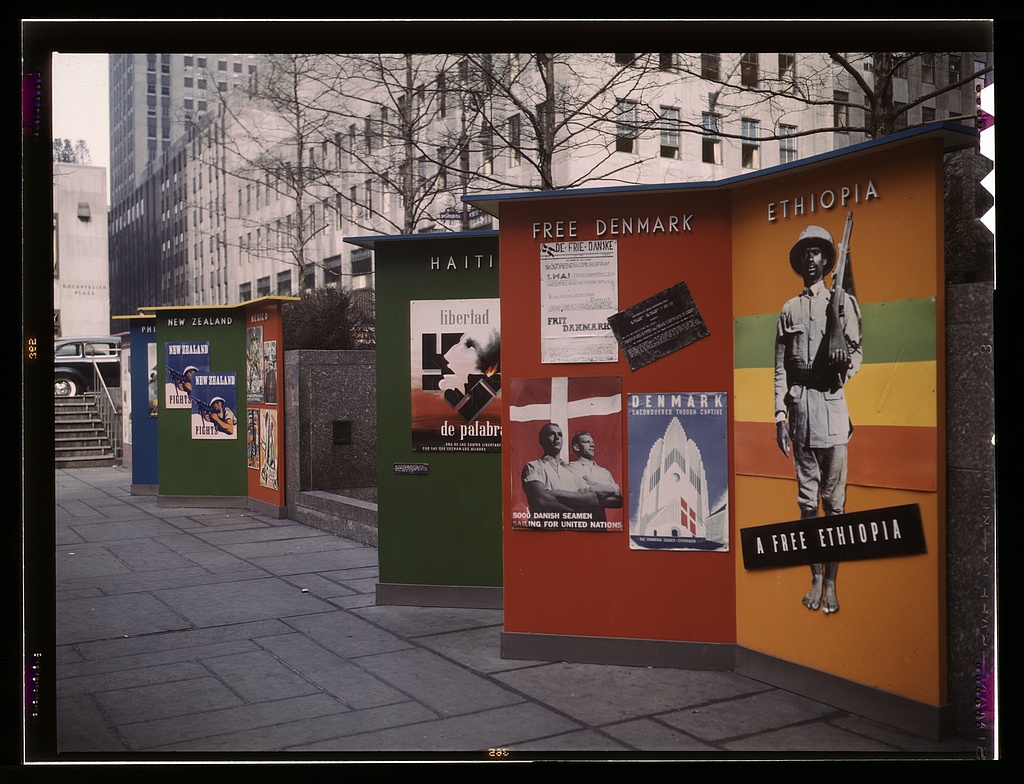
March 1943 “Rockefeller Plaza, exhibit [for] United Nations by OWI, New York, N.Y. Between photographic displays is [the] Atlantic charter in frame with transmitters at each end and where voices of Roosevelt, Churchill and Chiang Kai-Shek are heard each half hour; surrounded by statues of the four freedoms.” Photograph by Marjory Collins

times


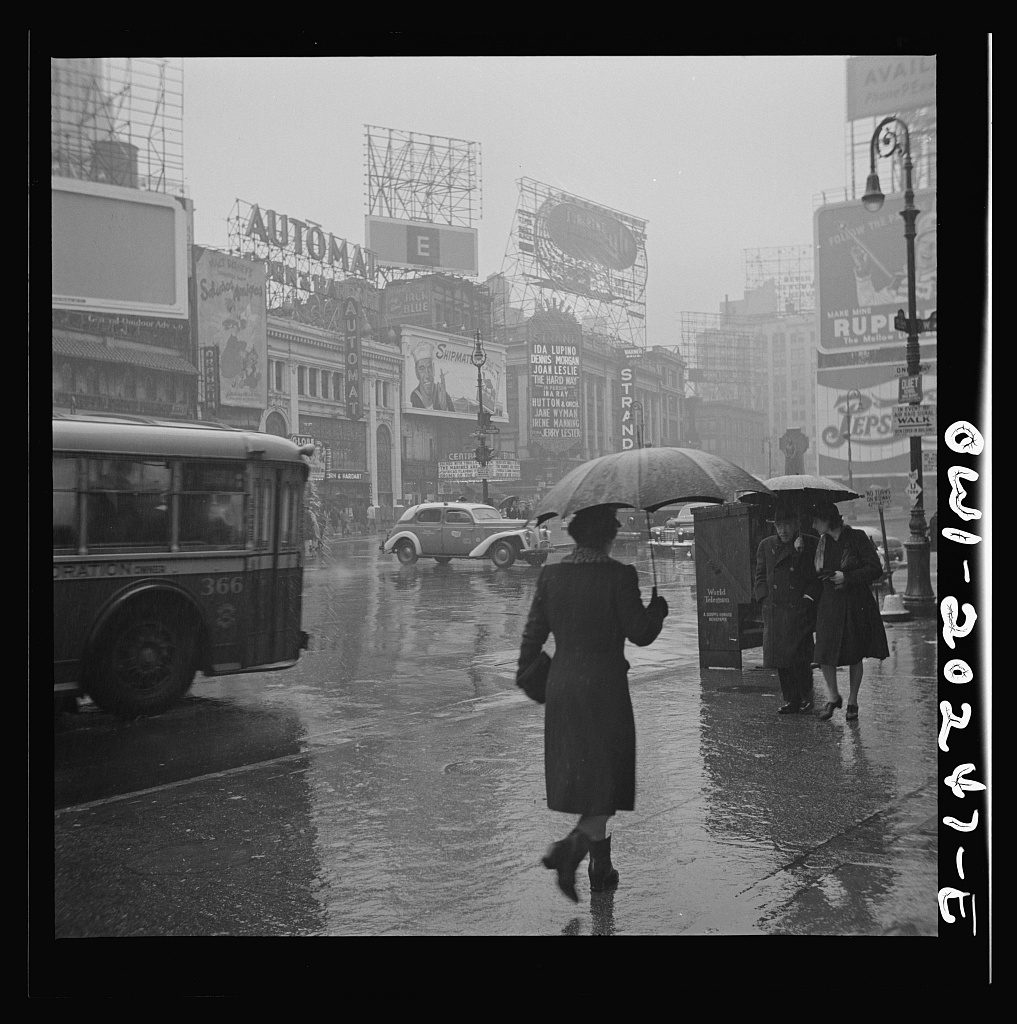
March 1943 “New York, New York. Times Square on a rainy day” Photographer John Vachon

last


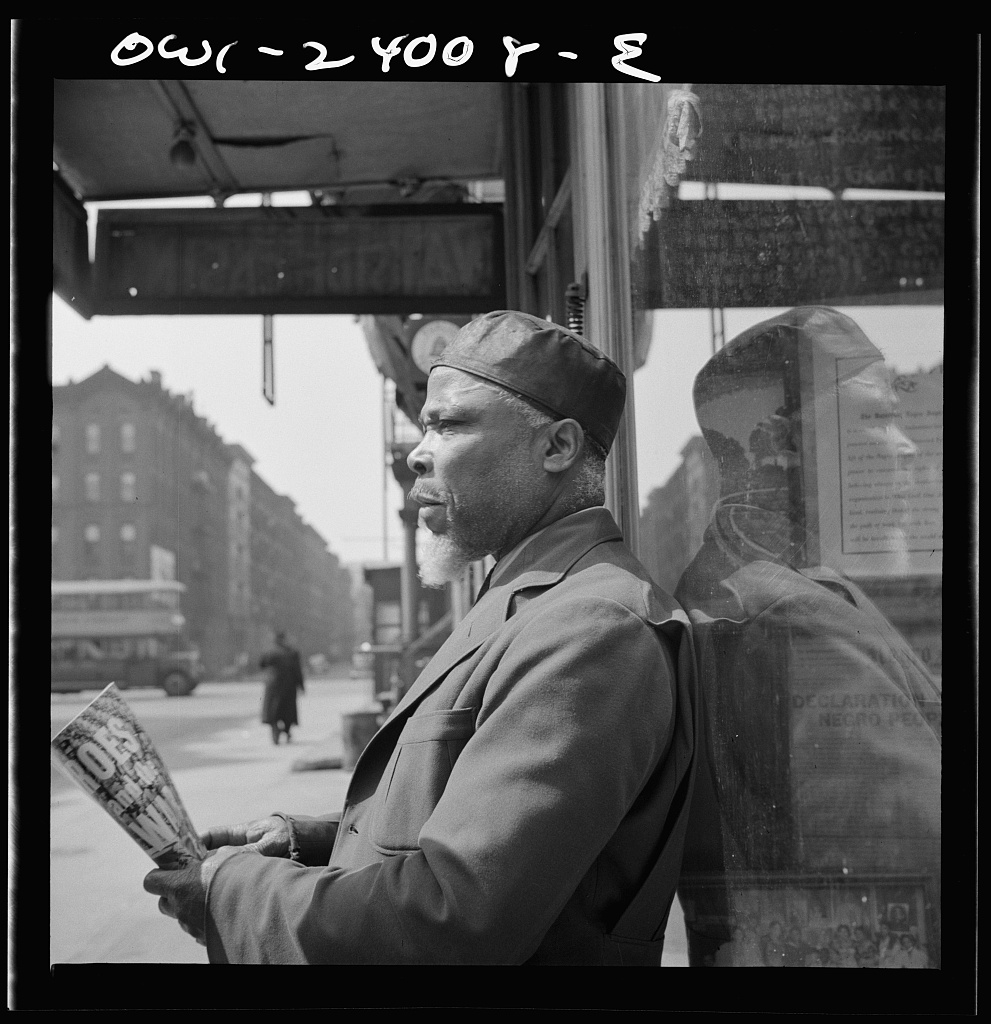
April 1943 “A follower of the late Marcus Garvey who started the “Back to Africa” movement” Photographer Gordon Parks

eye


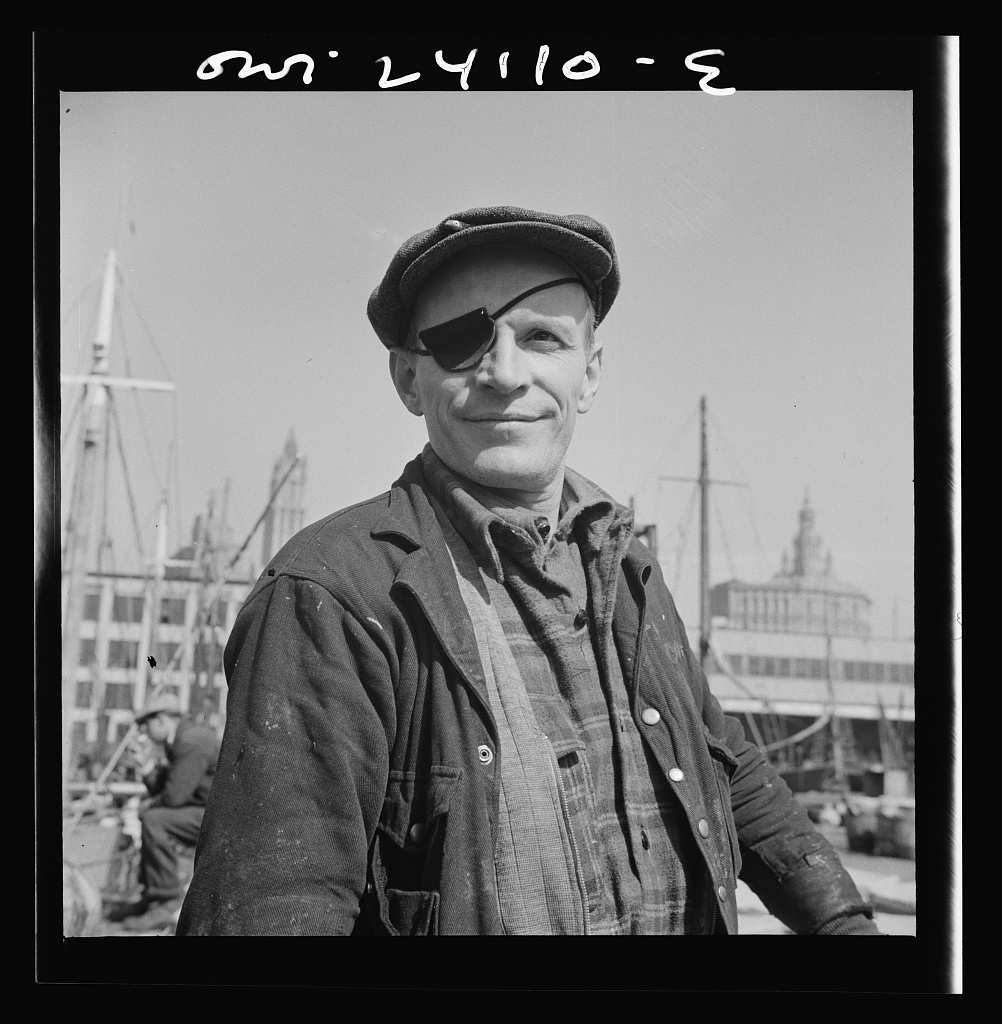
June 1943 “New York, New York. Dock stevedore at the Fulton fish market” Photographer Gordon Parks

victory


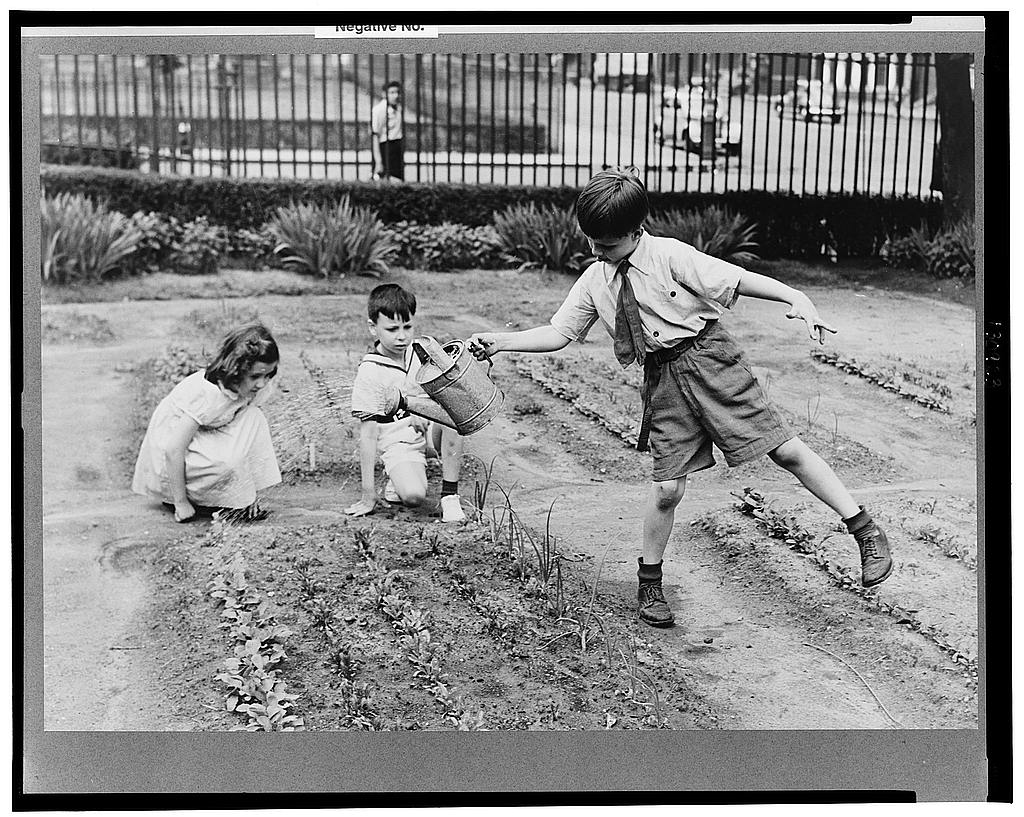
June 1944 “Children’s school victory gardens on First Avenue between Thirty-fifth and Thirty-sixth Streets” Photographer Edward Meyer


d-day

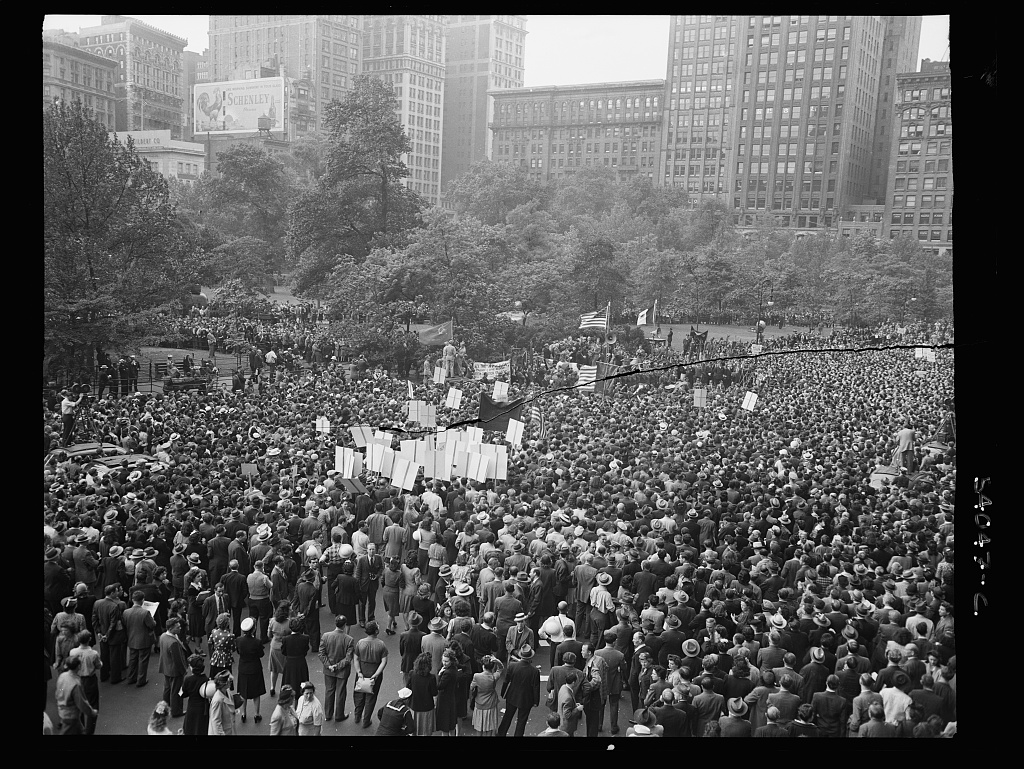
June 1944 “A crowd on D-Day in Madison Square” Photographer unknown

A giant Coke bottle atop the Empire State Building? Almost.

Did you see the spectacular debut of the Empire State Building‘s new LED lights last night, choreographed to the music of Alicia Keys, being simultaneously broadcast on four New York radio stations?


 The allure of the Empire State Building as a glamorous light spectacle has been around almost since the mast — originally designed, but never used, as a mooring mast for zeppelins — was raised in 1931.

Nearby Times Square was bathed in the light of neon advertisement, and its master of manipulation was lighting designer Douglas Leigh.  The iconic beacon would have been irresistible to Leigh, and in 1941, he proposed for the top of the Empire State something that would have been easily his most ambitious, most striking lighting display to date — an illuminated bottle of Coca-Cola.

According to author John Tauranac, the famous curvaceous bottle would have sat along the spire, changing color based upon the weather. It was one of several potential Empire State Building/Coke tie-ins planned, including a Coke-sponsored performance by the orchestra of Andre Kostelanetz performed at the top, broadcast nationwide on the radio. Coke products would have featured “a small guide to decipher the colors.

The Empire State Building could have used this publicity at this time, as owners were scrambling to fill vacancies within the building. With Rockefeller Center, the Chrysler Building and dozens of other towers now constructed, midtown Manhattan was experiencing a glut of office space.  A Coke sponsorship would have given the Empire State Building free publicity, not to mention sizable rental fees.

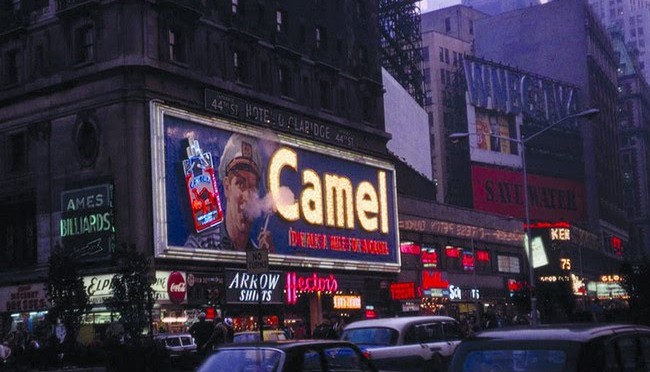
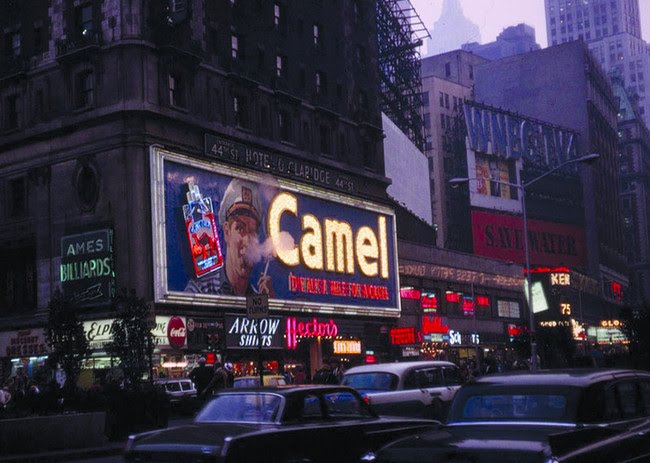
Below: Leigh’s famous smoking Camel ad in midtown Manhattan. The Empire State Building can be seen up in the corner.

But Leigh’s timing was terrible; even as the plan was being drafted, Pearl Harbor was attacked, and America entered World War II.  During the war, there would be no lights at all atop the building or in its upper floors.

A few years later, in July 1945, a B-25 bomber would crash into the Empire State Building, killing the pilot and several within the building. More amazing facts about that tragic accident here.

Leigh never gave up his dream of transforming the Empire State Building. After the war, Leigh told Life Magazine he wanted to put a gigantic, lighted cigarette on the building. [source]  Many decades later, Leigh would finally get his chance — albeit without product placement — designing a new, colorful lighting system  in time for the country’s 1976 Bicentennial celebration.

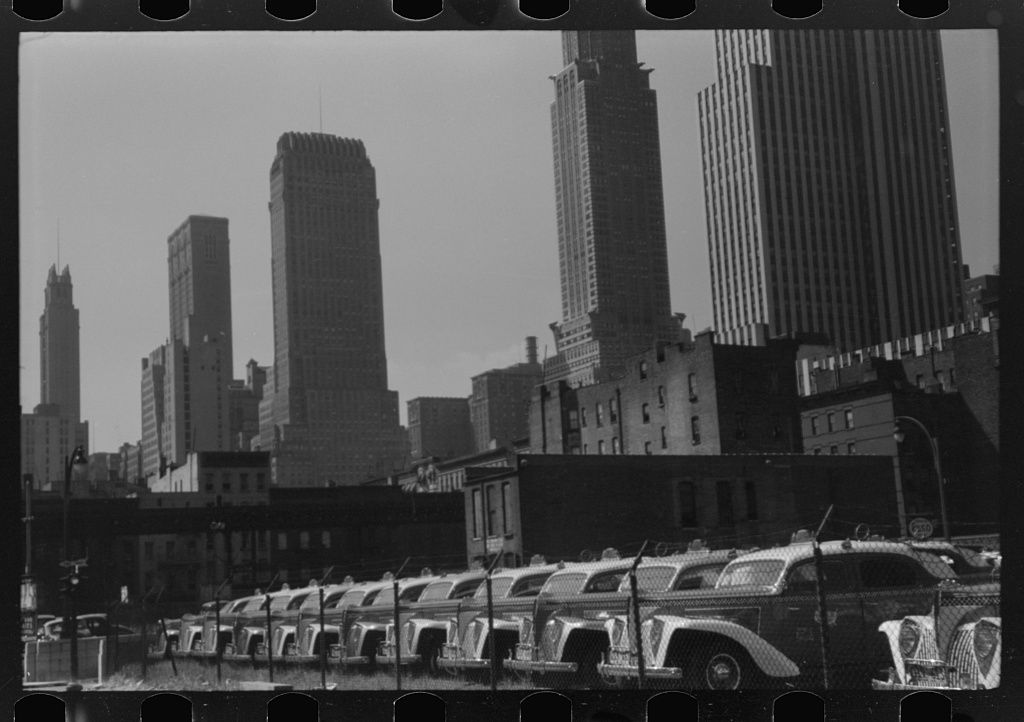
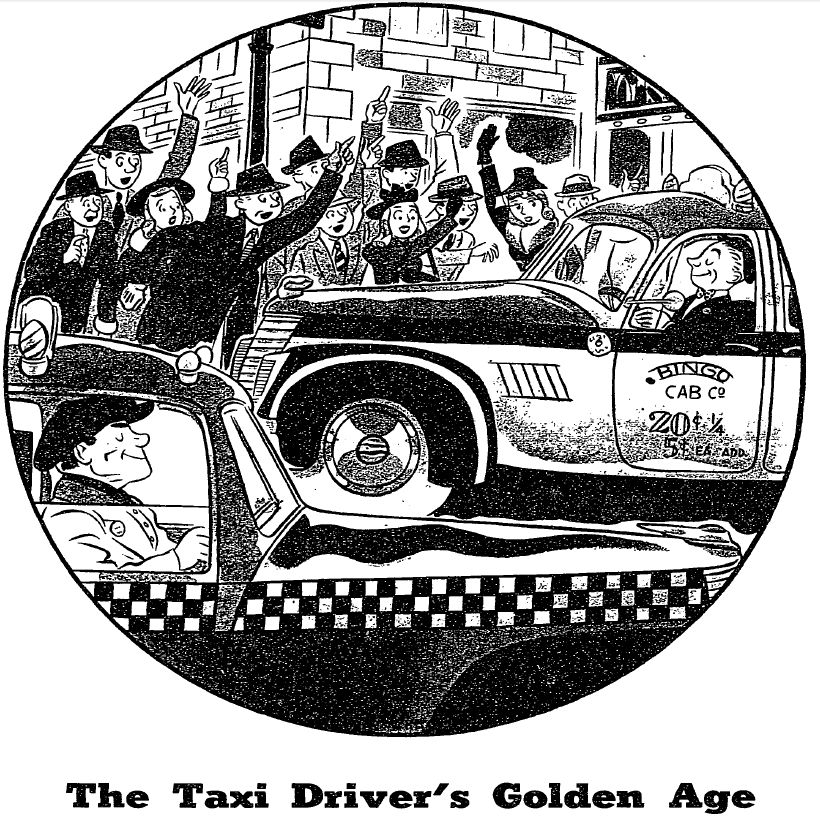
New York gas rationing 1942: “The taxi driver’s golden age?”

Today begins mandatory gas rationing in New York City due to shortages caused by Hurricane Sandy.

There was limited gas rationing during the 1970s, but the longest a gas ration was ever sustained in New York City was 70 years ago, during World War II, officially becoming a nationwide policy in December 1942. It was actually rubber that the government was protecting, conserving it for military vehicles by reducing the amount of rubber used by America’s growing car culture.

Gas was distributed based on coupons, allotted by communities at their discretion, according to author John Alfred Heitmann. An underground market of ‘chiseled gas’ naturally sprung up, “particularly on the East Coast.”

Most New Yorkers, however, adhered to the rationing. Interestingly, the New York Times and others have referred to the 1942 rationing as a ‘golden age’ for city taxicabs, raking in fares as New Yorkers left their private cars home. “They are making so much money it runs out of their ears and into their savings banks.” 

At left: An illustration from the 1943 Times article. Good times for taxi!

According to the Times, a fleet of 9,300 New York cab drivers received enough gas to travel 100 miles a day and were taken off the road only one day a week. Essentially, every street in Manhattan would have looked like Times Square today — a sea of taxis, checkered, yellow and other colors.(Yellow wouldn’t become the standard color for medallioned cabs until the 1960s.)

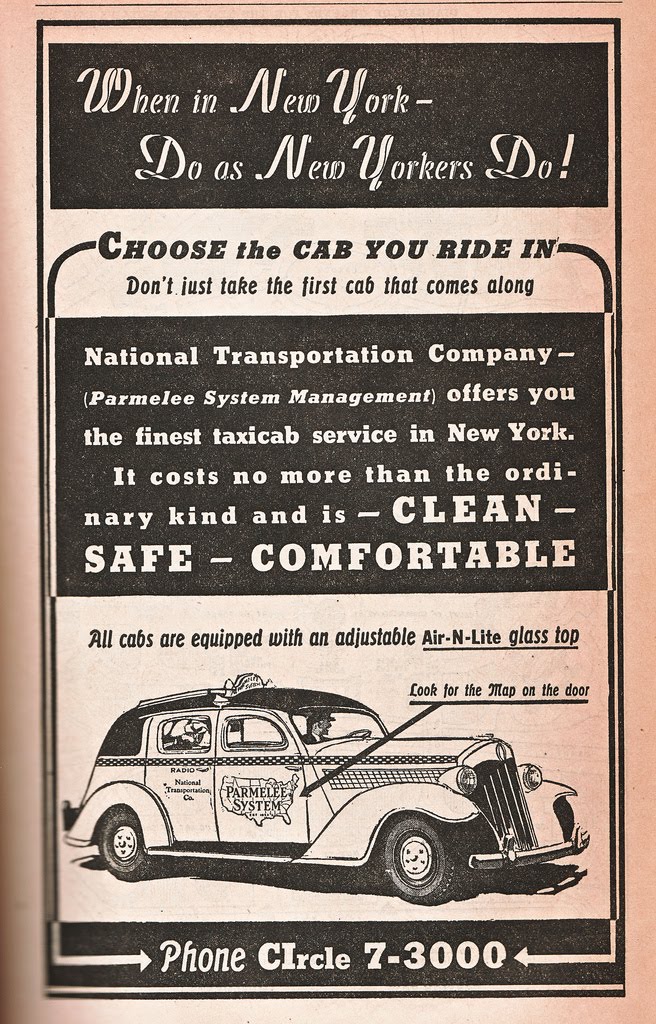
Below a cab company advertisement from 1944 [courtesy Flickr]

Categories
Parks and Recreation

That time Christopher Columbus annoyed Robert Moses

Christopher Columbus is among the most honored figures in New York statuary, appearing abundantly throughout the five boroughs — standing prominently, nestled in parks and squares, peering from building features.

I’ve located a seemingly complete list of New York Columbus monuments, strangely enough, on a German website, inclusive even of Chris’s appearance of 8th Avenue subway tiles.

Photo by Kevin Kalish/The Living New Deal

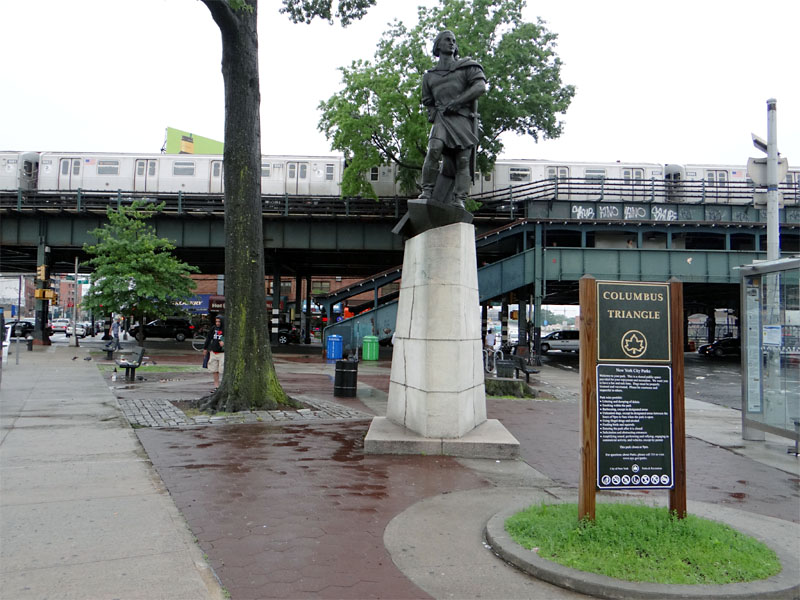
While the one perched atop the column at Columbus Circle is the most famous, perhaps the most interesting one sits in Columbus Park, in Astoria, Queens.

Depicting a young, robust explorer, the statue was erected here in 1941 in recognition of the area’s growing Italian population. But youthful Chris was almost immediately removed to the basement of Queens Borough Hall, for fears it would get melted down in wartime scrap-metal programs.

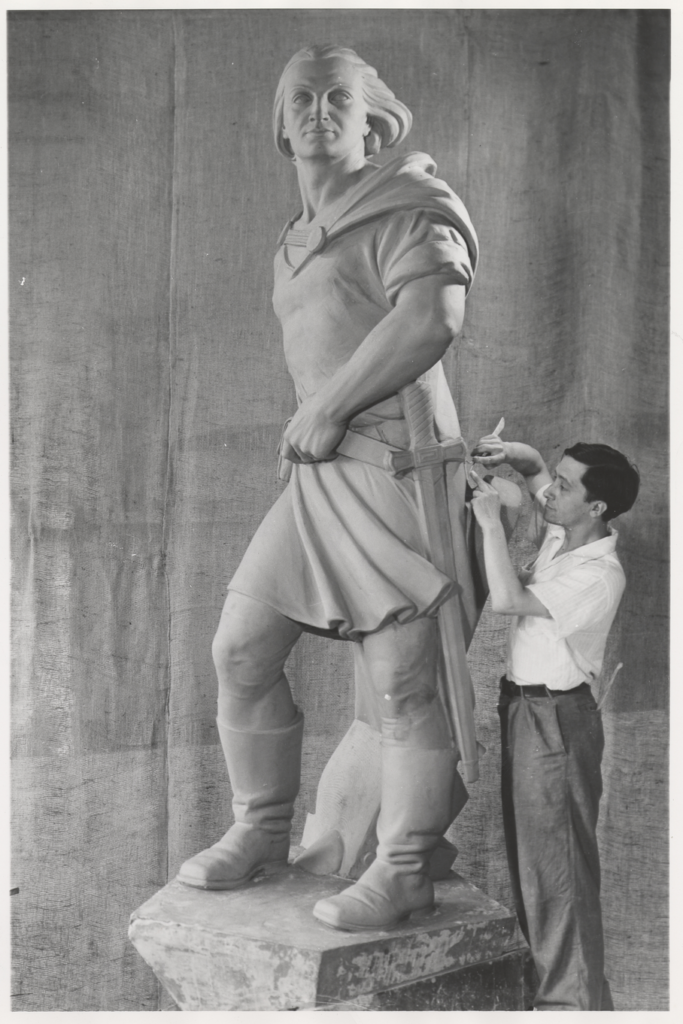
Racioppi works on Astoria’s Columbus as part of the WPA program.

It was returned to dignity by the end of the war and has commanded the crossroads here ever since.

Had Parks Commissioner Robert Moses had his way, however, the striking, romantic monument would never have seen light of day. “We don’t think the statue looks like anything we have read about Columbus, or that as a piece of symbolism it represents anything associated with Columbus,” Moses complained.

“Anything Moses doesn’t design himself, he thinks is no good,” replied Queens Borough President George U. Harvey.

Nearby you’ll find a dedication plaque from the Italian Chamber of Commerce. Your eyes aren’t deceiving you; it lists a dedication date of 1937.

Although sculptor Angelo Racioppi had completed the work by then, the community couldn’t afford the base until a few years later.

A brief history of New York Giants

I’ve had a couple emails asking us to do a New York Giants podcast this week. Oh, had I known! We would have planned one. However, by the end of next month, we will unveil another major sports-themed podcast.

In the meantime, here’s a few New York Giants’ non-statistical, history-related factoids to chew on and toss out to your friends at Sunday night’s Superbowl party:

— The National Football League was all of five years old when the Giants, and four other teams, joined up in 1925. New York was an unusual place to host a professional football team back then; teams normally propped up the spirits of small to mid-size towns (Canton, Muncie, Rock Island, Portsmith, Akron, Buffalo) and many were particularly centered in Ohio. That’s why the Football Hall of Fame is in Canton.

— Promoter and bookie Tim Mara bought the New York Giants for all of $500 back in 1925, and for his troubles almost went bankrupt. The team thanks him by immediately losing their first three games, before charging through an amazing winning streak and ending the season 8-4.

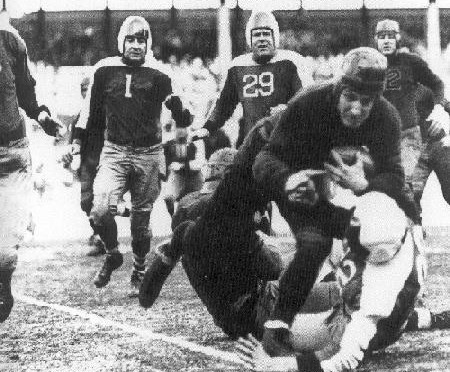
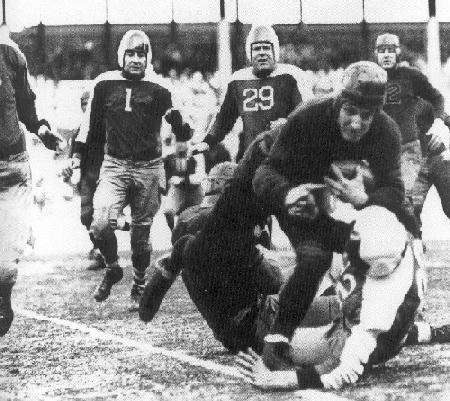
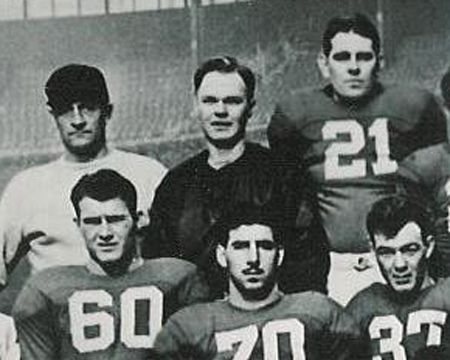
— In 1931, Mara passes ownership of his team to his two sons Jack Mara (age 22) and Wellington Mara (age 14). By far, Wellington is the youngest owner ever of a major league football team. Believe it or not, he would co-own the team all the way until his death in 2005! (That’s him in the pic below, with the team in 1941).

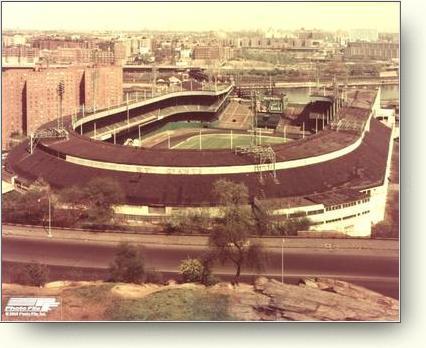
— The Giants played at Polo Grounds, at West 155th Street and Eighth Avenue, as did almost every other New York sports team at one time or another, including the New York Jets (even when they were known as the Titans). Sports enthusiasts referred to it as Polo Grounds IV, as three prior incarnations (including one in the same spot) have hosted New York sporting events since the 19th Century.

— In a 1934 game with the Chicago Bears, the temperature dipped to 9 degrees, and the grounds were so icy that the coach made the Giants switch to basketball sneakers in the Fourth Quarter, effectively winning them the game 30-13 against the slippery Bears. The game is infamously known as ‘The Sneaker Game’.

— A game against crosstown rivals the Brooklyn Dodgers (yes, they were a football team too) on Dec 7, 1941, was interrupted by the announcement of the attack on Pearl Harbor and the call for military personnel over the loudspeakers. Giants player Al Blozis would enlist in the Army and die in Vosges Mountains during the Battle of the Bulge; his number 32 would be permanently retired.

(Above: overhead shot of the Giants’ early home, the Polo Grounds)

— The Giants move to Yankee Stadium in 1956. That same year popular Giants player Frank Gifford (Kathee Lee’s husband) won the National Football League’s MVP honor.

— 1958 The Giants play the Baltimore Colts in the first-ever televised championship game, largely considered in football mythology as ‘The Greatest Game Ever Played’.

— 1966: the Giants worst season, going 1-12-1

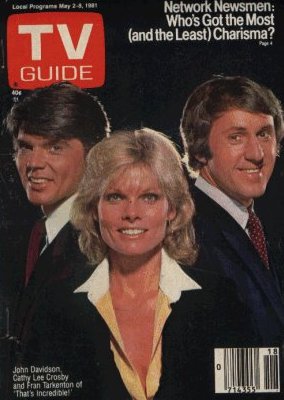
Fran Tarkenton, a Giant quarterback from 1967-72, became so popular that he became host of the 70s show That’s Incredible with co-hosts John Davidson and Cathy Lee Crosby.

— The Yankees kick out the Giants, and they prep for a new stadium to be built in East Rutherford, NJ. So from 1973 to 74, the Giants temporarily move their games to New Haven, Connecticut and the Yale campus. However, after terrible losses there, they double back to the city to share Shea Stadium with the Jets for a single season (1975)

— Yay! The Giants move into their new stadium in 1976. They rejoice by promptly losing almost every game they play there, ending with a 3-11 record.

— The Giants have won the Super Bowl exactly TWICE (1986 and 1990), however before the NFL-AFL merger in 1970, they did manage to be the NFL champs four times.

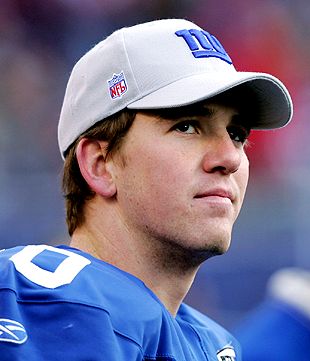
Eli Manning starts with the Giants in 2004. His first decisive performance came in January 2, 2005, in a 28-24 win against the Dallas Cowboys.

— Wellington Mara, a constant presence with the Giants since his teens, dies at age 89.

Check out the Giants official history. And thanks to Sports Encylopedia for the info…