Categories
Planes Trains and Automobiles Podcasts

TAXI: A History of the New York Taxi Cab

PODCAST The history of the New York City taxicab, from the handsome hansoms of old to the modern issues facing the modern taxi fleet today.

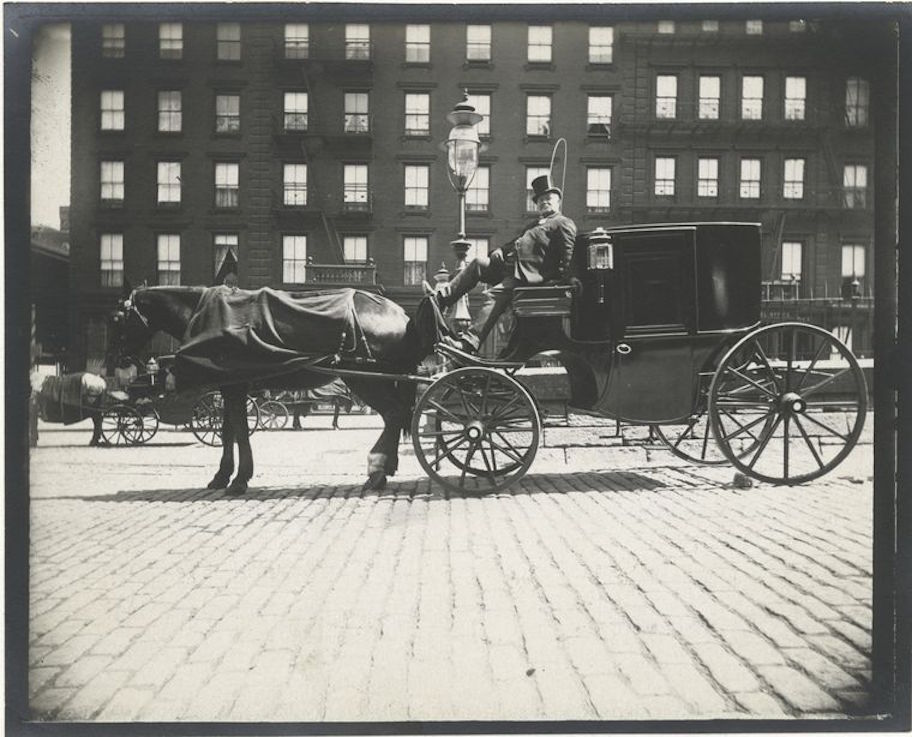
In this episode, we recount almost 175 years of getting around New York in a private ride. The hansom, the romantic rendition of the horse and carriage, took New Yorkers around during the Gilded Age. But unregulated conduct by — nighthawks — and the messy conditions of streets due to horses demanded a solution.

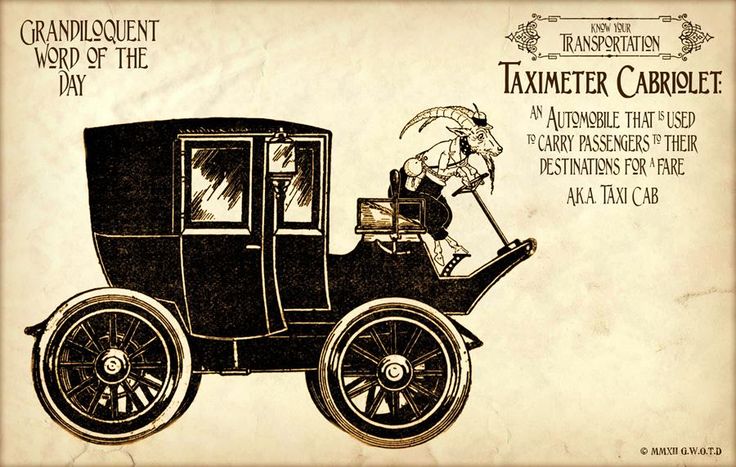
At first it seemed the electric car would save the day but the technology proved inadequate. In 1907 came the first gas-propelled automobile cabs to New York, officially — taxis — due to a French invention installed in the front seat.

By the 1930s the streets were filled with thousands of taxicabs. During the Great Depression, cab drivers fought against plunging fare and even waged a strike in Times Square. In 1937, Mayor Fiorello LaGuardia debuted the medallion system as a way to keep the streets regulated.

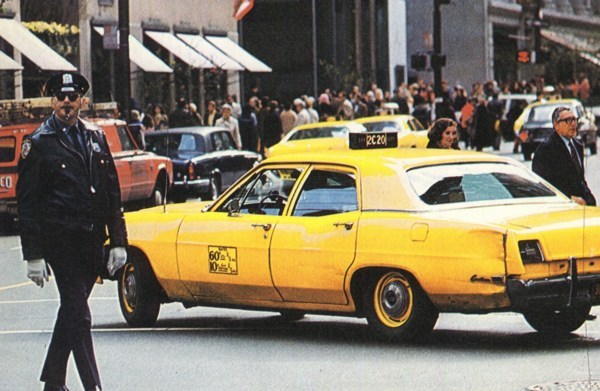
By the 1970s many cabdrivers faced an upswing of crime that made picking up passengers even more dangerous than bad traffic. Drivers began ignoring certain fares — mainly from African-Americans — which gave rise to the neighborhood livery cab system.

Today New York taxicab fleets face a different threat — Uber and the rise of private app-based transportation services. Will the taxi industry rise to the challenge in time for the debut of their taxi of tomorrow.

Listen Today: The Story of the Yellow Taxi Cab
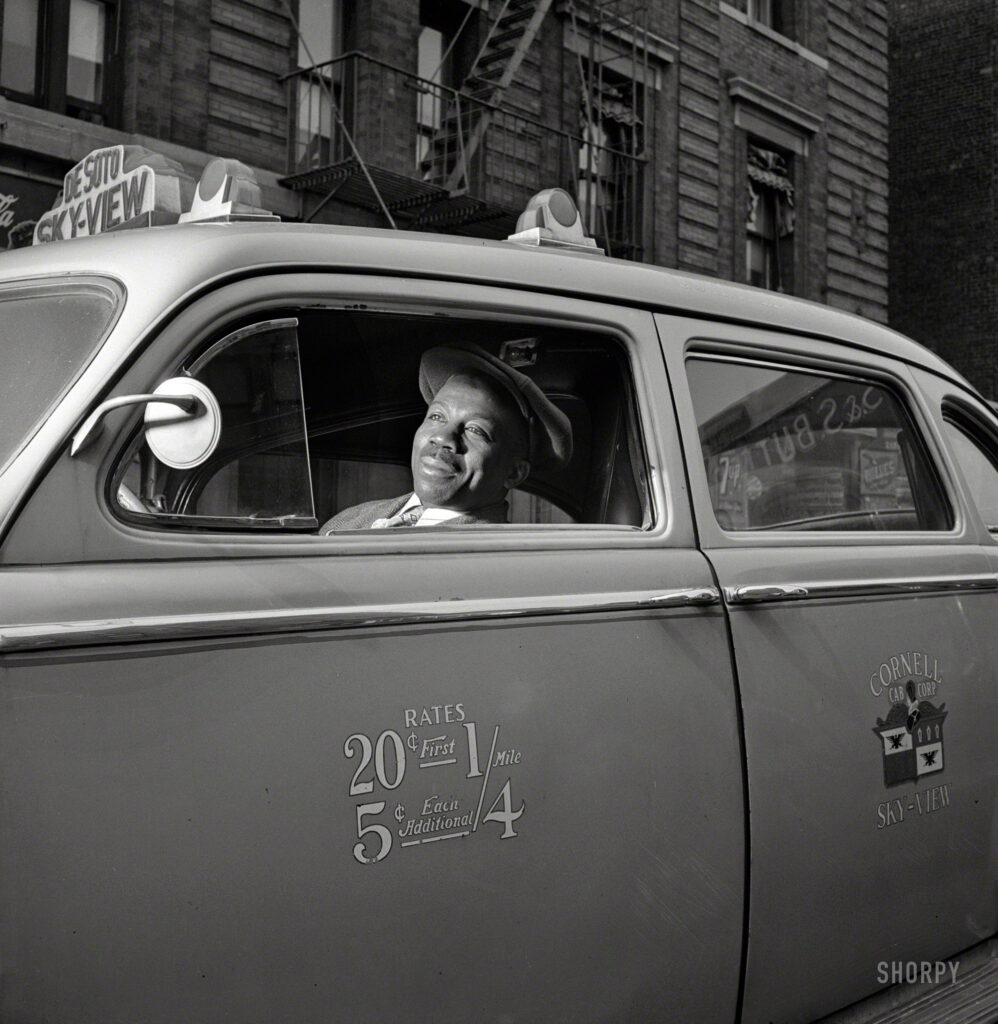

Albert Fenn/Office of War Information, cleaned up image courtesy Shorpy 

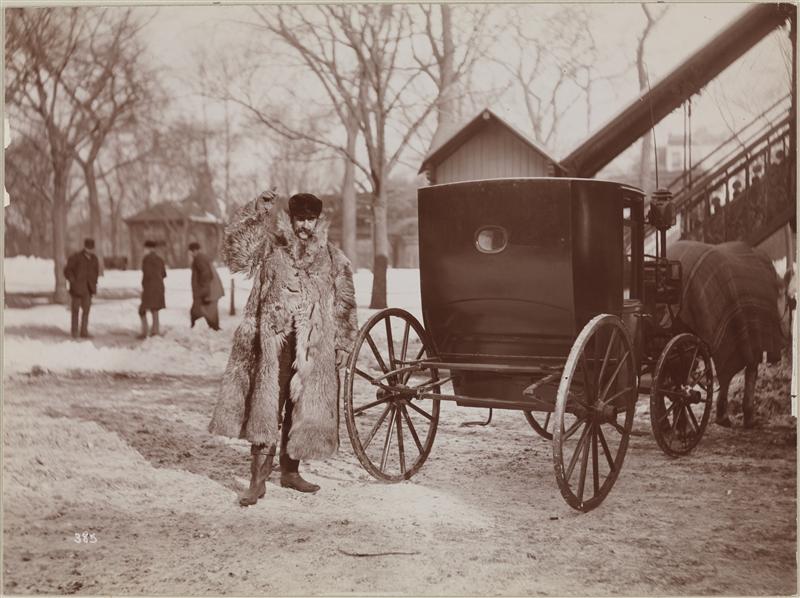
A snugly dressed cabbie awaiting some fares at the Battery Park elevated train station — 1895. Note that the poor horse too is swaddled up for a bad winter.
Courtesy Museum of the City of New  York
Courtesy Museum of the City of New York

A hack from 1896.

New York Public Library

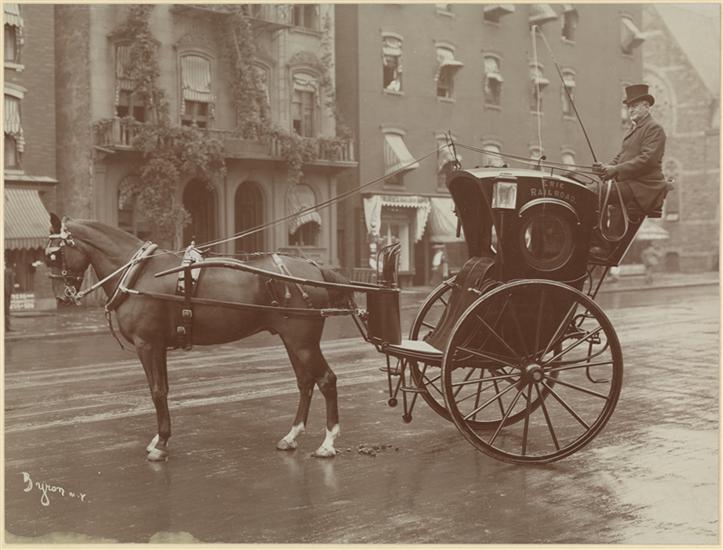
A hansom cab from 1906. This was still the dominant cab ride in New York during the period despite the introduction of the ‘horseless carriage’ onto the city streets.
Courtesy Museum of the City of New York

A fleet of electric cars in 1896, and a couple Electrobats in action outside the Metropolitan Opera House 1898. Compare these with the picture of the hansom above.
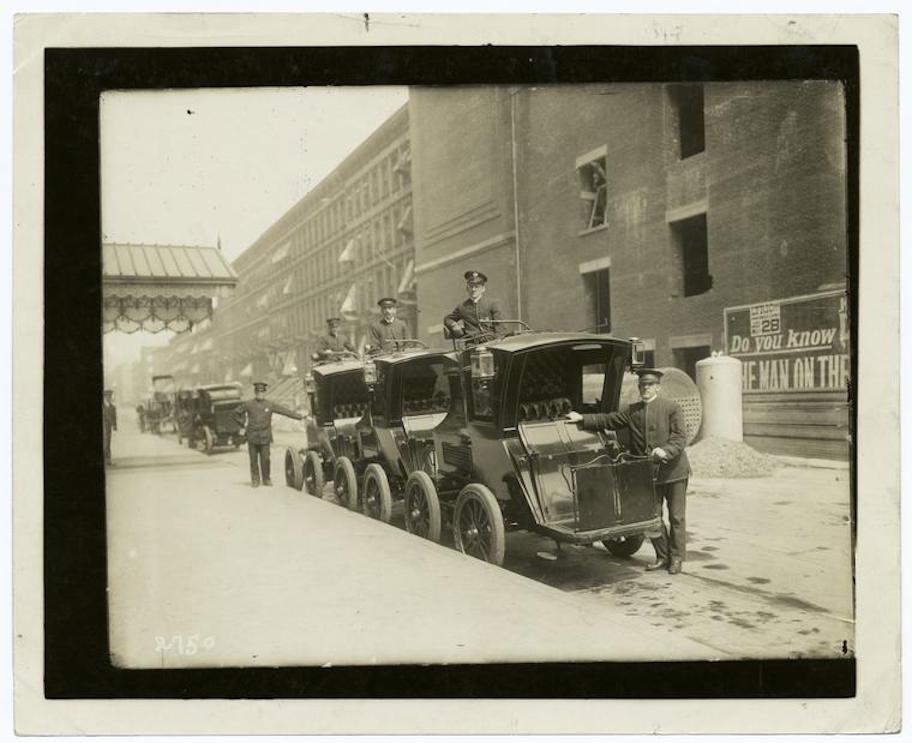
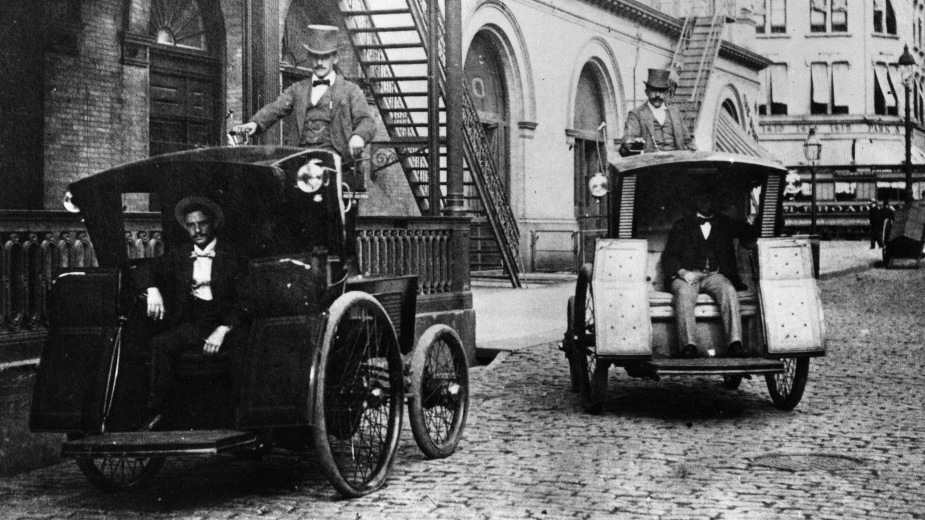
Courtesy New York Public Library
Courtesy Museum of Modern Art
Johanne Marie Rogn/Pinteresst

A taxicab waiting outside Alwyn Court (West 58th Street/7th Avenue)
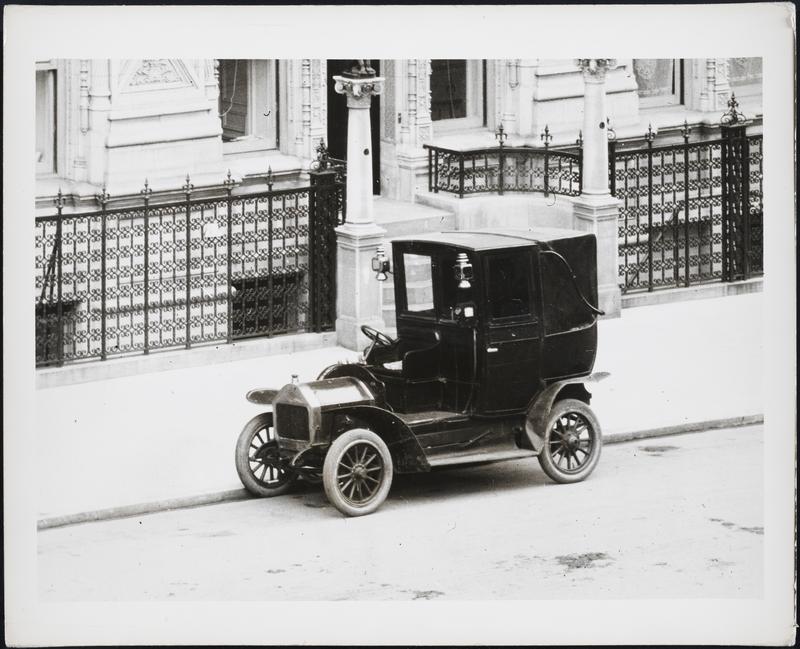
Museum of the City of New York

A cab waiting passengers at West 150th Street.
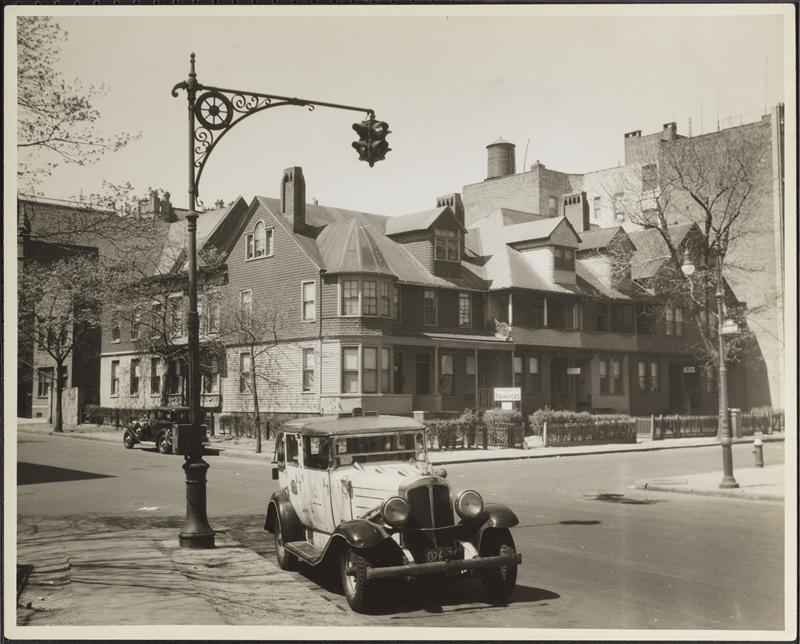
Photography by Charles Von Urban, courtesy Museum of the City of New York

A view of the bustling street life of Herald Square, 1935. The horses are off the street but there are many other kinds of transportation options joining the taxicab.
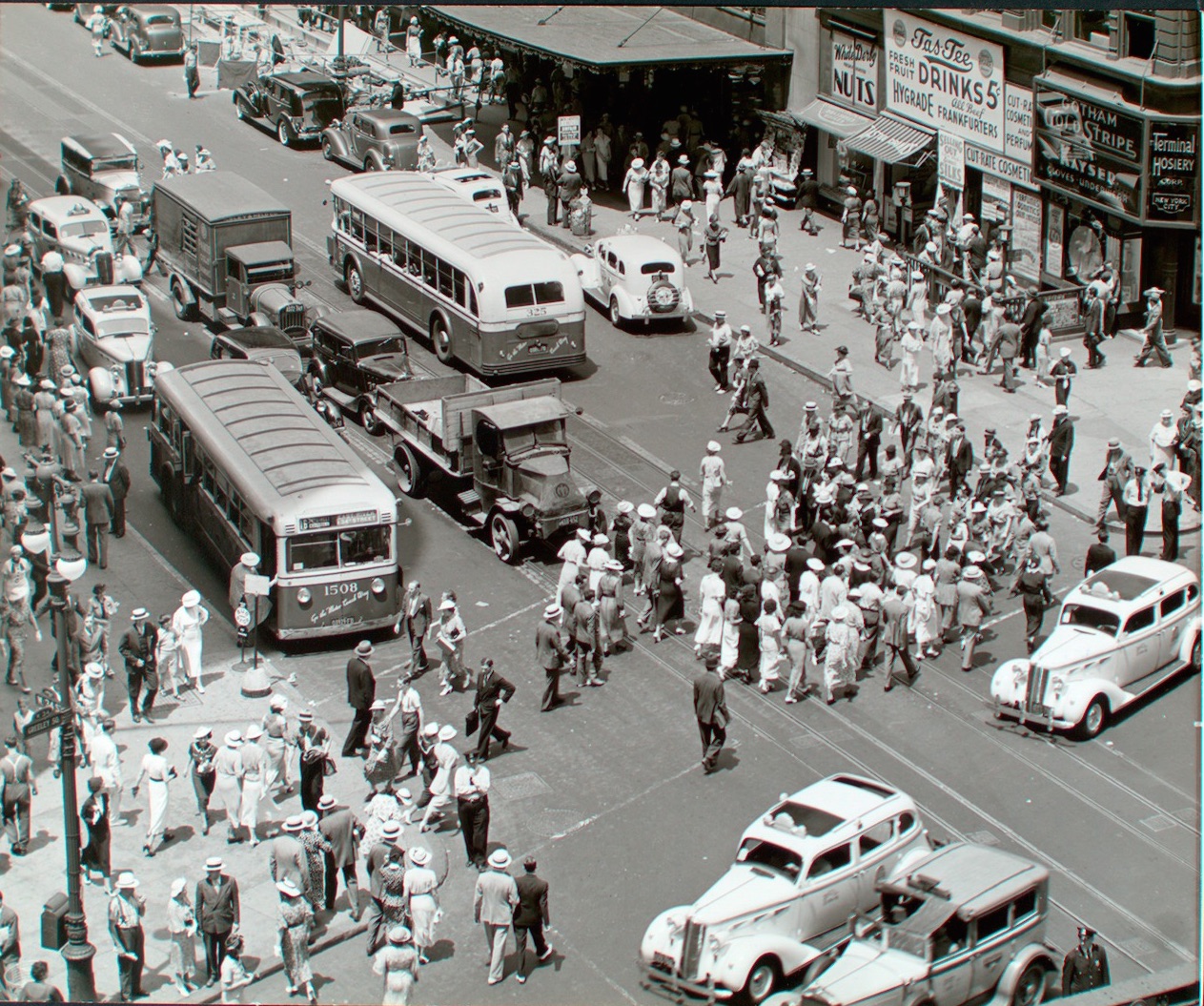
Courtesy New York Public Library

Grabbing a Checker Cab on Park Avenue 1944
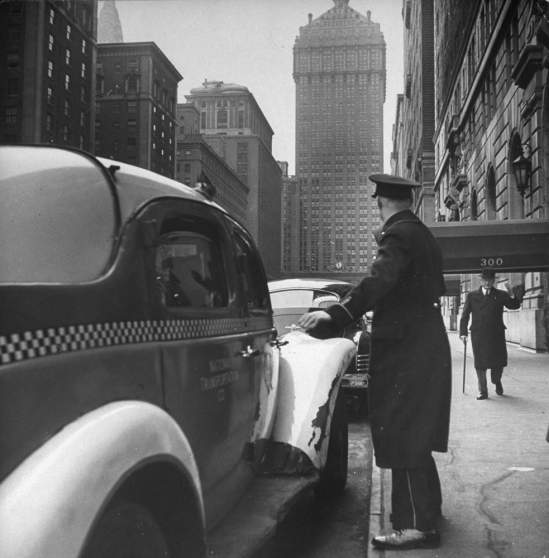
Courtesy Life Magazine/Getty Images

A row of Checker Taxis, sitting idle during a taxicab strike in 1940.
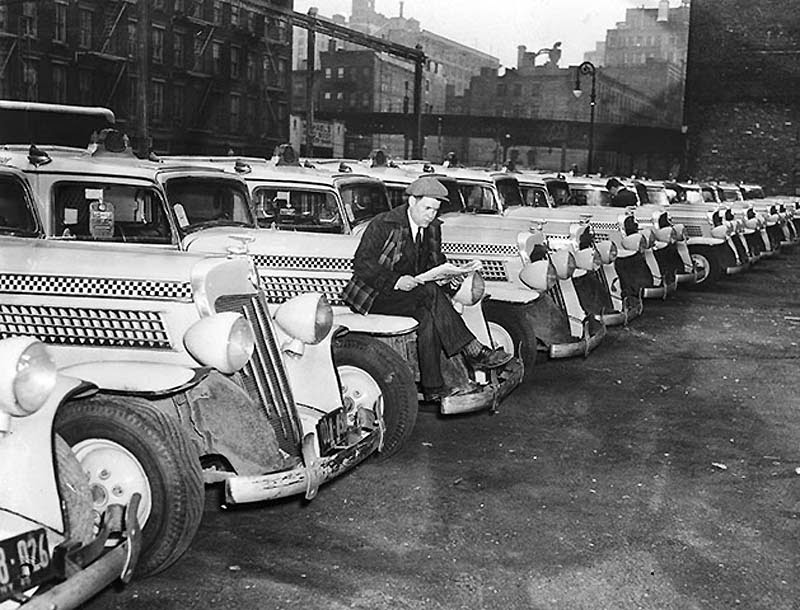
: Keystone/Getty Images)

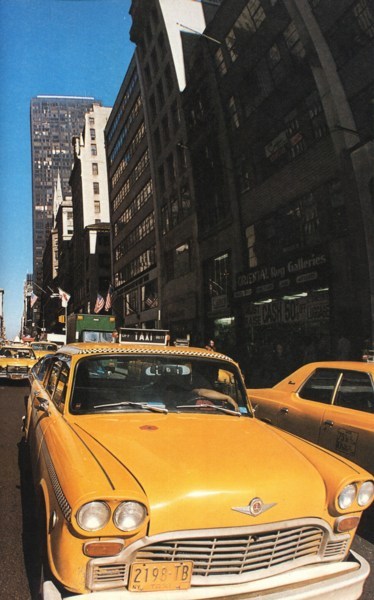
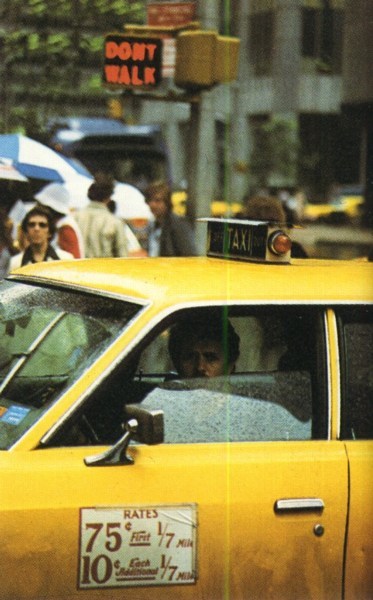
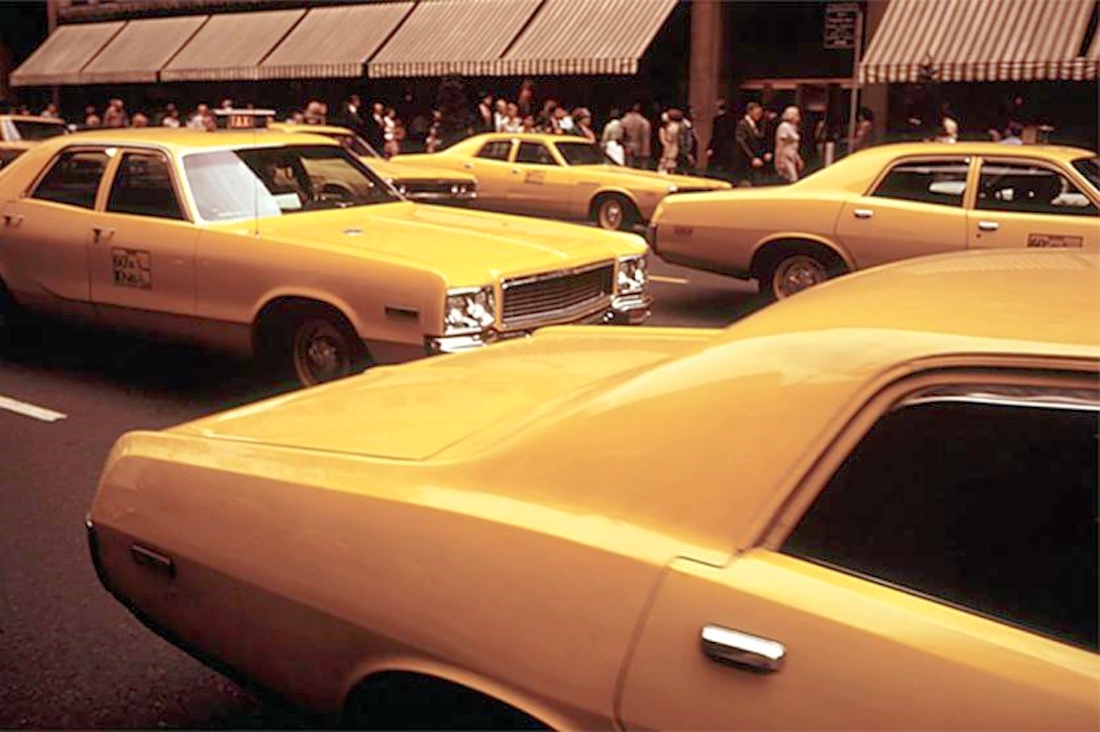
Some vivid 1960s photography by Ernst Haas capturing the mystery and allure of the New York taxi.
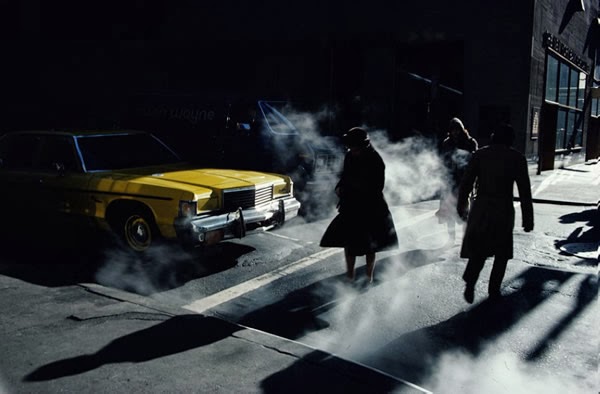
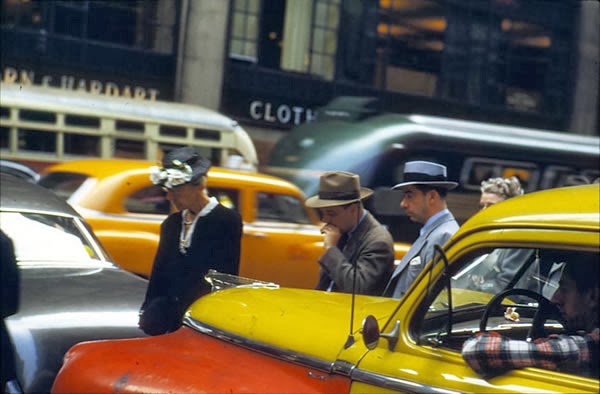
Courtesy Ernst Haas / Getty Images
Ernst Haas (9)

Some scenes from the 1970s…

Courtesy City Noise
Courtesy City Noise
34481
34482

The Bowery Boys: New York City History podcast is brought to you …. by you!

We are producing a new Bowery Boys podcast every other week. We’re also looking to improve and expand the show in other ways — publishing, social media, live events and other forms of media. But we can only do this with your help!

We are creators on Patreon, a patronage platform where you can support your favorite content creators.

Please visit our page on Patreon and watch a short video of us recording the show and talking about our expansion plans. If you’d like to help out, there are several different pledge levels. Check them out and consider being a sponsor.

We greatly appreciate our listeners and readers and thank you for joining us on this journey so far.
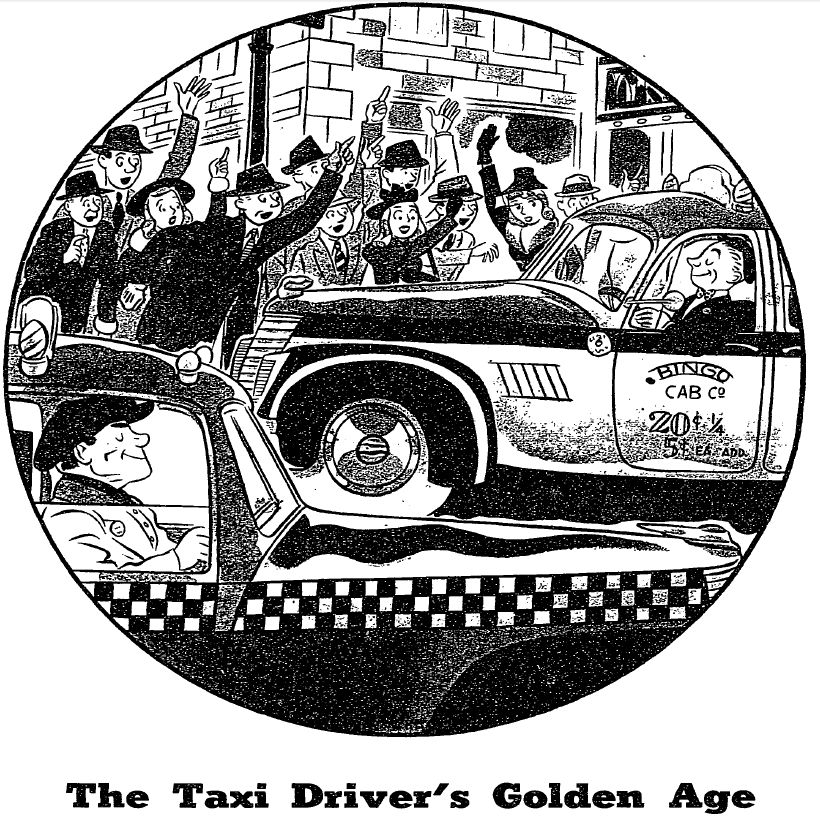
New York gas rationing 1942: “The taxi driver’s golden age?”

Today begins mandatory gas rationing in New York City due to shortages caused by Hurricane Sandy.

There was limited gas rationing during the 1970s, but the longest a gas ration was ever sustained in New York City was 70 years ago, during World War II, officially becoming a nationwide policy in December 1942. It was actually rubber that the government was protecting, conserving it for military vehicles by reducing the amount of rubber used by America’s growing car culture.

Gas was distributed based on coupons, allotted by communities at their discretion, according to author John Alfred Heitmann. An underground market of ‘chiseled gas’ naturally sprung up, “particularly on the East Coast.”

Most New Yorkers, however, adhered to the rationing. Interestingly, the New York Times and others have referred to the 1942 rationing as a ‘golden age’ for city taxicabs, raking in fares as New Yorkers left their private cars home. “They are making so much money it runs out of their ears and into their savings banks.” 

At left: An illustration from the 1943 Times article. Good times for taxi!

According to the Times, a fleet of 9,300 New York cab drivers received enough gas to travel 100 miles a day and were taken off the road only one day a week. Essentially, every street in Manhattan would have looked like Times Square today — a sea of taxis, checkered, yellow and other colors.(Yellow wouldn’t become the standard color for medallioned cabs until the 1960s.)

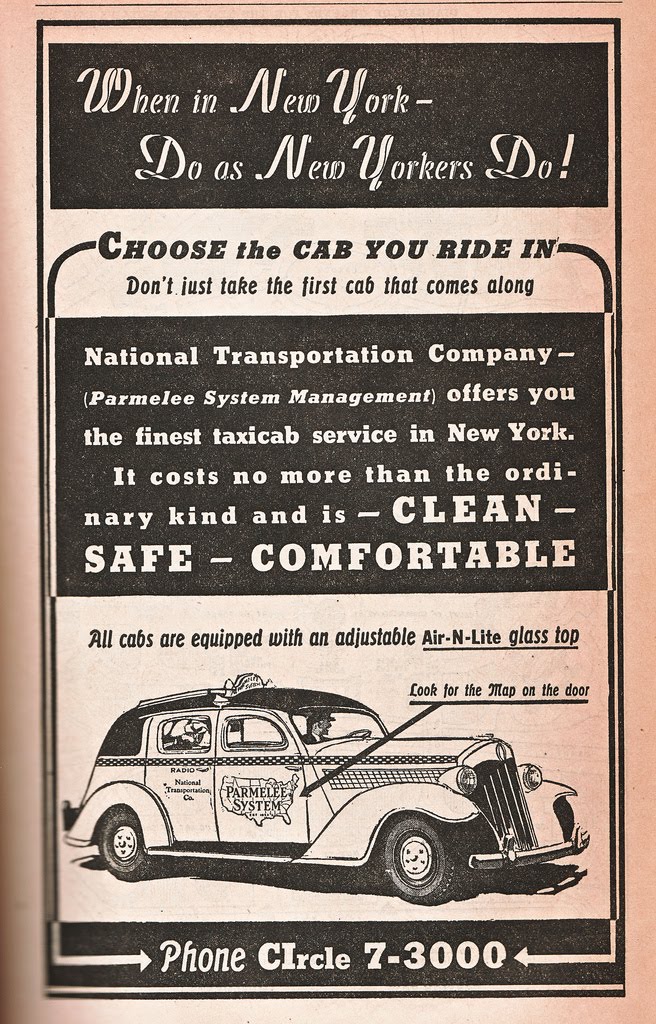
Below a cab company advertisement from 1944 [courtesy Flickr]

New York’s best film performances – Part One

After spending quite an amount of time in the Revolution, then taking you to church, I’m taking it easy on you (and me, for that matter) and focusing on New York in the movies.

New York City is without a doubt the most photographed and filmed city in the world. Even when filmmakers shoot in other cities — such as Toronto — it’s still New York.

For the week, I’m presenting my incredibly subjective list of the ten best movie scenes shot in New York City. This doesn’t quite equate to the ten best movies about New York. These are just the ten images that I think in total represent the reasons that people continue to turn NYC into the world’s largest back lot. I’ll reel out the first nine today through Thursday; the topic of my number one pick will also be the topic of this week’s podcast.

This list only features scenes that were actually filmed in New York without too much enhancement or special effects, so no sci-fi (King Kong, Ghostbusters, Men In Black, I Am Legend). I also avoid scenes that are obviously in New York City but are interiors with no distinguishing features (‘You talkin’ to me?’ and ‘I coulda been a contender’ both spring to mind.)

I’m obviously going to leave out a few favorites, so after Friday drop me an email of what I’ve left out. I’ll list the notable omissions next week.

FYI, I give 11th place, honorable mention to Marilyn Monroe’s dress-blowing scene in the zany sex comedy ‘Seven Year Itch’, But you’ll have to read here to find out the technicality that excludes it from this list.

Mystique
10. North By Northwest (1958)
Roger Thornhill buys a ticket

Alfred Hitchcock loved using New York as a set piece. He put Jimmy Stewart in a wheelchair here, cooked up a claustrophobic mystery, and used the Statue of Liberty to great effect.

In North By Northwest, he engineers a chase through Grand Central Terminal featuring Cary Grant in shades alluding capture, eventually finding himself on a train with Eva Marie Saint. What makes this scene so alluring is that it’s actually at Grand Central and prefaced by an awkward scene involving a fake United Nations. (Hitchcock couldn’t get permission to film there; nobody could until Nicole Kidman.)

By merits of it being a Hitchcock film, the scene is zippy and glamorous, all the more because Hitch uses a crane shot to follow Grant from one corner to the other, a gravity-less vantage that for a moment takes you above the busiest place in New York.

By the way, once Grant gets on the train, we’ve clearly gone back to a staid movie set. However Grand Central was not the only real location used; you also have some great old views of The Plaza Hotel and the Oak Room.

Drama
9. Vanilla Sky (2001)
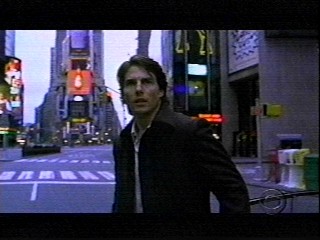
Times Square in dreamtime

See, this list isn’t about good movies. Whatever you think about this Cameron Crowe remake, this fantasy sequence featuring Tom Cruise in a completely empty Times Square is remarkable by merits of them pulling it off at all.

The scene was filmed on an early Sunday morning in November 2000 and they had to shoot quickly. Their efforts to create an eerie setting were almost thwarted by the Dow Jones news ticker, in the background proclaiming details about the disputed Bush-Gore election. They were given permission to digitally erase the information.

Studio execs had also asked Crowe to digitally erase the World Trade Center, which by the film’s release date had been destroyed. This, Crowe did not do.

Perversity
8. Taxi Driver
Marty takes a ride

It’s not Taxi Driver’s best known scene, but it perfectly employs New York at night in a twisted noir-ish way. Travis Bickle (Robert Deniro, essentially silent during the scene) pulls up a passenger to the curb. That passenger happens to be played by Martin Scorsese himself, who argues with Bickle to leave the meter running.

We then see that classic of noir fixture — a woman’s silhouette in the window — and Scorsese goes off on a sick and disturbing explanation of what he intends to do to her, his estanged wife.

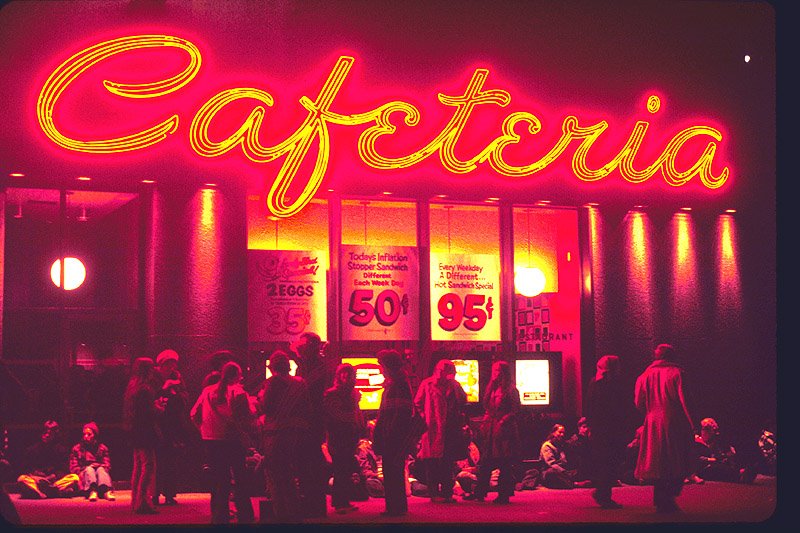
By the way, the scene that proceeds this one — of cabbies gabbing at a diner — is filmed at the Belmore Cafeteria, a classic old-style diner which once sat at 28th Street and Park Avenue South. This site has a great tribute to the old joint. Here’s a shot of its dazzling exterior:

Tomorrow: #7-5!