PODCAST The ultimate history of New Year’s celebrations in New York City.
This is the story of the many ways in which New Yorkers have ushered in the coming year, a moment of rebirth, reconciliation, reverence and jubilation.
In a mix of the old and new, we present a history of early New Year’s festivities, before heading to the city’s most famous party — New Year’s Eve in Times Square.
Why did Times Square become the focal point for the world’s reflection on a new calendar year? And how did Times Square’s many changes in the 20th century influence those celebrations? Featuring Dick Clark, Guy Lombardo, Three Dog Night — and Daisy Duke.
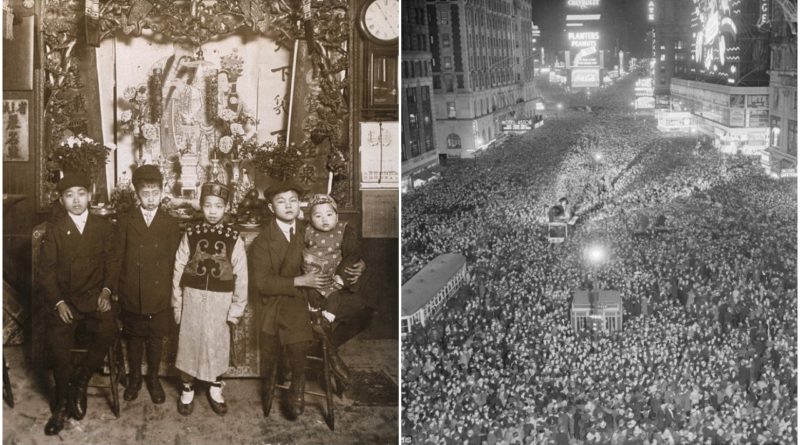
THEN Greg brings you the story of the Chinese New Year which has been celebrated in Manhattan’s Chinatown since before there was even a Times Square! The celebration has been at the bedrock of the Chinese experience in New York. But in the 19th century, the customs of the season were met with curiosity, bewilderment and sometimes harsh disapproval. And what’s up with the fireworks?
The Bowery Boys: New York City History podcast is brought to you …. by you!
We are now producing a new Bowery Boys podcast every other week. We’re also looking to improve the show in other ways and expand in other ways as well — through publishing, social media, live events and other forms of media. But we can only do this with your help!
We are now a member of Patreon, a patronage platform where you can support your favorite content creators for as little as a $1 a month.
Please visit our page on Patreon and watch a short video of us recording the show and talking about our expansion plans. If you’d like to help out, there are five different pledge levels (and with clever names too — Mannahatta, New Amsterdam, Five Points, Gilded Age, Jazz Age and Empire State). Check them out and consider being a sponsor.
Visit Times Square NYEfor details about this Tuesday’s party in Times Square. For general information about this year’s Chinese New Year, check out this handy web guide. And visit Better Chinatownfor a map of this year’s parade route.
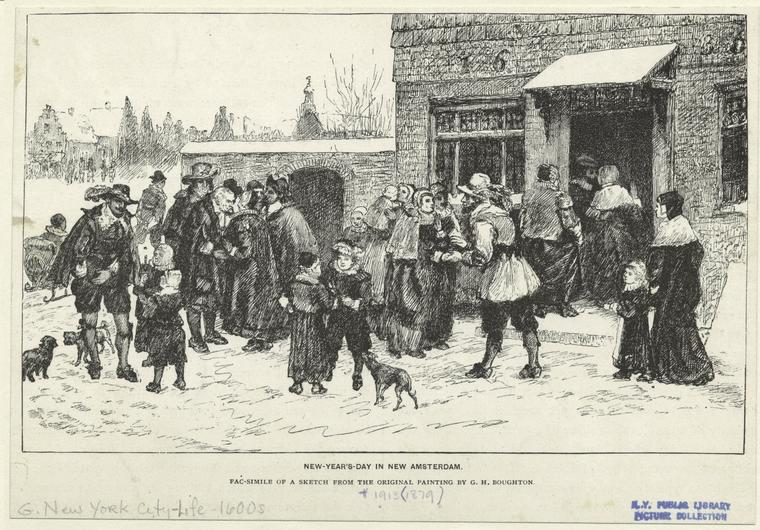
New Years Day celebrations have evolved since the days of New Amsterdam when visitations symbolized a ‘fresh start’ to the year.
Courtesy NYPL
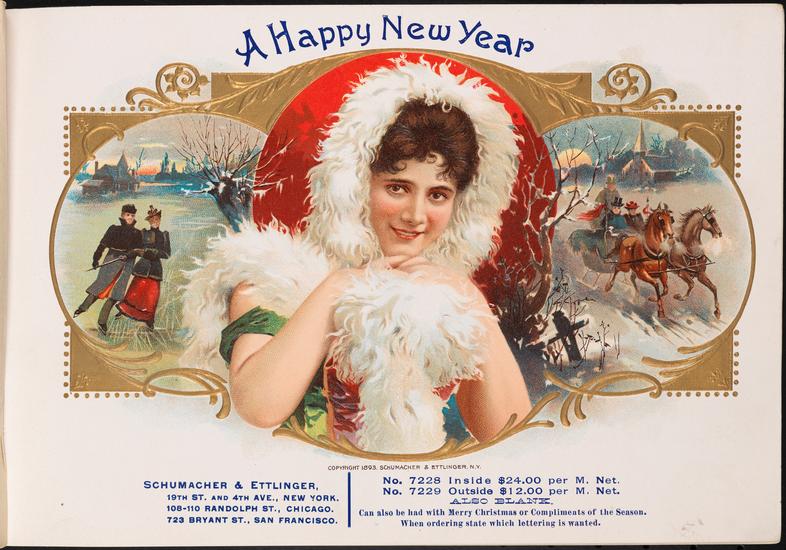
A decorative cigar box from the 1890s, ringing in the new year with a winsome damsel and wholesome scenes of winter beckoning you to smoke a cigar.
Courtesy Museum of the City of New York
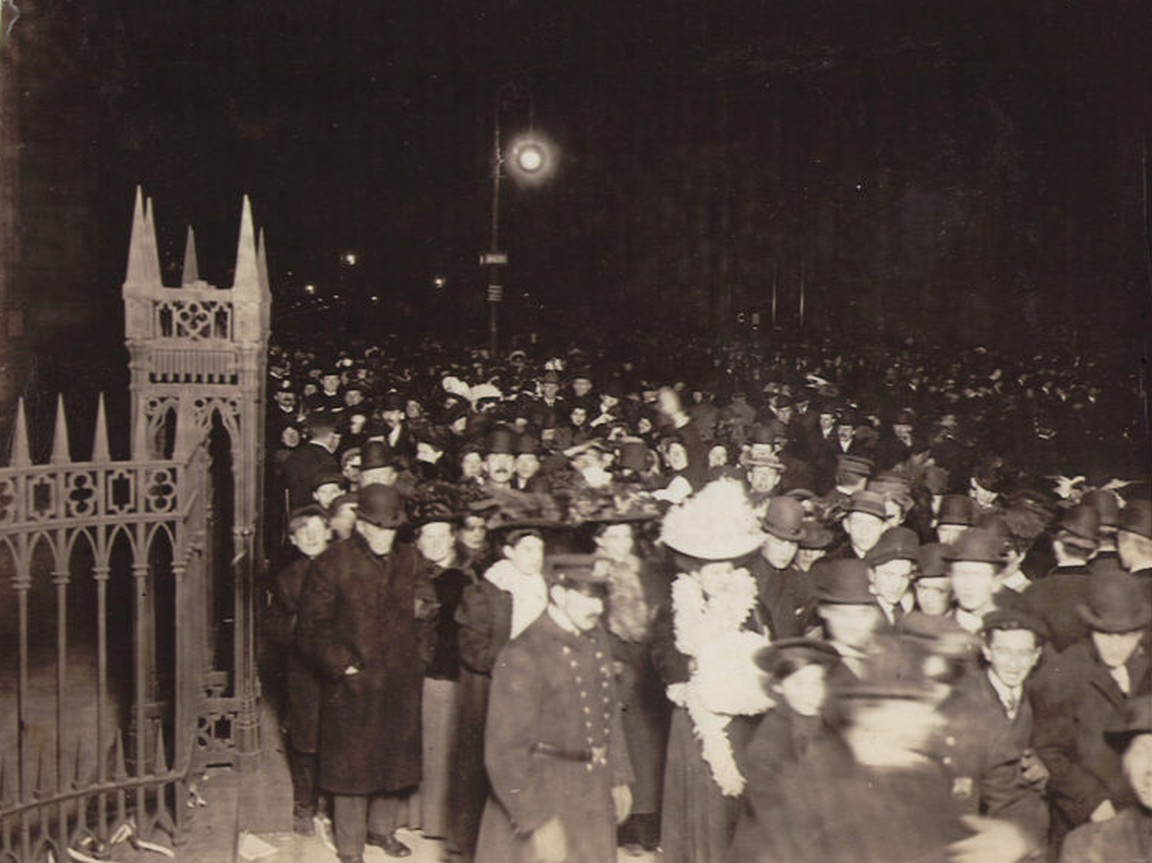
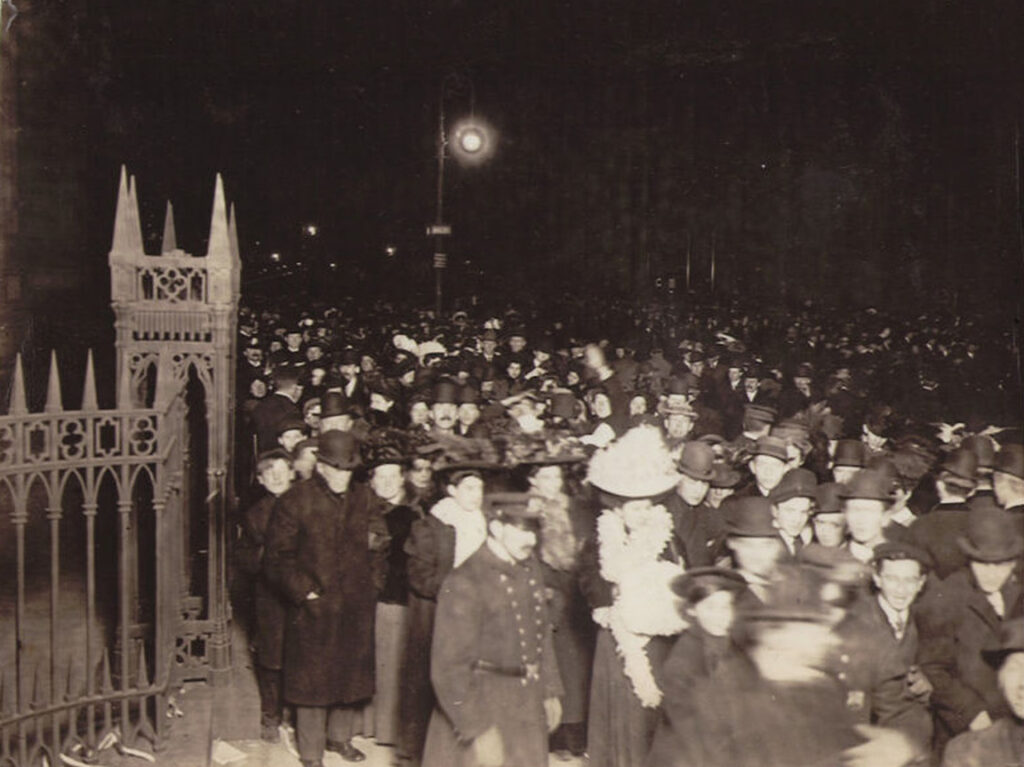
The crowds outside Trinity Church on 1906 gathered to usher in the new year. The church was traditionally the place people gathered before the Times Square celebration took off.
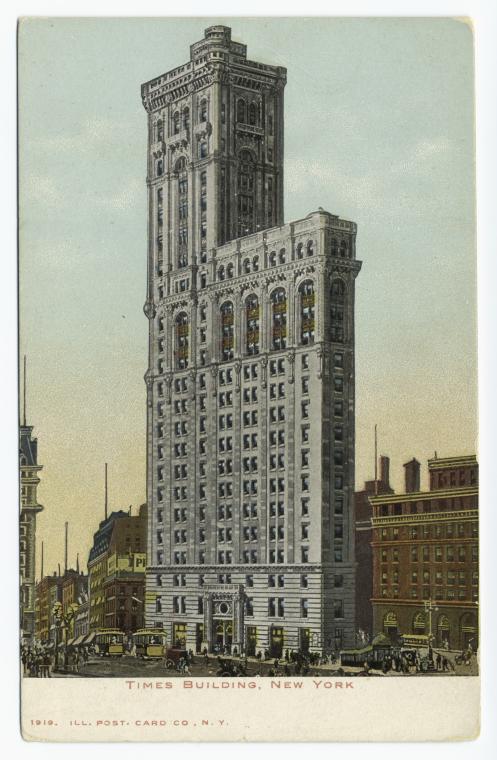
Fated to be the centerpiece of New Years Eve, One Times Square once wore some beautiful architecture until much of it was ripped off to accommodate a frenzy of electronic signs.
Courtesy NYPL
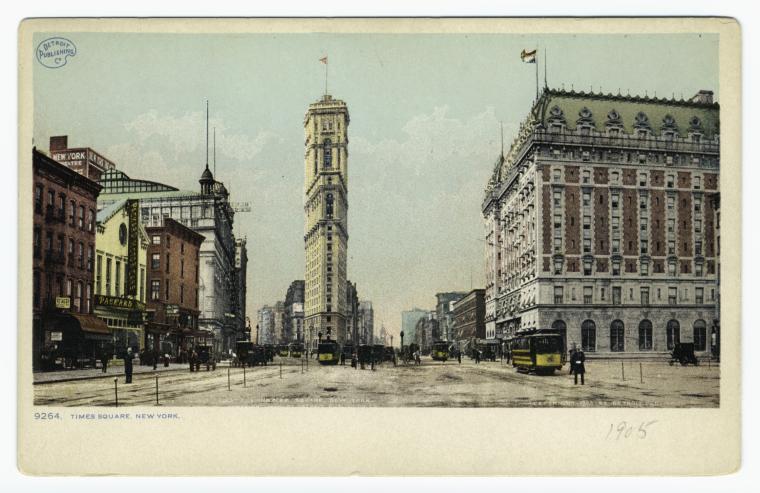
Times Square in 1905 for the very first New Years Eve celebration albeit one with fireworks, not a ball drop.
Courtesy NYPL
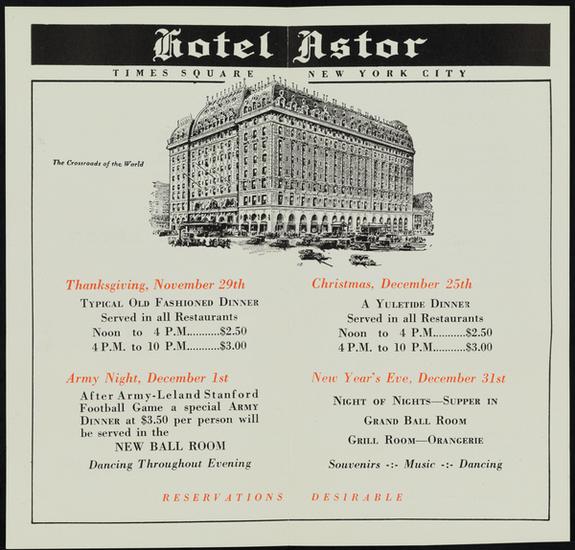
The party offerings at the Hotel Astor in Times Square in 1926.
Courtesy Museum of the City of New York
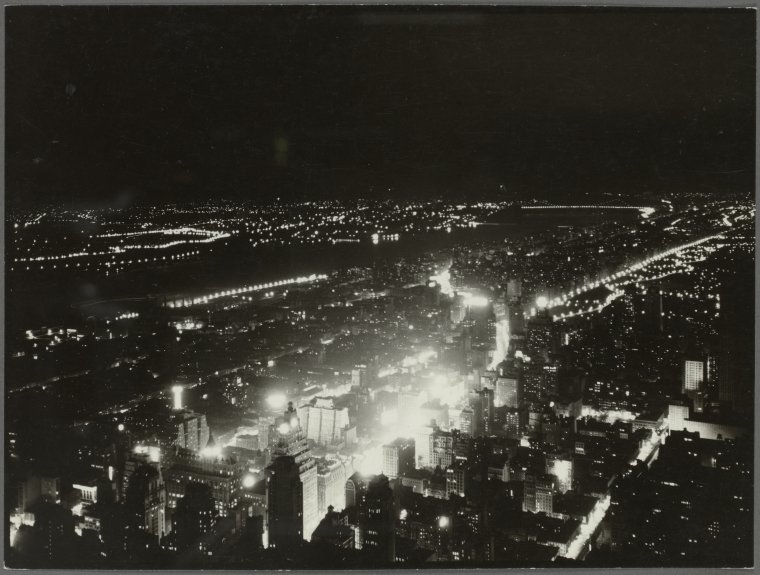
The view of Times Square from the Empire State Building.
Courtesy NYPL
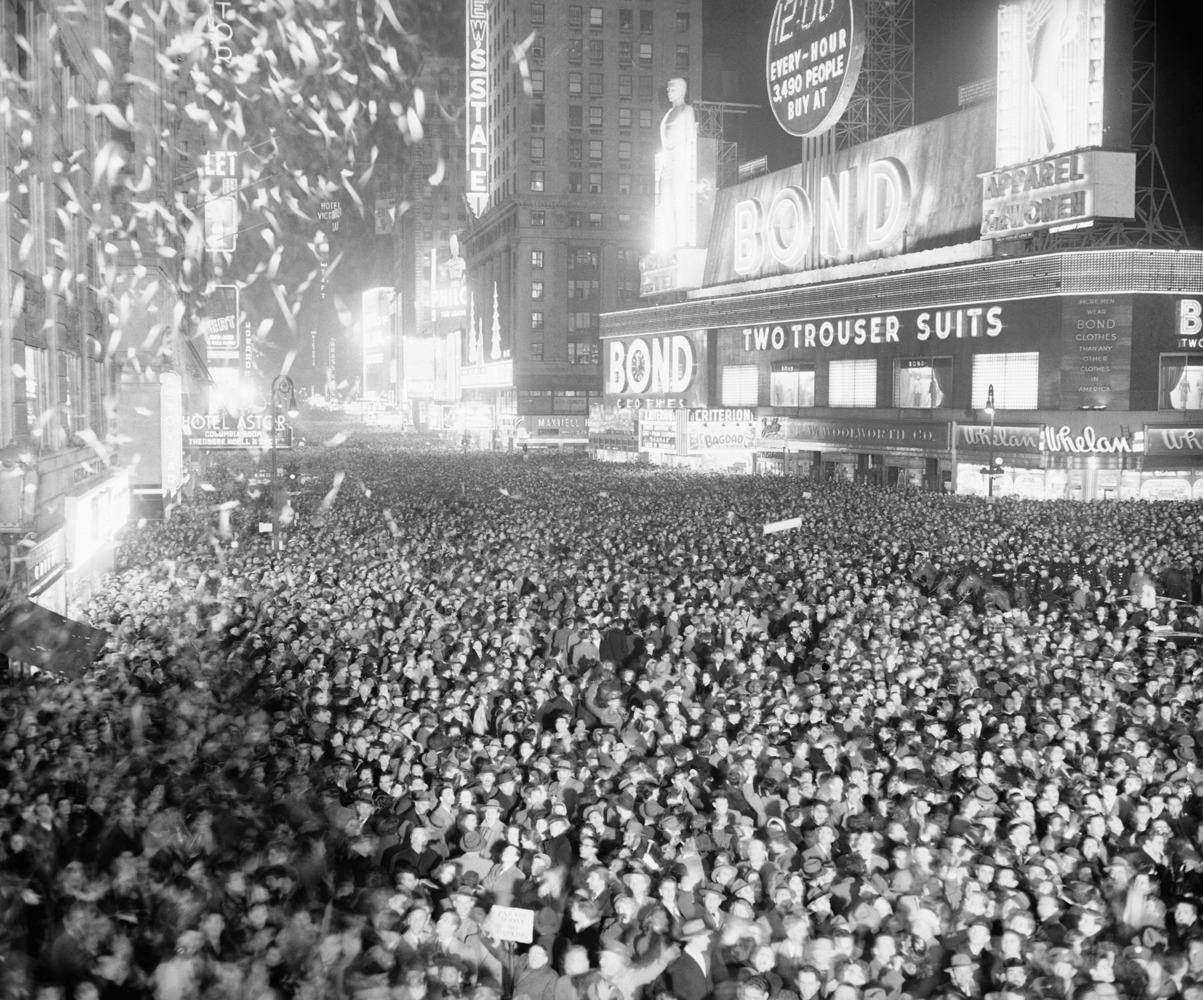
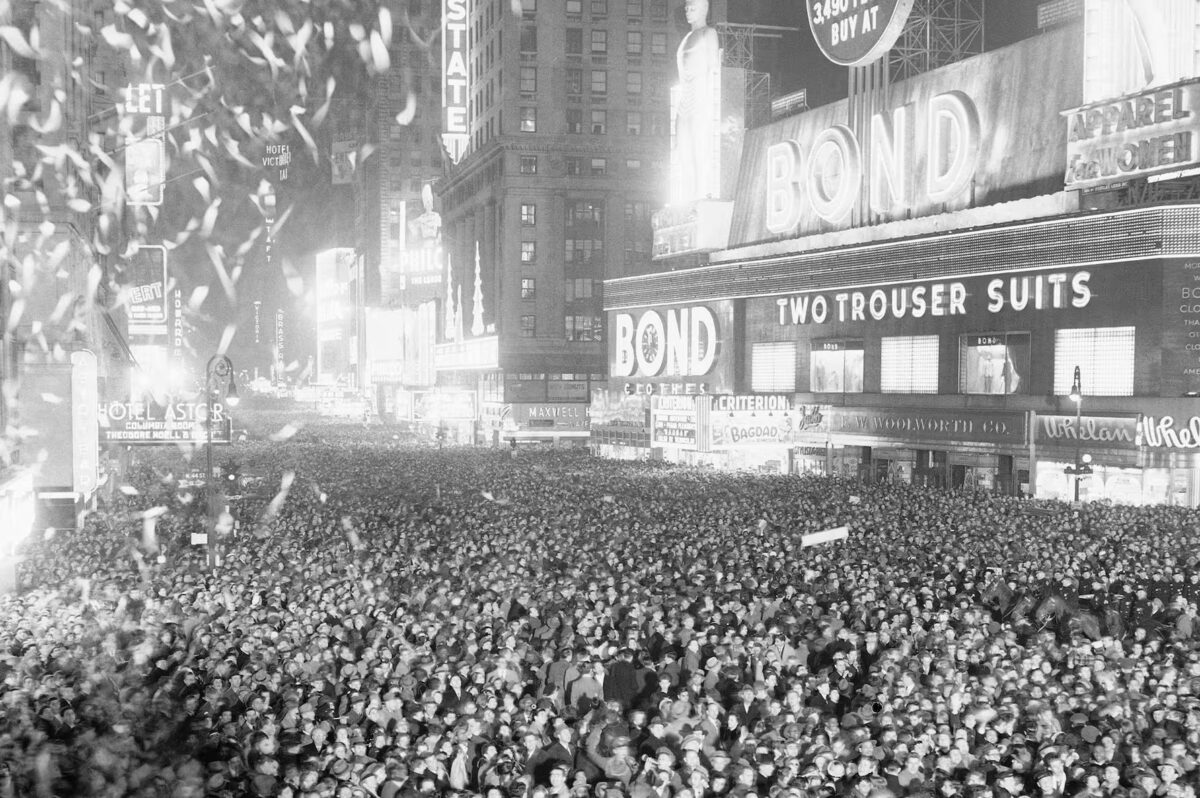
New Years Eve 1938
AP photo
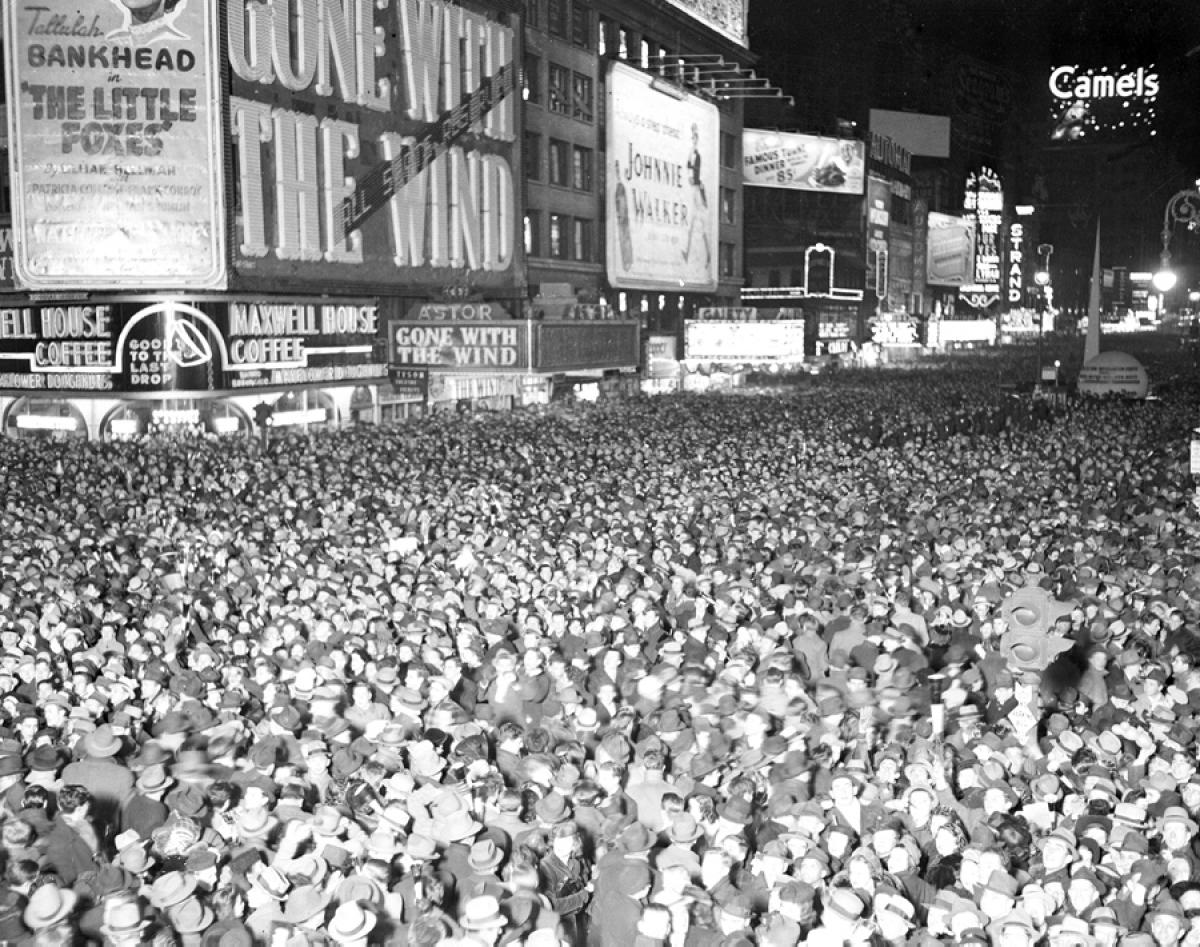
The throngs in 1940 with the Gone With The Wind marquee in the background (not to mention Tallulah Bankhead in the play The Little Foxes!)
Courtesy New York Daily News
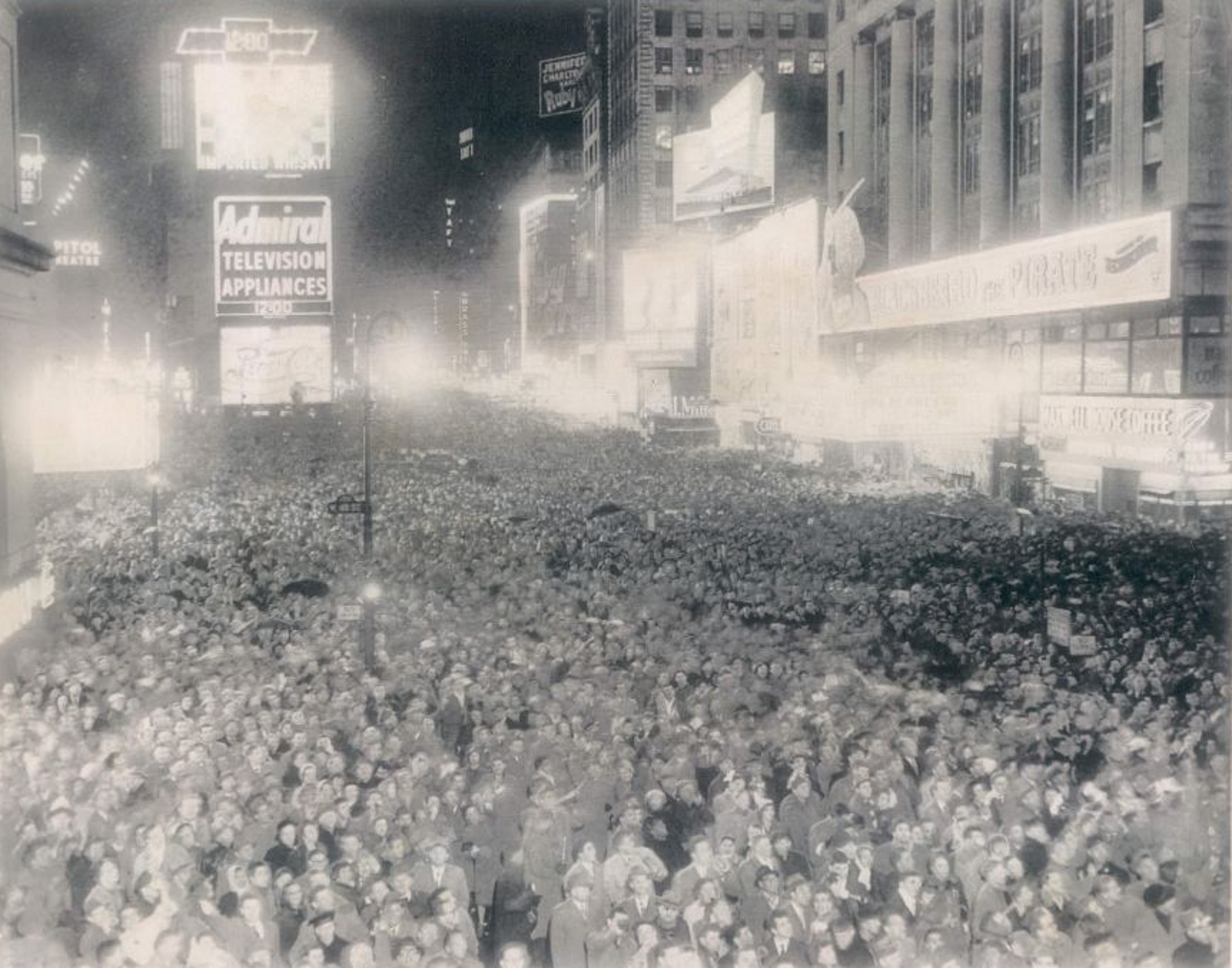
Ushering in 1953:
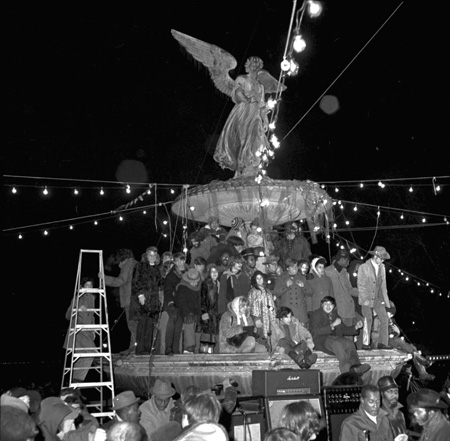
Celebrations were also held for a time in Central Park, like this festive group from 1969:
Courtesy New York Parks Department
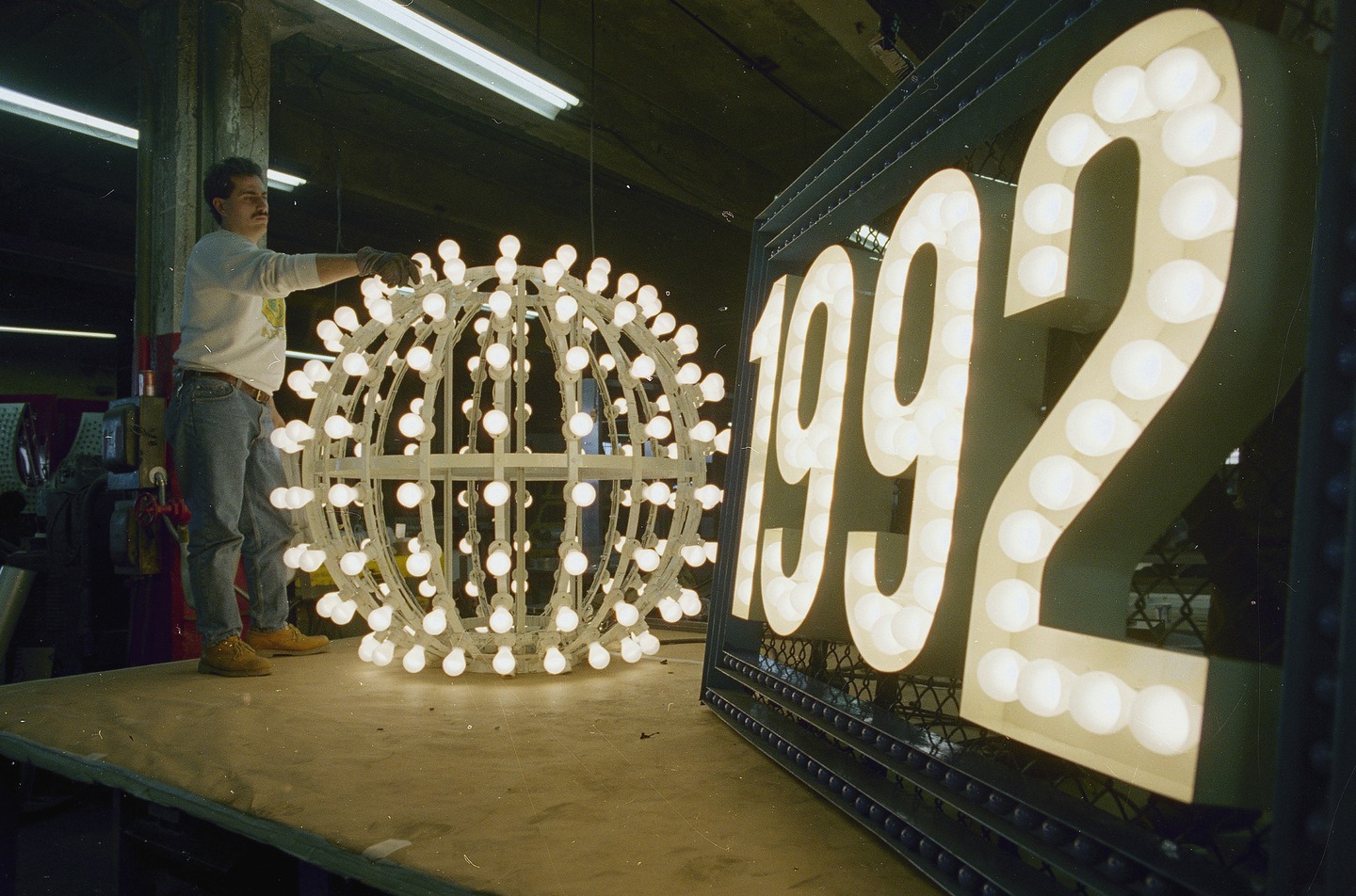
An electrician from the Artkraft Strauss Sign Corporation tests out the lighting effects that will greet the new year in 1992.
MARTY LEDERHANDLER/ASSOCIATED PRESS
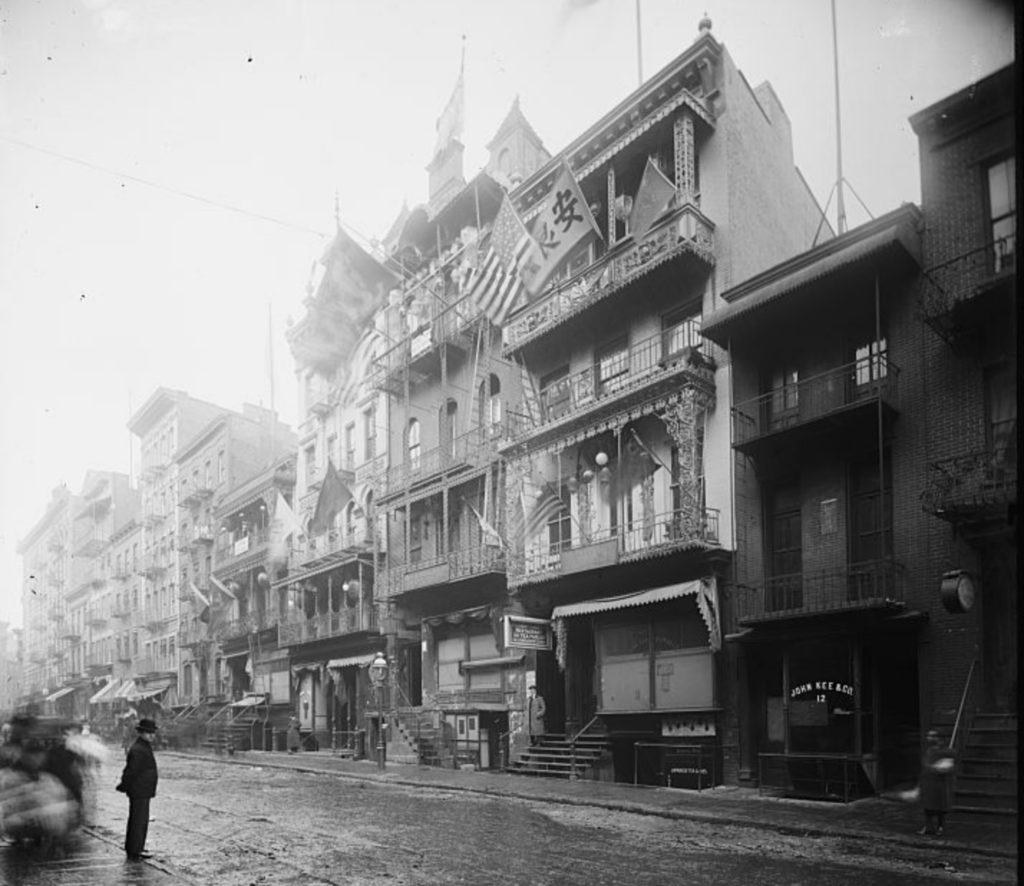
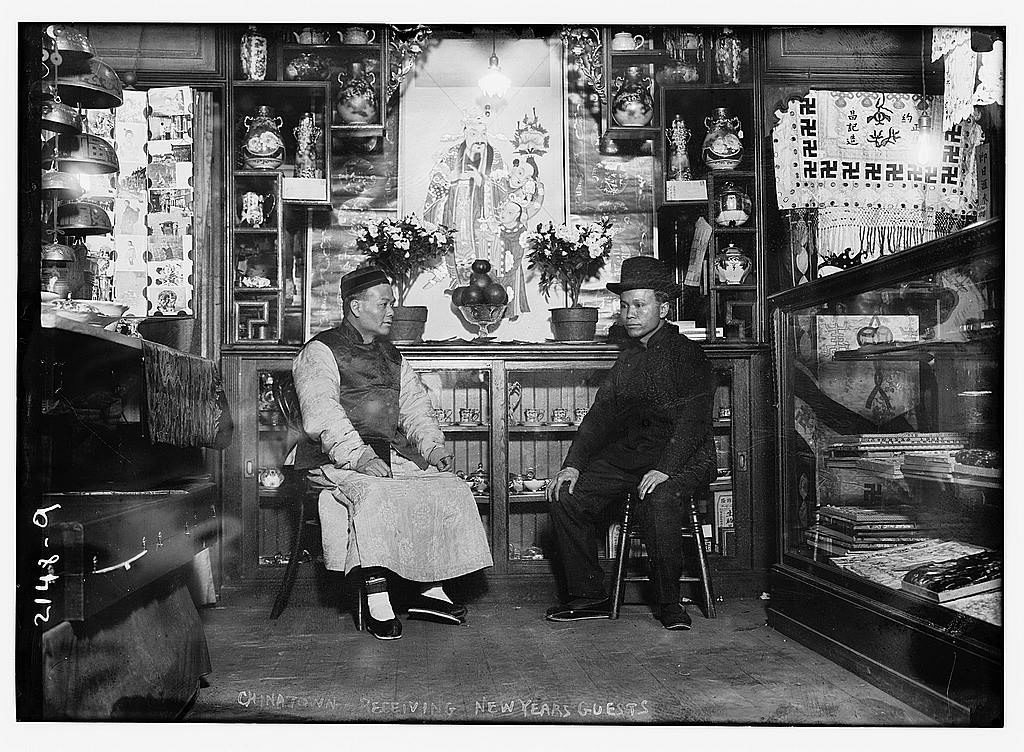
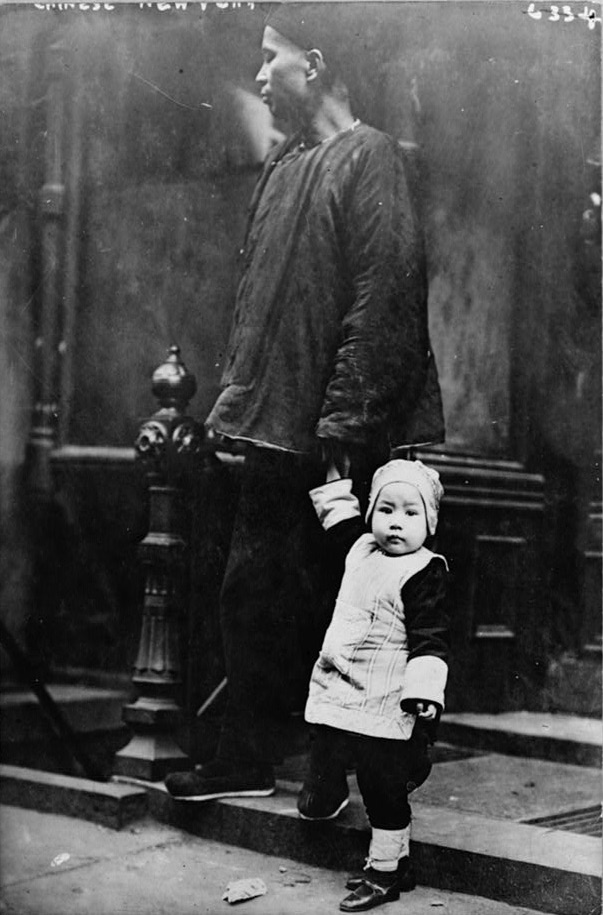
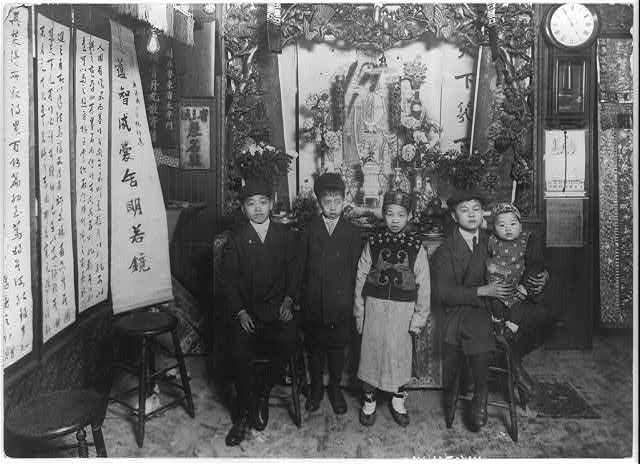
Images of Chinese New Year celebrations in Chinatown from the early 20th century, courtesy the Library of Congress.
[1900] Library of CongressChinese child with an adult on step outside of building, Chinatown, New York City, 1909. Library of Congress[Jan. 30 1911] Library of Congress
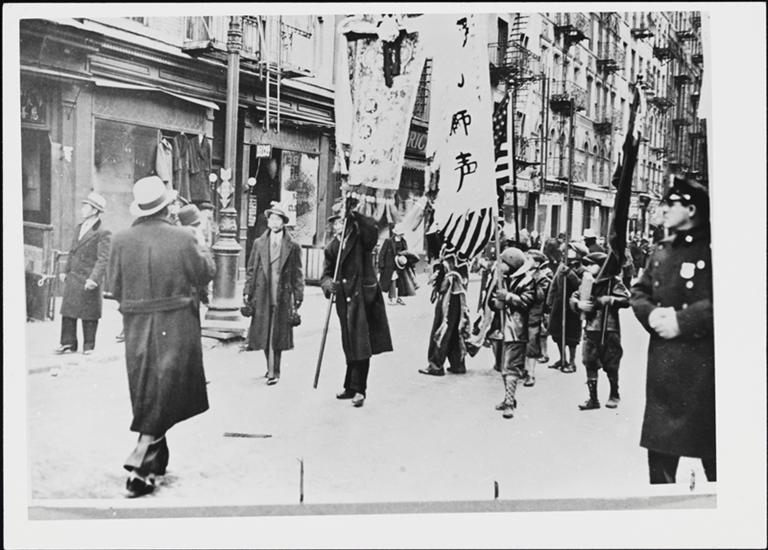
The parade in 1936.
Museum of the City of New York
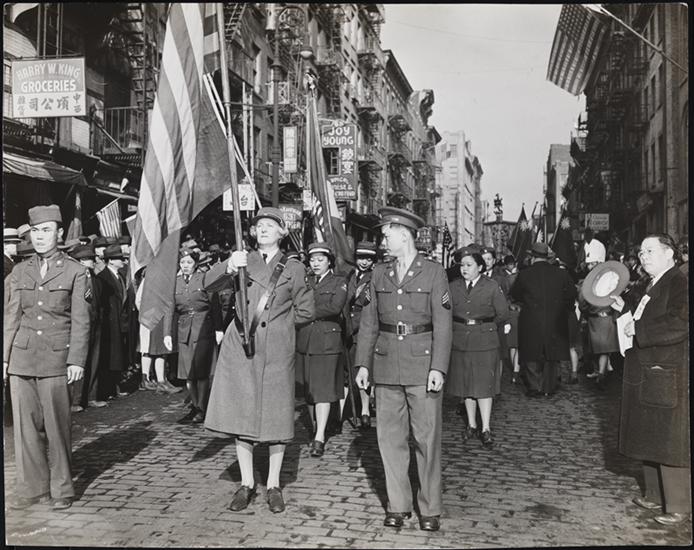
The Chinese New Year Parade of 1943 was decidedly more patriotic
The new year will some big events arriving in 2026 including FIFA World Cup and America 250 celebrations
What are we looking forward to here in New York City? Well, we’re not quite done with 2025, and a year of celebrating the city’s 400th anniversary will come to a fitting end with the Times Square Ball Drop in Manhattan on New Year’s Eve.
In a tradition that goes back nearly 120 years, the event brings together all kinds of revelers, who pack together in shared communion—while stars perform, a giant Waterford crystal ball and 3,000 pounds of confetti fall—to feel like they are witnessing a little bit of NYC history.
And there is a new ball this year, featuring twice the number of lights of its predecessor and over 5,000 circular crystals.
It’s a feat of endurance to wait in those crowds; equally hardy people who want a more active way of ringing in the new year might open for the traditional midnight run in Central Park or the longtime Coney Island pastime on New Year’s Day itself: the Polar Bear Club plunge into frigid Atlantic Ocean waters.
Note: the club is the oldest winter bathing club in the country and has been performing this feat since 1903.
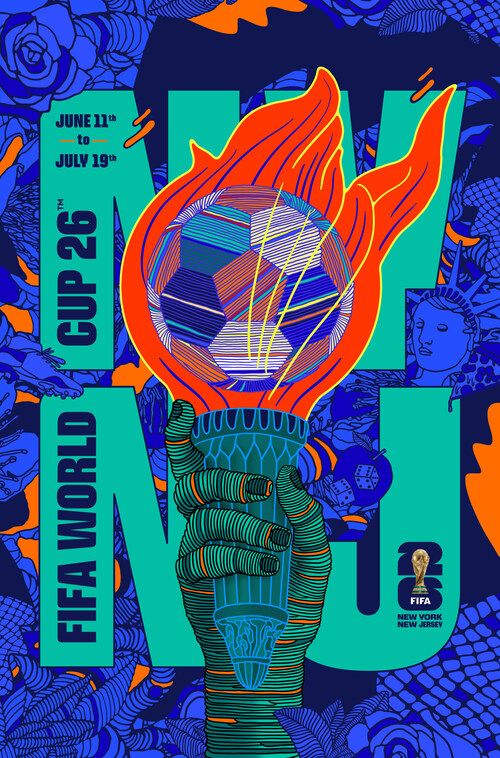
Official FIFA World Cup NYNJ Poster
But there will be a lot to welcome in 2026 — one of the biggest for sports fans — soccer! (In other words, football.) FIFA World Cup 2026 is coming to the area, with eight games, including the final, being played right here between June 13 and July 19.
Whenever and wherever this global sporting event takes place, fans and communities come together to watch, so expect the City, with its fan zones, international restaurants, sports bars and melting-pot neighborhoods, to reach a fever pitch.
While all thats going on, events will also be taking place to coincide with America 250. Sail 4th 250 will bring tall ships from all over into the harbor; Macy’s 4th of July Fireworks will decorate the sky like never before; and Fleet Week is moving from its regular May day to early July to take part in the festivities.
And for a few days, an original handwritten draft of the Declaration of Independence will be on display at the main branch—Midtown’s Stephen A. Schwarzman Building—of the New York Public Library, part of their summer programming looking back at 250 years of the United States.
Visit the Founded by NYC website to get updates on all the biggest events happening in New York City in 2026.
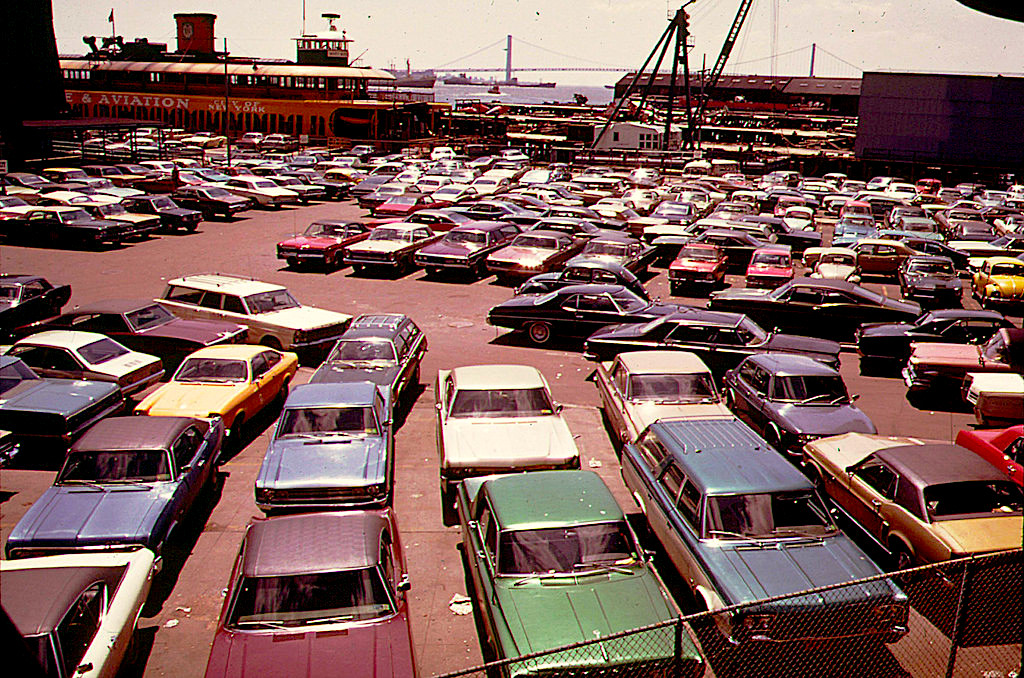
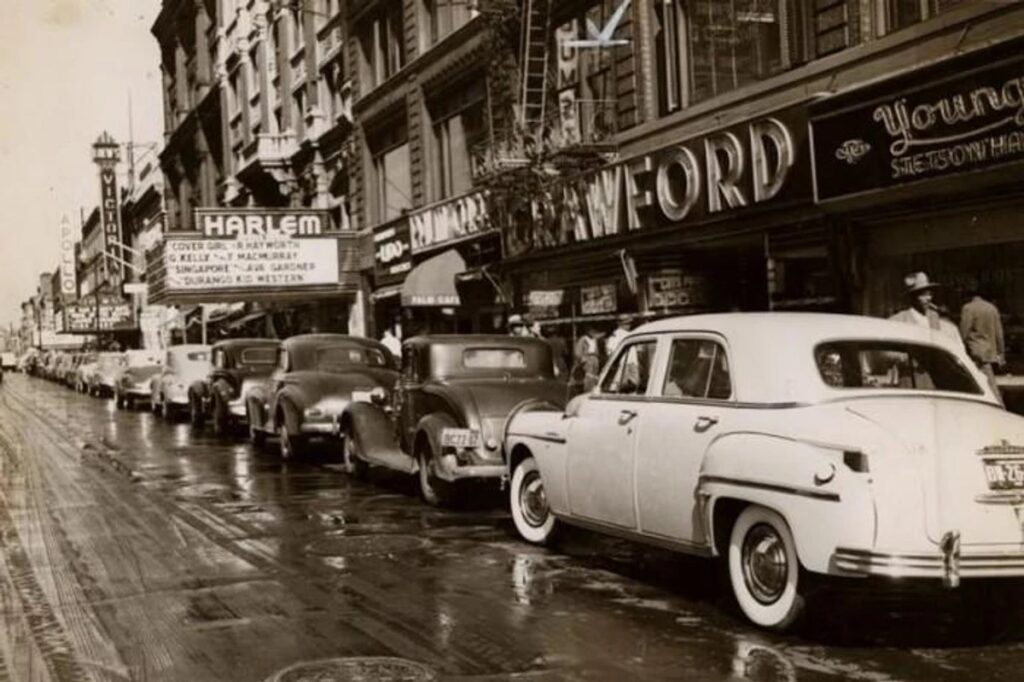
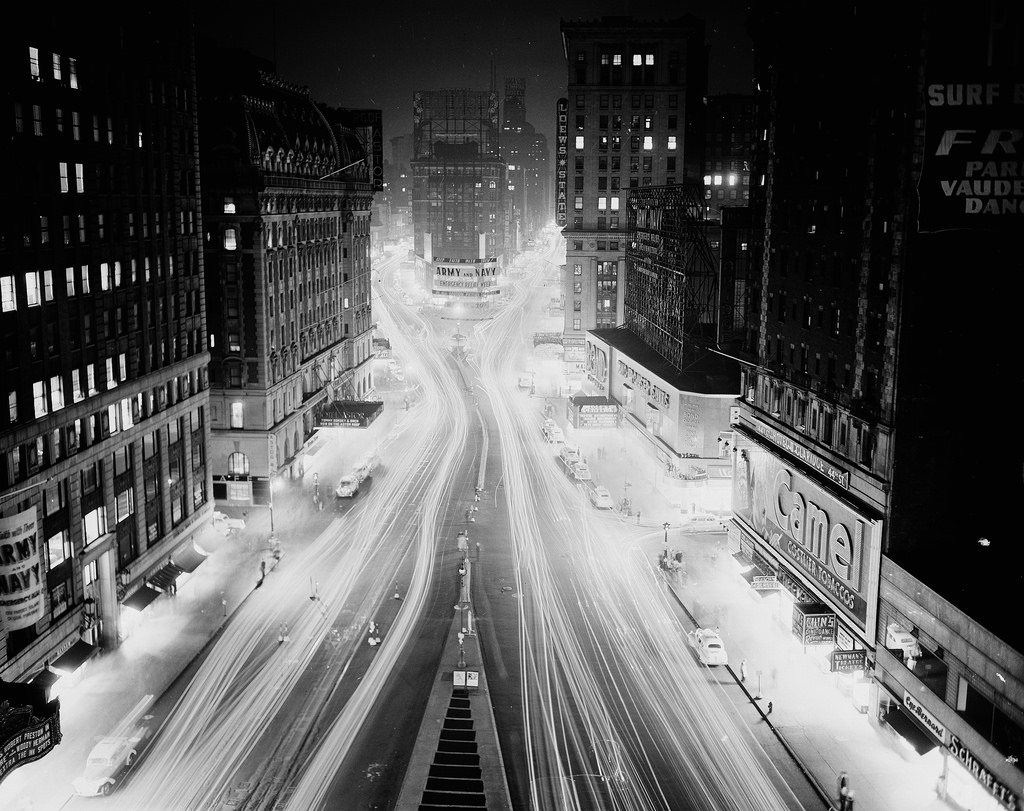
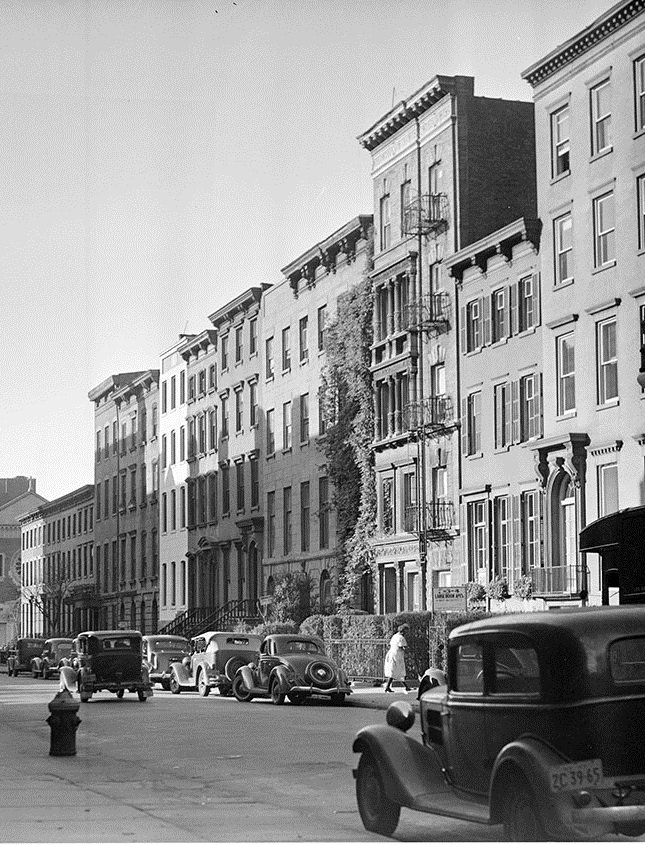
Take a look at a vintage photograph of New York from the 1930s and you’ll see automats, newsies, elevated trains and men in fedoras. What you won’t see — dozens and dozens of automobiles on the curb.
In a city with skyrocketing real estate values, why are most city streets still devoted to free car storage? It’s a situation we’re all so used to that we don’t think twice about it. Whatever happened to the curb?
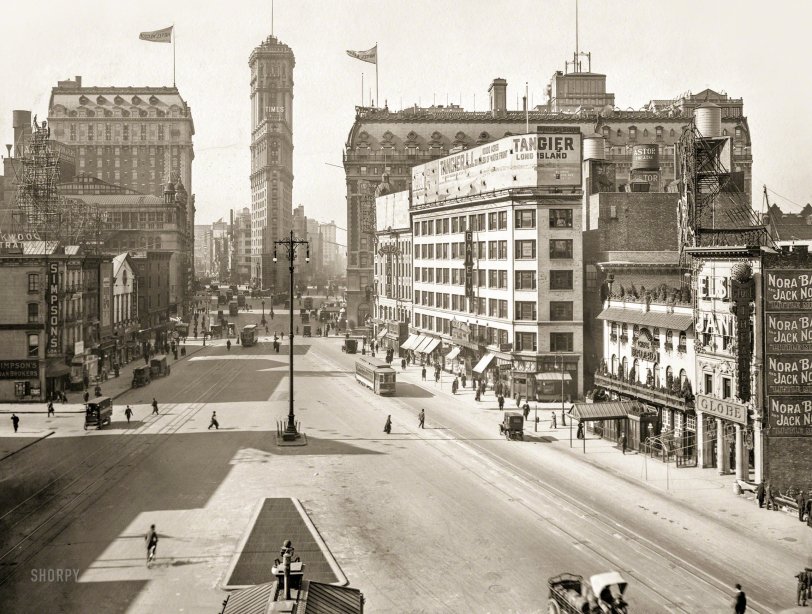
Long-term and overnight parking used to be illegal in the early 20th century. The transition from horse-drawn carriages to gas-powered automobiles transformed neighborhoods like Times Square and reconfigured everyday life on the street.
But before the 1920s, parking those glamorous new Model Ts on the street was tolerated only in short-term situations.
Harlem, 125th Street, 1949 — the year before alternate side parking is enacted
By the 1940s, however, New Yorkers were simply too reliant on the automobile, and the city’s parking lots and garages were simply not adequate. (For many New Yorkers, like Seinfeld’s George Costanza, they’re still not acceptable).
Street parking was de facto legalized with the advent of alternate-side parking rules, and soon parking meters and ‘meter maids’ were attempting to keep a handle on the chaotic situation.
Eventually the car took over. Will it always be this way?
In this special episode, Tom and Greg are joined by Slate Magazine writer Henry Grabar, author of Paved Paradise: How Parking Explains The World, who exposes some shocking parking violations and even offers a few couple solutions for the future.
LISTEN NOW: THE NEW YORK PARKING WARS
Our thanks to Henry Grabar for joining us on the show today. You can find all his work from Slate Magazine here. You might also like to hear him on a couple of our favorite podcasts — Decoder Ring and 99 Percent Invisible.
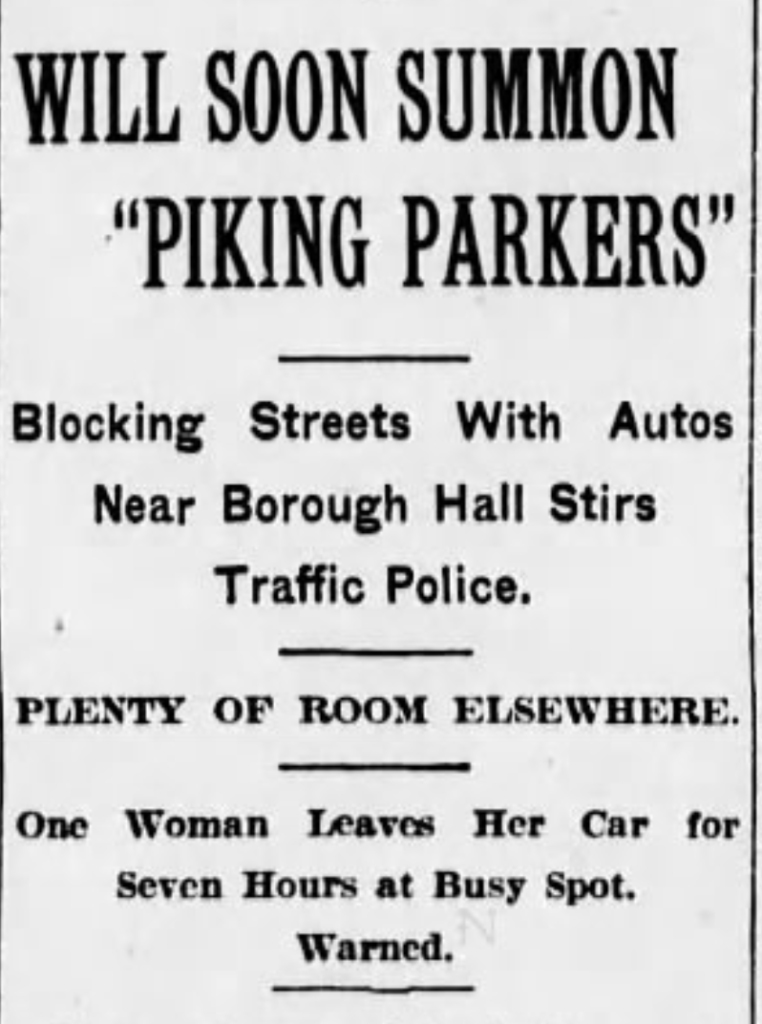
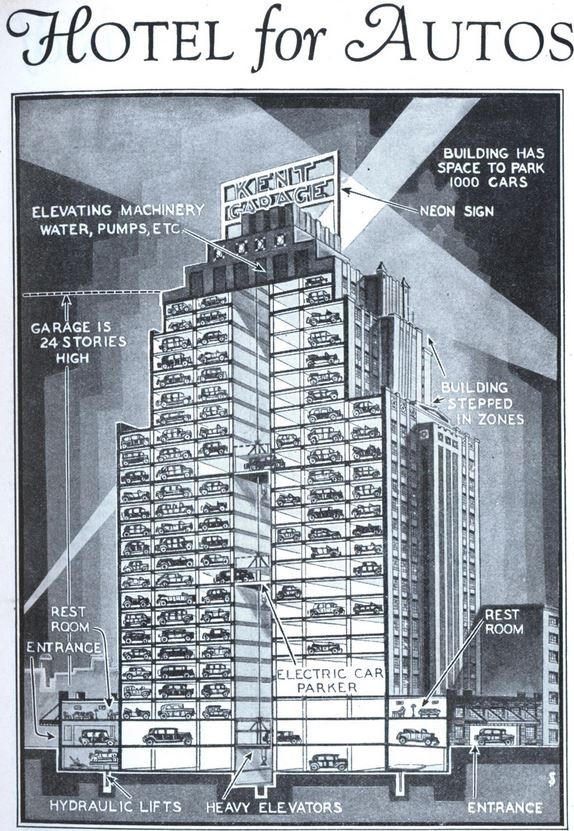
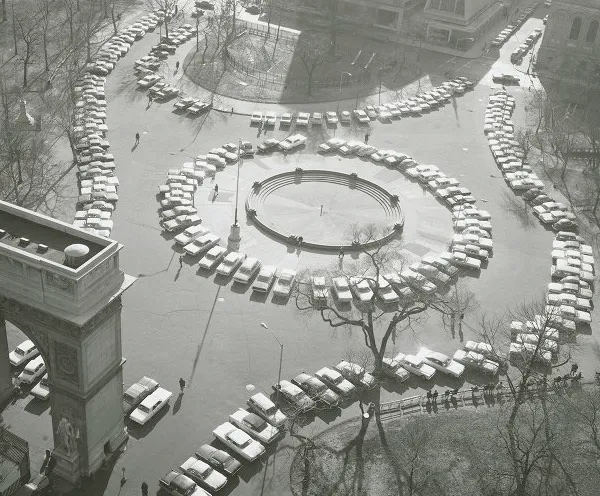
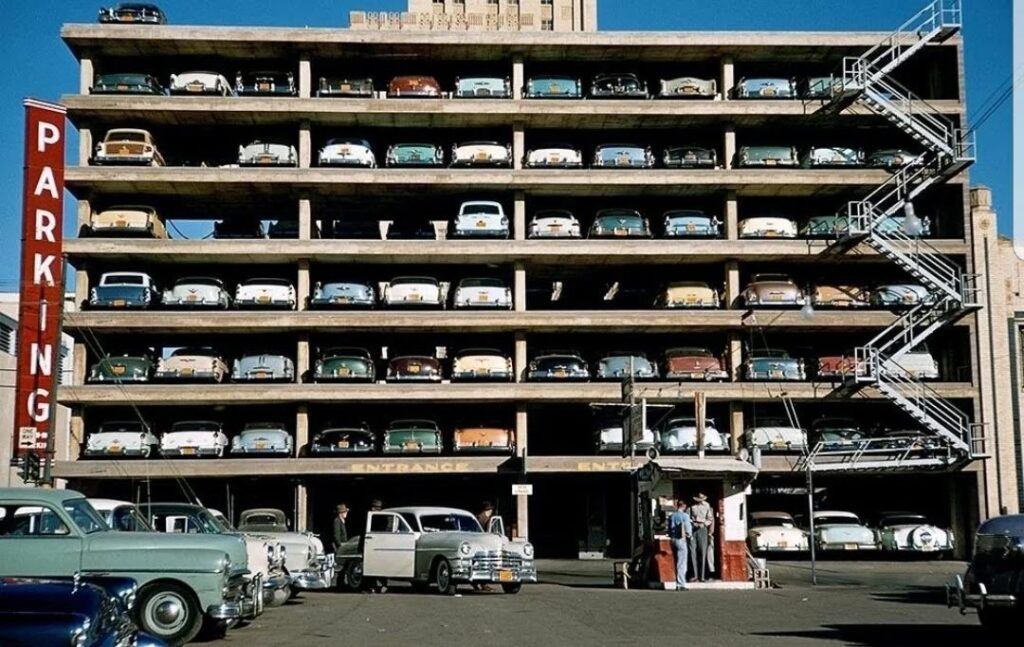
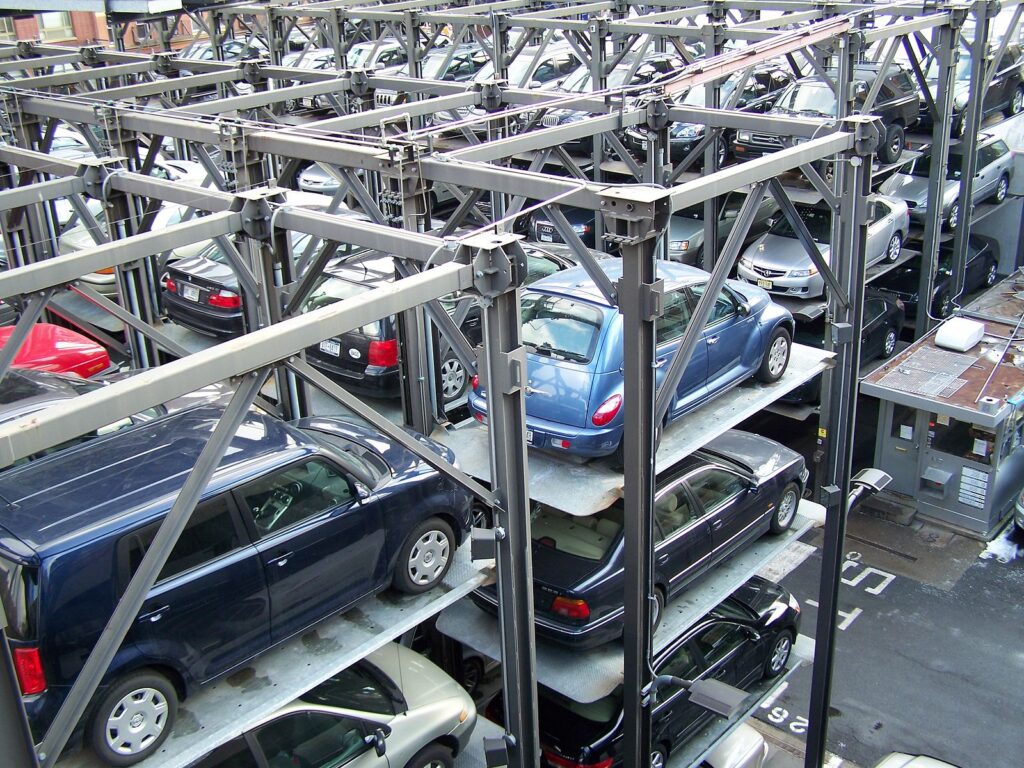
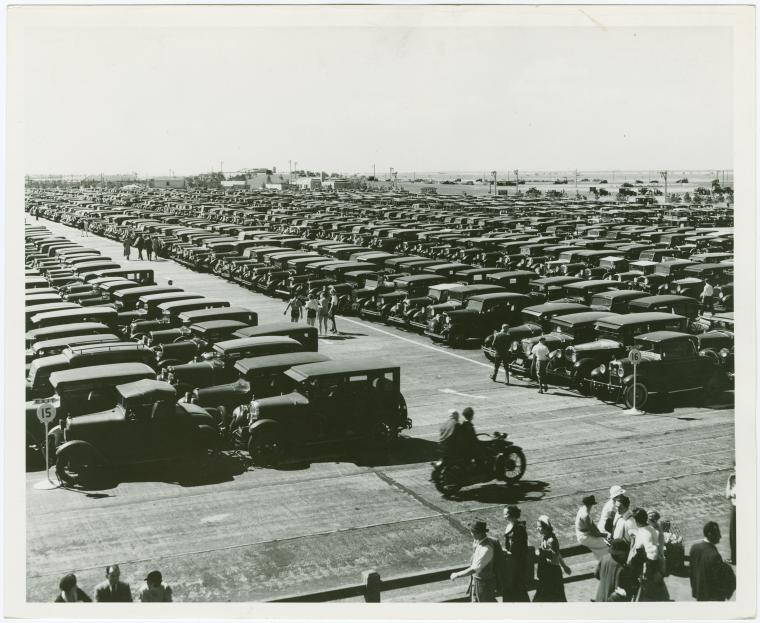
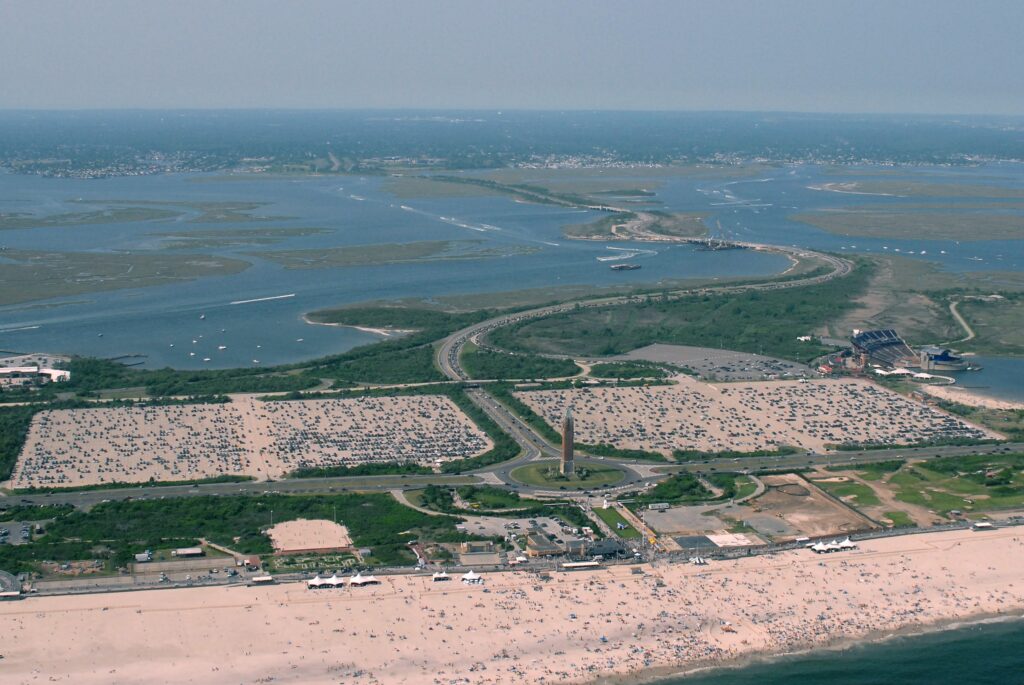
Times Square: The original ‘automobile district’, 1911 (cleaned up shot courtesy Shorpy)Brooklyn Daily Eagle, 1918Times Square in the 1930s. Although this is certainly taken late night, there are very few cars at the curb.Washington Square North,: 1937. Courtesy WPA-FWP Collection, NYC Municipal Archives.A 1930s motor hotel, courtesy Modern MechanixCars, Washington Square Park, Aerial View, 1960sNew York City parking garage, photograph by Marvin E Newman, taken in 1955.The stacked parking solution, photo taken 2010, Jérôme from Wikimedia CommonsJones Beach parking lot then (as in 1934, courtesy New York Public LIbrary)Jones Beach parking lot now
Seinfeld clips which pertain to this week’s show
FURTHER LISTENING:
After you’re done with this show on the history of parking, check out these shows from our back catalog with similar themes.
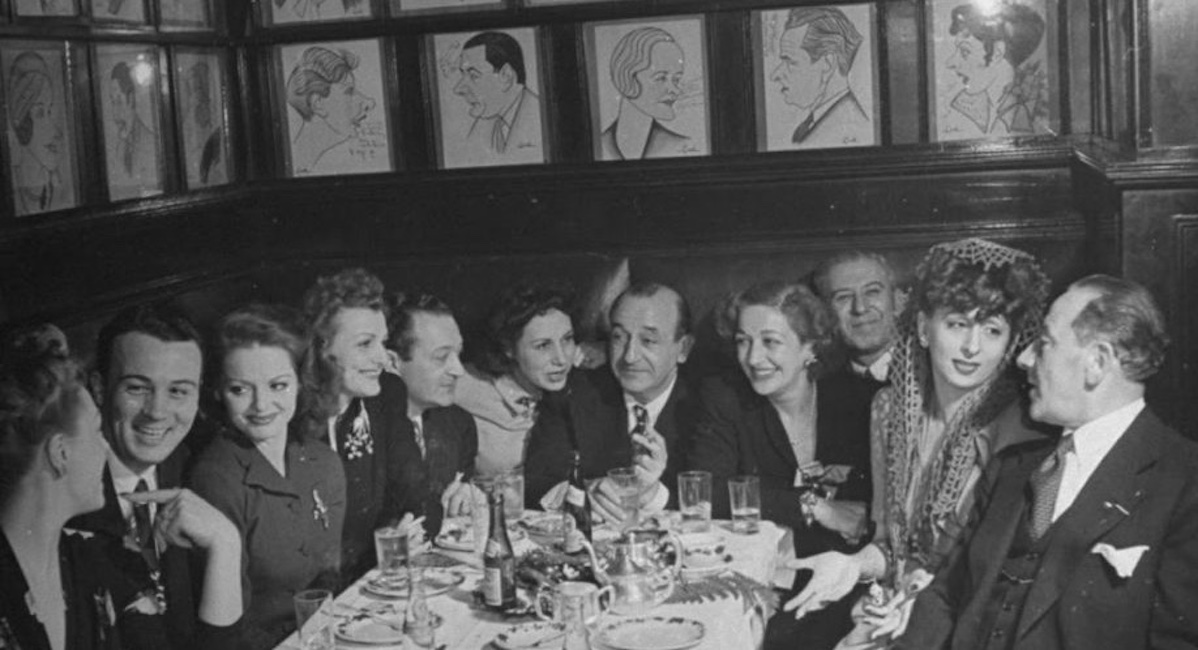
PODCASTREWIND The famous faces on the walls of Sardi’s Restaurant represent the entertainment elite of the 20th century, and all of them made this place on West 44th Street their unofficial home.
Known for its kooky caricatures and its Broadway opening-night traditions, Sardi’s fed the stars of the golden age and became a hotspot for producers, directors and writers — and, of course, those struggling to get their attention.
When Vincent Sardi opened his first restaurant in 1921, Prohibition had begun, and the midtown Broadway theater district was barely a couple decades old.
By the time the Italian-American restauranteur threw open its doors to its current locaton (thanks to the Shuberts) in 1927, Broadway’s stages were red hot, and Sardi found himself at the center of the New York City show business world.
We have some insider scoop from the old days — starring John Barrymore, Tallulah Bankhead, hatcheck girl Renee Carroll and a cast of thousands — and the scoop on those famous (and often unflattering) framed caricatures. So sidle up to the Little Bar, order yourself a stiff drink and eavesdrop in on this tale of Broadway’s longest dinner party.
PLUS: The birth of the Tony Awards!
FEATURING: Some 2022 updates including Sardi’s recent history.
LISTEN NOW: AN EVENING AT SARDI’S
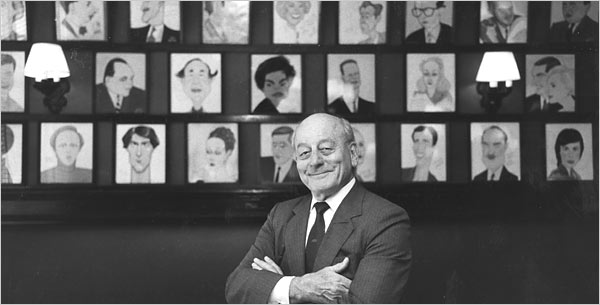
Vincent Sardi and his world-famous wall behind him. (Courtesy NYT)
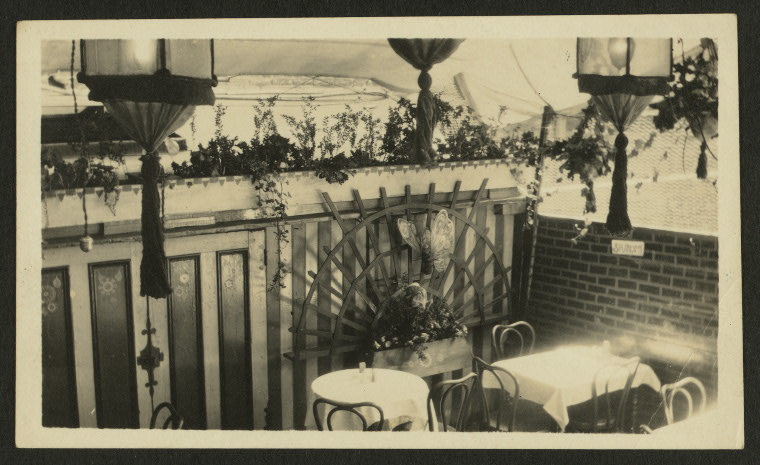
The outdoor garden cafe of the original Sardi’s, which opened in 1921 and was located two doors down from the current location. It was demolished to make way for the St. James Theatre.
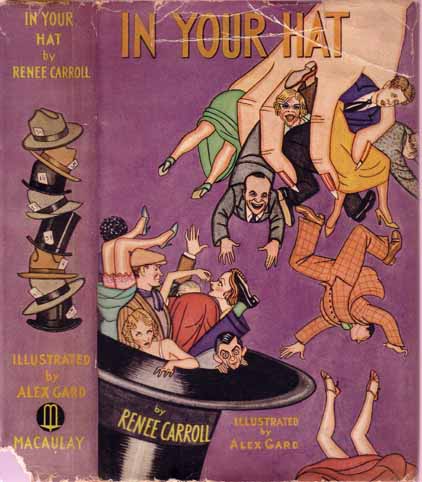
The cover of the tell-all 1933 memoir by famed Sardi’s hatcheck girl Renee Carroll and illustrated by Sardi’s original caricaturist Alex Gard.
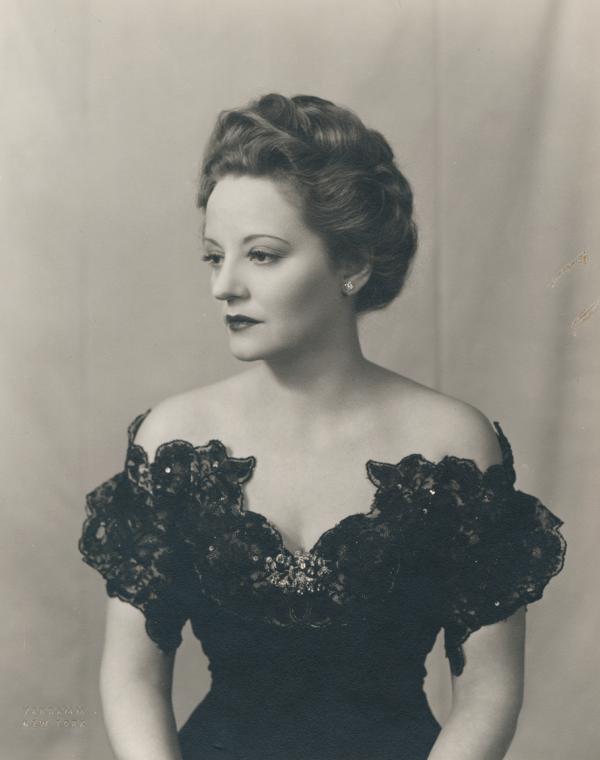
Tallulah Bankhead, Broadway diva and notorious Sardi’s customer. (Courtesy NYPL)
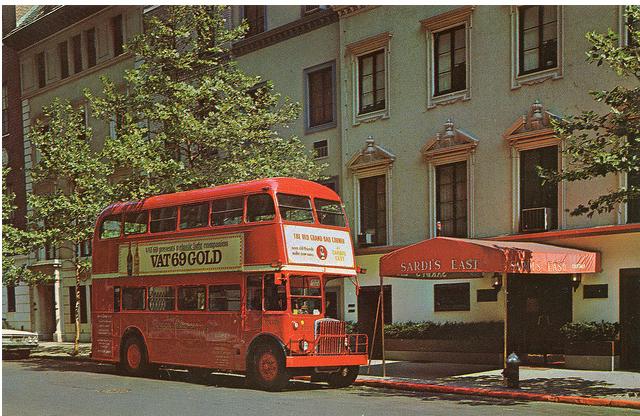
The failed experiment Sardi’s East, instantly problematic due to its distance from the theater district. Sardi Jr. attempted to solve the problem with a fun-filled double-decker bus — often accompanied by Broadway stars — that would zip diners to their shows after dinner. (source Flickr/edge and corner wear)
As we mentioned on the show, it’s difficult doing a history podcast on a private business without it sounding a bit like an advertisement, but hopefully we were able to execute past that. (We came across this odd feeling with other podcasts like Saks Fifth Avenue and The Plaza Hotel.)
We left a few details on the cutting-room floor, including Sardi’s lengthy involvement with the Dog Fanciers Club, which throws a congratulatory breakfast every year for the Best In Show winner of the Westminster Dog Show. Tom also did a rather nice job with reading an excerpt from Renee Caroll’s biography, but some sound problems forced us to cut it.
Tom mentioned the glory of Broadway in 1927. Show Boat is definitely the breakout show of that year, but theatergoers could also choose from one of these show that year — A Connecticut Yankee, Funny Face, Burlesque, Coquette, Hit The Deck, Rio Rita, Dracula and the hit play The Ivory Door, written by A.A. Milne of Winnie-the-Pooh fame. (Find a complete list here.)
Reading Recommendations: The best is Off The Wall by Vincent Sardi Jr. and Thomas Edward West, featuring full color representations of Sardi’s best known caricatures. Worth seeking out a copy at your used book stores. More difficult to find is Vincent Sardi Sr.’s own biography Sardi’s: A Story of a Restaurant, published in 1953 and well out of print. Carroll’s biography In Your Hat is also out-of-print, but you can find excerpts scattered online. You should seek out a physical copy if possible, as it features original artwork by original Sardi’s caricaturist Alex Gard.
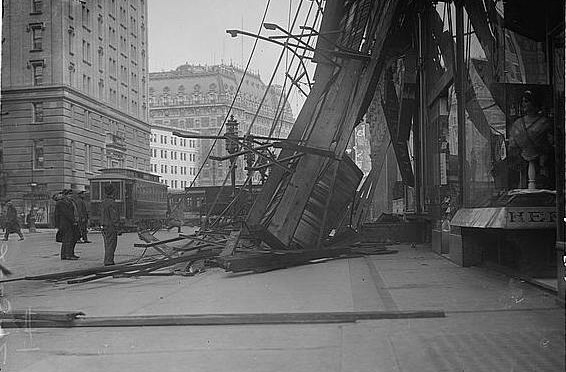
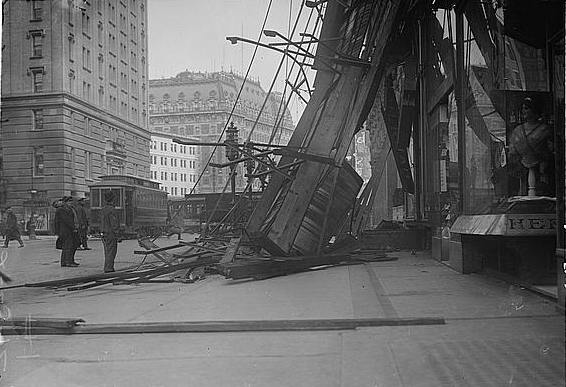
Trauma in Times Square: An electrical sign destroyed by the massive windstorm of February 22, 1912. One Times Square sits to the left, and the Hotel Astor is in the distance. [LOC] Shorpy has an another angle of this damaged storefront.
“The great gale that blew in with Washington’s birthday will not soon be forgotten. It was the biggest New York ever knew.” — New York Evening World, Feb. 23, 1912
On February 22, 1912, a catastrophic weather anomaly occurred in New York City, an event the New York Times referred to as ‘The Big Wind’.
This particular day has also been called “a significant day in the history of tall buildings,” although I doubt anybody today will be celebrating this rather vicious and sudden test of architectural endurance.
New Yorkers thought it might be worse. The storm system began the previous day as a blinding Midwestern blizzard, paralyzing the railroad and killing cattle. St. Louis received its greatest snowfall ever up to that time from this churning storm, and Chicago reported winds of up to 50 miles per hour.
If it held this pattern by the time it hit the East, New Yorkers feared another storm of the level of the Blizzard of 1888, which buried the city in snow, rendered transportation useless, and killed more than 200 people.
In one respect, the city was fortunate that snowfall was relegated to upstate New York. The grim meteorological trade off, unfortunately, was a day of powerful, otherworldly wind gusts, almost double the strength of those during the infamous 1888 storm.
The worst of it came after midnight, when a terrifying frozen bluster “swooped down on the city with all its length and breadth” at speeds of 96 miles per hour.
At one point, devices in Central Park registered an unthinkable 110 miles per hour. By morning it had settled to 70 miles per hour and held that speed steady for much of the day. [source]
Some called this “giant among gales” a day-long cyclone, and it certainly acted like one — uprooting trees, destroying rooftops and even depositing whole houses into the river. People were blown off their feet, carts went flying and pedestrians dodged falling telephone poles in terror.
Most leaving home wearing hats ran back inside without them. If any of those women from yesterday’s Astor Place post were trekking through the plaza with their home-work today, they most likely lost it to the wind.
Foremost on the minds of most New Yorkers was the fate of its skyline. In 1888, during the last harsh storm, there were no skyscrapers. In 1912, there were several over 30 floors, including the city’s tallest, the 50-floor Metropolitan Life Insurance Tower off Madison Square.
Although most buildings were designed to withstand significant wind trauma, none of them were prepared for winds above 70 miles per hour. And the building slated to become the next tallest in New York — the Woolworth Building — was still under construction, its metal skeleton now a potential arsenal of deadly debris.
Panes of glass shattered throughout the city, but it appears most of New York’s tallest structures survived without significant damage. In fact, it was the shorter, older structures that fared worst, many of them designed with little protection from powerful winds.
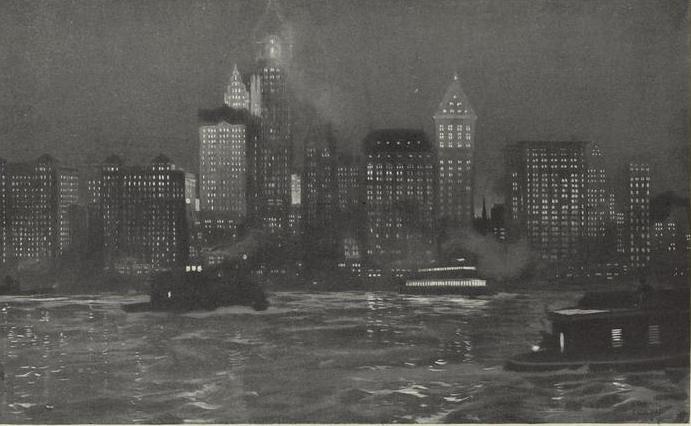
Below: the downtown Manhattan skyline in 1912. Most of these buildings survived the ‘Big Wind’ with only damage to their windows. [pic]
Not that modern invention came away unscathed that day. The electrical signs of Times Square, many no more than a few months old, were no match for the powerful gusts. Several were destroyed, including a one provocative sign at 47th Street, featuring “two scantily clad electric boys who box nightly in Summer underwear.” [source]
Next to the Hotel Knickerbocker, a 200-foot electric sign crumbled to the sidewalk below in front of Hepners Hair Emporium, a police officer racing into the establishment a minute before the sign crashed into the plate glass window of the railroad ticket office next door.
Across the street, at the Times Building, a drug store window exploded, and “many bottles of perfume and drugs” were hurled at passers-by.
Most boats all along the waterfront were either damaged or untethered. Predictably, beach houses on Rockaway Beach and other quieter locales fared the worst. The luckiest structures survived with nary a window remaining; those less fortunate were found floating offshore. In Astoria, Queens, the roof to the jail was taken off, to the fright of the occupants inside.
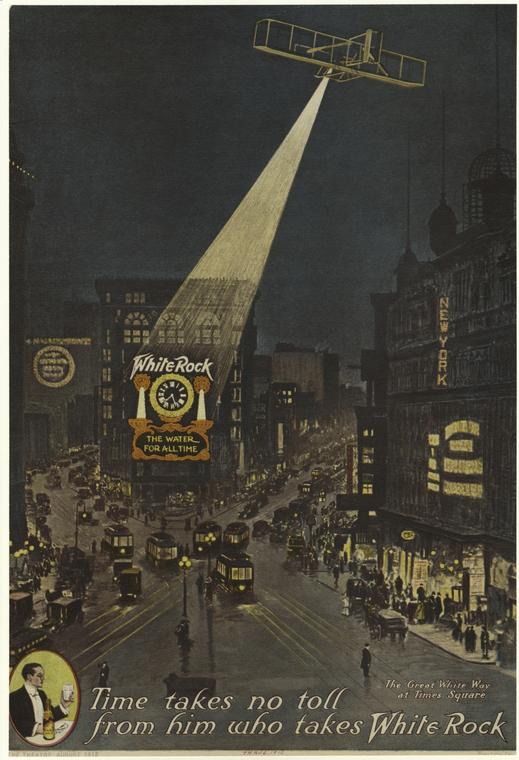
At right: Times Square in August 1912. The White Rock sign was probably not around for the February wind storm. The ‘electric boys’ sign described above sat at this intersection.
In Red Hook, Brooklyn, turbulent winds kept a raging fire alive at a brick manufacturing plant, distributing flaming pitch shrapnel to several buildings across the street, including a hay and horse feed dealership! (One of many reasons they don’t keep hay dealerships in crowded cities today.) The brick factory, which took several hours to control, was about three blocks from the location of today’s IKEA store.
February 22, 1912, happened to be the 180th anniversary of George Washington‘s birth, and hundreds of veterans tried marching from Jefferson Market to Union Square. Flags raised aloft in celebration were torn to ribbons. Nobody was injured, although the gusts caused major inconvenience, “Salvation Army object lessons and banner bearers bowled over by the wind.” [source]
Others were not as fortunate. The Times attributed at least one death to the storm and over a dozen concussions from flying debris, messenger boys and seamstresses blown into windows or railings or hit by signs or dislodged cornices.
One man, waiting for his wife at St. Patrick’s Cathedral, had his neck slashed by flying glass. Where physical harm was avoided, humiliation took its place. A society woman on Riverside Drive, wearing “superabundantly costly furs,” was picked up and thrown into a horse.
Meanwhile, down at the Battery, Frank Coffyn was preparing for another takeoff off the water on his pontoon-equipped airplane. The wind had other plans, ripping the wings off the plane and spoiling Coffyn’s flight. Later that day, Coffyn wired his old boss Wilbur Wright for replacement parts. (See my previous post for more information of Coffyn’s harbor flights..)
By the late evening, winds had died down to a mere 44 miles per hour. (For comparison, New York City’s average wind speed today is just 12.2 miles per hour.) In the morning, things were back to normal — except for huge mess of metal and glass left scattered on the streets.
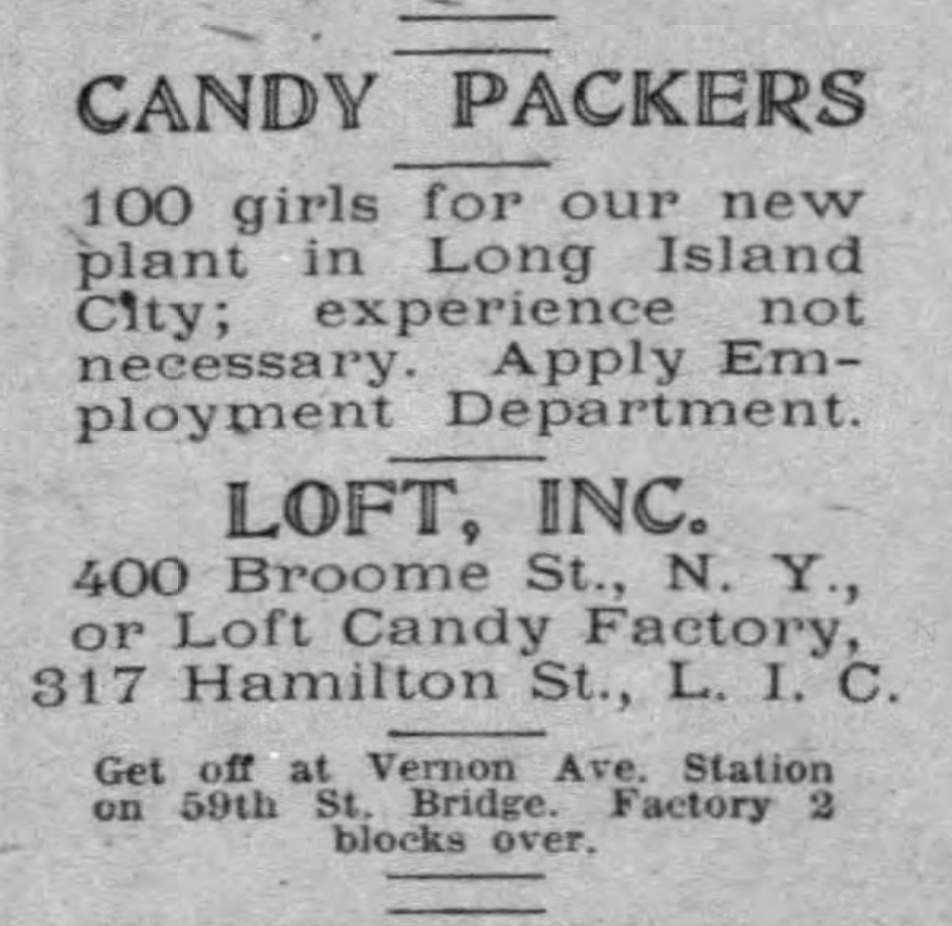
The Loft Candy Company exclusively operated several locations throughout the New York area in the 1910s-30s, many of them proper restaurants. For the Jazz Age candy lover, they were heaven on earth.
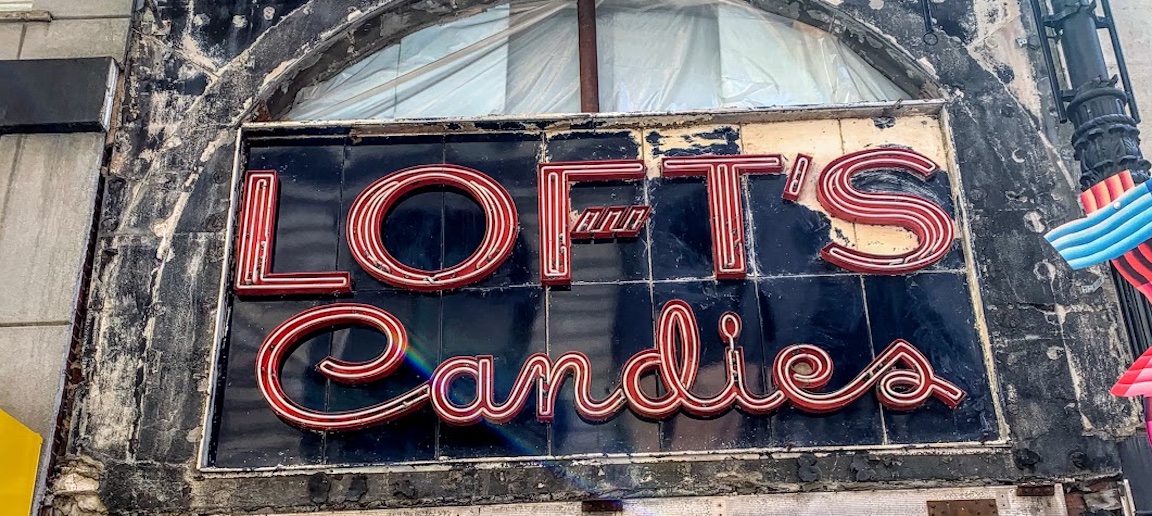
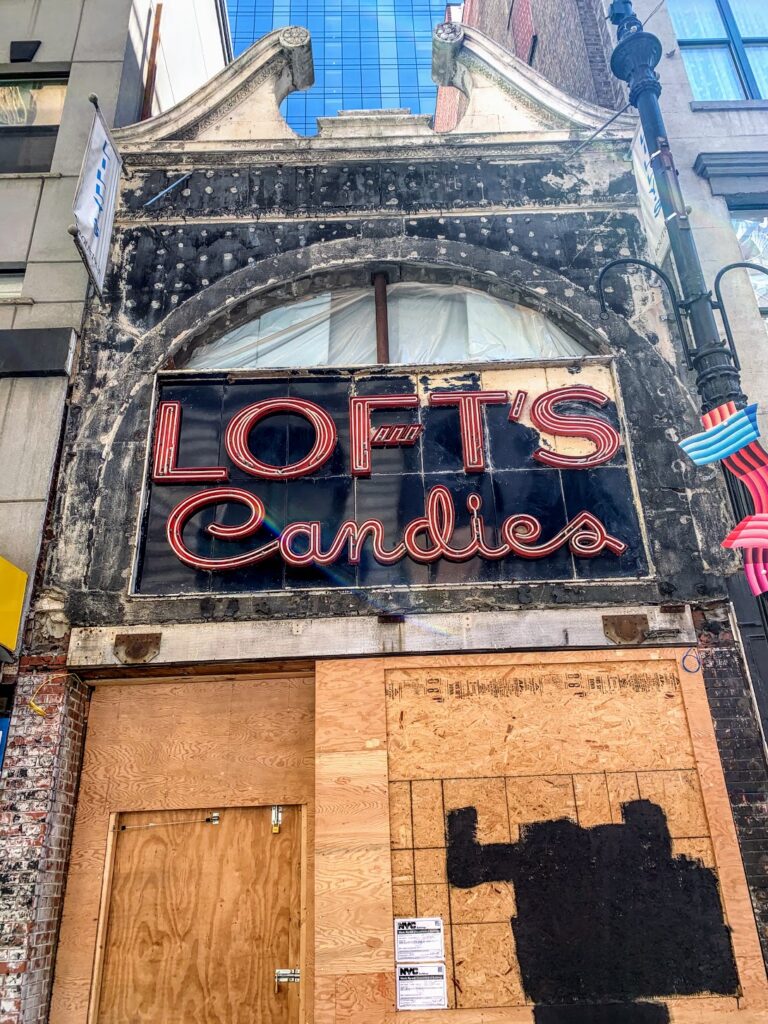
Occasionally you’ll find an old Loft’s neon sign today, peering from a crumbling facade.
This beauty is located at Fulton and Nassau streets in lower Manhattan. New York Neon has the scoop about this marvelous sign. Photo by Greg Young
An ad from October 20, 1921 issue of the New York Daily News
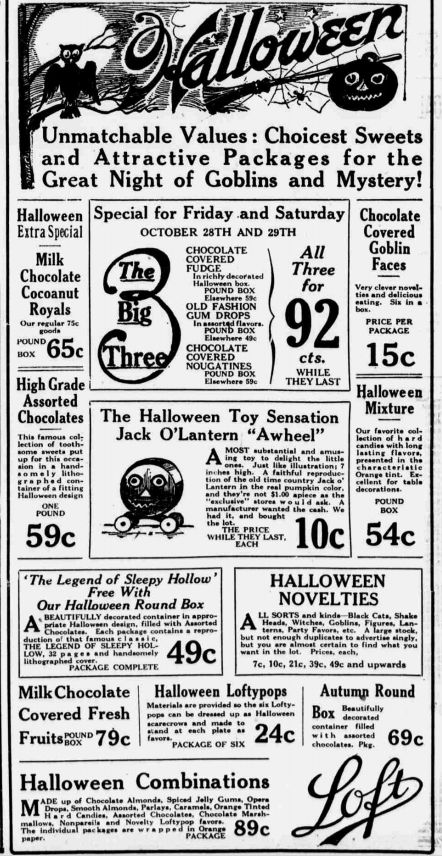
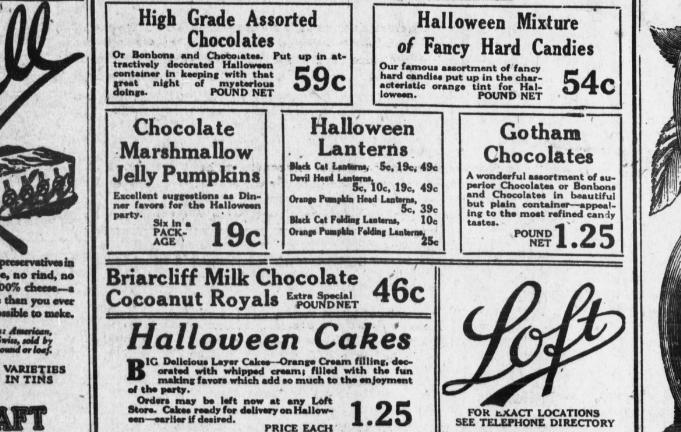
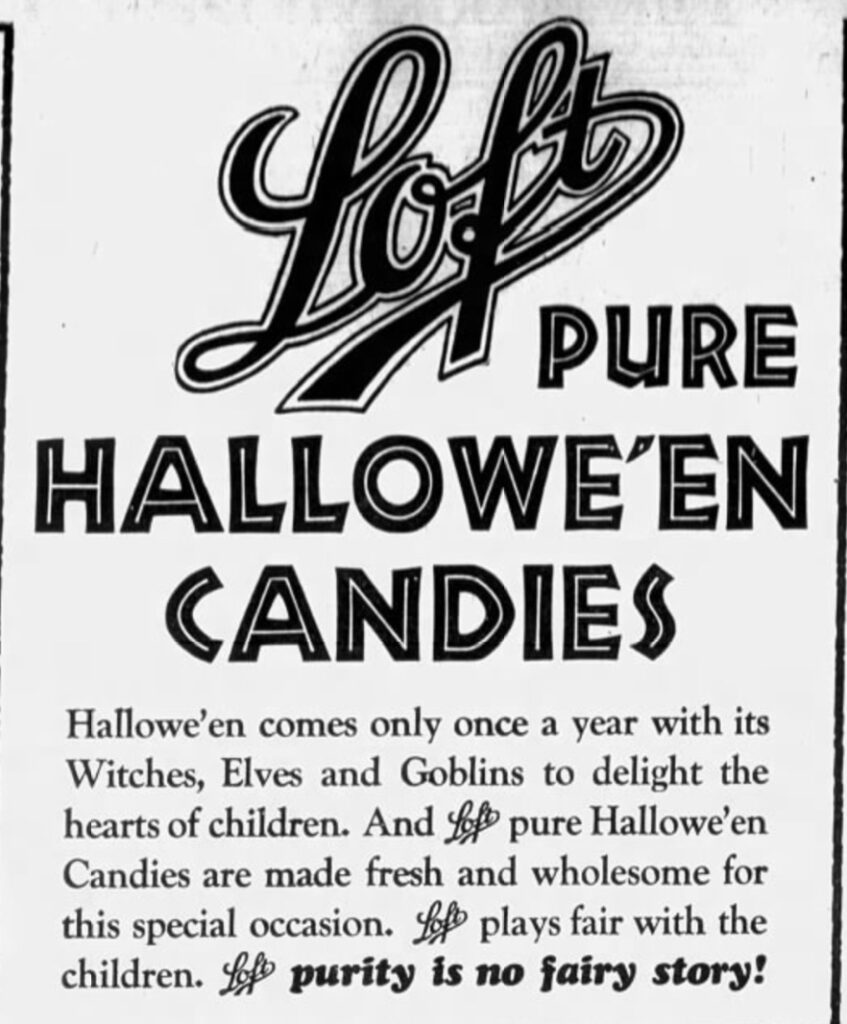
Their Halloween advertisements are an interesting window into the customs a century ago. The practice of trick-or-treating would not become acceptable until the 1950s. Children would have celebrated attending Halloween parties instead, where many of the treats listed below would have been served.
Loft survived the Great Depression by merging with the bankrupt soda fountain company Pepsi-Cola, a perfect marriage of sugary treats. It then became a national brand and cities across the country were graced with Loft candy stores into the late 1980s.
Please enjoy these ads filled with oddball Halloween treats! The ad below is from October 28, 1921:
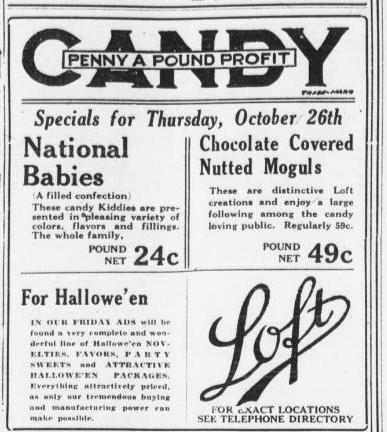
And what the heck are ‘National Babies (a filled confection)? From October 25, 1922
In this page-sized ad from 1931, Loft offers ‘fortune telling cakes’, moonfaces on sticks and novelties in the shapes of ‘Felix cats’, wood crickets and ukuleles.
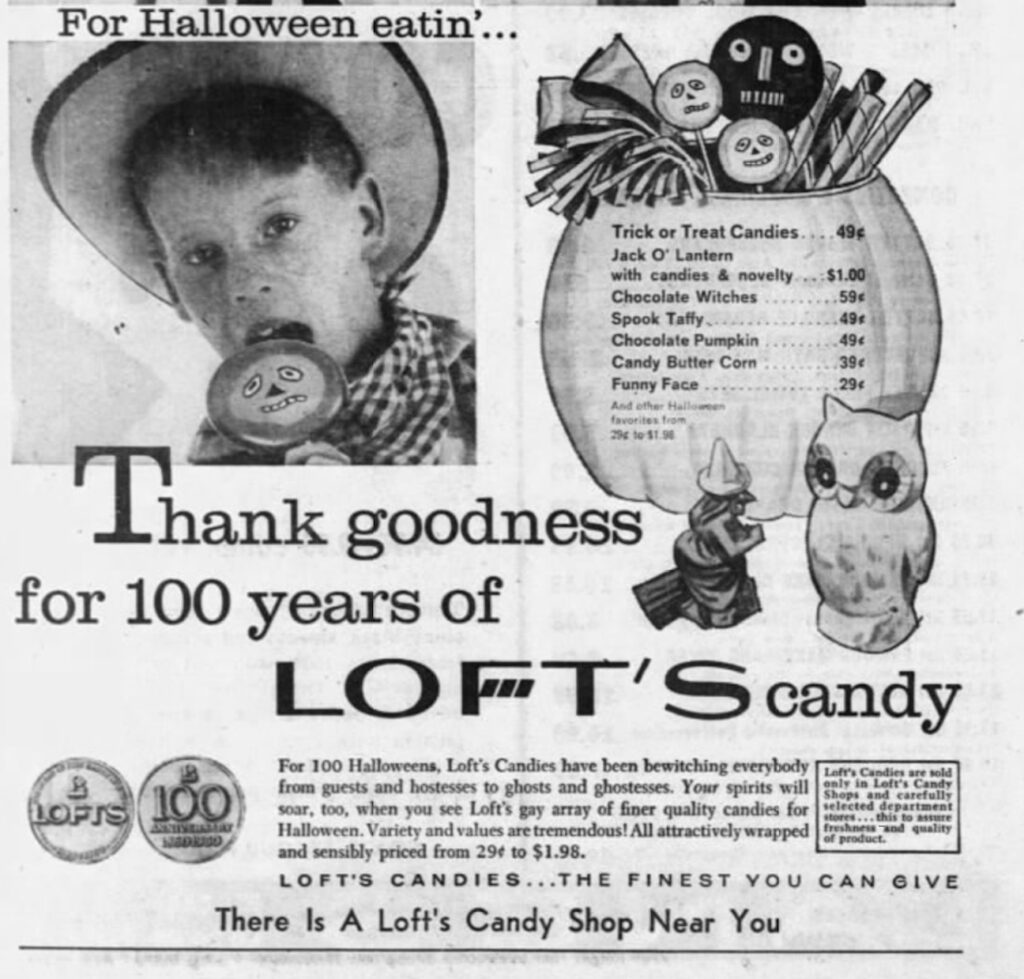
Loft was still making unusual treats for the season in 1960. By this time trick-or-treating had become a national pastime. Although some candy makers had begun making ‘small’ versions of their adult candy treats, it was Mars Inc. that changed the game by targeting trick-or-treaters with ‘fun size’ versions of their popular candies (Snickers, M&Ms) in 1961.
PODCAST There’s no business like show business — thanks to Lee, Sam and JJ Shubert, the Syracuse brothers who forever changed the American theatrical business in the 20th century.
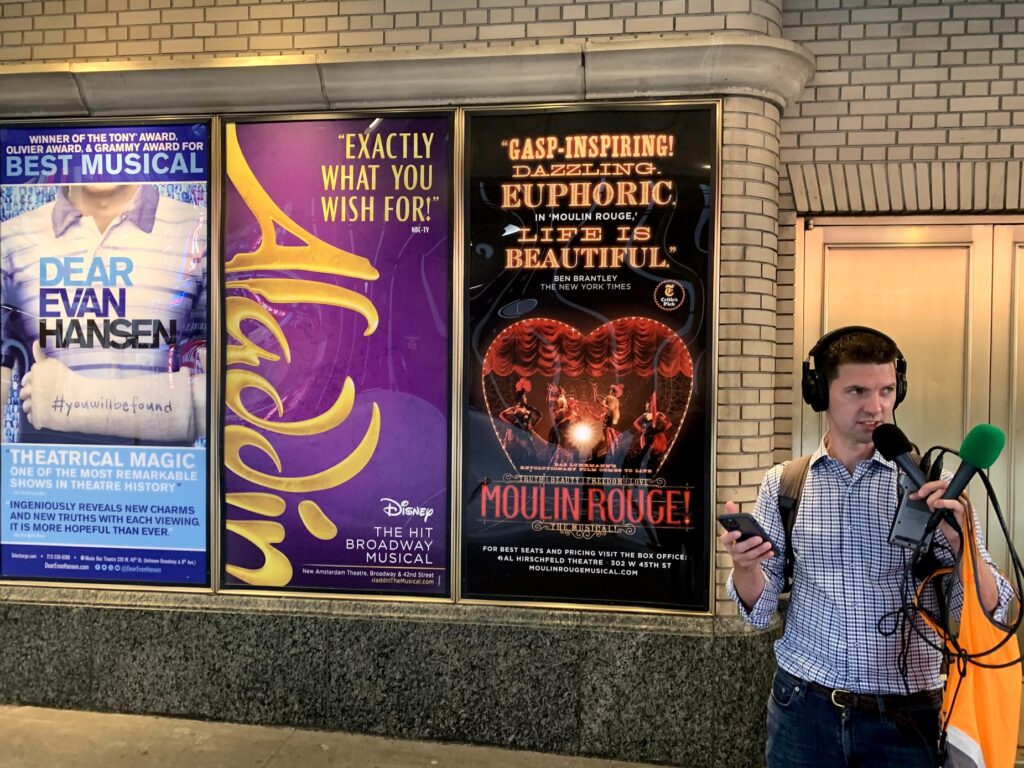
Broadway is back! And the marquees of New York’s theater district are again glowing with the excitement of live entertainment.
And many of these theaters were built and operated by the Shubert Brothers, impresarios who helped shape the physical nature of the Broadway theater district itself, creating the close cluster of stages that give Times Square its energy and glamour.
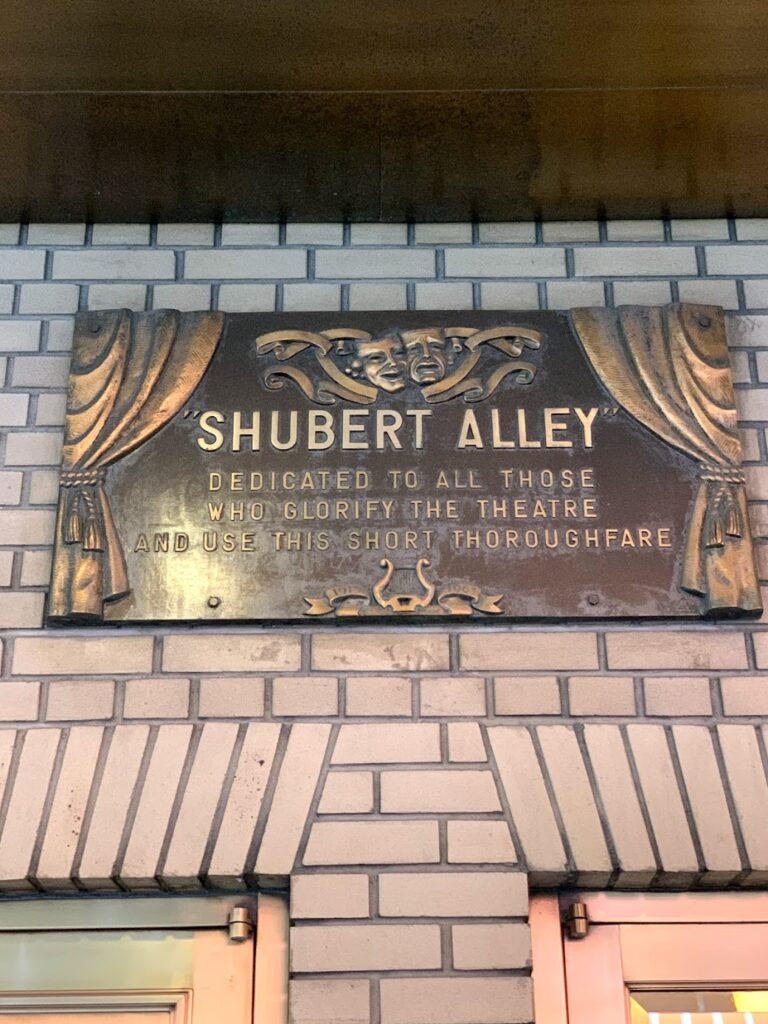
The Shuberts were there from the beginning. After fending off their rivals (namely the Syndicate), the Shuberts centered their empire around an alleyway that would quickly take their name — Shubert Alley.
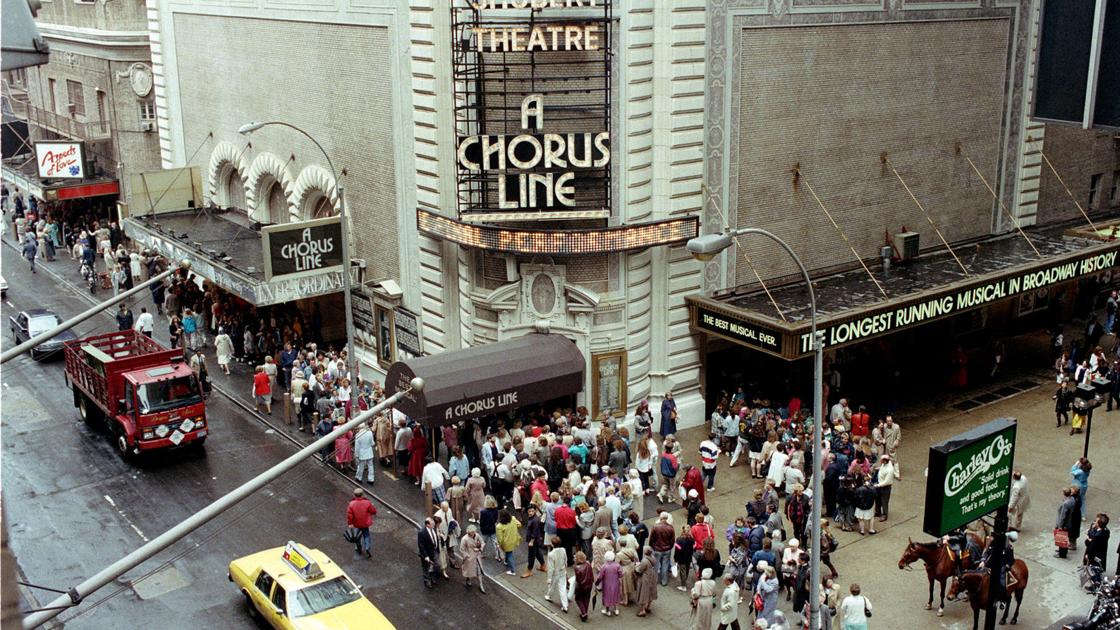
They were innovative and they were ruthless, generous and often cruel (especially to each other). During the 1950s and 60s, the Shubert empire almost crumbled — only to rise again in the 1970s and 1980s thanks to A Chorus Line and some very musical felines.
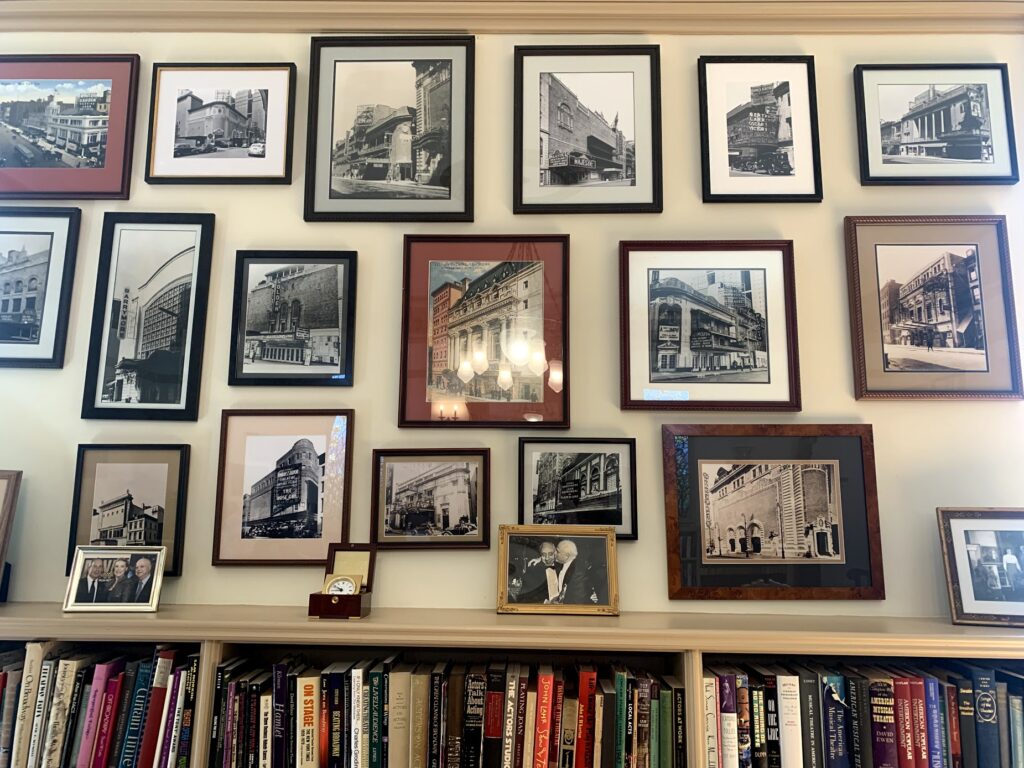
FEATURING A visit to the Shubert Archive above the Lyceum Theatre, a magical trove of historical items from the American stage.
Listen Now – The Shuberts
Our thanks to Mark E. Swartz, Sylvia Wang and Arielle Dorlester for giving us a marvelous tour of the Shubert Archive.
FURTHER LISTENING
After you’ve listened to this show on the history of Broadway, dive back into the back catalog and listen to these shows referred to on the show:
And here’s a special Spotify playlist inspired by this week’s show, featuring tunes which were made famous in America on Shubert stages — either in original runs or very acclaimed revivals.
The Bowery Boys: New York City History podcast is brought to you …. by you!
We are now producing a new Bowery Boys podcast every other week. We’re also looking to improve and expand the show in other ways — publishing, social media, live events and other forms of media. But we can only do this with your help!
We are now a creator on Patreon, a patronage platform where you can support your favorite content creators.
Please visit our page on Patreon and watch a short video of us recording the show and talking about our expansion plans. If you’d like to help out, there are several different pledge levels. Check them out and consider being a sponsor.
We greatly appreciate our listeners and readers and thank you for joining us on this journey so far.
In Times Square
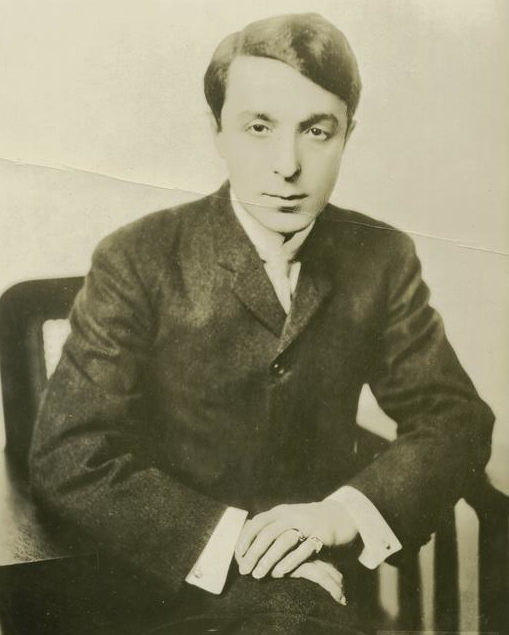
Sam Shubert. He had moxie!
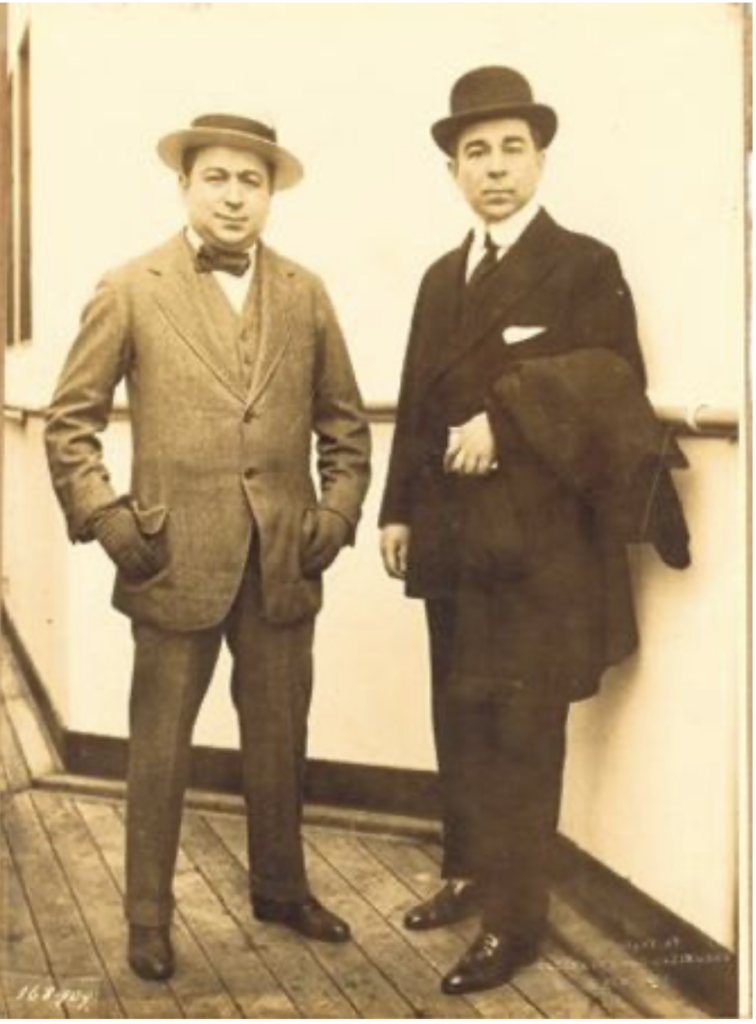
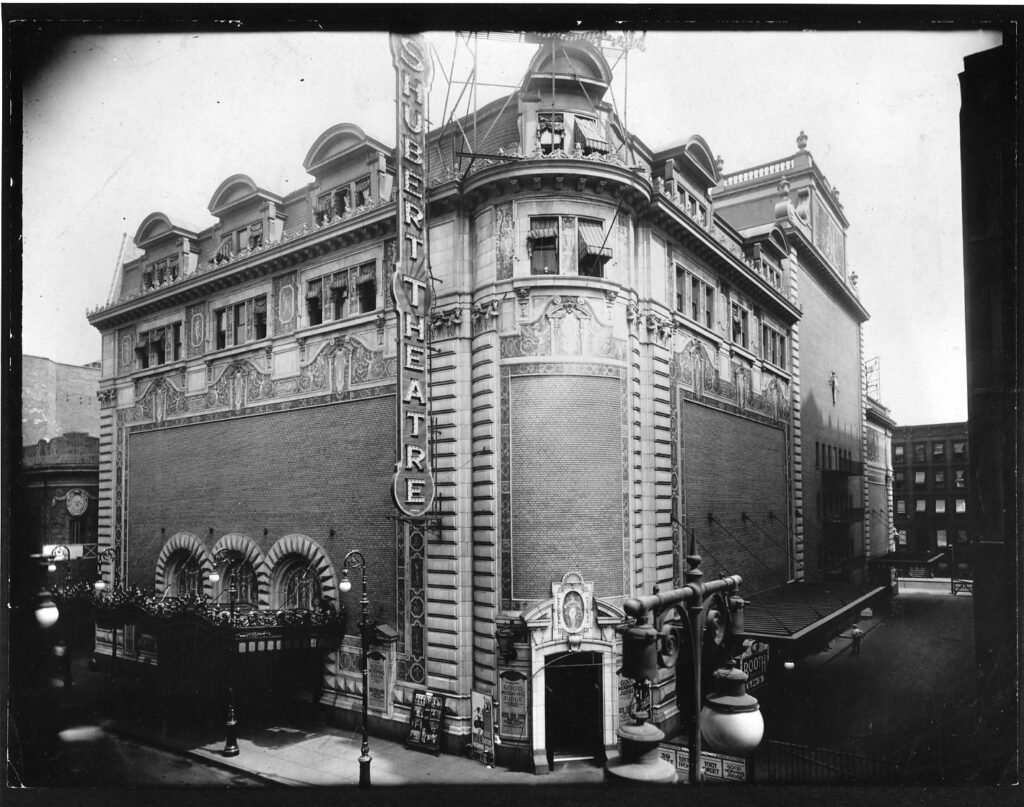
JJ and Lee Shubert, in a rare picture with each other. (Shubert Archive)Shubert Theatre (ca. 1919)
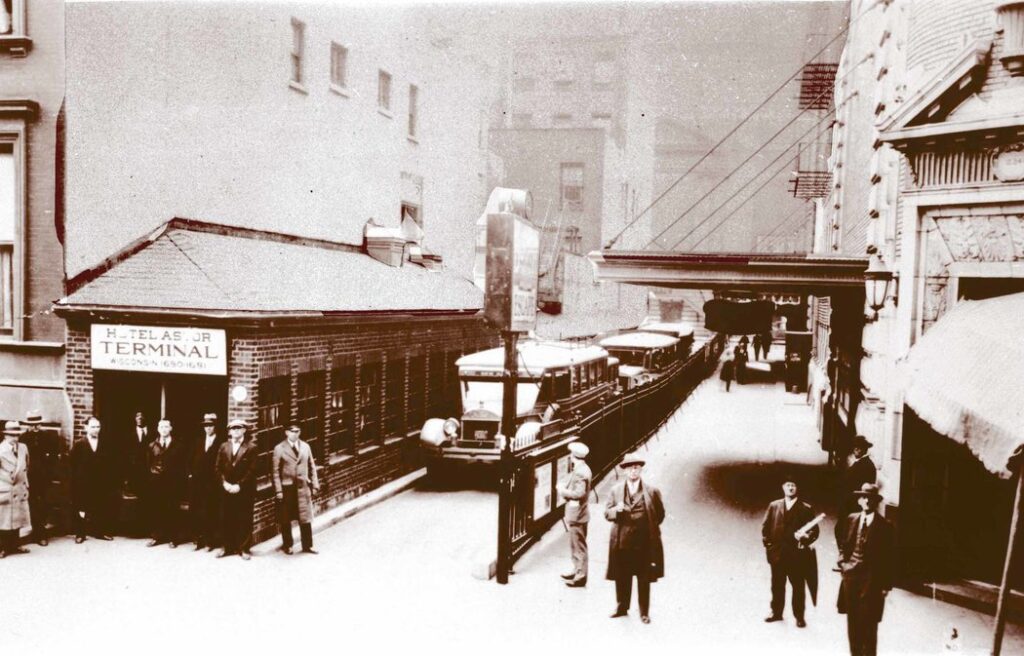
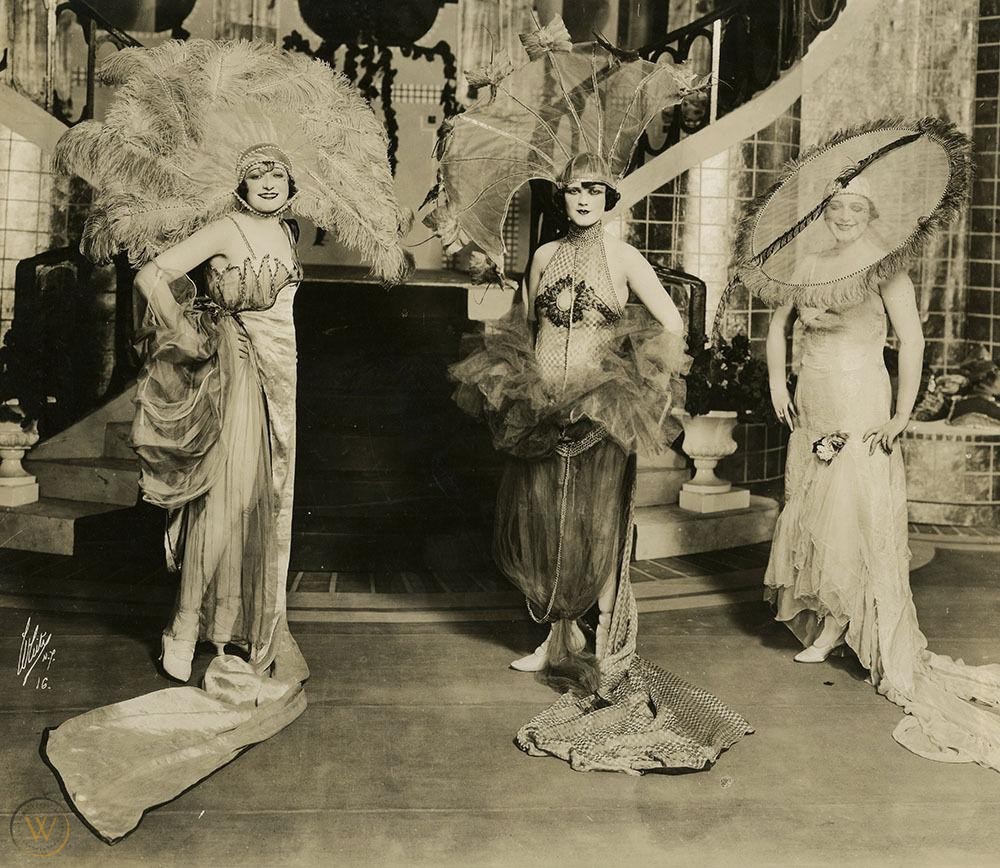
Shubert Alley in the 1930s, looking south, the Booth Theater to the right.Showgirls from The Passing Show
Images from the Shubert Archive (taken by Greg):
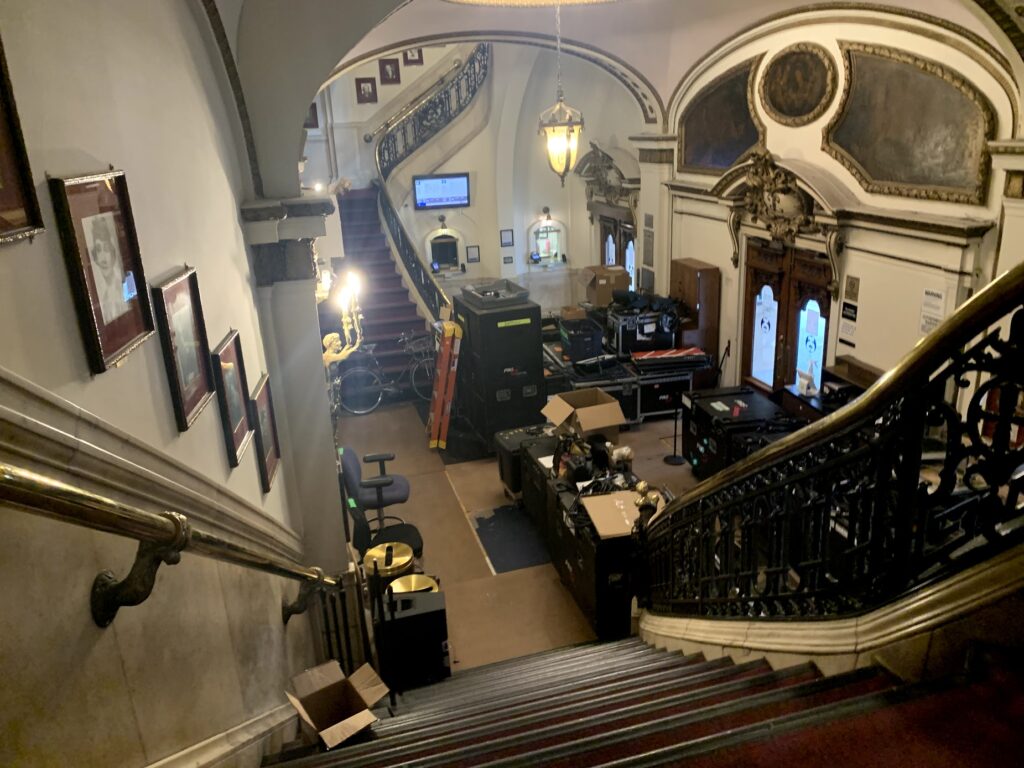
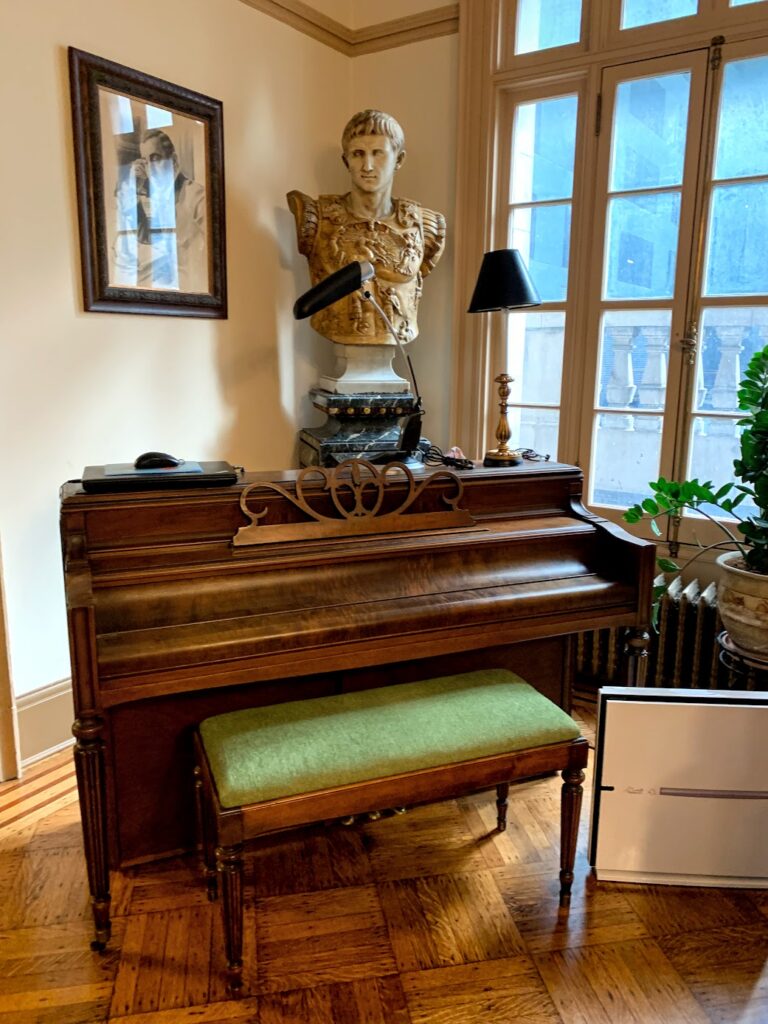
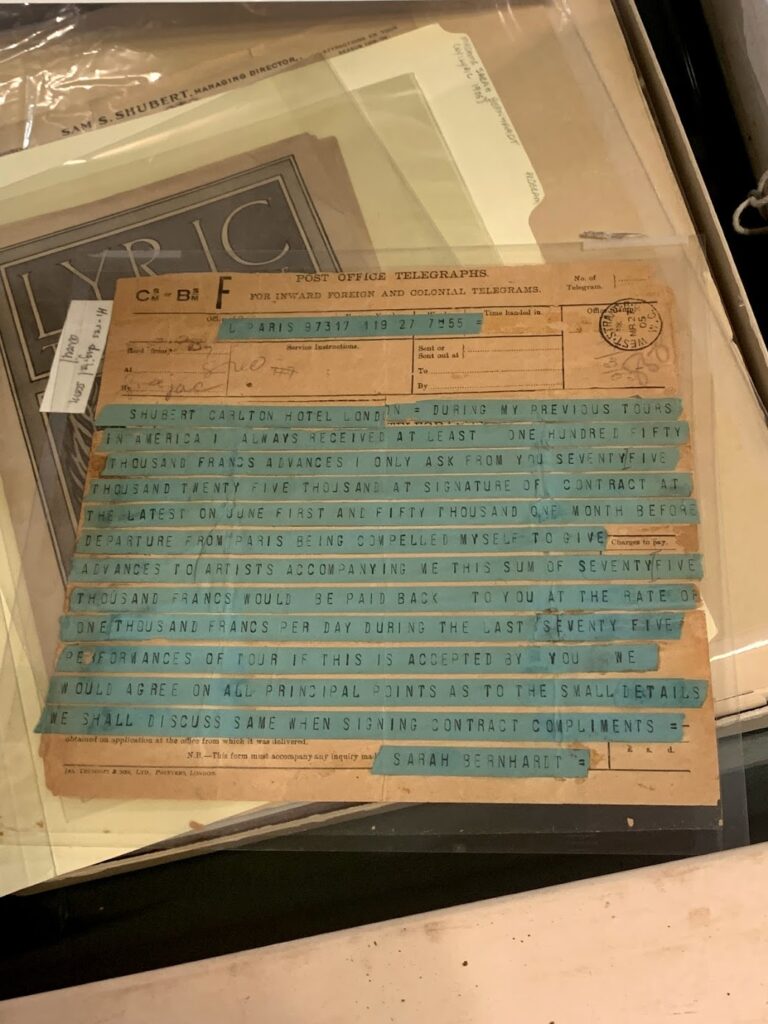
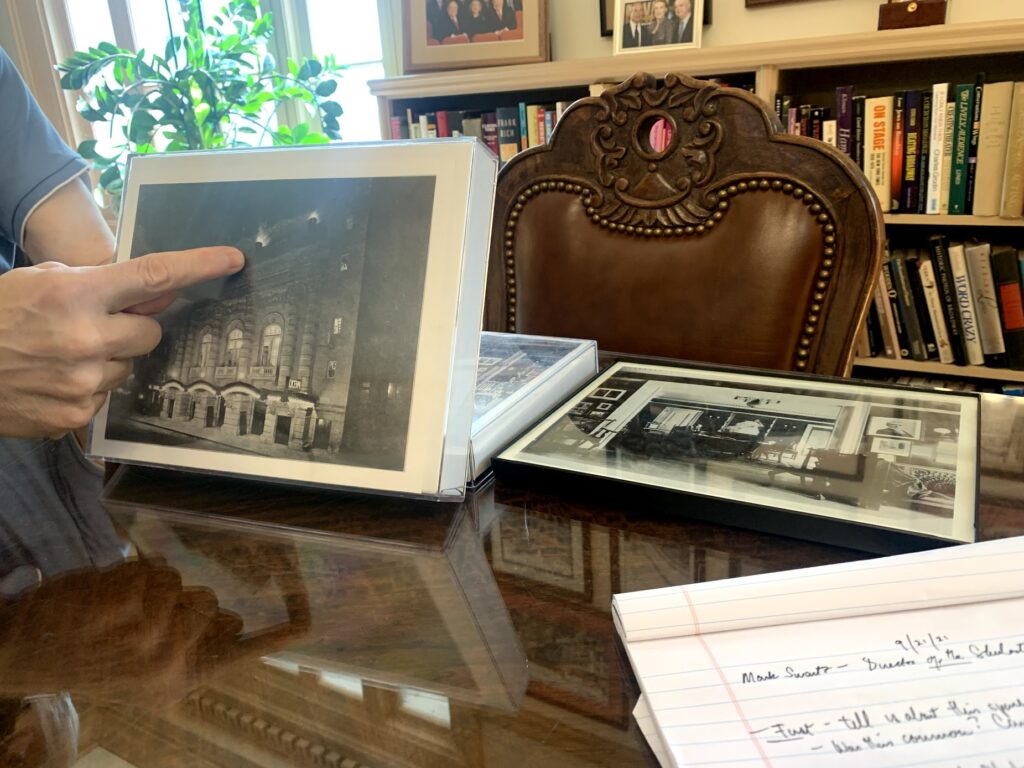
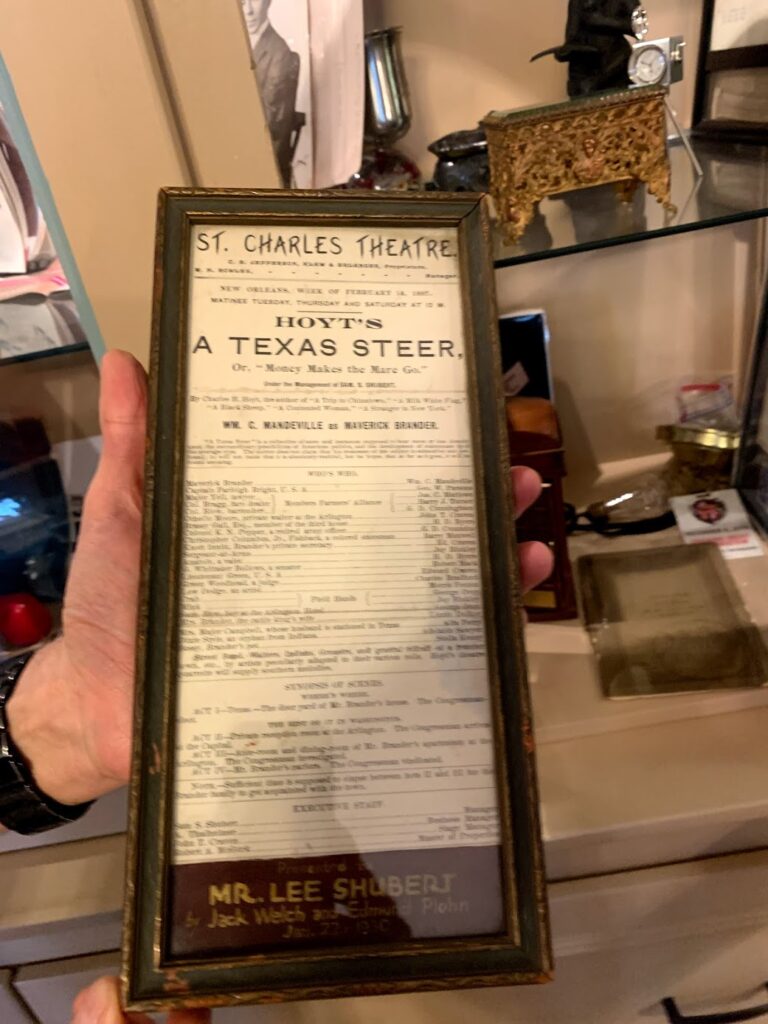
Taking the stairs to the elevator at the Lyceum Theatre.Gerald Schoenfeld’s pianoTelegram from Sarah BernhardtAt the Shubert dining table, looking at old photos of the LyceumWall of Shubert theaters!A notice for A Texas Steer, Sam Shubert’s first show.
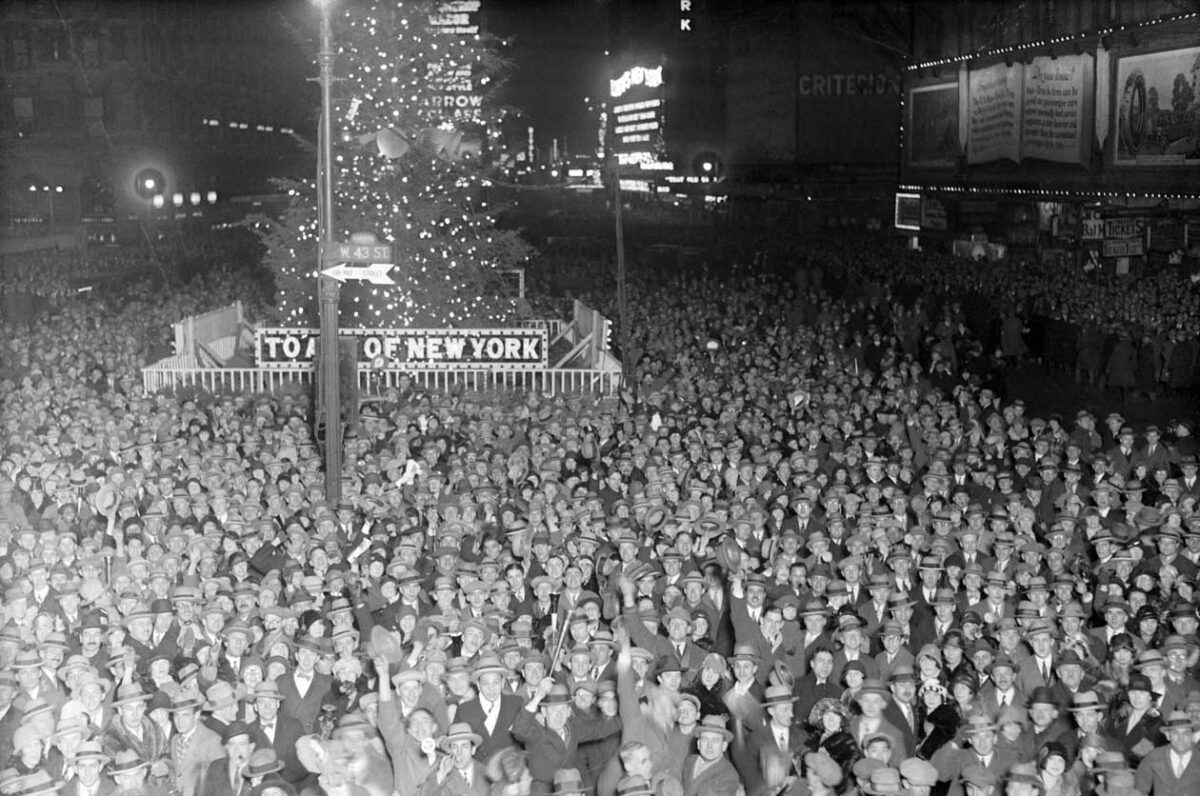
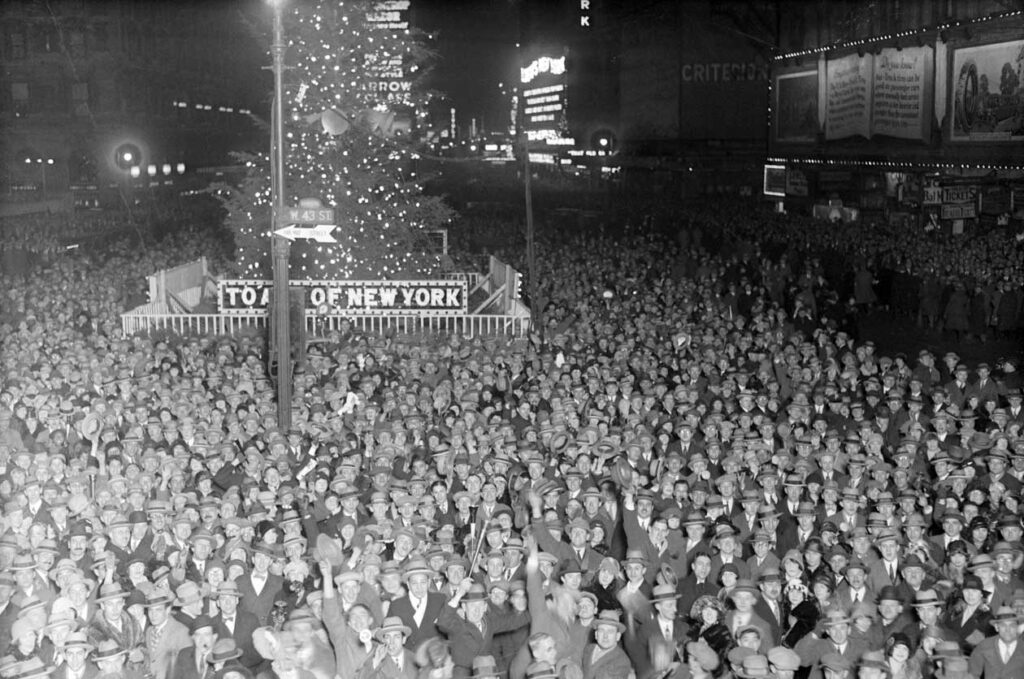
At the Times Square ball drop in 1926, Getty Images
For more information on the history of Times Square’s New Year’s celebrations, listen to our show A New Year In Old New York:
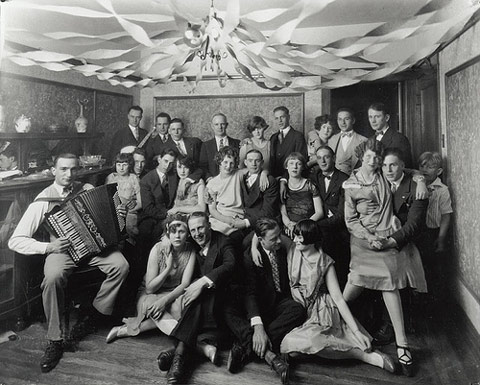
One hundred years ago, Americans rang in the new year in an entirely new way — without legal liquor.
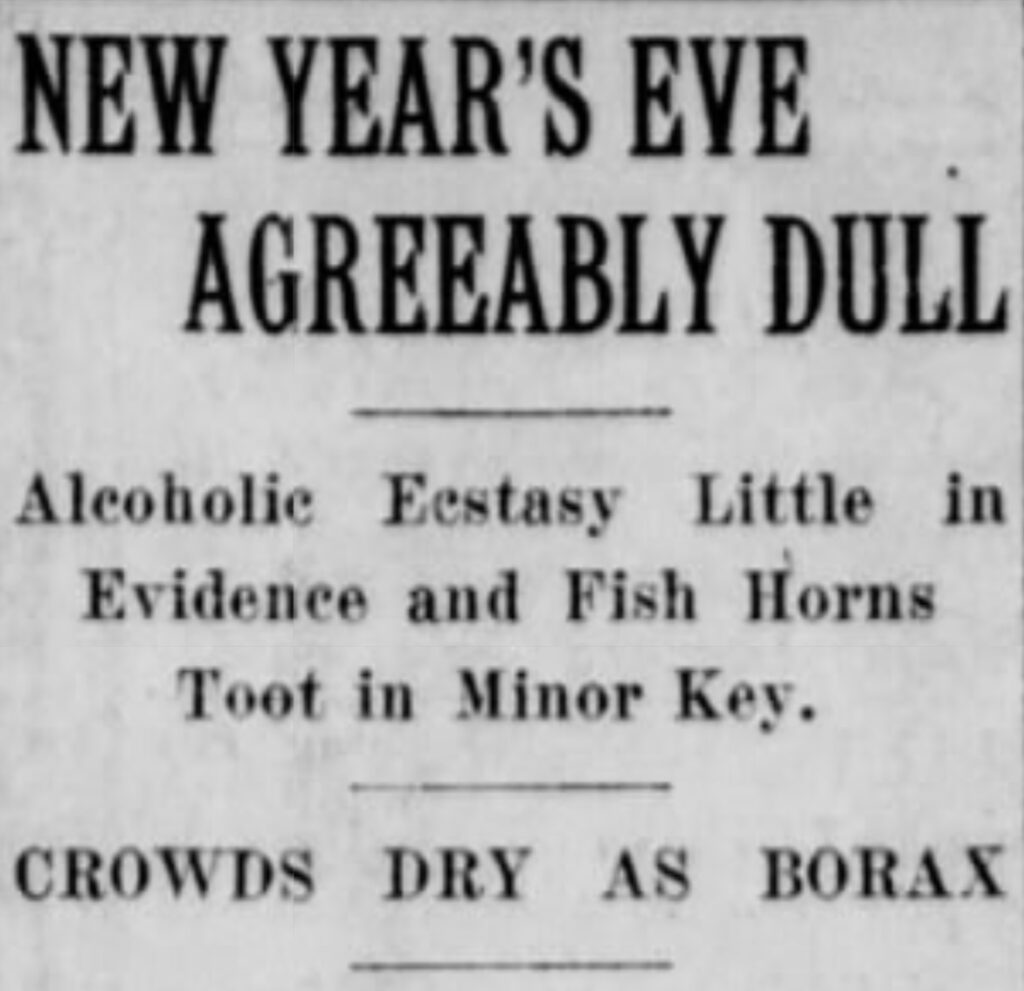
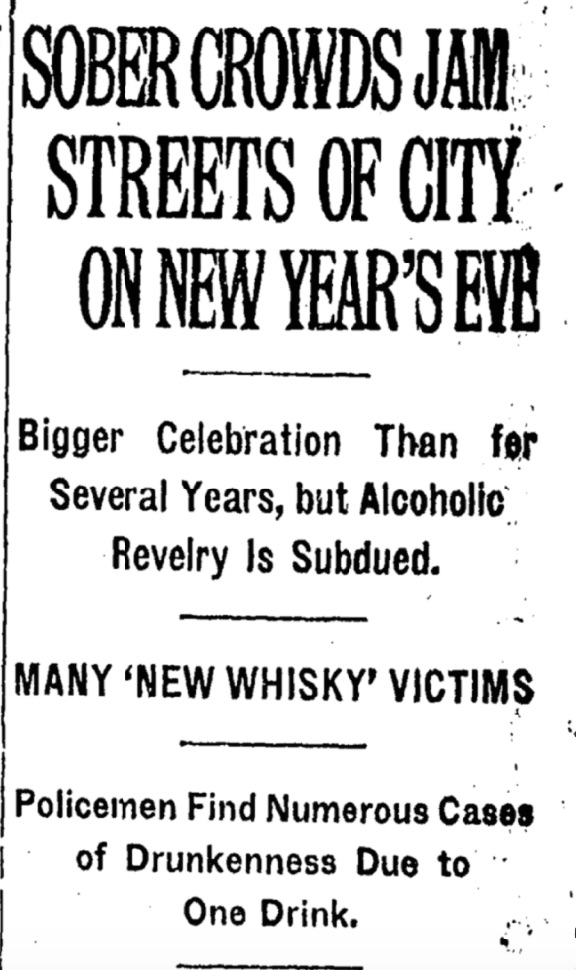
“New Year’s Eve Agreeably Dull,” declared the New York Herald. “Sober Crowds Jam Streets of City on New Year’s Eve,” observed the New York Times.
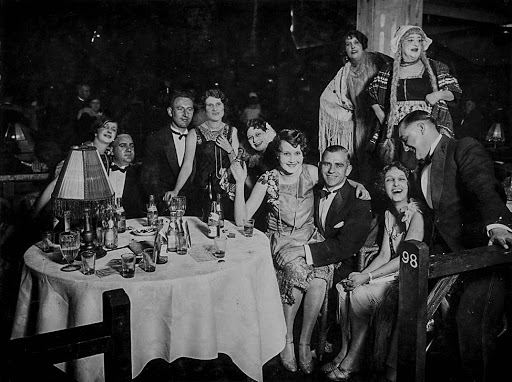
But look more closely and you’ll find the mad revelry was still there, sequestered in hotel rooms, brandished by defiant saloons or tucked away in a coat pocket.
The Eighteenth Amendment, prohibiting the production and sale of alcohol in the United States, had actually gone into effect almost 12 months before — on January 17, 1920.
Partygoers welcoming in the year 1920 knew that access to liquor would soon be shut down courtesy the Volstead Act, the law that enforced the new amendment.
According to the New York Herald, “A year ago the stuff could be toted around with perfect legality and in the course of the revelry thousands of bottles of it were given away to diners by restaurant men who took prohibition seriously and now curse their folly.”
Why “curse their folly”? Over the past eleven months, liquor manufacturing and distribution had gone underground.
The thirst for alcohol simply became more discrete. And hotels and restaurants could now charge extra for their secretive stashes of wine and champagne. (Not to mention their Manhattans and martinis.)
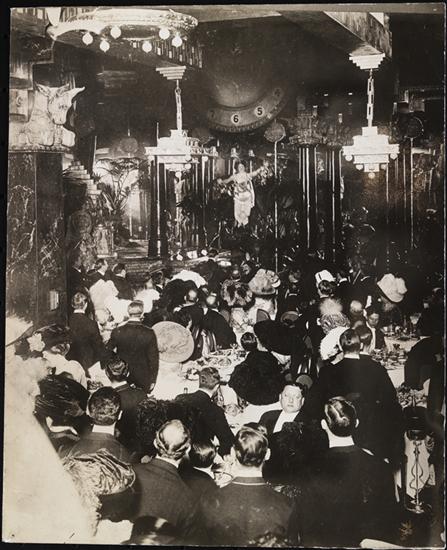
New Years’ Eve at Rector’s, 1910, courtesy Museum of the City of New York
And so the last hours of 1920 saw the birth of an entirely different party — where the added element of secrecy and lawbreaking added a new, wilder dimension for many.
The new style of revelry become obvious early in the evening. Oddly enough, Prohibition killed off more conservative celebrations where the crowds tended to be older and speakeasies less available. Without champagne, what was the point of braving a crowd?
Witness the scene downtown at the ‘traditional’ celebration around Trinity Church:
“In past years Park Row and lower Broadway have been crowded paths for those who marched to Trinity early to hear the chimes. These crowds used to shriek with ratchet and horn and it took extra police to keep them in line.
“Last night the police were there and lonesome.” [source]
Below: In the early 1900s, before the popularity of Times Square, crowds flocked to Trinity to hear the midnight chimes.
As one headed uptown, further evidence seemed to suggest a dampened party vibe that year — even in Times Square:
“A policeman in Longacre Square said it was the smallest turnout he had seen in his fifteen years in the precinct. It almost reminded one of the storied past, when whole families stayed at home and played charades for New Year’s Eve, when friends went to friends’ houses for holiday dinner and when people drank little or no liquor, there being no law to violate.”
Yet as the clock drew near to the midnight hour, crowds did suddenly appear.
From the New York Times, January 1, 1921
And many of those celebrants did express a certain glow found only from illicit and overly potent intoxicants.
“The throngs in the hotels and streets, probably the largest in the history of the city, saw an entirely new kind of celebration,” wrote the New York Times the following day. “The big crowd was roughly divided into two classes, the vast majority who were cold sober and a small minority who were hopelessly to the contrary.”
New York City was experiencing its first New Year celebration without legal liquor — which meant absolutely nothing.
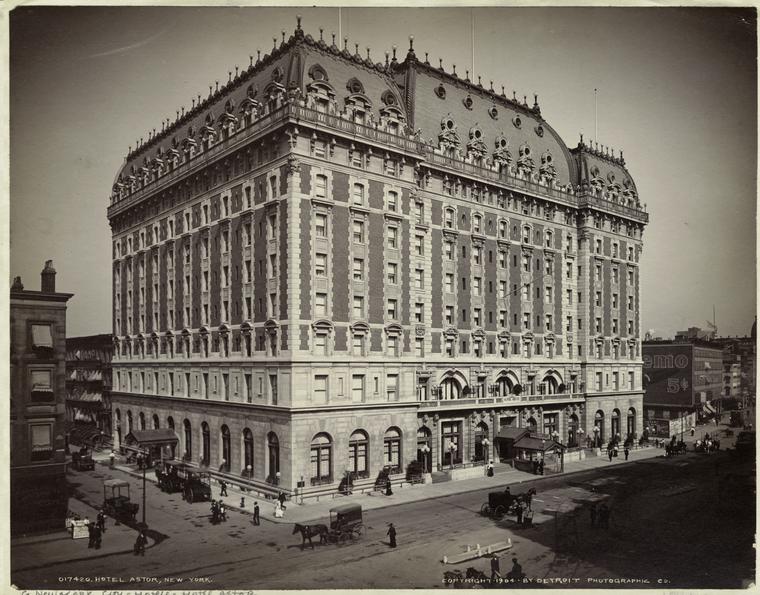
The Hotel Astor in Times Square, pictured here in 1904. Courtesy NYPL
Liquor had not vanished.
Due to rather lax enforcement of the Volstead Act among high-end establishments — poorly paid Prohibition officers were easily bribed — liquor sales actually flourished in the Times Square area if you knew where to look.
“All the restaurant, hotel and saloon managers said with affecting solemnity that they were not selling a thing, and wouldn’t allow a drop to be brought into the house on the hip or elsewhere. Some of them meant it.
“Yet the streets were full of walking bulges and where did the bulges go when they left the street but into the — some of the — hotels and restaurants?” [source]
Celebrations carried on indoors in the finest hotels and restaurants as always but now the liquor stayed indoors as well, clandestine and under the counter. Champagne was just as likely sipped from coffee cups as from glamorous cocktail glasses. But it certainly tasted the same.
Many saloons boldly served alcohol out in the open. “The uninitiated would sometimes walk [into a saloon], look around timidly, see the backs of two or three policemen and then feel safe in demanding a glass of nice fresh whisky.” [NYT]
While some did risk a flask out in the street, many in Times Square preferred to revel within the walls of places like the Hotel Astor or the Hotel McAlpin until a few minutes before midnight — and, for many, why bother leaving at all?
Below: Times Square on New Year’s Eve just a few years later, 1926 (Getty Images)
And then of course there was the abundance of medical services available.
“For some reason a dozen hotels, taking counsel from experience, established yesterday fully equipped medical stations with physicians and nurses in attendance. The nurses’ registry offices were besieged with calls all day for nurses for emergency duty, one hotel offering $2o as a bonus for a single night’s work.” [Herald]
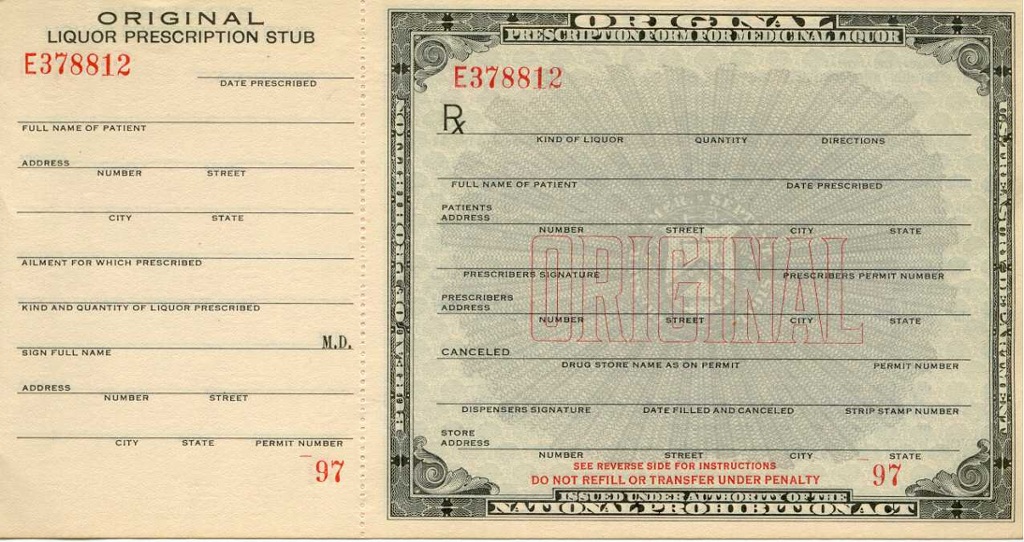
A Perscription for alcohol used during Prohibition, courtesy Smithsonian
According to the Smithsonian, “during Prohibition, the U.S. Treasury Department authorized physicians to write prescriptions for medicinal alcohol. Licensed doctors, with pads of government-issued prescription forms, advised their patients to take regular doses of hooch to stave off a number of ailments—cancer, indigestion and depression among them.”
I imagine a few hastily written prescriptions were dispensed that evening. Curing whatever ailed you!
But some of that medical experience was put to good use as many partygoers drank poisoned, inferior alcohol — called ‘new whisky’ by the New York Times — to great excess, brought in from other places.
New York had never seen so many sloppy drunks.
“The joy of being illegal became more intense than ever before.”
The act of ringing in the year 1921 easily proved that Prohibition was completely unenforceable in the biggest city in the United States — amid the centers of entertainment and vice, with law enforcement so used to looking the other way.
Between Greenwich Village, Midtown Manhattan and Harlem alone, thousands of speakeasies would operate without disruption over the next decade.
Writes Esad Metjahic: “It would be fair to say that New York City never truly accepted prohibition. Laws were passed, an amendment ratified, and even police task forces trained to enforce these laws, but the City of Immigrants never gave in.”
Happy New Year!
For more information, check out our podcasts on New Years Eve AND on the early days of Prohibition:
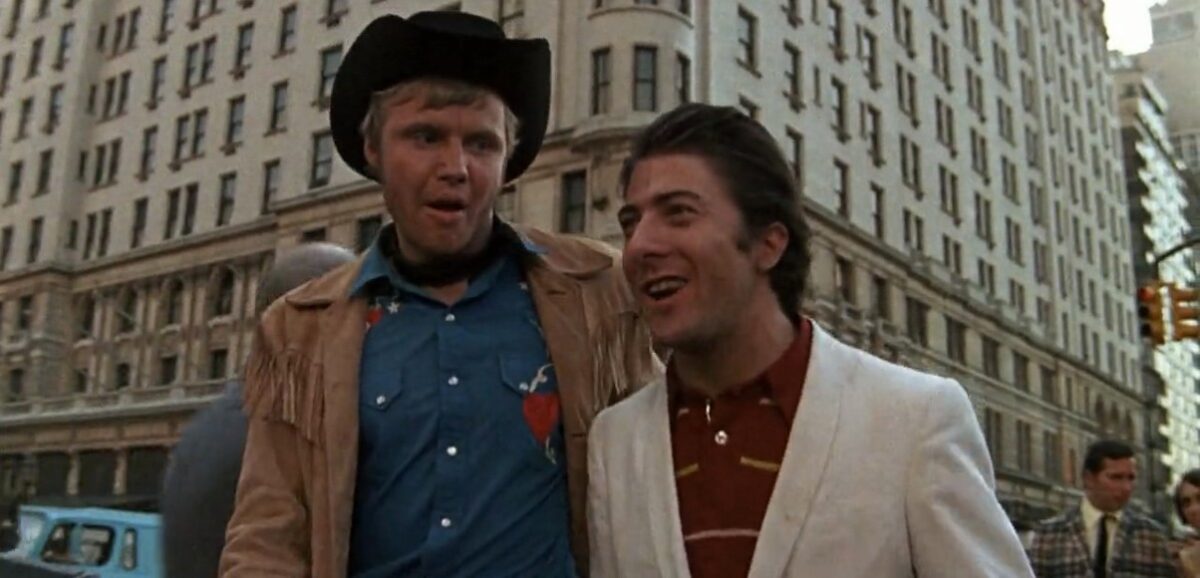
We’ve now made our Bowery Boys Movie Club episode on the film Midnight Cowboy available for everyone. Listen to it today wherever you get your podcasts.
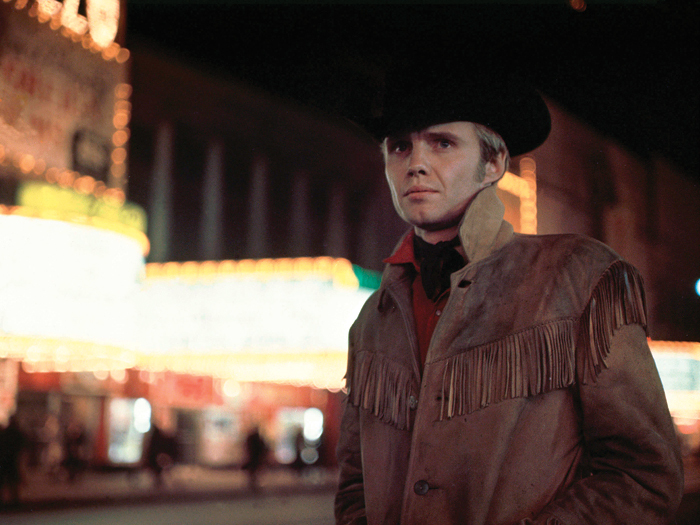
Midnight Cowboy, released one month before the Stonewall Riots, depicts several alternative scenes that were thriving in New York City in the late 1960s — from wild psychedelic parties to the sleazy movie theaters of Times Square.
The film plays out in both brightly lit diners and busy Midtown streets. Freeze frame the film for just a moment and you’ll discover a rich history of visual information about New York City history.
Listen in as Greg and Tom discuss the film’s glorious Manhattan locations — from the crumbling Lower East Side to the vistas of Park Avenue — then give a joyful spoiler-filled synopsis through its startling and sometimes unsettling plot.
How do I get the Bowery Boys Movie Club? Simply support the Bowery Boys: New York City History podcast at any levelon Patreon.
Once you’re signed on, you’ll see a private RSS link that can be put directly into your favorite podcast player. Or it can be played directly from the Patreon app once you’re signed in.
This episode is made possible by our supporters on Patreon, and is part of our patron-only series Bowery Boys Movie Club. Join us on Patreon to access all Movie Club episodes, along with other patron-only audio.
Should you watch the movie before you listen to this episode? This podcast can be enjoyed both by those who have seen the film and those who’ve never even heard of it.
We think our take on Midnight Cowboy might inspire you to look for the film’s many fascinating (but easy to overlook) historical details, so if you don’t mind being spoiled on the plot, give it a listen first, then watch the movie! Otherwise, come back to the show after you’ve watched it.
In honor of the 50th anniversary of the release of Midnight Cowboy, we published this celebration of the film, a detailed look at this gritty, provocative film as a celebration of New York City itself.
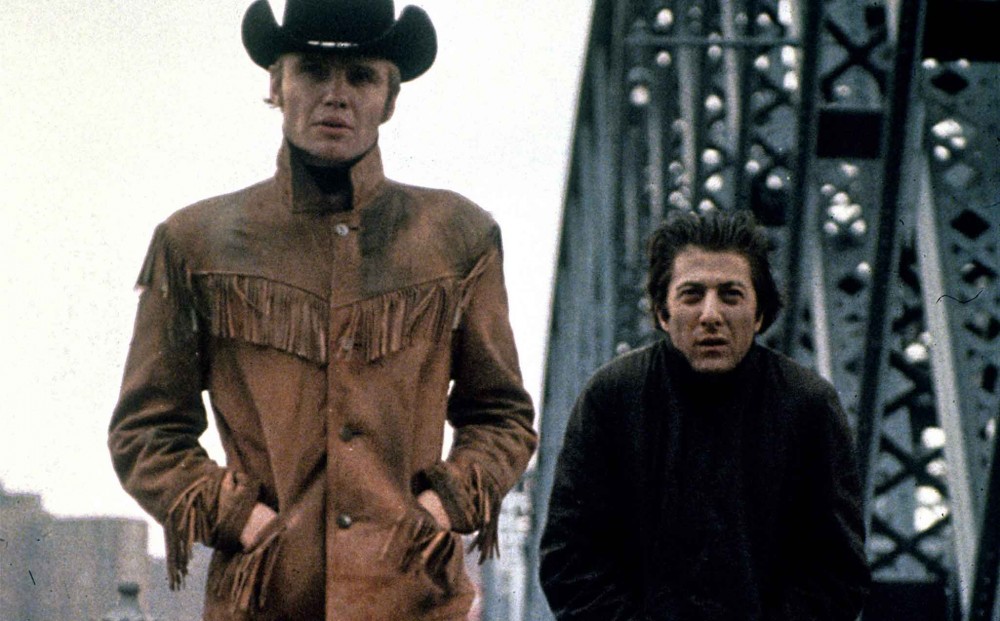
The central figures in that film — ‘Midnight Cowboy’ directed by John Schlesinger— were a clueless cowboy named Joe Buck (Jon Voight), clomping into New York with dreams of becoming a successful hustler, and the wheezing Enrico Rizzo or ‘Ratso’ (Dustin Hoffman), a con man with even bigger dreams of Florida sunshine.
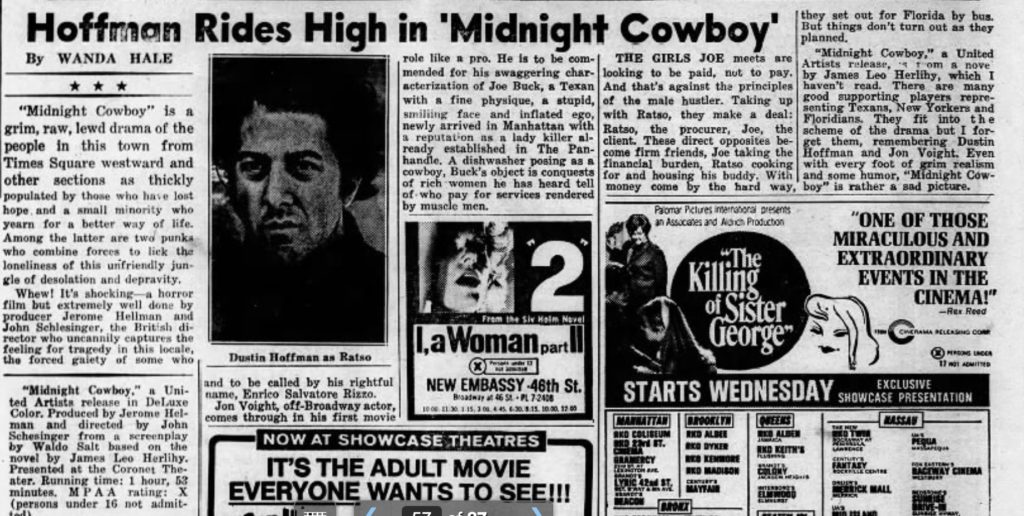
There are few time capsules of New York’s darker days quite as pleasurable as Midnight Cowboy. It’s hardly as provocative as when it was released in May 1969, but its ragged edges have only become more remarkable to view as a piece of history, paying tribute to an era often romanticized today.
But Midnight Cowboy is in no way sugar-coated, and for those who think they would prefer this New York over the overpriced, condo-centric Manhattan we live, work and play in today might do well to give this film a very close inspection.
The original review in the New York Daily News, May 26, 1969
Here are 25 fascinating facts and details from the film itself, some of them specific to individual shots in the film. There are no major spoilers here, but you’ll appreciate this more if you’ve at least seen the film once.
At the bottom is a Google map of some of the places mentioned in this article:
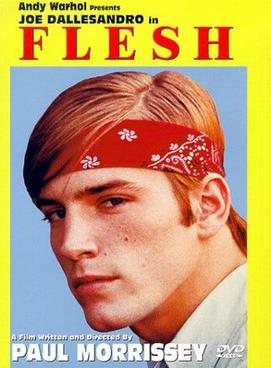
1. ‘Midnight Cowboy was shot in New York City during the spring and summer of 1968. Inspired by the making of Schlesinger‘s film, Andy Warhol protege Joe Dallesandro starred in his own cowboy hustler movie called Flesh. Given its micro-budget and cheap production values, the Dallesandro variant made it into theaters many months before Cowboy did. (More on Warhol in a bit.)
2. As Buck heads into New York on a Luxury Liner bus, New Jersey is epitomized with a montage of tangled highways, roadside hotels and congestive industry. Featured in this quick-cut of unpleasantness is the Seville Motel (in North Bergen), the Pitt-Consol Chemical Company in Newark, and of course Newark Airport.
3. On the bus, Buck holds a radio to his ear and listens to the sunny voice of Ron Lundy from WABC, 770 on the AM dial. Midnight Cowboy features many iconic images and names which would disappear in the 1970s, but Lundy’s career was just taking off, soothing the anxieties of New York commuters well into the 1990s. If you stuck around listening to 770 that particular day, you’d also be likely to hear another famous broadcaster — Howard Cosell.
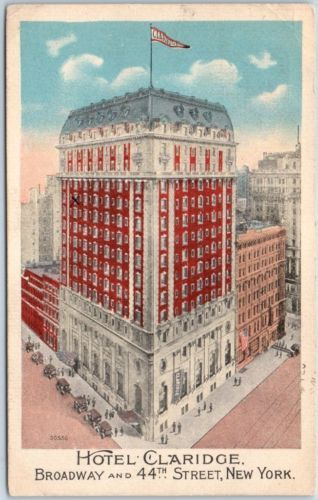
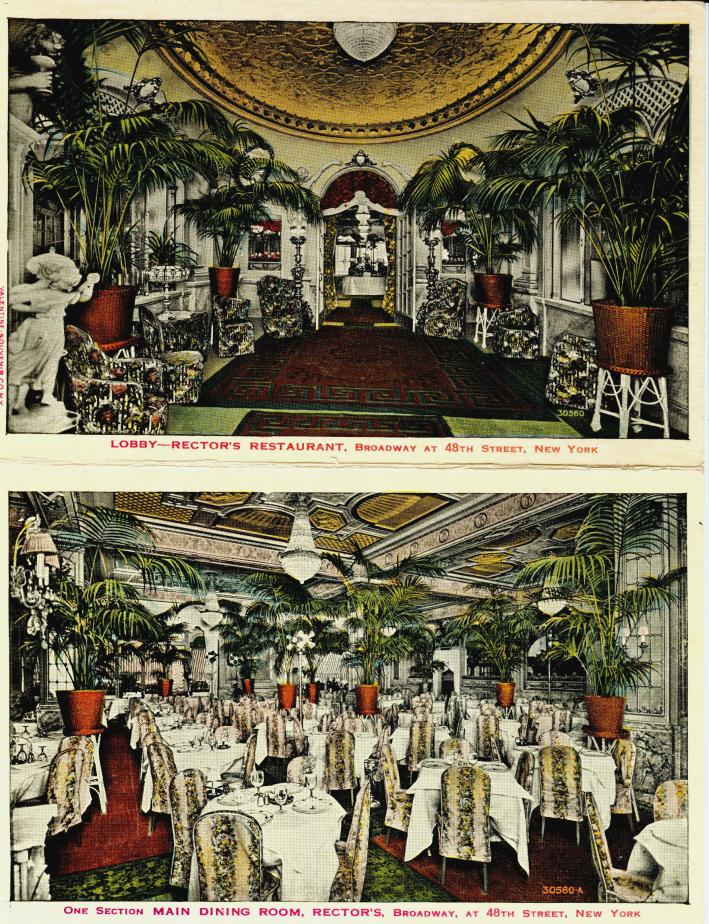
4. For the first third of the film, Joe Buck resides at the Hotel Claridge at Broadway and 44th Street.
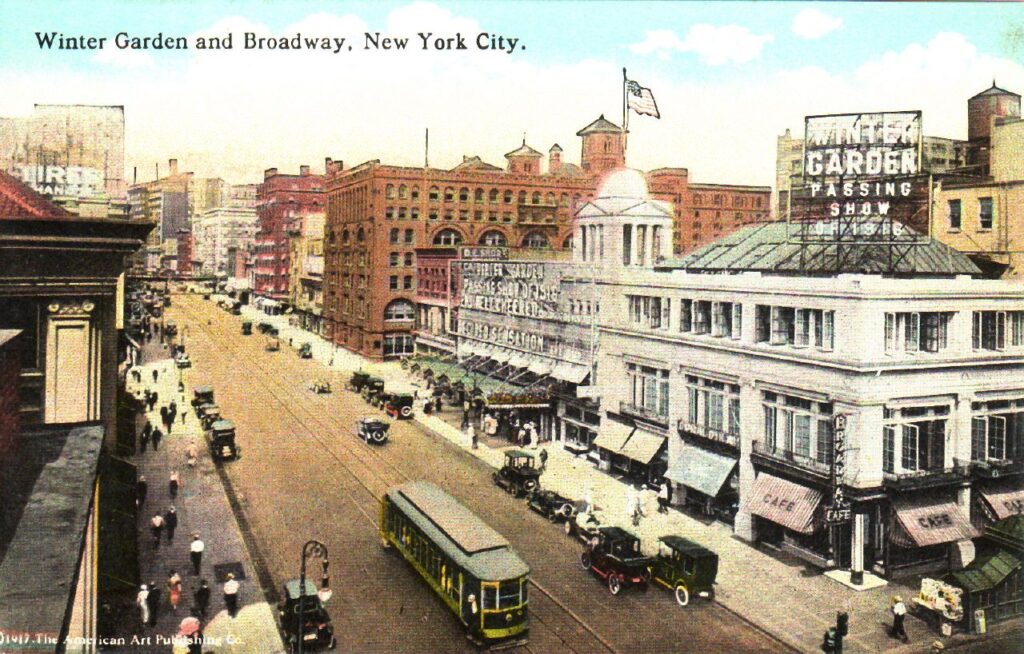
Back in the 1910s, this might have been considered the heart of New York culture, as Rector’s Restaurant, the ultimate lobster palace, resided on the first floor.
The Claridge was demolished in the early 1970s. Today, ABC broadcasts Good Morning America and other programming from this site.
Joe buys a copy of the postcard (at left) to send back home, indicating with an arrow what floor he’s on. He eventually rips it up. (Pic courtesy Postcard Attic)
5. The cowboy strolls through the streets of Midtown, stunned and confused by the rhythms of city life. His Texan gait and cowboy flair stand apart from the life of Fifth Avenue.
Along the way, you can spot some places that are still around (like the Swiss National Tourist Office at W. 49th Street) and some long gone, such as the children’s clothing retail Best & Company at W. 51st Street, torn down in the 1970s and replaced with the Olympic Tower.
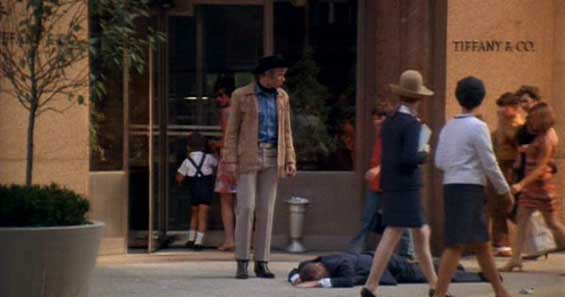
Joe finishes his tour of Fifth Avenue with a stop at Tiffany’s & Co., ogling a lady as she ogles a piece of jewelry behind the window. The 1960s began with the site used in the film Breakfast At Tiffany’s.
You could spend an hour comparing and contrasting the characters of Joe Buck and Holly Golightly. Both characters maneuver through New York nightlife using their sexual wiles.
Below: Buck stands flummoxed in front of a man lying on the sidewalk, more confused perhaps of the reactions of others walking by. (Courtesy On The Set of New York)
6. The naive Buck looks for prospective clients along Park Avenue, stopping older women with his silly line, “I’m looking for the Statue of Liberty.” (He clearly saw it on his way into Manhattan.)
One lady suggests taking the “7th Avenue Subway” (today’s 1-2-3 train) before catching on and escaping to her home at 117 East 70th Street.
The exterior of this luxurious townhouse in Lenox Hill sends Joe into one of his many gauzy fantasies. This house, built in 1931, is situated along Millionaire’s Row and was built by Frederick Rhinelander King, who worked at the firm McKim, Mead & White.
Today the building holds the headquarters of the Harambee USA Foundation, an African relief organization.
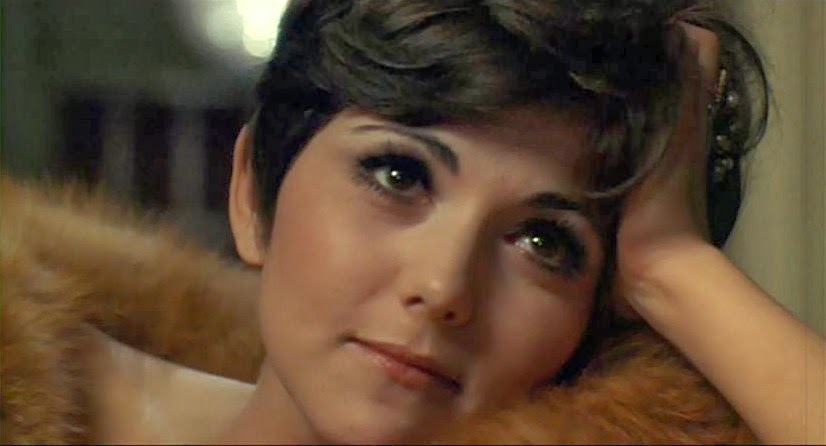
7. Joe finally gets lucky (relatively speaking) when he meets a socialite played by Sylvia Miles, who invites him up to her apartment at 114 East 72nd Street. He’s rebuffed when he eventually gets around to asking for money. “Who do you think you’re dealing with, some old slut on 42nd Street?!”
Unlike the previous townhouse, this apartment building was only a few years old when it was notoriously used as the location of Buck’s first New York hookup. A few years after Midnight Cowboy was released, this building became a co-op.
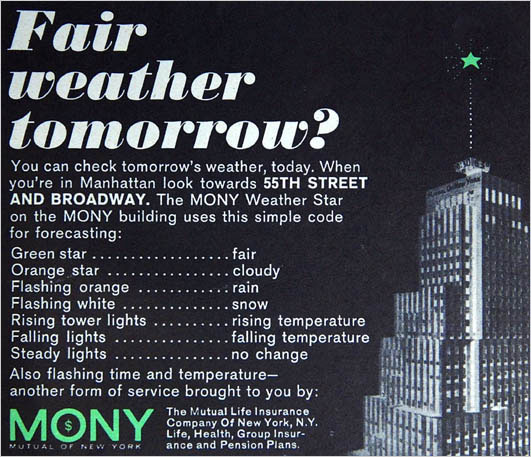
8. The Mutual of New York building at 1740 Broadway makes regular appearances throughout the film, as much for its glowing MONY sign as for the Weather Star atop the building, alerting midtown Manhattan of the time and temperature.
The ubiquitous timepiece — in 7,344-point Futura, for you font buffs — first made its appearance in the 1950s. The sign comes up in a gag later in the film involving a drug-induced Scribbage game.
(Courtesy the New York Times, via Official Guide New York World’s Fair, 1964/1965)
9.Midnight Cowboy is rather ambivalent on the subject of gay people.
While out and confident gay people are seen along the fringes, the film mostly focuses on those who troll 42nd Street and are generally ashamed or guilt-ridden by their actions.
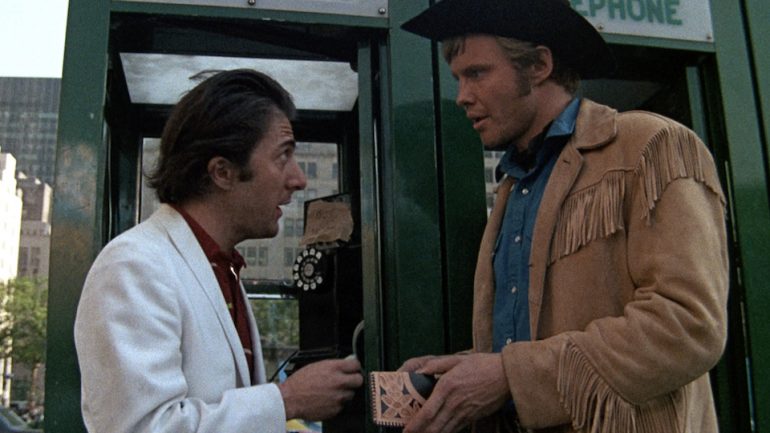
10. Buck meets Rizzo at a midtown bar — possibly the Terminal Bar — and the nervous, chronically ill grifter agrees to take the cowboy to a pimp friend of his. The movie’s most famous line was delivered as Hoffman and Voight are crossing 58th Street at Sixth Avenue.
11. Rizzo and Buck continue their stroll back over to Fifth Avenue and the Plaza Hotel. Rizzo briefly commiserates with a carriage horse before heading over to a spectacular row of green phone booths, similar in design to a set of old booths at the 79th Street Boat Basin (courtesy the Payphone Project ).
These green phone booths must have been quickly replaced in the 1970s with the more familiar silver booths.
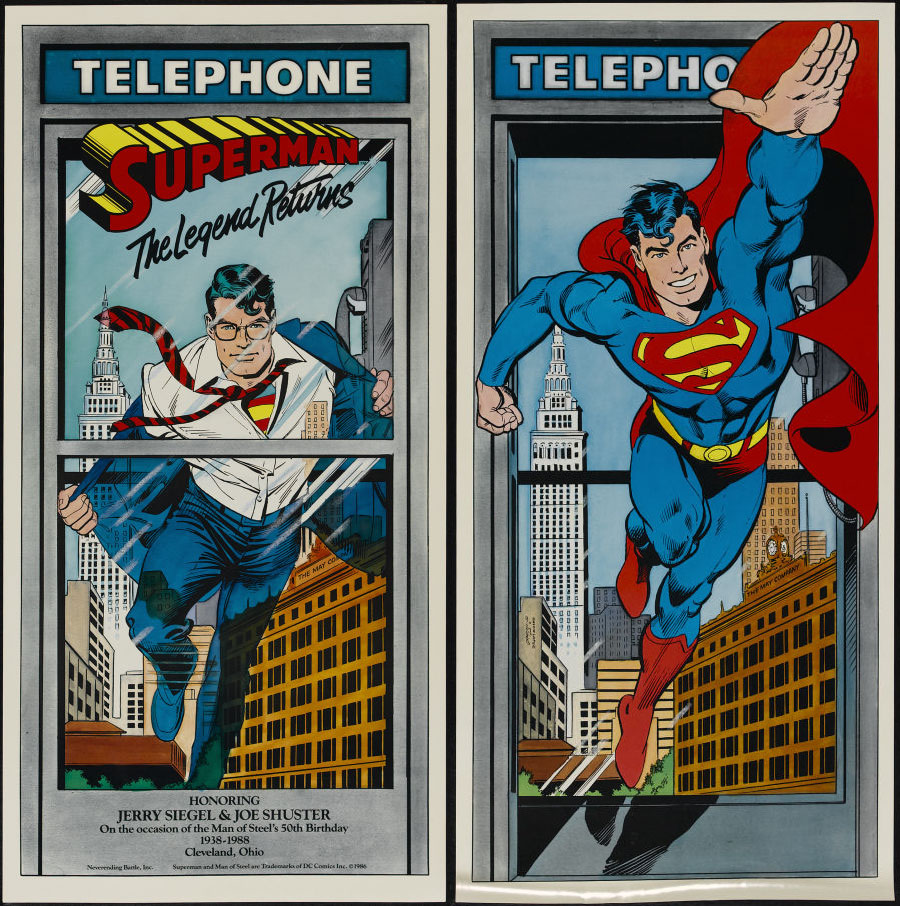
Midnight Cowboy is a celebration of old New York phone booths, which sadly dwindled in number starting in the 1980s. For that loss, we’re sorry, Clark Kent.
12. After Rizzo abandons Buck with a crazed preacher, the cowboy lapses into a black-and-white fantasy sequence, chasing Rizzo down into the subway. Rizzo is seen riding away on an F train, specifically the R40 style subway car.
These would become very popular with graffiti artists and most associated with New York’s rundown transportation system. What you’re seeing in the film, however, is a new car, as they entered service in 1968.
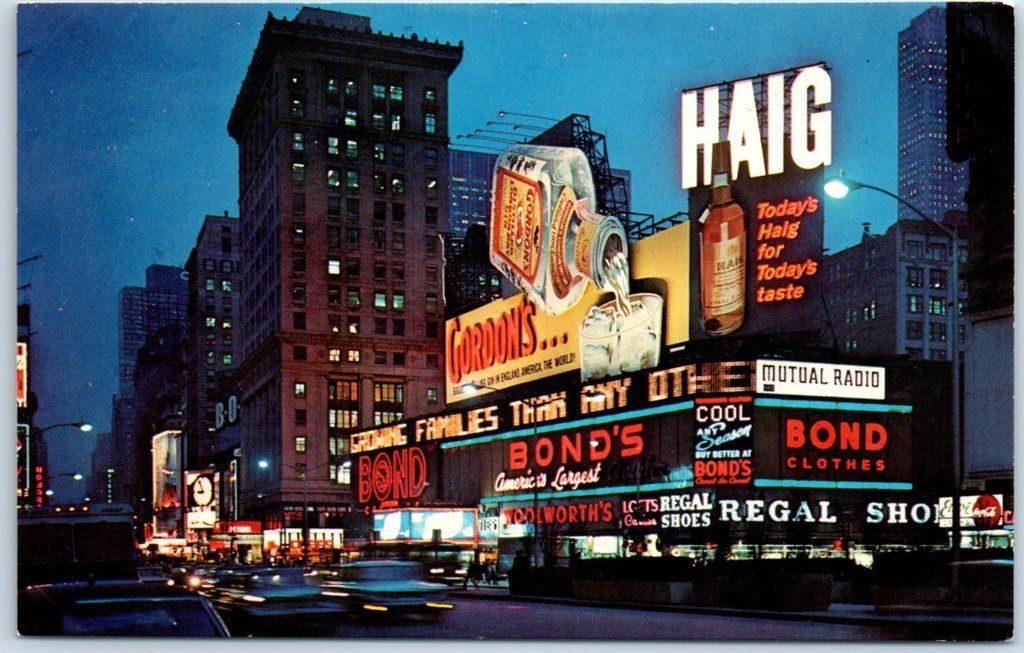
13. One of two memorable Times Square signs in the movie is the one hanging outside Buck’s hotel window for Haig’s Whiskey. While the sign proclaims ‘Haig’s for Today’s Taste’, its more popular slogan was ‘Don’t Be Vague’.
A picture of the Times Square sign, below, is from 1970, astride one of Times Square’s most famous signs for Bond Clothing Stores. (Courtesy Skyscraper City)
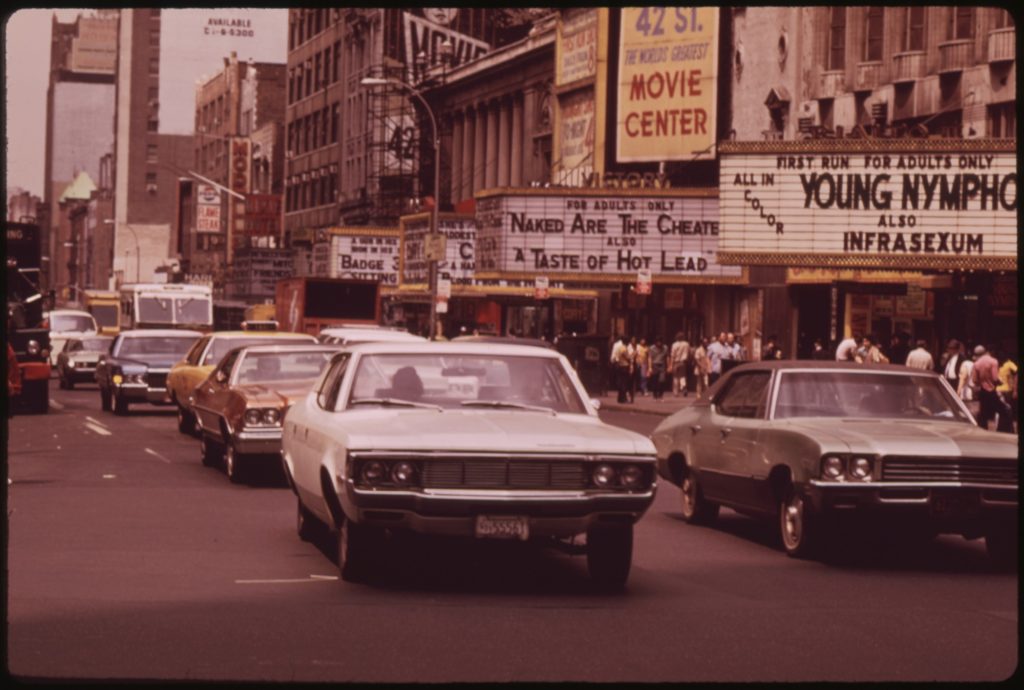
14. Ah, 42nd Street! The bright illuminated marquees, the all-night shops, the weird and dangerous street scenes, the alternative world that it offers in Midnight Cowboy.
Among the many prurient delights seen in the background is the great old Hubert’s Museum, a classic old dime museum that held on even as the culture around it became debauched and seedy.
The museum closed the year after it was featured in the film, becoming, like so many places along 42nd Street, a peepshow. You can find some incredible pictures of Hubert’s here.
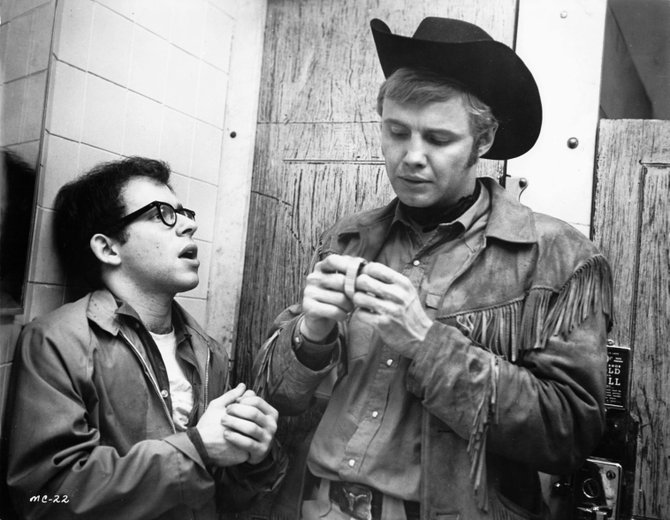
It’s around this spot that Buck is picked up by his first male client, played by a young Bob Balaban (Close Encounters of the Third Kind, Best In Show). While portrayed as a skittish, quiet boy, today his character looks more like the hip lead singer of a Brooklyn electronic band.
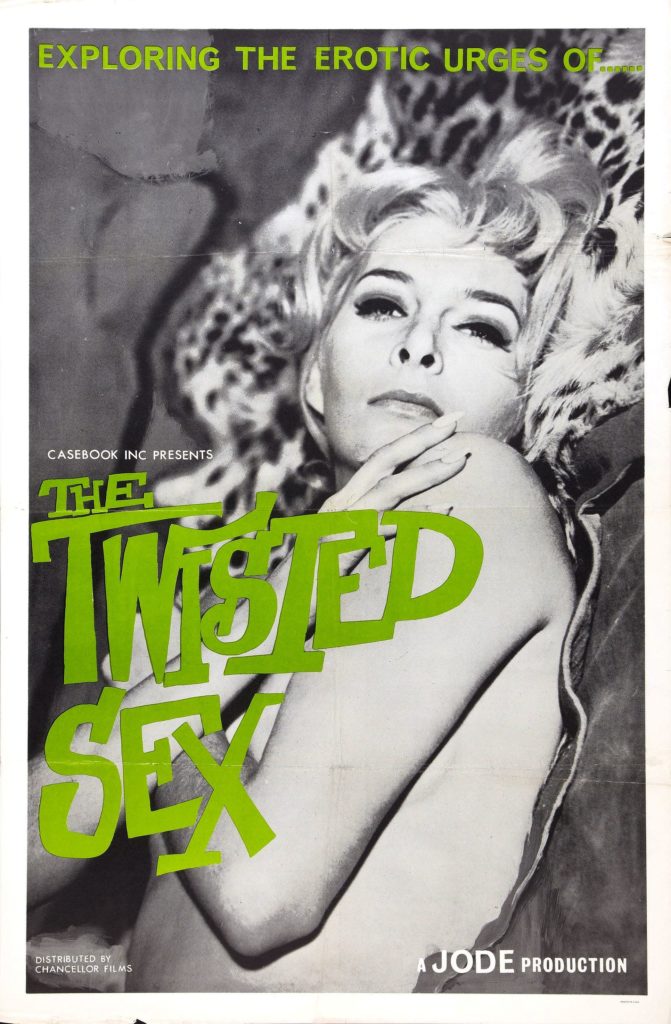
15. Buck emerges from an all-night movie theater and wanders down 42nd Street early the next morning. Among the many films advertised on the row of marquees is one with a most arresting title — The Twisted Sex.
The sexploitation flick was made in 1966 by Chancellor Films, famous for all sorts of naughty pictures, including ‘Fanny Hill Meets Dr. Erotico’, ‘The Diary of Knockers McCalla’, ‘Animal Love’ and ‘Sex Cures The Crazy’.
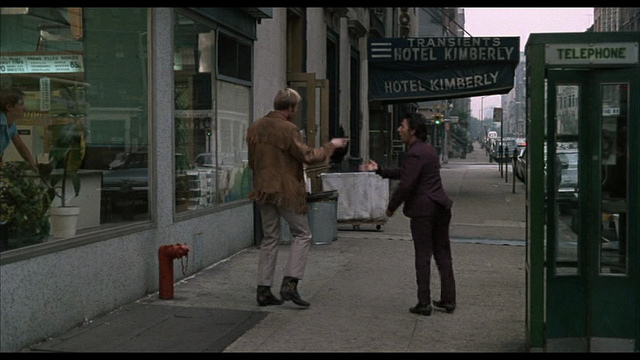
16. Buck chases down Rizzo at a diner on the Upper West Side. They argue and turn the corner to reveal the Hotel Kimberly for ‘transients’.
This is NOT the Kimberly Hotel in Times Square, a far classier joint. Kimberly was located at Broadway and 74th Street, which becomes obvious when you see the exterior of the Apple Bank Building in a cross-shot.
The Hotel Kimberly had once been a rather fabulous hotel in the 1930s-40s. In fact, a young Lucille Balllived here in 1931! (Image courtesy Pay Phone News)
17. Rizzo takes Buck back to his place, not the “Sherry Netherlands” [sic] that he claims earlier in the film, but in a rundown East Village tenement, presumably on its way toward demolition.
Although I do not know the specific address, these scenes are memorable for perhaps being the first time Lower East Side squatting is featured in a Hollywood film!
18. Rizzo decides Buck needs to score clients the old-fashioned way — by stealing them from other men. They visit The Perfect Gentleman Escort Service — “endorsed by leading travel agencies and credit clubs” and probably in no way disreputable — and snag an address where a potential client awaits at the Hotel Berkley.
The Berkley is a women’s hotel, “a whole goddamn hotel with nothin’ but lonely ladies,” as Rizzo indelicately describes. That is one of the few places in ‘Midnight Cowboy’ that does not exist.
The Gotham Hotel, at Fifth Avenue and 55th Street, stood in for this fictional haven. Today, you may know it better asThe Peninsula.
LDan McCoy/Environmental Protection Agency
19. The second notable Times Square signage gets a few seconds of glory at this point — the Gillette Right Guard sign, dispensing steams of aerosol into the street. The steam effect was another iteration of creativity began in 1933 with the A&P 8 O’Clock Coffee cup.
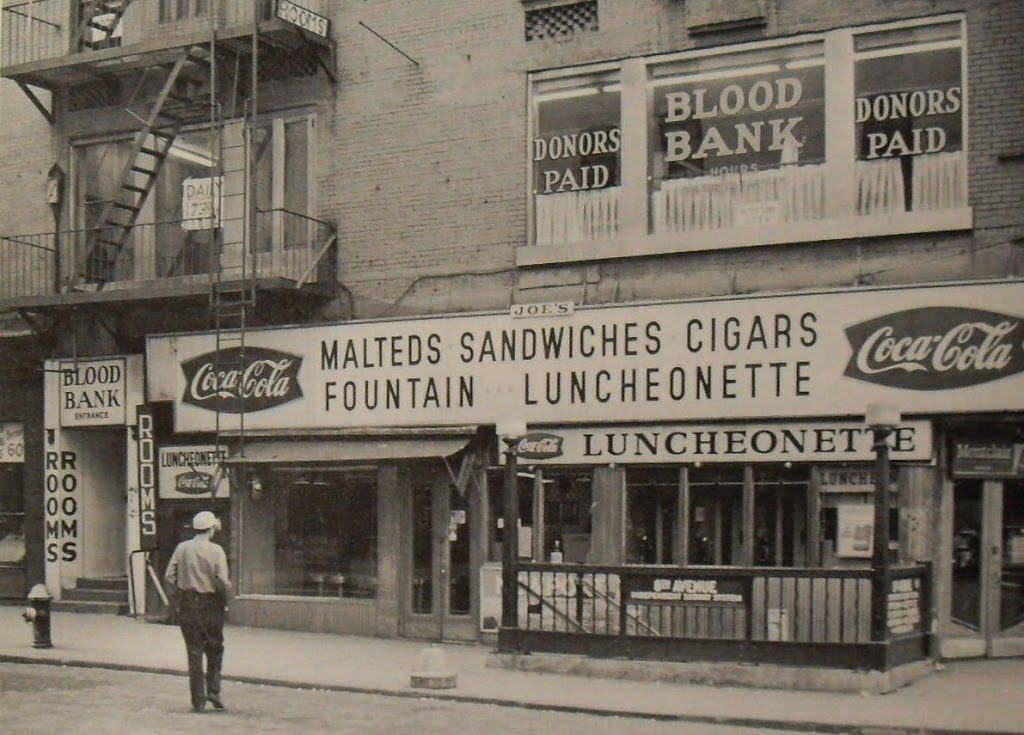
20. Desperate for money, Buck resorts to selling plasma at a midtown blood bank. I can only recoil in horror at the sort who frequented this place in the late 1960s, looking for extra money.
I’m not sure of the exact address of the neon-advertised blood bank featured in the film, but it’s possibly the one featured in this picture, located over on Eighth Avenue. (Courtesy Christian Montone/Flickr)
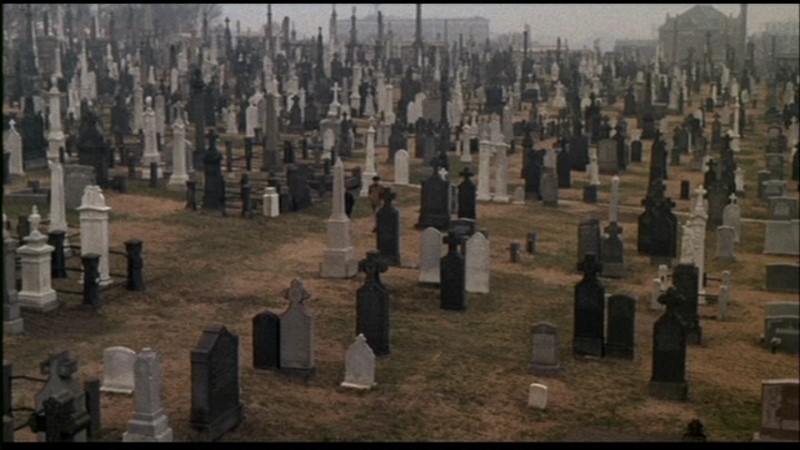
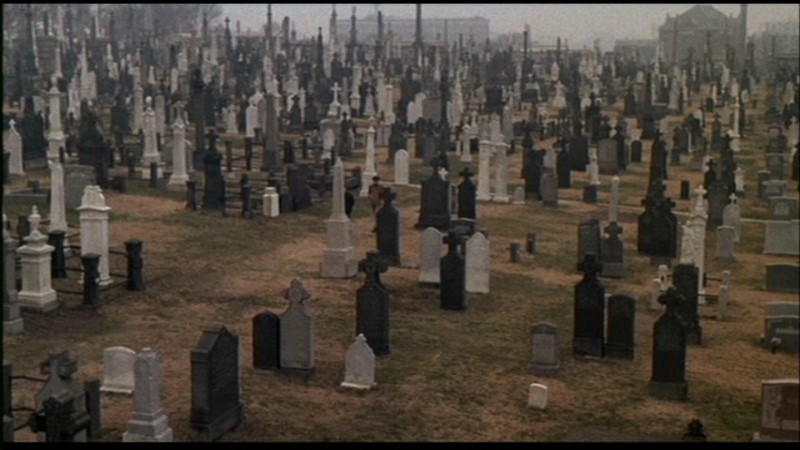
21. In a refreshing break from Manhattan, the duo is seen walking all the way to Queens to visit the grave of Rizzo’s father at Calvary Cemetery. Rising in the distance you can see the Kosciuszko Bridge.
A few years later this same cemetery would be used in ‘The Godfather’. (Below the scene from Calvary, courtesy DVD Beaver)
22. Rizzo and Buck are talking in a diner when a strange duo enters, snap Buck’s picture and hand him a flyer to a mysterious party, located “at Broadway and Harmony Lane,” another false address designed for the film.
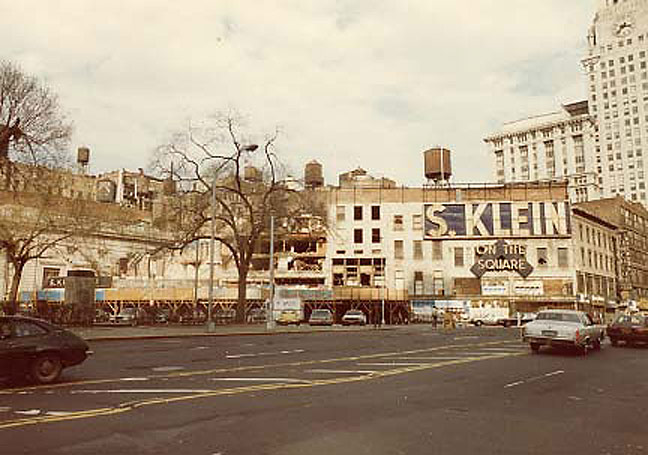
Rizzo is incredulous and possibly jealous. “Where does it tell you to go? Klein’s bargain-basement?” This is a reference the famous discount clothier S. Klein, and in particular to their location off Union Square.
The store typified the square’s general fall from grace as a place of high-end retail. S. Klein would remain open until 1976. (Below: Klein’s being demolished in 1978, pic courtesy Forgotten NY)
23. They eventually go to the strange party — or should I say ‘happening’ — of Hansel and Gretel Mac Albertson. “Flesh and blood and smoke will be served after midnight,” according to the flyer.
The party style and decor is heavily influenced by Andy Warhol’s own psychedelic events, and there’s a glimmer of The Electric Circus in the set design. If that wasn’t enough, Warhol acolytes Viva, Ondine and Ultra Violet make brief appearances.
Warhol was asked to participate in the film but he declined. In June 1968, as Midnight Cowboy was wrapping up filming, Warhol was shot by Valerie Solonas.
24. Buck’s last desperate trick involves an out-of-towner he picks up at a midtown arcade. (This might even be the arcade in question.)
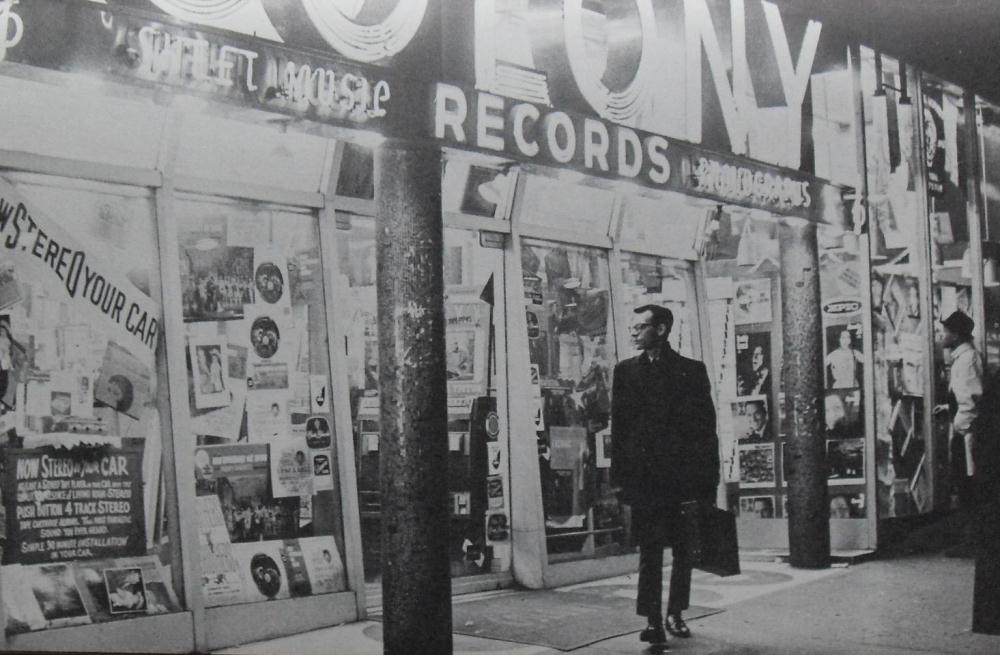
Later, we see the pair up on 49th Street, turning the corner to be greeted with the facade — of Colony Records! The classic music store was located in the Brill Building and had remained a surviving relic of midtown’s popular music glory days, right up until its closure last year.
25. Finally, that omnipresent song! Nilsson’s ‘Everybody’s Talkin” is probably one of the most famous pop songs to ever be featured in a motion picture, its ease and flowing charms compatible with Joe Buck’s carefree attitude.
But if the artist had had his way, another song would have been used — “I Guess The Lord Must Be In New York City.” You can give it a listen here. Which do you prefer?
Here’s a map of some of the places from ‘Midnight Cowboy’ mentioned in the article above. A couple of places may be off — and a few are speculations, based on clues in the film. If you have any further information, please email me! View Midnight Cowboy: The Map in a larger map
Join the Bowery Boys Movie Club! Support us on Patreon at any level and get these Patreon-exclusive, full-length and ad-free podcast. Each month we talk about one classic (or cult-classic) film that says something interesting about New York City.
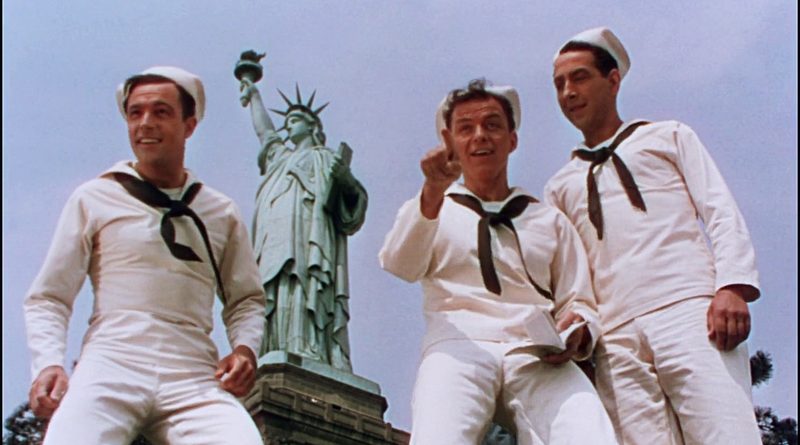
In the new Bowery Boys Movie Club, Tom and Greg disembark at the Brooklyn Navy Yard and spend a breathless 24 hours in New York City — with Gene Kelly,Ann Miller, Vera-Ellen and Frank Sinatra.
On The Town, with lyrics by Betty Comden and Adolph Green and (some) music by Leonard Bernstein,puts a fairytale spin on post-War 1940s New York City as it follows three sailors on a big-city adventure — knocking down dinosaurs, finding love, singing their hearts out. This screen musical classic mixes both studio and on-location film shoots, offering extraordinary views of Times Square, Rockefeller Center and Coney Island.
OnThe Town is not simply a movie about New York City, but about being a tourist in New York City. And musical lovers! You will especially appreciate Tom’s deep dive into the lyrics of songs like “Come Back To My House,” chock-full of references from New York City’s past.
Listen in as Greg and Tom set up the film’s backstory — highlighting the many changes made in the transition from stage to screen — then give a joyful spoiler-filled synopsis through the film’s breezy story. (Not every aspect of this film ages well!)
Should you watch the movie before you listen to this episode? This podcast can be enjoyed both by those who have seen the film and those who’ve never even heard of it.
We think our take on On The Town might inspire you to look for the film’s many fascinating (but easy to overlook) historical details, so if you don’t mind being spoiled on the plot, give it a listen first, then watch the movie! Otherwise come back to the show after you’ve watched it.
The film is available on iTunes, Amazon, among other streaming services.
To get the episode, simply head to Patreon and sign up to support the Bowery Boys podcast at any level.
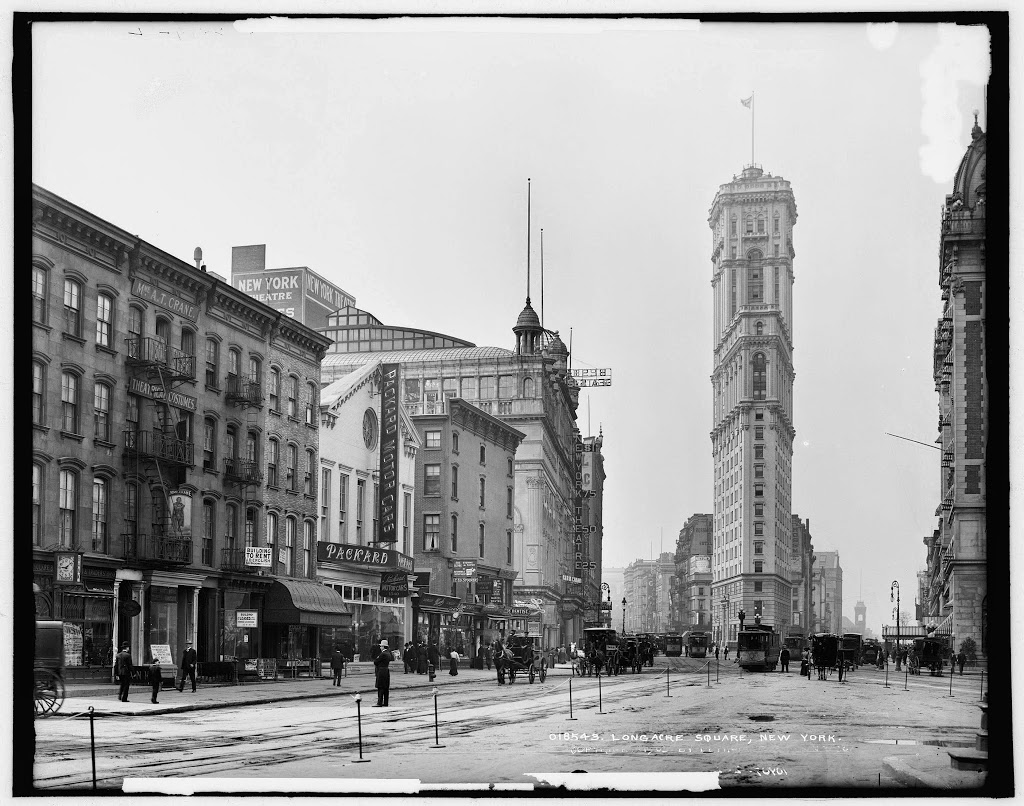
On April 8, 1904, the former horse-and-carriage district known as Longacre Square was renamed for a tenant who had just moved to the neighborhood.The New York Times was building a new office tower on the slim odd-shaped block at 42nd Street between Broadway and 7th Avenue.
Meanwhile, below ground, the city had built a pivotal new subterranean station for the Interborough Rapid Transit Company (IRT) which would open on October 27, 1904.Combined with the growing presence of theaters in the neighborhood, the area needed a fresh new name.
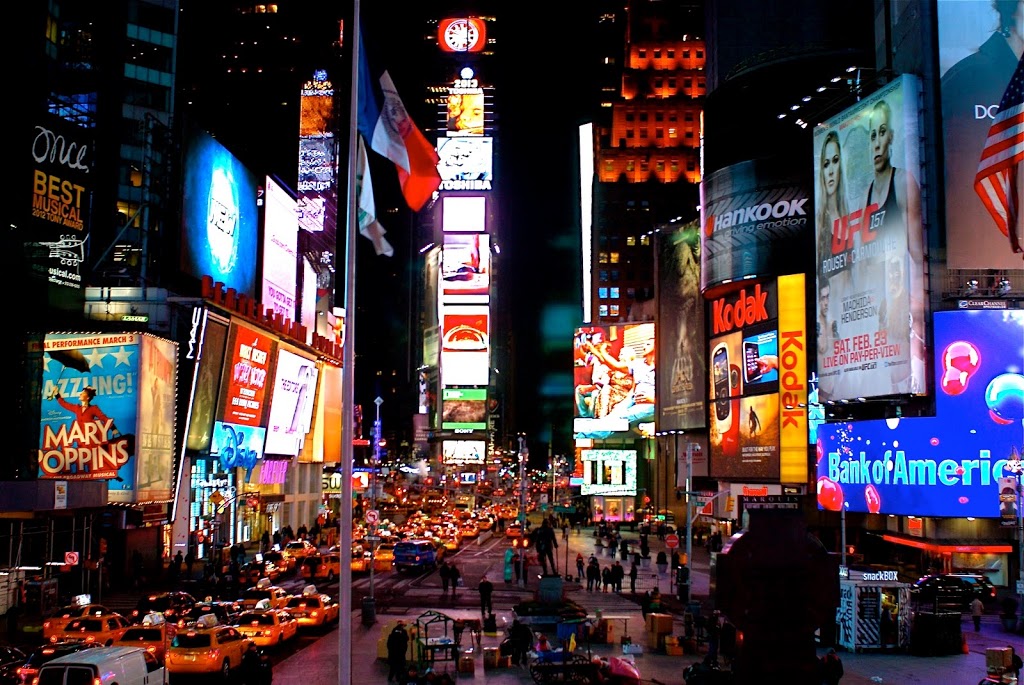
Looking south towards the Times Building, 1904 and 2013: Featured pic courtesy Library of Congress; Bottom pic courtesy nyclovesnyc
“Mayor [George B.] McClellan yesterday signed the resolution adopted by the Board of Aldermen on Tuesday last changing the name of Long Acre Square to that of Times Square. This follows out the recommendation of the Rapid Transit Commission and of the Interborough Rapid Transit Company, which is to operate the subway, and it is intended by the Rapid Transit Commission at its next meeting to call the subway station at Broadway and Forty-Second Street Times station.
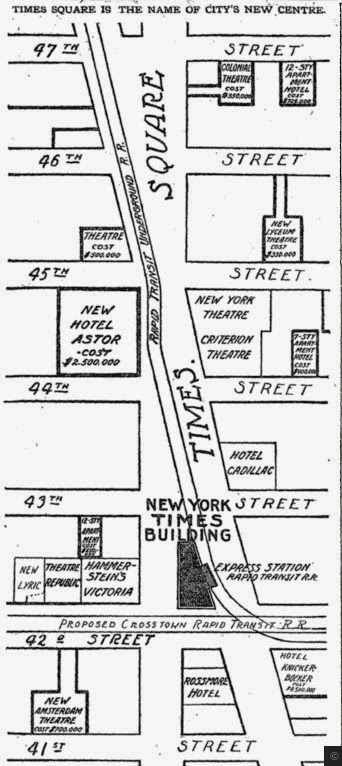
The resolution with Mayor McClellan has signed becomes operative at once, and authorizes the President of the Borough of Manhattan to take such steps in the matter as may be proper and necessary. This includes the alteration of street signs. Times Square takes in the triangle on which the new building of The New York Times is situated, and the name applies to the entire section between Forty-Second and Forty-Seventh Streets, Broadway and Seventh Avenue.”
Below: The illustration of Times Square which ran in the April 9th issue:
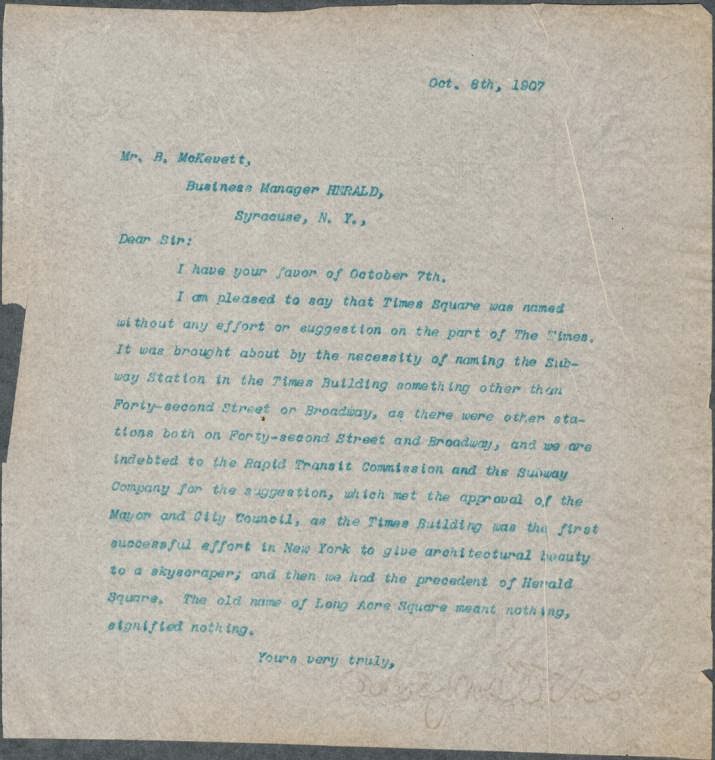
Below: A letter written by publisher Adolph Ochs to the New York Herald (Courtesy New York Public Library)
“I am pleased to say that Times Square was named without any effort or suggestion on the part of the Times. It was brought about by the necessity of naming the Subway Station in the Times building something other than Forty-second Street or Broadway, as there were other stations both on Forty-second Street and Broadway…….”
“The old name of Long Acre Square meant nothing, signified nothing.”
(Well, it didn’t mean nothing. The area was named for a street in London that was also known for the coach and carriage trade.)
THE FIRST PODCASTÂ In 1900, there were about 8,000 registered automobiles in the United States. They were a genuine novelty. Those that attempted to go on ‘road trips’ met with a frustrating reality — there were no drivable roads, no unified road maps, no nation-wide infrastructure of gas stations or amenities. The first automobiles to attempt cross-country travel were essentially UFOs streaking through a sparsely populated and isolated America.
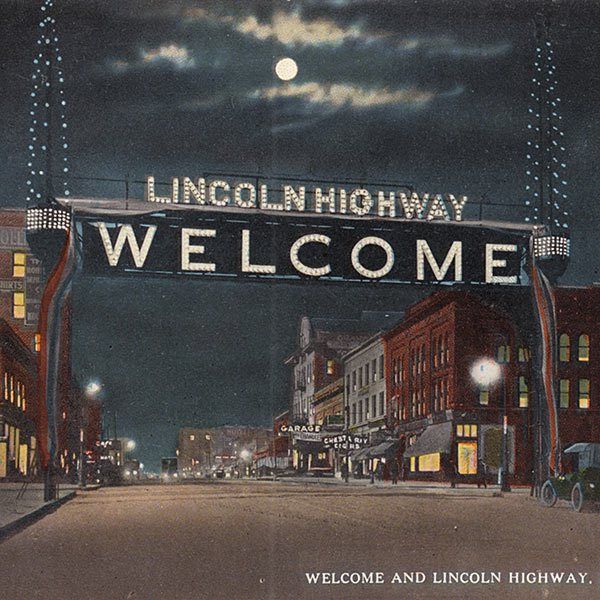
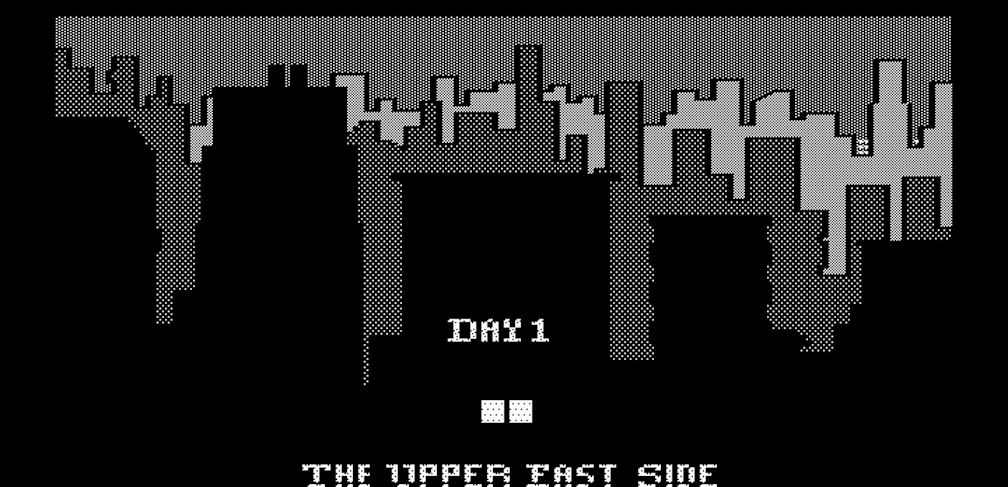
This is the story of how that all changed. This is the story of the Lincoln Highway, the first cross-country road in the Untied States, linking Times Square in Manhattan with Lincoln Park in San Francisco via a patchwork of pre-existing roads in twelve states.
The Lincoln Highway was developed by automotive executives who wanted to use the cross-country road to promote automobile sales. It accomplished more than that; the Lincoln Highway invented the pleasures and eccentricities of American road travel.
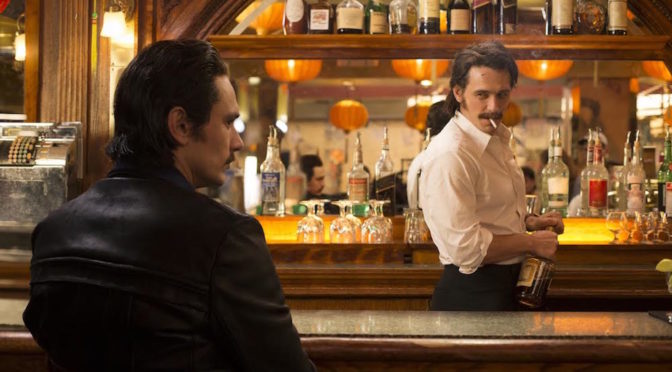
"The Deuce Pilot HBO Productions 2015 1114 Avenue of the Americas New York City 10036 Characters: James Franco- Vincent Gary Carr- C.C. Margarita Leveiva- Abby Amber Skye Noyes- Ellen Don Harvey- Flanagan
Will The Deuce succeed where Vinyl failed? I was disappointed that HBO’s luxury period series about the 1970s music industry quickly faded after only one season, but it appears the network is going back into New York City history with a hotter, sleazier concept. (And Vinyl was very, very sleazy.)
The Deuce takes aim at Times Square, strolling past the legitimate theaters and restaurants and heading into the porn houses. According to their official description, the show “follows the story of the legalization and subsequent rise of the porn industry in New York’s Times Square from the early 1970s through the mid-1980s, exploring the rough-and-tumble world at the pioneering moments of what would become the billion-dollar American sex industry.”
I’m intrigued, even though the concept of two James Francos, as twin porn kingpins Vincent and Frankie Martino, sounds exhausting. (But with his voluminous output of work recently, perhaps there have always been two James Francos.)
However there are a few reasons why I think this might actually take off:
1) The show has been developed by George Pelecanos and David Simon, the makers of The Wire, possibly the most intense and literate show ever about urban life.  Simon’s last project Show Me A Hero was a precise and well-observed drama about Yonkers in the 1980s.
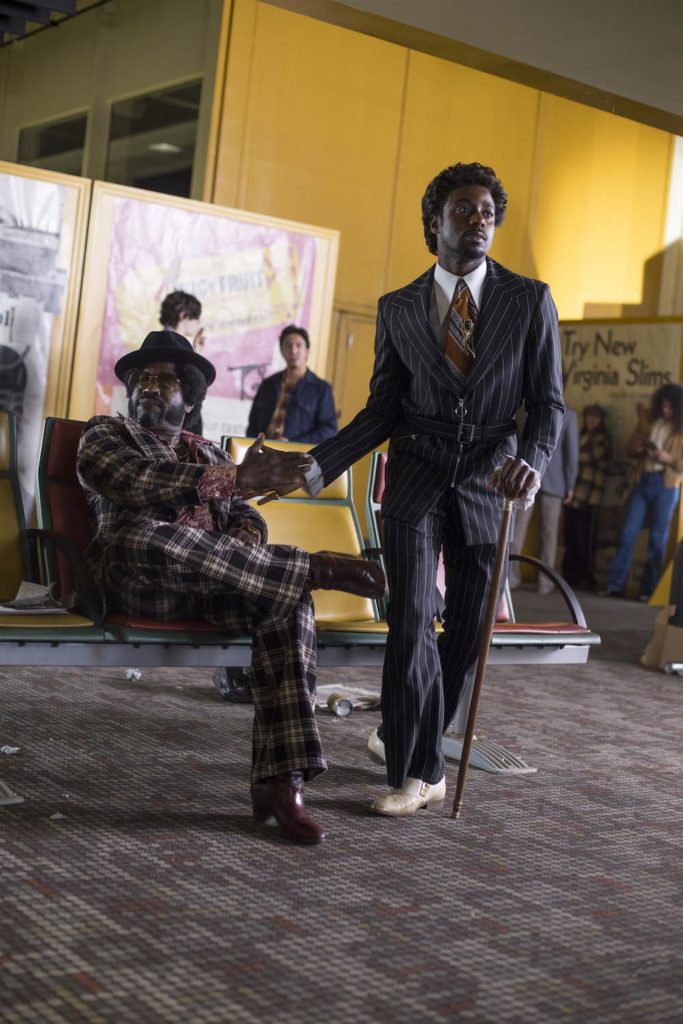
Below: Gary Carr and Tarik Trotter
2) New York City in the 1970s provides a treasure trove of dramatic possibilities if done straight. I quite liked Netflix’s The Get-Down but it was hardly literal. Times Square should provide suitable visual properties provided it’s not too over-the-top. (Fans of Simon’s Treme will know that he handles flashy settings very well.)
HBO
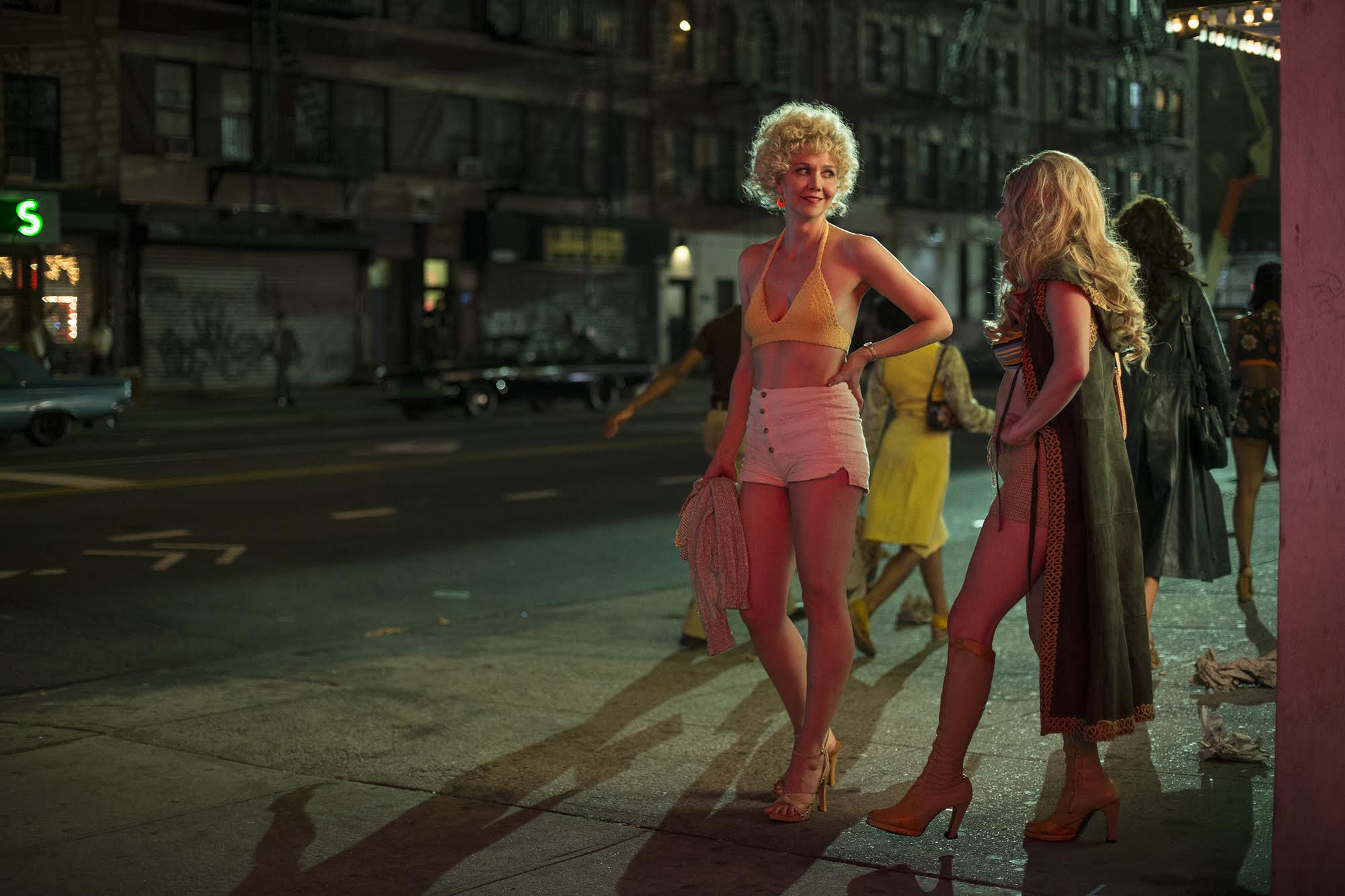
3) Maggie Gyllenhaal is in this. We’re in good hands. But let’s hope that wig translates better on film.
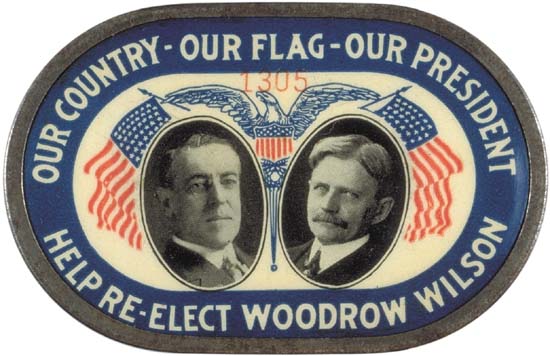
One hundred years ago today, Americans went to the polls to vote for the President of the United States — between the Democrat and incumbent President Woodrow Wilson and the Republican Charles Evans Hughes.
The election was held on November 7, 1916, and it’s interesting to peruse the details of the day itself and the headlines from the following days, looking for parallels to our current election.
Like the current 2016 election, the choice back then sprouted from local political figures, pitting the former governor of New Jersey (Wilson) with the former governor of New York (Hughes). Imagine Chris Christie running against Andrew Cuomo. (On second thought, don’t!)
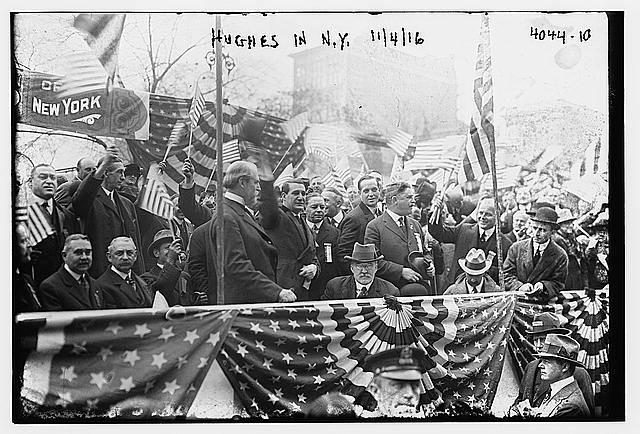
Below: Hughes at a rally in New York a few days before Election Day.
Of course, technically there was a third candidate on the ballot and one with the deepest New York roots — Theodore Roosevelt. After great entreaties by supporters, the former president was submitted as the Progressive Party candidate, only to withdraw his name late in the process to endorse Hughes.
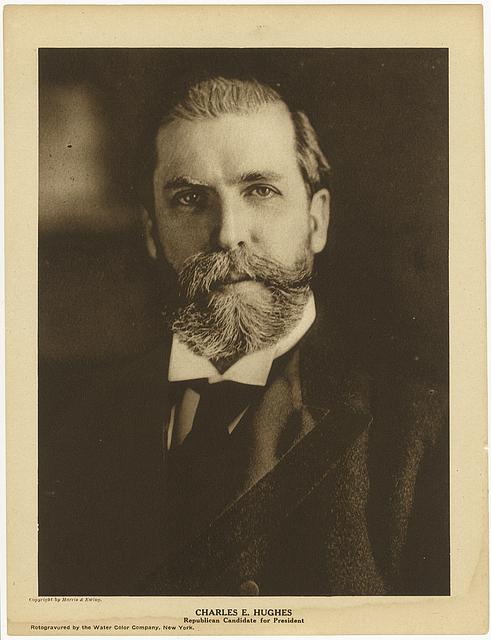
Hughes (pictured above) was a hand-picked recommendation of Charles S. Whitman, the popular New York governor who was himself re-elected that November.
Hughes, who sat on the New York Supreme Court after his tenure as governor, was a popular candidate for President but he was no match for Wilson’s anti-war message. (Literally anti-war. Wilson’s slogan was “He kept us out of war.” President Wilson would eventually enter the war five months after he was elected.)
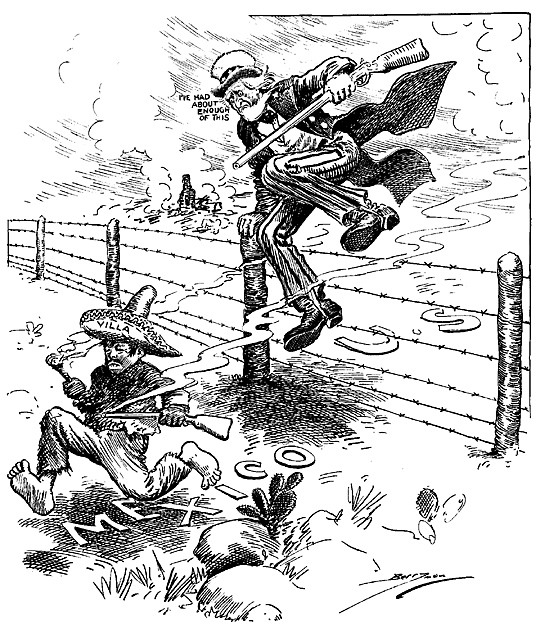
Also on voters’ minds — Mexico. Several Americans had been killed in Mexico and on the border, and the U.S. was in the middle of a punitive attack against Pancho Villa and his militias which had begun that Spring.
Voting looking quite different than it does today. In New York, there were no designated polling places and no absentee voting for non-military members. Half of today’s electorate was missing as women would not achieve the right to vote on the federal level for another few years. (However they would receive voting rights in New York in 1917.)
Secret ballots and voting machines were relatively new installations to the voting process thanks to the election reforms of the 1890s. It was still a wild and relatively imperfect process but a great improvement over the mid-19th century heyday of voter intimidation and fraud.
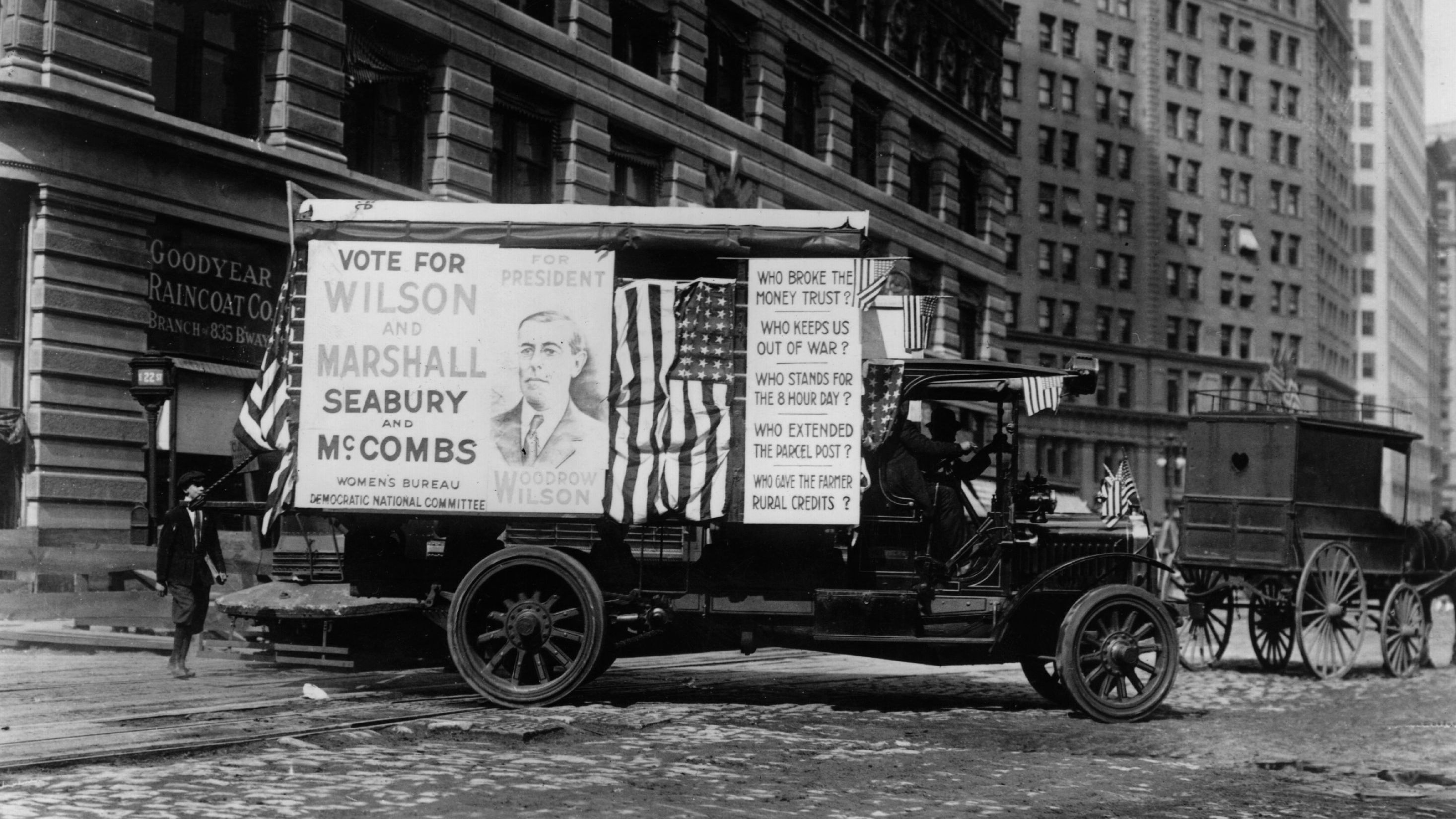
An election campaign car, backing incumbent Woodrow Wilson for president in 1916 in New York.
Of course Hughes was a Republican and at a disadvantage in New York, still considerably controlled by the Democrats and, in particular, the political machine Tammany Hall. Â “Tammany leaders did not give out any figures regarding New York City, but it was asserted at Tammany Hall that Charles F. Murphy was confident that the city would roll up a big Democratic plurality, and that New York state would go Democratic.”
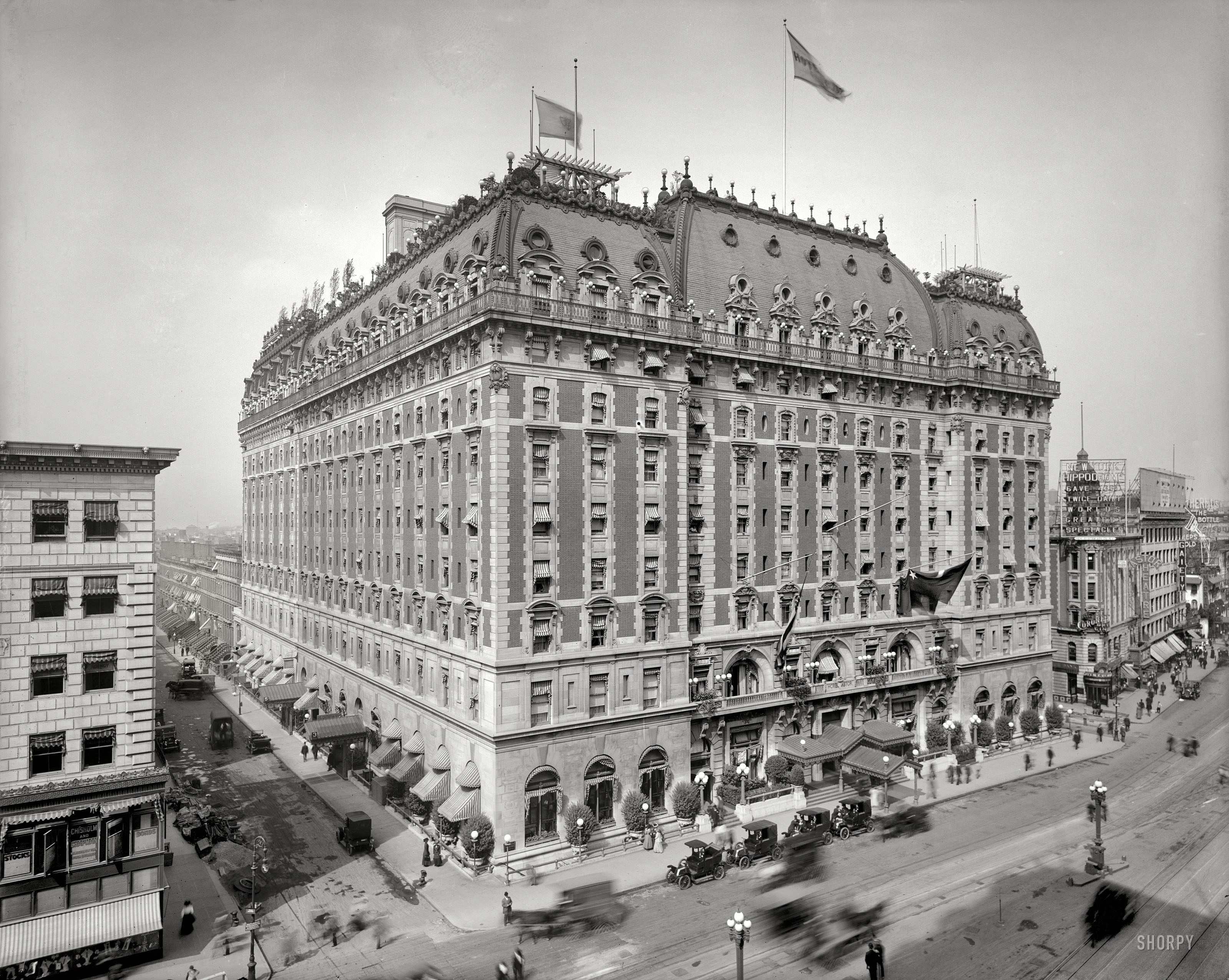
Hughes watched the election results from New York City that day. According to the Times, he voted “in a little laundry in Eighth Avenue between 44th and 45th Streets,” and spent the day at the Hotel Astor in Times Square(pictured below).
While influencers supporting specific candidates were not allowed at the polls, suffragists were certainly there, passing out flyers for their cause and in certain cases, providing poll workers with sandwiches and coffee.
How They Watched The Results
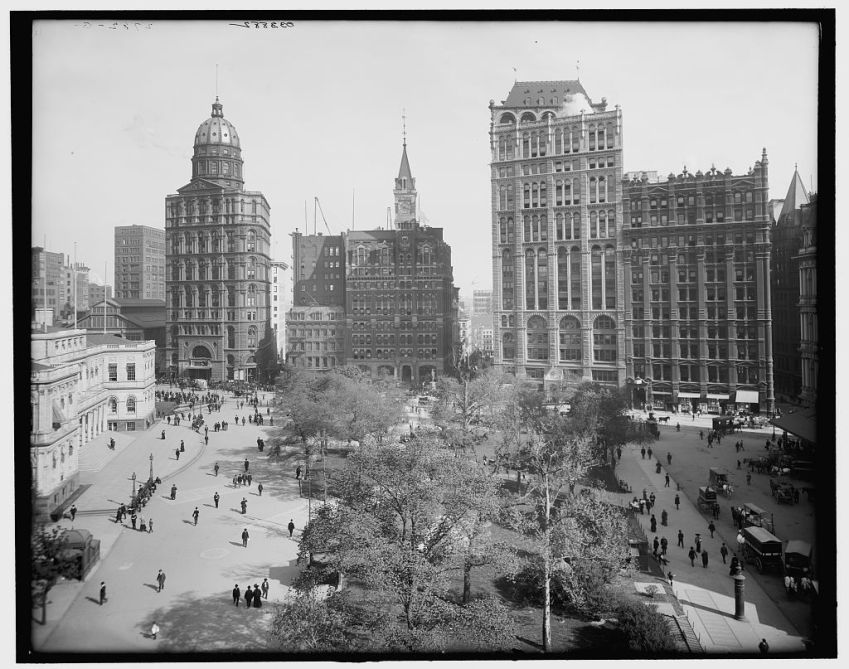
As with many celebrations, there were three gathering points of information, all near newspaper offices — Times Square, Herald Square and City Hall Park. In midtown, people awaited a gigantic searchlight atop of the New York Times building for signs of victory. Late that evening, a red light filled the sky, and New Yorkers who were Hughes supporters began celebrating. At the Hotel Astor, the name HUGHES lit up in electric lights as thousands celebrated below.
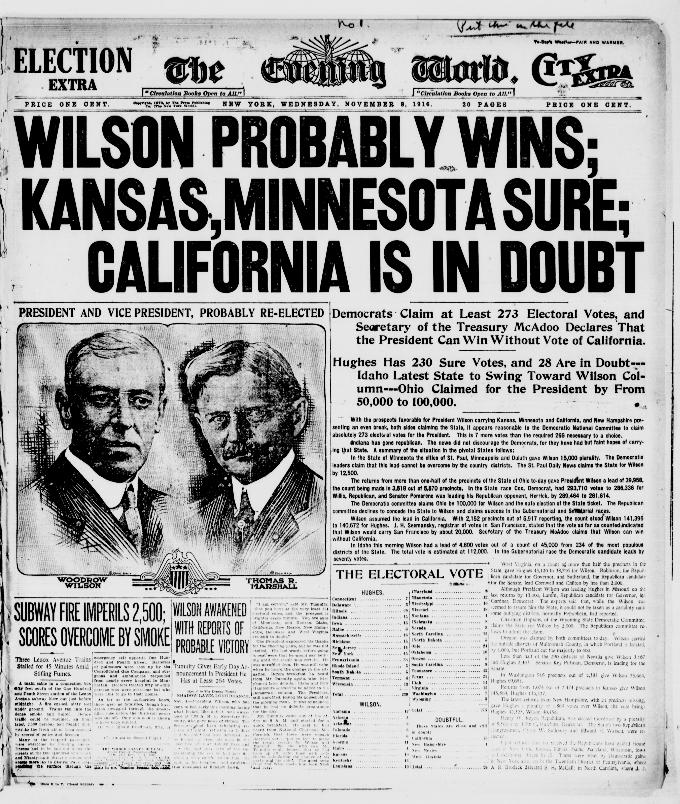
It was a confusing time; downtown at the New York World building (pictured below), a white searchlight announced Wilson as the winner. (It would take days for results from all 48 states to come in.)
The streets of Times Square were thick with revelers — it was comparable to New Years Eve crowds and, in fact, probably exceeded them — although this was mostly due to the fine weather and the results coming in at around the same time as the Broadway theaters let out.
Earlier in the week, city officials authorized the shutting down Times Square due subway construction but it seems people still managed to gather around the edges, looking “like the exit of the Polo Grounds after a world’s series game.” The sounds of horns were deafening. Bonfires were set along side streets.
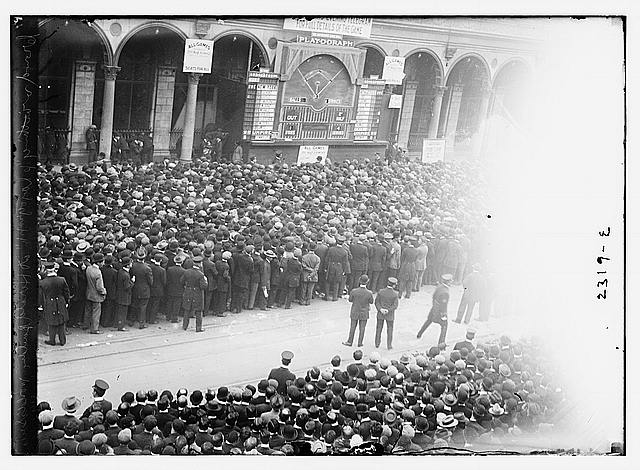
Below: In 1911, in front of the New York Herald building in Herald Square, crowds watch a sporting event via ‘playograph’, a hand-manipulated board. Election results were posted in a similar fashion.
In Herald Square and in Times Square, information on election tallies was delivered via constantly updated bulletins. “[B]ulletins followed each other every few seconds as reports to The Times were telephoned over to the operators from The Times Annex, and the lofty canvas screen was within the view of probably 100,000 people down Broadway and Seventh Avenue.”
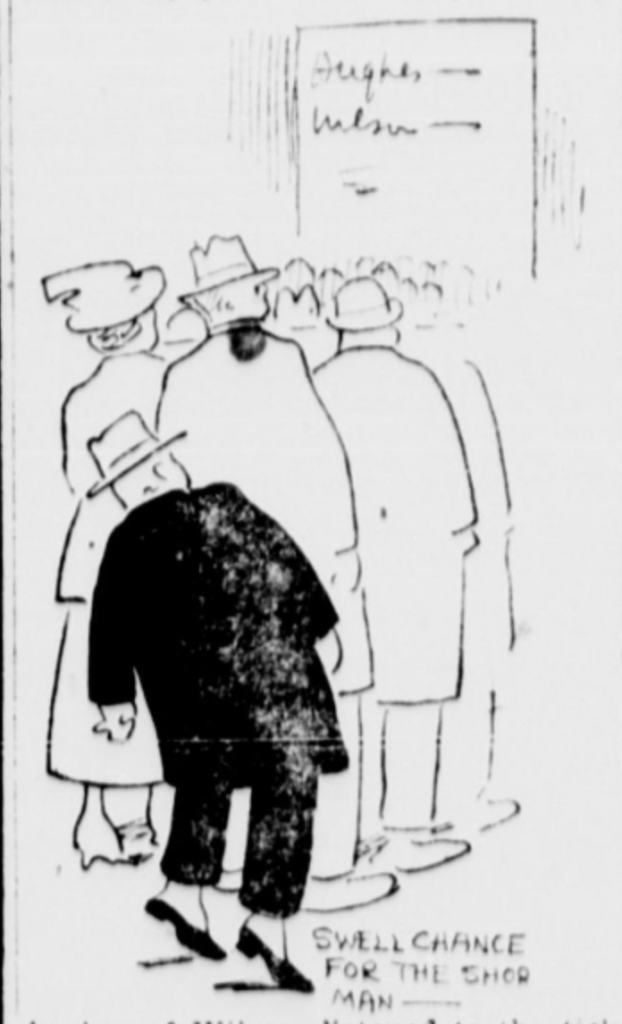
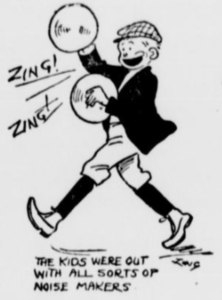
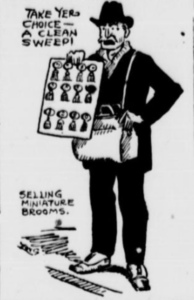
The New York Evening World had a merry go of it, lampooning election enthusiasts on the street. The merry-makers was festively illustrated (see above and below and here for the rest). Yes Election Night used to be fun!
Bulletins were also posted in Columbus Circle. Due to disliked results or perhaps the trauma of the crowd, one man “drop dead there early in the evening.” [source]
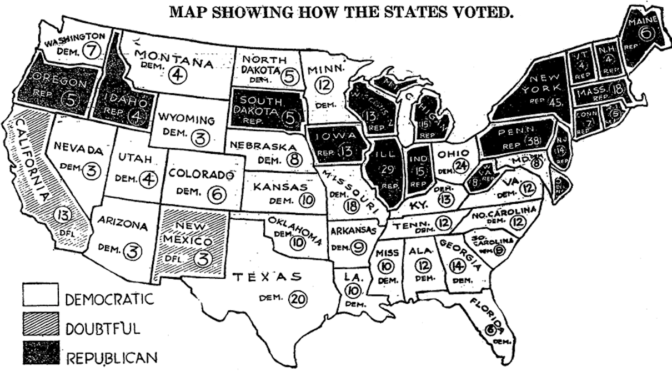
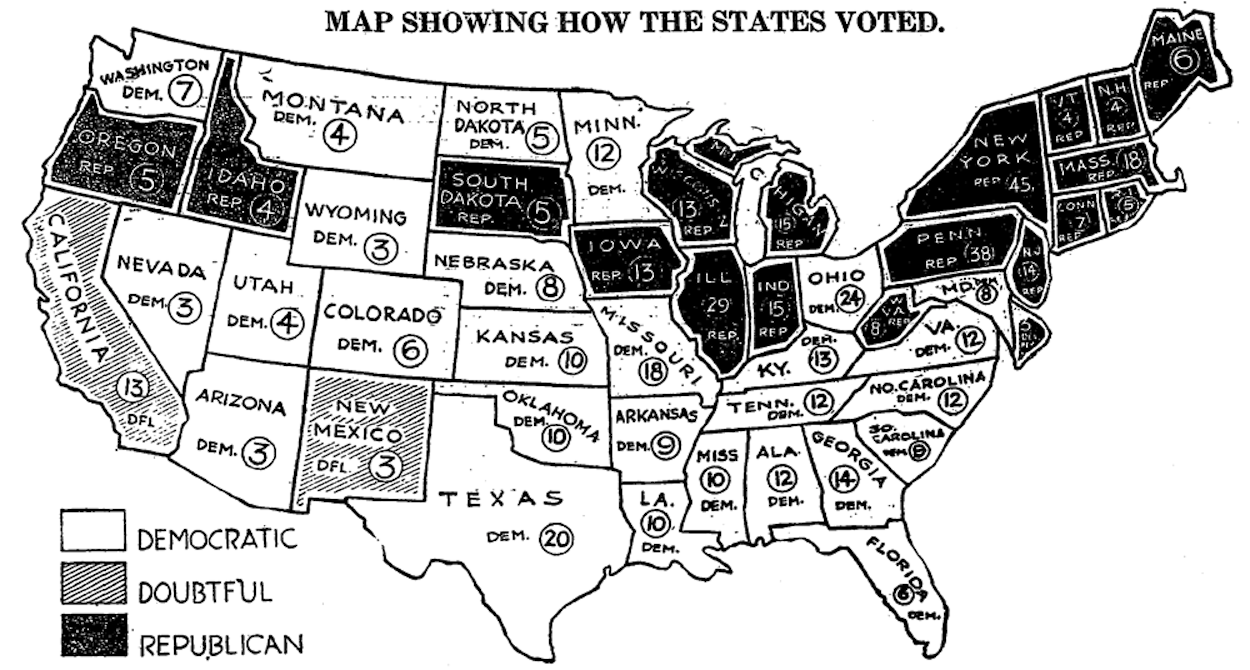
A map of election results which ran in the New York Times on November 8, 1916, is remarkably similar to one which might run in newspapers today. Of course, given the evolution (or de-evolution, depending on you how you choose to look at it) of American politics, the party affiliations have remarkably changed!
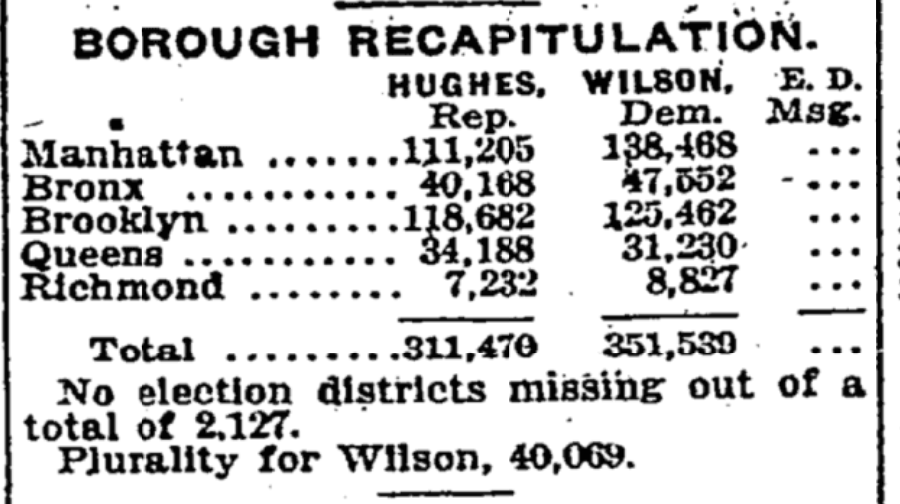
In the end, as with many other elections, New York’s electoral votes went to the Republicans but New York City firmly voted for Wilson. “New York City gave Woodrow Wilson a scant plurality of 40,069 to offset the 186,930 plurality for Charles E. Hughes which the up-State counties sent down to the Bronx line. The city’s vote for Wilson was 351,539, compared with 312,386 which it gave him for President four years ago.” Â [source]
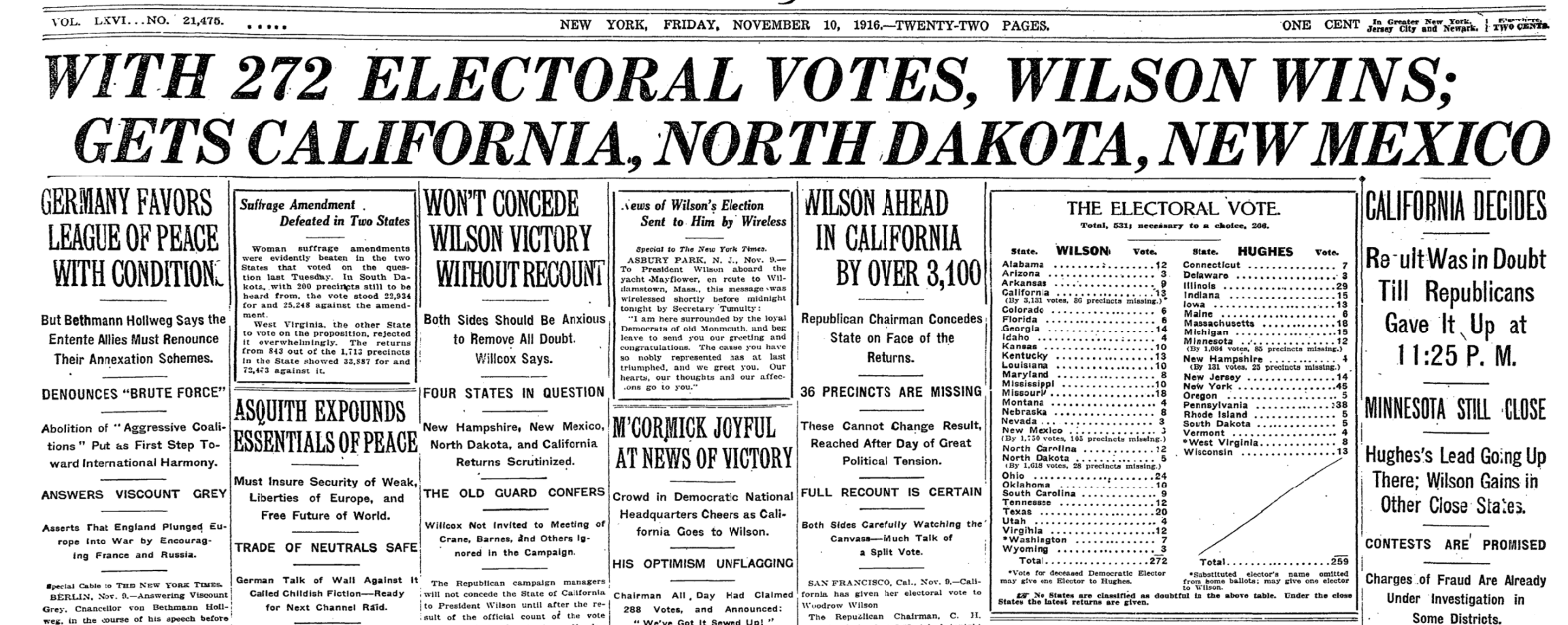
The election was not ultimately determined for a few days. The newspaper front page below is from November 10, four days after Election Day:
Hughes supporters instantly leveled charges of fraud at their opponent but the former governor was too dignified to take the bait. While not yet conceding on November 11, “Mr. Hughes declared that in the absence of absolutely proof of fraud no such cry should be revised to becloud the title of the next President of the United States.” [source]
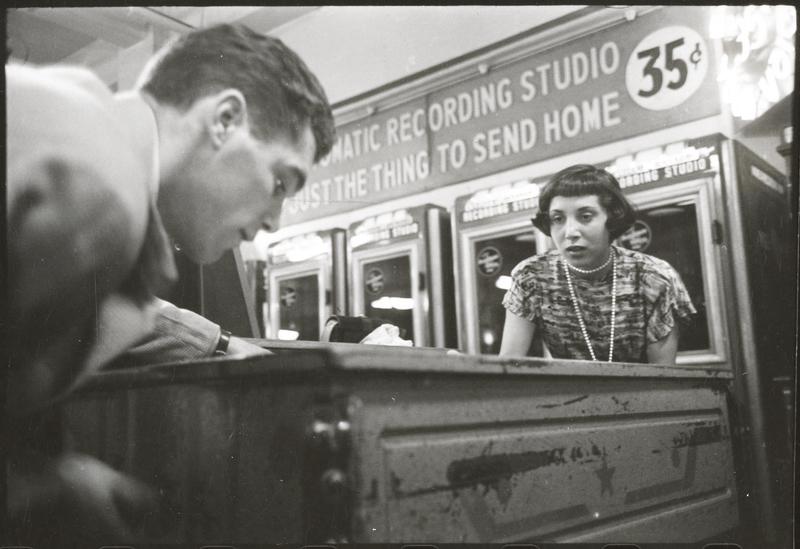
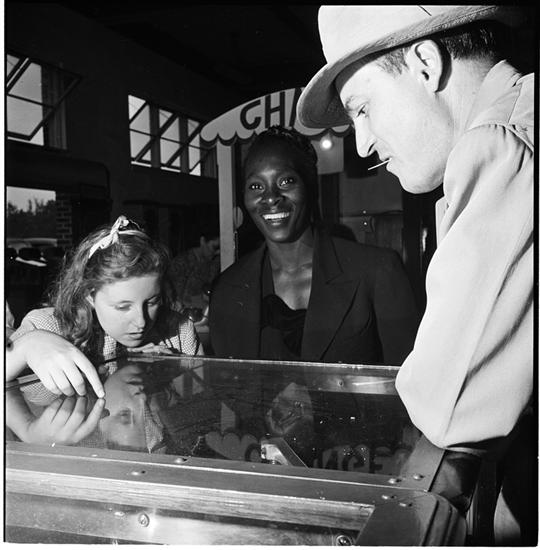
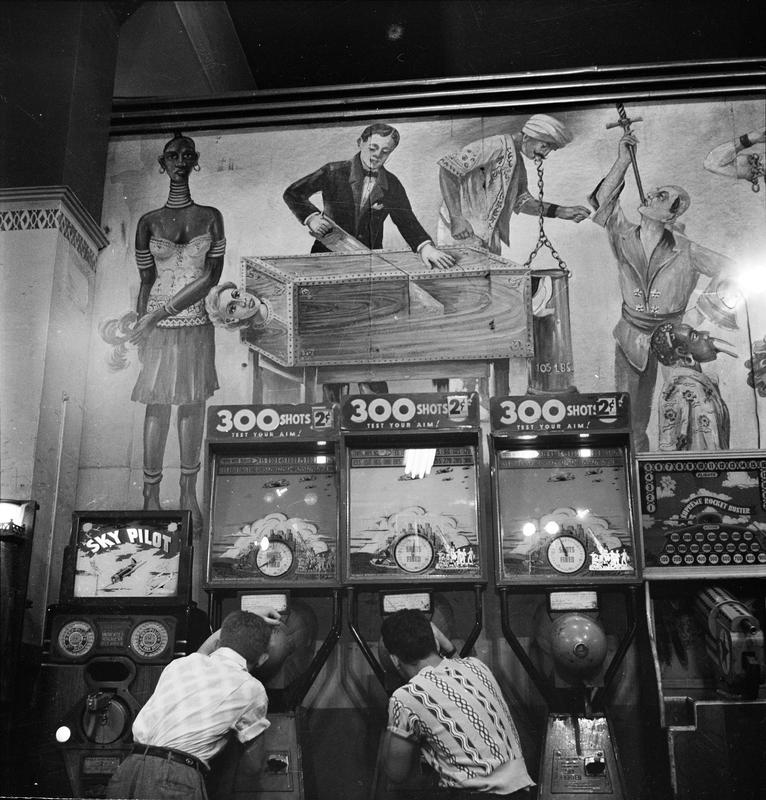
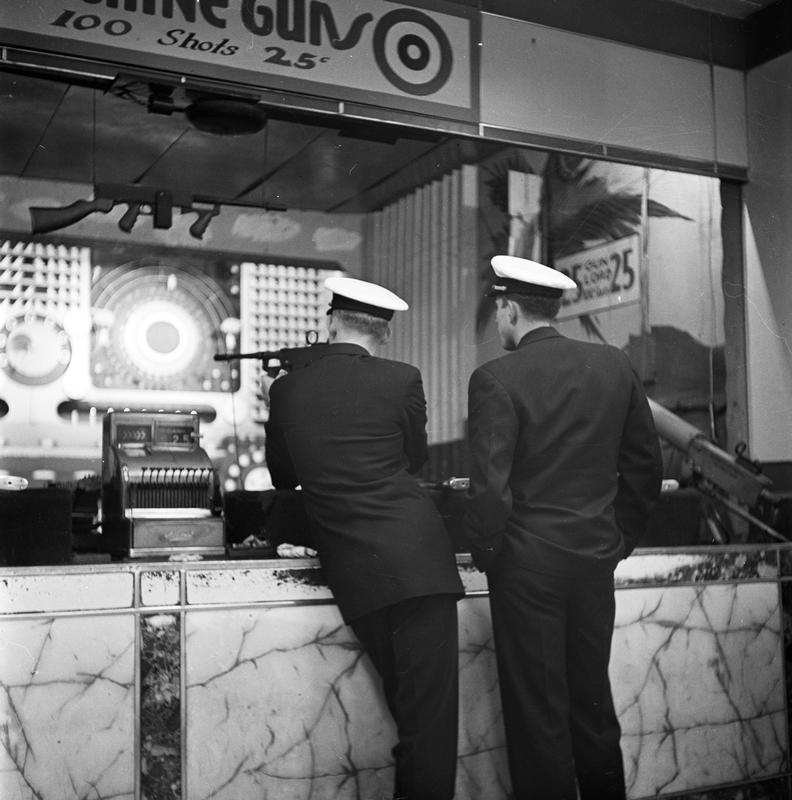
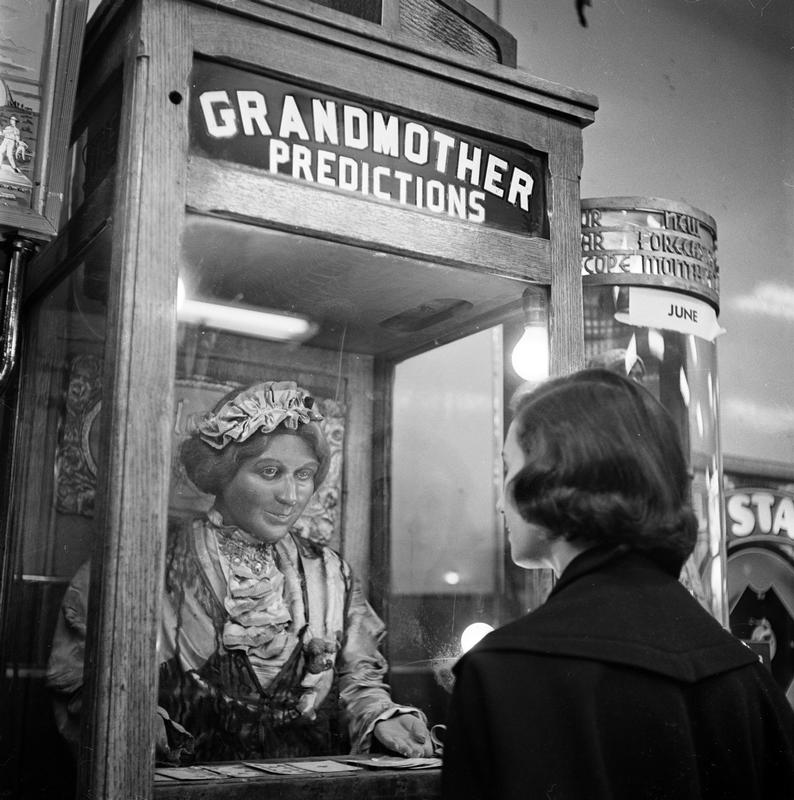
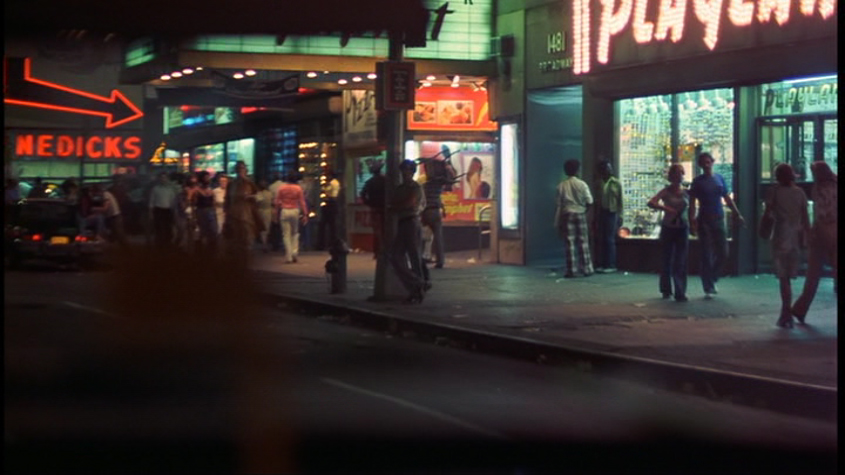
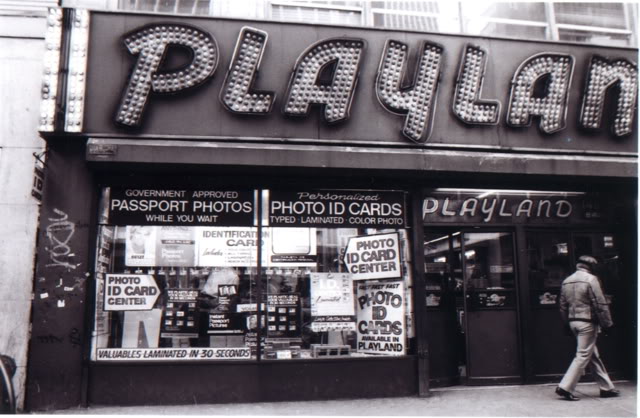
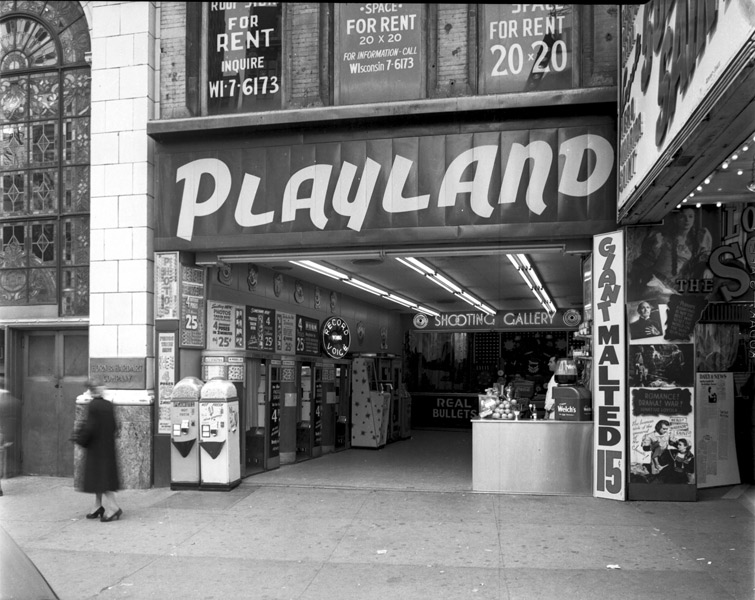
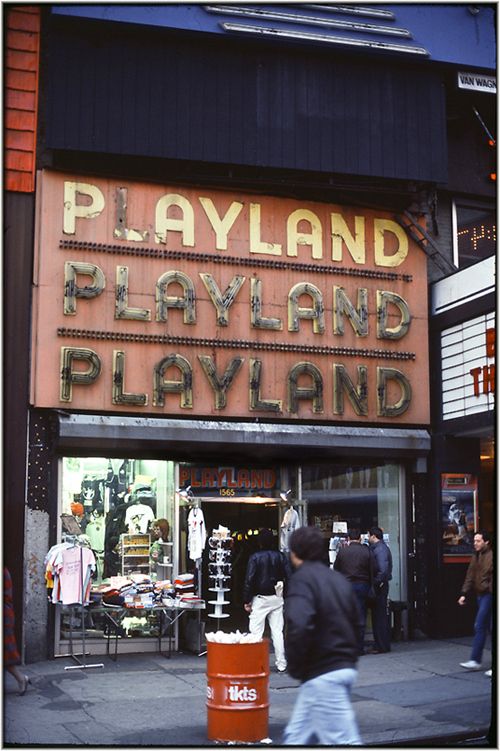
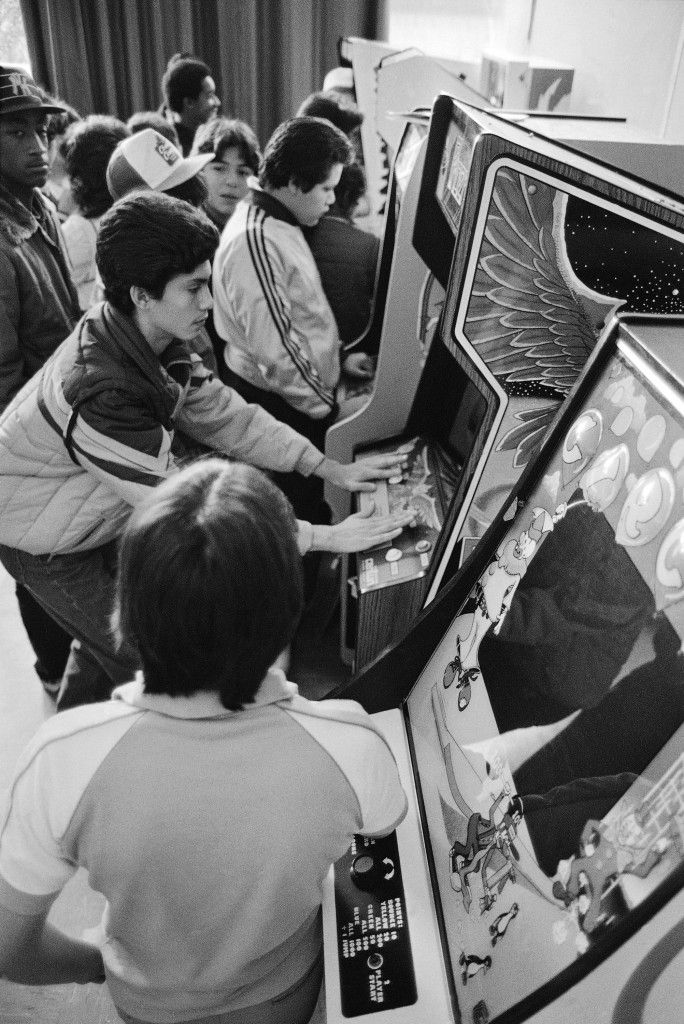
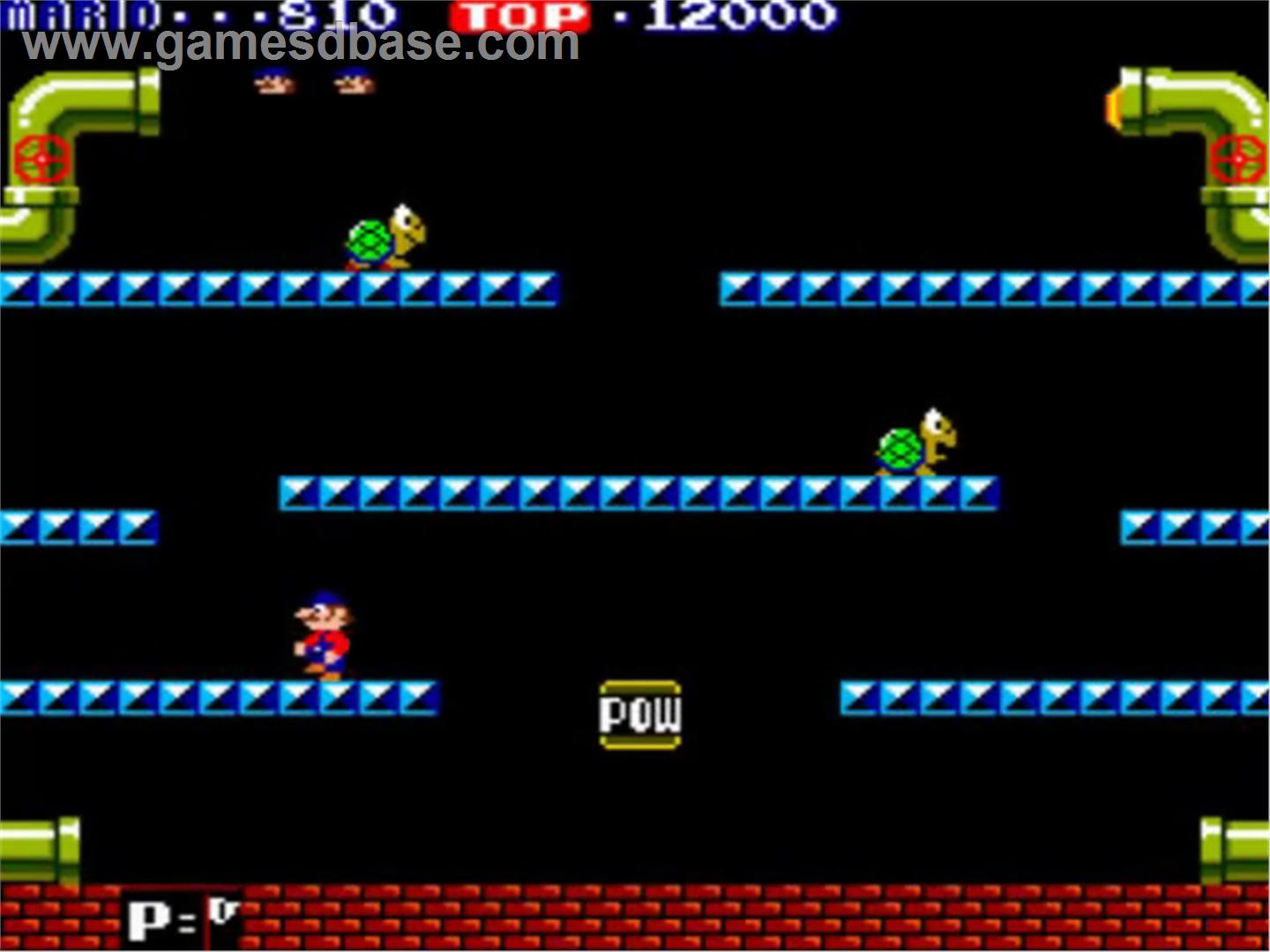
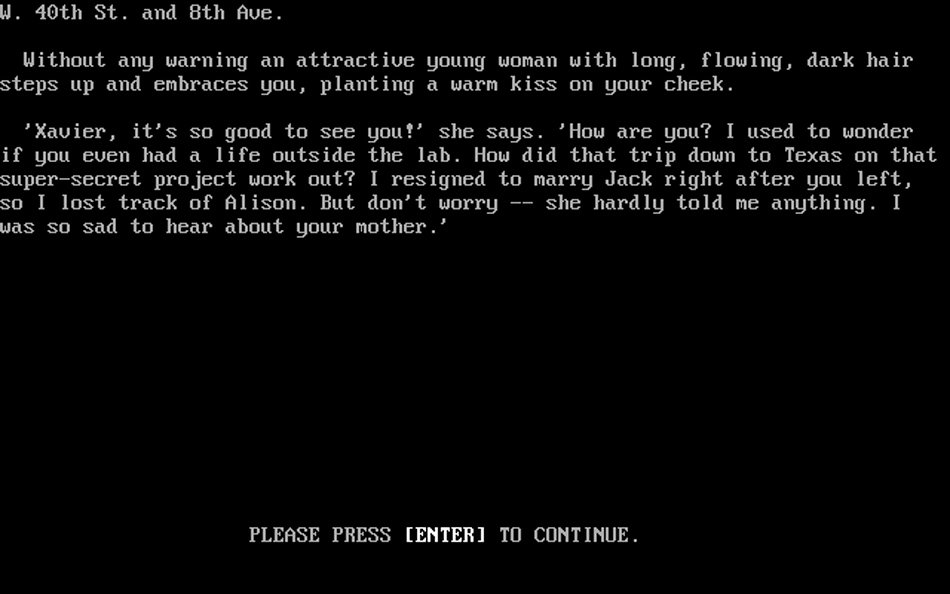
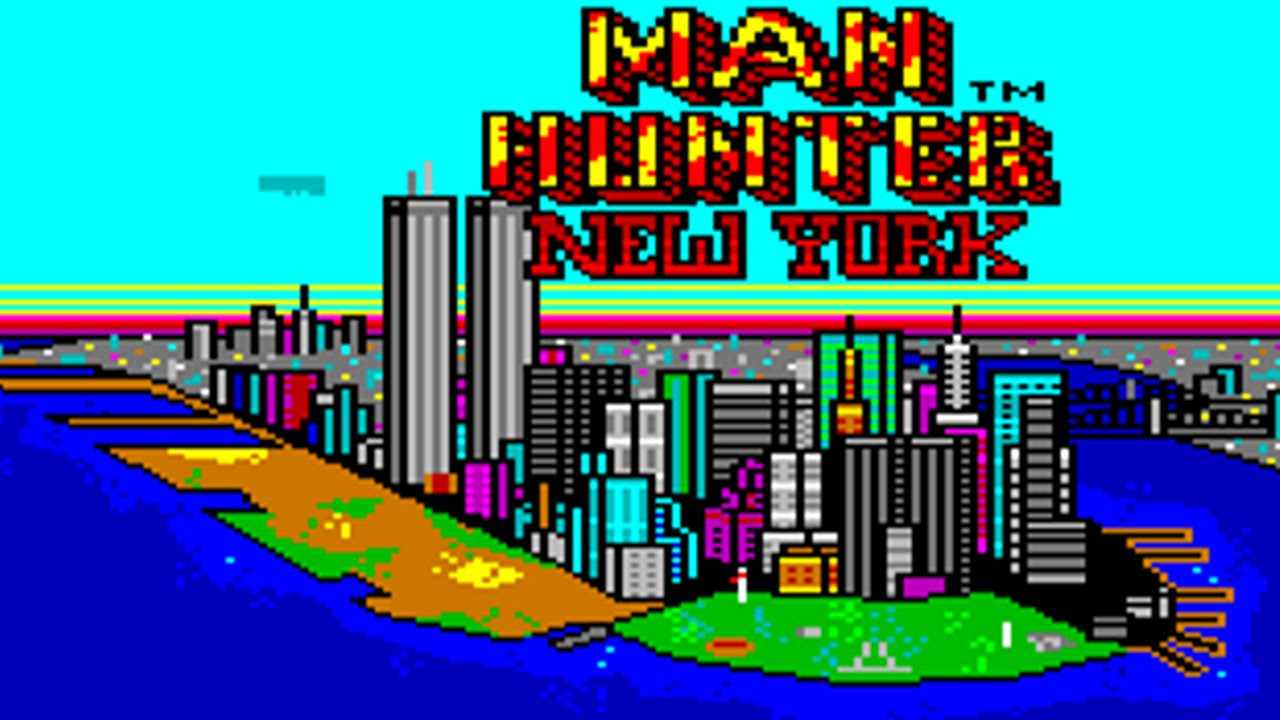
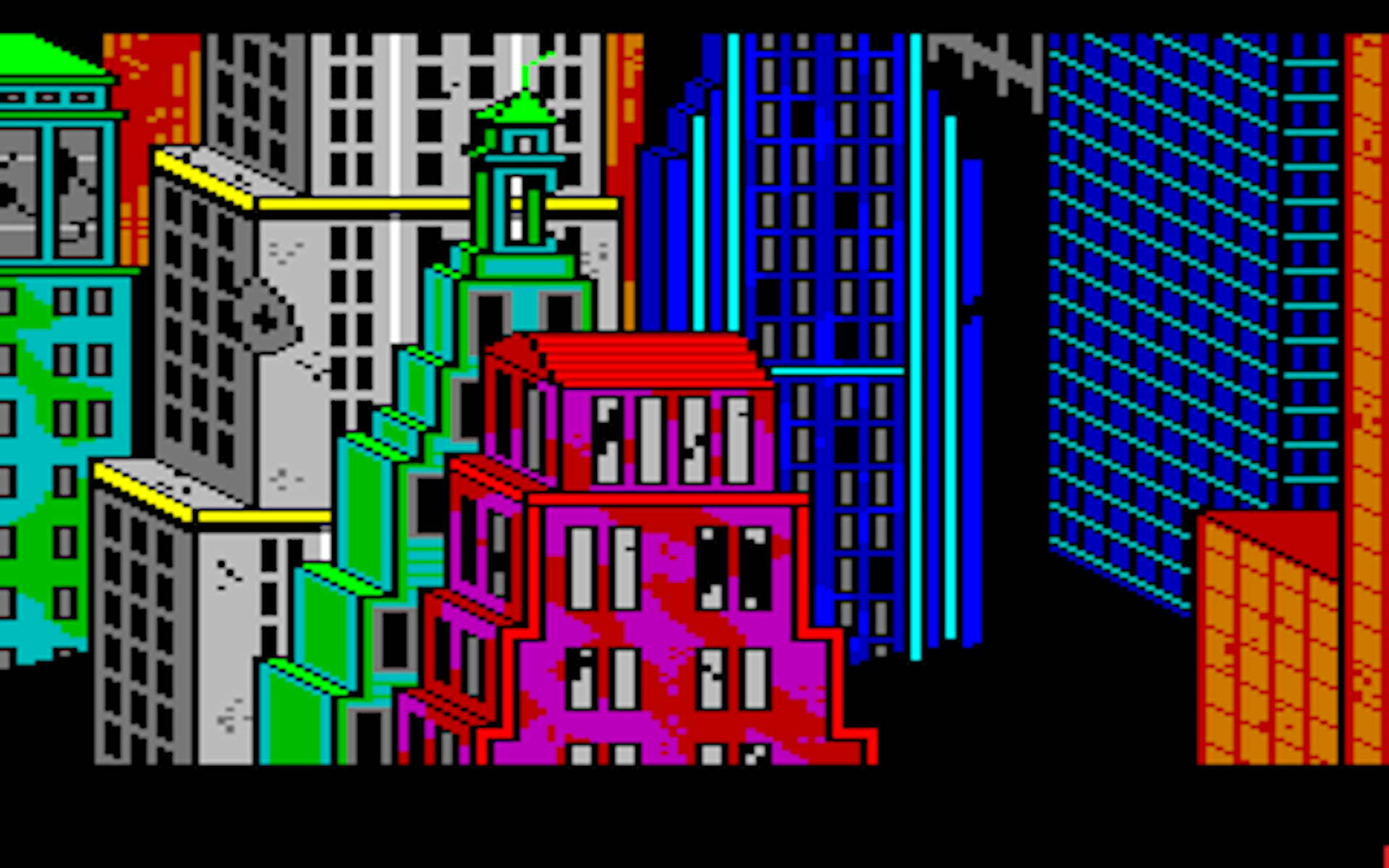
PODCAST The history of video games and arcades in New York City.
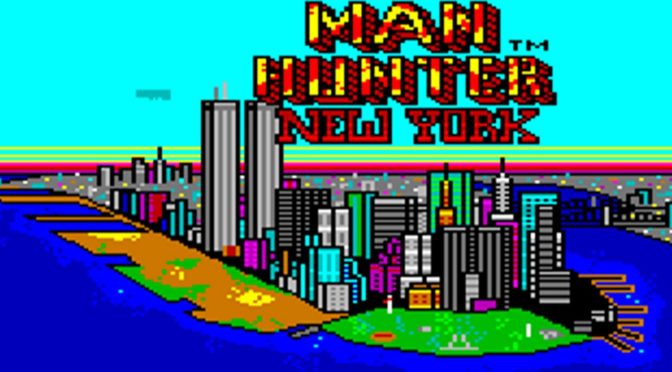
New York has an interesting, complex and downright weird relationship with the video game, from the digital sewers below Manhattan to the neon-lit arcades of Times Square. It’s not all nostalgia and nerviness; video games in the Big Apple have helped create communities and have been exalted as artistry.
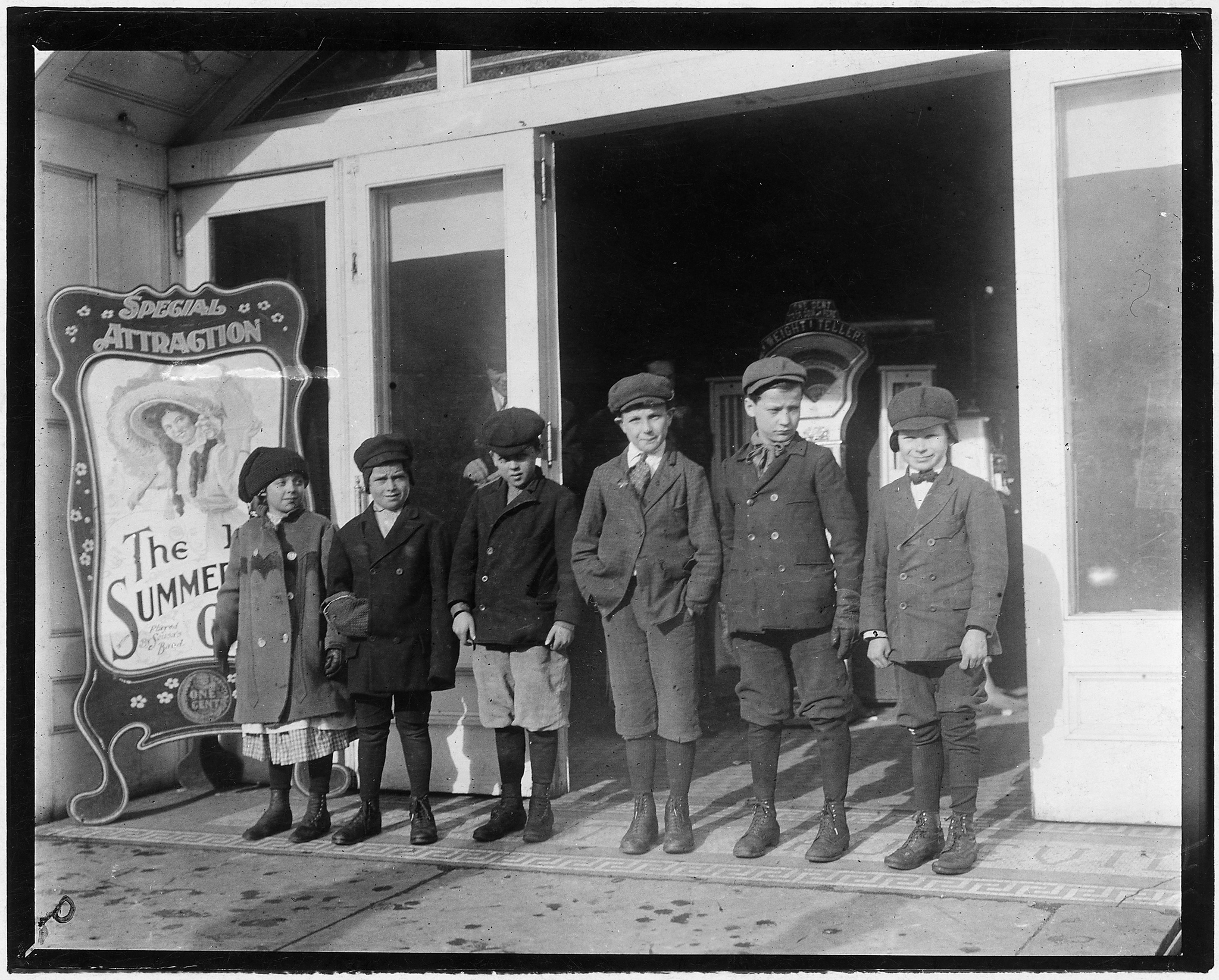
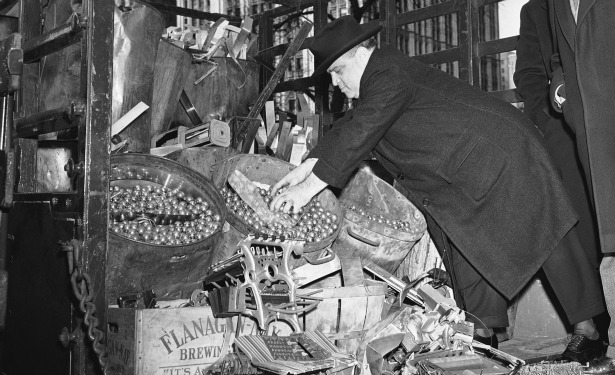
First — the relationship between the city and the arcade itself, once filled with shooting galleries and see ball. When pinball machines were introduced in the 1930s, many saw them as a gateway into gambling. Mayor Fiorello La Guardia personally saw to it that they were taken off the streets.
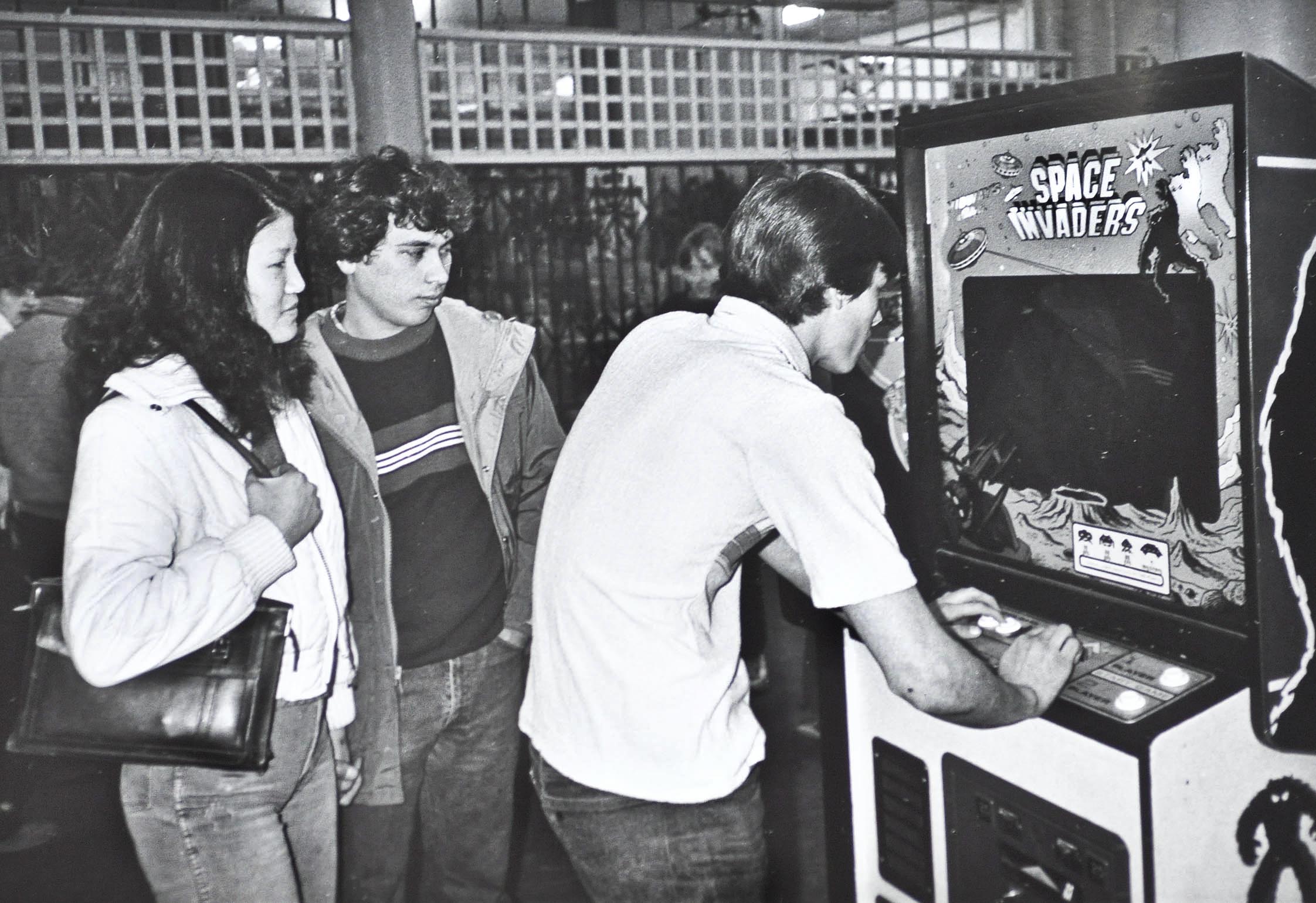
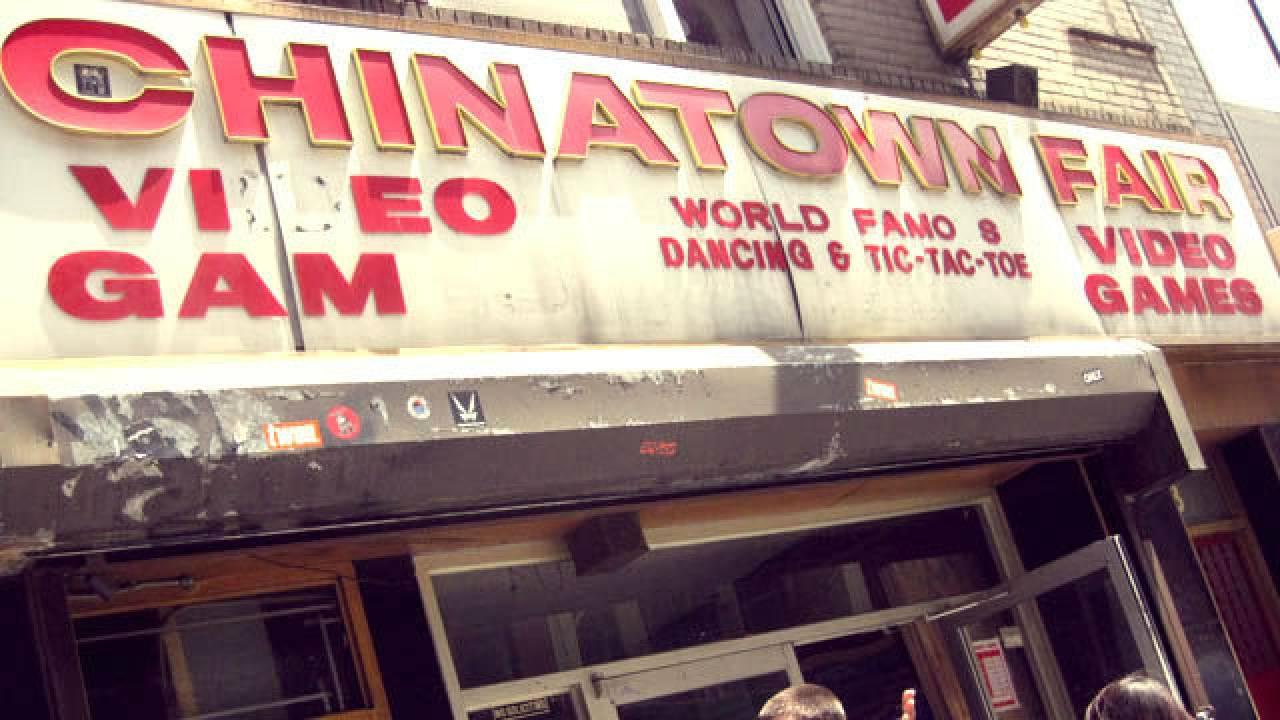
The era of Space Invaders, Pac Man and Donkey Kong descends in New York during its grittiest period – the late 70s/early 80s – and arrives, like an alien presence, into many neighborhood arcades including one of the most famous in Chinatown – an arcade that is still open and the subject of a new documentary The Lost Arcade.
While the video game industry is not something New York City is particularly associated with, the city does in fact set the stage for this revolution of blips and joysticks at the start of the 20th century and from such unconventional places as the West Village and Flushing Meadows-Corona Park.
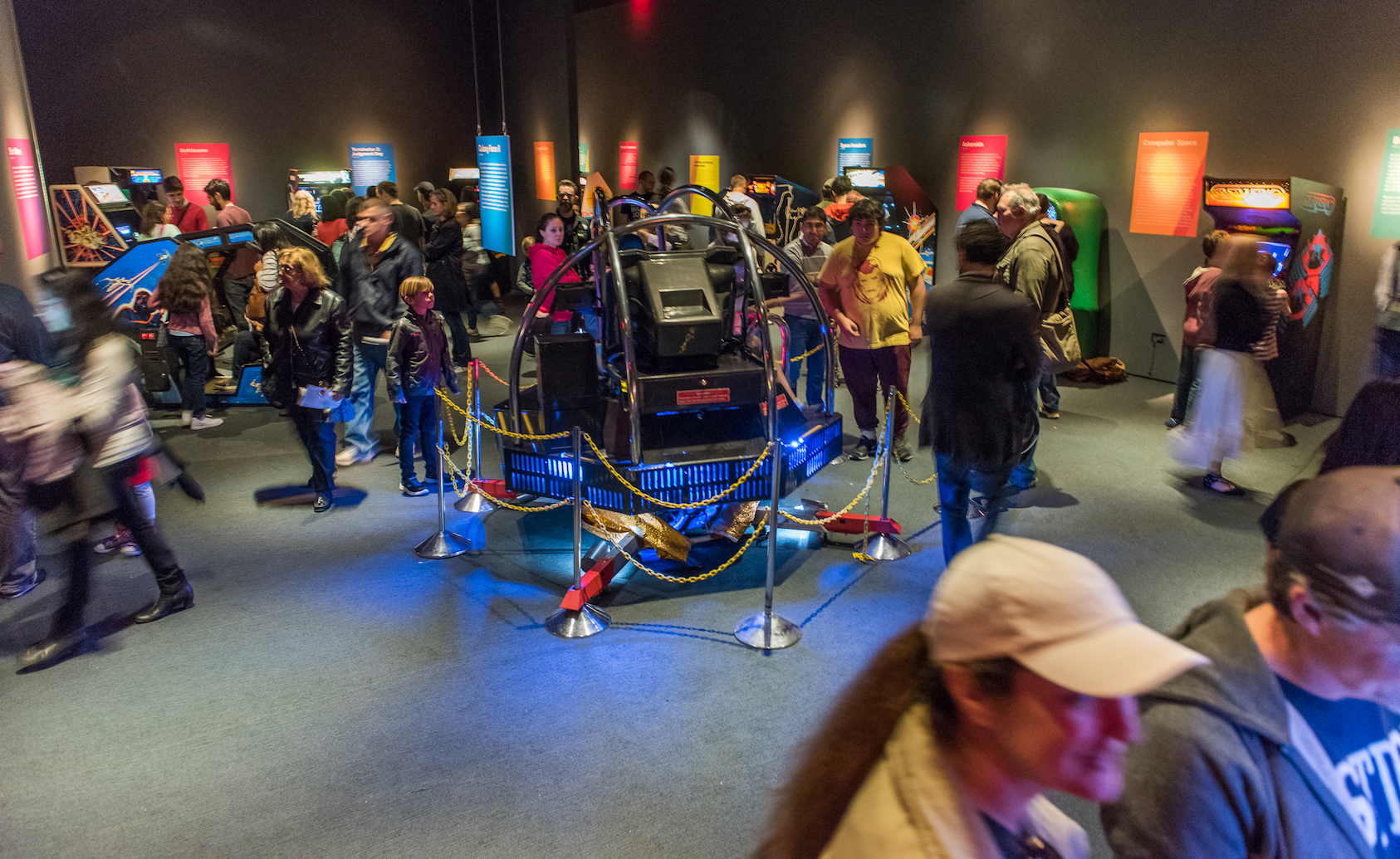
In Queens you’ll find one of America’s great tributes to the video game, in the spectacular arcade collection at the Museum of the Moving Image.
Finally — A look inside the games themselves to explore New York as a digital landscape that continues to be of fascination to game developers and players alike.
So are you ready Player One? Grab your quarters and log in to this New York adventure through the world of video games.
The Bowery Boys: New York City History podcast is brought to you …. by you!
We are now producing a new Bowery Boys podcast every two weeks. We’re also looking to improve the show in other ways and expand in other ways as well — through publishing, social media, live events and other forms of media. But we can only do this with your help!
We are now a member of Patreon, a patronage platform where you can support your favorite content creators for as little as a $1 a month.
Please visitour page on Patreon and watch a short video of us recording the show and talking about our expansion plans. If you’d like to help out, there are five different pledge levels (and with clever names too — Mannahatta, New Amsterdam, Five Points, Gilded Age, Jazz Age and Empire State). Check them out and consider being a sponsor.
We greatly appreciate our listeners and readers and thank you for joining us on this journey so far. And the best is yet to come!
The trailer for The Lost Arcade. It opens today in San Francisco at the Roxie and Friday, August 12, in New York at the Metrograph. Check out their Facebook page for more information about upcoming events and screenings.