Categories
Amusements and Thrills Podcasts

Digital City: New York and the World of Video Games

PODCAST The history of video games and arcades in New York City.

New York has an interesting, complex and downright weird relationship with the video game, from the digital sewers below Manhattan to the neon-lit arcades of Times Square. It’s not all nostalgia and nerviness; video games in the Big Apple have helped create communities and have been exalted as artistry.

First — the relationship between the city and the arcade itself, once filled with shooting galleries and see ball. When pinball machines were introduced in the 1930s, many saw them as a gateway into gambling. Mayor Fiorello La Guardia personally saw to it that they were taken off the streets.

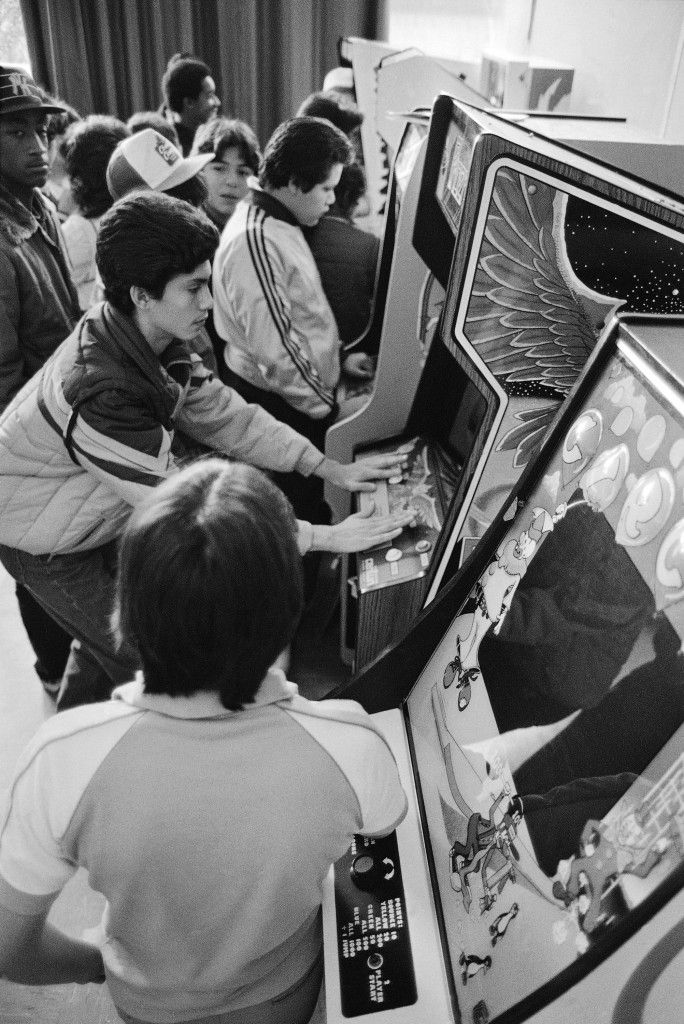
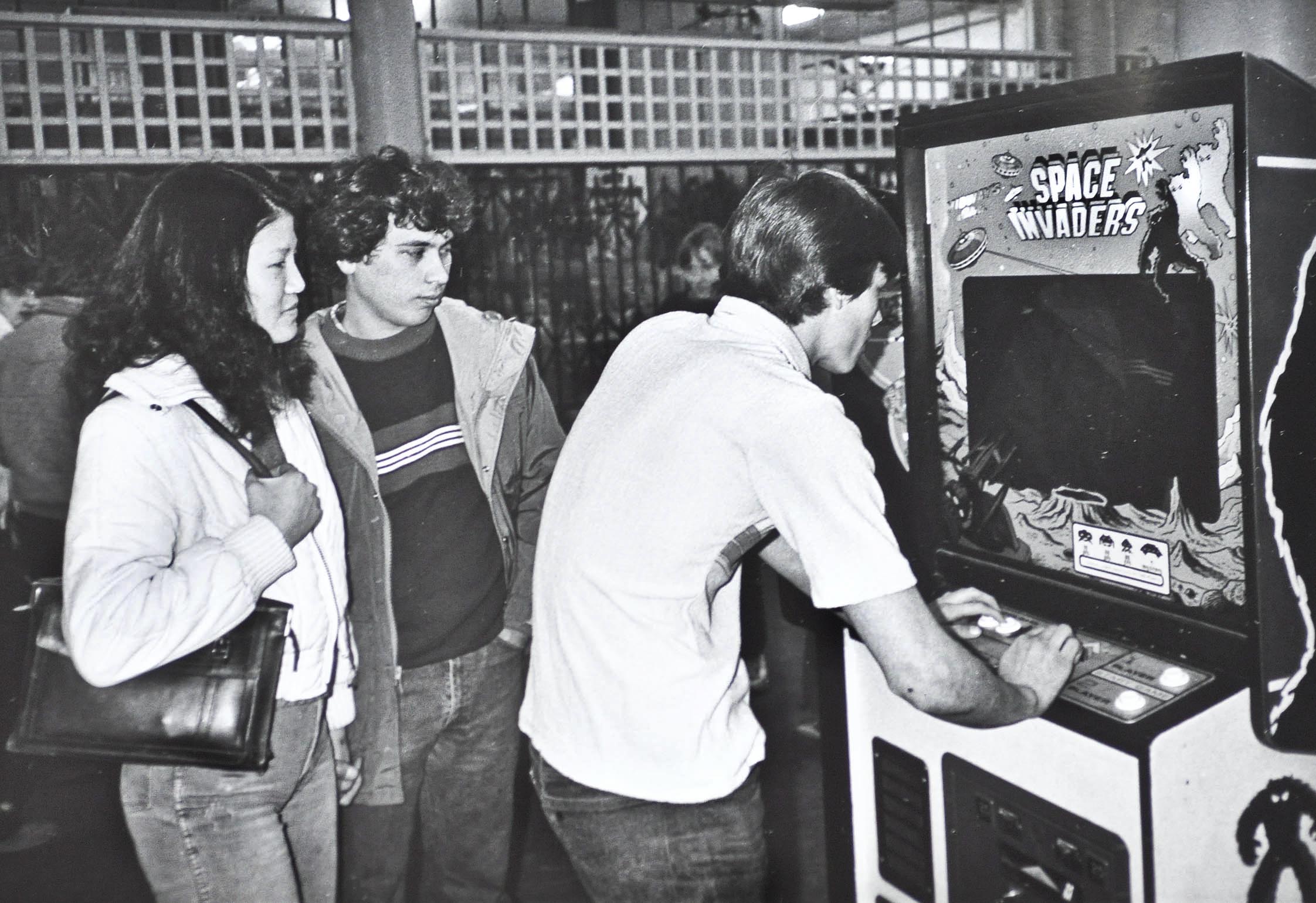
The era of Space Invaders, Pac Man and Donkey Kong descends in New York during its grittiest period – the late 70s/early 80s – and arrives, like an alien presence, into many neighborhood arcades including one of the most famous in Chinatown – an arcade that is still open and the subject of a new documentary The Lost Arcade.

While the video game industry is not something New York City is particularly associated with, the city does in fact set the stage for this revolution of blips and joysticks at the start of the 20th century and from such unconventional places as the West Village and Flushing Meadows-Corona Park.

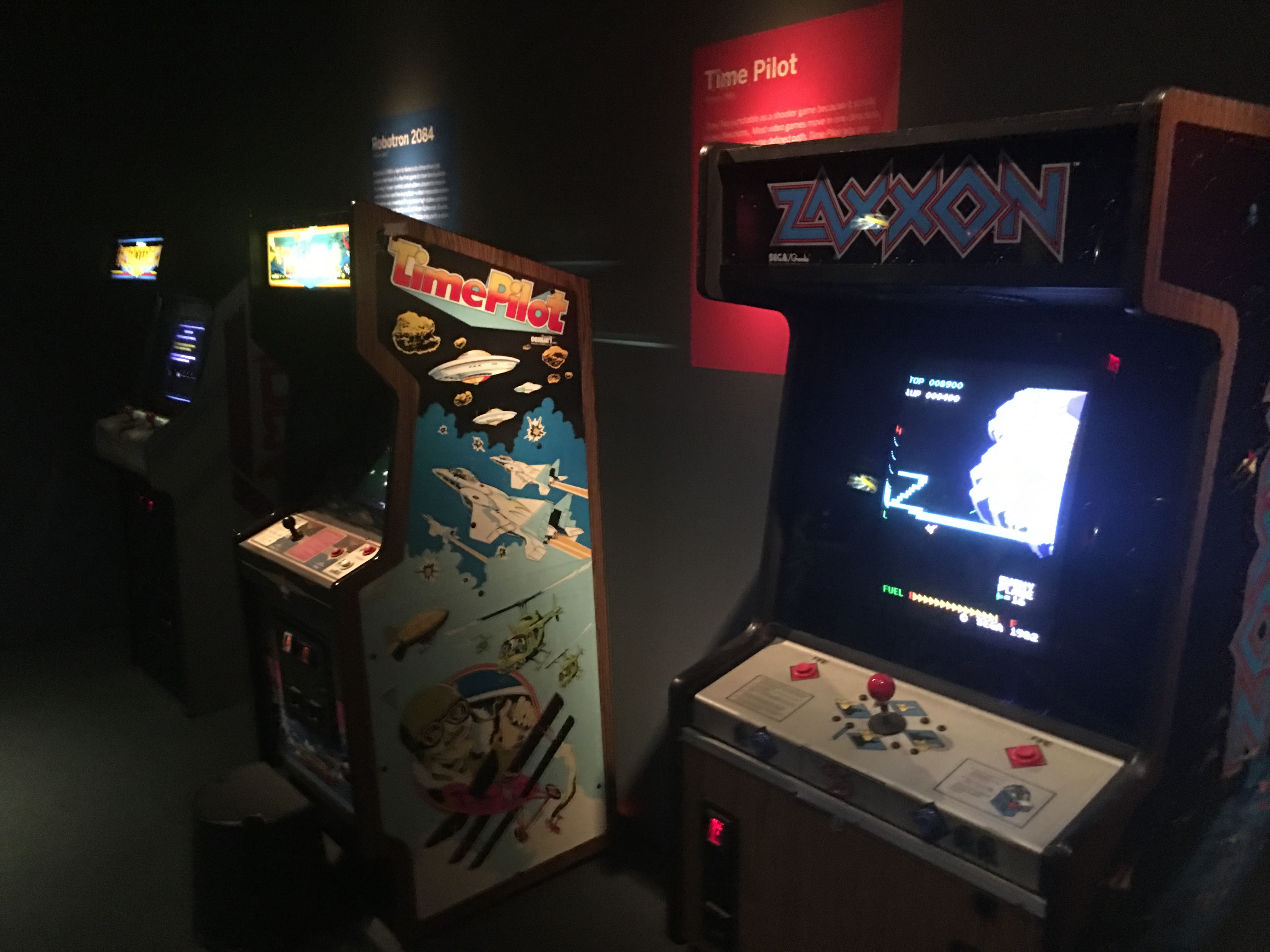
In Queens you’ll find one of America’s great tributes to the video game, in the spectacular arcade collection at the Museum of the Moving Image.

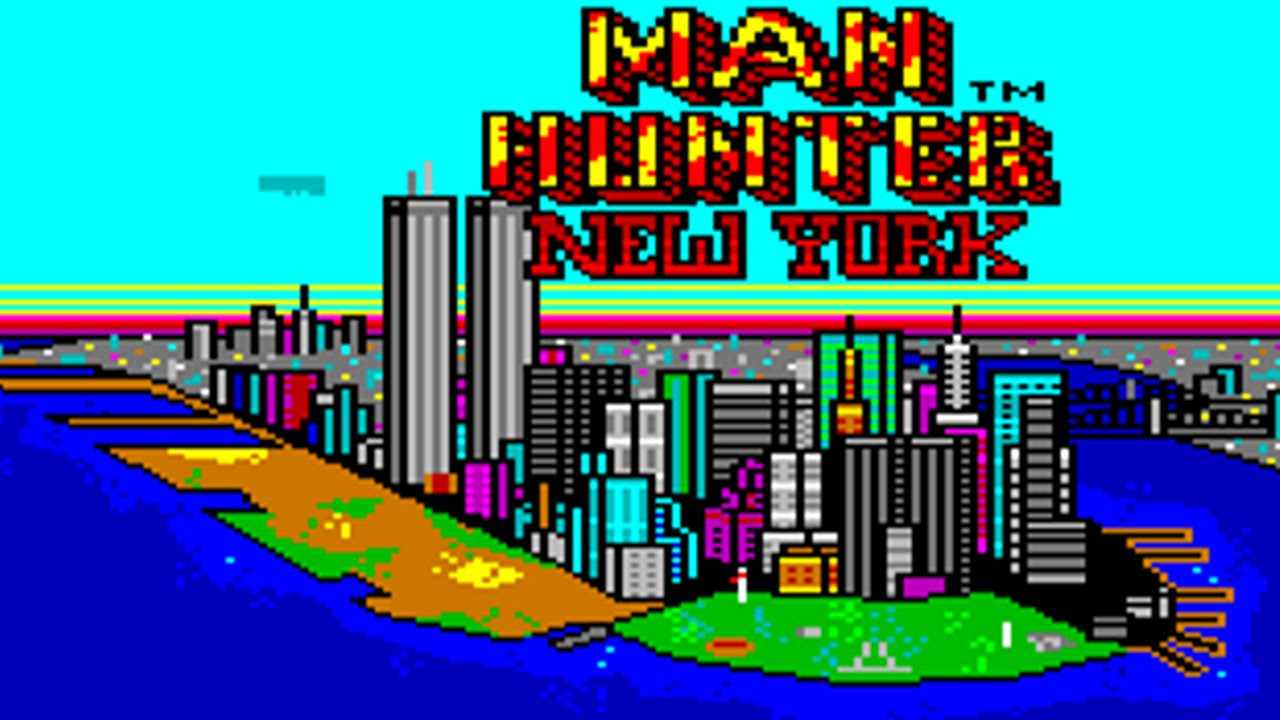
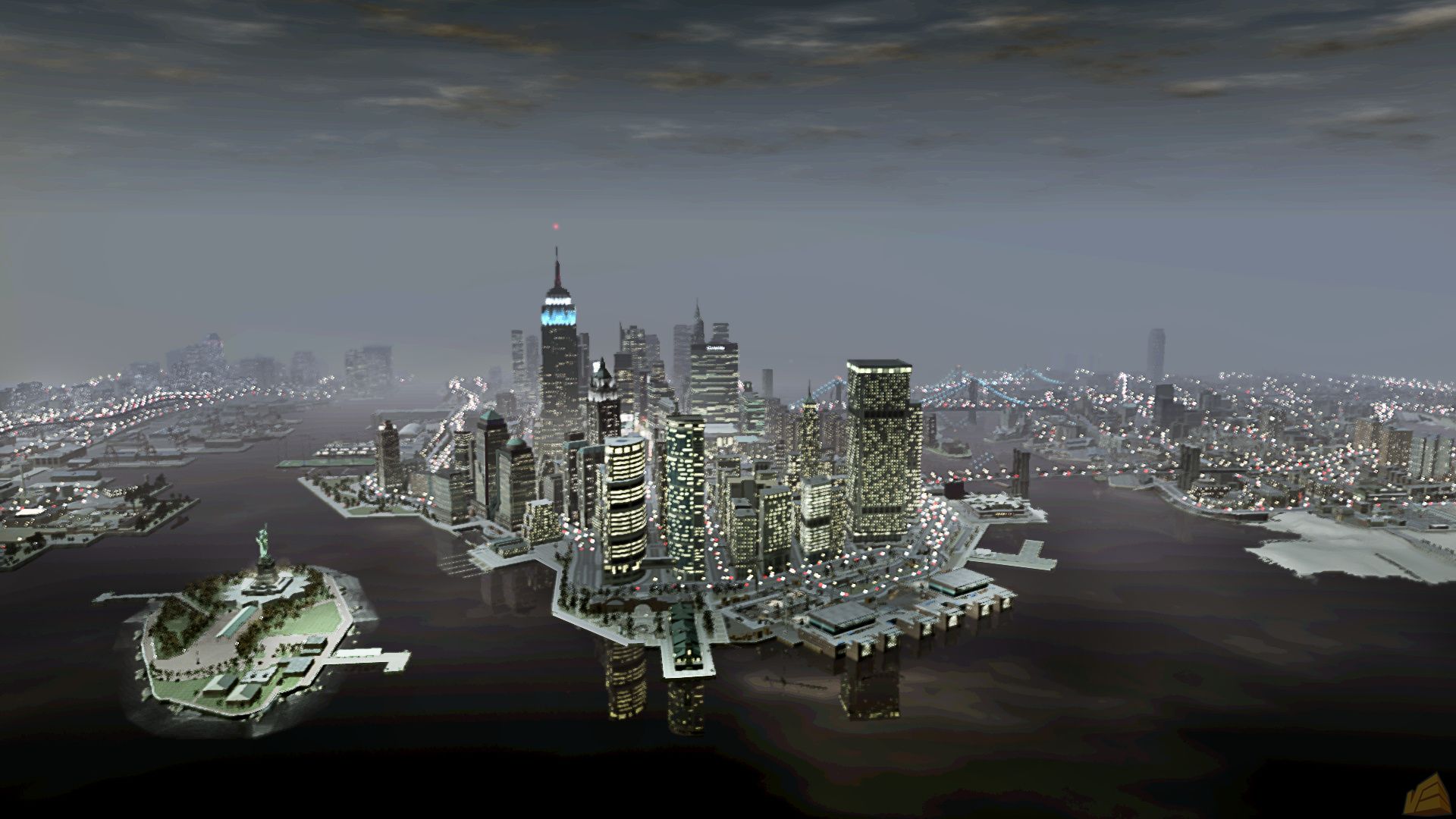
Finally — A look inside the games themselves to explore New York as a digital landscape that continues to be of fascination to game developers and players alike.

So are you ready Player One? Grab your quarters and log in to this New York adventure through the world of video games.


The Bowery Boys: New York City History podcast is brought to you …. by you!

We are now producing a new Bowery Boys podcast every two weeks. We’re also looking to improve the show in other ways and expand in other ways as well — through publishing, social media, live events and other forms of media. But we can only do this with your help!

We are now a member of Patreon, a patronage platform where you can support your favorite content creators for as little as a $1 a month.

Please visit our page on Patreon and watch a short video of us recording the show and talking about our expansion plans. If you’d like to help out, there are five different pledge levels (and with clever names too — Mannahatta, New Amsterdam, Five Points, Gilded Age, Jazz Age and Empire State). Check them out and consider being a sponsor.

We greatly appreciate our listeners and readers and thank you for joining us on this journey so far. And the best is yet to come!


The trailer for The Lost Arcade. It opens today in San Francisco at the Roxie and Friday, August 12, in New York at the Metrograph. Check out their Facebook page for more information about upcoming events and screenings.

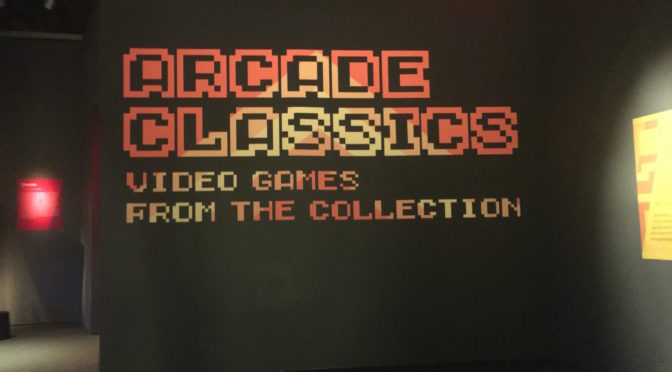
The current exhibition at the Museum of the Moving Image — ARCADE CLASSICS: VIDEO GAMES FROM THE COLLECTION — continues until mid-September.
Courtesy Museum of the Moving Image

Children at a penny arcade in Schenectady, NY, in 1910
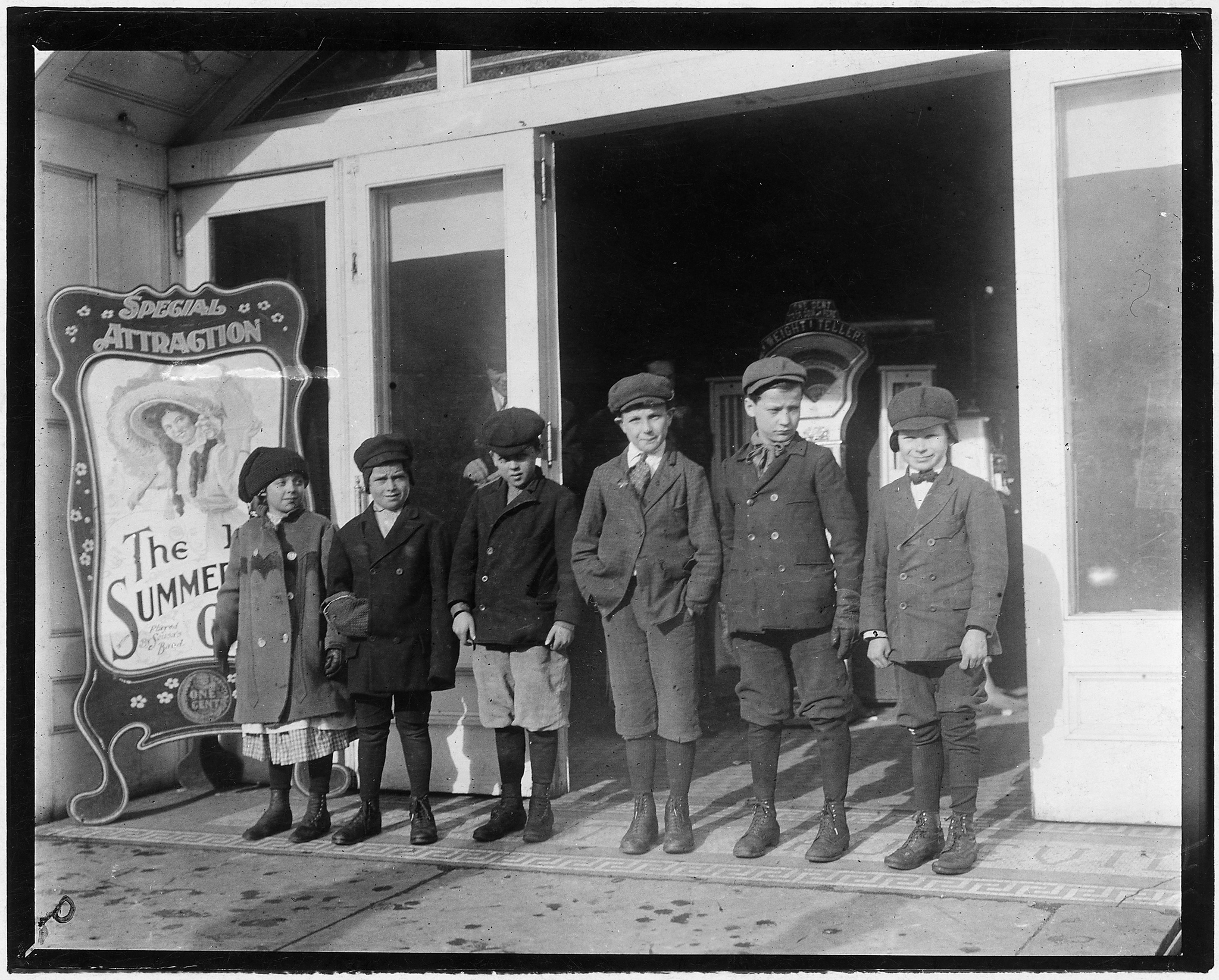
Photo by Lewis Hine, courtesy US National Archives

Mayor La Guardia was not a fan of pinball. Here, in a 1942, he rounds up the pinball balls. Read more in Seth Porges’ article for Popular Mechanics:
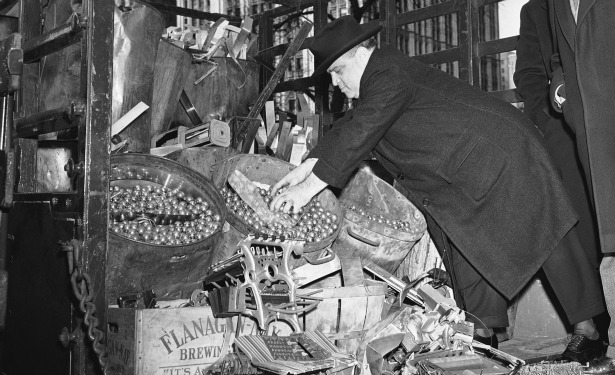
laguardiapinball.banner.AP.jpg

In a photo taken in 1948 by Stanley Kubrick for LOOK Magazine, prizefighter Walter Cartier plays an arcade game with a young woman.
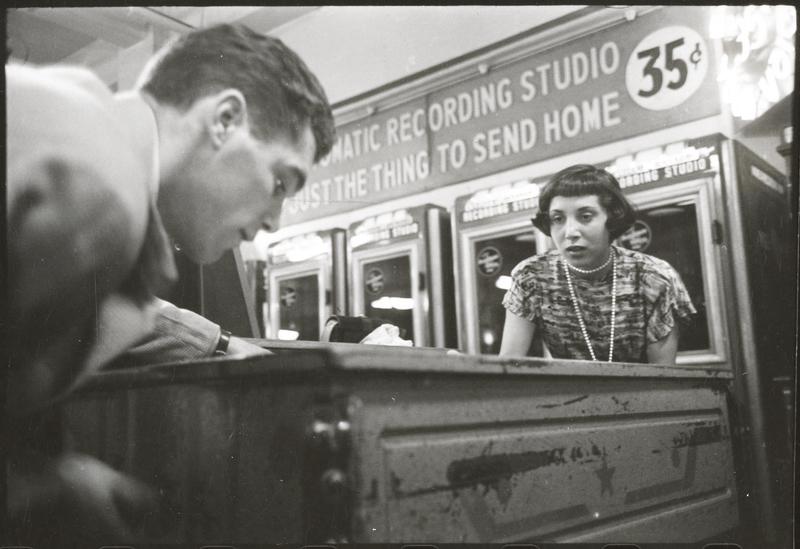
Courtesy MCNY
Courtesy MCNY

And another by Kubrick, from 1946, at Palisades Amusement Park.
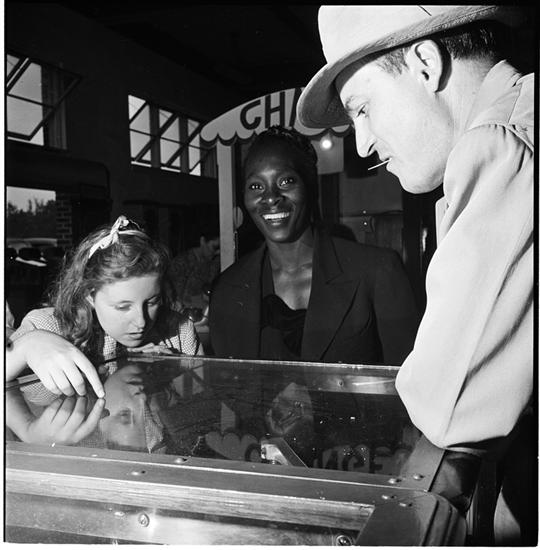
MCNY
MCNY

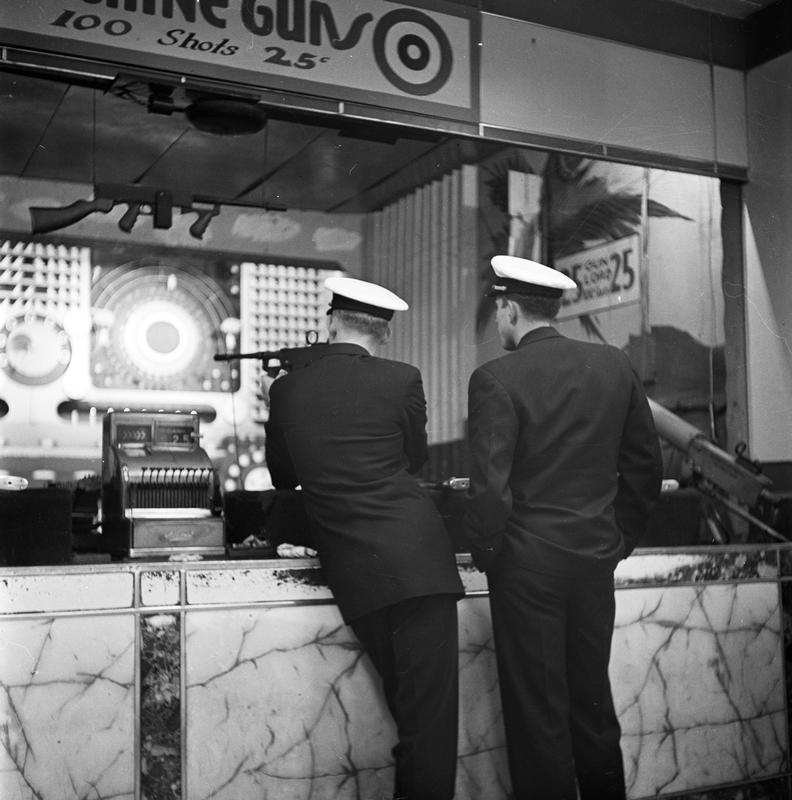
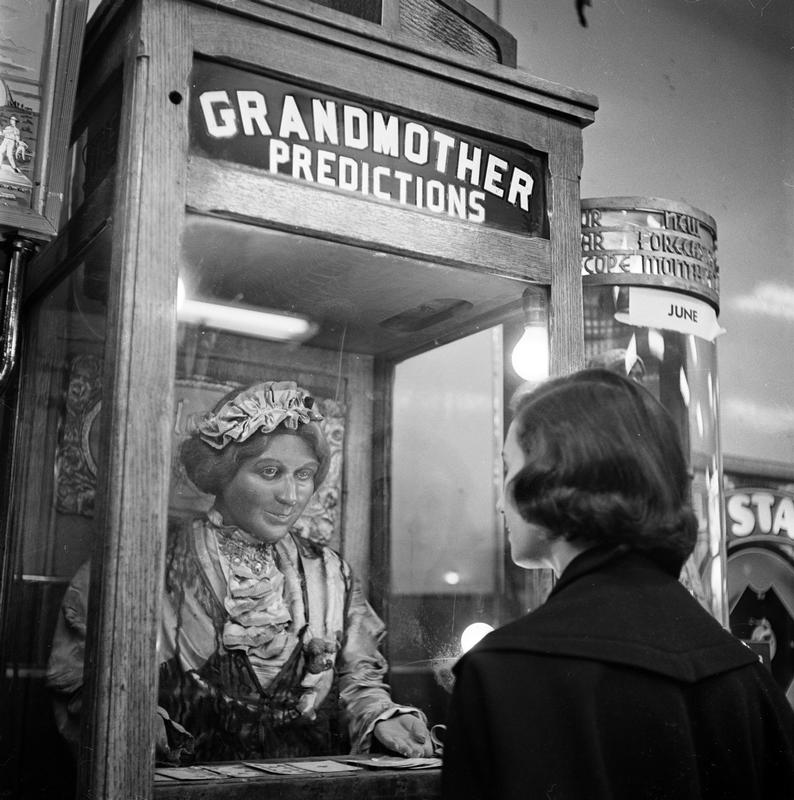
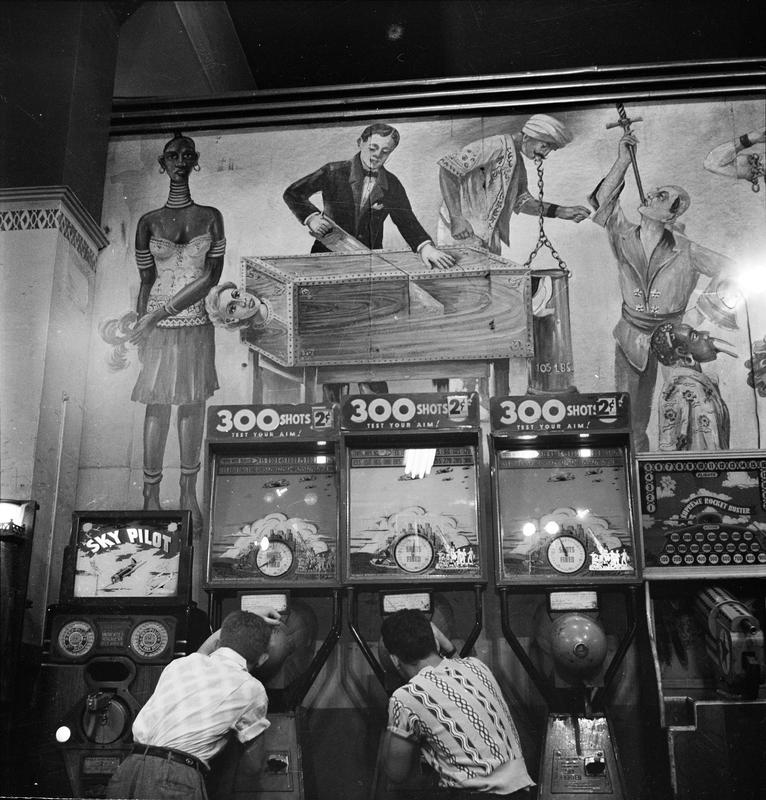
A couple images of a penny arcade and shooting gallery in 1950, photo by Robert Offergeld.
MNY326702

Courtesy MCNY
Courtesy MCNY
Courtesy MCNY
Courtesy MCNY

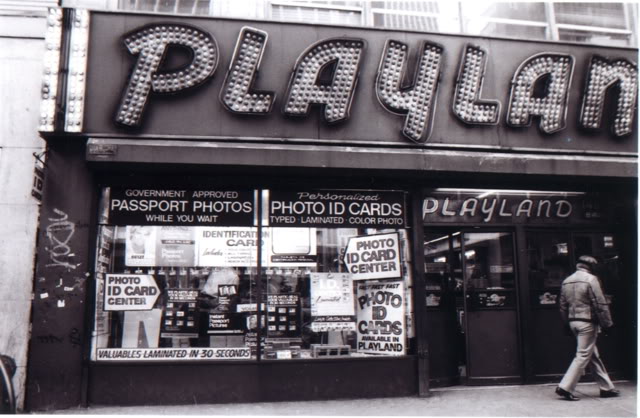
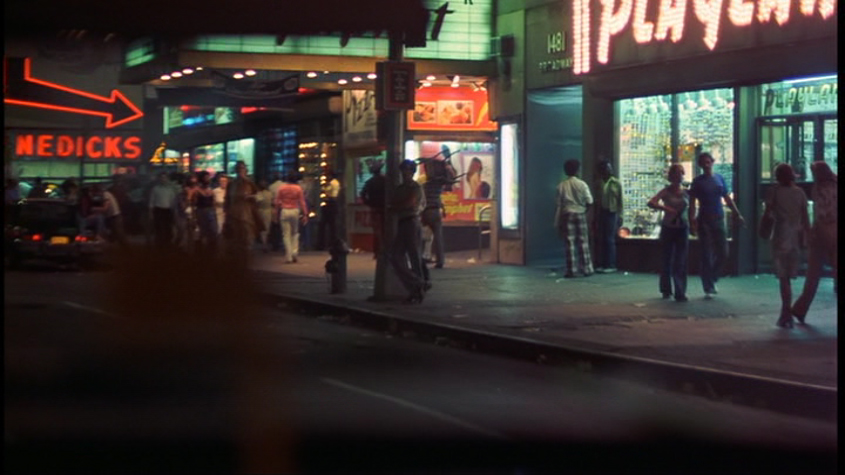
Playland on 42nd Street, courtesy the film Taxi Driver
Courtesy Scouting NY

5334486149_31979077f2_o

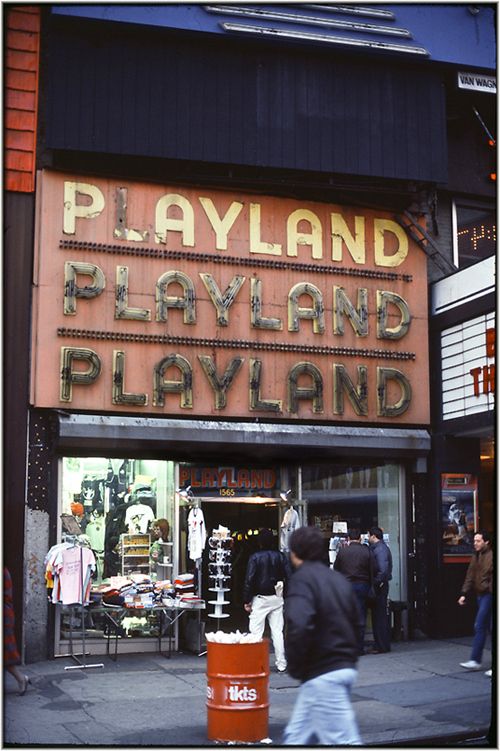
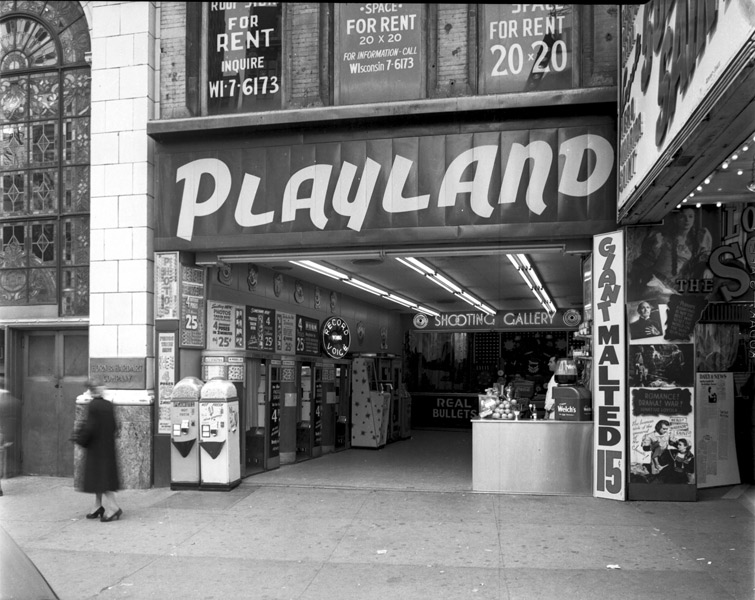
The other Playland at Broadway and 47th Street, pictured here in the 1950s. GIANT MALTED 15 CENTS!
Office for Metropolitan History

And later from the 1970s….

6a09ef0c0a54d711e169d152edb362b3


New York City arcade, 1981.

8f73ef985c84aa31fb92eff32c8f520e


Courtesy Twin Galaxies

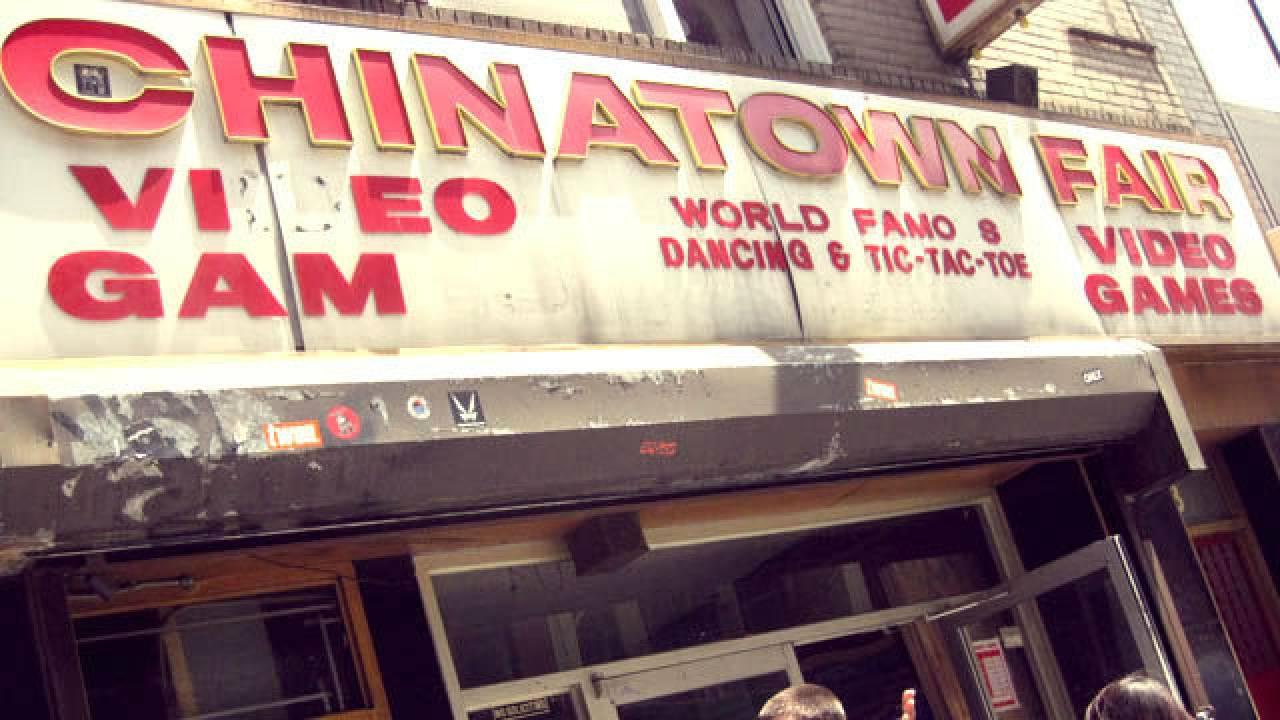
The original Chinatown Fair sign, near its closure in 2011. It reopened the following year, perhaps a bit more family friendly than its precursor.
Courtesy Giant Bomb
Courtesy Giant Bomb

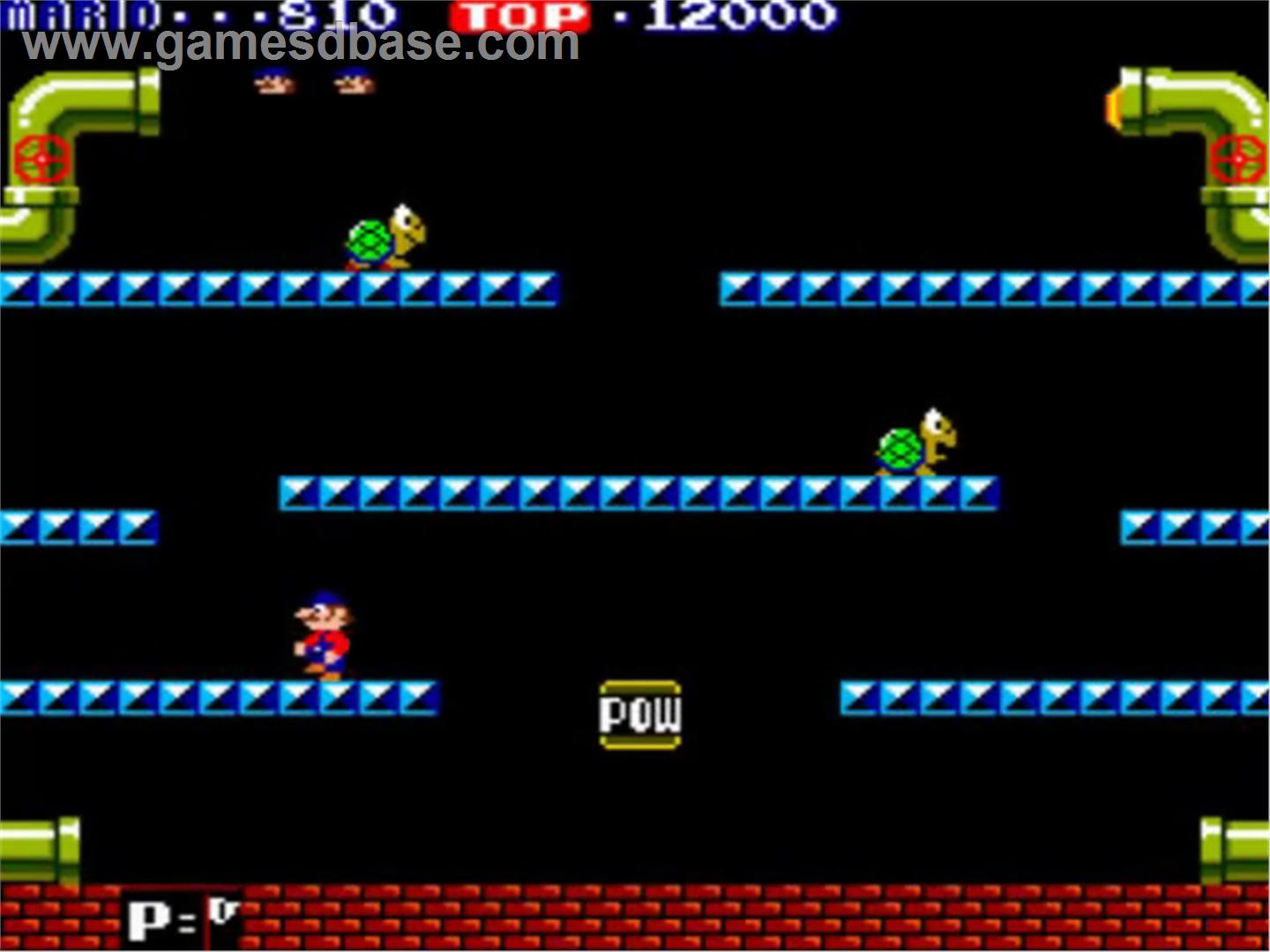
Screenshot from Mario Bros. (1983)

Courtesy GamesDBase
Courtesy GamesDBase


Screenshot from Amnesia (1986)

Courtesy Hazlift
Courtesy Hazlift


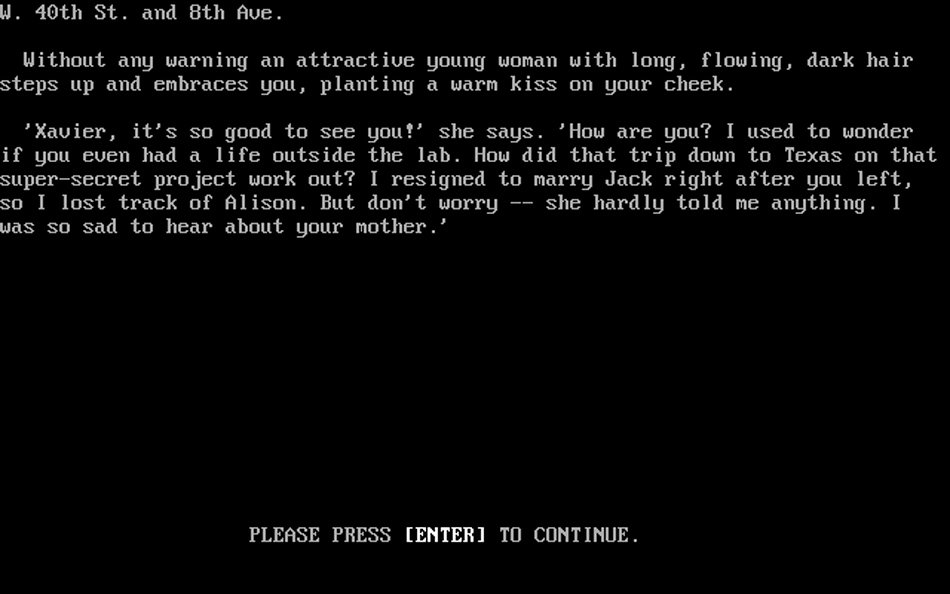
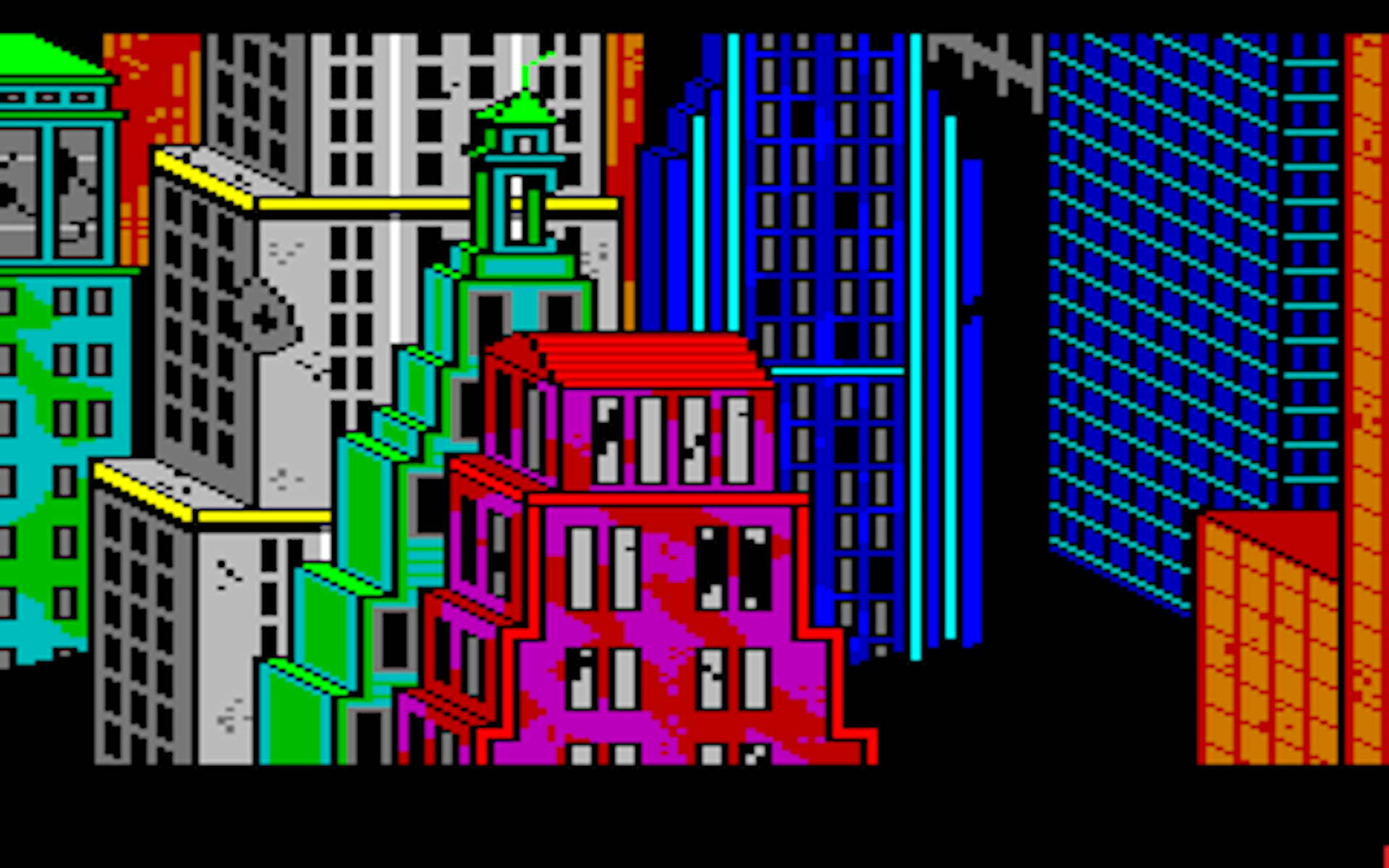
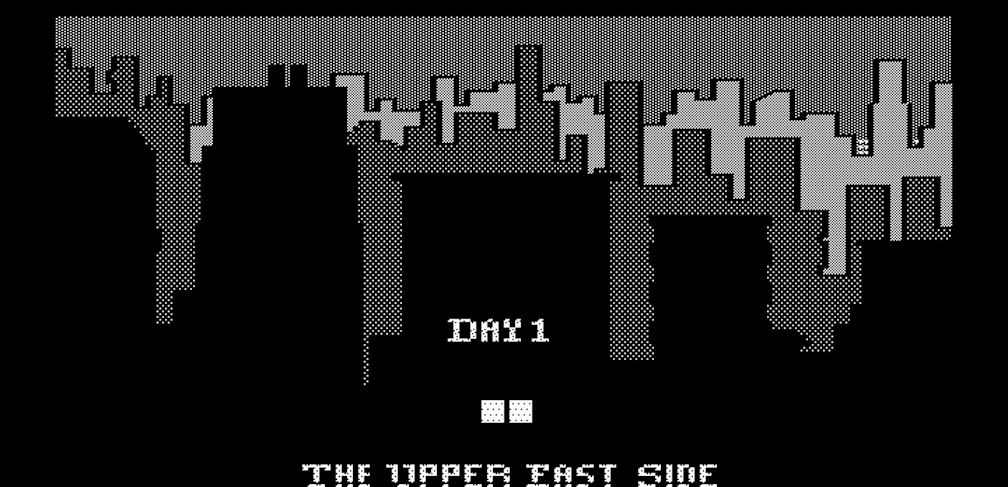
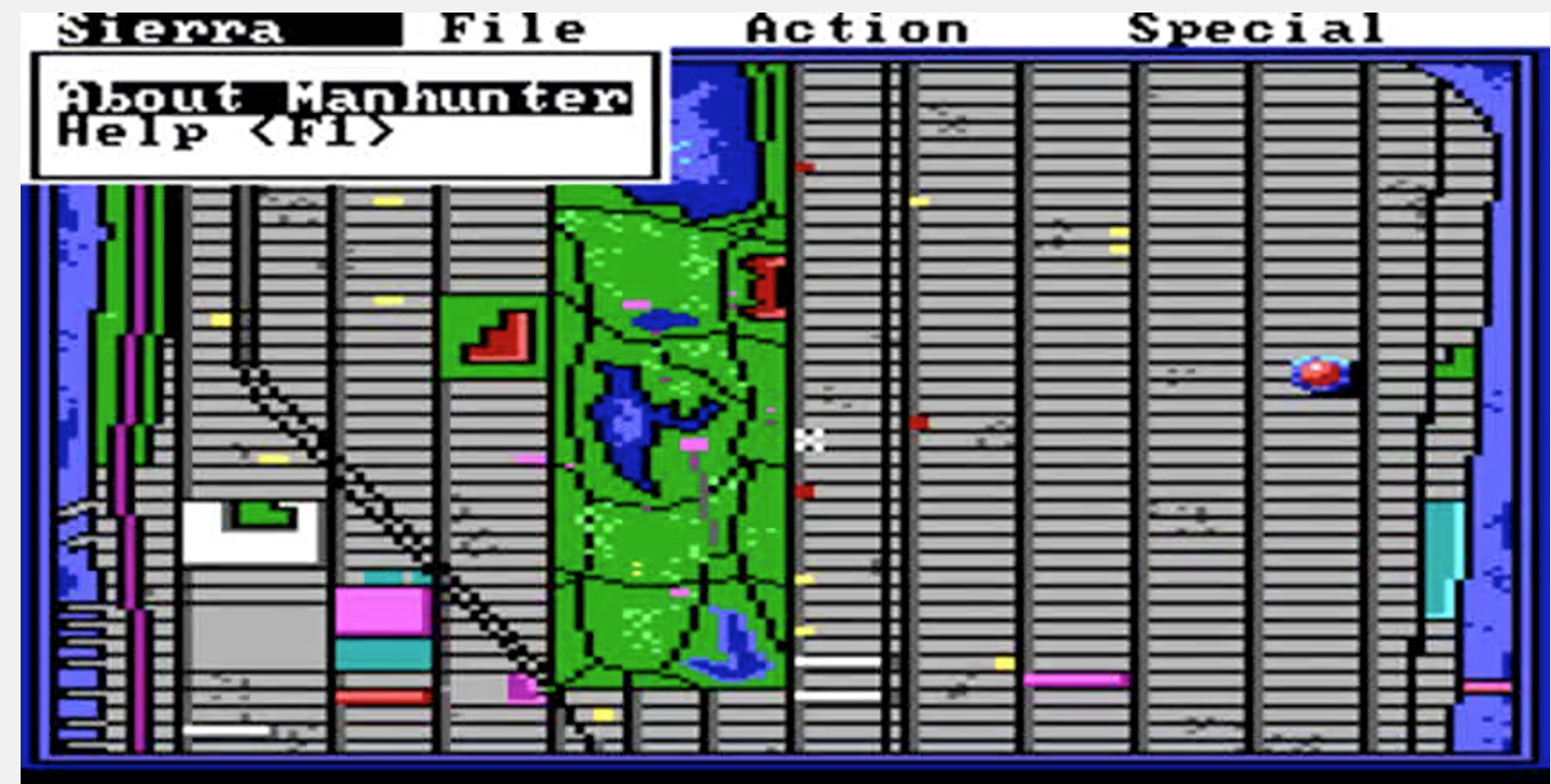
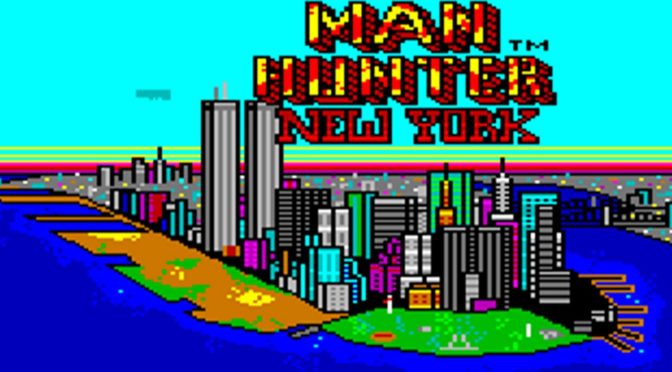
Images from Manhunter: New York (1988)
maxresdefault

335246-manhunter-new-york-amiga-screenshot-intro-new-york-looks-a

181573-manhunter-new-york-dos-screenshot-intro-hercules-graphics

Screen Shot 2016-08-04 at 12.14.12 PM


Screenshot from Grand Theft Auto‘s Liberty City
From GTA Wikia
From GTA Wikia

The area of Bowling Green, after the Great Fire of 1776, as depicted in Assassin’s Creed III.

Courtesy Assassin's Creed Wikia
Courtesy Assassin’s Creed Wikia
Categories
Amusements and Thrills

From ‘Hot Circuits’ to ‘Arcade Classics’: A Museum’s Quest to Preserve Video Games

ARCADE CLASSICS, the latest show at the Museum of the Moving Image, pulling from the museum’s regular collection of video arcade games, is indeed an all-star line-up of classics. But without the fussiness of an actual arcade. (For one, the experience is at pleasant decibels.)

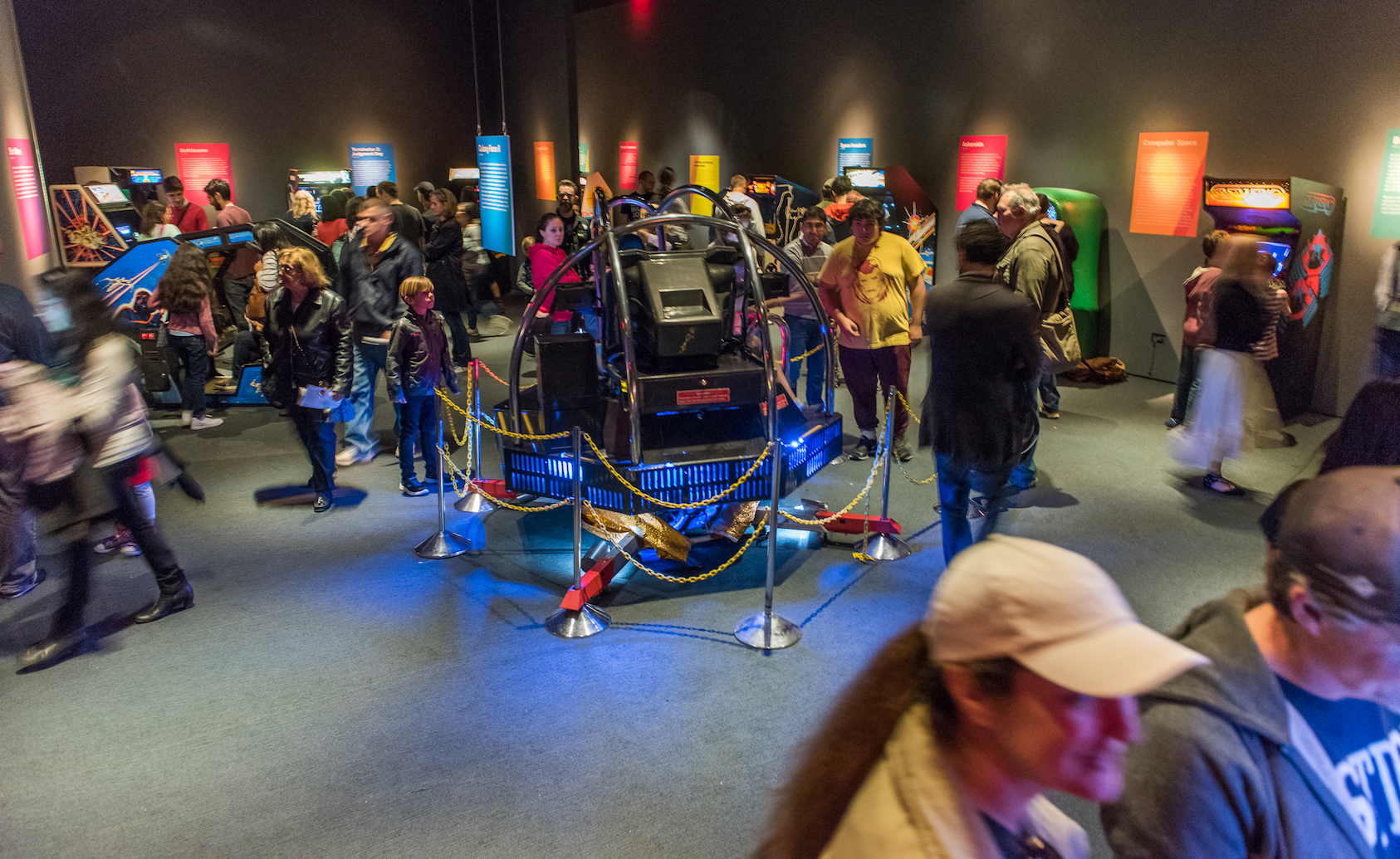
The machines will mostly be familiar to anybody who identifies as Generation X, devices of digital merriment released mostly between 1979 and 1984. Asteroids, Pole Position, Defender, Missile Command, Dragon’s Lair, Tron — they stand as sentinels in a Hall of Justice, evenly spaced throughout the third floor. The idea is to remove the machines from the arcade environment just enough so that you become appreciative of their whole artistry, the unity — from the sleek digital landscapes to the cabinet design. On that point, the show is a complete success.

IMG_9761 (1)

Luckily, you can play most of the games — you get a few complimentary tokens and there’s even a token machine if you want to play more  —  and the echoes through the chamber will certainly bring back childhood memories, even if the presentation is far more austere.

Today a gallery exhibit on video games hardly seems risky. After all these machines are precursors to an entire universe of modern digital images and were themselves influential to later art and fashion.

But the exhibit recalls the Museum’s first attempt at a major retrospective on video game design — 1989’s Hot Circuits, A Video Arcade, considered to be the first-ever video game museum exhibition.

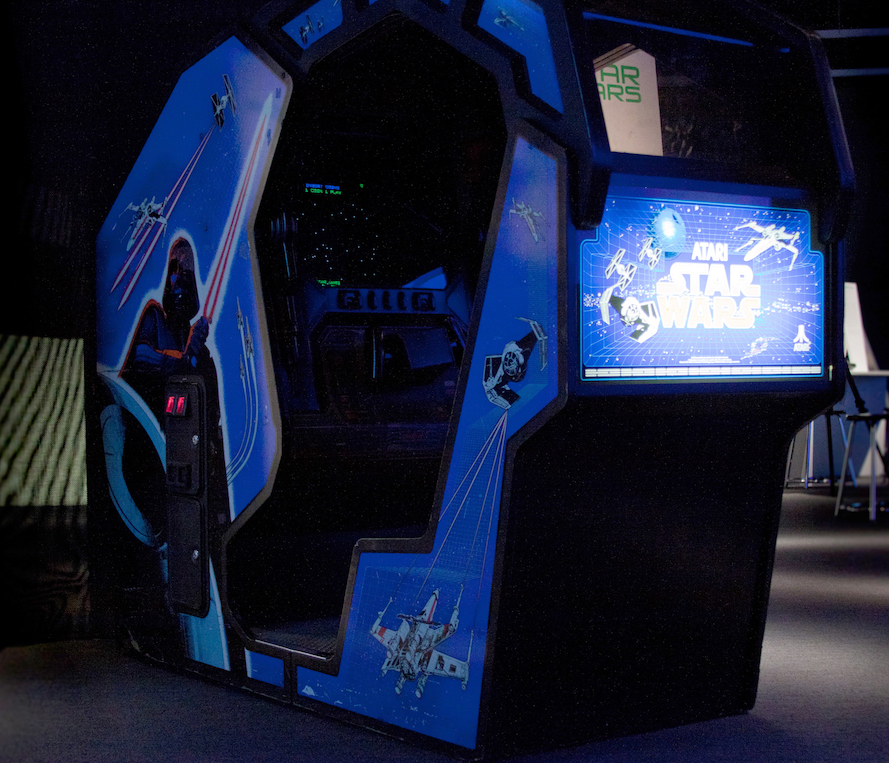
A rare Star Wars game at the current Arcade Classics exhibit.

Sam Branan / Museum of the Moving Image.

At the time, the ‘video game craze’ — fueled by Space Invaders beginning in 1978 — was a decade old. Most of the consumer focus on video games was on home consoles. The Game Boy, the portable gaming device that would revolutionize game portability,  debuted on the market a couple months before the exhibit opened.

The New York Times write-up on the exhibition focuses mostly on the difficulty curators had in locating games that were intact.  “[A]ssembling the exhibition became a yearlong detective story that drew museum curators to arcade warehouses, motel storage areas and basement recreation rooms.

A video game retrospective for a population obsessed with Pokemon Go and Call of Duty seems like an obvious notion. But the idea seemed less obvious in 1989. The Museum’s founding director Rochelle Slovin confessed, “On a general level, I knew that video games were not, as many dismissed them, a trend or fad, but on the contrary, the beginning of something significant. Exactly what, I wasn’t sure.”

Slovan’s original remarks on the show focus on early video games’ similarities to silent film and an appreciation for the elegantly observed artistic choices of the early games.

While stodgier museum goers might have been downright confused by Hot Circuits, it did broaden the Museum’s focus almost immediately into further exploration into digital media. Indeed, in 2016, as you pass the admissions desk into the museum, you will pass a flamboyant wall display on the The Reaction GIF: Moving Image As Gesture. Michael Jackson will eternally eat popcorn and Homer Simpson will continue to sink into the bushes as you enjoy yourself with the digital delights upstairs.

ARCADE CLASSICS, at the Museum of the Moving Image (in Astoria, Queens) runs until September 18. Visit the museum website for more information on the exhibit and visiting hours.