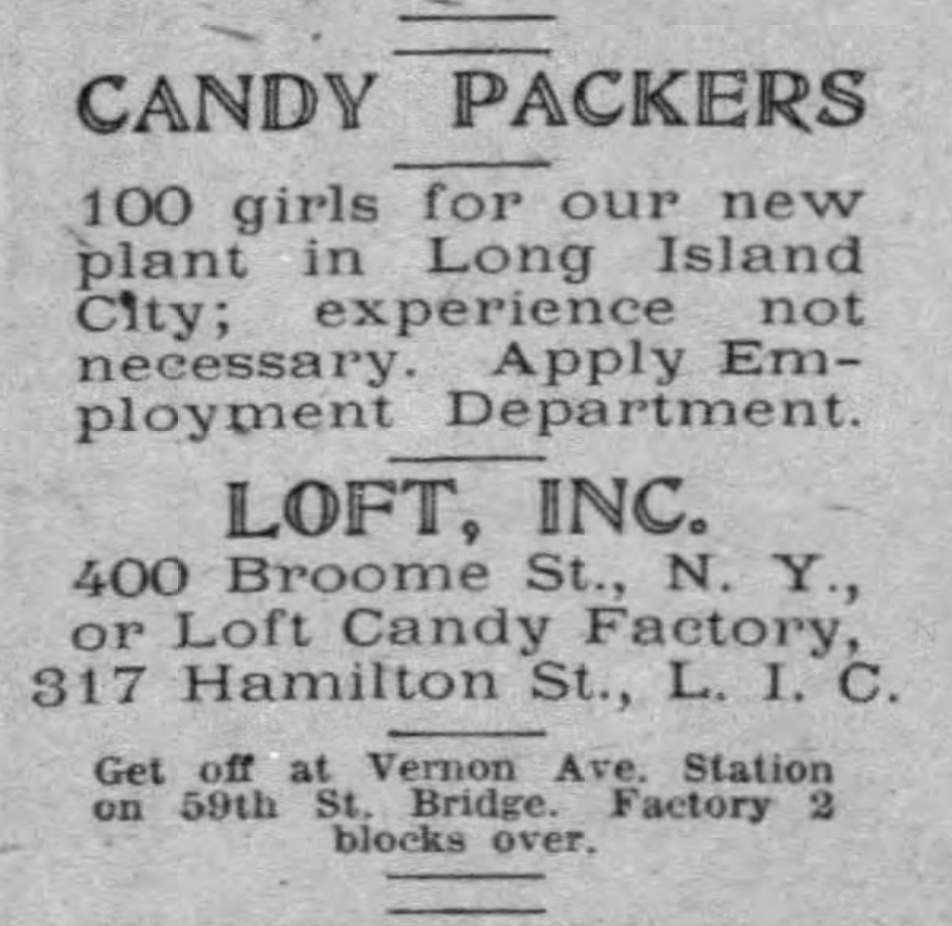
The Loft Candy Company exclusively operated several locations throughout the New York area in the 1910s-30s, many of them proper restaurants. For the Jazz Age candy lover, they were heaven on earth.
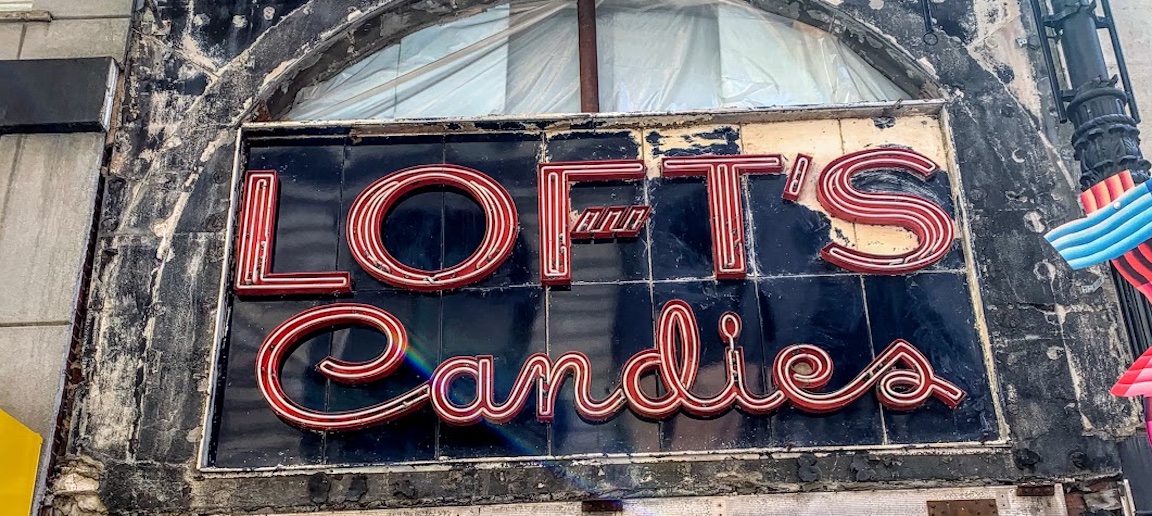
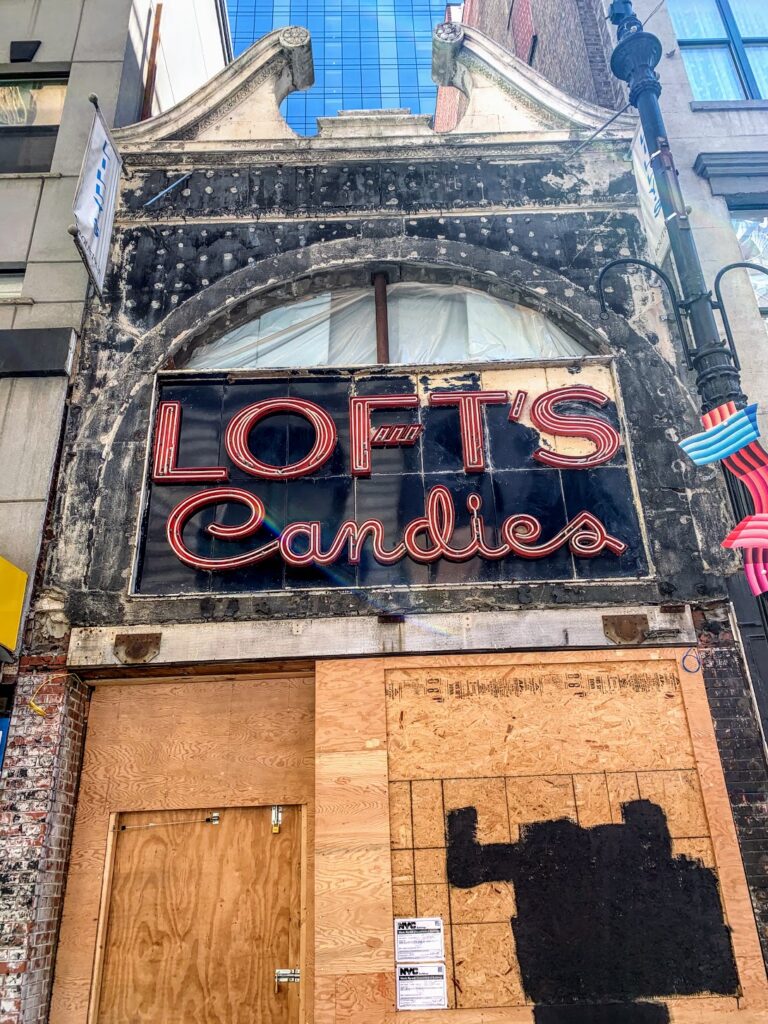
Occasionally you’ll find an old Loft’s neon sign today, peering from a crumbling facade.
This beauty is located at Fulton and Nassau streets in lower Manhattan. New York Neon has the scoop about this marvelous sign. Photo by Greg Young
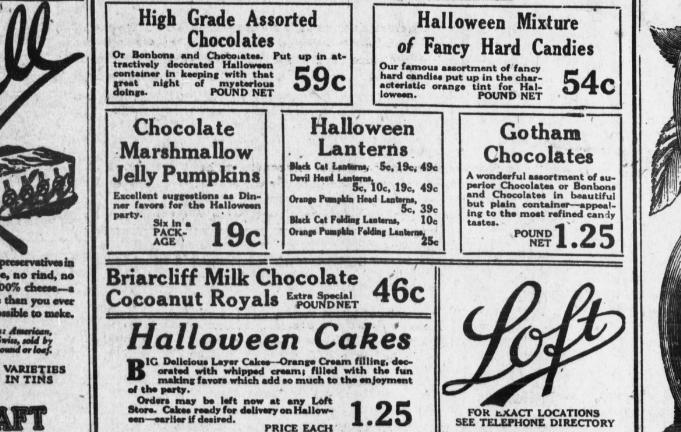
An ad from October 20, 1921 issue of the New York Daily News
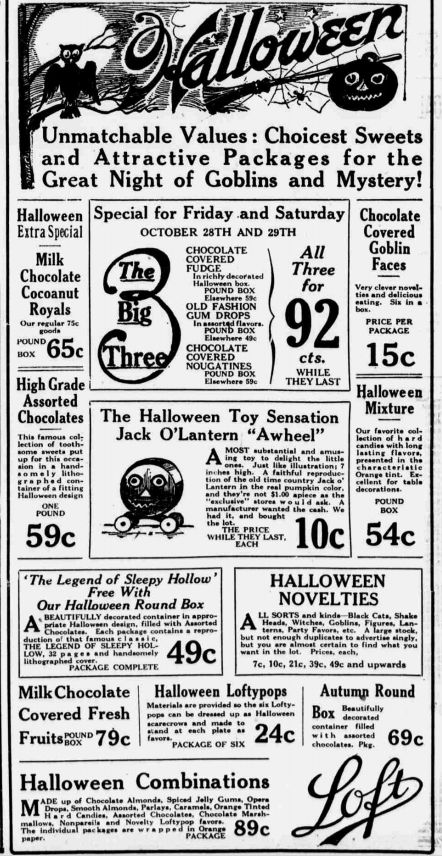
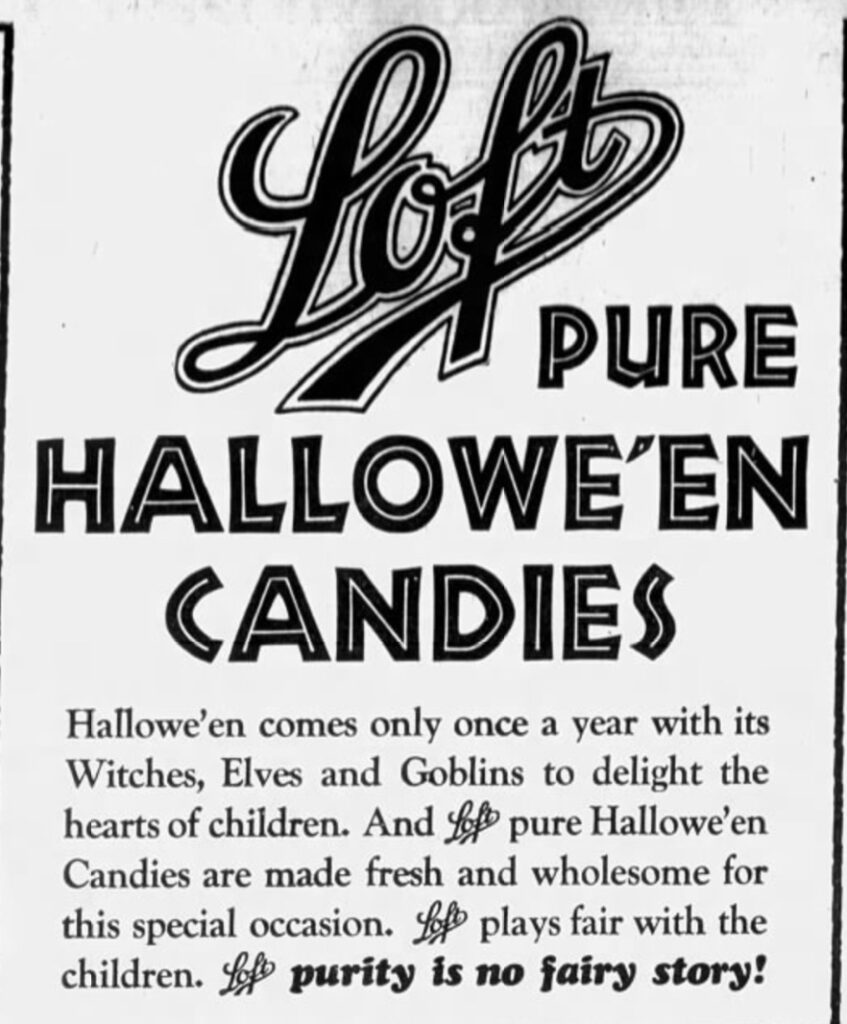
Their Halloween advertisements are an interesting window into the customs a century ago. The practice of trick-or-treating would not become acceptable until the 1950s. Children would have celebrated attending Halloween parties instead, where many of the treats listed below would have been served.
Loft survived the Great Depression by merging with the bankrupt soda fountain company Pepsi-Cola, a perfect marriage of sugary treats. It then became a national brand and cities across the country were graced with Loft candy stores into the late 1980s.
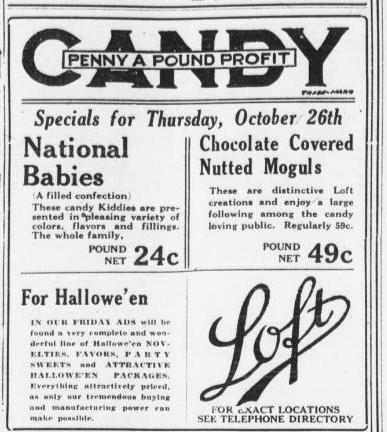
Please enjoy these ads filled with oddball Halloween treats! The ad below is from October 28, 1921:
And what the heck are ‘National Babies (a filled confection)? From October 25, 1922
In this page-sized ad from 1931, Loft offers ‘fortune telling cakes’, moonfaces on sticks and novelties in the shapes of ‘Felix cats’, wood crickets and ukuleles.
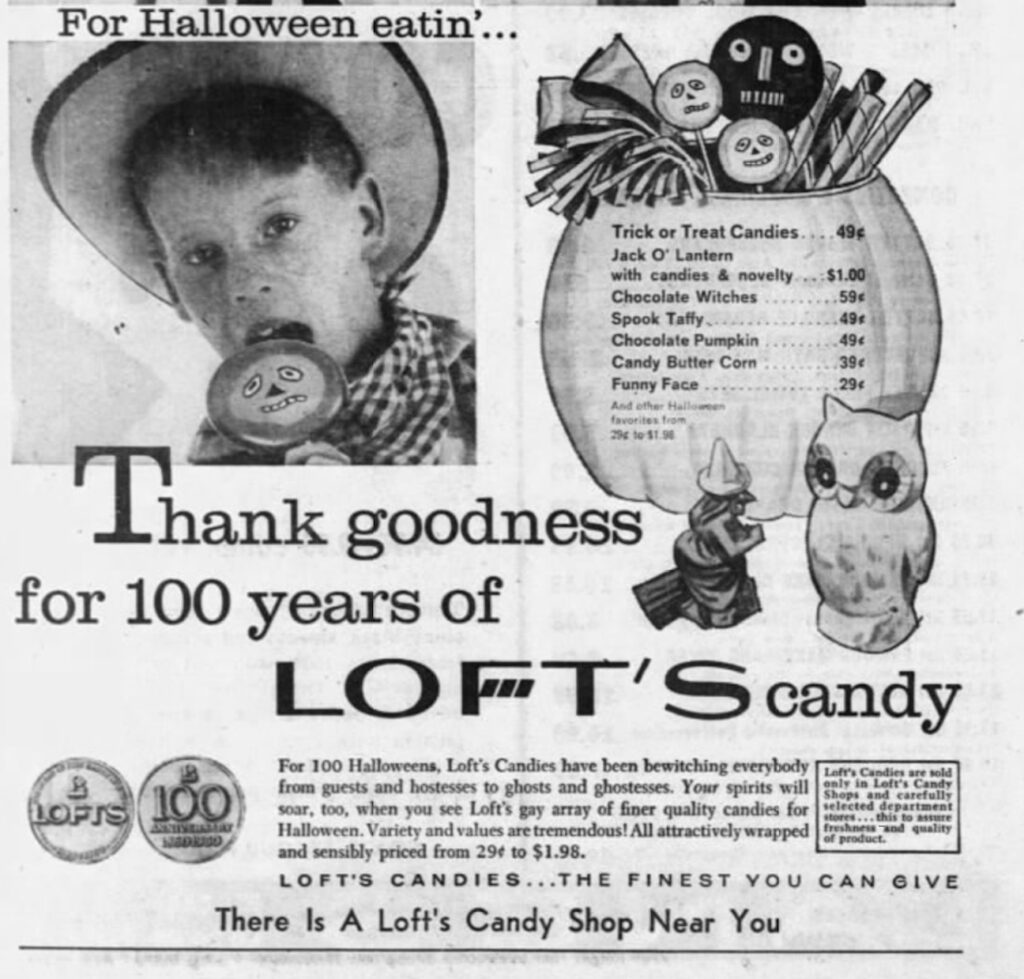
Loft was still making unusual treats for the season in 1960. By this time trick-or-treating had become a national pastime. Although some candy makers had begun making ‘small’ versions of their adult candy treats, it was Mars Inc. that changed the game by targeting trick-or-treaters with ‘fun size’ versions of their popular candies (Snickers, M&Ms) in 1961.
Long Island City is really a confederation of small villages and hamlets along the northwestern shore of Long Island. The name began essentially as a re-branding of Hunter’s Point then grew to eventually include Astoria, Ravenswood, Sunnyside, Blissville and other communities after the development of the Long Island Railroad improved its land value.
“Fifteen years ago, outside of the village of Astoria, there was not a house in the limits of Long Island City, except the dwellings of half a dozen farmers and a line of palatial mansions fronting on the East River, from Hunter’s Point to Hell Gate,” said the New York Times in 1870 at the time of Long Island City’s charter.
It was an area of great change that still retained a rural character, even as two of America’s greatest cities rose to its south. The perfect setting — for a ghost story!
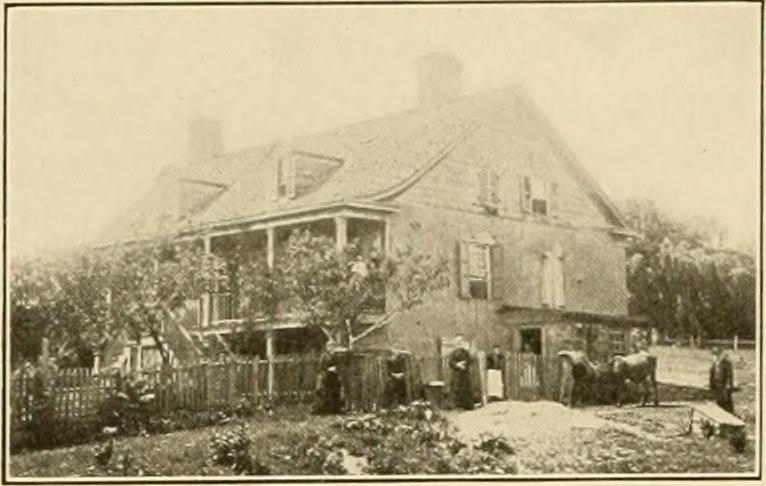
Haunted houses as often simply old mansions that look out of place on a changing landscape. By that definition, Long Island City in transition would have had its share of these. Interspersed within this article are a few old homes and mansions of northwestern Queens. Haunted or not, but still captivating!
I was looking through some newspaper archives looking for some old stories about Long Island when these two spooky stories popped up. Almost as if they wanted to be found and retold! Both are based on newspaper reporting of the day and were reported (albeit with a touch of skepticism) as fact:
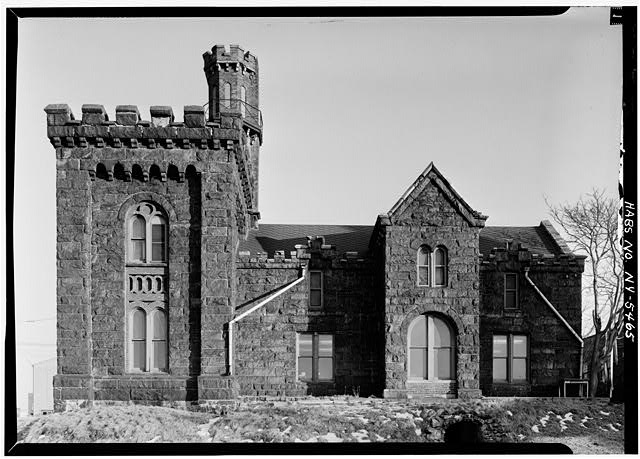
Below: Bodine Castle at 4316 Vernon Boulevard
A Ghost In Long Island CityÂ
January 29, 1874 [source]
There once was a home at Jackson Avenue and Dutch Kills Road that was quite haunted, so haunted that its landlord was unable to rent it out. Soon a fearless family with the last name of Daly decided to rent the house.
“They were informed that there would be other occupants besides themselves in the house, but that did not deter them.”
They were in the house for a week until one night they heard moans coming from the hallway. The father investigated the hall, then the kitchen. The sound seem to move away from him — into the parlor, then into dank cellar. But there was no evidence of any intruder, no reason for the noise.
“Shortly after this as if some heavy body were falling downstairs were heard. Â Mrs. Daly, upon being interrogated, affirmed that the crockery in the cupboard was thrown down and broken, and declared the door was unopened.”
With a disturbing lack of empathy the newspaper then reports, “One child was so thoroughly frightened that it was thrown into violent convulsions and has since died.”
They stayed in the home the following evening to be awakened by horrific cries of ‘Murder! Murder!’ at midnight. Â The following day the family finally moved out of this haunted house. “Today a rigid investigation will take place, and the hoax, if it is one, will probably be ventilated.”
No further information was found about this house.
Below: Vernon Boulevard, at the S.E. corner of Astoria Boulevard, showing the Cornelius Rapelye House, built about 1780. A garage was later erected on the site. Eugene L. Arabruster Collection 1922
Courtesy New York Public Library
A Red-Haired, Blue-Eyed Ghost The Stoutest Hearted Citizens of Blissville Filled With Fear
March 10, 1884 [source]
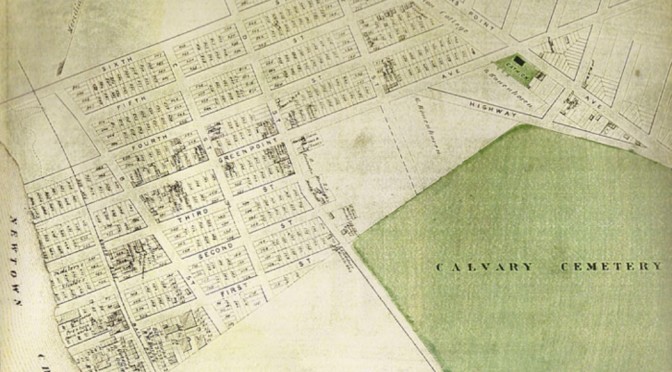
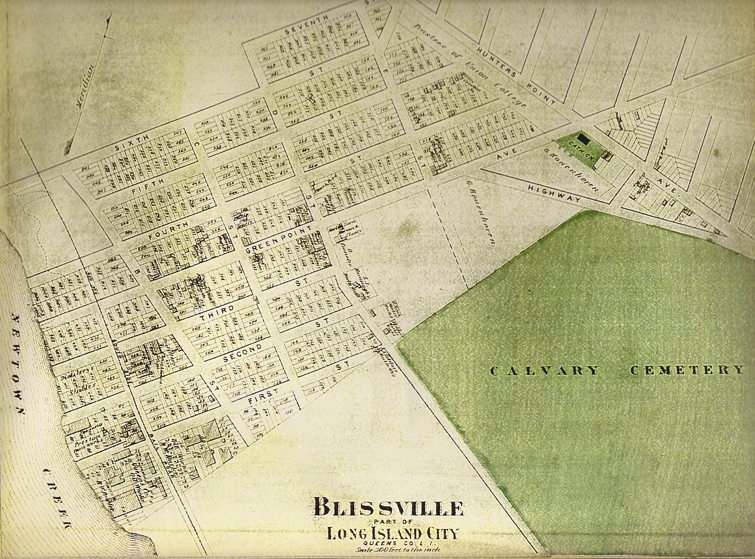
“All the hair in Blissville, Long Island, is on end with terror and excitement, and even the stoutest-hearted citizens feared to sleep until they got to church yesterday, because the ghost cries “Oh, ho!” and “Ah, ha!“ and likewise “Humph, humph” still haunted the Calvary Cemetery, and all Saturday night gave vent to weird and mysterious moans and sighs.”
A hotel proprietor names John Powers was stumbling home at night — almost midnight — in some presumed state of inebriation. On the road he passed a very short woman dressed entirely in black, “mov[ing] along in a strange manner, looking neither to the right nor to the left.”
The little woman did not respond when Powers wished her good night.  Finally, “filled with strange forebodings,” he decided to look at the woman. But she had completely vanished.
“There were no houses, trees, nor fences near, nothing that even a cat could have concealed itself behind, and yet the weird apparition had disappeared and left not the slightest indication of its presence.”
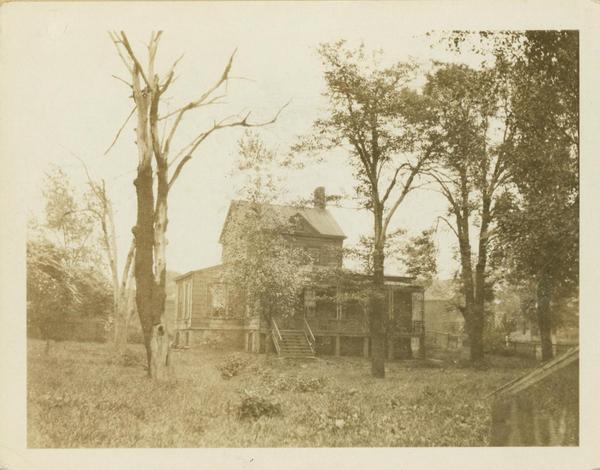
Below: The old Payxtar Homestead, area of today’s Jackson Ave. and Queensboro Bridge Plaza, Long Island City
Courtesy Library of Congress
Another man named Thomas Culvert told a similar story that same evening. His description of the spirit is quite bizarre. “She was not more than three feet tall and had red hair, he said, and long curls hung down her back.”
His eyes lingered upon the woman a bit too long for she gazed up at him, making eye contact. “[H]er eyes were of a stony blue that chilled his very blood as she fixed them upon him for a single instant.” Culvert scurried immediately home and locked the door.
Throughout the night the townspeople of Blissville heard a series of shrieks and cries in the vicinity of an abandoned house. Â “Numbers of persons, made brave by the daylight, visited the haunted house and locality yesterday afternoon, but shrank away when the shadows began to deepen.”
Efforts were made to disprove these spooky tales but no source was ever found. Thus the residents of Blissville lost many hours of rest. “There will be no peace until the grisly secret is explained.”
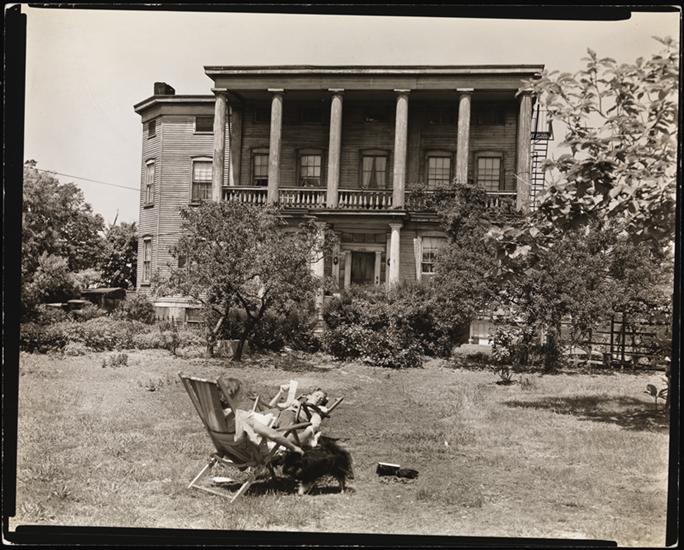
Below: 27th Avenue, no. 805, Astoria, taken in 1937
Courtesy Museum of the City of New York, photo by Berenice Abbott
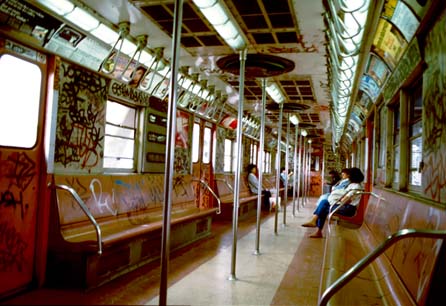
PODCAST #111 Art. Vandalism. Freedom. Blight. Creativity. Crime. Graffiti has divided New Yorkers since it first appeared on walls, signs and lampposts in the late 1960s. Its ascent paralleled the city’s sunken financial fortunes, allowing simple markings to evolve into elaborate pieces of art. The only problem? The best examples were on the sides of subway cars which the city promptly attempted to eradicate, their attempts thwarted by clever, creative artists and a downtown culture that was slowly embracing graffiti as New York City’s defining art form.
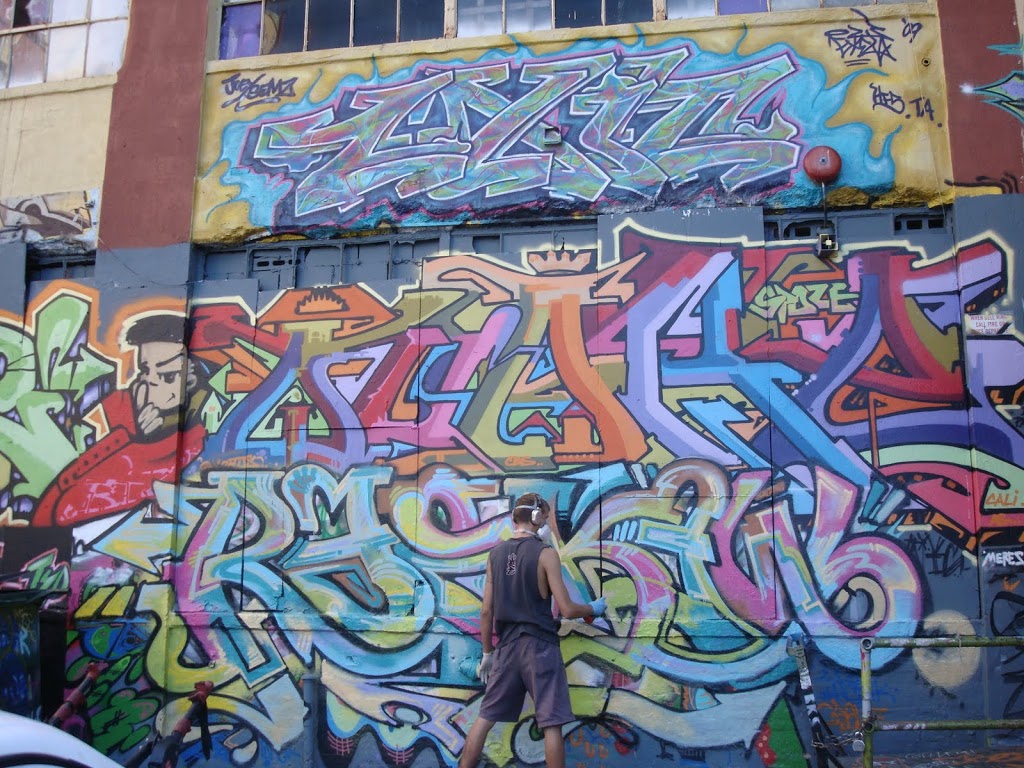
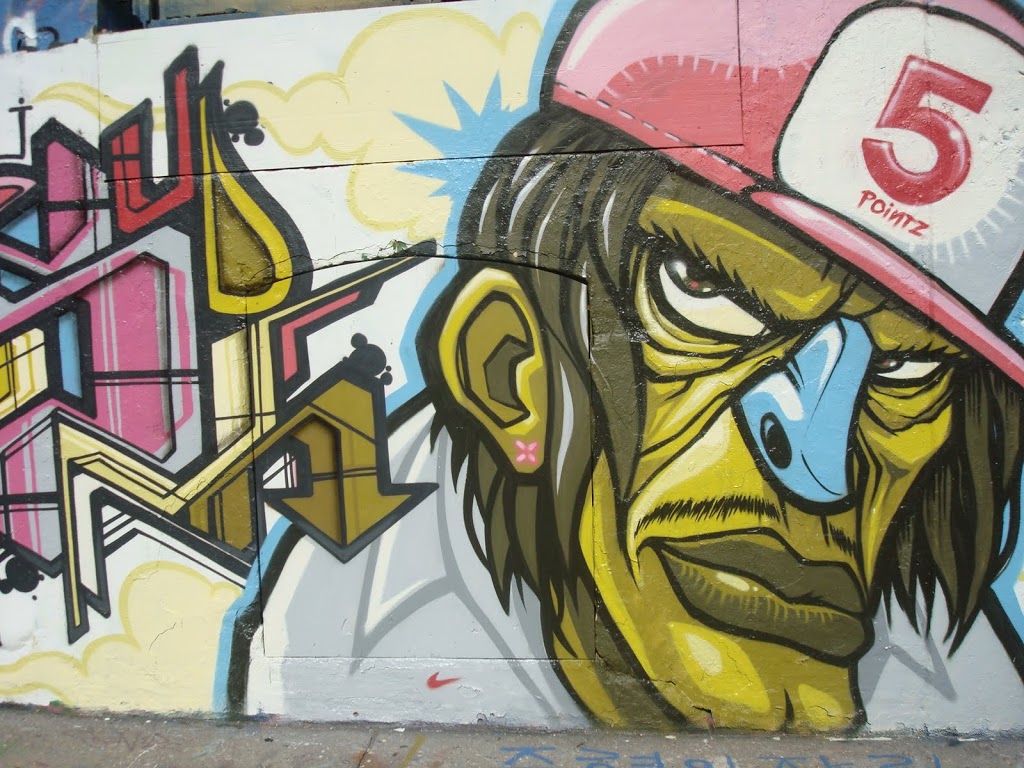
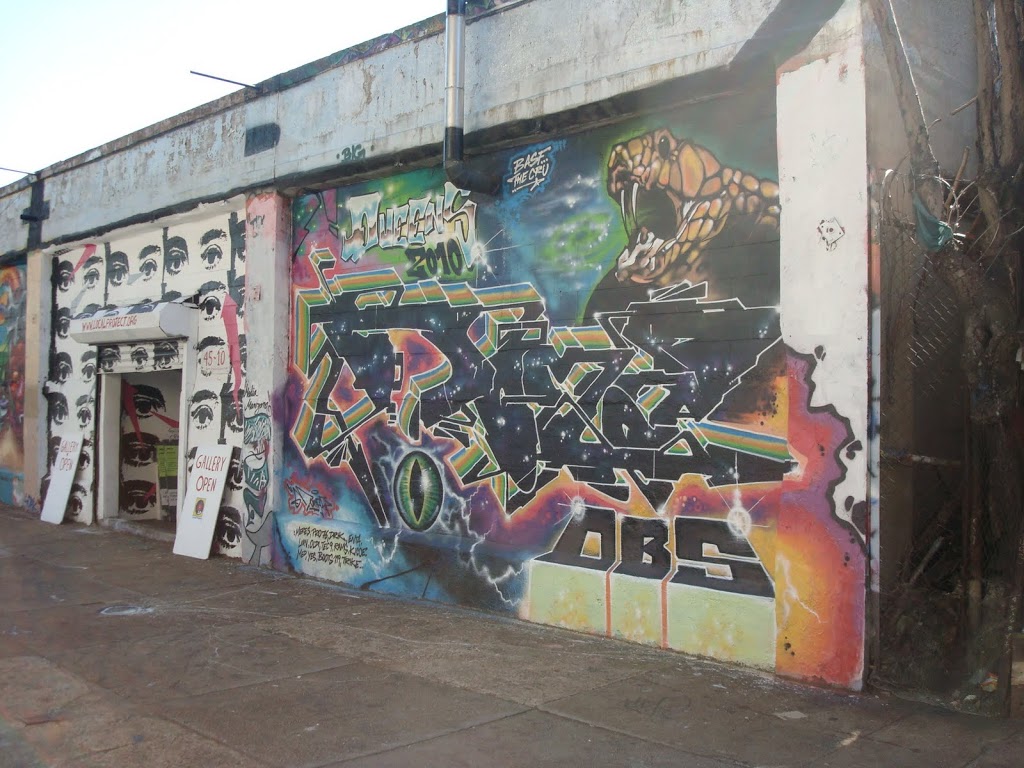
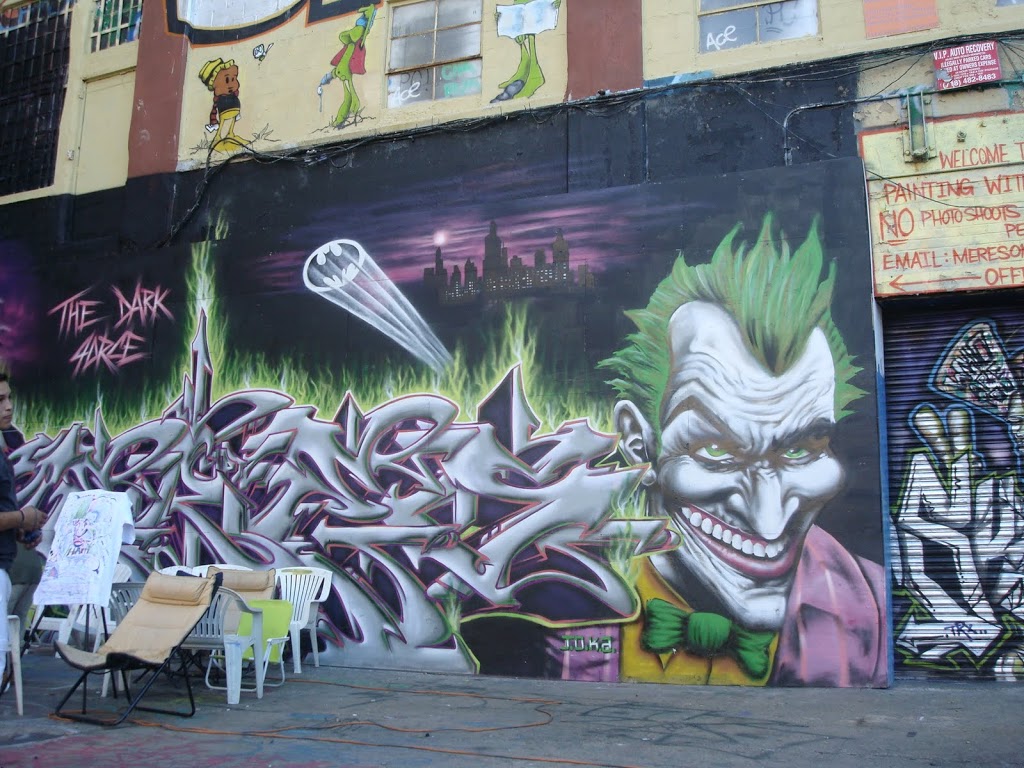
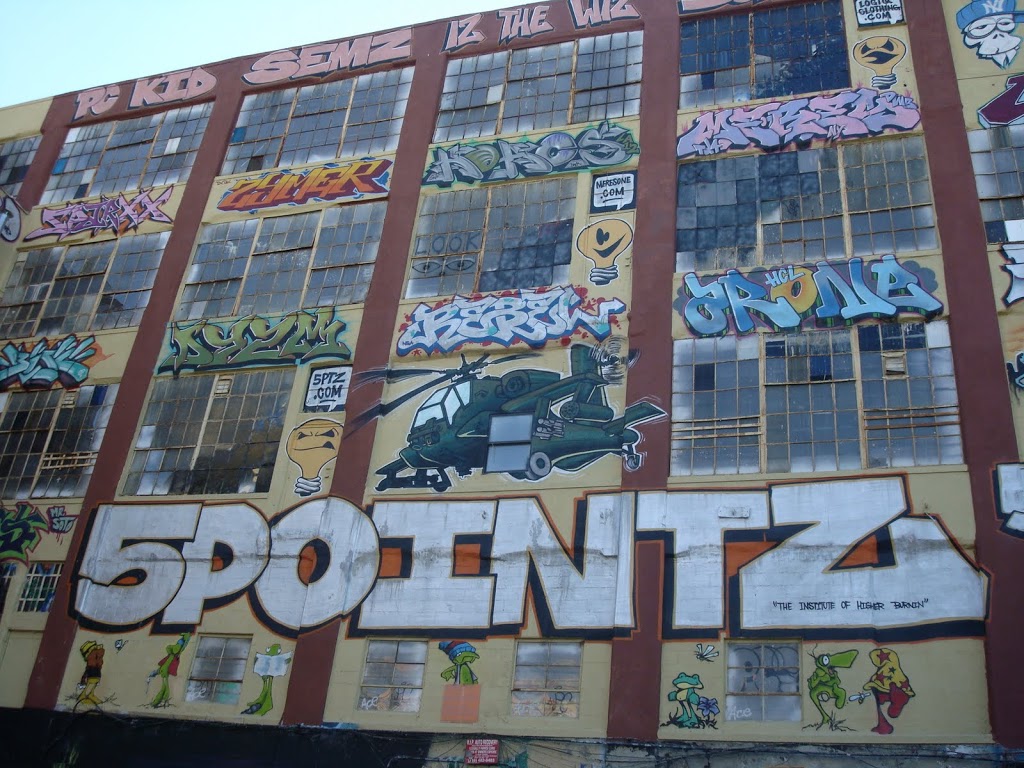
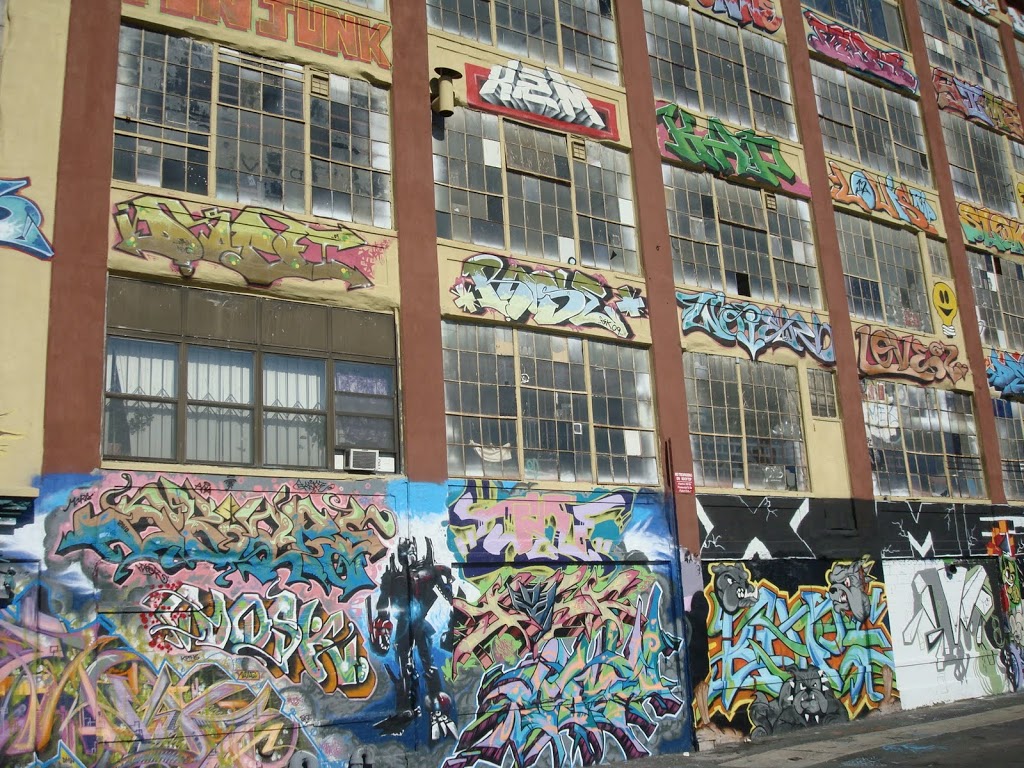
This is a history of the battle between graffiti and City Hall. And a look at the aftermath which spawned today’s tough city laws and a warehouse space in Queens called 5Pointz, where graffiti masterpieces thrive in abundance today.
You can tune into it below, download it for FREE from iTunes or other podcasting services, or get it straight from our satellite site.
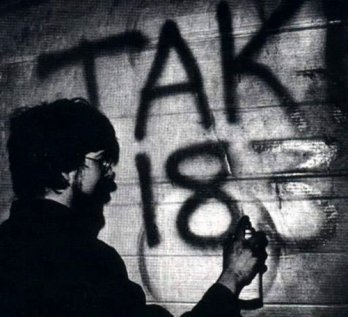
TAKI 183 — he didn’t create the graffiti art movement, but his tags throughout the city inspired a New York Times investigation into the mysterious 17 year old Greek teenanger’s antics, putting other taggers in the spotlight.
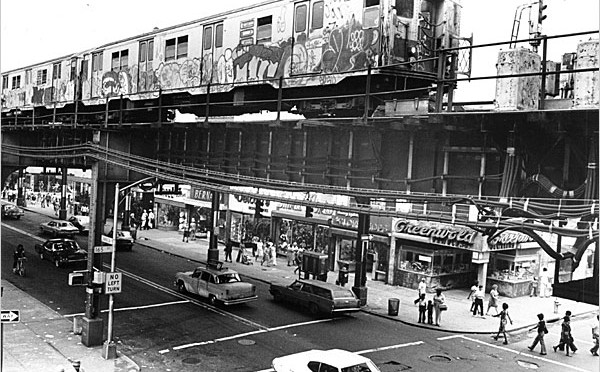
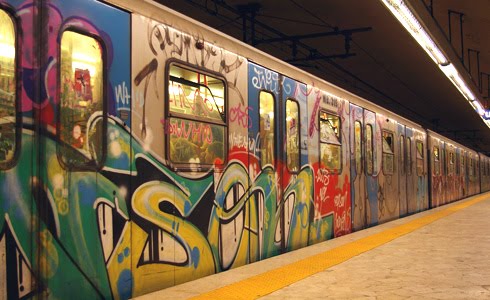
A ride on any subway during the 70s and 80s usually meant containment within a car coated in graffiti tags. The most artistic, colorful pieces (like the one below, by Lee Quinones, 1976) were hung on the outside. (Photo courtesy Second Avenue Sagas)
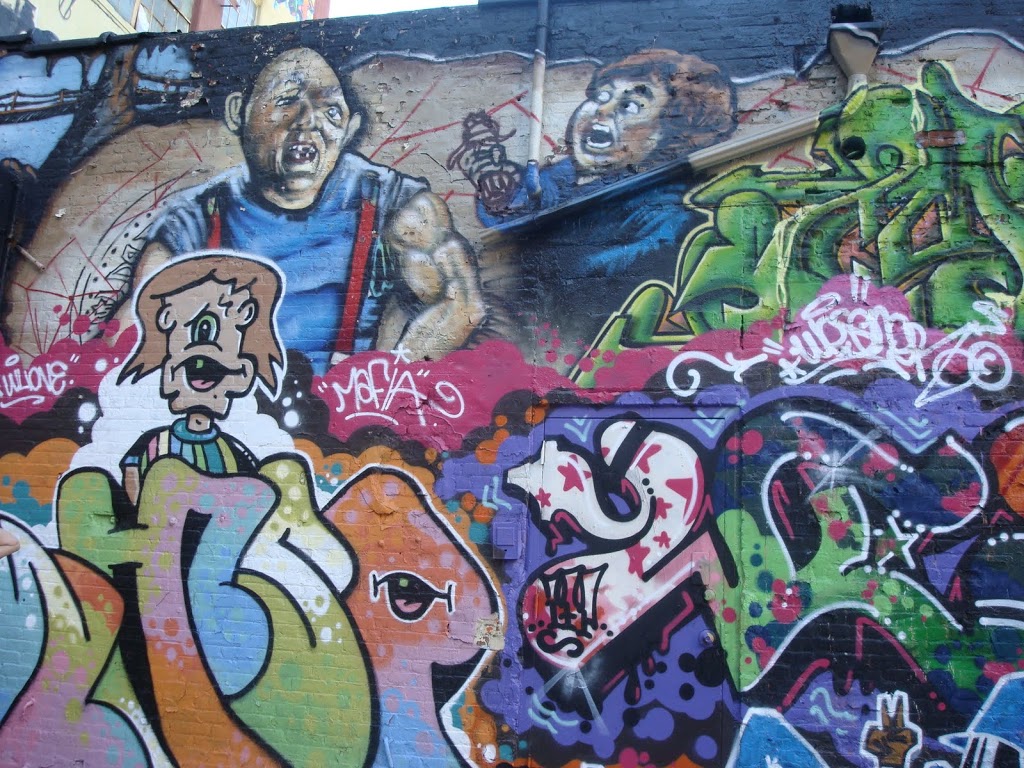
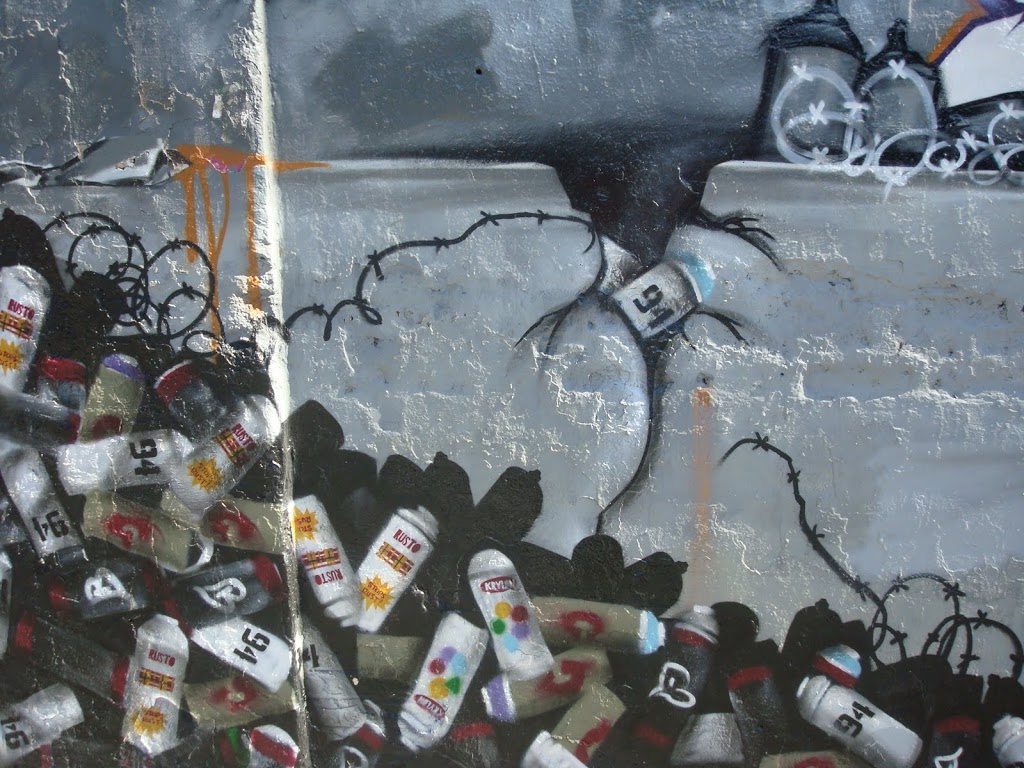
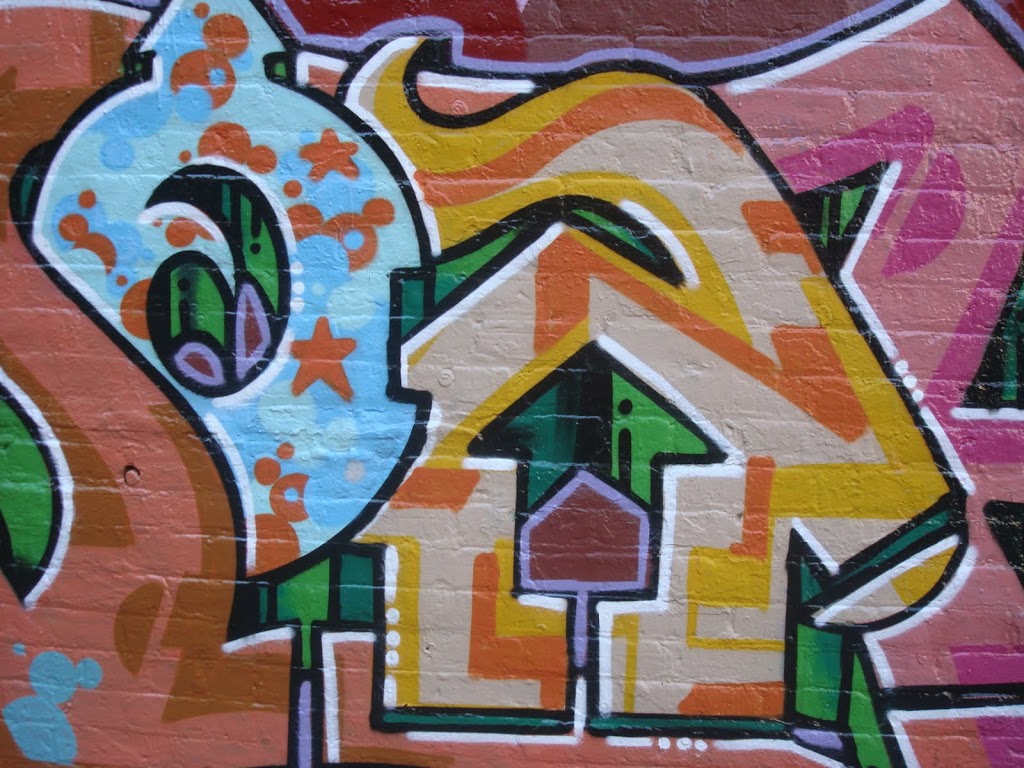
Below: Some of the astonishing work you’ll find out at 5Pointz Aerosol Art Center Inc., subtitled “The Institute For Higher Burnin’.”
For more tales of the 70s-80s graffiti scene, check out the blog @149st with individual profiles of dozens of period artists and taggers. Kings of New York is a spectacular photo blog of past and current work on walls and other surfaces throughout the city.
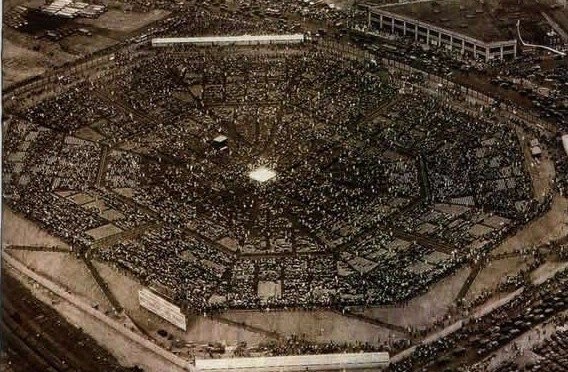
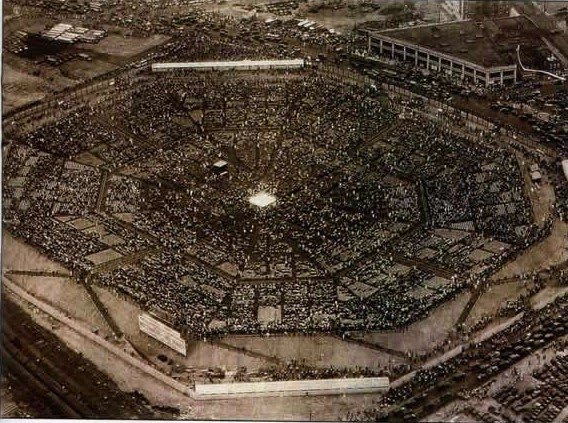
A packed house at MSGBowl on June 21, 1932, turning out for a prizefight between Max Schmeling and Jack Sharkey Picture courtesy Awesome Stories
There was so much to speak about during the Madison Square Garden podcast that we didn’t have time to mention that, for a brief time, the borough of Queens once had its own Madison Square Garden — one that spawned a ‘cinderella’ sports legend.
Situated in Long Island City, the Madison Square Garden Bowl was a roomy Depression-era spinoff of Tex Rickard’s midtown Manhattan branch, built in 1932 at 45th Street and Northern Boulevard, an immense outdoor stadium that could seat up to 72,000 people. It was not a regular venue but instead hosted big-ticket events during the summer. The Bowl cost the Garden only $160,000 to build, designed for high capacity if not longevity.
It may not have exactly been a popular place among name boxing stars. Sometimes referred to as the ‘Jinx Bowl’ or ‘The Graveyard of Champions’, reigning champs who boxed here frequently lost, heavyweight championship titles regularly changing hands here. “It was the arena where champions went to die,” according to author Jeremy Schaap.
People were willing to pay up to $25 for ringside seats because of the talent sparring in the ring, including Max Baer, Joe Louis, Henry Armstrong, and (most famously) James Braddock, aka ‘Cinderella Man’. A depiction of the Bowl naturally pops up in the Russell Crowe film ‘Cinderella Man’ about Braddock.
The Bowl hosted more than boxing, famously hosting several vigorous “midget auto races” (that’s like NASCAR for really small cars). “They had these midget auto races there and a lot of times the fumes of whatever it was they used to keep ’em going would spill through the entire neighborbood,” recalled Yankees legend and neighbor Whitey Ford. “If the wind was blowin’ the right way, we could get asphyxiated in our apartments if we didn’t keep the windows closed.”
During World War II, the arena saw little use, and Garden management soon gave up on it entirely, tearing it down in 1942, to be replaced with a mail depot for the U.S. Army. At some point that too was ripped down. As you can see, the area remains singularly unexciting today.