
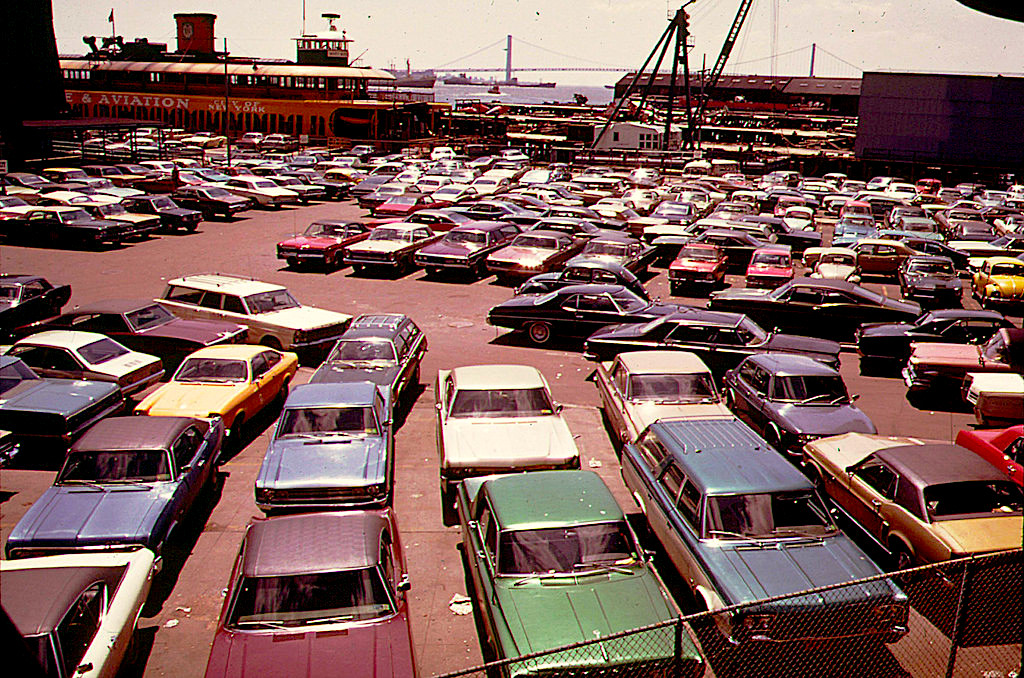
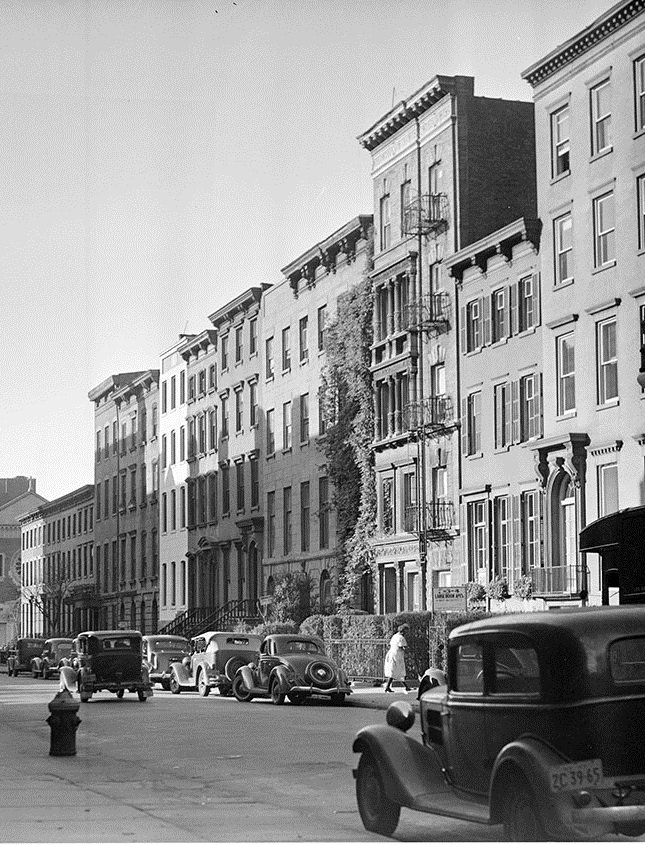
Take a look at a vintage photograph of New York from the 1930s and you’ll see automats, newsies, elevated trains and men in fedoras. What you won’t see — dozens and dozens of automobiles on the curb.
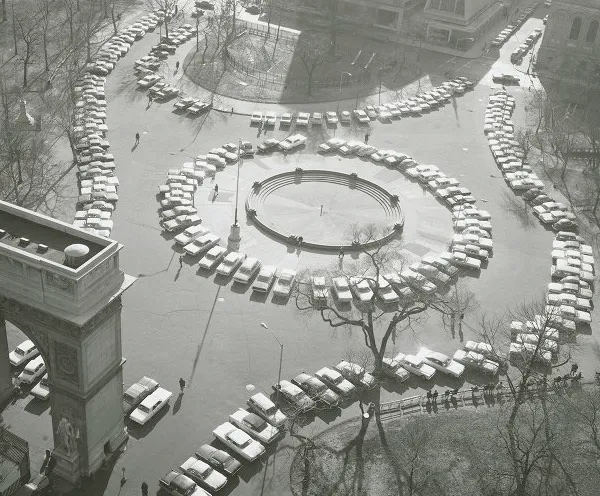
In a city with skyrocketing real estate values, why are most city streets still devoted to free car storage? It’s a situation we’re all so used to that we don’t think twice about it. Whatever happened to the curb?
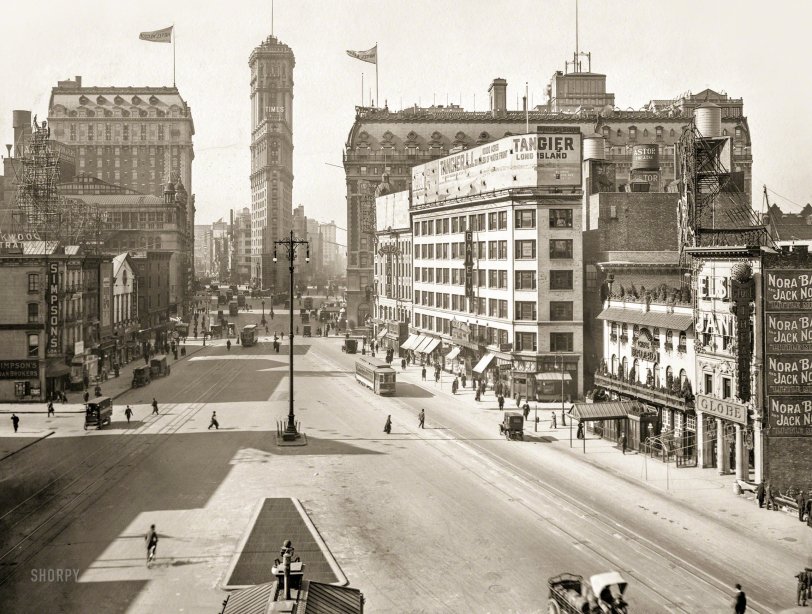
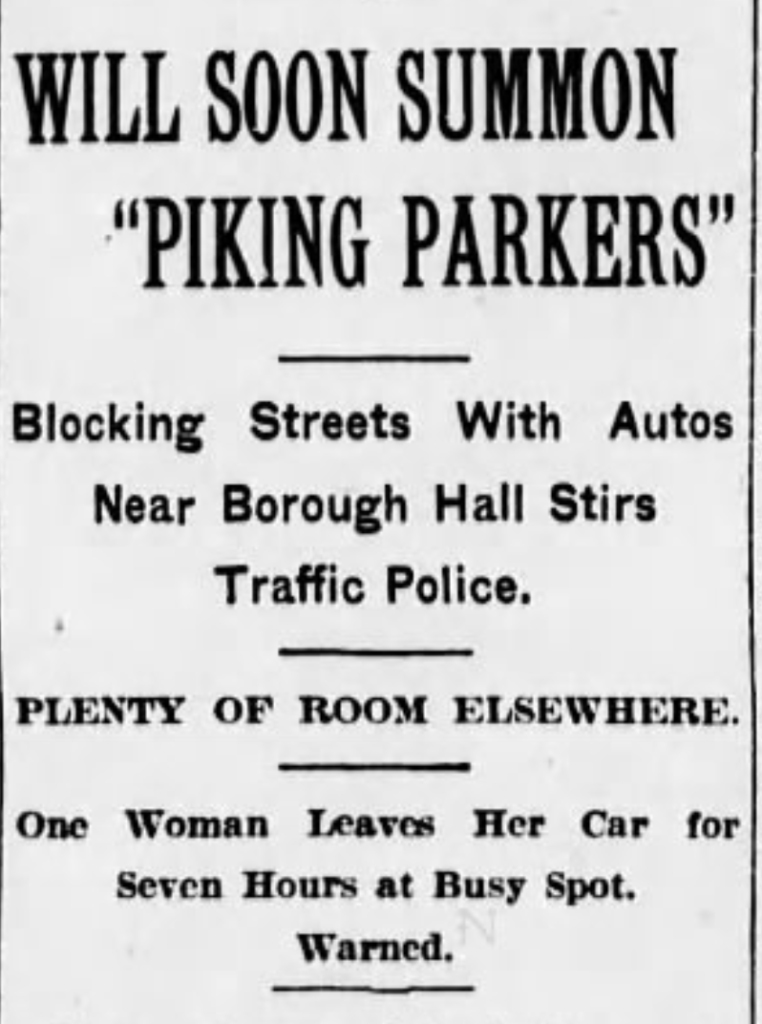
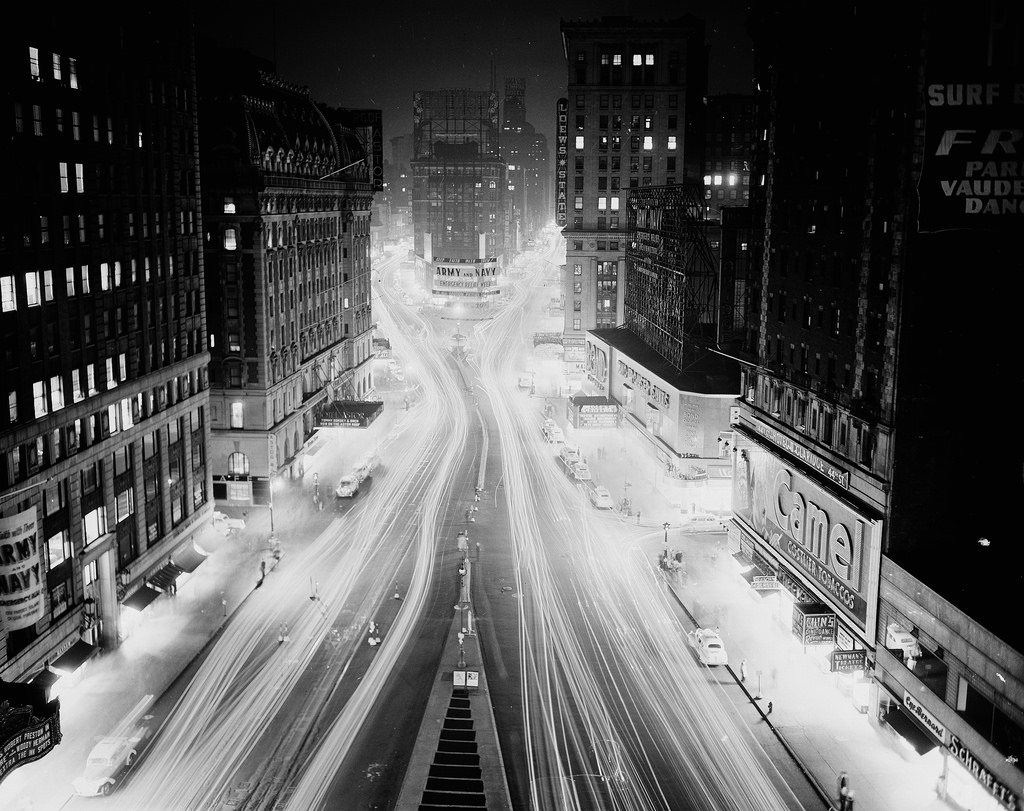
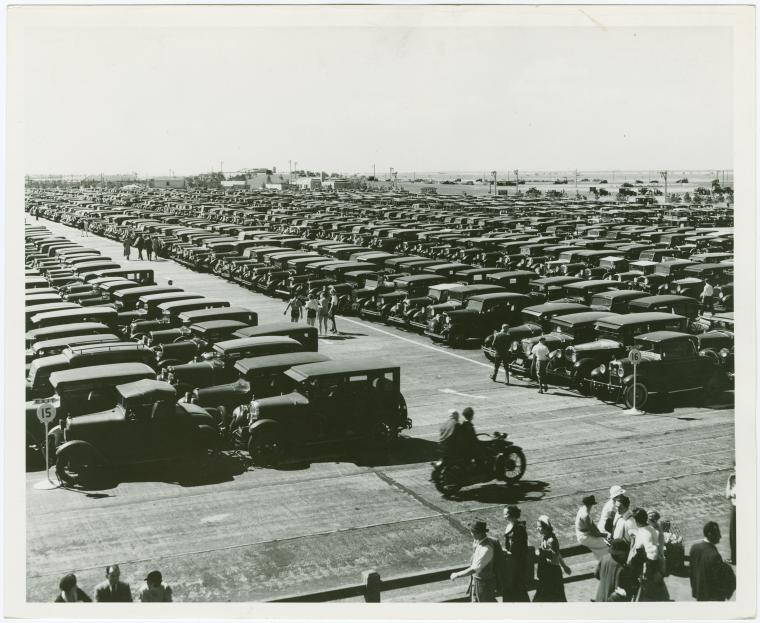
Long-term and overnight parking used to be illegal in the early 20th century. The transition from horse-drawn carriages to gas-powered automobiles transformed neighborhoods like Times Square and reconfigured everyday life on the street.
But before the 1920s, parking those glamorous new Model Ts on the street was tolerated only in short-term situations.
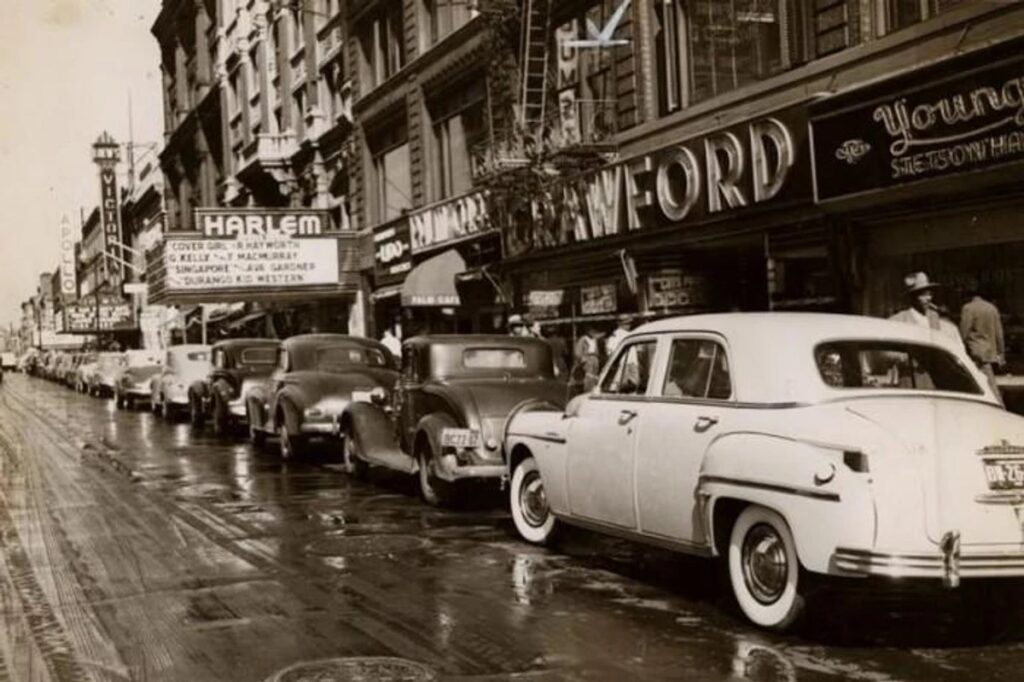
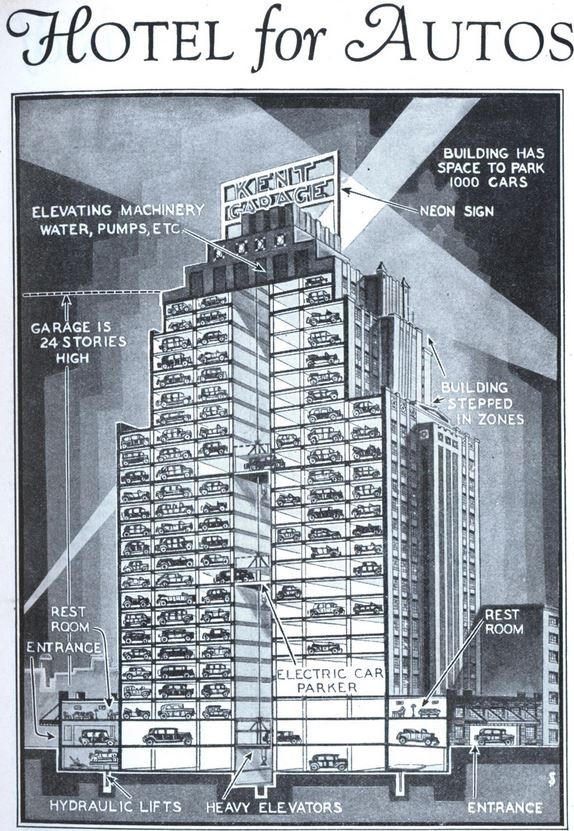
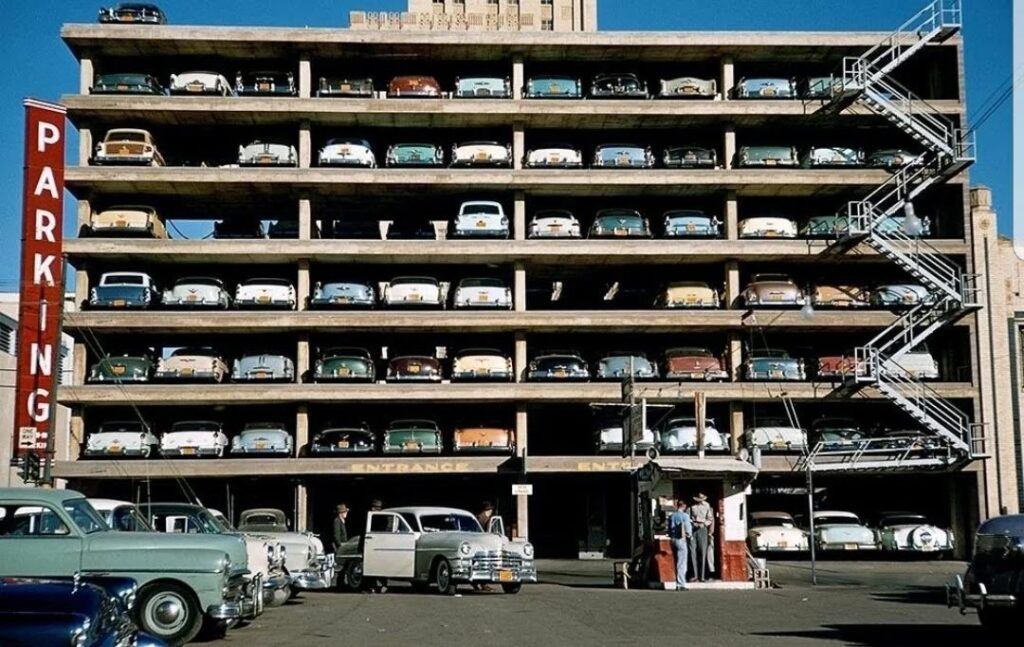
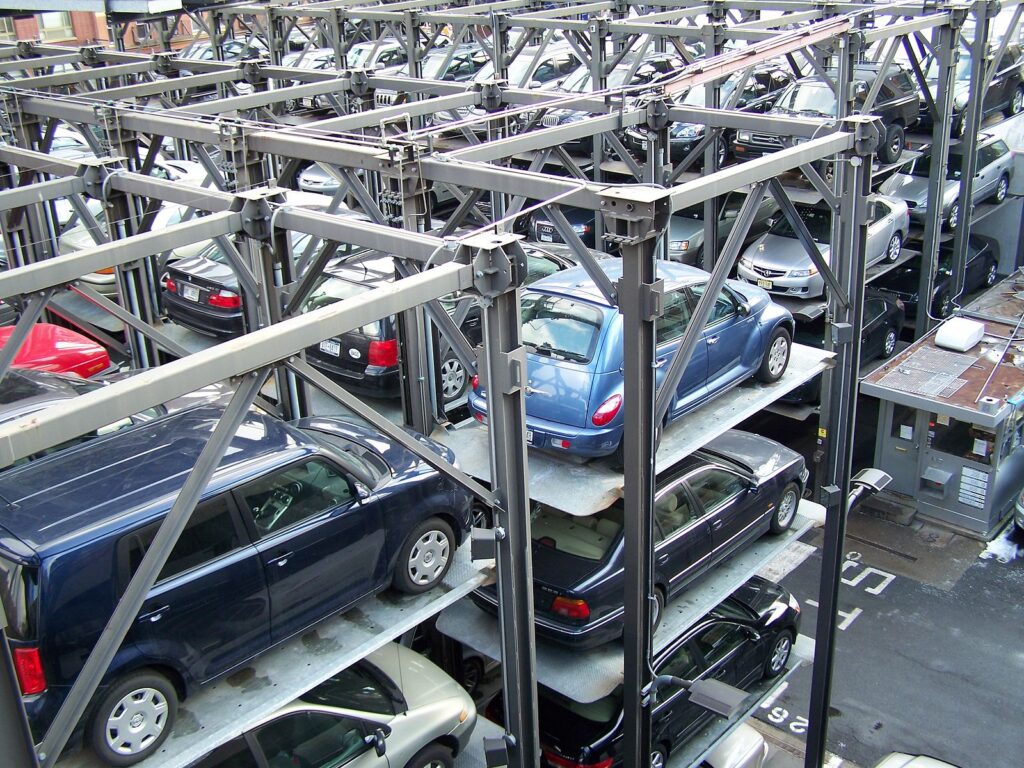
By the 1940s, however, New Yorkers were simply too reliant on the automobile, and the city’s parking lots and garages were simply not adequate. (For many New Yorkers, like Seinfeld’s George Costanza, they’re still not acceptable).
Street parking was de facto legalized with the advent of alternate-side parking rules, and soon parking meters and ‘meter maids’ were attempting to keep a handle on the chaotic situation.
Eventually the car took over. Will it always be this way?
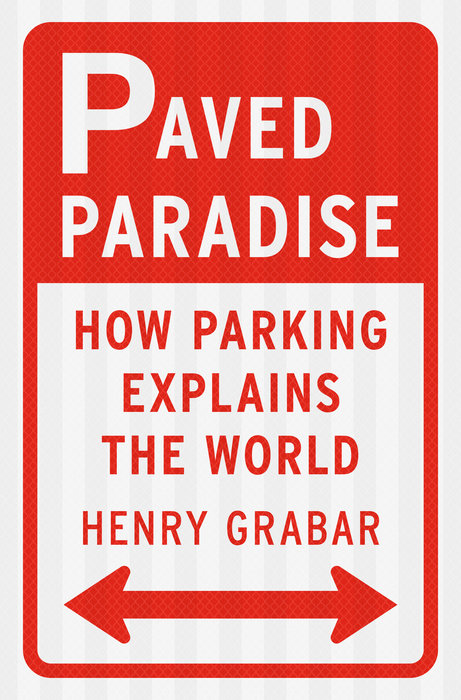
In this special episode, Tom and Greg are joined by Slate Magazine writer Henry Grabar, author of Paved Paradise: How Parking Explains The World, who exposes some shocking parking violations and even offers a few couple solutions for the future.
LISTEN NOW: THE NEW YORK PARKING WARS
Our thanks to Henry Grabar for joining us on the show today. You can find all his work from Slate Magazine here. You might also like to hear him on a couple of our favorite podcasts — Decoder Ring and 99 Percent Invisible.
Seinfeld clips which pertain to this week’s show
FURTHER LISTENING:
After you’re done with this show on the history of parking, check out these shows from our back catalog with similar themes.