Categories
It's Showtime Podcasts

The Shuberts: The Brothers Who Built Broadway

PODCAST There’s no business like show business — thanks to Lee, Sam and JJ Shubert, the Syracuse brothers who forever changed the American theatrical business in the 20th century.

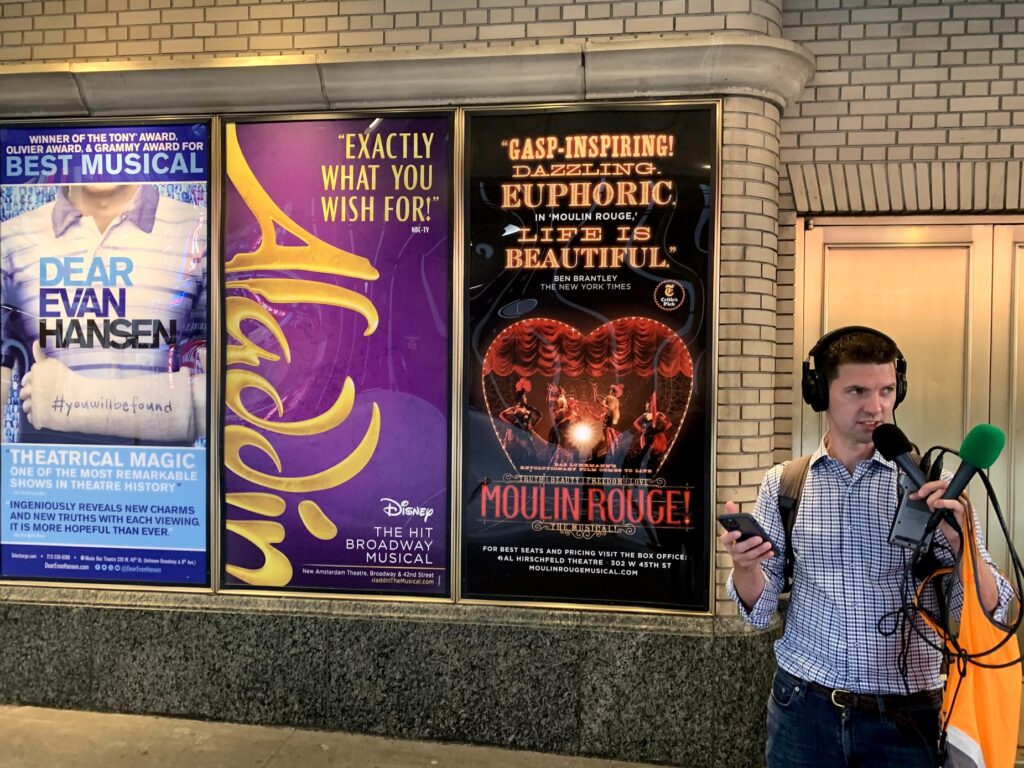
Broadway is back! And the marquees of New York’s theater district are again glowing with the excitement of live entertainment.

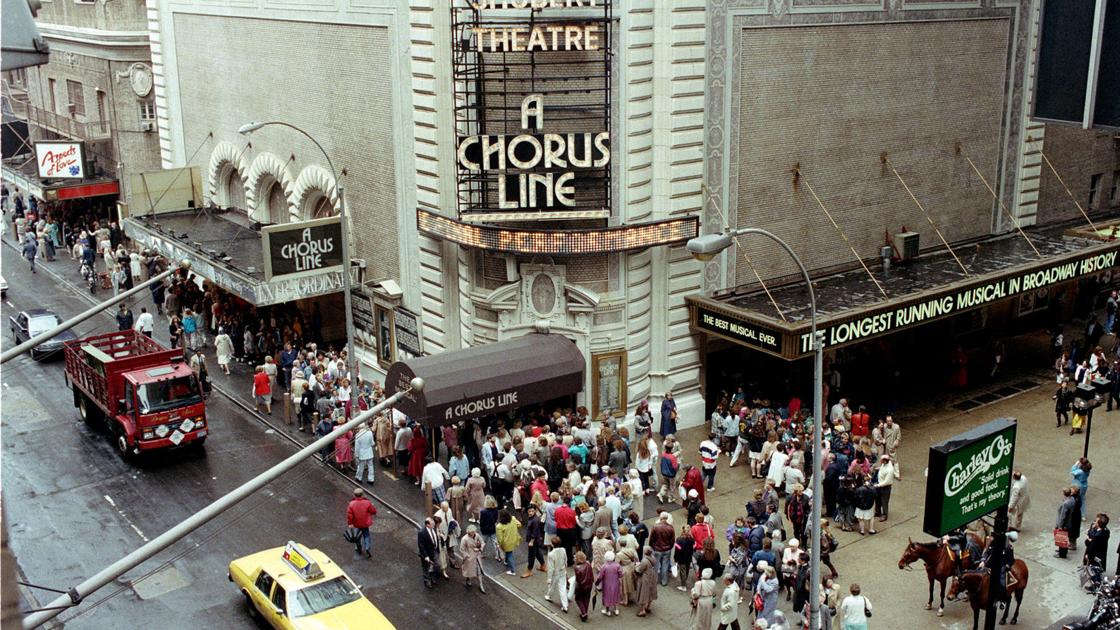
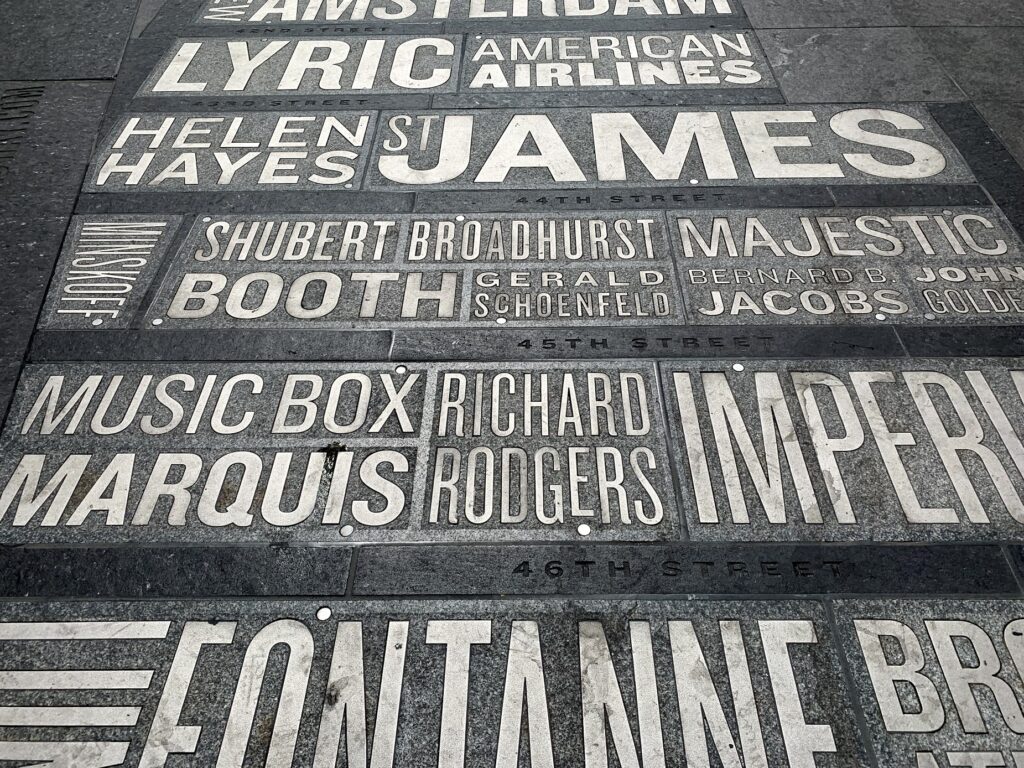
And many of these theaters were built and operated by the Shubert Brothers, impresarios who helped shape the physical nature of the Broadway theater district itself, creating the close cluster of stages that give Times Square its energy and glamour.

In this show, we’ll be visiting the dawn of Times Square itself and the evolution of the American musical — from coy operettas and flirty song-filled revues filled with chorus girls.
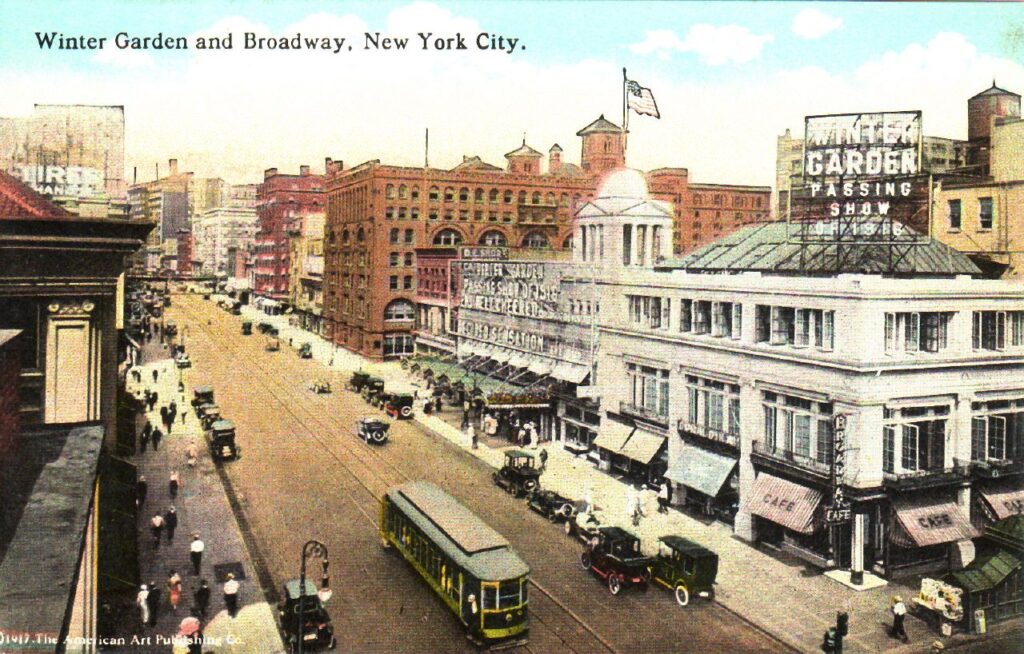
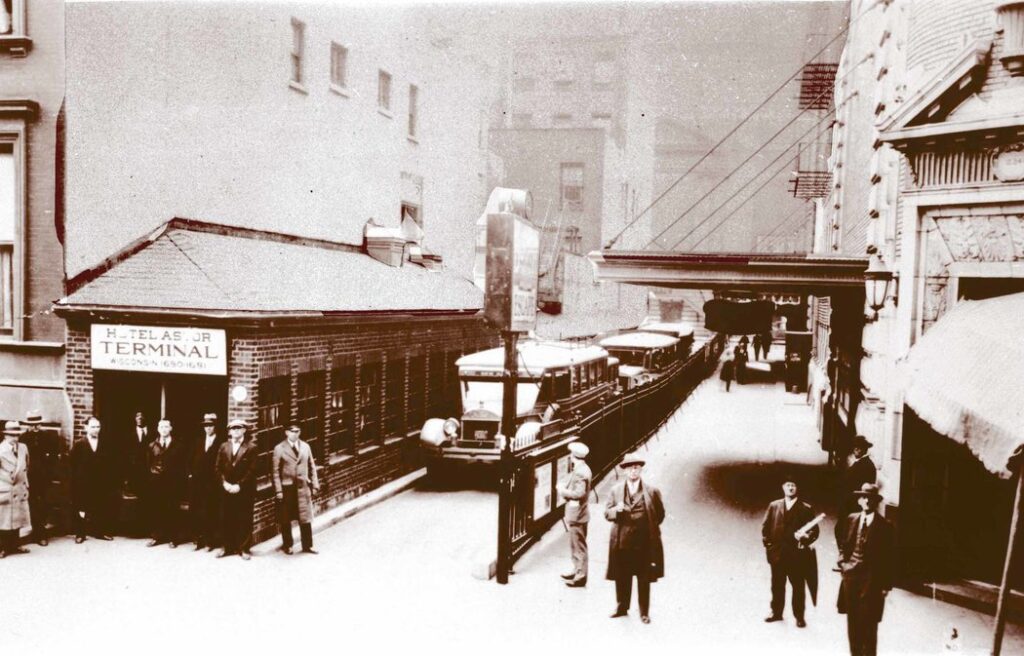
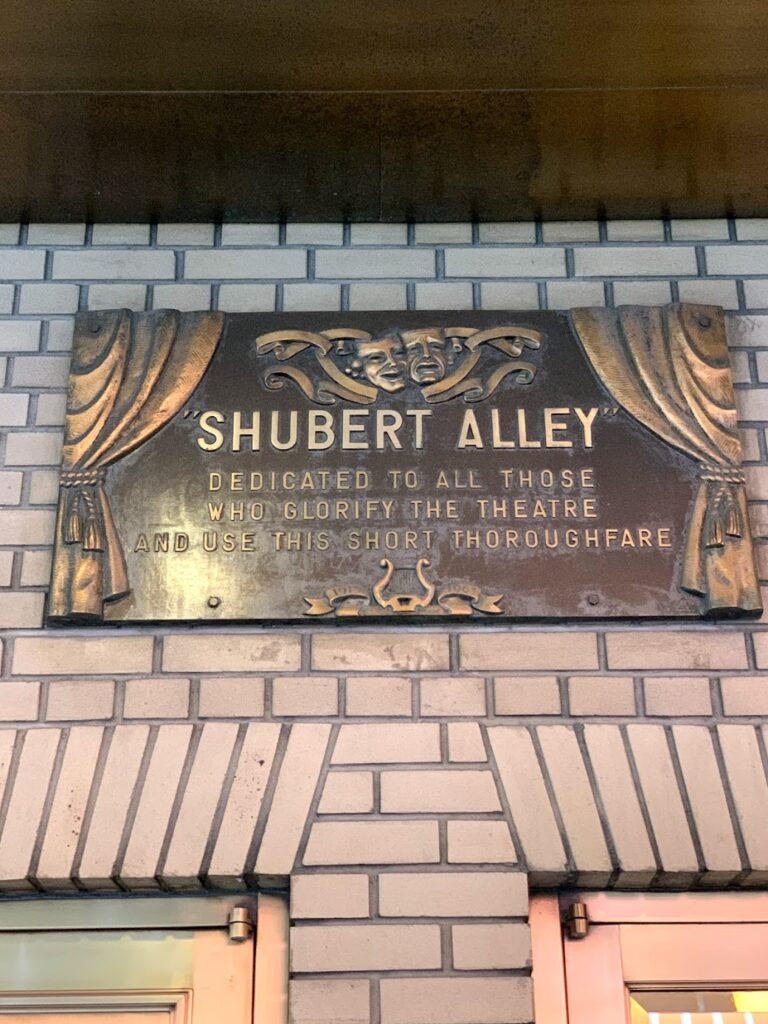
The Shuberts were there from the beginning. After fending off their rivals (namely the Syndicate), the Shuberts centered their empire around an alleyway that would quickly take their name — Shubert Alley.

They were innovative and they were ruthless, generous and often cruel (especially to each other). During the 1950s and 60s, the Shubert empire almost crumbled — only to rise again in the 1970s and 1980s thanks to A Chorus Line and some very musical felines.

FEATURING A visit to the Shubert Archive above the Lyceum Theatre, a magical trove of historical items from the American stage.

Listen Now – The Shuberts


Our thanks to Mark E. Swartz, Sylvia Wang and Arielle Dorlester for giving us a marvelous tour of the Shubert Archive.


FURTHER LISTENING

After you’ve listened to this show on the history of Broadway, dive back into the back catalog and listen to these shows referred to on the show:

Rodgers and Hammerstein: The Golden Age of Broadway

The Broadway Musical: Setting the Stage

Florenz Ziegfeld and the Ziegfeld Follies

Times Square in the 1970s


And here’s a special Spotify playlist inspired by this week’s show, featuring tunes which were made famous in America on Shubert stages — either in original runs or very acclaimed revivals.

The Bowery Boys: New York City History podcast is brought to you …. by you!

We are now producing a new Bowery Boys podcast every other week. We’re also looking to improve and expand the show in other ways — publishing, social media, live events and other forms of media. But we can only do this with your help!

We are now a creator on Patreon, a patronage platform where you can support your favorite content creators.

Please visit our page on Patreon and watch a short video of us recording the show and talking about our expansion plans. If you’d like to help out, there are several different pledge levels. Check them out and consider being a sponsor.

We greatly appreciate our listeners and readers and thank you for joining us on this journey so far.
In Times Square

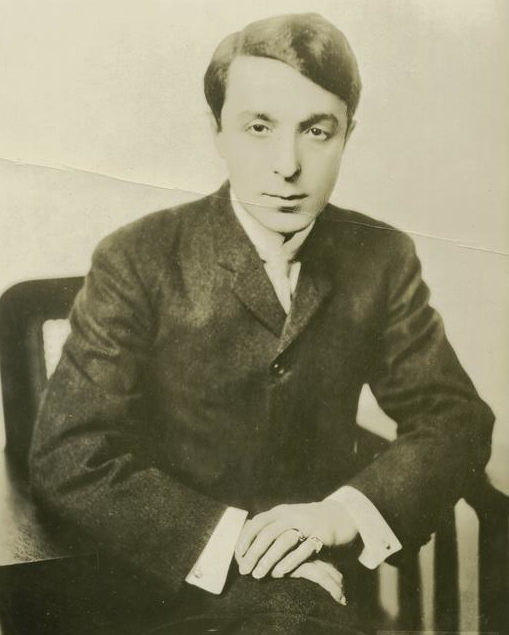
Sam Shubert. He had moxie!
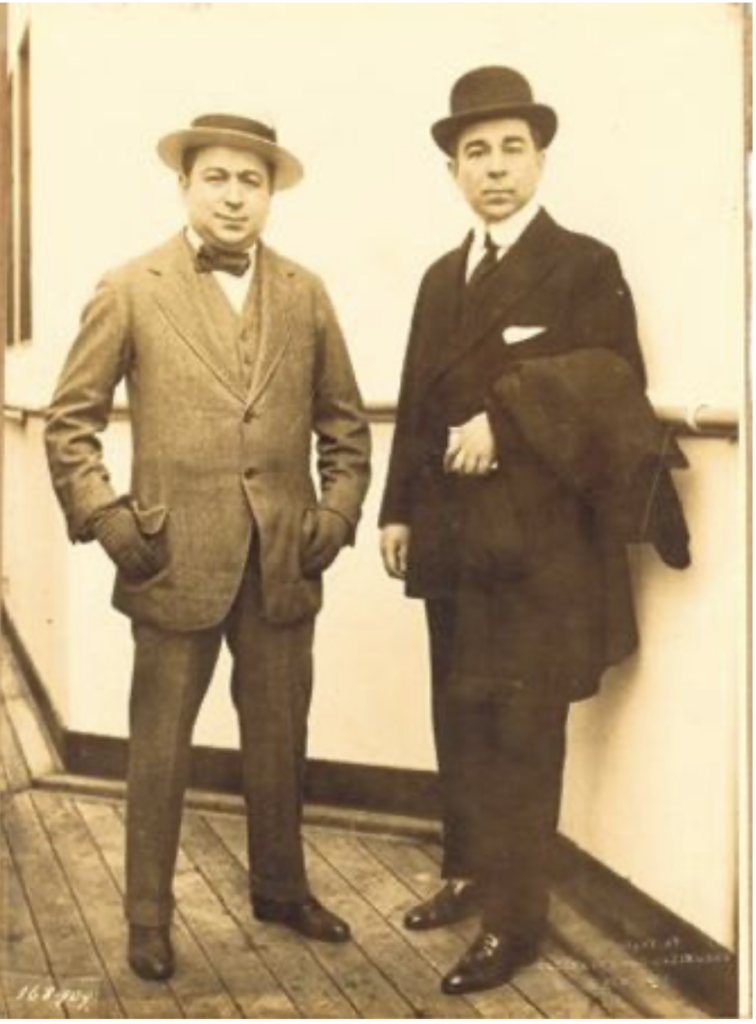
JJ and Lee Shubert, in a rare picture with each other. (Shubert Archive)
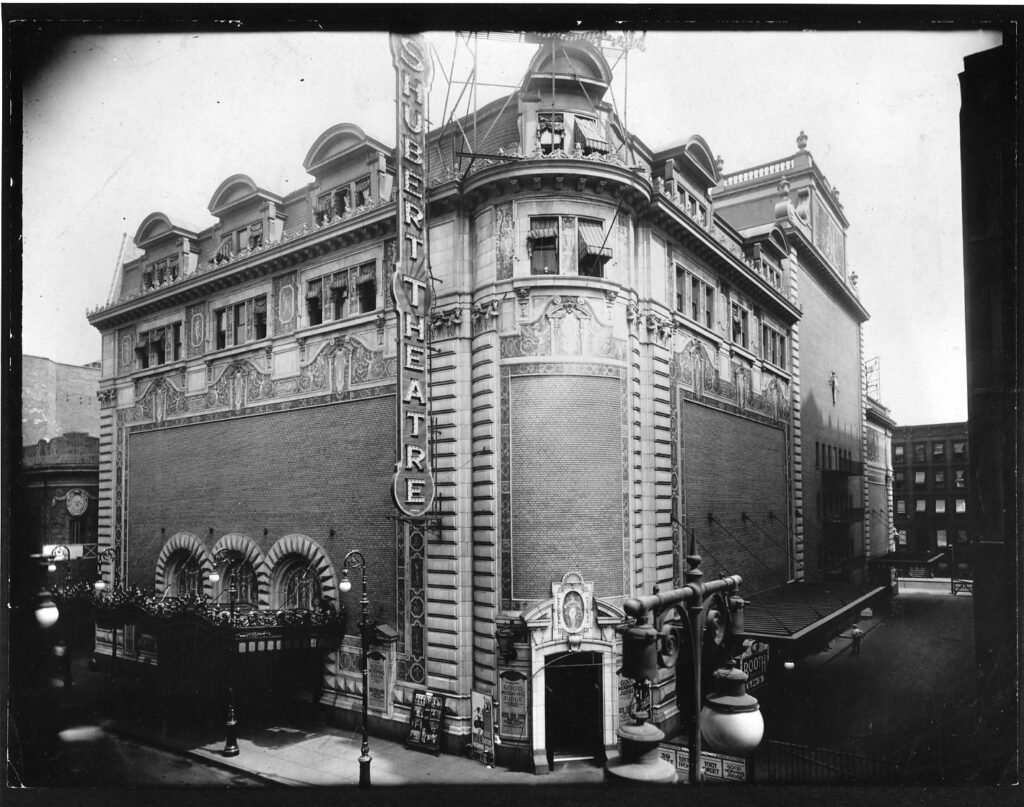
Shubert Theatre (ca. 1919)
Shubert Alley in the 1930s, looking south, the Booth Theater to the right.
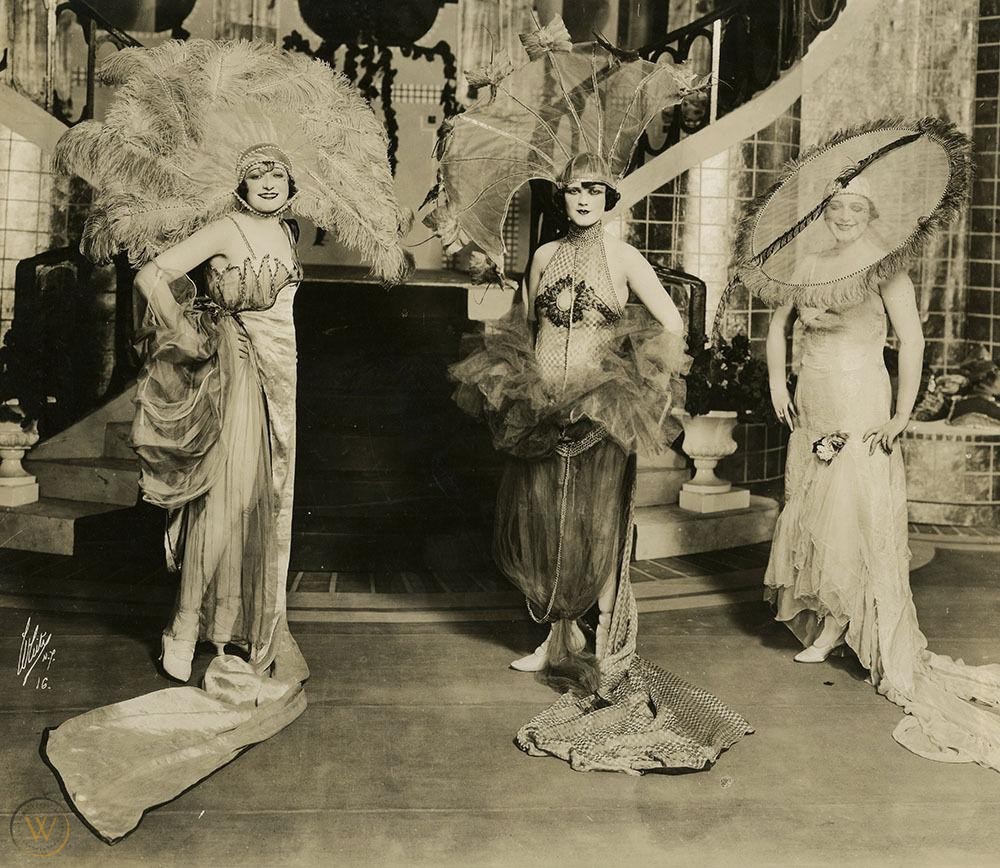
Showgirls from The Passing Show

Images from the Shubert Archive (taken by Greg):

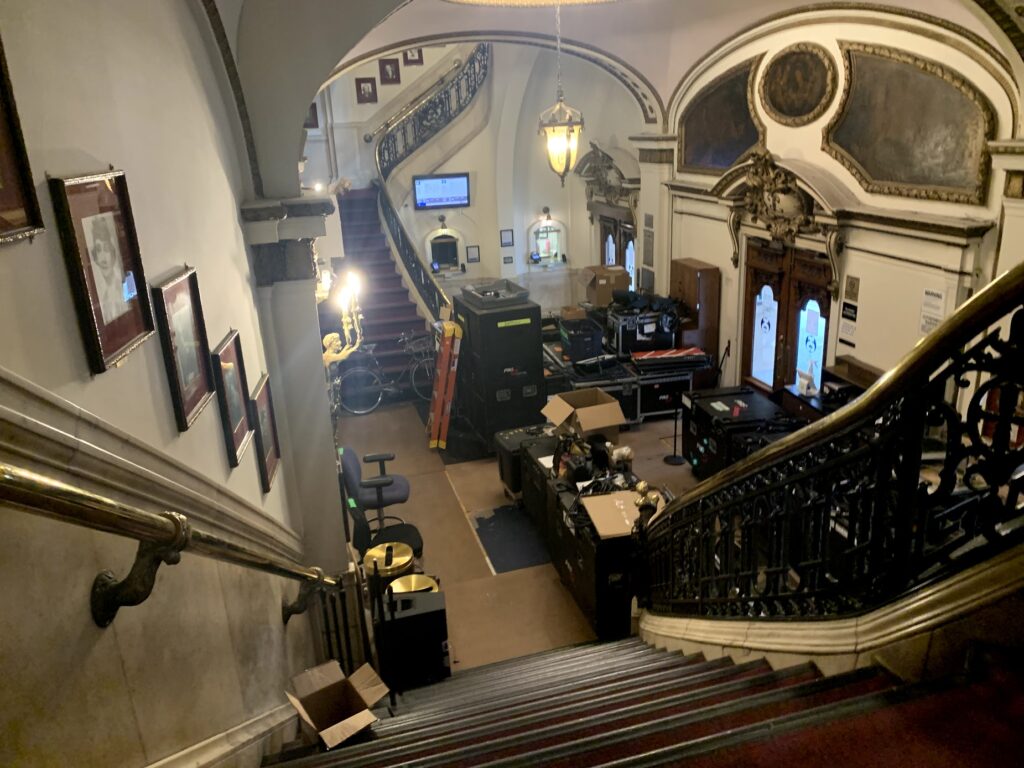
Taking the stairs to the elevator at the Lyceum Theatre.
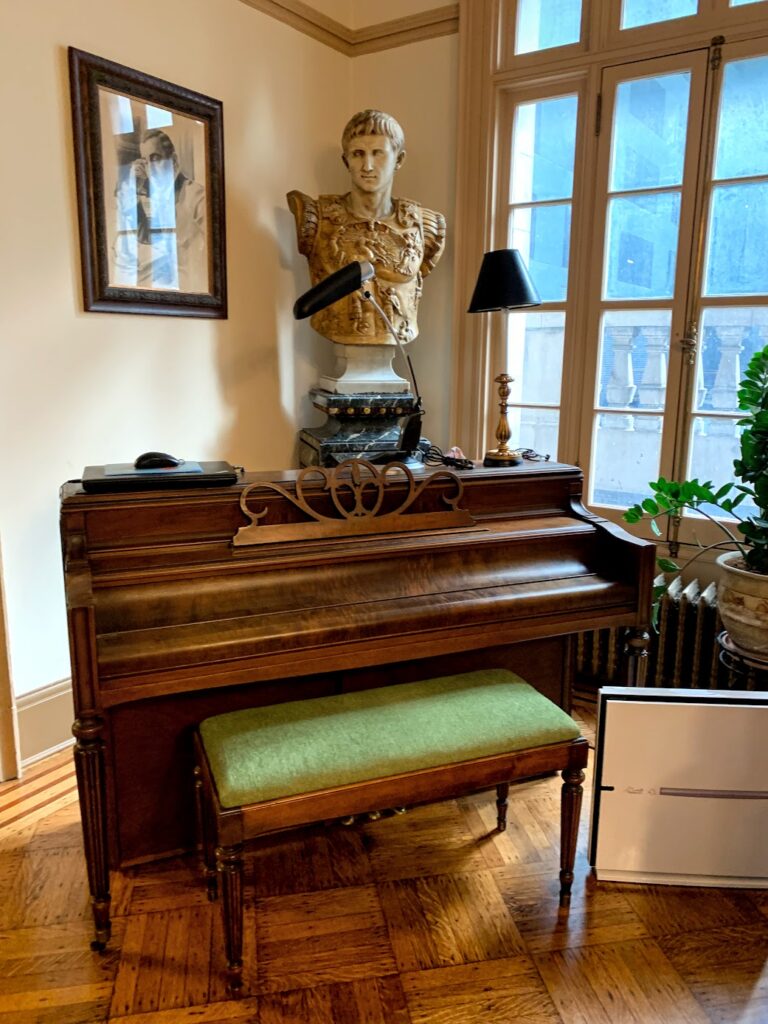
Gerald Schoenfeld’s piano
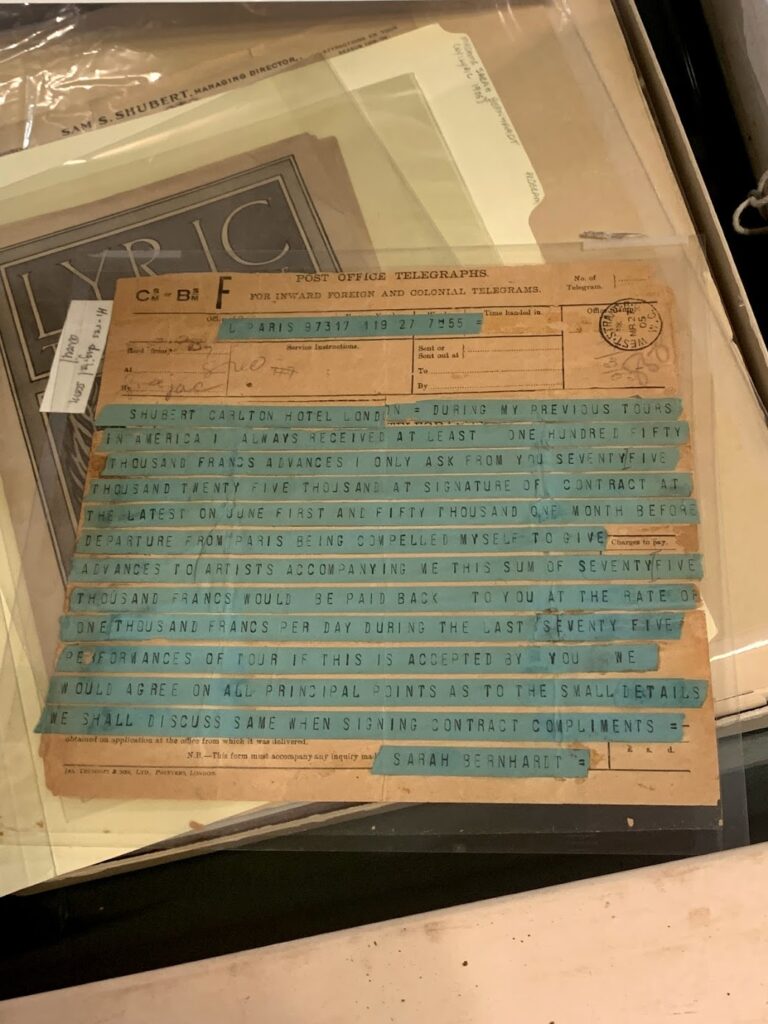
Telegram from Sarah Bernhardt
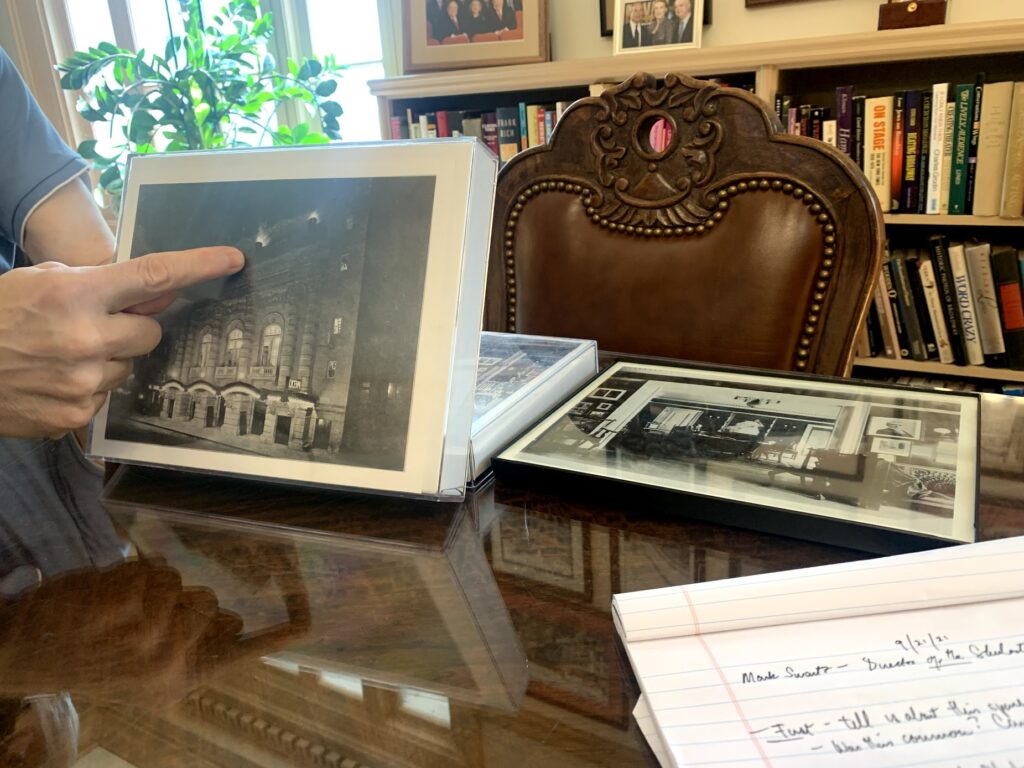
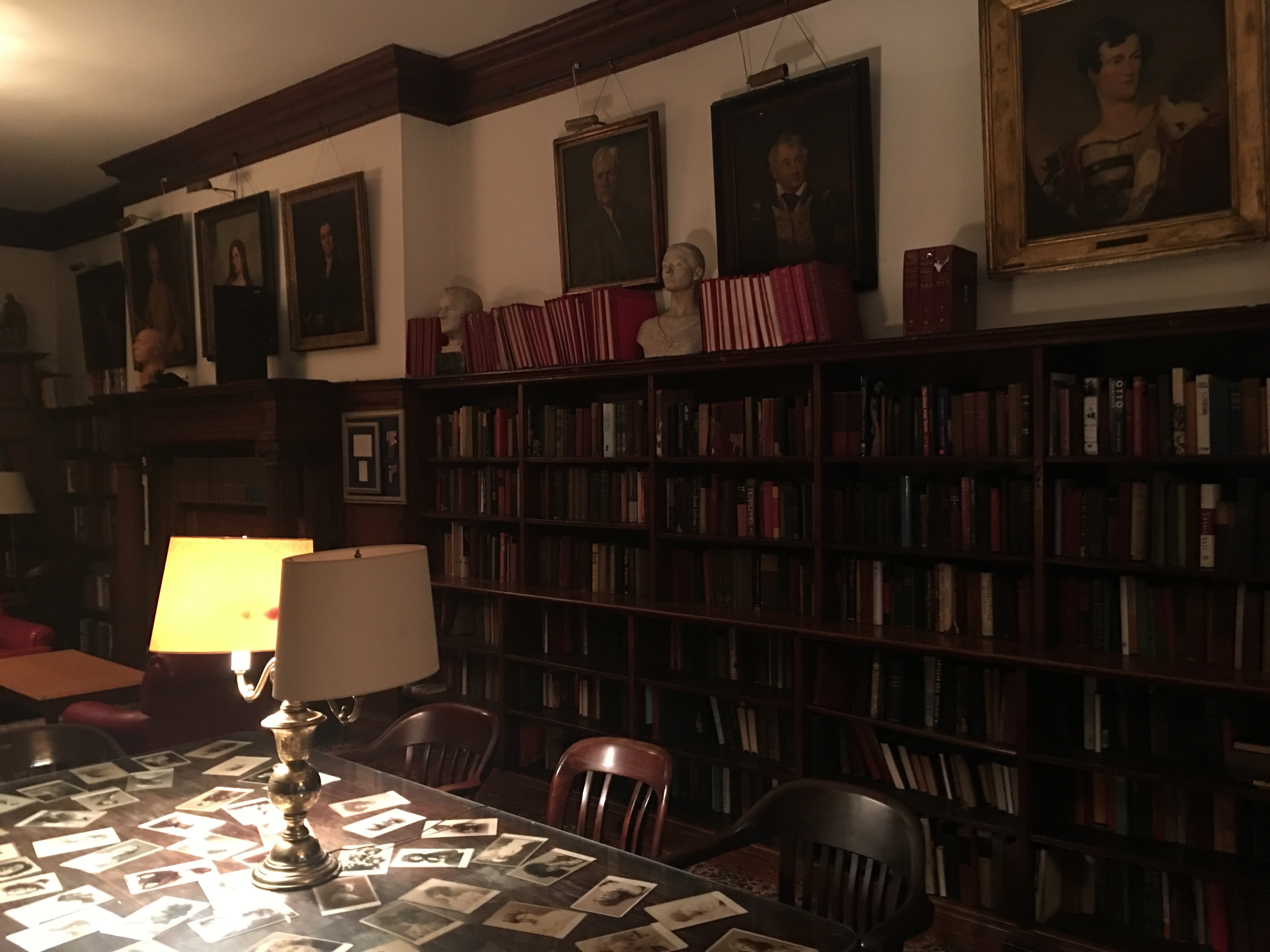
At the Shubert dining table, looking at old photos of the Lyceum
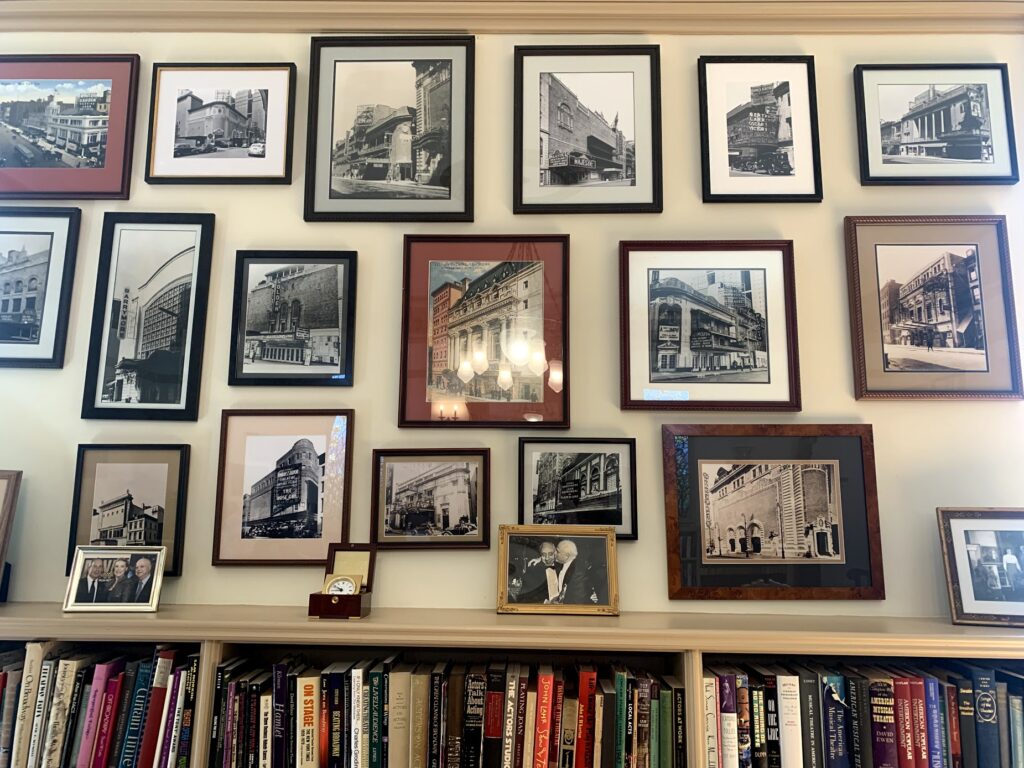
Wall of Shubert theaters!
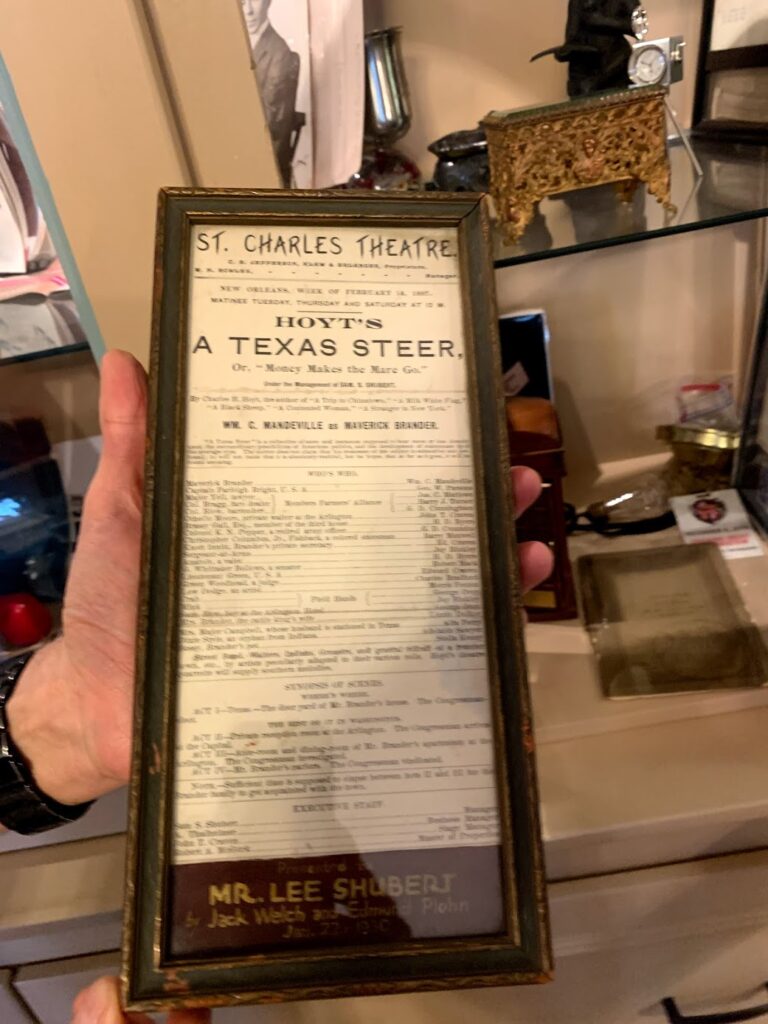
A notice for A Texas Steer, Sam Shubert’s first show.
Categories
It's Showtime Podcasts

Edwin Booth and the Players Club, New York’s home for high drama

PODCAST The thrilling tale of Edwin Booth and the marvelous social club he created for the acting profession

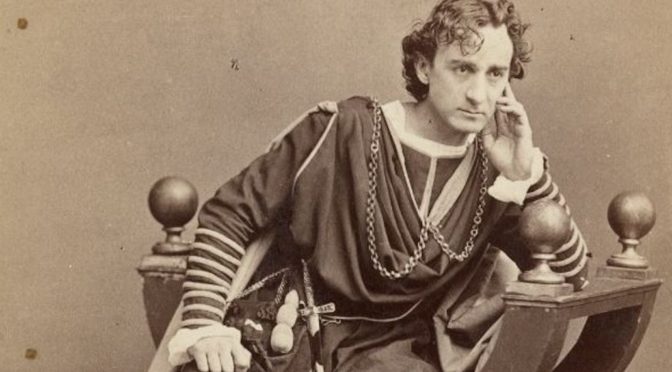
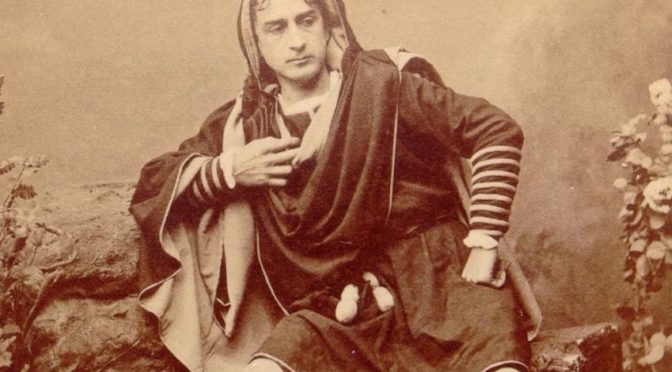
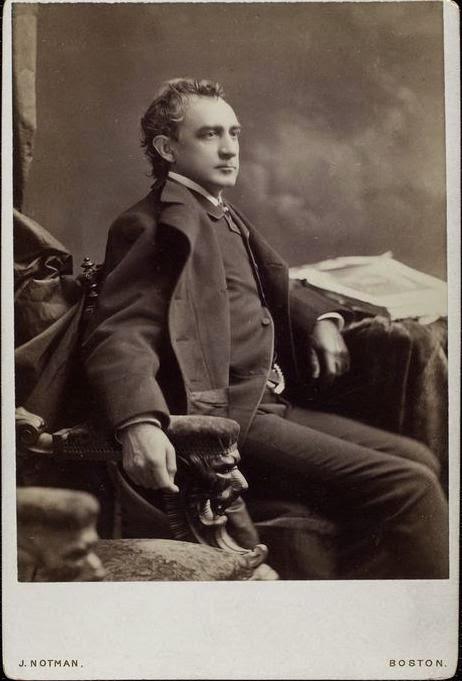
Edwin Booth was the greatest actor of the Gilded Age, a superstar of the theater who entertained millions over his long career. In this podcast, we present his extraordinary career, the tragedies that shaped his life (on stage and off), and the legacy of his cherished Players Club, the fabulous Stanford White-designed Gramercy Park social club for actors, artists and their admirers.

The Booths were a precursor to the Barrymores, an acting family who were as famous for their personal lives as they were for their dramatic roles. Younger brother John Wilkes Booth would horrify the nation when he assassinated Abraham Lincoln in April of 1865, and Edwin would briefly retire from the stage, fearing his career was over.

But an outpouring of love would bring him back to the spotlight and the greasepaint. From then on, Booth would be known as the most respected actor in the United States.

Booth would give back to the theatrical community with the formation of the Players Club which officially made its debut on New Year’s Eve 1888. In this show, we’ll take you on a tour of this exclusive destination for film and theatrical icons, including a look at the upstairs bedroom where Booth died, still preserved exactly as it looked on that fateful day in 1893.

Our thanks to Nicole and Patrick Kelly of Top Dog Tours NYC for giving us  a tour of this extraordinary place!


The Bowery Boys: New York City History podcast is brought to you …. by you!

We are now producing a new Bowery Boys podcast every two weeks. We’re also looking to improve the show in other ways and expand in other ways as well — through publishing, social media, live events and other forms of media. But we can only do this with your help!

We are now a member of Patreon, a patronage platform where you can support your favorite content creators for as little as a $1 a month.

Please visit our page on Patreon and watch a short video of us recording the show and talking about our expansion plans. If you’d like to help out, there are five different pledge levels (and with clever names too — Mannahatta, New Amsterdam, Five Points, Gilded Age, Jazz Age and Empire State). Check them out and consider being a sponsor.

We greatly appreciate our listeners and readers and thank you for joining us on this journey so far. And the best is yet to come!

nypl-digitalcollections-510d47d9-f04f-a3d9-e040-e00a18064a99-001-w

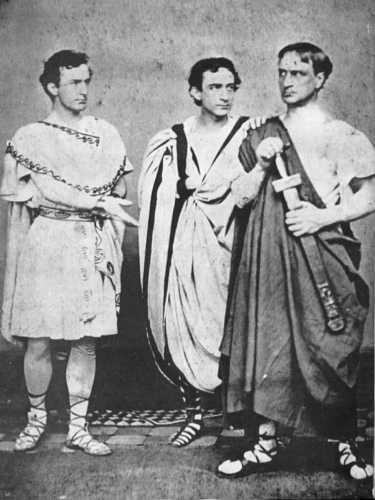
John Wilkes, Edwin and Junius Booth performing  Julius Caesar.

booth-brothers

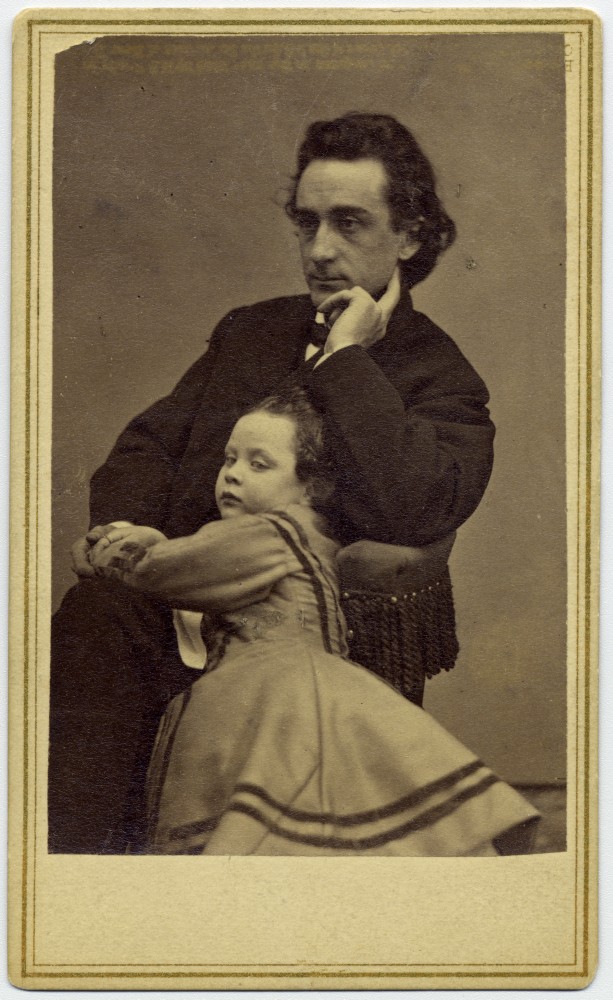
Edwin Booth and his daughter Edwina, photo taken by Mathew Brady, circa 1864

Courtesy George Eastman House

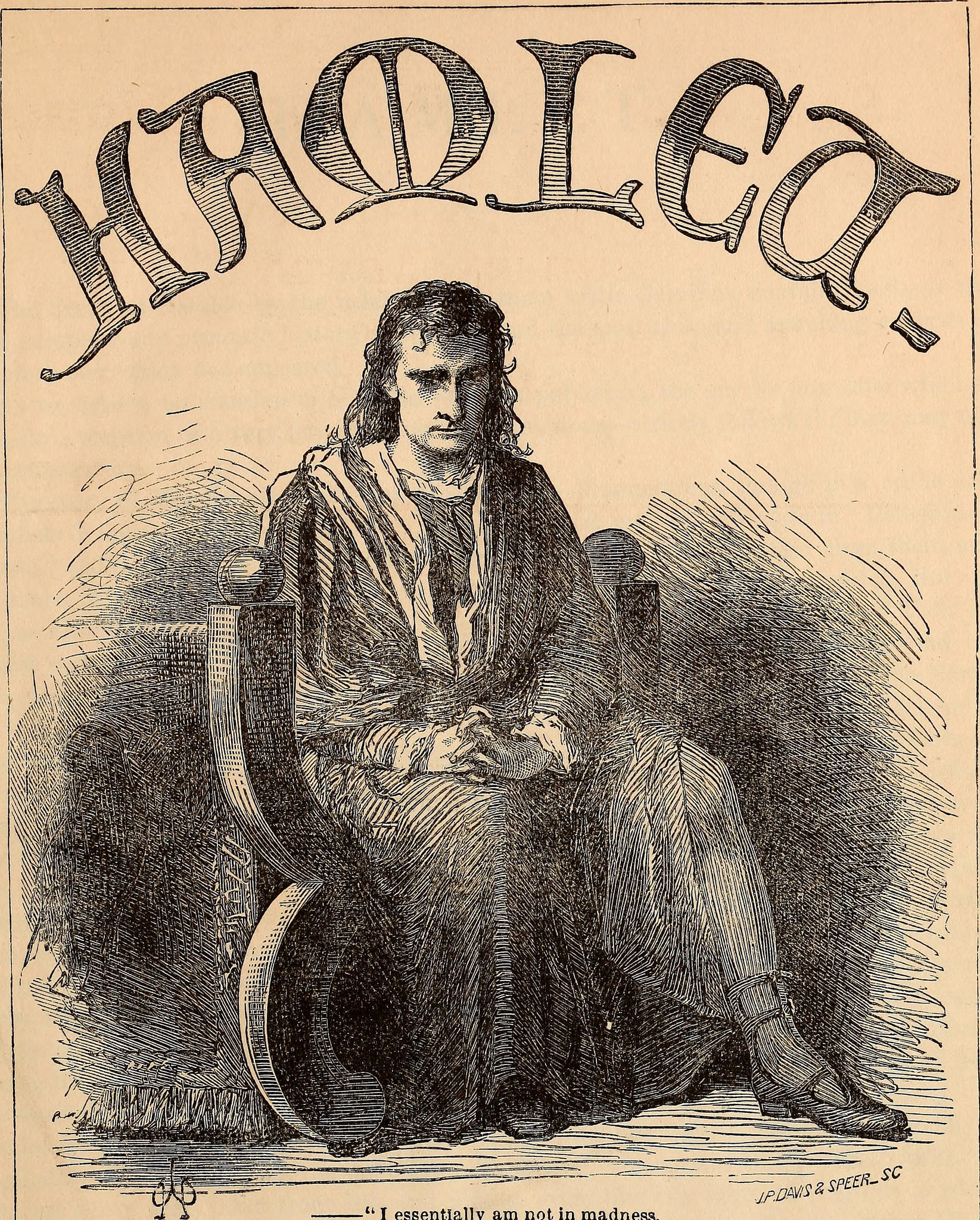
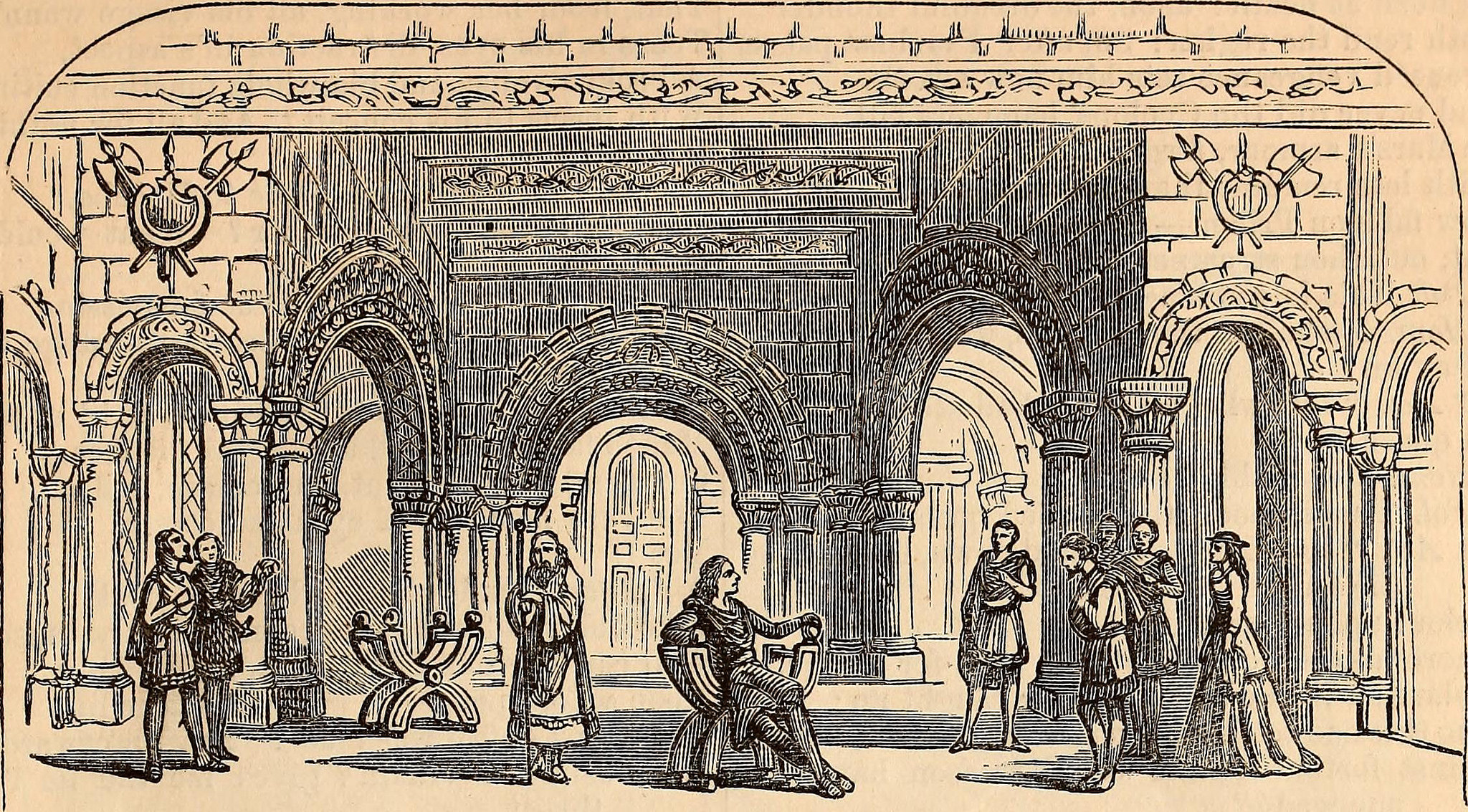
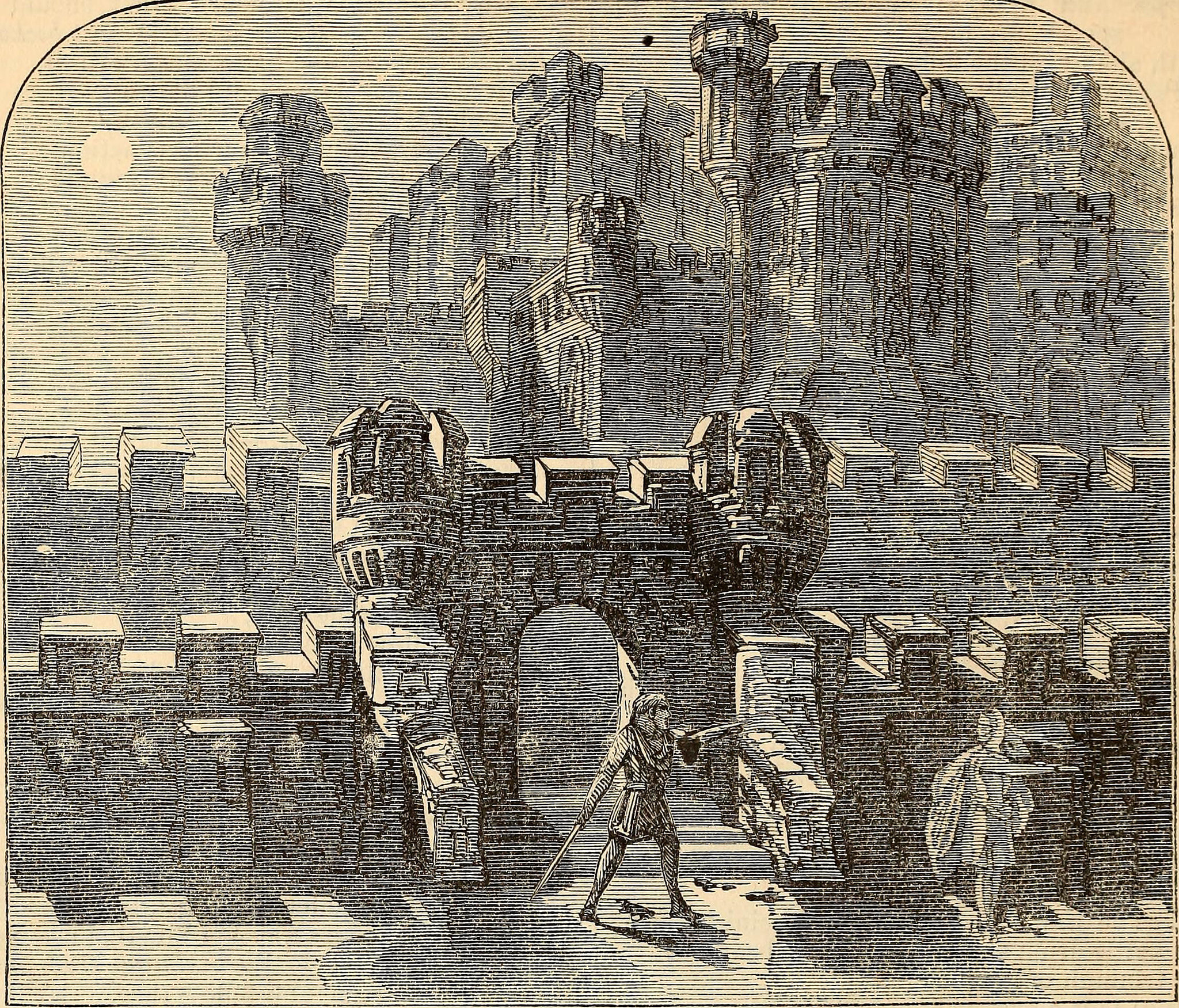
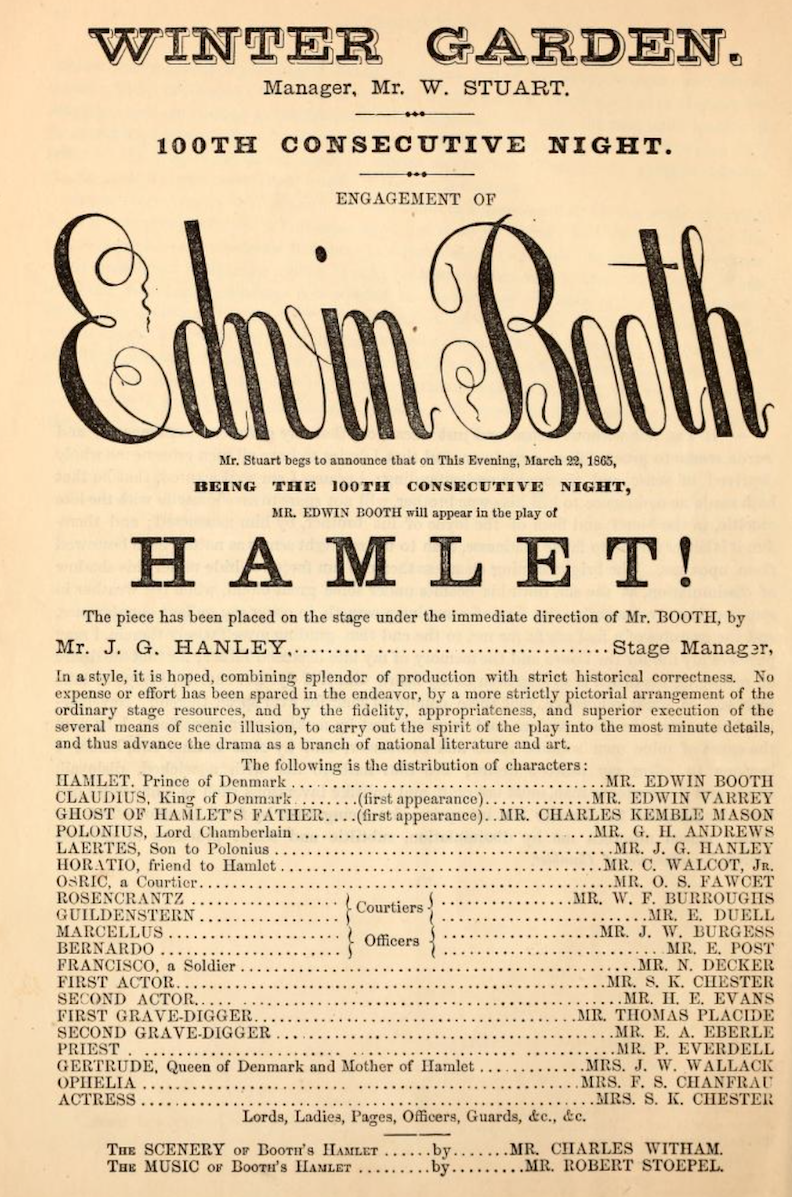
Images from a commemorative book (published in 1866) of Booth’s 100 nights of Hamlet at the Winter Garden.

14586956370_38a39041c3_k

14750657726_e6d277d280_k

14773667455_3c9fbbd107_k

screen-shot-2016-11-11-at-11-32-24-am

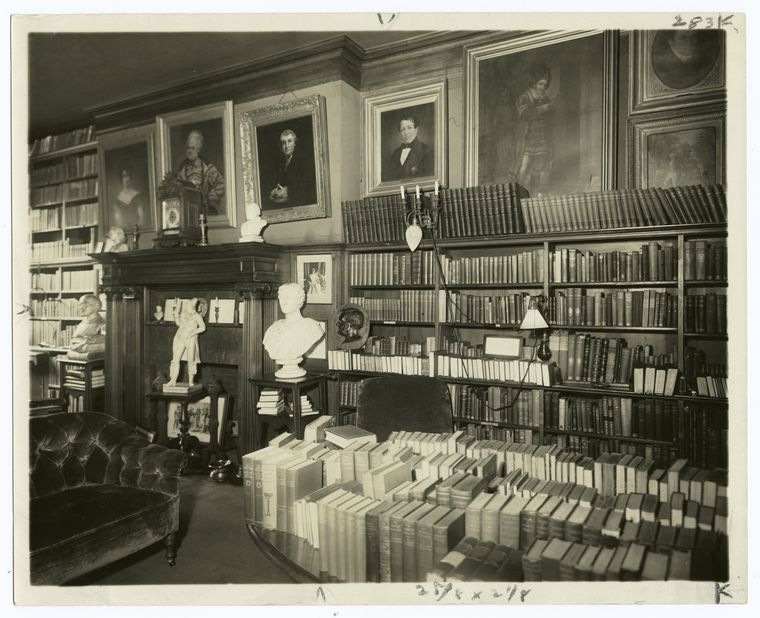
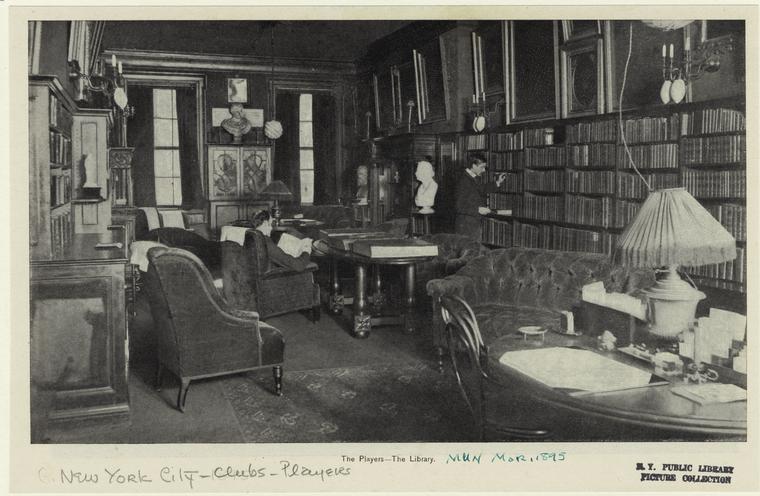
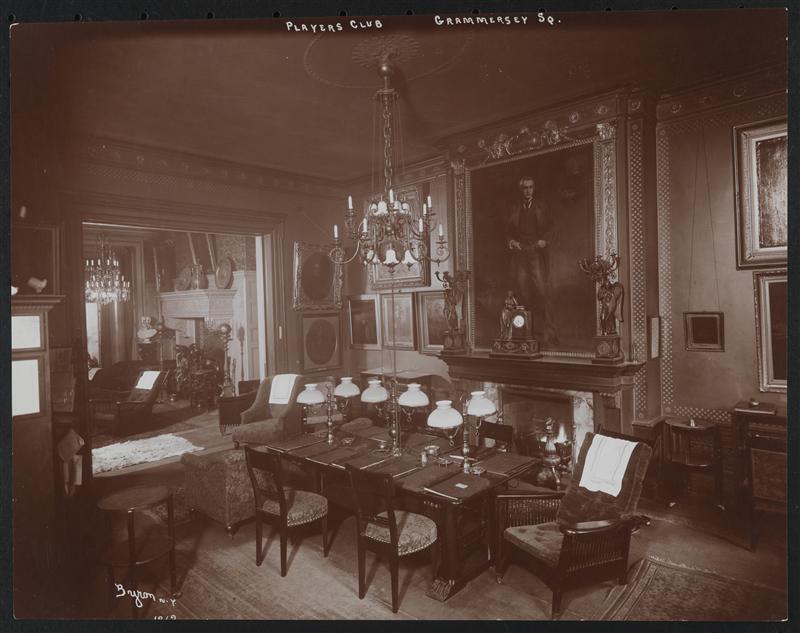
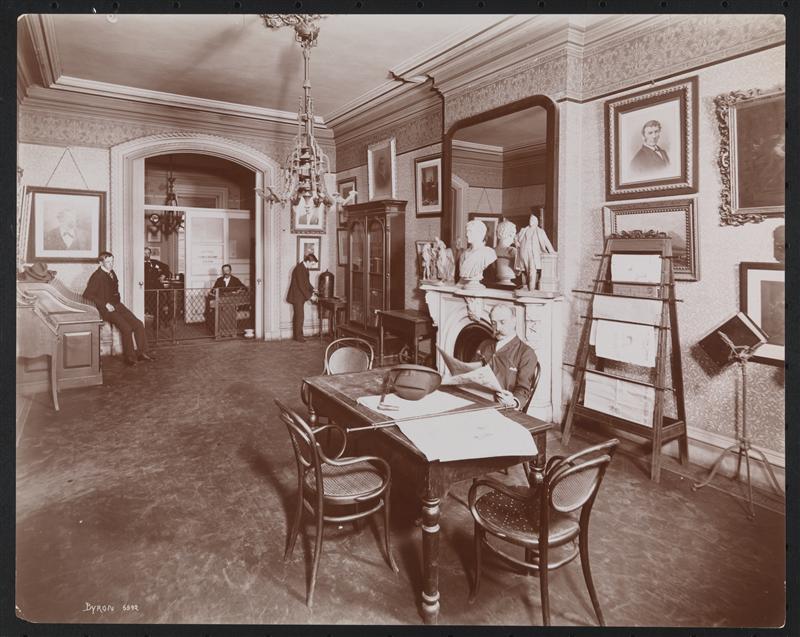
In the library of the Players Club, picture dated 1895

NYPL
NYPL

NYPL
NYPL

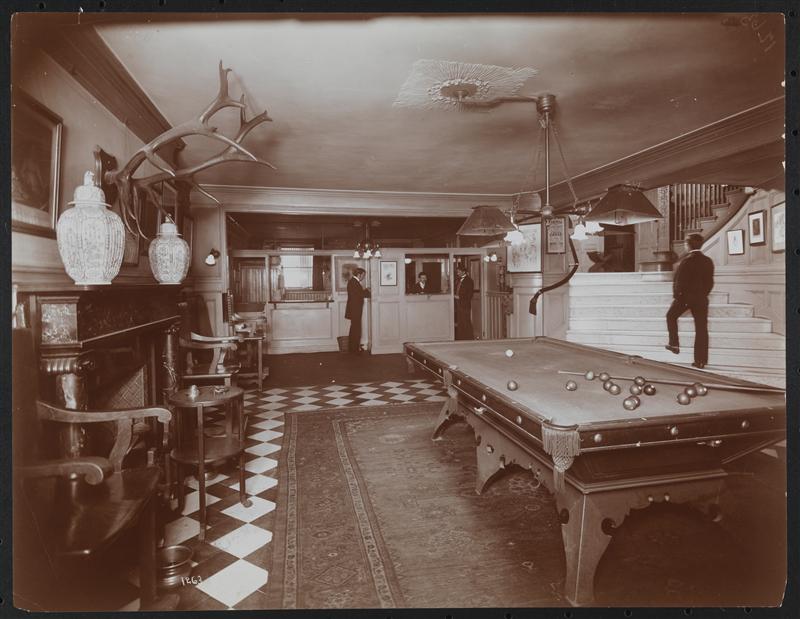
Further interiors of the Players Club, c. 1895, courtesy the Museum of the City of New York:

MCNY/Byron Co.
MCNY/Byron Co.

MCNY/Byron Co.
MCNY/Byron Co.

MCNY/Byron Co.
MCNY/Byron Co.

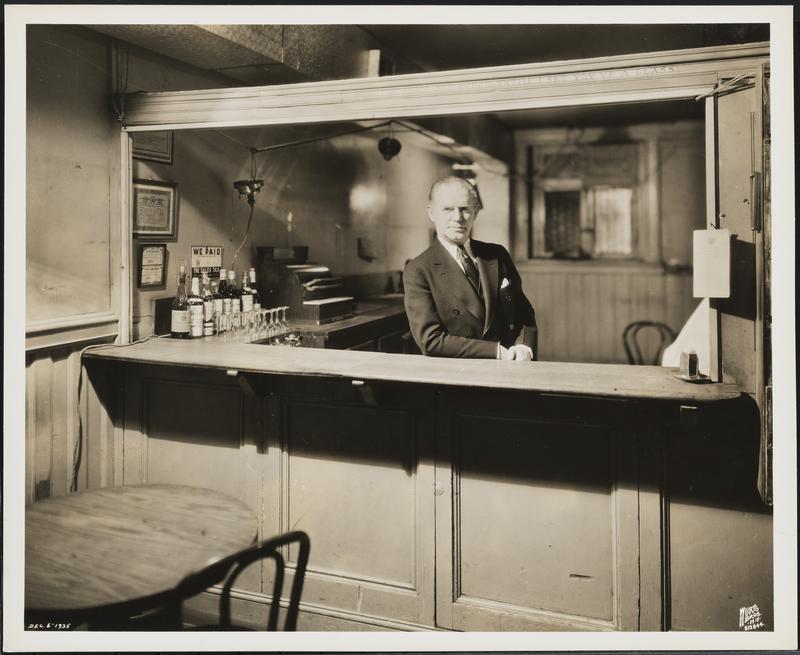
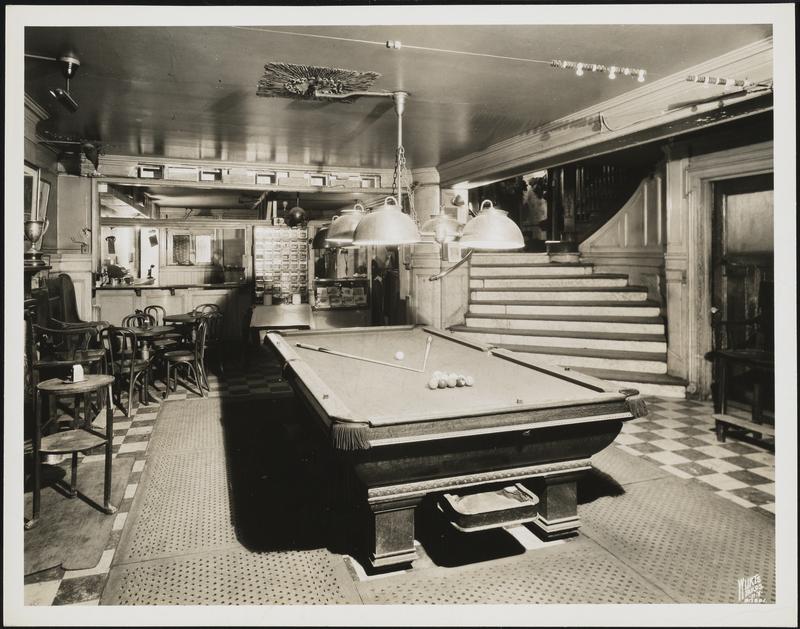
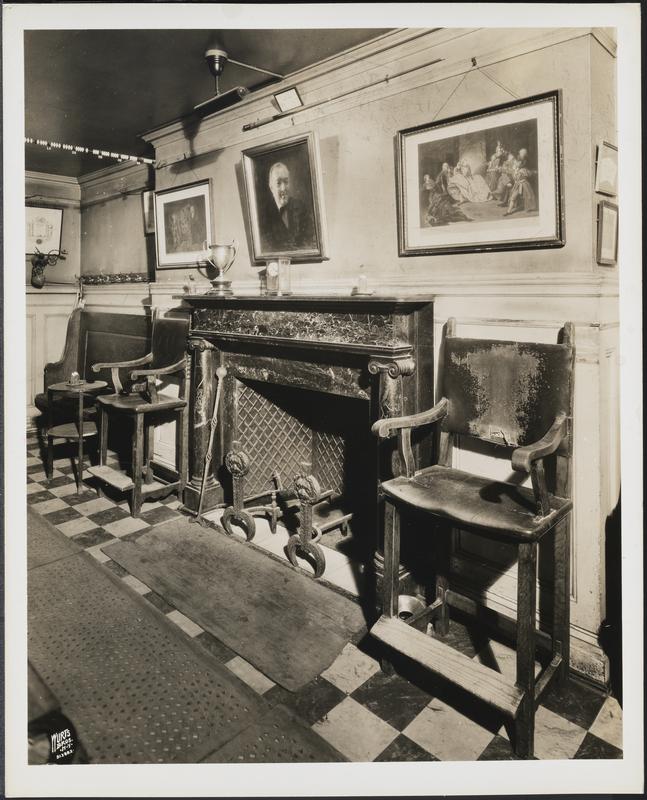
And some from 1935 of the barroom and billiard room downstairs (also courtesy MCNY):
16 Gramercy Park South. Interior, The Player's Club with Connelly, barkeeper
16 Gramercy Park South. Interior, The Player’s Club with Connelly, barkeeper

16 Gramercy Park South. The Players Club. Interior, view of playroom and bar, before alterations

16 Gramercy Park South. The Players Club. Interior, view of playroom and bar, before alterations

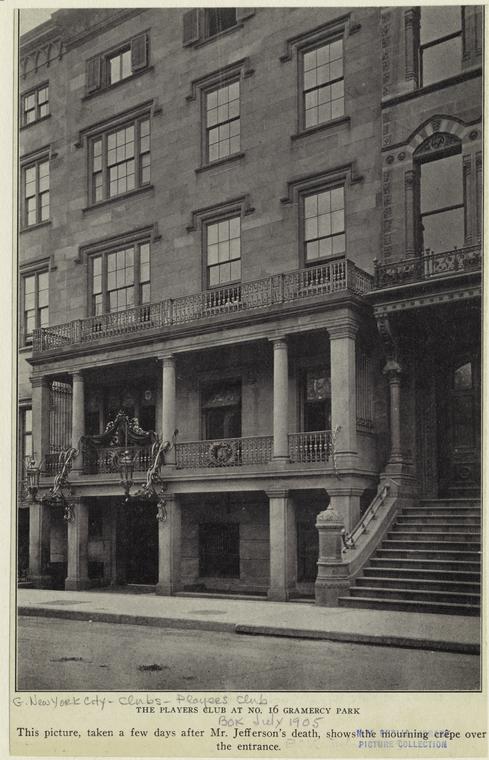
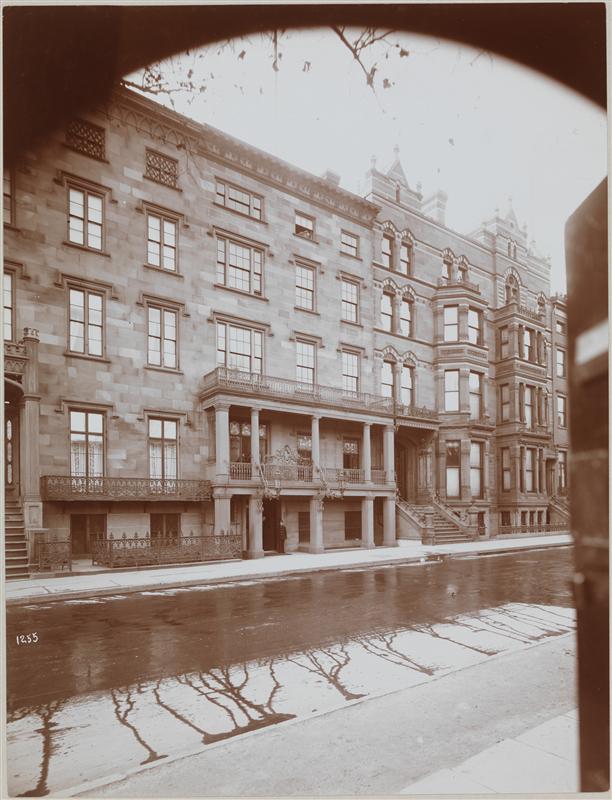
The exterior of the club (image dated 1895) with its distinctive balcony where members would enjoy an evening gazing out of the park, drinking a brandy or a flute of champagne.

NYPL
NYPL
MCNY/Byron Co.
MCNY/Byron Co.

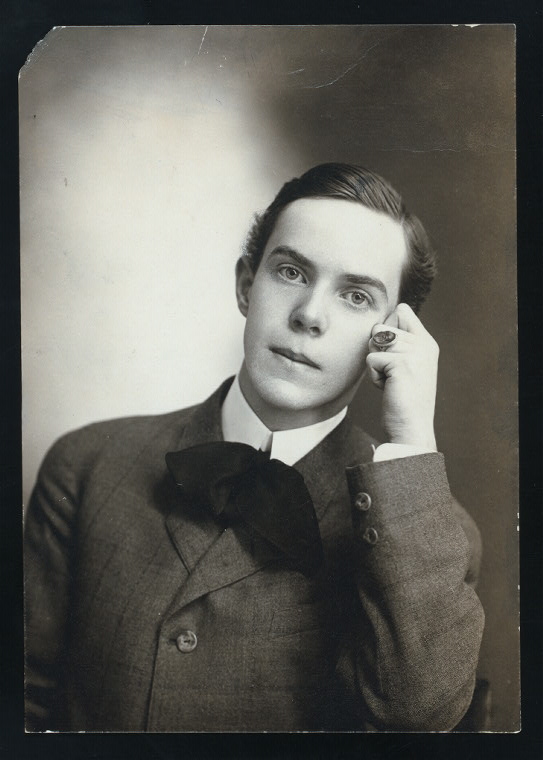
Edwin Booth Grossman, Booth’s grandson, who became a painter.

NYPL
NYPL

Some pictures of our visit to the Players Club from last week —

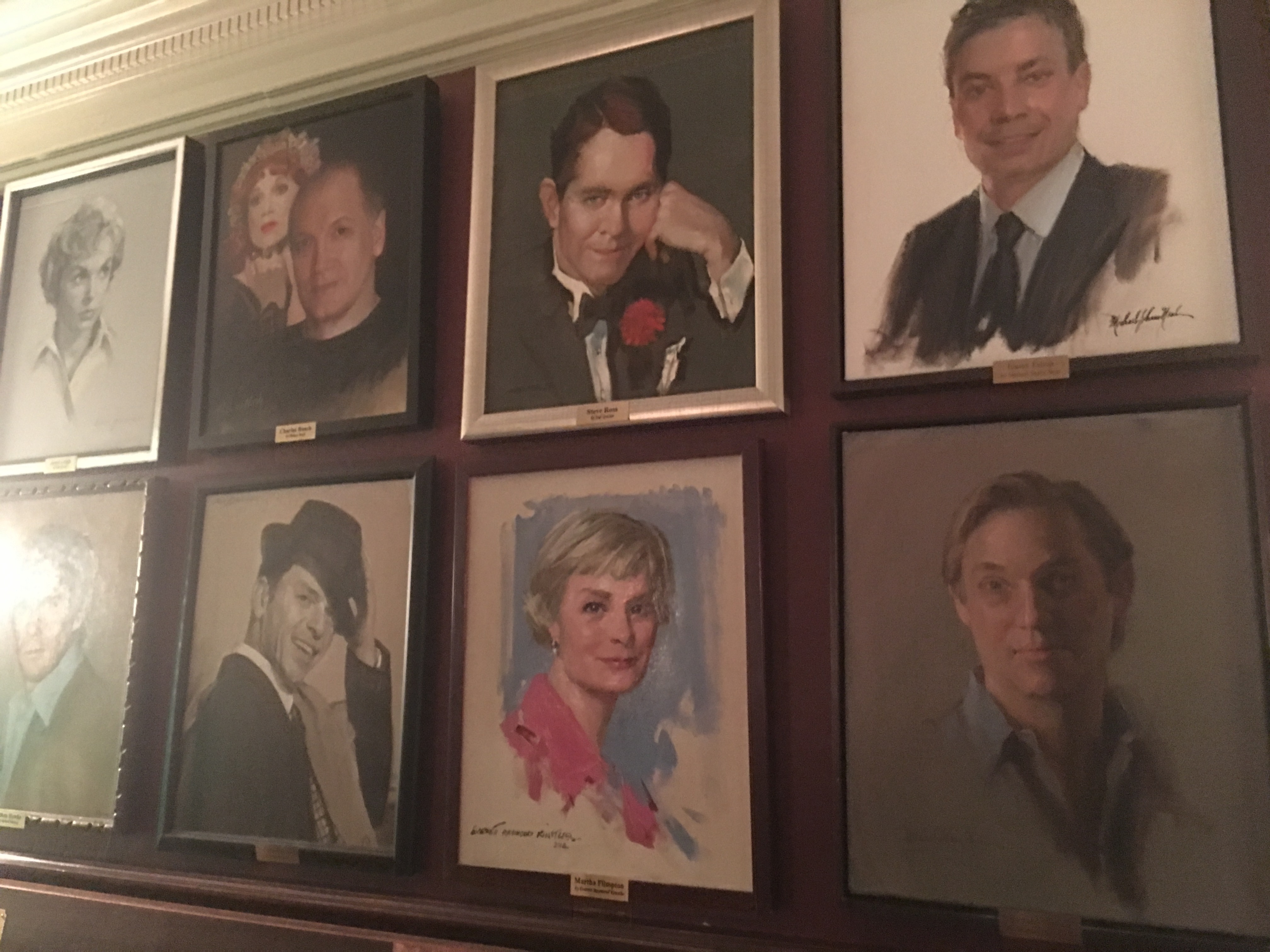
Portraits of members, past and future. Two very recent members are featured here — Martha Plimpton and Jimmy Fallon!

img_0825

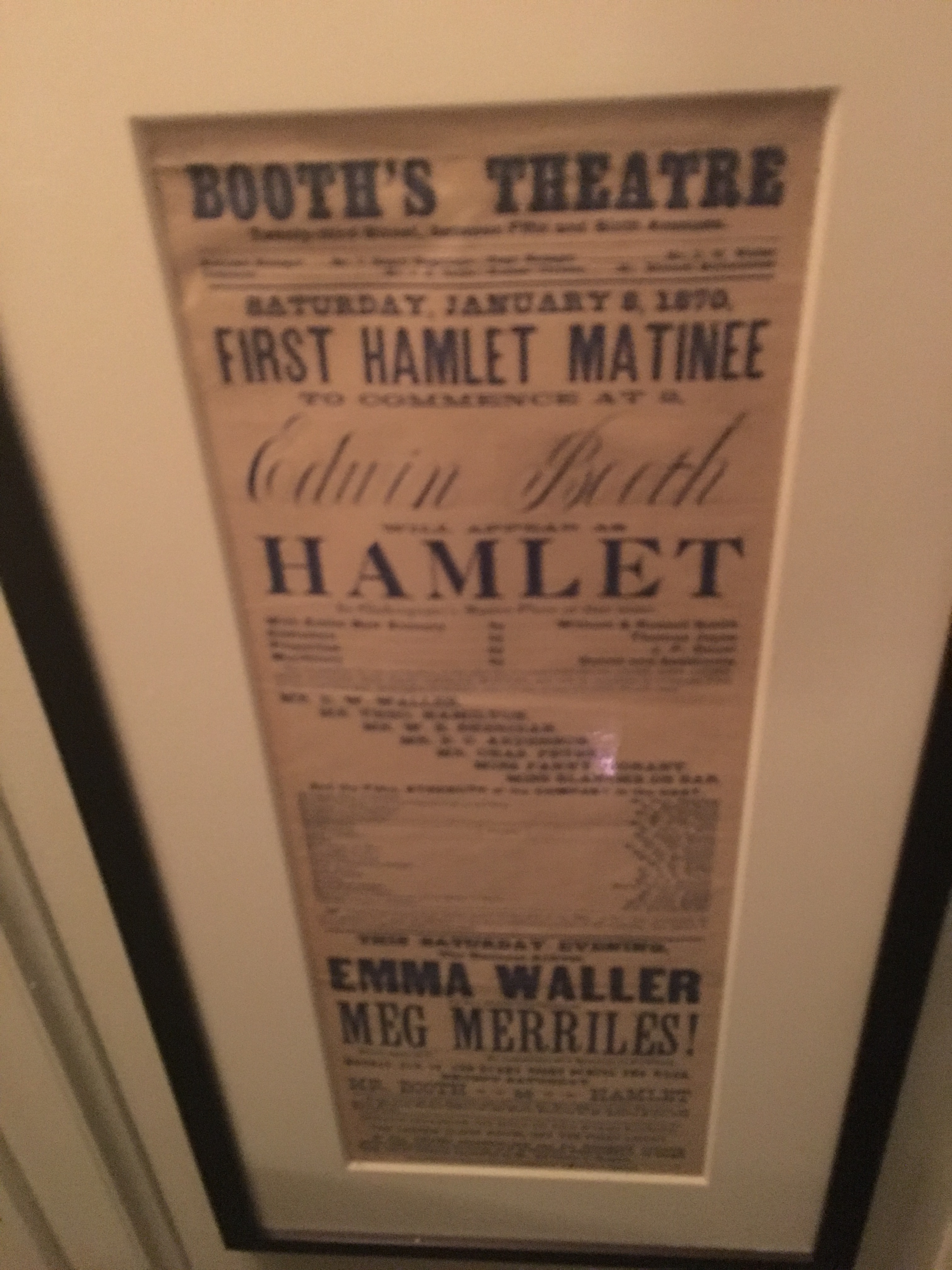
A framed bulletin from Booth’s Theatre on 23rd Street:
img_0829

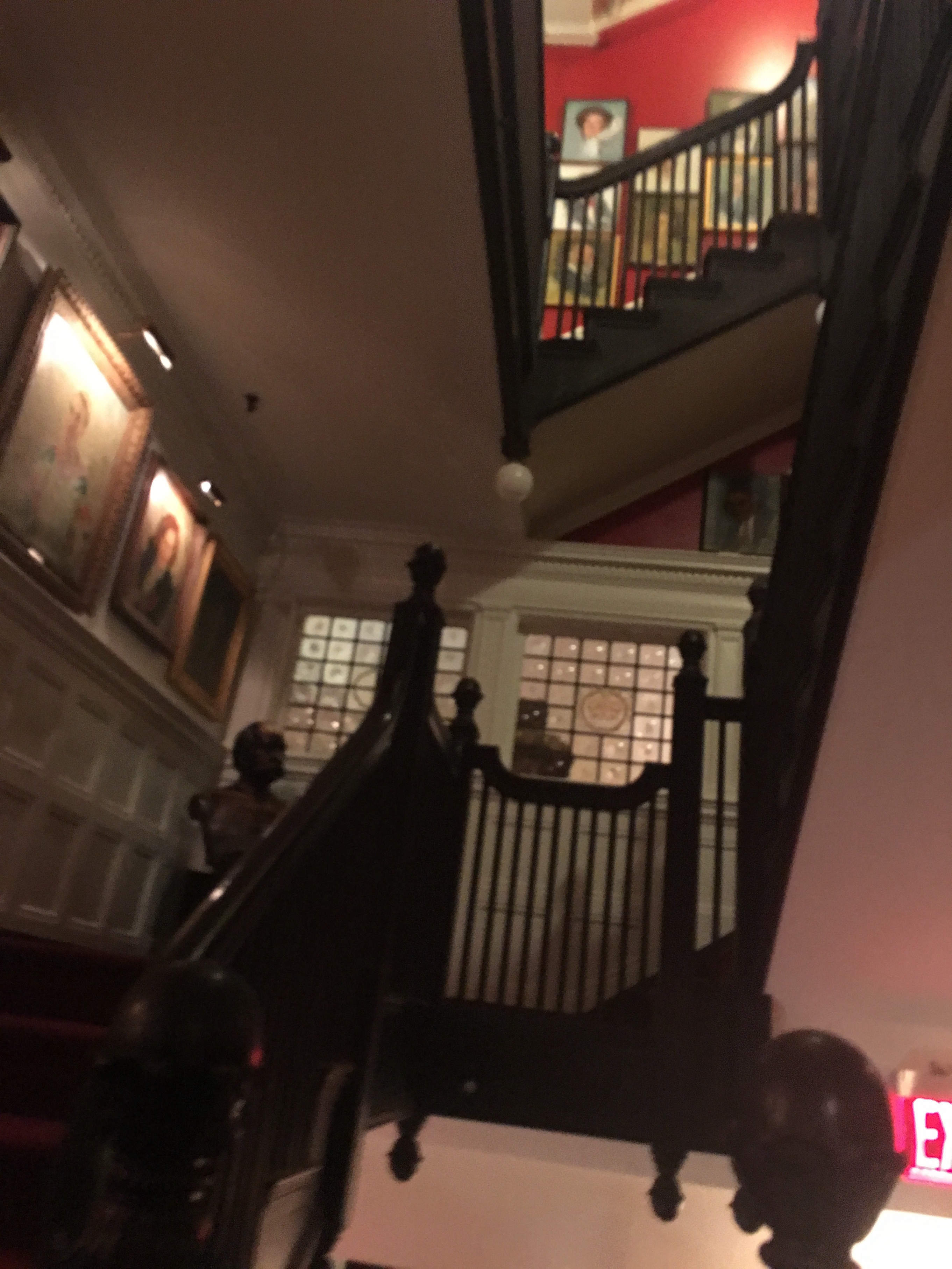
Up the winding staircase to Booth’s bedroom….

img_0830

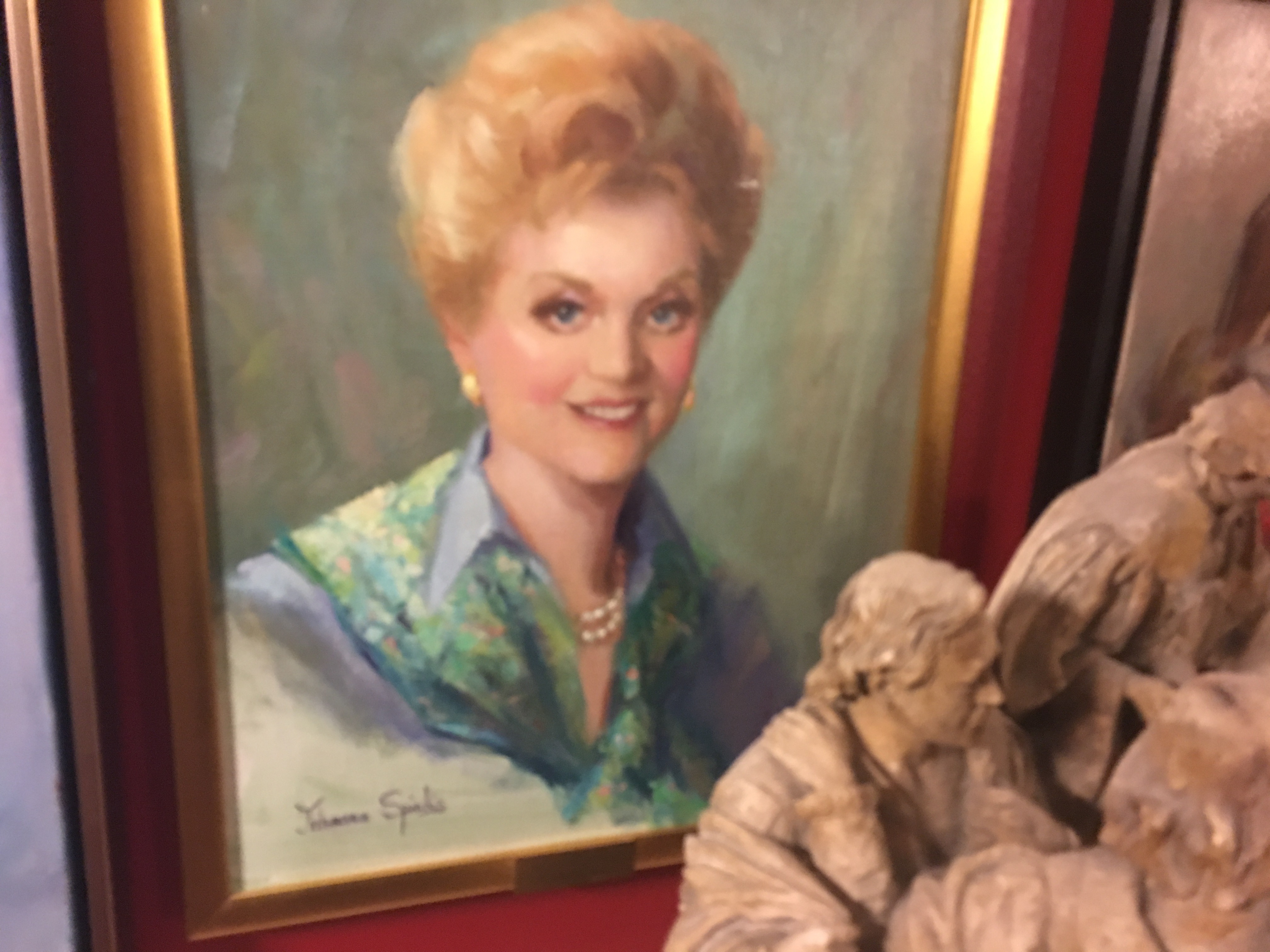
Angela Lansbury awaits us on the landing!img_0835

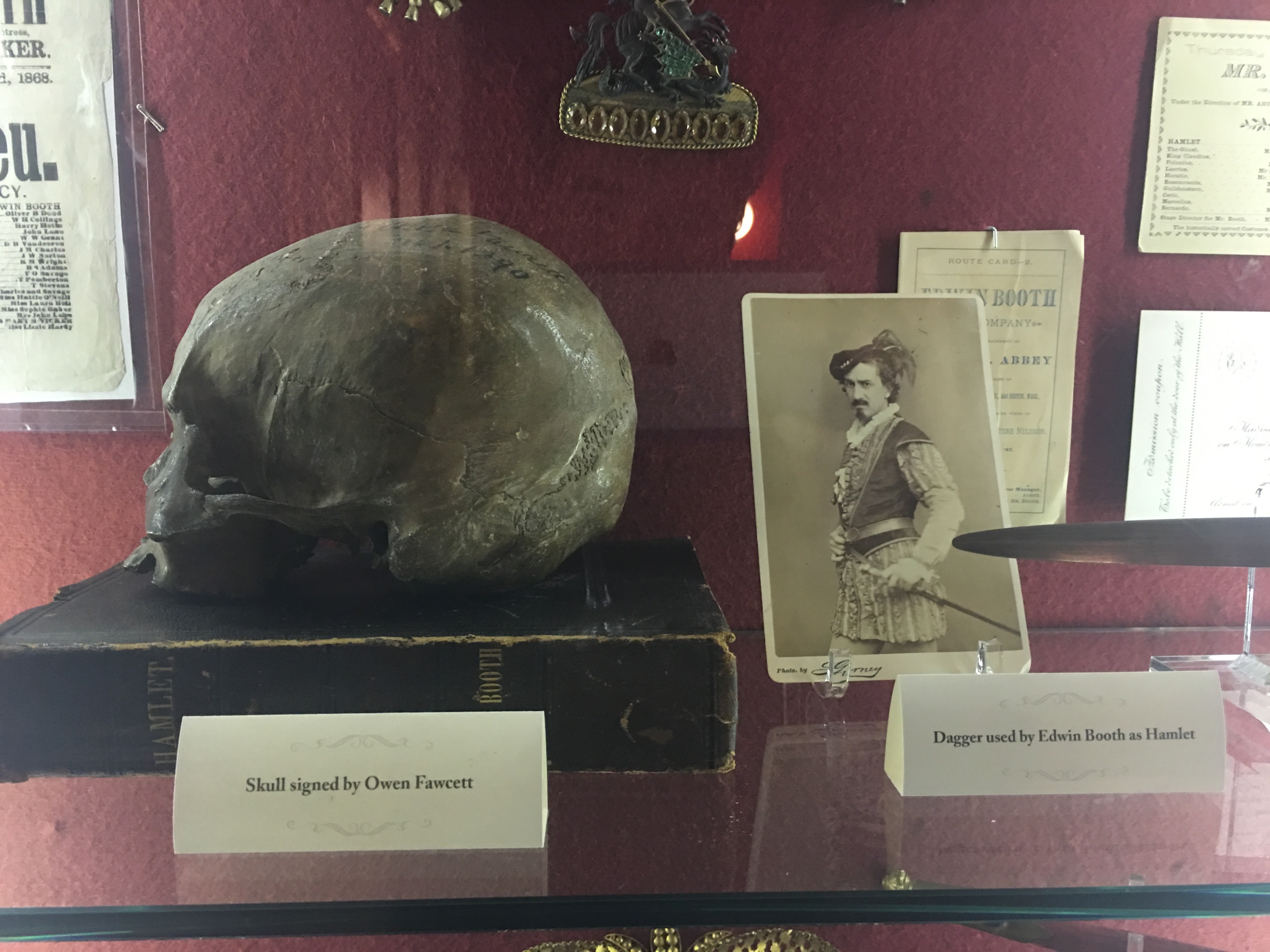
Theatrical props adorn every shelf of the club.

img_0836

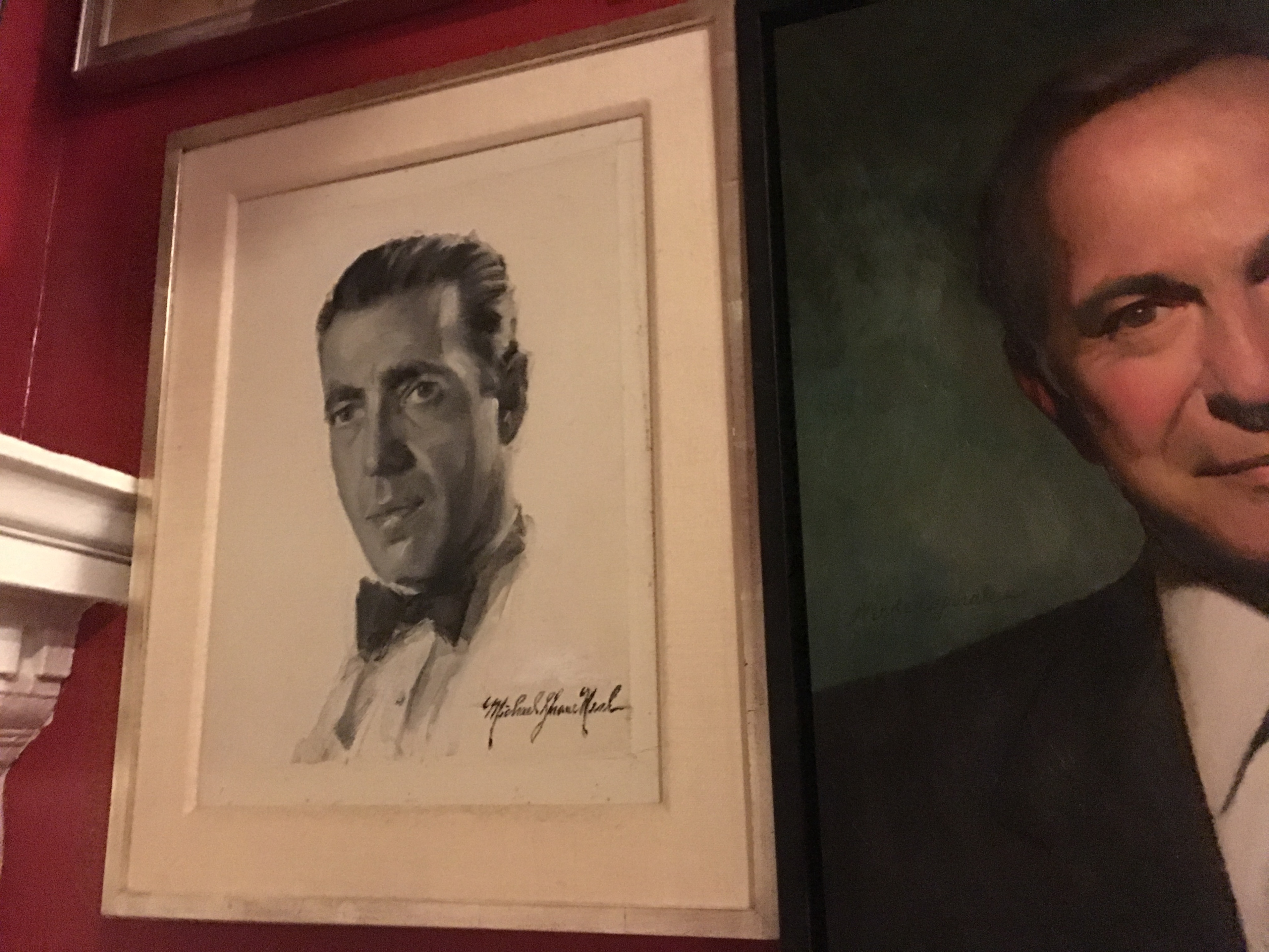
Humphrey Bogart hangs in the hallway. Lauren Bacall, by the way, also has a portrait hanging near the billiard table.

img_0839

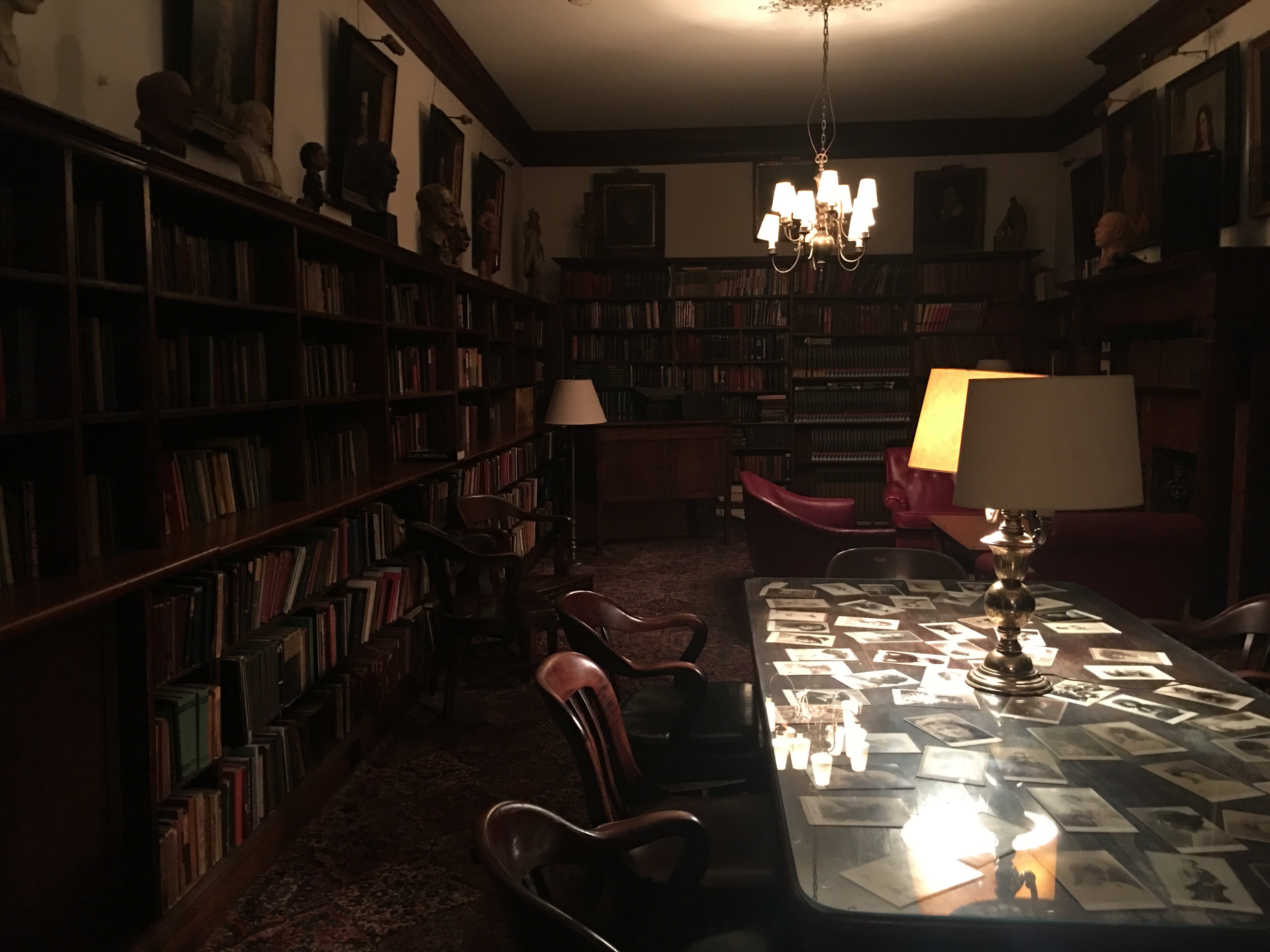
Inside the dark theatrical library, one of the greatest collections of theater history volumes in the world.

img_0887 img_0888

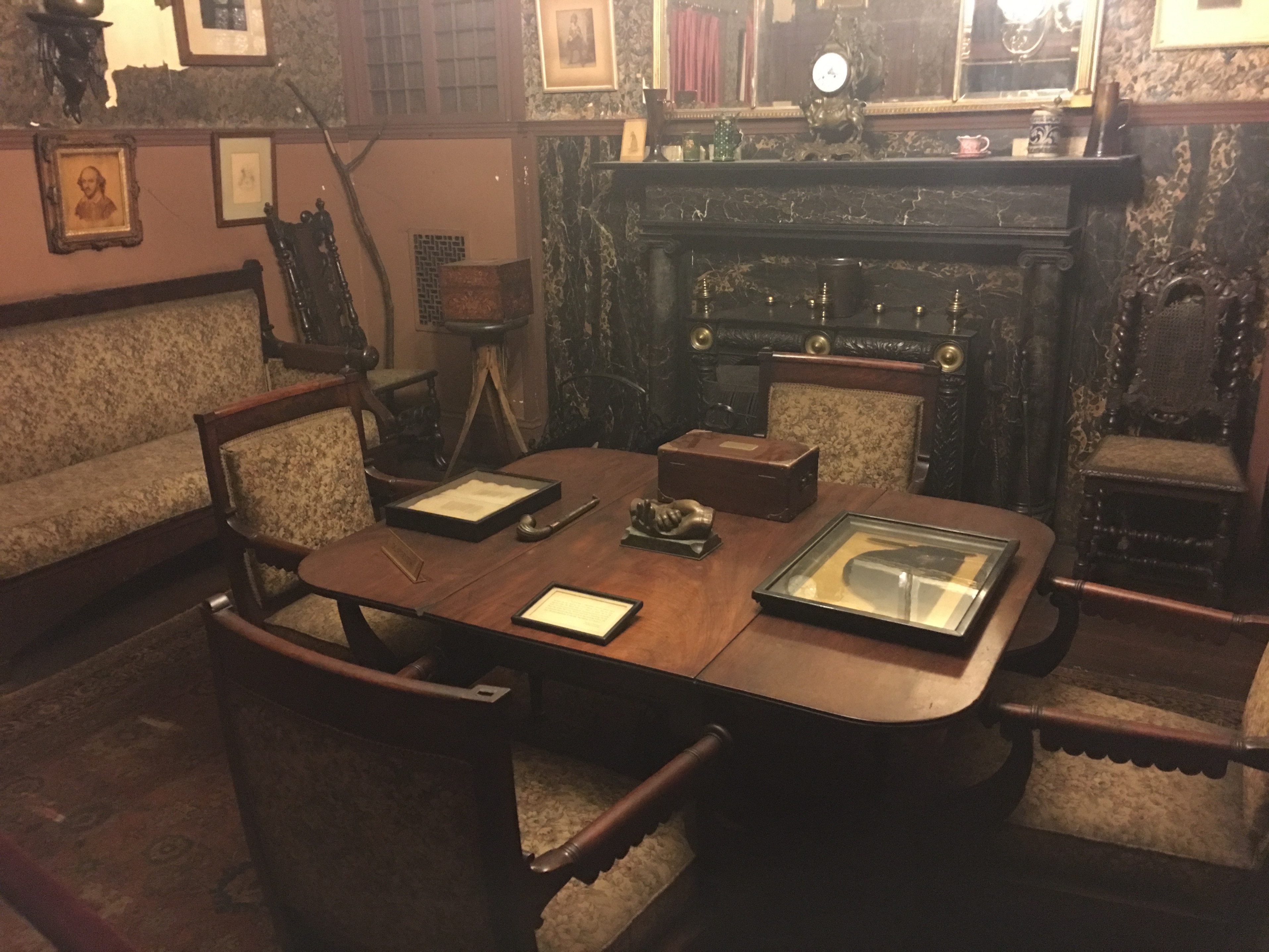
Finally, inside Booth’s living quarters! On the table sits a mold of Edwin’s hand holding that of his daughter Edwina.img_0890

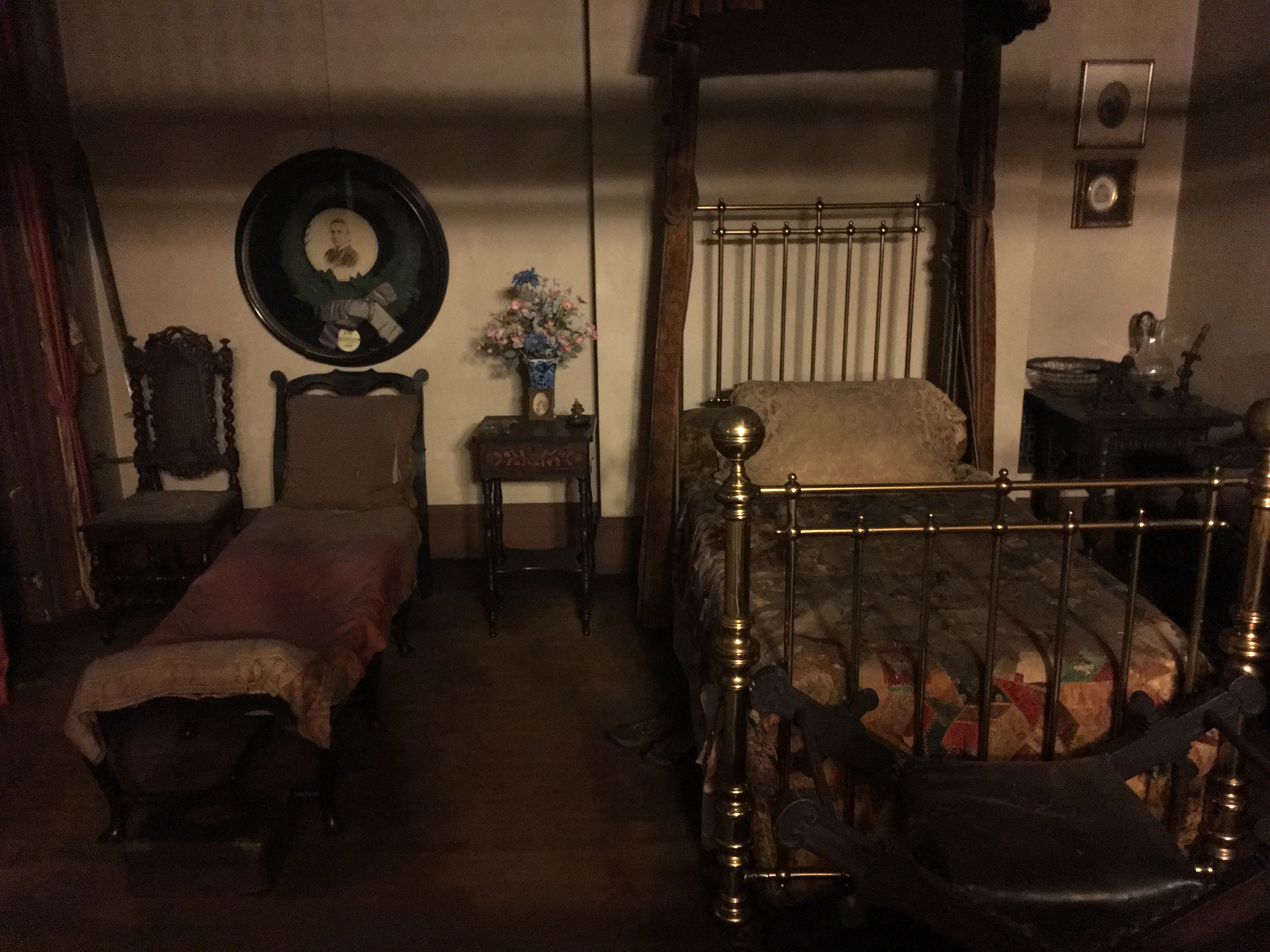
The bed where Edwin Booth died, and a smaller bed where his daughter kept next to him in his final moments.

img_0891

For more information on tours of the Players Club, visit Top Dog Tours NYC.  And visit the Players website for more information about membership and its history

Categories
It's Showtime

The first Shakespeare performance, recorded by Edwin Booth

The plays and sonnets of William Shakespeare, as the finest examples of the English written word, were also the first recorded sounds ever made.  The first recording ever made at Alexander Graham Bell‘s Volta Laboratory in Washington DC in 1881 was that of Bell’s very own voice reading Shakespeare’s Hamlet.

Here’s another recording of Bell’s voice from 1885, running through a series of numbers as a sort of ‘test pattern’ for Bell’s new Graphophone:

But Bell, visionary and genius, was no actor.  The first audio of Shakespeare performance by an actor — the greatest actor, in fact – Edwin Booth, also known among the creative set in New York for The Players Club in Gramercy Park.

The recordings were made in Chicago in March 1890, of Hamlet and Othello (heard below):

Booth has a couple tie-ins to the subject of our last podcast, the Astor Place Riot.  He was named for the early American tragedian Edwin Forrest whose rivalry with the British actor William Macready incited the bloody conflict at the crossroads of Broadway and the Bowery on May 10, 1849.

And, of course, Edwin Booth has a serious connection with another 19th century theater tragedy — the assassination of Abraham Lincoln by Edwin’s brother (and acting partner) John Wilkes Booth.  The assassin was actually known for his own aggressive version of Othello; during one performance, he almost strangled the life out of the actress playing Desdemona!

Listen to Edwin Booth’s recorded performance.  You’re listening to the world’s most well-regarded actor of the 19th century.  He’s at the end of his career here.  One year later, in 1891, he would give his last performance at the Brooklyn Academy of Music. In the role of Hamlet, naturally.

The recordings, using Thomas Edison’s equipment, were never meant for public performance, but rather at the behest of his daughter Edwina.

Categories
It's Showtime

Harlem on a high note: The grand Harlem Opera House

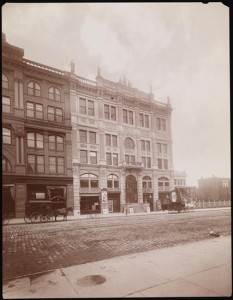
Proctor's Harlem Opera House.

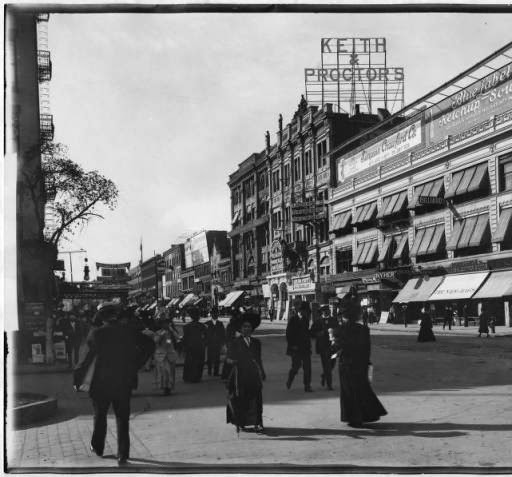
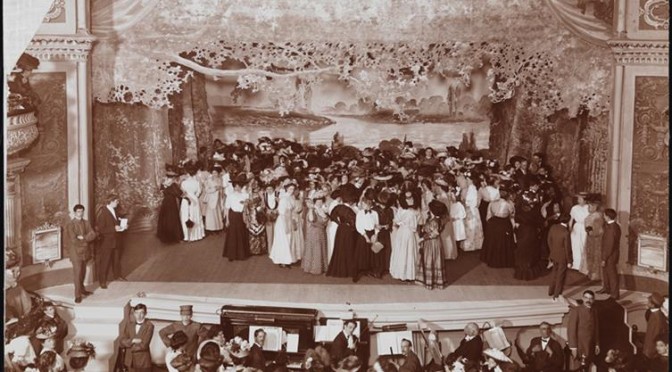
A ton of people on-stage at the Harlem Opera House in 1907. During this period, it was owned by vaudeville impresario Keith Proctor and called Proctor’s Harlem Opera House. Pictures courtesy the Museum of the City of New York 

 The Hotel Theresa, subject of this week’s podcast, had a rather unusual neighbor in its early years.

Harlem is known for a rich musical heritage in a variety of genres, but did you know it also had very old ties to world of opera, from as far back as the 19th century?

Oscar Hammerstein was a wealthy New York cigar maker who decided to dip his toe into real estate ventures, and in a most surprising neighborhood.  Thanks to the construction of the elevated railroads in the 1880s, the once-distant Harlem was now linked to the heart of the city, and thousands began moving there, particularly European Jewish immigrants.

Theatre, Harlem Opera House 125th St. & 8th Ave.Hammerstein built dozens of rowhouses for prospective residents, but his real vision was the Harlem Opera House (at right), constructed in 1889 and located at 207 West 125th Street, on the other side of the street from the Hotel Winthrop (later the Hotel Theresa).

For a time, it really did just showcase operatic productions, of both the severe and light varieties.  According to author Jonathan Gill, “Hammerstein had a broad vision of what uptown theatergoers wanted, and he produced both popular and genteel drama and opera in English translation, an experiment that proved attractive to audiences who were willing to pay up to $2.50 a ticket.”

Famous stars were drawn here from the stages of Herald Square.  For instance, Edwin Booth performed Shakespeare here in 1889, a few years before his death.  Lillian Russell, a favorite of the New York pressperformed the show ‘An American Beauty’ here in March 1897.

The Opera House helped create a miniature theater district here along 125th Street.  Hammerstein himself built the Columbus Theatre the following year, bringing more popular fare — namely, vaudeville.  Soon the street would become one of New York’s great centers of burlesque entertainment.  Many years later, Hurtig & Seamon’s New Burlesque Theater would open a couple doors down from the opera house, later changing its name to the Apollo Theatre.

Hammerstein, however, could not make the Harlem Opera House a financial success, and he was soon lured downtown to build his most renown theaters (and places that would later inspire his grandson Oscar Hammerstein II.)  The Harlem Opera House was sold and transformed into a more traditional vaudeville house.  By the 1930s, to compete with the thriving amateur nights over at the Apollo, the Harlem Opera House had its own amateur nights.  Its most notable discovery is one of the greatest names in music — Ella Fitzgerald.

Below: Another view of the Opera House, here as Proctor’s Opera House, courtesy NYHS.  The balconies to the left belong to the Winthrop Hotel — compare this picture to the Winthrop photo here — to be replaced in a few years by the Theresa.


The Opera House was torn down in 1959.  Surprisingly, it appears there was the possibility of a new opera house in Harlem being built in the late 1960s, under the guidance of Gian Carlo Menotti, but that never panned out.  However, the operatic tradition lives on today with the Harlem Opera Theater, founded in 2001.

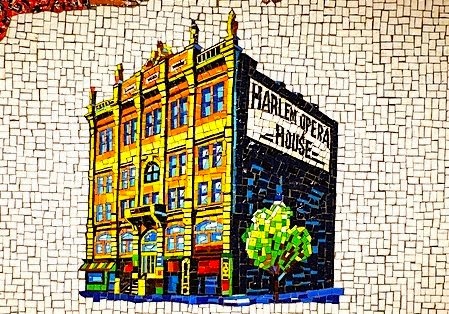
Below: You can still find the Harlem Opera House in Harlem — on the walls of the 125th subway station, in mosaic form!

Categories
Podcasts

Hoaxes and Conspiracies of 1864: The Confederate Plot to Torch New York

Barnum’s American Museum at left (the building with the flag) and the Astor House at right, from the vantage of City Hall Park, circa 1850. Both buildings were victims of the Confederate plot of 1864 to burn the city.

PODCAST We’re officially subtitling this ‘Strange Tales of 1864’, presenting you with a series of odd, fascinating stories from one pivotal year in New York City history. With the city both fatigued by the length of the Civil War and energized by Union victories, New Yorkers were often at their best — and their worst.

The city unites around an unusual parade — the first regiment of African-American troops — even as it elects a pacifist mayor sympathetic to the Southern cause. A grand and flamboyant fair, uniting the community, offers up a surprising New York tradition — the theme restaurant. Meanwhile, a local newspaper editor devises an elaborate hoax to get rich quick off the gold market.

But with the November re-election of Abraham Lincoln also comes a deadly threat — a Confederate conspiracy aimed at New York’s luxury hotels. Tune in as we recount the botched plot to destroy New York in an conflagration of ‘Greek fire’.

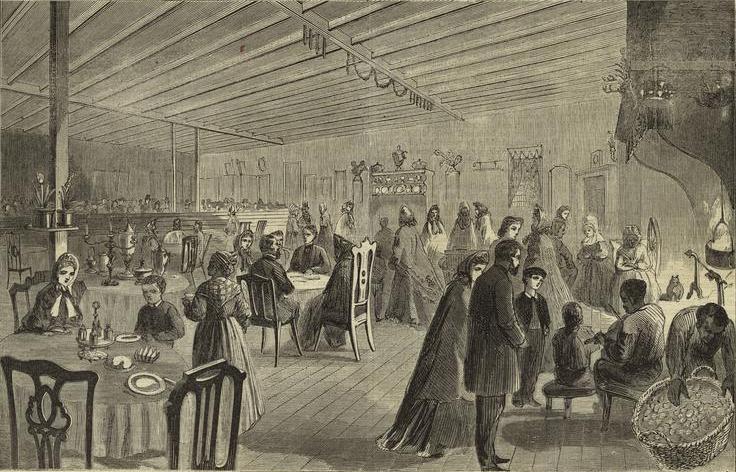
The Knickerbocker Kitchen, a featured restaurant at New York’s Metropolitan Fair. Women dressed in traditional Dutch and Colonial garb and served items believed to be popular with the residents of old New Amsterdam. [NYPL]

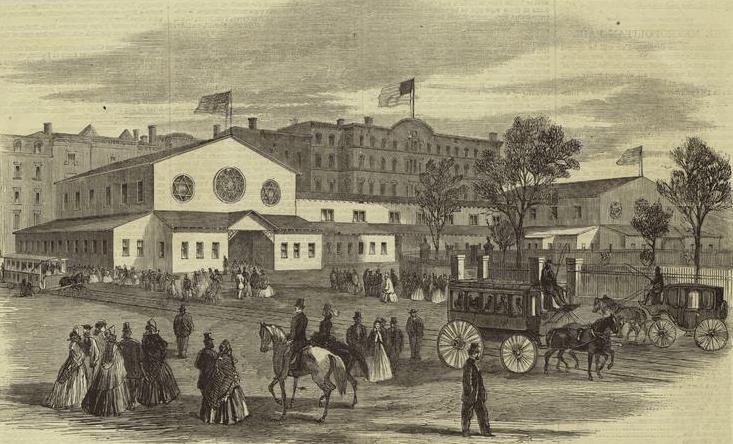
Pavilions were specially constructed around Union Square for the Metropolitan Fair, which raised money for the U.S. Sanitary Commission.

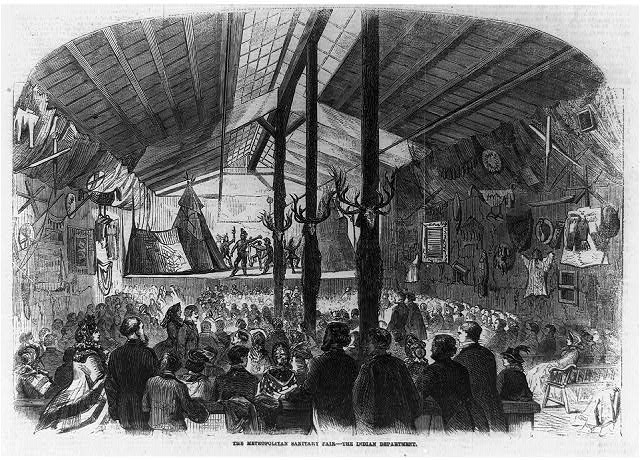
The ‘Indian Department’ at the Metropolitan Fair. [Library of Congress]

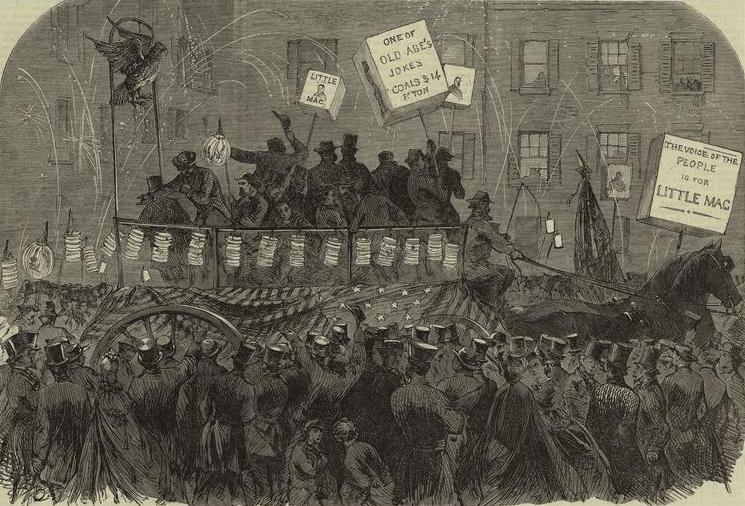
A nighttime ‘torchlight’ rally for presidential candidate George McClellan, the clear choice for New Yorkers in 1864. For a Democratic stronghold like New York, the former general was an especially appealing alternative to Abraham Lincoln. [NYPL]

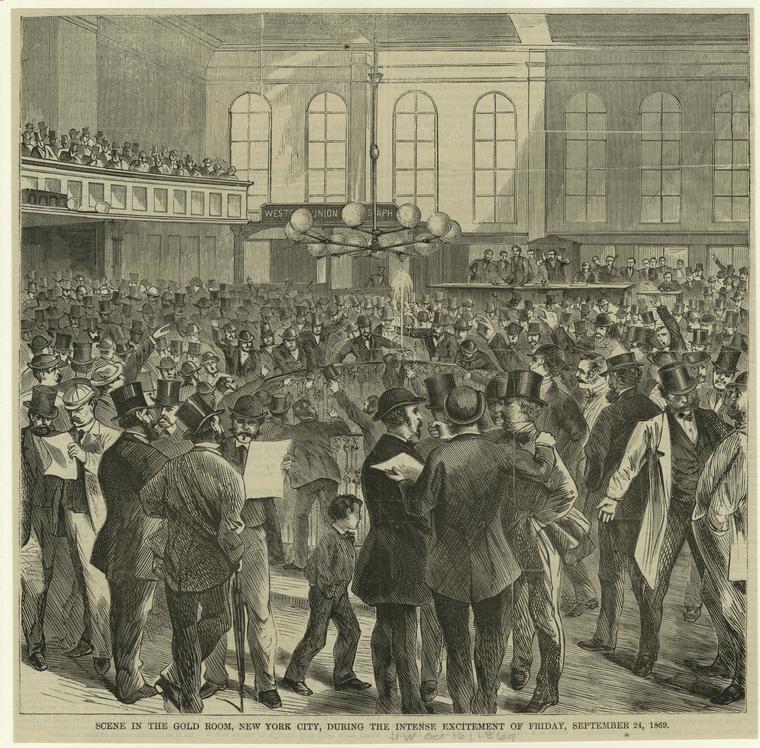
A scene from the New York Gold Room, epicenter of American gold speculation. During the Civil War, traders would buy and sell based upon Union victories and defeats. The trade was also susceptible to false information, such as the events of the Gold Hoax of 1864. (NYPL)

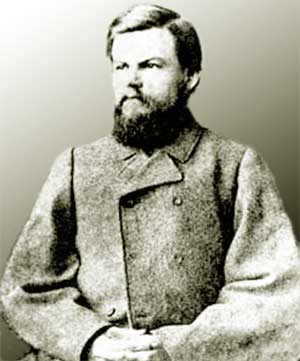
Robert Cobb Kennedy, the only one of the Confederate conspirators to be caught. He was executed at Fort Lafayette in 1865, a couple weeks before the end of the Civil War.

Sarah Bernhardt’s favorite New York landmark

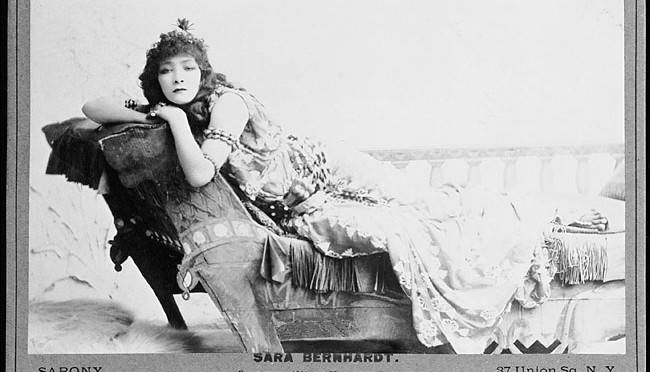
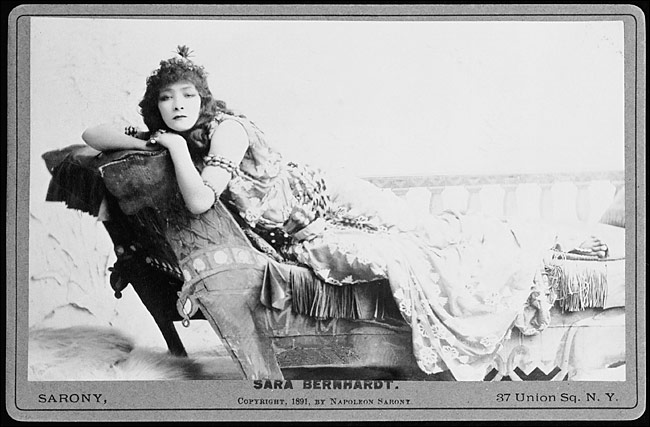
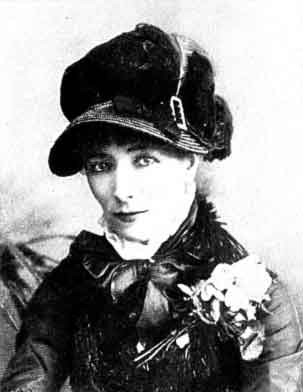
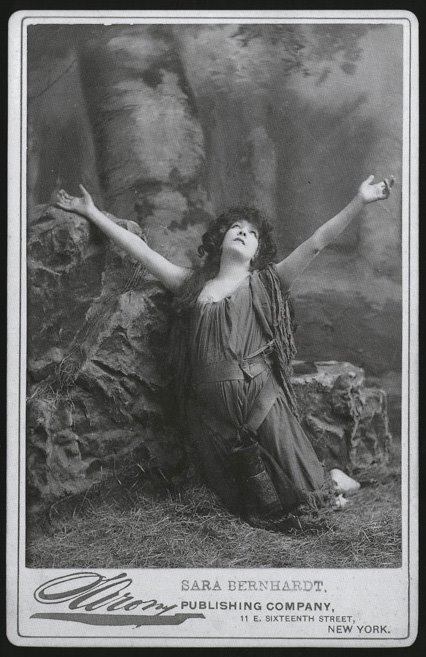
Sarah Bernhardt may be the most famous and most mysterious actress who ever lived and certainly “the greatest celebrity of her era.” Working mostly in the days before recorded medium (there are exceptions), Bernhardt crafted a legend matched by outrageous behavior and provocative stage performance. Naturally, she brought both with her when she came to New York City for her first American tour in 1880 to present the first of many signature roles, Adrienne Lecouveur.

The French actress, lauded as one of Europe’s greatest commodities, didn’t exactly crave a visit to America. Leaving for New York on October 1880, Sarah “was in utter despair, weeping bitter tears, tears that stained my cheek,” according to her autobiography. New York had no such hesitation. When her boat arrived two weeks later into a strangely frozen New York harbor, it was greeted with smaller steamers, filled with fans and decorated with French flags. They feted her onboard in a lengthy, drawn out ceremony of admiration.

Her response? Feeling slightly woozy, “I decided therefore to faint.” She fell gently into waiting arms, people rushed to her attention until “it was time to come to my senses again.”

She stayed that evening at the luxury Albermarle Hotel at Broadway and 24th Street where she blocked her door with furniture to keep other well-wishers and journalists out.

Bernhardt’s auto-biography is so steeped in extremity that you assume she must be exaggerating. Alexandre Dumas did call her a “notorious liar”, but the fact that it took Alexandre Dumas to make that proclamation underscores the exotic circles and experiences in which she traveled.

She greatly distrusted the press who she believed willfully printed lies about her (even when the lies were fed to them by Bernhardt’s own management.) At a press conference at the Albermarle later that day, she dismissed even the simplest questions, especially bristling when she was asked about her religion. “Oh Heavens! Will it be like this in all the cities I visit?”

Two days later, she arrived to rehearse at Booth’s Theater, the tony stage built by theatre legend Edwin Booth (John Wilke’s brother) and located near her hotel, at 23rd and 6th Avenue. Her reaction at seeing fans gathered outside to greet her: “These strange-looking individuals did not belong to the world of actors….with their white neckties and their questionable looking hands.”

Inside the theater, she was finally reunited with her 42 trunks of gowns and costumes — briefly and offensively seized by customs, a “chiffon court martial” — and ordered her underlings to open and inspect each container. So horrified was she at the lowly people opening her possessions that she could only grit her teeth and stand in a state of utter mortification. In fact, the experience exhausted her so much that she failed to even rehearse at all that day.

She would later go on to interact with every strata of New York culture, some more friendly than others, appealing more to liberal minded (and daring) social elites than the stalwarts of Mrs Astors storied Four Hundred. Which seemed fine with Sarah; she didn’t want to meet them either.

But for all her condescension that week, for all the superiority and righteousness, there was one thing that stopped her in her tracks. Believe it or not, something actually gave the legendary imperious actress pause.

It was Bernhardt vs. the Brooklyn Bridge, and the bridge won. In 1880, it wasn’t even fully completed, yet in her recollection, it was as if it were bustling with traffic. “Oh, that bridge! … One is proud to be a human being when one realizes that a brain has created and suspended in the air….that fearful thing.” The magnificence of the bridge, its extraordinary scale, filled her with “a strange, undefinable sensation of universal chaos.”

Yet she was able to sleep peacefully that evening, “reconciled with this great nation.” And all it took was for something to make the mighty actress feel small.

She would come many, many times to New York and onward to other major cities. By 1910, her tolerance of America was enough that she endeavored to perform future productions in English. (Up until then, all of her performances were rendered in French.)

I highly recommend peeking into her pompous, overblown autobiography My Double Life (well out of print, although Google Books has a copy to review). Simply flip to any random page and get a whiff of her powerful perfumed prose. They seriously do not make them like Sarah Bernhardt anymore.

Below: the spectacular Booth’s Theatre, where Sarah Bernhardt made her U.S. debut on November 8, 1880. It was located on the southeast corner of 23rd and 6th. Today the building there contains a Best Buy and an Olive Garden.

P.S. It appears that Sara and Sarah were interchangable back in the day. You’d think this discrepancy would have driven the poor thing to the fainting couch.