Categories
Parks and Recreation Podcasting Writers and Artists

The Hidden World of Gramercy Park

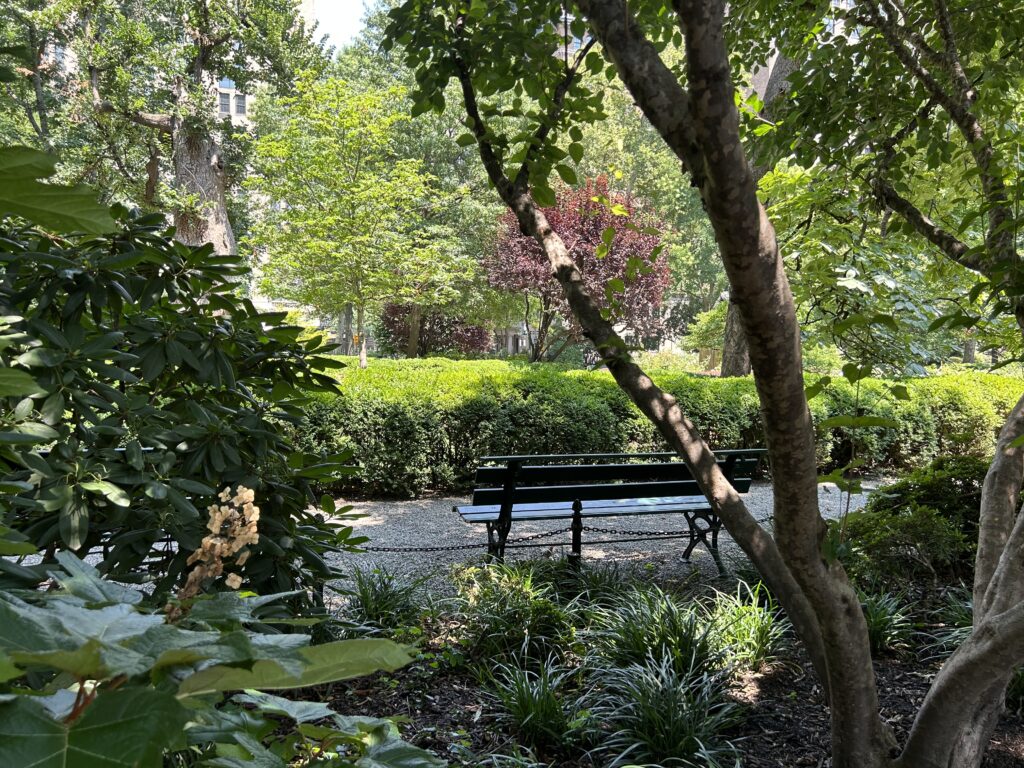
Need an escape from the world for just a little while? A place where you can be by yourself? We’ve got the keys.

Carl Raymond of The Gilded Gentleman podcast and his guest Keith Taillon invite you into one of the most historically exclusive spaces in New York City — the romantic and peaceful escape known as Gramercy Park. 

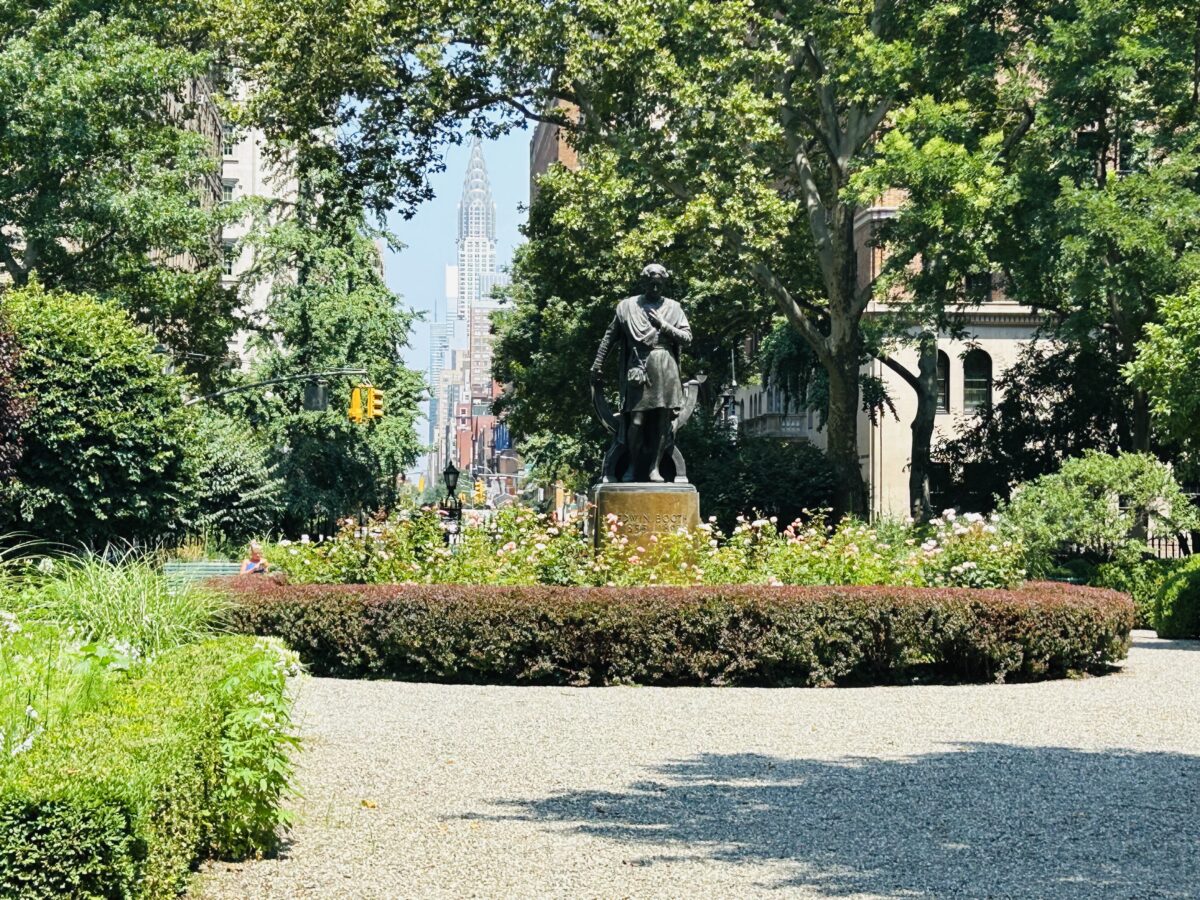
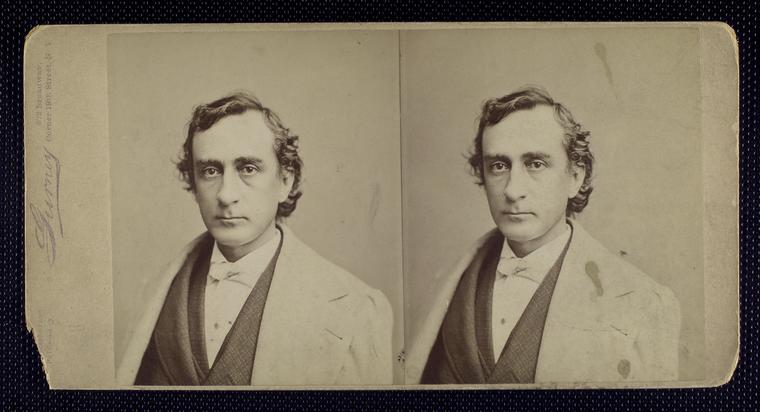
This small two-acre square, constructed in the 1830s, has been called “America’s Bloomsbury”. Taking the reference from London’s famous neighborhood once home to many great writers and artists, New York’s Gramercy Park has similarly included noted cultural icons as architect Stanford White, actor Edwin Booth and the great politician Samuel Tilden

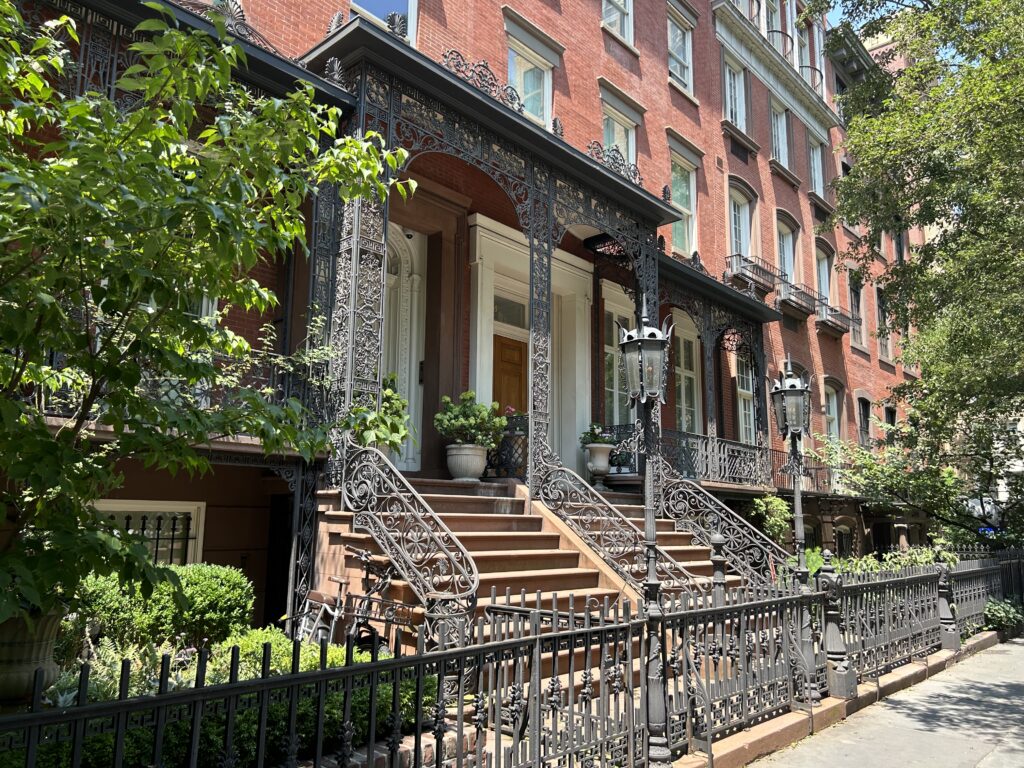
Wandering along the park today it’s easy to gain a view back into the past — many of the original Greek Revival brick townhouses and brownstone mansions remain, some still in private hands.

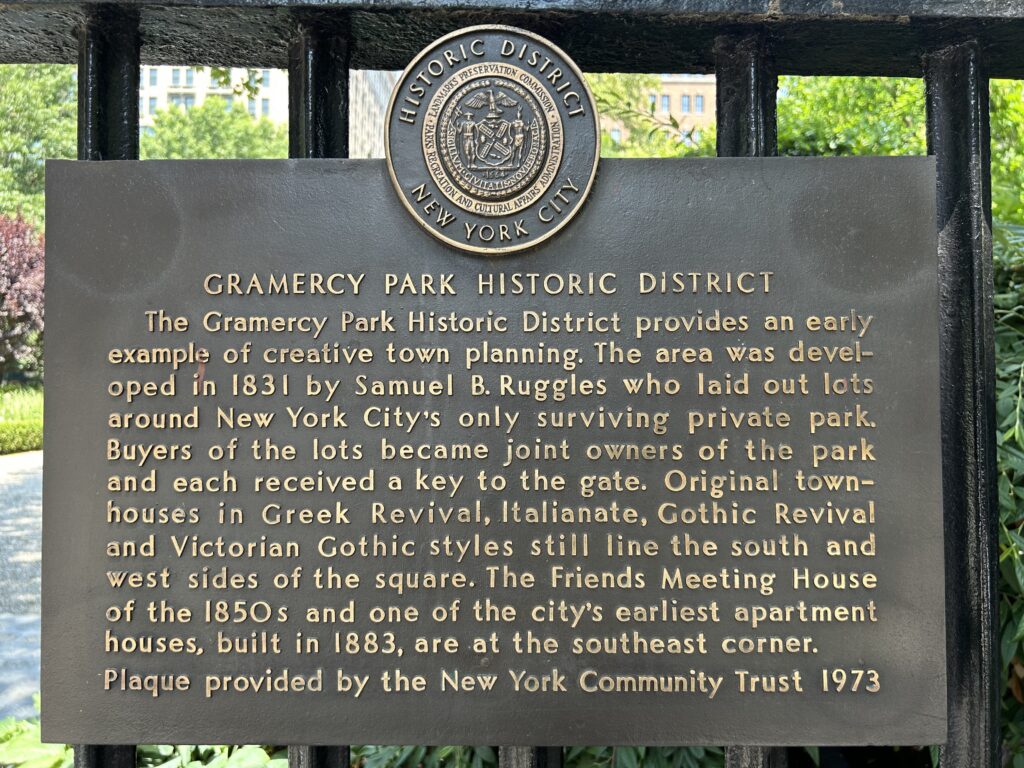
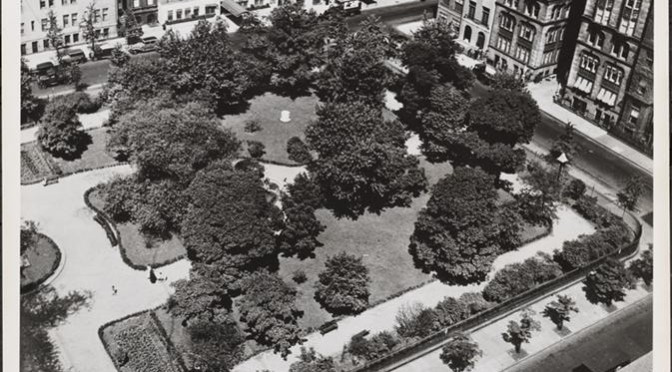
 The park in the center is one of the most unique places in America — it is a private park, not a city property and its upkeep has been managed since its inception in the early 19th century by the property owners around the park itself. 

Writer and historian Keith Taillon joins Carl for this episode to look back into this hidden pocket of New York City’s past and unlock its history. 

LISTEN NOW: THE HIDDEN WORLD OF GRAMERCY PARK


For more Gilded Gentleman, follow and subscribe to Carl’s show on Spotify, Apple and other podcast players. For more about Keith Taillon, visit his website and book a tour.
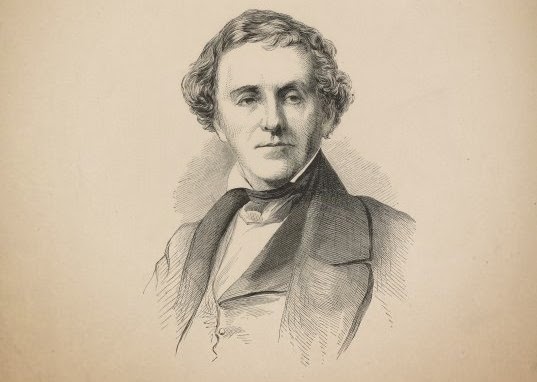
Samuel Ruggles, New York Public Library
New York Public Library

This summer Carl Raymond of the Gilded Gentleman Podcast and some very special guests are taking you to some of the most glamorous and relaxing places from the Gilded Age.

Take in the breathtaking views at the Vanderbilt Mansion in Hyde Park….

Retreat to the natural world of the Adirondaks and Great Camp Sagamore:

Gallivant through the lush Berkshire Mountains to visit a few grand 19th century estates

EPISODE ARRIVING JULY 22

Or vacation like Queen Victoria did, with a vist to her rural retreet Osborne House on the Isle of Wight

EPISODE ARRIVING AUGUST 6


FURTHER LISTENING

We have visited Gramercy Park (and other themes from this week’s show) in various Bowery Boys Podcasts over the years. If you’d like to spend a little more time with these topics, dive into one of these favorites:
Categories
It's Showtime Podcasts

Edwin Booth and the Players Club, New York’s home for high drama

PODCAST The thrilling tale of Edwin Booth and the marvelous social club he created for the acting profession

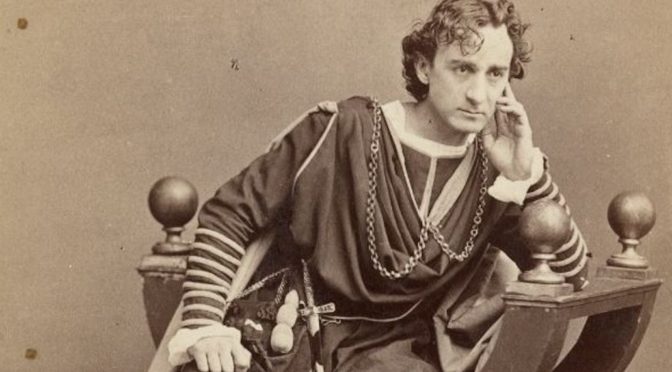
Edwin Booth was the greatest actor of the Gilded Age, a superstar of the theater who entertained millions over his long career. In this podcast, we present his extraordinary career, the tragedies that shaped his life (on stage and off), and the legacy of his cherished Players Club, the fabulous Stanford White-designed Gramercy Park social club for actors, artists and their admirers.

The Booths were a precursor to the Barrymores, an acting family who were as famous for their personal lives as they were for their dramatic roles. Younger brother John Wilkes Booth would horrify the nation when he assassinated Abraham Lincoln in April of 1865, and Edwin would briefly retire from the stage, fearing his career was over.

But an outpouring of love would bring him back to the spotlight and the greasepaint. From then on, Booth would be known as the most respected actor in the United States.

Booth would give back to the theatrical community with the formation of the Players Club which officially made its debut on New Year’s Eve 1888. In this show, we’ll take you on a tour of this exclusive destination for film and theatrical icons, including a look at the upstairs bedroom where Booth died, still preserved exactly as it looked on that fateful day in 1893.

Our thanks to Nicole and Patrick Kelly of Top Dog Tours NYC for giving us  a tour of this extraordinary place!


The Bowery Boys: New York City History podcast is brought to you …. by you!
We are now producing a new Bowery Boys podcast every two weeks. We’re also looking to improve the show in other ways and expand in other ways as well — through publishing, social media, live events and other forms of media. But we can only do this with your help!

We are now a member of Patreon, a patronage platform where you can support your favorite content creators for as little as a $1 a month.

Please visit our page on Patreon and watch a short video of us recording the show and talking about our expansion plans. If you’d like to help out, there are five different pledge levels (and with clever names too — Mannahatta, New Amsterdam, Five Points, Gilded Age, Jazz Age and Empire State). Check them out and consider being a sponsor.

We greatly appreciate our listeners and readers and thank you for joining us on this journey so far. And the best is yet to come!


nypl-digitalcollections-510d47d9-f04f-a3d9-e040-e00a18064a99-001-w

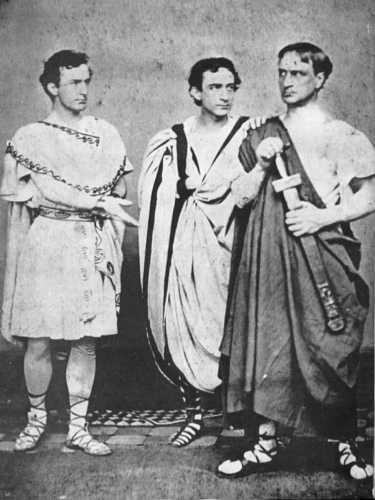
John Wilkes, Edwin and Junius Booth performing  Julius Caesar.

booth-brothers

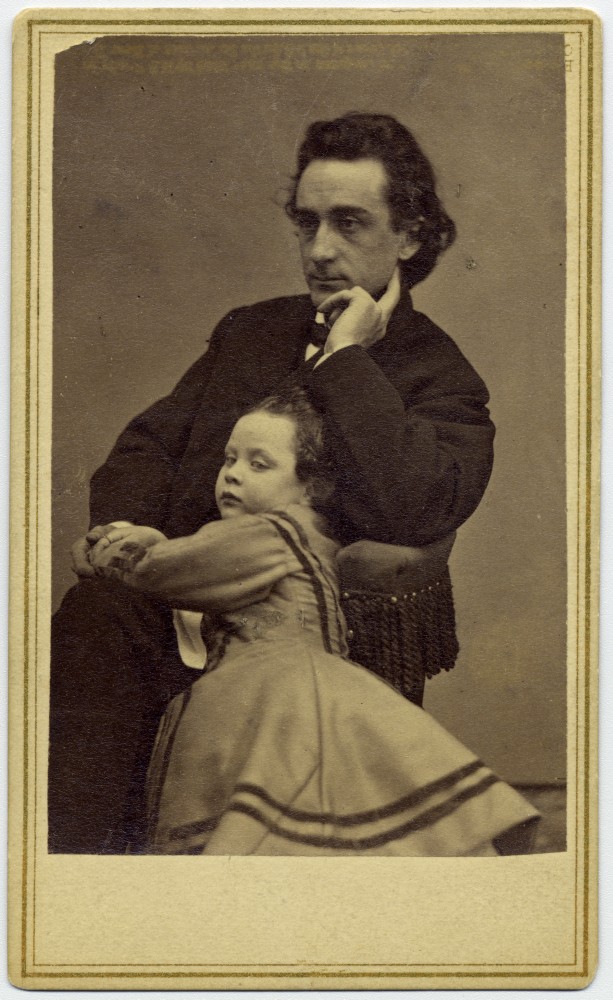
Edwin Booth and his daughter Edwina, photo taken by Mathew Brady, circa 1864

Courtesy George Eastman House

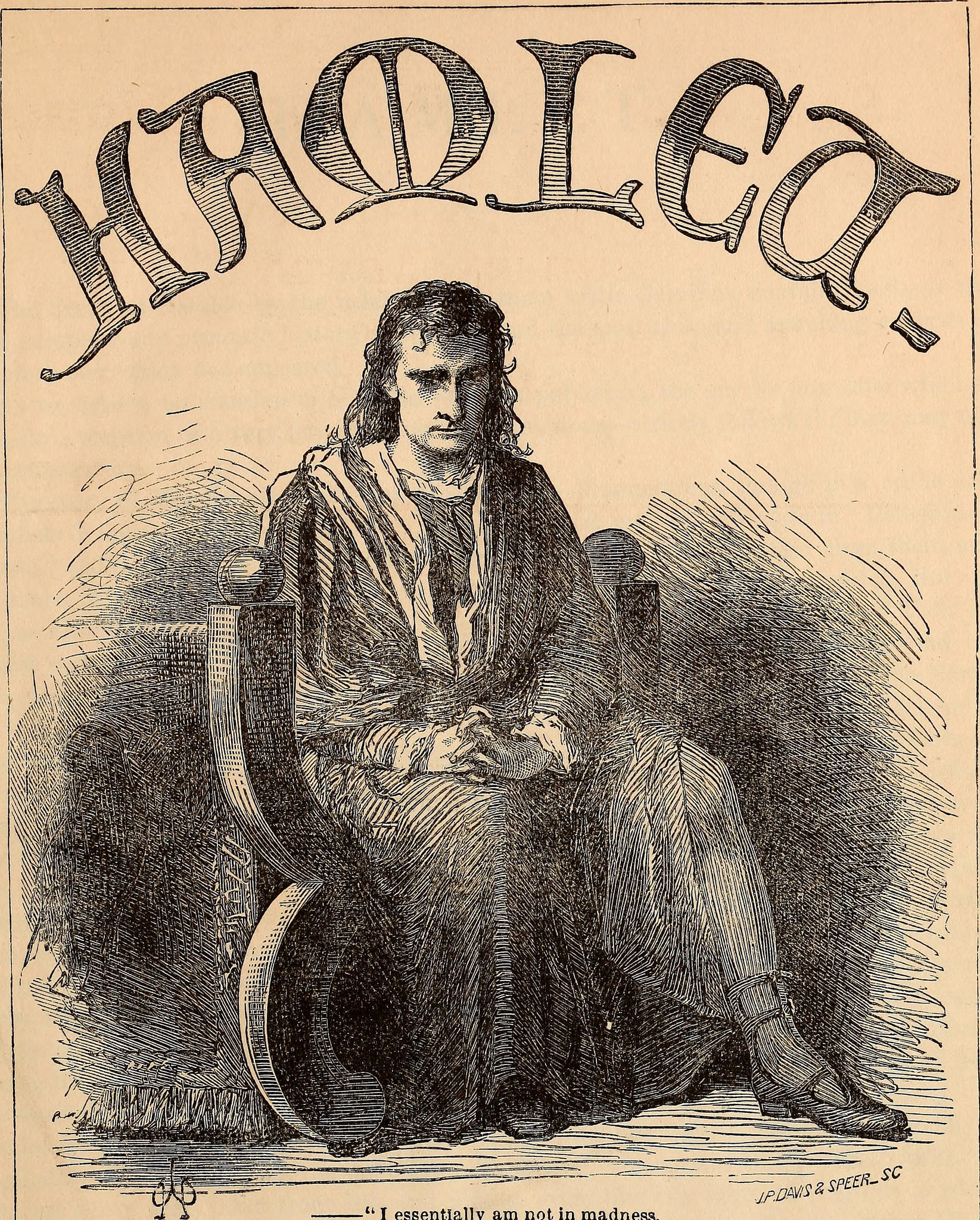
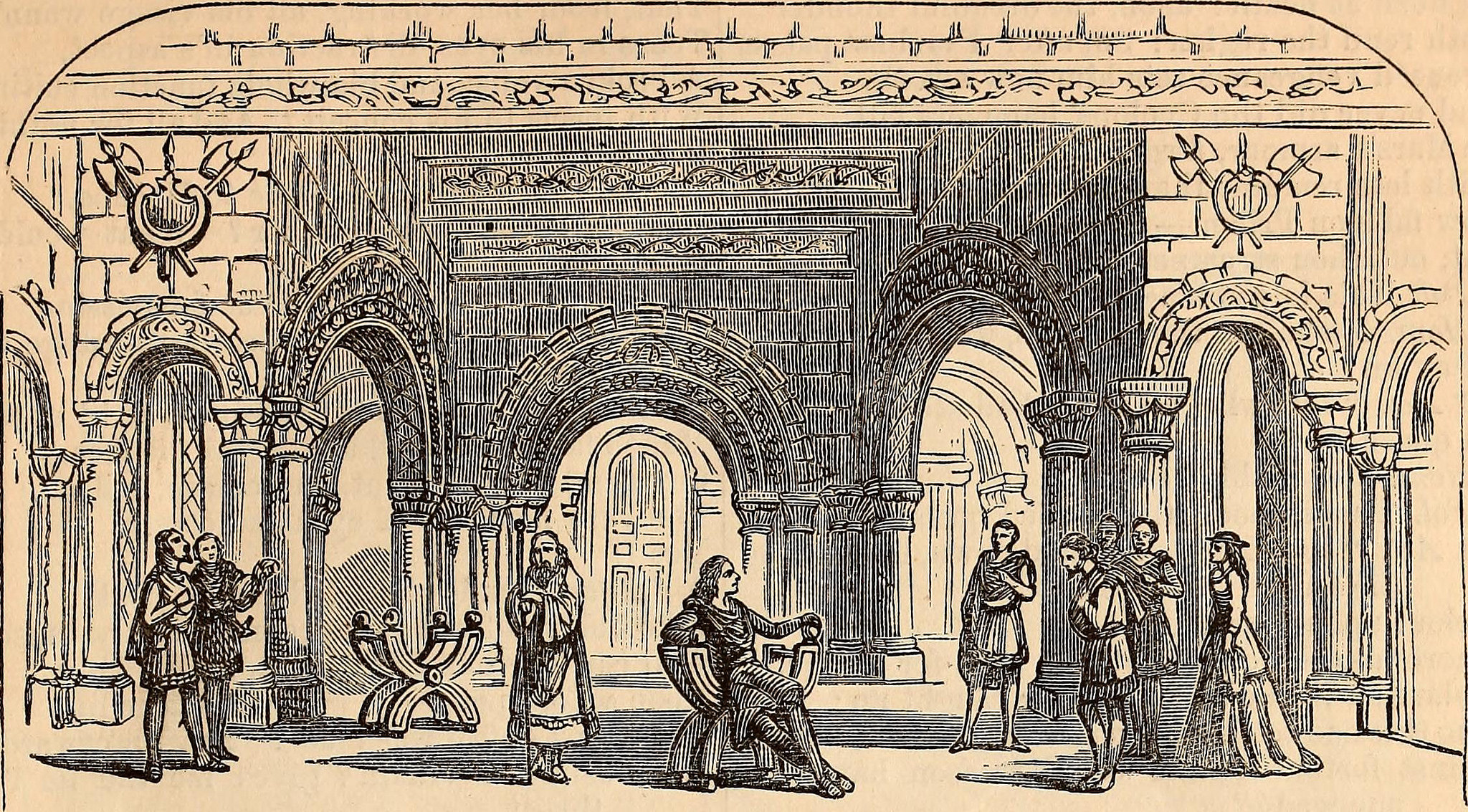
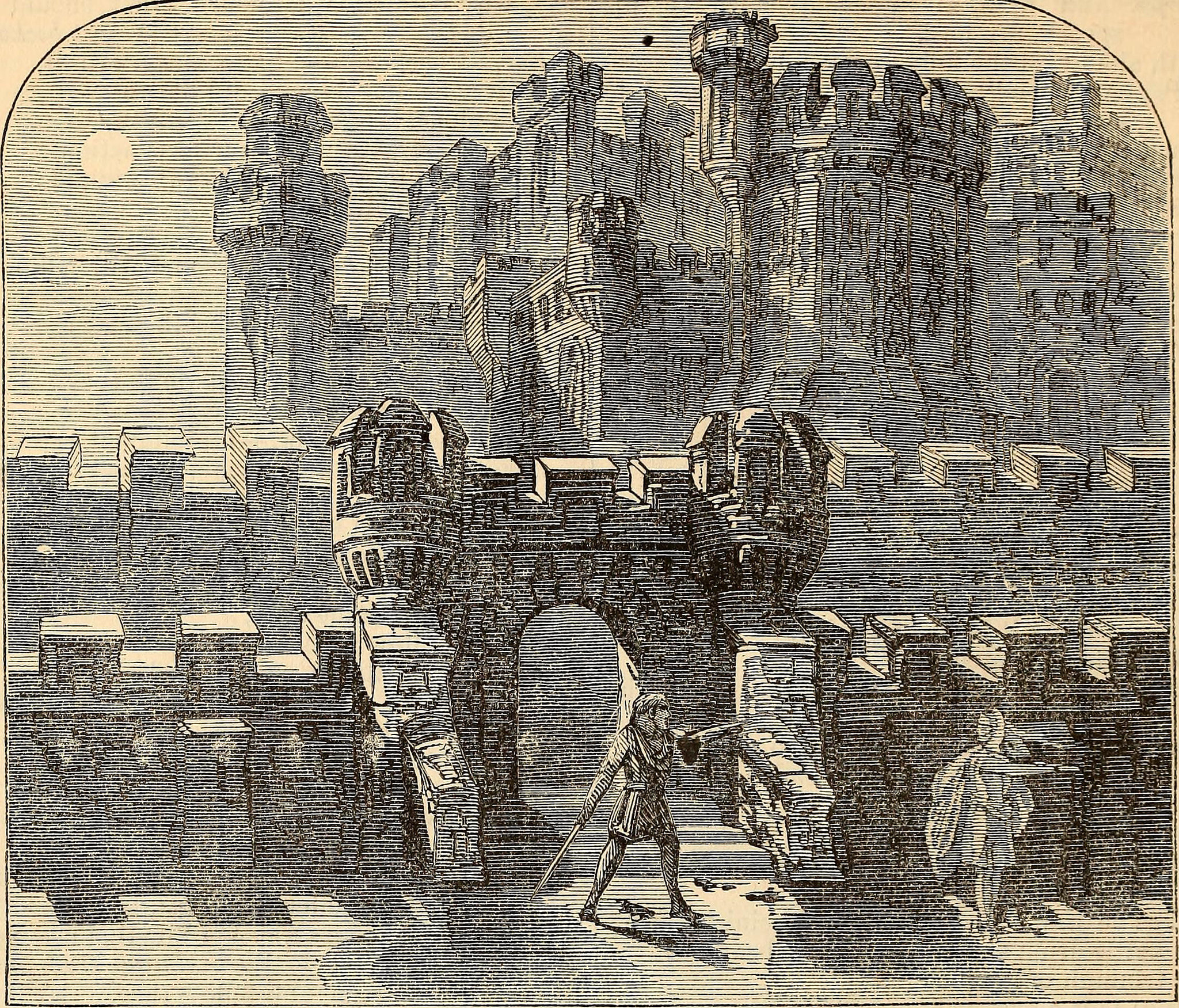
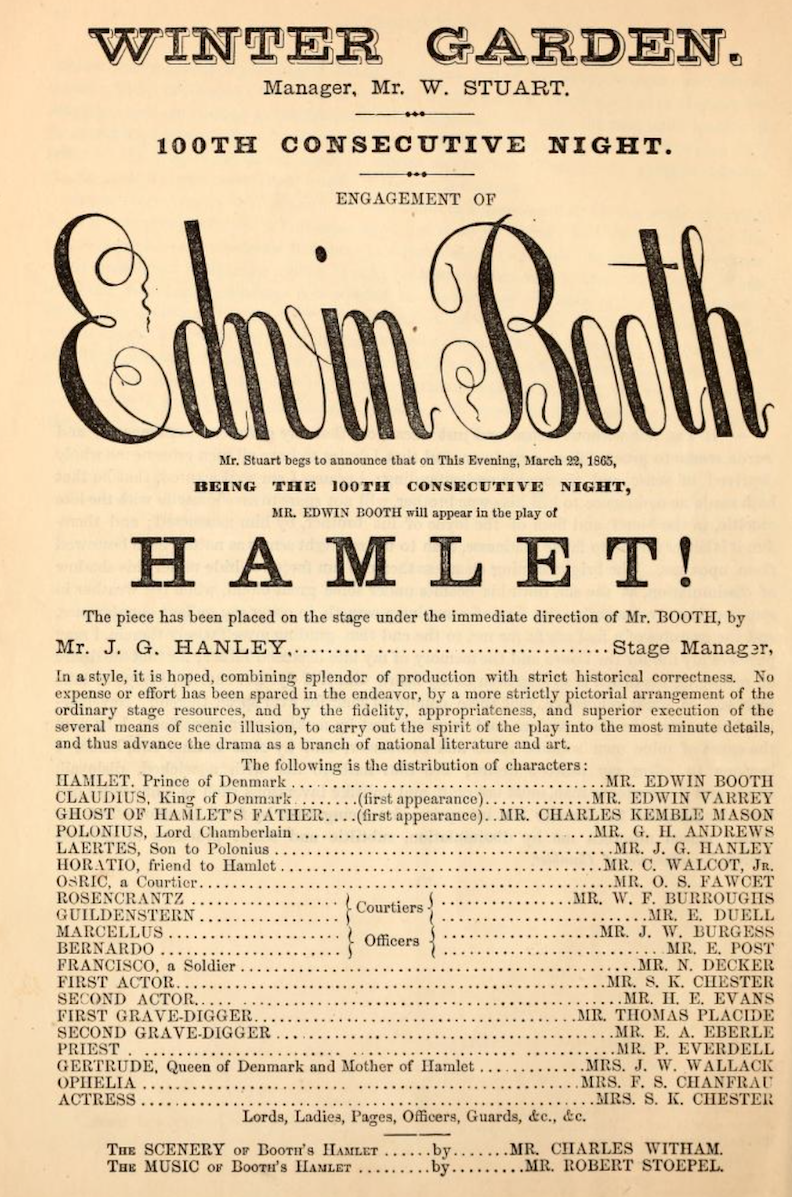
Images from a commemorative book (published in 1866) of Booth’s 100 nights of Hamlet at the Winter Garden.

14586956370_38a39041c3_k

14750657726_e6d277d280_k

14773667455_3c9fbbd107_k

screen-shot-2016-11-11-at-11-32-24-am

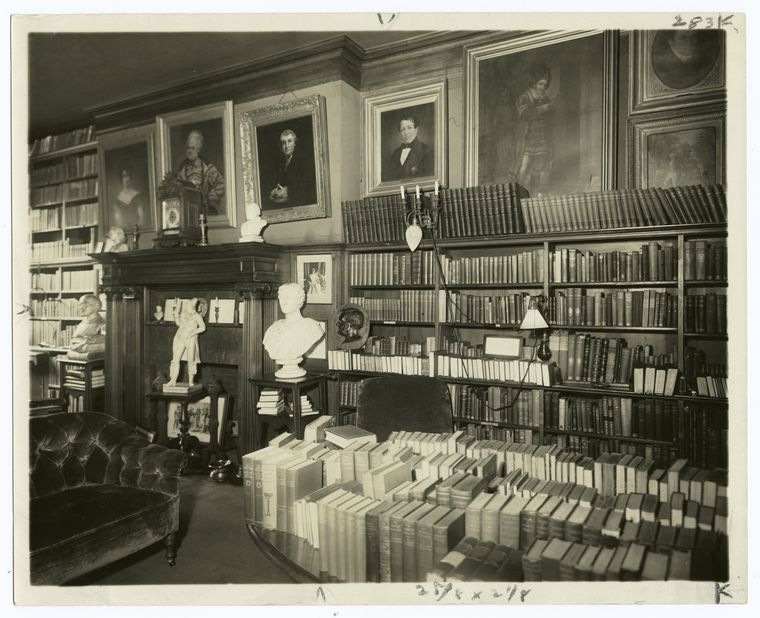
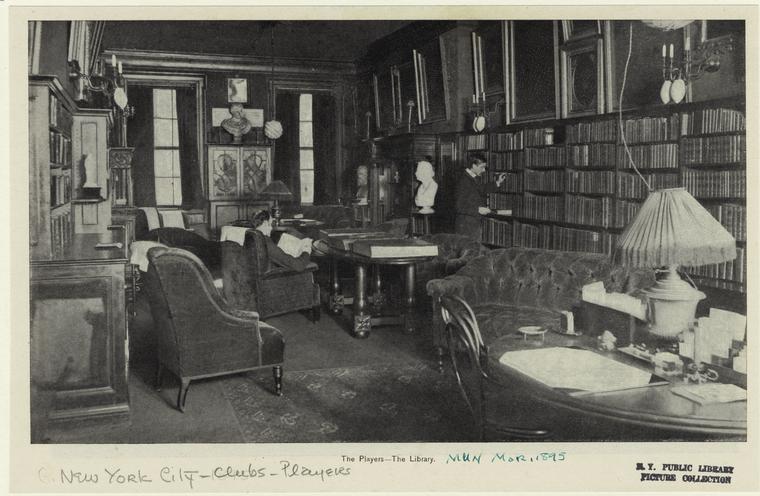
In the library of the Players Club, picture dated 1895

NYPL
NYPL

NYPL
NYPL

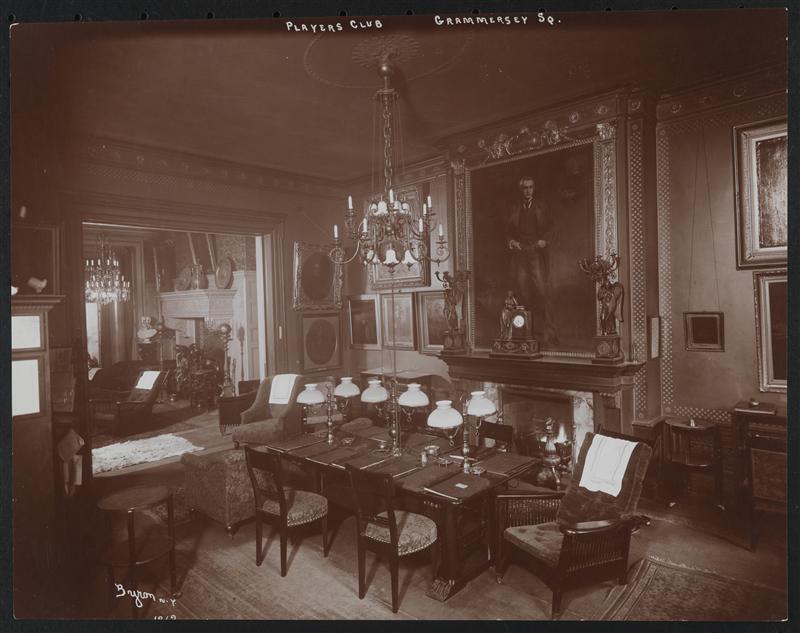
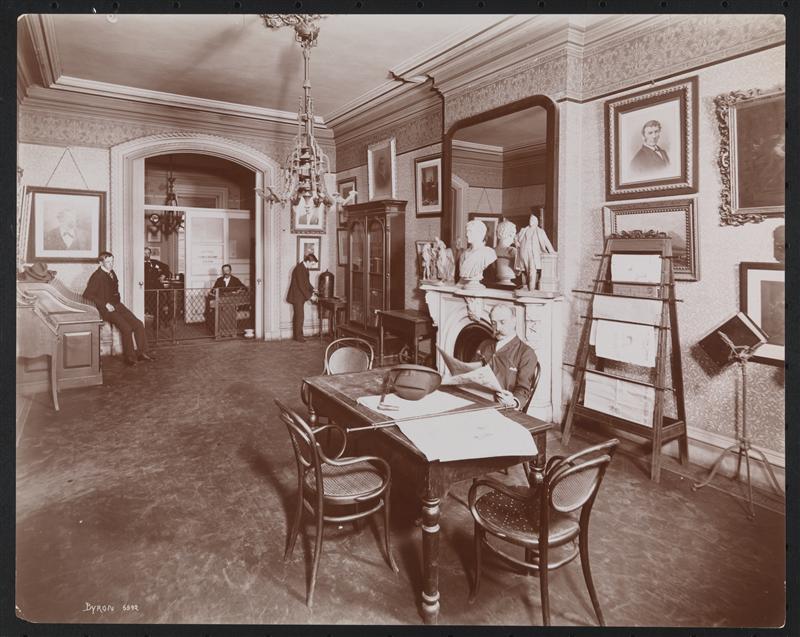
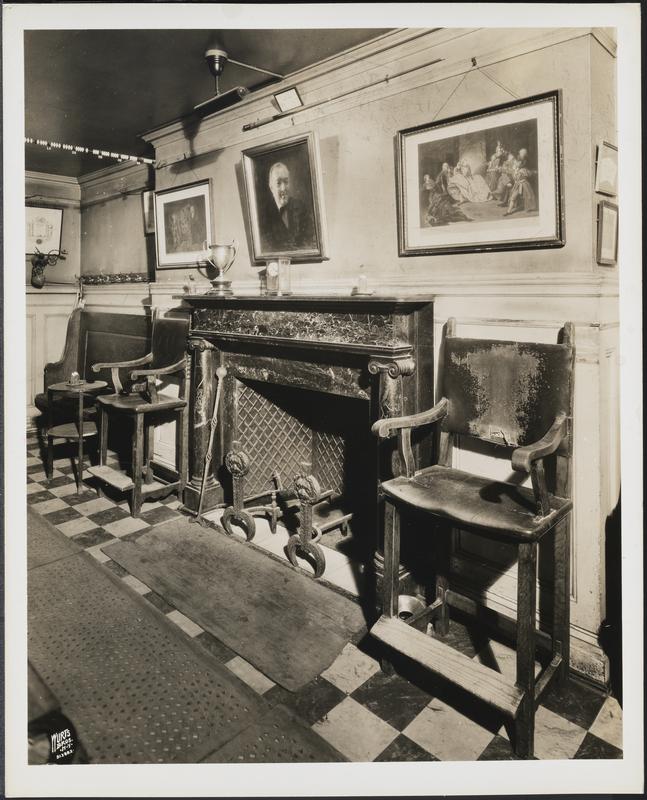
Further interiors of the Players Club, c. 1895, courtesy the Museum of the City of New York:
MCNY/Byron Co.
MCNY/Byron Co.

MCNY/Byron Co.
MCNY/Byron Co.

MCNY/Byron Co.
MCNY/Byron Co.

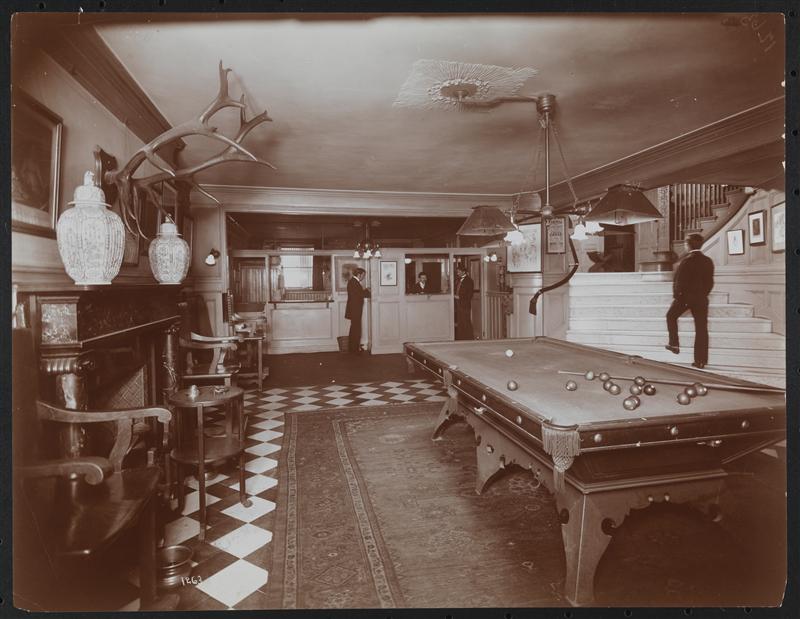
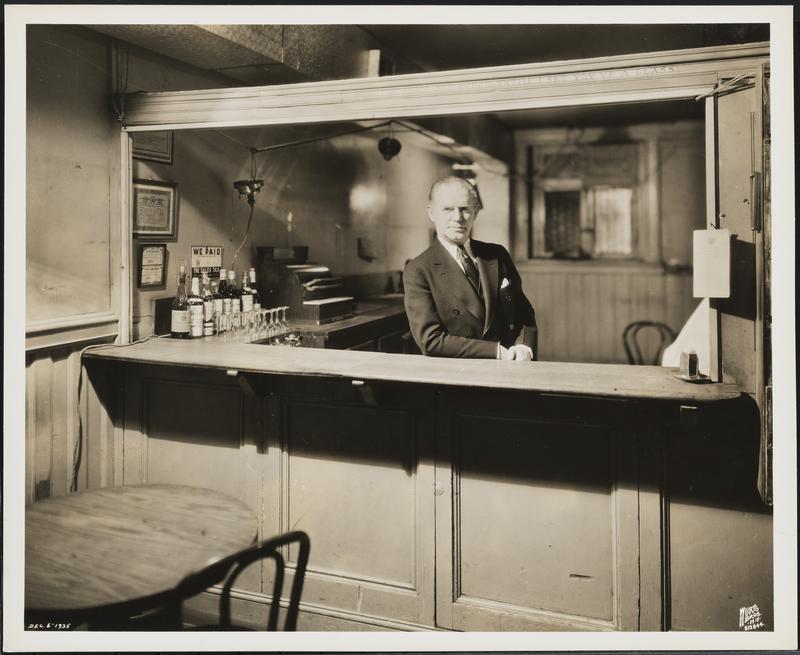
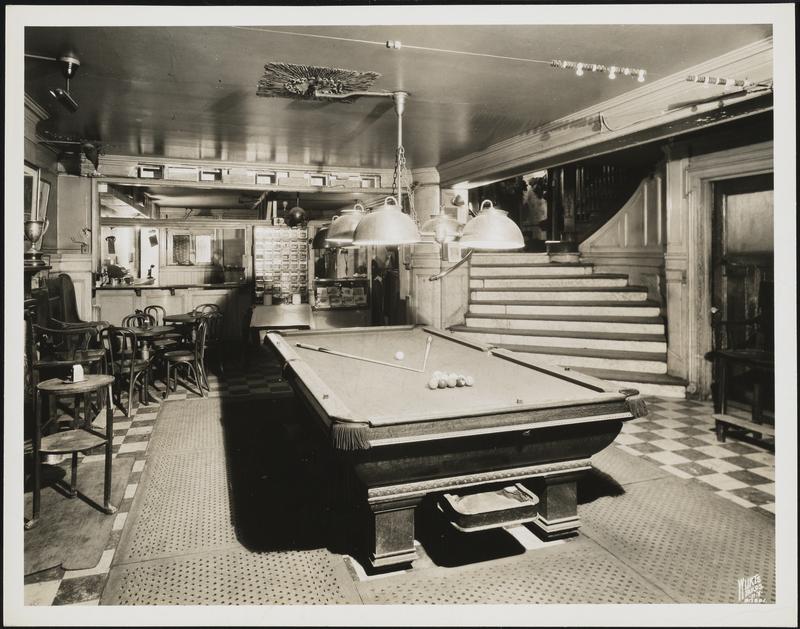
And some from 1935 of the barroom and billiard room downstairs (also courtesy MCNY):

16 Gramercy Park South. Interior, The Player's Club with Connelly, barkeeper
16 Gramercy Park South. Interior, The Player’s Club with Connelly, barkeeper

16 Gramercy Park South. The Players Club. Interior, view of playroom and bar, before alterations

16 Gramercy Park South. The Players Club. Interior, view of playroom and bar, before alterations

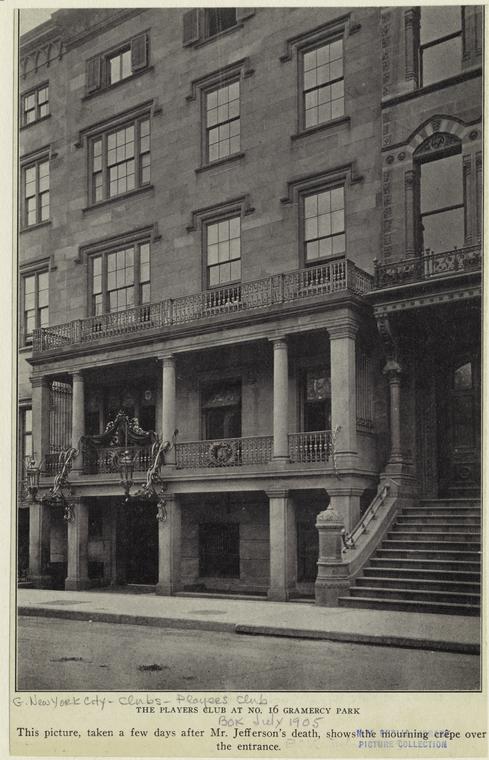
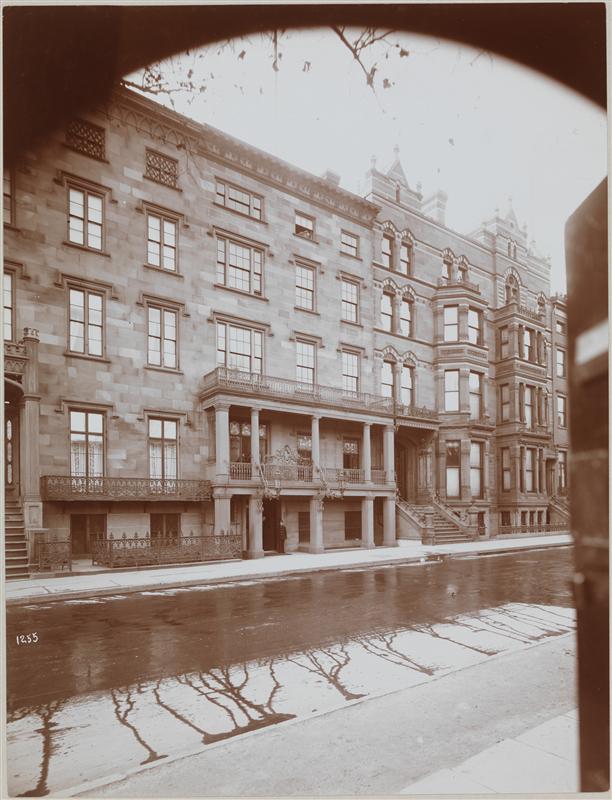
The exterior of the club (image dated 1895) with its distinctive balcony where members would enjoy an evening gazing out of the park, drinking a brandy or a flute of champagne.

NYPL
NYPL
MCNY/Byron Co.
MCNY/Byron Co.

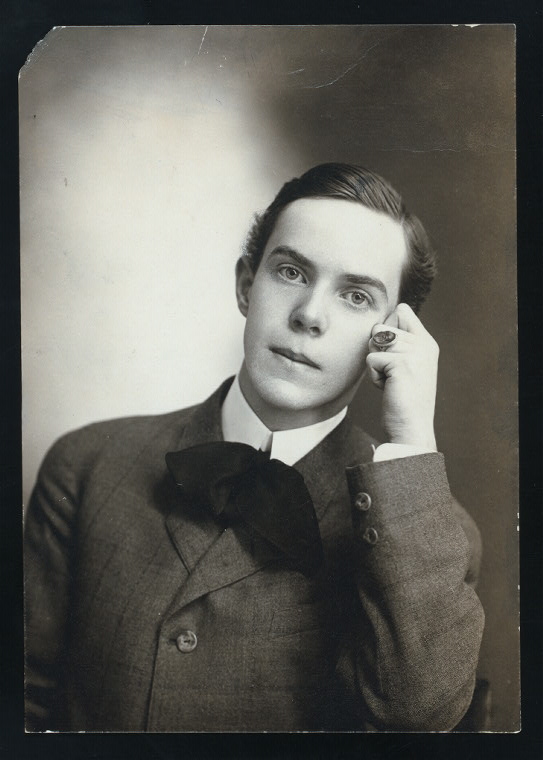
Edwin Booth Grossman, Booth’s grandson, who became a painter.

NYPL
NYPL

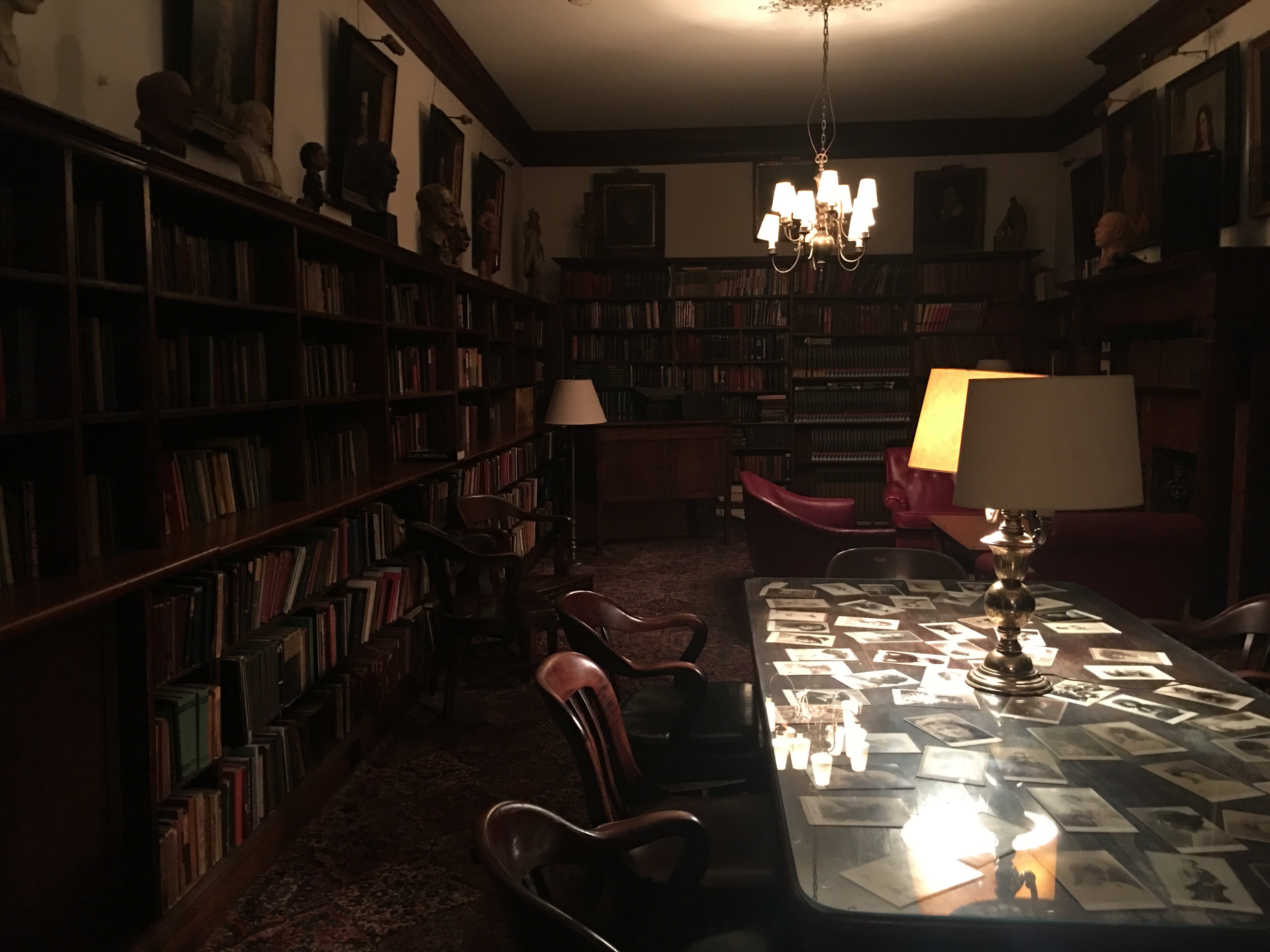
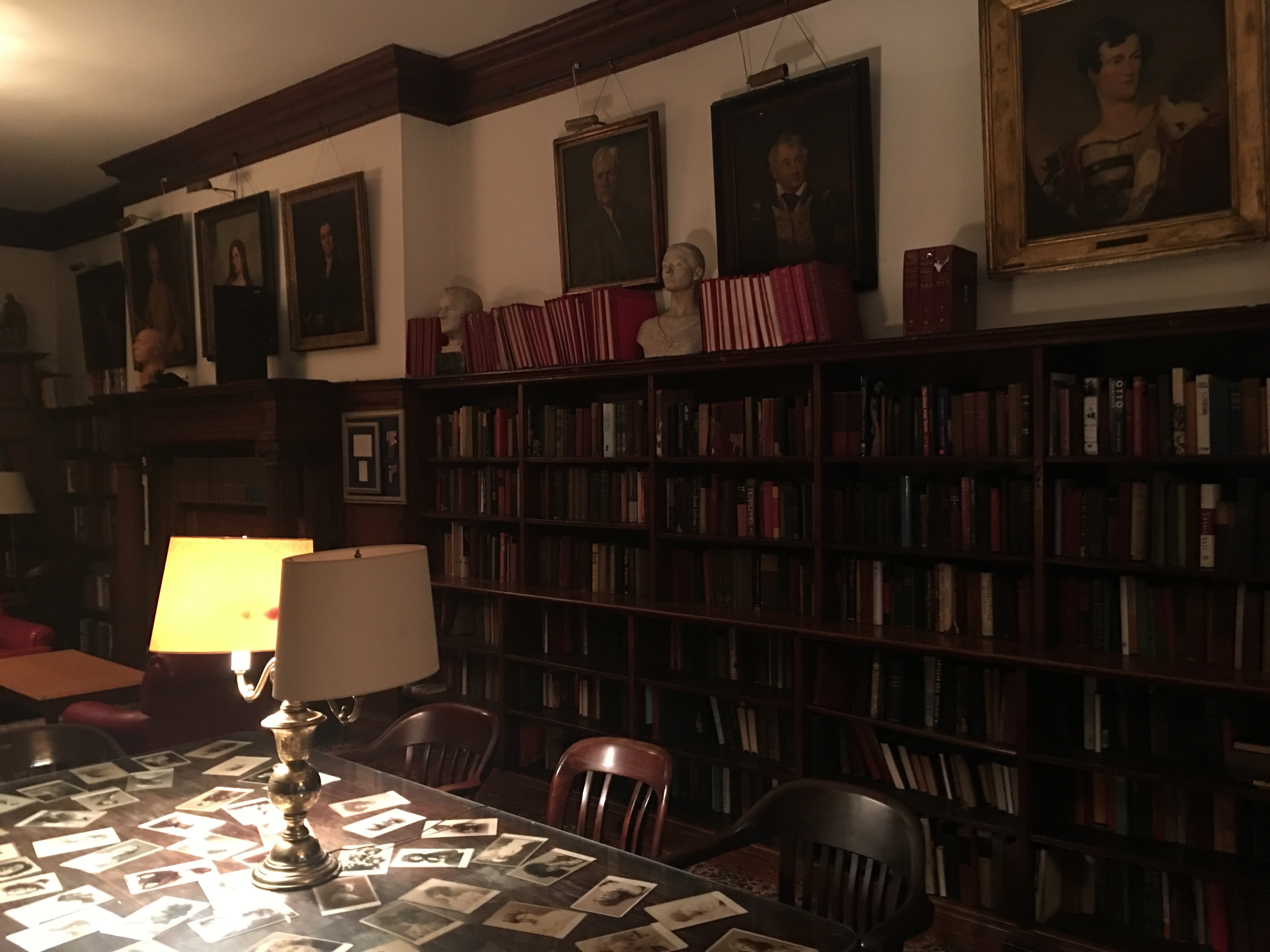
Some pictures of our visit to the Players Club from last week —

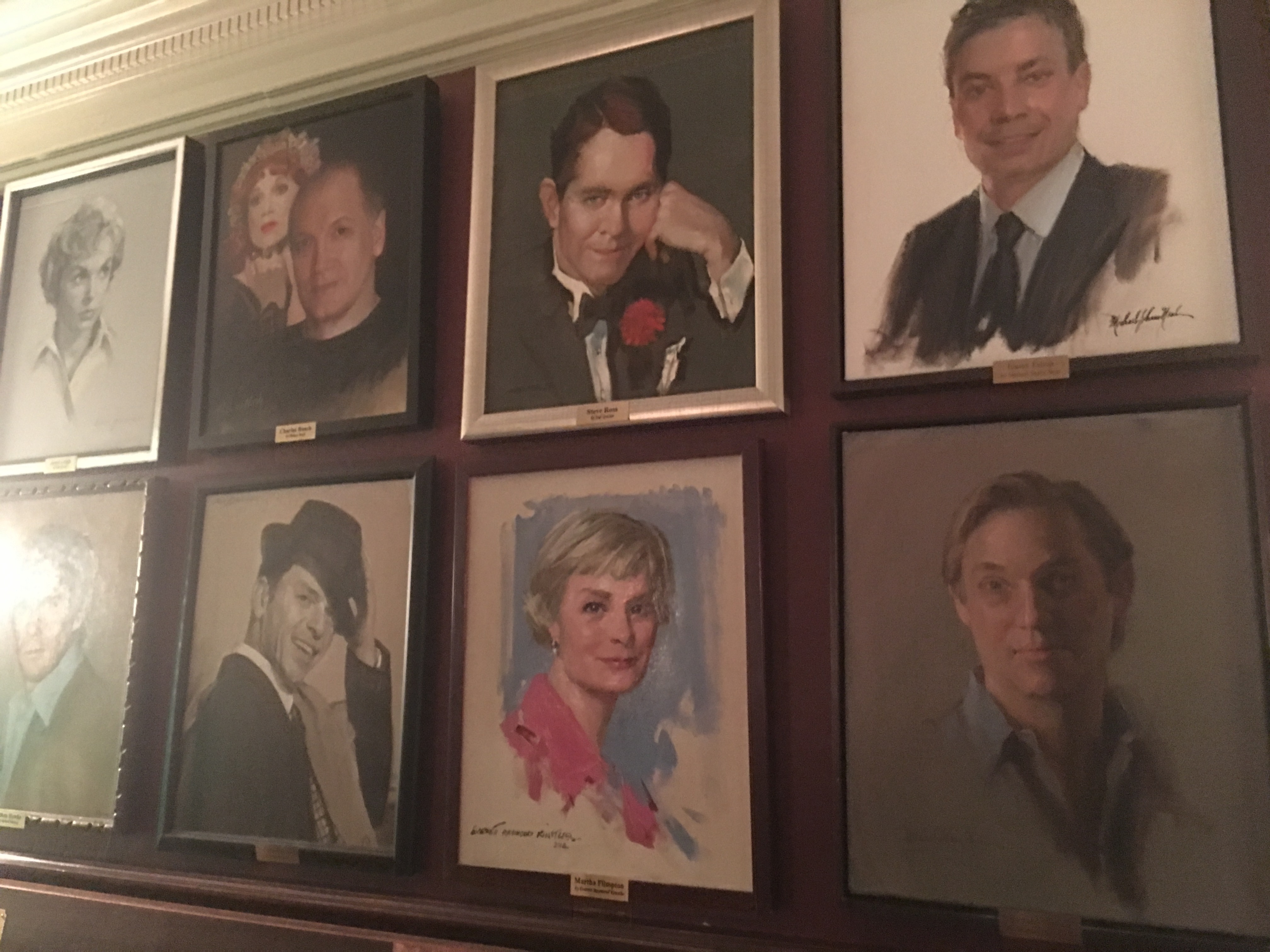
Portraits of members, past and future. Two very recent members are featured here — Martha Plimpton and Jimmy Fallon!

img_0825

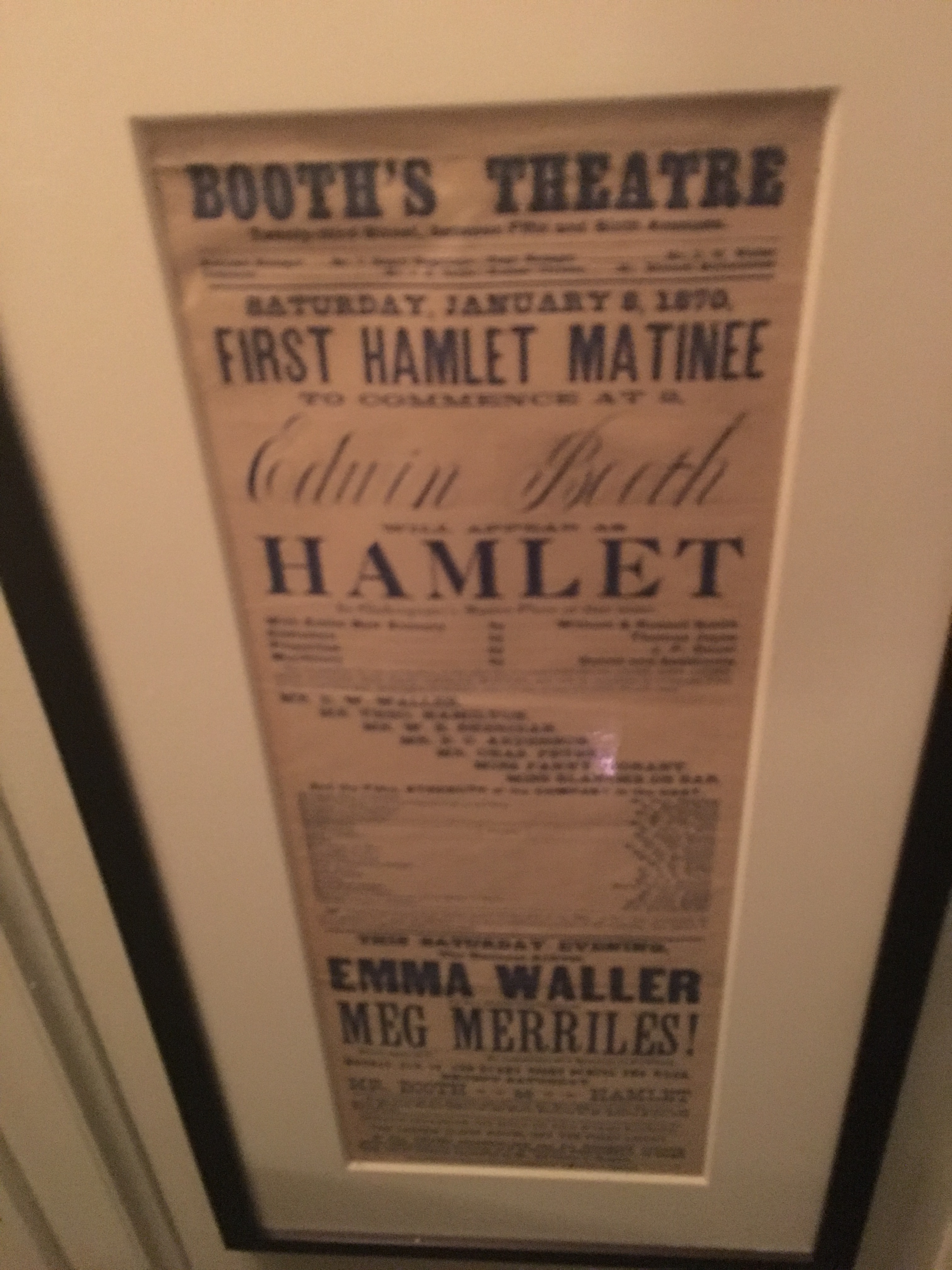
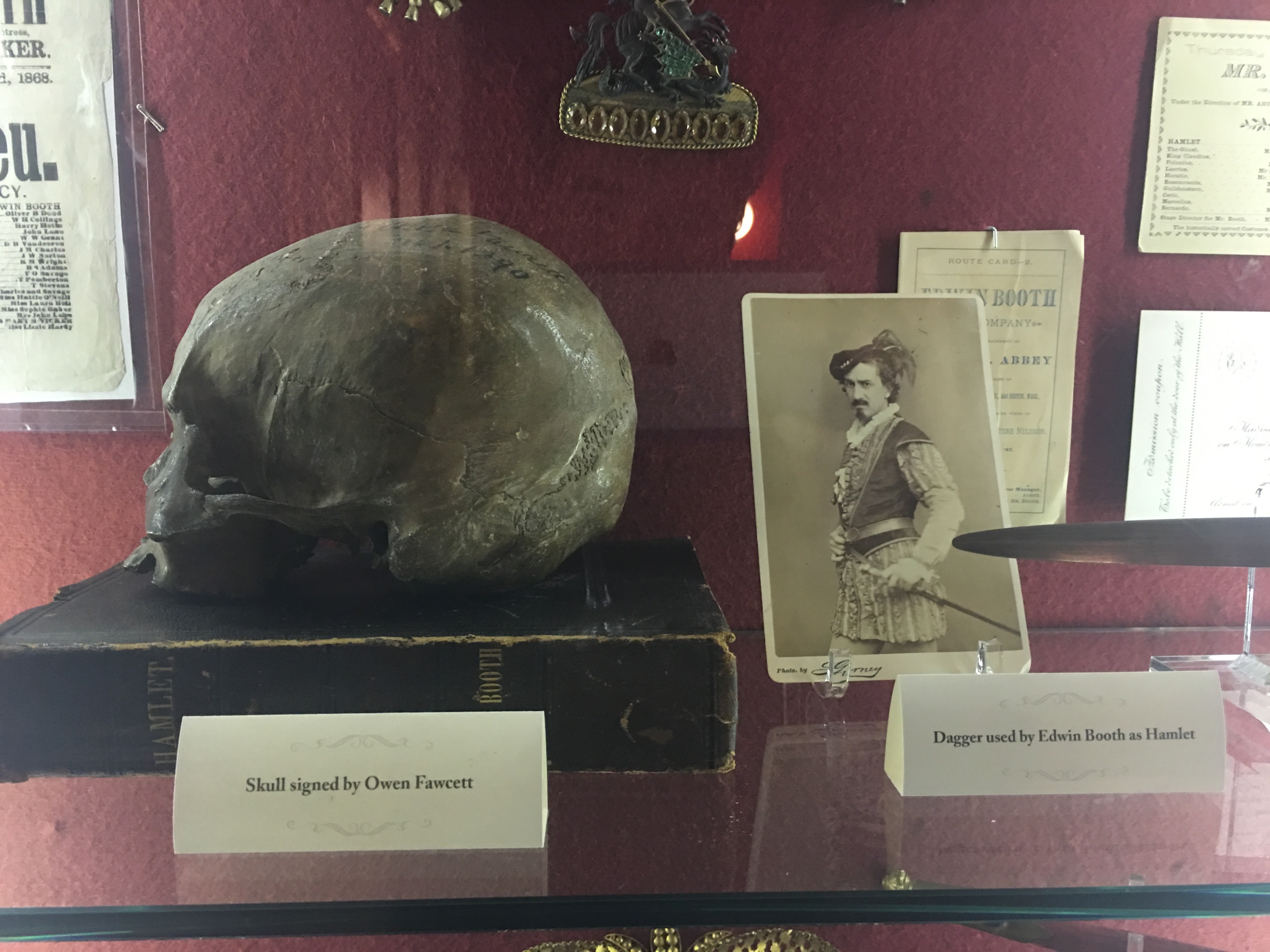
A framed bulletin from Booth’s Theatre on 23rd Street:

img_0829

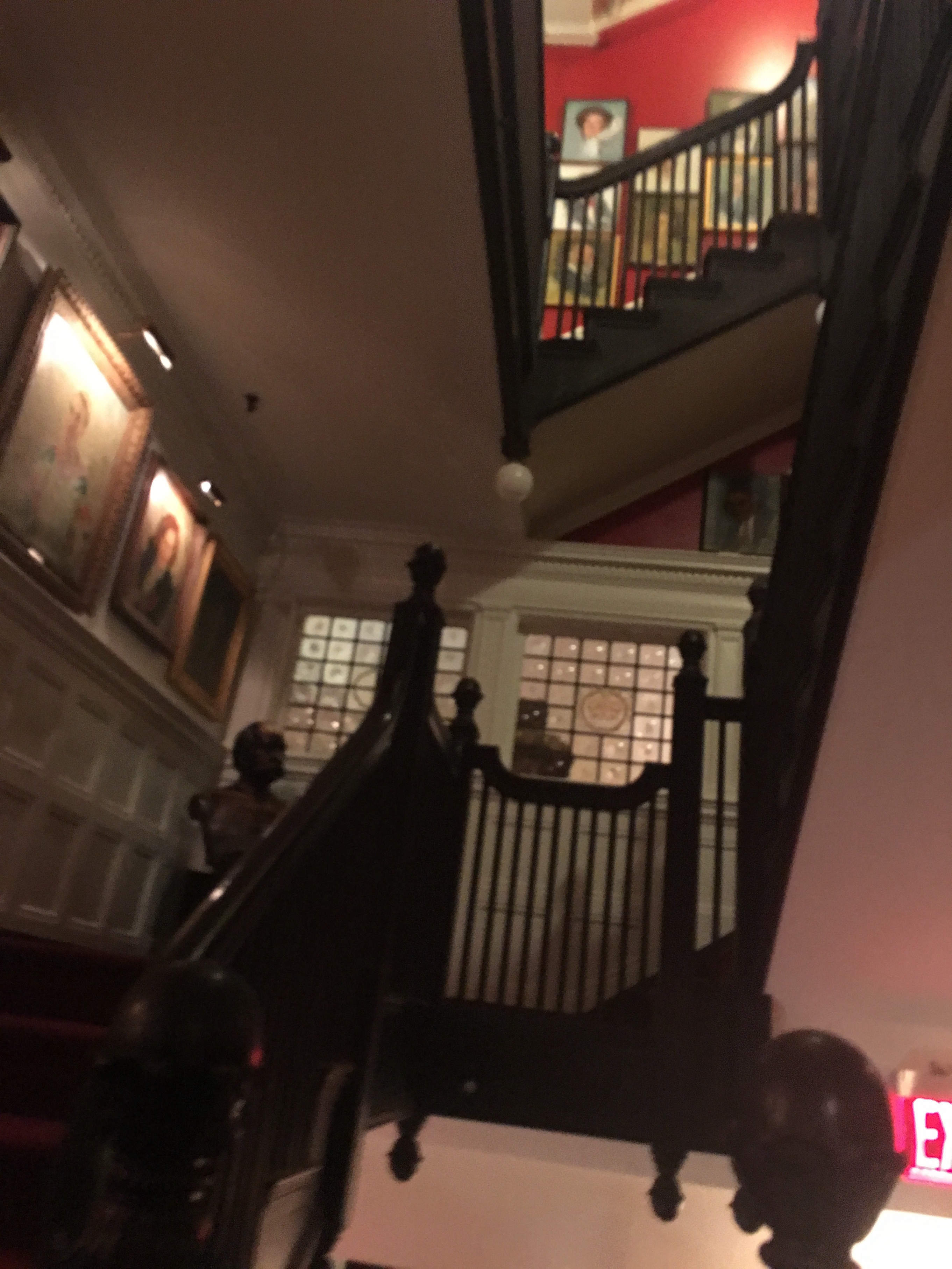
Up the winding staircase to Booth’s bedroom….

img_0830

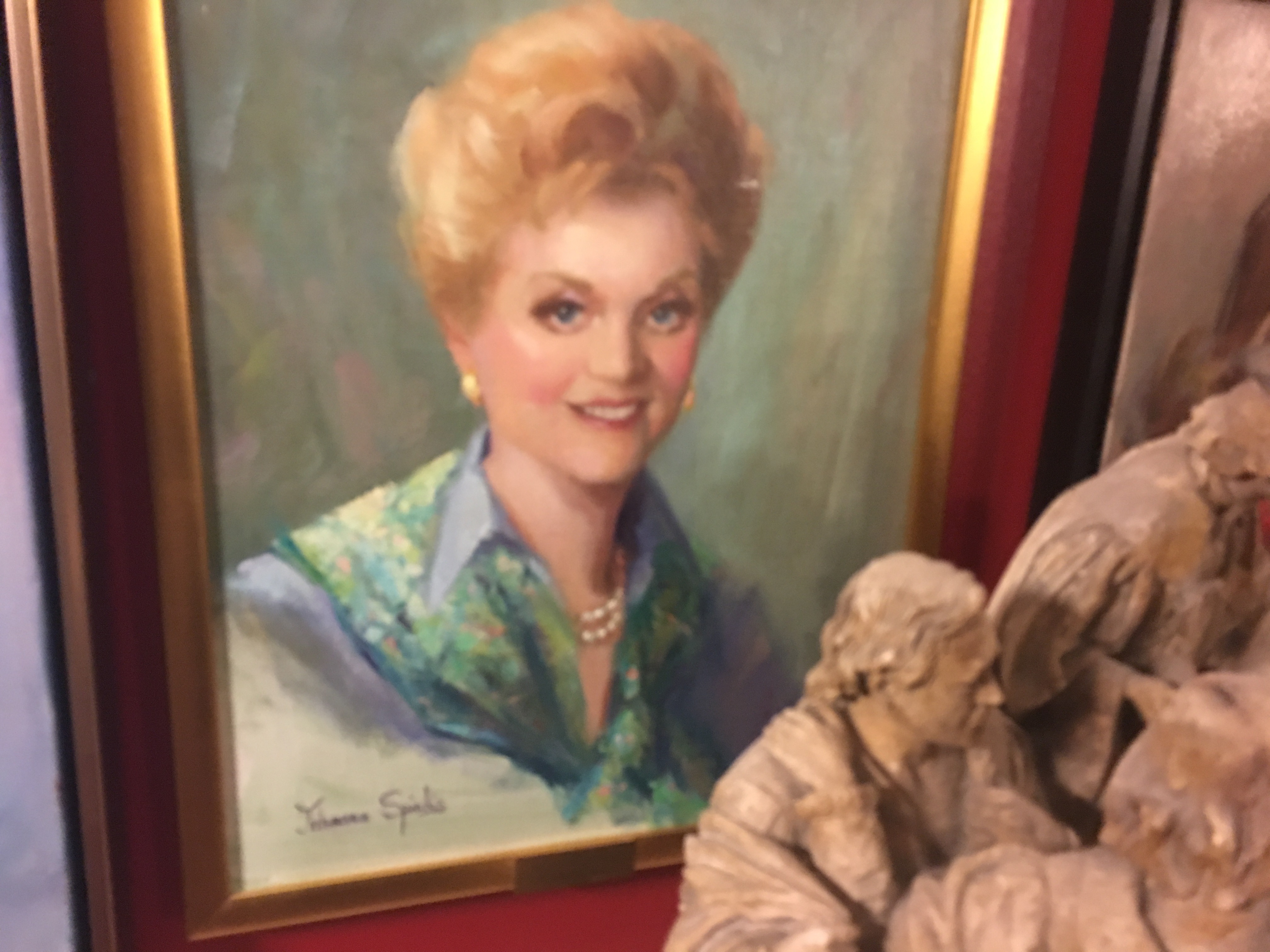
Angela Lansbury awaits us on the landing!img_0835

Theatrical props adorn every shelf of the club.

img_0836

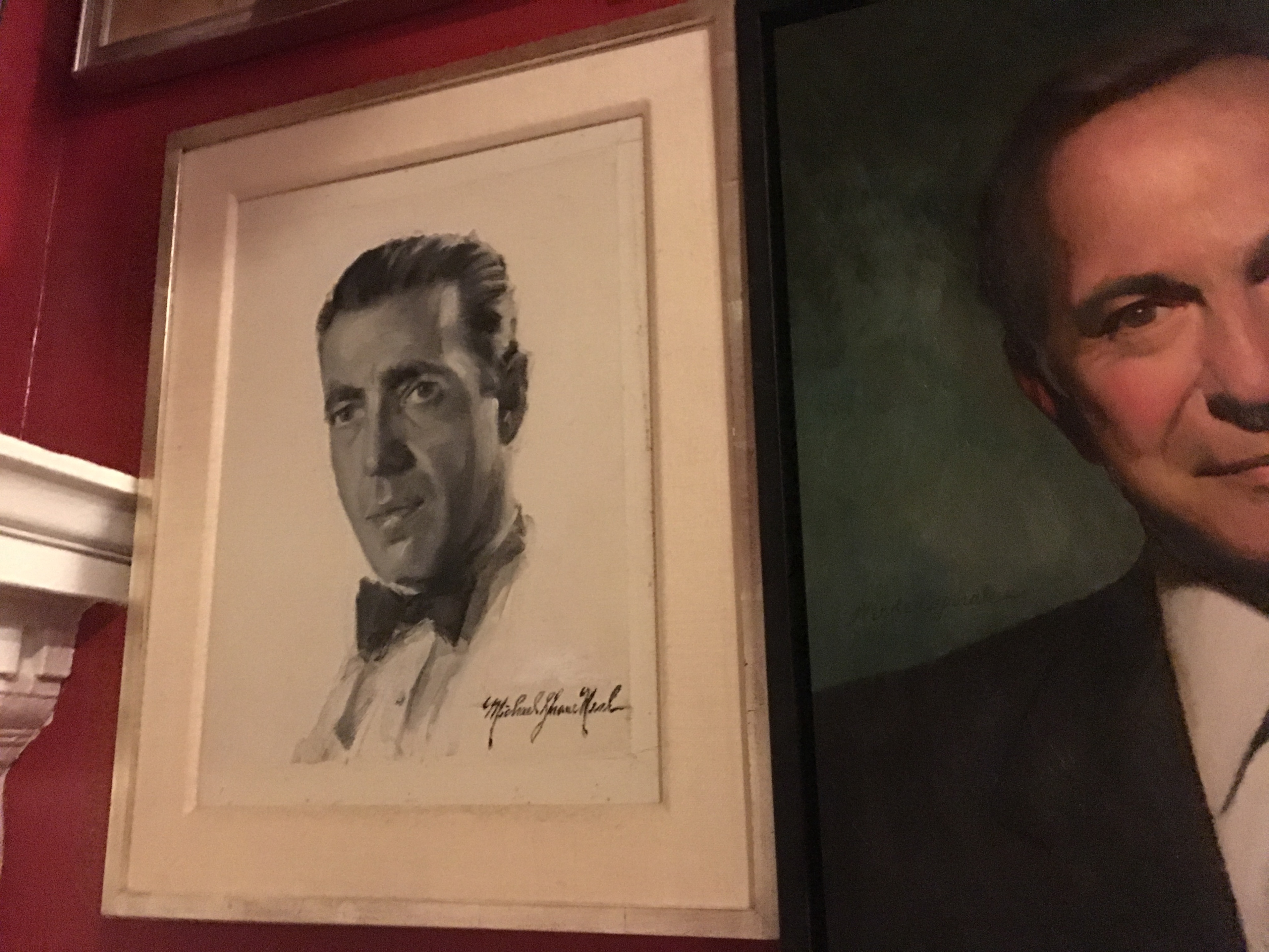
Humphrey Bogart hangs in the hallway. Lauren Bacall, by the way, also has a portrait hanging near the billiard table.

img_0839

Inside the dark theatrical library, one of the greatest collections of theater history volumes in the world.

img_0887 img_0888

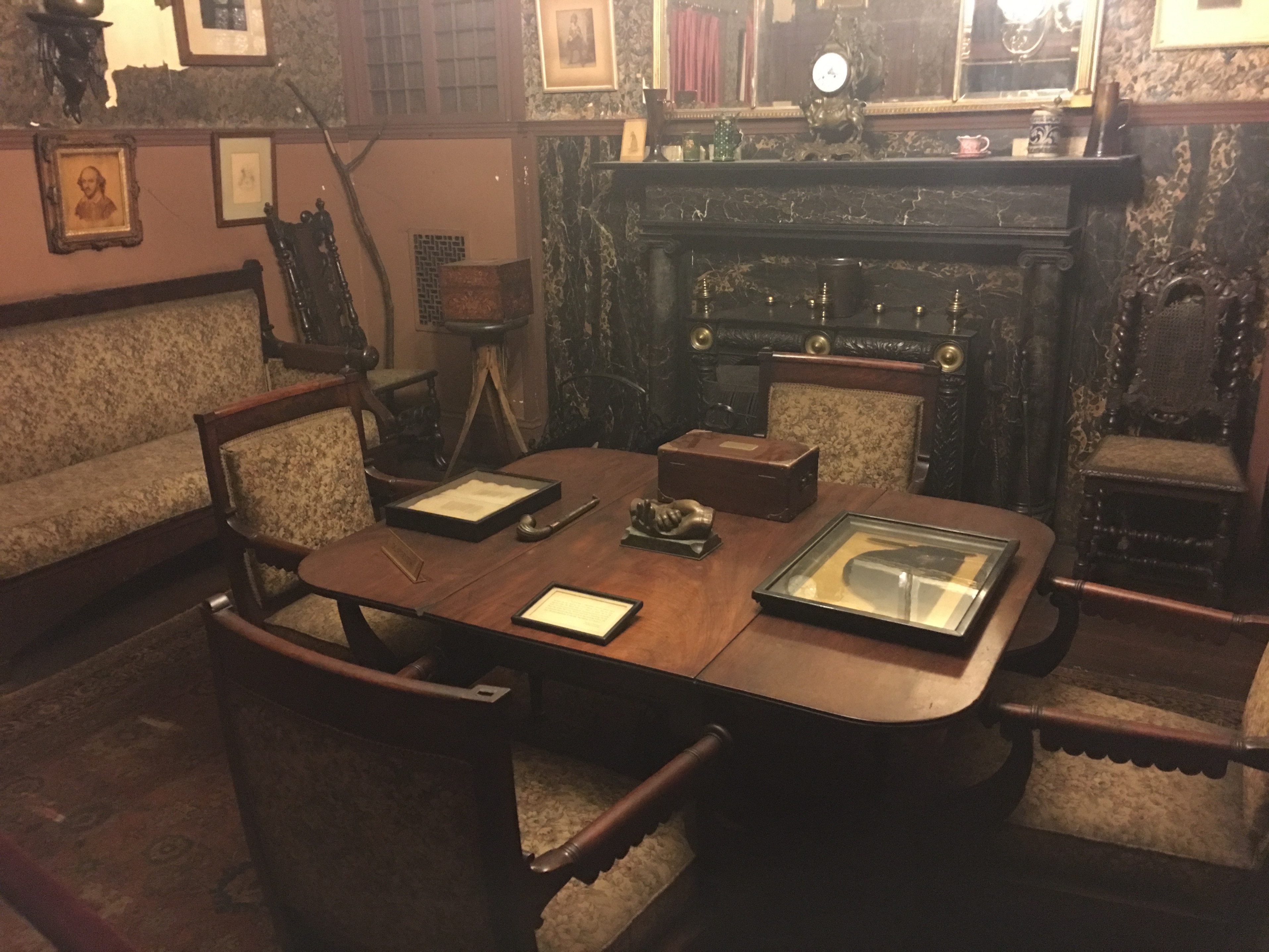
Finally, inside Booth’s living quarters! On the table sits a mold of Edwin’s hand holding that of his daughter Edwina.img_0890

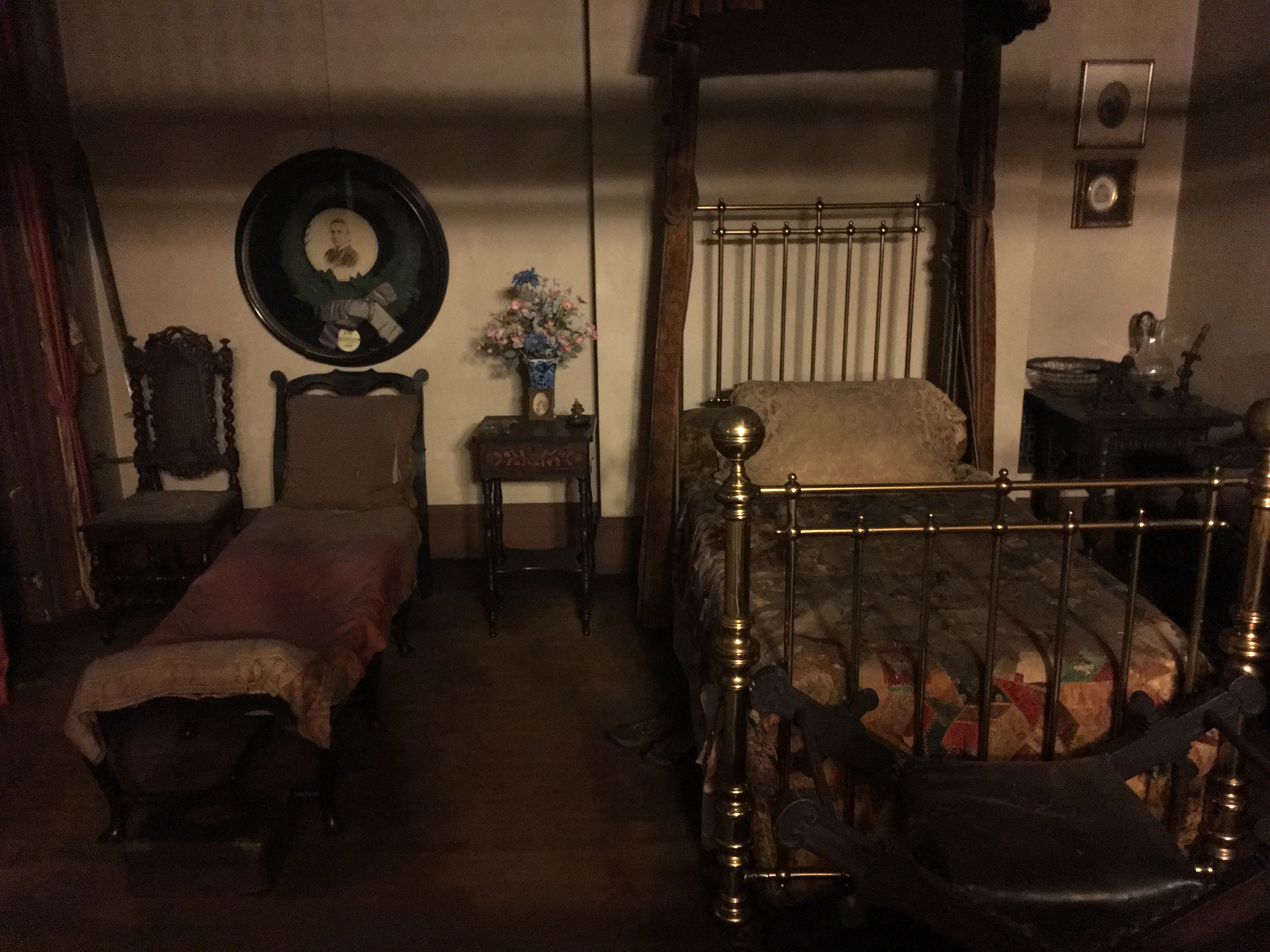
The bed where Edwin Booth died, and a smaller bed where his daughter kept next to him in his final moments.

img_0891

For more information on tours of the Players Club, visit Top Dog Tours NYC.  And visit the Players website for more information about membership and its history

Categories
Parks and Recreation Podcasts

The Secrets of Gramercy Park (and you don’t even need a key)


PODCAST Gramercy Park is Manhattan’s only private park, a prohibited place for most New Yorkers. However we have your keys to the history of this significant and rather unusual place, full of the city’s greatest inventors, civic leaders and entertainers.

Literally pulled up from swampy land, Gramercy Park naturally appealed to the city’s elite, a pocket neighborhood with classic old brownstones so vital to the city’s early growth that two streets sprang from its creation — Irving Place and Lexington Avenue.

Within the story of Gramercy Park there are echoes of modern debates over class and land usage. The area’s creator Samuel Ruggles was a New York developer before his time, perfecting techniques that modern developers are still using to convince both the city and its residents of the importance and vitality of their high-end projects.

At right: Inside the park with Edwin Booth (Photo by Helaine Magnus, courtesy NYHS)

In this show, we give you an overview of its history — a birds eye’s view, if you will — then follow it up with a virtual walking tour that you can use to guide yourself through the area, on foot or in your mind. (You can follow along virtually starting here.) In this tour, we’ll give you the insights on an early stop on the Underground Railroad, the house of a controversial New York mayor, a fabulous club of thespians, and a hotel that has hosted both the Rolling Stones and John F. Kennedy (though not at the same time).

ALSO: We tell you the right way to get into Gramercy Park — and the wrong way.


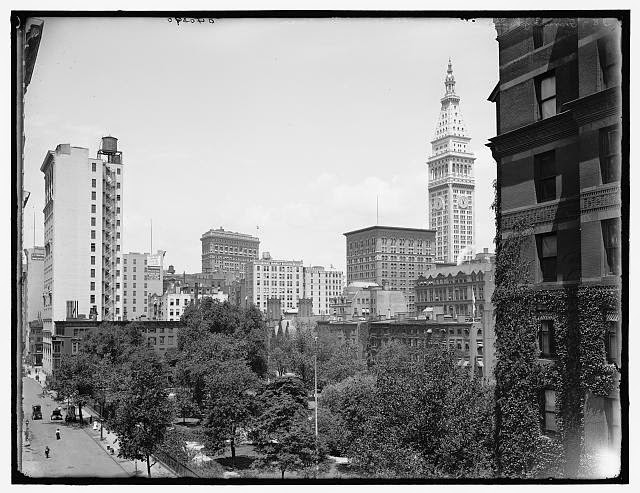
Below: Looking west onto Gramercy Park, photo between 1909-1915.  You can see both the Flatiron and the Metropolitan Life Tower in the distance. [LOC]


And we would like to thank our sponsors:

Squarespace, the all-in-one platform that makes it fast and easy to create your own professional website or online portfolio. For a free trial and 10% off (your first purchase), go to squarespace.com and use offer code BOWERY.


Audible, the premier provider of digital audiobooks. Get a FREE audiobook download and 30 day free trial at www.audibletrial.com/boweryboys. Over 150,000 titles to choose from for your iPhone, Android, Kindle or mp3 player Audible titles play on iPhone, Kindle, Android and more than 500 devices for listening anytime, anywhere.


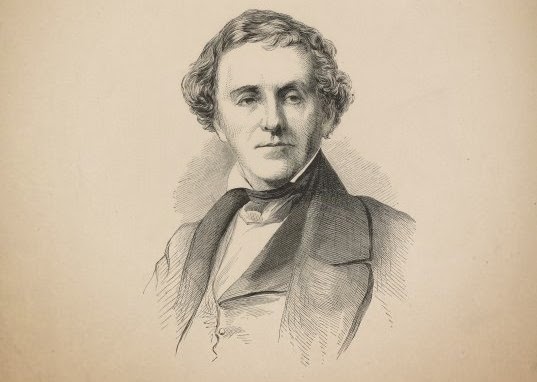
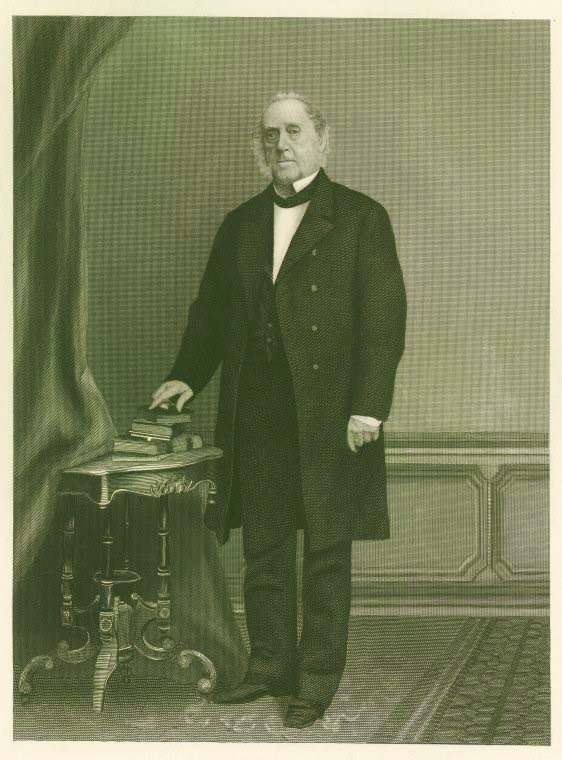
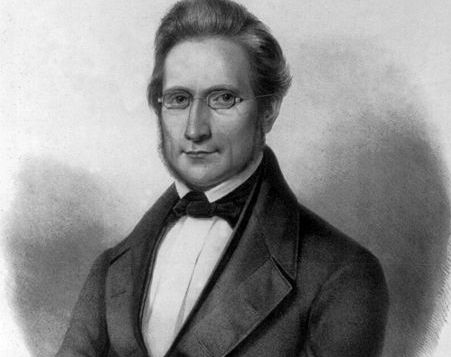
Samuel Ruggles, the mastermind behind the Union Square and Gramercy Park developments, two parks with drastically different fates. While Union Square would eventually be considered ‘the people’s park’ and a center of working class protest, Gramercy Park would retain its guarded, exclusive character.

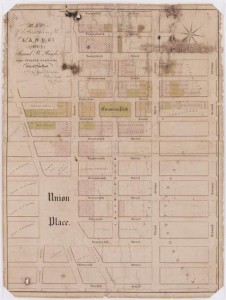
A 1831 map outlining the lands owned and developed by Samuel Ruggles. Lexington Avenue and Irving Place have already been planned by this time. (Courtesy MCNY)

Lands of Samuel B. Ruggles in the Twelth Ward in the City of New York

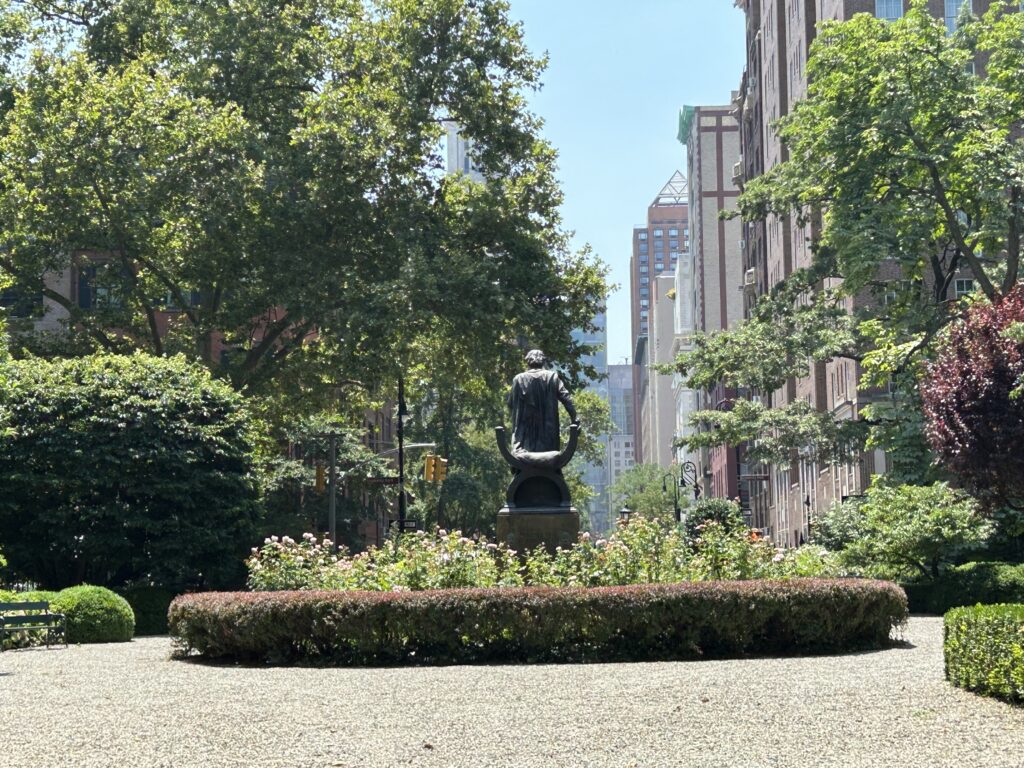
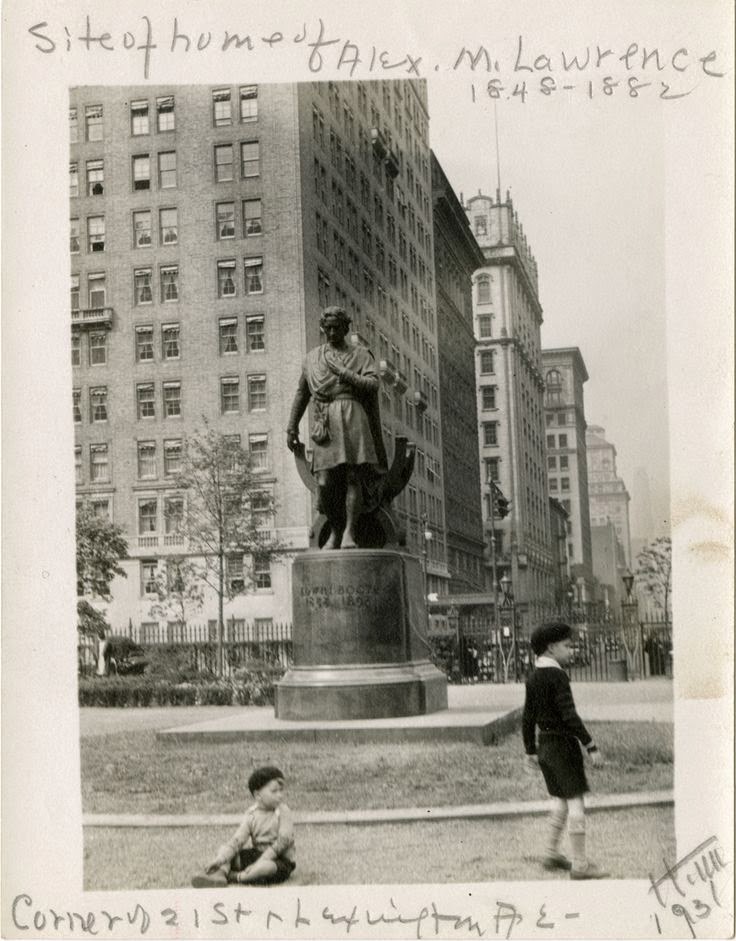
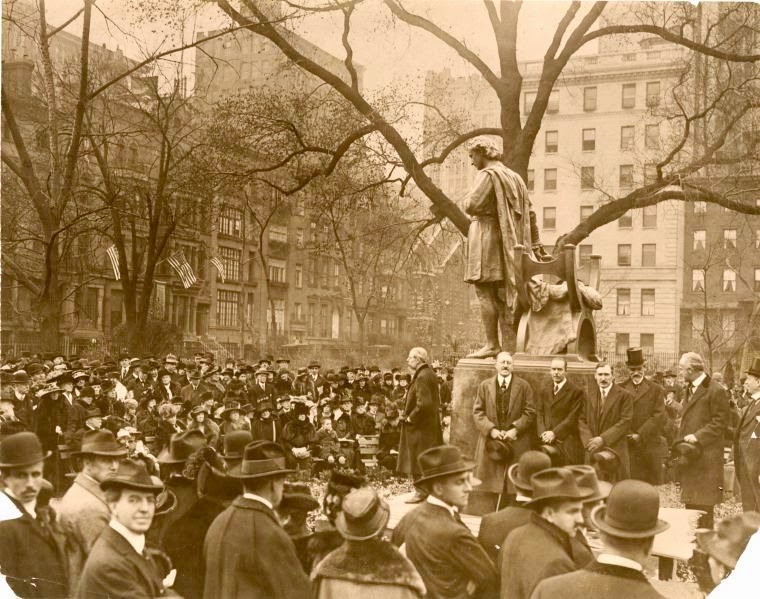
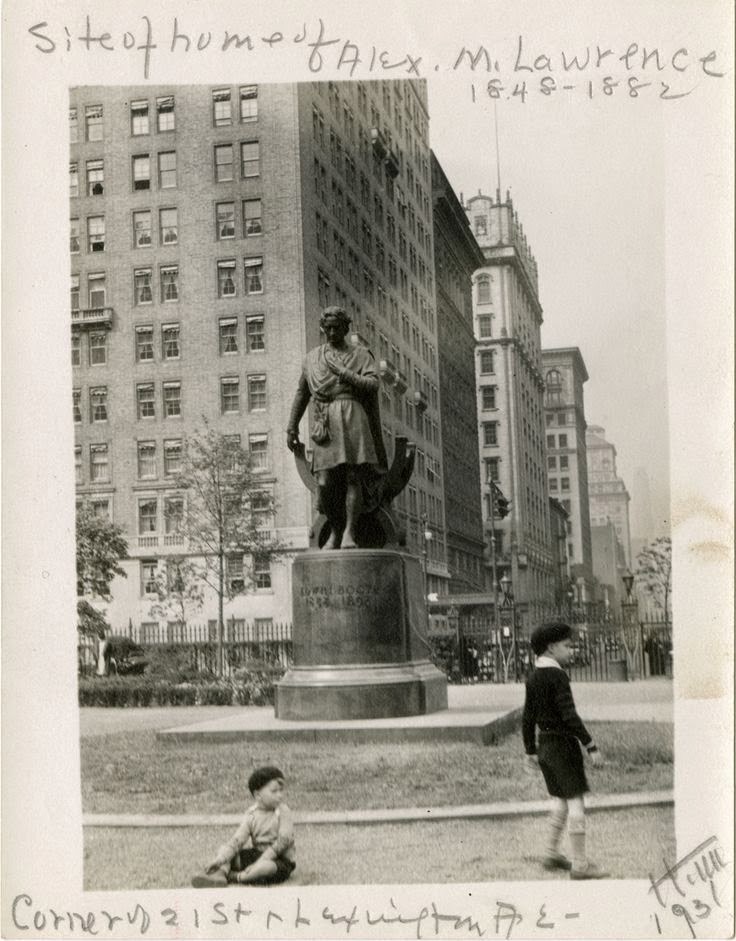
The 1918 unveiling of Gramercy Park’s one permanent resident — the statue of Edwin Booth. (NYPL)

The esteemed Dr. Valentine Mott who lived (with his large family) at 1 Gramercy Park. 

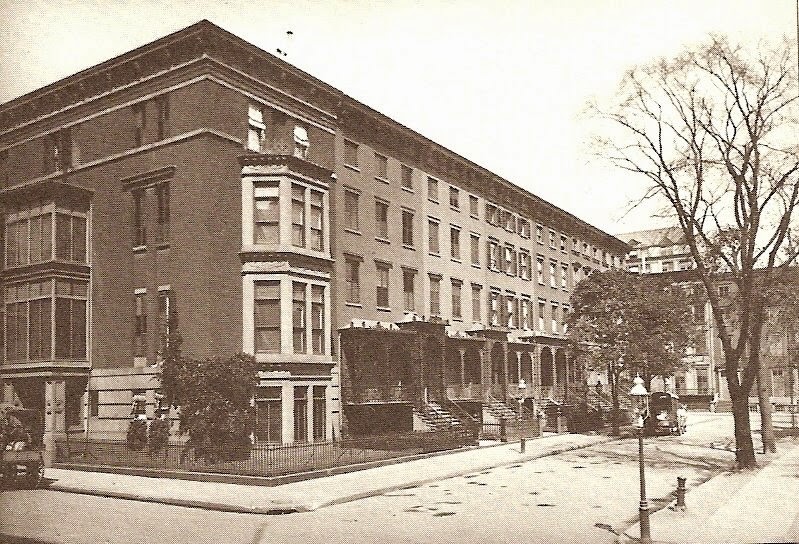
3 and 4 Gramercy Park from 1935 — and they look exactly the same today! The lampposts indicate that this was once the home of former mayor James Harper.  (Photo by Berenice Abbot, NYPL)

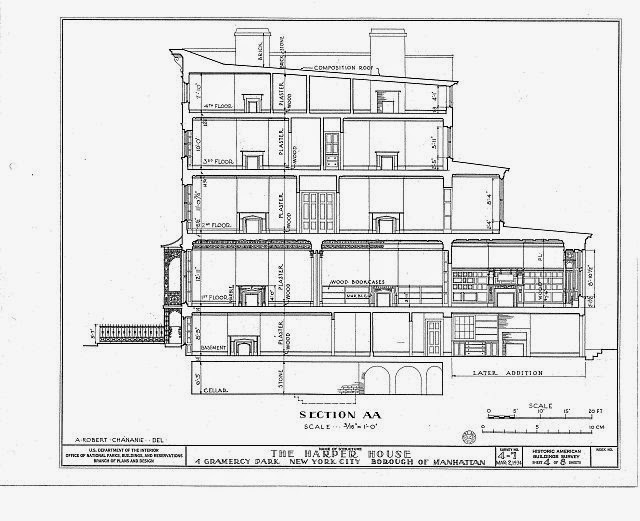
A architectural cross-section of 4 Gramercy Park, showing the size of the house.

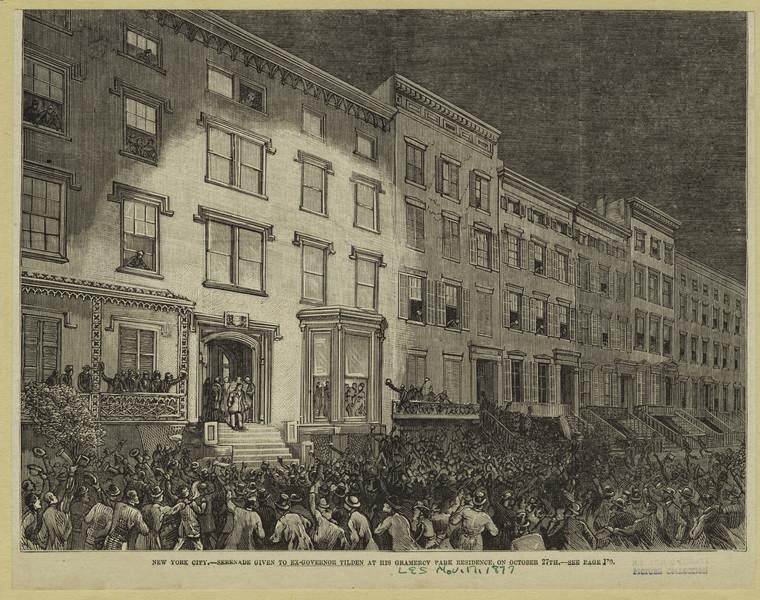
New York governor and almost-U.S. president Samuel Tilden lived in Gramercy Park. His home would later be transformed into the National Arts Club.

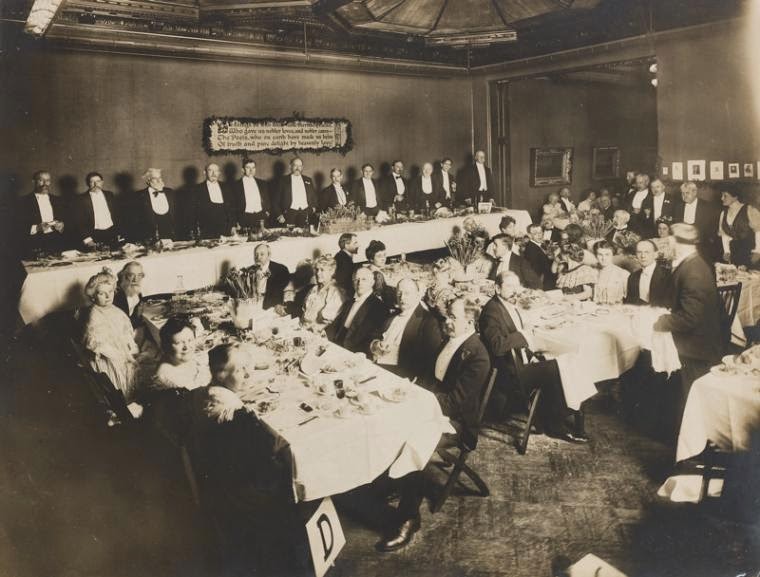
Enjoying a banquet at the National Arts Club in 1908. As you can see, the membership has always been open to both men and women, a trait few social clubs of the day enjoyed. (NYPL)

The Players Club in 1905. In this photo the building is mournfully adorned in black crepe in honor of the actor Joseph Jefferson.

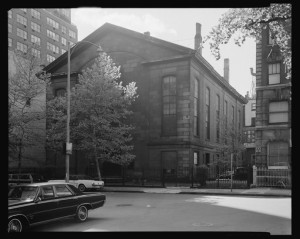
The Friends Meeting House in 1965. It would become the Brotherhood Synagogue ten years later. (Courtesy Wurts Brothers, MCNY) 144 East 20th Street. Exterior of Friends Meeting House.

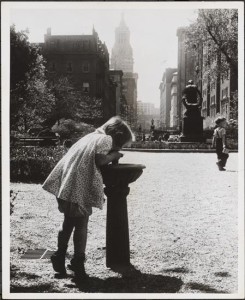
Children within the park, 1944. The Edwin Booth statue stands in the background here (MCNY)

Child drinking from water fountain, Gramercy Park
Categories
Gilded Age New York Podcasts

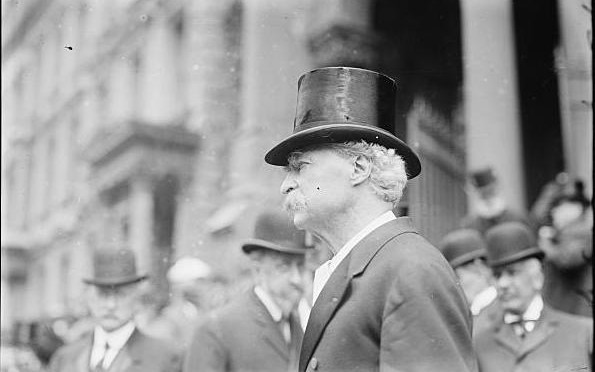
Mark Twain in New York, or His Adventures on Fifth Avenue

Photo courtesy LOC

PODCAST You hear the name Mark Twain and think of his classic characters Tom Sawyer and Huckleberry Finn, his locales along the Mississippi River and his folksy wit. But he was equal parts New York as well, and the city helped shape his sharp, flamboyant character. Follow his course, from his first visit as an opinionated young man in 1853, to his later years in 1906 as a Fifth Avenue tenant, decked out with a cigar and signature white suit.

His tale offers a glimpse into the glamorous life of turn-of-the-century New York, from the smoke-filled billiard room at the Players Club to late nights at New York’s dining palace Delmonico’s. Tune in and find out which parts of Mark Twain’s city are still around and which of his old homes you can still visit today.

Co-starring Ulysses S. Grant, Helen Keller, Edwin Booth and other toasts of New York during the Gilded Age.

A slight correction: I mentioned in the show that Mark Twain only worked on one play in his lifetime, called ‘Is He Dead?’. That might have been his only solo attempt, but he did try many years earlier to pen one in collaboration with Bret Harte. The play, called “Ah Sin: The Heathen Chinee”, opened and closed in 1877. It was an unmitigated flop and a total creative failure. He worked on another collaborative play called “Cap’n Wheeler” the next year.

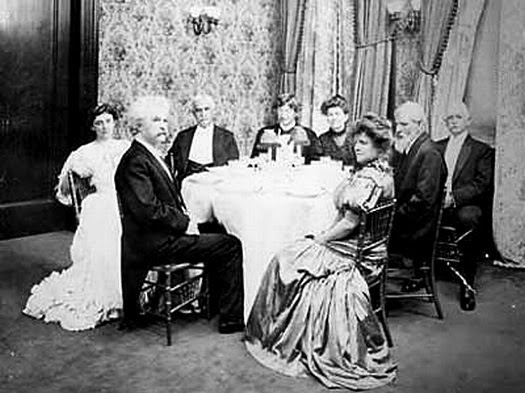
Dinner at Delmonico’s with a few of his closest friends (or at least his fanciest ones) at a celebration for Mark Twain’s 70th birthday.

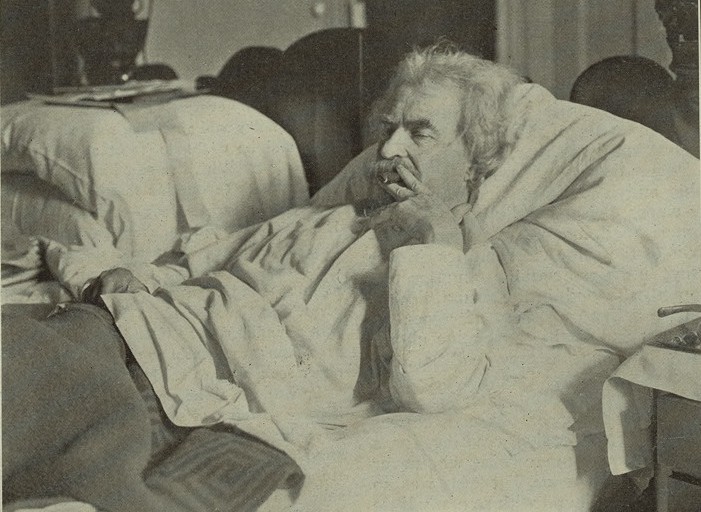
Smoking in bed: Twain’s two favorite places to do business in his Fifth Avenue home was at the pool table and in bed. This wasn’t laziness; in fact, during his final years in the city, the author was constantly out on the town, oftentimes as a guest of honor or featured speaker. He deserved a little time off his feet. (Pic NYPL)

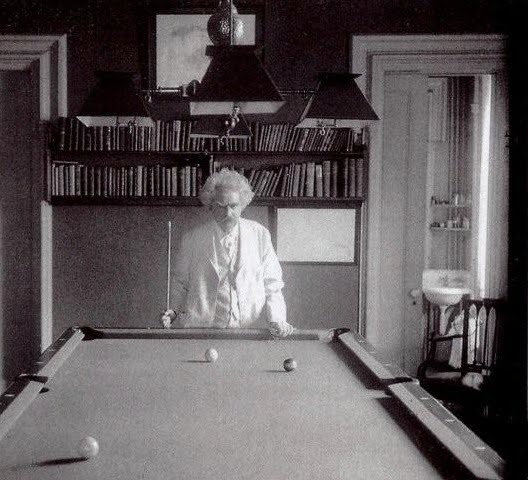
A menacing Mark Twain behind his pool table. (I’m not sure whether this is the Fifth Avenue townhouse or his place in Redding, Connecticut.) Due to his white suit and the photographic process in the 1900s, the writer often looks ghostly and pale.

This extraordinary video is pretty much the only moving images we have of Mark Twain, taken by Thomas Edison in 1909 at Clemens new home Stormfield, in Redding, CT. It’ll give you some idea of Twain’s appearance when he lived in New York the year previous.

If you’re a fan of walking tours — and why shouldn’t you be? — there’s a interesting tour led by author Peter Salwen specializing in Mark Twain’s New York. You can check out their website for more infromation.

For more general information on the life of Mark Twain, I recommend some of the books I used as sources for this show, including Ron Power’s fantastic ‘Mark Twain: A Life’, Michael Sheldon’s ‘Man In White: The Grand Adventure Of His Final Years’ and, of course, the massive, labyrinthine first volume of The Autobiography Of Mark Twain.

And finally, here’s a map of some locations pivotal to Mark Twain’s life in New York — places where he lived and lectured. And you can see, he certainly got around!


View Mark Twain in New York in a larger map

Know Your Mayors: James Harper

Our modest little series about some of the greatest, notorious, most important, even most useless, mayors of New York City. Other entrants in our mayoral survey can be found here.

Former New York mayors are all around you. No, Ed Koch is not hiding in your closet — maybe not today — but you can find their names almost anywhere, including your local bookstore. Meet James Harper, the Harper of Harper-Collins, and mayor of New York in 1844.

I think I say this about every decade of New York history, but the 1840s was an especially tumultuous era, thanks to the aftermath of the Panic of 1837, and to the massive influx of Irish immigrants spilling into the city.

Nativism, the form of political xenophobia aimed during this period at the Irish, was rearing its head in state politics in 1841 when Governor William Seward proposed funds be set aside for a parochial private school system for Irish Catholics, who were alienated from regular schools due to the use of the King James Bible. (Separation of church and state? What’s that?)

Opponents formed the anti-immigrant American Republican party and within just a couple years had received substantial clout at the voting booth in New York. In 1844, the time was right for them to propose a mayoral candidate to serve their needs.

James Harper and his three brothers formed Harper and Brothers in 1833, from the print shop of James and his brother John. It wouldn’t be until mid-century that the small but prolific house started producing Harper’s Magazine and Harper’s Bazaar. By then Harper was a well-established and powerful publisher, printing some of New York’s best known authors, including Edgar Allen Poe, Herman Melville and Washington Irving and delivering the first American printings to such books as Charlotte Bronte’s ‘Wuthering Heights’ and Charles Dickens’ ‘Bleak House’.

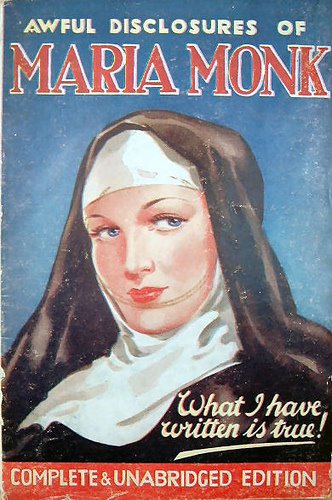
Harper was an ardent nativist, having made his publishing house’s reputation with a salacious (and apparently deranged) anti-Catholic tome by Maria Monk entitled Awful Disclosures. (At right: a 20th century reprinting of Monk’s famous ramble.)

Nominated as a school commissioner in 1842, Harper lurched for the mayoralty two years alter, promising to reform local government of its Irish influence. He had the good fortune of running after an extremely ineffective mayor (Robert Morris) and against two conflicted and split parties (the Democrats and the Whigs). And so, in April 1844, the American Republicans had their first — and only — mayor.

An overly florid 1855 nativist creed — The Arch Bishop: or, Romanism in the United States — describes his victory:

“Mr. James Harper, the American Republican, had triumphed over his opponent who, with the whole foreign vote combined in his favor, stood rebuked and abashed before Liberty’s searching eye.”

The dream was a brief one for Harper. Irishmen on the city payroll were indeed removed, and Harper curtailed liquor sales in the city, including one very dry July 4, 1844. Under his regime, trash-eating pigs were prohibited from wandering the streets. Most notably, he went against the state legislature and formed his own municipal police force, which was abruptly abandoned the following year with the state’s reform — setting up a system of city police wards that would later to be corrupted by Tammany Hall and almost everybody else.

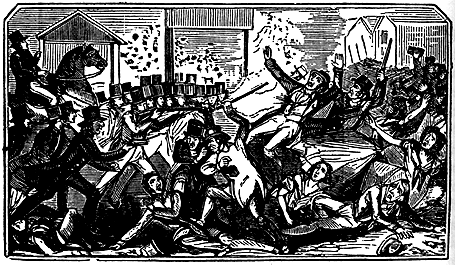
Harper’s whole reform ideology was undermined by an event completely out of his control. Anti-Irish sentiment had swelled in nearby Philadelphia and spilled over into violence, a three day riot resulting in several deaths, the torching of two Catholic churches and the transformation of some Protestant churches into armed fortresses. (Below: an illustration of the violence in Philadelphia.)

It appears the coalition of forces that got Harper elected crumbled under the fear of similar ramifications coming to New York. “I shan’t be caught voting a ‘Native’ ticket again in a hurry,” said George Templeton Strong in 1845, when Harper was swept aside for the newly elected William Havemeyer.

And with Harper’s power went the glue holding together the American Republican Party. Changing their name the next year to the Native American party, the anti-immigrant torch would be relit a few years later with the more successful Know-Nothing Party.

As for Harper, he returned to his publishing business, constructing an impressive empire that lives on today. (Harper merged with Collins in 1990.) Both Harper’s Magazine and Harper’s Bazaar have been in publication ever since.

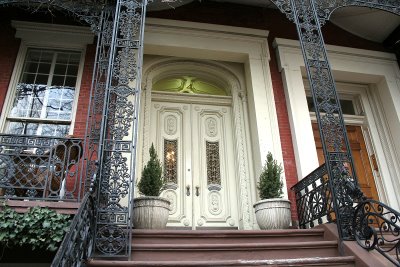
Unlike many former mayors, who fade into a decidedly non-corporeal legacy, Harper still has an admirable home on Gramercy Park — 4 Gramercy Park West, to be exact — one of the most beautifully preserved buildings on the block. (See below.) He lived here a few years after stepping down as mayor until his death. And he’s buried at Greenwood Cemetery along with many other more influential mayoral luminaries.

Soylent Green: New Yorkers taste the best!

BOWERY BOYS RECOMMEND is an occasional feature where we find an unusual movie or TV show that — whether by accident or design — uniquely captures an era of New York City better than any reference or history book. Other entrants in this particular film festival can be found HERE.

Thirty-five years ago, the future of New York City was bleak indeed.

“Soylent Green” is a noir mystery like so many staged on Manhattan city streets, but its nuances are clearly reflections of its time. The 70s would see a catastrophic financial crisis for the city, with energy shortages and surges of crime and pollution. This film, back in 1973, seems a bit like a dour prediction, albeit overdramatic and cheesy.

The film estimates that by the year 2022, the population of New York City will reach 40 million, which is five times our current population. At least “20 million are outta work,” according to grizzled man’s-man detective Scotch (Charlton Heston), who takes to the streets to solve the murder of a wealthy businessman. (Ugh, is that really Joseph Cotten?)

As Jeremiah’s Vanishing New York has noted, this schlock Charlton Heston vehicle manages to nail one prediction, the naming of “Chelsea West” as an exclusive high-rise-clogged neighborhood for those remaining few with money. Of course, in the film’s vision, the High Line is nowhere to be seen and the unrecognizable buildings are surrounded by what looks like some kind of moat or canal.

What these new condos lack in neighborhood charm, they make up for with a rather beguiling feature — free women. Apparently over the next decade, women will revert back to a pre-19th century notion of becoming the property of men, to be installed in a condominium unit like an appliance, even when the prior owner dies. One night, the women decide to have a party, draping themselves over bear-skin rugs, brushing each others hair. When the building manager/pimp finds out, he gets so mad.

This high-rise brothel condo, an unrealized dream of Eliot Spitzer’s, also comes furnished by an East Village vintage store, high-tech Asteroids video game included.

In stark contrast, Scotch visits his buddy Sol in a walk-up tenement straight out some Five Points nightmare, with dozens of people sleeping in the stairwells. Sol is played by that most New York of actors Edward G. Robinson, who might have been familiar with such snug living environment as a young Romanian immigrant who arrived at Ellis Island in 1903. (Said Robinson: “At Ellis Island I was born again. Life for me began when I was 10 years old.”)

This schlock Charlton Heston vehicle and moralistic clarion call actually foretells our current state of rampant over-development, as well as environmental concerns (lamented here as ‘the greenhouse effect’) and a worldwide food shortage.

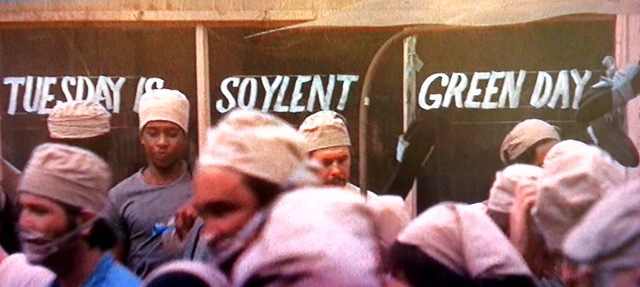
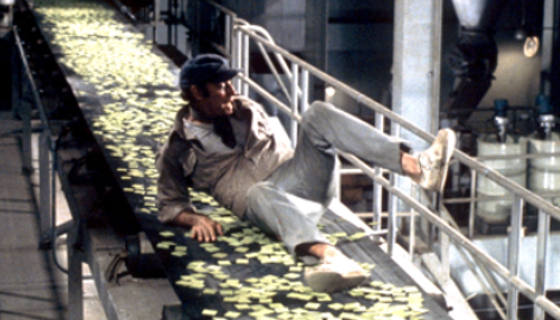
Sol waxes poetic for the days of excess and cries when he sees a real celery stick and a slab of beef. New York’s supply of artificial foodstuff called ‘Soylent’ — the least attractive food ever to be associated with New York City — is particularly taxed on Tuesday, when there’s a shortage of the most popular supplement, Soylent Green. Looking at bit like a Post-it Note, Soylent Green is, well, you probably know what it is. But it’s a gas to watch Sol and Scotch uncover the mystery.

Directed by Richard Fleischer (of “20,000 Leagues Under the Sea” fame), “Soylent Green” won’t remind you of New York at all, but its fun when they try and shock you with recognizable things. For instance, Gramercy Park has now become the city’s only haven for trees — and wan, sad looking trees at that. And I’m sure you’ll never look at trucks from the Department of Sanitation the same way again.

UNUSUAL NYC MUSEUMS #3: Teddy on 20th


Our weekly tribute to a severely off-the-beaten-path museum or landmark that you may not know about. Instead of Moma, why not try out one of these places? Past entries in this series can be found here.

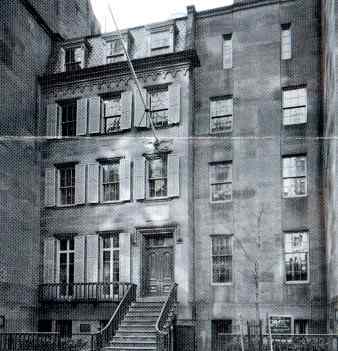
President residences arent what you call ‘unusual’ by any stretch of the imagination. But the Theodore Roosevelt Birthplace Historic Site, on 28 E 20th Street, is unique in that Theodore Roosevelt was never born here — never even lived here — and most of the possessions displayed werent even owned by him.

Once you get by those two teeny little facts, the Site is actually a treat, a wealth of calm and antiquity just steps from busy Broadway and Park Avenue.

The actual brownstone Teddy did live in — being born here in 1858 and residing until 1872 — was in the same location as the present building, but was demolished in 1916 for an office building. However, when he died in 1919, ten years after leaving office, a craze of honorific activities lead to plans to rebuild the original brownstone. It was eventually reconstructed later that year.

And I can see why it was important for not just Roosevelt admirers, but the city of New York. Roosevelt was the only president born in Manhattan, and as a man better known for his adventurous, rugged qualities, its important to remember what an impact the big city had on him as well during his 14 years here.

The lush but suprisingly quiet home features artifacts from Roosevelt’s childhood salvaged by his widow, although most of the furniture is from other family descendents, and the overall effect doesnt speak so much to understanding Roosevelt as it does understanding New York in the mid-1800s.

There are moments where you feel as though youre traipsing through a Henry James novel, imagined ladies sipping tea on those ice blue couches in the parlor. Roosevelt was a rather sickly child, and in the recreation of his room upstairs, you can find a small stairway to the roof — where Teddy’s father set up a gymnasium.

The extra touches continue downstairs to his favorite chair in the library, reupholstered in red fabric to protect Teddy’s knees from scratching. Its quite enlightening actually to see such adoring care for a small child who would later be known as an iconic figure of early 20th Century masculinty and ruggedness.

There’s a pleasant little display on the first floor of mementos and photographs giving a brief portrait into the man’s later career.

As lovely and quaint as the home is, the city’s most dramatic tribute to Teddy Roosevelt is his statue on horseback, outside a building he helped found — the Museum of Natural History.

Details about the Birthplace Historic Site, operated by the National Park Service, can be found here.

By the way, the actual home where he died can also be visited upstate in Sagamore, NY, and as a visitor is a bit ‘sexier’ than the Birthplace, as it was considered the ‘summer White House’ during Teddy’s presidency. Even the site of his inauguration still stands in Buffalo, NY.

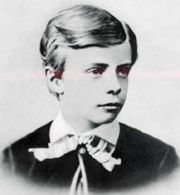
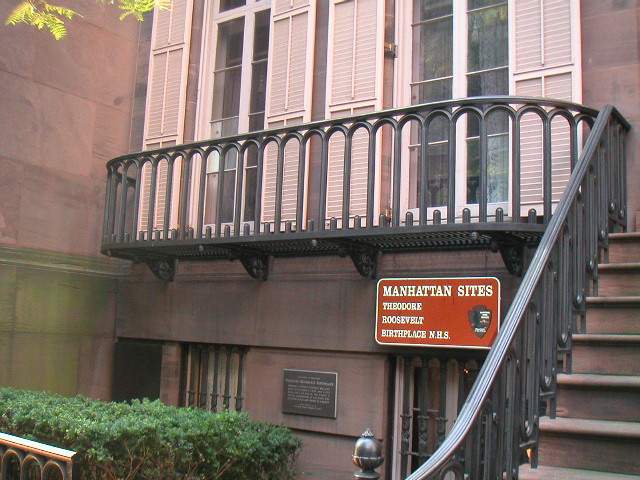
Above is a pic of young Roosevelt, and here’s the current entrance to the museum: