Categories
It's Showtime Podcasts

Edwin Booth and the Players Club, New York’s home for high drama

PODCAST The thrilling tale of Edwin Booth and the marvelous social club he created for the acting profession

Edwin Booth was the greatest actor of the Gilded Age, a superstar of the theater who entertained millions over his long career. In this podcast, we present his extraordinary career, the tragedies that shaped his life (on stage and off), and the legacy of his cherished Players Club, the fabulous Stanford White-designed Gramercy Park social club for actors, artists and their admirers.

The Booths were a precursor to the Barrymores, an acting family who were as famous for their personal lives as they were for their dramatic roles. Younger brother John Wilkes Booth would horrify the nation when he assassinated Abraham Lincoln in April of 1865, and Edwin would briefly retire from the stage, fearing his career was over.

But an outpouring of love would bring him back to the spotlight and the greasepaint. From then on, Booth would be known as the most respected actor in the United States.

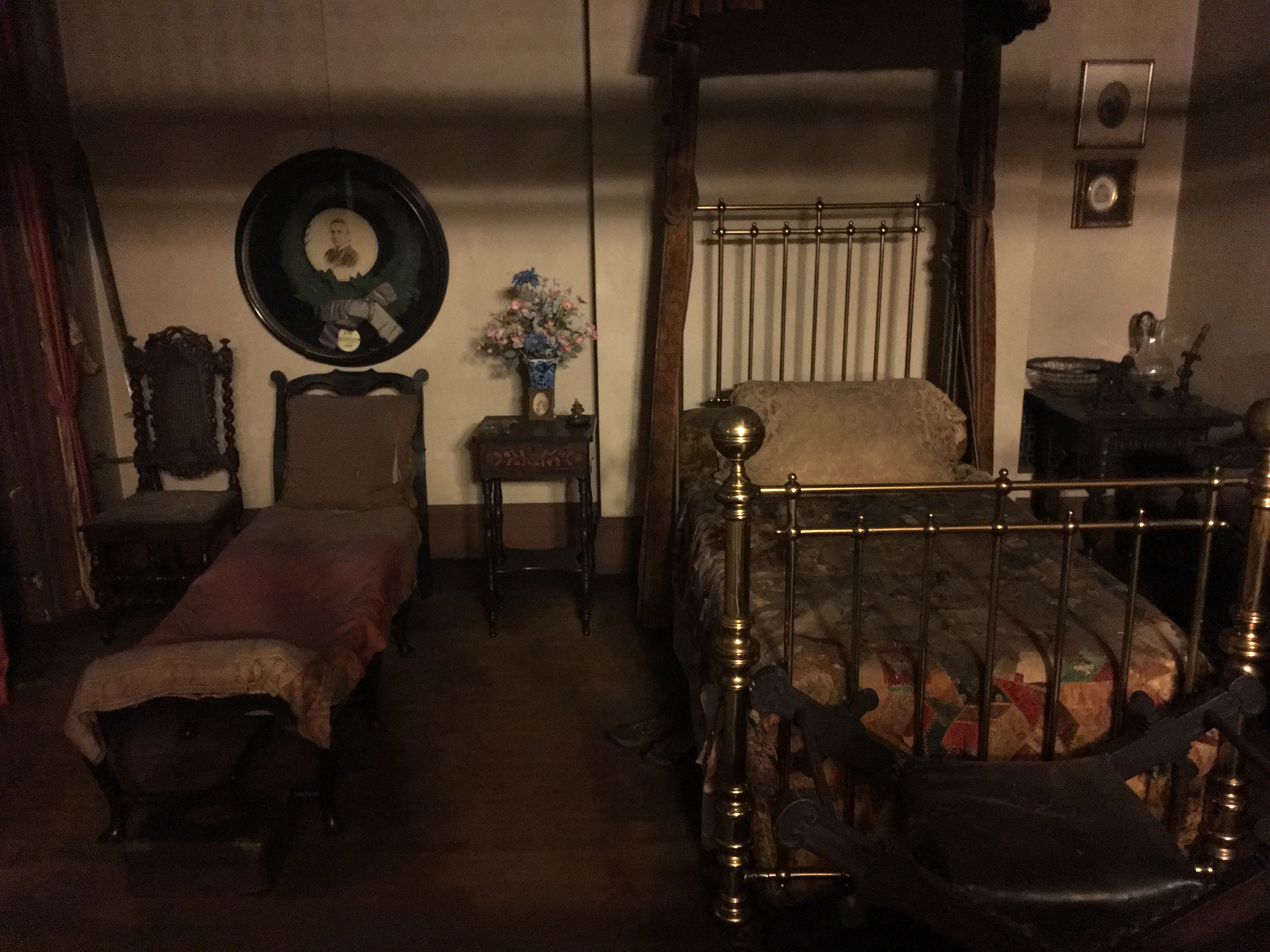
Booth would give back to the theatrical community with the formation of the Players Club which officially made its debut on New Year’s Eve 1888. In this show, we’ll take you on a tour of this exclusive destination for film and theatrical icons, including a look at the upstairs bedroom where Booth died, still preserved exactly as it looked on that fateful day in 1893.

Our thanks to Nicole and Patrick Kelly of Top Dog Tours NYC for giving us  a tour of this extraordinary place!


The Bowery Boys: New York City History podcast is brought to you …. by you!

We are now producing a new Bowery Boys podcast every two weeks. We’re also looking to improve the show in other ways and expand in other ways as well — through publishing, social media, live events and other forms of media. But we can only do this with your help!

We are now a member of Patreon, a patronage platform where you can support your favorite content creators for as little as a $1 a month.

Please visit our page on Patreon and watch a short video of us recording the show and talking about our expansion plans. If you’d like to help out, there are five different pledge levels (and with clever names too — Mannahatta, New Amsterdam, Five Points, Gilded Age, Jazz Age and Empire State). Check them out and consider being a sponsor.

We greatly appreciate our listeners and readers and thank you for joining us on this journey so far. And the best is yet to come!

nypl-digitalcollections-510d47d9-f04f-a3d9-e040-e00a18064a99-001-w

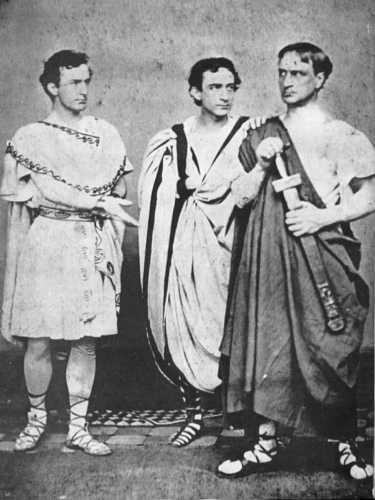
John Wilkes, Edwin and Junius Booth performing  Julius Caesar.
booth-brothers

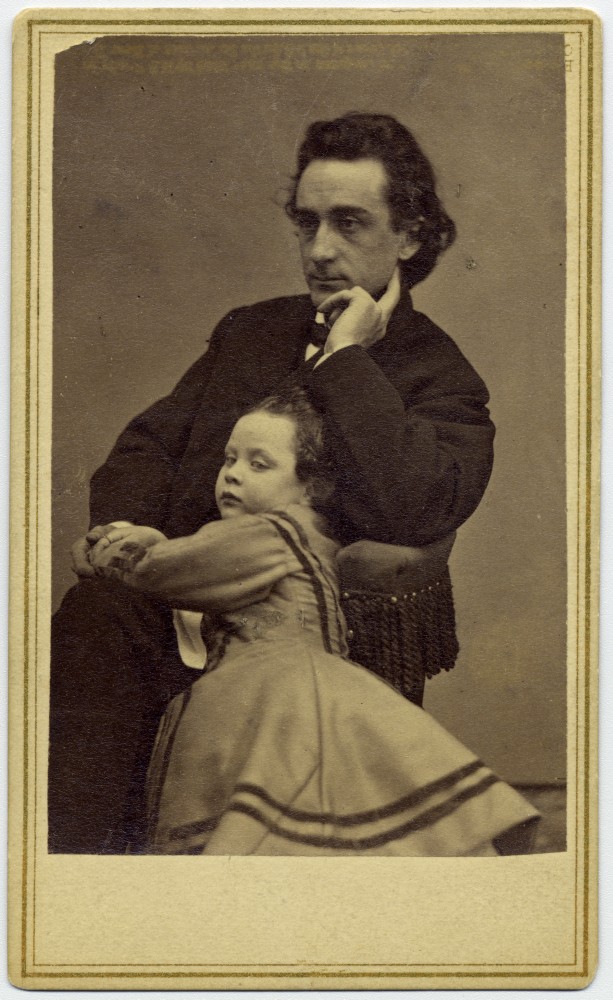
Edwin Booth and his daughter Edwina, photo taken by Mathew Brady, circa 1864
Courtesy George Eastman House

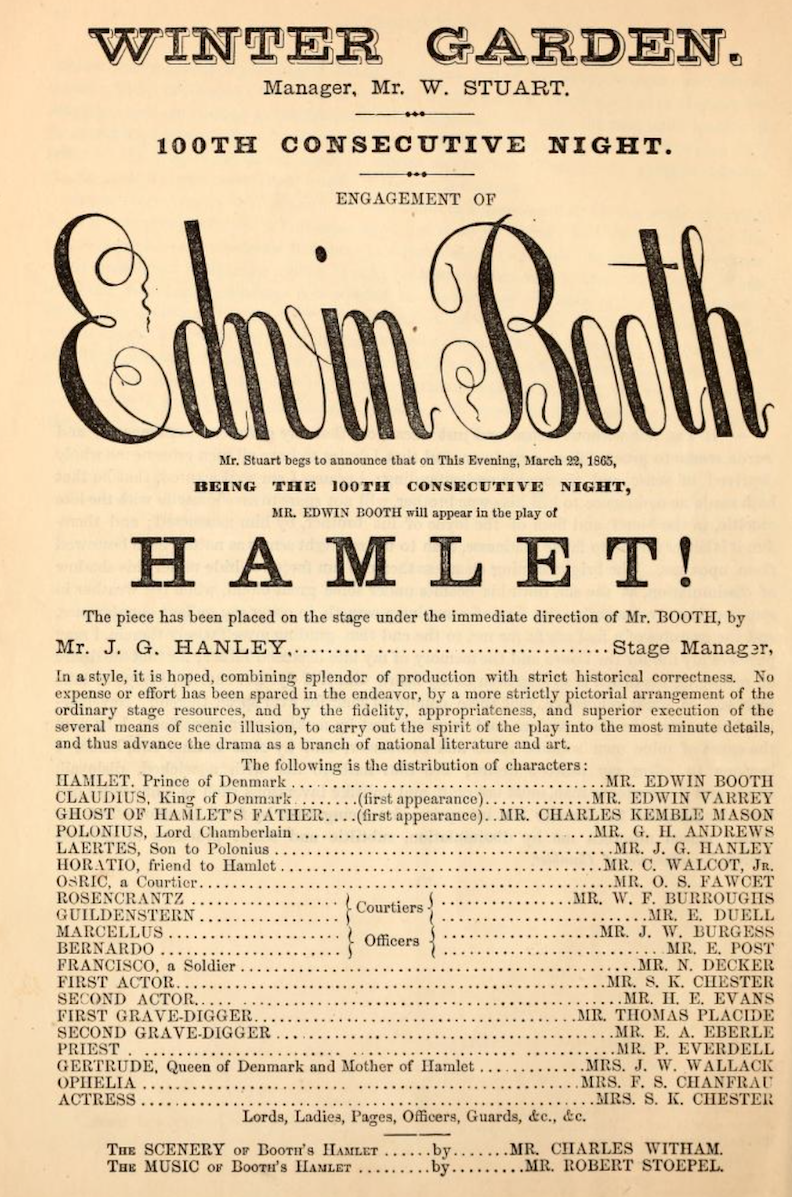
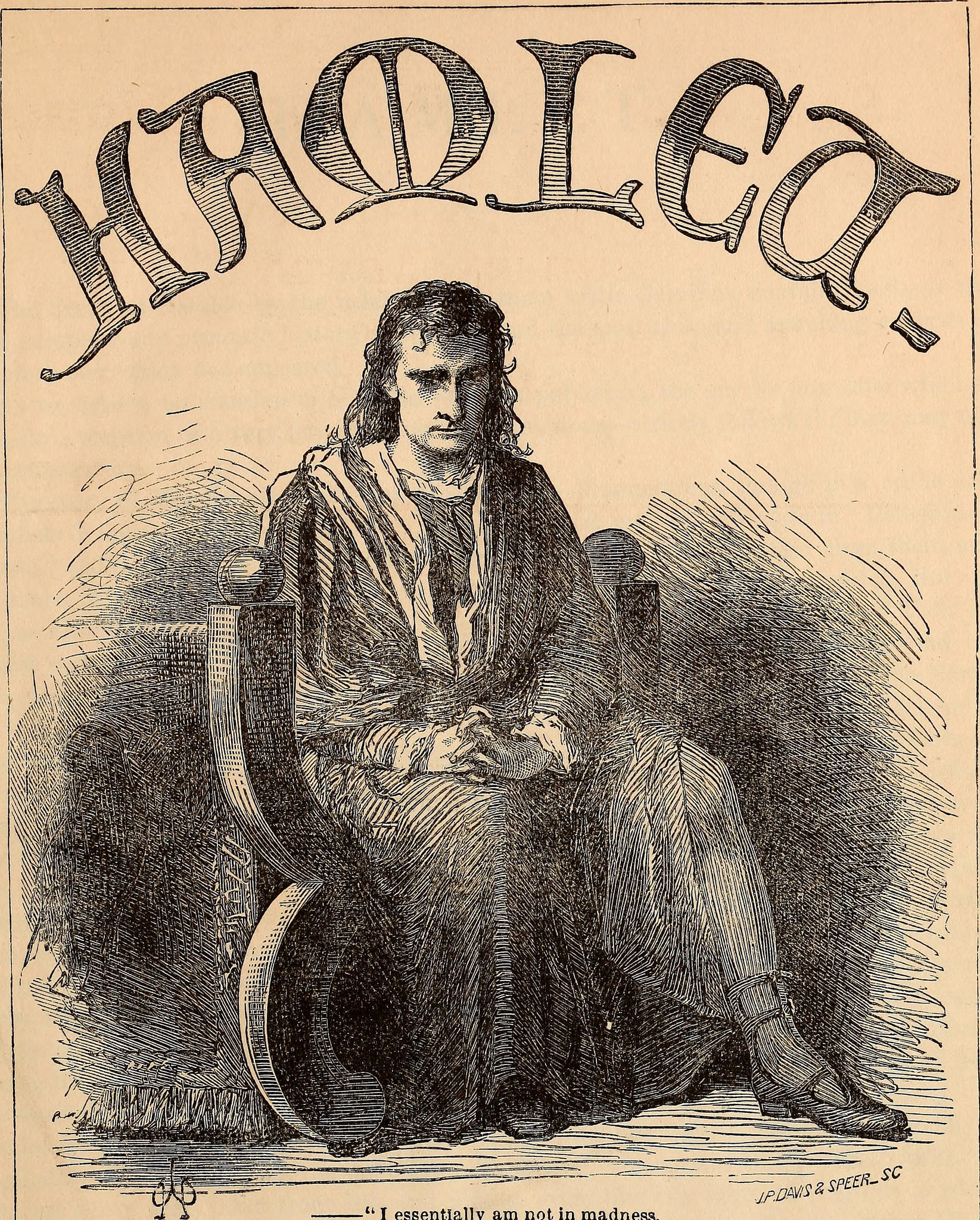
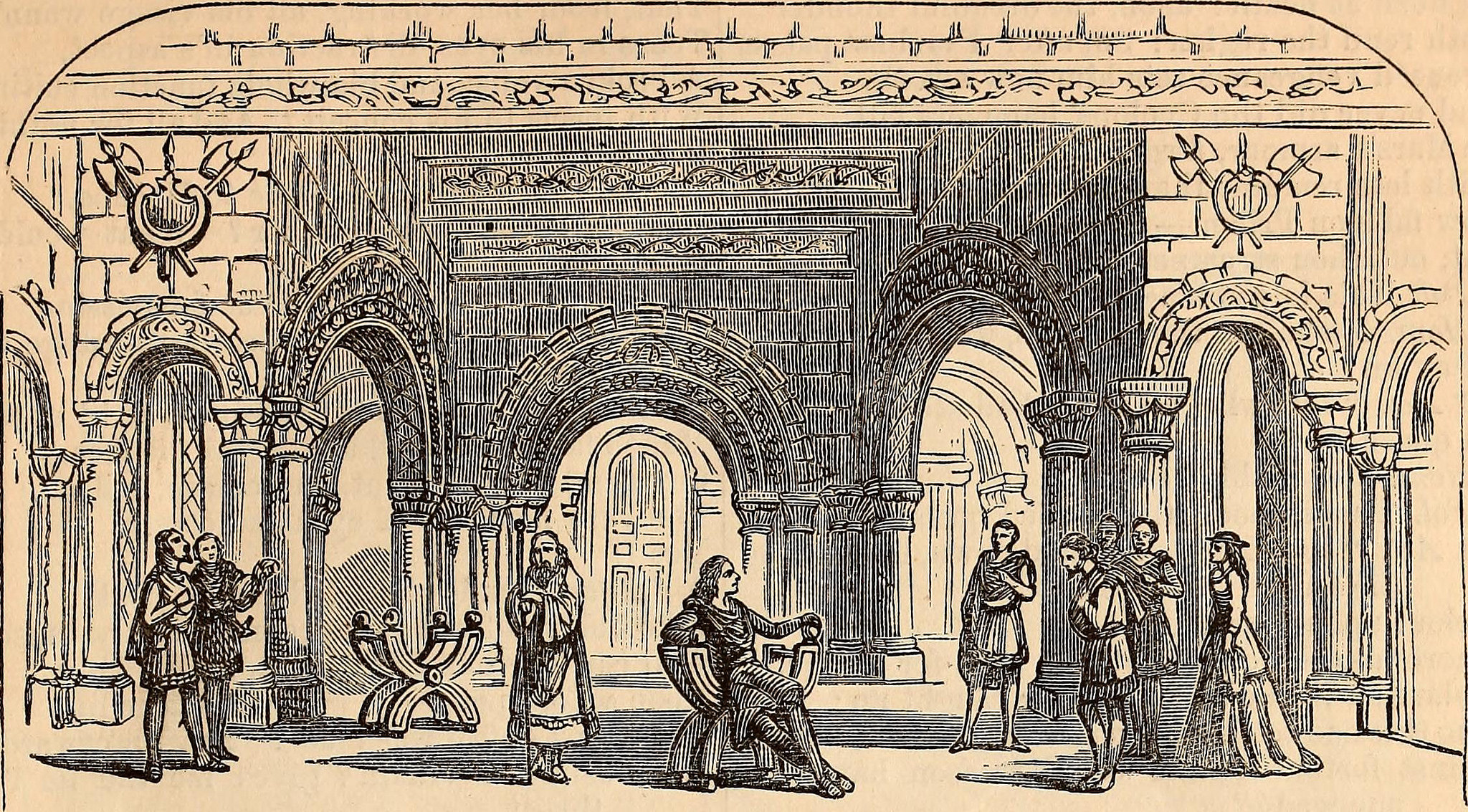
Images from a commemorative book (published in 1866) of Booth’s 100 nights of Hamlet at the Winter Garden.
14586956370_38a39041c3_k

14750657726_e6d277d280_k

14773667455_3c9fbbd107_k

screen-shot-2016-11-11-at-11-32-24-am

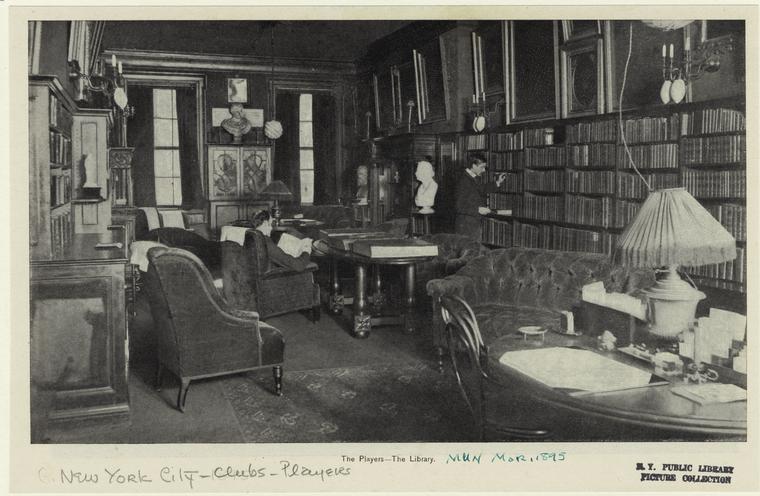
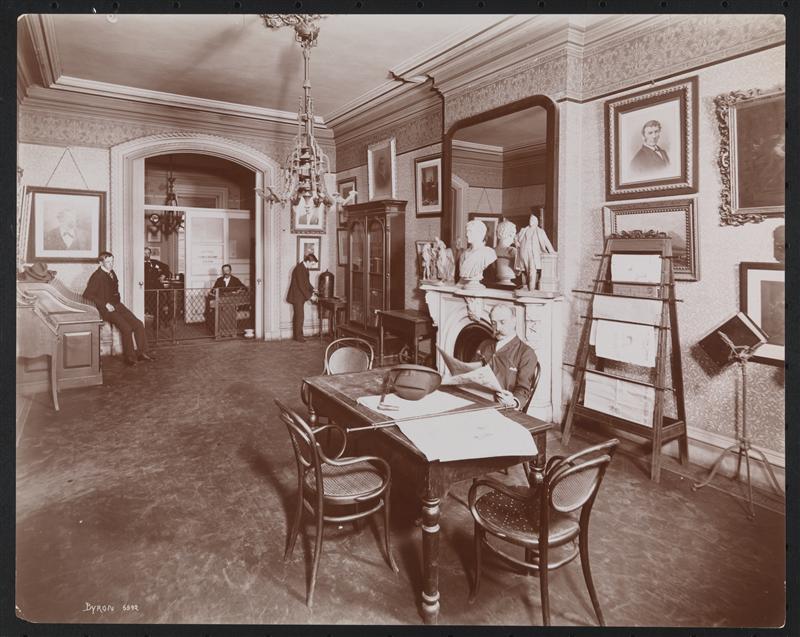
In the library of the Players Club, picture dated 1895
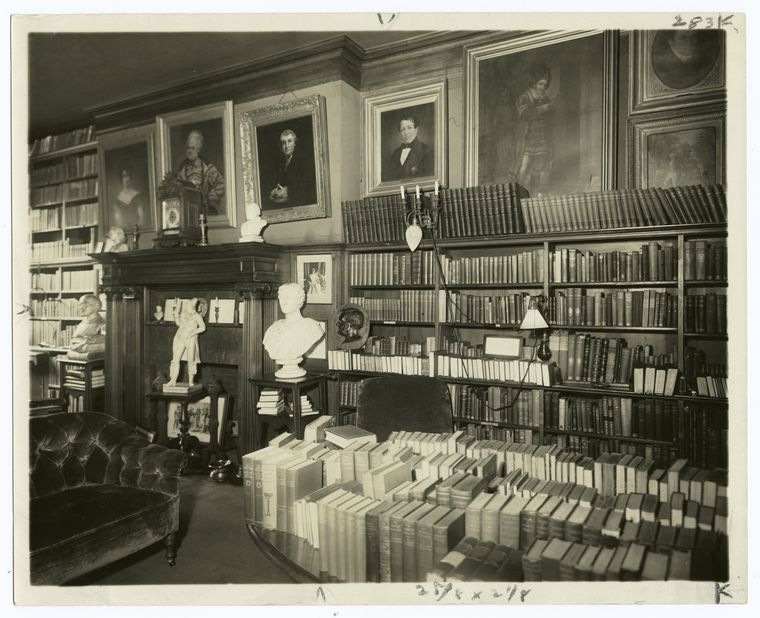
NYPL
NYPL

NYPL
NYPL

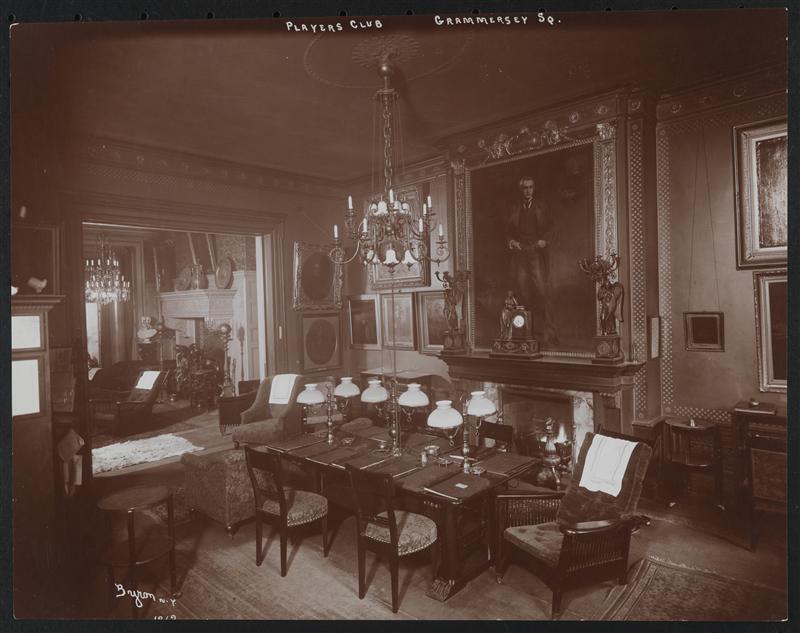
Further interiors of the Players Club, c. 1895, courtesy the Museum of the City of New York:
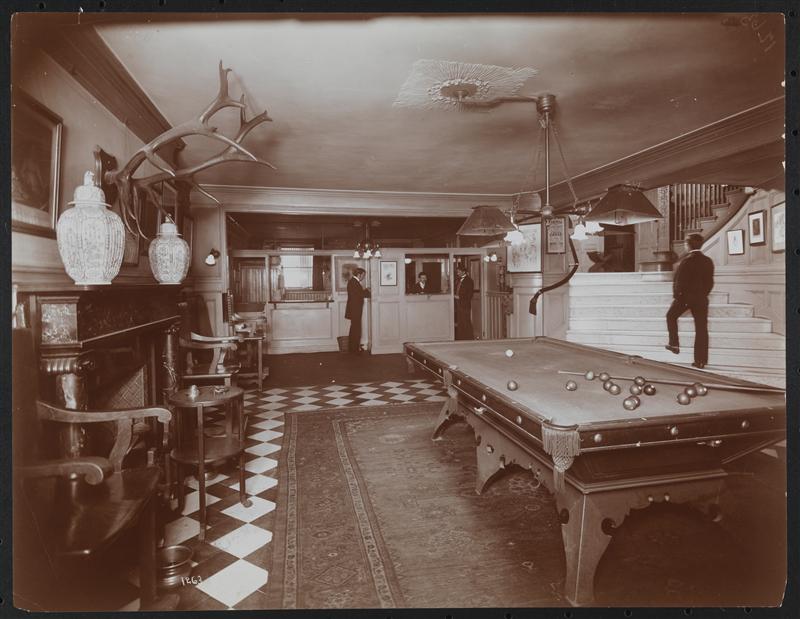
MCNY/Byron Co.
MCNY/Byron Co.

MCNY/Byron Co.
MCNY/Byron Co.

MCNY/Byron Co.
MCNY/Byron Co.

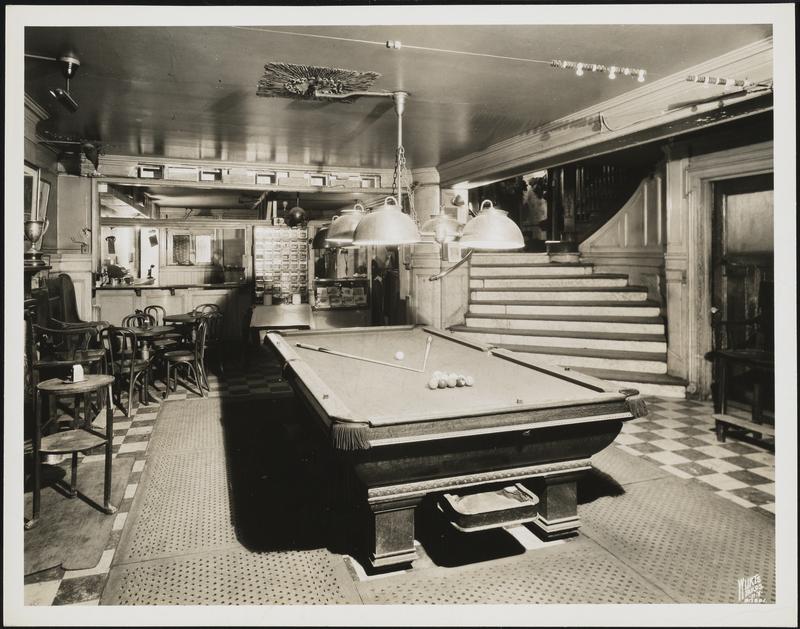
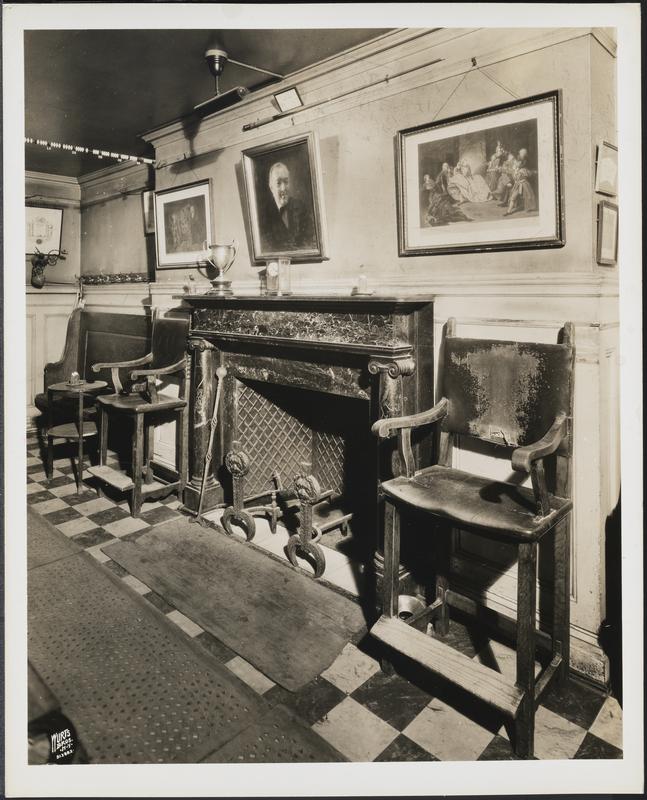
And some from 1935 of the barroom and billiard room downstairs (also courtesy MCNY):
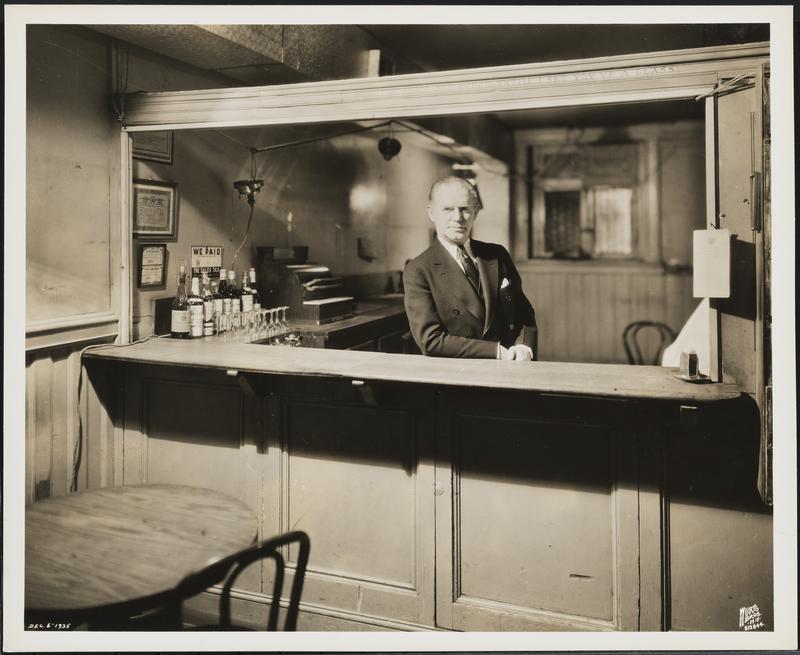
16 Gramercy Park South. Interior, The Player's Club with Connelly, barkeeper
16 Gramercy Park South. Interior, The Player’s Club with Connelly, barkeeper

16 Gramercy Park South. The Players Club. Interior, view of playroom and bar, before alterations

16 Gramercy Park South. The Players Club. Interior, view of playroom and bar, before alterations

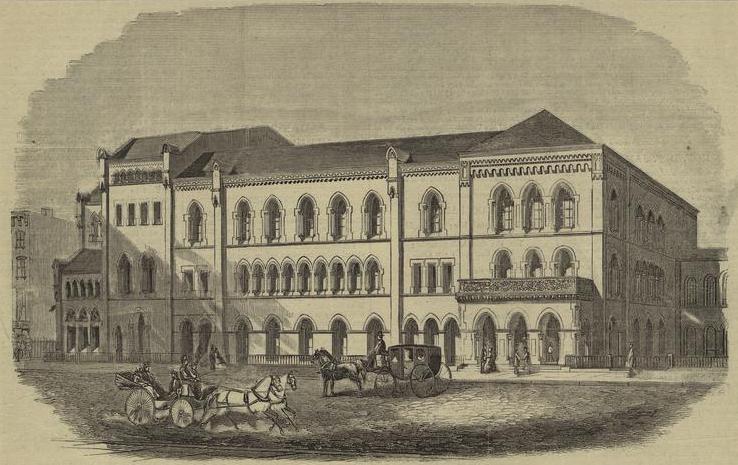
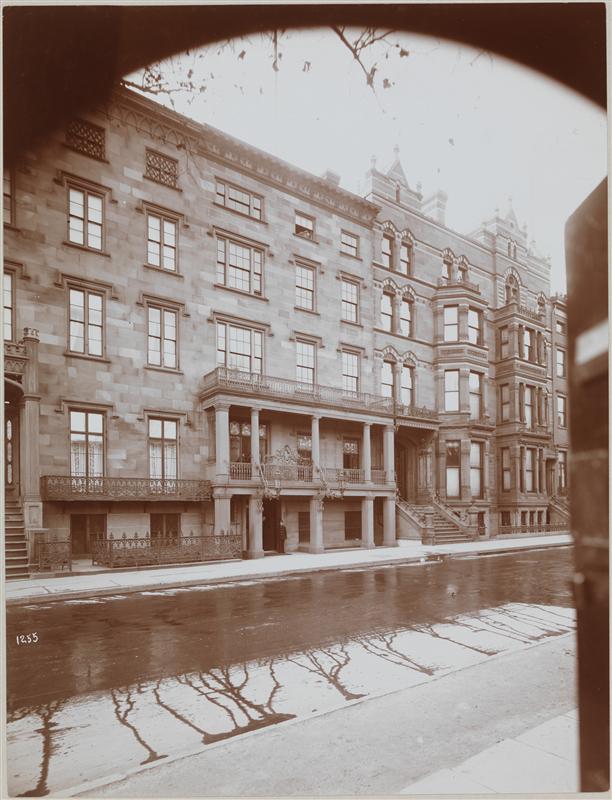
The exterior of the club (image dated 1895) with its distinctive balcony where members would enjoy an evening gazing out of the park, drinking a brandy or a flute of champagne.
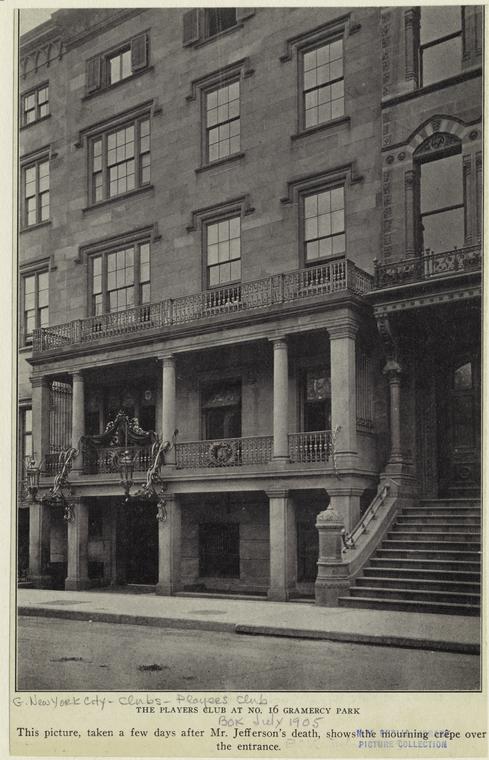
NYPL
NYPL
MCNY/Byron Co.
MCNY/Byron Co.

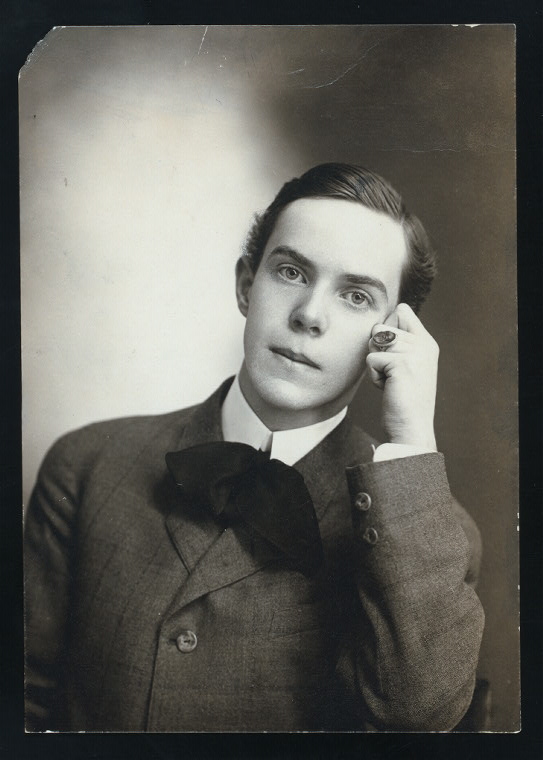
Edwin Booth Grossman, Booth’s grandson, who became a painter.
NYPL
NYPL

Some pictures of our visit to the Players Club from last week —

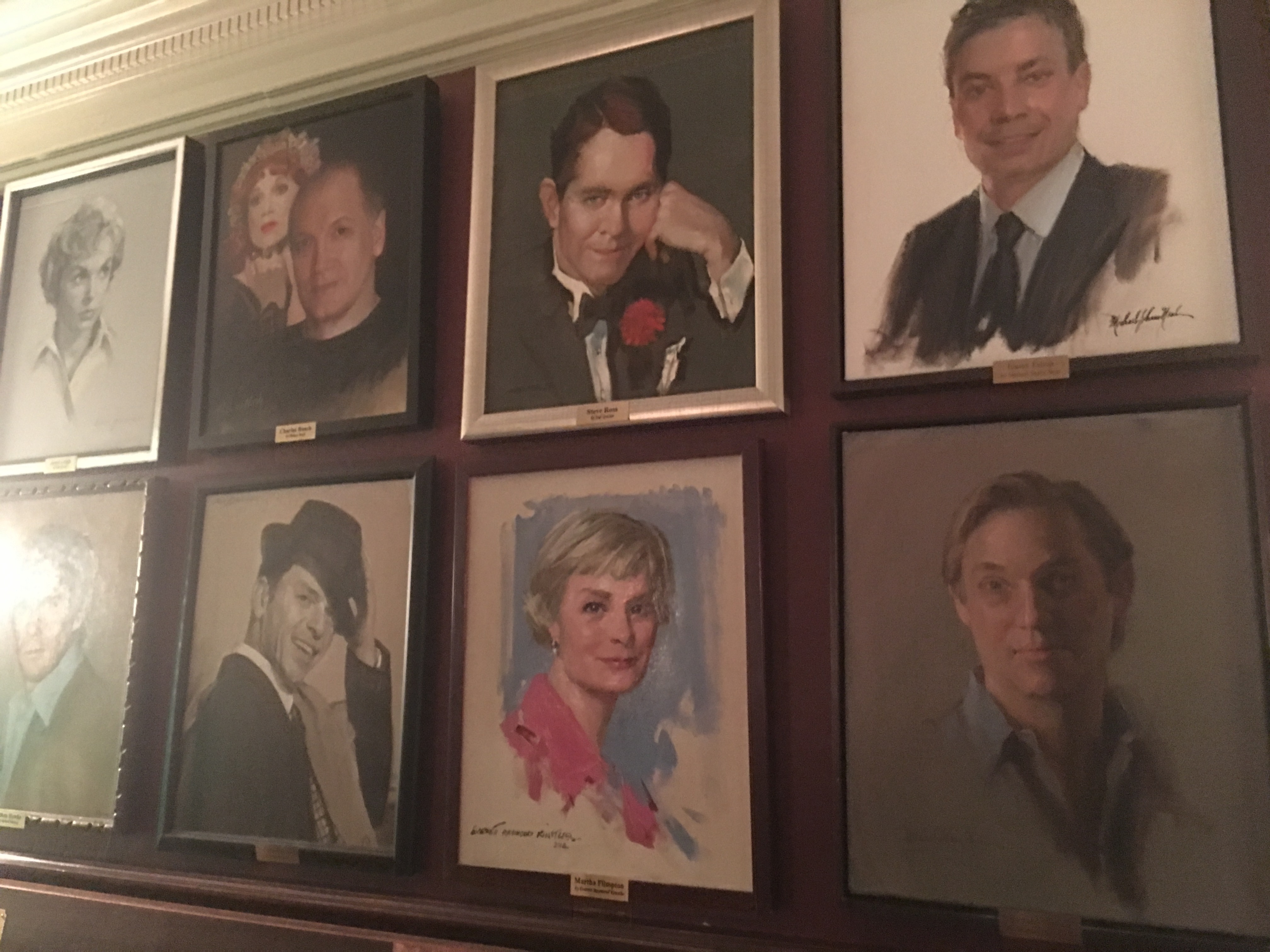
Portraits of members, past and future. Two very recent members are featured here — Martha Plimpton and Jimmy Fallon!
img_0825

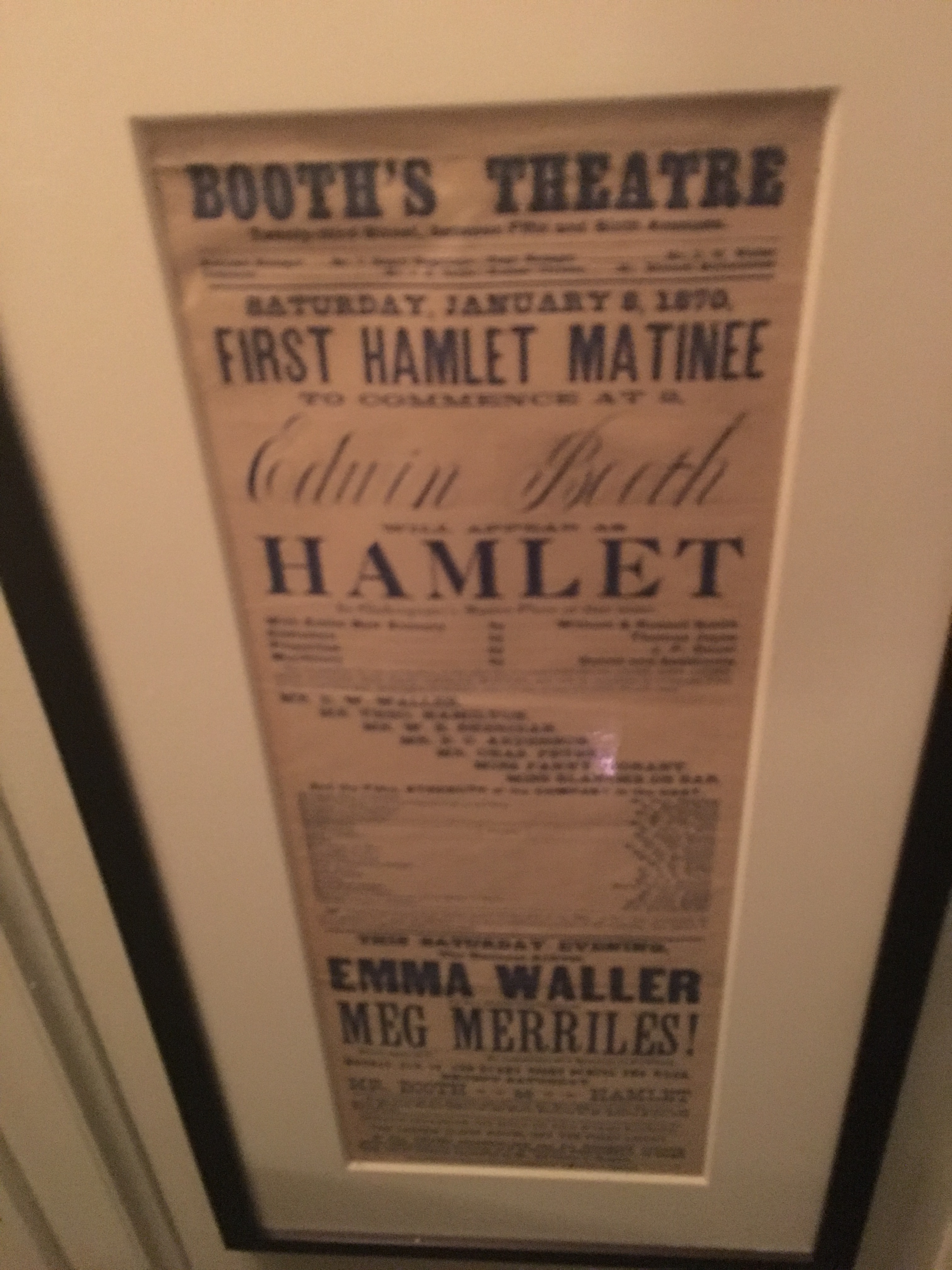
A framed bulletin from Booth’s Theatre on 23rd Street:
img_0829

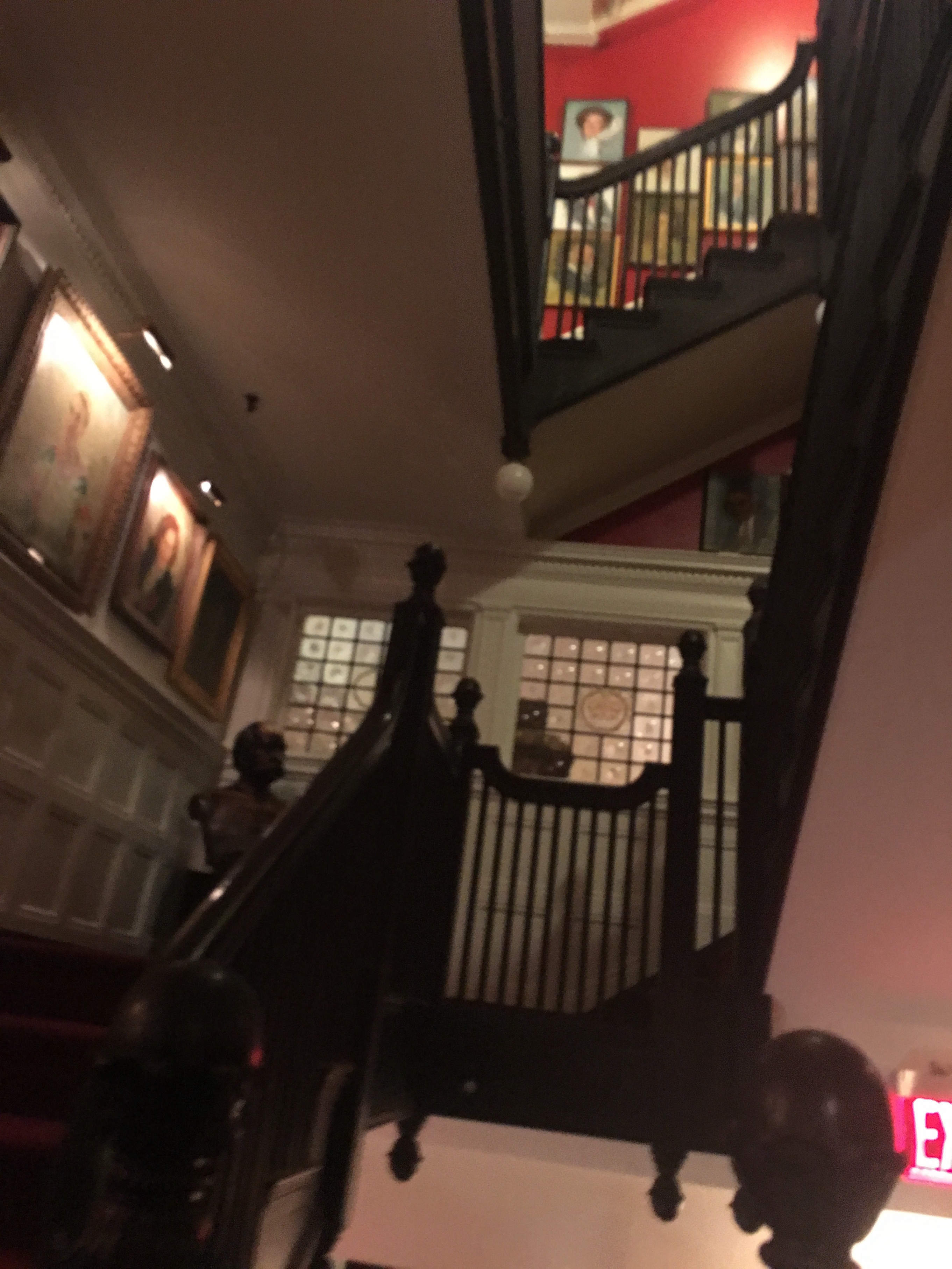
Up the winding staircase to Booth’s bedroom….
img_0830

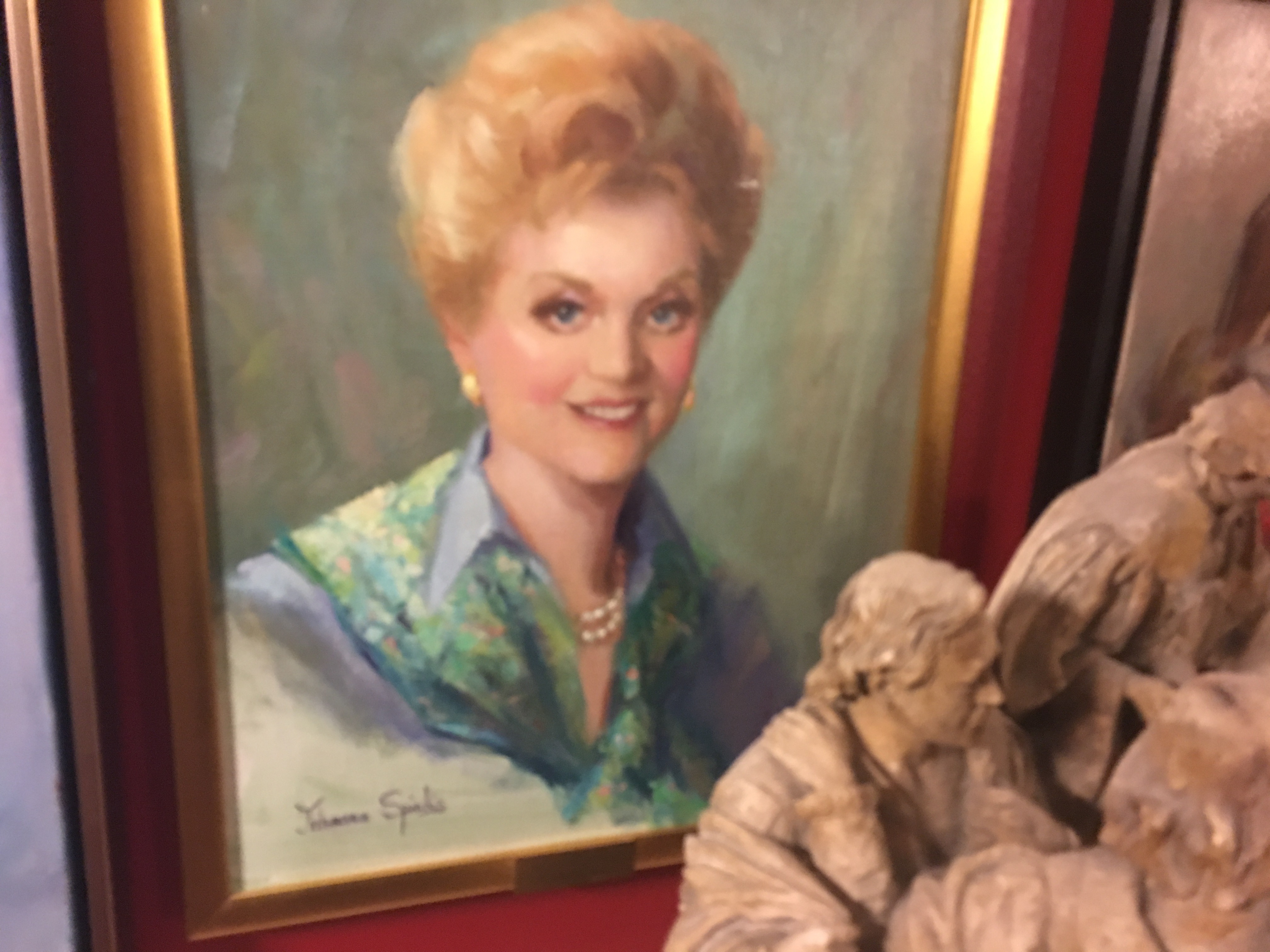
Angela Lansbury awaits us on the landing!img_0835
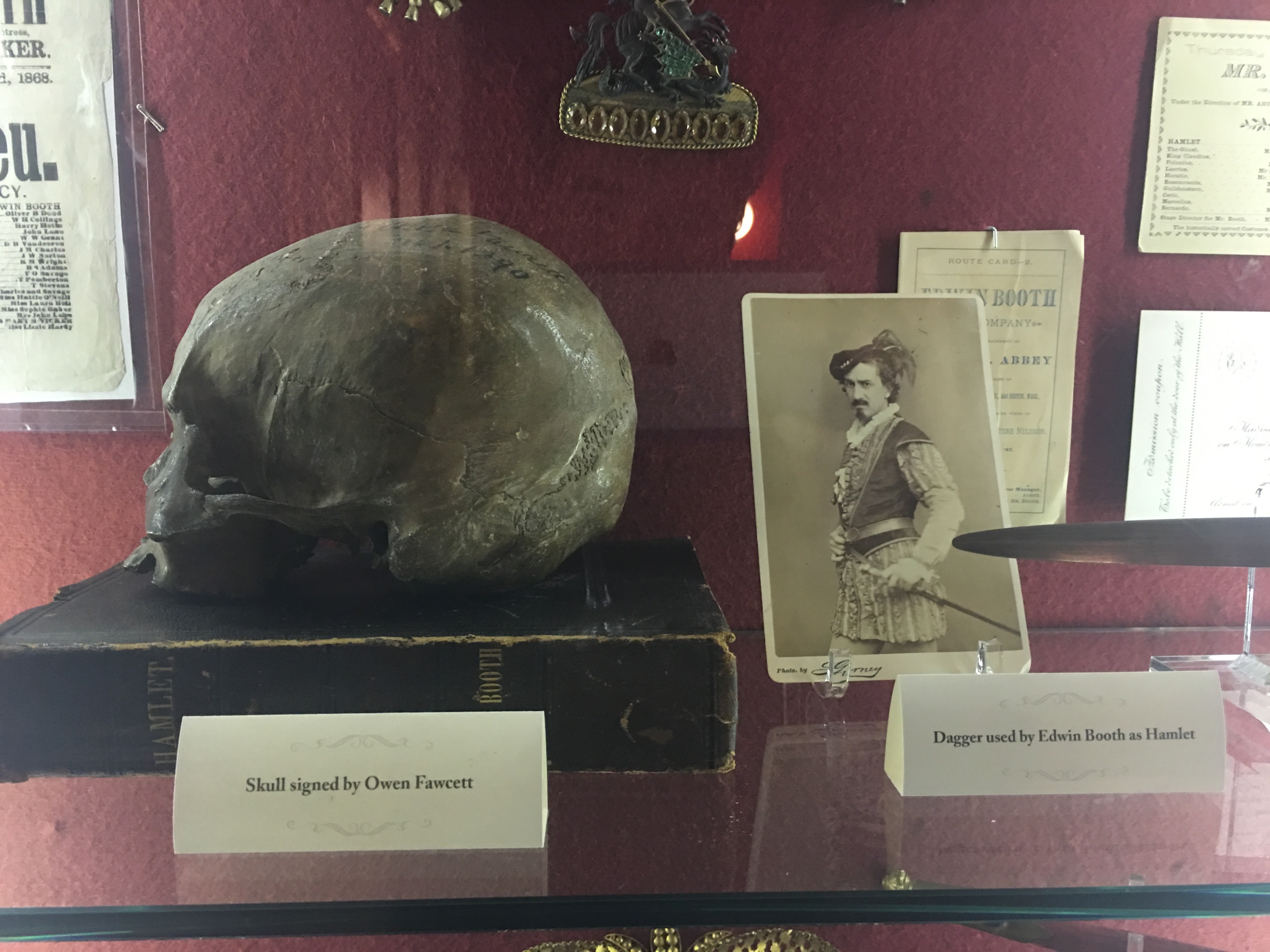
Theatrical props adorn every shelf of the club.
img_0836

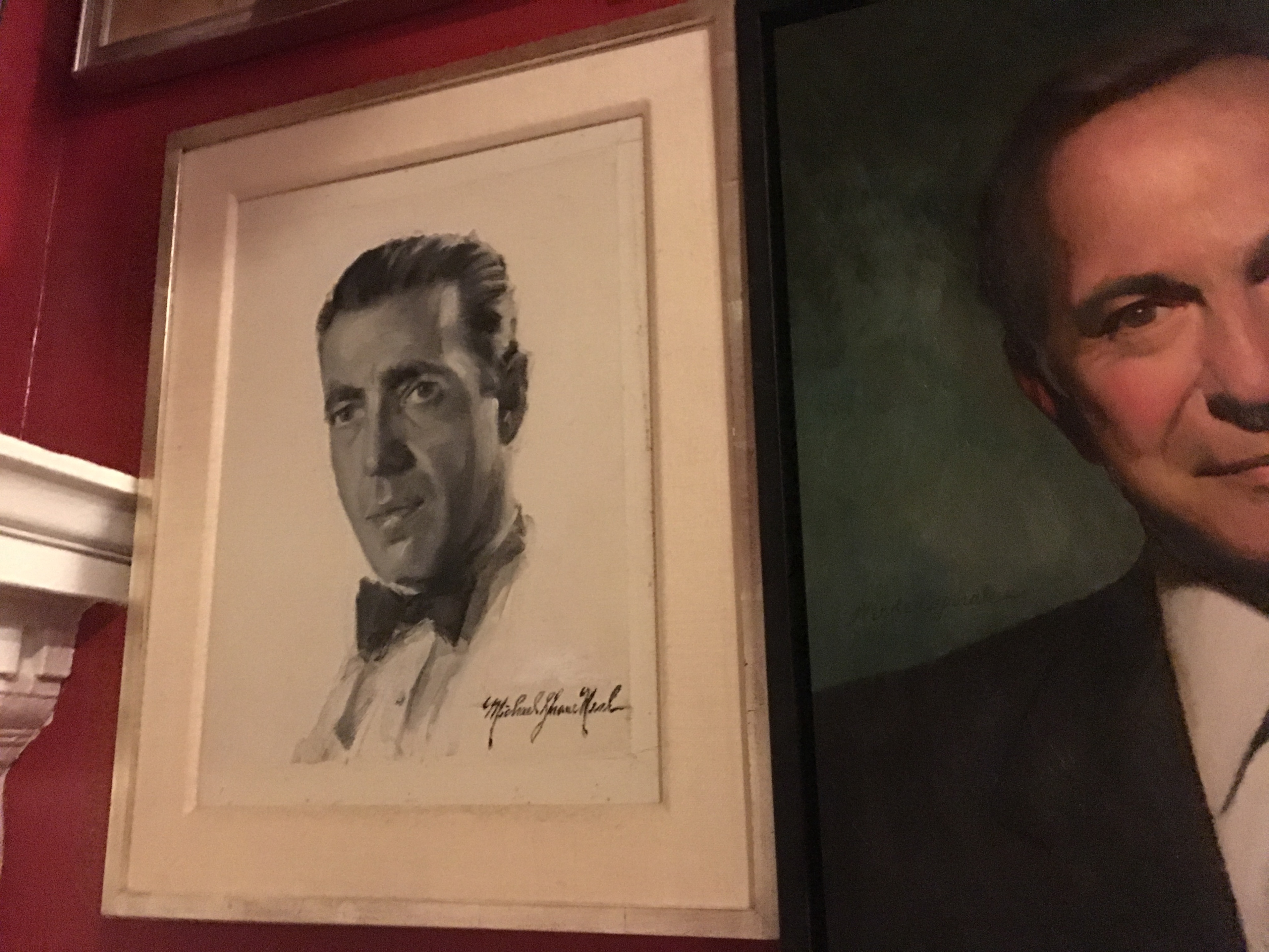
Humphrey Bogart hangs in the hallway. Lauren Bacall, by the way, also has a portrait hanging near the billiard table.
img_0839

Inside the dark theatrical library, one of the greatest collections of theater history volumes in the world.
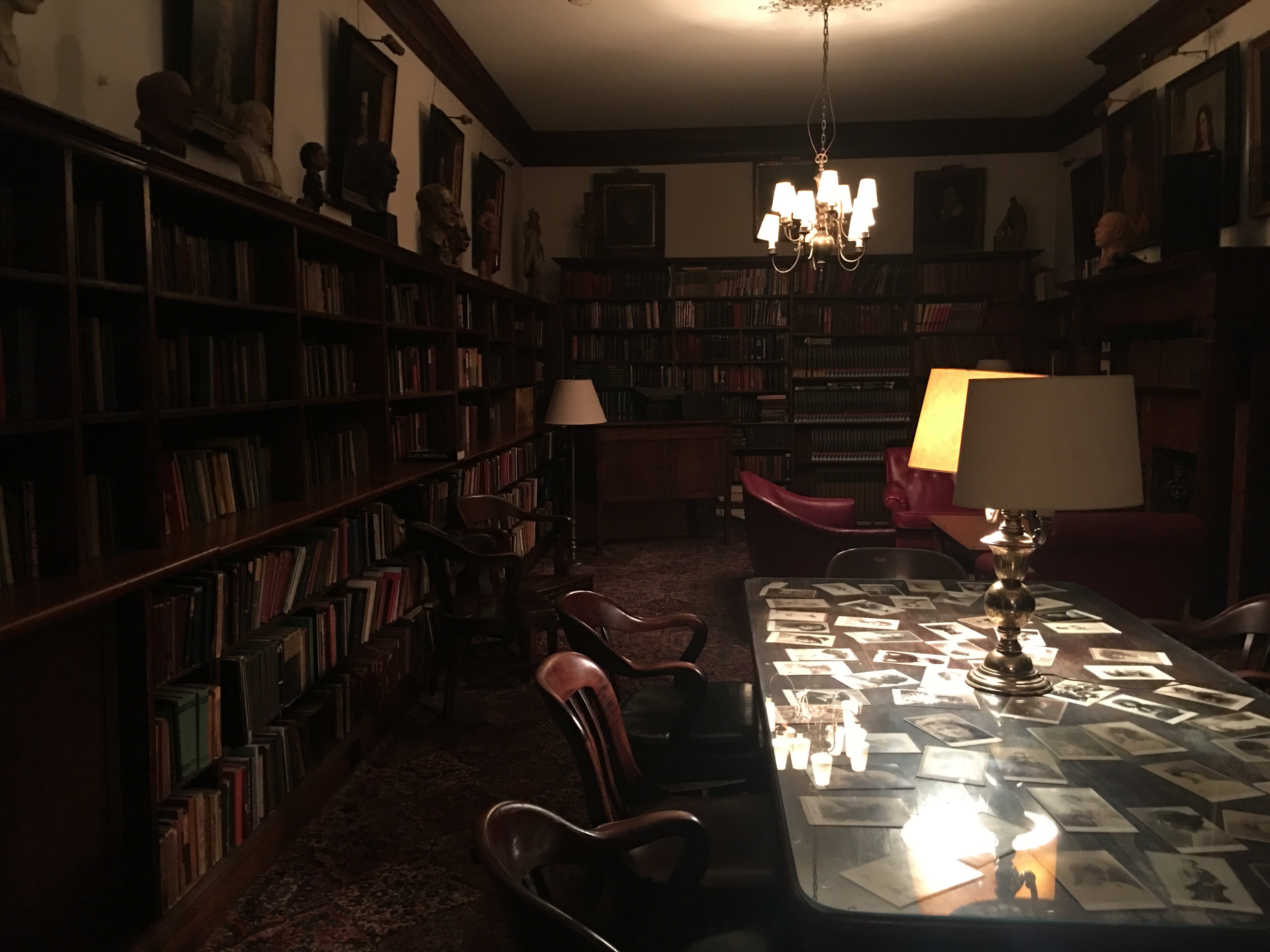
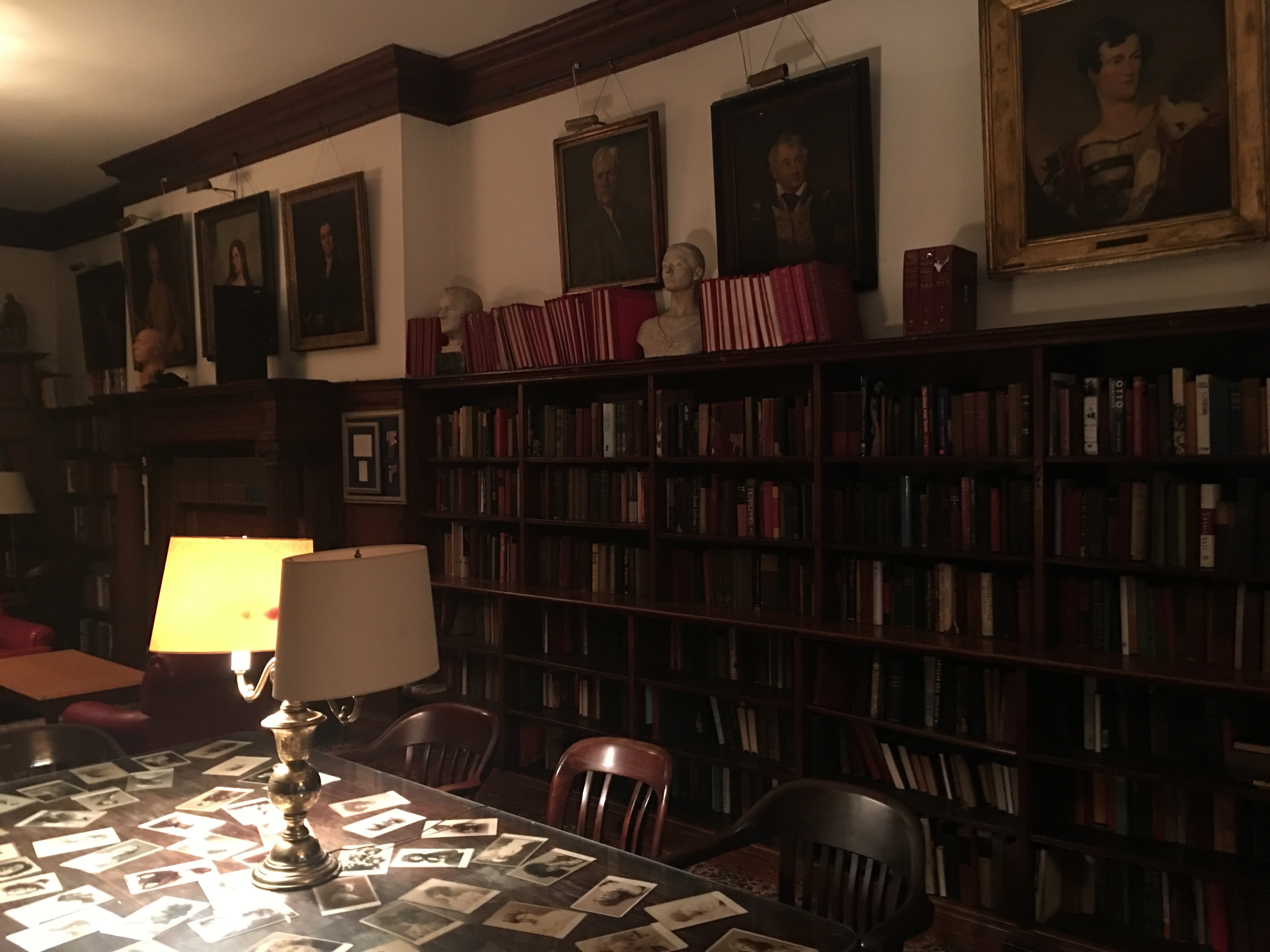
img_0887 img_0888

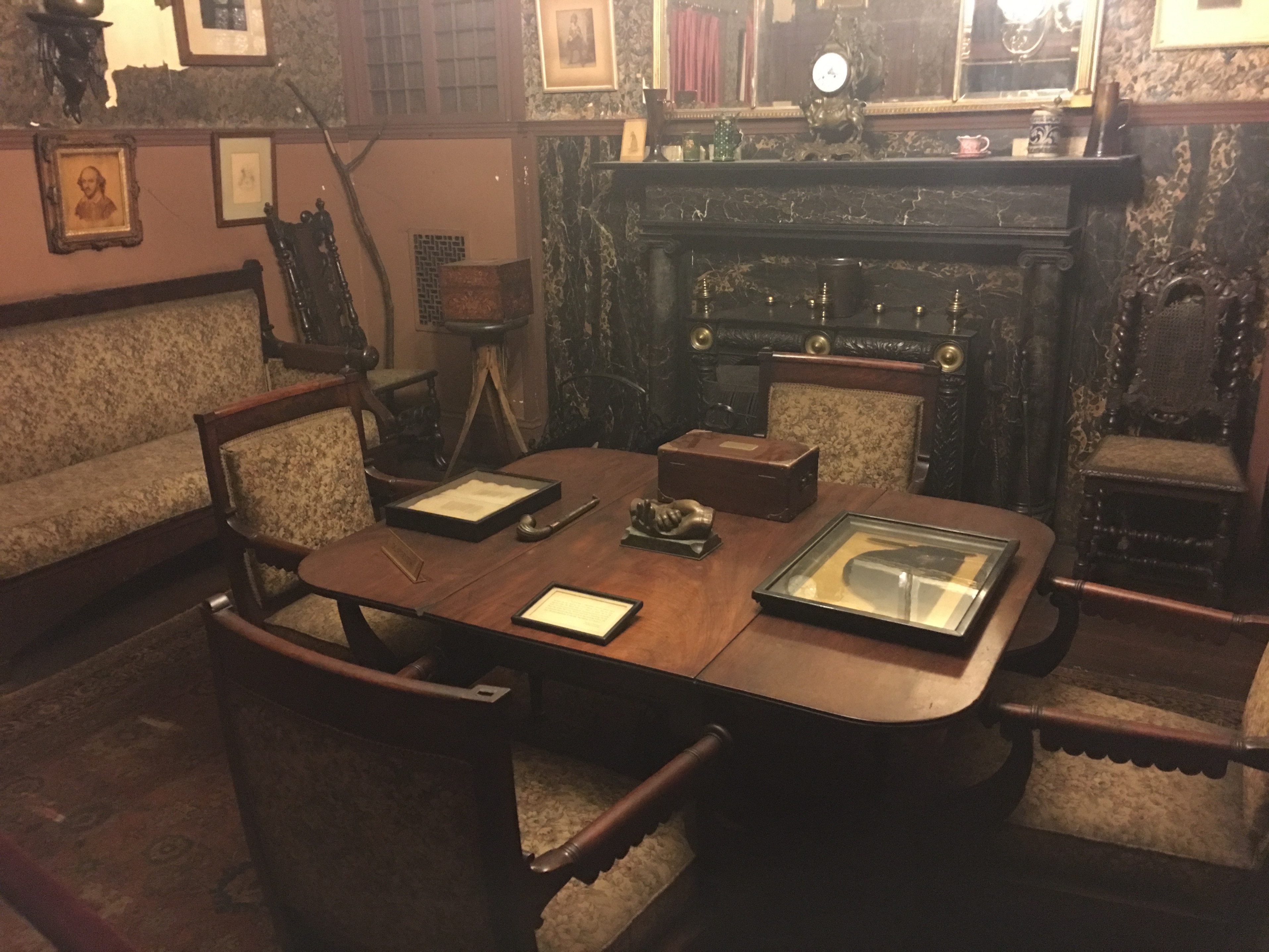
Finally, inside Booth’s living quarters! On the table sits a mold of Edwin’s hand holding that of his daughter Edwina.img_0890
The bed where Edwin Booth died, and a smaller bed where his daughter kept next to him in his final moments.
img_0891

For more information on tours of the Players Club, visit Top Dog Tours NYC.  And visit the Players website for more information about membership and its history
Categories
Podcasts

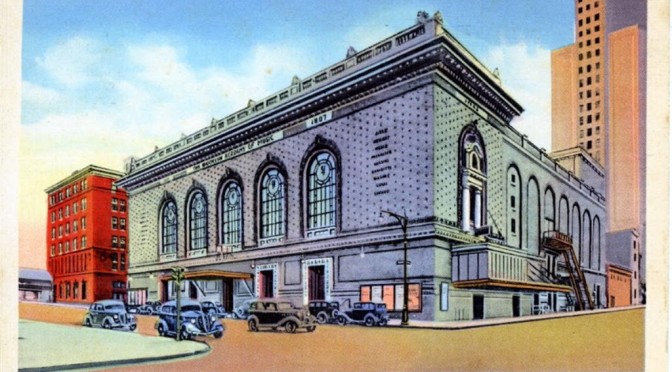
The Brooklyn Academy of Music: Enduring floods, fires and snobbery to become New York’s oldest home for the arts

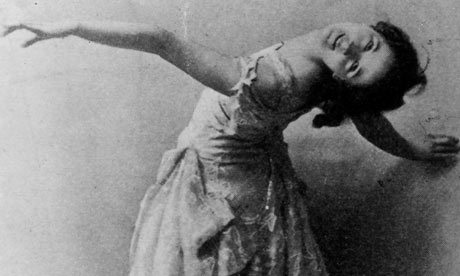
PODCAST One of America’s oldest cultural institutions, the Brooklyn Academy of Music (or BAM) has an unusual history that spans over 150 years and two separate locations. We trace the story from the earliest roots of a Manhattan-Brooklyn rivalry and a discussion of high-class tastes to the greatest stars of the performing arts, including a couple tragic tales and a bizarre event involving the mother of modern dance.

Featuring horse tricks, French balls, a ‘flirtation’ post office, a bit of ski jumping.and a cavalcade of BAM’s greatest stars — Enrico Caruso, Merce Cunningham, Edwin Booth and his brother John Wilkes Booth!

ALSO: We uncover what may be the very first foreign films ever shown at the Brooklyn Academy of Music, many decades before the opening of their movie theaters.


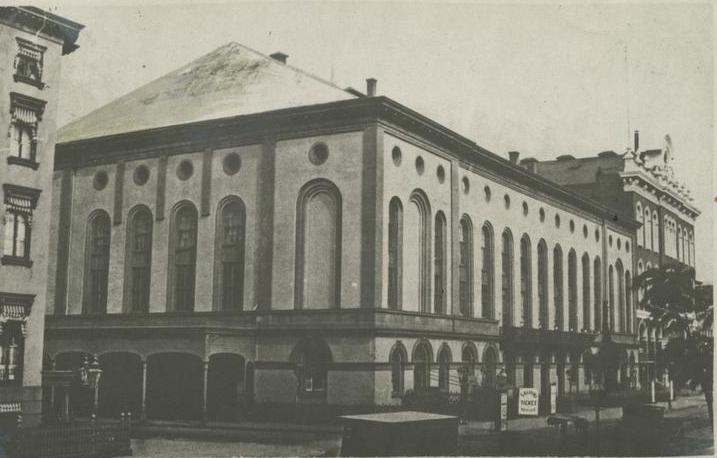
The first Brooklyn Academy of Music, on Montague Street, nearby Brooklyn City Hall. Among the decades of great events here were Brooklyn’s Sanitary Fair, a speech by Booker T. Washington, an amusing lecture by Mark Twain and the final stage performance of Shakespearean actor Edwin Booth. (source)

The building was destroyed by fire in 1903, and not everybody was sad to see it go. Here’s actual film footage of the flames atop the old Brooklyn building:

Compare this to New York’s own Academy of Music, at 14th Street and Irving Place. Although this venue brought the American debuts of many famous operas (including Carmen), festivities deteriorated once the Manhattan wealth moved up to the Metropolitan Opera House. This building was demolished in 1926. [source]

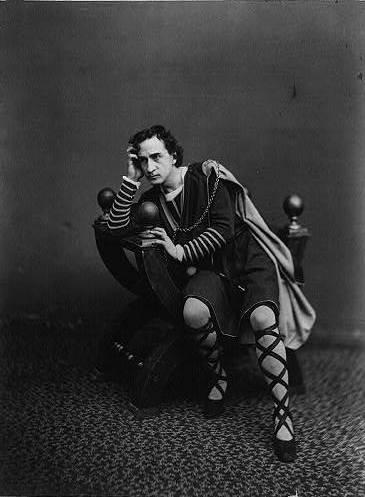
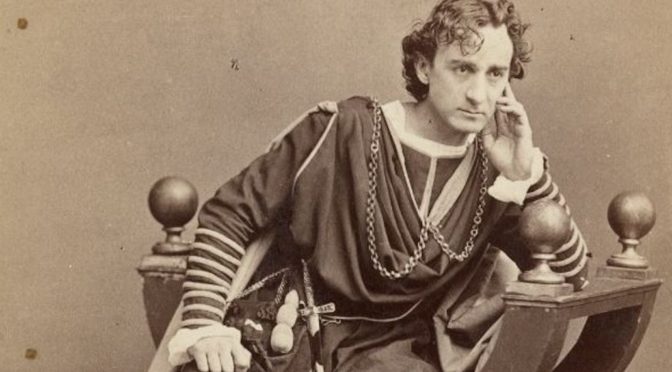
Edwin Booth, in his signature role as Hamlet, 1870. If some at the original Brooklyn Academy of Music had had their way, Booth would never have performed there! [LOC]


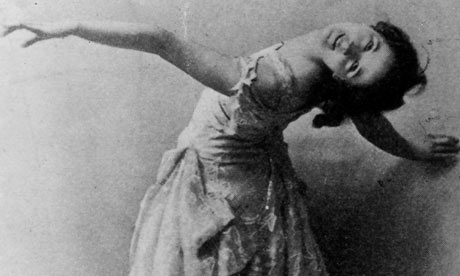
Isadora Duncan, who brought modern dance to BAM, and it never left. (source)


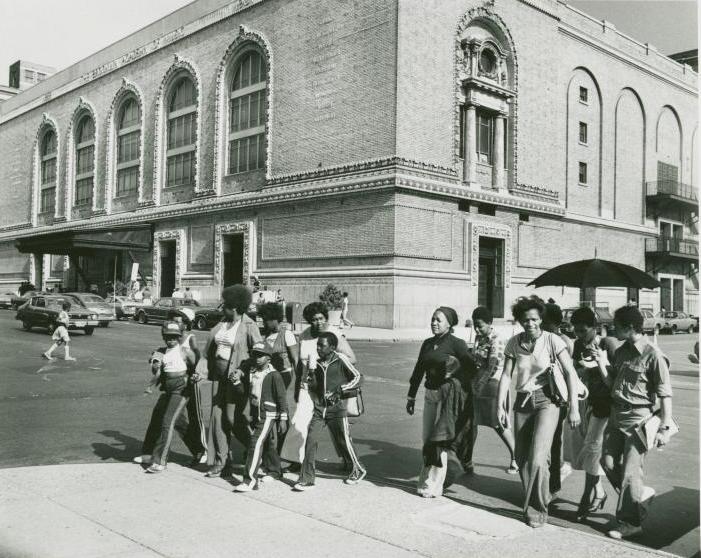
BAM in 1978: After a few decades of hardship, the venue, at its new home on Lafayette Avenue, rebounded in the 1960s, serving the artistic passions of the neighborhood and fostering a provocative relationship with the biggest names in avant garde performance. (Pic by Dinanda Nooney, NYPL)

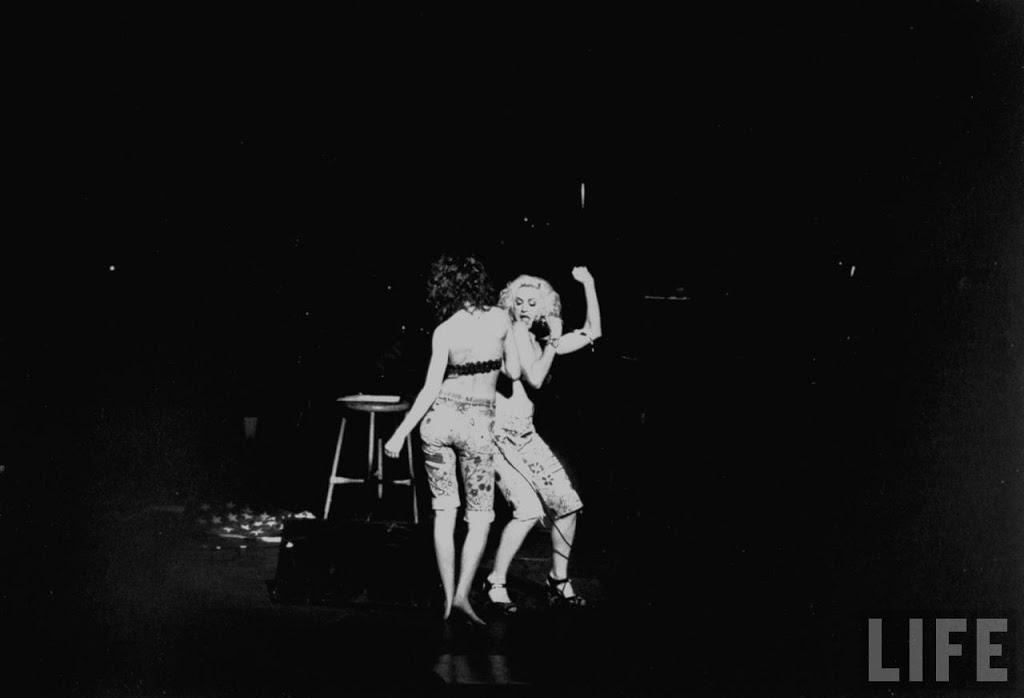
The fascinating directions that BAM executive direction Harvey Lichtenstein took the venue opened its stage up to new and exciting performances. And, often, a raucous good time as well, as with this 1989 rain forest benefit, featuring Madonna and Sandra Bernhard. (Photo by Albert Ferreira, LIFE)

MORE PICTURES ON THE WAY LATER THIS WEEKEND

For more information on their schedule, visit the BAM website. They also have a great history blog BAM 150 Years where we obtained some of our information.

Categories
Gilded Age New York Podcasts

Mark Twain in New York, or His Adventures on Fifth Avenue

Photo courtesy LOC

PODCAST You hear the name Mark Twain and think of his classic characters Tom Sawyer and Huckleberry Finn, his locales along the Mississippi River and his folksy wit. But he was equal parts New York as well, and the city helped shape his sharp, flamboyant character. Follow his course, from his first visit as an opinionated young man in 1853, to his later years in 1906 as a Fifth Avenue tenant, decked out with a cigar and signature white suit.

His tale offers a glimpse into the glamorous life of turn-of-the-century New York, from the smoke-filled billiard room at the Players Club to late nights at New York’s dining palace Delmonico’s. Tune in and find out which parts of Mark Twain’s city are still around and which of his old homes you can still visit today.

Co-starring Ulysses S. Grant, Helen Keller, Edwin Booth and other toasts of New York during the Gilded Age.

A slight correction: I mentioned in the show that Mark Twain only worked on one play in his lifetime, called ‘Is He Dead?’. That might have been his only solo attempt, but he did try many years earlier to pen one in collaboration with Bret Harte. The play, called “Ah Sin: The Heathen Chinee”, opened and closed in 1877. It was an unmitigated flop and a total creative failure. He worked on another collaborative play called “Cap’n Wheeler” the next year.

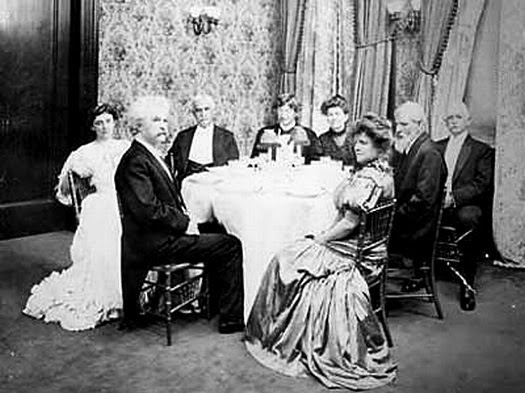
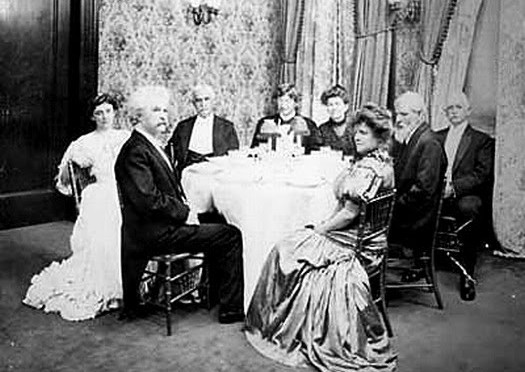
Dinner at Delmonico’s with a few of his closest friends (or at least his fanciest ones) at a celebration for Mark Twain’s 70th birthday.

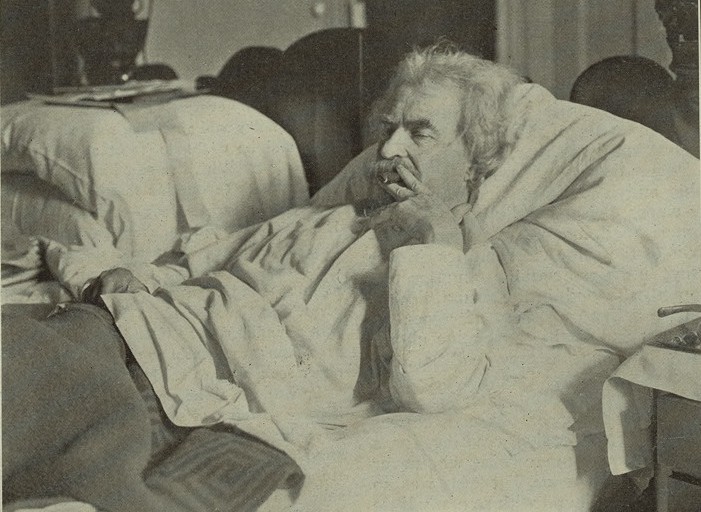
Smoking in bed: Twain’s two favorite places to do business in his Fifth Avenue home was at the pool table and in bed. This wasn’t laziness; in fact, during his final years in the city, the author was constantly out on the town, oftentimes as a guest of honor or featured speaker. He deserved a little time off his feet. (Pic NYPL)

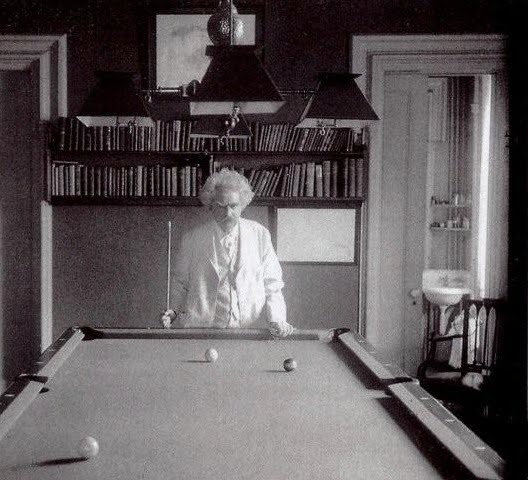
A menacing Mark Twain behind his pool table. (I’m not sure whether this is the Fifth Avenue townhouse or his place in Redding, Connecticut.) Due to his white suit and the photographic process in the 1900s, the writer often looks ghostly and pale.

This extraordinary video is pretty much the only moving images we have of Mark Twain, taken by Thomas Edison in 1909 at Clemens new home Stormfield, in Redding, CT. It’ll give you some idea of Twain’s appearance when he lived in New York the year previous.

If you’re a fan of walking tours — and why shouldn’t you be? — there’s a interesting tour led by author Peter Salwen specializing in Mark Twain’s New York. You can check out their website for more infromation.

For more general information on the life of Mark Twain, I recommend some of the books I used as sources for this show, including Ron Power’s fantastic ‘Mark Twain: A Life’, Michael Sheldon’s ‘Man In White: The Grand Adventure Of His Final Years’ and, of course, the massive, labyrinthine first volume of The Autobiography Of Mark Twain.

And finally, here’s a map of some locations pivotal to Mark Twain’s life in New York — places where he lived and lectured. And you can see, he certainly got around!


View Mark Twain in New York in a larger map

Categories
Uncategorized

Mark Twain and the long century without him


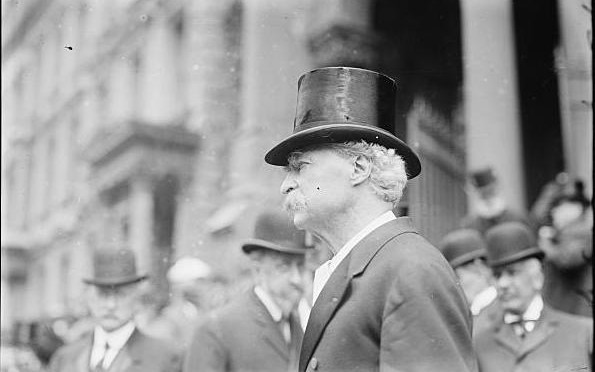
Above: Mark Twain at Delmonico’s Restaurant

One hundred years ago today, Mark Twain died of a heart attack in Connecticut, famously the day after Hailey’s Comet whisked by the earth.

Although obviously more known for his reminiscences of Missouri and his later life in Hartford, Conn., New York City figured significantly in his career. Twain first came to New York when he was just 18 years old and would live here at times throughout his life, contributing to various newspapers and journals. He certainly had a love-hate relationship with the city.

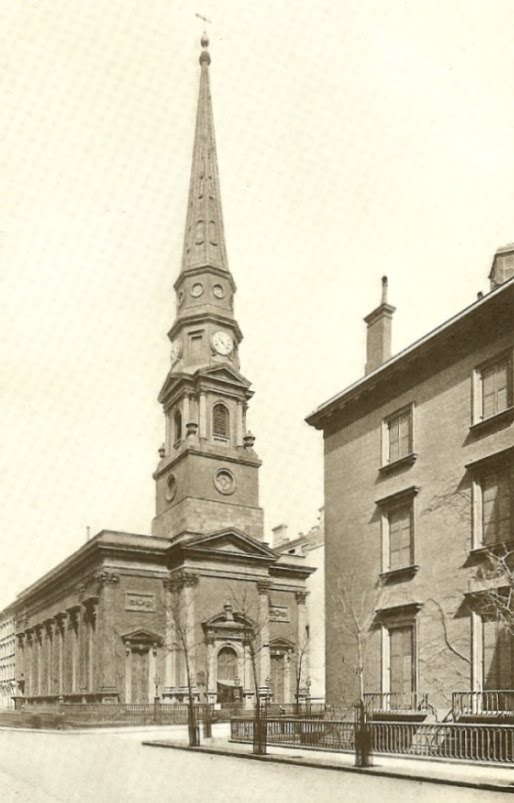
But did you know Twain’s funeral actually took place here, in Manhattan, at the Brick Presbyterian Church at 5th Avenue and 37th Street (at right, pic courtesy NYCAGO)? Both it and the townhouses which surrounded it are all gone. However, the congregation built a new church at Park Avenue and 91st which still stands; the church bell within the new building is from the old structure and bore witness to Twain’s funeral.

Twain’s body arrived in town before noon that April 23 at Grand Central Station and was somberly escorted uptown to the church, where a crowd had gathered. Upon Twain’s casket somebody had thrown a bouquet with the words: “”From one who has read ‘Pudd’nhead Wilson.'”

The funeral was clearly the big event of the day. The Associate Press article reports,” “Holders of tickets were admitted first. Millionaires and paupers rubbed elbows in the vast crowd that stood outside.”

After a series of dramatic eulogies, thousands of people streamed by the open coffin, the writer dressed in his recognizable white coat and pants. The doors were closed at 10 p.m., and Twain’s body was transported to its final resting place — Elmira, New York, a much-beloved summer respite for Twain in his youth and the place where he met his wife.

Finally, here’s one humorous recollection of New York City by Mark Twain, published in a letter for a San Francisco newspaper in 1867. Who hasn’t felt this way before?:

“There is something about this ceaseless buzz, and hurry, and bustle, that keeps a stranger in a state of unwholesome excitement all the time, and makes him restless and uneasy, and saps from him all capacity to enjoy anything or take a strong interest in any matter whatever–a something which impels him to try to do everything, and yet permits him to do nothing.

He is a boy in a candy-shop–could choose quickly if there were but one kind of candy, but is hopelessly undetermined in the midst of a hundred kinds. A stranger feels unsatisfied, here, a good part of the time. He starts to a library; changes, and moves toward a theatre; changes again and thinks he will visit a friend; goes within a biscuit-toss of a picture-gallery, a billiard-room, a beer cellar and a circus, in succession, and finally drifts home and to bed, without having really done anything or gone anywhere. He don’t go anywhere because he can’t go everywhere, I suppose.”

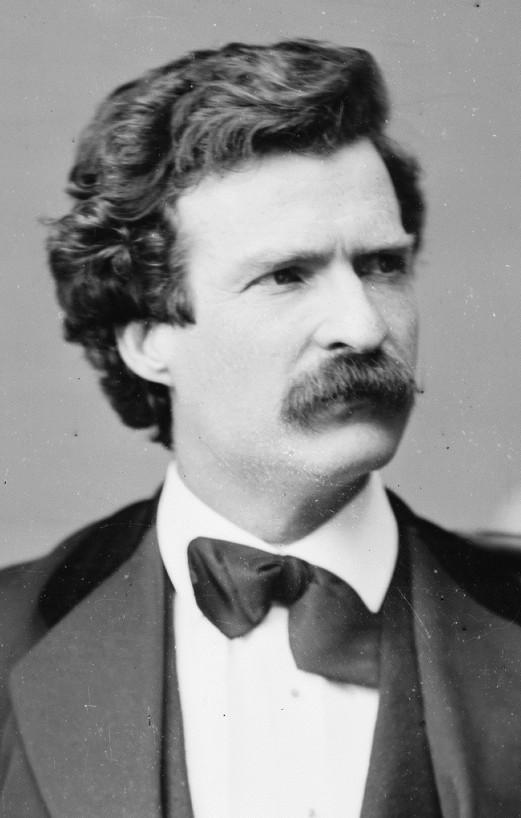
Below: Mark Twain in a portrait taken by Matthew Brady (although I believe the photograph was taken in Brady’s D.C. studio, not in New York)

By the way, here’s a pretty extraordinary tale from New York Press by Craig Fehrman about the fight to save Mark Twain’s Fifth Avenue home from demolition.