Categories
Podcasts

The Bronx Zoo: the tale of NYC’s biggest animal house

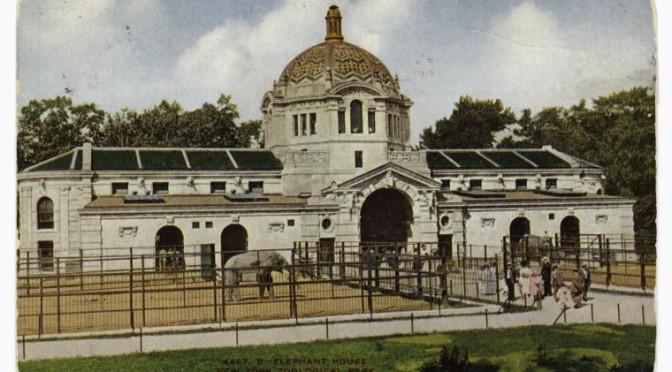
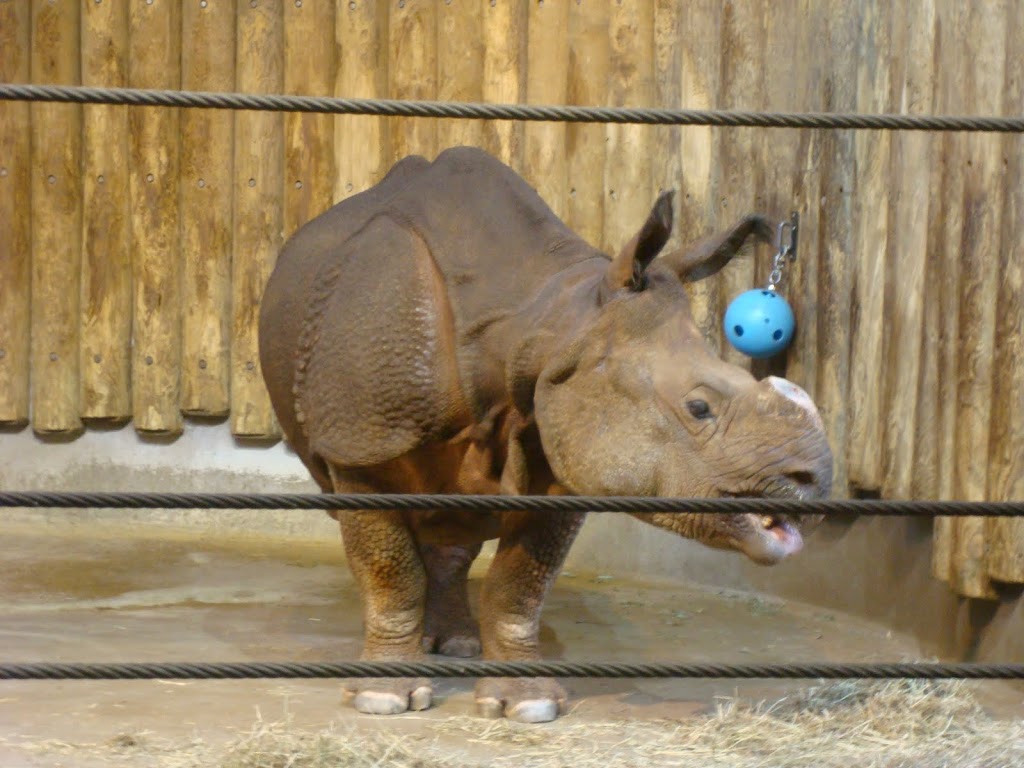
Postcard of the elephant house, now the central Zoo Center — and home today to a baby rhino below. (Courtesy NYPL)

PODCAST New York City’s most exotic residents inhabit hundreds of leafy acres in the Bronx at the once-named New York Zoological Park.

Sculpted out of the former DeLancey family estate and tucked next to the Bronx River, the Bronx Zoo houses hundreds of different species from across the globe, many endangered and quite foreign to most American zoos.

The well meaning attempts of its founders, however, have sometimes been mired in controversy. The highlight of the show — and the institution’s lowest moment — is the sad tale of Ota Benga, the pygmy once put on display at the zoo in 1906!

ALSO: We take you on a tour of the zoo grounds, unfurling over 110 years of historical trivia, from the ancient Rocking Stone to the tale of Gunda, the Indian elephant who may also have been a poet.

CLICK INTO PICTURES BELOW FOR GREATER DETAIL
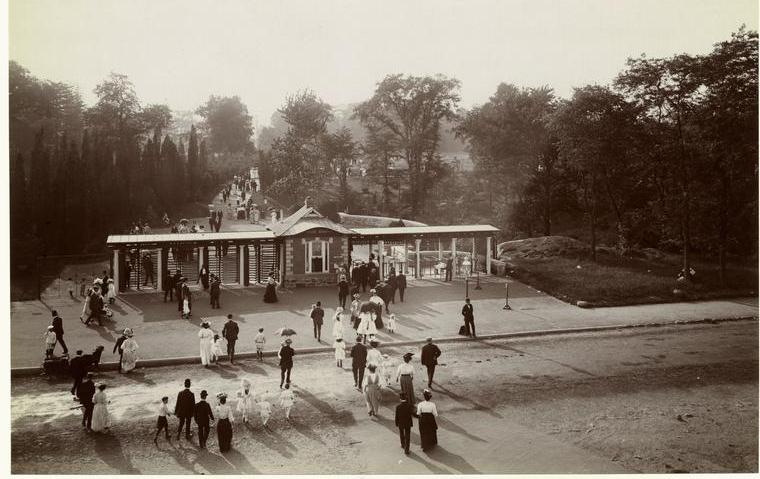
Well-dressed families arrive at the south zoo entrance in 1911. (NYPL)
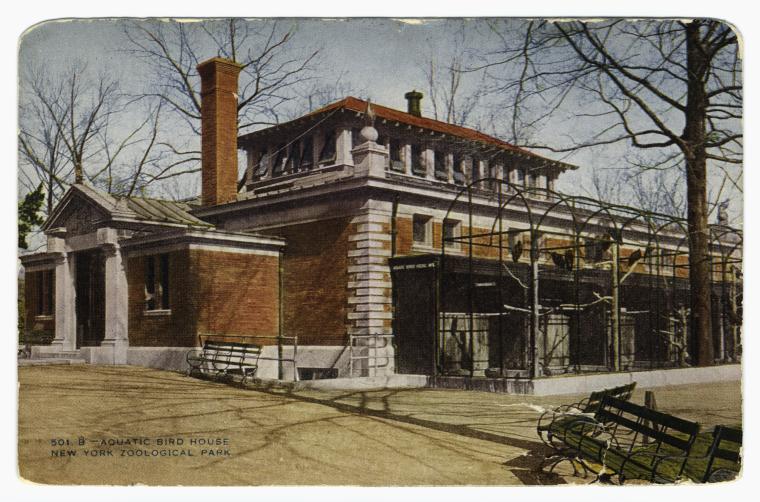
The aquatic bird house, one of the first buildings completed when the zoo opened in 1899. Another building from this date, the House of Reptiles, still stands and you can see it further below. (NYPL)
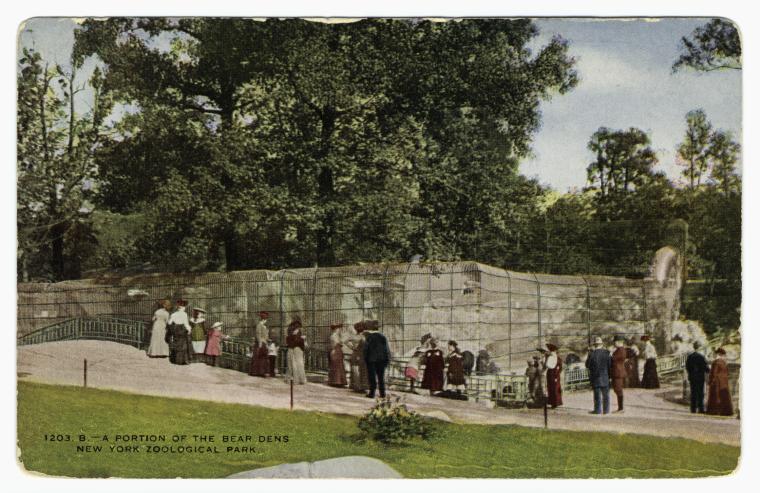
Bears behind fences. Zoo planners used Bronx Park’s natural topography to build enclosures into the very rocks themselves.
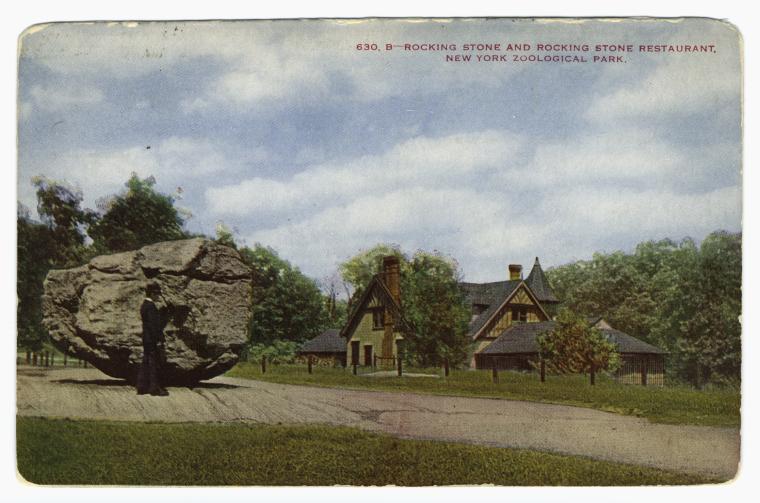
The mysterious Rocking Stone, next to the Rocking Stone Restaurant. Today there’s a World of Darkness exhibit there (presently closed to visitors).
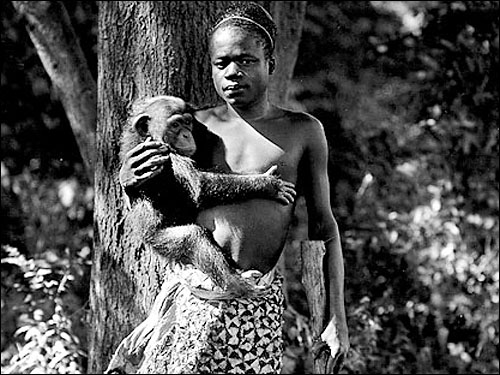
Ota Benga at the Bronx Zoo. The Congolese pygmy once lived at the Museum of Natural History (where he was forced to wear a duck costume!) before being scandalously exhibited for a short time in the Bronx Zoo monkey house in 1906.
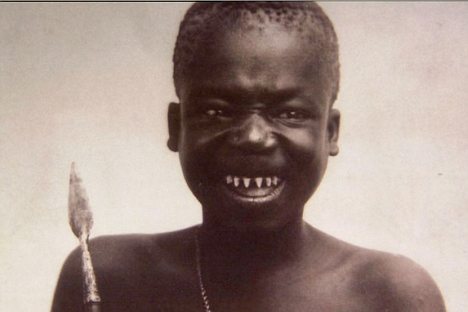
Part of his allure to shocked New Yorkers were his filed teeth and his size (4’11’).
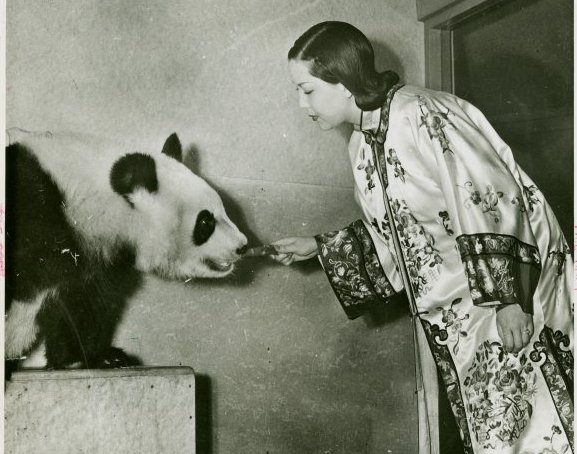
Pandora, the zoo’s first panda bear, from 1938. Pandas never lived for very long at the Bronx Zoo, and they stopped regularly keeping them. Pandas Ling Ling and Yun Yun were briefly housed here in the 1980s.
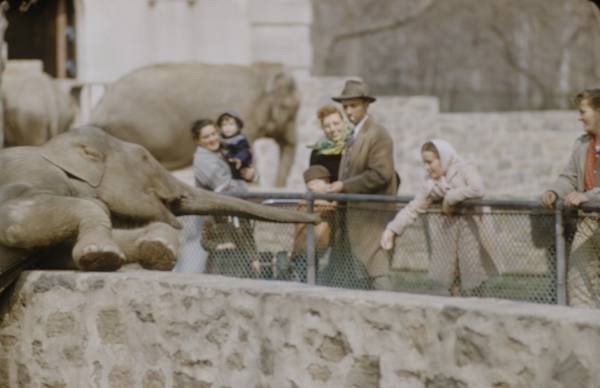
The elephant exhibit, circa the 1960s. The Bronx Zoo’s population of elephants has dwindled to just three animals. Very soon there may be none. (Photo courtesy Life Images, Nina Leen photgrapher)
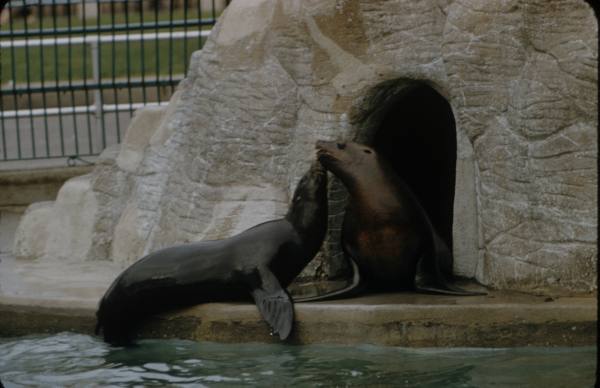
From the same time period as the picture above, but pretty timeless. The sea lions have been the centerpiece of the zoo since it opened in 1899. (Nina Leen)

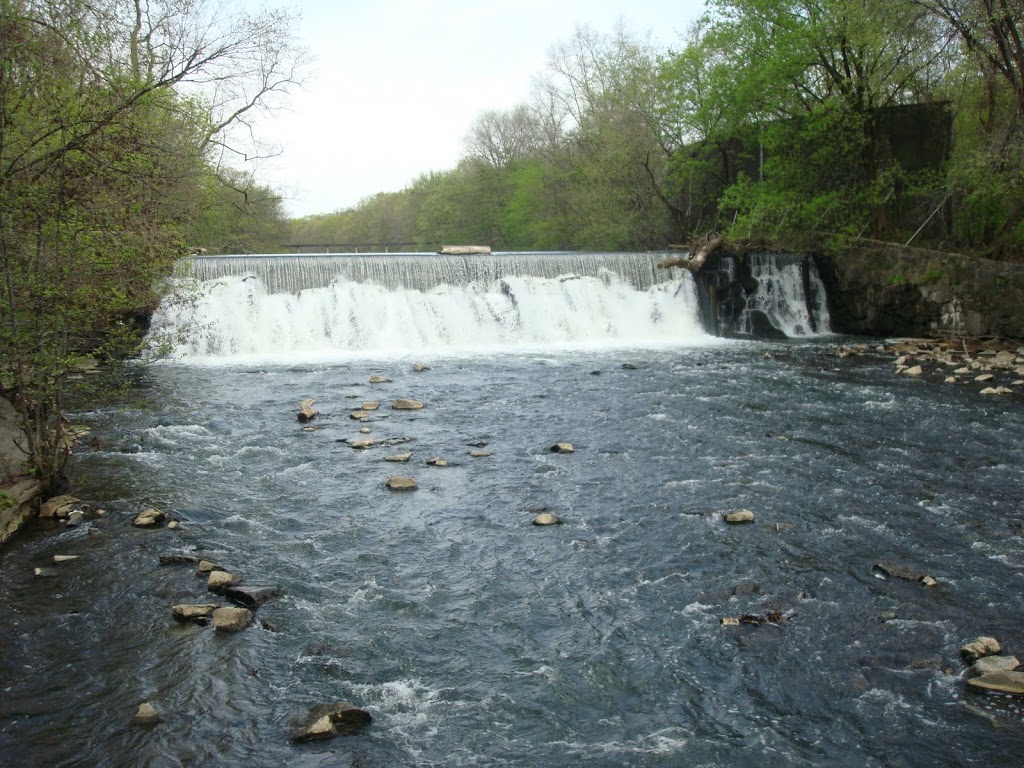
Some pics from my trip last week are below. The zoo is one of the greatest places to see the spectacle of the Bronx River. (Click into them to see the detail.)
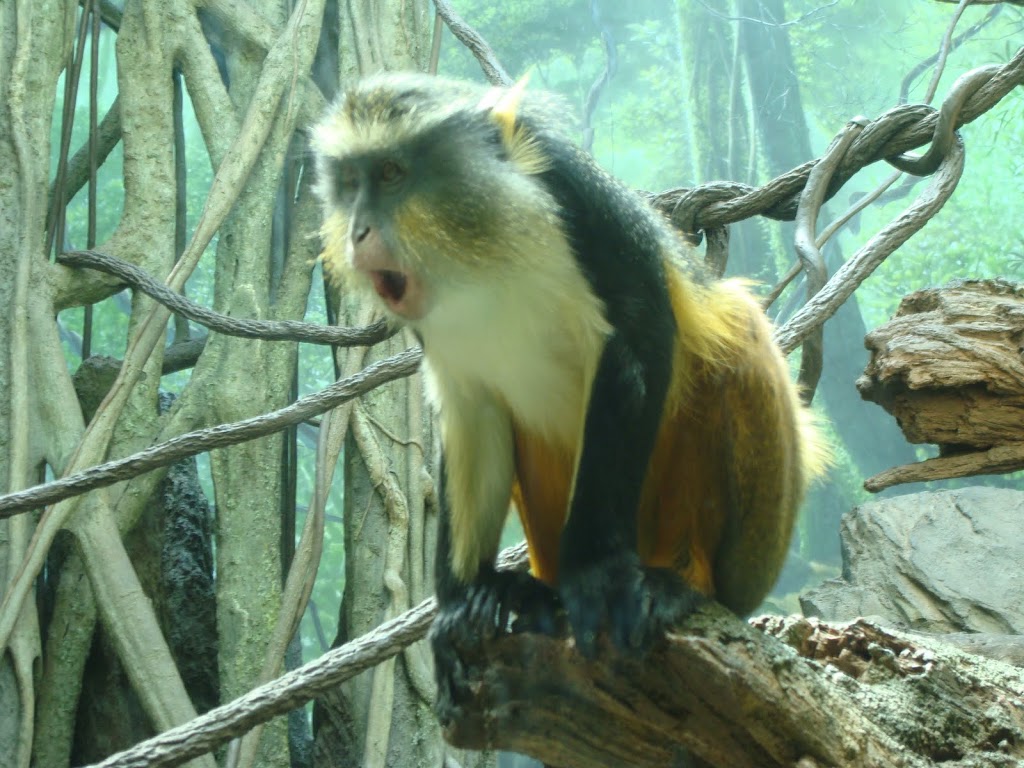
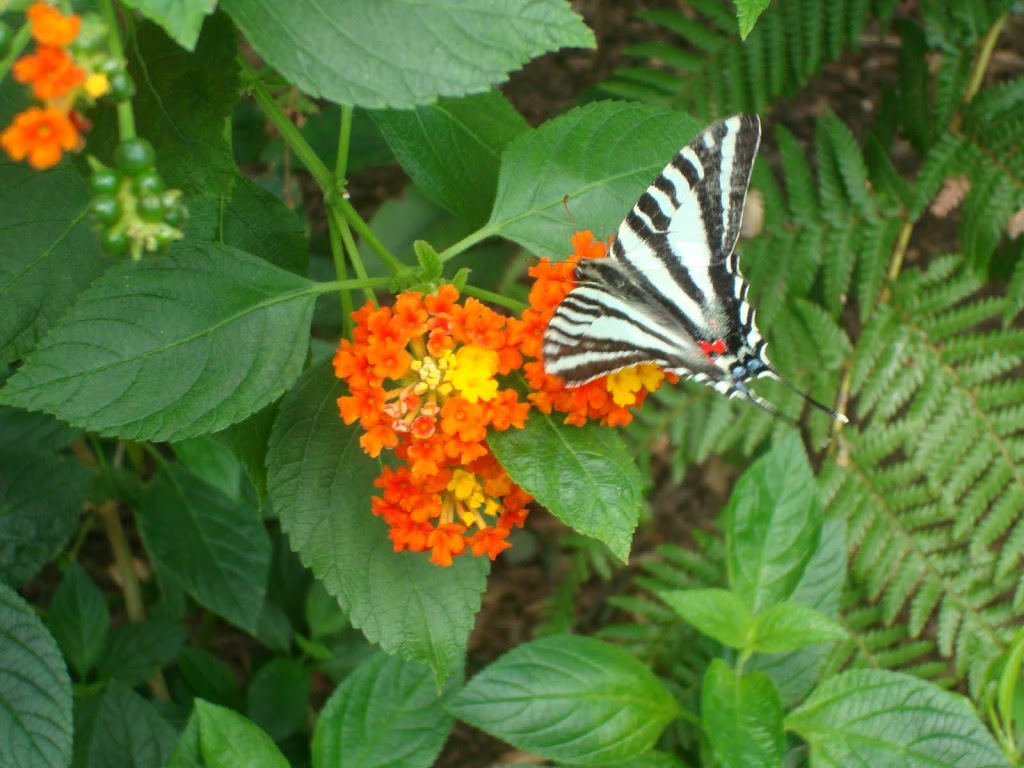
The Butterfly Garden is one of the newer exhibitions, an intimate greenhouse featuring dozens of varieties of butterflies flying all around you (and sometimes, even on you).
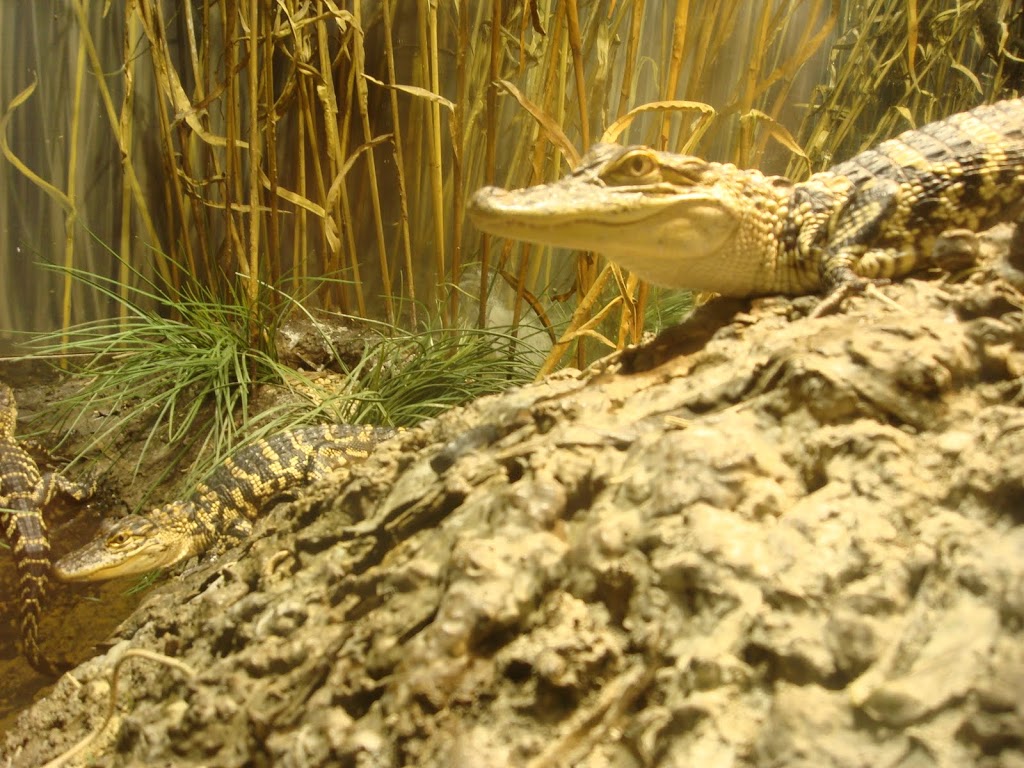
American allligators, the small, unthreatening kind. For something more severe, visit the nile crocodile in the Madagascar exhibit.
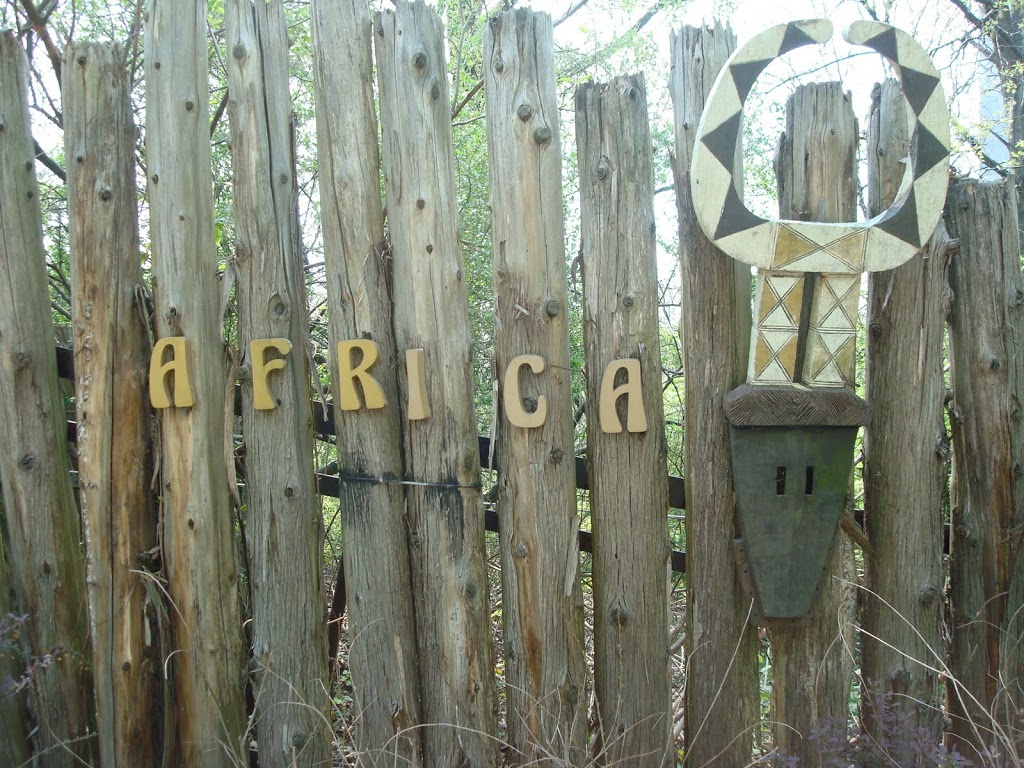
A display of some of the zoo’s marvelous, cheeky fontage.
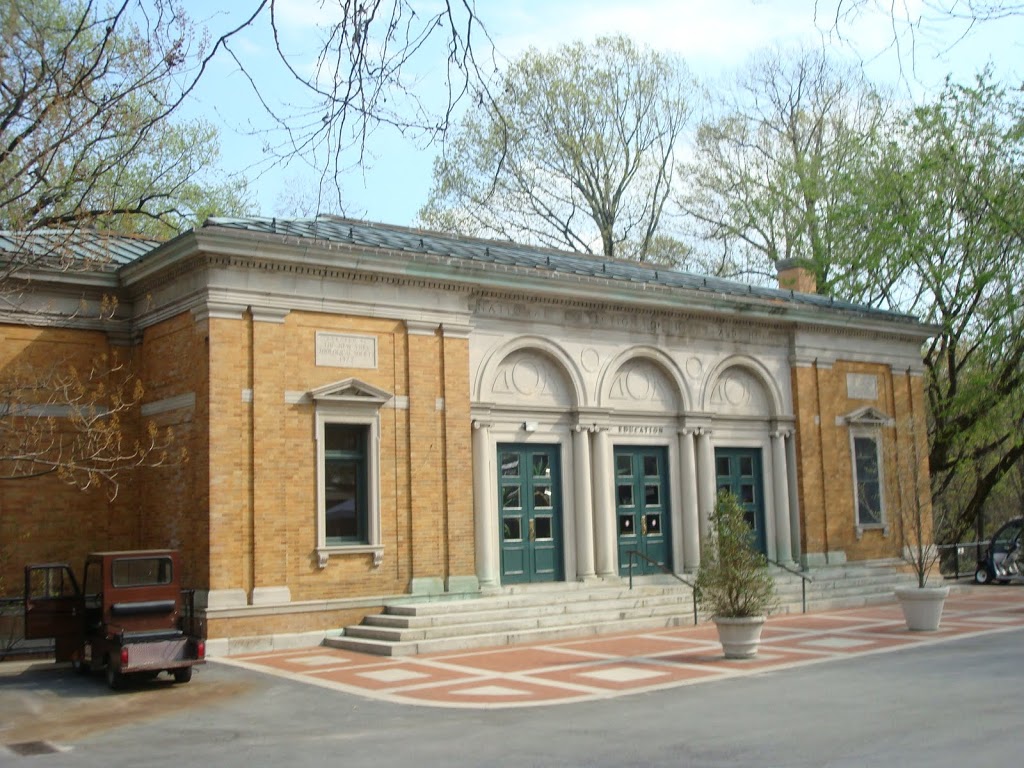
The House of Reptiles, one of the zoo’s oldest structures, from 1899.
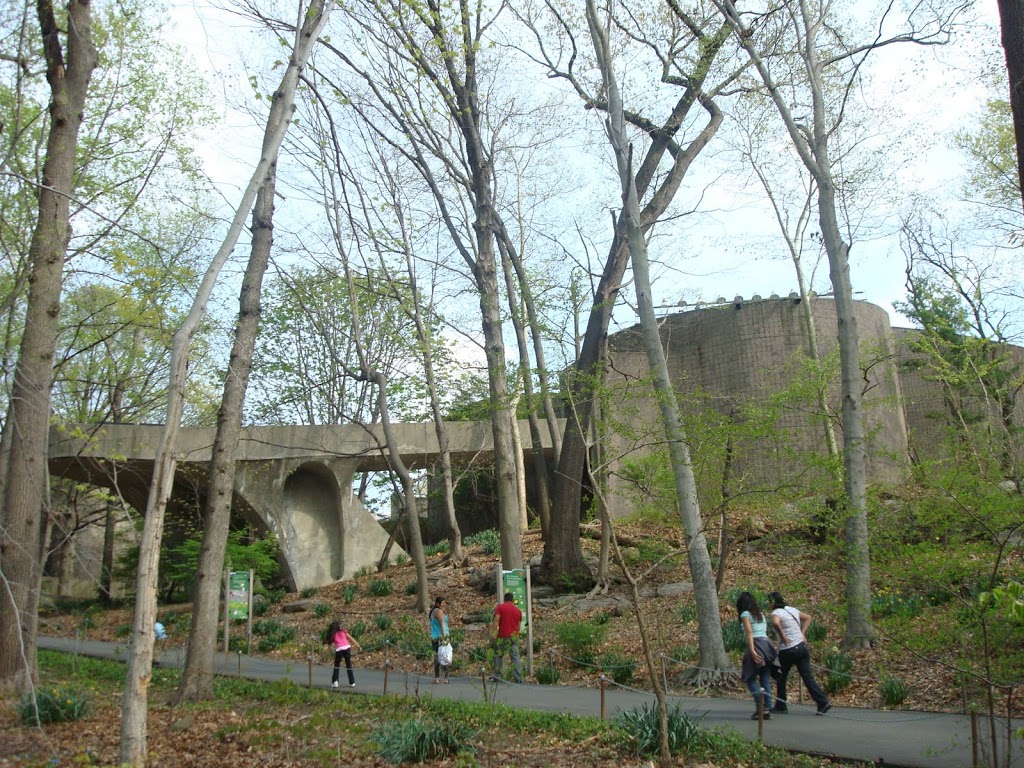
The brutalist wonder that is the House of Birds.
A young female gorilla, one of several who look on at gawking zoo visitors in curiousity and confusuion.
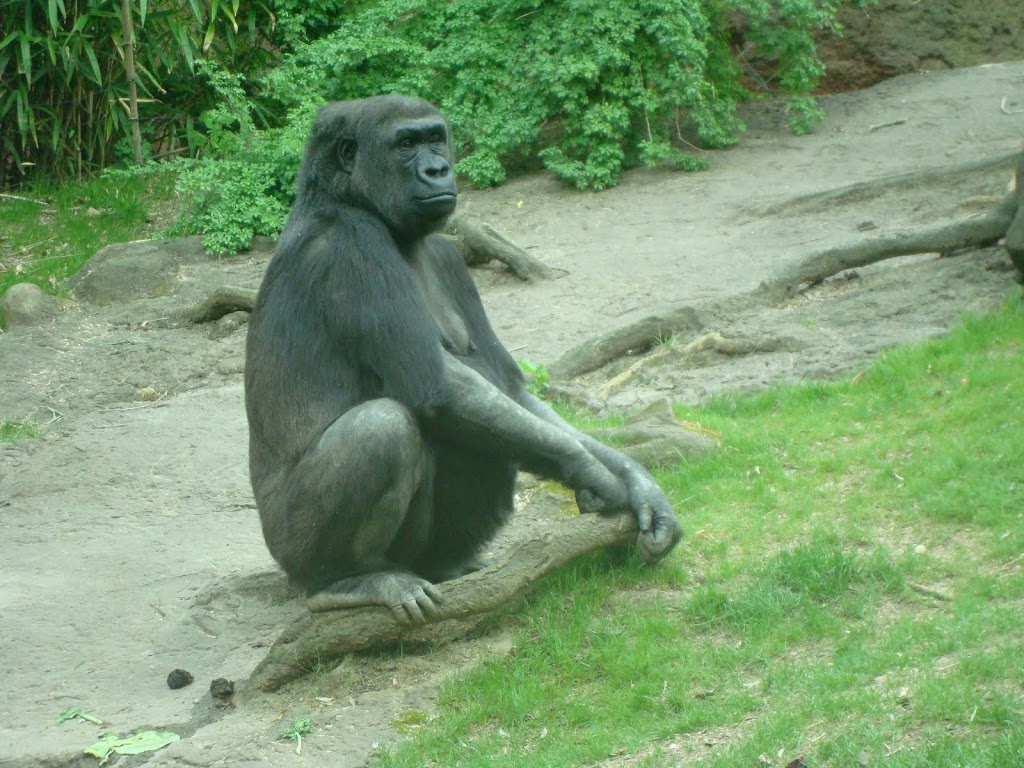
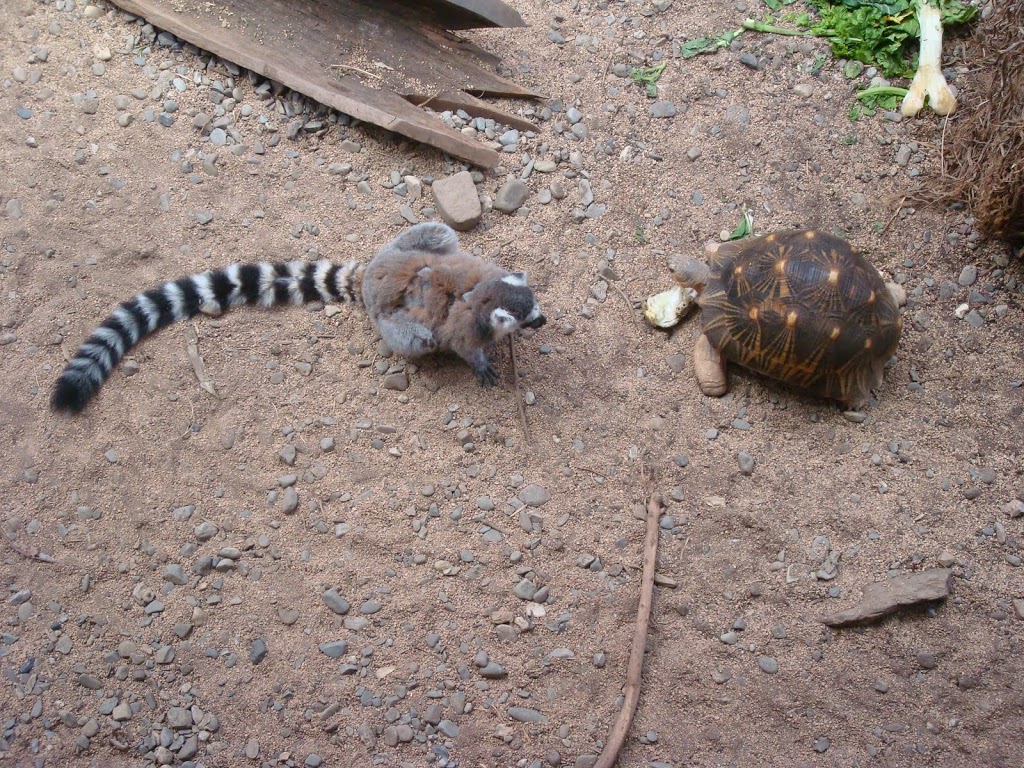
From the Madagascar exhibit:
You can find a baby Asian one-horned rhinoceros named Krishnan at the Zoo Center.
And finally, the Bronx Zoo movie star Andy the orangutan in his feature debut Andy’s Animal Alphabet:
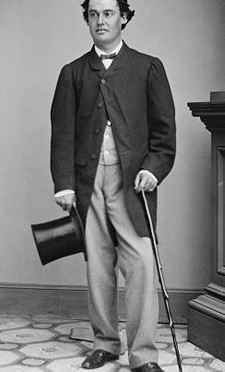
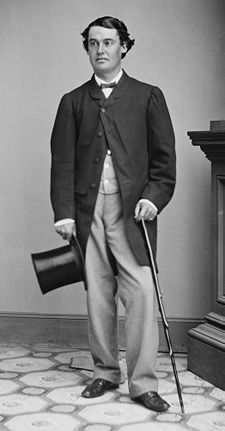
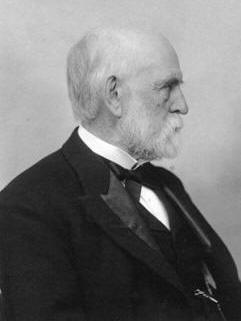
Know Your Mayors: Abram S. Hewitt

Our modest little series about some of the greatest, notorious, most important, even most useless, mayors of New York City. Other entrants in our mayoral survey can be found here.

Abram Hewitt could easily be considered a very pivotal mayor in New York City, given the significant development and personal connections he had to the heart of the city. However a shipwreck very nearly did him in before he could even get started.

Hewitt, born upstate in Haverstraw, attended Columbia and taught mathmatics, where he became friendly with a student he was tutoring, Edward Cooper. The two of them later voyaged to Europe in 1844, but on the way back to America, their ship capsized off the coast of Cape May.

He, Edward and the crew were later rescued, but the experience affected Hewitt deeply (and rather vaingloriously): “It taught me…that my life which had been miraculously rescued belonged not to me, and from that hour I gave it to the work which from that time has been in my thoughts — the welfare of my fellow-citizens.”

It had a more lucrative effect as well; for Edward Cooper happened to be the only son of industrialist Peter Cooper. Hewitt’s bravery bonded him with the Cooper family, becoming lifelong friends with Edward and marrying Edward’s sister Sarah.

He helped found Trenton Iron Company with the Coopers and became the first to experiment with the inexpensive steel-producing Bessemer process in the United States.

But politics was soon in Abram’s sights, especially with the crumbling of Boss Tweed’s Tammany Hall after his fall in 1871. Hewitt reorganized that once-corrupt Democratic political machine with political rewards for himself, elected to the U.S. House of Representatives in 1874.

He even tried his hand at national politics, managing Samuel Tilden’s nearly-successful quest for the White House in 1876. Remember this from history class? Despite Tilden winning the popular vote, an electoral fiaso gave the election to Rutherford B Hayes.

As Hewitt held court in Washington — becoming, in Henry Adams’ words “the most useful public man in Washington” — his close friend and brother-in-law Edward Cooper would be elected mayor of New York in 1879.

Hewitt’s connections in Washington would assist in getting the neccessary attentions brought to the building of the Brooklyn Bridge. Although David McCullough dryly notes that Hewitt might have inadvertantly helped weaken the Bridge by helping deliever the wire bid to Brooklyn native (and total fraud) J. Lloyd Haugh. (More about him in last week’s podcast.) Hewitt would give a most stirring speech during the Bridge opening ceremony in 1883.

Finally, Hewitt himself would become mayor of New York City in 1886 during a heated election in which a candidate by the name of Theodore Roosevelt would place third.

Hewitt strong distain for corruption in city politics ran him against his old organization Tammany Hall. He also had strong moral convictions, fighting to keep city saloons closed on Sunday. (This did not endear him to many people.) However, he strongly advocated the creation of new city parks and began work on a much-delayed underground train system — which Tweed’s machine had stalled for years. In fact, Hewitt is considered the “Father of the New York Subway.”

He was defeated in 1888, partially due to angering the Irish community because he refused to attend the St Patricks Day Parade. (Hewitt tended to be of a more nativist stripe; among other demands, he required all immigrants take a literacy test.)

He spent his later years as a philanthropist, on the boards of the Carnegie Institution and the Museum of Natural History. When he died in 1903, Andrew Carnegie himself claimed the former mayor was “America’s foremost private citizen“.

Ah, the bad ole days of Needle Park

BOWERY BOYS RECOMMEND is an occasional feature whereby we find an unusual movie or TV show that — whether by accident or design — uniquely captures an era of New York City better than any reference or history book.

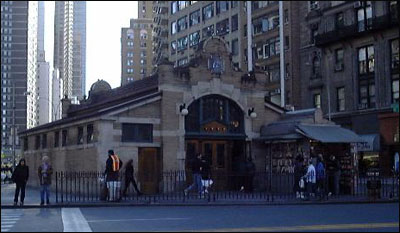
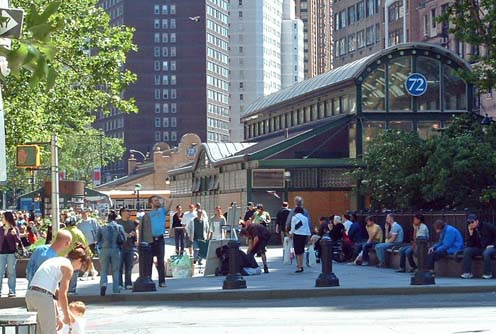
The traffic island at 72nd and Broadway has always been one of the Upper West Side’s most distinctive, with its vintage subway control houses on either side of the street sitting in two distinct ‘parks’ — Verdi Square with its lovely shady patches and statue of composer Giuseppe Fortunino Francesco Verdi; and Sherman Square, a virtually barren traffic triangle that honors nothing in the way of its namesake, Civil War hero William Tecumseh Sherman.

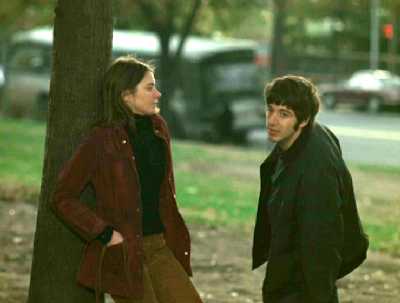
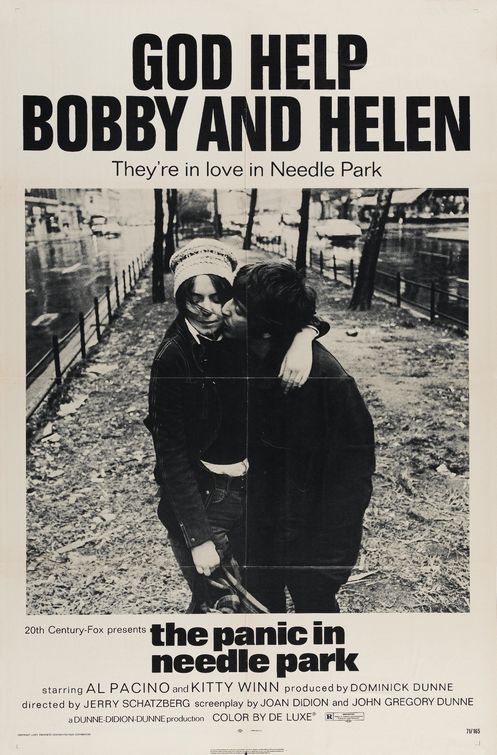
It was a different world 35 years ago, when this area was known by another name — Needle Park, your friendly uptown destination for junkies and dope fiends. The 1972 docudrama Panic In Needle Park vividly depicts this.

The film is primarily known as the breakthrough role of Al Pacino — it’s actually his second film — and its easy to see why. He plays Bobby, a deal who continually fails to break the habit, and even lures his innocent sweet girlfriend Helen (Kitty Winn) into a world of dope scores and prostitution.

More surprising than finding Pacino here is the film’s other contributors — Joan Didion and John Gregory Dunne wrote the screenplay, Dominic Dunne produced it, and showing up in early roles are Raul Julia and Paul Sorvino (as Helen’s hapless john!)

The film is seen through Helen’s eyes who clearly has a few opportunities to escape via a handsome police detective who has seemingly been assigned exclusively to her.

It’s fascinating to see this now-clean stretch of Broadway through a lens of grit, a depiction of New York as a hopeless metropolis sinking into ever-stewing pools of urban decay. Most striking is the scene where Pacino attempts to score from a dealing in front of the Museum of Natural History*.

The raw, early indie style of director Jerry Schatzberg would go on to influence other films, although some of its techniques have been rendered into cliche. However, for lovers of 1970s New York cinema, this sobering and rather exhausting film is a must-see.

Below: a picture of the Sherman Square subway station today:

And Verdi Square:

*One could write an entire book about the depiction of the Natural History museum in film. See the last Bowery Boys Recommends article about Q: the Winged Serpent.

Monster madness at the Chrysler Building

BOWERY BOYS RECOMMEND is an occasional feature whereby we find an unusual movie or TV show that — whether by accident or design — uniquely captures an era of New York City better than any reference or history book.

By the early 80s, New York City has already seen its absolute nadir as a fiscally and morally bankrupt urban center and was fully comfortable with its place in the gutter. The crime rate wouldn’t improve for another decade, but at least Wall Street was picking up the city’s financial fortunes by the lapels. Punk is strangling disco in the back alley, the city struggles through transit strikes, smog and a sudden rise in homelessness.

So it is in that light in which the piece of glorious grade-A schlock “Q: The Winged Serpent,” released in 1982, must be judged.

Chrysler Building architect William Van Alen would be horrified to learn that the graceful tapering top hat of his most famous building becomes home of a loathsome flying dragon and a gigantic nest of eggs. As if possessed with a little of Van Alen’s spite at being quickly overtaken in less than a year by the taller Empire State Building, the first scene of “Q” involves the dragon popping over and snatching off the head of an Empire State window washer.

Q swiftly makes a go at New Yorkers sunning themselves on rooftops or in private swimming pools, an inverted Jaws scenario. As such, her victims are mostly upper class, young and rich. There’s a perverse joy at seeing a montage of New Yorkers staring into the sky and being slathered in fake looking blood.

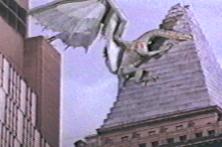
Q also has a ball hanging around the pyramid-topped Bankers Trust building in the financial district. Curiously, few New Yorkers notice this massive monster jetting between uptown and down.

Just how did a winged serpent (it really looks like a dinosaur from Land of the Lost) get to Manhattan? According to the ham-fisted plot, it involves an ancient sacrificial cult, located at the Museum of Natural History, who have summoned the Aztek god Quetzlcoatl via a trail of skinned, sacrificial bodies.

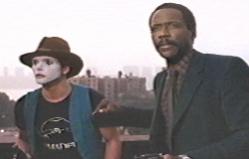
David Carradine and Richard Roundtree (Kung Fu and Shaft) lead the investigation, in a depiction of the New York police force that is hardly flattering. Michael Moriarty is a sad-sack conman — roughed up down by South Street Seaport — who discovers the serpent hideaway during a completely superfluous chase scene through the Chrysler.

And, oh, did I mention the cop dressed as a mime who stays in makeup for the whole film? Whatever happened to the good old fashioned New York mime, I ask you?

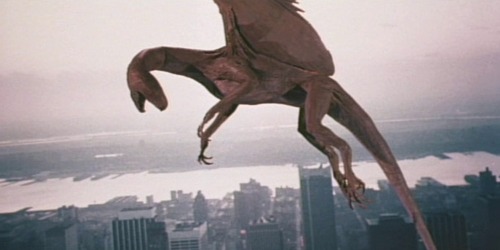
By sheer function of the story, “Q” happens to be one of the best depictions of New York City in the early 1980s. That’s because the ‘serpent’, in all its cheesy stop-motion glory, frequently soars over New York midtown, allowing the viewer to soak in its former splendor. I had a blast freezeframing these scenes and trying to figure out what I was looking at; given the swift makeover of midtown Manhattan, its harder than you think.

Director Larry Cohen, known for other B-movie fare like ‘Black Caesar’ and ‘It’s Alive’, supposedly got the entire idea for the film by looking up at the Chrysler and thinking, “That’d be the coolest place to have a nest.” Probably not the reaction Walter Chrysler wanted when he first commissioned it.

“Q: the Winged Serpent” is currently available on DVD and is probably shamelessly gathering dust at your local video store.

By the way, should we be surprised that the Natural History museum is currently hosting an exhibit called Mythic Creatures that actually features Quetzlcoatl?

UNUSUAL NYC MUSEUMS #3: Teddy on 20th


Our weekly tribute to a severely off-the-beaten-path museum or landmark that you may not know about. Instead of Moma, why not try out one of these places? Past entries in this series can be found here.

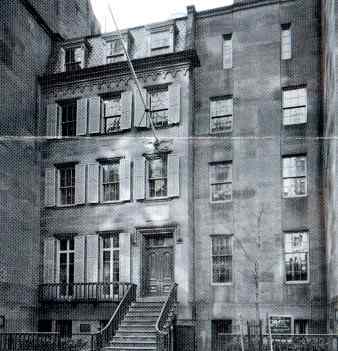
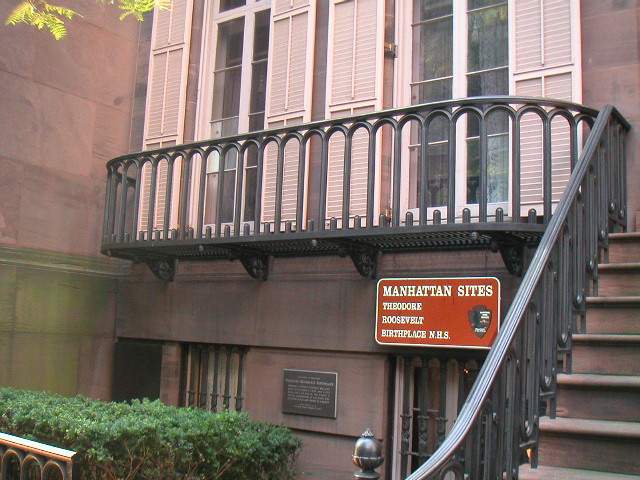
President residences arent what you call ‘unusual’ by any stretch of the imagination. But the Theodore Roosevelt Birthplace Historic Site, on 28 E 20th Street, is unique in that Theodore Roosevelt was never born here — never even lived here — and most of the possessions displayed werent even owned by him.

Once you get by those two teeny little facts, the Site is actually a treat, a wealth of calm and antiquity just steps from busy Broadway and Park Avenue.

The actual brownstone Teddy did live in — being born here in 1858 and residing until 1872 — was in the same location as the present building, but was demolished in 1916 for an office building. However, when he died in 1919, ten years after leaving office, a craze of honorific activities lead to plans to rebuild the original brownstone. It was eventually reconstructed later that year.

And I can see why it was important for not just Roosevelt admirers, but the city of New York. Roosevelt was the only president born in Manhattan, and as a man better known for his adventurous, rugged qualities, its important to remember what an impact the big city had on him as well during his 14 years here.

The lush but suprisingly quiet home features artifacts from Roosevelt’s childhood salvaged by his widow, although most of the furniture is from other family descendents, and the overall effect doesnt speak so much to understanding Roosevelt as it does understanding New York in the mid-1800s.

There are moments where you feel as though youre traipsing through a Henry James novel, imagined ladies sipping tea on those ice blue couches in the parlor. Roosevelt was a rather sickly child, and in the recreation of his room upstairs, you can find a small stairway to the roof — where Teddy’s father set up a gymnasium.

The extra touches continue downstairs to his favorite chair in the library, reupholstered in red fabric to protect Teddy’s knees from scratching. Its quite enlightening actually to see such adoring care for a small child who would later be known as an iconic figure of early 20th Century masculinty and ruggedness.

There’s a pleasant little display on the first floor of mementos and photographs giving a brief portrait into the man’s later career.

As lovely and quaint as the home is, the city’s most dramatic tribute to Teddy Roosevelt is his statue on horseback, outside a building he helped found — the Museum of Natural History.

Details about the Birthplace Historic Site, operated by the National Park Service, can be found here.

By the way, the actual home where he died can also be visited upstate in Sagamore, NY, and as a visitor is a bit ‘sexier’ than the Birthplace, as it was considered the ‘summer White House’ during Teddy’s presidency. Even the site of his inauguration still stands in Buffalo, NY.

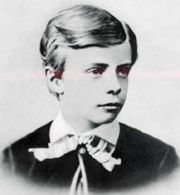
Above is a pic of young Roosevelt, and here’s the current entrance to the museum: