PODCAST “Men will be just to men when they are kind to animals.” – Henry Bergh
Today’s show is all about animals in 19th-century New York City. Of course, animals were an incredibly common sight on the streets, market halls, and factories during the Gilded Age, and many of us probably have a quaint image of horse-drawn carriages.
But how often do we think about the actual work that those horses put in every day?
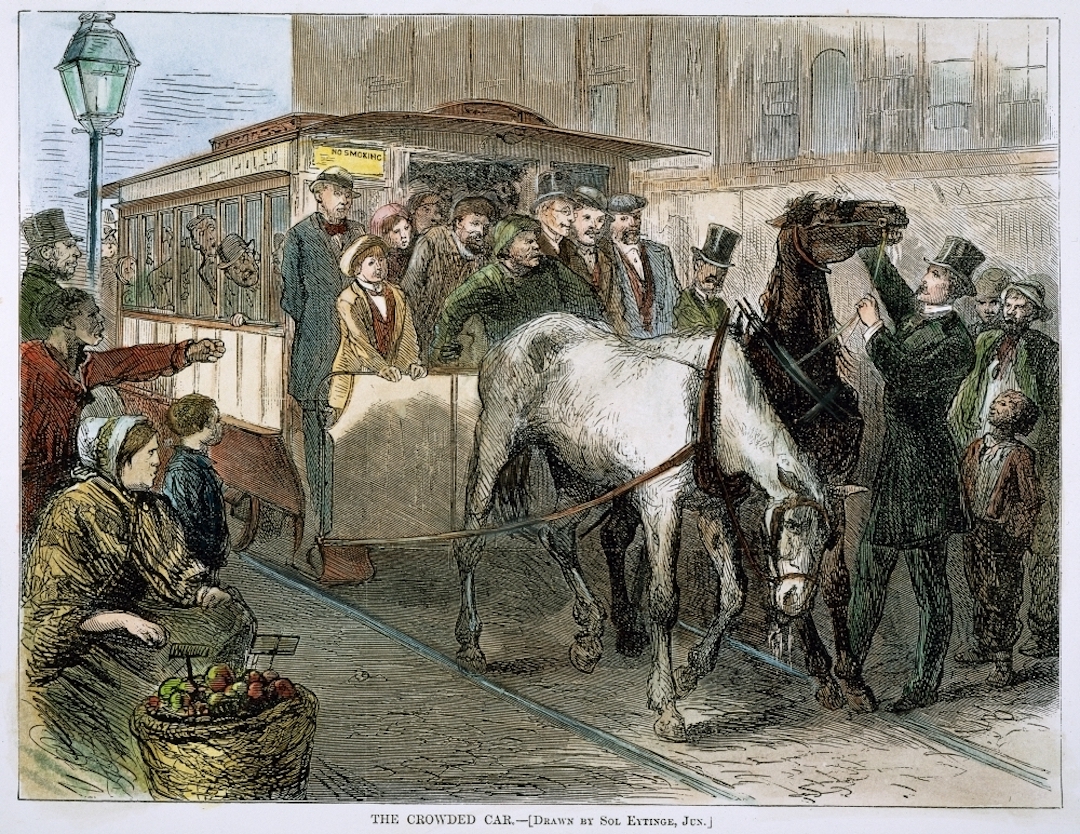
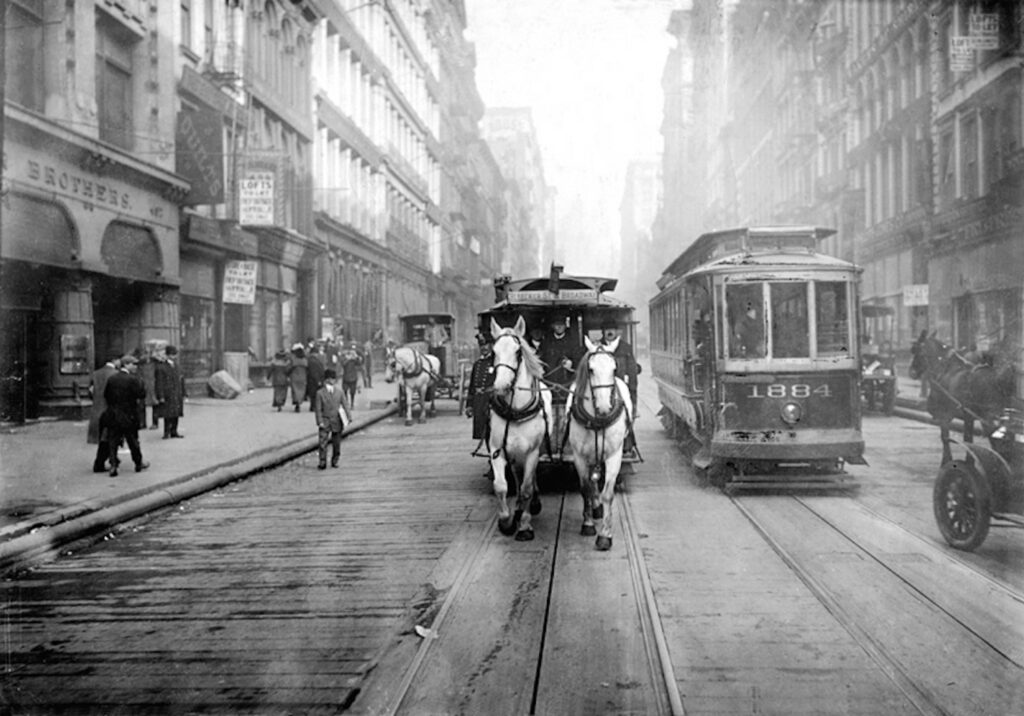
The stress of pulling those private carriages — or, much worse, pulling street trolleys, often overloaded with New Yorkers trying to get to work or home?
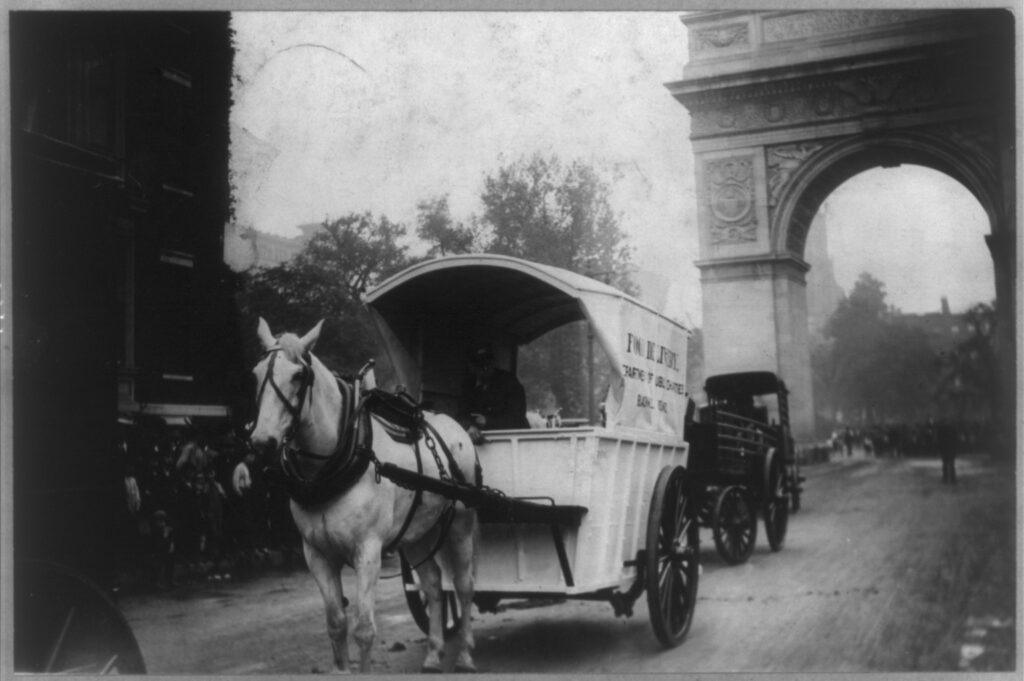
Work Horse parade, New York City: horse and delivery wagon, 1908. Courtesy Library of Congress
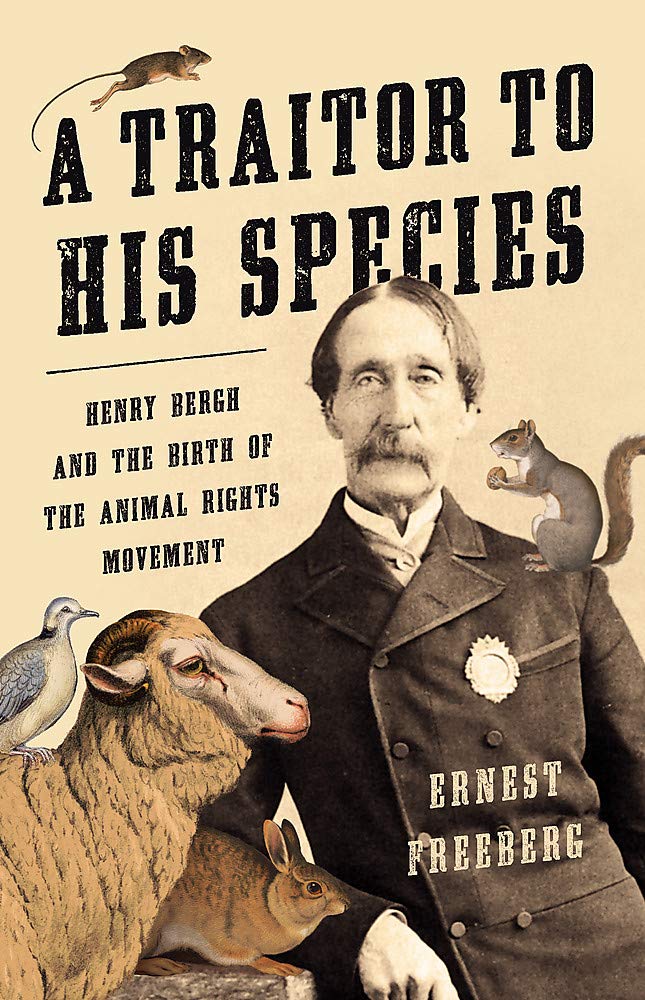
In the book A Traitor to His Species: Henry Bergh and the Birth of the Animal Rights Movement, author Ernest Freeberg (who joins Tom on this week’s show) tells the story of these animals — and of their protector Henry Bergh, the founder of the American Society for the Prevention of Cruelty to Animals (ASPCA).
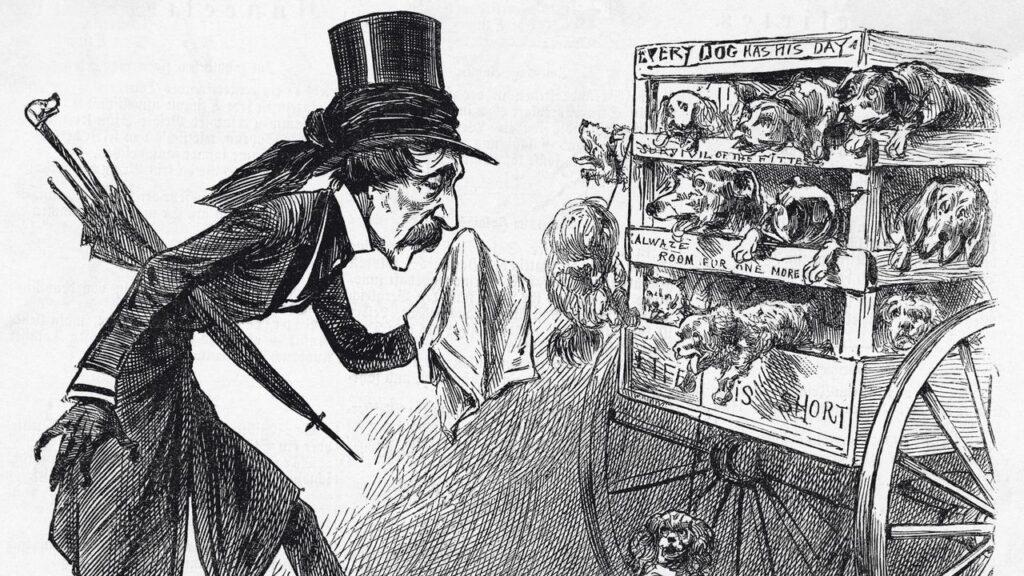
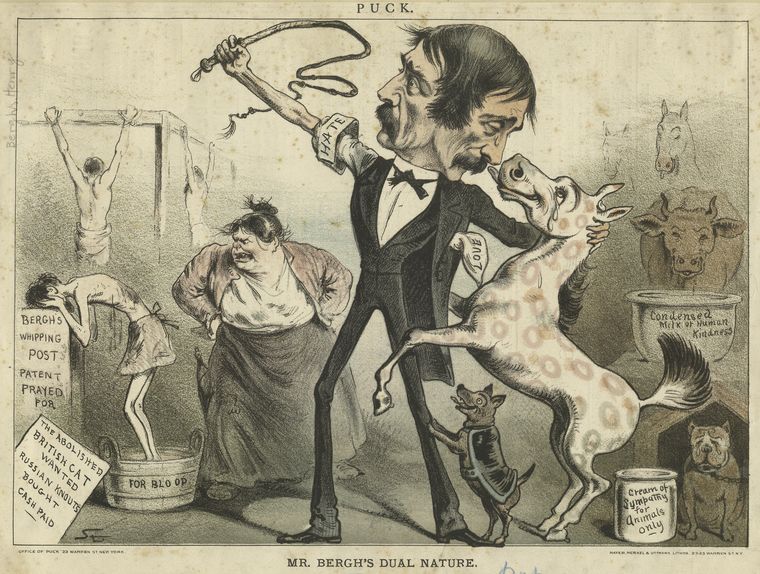
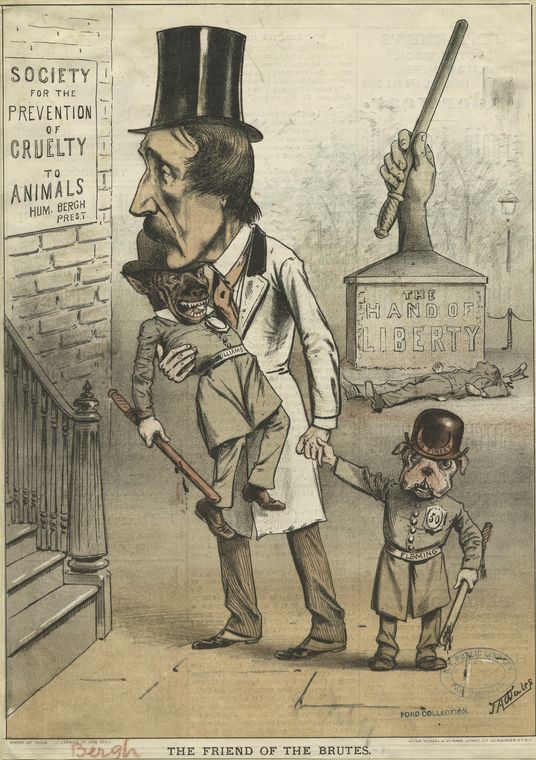
He ran the organization from the 1860s to the 1880s, and was a celebrity in his day — widely covered, and widely mocked for his unflinching defense of the humane treatment of all animals, even the lowliest pesky birds or turtles.
His story is full of surprising turns, and offers an inside account of the early fight for animal rights, and engrossing tales of Gilded Age New York from a new perspective — the animal’s perspective.
Featuring an interview with Ernest Freeberg, a distinguished professor of humanities and head of the history department at the University of Tennessee.
Listen Now – Henry Bergh’s Fight for Animal Rights
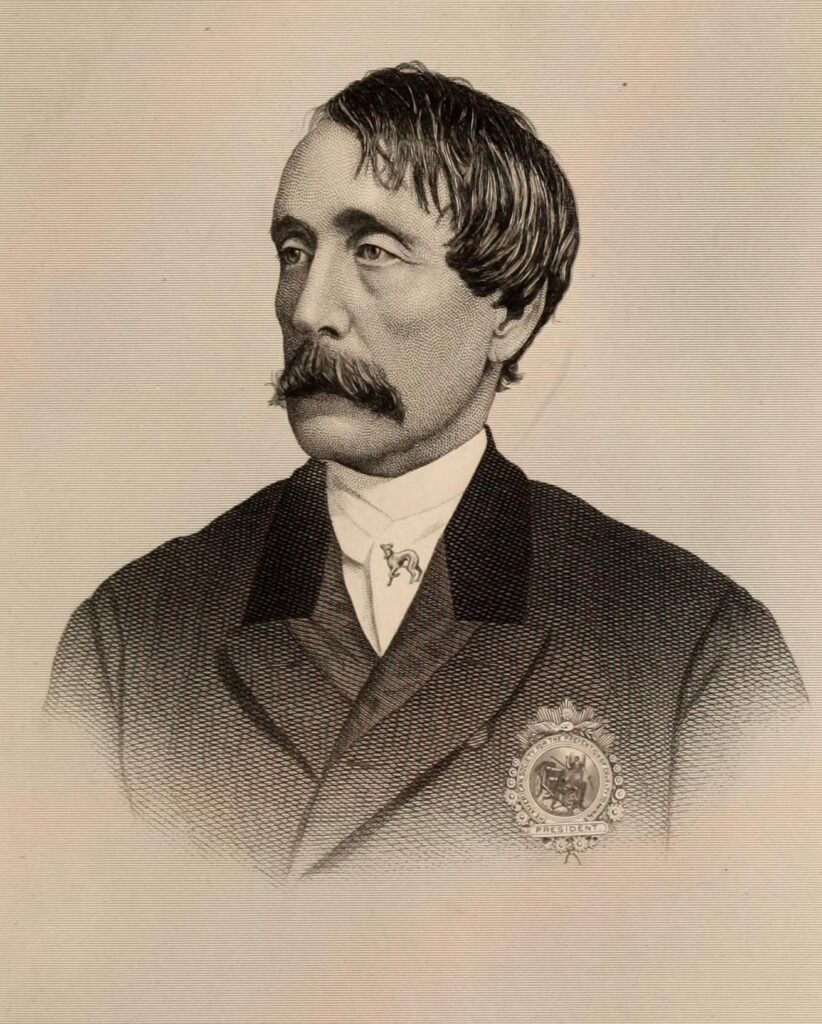
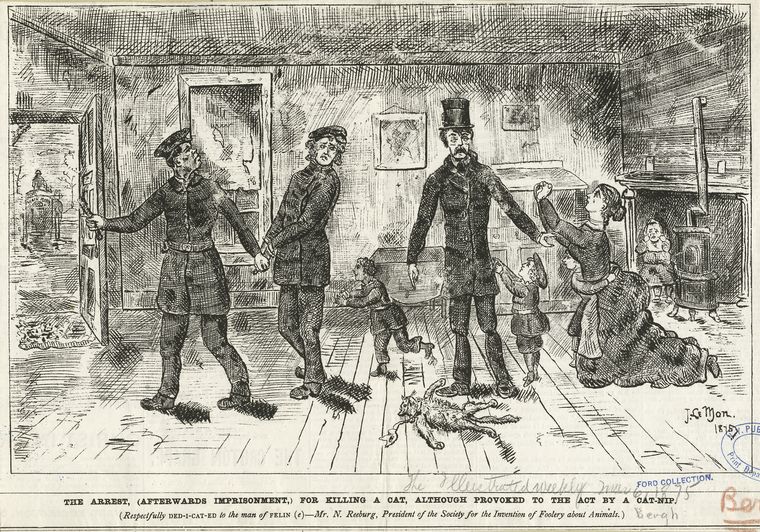
Bergh in an illustration by George E Perine“The arrest, (afterwards imprisonment), for killing a cat, although provoked to the act by a cat-nyp.” New York Public LibraryCaricaturist James Albert Wales lampooning Mr. Bergh. PHOTO: BETTMANN ARCHIVE/GETTY IMAGESBergh made an easy target for satire magazines like Puck
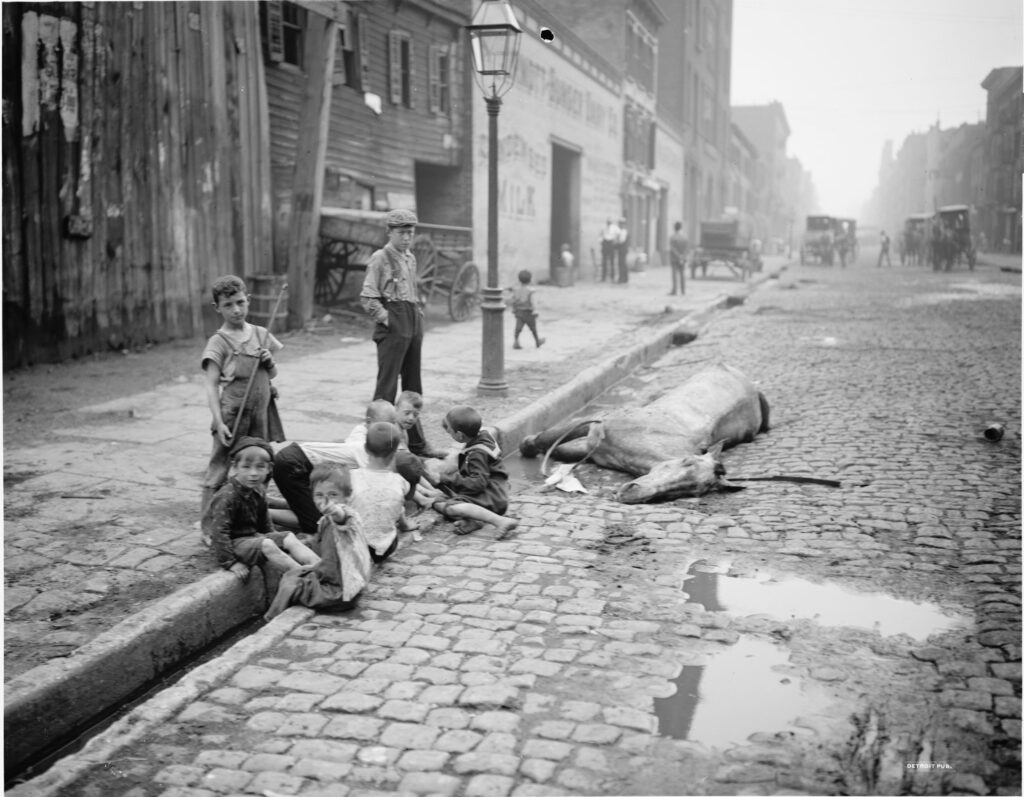
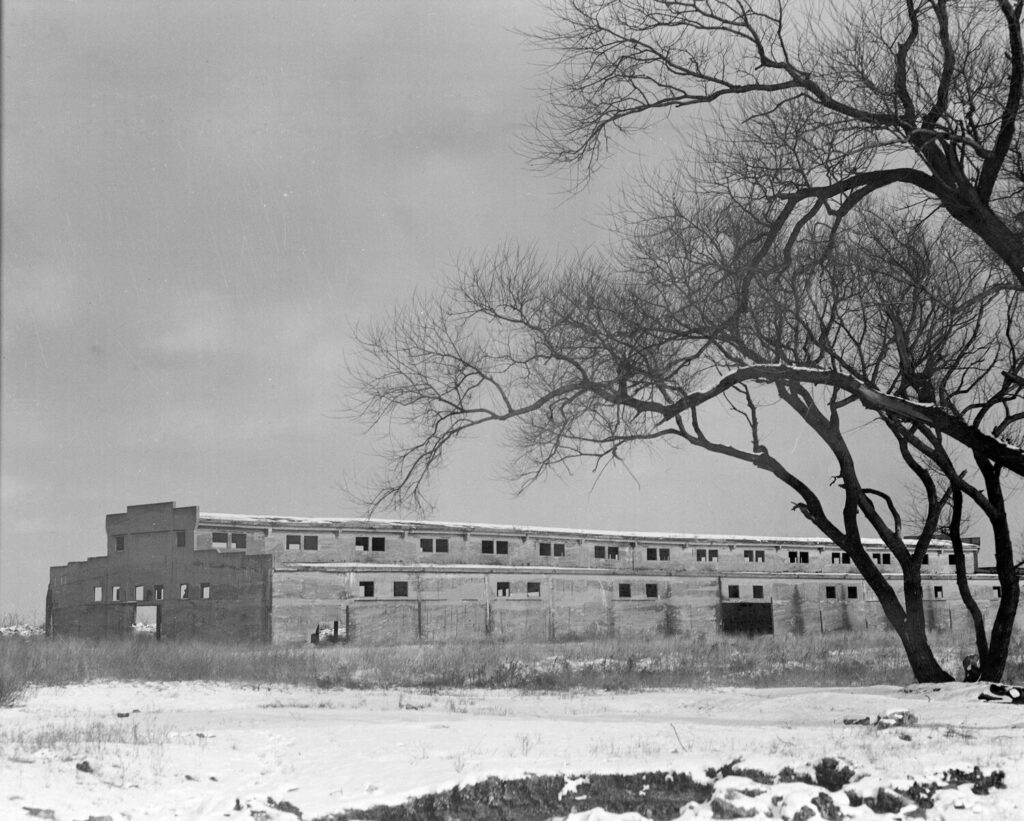
Jacob Riis captured this tragic image in 1900. Ini 1917 horses were sharing the street with automobiles and streetcars.The rendering factory on Barren Island, Brooklyn. It was abandoned by the time of this photograph — January 1938. Photographer: Sam Brody. WPA Federal Writers’ Project Collection, NYC Municipal Archives..
FURTHER READING
FURTHER LISTENING
After you’ve listened to this show on Henry Bergh and the animals rights movement, dive back into the back catalog and listen to these shows with similar themes:
The Bowery Boys: New York City History podcast is brought to you …. by you!
We are now producing a new Bowery Boys podcast every other week. We’re also looking to improve and expand the show in other ways — publishing, social media, live events and other forms of media. But we can only do this with your help!
We are now a creator on Patreon, a patronage platform where you can support your favorite content creators.
Please visit our page on Patreon and watch a short video of us recording the show and talking about our expansion plans. If you’d like to help out, there are several different pledge levels. Check them out and consider being a sponsor.
We greatly appreciate our listeners and readers and thank you for joining us on this journey so far.
While traipsing through Red Hook a couple months ago, I happened upon a family of raccoons camped out underneath a pick-up truck.
New York City is actually a bit of a zoo — if you open your mind to what constitutes a star attraction. Sure, we don’t have lions wandering around (thankfully), but what zoo creature is more famous than Pizza Rat?
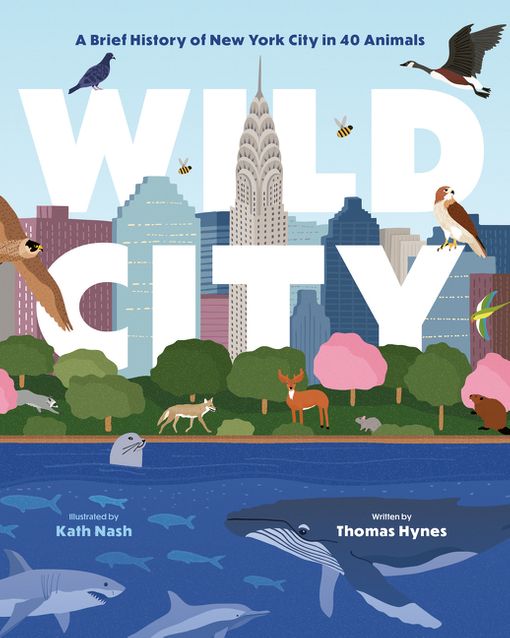
WILD CITY A Brief History of New York City in 40 Animals Written by Thomas Hynes Illustrated by Kath Nash
In Wild City, author Thomas Hynes and illustrator Kath Nash reveal an urban environment more exotic and thriving than any city of concrete and steel has right to be.
The creators focus on forty creatures — from the ancient mastodon whose skeletal remains presumably linger underfoot to the clever starlings who have bullied their way into the American habitat (to the detriment of other birds).
New York really became a metropolis because of two particular living creatures — beavers and oysters. But one can hardly deny that horses may be the most important animals to New York City history, for better or worse.
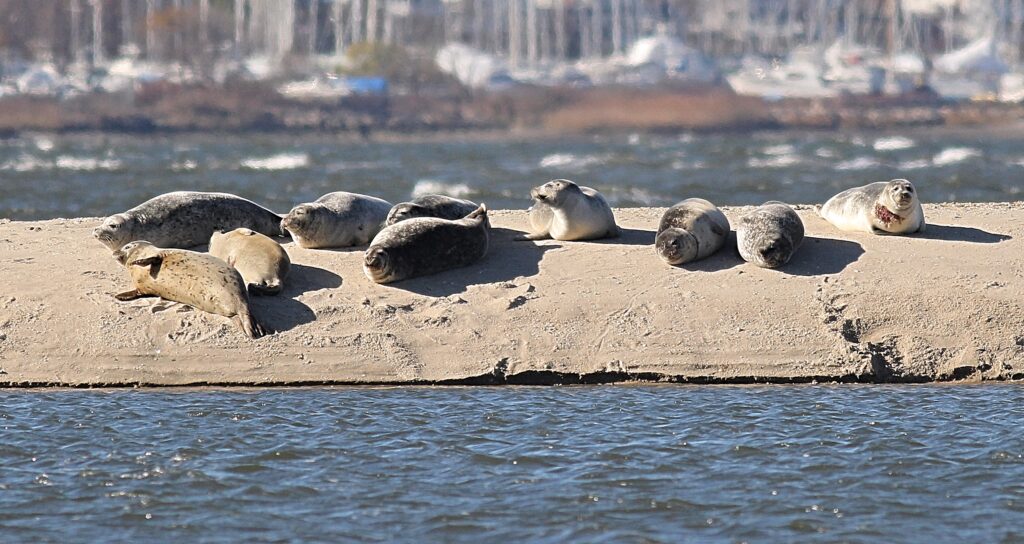
Seals make the list! Picture courtesy NY Harbor Nature. Visit their website for more information about the plight of seals in the harbor.
In a sense, a city with underground tunnels, green parks and a skyline with a million perches seems suited for particular kinds of beasts. Even those from urban legend like the sewer alligators (which, it turns out, aren’t mythical after all).
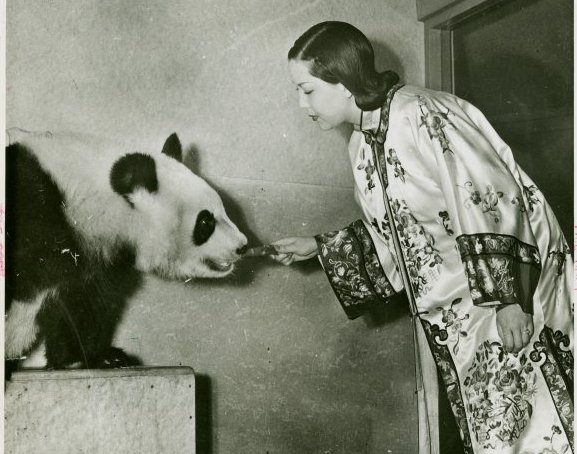
And when nature itself doesn’t provide, the need for companionship invites them — from dogs and cats to more, um, unconventional pets (such as Su Lin, the first panda to ever come to the United States).
Yes there are shipworms and mosquitoes and bed bugs here too — yikes! Luckily Wild City is such a calming, enjoyable read — and so beautifully illustrated — that you might be a little less inclined to swipe away that annoying insect next time you’re in the park.
And I think I’m going to go look for those raccoons again.
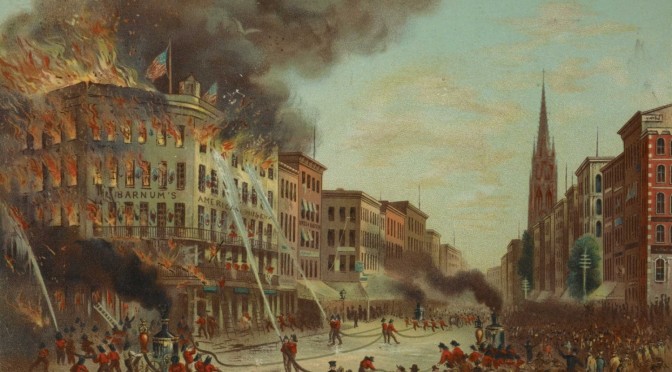
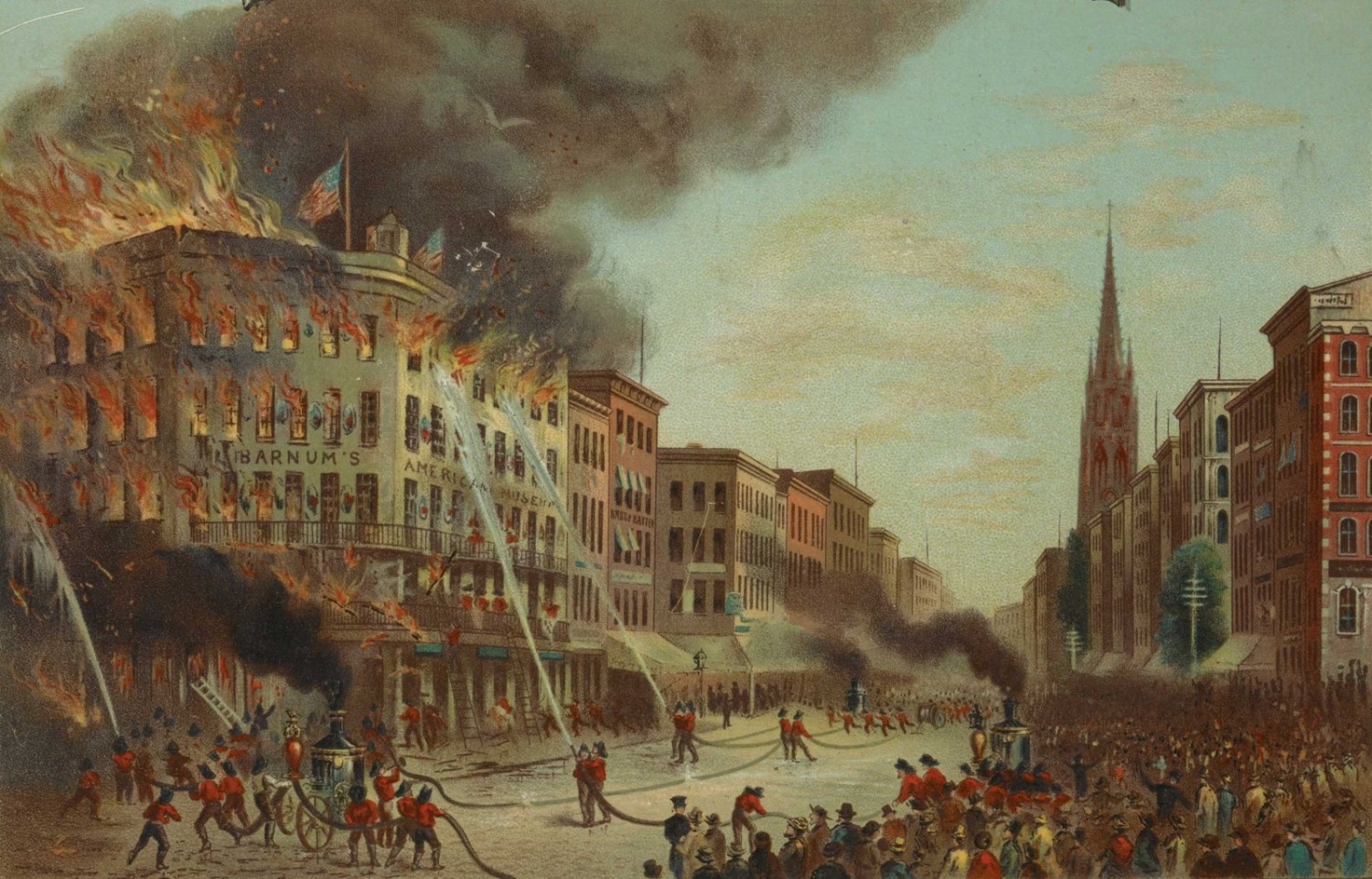
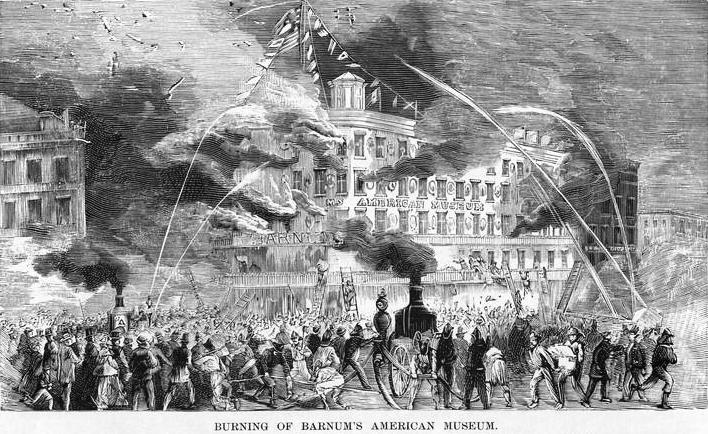
Christopher Pearse Cranch. Burning of Barnum's Museum, July 13th, 1865, 1865. Chromolithograph. Eno Collection Miriam and Ira D. Wallach Division of Art, Prints and Photographs, The New York Public Library
One hundred and fifty-five years ago (on July 13, 1865), New York City lost one of its most famous, most imaginative and most politically incorrect attractions.
When P.T. Barnum opened his museum in 1841, the kooky curiosities contained within the building at the corner of Broadway and Ann Street— at the foot of Park Row — were simply reconstituted properties from other museums.
But he soon expanded the collection to include living spectacles, both human and animal, become both the greatest show and the greatest side-show on earth.
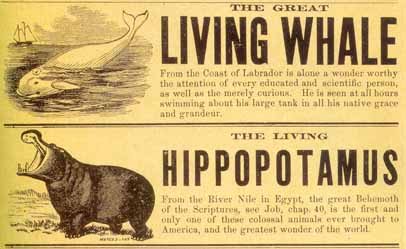
From his lilliputian stars Tom Thumband Commodore Nuttto the unfortunate white whales contained in water tanks in the basement, Barnum’s American Museum was New York’s destination for the fascinating and the weird.
Millions would visit its corridors during its two and a half decades of operation. It was so renown that it was even a target of attempted sabotageduring the Civil War.
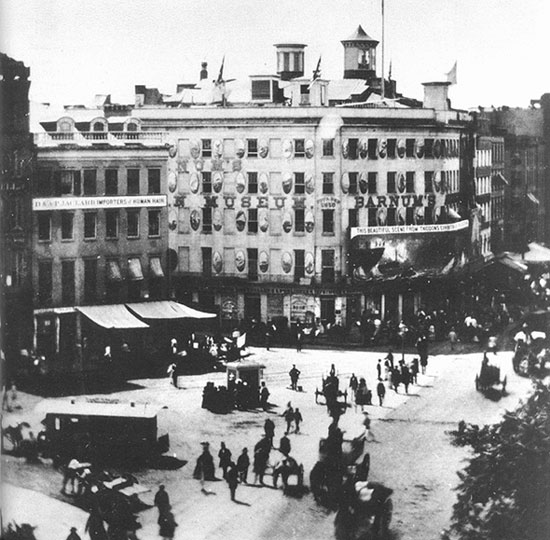
Below: A rare photo of Barnum’s American Museum, taken in 1858
Taken 1858
At around noon on July 13, 1865, the building quickly succumbed to “the fierce tooth of fire,” causing the greatest pandemonium that New York City had ever seen. I must give way to some of the press reports of the day, as they best capture the drama:
New York Times: “Probably no building in New-York was better known, inside and out, to our citizens than the ill-looking ungainly, rambling structure on the corner of Broadway and Ann-streets, known as the American Museum, where for more than twenty years Mr. Barnum has furnished the public with a wonderful variety of amusements.”
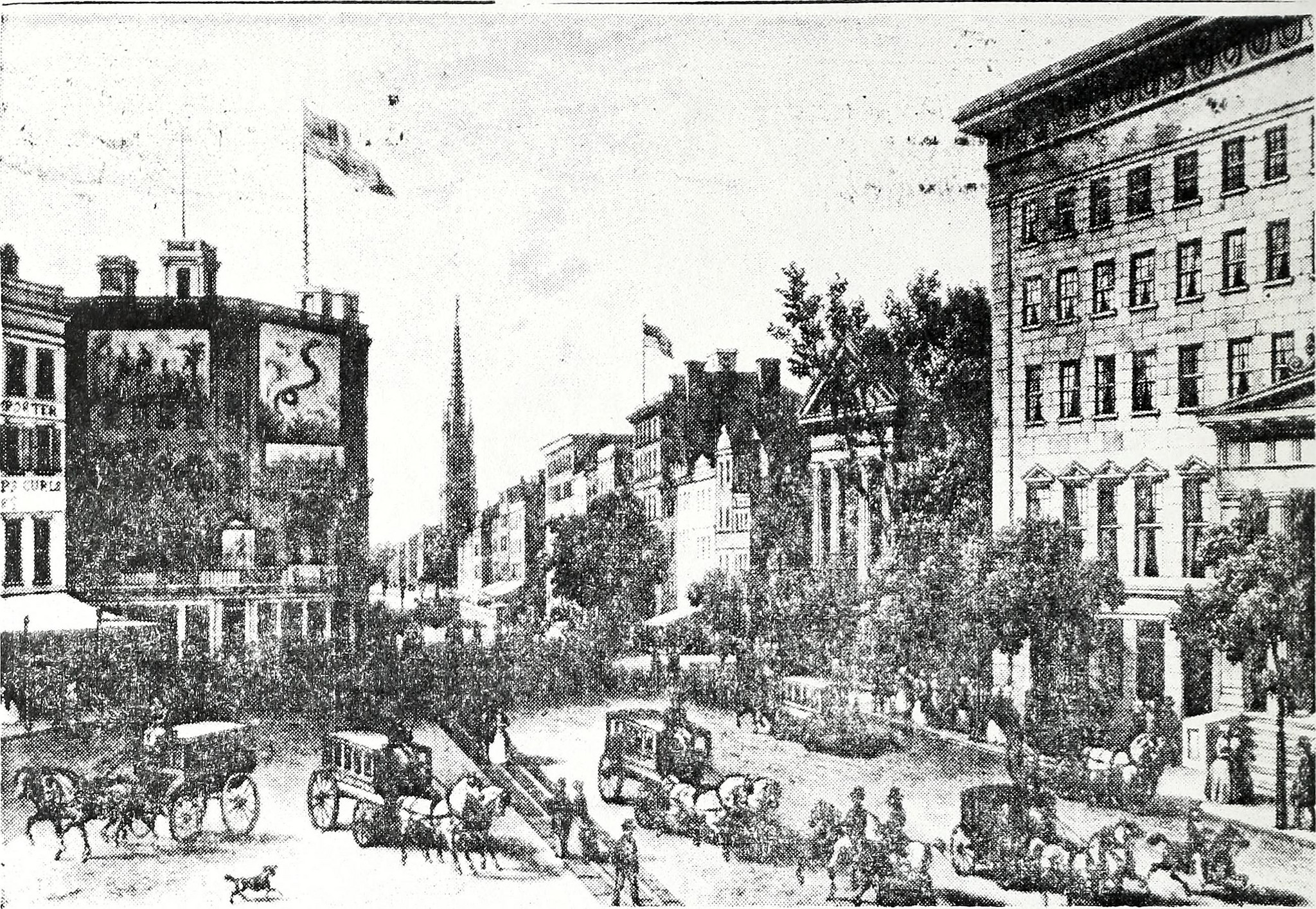
Below: The street scene at the cross-section of Broadway and Ann Street, in 1860. A sign advertising Barnum’s snake collection can be seen on the museum.
Courtesy Internet Book Archive
New York Sun: “About half past twelve o’clock yesterday the Engineer rushed up from below announcing that his room was on fire, and about the same time immense volumes of smoke permeated the Ann Street end of the building. [K]nowing that the immense whale tank was directly over the spot where the fire had begun to make headway, attempted to knock a hole in the huge reservoir.”
Christopher Pearse Cranch. Burning of Barnum’s Museum, July 13th, 1865, 1865. Chromolithograph. Eno Collection Miriam and Ira D. Wallach Division of Art, Prints and Photographs, The New York Public Library
The occupants of the tanks were doomed. “‘[T]wo whales, imported, at a cost of $7,000, from the coast of Labrador,’ whose sportive plunges and animated contests of affection afforded constant amusement to hundreds of spectators, [was] a pregnant contrast to the fearful death by roasting which they so soon thereafter met.”
The fire spread rapidly, quickly filling the upper floors with smoke. Â Firemen burst in from the Ann Street side and quickly attended to patrons who had collapsed or were too confused in the immense labyrinth of bizarre objects to escape.
A fireman named William McNamara is credited with single-handedly evacuating many patrons of the museum, not to mention some of the performers who regularly lived there.
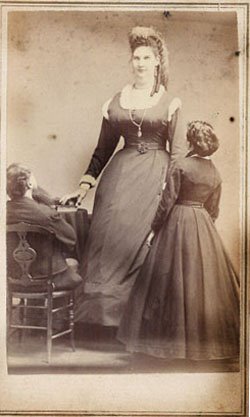
From the New York Sun: “Knowing that [some performers] occupied apartments on the third floor, he rushed thither and burst open the doors. Finding the rooms empty he ascended to the next floor and succeeded in bringing down the ladies assembled in the dressing rooms there — a Miss Swan, the Giantess, and Miss Zuruby Hannus, the Circassian girl.”
Below: Anna Swan, ‘the Giantess’ who lived at the museum, was successfully rescued
Many of the wax figures from the third floor were hurled out the windows. One peculiar item captured the imagination of the crowd — the wax depiction of Jefferson Davis, dressed in a woman’s petticoat. (It was rumored that the former president of the Confederacy has attempted to escape dressed as a lady.)
NYT: “One [rescuer] had Jefferson Davis’ effigy in his arms and fought vigorously to preserve the worthless thing, as though it were a gem of rare value. On reaching the balcony the man, perceiving that either the inanimate Jefferson or himself must go by the board, hurled the scarecrow to the iconoclasts in the street. As Jefferson made his perilous descent, his petticoats again played him false, and as the wind blow them about, the imposture of the figure was exposed.”
NYS: “When the Jefferson Davis petticoated figure was recognized by the crowd, it was seized, kicked, knocked and finally hanged to an awning frame [in front of St. Paul’s Church], amid the derisive and contumelious epithets of the persons engaged in this pastime.”
More seriously a great number of artifacts from the Revolutionary War were incinerated in the fire. “Valuable mementos of Washington, Putnam, Greene, Marion, Andre, Cornwallis, Howe, Burr, Clinton, Jefferson, Adams, and other eminent men which should have been carefully stored in a fire-proof vault, yesterday smoldered in the heat….” [NYT]
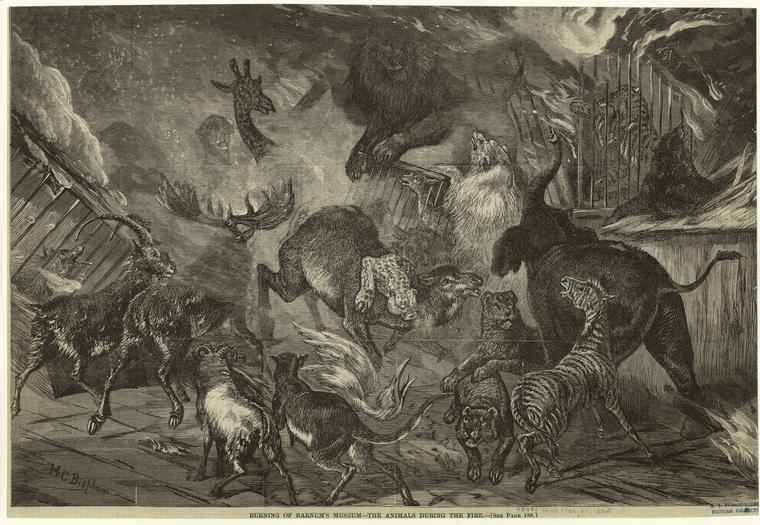
The museum’s impressive collection of taxidermy — monkeys, lions, elephants, zebras — were swallowed up by smoke and collapsed into the inferno.
But the museum also had a great many living animals — snakes, pigs, dogs, and even a kangaroo and an alligator. And, of course, a great many monkeys — “big monkeys, little monkeys, monkeys of every degree of tail, old, grave, gray monkeys, young, rascally, mischievous monkeys, middle-aged, scheming monkeys, and a great many miserable, angry monkeys.” Most perished in the flames although some escaped into the streets, some never to be found again.
Below: This is Harpers Weekly’s illustration of Barnum’s second fire — see below — but could have tragically captured the events on July 13, 1865.
Harpers Weekly
Remarkably, nobody humans died in the blaze. In fact, few wax depictions of humans perished as many took to rescuing wax figures thinking they were alive. The fire spread to several surrounding buildings, and soon the entire block was engulfed in flame.
NYT: “The roof of the Museum had now fallen, and the interior of the building was like the crater of a volcano. A stream of heated air issued from the top, and was borne eastward by the breeze directly over the block, carrying with it light articles, pieces of burning wood, shingles ….
At 1:30 came a crash resounding like the explosion of a powder magazine. The whole wall on the Ann-street side had fallen. A cloud of dust and smoke filled the air, making it dark as twilight, and rendering it impossible to descry objects at short distance.”
There was a bit a looting, including “two men dressed as soldiers [who] were seen coming out of the shoe-store in Ann Street, each with five or six pairs of shoes under their coats.” And there were false reports that the lion has escaped and was running through the streets.
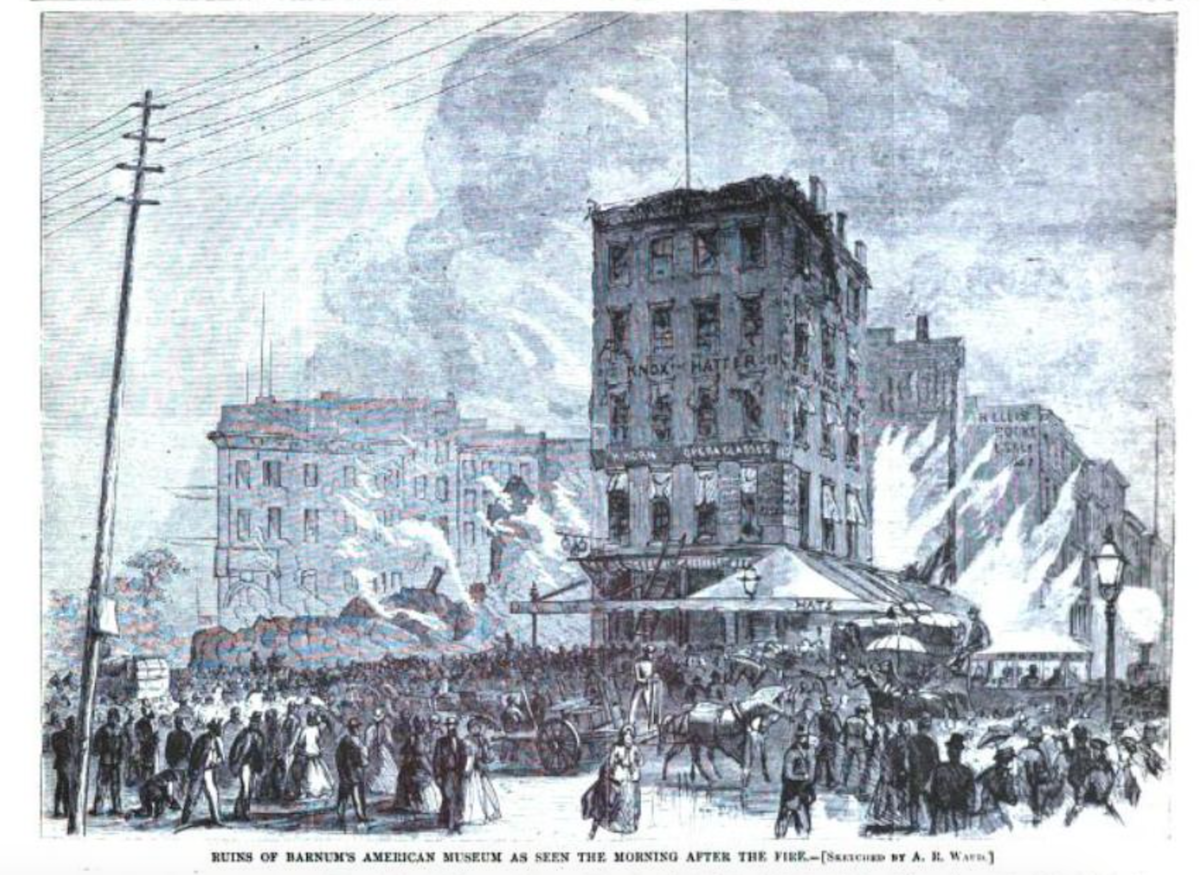
For years after, people mourned the loss of Barnum’s collection, truly among the greatest in New York City up until that time. Â Barnum attempted to relaunch the museum at 539-541 Broadway. but it, too, was destroyed in a fire (pictured below).
Then, in 1871, he leased a train depot and called it Barnum’s Monster Classical and Geological Hippodrome. (It would later morph into the first Madison Square Garden.)
Finally he just decided to take his collection of acts on the road forming a traveling circus in 1881 with ringmaster James Anthony Bailey.
While the world of entertainment would be changed by their collaboration — Barnum and Bailey’s Circus — most would consider the old American Museum as Barnum’s greatest achievement.
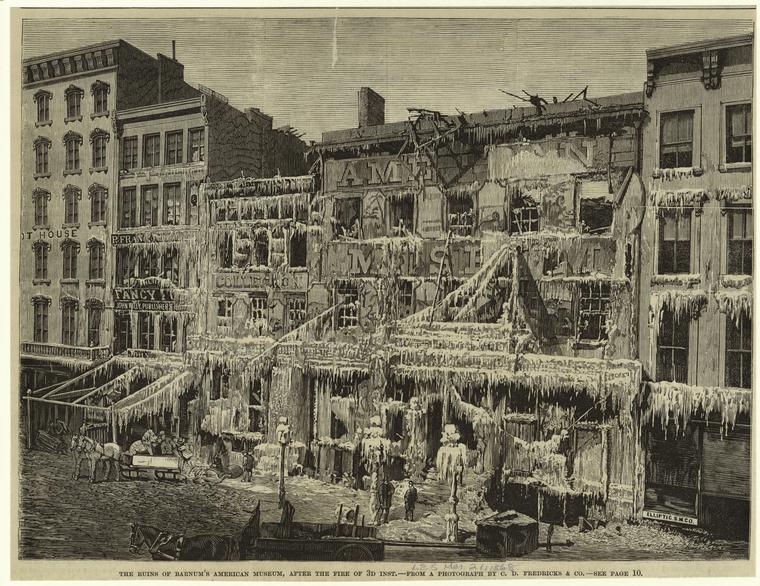
Below: Barnum’s second museum destroyed by fire, which gutted the building on a cold day
Harpers Weekly
For more information, we have a few Barnum-themed podcasts that you might enjoy:
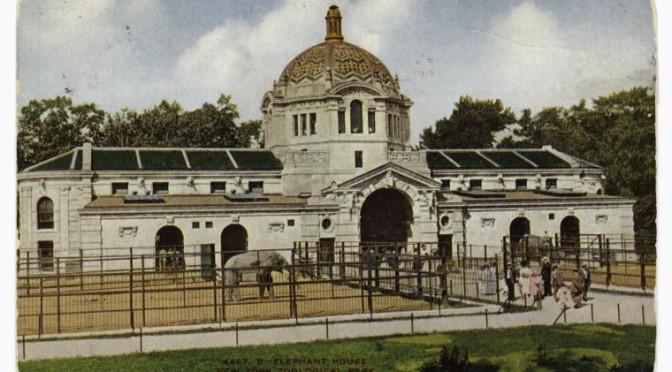
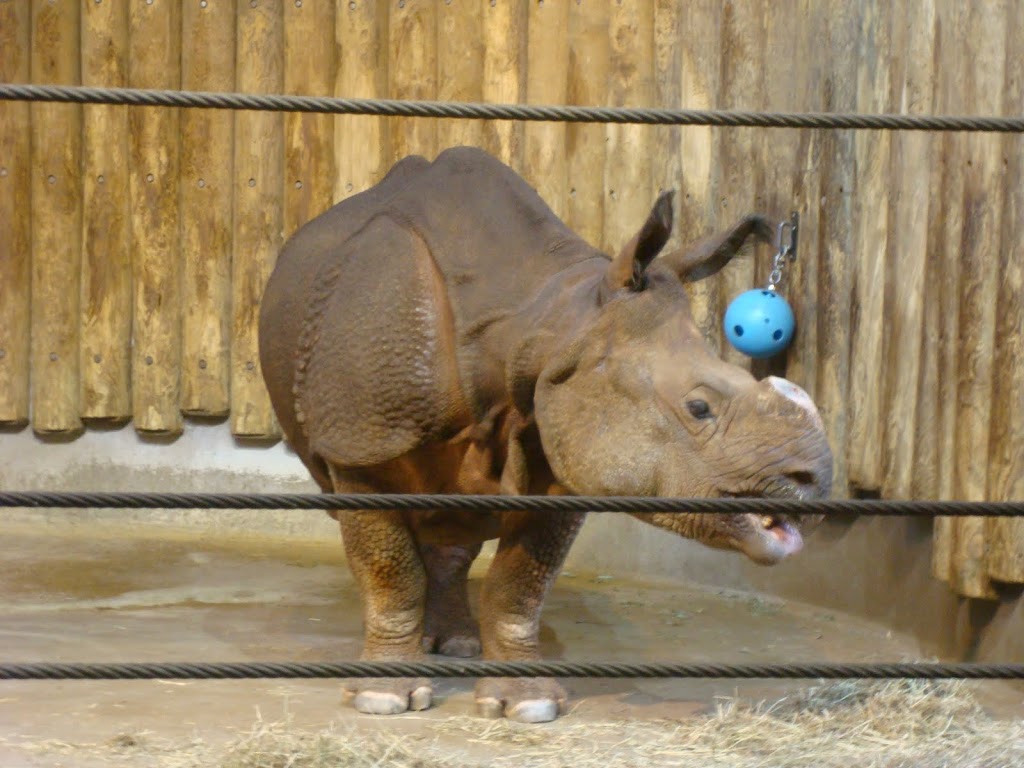
Postcard of the elephant house, now the central Zoo Center — and home today to a baby rhino below. (Courtesy NYPL)
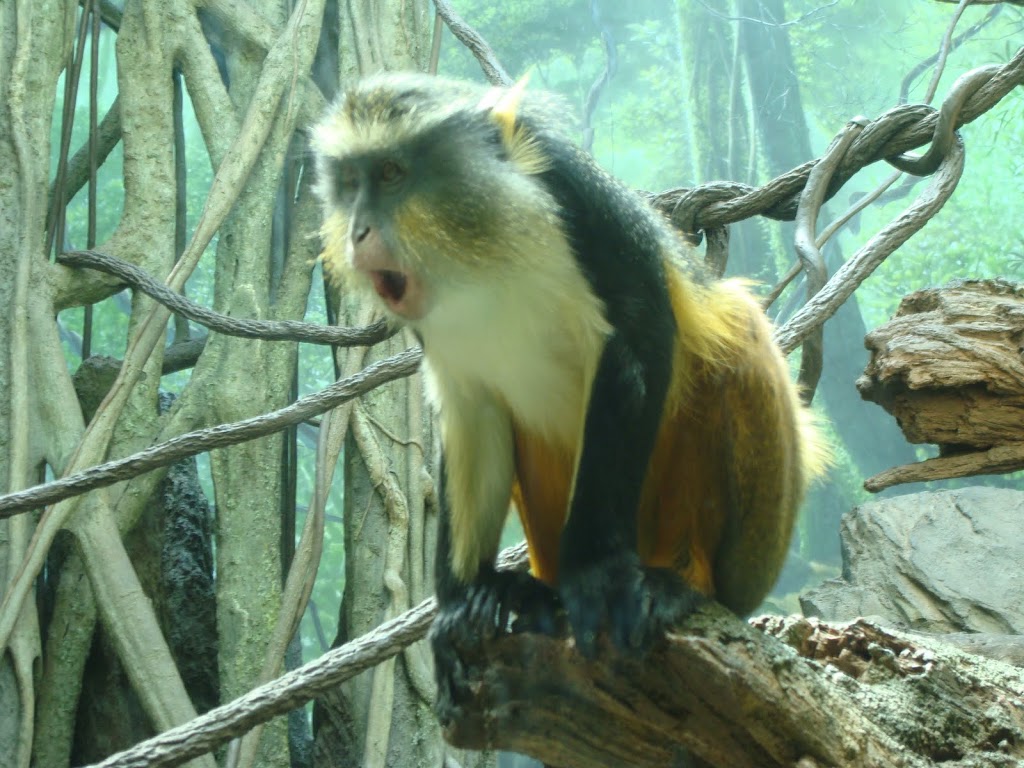
PODCAST New York City’s most exotic residents inhabit hundreds of leafy acres in the Bronx at the once-named New York Zoological Park.
Sculpted out of the former DeLancey family estate and tucked next to the Bronx River, the Bronx Zoo houses hundreds of different species from across the globe, many endangered and quite foreign to most American zoos.
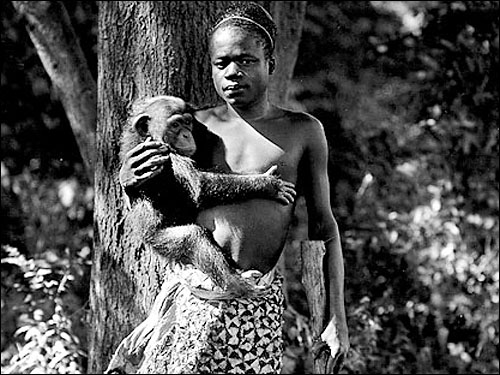
The well meaning attempts of its founders, however, have sometimes been mired in controversy. The highlight of the show — and the institution’s lowest moment — is the sad tale of Ota Benga, the pygmy once put on display at the zoo in 1906!
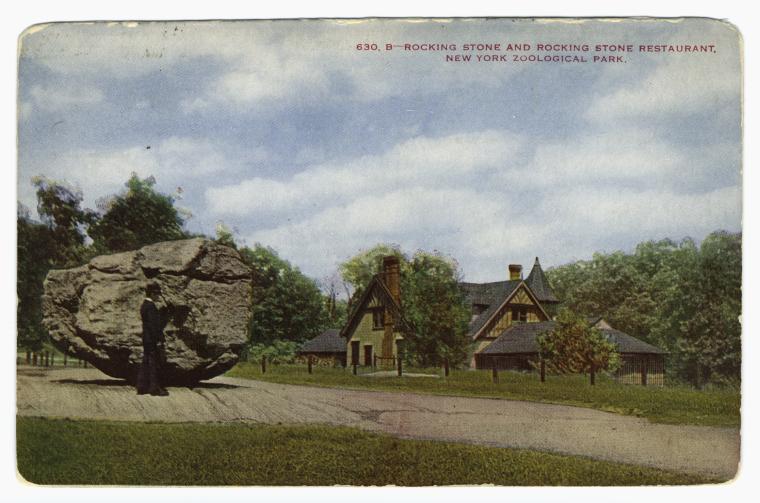
ALSO: We take you on a tour of the zoo grounds, unfurling over 110 years of historical trivia, from the ancient Rocking Stone to the tale of Gunda, the Indian elephant who may also have been a poet.
CLICK INTO PICTURES BELOW FOR GREATER DETAIL
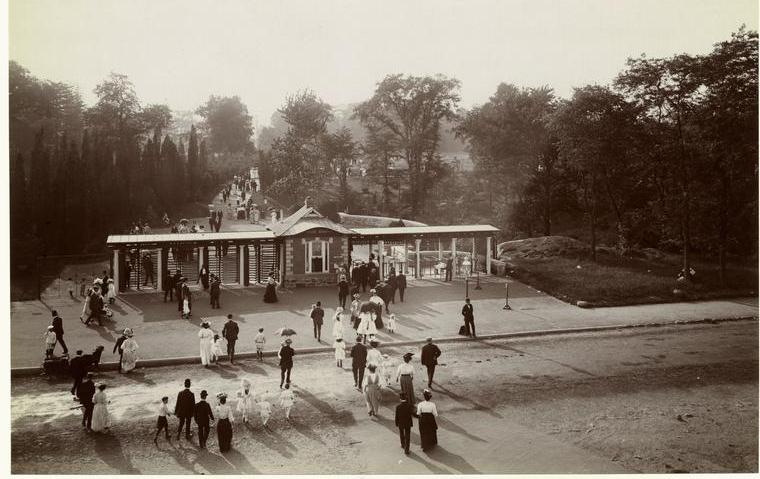
Well-dressed families arrive at the south zoo entrance in 1911. (NYPL)
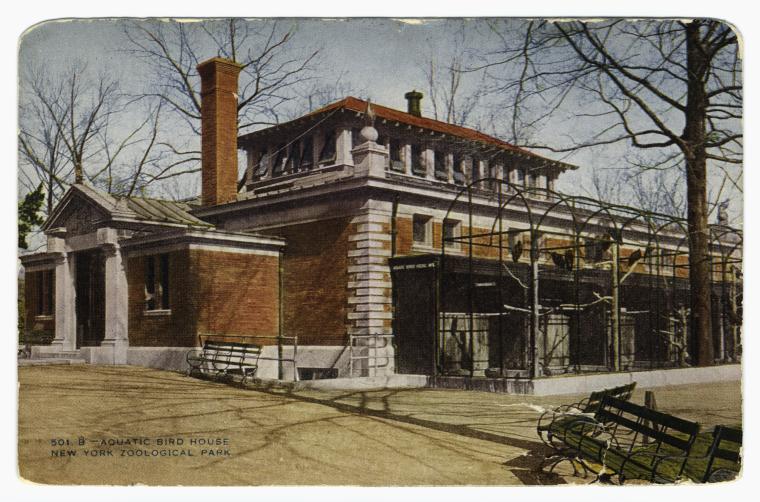
The aquatic bird house, one of the first buildings completed when the zoo opened in 1899. Another building from this date, the House of Reptiles, still stands and you can see it further below. (NYPL)
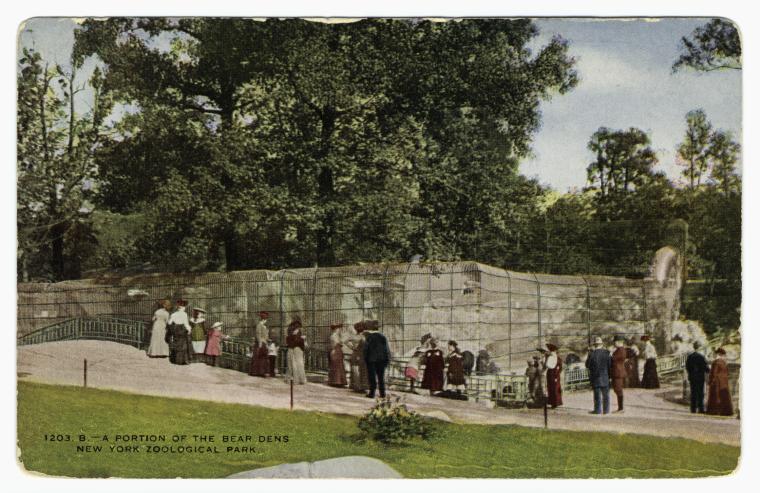
Bears behind fences. Zoo planners used Bronx Park’s natural topography to build enclosures into the very rocks themselves.
The mysterious Rocking Stone, next to the Rocking Stone Restaurant. Today there’s a World of Darkness exhibit there (presently closed to visitors).
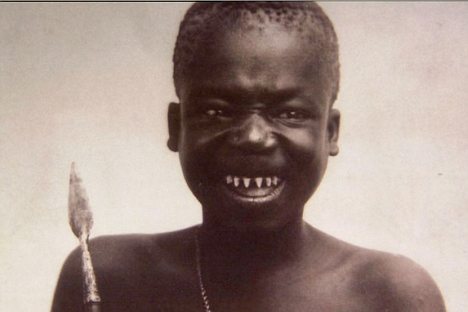
Ota Benga at the Bronx Zoo. The Congolese pygmy once lived at the Museum of Natural History (where he was forced to wear a duck costume!) before being scandalously exhibited for a short time in the Bronx Zoo monkey house in 1906.
Part of his allure to shocked New Yorkers were his filed teeth and his size (4’11’).
Pandora, the zoo’s first panda bear, from 1938. Pandas never lived for very long at the Bronx Zoo, and they stopped regularly keeping them. Pandas Ling Ling and Yun Yun were briefly housed here in the 1980s.
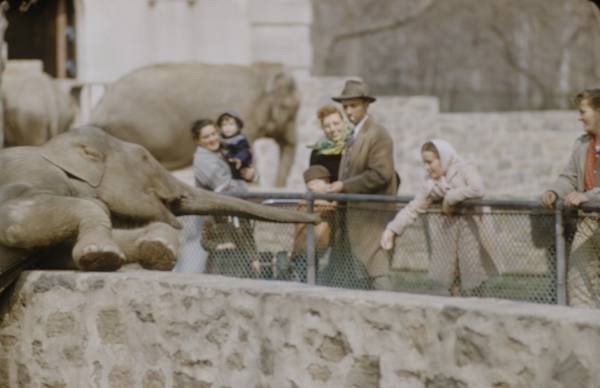
The elephant exhibit, circa the 1960s. The Bronx Zoo’s population of elephants has dwindled to just three animals. Very soon there may be none. (Photo courtesy Life Images, Nina Leen photgrapher)
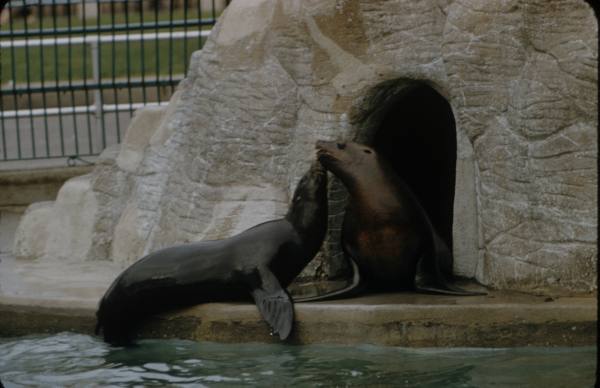
From the same time period as the picture above, but pretty timeless. The sea lions have been the centerpiece of the zoo since it opened in 1899. (Nina Leen)
Some pics from my trip last week are below. The zoo is one of the greatest places to see the spectacle of the Bronx River. (Click into them to see the detail.)
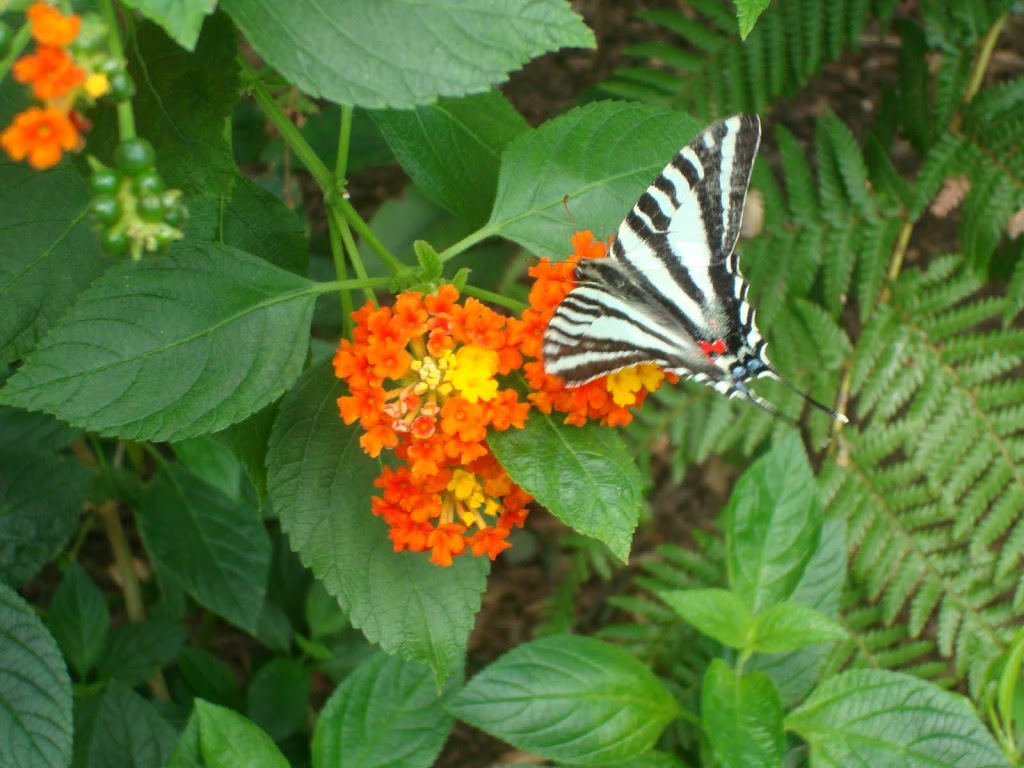
The Butterfly Garden is one of the newer exhibitions, an intimate greenhouse featuring dozens of varieties of butterflies flying all around you (and sometimes, even on you).
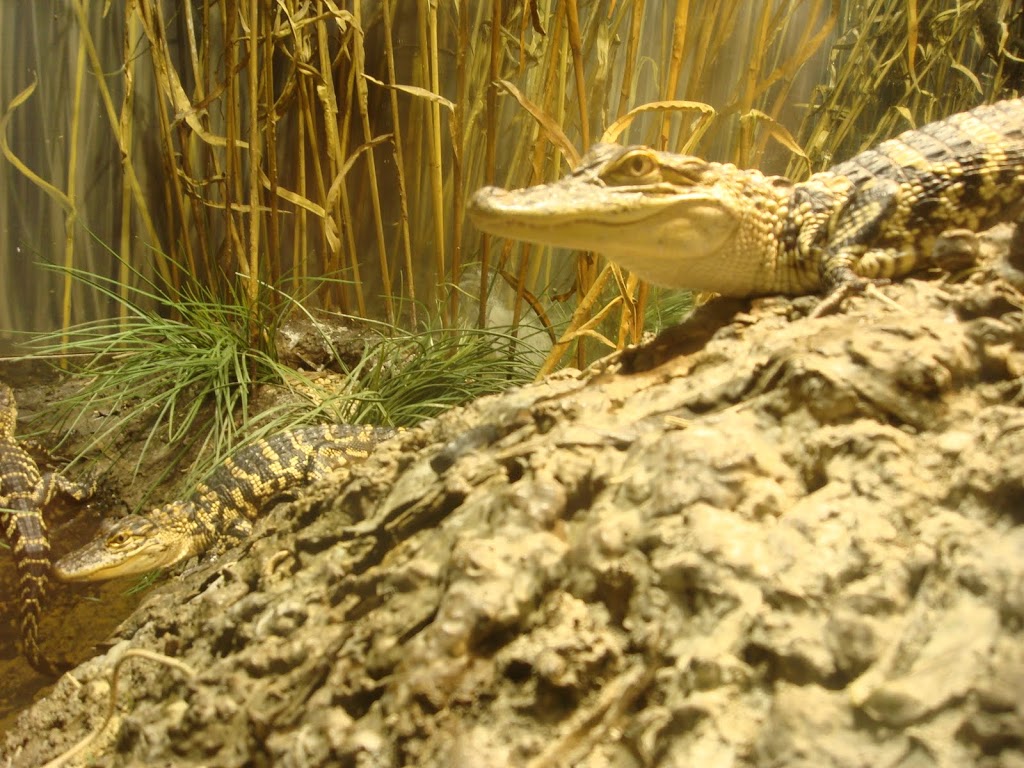
American allligators, the small, unthreatening kind. For something more severe, visit the nile crocodile in the Madagascar exhibit.
A display of some of the zoo’s marvelous, cheeky fontage.
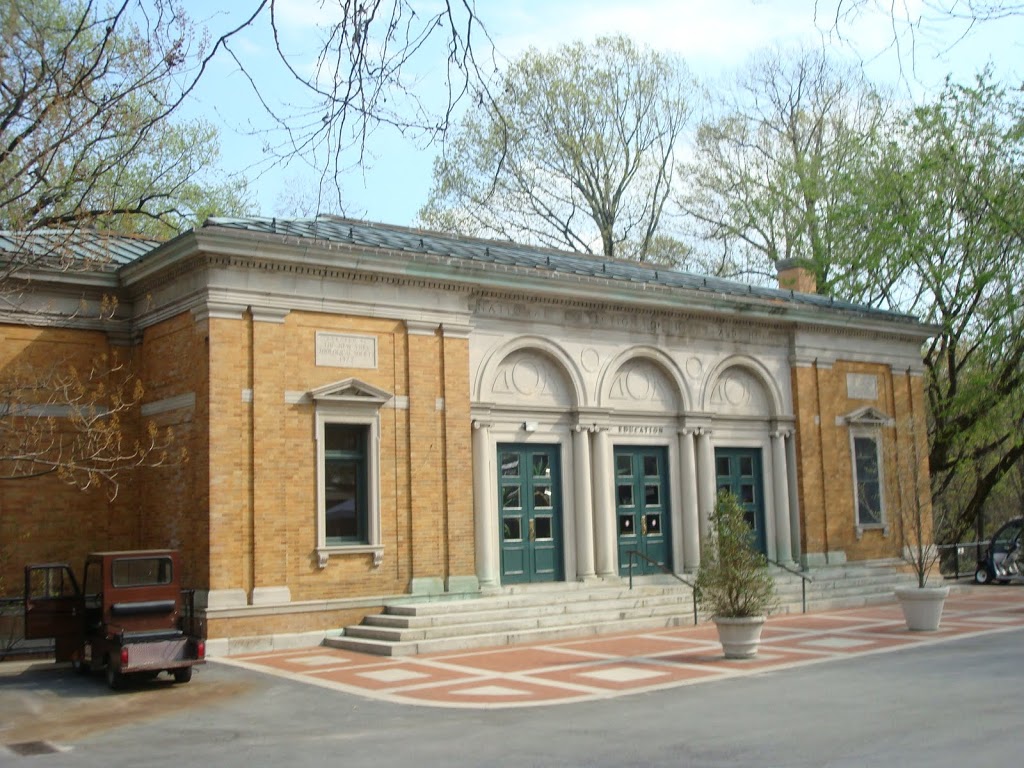
The House of Reptiles, one of the zoo’s oldest structures, from 1899.
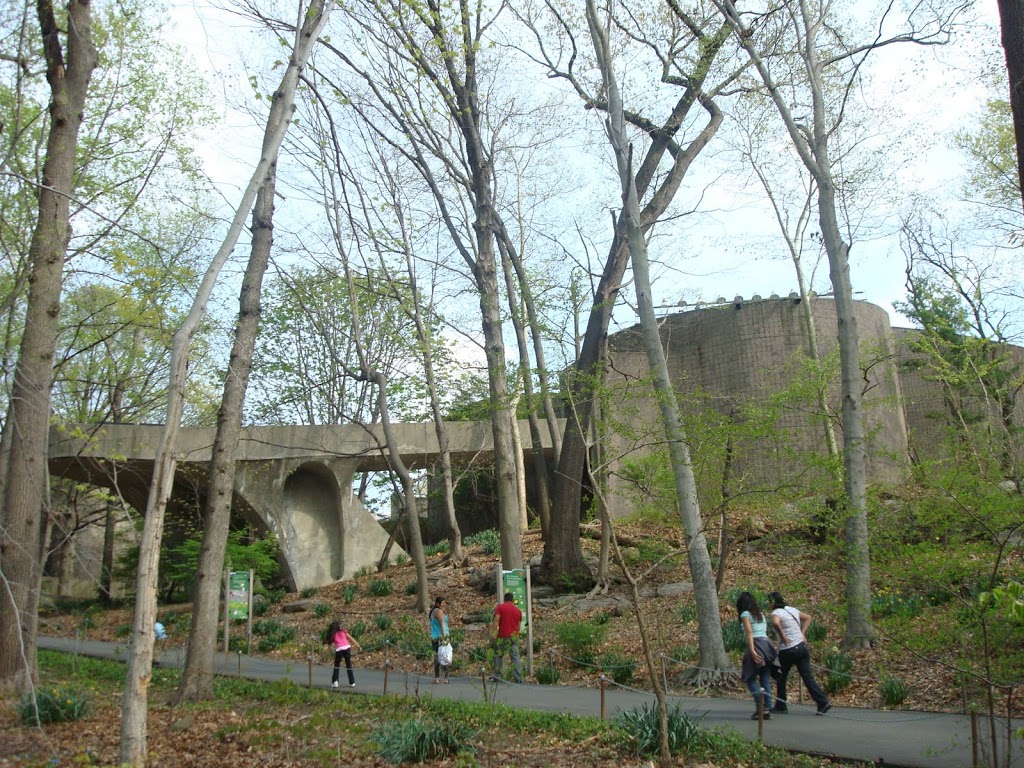
The brutalist wonder that is the House of Birds.
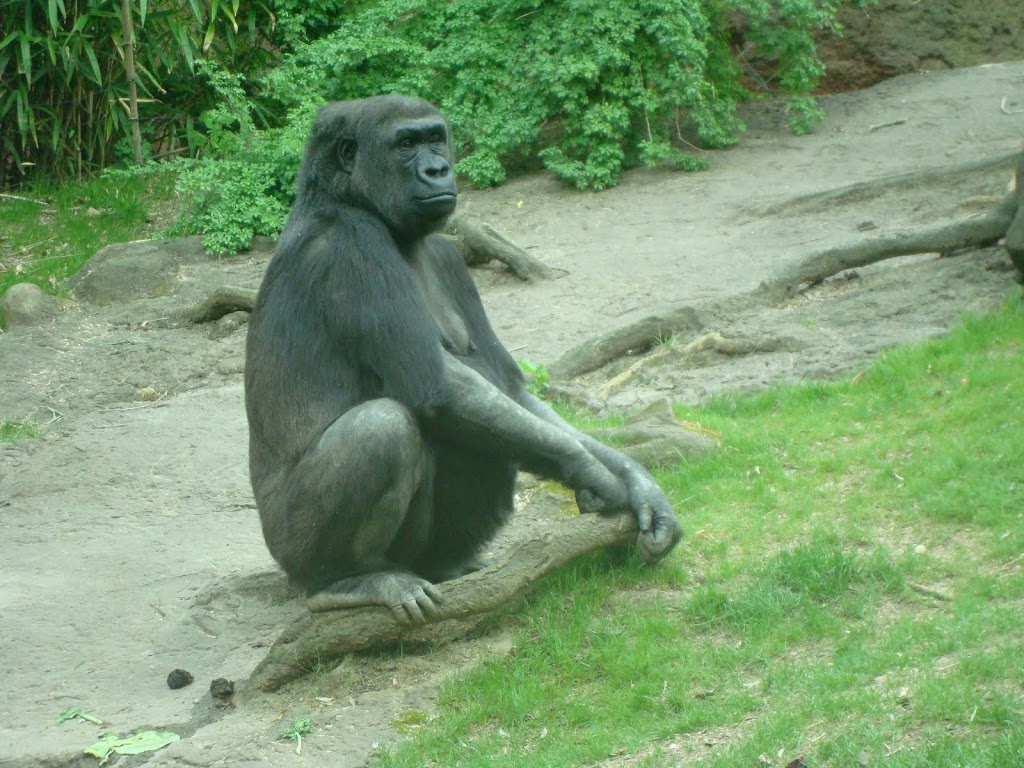
A young female gorilla, one of several who look on at gawking zoo visitors in curiousity and confusuion.
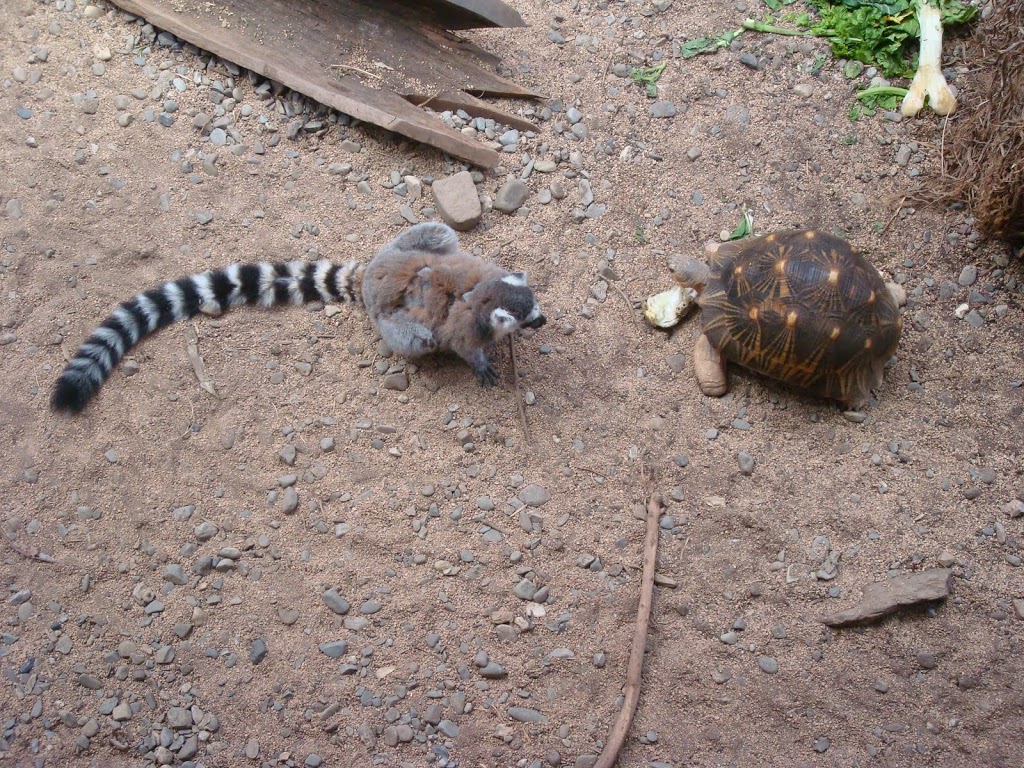
From the Madagascar exhibit:
You can find a baby Asian one-horned rhinoceros named Krishnan at the Zoo Center.
And finally, the Bronx Zoo movie star Andy the orangutan in his feature debut Andy’s Animal Alphabet: