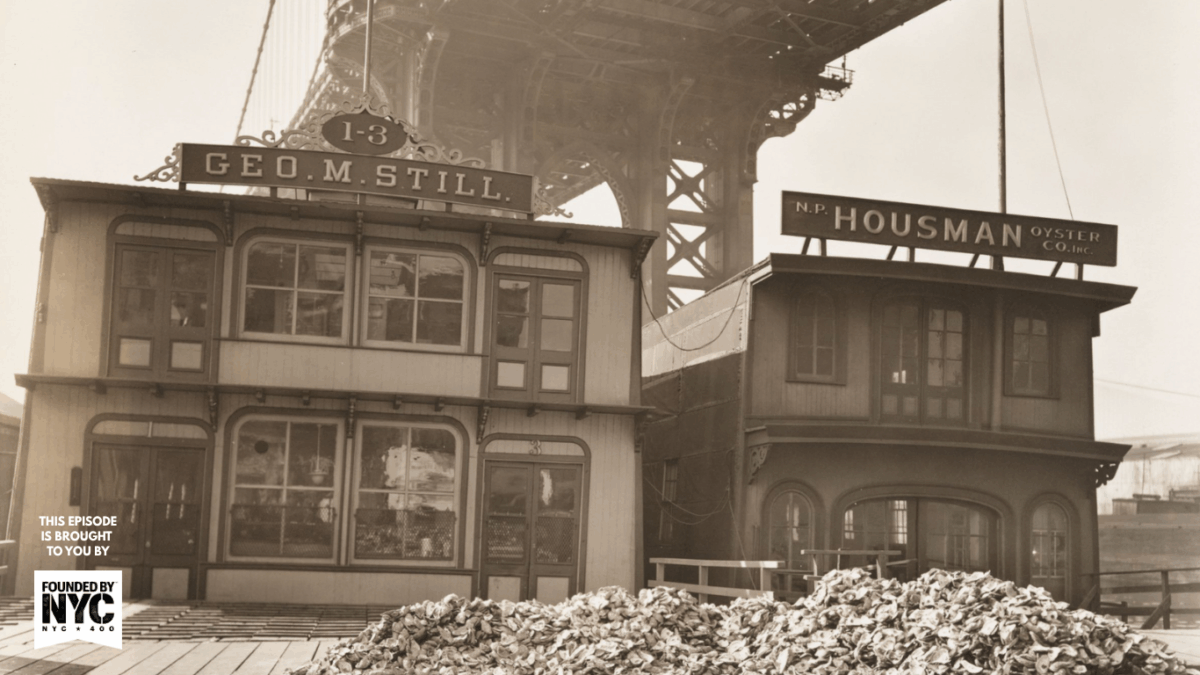
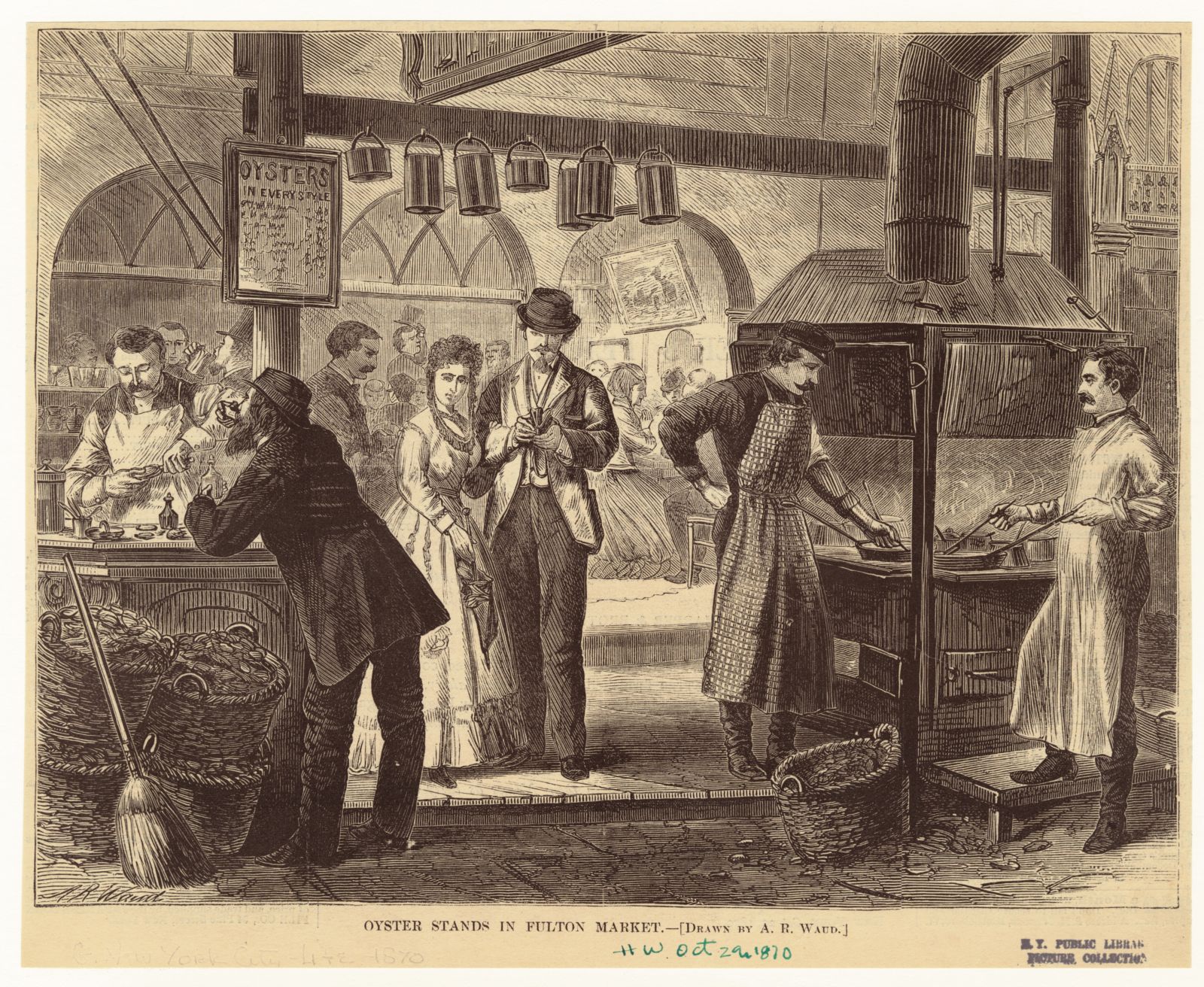
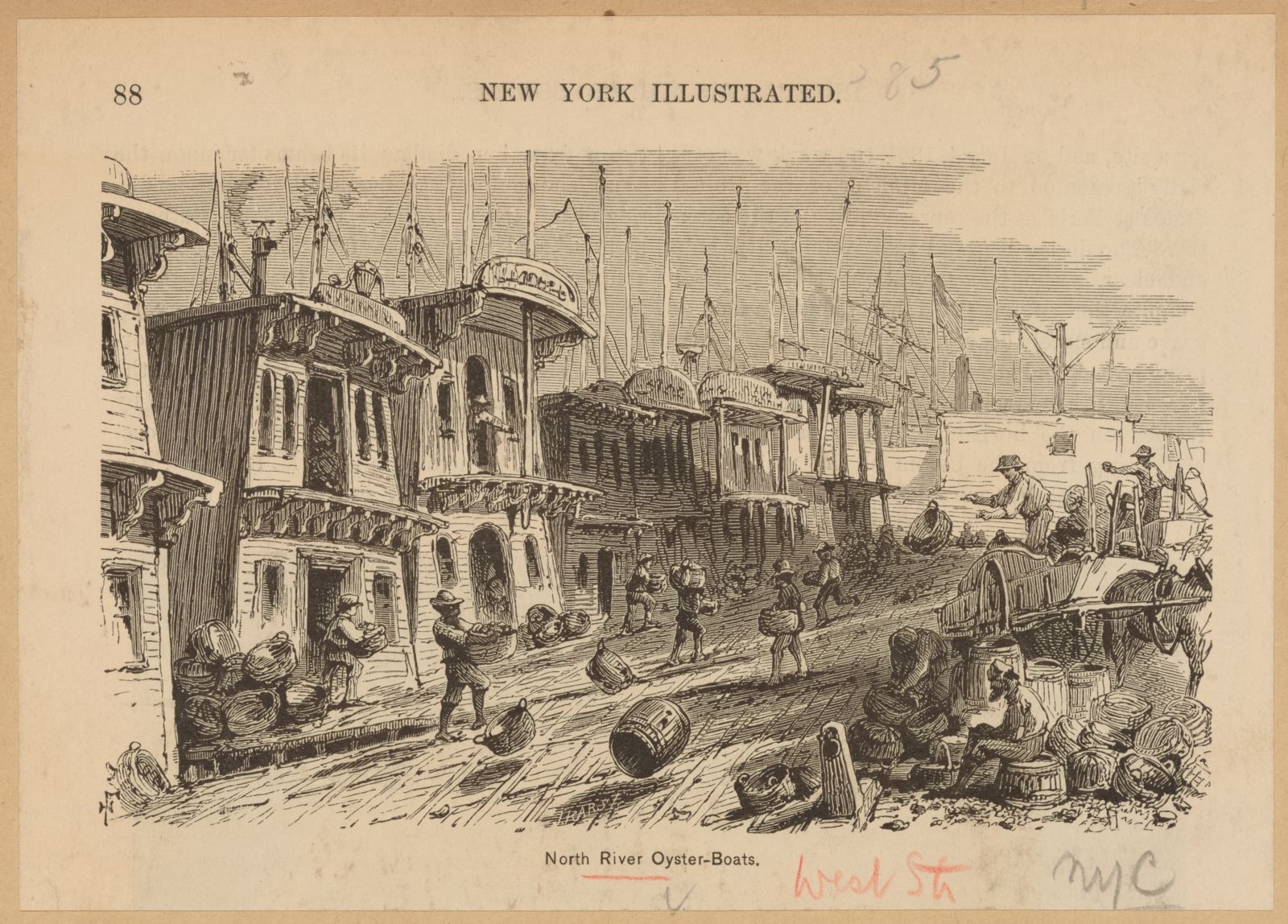
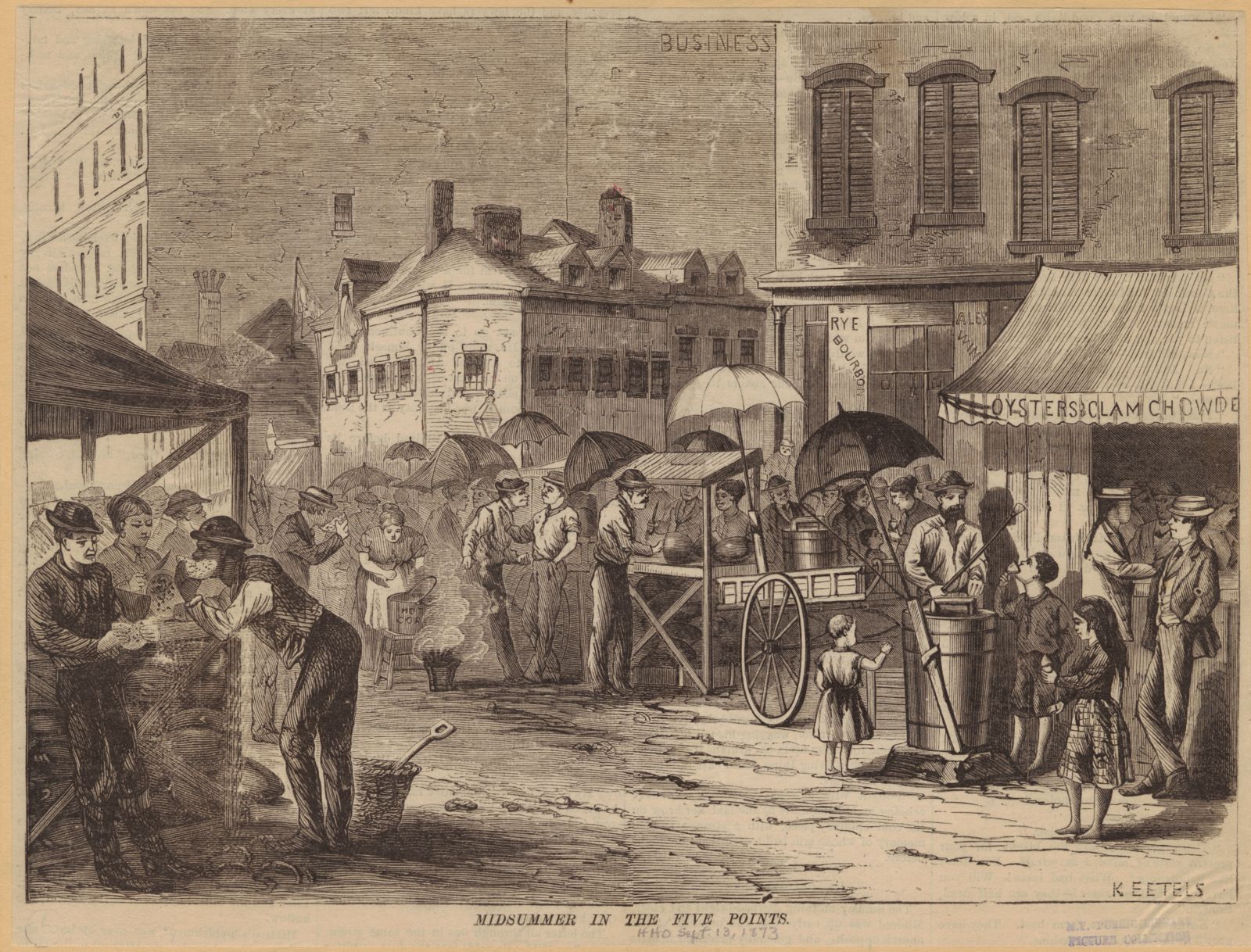
Once upon a time New York City oysters were not only plentiful and healthy in the harbor, they were an everyday, common food source. The original fast food!
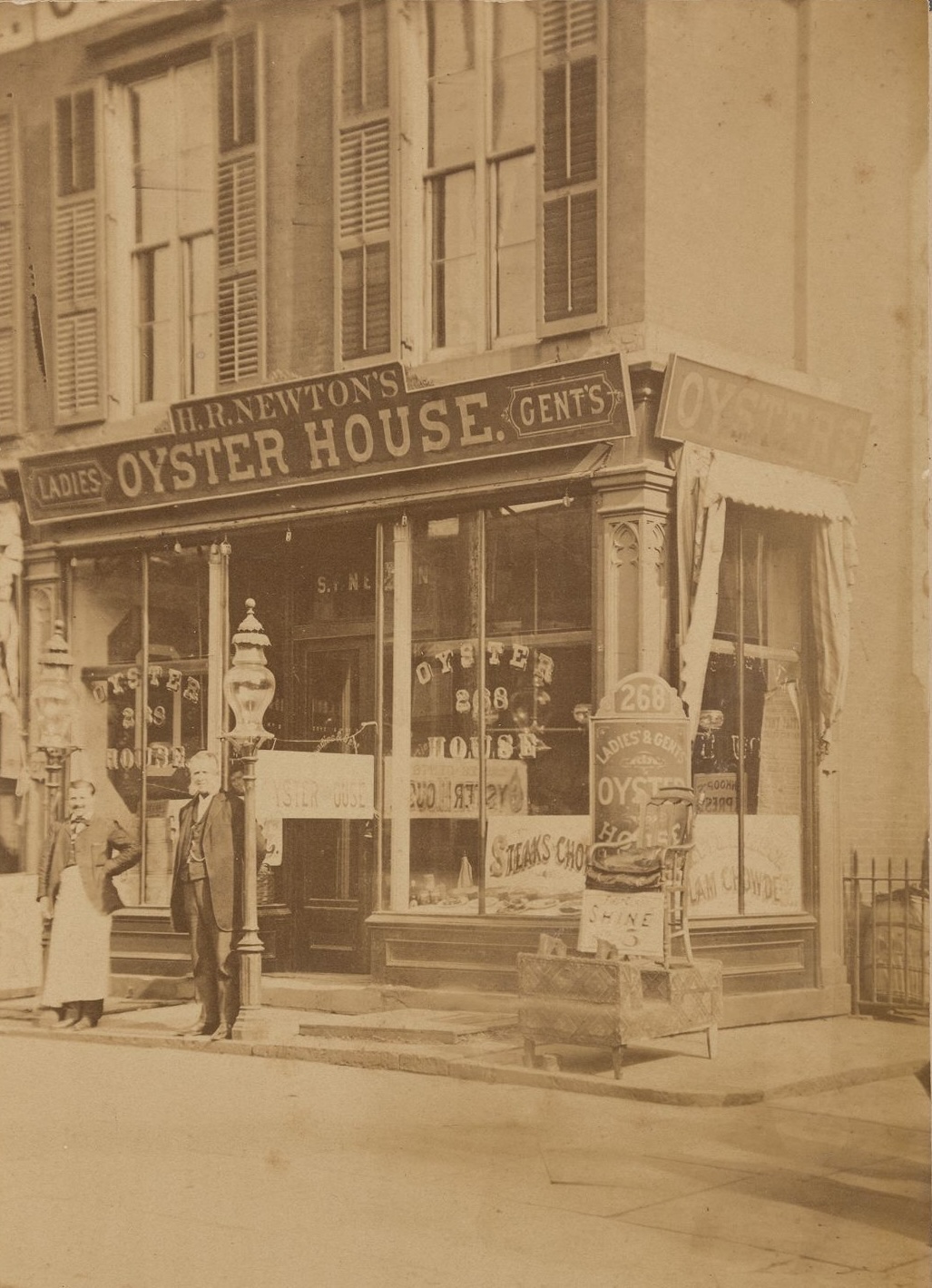
For that reason, the oyster could be an official New York City mascot. Oyster farming was a major occupation. Oyster houses were an incredibly common place for people to eat. The greatest restaurants in the city served oysters, as did the small basement dives.
In many ways, they united all New Yorkers, not just from the Lower East Side to Fifth Avenue, but even with those people who came before – the Lenape indigenous tribes, the original Dutch settlers and even the colonial English.
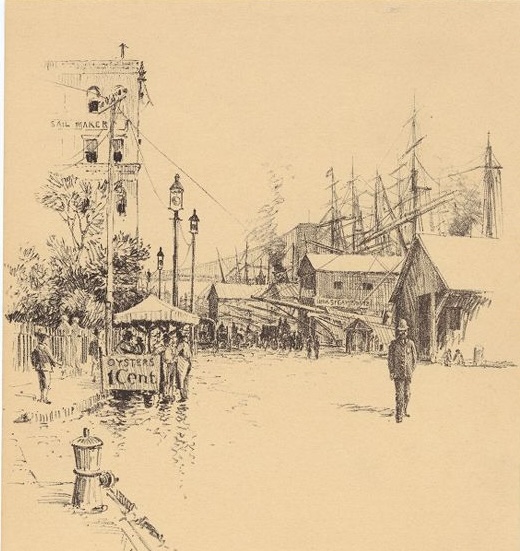
Oysters defined the New York City palate by the early 19th century. Businessmen like Thomas Downing (one of New York’s first successful Black restaurateurs) fed the stock brokers on Wall Street while the Delmonico Brothers served them on the half-shell in their new French inspired eatery.
But today — New York City oysters are inedible. And for most of the 20th century, they were functionally extinct thanks to the harbor’s notoriously poor water quality.
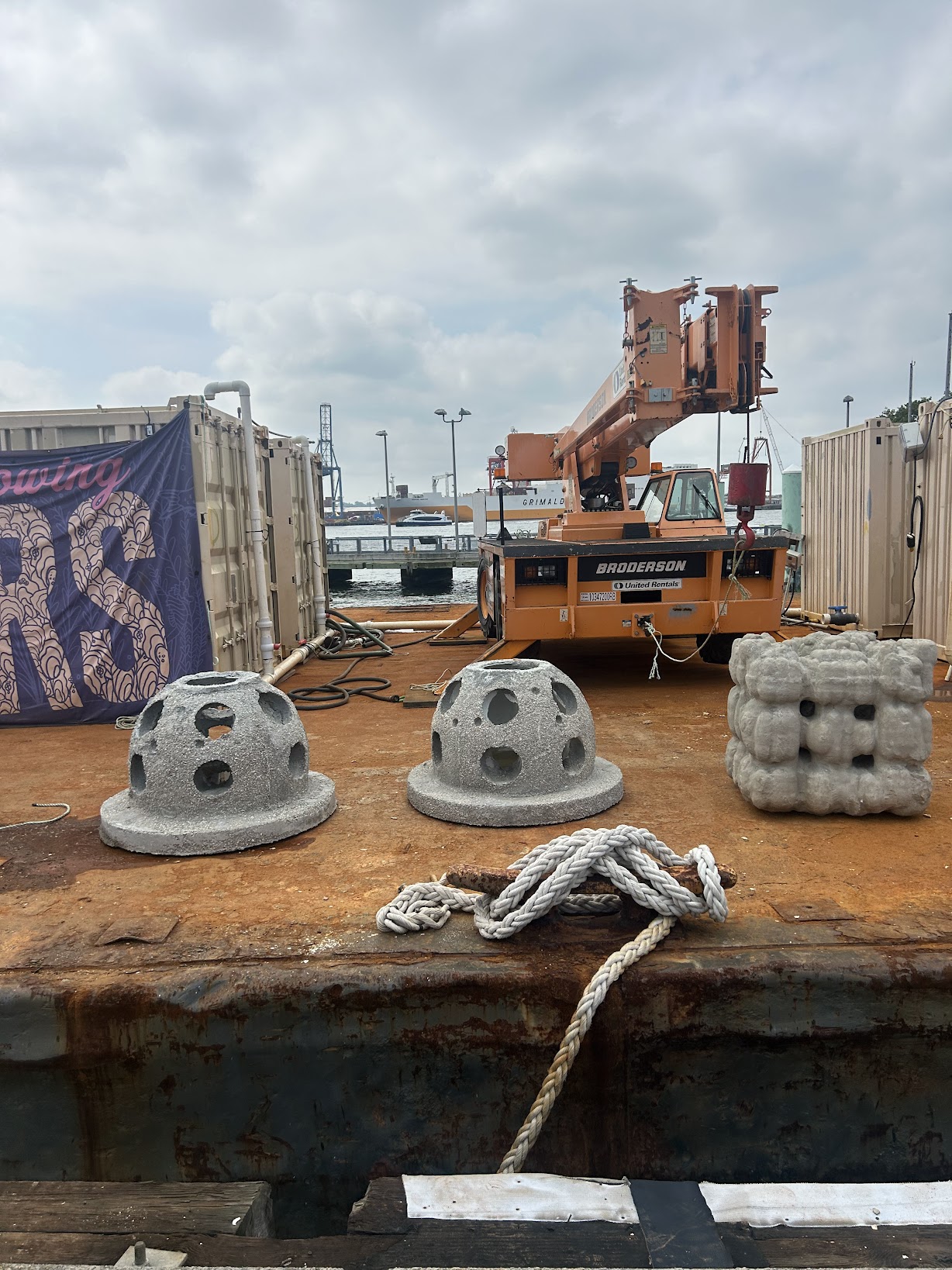
Thanks to organizations like the Billion Oyster Project, however, the oyster has returned to the harbor. And soon we may see a billion oysters — and more! Brian Reagor, director of development and communications at the Billion Oyster Project, joins Tom and Greg to discuss the fascinating process of reintroducing the oyster to its old home in New York harbor.
LISTEN NOW — NEW YORK: THE CITY OF OYSTERS
The Bowery Boys Podcast is proud to be sponsored by Founded By NYC, celebrating New York City’s 400th anniversary in 2025 and the 250th anniversary of the United States in 2026.
Read about all the exciting events and world class institutions commemorating the five boroughs legacy of groundbreaking achievements, and find ways to celebrate the city that’s always making history at Founded by NYC.

Billion Oyster Project was founded in 2014 by Murray Fisher and Pete Malinowski who envisioned a healthy, biodiverse New York Harbor — and who shared the belief that restoration without education is temporary.
For more information and to look for ways to volunteer, visit their website.
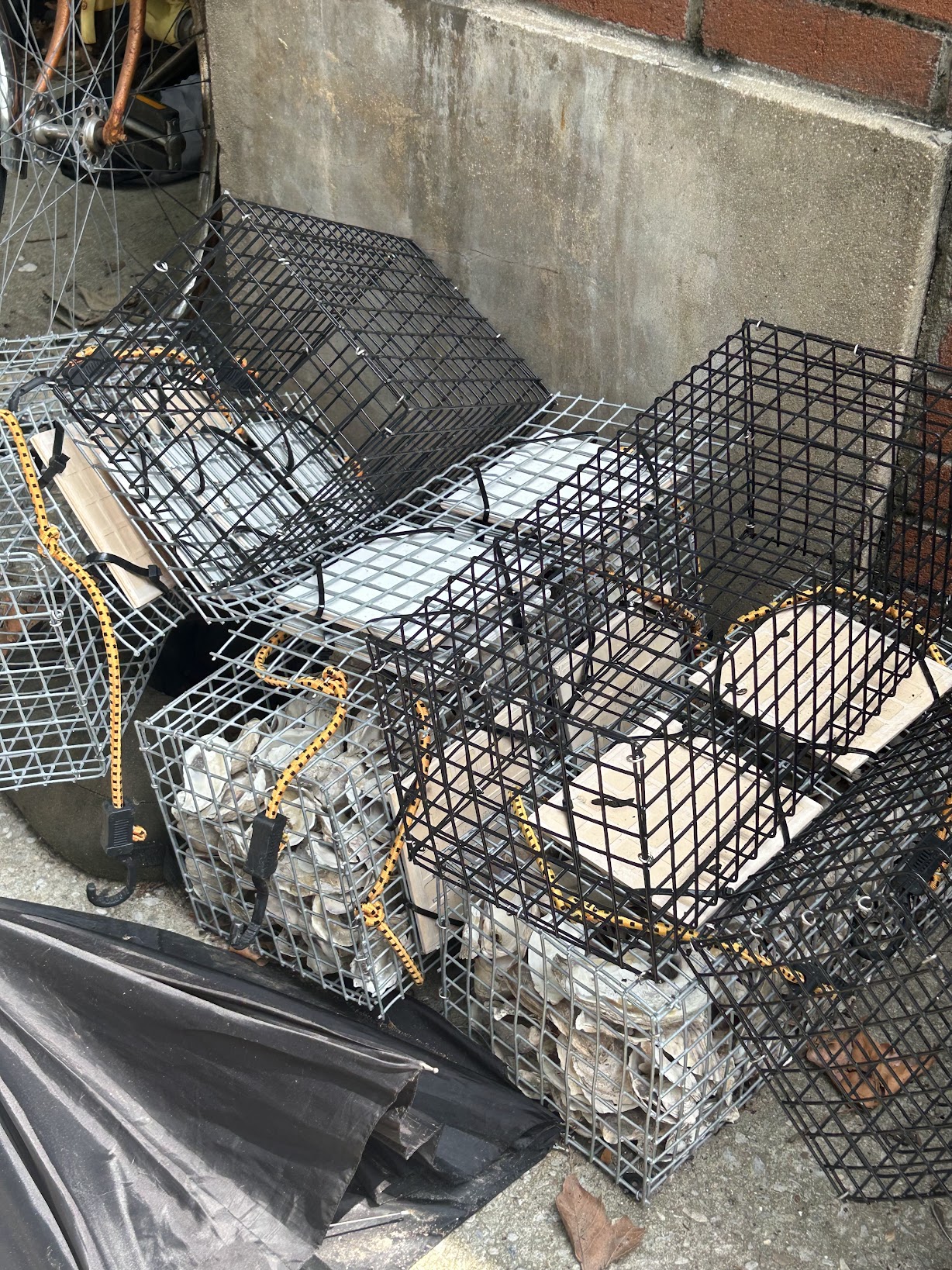
At the Billion Oyster Project on Governors Island
As we celebrate events in New York City through Founded by NYC, his week we’re celebrating Hamilton: An American Musical which is marking its 10th anniversary this year – can you believe it, ten years since its debut at the Public Theater.
And Lin-Manuel Miranda and the rest of the production are celebrating with a special 10th anniversary production on August 6, 2025, at the Richard Rodgers Theater.
PLUS Leslie Odom Jr will soon be reprising his role as Aaron Burr, a role which earned him a Tony Award for Best Actor. Odom’s back in the show starting on Sept 9 for a limited run through November.
Read about Hamilton :An American Musical and all the other exciting events and world-class institutions commemorating the five boroughs’ legacy of groundbreaking achievements, and find ways to celebrate the city that’s always making history at Founded by NYC.
FURTHER LISTENING:
Shows with similar themes from our back catalog.