Categories
Parks and Recreation

Where was Manhattan Square? The Gilded Age remaking of a neglected park

Theodore Roosevelt Park (77th and 81st Streets, between Central Park West and Columbus Avenue), which contains the beloved American Museum of Natural History, is the oldest developed section of the Upper West Side, purchased by the city in 1839 as a possible strolling park to be called Manhattan Square.
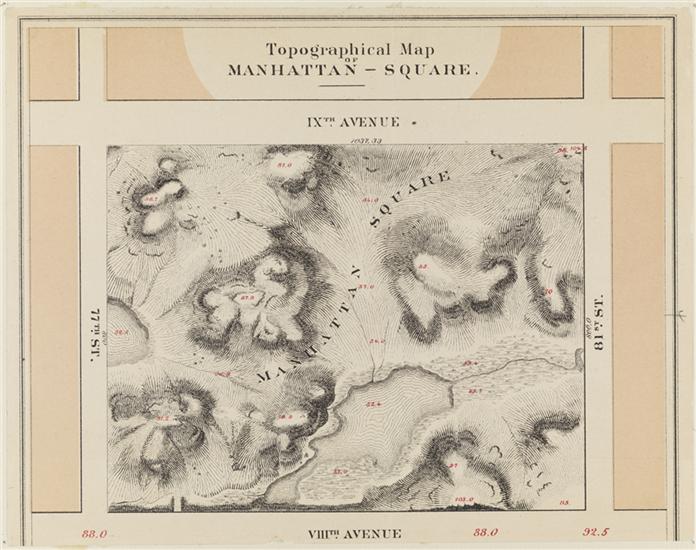
Museum of the City of New York

Central Park was but a gleam in the eye back in 1839! The Grid Plan of 1811 had divvied up upper Manhattan into organized blocks but not much was properly developed in the early 19th century. There were few suitable transportation options and thus upper Manhattan was only sparsely populated.

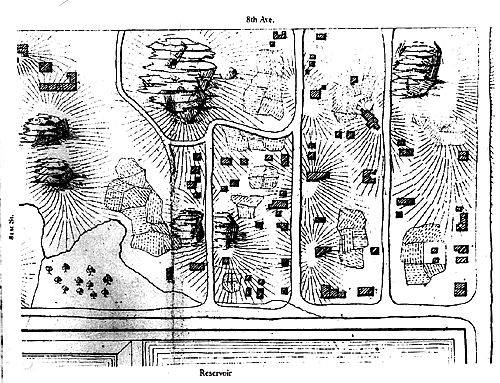
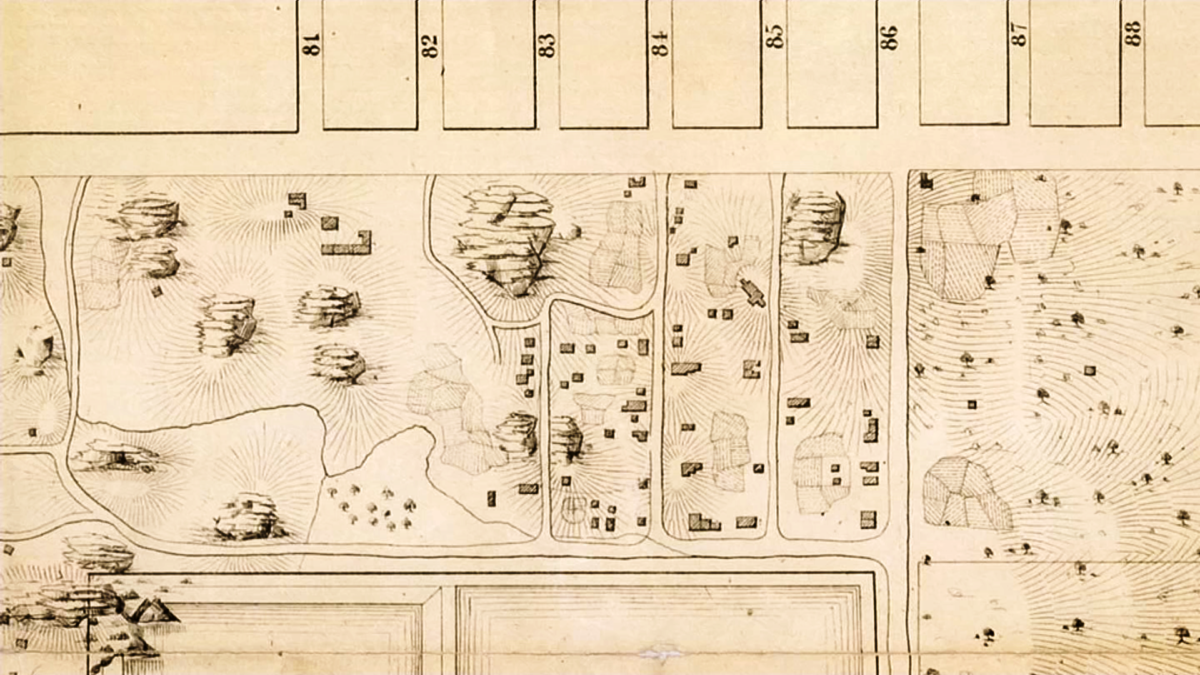
Near this spot on the grid was the old African-American settlement of Seneca Village, which was later wiped away with the development of Central Park.

Below: A sketch by Egbert Viele from 1857 showing the remains of the small village of Seneca Village. Manhattan Square would have been off to the upper left portion of this image.
The original grid plan had no significant parks built into it so later city planners had to carve some out themselves.

Unfortunately, the city almost literally forgot all about Manhattan Square — it’s even included in an 1860 New York Times article headlined NEWLY-DISCOVERED CITY PROPERTY

To be fair, the land had been granted to the Central Park Commission which was rather busy developing the park proper. As a result, Manhattan Square’s rugged and unpleasant terrain became an eye sore and rather dangerous for any actual visitors.

Samuel Ruggles, developer of both Union Square and Gramercy Park, once squawked, “It is a disgrace to the city. It is in some places forty feet below the grade and well characterized as a pestilential hole of stagnant water.”

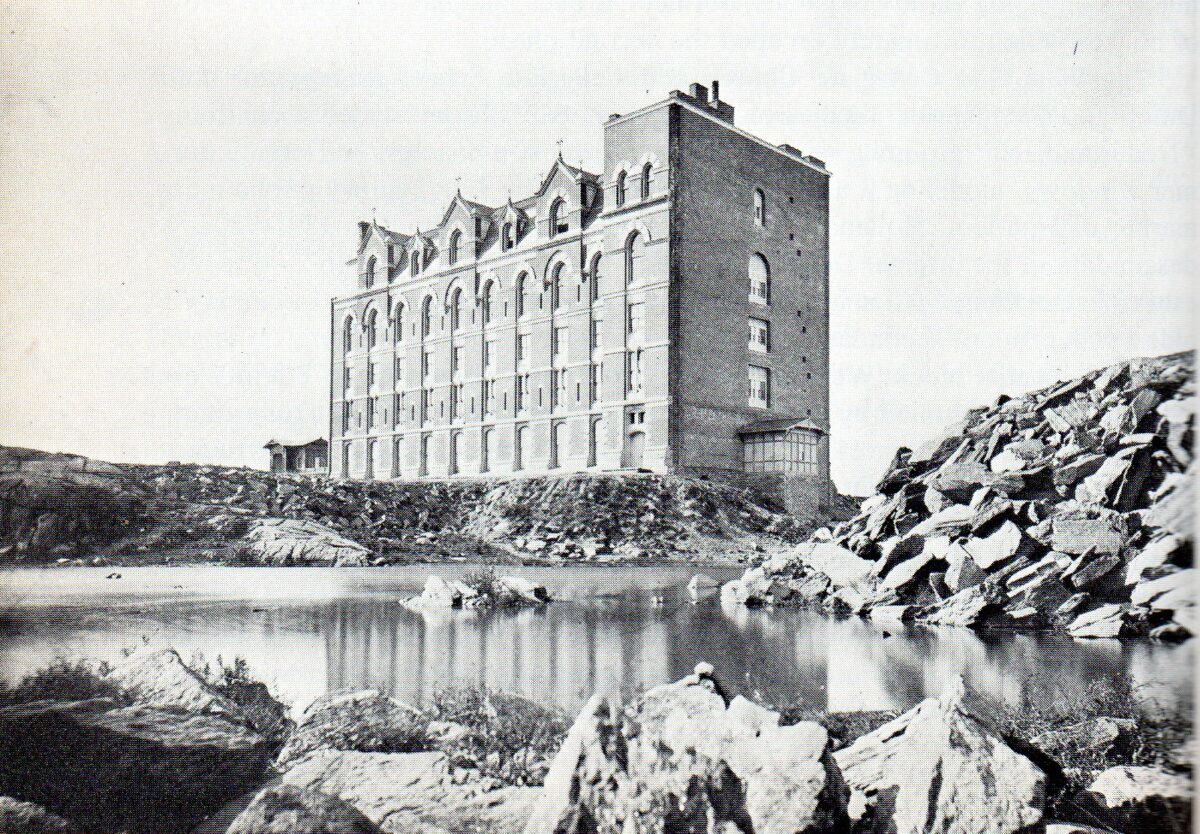
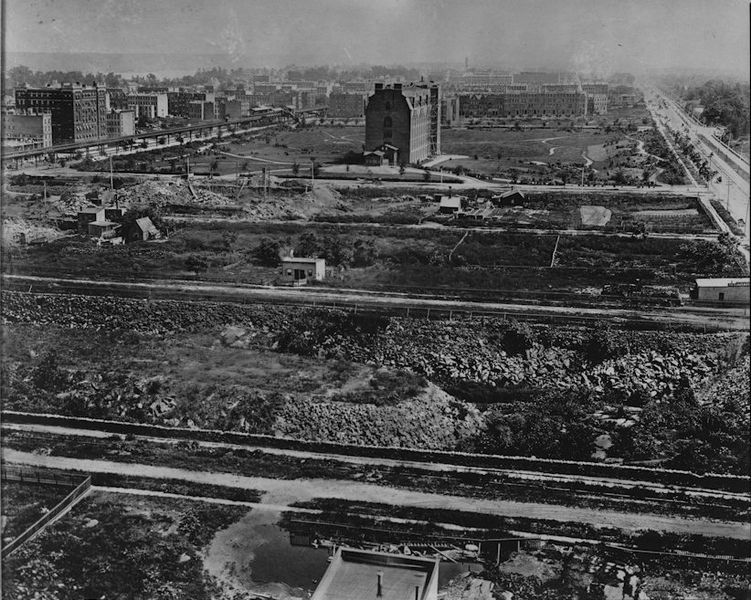
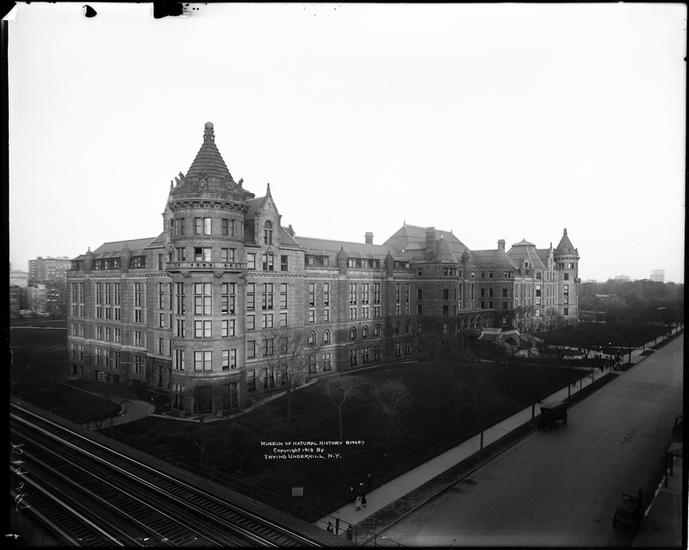
Below: From the late 1870s, the solitary American Museum of Natural History building sits on the spot of Manhattan Square, now leveled out for public enjoyment, even if the lots surrounding it are quite barren.
In the early 1860s, the city proposed selling off this sorely underused area of land.

At one point, during the Civil War, some suggested it be turned into a proper military parade ground.

“Manhattan-square [has] been proposed for the parade-ground; over Manhattan-square the Commissioners have control and it is understood that they are willing to assign it, but, just now, they have not the funds which its preparation would require.” [source]

The next plan was to make a zoo! 

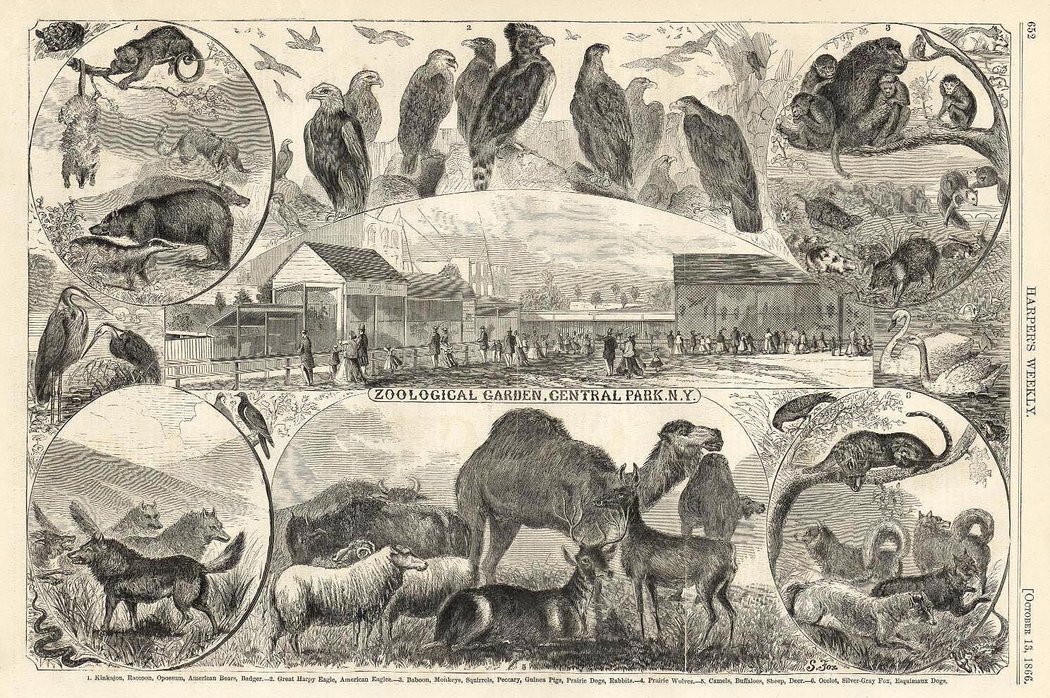
Animals had accumulated near the Central Park Arsenal as a make-shift ‘menagerie‘ — abandoned pets, former circus animals, far-flung beasts brought over on ships. At one point it was determined to move those animals to a more formal Zoological Garden, to be built on the much abused area of Manhattan Square.

From 1865: “The Zoological Gardens are about to be commenced at Manhattan-square, and the commissioners fully expect to have this valuable garden completed before the Summer wanes.”

Below: The chaos of the Central Park menagerie, depicted in an 1866 illustration
Harpers Weekly

Those planned fell through of course. Today the Central Park Zoo marks the location of that former menagerie.

By 1872, the Central Park Commission would utilize Manhattan Square for another mission, designating it the home for the American Museum of Natural History.

The first structure would be completed in 1877. (For more information on the institution’s development, check out our podcast on the subject.)
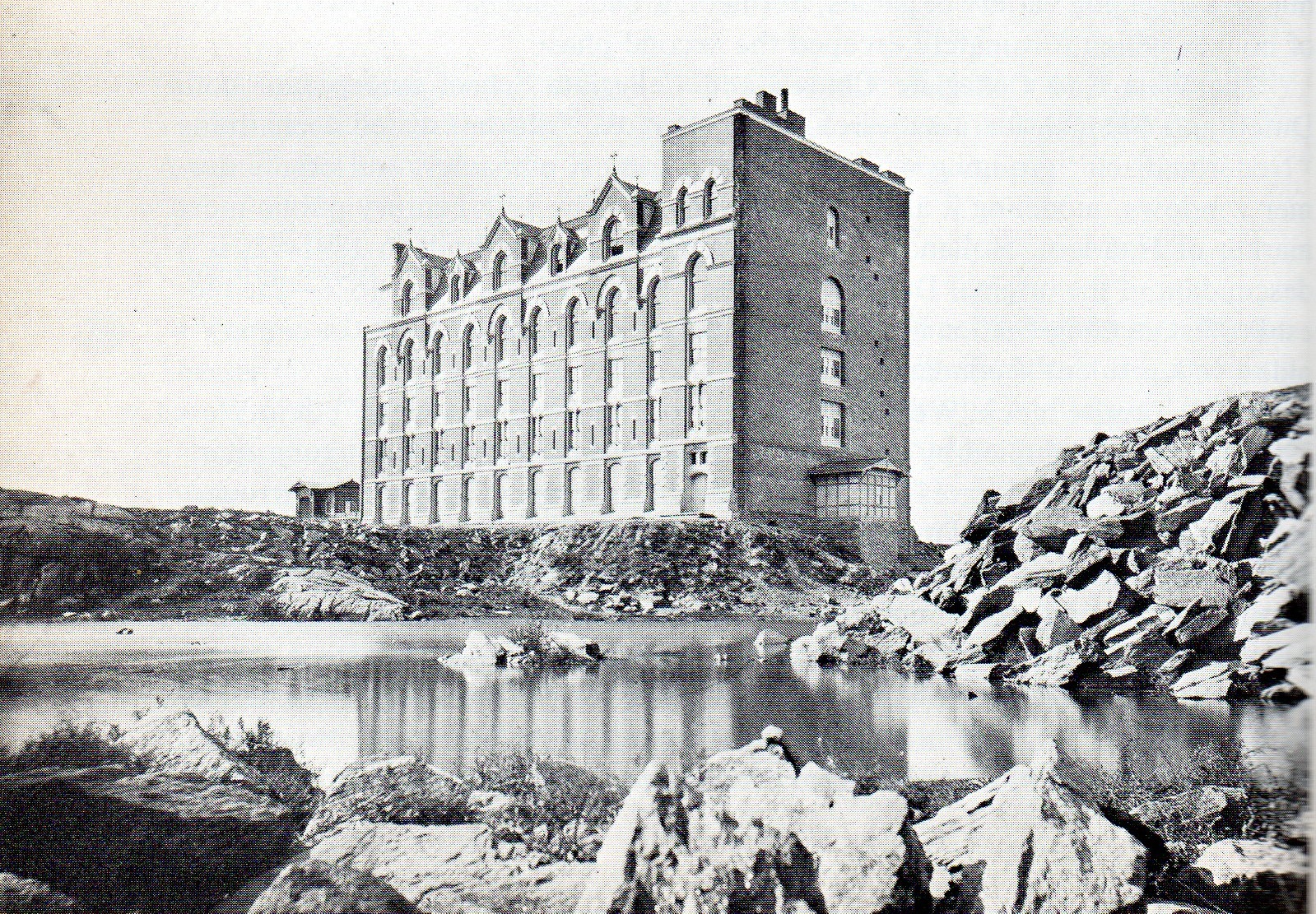
Apartment developers later flocked to the park’s edges, drawn to its proximity to other fashionable apartment houses in the neighborhood like the Dakota Apartments (at 72nd Street, built in 1884).

Luxury apartment living soon transformed the Upper West Side, and the fate of Manhattan Square — renamed Theodore Roosevelt Park in 1958 — changed with it.

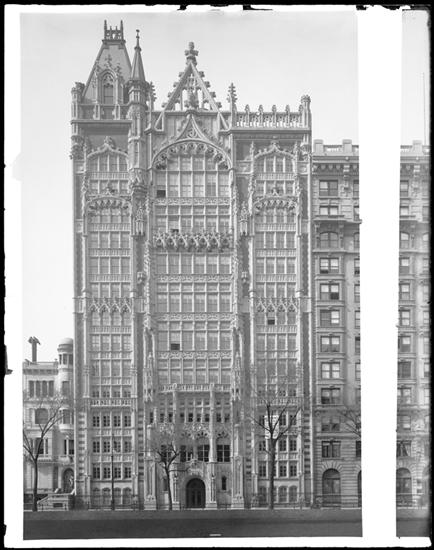
Below: 44 West 77th Street. Manhattan Square Studio Apartment, photographed in 1910
MCNY

Of course, you may not know it by that name today either. From the New York Department of Parks and Recreation: “Neighborhood residents have traditionally referred to the parkland as Museum Park or Dinosaur Park.”

Below: The fully expanded museum as it looked in 1913
MCNY

The above is an expanded excerpt from our book The Bowery Boys Adventures In Old New York, now available at bookstores everywhere.
Categories
Black History Podcasts

Seneca Village and Other Stories of New York’s Forgotten Black Communities

PODCAST The history of African-American settlements and neighborhoods which once existed in New York City

Today we sometimes define New York City’s African-American identity by the places where thriving black culture developed – Harlem, of course, and also Crown Heights and Bedford-Stuyvesant, neighborhoods that developed for groups of black residents in the 20th century.

But by no means were these the first in New York City. Other centers of black and African-American life existed long before then. In many cases, they were obliterated by the growth of the city, sometimes built over without a single marker, without recognition.

This is the story of a few of those places.  From the ‘land of the blacks‘ — the home to New Amsterdam and British New York’s early black population — to Seneca Village, a haven for black lives that was wiped away by a park.

From Little Africa — the Greenwich Village sector for the black working class in the late 19th century — to Sandy Ground, a rural escape in Staten Island with deep roots in the neighborhood today.

And then there’s Weeksville, Brooklyn, the visionary village built to bond a community and to develop a political foothold.

In this collection of short historical stories, Greg welcomes Kamau Ware (of the Black Gotham Experience) and Tia Powell Harris of the Weeksville Heritage Center to the show.

The episode is a rebroadcast of a show which first aired on June 9, 2017. Stay tuned to the end of this show for some newly written material and an update on the Black Gotham Experience and the Weeksville Heritage Center.

To get this week’s episode, just find our show on Stitcher or your favorite podcast streaming service. Or listen to it here:

___________________________________________________________________________

The Bowery Boys: New York City History podcast is brought to you …. by you!

We are now producing a new Bowery Boys podcast every week. We’re also looking to improve and expand the show in other ways — publishing, social media, live events and other forms of media. But we can only do this with your help!

We are now a creator on Patreon, a patronage platform where you can support your favorite content creators.

Please visit our page on Patreon and watch a short video of us recording the show and talking about our expansion plans.

If you’d like to help out, there are six different pledge levels. Check them out and consider being a sponsor.

We greatly appreciate our listeners and readers and thank you for joining us on this journey so far.

________________________________________________________________________

Our thanks to Weeksville Heritage Center and Black Gotham Experience. Visit their websites for further information about upcoming events and programs. In addition please check out the Sandy Ground Historical Society for information about this important site in Staten Island.

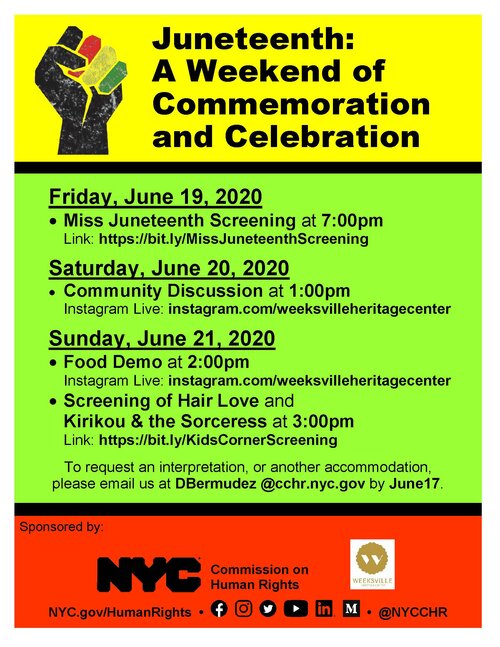
Weeksville is hosting a weekend of Juneteenth events. Please visit their website for further information:


Check out the Black Gotham Experience website for information on online courses starting in July. And become a member to join in their work as BGX heads towards its 10th anniversary.


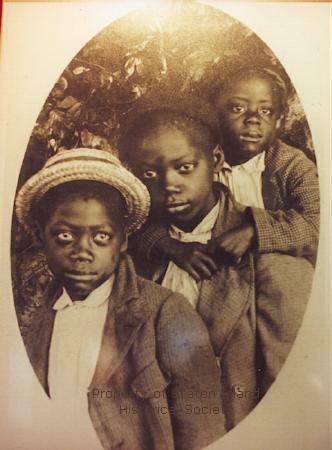
Three boys from Sandy Ground, Staten Island, circa 1912.

Staten Island Historical Society

More information about the Black Gotham Experience here, including a list of walking tours.  Check out the websites for Weeksville Heritage Center and the Sandy Ground Historical Society for more information about visiting hours and tours.

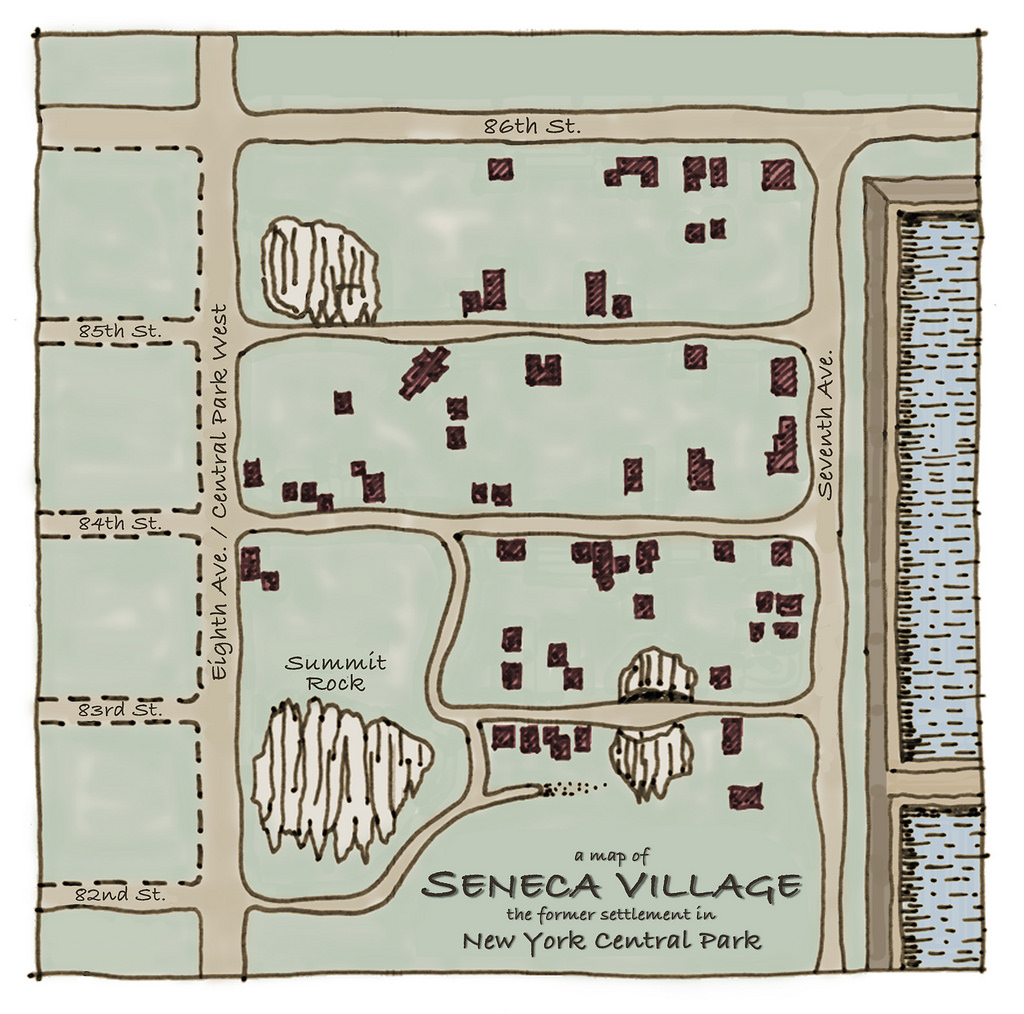
This map of Seneca Village was made by Andy Proehl illustrating what the settlement looked like in the years before its destruction.

Courtesy Andy Proehl/Flickr

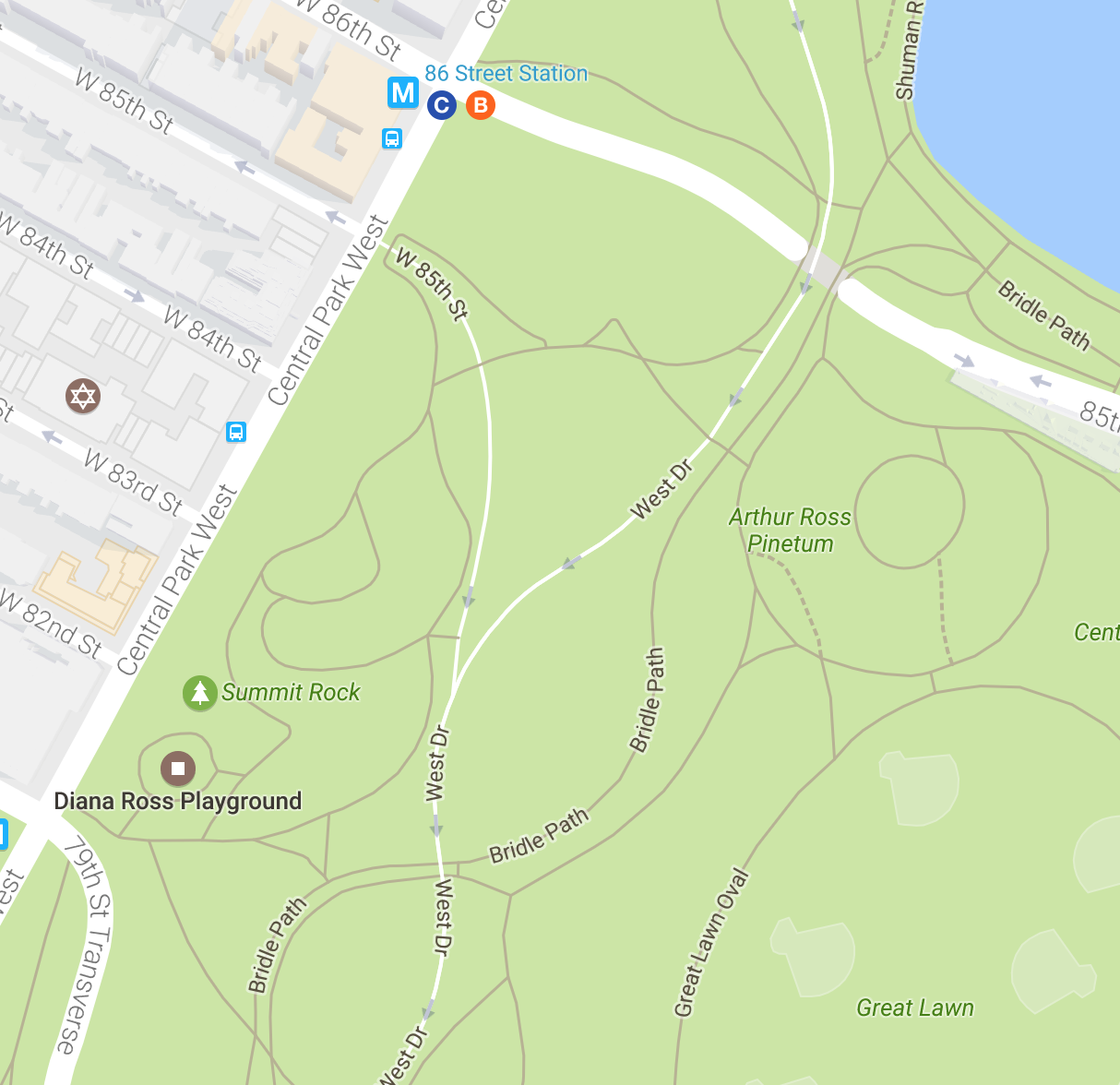
The approximate area via Google Maps. The Great Lawn now sits on the spot where the reservoir is.

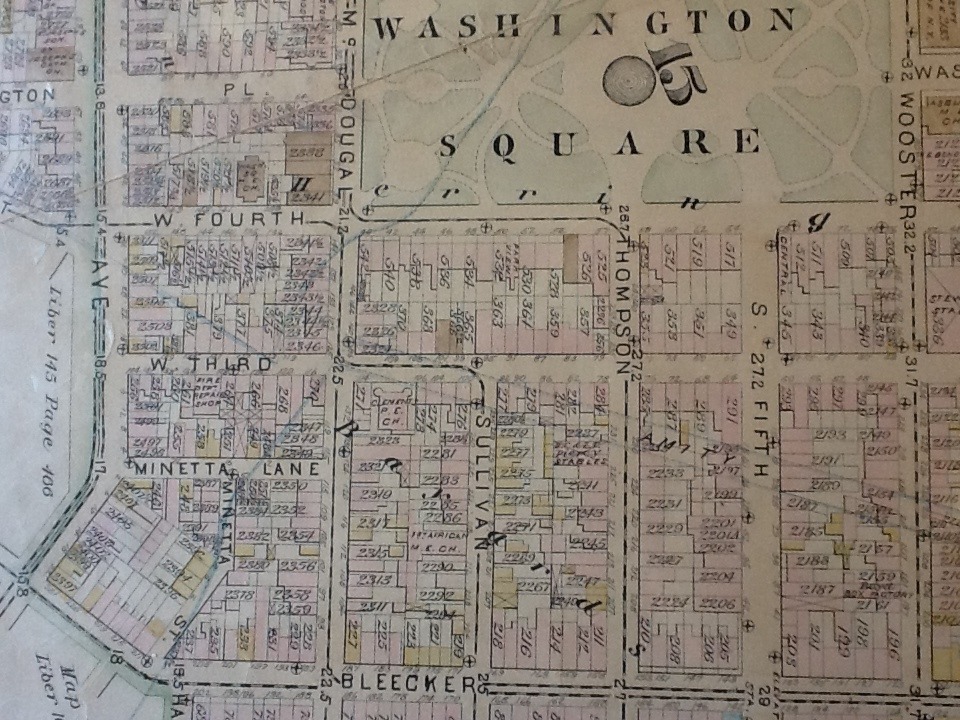
The approximate area of Little Africa. The map is from 1889.

NYPL via Greenwich Village Society of Historical Perseveration

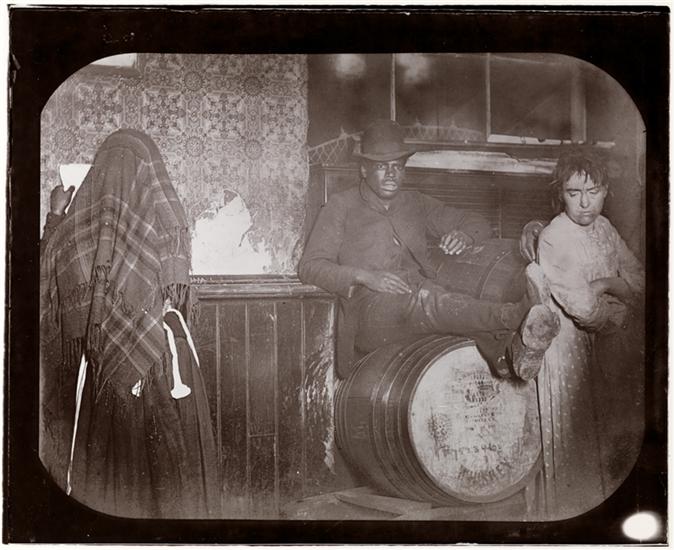
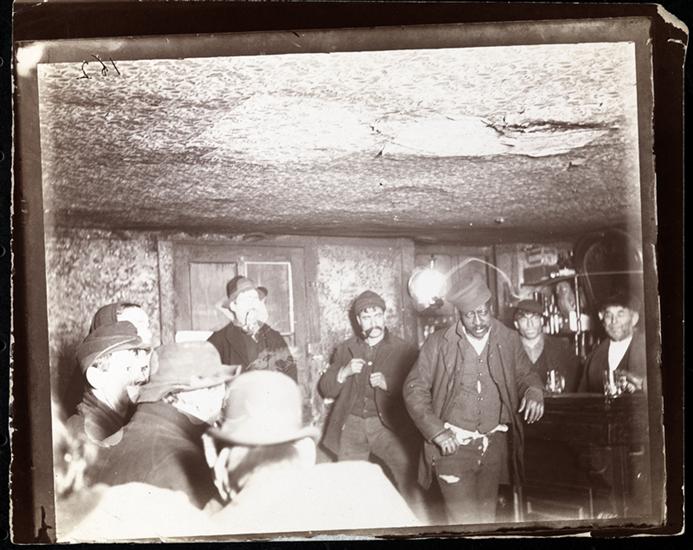
Richard Hoe Lawrence and Jacob Riis’s images of a “Black and Tan” dive bar on Broome Street near Wooster Street, 1890.

Courtesy Museum of the City of New York

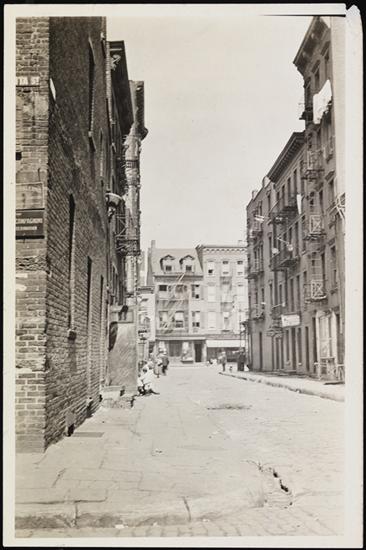
Minetta Lane, circa 1900.

MCNY

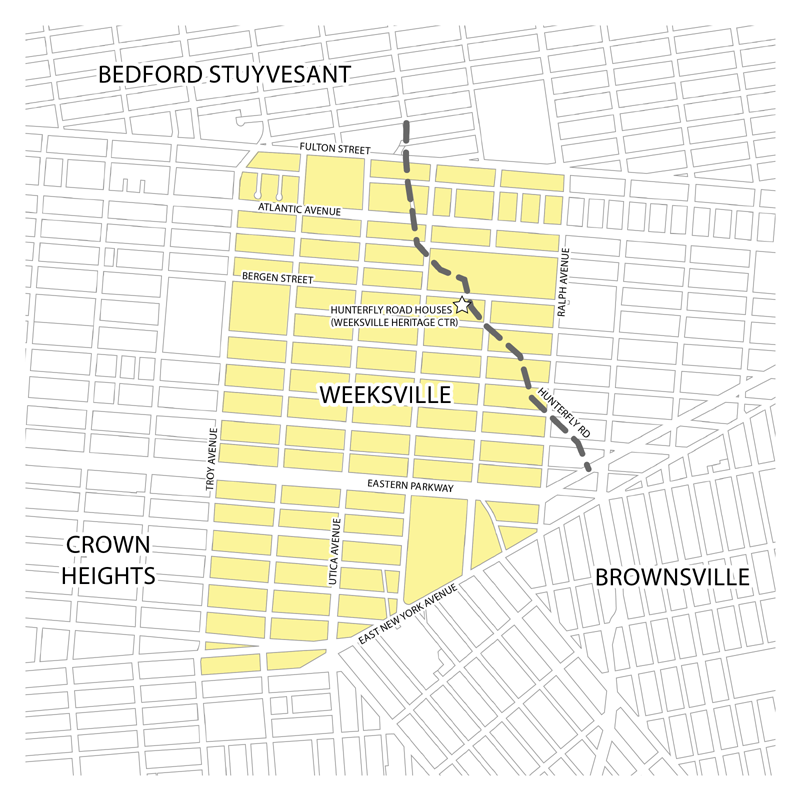
The approximate location of Weeksville, Brooklyn

Wikipedia
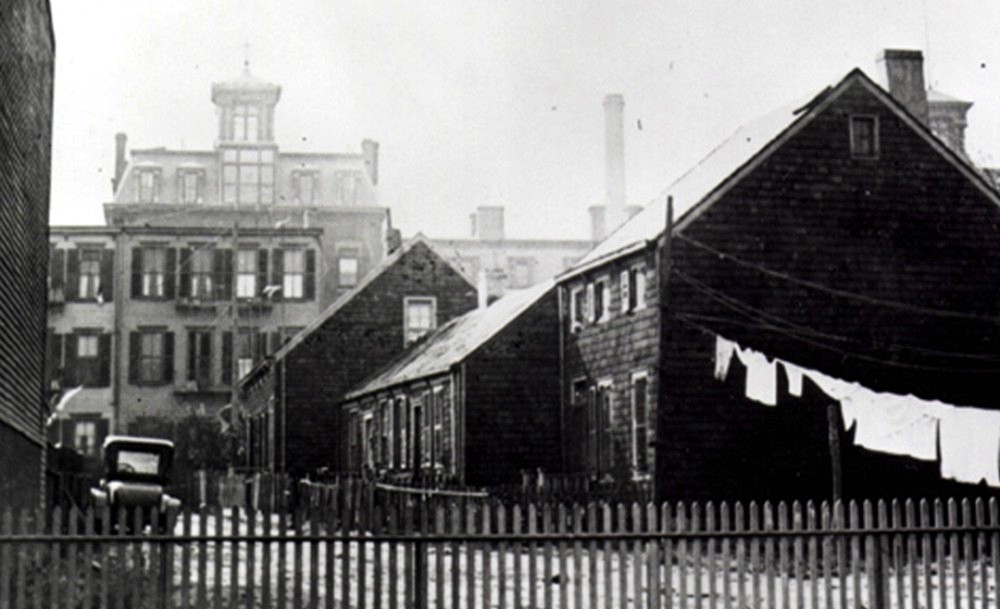
Brooklyn Public Library
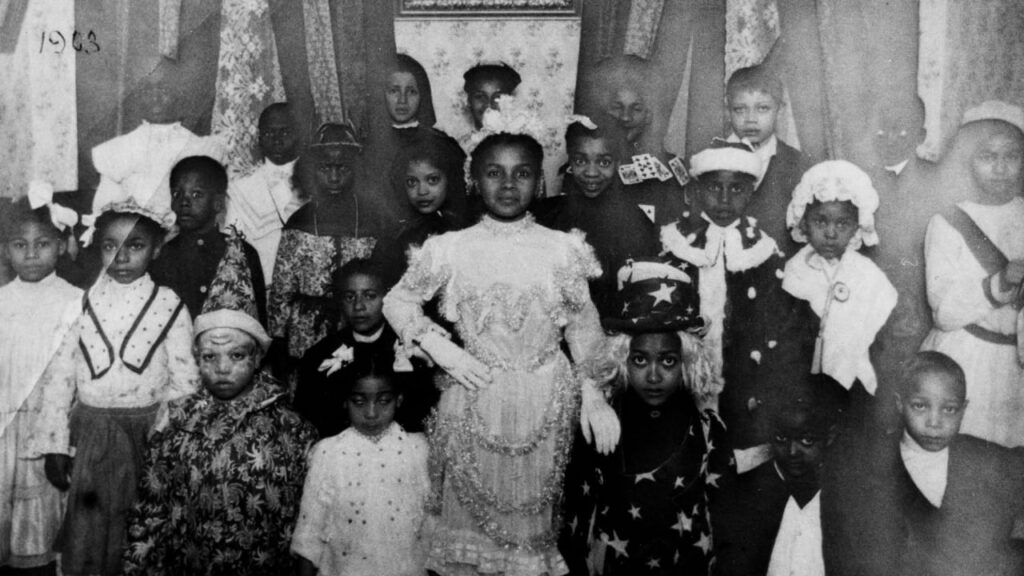
Halloween party by photographer and Weeksville resident Alexander Moore. [PHOTO: PERCY F. MOORE COLLECTION, COURTESY OF THE 5TH OF JULY RESOURCE CENTER FOR SELF-DETERMINATION & FREEDOM, WEEKSVILLE HERITAGE CENTER]

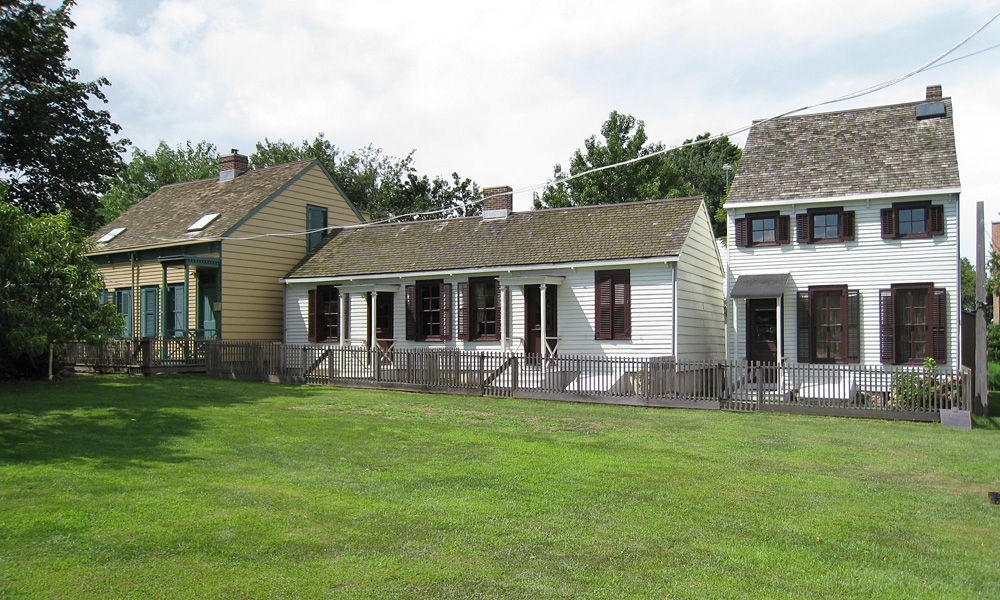
The three surviving houses today

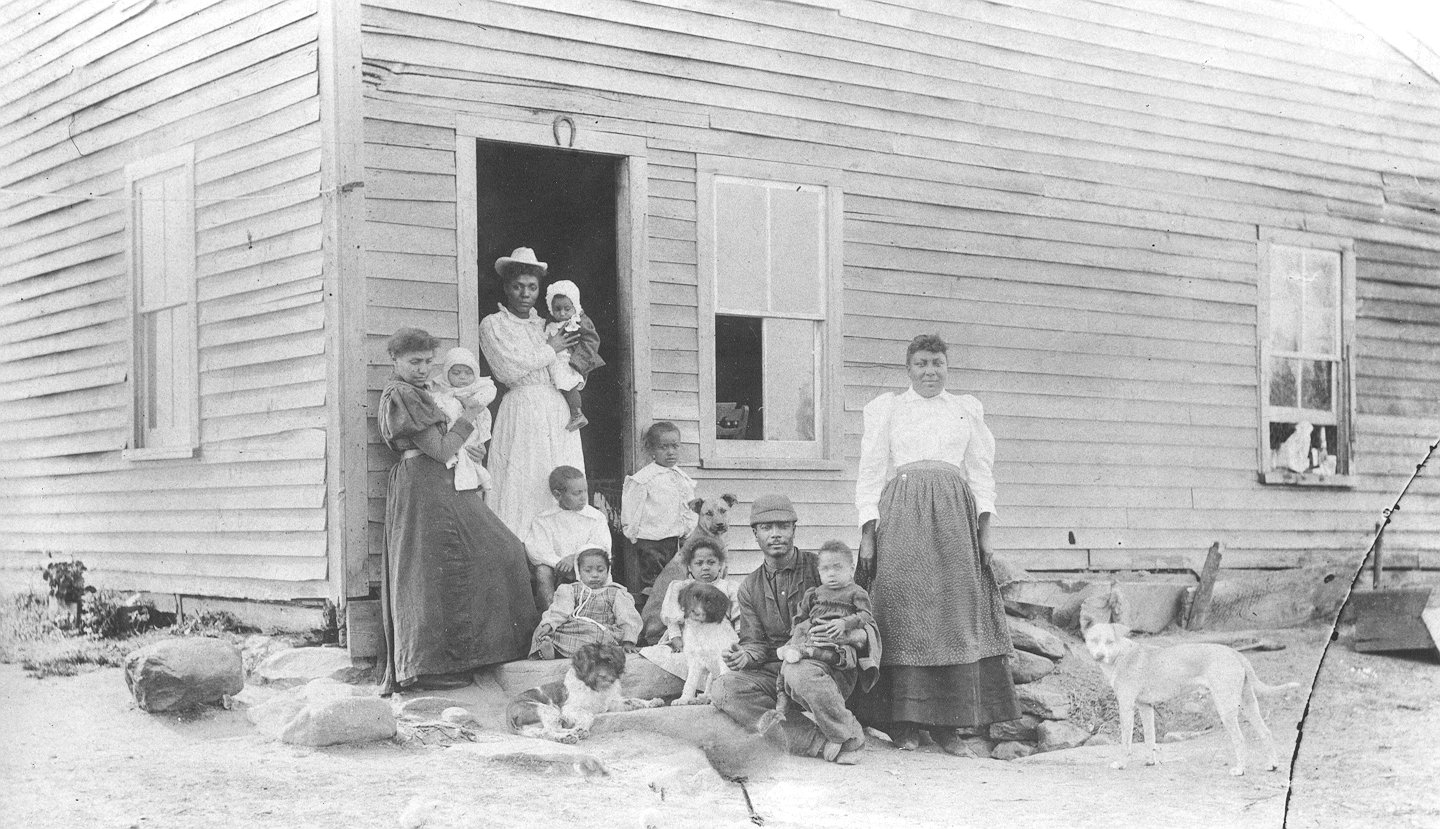
The picture at top features an African-American family posed in front of the John Brown Homestead in Torrington, Connecticut, circa 1890s-1900. I particularly love this picture because the house is reminiscent of the Weeksville houses and those that were in Sandy Ground.

Connecticut Historical Society


FURTHER LISTENING

After you’ve listened to this episode on Seneca Village and New York’s forgotten black communities, check out these past Bowery Boys episodes about aspects of New York City history featured on this show: