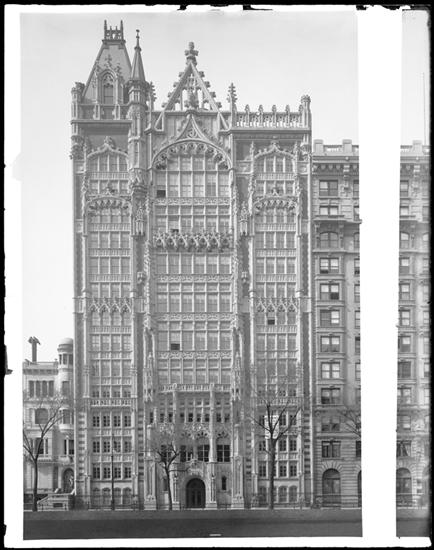
You better clean your room or you’ll end up like the Collyer Brothers.
New York City, a city crammed of 8.6 million people. It’s filled with stories of people who just want to be left alone – recluses, hermits, cloistering themselves from the public eye, closing themselves off from scrutiny.
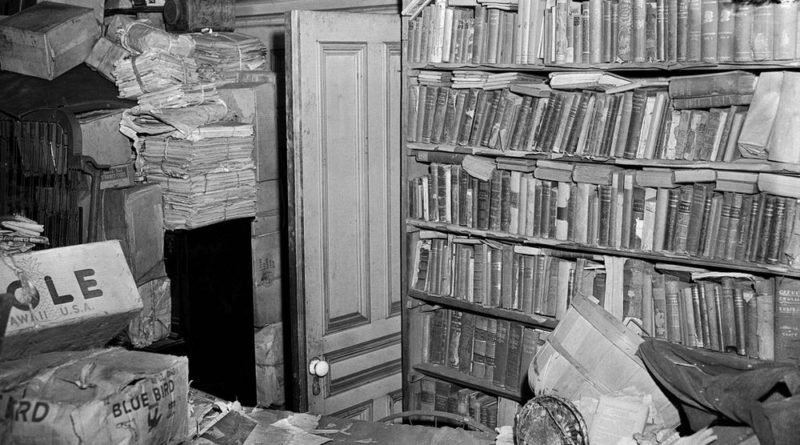
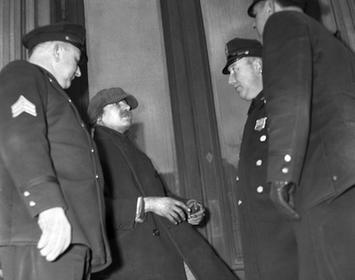
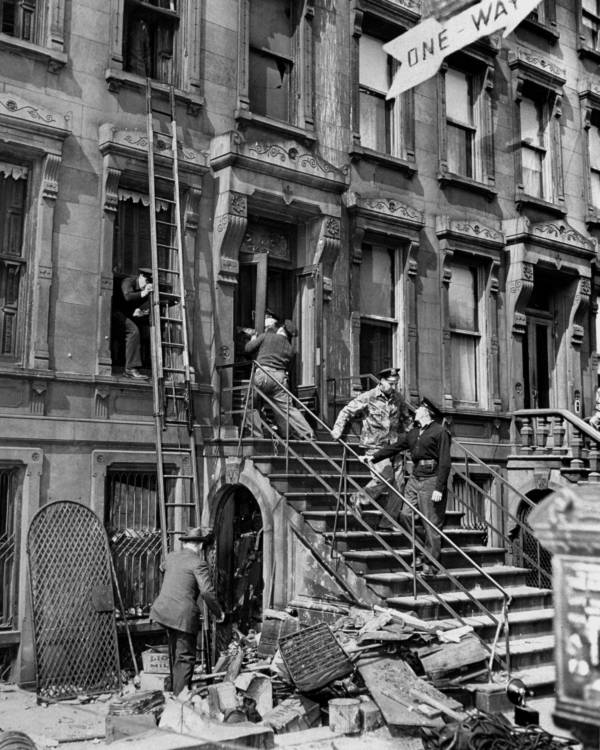
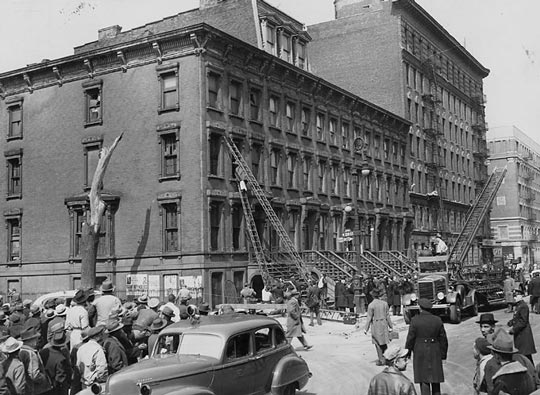
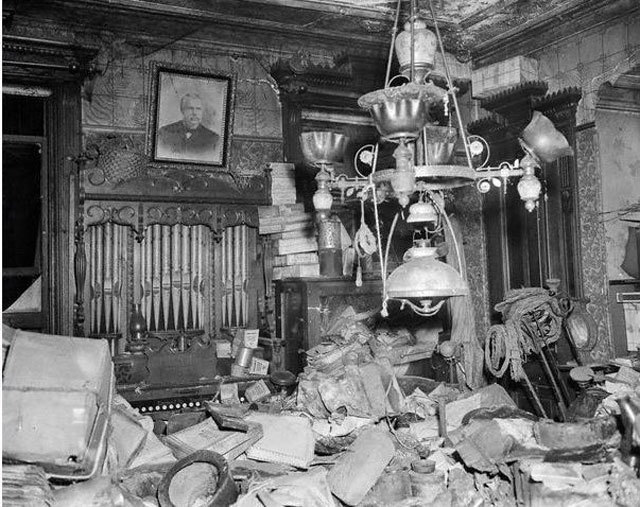
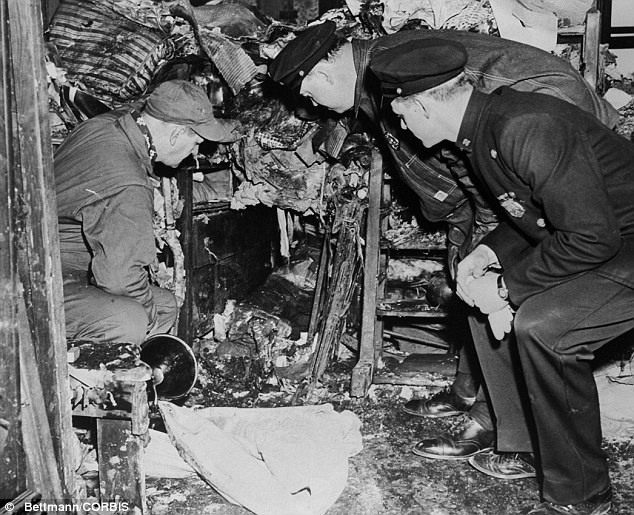
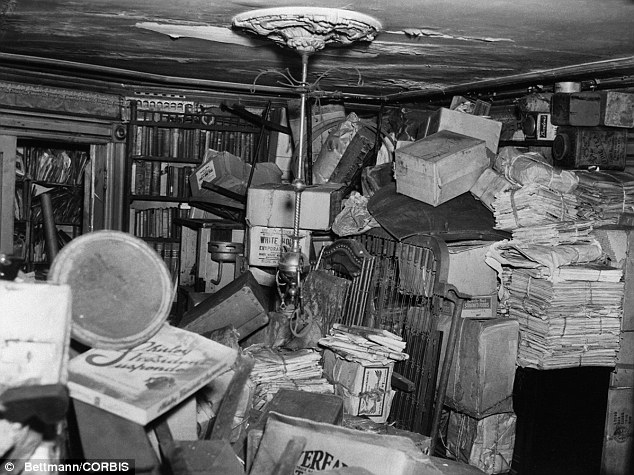
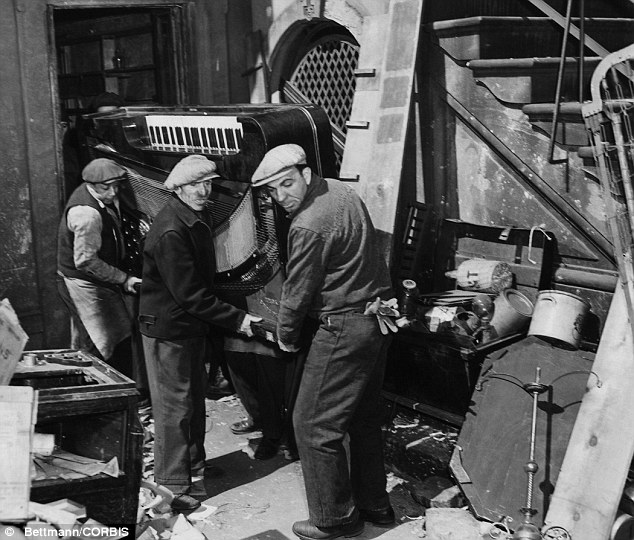
But none attempted to seal themselves off so completely in the way that Homer and Langley Collyer attempted in the 1930s and 1940s. Their story is infamous. In going several steps further to be left alone, they in effect drew attention to themselves and to their crumbling Fifth Avenue mansion – dubbed by the press ‘the Harlem house of mystery’.
They were the children of the Gilded Age, clinging to blue-blooded lineage and drawing-room social customs, in a neighborhood that was about to become the heart of African-American culture. But their unusual retreat inward — off the grid, hidden from view — suggested something more troubling than fear and isolation. And in the end, their house consumed them.
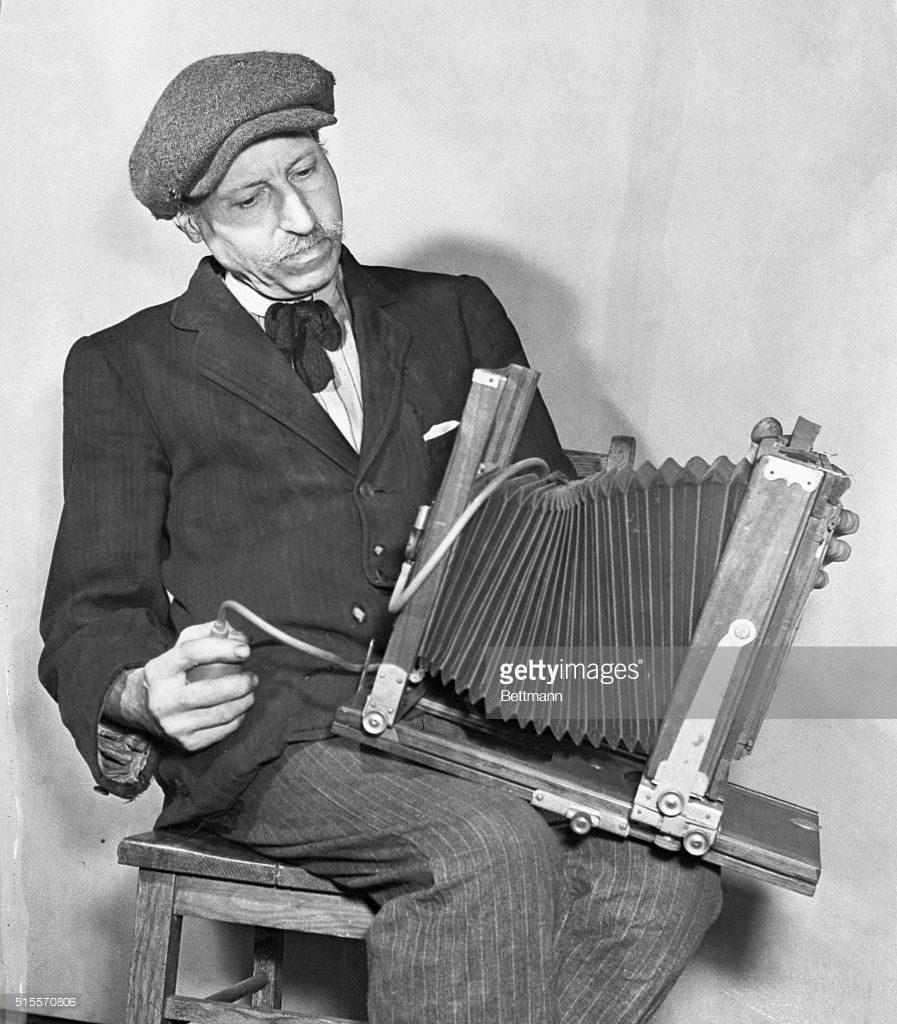
Langley Collyer, 1942, at his New York Herald Tribune photo shoot
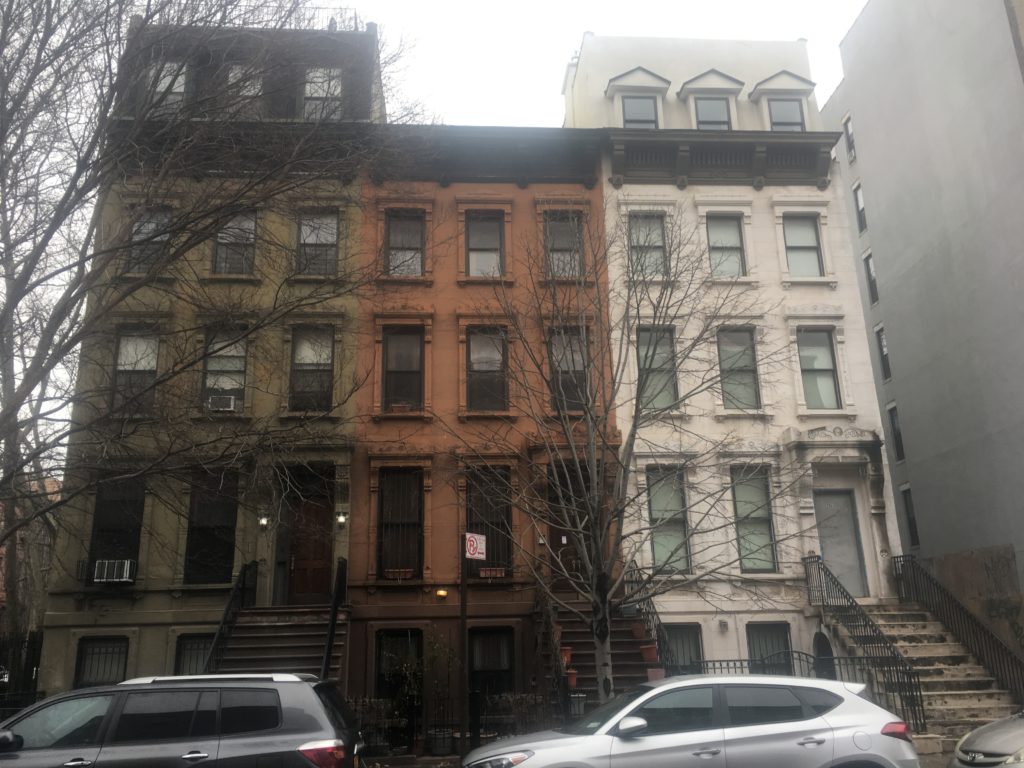
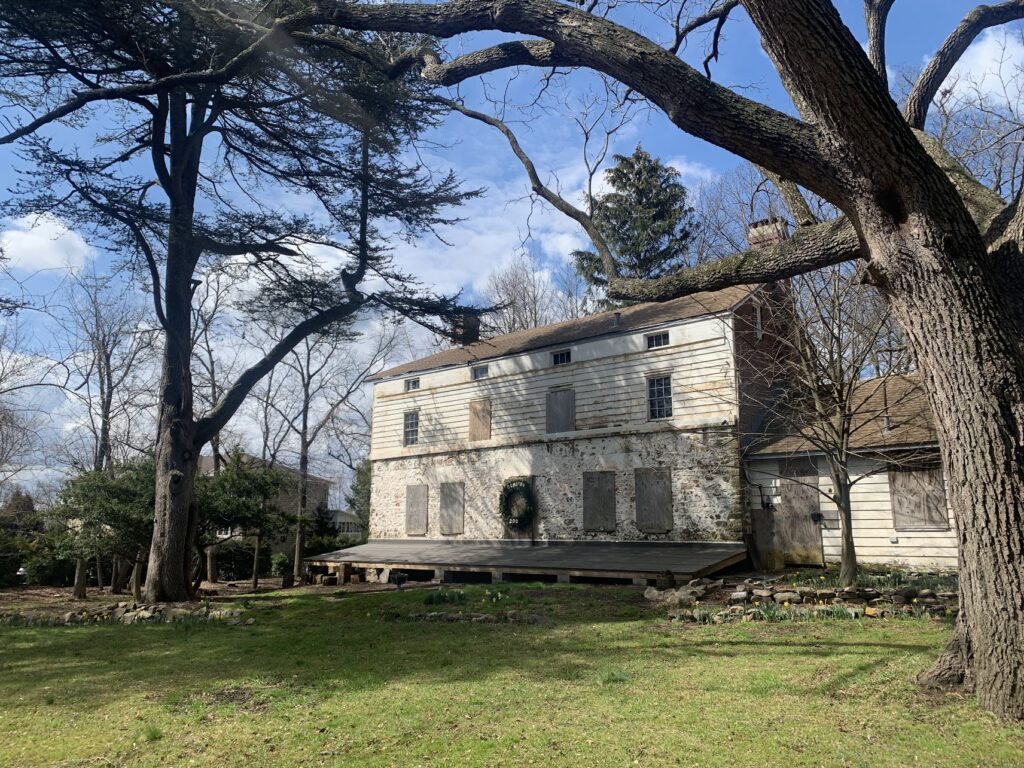
The three remaining rowhouses developed by George J. Hamilton. The middle house gives you some idea of what the Collyer mansion looked like.
Charles Hoff / NY Daily News
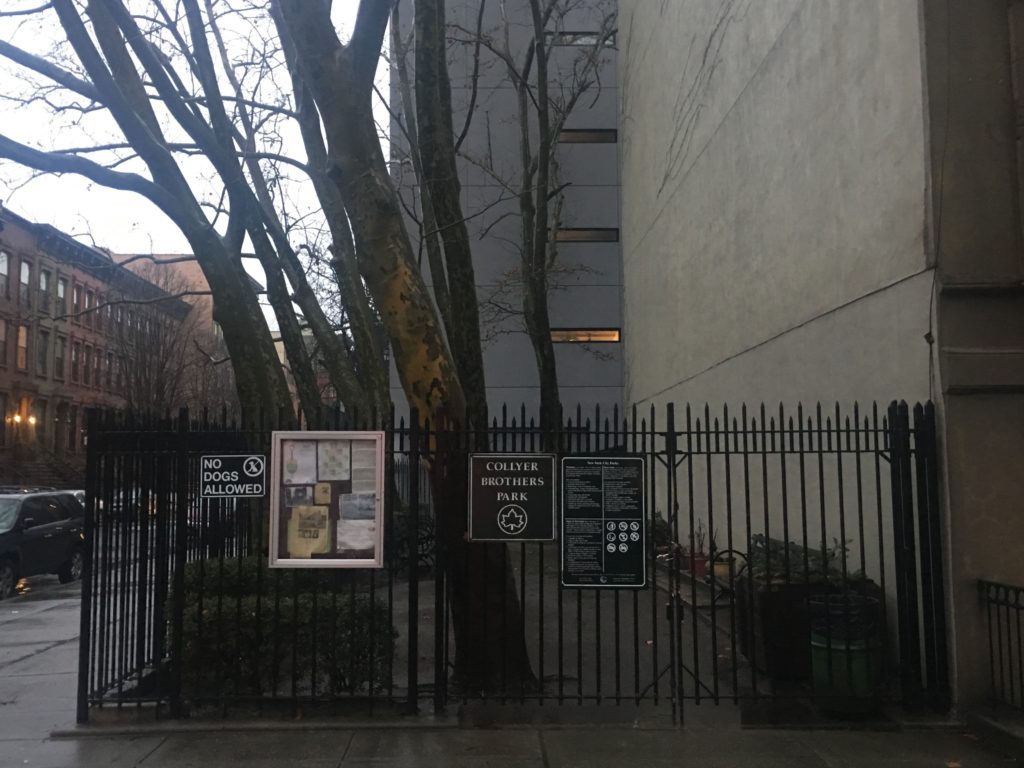
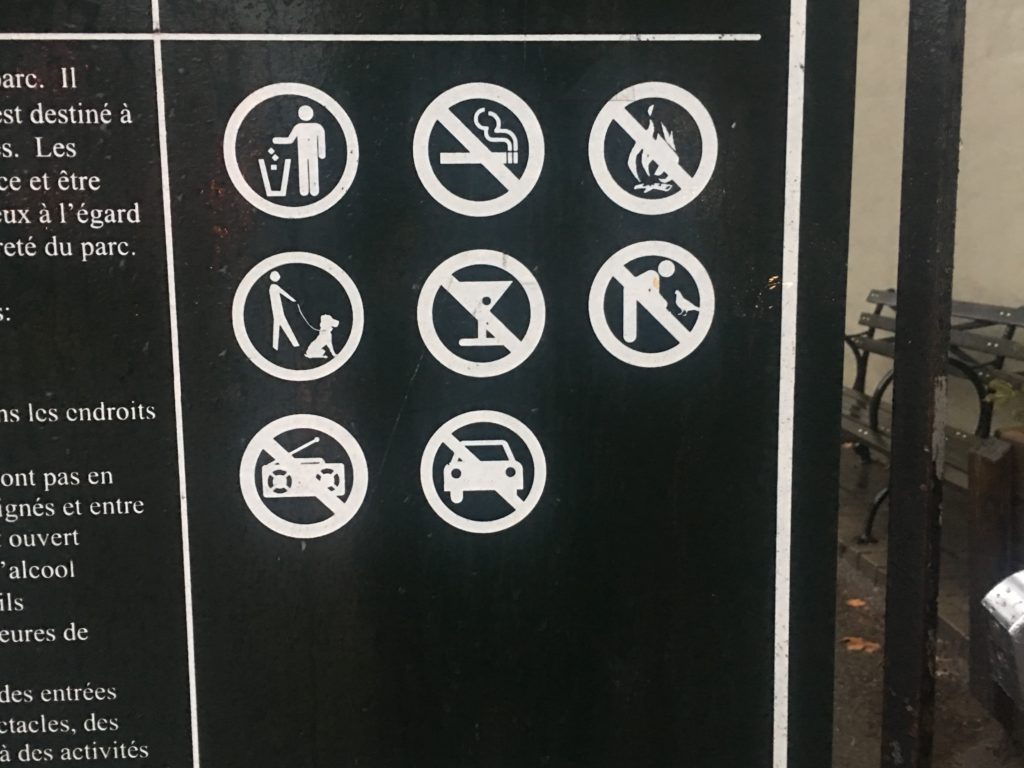
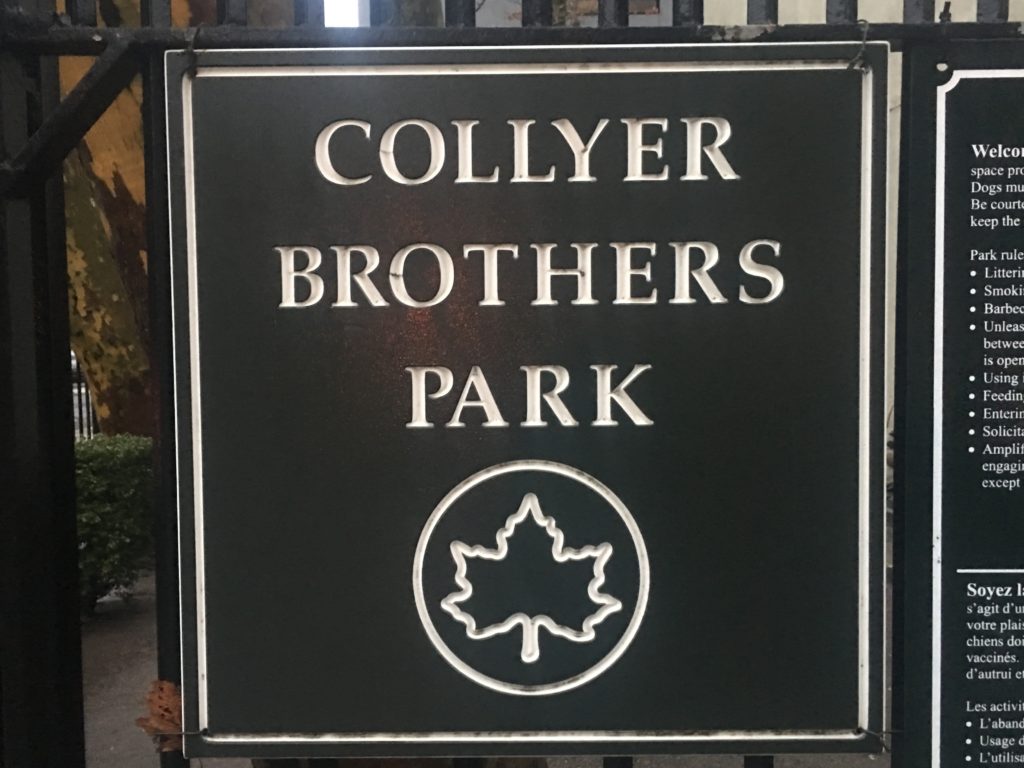
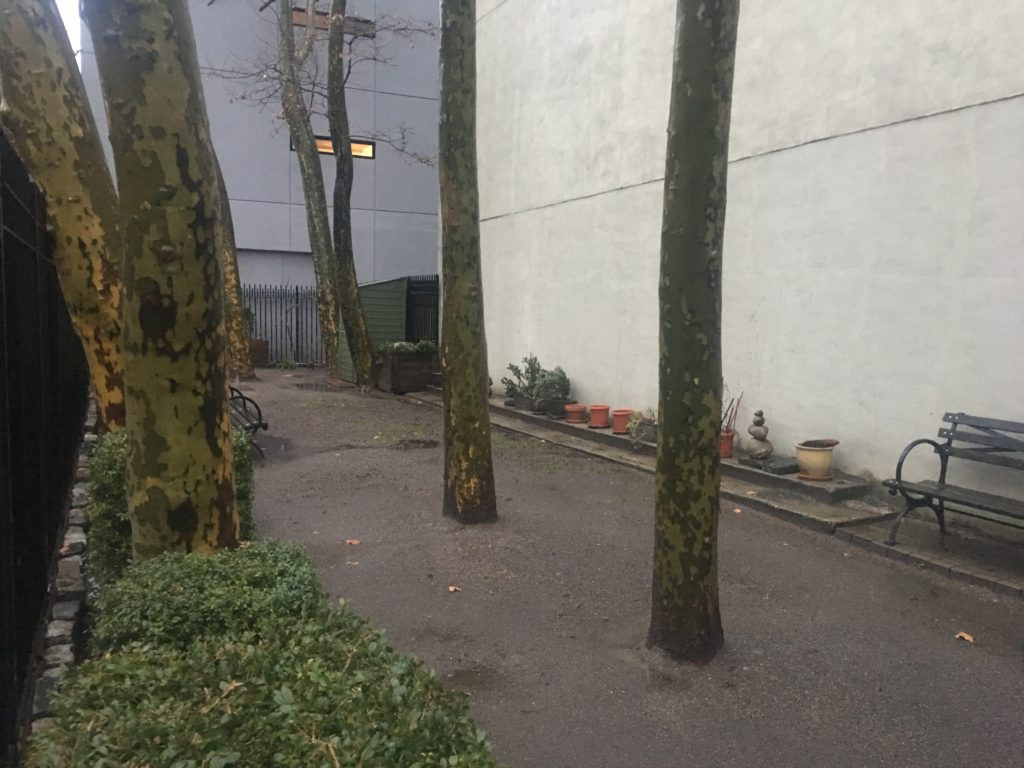
No littering in Collyer Brothers Park!
Silent footage taken outside the Collyer house, 1947
FURTHER READING
Homer and Langley by E.L. Doctorow Out of this World by Helen Worden Erskine Stuff: Compulsive Hoarding and the Meaning of Things by Randy O. Frost and Grail Steketee Ghosty Men by Franz Lidz
FURTHER LISTENING
We’ve visited the back story of famous recluses in past shows with the story of Big Edie and Little Edie Bouvier (Grey Gardens) and the legendary film actress Greta Garbo:
And the story of changing Harlem is profiled in the biography episode of the great Madam C. J. Walker
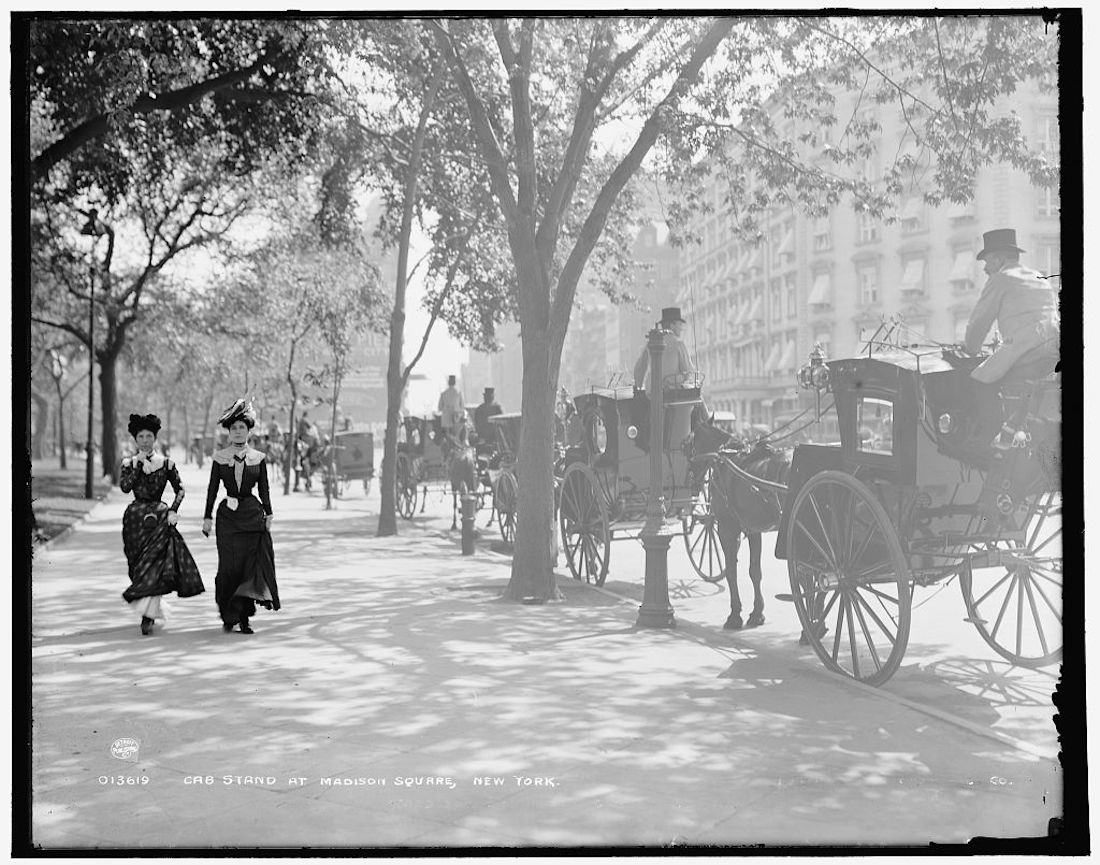
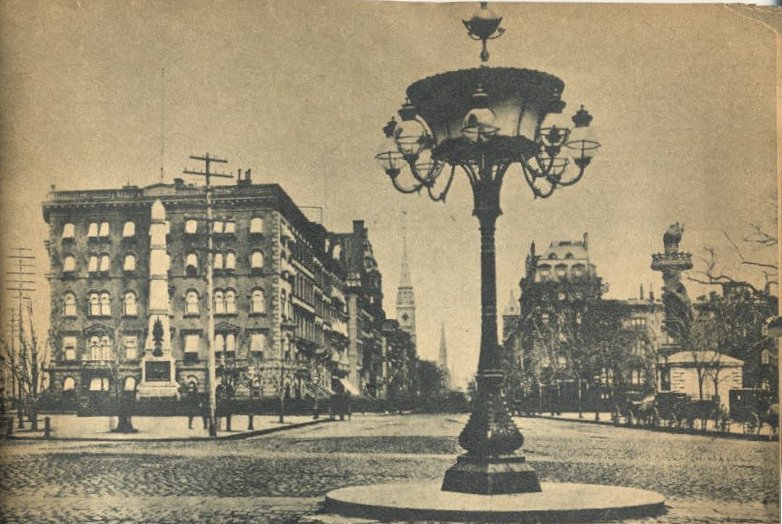
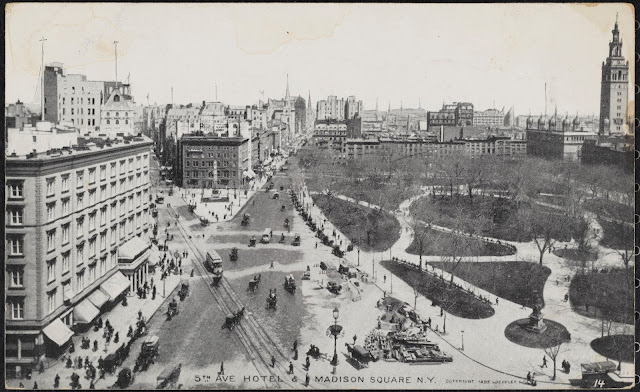
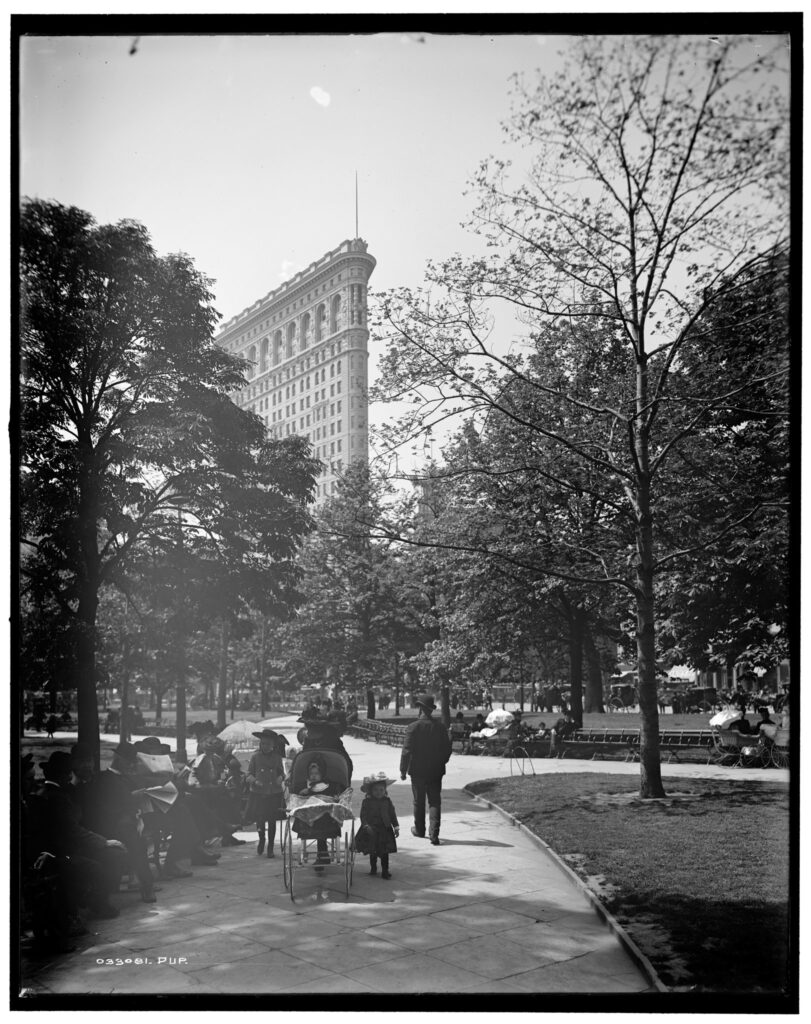
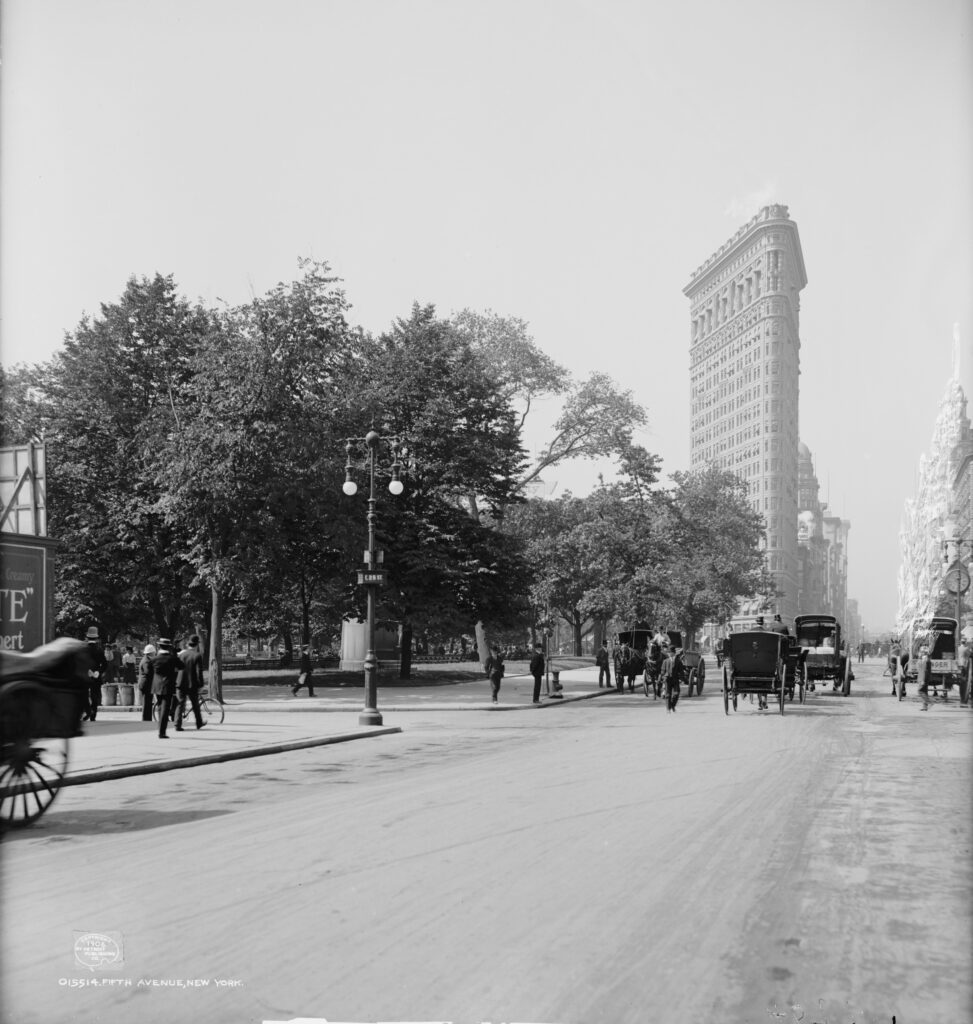
Cab stand at Madison Square, 1900. Courtesy Detroit Publishing/Library of Congress. This image is looking south down the edge of the park. Within two years, the Flatiron Building would be rising in the distance.
So much has happened in and around Madison Square Park — the leafy retreat at the intersections of Broadway, Fifth Avenue and 23rd Street — that telling its entire story requires an extra-sized show, in honor of the Bowery Boys 425th episode.
Madison Square Park was the epicenter of New York culture from the years following the Civil War to early 20th century. The park was really at the heart of Gilded Age New York, whether you were rushing to an upscale restaurant like Delmonico’s or a night of the theater or maybe just an evening at one of New York’s most luxurious hotels like the Fifth Avenue Hotel or the Hoffman House.
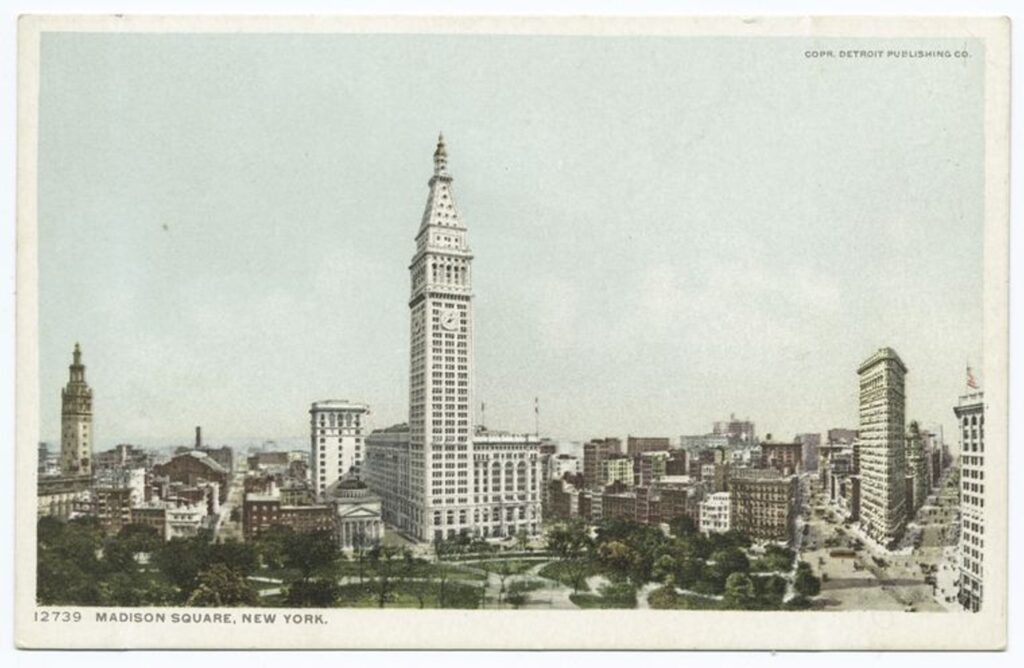
The park is surrounded by some of New York’s most renown architecture, from the famous Flatiron Building to the Metropolitan Life Insurance Tower, once the tallest building in the world.
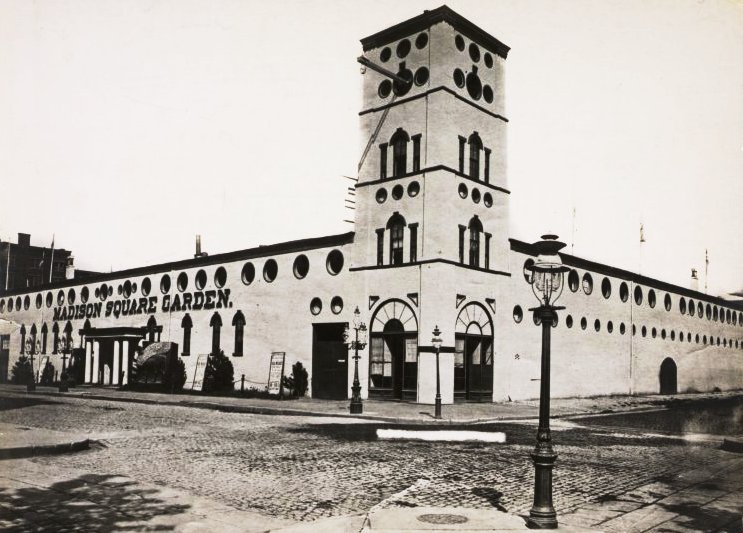
The square also lends its name, of course, to one of the most famous sports and performing venues in the world – Madison Square Garden. Its origins begin at the northeast corner of the park on the spot of a former railroad depot and near the spot of the birthplace of an American institution — baseball.
The park introduced New Yorkers to the Statue of Liberty … or at least her forearm and torch. It stood silently over the bustling park while prize-winning dogs were championed at the very first Westminster Kennel Club Dog Show nearby, held at Gilmore’s Gardens, the precursor to Madison Square Garden.
Today the region north of the park is referred to as NoMad, which recalls life around Madison Square during the Gilded Age with its high-end restaurant and hotel scene.
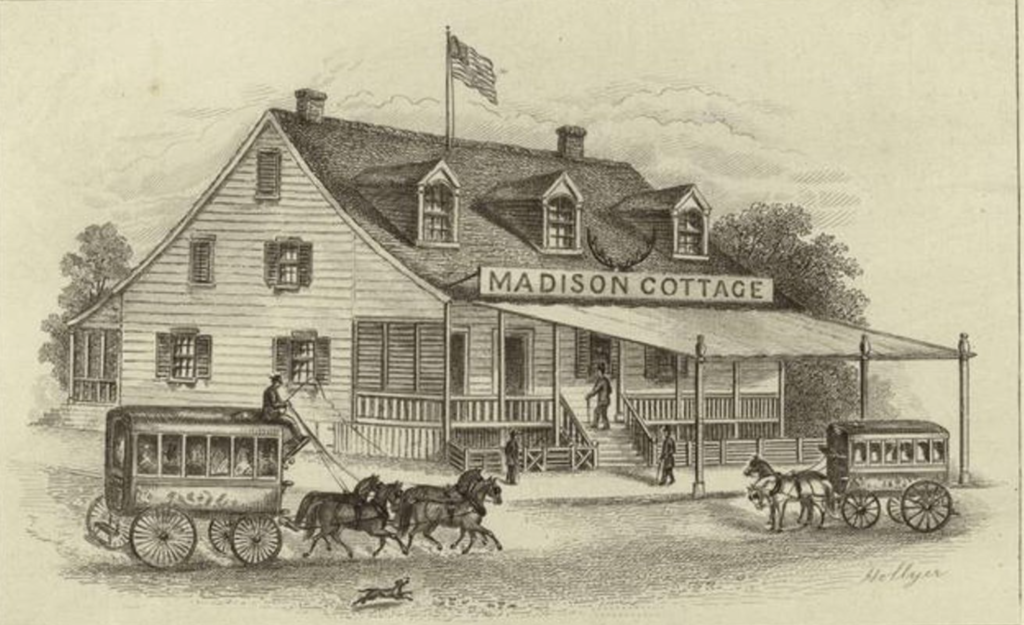
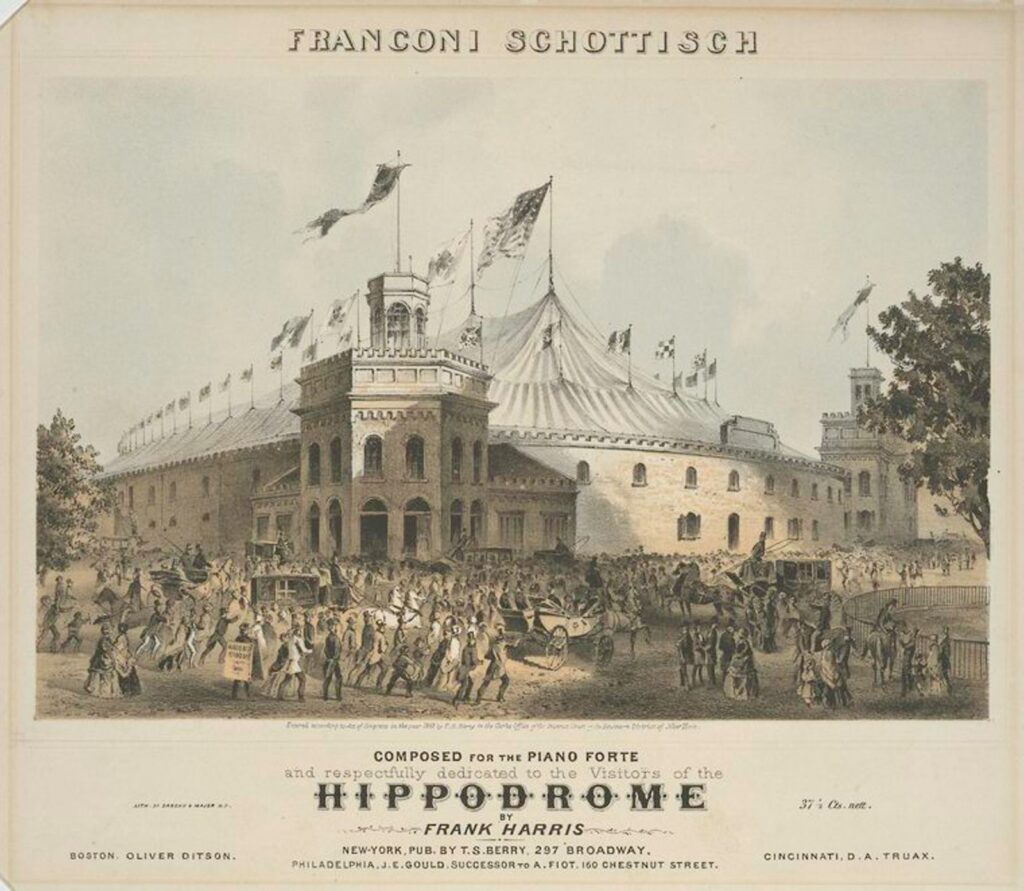
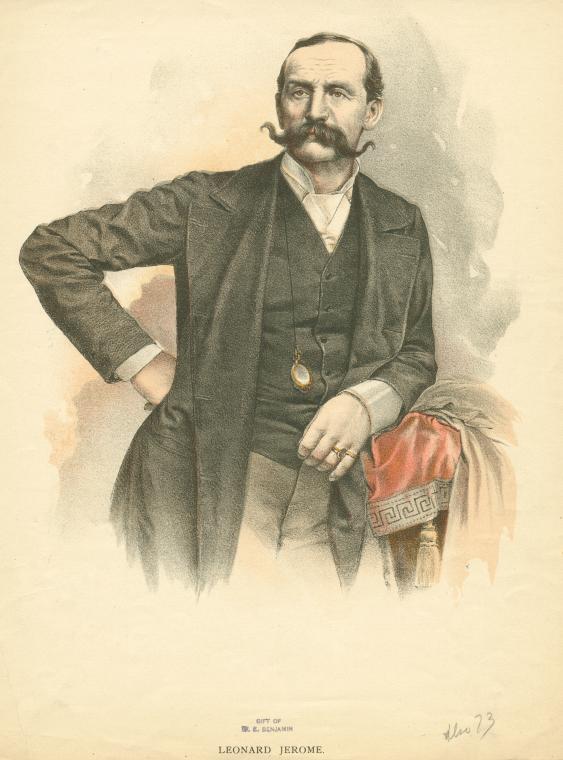
Tom and Greg invite you on this time-traveling escapade covering over 200 years of history. From the days of rustic creeks and cottages to the long lines at the Shake Shake. From Franconi’s Hippodrome to the dazzling colonge fountains of Leonard Jerome (Winston Churcill’s grandfather).
LISTEN HERE: IT HAPPENED AT MADISON SQUARE PARK
This episode’s title pays homage to one of favorite books about park history — It Happened On Washington Square by Emily Kies Folpe.
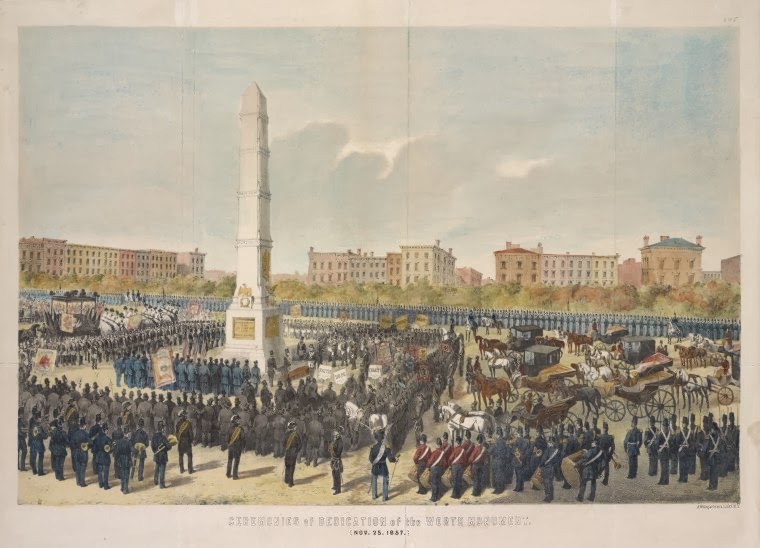
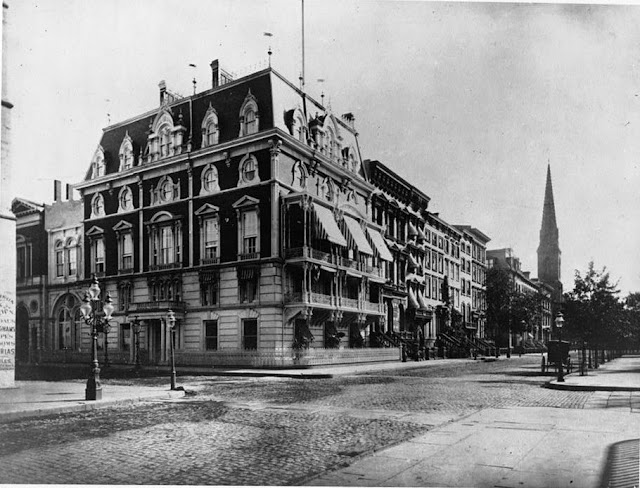
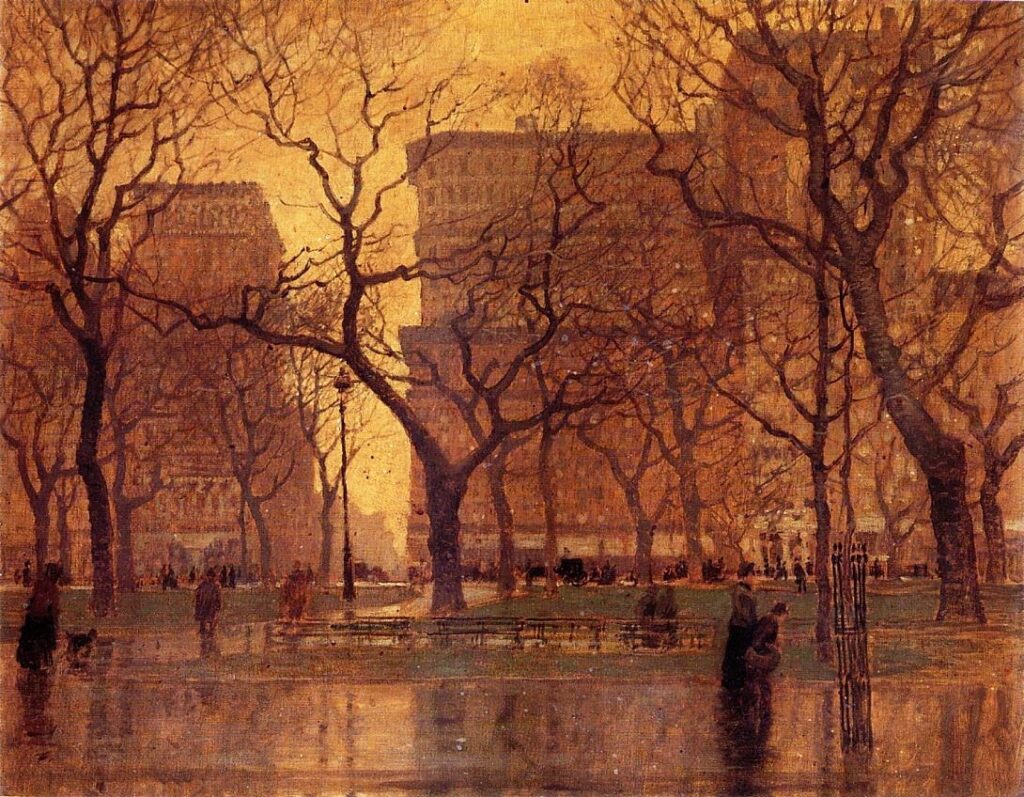
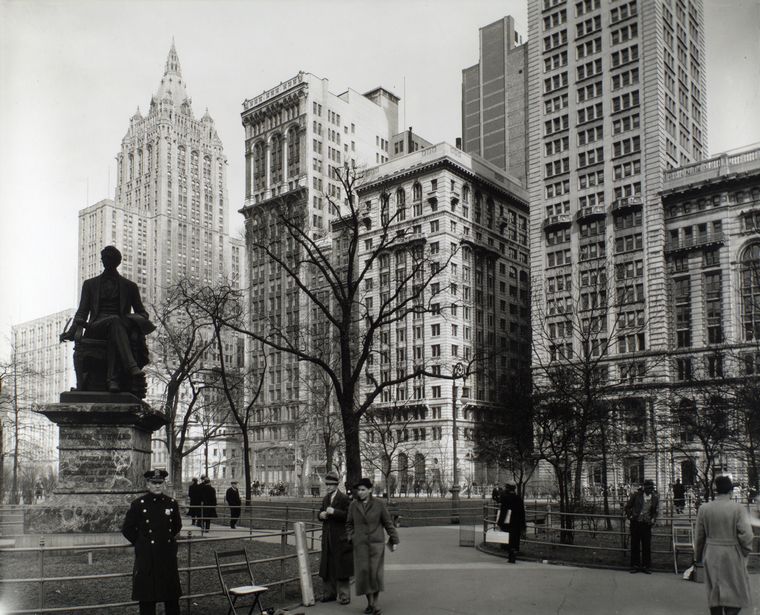
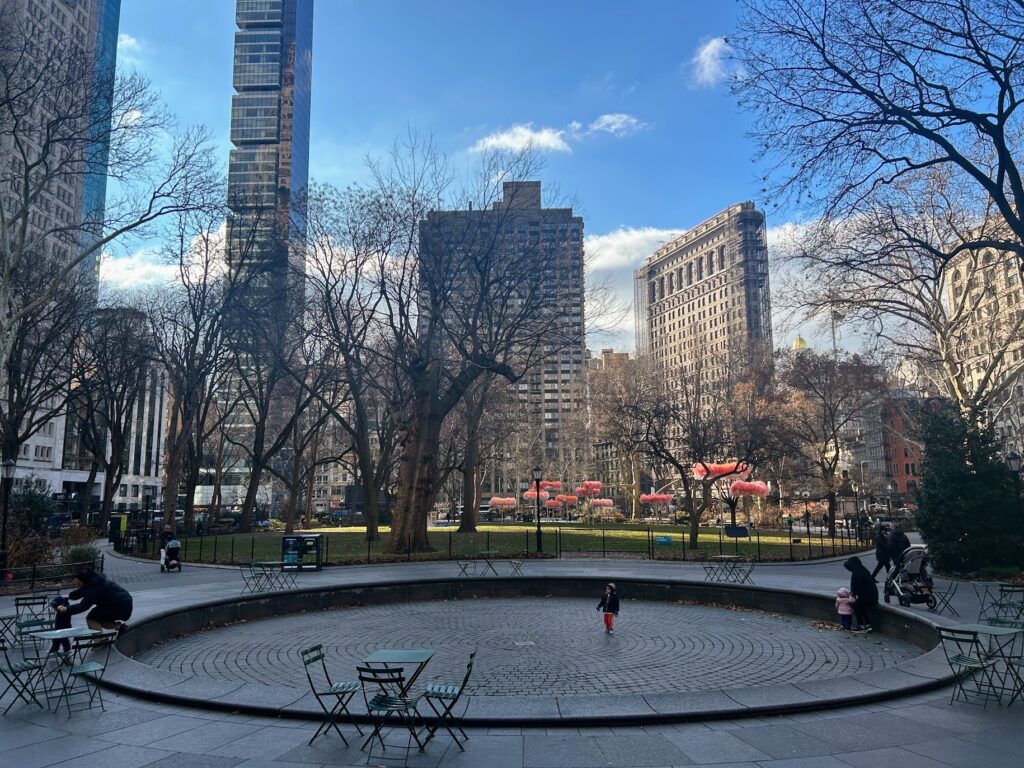
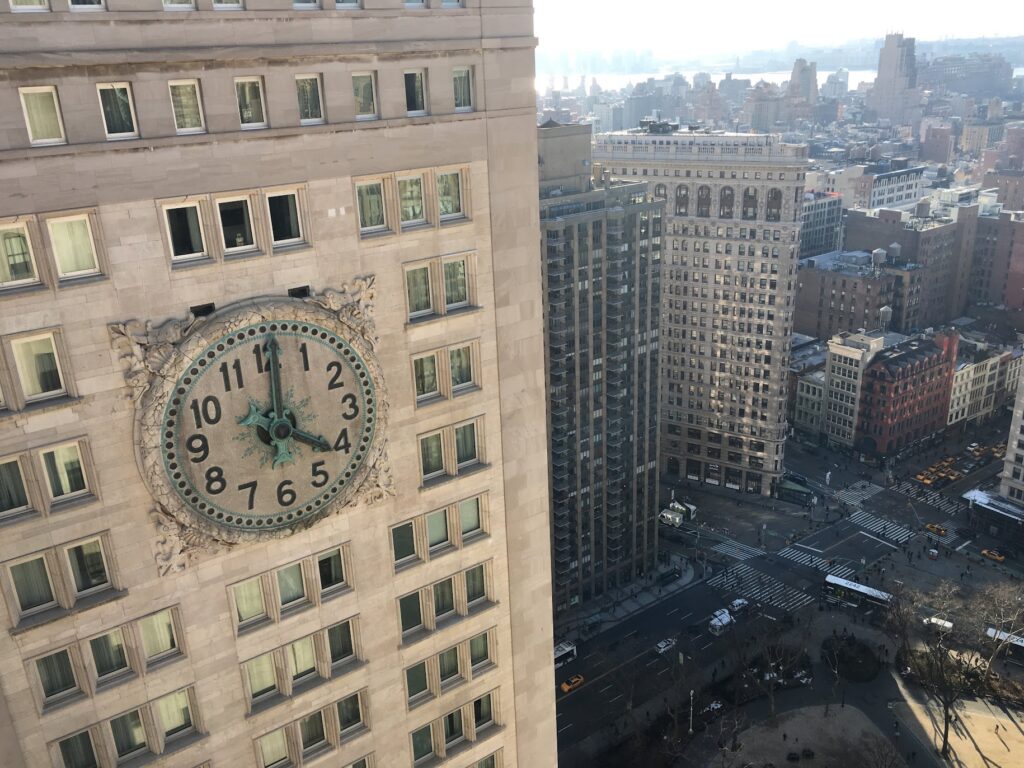
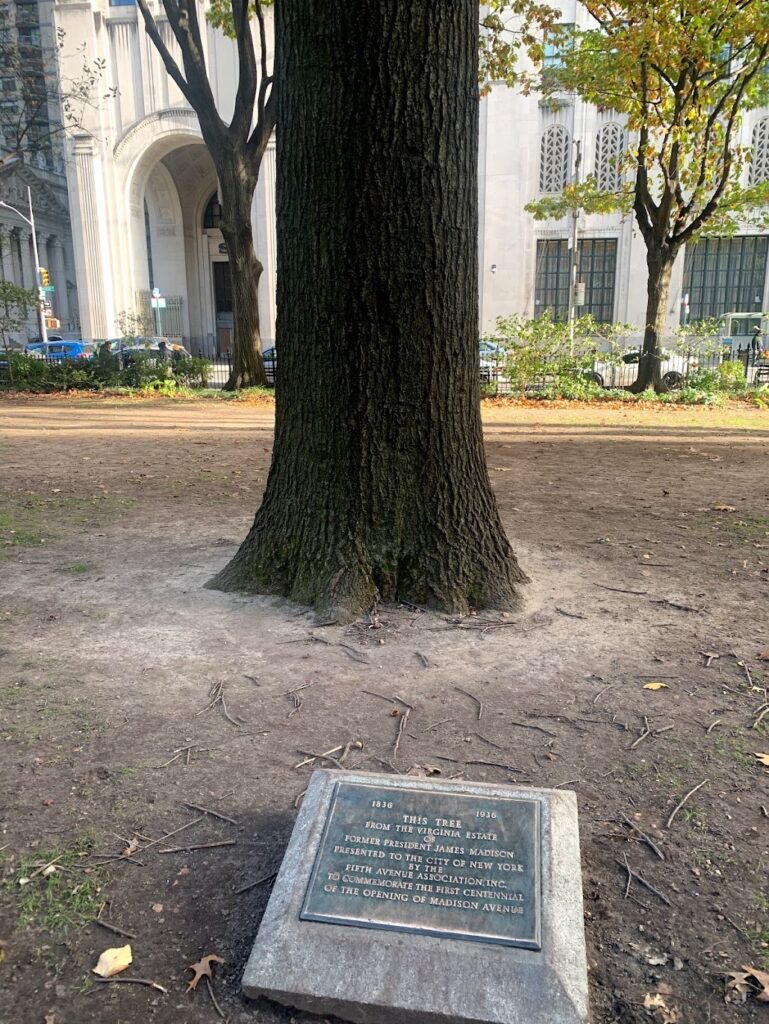
Madison Cottage, courtesy NYPLFranconi’s Hippodrome, 1853, courtesy NYPLDedication of the Worth Monument in 1857. In the background you can see the development of the surrounding areaLeonard Jerome….… and the Jerome Mansion. In the distance is the Madison Avenue Presbyterian Church. The former Gilmore’s Gardens, renamed Madison Square GardenRain on Madison Square, painting by Paul CornoyerCourtesy NYPLMadison Square 1936 , photo by Berenice AbbottNorthern pool in Madison Square Park. Photo by Greg YoungLooking down at the Metropolitan Life Tower and the Flatiron Building. Photo by Greg YoungThe park features a tree from James Madison’s Virginia plantation.
FURTHER READING
A Block in Time: A New York City History at the Corner of Fifth Avenue and Twenty-Third Street / Christiane Bird The Flatiron: The New York Landmark and the Incomparable City That Arose with It / Alice Sparberg Alexiou The Grandest Madison Square Garden: Art, Scandal, and Architecture in Gilded Age New York / Suzanne Hinman Incredible New York: High Life and Low Life from 1850 to 1950 / Lloyd Morris Liberty’s Torch: The Great Adventure to Build the Statue of Liberty / Elizabeth Mitchell Madison Square: The Park and Its Celebrated Landmarks / Miriam Berman Madison Square Garden, 100 Years of History / Joseph Durso
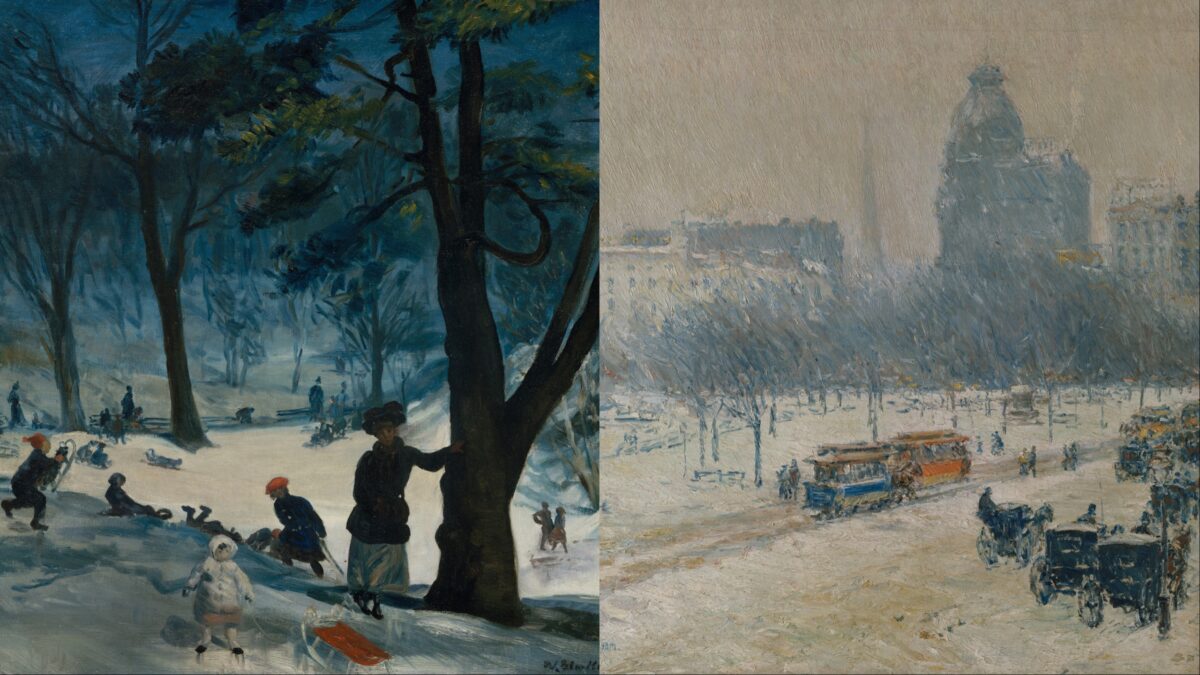
Central Park, Winter by Williams Glackens, 1905; Winter in Union Square, Childe Hassam, 1889-90, courtesy Metropolitan Museum of Art
We love talking about parks on the Bowery Boys podcast because they are an excellent way to experience history and recreation at the same time.
In February we will be bringing you two all-new episodes related to two New York City parks — one park which traces back to the founding of the United States and another park that’s not very old at all (but perfectly embodies the story of 19th century New York City).
In the meantime, dive into one of our previous stories of park history. You can find all these shows in the Bowery Boys Podcast feed or just listen from the page below.
NOTE: We’ve been recording since 2007 so go easy on the early shows. They’re relatively short in nature, unsophisticated and the sound quality is a little flat on some.
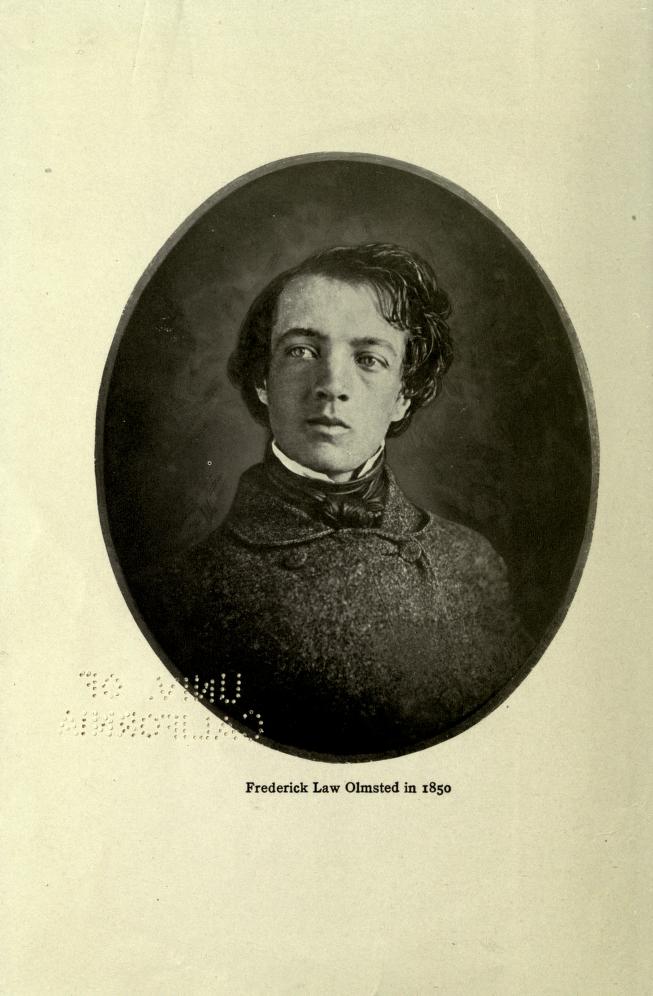
PODCASTFrederick Law Olmsted, America’s preeminent landscape architect of the 19th century, designed dozens of parks, parkways and college campuses across the country.
With Calvert Vaux, he created two of New York City’s greatest parks — Central Park and Prospect Park.
Yet before Central Park, he had never worked on any significant landscape project and he wasn’t formally trained in any kind of architecture.
In fact, Fred was a bit of a wandering soul, drifting from one occupation to the next, looking for fulfillment in farming, traveling and writing.
This is the remarkable story of how Olmsted found his true calling.
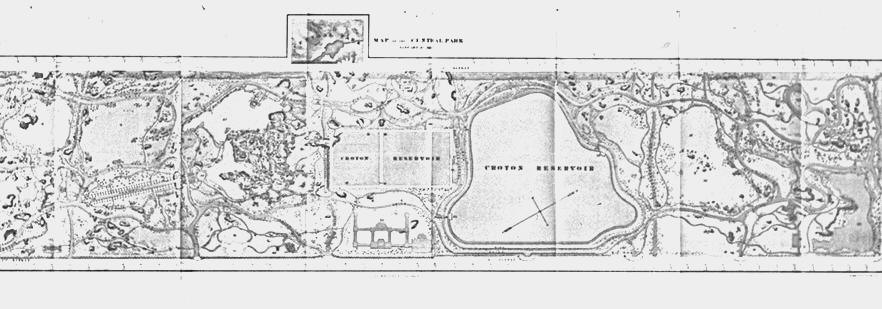
The Central Park proposal drafted by Olmsted and Vaux — called the Greensward Plan — drew from personal experiences, ideas of social reform and the romance of natural beauty (molded and manipulated, of course, by human imagination).
But for Olmsted, it was also created in the gloom of personal sadness. And for Vaux, in the reverence of a mentor who died much too young.
PLUS: In celebration of the 200th anniversary of Olmsted’s birth, Greg is joined on the show by Adrian Benepe, former New York City parks commissioner and president of Brooklyn Botanic Garden.
LISTEN NOW: FREDERICK LAW OLMSTED AND THE PLAN FOR CENTRAL PARK
Thank you Adrian Benepe for appearing on the show and to everybody over at the Brooklyn Botanic Garden for your help in putting things together.
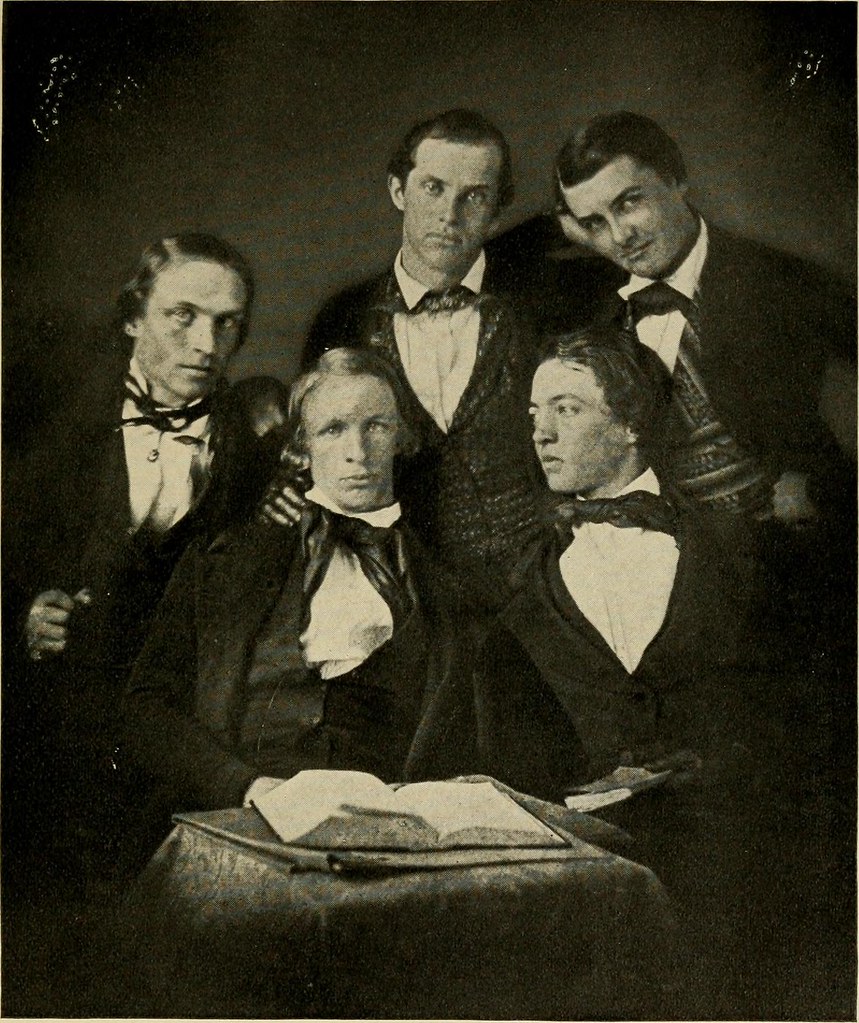
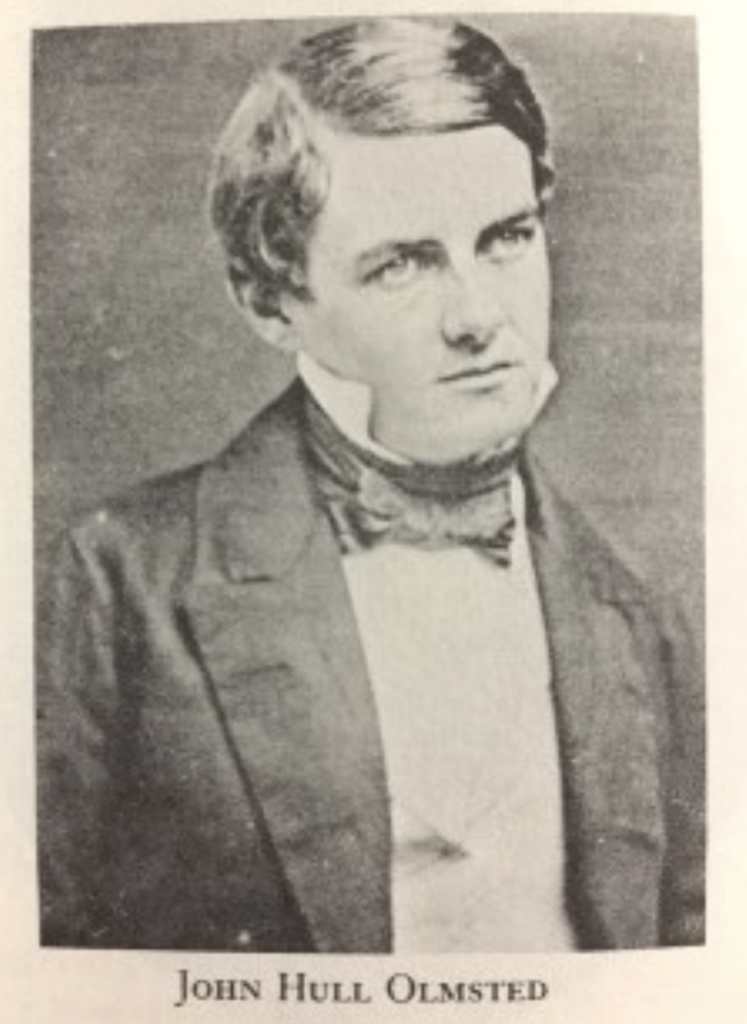
Charles Trask, Charles Loring Brace, Fred Kingsbury, Frederick Law Olmsted, John Hull Olmsted at 1846Forty Years of Landscape Architecture; being the Professional Papers of Frederick Law Olmsted, Senior. 1922-28. Contributed in BHL from the University of California Libraries.
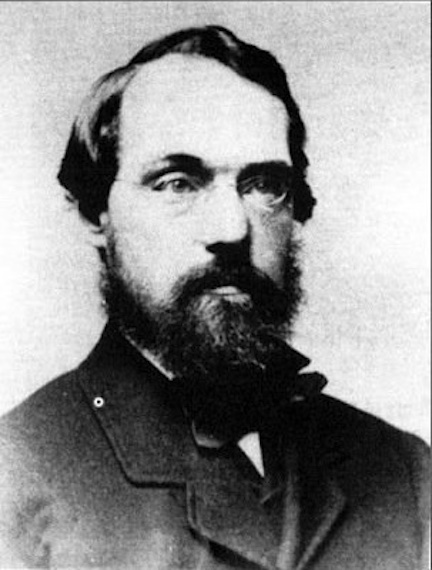
Fred’s brother John Olmsted
From Olmsted’s personal collection of photographs, The Society for the Preservation of New England Antiquities, Boston, Mass. Source
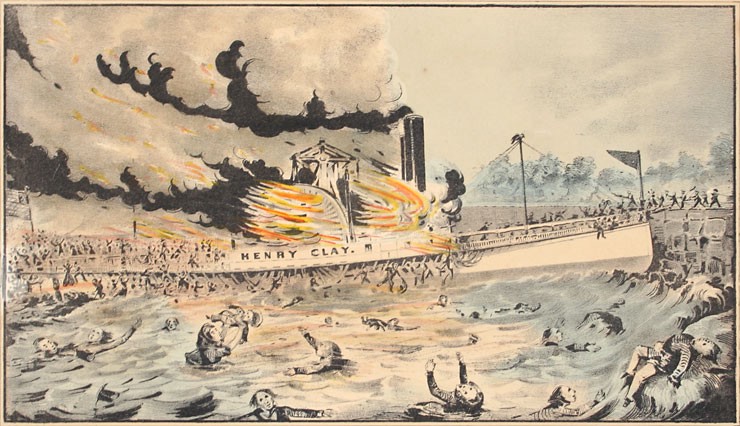
The Burning of the Henry Clay, in a lithograph by Nathaniel Currier, 1852
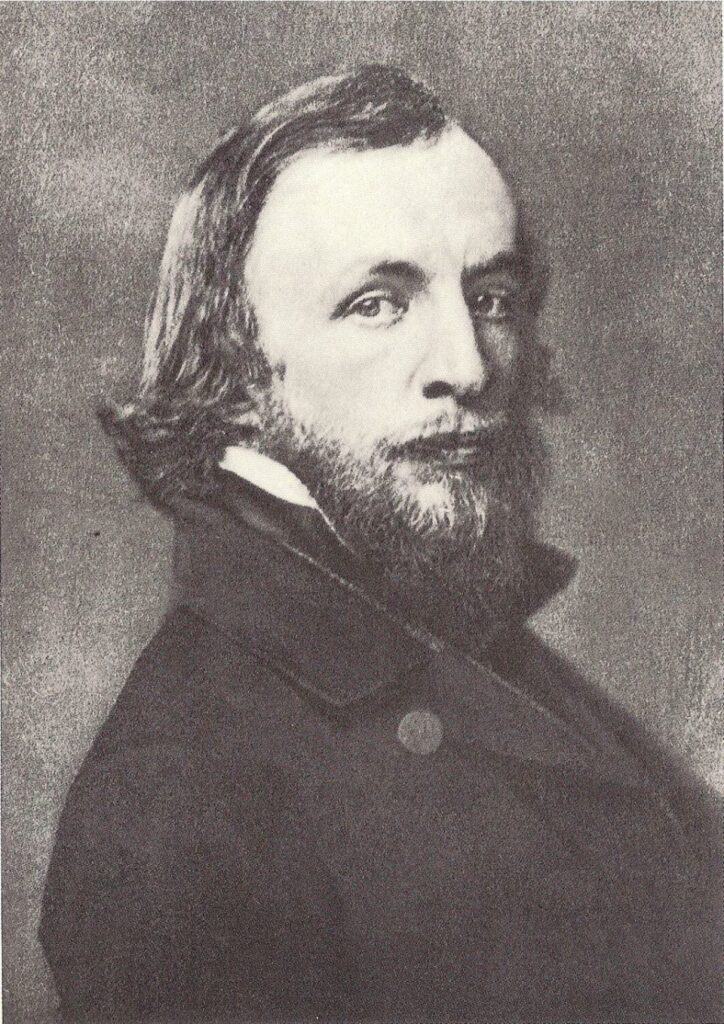
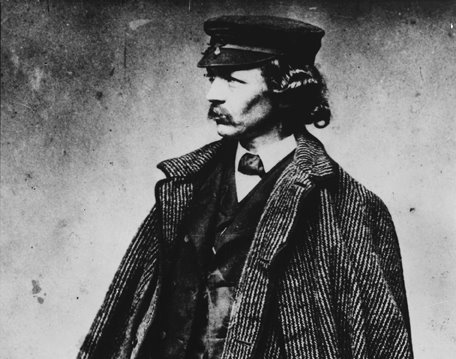
Calvert Vaux
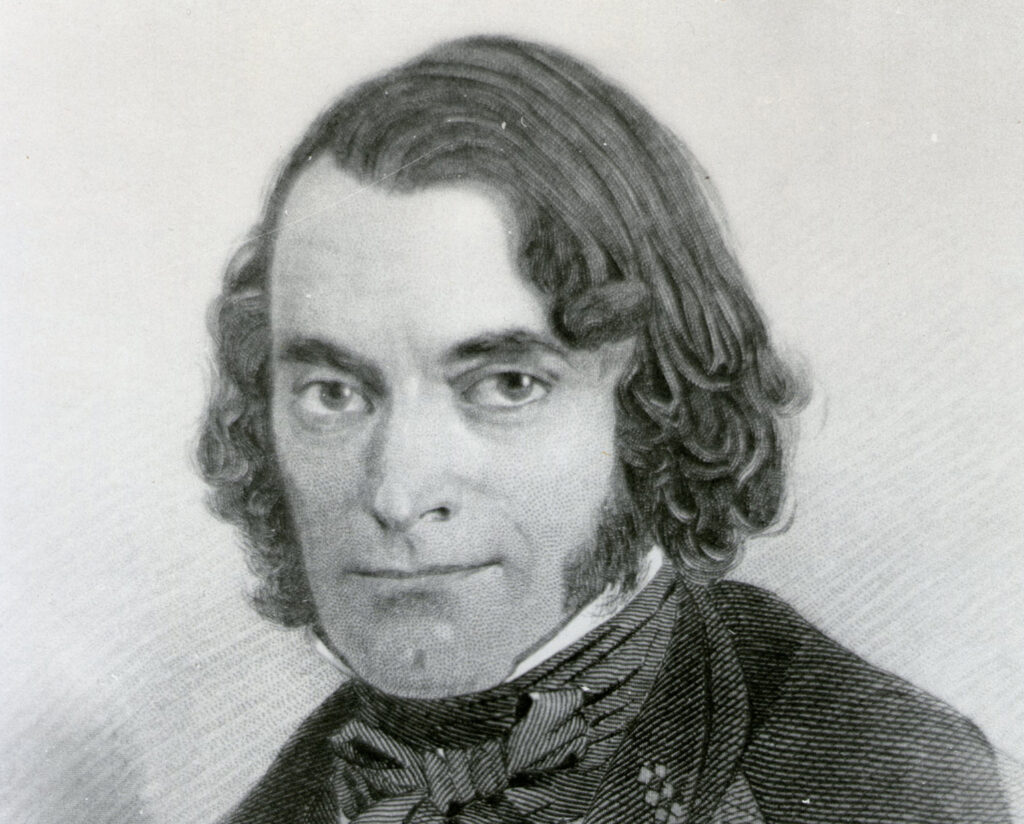
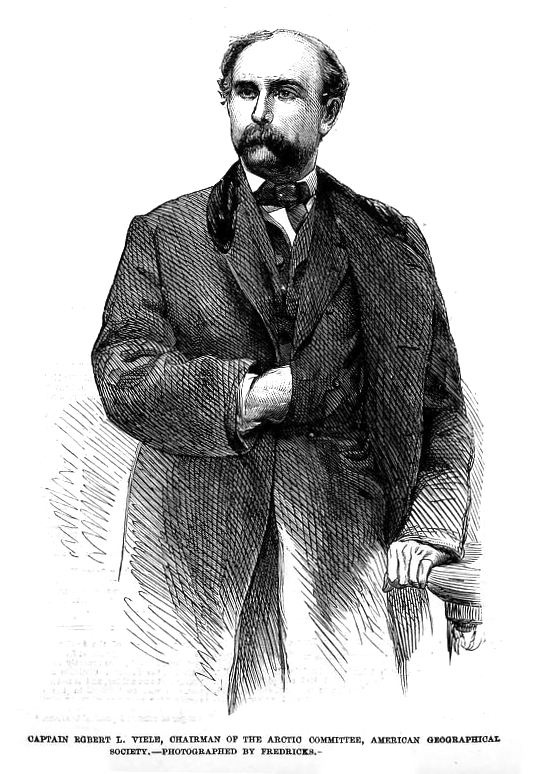
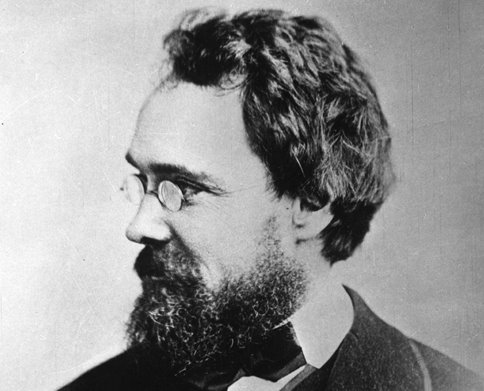
Egbert Ludovicus Viele
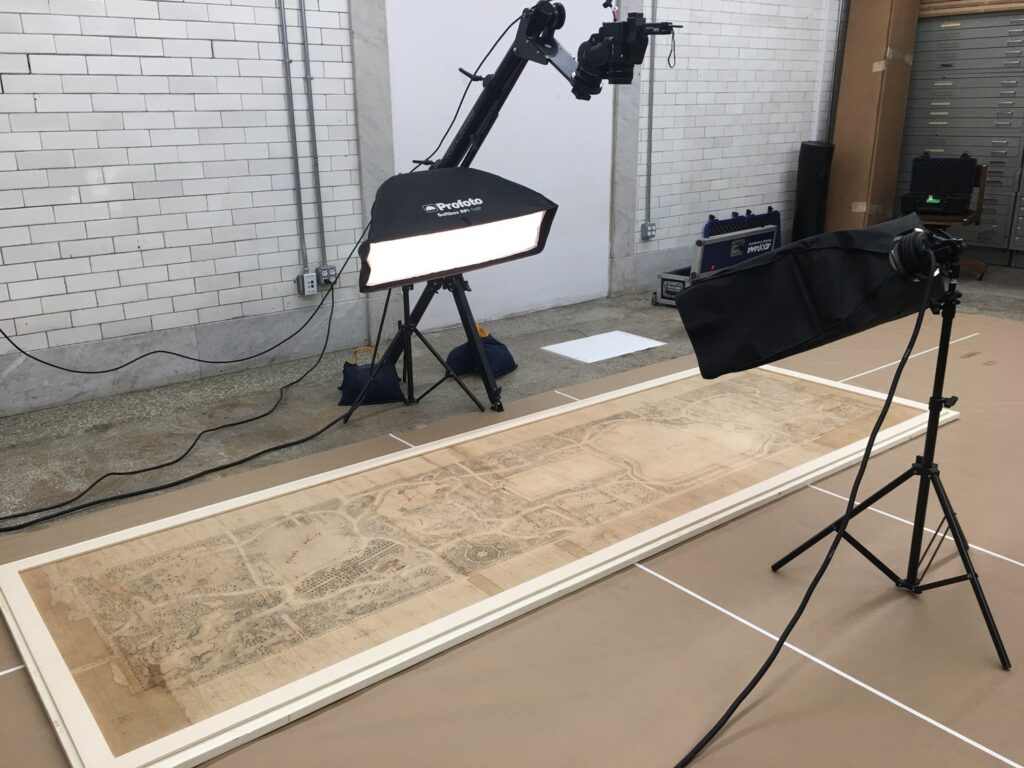
The Greensward Plan will be on display at The New York City Department of Records and Information Services/Municipal Archives Friday, April 22 and Saturday, April 23.
After listening to this episode of Frederick Law Olmsted, jump back into these earlier Bowery Boys Podcasts which discuss similar themes or situations from the show:
FURTHER READING
The Central Park: Original Designs for New York’s Greatest Treasure / Cynthia S. Brenwell, New York City Municipal Archives Central Park: The Birth, Decline and Renewal of a National Treasure / Eugene Kinkead A Clearing in the Distance: Frederick Law Olmsted and America in the 19th Century / Witold Rybczynski Creating Central Park / Morrison H. Hecksher Genius of Place: The Life of Frederick Law Olmsted / Justin Martin Parks for the People: The Life of Frederick Law Olmsted / Julie Dunlap The Power of Scenery: Frederick Law Olmsted and the Origin of National Parks / Dennis Drabelle
The Bowery Boys: New York City History podcast is brought to you …. by you!
We are producing a new Bowery Boys podcast every other week. We’re also looking to improve and expand the show in other ways — publishing, social media, live events and other forms of media. But we can only do this with your help!
We are now a creator on Patreon, a patronage platform where you can support your favorite content creators.
Please visit our page on Patreon and watch a short video of us recording the show and talking about our expansion plans. If you’d like to help out, there are several different pledge levels. Check them out and consider being a sponsor.
We greatly appreciate our listeners and readers and thank you for joining us on this journey so far
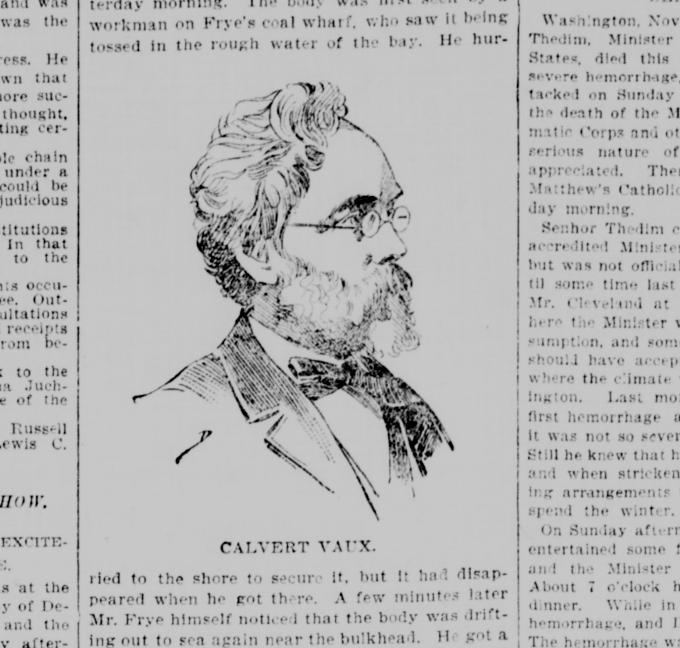
On November 19, 1895, Calvert Vaux went for a morning walk from his son’s home in Brooklyn. He never returned.
The 70 year old architect had helped to create the greatest parks in the cities of New York and Brooklyn.
His landscape collaborations with Frederick Law Olmsted had given Manhattan its Central Park and Brooklyn its Prospect Park and Fort Greene Park.
His own architectural work could be seen at Jefferson Market Courthouse, the American Museum of Natural History and the Metropolitan Museum of Art. In 1895 he still retained an honorary role as the parks department’s landscape adviser, although he had mostly retired from public life.
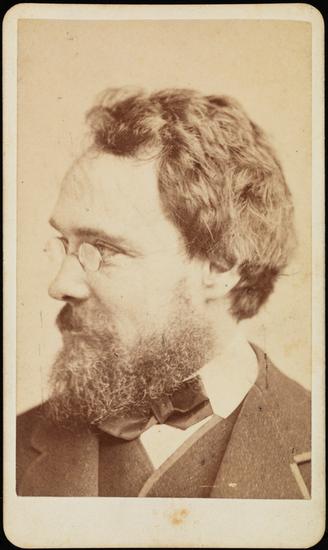
Calvert Vaux, circa 1865-1871
Courtesy Museum of the City of New York
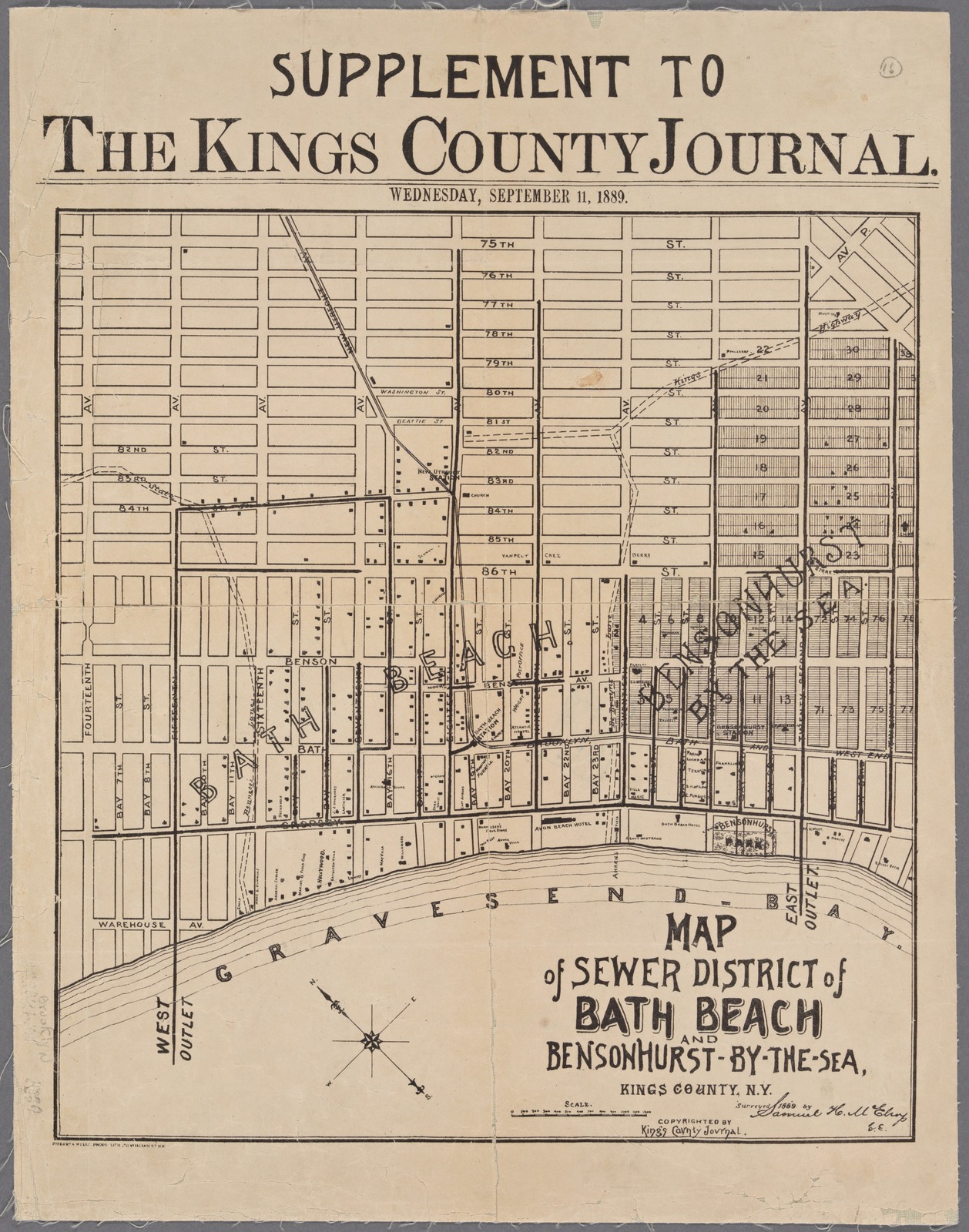
His son Calvert Bowyer Vaux lived in a house on Twentieth Avenue between Bath and Benson Avenues in today’s neighborhood of Bath Beach. The elder Vaux often stayed with his son and was known for taking morning walks along the waterfront
On November 19, 1895, it was gray and foggy on the morning that Vaux departed his son’s home, leaving behind “a gold watch and chain and his vest” with about two dollars in his pocket.
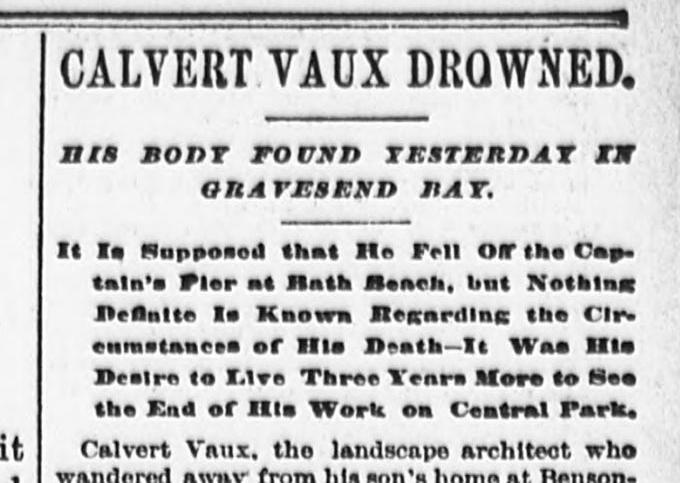
Below: The New York Tribune made a brief mention of Vaux’s vanishing in the followingone-sentence bulletin:
At some point during the day he was spotted by a “Captain Ditmar” — possibly Captain Walter Earl Ditmar — on a pier near the water, and the two briefly spoke. Vaux is reported to have said to the captain, “I’m admiring the improvements you’ve made hereabouts.”
The two briefly talked about methods in which to make the beach area more amenable to visitors before Vaux proceeded to walk the piers by himself.
Ditmar was the last person to see Vaux alive.
The architect must have been known for taking very long walks for he was only discovered missing in the late afternoon.
By the evening his family became worried; the police were called the following morning. All the local hospitals and hotels were checked. While it was well-known that Vaux was a frail man, he was often known to walk up to Prospect Park, several miles from his son’s home. But fears that he may have fallen into the bay were already present.
Below: An 1889 map of the district Vaux’s son lived in. The elder Vaux was last seen along the shoreline depicted here.
The following day the body of Calvert Vaux was indeed found in Gravesend Bay at the foot of Bay 17th Street, very close to the site of today’s Bath Beach Park.
As described by the Brooklyn Daily Eagle:
“A workman on Fry’s coal dock [later identified as Benjamin Butler] first saw the body being tossed about in the rough water, but when he rushed to the shore to secure the corpse it disappeared. It was some minutes later before Mr. Fry himself saw it drifting alongside the bulkhead out to sea again. With a boat hook he succeeded in bringing it close to shore.”
The police were called, bringing Vaux’s son down to the shore to identify the body. He could scarcely bring himself to look into his father’s face, recognizing his father’s well-worn suit before looking away.
“There was a bruise on the head, a slight cut over the eye, and the hat, spectacles and left shoe were missing,” reported the Times.
Given the circumstantial evidence, it seems clear as to what may have happened to Mr. Vaux. While on a walk along the shore, he may have fainted or tripped, falling into the water and drowning in the waves.
The Sun further speculated: “As he was interested in the construction of the pier, it may be that he leaned over the stringpiece to examine the foundation piles. In doing so he may have fallen into the water, as he was ill and feeble, being 70 years old.”
Most press reports of the day made it clear no foul play was suspected. Vaux Jr. brushed away any suggestions of suicide on his father’s part. “The theory of suicide has been disclaimed by his relatives who said that [Vaux] had been cheerful and mentally able the evening before he disappeared.” [source]
But not everybody was convinced, and the Tribune reported that the “theory [of suicide] prevails with some people.”
Weeks earlier Vaux had told his daughter that he wanted to live long enough to see the completion of his plans in Central Park. “If I can only manage to live until 1898, my plans for the improvement of Central Park will be completed, and I won’t worry about any other work.”
Sadly Vaux’s death did have a certain impact on Central Park. Without the dutiful eye of its co-creator, maintenance on the park gradually deteriorated, and it would not be until the installation of Parks Commissioner Robert Moses that the condition of the park would be improved.
Today, nearby the place where Vaux’s body was discovered, you may enjoy a picnic and a sunset at Calvert Vaux Park in Gravesend.
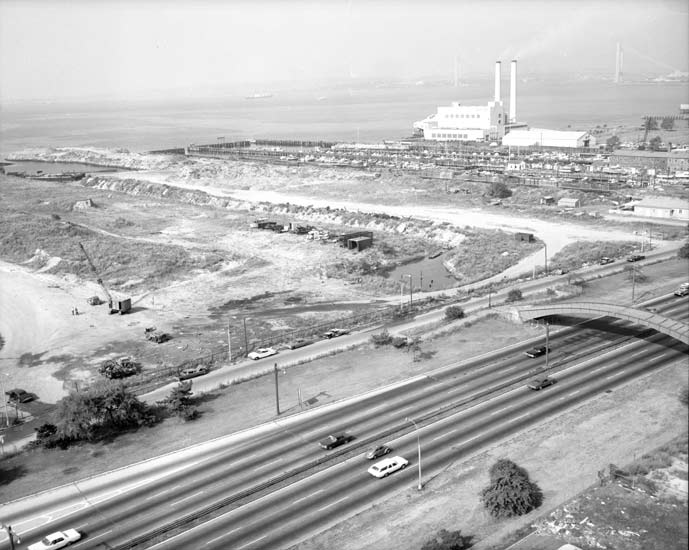
Below: Calvert Vaux Park (the former Dreier-Offerman Park) has greatly improved since the 1960s when it was essentially an undeveloped mess, linked by a pedestrian bridge. Picture courtesy the New York City Parks Archives
It was once called Dreier-Offerman Park for the former home for unwed mothers which once sat here. It was changed to honor the architect in 1998 when it was radically re-landscaped and improved. Knowing that he died close to here, I kind of think being named after an unwed mother’s home is the less depressing name.
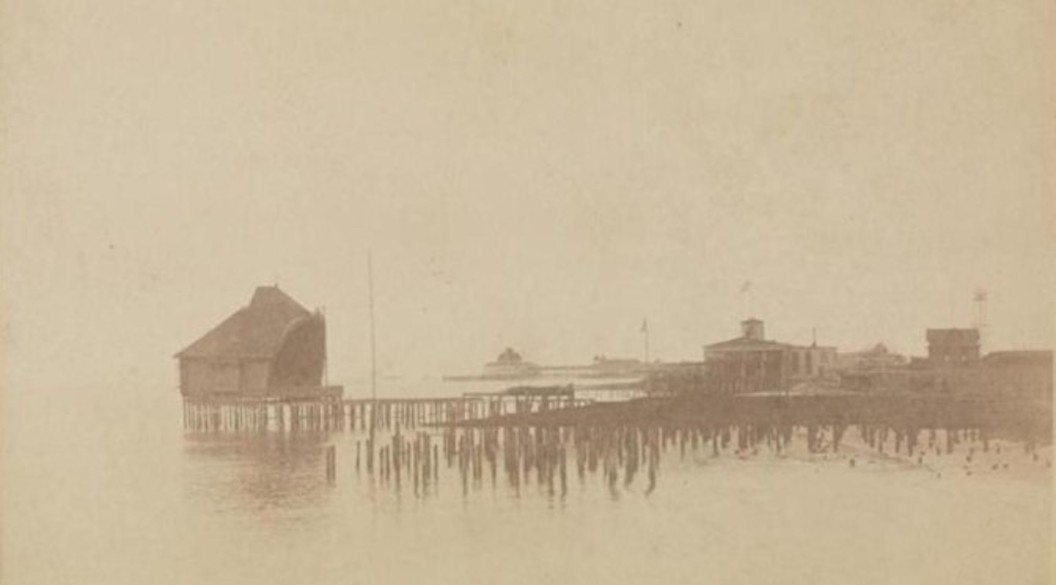
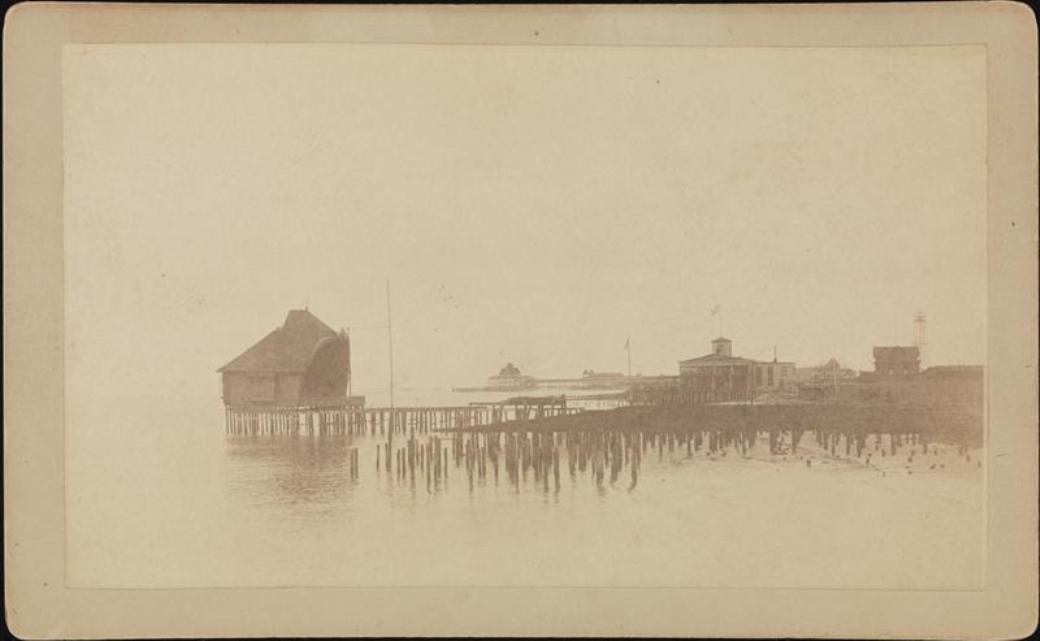
Picture at top: A forlorn pier from 1890, located at West Brighton Beach, Brooklyn.
Photograph by Robert Bracklow. Courtesy Museum of the City of New York
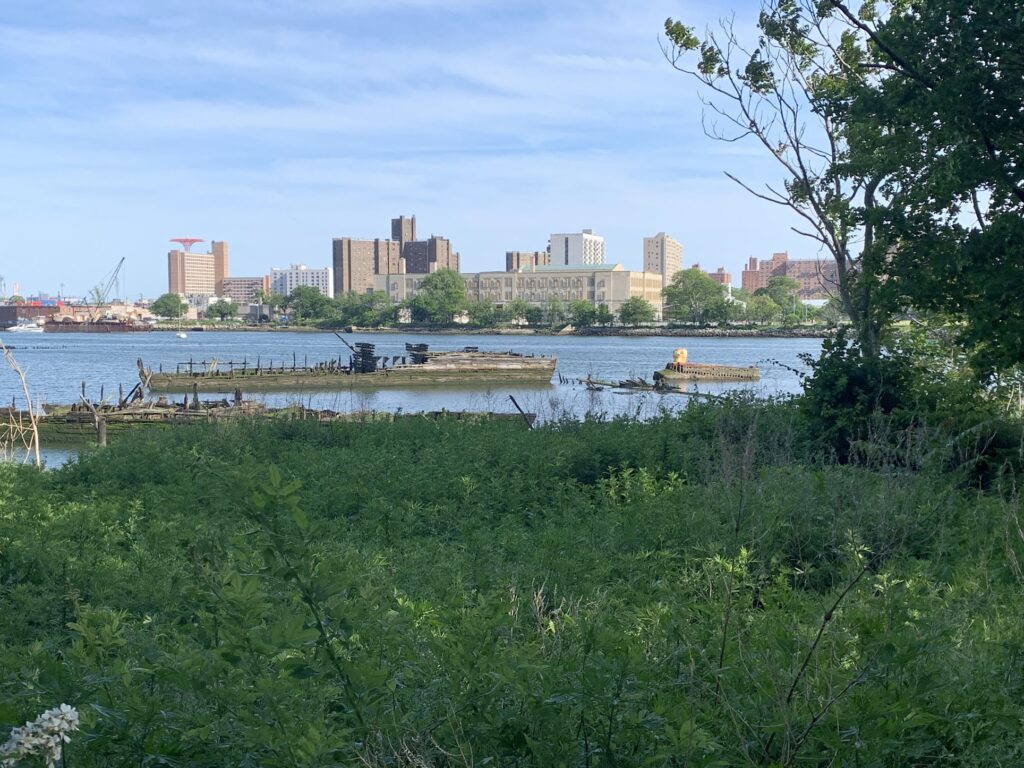
And here are some photographs I took in Calvert Vaux Park from a couple years ago:
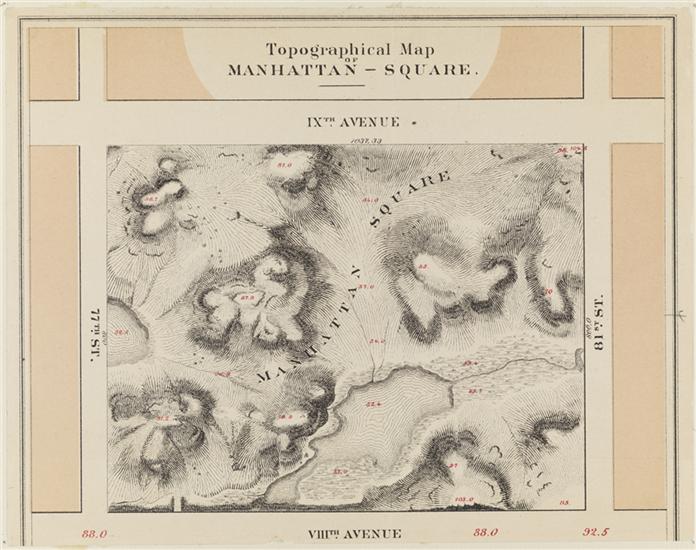
Theodore Roosevelt Park (77th and 81st Streets, between Central Park West and Columbus Avenue), which contains the beloved American Museum of Natural History, is the oldest developed section of the Upper West Side, purchased by the city in 1839 as a possible strolling park to be called Manhattan Square.
Museum of the City of New York
Central Park was but a gleam in the eye back in 1839!The Grid Plan of 1811 had divvied up upper Manhattan into organized blocks but not much was properly developed in the early 19th century. There were few suitable transportation options and thus upper Manhattan was only sparsely populated.
Near this spot on the grid was the old African-American settlement of Seneca Village, which was later wiped away with the development of Central Park.
Below: A sketch by Egbert Viele from 1857 showing the remains of the small village of Seneca Village. Manhattan Square would have been off to the upper left portion of this image.
The original grid plan had no significant parks built into it so later city planners had to carve some out themselves.
Unfortunately, the city almost literally forgot all about Manhattan Square — it’s even included in an 1860 New York Times article headlined NEWLY-DISCOVERED CITY PROPERTY!
To be fair, the land had been granted to the Central Park Commission which was rather busy developing the park proper. As a result, Manhattan Square’s rugged and unpleasant terrain became an eye sore and rather dangerous for any actual visitors.
Samuel Ruggles, developer of both Union Square and Gramercy Park, once squawked, “It is a disgrace to the city. It is in some places forty feet below the grade and well characterized as a pestilential hole of stagnant water.”
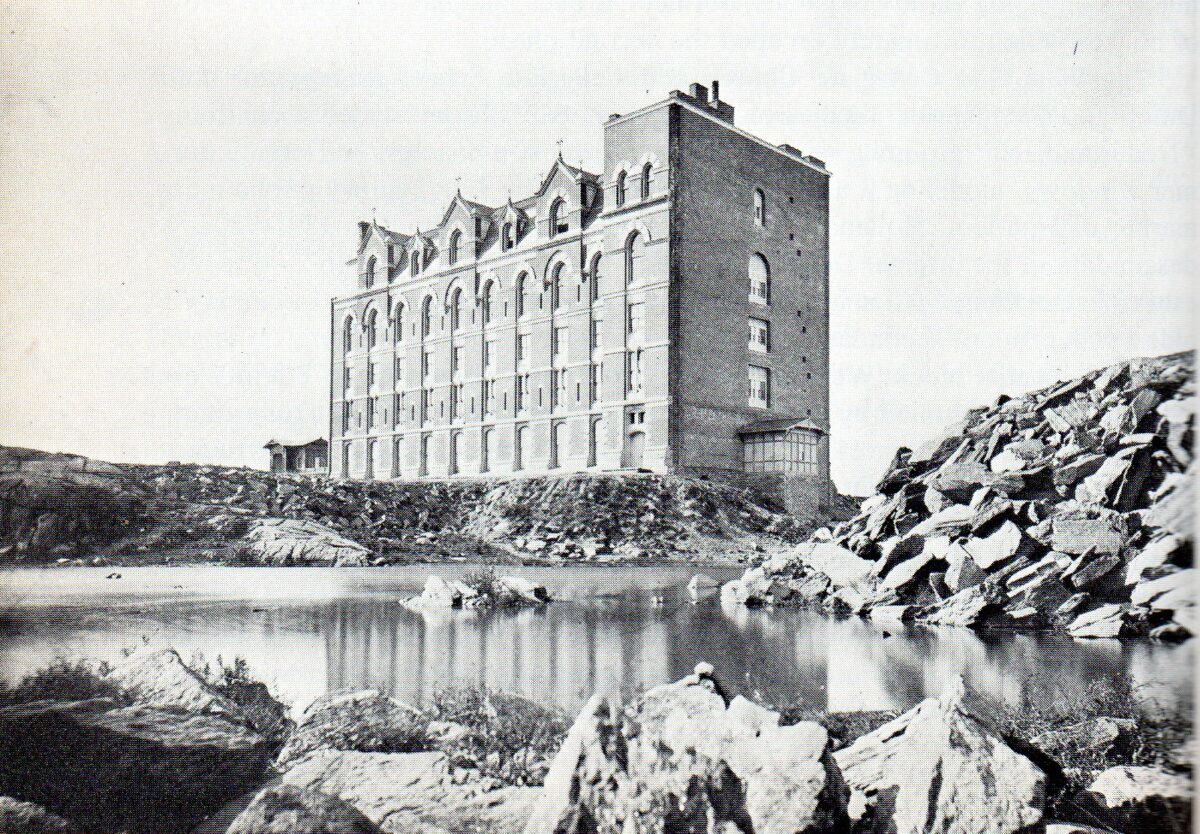
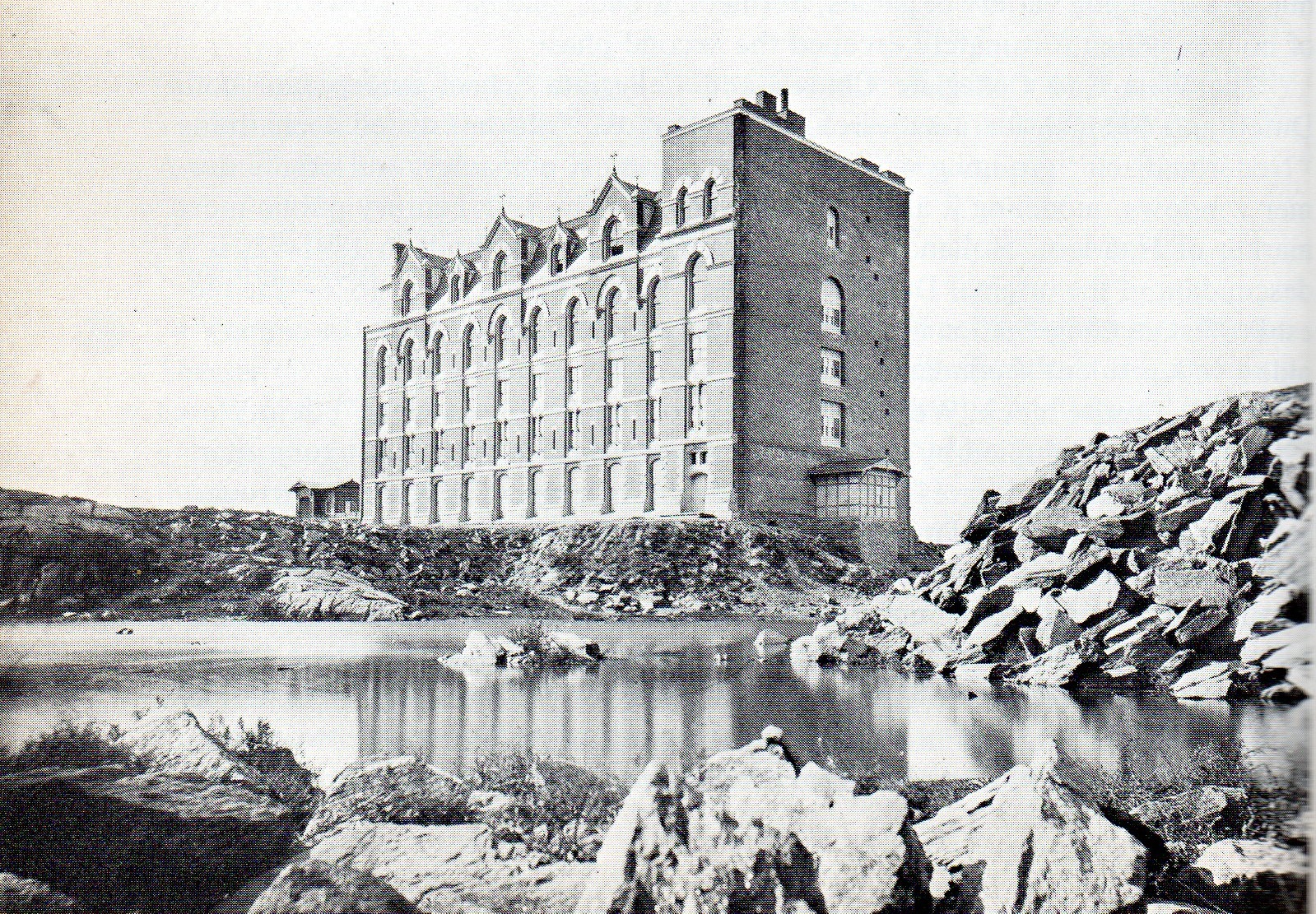
Below: From the late 1870s, the solitary American Museum of Natural History building sits on the spot of Manhattan Square, now leveled out for public enjoyment, even if the lots surrounding it are quite barren.
In the early 1860s, the city proposed selling off this sorely underused area of land.
At one point, during the Civil War, some suggested it be turned into a proper military parade ground.
“Manhattan-square [has] been proposed for the parade-ground; over Manhattan-square the Commissioners have control and it is understood that they are willing to assign it, but, just now, they have not the funds which its preparation would require.” [source]
The next plan was to make a zoo!
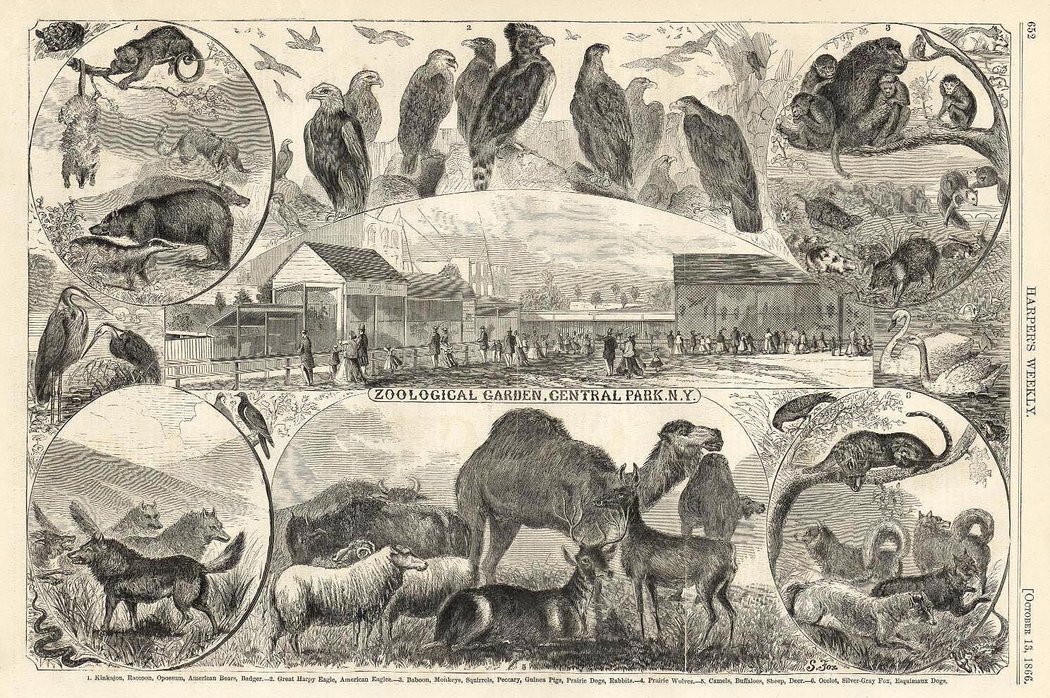
Animals had accumulated near the Central Park Arsenal as a make-shift ‘menagerie‘ — abandoned pets, former circus animals, far-flung beasts brought over on ships. At one point it was determined to move those animals to a more formal Zoological Garden, to be built on the much abused area of Manhattan Square.
From 1865: “The Zoological Gardens are about to be commenced at Manhattan-square, and the commissioners fully expect to have this valuable garden completed before the Summer wanes.”
Below: The chaos of the Central Park menagerie, depicted in an 1866 illustration
Harpers Weekly
Those planned fell through of course. Today the Central Park Zoo marks the location of that former menagerie.
By 1872, the Central Park Commission would utilize Manhattan Square for another mission, designating it the home for the American Museum of Natural History.
Apartment developers later flocked to the park’s edges, drawn to its proximity to other fashionable apartment houses in the neighborhood like the Dakota Apartments (at 72nd Street, built in 1884).
Below: 44 West 77th Street. Manhattan Square Studio Apartment, photographed in 1910
MCNY
Of course, you may not know it by that name today either. From the New York Department of Parks and Recreation: “Neighborhood residents have traditionally referred to the parkland as Museum Park or Dinosaur Park.”
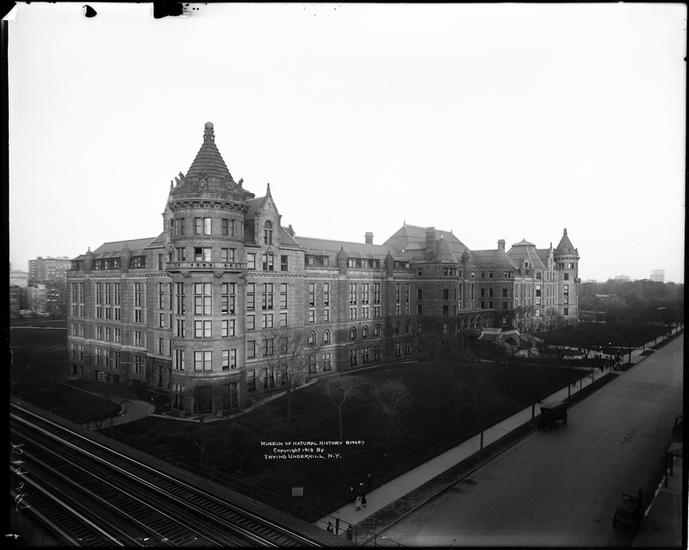
Below: The fully expanded museum as it looked in 1913
These days of low-to-mid 90s F, high humidity temperatures got you down? Why that’s nothing!
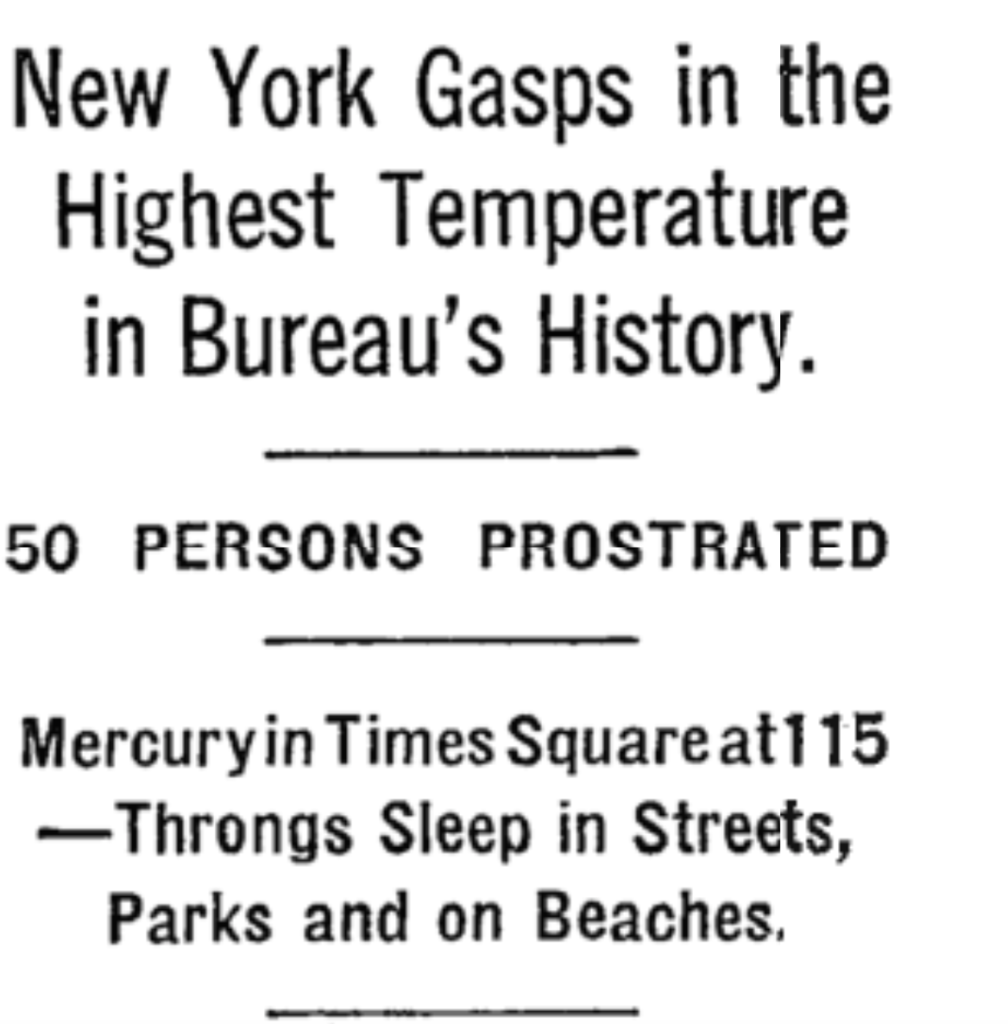
The hottest day in New York City history was eighty-five years ago last week — on July 9, 1936, when temperatures reached an agonizing 106 degrees, measured from the Central Park weather observatory.
New York Times, July 19, 1936
This broke the record set on August 7, 1918 when New Yorkers experienced a catastrophic 104 degrees. (As if World War One and the Spanish Flu weren’t enough to suffer through that year.)
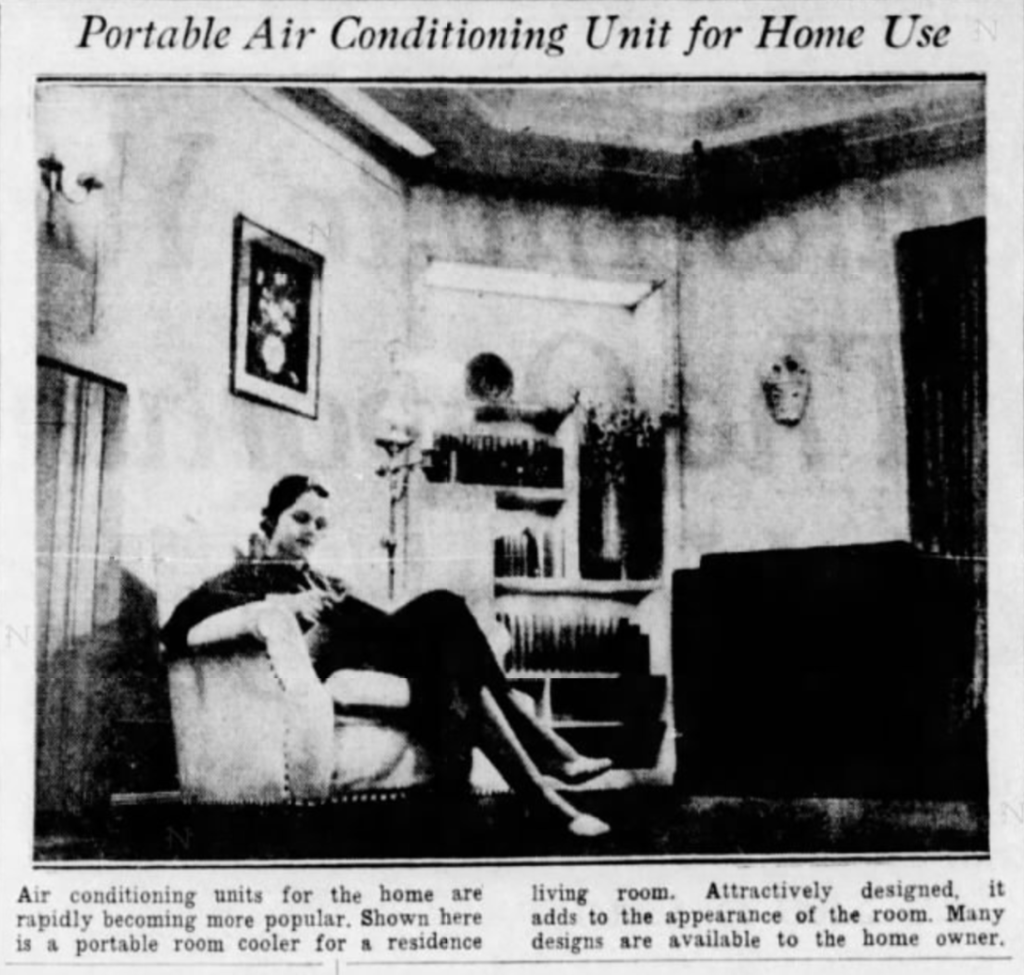
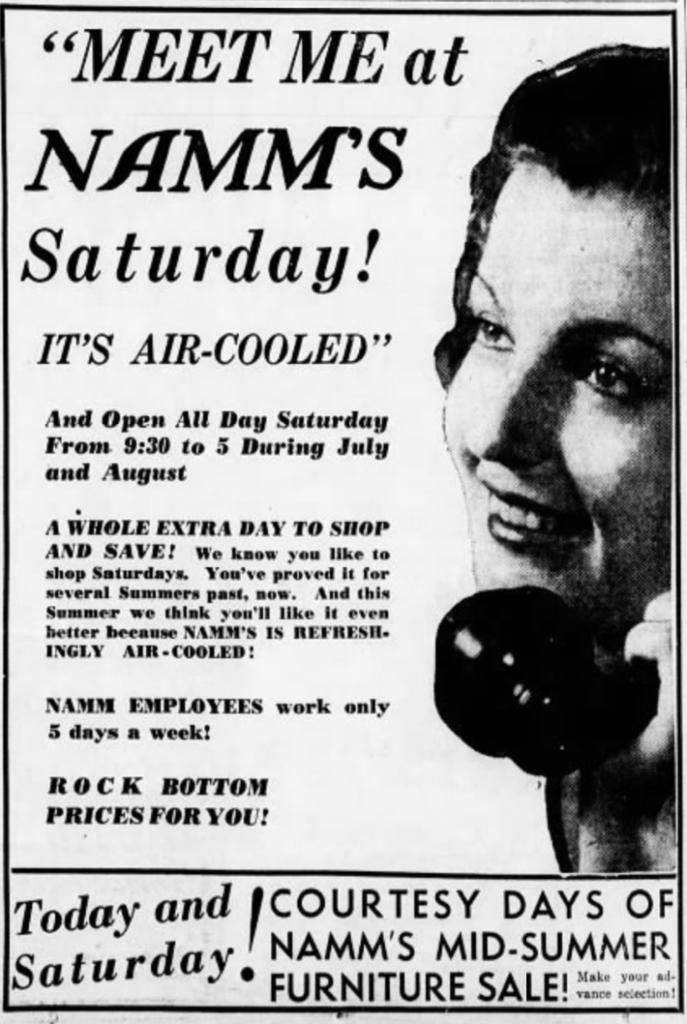
In neither of these years was there widespread air conditioning although the concept was quite familiar to those during the Great Depression. Upscale movie theaters and restaurants had a form of air conditioning by the mid 1930s but home use was too expensive at this time.
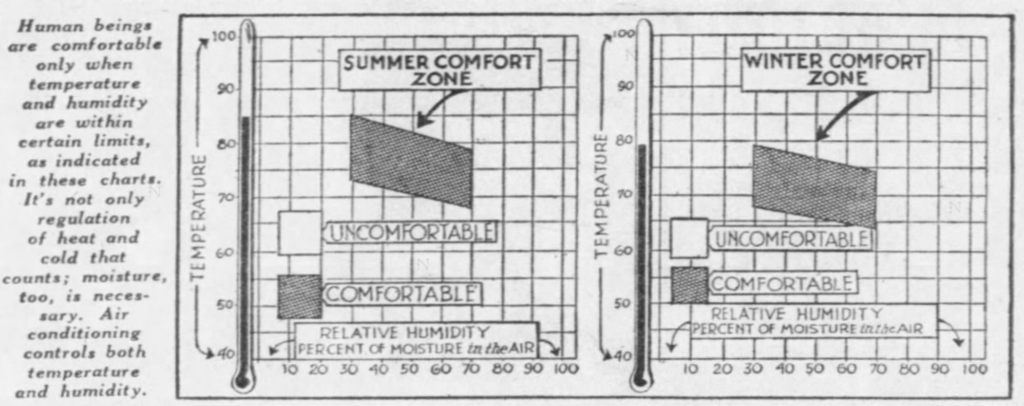
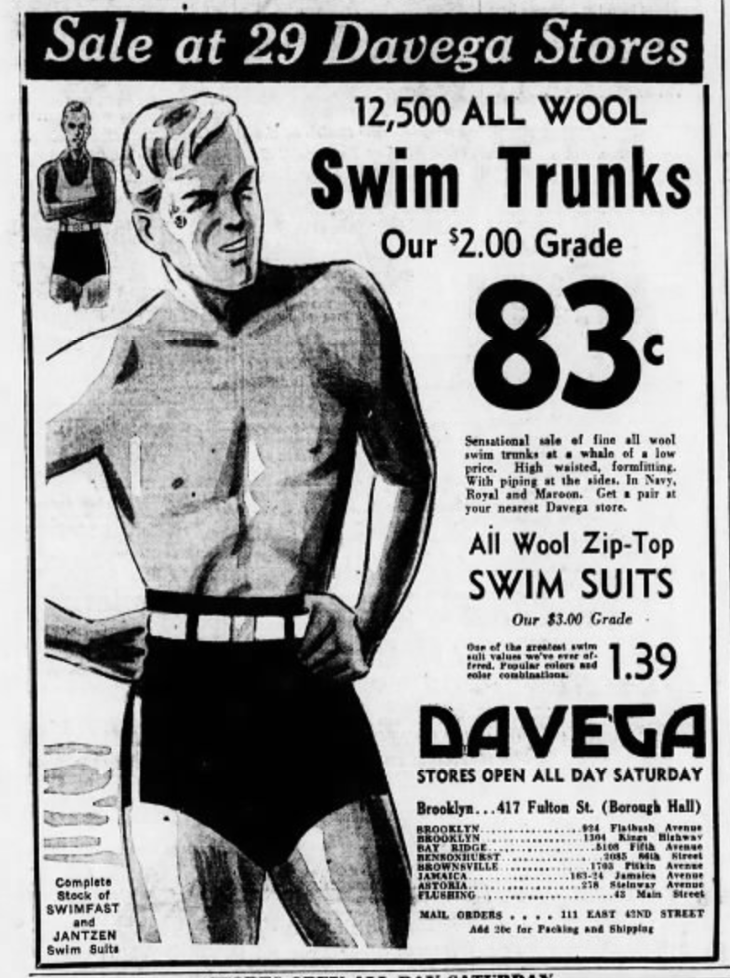
This photograph from 1935 accompanied an article about the novel concept of home air conditioning, making sure to point out that air conditioners can look ‘attractive’.In 1937 the New York Daily News ran this unusual graphic about the newly emerging innovation of air conditioning.
So on the hottest day in New York City history, most people had to forge through the day anyway they could — without the luxury of artificially cooled air.
That 106 number was hit after a series of thermometer-breaking days that week.
According to the New York Daily News, “heat was humanly bearable only because the humidity, at 44 percent, was low. If it were twice as high … human life would be almost impossible.”
And the New York Times chimed in with a startling visual. “In the canyons of the financial district men and women reported the heat waves visible.”
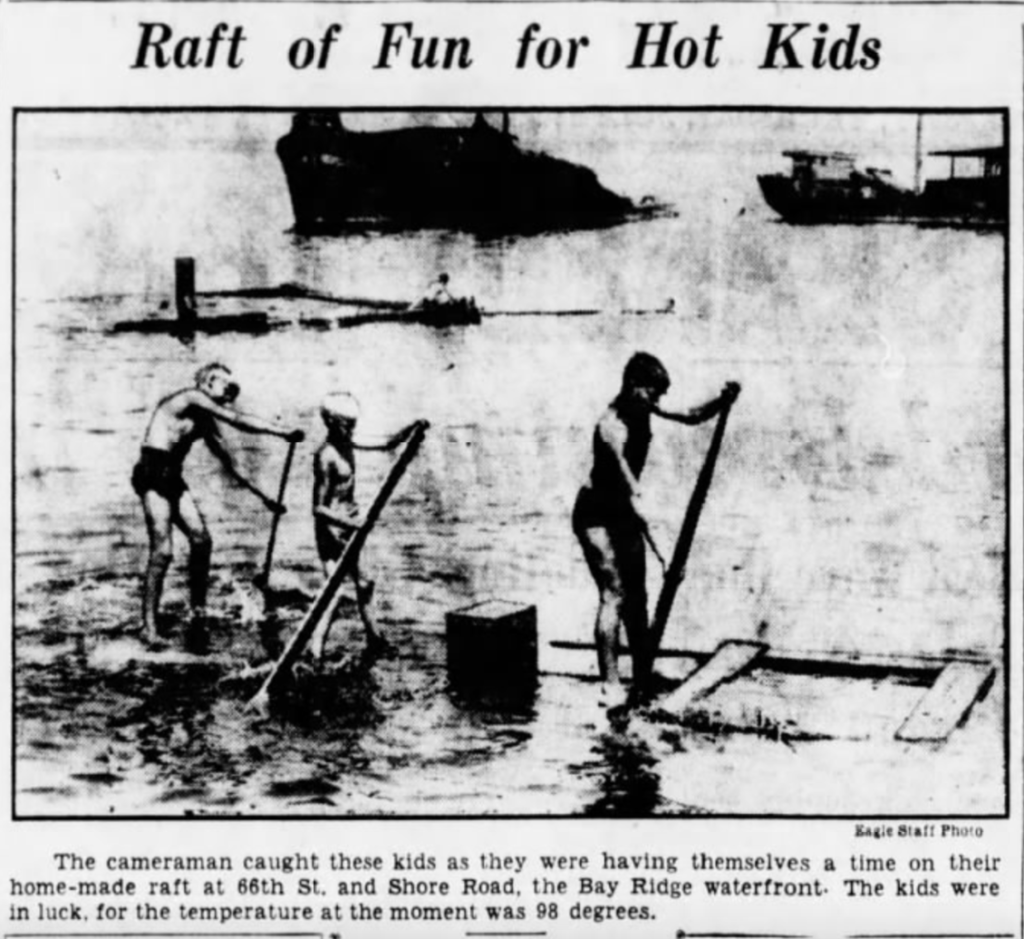
The Brooklyn Daily Eagle, July 9, 1936
Hundreds did die throughout the northeast United States that week due to the heat as well as several in the city, including two boys who drowned in the park lakes on July 10.
It was so hot that Mayor Fiorello La Guardia let out all city employees from work at 1:45 pm and thousands of WPA workers were given a half-day.
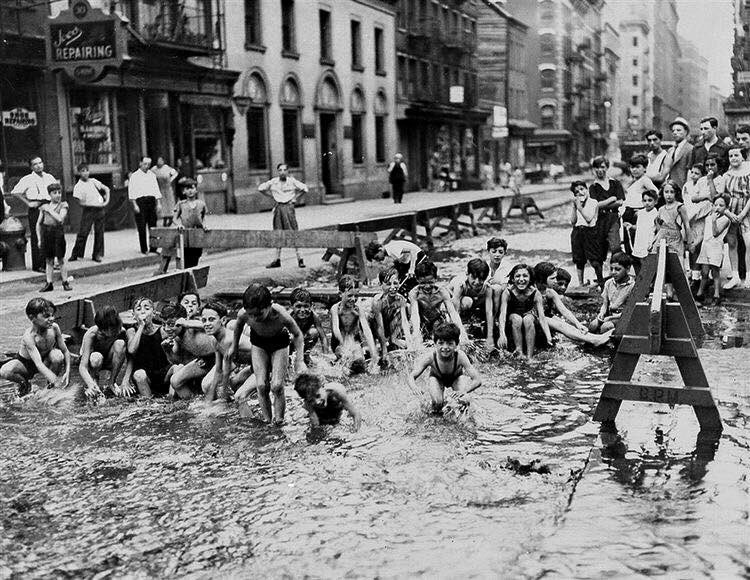
Fire hydrants were pried open in every neighborhood. In Red Hook, Brooklyn and in many other places, the hydrants lowered the water pressure so much that residents above the second floor were unable to get water in their homes.
And on Park Avenue “so many hydrants were in emergency use that the waters mounted above the curb and the cars splashed through six and eight inches of it.” [Times]
“In the great shopping districts in the Thirties [Herald Square], the pavements became so soft in the late afternoon that the crosswalks were dotted with rubber heals that were caught in the asphalt and tar as women passed by. In some spots the asphalt blistered.” [Times, 9/10/36]
From the July 10, 1936 issues of the Brooklyn Daily Eagle
The only relief seemed to be the city parks and beaches which people duly exploited — day or night. “Coney Island, the Rockaways and other metropolitan beaches again had their hundreds of thousands of city folks cooling off in salt water, and they including thousands who had remained all night on the Bach sand.”
In fact tens of thousands of New Yorkers, looking for relief, slept in city parks throughout the night. The mayor authorized most parks to remain open and police were directed not to harass people who slept on benches or on the ground.
And even Robert Moses flew in for the rescue, authorizing that all city swimming pools remain open until midnight.
From the July 10, 1936 issues of the Brooklyn Daily Eagle
From the Times: “On the Lower East Side traffic was seriously impeded as small armies of persons emerged from tenement houses with chairs, boxes and even beds which they set up in the streets. Other thousands, including young children usually in bed by 9 o’clock, lined the East River waterfront.”
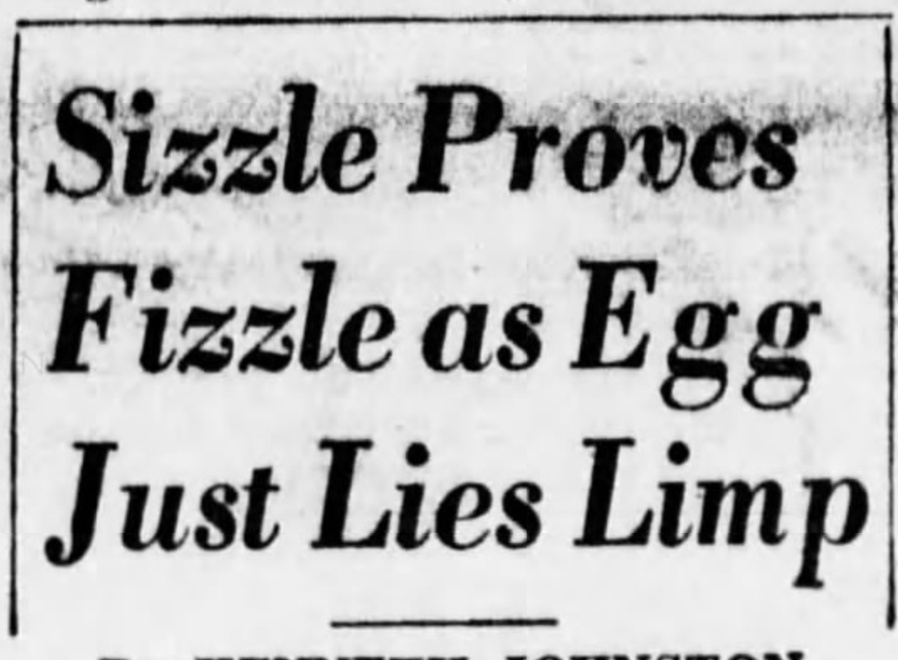
One jokester at the Daily News tried a bit of stunt journalism on that hot day by trying to fry an egg on the sidewalk in front of Queens Borough Hall. After watching the broken egg on the sidewalk for 15 minutes — runny and uncooked — the crowd left dejected.
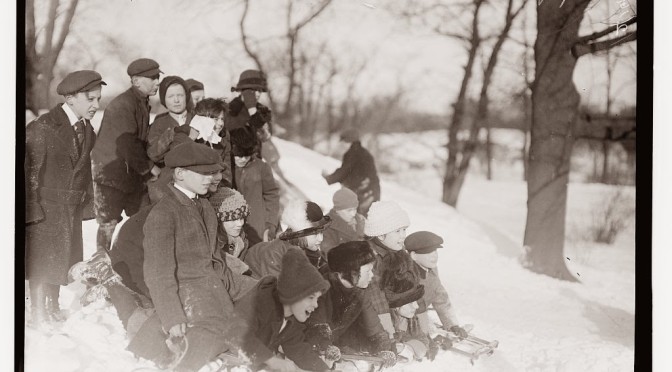
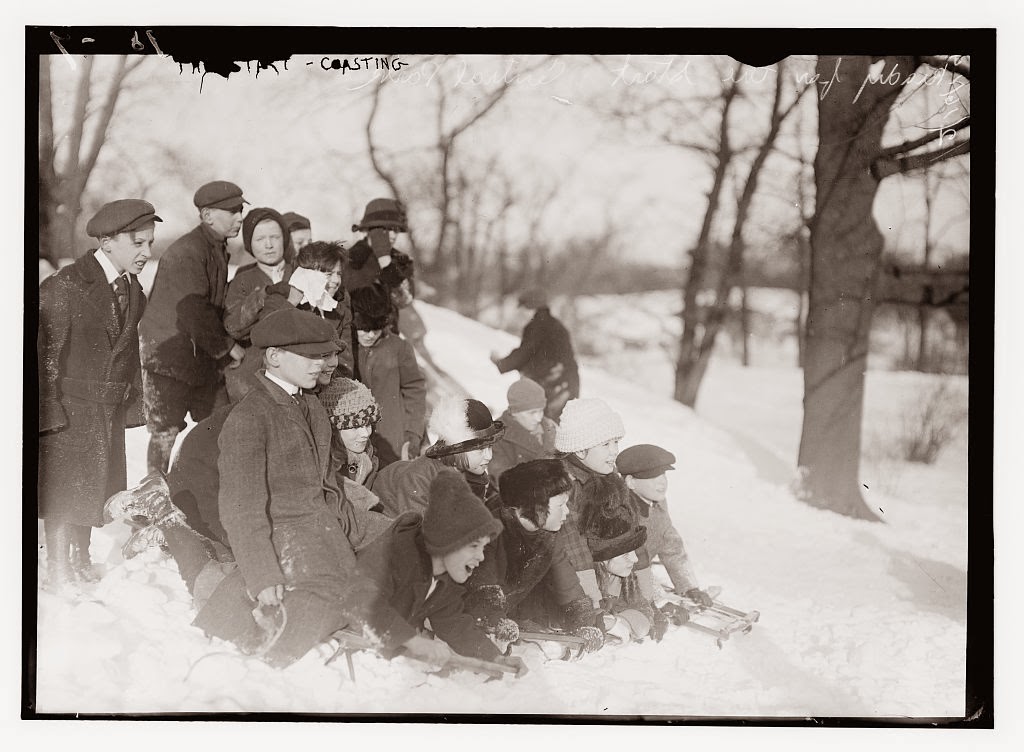
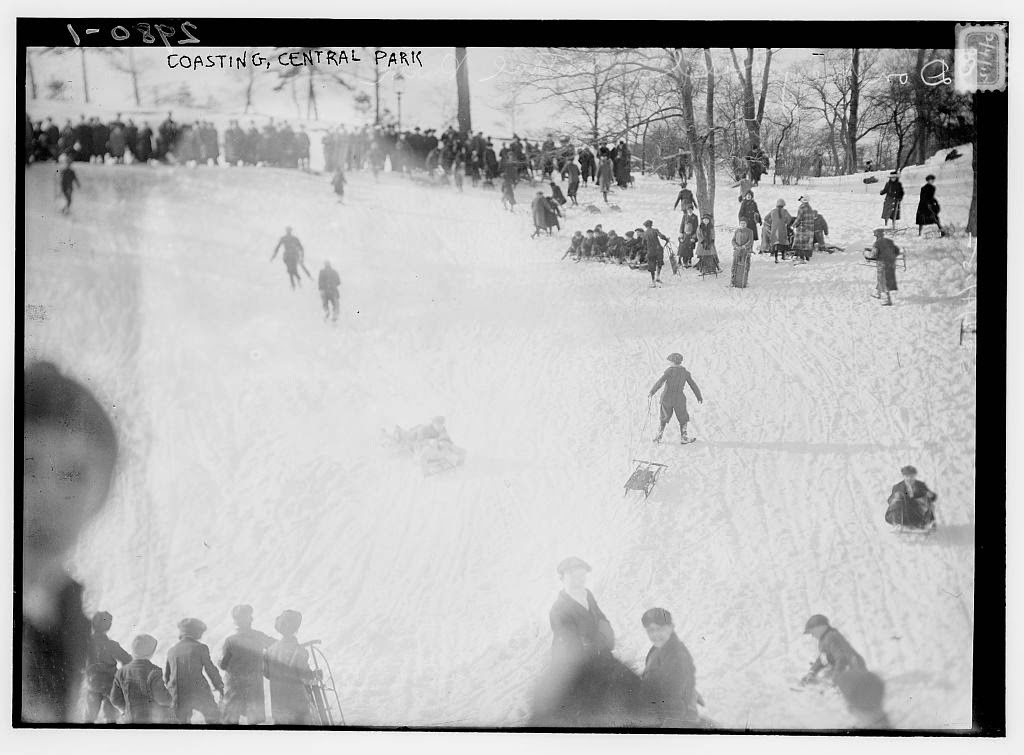
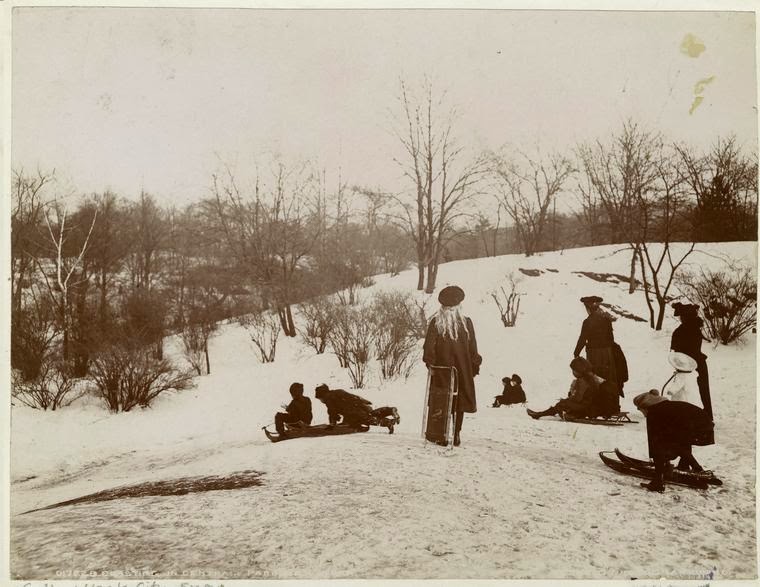
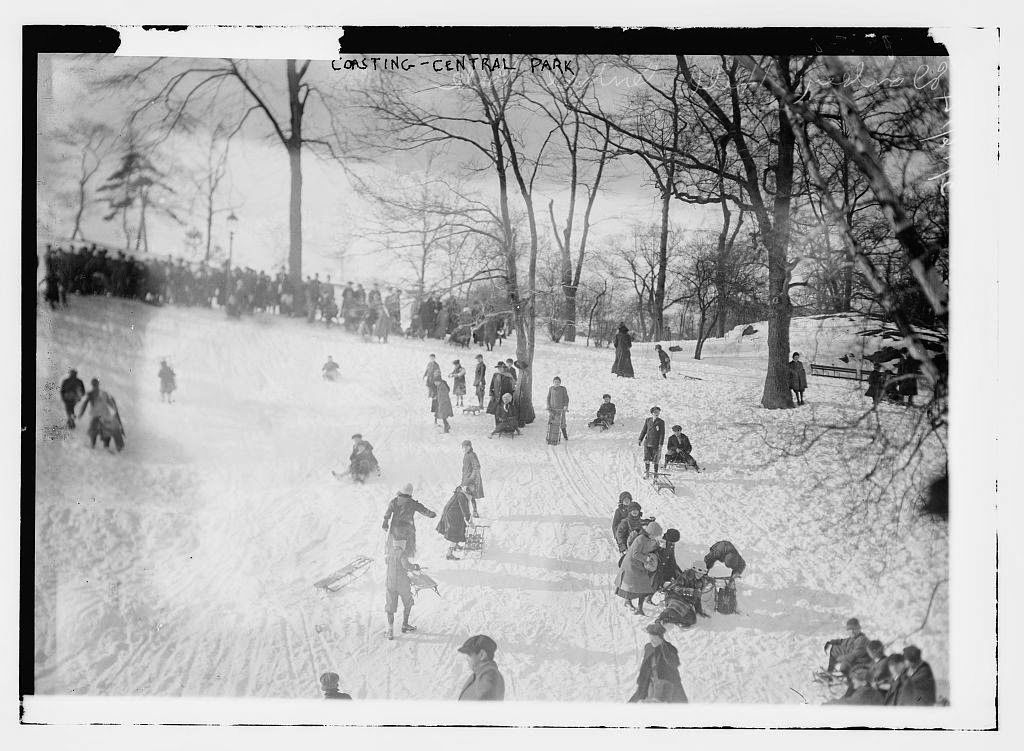
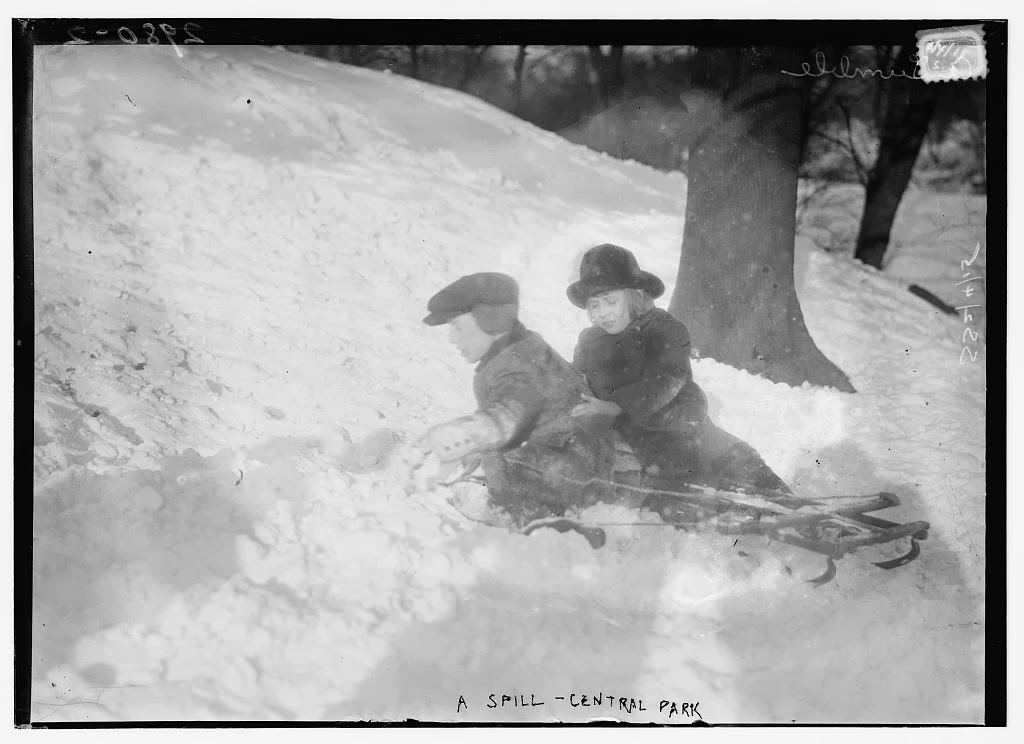
During one particular winter in the early 1910s, Central Park was invaded by an army of young sledders, tearing over the snow-covered terrain without thought to temperatures or bodily injury.
Believe it or not, the city encouraged children to use the city parks for sledding, especially given that the alternatives were slicked-up city streets. In fact, New York did everything possible to make parks an ideal sledding destination.
“Snow from the sidewalks around Hamilton Fish, DeWitt Clinton and East River parks has been thrown over the fences to form an embankment from which the youngsters can coast.” reported the New York Tribune in 1910. In Central Park, “never before were so many coasters in evidence.”
Indeed, automobiles posed a grim and dangerous threat to children sledders. The newspapers between 1909-1919 are filled with sad stories of children killed in sledding accidents, with autos frequently involved. Vehicles from the early days (not to mention, their novice drivers) were simply ill-equipped for icy conditions.
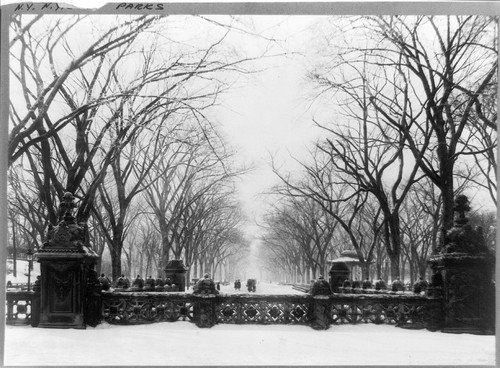
While some in the community lamented the mess made in public parks, most preferred keeping children safe. These pictures kind of make you want to make a go of it, don’t you think?
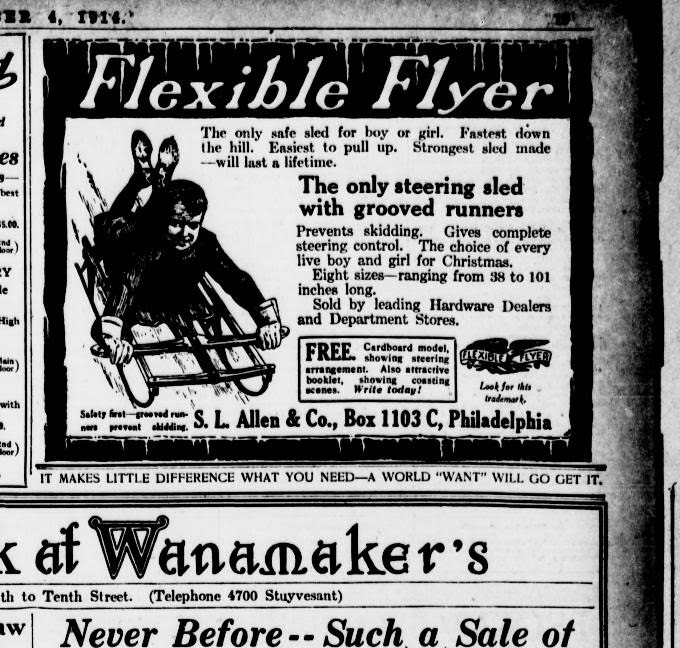
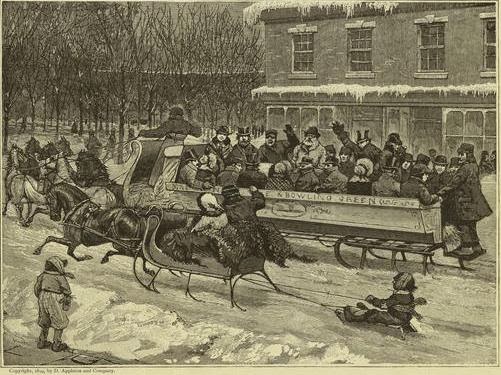
Of course, wealthy people could always go on a sleigh ride in the park, but the mass production of individual flyers (like the one advertised below) and homemade facsimiles soon brought middle and working class into the park for fun. I would like to think this sled model (advertised in a Dec. 4, 1914 edition of the Evening World) was used by some of those intrepid spirits pictured above:
And you think that all looks a little dangerous, here’s some adventurers from 1860, using Broadway as their personal ice sheet, with a child tied to the back!
Images courtesy Library of Congress and New York Public Library
When last we left the Park, it was the embodiment of Olmstead and Vaux’s naturalistic Greensward Plan. Then the skyscrapers came. Also, how did all those playgrounds, a swanky nightclub, a theater troupe and all those hippies get here?
NOTE: Please forgive my butcher pronounciation of the word Jagiello in today’s podcast!
The Park in a wintry day in 1906:
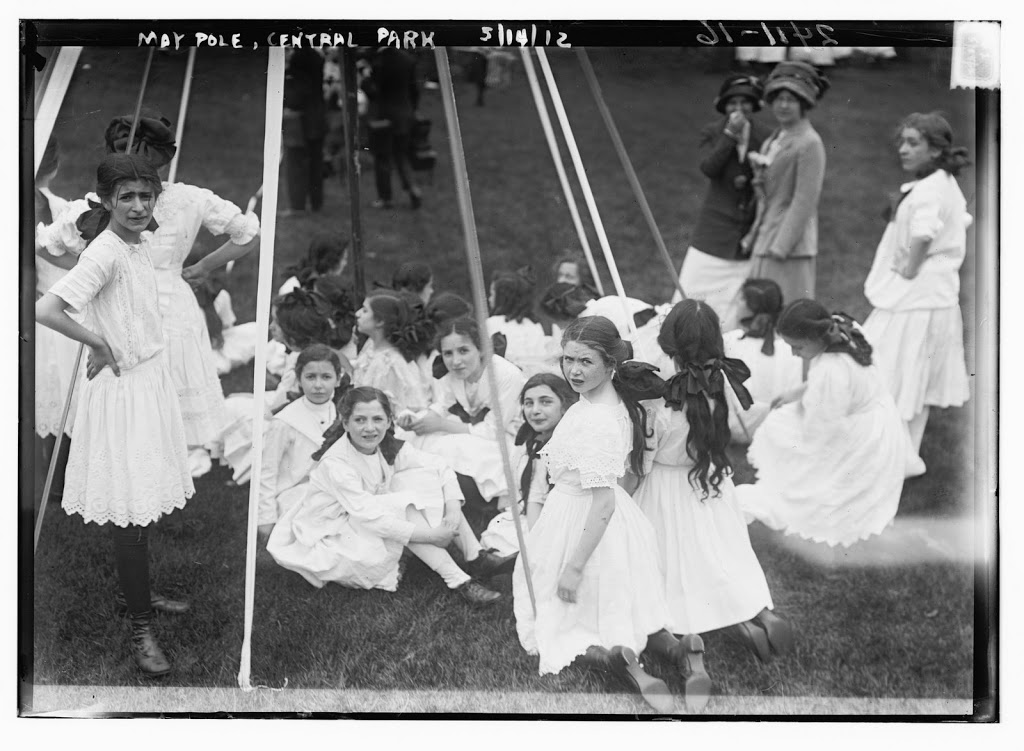
Children celebrate May Day in the park, circa 1912:
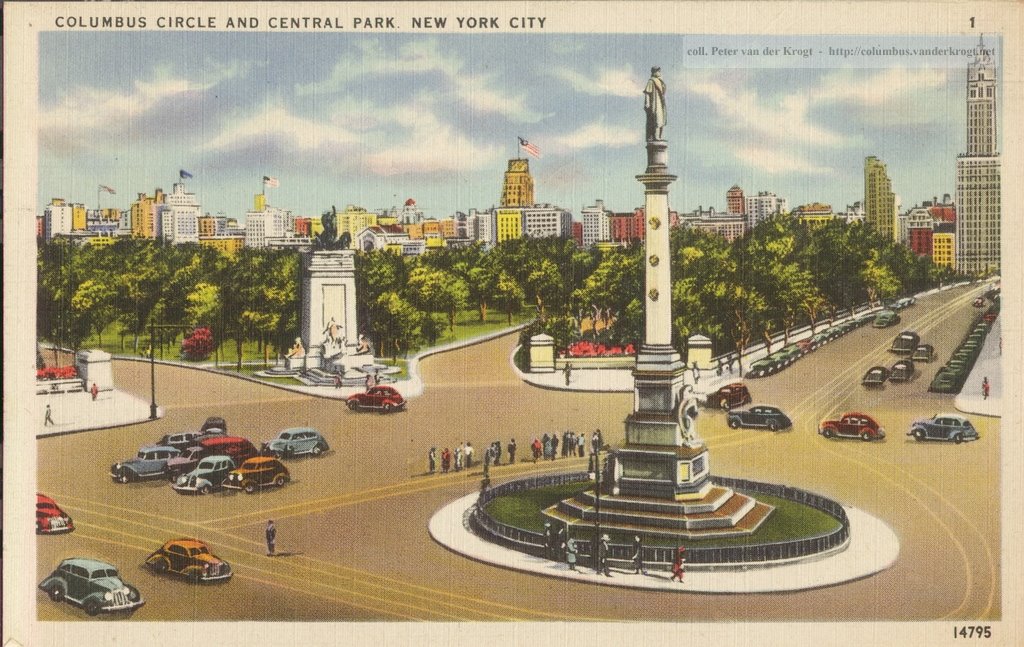
The southwestern entrance of Central Park, punctuated by Columbus Circle:
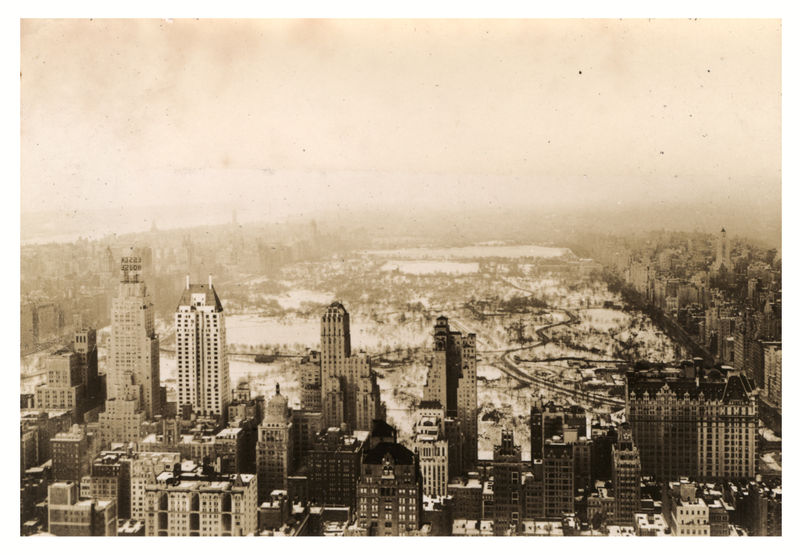
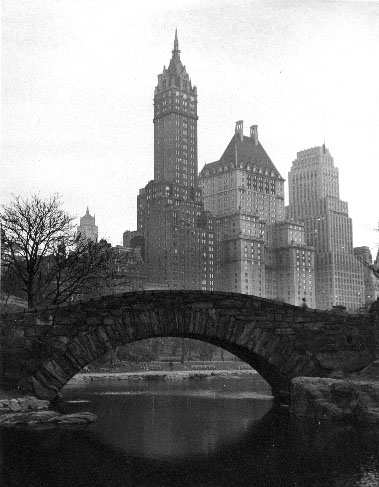
By the early 30s, the original dream of Central Park as ‘oasis’ was effectively destroyed by skyscrapers
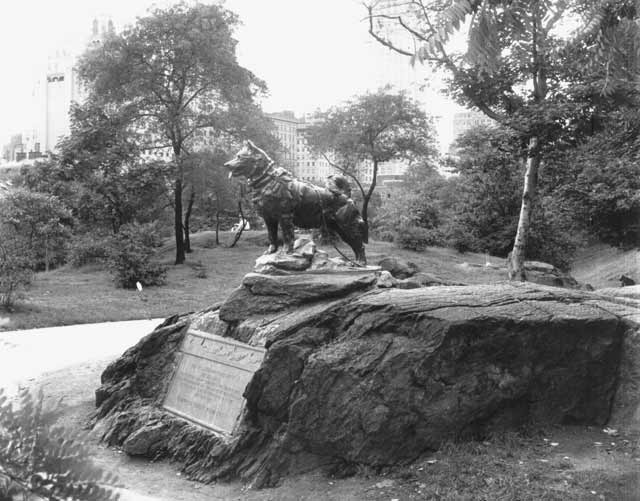
Balto to 1934, looking pretty much the same as he does today:
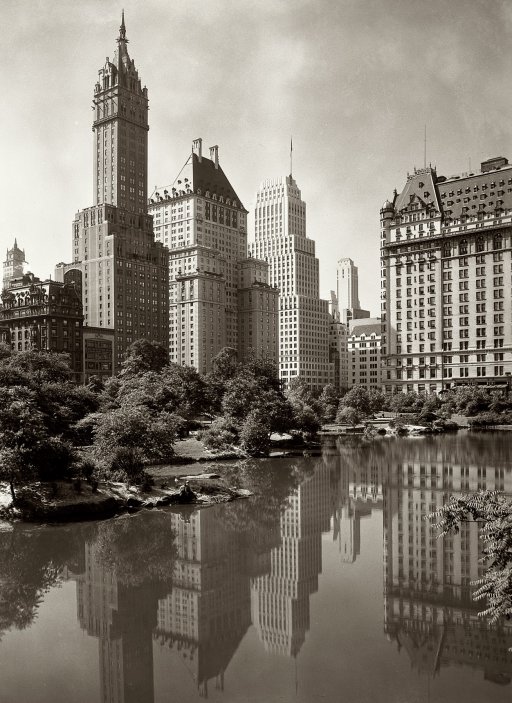
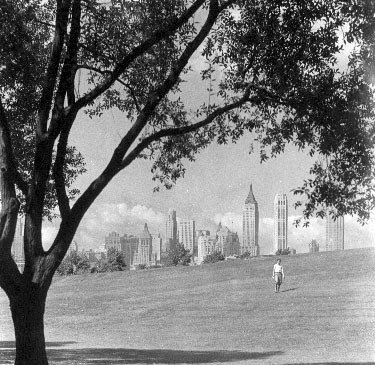
The skyline changes the horizon of Central Park. Here, in 1935:
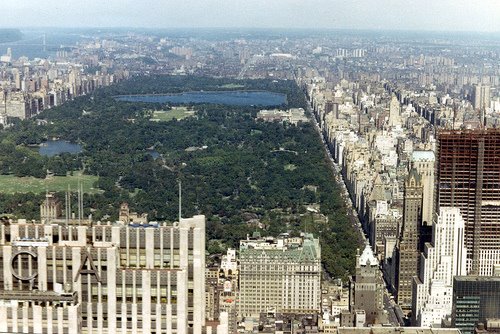
1967:
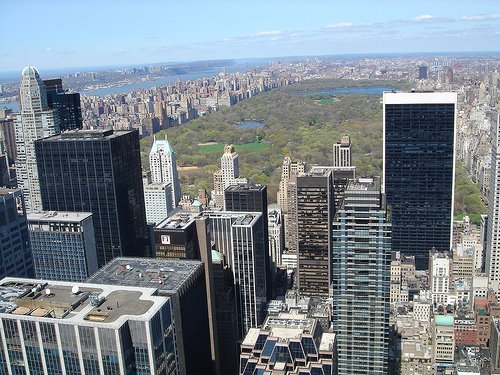
And today:
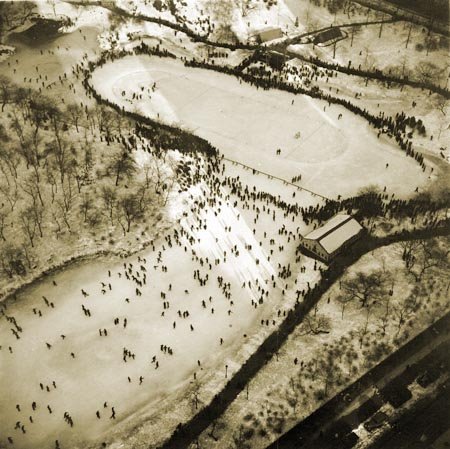
Ice skating, circa 1936
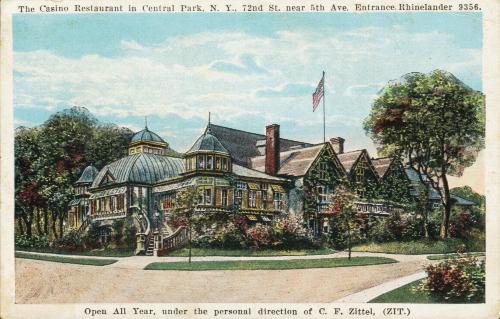
The Casino, which went from restaurant to nightclub during the 1920s. Demolished by Robert Moses, it became Rumsay Playfield and home of Summerstage
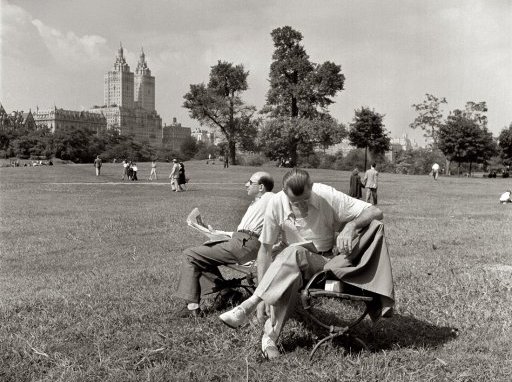
Ah, life was much simpler back in 1942 (well, in Central Park, anyway). The luxury San Remo apartments peeks from the background
By the 1950s, most of the Park’s modern features and lawns were built. It’s getting more difficult, of course, to find a corner of the park all your own.
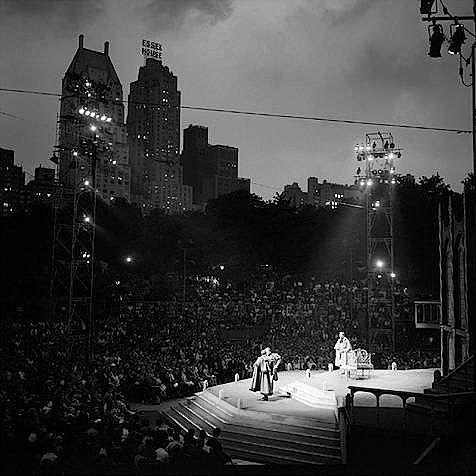
Joseph Papp brought Shakespeare to the park in the 1950s, but didn’t make a home of Delacorte Theatre until 1962
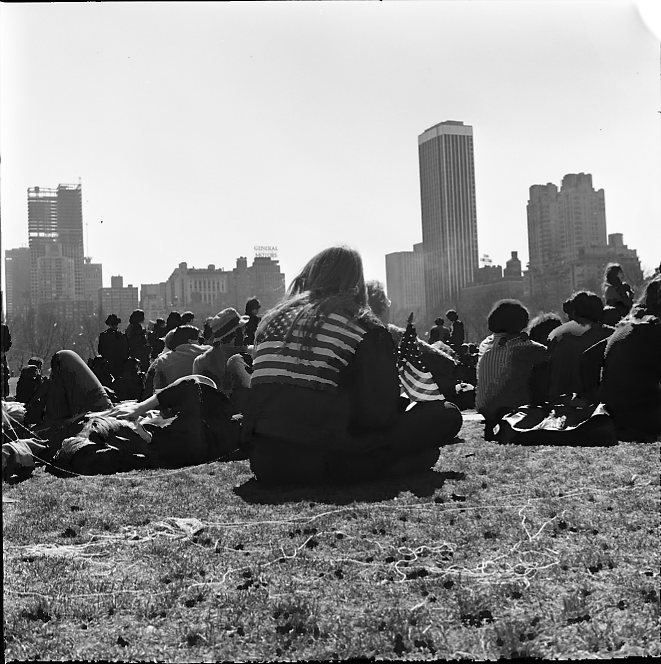
Park ‘happenings’ in the 1960s attracted thousands of people to partake in activities unheard of in the Olmstead days.
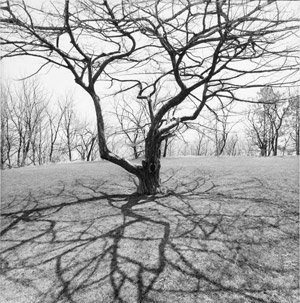
Central Park was a popular model for photographer Lee Friedlander, turning its natural beauty into striking patterns of abstraction
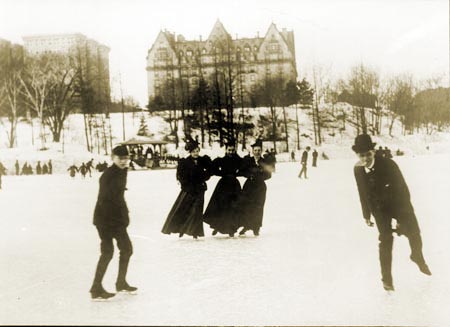
Above: Central Park’s first recreation was ice skating, almost as soon as the lake was completed in 1858. The Dakota Apartments look like a ski resort.
Come with us to the beginnings of New York’s most popular and most ambitious park — from the inkling of an idea to the arduous construction. Learn who got uprooted and find out who the park was REALLY intended for. On the 150th year anniversary of the design of Central Park!
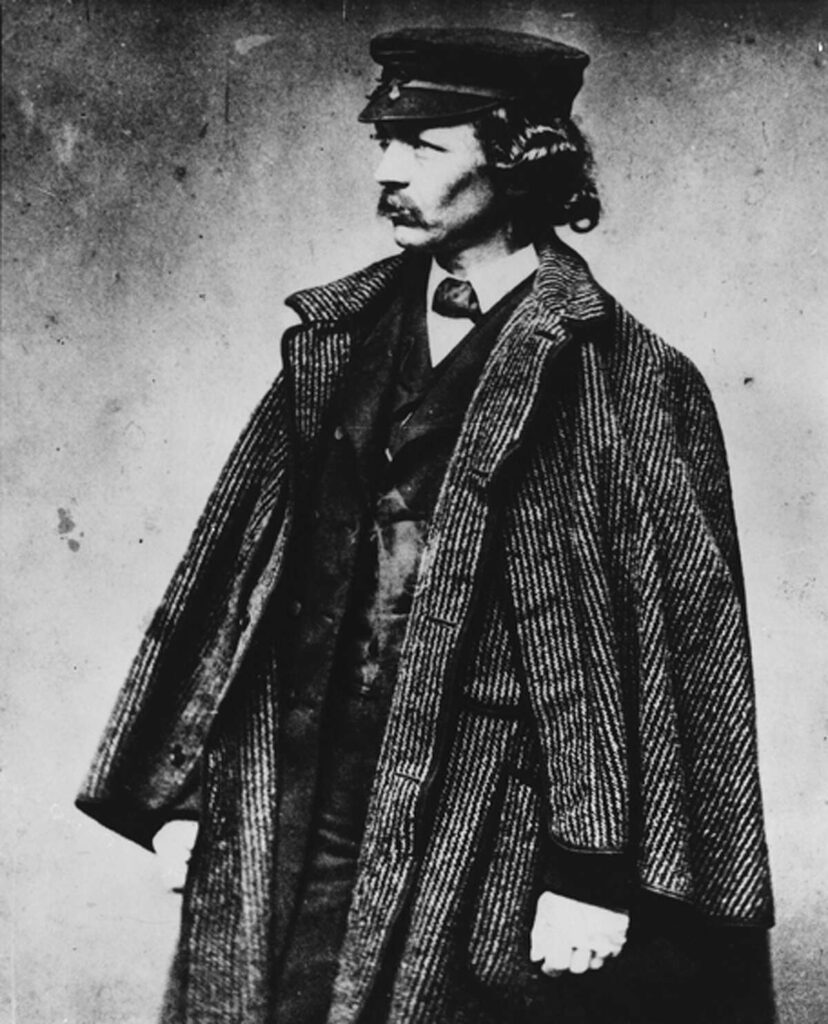
Frederick Law Olmsted, the brilliant and sometimes testy creator of the Greensward Plan, the basis for Central Park. As America’s go-to guy for park creation, Olmsted helped develop thousands of acres of public space in America, including the grounds of the U.S. Capitol, dozens of college campuses, and parks in Atlanta, Boston, Louisville and Detroit.
His British partner Calvert Vaux was a genius landscape architect in his own right. He and Olmstead would go on to also create Brooklyn’s Prospect Park. He’s particularly noted for personally designing Central Park’s more beautiful bridges, as well as the fanciful Belvedere Castle.
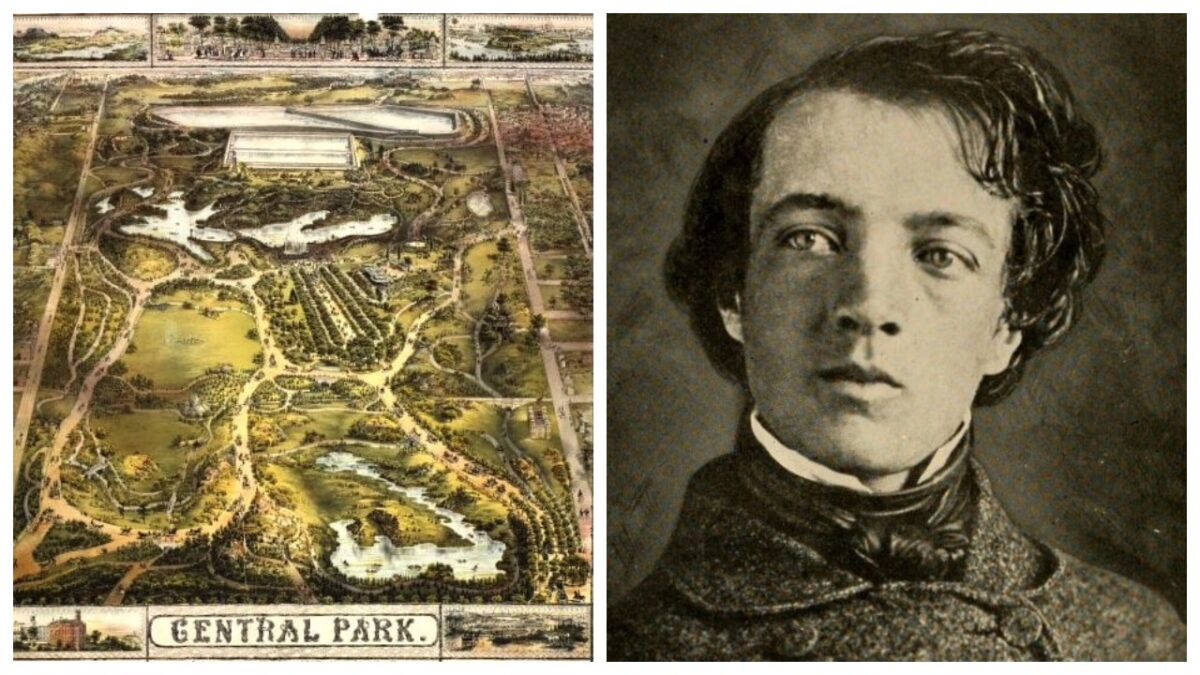
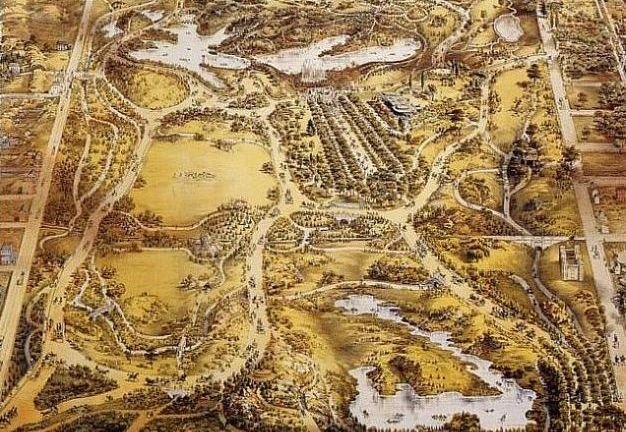
The original design of Central Park, circa 1857, informed by the upper and lower reservoirs and a noticable lack of structures. (Click on map for greater detail.)
From an original sketch of the Greensward plan, by Vaux
A brilliantly rendered lithograph of the Greensward plan (From an exhibit last month Celebrating Greensward.)
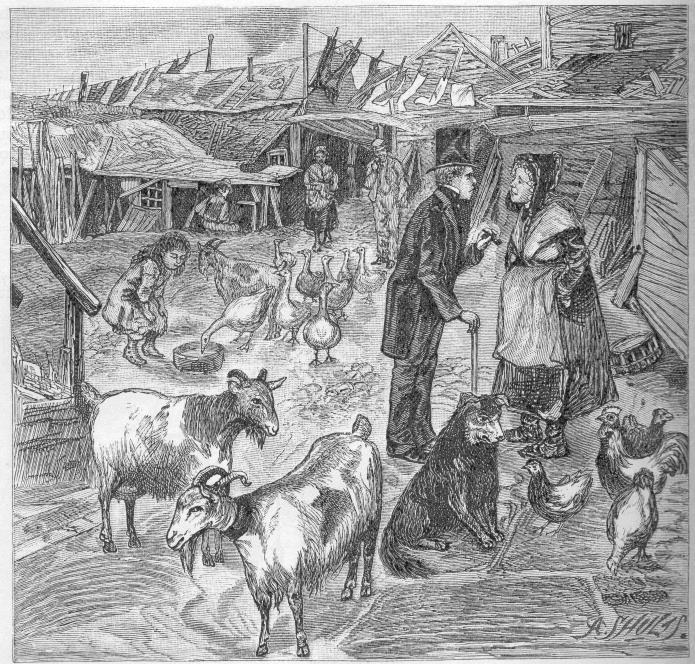
A sketching of some alledged ‘squatters’ in the lands that would eventually become the park. The reality of their situation was oftentimes far more complex.
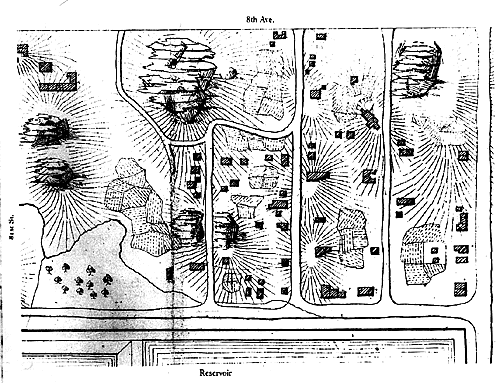
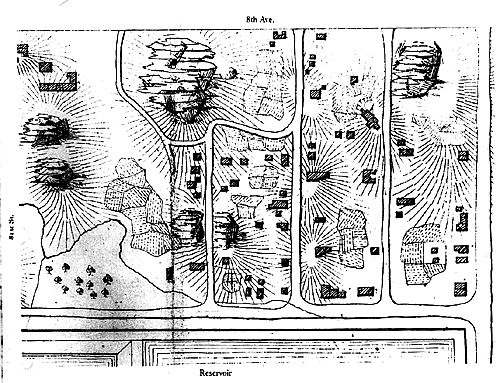
A map of Seneca Village (with Eighth Avenue at top), the small town of African-American property owners that was swept away with the building of the park
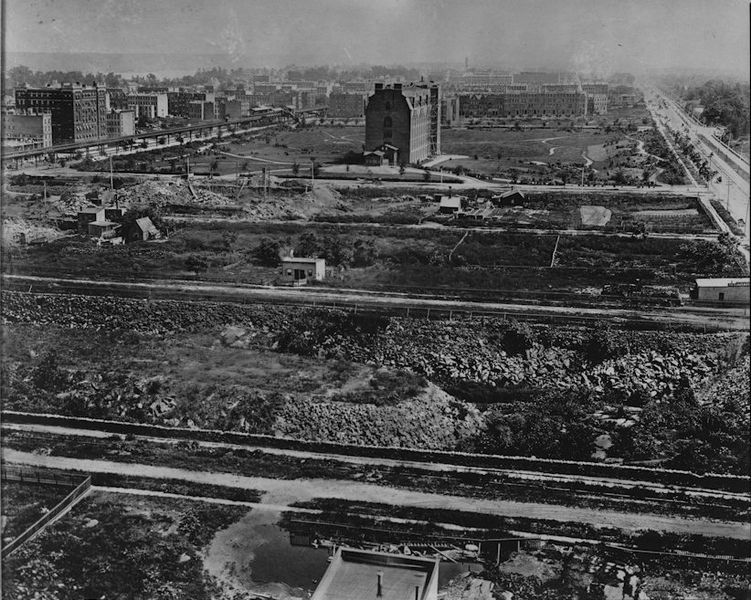
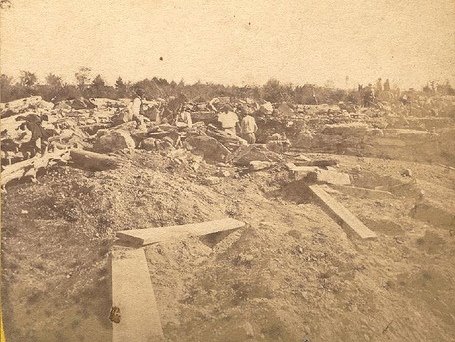
A rare photo of some rather unsightly construction in the park, circa July 1863
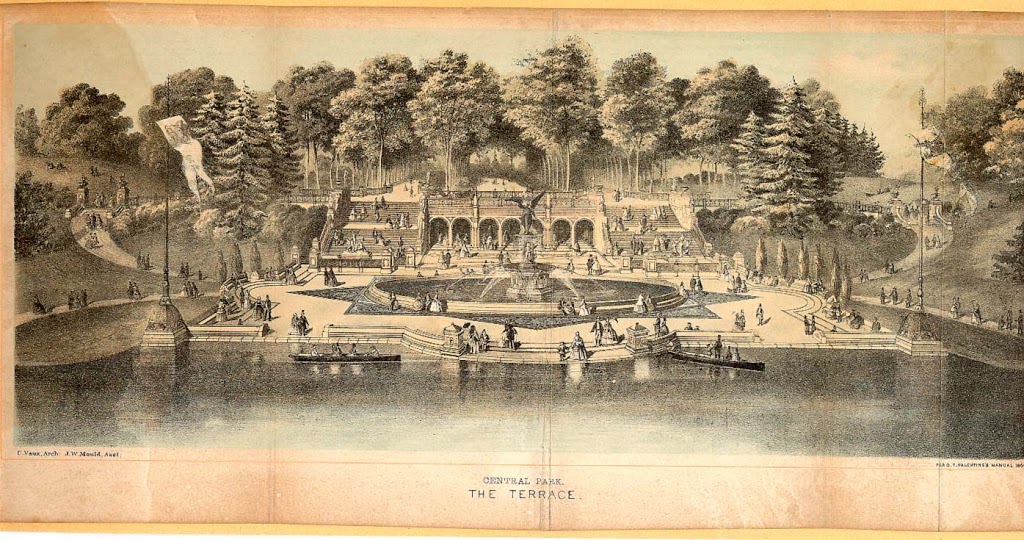
An illustration from 1864 of the Bethesda Terrace (click on the picture for greater detail)
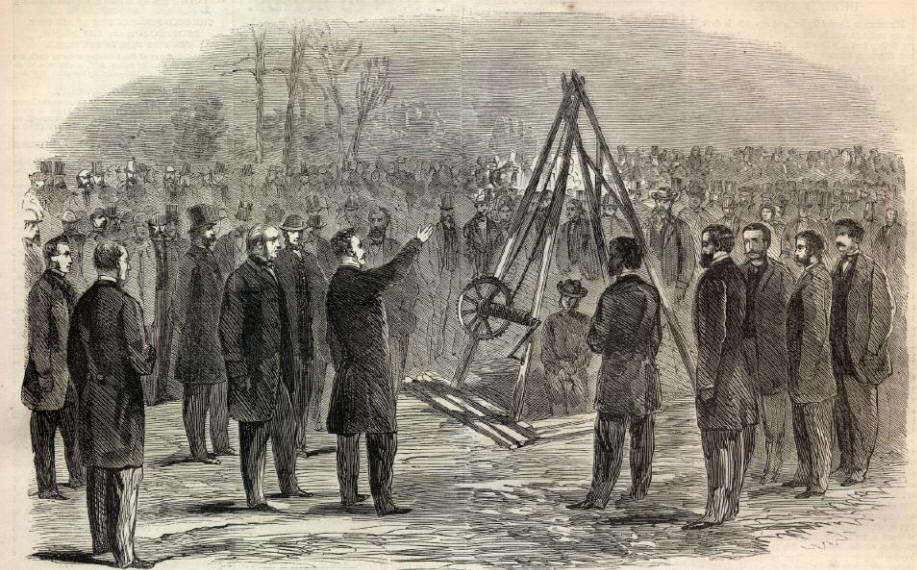
The original plan for Central Park included no monuments, and Olmstead wanted it that way. Still, by 1864, they were already hoisting up a tribute to William Shakespeare. In the picture below, the cornerstone is being laid on the 300th anniversary of Shakesspeare’s birthday, April 23
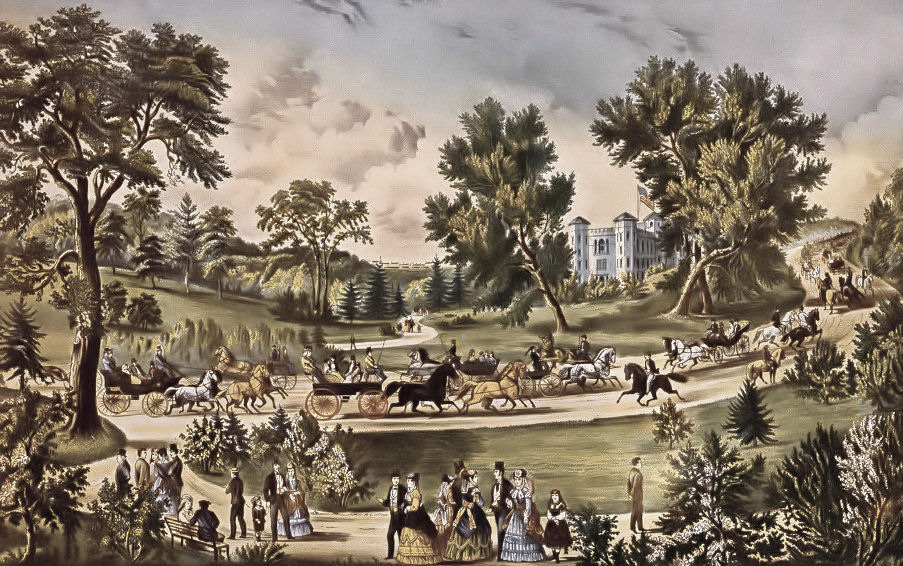
By 1869, the park had been taken over by elite New Yorkers, who could afford to ride through on their carriages. (Click for details of this rich picture.) In the background is the old Arsenal, which tranformed into the Central Park Zoo in later years.