Categories
Health and Living Newspapers and Newsies

The hottest day in New York City history

These days of low-to-mid 90s F, high humidity temperatures got you down? Why that’s nothing!

The hottest day in New York City history was eighty-five years ago last week — on July 9, 1936, when temperatures reached an agonizing 106 degrees, measured from the Central Park weather observatory.
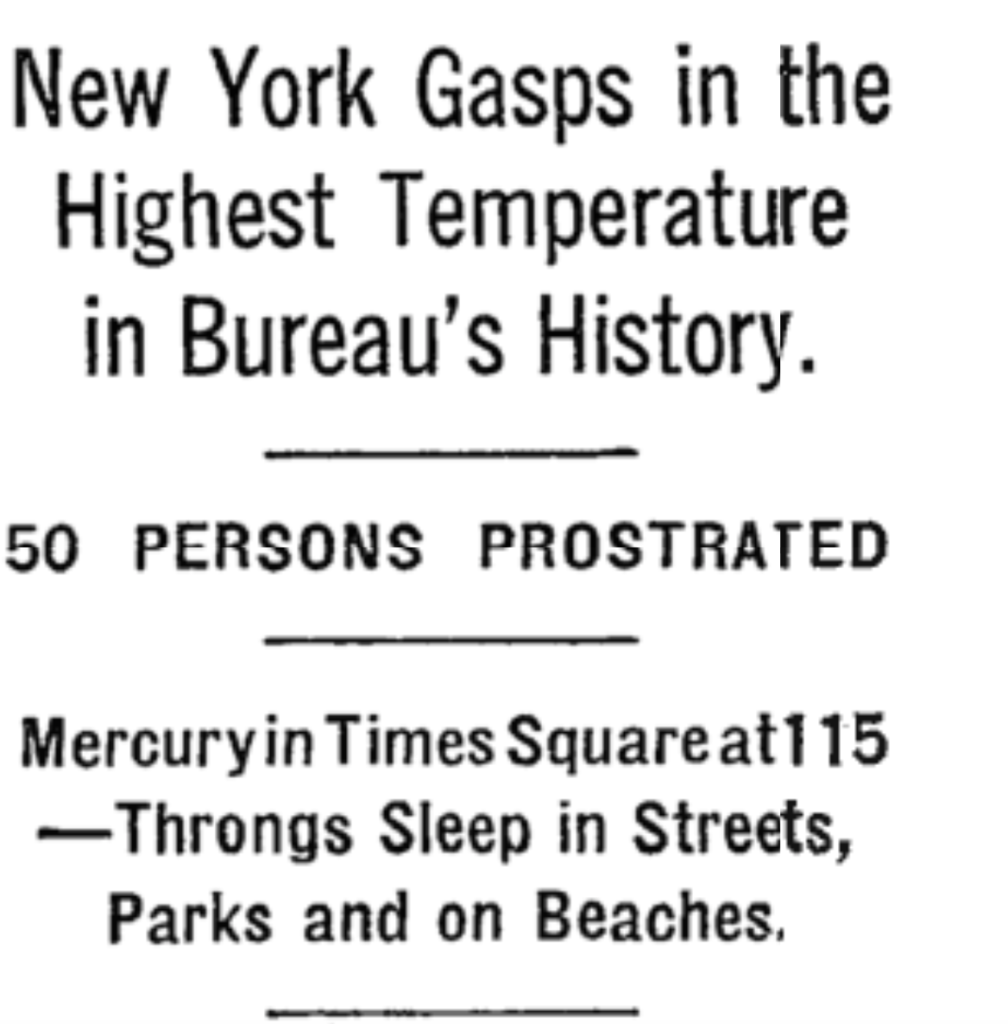
New York Times, July 19, 1936

This broke the record set on August 7, 1918 when New Yorkers experienced a catastrophic 104 degrees. (As if World War One and the Spanish Flu weren’t enough to suffer through that year.)

In neither of these years was there widespread air conditioning although the concept was quite familiar to those during the Great Depression. Upscale movie theaters and restaurants had a form of air conditioning by the mid 1930s but home use was too expensive at this time.
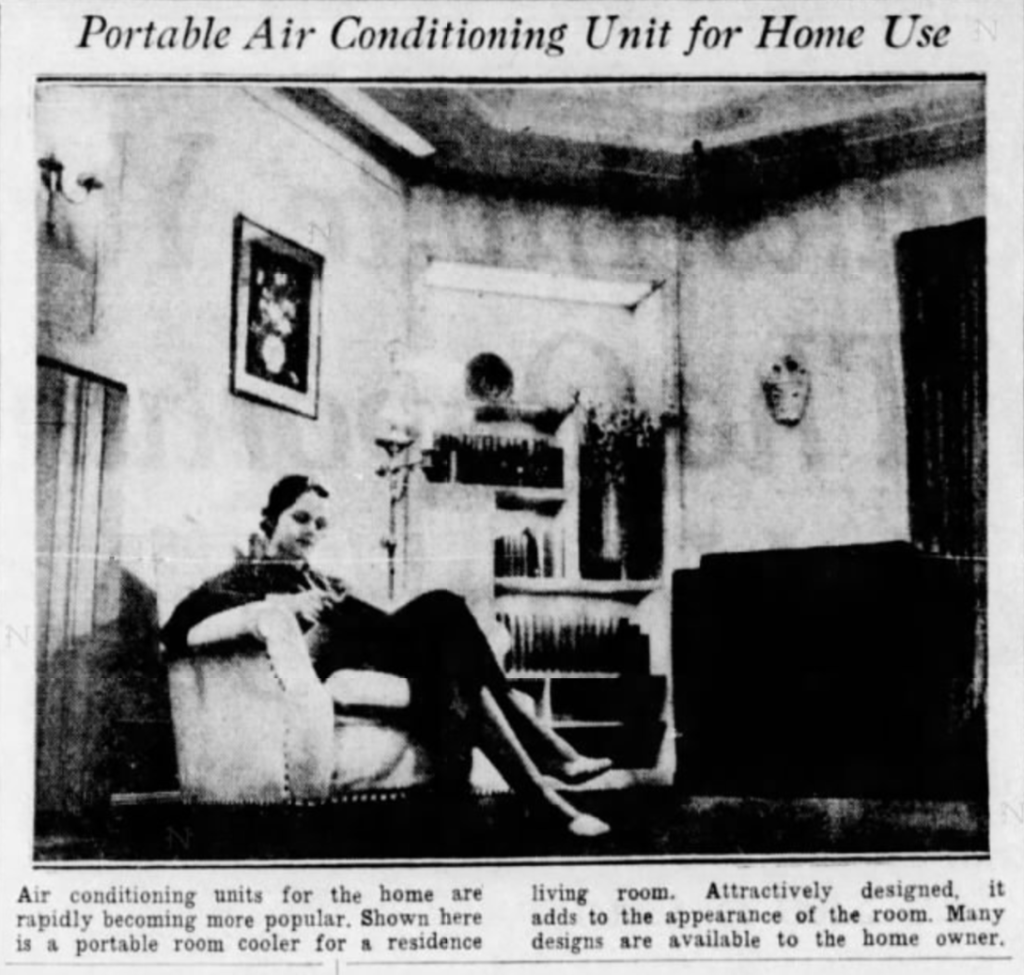
This photograph from 1935 accompanied an article about the novel concept of home air conditioning, making sure to point out that air conditioners can look ‘attractive’.
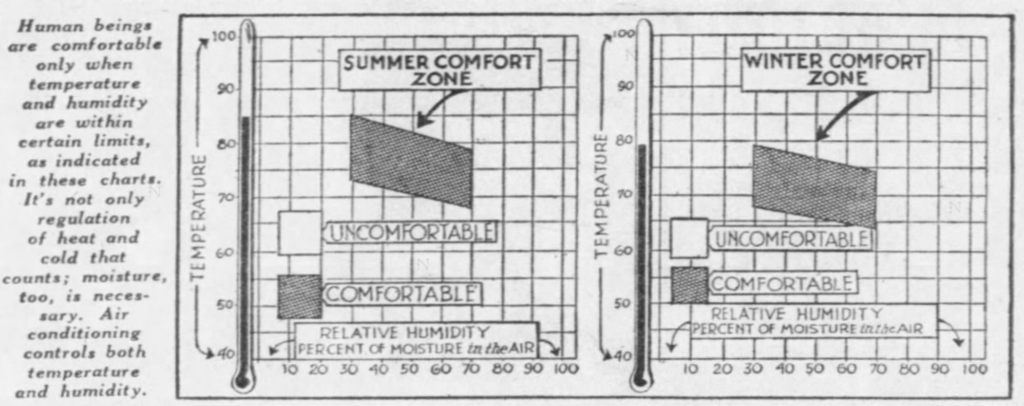
In 1937 the New York Daily News ran this unusual graphic about the newly emerging innovation of air conditioning.

So on the hottest day in New York City history, most people had to forge through the day anyway they could — without the luxury of artificially cooled air.

That 106 number was hit after a series of thermometer-breaking days that week.

According to the New York Daily News, “heat was humanly bearable only because the humidity, at 44 percent, was low. If it were twice as high … human life would be almost impossible.”

And the New York Times chimed in with a startling visual. “In the canyons of the financial district men and women reported the heat waves visible.”
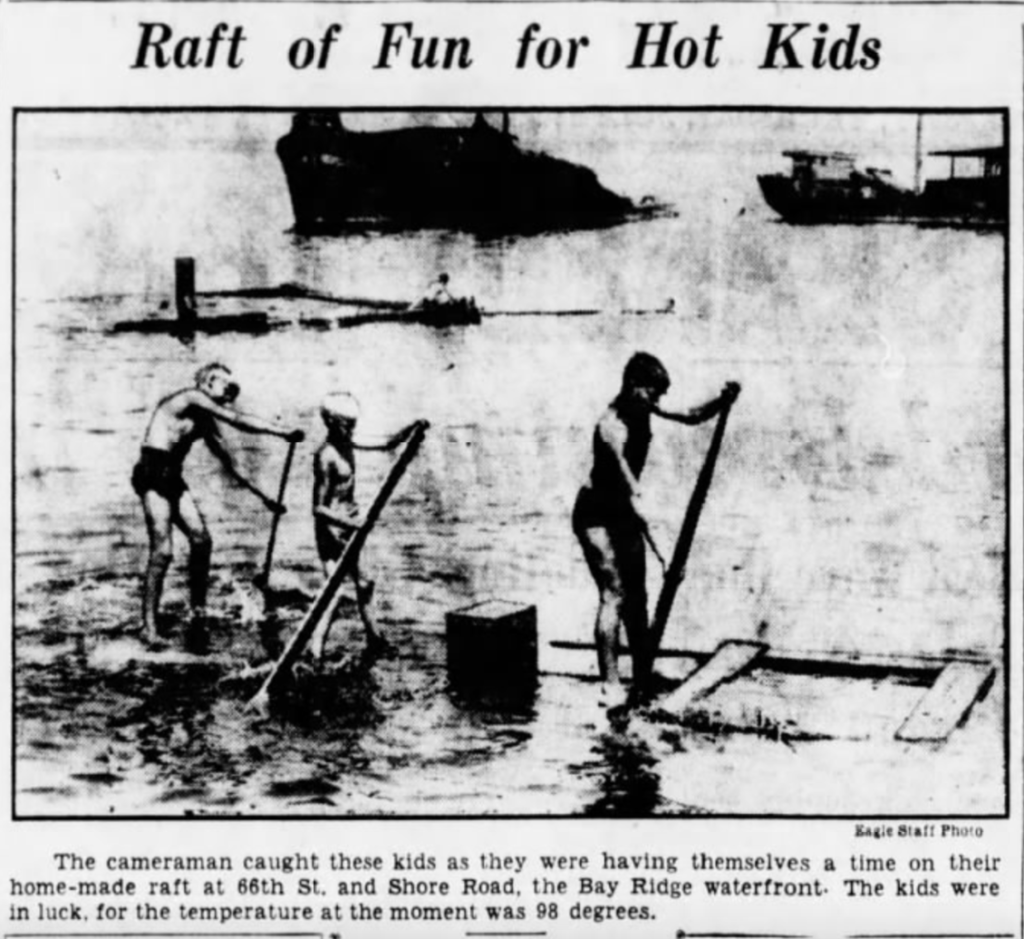
The Brooklyn Daily Eagle, July 9, 1936

Hundreds did die throughout the northeast United States that week due to the heat as well as several in the city, including two boys who drowned in the park lakes on July 10.

It was so hot that Mayor Fiorello La Guardia let out all city employees from work at 1:45 pm and thousands of WPA workers were given a half-day.

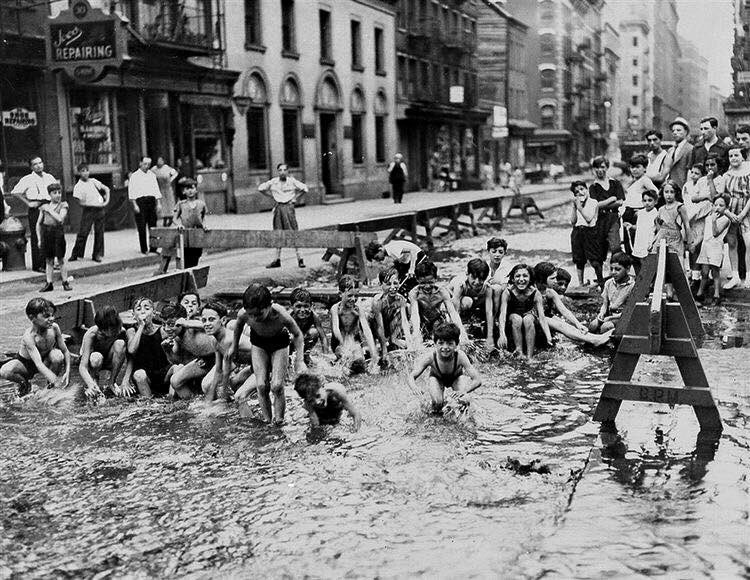
Fire hydrants were pried open in every neighborhood. In Red Hook, Brooklyn and in many other places, the hydrants lowered the water pressure so much that residents above the second floor were unable to get water in their homes.

And on Park Avenue “so many hydrants were in emergency use that the waters mounted above the curb and the cars splashed through six and eight inches of it.” [Times]

“In the great shopping districts in the Thirties [Herald Square], the pavements became so soft in the late afternoon that the crosswalks were dotted with rubber heals that were caught in the asphalt and tar as women passed by. In some spots the asphalt blistered.” [Times, 9/10/36]
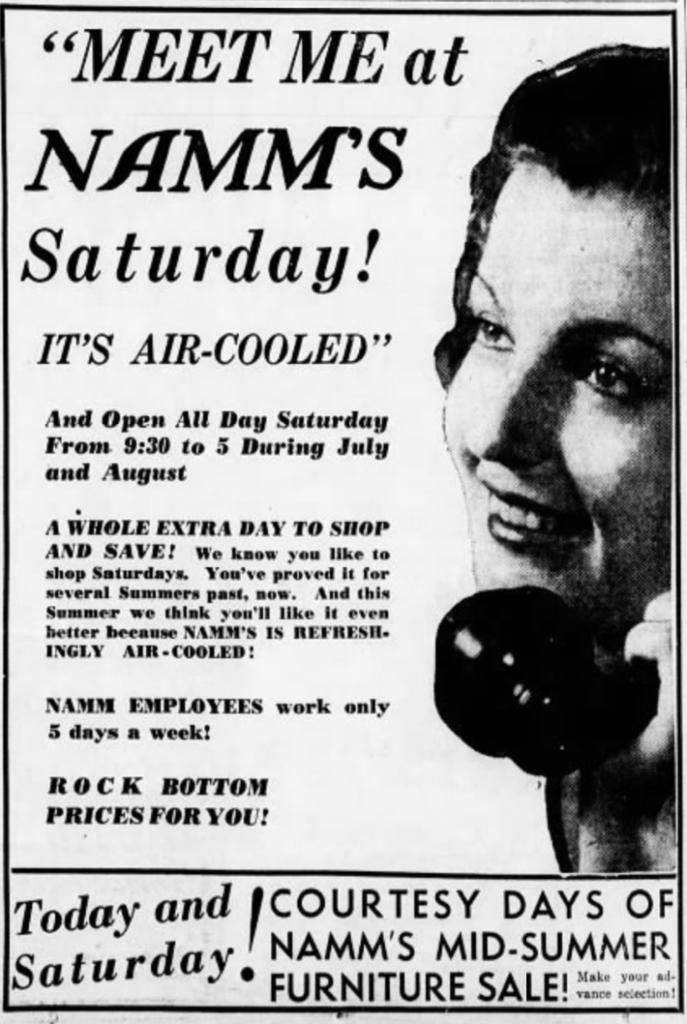
From the July 10, 1936 issues of the Brooklyn Daily Eagle

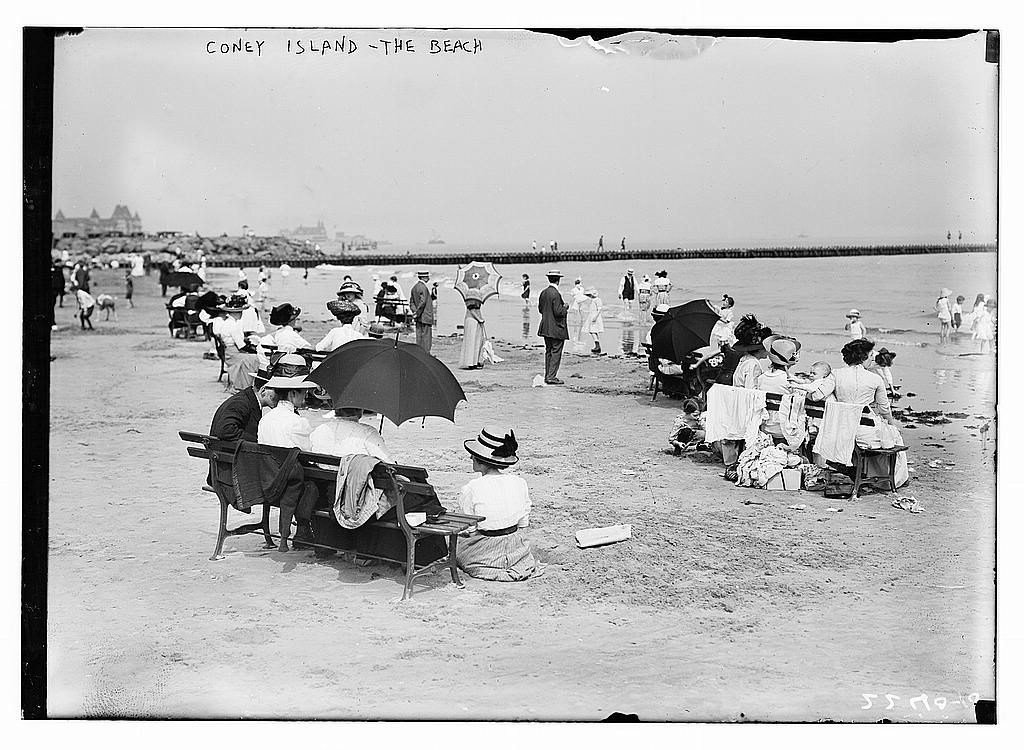
The only relief seemed to be the city parks and beaches which people duly exploited — day or night. “Coney Island, the Rockaways and other metropolitan beaches again had their hundreds of thousands of city folks cooling off in salt water, and they including thousands who had remained all night on the Bach sand.”

In fact tens of thousands of New Yorkers, looking for relief, slept in city parks throughout the night. The mayor authorized most parks to remain open and police were directed not to harass people who slept on benches or on the ground.

And even Robert Moses flew in for the rescue, authorizing that all city swimming pools remain open until midnight.
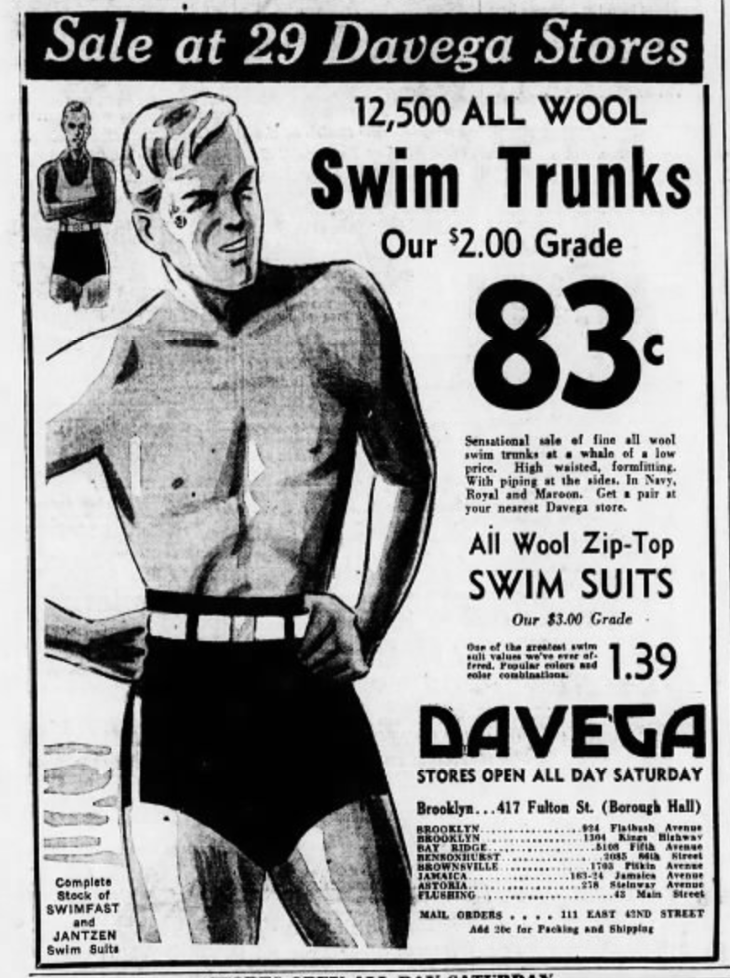
From the July 10, 1936 issues of the Brooklyn Daily Eagle

From the Times: “On the Lower East Side traffic was seriously impeded as small armies of persons emerged from tenement houses with chairs, boxes and even beds which they set up in the streets. Other thousands, including young children usually in bed by 9 o’clock, lined the East River waterfront.”

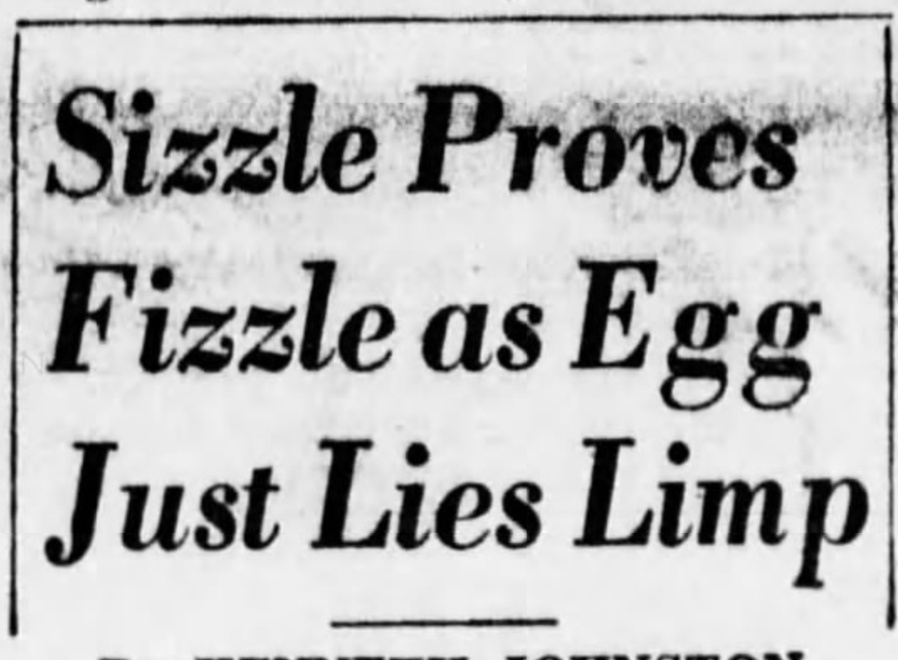
One jokester at the Daily News tried a bit of stunt journalism on that hot day by trying to fry an egg on the sidewalk in front of Queens Borough Hall. After watching the broken egg on the sidewalk for 15 minutes — runny and uncooked — the crowd left dejected.
Categories
It's Showtime Long Island Podcasts

The Very Gay History of Fire Island

How did one particular summer settlement on Fire Island become a ‘safe haven’ for gay men and lesbians almost ninety years ago, decades before the uprising at Stonewall Inn?

This is the third and final part of the Bowery Boys Road Trip to Long Island. (Check out the first part on Gatsby and the Gold Coast and the second part on Jones Beach.)

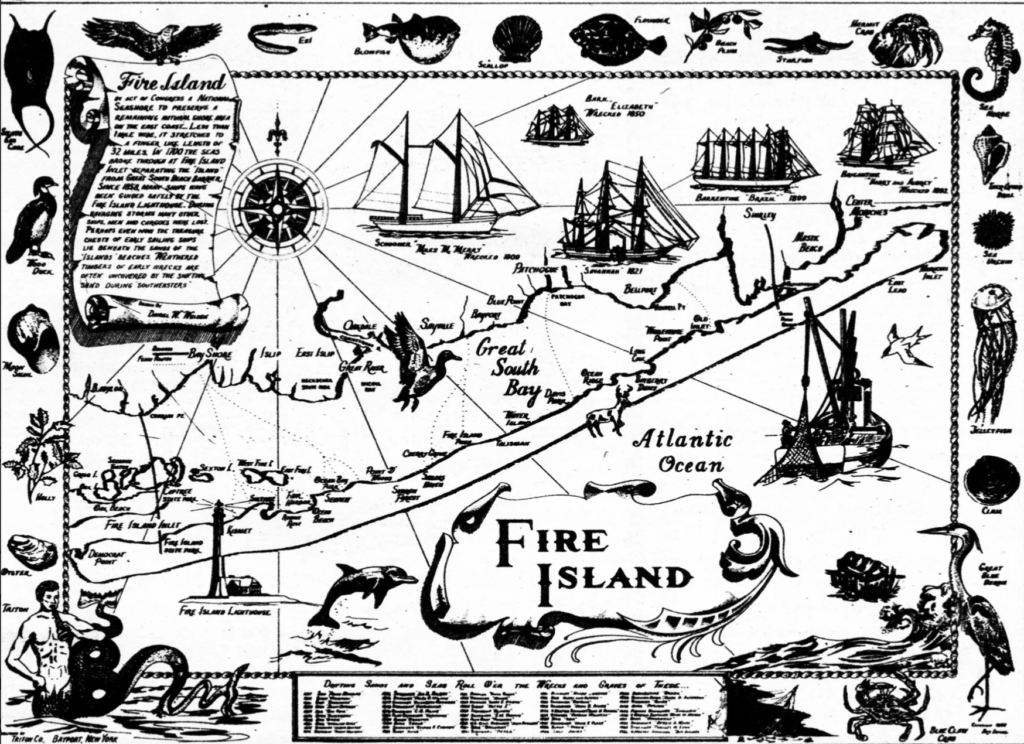
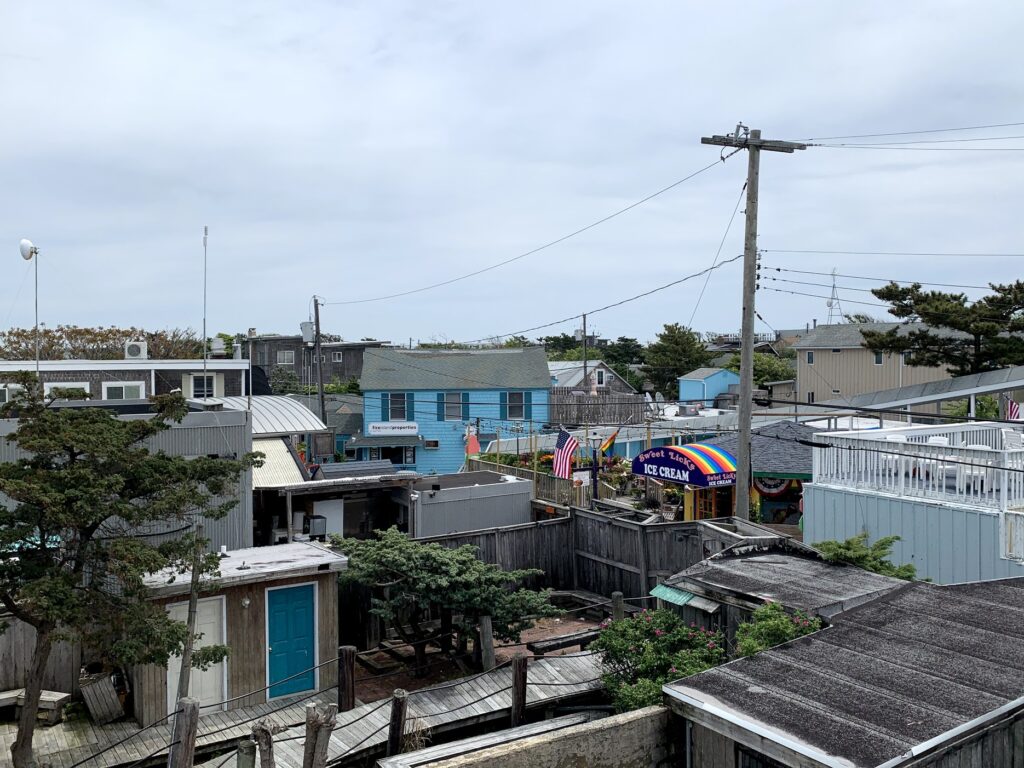
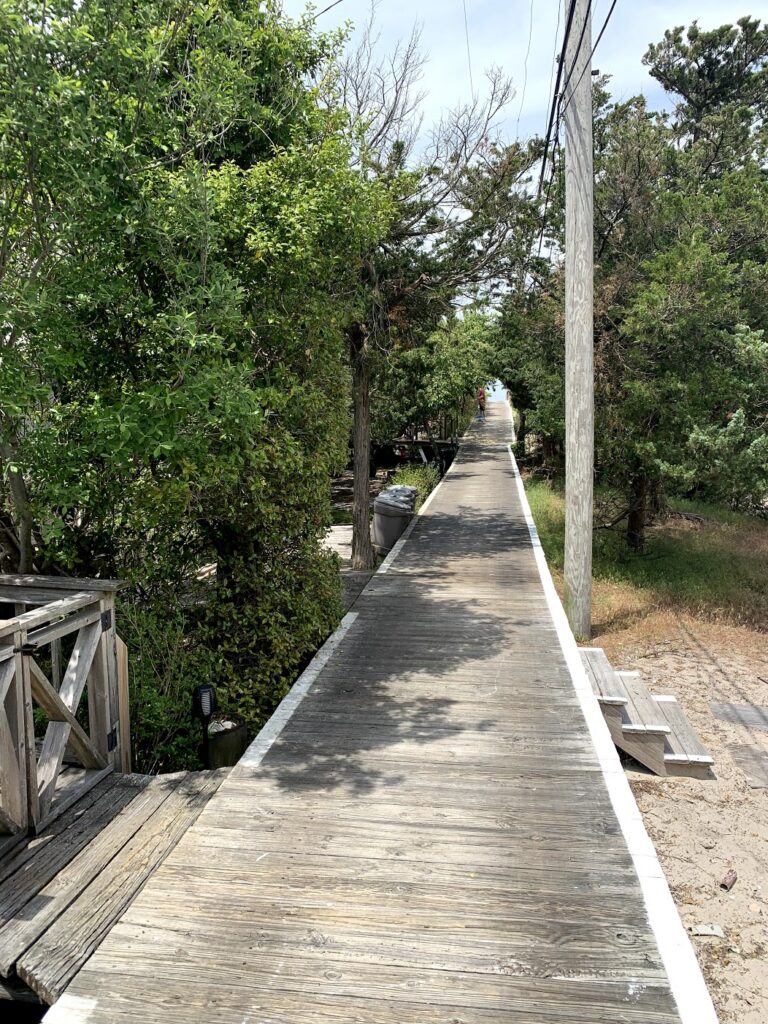
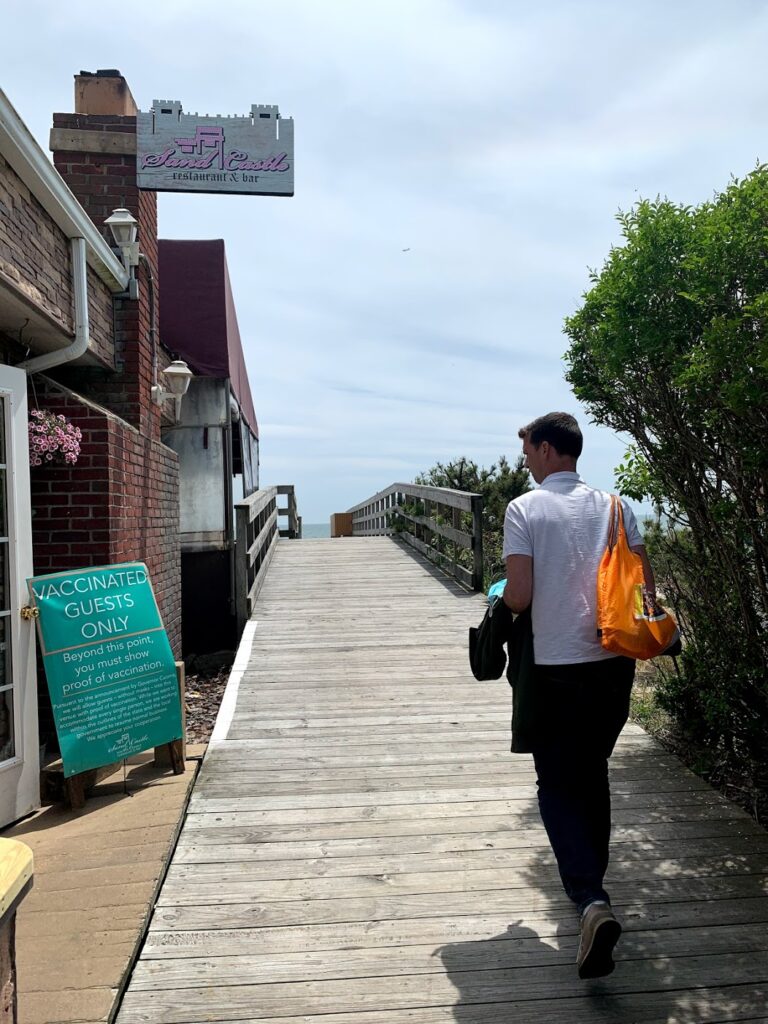
Fire Island is one of New York state’s most attractive summer getaways, a thin barrier island on the Atlantic Ocean lined with seaside villages and hamlets, linked by boardwalks, sandy beaches, natural dunes and water taxis. (And, for the most part, no automobiles.)

But Fire Island has a very special place in American LGBT history.

It is the site of one of the oldest gay and lesbian communities in the United States, situated within two neighboring hamlets — Cherry Grove and the Fire Island Pines.

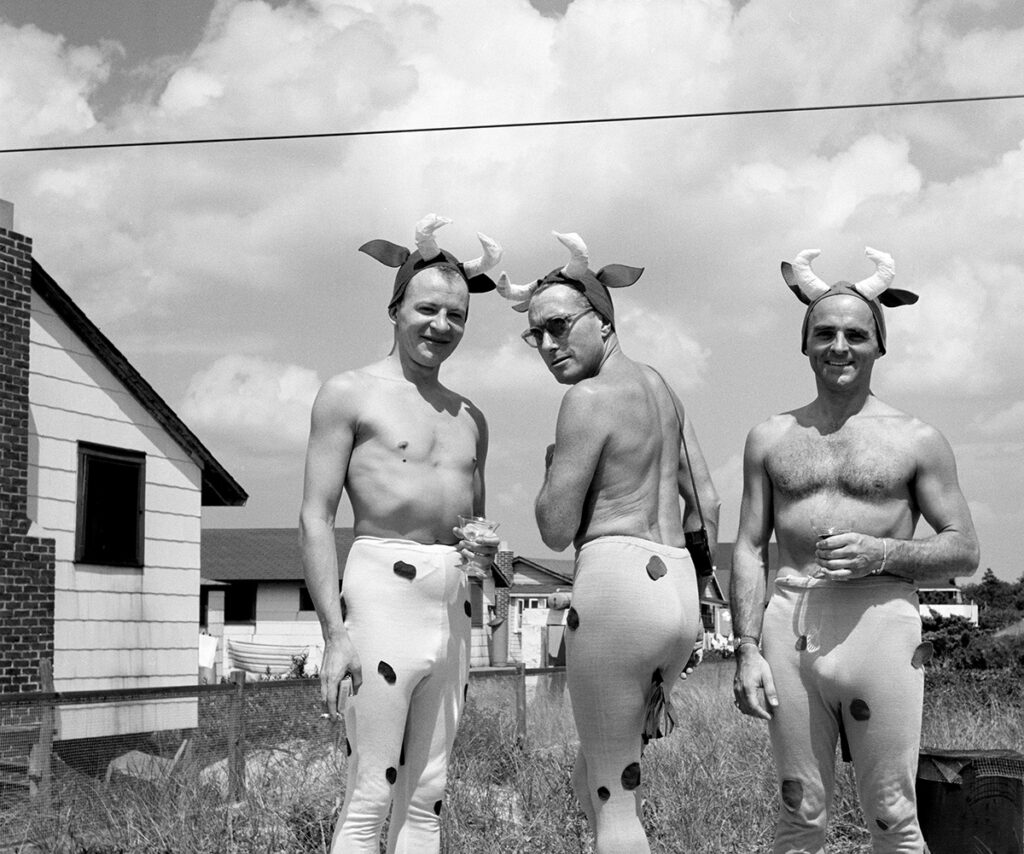
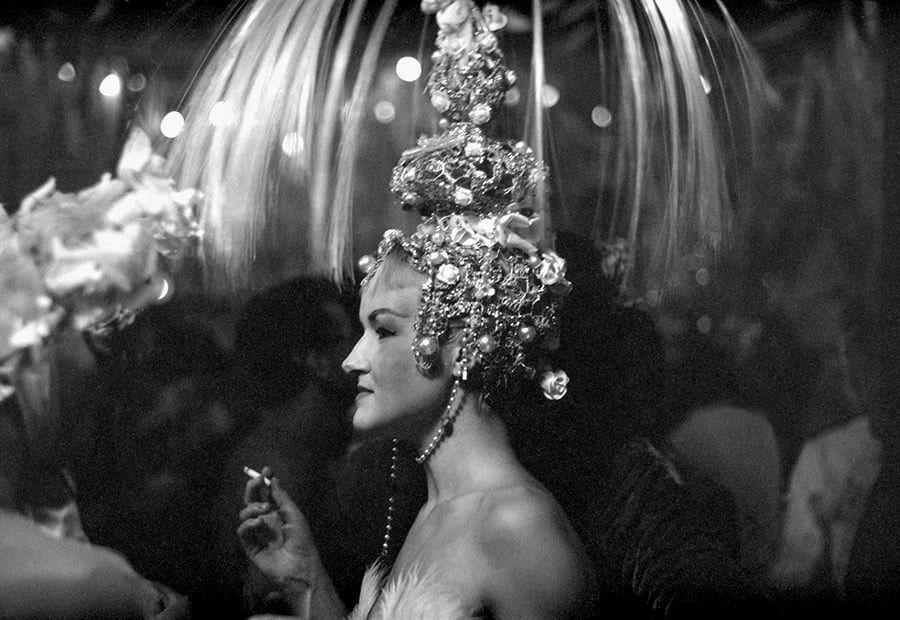
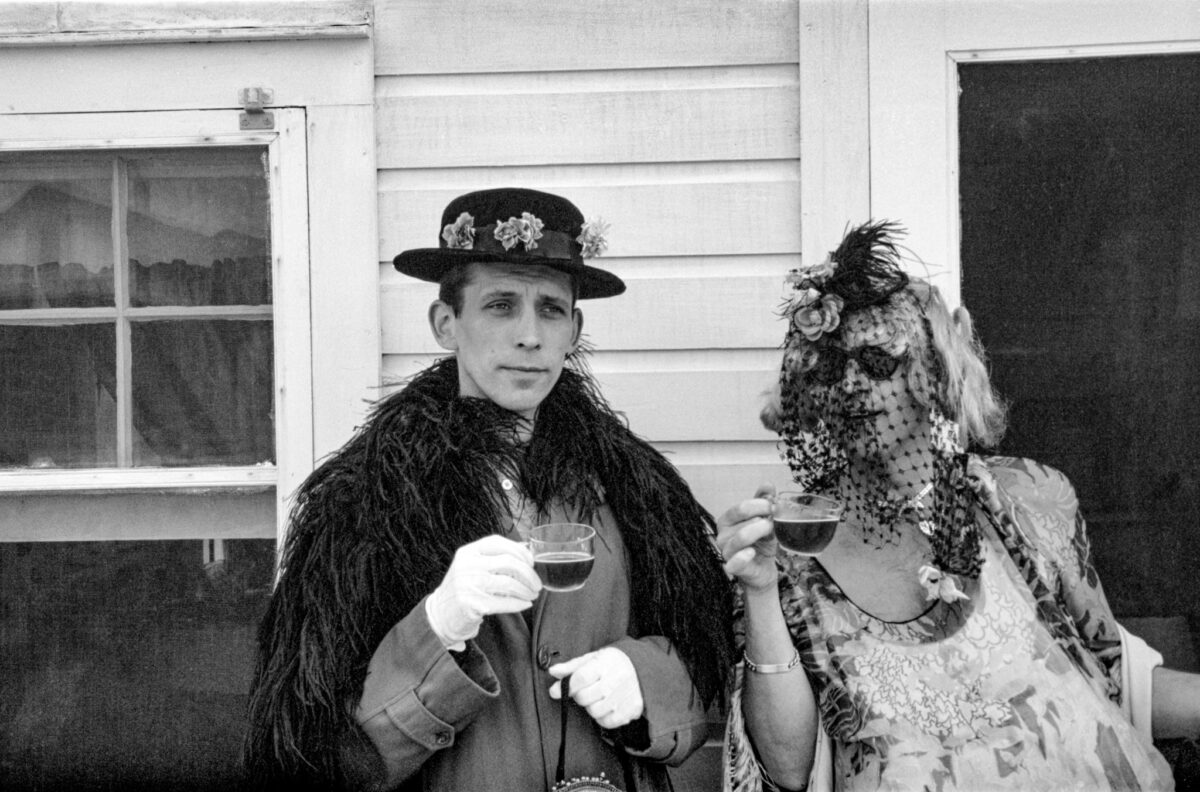
During the 1930s actors, writers and craftspeople from the New York theatrical world began heading to Cherry Grove, its remote and rustic qualities allowing for gay and lesbians to express themselves freely — far away from a world that rejected and persecuted them. 

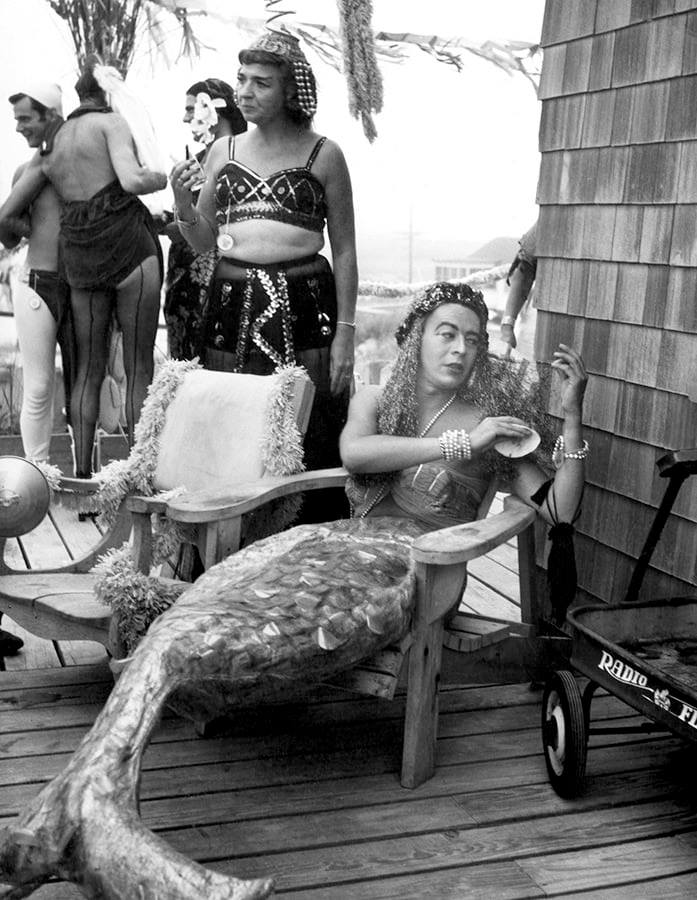
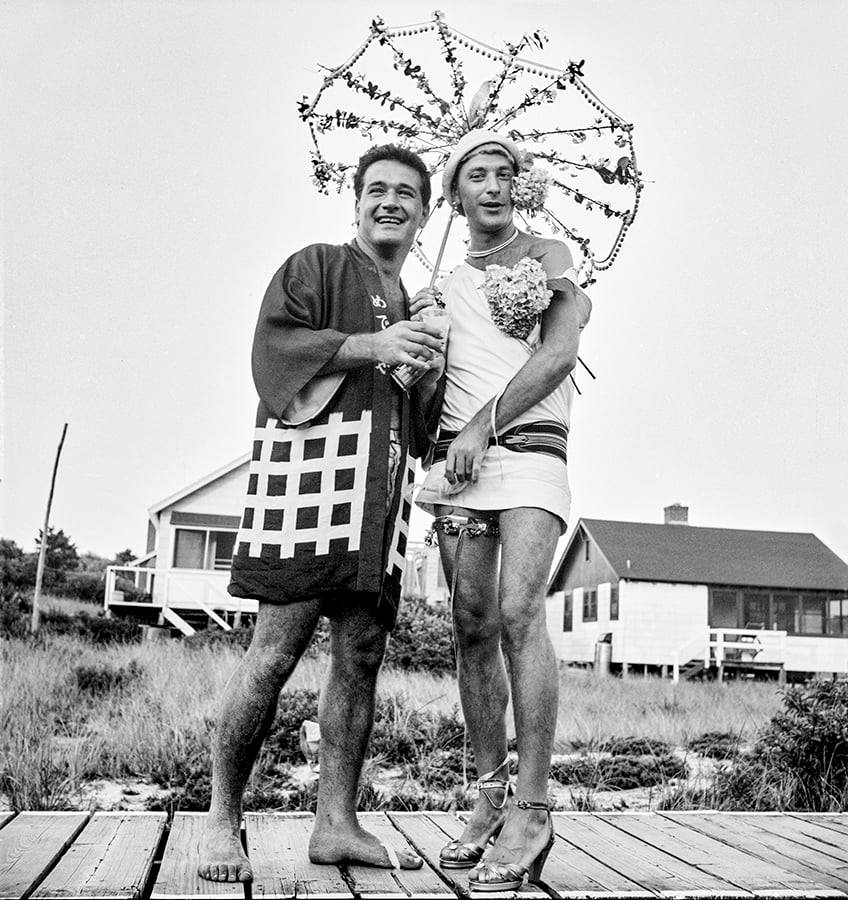
Performers at the Grove’s Community House and Theatre helped define camp culture, paving the way for the modern drag scene.

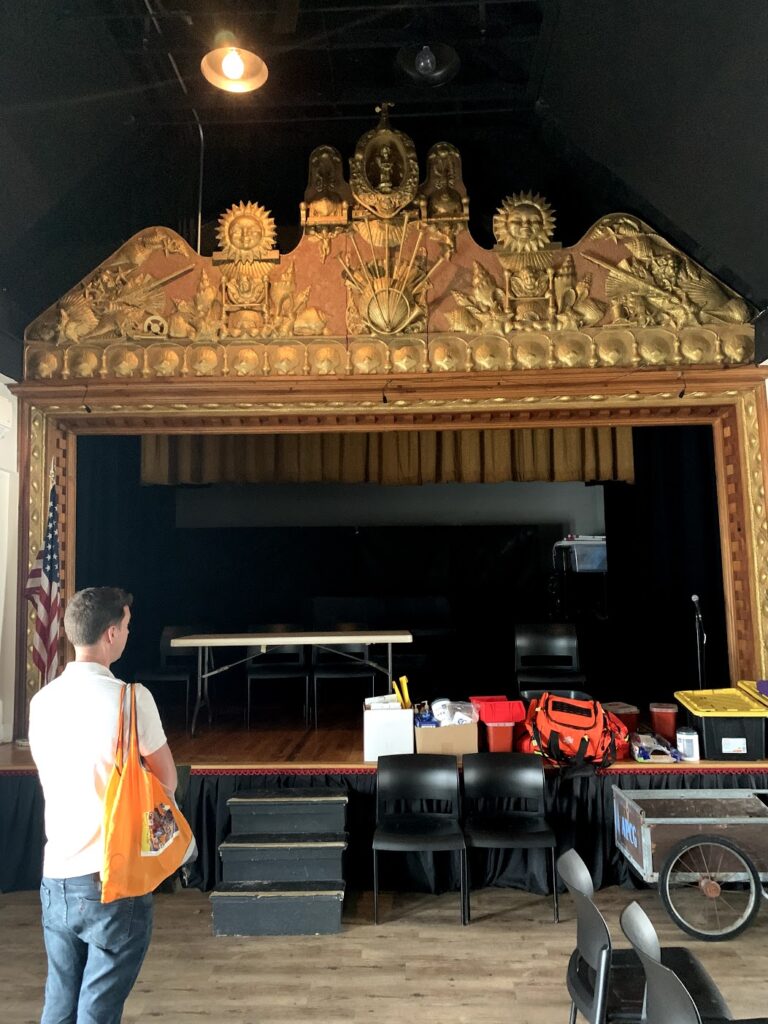
In this episode, Greg and Tom head to Cherry Grove — and the Community House and Theater — to get a closer look at Fire Island’s unique role in the American LGBT experience.

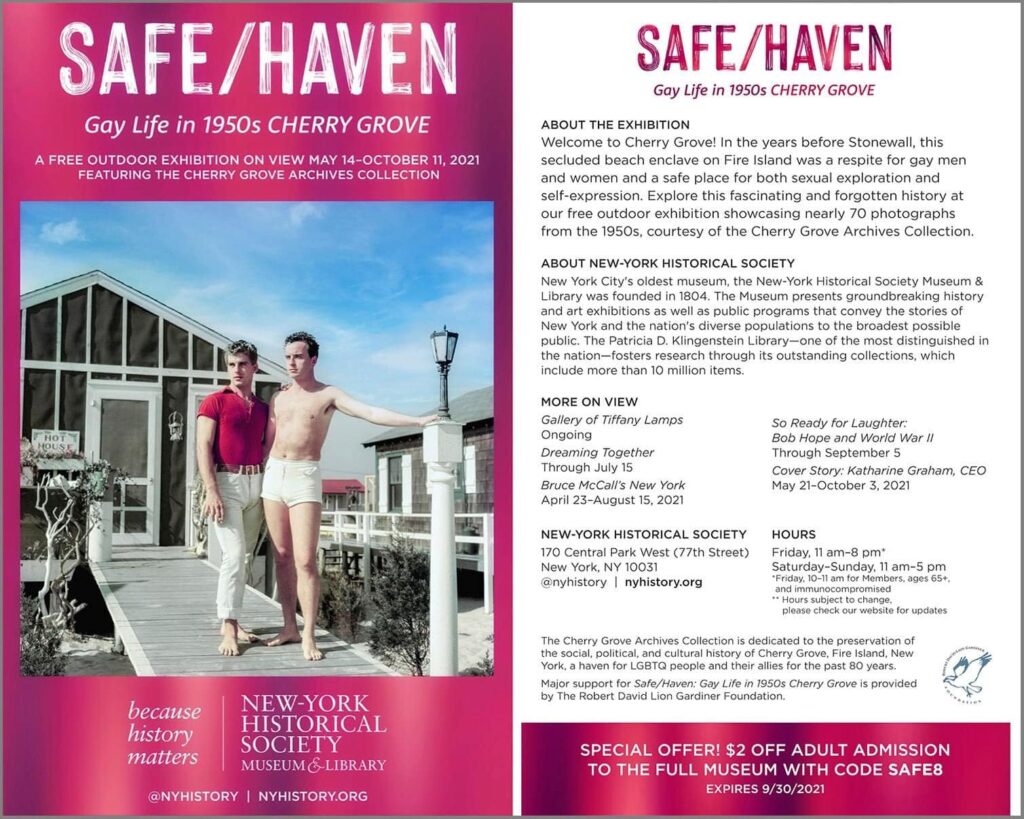
And they are joined by Parker Sargent, a documentary filmmaker and one of the curators of Safe Haven: Gay Life in 1950s Cherry Grove, a new exhibition at the New-York Historical Society, highlighting photography from the collection of the Cherry Grove Archives Collection.

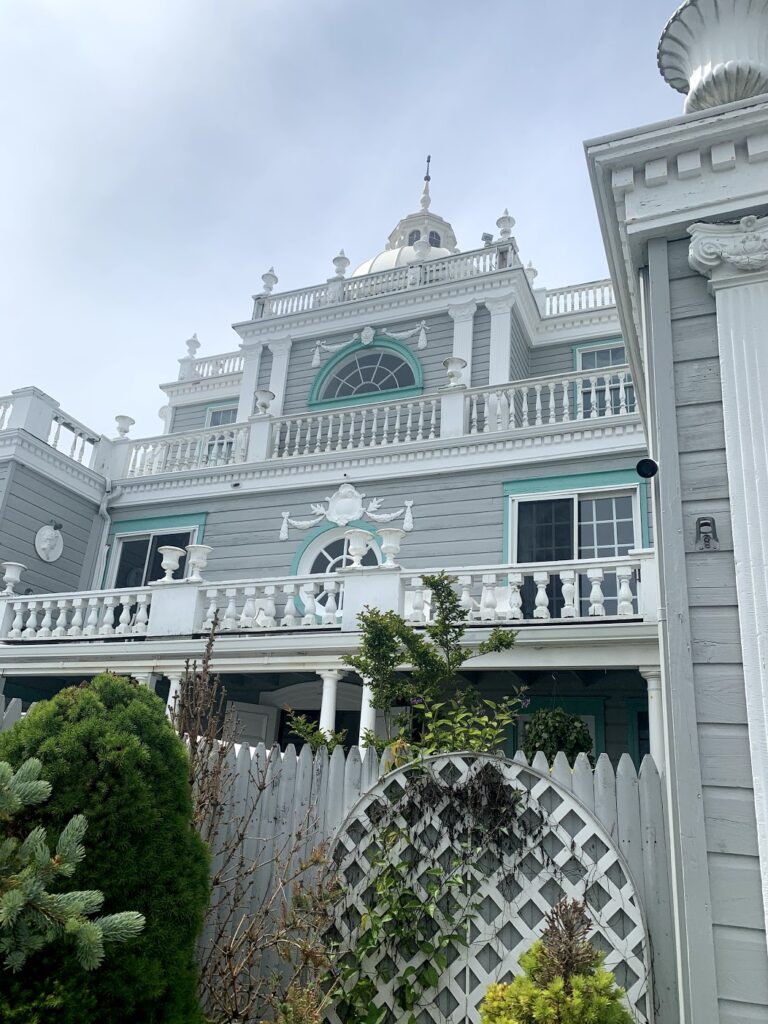
FEATURING: The Great Hurricane of 1938! The Invasion of the Pines! The indescribable Belvedere! And the surprising origin of Fire Island’s name.

Listen Now: The Very Gay History of Fire Island


The Official Bowery Boys
Fire Island Playlist

Your soundtrack for the summer — whether you’re on Fire Island or just want to relive a retro experience from Cherry Grove or The Pines. Here’s a collection of songs inspired by our podcast on the history of Fire Island.

Find it on Spotify or listen to it from here.


Our big thanks to Parker Sargent from the Cherry Grove Archives Collection for joining us on the show this week and giving us such a marvelous tour of the Community House and Theatre.

Go see the show Safe/Haven: Gay Life in 1950s Cherry Grove at the New-York Historical Society. Details here.


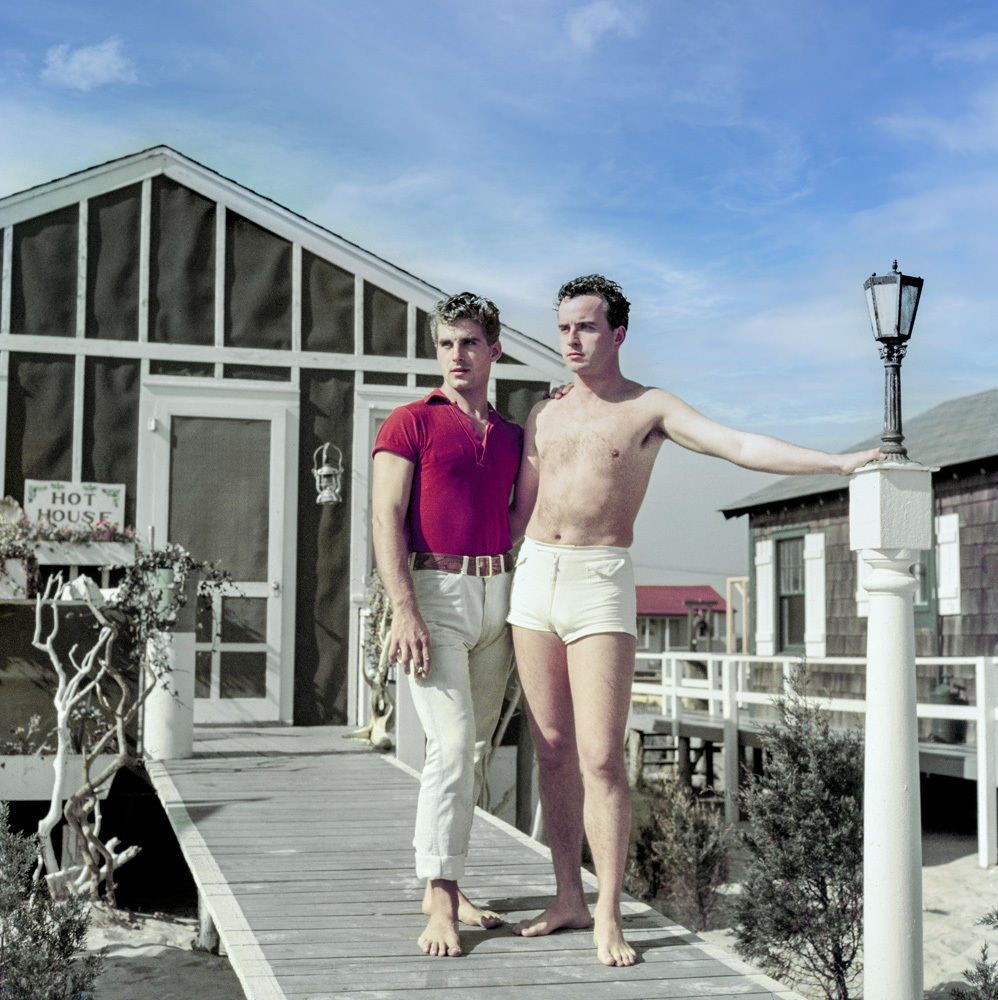
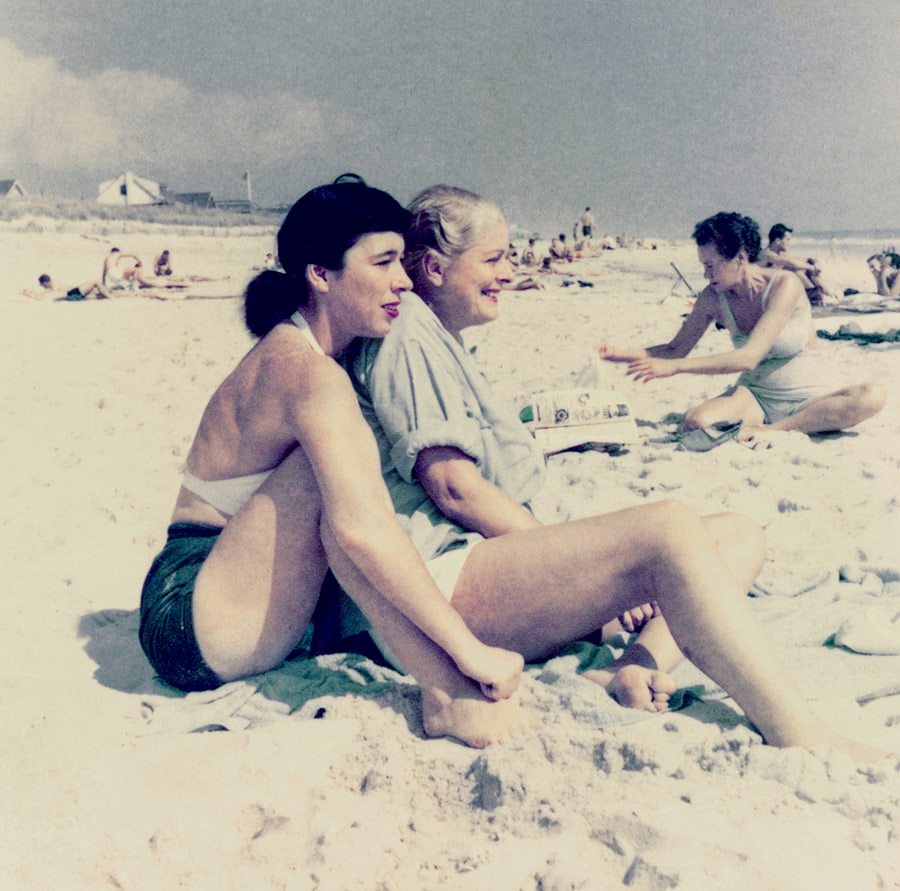
Images courtesy the Cherry Grove Archives Collection, taken by the men and women of Cherry Grove in the 1950s:

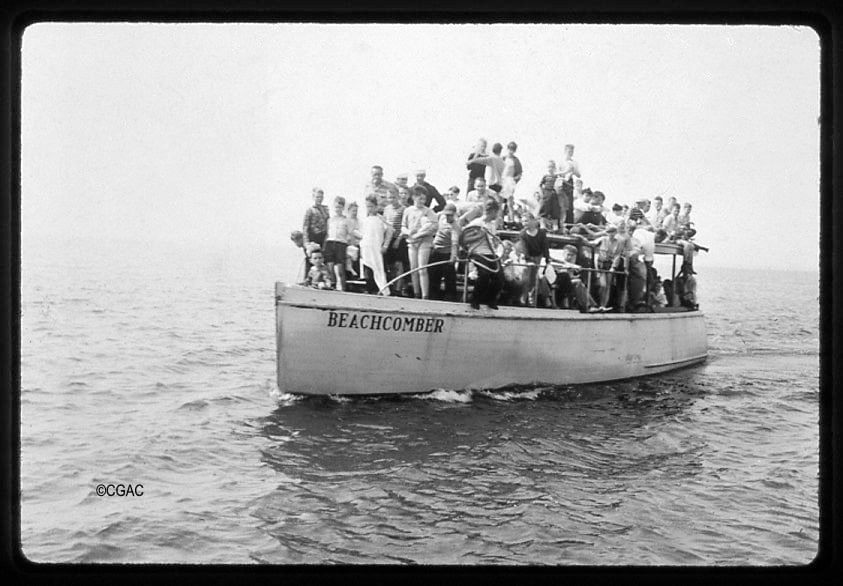
The Beachcomber, 1950s ferry to Cherry Grove. Photographer unknown. Cherry Grove Archives Collection

A few images from the exhibition, courtesy the Cherry Grove Archives Collection:

Patricia Fitzgerald & Kay Guinness, Cherry Grove Beach, September 1952

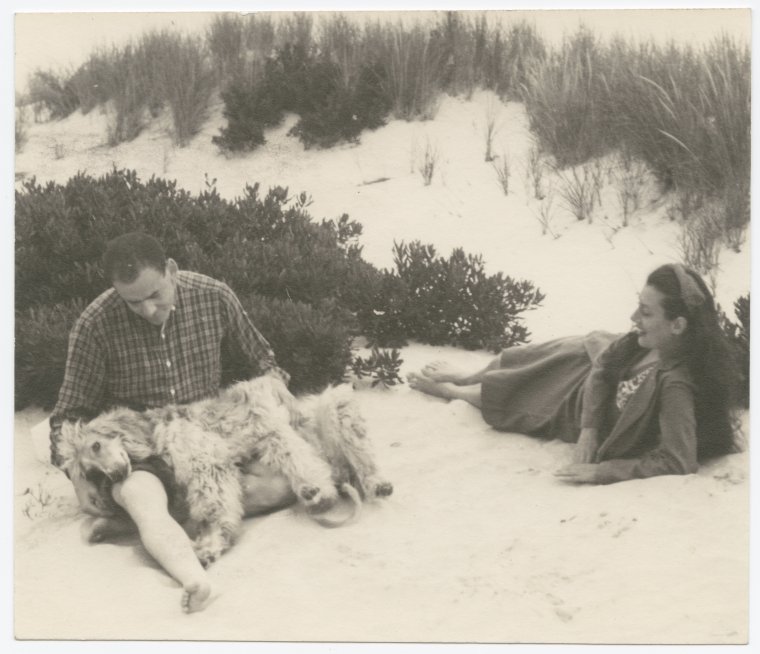
Lincoln Kirstein and Fidelma Cadmus with dog on Fire Island, 1952. New York Public Library
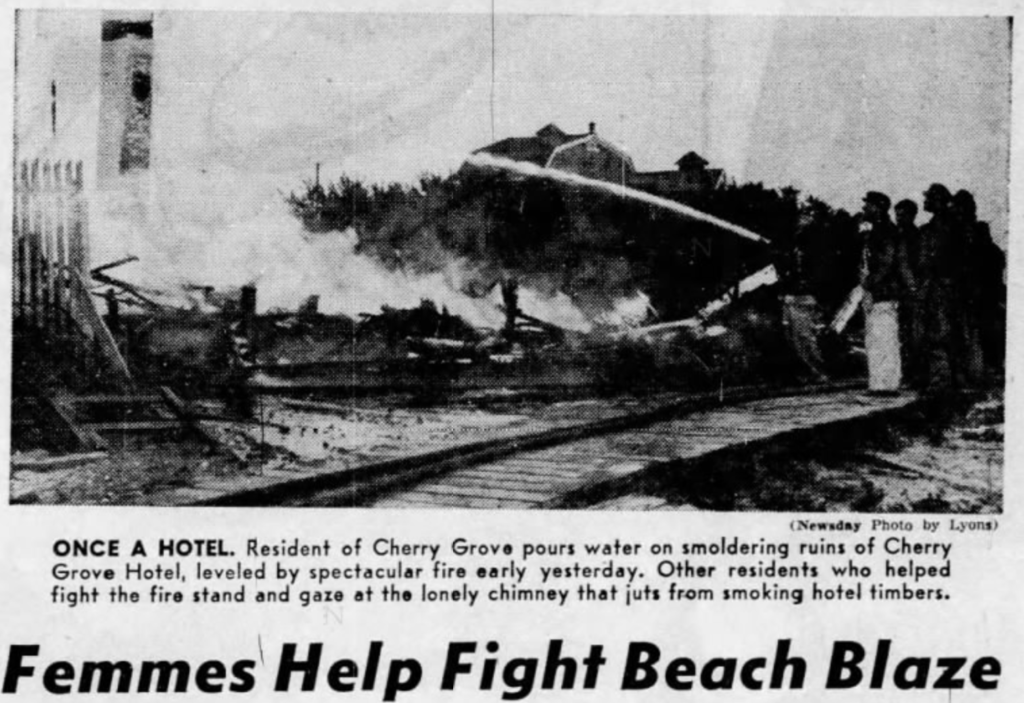
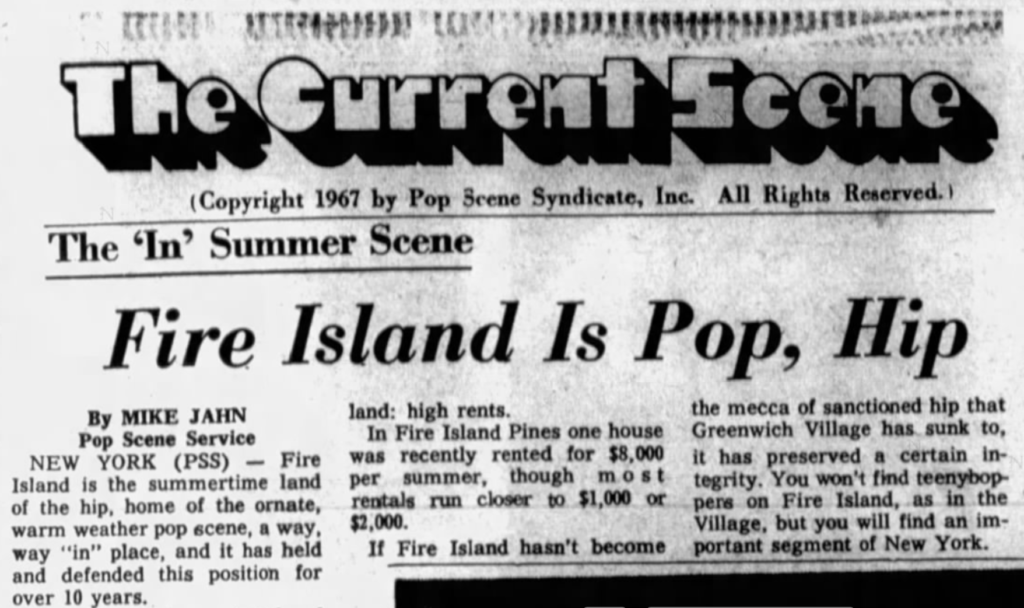
Newsday, September 28, 1956
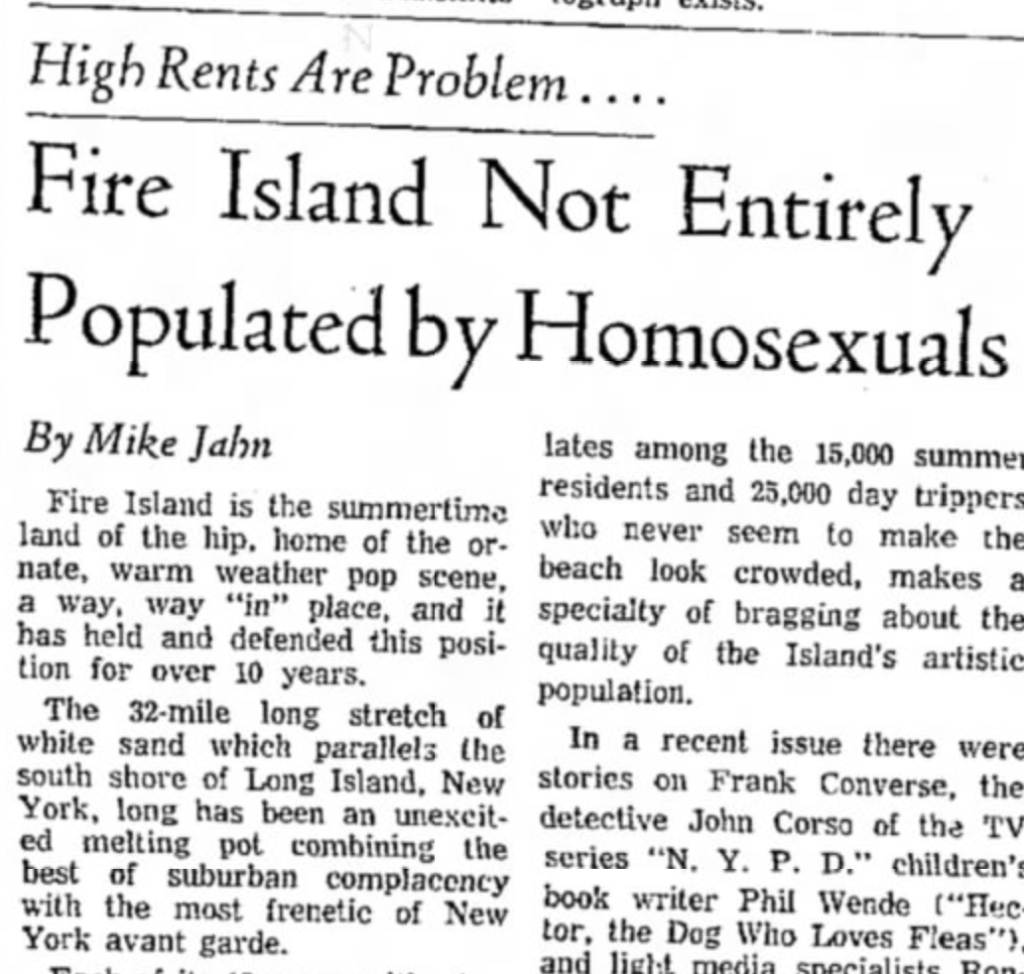
The Emporia Gazette, June 1968
Then Tribune from Scranton, July 1968

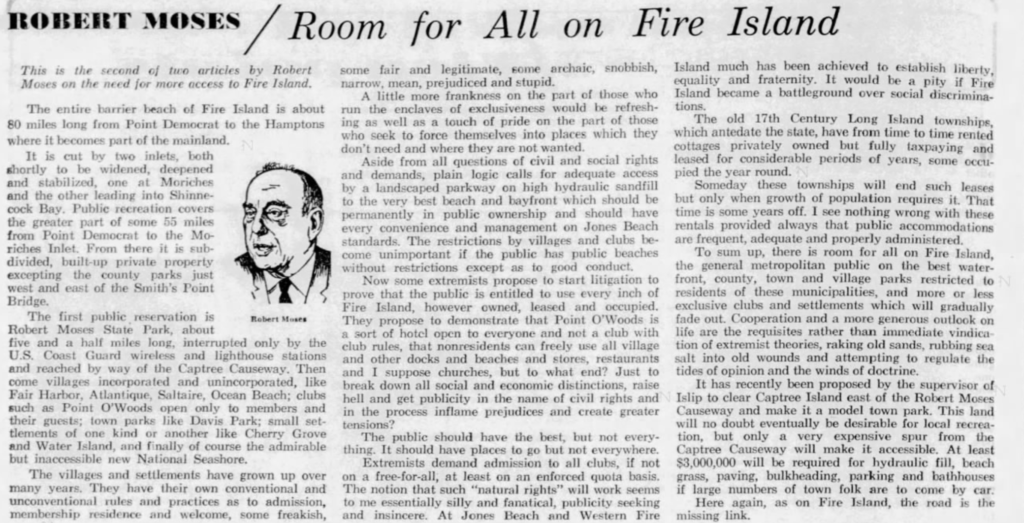
And a column from Robert Moses, 1969


Video about the exhibition from Safe/Haven curator Brian Clark:

https://www.youtube.com/watch?v=HHdROkyMlZ8&t=65s

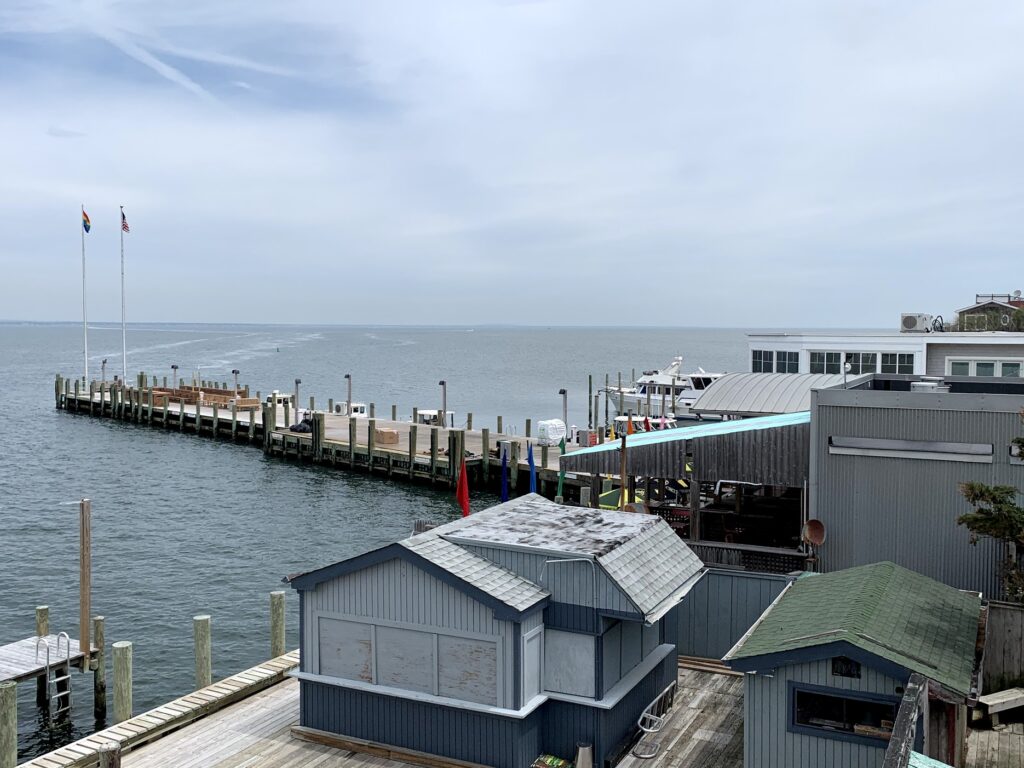
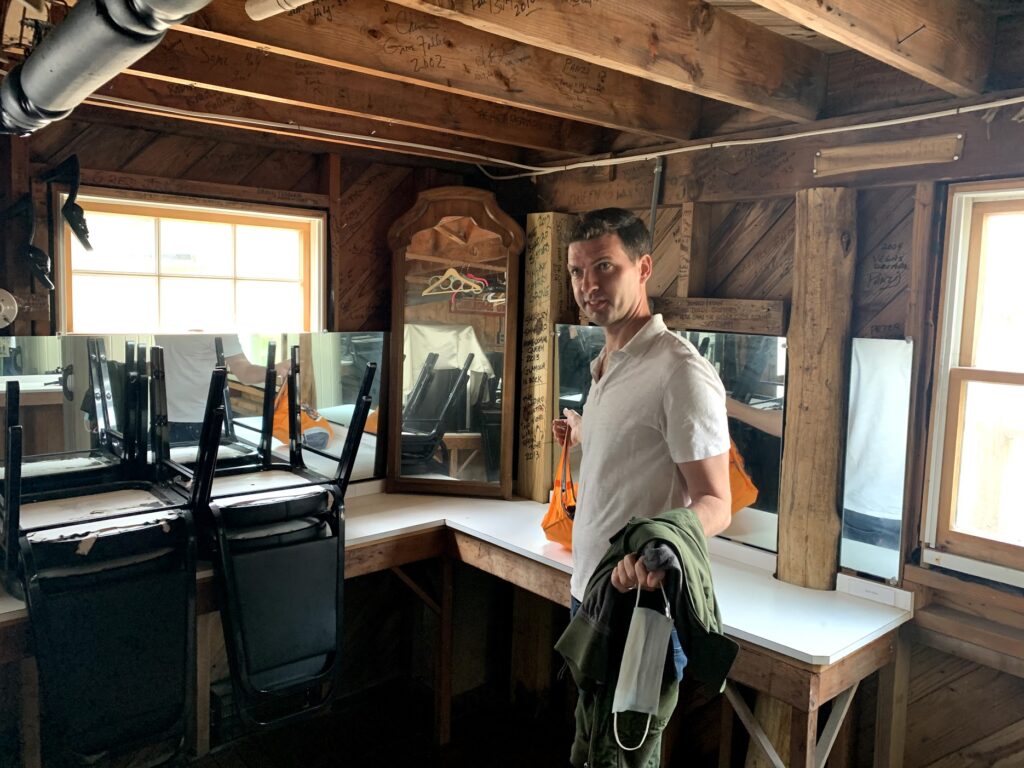
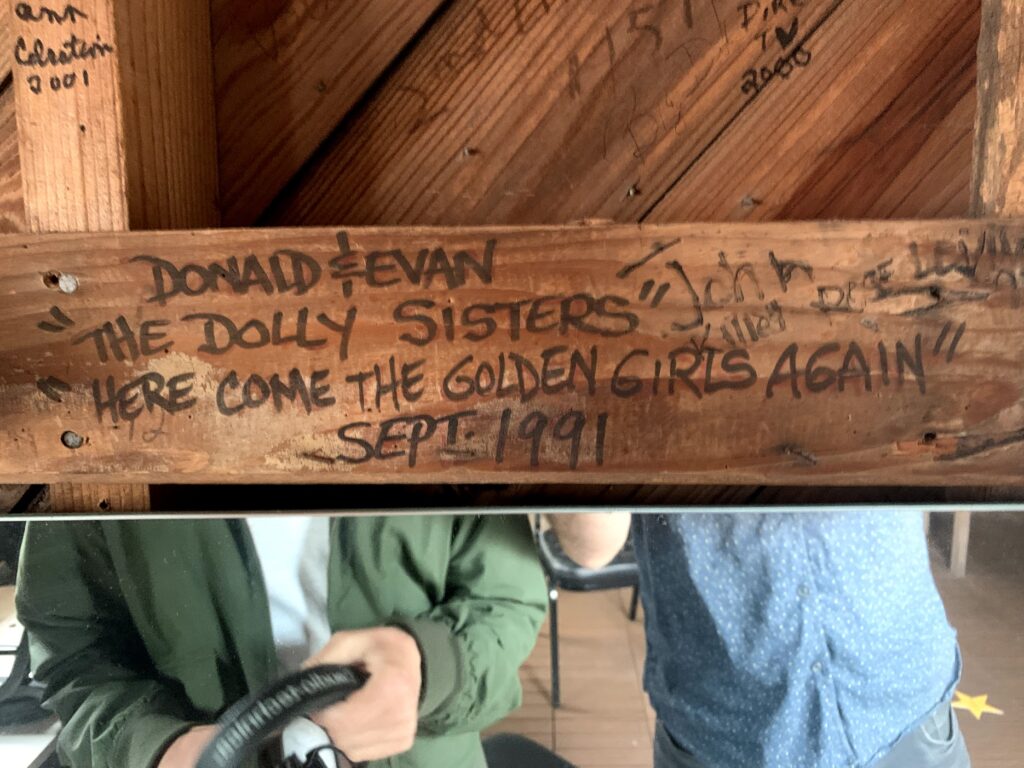
Photographs of Tom and Greg in Cherry Grove (Photos courtesy Greg Young):

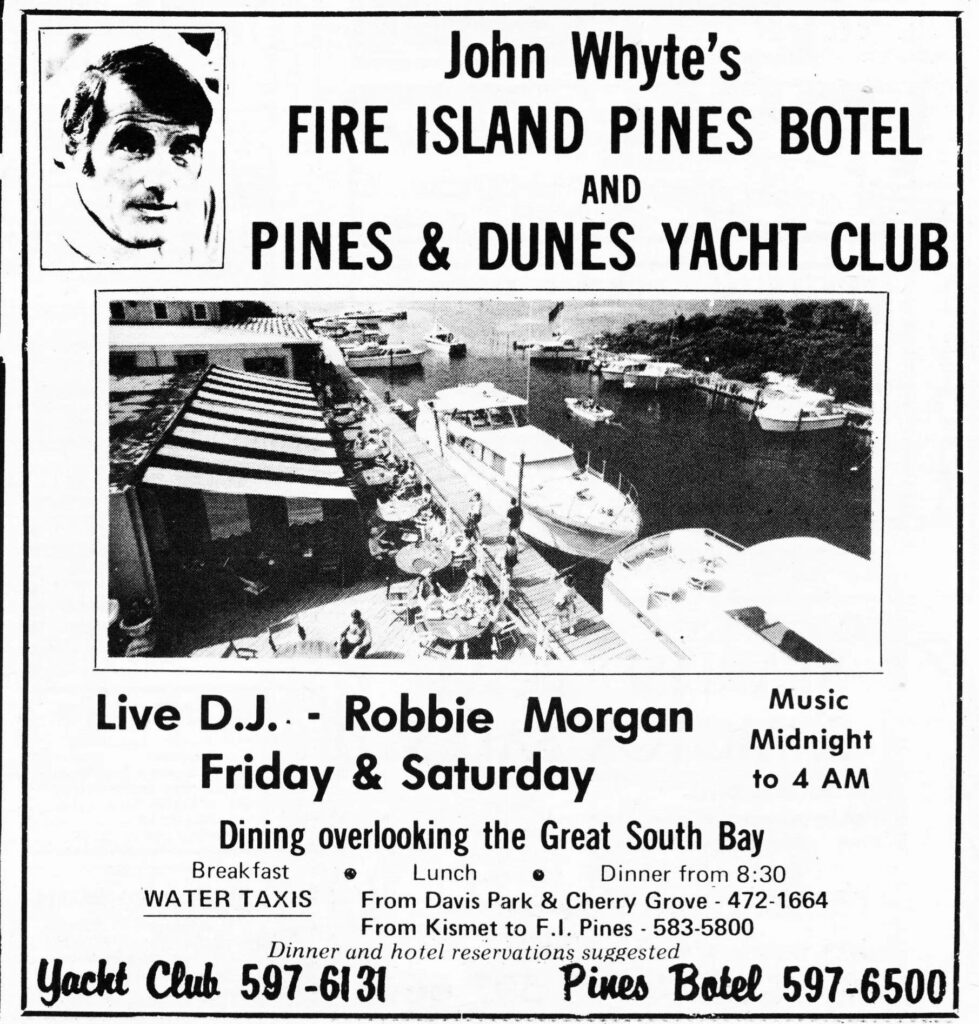
Behold — the Belvedere!


FURTHER LISTENING:

After listening to this show on the history of Fire Island check out these shows with similar themes and historical moments:


The Bowery Boys: New York City History podcast is brought to you …. by you!

We are now producing a new Bowery Boys podcast every other week. We’re also looking to improve and expand the show in other ways — publishing, social media, live events and other forms of media. But we can only do this with your help!

We are now a creator on Patreon, a patronage platform where you can support your favorite content creators.

Please visit our page on Patreon and watch a short video of us recording the show and talking about our expansion plans. If you’d like to help out, there are six different pledge levels. Check them out and consider being a sponsor.

We greatly appreciate our listeners and readers and thank you for joining us on this journey so far.

Categories
Amusements and Thrills Bowery Boys Bookshelf

The literary Coney Island

Everybody sees Coney Island a little differently. Most people know it for the amusements but not everybody has the same feeling about them. One person craves the beaches, the food. Another prefers a stroll along the boardwalk, fireworks, an evening Cyclones game. Others live nearby, too familiar with the swelling weekend crowds. And some people — and this seems like blasphemy — have had their fill of Nathan’s hot dogs.

1Coney Island has always been a Rorschach test of class, morals and taste, an escape from the city for more than 150 years. (In the 19th century, it was an escape from two cities, as Brooklyn was independent then and had not yet subsumed Coney Island within its borders.)

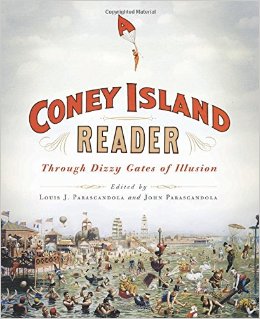
It’s never been considered a bastion high culture, although its degrees of middle- and low-brow have been vibrantly written about from the very beginning.  In The Coney Island Reader: Through The Dizzy Gates of Illusion, edited by Louis J. and John Parascandola, we get a time machine through its many iterations, thanks to the observations of dozens of writers.

I don’t think of Coney Island as a particularly literary destination, and yet here we have some of their greats chiming in to describe the lusty pleasures of Brooklyn’s beach-side getaway.

We begin with Brooklyn’s greatest voices — Walt Whitman.Yes: there was a clam-bake — and, of all the places in the world, a clam-bake at Coney-Island! Could moral ambition go higher, or mortal wishes go deeper?”  He’s writing in 1847 when the area is a barely developed destination.

2163524020_af077b7fec_o

Jose Marti, the poet and Cuban revolutionary, is overtaken by its magic. “And this squandering, this uproar, these crowds, this astonishing swarm of people, lasts from June to October, from morning until late night, without pause without any change whatsoever.”

Today’s Coney Island amusement district is vastly smaller than the one which greeted Stephen Crane in 1894.  “We strolled the music hall district, where the sky lines of the rows of buildings are wondrously near to each other, and the crowded little thoroughfares resemble the eternal ‘Street Scene in Cairo’.”

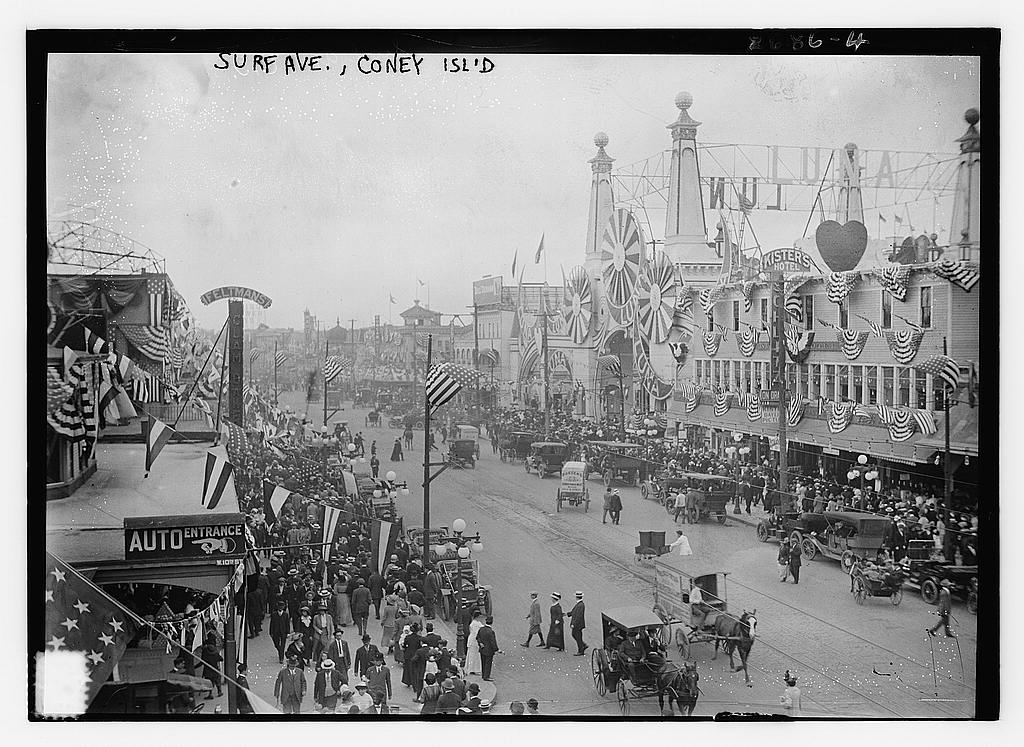
As Coney Island grew larger in the early 20th century — with its three principal amusement parks Dreamland, Steeplechase and Luna Park — it pulled thousands more to its whimsical attractions.  It’s almost  hilarious to picture Russian writer and dramatist Maxim Gorky sitting inside the Dreamland ride Hellgate, with its hellish flames “constructed of paper mache and painted dark red. Everything in it is on fire — paper fire — and it is filled with the thick, dirty odor of grease. Hell is badly done.”

Surf Avenue 1910-15
Surf Avenue 1910-15

The Coney Island Reader combines literary observances with social commentary and documentary accounts featuring interviews with the impresarios themselves.  In a 1909 magazine article by Reginald Wright Kauffman, George C. Tilyou, the owner of Steeplechase Park, proclaims, “To sum up my opinion of the whole thing, we Americans want either to be thrilled or amused, and we are ready to pay well for either sensation.” (George’s brother Edward is represented here with a vivid essay called “Human Nature with the Brakes Off — Or: Why the Schoolma’am Walked Into the Sea.”)

More contemporary observations of the fictional kind are represented by Kevin Baker (who also contributes the forward), Josephine W. Johnson and Sol Yurick (from the novel which inspired the film The Warriors).

This is perhaps the only book in history that features the writing of e.e. cummings and Robert Moses. One saw saw “[t]he incredible temple of pity and terror,  mirth and amazement,” the other “overcrowding at the public beach, inadequete play areas and lack of parking space.”

Ah, Coney Island. It’s what you make of it.


The Coney Island Reader
Through Dizzy Gates of Illusion
edited by Louis J. Parascandola and John Parascandola
Columbia University Press

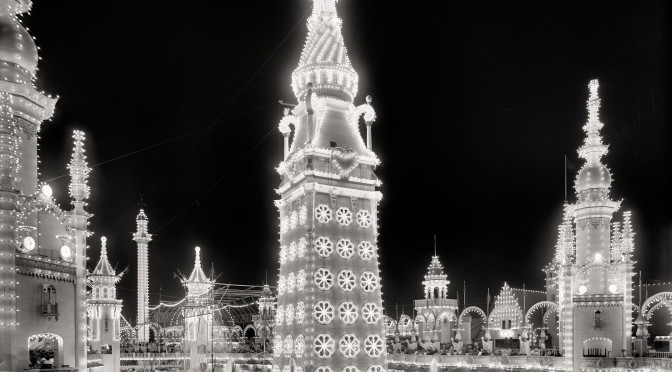
Top image: Luna Park at night, 1905 (polished up image courtesy Shorpy)