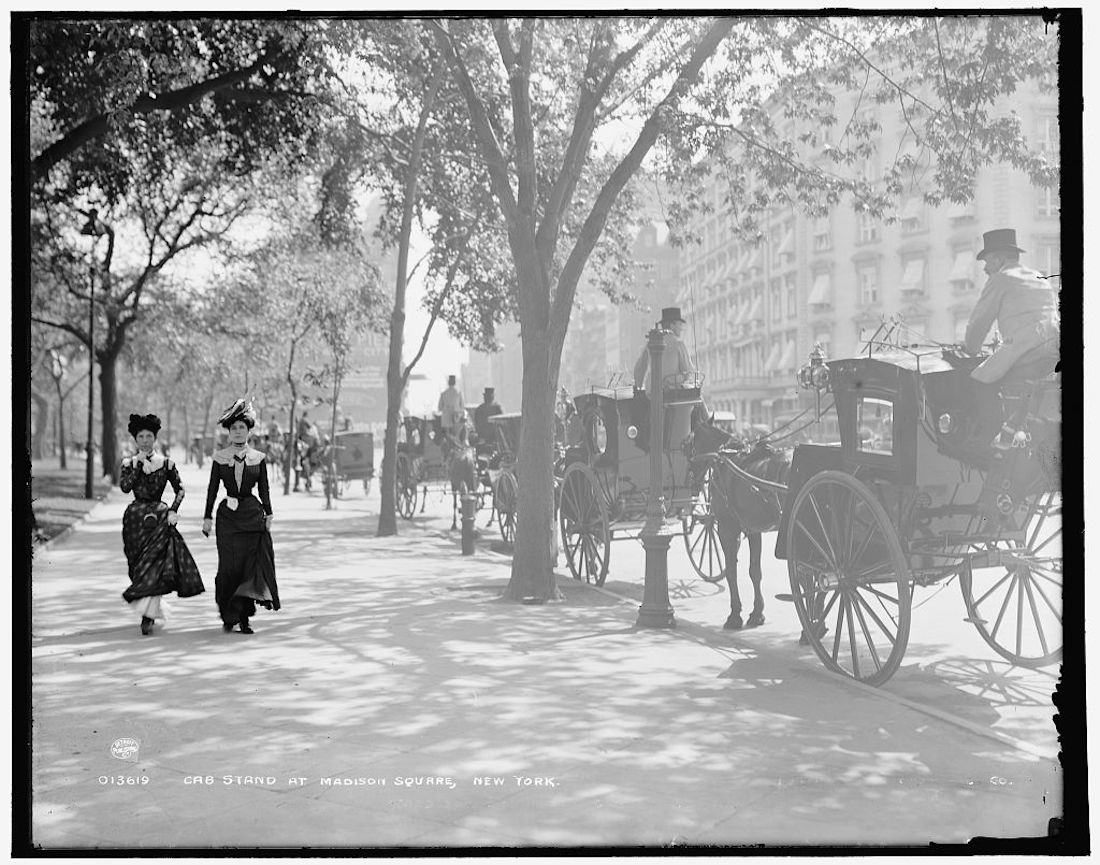
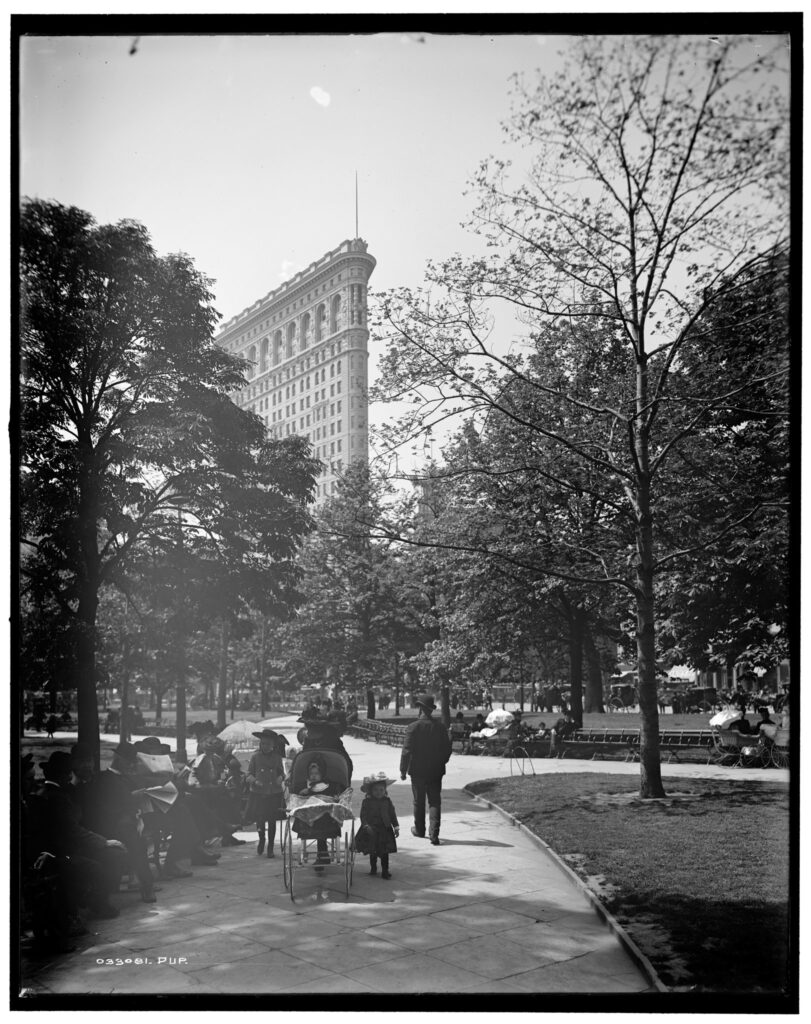
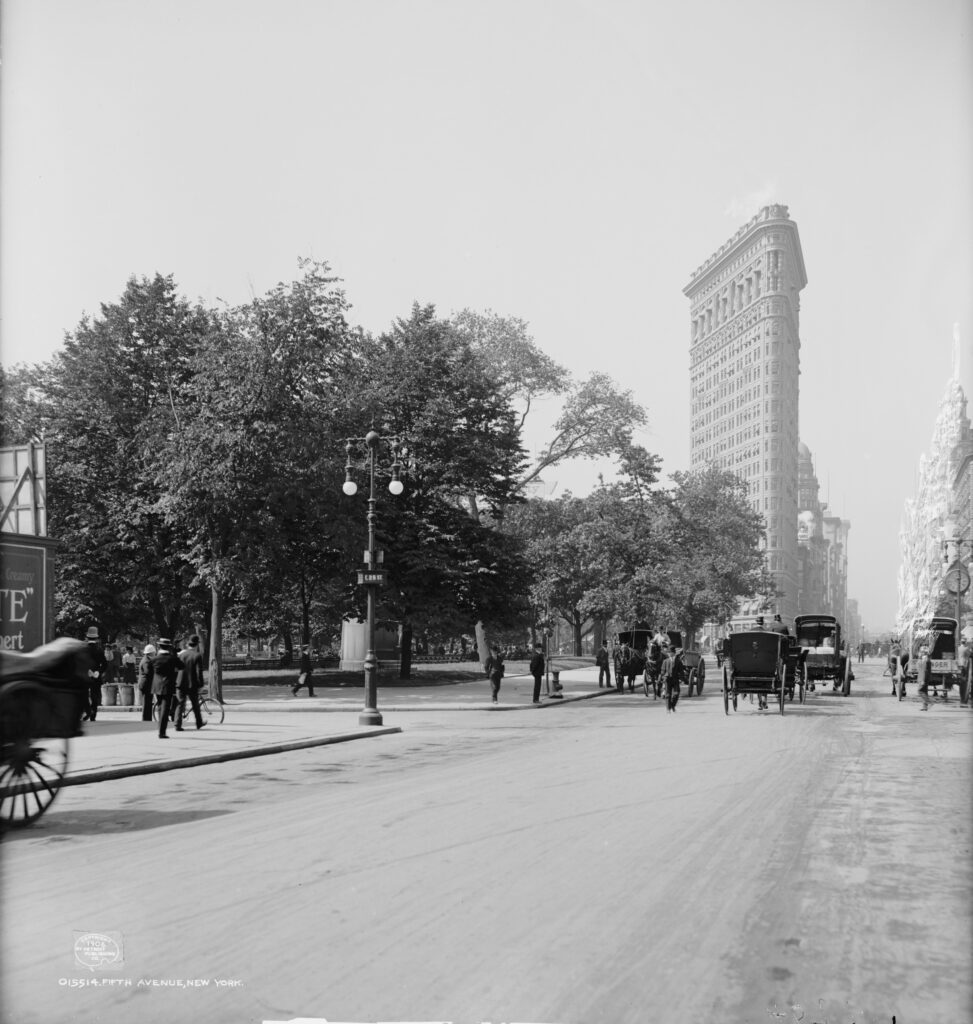
Cab stand at Madison Square, 1900. Courtesy Detroit Publishing/Library of Congress. This image is looking south down the edge of the park. Within two years, the Flatiron Building would be rising in the distance.
So much has happened in and around Madison Square Park — the leafy retreat at the intersections of Broadway, Fifth Avenue and 23rd Street — that telling its entire story requires an extra-sized show, in honor of the Bowery Boys 425th episode.
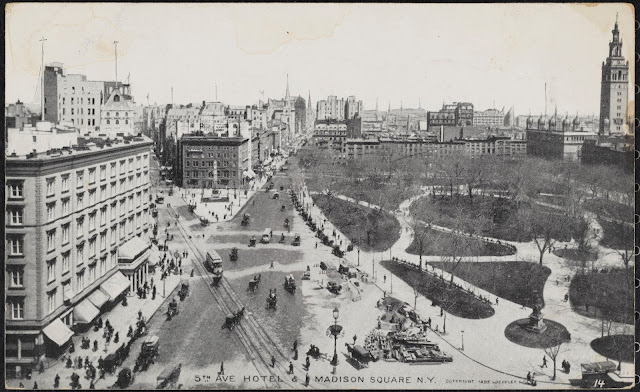
Madison Square Park was the epicenter of New York culture from the years following the Civil War to early 20th century. The park was really at the heart of Gilded Age New York, whether you were rushing to an upscale restaurant like Delmonico’s or a night of the theater or maybe just an evening at one of New York’s most luxurious hotels like the Fifth Avenue Hotel or the Hoffman House.
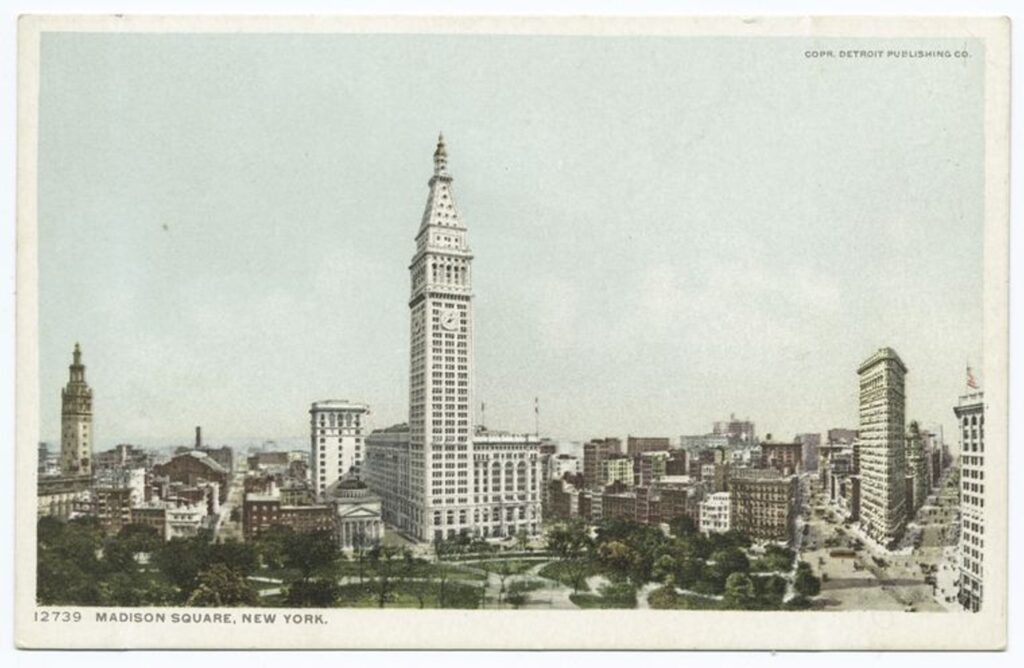
The park is surrounded by some of New York’s most renown architecture, from the famous Flatiron Building to the Metropolitan Life Insurance Tower, once the tallest building in the world.
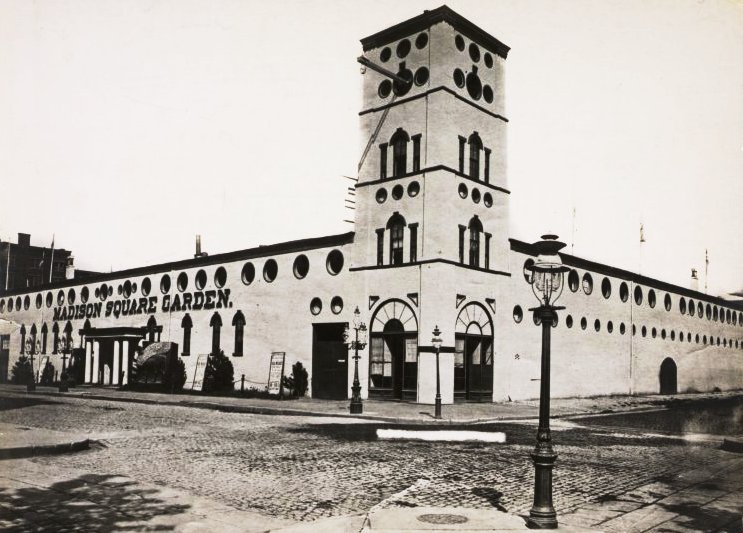
The square also lends its name, of course, to one of the most famous sports and performing venues in the world – Madison Square Garden. Its origins begin at the northeast corner of the park on the spot of a former railroad depot and near the spot of the birthplace of an American institution — baseball.
The park introduced New Yorkers to the Statue of Liberty … or at least her forearm and torch. It stood silently over the bustling park while prize-winning dogs were championed at the very first Westminster Kennel Club Dog Show nearby, held at Gilmore’s Gardens, the precursor to Madison Square Garden.
Today the region north of the park is referred to as NoMad, which recalls life around Madison Square during the Gilded Age with its high-end restaurant and hotel scene.
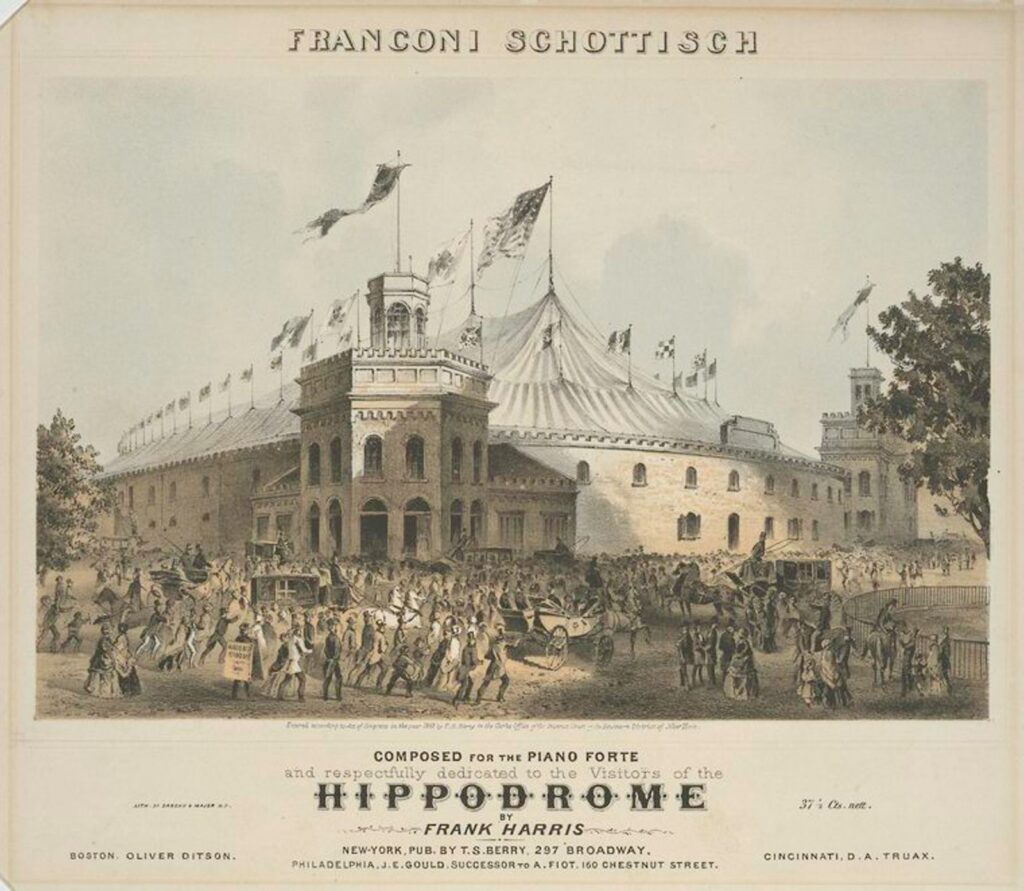
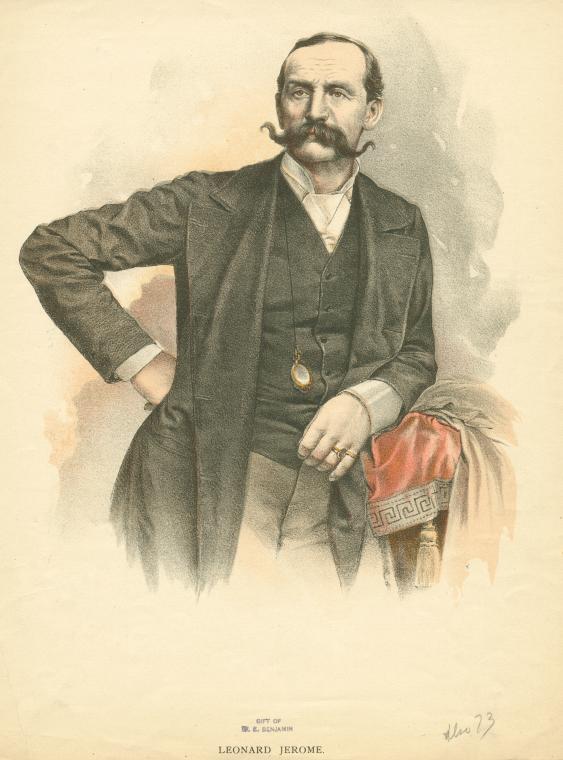
Tom and Greg invite you on this time-traveling escapade covering over 200 years of history. From the days of rustic creeks and cottages to the long lines at the Shake Shake. From Franconi’s Hippodrome to the dazzling colonge fountains of Leonard Jerome (Winston Churcill’s grandfather).
LISTEN HERE: IT HAPPENED AT MADISON SQUARE PARK
This episode’s title pays homage to one of favorite books about park history — It Happened On Washington Square by Emily Kies Folpe.
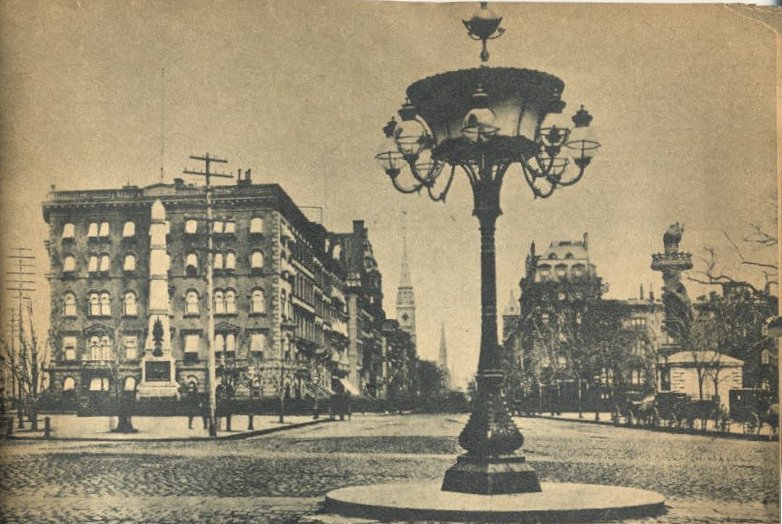
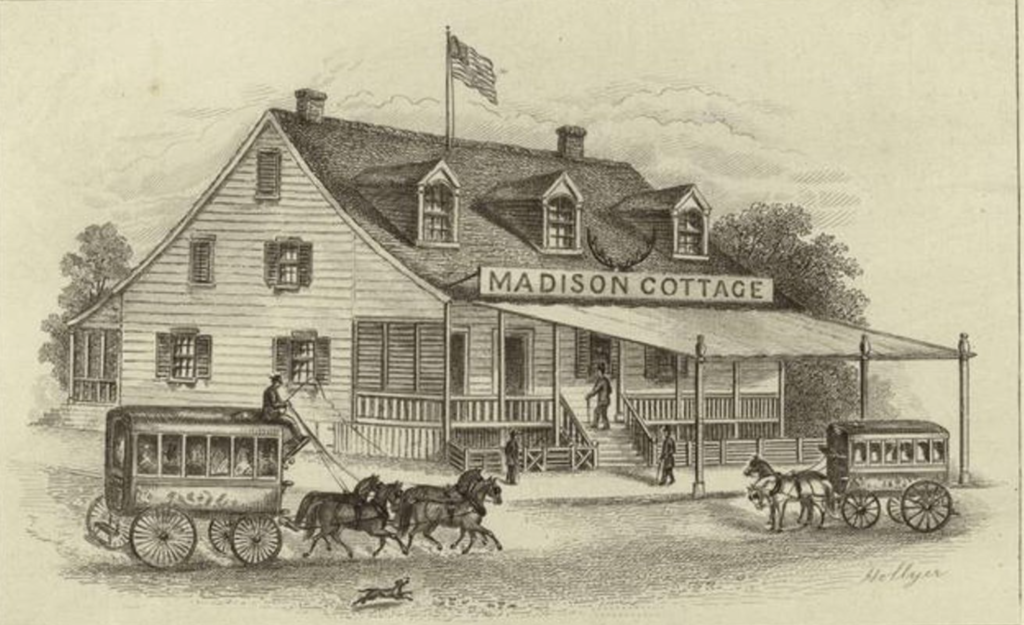
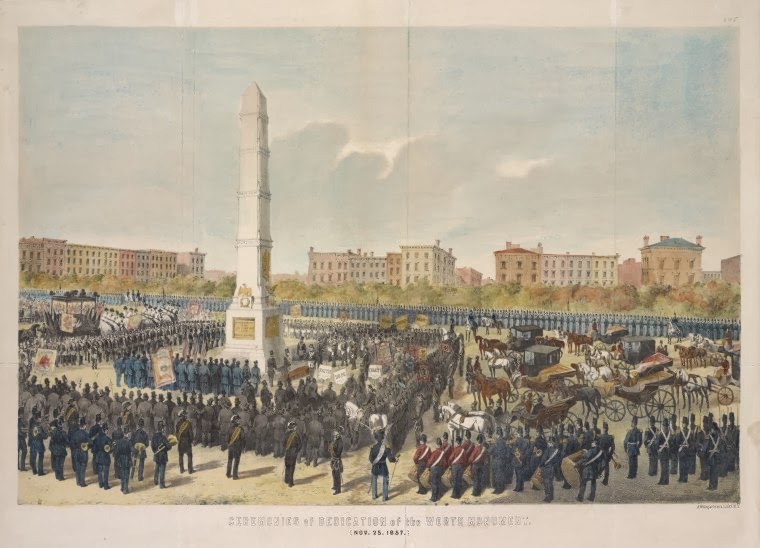
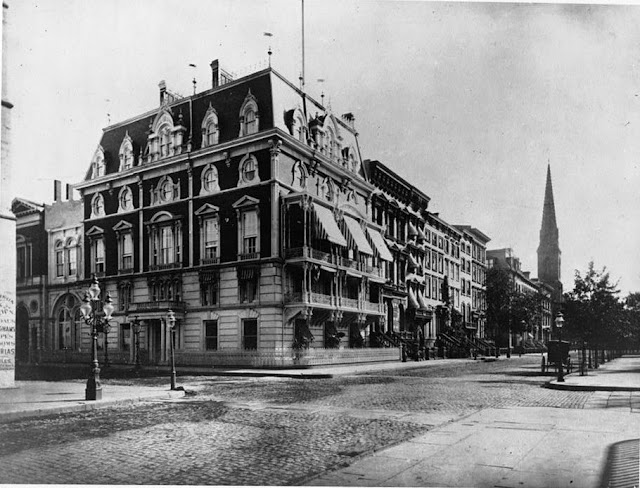
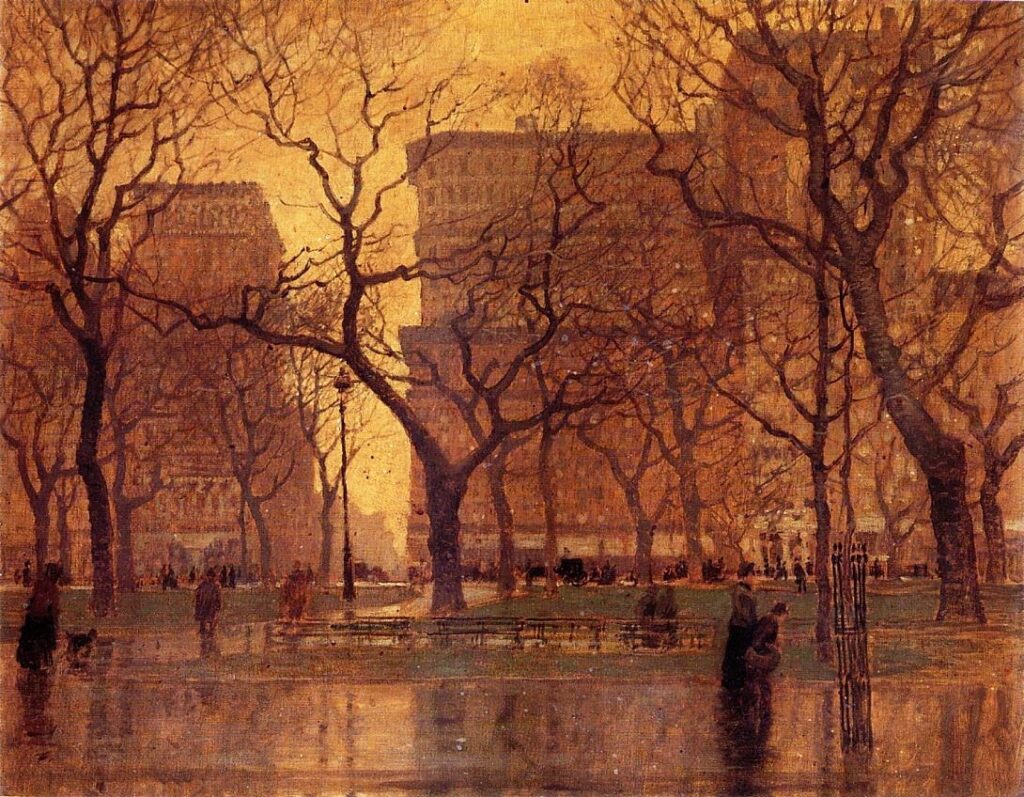
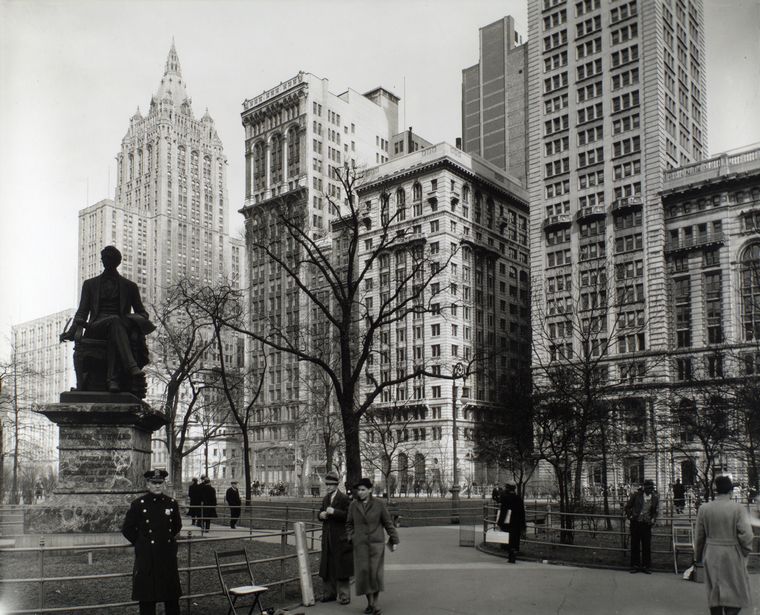
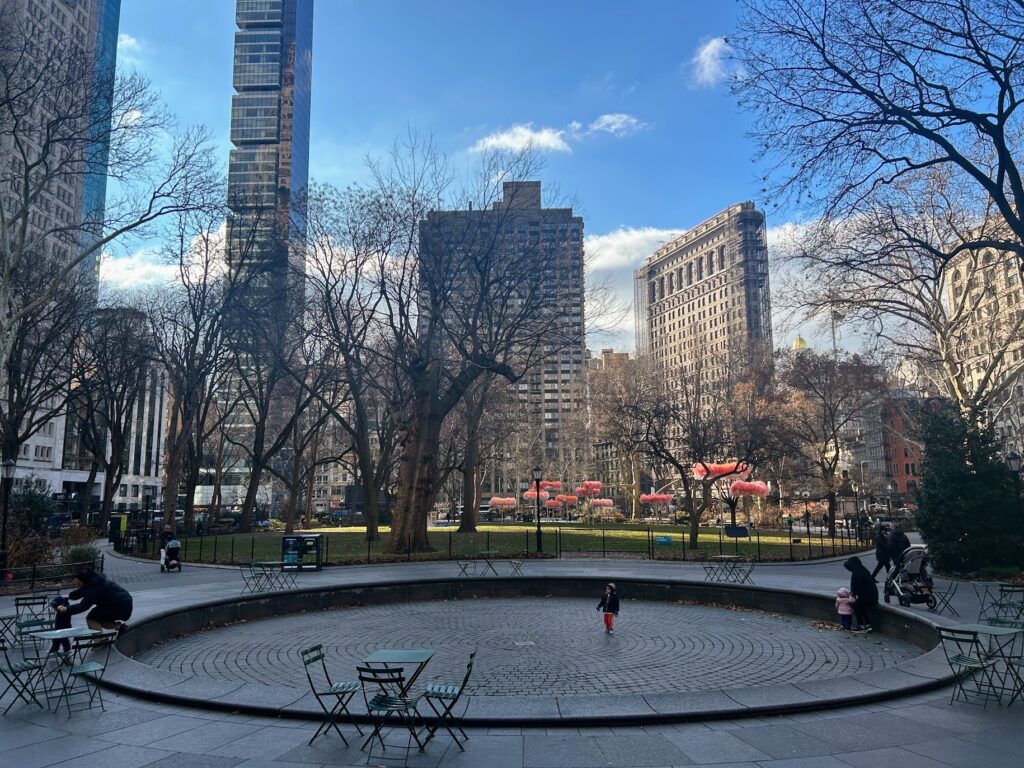
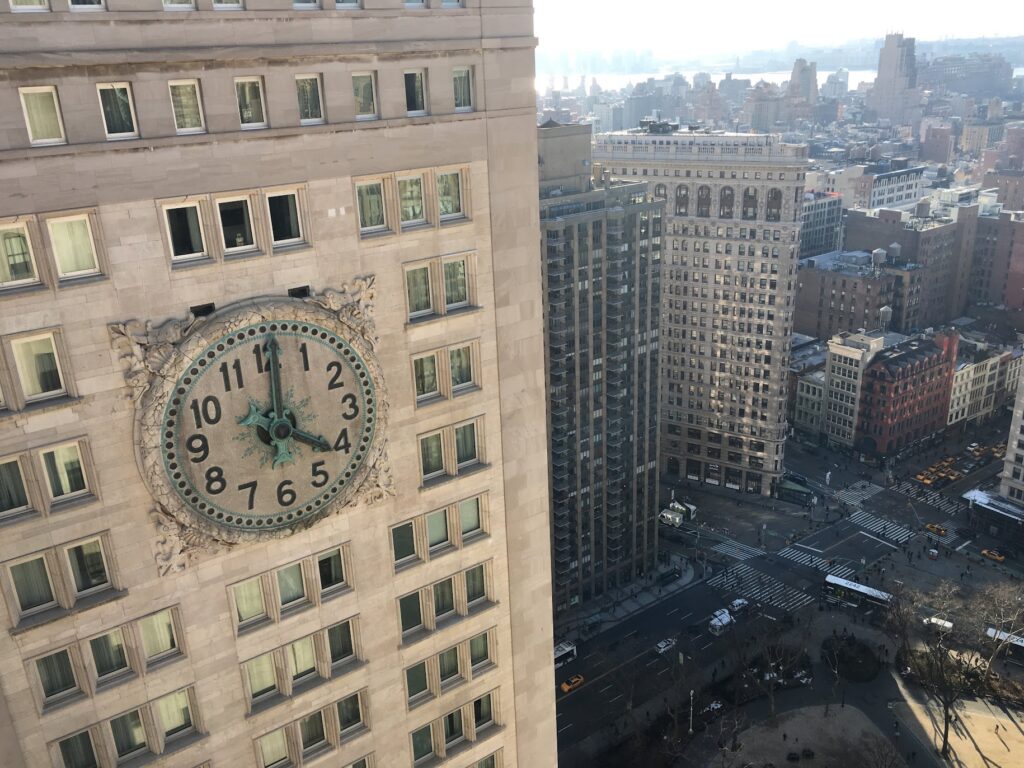
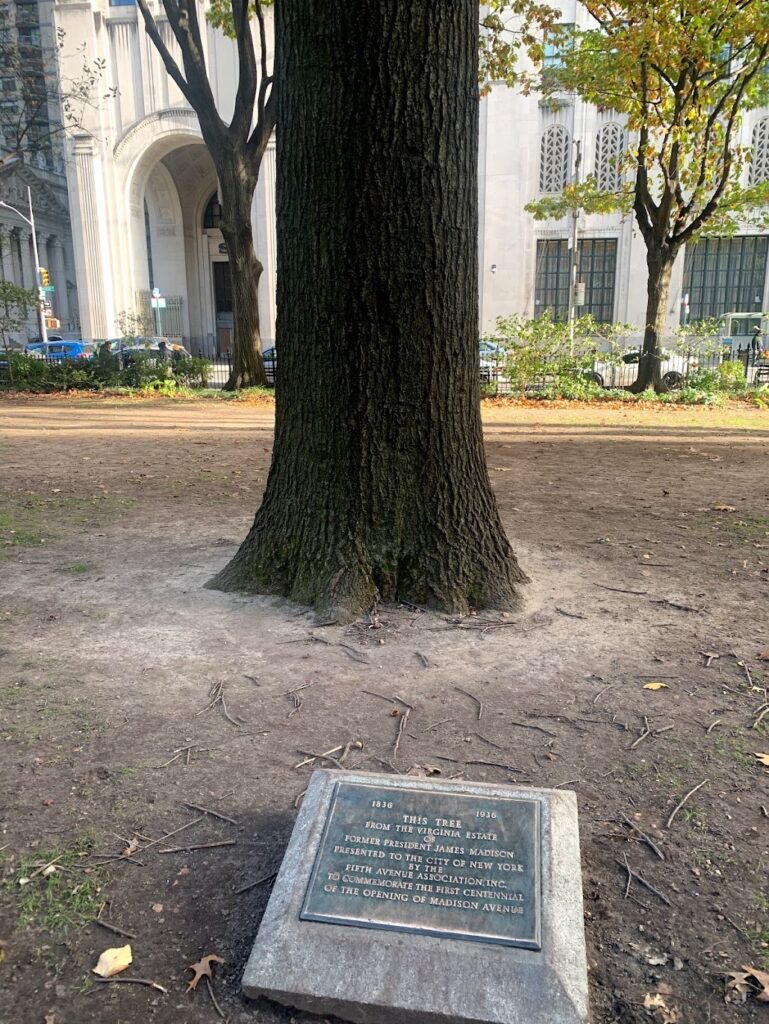
Madison Cottage, courtesy NYPLFranconi’s Hippodrome, 1853, courtesy NYPLDedication of the Worth Monument in 1857. In the background you can see the development of the surrounding areaLeonard Jerome….… and the Jerome Mansion. In the distance is the Madison Avenue Presbyterian Church. The former Gilmore’s Gardens, renamed Madison Square GardenRain on Madison Square, painting by Paul CornoyerCourtesy NYPLMadison Square 1936 , photo by Berenice AbbottNorthern pool in Madison Square Park. Photo by Greg YoungLooking down at the Metropolitan Life Tower and the Flatiron Building. Photo by Greg YoungThe park features a tree from James Madison’s Virginia plantation.
FURTHER READING
A Block in Time: A New York City History at the Corner of Fifth Avenue and Twenty-Third Street / Christiane Bird The Flatiron: The New York Landmark and the Incomparable City That Arose with It / Alice Sparberg Alexiou The Grandest Madison Square Garden: Art, Scandal, and Architecture in Gilded Age New York / Suzanne Hinman Incredible New York: High Life and Low Life from 1850 to 1950 / Lloyd Morris Liberty’s Torch: The Great Adventure to Build the Statue of Liberty / Elizabeth Mitchell Madison Square: The Park and Its Celebrated Landmarks / Miriam Berman Madison Square Garden, 100 Years of History / Joseph Durso
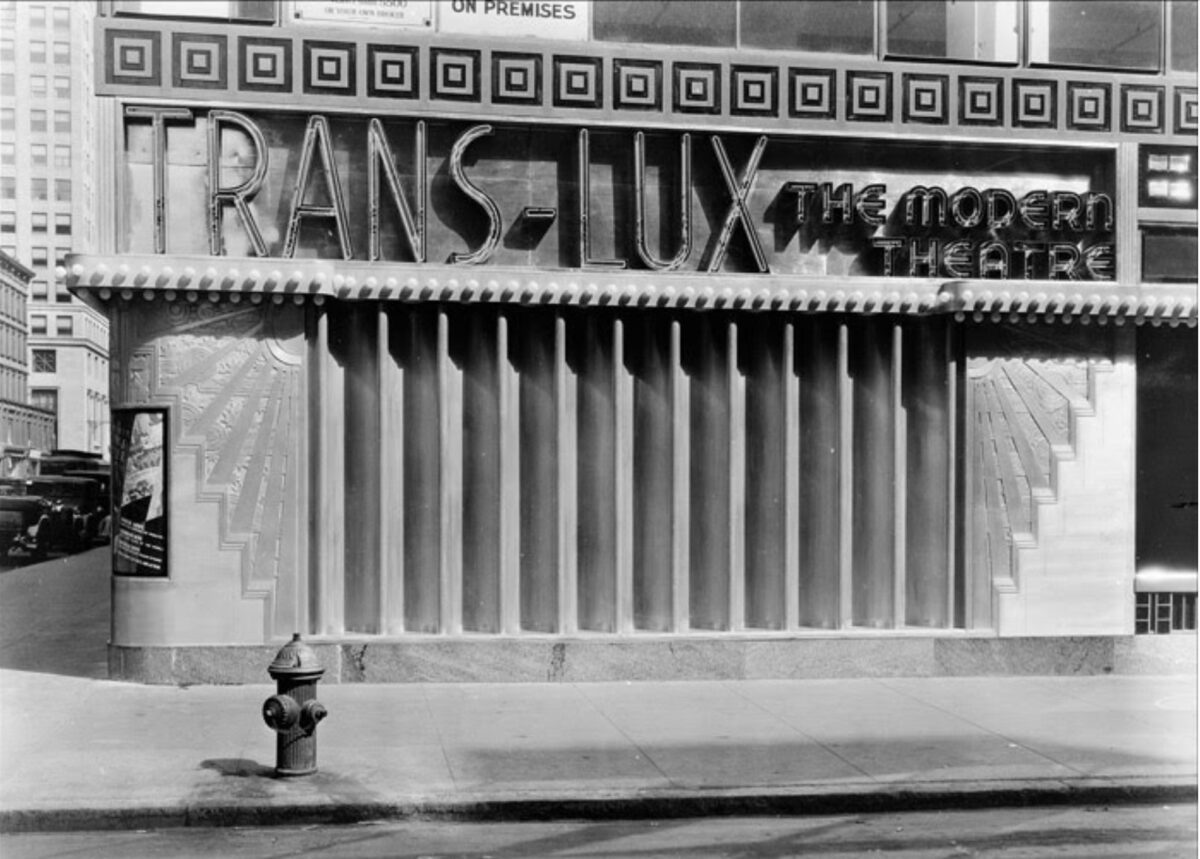
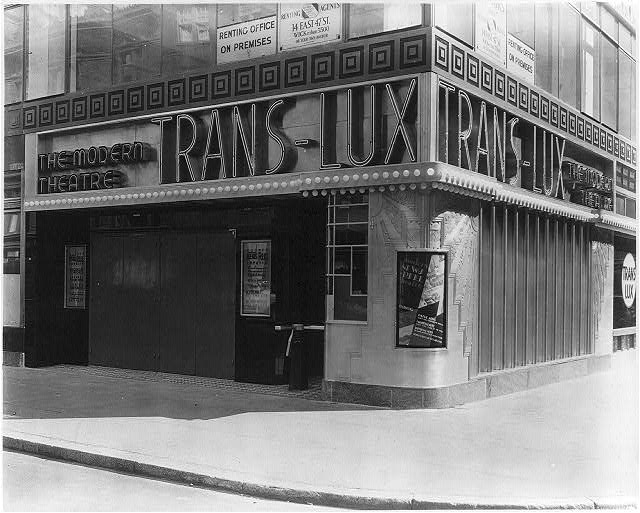
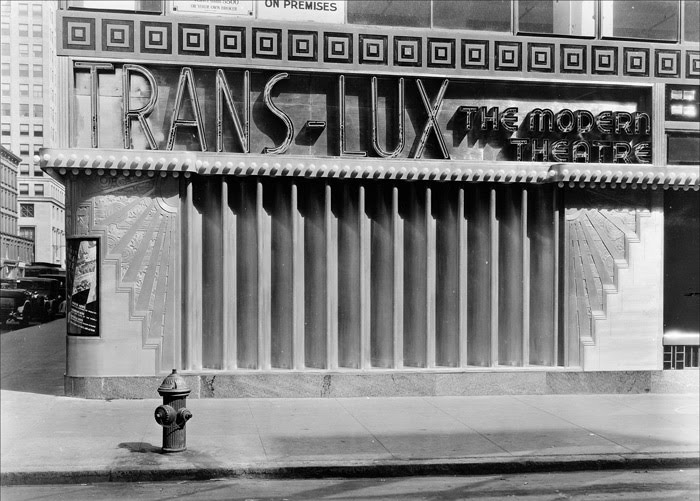
I’m a sucker for severe electric-laden art-deco theaters like the Trans-Lux Modern Theater which was once located in Midtown Manhattan on the corner of 58th Street and Madison Avenue.
Most every Midtown movie theater by the 1920s dabbled into electric signage to grab attention. But Trans-Lux worked in the opposite direction.
To underscore the importance of illuminated billboards in New York, Trans-Lux was actually a sign company who then dabbled into theater ownership.
Their separate film branch, Trans-Lux Movies Corporation, was a collaboration with RKO Pictures. This screen at 58th and Madison, opening in March 1931 as the first of Trans-Lux’s theater ventures, was a unique venue that played newsreels and shorts.
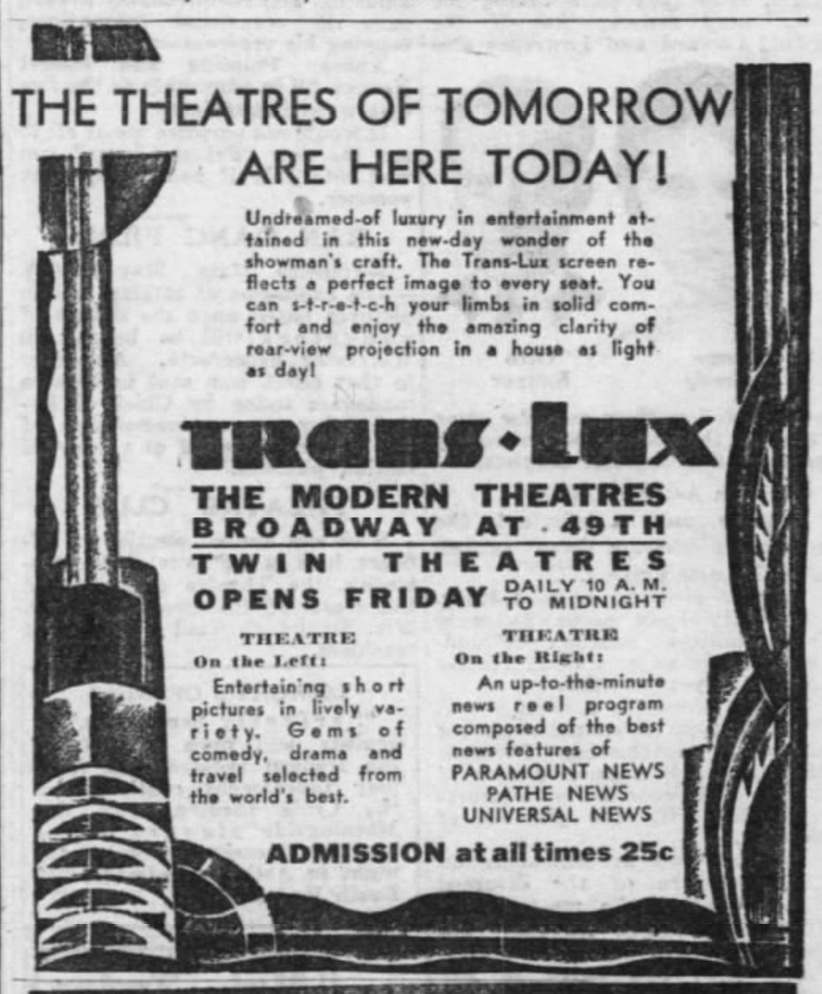
An advertisement for an additional location at Broadway and 49th Street, via the New York Daily News, May 13, 1911
It was an ‘upgraded’ film-going experience, in a miniature theatrical environment.
According to a Time Magazine article from 1931, “[t]his theatre, about the size of a small drugstore, has 158 comfortable arm-seats, a turnstile in front and a svelte modernistic interior in which newsreels now flicker from 10 a. m. till midnight. There are no ushers; a ticket girl, two operators (union requirement) and a manager run the house.”
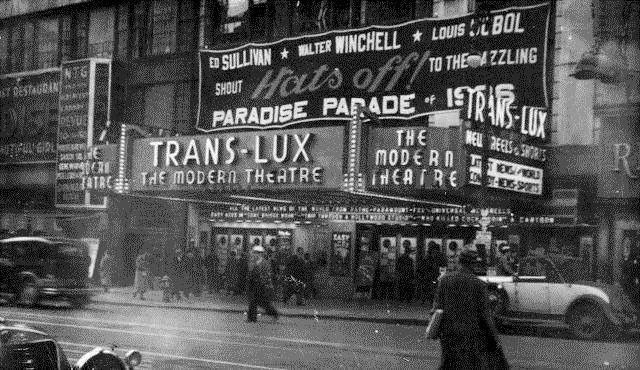
Below: The Broadway and 49th Street location with a more traditional marquee
Customers would pay a quarter to see about an hour of newsreel and short films, in a brightened environment to allow them to read their programs and newspapers without squinting.
Trans-Lux opened several ‘newsreel’ theaters throughout the city, although by the late 1930s, those that survived the Great Depression switched to conventional feature films.
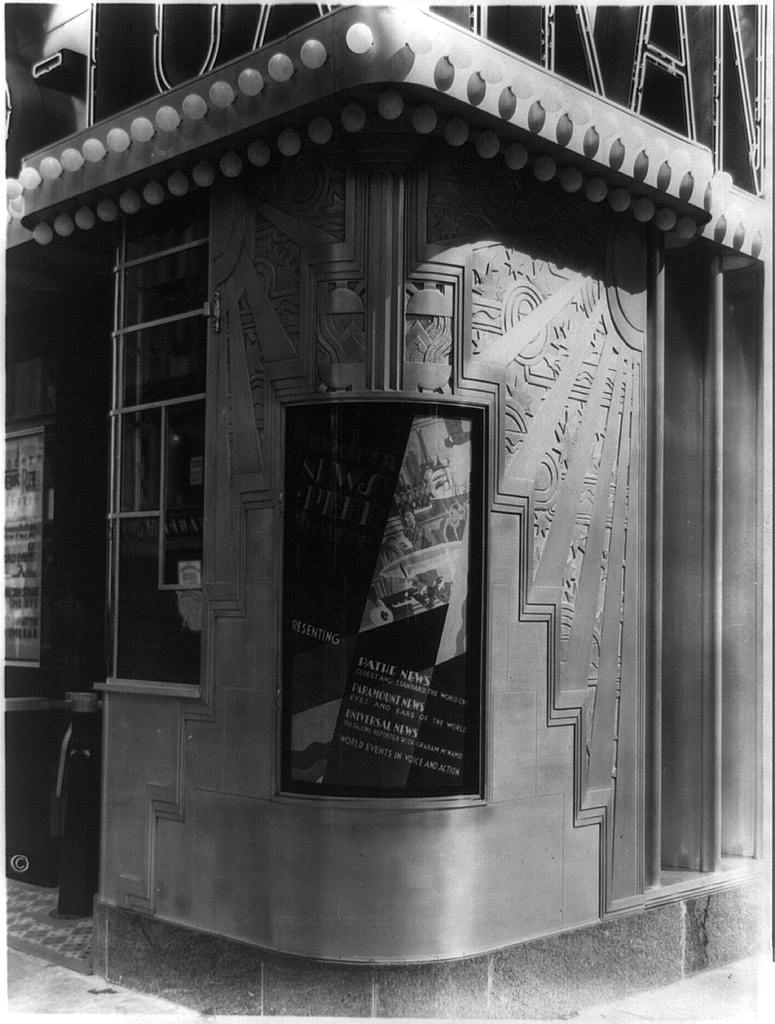
This Library of Congress image from April 1931 shows the building from the corner. That glorious neon lettering would have brightened a bustling Manhattan corner.
Library of Congress
Their theaters may be gone today but the company lives on in its original capacity as electric sign makers, most notably for providing stock-exchange ticker displays.
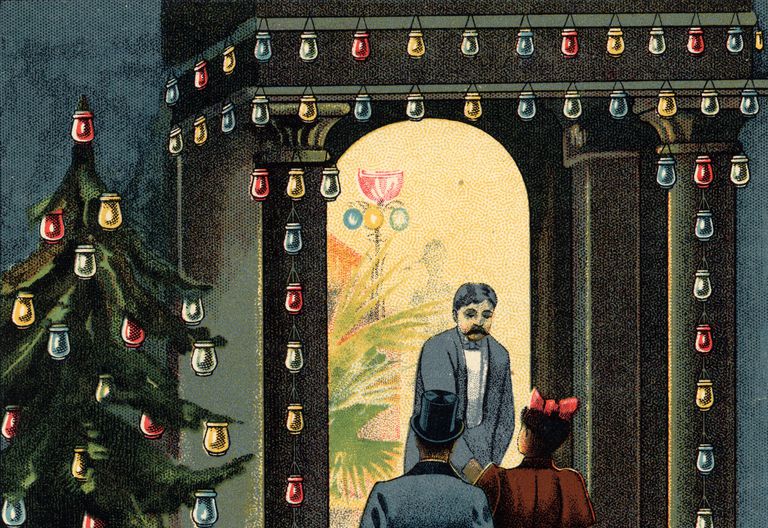
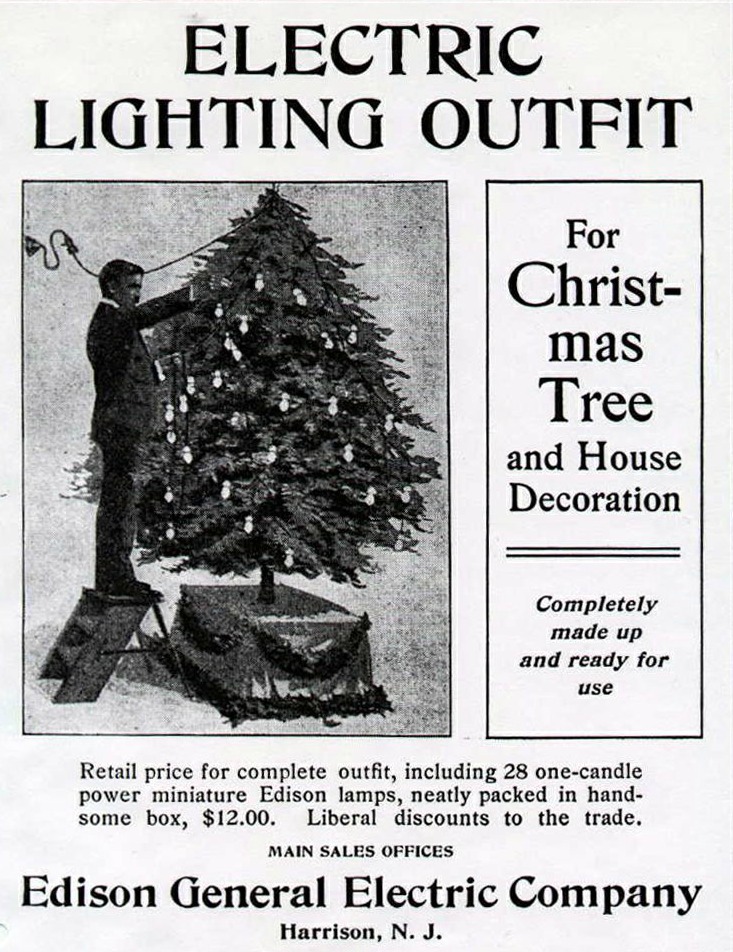
An electric Christmas lights advertisement from the 1890s. Getty Images
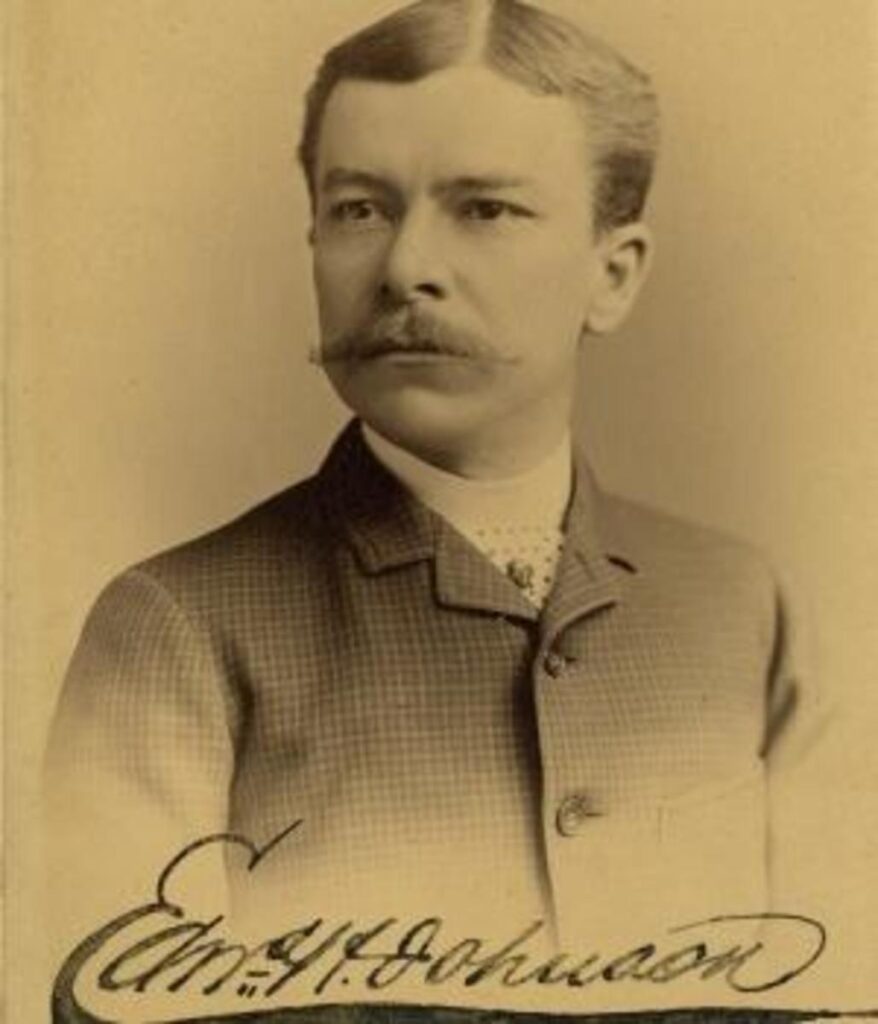
The world’s very first Christmas tree with electric lights was displayed in 1882 at the home of Edward Hibberd Johnson in the Murray Hill neighborhood of New York City.
Not only did it glow with this innovative new form of illumination, this Christmas tree also spun around, revolving like a flashy new car at an automobile expo.
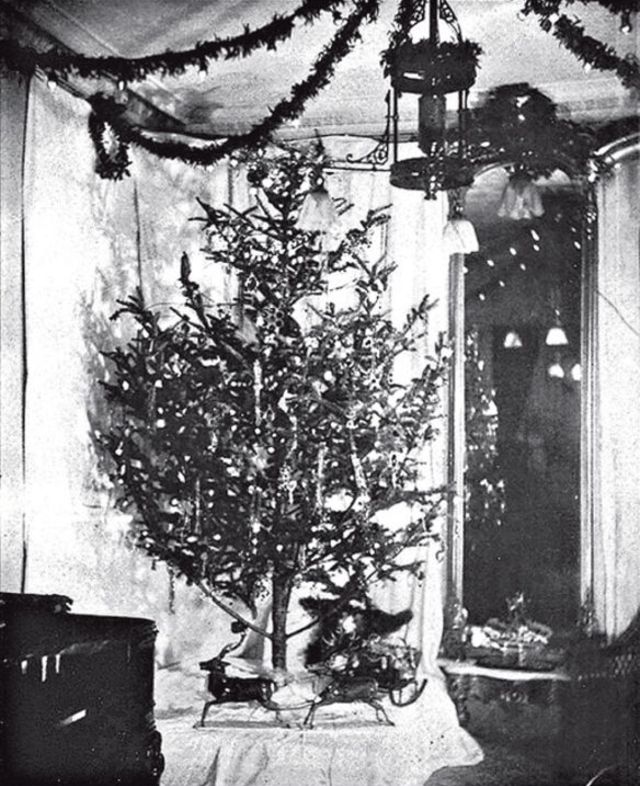
The Christmas tree of Edward Hibberd Johnson
Two years later in 1884 the New York Times looked back fondly upon this greatly advanced version of the Christmas tree:
“The tree was lighted by electricity and children never beheld a brighter tree or one more highly colored than the children of Mr. Johnson when the current was turned and the tree began to revolve.
“It stood about six feet high, in an upper room, and dazzled persons entering the room. There were 120 lights on the tree, with globes of different colors, while the light tinsel work and unusual adornment of Christmas trees appeared to their best advantage in illuminating the tree.
“The set of lights were turned off and on at regular intervals as the tree turned around. The first combination was of pure white light then as the revolving tree tree severed the connection of the current that supplied it and made connection with the second set, red and white lights appeared. Then came yellow and white and other colors.”
The children of Mr. Johnson were witnessing a revolution. Yes an actual revolution – of the tree itself – but the beginning of an entirely new way of celebrating the holiday.
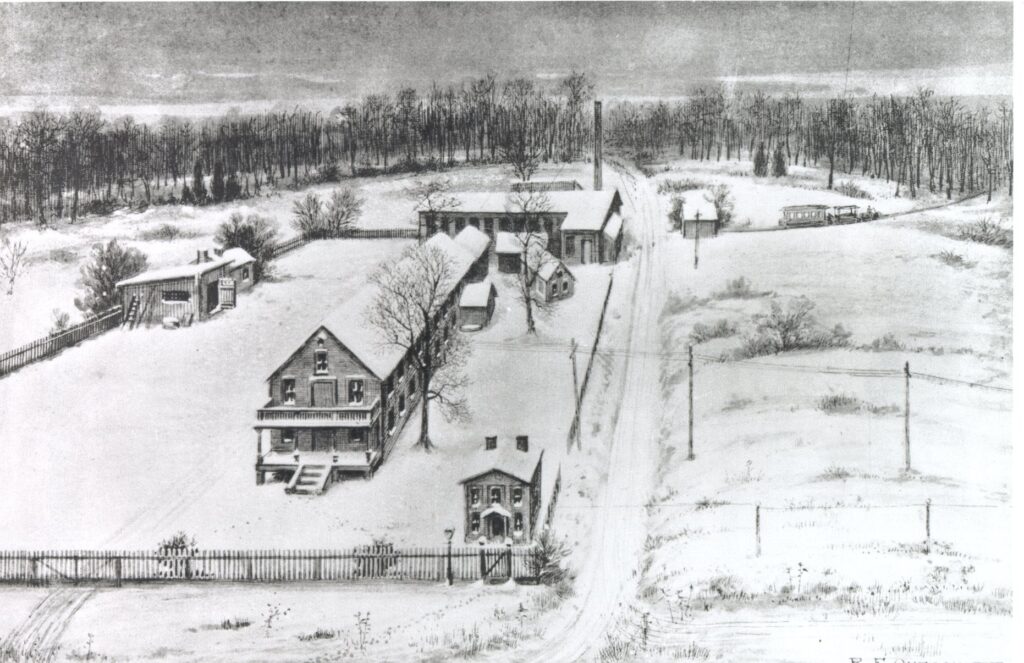
Snow covered Menlo Park
Surrounded by his wealthy investors, Thomas Edison gave the first public demonstraton of the incandescent lightbulb on December 31, 1879.
Now, believe it or not, New Yorkers were already accustomed to electric illumination during the Christmas season. The major Manhattan shopping districts were already exposed to stadium-like arc lighting, a primitive form of electric light that was too harsh and intense for everyday usage.
But Edison’s invention was vastly superior and it wouldn’t just drive away the dark. In its compact size, its durability and eventual convenience, the lightbulb would elaborate on one of candlelight’s most appealing components – mood.
The next year, on December 20, 1880, Edison had additional investors out to Menlo Park, and they were greeted with an extraordinary site.
From the NYT: “The train arrived at Menlo Park at 5:31. Darkness had settled down upon the bleak and uninviting place which Mr. Edison had chosen for his home, but the plank walk from the station to the laboratory was brilliantly lighted by a double row of electric lamps, which cast a soft and mellow light on all sides.
“The incandescent horseshoes gave out a yellow light which shone steadily and without the least painful glare and were beautiful to look upon.”
While this was not intentionally a Christmas lighting display, the arriving investors, in the holiday spirit, remarked upon the appropriate warmth and charm of the lights on the chilly December evening.
The light bulb would change the world but it would also make Edison a lot of money.
Soon Edison began aggressively promoting the various ways that electric lighting could be used to improve life – the more reasons, the more likely other investors would sign on and the more likely cities would hire Edison to install electrical power stations.
For the first time, the homes and offices of lower Manhattan would be able to light their interiors more pleasantly and conveniently than those homes with gaslight.
Whereas as the illuminations from gas would often create a sickly glow, the light from an electric glass bulb would seem romantic and alluring in comparison. Finally the candle had some competition.
Further uptown, at the home of Edison’s friend and the vice president of the Edison Electric Company Edward Hibberd Johnson (pictured above), electricity was taking the place of a rather hazardous form of decoration.
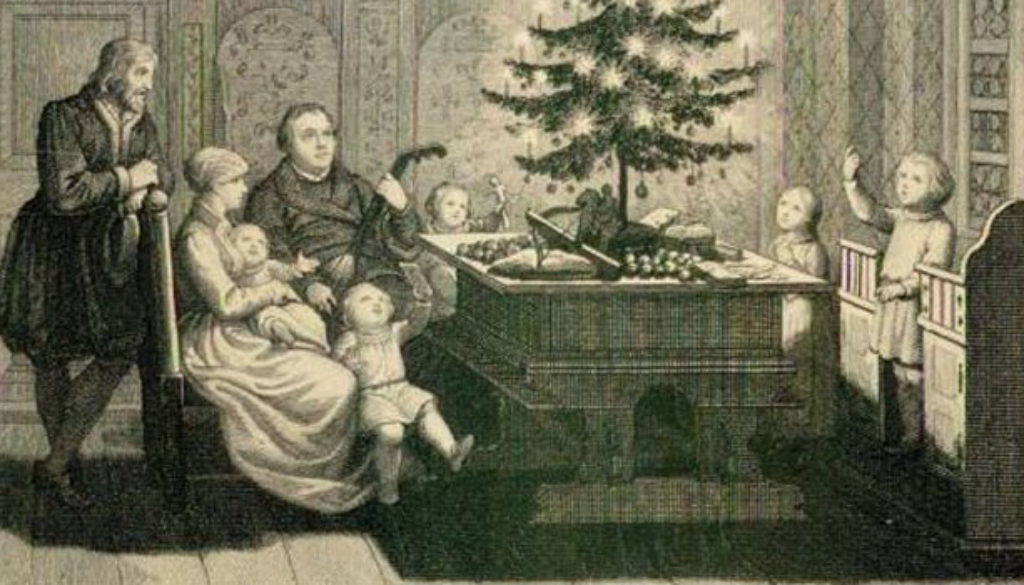
For Johnson’s electric-tree idea took his inspiration from traditional candle-lit trees.
Candles in Christmas trees
In the early 19th century a Christmas tree was considered a luxury of the urban rich who could afford to have a tree cut down for them and installed in their homes. But by the 1850s people could purchase trees at the market and carry them home to decorate for the season.
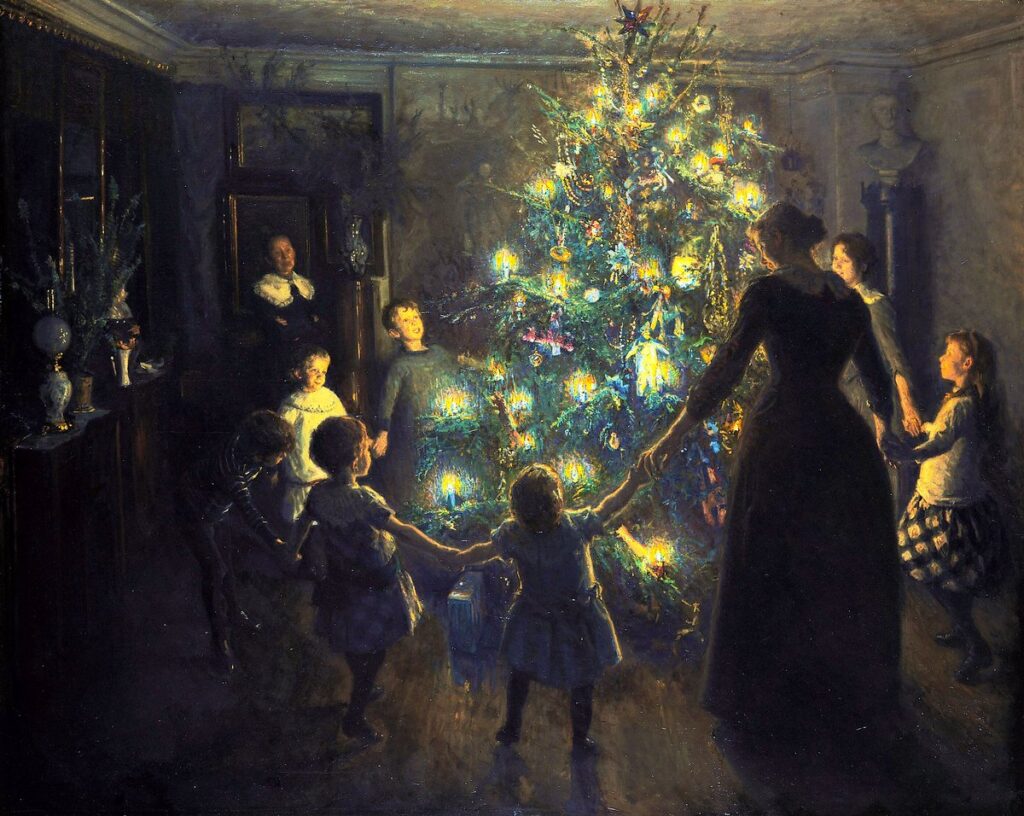
The most beautiful trees — the ones that seemed to fully embody the spirit of the season — were decorated with lit candles.
Getting a candle to stick in a tree was not easy. Some held the melted wax to branches, others pierced the candle with needles, tying them to the tree that way.
Happy Christmas (1891) by Danish artist Viggo Johansen
In 1878 an inventor named Frederick Artz devised a spring clip that could hold candles to the branches.
Now a family could attach lit candles to a Christmas tree and know — with just a touch more assurance — that the waxen dagger would not fall into the branches and burn the house down.
Keep in mind that in the 19th century Christmas trees were only installed in homes for only a few days. People did not lavishly decorate a month and a half before like we do today.
And trees were more closely monitored then. Next to the presents underneath the tree was a bucket of water.
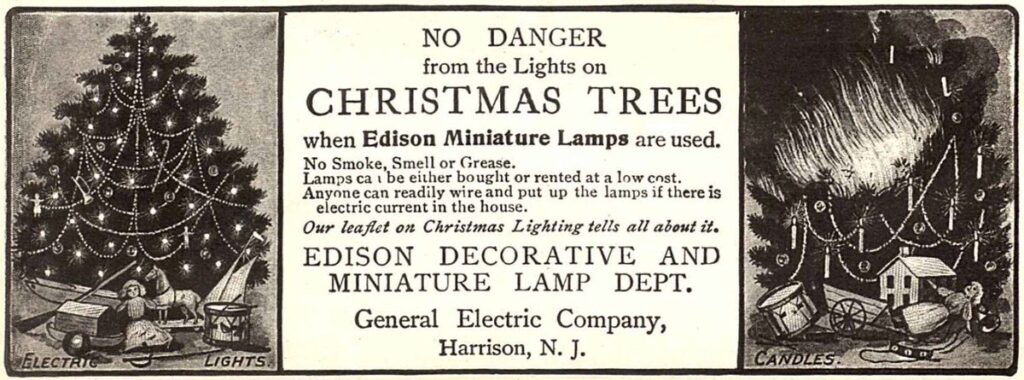
By 1908, some insurance companies refused to cover fires started by candle accidents on Christmas trees, claiming they were a clear and knowing risk.
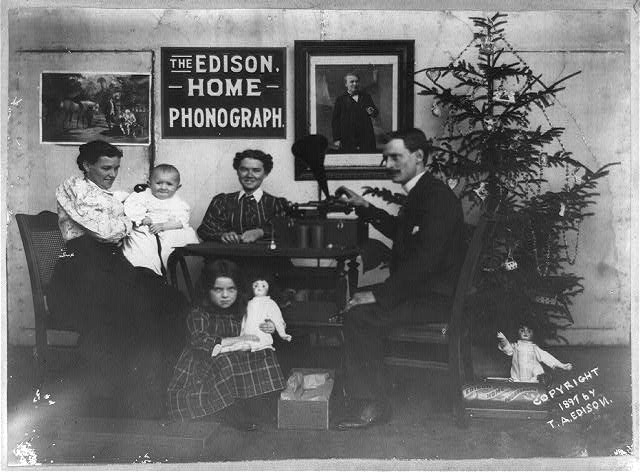
1897 Library of Congress
So you can understand why people absolutely lit up at the idea of a Christmas tree with electric lights.
In January 1883, the journal Electrical World called Johnson’s tree on Madison Avenue the handsomest tree in the United States.
Pictures would suggest otherwise, although photographic process of the early 1880s were hardly equipt to capture such a unique and peculiar things – a rotating, brilliantly and colorful lit object of natural art.
But of course it wasn’t art. It was promotion.
With each year, Johnson would continue to let in the press into his home to report his unusual holiday marvel.
In addition he would install similar trees in places where Edison electrical power would soon be made available.
For instance, for Christmas 1883, he put up a much larger display tree at the Foreign Exposition in Boston at Mechanics Hall in Boston’s Back Bay.
From a 1904 history of Edison lighting:
“At the Boston Foreign Fair, about 1,500 Edison lamps were employed and the Christmas tree took several hundred more.
“This tree was deisgned to be operated by an automatic device which would make the light of the lamps appear and disappear in time with whatever music might be played and it was manipulated by means of a keyboard of switches, the operator being concealed at the base of the tree.
“The effect was so pleasing that Christine Nilsson, the Swedish Nightingale, who was in the audience begged to be allowed to manipulate it.”
All these wondrous, grandious displays were all for the general promotion of electrical power and not for the production of Christmas home decorating products themselves.
For at least two decades after Johnson’s extraordinary display, electric Christmas sets for the home were sheer novelty and clearly for the richest participants of the Gilded Age, those who could afford electricians and personal generators.
Consumers wouldn’t get to affordably light their home Christmas trees until the 20th century. Well, affordably can be debated.
In 1903, General Electric would finally make strings or festoons of miniature incadesent lamps – with bulbs of all colors — available for home holiday decorating. 24 bulbs for just $12! In 1903 dollars. That’s about $325 dollars today.
To decorate a tree of any meaningful size would require holiday revelers take a small mortgage out on their house.
But of course, by this time, Christmas in America was already being defined by thresholds of wealth. Christmas meant spending.
So for some, spending a week’s paycheck on Christmas lights might have been worth the heartache.
For some of course, it made more sense to RENT Christmas lights, a popular option in the year 1900.
From a General Electric Ad that year: “Edison Miniature Lamps for Christmas Treets. No Danger, Smoke or Smell. Lamps either rented or sold. Full directions furnished, enabling anyone to readily wire and put up the lamps.”
For more information, check out these Bowery Boys podcasts:
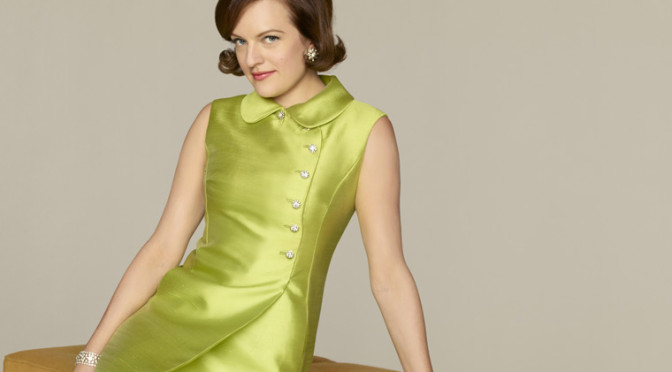
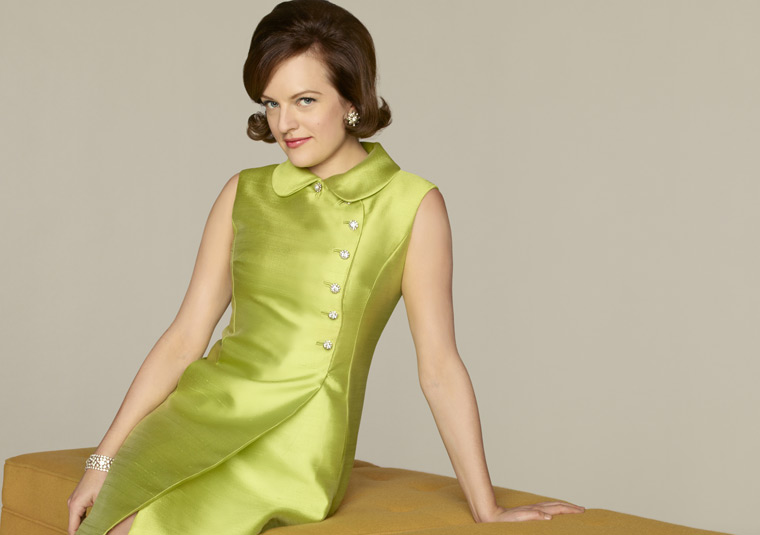
Our favorite randy, drunken Madison Avenue suits return this Sunday with an extra-special long episode of ‘Mad Men‘ this Sunday. As with prior seasons, I’ll try and follow up most shows on Monday with a little historical commentary.
The wonderful thing about this show is that they’re nothing if not hyper-sensitive about historical accuracy. From hints given by producers, it appears the new season will open sometime late in the year 1966 or perhaps early 1967. Some significant events during that year that may come into play on the show, either in major disruptive ways or in fine, knowing details:
— It’s the first year of the John Lindsay mayoral administration. Although he governs over a metropolis in steep financial crisis and paralyzed by striking workers, he still considers it a ‘fun city’.
— Pennsylvania Station is ceremoniously demolished. The fate of the treasured train station has been the subject of prior episodes. Could its final destruction represent something more for the troubled ad agency?
— The World Trade Center begins construction. I’ll be very surprised if some mention isn’t made of the envious offices with their magnificent views.
— ‘Cabaret‘ opens on November 20, 1966. Finally, something opens in New York more debauched than an ad agency Christmas party!
— New York’s most fabulous club is The Electric Circuson St. Mark’s Place, drawing the magnificent and the mod, including the entourage of former advertising illustrator Andy Warhol.
— This is the year of color and camp. New on TV: Star Trek, Batman, The Monkees, Dark Shadows
— In 1966, there 385,000 American troops in Vietnam, of which over 6,000 would be killed that year alone. A massive protest hit the streets of New York in April 1967 and dozens burned their draft cards in Central Park. A Maxwell House coffee can was famous used to burn the cards. A new client for Don Draper?
— Cassius Clay had fans last season at Sterling Cooper Draper Pryce. As Muhammad Ali, will he still have them after he becomes a conscientious objector against the war?
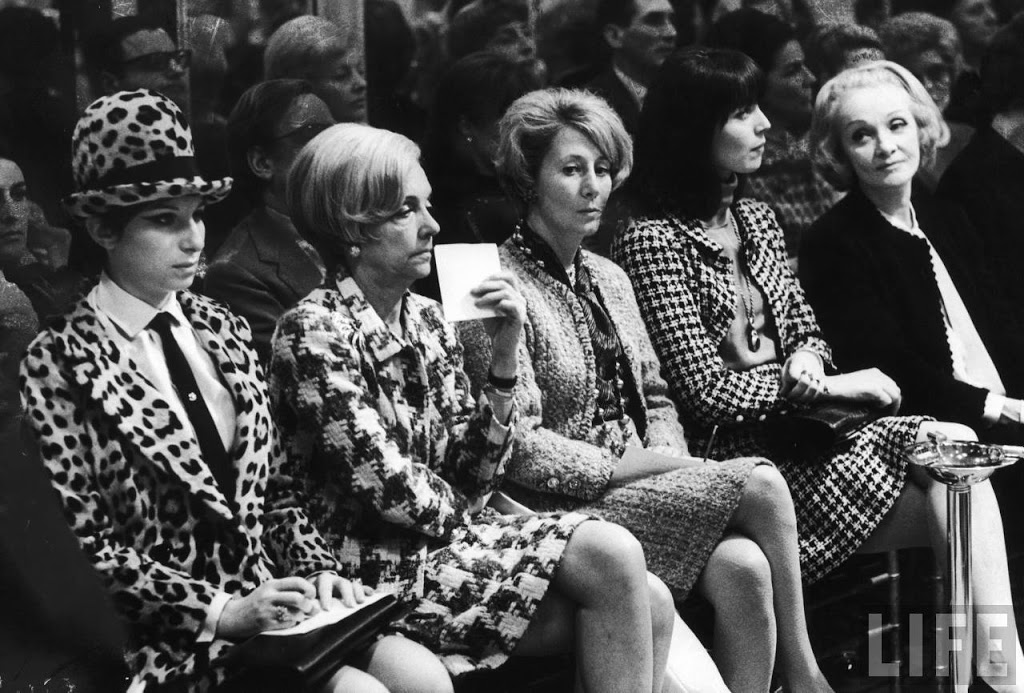
— New York played second-fiddle to the colorful imported fashion trends of London. Fashion became daring, flamboyant and colorful, even the dress suits. Skirt hems elevate. Pictured above: New York’s hottest star Barbra Streisand on one side, Marlene Dietrich the other, and the currency of 1966 fashion in between, at a Paris fashion show. Pic courtesy Life Google images
— A strange year at the movies, the top box office hits were ‘Hawaii‘ and ‘The Bible‘. However the cultural zeitgeist was surrounding the third biggest film of the year — ‘Who’s Afraid Of Virginia Woolf?‘ Can you imagine a time when a stage adaptation was the third biggest film of the year?
— Gay rights protests begin popping up around the Village, including a slightly botched ‘sip-in’ at Julius Bar in April of 1966. Might we see a reappearance of Sal in this context?
— New York gets its first FM rock music station in 1966 — WOR-FM. While I doubt this fact makes the show, expect a soundtrack heavily laced with sweat and reverb. (Or perhaps, laced with something more tangible?)
— On top of color televisions, potential clients for the agency include such newfangled inventions as disposable diaper, the synthetic fiber Kevlar, lawn replacement AstroTurf, the sugar substitute NutraSweet and any product related to the American quest to reach the moon.
Here’s a sampling of some articles I’ve written for the blog on ‘Mad Men’ episodes. You can find them all by clicking on the label ‘Mad Men‘: