You better clean your room or you’ll end up like the Collyer Brothers.
New York City, a city crammed of 8.6 million people. It’s filled with stories of people who just want to be left alone – recluses, hermits, cloistering themselves from the public eye, closing themselves off from scrutiny.
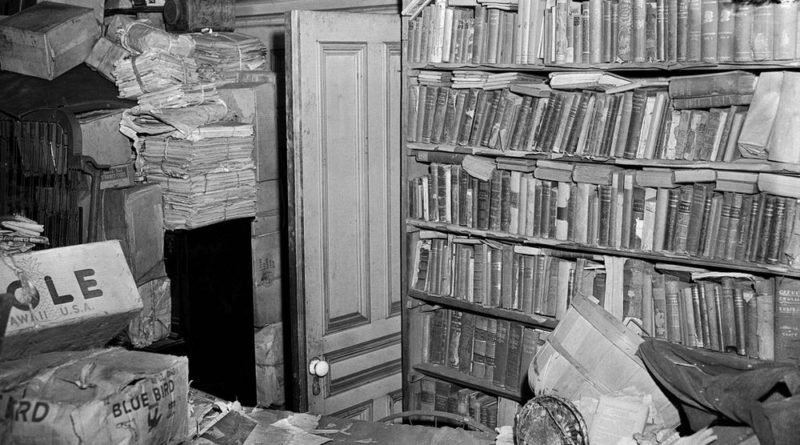
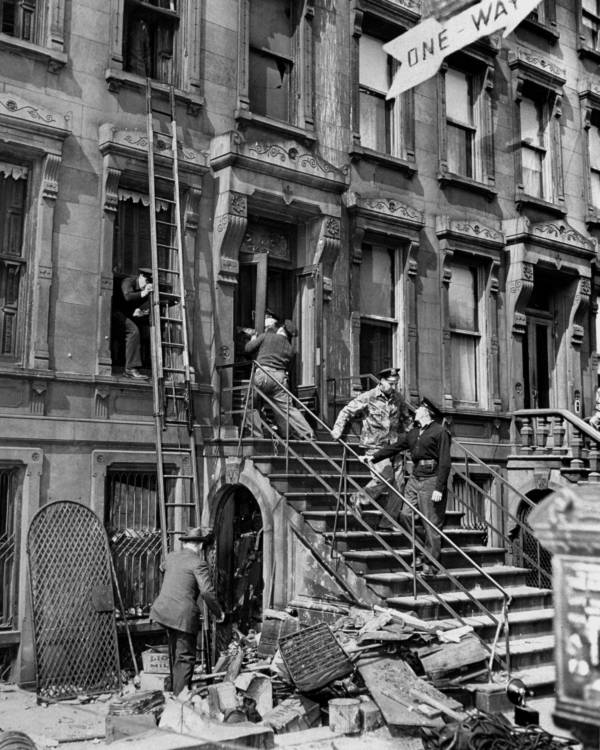
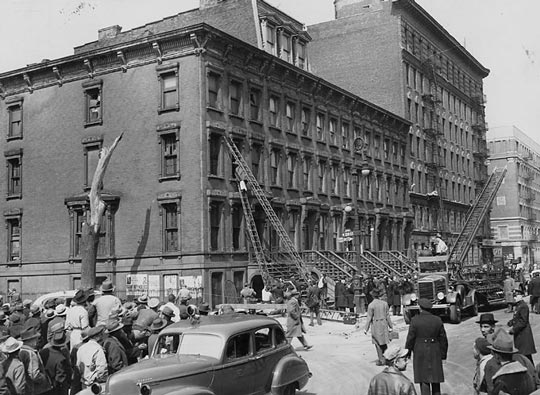
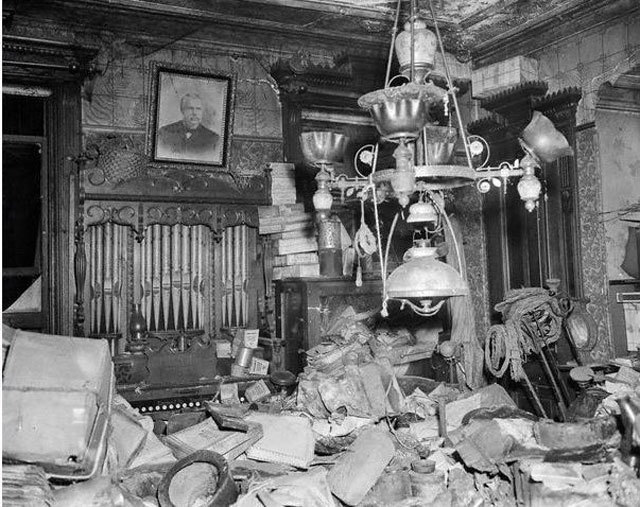
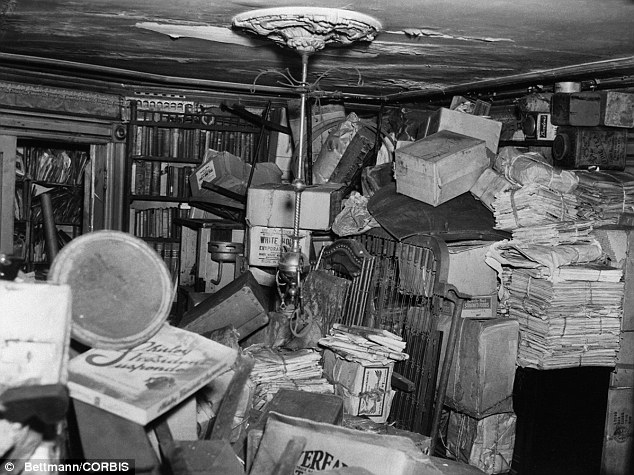
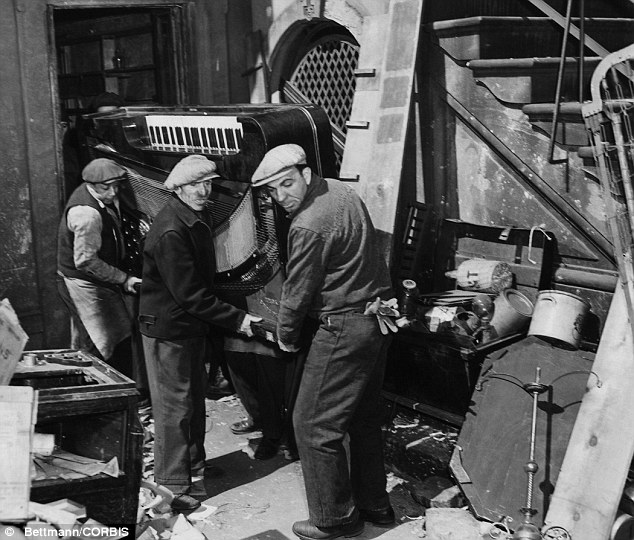
But none attempted to seal themselves off so completely in the way that Homer and Langley Collyer attempted in the 1930s and 1940s. Their story is infamous. In going several steps further to be left alone, they in effect drew attention to themselves and to their crumbling Fifth Avenue mansion – dubbed by the press ‘the Harlem house of mystery’.
They were the children of the Gilded Age, clinging to blue-blooded lineage and drawing-room social customs, in a neighborhood that was about to become the heart of African-American culture. But their unusual retreat inward — off the grid, hidden from view — suggested something more troubling than fear and isolation. And in the end, their house consumed them.
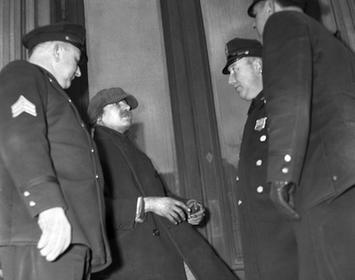
Langley Collyer, 1942, at his New York Herald Tribune photo shoot
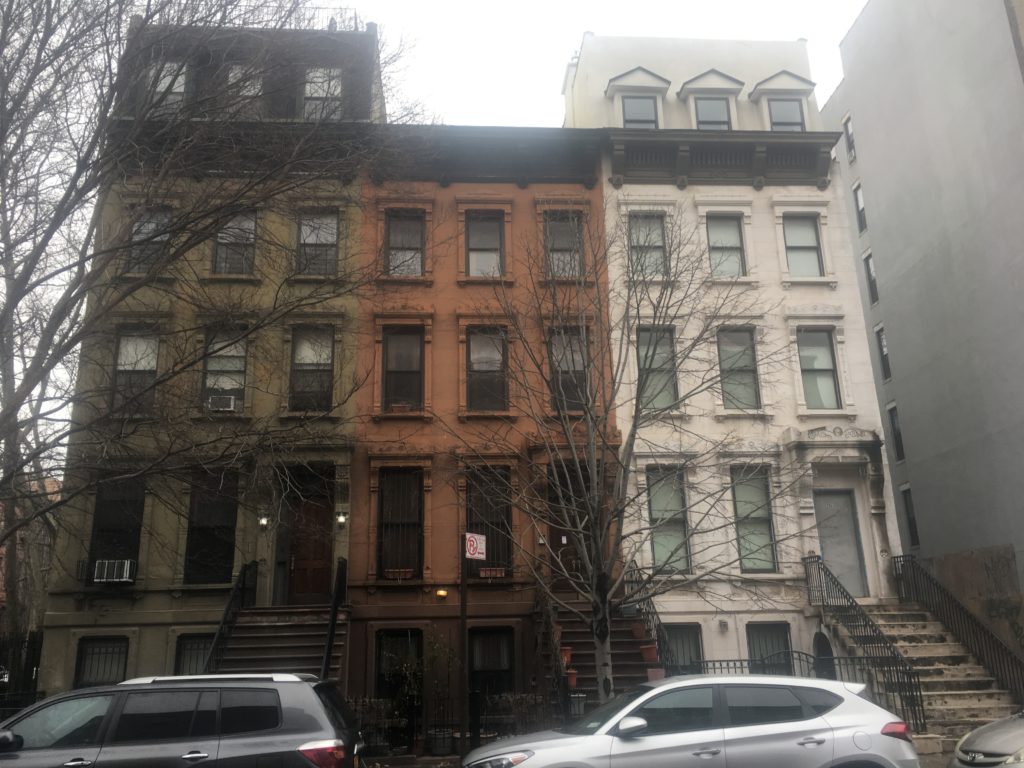
The three remaining rowhouses developed by George J. Hamilton. The middle house gives you some idea of what the Collyer mansion looked like.
Charles Hoff / NY Daily News
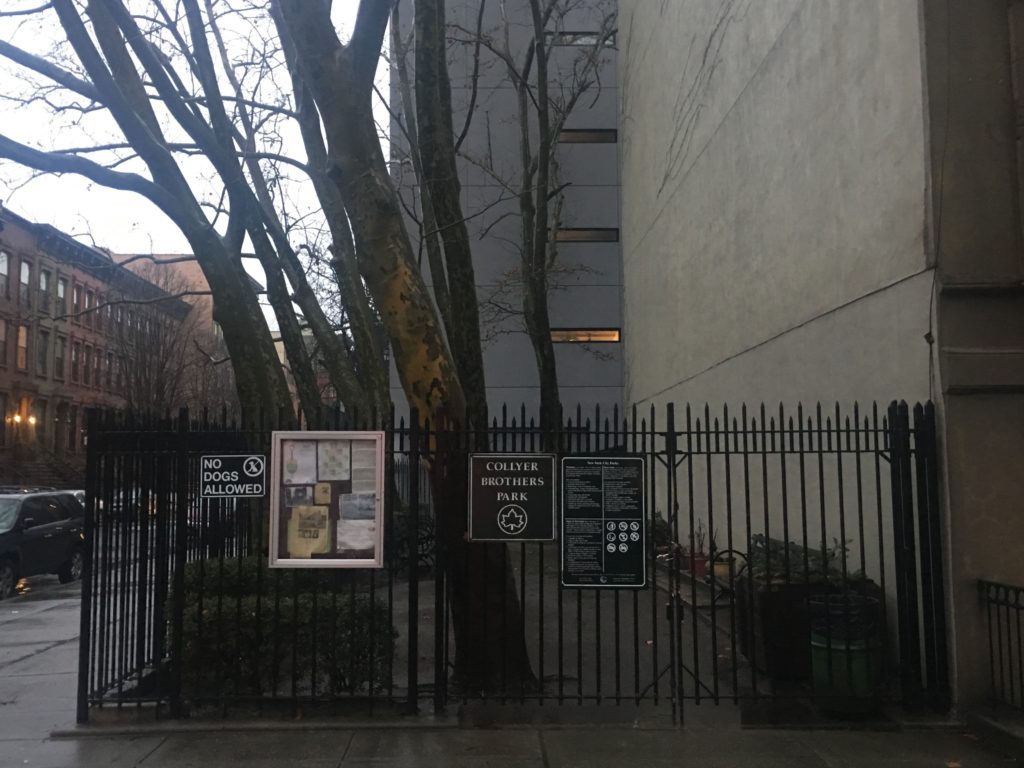
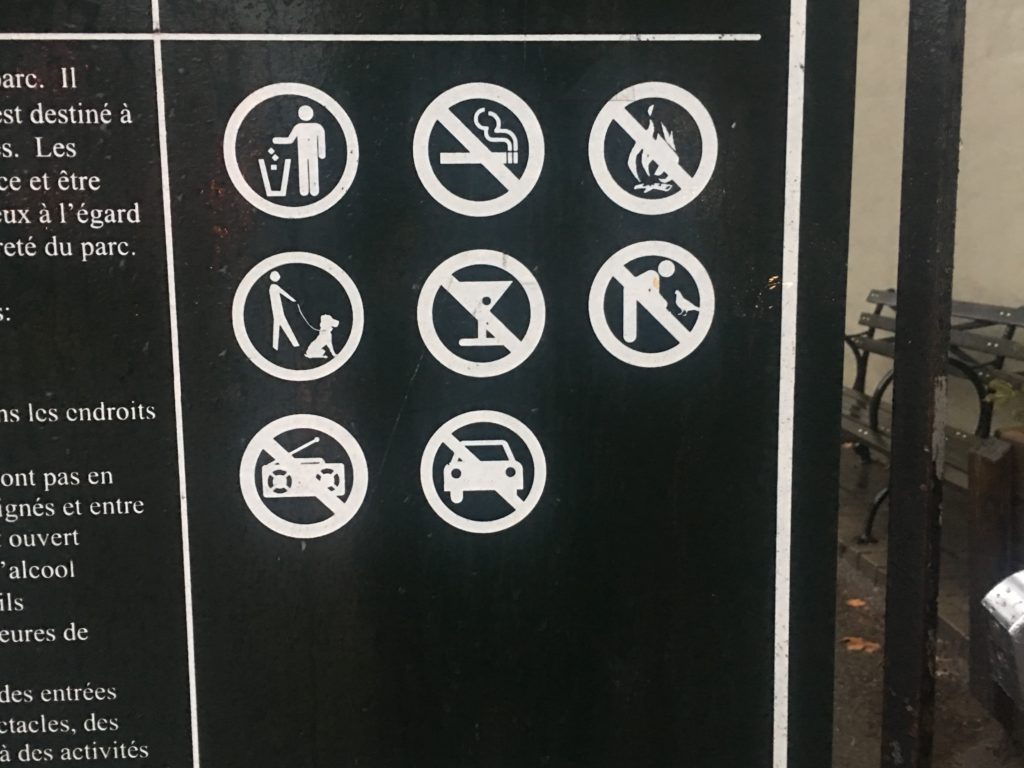
No littering in Collyer Brothers Park!
Silent footage taken outside the Collyer house, 1947
FURTHER READING
Homer and Langley by E.L. Doctorow Out of this World by Helen Worden Erskine Stuff: Compulsive Hoarding and the Meaning of Things by Randy O. Frost and Grail Steketee Ghosty Men by Franz Lidz
FURTHER LISTENING
We’ve visited the back story of famous recluses in past shows with the story of Big Edie and Little Edie Bouvier (Grey Gardens) and the legendary film actress Greta Garbo:
And the story of changing Harlem is profiled in the biography episode of the great Madam C. J. Walker
PODCAST The historical backstory of one of the most famous documentaries ever made – Grey Gardens.
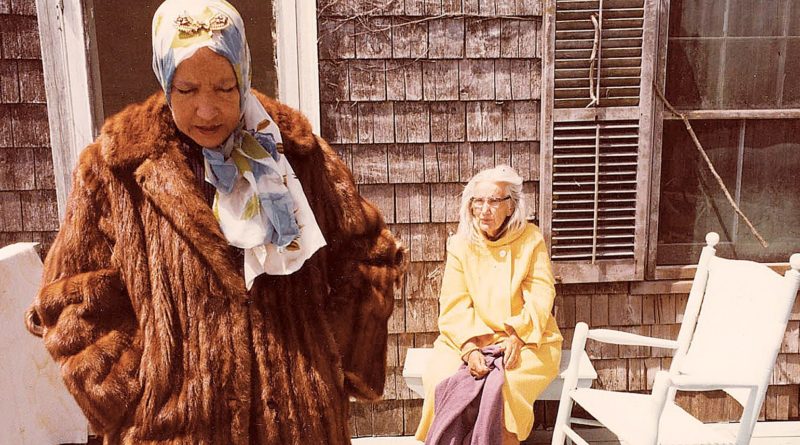
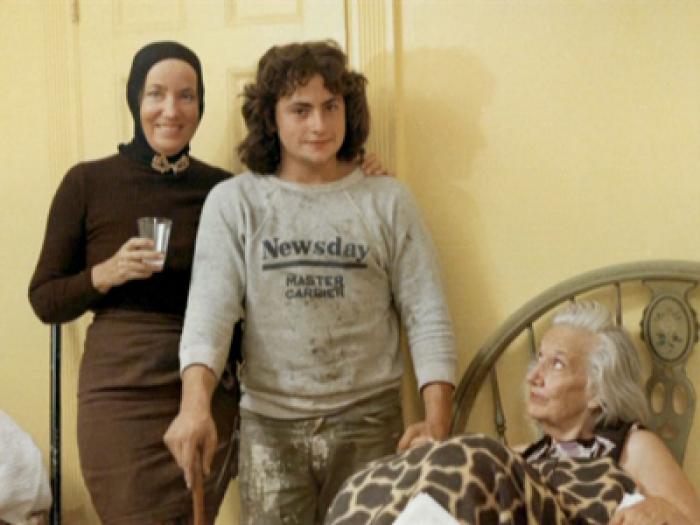
The classic film Grey Gardens, made by brother directing team Albert and David Maysles, looks at the lives of two former society women leading a life of seclusion in a rundown old mansion in the Hamptons.
Those of you who have seen the film – or the Broadway musical or the HBO film inspired by the documentary – know that it possesses a strange, timeless quality. Mrs Edith Bouvier Beale (aka Big Edie) and her daughter Miss Edith Bouvier Beale (aka Little Edie) live in a pocket universe, in deteriorating circumstances, but they themselves remain poised, witty, well read.
But if our histories truly make us who we are, then to understand these two extraordinary and eccentric women, we need to understand the historical moments that put them on this path.
And that is a story of New York City – of debutante balls, Fifth Avenue, Tin Pan Alley and the changing roles of women. And it’s a story of the Bouviers, who represent here the hundreds of wealthy, upwardly mobile families, trying to maintain their status in a fluctuating world of social registers and stock market crashes.
This is story about keeping up appearances and the consequences of following your heart.
FEATURING: A very special guest! The Marble Faun himself — Jerry Torre, who swings by the show to share his recollection of these fascinating women.
The Bowery Boys: New York City History podcast is brought to you …. by you!
We are now producing a new Bowery Boys podcast every other week. We’re also looking to improve and expand the show in other ways — publishing, social media, live events and other forms of media. But we can only do this with your help!
We are now a creator on Patreon, a patronage platform where you can support your favorite content creators.
Please visit our page on Patreon and watch a short video of us recording the show and talking about our expansion plans. If you’d like to help out, there are six different pledge levels. Check them out and consider being a sponsor.
We greatly appreciate our listeners and readers and thank you for joining us on this journey so far.
The Bouvier family did indeed have ‘French genes’, connected to cabinetmakers who immigrated to the United States in the 1810s.
NYPL
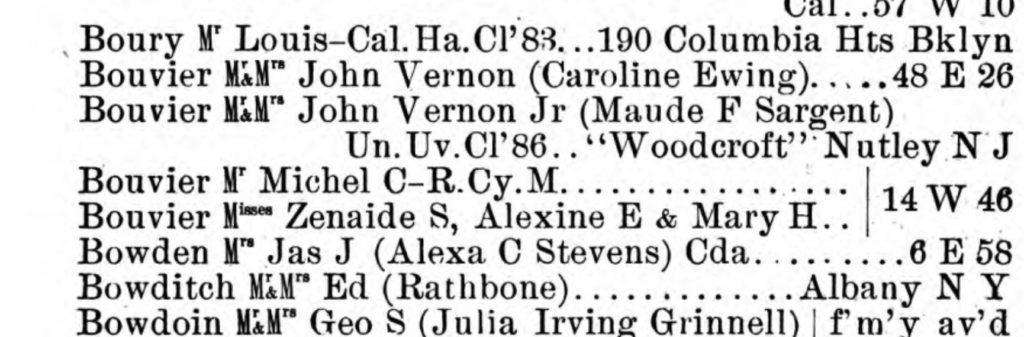
The Bouvier family’s listings in the 1899 New York Social Register.
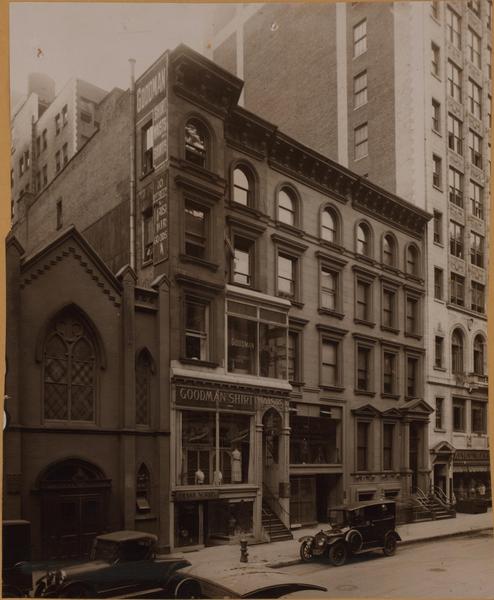
Big Edie’s great uncle Michel Charles ‘M.C.’ Bouvier and her three unmarried great aunts Zenaide, Alexine and Mary all lived in a fine brownstone at 14 W. 46th Street.
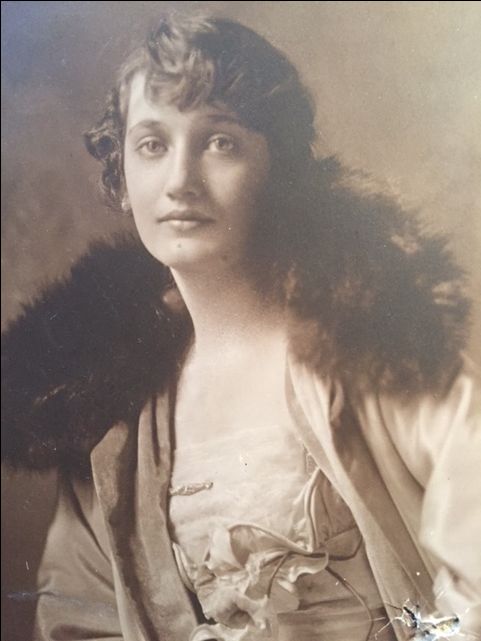
Edith Ewing Bouvier Beale
Grey Gardens Official
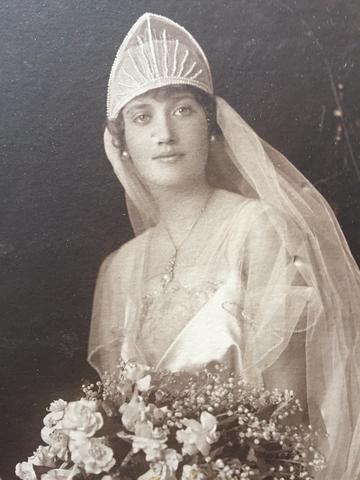
The wedding photo of Edith Ewing Bouvier Beale.
Grey Gardens Official
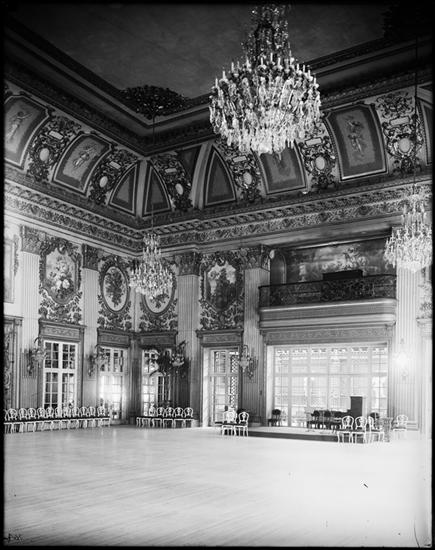
The ballroom of Sherry’s (44th and 5th Avenue) where Edith had her debutante ball.
MCNY
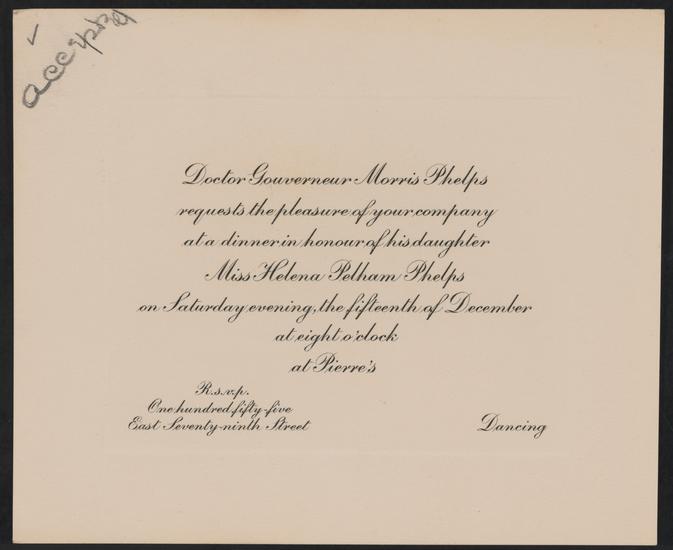
An invitation for a 1928 debutante ball at the Hotel Pierre (where Little Edie would have her own fête).
Museum of the City of New York
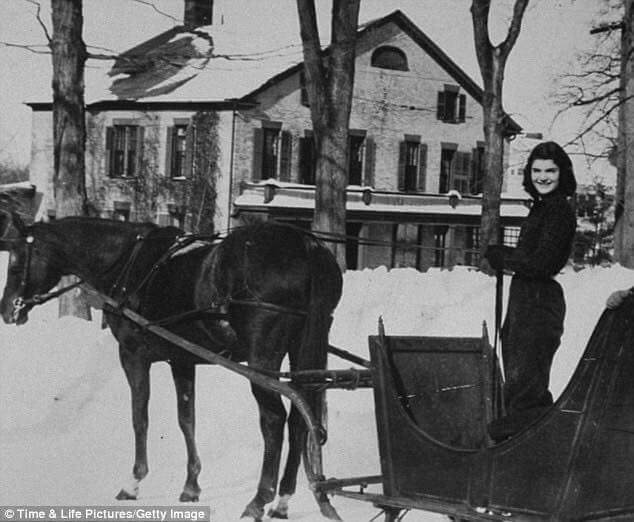
Sixteen year old Jacqueline Bouvier attending Miss Porter’s finishing school in Farmington, Connecticut. Both Big Edie and Little Edie went here as well.
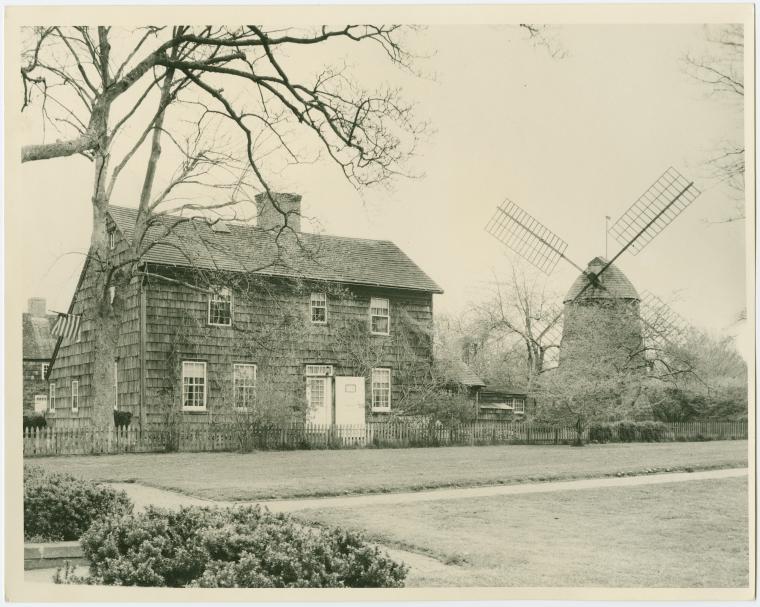
East Hampton was the first English settlement in the area that would eventually become New York state.
NYPL
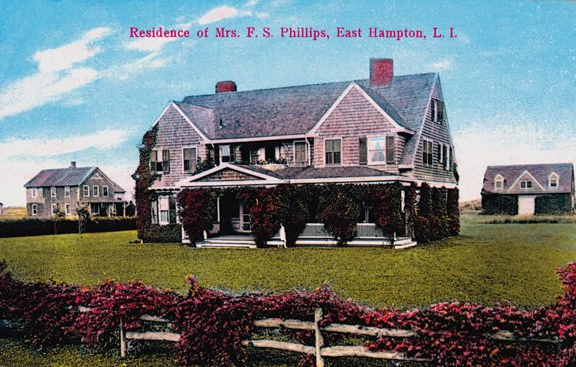
An early image of Grey Gardens mansion.
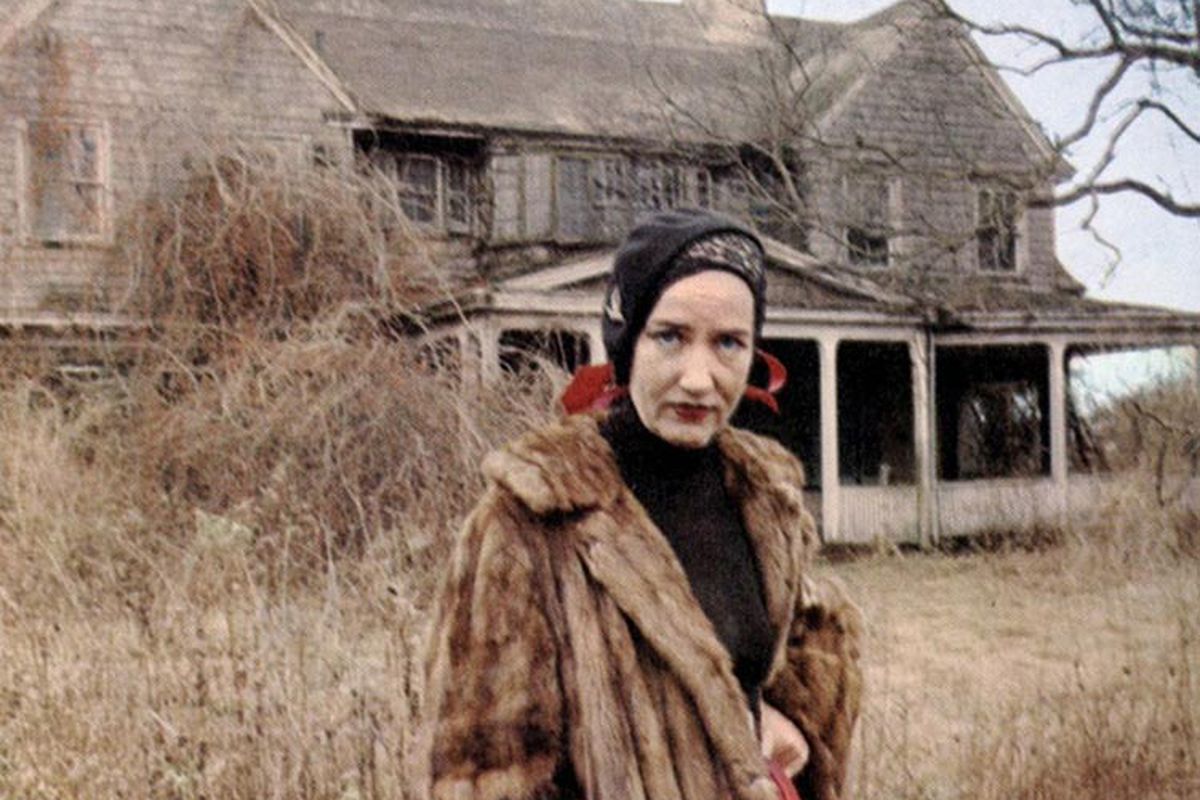
Little Edie posing in front of the house in the film Grey Gardens.
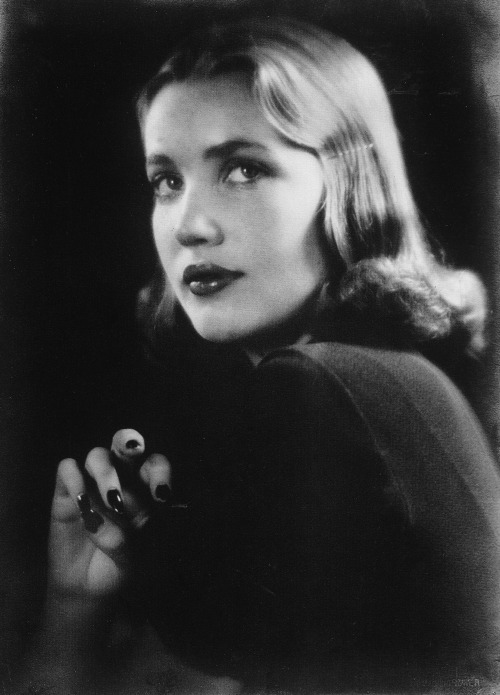
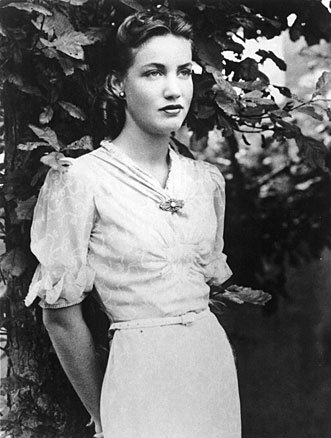
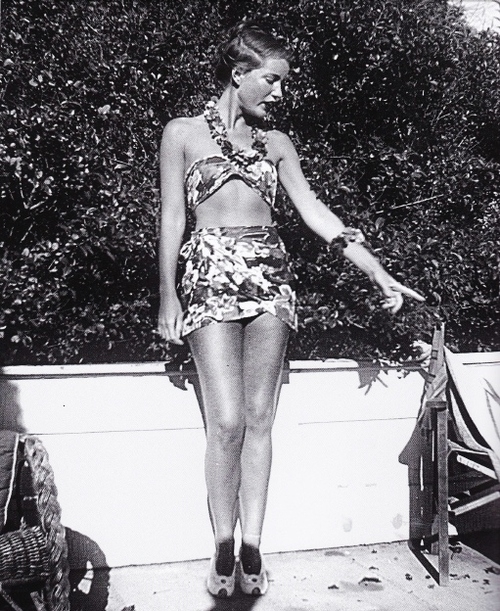
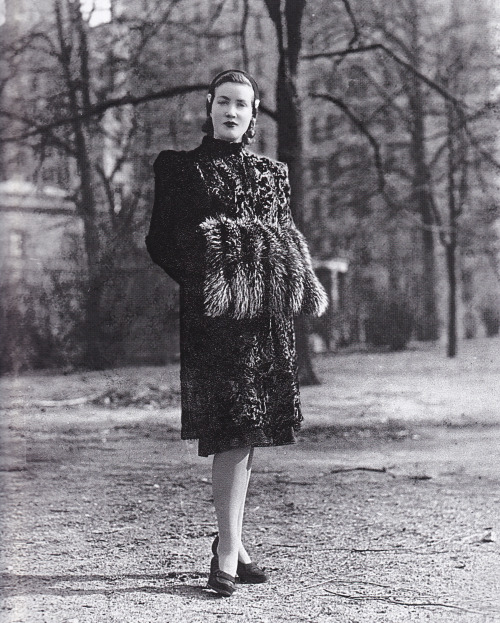
Images of Little Edie in her youth, a beautiful, confident young woman who echoed her mother’s love of music and performance. The two retreated into a reclusive life even as their family become national prominent.
Grey Gardens Official
Little Edie in New York, possibly from the period of the late 40s/early 50s.
Grey Gardens Official
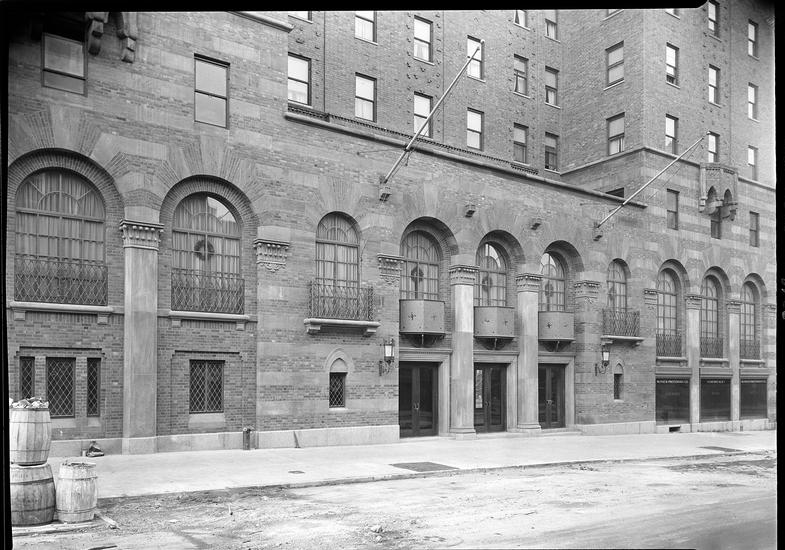
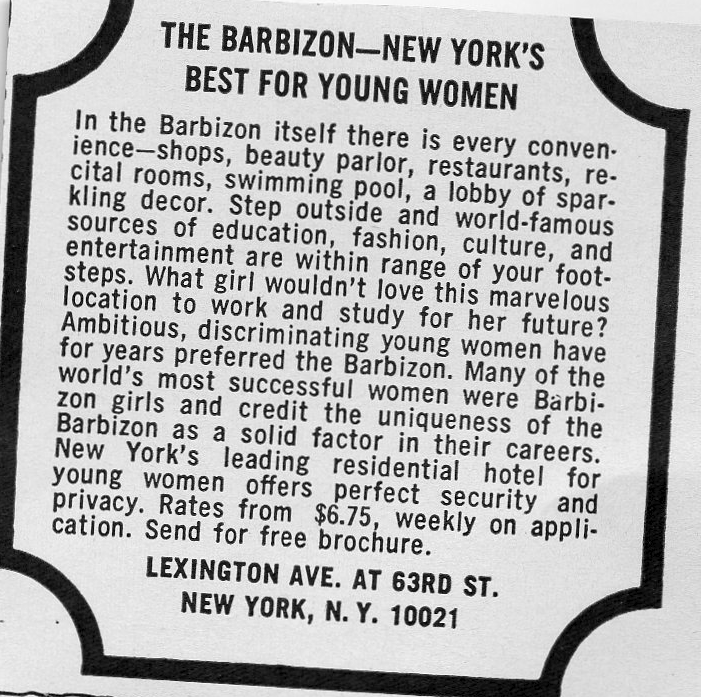
Little Edie’s big-city refuge for a time — the Barbizon Hotel for Women:
Museum of the City of New York/Samuel Gottscho
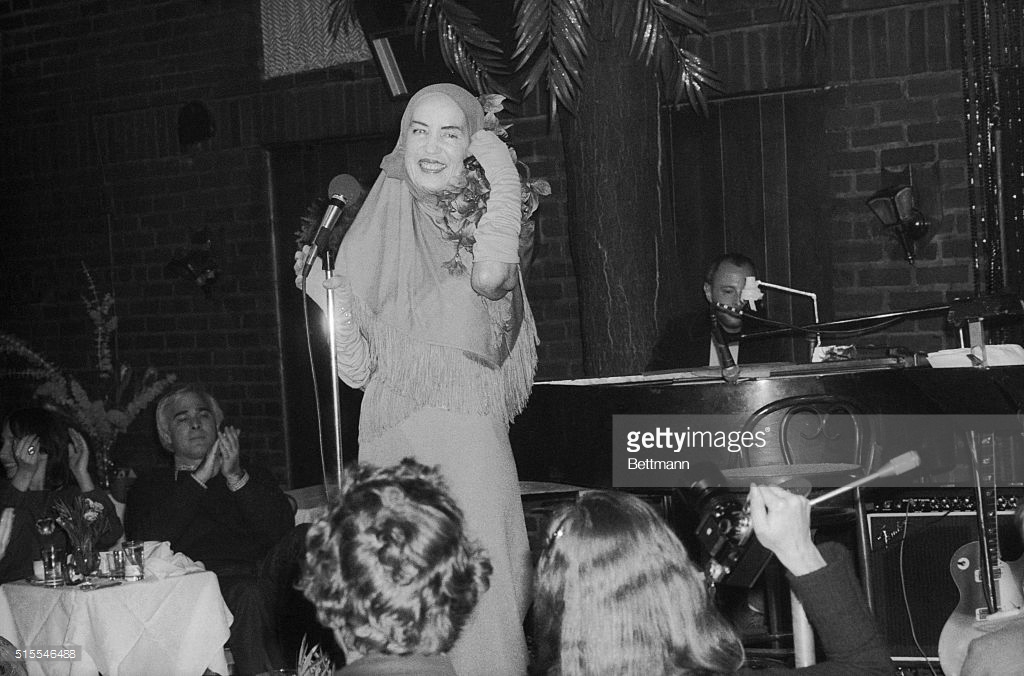
Little Edie performing at Reno Sweeney in the West Village.
Getty
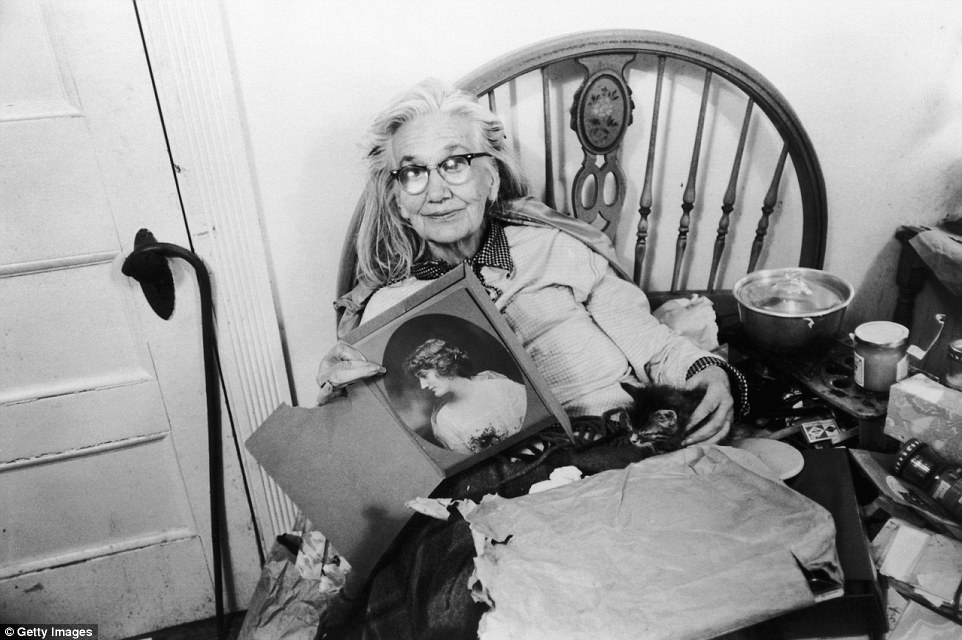
Big Edie in her familiar perch, flanked with kittens and memories.
Getty
Many thanks to Jerry Torre for stopping by the studio to chat!
CORRECTION TO THE SHOW: The Great Gatsby is set in 1922, but the book was released in 1925.
FURTHER LISTENING Some of the themes and subjects referenced in this episode have been spoken about in past shows. After you’ve finished listening to Journey to Grey Gardens, give these a try.
And if you enjoyed the show, you might enjoy the soundtrack! Here’s a Spotify playlist of songs from the show and inspired by this story: