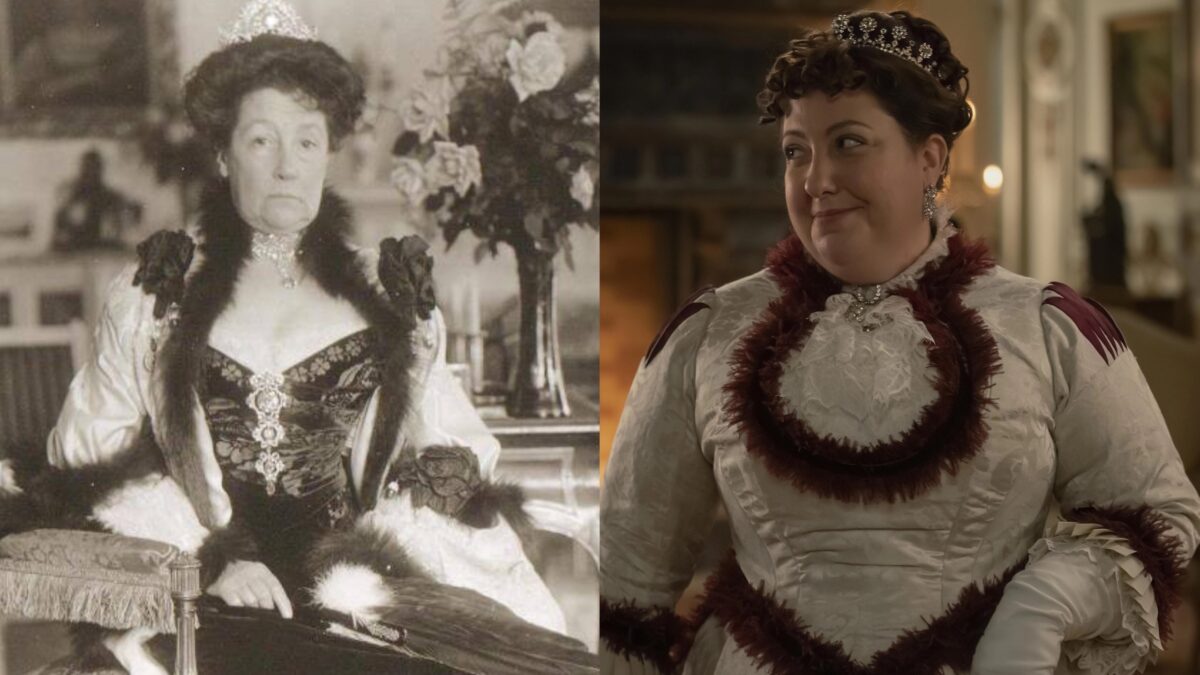
Mrs. Stuyvesant Fish, known to all as just Mamie Fish, was one of the more larger-than-life personalities of the Gilded Age, a hostess who thrived within the confines of high society.
Who was this enigma of the Newport set? Carl Raymond is joined by historian and writer Keith Taillon, a returning listener favorite, as well as actor Ashlie Atkinson who portrays Mamie Fish in HBO’s The Gilded Age for a look at this complicated but fascinating woman.
If you received an invitation to a party at Mamie Fish’s — you went.
Mamie Fish was known as a “fun maker” with an iron-clad family pedigree and enough money to compete with other Gilded Age hostesses. If yoy attended a party by Mrs. Astor’s you may have cemented your role in society. If you attended a party Mamie’s, however, you were just looking for a really good time.
Her parties bordered on the outrageous — from inviting an elephant as a guest to co-hosting the famous dinner for dogs, some of them adorned with diamond collars. But just who was Mamie Fish – and why do we find her fascinating today?
Historian Keith Taillon and actor Ashlie Atkinson offer deeply insightful perspectives on this woman who sought to break out of the role prescribed to her and shake up society.
Mamie, when looked at through a modern lens, was challenging, complicated, conflicted and certainly controversial — but given the Gilded Age’s restrictions and gender rules and roles, it’s interesting to consider how much she can also be considered a rebel and revolutionary for her time.
Listen to the latest episode of The Gilded Gentleman on Apple Podcasts, Spotify, Overcast or wherever you get your podcasts. And be sure to subscribe or follow the show to get future episodes
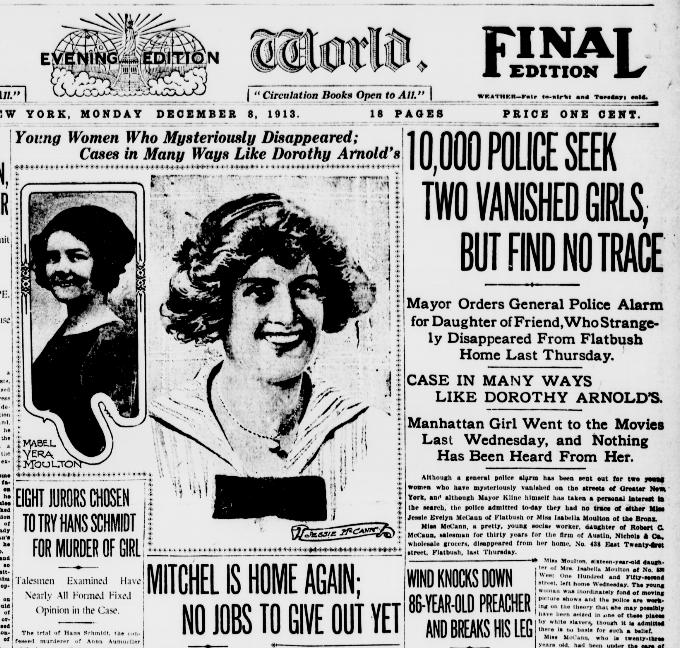
PODCASTThe mysterious disappearance of a young woman becomes one of the most talked-about events over one hundred years ago.
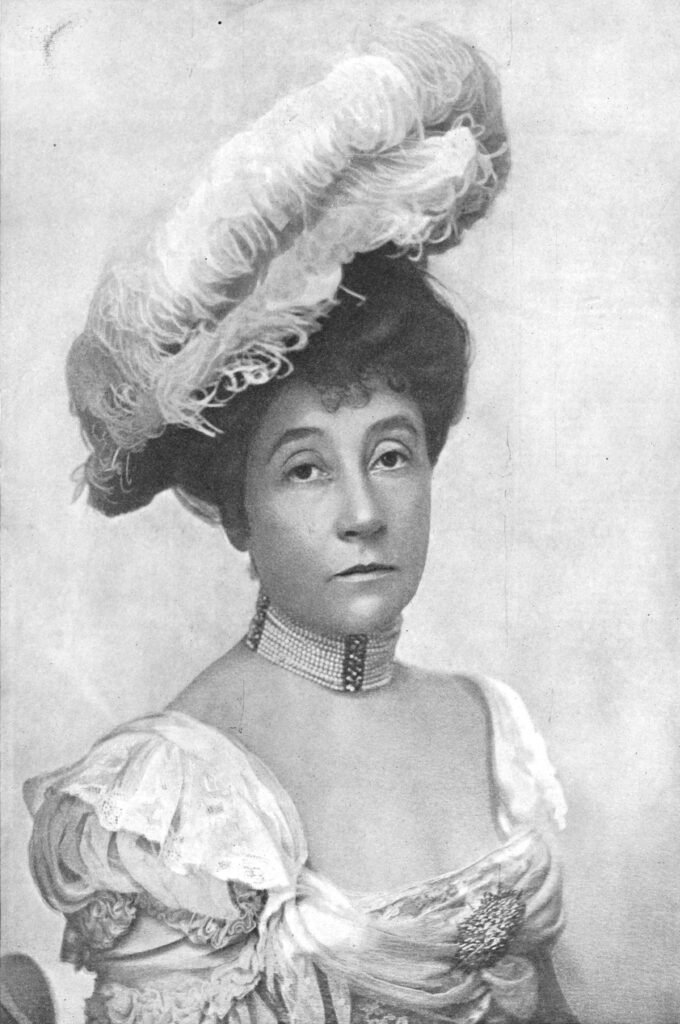
The young socialite Dorothy Arnold seemingly led a charmed and privileged life.
The niece of a Supreme Court justice, Dorothy was the belle of 1900s New York, an attractive and vibrant young woman living on the Upper East Side with her family. She hoped to become a published magazine writer and perhaps someday live by herself in Greenwich Village.
But on December 12, 1910, while running errands in the neighborhood of Madison Square Park, Dorothy Arnold — simply vanished.
In this investigative new podcast, we look at the circumstances surrounding her disappearance, from the mysterious clues left in her fireplace to the suspicious behavior exhibited by her family.
This mystery captivated New Yorkers for decades as revelations and twists to the story continued to emerge. As one newspaper described it: “There is general agreement among police officials that the case is in a class by itself.”
ALSO: What secrets lurk in the infamous Pennsylvania ‘House of Mystery’? And could a sacred object found in Texas hold the key to solving the crime?
This episode is a newly re-edited and re-mastered version of a show we recorded in 2016.
The Bowery Boys: New York City History podcast is brought to you …. by you!
Please visitour page on Patreon and watch a short video of us recording the show and talking about our expansion plans. If you’d like to help out, there are five different pledge levels (and with clever names too — Mannahatta, New Amsterdam, Five Points, Gilded Age, Jazz Age and Empire State). Check them out and consider being a sponsor.
We greatly appreciate our listeners and readers and thank you for joining us on this journey so far. And the best is yet to come!
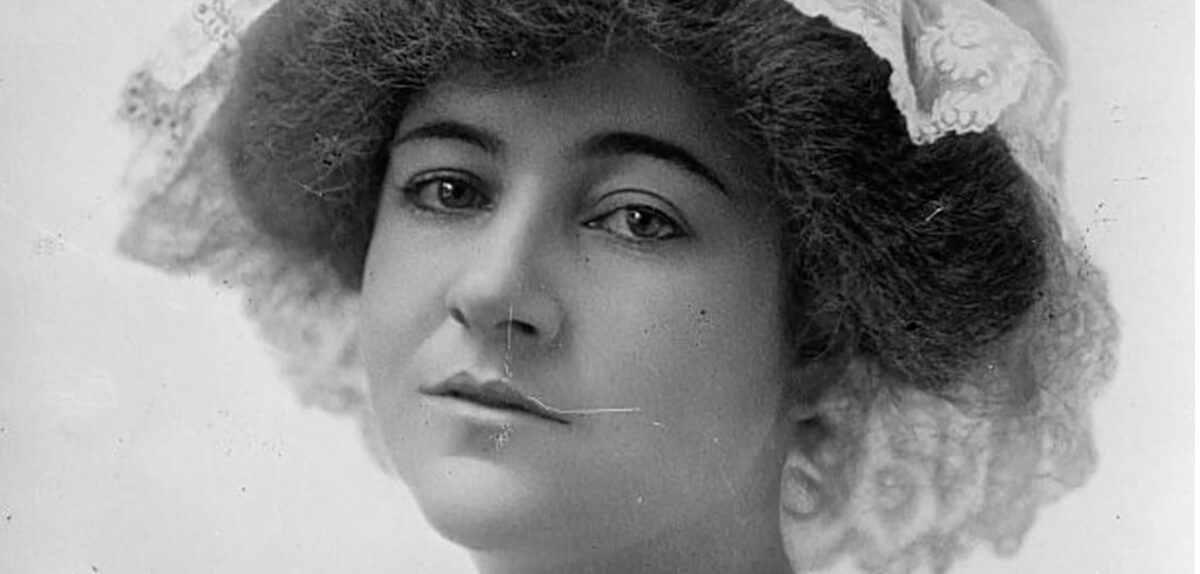
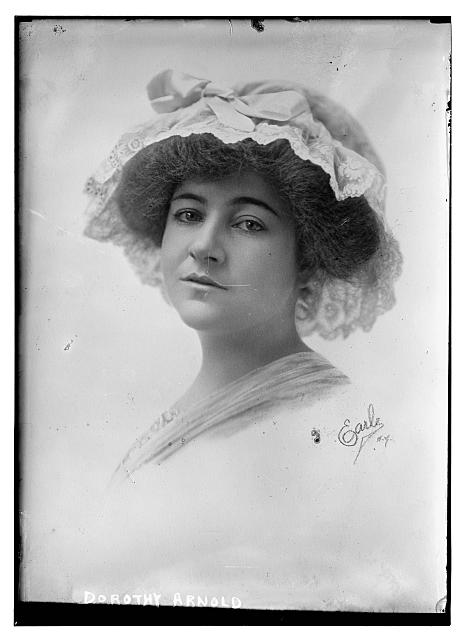
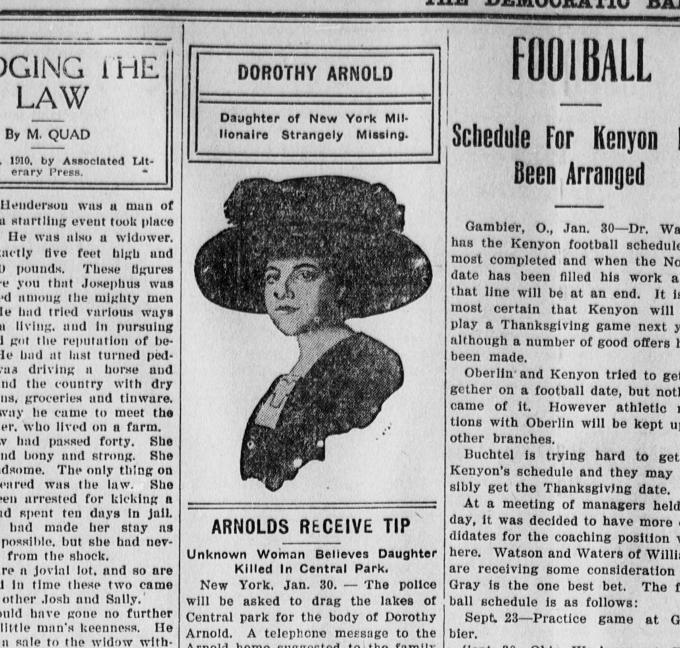
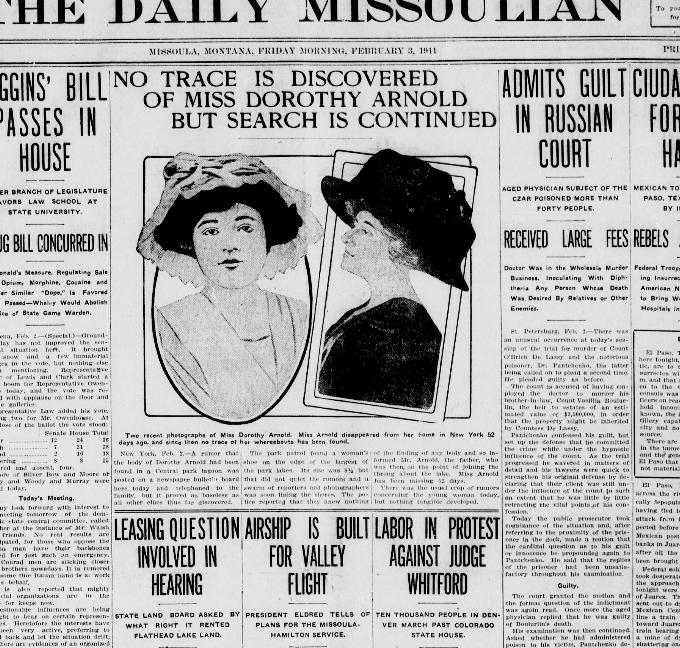
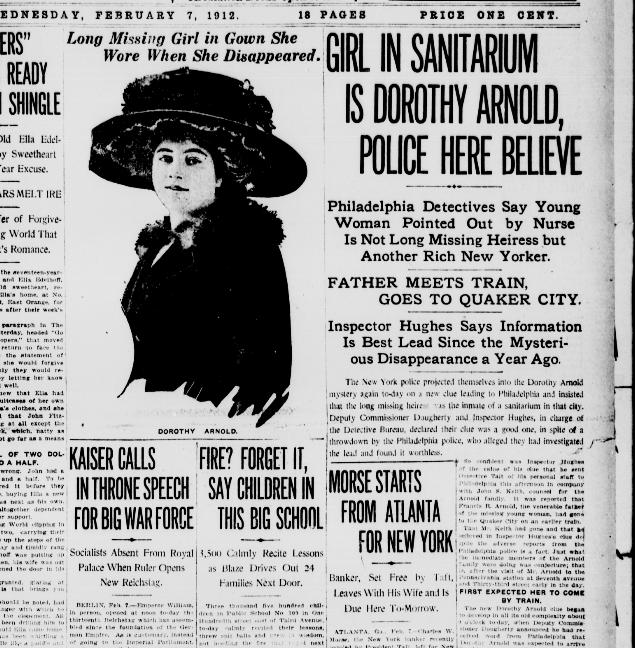
The photograph of Dorothy Arnold that was much reproduced in the press after her disappearance on December 12, 1910.
Library of Congress
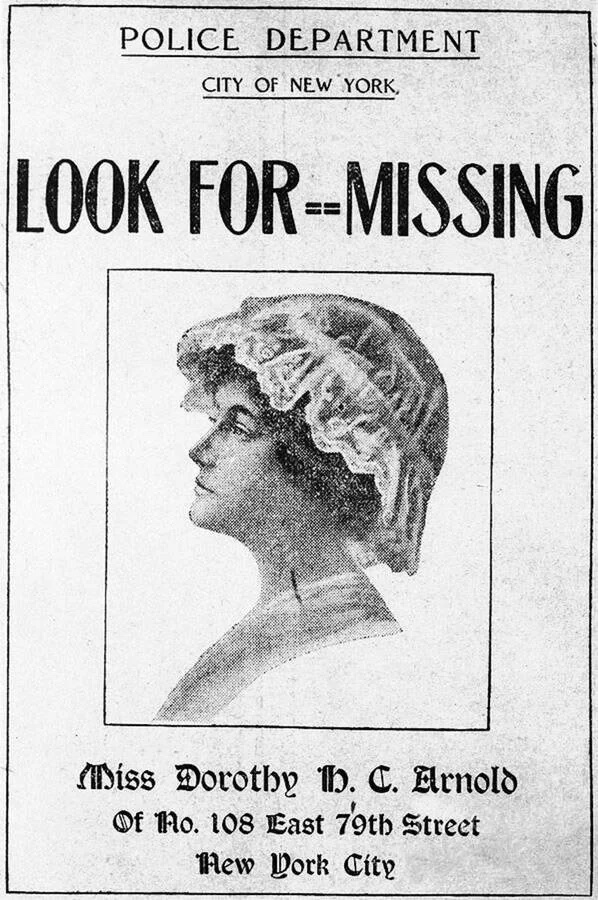
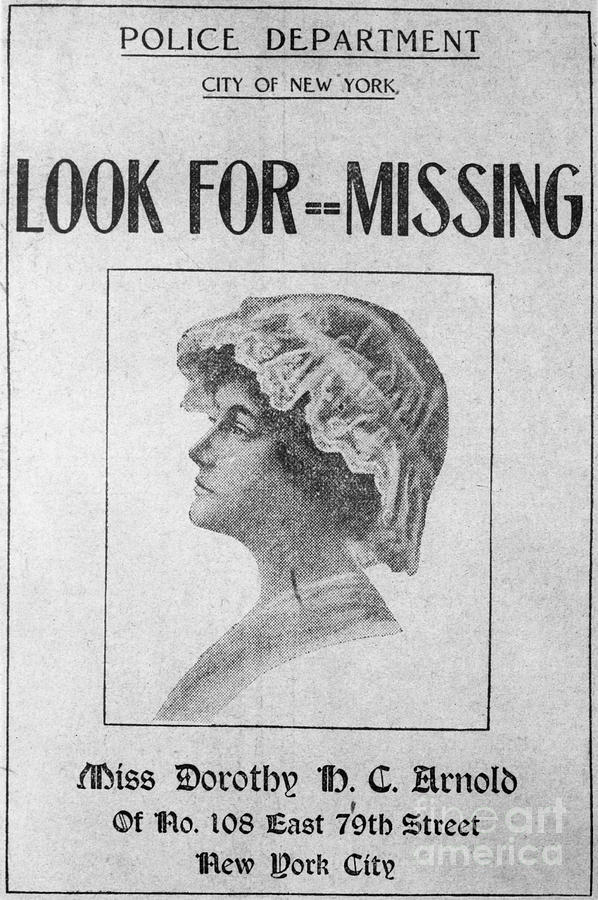
An example of a missing persons notice that was (eventually) distributed to police departments around the city.
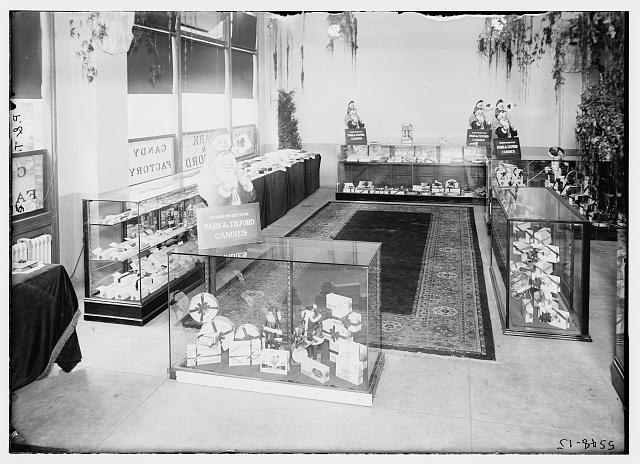
On the day of her disappearance, Arnold bought chocolates at the Park & Tilford candy shop.
Library of Congress
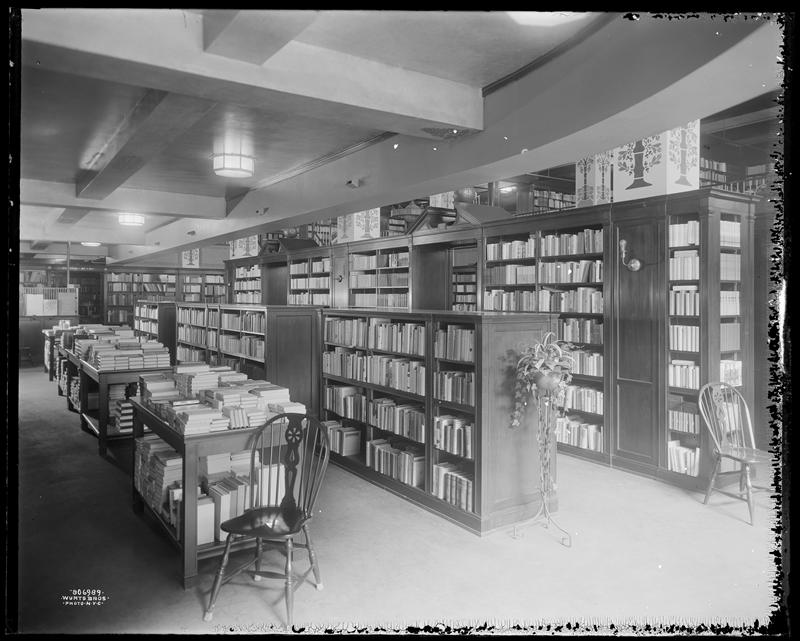
She was last spotted at a Brentano’s Book Store on 27th Street and Fifth Avenue. Here’s the interior of a New York Brentano’s store in 1925:
Museum of the City of New York
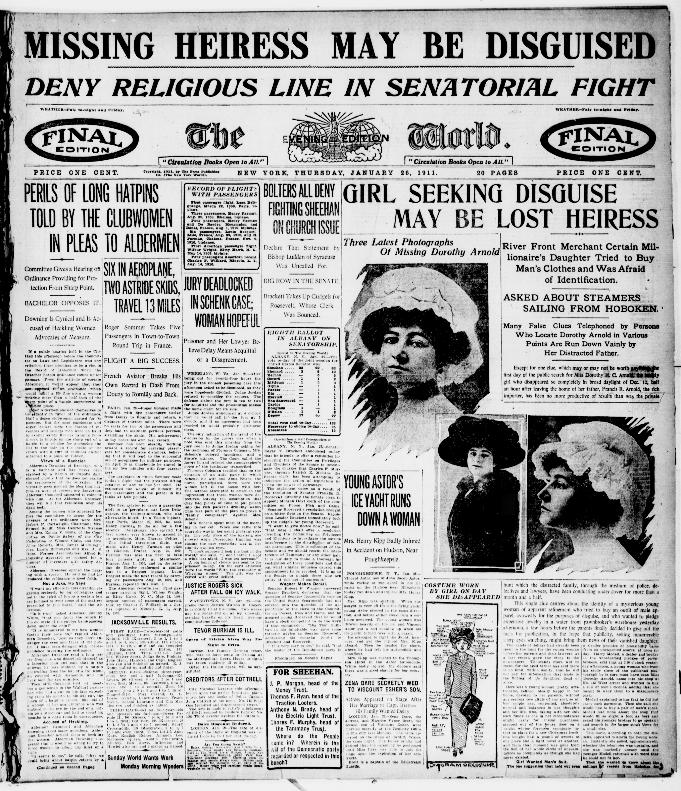
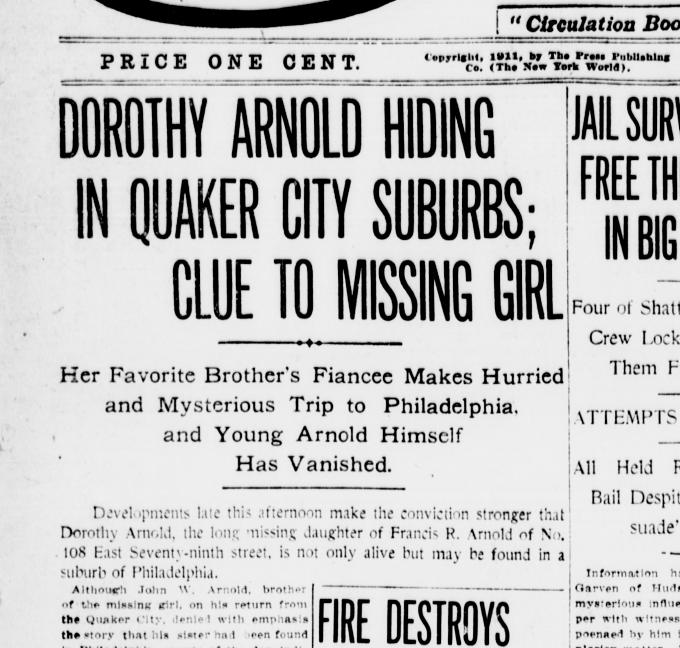
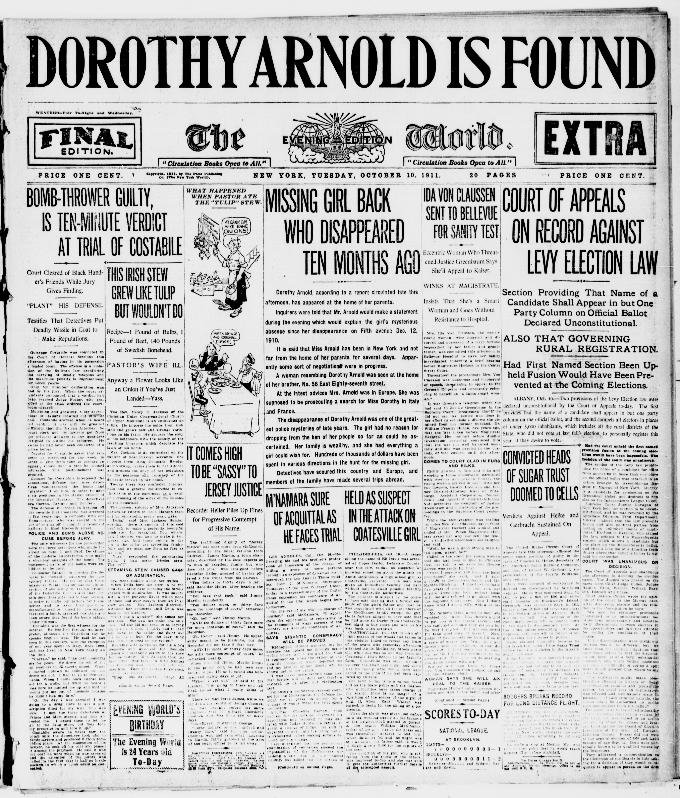
An extraordinary front page from the January 26, 1911, edition of the New York Evening World. Please note the other unusual headlines on the page:
Courtesy the Evening World
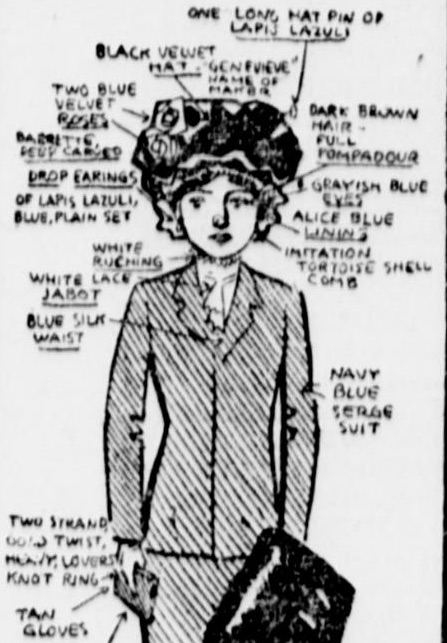
A close-up of the insanely detailed illustration of her wardrobe:
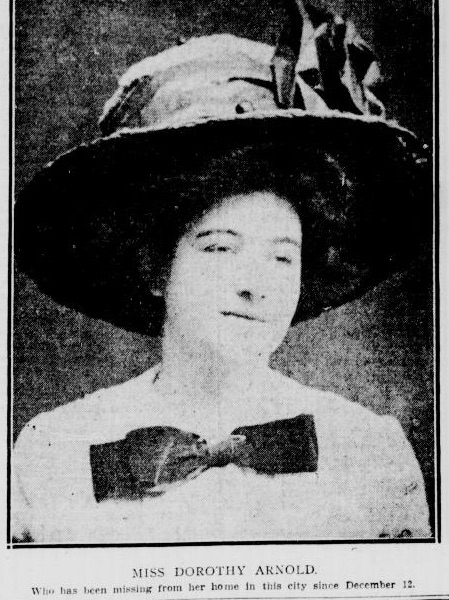
From the Jan. 26, 1911, New York Tribune: “Miss Dorothy Arnold who has been missing from her home in this city since December 12.”
Courtesy the New York Tribune
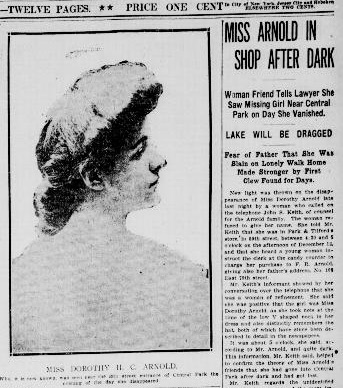
The New York Tribune, Jan 30, 1911: “Miss Dorothy H.C. Arnold who, it is now known, was seen near the 59th Street entrance of Central Park the evening of the day she disappeared.”
Courtesy New York Tribune
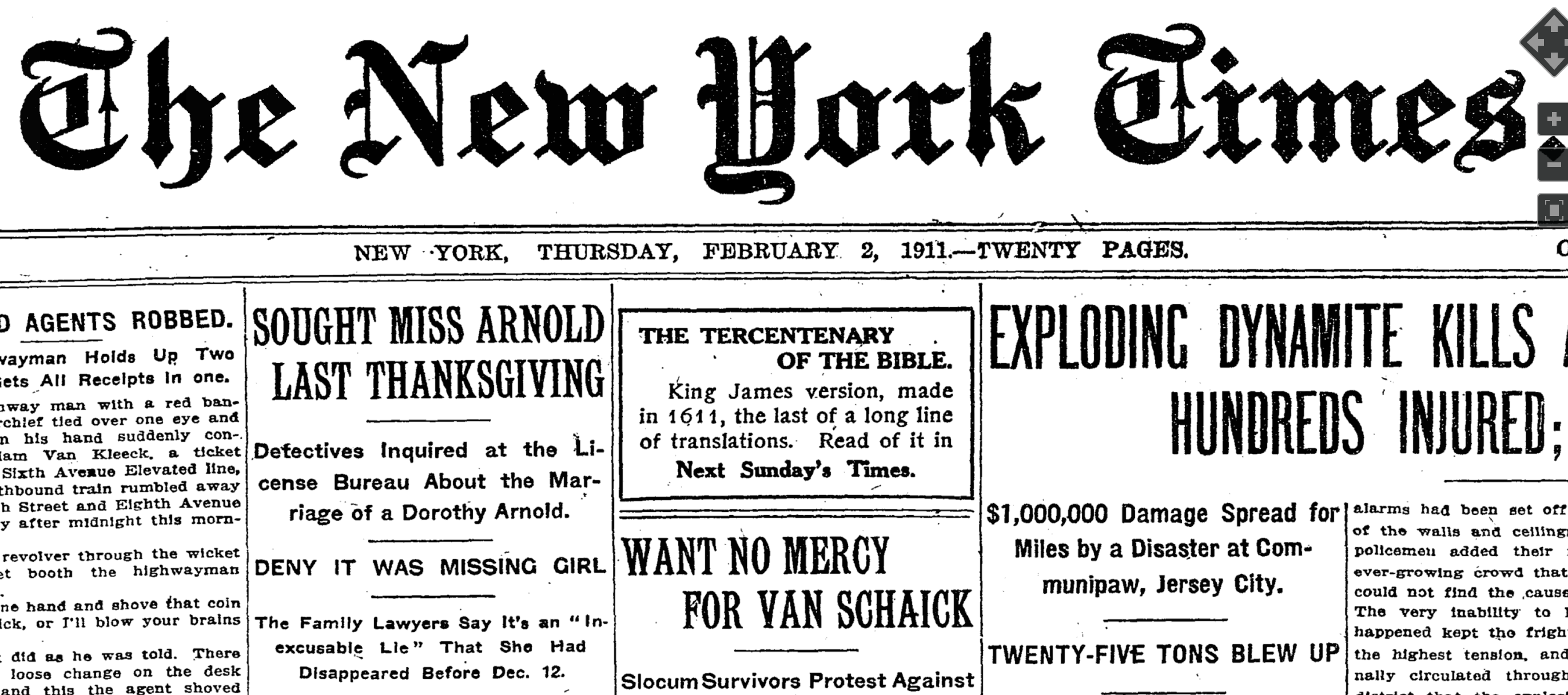
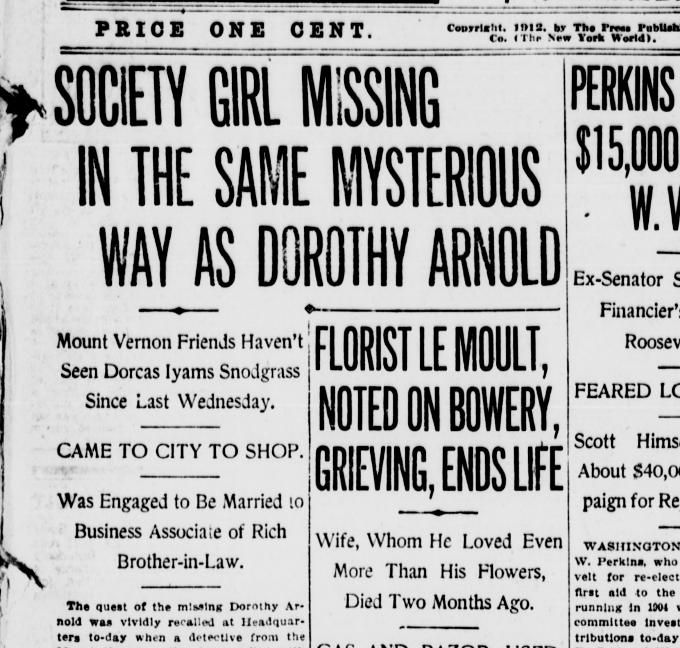
A Dorothy Arnold related headline, sitting next to a headline involving the captain of the ill-fated General Slocum steamship, which sank in 1904.
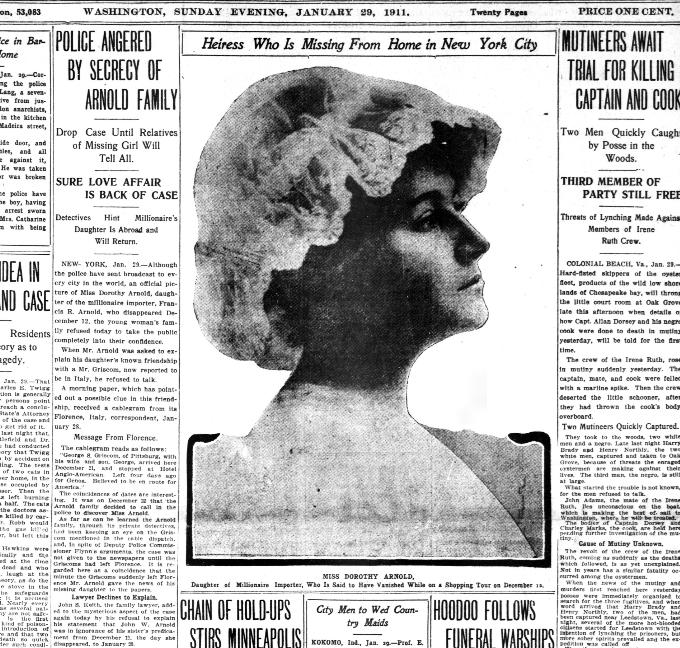
The event soon made newspapers across the country. This is from the front page of the Washington (D.C.) Times, January 29, 1911
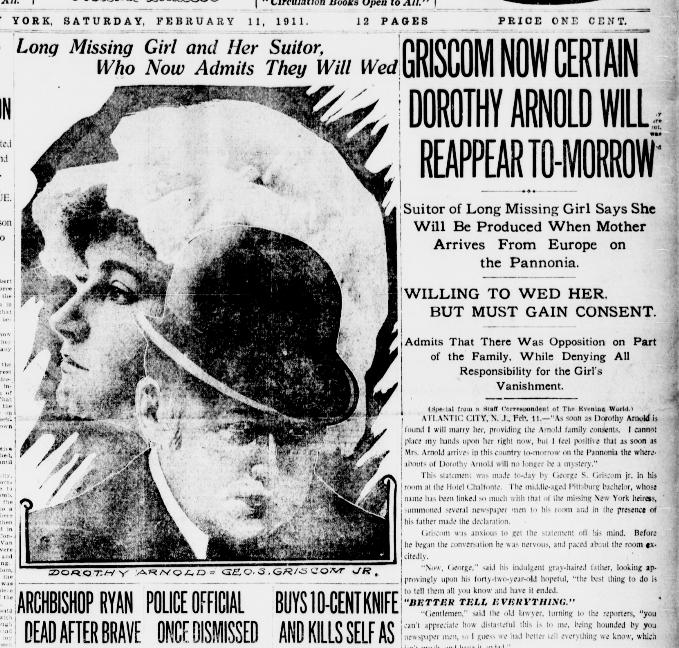
A photo illustration of Dorothy Arnold and George Griscom — accompanied by yet another speculative headline — in the February 11, 1911, edition of the New York Evening World:
Courtesy the Evening World
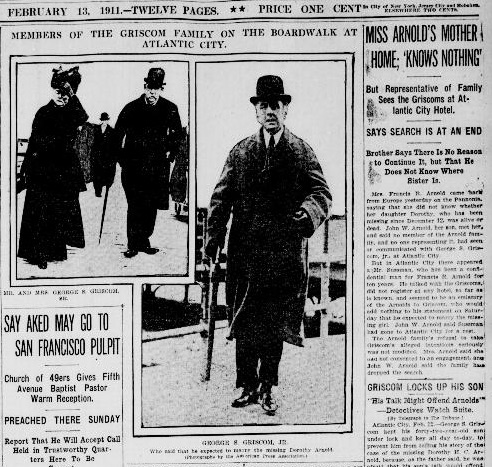
Even Griscom’s family was harassed by eager reporters. Here are his parents, captured on the Atlantic City boardwalk (February 13, 1911)
Courtesy New York Tribune
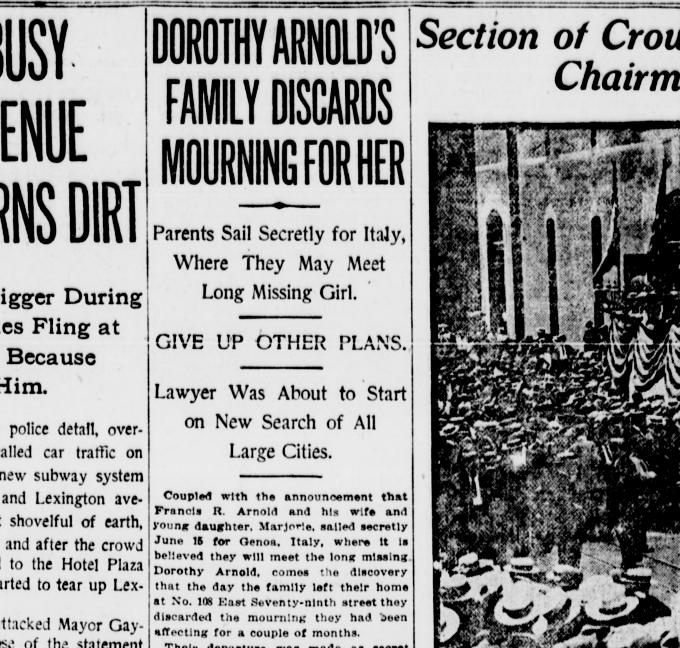
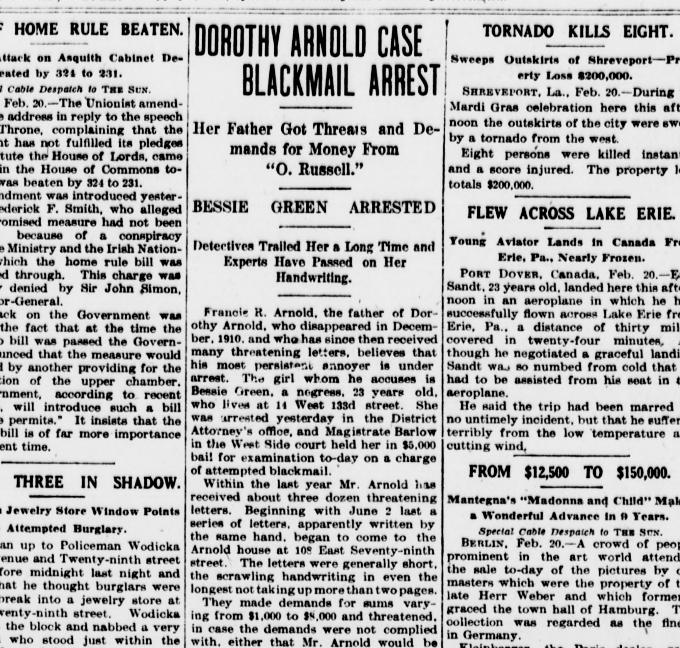
A headline from July 31, 1911, seems to question the motivation of Dorothy’s parents:
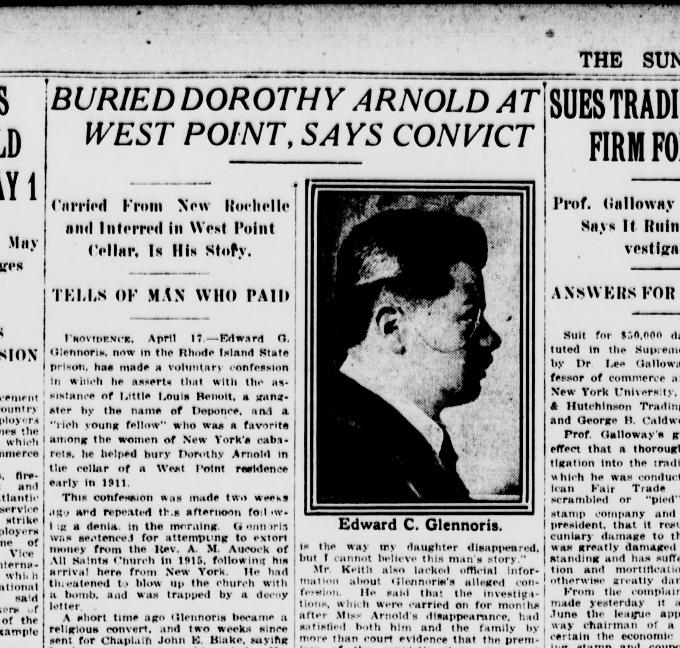
Over five year after her disappearance, her name is brought up again in a possible unfortunate event described by the Rhode Island convict Edward Glennoris.
Courtesy New York Sun
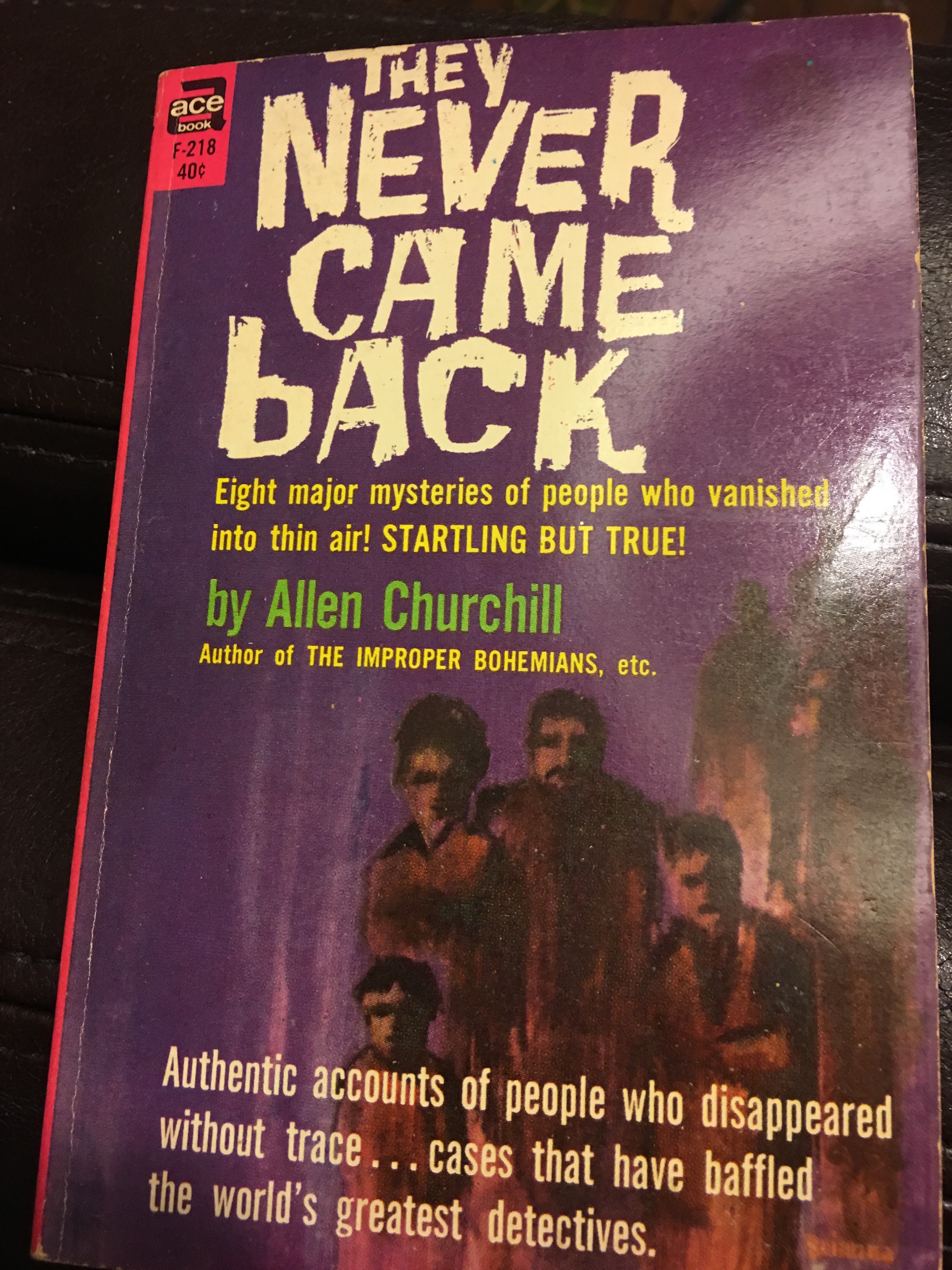
This podcast is inspired by an old paperback I found a long time ago called They Never Came Back by Allen Churchill which features the story of Dorothy Arnold:
PODCAST The historical backstory of one of the most famous documentaries ever made – Grey Gardens.
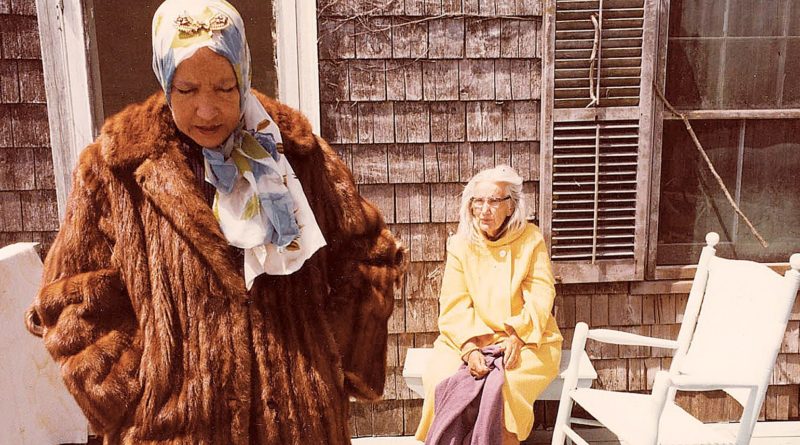
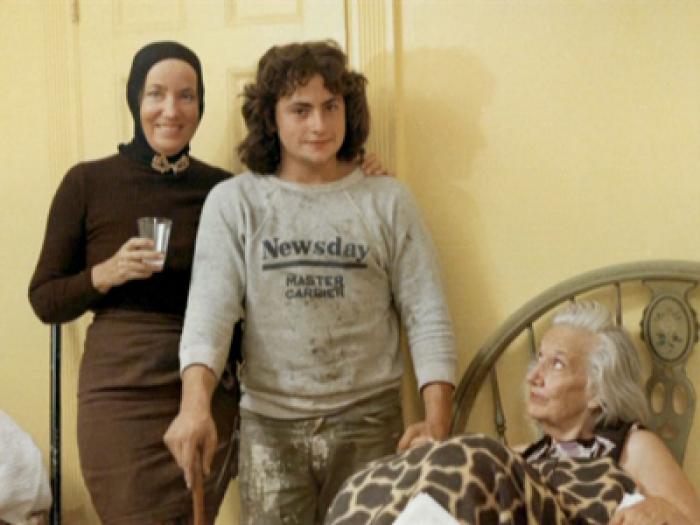
The classic film Grey Gardens, made by brother directing team Albert and David Maysles, looks at the lives of two former society women leading a life of seclusion in a rundown old mansion in the Hamptons.
Those of you who have seen the film – or the Broadway musical or the HBO film inspired by the documentary – know that it possesses a strange, timeless quality. Mrs Edith Bouvier Beale (aka Big Edie) and her daughter Miss Edith Bouvier Beale (aka Little Edie) live in a pocket universe, in deteriorating circumstances, but they themselves remain poised, witty, well read.
But if our histories truly make us who we are, then to understand these two extraordinary and eccentric women, we need to understand the historical moments that put them on this path.
And that is a story of New York City – of debutante balls, Fifth Avenue, Tin Pan Alley and the changing roles of women. And it’s a story of the Bouviers, who represent here the hundreds of wealthy, upwardly mobile families, trying to maintain their status in a fluctuating world of social registers and stock market crashes.
This is story about keeping up appearances and the consequences of following your heart.
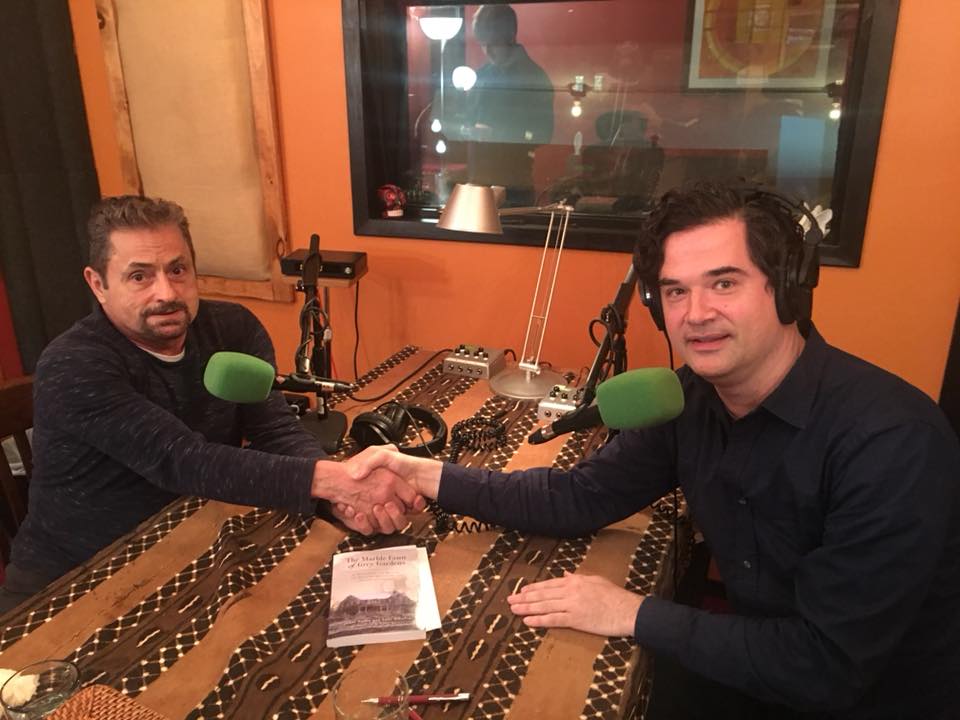
FEATURING: A very special guest! The Marble Faun himself — Jerry Torre, who swings by the show to share his recollection of these fascinating women.
The Bowery Boys: New York City History podcast is brought to you …. by you!
We are now producing a new Bowery Boys podcast every other week. We’re also looking to improve and expand the show in other ways — publishing, social media, live events and other forms of media. But we can only do this with your help!
We are now a creator on Patreon, a patronage platform where you can support your favorite content creators.
Please visit our page on Patreon and watch a short video of us recording the show and talking about our expansion plans. If you’d like to help out, there are six different pledge levels. Check them out and consider being a sponsor.
We greatly appreciate our listeners and readers and thank you for joining us on this journey so far.
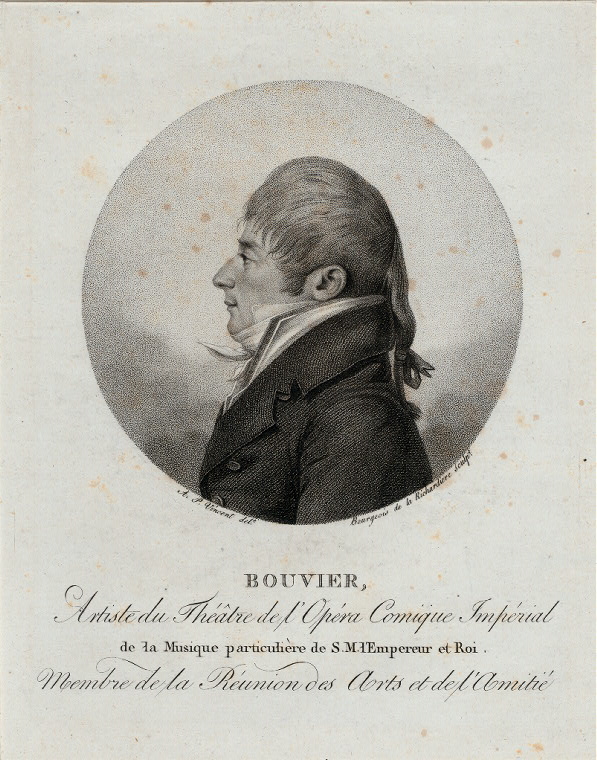
The Bouvier family did indeed have ‘French genes’, connected to cabinetmakers who immigrated to the United States in the 1810s.
NYPL
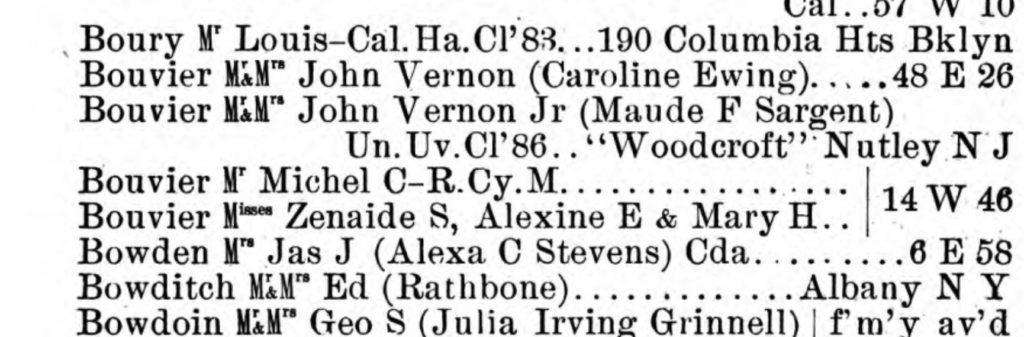
The Bouvier family’s listings in the 1899 New York Social Register.
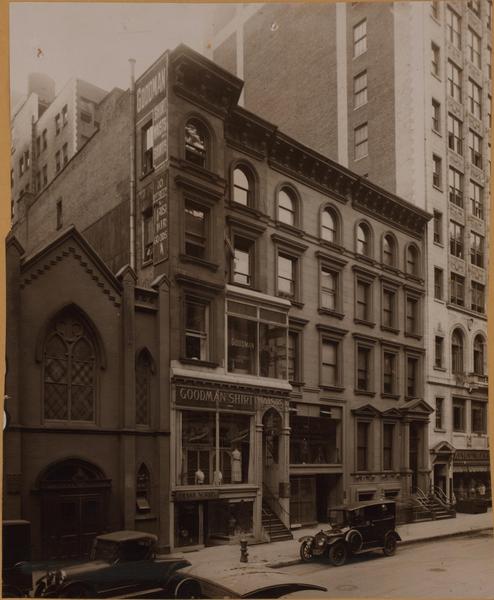
Big Edie’s great uncle Michel Charles ‘M.C.’ Bouvier and her three unmarried great aunts Zenaide, Alexine and Mary all lived in a fine brownstone at 14 W. 46th Street.
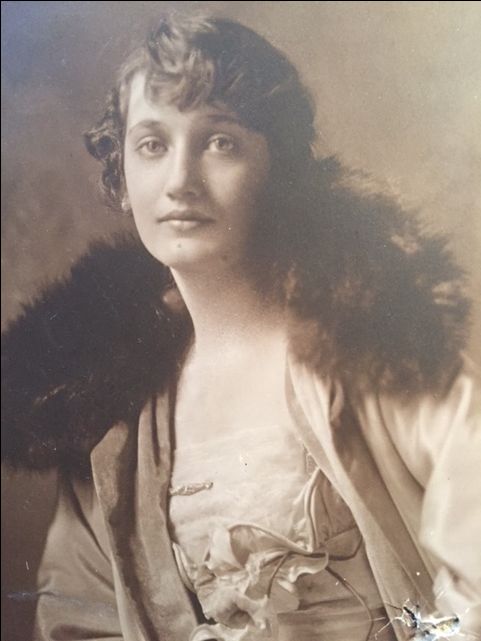
Edith Ewing Bouvier Beale
Grey Gardens Official
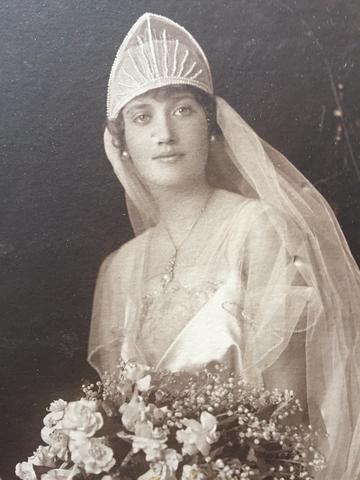
The wedding photo of Edith Ewing Bouvier Beale.
Grey Gardens Official
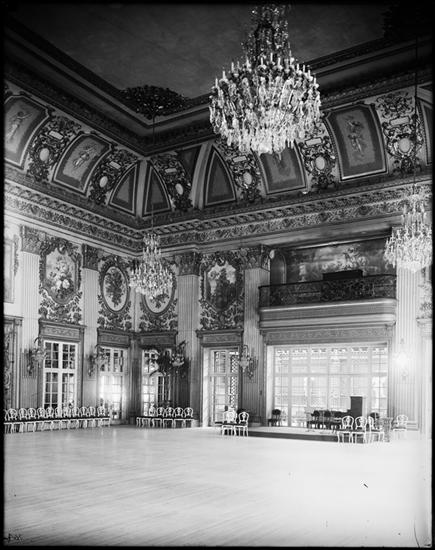
The ballroom of Sherry’s (44th and 5th Avenue) where Edith had her debutante ball.
MCNY
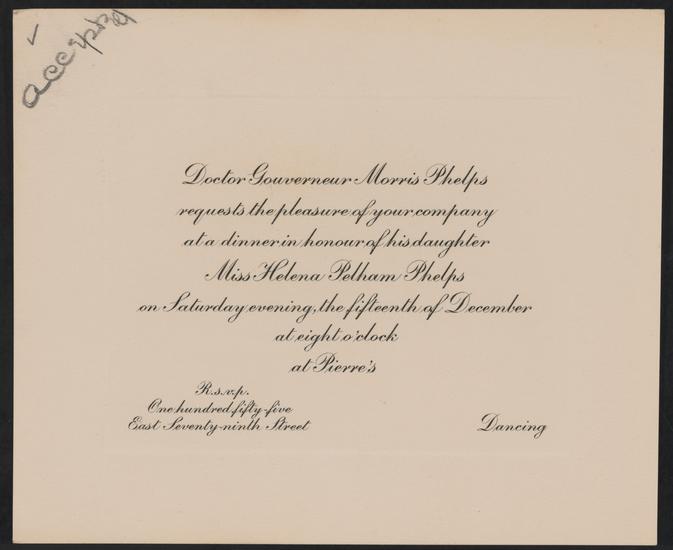
An invitation for a 1928 debutante ball at the Hotel Pierre (where Little Edie would have her own fête).
Museum of the City of New York
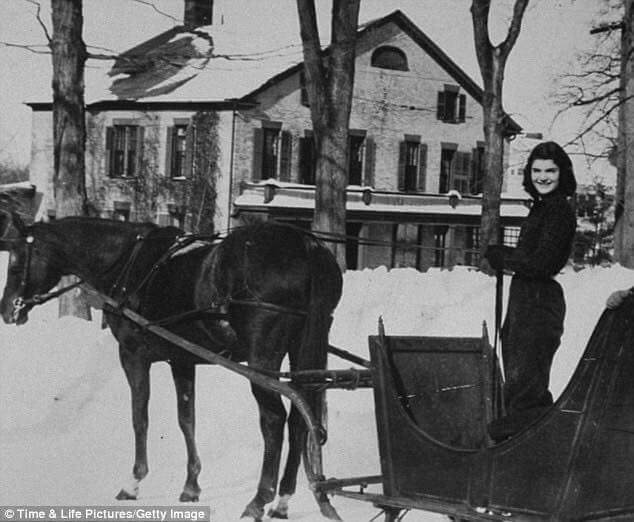
Sixteen year old Jacqueline Bouvier attending Miss Porter’s finishing school in Farmington, Connecticut. Both Big Edie and Little Edie went here as well.
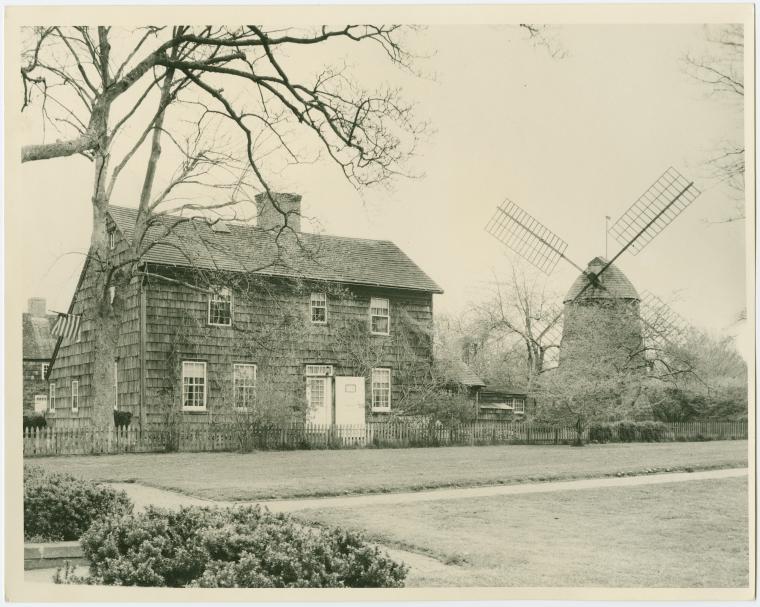
East Hampton was the first English settlement in the area that would eventually become New York state.
NYPL
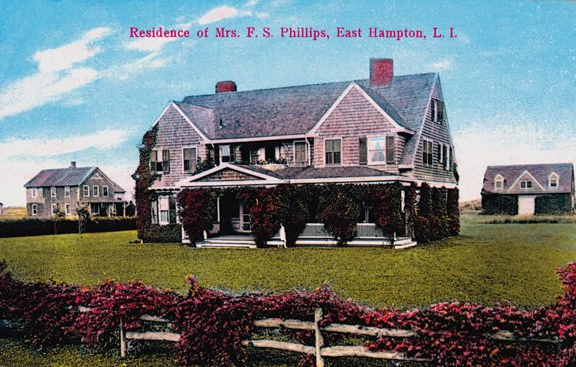
An early image of Grey Gardens mansion.
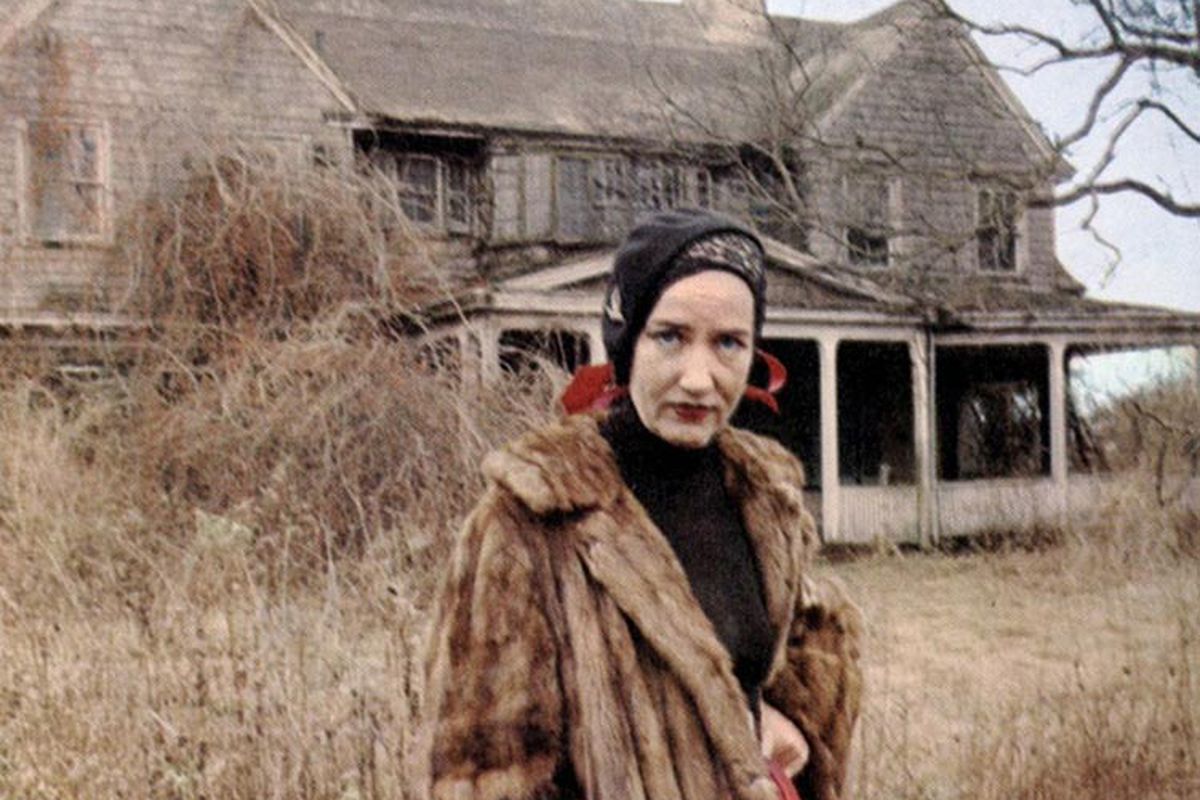
Little Edie posing in front of the house in the film Grey Gardens.
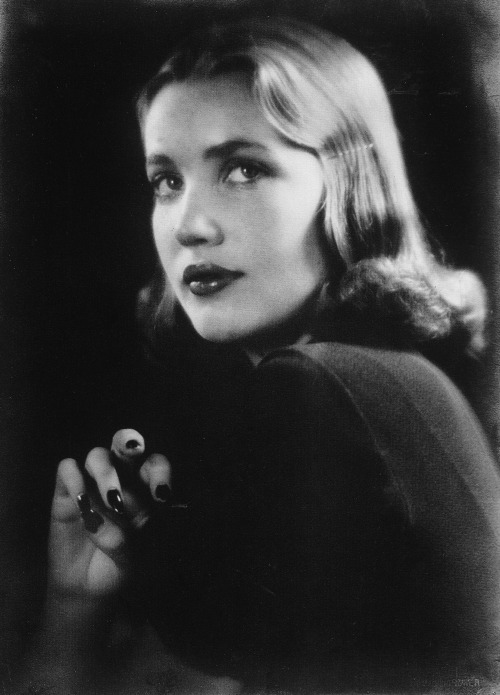
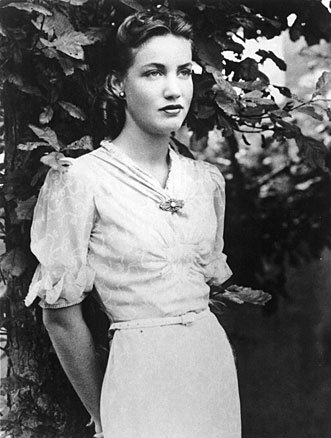
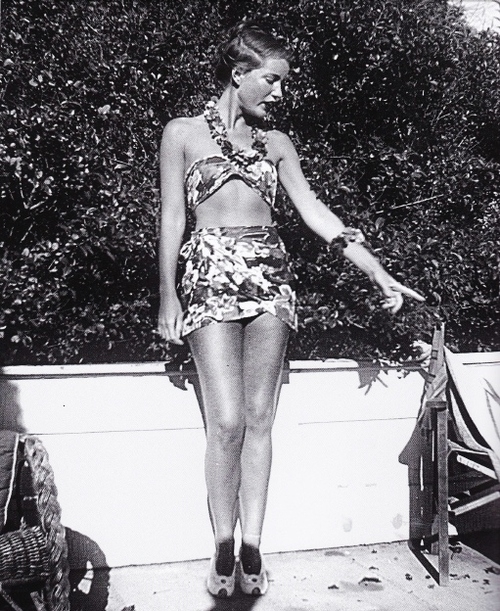
Images of Little Edie in her youth, a beautiful, confident young woman who echoed her mother’s love of music and performance. The two retreated into a reclusive life even as their family become national prominent.
Grey Gardens Official
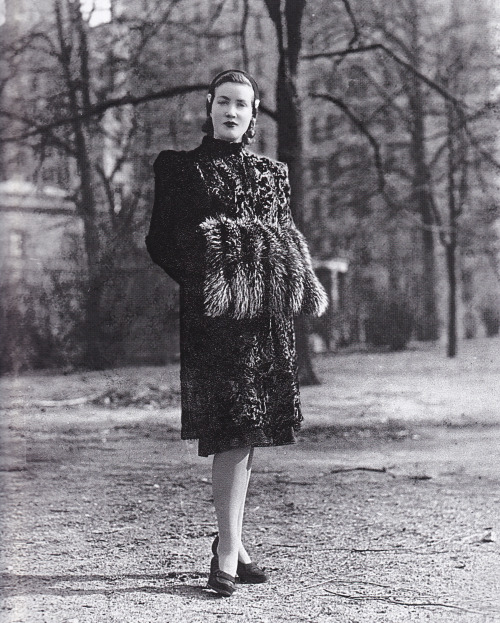
Little Edie in New York, possibly from the period of the late 40s/early 50s.
Grey Gardens Official
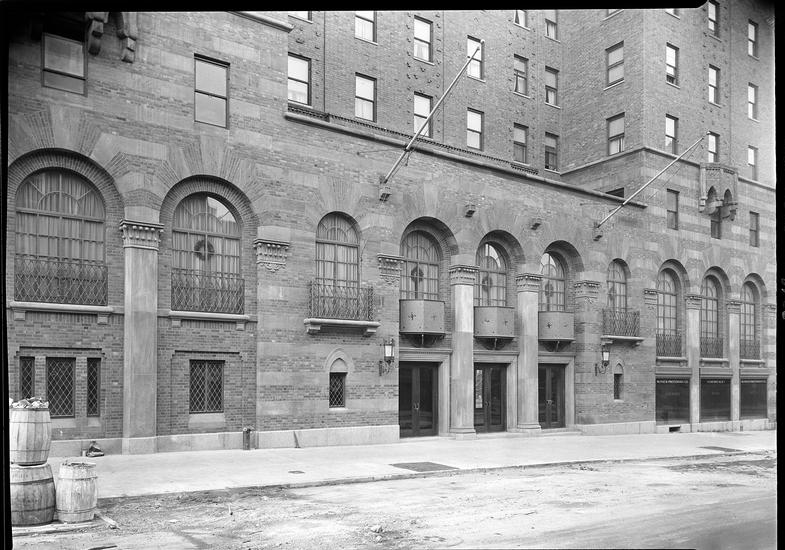
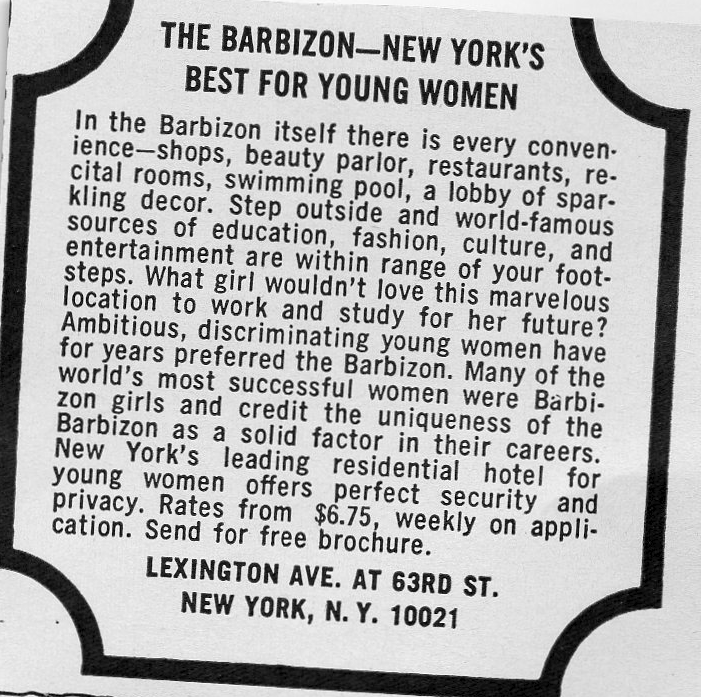
Little Edie’s big-city refuge for a time — the Barbizon Hotel for Women:
Museum of the City of New York/Samuel Gottscho
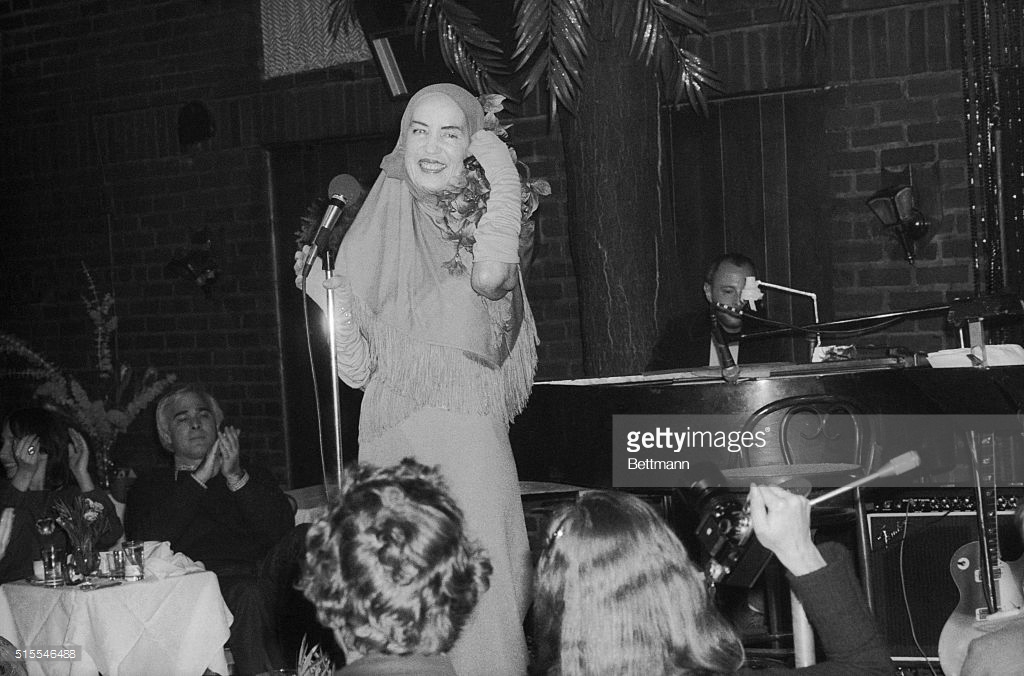
Little Edie performing at Reno Sweeney in the West Village.
Getty
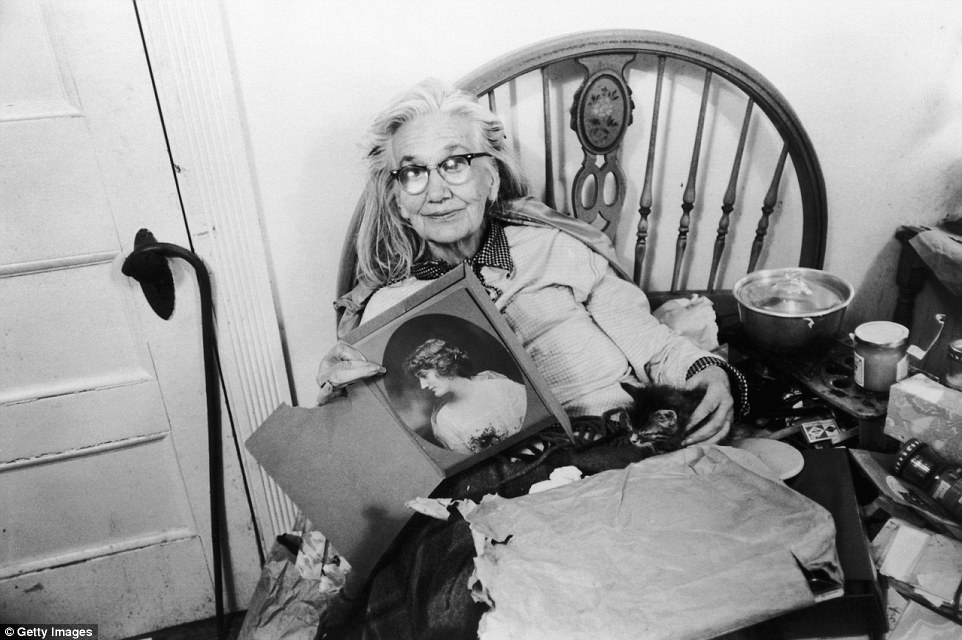
Big Edie in her familiar perch, flanked with kittens and memories.
Getty
Many thanks to Jerry Torre for stopping by the studio to chat!
CORRECTION TO THE SHOW: The Great Gatsby is set in 1922, but the book was released in 1925.
FURTHER LISTENING Some of the themes and subjects referenced in this episode have been spoken about in past shows. After you’ve finished listening to Journey to Grey Gardens, give these a try.
And if you enjoyed the show, you might enjoy the soundtrack! Here’s a Spotify playlist of songs from the show and inspired by this story:
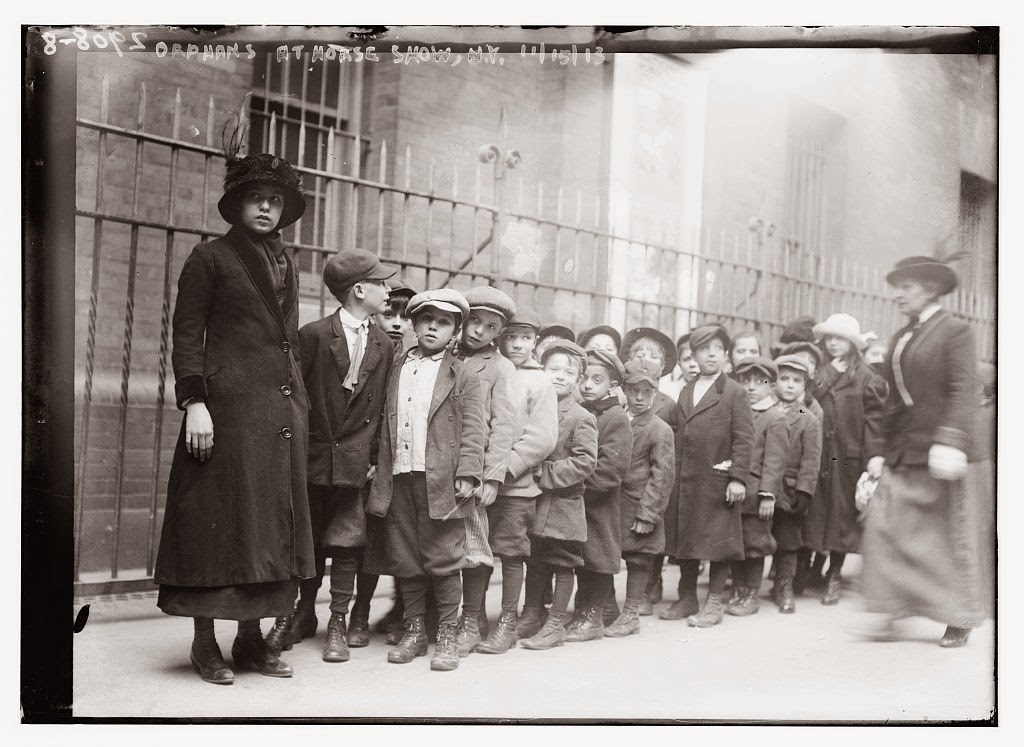
These unbearably cute orphans seen above were lined up to go to the National Horse Show at Madison Square Garden which began on November 15, 1913. These are of course the days of the Garden down at the northeast corner of Madison Square, the glorious McKim, Mead and White structure topped with a glittering statue of Diana.
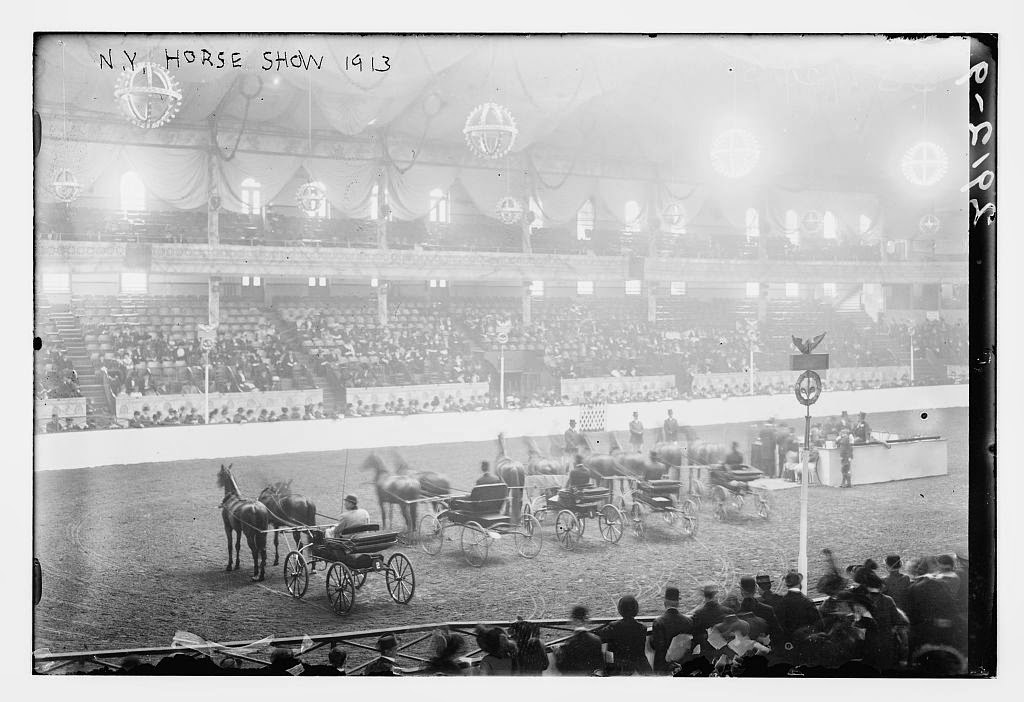
Once inside, the children were witness to a marvelous variety of events, including horse racing, pictured here:
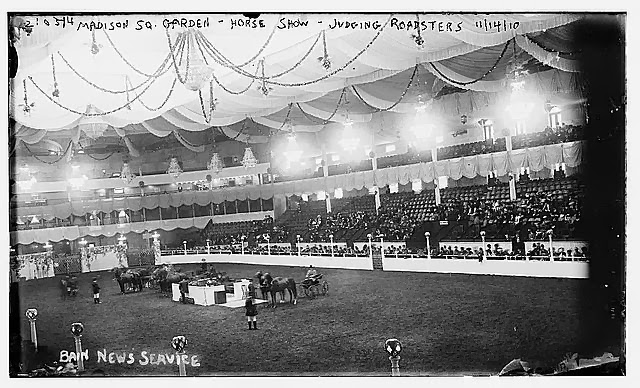
Here’s another view of an earlier event from 1910:
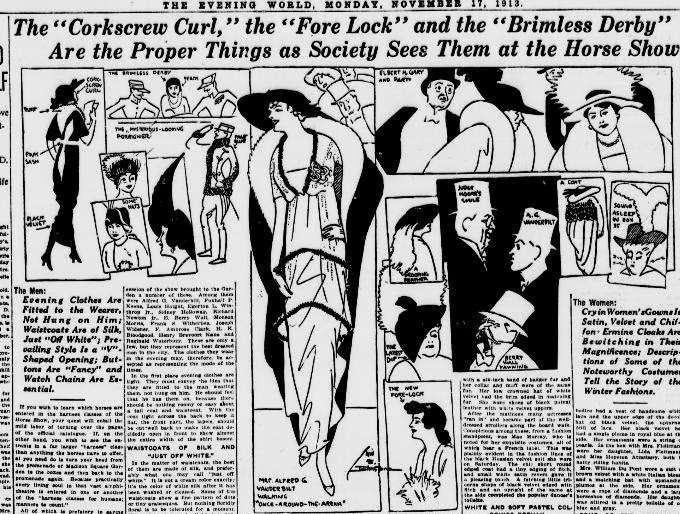
The National Horse Show was one of New York’s big society events, as much a see-and-be-seen spectacle as the opera. Did anybody care about the dressage, the equestrian excellence? Perhaps some. But many were just there for the fashion show as society doyennes and big-money mogul strutted the latest styles.
“If you wish to learn which horses are entered in the harness classes of the Horse Show, your quest will entail the mild labor of turning over the pages of the official catalogue. If, on the other hand, you wish to see the entrants in a far larger “harness” class than anything the horses have to offer, all you need do is turn your head from the promenade of Madison Square Garden to the boxes and then back to the promenade again.”
From the Nov. 17th Evening World
From the Nov. 21st Evening World
So how did a group of poor orphans get invited to high society’s big event? It was a gesture of charity by the Vanderbilt family — Alfred Gwynne Vanderbilt* was president of the horse show — who invited 3,000 orphaned children from around the city to sit in the balconies.
“The city’s little wards have looked forward to this occasion for many months. They always do. They know Santa Claus Vanderbilt. After the show each of them will leave the Garden with a substantial present. It is their Christmas Day.” [source]
* Two years later, Mr. Vanderbilt would die in the sinking of the RMS Lusitania.
Photographs at top courtesy the Library of Congress
“When a woman has reached the age of thirty there is nothing left for her but to be good. I am going to make clothes for the poor. Hand me down that roll of flannel, Rachel: I mean to begin at once.”
“If it will be any comfort to you, my dear,” began Rachel, soothingly, if monotonously. “I read the other day that women of thirty were all the fashion, and that girls of twenty were quite out of it.”
“That was written by a person of forty then, my dear.â€
Happy Leap Day, single ladies! Put a ring on it! For four years — 1,460 straight days — men have been the initiators in romance. Women were to mildly express interest in a mate, her demure politeness disguising anything possibly resembling passion as she awaited a marriage proposal from the confines of her parents home. But not so on February 29, according to custom. On this day, women get to playfully assert themselves in the parlor, boldly proposing to the men they desire.
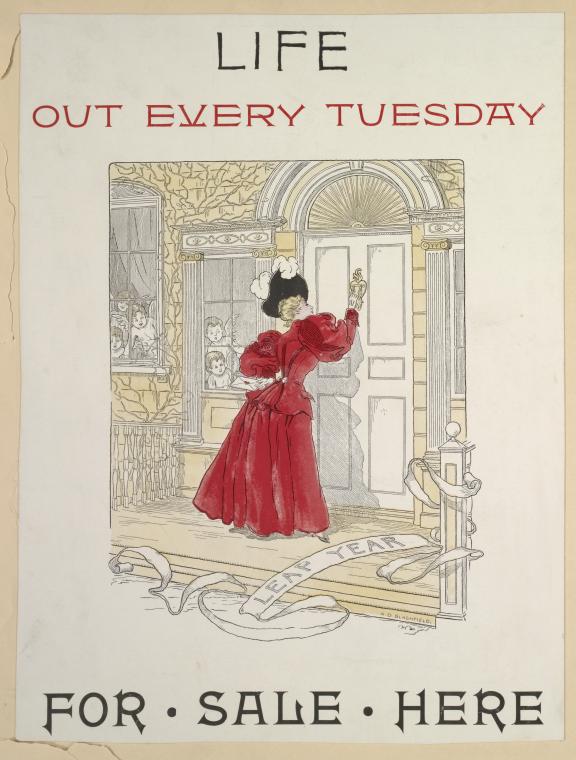
Although this Leap Day tradition allegedly dates back to the Elizabethan era and even further, the proper folk of the Victorian — and within the societal confines of New York — embraced it almost-seriously. But this was no mere pantomime of dating ritual, not simply a crusty poke at female status. Citing ‘common law’, the Independent in 1908 proclaimed, “[A]ny man refusing a woman’s proposal on leap year shall give her a silk dress. Every maiden, widow or divorcee has, therefore, an opportunity this year to replenish her wardrobe even if she fails to satisfy her affections.” (The advertisement at top seems to reference this detail of the ritual.)
The tradition in 19th century New York was recognized enough that an uptick in advertisements from female suitors could be found in newspapers on that particular day. A reporter for the Times peers in on “the ladies of Harlem” in 1856 to discover “the fairer half of the assemblage asserted the prerogatives which Leap Year confers upon them to the fullest extent. They selected their own partners for the dance and very probably some of them exercised their privilege of choosing a party for life.” There was even a well-received play by J.B. Buckstone which debuted in 1850 called ‘Leap Year – A Ladies Privilege’.
But was this ridiculous tradition ever really taken seriously? There was doubt, even in the Gilded Age. I mean, women proposing marriage? Can you imagine? “It seems almost incredible to us that there was a time when it was considered a humorous thing for a civilized community to assume that women were in the habit of doing what no woman is known ever to have done,” wrote a Times columnist in 1880
As with old customs, this might have been taken more seriously outside of major cities, as evidenced by this letter which ran in the New York Times in 1864: “A remarkable (Leap Year) courtship and marriage came off in our quiet village last week, resulting disastrously to all the parties concerned.”
For New Yorkers, Leap Day does not seem to have been a ‘holiday’ that received serious consideration. Among the upper crust, a woman’s proposal would have been scoffed at, regardless of the season, while it’s doubtful certain lower class women wouldn’t have waited for a calendar anomoly to do what she wished. If anything, the urban legend might have actually deterred potential marriage proposals. According to an 1884 article, “The ladies are afraid to marry this [leap] year because people will say they popped the question.”
Even William Jay Gaynor, mayor of New York 100 years ago, dismissed the custom and the women of New York in a single swoop: “I do not think women care about leap year. They can propose if they want to, but bless them, leap year or no leap year, they would rather have the fellow propose to them.”