Categories
Parks and Recreation Podcasts Staten Island History

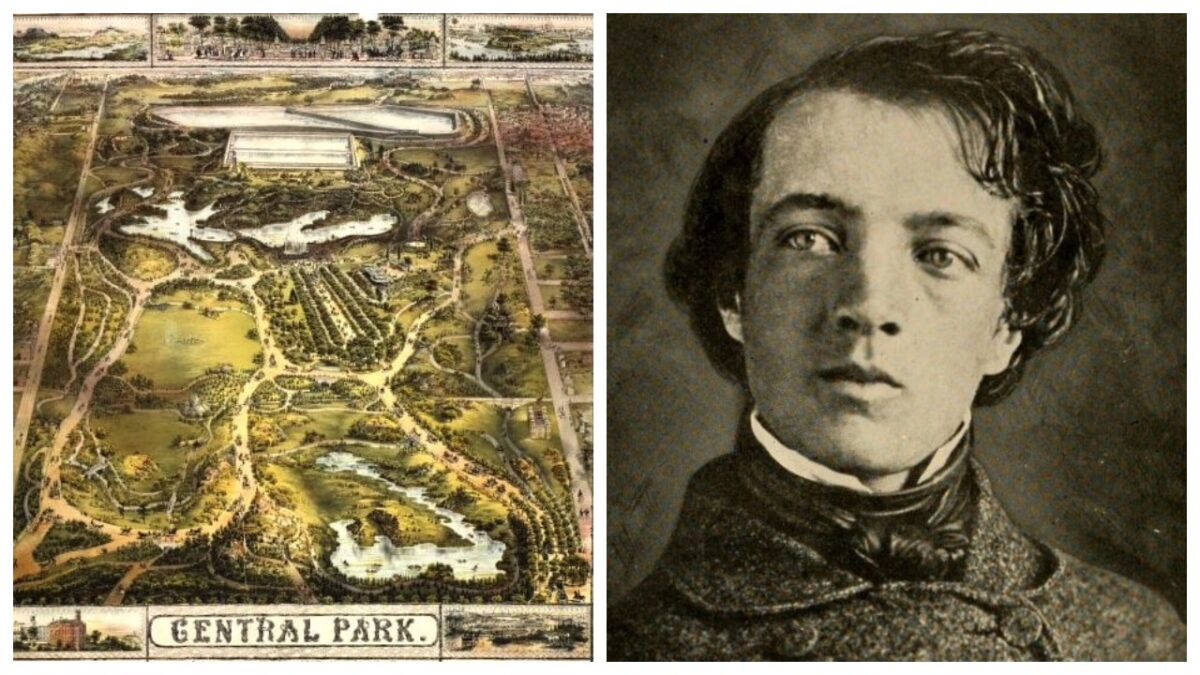
Frederick Law Olmsted and the Plan for Central Park

PODCAST Frederick Law Olmsted, America’s preeminent landscape architect of the 19th century, designed dozens of parks, parkways and college campuses across the country.

With Calvert Vaux, he created two of New York City’s greatest parks — Central Park and Prospect Park.

Yet before Central Park, he had never worked on any significant landscape project and he wasn’t formally trained in any kind of architecture.

In fact, Fred was a bit of a wandering soul, drifting from one occupation to the next, looking for fulfillment in farming, traveling and writing.

This is the remarkable story of how Olmsted found his true calling.

The Central Park proposal drafted by Olmsted and Vaux — called the Greensward Plan — drew from personal experiences, ideas of social reform and the romance of natural beauty (molded and manipulated, of course, by human imagination).

But for Olmsted, it was also created in the gloom of personal sadness. And for Vaux, in the reverence of a mentor who died much too young.

PLUS: In celebration of the 200th anniversary of Olmsted’s birth, Greg is joined on the show by Adrian Benepe, former New York City parks commissioner and president of Brooklyn Botanic Garden.

LISTEN NOW: FREDERICK LAW OLMSTED AND THE PLAN FOR CENTRAL PARK


#Olmsted200

For more information on Olmsted 200 events in your area, check out their website.
And a list of upcoming events here.


Planning a visit to the Brooklyn Botanic Garden? It’s cherry blossom season! Check their website to see where the blossoms are blooming.

Thank you Adrian Benepe for appearing on the show and to everybody over at the Brooklyn Botanic Garden for your help in putting things together.
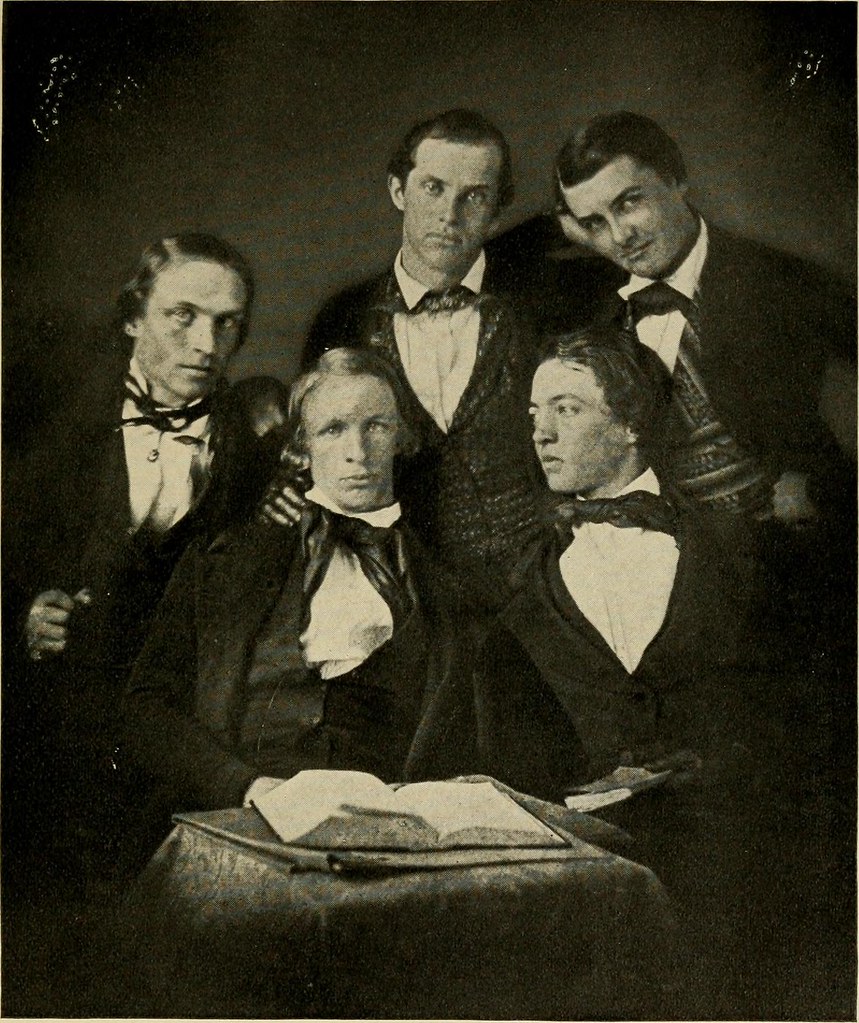
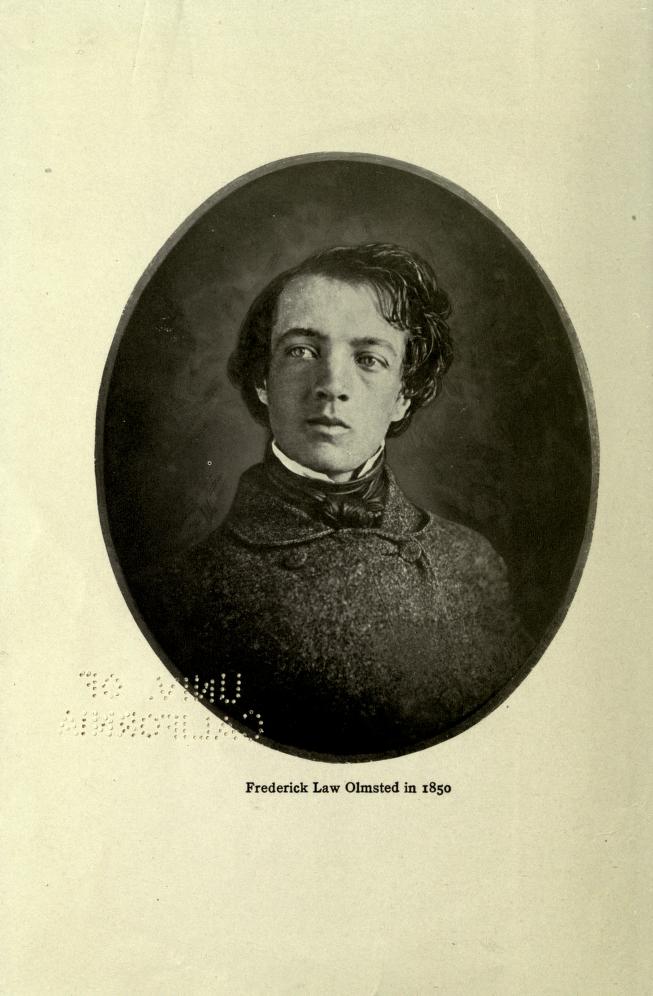
Charles Trask, Charles Loring Brace, Fred Kingsbury, Frederick Law Olmsted, John Hull Olmsted at 1846
Forty Years of Landscape Architecture; being the Professional Papers of Frederick Law Olmsted, Senior. 1922-28. Contributed in BHL from the University of California Libraries.

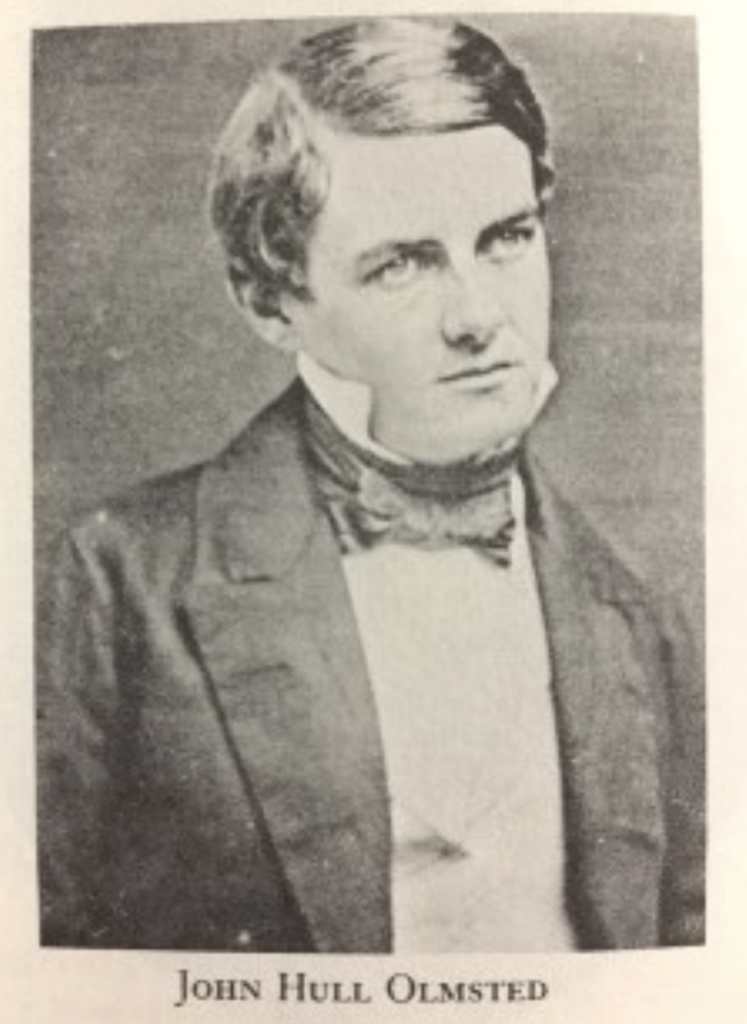
Fred’s brother John Olmsted

From Olmsted’s personal collection of photographs, The Society for the Preservation of New England Antiquities, Boston, Mass. Source

Their friend and traveling companion Charles Loring Brace.
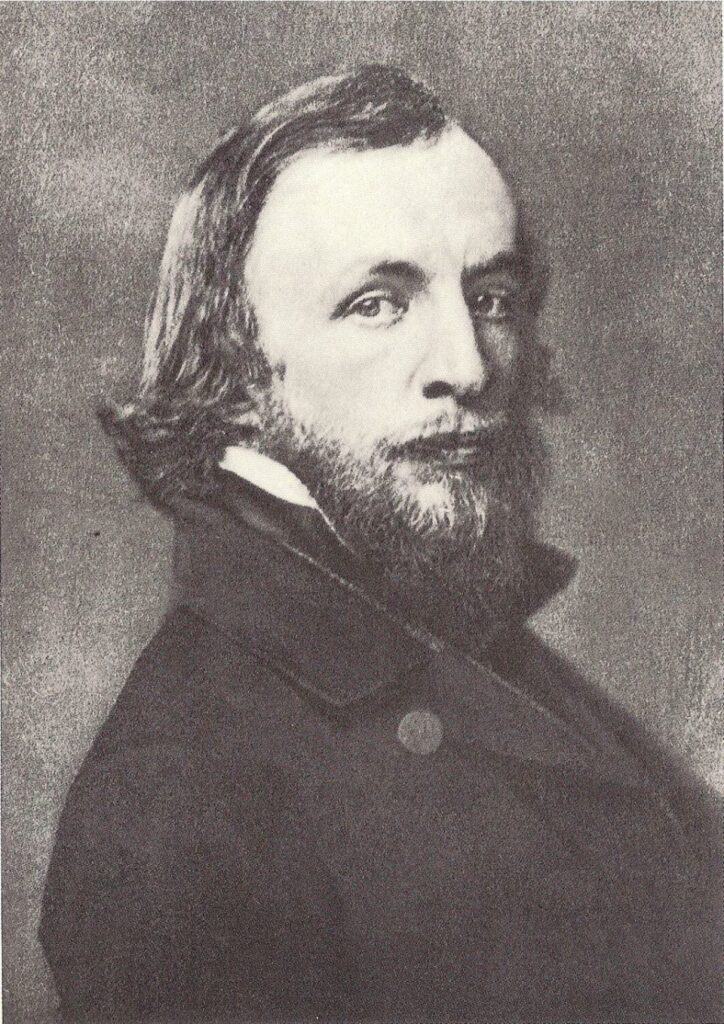

Andrew Jackson Downing
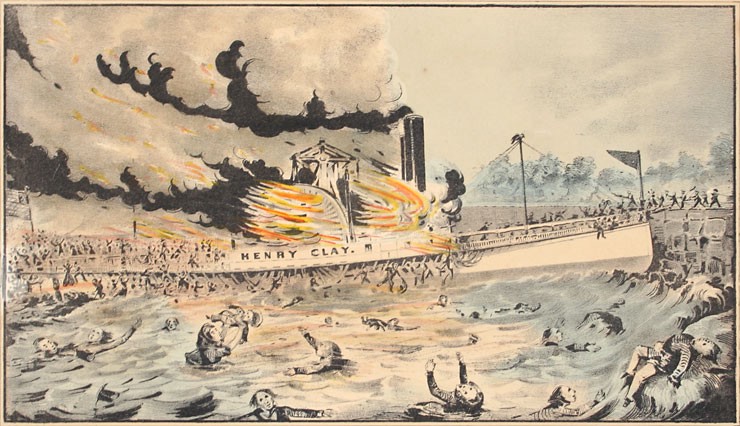
The Burning of the Henry Clay, in a lithograph by Nathaniel Currier, 1852

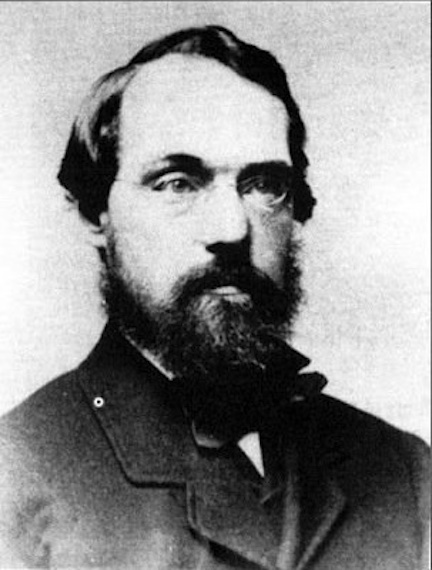
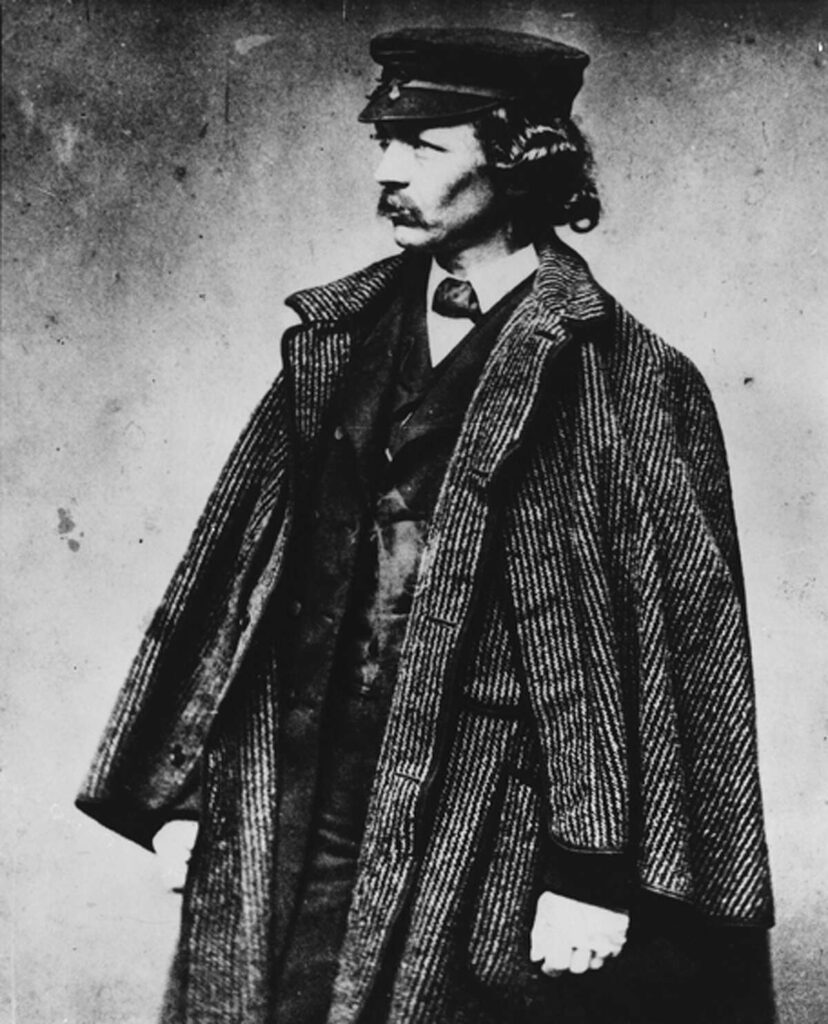
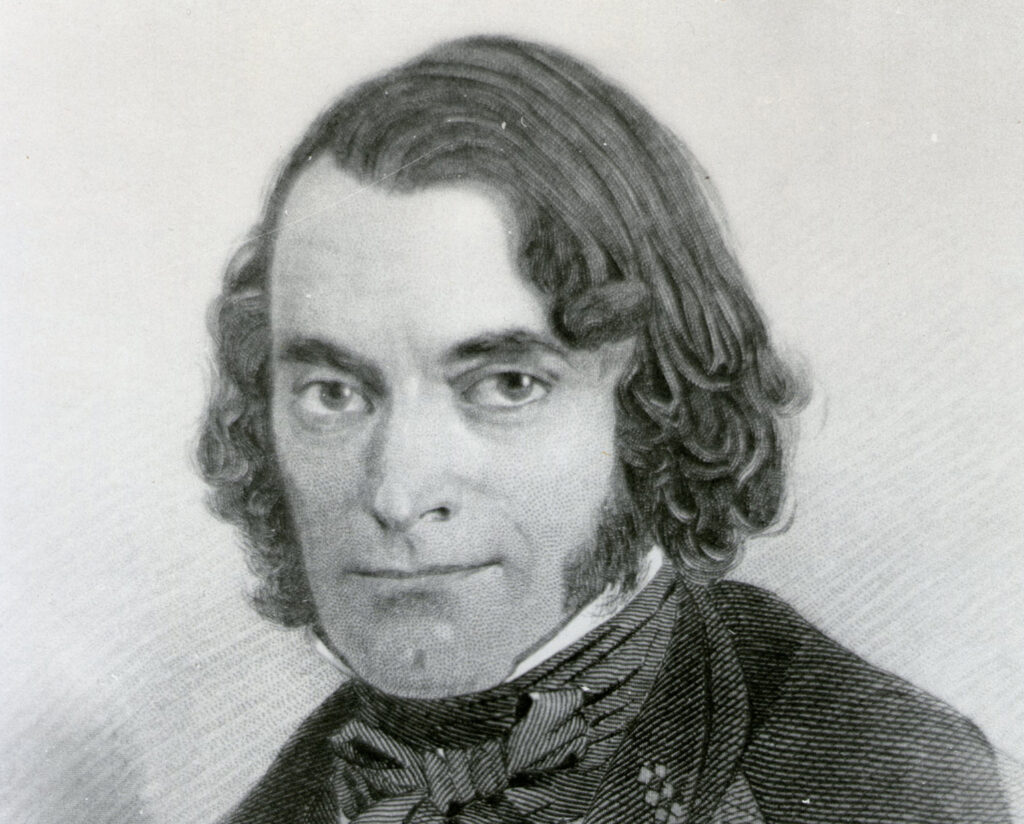
Calvert Vaux

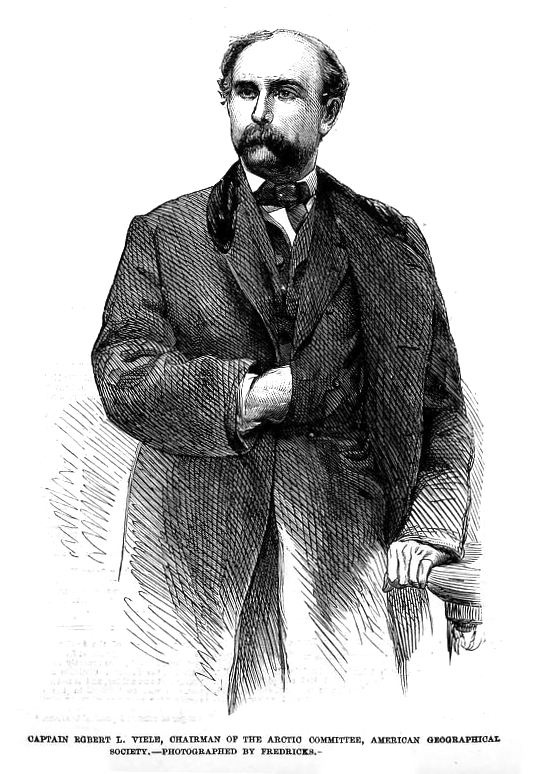
Egbert Ludovicus Viele

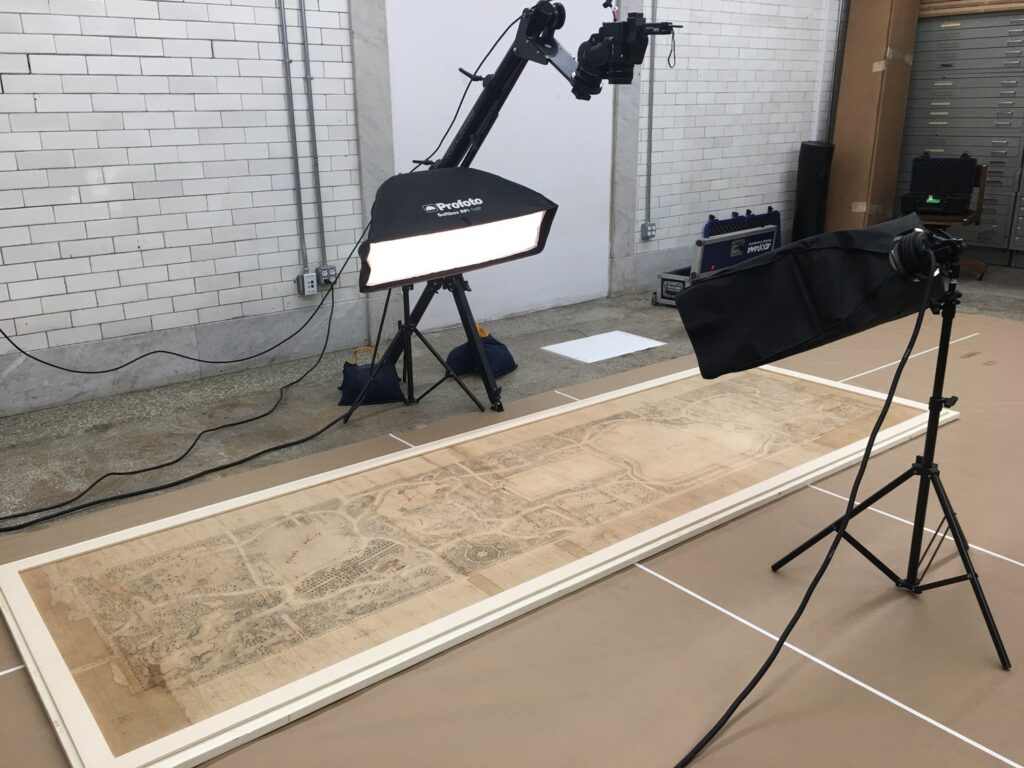
The Greensward Plan will be on display at The New York City Department of Records and Information Services/Municipal Archives Friday, April 22 and Saturday, April 23. 

Get your free tickets here.

Here’s a fascinating article from NYC Department of Records & Information Services about digitizing the Greensward Plan.

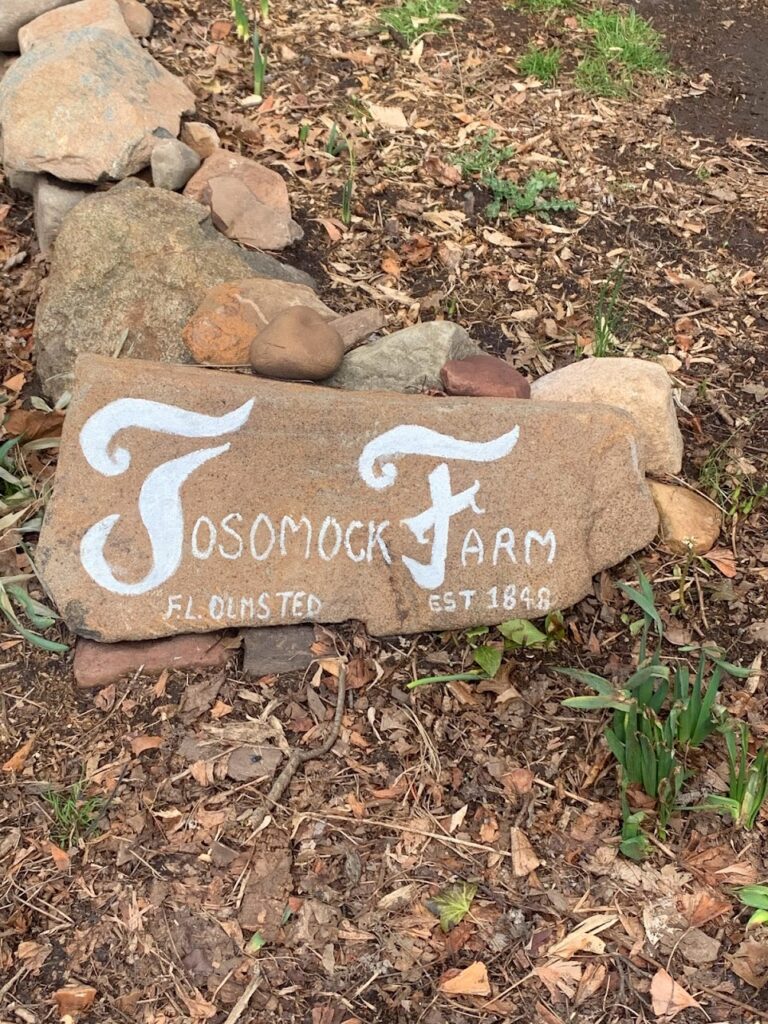
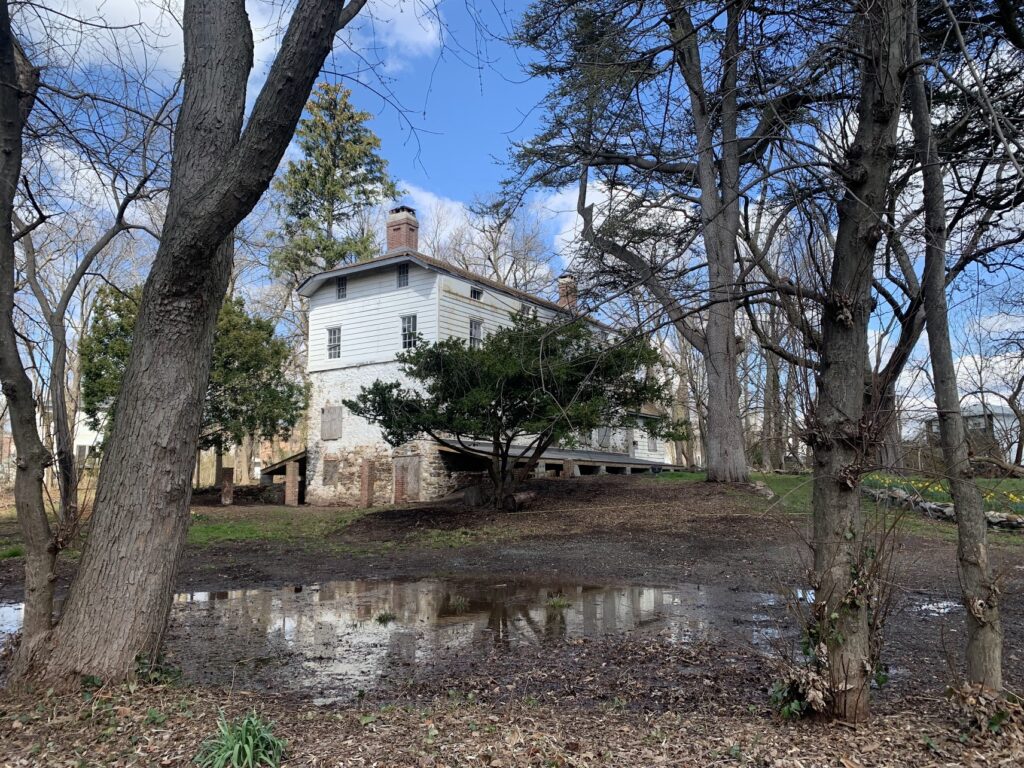
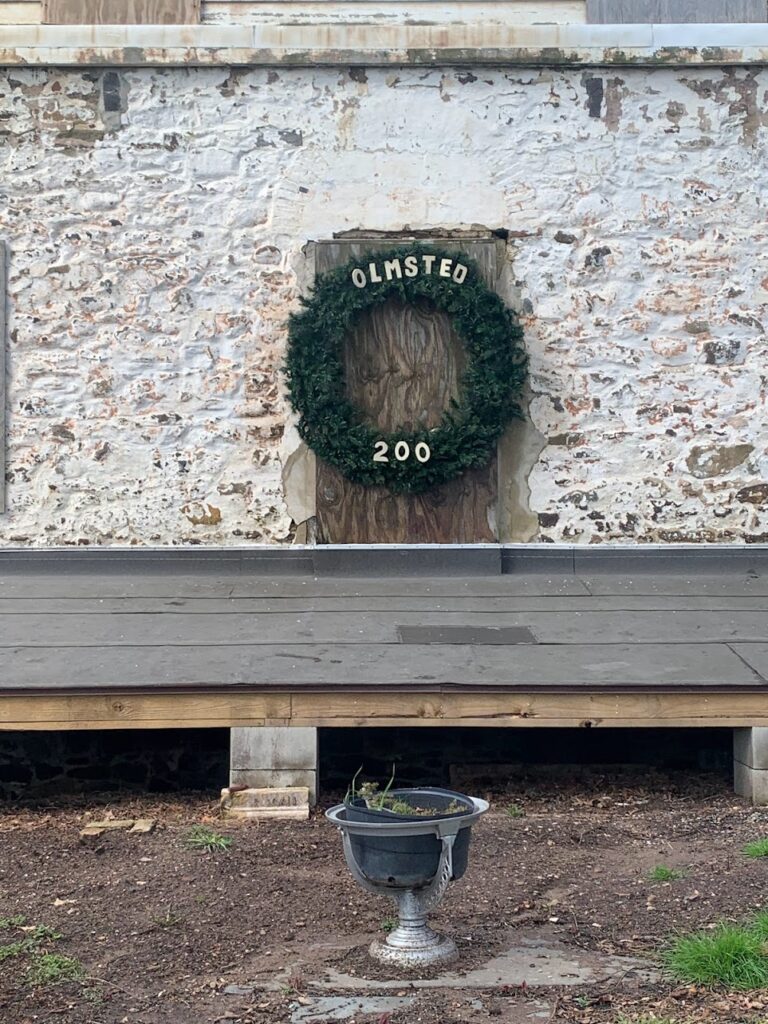
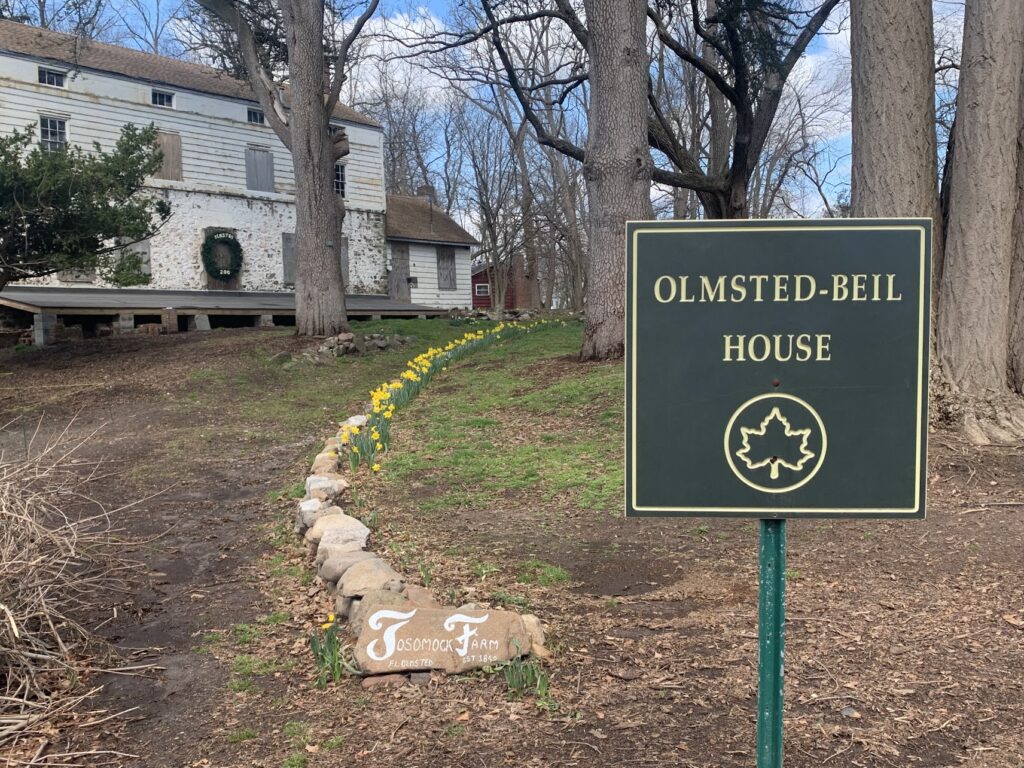
Pictures from my visit to the Olmsted-Beil House on Staten Island:
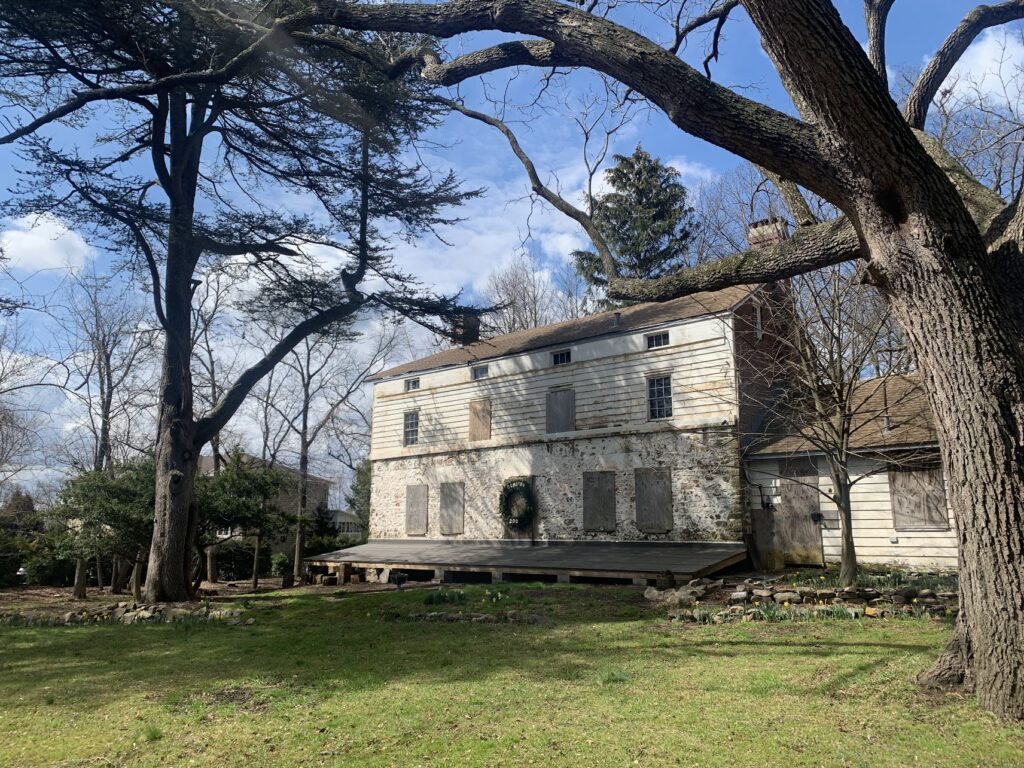
Photos by Greg Young

FURTHER LISTENING

After listening to this episode of Frederick Law Olmsted, jump back into these earlier Bowery Boys Podcasts which discuss similar themes or situations from the show:

FURTHER READING

The Central Park: Original Designs for New York’s Greatest Treasure / Cynthia S. Brenwell, New York City Municipal Archives
Central Park: The Birth, Decline and Renewal of a National Treasure / Eugene Kinkead
A Clearing in the Distance: Frederick Law Olmsted and America in the 19th Century / Witold Rybczynski
Creating Central Park / Morrison H. Hecksher
Genius of Place: The Life of Frederick Law Olmsted / Justin Martin
Parks for the People: The Life of Frederick Law Olmsted / Julie Dunlap
The Power of Scenery: Frederick Law Olmsted and the Origin of National Parks / Dennis Drabelle

The Bowery Boys: New York City History podcast is brought to you …. by you!

We are producing a new Bowery Boys podcast every other week. We’re also looking to improve and expand the show in other ways — publishing, social media, live events and other forms of media. But we can only do this with your help!

We are now a creator on Patreon, a patronage platform where you can support your favorite content creators.

Please visit our page on Patreon and watch a short video of us recording the show and talking about our expansion plans. If you’d like to help out, there are several different pledge levels. Check them out and consider being a sponsor.

We greatly appreciate our listeners and readers and thank you for joining us on this journey so far
Categories
Parks and Recreation

Ten unusual views of Prospect Park and Grand Army Plaza

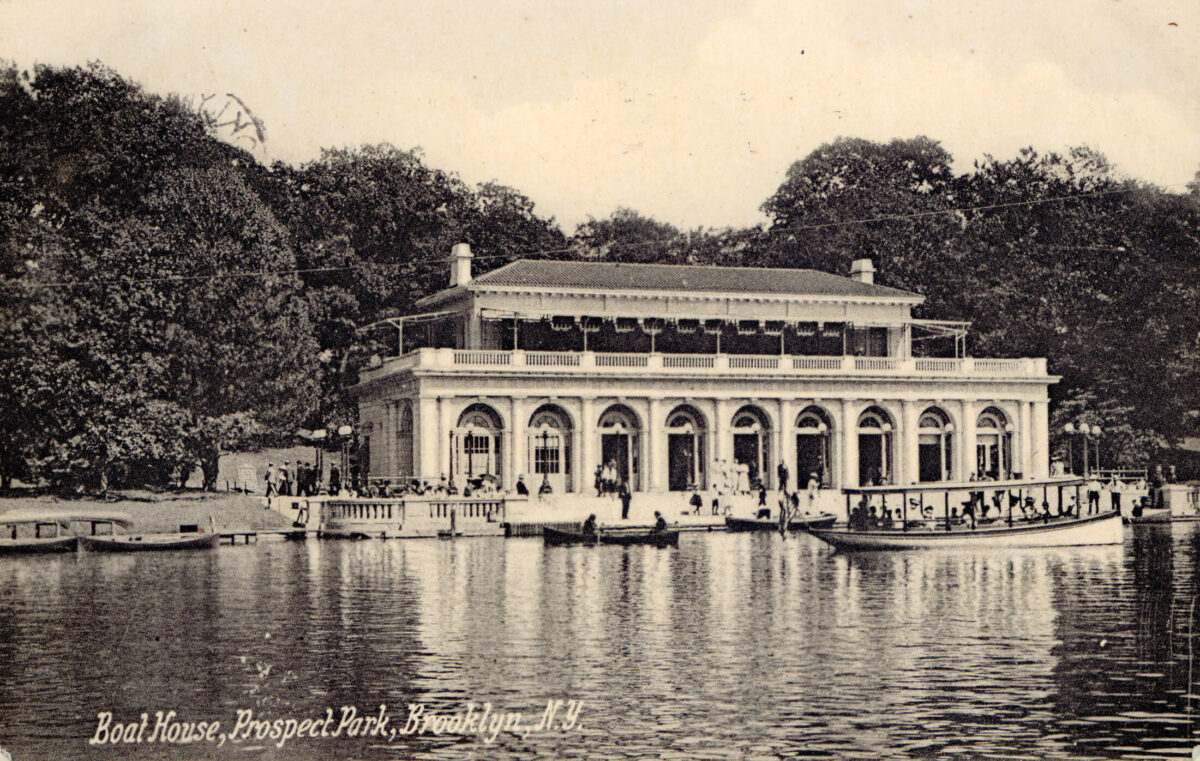
When park designers Frederick Law Olmsted and Calvert Vaux regrouped after the success of Central Park to design another great park for Brooklyn — encompassing Prospect Hill and the Revolutionary War site Battle Pass — they preserved a greater amount of natural topography than they had in Manhattan. But that doesn’t mean that Prospect Park hasn’t gone through a few radical changes of its own since it opened between the years 1867 and 1873.

Their Grand Army Plaza has experienced few changes since it opened in those years, but the structures around it have certainly changed, presenting some surprising views at the mighty war monuments.

New York Public LIbrary

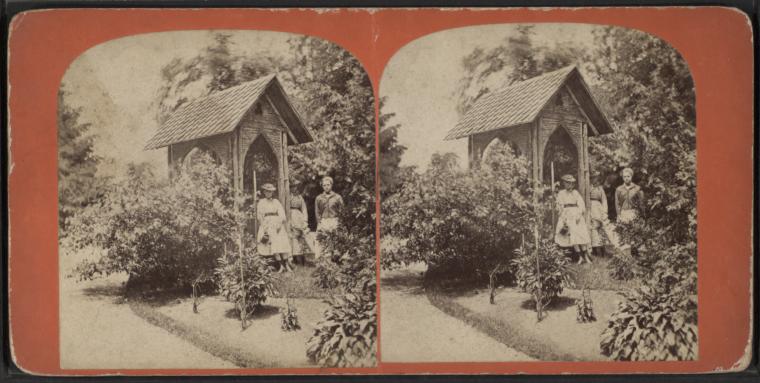
1. Women of the Wellhouse
The caption for this stereoscopic view (taken sometime in the 1870s-80s) calls this a ‘well house’, although it may have also been a a coal storage shed or even an outhouse! Brooklyn’s main reservoir was on Prospect Hill, and the park was constructed partially to protect the water source from encroaching developers.

2. Prospect Park Dairy
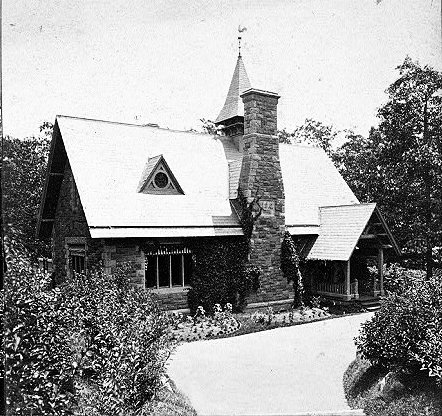
As they had done in Central Park, Olmsted and Vaux infused the landscape with various romantic, fairytale-like structures, including this dairy house, providing guests with milk straight from the cow. Central Park still has a version of their dairy, but Prospect Park’s was regrettably torn down in the 1930s to make way for the Prospect Park Zoo. (NYPL)

Library of Congress

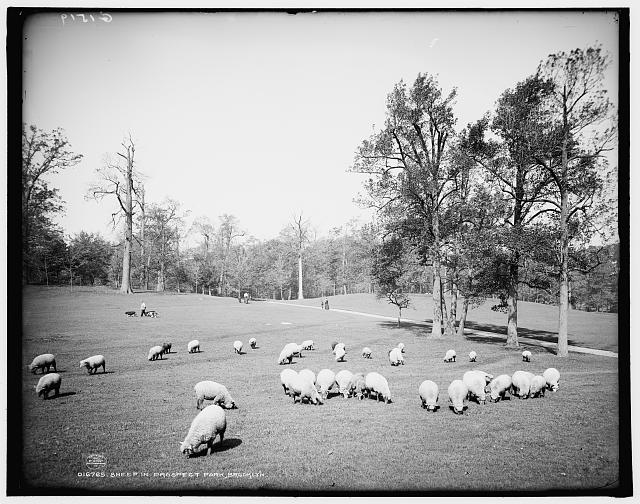
3. Brooklyn Sheep

 Sure, you many know Sheep Meadow in Central Park once had actual sheep grazing — they were considered a rustic design ornament and a natural landscaper — but what happened to the animals after Robert Moses kicked them out in 1934? Like so many trendy things, they moved to Brooklyn! They joined Prospect Park’s already thriving sheep colony (pictured below, from 1903) before moving on to other pastures. (Courtesy LOC)

New York Public Library

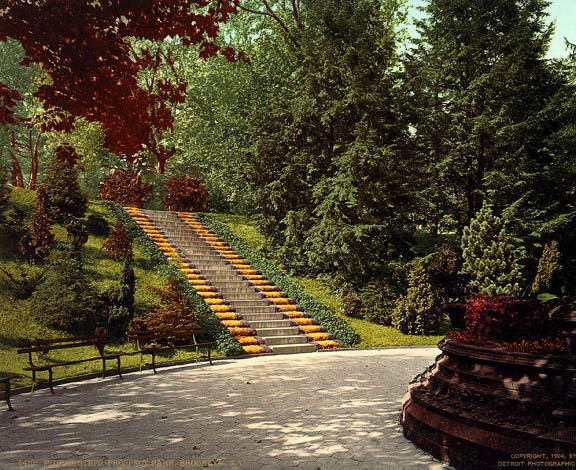
4. Floral Steps, 1904
The manicured flora that grace these steps predates the Brooklyn Botanic Garden by several years. The stairs are still there today, of course, though unadorned.

Courtesy Dept of Records

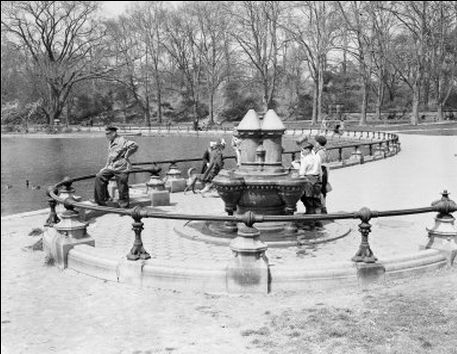
5. Drinking Fountains
With water aplenty, Prospect Park has been dotted with drinking fountains since its inception. This rather unusual fountain, from 1938, may still be around, but I doubt you’ll see anybody drinking from it.

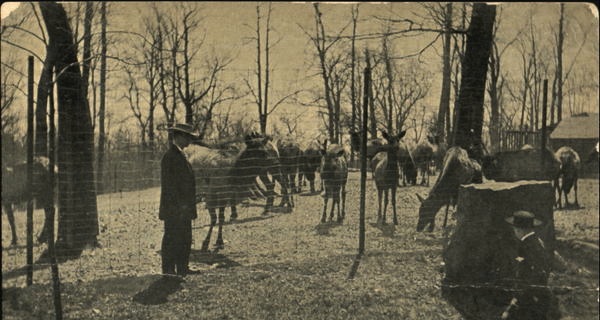
6. Deer Paddock
The zoo also replaced the rather extraordinary Deer Paddock, where the sometimes docile creatures were allowed to wander around. This despite some of them occasionally escaping and running into the surrounding neighborhood (as one adventurous buck did in 1906).

NYPL

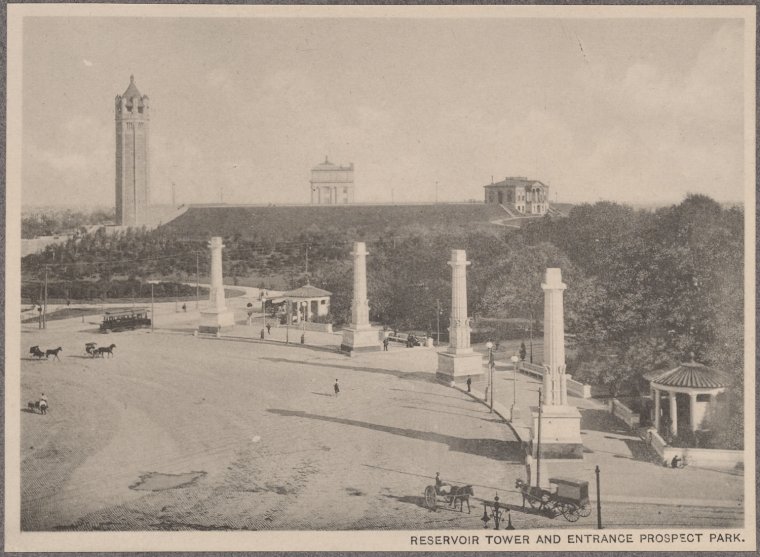
7. Stately Reservoir Tower
High atop Brooklyn’s second highest point on Mount Prospect sits the reservoir tower, only a couple decades old (1893) but looking like a medieval ruin in this image. Date of this picture is unknown, although the ground for the Brooklyn Public Library main branch building was broken in 1912, so it was clearly sometime before then. The Brooklyn Museum is in the distance. [NYPL]

Library of Congress

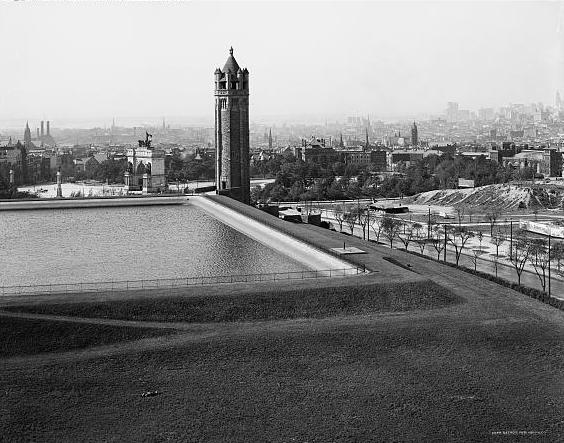
8. And, yes, the Reservoir itself
The reservoir was built here in 1856 and was meant to be included within the park designs. With Flatbush Avenue ultimately cleaving the hill from the rest of the proposal, Olmsted and Vaux left it out. This picture is from between 1910-1920. [LOC]

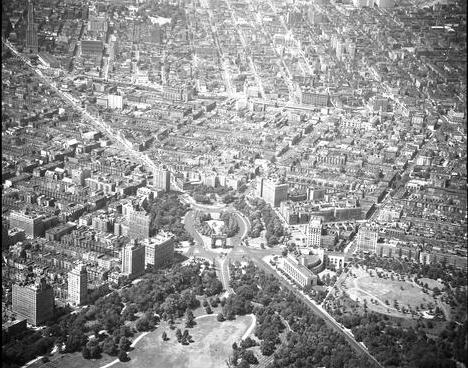
9. From high above
This bird’s eye view from 1951 illustrates the plaza’s similarities to that of the Arc de Triomphe in Paris.


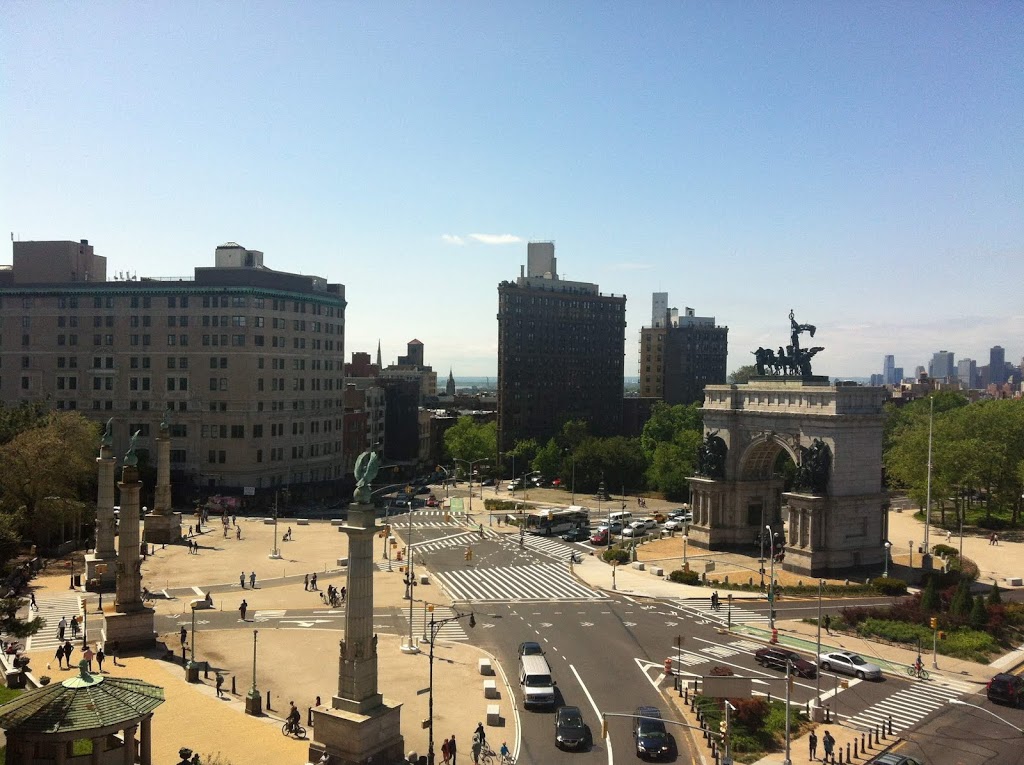
10. Library vista
And this view is from two weeks ago! During the Partners In Preservation Open House, the staff at the Brooklyn Public Library main branch led guided tours to the rooftop, offering a very particular take on the plaza. And if my camera had been better, you would see off in the distance the Statue of Liberty, situated several miles away.


This post originally ran in July of 2017.