Categories
Know Your Mayors Politics and Protest

Meet Mayor Edward Livingston: A Man of Second Chances

With a new mayoral race on the horizon in New York City we think it is time that you Know Your Mayors! Become familiar with other men who’ve held the job, from the ultra-powerful to the political puppets, the most effective to the most useless leaders in New York City history.

This longtime feature of this website is being rebooted with new articles and newly researched and refreshed earlier entries in this series. Check back each week for a new installment.
Edward Livingston
Term: 1801-1803
The Mayor Who Went On To Do Better Things

On the spectrum of interesting folks who have occupied the mayor’s seat, Edward Livingston must certainly be noted as the defining example of turning your life around.

In 1801 Livingston became the mayor of New York City. Two years later, he left the job in total disgrace, run out of the city due to a financial scandal. He would never work in this town again.

And then things got really interesting.
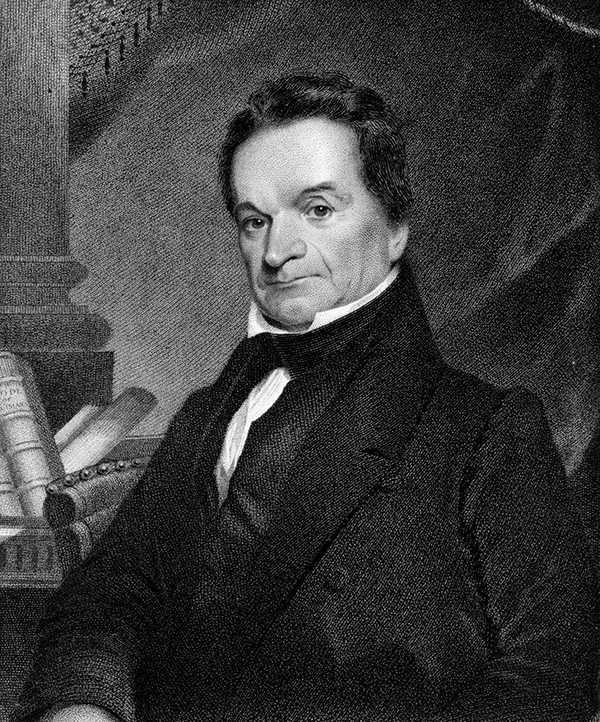
Edward Livingston. Wellmore, E (Engravor) &Longacre, J. L. (Illustrator) Courtesy Library of Congress
Life With The Livingstons

Livingston, born in 1764, was a member of the rich and powerful Livingston clan. There were Livingstons in all aspects of American life — political, social, financial. It was as close as you got to a brand name in the Colonial era.

Edward benefited from this common ancestry. He was just eleven years old when his father Peter Van Brugh Livingston became president of New York’s First Provincial Congress in 1775. Another relation Philip Livingston signed the Declaration of Independence in 1776. And Edward’s older brother Robert Livingston (pictured below) would become New York chancellor.
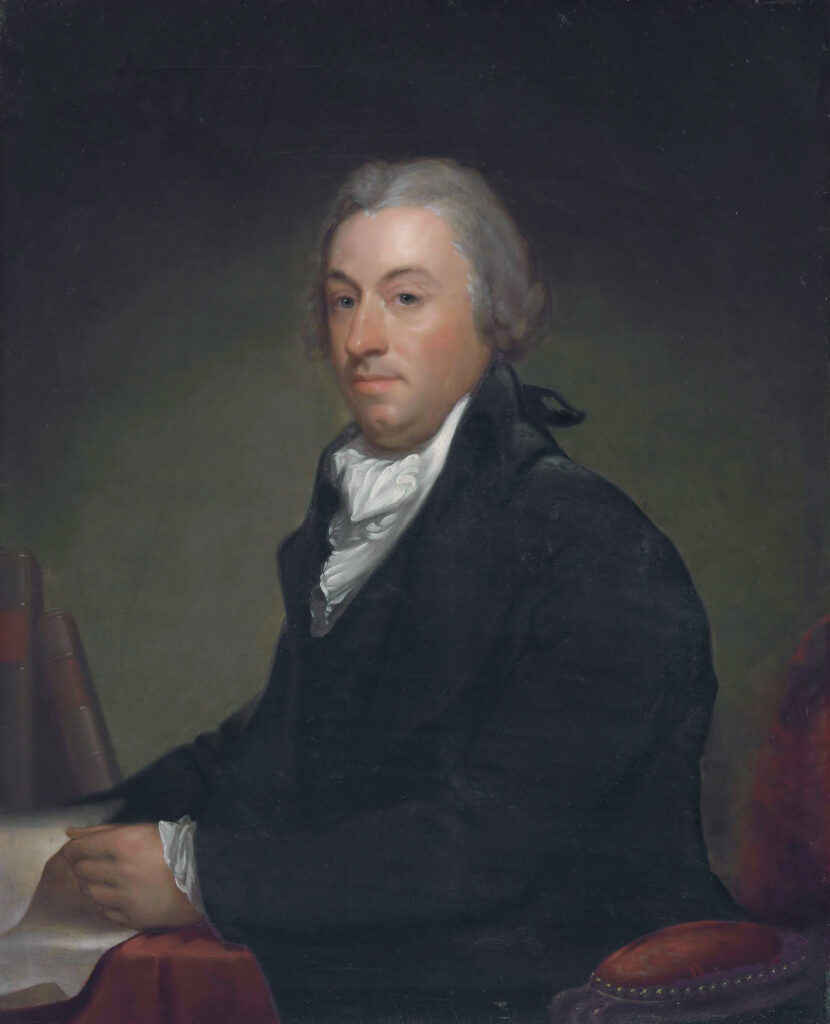
Robert R. Livingston, in a painting by Gilbert Stuart

Young Edward barreled into his career, an ambitious lawyer who settled in New York following the Revolutionary War. Everybody knew his name; he was unsurprisingly a great success. What could go wrong?

Rising Star

In 1795, Beau Ned (as he was called) was elected to represent New York in the U.S. House of Representatives, aligned with the ascendent Democratic-Republican Party, putting him in good graces with Thomas Jefferson, New York Governor George Clinton and various politicians in opposition to the Federalists.

The mayor of New York at that time — Ricard Varick — was a Federalist.

When Jefferson won the presidency in a hotly contested election in 1800, Edward Livingston found himself on the right side of many lucrative political appointments.

In 1801, the governor chose him for U.S district attorney and then, a few months later, Livingston was also appointed mayor. (See entries on Varick and James Duane to understand why these men were even allowed to hold multiple jobs.)
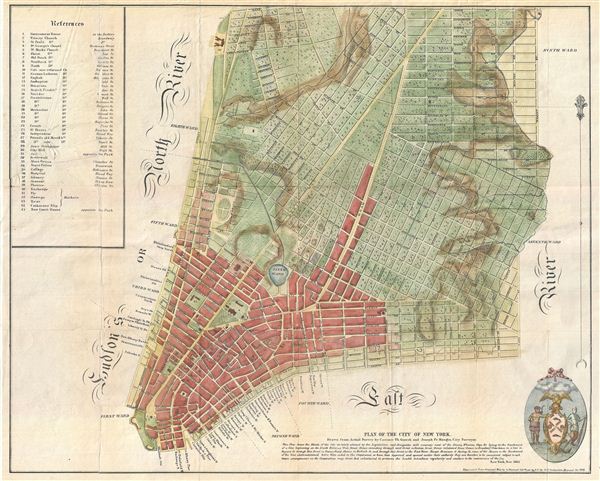
An 1801 map of New York, overlaid with a grid plan proposed by Casimir Goerck and Joseph-François Mangin. This plan was never carried out but it would inspire the Commissioners Plan of 1811.
A Hot Time In The Old Town

Suddenly, Livingston had become mayor of the biggest city in the new nation — a whopping 60,482 according to that year’s census. His opposition to the policies of former president John Adams served him well for a time under the new auspices of a Jefferson presidency.

But the year 1801 in New York was undeniably a volatile one and post-war optimism had given way to bitter skepticism and political chicanery.

New York senator Aaron Burr, Jefferson’s running mate, was nearly voted president in an electoral-college snafu.

Jefferson’s nemesis Alexander Hamilton — who would later be shot and killed by said running mate — would baste his thoughts in the newly created New York Evening Post.

Nearby, a young aide named Washington Irving worked in a law office.
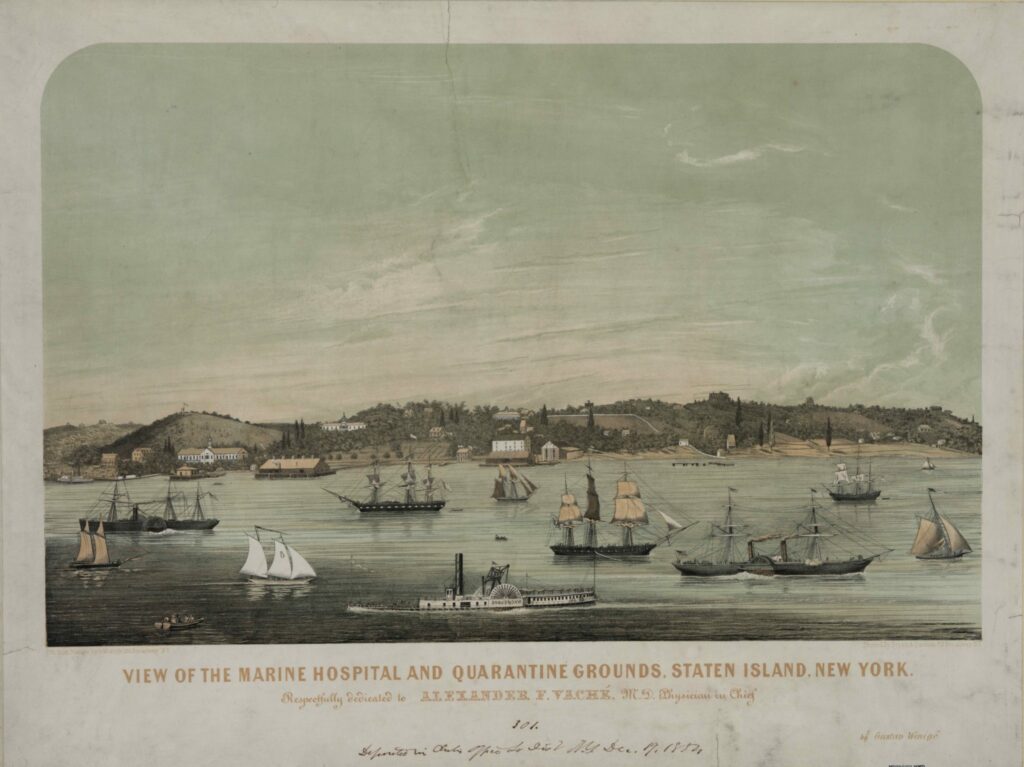
In 1799 New York City built a quarantine station in Staten Island for the treatment of people afflicted by yellow fever and other illnesses. (Image courtesy New York Public Library)
A City Sickness

Unfortunately for Livingston the early 1800s were simply not a great time to be living in New York City. In fact, during his tenure, Edward Livingston almost died of yellow fever.

New York was hit ferociously by a yellow fever epidemic in 1798 and the affliction returned almost annually, never fully dissipating.  

In 1803, a second epidemic hits New York and hits hard. Hundreds would die, thousands would flee. The stoic Livingston would manage to keep the city operating, even as he himself would become sick and nearly die.

In Disgrace

He recovered only to meet with a scandal that would nearly ruin him.

In the summer of 1803, it was discovered that $45,000 had gone missing from the city’s custom-house fund. While it was determined that a clerk from the district attorney’s office had actually stolen the money, it was Edward Livingston who took the hit politically.

“Although his own integrity was not in question,” according to the book Gotham, the ensuing scandal not only forced Livingston to give up both the state attorney job and the mayor’s seat, but he actually had to sell his property to repay the government.

Livingston had disgraced the family name.
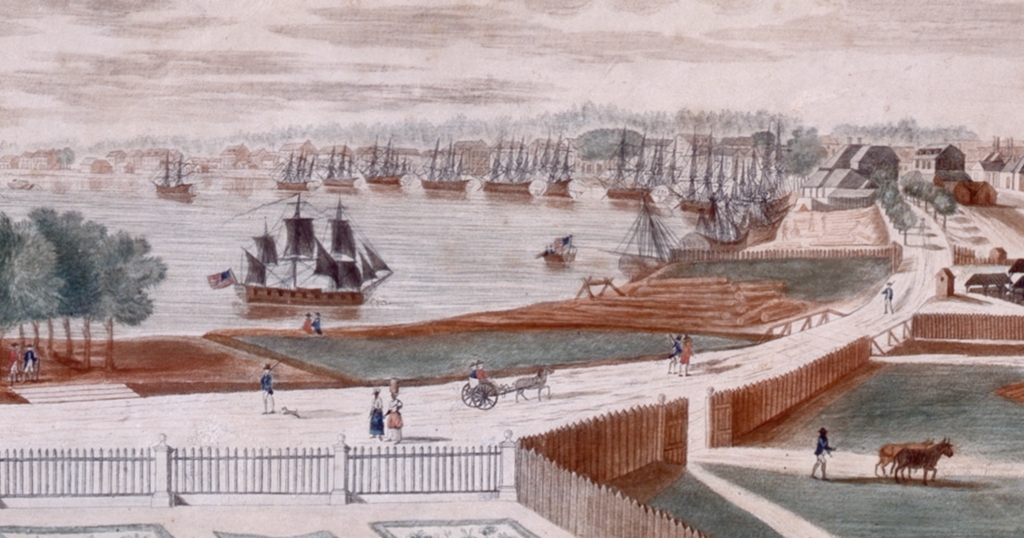
1803 view of New Orleans, looking upriver from the Marigny Plantation House, by J. L. Bouquet de Woiseri
The Ultimate Second Act

Nearly penniless and humiliated, Edward decided to leave New York for good in 1803.

Penniless but not, of course, without family connections.

In 1804 moved to New Orleans, recently purchased from the French by the federal government as part of the Louisiana Purchase. The team negotiating that deal included James Monroe — and Edward’s older brother Robert Livingston.

During the War of 1812, Edward was active in the defense of New Orleans and even served as the aide-de-camp to General Andrew Jackson. The two became close friends.

By 1826, Livingston was successful enough again with his own law practice in New Orleans that he was able to pay back the government all the money he owed plus interest — or almost $100,000, no petty sum back then.
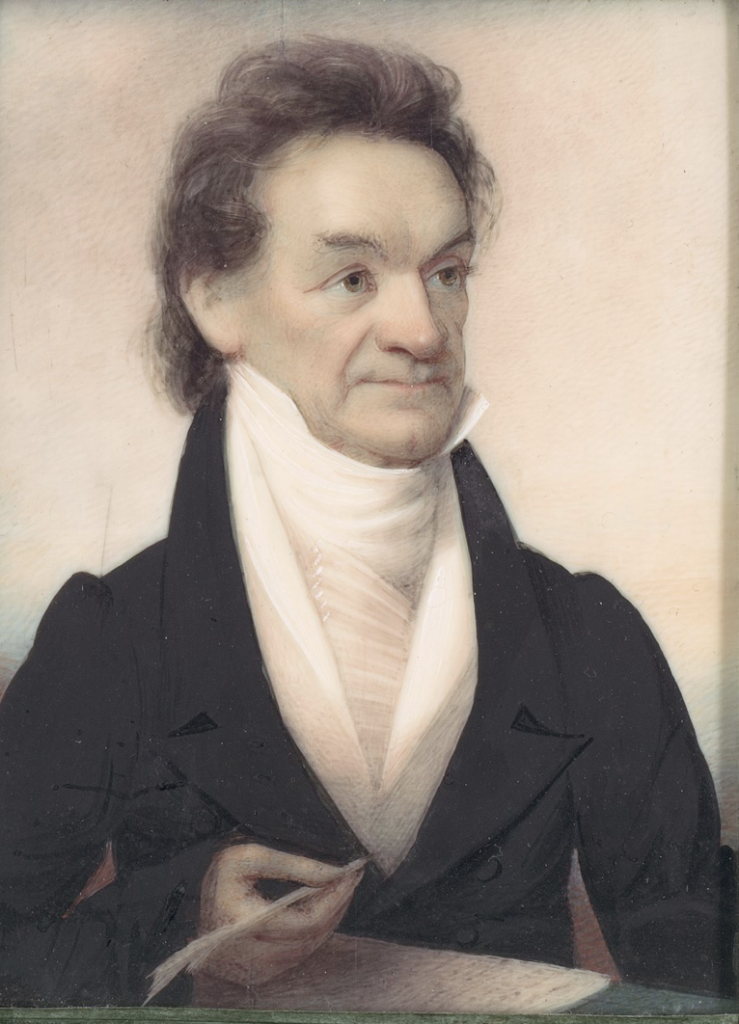
Livingston in 1827. Painting by Anson Dickinson

That same year, Livingston would shape American civil policy with a series of influential penal and judiciary codes for the treatment of prisoners, now referred to as the Livingston Code. While rejected by the State of Louisiana, the legal reforms would live on to shape ideals about incarceration and the death penalty.

Because of these reform codes, Edward Livingston is considered one of the great American legal geniuses of the early 19th century.

After notable stints as representative and a Senator for the State of Louisiana, he became a persuasive Secretary of State for President Jackson from 1831-1833. Edward Livingston died on May 23, 1836.
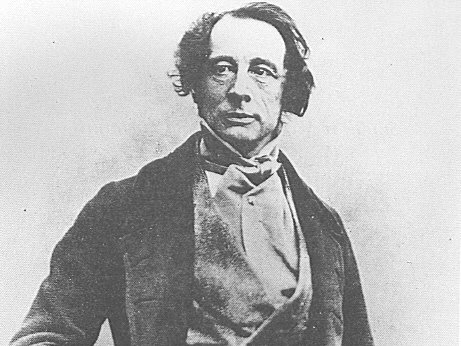
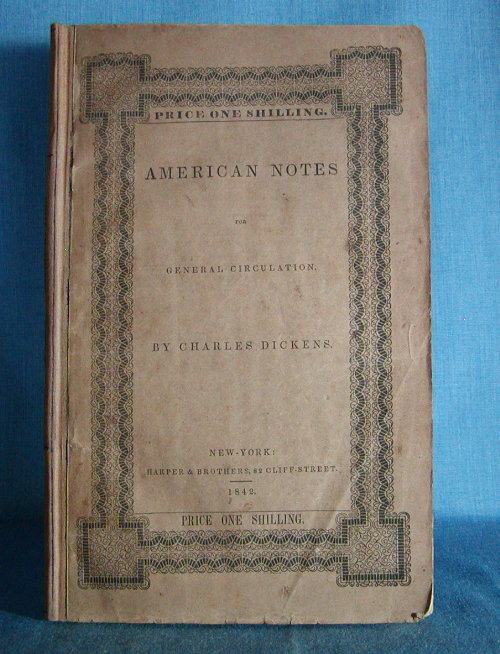
Charles Dickens’ guide to New York City low life


Dickens in 1850

What is this dismal-fronted pile of bastard Egyptian, like an enchanter’s palace in a melodrama! – a famous prison, called The Tombs. Shall we go in?

And thus in this voice continues the eager, fey, often condescending but spectacularly written account of Charles Dickens’ New York excursion as captured in his “American Notes for General Circulation,” written in 1842. (Read the entire thing here.)

Dickens’ was among the first published travelogues about America for European audiences, and among his travels through the states he devotes an entire chapter to young New York.

How young precisely? Dickens gives us a yardstick to measure it: “The great promenade and thoroughfare, as most people know, is Broadway; a wide and bustling street, which, from the Battery Gardens to its opposite termination in a country road, may be four miles long.” During the 1840s, the city would have ended at 42nd street, so this sounds accurate.

Dickens’ tone throughout “American Notes” is ebullient but persnickety, as if he’s smiling and curling his nose at the same time as the sights and sounds of the city. In real life, Dickens was treated like royalty, feted in sumptuous celebrations at the Park Theatre and Delmonico’s, courted by literati such as New York Evening Post editor William Cullen Bryant and aging Washington Irving.

Dickens had an ulterior motive to his American journey: to discuss international copyright laws, presently being violated with American reprints of Dickens novels. Surprisingly he turned most Americans off with what they considered to be ungrateful sniping. A bit of that shared animosity seeps through some of Dickens depictions, especially those in New York, which was doing a bulk of the copyright violation.

The book’s most famous descriptions come in his colorful look at Five Points, already a legendary neighborhood of filth and vice by 1842. These passages could have been ripped from any of his most famous novels:

“Ascend these pitch-dark stairs, heedful of a false footing on the trembling boards, and grope your way with me into this wolfish den, where neither ray of light nor breath of air, appears to come….”

“Here too are lanes and alleys, paved with mud knee-deep, underground chambers, where they dance and game; the walls bedecked with rough designs of ships, and forts, and flags, and American eagles out of number: ruined houses, open to the street, whence, through wide gaps in the walls, other ruins loom upon the eye, as though the world of vice and misery had nothing else to show: hideous tenements which take their name from robbery and murder: all that is loathsome, drooping, and decayed is here.”

And as if that wasn’t enough gothic material for him, he ends his New York piece by touring Blackwell’s Island (today’s Roosevelt Island), home of the city’s various asylums for lunatics and criminals:

“…everything had a lounging, listless, madhouse air, which was very painful. The moping idiot, cowering down with long dishevelled hair; the gibbering maniac, with his hideous laugh and pointed finger; the vacant eye, the fierce wild face, the gloomy picking of the hands and lips, and munching of the nails: there they were all, without disguise, in naked ugliness and horror.”

The New York chapter is reprinted in full here.

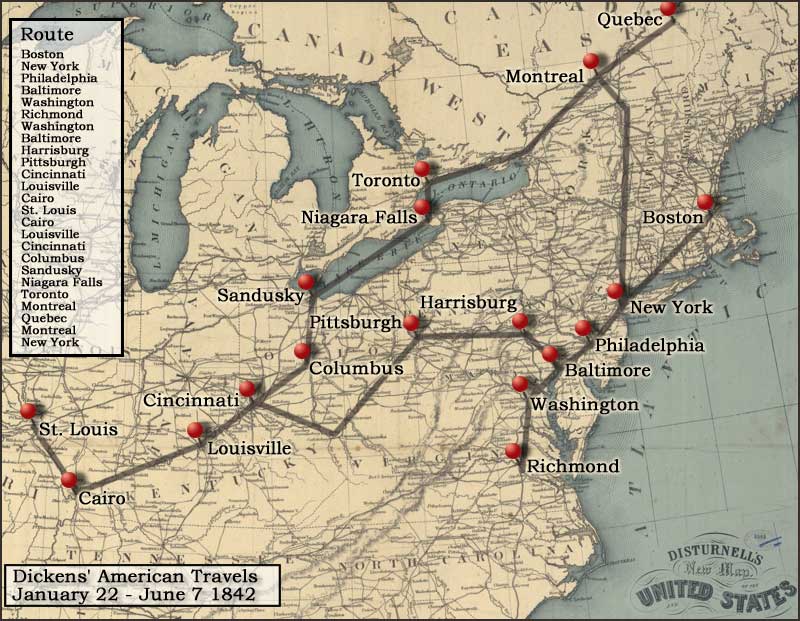
Below from the Charles Dickens Page, a list of all the places he visited during his American stay. They also feature a thorough description of his entire journey.

Categories
Podcasts

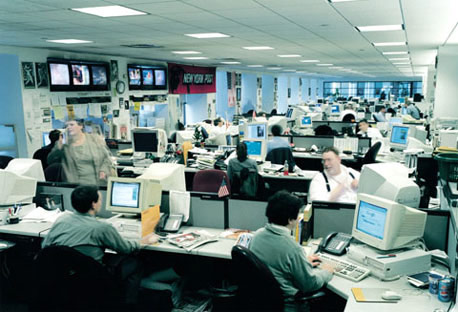
PODCAST: New York Post

Extra! Extra!
Scandal Sheet Revealed To Be Started By Founding Father!
New York Post May Be Responsible For Central Park!
Rupert Murdoch Property Was Once A Nest of Liberal Sympathizers!
PLUS: Was there really a “headless body” in a “topless bar”?

Listen to it for free on iTunes or other podcasting services. Or you can download or listen to it HERE

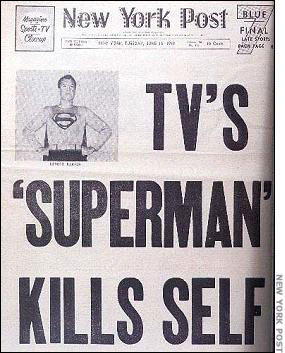
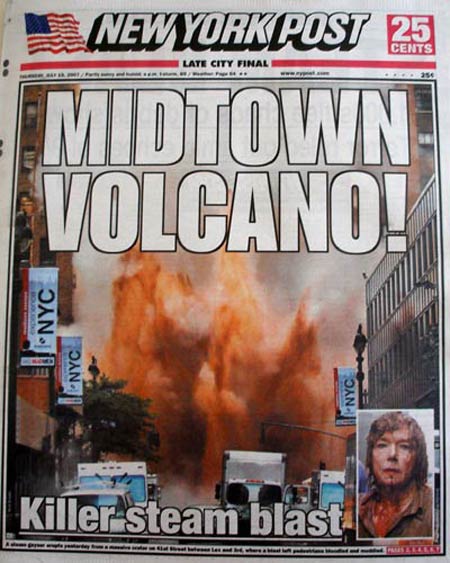
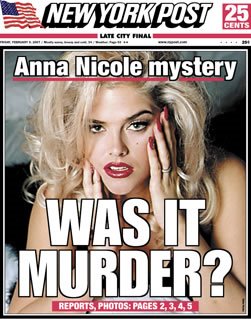
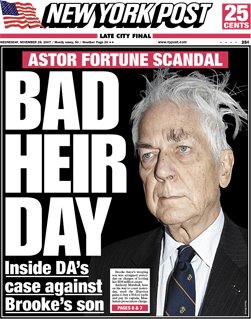
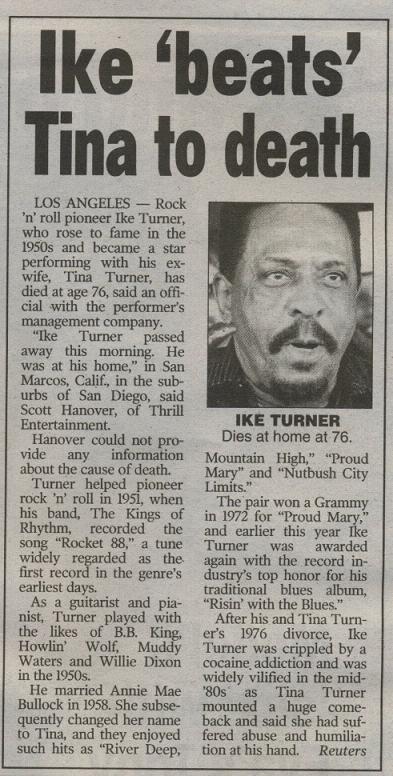
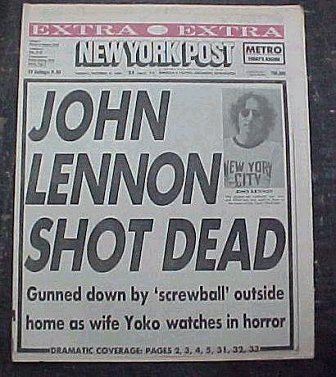
Murdoch, of course, didn’t exactly invent the New York Post’s penchant for attention-grabbing headlines. They’re just a lot better written:

Some recent favorites:

And the tasteless hilarity isn’t even relegated to merely the front page:


Rockefeller Center’s greatest art scandals!

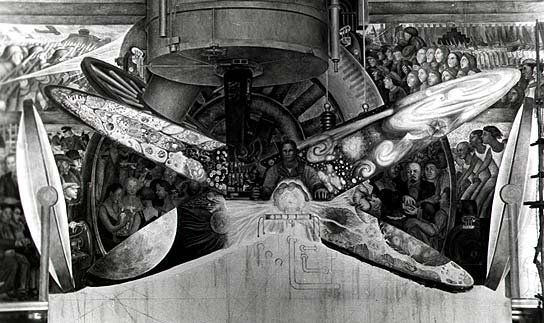
Above: Diego Rivera’s contentious creation

Despite JD Rockefeller Jr’s aversion to the ‘impropriety’ of modern art, Rockefeller Center has always been bursting with it, from the large outdoor installations sprouting up in the plaza to the gorgeous art deco blazing from its walls.

As with modern art for public display however, the Rock has sometimes riled the community with challenging and occasionally offensive art pieces.

The most famous of course is Diego Rivera’s Man at the Crossroads (pictured above), his epic mural created in 1933 with the supposed theme of ‘new frontiers’. Rivera was a favorite of Rockefeller’s wife Abby, having feted the artist in a show at the Museum of Modern Art in 1931. Rivera, however, was no tool of the rich. Amongst the many May Day figures depicted in Rivera’s expressive narrative mural is one Vladimir Lenin, communist leader and Marxist icon.

He was asked to repaint the Lenin figure but Rivera staunchly refused. The press had a field day, finding the depiction insulting and pressuring the Rockefellers to completely cover the mural, then a few months later, destroying it entirely. One photograph of the mural remains — and of course, a near exact copy that Rivera later painted in Mexico.

Yet another depiction of another controversial leader was allowed to stay.

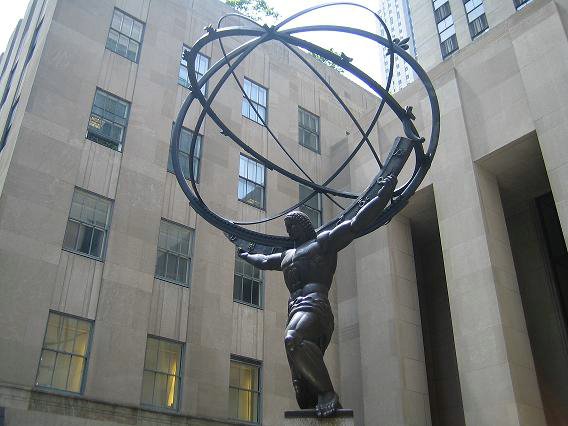
Just a few years later in 1936, art deco master Lee Lawrie created his mighty two-ton Atlas, probably one of the most recognizable pieces of artwork in the city of New York.

He currently stands directly in front of St. Patrick’s Cathedral, so you can imagine the surprise of many when it was rumored the face of Atlas was modelled after Italian dictator and all around bad guy Benito Mussolini. Although protestors picketed the statue, good Atlas was allowed to stay.

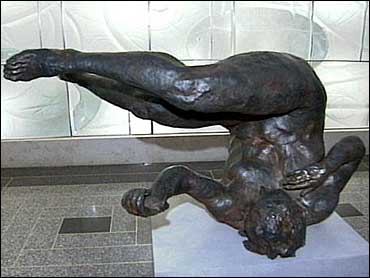
Flash forward a few decades to 2002 and a more modest piece that sat briefly in the Rockefeller Center concourse, not far from the skating rink — Erik Fischl’s Tumbling Woman. A bronze figure in the style of Rodin, this image of a falling woman installed as a Sept. 11 memorial on its first anniverary greatly disturbed passers-by.

After the New York Post threw the controversy on its front page, the figure was removed. Interestingly, the artist never intended the sculpture to be displayed publicly at all.

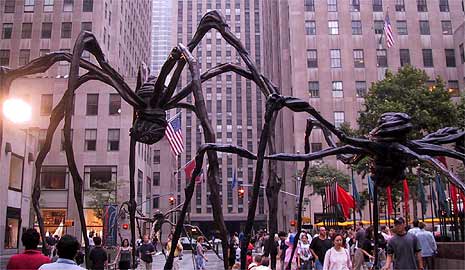
Then there were Louise Bourgeois’ gigantic spiders, which stood commanding the plaza for the entire summer in 2001.

As illustrated with all the previous art pieces discussed, timing (or rather, bad timing) is everything. These pieces might have been too disturbing for people had they been standing just a few months later, in the wake of Sept. 11. As they were only around for the summer, however, the only real controversy were several mild cases of nausea and probably a few panicked children.